
JUNGLE WITH ANIMALS

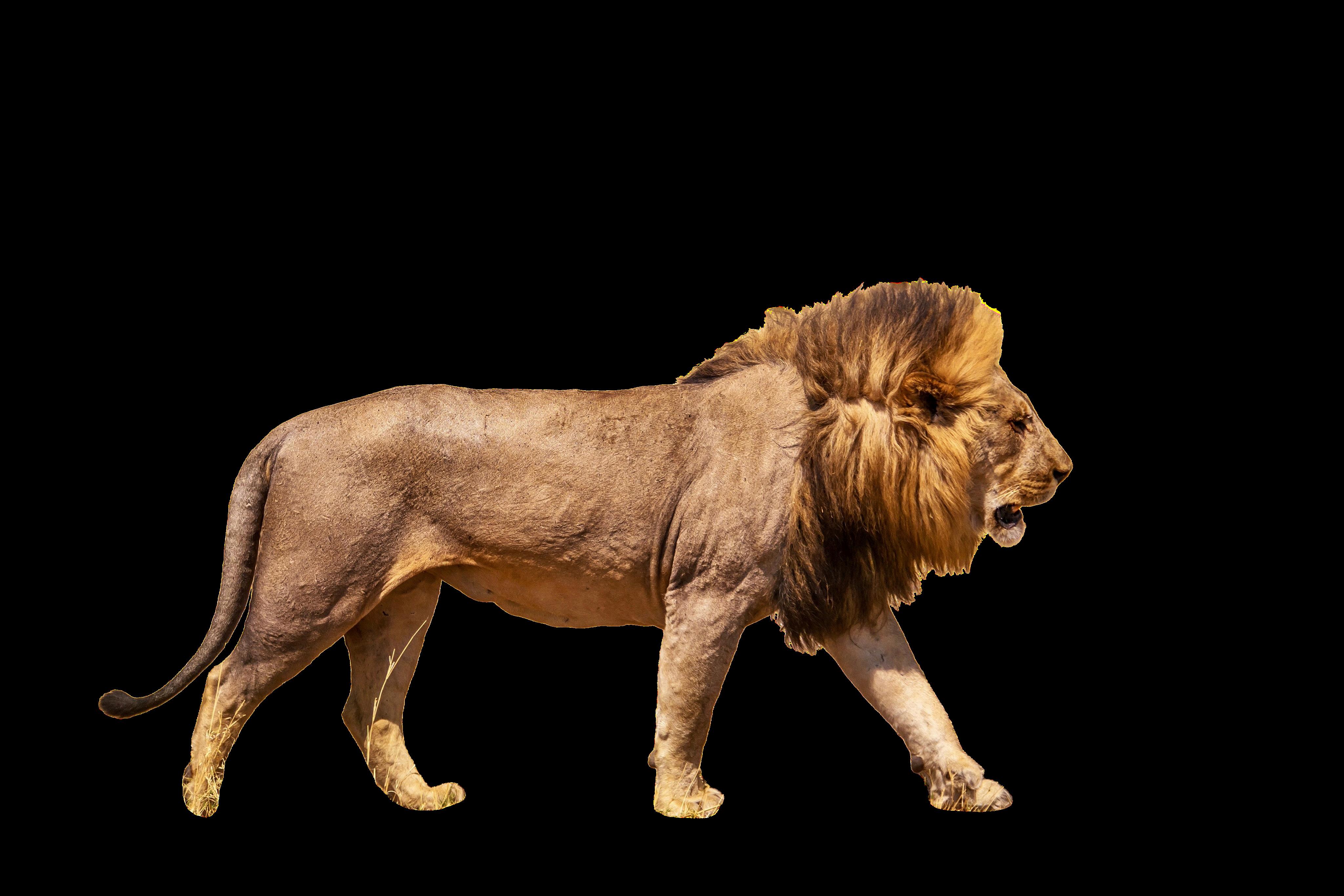
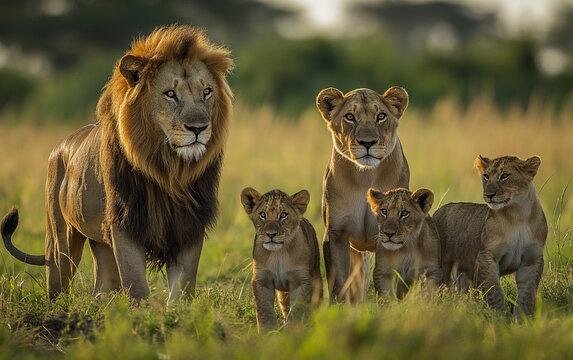
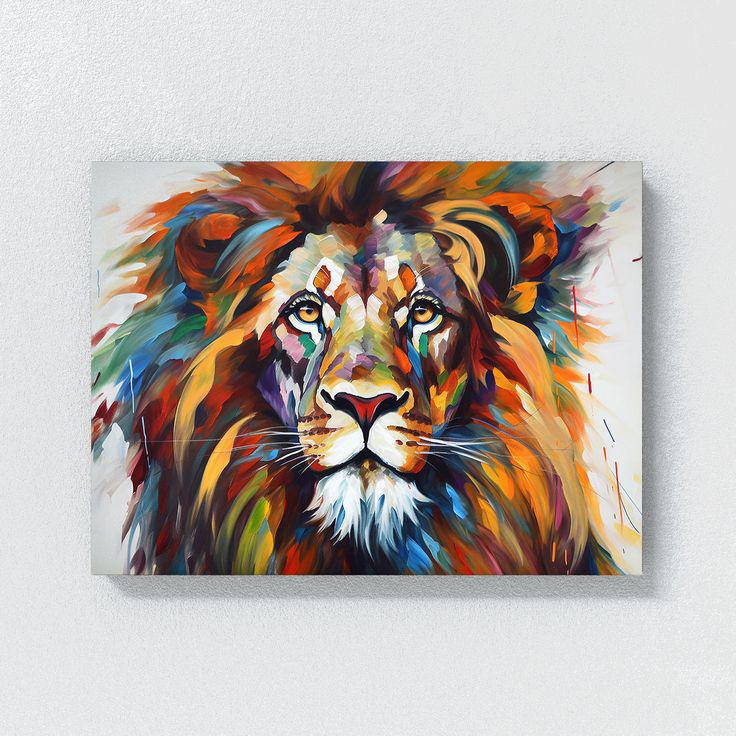
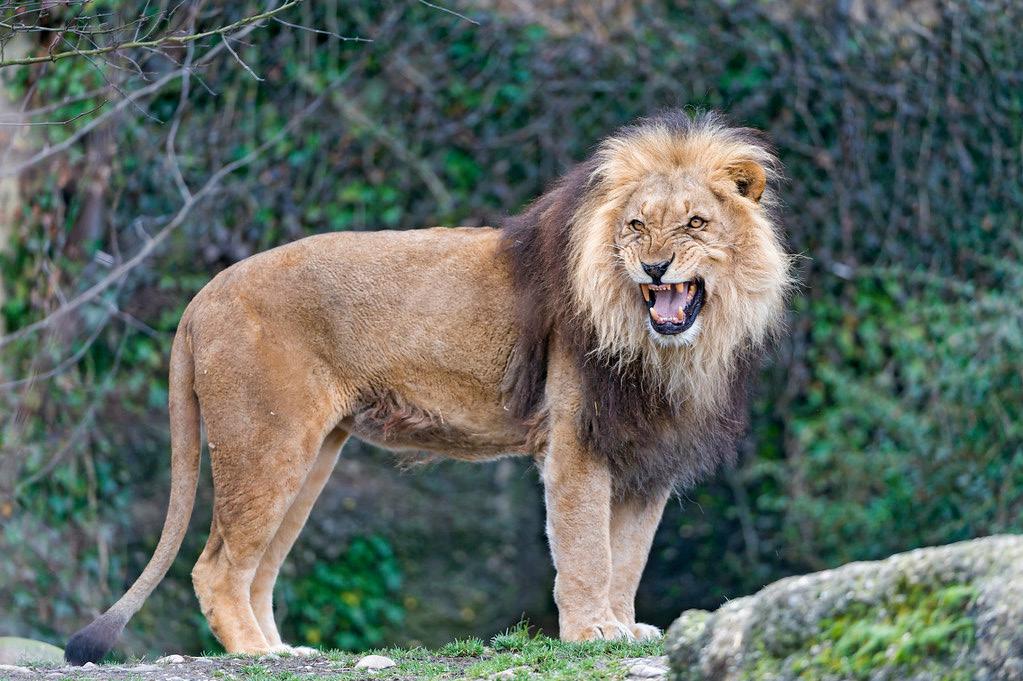
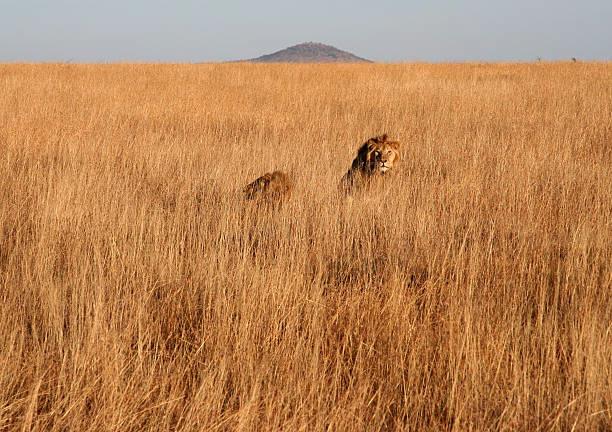
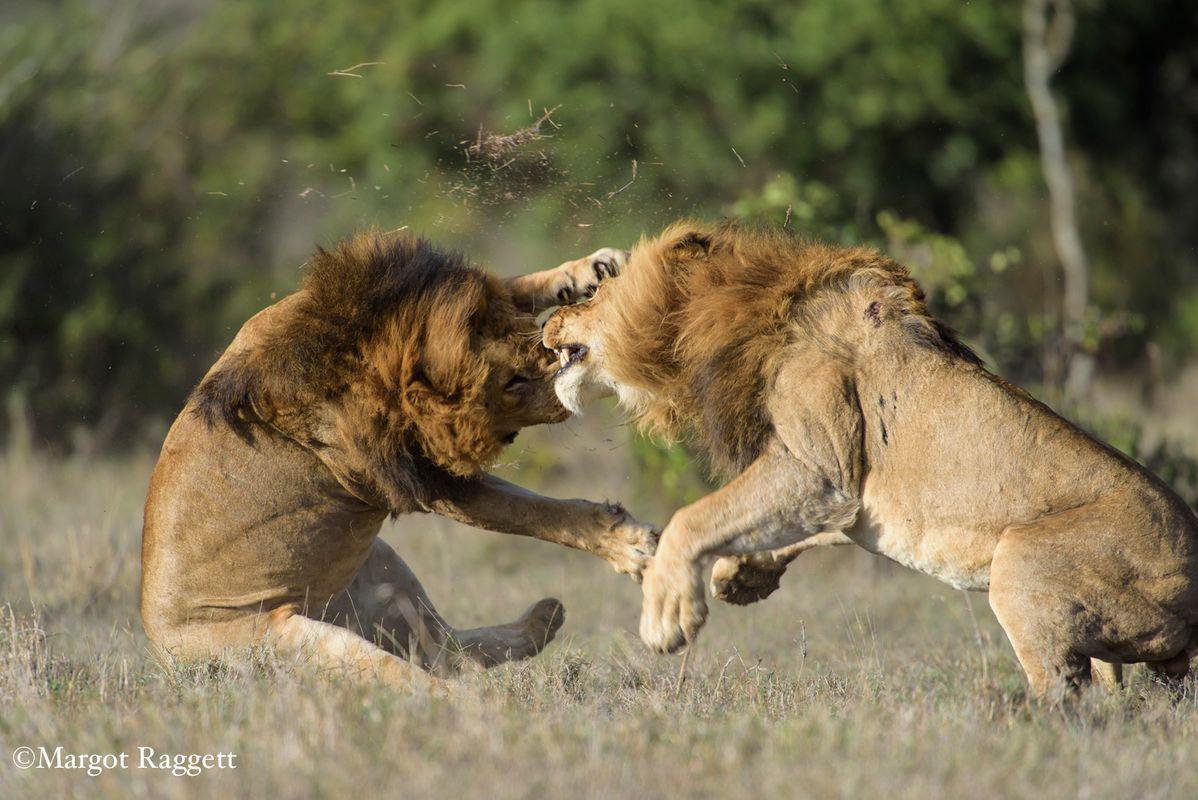
The lion (Panthera leo) is a large cat of the genus Panthera, native to Sub-Saharan Africa and India. It has a muscular, broad-chested body; a short, rounded head; round ears; and a dark, hairy tuft at the tip of its tail. It is sexually dimorphic; adult male lions are larger than females and have a prominent mane.
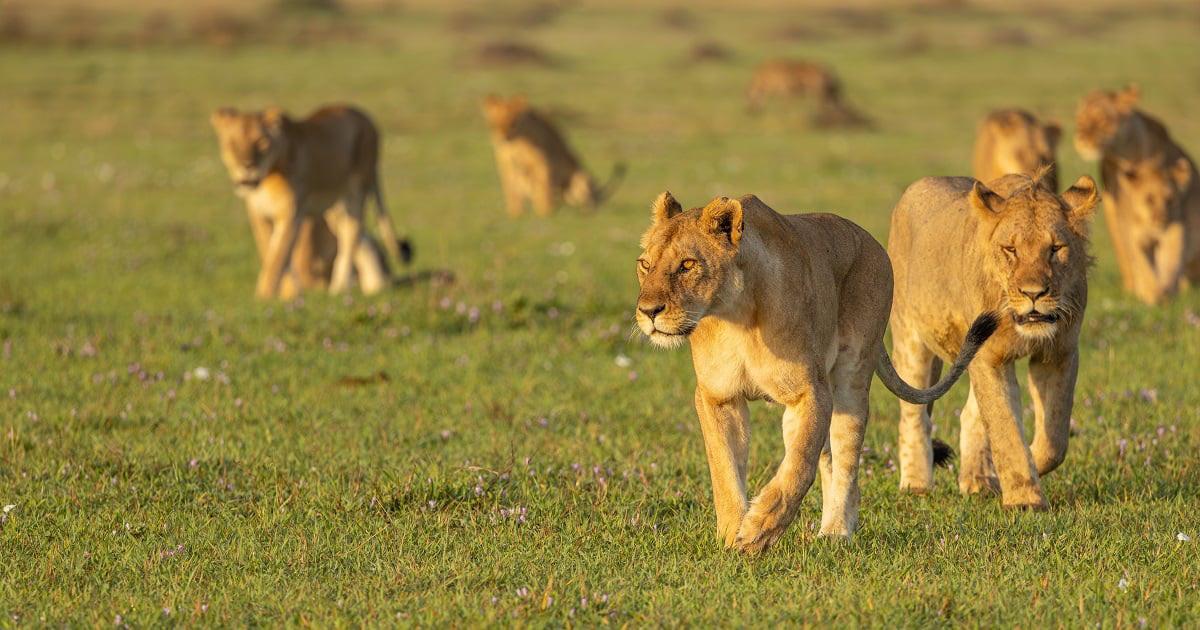
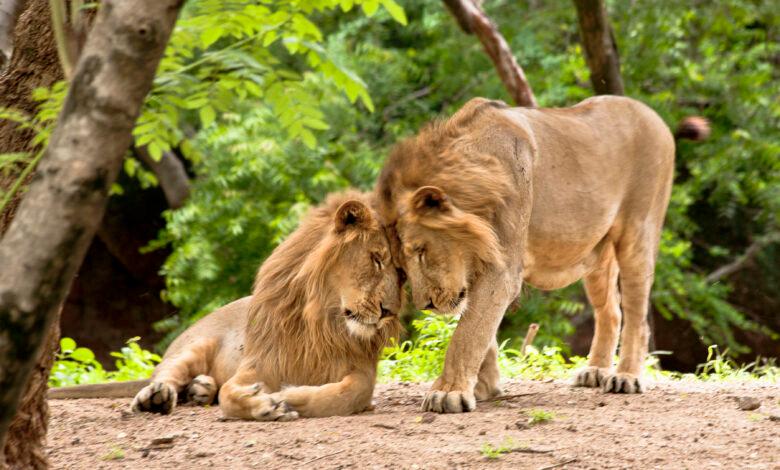
The lion is the most social of all wild felid species, living in groups of related individuals with their offspring. Such a group is called a "pride". Groups of male lions are called "coalitions".[94]
Females form the stable social unit in a pride and do not tolerate outside females.
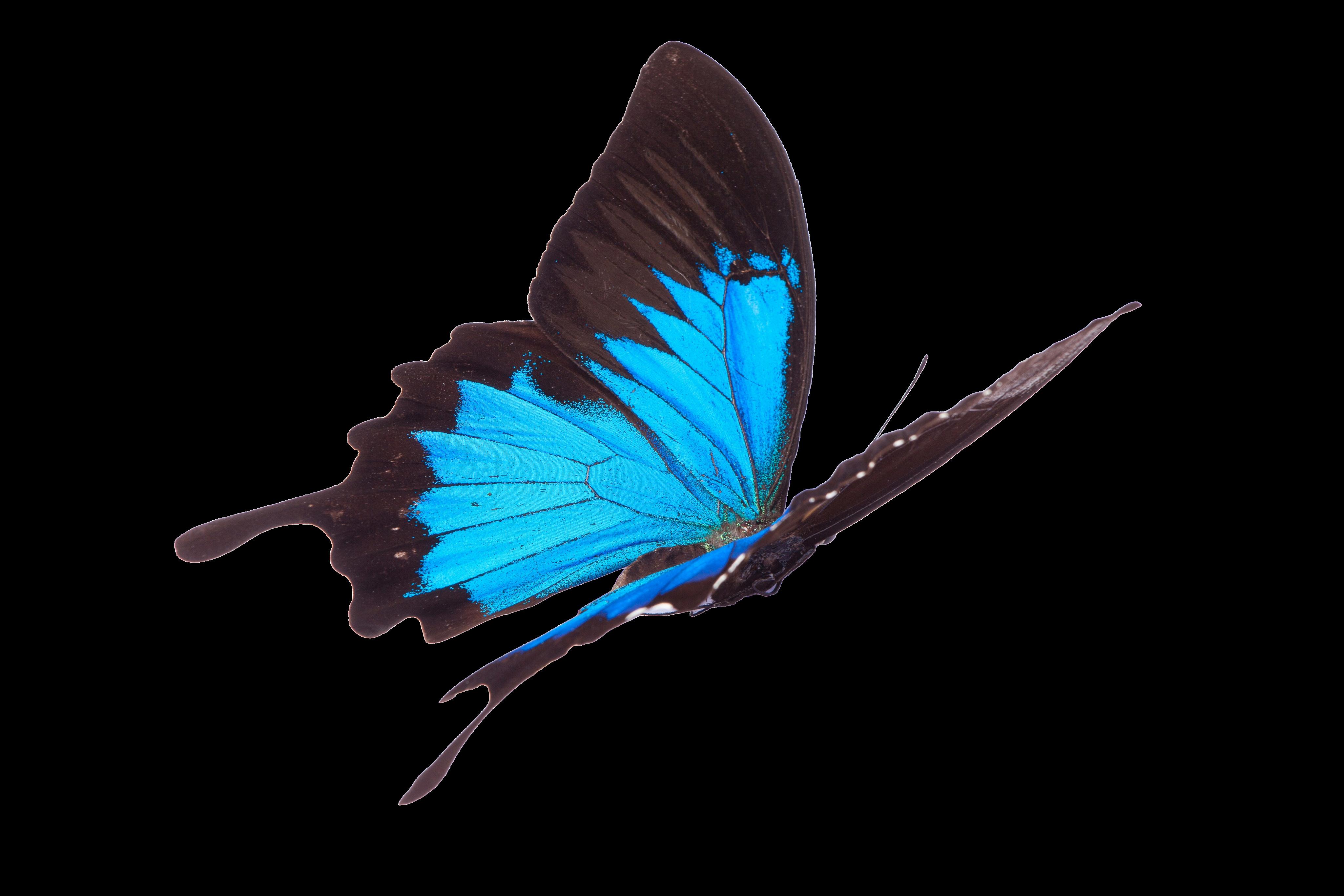
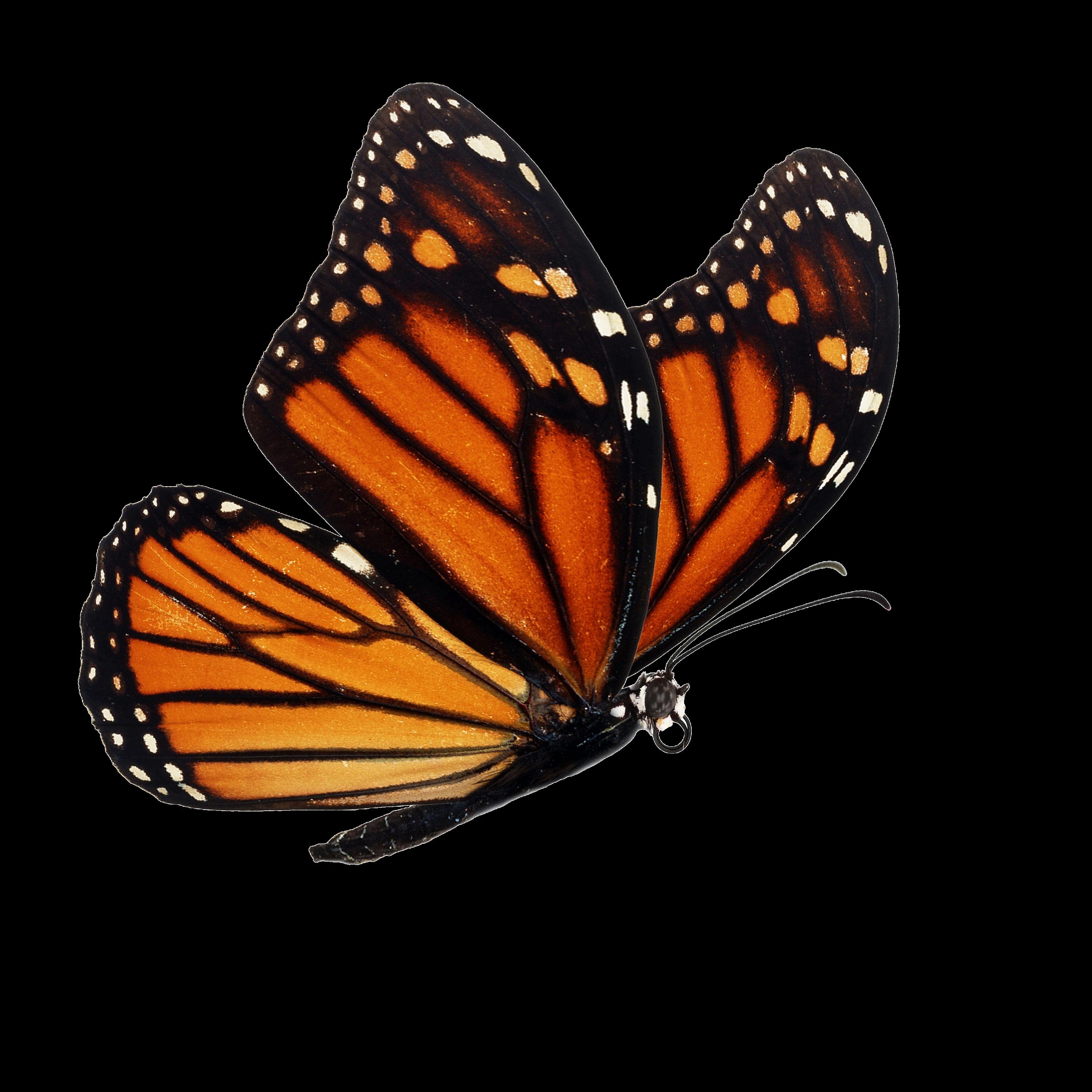
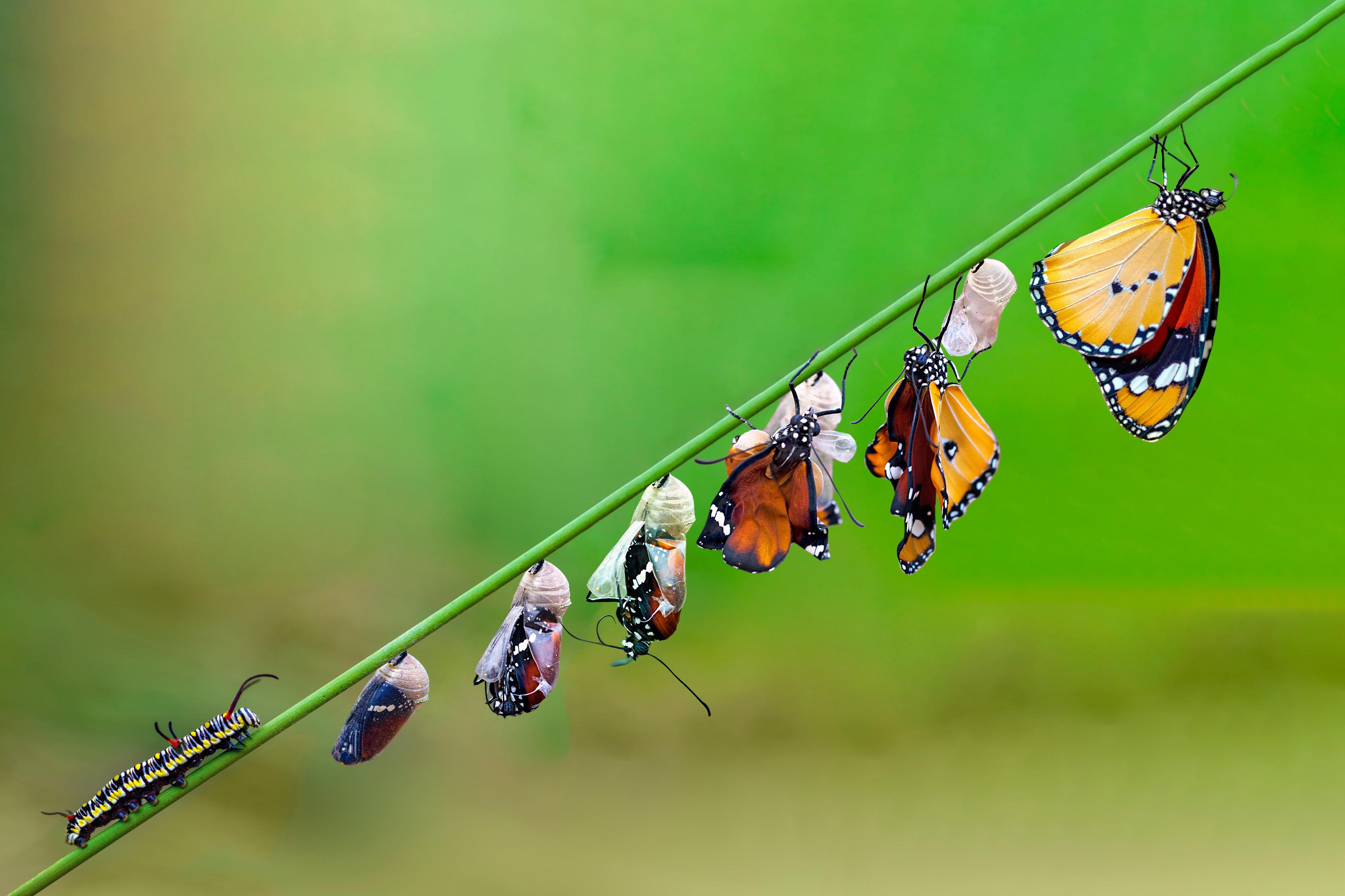
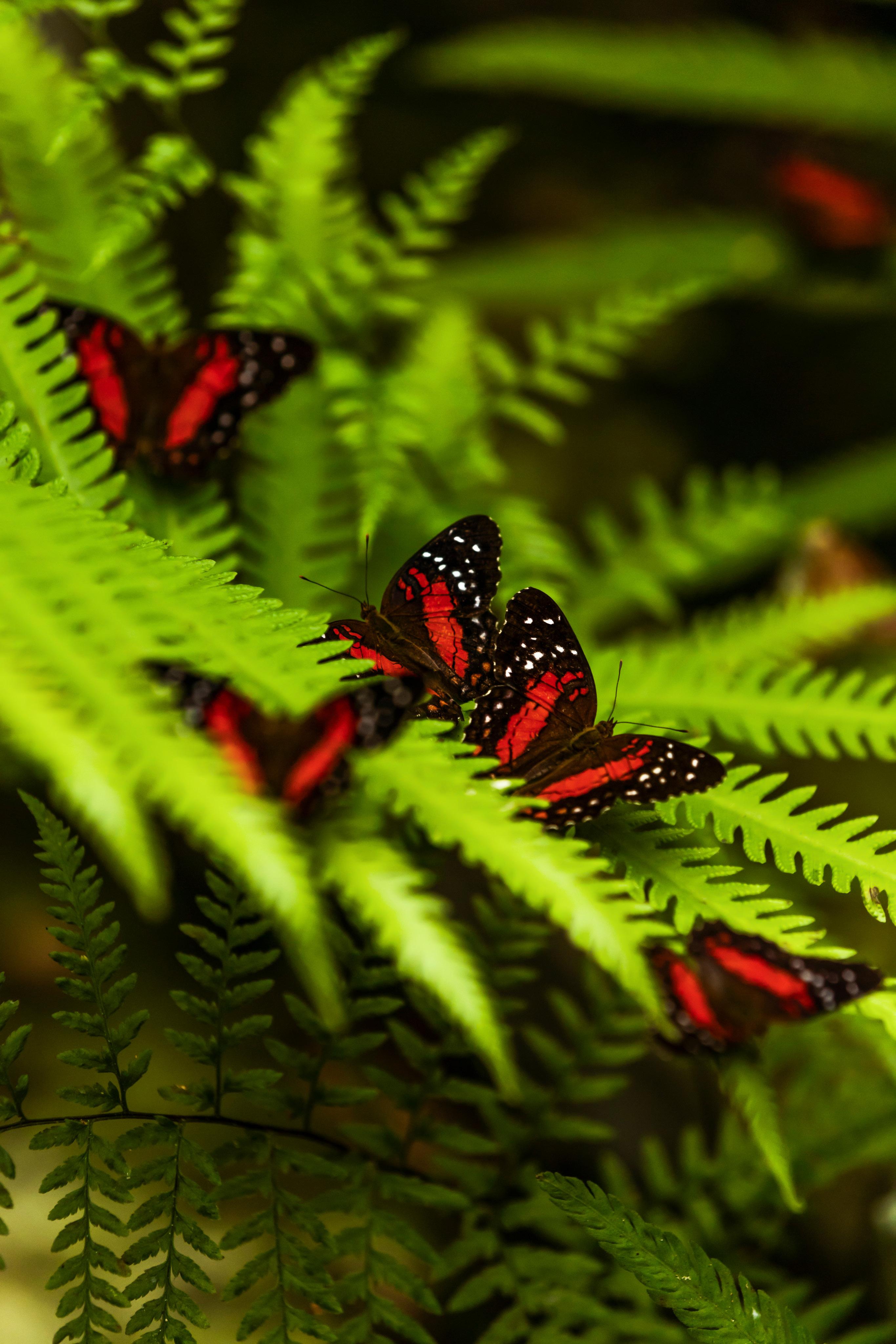
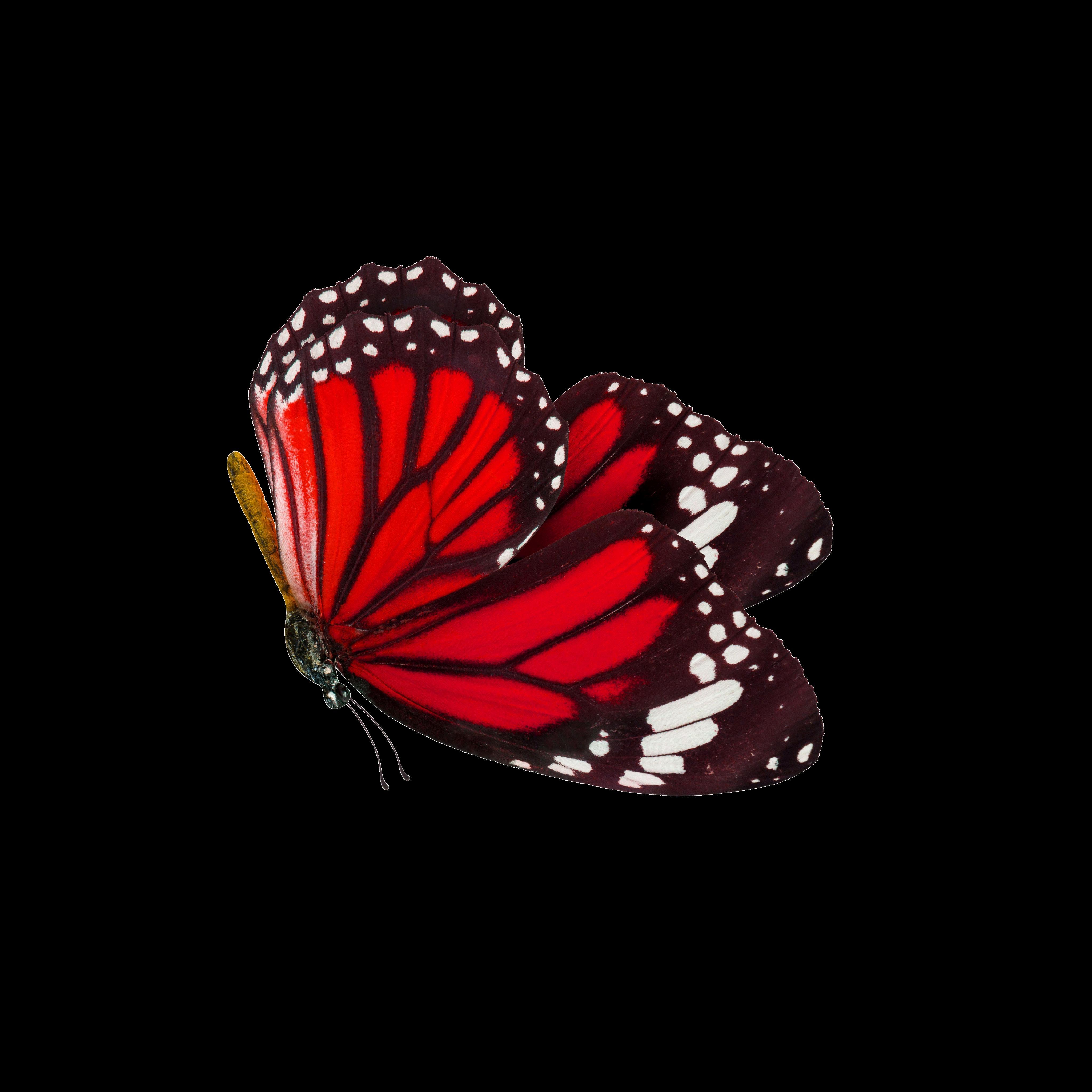
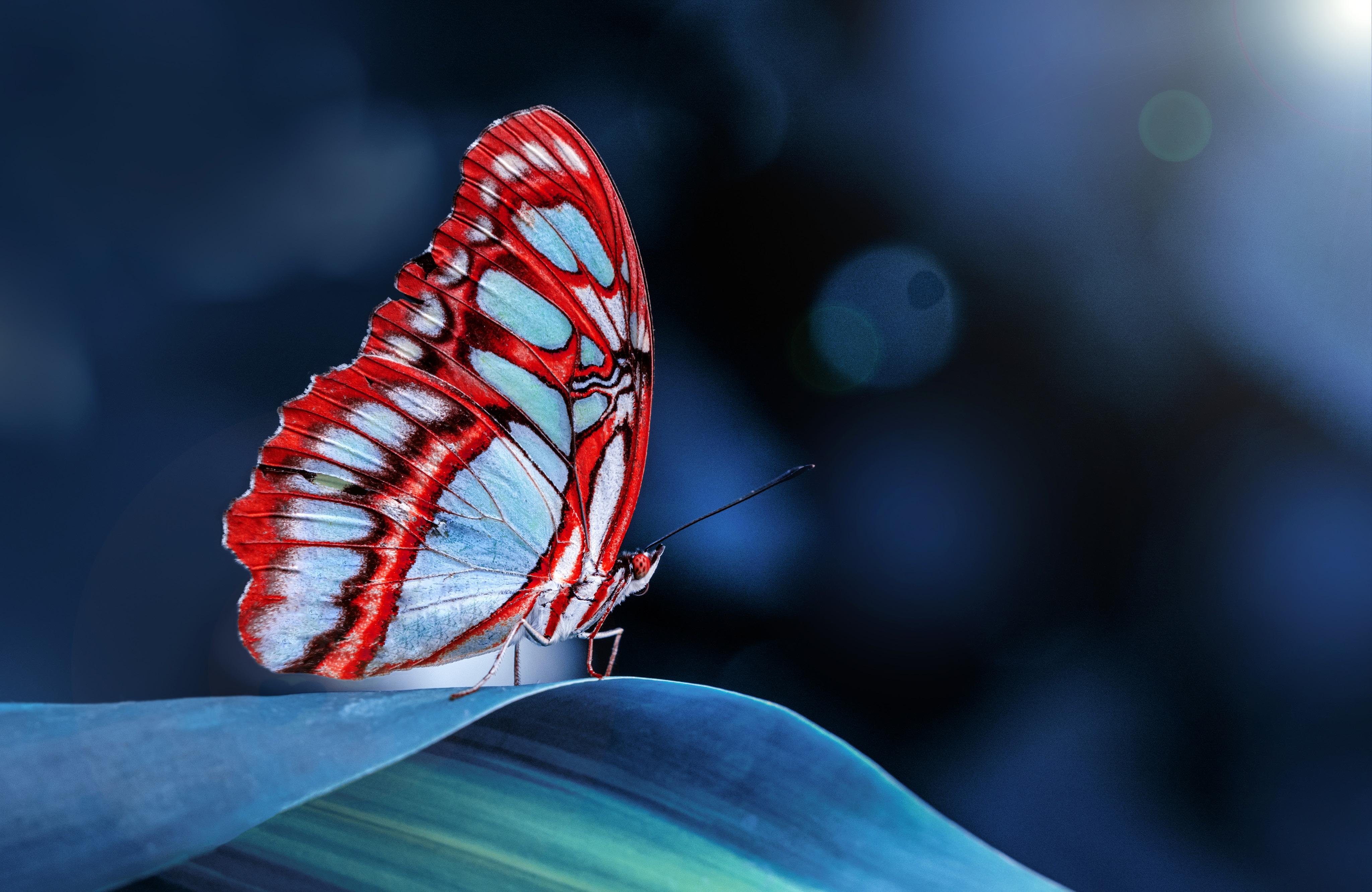
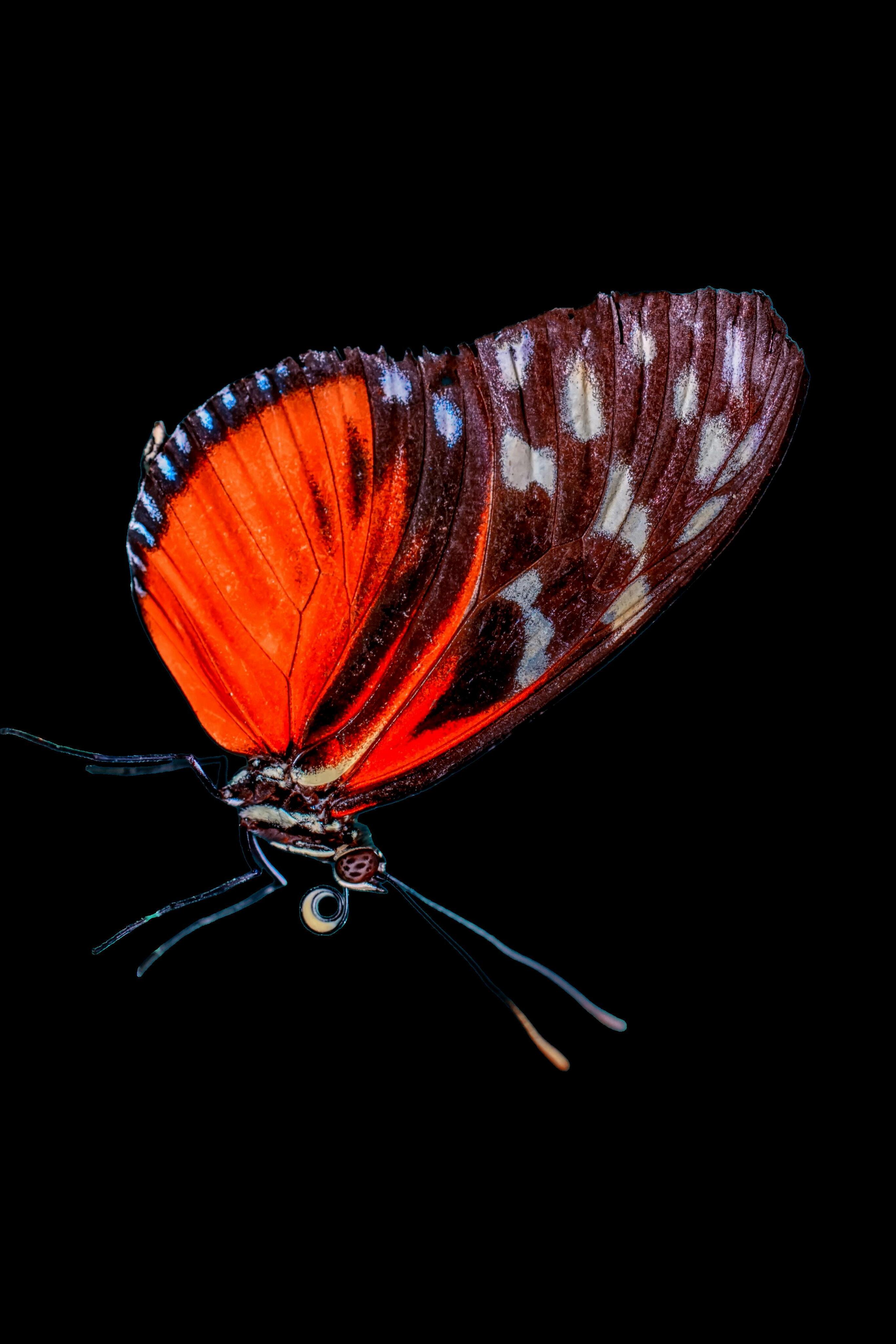
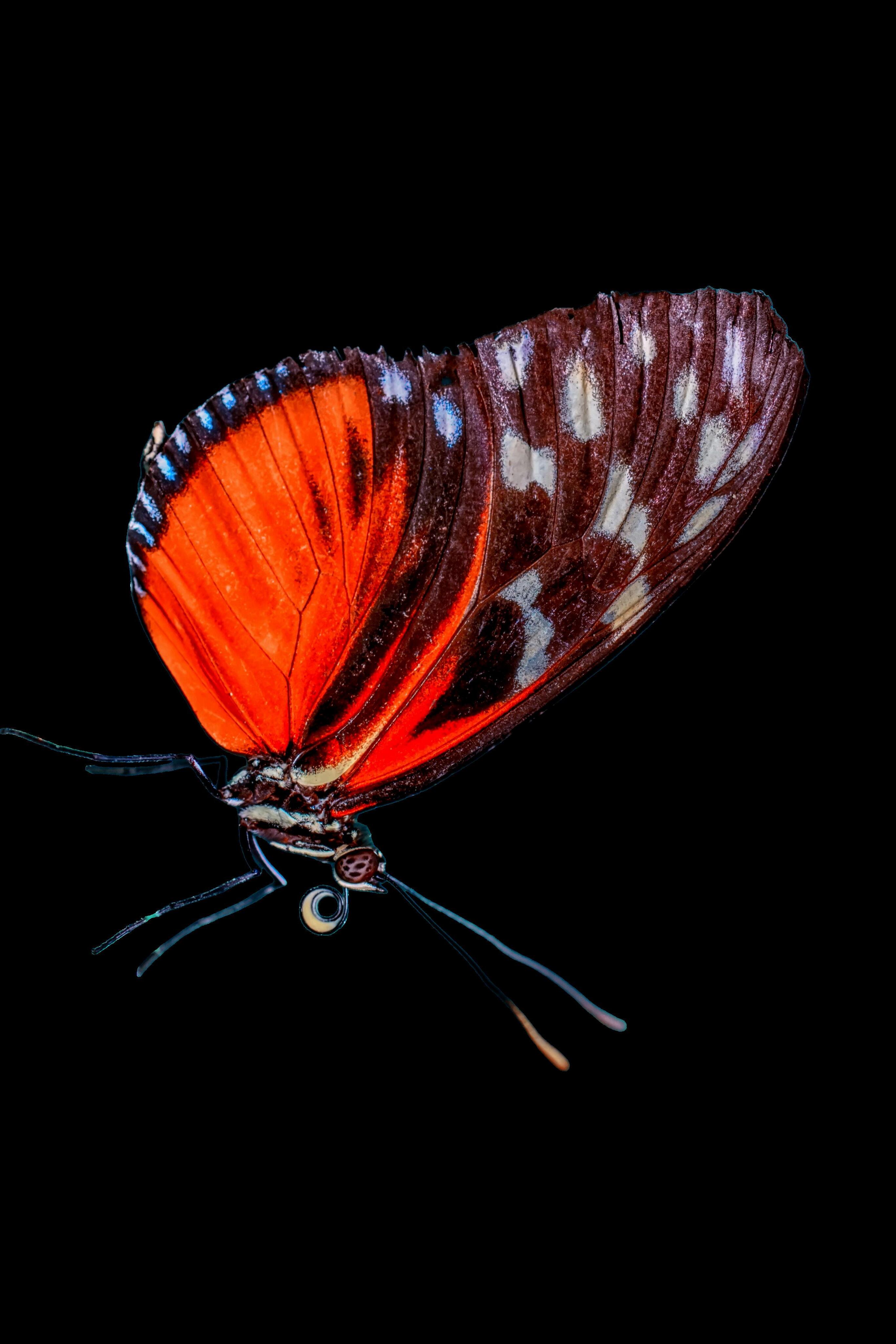
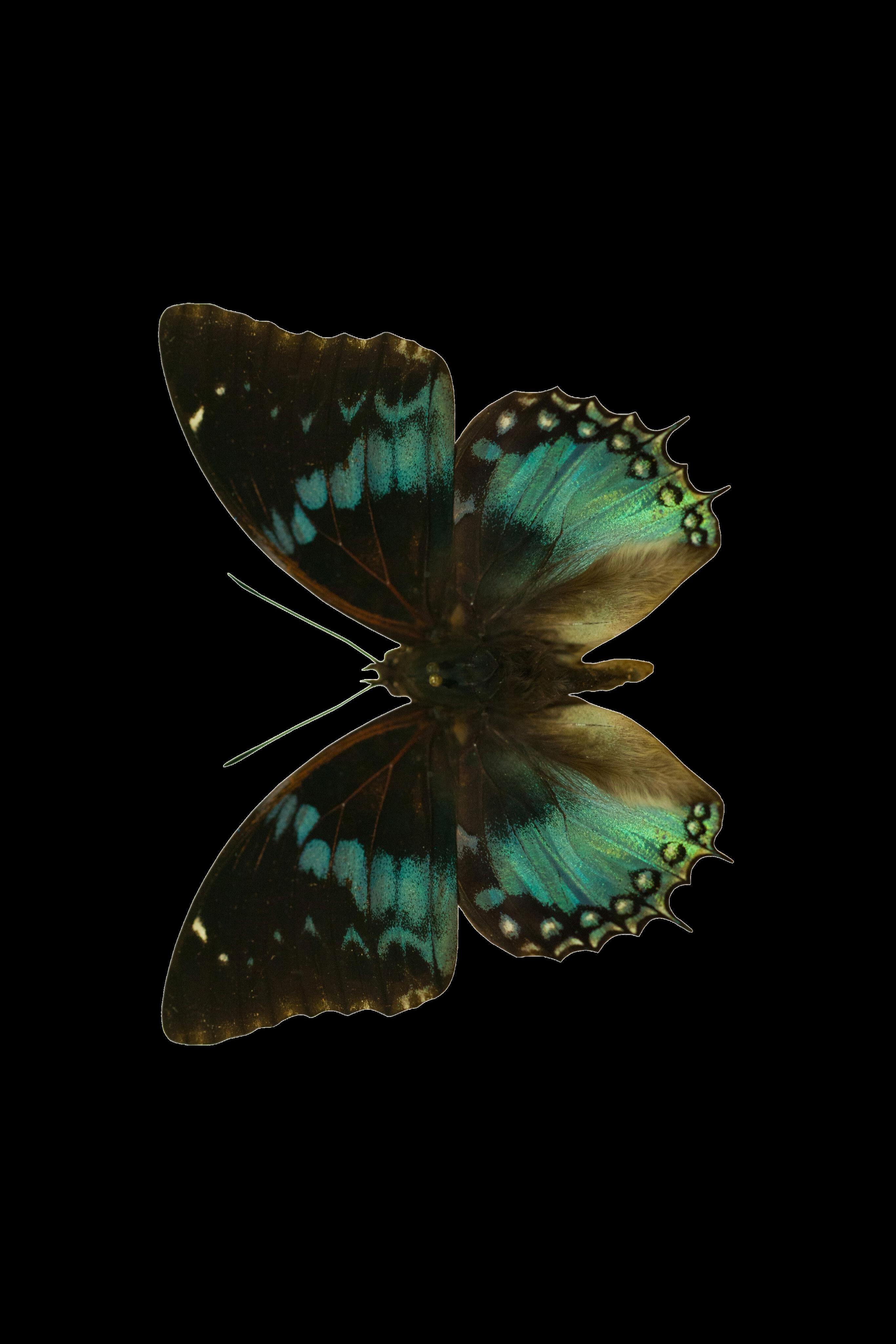
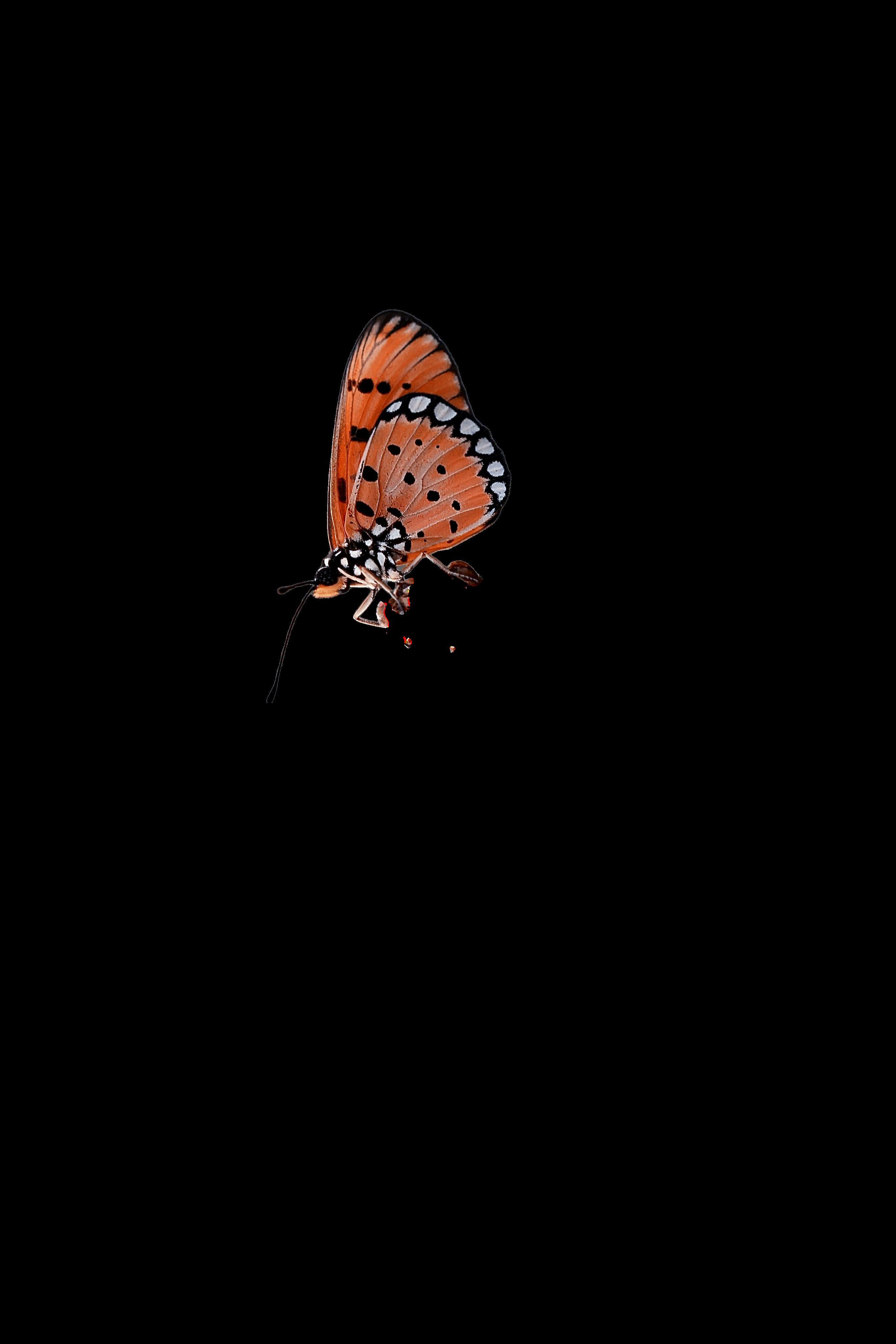
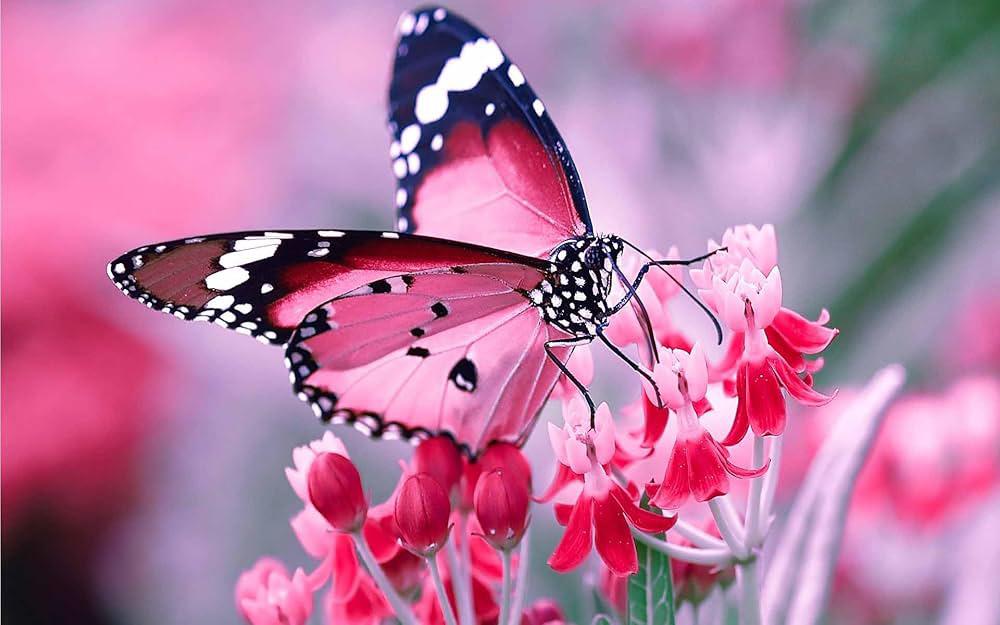
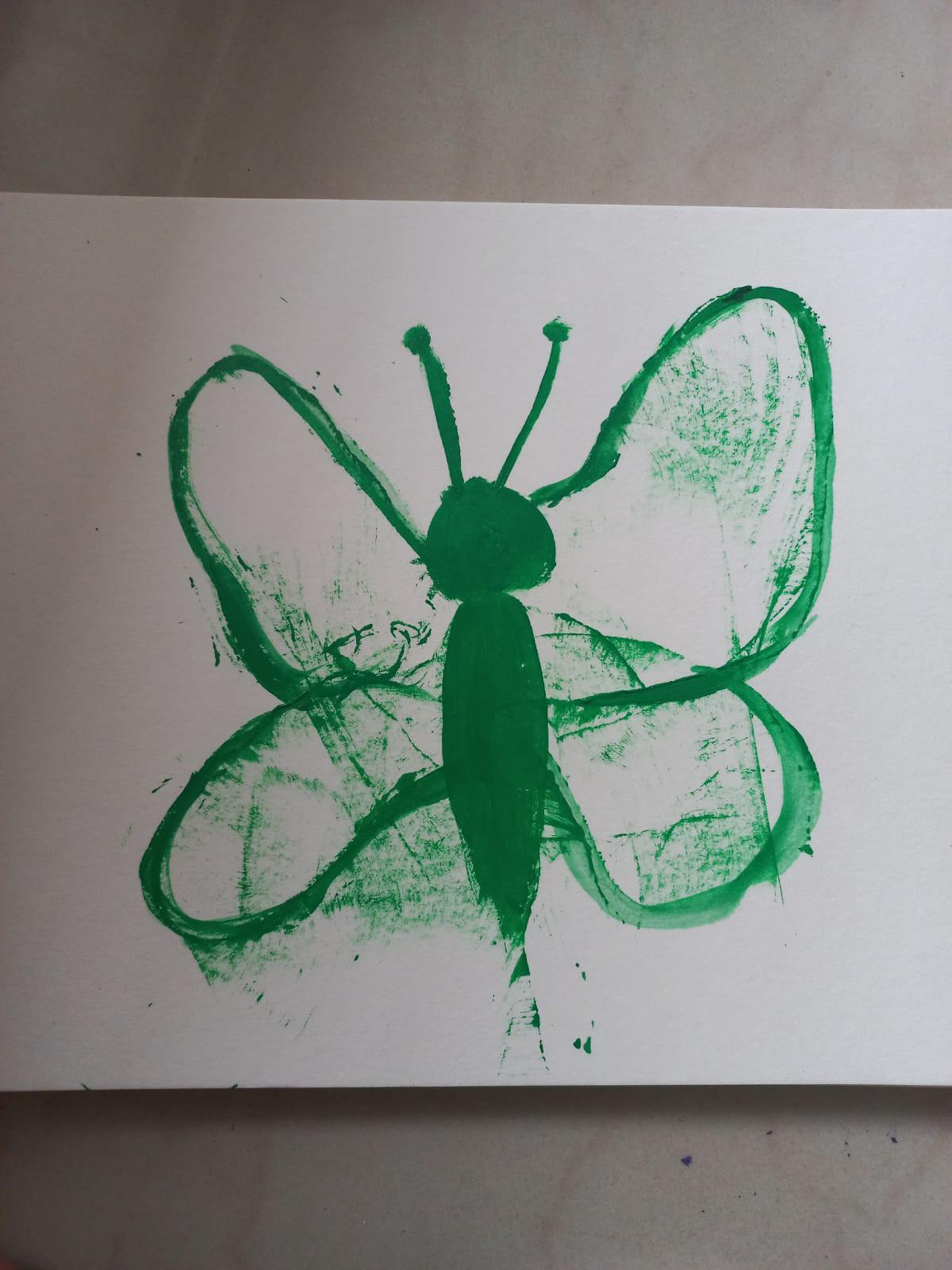
Butterflies are winged insects from the lepidopteran superfamily Papilionoidea, characterised by large, often brightly coloured wings that often fold together when at rest, and a conspicuous, fluttering flight. The oldest butterfly fossils have been dated to the Paleocene, about 56 million years ago, though molecular evidence suggests that they likely originated in the Cretaceous
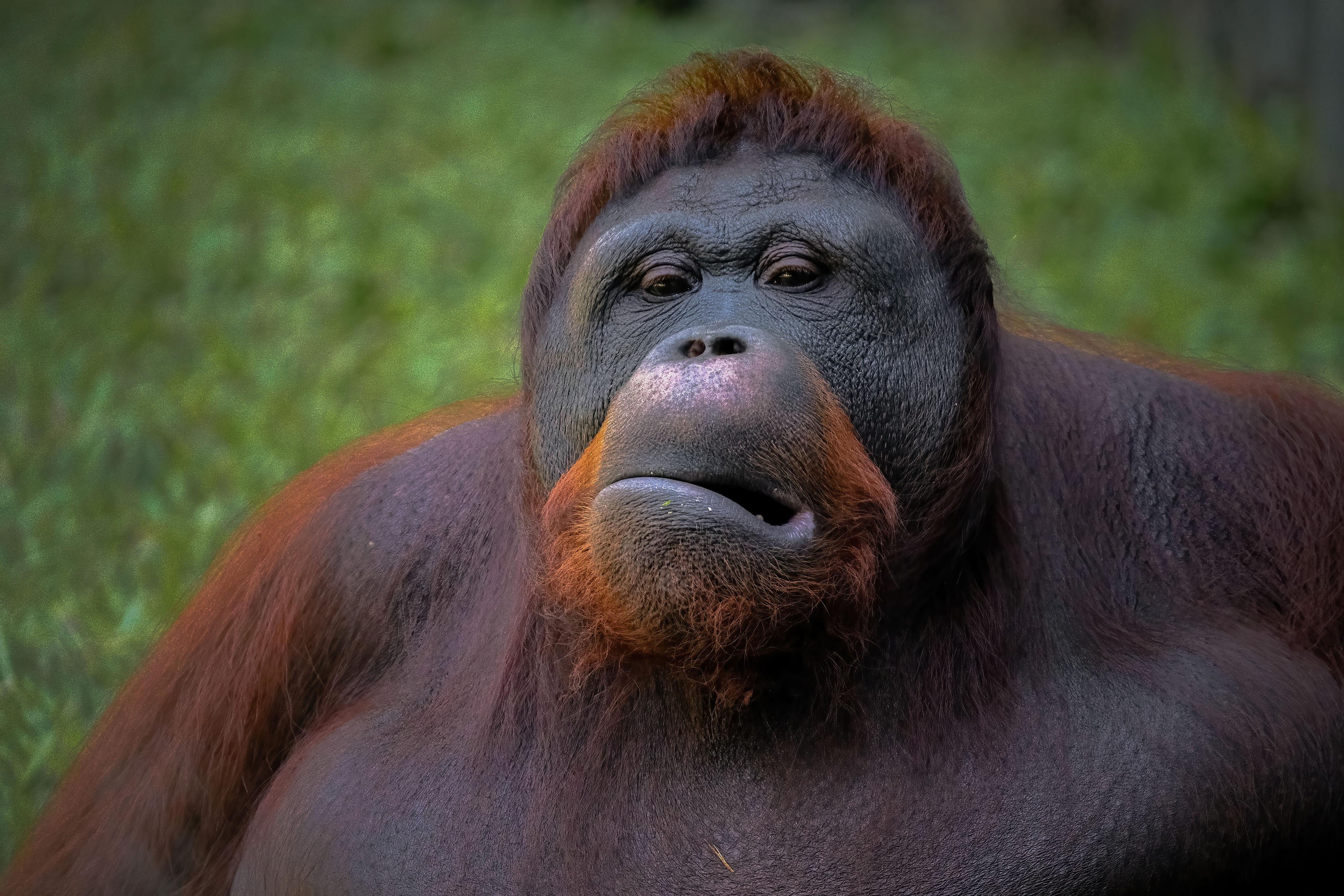
Gorillas are large, primarily herbivorous, great apes that live in the tropical forests of equatorial Africa. The genus Gorilla is divided into two species: the eastern gorilla and the western gorilla, and either four or five subspecies. The DNA of gorillas is highly similar to that of humans, from 96 to 99% depending on what is included, and they are the next closest living relatives to humans after the bonobos and chimpanzees.
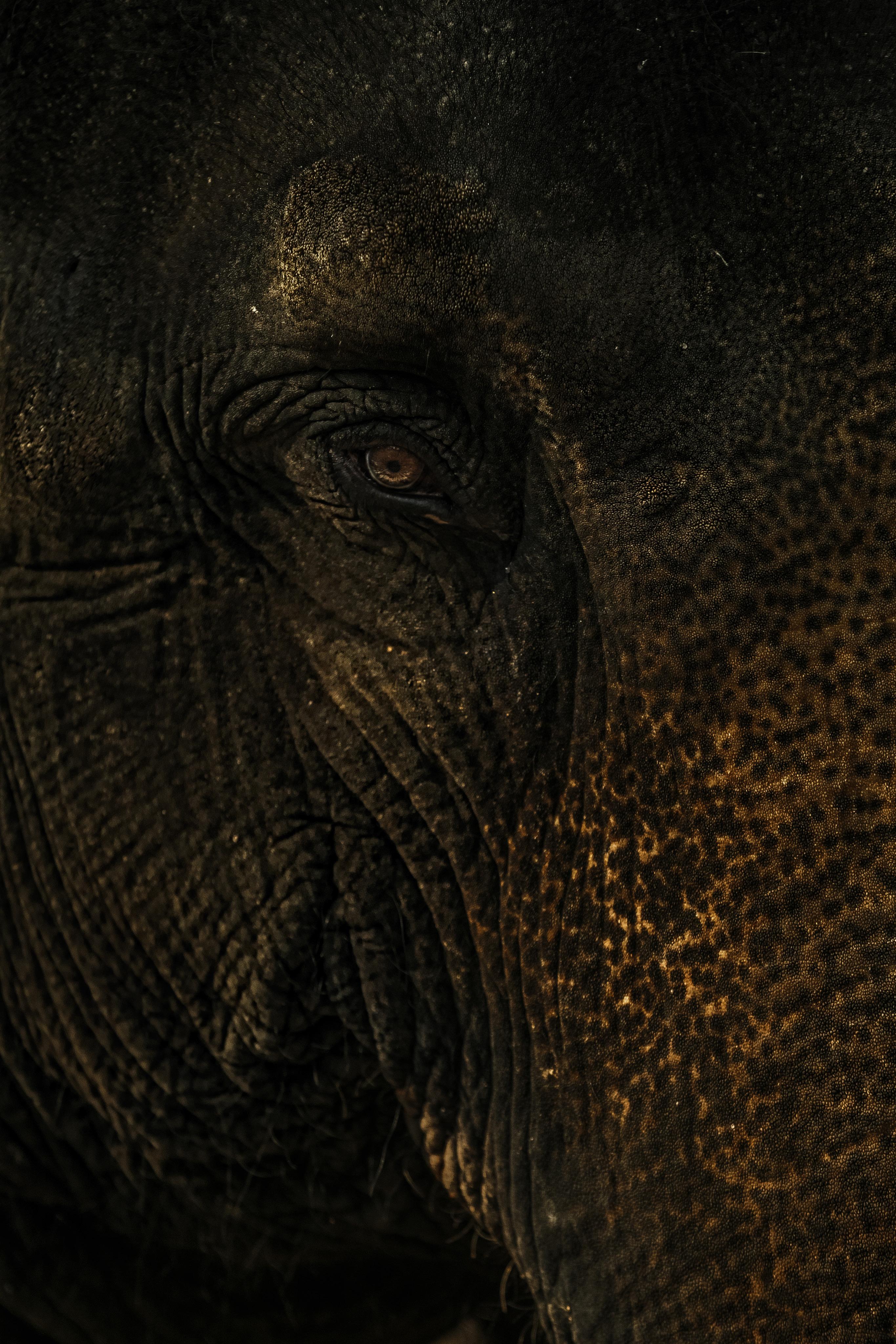
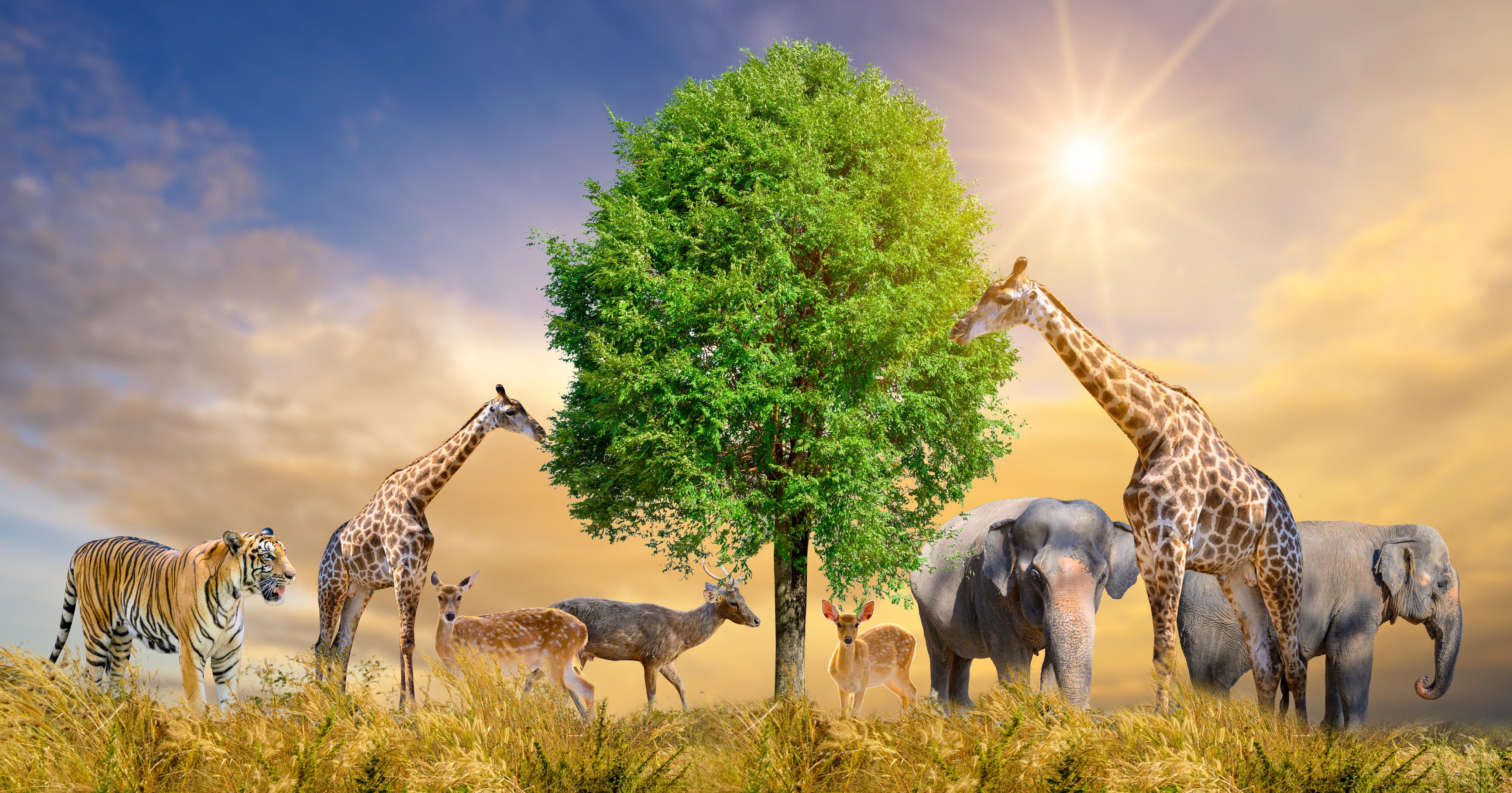
Elephants are the largest living land animals. Three living species are currently recognised: the African bush elephant (Loxodonta africana), the African forest elephant (L. cyclotis), and the Asian elephant (Elephas maximus). They are the only surviving members of the family Elephantidae and the order Proboscidea; extinct relatives include mammoths and mastodons.
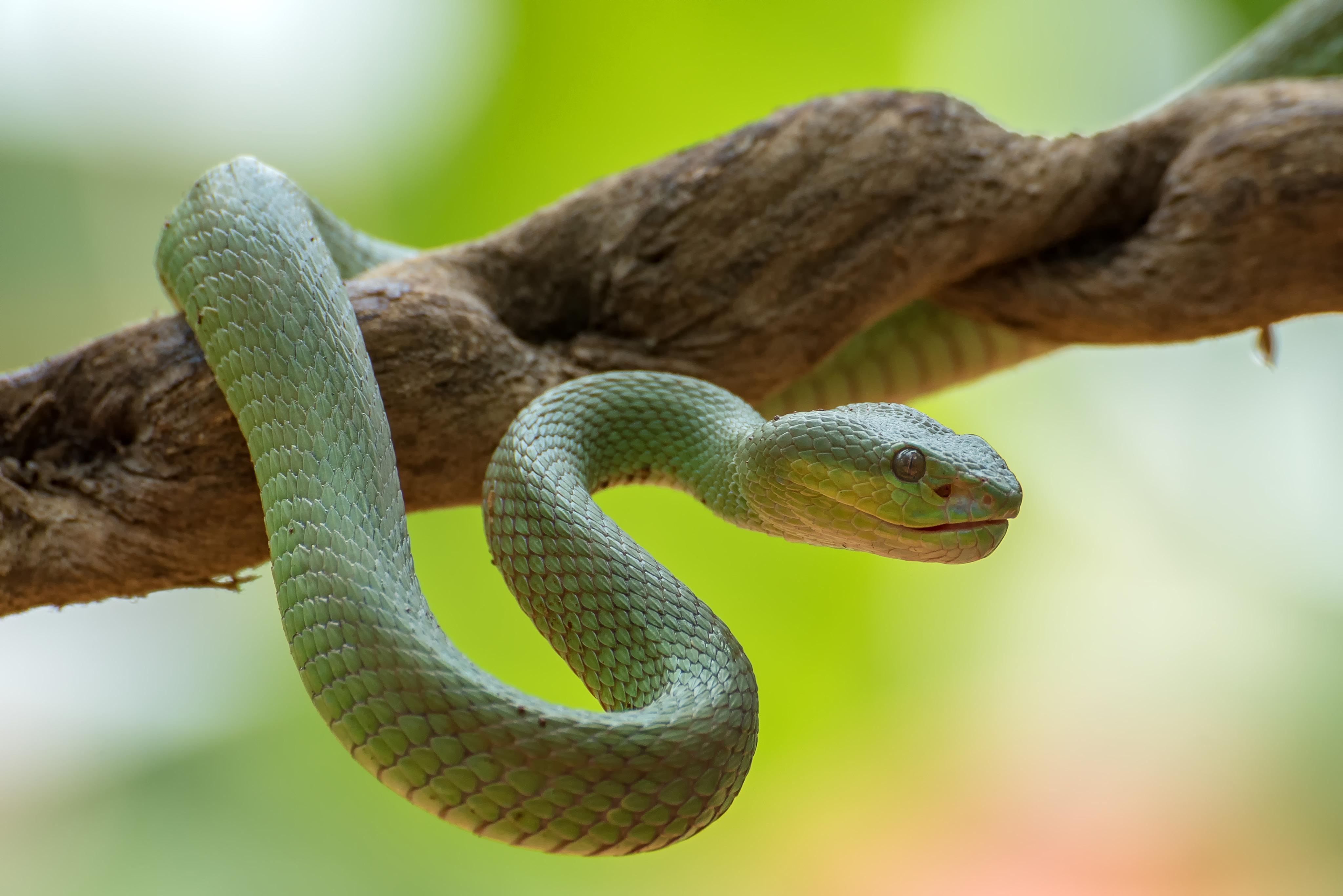
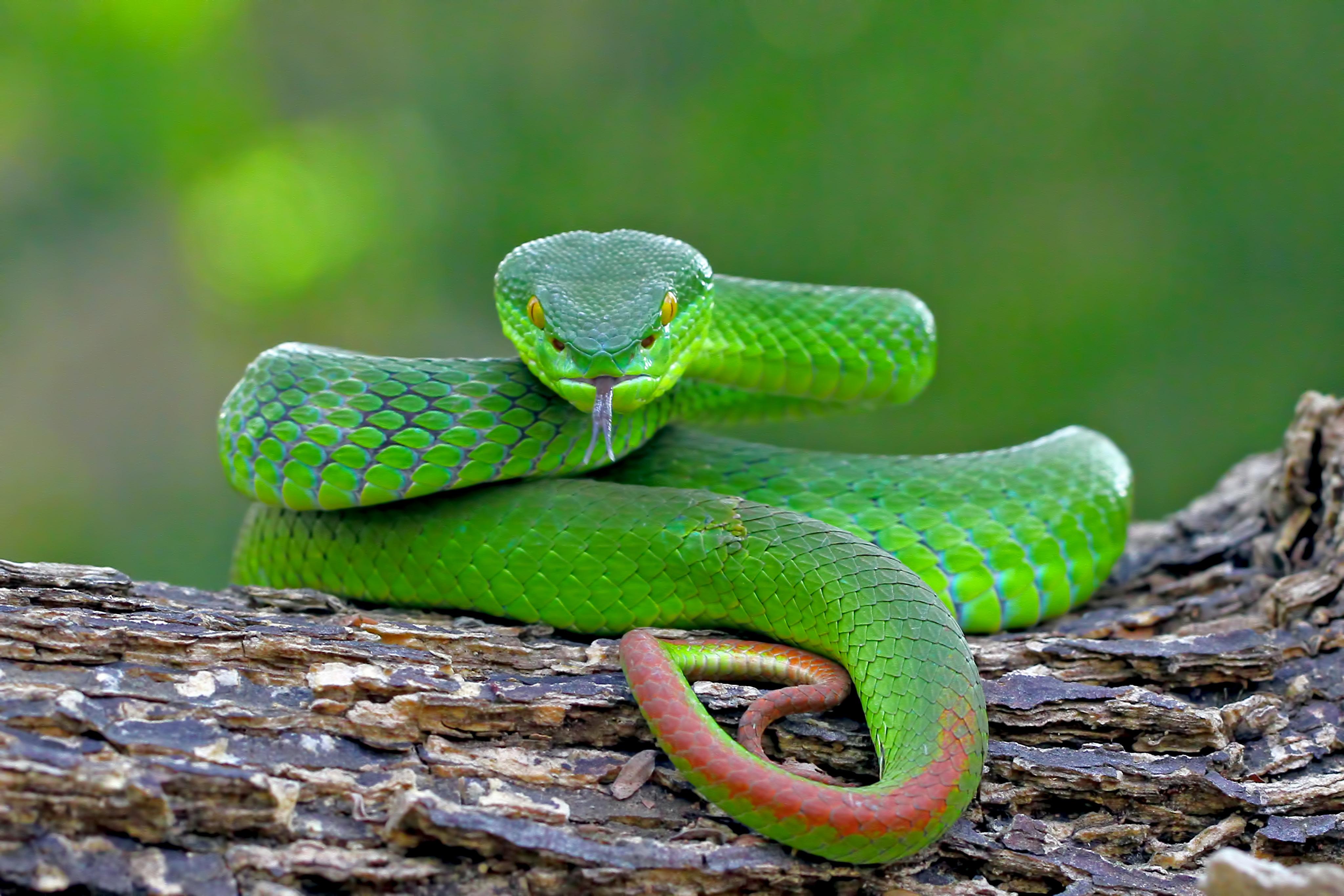
Snakes are elongated limbless reptiles of the suborder Serpentes.Cladistically squamates, snakes are ectothermic, amniote vertebrates covered in overlapping scales much like other members of the group. Many species of snakes have skulls with several more joints than their lizard ancestors and relatives, enabling them to swallow prey much larger than their heads (cranial kinesis).


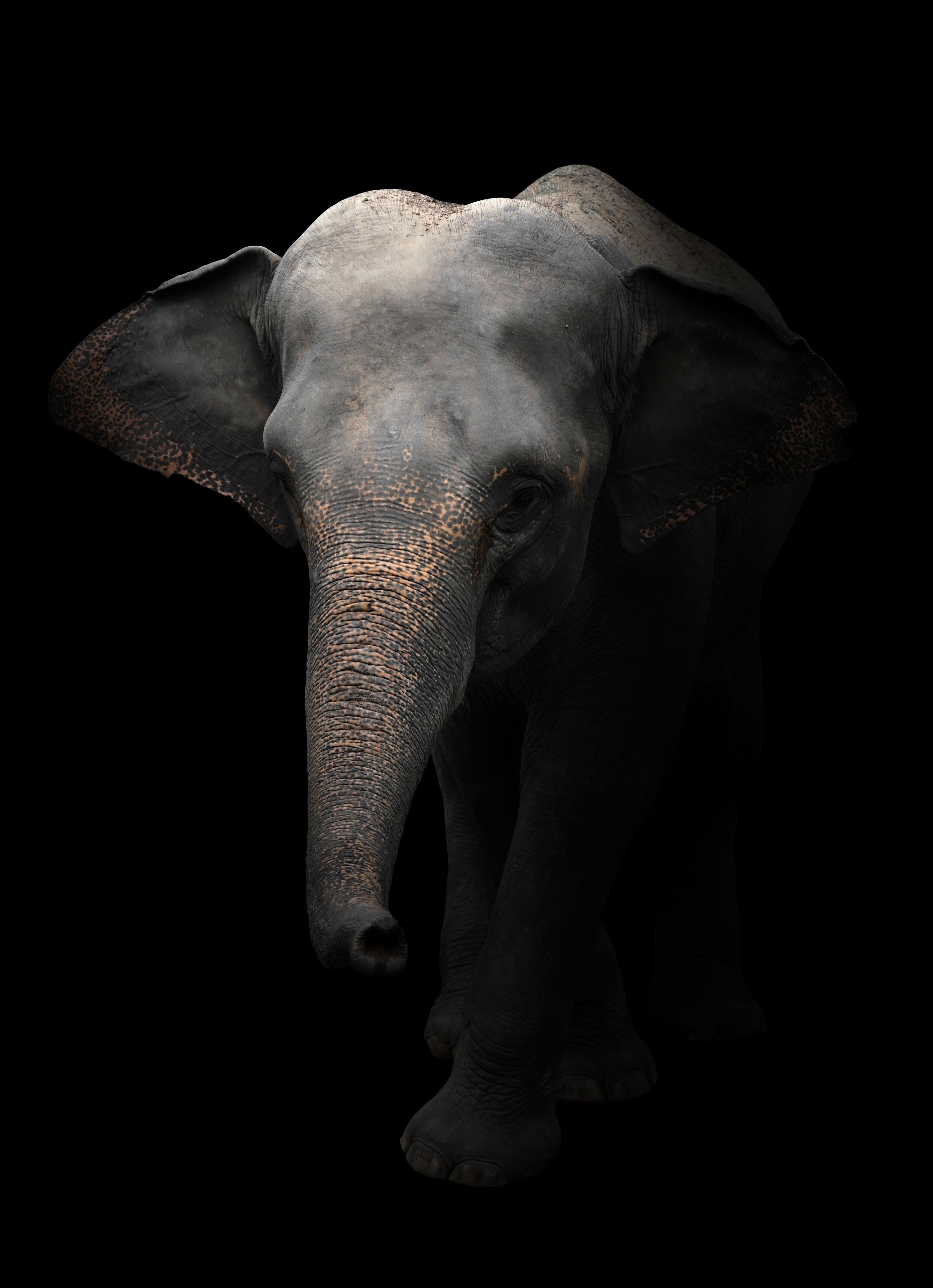
" LIFE IS LIKE A JOURNEY, AND ELEPHANTS REMIND US TO WALK IT WITH GRACE"