Northern Grampians Shire Council 2025-29 Council Plan Community Engagement FULL Report
Acknowledgement
Northern Grampians Shire Council acknowledges Traditional Owners; Wotjobaluk, Jaadwa, Jadawadjali, Wergaia, Jupagalk and Dja Dja Wurrung peoples who are the Traditional Custodians of the land we call Northern Grampians Shire.
We pay our respects to the Elders both past and present and extend that respect to our other Aboriginal clans.
We express our gratitude in the sharing of this land, our sorrow for the personal, spiritual and cultural costs of that sharing and our hope that we may walk forward together in harmony and in the spirit of healing.
Accessibility
If you would like to receive this publication in an accessible Word format or another format, please phone Customer Service on (03) 5358 8700 or email ngshire@ngshire.vic.gov.au. If you require an interpreter service, please call the Translating and Interpreting Service (TIS National) on 131 450 and ask them to contact NGSC on (03) 5358 8700.
V.1 March 31, 2025 Justine Kingan, Director Strategy Prosperity and Engagement
Sarah Kernohan, Manager Strategic Planning and Prosperity
Jacinta Smith, Coordinator Strategic Planning and Community Development
Steff Cairns, Coordinator Communications
V.2 April 28, 2025 As above
1.1 Purpose of this report
This engagement report is part of Northern Grampians Shire Council's commitment to reporting back to the community. It shows how we have listened, what we heard, and ultimately it will show how community input has helped shape the direction of the Council Plan and Public Health and Wellbeing Plan.
This report summarises the key messages gathered through the organisation's engagement process for the development of the Council Plan, Municipal Public Health and Wellbeing Plan, and associated resource plans such as the Asset Plan and Financial Plan.
The findings are drawn from survey responses including free text comments and community workshops. This report does not provide recommendations or responses; rather, it presents a summary of what community members and other stakeholders shared with us.
The next step will involve councillors reviewing this feedback and using it to inform the development of the council’s four-year priorities. These priorities will be shaped by community aspirations, as well as the organisation’s capacity to deliver. The insights gathered through this engagement process will support councillors in making informed decisions as your elected representatives.
1.2 About the Council Plan
Planning for Our Future Together
By 31 October 2025, council will adopt a new Council Plan and Municipal Public Health and Wellbeing Plan (MPHWP) that reflects the community’s shared vision and priorities.
What is the Council Plan About?
The Council Plan is more than a formal document — it is a four-year guide for how council will support the Northern Grampians Community Vision 2041: “To love where we live.” Created with input from the community in 2021, this vision captures what we want our future to look like.
The plan will help council focus on what matters most, tackling key challenges and making the most of opportunities across the region. It will be shaped by community feedback, current data and long-term strategies such as the 10-year Economic Development Strategy and regional plans such as the Waste Strategy.
Just as importantly, it will be a practical plan one that balances the community’s needs with the council’s capacity and financial realities. It will ensure council is putting its resources where they count, staying realistic while aiming high.
It will also connect directly to council’s annual budget and business planning, guiding everyday decisions and actions to bring the vision to life.
What Will the Plan Include?
• Council’s goals for the next four years
• The strategies we will use to reach them
• How we will track progress
• A Strategic Resource Plan
• Other key requirements under the Local Government Act 2020
Council will continue working closely with the community throughout the process, monitoring progress and staying aligned with our shared vision while being cleareyed about what is achievable.
1.3 Municipal Public Health and Wellbeing Plan
Supporting a Healthier, Fairer Community
Local government plays a big part in shaping the everyday wellbeing of communities. Councils help create safe, welcoming places to live making sure people can access essential services, feel connected and have the chance to thrive in all parts of life, from education to work to community involvement.
Because councils are closest to the people they serve, they are well placed to understand local needs and take action that truly supports health and wellbeing.
What is the Municipal Public Health and Wellbeing Plan (MPHWP)?
Alongside the Council Plan, Northern Grampians Shire Council is also developing a four-year Public Health and Wellbeing Plan. This plan helps guide the policies, partnerships and actions council takes to support the health of our community. It is about working together with other organisations and with the community on practical, place-based approaches that make a real difference.
This plan is required by the Victorian Public Health and Wellbeing Act 2008, and must:
• Be developed within 12 months of a council election
• Look at the latest data on local health and the things that affect it
• Set evidence-based strategies for improving health and wellbeing
• Be shaped with community input and involvement
• Explain how council will work with the Department of Health and other partners
• Align with the Council Plan and Municipal Strategic Statement
• Consider the key priorities set out in the Victorian Public Health and Wellbeing Plan
What are the Statewide Priorities we will be Considering?
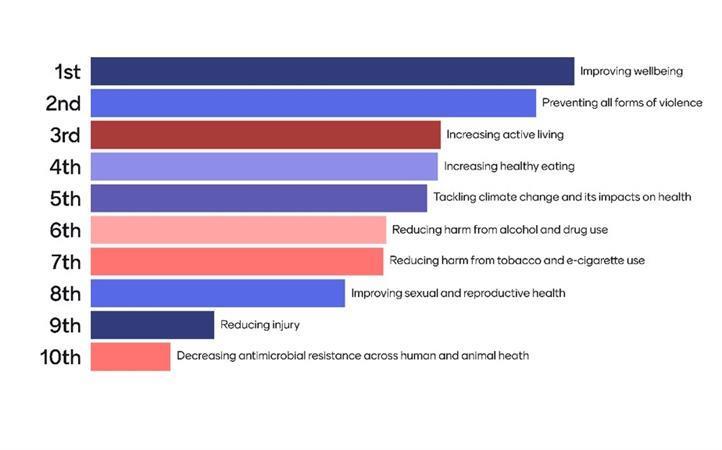
The Victorian Public Health and Wellbeing Plan 2023–27 outlines 10 important priorities that all councils are asked to consider:
1. Improving sexual and reproductive health
2. Reducing harm from alcohol and drug use
3. Tackling climate change and its health impacts
4. Preventing all forms of violence
5. Addressing antimicrobial resistance
6. Reducing injury
7. Encouraging active living
8. Promoting healthy eating
9. Supporting mental wellbeing
10. Reducing tobacco and e-cigarette harm
These areas reflect some of the biggest health challenges and inequalities we face and addressing them helps build a healthier, fairer future for everyone in our community.
1.4 Combined Plan – Integrated Planning
Bringing Health and Wellbeing into the Heart of Council Planning
Under the Public Health and Wellbeing Act 2008, councils are required to create a Municipal Public Health and Wellbeing Plan (MPHWP). However, the Act also allows councils to include health and wellbeing priorities directly in their Council Plan instead and that is the path Northern Grampians Shire Council is taking.
Why include it in the Council Plan?
By weaving health and wellbeing into the Council Plan 2025–2029, we are making it a central part of everything we do not a separate conversation. This approach has some real benefits:
• It creates one clear, high-level plan that keeps health and wellbeing front and centre across all areas of Council
• It streamlines our planning and budgeting processes, helping us work more efficiently and make better use of our resources
• It strengthens transparency and accountability, since progress on health and wellbeing will be tracked and reported through the Council Plan
This decision reflects how seriously we take our role in supporting the health and wellbeing of everyone in Northern Grampians. It is a practical step towards creating a healthier, more connected, and more inclusive community.
Figure 1: Integration of Strategic Plans
2.1 Engagement goal and approach
Engagement
goal
Our goal throughout the engagement process was to better understand what matters most to our community and what people think council should focus on over the next four years. As part of this, we committed to keeping the community informed, listening openly to people’s concerns and aspirations, and making sure everyone felt heard.
While not every idea will be included, council aims to reflect the community’s priorities as clearly as possible. Council also promised to report back on how community input influenced the final Council Plan and Municipal Public Health and Wellbeing Plan.
Approach
To shape the 2025–2029 Council Plan and Municipal Public Health and Wellbeing Plan, council connected with the community through an inclusive, but structured process for community input and reflection. This approach is known as a deliberative engagement approach, required by the Local Government Act 2020. That means we did not just ask for opinions — we sought to create space for real conversations, shared learning and respectful discussion of different perspectives.
This was a vital step to ensure the plans reflect what matters most to people living in the Northern Grampians over the next four years.
We planned our engagement carefully to reach a wide range of voices across the shire. A strong communications strategy supported a community-wide survey that captured emerging priorities. From there, we analysed the feedback for key themes and local insights. These findings became the starting point for face-to-face community discussion forums, where participants also reviewed local demographic data and shared ideas about how council can best achieve shared goals. These forums were designed to encourage open, balanced dialogue so people could listen, question, reflect and contribute in a way that felt collaborative and constructive.
This process also meets Section 26 of the Public Health and Wellbeing Act 2008, which requires that communities are involved in the development, implementation and evaluation of their local health and wellbeing plan.
As part of this engagement, we also gathered input to help shape the shire’s Asset Plan and Financial Plan, ensuring alignment across all key strategic documents.
To make participation accessible, we used a mix of tools and channels, including:
• Community and youth surveys, both digital and paper
• Pop-up in-person listening posts
• Targeted workshops for the Council Plan and Public Health and Wellbeing Plan
These efforts helped surface what is most important to people in the Northern Grampians and provided a strong foundation for building plans that reflect the community’s voice.
For information about how council promoted the various engagement opportunities available to the community, please see Appendix 1: Engagement Communication.
2. Discover
Understand what is influencing and shaping the community and what the emerging opportunities and challenges arefor NGSC.
We will do this through: Desktop investigation of socioeconomic background of Northern Grampians; strategic document review; initial councillor,internal consultation and community consultation.
1. Initiate
This phase involves creating a detailed project plan, which includes defining tasks,setting timelines, allocating resources, and developing an engagement plan.
4. Finalise
Council will makeany final changes in response to wider consultation period and endorse the Council Plan and MHWP.
The plans will go to Council for a decision in October 2025
3. Develop
Informed by the‘Discover Phase’,we will draft the Council Plan in accordance with the Act (as per ‘Council Plan sections’table below) and seek and respond to wider community consultation
5. Monitor and report
The Annual Council Report must contain a statement of progress on implementation of the Council Plan, including results of the strategic indicators. Strategic indicators are measurable metrics used to monitor progress towards achieving strategies. These indicators help Council track its performance. The mayor must also report to thecommunity at least once each year, on theimplementation of the Council Action Plan.
2: Council Plan and Municipal Public Health and Wellbeing Plan Process
Figure
2.2 Engagement response and who engaged
Response
In total, 1132 engagements occurred during a range of activities held across February and March 2025.
Table 1: Council Plan and Municipal Public Health and Wellbeing Engagement activities.
The Survey: Who we engaged
A total of 562 people responded to the survey.
The infographic above shows a breakdown of their demographics. Further details are available in Appendix 2.
*within the general survey. This does not represent engagement through the youth survey.
Listening Posts
Listening Posts provided an opportunity to chat with a councillor or council officer. A total of 11 popup listening posts were held across the shire. A total of 231 people stopped and chatted to councillors and staff during these sessions.
Table 2: Council Plan Listening Post activities.
3.1 Community Engagement Survey
Community Vision 2041
To LOVE where we LIVE
In the survey, we asked the community how well they felt the council’s vision “To love where we live” reflected their hopes for the shire’s future. People rated their agreement on a scale, and the overall response was positive, with most people somewhat agreeing with the vision.
Top
five council services the community believes have the greatest positive impact on liveability. See Appendix 4.
(managing and maintaining a diverse range of outdoor spaces and assets) and Leisure, Recreation, Sports and Aquatics (providing facilities that offer a diverse range of leisure opportunities)
223 Economic, Tourism and Business
Support (supporting economic growth, local businesses and the tourism industry)
218 - Community Care and
Aged
Services (providing a range of home care and healthy ageing services)
200 - Child and Family Services (delivering services to families with young children childcare, immunisation, supported playgroups)
What do you believe are the strongest opportunities
to promote economic wellbeing and quality of life over the next four years?
119 people provided a response to this question, and this is what they said.
Theme Response
More jobs
Help businesses stay open, help young people get trade apprenticeships
Attract more businesses to the shire
Jobs and Economic Development
Provide opportunities for businesses to thrive
We need industry for people to come but housing is so important
More stable employment
Education opportunities and support for young adults
Build up the city to encourage our younger generation to stay
Capitalise on the surrounding national park and existing infrastructure
Focus on our wonderful and unique natural resources
Promote what the region as a whole has to offer
Better preparedness for businesses and community to face future natural disasters
Tourism and Promotion
Housing and Affordability
Healthcare and Services
Environment and Sustainability
Investing in renewable energy, fostering tourism based on our natural resources
Increase tourism to the regional city of Stawell
Tourism in Halls Gap
Promote and develop new tourism attractions/facilities in St Arnaud
More tourist attractions
Promoting more tourism opportunities
Reintroduce rock climbing back to the Grampians
Affordable housing
Support workers and residents in Halls Gap to find stable, secure accommodation
More housing, better healthcare, more land available for business development
Free up more land to build housing
There are a lot of empty houses in St Arnaud... council needs to write a letter to owners
Better access to healthcare
Access to all health services otherwise people leave
Bring health services and medical services to the area
Better availability of doctors, upgraded medical theatre
Offer more to middle-class families
Renewables, regenerative ag and carbon farming, ecological tourism, organic waste processing
Theme Response
Jobs and Economic Development
More jobs
Help businesses stay open, help young people get trade apprenticeships
Attract more businesses to the shire
Regular quality sustainable events to bring the community together
Working on cultural activities that promote an opportunity for people to be entertained
Community, Arts and Culture
Youth, Education and Training
Investment in culture, arts and tourism
Community involvement and opinion from the younger population
Arts and culture
Revive Arts Council. Try to reverse the ageing profile of community volunteers
Bring back TAFE
Have better focus in schools on what kids need to be learning that is useful
More programs available for kids aged between five and 17 years old
Keep Community Care service... assist students to access TAFE programs
locally
A strong council working for the community
Community engagement sensible and accessible community engagement face to face
Council
Governance and Planning
Infrastructure and Transport
To ensure towns have plans that outline high-level strategies over the next 10 years
Engagement with residents and initiatives that align with them and their goals
Council interaction with ongoing meetings with residents about anything to do with concerns
Help with cost of living by keeping rates low
Extend the rail trail to Halls Gap
More spending on community transport, aged services
Access to work, leisure, medical, sport, arts, shops and services all in a convenient environment
Community Services that ranked ‘highly important’ in order of %
Out of 416 ‘highly important’. Each of the 416 respondents to this question was asked to rank the list of services from least to most important. The percentages shown represent the proportion of people who rated each service as ‘highly important’.
Aged care (care at home): 226 (54.3%)
Youth activities and engagement: 194 (46.6%)
Pools: 191 (45.9%)
Early childhood education and care: 218 (52.4%) Sporting facilities: 193 (46.4%) Immunisation services: 178 (42.8%)
Maternal and child health & supported playgroups 169 (42%) Recreation and active living programs: 162 (38.9%) Healthy ageing programs: 147 (35.3%)
143 (34.4%)
Top five Biggest Challenges
Ageing population
Housing and increasing social and economic disadvantage Vulnerability
Top five Barriers to Accessing Council Activities
Lack of awareness
None, they have been accessible, and I’ve been able to attend.
Financial constraints and geographic location
Transportation issues and negative past experiences
Technology barriers and other (not specified)
Programs and Services
What new programs or services would you like to see introduced to better support community wellbeing?
105 people provided a response to this question, and this is what they said.
Theme Response
More for young people, better housing options, improvement to waste management strategies
A greater variety of programs to help young people become more active and engaged in the community
St Arnaud Youth Advisory Group youth drop-in centre
More youth events and facilities to ensure those that do not fit into the typical sport environment
Youth Programs and Services
More young activities
More events/activities for kids
More youth programs and services and greater opportunity for mentorship and positive social settings
Sports for young children to get them away from devices
Youth shed for kids and young adults with autism and disabilities aged between five and 17 years
More programs and initiatives for teens
More mental health professionals and connection to services
Programs that focus on mental health/addiction
Mental health services
Better access to mental health services
Mental Health and Wellbeing
An intra-shire campaign to encourage people from Stawell and St Arnaud to take a hike up a mountain
Mental health programs
Programs that support increasing community connections across the different towns in the shire
More community space, especially for training opportunities
Better coordination and communication of all existing services and programs
Community
Engagement and Connection
Health and Aged Care Services
Local worker to coordinate community ideas, galvanise community members to action ideas
Opportunities for community connections across all ages and abilities
Community celebration days so the community can gather for a picnic day or barbecue tea in the park
Something that connects the older generation of our community with the younger generation
More aged care programs, supporting people to stay at home
Access to healthcare. More doctors and able to get seen quicker
Better health services
GPs 12 months of the year
Keeping GPs and NPs long term in the area
Theme Response
Education and Skills Development
Bring back TAFE
Green waste reintroduced
Hard rubbish collection once a year green waste collection
Environment and Sustainability
Community education programs that inform and provide avenues to embrace a carbon-neutral lifestyle
More focus on sustainability and the environment
Bigger budget for pest plants and animals, and support for Landcare and Landcare-type groups
Introduction of a range of cultural activities art, dance, film, craft, music, theatre
Arts, Culture and Events
Transport and Accessibility
Recreation, Sport and Nature
A permanent sound stage in Cato Park for the entertainment of the community
Arts supports would also be nice to see. Even if it's started as a seed with NGSC and handed over
Wheelchair-accessible transport
Establish an inter- and intra-town community bus service
Transport to heated pool to continue water aerobics
More programs for sporting bodies and community with inclusion
More variety of avenues to get people into nature
Mountain biking in the area to bring people into the community
Further men's exercise programs
Free or cheap exercise, yoga, tai chi, pilates
Bike path connecting Halls Gap to Pomonal
I would love to see a BMX or mountain bike track added to the North Park area
Upgrading of parks and recreational facilities including Memorial Park
Improved access to community gyms
Programs to encourage and support people getting outside
Parkrun
Housing
There is strong demand for housing within the shire, particularly in the towns of Stawell and St Arnaud, with additional houses needed.
What do you think are the main causes of housing issues across the shire?
97 people responded to this question, and this is what they said.
Theme Response to ‘Main causes of housing issues’
Not enough available housing and affordable housing
Lack of affordable houses to rent for lower incomes
Affordability rising rental costs present a barrier
Cost and availability
Housing Affordability
Shortage of Rental Properties
Housing affordability
Cost of living, addiction, family violence, ageing population
Affordability of renting and buying due to the Covid influx
Clients are out-priced for renting
Cost of building, land prices
Lack of affordable housing and too many vacant houses
Not enough houses for rent, therefore businesses can't employ staff
There is adequate supply of existing houses for sale, but limited supply of rentals
Limited availability of housing, particularly affordable housing
People can't afford to buy. Need rentals and these not available
Preventing all forms of violence and reducing harm from tobacco and e-cigarette use
Reducing harm from alcohol and drug use
Homelessness
382 people responded to the following question.
Please indicate your level of agreement as to whether council has a role to play in helping to address homelessness?
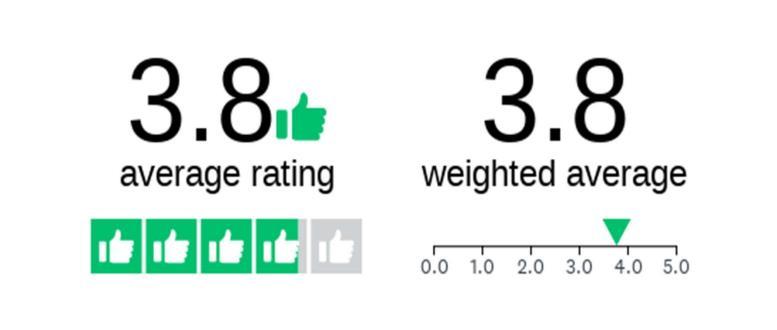
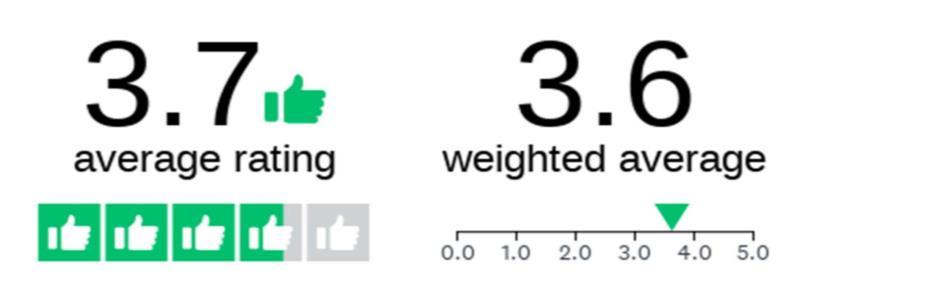
These results indicate the community sentiment is generally supportive, but not strongly so.
Averages of 3.6–3.7 indicate that most people lean towards agreeing council has a role in addressing homelessness, but there is some division or uncertainty.
How can council help to address the issue of homelessness? Homelessness
92 people responded to this question, and this is what they said.
Theme Response to ‘How can council help homelessness’
It's difficult, maybe a short-term shelter
Short term any council buildings that are lying vacant perhaps could be repurposed
More emergency short-stay accommodation. More council homes like in Dundas St, St Arnaud
Emergency and Temporary Housing
Support Services and Partnerships
Offer temporary housing relief? Vouchers to caravan park temporary accommodations?
Short-term cabins. Option for purchase/employment to encourage them to work in community
Provide emergency shelter locally and give them the information and resources to work towards stable housing
Actively support existing services and develop meaning partnerships
Work with community and welfare groups to get people on the ground in Stawell
Working with other organisations
Collaborate with other stakeholders to explore options for affordable or social housing in the shire
Work collaboratively with homelessness services that service Northern Grampians Council should strengthen and work towards better understanding what part we can and cannot play in this area
Support the availability of affordable housing
Supply shelters and more low-cost housing
More affordable public housing would help
Affordable and Social Housing
Advocacy and Lobbying
Utilising Vacant or Existing Buildings
Access to basic accommodation and services no one should be homeless in 2025
Obtain funding for more affordable housing/unit blocks for the homeless
Affordable housing like transportable homes
Lobby non-government agencies to invest in Stawell with housing
Lobby State Government
Council can advocate to State Government that is responsible for homelessness
Lobby state government for more public housing
Ensure suitable support services are available. Idle council building assets could be turned into accommodation
Purchase some mobile homes from the company at Stawell
Buy back Pleasant Creek, use the units/kitchens and all the facilities to house...
Tough one! Can we look at unused hotels or motels and establish cheap accommodation?
Theme Response to ‘How can council help homelessness’
Better support for mental health, drugs etc
Help provide access to mental illness/hardship support
Issues
Mental Health and Underlying
Community Education and Outreach
Housing
Coordination and Staff Roles
What are the reasons behind the homelessness? This needs to be addressed first Mental health support
Lead by example, destigmatising
Provide support through Vinnies or Red Cross
Provide services and referral to address underlying challenges
Offer non-judgmental free meal events to check in and assess homeless community members
Have a part-time homelessness officer to coordinate and focus efforts to address problem
A housing officer. I think it's more on the State Government
Make available welfare services, housing worker that can be contacted and assist with people
Dental Health
366 people responded to this question.
How important is it to you that oral (dental) health is prioritised in our health and wellbeing planning?
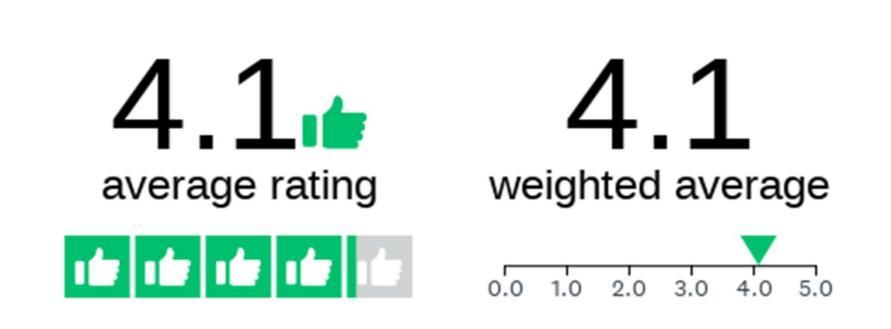
A 4.1 average on a 5-point scale (where 1 = Not Important and 5 = Very Important) shows that most people see oral health as a clear priority. It is not just mildly important or a 'nice to have' the rating sits well above neutral, leaning closer to 'very important', which highlights just how much the community values dental health in overall wellbeing planning
Health and Wellbeing Actions
How can council address the health and wellbeing priorities?
80 people responded to this question, and this is what they said.
Theme
Access to Healthcare and Mental Health Services
Response to ‘How can council address the health and wellbeing priorities?’
Encourage doctors to the area (incentives)
Providing more mental health services and doctors in the town
Greater understanding of the issues by understanding prevalence and morbidity rates
Mental health clinic and support for alcoholics and drug users
Accessible and consistent healthcare providers. Financially support adult dental care
Easier access to doctors, maybe a mobile clinic going to outer small towns
Consult with local services, increase mental health services, improve access to mental health services
Education about food industry practices, advertising and psychology of overconsumption
Education on healthy eating and encouraging community gardens
Healthy Eating and Education
Climate Change and Environment
Maybe running education programs in all schools
Get rid of illegal tobacco shops... encourage price-dropping so people can afford to eat healthier
Promote healthy eating through education, eg. Neighbourhood House funding to own educational programs
Be a leader in promoting the issues that climate change is bringing
Providing more green spaces, reducing urban heat island effect
Open discussion on climate change as we are seeing its impacts
"Festival of Living with Climate Change"
Support and change the council views on climate change and renewable energy
Violence
Prevention and Drug/Alcohol Programs
Support for Youth and Vulnerable Groups
Seriously look at what is causing the violence and put in behaviour change and support programs
Promote how ugly violence in our community is in all its forms and support those reporting
Alcohol is a big part of our culture. Drug and Alcohol rehabilitation
Collaboration with police and health services to form strategies
More support for kids with disabilities and autism spectrum...
There needs to be an equivalent or something similar to the men's shed for females
Make it a better community for the young person trying to get ahead in the area
Theme Response to 'How can council address the health and wellbeing priorities?’
Encouraging people to get out and about and exercise
Programs to provide healthy activities affordably
Sponsor walking groups. Provide reduced or free access to swimming pools
Active Living and Recreation
Promote active lifestyles by providing/supporting local initiatives
Better walking tracks
Maintain all the wonderful facilities for active living
Provide opportunities for people to get outside and spend time in nature
Work with local residents and find out what they see as important
Listen to your ratepayers. Especially those who voice concerns
Community Engagement and Inclusion
Facilities and Infrastructure
Events, Arts and Culture
Listen to all community members and not seeing the monetary value for some at the cost of others
Create more opportunities for connection and free community events and activities
Upgrading parks such as Memorial Park, Great Western
Providing spaces for people to access. Plenty of green space, parks, gardens etc
Providing quality services that promote health, such as the sports and leisure centre
Focus on getting the basics of roads, rates and rubbish right
Open the theatre, more plays, shows
An arts hub where the community can attend classes for art, play music, sing
A focus on culture may assist wellbeing rather than emphasis on sports
Health and Wellbeing Action
How can we make places (our environments) in the shire healthier?
Think about where you live, learn, work, study or play and consider built environments (sports centres, bicycle paths and community buildings), natural landscapes (parks and reserves), and the economic environment (such as jobs, investment and tourism).
74 people responded to this question, and this is what they said.
Theme
Active Transport and Recreation
Response to ‘How
can we
make places (our environments) in the shire healthier?'
More bike and walking tracks
Expand the exercise trail in Halls Gap
Dedicated bike and walking trails around town
Encourage walking to activities which leads to more random meetings between people
Increase wayfinding signage, encouraging walking or cycling to points of interest in and around town
Promote bush tracks walking groups etc. ensure parks, playgrounds and streets maintained, safe and clean
Bike tracks in the bush more like Creswick has. Outdoor gym equipment. Walking paths/track around the outskirts of town
Make more bike paths that lead to the main street. Continue to improve the parks
Plant more trees for parking areas, recreation spaces etc
Green Spaces and Nature
Make them green and open. Encourage outdoor activity
More green space. Main Street of Stawell is horrible, need more green to make it feel cooler
Maintain our sensational parks and gardens, these are the foundation of what will be our drawcard
Central Park needs a new netball court or two
Community Infrastructure and Facilities
Accessibility and Inclusion
The skate park needs updating urgently for the youth in town
We don't really have any walking tracks, bicycle tracks
I live in Stawell and use the SSAC gym and pool facilities regularly SSAC redevelopment to bring it into this century
Make it possible with people with limited money to access sporting facilities
I need to use my walker, better access including a bus to the pool
Ensure all areas are fully accessible. Assist businesses to start up
There is no accessible large body of water close to St Arnaud township Tourism and Economic
Focus on tourism
Theme Response to ‘How can we make places (our environments) in the shire healthier?'
Active Transport and Recreation
Tourism and Economic Development
Water Access and Use
Environmental Sustainability
More bike and walking tracks
Expand the exercise trail in Halls Gap
Focus on tourism
Investment into assets that make our communities better places to live but also attract tourism
Develop/promote new tourism attractions, non-traditional sports
Invest in tourism. St Arnaud is beautifully kept, a hidden gem, promote it more
More recreational areas would ensure that places within the shire are healthier
Water, a soul reviver, Stawell and Cato Park is a beautiful place now
There is no accessible large body of water close to St Arnaud township
Again. You have one of the most incredible lakes at your doorstep
Focus on renewable energy. Plant more trees
Use sustainable materials and paints in buildings renos
Do not allow wind factories, solar factories, batteries and VNI west in our community
Maybe add some fun things in the walking areas, like steps to follow
Community Events and Engagement
Information about areas, more activities and opportunities for students and young kids
Create more inviting and inclusive streetscapes. Increase promotion of local services
Roads
358 people responded to this question, and this is what they said.
Rank, in order of importance, the road types that you feel should be prioritised for sealing/gravelling.
The below shows how respondents ranked road types they felt should be prioritised for sealing/gravelling as ‘1’ most important.
Roads to home
Roads to places of business and commerce
Roads to recreation areas such as lakes, state or national parks and sporting fields
Roads to on-farm infrastructure such as sheds and stock yards
Rank, in order of importance, the following road priorities.
The below shows how respondents ranked the following road priorities, with ‘1’ most important.
Gravel roads to every home out of town
Sealed roads to every home in town
Gravel roads to every block with on-farm infrastructure
Sealed roads to every home
Dirt tracks for each road which is used less than once per day
Dirt roads (dry weather use only) are cheaper to construct and maintain. Would you prefer more dirt tracks if it meant that:
The below shows respondents preference for savings made by increasing number of dirt tracks , with ‘1’ most important.
The savings were used to seal more gravel roads
The savings were used to widen the seal on existing sealed roads
The savings were used to grade gravel roads more frequently
I don’t want more dirt roads
I would pay more money (e.g. rates, special charges) if it meant there were less dirt roads
Council is currently installing new kerb and channels, footpaths and street trees, which will take between 60-70 years to complete.
To speed up this work, please rank which areas you would support redirecting funding from.
Road sealing works
Road maintenance
New underground drains
New footpath
I would pay more money (via rates or a special charge scheme) to accelerate the program
Do you agree with the following statement: "Every road that has at least one truck travelling on it per day, should be sealed"?
288 people responded to this question, and this is what they said.
I require further information
Asset management comments
Thoughts or feedback regarding council's asset management approach for areas such as roads, buildings or parks.
185 people responded to this question, and this is what they said.
Group / Focus Area
Rural Residents/Farmers
Urban Residents (e.g. Stawell)
Halls Gap Community
Arts and Community Venue Users
Parks and Nature Advocates
Strategic Planners/ Transparency Advocates
Youth and Family-Oriented Residents
Critics of Waste or Inefficiency
Common Concerns or Sentiments
Gravel road grading, sealed shoulders, heavy vehicle safety, wet weather access, state vs council responsibilities
Concerns about unnecessary projects, underused infrastructure, poor patch-up work, and mismanagement of staff or resources
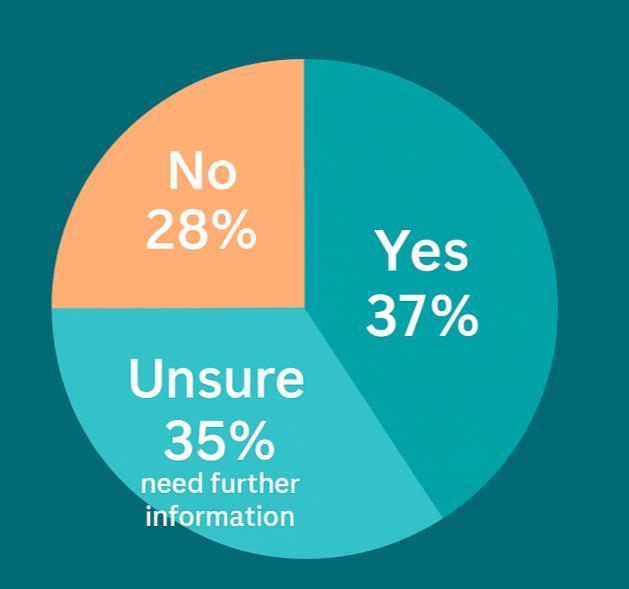
Community willingness to accept rate increase above the cap.
349 people responded to this question, and this is what they said by %.
If you answered YES, what services or construction projects would you like to see funded by a potential rate increase?
If you answered NO, please indicate where you feel cuts could be made to community services, infrastructure or construction works.
24 people responded, and this is what they said. 57 people responded, and this is what they said.
Council currently has very low levels of acquired financial debt.
Would you support further financial borrowing to fund additional services and/or construction works?
349 people responded to this question, and this is what they said by %.
fund additional
If you answered no to borrowings, please indicate where you feel cuts could be made to community services, infrastructure or construction works?
74 people responded to this question, and this is what they said.
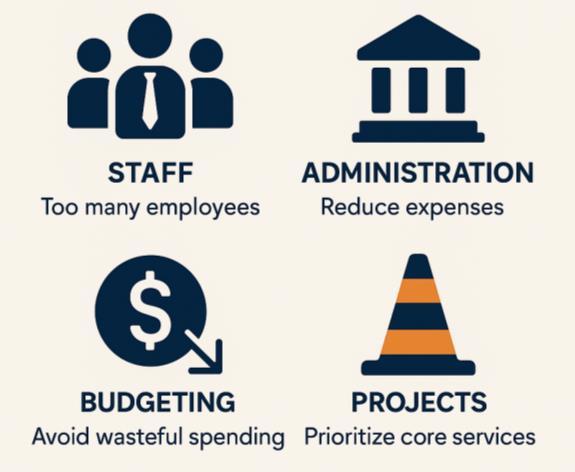
Council Staffing and Internal Costs
Non-Core Services and Programs
Sporting Infrastructure – Already
Adequate or Low Use
Fleet, Vehicles and Perks
Project Efficiency and Smarter Spending Conservative Fiscal Approach/Budget
Grants and Alternative Funding
Final survey comments
159 people responded to this question, and this is what they said.
Theme Comment
Bike maintenance and skills sharing space
Workshops to educate community members, upskill
Workshop space to rebuild old bikes to be useable again for community members
More people riding equals better health of our community
Community Facilities and Infrastructure
Work out how to have at least one paid employee to run the council halls and other performance venue
Get the basketball half-court installed at Market Square
Central Park netball court really needs funding
New netball courts for Central Park please
Upgrade Stawell Warriors netball courts and change room facilities
Indoor heated pool for elderly exercise program. Rehab programs
Build a sensory garden with community. Build a sprinkler play area at Cato Lake for children and residents
Put actual effort into the town halls and get them up to par with the modern industry
Provide a homebase, or storage at the least, to the many arts and culture community groups
Arts and Culture
More encouragement for arts and cultural initiatives in Stawell
Enabling all to be part of the community. Numerous studies have shown the value of the arts in improving physical and mental health
More community events are needed. More support for the arts
Specifically, more focus on community resources for residents
Engagement in more community consultation that isn't just tourism and business focused
Community Engagement and Transparency
Equity and Service
Distribution
Don't over promise and under-deliver as you have previously Be transparent constantly about deadlines, progress and changes
Put the detail of implementation/action plans for these on the website
The next survey needs to be much simpler
Feedback and consultation please
Ensure equity across all locations within the shire
Look after the smaller community in the shire
Focus on what council should deliver not what it always has
Reduced focus on just Stawell and Halls Gap and allow smaller places a voice
Theme Comment
Community Facilities and Infrastructure
Environmental Sustainability
Opposition to Renewable Energy Projects
Bike maintenance and skills sharing space
Prioritise inclusion of marginalised groups and environmental sustainability as foundational to any plans
Council needs to concentrate on council issues and do them well. Climate change impacts are real
Please prioritise the wellbeing and care of the natural assets like wildlife, eliminating feral pests and weeds
Council needs to advocate against renewables in our shire
STOP the push for renewable energy
Must stop VNI-WEST and the renewable projects
Stop the renewables onslaught at all costs
I don't want to have to look future generations in the eye and apologise that we did not do enough to stop this shire becoming a renewable energy zone
Make cuts to staffing levels within the shire
Financial Responsibility
We are all having to be fiscally responsible in the current economic climate. Council needs to do the same
Do the best at keeping rates down, I believe this to be of importance
Reduce costs by reducing administrivia and red tape
3.2 Community Discussion Forums
Forum approach
Based on findings from the survey, forums were designed to explore what action council takes to address outcomes in four key themes:
• Assets and Infrastructure
• Economy
• Environmental Sustainability
• Community Health and Wellbeing
Four Council Plan discussion forums were scheduled as follows:
Stawell Councillors and Council Staff
Tuesday, March 11, 5:30-7:30pm, North Park
March 13,
March 18, 5:30-7:30pm, Community Pavilion
March 20, 5:30-7:30pm, Stuart Hall 28
Each table had a staff member there to help guide the conversation. They asked the group to think about what they would like to see council focus on over the next four years?
The table facilitators assigned the ideas into categories based on council roles of advocate, facilitate/support, investigate/plan, provide services or deliver maintain, renew infrastructure, and regulate.
They then asked everyone to narrow it down — if council could only do three things from everything discussed, what would your top three be?
As the ideas came up, the facilitators grouped them into categories that matched the different roles council plays such as advocating for the community, supporting local initiatives, planning and investigating, delivering services, maintaining infrastructure, or enforcing regulations.
Forum findings
The follow summary outlines the actions most commonly identified by participants during the Council Plan community forums held across the shire. Feedback was grouped under four key themes: Community Health and Wellbeing; Economy; Environment; and Assets, Infrastructure and Financial Management.
For each town, participants were asked to identify potential council and community actions across a range of roles such as Advocate, Facilitate/Support, Investigate/Plan, and Deliver Infrastructure or Services. The actions listed below reflect those that were commonly raised within each town, highlighting shared community priorities and recurring themes.
This consolidated action list provides a valuable reference point for understanding local aspirations and concerns. It will support ongoing planning and decision-making to align council priorities with what matters most to residents in each town.
The full results from all workshops, including detailed feedback under each theme and action type, can be found in the Appendix 3: Community Discussion Forum outputs.
Commonly raised actions by town and theme
Town Theme Common Actions
Community Health and Wellbeing
Economy
Stawell
Environment
Assets, Infrastructure and Financial Management
Community Health and Wellbeing
Economy
Halls Gap
Great Western
Environment
Assets, Infrastructure and Financial Management
Community Health and Wellbeing
Economy
Environment
Assets, Infrastructure and Financial Management
Community Health and Wellbeing
Economy
Environment
Assets, Infrastructure and Financial Management
• Advocate for better mental health and family support; support social connection programs; enhance active living and arts/culture; activatecommunity spaces.
• Improve links to training; support major events; reducered tape; foster business innovation; enhance main street appeal and parking.
• Promote energy efficiency; expand wasteoptions and clean-up programs; climate resilience planning; street treeprograms
• Beautify town entrances; support CBDrevitalisation; improve signage and lighting; upgrade community and sports infrastructure; implement walking/bike path.
• Improve health services access; support Neighbourhood House as community hub; youth and intergenerational programs; volunteer promotion; indoor activity spaces.
• Limit short-stay accommodation; promote liveability; support remote work and entrepreneurship; year-round tourism activities; EV charging infrastructure.
• Control weeds and feral animals; waste education; local renewable energy hub; improve waste infrastructure and landscape management.
• Develop bike paths and safe crossings; improve wayfinding and underground power; support worker housing; invest in childfriendly and indoor community space.
• Expand access to health and aged care services; support volunteerism; community events and local activation; centralised information for residents; transport for appointments.
• Enhance town signage and presentation; support producer networks and new business; manage vacant buildings; facilitate housing availability and subdivision.
• Improve sewage and power stability; promote recycling and composting; manageflood risk and fire hazards; implement beautification and treeplanting.
• Advocate for bypass and safer roads; upgradeMemorial Park and community spaces; signage improvements; recreational facilities and drainage planning.
• Improve visiting and mental health services; support mental health and intergenerational programs; youth spaces and nonsport activities; community transport for services.
• Increase housing supply; support new businesses; event and tourism promotion; reusevacant buildings; educational programs in schools.
• Expand tree planting and waste education; provide green waste and recycling options; roadside and vacant lot clean-up; fire prevention and composting initiatives.
• Enhance housing and aged care infrastructure; improve lighting and road safety; activate recreational spaces; maintain public amenities and protect heritage.
St Arnaud
3.3 Youth Engagement Survey
Survey approach
As part of the development of the 2025–2029 Council Plan, we set out to hear directly from our youth: what they value, what challenges they face, and what they hope for in the years ahead.
Through a targeted youth survey, nearly 200 young people aged 12 to 18+ shared their thoughts on life in the shire what’s working, what needs improving, and where council can make a real difference. This input has helped shape priorities for the next four years, ensuring young people’s voices are not only heard but reflected in our planning. Survey results can be found in Appendix 4: Youth Survey Results.
From recreation spaces and social events, to mental health support and job opportunities, this section highlights what matters most to young people in our community and how we can work together to build a safer, more inclusive and vibrant future for all.
Quick insights
• 197 total respondents aged between 12–18+ years
• 50% female, 46% male, 4% non-binary or self-described
• 15% LGBTQIA+, 7.6% Aboriginal or Torres Strait Islander, 10% live with/care for someone with a disability
• Most respondents were from Stawell and St Arnaud
What council services matter most to young people?
Top council services youth reported the biggest positive impacts from:
• Leisure, recreation, sports and pools (61%)
• Parks, gardens, and reserves (55%)
• Infrastructure like roads, lighting, paths (36%)
• Programs promoting inclusion and accessibility (20%)
Youth survey insights (continued)
What they value about living here:
• 83% have family here
• 75% have friends locally
• 42% enjoy the natural environment
• 31% feel safe
• 27% feel welcome
What they want more of:
• Live music (42%)
• Music festivals (35%)
• Movie nights (35%)
• Sporting events/clinics (36%)
• Creative arts workshops (22%)
• Life skills programs (33%)
Health and wellbeing priorities:
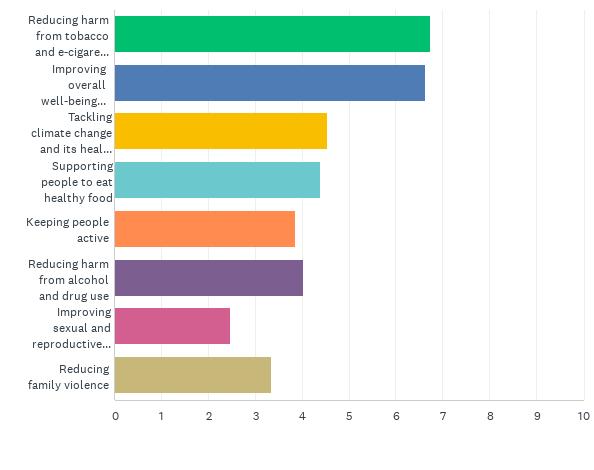
Top health concerns young people want council to focus on:
• Reducing harm from vaping and tobacco
• Improving overall mental health and wellbeing
• Tackling climate-related health impacts
• Supporting healthy eating and physical activity
Ideas for a better future:
Responses to open-ended questions
highlighted clear priorities:
• More youth spaces and activities
• Greater access to work experience and parttime jobs
• Safer towns, with improved lighting and roads
• Mental health support, including free therapy and drop-in spaces
• Inclusive events and festivals
• Accessible and safe recreation areas
Youth voice matters:
• 20% said they would like to stay involved with council decisions
• 40% were unsure but open to connection
Places they love:
Top three places to hang out or be active:
• Local parks and lakes (60%)
• Sporting grounds (54%)
• Pools (53%)
Biggest challenges facing youth:
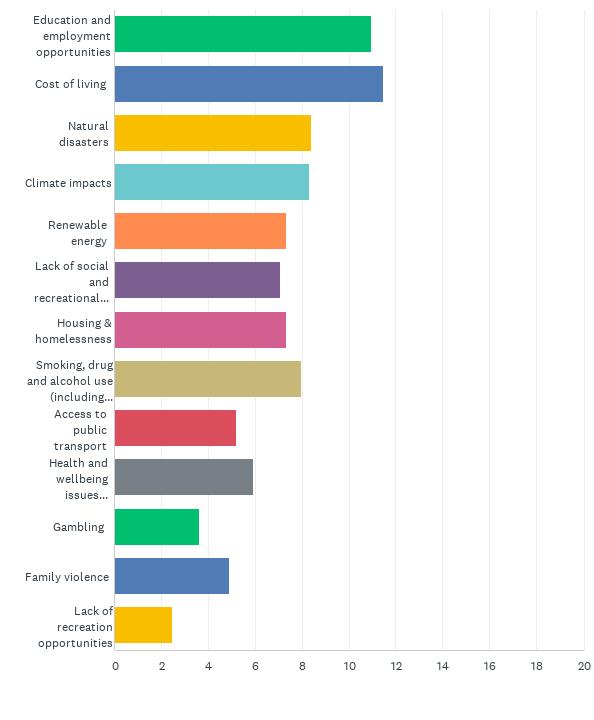
The top-ranked challenges for the next four years were:
1. Education and employment opportunities
2. Cost of living
3. Mental health and wellbeing
4. Lack of recreation and social activities
5. Substance use (including vaping and drugs)
Open comments also raised issues like:
• Bullying and discrimination
• Limited things to do
• Public transport gaps
• Lack of youth spaces and jobs
3.4 Municipal Public Health and Wellbeing Workshops
Municipal Public Health and Wellbeing Plan Workshops
To inform the development of Northern Grampians Shire’s combined Council and Municipal Public Health and Wellbeing Plan, two workshops were held with with key health and human service stakeholders in March 2025. These sessions built on prior engagement and community data and focused on identifying local priorities and potential actions to improve community health and wellbeing. See Appendix 5 for a list of participating stakeholders, and Appendix 6 for detailed workshop one outputs.
Workshops held with key health and human service stakeholders were as follows:
Workshops
Workshop One Councillors and Council Staff
Workshop Two Councillors and Council Staff
Location, Time and Date
Thursday, March 13, 10am - 1pm
Stawell – North Park 25
Thursday, March 27, 10am - 1pm
Stawell – North Park 25
Workshop one insights
Key health and wellbeing priorities
Improved access to services
Participants consistently noted challenges in accessing health, mental health, and support services due to cost, transport barriers, limited availability and digital exclusion.
Preventing all forms of violence
Family violence, elder abuse, racism and discrimination were identified as major concerns affecting individual safety and community cohesion. Participants highlighted the need for awareness, support services and systemic responses.
Mental health and wellbeing
Mental health issues are becoming more prevalent across all age groups, with limited access to timely and appropriate support. Trauma, climate anxiety and social isolation were recurring themes.
Climate change and its impacts
The physical and mental health effects of climate change including stress due to disasters such as floods and fires were strongly emphasised, especially in relation to vulnerable cohorts.
Healthy eating and active living
Poor nutrition, low participation in physical activity and barriers to active transport were noted, particularly for children, youth, women and people with disabilities.
Key health and wellbeing priorities (continued)
Children and young people
Rising mental health issues, disengagement and social disconnection among young people were highlighted. There is a need for more youth-specific services, safe spaces and educational support.
Community connection and communication
Stakeholders called for better ways to connect and communicate with all community members especially those who are digitally excluded or culturally and linguistically diverse.
Thematic areas of concern
Family violence and safety
Community-wide concerns about the rising incidence of family violence, elder abuse and violence against women and girls, especially in public and domestic settings.
Mental health
Escalating mental health service needs, complex trauma, long wait times, and social impacts such as antisocial behavior affecting businesses and communities.
Access to services
Cost, distance, workforce shortages, digital barriers and limited transport options were all seen as key inhibitors to health and community participation.
Youth and children’s health
Increasing concerns over vaping, substance use, unhealthy eating, lack of physical activity and disconnection from education and social life.
Climate change
The social and emotional toll of climate events, and how these disproportionately affect women, children, the elderly and vulnerable residents.
Social isolation and volunteering
Declining volunteer participation and rising social isolation especially in rural and ageing populations are creating gaps in service delivery and connection.
Food security
Socioeconomic conditions are contributing to increased demand for food relief, while unhealthy diets and low awareness of nutrition continue to pose health risks.
Housing and homelessness
Increasing concerns over affordability and availability of housing across the shire, in particular housing for people experiencing family violence.
Stakeholder priority rankings
Each workshop group ranked their top four priorities based on local needs. While there was some variation, the following issues were most consistently prioritised:
• Preventing violenceand discrimination
• Improving mental and physical wellbeing
• Enhancing service accessibility
• Addressing climatechange impacts
• Promoting healthy eating and active lifestyles
Workshop two insights
Municipal Health and Wellbeing Plan: Goals and strategies
Workshop two built on the findings of the first workshop. The following section outlines the proposed goals and associated strategies developed through community consultation and stakeholder engagement as part of the Municipal Health and Wellbeing Plan planning process. These strategies are designed to guide coordinated action towards improved health and wellbeing outcomes across Northern Grampians Shire.
For each strategy, specific actions have been suggested to support implementation. These actions, along with council’s proposed role, can be found in the Appendix 7: Municipal Public Health and Wellbeing Plan Workshop Two
Goal 1
: Foster a community where everyone can live free from family and gender-based violence.
• Support initiatives that raise awareness and understanding of family and gender-based violence.
• Embed a culture of non-violence, respect and gender equality across council and community.
• Strengthen system responses.
Goal 2: Improving health and wellbeing outcomes for children and young people.
• Empower young people through community and civic engagement.
• Improve access to services and resources that support positive mental health.
• Promote active living and healthy eating.
• Reduce harm from tobacco, e-cigarette, alcohol and other drug use.
• Enhance literacy and education outcomes and strengthen pathways to employment.
• Strengthen support systems for parents and carers.
• Increase access to suitable housing and support services.
• Improve sexual and reproductive health.
• Promote positive dental health outcomes for young people.
• Empower young people to take action on climate change and its impact on wellbeing.
Goal 3: Improve long-term health outcomes by reducing chronic health conditions.
• Improve access to and navigation of healthcare services.
• Increase participation in active living and active transport initiatives.
• Strengthen food security and encourage healthy eating habits
• Reduce tobacco and e-cigarette use.
Goal 4: Tackling climate change and its impact on health.
• Taking action to mitigate climate change.
• Enhancing personal and community resilience in relation to extreme weather events and disasters.
• Addressing the impacts of climate and extreme heat-related illness.
Goal 5: Improving mental wellbeing, social connection and inclusion.
• Implementing programs and initiatives that encourage good mental health.
• Enhancing access to, and navigation of, mental health services.
• Fostering inclusion, connection and participation.
• Increasing access to diverse housing options and reducing homelessness.
• Strengthening the impact of volunteering through enhanced resources and capacity-building.
• Enhancing perceptions of safety.
Appendix 1: Engagement communication
Engagement was promoted across a range of media channels to various audiences as outlined below, across a 46-day campaign period (February 3 to March 20, 2025).
• New knowledge hub developed on council's website to promote Council Plan and Municipal Public Health and Wellbeing Plan activities.
• Homepage banner on council's website and a Facebook cover image which directed people to the survey, then the listening posts, and then the discussion forums.
• Three press releases were sent to local media — one announcing the engagement opportunities, one reminding people to get involved, and one thanking the community for their engagement and establishing next step expectations.
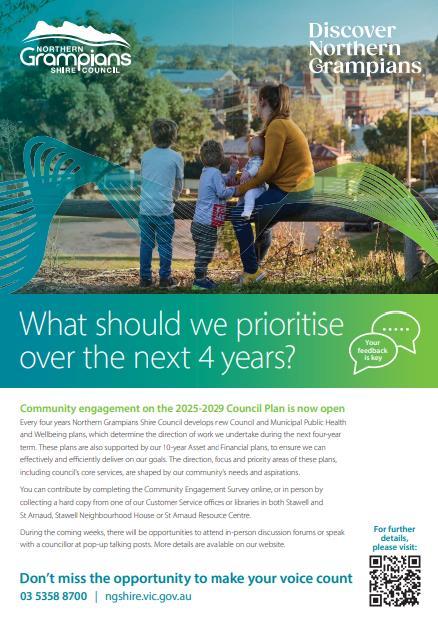
• 100 flyers and 1500 postcards were distributed to businesses, sporting and community groups, public noticeboards, handed out at Listening Posts and so on.
• Radio ads ran for three weeks in February, promoting the different engagement opportunities, featuring two different scripts (one announcing the activities and one reminding people to get involved).
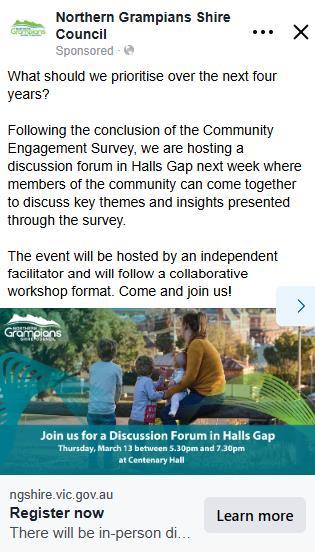
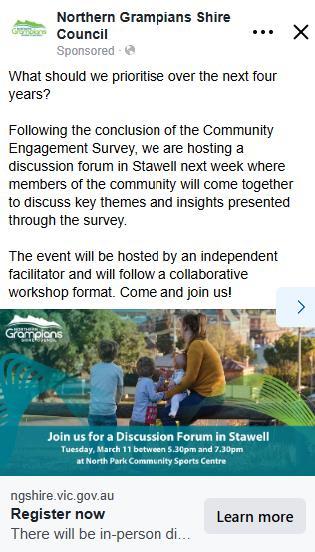
• Four Facebook ads promoted each of the discussion forums to the respective local communities, encouraging them to come along (which were collectively viewed by more than 6300 people).
• Three newspaper print ads were featured in The Weekly Advertiser (half-page ad), The Stawell Times-News (half-page ad), and the North Central News (quarter-page ad).
• The engagement activities were featured in council's fortnightly Community Update print feature in all three above-mentioned newspapers on two separate occasions.
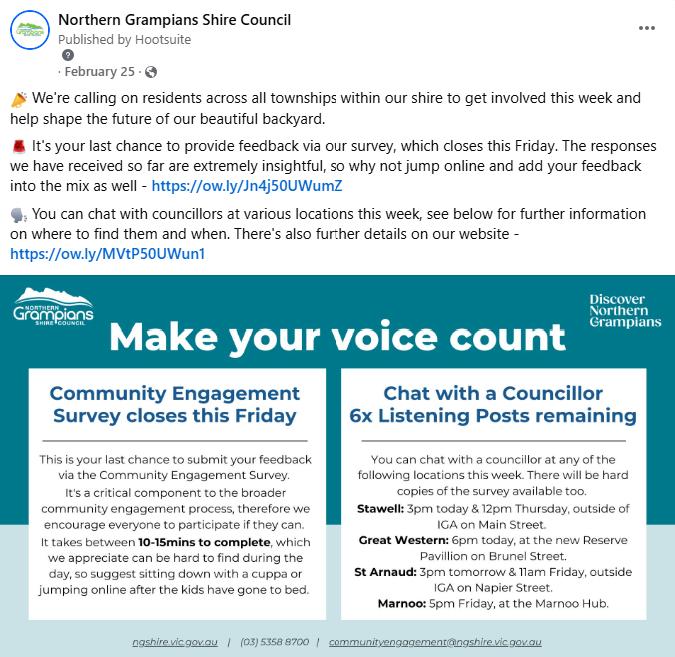
• Social media posts were shared onto the following pages, with more than 10,000 people viewing these posts:
o NGSC Facebook and LinkedIn pages
o Libraries Facebook pages (Stawell and St Arnaud)
o Stawell Sports and Aquatic Centre Facebook page
o St Arnaud Pool Facebook page
o We also shared directly into community Facebook groups such as 'Great Western Community Noticeboard' and 'Halls Gap Locals'.
• DigiComm screens featured content at:
o Stawell Town Hall
o St Arnaud Town Hall
o Stawell Sports and Aquatic Centre
o Libraries (Stawell and St Arnaud)
o Internal staff screens
• Individual community and sporting group emails were sent out. Council staff emailed each community group via a direct email to notify them of the engagement opportunities and encourage them to share the information with their audience/members/followers.
• The engagement activities were featured in council’s Community E-Newsletter (sent to our community group and sporting group network) and Business E-Newsletter (sent to our local business network).
• Individual invitations were issued to appropriate health agencies and key stakeholders inviting them to attend the two Municipal Public Health and Wellbeing workshops.
Circulation and viewership insights
- Social posts are organic and paid insights combined.
- Newspaper insight is based on the combined circulation figures for TheStawell Times-News, North Central News and The Weekly Advertiser times two (as our content appeared in each newspaper twice).
- Web visitor insight is only measuring visits toour new knowledge hub andconnected pages.
- Email insight is a combination of Community Enews database, Business Enews database, MPHW invitations sent out, andindividual community and sporting group emails sentout.
- Radio insight is a combinationof the average daily listenership for the twostations engaged across the campaign period (3AW& MixxFM).
Northern Grampians Shire Council Community Engagement Report, April 2025
Examples of promoted content
Examples of editorial and print content
Appendix 2: Engagement demographic
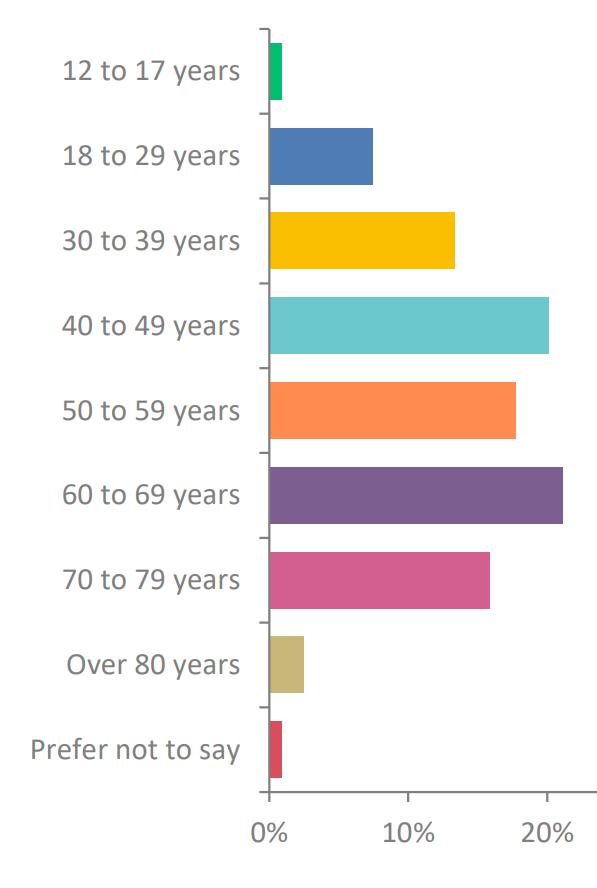
Figure 1: Age group
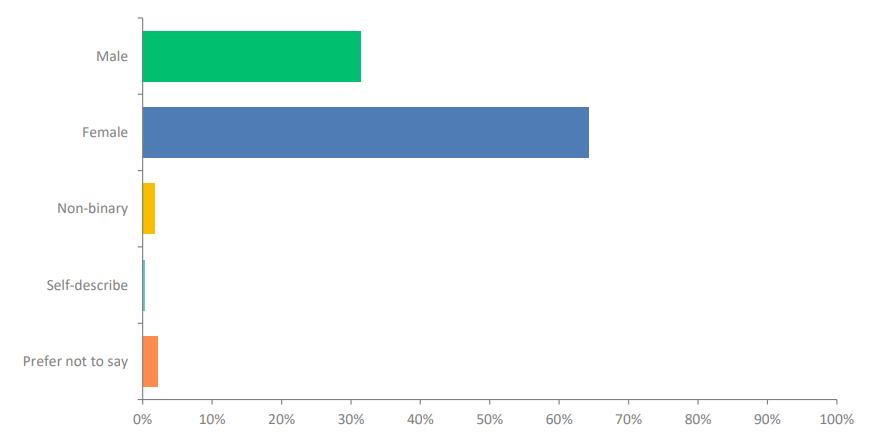
Figure 2: Gender
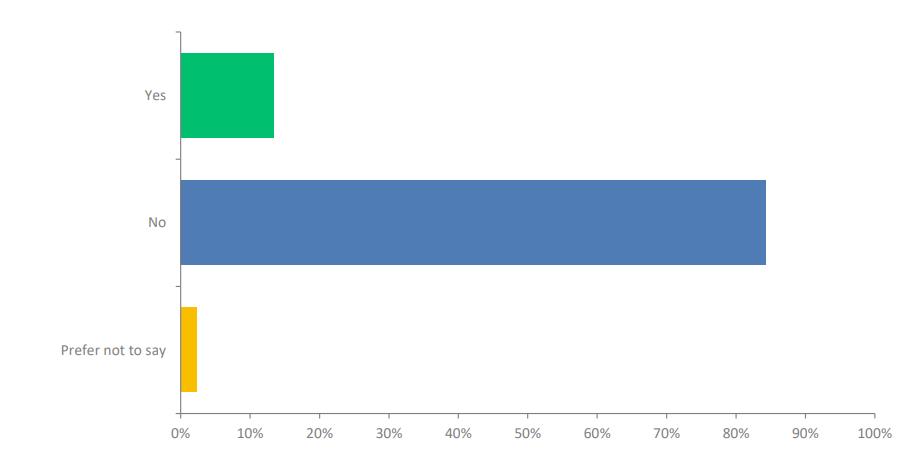
Figure 3: Live with a disability
Appendix 3: Discussion forum outputs
*
Stawell
Community Health and Wellbeing
Advocate
• For improved public transport
• For better access to mental health support services
• For support services for those impacted by family violence Facilitate/Support
• Reduce homelessness
• Partner/support and communicate with local services (and organisations) working on the ground (Neighbourhood House/The Cottage) – capacity building*
• Educate community (mental health, AOD, homelessness)
• Support local organisations to promote what they’re doing*
• Volunteer platform/program – social connections, intergenerational*
• Activity calendar
• Drop in / cuppa sessions, mentoring/skills – youth/intergenerational* Investigate/Plan
• Seating (on walks)
• Lighting (at night) - safe walking paths, dog park, accessibility* Provide Services or deliver, maintain, renew infrastructure
• Local movies (or facilitate)
• Arts and culture: shows at the Town Hall
• More accessible/cheaper/free active living opportunities*
• Walking paths (linking points in the town)*
• Library: activation (trivia, book club, social cuppa groups)
• Intergenerational program
• Activate dog park (active living, social connection)
• Connected bike paths (iron barks, rail trail, parks) – active transport
• Arts and culture space and events/music and theatre*
• Youth engagement activities – social media channels
• Sound stage – Cato/events (social connections)
• Multicultural support
• Community development support (support for community groups)
• Social connection activities (youth, multicultural, seniors)
• Activating spaces that already exist
Stawell Economy
Advocate
• For Launch Vic (support from pilot – success)
• For linkages to TAFE/Universities – Fed Uni – Hosp Training School (promote)
• For Increased access to healthcare
Facilitate/Support
• Major event in Stawell (in addition to Gift) – focus on other events and new events*
• Diversity of events – family events, local events, community events – Billy carts, Cato Park (Walking on Water)*
• Presentation of street front – encourage landlord improvements (tenants having trouble getting landlords to update), Italian restaurant, night-time economy (extend trading)*
• How to encourage/incentivise landlord improvements (what are the motivators?) – council engagement with owners
• Vines in main street (similar to Ararat) – flowers and landscaping
• Lack of dinner options – destination dining (Dunkeld Hotel)
• Generating of ideas – business collaboration – businesses working together e.g. photography and other businesses joining together to offer something
• Getting people off the highway – big sign in advance (Sloane Street main entry point)*
Investigate/Plan
• Stawell VIC difficult to park – can’t park RV (signage, dedicated spot, put dump sport at same location – not separate) – lack of caravan parking
• Old gas works – social housing, great location
• Vacant buildings (shop top dwellings)
• Crown land – identify and develop – get TAFE trades to support development – joint venture
• Need attractions – natural attraction – linkages of existing attractions*
• Facilitate gap year – training - CFA, aged care
• Youth detention, women’s prison – bring business, jobs
• Ararat work with Wyndham to bring up workers (Hospital) – fill workforce gaps Provide Services or deliver, maintain, renew infrastructure
• More event nights at the Town Hall – activities for youth, bring in people, fundraising
• Splash Park – pop-up, food vendors – recycling (more water into gardens)*
• Old lake dog park no fence, other dog parks no grass, nothing there, needs bbq
Regulate
• Difficulty with pop-up events (red tape / registration)
• Large scale event – difficult to get up – increase support
• Community events – better support, hand-holding, cost of venue hiring (Town Hall need to book online, can’t ring and book – can customer service help?) – list of assets/people that can assist in getting events up and running, insurance (public liability), concierge*
Stawell
Environment
Advocate
• Advocate to get out of unnecessary bin collection (purple) – drop-off as an option, localised drop-off*
• Incentivise solar and renewables – broker between residents – B2B linkage for batteries etc (brokering information) – increase awareness of correct rebates, increase the rebate, how to make it more freely available*
• Emergency preparation improvement – season prep ‘burn off’ – climate adaptation –indigenous (collaboration with native burns)*
• Protect water reserves
• Ironbarks cleanup (State Park)
Facilitate/Support
• Communicate on current (waste management) practice (recycling processing – where and what)
• Big business – enable them to reduce impacts on climate*
• Water harvesting for P&G – connecting business with water saving initiatives
• Human responsibilities
Investigate/Plan
• Introduce vouchers for transfer station – free disposal of FOGO to enable good behaviour*
• Big Hill plant up and landscape
• Cooperation with urban landscape is working well (an example of what works)*
• Clean Up Australia day (free disposal of waste)
• Hard rubbish collection (generally or on needs basis) – support vulnerable
• Neighbourhood batteries – encourage – greater access to incentives*
Provide Services or deliver, maintain, renew infrastructure
• Lead the way in renewables – provide and invest in renewables (showing leadership on buildings in particular)*
• Continue to do street trees – it’s working
• Green bins sooner*
Regulate
• Energy efficient housing standards (could be facilitate)
• Solar efficient design (mandate)
• Energy efficient standards
Stawell
Assets and Infrastructure
Advocate
• Highway doesn’t look attractive – doesn’t attract people into the town – signage – lighting (London Rd)
• Street lighting around Stawell*
• Advocate for SSAC Facilitate/Support
• Rubbish bins
• Street signs on Western Hwy to attract public into the town (large sign)
• Big Hill (upgrade the approach)
• Beautification of shop fronts
• Re-invigorate Main Street
• Create housing behind Main Street
• Develop CBD nightlife
• Mini golf
• Rev advisory committees need to be improved - closer collaboration with community*
• Strategy around sports and activity needs to be unified* Investigate/Plan
• Gym, squash court
• SSAC is crowded
• Street furniture on Main Street Stawell*
• Furniture needs to face the street / shading
• Ornamental grape vines in Main Street (deciduous v’s evergreen)*
• Council to spend money on street sweeper
• Permanent café at Cato Park / Powerhouse*
• Sports clubs need to pay more money (some agree, some don’t)
• Larger VIC – larger parking area – cafes close by – caravan parking spots*
• Council does not have arts, events, activation staff to promote activities*
• Silo art on water tank
• Investigate lighting/sound at Town Hall – infrastructure is outdated* Provide Services or deliver, maintain, renew infrastructure
• Environmental training for service providers and volunteers
• Support expansion of Neighbourhood House to support youth and community –funding/support for NH, increase storage, access to training rooms at NH – access to commercial kitchen at NH – child safe play area at NH*
• Permanent arts and activity space at NH – a venue space for NH*
• Talk to Ararat Council re redline
• Building community to encourage residents to live and work in HG – health professionals
• Advocate for increased mental health support – youth and children
Facilitate/Support
• Return Hall ownership to community – empower community to use hall as a genuine community hub (remove usage red tape)*
• Community ambassadors
• Support and activities for elderly / ageing (e.g. water aerobics)
• Dog walking space
• Volunteers – encourage involvement, increase social connection and sense of worth – cross promotion training / communication – promoting volunteering as a mental health benefit
• Ongoing support, including financial for community groups to facilitate activities (active living/social connection) – ways for young people to engage with current community or other groups/orgs (junior programs) – support, fund and promote existing sporting groups*
• Environment or tourism placement for young people in business
Investigate/Plan
• Connect our young people to landscape (elementary, primary, secondary) – youth engagement – community activities for youth and children – intergenerational programs –support for kids and youth (sporting activities, clubs, events)*
• Expand services for meetings and community activities
• Pump track / Skate Park
• Gariwerd trail running – support grass-roots nature-based initiatives
Provide Services or deliver, maintain, renew infrastructure
• Leadership programs for primary school kids / connection
• Better comms on events and facilities – calendar of events – community board (communications) – clarify coordination understanding (who talks to who)*
• Childcare centre in HG – Family Day Care*
• Forest kindergarten
• Transport for out-of-town appointments
• Gym / indoor community space
• ‘Gatherings’ festival – social connection events (MH)
• Community leaders from Stawell to come out to HG for community leaders
Regulate
• Encourage residential accommodation for retirees in town centre*
Halls Gap
Economy
Advocate
• Lake Fyans, GWM (Porpunkah example) – accommodation/dongers (pop-up), shuttle buses, shared resources pool – person coordinating this*
• Parks Vic ‘mural room’ – can this be made available?
• Collaboration/working together – closed on public holidays – tourist town – nowhere to get food – Business Association (solution) – communication channel so that not everyone is shut*
• Communication / wifi – internet bad at peak times
• Balance tourism accommodation with worker accommodation –temporary housing?*
• Halls Gap is a nature-based destination – environmental training – TAFE placements?
• Sustainable economy – currently not sustainable – how do we get there? (climate, business, community, shire)*
• Needs to be circular economy in tourism
• Public transport – free regular shuttle (shuttle bus loop – wineries / WAMA)
Facilitate/Support
• Increase housing in Halls Gap*
• Promote Halls Gap as a town to live in (not just a tourist town) – promote as liveable place and remote working destination (campaign)
• Promotion of tourism / activities – all year round – seasonal activities – linked to employment (if we had employees, we could offer year-round tourism)*
• Entrepreneurship (support – get off the ground / investment)
• EV charging (residents, mural room, tourism, car parks and servo, grants?)*
• Co-working space – extend remote working, holiday/remote working
• New business ‘incubator’ – location (hot desk, shared spaces, low cost) – central facility for businesses to co-op / pop-up – space to let new businesses try out and step up
• Social housing – how to make easier / facilitate
• Capitalise on natural assets – promotion of events
• Proper recognition for our First Nations cultural heritage – understanding and appreciating
• GTR - Gariwerd trail running
• Apprenticeships – youth engagement/employment – sponsor/facilitate youth work experience in tourism and environment industry – i.e 1 week to 3 months (gives local youth skills)
Investigate/Plan
• Bike path – HG – WAMA – Pomonal (link to wineries)*
• Encourage people who own empty properties to allow them to be utilised/rented for popups
• Fee/charge (e.g. Warnambool) – NGSC – could be used to manage waste / contribute towards housing – tourism tax ($1 per person per night), goes back into HG to fund services*
• Empty housing
• Limit temporary accommodation. Package to support conversion from temp to permanent.
Halls Gap
Environment
Advocate
• Shuttle to reduce private vehicles*
• More robust public transport options
• Feral animal eradication – deer, goats and rabbits are trashing the park, homes and gardens*
• Collaboration shire wide with other organisations / NGOs to have a plan for rest management
Facilitate/Support
• Clear rules – who tidies up what land (nature strip, spoon drains, paths)
• Recycling bins in town and container dep. centre in a central location
• Lower speed limit to stop roadkill
• EV charging
• Need a longer-term plan to deal with roadsides
• Red bins (general waste) – cockies and animals, wind and spread
• Community battery*
• Weed management - fire hazard, encroaching – coord between who to clear – costs / grants*
• Renewable energy – local energy hub generating excess electricity from solar panels Back up power for outages*
Investigate/Plan
• Energy self-sufficiency for our region
• More bins available for public use – Bellfield / walking and bike trails
• Habitat assessment needed – what do we have and how do we protect it
• Minimise toxic chemical use
• Recycle bin – contents, 10c deposit, general waste, glass
• Coupons with rates for free green waste disposal
• Circulator / Donut framework for council plan and design economy*
• Free green waste (a ditch with once a week 2hr open)
Provide Services or deliver, maintain, renew infrastructure
• Education for visitors*
• Centralised trash for holiday home visitors so no bins out for weeks (cockies etc)
• Green bins – could do a council run facility enhancing employment in the region*
• Support for fuel / fire management on private property
• Closer alignment between weed management and fire management e.g. Yarra Burgan
• Weed management collaboration
• Renewable energy for our hall / hub – solar and batteries
• Fire fuel removal – roadside (NGS, VicRoads), on properties, green waste costs! Green bins*
• Free waste transfer station*
Regulate
• Maintain cat ban in Halls Gap
• Fine houses for leaving bins out too long, and for not clearing up over fire season
• Info campaign for visitors re waste and littering
• Transfer station too expensive – needs review
Halls Gap
Assets and Infrastructure
Advocate
• Advocate for Heatherlie rail trail
• Advocate to GWM Water for off leash dog area near Lake Fyans
• Underground power
• Promote long term car park for GPT
• Utilise Brambuk car park and encourage people to walk/cycle to town
• Public need to know parking options
• Council grants for better aesthetics (for shop fronts)
• Density housing for workers
• Incentivise long-term rentals (lowering rates)
Facilitate/Support
• Lack of taxi / leads to visitors being hesitant consuming liquor – loss of sales
• Skate Park – pump track
• Off leash dog park requirement
• Support to develop and maintain modern playgroup equipment in partnership with committee of management
• Permanent space for neighbourhood house – more space and useful areas*
• Worker accommodation – crucial
• Laundromat
• Focus on infill housing / improve existing infrastructure
• Town centre – planned for increased residential around town centre, services, shops
• Put electricity underground in main street – HG is founded on aesthetics, the national park –main street has improved over the years but is still blighted by the power lines – this has been on council plans for decades, but nothing happens – with new GPT trail head and pop up park, centre of HG would finally be a match for its back drop – more attractive = more visitation
• Limit AirBnBs for worker housing
• Building for an external provider to operate daycare / family daycare
• Kindergarten
• Shuttle bus for zoo, wineries, WAMA etc
• Town map showing parking (car, caravan, disabled, long-term secure for GPT, EV)
• Update town with signs to tennis courts, toilets, other infrastructure*
• Linking footpath across Mt Victory Rd to rec reserve
• Council to support neighbourhood housing and apply for grants
Investigate/Plan
• Integrated walking tracks b/w the national park and town – circuit walks
• Stony creek erosion control – long term strategy
• A dedicated neighbourhood house building – community hub
• Traffic management, speed reduction, parking
• Heath St bridge
• Lower speed limit in town to stop roadkill and increase tourism safety
• Extend cycle path to Pomonal, zoo, WAMA and beyond*
• Bike safety for school kids and commuters*
• Traffic management, speed reduction, parking
• Heath St bridge
• Lower speed limit in town to stop roadkill and increase tourism safety
• Extend cycle path to Pomonal, zoo, WAMA and beyond*
• Bike safety for school kids and commuters*
• Bike trails to connect winery – spread the visitors across the town*
• Indoor activities for the community – indoor facility (particularly for young families visiting HG)*
• Physical divide between Pomonal and HG – no way of travelling without vehicles
• Lack of all types of transport
• Parking on Heath St is needed - long term secure parking - caravan parking
• Wayfinding signage
Provide Services or deliver, maintain, renew infrastructure
• Waterflows downhill – please fix drains on roads to stop erosion and flooding (i.e. Sth Hemly Crt)
• Transport connection (vline/PTV, bike paths to Stawell/Pomonal, marketing bike routes
• Bike repair stations around the Grampians
• Seal Scott Rd and High Rd with sensible drainage that slows the water (also Wattle Tree Rd)
• Lack of fencing around the ice-cream shop – safety issue with kids entering the road
• Toilet cleaning contractor – public toilets need refurbishing, better maintenance
• EV charging station
• Glow in the dark lines for bike path
• Improvements to hall as currently council-owned facility – future proof through solar, back-up generator, insulation, cooling, heating
• Red tape for booking halls needs to be resolved – min hrs does not work – handover management of the hall to committee of management (HG Centenary Hall)*
• Walking path – crossing to rec reserve from town (it just ends in a ditch at the police station)
• Community does not feel strongly about Heath St bridge Regulate
• Make the planning permit process easier
• Some planning control specifically with drainage in HG
• Maintain weed control and pest animal control (e.g. cats) – more support needed
• Easier process to build housing*
• Map of the town where houses can be built*
• Council’s position on tiny houses and portable developing*
Great Western
Community Health and Wellbeing
Advocate
• Education for children with autism and mental health – more specialists, more psychologists
• Women’s health services
• Accessing partner/roaming health services, including blood bank
• Increase options available for radiology at the hospital (currently have to travel to Ballarat)
• Upgrade tennis courts, pickleball, lights
• Community gym – indoor facility – Telstra site*
• Start development of Memorial Park – fencing*
• Highway bypass
• Not council – improvements to next Aged Care Act (incredibly expensive) Facilitate/Support
• Historical venue – Mechanics Hall (activation / social connection)
• Recreation at tennis club and racecourse (activation)
Regulate
N/A
Great Western
Economy
Advocate
• Touring route – GT (disadvantaging GW)
• Work with other shires – e.g. Southern Grampians
• Move 80km/hr speed limit back (people going too fast) – advocate to VicRoads – both ends +60km/hr – fixed speed cameras (same approach at both ends)*
• Support Grampians Produce Group – support for primary producers, volunteer fatigue, networking Facilitate/Support
• Schools, post office, carvan park (encouraging as a place to live)
• Signage – encourage people to stop, pull off highway – need lighting (can’t see signs), bike path (existing wayfinding strategy)*
• Better promotion of ‘other’ towns – e.g. Great Western*
• Gateway (entrance to Northern Grampians) – no visitor information – put in town hall –materials in town (post box of info)*
• Put on maps – history (signage, interpretive signs, history of the town), wineries
• Advertise what’s on offer (in Memorial Park) – QR code so people can scan and see what’s on
• What would stop people? Bakery
• Other entrance sign at western end of town (similar to eastern end)
• Business directory – put on community connect app
• Advertise events and get business on it
• Promotion of town (to Stawell and St Arnaud) – local visitation
• More events support Investigate/Plan
• Look at rezoning rural land within township boundary – can’t subdivide*
• Make subdivision process easier (currently hard and long process)
• Supportive of grants
• Relook at Great Western Plan (2014-24) – and put in planning scheme – TZ permissive in terms of land uses – where to put new shops (no vacancy in main street) – VCAT refusal*
• Local business group / network group (how to incentivise new businesses to open) – connect local businesses – how they can work together*
• Improve street lighting
• Memorial Park – car parking, dump site (access), fencing, signage (earlier, so time to pull off)*
• Existing sculptures (have $$, windfarm $)
• Racing reserve – camping (low cost) not formalised – average 2-5 nights – council to increase promotion of camping
Provide Services or deliver, maintain, renew infrastructure N/A
Regulate
• Better removal of event signage (post event)
• Presentation / tidying up of properties – enforcement? – understanding why (support services)
• Assets – better street furniture, bins, doesn’t look tidy, fix road next to petrol station
Great Western
Environment
Advocate
• Sewage available for the whole town – removal of old septic*
• Further develop the sewage system
• Neighbourhood batteries
• Control burning in parks in prep for fire season
• Power stability varied – current impact on business
• Highway noise – speed, condition (bypass)
• Kangaroos – inundated in town
Facilitate/Support
N/A
Investigate/Plan
• Concongella creek clean up – strong advocacy
• Flood study – Concongella creek – clean up
• Flooding plan, flood mitigation*
• Dump points (camping and caravan)*
• EV chargers
• Zoning – more appropriate – enable – RLZ to township*
• Waste water usage at Memorial Park – recycling or non-potable access
• Community compost
• Natural park develop (Best Rd corner)
• Hard waste days – in particular vulnerable
• Waste vouchers at transfer
Provide Services or deliver, maintain, renew infrastructure
• Lighting on main street (non-functional) – not safe
• Traffic calming on Brunel St, give way signs need to be consistent, needs speed sign sight lines on Brunel/Cubit St – makes in unsafe – Stevenson St*
• Street signs need to be upgraded
• Dedicated school crossing / pedestrian crossing
• Blinds for the community room (new pavilion)
• Paxton Rd bridge – safety (to be investigated)
• Lack of continued maintenance
• GW masterplan delivery*
Regulate
N/A
St Arnaud
Community Health and Wellbeing Advocate
• For visiting health services and specialist services (including youth)*
• For recruitment of GP’s to the town
• For Royal Flying Doctors Service to continue Facilitate/Support
• Programs to support men’s mental health *
• Youth spaces – for free events, meetings and activities *
• Programs to support men’s physical health
• Better and more accessible mental health services for all
• More sport/ active events for youth that are free and not team based
• Community events (eg. remote control boats at the lake or planes event)
• A bus service twice a week to a heated pool for water aerobics
• Community transport for appointments out of town
• Promote our service clubs within our town
• Free gym (indoor or outdoor)
• Central point for volunteering and groups in the community
• Family violence education, resourcing and services
Investigate/Plan
• Retirement village central to town *
• Programs to address loneliness *
• Local heated pool*
• Extended hospital services, such as a doctor on duty 24 hours*
• Recruitment of local GP
• Men’s shed
• Attract or promote a zipline course – attract a zipline town to come to St Arnaud
• Development and wayfinding of walking and bike tracks
• Mental health services for young people
Provide Services or deliver, maintain, renew infrastructure
• Better skate park/ bike park for youth at Lord Nelson Park*
• Fund activities for youth*
• Bring older and younger community members/volunteers together for activities*
• Provide funding to keep our library open
• Promote orienteering or geocaching courses
• Safe places for vulnerable people
• Deliver a pump track
• Non-sport activities for young people (i.e. arts, music)
• Promote cycle trail
Regulate N/A
St Arnaud
Economy
Advocate
• Chamber of Commerce
• Community bus to be used for local sightseeing and to take people to other towns in the Shire
• Public housing
• Empty houses – how to get to people to rent them
• Festival/ market – local produce
• Vacant buildings and housing – building houses
• How do we get around internet purchasing – poor internet connection
• Historic display
• Accommodation/Cafe
• Geocaching or orienteering events
• Need business subjects at the high school
Facilitate/Support
• Services to transport people to the Maryborough heated pool, and Stawell and Ararat pools
• Lack of wayfinding signage
• Challenge for businesses to get employees – no housing or childcare
• Event support – grants
• Dimboola – steampunk brought people into town – what is St Arnaud event
• Incentives for people to improve houses or sell
• Vacant shopfronts
• Tenants – landlord support
• Encourage people to rent out houses
• Support new businesses to start up
• Point of difference – big koala – big kangaroo – ask for big ideas
• Artist in residence – link to silo art
• Advertise home businesses
Investigate/Plan
• Pioneer Park – toilet, BBQ, shelter
• Walking trails and bikes
• Historic buildings – promote and appreciate them - signage
• Fenced dog park
• Car parking – signage so people know where it is
• Develop water bird pond at end of main drain – will boost tourism
• Pump track – get it off the ground – brings people into town
Provide Services or deliver, maintain, renew infrastructure
• Put some sound proofing to eliminate the noise in Perry Room
Regulate
• Appearance of buildings
• How to clean up vacant houses
St Arnaud
Environment
Advocate
• To plant more trees
• For fruit fly protection – education and information
• Reducing resources – reduced packaging
• For different rules for rural communities
• To reduce red tape
• For native agriculture regarding renewable builds
• Create our power supply
Facilitate/Support
• Need more recycling bins - always busy or full*
• Renewable energy infrastructure is very destructive to agriculture, tourism and community –council should not be taking money from renewable companies*
• Plant more trees
• Education on renewables and climate change
• Composting lesson at the community garden
• On a household level – education/information from council about climate change
• Disposal of empty blister packs
Investigate/Plan
• Clean up dead wood on roadside and park areas to help with fire season*
• Recycling of industry items*
• Rubbish disposal and options – otherwise people accumulate*
• Council to do the “right thing” by providing three free tip days per year
• Recreational water
• Bring back our tip and keep it in our town
• Walkability and bike-ability
Provide Services or deliver, maintain, renew infrastructure
• A large waste skip once a year for avoiding waste accumulating*
• Start a dump shop
• Plant more trees
• More bins up at Viewpoint and parks
• Green waste turn into garden mulch
• Community glass bins to keep separate from other rubbish
• Let locals clean up dead wood on road side
• Curb side hard rubbish
• Hard rubbish collection
• Should not be a charge for taking waste metal to the tip
Regulate
• Recycle bins and waste bins going in the same truck – not right
• Plant more trees
• Rubbish enforcement
• Planting on the nature strips to beautify
• Cleaning up vacant blocks without being reported by other residents
St Arnaud
Assets and Infrastructure
Advocate
• Make stadium more accessible*
Facilitate/Support
• Independent living for ageing *
• Housing development for vulnerable people*
• Improve/ build more public housing
• Community gymnasium “gym”
• Empty shops and lack of atmosphere - Encourage new business/industry into town
• Security CCTV in the public Investigate/Plan
• Pool – community bus to take to indoor pool from St Arnaud*
• Inkerman and Napier St intersection safety*
• Trip hazard on footpaths – improving standard
• Diversify housing
• More reflective asset deterioration monitoring
• Shade over pool in St Arnaud, Swimming pool opening times and indoor pool
• Market Square protection – don’t lose grass
• Plant optimisation
• Lord Nelson Park Oval activation
• Active travel and bike recreation – bike tracks / paths – safe and well lit
• Pioneer Park – toilet facilities, BBQ, shelter
• Defibrillator device publicly available
• St Arnaud stadium/ oval optimized and activated
Provide Services or deliver, maintain, renew infrastructure
• Greater emphasis on landscaping and public facilities
• Greater flexibility in decision making for road works
• Road to free camping – St Arnaud Gold Trail Head
• Prioritise green space, protect and enhance what we have
• Shade structure over all play equipment
• Street lighting – additions to poorly lit areas
• Pruning old trees in the street
• Road clean up where tree branches and debris are constantly
• Flood mitigation solutions
Regulate
• Protect Botanical Hotel*
• Shipping containers needs to be more appropriate
• Creating greater confidence in compliance
• Illegal dwellings
• Protect heritage in St Arnaud
Appendix 4: Youth survey results
Q1: Please select your age group?
Q2: Please select your gender:
Q3: Are you, or do you, identify as part of the LGBTQIA+ community?
Q5: Do you live with a disability, or care for someone with a disability?
Q6: What is your residential location?
Q7: Please tick the following items if they apply to you.
ANSWER CHOICES
Q8: Which of the following council services do you think have the greatest positive impact on your life in the community?
Celebrating Arts, Culture and Heritage
Programs that keep people healthy and connect…
Programs to make sure everyone is included and can…
Leisure, Recreation, Sports and Pools
Infrastructure such as roads, bike and footpaths, and… Parks, gardens and reserves
Business support and growing tourism in the area
Education and Learning opportunities
Emergency management including preparing for,…
Environmental Sustainability and Climate Actions
Recycling and waste services
Other (please specify)
Q9: What do you like most about living, working, studying or playing in Northern Grampians Shire?
I have family here
I have friends here
I enjoy the natural environment
I feel safe in my community
I feel welcome in my community
I have access to everything I need
Other (please specify)
Q10: What are your top three favourite places or spaces in Northern Grampians Shire for socialising and/or recreation?
Sporting grounds
Pools
Local parks and lakes
Bush areas
CBD/Main Street
Gym/fitness studio
Skate parks
Cinema
Youth spaces
Other (please specify)
Q11: What types of events/activities would you like to see more of in your local area?
Creative and performing arts workshops
Cultural activities
Environmental and sustainability events
Food festivals
Gaming events
Live music
Markets
Life skills program (cooking, managing…
Movie nights
Music festivals
Pop-up playgrounds/play spaces
Skate and scooter competitions
Sporting clinics/events
Training/skill development opportunities
Youth raves and discos
Other (please specify)
Q12: What do you believe are the biggest challenges facing young people in the shire over the next four years?
Q15: Council must think about the following health and wellbeing issues in their plans. Which of these priorities do you think are most important to you?
Q17: Would you like to connect with Northern Grampians Shire Council in the future, to have your say about council matters?
Appendix 5: Municipal Public Health and Wellbeing Plan Workshop Participants
The following organisations participated in the Municipal Public Health and Wellbeing Stakeholder Workshops:
Budja Budja Aboriginal Cooperative
Central Grampians LLEN
Concongella Primary School
DFFH Community Partnerships
East Wimmera Health Service
Grampians Community Health
Grampians Health GPHU
Grampians Multicultural Hub
North Central LLEN
Northern Grampians Shire Council
Pinnacle
Stawell Secondary College
The Orange Door Wimmera
Women’s Health Grampians
Appendix 6: Municipal Public Health and Wellbeing Plan, Workshop One Insights
The purpose of the first workshop was to identify health and wellbeing priorities for the shire. Following presentations on the shire’s community health and wellbeing profile, including data and statistics, attendees (across five tables) discussed their own observations based on their roles and experience.
Family Violence and Safety
Feedback highlighted key concerns relating to:
1. The prevalence of family violence and elder abuse in all forms
2. Lack of awareness and understanding of family violence in the community
3. Increasing violence against women
4. The impact of geopolitical factors (Diversity, Equity and Inclusion (DEI) influencing progress in addressing family violence and elder abuse).
5. Specific concerns regarding the safety of girls in public spaces, schools and family settings.
Mental Health
Feedback highlighted key concerns relating to:
1. Increasing prevalence of mental health concerns and service demand
a. Increasing prevalence of mental health conditions.
b. Growing need for expanded mental health services to meet rising demand.
2. Complex trauma and service gaps
a. Rising complexity of trauma cases, requiring more specialised interventions, and exacerbating factors such as climate change and trauma.
b. Certain demographics disproportionately affected by trauma and inadequate access to services.
3. Access and support challenges
a. Persistent barriers to accessing mental health services, particularly for acute cases.
b. Long wait times and insufficient funding limiting service availability.
4. Community and business concerns
a. Local businesses expressing concerns about antisocial behaviour disrupting trade and impacting perceptions of safety.
b. Economic and social impacts on Main Street traders due to inadequate mental health support.
5. Climate change and mental health
a. Mental health effects linked to climate change, including anxiety and stress.
b. Need for better mental health strategies to address climate-related emotional distress.
Stakeholders identified the following concerns:
1. Safety in public spaces
a. Concerns about public safety, particularly for individuals from diverse multicultural backgrounds, noting incidence of racist verbal abuse.
b. Need for better protections and inclusive measures to ensure safety for all.
Access to Health Services
Feedback highlighted key concerns relating to:
1. Challenges in healthcare accessibility
a. High costs and limited availability of health services impacting access.
b. Shortages of medical professionals and support services in local areas.
2. Barriers to essential and specialized care
a. Difficulty accessing specialty services, including paediatric care.
b. Long wait times and financial constraints limiting service availability.
3. Sexual and reproductive health access
a. Need for easier access to sexual health services and information.
b. Calls for sustainable, integrated and normalised sexual and reproductive healthcare beyond fertility services, including menopause support.
4. Transport and physical access to services
a. Limited public transport connections impact accessibility to healthcare and community services and activities.
b. Public and private transport barriers limit access to necessary medical support.
5. NDIS and support services
a. Concerns over NDIS funding, service availability, and provider choice and availability.
b. Gaps in support services affecting individuals who rely on disability and community health resources.
Children and Young People
Key concerns and feedback included:
1. Rising mental health challenges and social disconnection
a. Increasing complexity in youth challenges, including poor mental health and declining aspirations.
b. Lack of youth-specific mental health services and support, contributing to social isolation.
c. Climate change anxiety impacting young people’s wellbeing.
2. Parental support and capacity building
a. Parents struggling to support children facing challenges, with a need for guidance and resources.
b. Increasing pressures on parents, resulting in reduced literacy outcomes, poor kinder attendance, and difficulty providing healthy meals.
c. Need for more connected, wrap-around support systems for children and families.
d. Need for capacity-building initiatives for parents and caregivers.
3. Health and wellbeing concerns
a. Growing concerns over youth e-cigarette, tobacco and other substance use (AOD).
b. High consumption of energy drinks and unhealthy foods among young people.
c. Lack of physical activity, particularly among girls aged 10-18.
4. Education and early childhood support
a. Increase in behavioural challenges in children (0-5 years) and inaccessibility of additional support (including delays).
b. Greater need for skills, confidence and capability in delivering sex education in education.
c. Importance of safe spaces for young people across the community, including in schools and residential/housing.
5. Community engagement and disengagement risks
a. High levels of youth disengagement from education and community life.
b. Calls for more community programs and events targeted at primary-aged students.
c. Young people needing more opportunities to actively participate in the community.
6. Gaming and its social impacts
a. Concerns over the influence of gaming/social media on young people (including potential links to racism), and subsequent increased social disconnection.
Information Access, Communication and Community Connection
1. Barriers to accessing Information and Services
a. Lack of awareness about available services and uncertainty about what to expect when accessing them.
b. Many individuals, including those 55+, struggle with online platforms or lack internet access (data/WiFi).
c. Need for professionals to better understand and communicate the local service system.
d. Delayed presentation resulting in complexity.
2. Challenges in community engagement and communication
1. Not all community members use Facebook or digital platforms, making broad engagement difficult.
2. Need for more inclusive ways to connect with diverse groups across the shire.
3. Language barriers affecting access to information and services.
4. Importance of fostering a sense of connection, love and community participation.
3. Social isolation and disconnection
1. Youth disengagement and lack of connection between different age groups.
2. Pockets of isolation outside larger communities, particularly in rural areas.
3. Sense of belonging, inclusion, and self-value needing greater focus.
4. Social isolation due to stigma or cultural differences.
4. Transport as a barrier to connection
1. Transport limitations, especially in areas like St Arnaud, increasing isolation.
2. Long travel times making access to services and community events more difficult.
3. Community participation and support
4. Delayed service access due to lack of awareness, stigma or logistical barriers.
Climate Change
1. Health impacts of climate change
a. Poor health outcomes related to climate change.
b. Impact of natural disasters (fire, flood, drought) on physical and mental health.
2. Increasing frequency and severity of natural disasters
a. More frequent and intense disasters causing widespread disruption and financial hardship.
b. Increasing climate vulnerability, which impacts on certain cohorts in the community more than others.
3. Social and gendered effects
a. Gendered impact of climate change and natural disasters (including incidence of violence against women).
b. Broader social impacts affecting safety, wellbeing and resilience.
Volunteers
Key feedback regarding volunteers included:
1. Declining volunteer numbers and availability
a. Growing need for more volunteers as many return to work or take on caregiving roles.
b. Challenges in retaining and engaging volunteers across the community.
2. Support and bureaucratic barriers
a. Need for stronger support systems to encourage and sustain volunteer participation.
b. Checks and bureaucratic processes creating obstacles for volunteers.
Food Security and Healthy Eating
1. Rising food insecurity and demand for support
a. Increasing reliance on free food services, straining service providers.
b. Socioeconomic challenges impacting food security for families, schools and communities.
2. Healthy eating and barriers to engagement
a. Low participation in healthy eating initiatives
b. Growing concerns around obesity and lack of understanding of nutrition.
Active Living
1. Barriers to physical activity
a. Unsafe or inadequate paths, tracks and trails limiting active transport.
b. Lack of transport options restricting access to physical activity opportunities.
2. Unequal access and participation
a. Low physical activity levels among specific groups, including girls, youth, newly arrived communities, and people with disabilities.
b. Need for improved sports facilities in schools to encourage participation.
Housing and Homelessness
1. Housing challenges
a. Ongoing issues related to housing availability and accessibility.
2. Homelessness support and response
a. Concerns about how homelessness is being addressed within the community.
Other Key Considerations
1. Community wellbeing and equity
o Strengthening overall community wellbeing to improve outcomes across multiple areas.
o Addressing health equity by recognising socioeconomic differences and diverse needs.
o Providing better support for carers and vulnerable community members.
2. Collaboration and sustainable funding
o Enhancing partnerships with agencies directly supporting at-risk groups.
o Advocating for long-term funding models to ensure lasting impacts.
o Adapting to demographic changes to meet evolving community needs.
3. Social and environmental influences
o Addressing corporate determinants of health, including social media and unhealthy food marketing.
o Tackling disengagement and lack of aspiration within the community.
o Expanding infrastructure to include arts venues alongside sports facilities.
Stakeholder priorities
Consideration was given to the 10 health and wellbeing priority areas, as per the Victorian Public Health and Wellbeing Plan 2023-27. Stakeholders ranked these priorities in relation to the local context, from which improved wellbeing, preventing all forms of violence, increasing active living and increasing healthy eating were identified as the top four priorities.
Contextualising this to the health and wellbeing needs of the shire, the following top four health and wellbeing priorities were identified by groups of workshop attendees.
Group 1 Group 2
1. Healthy eating
2. Improving mental health and wellbeing (drug and alcohol, smoking and vaping)
3. Preventing all forms of violence and racism (family violence)
4. Preventing chronic health conditions (smoking, active living, healthy eating)
1. Accessibility to healthcare
2. Decreasing all forms of violence (family violence)
3. Social connectedness
4. Children and youth health and wellbeing
Group 3
1. Preventing violence and abuse (gendered, family)
2. Community capacity building for improved wellbeing (access, education, capacity building)
3. Climate change and impacts on health and wellbeing (impacts to industry, farming income, youth)
4. Active living (green space, connected services, tracks, trails, accessibility)
4. Wellbeing (all kinds, mental health, physical health, access to services and support)
Appendix 7: Municipal Public Health and Wellbeing Plan, Workshop Two Insights
The purpose of the second workshop was to build on the findings of the first workshop, test and further goals and strategies, and identify a series of coordinated actions designed to improve health and wellbeing outcomes across Northern Grampians Shire.
Stakeholders were asked to discuss and provide feedback on the following draft goals and to also prioritise proposed strategies under each of the goals. The results of the prioritisation are as follows:
Preventing violence and improving safety within our community:
1. Creating safe and supportive environments to prevent and reduce family violence.
2. Promoting gender equity and reducing gender discrimination.
3. Improving housing stability and access to crisis accommodation for people in need.
4. Enhancing community wellbeing by strengthening perceptions of safety.
5. Fostering an inclusive community by eliminating racism.
6. Protecting the rights and wellbeing of older adults by preventing elder abuse.
Improving health and wellbeing outcomes for children and young people:
1. Enhancing the wellbeing of young people by improving mental health support and resources.
2. Empowering young people through engagement and community participation.
3. Promoting active living and healthy eating to young people and reducing the consumption of sugary drinks.
4. Improving the health of young people by reducing tobacco, e-cigarettes, and alcohol or other drugs.
5. Enhancing literacy and creating pathways to employment for young people.
6. Strengthening support systems for parents.
7. Reducing youth homelessness by increasing access to housing and support services.
8. Promoting sexual and reproductive health through accessible services and education.
9. Mitigating climate anxiety through awareness and mental health support initiatives.
Preventing chronic health conditions within our community:
1. Improving access to, and navigation of, healthcare services.
2. Promoting active living and reducing obesity through targeted health initiatives.
3. Developing and promoting active transportation options, including walking paths and bike trails.
4. Enhancing food security and supporting food relief efforts for vulnerable community members.
5. Encouraging healthy eating habits across the community.
6. Reducing tobacco and e-cigarette usage through education, prevention and support programs.
Tackling the health and wellbeing impacts of climate change:
1. Enhancing personal and community resilience in response to extreme weather events, such as fires, floods and droughts.
2. Supporting the community to minimise the impacts of extreme heat events and heat stress through preparedness and adaptive measures.
3. Addressing the rise in climate-related chronic illness through prevention, education and healthcare initiatives.
4. Increasing access to shade and increasing the tree canopy in urban areas to improve environmental sustainability.
Improving mental health and social connection:
1. Implementing programs and initiatives to prevent and address mental health issues within our community.
2. Enhancing access to and navigation of mental health support services, including transport solutions, for community members.
3. Reducing social isolation by fostering inclusive and connected communities.
4. Improving access to housing and reducing homelessness through targeted solutions and support services.
5. Providing enhanced support and resources for volunteers to strengthen community support and engagement.
6. Providing support for healthcare professionals to address the increasing complexity of needs and intersectionality.
Along with council, stakeholders proposed the following actions for each strategy (including council's proposed role):
Goal 1. Foster a community where everyone can live free from family and gender-based violence Strategies Actions Role
Implement awareness-raising campaign, including family violence statistics, across the shire. Support Implement print and social media family violence education campaign.
1. Support initiatives that raise awareness and understanding of family and gender-based violence
Implement education campaign on adolescent family violence. Support Provide education and training programs in workplaces and schools, to support community to identify and respond to family and gender-based violence (bystander training). Support Implement 16-days of Activism campaign. Deliver
2. Embed a culture of non-violence, respect and gender equality across council and community
Promote CoRE Alliance, Act@Play and other gender equity training programs to sporting clubs, business and community organisations. Support Implement grant eligibility guidelines to encourage/mandate gender equity programs. Deliver Build staff capacity to identify and respond to family and gender-based violence via induction and workplace training. Deliver Support men and boys to understand their role and how to be an ally in the prevention of violence via place-based healthy masculinity initiatives. Support Support schools to deliver age-appropriate gender equality programs (eg Respectful Relationships, Flourish Girl, Man Cave). Support
Complete Gender Impact Assessments (GIAs) (with intersectional lens) across all council projects, policy and planning. Deliver Develop 'Champions' initiative in sporting clubs, educational settings and workplaces. Support
Promote Orange Door outreach posts across the shire. Deliver Collective approach to promotion of family violence support services across the shire.
Support
3. Strengthen system responses
4. Preventing elder abuse and protect the rights of older people
Advocate for school-based support for children and young people impacted by family violence.
Advocate Advocate for increased funding to meet the needs of people impacted by family violence. Advocate Advocate for resourcing of council-based Family Violence Officer role. Advocate
Implement a 'Safe Place' initiative (identified by a symbol or sticker). Deliver
Maintain collaboration with material aid providers (including crisis accommodation support). Facilitate
Advocate for funding for crisis accommodation in the shire. Advocate Collective advocacy to state and federal governments for funding to increase housing stock (FV priority). Advocate
Implement a victim-survivor support group in a range of locations across the shire. Support
Implement awareness-raising campaign on all forms of elder abuse, including national recognition day (June 15). Deliver Implement public campaign promoting support services for those affected by elder abuse. Deliver Deliver elder abuse education and training for professionals working with older people. Support Promote elder advocacy resources. Deliver
1. Empower young people through community and civic engagement and participation
- Civic leadership (mentoring at council or businesses)
- Engage young people in decision-making - FReeZA Committee.
2. Improving access to services, initiatives and resources that support positive mental health
3. Promote active living and healthy eating
Deliver and Support
Implement shire-wide youth network, connecting service providers, education, council for collaboration and support. Deliver Support establishment of LGBTQIA+ youth group. Support Maintain FReeZa and expand to St Arnaud. Support Advocate for a dedicated youth space for young people in St Arnaud. Advocate
Support young people to engage in volunteering opportunities tailored to their interests. Support
Advocate for increased mental health services in the shire including face-to-face delivery. Advocate
Targeted promotion of mental health services and resources to young people. Support
Deliver resilience and mental health initiatives to young people across the shire (Live 4 Life). Deliver
Implement shire-wide youth network, connecting service providers, education, council for collaboration and support. Deliver Facilitated access to (mental health) telehealth services. (not identified)
Provide mental health resources tailored to meet different accessibility requirements and diversity of young people. (not identified) Develop NG Youth Services Directory. Deliver Council commitment to CGLLEN Community Champions initiative. Deliver
Improve, expand and promote bike and walking paths. Deliver Provide council venues at no cost, for community exercise programs. Facilitate Initiate community initiatives that involve active exercise (eg, parkrun). Support
Upgrade play equipment in local parks. Deliver Increase shade structures over playground/active and passive recreational spaces. Deliver Upgrade SSAC to ensure facilities are accessible. Deliver
Encourage sporting groups and clubs to join CoRE alliance and undertake gender equity programs (Act@Play) to encourage female participation. Support
Promote diverse and flexible active living initiatives to encourage greater participation (considering accessibility, diverse multicultural groups). Support
Adapt council facility use agreements to drive CoRE membership, gender equity programs, and thereby increase inclusive participation. Deliver
Promote opportunities for active living across the shire (sporting clubs, activities, bike paths). Support
Work with sporting clubs to implement the Get Active Kids Voucher Program. Deliver
Promote healthy eating policies in sporting clubs. Support Increase access to drinking water (fountains) in key locations. Support Maintain collaboration between schools, NHs, Resource Centre & food relief providers to ensure Young People have access to food. Support
Develop/maintain partnerships to embed school kitchen garden programs. Support
4. Reducing harm from tobacco, e-cigarette, alcohol and other drug use
Increase smoke and vape-free signage in public spaces. Deliver Expand designated smoke and vape-free environments across the shire.
Investigate Add NGSC smoke and vape-free spaces to State Government map. Deliver
Ensure a collective approach via joining the GPHU's Reducing Harm from Tobacco and E-cigarette Alliance. Deliver
Provide clear and values-based messaging regarding the harms associated with substance use. Support Enforce designated smoke and e-cigarette-free environments. Deliver
Provide evidence-based education to young people about the impact of substance use (including e-cigarettes) on mental health. Support
Strengthen communication and collaboration with local law enforcement.
Facilitate
Maintain and expand on library literacy programs (1000 Books before School). Deliver
Investigate First Nations-specific early literacy programs at libraries. Investigate
Design and deliver innovative and community-wide reading initiatives (eg, reading corners at local business, storybook walking paths). Deliver
5. Enhancing literacy and education outcomes, and strengthening pathways to employment
6. Strengthening support systems for parents and carers
Maintain school industry engagement opportunities. Support Maintain Structured Workplace Learning and Broader Horizons initiatives. Support
Strengthen work experience opportunities, and offer traineeships at NGSC. Deliver
Create and promote volunteering opportunities for young people to support workforce preparation. Support Develop pathway initiatives supporting female participation in trades. Support
Advocate for local TAFE opportunities (Stawell and St Arnaud). Advocate
Facilitate Disability Support Network (NDIS). Support
Maintain and strengthen supported playgroups. Deliver Develop an Early Years Strategy. Deliver
Advocate for access to specialist health services within the shire (ie. visiting services OT, paediatrician, speech pathologist). Advocate
Promote awareness and understanding of available services (eg, Integrated Family Services, Healthy Mothers, Healthy Babies, Tuning into Teens/Kids) to the community via targeted channels. Support
Promote awareness and understanding across the service system (support available, eligibility, referral pathways). Support
7. Increasing access to suitable housing and support services
Advocate to state and federal governments for funding for diverse and affordable housing for young people. Advocate
Develop an action plan to reduce and prevent youth homelessness. Support
Provide lifeskills education to young people (budgeting) to support independence. Support
Provide designated safe youth spaces in the community. (Not identified)
Provide homelessness education in schools, for awareness raising and early intervention purposes. Support
Install free condom dispensing unit in accessible locations across the shire. Deliver
8. Improving sexual and reproductive health
9. Promoting positive dental health outcomes for young people
Deliver age-appropriate and accessible sex education curriculum in schools. (Not identified)
Promote local services supporting sexual and reproductive health to the community, across a range of channels. Support
Advocate for accessible and affordable dental care (Medicare-funded). Advocate
Deliver Smiles 4 Miles program in early education (St Arnaud). Support
Investigate water fluoridation program.
10. Empowering young people to take action on, and reduce the health and wellbeing impacts of, climate change
Investigate/ Advocate
Investigate and implement education initiatives that increase young people's understanding of the impact of climate change on physical and mental health. Investigate/ Support
Facilitate opportunities and environments for young people to network and collaborate on climate matters.
Investigate/ Support
Facilitate opportunities for young people to be included in discussion and decision-making on climate matters. Facilitate
1. Improve access to and navigation of healthcare services
Investigate options for public or community transport between smaller and larger townships. Investigate Investigate a health navigator role to support access to and navigation of health services. Investigate Develop a shire-wide (accessible) health services directory including private allied health services. Support Apply a diversity and inclusion lens to service promotion and navigation across all health services (eg, consider gender, cultural diversity, sexuality, race, literacy, religion and disability). Support
Review flexibility in intake eligibility criteria of health services to ensure 'no wrong door' approach. Support
Increase community-based free or low-cost active living activities across the shire. Deliver Develop partnerships to increase non-competitive, inclusive and accessible sports and recreation options. Support Adapt all sports and recreational infrastructure and activities (eg, pools, bike paths, sporting competition change room facilities) to be accessible for all. Deliver Work with diverse community cohorts to develop active living opportunities suited to their needs and aspirations (older people, people caring for children, CALD background, disability). Support
2. Increasing participation in active living and active transport initiatives
3. Strengthening food security and encouraging healthy eating habits
Tailor educational resources and campaigns to CALD communities. Support
Advocate for sporting groups to join the CoRE Alliance and engage in gender equity initiatives to ensure increased participation by women and girls. Advocate Designate priority cycling routes to schools, that are closed to vehicles during 40kmh zone times. Deliver Investigate expansion of local bike paths throughout towns, including links to schools, through local bushland. Investigate Deliver bike path from Halls Gap to Pomonal. Deliver Connect the Rail Trail from Stawell to Halls Gap. Deliver Assess and improve footpaths in local townships. Deliver
Advocate for increased funding for food relief providers to meet increasing demand and expand accessibility. Advocate Maintain food relief support across existing providers and access points. Support
Promote awareness of food relief programs and access pathways across the shire. Deliver Promote fresh food producers and access points including markets. Support
Maintain collaboration between food relief providers and correctional facilities for meal production for Neighbourhood House's (Last Bite). (Not identified) Recruit new volunteers for school breakfast programs. Support Promote and expand community garden facilities, increasing awareness of benefits and accessibility. Support Develop partnership with local supermarkets to provide fresh fruit at school and community events. Support Promote and expand the Share Your Spare program. Deliver Promote healthy eating habits in sporting clubs. Support Utilise council facility space for a display to promote and educate on healthy food choices. Deliver Provide healthy food choices at SSAC. Deliver Deliver intergenerational projects that provide healthy eating education, alongside co-benefits. Deliver Investigate Wheels to Meals instead of Meals on Wheels. Investigate
Provide fresh fruit on all school bus routes to encourage healthy eating and strengthen food security. Deliver Strengthen healthy eating programs in kindergartens. (Not identified) Encourage sport and recreational clubs to offer discounts on healthier food options. Support
4. Reducing tobacco and e-cigarette use
Update smoke and e-cigarette-free signage across all legislated spaces. Deliver Expand designated smoke and vape-free environments across the shire. Investigate Add NGSC smoke and vape-free spaces to State Government map. Deliver
Ensure a collective approach via council joining the GPHU's Reducing Harm from Tobacco and E-cigarette Alliance. Deliver
Facilitate interagency collaboration (workshops, platform for collaboration, provision of data) to support co-designed initiatives that will increase collective impact. Support Provide evidence-based education to young people about the impact of substance use (including e-cigarettes) on mental health. Support
Collaborate with local law enforcement to investigate enforcement initiatives.
Support
Goal 4. Tackling climate change and its impact on health Strategies Actions Role
Increase tree planting across the shire. Facilitate Work with and support existing environmental groups to develop an action plan. Facilitate
1. Taking action to mitigate climate change
2. Enhancing personal and community resilience in relation to extreme weather events and disasters
Adapt council facilities to increase energy efficiency and resource management (ie. Recycling pool water to gardens). Deliver Encourage energy efficiency in building permit process. Investigate Reduce the use of single-use plastics and other disposables at council facilities. (Not identified)
Ensure mitigation strategies are implemented (flood, drought). (Not identified) Increase access to shade and increase tree canopy. Deliver Develop a tree strategy supporting increased planting/canopy, design of 'green' buildings, and community education. Deliver Provide rate relief for wildlife corridors (Nature of Wildlife Land). Deliver
Faciltiate initiatives that build community connection and cohesion (social capital) in preparation for events. Faciliate Develop long-term plans with communities to prepare for extreme weather events. Support Deliver education to the community, on services available during and post extreme weather events. Facilitate Support Lessons in Disaster Training for community to promote understanding of gendered impacts of disasters. Support Complete Gender Impact Assessments on all aspects of emergency management and recovery. Facilitate Implement education initiatives within schools, to prepare young people for extreme weather events. Facilitate Implement education and access initiatives promoting local food availability during disasters. Facilitate
Support producers and community groups to provide education on growing local fresh produce. Support Support local produce growers to strengthen their resilience against the impacts of climate change. Support Facilitate understanding and promotion of gendered and intersectional impacts of climate change across the community. Support
3. Addressing the impacts of climate and extreme heat-related illness
Deliver initiatives that educate the community on climate and heat-related illnesses (relatable and specific). Support Continue to support implementation of the Heatwave HELP Project. Support Identify and promote consistent and sustainable 'cooling places' for use during heatwaves. Investigate, deliver Deliver initiatives that increase community understanding of pet and animal management during heatwaves. Support
Strategies
1. Implementing programs and initiatives to encourage good mental health
Actions
Support and promote libraries as social connection hubs
2. Enhancing access to and navigation of mental health services
3. Fostering inclusion, connection and participation
Role
Advocate, support, deliver Advocate for increased recruitment of skilled workforce in rural areas Advocate
Advocate for increased Medicare rebates, and incentives for bulk-billing, for MH services Advocate Investigate initiatives to build capacity of wellbeing staff in schools Investigate
Faciltiate delivery of Mental Health First Aid and Live 4 Life programs across the community Support
Support and expand upon free or low-cost social connection activities across the community Support
Implement targeted local education campaigns to promote understanding and awareness of, and reduce stigma associated with, mental health issues Support Implement survey to identify baseline data, to identify service gaps Support
Undertake Gender Impact Assessments on all social connection initiatives across the shire Support
Advocate for funding to increase service accessbility Advocate
Create a directory of available support services including online services, and access pathways Support
Expand and Promote Community Connect app Deliver
Facilitate regular stakeholder forums, for networking, information sharing, education and collaboration purposes Support
Advocate for Rural Health Workers Advocate
Promote awareness of and access to online services (eg., Rural Health Connect) Support
Develop a Disability Access and Inclusion Plan Deliver
Support inclusion programs in early education Support
Assess and remediate accessibility barriers in council and community facilities Deliver, support
Ensure new Council programs and initiatives are developed with a diversity and inlusion lens (and review existing programs and initiatives) Lead
Strengthen promotion of community activities, events and interest groups Deliver
Advocate for increased transport connections to/from and between smaller townships Advocate
Support the development of Community Hubs in small townships Deliver
Implement initiatives that promote awareness and understanding of cultural diversity Deliver
Recognise and celebrate residents from diverse cultural backgroups, including traditional owners Deliver
Implement a calendar of events to celebrate cultural diversity Support Support multicultural groups and leaders, to build capacity and sustainability Support
4. Increasing access to diverse housing options and reducing homelessness
5. Strengthening the impact of volunteering through enhanced resources and capacity building
Advocate for funding for crisis accommodation in the shire. Advocate
Advocate for increase to crisis accommodation brokerage. Advocate
Source and share current data on housing and homelessness. (Not identified) Ensure council's planning processes encourage and enable development of diverse housing stock (shared accommodation, communal living models, intergenerational living models). Deliver Encourage CoRE Alliance membership to address the (family violence) drivers of homelessness. Deliver
Investigate system to reduce onerous screening requirements for volunteers, community groups and organisations (eg, Volunteer Passport Scheme or shared volunteer recruitment platform). Investigate Fund and establish a Volunteer Hub, including a support worker, who can support the recruitment, retention and training of volunteers, facilitate sharing of volunteers, establish volunteer agency network. Deliver Link CommunityConnect app to volunteering opportunities. Deliver
Rebranding of volunteering (linking to social connection benefits). Deliver Facilitate regular schedule of training (including mental health first aid) for volunteers. Support Co-design a range of volunteering opportunities with local schools, to embed a culture of volunteering. Deliver
6. Enhancing perceptions of safety
Support proactive policing activities within schools. Support Assess and improve street lighting in key walking areas/paths.Deliver Develop social media campaign highlighting positive community stories (including about young people). Deliver Install CCTV at Stawell Skate Park. Deliver Develop community tourism Locals Badge scheme ('Ask Me' for new residents). Deliver