SAMPLE ITINERARY PROGRAMME FOR JAPAN
SAMPLE ITINERARY PROGRAMME FOR JAPAN


This nine-day programme moves across four destinations in Japan: Tokyo, Ibaraki Prefecture, Kyoto, and Osaka. Students spend the first two days exploring Tokyo's neighbourhoods and cultural sites before travelling north to Ibaraki, where three days of structured community engagement place them alongside local residents in the care of shrines, farmland, and village spaces. The programme then continues south by Shinkansen to Kyoto, where visits to temples, a tea ceremony class, and a hike through Fushimi Inari introduce students to the traditions that shaped much of Japanese cultural life. The journey closes in Osaka, with a day that moves between historical landmarks, a food innovation museum, and the city's busy canal district.


Explore Japan's layered cultural heritage through encounters with Shinto shrine traditions, Zen Buddhist practice, Edo-period craft techniques, and the distinctive neighbourhoods of Tokyo, Kyoto, and Osaka, developing a genuine sense of how history and identity are woven into everyday life.
Gain exposure to sustainable land stewardship through hands-on participation in farming and forest maintenance alongside the communities of Satomi and Machiya, observing how rural Japanese communities care for the land they share.
Discover the relationship between place, memory, and spiritual practice by tracing the significance of sacred sites from Oiwa Shrine in Ibaraki to the toriilined trails of Fushimi Inari, connecting landscape to the stories communities have carried across generations. care for the land they share.
Reflect on contribution and belonging by taking part in shared work and shared meals in Ibaraki Prefecture, developing a personal understanding of what it means to be welcomed into a community and to give something genuine back.
Encounter the diversity of Japanese culture across four distinct destinations, exploring how tradition and modernity coexist from Tokyo's pop culture crossings and craft workshops to Kyoto's ancient tea ceremonies and Osaka's irrepressible energy.

The group will stay at mentioned hotel based on twin or triple occupancy. Single supplements apply to single room requests.
Dedicated English-speaking guides throughout.
Tours and transfers as mentioned by air-conditioned vehicle.
Public transport and bullet train tickets as mentioned in the programme.
Sightseeing fees and permits during guided time.
Service charges and applicable government taxes.
Meals as mentioned in the programme.
International flights and visa arrangements (including stamp fee upon arrival)
Expenditure of a personal nature including drinks at restaurants and early check-in or late check-out services
Travel insurance (compulsory), tips, and gratuities.

Welcome to Japan.
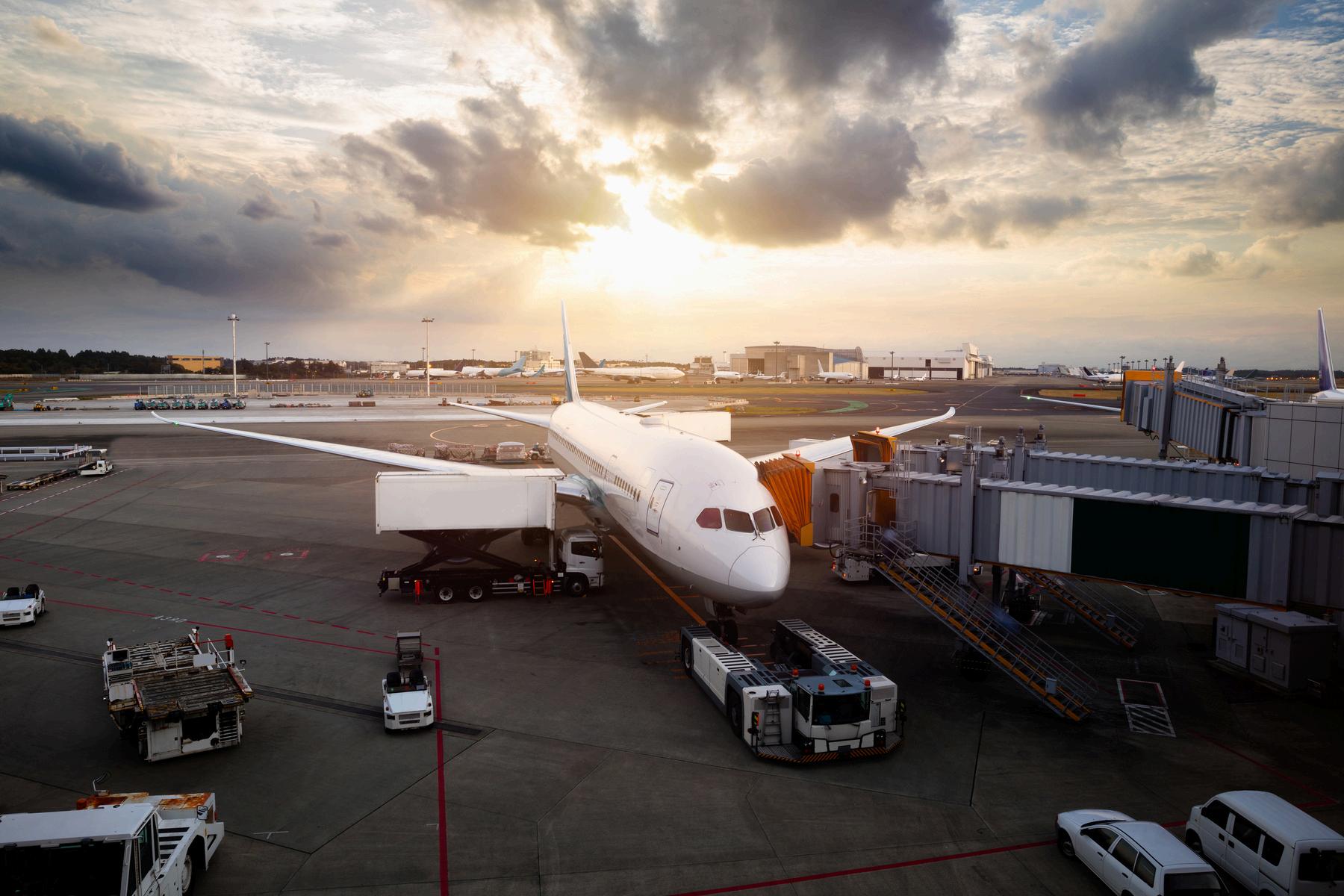
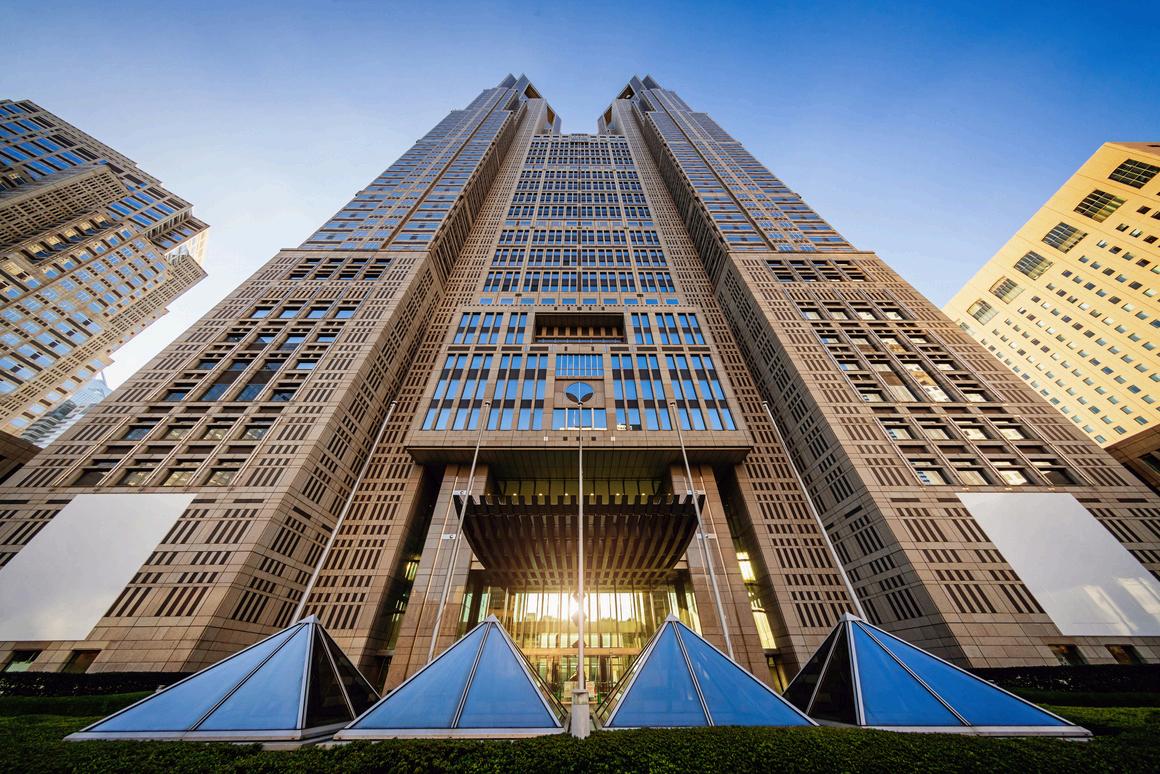
Upon arrival at the airport, students are met by their English-speaking local guide and board a private coach into central Tokyo The afternoon begins with an orientation of the city, starting with the observation deck of the Tokyo Metropolitan Government Building, which offers a broad view across the metropolitan area and gives students a sense of the city's scale before the programme begins
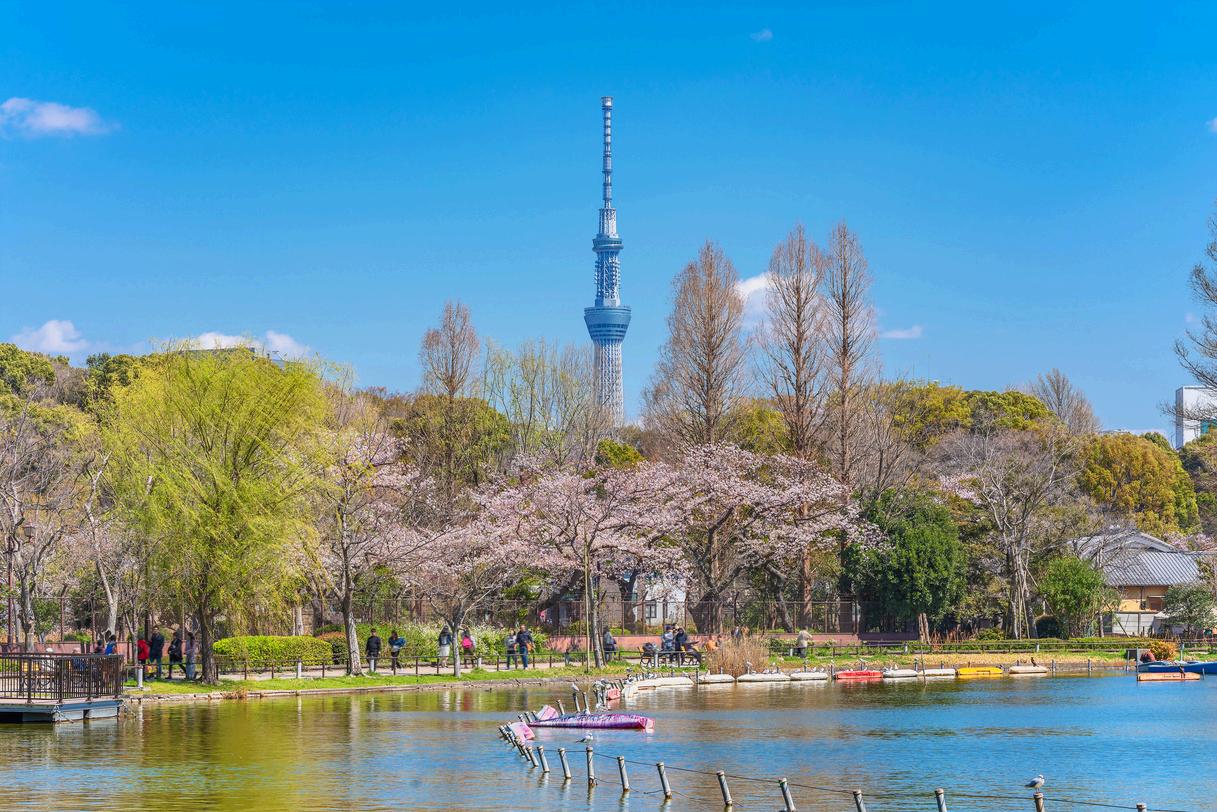
The group then walks through Ueno Park, a large public green space that houses several of Tokyo's major museums, temples, and shrines. It is a practical introduction to how cultural and civic life sit alongside each other in Japanese urban spaces.
The evening closes over a welcome dinner, giving students and teachers their first shared meal together in Japan
Overnight at the hotel
Meals: Dinner
Accommodation: Centrally located hotel or similar
After breakfast, students spend the full day exploring Tokyo by public transport alongside their guide, moving through several of the city's neighbourhoods
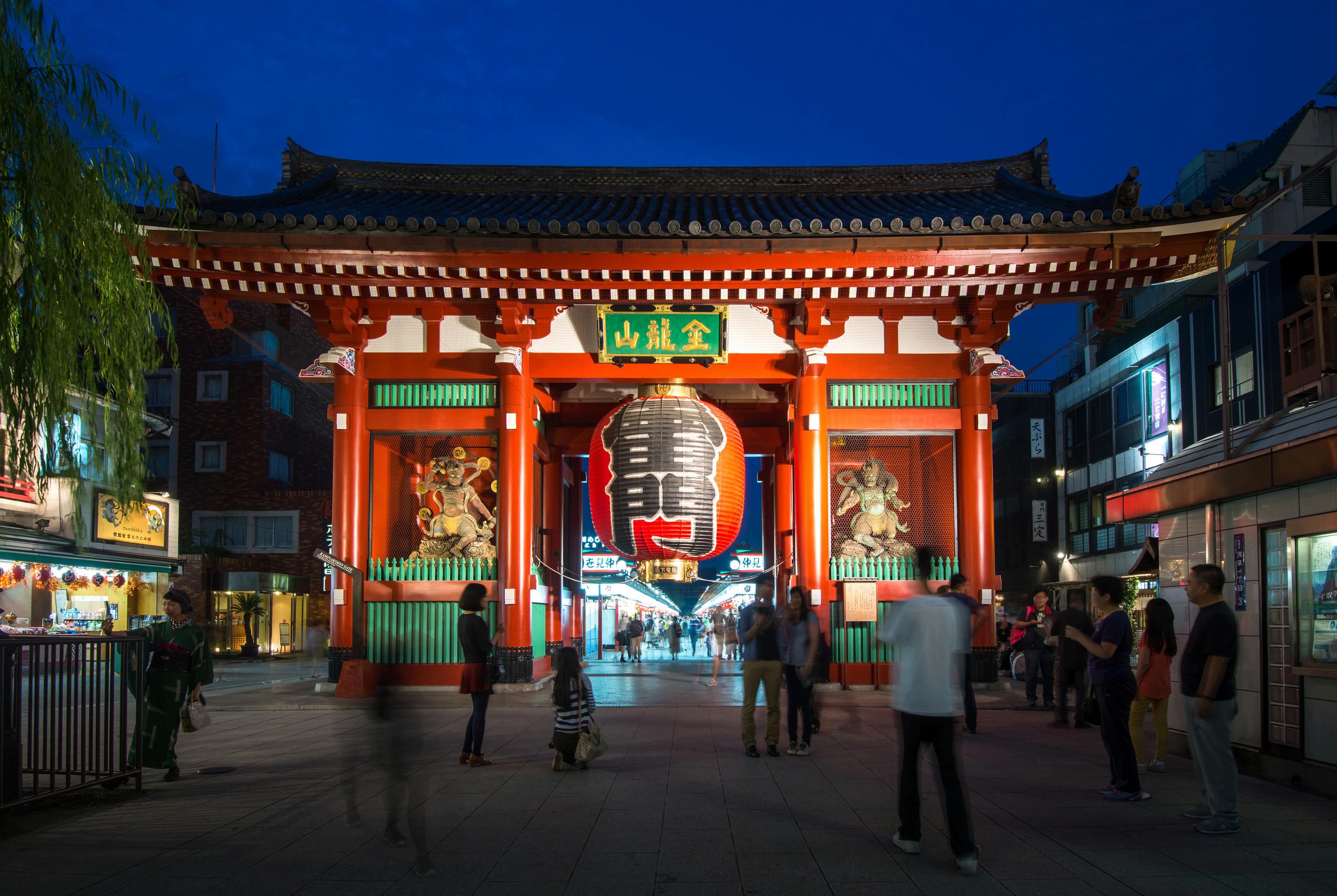
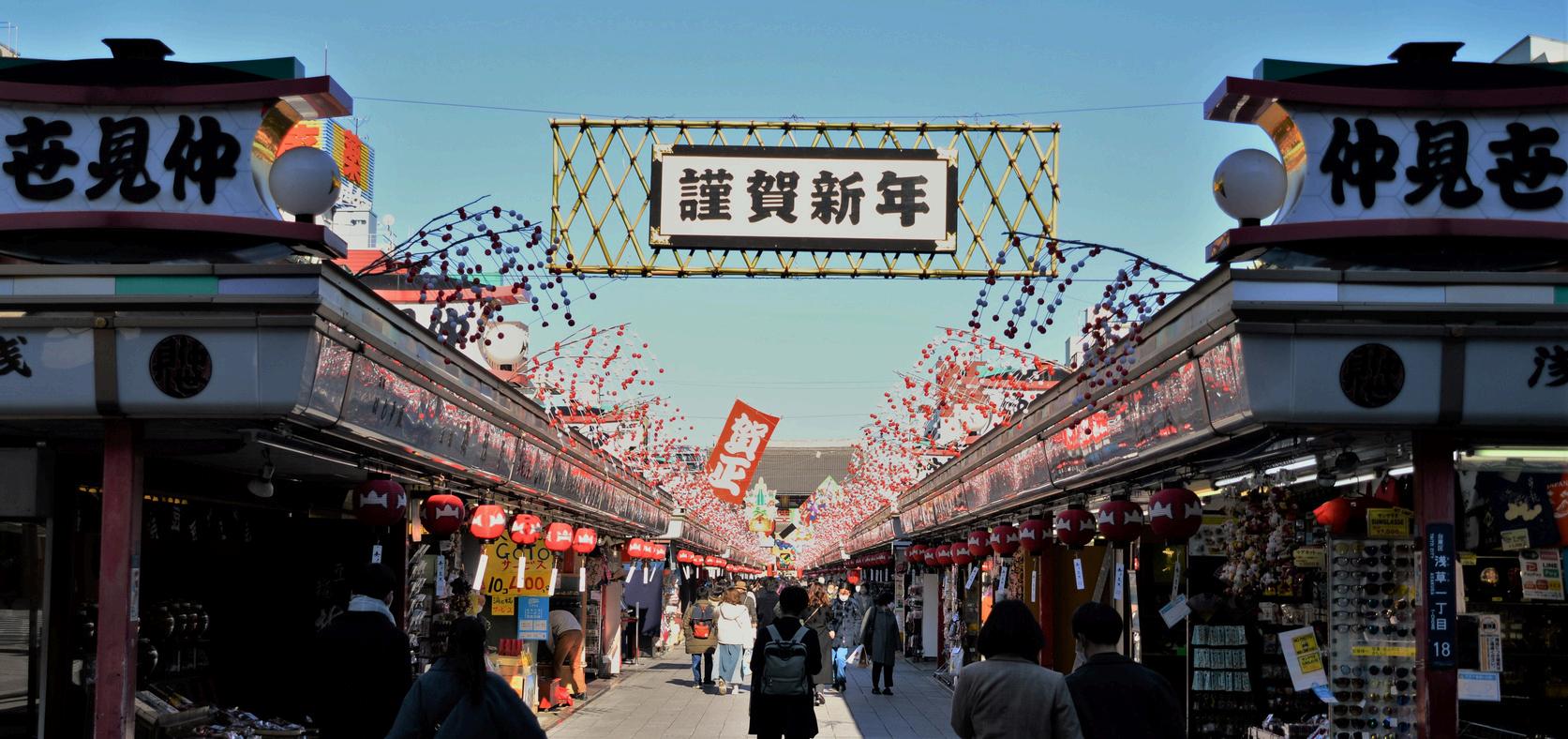
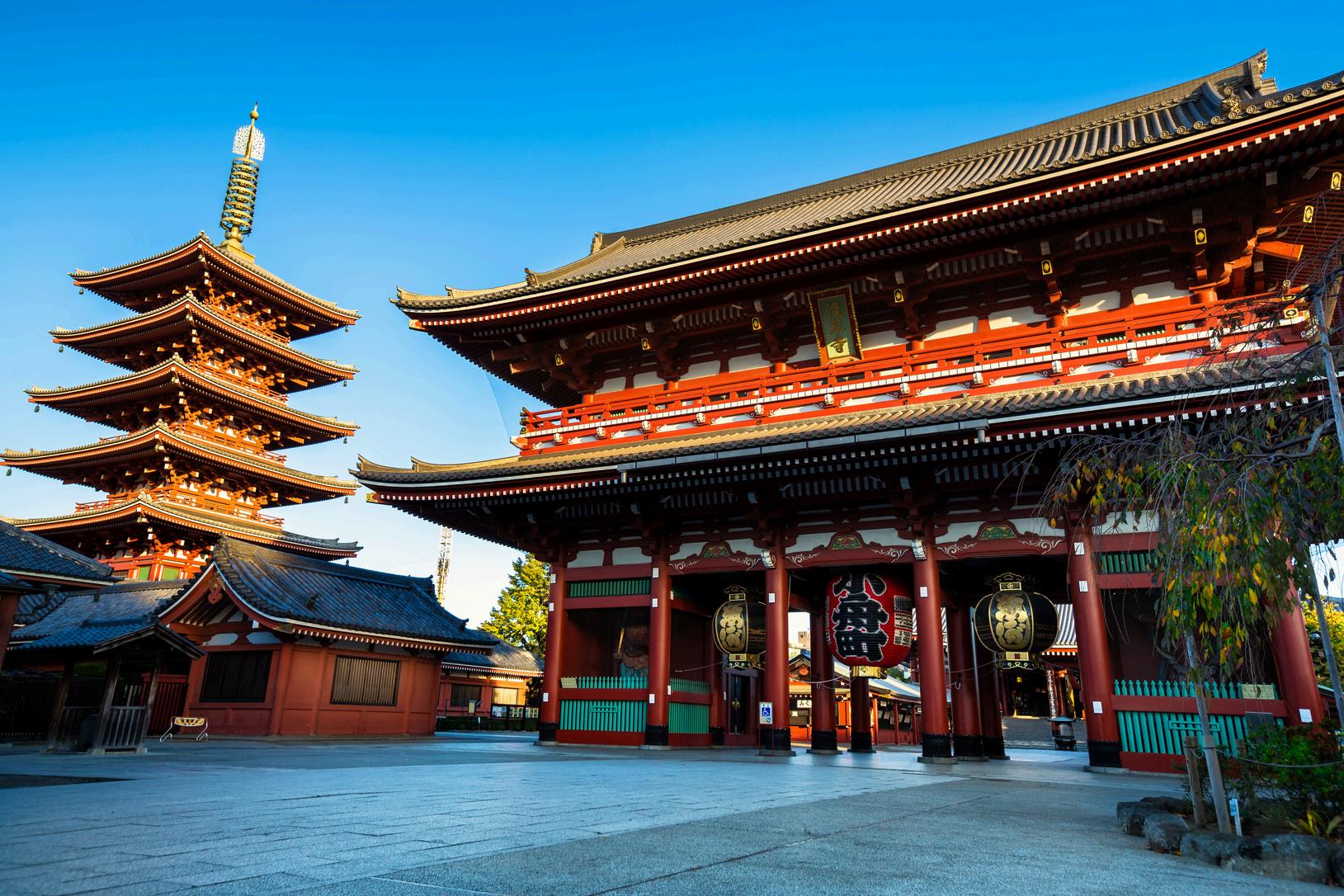
The morning begins at Tsukiji's outer market, where a concentration of food stalls and fresh produce vendors gives students a first encounter with Japanese street food culture From there, the group makes its way to Asakusa and Senso-ji Temple, a Buddhist temple dating to the seventh century Beyond the Kaminarimon gate, a cultural walk through the surrounding streets introduces students to traditional crafts, local commerce, and the layout of a historic Tokyo neighbourhood.
The afternoon brings students to an Edo Kiriko glass workshop, where the traditional art of cut glass is demonstrated and practised. Working with craftspeople, students try the techniques themselves and learn how this craft has been maintained through generations of apprenticeship
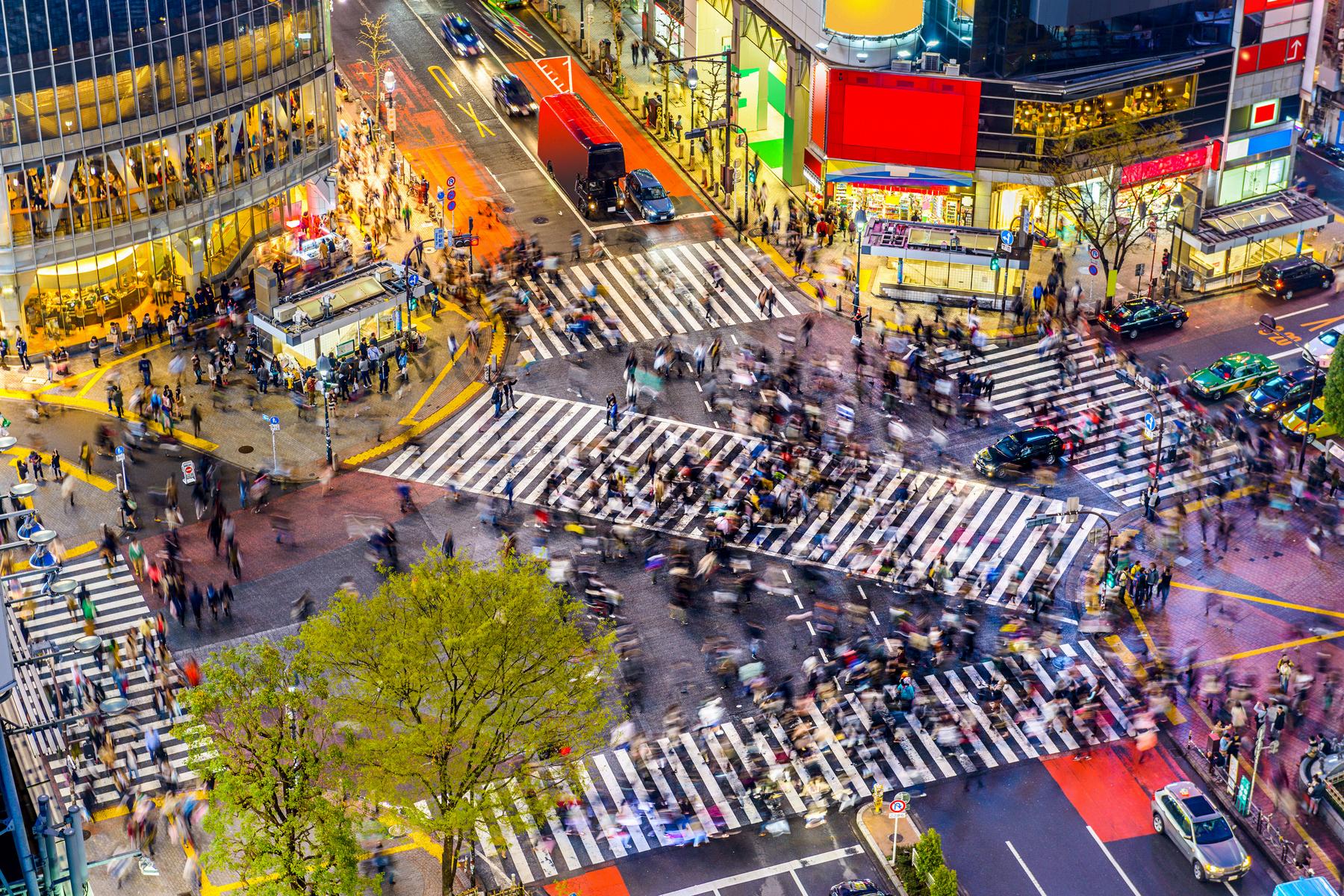
The day ends at Shibuya Crossing, one of the busiest pedestrian intersections in the world, before the group continues to Harajuku, where students encounter the street fashion and pop culture the area is known for
Dinner at a local restaurant. Overnight at the hotel
Meals: Breakfast / Lunch / Dinner
Accommodation: Centrally located hotel or similar
A Craft Born in the Shogun's City
Edo Kiriko is a style of cut glass that originated in Tokyo, then known as Edo, in the early nineteenth century It was first developed by a hardware merchant named Kagaya Kyubei, who began experimenting with glass-cutting methods observed through Japan's limited trade contact with the outside world
Where East Met West
The tools and techniques drew on Venetian and Bohemian glassmaking traditions, absorbed through the port of Nagasaki during Japan's period of near-total isolation. Japanese craftspeople adapted these methods to local aesthetics, producing a style recognisable for its precision, layered colour, and the way it refracts light.
Still Made by Hand
Edo Kiriko remains a designated traditional craft of Tokyo, produced by a small number of certified workshops using techniques passed down through apprenticeship Each piece takes hours to complete and no two are identical
After breakfast and checkout, the group boards a private coach north to Ibaraki Prefecture, where three days of structured community engagement begin
At Oiwa Shrine, students are welcomed by the local community with an introduction and briefing on the activities ahead A guided visit to the shrine explains the role that Shinto shrines play in Japanese community life, functioning not only as places of worship but as spaces for communal gathering, seasonal events, and shared maintenance.
Students then join local residents in shrine cleaning, a regular practice that community members carry out together, and are invited to take part alongside them.
Lunch is shared with community members, followed by an afternoon of continued activities and interaction
The group then transfers to the Hitachi area for check-in and dinner
Meals: Breakfast / Lunch / Dinner
Accommodation: Locally situated hotel or similar
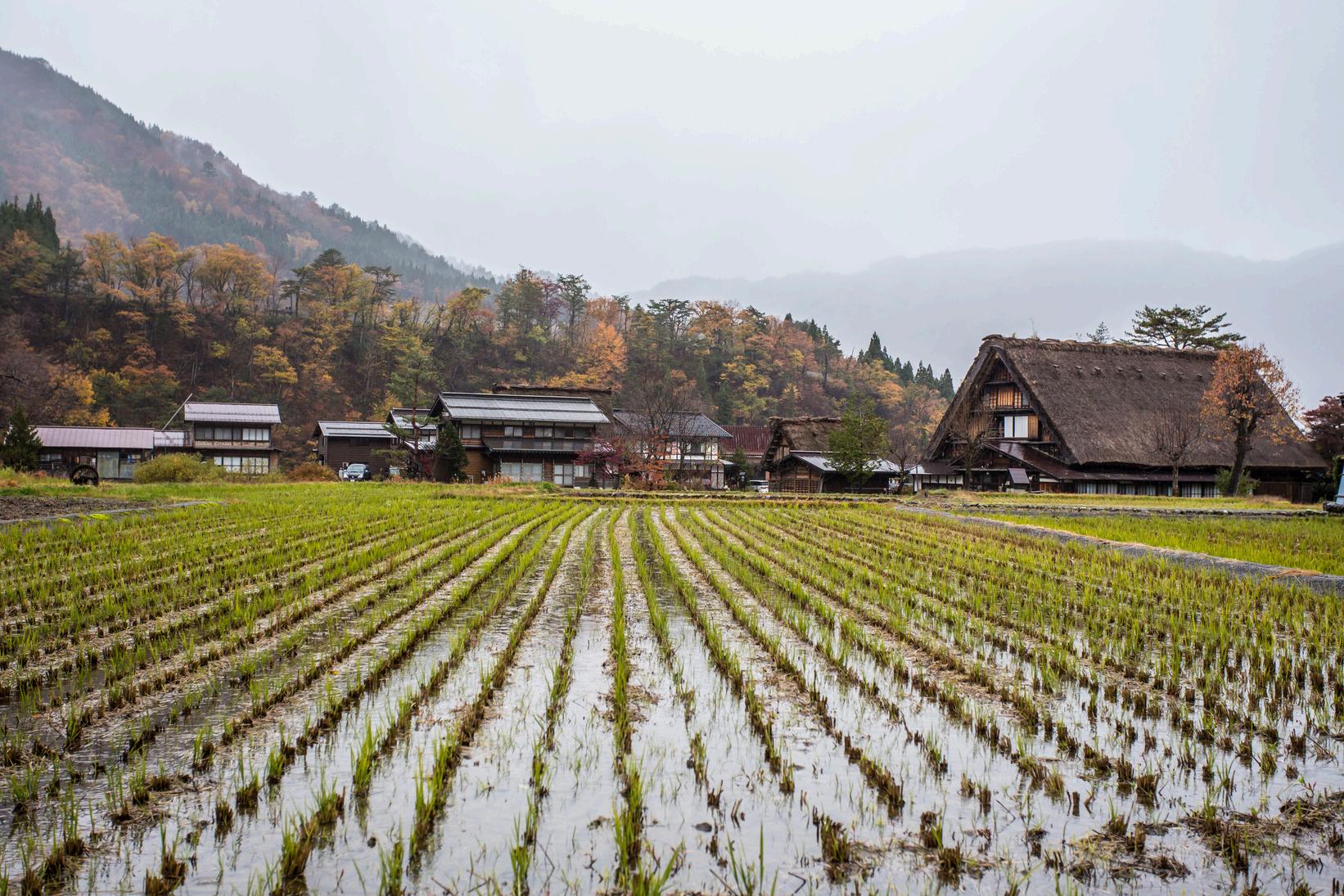
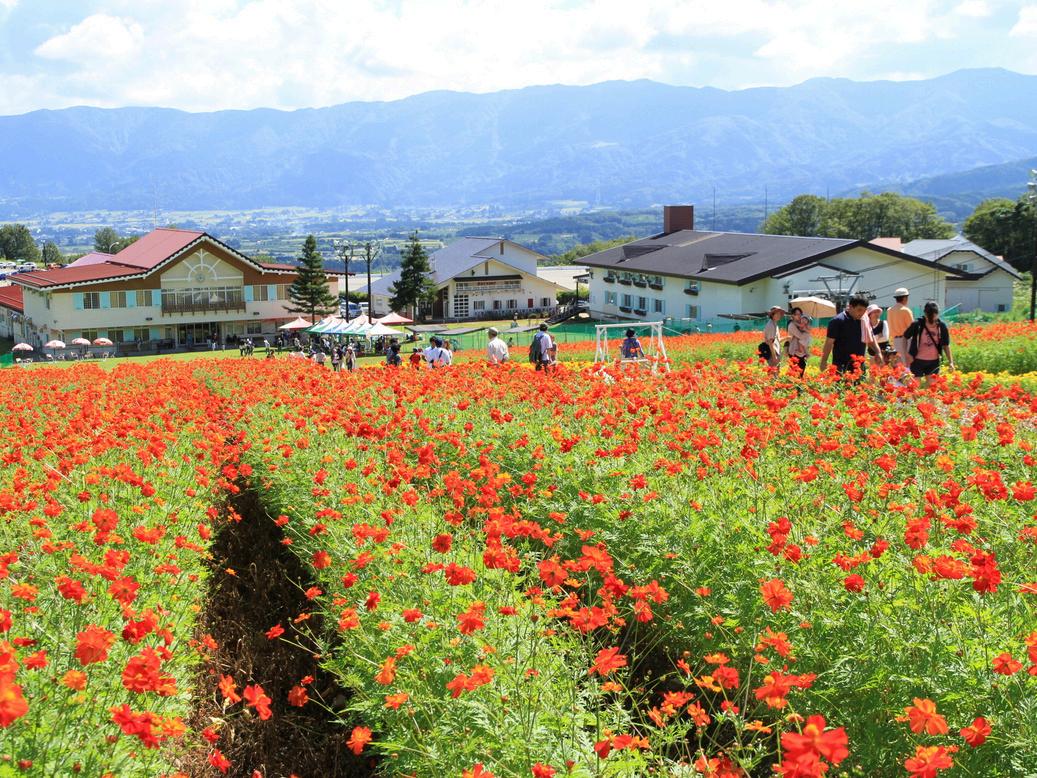
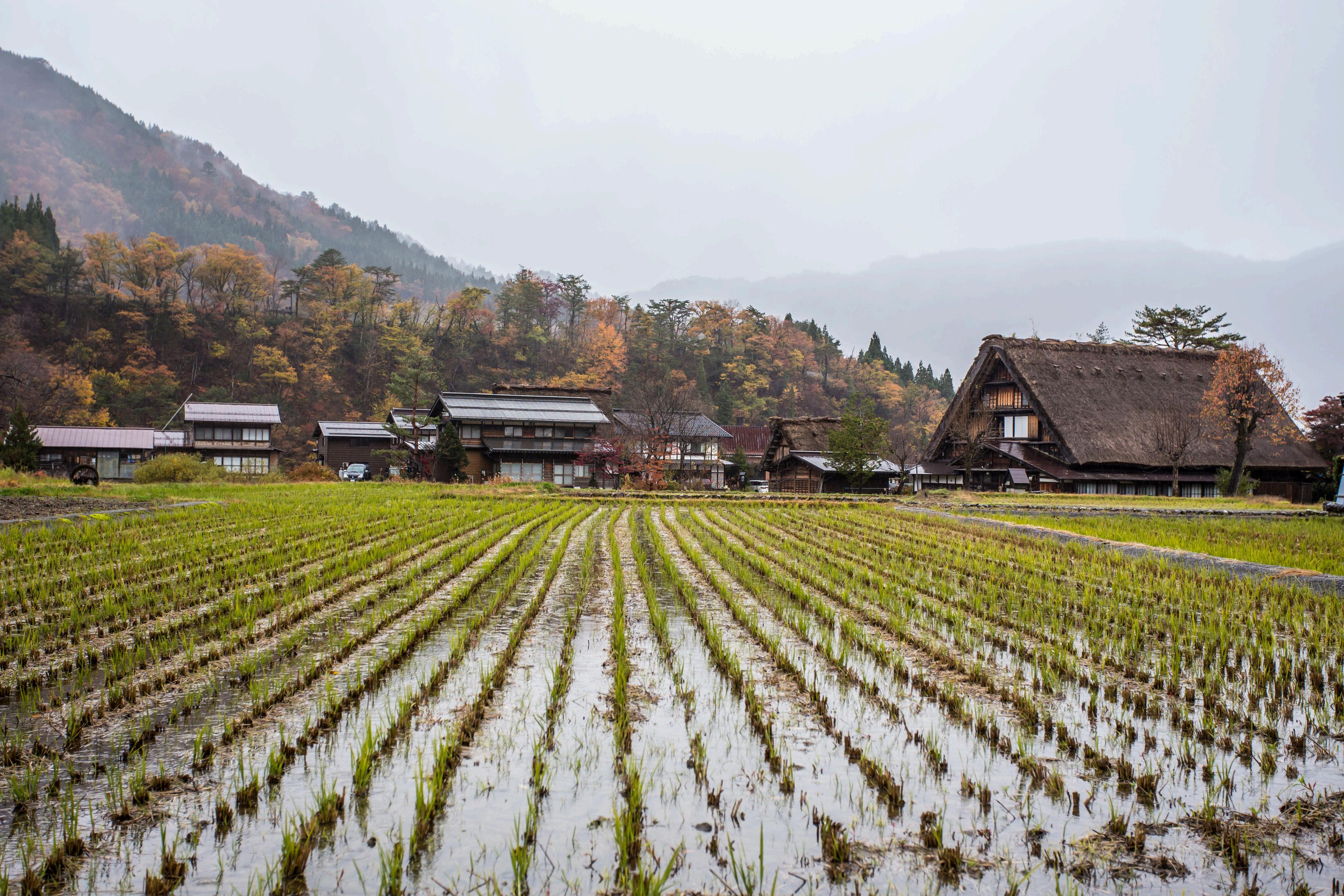
The morning begins with an early departure to Satomi, a rural community whose relationship with the surrounding land runs far deeper than any single season
After a briefing on the day's activities, students divide into small working groups and spend the bulk of the day alongside local farmers and community members, taking part in a mix of farming tasks and forest maintenance work.
The activities vary by season and need, but the principle is consistent: every task is purposeful, contributing to the ongoing care of a landscape that the community depends upon and has tended for generations.
Lunch is shared with local farmers, one of the simplest and most meaningful moments of the week, where conversation finds its way across whatever words are shared and wherever understanding can be built.
The afternoon continues with practical work and time for exchange with community members, before a wrap-up session gives students space to reflect on what they have contributed and observed during the day.
The group returns to the hotel for rest and dinner.
Meals: Breakfast / Lunch / Dinner
Accommodation: Locally situated hotel or similar
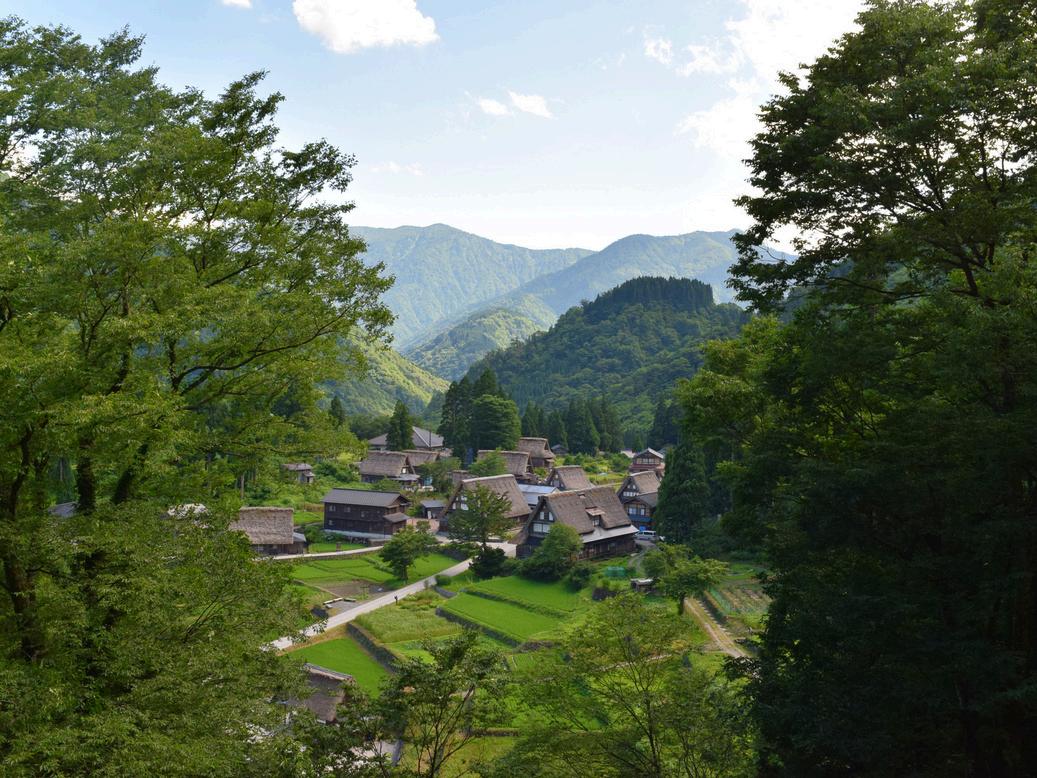
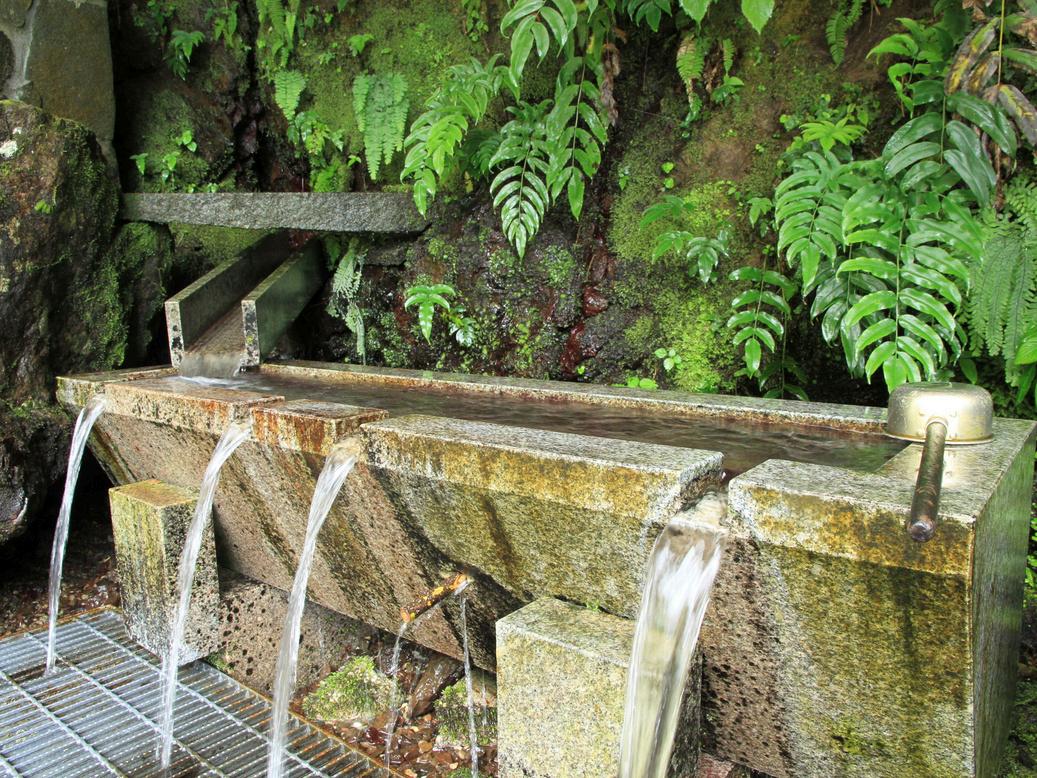
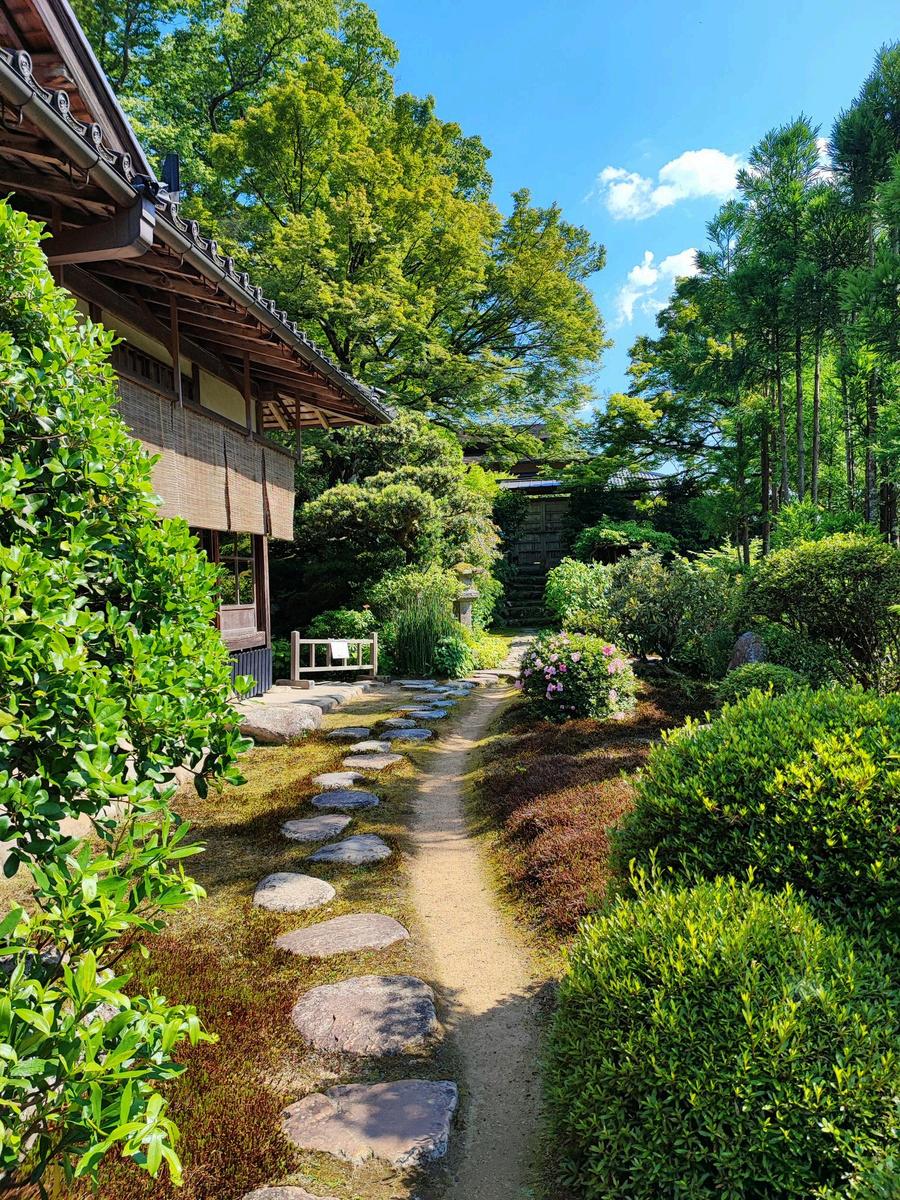
The final day of community engagement takes the group to Machiya Village, where students spend the morning on shared maintenance and small local projects alongside residents
The three days in Ibaraki have been built around participation rather than observation, and this final morning reflects that: the work is practical, the interactions are genuine, and students leave having contributed something tangible to the communities they visited
After lunch with the community, the group boards the coach back to Tokyo.
The day ends over dinner in the city. Overnight at your hotel.
Meals: Breakfast / Lunch / Dinner
Accommodation: Centrally located hotel or similar
Sample itinerary programme for
The group departs early for Tokyo Station to board the Shinkansen to Kyoto. The journey takes approximately two hours, with the train travelling at up to 300 kilometres per hour
Kyoto served as Japan's imperial capital for over a thousand years and remains the country's primary centre of temple architecture, traditional craft, and cultural heritage
On arrival, students board a private bus and begin a guided tour of the city.
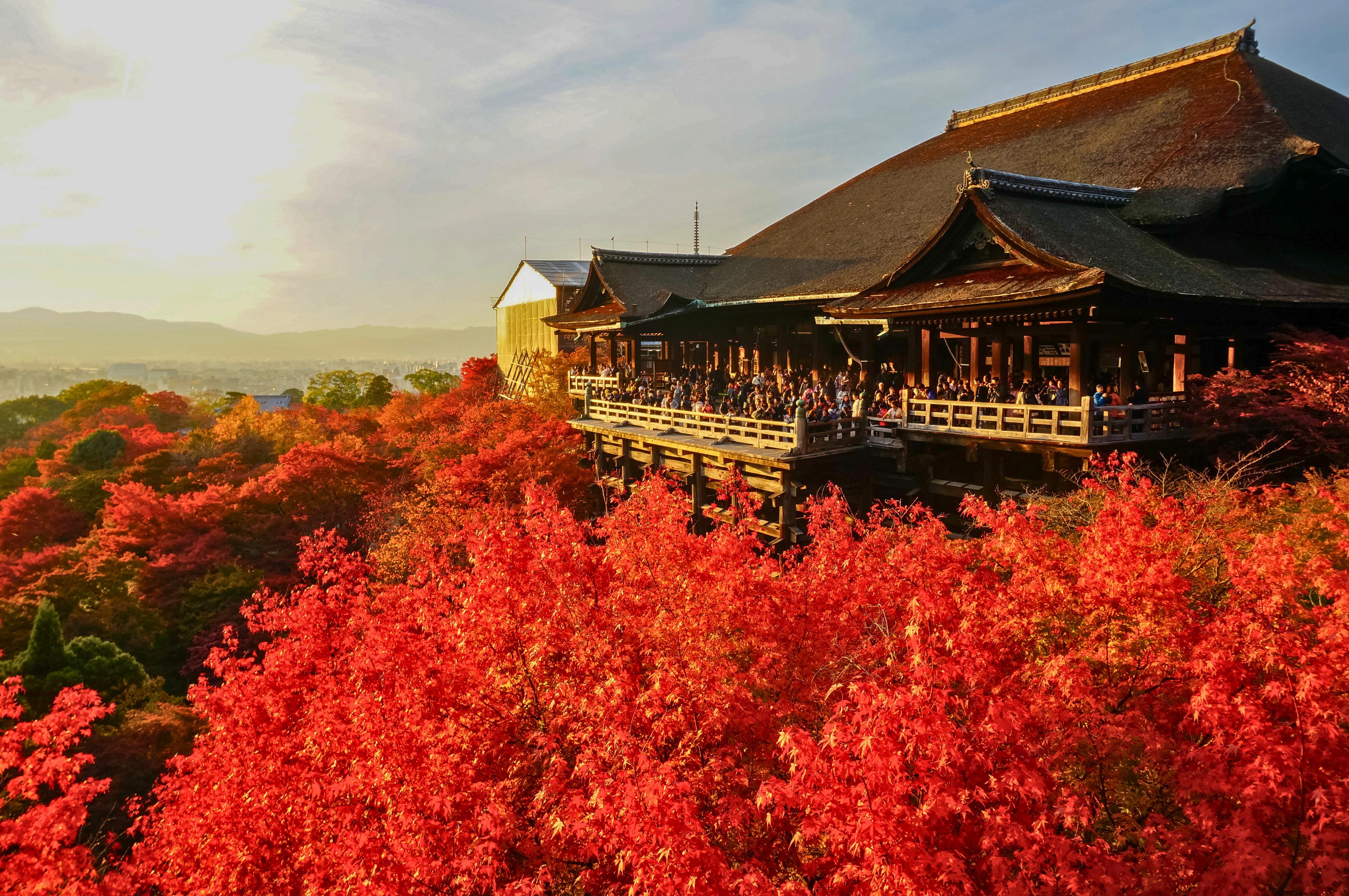
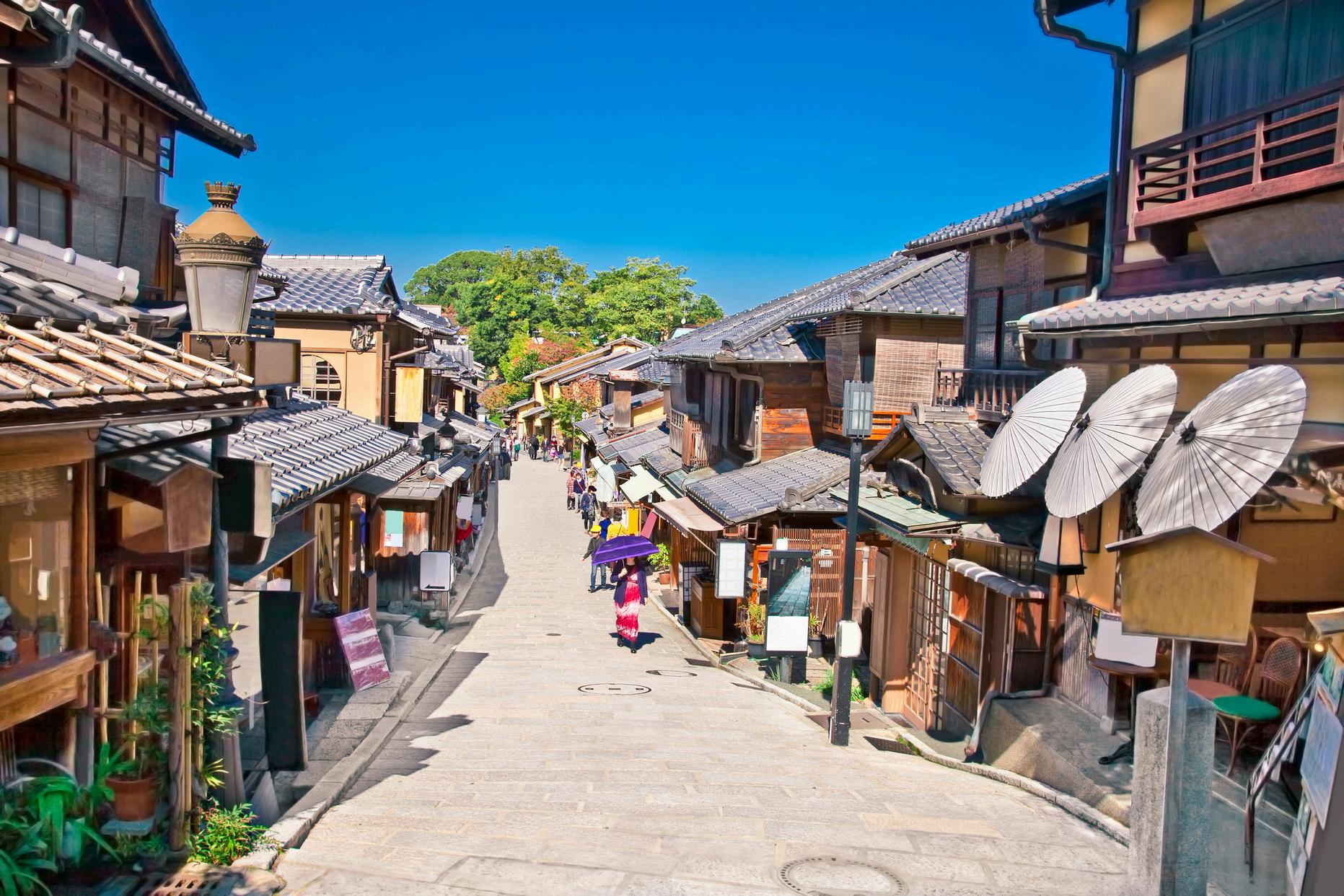
The afternoon takes in Kiyomizudera, a large wooden temple built into the eastern hills, with a broad platform that looks out across the city below. From there, the group walks down through Ninenzaka, a preserved street of traditional shophouses, before continuing to Kinkakuji, a Zen temple whose upper floors are covered in gold leaf and set within a garden reflected in the surrounding pond
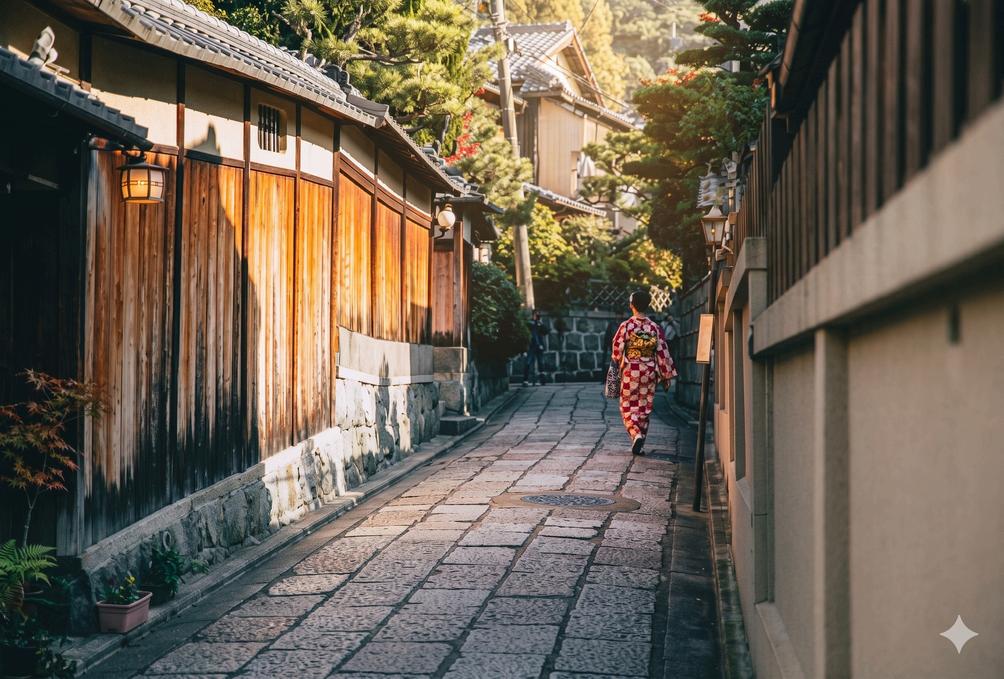
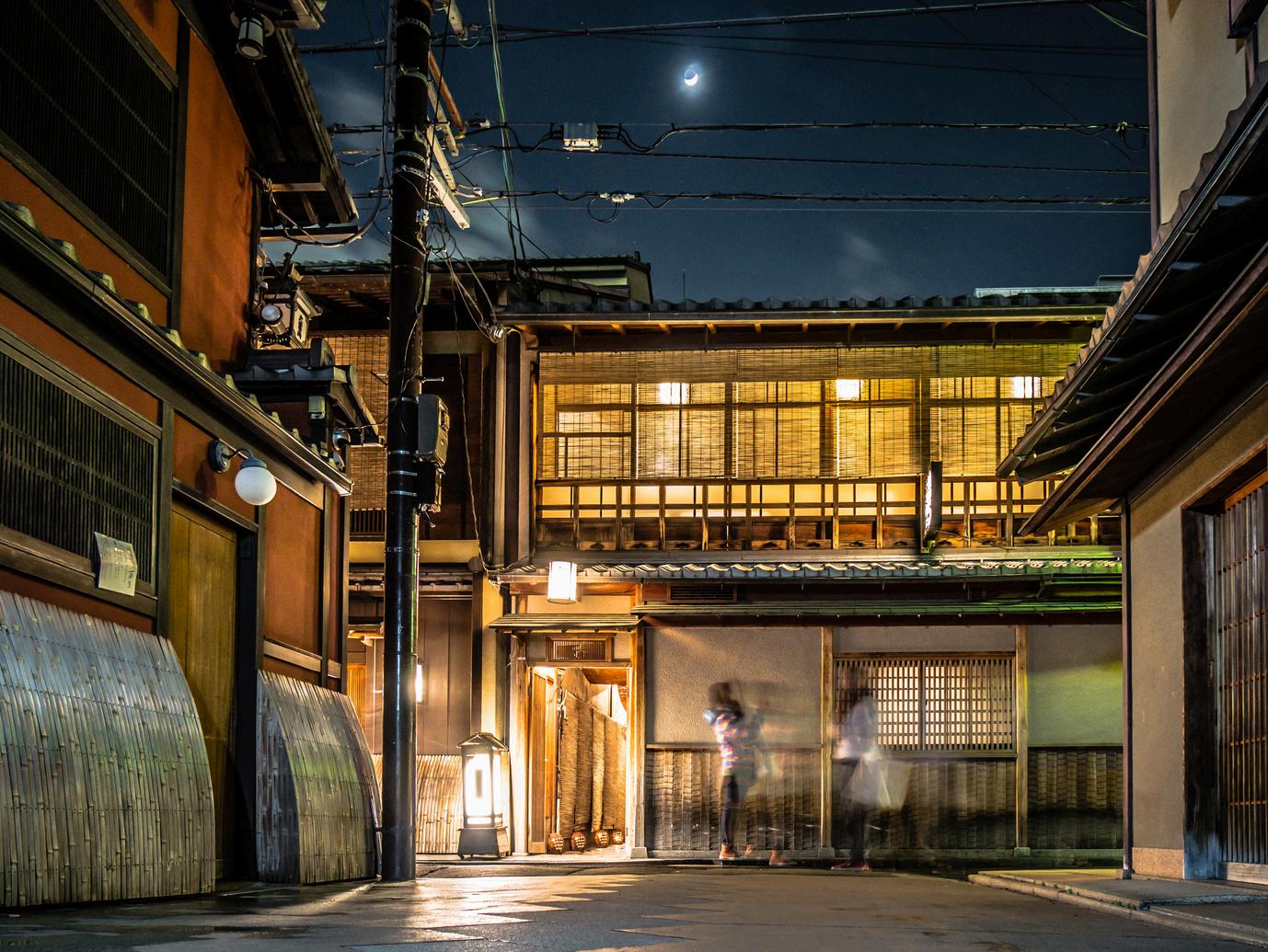
The day closes with a walk along Sannenzaka Street into Gion, Kyoto's historic district where many of the traditional machiya townhouses remain intact
Dinner at a local restaurant. Overnight at your hotel.
Meals: Breakfast / Lunch / Dinner
Accommodation: Centrally located hotel or similar
Born in 1964
Japan's Shinkansen, or bullet train, made its first journey in 1964, the same year Tokyo hosted the Olympic Games The timing was deliberate: the Japanese government wanted to show the world a country that had rebuilt itself into a modern industrial power less than two decades after the end of the Second World War. The Shinkansen was not just a train. It was a statement.
The average delay across the Shinkansen network is under one minute per departure, including disruptions caused by earthquakes and severe weather. When a train does run late, operators issue formal delay certificates for passengers to present to their employers.
Built for an Earthquake Zone
Japan sits on one of the most seismically active regions on earth Sensors along the tracks detect ground movement and trigger automatic braking within seconds of an earthquake beginning In nearly sixty years of operation, the Shinkansen has recorded zero passenger fatalities from train accidents
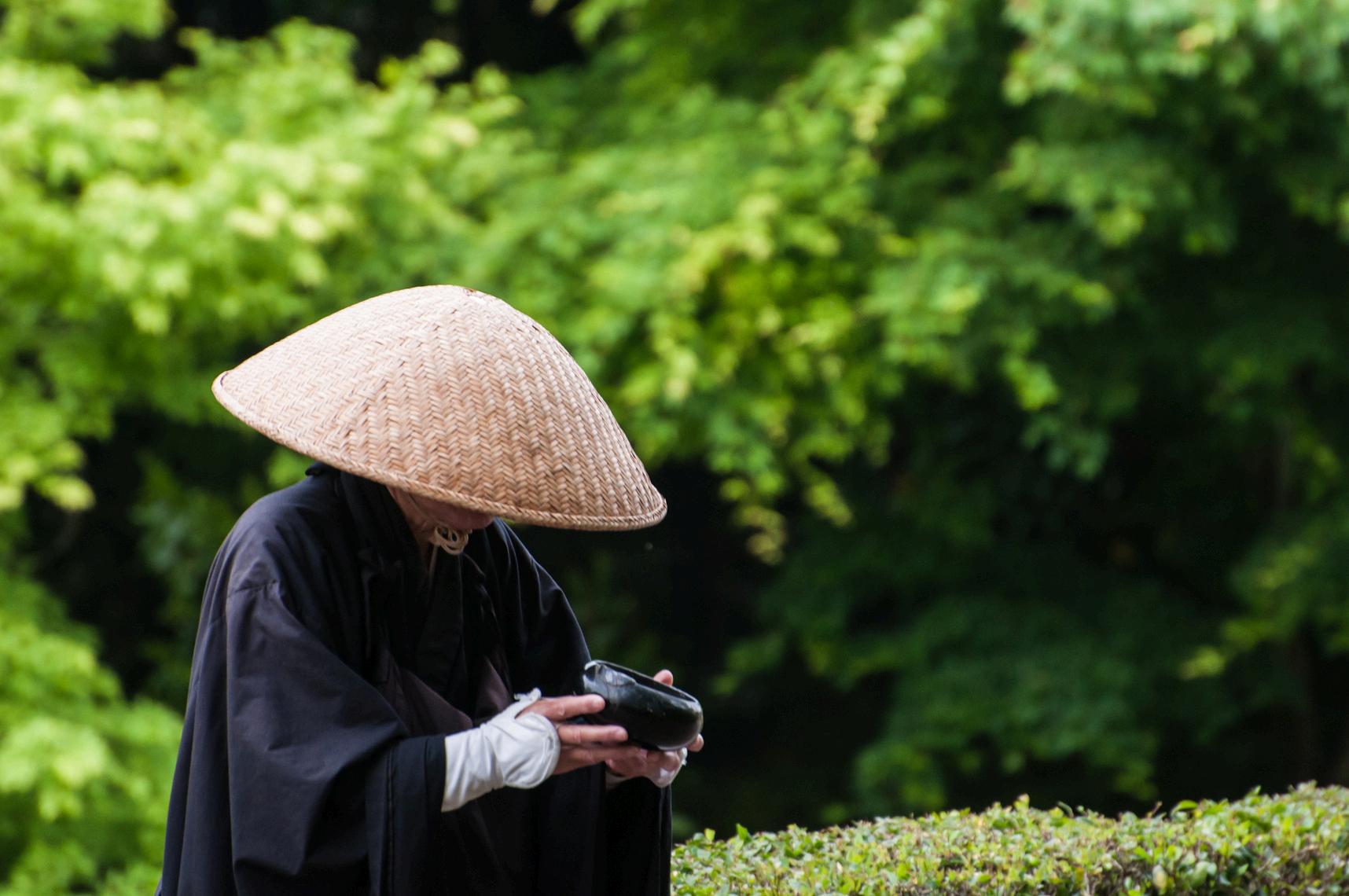
The morning begins with a visit to a local shrine for an introduction to Zen Buddhism, a school of Buddhist thought that has shaped Japanese art, architecture, garden design, and daily practice over several centuries A short guided meditation session gives students a direct experience of the contemplative approach that Zen promotes
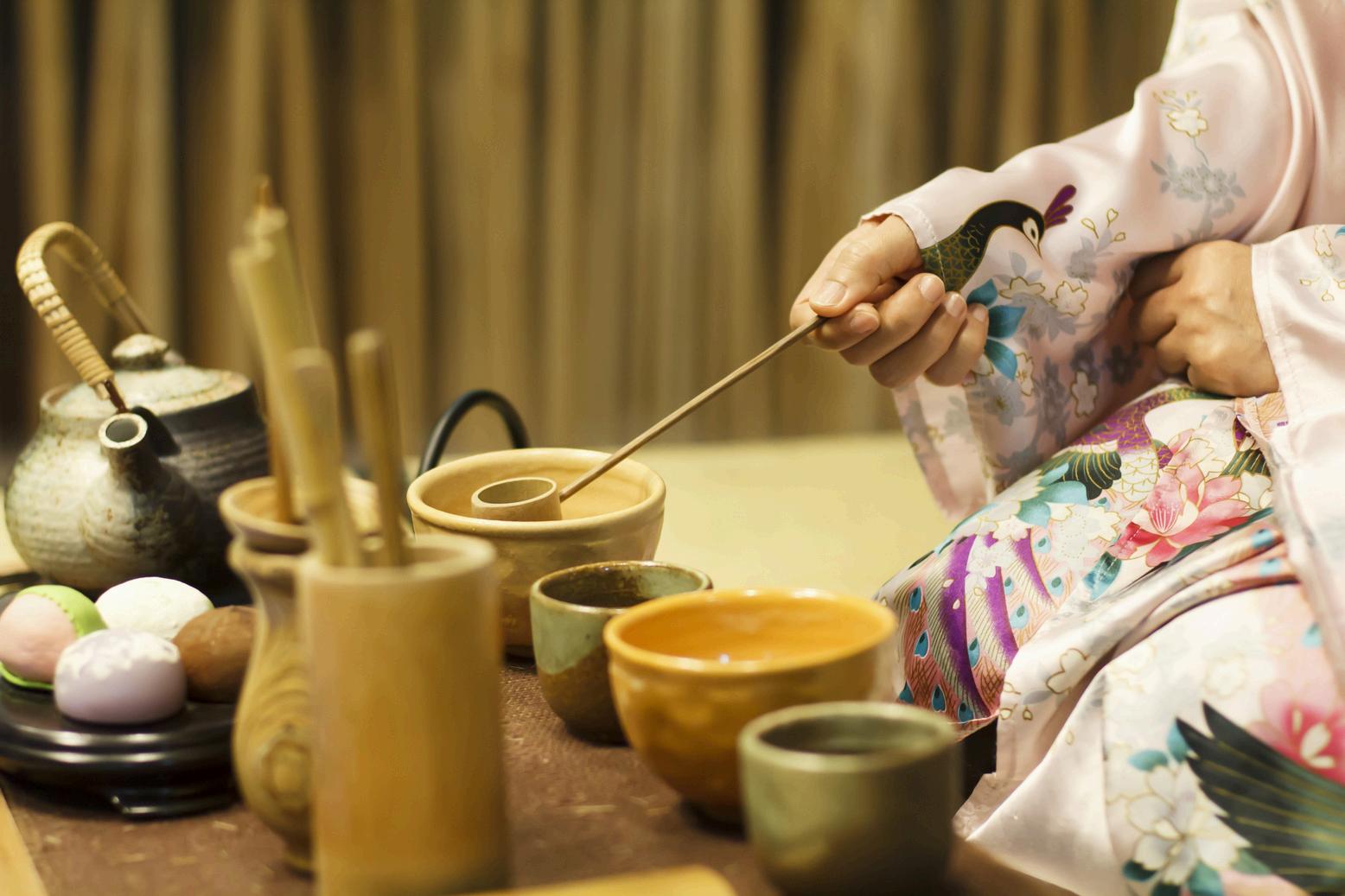
From there, the group moves to a tea ceremony class The Japanese tea ceremony is a formal practice with a history of over five centuries, built around the preparation and serving of matcha. Students observe a demonstration before practising the steps themselves, learning about the values of attention and hospitality that the ceremony is designed to cultivate.
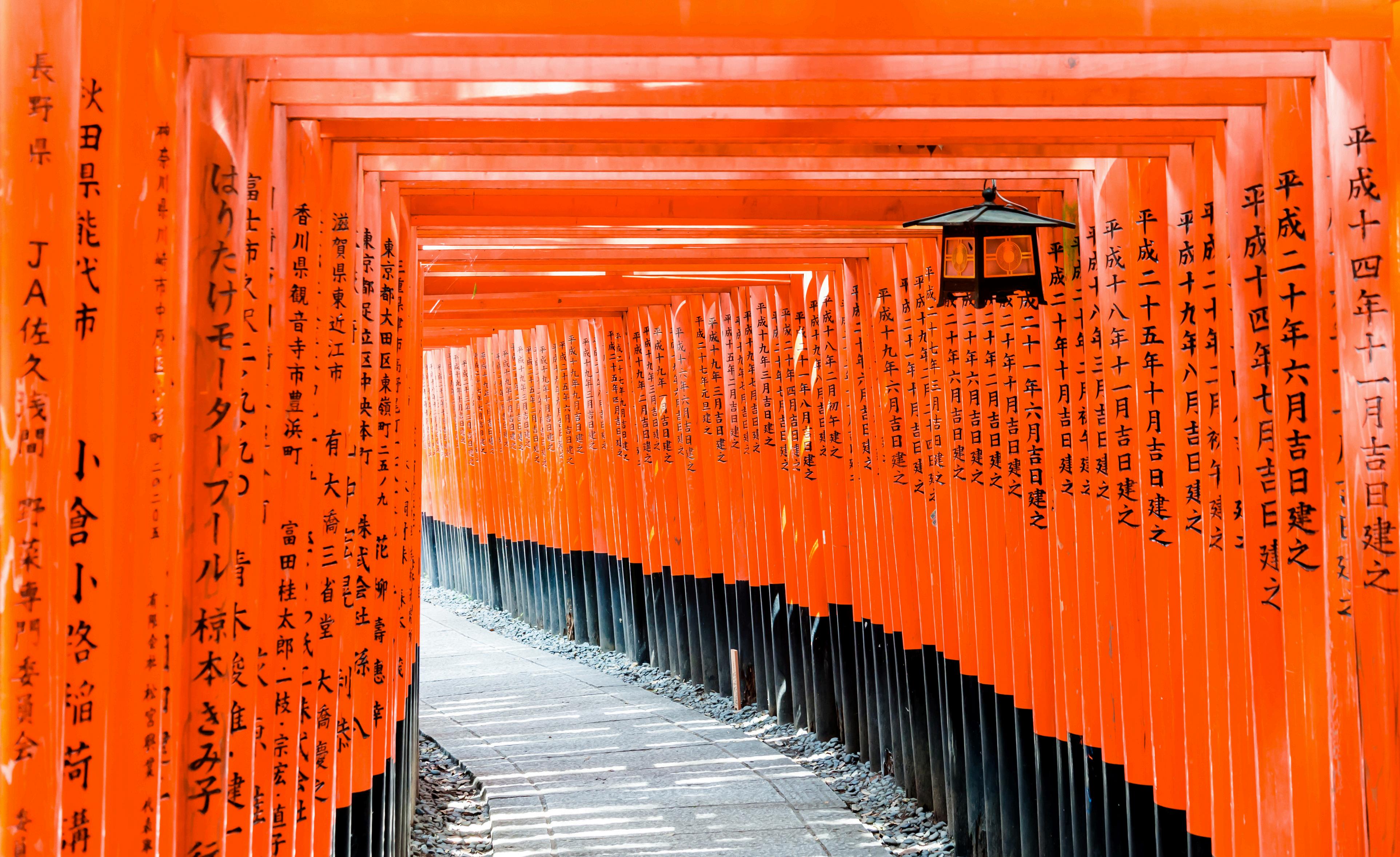
After lunch, the group visits Fushimi Inari Shrine, where a trail lined with several thousand vermilion torii gates winds up the forested slopes of Mount Inari to a height of 233 metres The hike takes approximately ninety minutes and passes a series of smaller shrines along the route The torii gates are donated by individuals and businesses as offerings, a tradition that has continued at this site for several centuries.
The day ends with dinner before the group returns to the hotel.
Meals: Breakfast / Lunch / Dinner
Accommodation: Centrally located hotel or similar
The group departs by private bus for Osaka, a journey of approximately ninety minutes southwest of Kyoto Where Kyoto is considered and historic, Osaka has a reputation for being direct and foodobsessed, with a street culture that reflects both
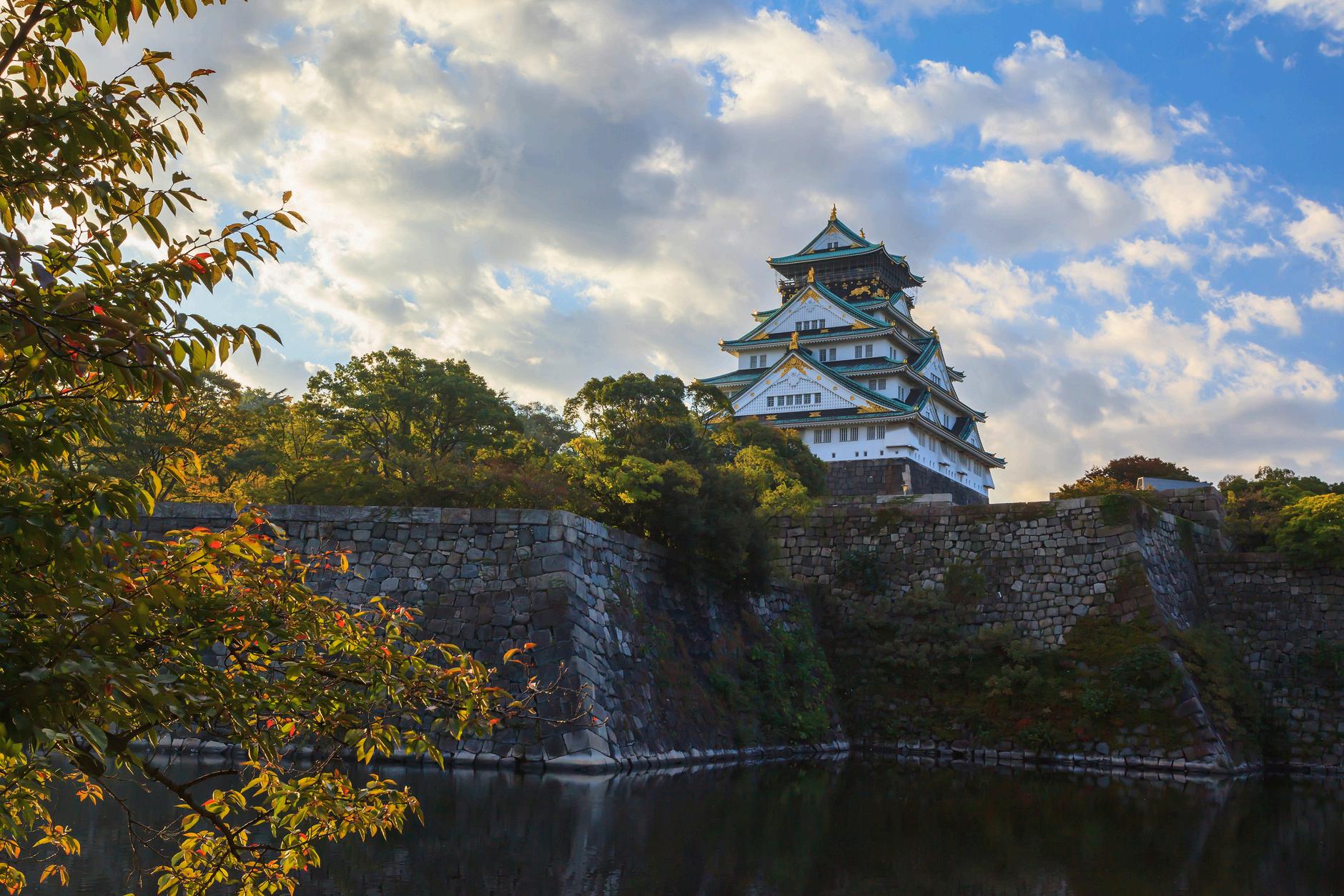
The morning begins at Osaka Castle, one of Japan's most significant historical landmarks Students walk the outer walls and grounds of this well-preserved fortress, whose history spans the unification of feudal Japan, the fall of samurai culture, and the country's long arc into modernity.
After lunch, the group visits the Cup Noodle Museum, an exploration of how a single invention, born in Osaka in 1958, became one of the most widely consumed food products in human history. Students trace its journey from a practical postwar solution to a global staple, and learn about the production process behind it
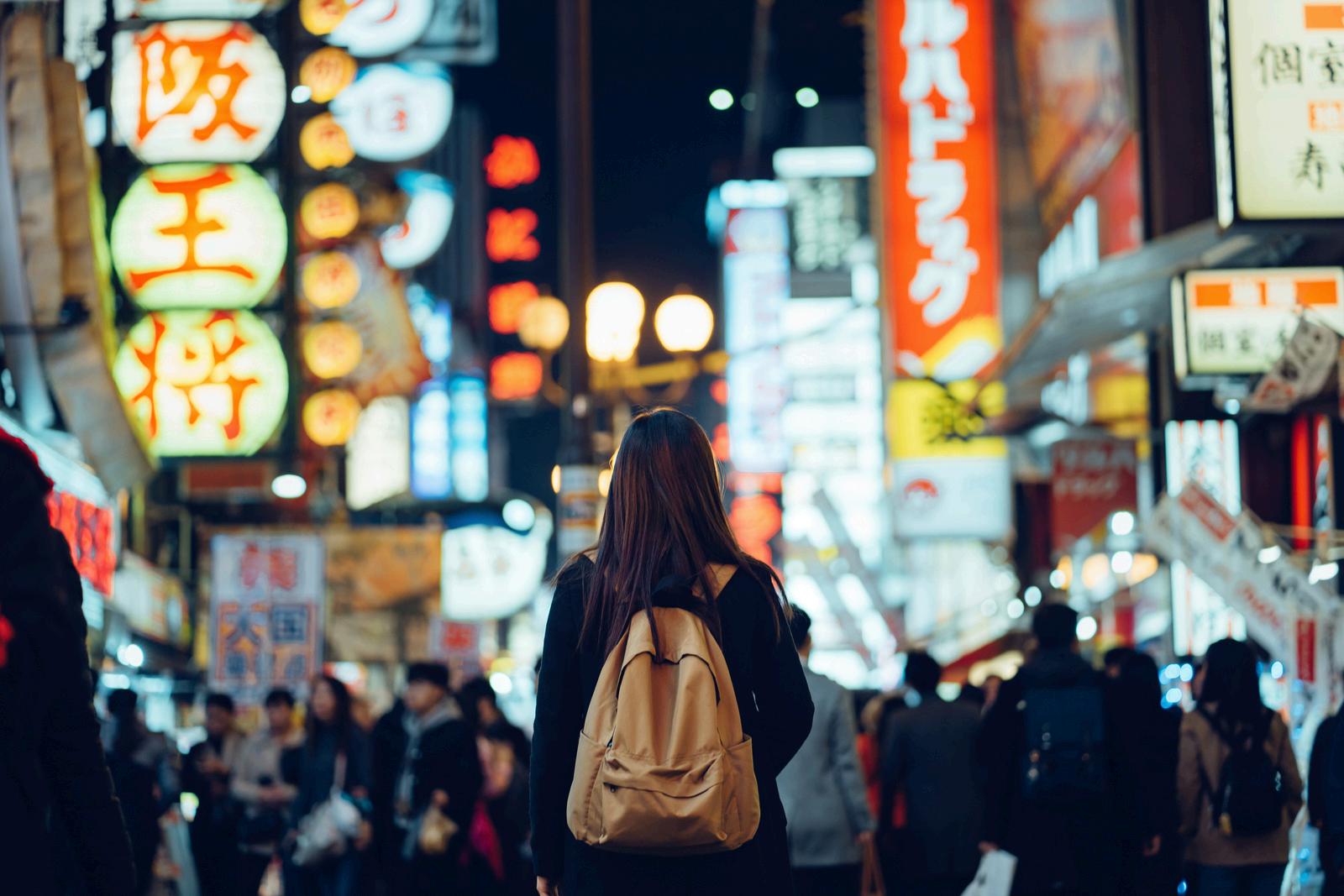
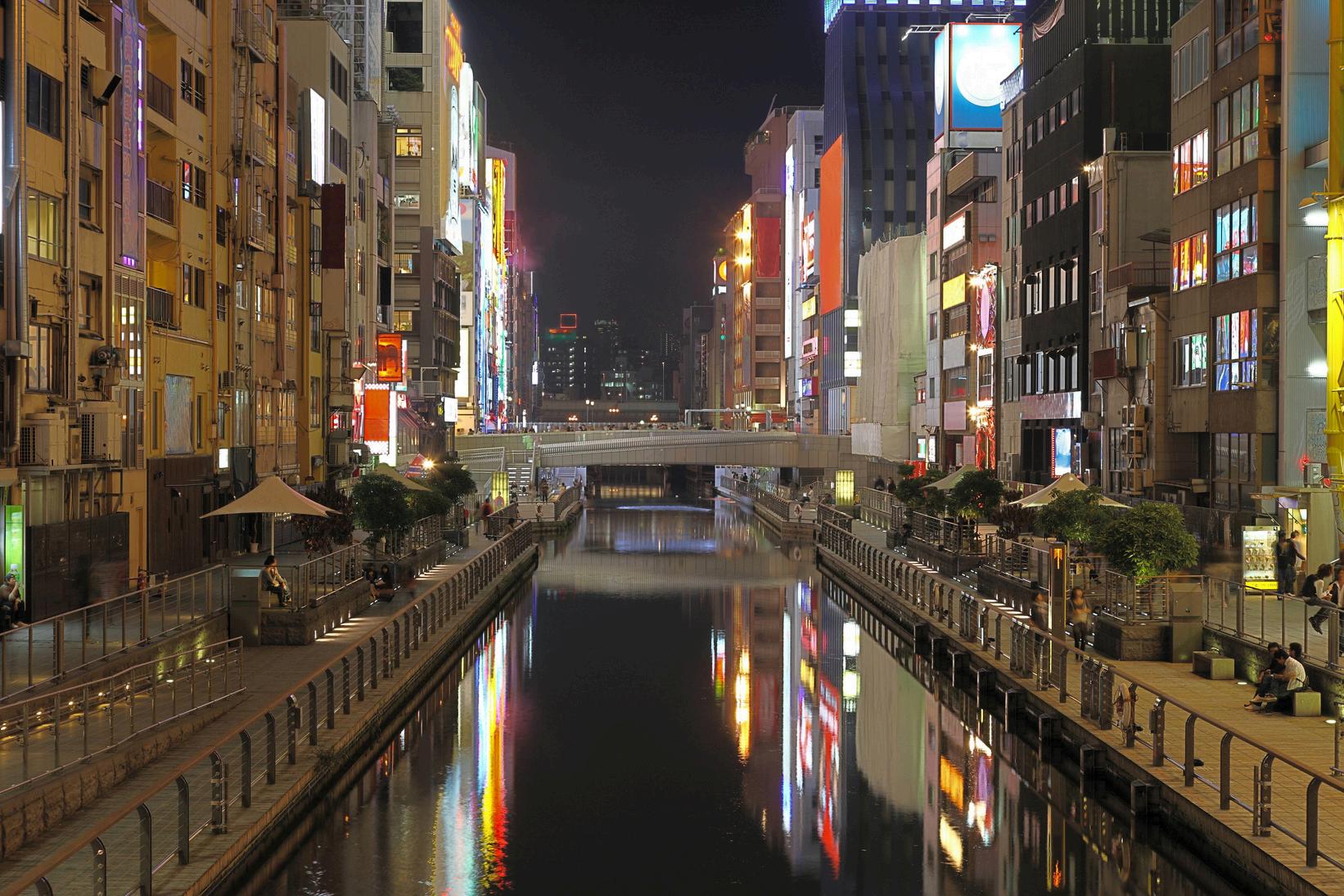
The afternoon brings the group to Dotonbori, a busy canal-side street known for its concentration of restaurants, food stalls, and neon signage Students have time to explore at their own pace before the group reconvenes for the evening
Meals: Breakfast / Lunch / Dinner
Accommodation: Centrally located hotel or similar
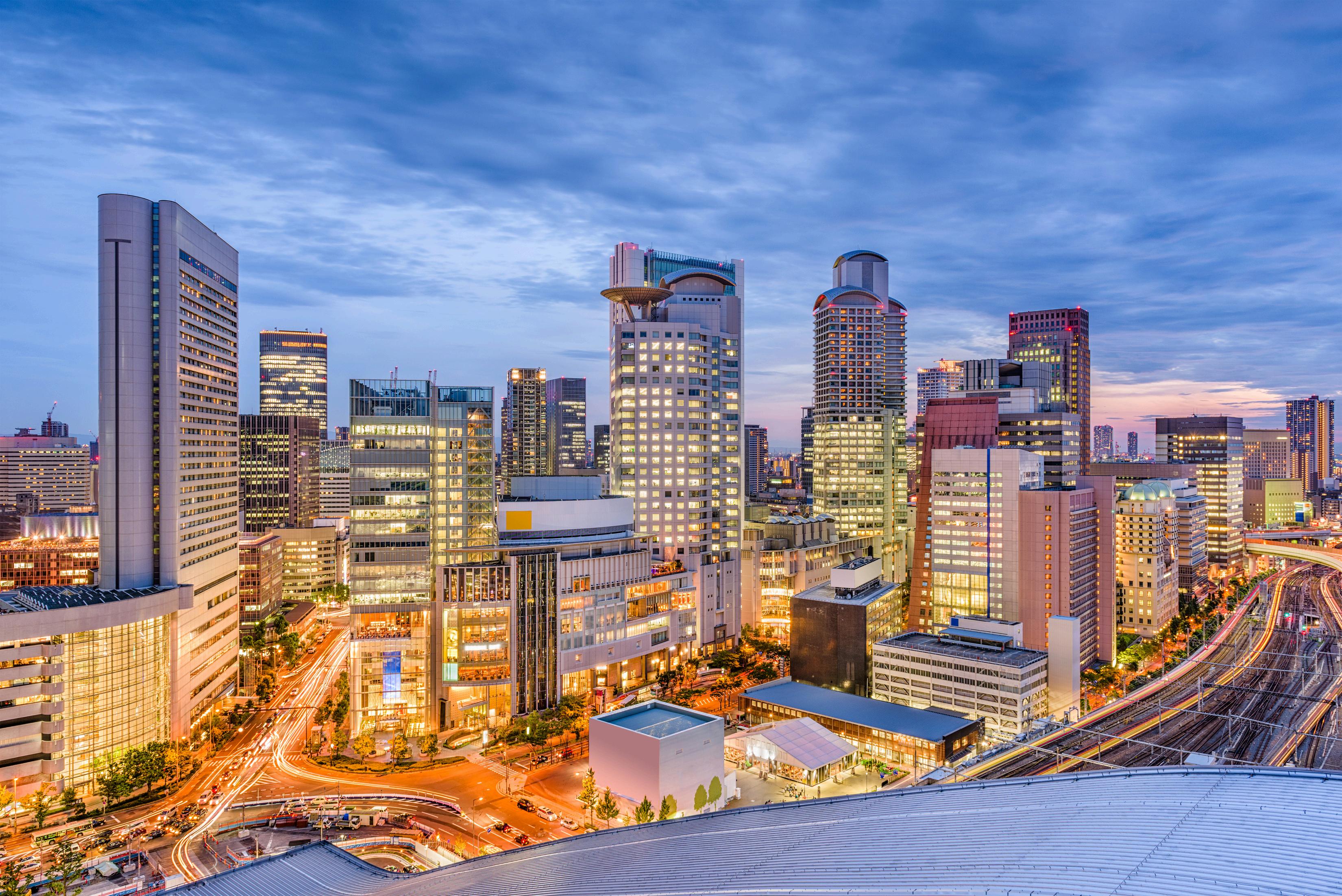
The final morning offers free time in Osaka before departure.
Your guide will meet you at the hotel and provide transfers to the airport for your onward flight
The hotel remains at your disposal until check-out time Meals to be arranged independently
End of programme. Have a safe flight back to your country!
Meals: Breakfast
Accommodation: Nil