UV LIGHTING FOR SANITIZATION
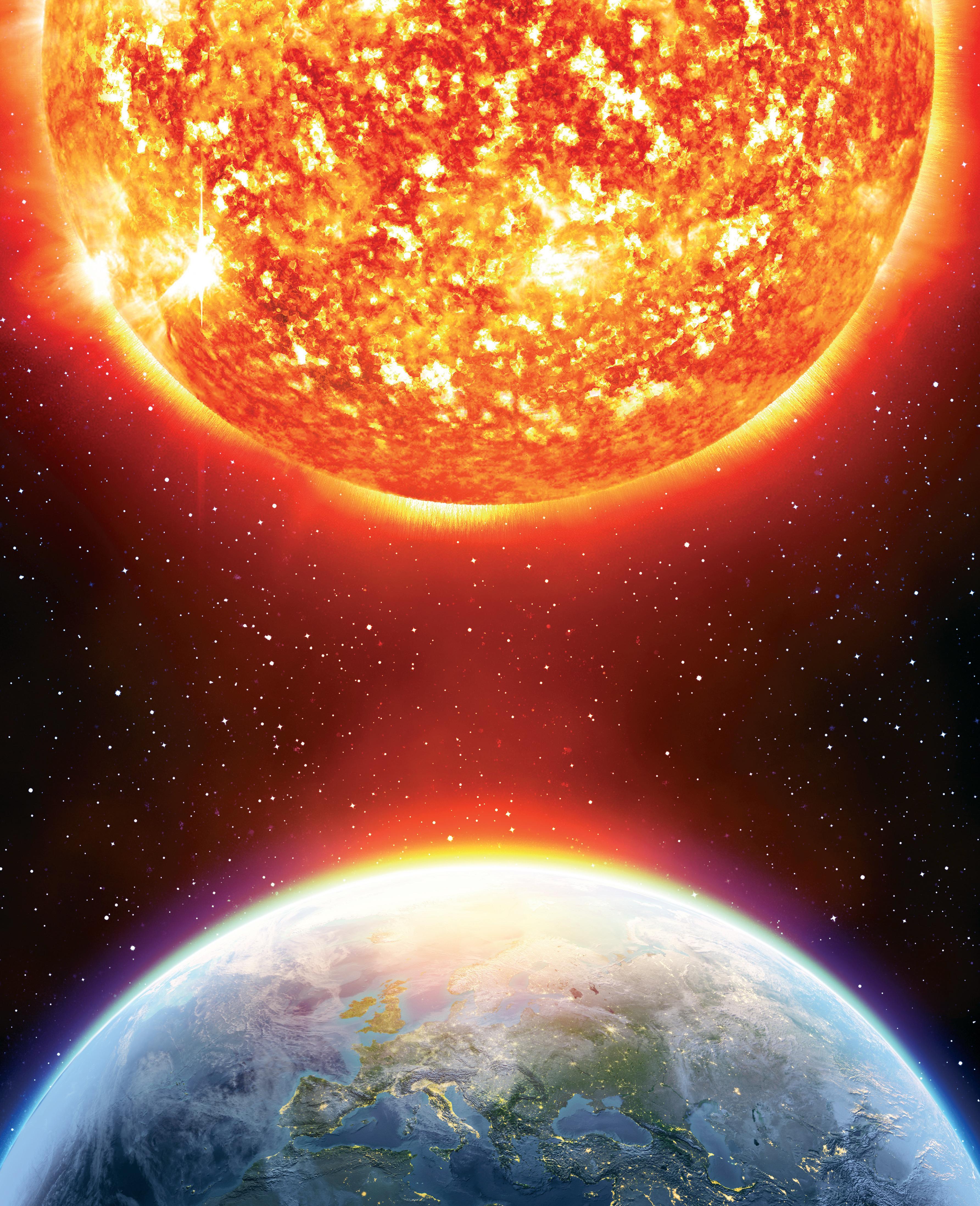
UV light: ultraviolet light to sanitize surfaces
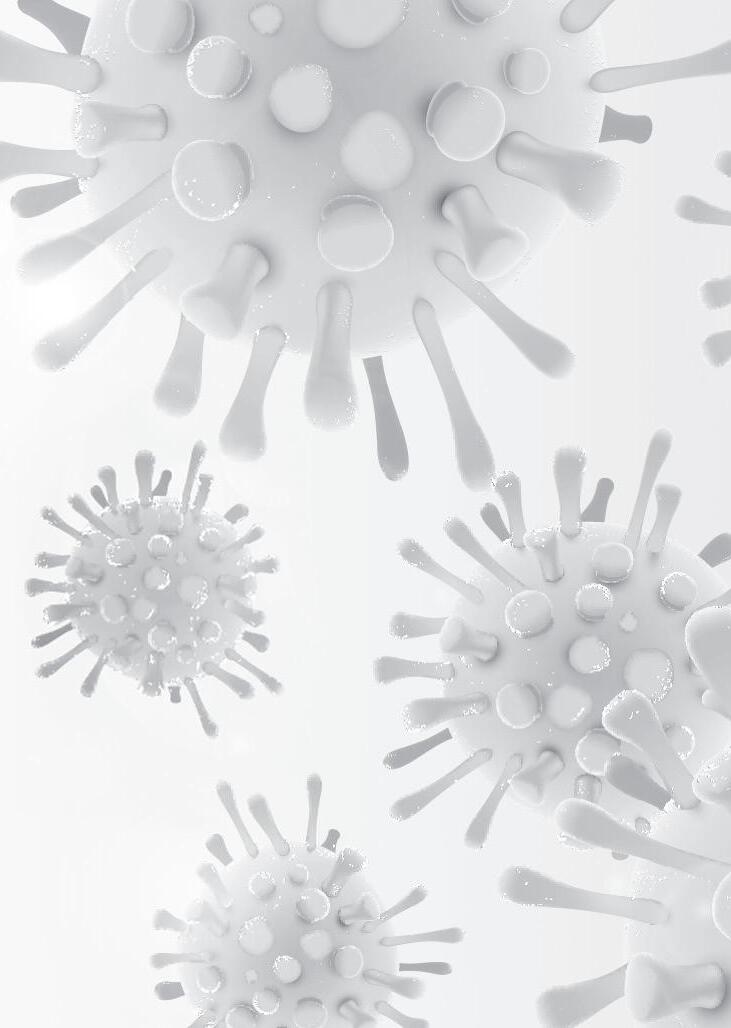
We’re live surrounded by microorganisms: bacteria, viruses, moulds, yeasts and protozoa. Shortwave UV radiation is a very effective physical method for eliminating and inactivating these microorganisms. The nuclei in the cells are subjected to a photolytic reaction that prevents their replication.
UV A UV B
UV C
The germicidal effect of light is provided in the shortwave UV band below 320 nm.
UV irradiation is the most RELIABLE, ECO-FRIENDLY, EASY-TO-USE and LOW-COST method for sanitizing the surfaces in the spaces where we spend most of our time.
MAIN ADVANTAGES
EFFECTIVE
Kills 99% of microorganisms
Reliable
FAST
Extremely fast sanitization time
EASY TO USE
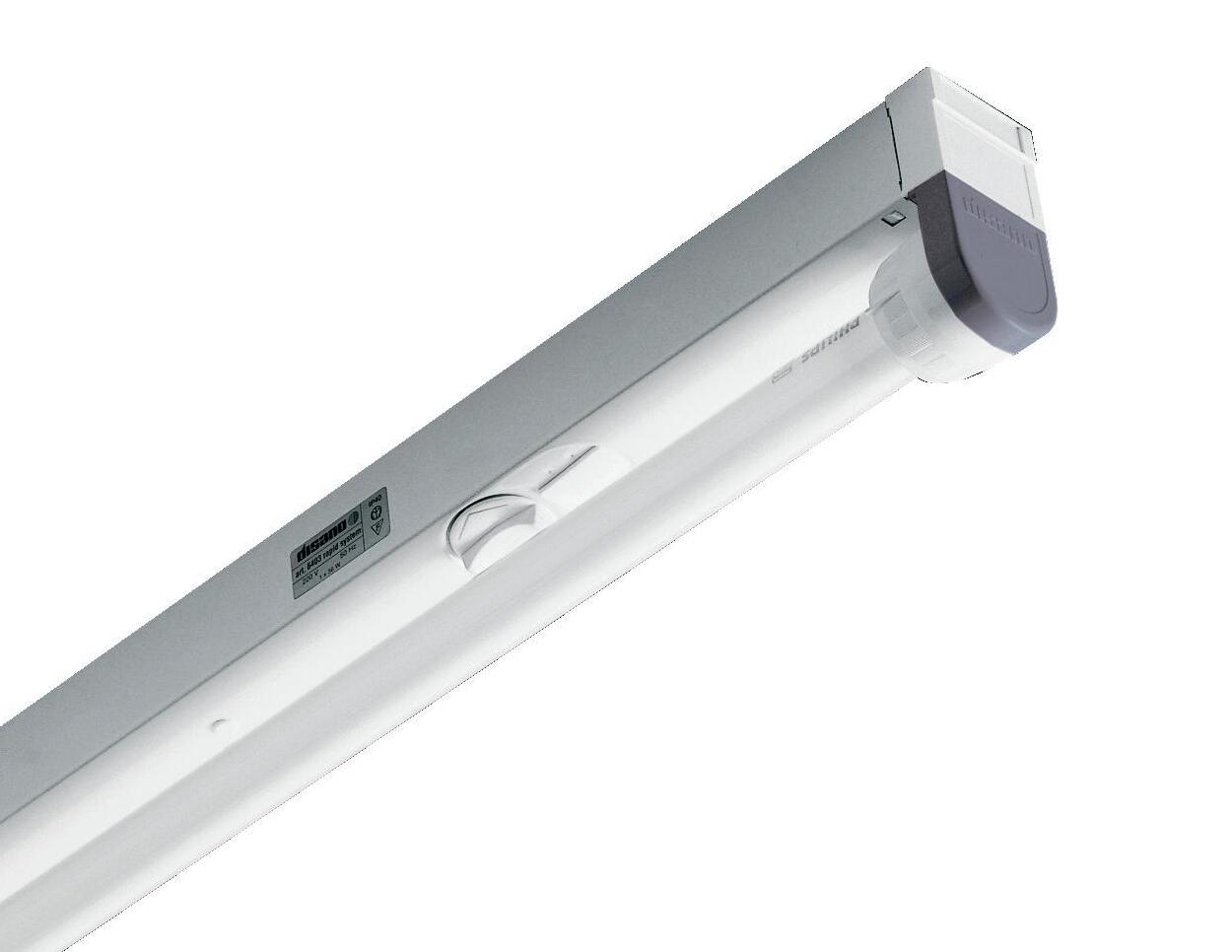
Can be installed as recessed, ceiling and floor lamp for night-time use and in the absence of people inside the room
LOW COST
Considerable saving of time and disinfectants
ECOLOGICAL
Does not interact with foreign bodies and does not require additives that may not be biodegradable
Note: UV does not replace cleaning
Scientific research has shown that ultraviolet rays can affect water and air-borne microorganisms, be they bacteria, viruses, fungi, algae, spores, or other (Note: before installing luminaires fitting UV sources, be sure to contact a qualified technician for the design stage).
Ecological
UV radiation is a physical, not a chemical, disinfection system. UV rays act on the nucleus of the cell that, when properly irradiated, is subjected to a reaction that prevents the reproduction process in a completely natural way (without using chemical disinfectants).
Low-cost
Disinfection with ultraviolet lamps is currently the most economical option offered by technology.
Design
The Disano group is happy to offer expert advice to designers when planning the space where the lights will be installed.
Legend
The presence of people is allowed
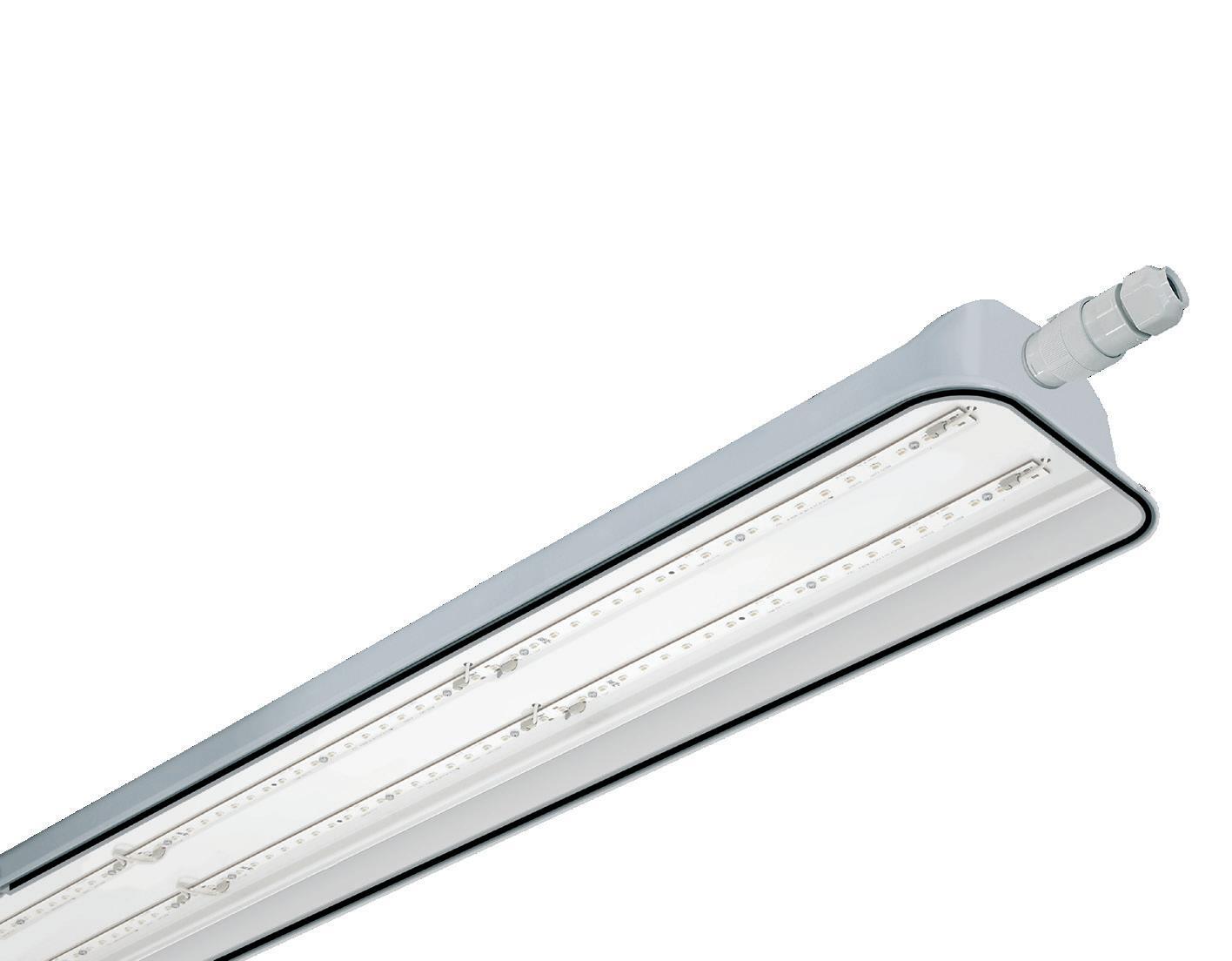
Versions also including general lighting
The presence of people is not allowed
Versions with UV lighting only
UV light: the ideal sanitization of all spaces

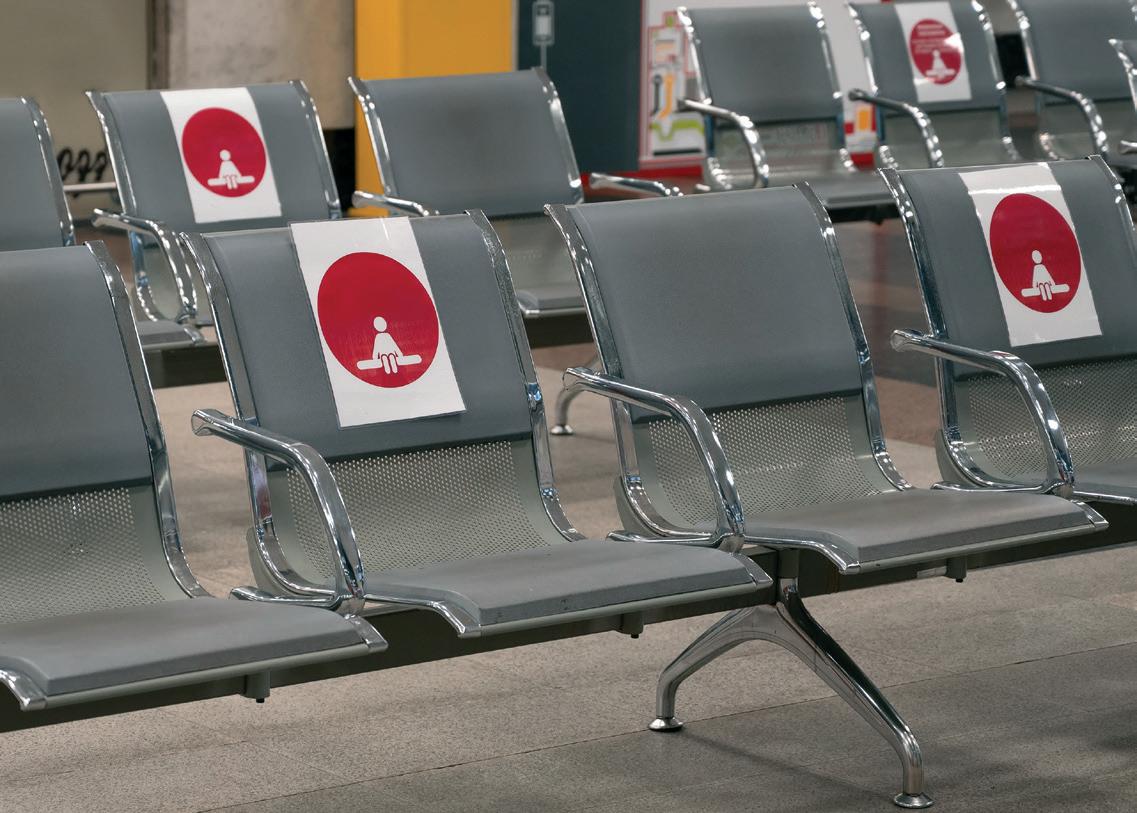
Highly frequented places can be sanitized with UV lamps. UV rays trigger a photochemical reaction within the microorganisms damaging their protein structure to alter their DNA/RNA. This makes them harmless and unable to replicate, preventing the spread of contagion, disease or damage.


Ultraviolet germicidal irradiation is a safe, proven and effective technology to eliminate microorganisms like bacteria, viruses, fungi, spores, mites and moulds. It ensures bacteriologically controlled surfaces and can be used in luminaires for the bacteriological sanitization of:
• offices - schools
• waiting rooms - medical studios
• bars and restaurants
• shopping centres - shops
• gyms - locker rooms
• beauty salons and wellness centres
• hotels
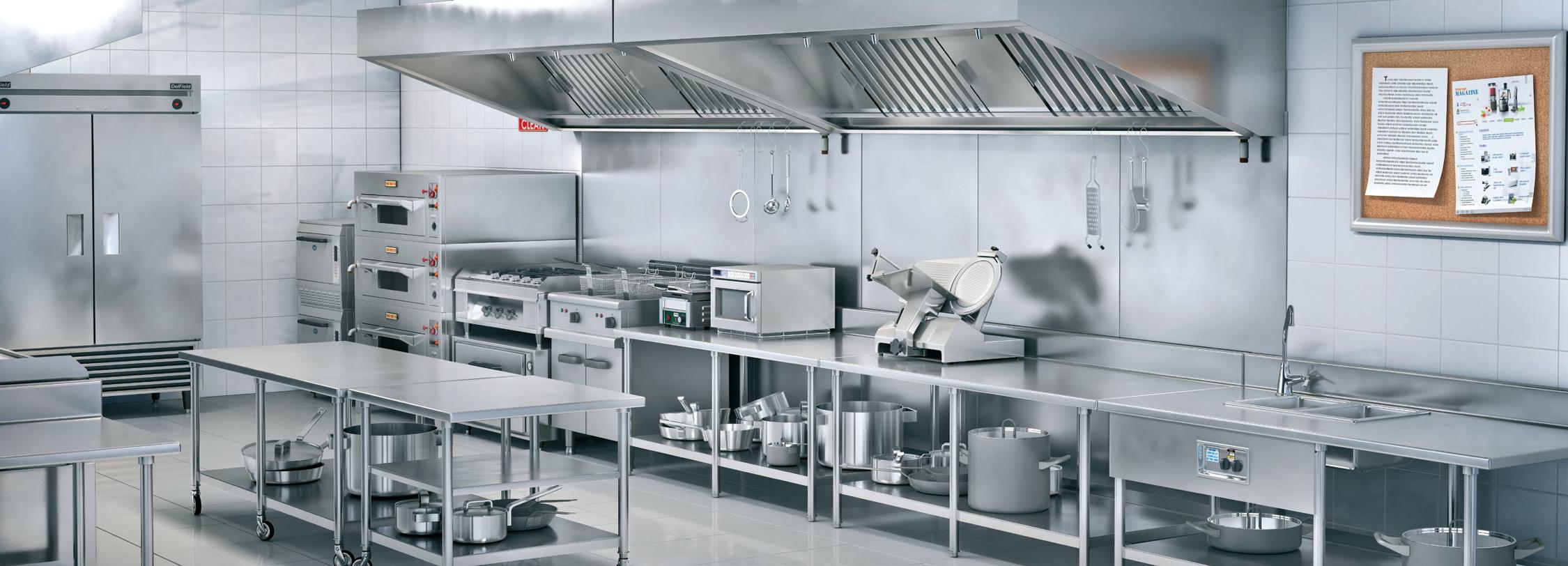
• kitchens and public rest rooms
• common work areas




UV-A and UV-C LED









































• UV-A (long wave)
315 to 400 nm




• UV-B (medium wave)
280 to 315 nm
(for curative medical use)
• UV-C (short wave)
100 to 280 nm
(for sanitization)
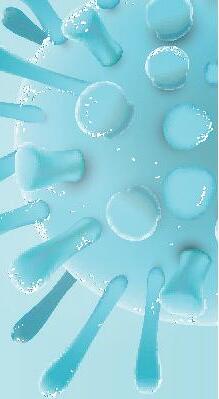




The spectral range of ultraviolet radiation is, by definition, between 100 and 400 nm (1 nm = 10-9 m) and it is not visible to the naked eye.










Thanks to the filtering action of the Earth’s atmosphere, most UV in nature is UV-A, a very small portion is UV-B, and UV-C rays are practically absent.
Artificial UV sources have been available on the market for several decades. Based on their wavelength, they can be used in different sectors and applications.
schools
gyms
factories
(for medical and industrial use)
offices stores
hotels
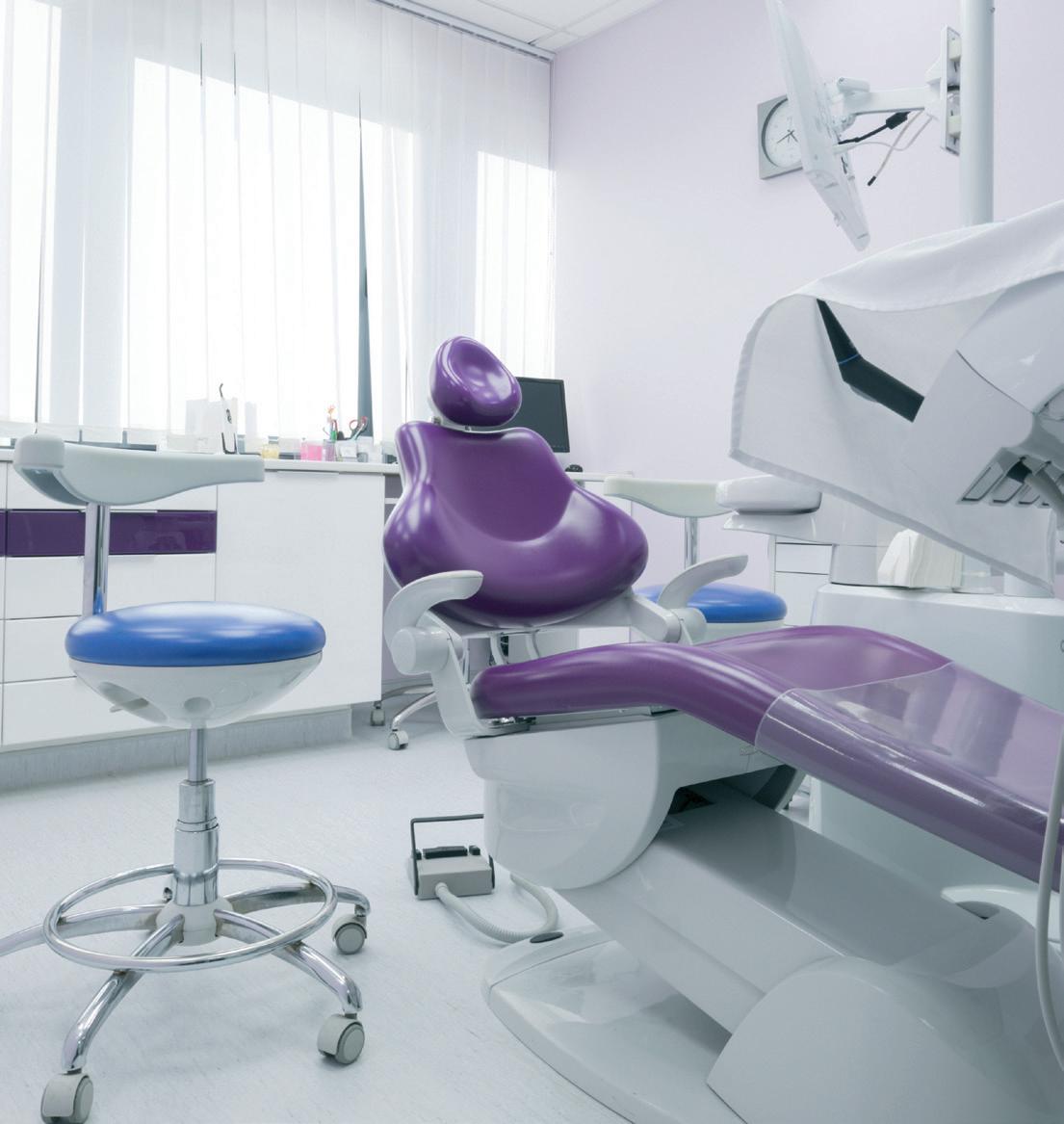
dentists/beauticians
waiting rooms
shopping malls
hospitals and health centres
The UV-A light modules are less aggressive than the UV-C modules and require longer sanitization time. It is therefore necessary to control ON/OFF times based on the absence/ presence of people in the room. For example: sanitization can be carried out at night, on weekends, on holidays, on certain weekdays, when certain areas are closed.
The UV-C light modules are more aggressive than UV-A modules and allow shorter sanitization time. We recommend equipping the system with “absence devices” (sensors or smart technology) so that the UV-C modules will activate only when nobody is in the room.
UV-A: long sanitization time UV-C: very short sanitization time
at night, weekends, holidays (in the absence of people)
• classrooms
• corridors
• gyms
• laboratories
• training areas
• common areas
• production
• storage
• common areas
• open space
• common areas
• restrooms
• sales
• warehouses
• utility rooms
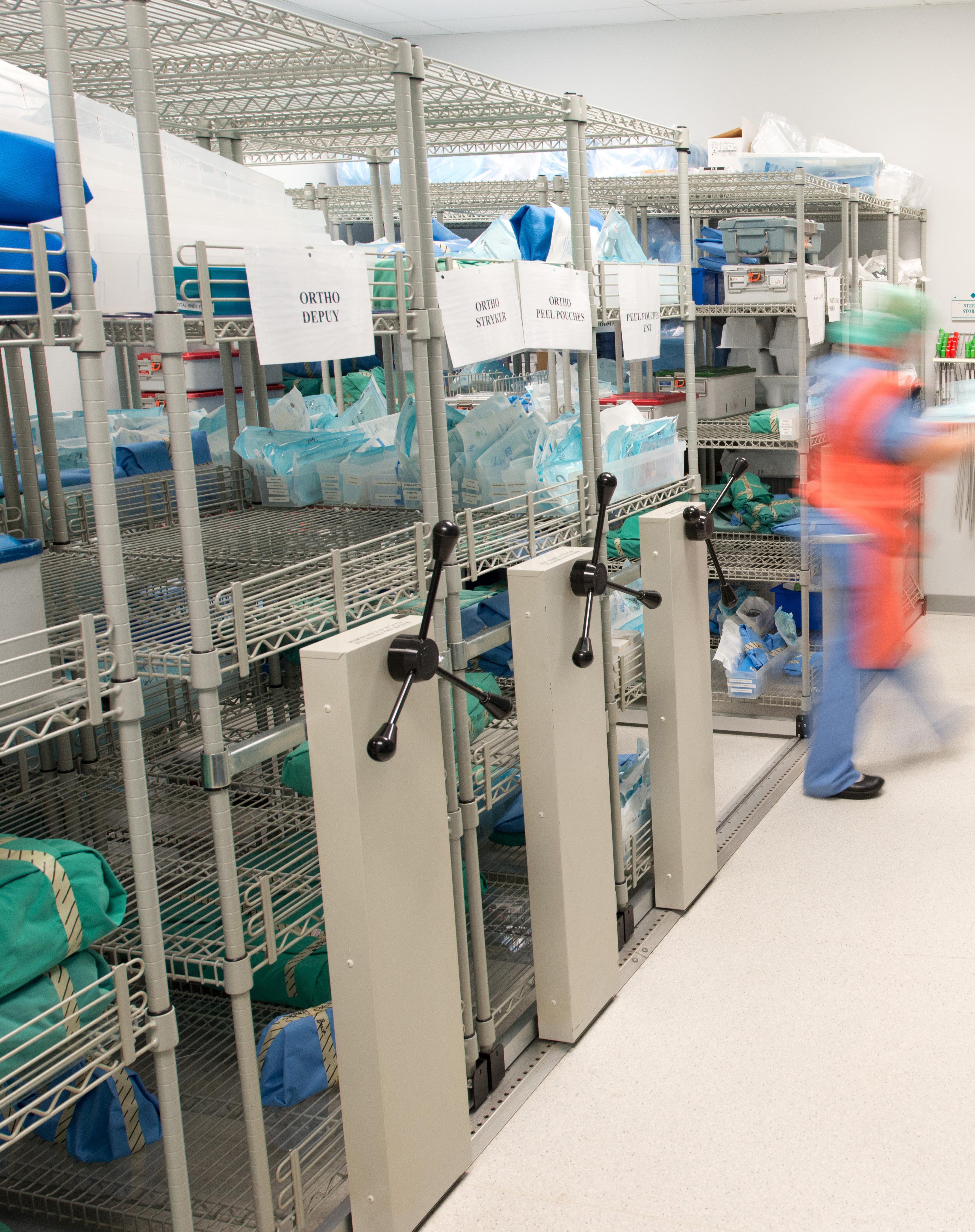
• kitchens
• bars and restaurants
• all areas
• all areas
• all areas
• all areas except patient/visitor rooms
temporary absence in a room (in the absence of people)
• break
• when exiting the classroom to move to another classroom
• when moving from one lesson to the next
• locker rooms
• assembly chain break
• lunch break
• lunch break
• in rooms between one conference and the next
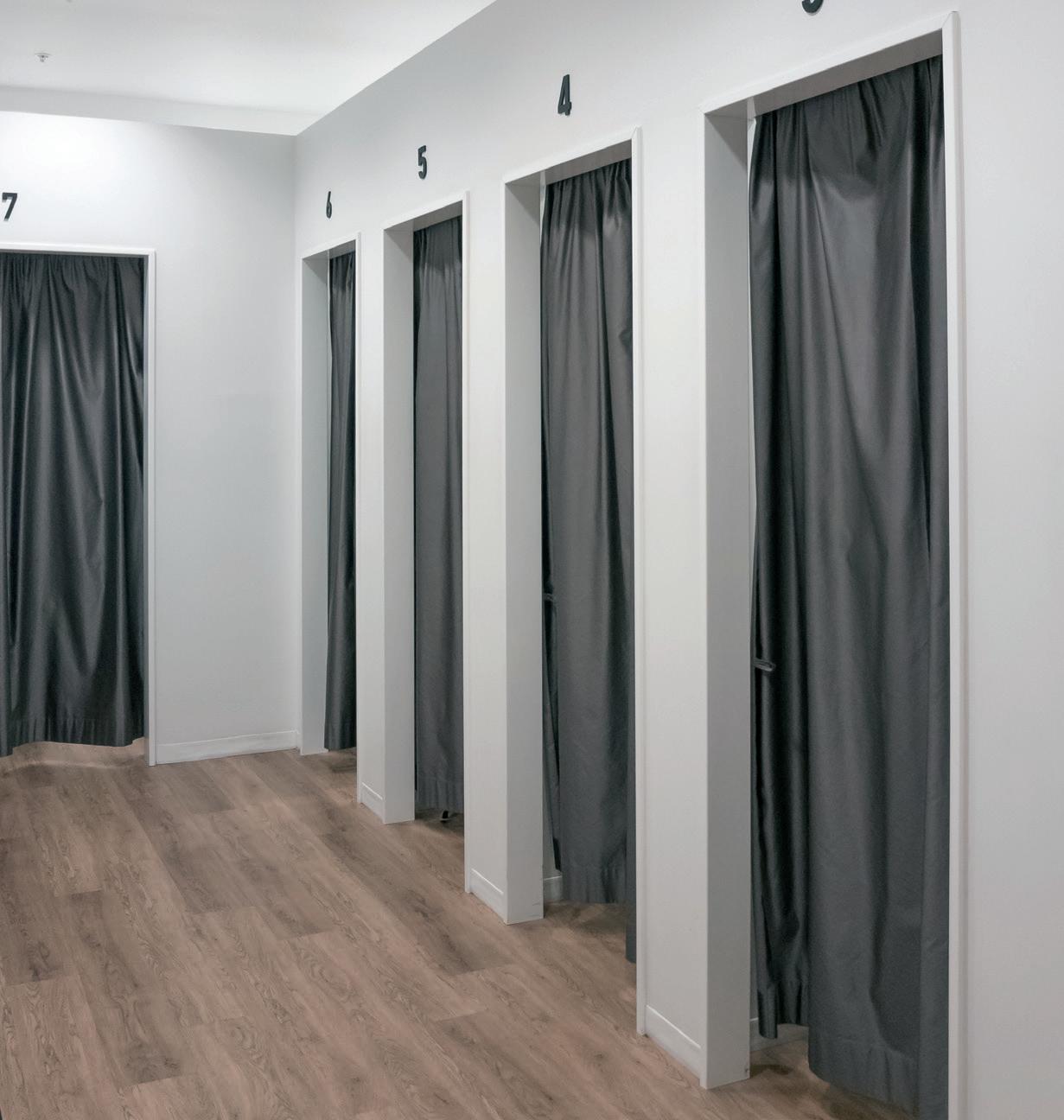
• fitting rooms (between one customer and the next)
• reception
• when changing room
• when cleaning empty common areas
• when moving from a room to the next
• during short closures to the public
• after cleaning bathrooms and transit areas
• (before re-opening to the public)
• when the staff leaves their work station for patient visits or rounds
Special mounting tips
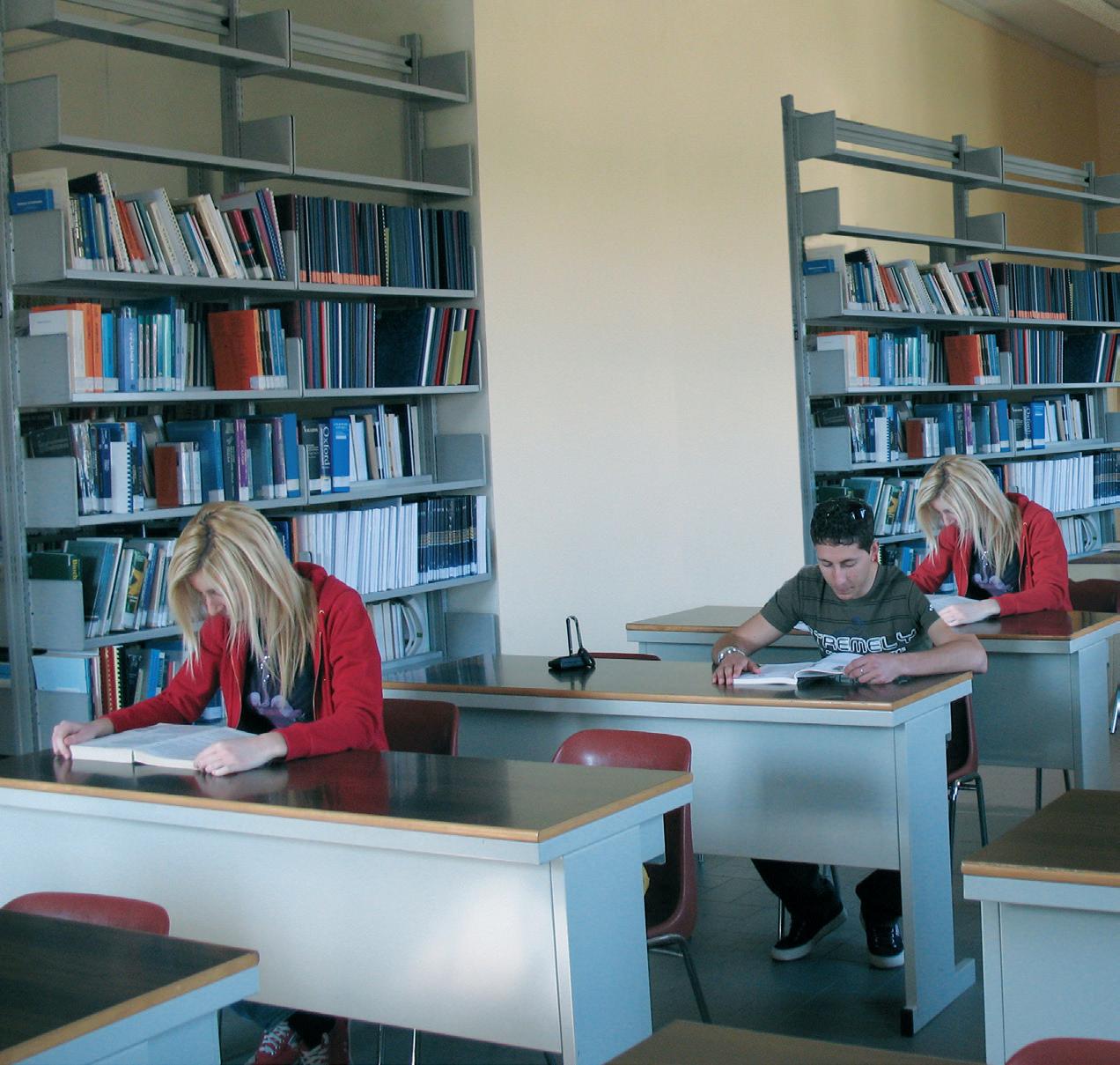
The use of UV sources, especially those in the UV-C wavelength band, require special attention as they can cause inflammation and damage, sometimes even permanently. This is why it is essential that UV sources are used when there are no people and/or animals in the room.
The human eye cannot see ultraviolet light.
Exposure to UV-B and UV-C radiation without using skin or eye protection may cause erythema (reddening of the skin) or conjunctivitis (inflammation of the eye).
• Use of timers or time switchers (onoff timers)
• Use of “absence” detectors (sensors)
• Use of SMART control devices to control the lighting system
UV luminaires can be installed in a room by simply connecting them to the lighting system. This type of application requires the supervision of a qualified installer who will assess the safety of the system, based on whether or not people* are inside the room.
* NOTE:
• UV light may cause serious damage to the skin or the eyes, therefore avoid direct exposure on humans, animals and plants.
• Lighting fixtures equipped with UV-C LED sources must be used only in the absence of people.
Luminaires must be installed by qualified staff to ensure compliance with safety and radiation protection requirements.
Example of installation with “absence” sensors
1) When the power supply is switched on and the sensor doesn’t detect any presence in the room for 60 seconds, the UV lamp will turn on and a red LED light will be visible.
2) As soon as the sensor detects movement, the UV lamp will automatically go off (together with the red LED light).
3) If 60 seconds go by and no movement is detected, the lamp will turn on again (in the UV mode) and the red LED light will be visible again.
Mounting recommendations

Before installing UV luminaires, be sure to entrust the lighting design to a professional lighting designer.
The main factors to consider for a proper use of UV sources are:
• radiated power
• exposure time
• distance
For a UV lamp to be effective on spores, germs, bacteria and viruses, the lighting system must be designed so that the above parameters are correctly combined in order to achieve the desired results according to scientific/academic studies and literature.
N.B.: UV dose varies based on the type of microorganism to be eliminated for the deactivation to be effective (see table).
Microorganisms on surfaces that are not directly exposed to UV radiation (hidden or in shadow) will not be eliminated.
Define the dose and time necessary to eliminate pathogens:
UV dose is based on intensity and time

Microorganism
(Ho) (K) Radiant Exposure Decay Rate Constant J · m-2 m2 · J-1
Bacillus anthracis(vegetative) 45,2 0,05
Bacillus anthracis (spores) 0,0031
S. enteritidis 40,0 0,058
B. megatherium sp. (veg.) 37,5 0,061
B. megatherium sp. (spores) 28,0 0,082
B. paratyphosus 32,0 0,072
B. subtilis (mixed)
71,0 0,032
60,0 0,038
B. subtilis spores 120,0 0,019
Corynebacterium diptheriae 34,0 0,068
Eberthella typhosa 21,4 0,108
Micrococcus candidus 60,5 0,038
Micrococcus piltonensis 81,0 0,028
Micrococcus sphaeroides 100,0 0,023
Neisseria catarrhalis 44,0 0,052
Phytomonas tumefaciens 44,0 0,052
Proteus vulgaris 27,0 0,085
Pseudomonas aeruginosa 0,238 0,572 55,0 0,042
Pseudomonas florescens 35,0 0,066
S. typhimurium 80,0 0,029
Sarcina lutea 197,0 0,012
Serratia marcesens 24,2 0,095 22,0 0,105 8,3 0,277 0,221 0,214 0,445
Dysentery bacilli 22,0 0,105
Shigella paradysenteriae 16,8 0,137
Spirillum rubrum 44,0 0,052
21,8 0,106
Staphylococcus aureus
49,5 0,047 0,089 0,348 0,042 0,960
Streptococcus haemolyticus 26,0 0,089 21,6 0,107
Streptococcus lactis 61,5 0,037
Streptococcus viridians 20,0 0,115
Microorganism
(Ho) (K)
Radiant Exposure Decay Rate Constant J · m-2 m2 · J-1
Clostridium tetani 49,0 0,047
Streptococcus pyogenes 21,6 0,107 0,616 0,107
Streptococcus salivarius 20,0 0,115
Streptococcus albus 18,4 0,125
B. prodigiosus 8,3 0,329
B. pyocyaneus 55,0 0,052
Mycobacterium tuberculosis 0,099 0,472 0,213 100,0 0,023
Mycobacterium kansasii 0,036
Mycobacterium avium-intra. 0,041
Escheria coli 0,093 0,376
Haemophilus influenzae 0,060
Adenovirus 0,055 0,0047
Vaccinia 0,153
Vaccina 0,155
Coxsackievirus 0,111
Influenza A 0,119
Cryptococcus neoformans 0,010
Fusarium oxysporum 0,011
Fusarium solani 0,0071
Penicillium italicum 0,013
Penicillium digitatum 0,0072
Rhizopus nigricans spores 0,0086
Cladosporium herbarum 0,0037
Scopulariopsis brevicaulis 0,0034
Mucor mucedo 0,0040
Penicillium chrysogenum 0,0043
Aspergillus amstelodami 0,0034
Fusarium oxysporum 0,011
Fusarium solani 0,0071
Penicillium italicum 0,013
Penicillium digitatum 0,0072