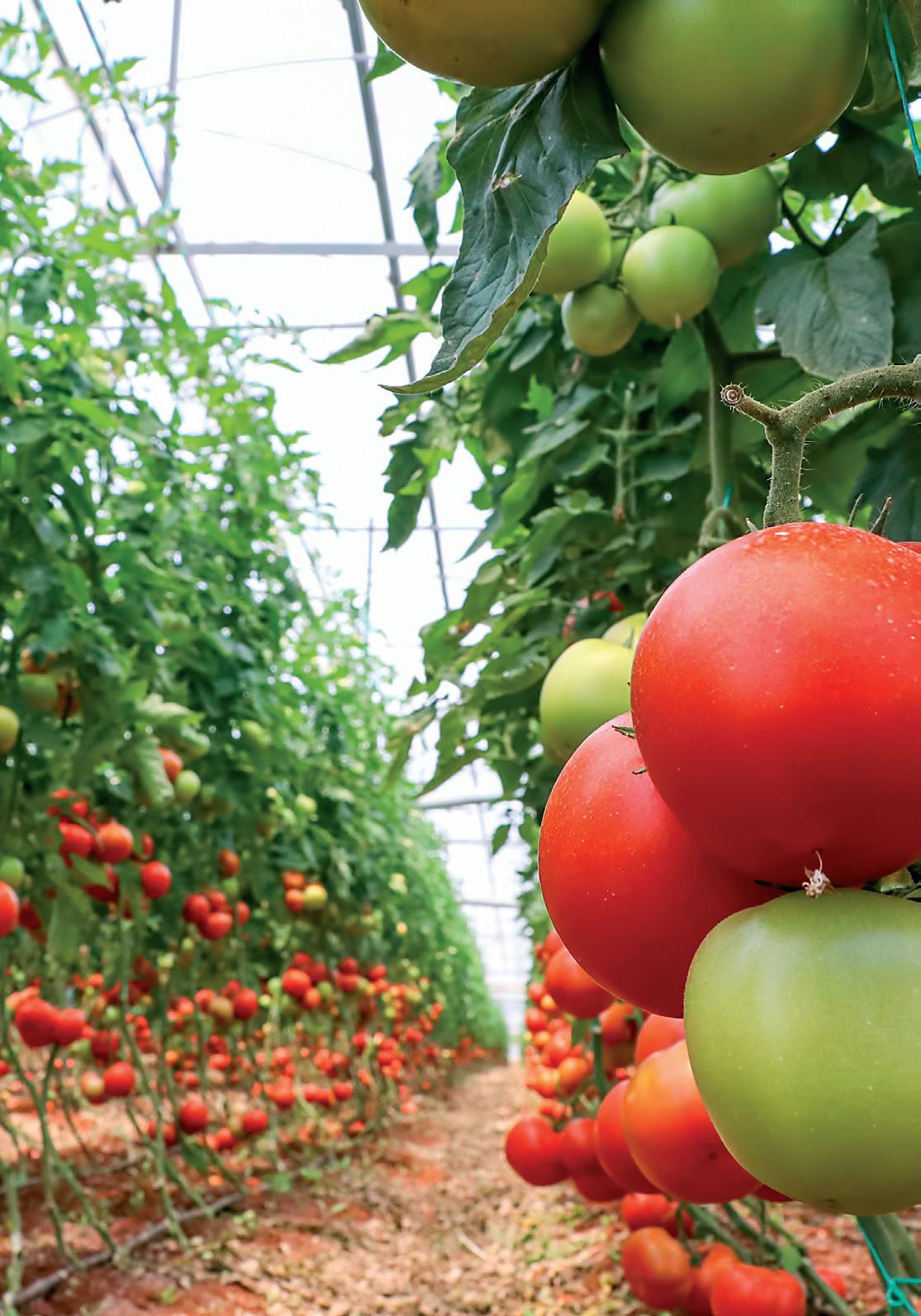
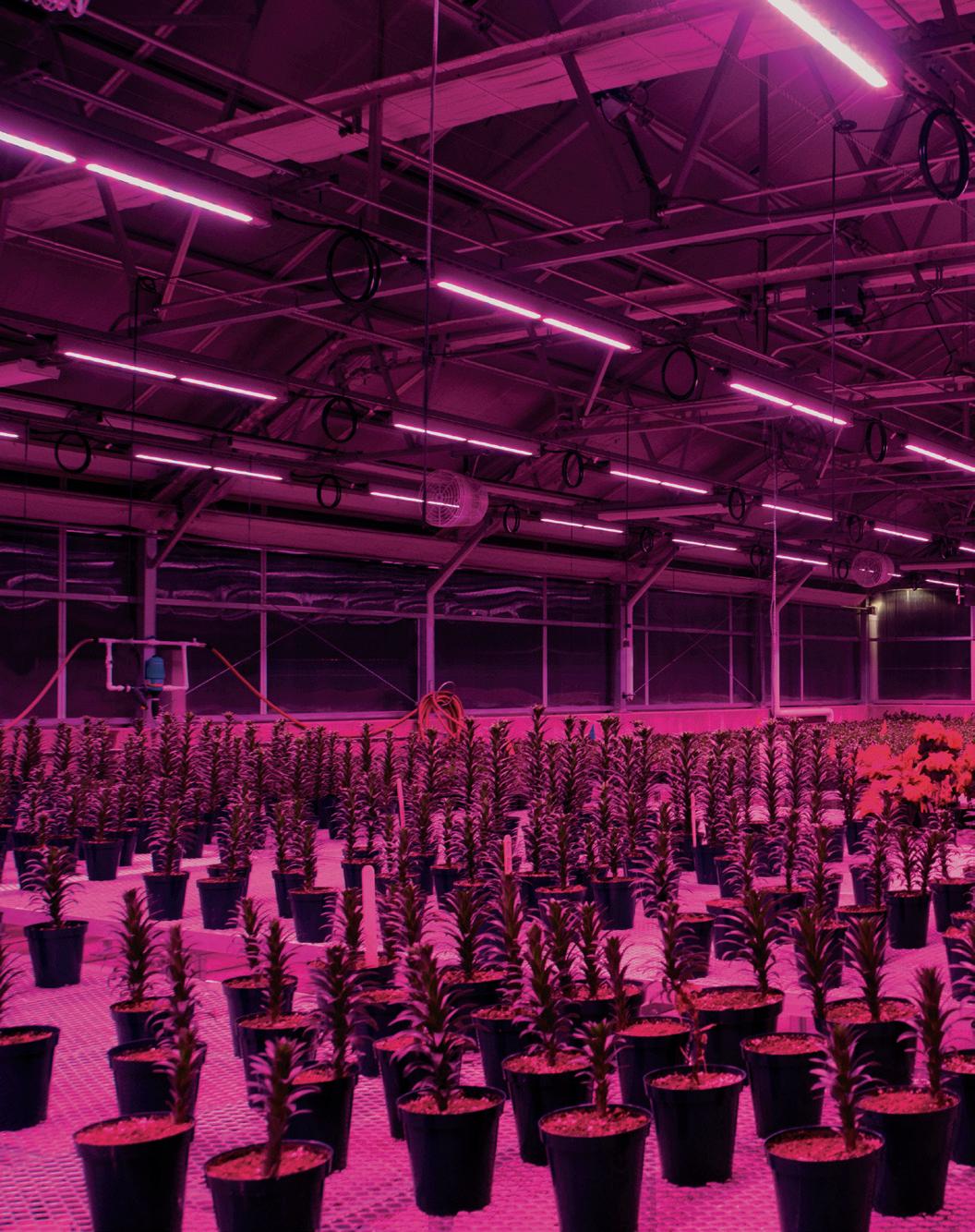
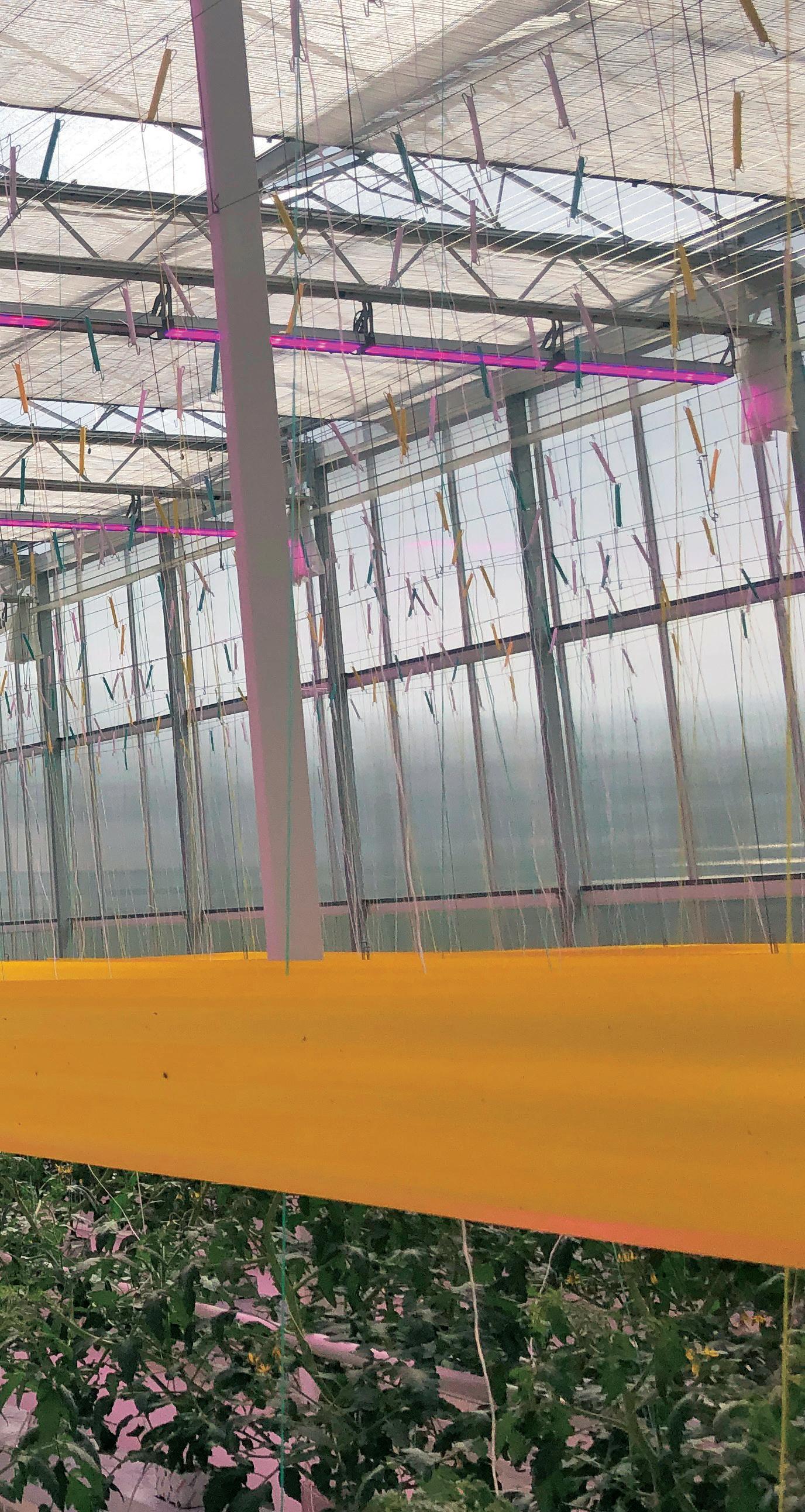
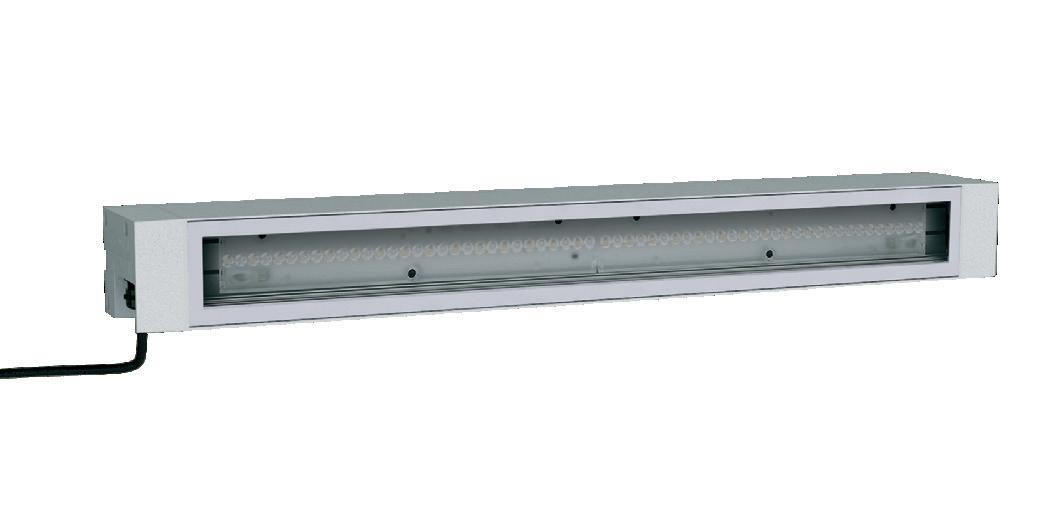
Horticulture lighting is used to encourage, increase and enable plant growth using artificial lighting. LED lights represent a very efficient and innovative solution for this type of application!
Supplementary lighting
To provide additional quantity and quality of illumination not achieved with the artificial lighting system in order to improve the photosyntentisis and therefore the growth and quality of the plants in greenhouses.
Photoperiod regulation
To control the plant’s internal clock. It can be used at the end of the light cycle to trigger plant flowering within short days.
Plant growing in the absence of natural daylight
To fully replace sunlight and control climate conditions.
Introduction
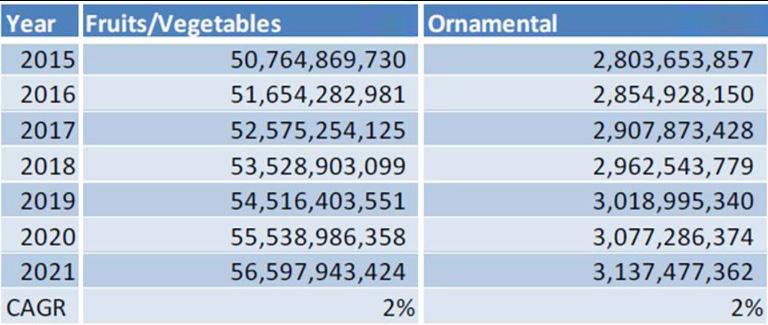
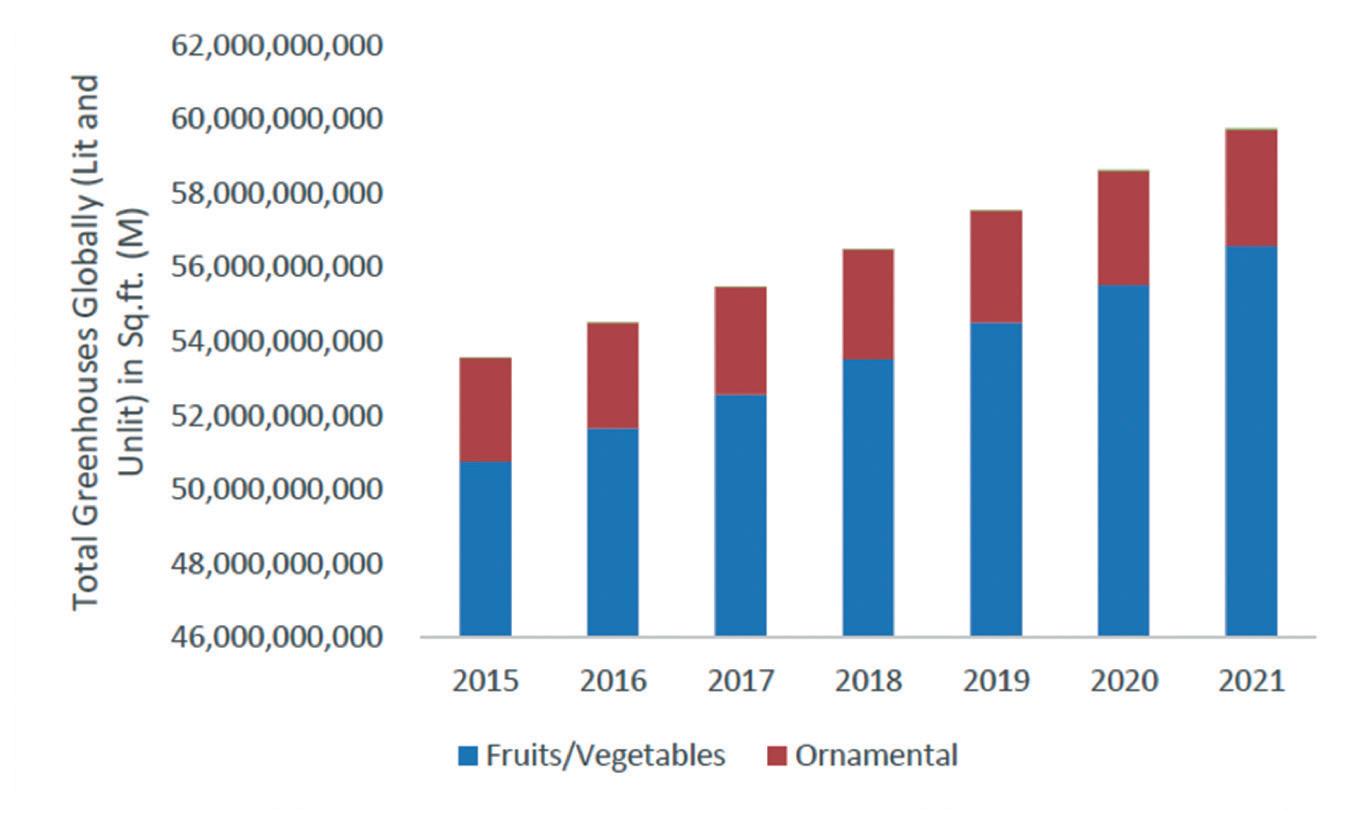
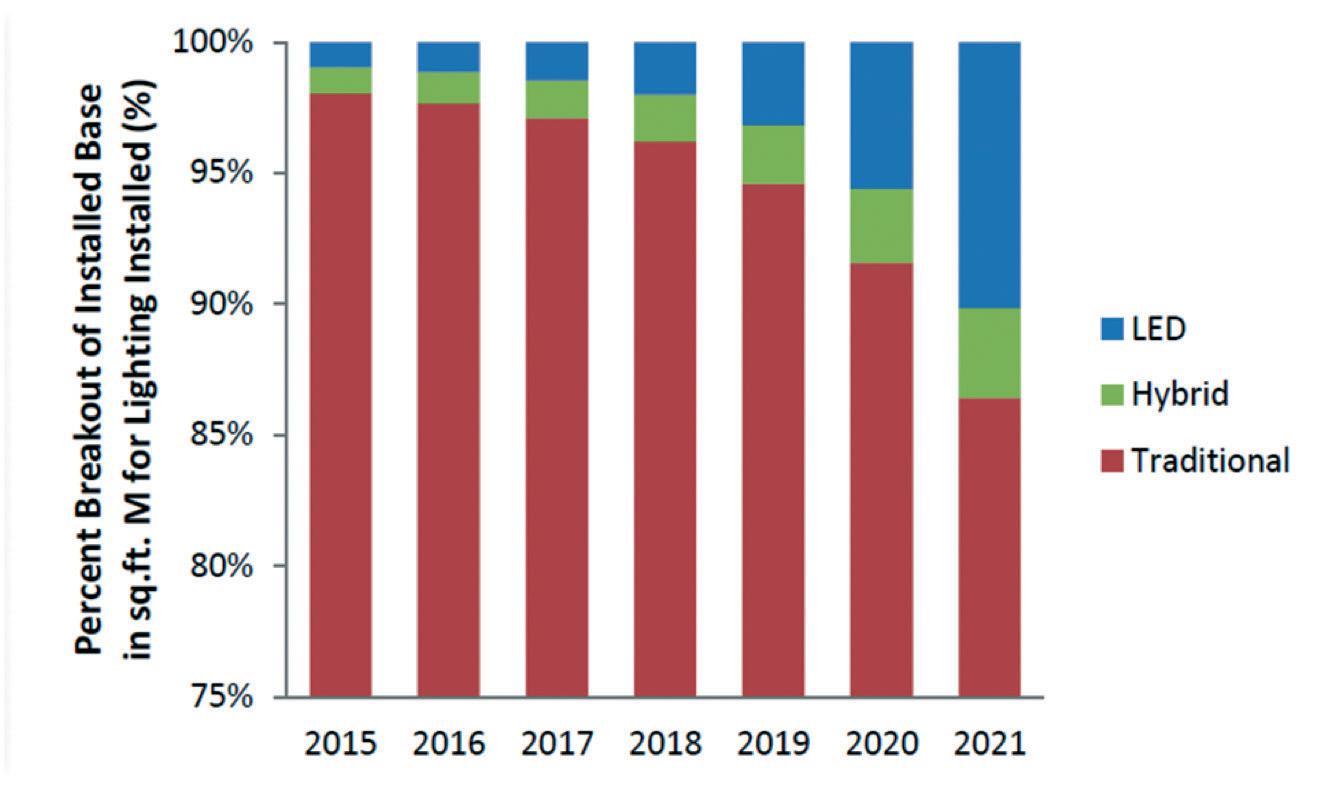
The figures are impressive. The reasons for this expansion are easy to understand if we think of the advantages offered by the safer growing techniques that are using space in more efficient and convenient ways. Big countries like Russia are investing in the creation of huge vertical greenhouses to make better use of space and, above all, to overcome the problems caused by bad weather conditions that have a negative impact on the harvests of fruit and vegetables.
MARKET TREND
Greater crop yield
Custom-made spectrum can be created according to the needs and growth stages of different types of plants
Fewer risks
Fungi, bacteria and microbes can be prevented at particular wavelengths
Flexibility
Dimming levels, light spectrum and timing can be controlled, and allow night and dawn/twilight simulation
MAIN ADVANTAGES
Less consumption of space/soil
The ability of LED fixtures to dissipate heat enables lamps to be positioned closer to the foliage, for multiple layered or inter-lighting cultivation
Safety
Traditional HPS lamps may break and contaminate crops as a consequence
Effects of LED lighting and advantages of specific spectrum systems
• Tailored emission spectrum: ad hoc composition of wavelengths capable of affecting the photomorphogenesis of plants (growth, shape and flowering); the simulation and full control over the various phases of daylight.
• Faster on/off time: lights get instantly to their full light level; adjustment to daylight changes, ensuring higher energy savings.
• Longer lamp life: the extremely long service life of the LEDs (>50000 hours) entails lower maintenance costs and, above all, a quick return on the investment.
• Supplementary lighting: to provide additional quantity and quality of illumination not achieved with the artificial lighting system in order to improve the photosynthesis and therefore the growth and quality of the plants in greenhouses.
• Plant growing in the absence of natural sunlight: to fully replace sunlight and control climate conditions.
To meet the world’s future demand for food
By the year 2050:
• World population will reach 9.1 billion
• 80% of world’s population will live in urban centres
Food production will need to increase by 70% to meet the world’s population growth in a sustainable and environmentally friendly way (lower consumption of soil, energy resources and water).
Why choose farming in a controlled environment?
• No pests, herbicides or other chemical substances are used
• Safer crops (no droughts or adverse weather conditions)
• No water outflow from irrigation systems
• Control and optimization of temperature, nutrients and light
• Abandoned industrial areas and cultivation zones can be reused inside urban centres
urban farming & greenhouse
Advantages for using LED horticulture:
Up to 75% less energy consumption: heating and lighting account for up to 35% of the cost of green tomatoes.
Up to 90% less water consumption: less heat means lower evaporation rates, which will help relieve the global water crisis.
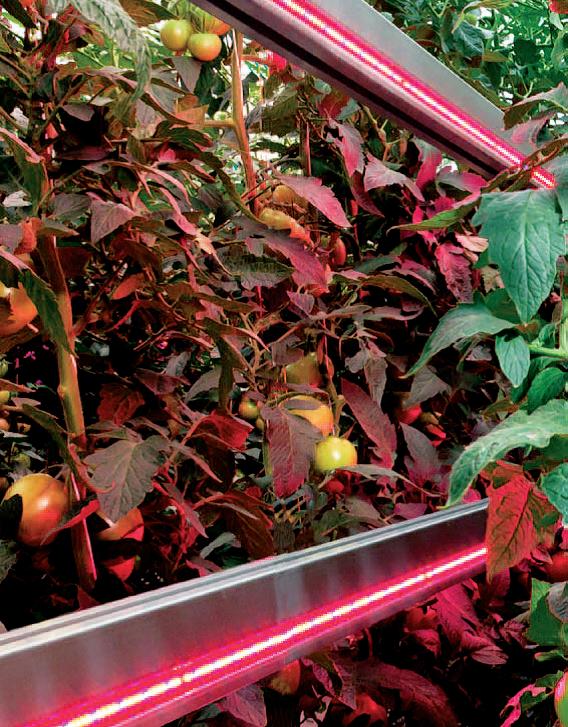
Greater plant growth: higher levels of red light will enhance the growth of tomatoes and increase the vitamin C content in mustard, spinach and green onions.
Lower costs: long LED life (50000 hours), low maintenance and slow lumen decay.
EFFICIENT WATER USAGE
WATER RECAPTURE
FOOD WASTE
EFFICIENT ENERGY USAGE
ENERGY RECAPTURE
HURBAN FARMING
hotel, retail, home
Healthy plants and flowers in stores
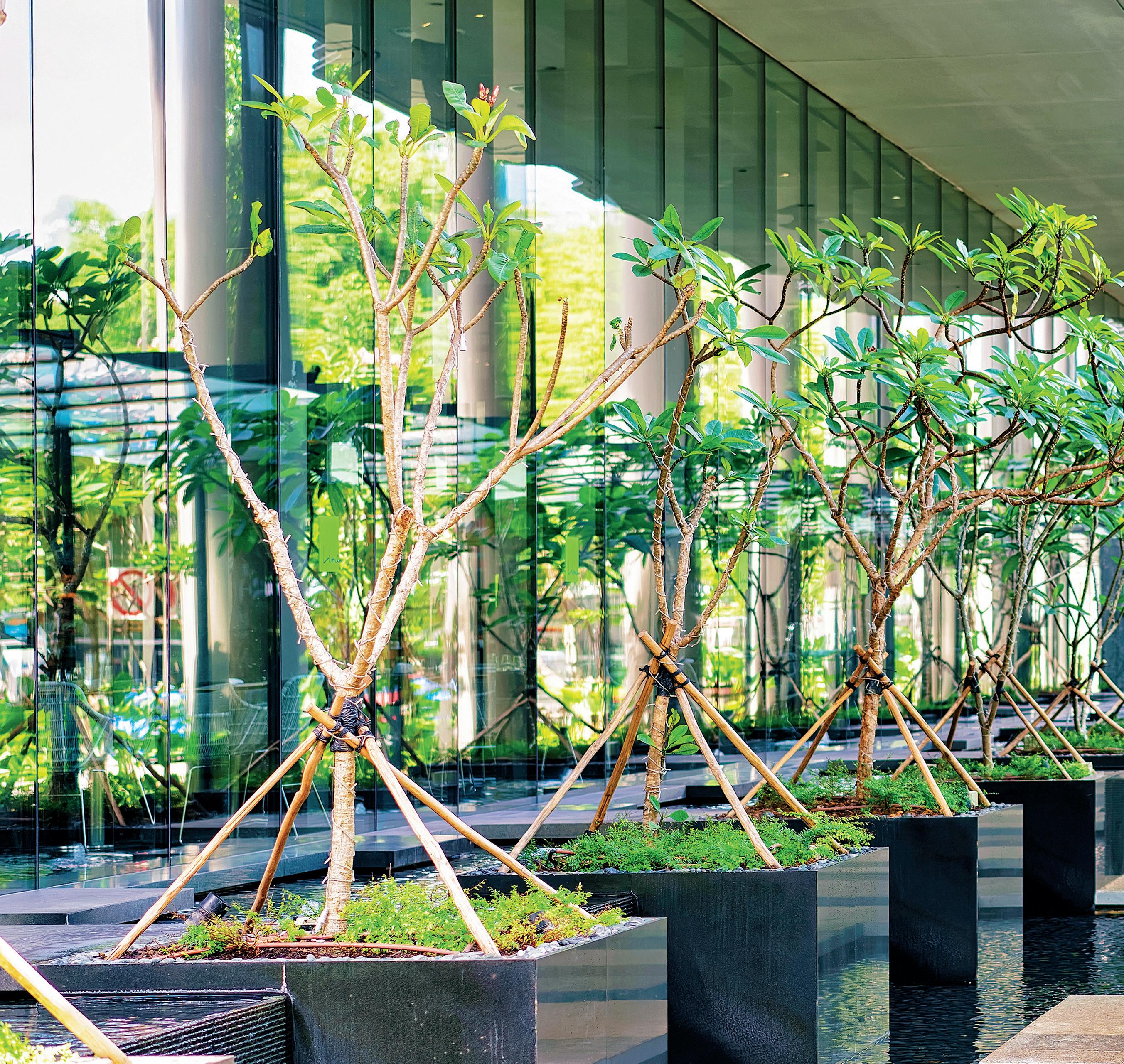
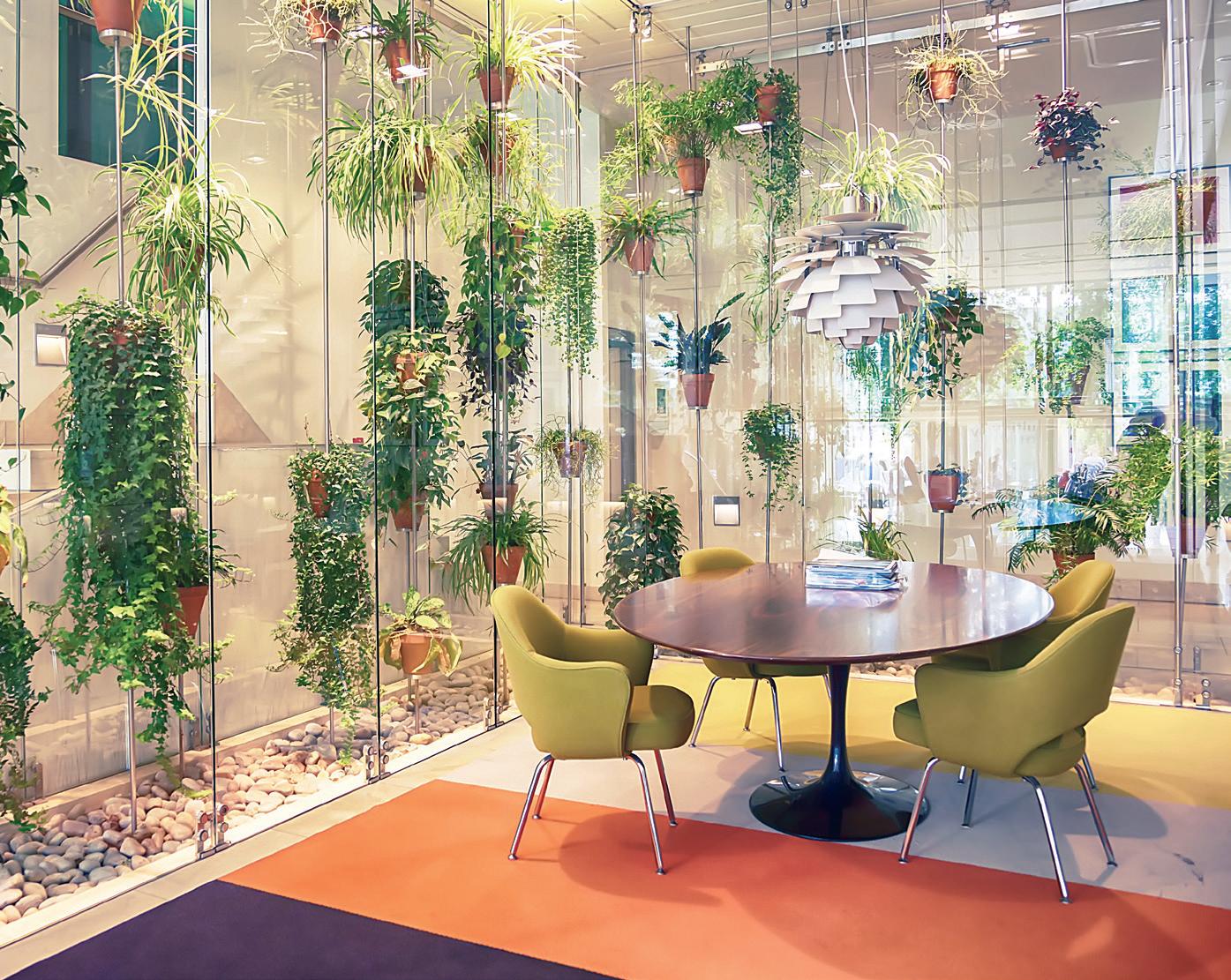
LEDs do not benefit only large greenhouses, but also the plants used in interior decorating or in flowers shops.
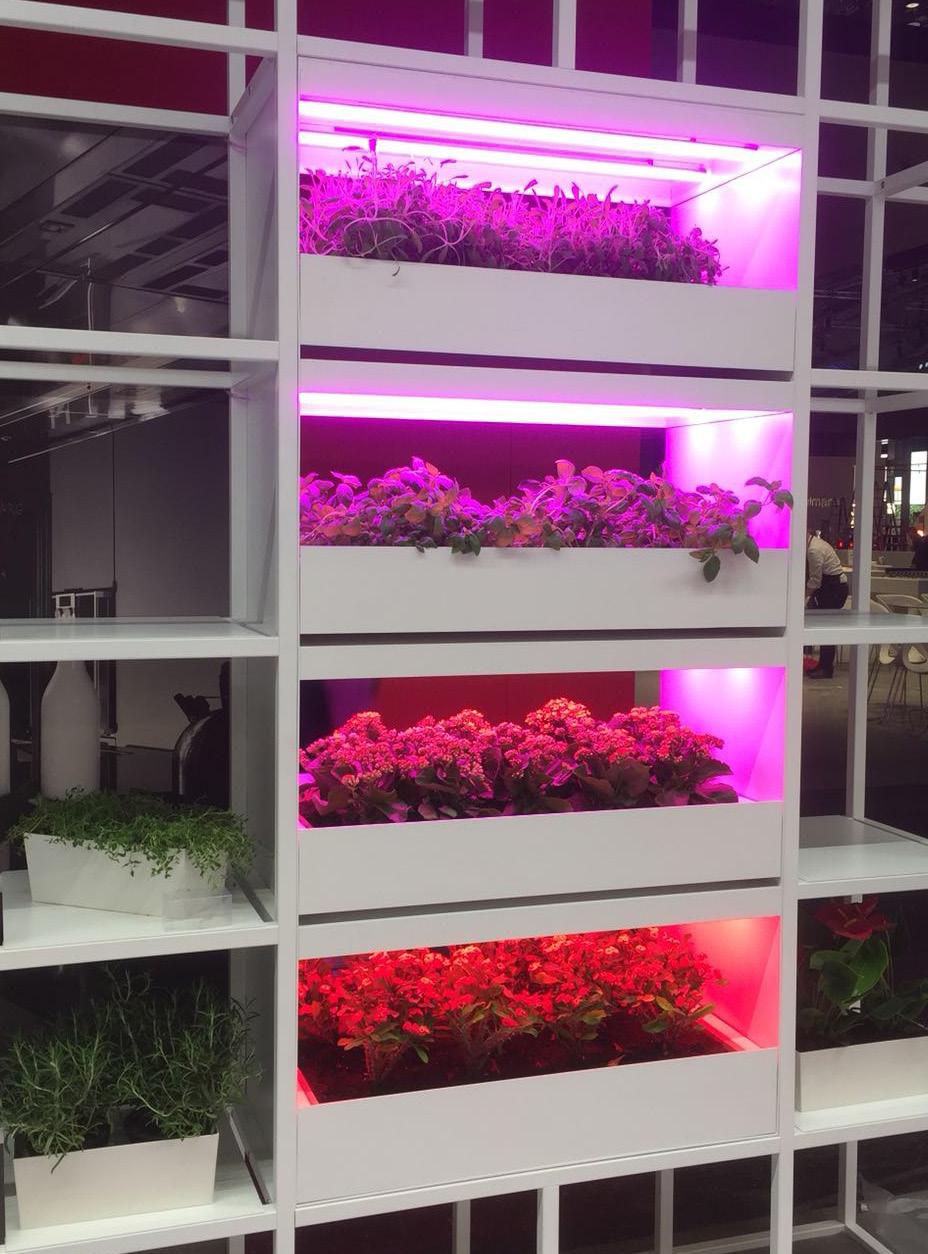
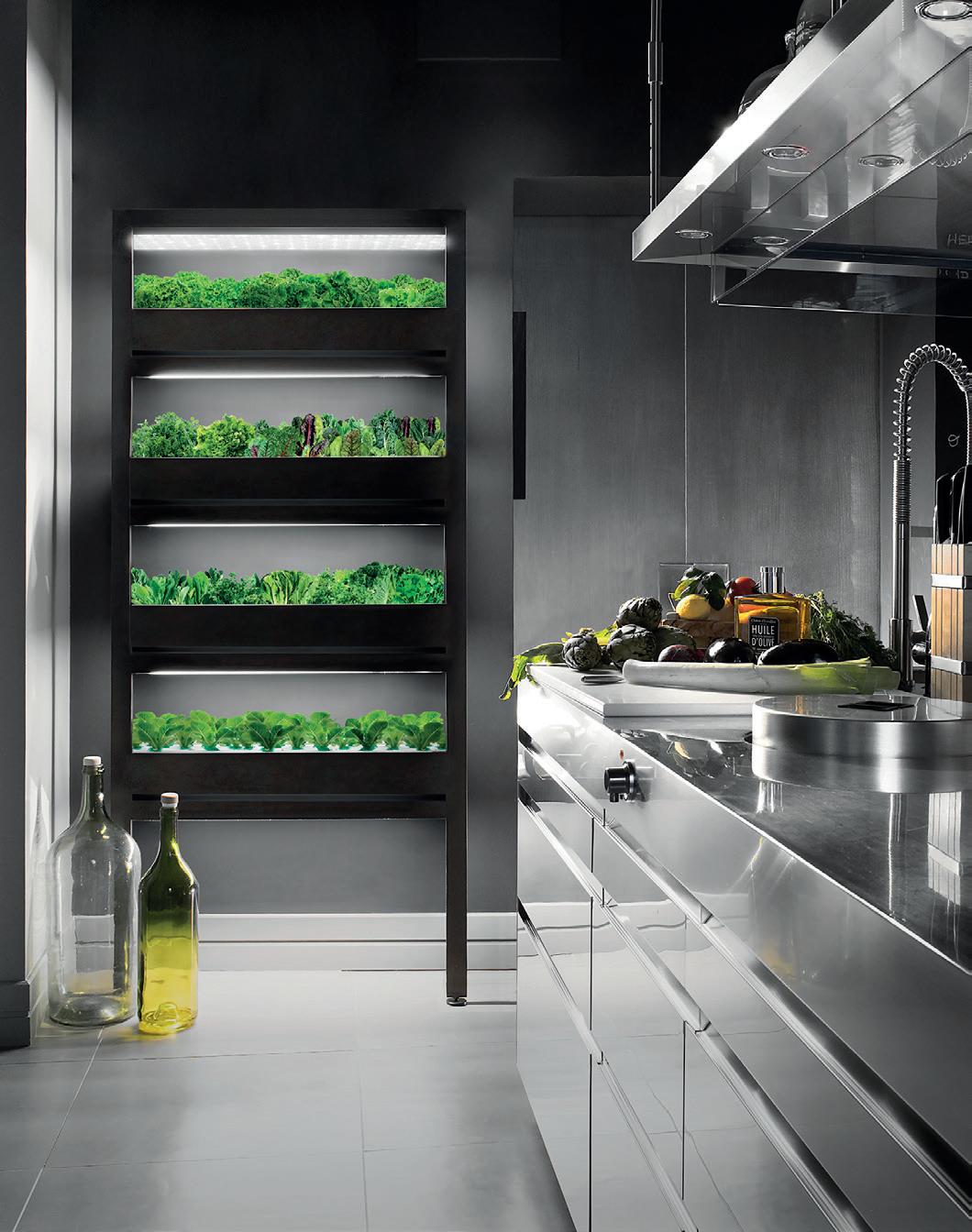
Home farming is another sector that according to experts is witnessing a steep rise, in line with new eco-friendly trends. Nothing is better for organic food lovers than being able to grow their own salad at home without using pests or chemical fertilizers.
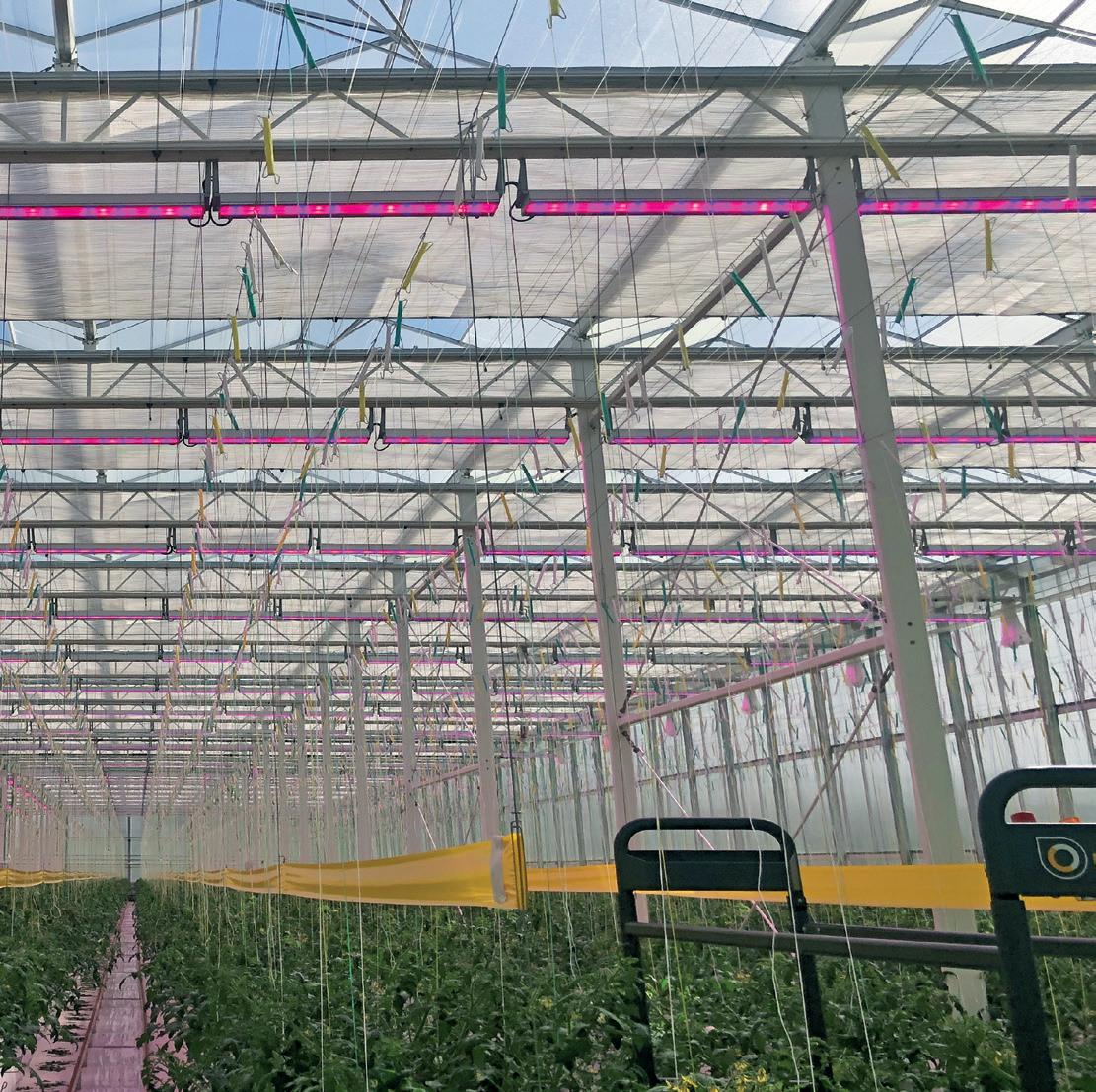
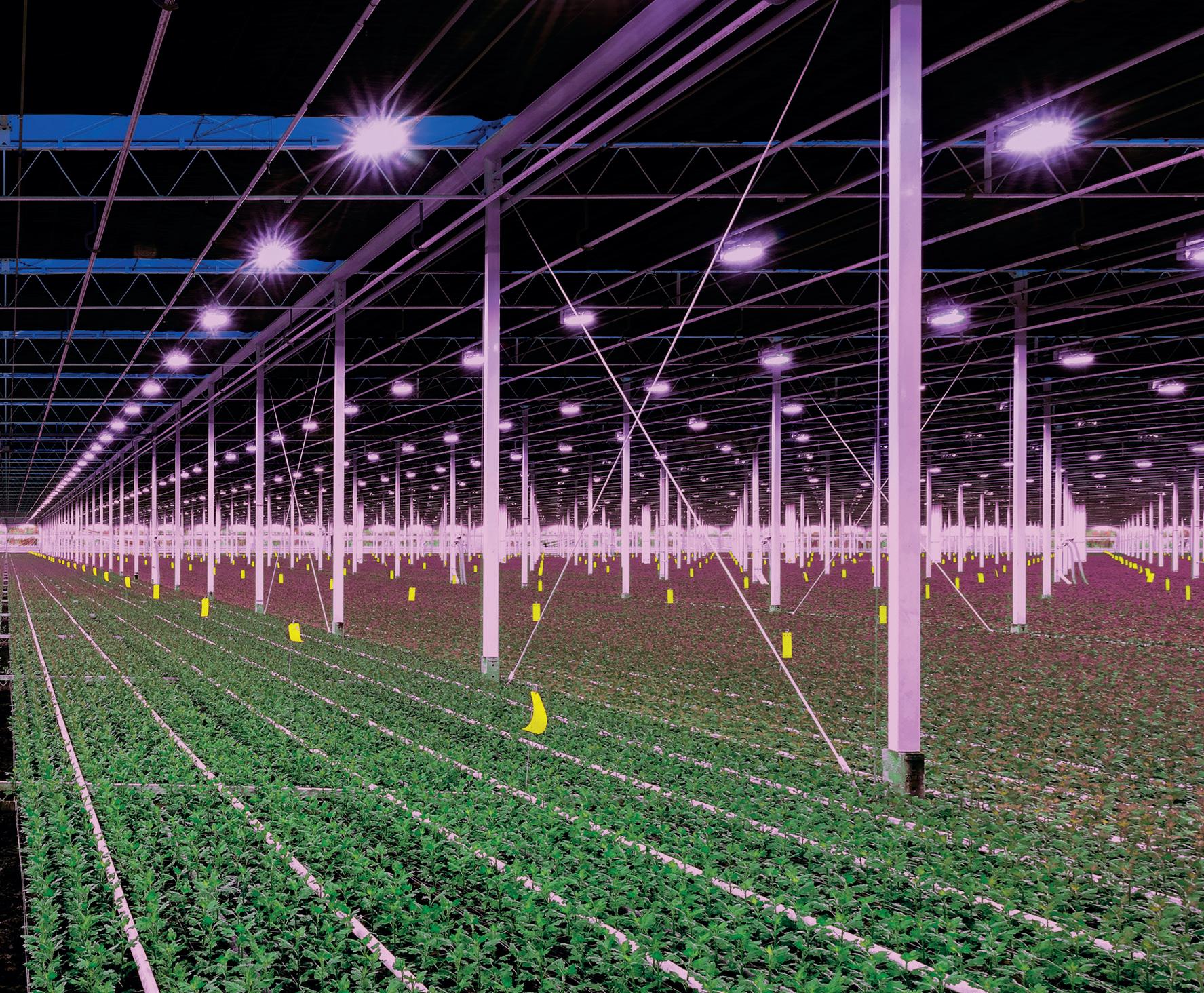
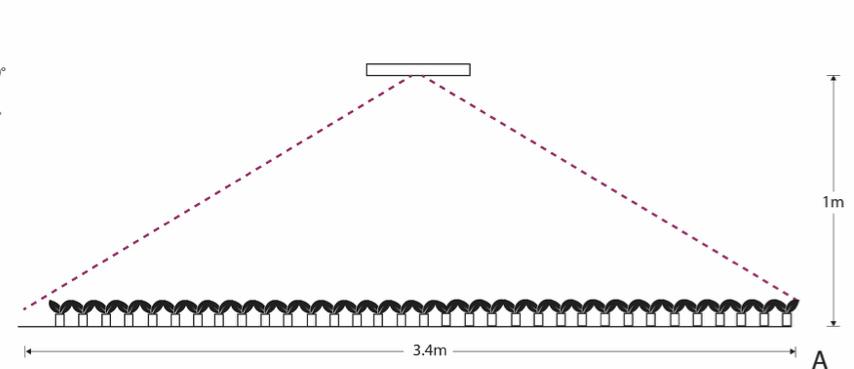
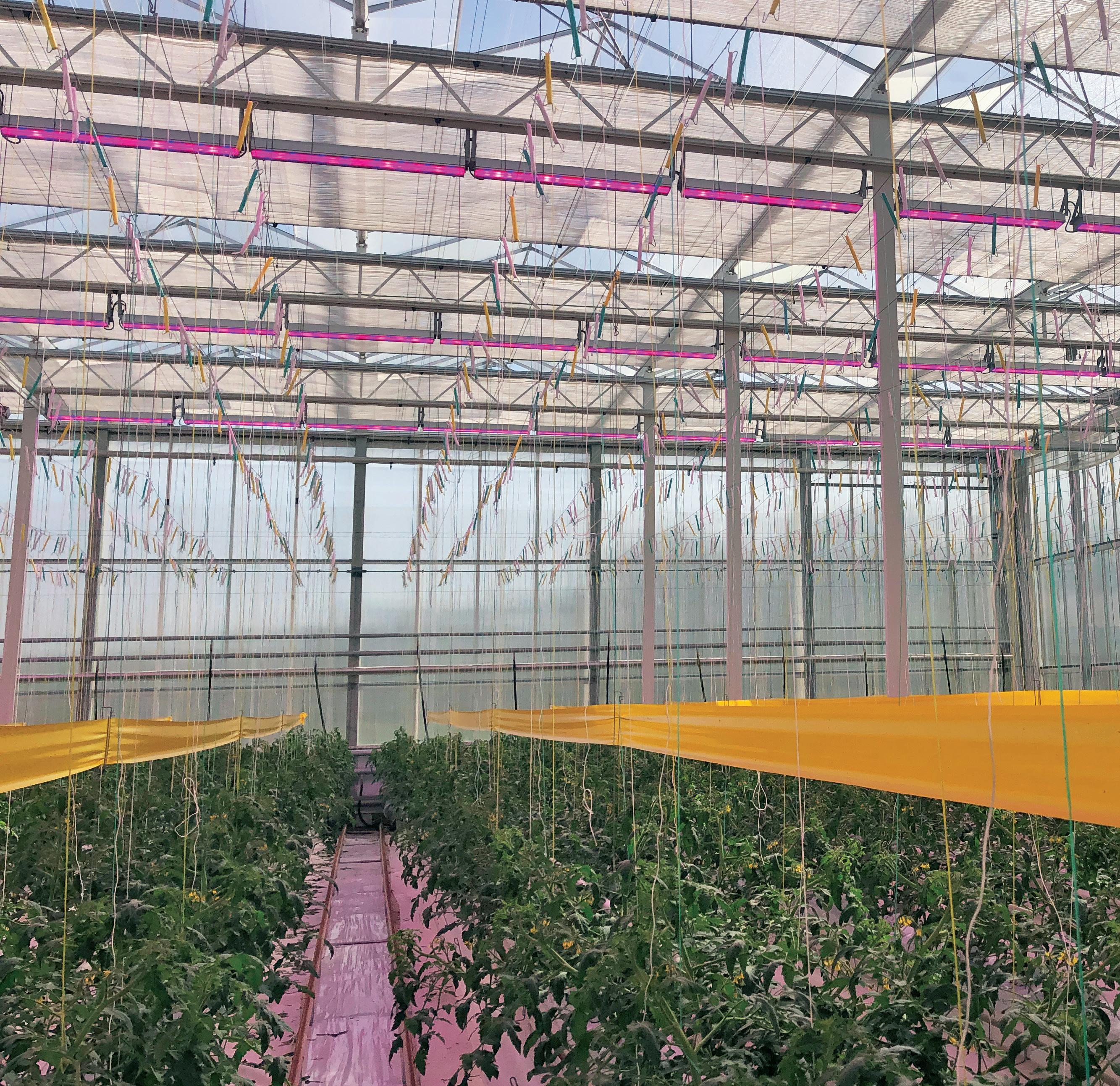
Overhead Lighting (OHL) - Toplighting
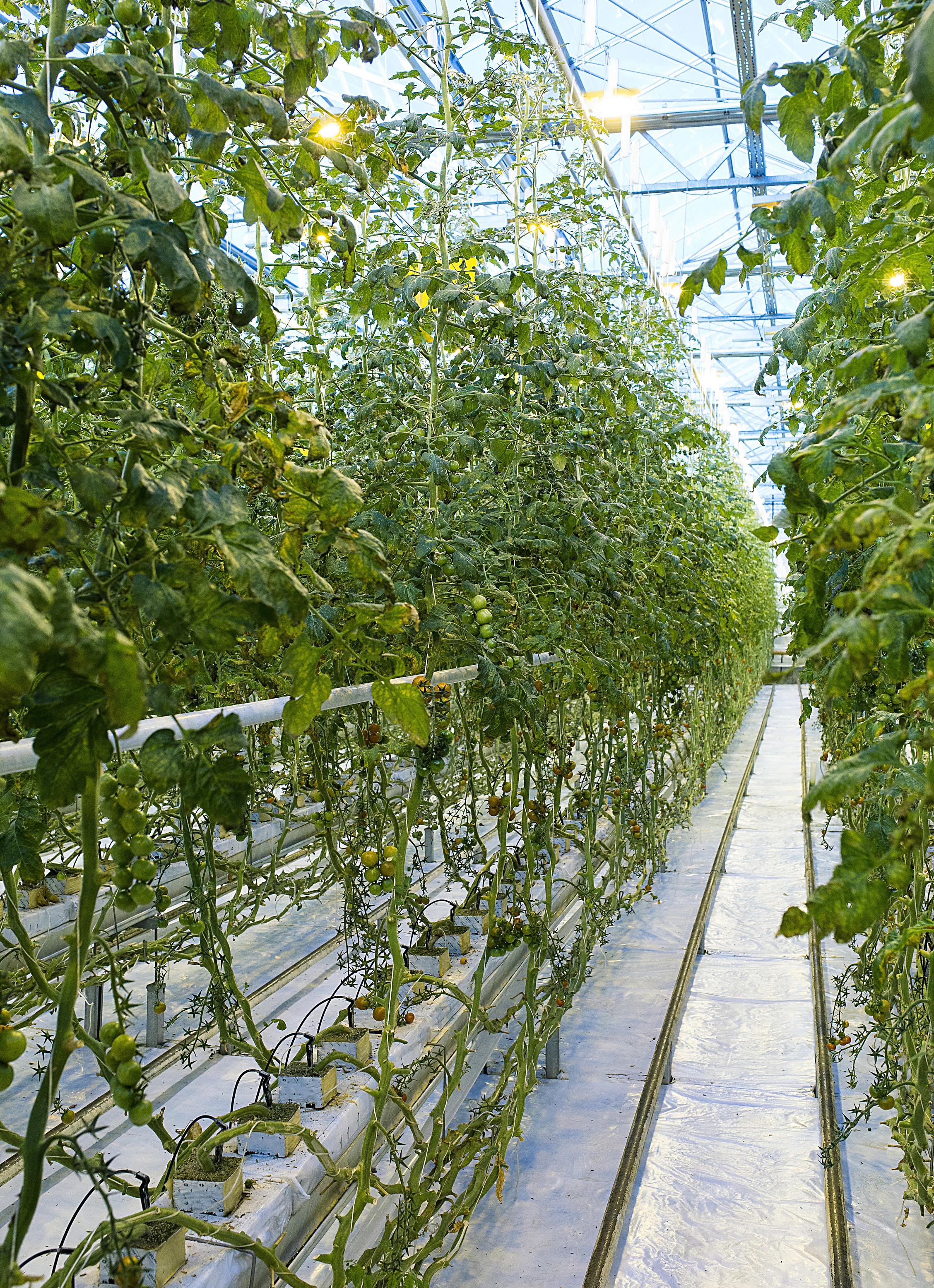
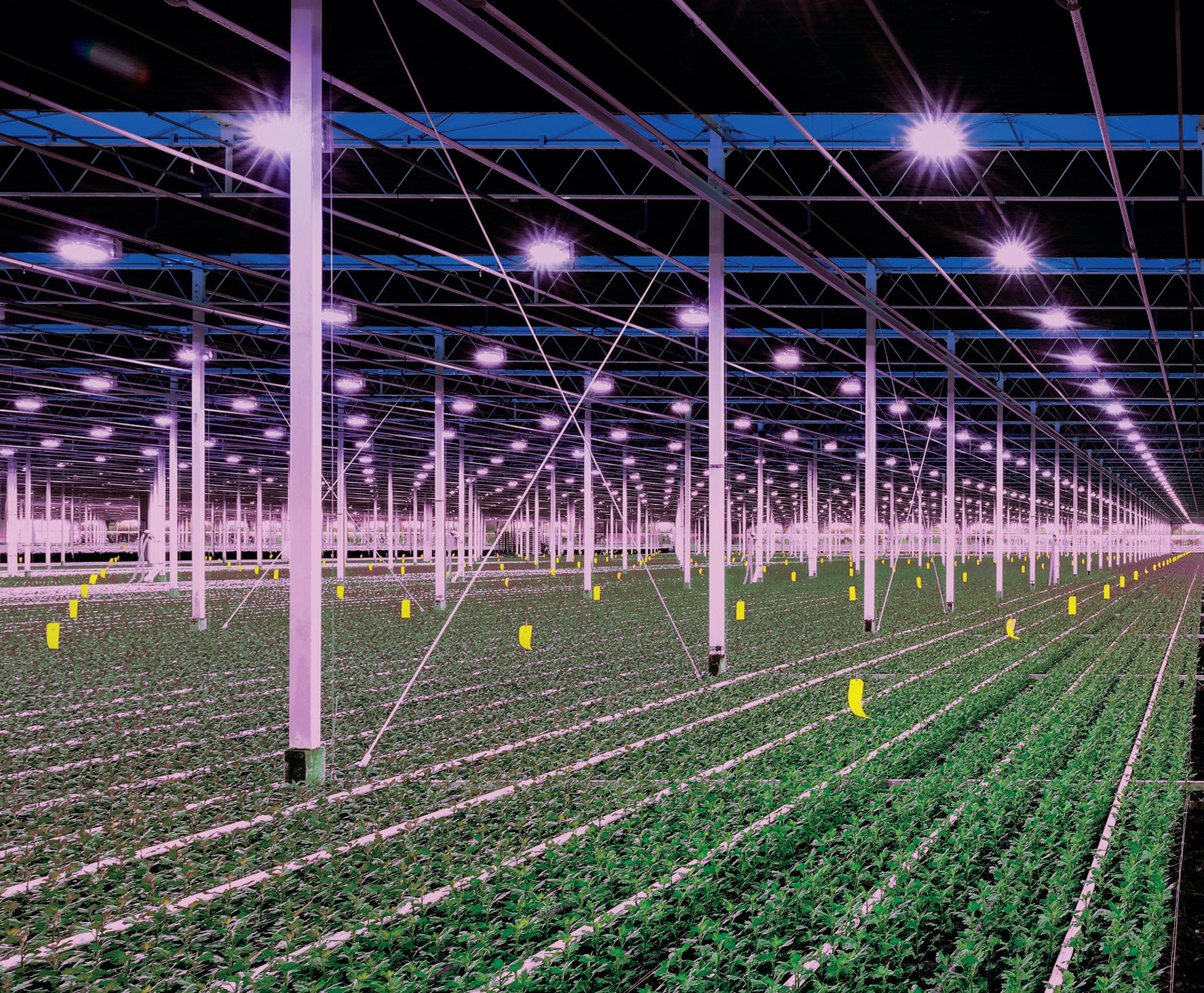
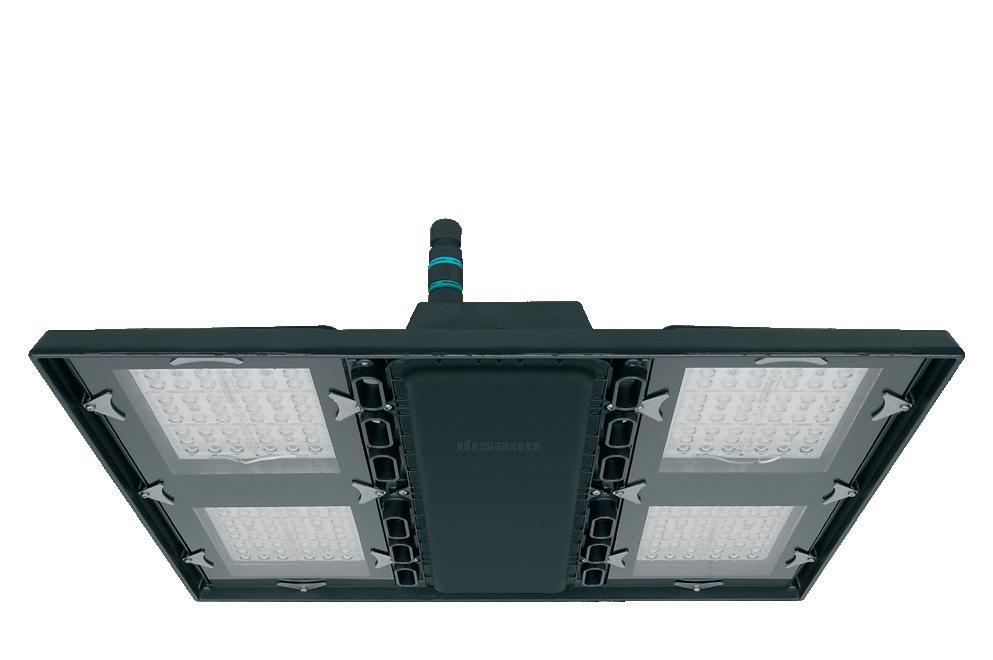
Ideal solution for controlling the light spectrum when the lamp is far from the plants
• Specific wavelengths capable of generating the perfect light for any type of cultivation
• Different emissions allow greater uniformity and coverage of the cultivated area
• High PPF for each single LED (50-150 W/m2)
• Low weight to facilitate the installation on glass greenhouses
• Compact sizes to allow more sunlight to enter the greenhouse
Best in class high power LED for Horticulture
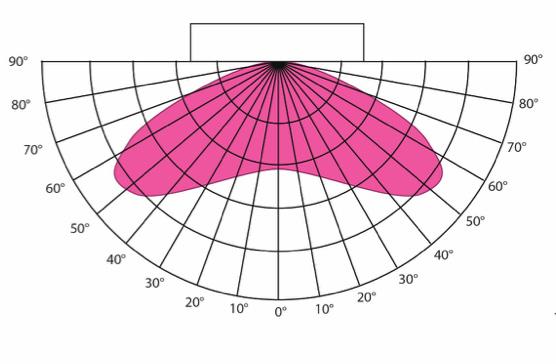
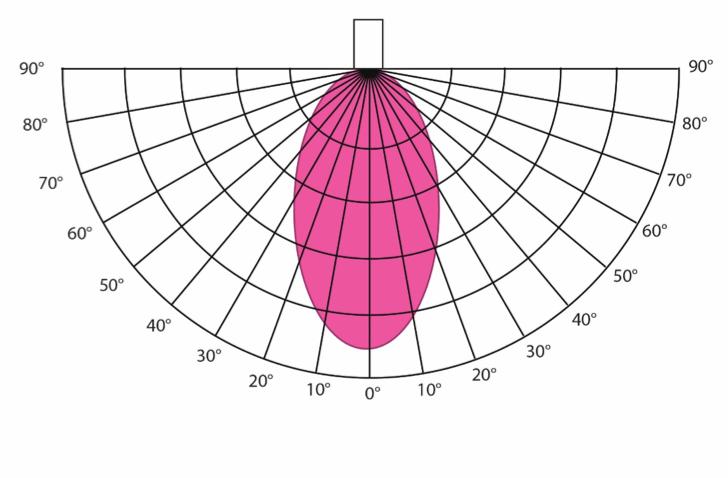
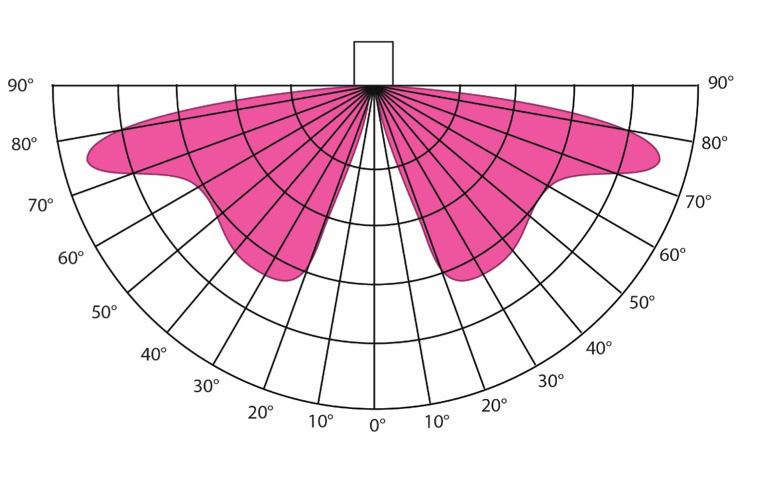
Typical Viewing Angle:
example of installation
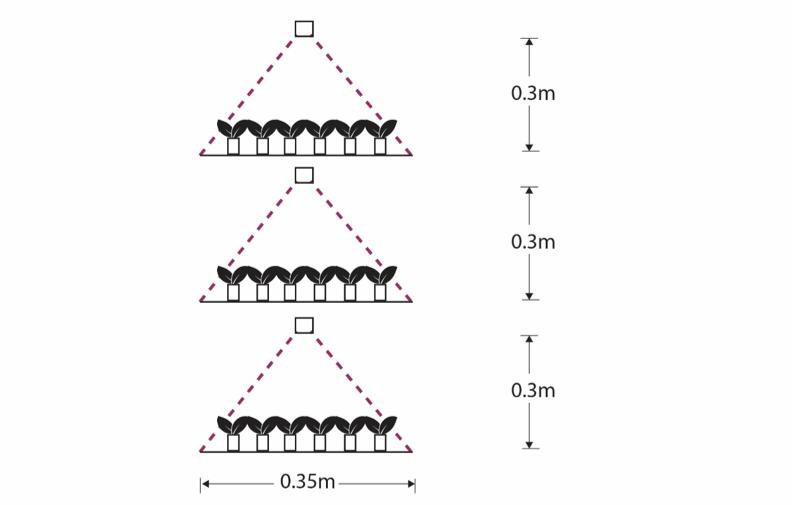
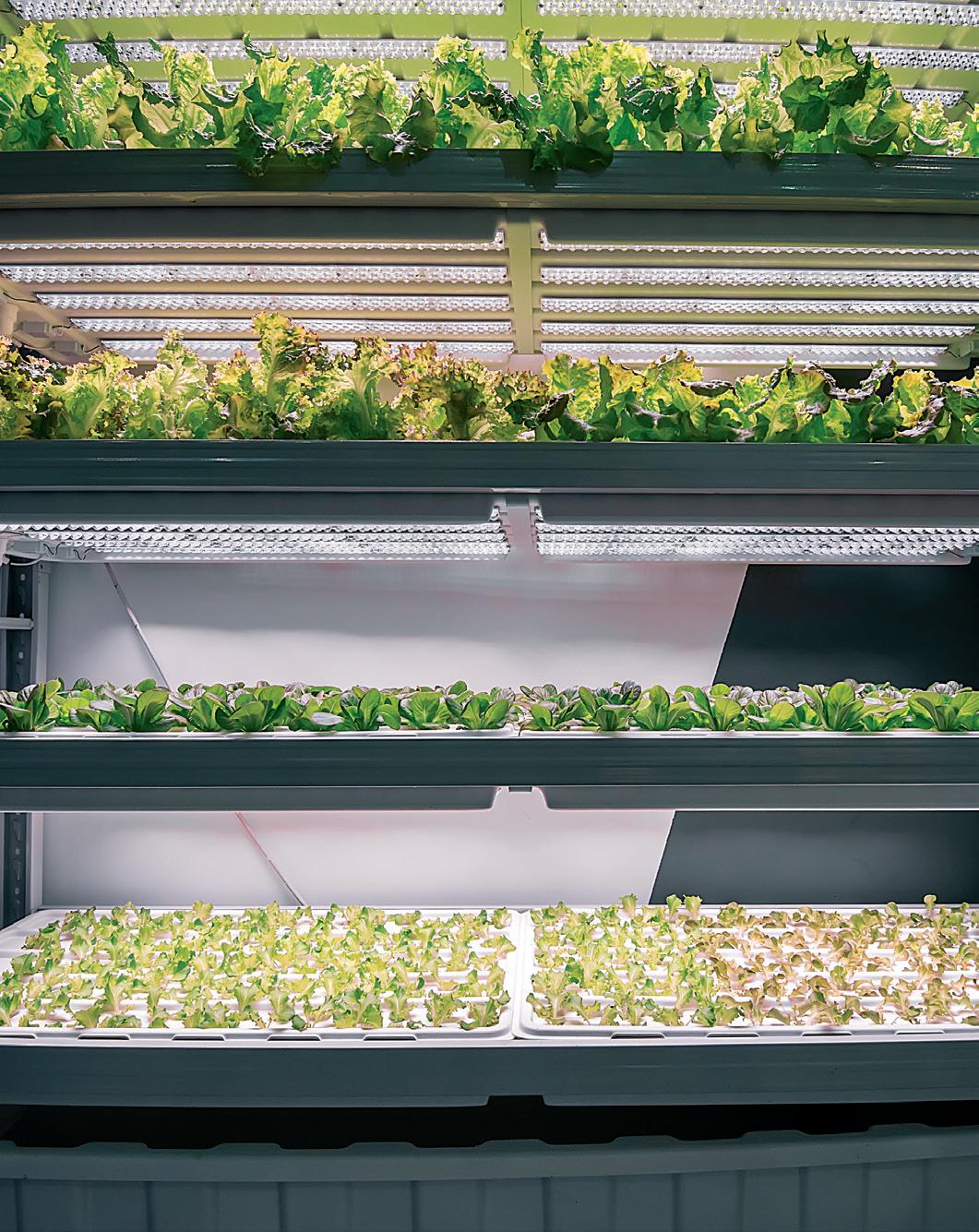
Close Canopy Overhead Lighting
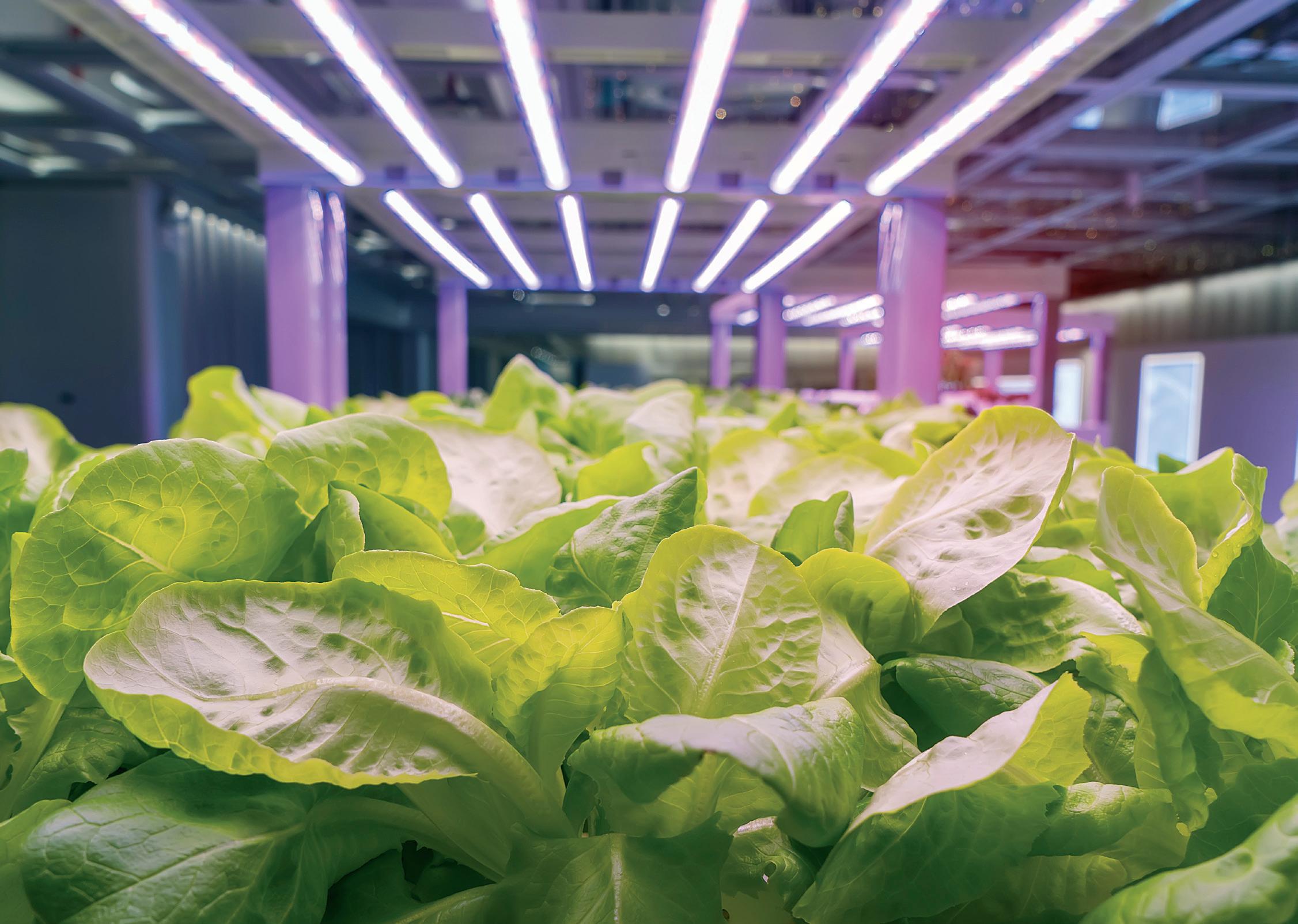
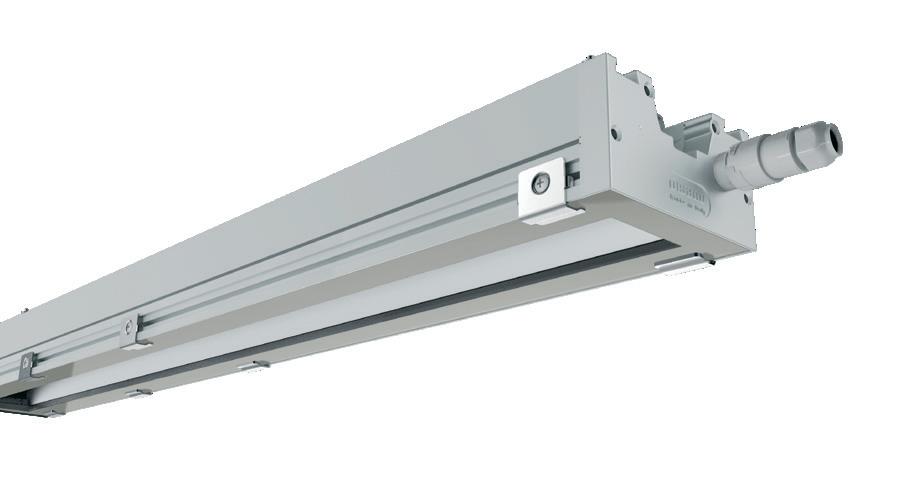
Ideal solution for linear applications where lamps are very near the plants
• High lighting uniformity and colour mixing at close distances
• Ideal lighting flux for multi-layer vertical farming applications
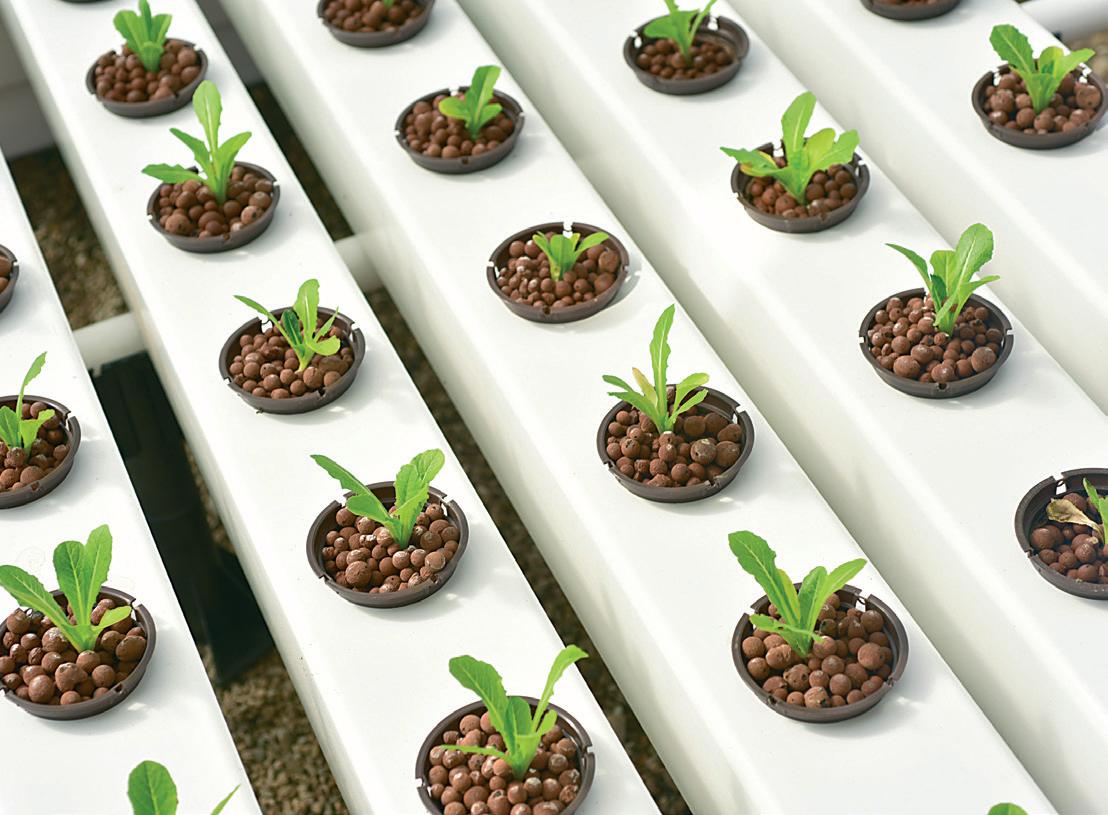
• Water resistance (IP67) due to the nearness of the plant with the lamp and in case of hydroponic cultivation
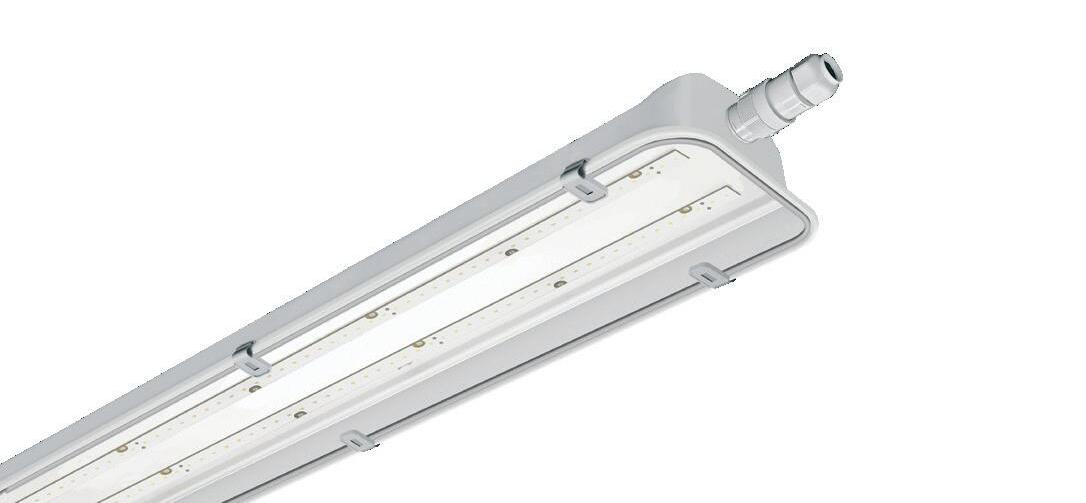
New solution for close canopy lighting
Typical Viewing Angle:
example of installation
Different layouts for different needs diverse
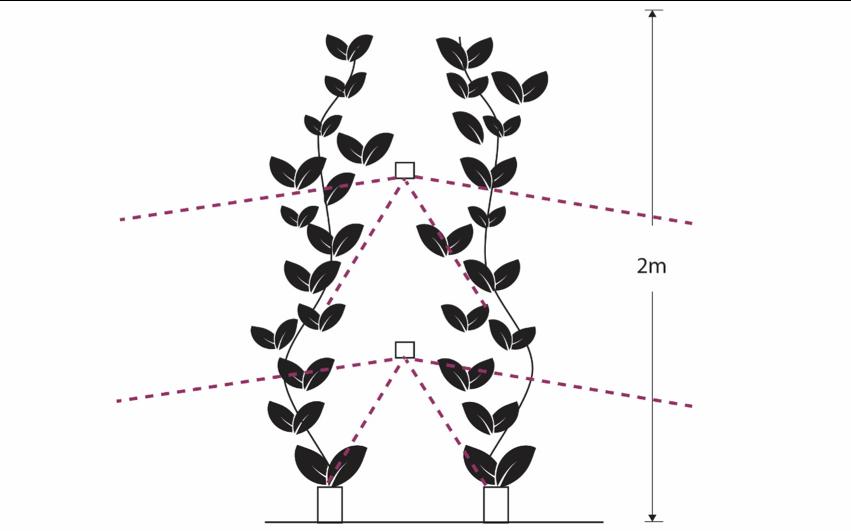
Intra-Canopy Lighting (ICL)
Ideal solution for supplementing the top-down lighting of high plants
• High lighting uniformity at close distances
• Ability to penetrate through foliage
• Implementation of street optics for a lateral light distribution
• Water resistance (IP67) due to the nearness of the plant with the lamp
New solutions for interlighting horticulture
Typical Viewing Angle: Double Asymmetric
example of installation
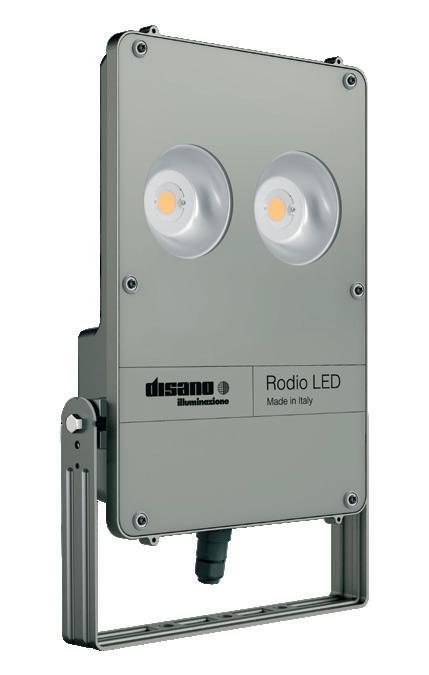
Shop, Hotel and Domestic Lighting
Ideal solution for maintaining green areas indoors and outdoors
• Versions with general white light sources for use in stores and public places
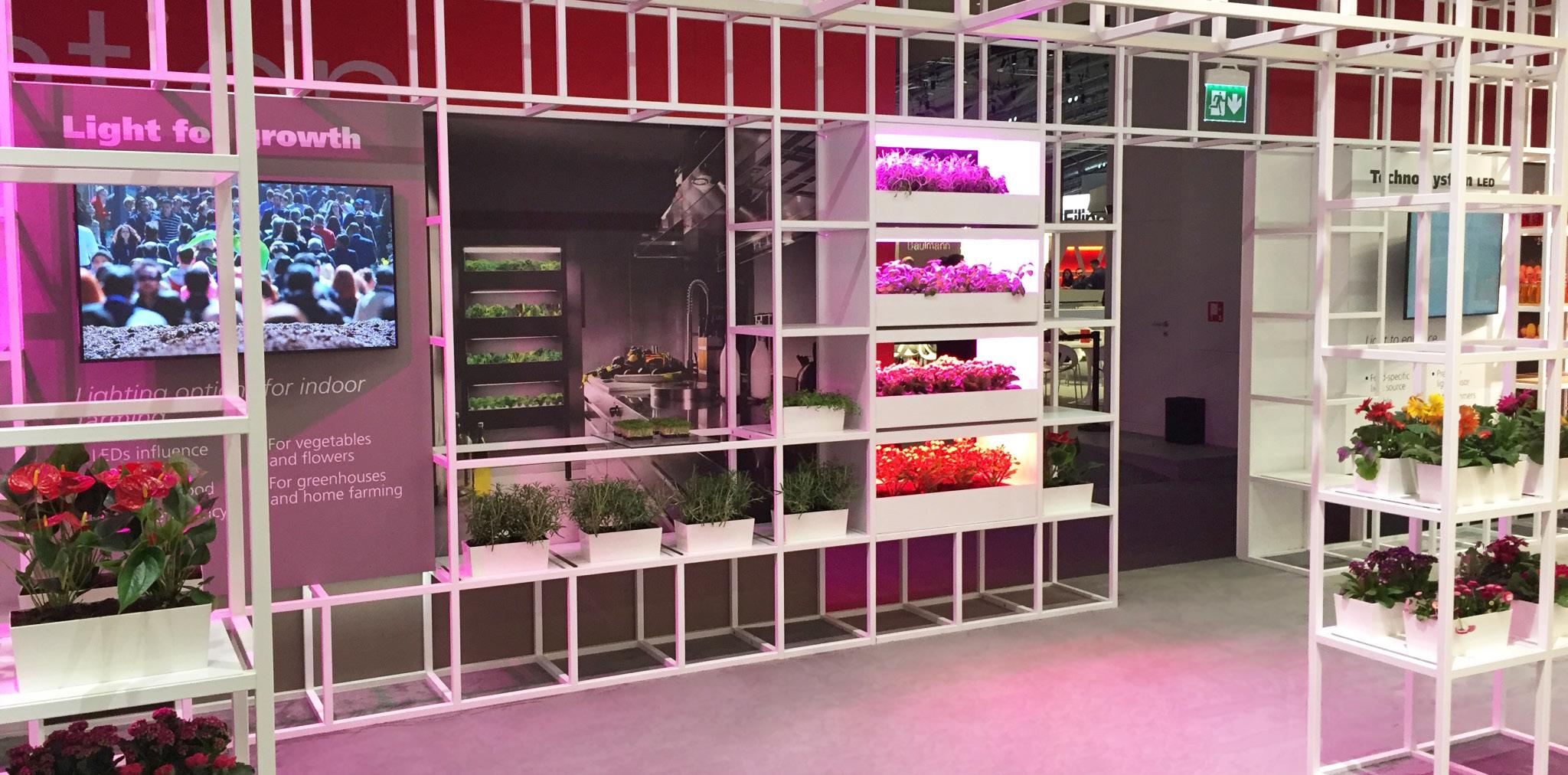
• Versions with purple light sources for use in home farming applications
White spectrum solutions in human envinronment
The influence of colours on plants
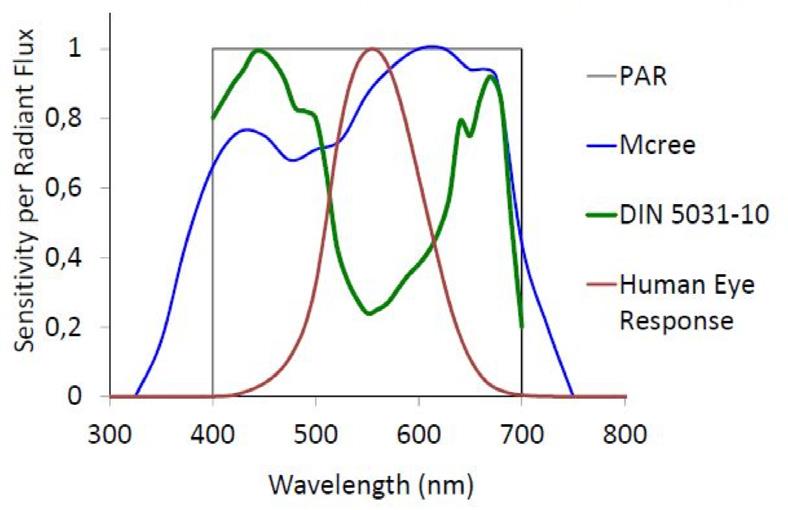
Perfect light for plants does NOT mean perfect light for our eyes!
BASIC TERMINOLOGY: PAR vs HUMAN EYES
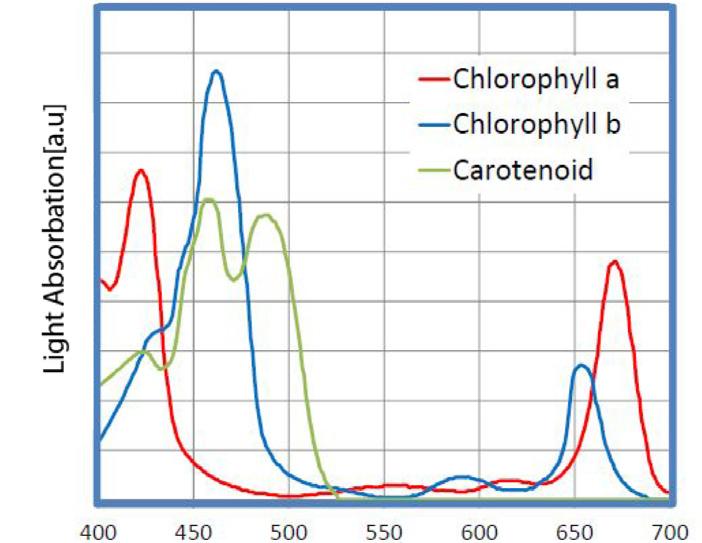
Special LED sources have been specifically designed to meet the needs of horticulture by following the mechanisms behind plant photosynthesis and morphogenesis (chemical processes by which plants use light to grow and blossom).
Horticulture LED sources are therefore measured according to different parameters compared to the ones used for people’s viewing.
The unit for measuring photosynthetic active radiation (PAR) is the photosynthetic photonic flux density (PPFD), i.e. the number of photons reaching the plants to stimulate photosynthesis. PPFD is the number of photons that illuminates plants, yet a single measurement of the PPDF value is not sufficient to define the value for the entire cultivated area because the value depends on multiple factors including the particular design of lighting fixtures and the distance at which fixtures are installed.
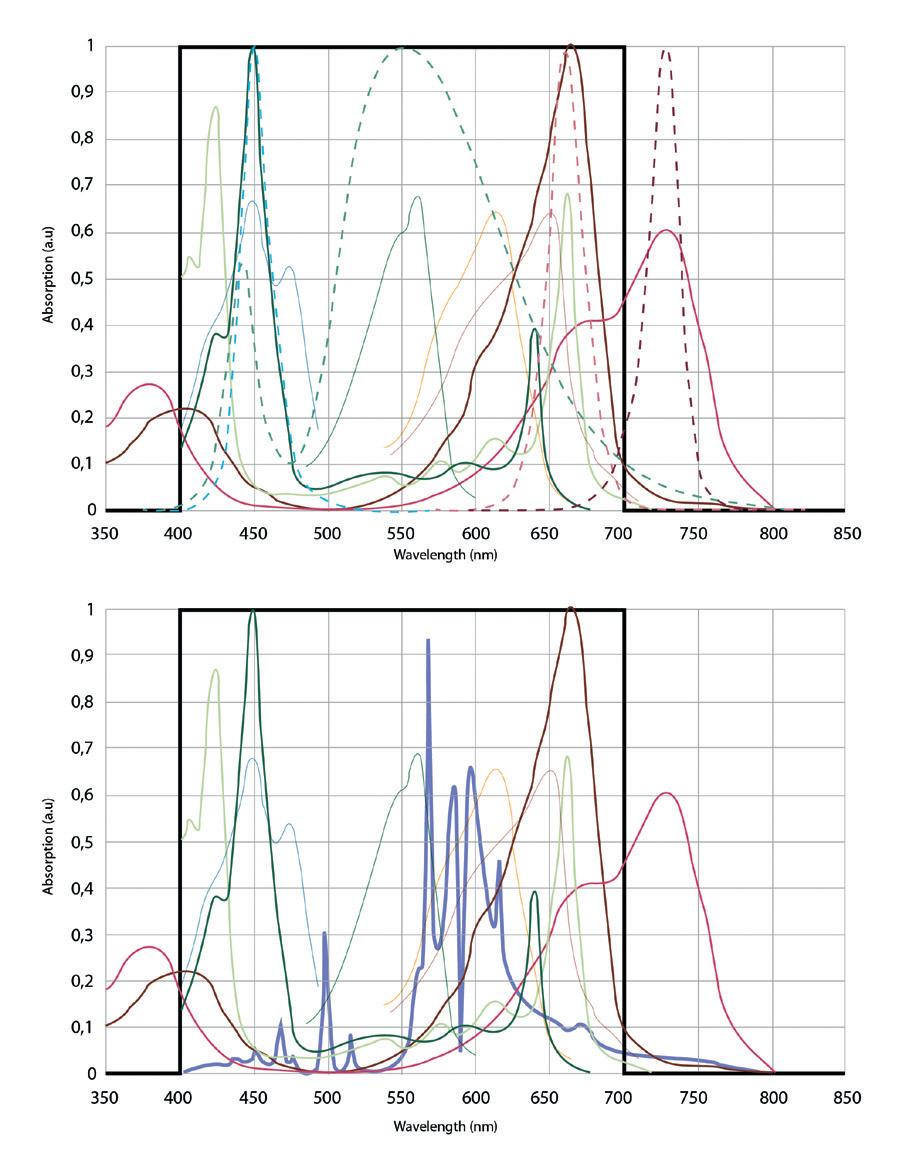
Plant sensivity vs. human eye sensivity
Glossary
PAR Region
• Photosynthetically Active Radiation is the bandwidth from 400 nm to 700 nm, which is the light which plants primarily use. Different plants require different wavelength combinations within the PAR region
PPF (Photosynthetic Photon Flux)
• Measured in μmol / s
• Total number of photons emitted per second in the PAR region.
• But how many will reach the plant and at what distance?
PPFD (Photosynthetic Photon Flux Density)
• Measured in μmol / m2
• Represents the number of photons that reaches the plant within the PAR region over a given area.
• It declines exponentially as the distance between the light source and the plant surface increases.
DLI (Daily Lighting Integral)
• Plants need a minimum amount of light per day to meet their basic biological needs. It varies based on species.
• For flowering and fruiting, high levels of light can show significant increases in both the quality and quantity.
• DLI = PPFD (μmol / m2) x 3.600 (s / h) x photoperiod (hours / day)
Plant Lighting Efficacy
• Measured in µmol / J
• It refers to the true efficacy of a lighting fixture for horticulture to convert electric energy into PAR photons
Photosynthetically active radiation (PAR) 400-700 nm
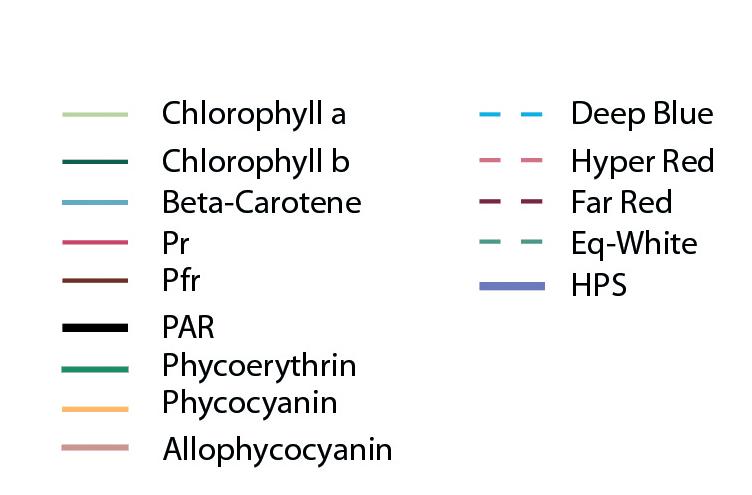
different wavelengths for different needs
Chlorophyll-a
Chlorophyll-a
β-carotene
PIGMENTATION & MORPHOLOGY
315nm to 400nm
Morphology changes.
Too much UV stresses the plant and inhibits growth
VEGETATIVE GROWTH
415nm to 470nm
Strong root growth and intense photosynthesis.
Often used alone during the early phases of plant growth, such as starting seedlings, when flowering is not desired
The spectrum of the sun covers all the photosynthetic regions of the plant
STEM GROWTH, FLOWERING & FRUIT PRODUCTION
640nm to 670nm
Speeds up seed germination and encourages stem growth. 660nm is key for flowering and fruit production
PHOTOPERIODISM
730nm to 740nm
Controls the internal clock of the plant. Can be used as a trigger at the end of each light cycle to promote flowering in short-day plant
LED vs HPS
In greenhouse farming (and especially in closed systems where sunlight cannot enter) the most expensive factors affecting the end product are the ones regarding the energy consumed by lighting and air exhaust and treatment systems. The use of LEDs in horticulture will ensure:
• Less energy consumed by the lighting fixtures
• Less energy consumed by air exhaust systems due to less heat emitted by the LEDs and lower evaporation rates
• Longer duration of LED fixtures (HPS lamps decay after only 2000 hours of operation, while LED lights last over 50000 hours)
Improve nature
To guarantee food supply in the future, choose Disano’s horticulture LED lights!
Conclusions
• Greenhouses will play an increasingly important role in food supply.
• The globally increasing demand for high-quality food production will lead to a greater demand for greenhouses fit for this purpose.
• Light is the key element to boost plant photosynthesis.
• Light is made up of different wavelengths that help the various phases of plant photosynthesis.
• The light emitted by most traditional light sources (fluorescent or highpressure sodium lamps) is insufficient and expensive.
• The LED technology allows adjusting the light and the lamps to a specific requirement based on the plants’ emission spectrum
dedicated Disano Products
The Disano Group addresses the horticulture lighting sector by putting its professional lighting consultants at the complete disposal of users to develop tailor-made solutions by using specialist jargon and a vast expertise in LED lighting, technical characteristics and cultivation layouts. Disano offers reliable products that can perfectly dissipate heat, withstand humidity and adjust to different types of crops (from hydroponic greenhouses to home farming applications).