The Rosewood Centre

0ur dedicated team provides face-to-face and telehealth appointments in six locations across Newcastle, the Hunter and Mid-Coast regions. We welcome people from all ages and stages of life.
Hamilton Cardiff
Maitland Gloucester
Taree Port Macquarie



A time to reflect

Bringing our Year to the Child Jesus
Do you have room for one more heart?

The Diocese of Maitland-Newcastle is located on traditional lands of Awabakal, Biripi Darkinjung, Kamilaroi, Wiradjuri, Wonnarua, and Worimi peoples. We honour the wisdom of and pay respect to, Elders past, present and emerging, and acknowledge the spiritual culture of all Aboriginal and Torres Strait Islander peoples across Australia. We have much to
across the Diocese over the past twelve months. As I’ve poured over each detail in each story on these pages, it has made me feel proud to work somewhere the foundation is embedded in accomplishing the
So, as I reflect on my short time here, there are a few key learnings that might be interesting for readers: Every interaction I have had has carried the same sentiment; people love their work in the Diocese and at work, they love their people. Almost every introductory conversation I have had has highlighted the broad scope of the work and the wonderful nature of our colleagues. I can confirm both to be true.

The Catholic Diocese of MaitlandNewcastle reaches so many parts of the community. We continue to expand our resources to ensure we can show up for any person from any walk of life and we understand the power in connecting and listening.
David Stedman, Emma Barnett Elizabeth Baker, Tim Bowd, Alexander Foster, Christina Hutchinson, Kellie O’Sullivan and Elizabeth Symington
editorial and advertising enquiries
aurora@mn.catholic.org.au


There is heart in all that we do and if a job feels bigger than us, we find a way to get it done. We are working towards
gratitude, acknowledge the journey


Being involved in Family Law Disputes can be difficult. With Carroll & O’Dea Lawyers’ team of Family Law specialists, you can trust that your matter will be




Bringing our Year to the Child Jesus
If you are like me, the sight of Advent wreaths and Christmas trees, lights, and nativity scenes, as well as the sounds of Christmas carols begin to fill you with a sense of hope and joy. While Christmas may not be our holiest day of the year, it is often our most joyful. For the birth of the child Jesus – the Son of God born in human flesh – expresses most tenderly the love that God has for us, his closeness to us, and his desire that we draw closer to him and to one another.
Christmas and the child Jesus do indeed draw us closer together around him. It seems to be the time of year that we most desire to be together, and so we come together in these Christmas weeks for all manner of gatherings as workmates, as friends, as neighbours, and as family.
Christmas also seems to be the time in which we reflect upon the year that has just been and the year that is about to begin. There is something more profound happening here than Christmas merely coinciding with the New Year period. Rather, I encourage us all to more consciously bring our year that has just been to our Lord Jesus, to present it to him with all its joys and challenges, to reflect in his light on how we have fared in our choices and actions, and to seek his guidance, grace, and blessing upon our lives and plans for the year ahead. As I reflect on the past 12 months to bring them to the Lord, I would like to share four things with you.
Photo: Peter Stoop
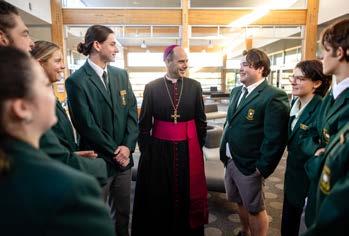
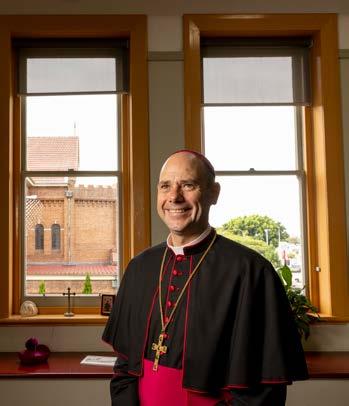
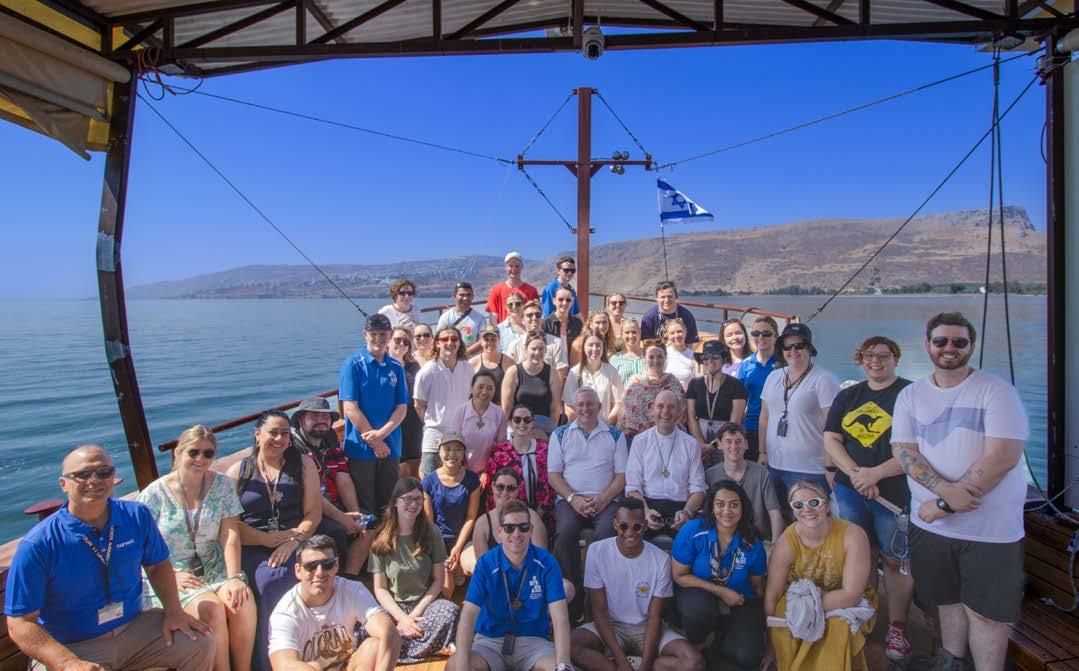
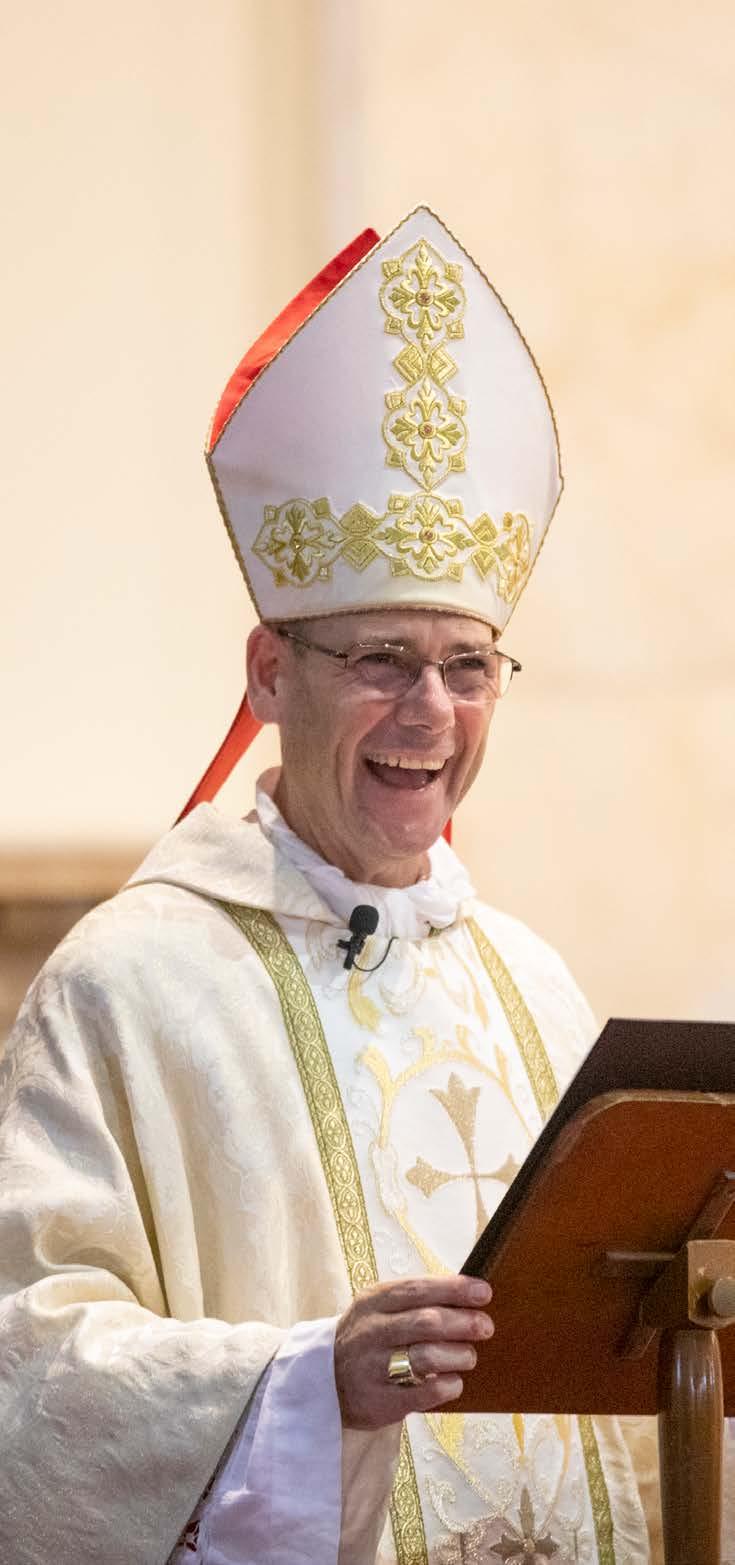
First, personally it was a big year for me as God’s changing plans for me unfolded in my move from Armidale to Maitland-Newcastle. This came as a surprise to me, but it gave me the opportunity to renew my trust in God and my commitment to serve. I reflect with gratitude on the warm welcome, open hearts, and human kindness that I have received here from so many people both within and outside
Second, at a local level I am reminded of the deep sorrow that gripped our community earlier this year after the Hunter bus tragedy. The loss of precious life shook many of us to the core as we mourned together. But we also prayed together and supported one another through this profound grief. In that time of darkness, we witnessed the grace of God and the best of human nature.
Third, the most significant event of the year at a national level was for understanding. For those with eyes
to see, these events also brought about many acts of solidarity and kindness.
So, this Christmas we bring to the Lord a year of both darkness and light, sorrow and joy, grief and hope. I’m sure your own life too which you bring to the Lord reflects this same interplay of good and evil in some way, as does mine. Our world and each of our lives need the faith, hope, and love of God who in the Child Jesus brings us together. I wish you a truly joyful Christmas and blessed new year.
Catholic Bishops reflect on referendum
While the referendum to establish an Aboriginal and Torres Strait Islander Voice to Parliament did not succeed, the Catholic Church says this moment in time should still usher in a new era.
Bishop Charles Gauci, chair of the Bishops’ Commission for Relations with Aborinal and Torres Strait Islander Peoples, said that while people can draw different conclusions from the referendum material, the overwhelming consensus coming out of the debate is that more should be done to address the injustice experienced by so many First Nations people.
Gaza Crisis
The Australian Catholic Bishops join with the Australian Catholic community in expressing grief and anguish over the suffering of people in the Holy Land.
Remembering the long history that has led to the current violence in the Middle East is the first step to finding a way beyond the violence to a just end of the conflict.
Peace can come only from justice.
The Australian Catholic Bishops call people of faith to pray for a lasting peace and the triumph of human dignity. Acts of charity and generosity to provide for the material needs of people who

At this point in time, the Church and its ministries should redouble the plight to close the gap. Bishop Gauci says this must be done by “listening to, learning from and loving our Aboriginal and Toress Strait Islander brothers and sisters.”
Read Bishop Gauci’s full statement through the QR Code.

are isolated and facing the greatest hardship is encouraged.
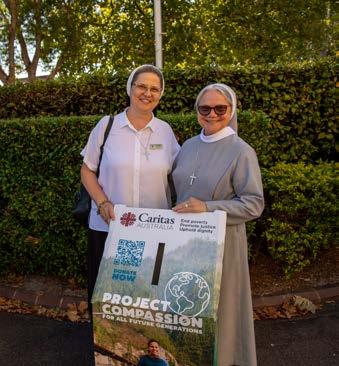
Caritas has launched an emergency appeal to support those in need. Read more at www.caritas.org.au


Project Compassion
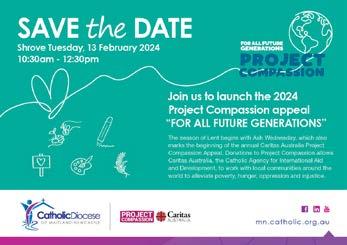
The Diocese of Maitland-Newcastle will be launching the Caritas Australia 2024 Project Compassion Lenten Appeal at a special Shrove Tuesday Liturgy presided by Bishop Michael Kennedy.
Registration details will be provided early 2024.
Lent resources
Lent commences with Ash Wednesday on 14 February 2024.
The Lenten Resource: Transformation through Revelation is now available on the Diocesan website. http://mn.shor.tn/LentenProgram24
First session of the Synod on Synodality
From CathNews
A report summarising discussions at the Synod on Synodality’s first assembly said the Church may need more welcoming pastoral approaches, especially to people who feel excluded, but also acknowledged fears of betraying traditional Church teachings and practices.
Among the topics addressed in the report were clerical sexual abuse, women’s roles in the Church, outreach




to the poor and the concept of “synodality” itself.
The assembly with 364 voting members, in addition to Pope Francis, met in October in Italy.
Read more: Synod’s final report shows both agreement and divergencesCathNews



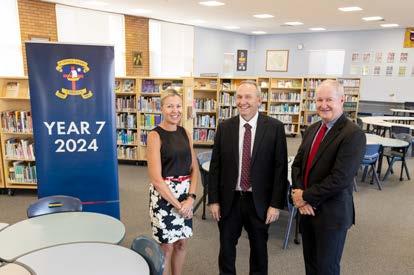
Welcoming Year 7, 2024 at St Francis Xavier’s College Hamilton
From 2024, Catholic secondary schools in Newcastle will be commencing a staged transition to Year 7 to Year 12 schools. Commencing this transition, St Francis Xavier’s College, Hamilton will welcome its first Year 7 students in 2024.
Welcoming a cohort of nearly 150 students, Principal Greg Ptolemy and his team have been preparing for the
Pope Francis pens environmental update
Pope Francis announced in August that he is writing a second part to his 2015 environmental encyclical Laudato Si’. The Pope said that this update would cover current issues with regard to recent environmental crises and
“We must never forget that the younger generations are entitled to receive from us a beautiful and livable world and that this invests us with grave duties towards the creation we have received from God’s generous hands,” Pope Francis said.
Laudato Si’ is the second of three encyclicals published in Pope Francis’ pontificate thus far. It was released in June 2015. The theme of the encyclical is human ecology, a phrase first used by Pope Benedict XVI. The document addresses issues such as climate change, care for the environment, and the defense of human life and dignity.
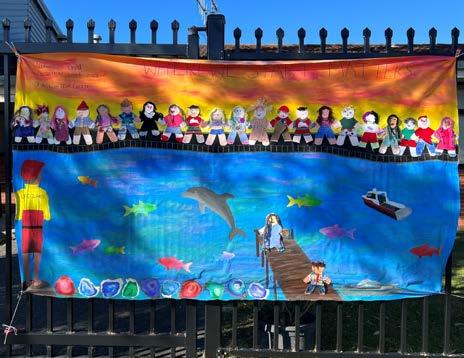
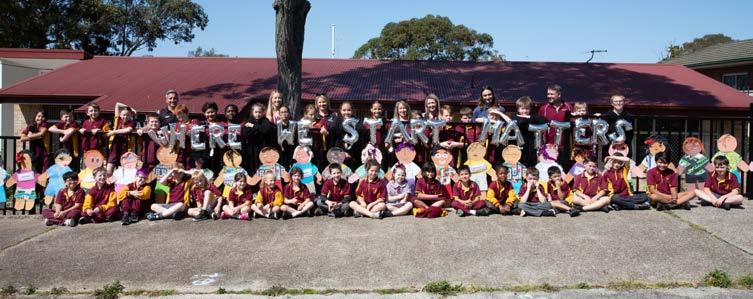
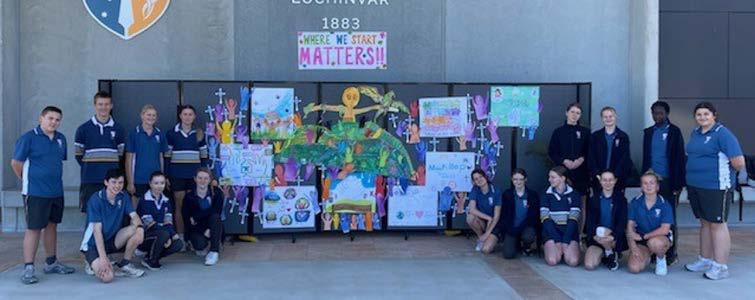

St Joseph’s College, Lochinvar
Congratulations to winners of this year’s ‘Decorate Your Gate’ competition:



ELIZABETH SYMINGTON
Photos: Peter Stoop
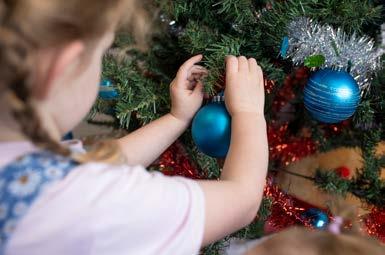
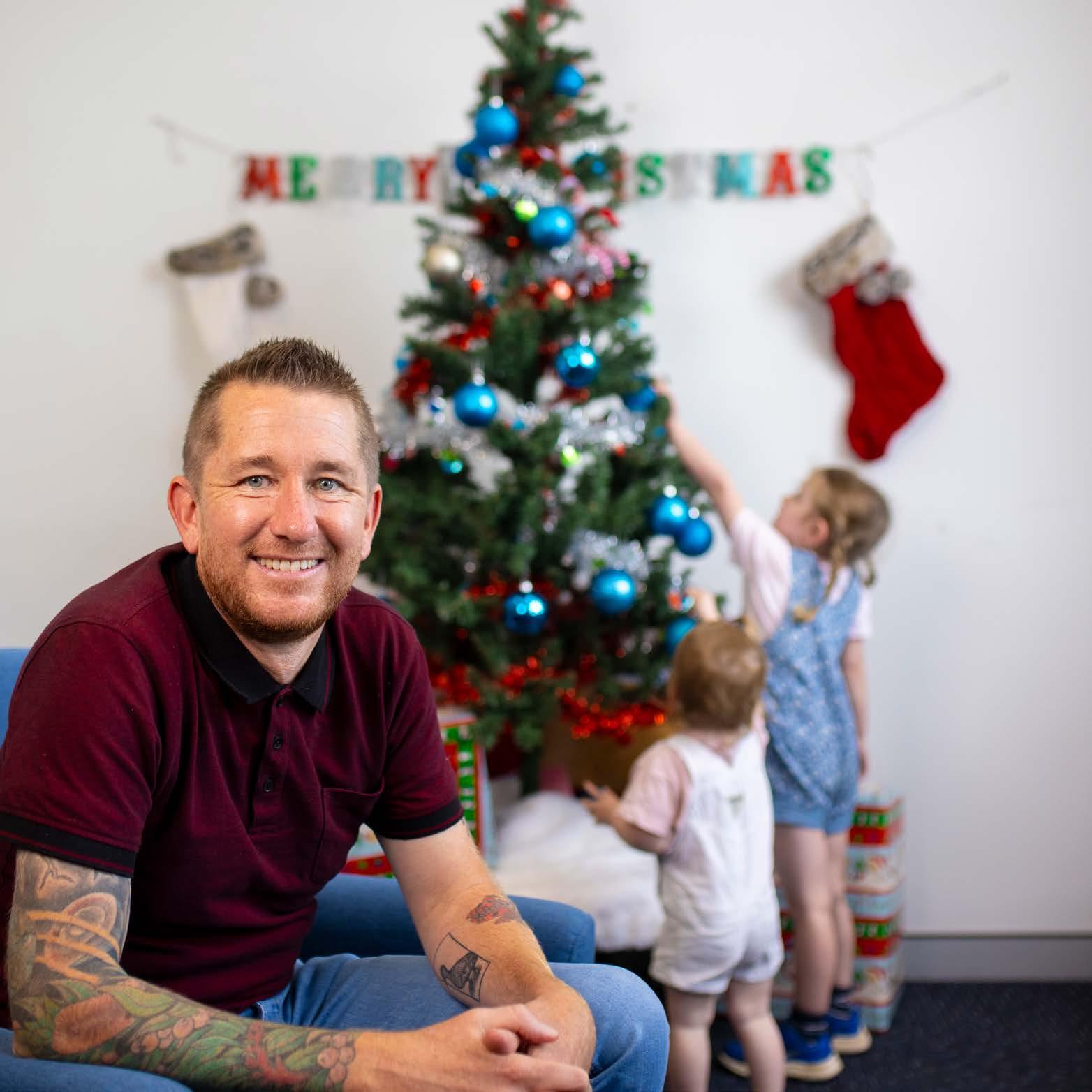
Imagine not having a home
Not having a family to spend time with, no fancy lunch or opening presents
That’s going to be a sad reality for far too many children and young people
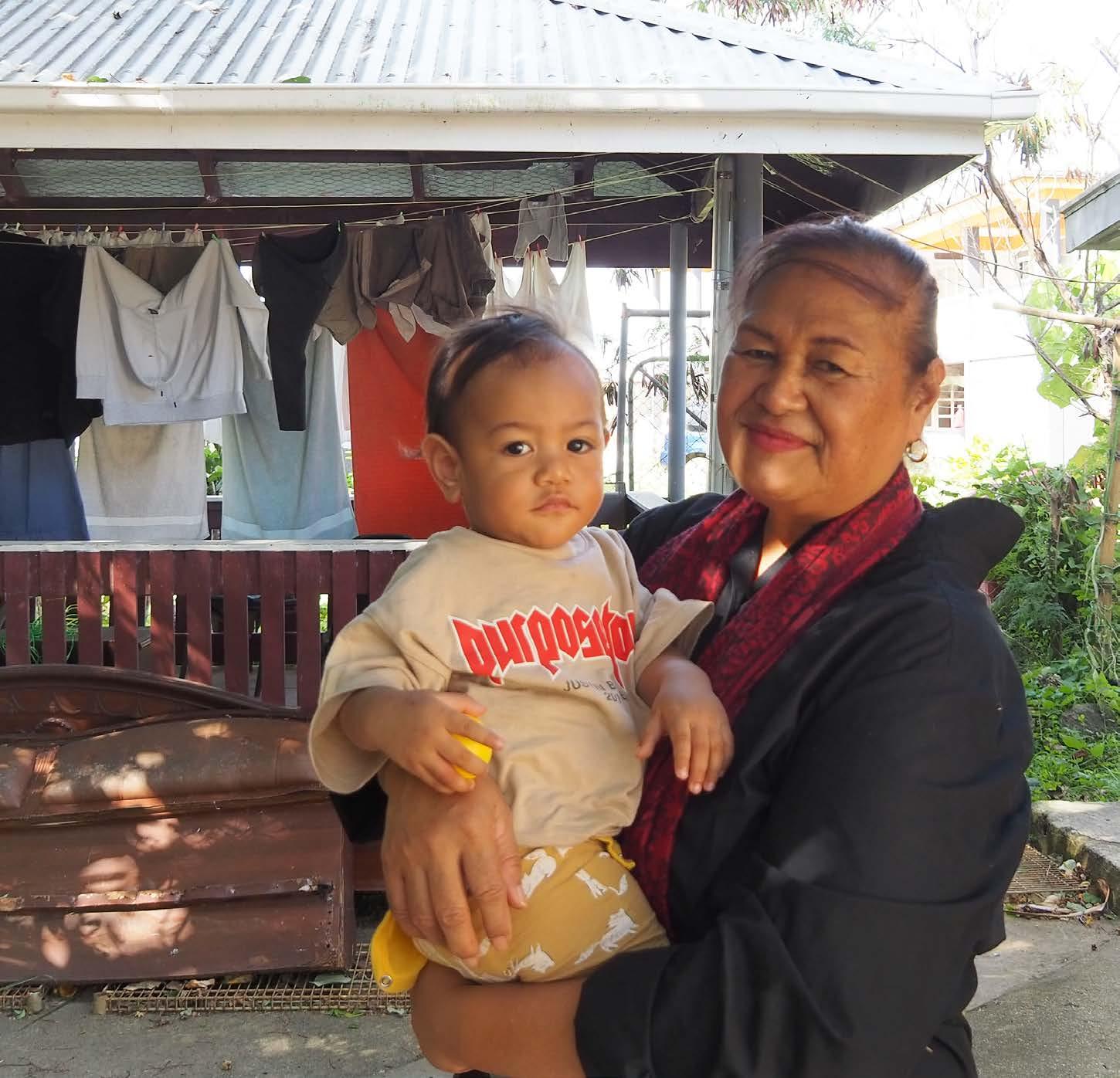
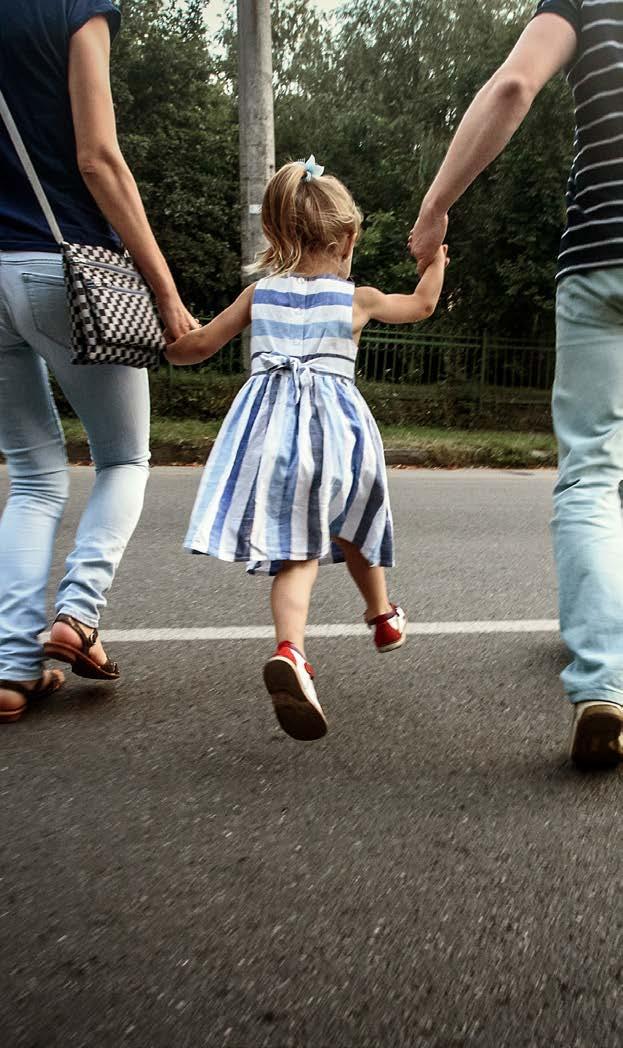
Currently, there are almost 500 children and young people, including more than 35 across the Hunter and , living in emergency or temporary care placements while they
It’s children like 13-year-old James , and sibling trio Sam (two) and Benjamin
James is living in a motel, Lara is in a group home scenario and the loveable brothers have been separated and are living with short-term emergency placement carers.
testament to the positive difference
belong to as well,” she explained.
“A lot of kids would be thinking that nobody wants them, or nobody wants to help them other than people
Hannah would like people to know the attributes needed to become a foster
“If you are genuine about helping young people, you’ve got a big heart and are generous with your time, you should
Today we are asking you to think about what you can do for children and young
“There is an overwhelming shortage of carers in our region, and it is devastating to think that a number of children and young people will be struggling this Christmas,” CatholicCare Social Services Hunter-Manning Team
“What they need is a safe place to call home. So, if you have room for one more, please consider becoming a
As a carer himself, he knows how vitally
“Foster carers play such a pivotal role in the lives of young people – they are carers, nurturers and teachers,” he said.
“It can be challenging, but it is also the
“Seeing a young person smile and knowing that you have played a role in
Immediate care
Also known as crisis care, this type of short-term care is provided to children or young people who need an urgent place to stay because there are concerns for their imminent safety.
“It’s just really sad that there’s not a placement out there for them,” she said.
Respite care
This is short-term care provided to children or young people with the intention of giving their regular carers a reprieve from caring duties.
Short/medium term
This type of care can last anywhere from a few months to two years, and usually takes place while restoration with the child’s family is being explored.
Long-term care
This type of care is more permanent, lasting longer than two years, and usually when restoration with the family is not possible. When a child or young person is on a long-term care permanency pathway other permanency goals can be explored such as restoration, guardianship or adoption.
Relative/kinship care
This is when a child or young person lives with other family members or someone they already know, such as a grandmother or family friend. This is the preferred option when it is in the child or young person’s best interest, and where the child or young
Compassion in crisis
LIZ BAKER
Travelling by train from Newcastle to Kings Cross in the late 1980s, Sister Annie Laurie was unaware of the extent of the journey she was commencing.
She spent her first week simply walking the streets of the Cross, talking to people about their needs and fears.
“I didn’t wear a habit, actually I didn’t even wear a cross. I felt I probably looked like a farmer’s daughter, I certainly didn’t fit in, but I sat on the beautiful fountain at the Cross and different people just started talking to me,” she said.
“I walked the streets, went into bars and discovered another world really. I thought I knew a bit, but quickly realised I knew nothing. It was enlightening.”
Those six nights were all Sister Annie needed. She quickly saw first-hand there was no place to stay for people suffering from AIDS when they left hospital. They were either too sick to return to their families or had been ostracised by society, some hounded by media due to the stigmas of the time.
Sister Annie’s discovery in that first week began a decade long ministry supporting AIDS sufferers by establishing a home for the sick and dying. Above all, the home would offer dignity.
“People said to me, we don’t know how to keep our people safe and that’s what MacKillop House became – a safe place where people were able to live with their fears of dying and feel protected,” she said.
Sister Annie came back to Newcastle and said to her order, the Sisters of St Joseph Lochinvar, “We need to do something, we
can do this and make a difference.”
“I asked for a house and a couple of nuns. They looked at me – probably thought how on earth are some nuns going to help the AIDS crisis,” she laughed.
It was this support from the Sisters and a “great element of naivety”, combined with Sister Annie’s drive to make a difference that sparked the establishment of MacKillop House in Carrington in 1989.
“We really believed in it. It had to be done.”
Months of education, training, partnering with local health units, government organisations and other religious orders was required to set up the team with the skills and resources needed.
Sister Annie’s background working as a nurse, combined with her work in death and bereavement pastoral care served her well.
“My nursing training taught me about care of the whole being and perhaps it was there I learned not to be afraid of the pain of the suffering. That doesn’t mean I don’t feel the pain, you just do it and live with the realities every day,” she said.
“When others stand by, I can’t imagine not doing it. I worked in death and dying for 38 years in the end, but it became a lifestyle to respond to a need. I found a privilege in that.”
At its peak in the early 1990s, about 1,000 Australians died from AIDS each year.
Sister Annie said while the numbers were substantial, it was the loss of a friend or family member that made people think differently. “That’s when we saw a change in attitudes,” she recalled.
Criticised by a frightened and anxious community, there was little acceptance of the people MacKillop House helped and the work that was being done.
“For me, I can’t see the difference between you and I if we had AIDS – it really doesn’t matter. We all have a need and we all have to care for one another,” Sister Annie said.
“When you’re sick you are in a very needy place and so vulnerable. In the 90s, as soon as you were diagnosed with AIDS you knew you were going to die. Many people were very sick but also completely ostracised.”
“In many ways I suppose we cared for the churched and the unchurched in the community,” Sister Annie reflected.
The work was truly living the charism of the Sisters of St Joseph - ‘Never see a need without doing something about it’.
The Sisters and their community partners supported hundreds of people and their families.
“I can remember after we first opened –we heard about a man and his partner living in the bush. We decided to visit him and encourage him to come down to MacKillop House,” she said.
“We went for a long drive and we spoke to them. They travelled down with us and he died at MacKillop House. It sounds strange but we took energy from that. They could have been alone in Woop Woop without support if it weren’t for MacKillop House.”
Sister Annie said tragically many people suffering from AIDS died a horrible death
but Mackillop House staff tried to keep them comfortable and give them dignity in their last days.
A decade later, in the year 2000, some of the fear had subsided and needs were changing.
Sister Annie closed her eyes and paused.
“It was difficult closing MacKillop House. There had been a great need but AIDS became HIV and people were living with it. Government funding changed and so we made the decision to close MacKillop House,” she said.
“I think back to all the people who did this work together decades ago. It was a team of passionate people who wanted to make a difference and they did.”
“The impacts were felt not only in our community but across the world. During this time so many of our most creative, artistic people were lost. They were amazing people and our world has suffered from this loss.”
Despite the closure of MacKillop House, a legacy of advocating for others was not lost. Sister Annie is now 75 and as decades have passed she feels our communities can still learn more about acceptance and how to love others.
“During my work with AIDS I really tried to learn not to judge and remind myself that I didn’t have to know everything. People think that knowing everything is power but actually, it is a respect and honour of others’ story that is essential. We must accept each other to live our best lives. The people I worked with in the 90s taught me that, as well as to laugh and to cry. Don’t be afraid to simply ask – what can we do to help you?”


Photo: ‘MacKillop House’, University of Newcastle Special Collections, Living Histories.
2023 – a special year in the life of our Diocese

As Bishop Michael Kennedy writes on page 4, this time of year is a time to reflect. When I reflect on the work of 2023 I think of the more than 5,200 staff, the volunteers, people in our parishes – all united in our common work, to serve all in the community so they may experience life to the fullest.
Across these pages you will read some of the work of our people and the highlights of the year across the Diocese, in our parishes, our schools, our St Nicholas Early Education and CatholicCare services. Our work is varied but our purpose and our values are united – through a Catholic faith and a desire to serve.
2023 has been a special year in the life of the Diocese – most importantly we welcomed our new Bishop. Bishop Michael Kennedy was installed as the Ninth Bishop of Maitland-Newcastle on Friday 17 March and has spent many months travelling the Diocese to meet his people and connect with their work.
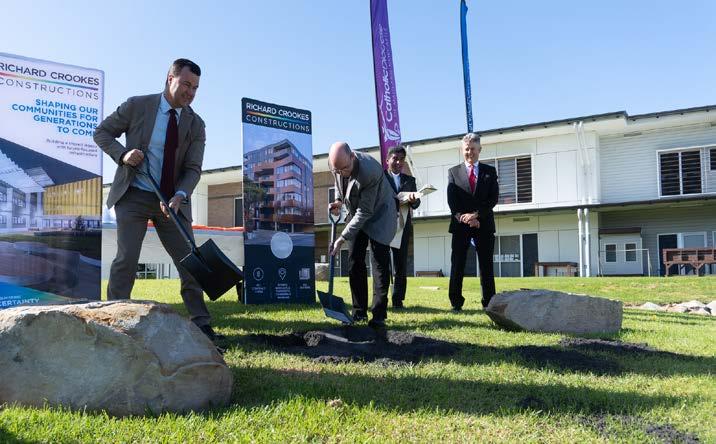
Our newest agency, Hunter Community Housing, launched in March 2023. It is a registered Tier Two community housing provider offering secure and affordable housing to people in need in our community.
Hunter Community Housing supports people across the Hunter and seeks to provide crucial housing and additional support to those most in need. This work is not new to the Church but establishing this new agency, signals our strong commitment to reducing homelessness by expanding our social, affordable and disability housing footprint.
Across the Diocese, we strengthened our commitment to sustainability practices with the transition of all Catholic Schools and St Nicholas sites to 100% green energy.
As I reflect on the work showcased in the summaries across these pages, I am reminded of the planning, collaboration and dedication that each of our agencies across the Diocese has put in over the year to continue to deliver serving all in our community. It is the embodiment of our values –compassion, hope, integrity, justice and
SEAN SCANLON
participation - that we continue the good work in empowering our diverse Diocese to experience life to the fullest.
In the last 10 years, the Catholic Community Fund has given back more than $51m to support the charitable works of the Diocese, its agencies and parish communities. The support of our members and their investments has
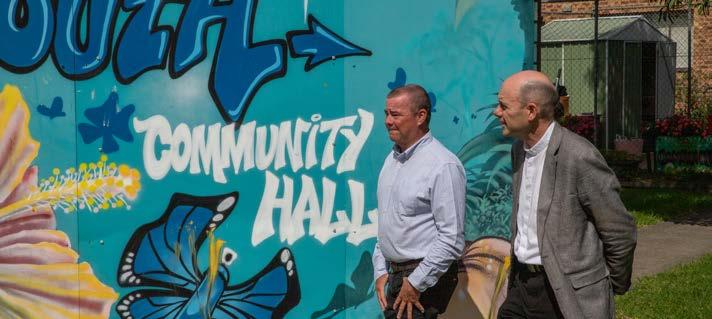
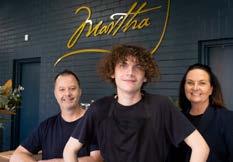
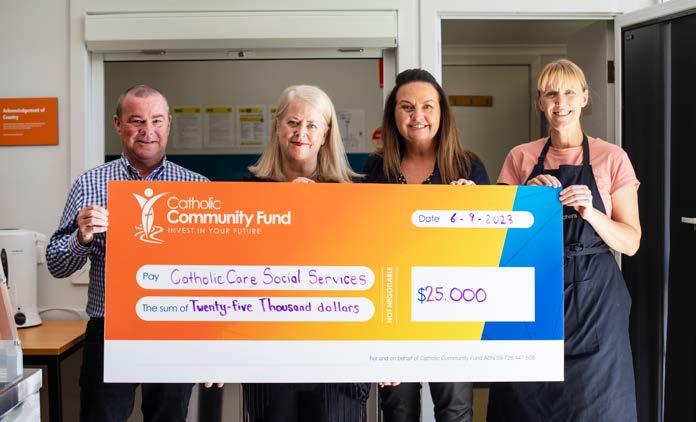
This continued in 2023 with the Fund donating $500,000 to support the great work of CatholicCare and with the support of our members we aim to increase this to $1,000,000 in 2024. The Fund also provided $40,000 of targeted financial support to CatholicCare’s Community Kitchens and Social Enterprise programs. This assisted with the purchase of equipment for Martha Café and the upgrade of the kitchen facilities at the Hamilton South Community Hall.
Loan funding this year was more than $27m which was utilised on the acquisition, construction and
infrastructure to support our community. individuals in our local community.
Across the sector there continues to be demand for foster carers. Our team seeks to support our carers and the children, young people, and their families, so that carers can provide optimal care for children and young people throughout
Our Rosewood Centre team continued to strengthen and grow, now offering services from Hamilton, Cardiff, Maitland, Gloucester, Taree and Port Macquarie.
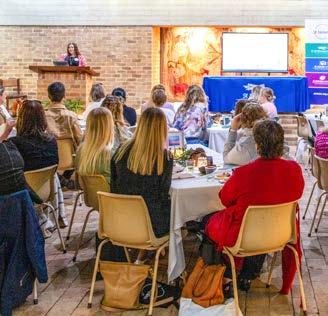
In partnership with the Diocese and Pastoral Ministries team, we recognised mental health month in October with a breakfast event to support staff across the Diocese and raise funds for our services.
Our community programs remain unfunded but fill much needed gaps.
In 2023 we served our 100,000th meal – a confronting milestone that demonstrates the increase in demand across our community kitchens. At Hamilton South our community kitchen was renovated and generously funded by the Catholic Community Fund.
From our Beyond the Gates program to GambleAware counselling, through to the Refugee Hub and our child, youth and family portfolio, we nurture and encourage community and show our commitment
Catholic Community Fund record surplus of $12.8m
3X increase in enrolment of Certificate III in Early
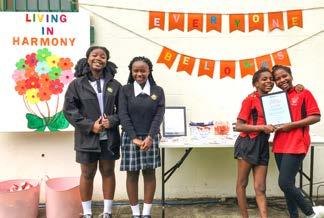
to protecting and safeguarding children. By participating in Decorate Your Gate our schools and services made a powerful statement that child protection is a priority for our Diocese and our wider community.
Catholic Schools
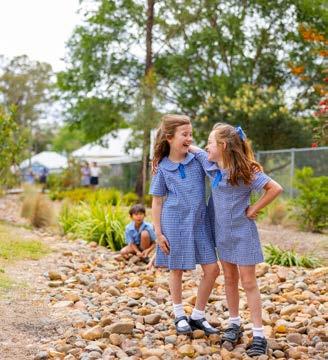
This year Catholic Schools continued to walk alongside our parishes in support of our families, as we build skills, attributes and values for today, and for our graduates to take long far their future.
Our schools continued to record increases in enrolments in 2023. Supporting this growth is a commitment from the Diocese to ensure we have the staff, physical assets, pastoral resources and pedagogical approach for our school leaders.
Work on the new Religious Education curriculum continued with new courses implemented throughout the year, which was greeted with positive staff feedback and increased levels of student engagement.
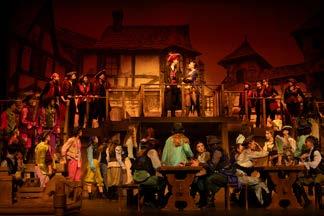
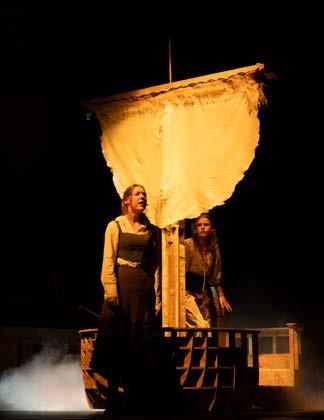
ASPIRE, our creative and performing arts program held a host of projects and performances, the largest being ‘The Pirate Code’ which wowed over 5,000 audience members over five performances at the Civic Theatre.
Additionally, ‘DioSounds’ created by the Secondary Music Teachers allowed interested students the opportunity to be part of a music showcase at the Civic Theatre.
Work continued formalising the detail of Newcastle secondary schools transitioning to Years 7 to 12. These modifications to school admissions and curriculum offerings will commence in
2024, with Year 7 students commencing at St Francis Xavier’s College Hamilton. Following community consultation it was announced that St Pius X High School Adamstown’s name be changed to Trinity Catholic College in 2025 in parallel with their first Year 11 students commencing.
SchoolTV, a new online wellbeing resource for parents and staff providing credible information and an extensive range of wellbeing resources in one location was launched. SchoolTV hosts a large range of informative topics accompanied by podcasts, articles, factsheets, books, apps and video interviews with wellbeing experts and researchers from around the world.
After a pilot program at St Paul’s Catholic College Booragul, trialling the provision of free sanitary products, the Period Positivity initiative has been rolled out across all Secondary Schools in the Diocese. This means sanitary products have been made available to students for free, via dispensers in the toilet blocks.
This initiative is complemented by an educational awareness program which provides students with knowledge and dignity in relation to their menstrual health.
Our educators welcomed opportunities for spiritual growth and continuous professional advancement throughout the year. This enthusiasm was fuelled by a renewed Professional Learning initiative L!FT, developing lead learning in literacy and numeracy meaning our teachers could continue to uphold the foremost standards in nurturing student development and well-being within our schools.
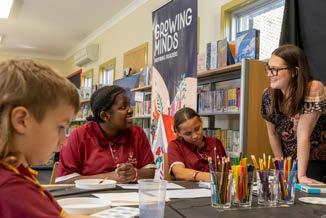
The Growing Minds Inspiring Readers project was an example of this initiative, culminating with St Pius X Windale students working with a children’s author to co-publish their own book, Stolen Heart!
St Nicholas
Over the course of 2023, St Nicholas has taken the opportunity to deliver several key initiatives designed to improve our services for the communities we serve.
The beginning of this year marked a pivotal moment for St Nicholas as we welcomed Fletcher Early Learning Centre and Montessori into our family. Our unwavering commitment to providing quality education persevered, ensuring that every child entrusted to us found a nurturing and stimulating environment in which to grow.
In 2023 we proudly celebrated a record intake of school-based trainees (SBATs), 63 enthusiastic individuals who embarked on a journey of learning and personal development as they commenced study of their Certificate III in Early Childhood Education and Care whilst completing their HSC. Simultaneously, our Early Childhood Immersion program experienced almost triple the growth of the previous year, with 310 young minds immersing themselves in a simulated Early Childhood service environment. This expansion underscores our dedication to enriching the lives of as many young learners as possible.
Fundamental to our achievements in 2023 are St Nicholas' refreshed core values: Hope, Integrity, Justice, Participation and Compassion. These
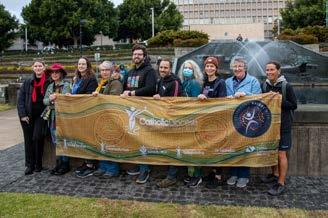
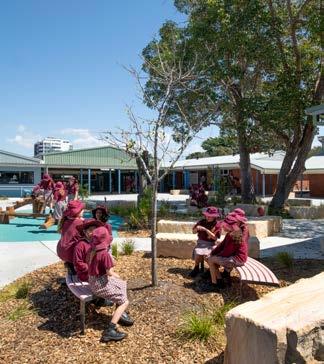
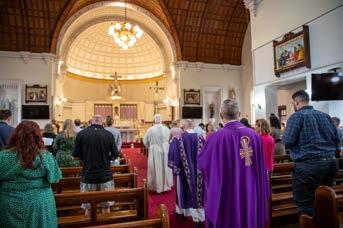
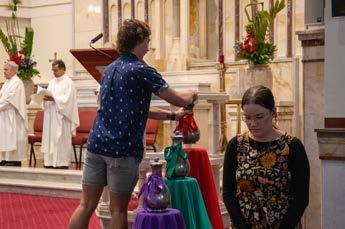
connection with our communities. One of the largest faith-filled moments of the year was World Youth Day, a group of people from across our Diocese journeyed from Australia to Lisbon in Portugal to come together with young people from around the world to celebrate their faith and futures. The Pastoral Ministries team also ran a local pilgrimage around Maitland to celebrate
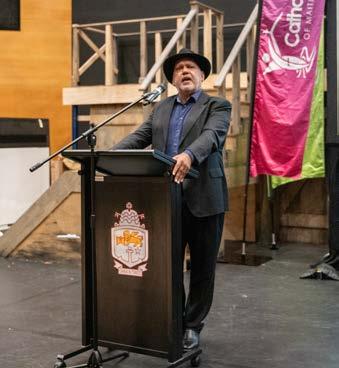
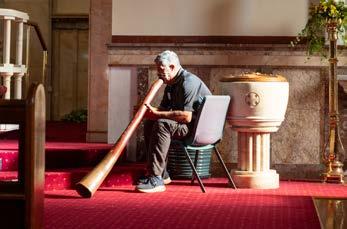
During NAIDOC Week in July, the team hosted a number of events and workshops to recognise the week. This included an event with Indigenous leader and activist Noel Pearson - he spoke about his work on the Uluru Statement from the Heart and the Voice to Parliament Referendum. Another highlight from this period was releasing our Stories from the Elders video series. This year's NAIDOC Week theme was For our Elders so we invited some Elders from around the east coast of Australia to tell their stories. It marked a time of powerful storytelling.
diverse expressions of faith and
Are you interested in joining the Diocesan Advisory Board?
Fund, St Nicholas Early Education and Catholic Schools Office.
The Board also has the canonical responsibility as the Diocesan Finance Council to consider the financial functioning of the Diocese and relevant advice to the Bishop on the significant operations of the Diocese.
We are seeking members from the Diocesan community with a background in areas such as education, childcare, social services, community housing, accounting,
Riding the wave of mental health

Every life lost to suicide is a tragedy and the impact on family, friends and the community is profound. Luke Conners knows this pain all too well and is now leading the charge for change.
KELLIE O’SULLIVAN
Photo: Peter Stoop
“
No
human was intended to walk alone...
Talk2mebro was created by Kristy Hajjar and Jack Brown after they lost their loved one to mental illness.
Luke had also been impacted by this same death when another of his mates took his own life in 2018.
“The losses hit me hard and I knew something had to be done,” Luke said. Luke then joined the Talk2mebro movement, with the goal to reduce the number of suicides in Australia.
Through early intervention, Talk2mebro aims to create societal change by reducing the stigma around mental health challenges; it encourages men and women to feel more comfortable talking about their hardships.
By engaging the expertise of psychologists and counsellors, Jack and his friends have created programs which empower men to take control of their mental health and wellbeing.
Kristy, Luke and Jack travel to schools, workplaces, and communities across Australia to facilitate: workshops, mental health first aid sessions, retreats and a unique Talk2mebro program to help encourage people to support each other on an emotional level.
The team recently spoke to Warners Bay parishioners about the initiative and ways they can identify, discuss and empower people in their lives
emotional issues and having
“Talk2mebro is forming such a strong community. Seeing people in that community feel they can be vulnerable, guys opening up and other guys listening and being that ear for people, that’s what I love and it lights me up,” Mr Lord said.
Since 2018, Talk2mebro has spoken to 55,000 people face-to-face, interacted with more than two million people on social media and provided a holistic approach to mental health and wellbeing.
While the impact of organisations like Talk2mebro is clear, there are still roadblocks across Australia for those who need access to support services.
Psychologist Kelly Pavan is the Counselling and Clinical Services Manager at The Rosewood Centre. She believes accessibility, affordability, and stigma around mental health are key barriers for people struggling to receive the help
“One of the key reasons is that good longer term quality mental health care is expensive. Cuts to Medicaresubsidised therapy during a cost-ofliving crisis (which subsidises only around half the cost of a session, and now the number of sessions available have been halved), has made therapy inaccessible to the people who need it
Art speaks louder than words
LEEMING
Education plays a pivotal role in the healthy development of all children but for Molly Mung it also provides a gateway to a rich and proud history spanning tens of thousands of years.
A Year 6 student at St Joseph’s Primary School Dungog, 12-year-old Molly is a Gija woman who has been raised on Worimi land but has strong familial connections to Frog Hollow and Warmun in the Kimberley.
“When I get to go to the Kimberley and spend time with my family there, it makes me feel happy and really excited,” she said.
“I get to learn from people and get knowledge and tips on fishing, bush food and dream time stories.”
For the past two years, Molly has been working with her school’s Aboriginal Education Worker, Karen Tucker, to better understand her culture and foster a deeper connection to it.
“I feel connected to my culture when I’m there (The Kimberley), I’m a different version of myself and when I come back to Dungog, doing culture with Karen makes me feel connected.”
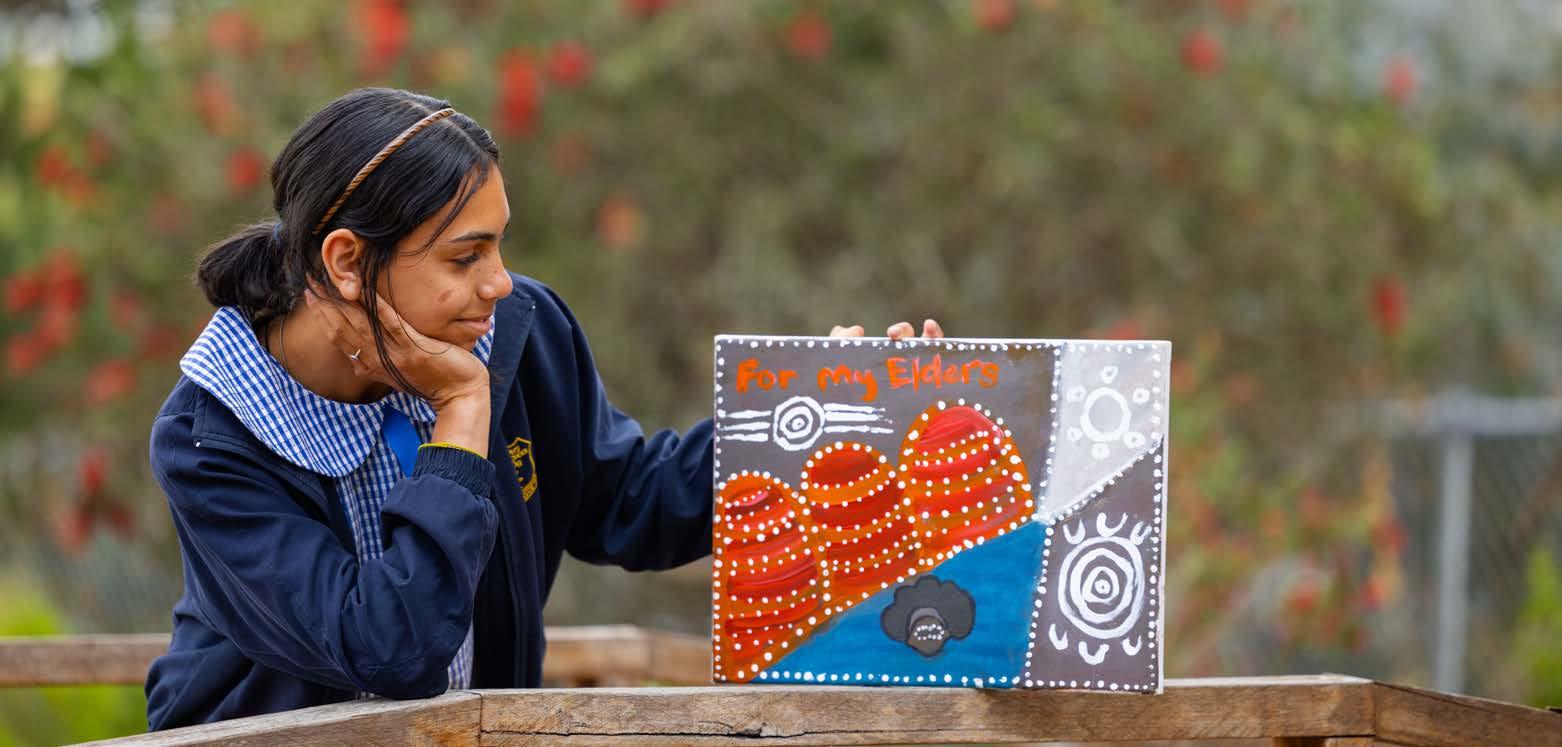
The theme for NAIDOC week this year was, “For Our Elders”, and Karen encouraged Molly to create an artwork that was reflective of the elders that have influenced her throughout her life.
In creating her artwork, Molly said she thought about people and places that held great memories that would remain with her forever.
“This painting is about my Grandma,” Molly said.
“The blue represents the water where we would go fishing and swimming, the brown represents the rocks where we used to dive off into the water. In the middle is a reflection of my grandma.
“My grandmother is a respected elder and I am a reflection of her.”
Karen works with Aboriginal and Torres Strait Islander students throughout their primary years to help them understand their cultural heritage and identity.
“I am proud of the artwork Molly produced, it perfectly represents what the 2023 NAIDOC theme, ‘For Our Elders’, means to her and tells a story that is rich with history and sentiment,” she said.
Karen said moments like these made her role as an Aboriginal Education Worker so rewarding.
“I feel very privileged to hold this position and honoured that our relationship, which has been built on trust, has enabled Molly to feel confident, valued, seen and heard,” she said.
“Thank you, Molly, you have taught me so much.”
Louise Campbell, Aboriginal Torres Strait Islander Education & Wellbeing Education Officer, Catholic Schools Office, spent some time in the Kimberley region where she was immersed in the Gija people’s culture.
Upon seeing Molly’s artwork, Louise
said it left “an incredible mark on my soul” and was able to create an entire sensory symphony akin to her experience visiting the Kimberley’s.
“Molly’s commitment to keep her culture alive is embodied in her art piece and I congratulate her that she is continuing a legacy that has been handed over from her Gija Elders, so far away from her homelands,” said Louise.
While Frog Hollow and Warmun are a long way from Dungog, Molly said the encouragement of her school and the wider community, to keep learning about her culture, made her feel respected and happy.
“I like how supportive my school and community are of me,” she said.
“I think it’s important because in the past I don’t think aboriginal people have been able to talk about this sort of thing and I don’t think they’ve had as much respect as I do today.”
MADIE
The trailblazers
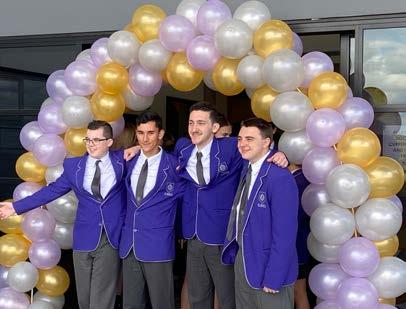
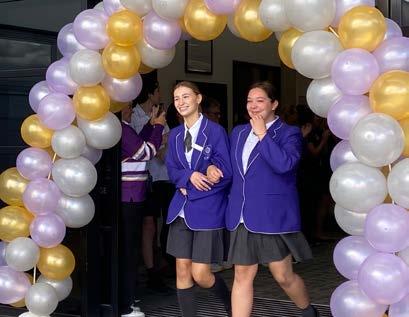
St Bede’s Catholic College first Year 12 graduates
History in the making, St Bede’s Catholic College Chisholm has farewelled its first
Opening in 2018 with the now Year 12 students as the only class cohort, the school has evolved into a comprehensive
John Murphy, Foundation Principal said, “I think back to this journey of interviewing these students and meeting their families. I feel like we’ve really created this school from Years 7 to 12 and the students have built a great culture.”
“We’ve allowed students to have a voice, allowed parents to have a voice and co-construct the type of school we wanted to build. It’s been about building relationships and the culture,” he said. “There are so many fond memories over these school years for this group, a lot of satisfaction and I hope they are excited
Eaden Dawson, 2023 College Captain others and that’s been really exciting,”
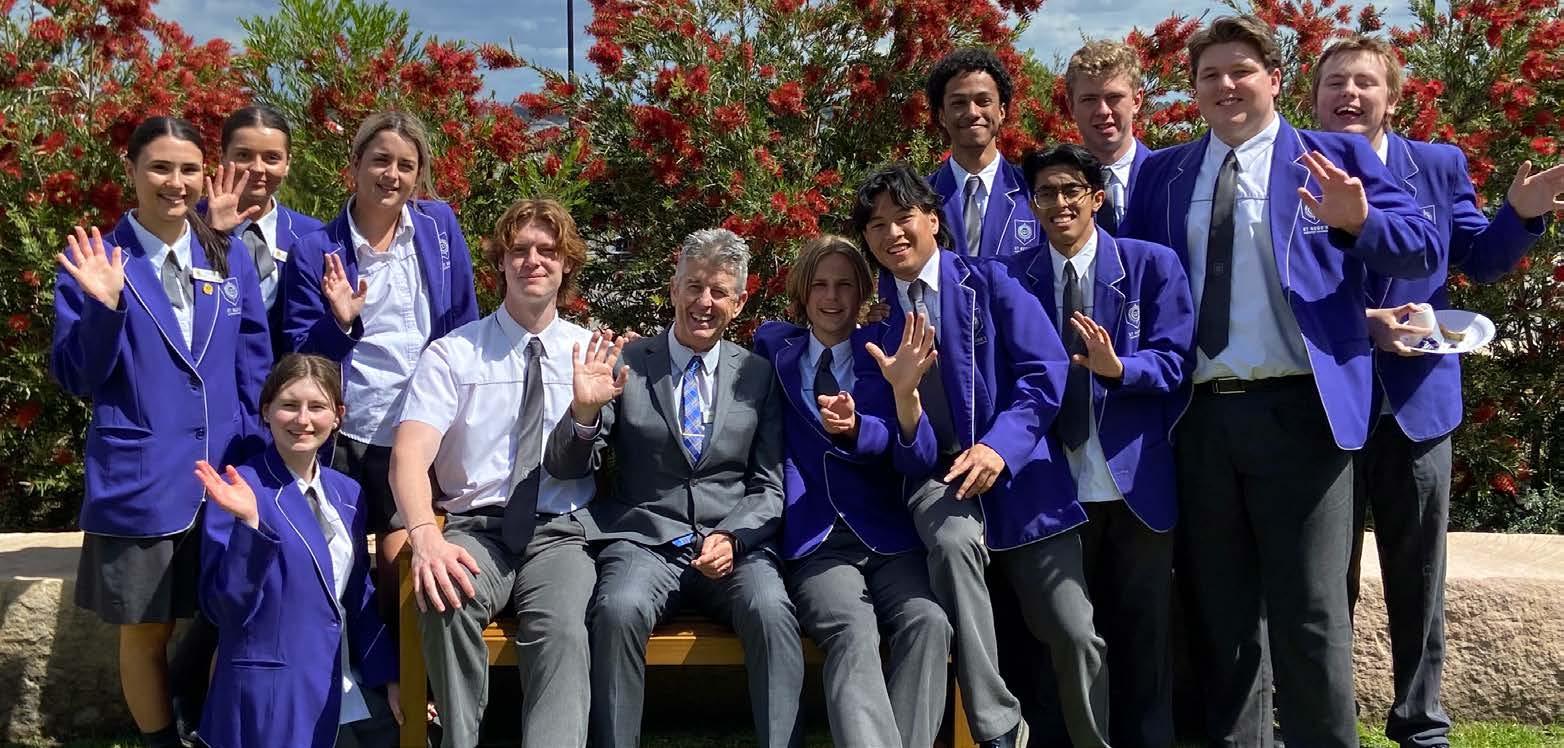
Standing in a landscaped courtyard surrounded by St Bede’s impressive multi-storey buildings Bella gestured to the change in surroundings as she said, “I actually can’t really believe we’re here graduating considering I remember starting out across the road, basically in a little house, where we did our family interviews.”
Eaden, Bella and their peers have completed their HSC exams and are eagerly awaiting results. Many have received early acceptance to university courses locally and afar, while others are contemplating a break and part time work.
Blaze Brockman looks forward to his future with a foundation of learning from
“I feel good moving onto the next chapter in my life but St Bede’s will always have a special place in my heart. Even the buildings and the people here – I’ll miss it and I feel it’s been special,” he said.
Hear more from St Bede’s graduates.

More than a meal
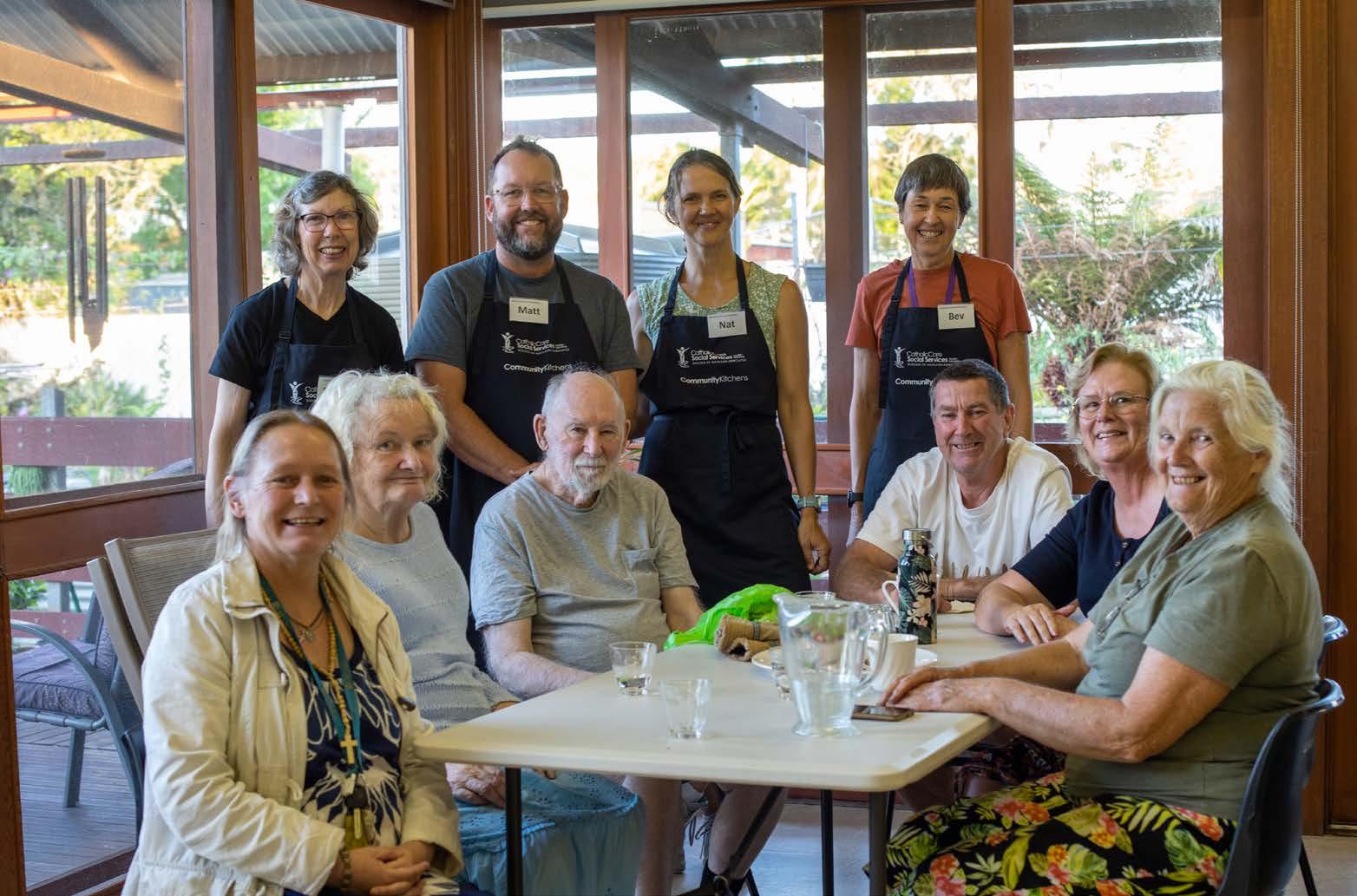
The moment you arrive at the Toronto Community Hub you are guaranteed two things –food and friendship.
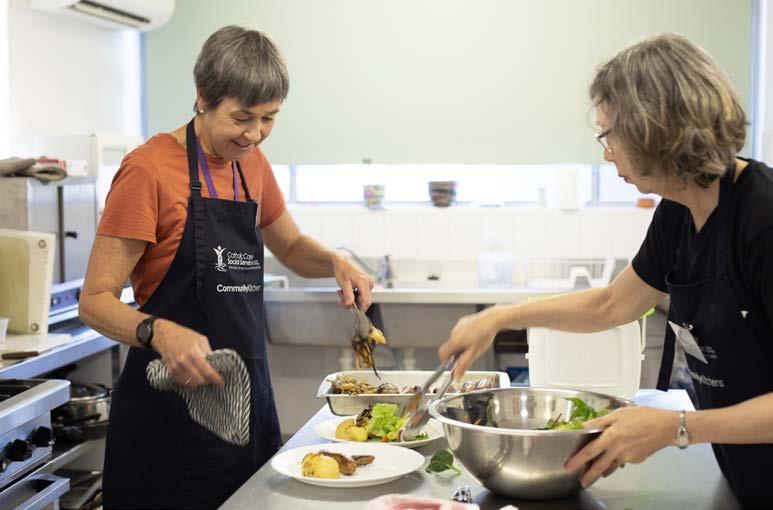
Every Thursday CatholicCare Community Kitchen volunteers bring people together by providing a much needed meal and a genuine opportunity to create community.
New diner Mel* said she had been attending for two weeks and had met the loveliest people.
“The food is nice but it’s all about the company. Now I am starting to meet my neighbours and I look forward to coming,” Mel said.
“You don’t feel any stigma. It feels like you are just getting together with a bunch of friends and having a meal.”
Instigated by a group of parishioners who were committed to addressing the need for food support in the local area, the Toronto Community Kitchen opened in December 2019 at the St Joseph’s Community Centre.
Volunteer Bev McWilliam was instrumental in the creation of the kitchen and has been through its many iterations.
“I was looking for something to do, something practical. Food is an essential need, and I wanted to combine the hospitality side of it and bring people into a social space,” Bev said.
“We thought it would help lonely people and hungry people, they are both in need. People who are lonely at home by themselves, elderly people by themselves, single mums who don’t have someone to sit down and have dinner with.”
When COVID arrived in early 2020 the kitchen had to be closed but CatholicCare’s food programs adapted quickly to the new pandemic environment and continued to assist those in trouble.
They set up a bulk cooking kitchen and packed individual portions ready for home delivery. The team from Toronto delivered meals from Edgeworth to Morisset throughout the pandemic.
“This assisted those in financial distress and those who became isolated and anxious during our lockdowns,” Bev said.
“After COVID the need for company and friendship was stronger than ever and we decided to relocate to make ourselves more accessible to the people of Toronto. We moved to the HUB on the Boulevard, right in the middle of town.”
The Kitchen is never certain how many community members will attend each week, but around 12-18 friends are generally guaranteed to come for a meal. Some are regulars, others attend for just one night.
“It is always special to have someone choose to join us - there is always a story to hear,” Bev said.
Volunteer Leanne said she had been coming to the kitchen since it opened to talk to people and make them feel comfortable.
“For me I live on my own, so it becomes a social outing for me on a Thursday night,” she said.
“A lot of the people who come are regulars, so you get to know them. That’s really important - it’s about the people and social interaction and being there for other people and hearing what they have to say.”
Belinda* is currently in community housing and knows the value this gathering provides to people who are struggling.
“There have been a few times in my life I have been homeless. I have been sleeping in my car, in caravan parks, in a tent, in hotels and with my dog,” she said.
“I’ve been coming to the kitchen for months and months. Thursday night is my social night to get out of the house and meet people. At the Kitchen they really do care about each other.”
Bev said the support of the Parish was instrumental in keeping the Kitchen running.
“Our parish community supplied almost all the food for the first year of our Kitchen. CatholicCare is now supplying bulk cooked meals. They
receive food donations from a number of supermarkets, farmers, butchers and bakeries,” Bev said.
Even a local school gets involved.
St Paul’s Catholic College, Booragul teacher Amanda Nowland said the school’s goal was to contribute to the Kitchen at least twice a year.
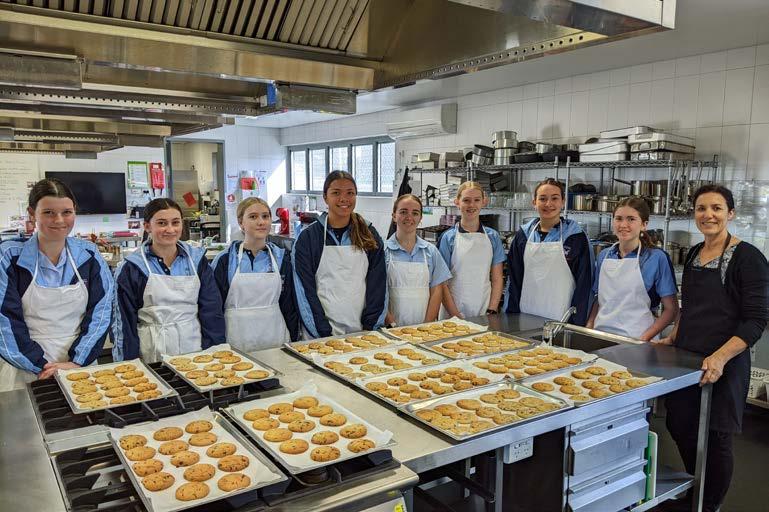
Recently St Paul’s students baked and supplied cookies for one of the Thursday night gatherings.
“This project enables our students to develop and practice their cooking skills and also instils a sense of social responsibility,” Amanda said.
“Through this experience, we endeavour to impart the significance of giving back to our local community while emphasising the core values of empathy and kindness.”
For Bev the goal of the Kitchen is fundamentally simple – to foster connections with others.
“When one person honours, serves and supports another person we build a connection. When we build connections, we build a community... one person at a time,” she said.
If you would like to know more about the CatholicCare Community Kitchens, or would like to donate to support its ongoing commitment to the community, please visit catholiccare.org.au *names have been changed to protect privacy
CHRISTINA HUTCHINSON
Hidden in plain sight –the plight of the modern slave
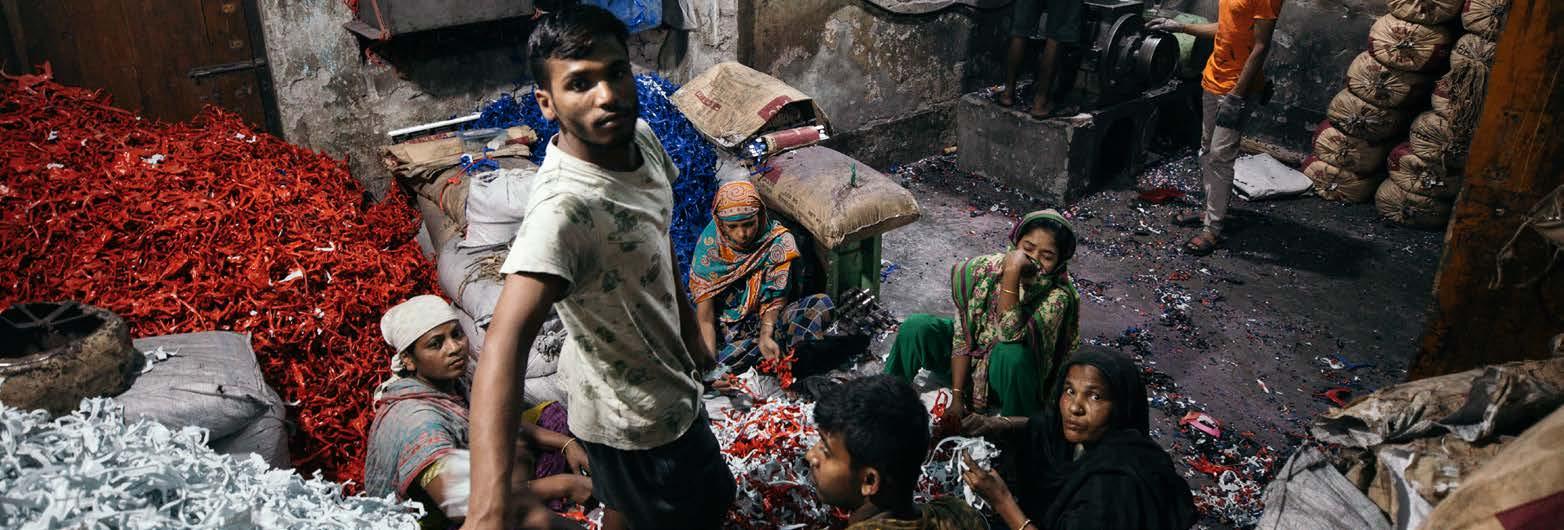
When you shop, have you ever paused to consider where the products you buy come from?
Were children exploited to make the beans that are in your morning coffee?
Was your latest outfit made in a factory that has hazardous working conditions? Did those individuals have the freedom to choose to work and the right to leave if they wished? Were they given a ‘living wage’ – a wage that allows workers to live, not just survive? These questions are crucial if enslavement is to be stamped out.
Modern Slavery and Human Trafficking are critical issues on the Catholic Church’s radar. There are approximately 50 million people trapped in situations of modern slavery, equating to nearly one in every 150 individuals worldwide. The victims of modern slavery might be much closer to you than you realise. This practice takes various forms, including: entrapment, financial coercion, withholding wages, seizing of identity documents (which can lead to trafficking in persons), slavery, servitude, forced labour, forced marriage, debt bondage, deceptive recruitment for labour or services, and the worst forms of child labour. It infiltrates numerous global supply chains, touching the products we often take for granted.
The Catholic Church has a strong commitment to eradicating modern slavery, a stance grounded in Catholic Social Teaching:
“At its heart the call to eradicate modern slavery and human trafficking is a call to make a choice for respecting the intrinsic and inalienable dignity of every human person”
The Diocese of Maitland-Newcastle has taken a stand against modern slavery. Its Modern Slavery Policy outlines the commitment it has made to work with others to end this abhorrent practice globally. The Diocese is dedicated to protecting and respecting the freedom and dignity of people everywhere.
St Josephine Bakhita
The Patron Saint of Sudan and victims of Modern Slavery and Human Trafficking Josephine Bakhita was born around 1869 at Dafur (modern-day Western Sudan), and was a member of the Daju people. In 1877 she was kidnapped and sold into slavery. She was bought and
sold several times, eventually finding herself in Italy. There she found freedom and became a Canossian Sister. Josephine died on the 8 February 1947. On 1 October 2000, Josephine Bakhita was declared a saint by the Catholic Church and 8 February was established as her feast day.
On the 8 February 2024, the Diocesan Liturgy Council will invite people throughout the Diocese to highlight the feast of St Josephine Bakhita as a way of drawing attention to the plight of modern slavery. A range of resources regarding formation and prayer have been made available to provide assistance. The goal is to create a greater awareness of the issue of subjugation and the need to uphold the dignity of all people. It is a reminder for everyone to open their minds and hearts and be inspired to act in ways that comfort and empower the oppressed, promote justice and challenge social structures. The International Day of Prayer and Awareness Against Human Trafficking is also held on 8 February every year.
There are approximately 50 million people trapped in situations of modern slavery.
What can you do?
• Become knowledgeable. The more you know, the more you can help.
• Learn to spot the signs. Be aware of your neighbour/neighbourhood.
• Be a responsible consumer. Check if your favourite brands have a modern slavery statement on their website.
• Join the movement. Support CatholicCare and other agencies.
• Spread the word. Educate your friends, family and peers.
FIONA DUQUE