
NATIONALINSTITUTE OF DIGITALMARKETINGNIDM
Social Media Mastery: Building and Managing a Strong Digital Brand
NATIONALINSTITUTE OF DIGITALMARKETINGNIDM
Social Media Mastery: Building and Managing a Strong Digital Brand
Social media management has become an integral part of modern business strategies. In today's world, with the digital platform becoming more dynamic, it becomes a must for any company to stay updated on changes in dynamics on all its social media platforms. This involves not only content creationandcurationbutalsoaudienceengagement,trend-watching,andtracking of performance metrics for analysis in order to optimize future campaigns.
As social media becomes more important in the formation of brand identity and consumer perception, businesses must embrace effective management practices to be able to harness its full potential. It would include understanding the algorithms behind content visibility, using analytics tools for measurement, and keeping abreast with the platform updates and feature releases.

Besides, social media management requires a lot of knowledge of the target audience, including preferences, behaviour, and time reach. Good social media management is for a business to build a good relationship with the audience and get better results because the content is developed and targeted towards the needs and interests of the audience specifically.
Furthermore, good social media management is not just about posting content now and then but involves strategic planning, crisis management, and reputation building. This means a dedicated team or individual with the skills necessary to drive through this entangled web of various social media platforms, respond to customer inquiries and feedback, and maintain a consistent brand voice.
The more efficiently businesses can manage their social media strategies, the more benefits they can reap ranging from driving brand awareness to sales and customer loyalty.
Social media management is a critical component of modern digital marketing that involves the strategic planning, execution, monitoring, and analysis of content posted on social media platforms. It encompasses the creation and curation of content, engagement with followers, and the use of various tools to analyse the performance of social media activities.The primary goal is to build and maintain a strong online presence, foster customer relationships, and ultimately drive business growth.

At its core, social media management is about managing a brand’s reputation and visibility across platforms such as Facebook, Twitter, Instagram, LinkedIn, and others. This includes regularly posting content that aligns with the brand's voice and values, engaging with the audience by responding to comments and messages, and using analytics to measure the effectiveness of social media strategies.
Social media management also involves staying current with trends and changes within social platforms. Social media managers must be adaptable, adjusting strategies to take advantage of new features or changes in algorithms that could affect a brand’s visibility. For example, a change in Facebook’s algorithm might require a shift in focus from organic posts to paid advertising to maintain reach.
1. Content Creation and Curation: Creating relevant, high-quality content is at the heart of social media management. This includes everything from writing posts and designing graphics to producing videos and infographics.
In addition to creating original content, social media managers often curate content from other sources, sharing articles, videos, or images that are relevant to their audience.
2. Social Media Strategy Development: A successful social media presence starts with a solid strategy. This involves identifying the target audience, setting clear goals, and determining the types of content that will resonate with followers. For example, a brand targeting young adults may focus on platforms like Instagram and TikTok, using a mix of trendy and engaging content formats such as short videos and interactive stories.

3. Engagement and Community Management: Social media is not a onewaystreet.It’sessentialtoactivelyengagewiththeaudiencebyresponding to comments, answering questions, and participating in conversations. Building a community around the brand can lead to increased loyalty and advocacy. Effective community management involves listening to feedback, addressing concerns, and fostering a positive environment.
4. Analytics and Reporting: To understand what works and what doesn’t, social media managers rely heavily on analytics. Tools like Facebook Insights, Twitter Analytics, and Google Analytics provide data on how content performs, audience demographics, and engagement rates. This information is crucial for refining strategies and demonstrating the ROI of social media efforts to stakeholders.
5. SocialAdvertising: Paid social media advertising is another crucial aspect of social media management. With organic reach declining on many platforms, advertising allows brands to reach a broader audience. Social media managers create and manage ad campaigns, targeting specific demographics to achieve objectives such as brand awareness, lead generation, or direct sales.

In the digital age, social media has become a powerful tool for businesses, brands, and individuals to connect with audiences, build relationships, and drive growth. However, managing social media effectively is not just about posting content regularly; it involves strategic planning, monitoring, and engaging with followers. Social media management is crucial for several reasons, each contributing to a brand's overall success.
Social media platformsofferunparalleledreach,allowing businesses to engage with a global audience. By consistently managing and curating content, brands can increase their visibility and establish a recognizable presence online. Regular interaction with followers through posts, stories, and live sessions helps keep the brand top-of-mind for consumers. Effective social media management ensures that content aligns with the brand’s voice and values, making it easier for customers to identify and connect with the brand.
Social media is not just a broadcasting tool; it is a space for dialogue. Through active engagement responding to comments, messages, and mentions businesses can build strong relationships with their audience. Social media management involves monitoring these interactions and ensuring timely responses. This not only improves customer satisfaction but also fosters loyalty.When customers feel heard and valued, they are more likely to become repeat customers and brand advocates.
Effective social media management can significantly impact a company’s bottom line. By sharing relevant content, promotions, and updates, businesses can drive traffic to their websites and landing pages. Social media platforms also offer targeted advertising options that allow businesses to reach specific demographics with tailored messages. When managed well, these efforts can lead to increased conversions, whether through product sales, sign-ups, or other desired actions.

Social media management involves not only creating content but also monitoring the broader digital landscape. By keeping an eye on competitors, brands can identify emerging trends and benchmark their performance. This awareness enables businesses to adapt their strategies quickly and stay ahead in the market. Additionally, understanding what resonates with audiences in real-time allows brands to pivot and adjust their content strategies for maximum impact.
In today’s fast-paced digital world, a brand's reputation can be made or broken in a matter of hours. Effective social media management includes reputation management, where brands actively monitor and respond to both positive and negative feedback. During a crisis, a well-managed social media presence is crucial for timely and transparent communication. This can help mitigate damage, reassure customers, and maintain trust.
Social media management tools provide analytics that offer valuable insights into customer behavior and content performance. By analyzing metrics such as engagement rates, follower growth, and click-through rates, businesses can refine their strategies and make data-driven decisions. These insights also help inunderstandingcustomerpreferencesandtailoringcontenttomeettheirneeds better.

Compared to traditional advertising, social media management is a costeffective way to reach a large audience. With strategic planning and minimal investment, businesses can achieve significant results. Organic growth through engaging content, coupled with targeted ad campaigns, allows for efficient use of marketing budgets. The ability to track and measure the effectiveness of campaigns in real time further enhances cost efficiency.
In the modern digital landscape, social media platforms have become essential tools for communication, marketing, and networking. Each platform offers unique features and caters to different audiences, making it important for businesses and individuals to understand their distinct advantages. Here’s an overview of the key social media platforms:
Withover2.8billionmonthlyactiveusers,Facebookisthelargest social media platform globally. It offers a versatile environment for sharing various types of content, including text, images, videos, and links. Facebook’s robust advertising platform allows businesses to target specific demographics with precision.Theplatform isparticularly useful forbuilding communities through groups and engaging with a broad audience. Facebook also integrates with Instagram, making it easier to manage campaigns across both platforms.

Instagramis avisual-centricplatform,popular forsharingphotos, short videos, and stories. With over 1.4 billion users, it is especially favored by younger demographics. Instagram’s emphasis on aesthetics makes it ideal for brands in industries like fashion, beauty, travel, and food. Features like Instagram Stories, Reels, and Shopping provide creative ways to engage with followers and promote products. The platform’s algorithm favors high-quality content
and active engagement, rewarding brands that consistently post and interact with their audience.
Twitter is known for its real-time communication, making it a go-to platform for news, updates, and public discussions. With around 330 million monthly active users, Twitter is particularly effective for businesses looking to engage in timely conversations, share quick updates, and manage customer service. The platform’s character limit encourages concise messaging, and hashtags play a significant role in increasing content visibility. Twitter is also valuable for building brand personality through regular interactions and trend participation.

LinkedIn is the premier platform for professional networking, with over 930 million members. It is essential for B2B marketing, recruitment, and professional development. LinkedIn allows users to share industry insights, publish articles, and connect with professionals across various sectors. The platform is highly effective for lead generation and establishing thought leadership. LinkedIn’s advertising options are tailored for targeting professionals based on their job title, industry, and company size.
Creating an effective social media strategy is essential for businesses looking to build a strong online presence and achieve their goals. By focusing on key areas such as goal setting, audience understanding, content planning, engagement, and analytics, you can craft a strategy that drives success. Here’s a brief overview of how to develop a robust social media strategy:

Thefirststep indevelopingasocialmediastrategy is to defineclear,actionable goals.Thesegoalsshouldalignwithyouroverallbusinessobjectives and guide your social media efforts. Common goals include:
• Brand Awareness: Increasing the visibility of your brand to a wider audience.
• Lead Generation: Attracting potential customers and converting them into leads.
• CustomerEngagement: Building strong relationships with your audience through interactions.
Clearly defining your goals will help you tailor your content and measure success effectively.
Understanding your audience is crucial to delivering content that resonates with them. Start by researching their demographics, preferences, and
behaviors. Consider factors like age, gender, location, interests, and online habits. Knowing your audience helps you:
• Tailor Content: Create content that appeals directly to their interests and needs.
• Select Platforms: Choose the social media platforms where your target audience is most active.
• Optimize Timing: Post content when your audience is most likely to be online.
The better you know your audience, the more effective your strategy will be.
A well-organized content plan is the backbone of a successful social media strategy. Develop a content calendar that outlines what and when you will post. Consider the following:
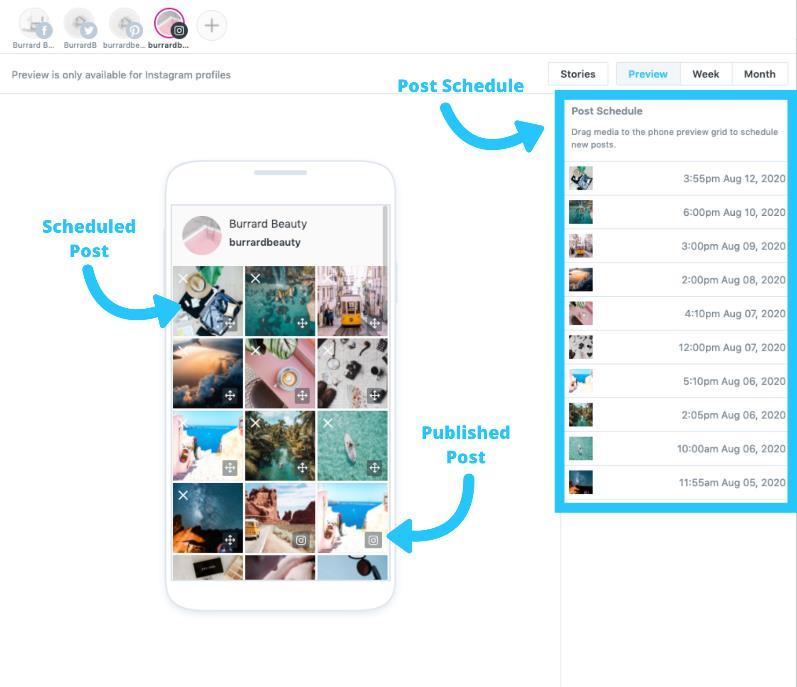
• Variety: Include a mix of content types such as images, videos, articles, and infographics.
• Consistency: Post regularly to maintain visibility and engagement.
• Relevance: Ensure your content is relevant to both your brand and audience.
A content calendar helps you stay organized, ensuring a steady flow of engaging content.
Engagement is a key component of social media success. Actively respond to comments, messages, and interactions to build relationships with your audience. This shows that you value their input and fosters a sense of community. Consider:
• Timeliness: Respond to interactions promptly to keep the conversation going.
• Personalization: Tailor your responses to individual comments and questions.
• Proactivity: Initiate discussions and engage with user-generated content.
Effective engagement can lead to increased loyalty and a stronger brand presence.
Monitoring and analysing your social media performance is essential for optimizing your strategy. Use analytics tools to track metrics like engagement rates, reach, and conversions. This data helps you:
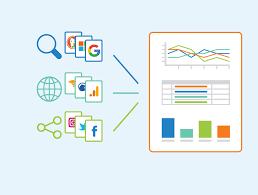
• Assess Success: Determine which content and strategies are working best.
• RefineApproach:Makedata-drivenadjustmentstoimproveperformance.
• Set Benchmarks: Establish benchmarks for future campaigns.
Regular analysis ensures your strategy evolves with your audience’s needs and preferences.
Effective social media management requires the right tools to streamline processes, enhance engagement, and measure performance. Here’s a brief overview of some essential tools that can help manage your social media strategy efficiently:
1.
Hootsuite is a comprehensive social media management tool that allows you toscheduleandmanagemultiplesocialmediaprofilesfromasingledashboard. It supports a wide range of platforms including Facebook, Twitter, LinkedIn, and Instagram. Key features include:
• Scheduling: Plan posts in advance and automate publishing across various networks.
• Monitoring: Track mentions, keywords, and hashtags to stay updated on relevant conversations.
• Analytics: Generate reports to analyze performance and engagement metrics.
Hootsuite simplifies managing multiple accounts and helps maintain a consistent posting schedule.
2. Buffer
Buffer is another popular tool for planning and scheduling posts, as well as analysing performance across different social media platforms. Its core features include:
• Content Scheduling: Create and schedule posts for various social networks, ensuring timely delivery.
• Analytics: Track engagement, reach, and other key metrics to assess the effectiveness of your content.
• Collaboration: Collaborate with team members by assigning tasks and reviewing scheduled content.
Buffer’sintuitiveinterfacemakes iteasytomanageyoursocial mediapresence and gain insights into your content’s performance.
Sprout Social offers a robust suite of tools for social media management, analytics, and engagement. Its features include:
• Social Media Management: Schedule posts, monitor social channels, and engage with followers from a unified platform.
• Analytics:Detailedreportingonperformancemetricssuchasengagement, reach, and audience growth.
• Engagement: Respondtocommentsandmessagesefficiently,and manage interactions across multiple platforms.
Sprout Social is ideal for businesses looking for an all-in-one solution to manage their social media efforts and gain actionable insights.
4. Canva
Canva is a versatile design tool that simplifies creating eye-catching social media graphics. It offers:
• Templates: Access to a wide range of customizable templates for posts, stories, and ads.

• Design Tools: Easy-to-use tools for adding text, images, and other elements to your graphics.
• Collaboration: Sharedesignswithteammembersforcollaborativeediting and feedback.
Canva’s user-friendly interface helps you produce professional-quality visuals without needing advanced design skills.
5. Later
Later is specifically designed for visual scheduling, making it particularly useful for Instagram. Key features include:
• Visual Content Calendar: Drag-and-drop interface to plan and schedule Instagram posts visually.
• Preview: See how your feed will look before publishing, ensuring a cohesive aesthetic.
• Linkin.bio: Create a clickable landing page for Instagram posts, directing followers to various links.
Later’s focus on Instagram’s unique needs helps streamline content planning and maintain a visually appealing feed.
Effectivesocialmediamanagementhingesonafewkeybestpracticesthathelp maintain engagement, build trust, and drive results. By focusing on consistency, authenticity,visualappeal, hashtags, and community engagement, you can enhance yoursocial media presence and connect more effectively with your audience. Here’s a brief overview of these best practices:
1. Consistency
Consistency is crucial for sustaining audience interest and engagement. Regular posting ensures that your brand remains visible and top-of-mind. Develop a content calendar to plan and schedule your posts consistently, whether daily, weekly, or according to your audience’s preferences. Consistency in posting helps build a reliable presence, and consistent interaction such as responding to comments and messages fosters a sense of reliability and connection with your followers.
2.Authenticity
Authenticity is key to building trust and credibility with your audience. Be genuine in your communications, and avoid overly polished or inauthentic messages. Share real stories, behind-the-scenes content, and honest responses to comments and queries. Customers value transparency and are more likely to engage with brands that appear sincere and relatable. Authentic interactions help build stronger relationships and enhance brand loyalty.
3. VisualAppeal
Visualcontentisoften more engagingthan text alone. High-qualityimages and videos can capture attention and convey your message more effectively. Invest ingood visuals that representyourbrand well and resonate with your audience. Use eye-catching graphics, professional photography, and well-edited videos to enhance your posts.Avisually appealing feed not only attracts followers but also encourages them to interact with your content.
4. Hashtags
Hashtags play avital roleinincreasingthevisibility ofyourposts.Use relevant and trending hashtags to extend the reach of your content beyond your immediate followers. Research popular hashtags within your industry and create a mix of broad and niche tags to target different audience segments.
Proper hashtag usage can boost engagement, drive traffic to your profile, and help your posts appear in relevant search results.
Engaging with your community goes beyond posting content; it involves actively participating in conversations related to your brand. Encourage usergenerated content, respond to mentions, and join discussions about relevant topics. Building and nurturing a community around your brand fosters loyalty and enhances engagement. By showing appreciation for your audience’s contributions and being active in conversations, you strengthen your brand’s presence and create a more vibrant, interactive online environment.
Period: 2018-2020
Overview: Nike’s “Just Do It” campaign, featuring Colin Kaepernick, is a prime example of effective social media management and branding. The campaign, launched in September 2018, was part of Nike’s broader marketing strategy and quickly garnered significant attention across various social media platforms.
Goals:
• Brand Positioning: Reinforce Nike’s brand identity as a champion of social justice and equality.
• Engagement: Increase engagement and dialogue around the brand’s core values.

Strategy: Nike’s campaign was bold and controversial, focusing on Kaepernick, who became known for his protest against racial injustice by kneeling during the national anthem. The social media strategy involved:
• High-Profile Endorsement: Featuring Kaepernick in a high-impact ad, which was shared widely on social media.
• Content Creation: Leveraging powerful visuals and a compelling message in the “Just Do It” slogan.
• Engagement Tactics: Encouraging users to share their own stories and engage in discussions about social issues.
Execution: The campaign was promoted through various social media channels, including Instagram, Twitter, and Facebook. Nike utilized striking imagery and videos to convey their message. The company also engaged with both supporters and critics on social media, effectively managing the conversation around the campaign.
Results:
• Increased Engagement: The campaign generated substantial social media buzz, with millions of interactions and shares.
• Sales Boost: Nike saw a significant increase in sales and stock value following the campaign’s launch.
• Brand Loyalty: The campaign strengthened Nike’s position as a socially responsible brand and resonated strongly with its target audience.
Lessons Learned: Nike demonstrated the power of aligning social media strategies with core brand values and being bold in addressing social issues. Effective crisis management and engaging with both supporters and critics helped amplify the campaign’s impact.
Period: 2017
Overview: Airbnb’s #WeAccept campaign was launched in response to the 2017 U.S. travel ban, showcasing the brand’s commitment to inclusivity and acceptance. The campaign leveraged social media to communicate its stance on diversity and inclusion.

Goals:
• Brand Image: Strengthen Airbnb’s image as an inclusive and welcoming platform.
• Advocacy: Support and amplify messages of acceptance and diversity.
Strategy: The #WeAccept campaign was designed to counteract the negative impacts of the travel ban and to promote a message of global inclusivity:
• Video Content: The campaign kicked off with a powerful video ad highlighting stories of people from diverse backgrounds.
• Social Media Outreach: Leveraged platforms like Twitter, Facebook, and Instagram to spread the message and encourage user-generated content.
• Collaborations: Partnered with influencers and organizations to amplify the campaign’s reach.
Execution:Airbnb used its social media channels to share the campaign video andassociatedmessages.Thebrandencourageduserstosharetheirownstories of acceptance using the hashtag #WeAccept.The campaign was also supported by press releases and partnerships with advocacy groups.
Results:
• Positive Media Coverage: The campaign received widespread positive media attention and was praised for its timely and relevant message.
• Enhanced Brand Reputation: Airbnb’s commitment to inclusivity strengthened its reputation and resonated with users who valued social responsibility.
• IncreasedEngagement:Thehashtag#WeAccepttrendedonsocialmedia, driving significant user interaction and content sharing.
Lessons Learned: Airbnb’s campaign highlighted the effectiveness of using social media to address current events and reinforce brand values. By fostering a sense of community and advocating for social issues, the campaign enhanced brand loyalty and engagement.
Social media management presents several challenges that can impact the effectiveness of your strategy. Navigating these challenges requires careful planning and adaptability. Here’s a brief overview of some common hurdles and strategies to overcome them:
One of the primary challenges in social media management is balancing the demands of posting and engaging across multiple platforms. Managing multiple accounts can be time-consuming, as it involves creating content, scheduling posts, and responding to interactions. Effective time management strategies include:
• Scheduling Tools: Utilize social media management tools like Hootsuite, Buffer, or Sprout Social to schedule posts in advance. This helps maintain a consistent presence without needing to be online constantly.
• Content Calendar: Develop a content calendartoplan andorganize posts. This ensures you have a steady stream of content and reduces last-minute rushes.
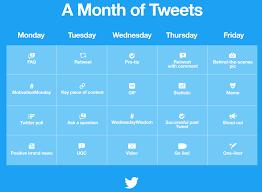
• Delegation: If possible, delegate tasks among team members to spread the workload. Assign specific roles such as content creation, community management, and analytics.
The fast-paced nature of social media means that trends and platform updates are constantly evolving. Staying current is crucial for maintaining relevance and leveraging new features. Challenges in this area include:
• Trend Monitoring: Regularly follow industry news, social media blogs, and influential figures to stay updated on trends and changes. Tools like GoogleAlerts and industry newsletters can also help.
• Platform Updates: Each social media platform frequently updates its features and algorithms. Keep track of these changes through official platform announcements and adapt your strategies accordingly.
• Continuous Learning: Invest time in learning and training to understand new tools and best practices. Participating in webinars, workshops, and online courses can help you stay ahead of the curve.
Addressing negative feedback professionally is essential for maintaining a positive brand reputation. Negative comments or reviews can be challenging but must be managed effectively to avoid escalation. Key strategies include:

• Timely Responses: Respond to negative feedback promptly to show that you are attentive and committed to resolving issues. Delay in response can lead to further dissatisfaction.
• Professionalism: Always handle complaints with professionalism and empathy.Avoid defensive or argumentative responses and focus on finding a solution.
• Resolution: Offer constructive solutions and take the conversation offline if necessary to resolve the issue privately.Addressing problems effectively can turn a negative experience into a positive one.
Social media management has evolved into a fundamental aspect of contemporary marketing strategies, serving as a vital bridge between businesses and their audiences. In today's digital world, where interactions and transactions increasingly occur online, effectively managing a brand’s social media presence is not just a task but a strategic necessity. It involves much more than simply posting updates; it’s about crafting a cohesive online identity, engaging with audiences meaningfully, and leveraging social media platforms to drive business objectives.
At its core, social media management is about fostering connections. By consistently engaging with audiences, businesses can build and nurture relationships that go beyond transactional interactions. Social media platforms offer unique opportunities for two-way communication, allowing brands to respond to customer inquiries, participate in conversations, and address feedback in real-time. This active engagement helps to humanize a brand, making it more relatable and trustworthy. Through thoughtful interaction and personalized responses, businesses can cultivate a loyal customer base that feels valued and heard.
Beyond relationship-building, social media management plays a crucial role in driving sales and business growth. Platforms like Facebook, Instagram, and TikTok offer powerful tools for targeted advertising, enabling businesses to reach specific demographics with tailored messages. By crafting compelling content and utilizing strategic promotions, brands can attract new customers and encourage repeat business. Additionally, social media provides valuable insights into consumer behavior and preferences, which can inform product development and marketing strategies. A well-executed social media strategy can thus translate into increased traffic, higher conversion rates, and overall business expansion.
In the rapidly changing digital landscape, staying competitive requires constant adaptation and innovation. Social media trends and platform algorithms are in perpetual flux, and businesses must be agile to keep up. Effective social media management involves monitoring industry trends, understanding emerging technologies, and embracing new features to stay ahead of the competition. By leveraging analytics tools and staying informed about the latest developments, brands can refine their strategies, optimize performance, and maintain a competitive edge. Consistent effort and strategic planning are essential to navigate this dynamic environment successfully.
Successful social media management hinges on strategic planning and the use of appropriate tools. Developing a clear social media strategy that outlines goals, target audiences, content plans, and engagement tactics is crucial. This strategic framework guides all social media activities, ensuring alignment with broader business objectives. Additionally, utilizing social media management tools for scheduling, analytics, and monitoring can streamline operations and enhance efficiency. These tools help in managing multiple platforms, analyzing performance metrics, and optimizing content strategies based on real-time data.
Content:
• www.chatgpt.com
• www.hootsuite.com
RESOURCES:
• www.canva.com
• www.google.com
• https://images.app.goo.gl/AV9odRmXxSGrci5a8
• https://images.app.goo.gl/KRimkTiqWX9tyJr49
• https://images.app.goo.gl/TypSj93Edb6ePqxg6
• https://images.app.goo.gl/sAkQnS9LCXZFAfow9
NIDM - Was Founded By M.S.Kumar In 2011 With A Vision To Create Successful Careers In The Digital Marketing Industry, With That Vision We Have Trained More Than 2000+Bathes, 20000+Students, 15000+Placements, 6000+Brands Transformed Careers Into The Digital World.
NIDMIs One OfThe best digital marketing training institute in Bangalore And We Have Brand Value For The Quality Of Education Which We Provide. Our Curriculum/ CoursesAre Designed Fully For Job Orientation Bases.
NIDM - Head OfficeAddress
#No 23, Venkateshwara Complex, 1st floor, 9th B and C Main, Dr. Puneeth Rajkumar Road, KEB Colony, BTM 1st Stage, Bengaluru, Karnataka 560029
NIDM Contact Details
+919611361147
+918008709040
NIDM EMAIL
nidmindia@gmail.com info@nidmindia.com