Wimberley Valley News & Views - Vol. 29 Issue 5 - May 2026
POSTAL PATRON
Editor & Publisher
Cyle Elizabeth Johnson
Creative Director
Catarina Evangeline Johnson
Cover Bianca VanDijk
The Wimberley Valley News & Views, a subsidiary of Valentino Publications, is mailed monthly to all street addresses serviced by the Wimberley Post Office in 78676.
“REALIZE DEEPLY THAT THE PRESENT MOMENT IS ALL YOU EVER HAVE.” — ECKHART TOLLE
I recently learned about a sign off acronym commonly used in the early 20 century – D.V. Deo Volente – Latin for God willing. Inspired by James 4:13, it serves as a small act of humility and a reminder that tomorrow is not guaranteed. Sobering, yes, but ripe with potential to seize the day. th
My son, Nico, used to love to watch Little Bear, a television series inspired by the books by Maurice Sendak (also well-loved in our family). One day, Little Bear was having a tough morning; his boat breaks, he spills paint. Little Bear encounters Frog at the pond and tells him that he is having a bad day. Frog tells Little Bear, there are no good days or bad days, just days. I think about this rather often. We all have those days that just feel off. We have
somehow lost our rhythm and suddenly the day feels spoiled. It helps to remember that nothing is ruined and each breath, each second is a moment to be born anew, to look at what is in front of us – be it a child, a road, the sky, or just that breath –and be fully present. Tomorrow may not arrive, why throw away today?
To reconnect in a moment of disconnection is a power we all hold. No one and no thing can stop you from reconnection. In a moment, everything can change. Deo volente, I am able to finish that project, climb that mountain, level up. But for now, I will slow my breath, gaze a little longer, and love a little deeper.
512 375 5590 Cyle Elizabeth Johnson e ditor
WIMBERLEY VALLEY COMMUNITY CALENDAR
• Every 1st Mon. Wimberley Apron Society meets at Wimberley Village Library at 6pm. Exchange ideas on healthy sustainable lifestyles, gardening, cooking, homesteading. See Facebook page for more.
• Every 2nd Mon. Wimberley Valley Art League meets at the Wimberley Community Center at 6:30-8:30pm. Visit WimberleyArtLeague.org
• Every 2nd Mon. Wimberley 4H meets during the school year at VFW Hall, 401 Jacobs Well Road, 7pm, 6:30pm Clover Kids
• Every 3rd Mon. The Wimberley Area Parkinsons Association meets at the Chapel of The Hills Church, 14601 RR 12 in Wimberley from 10am-12pm. Caregivers, friends, and relatives are welcome. Guest speakers, general discussion. Parkinson’s exercise program. Paulwilj99@gmail.com.
• Every 2nd & 4th Monday, The Wimberley Chapter of Overeaters Anonymous meets at 7pm, Wimberley Presbyterian Church, 956 FM 2325 (3rd door from the right). For more info, call or text Aida, 512-787-8313.
• Every 2nd Monday, Jacob’s Well Chapter, National Society Daughters of the American Revolution, Emily Ann Theater in Wimberley at 9:40am, for chat time and 10am for our business meeting. JacobsWellNSDAR@gmail.com
• Mon. Toddler Time, Wimberley Village Library, 10:30-11:30am
• Every Mon. Stroller Strides workout, 9am, Wimberley First Baptist Church, contact Summer 512 644 4198, SMWimberleyDS@fit4mom.com
• Every Tues. & Fri. 9am-noon, 42 Dominoes at Wimberley Senior Center (inside Community Center). Contact joan1950@gmail.com.
• Every Tues. Gentle Hatha Yoga, 6pm, Wimb. Community Center ($10)
• Every Tues. 6:30pm, Celebrate Recovery with an option for dinner served at 6pm. Calvary Baptist Church, San Marcos. Contact Celebrate Recovery Leadership Team, 512-426-3758.
• Every Tues. Bilingual Spanish Storytime, 10:30-11:30am, Library
• Every Tues. 6:30-8pm. Community Bible Study, an interdenominational Bible study. Men, women, Co-Ed, Spanish, Youth & Children. Register at SanMarcosEve.CBSClass.org
• Every 3rd Tues. The Lions Club meets from 6pm-8pm at the Wimberley Community Center. Call 512-847-0207 for info.
• Every Tues. at noon, Rotary Club meets at Wimberley Library. Ermias K. Gebremeskel is president, 512 210 6966, Ketema_Ermias@yahoo.com
• Every 1st Tue. The Wimberley Community Center hosts free medical checks 9:3010:30am. Call 512-847-2510.
• Every Wed. Stroller Barre workout, 9am, Wimberley First Baptist Church, contact Summer, 512 644 4198 or email SMWimberleyDS@fit4mom.com
• Every Wed. Spanish for Homeschool Teens, 12:30-1:30pm, Wimberley Library, multipurpose room, 7th grade and up
• Every 1st Wed. WV Quilt Guild, 9:30am social, 10am meeting. Presbyterian church 956 RR 2325. WimberleyValleyQuiltGuild.org.
• Every 1st Wed. Transforming Stress: Unique Approach to Calm Body, Mind, Emotions, Friends Meeting Room, 6-7:30pm, contact Dr. Marianne Calvanese, ND for more information, 512 663 1820.
• Every 1st Wed. 5:30-7pm, Wimberley Valley Arts & Cultural Alliance mixer at Middleton Brewing. All are welcome. WimberleyArts.org.
• Every 1st Thurs. Wimberley Chamber of Commerce breakfast, Wimberley Cafe for networking opportunities, 8-9am. Bring business cards.
• Every 3rd Wed. Sept.-May, Herb Society of America, Emily Ann meeting room. Visitors welcome! Refreshments 9:30am, program 10am. May 21, Picnic at Emily Ann RSVP Valentine_Lisa@msn.com. HillCountryHerbSociety.org
• Every 1st Thur. Alzheimer’s Caregiver’s Support Group, 12:30pm at the Presbyterian Church Library FM 2325. Contact Linda at 512-924-3661.
• Every Thurs. Gentle Hatha Yoga, 12pm, Community Center ($10)
• Every 2nd Thurs, Hill Country Bead Society, noon, Wimb. Village Library. All levels, types of beading, metal work. Join us on Facebook.
• Every 2nd and 4th Thur. 7pm Wimberley Toastmasters Club, First Baptist Church Wimberley, 15951 Winters Mill Parkway. Toastmasters teaches public speaking and leadership. Contact Amy, amy@texiasllc.com.
• Every 3rd Thur. Concerts at Susanna’s Kitchen Coffeehouse, 7:30pm; $25 adults, $5 kids. Pie, pizza, tamales, coffee, soft drinks RR 12 & CR 1492 (United Methodist Church.) WimberleyUMC.org Barnabas Connection & Mother’s Day Out scholarships. Thurs. Thurs. May 21: Lynn Crossett Thurs. June 18: Rupert Wates
• Every Thurs. Gentle Yoga 10-11am, Wimberley Village Library
• Every Thursday, Master Gardeners at the Library, 2-5pm
• Every 3rd Thursday, Frolicking Lamb Yarn Studio, Relax & Unwind Meetup, The Wimberley Inn Bar. 5-6:30pm. Newcomers and all skill levels of needleworkers welcome. Bring any project to work on.
• Every Fri. Wimberley VFW Post 6441 bingo nights. Doors 6:30pm with food concession. Earlybird 7:00pm. Regular 8pm. VFW6441.com/bingo
• Fri. Storytime, 10:30-11:30am, Wimberley Village Library
• Every Fri. Stroller Strides workout, 9am, Emily Ann Theatre, contact Summer, 512 644 4198 or smwimberleyds@fit4mom.com
• Every Fri. Stroller Strides Playdate with Kids Craft Fridays, 10am, Emily Ann Theatre, contact Summer, SMWimberleyDS@fit4mom.com
• Every Fri. Storytime, 10:30-11:30am, Wimb. Village Library
• Every 4th Friday, Art Crawl, 5-8pm, 5 Wimberley galleries open late, guest artists, refreshments. GalleryTrail.com/ArtCrawl
• 1st Sat. Wimberley Market Day, 7am-3pm, rain or shine
• Every 2nd Sat. Wimberley’s Second Saturday Gallery Trail. Visit ten galleries for art, food, fun, 4-7pm. Email BentTreeGallery@gmail.com. Have a glass of wine & enjoy art after hours.
• 1st Sun. of every month, Coffee & Cars, 8am-11am, at Blanco Brew
• Every 2nd Sunday, 2pm Wimberley Valley Art League general meeting, Wimberley Community Center. Everyone is welcome.
A Moment of Wonder
One of the most beautiful spots I have been privileged to visit is just across the Potomac River from the Lincoln Memorial in Arlington National Cemetery. Shaded by historic Ginko trees planted by George Washington’s step-grandson and perfumed by the remnants of his daughter’s rose garden, the scene backs up to Arlington House, the home of Robert E. Lee and his wife. It was taken by t he Union to serve as the final resting place for Americans who served their country, now totaling nearly half a million.
It is a place of peaceful and breathtaking beauty, filled by the reverence practiced in such places. We visited once with our children just as a groundskeeper quietly knelt as he trimmed the grass growing between the stones covering the grave of John F. Kennedy using hand shears. The silence was broken by a visitor speaking in full voice asking why the laborer didn’t fire up a weed eater and make short work of his task.
“I could do that,” the worker continued trimming as he replied, “but it just wouldn’t seem right, would it?”
Nature has its own rhythms and can be as boisterous as dolphins playing chase with a boat, but she can command the kind of humble presence appropriate to a worship space adorned with frescoes created by Michaelangelo. Her beauty and grandeur only grow with the time and space she has at her disposal.
by Kern Deschner
EV’s, Dieting, and Alpacas
As I write this, Rhonda is in our Dodge Ram 3500 on her way to the next alpaca show. I just put a bunch of money into maintenance because this ``
truck has a job to do. It must safely pull a 27-foot livestock trailer, full of alpacas from our altitude through the Mile High City on to Cheyenne, Wyoming, at highway speed. Then it must bring them back home. At least diesel prices are coming down a little bit because they’re going to use a lot of diesel. But that truck has gotten the job done for us for years.
To embrace our environmentally conscious side, we also own two electric vehicles that we use for most of our driving. People have asked me what it is like to live with an electric vehicle and that set me wondering about the difference between owning gas vehicles and EV’s. EV’s are quiet, very fast, and require surprisingly little maintenance. However, there is a level of anxiety with electric vehicles that kind of reminds me of how I feel when I am on a successful diet. You worry about where you are going to charge up
To succeed at dieting, you require planning and self-discipline. There’s always a little anxiety about when and where you’re going to be able to feed again. You can’t just pull into any old fast-food place that’s on every corner. You must find a meal that fits your diet’s needs – and that may mean searching. Generally, you can find that in urban areas, but it’s harder, the farther away from the city you get. There’s always the fear of getting hungry
````
They are all around us, but sometimes hard to find in a busy world, these spaces filled by Mother Nature with generous examples of sheer beauty and wonder: The satisfied sigh of a baby on the filling of her tummy. The humming ``
by Tim Thompson
of the aurora borealis as it brings together the awesome power of the sun and the highest regions of our atmosphere. The magic of a simple seed sprouting as it carries millions of years of evolution to a new generation.
Perhaps these things are easier to find when our heart’s eyes are trained to see the beauty of Nature all around us.
Horticulturist Tim Thompson managed the garden center at King Feed for over 25 years. They offer everything you need to have the garden of your dreams without stressing your budget. Call King Feed at 512 847 2618.
and not being able to refuel. You must think proactively, not reactively. You stick to your plan even though it would be a whole lot easier just to eat what everyone else is eating. But if you persevere, there are rewards. It kind of feels the same driving an EV.
There are similarities between owning an EV and owning alpacas. People tend to do more research before buying and the upfront cost can be high. However, both EV’s and alpacas are relatively low maintenance and are ultimately very rewarding. EV owners and alpaca owners both love to talk about what they bought and they become part of a kind of quirky community. Their friends are curious about a chance to drive an EV and they certainly want to come see the alpacas. Neither alpacas nor EV’s are simply possessions. They are systems that will change your habits.
I know there is controversy about the trace metals being mined for electric vehicles, although those same metals go into your cell phone, laptop, and my diesel-powered truck. At least the EV lithium batteries are being recycled now and it is nice to know that I am not putting smoke in the air or raising the noise levels. Being gentle on the land – and gentle on the vegetations – alpacas also are famously environmentally friendly animals.
Of course, I suppose EV’s and alpacas are not meant for everybody. At least not yet.
Rhonda and Kern Deschner are experienced alpaca ranchers raising alpacas through all kinds of Texas weather since 1997. Tierra Prometida Alpaca Ranch can be visited by calling Rhonda at 512 753 9962, or at Tierra@AlpacaUSA.com.
Is It Fun?
What if a parent said, “My child won’t practice walking?” I have not heard any parents say that about walking, but I have heard such comments about music practice.
I then ask the student, “Are you not having any fun?” No complaint or disappointment, merely a question to address the parents’ concern. Students often answer no.
Music learning can be fun when we set strategic practice goals and routines. Parents already know how to do this, if they helped their child learn how to walk and talk. Parents knew how to encourage, smile, and nurture their child’s early efforts to stand, take the first steps to walk, or garble a few consonants to say the first word.
When do parents forget how to help their children learn naturally? Perhaps parents forget when the child’s discipline, consistency, and persistence in learning become work. Or, when parents’ lives become about getting another chore (practice) finished, having the child be independent (practice alone), or being efficient (hurry up and get it done).
Once, a parent told me how difficult it was to get her seven-yearold to repeat something, even twice. During the lesson, we played a game that tested the child’s listening and evaluation skills, and the child completed over 20 repetitions. Recently, a four-year-old `
by Casey Harrison, LDT, CSLDS, CALT-QIT
Stories That Spark Understanding: Exploring Dyslexia Together
Conversations about dyslexia matter. When families, teachers, friends, and communities openly talk about learning differences, children feel more ``````````````
understood, supported, and empowered. Dyslexia is not a reflection of intelligence or effort. It is a language-based learning difference that affects reading, spelling, and writing, while often bringing strengths in creativity, problem-solving, and innovation.
One meaningful way families can begin these conversations is through movies and stories that raise awareness and encourage understanding. Watching films together can open the door to important discussions about how people learn differently and remind children that challenges do not define their potential.
Families may enjoy films such as The Big Picture: Rethinking Dyslexia, Dislecksia: The Movie, and Taare Zameen Par (Like Stars on Earth), which tells the story of a young student who struggles in school before receiving the understanding and support he needs to thrive. These films highlight the importance of encouragement, connection, and evidence-based support for students with dyslexia.
Another inspiring family film is Rescued by Ruby, based on a true story about perseverance and recognizing strengths that
piano student resisted learning the beginning notes of a new song. I picked up a giant mechanical pencil “out of curiosity” to see how it sounded. My little pianist became curious to try the three new notes of the song she had resisted. Within 10 minutes, she had learned the first 13 notes with the giant pencil eraser.
Does it matter that she used a pencil? She
by Paula E. Bird
learned which notes to play, and we had fun, especially when she learned that the pencil point grew every time she played with the eraser on the piano key – a surprising wonder!
The point was the game, the fun of learning, the curiosity, and the wonder. There are many doors and windows to enter the house of learning with joy. Make it fun. Have fun.
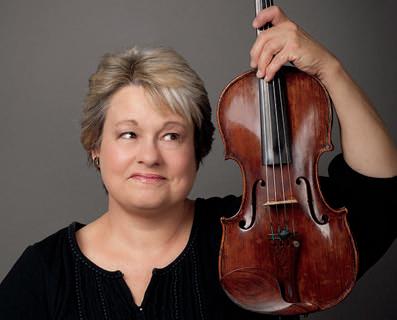
Paula E. Bird has taught in the Wimberley area for over 20 years. Recently retired from Texas State University and the Austin Symphony, she has performed at Carnegie Hall as a founding member of the Artisan String Quartet. Joined by her business partner, musician Ian Lee, the pair serves over 100 students in the Central Texas area. Contact her at birdtull@prodigy.net or (512) 694-7687.
others may overlook. Families may also connect with the Netflix film True Spirit, based on the journey of Australian sailor Jessica Watson, who is dyslexic and became the youngest person to sail solo around the world. Her story reminds students that learning differently does not limit success.
In addition, The Truth About Reading from Made By Dyslexia encourages conversations about literacy, dyslexia, and creating supportive learning environments for all children.
Families can also explore resources such as SuperDville.com, which helps children with dyslexia build confidence and selfunderstanding.
At Wimberley Dyslexia & Learning Center, we believe awareness and connection are powerful supports for students with dyslexia. Through meaningful conversations, evidence-based interventions, and a community that understands, students can develop not only literacy skills but also confidence, self-advocacy, and a belief in their potential. Together, we can continue building a stronger, more supportive community for all learners.
Casey is the founder of the WDLC. She is a Certified Academic Language Therapist (ALTA), Licensed Dyslexia Therapist (TX, ALTA), Certified Structured Literacy Dyslexia Specialist (IDA), and a Qualified Teacher with over 27 years of experience, working with parents, teachers, and PK12th students at her private practice, providing dyslexia therapy, literacy instruction, consultations, resources, training. She sits on the National Board at-large of the Academic Language Therapy Association. Her podcast, Together in Literacy, focuses on dyslexia, literacy instruction, and the whole child. Author of Teaching Beyond the Diagnosis She resides in Wimberley with her husband, their three daughters, and many animals in their little slice of the country. Contact Casey at 512 731 7106. 13501 Ranch Road 12, #201
Glass Master
by Tom Wiley
Kim Springer-Smith is an award-winning painter and printmaker who lives in Wimberley and works in the versatile medium of fused glass. She credits her mother with directing her to her first artistic experience. When Kim was a fussy two-year-old, she would placate her with a pencil and paper. So the seed for lifelong artistry was sown very early. Kim’s interest in art continued through high school. By the time she graduated, she was certain she wanted to be a professional artist.
In 1981, Kim earned her Associate of Arts degree from Del Mar College in Corpus Christi. That was followed by a Bachelor of Fine Arts degree from Texas Tech, then finally a Master’s Degree from the University of Oklahoma. She has taught as an Artist in Residence in Oklahoma and held several university teaching positions in drawing, painting, and stone lithography.
Kim took her first glass fusing class in 2008 at a community art center in Norman, Oklahoma. She was immediately hooked! Kim had always been interested in creating a luminous quality to her work. Now with glass, she could achieve the reflective and radiant characteristics that she had been searching for.
Her family moved to Germany in 2012 and lived in Europe for four years. There, she could see first-hand the incredible art from the great Renaissance masters as well as modern works from other European masters. Stained glass windows in ancient cathedrals fascinated her. Kim believes there is no substitute for seeing the actual works of art in person. This period became a huge influence on her current work in glass. Glass is temperamental, but it can be controlled. “You just have to pay attention to the rules,” Kim states. Various glasses expand and contract at different rates, and they are manufactured using different metals such as copper or sulfur. These factors must be taken into consideration when creating a new piece. Cutting, shaping, layering, and firing schedules all must be carefully considered. Many of Kim’s well-known large wall cactuses have been fired 10-15 times to achieve the final result.
To appreciate Kim Springer-Smith’s mastery of glass, pay a visit to Silo Gallery & Glass Studio southeast of the Highway 32/12 junction. You will find several outstanding examples of her complicated work. She is also on Instagram as Kim Springer-Smith, Artist.
Kim is currently working on new pieces for an upcoming show on November 6, in Oklahoma City. She occ asionally teaches classes and workshops and has also served as an art mentor in the Project Art program. Meeting her brings the bonus of visiting one of Wimberley’s friendliest artists who loves nothing more than sharing her skills.
A Quick Reset
by Sarah Geenberg
I think taking small exercise breaks throughout the day really helps people feel good, no matter how their day is going. Doing a combination of movements like breathing, stretching, dancing, rebounding, walking or pacing, and short bursts of more small, powerful moves is the key to health. It
is easy and rewarding to get the blood moving all day. I’m talking about getting up and going for 2-15 minutes several times a day. For example, go as often as every 20-30 minutes if doing computer work, or more like every hour or two if relaxing. Do things you really enjoy. And don’t push yourself. Just do what feels good. By listening to what feels good, you might be surprised that you want more, not less. And don’t be afraid to gently test limits. It also feels good to expand and grow.
Things like little squats – not deep, twists, and stretching arms overhead can start things. And also enjoy bouncing, shaking, and faster movements like striking. I really enjoy stretching like I’ve just gotten out of bed. Those are the best. Taking time for extra breath is great, too.
This also makes you more ready for deeper exercise sessions throughout the week. This is where exercise classes, long walks, and strength training are great. Then, you fully get to forget about things for a while and immerse. This gets you to the next level. Mostly, enjoy the movement. Take the time to listen and find gratitude in it. And have fun!
by Robert Donnelly, DDS
Geenberg is the owner of Wimberley Karate and Yoga Studio. They have classes every day except Sundays. First class is free, so come by, anytime.
Don’t Fear Root Canal Therapy at San Marcos Gentle
Dental
A super sensitive tooth or pain and swelling at the gumline could mean you have a dental abscess. A great alternative to tooth extraction is root canal therapy. This restorative dental service removes diseased inner pulp and preserves hard ```
tooth structure. Dr. Donnelly expertly performs endodontic therapy to restore tooth health and improve the appearance of your smile.
Patients who may need a root canal could have several symptoms such as extreme dental sensitivity, throbbing toothache, or a bump on your gum tissue. The objective of root canal therapy is to remove the infected or injured inner pulp and crown the tooth to strengthen and preserve it. An adult tooth functions well without the nerves, connective tissue, and blood supply in its inner chambers, or root canals. Critical tooth structure still remains intact and functioning so your tooth can be saved and healthy for years to come.
In the past, the pain associated with root canals usually wasn’t a result of the procedure but rather the pain from the infection or condition that led the patient to seek dental treatment in the first `
place. Recent advances in the use of anesthetics have made it possible for patients to feel no pain and remain comfortable during and after the procedure. New techniques and more precise tools have also led to shorter treatment times, creating less jaw trauma and less resulting soreness. Thus, recovery is quick and the majority of patients who have a root canal can return to work and their normal routine immediately.
If you or someone you know suffers from dental anxiety, please contact us at 512 396 5225 so we can help you take the needed steps to get a healthy mouth and smile... and get rid of dental anxiety once and for all. Come see why Dr. Donnelly was voted a Texas Super Dentist by Texas Monthly Magazine and Best Dentist in Hays County!
Sarah
RushRushRush
The swallows built their nest above my front door again this year. My first clue as to their intentions was a dab of mud and grass smashed against the top door ledge, sort of like an earthy calling card. From this matchbook-sized beginning, their nest slowly grew to softball proportions. The parents-to-be, with creamy throats and bellies coated with peach-colored down feathers, swooped in and out of my front porch tirelessly for days until their version of an adobe three-two was complete.
The only snafu was when I had the audacity to enter or leave my human home. Suddenly the sky filled with the cries of two indignant avian spitfires squawking and wheeling above my head until I was in my car or through the front door. Other than raising my heart rate slightly, I ignored them since I had my schedule to keep, and Mom and Dad obviously had theirs.
My intention was to slow down and take the occasional glance into the nest to watch the babies progress from yellow eggs, to gray, fuzzy lumps, and finally to bright-eyed chicks, as I had last year. And each day that I rushed back and forth, I promised myself that the next day I would check out the nursery above. Until one day, when I finally got my stepladder and looked, I was disappointed to find only an empty nest waiting to be cleaned off my wall.
by Leslie Tourish, LPC
Man, there is nothing like the combination of bird poop on your doormat, with no fun experiences from the originators, to give you pause. Where had I been rushing to? More importantly, why the hurry?
And the answer hit me as I pulled out the garden hose and broom: habit.
Marcus Aurelius wrote, “Time is a sort of river of passing events, and strong is its current; no sooner is a thing brought to sight than it is swept by and another takes its place, and this too will be swept away.”
Leslie Tourish, LPC, is a Dripping Springs psychotherapist in private practice. Visit LeslieTourish.com or www.LATourish.com
Controlling Aphids
As the weather warms up this summer, activity of plant pests like aphids also increases. Aphids are small insects that infest a huge range of plants in the central Texas area.
When feeding aphids infest plants, they can cause leaf distortion and discoloration. In addition to causing plant damage, feeding aphids exude excess sap called honeydew on trees and creates a sticky mess on cars, patios, decks, and anything else below the tree. This sugary honeydew in turn supports the growth of a black fungus called sooty mold Often, the sticky honeydew and the black coating of sooty mold is more of a problem than the actual feeding damage to the plant.
Fortunately, aphids are relatively easy to manage in landscape plants, and there are several options available, depending on the level of infestation and damage. The best options for low-level infestations are biological and organic. Many beneficial predator insects feed on aphids, and we can take advantage of this fact. The release of natural aphid predators, such as ladybird beetles, lacewing larvae, or aphid-eating midges, is often the only tool necessary to limit infestations, but results may take some time. If infestations and damage levels warrant immediate control, organic foliar applications of neem oil or horticultural oil work on contact. Finally, for heavy infestations or in areas where foliar applications are not practical, systemic materials can be injected
into the base of trees; these materials move throughout the tree tissue and provide lasting control of aphids. As with any insect pest, careful monitoring and treatment using multiple integrated options at the first sign of infestation will
by Joe Harris
help to reduce damage and improve the success of management options
An inspection with an ISA certified arborist can help you determine the best route for pest management.
Joe grew up in Charlotte, Michigan, as a second-generation arborist. He attended Texas State, joining Bartlett while he was there. Joe worked 5 years as an arborist climber and crew leader, transitioning to Arborist Representative. He and his family love spending time on the San Marcos river. Visit Bartlett.com or call 512 392 1089 to schedule an appointment.
by Billy Pattison
Five Signs You Need a New Roof
A roof is one of the most important parts of a home because it protects the house from rain, wind, heat, and other weather conditions. However, roofs do not last forever, and homeowners should learn to recognize the warning signs that a roof may `
need to be replaced. Ignoring roofing problems can lead to expensive damage inside the home. There are five common signs that indicate it may be time for a new roof.
The first sign is missing or damaged shingles. Shingles that are cracked, curled, or missing can allow water to enter the home and cause leaks. Strong storms and aging materials often cause this type of damage. The second sign is water leaks or stains on ceilings and walls. Water spots inside a home may mean the roof is no longer keeping moisture out properly. If leaks are ignored, mold and structural damage can develop.
Another important warning sign is a sagging roof. A roof should appear straight and sturdy. Sagging areas may indicate trapped moisture or weakened supports underneath the roof. The fourth sign is finding shingle granules in gutters. Asphalt shingles are covered in protective granules, and losing large amounts of them usually means the roof is wearing out.
The final sign is the age of the roof. Most asphalt shingle roofs last between twenty and thirty years. Even if the roof appears fine, an older roof may still be at risk for sudden problems. In conclusion, homeowners should pay attention to the condition of their roofs and address problems quickly. Missing shingles, leaks, sagging, granules in gutters, and old age are all signs that a roof may need replacement. Regular inspections can help protect a home and prevent costly repairs in the future.
My name is Billy Pattison. I have been with Infinity Roofing (powered by Stronghouse) for over 20 years. My wife Chelsea and I have lived in Wimberley since 2019, raising our two children, William, 9, and Juniper, 6. We are very active in the Wimberley community and are so blessed to live and work in this beautiful town! Reach out at 832 696 1012 or BPattison@StrongHousePro.com.
Your Summer Home Checklist
layer of dust, swipe with an electrostatic duster. If there is a thicker layer of dust, wash each piece in a tub of warm, soapy water. Rinse and allow everything to dry before replacing.
by Alice Lebkuecher
hanging out around the grill, kicking back on the porch, and savoring the season. Let the countdown to summer begin!
1. Check outdoor lighting. Make sure all outdoor lights are in working order.
2. Give potted plants some TLC. If you have potted plants that stay indoors over winter, bring them out once the danger of storms has passed.
3. Check safety devices. According to the U.S. Fire Administration, smoke alarms should be tested at least once a month and replaced every 10 years. Check the expiration date on your fire extinguisher and replace it if necessary.
4. Get ready for grilling season. Giving your grill a deep cleaning before the start of the season will help it work more efficiently and prevent flare-ups.
5. Maintain and repair garden areas. Weed and mulch.
6. Clean items on open shelves. Infrequently used items stored on open shelves can get pretty grimy over time. For items with a thin
`
7. Refresh bedrooms. Rotate the mattresses on all beds and flip over if possible. Dust nightstands, lamps, headboards, blinds, and decor. Swap heavy duvets for lighter-weight bedding for the warmer months.
8. Thoroughly clean the laundry room. Run the washing machine with a specialty tub cleaner (or with vinegar for a natural solution) on a hot water cycle. Remove lint from the dryer vent with a vent brush or vacuum attachment.
9. Paint or stain your home’s exterior.
10. Put together a picnic kit. This is the season for alfresco feasts.
11. Add a relaxing porch feature. Make your porch an inviting place to relax and hang out with the addition of a porch swing, rocking chairs, or a glider.
This article was adapted from an article found on Houzz.com May 1, 2018
Alice Gumbert Lebkuecher is a sales agent with Keller Williams Realty, Partners in Real Estate, in Wimberley. She works with both buyers and sellers in Wimberley and surrounding areas. To contact her, call her cell at 713 253 1311 or by email at AliceinWimberley@gmail.com.
by AJ Harwood
The Market
Won’t Wait. Should You?
Planning a move this summer? The market is shifting. Let’s talk. I’ll help create a stepby-step plan.
Homebuying Made Simple:
1. Review your budget: income, expenses, and credit.
2.Get pre-approved; a qualified lender determines affordability.
3. Start your search. I’m here to help you with suggestions.
4. Make an offer. I’ll handle contracts and negotiations.
5. Home inspection. A professional finds potential issues.
6. Home appraisal. Lenders require this for mortgage approval.
7. Closing time! You sign the final paperwork, get the keys in hand, and officially become the proud owner of your new home.
Home Selling Made Simple:
1.Decide when to sell. Consider budget, work, and school schedules.
2.Advise on price. I'll run a CMA (comparative market analysis) to help you determine your best price.
3.Prepare your home for sale. Declutter and make repairs.
4.List your home I’ll share it with my database and other real estate professionals.
5.Market your home. Use staging, photos, and videos as well as online and traditional marketing.
6. Review offers. I’ll help you assess offers and negotiate for the best terms.
7. Closing time! All documents are finalized, the sale is complete, and the keys are transferred.
Whether you have questions about today’s real estate market or simply want a clearer understanding of current trends, please don’t hesitate to reach out. I would be honored to have the opportunity to serve as a trusted resource by providing thoughtful market insight, timely updates, and professional guidance tailored to your specific real estate goals.
In a constantly changing market, experience, local knowledge, and strategic guidance matter more than ever. If you are considering buying, selling, investing, or simply evaluating your options, I am always available to help you navigate the process with clarity, confidence, and discretion.
This information is designed to provide a brief overview of the subject matter covered and is offered for general educational and informational purposes only. Used with permission by the Buffini & Company.
Allison “AJ” Harwood, JD, MBA, GRI, is a broker associate with Compass and Founder & Principal of the Hill Country Ranch Luxury Group. With decades of real estate experience and advanced legal and business credentials, AJ provides sophisticated representation for buyers and sellers. AJ’s background in law and business, combined with deep market knowledge, allows him to guide clients through complex transactions with confidence and clarity. Call today and begin a strategic conversation, 512 848 6612.
Low Flow Problems
by Randy Lawrence
Thanks to technological advances, water softeners have certainly become more reliable than ever before. However, even with significant improvements, there are still issues that may arise which technology cannot alert us to. One problem that can
happen over time is a breakdown of the resin inside the softener unit. It’s important to be able to recognize the symptoms of this issue to keep a small problem from turning into a big one.
All water softeners are designed around a quantity of small plastic-looking beads called ion exchange resin. When viewed under magnification, these resin beads resemble a ball of yarn. Along the yarn are exchange sites which allow the resin to complete the job of removing hardness minerals from the water. If you were to hold these resin beads between your thumb and forefinger, you would find that they resemble tiny ball bearings and are very firm to the touch. However, there is one variable which can significantly shorten the life of this critical component – chlorine.
On non-chlorinated water, this resin can last more than twenty years. On city water, resin life can be reduced to ten years or less. Once the chlorine takes its toll, the resin beads begin to expand and soften. As this process advances, the degraded beads will begin to take on a Vaseline-like consistency and will start to impede the flow of water through the softener. Since it is a slow
process, it can be difficult to notice the changes in water flow into your home. You may notice that you can no longer run multiple faucets without a significant pressure drop or that the flow rate slows while running only a single outlet.
If left unchecked, this problem can lead to physical damage inside the water softener and occasionally can lead to a release of resin beads into your home’s plumbing system. At this point, the best bet is to bypass your water softener. If this solves the pressure issue in the house then it is time to call your water treatment professional for replacement of the resin bed.
Randy is the owner of ProQuality Water Systems, a full service water treatment company. He is one of only six Class III Certified Water Treatment Specialists in Hays County (LIC# WT0002693). With over 25 years of experience he has serviced Wimberley and surrounding areas for over two decades.
Building a House versus Building an Investment Portfolio
At first glance, building a house and building an investment portfolio seem like completely different endeavors—one is physical and tangible, the other abstract and financial. But at a deeper level, both follow remarkably similar principles. Success in either depends on planning, discipline, expert guidance, and the ability to manage risk over time.
Every well-built house starts with a solid foundation. In construction, that foundation is concrete and steel; in investing, it’s a carefully designed allocation to high-quality, durable assets. Without a strong foundation, a house may crack under pressure, just as a poorly constructed portfolio may falter during market volatility. Foundations aren’t built for speed or excitement— they’re built for stability.
Next comes the framing—the structure that gives the house shape and strength. In a portfolio, this corresponds to diversification. Stocks, bonds, real assets, and alternative investments each play a role, much like beams and load-bearing walls. Remove or weaken one element, and the entire structure becomes less resilient.
Materials matter as well. Cheap materials may lower upfront costs, but often lead to expensive repairs later. The same is true in investing. Chasing speculative returns or low-quality
investments might look appealing in booming markets, but durability is what determines long-term success. Quality tends to reveal its value over decades, not months.
No homeowner builds alone. Architects, engineers, and contractors bring specialized expertise to avoid costly mistakes. Likewise, investors benefit from
advisors who understand markets, taxes, and risk management. A knowledgeable guide helps ensure that the plan isn’t just appealing on paper, but functional in real-world conditions.
Finally, both houses and portfolios require ongoing maintenance. Roofs wear out, systems need updating, and codes change. Portfolios also need regular review—rebalancing risk, adjusting for life changes, and responding thoughtfully to economic shifts. Neglect doesn’t show immediate damage, but over time it compounds.
Whether constructing a home or a financial future, the goal is the same: create something resilient, functional, and capable of standing the test of time. Shortcuts may save time today, but thoughtful design is what delivers lasting value.
Scott G. Hackett, CFP® is the president of the Hackett Financial Group LLC (HFG), a fee-only registered investment advisor. Visit HackettFinancialGroup.com or reach out at 512 847 0630. Email Scott at Scott@HackettFinancialGroup.com.
Who Inherits Without a Will in
Texas?
by Carrie Campbell, J.D.
The Texas Estates Code is complex when determining who inherits an estate when a person dies without a Will. The provisions also distinguish between separate and community property if an individual was married at the time of
their death. Separate property is assets owned prior to marriage or inherited or received as a gift during the marriage that are kept wholly separate (not mixed with community property.)
Community property is all assets acquired or earned during the marriage. Here is a quick reference:
If there are children but no spouse, then the children inherit everything.
If there is a spouse but no children, parents or siblings surviving, then the spouse inherits everything.
If there are surviving parents but no children or spouse or surviving siblings, then the parent(s) inherit everything.
If there are siblings but no children, spouse or parents surviving, then the siblings inherit everything.
If the person was married AND all the children are also the children of the spouse – then the spouse gets all community property and 1/3 of all separate property. The children get 2/3 of the separate property.
If the person was married and part of a blended family, then the spouse keeps his or her half of the community property, the exclusive use of the couple’s homestead for life, and takes a 1/3 life estate on all separate real property (land), and a third outright of all other separate property.
More rules address when you have a mixture of spouse, parent(s) or sibling(s) surviving. It is important that you have a clear understanding of how your death could impact your family. If you want to avoid the default provisions of the Texas Estates Code, then it is essential that you do estate planning with an experienced attorney who can assist you with a Will and other documents to direct the distribution of your assets.
Carrie Campbell has lived and practiced law in Wimberley since 1997. She is the managing partner of Mounger & Campbell law firm. Carrie is an active member of the Rotary Club of Wimberley and former president of the Wimberley Village Library Foundation. She proudly has three wonderful daughters and two lively grandsons. To contact Carrie, call 512 847 1308 or CarrieC1970@gmail.com.
Litigation: Is It Over Now?
Imagine sitting in the courtroom next to your lawyer as the judge reads the jury verdict and it sinks in that you have lost the case. The jury files out, the judge exits through the door behind him, and everyone else is gathering up papers and preparing to leave. You look at your lawyer and ask, “Is that it?!” She might respond with, “Maybe not, let’s talk about it tomorrow after a night’s sleep.” So, how does that conversation go the next day?
You are looking across the mugs of coffee on the conference room table where your attorney meets your gaze as you ask, “What can we do?”
She then says that she can’t promise you anything, but that there are a number of “post-verdict” actions that can be considered. They include filing a motion for “judgment notwithstanding the verdict”, sometimes called a “judgment non-obstante verdicto”, if you like Latin phrases. Another option is a motion for new trial, and the last is an appeal to the court of appeals.
After two cups of coffee each, you are full of information, some of which seems pretty confusing. Essentially, you leave to consider whether your best option is to argue to the judge that, even though, as the plaintiff, you had the burden of proof, the jury’s decision is nevertheless, “against the great weight and preponderance of the evidence,” and, despite the jury’s findings, ``
the judge should enter a judgment in your favor. You also know that your attorney
by Roland Brown
could ask the judge to simply determine that justice was not served and to grant you a new trial “in the interest of justice”. That option is less likely to serve you as well as it might have before the appellate courts toughened the standards a judge must employ in granting a new trial some years back.
If you can show that a serious error occurred during the trial, such as evidence being wrongly excluded, or if you could show an appellate court the verdict was, “against the great weight and preponderance of the evidence,” an appeal is an option. Finally, you might still be able to negotiate a settlement if the other party fears that you might prevail on one of your motions or on appeal. Nothing beats winning, but, as has been noted many times, “it ain’t over ‘til it’s over.”
Attorney Roland Brown handles exclusively personal injury claims. Roland, who offices in Wimberley, has been voted HAYS COUNTY’S BEST PERSONAL INJURY ATTORNEY for 2020, 2021, and 2023 in annual polls of Hays County attorneys. For more information call 512 847 2500.
opportunity. 2/2 with large garage on the Blanco River! Jim Donaldson
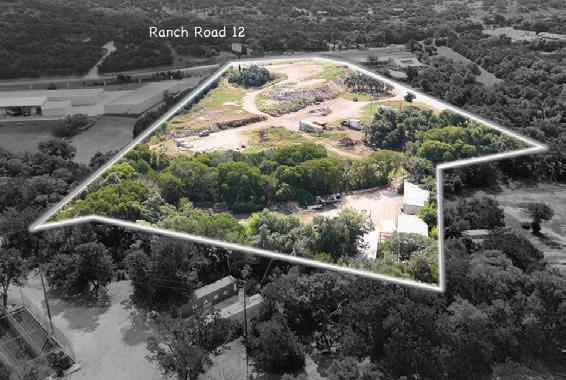
MLS2201430 $1,250,000 Commercial property with home, guest home and workshop! Jeff Hutto & Jim Donaldson
829 King’s Point Dr MLS 549118 $1,150,000 Luxurious 6/7 in Kings Pt Enclave. Pool, Canyon Lake views.