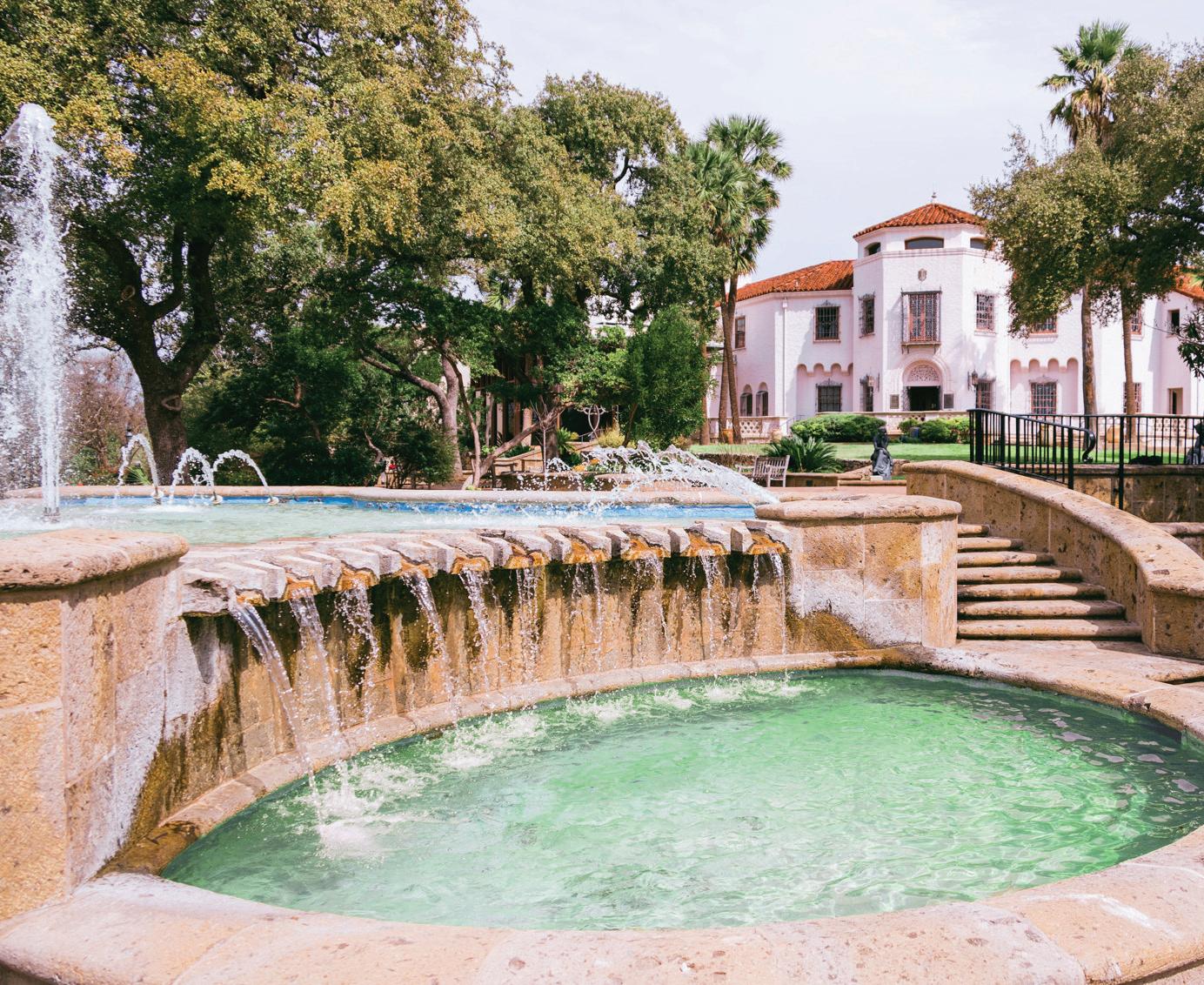
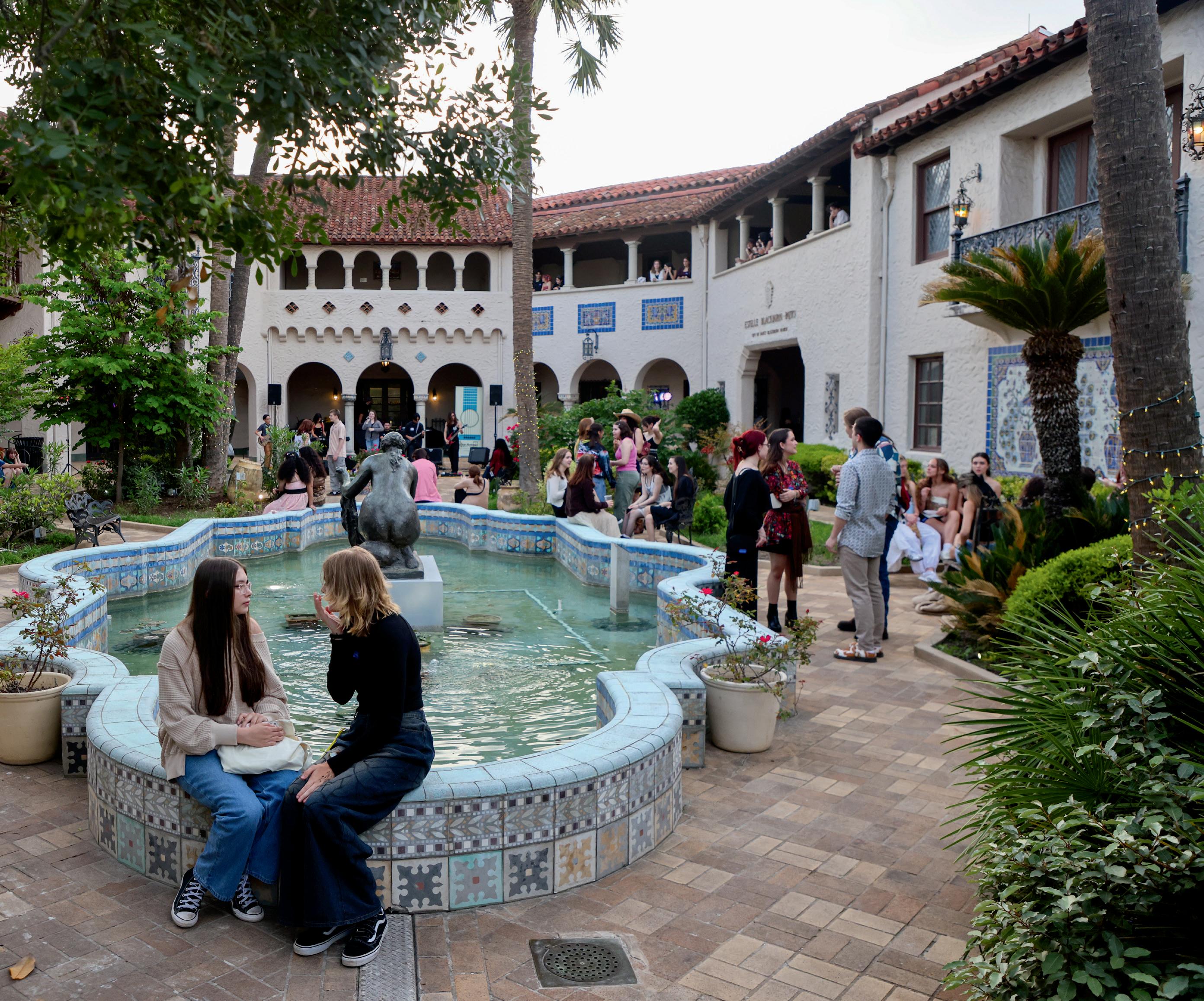
Built by artist and educator Marion Koogler McNay in the 1920s, her Spanish Colonial Revival residence became the site of Texas’s first museum of modern art. Explore the McNay Art Museum’s historic architecture, beautifully landscaped grounds, and works by Georgia O’Keeffe, Vincent van Gogh, Diego Rivera, Edward Hopper, Joan Mitchell, and more. Moments of inspiration and surprise await you.
Art Museum

6000 N. New Braunfels Avenue San Antonio, TX 78209
210.824.5368
mcnayart.org | @mcnayart
I M A G I N E . . . O N E S T O R E W
E S T A B L I S H E D I N S A N A N T O V E R 8 0 Y E A R S A G O
4 1 0 9 M C C U L L O U G H A V E N U E S A N A N T O N I O , T E X A S 7 8 2 1 2 W W W . J U L I A N G O L D . C O M 2 1 0 . 8 2 4 . 2 4 9 3 @J U L I A N G O L D S B E S T O F E V E R Y T H I N G . A L
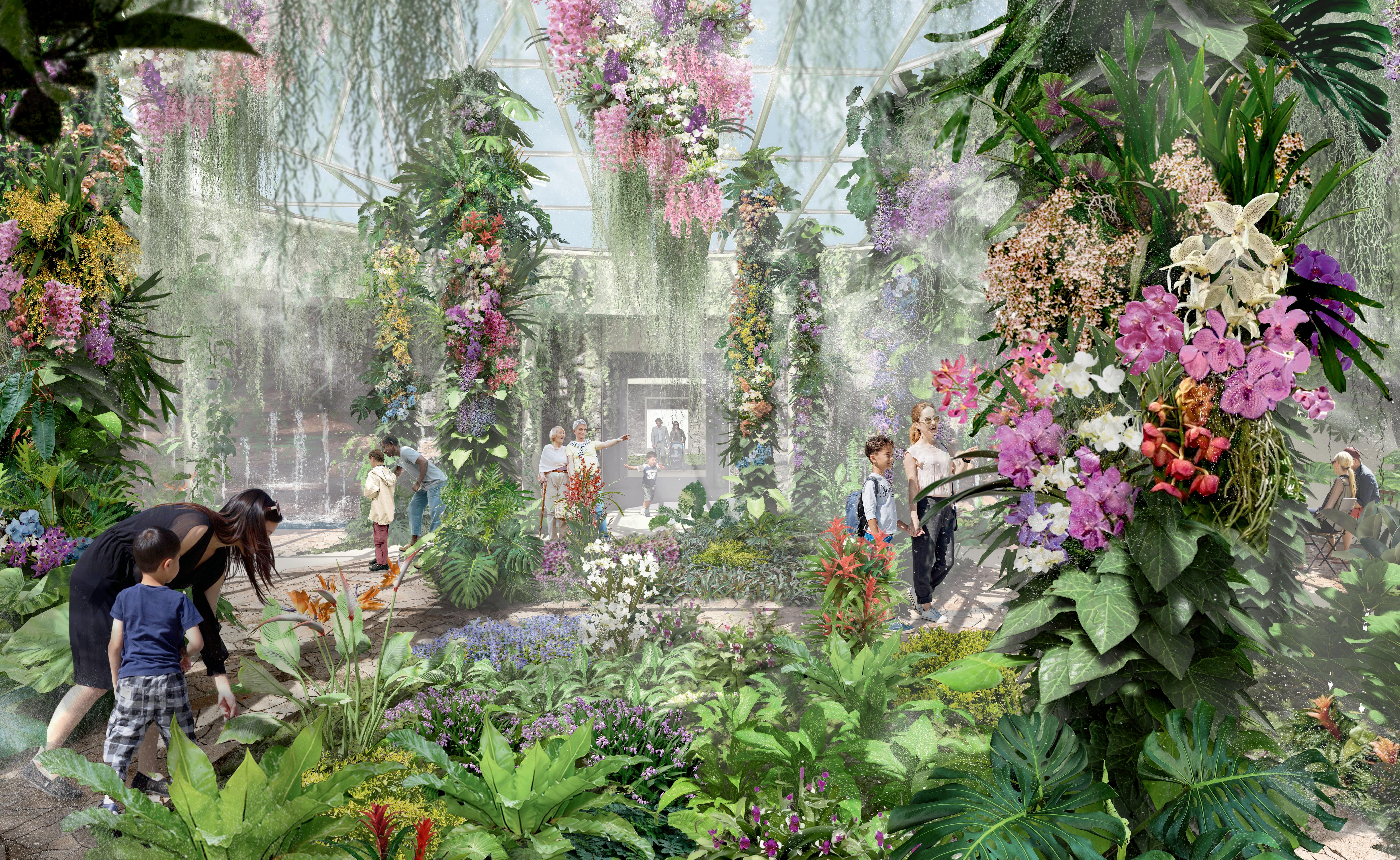

At the San Antonio Botanical Garden, we’ve been enriching lives through plants and nature for more than 45 years. We are a Garden for All, welcoming people of all ages, abilities, and interests to find connection to nature through art, science, culinary experiences, wellness programs and more. SABG is a statewide leader in plant conservation, and we are actively enhancing our 39-acres through reimagined spaces like the future Napier Orchid Pavilion that will showcase stunning native orchids and some of the most unique species and varieties from around the world.
n 1939, the Cavender family opened a small dealership in San Antonio guided by a simple conviction: take care of people first. Nearly nine decades later, that principle remains the quiet force behind one of Texas’ most respected automotive groups.
What began as a single storefront has evolved into eight dealerships across San Antonio, Boerne, San Marcos, and Rockwall, employing more than 800 associates statewide. Through expansion, generational leadership, and an evolving retail landscape, the core has never shifted. Integrity. Accountability. Trust. Community.
In August 2024, the organization unveiled its most ambitious investment to date: Cavender Grande Ford, now the largest Ford dealership in South Texas. The 144,000 square foot facility houses more than 1,200 vehicles and includes 63 air conditioned service bays, combining scale with precision. Same day service, mobile service at home or work, and dedicated commercial and RV divisions reflect a model designed not simply for volume, but for modern convenience.
“We are incredibly honored to represent the Ford brand,” said Rob Cavender, Chief Operating Officer. “For generations, Ford and South Texas have represented strength and reliability. We look forward to introducing customers to the Cavender way, where integrity and exceptional service guide every interaction.”
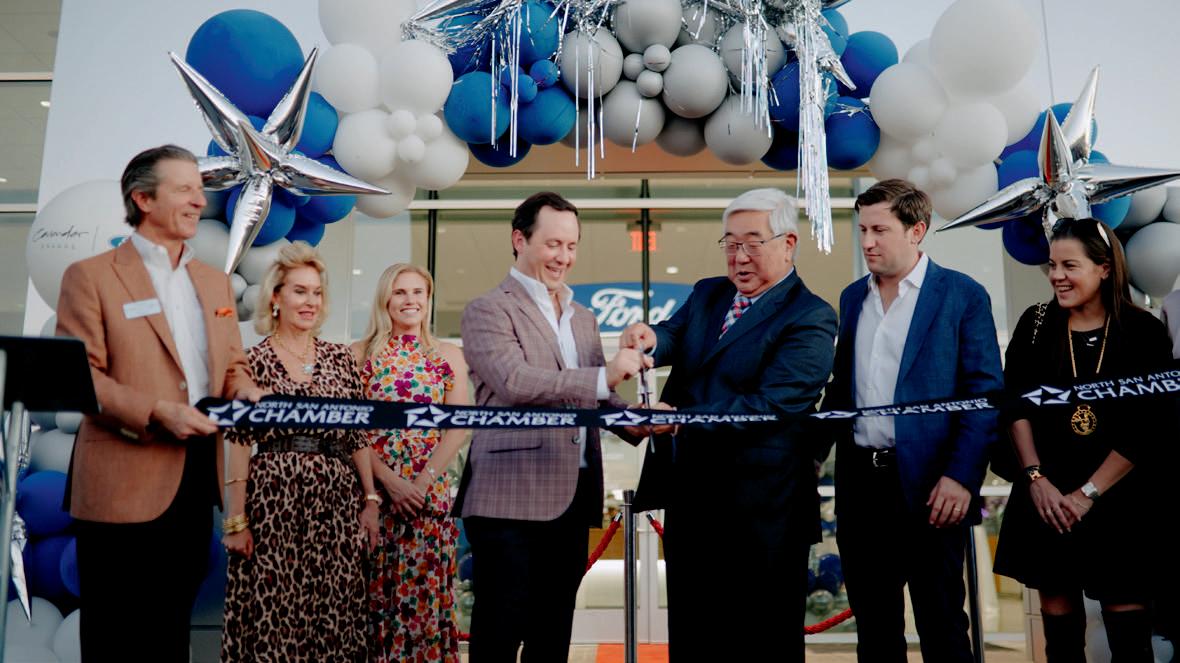
Recent years have brought additional growth, including three new rooftops and a 50,000 square foot collision center. Yet expansion is only part of the story.
In 2021, the family formalized its philanthropic vision through Cavender Cares, led by Lee Cavender and rooted in the belief that “Before a company does well, they must do good.” Since its inception, the initiative has contributed more than $2 million to local charities and partnered with over 300 nonprofit organizations. The San Antonio Business Journal recognized the organization with its Corporate Philanthropy Award in both 2022 and 2025.
Employees have raised $100,000 to establish an eight bedroom Cavender Cares Wing at the Ronald McDonald House at CHRISTUS Children’s
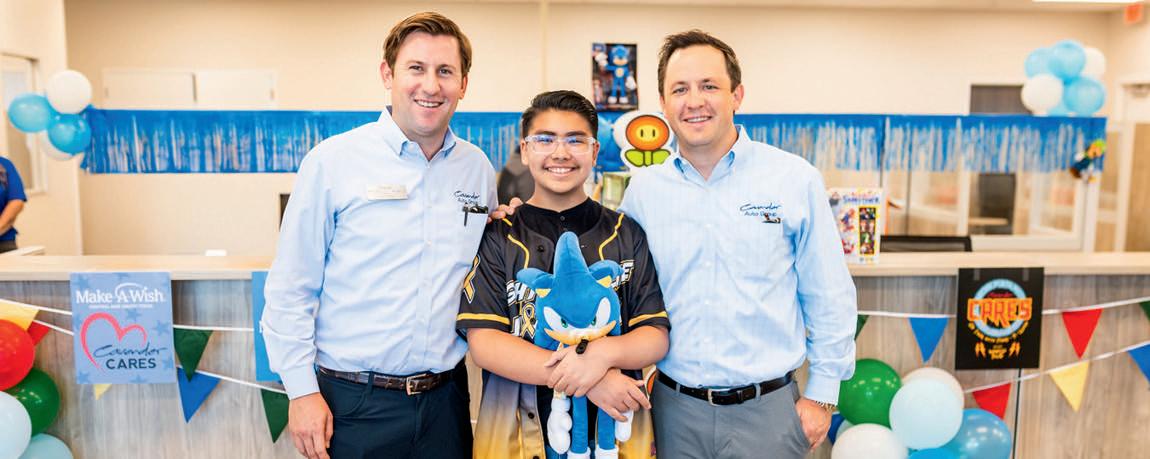
Hospital. When historic floods impacted the Texas Hill Country in 2025, the company donated 100 percent of oil change proceeds to Kerr County relief efforts, raising more than $50,000 while volunteering hundreds of hours on the ground.
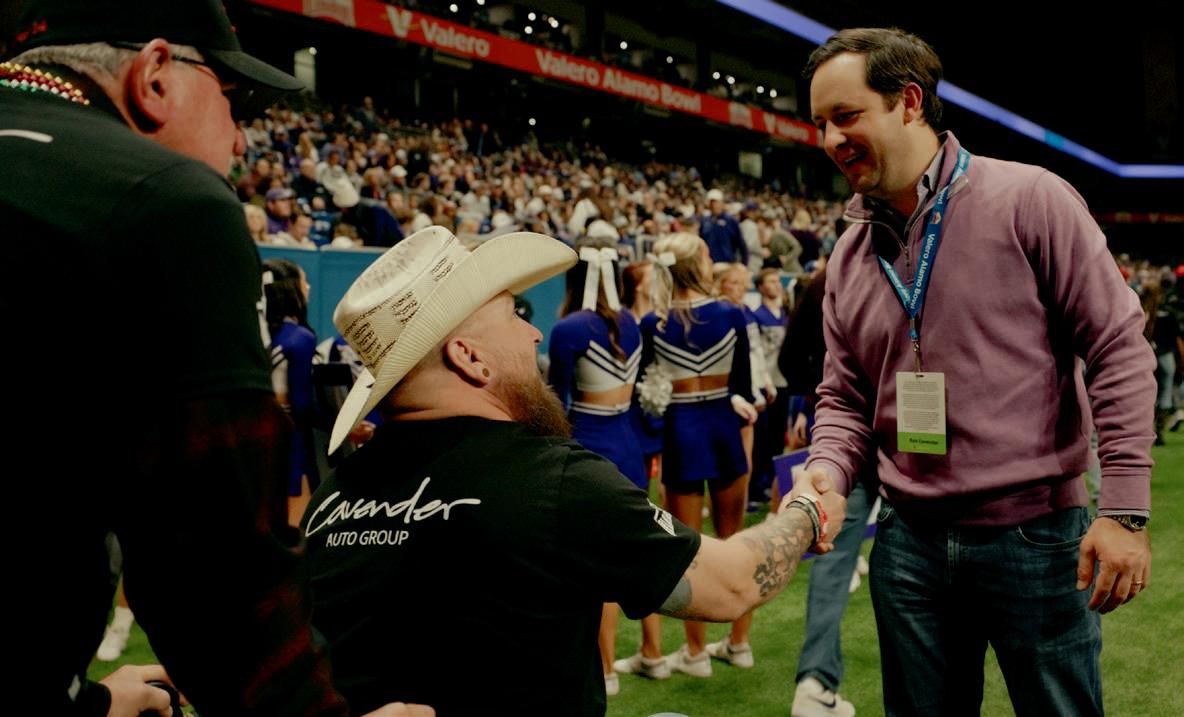
Support for military families remains equally embedded. Through the Cavender Commitment, active duty, retired, and veteran service members receive free oil changes for life on qualifying vehicle purchases. The organization supports more than 35 military focused nonprofits and sponsors Celebrate America’s Military in Military City USA.
National recognition followed in 2026 when Robert M. Cavender was nominated for the Ally TIME Dealer of the Year award at the 109th annual NADA Show, an honor reserved for just 47 nominees nationwide from more than 20,000 dealers. The nomination recognizes not only business excellence, but sustained civic leadership.
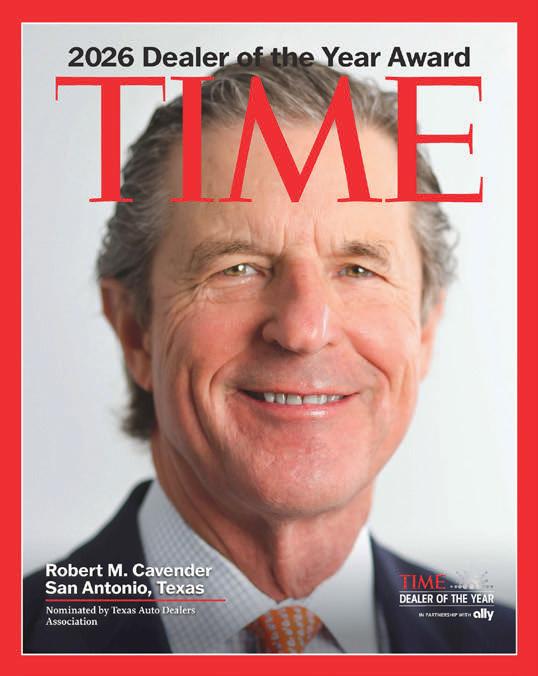
For Bobby Cavender, the culture was shaped early. He often recalls lunches with his grandfather, father, and uncle, conversations that defined the ethos of the enterprise. “Those lunches taught me what this business is about: respect, trust, and taking care of people. That culture has been my compass from day one.”
Today, Cavender continues to invest in modern retail technologies and customer centered innovation, ensuring the experience evolves while its values remain intact. From the first test drive to years of ownership, the mission is consistent: earn customer confidence daily.
Cavender Auto Group is not simply a collection of dealerships. It is a family led organization shaped by stewardship. A community partner measured by impact. A Texas legacy carried forward with intention.
And a name that continues to earn trust. Generation after generation.


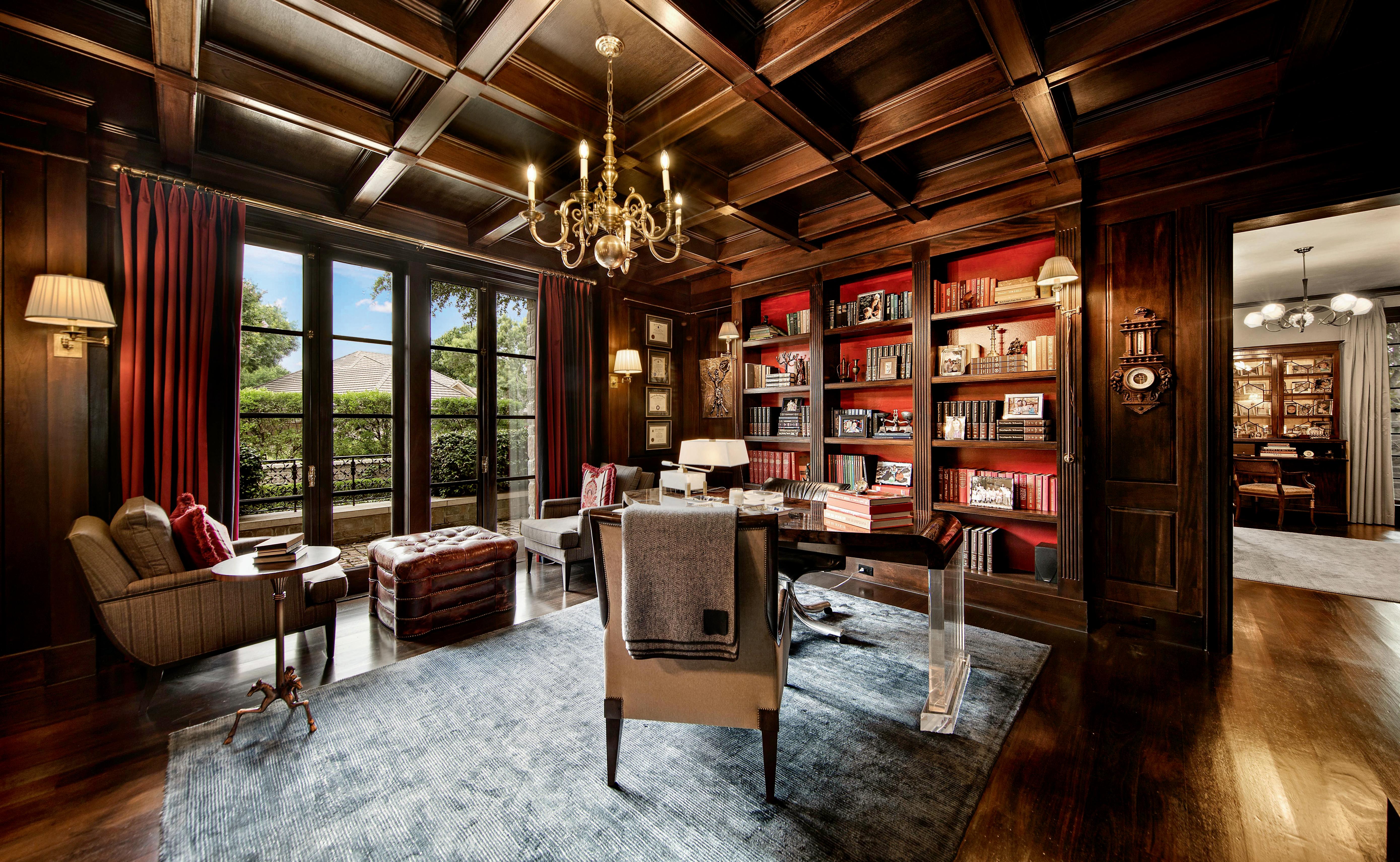

Representation.
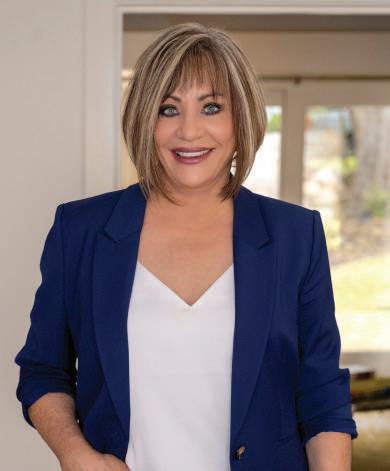
Phyllis Browning Company represents some of Texas’ most exceptional properties across Central and South Texas. Independent by design and global in reach, our brokerage is defined by discretion, seasoned expertise, and trusted relationships built over time. For clients who value integrity and thoughtful representation, our approach remains uncompromising.

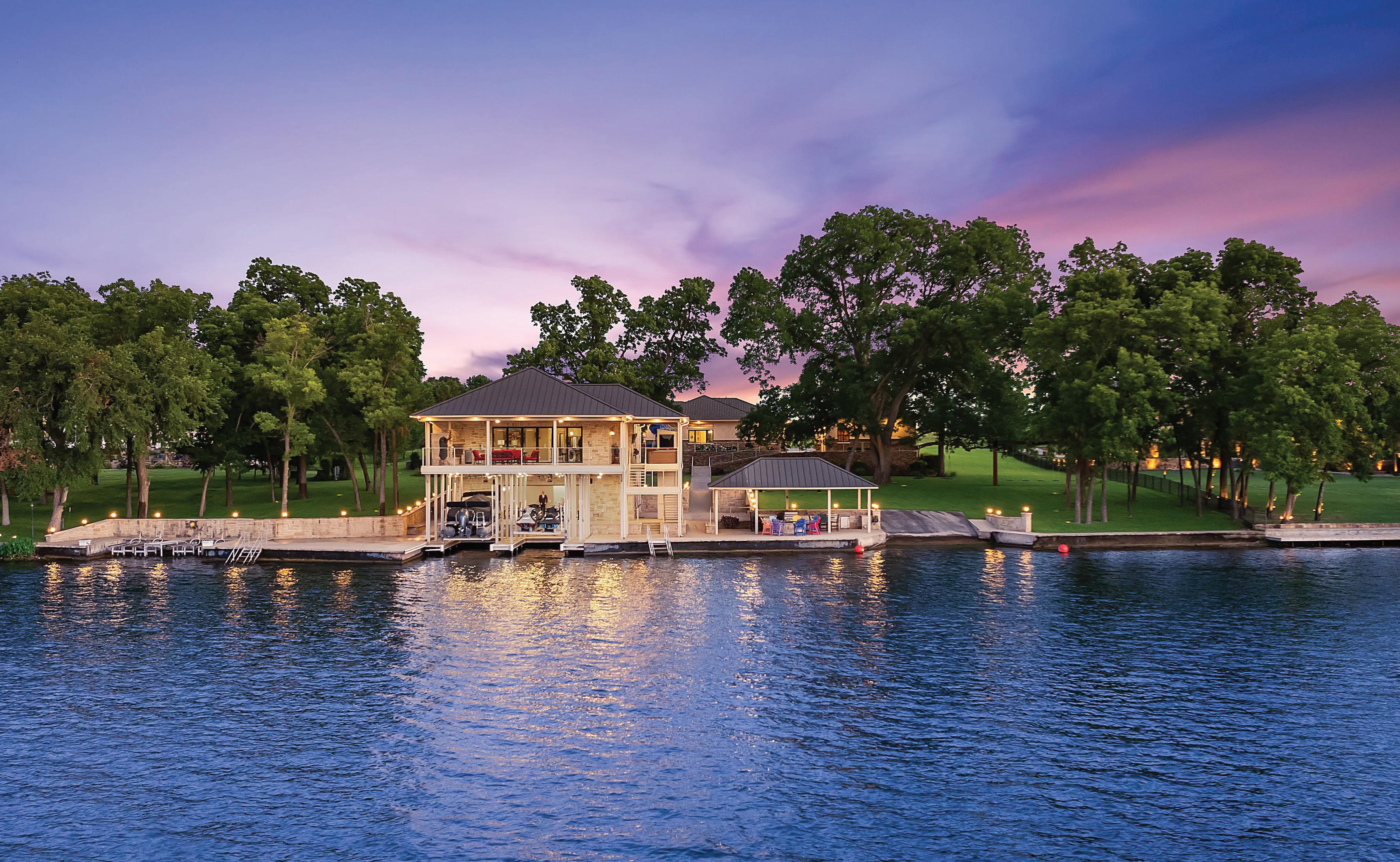



911 LEGENDS PARKWAY // LAKE LBJ
8 BEDS // 9 FULL 2 HALF BATHS // 9,788 SF
250 FEET OF OPEN WATERFRONT // 3.33 AC PRICE UPON REQUEST




ARTS & CULTURE
Art for All · 28
Make Way for a New Maestro · 34
I Could Live Anywhere · 38
In the Studio: Portraits of a Creative City · 42
A City That Shapes the Work · 46
Where an Artist Becomes Herself · 48
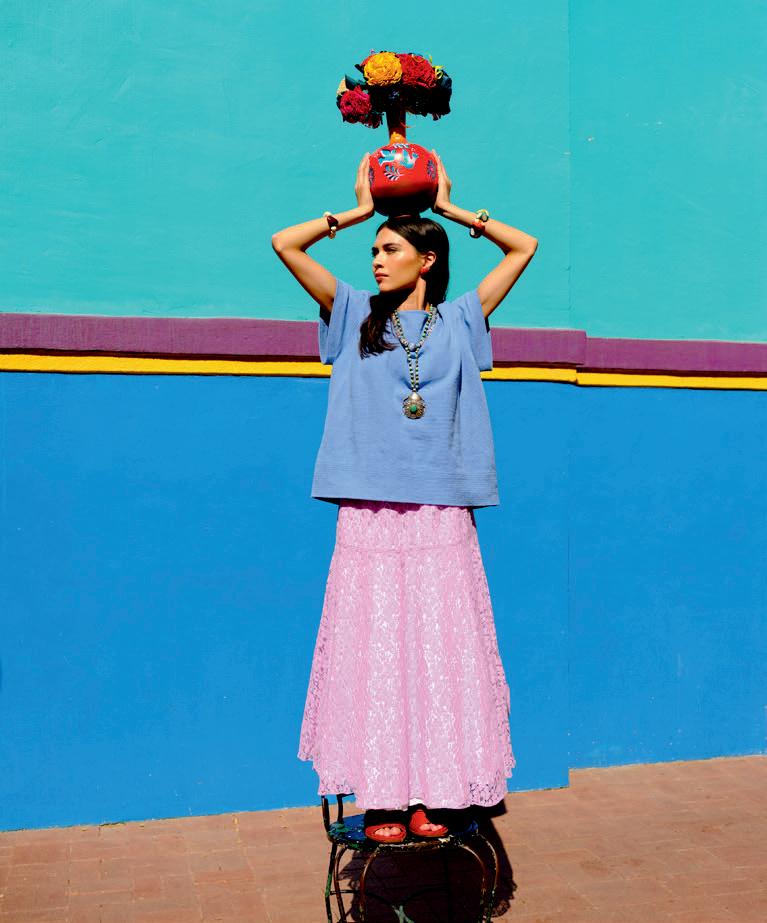
STYLE & LIVING A World of One’s Own · 50 The Art of the Secondhand Room · 54 A Home Built for Making · 56
CITY & PLACE
River North Rising· 71
Small Blocks, Big Momentum · 72
COMMUNITY & LEADERSHIP
We the Dreamers · 74
A Region of Opportunity · 76
Choosing the Core · 78
EVENTS & CAUSES
The Moments That Make a City · 79
The Alamo 190 Salute · 80
The Chrysanthemum Ball · 82
Texas Biomedical Forum Gala · 84
The DoSeum’s Tenth Birthday Bash · 86
Zoo Ball: Congo Nights · 88
Brighton Center’s Best Night Ever · 90
MARKET & COMMERCE
Pioneers of Perspective · 92
The Quiet Giant · 94
& LEISURE
Publisher VOS Media, LLC.
Editor-in-Chief & Creative Director
Eleanora Morrison
Chief Executive Officer
Daniel Morrison
Chief Content Officer Lorenzo Gomez III
Publisher Emeritus Rossana Leeper
Graphic Design
Edy Hernandez | Kyle Ossinger
Beast Creative Agency
Features Editor
Stephanie Mendeloff
Fashion Editors
Camilla Martinez | Patrick J. Martinez
Assistant Editors
Eve Slemp | Maddie Davila | Avery Diethloff
Writers
Courtney Beard | Madeline Cosgrove | Lorenzo Gomez III
Janet Holliday | Krystal Jones | Ashley Landers
Matthew McLendon | Eleanora Morrison | Ron Nirenberg
Daniela Oliver de Portillo | Brendan Speltz
Photographers
Wendy Bowman Butler | Jana Cantua | Richard Casteel
Isabella Chavez | Katie Clementson | Maddie Davila
Avery Diethloff | Ricardo Gutierrez | Kevin Hsu | Josh Huskin
Shervin Lainez | J.B. Lyde | Siggi Ragnar | Torry Sledge
Vanessa Velasquez
Voice of San Antonio is published by VOS Media, LLC. Reproduction in whole or in part is prohibited without the express written consent of the publisher. Material contained herein does not necessarily reflect the opinions of the publisher or its staff. Voice of San Antonio reserves the right to edit all materials for clarity and space and assumes no responsibility for accuracy, errors, or omissions. Voice of San Antonio does not knowingly accept false or misleading advertisements or editorial content, nor does the publisher assume responsibility should such advertising or editorial appear. Articles, photographs, and other submissions are welcome and may be submitted for consideration subject to the discretion and review of the editorial team. All real estate advertising is subject to the Federal Fair Housing Act of 1968, which makes it illegal to advertise any preference, limitation, or discrimination based on race, color, religion, sex, handicap, familial status, or national origin. Printed in the USA.
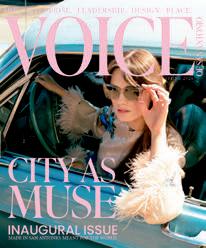
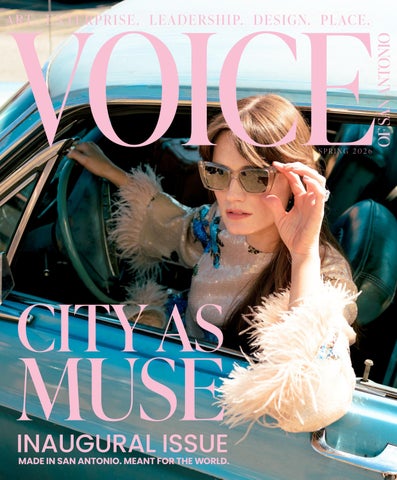
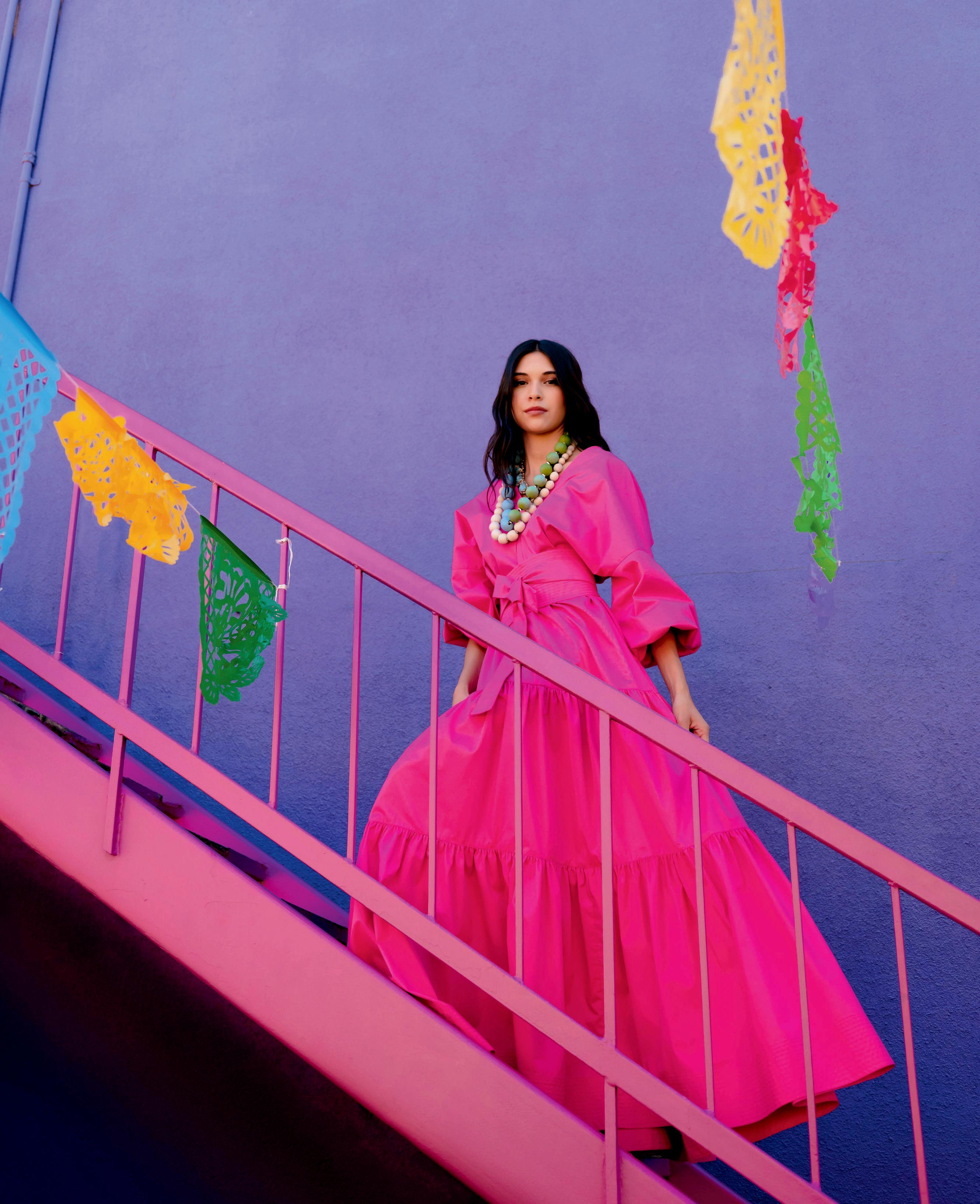
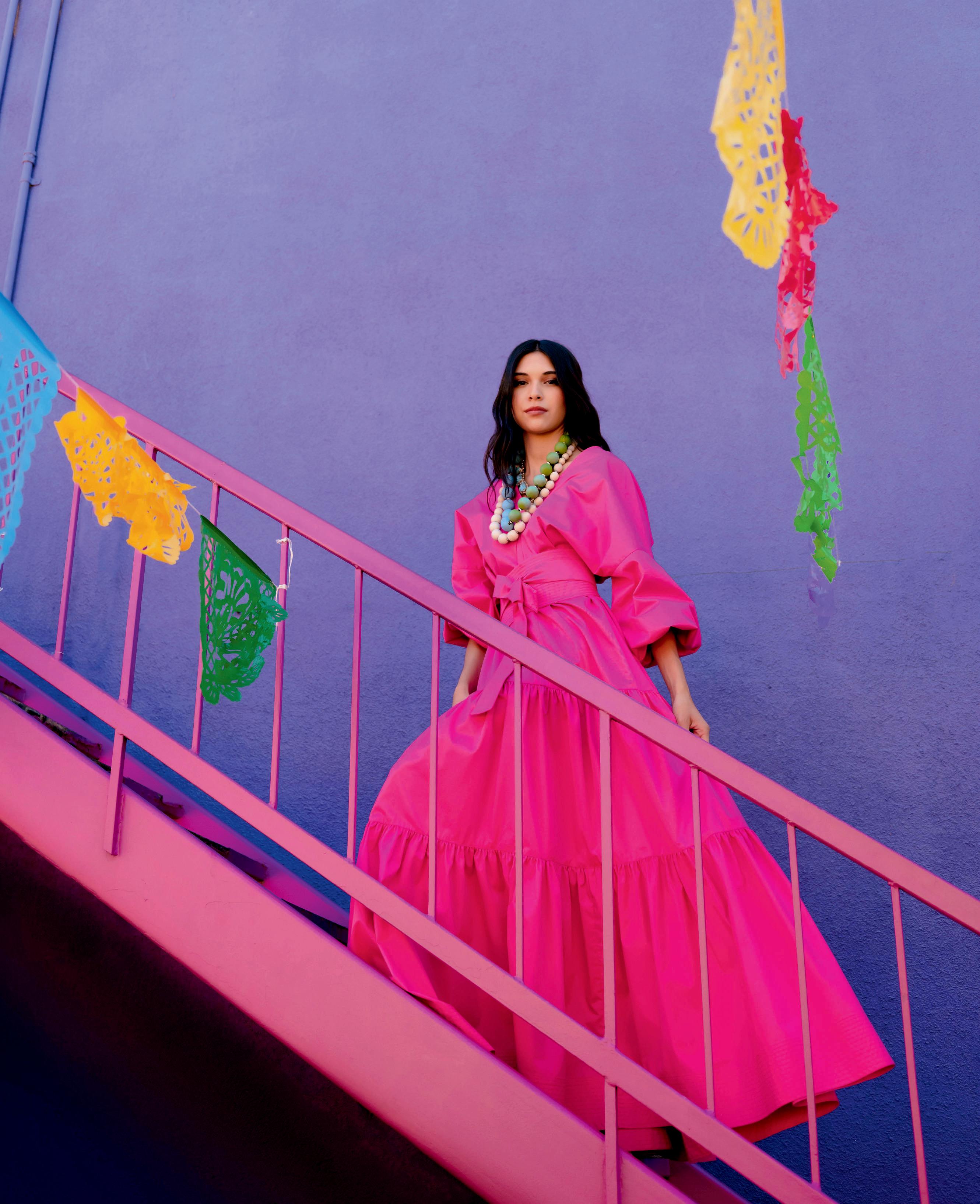
Cover: Chasing
Cool Photography by Jana Cantua

COURTNEY BEARD is a pastor, strategist, and creative leader shaping conversations at the intersection of faith, culture, and influence. A former touring artist and stage actor, he brings decades of performance, ministry, and media experience to his work as a life coach and consultant to visionary leaders nationwide. Founder and Lead Pastor of The CLLXTV in San Antonio, Courtney empowers artists, entrepreneurs, and innovators to align purpose with practice, helping movements grow from the inside out.
JANA CANTUA is a photographer and creative director whose vibrant, emotionally resonant imagery explores culture, identity, and the richness of everyday life along the U.S.–Mexico border. Her bicultural perspective informs a visual language defined by color, movement, and human connection. Collaborating with global brands and local institutions alike, she has helped shape the visual identity of Voice of San Antonio, photographing the inaugural cover feature, the City of San Antonio Department of Arts & Culture editorial at Market Square, and much of the magazine’s defining imagery.
MADELINE COSGROVE is the founder and interior designer behind Upstairs Interiors, a San Antonio–based studio known for layered, collected spaces that balance function with character. Originally trained as a Doctor of Physical Therapy, she transitioned into design following the birth of her first daughter in 2023, bringing a deeply personal approach to creative work. Inspired by travel, art, and fashion, Madeline specializes in vintage-driven residential and commercial styling, collaborating closely with clients to craft thoughtful interiors that feel both sophisticated and lived in.
JADE DAGSAAN is an expert stylist at Twirl Salon and a makeup artist known for bold, effortless beauty rooted in collaboration and confidence. With nearly two decades of experience in makeup artistry and more than fifteen years in hairdressing, her work spans editorial and bridal projects across San Antonio. Inspired by the many roles women inhabit in everyday life, Jade approaches beauty as both storytelling and empowerment. She was the makeup artist for the cover of the inaugural issue of Voice of San Antonio magazine.
LORENZO GOMEZ III is Co Founder and Chief Content Officer of Voice of San Antonio, where he contributes his column The Urban Nerd. A community builder, bestselling author, and nationally recognized advocate for entrepreneurship, he is a former executive at Rackspace Technology and past chairman and CEO of Geekdom, helping guide startups that raised more than $422 million and created thousands of jobs. He is also Co Founder of The Local SATX and founder and host of The Cilantro Diaries podcast, championing opportunity and civic imagination in San Antonio.
DAMIAN GONZALES Damian Gonzales is a San Antonio–based hair artist and creative leader known for elevating beauty through precision, artistry, and an instinctive understanding of personal style. Founder of LOOK, he has built a salon destination rooted in refined service and modern haircare. Trusted year after year to style the hair of Official Fiesta Royalty, Damian’s work reflects both tradition and celebration. He brought this signature polish to the inaugural issue of Voice of San Antonio, styling hair for one of its feature fashion editorials.
RICARDO MARIO GUTIERREZ is a photographer, producer, agent, and makeup artist with more than four decades in the fashion and beauty industry. Founder and director of R Models Agency for the past 16 years, he represents talent in San Antonio, Dallas, and New York while producing major fashion shows across Texas for brands including Dillard’s, Julian Gold, Saks, and Neiman Marcus. Beginning his career in Europe and New York, Ricardo helped launch MAC Cosmetics and Versace Makeup in the U.S. as Director of Training. Today, he focuses on mentoring emerging talent while continuing to photograph for leading cultural and commercial clients.
EDY HERNANDEZ is the CEO of Beast Creative Agency, a San Antonio-based digital and creative firm known for building brand identities, web experiences, and embedding AI into the core of how businesses think, operate, and grow. He also serves as President and Co-Founder of Premier Futbol Academy, a competitive youth soccer organization dedicated to developing players on and off the field. A builder at heart, Edy sits at the intersection of technology, creativity, and community.
JANET HOLLIDAY is Founder and President Emeritus of The CE Group, Inc., the nationally recognized experience marketing and event strategy firm she co-founded in 1990. After more than three decades as President and CEO, she helped shape many of San Antonio’s most significant civic celebrations, philanthropic initiatives, and large scale cultural events. Now transitioning from daily leadership, Janet serves in an advisory capacity, continuing to mentor emerging leaders while contributing her expertise to the city’s evolving creative and nonprofit landscape.
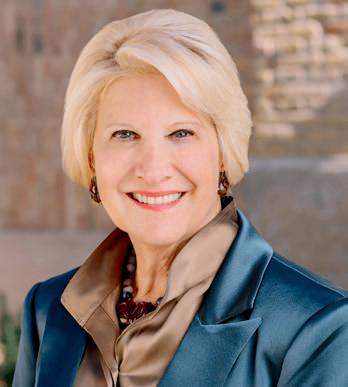
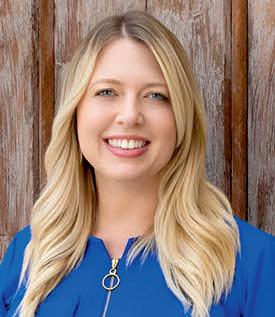
KRYSTAL JONES serves as Executive Director of the City of San Antonio’s Department of Arts & Culture, where she leads strategy and investment supporting one of the nation’s largest municipally funded arts ecosystems. A longtime cultural administrator and advocate for artists, she has championed public art, equitable funding, and creative workforce development across the city. Known for building strong crosssector partnerships, Krystal works to position arts and culture as essential drivers of civic identity, economic growth, and community connection in San Antonio.
ASHLEY LANDERS is CEO and owner of Texas Creative, a San Antonio–based agency offering branding, digital marketing, advertising, and software development. Fluent in Spanish, she began her career at the nation’s largest U.S. Hispanic advertising agency, leading campaigns for Nestlé and General Mills while managing multi agency teams across a global network headquartered in Paris. A civic leader as well as entrepreneur, Ashley serves on the Executive Committee of Methodist Healthcare Ministries and champions creative collaboration across South Texas.
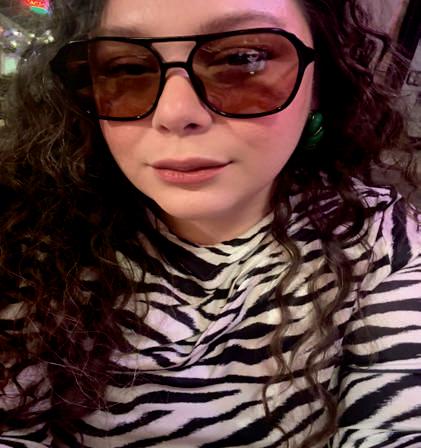
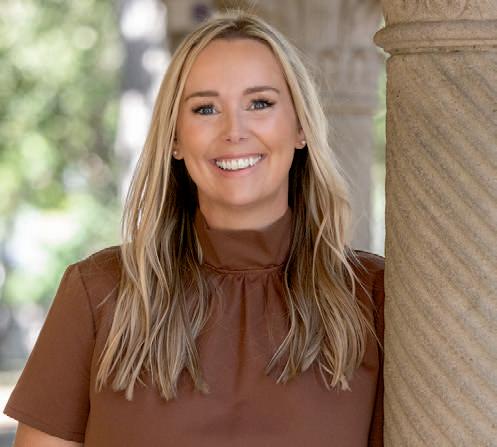
CAMILLA MARTINEZ is a San Antonio–based stylist and creative whose work bridges fashion, community, and sustainable style. Co-stylist of the inaugural Voice of San Antonio cover shoot and founder of YLEM, she offers personal styling and wardrobe services rooted in cyclical fashion and intentional expression. A founding team member of MOSS and current Assistant Manager at Rancho Diaz at Pearl, Camilla champions local creative partnerships and secondhand culture that keeps fashion in motion.
PATRICK J. MARTINEZ is a San Antonio–based stylist and creative collaborator who styled all three inaugural fashion shoots for Voice of San Antonio magazine. A 2017 graduate of the Fashion Design program at the University of the Incarnate Word, they approach style as an act of freedom, blending tailoring, texture, and unexpected contrasts to challenge convention. Known for breaking traditional fashion rules and expressing gender fluidity through dress, Patrick brings a bold, intuitive perspective to storytelling. They serve as Assistant Manager at Niche at Pearl and work as a freelance stylist.
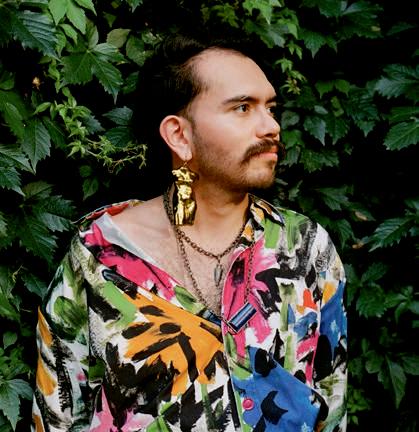
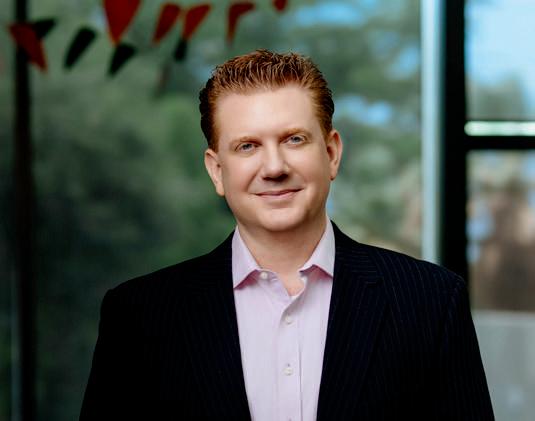
MATTHEW MCLENDON is Director and CEO of the McNay Art Museum, where he leads one of the nation’s most distinctive modern art institutions from its historic San Antonio campus. An internationally respected curator and scholar, his career spans leadership roles at major museums and universities across the United States and abroad. McLendon’s work centers on expanding access to the arts while connecting global artistic dialogue to local cultural identity, shaping how museums engage communities today.
STEPHANIE MENDELOFF is a writer and editor whose work focuses on womanhood, culture, and modern life. She publishes essays weekly on her Substack, Five More Minutes, which was recently ranked #9 on the Rising in Parenting chart. She has extensive background editing magazine features, essay collections, coffee table books, field guides, workbooks, and educational materials. Her writing and editing has appeared in Austin Woman Magazine, ATX Man, Daily Candy, and Voice of San Antonio. She served as features editor for our inaugural print issue.
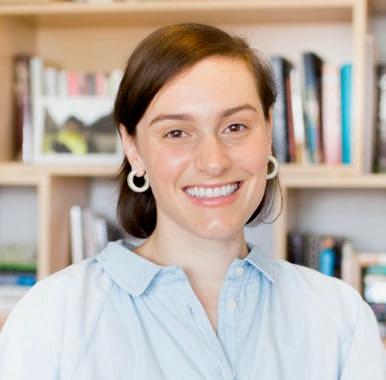
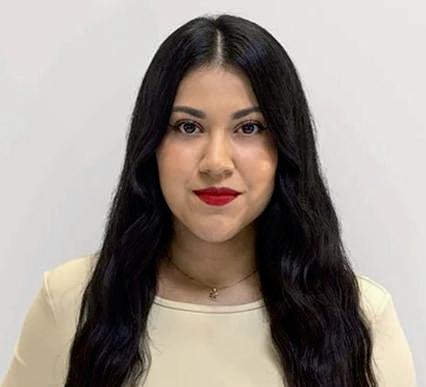
KIM MENDEZ is a San Antonio–based hair and makeup artist at Twirl Salon, known for her refined, editorial approach to beauty and her ability to translate creative vision into camera ready results. Working across fashion, portrait, and commercial projects, she collaborates closely with photographers and creative teams to shape cohesive visual storytelling. Kim was the hair and makeup stylist for the City of San Antonio Department of Arts & Culture feature in the inaugural issue of Voice of San Antonio magazine.
ELEANORA MORRISON is an editor, creative director, and cultural entrepreneur whose work lives at the intersection of storytelling, design, and civic imagination. A fifth-generation San Antonian, she co-founded Voice of San Antonio serving as its Editor-in-Chief and Creative Director. Her career spans theater, broadcast media, nonprofit communications, and independent publishing — all rooted in a lifelong belief in San Antonio’s creative potential and the power of story to shape a city’s identity.
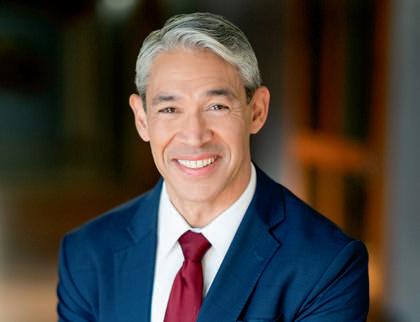
RON NIRENBERG served as Mayor of San Antonio from 2017-2025, and as City Councilman for District 8 from 2013-2017. During his tenure as mayor, Ron introduced SA Ready to Work and the city’s first Climate Action and Adaptation Plan. Now a candidate for Bexar County Judge, Ron looks to bring the same momentum in building stronger partnerships, creating a proactive local government, and improving Bexar County residents’ everyday lives.
DANIELA OLIVER DE PORTILLO is a San Antonio–based multidisciplinary artist whose work explores motherhood, domestic life, and the layered tensions of modern womanhood. Working across cyanotype, ceramics, and installation, she examines identity through labor intensive processes that reflect care, memory, and expectation. Born in Mexico and living in the United States since 2002, her bilingual titles and symbolism speak to a deeply bicultural perspective. Exhibited locally and internationally, Daniela is also an educator and longtime arts advocate shaping San Antonio’s creative community.
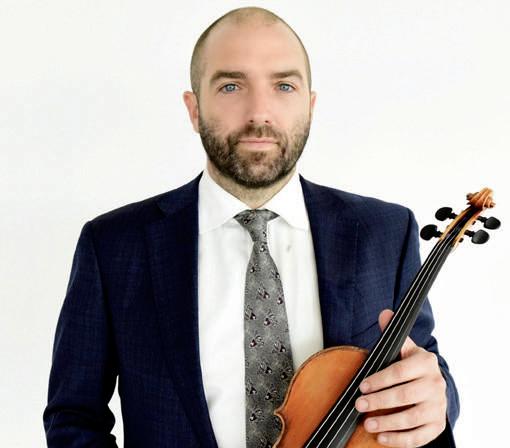
BRENDAN SPELTZ is a violinist and internationally recognized chamber musician, serving as Director of Artistic Programming for Chamber Connexions and the Classical Music Institute in San Antonio. A founding member of the acclaimed Escher String Quartet, he has performed worldwide with leading ensembles including A Far Cry, the Harlem Quartet, and Manhattan Chamber Players. Founder of FeltInFour Productions, Brendan is known for inventive cross disciplinary performances, praised by The New Yorker for their daring originality and collaborative spirit.
OLIVIA VILLA is a San Antonio–based professional makeup artist and founder of Liv Beautified with over 20 years of experience in beauty, bridal, and editorial artistry. Known for her ability to create versatile looks with a refined touch, she is frequently referred and sought after for weddings, fashion shows, and TV and film productions across Texas and beyond. Olivia is passionate about storytelling through beauty and building meaningful relationships within the fashion and creative communities, all while balancing life as a devoted wife and mother.

LISA WELLER is the founder and lead stylist of Twirl Salon, established in 2008 in San Antonio’s Blue Star Arts Complex. Trained at New York’s renowned Bumble and Bumble, Weller built an international career working backstage at Fashion Weeks in New York, Paris, Milan, and London. She has assisted in styling covers for Vanity Fair and styled talent for the Cannes Film Festival, collaborating with luxury houses including Chanel, Dior, Prada, and Valentino. Since founding Twirl, Weller has built one of San Antonio’s most respected creative salons. She styled hair for the cover of Voice of San Antonio’s inaugural issue.`
an Antonio has never needed permission to be extraordinary. It is a city that has always known what it is, a place built by visionaries, shaped by storytellers, and carried forward by people who chose to invest not just their work but their lives here. For three hundred years, that conviction has been the quiet engine of everything remarkably authentic about this place. Voice of San Antonio exists to make it a little less quiet.
Growing up here as a fifth generation San Antonian, I was witness to the legacy of my great-uncle, the legendary journalist and broadcaster Henry A. Guerra Jr., known throughout San Antonio simply as “the Voice of San Antonio.” Tío Henry spent decades giving voice to our multicultural community through principled reporting and bilingual storytelling. He never anglicized his name despite network pressure, becoming one of the first Hispanic anchors to keep his surname on air and in doing so honored his audience, his roots, and San Antonio itself. That spirit and impact inspired the soul and namesake of this publication.
In the spring of 2024, my husband Dan Morrison, our friend Lorenzo Gomez, and I sat down for coffee at Sternewirth at Hotel Emma and began asking a question that felt both obvious and urgent: what would it look like to build something that added to the conversation San Antonio deserved to be having about itself? By the end of that meeting, we were committed to finding out. We founded VOS Media in 2024 and launched digitally in March 2025 to a response that surpassed every expectation, powered by the writers, editors, photographers, contributors, interns, and partners who believed in this mission before it had a single page to show. We founded VOS Media in 2024 and launched digitally in March 2025 to a response that surpassed every expectation, powered by the
writers, editors, photographers, contributors, interns, and advertising partners who believed in this mission before it had a single page to show. To every one of them, and to every reader who has shown up, shared our work, and made this community what it is, this issue belongs to you. We are especially grateful to collaborate alongside Publisher Emeritus Rossana Leeper, whose experience and guidance have been invaluable in bringing this magazine to life.
Themed “City as Muse”, our inaugural print issue is also a declaration. What is made in San Antonio has always been meant for the world. These pages are proof. Within them you will find entrepreneurs, artists, and civic leaders shaping San Antonio’s future with intention and imagination, people who understand that this city is not waiting for a moment. It is the moment.
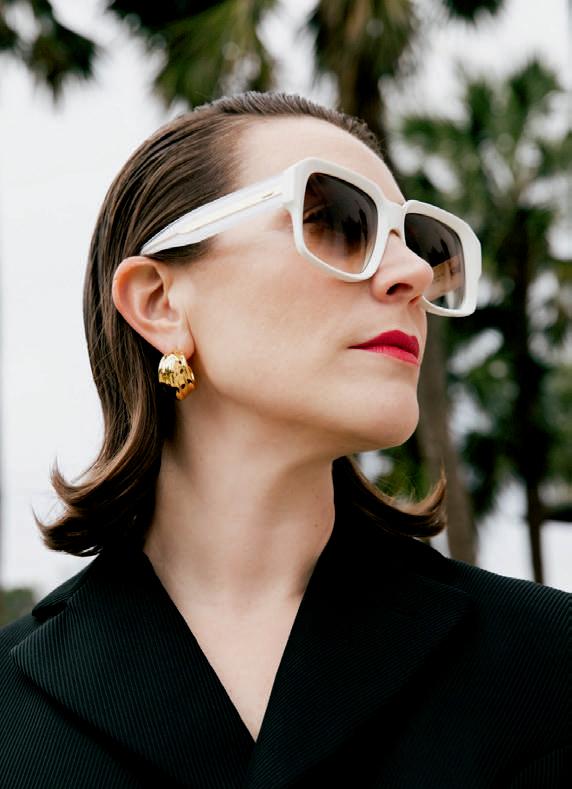
Our ambition is simple and it is everything: to present San Antonio to the world exactly as it deserves to be seen.
Welcome to print,
Eleanora Morrison Editor-in-Chief and Creative Director
As Director of the City of San Antonio’s Department of Arts and Culture, Krystal Jones oversees the public art program, grantmaking, and initiatives that strengthen the city’s creative economy. This essay is adapted and edited from a live interview on the Voice of San Antonio Podcast, recorded at Centro de Artes in Market Square, where Jones reflects on access, belonging, and how arts and culture shape San Antonio’s identity and future. The original conversation is available on the Voice of San Antonio Podcast at voiceofsanantonio.com.
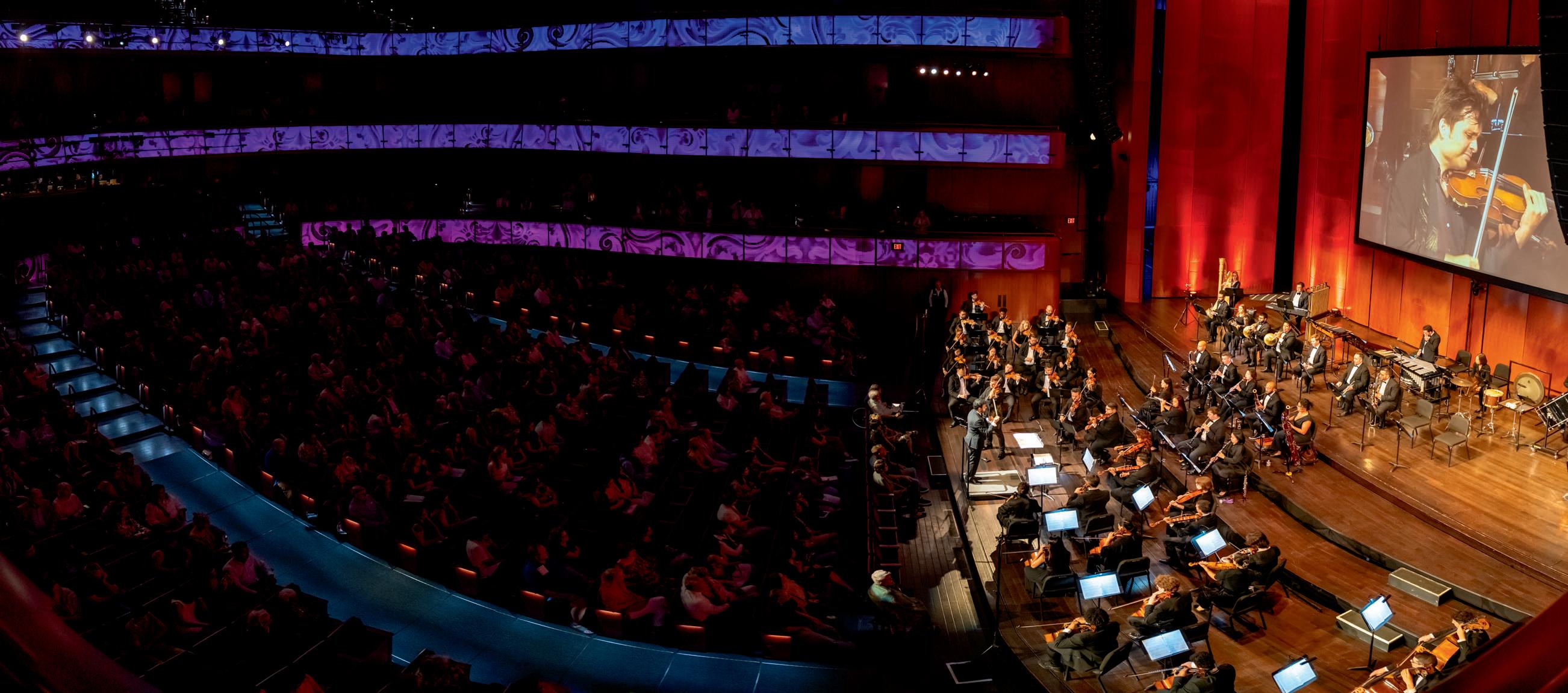
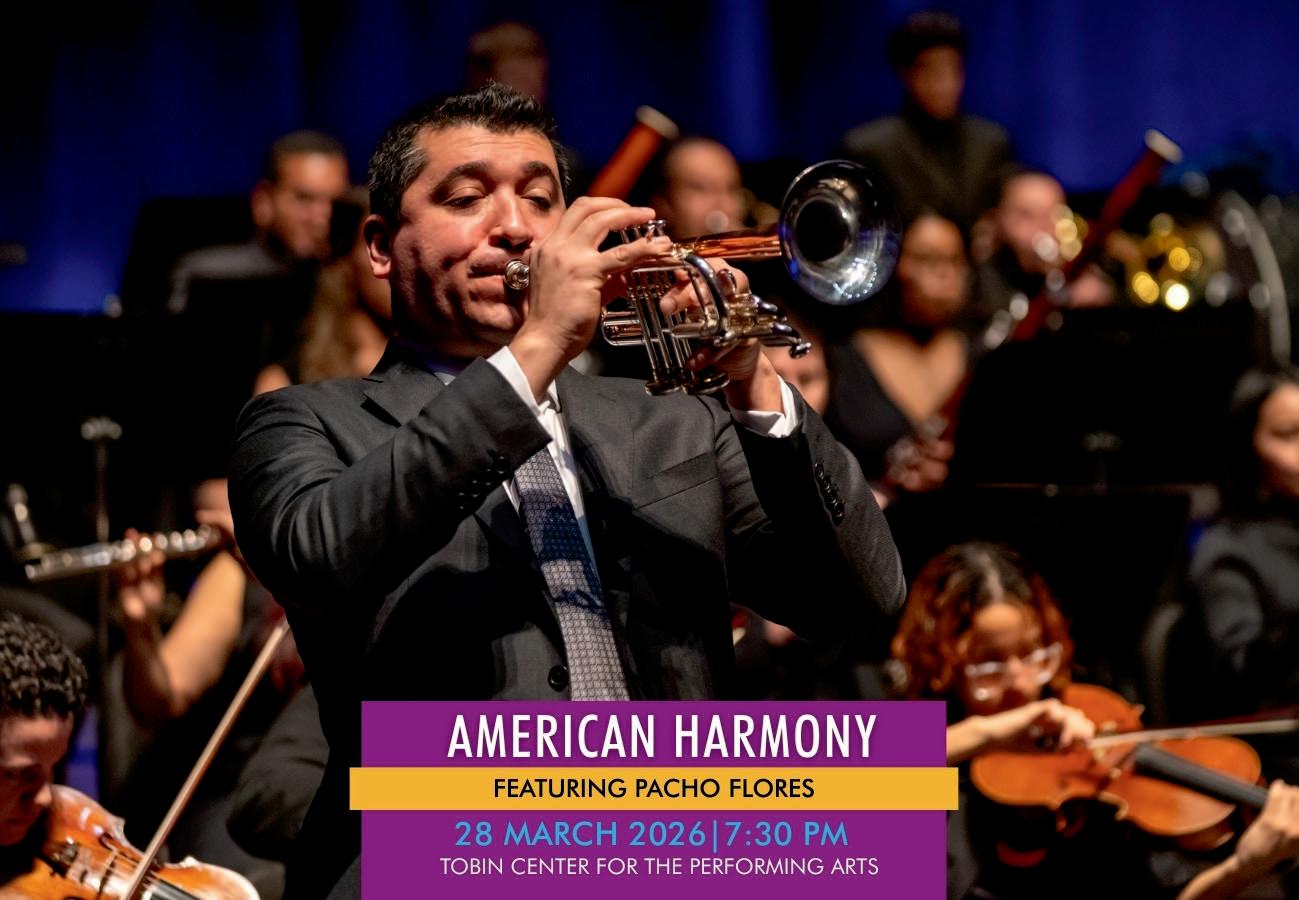
The Orchestra San Antonio (T0SA) is a professional orchestra rooted in the heart of the city and proudly a resident company of the Tobin Center for the Performing Arts. Through bold performances, education initiatives, and meaningful collaborations, we serve San Antonio’s vibrant and diverse community. Guided by the belief that great music should feel welcoming, relevant, and deeply connected to the people it serves, The Orchestra San Antonio brings music performances to life as a shared cultural experience.
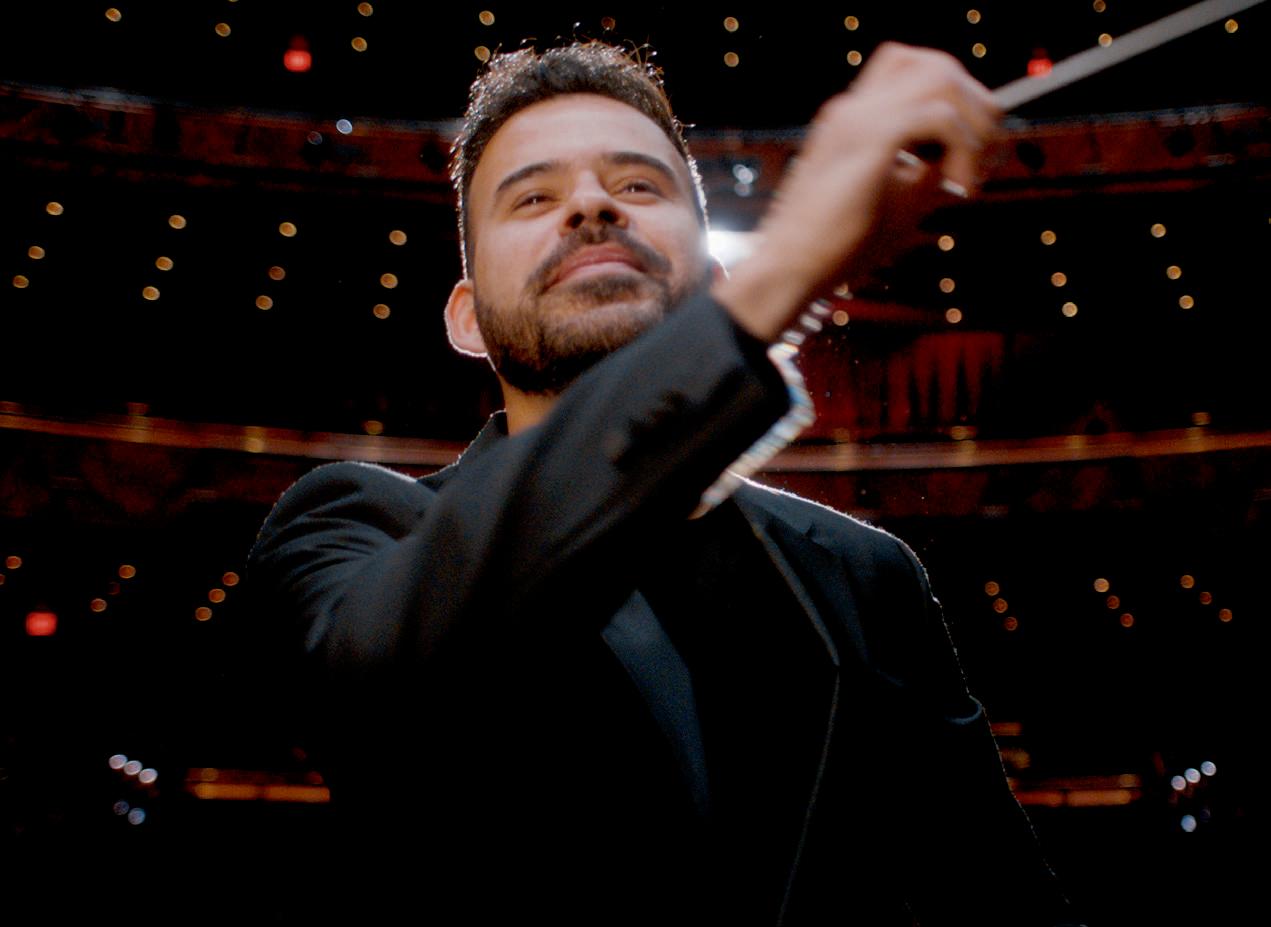
LEONARDO PINEDA MUSIC DIRECTOR
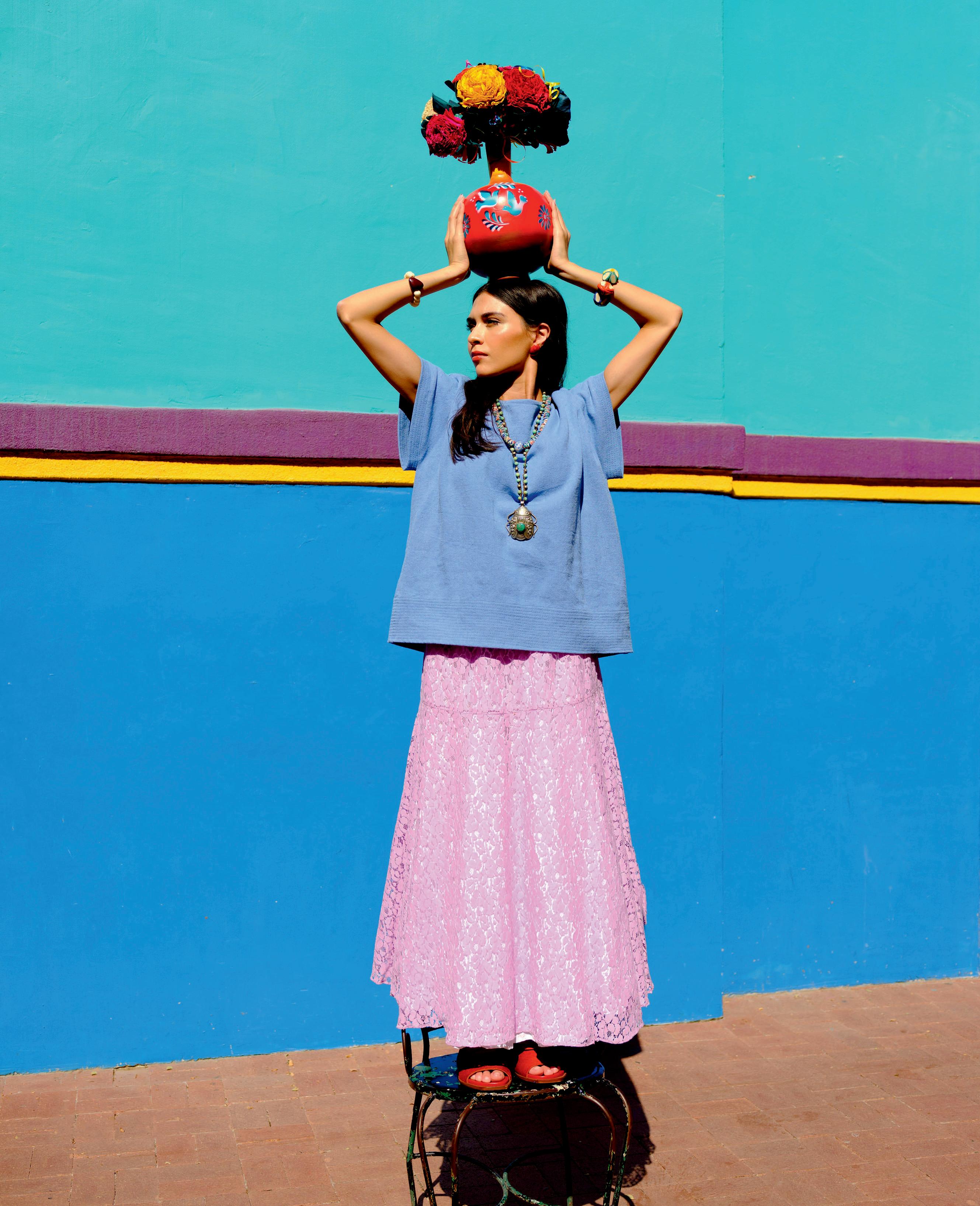
When I moved to San Antonio, my eyes opened in a way that still feels difficult to describe. Art was not only tucked away behind ticket counters or reserved for special occasions. It was on the streets, in the parks, in the rhythm of the River Walk, in the way people gather and the way stories travel through families. This is a city where creativity is not cultivated, it is innate. It lives in the people, in the color and noise and texture of everyday life, and it has always belonged to everyone.

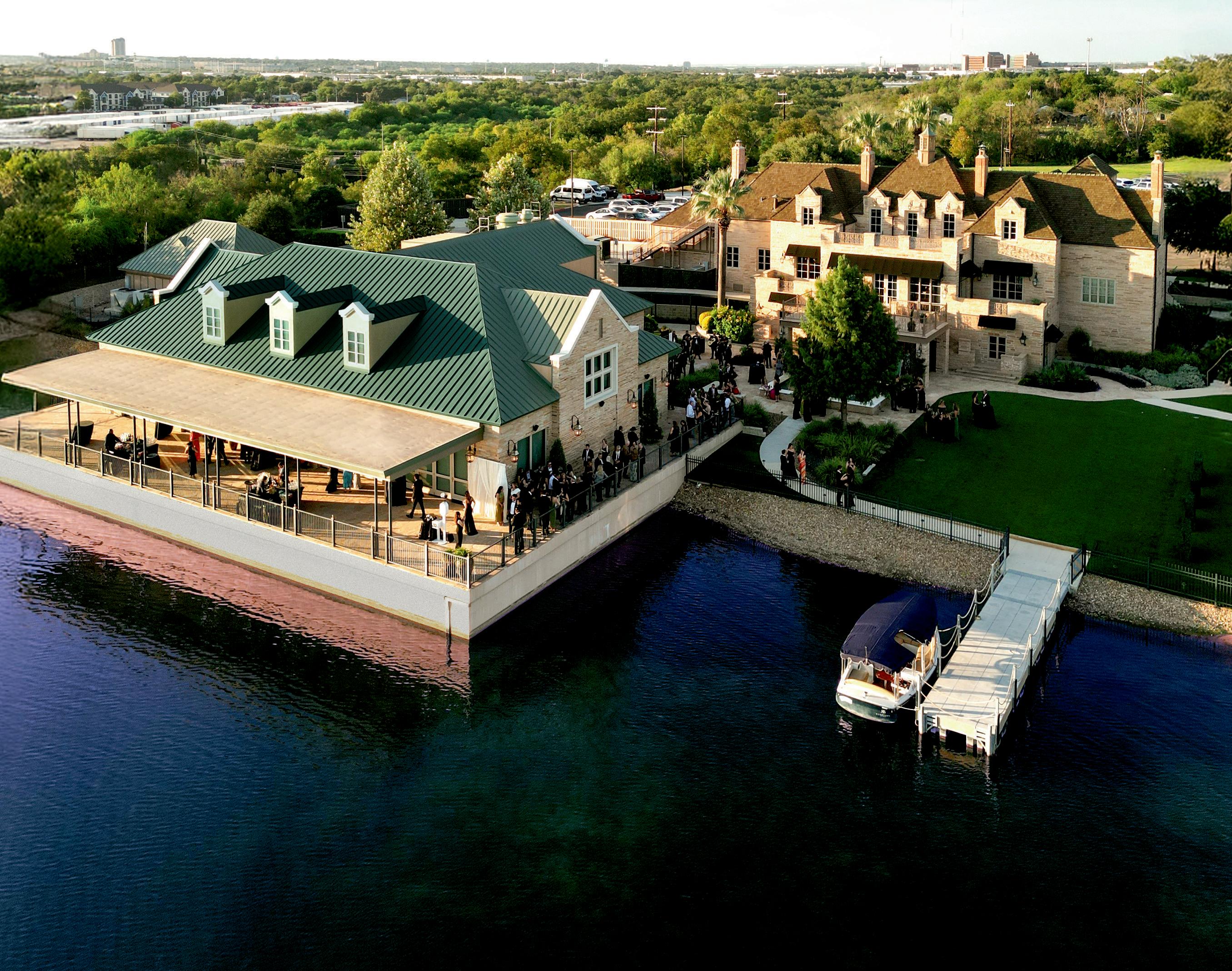
Minutes from downtown, yet a world apart. Set on the water’s edge, The Red Berry Estate offers a unique lakeside backdrop unlike any other in San Antonio. With indoor and outdoor spaces, from elegant reception rooms to sweeping lawns, the Estate transforms for gatherings, galas, weddings, or celebrations of any scale.
• Rosemary’s Catering, our exclusive partner, brings 80 years of award-winning excellence. From refined dinners to chef-driven experiences, every detail is crafted to impress.
• Private, ample parking ensures a gracious arrival and an unforgettable experience.

Schedule your private tour today at TheRedBerryEstate.com and discover how every event can be truly unforgettable.

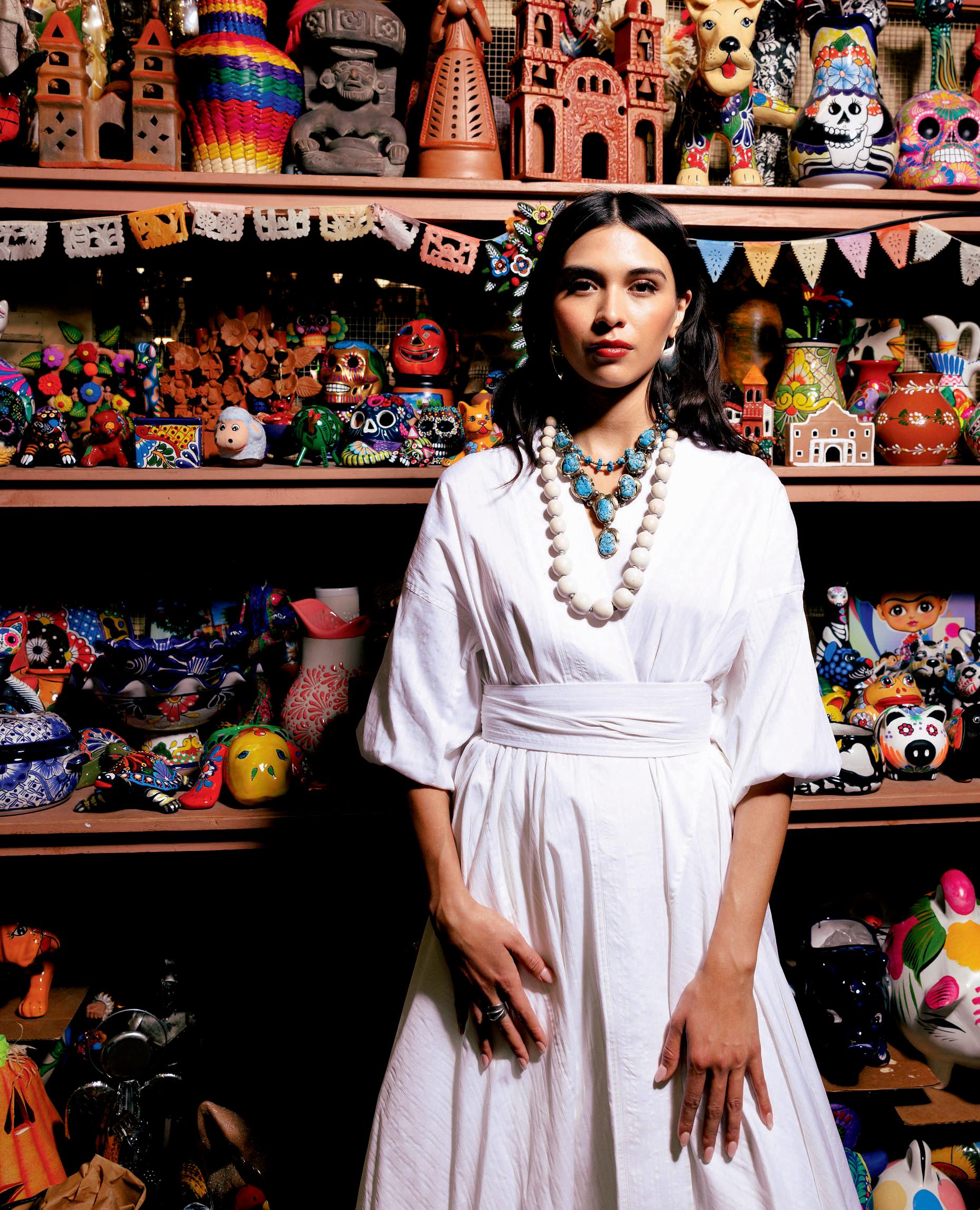
That realization is why I do this work. I get to help build the conditions that make art possible — the public works that bring original pieces into neighborhoods, the grants that sustain artists and institutions, the programs that ensure this city’s creative voice grows alongside everything else that is growing here. The stories in this section are proof of what that looks like in practice: a pianist and founder redefining what leadership in classical music can look like, a photographer who documents the private lives of artists, makers whose work carries this city’s identity into the world. Culture is not a downstream benefit of economic growth. It is the precondition for it.
Listen to Krystal’s conversation about San Antonio arts and culture on the Voice of San Antonio Podcast. Please scan the code below to hear the full conversation.
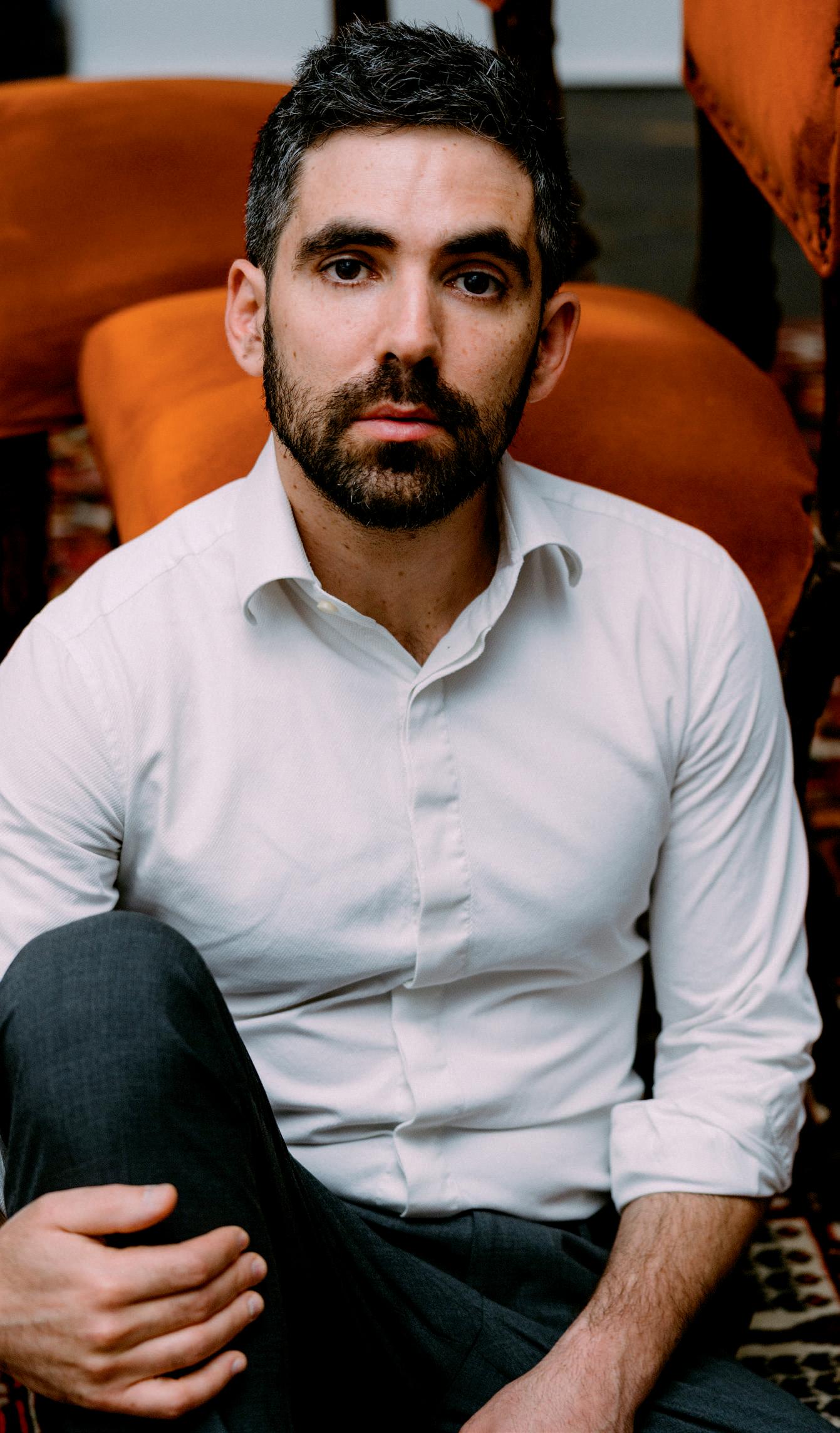
By Eleanora Morrison | Photography by Kevin Hsu
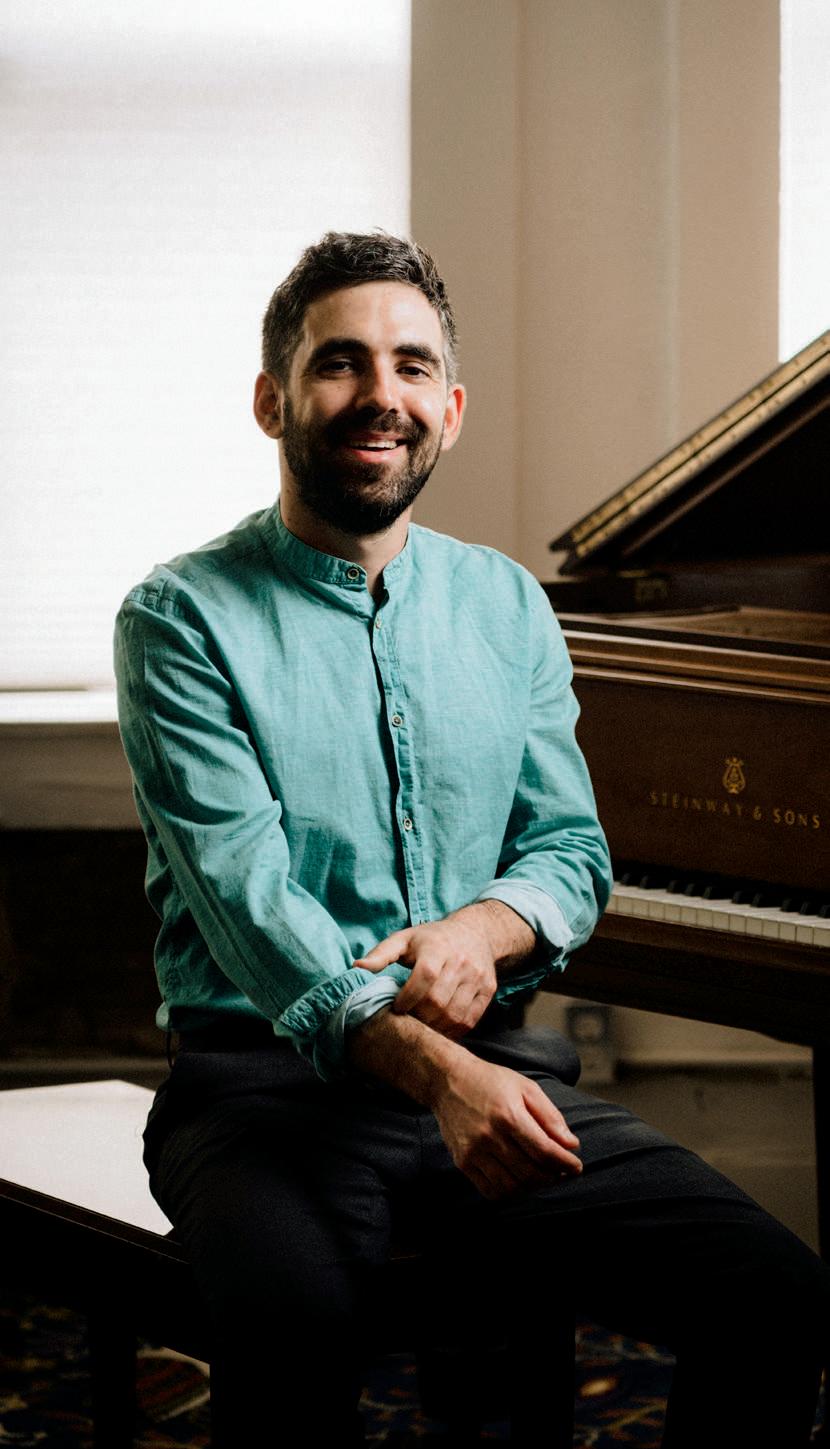
Daniel Anastasio does not rush to fill silence. He treats it as a collaborator. Before a note is played or a thought is voiced, he listens. This instinct, more than virtuosity alone, has made him one of the most compelling figures working in classical music today. His presence is quiet but magnetic, inviting a depth of attention that lingers long after the final chord.
“I did not imagine music as a career for a long time,” Daniel says. “I just knew it had to be part of my life somehow.” He grew up in San Antonio, where piano entered his world at age five and became a private space of exploration rather than a destiny to chase. At sixteen, after hearing a Beethoven concerto at Tanglewood Music Center in Lenox, Massachusetts, he was moved to tears.
“I knew then that music had to be in my life,” he recalls. “But I did not yet know what form that would take.”
That openness carried him to Cornell University, where he studied music and philosophy, guided more by curiosity than ambition. Philosophy sharpened his sensitivity to meaning and language. Music offered another way of thinking altogether. Advanced study at Juilliard and Stony Brook refined his technique at the highest level, yet something remained unresolved.
Like many classical musicians, Daniel was trained for a particular idea of success. Touring. Constant motion. A horizontal life assembled from weekends and stages. He lived in New York City for ten years, performing widely and refining his craft within its intensity.
“I had always assumed that was the model,” he says. “You perform here, then there, and if you string enough of those together, you have a career.”
Over time, that model began to feel insufficient. What began to interest him instead was depth. A vertical way of working. Going into one place, one community, one set of relationships.
His return to San Antonio was initially practical. A faculty position at San Antonio College provided stability and a home base.
“I was just trying to build a life,” he says. Then the city began to answer back.
Through the founding of the Agarita Chamber Players, Daniel discovered a way of making music that was as relational as it was rigorous. Agarita was built around a simple but radical idea: that classical music should be accessible, collaborative, and woven into everyday civic life. All concerts are free and open to the public, removing economic barriers and inviting curiosity rather than obligation. The ensemble has worked closely with glass artist Gini Garcia, sculptor Danville Chadbourne, chef Elizabeth Johnson, poet Naomi Shihab Nye, singer-songwriter Azul Barrientos, and contemporary dance organizations including sumRset Movement and Ballet San Antonio. Performances have unfolded inside galleries at the McNay Art Museum, within historic spaces like Mission San José, and in partnership with the Echo Bridge Collective, allowing music to live alongside poetry, movement, architecture, and place.
“If you come into a city, play, and leave, there is little to no investment,” Daniel says. “But when you spend time together with fellow artists,
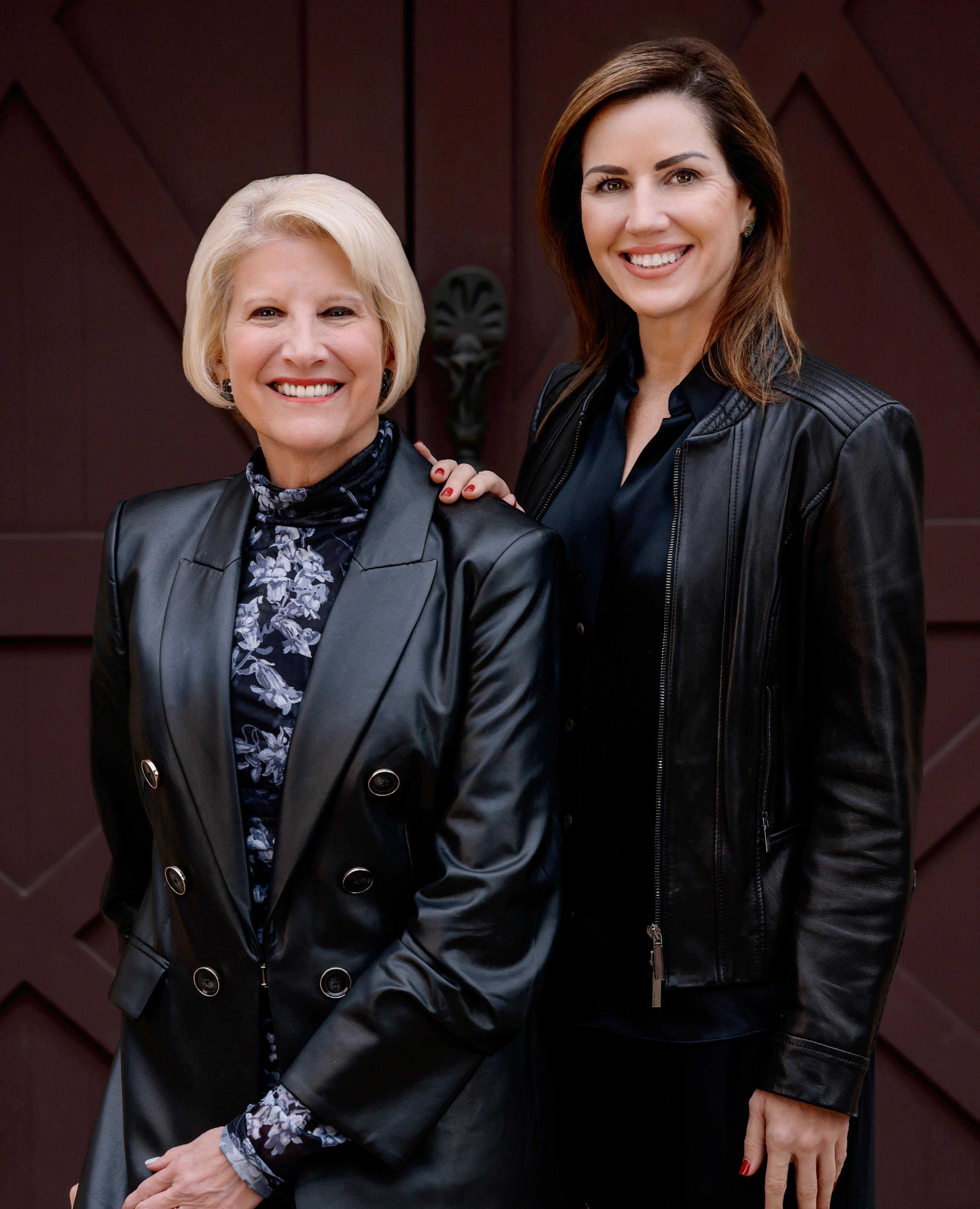
After more than three decades of shaping experiences and campaigns that have helped define San Antonio, The CE Group, Inc., an experience marketing agency, is stepping into a new chapter—one of evolution and continued impact. In February 2026, Lori Houston became the owner of the CE Group, succeeding Founder Janet Holliday. While ownership transitions, Janet will continue to serve as President & CEO through August 2026, ensuring continuity and mentorship before stepping into a trusted advisor role with the firm.
It’s both fitting and serendipitous that one of San Antonio’s most iconic landmarks—the River Walk—became the place where Janet and Lori first worked together. The duo met while working on efforts to expand the reach and impact of the river. At the time, Lori was overseeing the project while working for the City of San Antonio, and Janet was leading the production of the celebrations and public experiences that brought the project to life. Even then, their work reflected a shared belief: that place, culture, and people matter, and that impactful experiences can strengthen a city’s identity.
Over the years, their relationship extended beyond the office. They celebrated milestones together, leaned on one another during challenges, and built a friendship rooted in trust, respect, and shared values. Janet is even the godmother to Lori’s daughter—a testament to just how intertwined their lives have become. When Lori, former City Assistant Manager, began considering her next chapter after retiring from the City of San Antonio, she knew she was searching for more than a new role. She wanted meaningful work, an intentional company atmosphere, and a team committed to making an impact. The CE Group was the natural choice.
“Lori has an entrepreneurial spirit paired with a servant’s heart,” Janet said. “She’s detail-oriented, creative, and a true team builder. Equally important, she loves San Antonio as deeply as I do. I know she will honor our legacy while continuing to innovate and lead the CE Group forward.”
During Lori’s tenure with the City of San Antonio, she led some of the city’s most complex and impactful initiatives, earning trust and
guiding teams through meaningful change. Yet what ultimately connects her to the CE Group goes beyond a résumé—it’s a shared philosophy about people and purpose.
“I’ve always admired The CE Group’s mission and its people,” Lori said. “This team creates experiences and campaigns that bring people together and leave a lasting impact on our city. That kind of work doesn’t happen by accident. It happens because of culture, care, mentorship, and an unwavering belief in people.”
As the CE Group looks ahead, its foundation remains the same: a love for San Antonio, a commitment to community, and leadership grounded in connection. With Lori Houston at the helm, the next chapter builds seamlessly on the last, continuing a legacy shaped by trust, friendship, and a shared dedication to the city they call home.
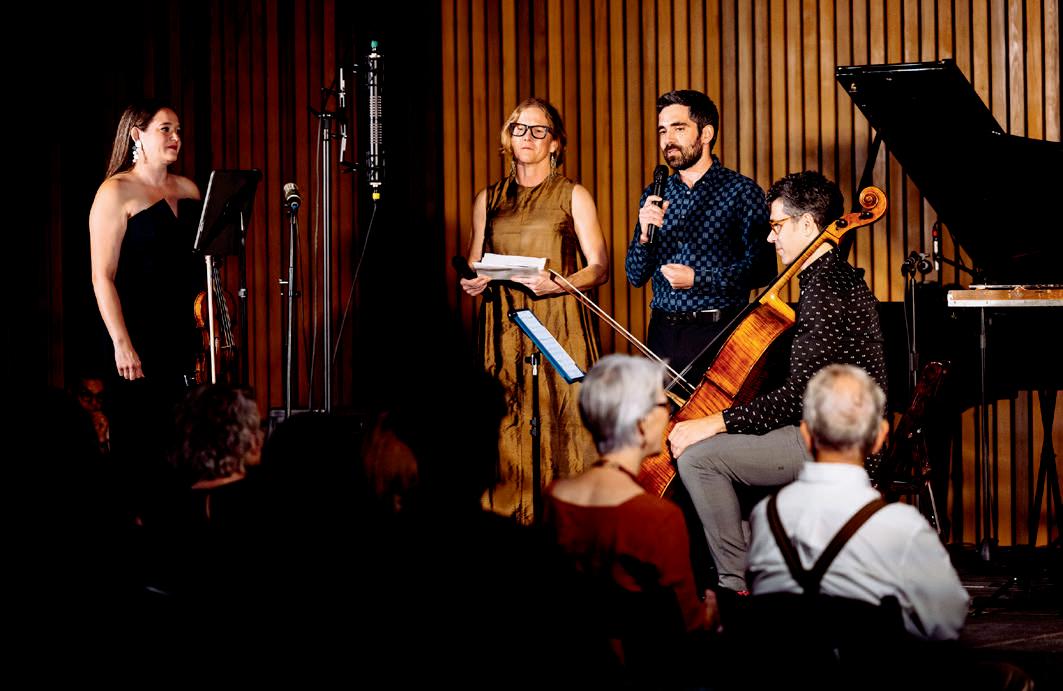
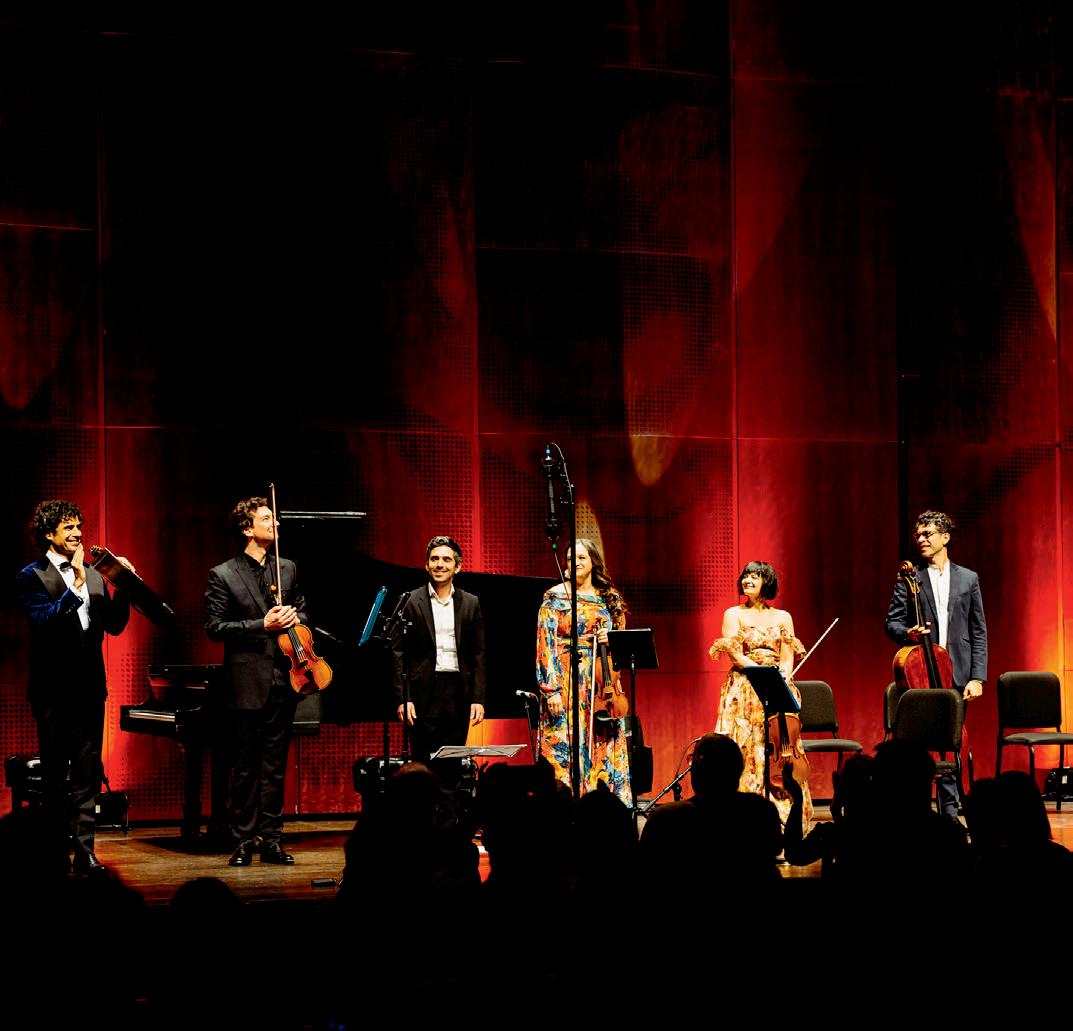
when you imagine something over weeks or months, the work becomes shared. And the community feels that.”
This philosophy also shapes his leadership of the San Antonio Chamber Music Society, where he has expanded programming to include both masterworks and contemporary voices while cultivating audiences who may not have previously seen themselves reflected in classical spaces. Daniel acts not just as a pianist, but as a curator of context, building environments where listening becomes collective.
❝
I want people to understand that this music is not elevated art you are not allowed to touch...
He is also a founding member of the Unheardof Ensemble, a Brooklynbased contemporary music group known nationally for commissioning new works and fostering deep relationships with composers and presenters. Its ethos mirrors what Daniel has built in San Antonio: experimentation, accessibility, and dialogue between artists and audiences.
In recent months, his influence has expanded dramatically online. Through a growing Instagram presence, he moves fluidly
across composers, eras, and traditions, playing passages from the classical canon before pausing to explore what is unfolding emotionally and philosophically in the music. These videos do not lecture. They invite. His following has grown to more than 70,000 listeners around the world.
“I want people to understand that this music is not elevated art you are not allowed to touch,” he says. “It is about the human condition. And context helps people hear that.”
You can follow Daniel’s work at @daniel_anastasio_ piano on Instagram or @ danielanastasio2728 on YouTube.
“There is a balance here,” he says of San Antonio. “The community is intimate, but there is enough support to build something meaningful.”
Here, he found space. Space to listen closely. Space to build carefully. Space to move forward with clarity. In choosing to build his life and work from the city where he first learned to listen, Daniel Anastasio has created a model grounded in attention, depth, and meaning, one that has taken root and is only just beginning to unfold. V
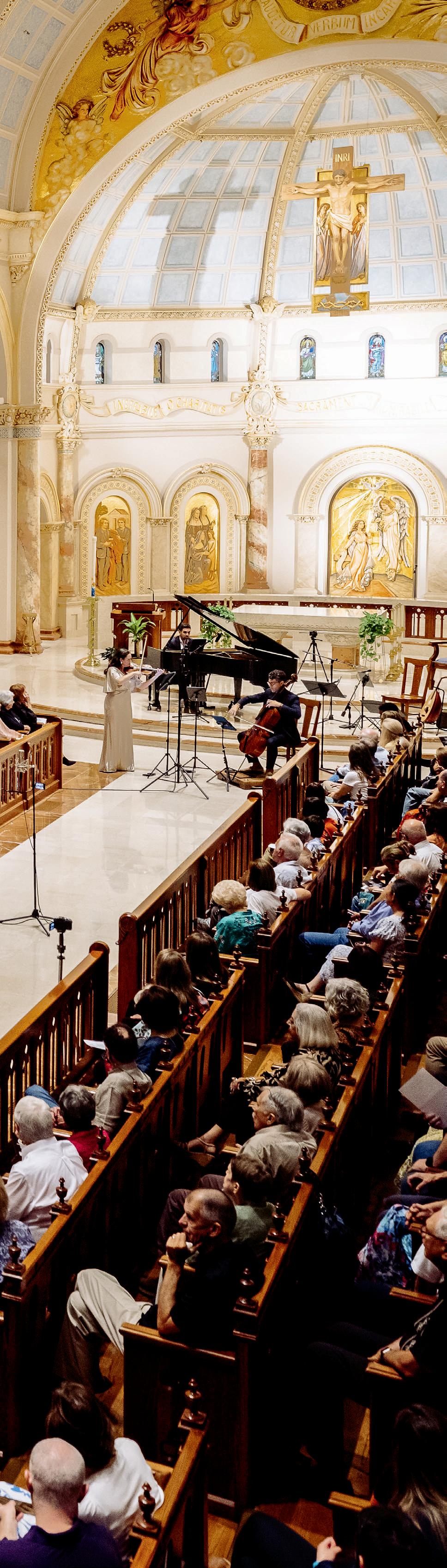

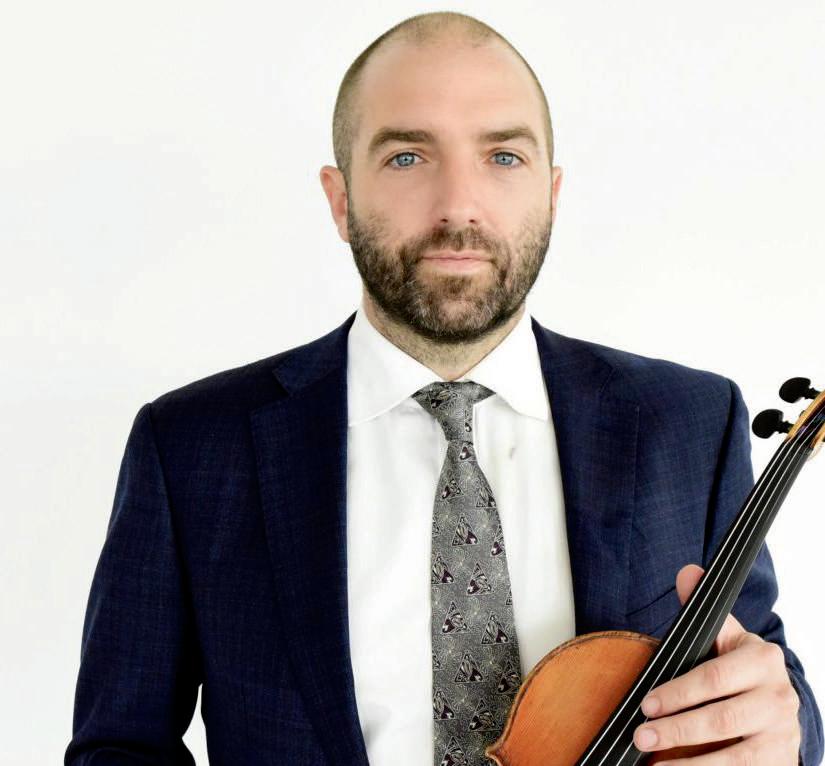
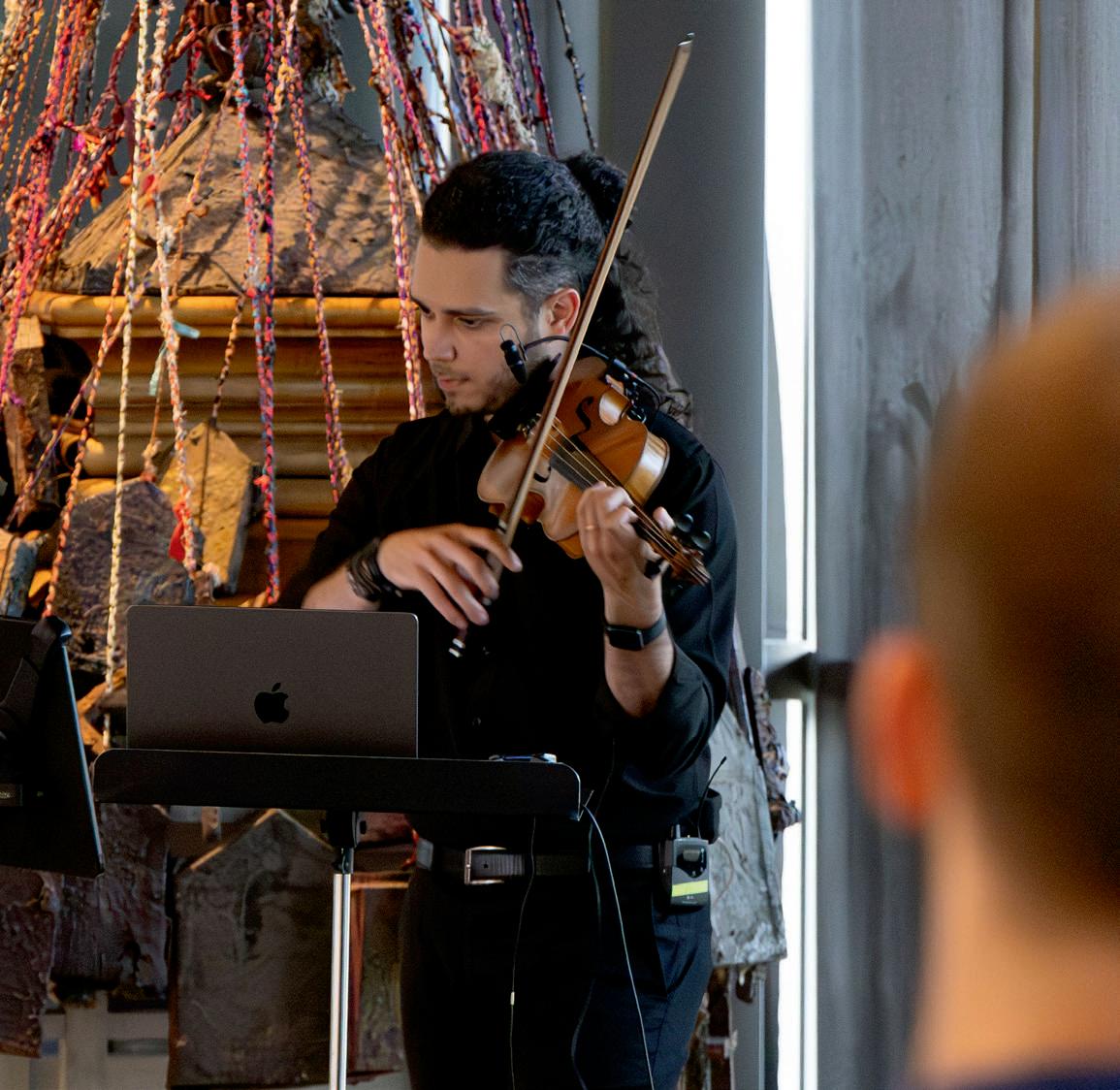
After years performing on the world’s most prestigious stages and building a life between Los Angeles and New York City, violinist Brendan Speltz discovered in San Antonio something unexpected: artistic momentum, creative freedom, and a cultural community ready to say yes.
A founding member of the internationally acclaimed Escher Quartet and now an independent touring artist and creative director, Brendan Speltz could base his life almost anywhere. In this personal essay, he reflects on relocating to San Antonio with his wife, Daniela Diaz, Chief Programs Officer of The Orchestra San Antonio, and why the city’s openness to experimentation, collaboration, and artistic ambition convinced him to stay.
By Brendan Speltz | Photography by Shervin Lainez and Siggi Ragnar
Itour nationally and internationally as a professional classical violinist. I live in San Antonio, Texas. While people are often surprised by the former part of that statement, I sometimes can’t believe the latter.
I was born and raised in Los Angeles and spent 13 years of my professional life in New York City. It’s hard to imagine a more big-city life than the one I’ve lived so far. For many of my years in New York, it felt like the center of the universe, as though the island of Manhattan carried a cultural and personal gravity that was impossible to escape. In fact, it was a force field I never actually wanted to escape.
It’s the city that has it all. A place where, on any given day of the week, you can wake up, think of a cultural activity you’d like to experience, and be almost certain you’ll find it.
So it was with this literal and figurative backdrop — from high in my Harlem apartment overlooking the Hudson River and Midtown Manhattan — that my wife and I made the solemn decision to pack our two cars at the end of our lease and drive across the country to our new home: San Antonio.
My wife, Daniela Diaz, had received an offer to serve as Vice President of the Classical Music Institute (now The Orchestra San Antonio), a resident company of The Tobin Center, and the math of staying in New York while she traveled back and forth never added up. Aside from the handful of times each year my group, the Escher Quartet, performed at Lincoln Center, my touring schedule didn’t require me to be based in any particular city. So off we went.
People hear this story and ask us, “Isn’t that a crazy culture shock?”
The truth is: we love it here.
For starters, it feels a bit closer to the Southern California ecosystem and lifestyle I grew up with — just without the traffic. The weather is generally great, beautiful properties are still affordable, and we even welcome the vaunted summer heat.
San Antonio also has a Latin American milieu that resonates with the Angeleno in me. From the language, food, and music to the architecture and family traditions, there’s a sense of continuity and rootedness here. It’s an identity that, by American standards, feels both ancient and alive.
There are big-city cultural offerings — opera, ballet, orchestras, and world-class art museums, to name a few — that rival those in Houston and Dallas. At the same time, there’s a pace of life you can tap into at any moment. I love that I can drive down Broadway in ten minutes from our home to The Tobin Center, usually failing to resist the pull of Central Market on the way back.
More than that, it feels like a city on the cusp. A land of cultural opportunity. And I feel like we arrived just before the figurative gold rush.
Since our move, we’ve been amazed not only by the built-in support for the arts but also by the enthusiasm and openness of audiences and patrons when it comes to new artistic projects and ideas. Perhaps even more importantly, when a creative idea comes along, there’s far less red tape standing in the way of making it happen.
Take, for instance, the first season of Chamber Connexions, a chamber music series I direct through The Orchestra San Antonio at venues around the city, including The Tobin Center. Nearly every performance
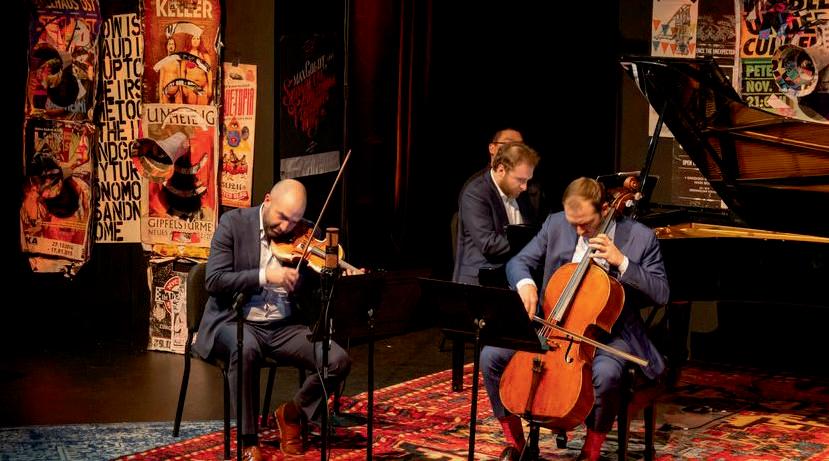
in our inaugural season was sold out. People are hungry for great culture here.
During a recent weekend, I heard international musician friends rehearse with The Orchestra San Antonio and the San Antonio Philharmonic, caught other friends performing with chamber ensembles Agarita and Olmos Ensemble, and saw a fantastic genrebending string quartet, Invoke, perform at San Fernando Cathedral for Musical Bridges Around the World.
High art is alive and growing here.
I have another musical side. A fun and little-known fact about me is that I’m a huge fan of underground electronic music. I DJ for the pure joy of it. I’ll always cherish the nights I spent at world-class venues and events in Brooklyn. In fact, one of the most nervewracking parts of relocating here was the uncertainty of finding that kind of scene again.
The very week we arrived, Maeve opened. More recently, Wav Room followed. Both are dedicated electronic music venues that feel uncannily similar to those I knew in New York.
gives a city an identity beyond commerce and sports — and, in fact, helps attract the very talent that drives both. Otherwise, we could all live in Lubbock.
Looking forward, I have a dream to build a music festival here focused on electronic music and cutting-edge jazz, something that rivals the ones I experienced in New York.
And with that in mind, here’s an anecdote that sums up my affection for this city.
❝ Because great cities have great art.
So when I had the idea to host a party, called Casa del Groove, I approached the first place that came to mind: Tony’s Siesta, a deliciously irreverent cantina near downtown. The owner said yes on the spot.
Why does any of this matter? Because great cities have great art.
Whether it’s a pulsing underground music and art scene or museums and concert halls on high, art is what makes a place worth living in. It
My wife and I often listen to the radio while driving. There are a few stations I’m a huge fan of here, but above all, we listen to the jazz station KRTU. On Friday nights, there’s a show called House Nation, hosted by longtime San Antonio resident and master DJ Leonard Trujillo, airing from 10 to 11 p.m.
We often put it on while hanging at home or driving back from an event. Leonard plays truly thoughtful dance music during that hour, and we love it.
So I messaged him on Instagram, and a few months later, we had dinner to get to know each other and talk about the festival idea.
I can hardly imagine something like that happening in New York or Los Angeles.
San Antonio, I’m here for the long run.
And I look forward to continuing to build on your outstanding cultural cachet together. V
After nearly a decade documenting the international art world alongside globally acclaimed artist Sarah Morris, photographer and painter Wendy Bowman Butler returned home to San Antonio with renewed purpose. Through her ongoing series In the Studio , she is creating an intimate visual record of the artists shaping the city’s creative future.
By Eleanora Morrison | Photography by Wendy Bowman Butler
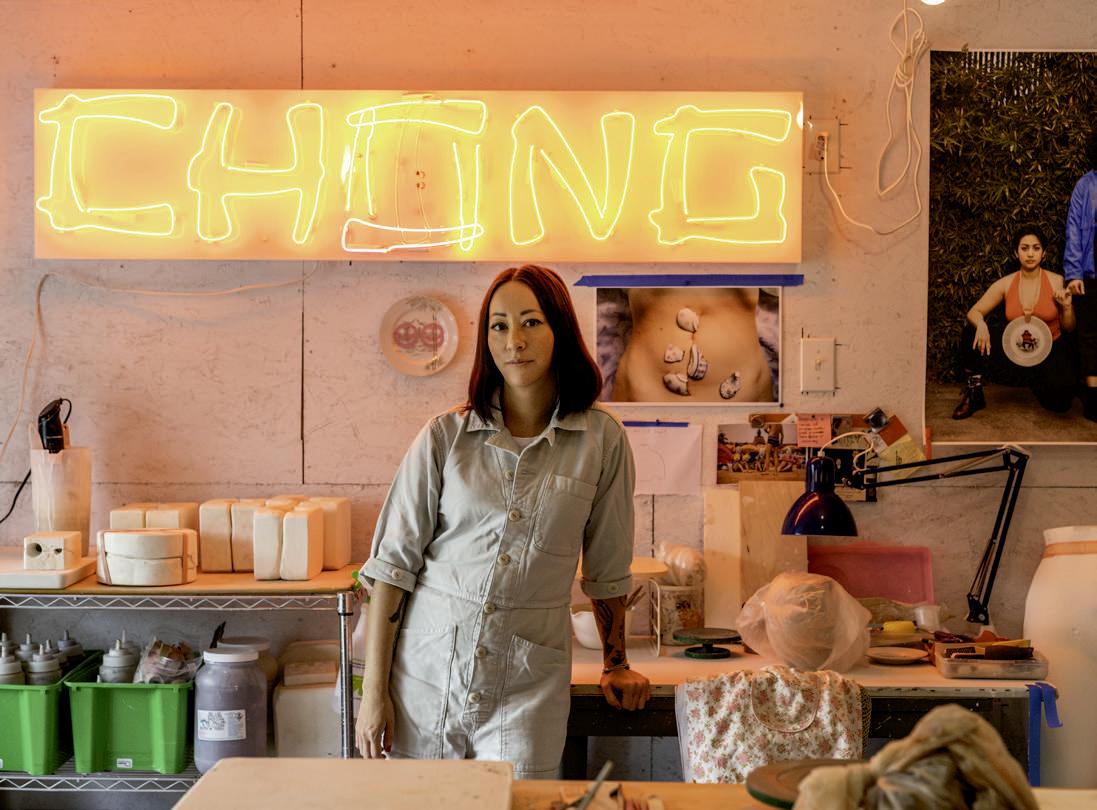
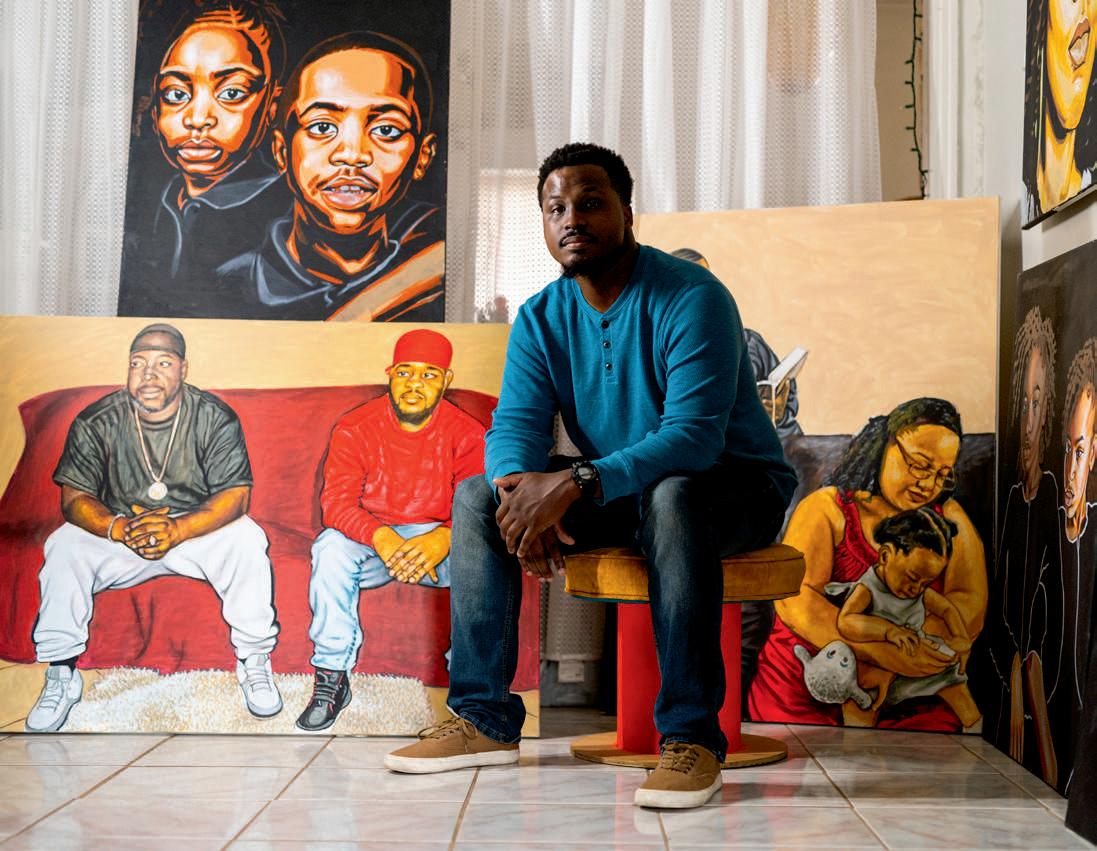

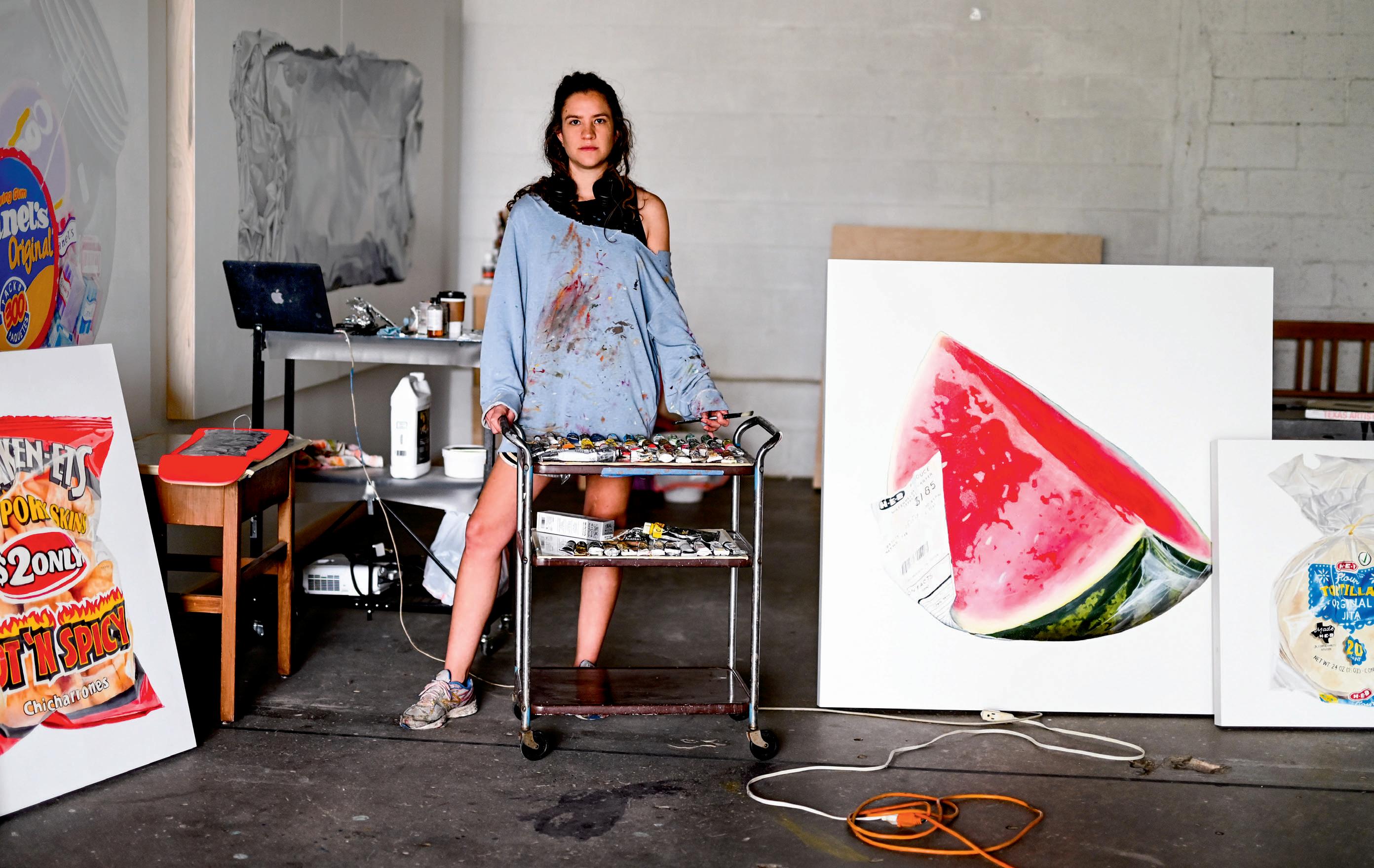
There is a particular intimacy inside an artist’s studio. It exists somewhere between vulnerability and ambition, between the unfinished canvas leaning against a wall and the moment before an idea becomes visible to the world. The real work happens quietly, day after day.
For photographer and painter Wendy Bowman Butler, learning to see those spaces began far from San Antonio. After graduating from Texas Christian University, she joined the New York studio of internationally acclaimed artist Sarah Morris as a painting assistant and production photographer. Over eight years, she traveled across Europe, China, and the Middle East, documenting exhibitions and film productions. She learned how contemporary art moves through the world. More importantly, she learned how artists work when no one else is watching.
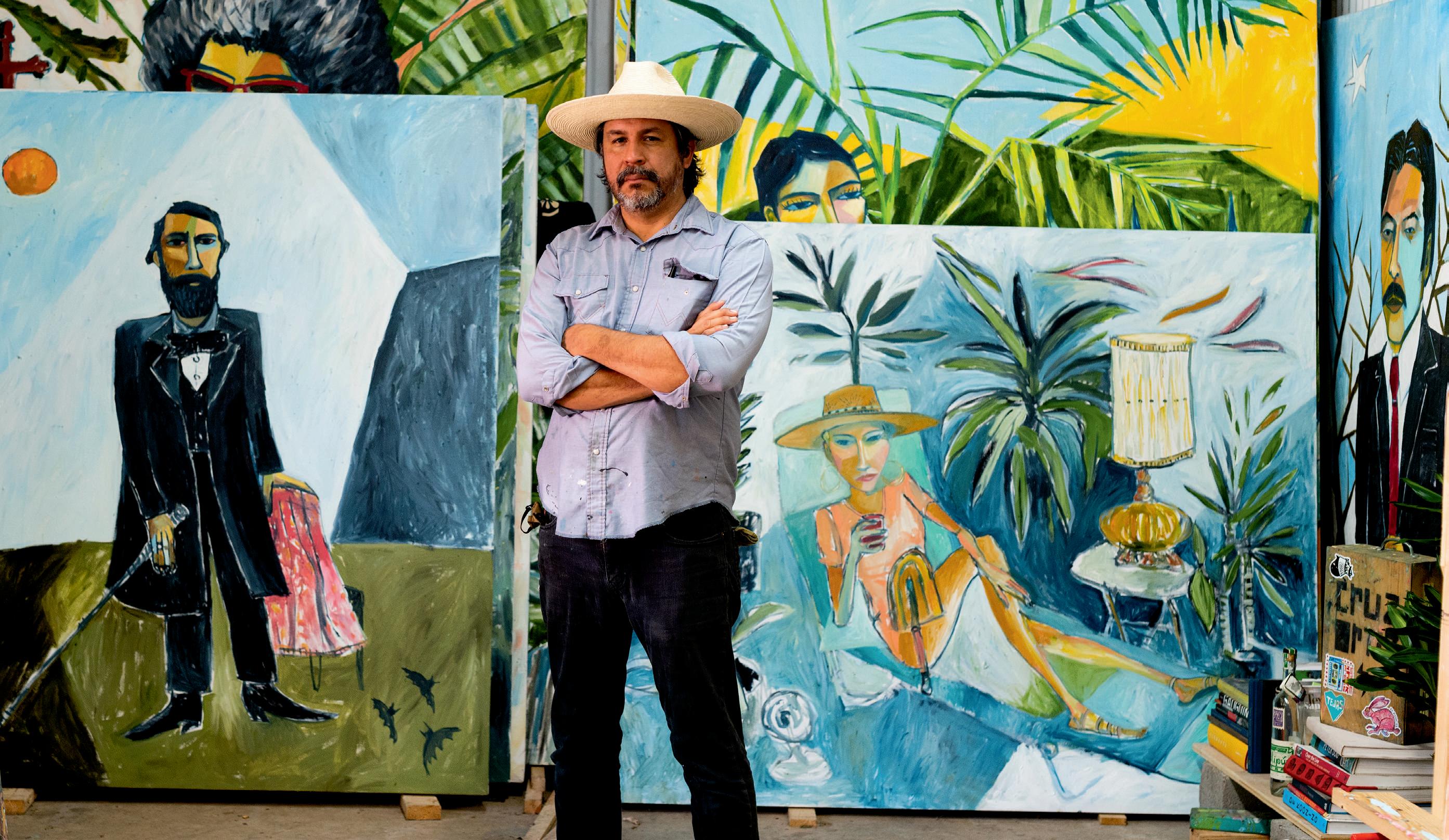
That instinct became the foundation for In the Studio, an ongoing series created, photographed, and written entirely by Wendy. She documents artists inside their own working environments through conversation rather than performance, arriving as a peer. Studios remain imperfect. Paint splatters stay visible. The environments matter, and San Antonio reveals itself through them.
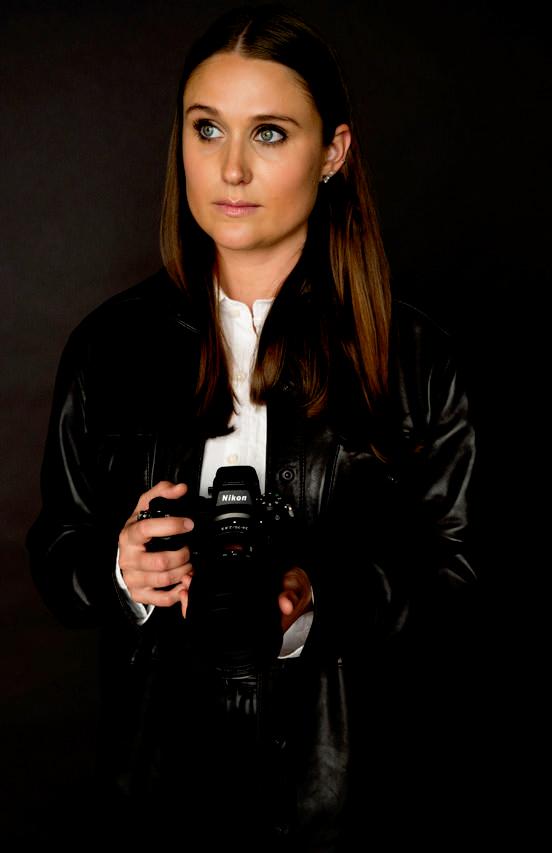
In 2018, she returned home. Returning was not a retreat from ambition. It was a decision about where ambition could matter most.
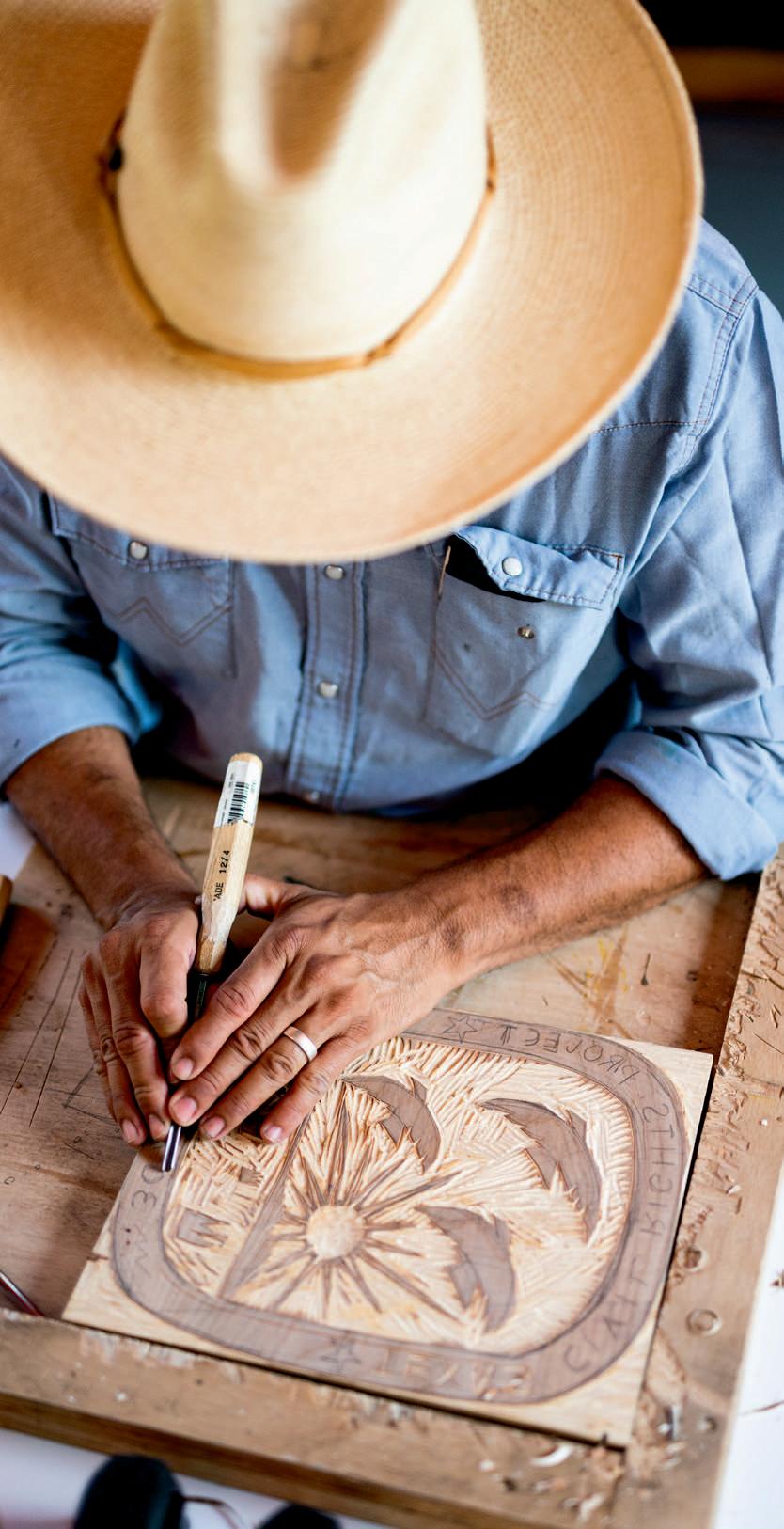
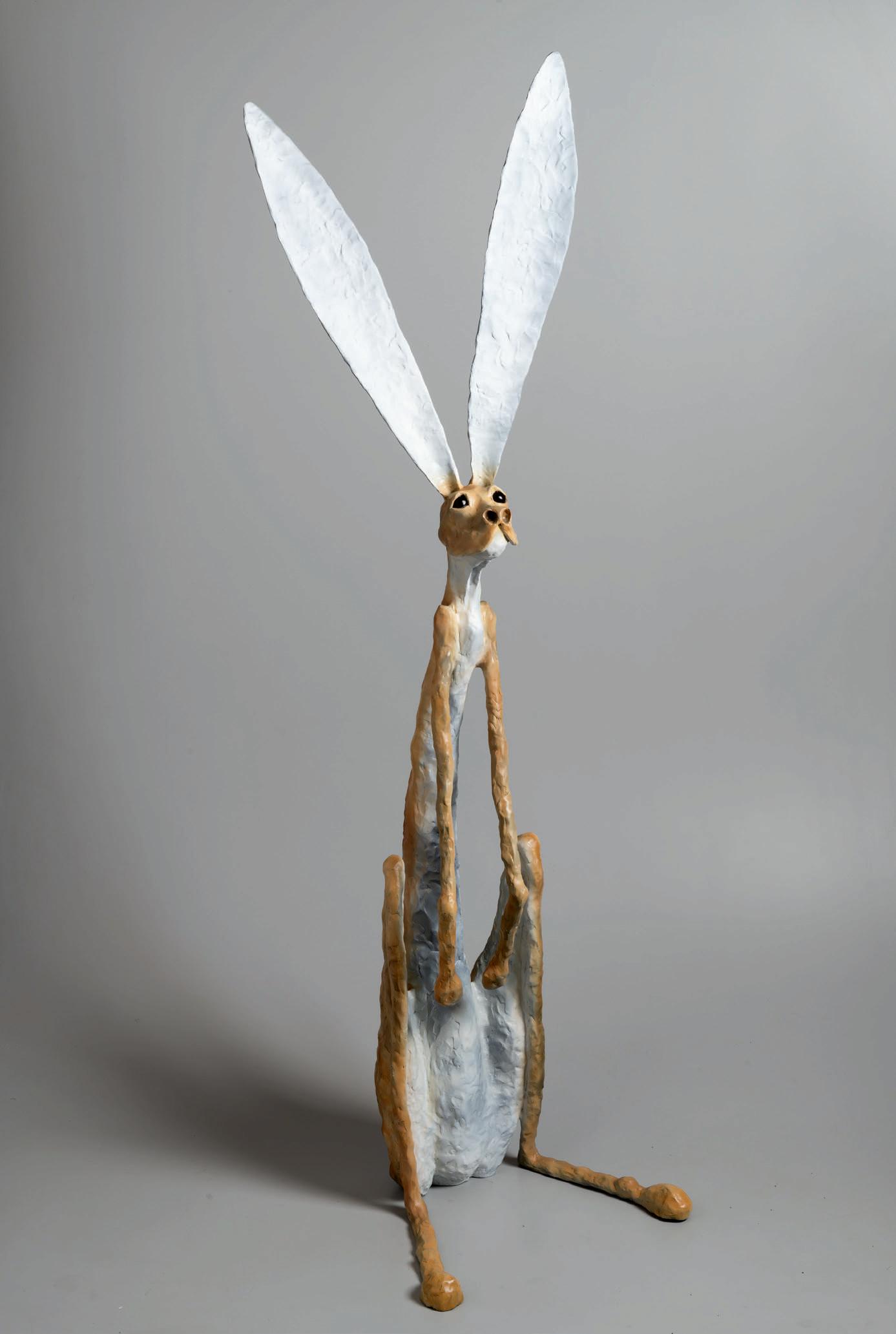
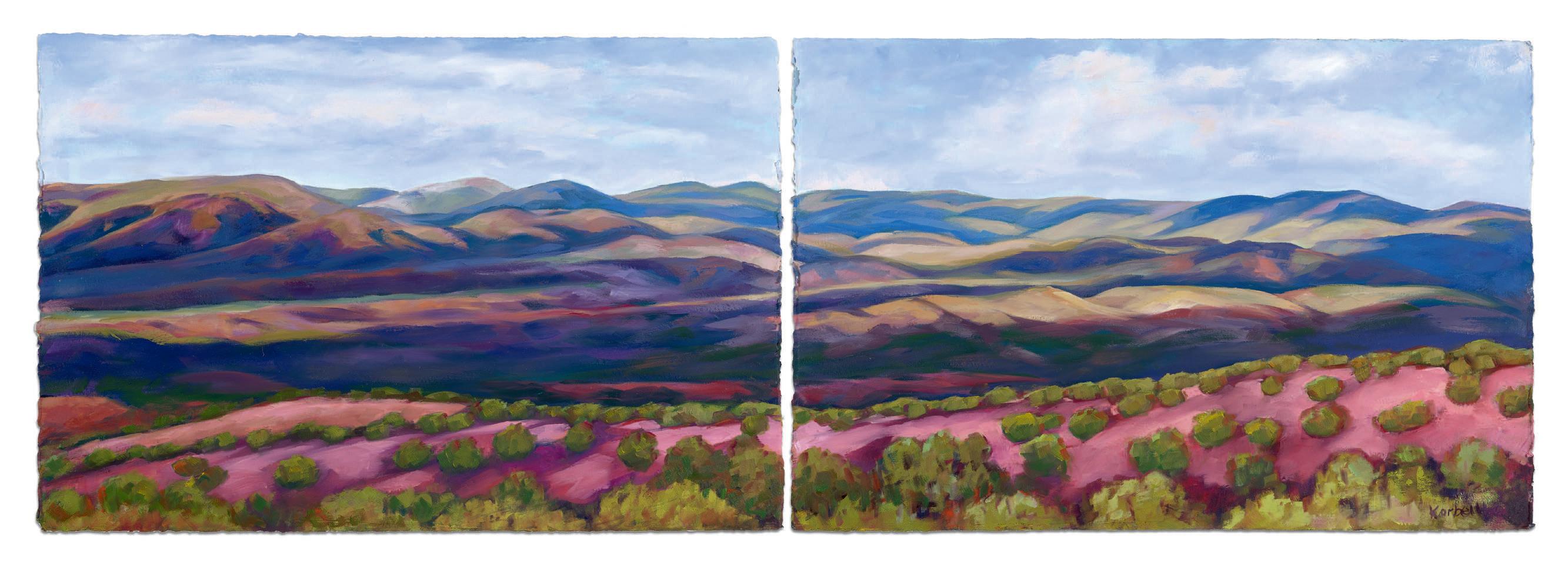
Artists including Cruz Ortiz, Jennifer Ling Datchuk, Eva Marengo Sanchez, and Kaldric Dow appear not as distant figures but as people immersed in daily creative life. Together they reveal a creative ecosystem more interconnected and ambitious than what larger art markets often perceive.
In the Studio is a series of love letters to the artists shaping our stories of home. Sometimes the greatest creative courage is choosing to stay, to look closely and honestly at what surrounds you, and to honor the work unfolding exactly where you are.
Continue exploring In the Studio at wendybowman. com/in-the-studio. V
By Matthew McLendon | Photography courtesy of the McNay Art Museum
As Director and CEO of the McNay Art Museum, Matthew McLendon, PhD, leads one of the country’s most distinctive art institutions from a city with a cultural identity all its own. With experience across major museums and international scholarship, his perspective connects global art history with San Antonio’s local character. This essay is adapted and edited from a live interview on the Voice of San Antonio Podcast, where McLendon reflects on place, belonging, and how our city shapes the way culture is made and shared. The original conversation is available on the Voice of San Antonio Podcast at voiceofsanantonio.com.
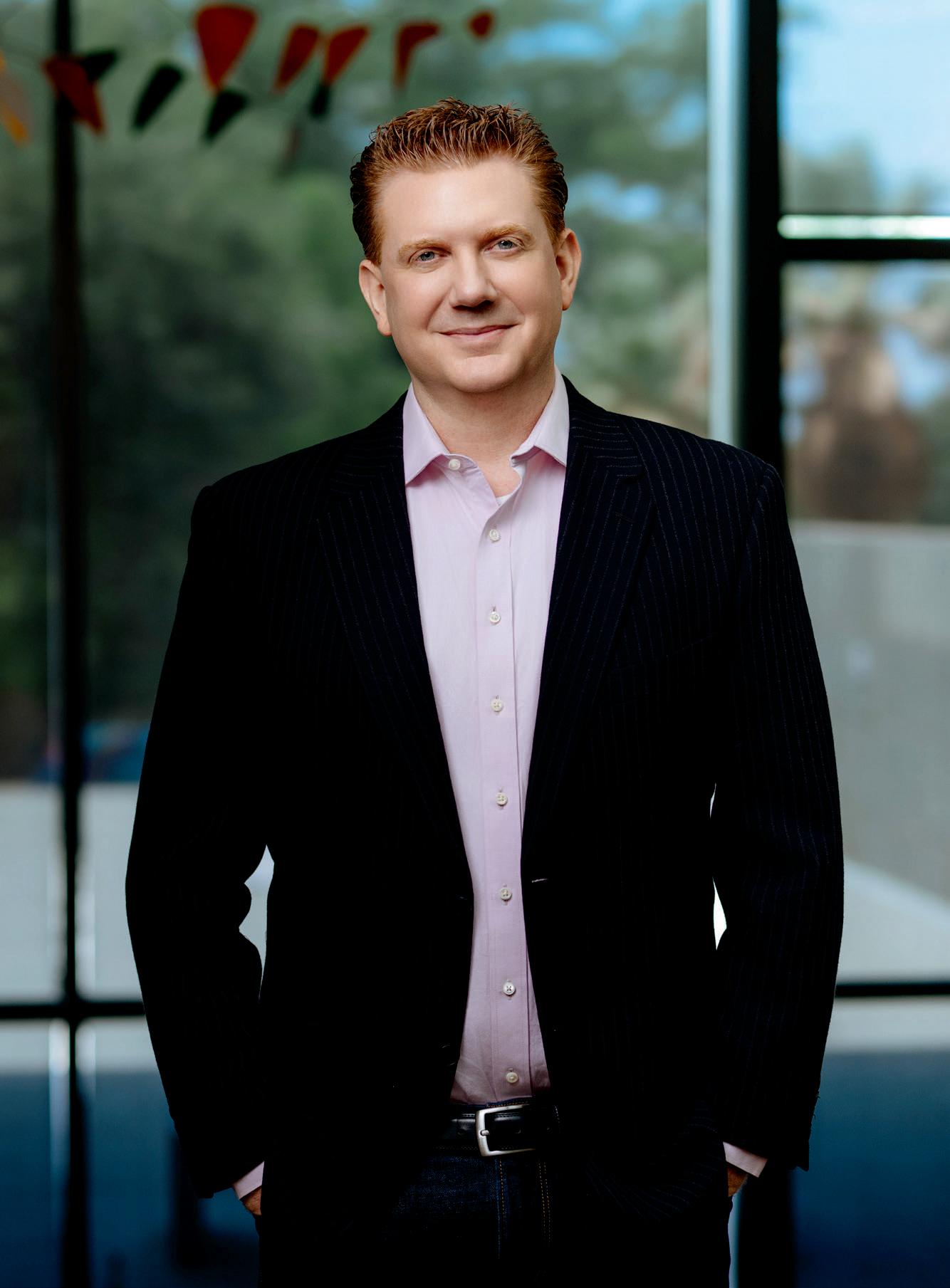
Director
At the McNay, we often speak about local roots and global impact. From its founding, the museum has collected the art of its time, supporting living artists and forward looking ideas. Presenting international artists alongside artists from San Antonio and across Texas is not a contradiction. It is a statement of confidence. The more grounded we are in place, the more resonant our work becomes beyond it.
I have lived in many cities, on both sides of the Atlantic, and worked inside some of the world’s most storied cultural institutions. Yet it was only after arriving in San Antonio that I fully understood how deeply a place can shape the work created within it.
never meant to be purely domestic. It was built for gathering, for conversation, for creative collaboration and exchange. That intention remains central to the museum’s purpose today.
My own path to museum leadership began in the performing arts. Music, theater, and dance shaped my earliest understanding of creative discipline. Art history later offered a way to understand culture through its visual language, how societies tell stories about themselves through form, material, and image. Museums became the space where those worlds converged. What drew me to the McNay was its refusal to be narrowly defined, a place where centuries of art history, from the Renaissance through modernism and into contemporary practice, coexist alongside exhibitions devoted to the making of the performing arts.
Museums hold a unique position in public life. They are among the most trusted institutions in American society, offering space for reflection and thoughtful exchange. Art objects, whether historic or contemporary, allow us to approach difficult conversations with curiosity rather than division.
Equally important is ensuring that people feel they belong. Belonging goes beyond welcome. It means seeing yourself reflected in the stories being told and feeling valued in the space you occupy. This is why programming and community engagement are not peripheral to our mission. They are essential to it.
San Antonio understands this instinctively. There is a generosity here, a deeply authentic kindness, that creates the conditions for creative work to take root and endure. To build a global cultural life from San Antonio is not an anomaly. It is an advantage.
❝
To build a global cultural life from San Antonio is not an anomaly. It is an advantage.
San Antonio is not a city trying to become something else. It does not perform for outside approval. It is confident in its identity, an identity that is layered, complex, and grounded. That confidence creates a rare environment for cultural life, one where authenticity is not a strategy, it’s woven into the city’s fabric.
When Marion Koogler McNay built her home along Austin Highway in the nineteen twenties, she chose the highest point on her land. From there, her house would be both a welcome and a farewell: the first thing visitors saw entering the city and the last thing they saw as they left. Her home, now the McNay Art Museum, was
This city does not ask its cultural institutions to dilute themselves. It asks them to be intentional. And in doing so, it shapes the work in ways that last. V
Please scan the code to hear the full conversation
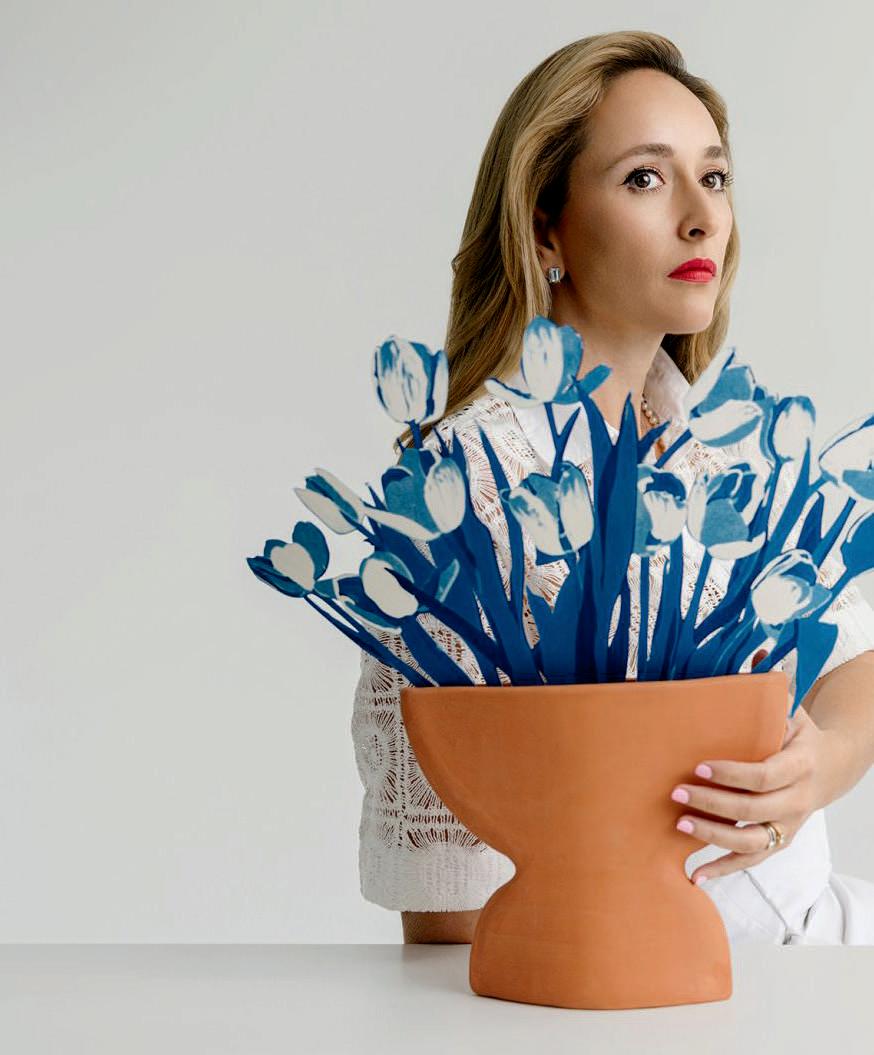
Shaped by formative years between Mexico City, Florence, and San Antonio, multidisciplinary artist Daniela Oliver de Portillo reflects on how community, cultural identity, and creative freedom transformed circumstance into belonging. In this personal essay, she considers how San Antonio’s generosity, affordability, and interconnected arts ecosystem allowed her work — and her life as an artist and mother — to flourish.
Inever planned to root my artistic life in San Antonio. What started as circumstance has grown into a deep appreciation for the creative life this city makes possible. Since 2002, I’ve lived between Mexico and the United States, apprenticed in Florence with Mario Pacchioli, and studied with mentors from Margaret Craig to my professors at Trinity University. My roots were shaped in Mexico City and Florence, but it’s here in San Antonio that my work has been able to take shape and flourish. It may not be a global art capital, but it’s fertile ground for experimentation, collaboration, and growth, and that has been invaluable to me.
When I tell friends and colleagues in the international art world that I live in San Antonio, their reactions are often filled with surprise. Perception and reality rarely align. Many people from larger, more cosmopolitan cities have fixed ideas about Texas or San Antonio. I love complicating those assumptions by pointing to our rich cultural institutions, the deep history of creativity here, and the internationally respected artists who have been residents at Artpace. It’s gratifying to watch that surprise shift into recognition, to remind people that compelling art communities exist outside the places they expect.
My own training is proof of that. Other than a year of intensive study in Florence and summer workshops at Penland and Anderson Ranch, almost all of my education has happened in San Antonio. The ceramic community here is extraordinary, welcoming, generous, and always willing to share knowledge. I’ve spent much of this year working daily at Road Runner Ceramics, where the spirit of support is palpable. San Antonio is a place where artists take each other under their wings. That cycle of generosity, being nurtured by others and then giving back in turn, is something I don’t take for granted. It makes the city feel like a true creative ecosystem.
Of course, I also recognize the differences between San Antonio and larger art centers. Cities like New York, Los Angeles, or Mexico City provide a scale, visibility, and access to markets that ours simply doesn’t. Many artists leave to find that. But San Antonio offers something else: authenticity, support, and space. For me, it has become both home and launchpad. I stay deeply connected to Mexico City, and I seek opportunities beyond Texas, but San Antonio is where I make the work itself. It’s the place that sustains me, while the hyperconnected world makes it possible to keep growing professionally abroad.
Every chapter of my life here has shaped the way I see myself as both artist and woman. Being accepted into Columbia’s Arts Administration program was affirming, but I chose not to go, a decision that freed me to build my career locally. My ten years working at the McNay became, in many ways, my graduate education. I learned the inner workings of a museum, the realities of arts administration, and the nuances of our ecosystem. That foundation made my eventual shift into full-time studio practice possible. Personally, I feel incredibly fortunate. My parents and siblings live here, my in-laws visit often, and my husband is unwavering in his support. That network of care allows me to take risks, keep looking forward, and balance my many roles.
San Antonio also gives me space, literal and emotional. Studios are affordable, homes are large enough for families, and there’s breathing room to think. Just as importantly, the pace is humane, the community generous, and the city’s cultural diversity endlessly inspiring. The challenges of being an artist remain, but here ideas have room to unfold in ways they might not elsewhere.
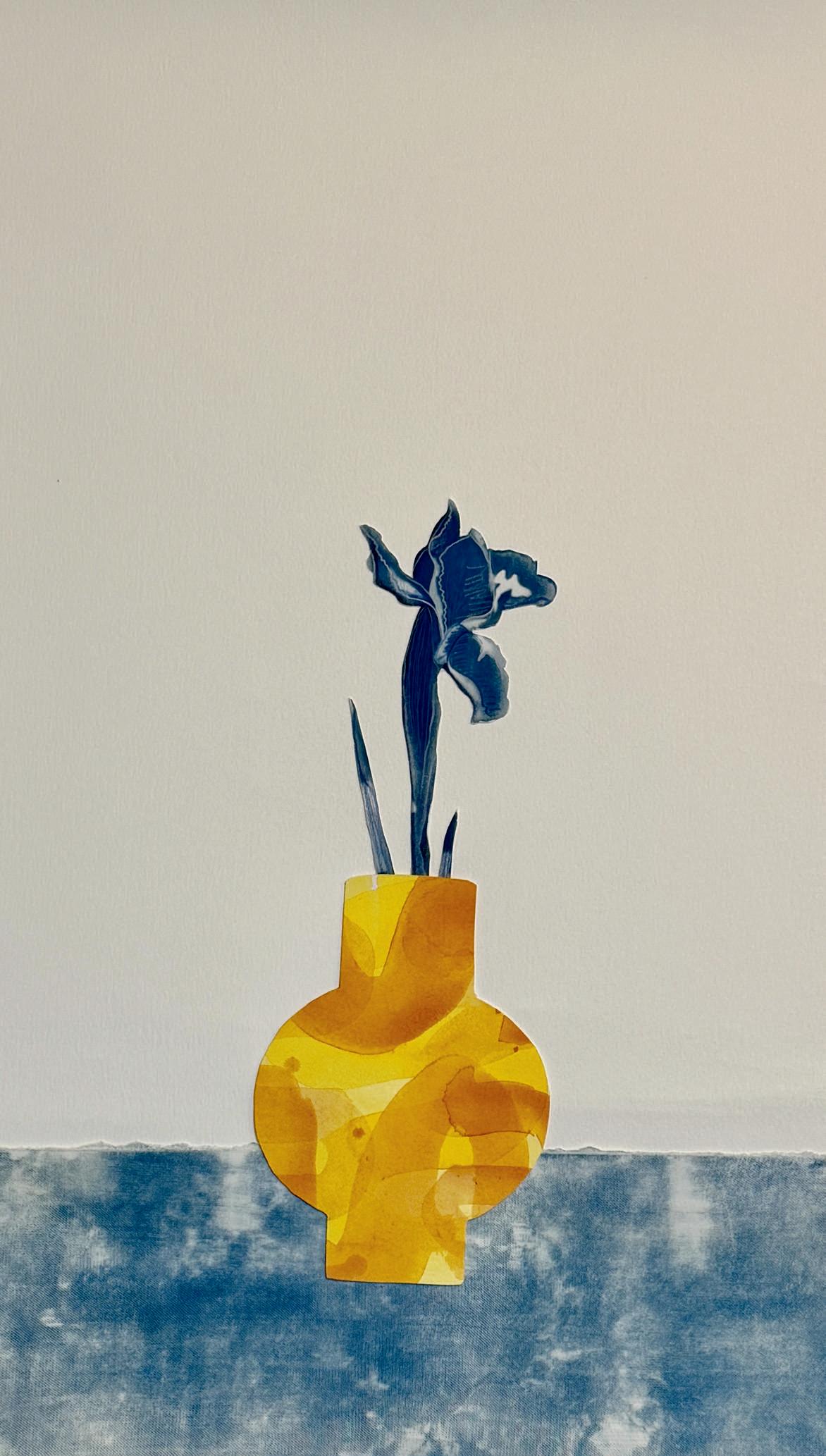
Living here has also helped me embrace my own bicultural identity. San Antonio embodies a multifaceted Hispanic experience. For those of us who have left our place of origin, it provides a sense of familiarity and continuity. I can say “Te amo” or “I love you” to my children and know they’ll feel both equally true. That fluidity is woven into my art, in the titles, the themes, and the materials. It isn’t something I have to force. It’s simply part of living here.
What makes me proudest of San Antonio is its openness. The support here feels genuine and reciprocal. People truly want to see each other succeed. That spirit is rare, and it’s something I treasure.
San Antonio allows me to live a full life, as an artist, a mother, and a member of a larger creative community. It keeps me close to Mexico while offering the space and affordability to sustain a studio practice. It may not be the city where all the opportunities are, but it’s the place where the work itself can happen. For me, that balance makes it the right place to call home. V
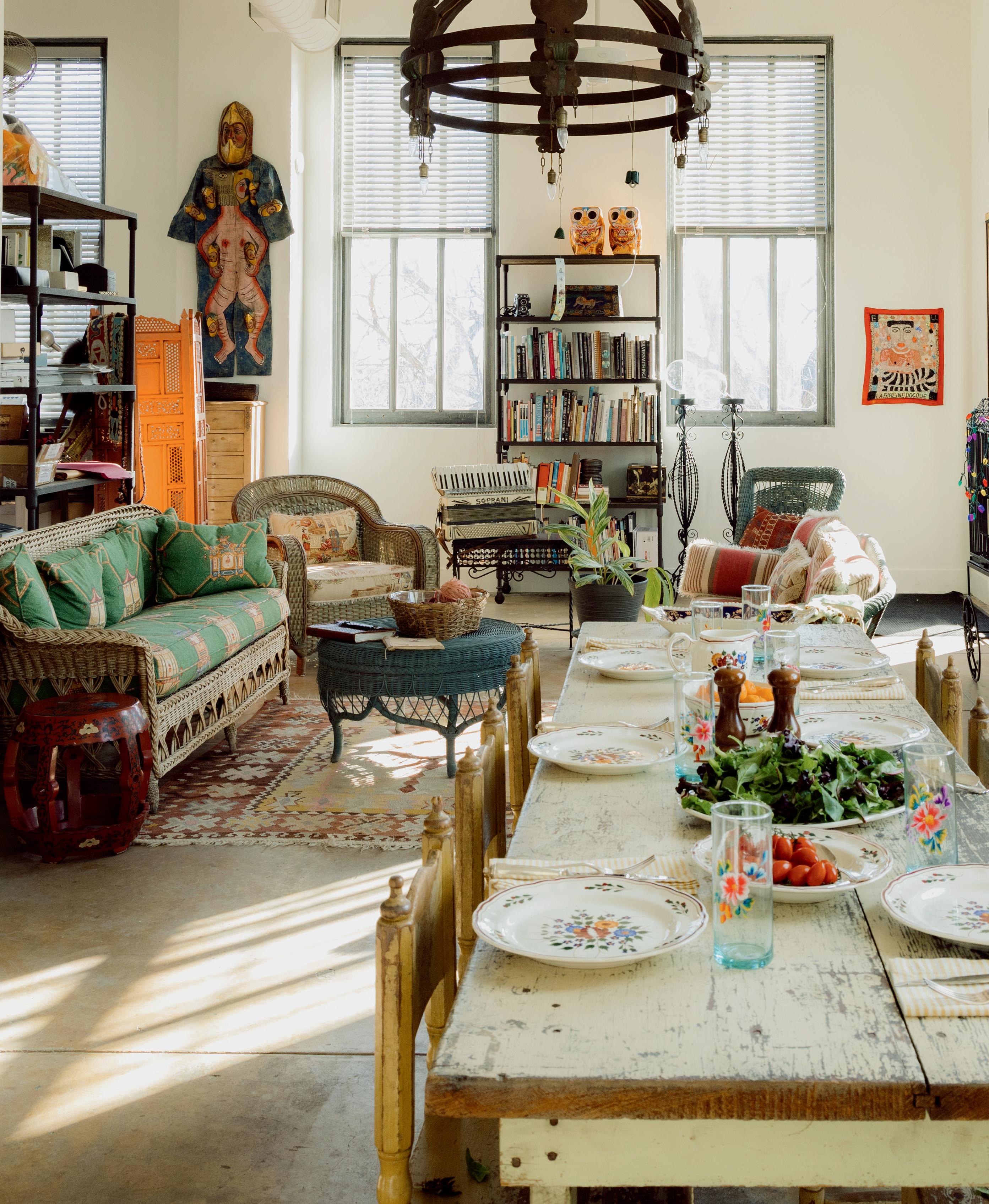
Inside the making of Cultus Artem, where ritual, restraint, and atmosphere shape a global creative house from San Antonio.
By Eleanora Morrison | Photography courtesy of Cultus Artem
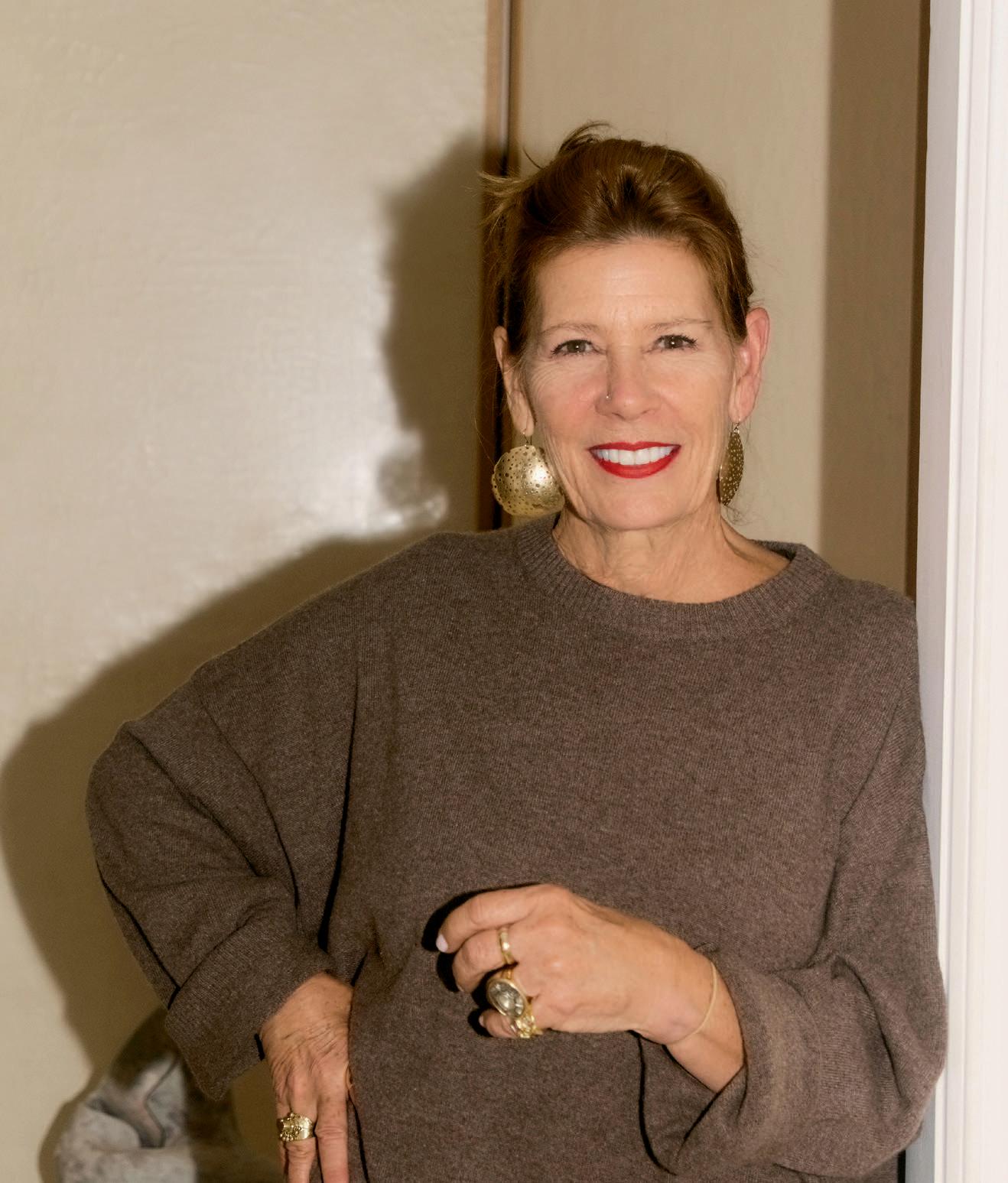
The word atelier can feel intimidating. In fashion capitals, it conjures visions of hidden staircases and linen aprons, designers bent quietly over work that feels just beyond public reach. The word suggests distance. Exclusivity. A world reserved for insiders.
At the Cultus Artem atelier on West Mistletoe Avenue, the word takes on an entirely different meaning inside a former Southwestern Bell call center.
Driving there, Monte Vista gives way to Alta Vista almost without notice, wide streets narrowing into a quieter residential stretch lined with aging trees and homes. And then suddenly, a brick building rises several stories above its neighbors, unmistakably commercial in scale, as if it arrived decades ago with a different purpose and simply never left.
I could tell immediately that it had a past. What awaited inside was something I could not have anticipated. Not simply a studio or showroom, but an entire world hidden behind an ordinary door.
Stone steps lead upward to a small bell mounted beside the entrance. A sign beside it reads: Please ring bell & wait
It felt unexpectedly ceremonial for a Tuesday morning interview, the sort of instruction that suggests whatever happens next will unfold entirely on its own terms.
I have always had a soft spot for ceremony. I have long been drawn to a bit of theater.
Well here goes nothing, I thought. I rang the bell.
The door opened quickly. A woman with long, beautifully curly hair greeted me warmly.
“Holly’s expecting you.”
Just inside the building’s threshold sat an enormous antique chair somewhere
between throne and sculpture, quietly announcing that whatever happened here followed its own rules. Before I could take in anything else, scent arrived first. Not perfume exactly...possibility.
Warm resinous notes mingled with florals still becoming themselves, fragrances mid composition drifting through the building before ever reaching a bottle. The effect was immediate and disarming. I had stepped into a process already underway.
Cultus Artem founder Holly Tupper appears moments later, moving easily through the space she has spent years shaping. She wears her own jewelry, gold catching light at her ears and wrists. A pleated skirt moves softly as she walks across layered rugs laid over concrete floors. Her sweater is playful without being precious, colorful forms scattered across knit texture like small private jokes.
She offers me lemon cake on ornate china. I recognize the loaf immediately, the kind sold beautifully frosted at a neighborhood H-E-B, but here it becomes something else entirely. Hospitality as ritual. Everyday gestures elevated through attention.
We sit first at a long table surrounded by quiet activity. Young employees work among trays of stones, droppers, notebooks, and glassware that give the room the atmosphere of a laboratory softened by music low enough not to interrupt thought. Cultus Artem’s perfumes and skincare formulations are conceptualized, produced, bottled, and shipped from this building. Everything begins here, but nothing feels hurried.
Holly speaks with the calm precision of someone who has spent decades learning when not to rush.
“I just want to come here every morning and start making things,” she tells me when I ask about routine.
The building itself collaborates in that process. Former industrial scale is softened by wooden partitions installed by a previous owner, San Antonio late antique dealer Don Yarton, who once lived here surrounded by collected curiosities. Holly inherited fragments of his vision when she purchased the property and expanded upon them slowly, layering objects gathered across years spent living abroad.
A copper bathtub sits improbably in one room, sculptural rather than functional. Murals remain from earlier iterations of the building. Moldings appear where none are structurally necessary. Nothing feels accidental, yet very little feels overplanned. Each room unfolds like a chapter.
We move through spaces that shift between workshop and reverie. Mood boards dense with photographs and botanical studies line the walls. Jewelry prototypes rest beside scent compositions and antique textiles soften corners where industrial floors might otherwise dominate.
Material is everywhere. Wood, stone, brass, porcelain. Rugs layered over concrete. Mismatched tiles in kitchens and baths that resist uniformity in favor of personality. The building feels assembled rather than decorated, a living archive of decisions made slowly over time.
Holly describes the process simply. “It’s been me nesting,” she says. “Creating a space that gives me pleasure to walk into.” She references Virginia Woolf’s A Room of One’s Own not as theory but as lived necessity. Creative work, she believes, requires distance from noise long enough to hear one’s own voice. Having lived in New York, Singapore, and London, she understands the electricity of major cultural capitals. She also understands their cost.
“In a smaller environment,” she explains, “you can extract yourself from comparison. You don’t feel pressured to respond to what everyone else is doing.” San Antonio offers that possibility. The city’s slower rhythm allows experimentation without constant surveillance. Real estate affordability allowed her to own the building outright, freeing the brand from pressures that often force creative compromise elsewhere. What might appear geographically peripheral becomes strategically liberating.
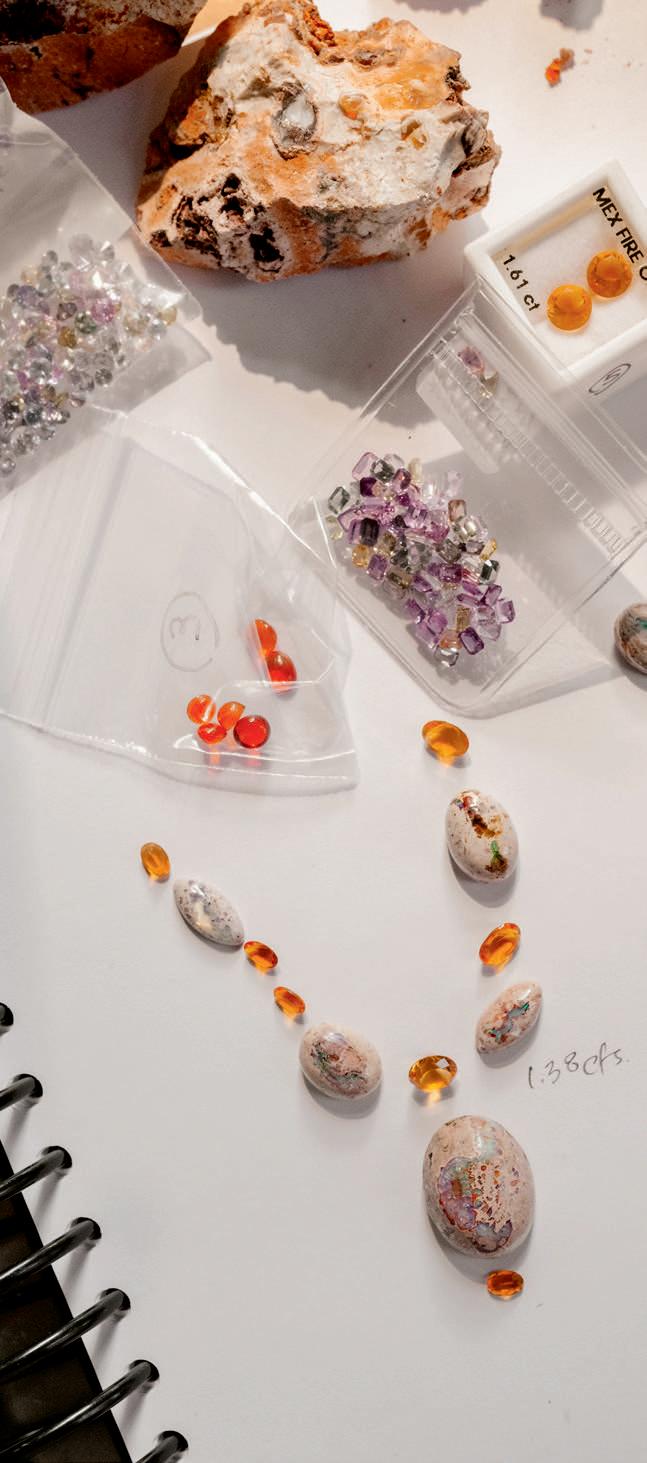
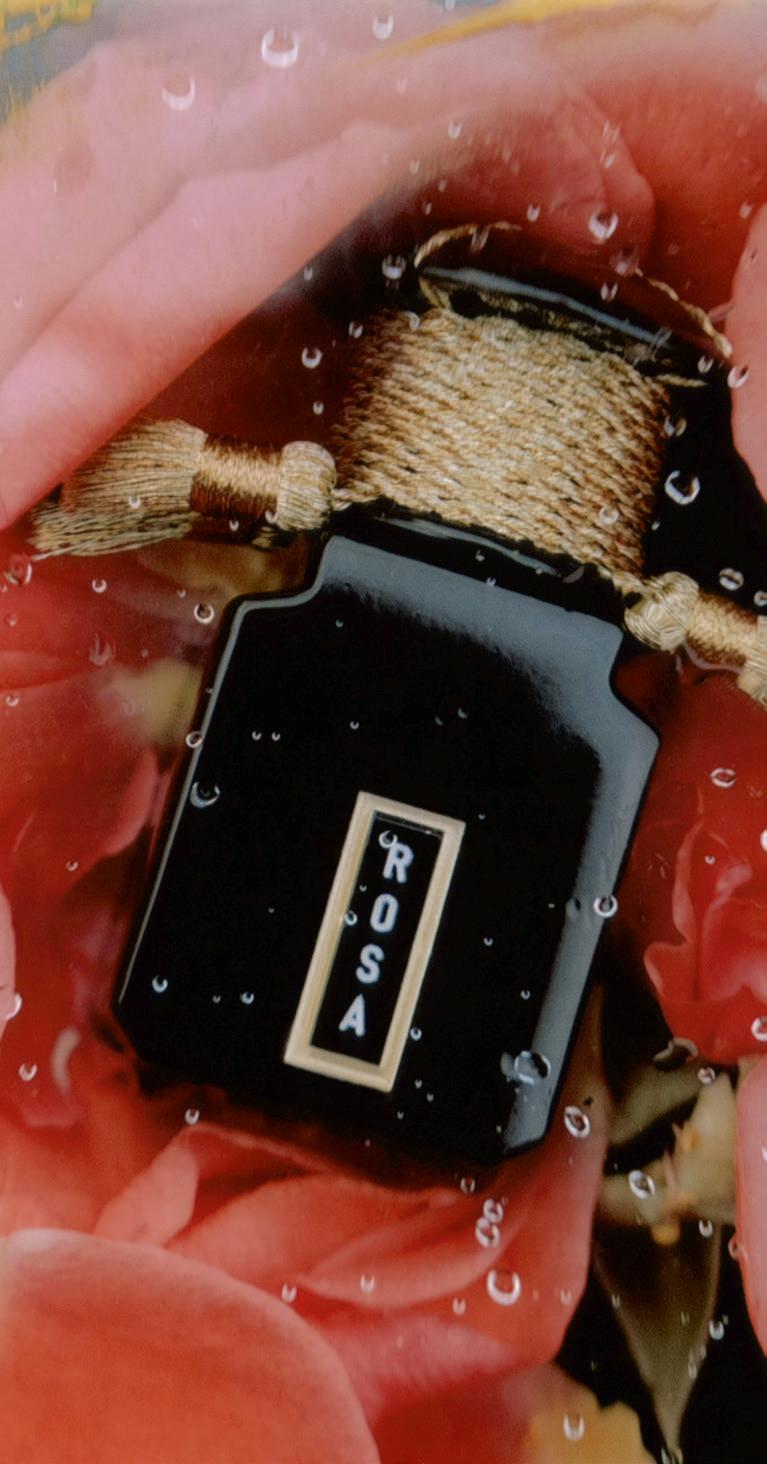
Cultus Artem operates globally from Alta Vista.
Jewelry is designed and prototyped here before being produced with workshops in New York and Jaipur. European toxicologists oversee fragrance compliance to meet stricter international standards. Rare ingredients sourced across continents arrive at a residential street in San Antonio before leaving again for collectors and retailers around the world.
Downstairs, in the basement, the romance gives way to reality. Orders are bottled, packed, labeled, and prepared for shipment by hand. It is unexpectedly industrious, boxes stacked beside carefully organized materials.
Luxury here includes labor. “I’m not trying to commodify what I make,” Holly says. “Rarity is a luxury.” Her definition resists contemporary expectations shaped by scale and speed. “Luxury isn’t opulence,” she explains. “Luxury is rarity and refinement. Measure.”
Objects are designed for longevity rather than novelty. A hand constructed porcelain vessel produced in a small Portuguese workshop can hold a refillable candle, incense, fragrance diffuser, jewelry, or flowers depending on how its owner chooses to live with it. “One beautiful thing used well can be enough,” she says.
Integrity often arrives disguised as stubbornness. When outside firms failed to realize her fragrance packaging vision, Holly became her own general contractor, coordinating glassmakers, tassel manufacturers, box producers, atomizers, and finishes across multiple countries. “It took five years,” she says, smiling slightly. “And it was really hard. But I didn’t compromise.” That insistence opene d unexpected doors. Bergdorf Goodman became the brand’s first major retailer.
Today, another milestone approaches. In a nearby studio within the building, trays of jewelry await final decisions as she prepares new work for her debut at the invitationonly COUTURE jewelry show, one of the industry’s most selective international presentations. Her sketches rest beside stones under evaluation. Every decision is measured and deliberate.
Even anticipation happens slowly here.
Holly’s team reflects the same philosophy. Many employees are young San Antonians beginning careers in chemistry, design, or production. Others collaborate remotely from across the world. Local curiosity meets global expertise daily within these walls.
At one point during our interview, a smoke detector begins chirping insistently somewhere overhead. Her dog startles, then settles close beside her as we laugh about whether to move rooms or simply continue.
We stay.
The interruption feels strangely appropriate. Even carefully built worlds allow small imperfections.
Holly herself resists easy categorization. Before jewelry and fragrance came careers in finance, music publishing, textile production, and metalsmithing. Reinvention appears less like disruption than habit.
Asked what advice she would offer younger creatives, she pauses. “Just start putting one foot in front of the other,” she says. “Don’t try to make the biggest thing ever. Do one part at a time.”
San Antonio, she believes, remains uniquely generous in that regard. Collaboration often begins simply by asking. People help one another experiment. Time moves differently here.
After decades of movement across continents and disciplines, she describes her life now with a word that feels earned: contentment. On my way out the door of the atelier, Holly photographs me seated in the theatrical throne. A parting gesture, as if to say, life is allowed to be a little bit larger than practicality suggests.
As I walk back down the steps toward my car, Alta Vista continues without spectacle. Cars pass. Someone walks a dog. Afternoon light settles onto the brick facade exactly as it always has. From the street, nothing announces what happens inside.
San Antonio has spent decades wondering whether world class creative work can emerge from here. The answer has been arriving quietly all along. Sometimes it looks like a rehearsal hall, sometimes a studio, sometimes a kitchen. And sometimes, on West Mistletoe Avenue, it smells like tuberose and cedarwood drifting down a staircase toward the door.
You only have to ring the bell. V
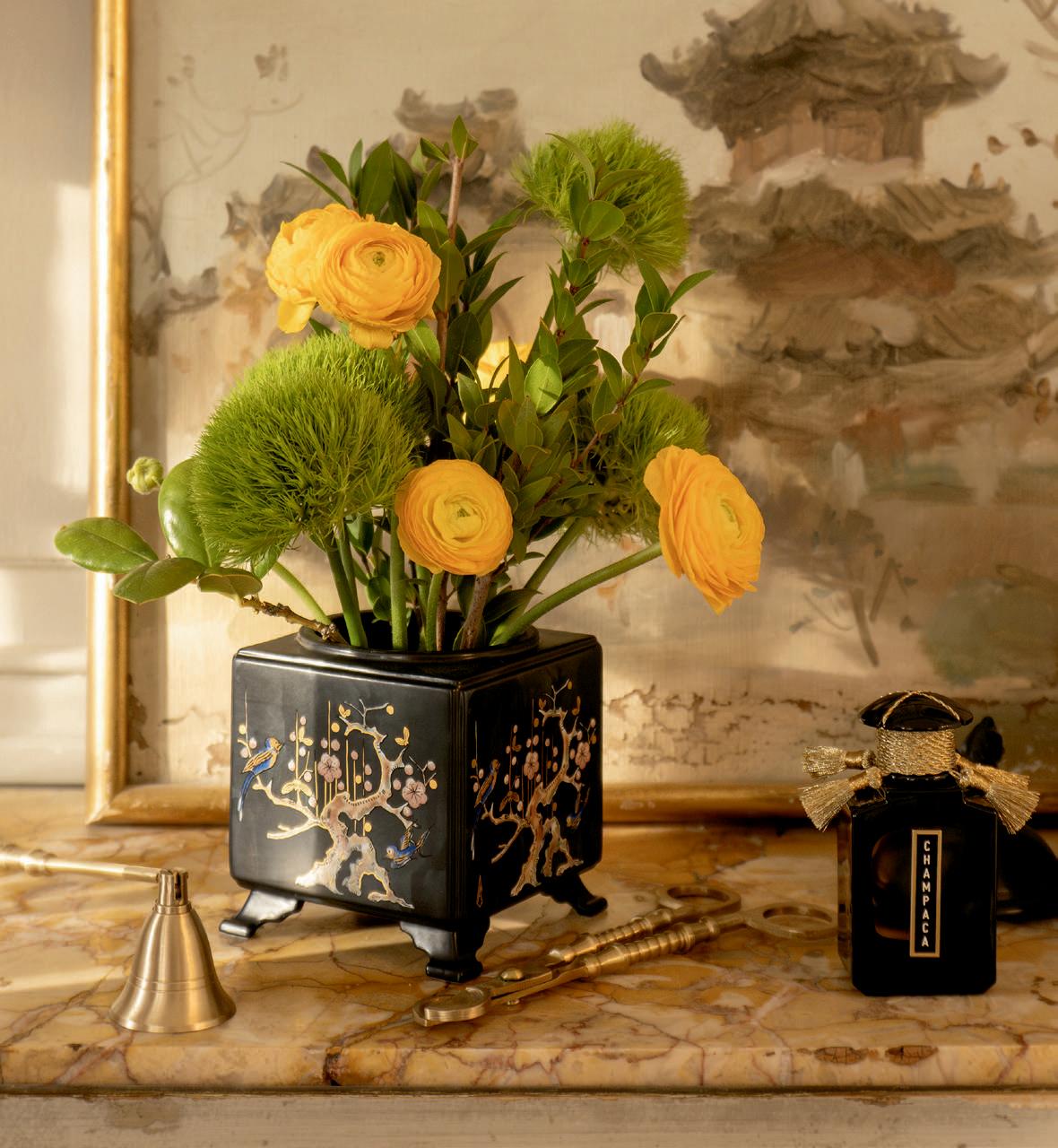




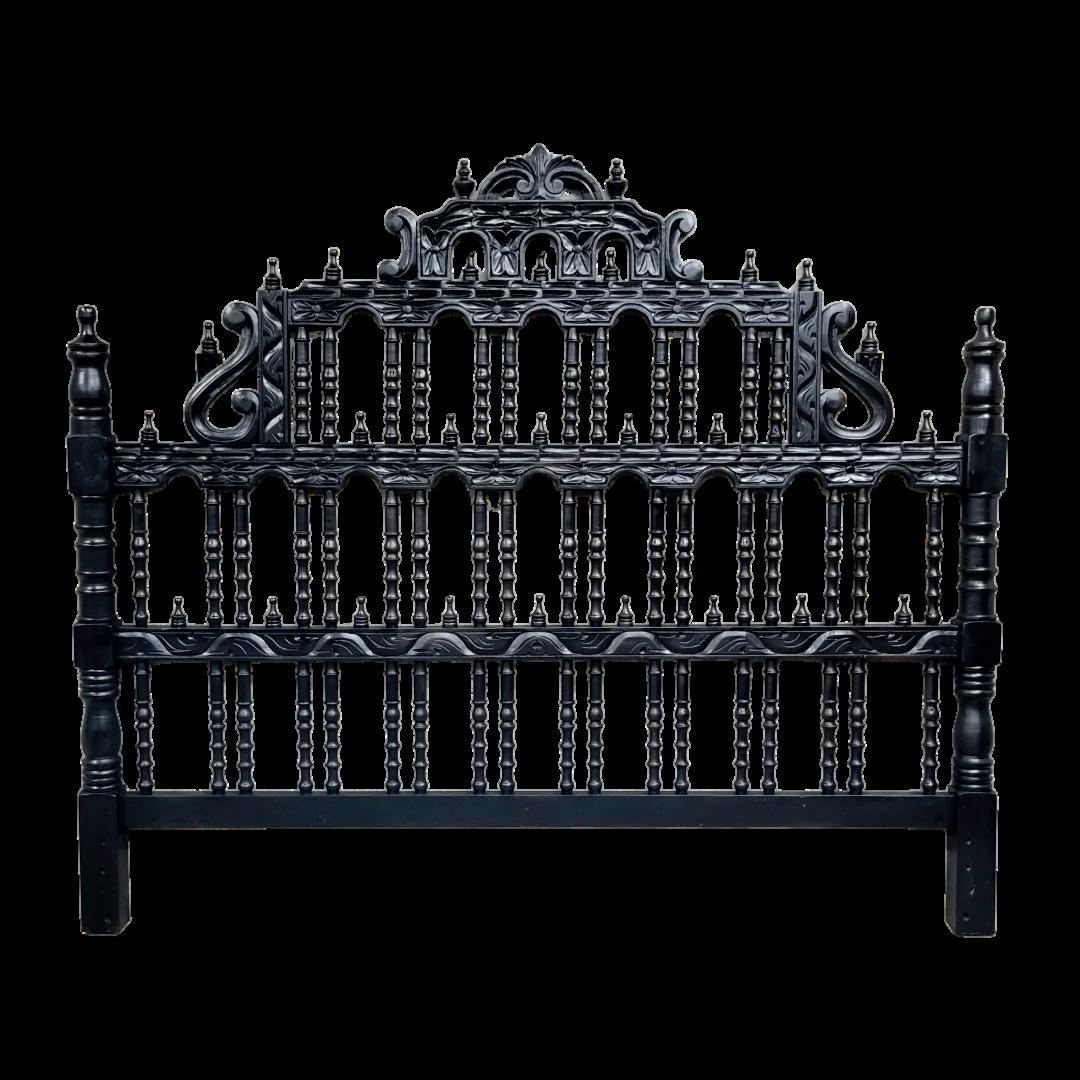
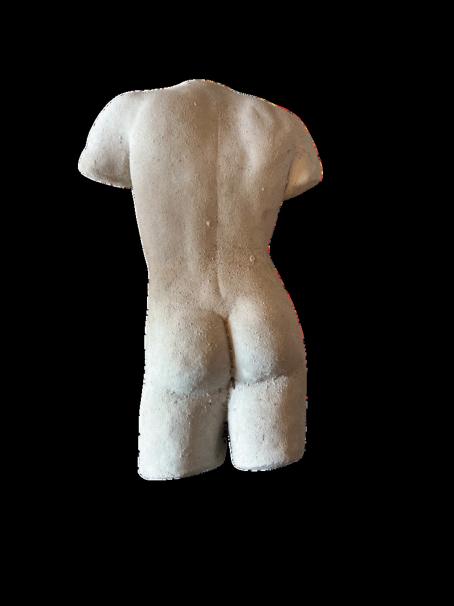





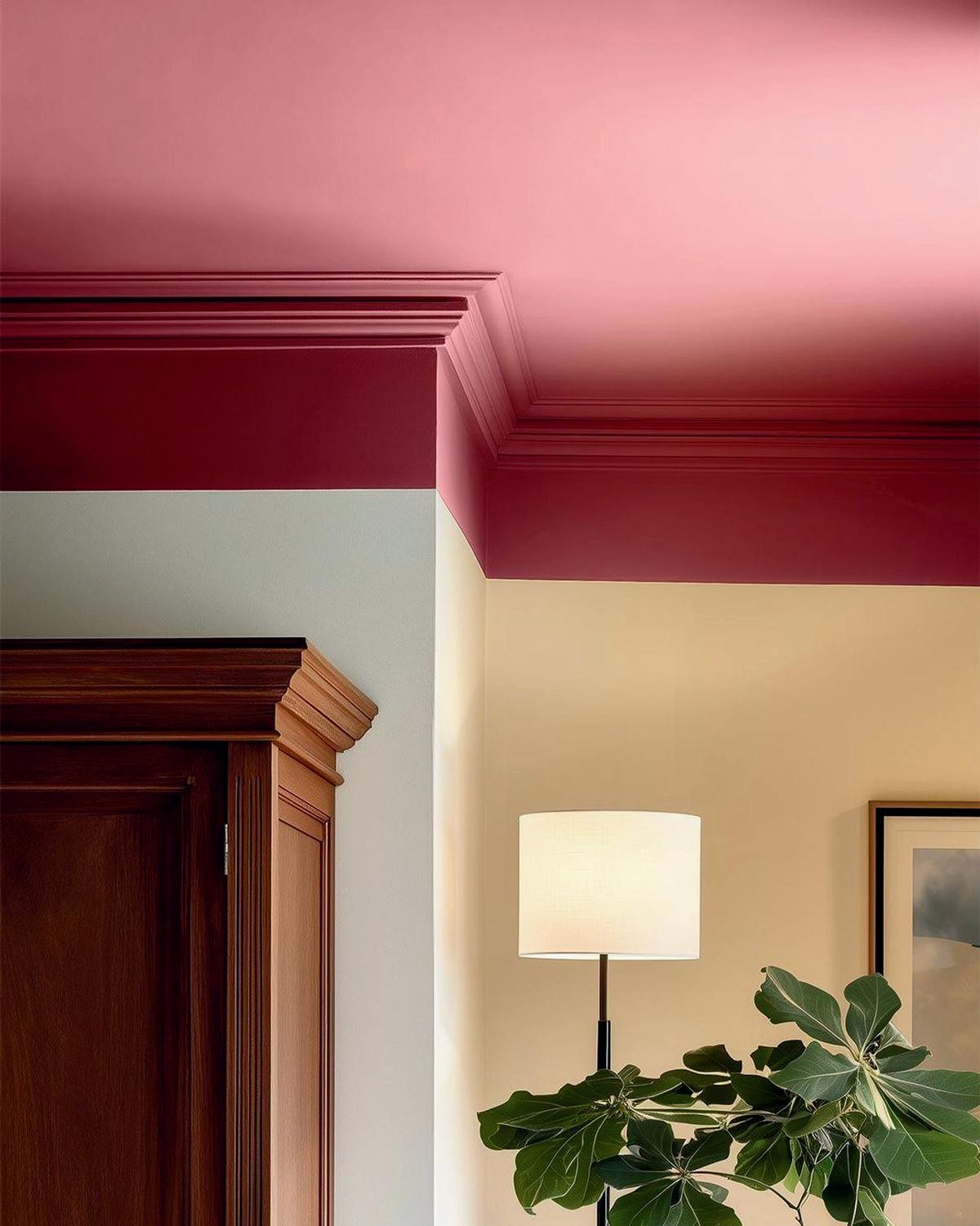
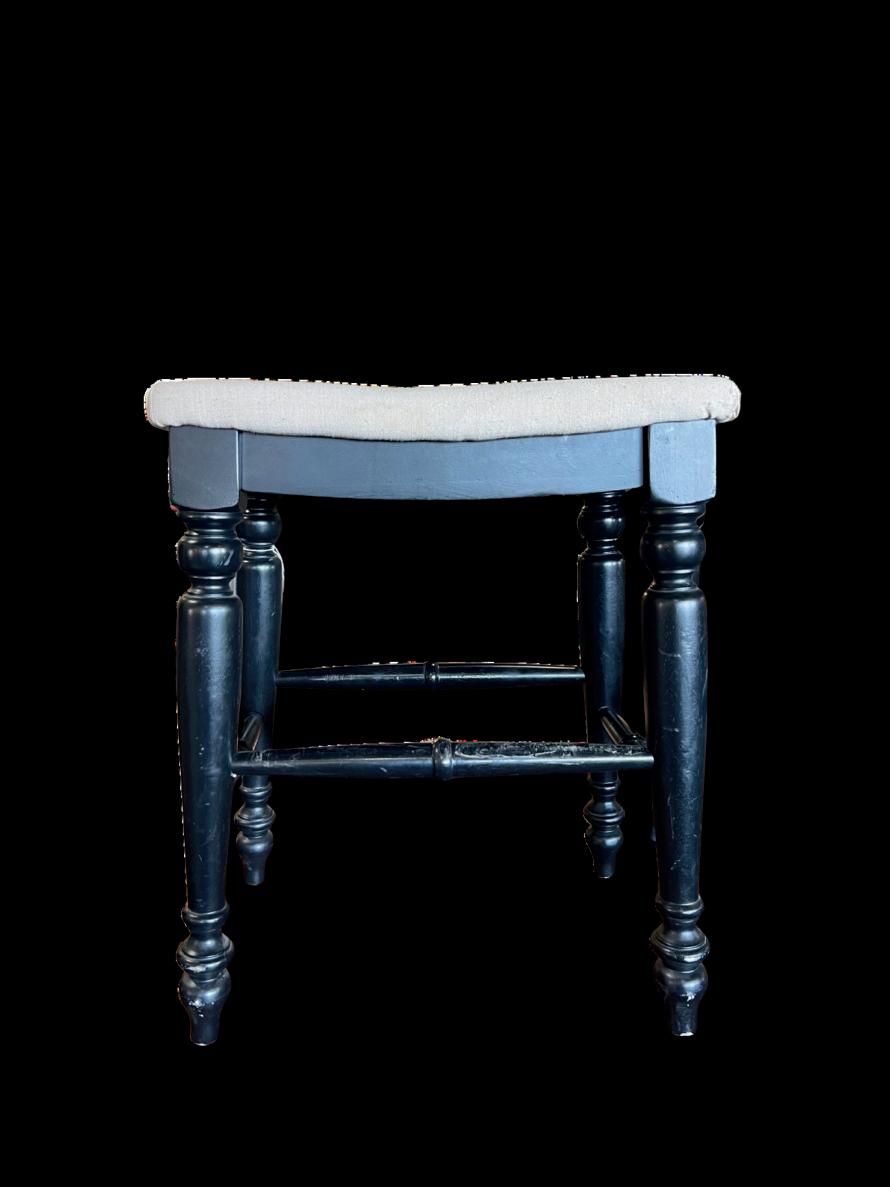
Designing a San Antonio Home That Feels Lived-In, Layered, and Lasting
In a city shaped by memory, craft, and cultural layering, timeless interiors are rarely bought all at once — they are collected. Designer Madeline Cosgrove of Upstairs Interiors shares how secondhand sourcing creates depth, character, and authenticity in San Antonio homes.
By Madeline Cosgrove | Graphics by Madeline Cosgrove
As a designer, I hear it all the time: “I want my home to feel timeless, not trendy.” But in terms of interior design and styling, what does timeless really mean? With today’s quickly fleeting trends, does a timeless home even exist?
To me, an everlasting home comes down to storytelling. Good design feels collected over time. It results in a unique juxtaposition between old and new. It carries layers, imperfections, and eccentricities that align with each owner’s personality and reveal an evolving narrative of their life.

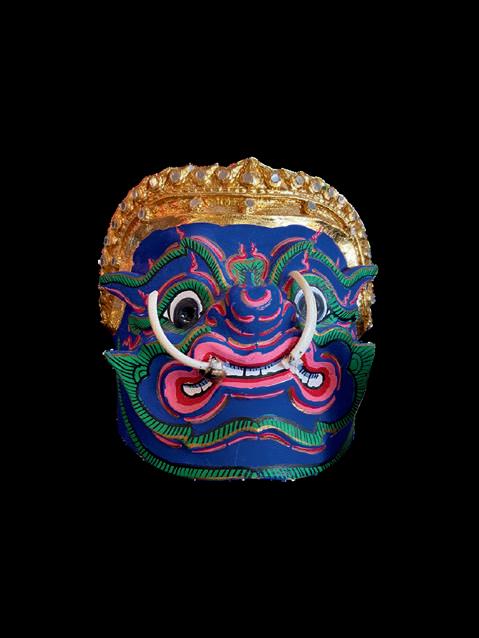
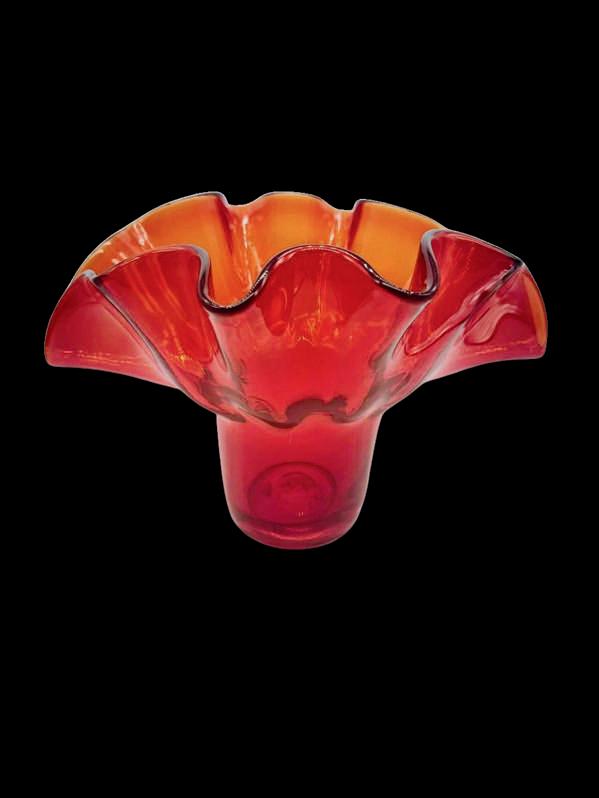
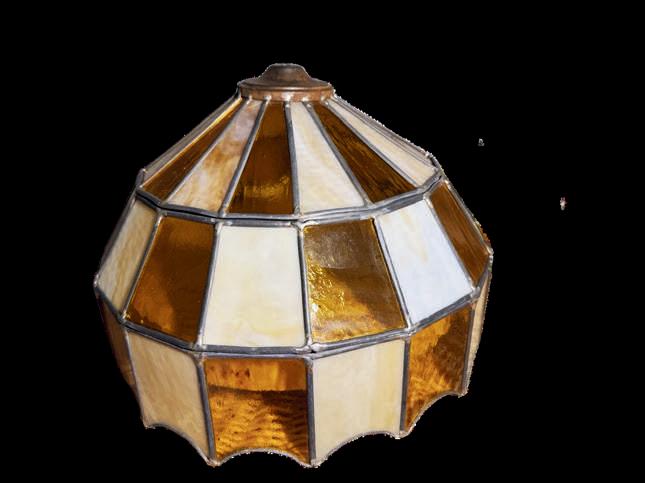
The most accessible, and often most cost-effective, way to establish your interior point of view is by shopping secondhand. San Antonio’s rich blend of culture and design history makes thrifting and antique sourcing especially rewarding. Character is not hard to find here, if you know how to look.
Here are some of my favorite designer strategies for creating a timeless home through secondhand sourcing in the Alamo City:
To establish a cohesive look throughout your space, start with a moodboard before you shop. This helps train your eye and clarify what belongs, and what doesn’t, when you encounter one-of-a-kind pieces.
If you’re unsure how to define your interior preferences, look at your wardrobe. Notice repeating colors, textures, and materials. You can also use your home’s architecture as a guide; older San Antonio homes often suggest a natural direction through their structural components and materials.
Once you determine what you want your home to feel like, make a specific list of desired items before shopping so you stay focused. Measure your spaces ahead of time. Keep dimensions and reference photos on your phone. I always keep a tape measure in my car.
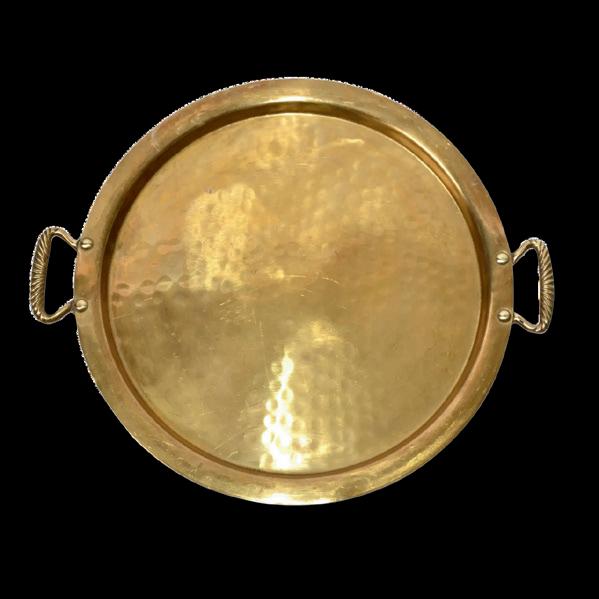
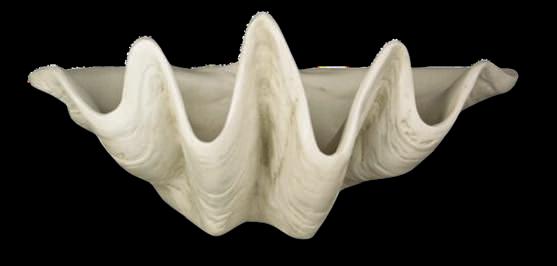
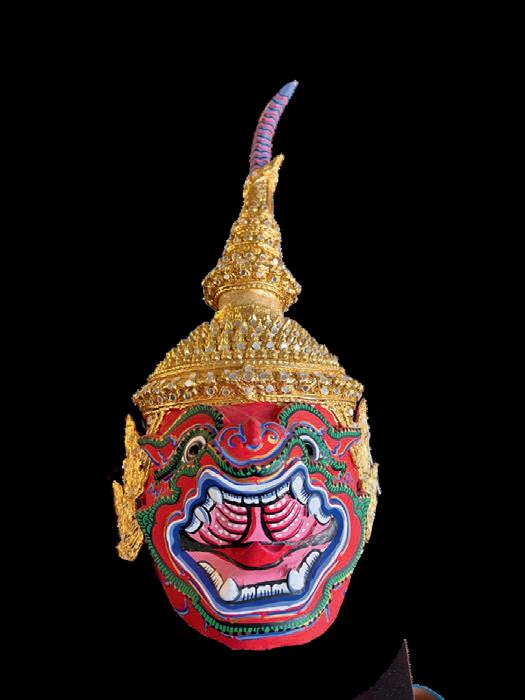
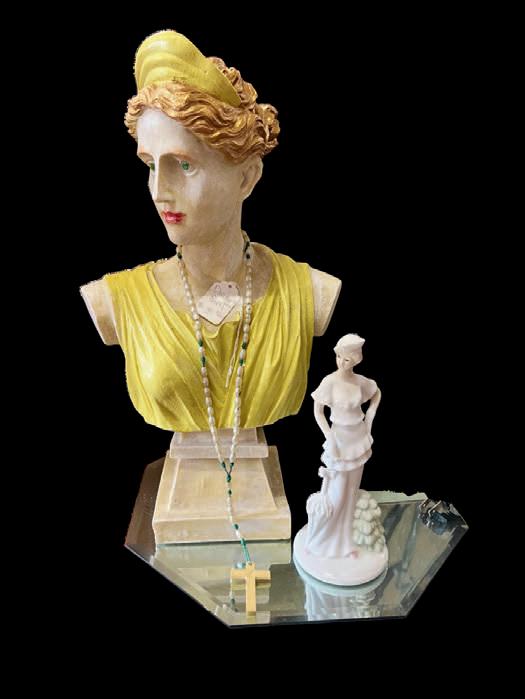
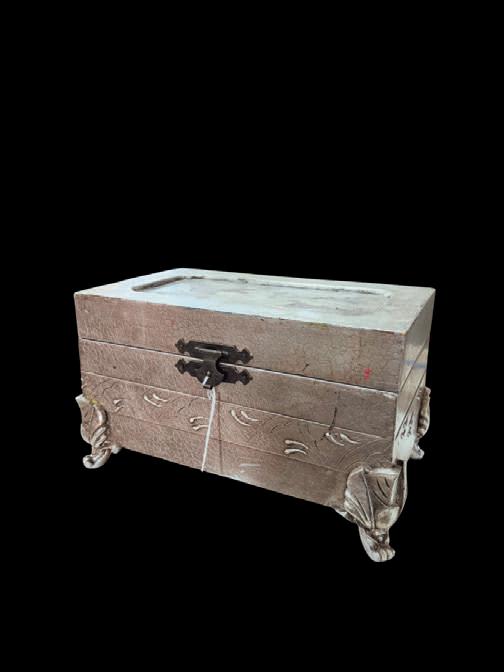


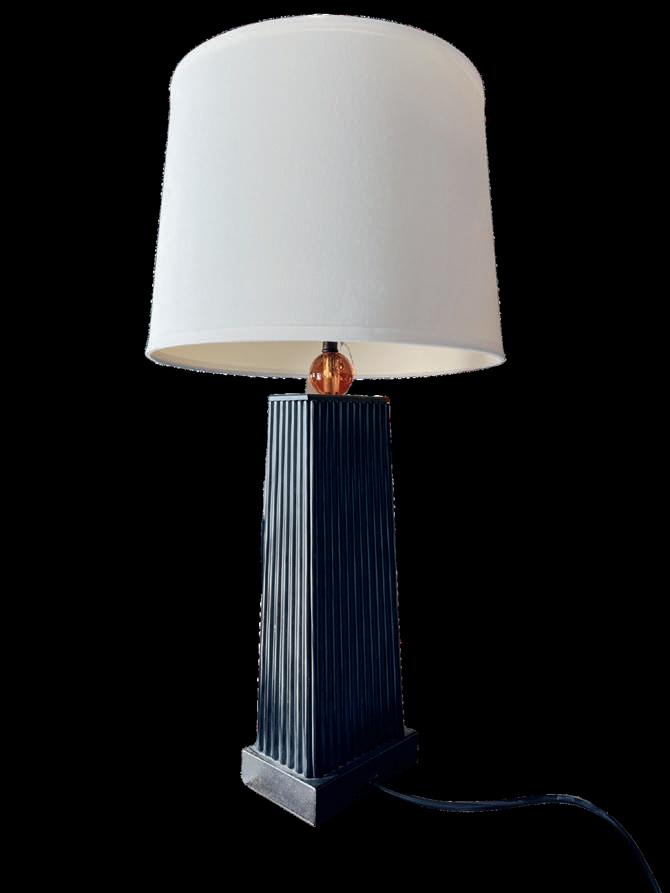
Not every object must serve its original purpose. Some of the most compelling rooms reinterpret their pieces. A vintage trunk can become a coffee table. A ceramic vessel can become a lamp base. A textile can become framed art. Repurposing extends usefulness and helps pieces transcend trends.

Great rooms include tension. When everything is too coordinated, spaces feel flat. A timeless interior includes at least a few unexpected pieces — oddities, sculptural objects, unusual chairs, bold artwork — that invite curiosity and conversation. Risk is part of curation. The more distinctive the piece, the more memorable the room.
When you design with intention, you gain the discipline to reject impulse buys that don’t fit your story.
Quality materials bring warmth and longevity that replicas rarely achieve. When thrifting, look for solid wood, stone, metal, handwork, and original construction details. Labels that indicate handmade origin or an artist’s signature add both story and value. Surface wear is not necessarily a flaw. Scratches, patina, and minor repairs often enhance authenticity and can help you negotiate price, as long as structural integrity remains sound.
San Antonio’s antique and secondhand dealers are among the city’s best design resources. Visit often. Build relationships. Let them know what you’re searching for. Many will keep an eye out on your behalf and sometimes offer better pricing to regulars.
These stores are not just retail spaces, they are curated environments shaped by decades of trained instinct and hands-on knowledge. V
Inside visual artist Kelly O’Connor’s Dignowity Hill home, nearly two decades of slow, intentional living have produced something rare: a space that is fully, unmistakably her own.
By Eleanora Morrison | Photography by Jana Cantua
Not every home is built all at once. The best ones are collaged together over years, assembled the way a great work of art is: slowly, intuitively, with a willingness to let the whole reveal itself in its own time. For an artist whose practice is rooted in finding meaning through fragments, in layering histories and trusting the unexpected harmony of things placed together, there could be no other approach.
Kelly O’Connor has been making her Dignowity Hill house her own for nearly two decades. Rooms have evolved as she has. Objects have arrived when they were ready. The palette that now reads as inevitable, sage and mint moving from room to room, blush and rust as punctuation, gold hardware warm against the light, was never planned from the outside in. It accumulated, the way convictions do. The recent renovation did not reinvent the house so much as distill it, stripping away everything that was not her and honoring the person, and the practice, she has been slowly becoming.
“San Antonio has given me something rare: space to grow,” she says. “Space to carve out a studio, space to raise a family, and space to experiment without fear.”
That studio is the quiet center of it all. In the afternoons, sun moves across green tile floors in long, unhurried panels. A worktable anchors the room.
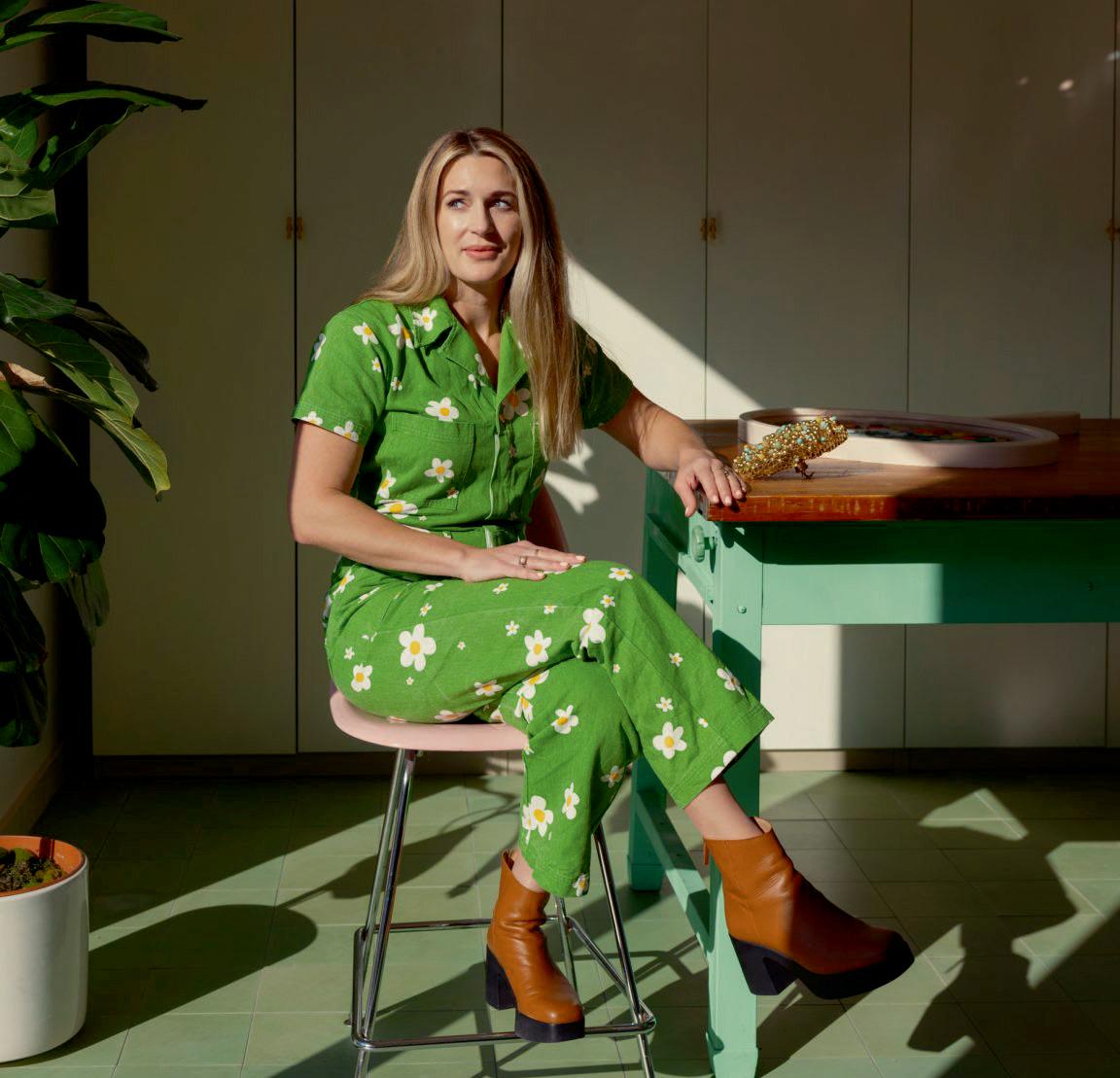
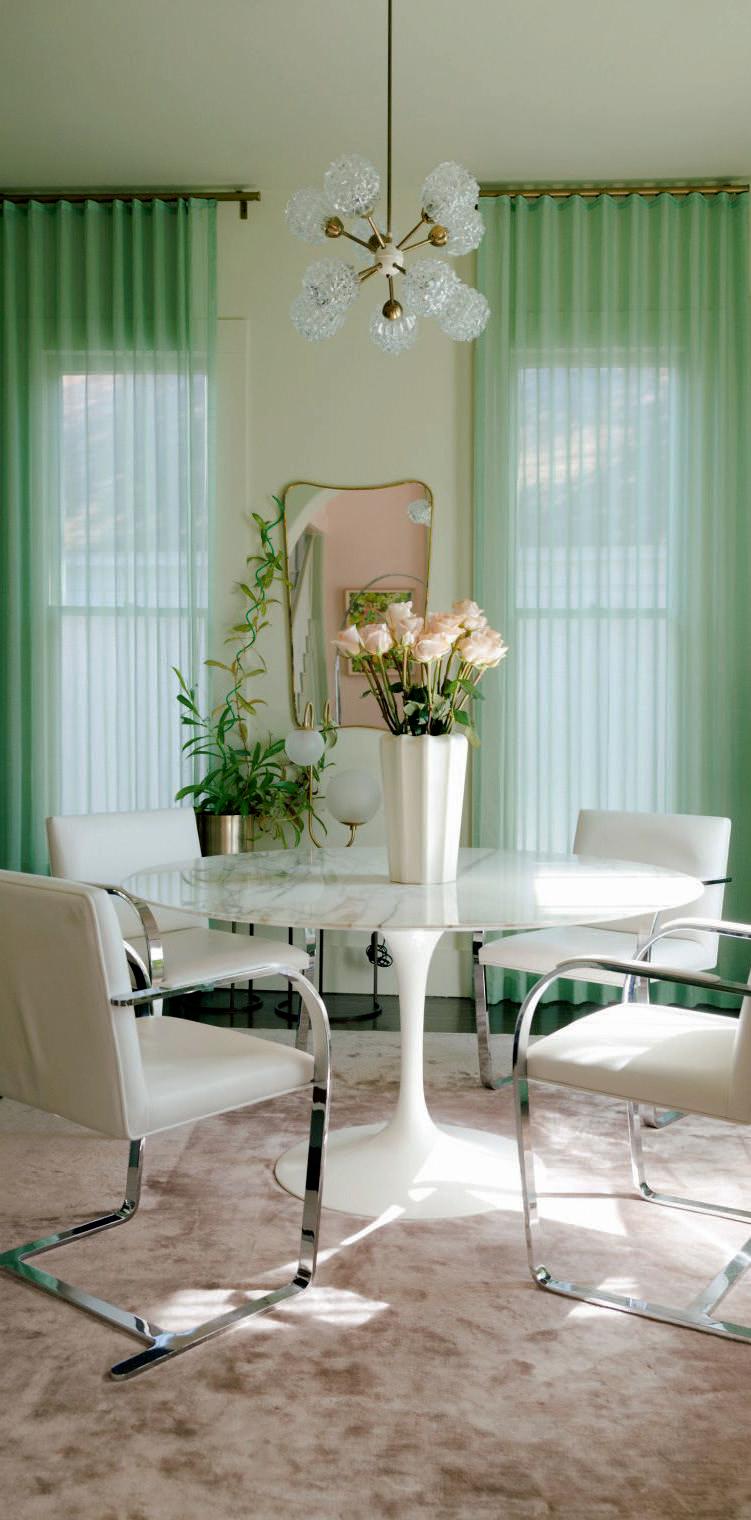
Flat files line the walls. It is the kind of space where patience is possible, where the same layered, committed attention that defines her canvases finds its natural home.
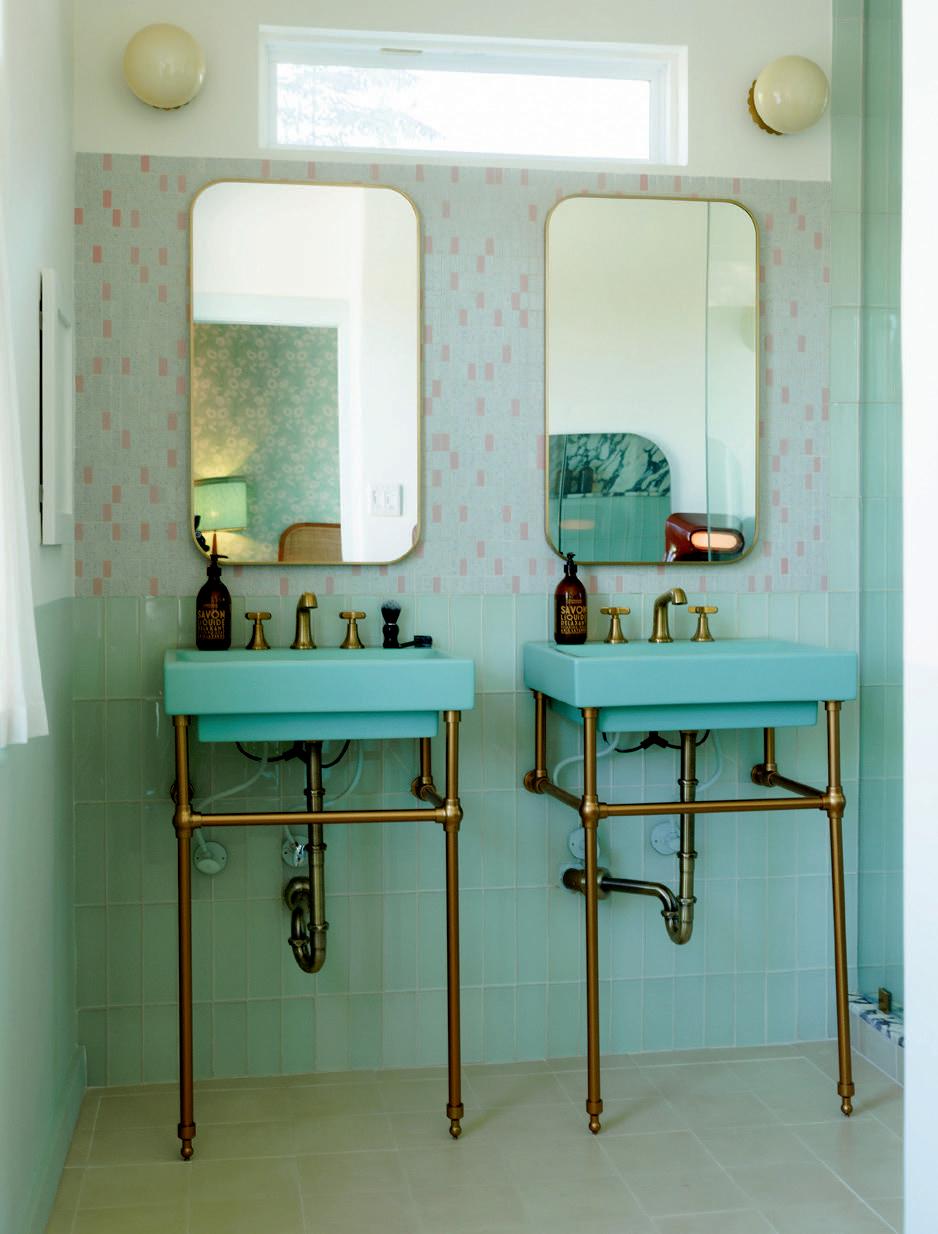
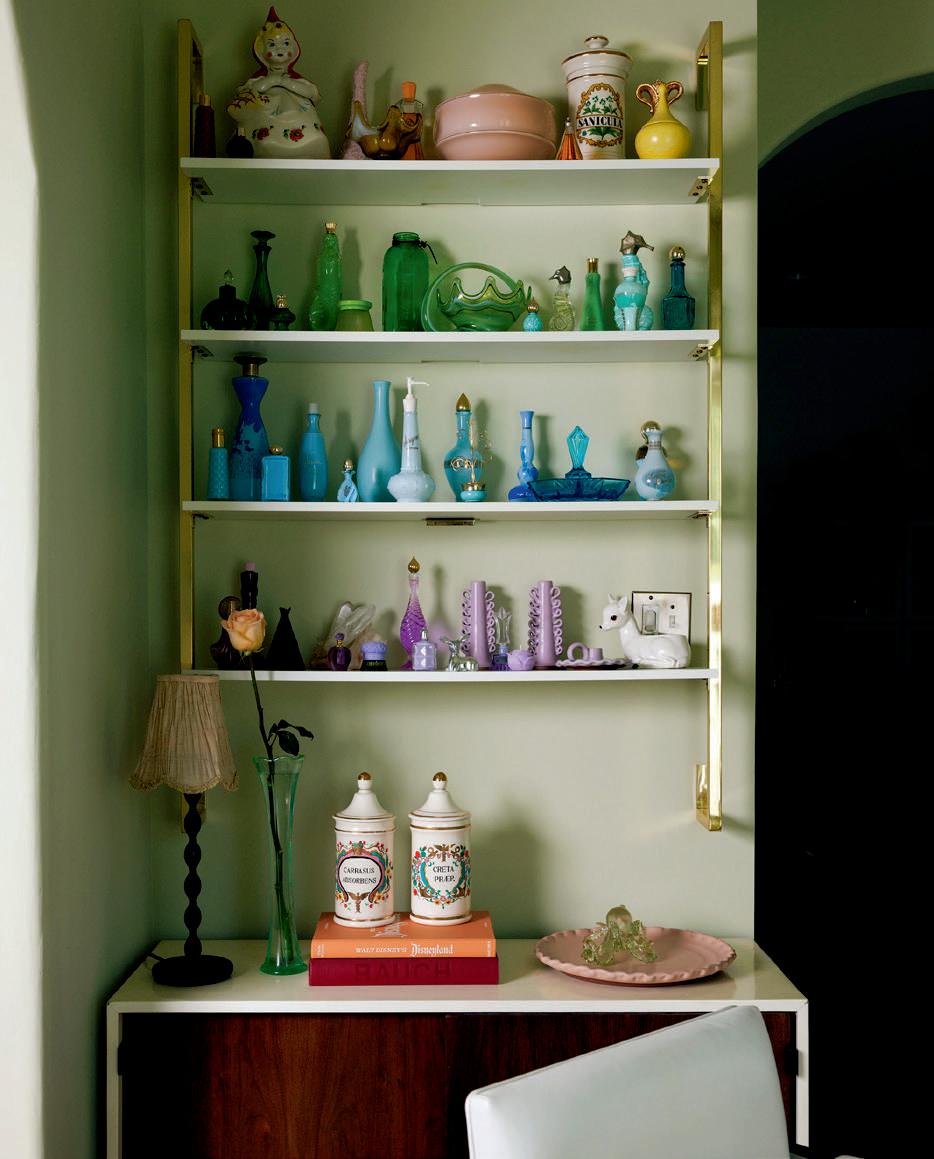
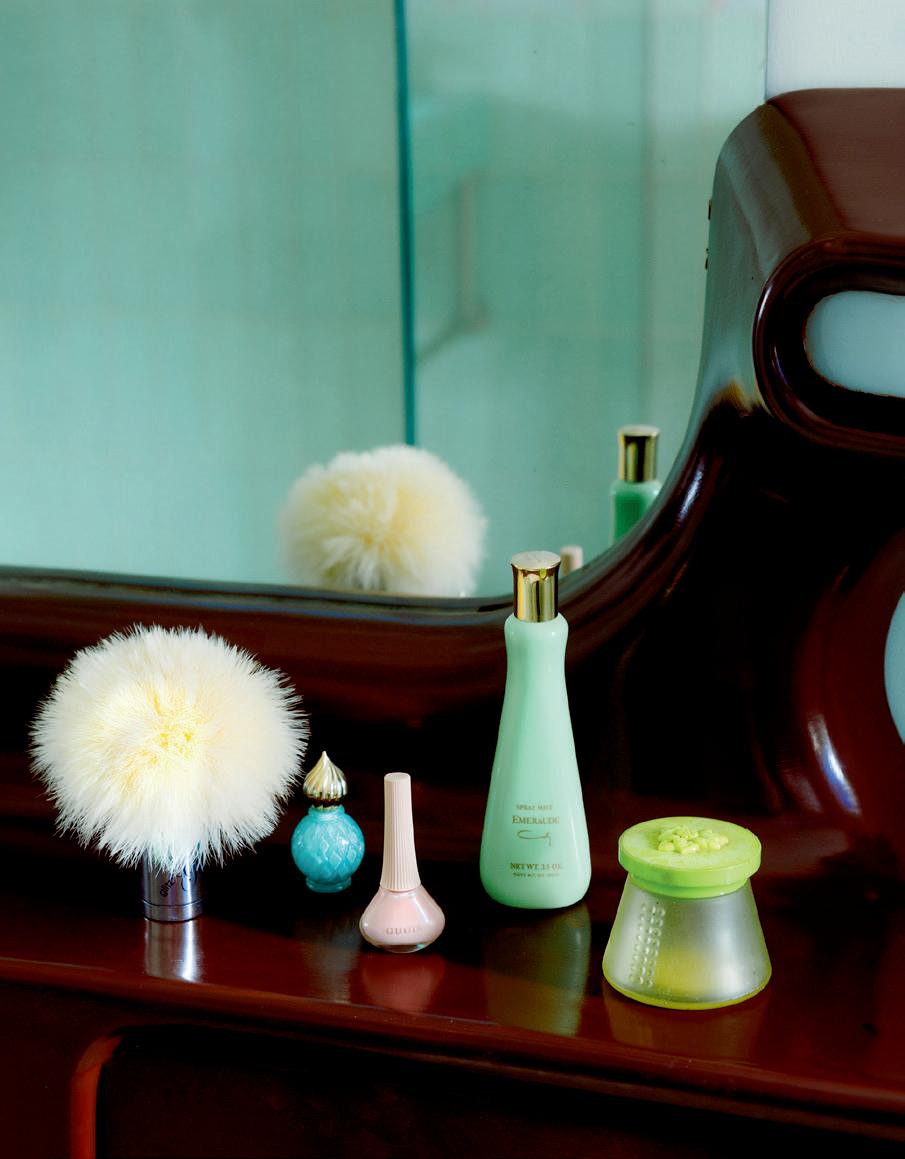
The house itself is a collage, layering life, work, and motherhood into every room. A Tate Modern scarf, framed and hung at eye level, regarded with the same seriousness as any painting. Shelves of vintage beauty objects arranged by hue, green deepening into blue deepening into violet, collected across years into something that has quietly become sculpture. Her own work on the walls, alongside
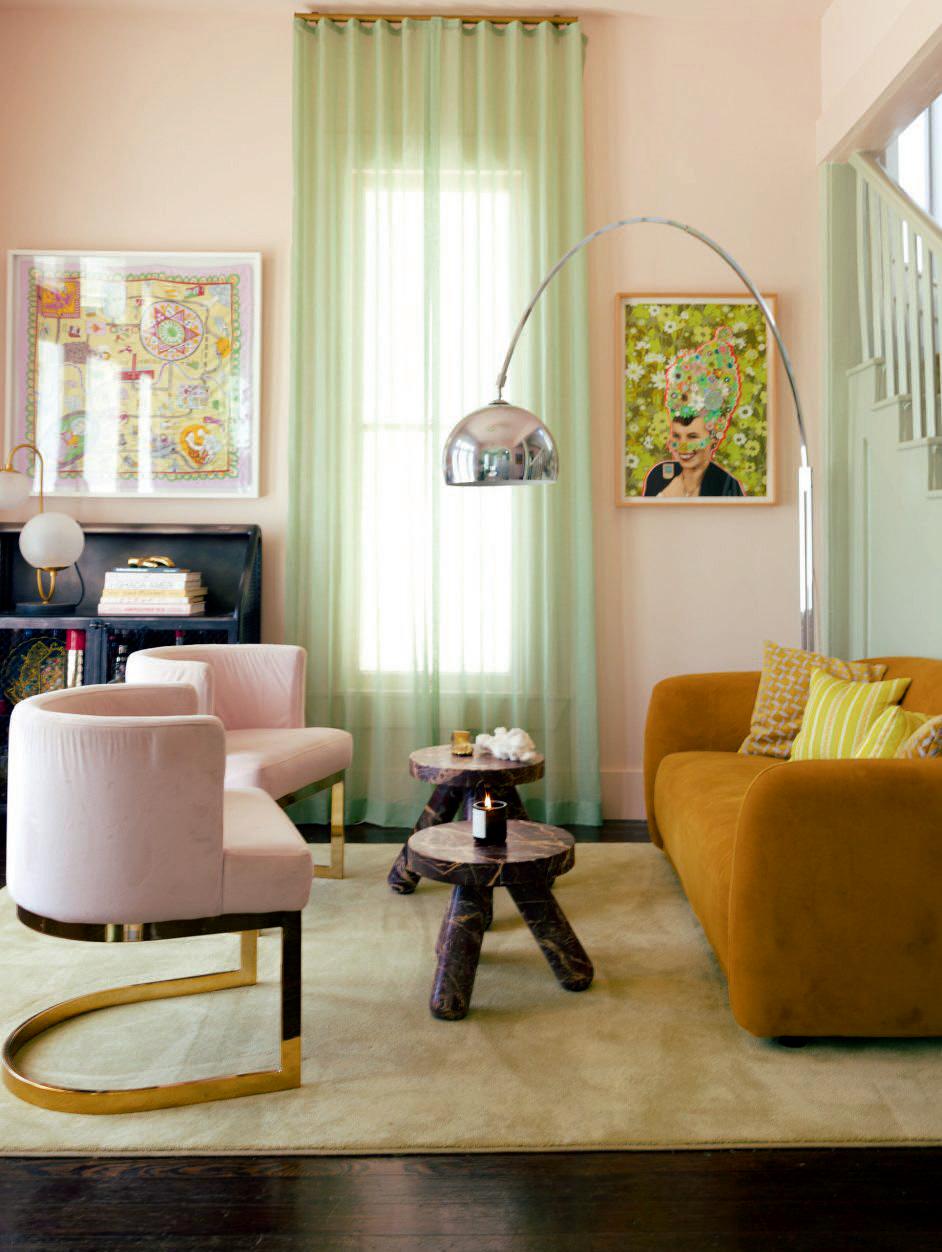
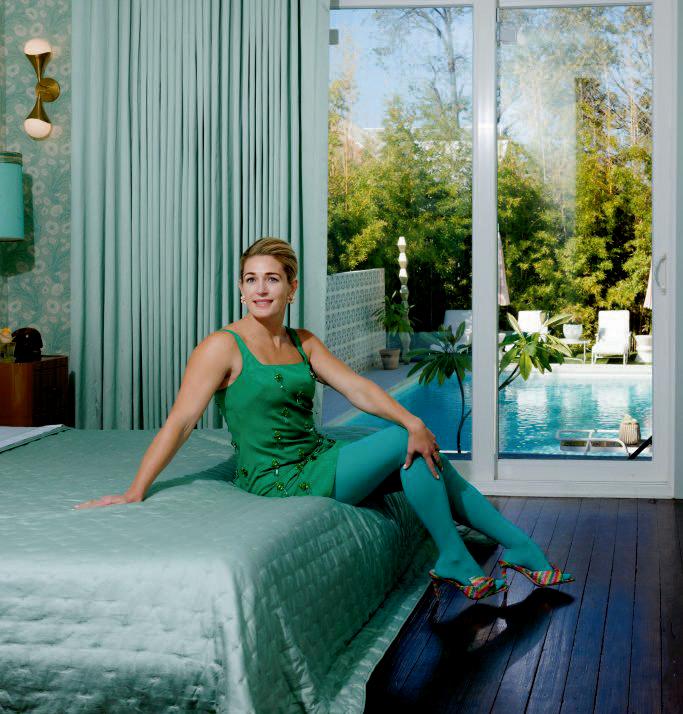
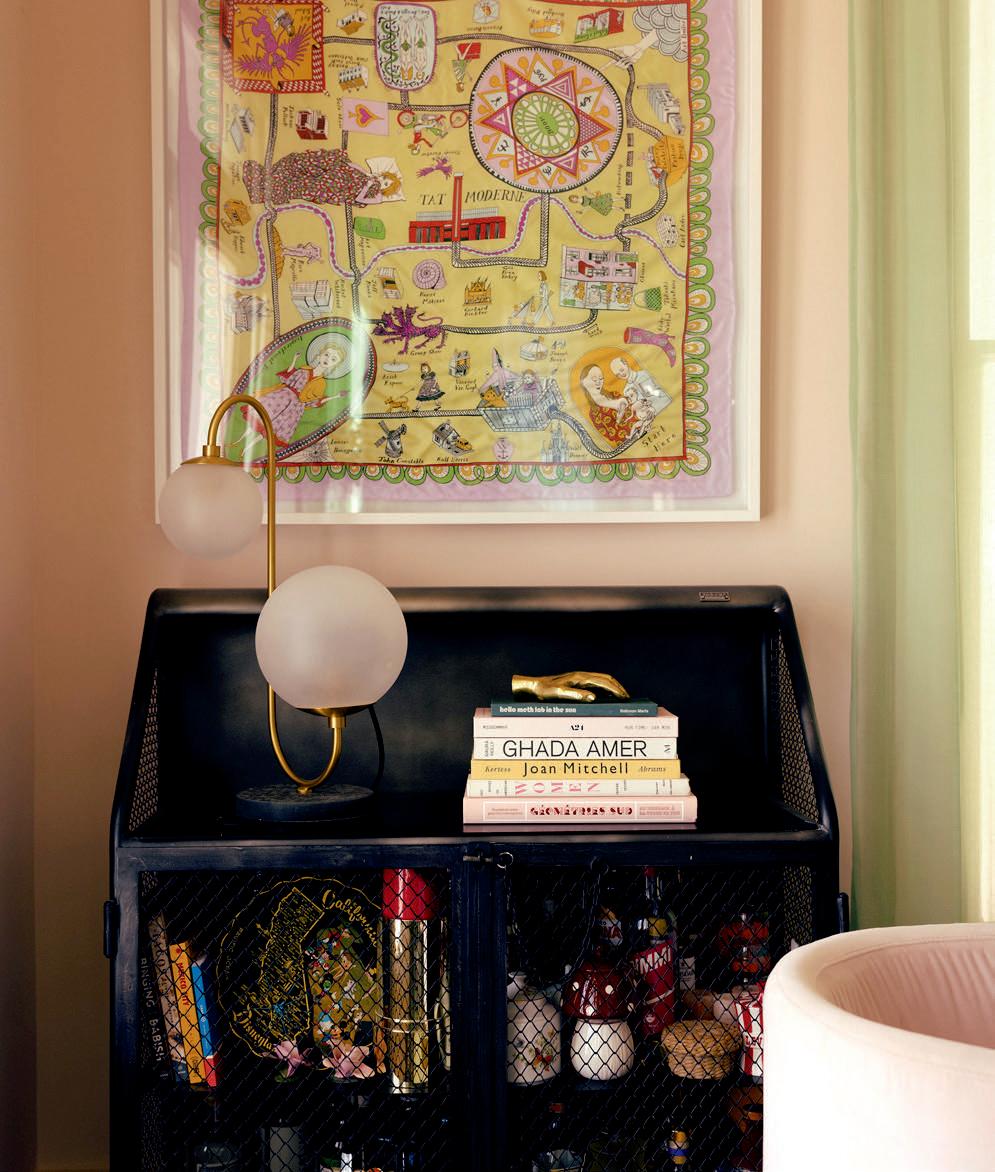
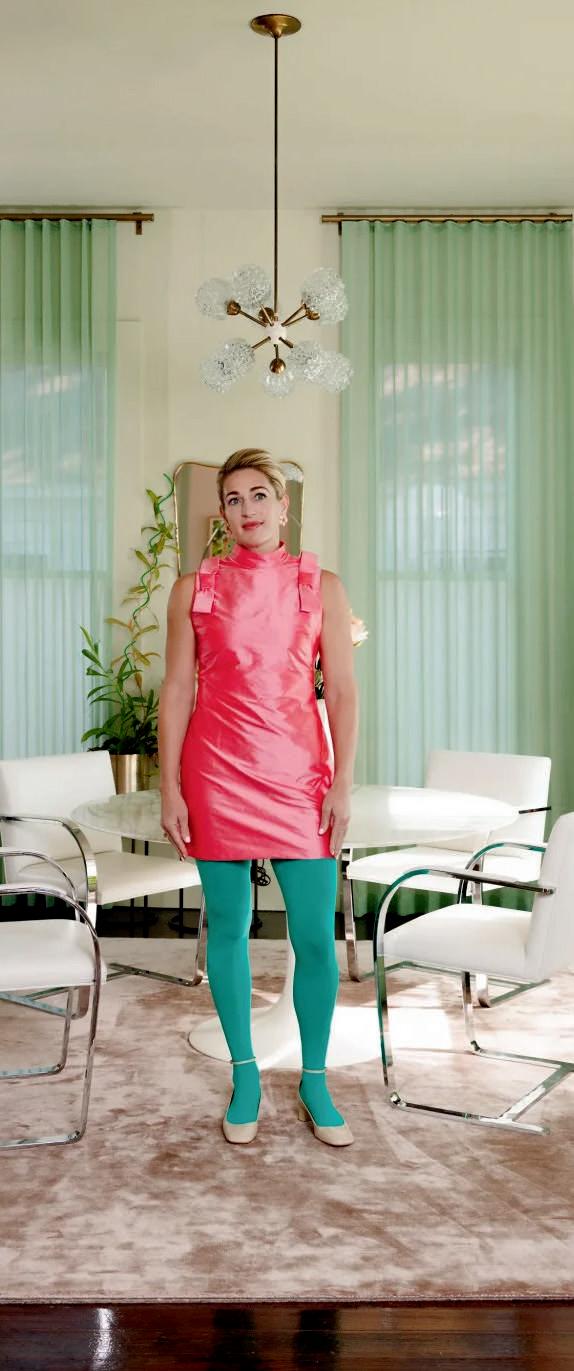
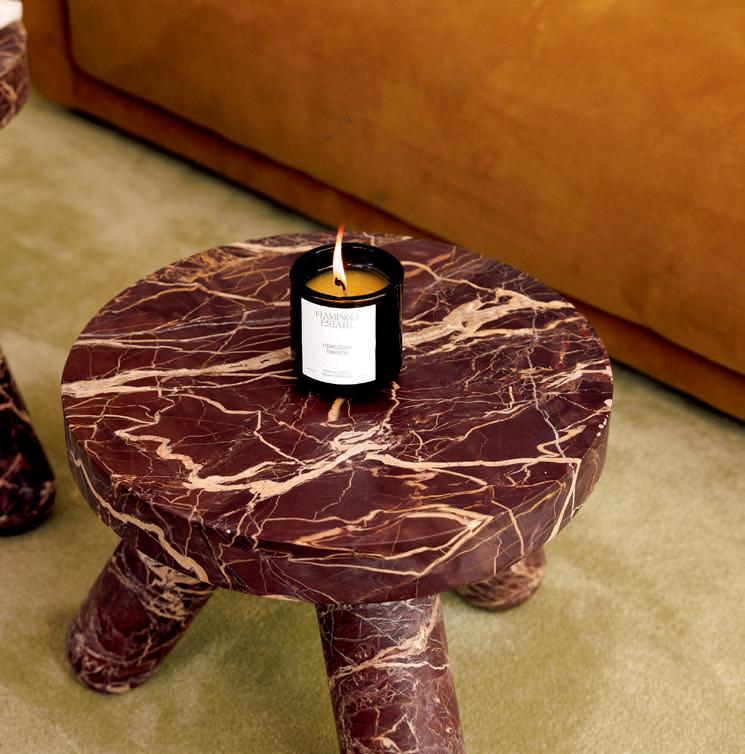
pieces she has loved long enough that the line between collected and created has softened. In the primary bath, a sculptural dressing table from Period Modern in deep oxblood lacquer, the kind of object that seems to carry a whole other life inside it, sits beside a pair of aqua console sinks on brass legs, two things from entirely different worlds that somehow, here, make perfect sense together.
“My practice is about piecing fragments together,” Kelly says. “Collage, found images, bits of history and memory. This city has allowed me to weave those fragments into a life as well.”
There is a particular confidence that comes from building slowly. No single season defines this house, no decorator arrived with a plan. It grew from the inside out, room by room and year by year, shaped by what Kelly noticed, what she saved, what she was willing to wait for. The house does not illustrate her work. It is her work. And like all the best collages, it looks as though it could not possibly have come together any other way. V
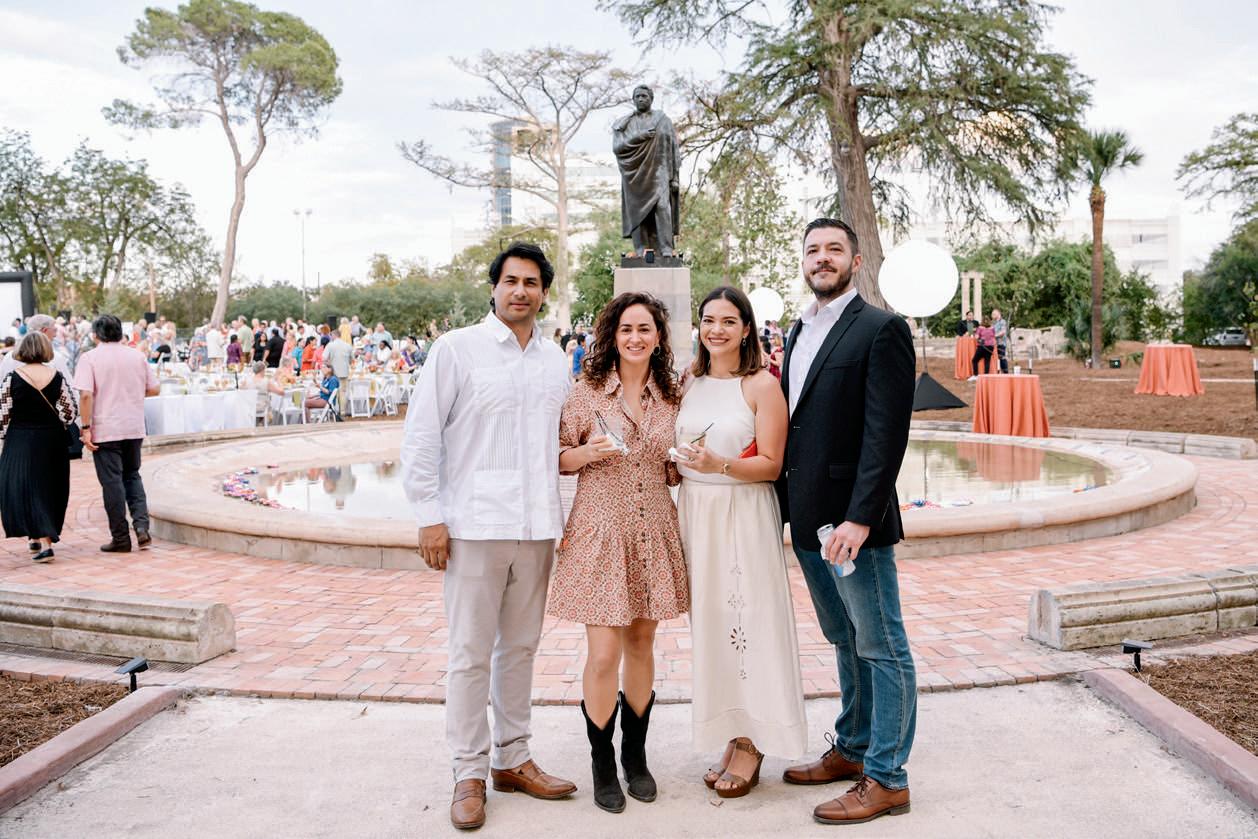
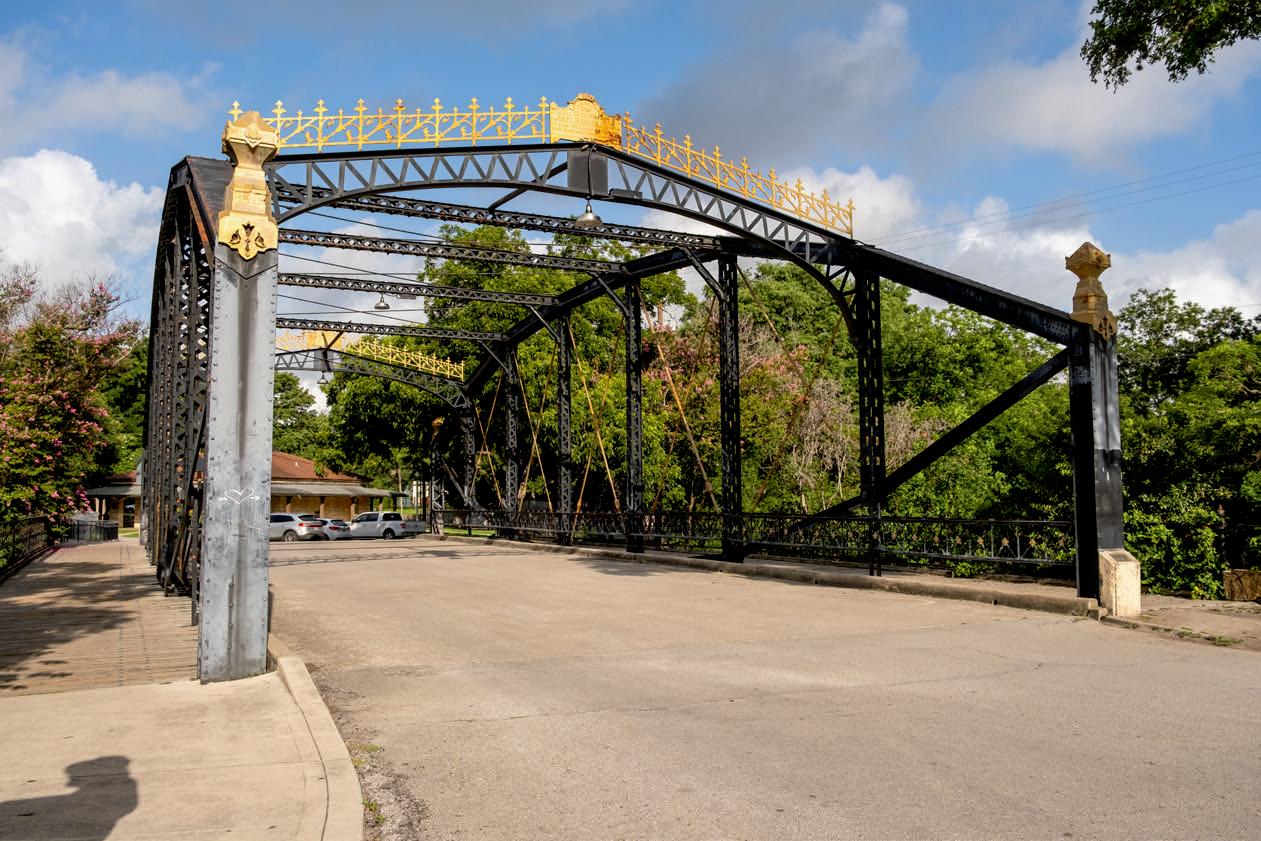
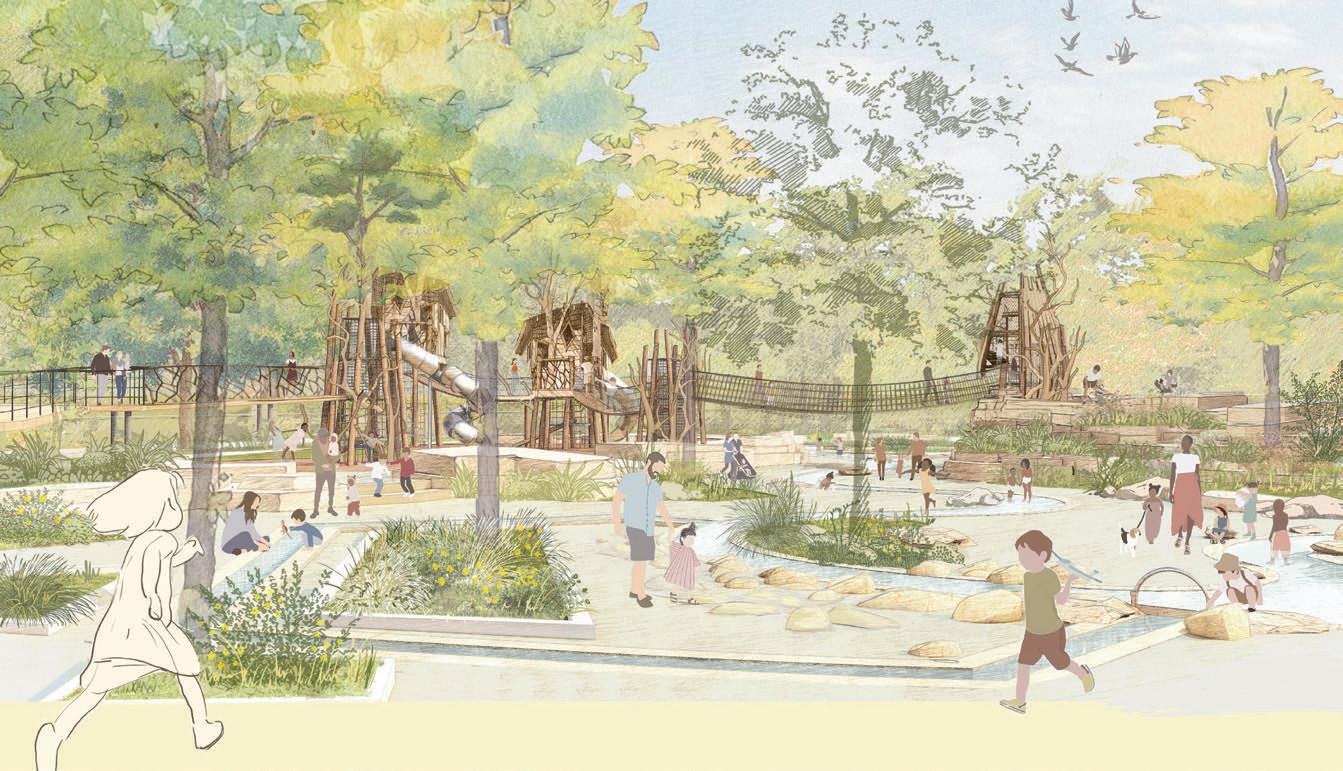
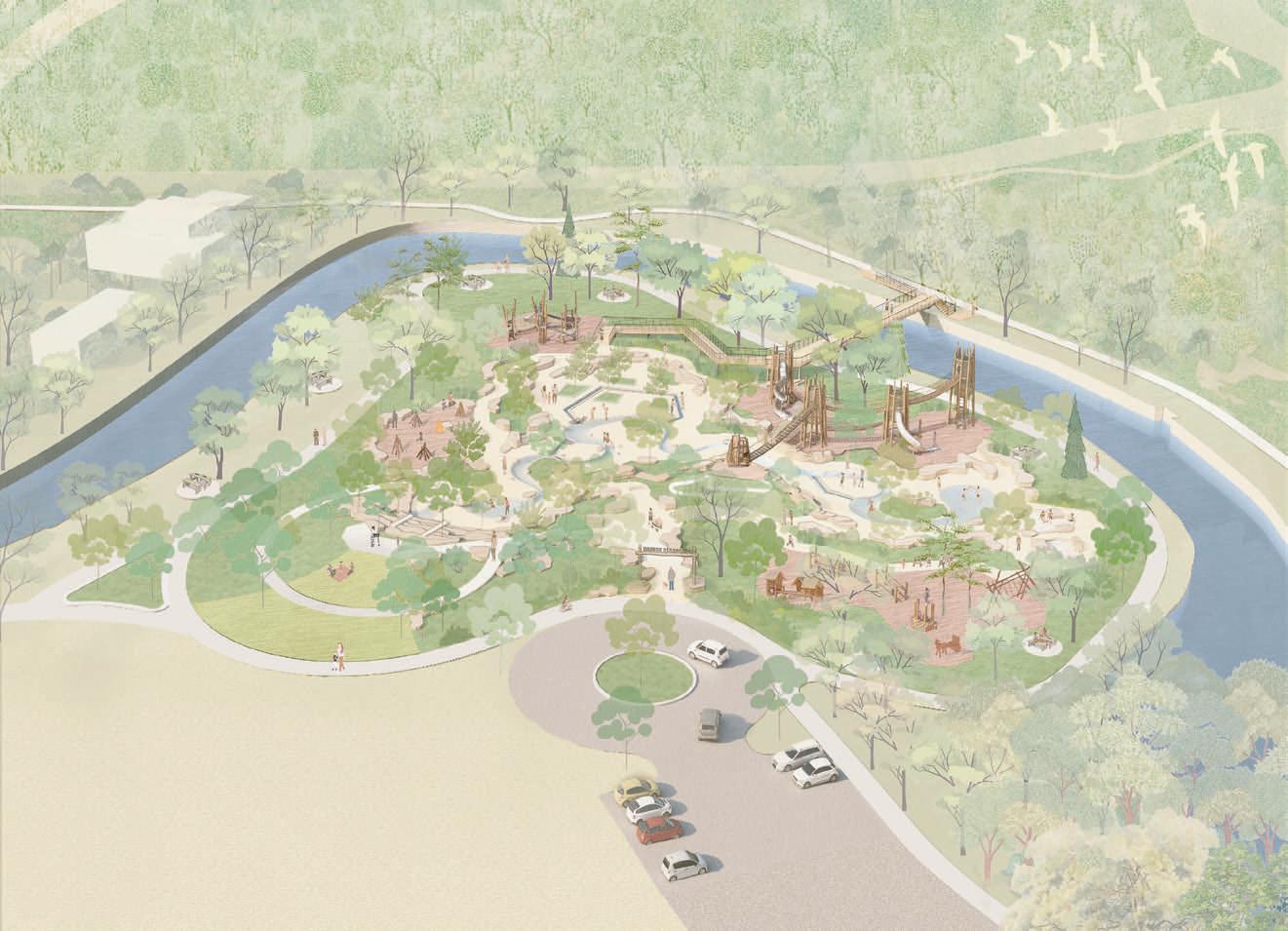
Discover the timeless beauty and cultural heritage of Brackenridge Park, San Antonio’s historic gathering place for recreation, nature and community.
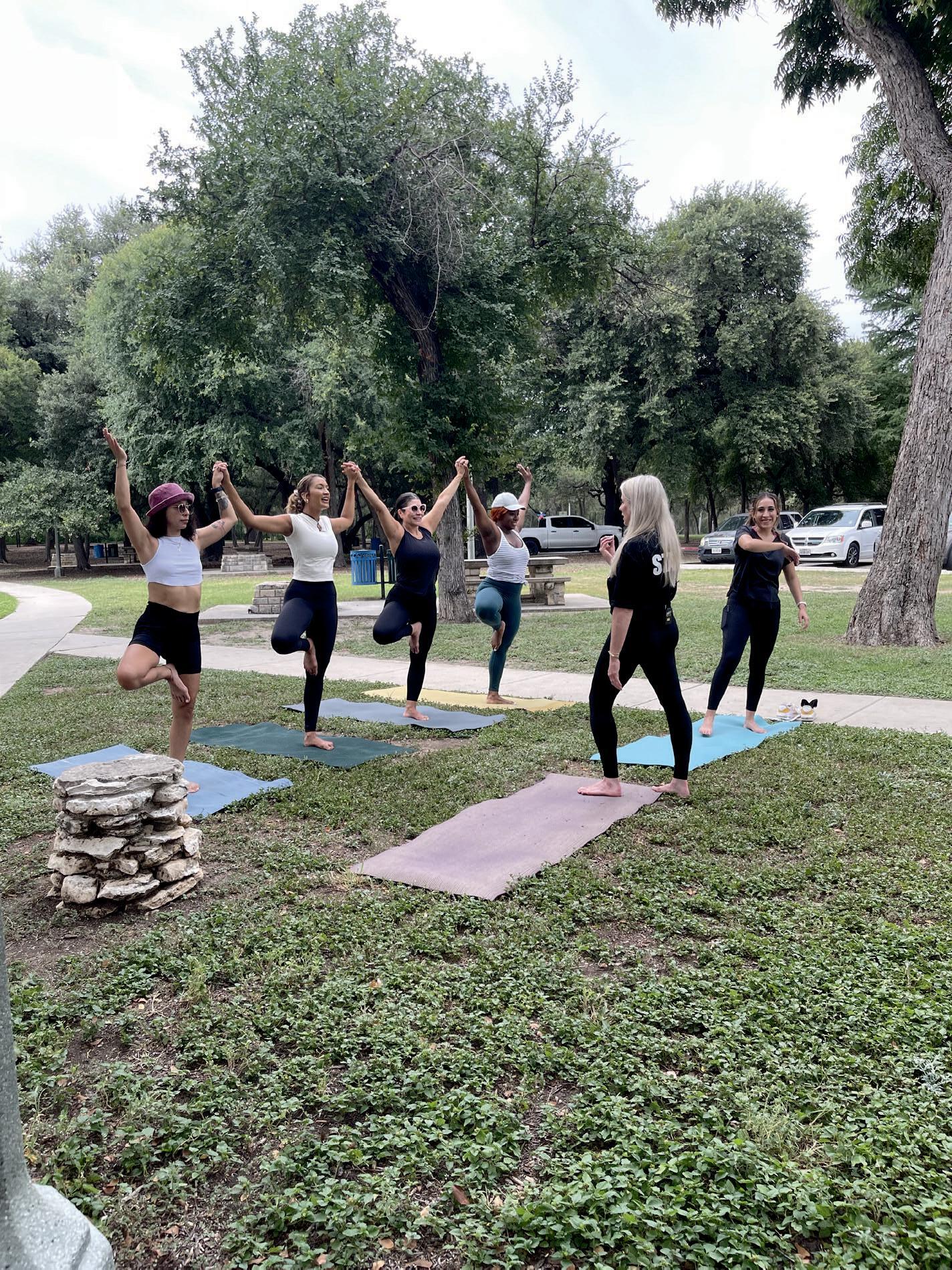
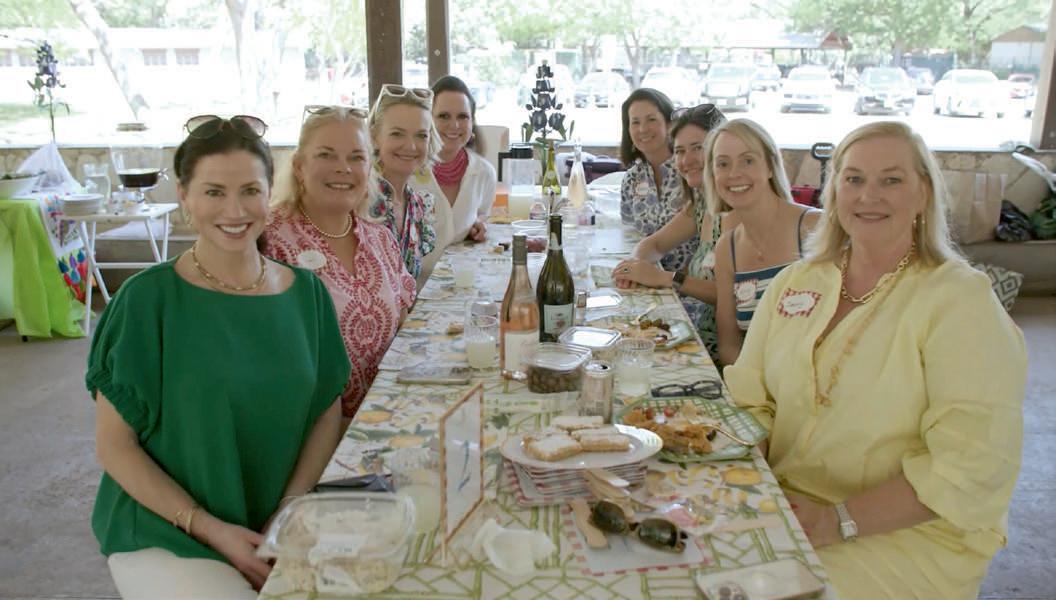
Mark your calendar for Party in the Park, October 7, 2026. Honoring Mary and Lewis Fisher & Pat and Tom Semmes.
Support the preservation and enhancement of this treasured space and receive updates on events and new Park features at BrackenridgePark.org
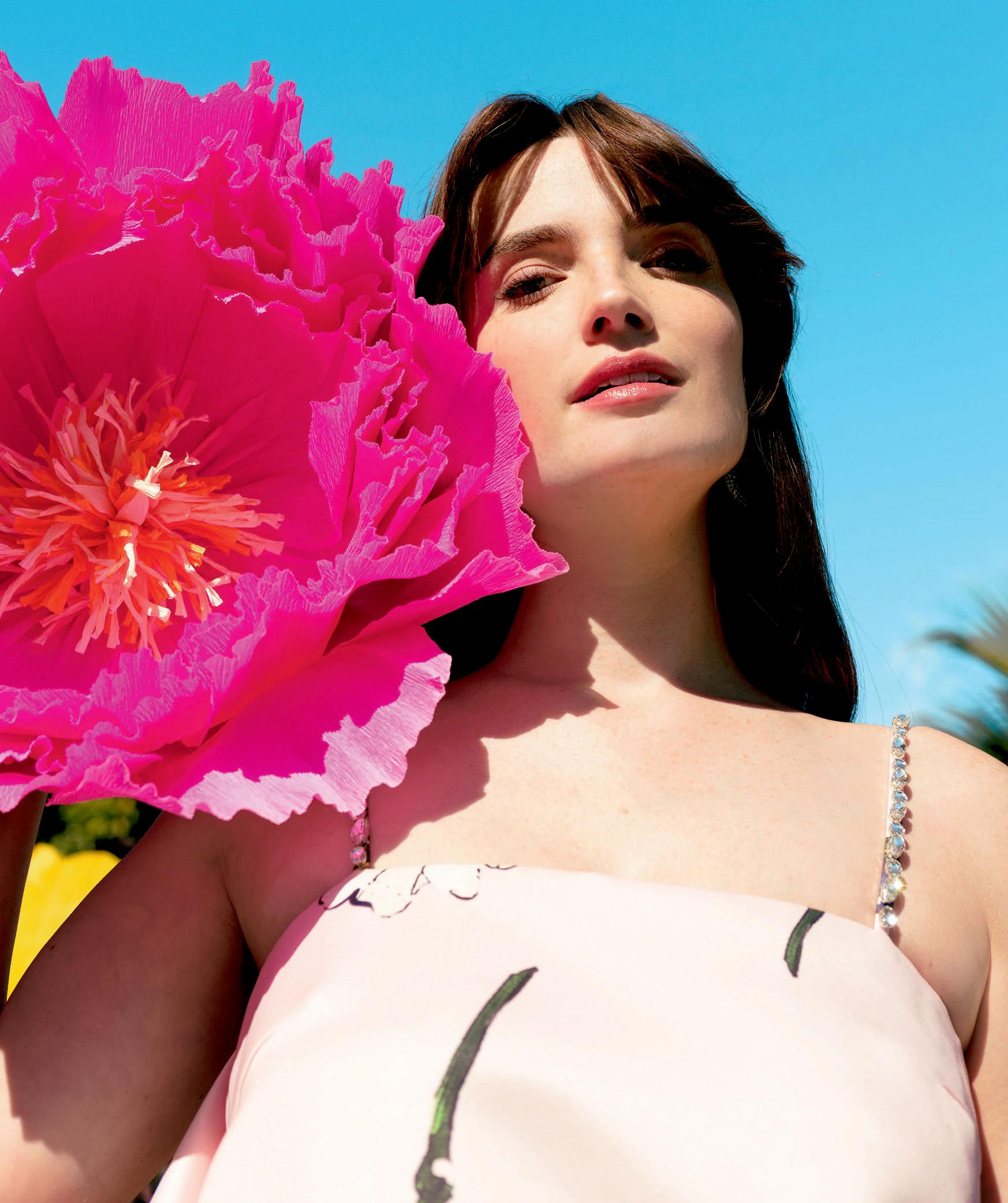
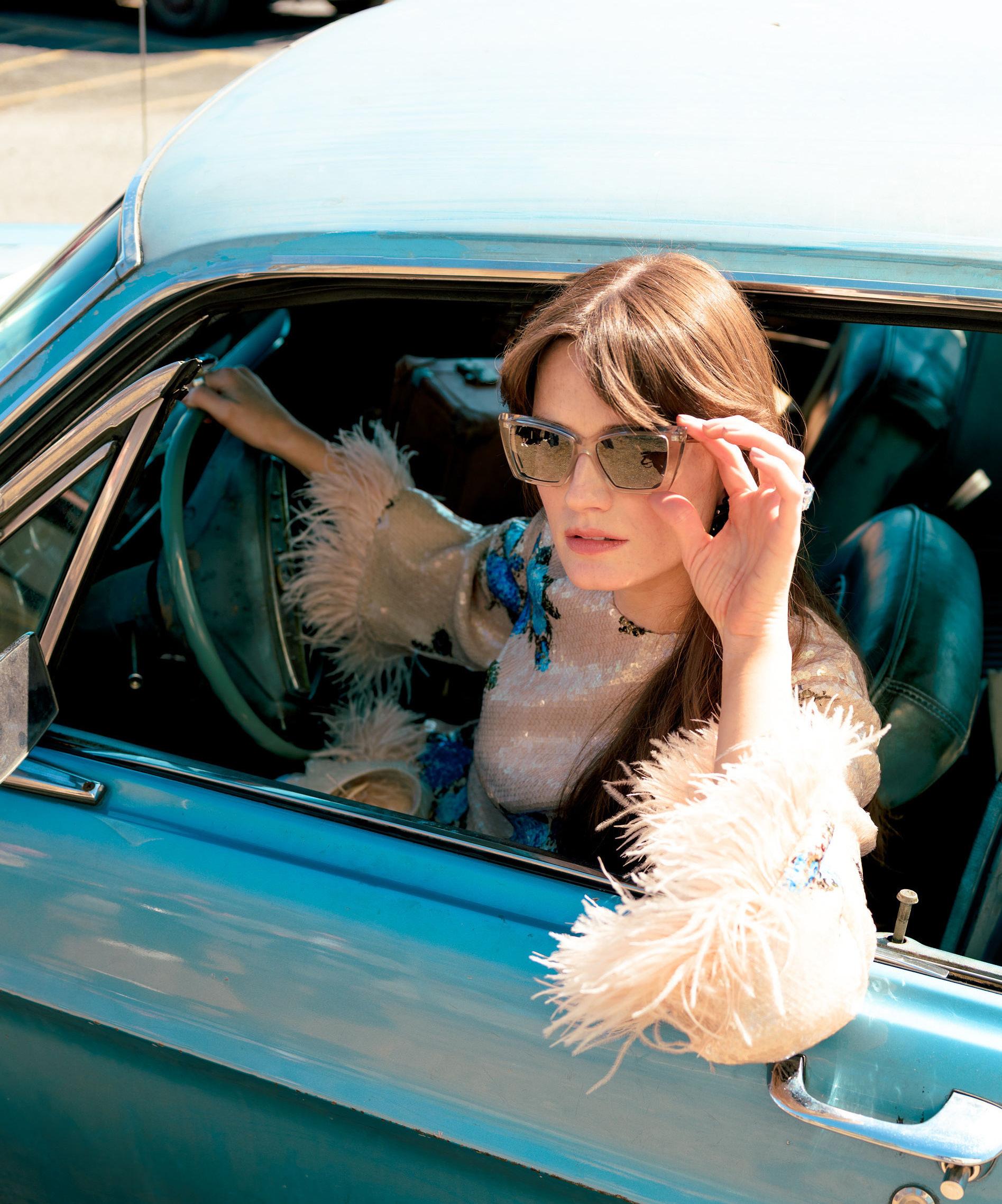
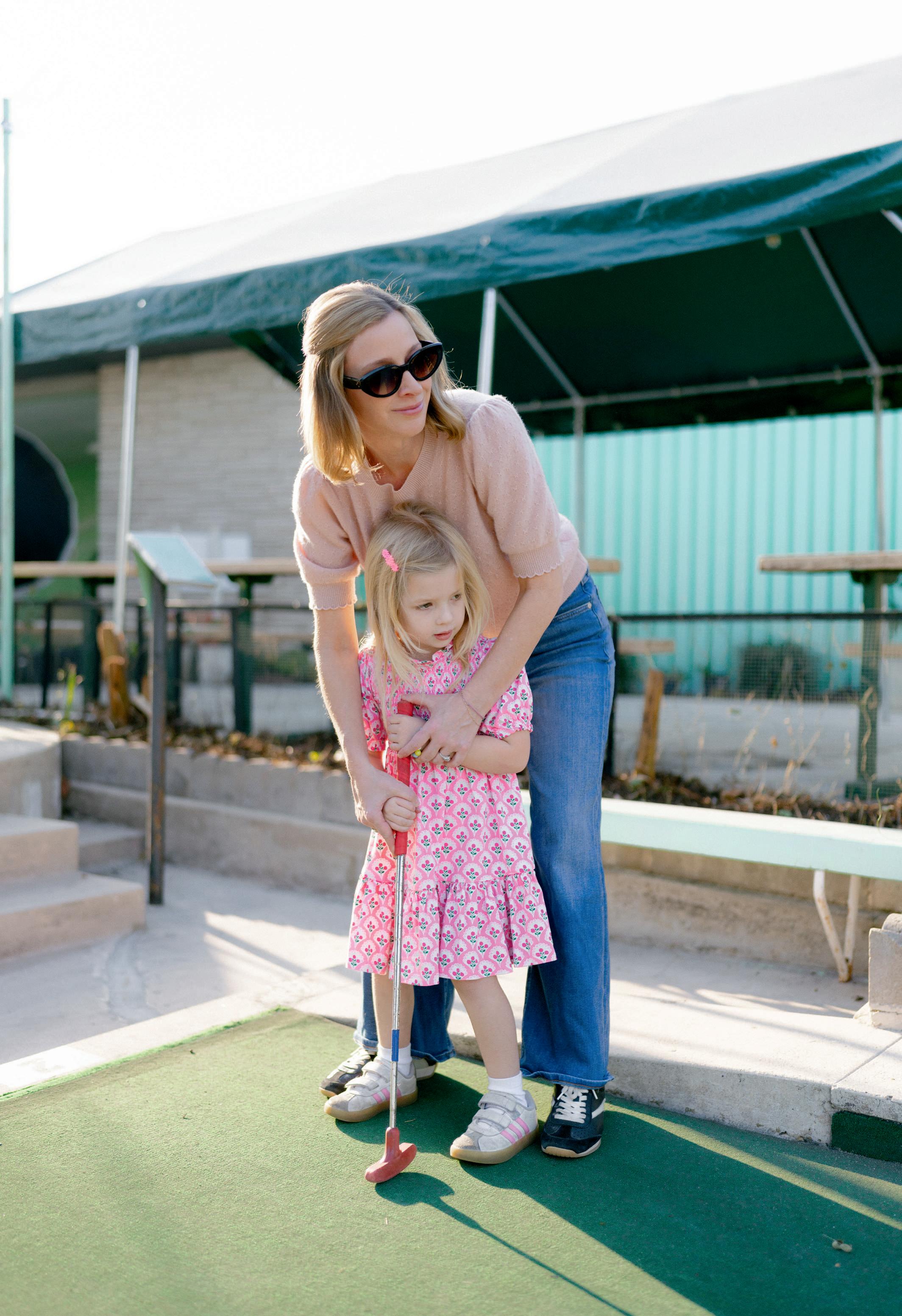
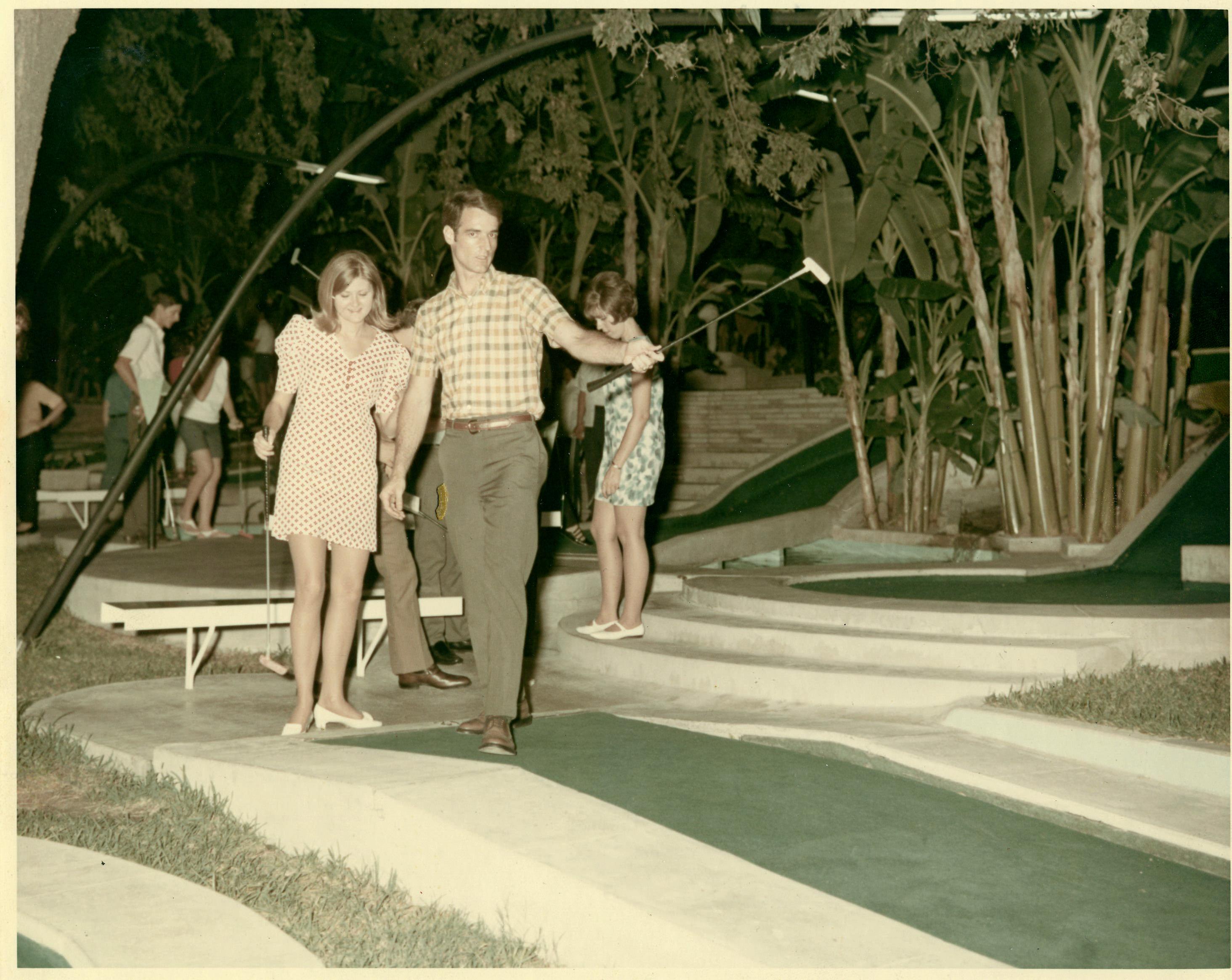
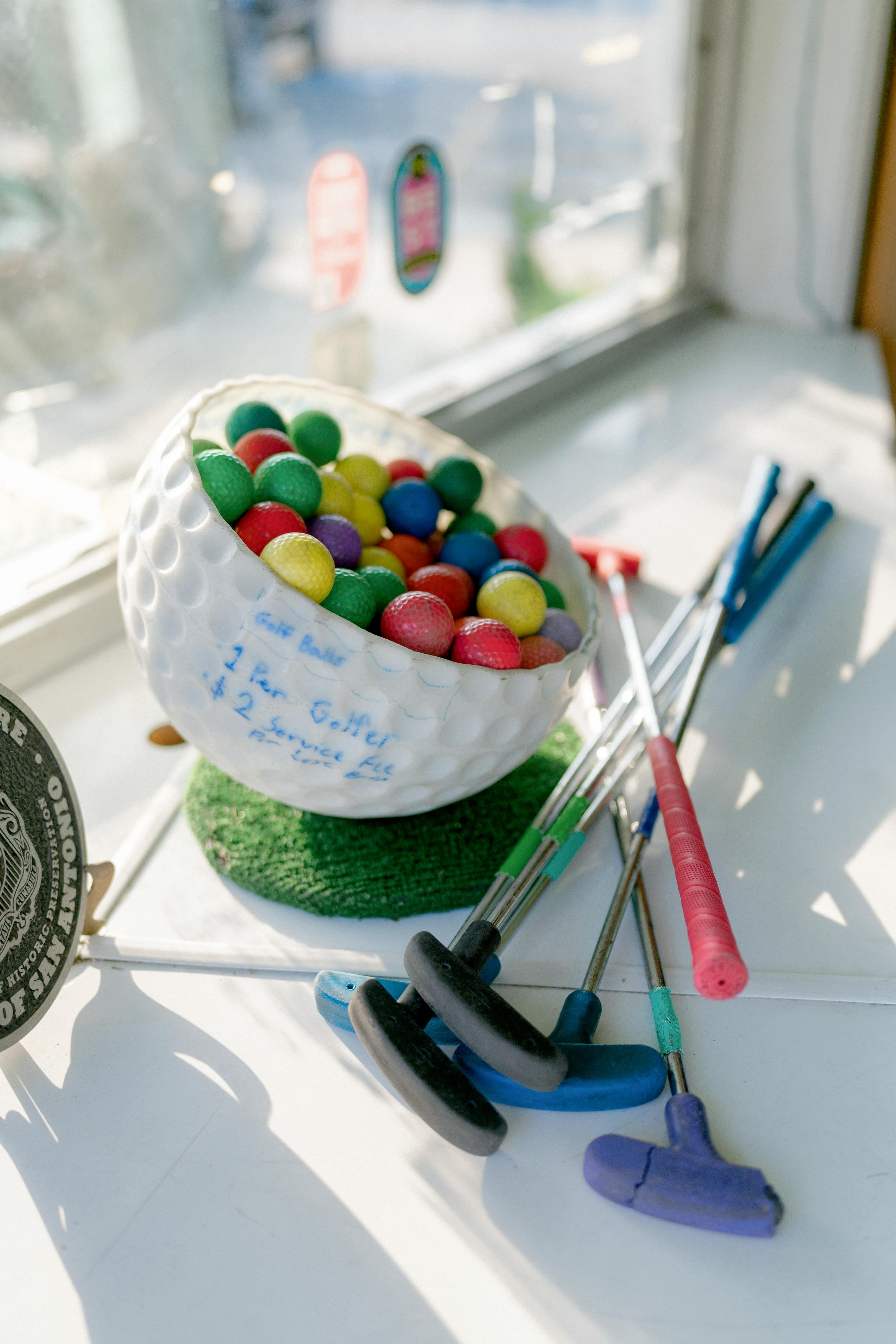
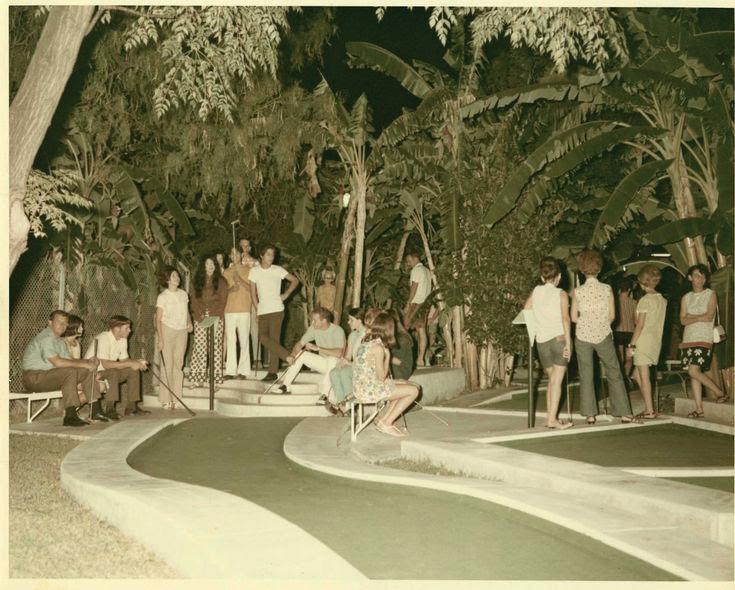
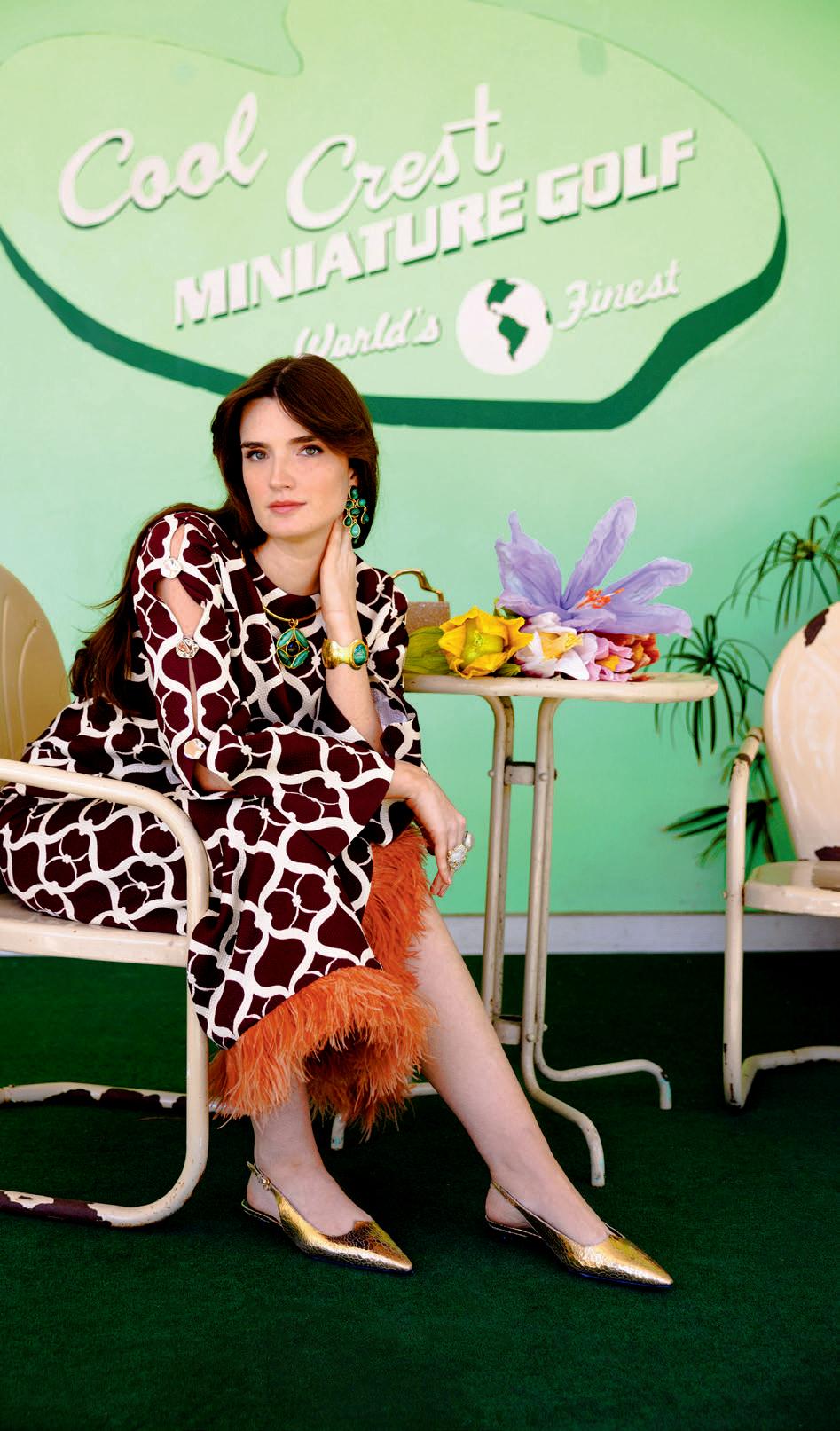
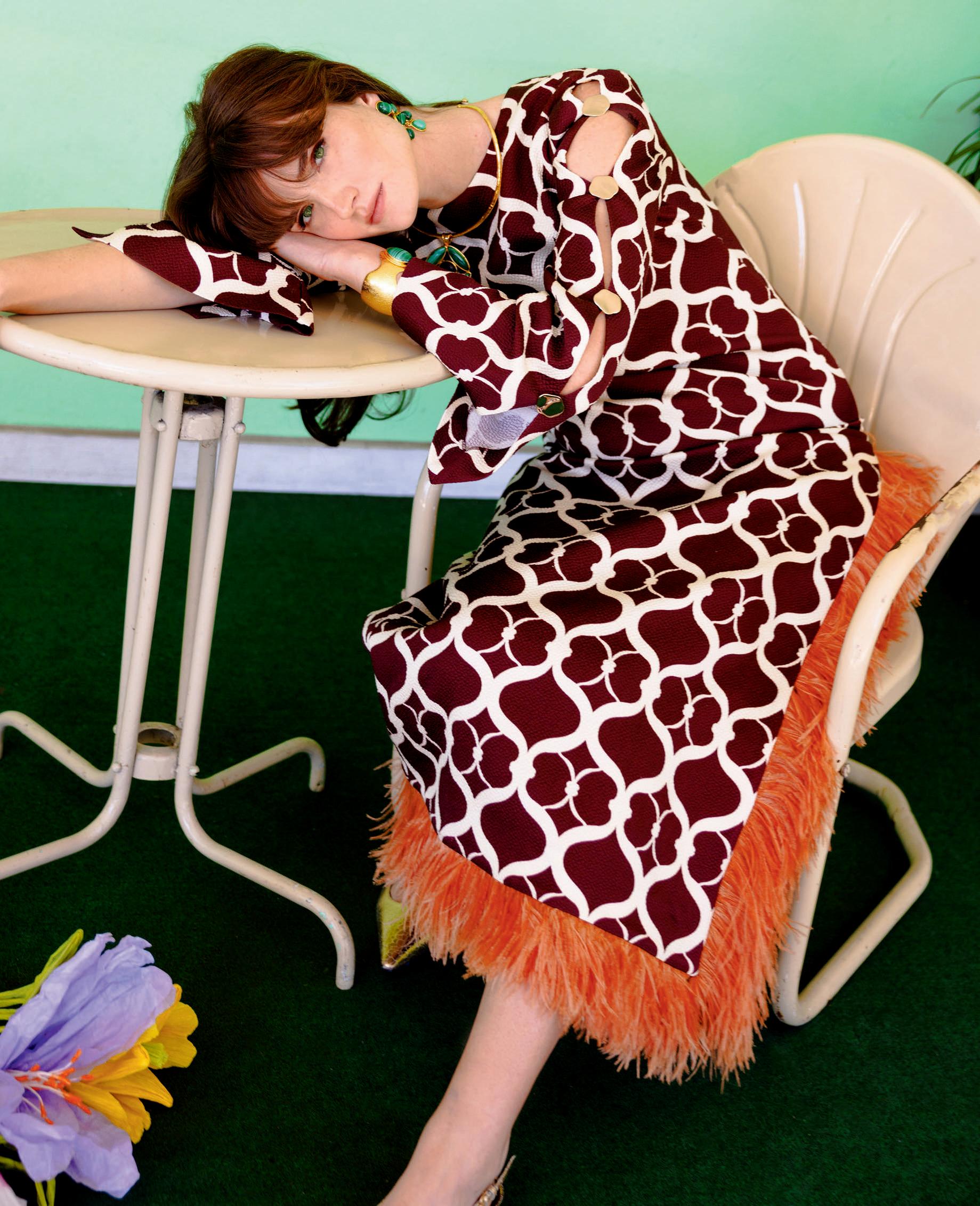
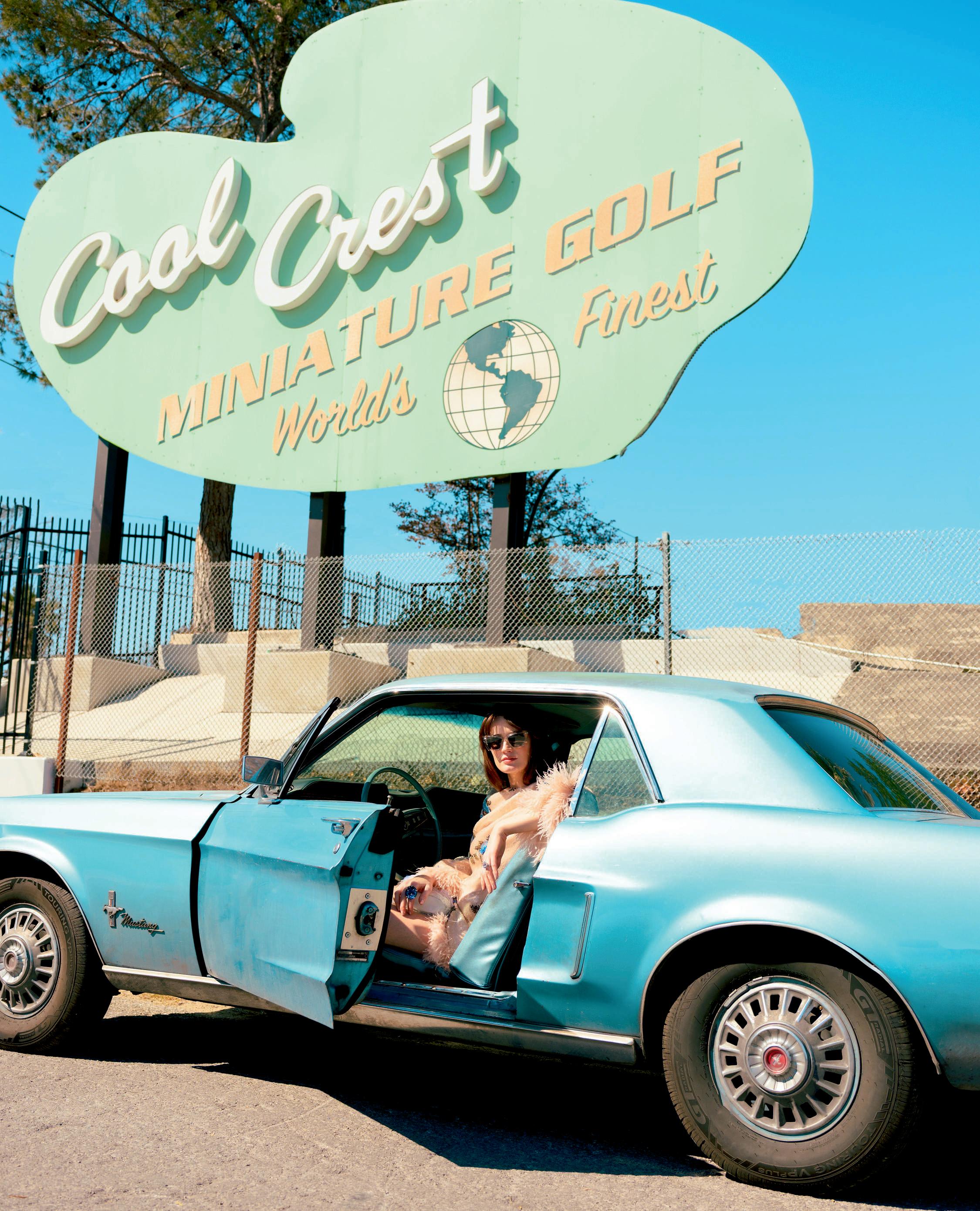
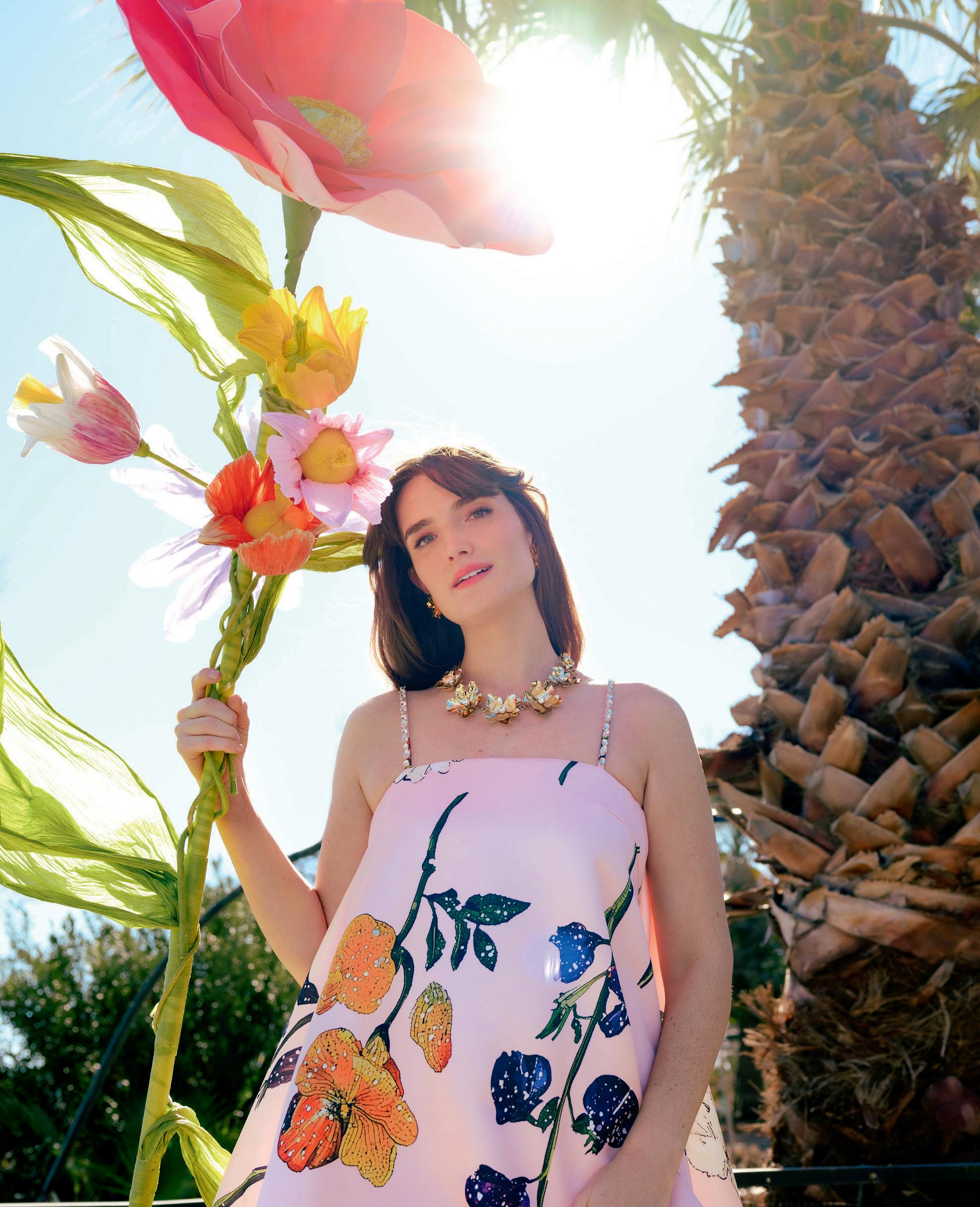
Under new stewardship by the Lyons/Houston family, the neon glow of Cool Crest Mini Golf returns as both memory and reinvention, a beloved San Antonio landmark reopening at the precise moment the city’s creative energy feels newly awake. For the inaugural cover of Voice of San Antonio, fashion steps onto familiar ground with fresh confidence, where nostalgia, craftsmanship, and modern attitude meet beneath the lights of a place generations have known by heart.
Photography by Jana Cantua
Retail Partner: Julian Gold
Model: Christin at R Models
Hair by Lisa Weller of Twirl Salon assisted by Loren Seal
Makeup by Jade Dagsaan
Styling by Camilla Martinez and Patrick J. Martinez
Flower prop design by Feather, Fluff and Flings
Vintage Mustang courtesy of Mark McAshan
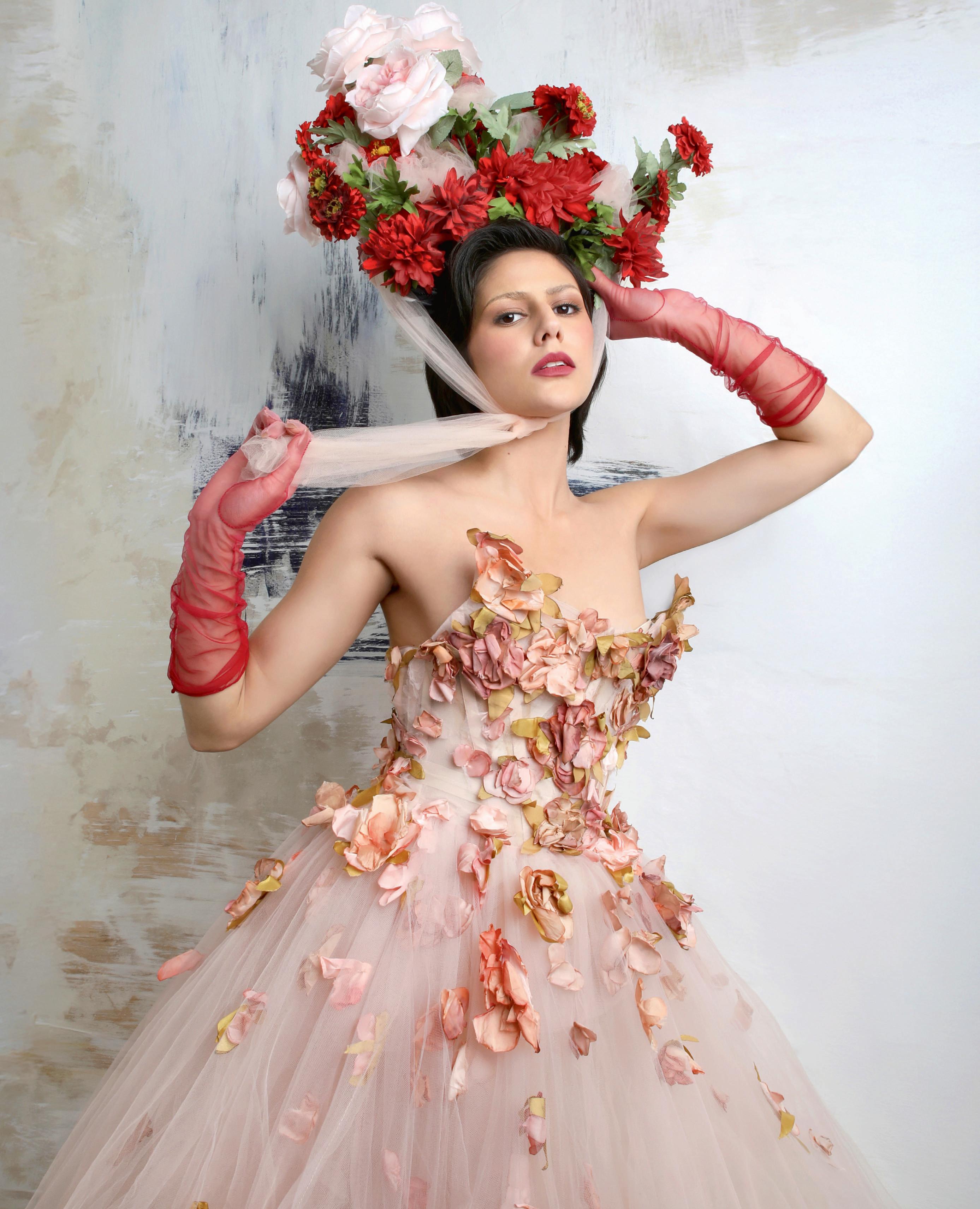
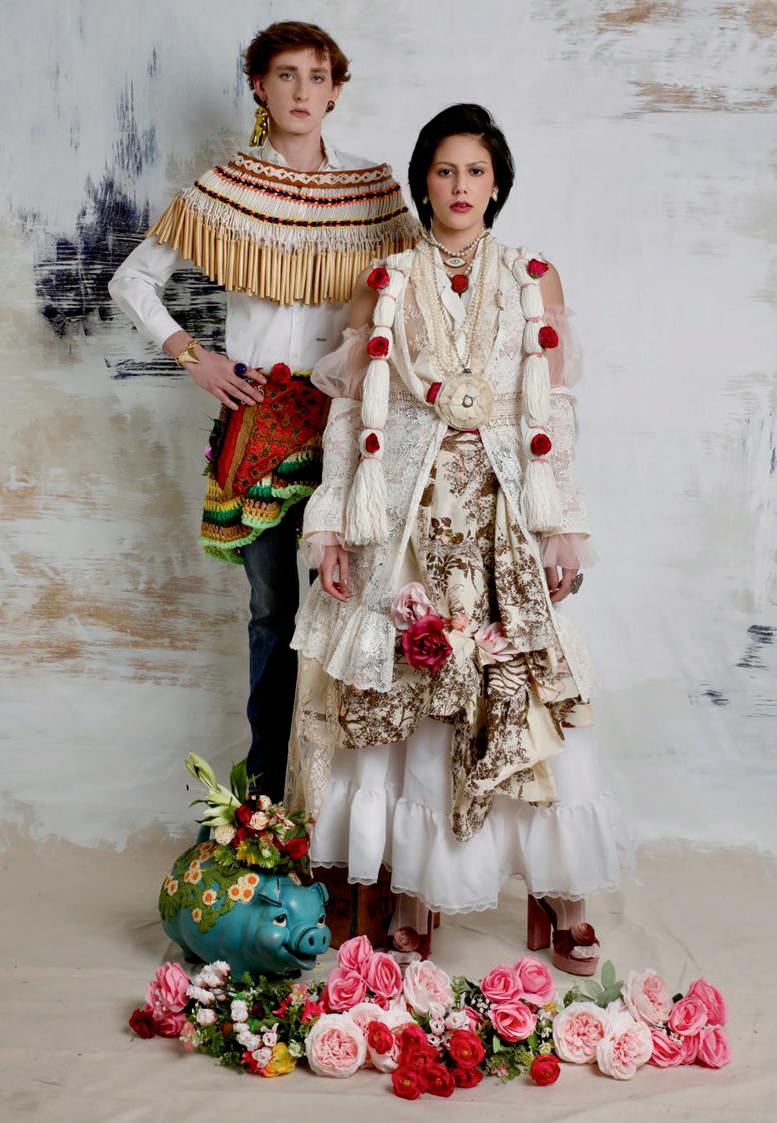
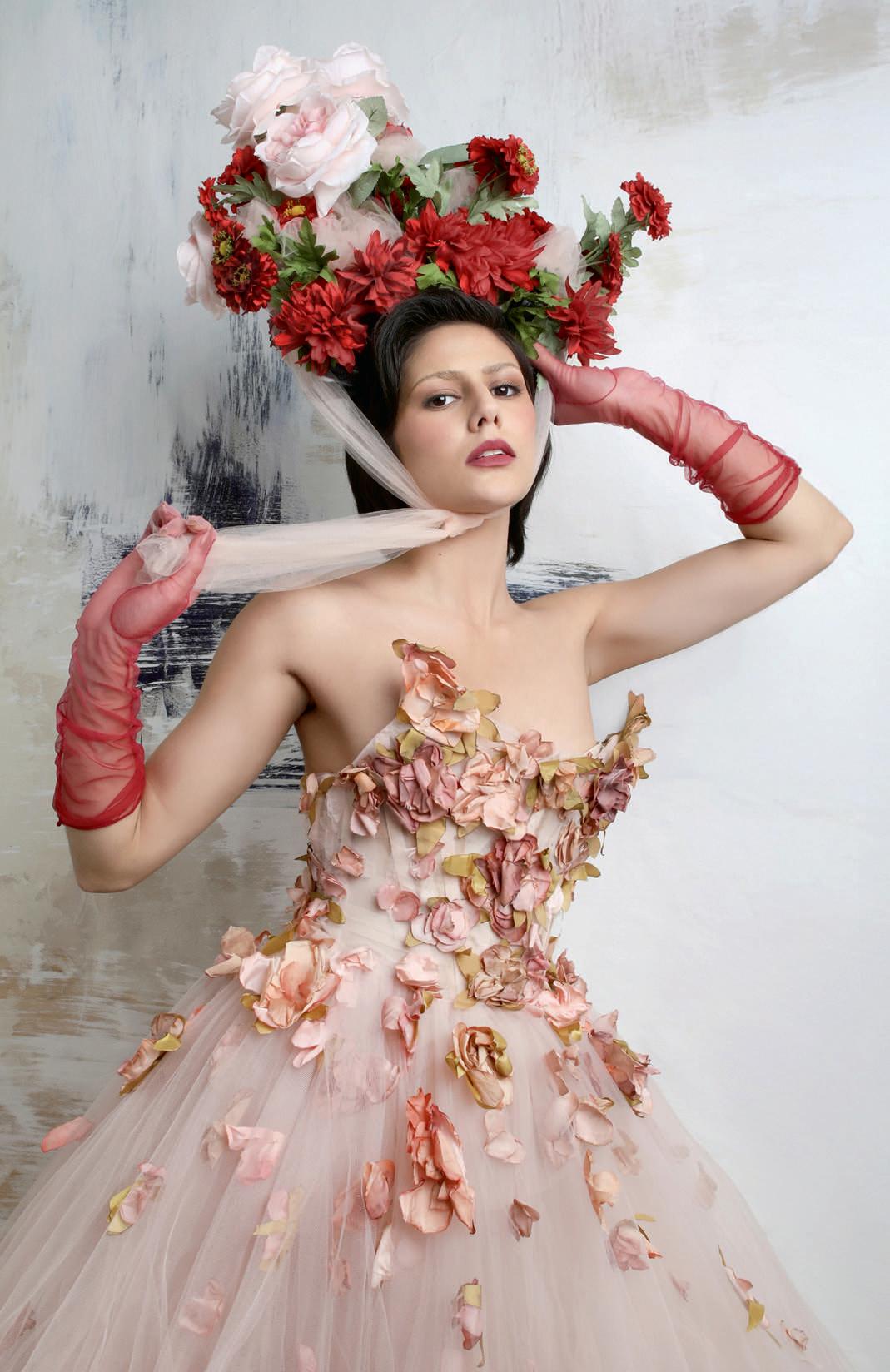
Across San Antonio, designers, stylists, and image makers are shaping the visual language of a city discovering its creative confidence. Creative Capital gathers a new generation of collaborators whose work signals something larger: a fashion community increasingly worthy of the attention, investment, and infrastructure that sustain creative industries everywhere.
Photography by Ricardo Gutierrez
Models: M and Riley at R Models
Hair by Damian Gonzales of LOOK
Makeup by Olivia Villa of Liv Beautified
Styling by Patrick J. Martinez
Set Design by Mark McAshan and Ricardo Gutierrez
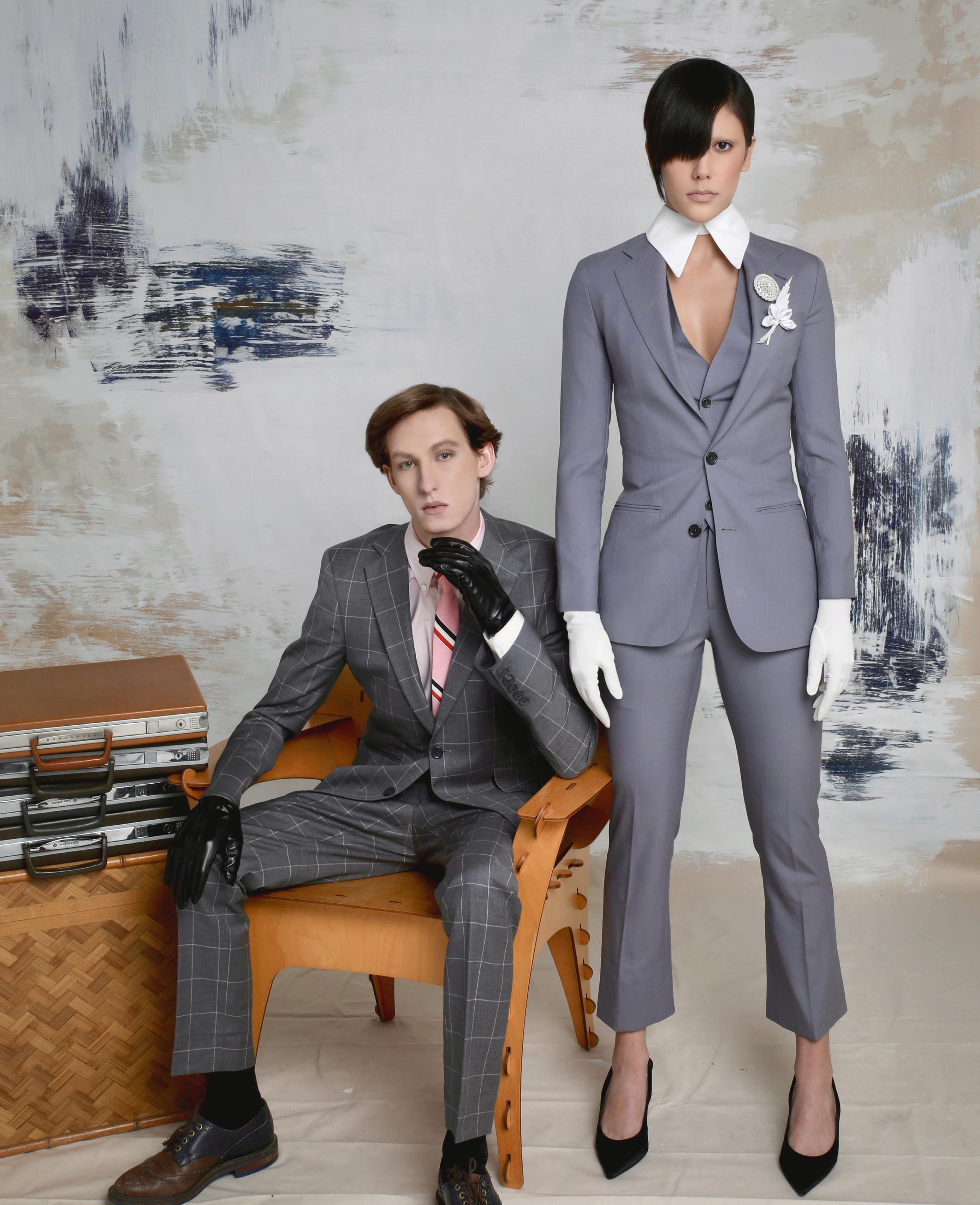
M (right) wearing Suit, Limatus Bespoke, available at Limatus Bespoke San Antonio; Vintage Collar, Vintage Gloves, Vintage Pendant; stylist’s own.
Chair, Chest, Suitcases, available at Period Modern.
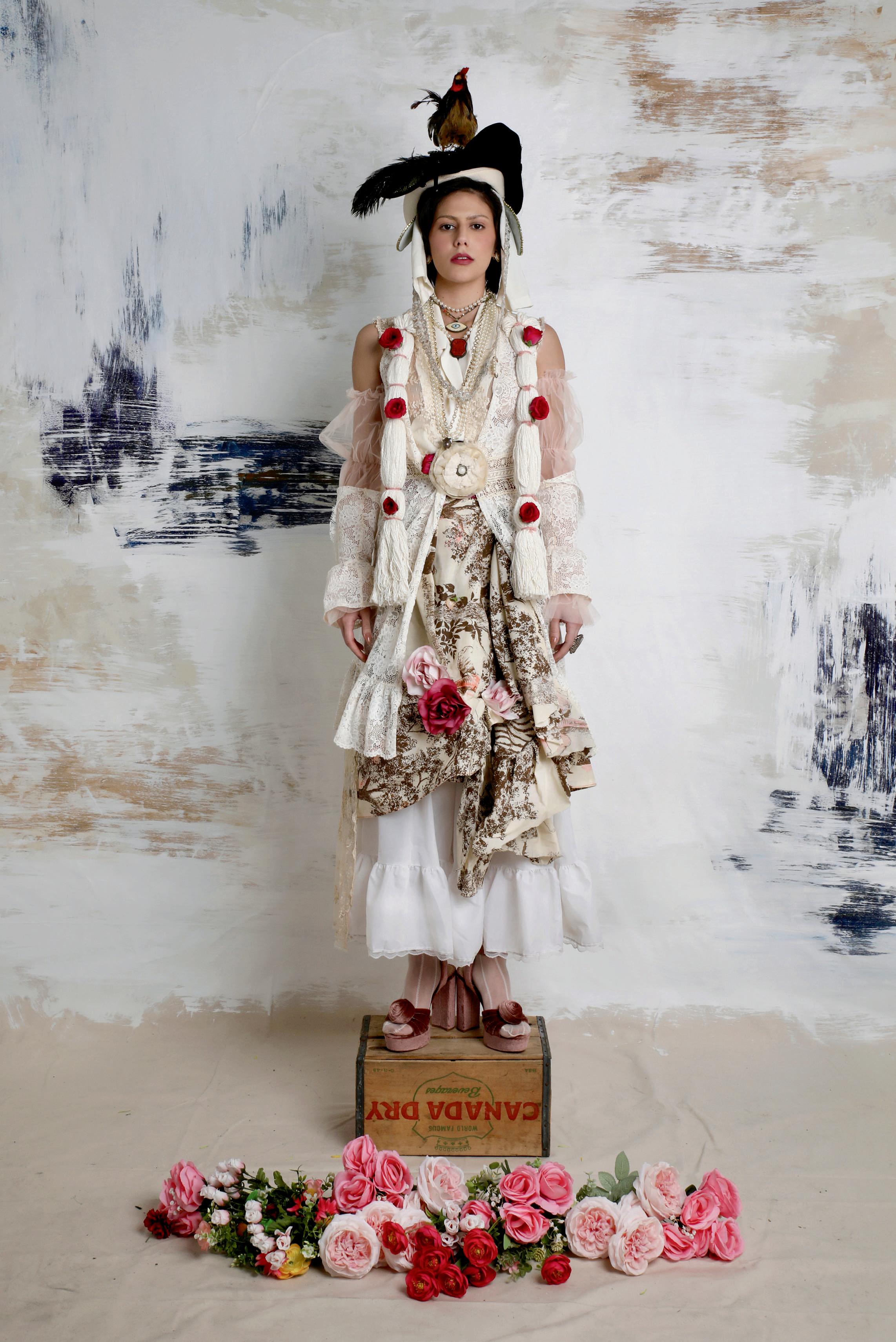

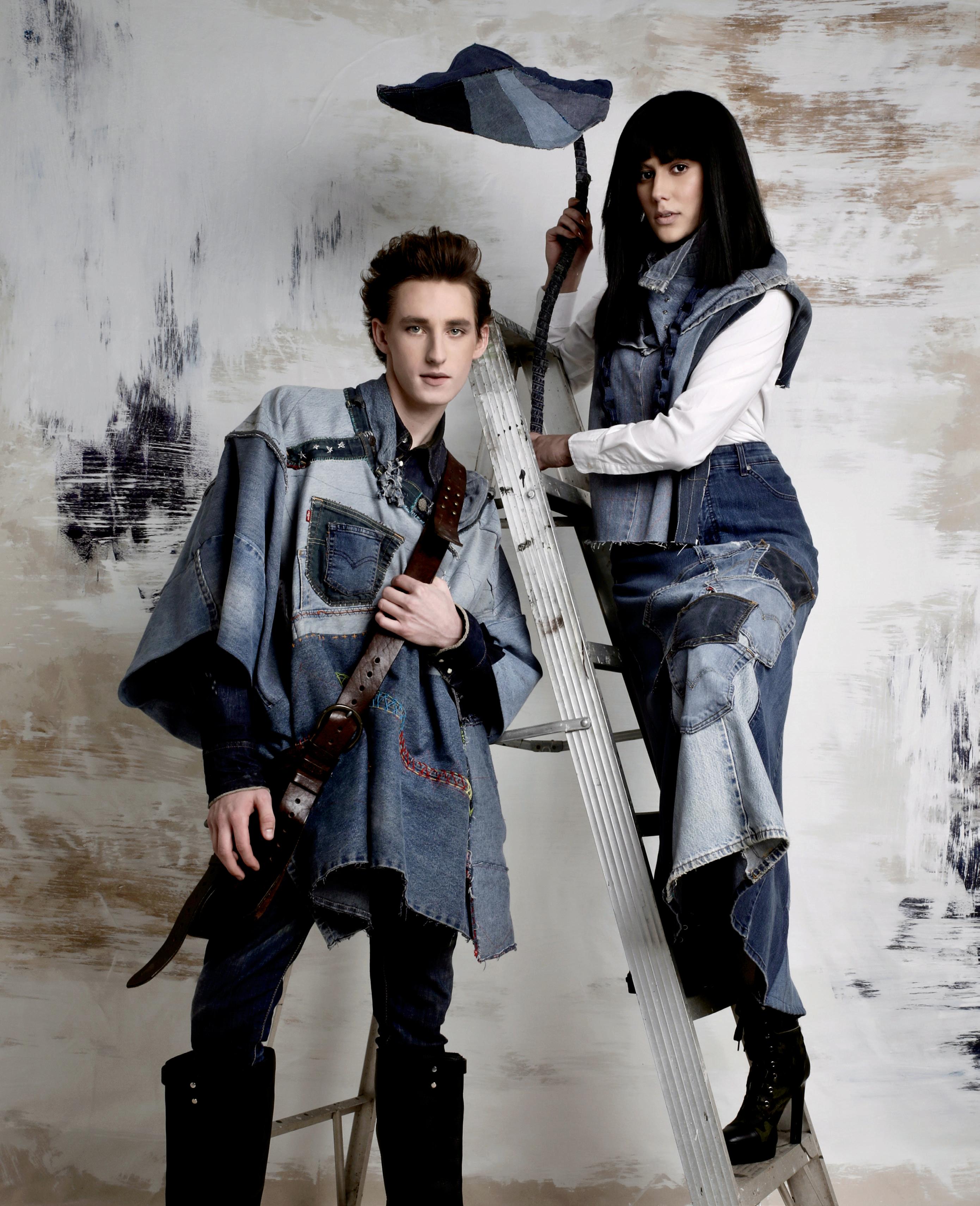
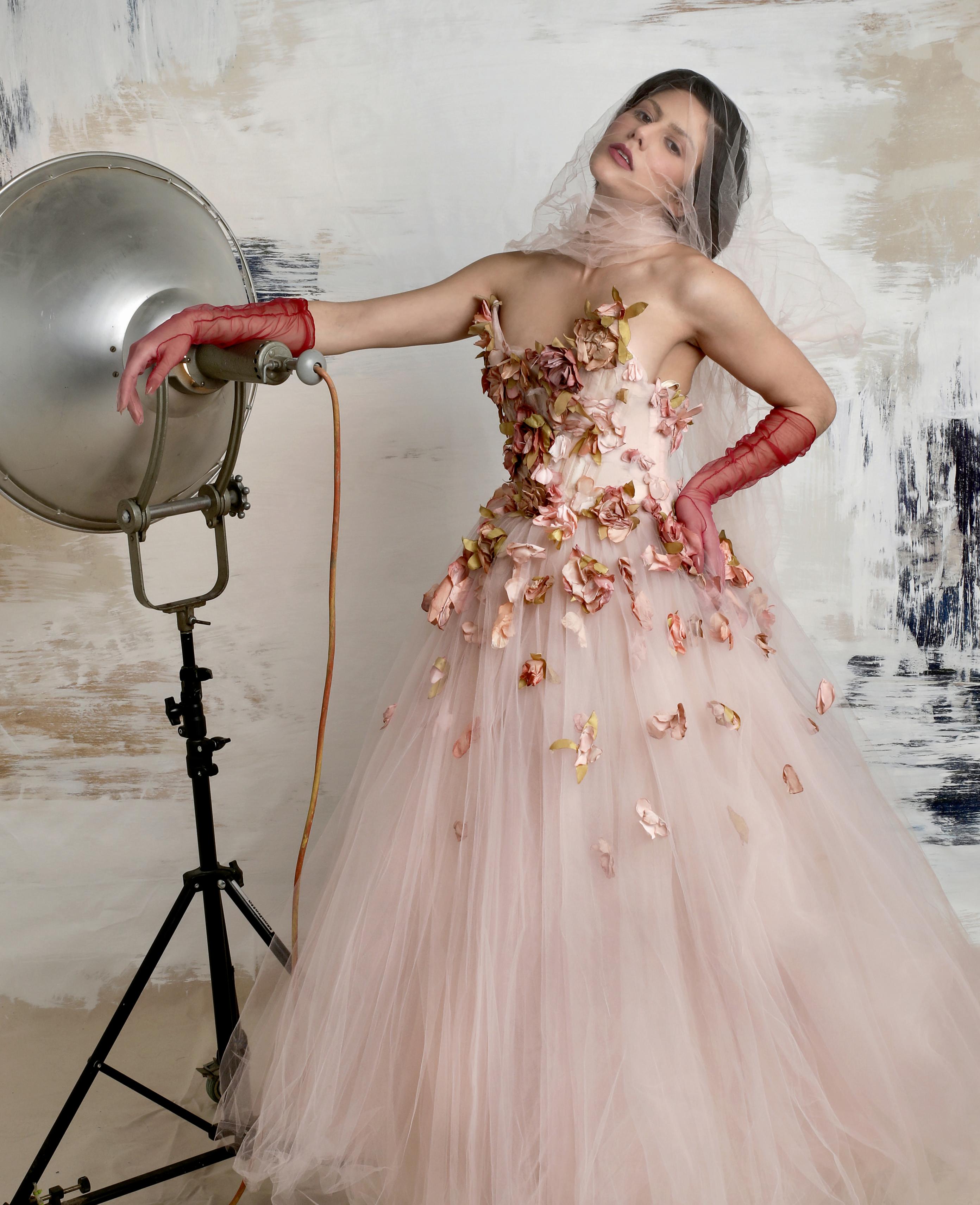
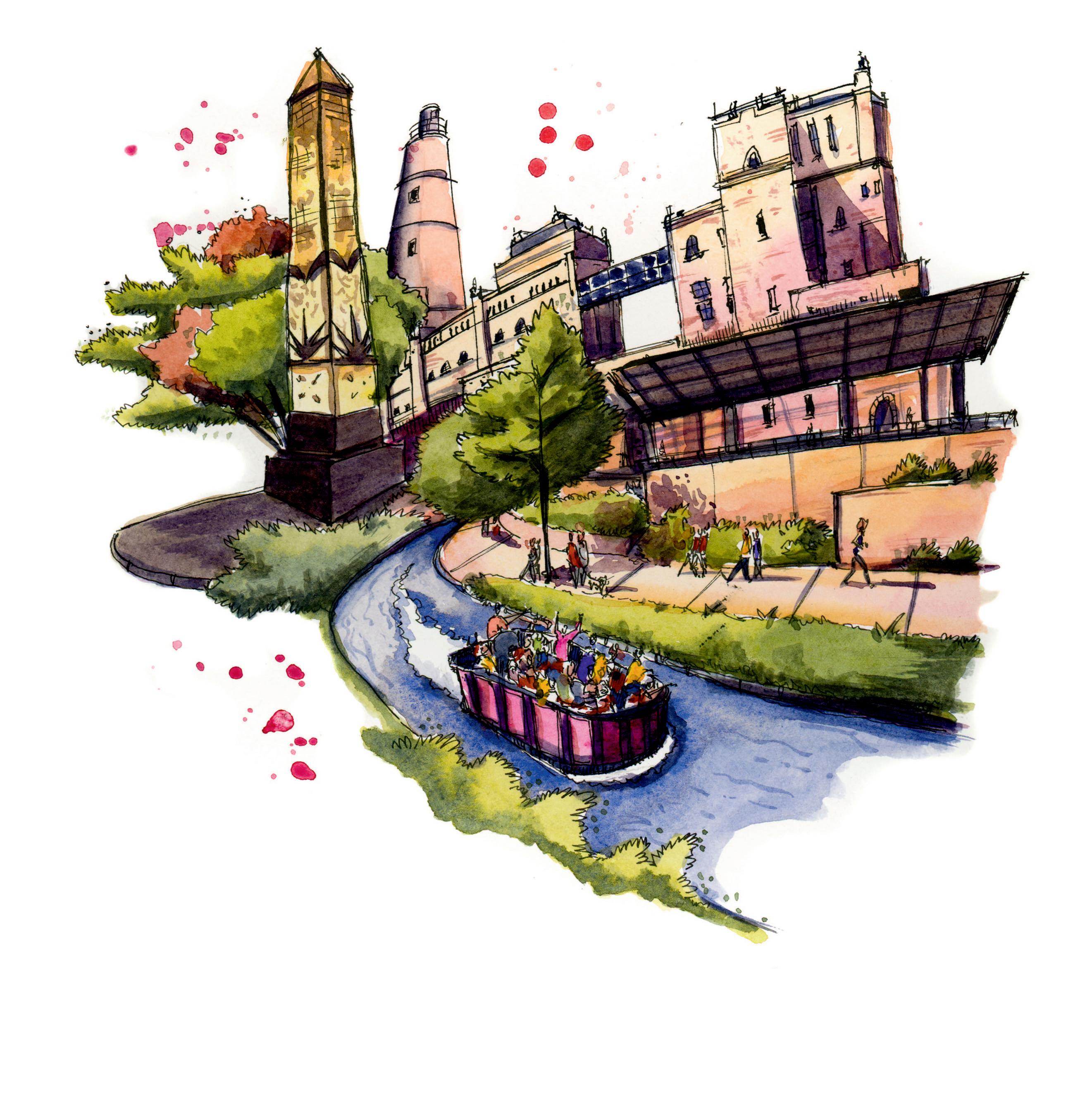
By Lorenzo Gomez III | Artwork by Aaron Zavala
San Antonio’s urban core has never lacked character. What it has gained, quietly and with intention, is momentum. Across the city’s historic inner neighborhoods, a new generation of locally owned restaurants, breweries, coffee shops, and gathering places is taking root alongside the institutions that have defined these streets for decades.
The two districts explored in these pages, River North and the Beacon Hill Roundabout, tell that story from different vantage points. One is rising along the riverbanks with the energy of a neighborhood coming into its own. The other is deepening a legacy already measured in generations. Together they reflect something larger: a city choosing to invest inward, to layer new life thoughtfully over old foundations, and to build a downtown that belongs not just to visitors, but to the people who have always called it home. V
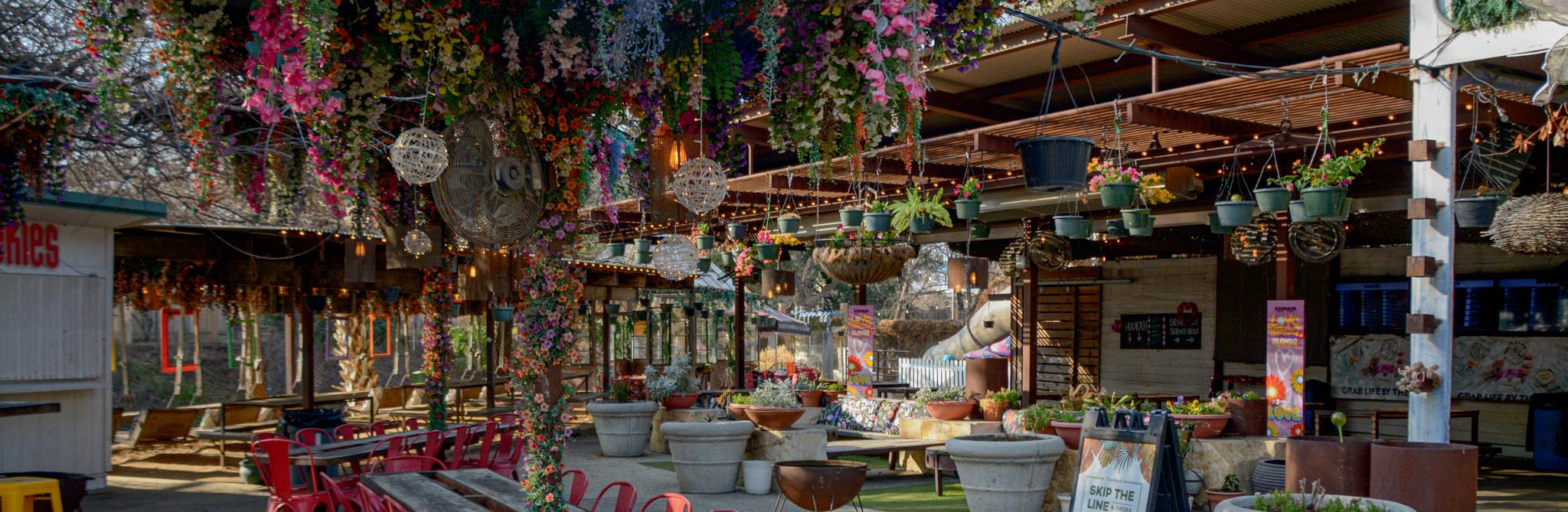
Along the banks of the San Antonio River, River North is emerging as the city’s fastest growing urban neighborhood, where culture, craft breweries, walkable green space, and community driven destinations are reshaping what downtown living can look like.
By Lorenzo Gomez III | Photography by Maddie Davila and Avery Diethloff
The River North District has quickly emerged as one of the fastest growing neighborhoods in San Antonio’s urban core, defined by its blend of culture, entertainment, and community driven public space. Running alongside the San Antonio River, the district acts as a connective corridor, linking walkable green space with a growing concentration of locally owned restaurants, markets, and gathering places. Anchored by the San Antonio Museum of Art, River North balances history and contemporary creativity, drawing residents and visitors into a neighborhood shaped as much by daily life as by destination.
Several anchor destinations help define its character. Elsewhere Garden Bar & Kitchen, a beloved riverfront beer garden,
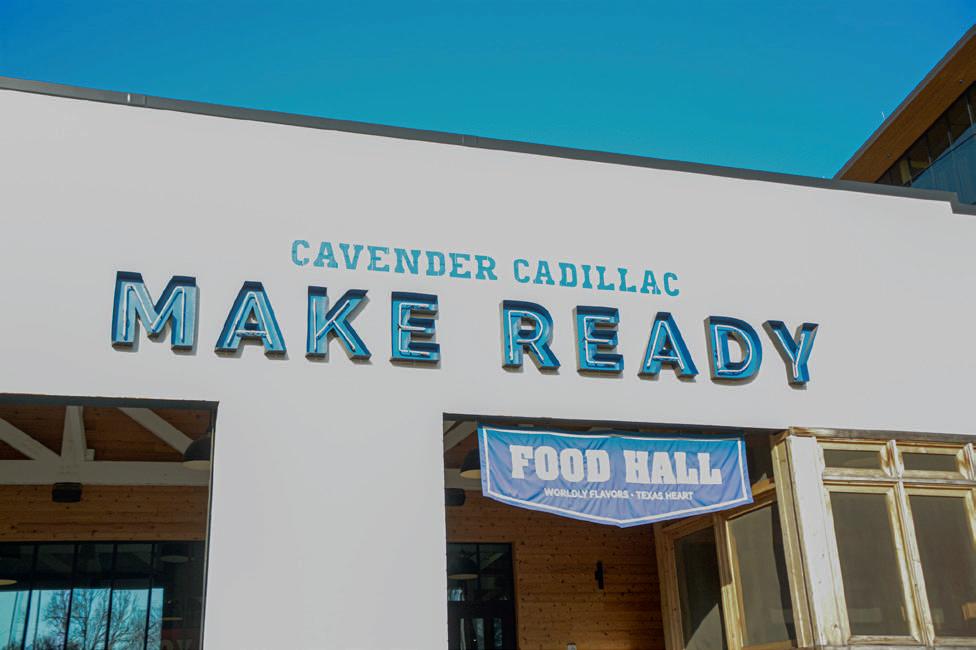
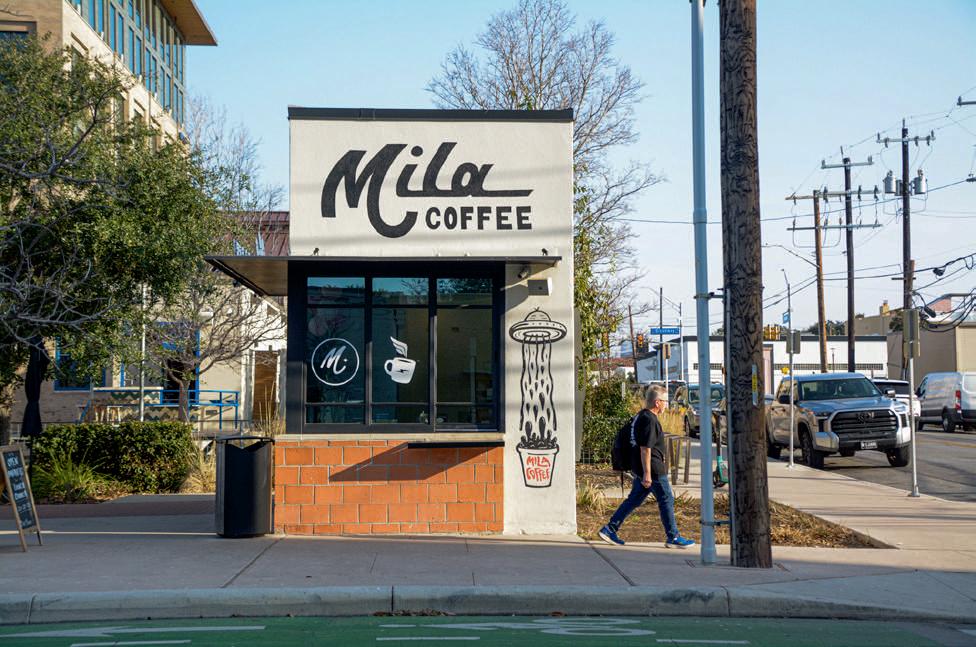
offers an easygoing outdoor setting that has become synonymous with weekend afternoons along the water. Nearby, Make Ready Market brings chefs, artisans, and entrepreneurs together under one roof, creating a lively hub for food, retail, and community interaction. Three breweries, Idle Beer Hall & Brewery, Back Unturned Brewing Co., and Roadmap Brewing Co., contribute to the district’s growing craft identity, while Mila Coffee, CommonWealth Coffeehouse, and Kiki’s Coffee & Spirits anchor a coffee culture that keeps the neighborhood active from early morning through late evening.
River North has also distinguished itself through an unusually strong emphasis on pet friendly public life. Maverick Dog Park serves as a social gathering point for residents, while Hops & Hounds blends dog park and neighborhood bar into a uniquely San Antonio expression of community space. Together, these amenities have helped shape River North’s reputation as one of downtown’s most welcoming neighborhoods.
Whether experienced along the river trail, across a shared table, or in conversation between neighbors, River North reflects a broader shift in how San Antonio imagines urban living: walkable, locally rooted, and built around connection. V
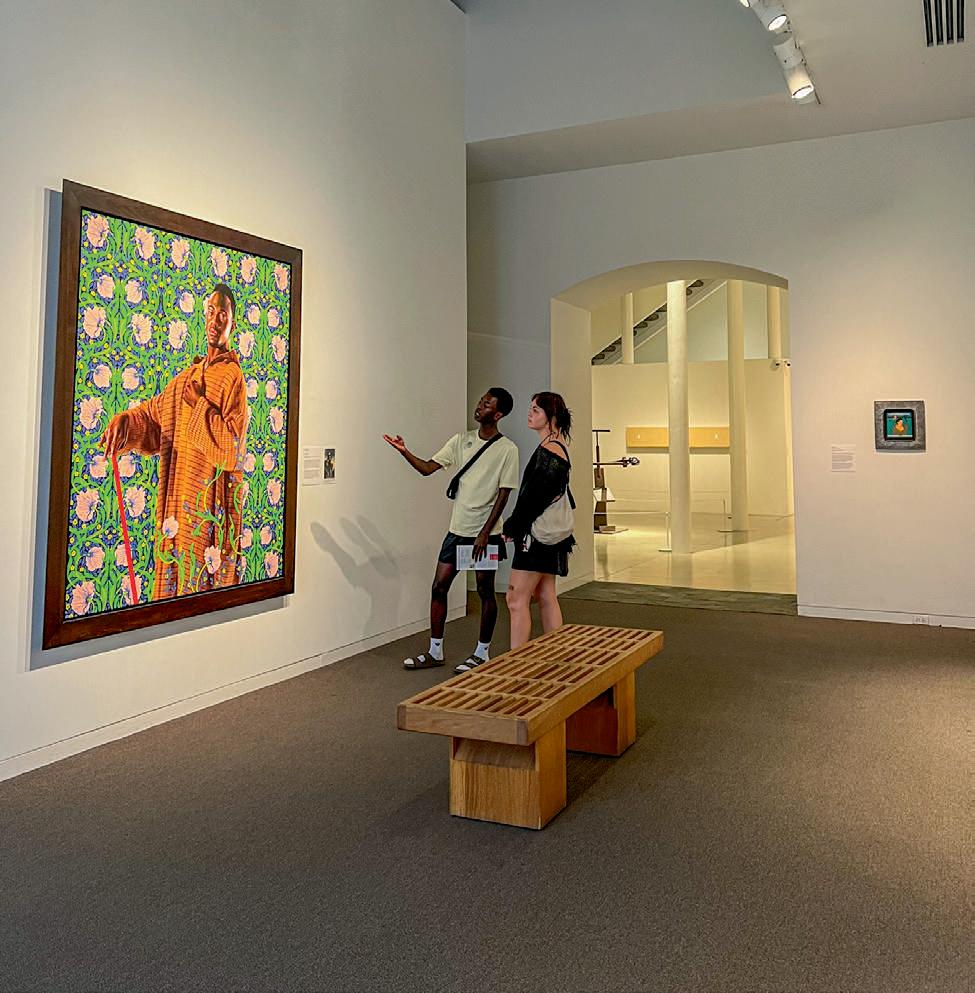
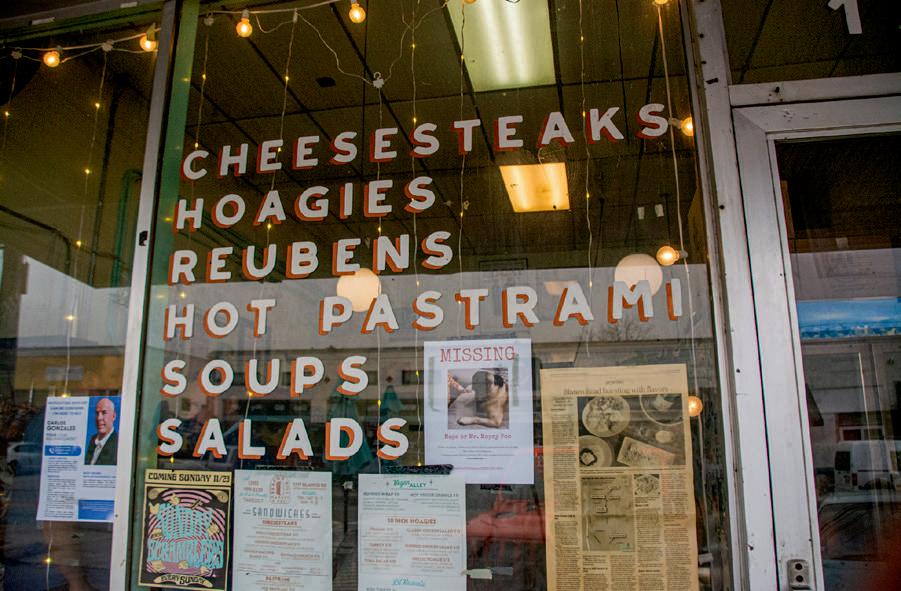

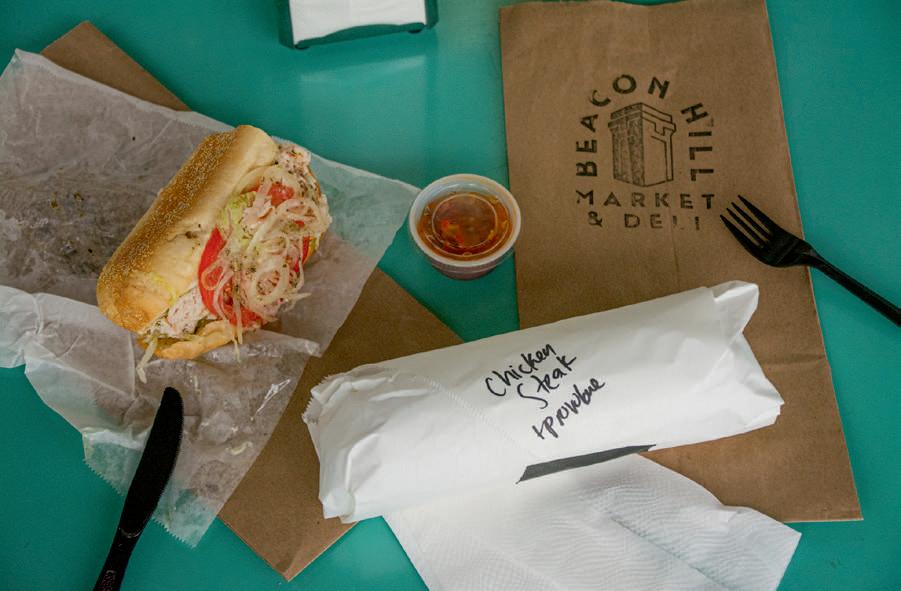
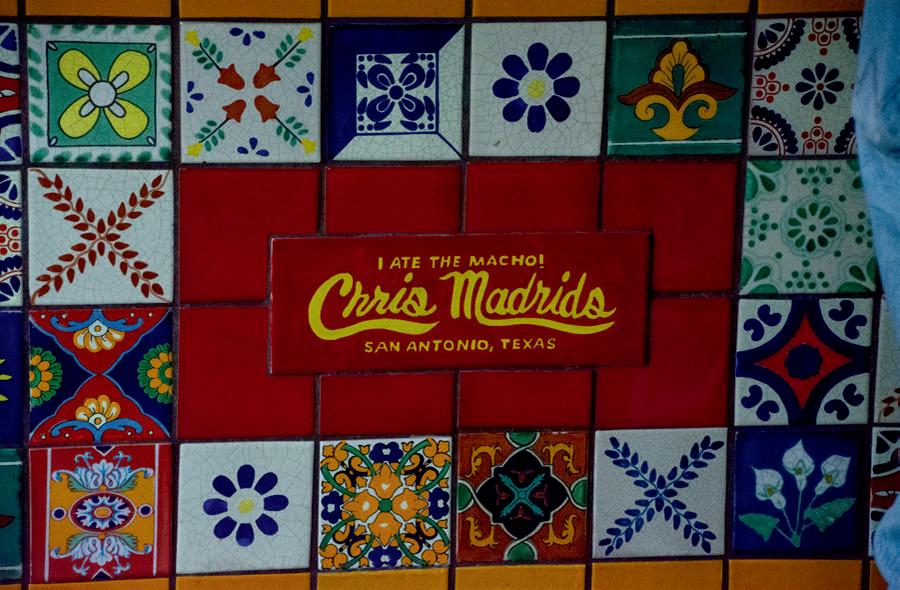
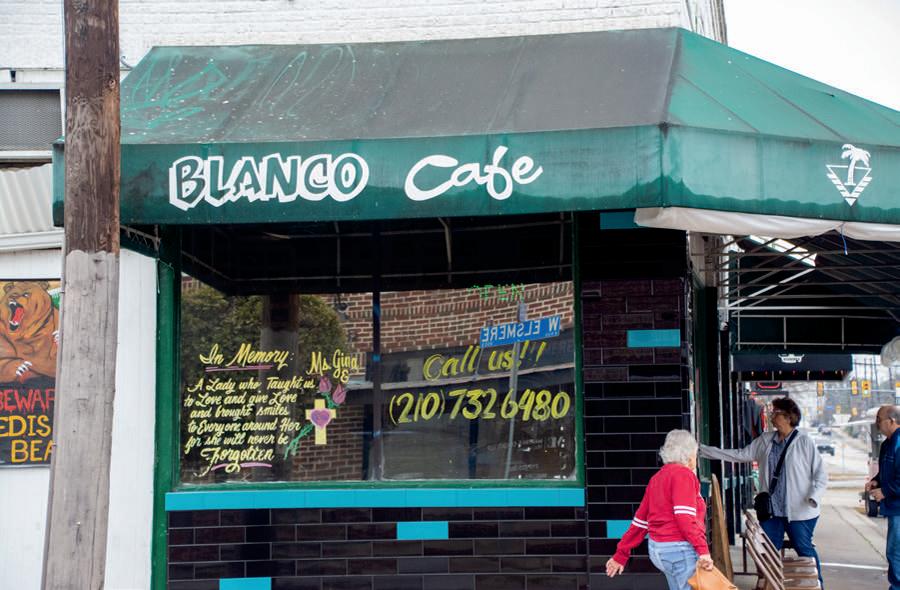
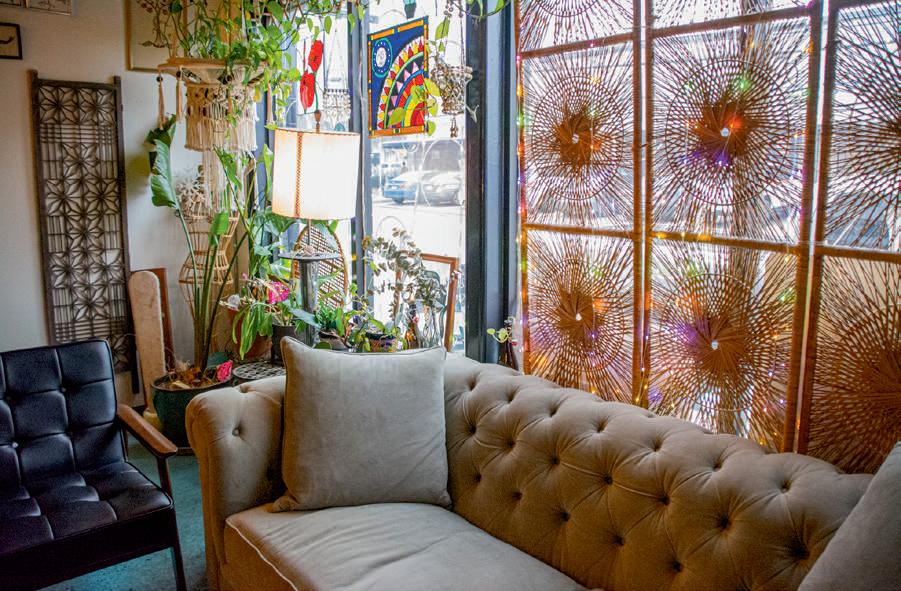
From Blanco Café and Chris Madrid’s to a new generation of neighborhood cafés and wine bars, the Beacon Hill Roundabout District offers a case study in how incremental investment can transform the rhythm of San Antonio’s urban core.
By Lorenzo Gomez III | Photography by Maddie Davila and Avery Diethloff
San Antonio’s urban core is shaped as much by quiet transformation as by headline projects, and the Beacon Hill Roundabout District may be one of its most compelling examples. Centered on the historic roundabout at Blanco Road and Fulton Avenue, this stretch of Beacon Hill has emerged as a true micro district: compact, walkable, and unmistakably local in character. A mix of legacy institutions and thoughtful newcomers, it demonstrates how a few blocks of intentional investment can shift the rhythm of an entire neighborhood.
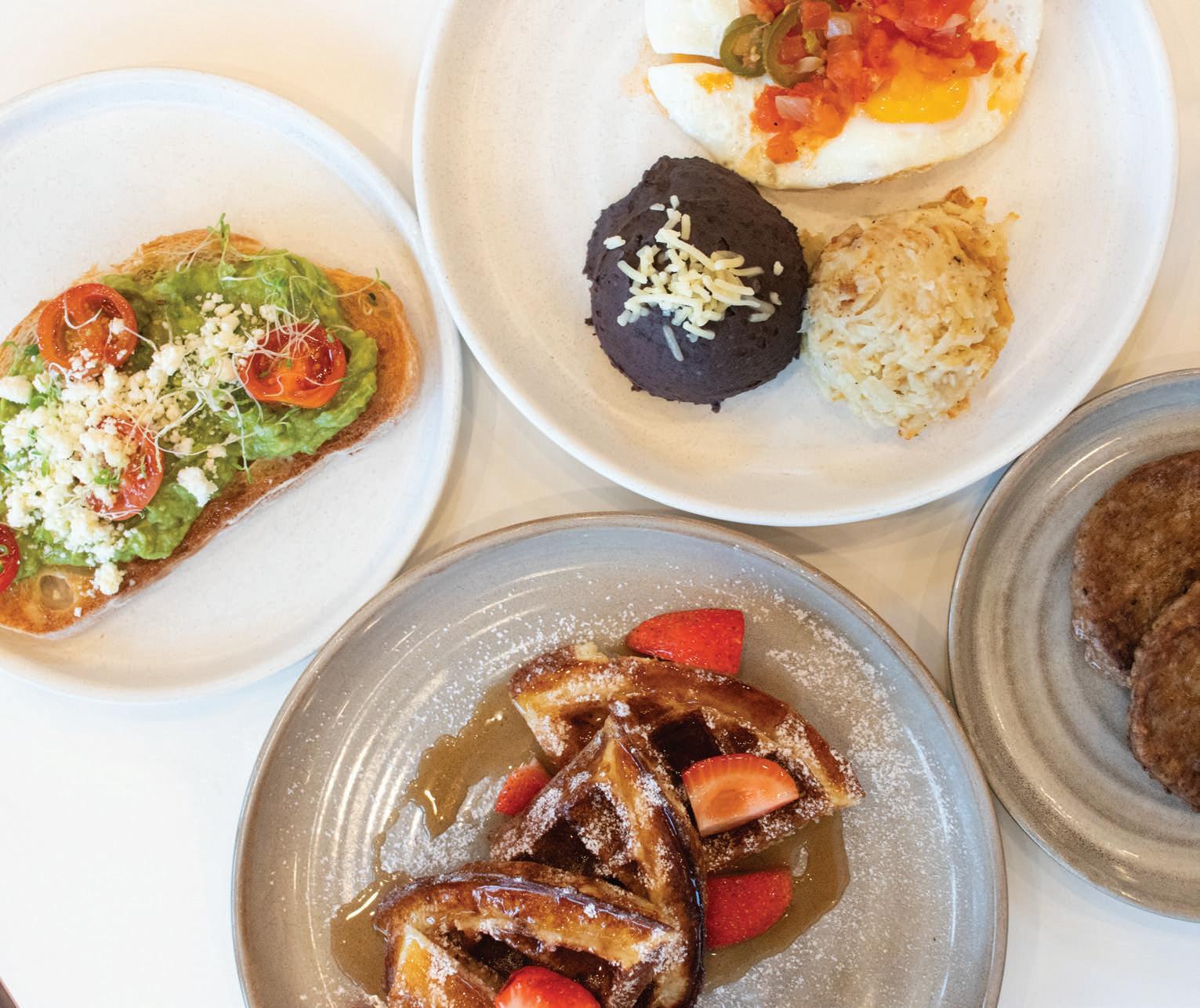
The district is anchored by two longtime San Antonio institutions. Blanco Café, a neighborhood fixture since the 1970s, continues to draw loyal crowds for hearty Tex Mex breakfasts and its enduringly famous cheese enchiladas. Just down the street, Chris Madrid’s remains one of the city’s defining burger destinations, home to the celebrated Macho Burger, a molten combination of beef and cheese that has earned both national recognition and decades of local devotion.
In recent years, the corridor has welcomed a wave of new arrivals that build on, rather than replace, that foundation. Julia’s Bistro & Bar, led by longtime restaurateur Jean François Pujol, brings an approachable French sensibility to the neighborhood, serving steak frites, duck confit, and seasonal small plates in a dining room that balances polish with warmth. Nearby, Beacon Hill Market & Deli has quickly become a cult favorite. The deli style sandwich shop feels lifted from a New York corner block, known for tightly layered Italian hoagies, house made hot sauce, and a rotating menu that rewards those willing to plan around its limited hours.
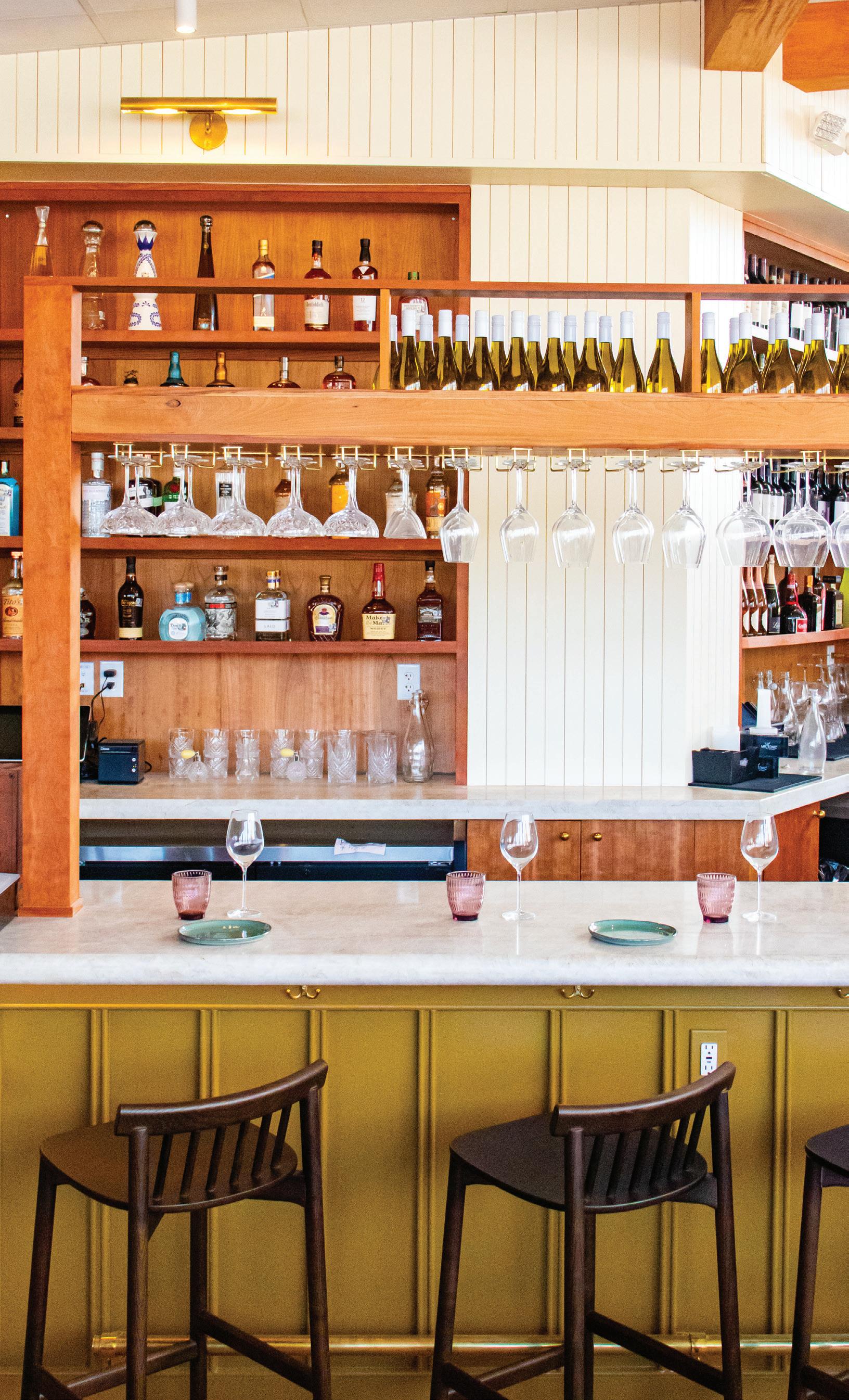
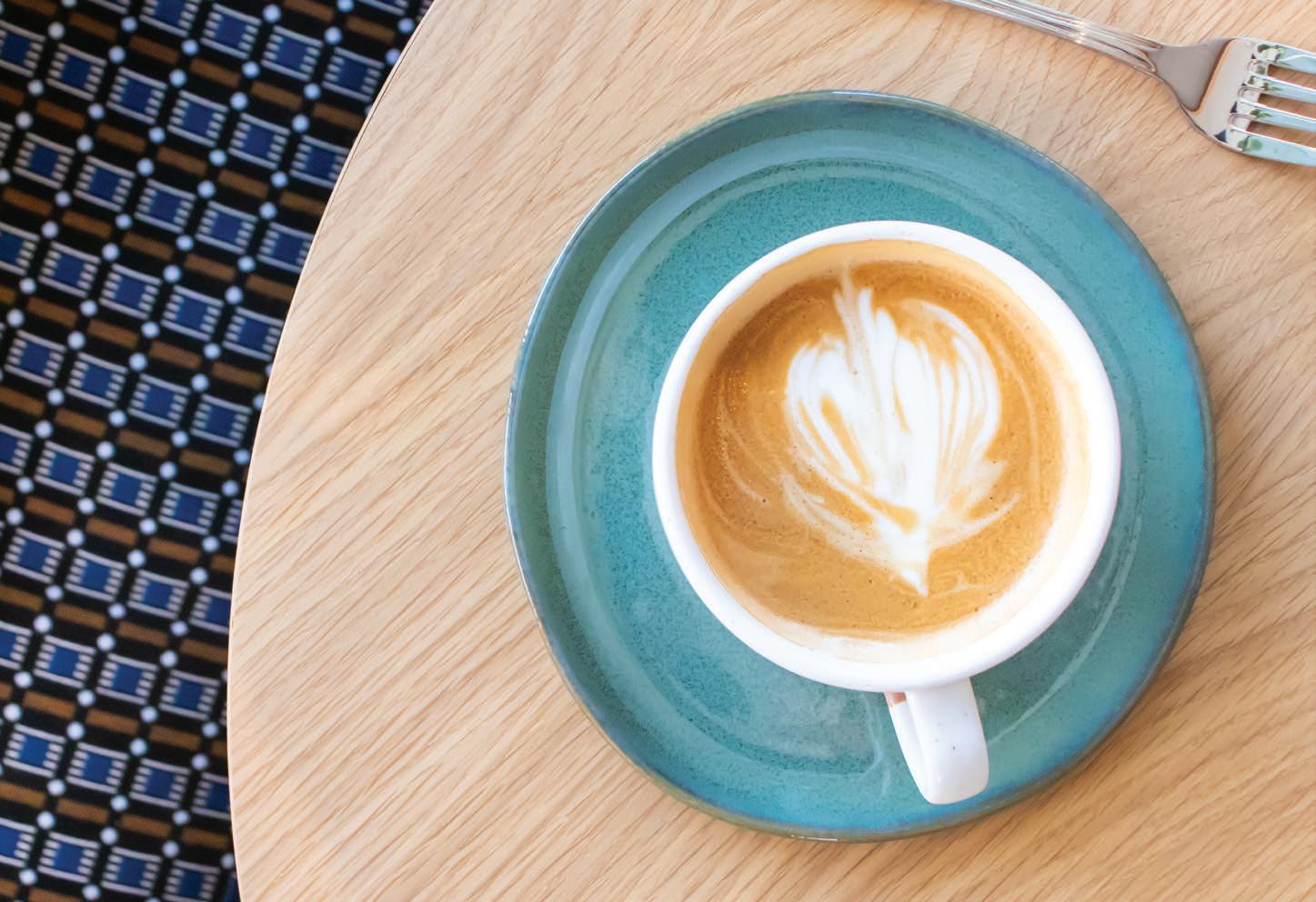
Bright Coffee adds another layer to the district’s evolving identity, offering a light filled espresso bar grounded in serious craft. A few doors away, Copper Rose Wine Bar introduces a relaxed, family friendly approach to evening gathering, pairing curated wines and craft beer with nonalcoholic options and even a small playground for children. The Roundabout rounds out the mix, describing itself as neither bar nor restaurant but something comfortably in between, serving wine, beer, and elevated snacks in a space designed as much for conversation as for dining.
Together, these businesses create a distinctly walkable experience where past and present share the same sidewalks. It is possible to start the morning with espresso, linger over lunch, meet friends for a glass of wine, and still feel rooted in the pace of neighborhood life. The Beacon Hill Roundabout District is not attempting reinvention. Instead, it offers something quieter and perhaps more lasting: a reminder that meaningful urban growth often happens one block at a time. V

Pastor and artist Courtney Beard considers what happens when a city honors its past while daring its dreamers to build what comes next.
By Courtney Beard | Photography by Jana Cantua
San Antonio is the seventh largest city in America. You could fit San Francisco, Boston, Miami, and Atlanta inside our city limits and still have room for Washington, D.C., Seattle, and Minneapolis. Yet despite its scale, San Antonio often feels like a city caught between two identities: one rooted deeply in tradition and another quietly reaching toward innovation. That tension is not a flaw. It is a wide open canvas.
Before I was a pastor on the South Side, I was an artist. I sang backup for Diana Ross, performed with The Gap Band, acted in Broadway productions, and traveled to more than 200 cities. Along the way, I learned to recognize the quiet signals of a city’s ambition. San Antonio has all the right ingredients. But loving a place does not mean preserving it exactly as it is. Love also means believing in what it can become. The goal is not to erase legacy. The goal is to build from it. Those who remain, who continue investing and believing, carry a sacred responsibility: to hold hands with the past while intentionally reaching toward the voices rising now. That is how San Antonio becomes not only a place we inherit, but a story the world cannot ignore. V
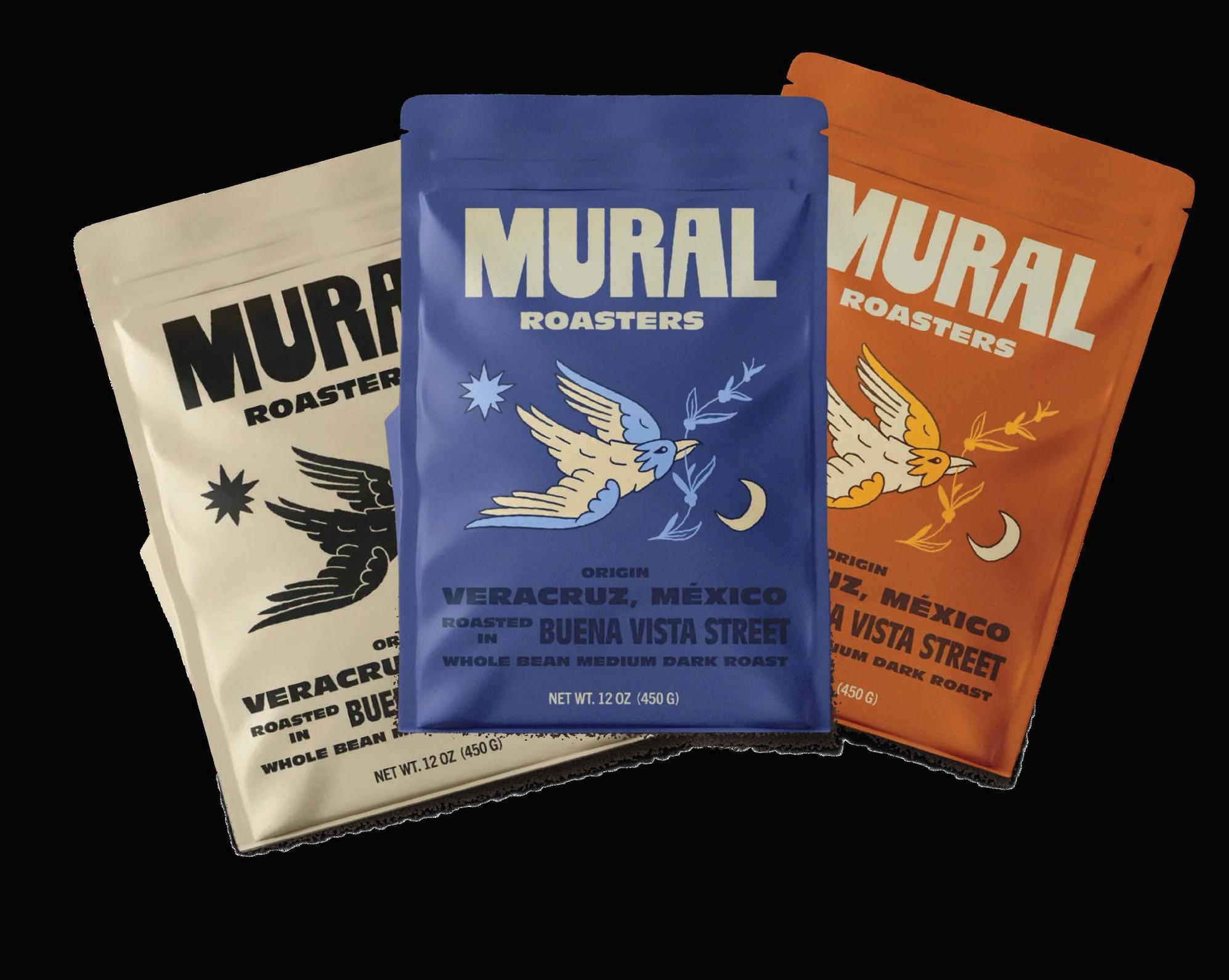

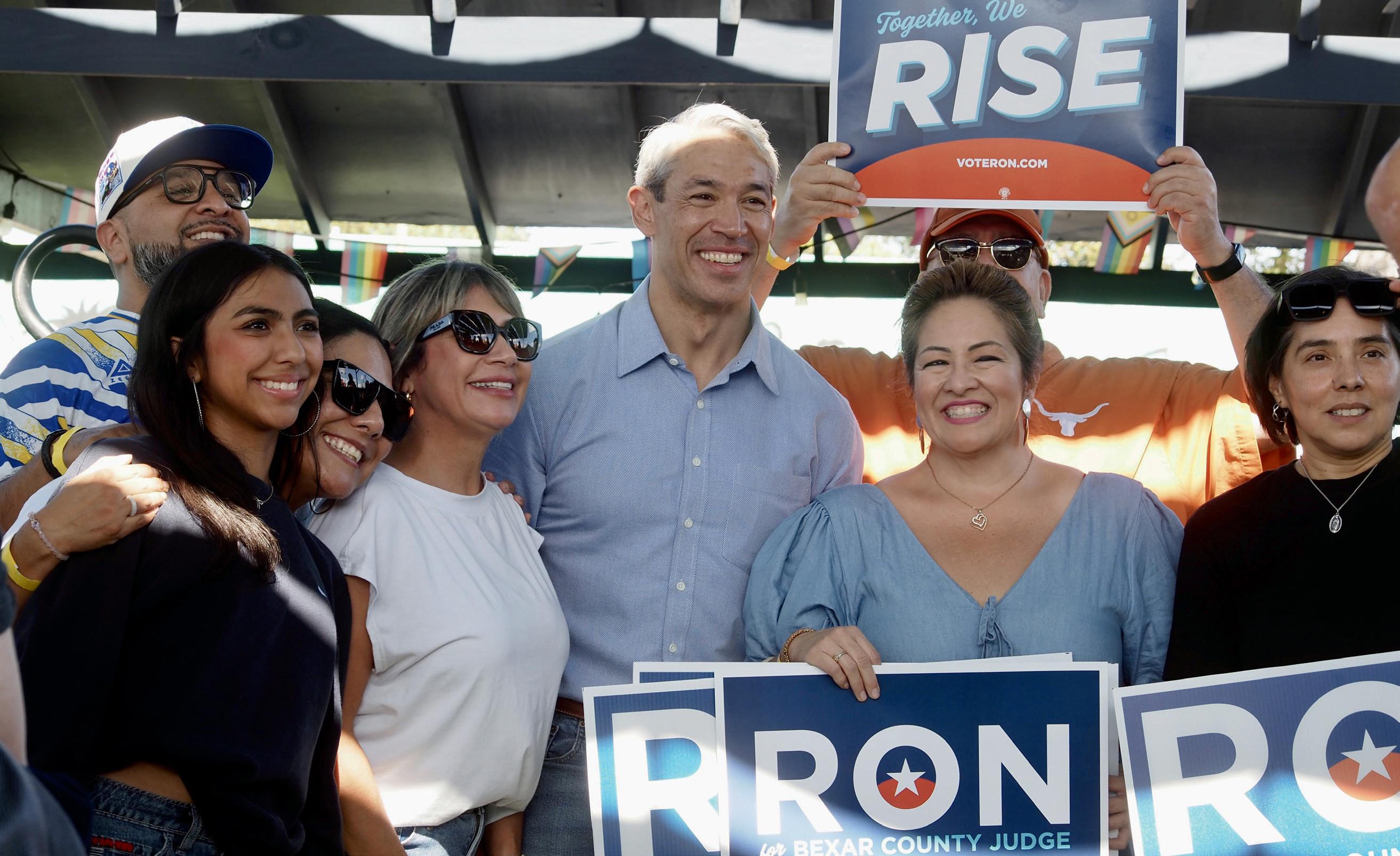
From workforce transformation to regional coordination, former San Antonio Mayor and Bexar County Judge candidate Ron Nirenberg, reflects on the systems required to break generational poverty and build a more resilient Bexar County, and previews themes from his newly released book Nirenberg: The Education of a Texas Public Servant.
By Ron Nirenberg | Photography by Isabella Chavez
For years, San Antonio has talked about generational poverty. But when you consider that the average participant entering our Ready to Work program comes from a household earning roughly $11,000 a year, the conversation stops being theoretical. It becomes urgent.
Many of those participants are single parents raising children while juggling multiple jobs just to keep food on the table. They are one unexpected bill away from crisis. For decades, we have known that children raised in households under that kind of pressure are statistically less likely to achieve economic mobility themselves. That is how cycles of poverty persist and grow.
If we are serious about changing that trajectory, we have to think beyond programs. We have to think about changing systems.
One of those systems, often misunderstood, is county government. The City of San Antonio is a home rule authority. It operates under a charter approved by voters and has broad power to pass ordinances, invest in neighborhoods, and deliver municipal services.
Bexar County is different. The county is an arm of the state. Its authority is explicitly defined by the Texas Constitution. It oversees elections, the justice
system and courts, emergency management, major infrastructure in unincorporated areas, and, critically, our public health system. University Health, one of the largest taxpayer-supported hospital systems in Texas, operates at the county level.
Understanding that distinction matters because economic mobility does not sit neatly within one jurisdiction. It requires coordination.
During the height of the pandemic, the vulnerability of too many families became painfully clear. Tens of thousands of households were living on the edge. That reality demanded action at scale. That is why we launched Ready to Work.
Approved by 77 percent of voters in November 2020, Ready to Work is the largest locally funded workforce development investment in U.S. history. It is designed to connect residents directly to training pathways aligned with actual jobs in our regional economy. Participants who enter the program, most often single parents raising children, come from households earning roughly $11,000 per year. When they finish and are placed into an approved job, which takes on average 72 days from training completion, they step into careers with average wages of roughly $44,000 per year, with benefits. Even more importantly, they now have a post-secondary credential that will increase their value in the em-
ployment market and lead to career mobility.
More than 15,000 residents are currently in the Ready to Work training pipeline. Thousands have been placed in new jobs. The economic impact thus far has added billions of dollars to our local economy. But the most important return on that investment will not be measured in GDP. It will be measured in children who grow up in households with stability instead of scarcity.
But it’s not just Ready to Work. We have invested in a true system of economic mobility that includes housing, transportation and the rest of the education pipeline: We expanded access to early childhood education. We launched the Alamo Colleges Promise program, ensuring that every high school graduate in Bexar County can attend community college tuition-free. We secured voter approval for mass transit investments that this community debated for decades. We created an affordable housing strategy that has been funded by voters and has now become a model for other cities around the country.
The county must now work in lockstep with these efforts by leveraging the resources of the University Health System to ensure every family in Bexar County has access to basic health care. That is an essential remaining pillar to an effective system of economic mobility.
The pandemic demonstrated how quickly a health event can become a financial catastrophe. In a county that operates one of the largest taxpayer-supported health systems in the state, we should be able to ensure that residents have access to essential, affordable care. No family should be one medical bill away from financial ruin.
As we’ve built that system, we also began rethinking our age-old approach to downtown development. For a community to thrive, it needs economic mobility and quality of life. The center of that life, downtown, should be a place not just for visitors, but for residents to live, work, and gather.
Project Marvel grew out of that broader realization: our downtown assets should not be developed in isolation and should not operate in siloes. With UTSA expanding into the urban core, improvements underway at the Alamo, investments at Hemisfair, and needed upgrades to the Convention Center and Alamodome, we saw an opportunity to think bigger. Not about a single project, but about a coordinated district that supports quality of life and inclusive growth.
That means ensuring downtown investment benefits all residents regardless of where they live. It means fulfilling promises that had been made long ago to the East Side while executing projects on time and on budget. It means restoring trust by following through. If we do that, downtown becomes not just an economic engine, but a shared civic space that reflects our commitment to rise together. But it’s also about who does the work, not just that the work gets done.
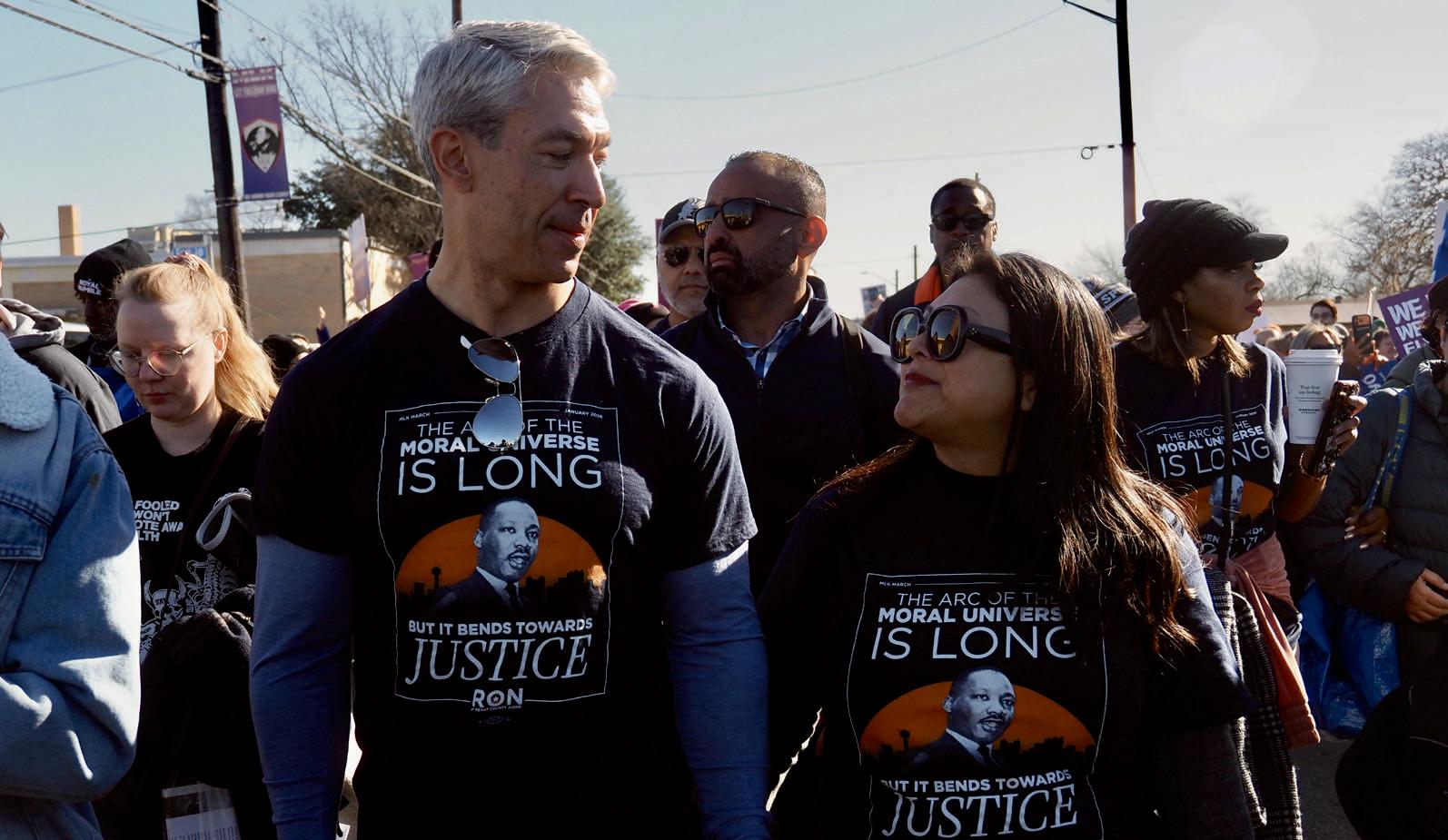
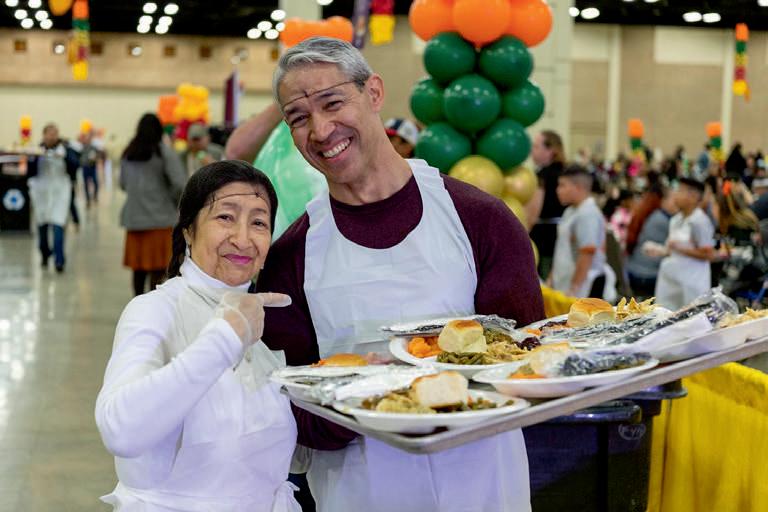
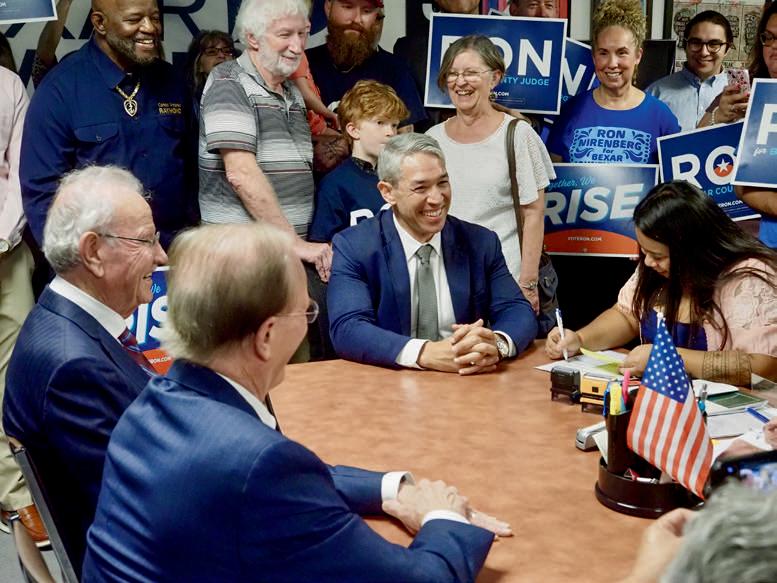
Every year, public entities in this community spend roughly $10 billion on contracts for goods and services. Too often, those opportunities never reach small, locally owned businesses that are willing and able to do the work. In fact, too many of those dollars leave San Antonio altogether. Through the SupplySA initiative, however, we convened over a dozen of the largest public entities to create a more streamlined and unified process for local small businesses to compete for public contracts. When we keep more of those dollars local, we build local payrolls, local ownership, and local resilience. We need to build on the SupplySA approach.
Ultimately, our shared vision is straightforward. Bexar County should be one of the most resilient and economically thriving regions in Texas. Whether someone lives in a rural pocket of the county, a suburban neighborhood, or in the urban core, they
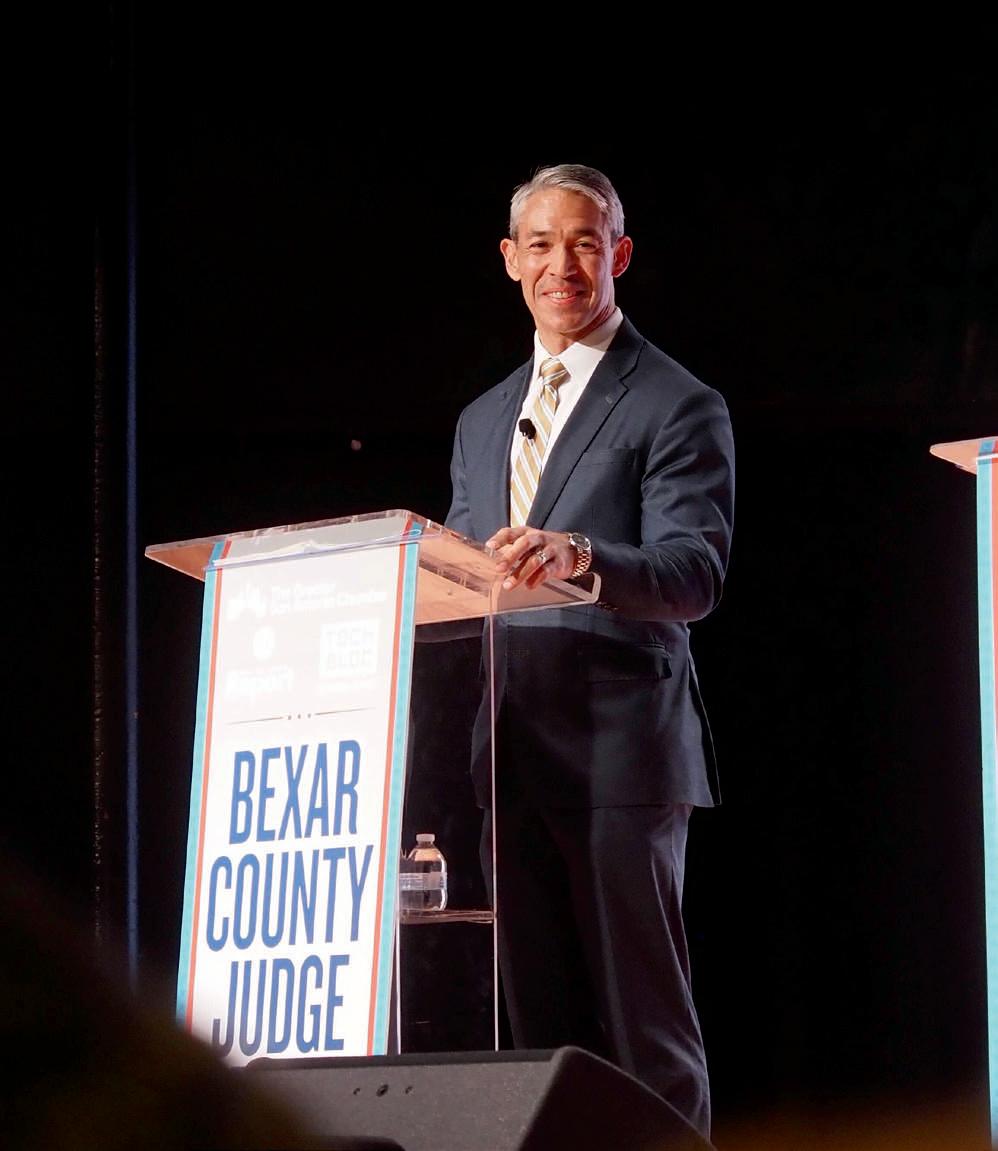
should have access to real opportunity and quality of life.
We have extraordinary assets: a young population, a strong workforce pipeline, expanding transit and air service, and a health system with immense capacity. But assets alone are not enough. They must be aligned.
That is the work necessary to finally break the cycle of generational poverty. This is a region of immense opportunity, and the work of building a place where everyone can thrive must continue.
Together, we rise.
Nirenberg: The Education of a Texas Public Servant, by Ron Nirenberg and David W. Lesch is available now in hardcover and eBook. V
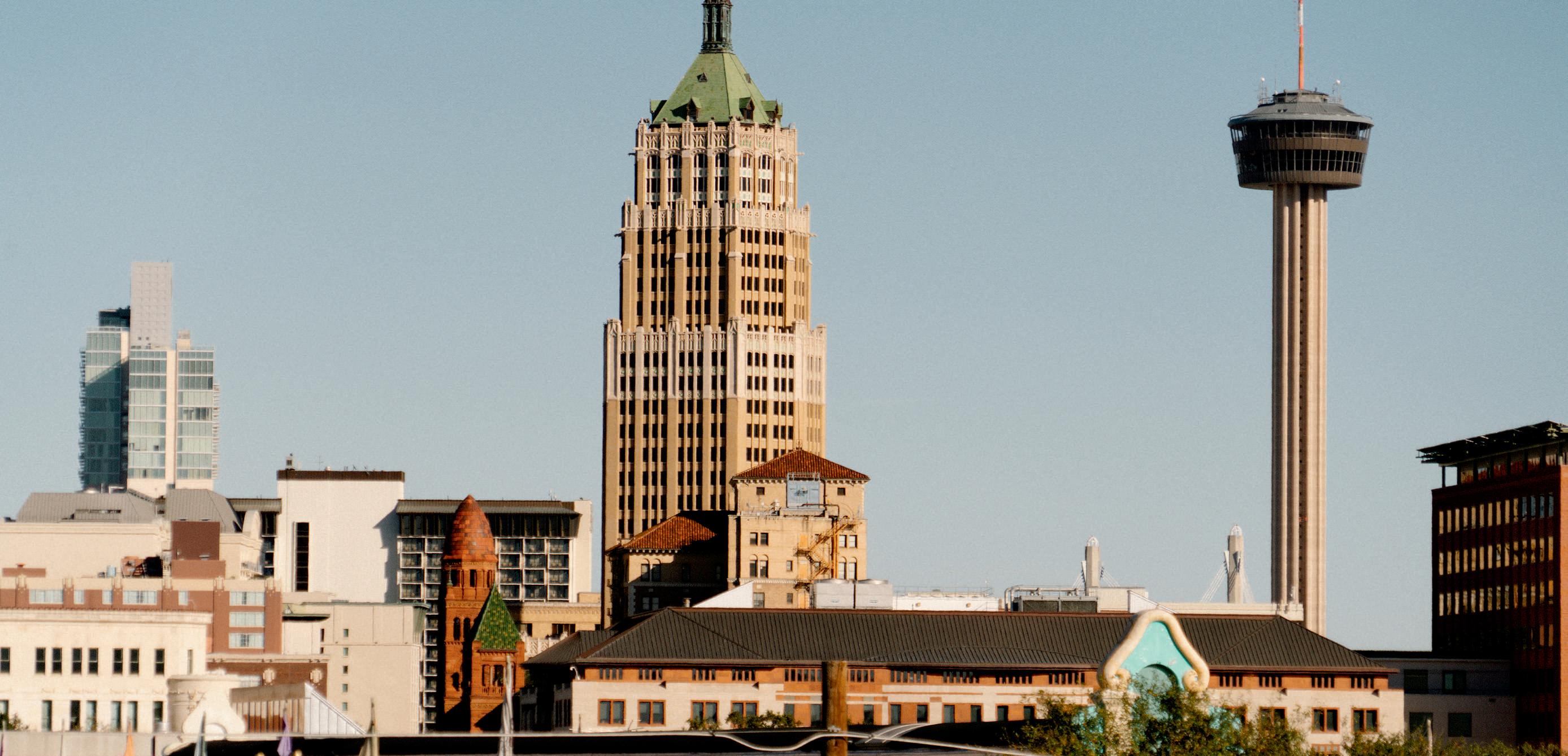
Project Marvel and the decision to bring the Spurs downtown mark a defining shift in how San Antonio understands itself and how it intends to grow.
By Lorenzo Gomez III | Photography by Wendy Bowman Butler
Project Marvel marks a turning point for San Antonio.
The vote has passed, and with it the city has chosen its urban core and chosen to act like a metropolis. What matters now is not the debate that preceded it, but the direction it reveals.
For decades, San Antonio followed suburban logic. We expanded outward instead of upward and separated destinations rather than clustering them into cohesive districts. We built impressive projects that often stood alone, surrounded by parking lots and highways rather than sidewalks and neighborhoods.
Project Marvel signals something different.
A downtown Spurs arena is not simply a venue; it is a declaration that proximity matters, that districts matter, and that housing, transit, culture, and commerce belong in conversation with one another. It places a major civic institution back into the daily rhythm of the city.
Cities like Barcelona and Mexico City understand this instinctively. Their stadiums and cultural anchors live within the urban fabric, surrounded by apartments, transit, restaurants, and plazas that generate life not only on event nights but every day in between.
San Antonio is stepping into that lineage.
The Spurs have always been more than a team. They are shared memory and generational glue, connecting neighborhoods that otherwise have little in common. Embedding that institution downtown weaves its cultural equity into the heart of the city and makes it part of everyday life rather than a destination at the edge of it.
That cultural decision carries economic weight.
Density creates gravity. Gravity attracts talent. Talent attracts employers. Employers support small businesses, and small businesses animate the streets and give a district its identity.
An arena alone does none of that. But an arena integrated into housing, transit, and surrounding districts can amplify all of it. It si gnals to young professionals that urban living is viable here. It signals to companies that San Antonio intends to compete. It signals to investors that the core is essential.
Urban investments fail when they become islands rather than part of a larger ecosystem. The opportunity now is to stitch this project into the surrounding fabric and design places people inhabit daily.
San Antonio has never lacked culture. What it has sometimes lacked is confidence.
Project Marvel reflects a growing self-belief and a willingness to invest inward. This is not about becoming someone else’s city. It is about becoming more fully San Antonio, leaning into the character, density, and civic life that have always been here but have too often been spread thin.
A city that clusters its cultural anchors strengthens them. A city that builds around its core connects its neighborhoods. A city that embraces density sharpens its identity.
San Antonio chose that path. Now the work begins. V
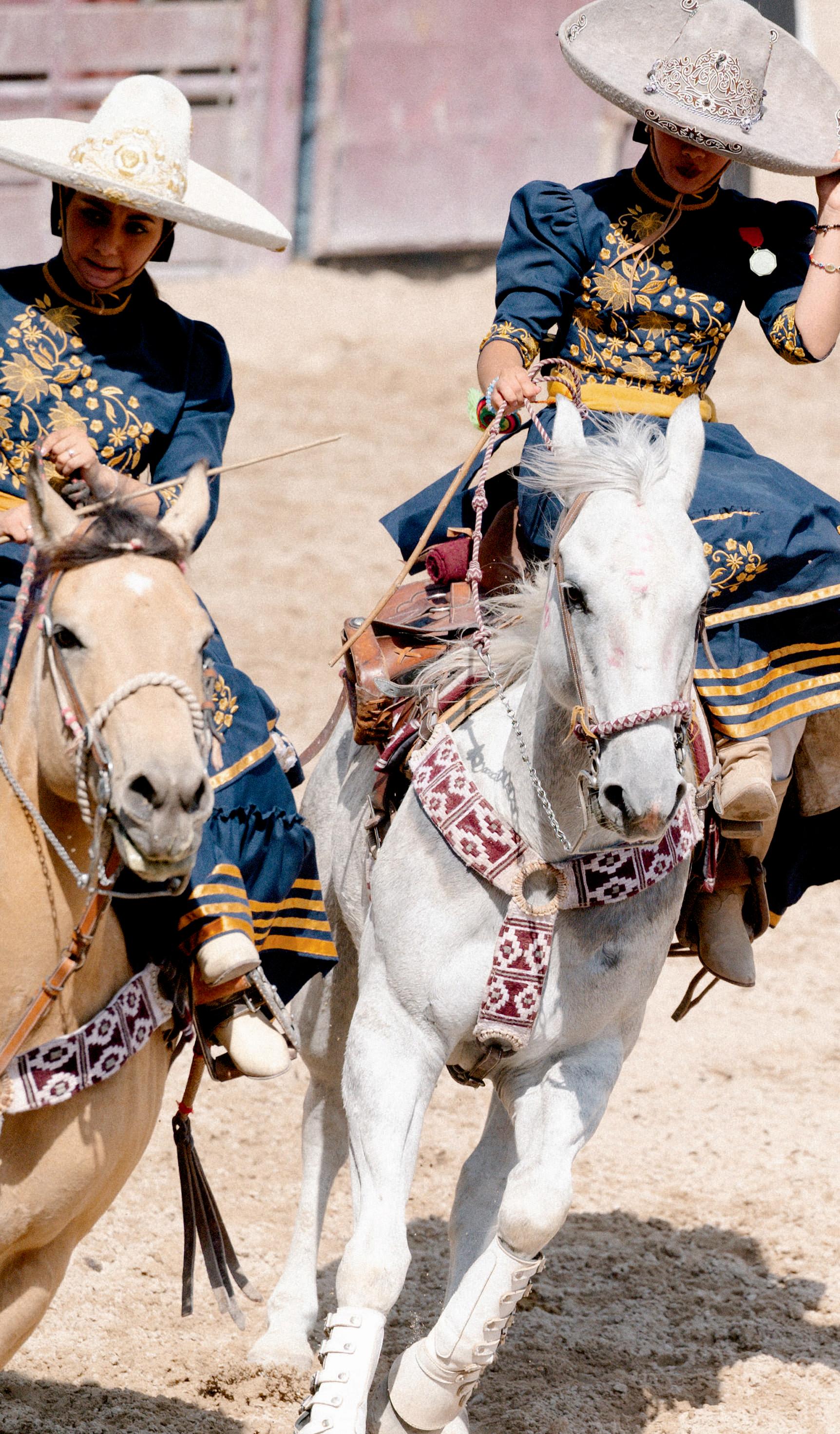
As CE Group CEO Janet Holliday concludes her tenure shaping San Antonio’s most meaningful celebrations, she reflects on why the moments we create together are the ones that define us.
By Janet Holliday | Photography by Wendy Bowman Butler
For more than three decades, I have watched San Antonio gather. I have seen Fiesta pulse through our streets, the River Walk shimmer into a winter wonderland, and thousands of strangers become, for one evening, a community. What I know after all of it is this: we do not remember the emails. We do not remember the meetings or the quiet hours spent scrolling alone. We remember the moment a child walked across a stage. We remember the backyard that became a chorus of laughter. We remember the handwritten note, the cup of coffee, the small gesture that said, I see you. I am here. These are the moments that make a life — and a city.
San Antonio has always understood this instinctively. Our culture thrives on togetherness, on showing up, on the belief that celebration is not an indulgence but a necessity. Events do not require extravagance; they require presence and intention. When we gather, we look each other in the eye. We cry and laugh and remember together, and in doing so, we remember who we are. As I pass the torch on the work I have loved, my invitation to this city remains the same: don’t rush past the moments. Lean in. Create space for laughter, music, art, and memory. Because in the end, it is the events that define us, the connections that move us, and the community we build together. V
An Unforgettable Evening Commemorates 190 Years and Lights the Way Forward for the Alamo.
By Eleanora Morrison | Photography by J.B. Lyde of Parish Photography
Lantern light fell across limestone walls that have stood for nearly two centuries as San Antonio gathered in the Alamo Gardens for an evening that held both reverence and possibility. The Alamo 190 Salute was not merely a celebration of history. It was a reminder of why history asks something of us, and how a city answers.
Presented by the Kate Marmion Charitable Foundation and chaired by Margaret and D.B. Briscoe alongside committee members Leah and Brad Lacy and O’Kelley and Paul Little, the evening honored the 190th anniversary of the Battle of the Alamo. Guests began the night with cocktails and exclusive tours inside the historic Cavalier Building before gathering beneath the open sky of the Gardens for a program that unfolded under the stars.
Among the most anticipated moments was an exclusive preview of the Texas Cavaliers Education Center, an innovative learning space designed to ignite curiosity and welcome visitors of all ages. The Texas Cavaliers helped launch the project with a landmark five million dollar gift, and the Kate Marmion Charitable Foundation completed it with a final five million dollar contribution, ensuring the space would become a reality rather than a dream deferred.
By the close of the evening, guests had raised more than $1.5 million in support of the Remember the Alamo Foundation’s mission to preserve and protect this sacred site. Preservation, at its most meaningful, is an act of love. The Education Center is where that love becomes a doorway, opening the Alamo to the curious minds who will carry its story forward for generations to come.
Experience more of the event and read the full story at voiceofsanantonio.com. V
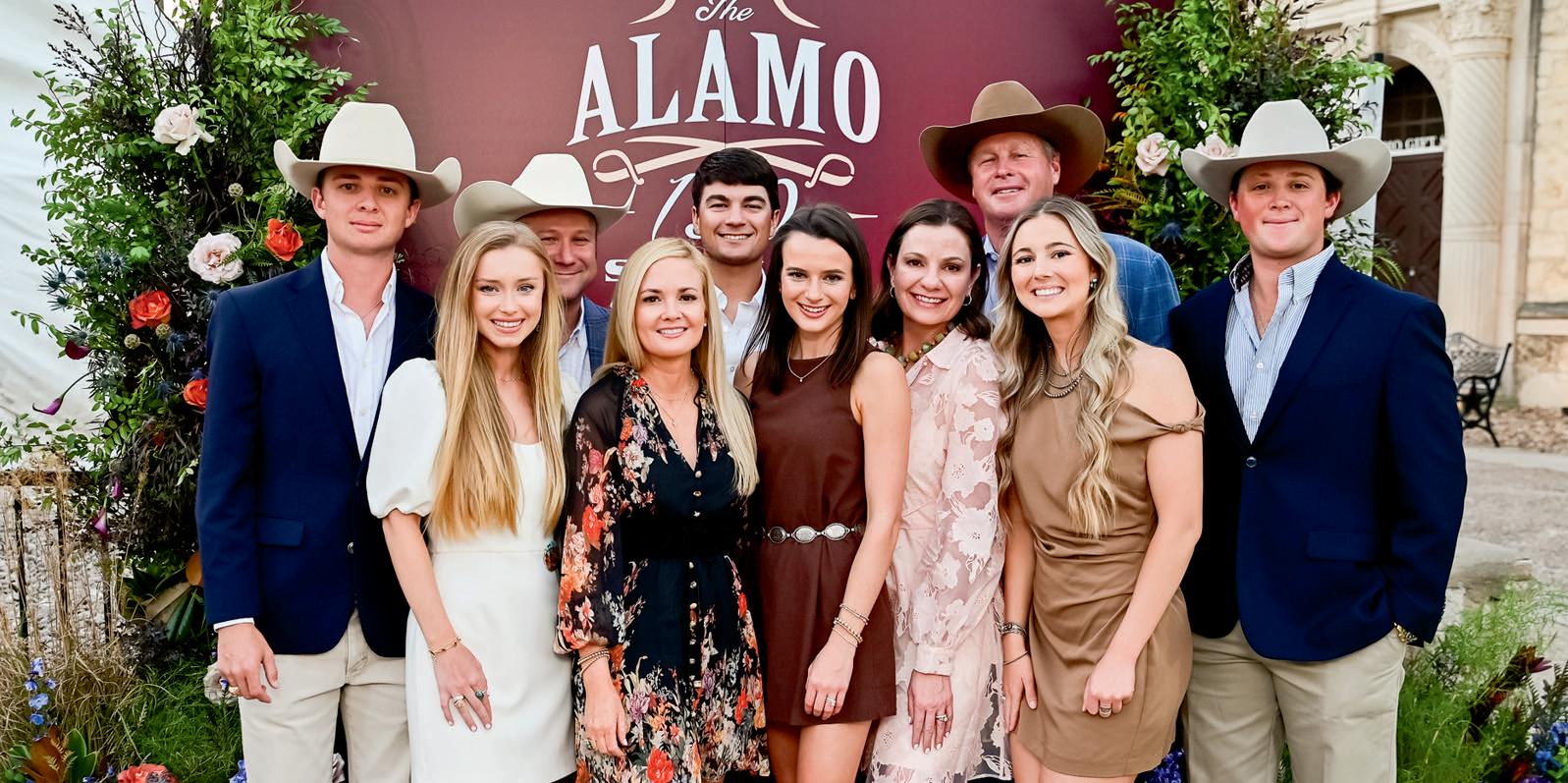
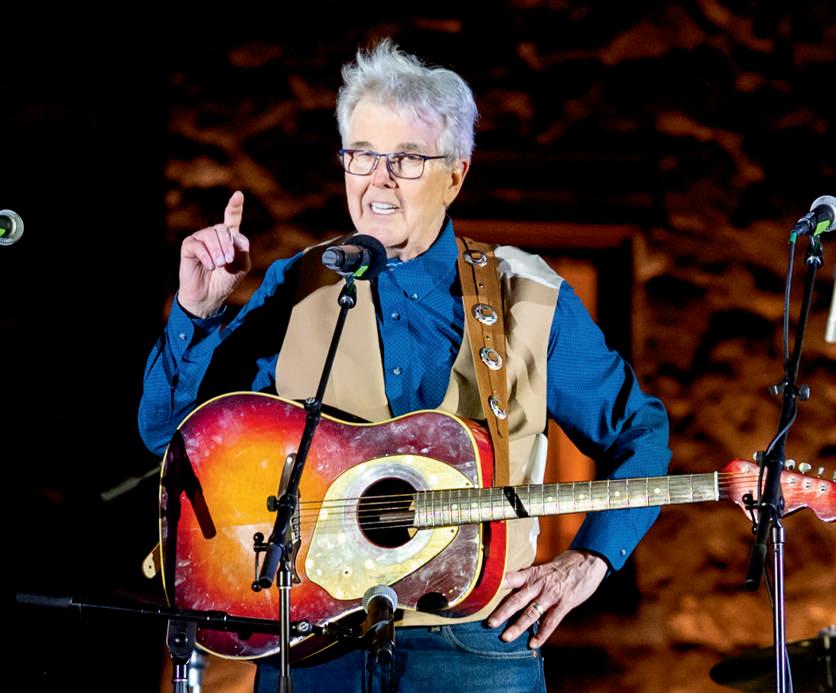
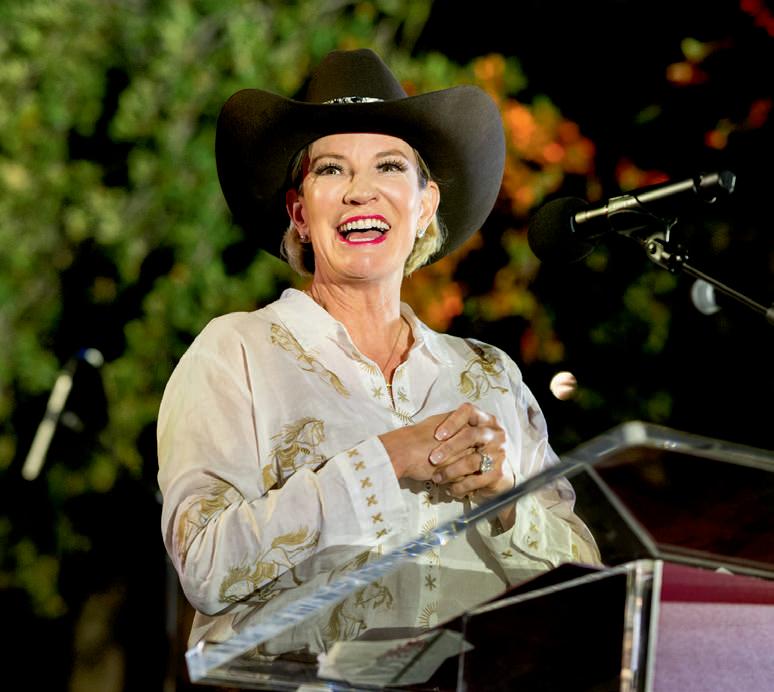
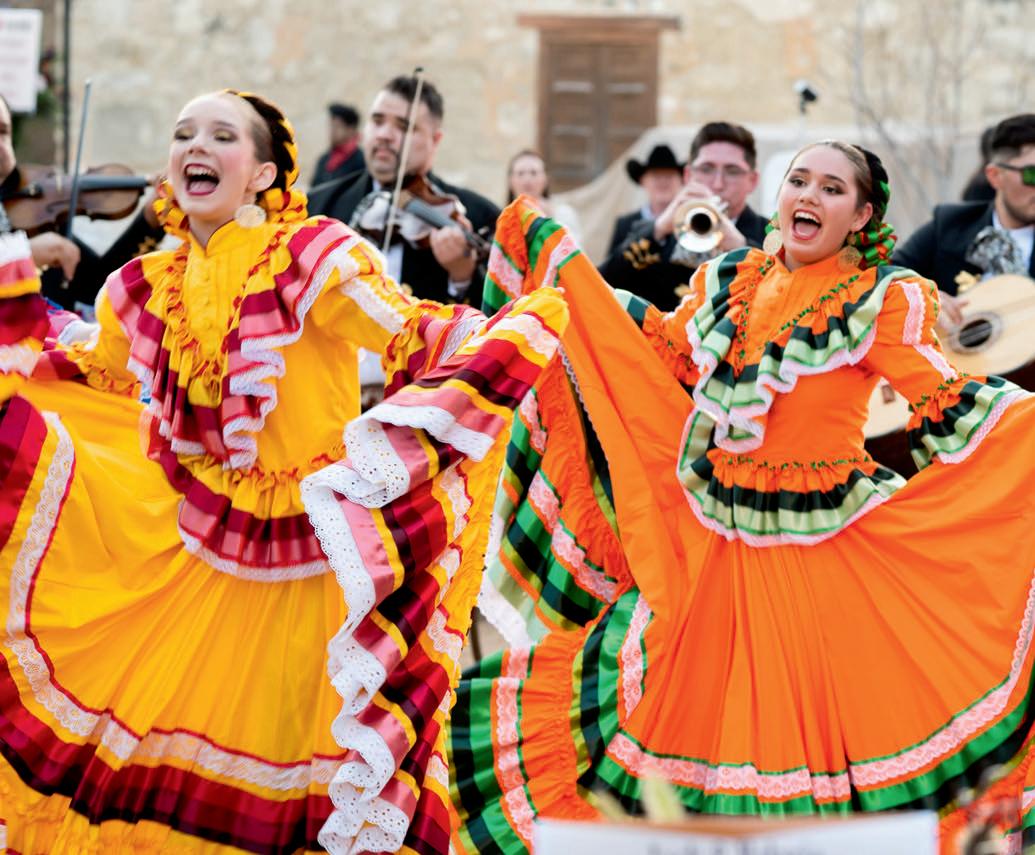
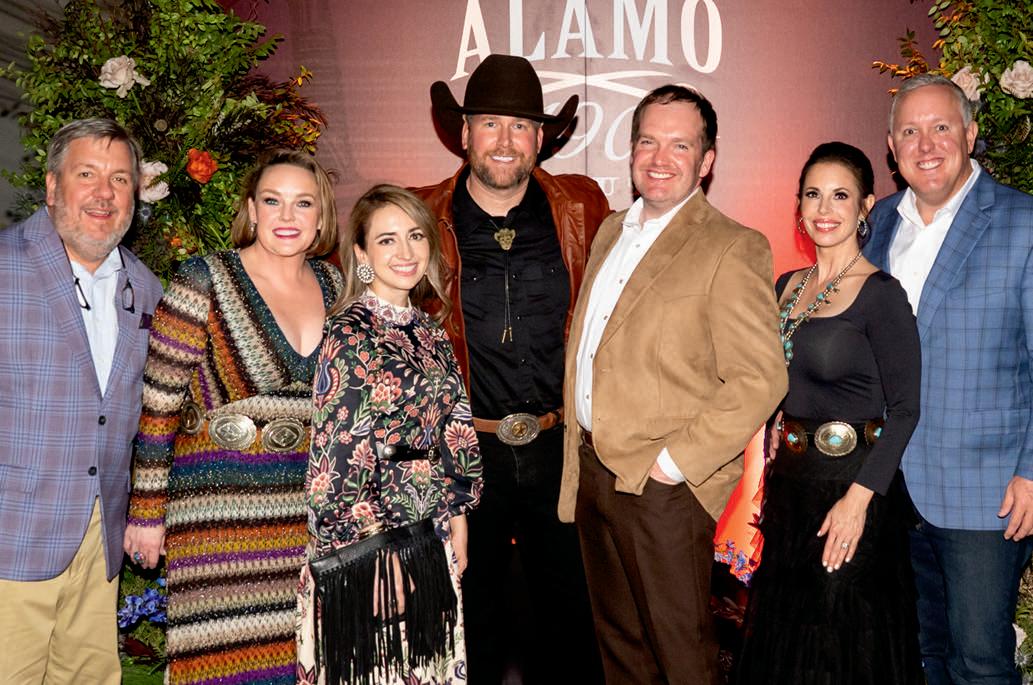
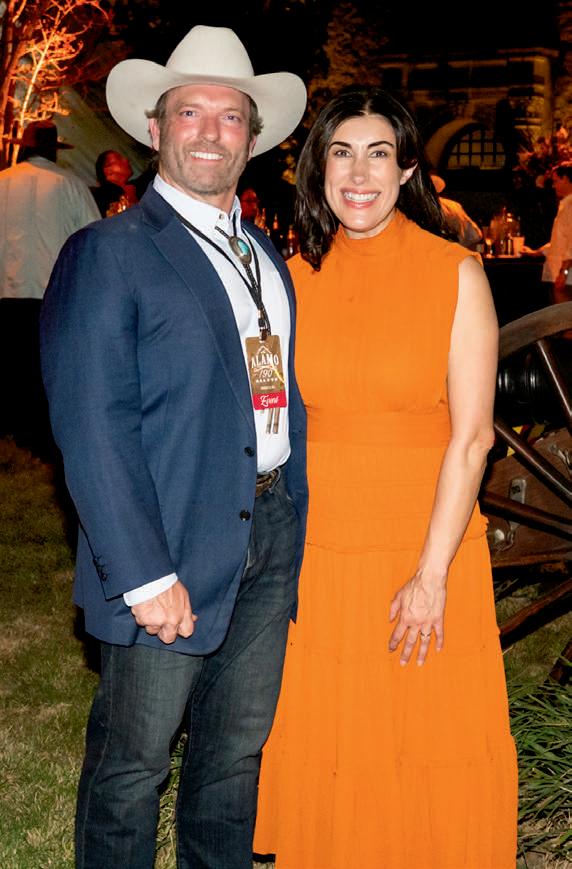
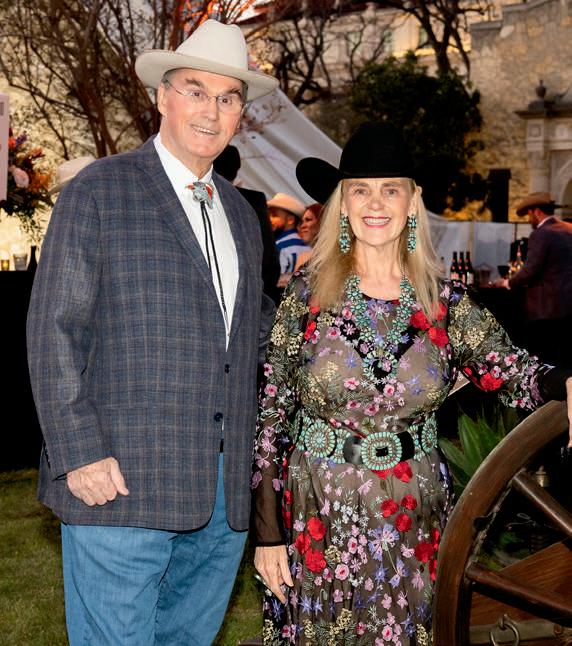
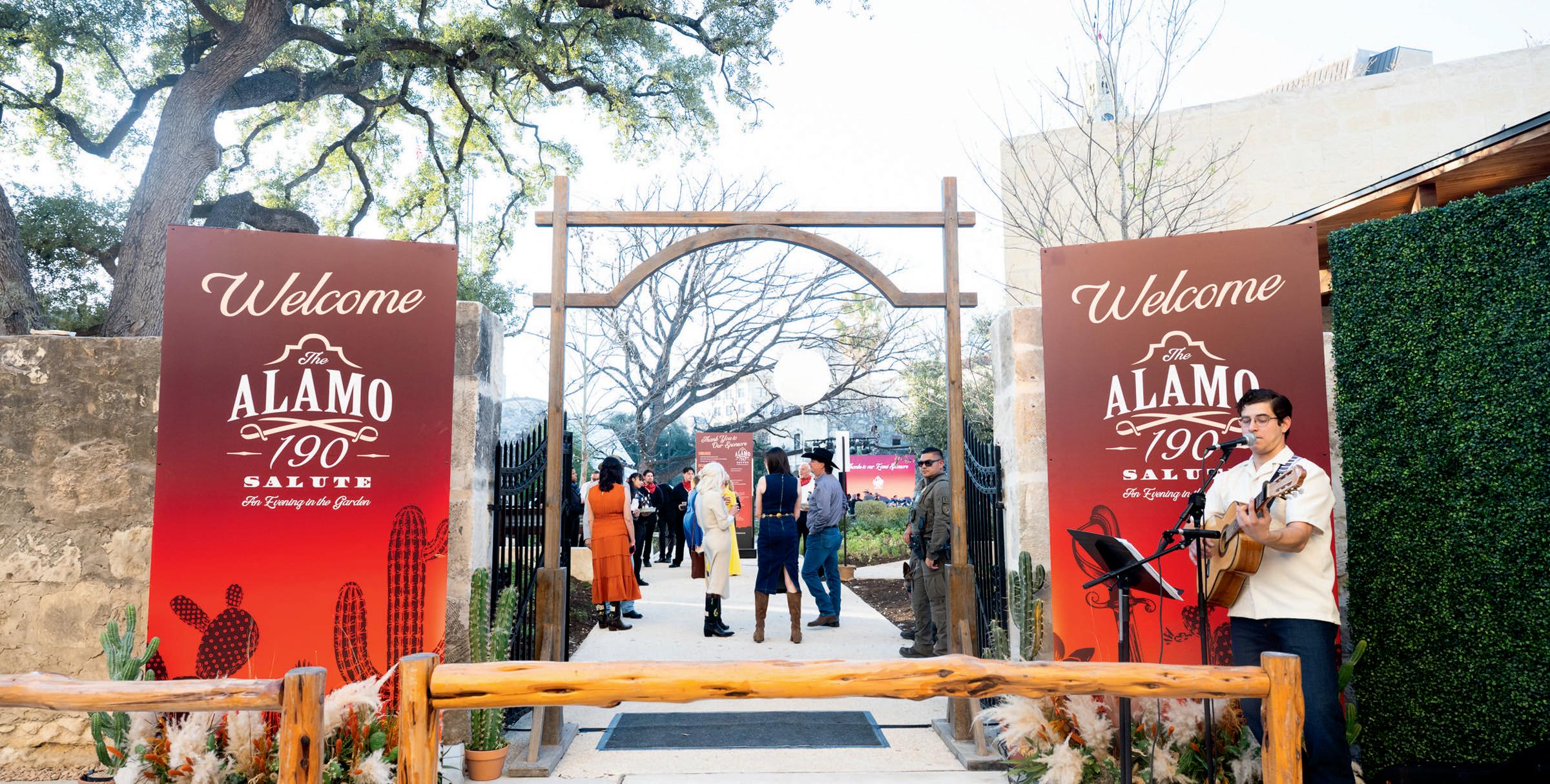
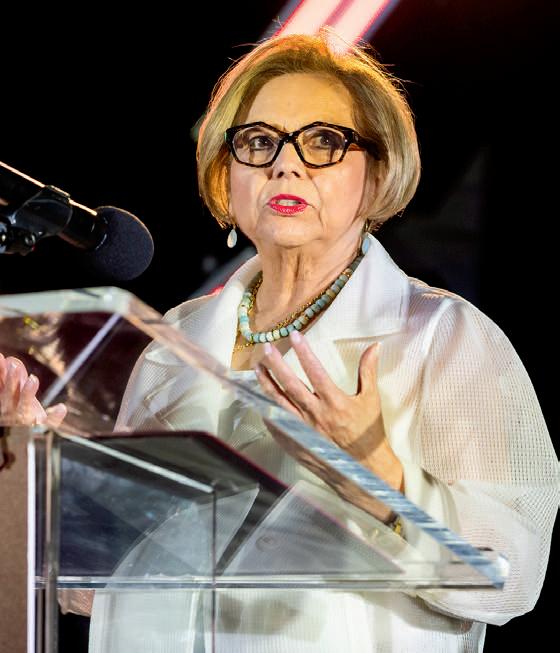
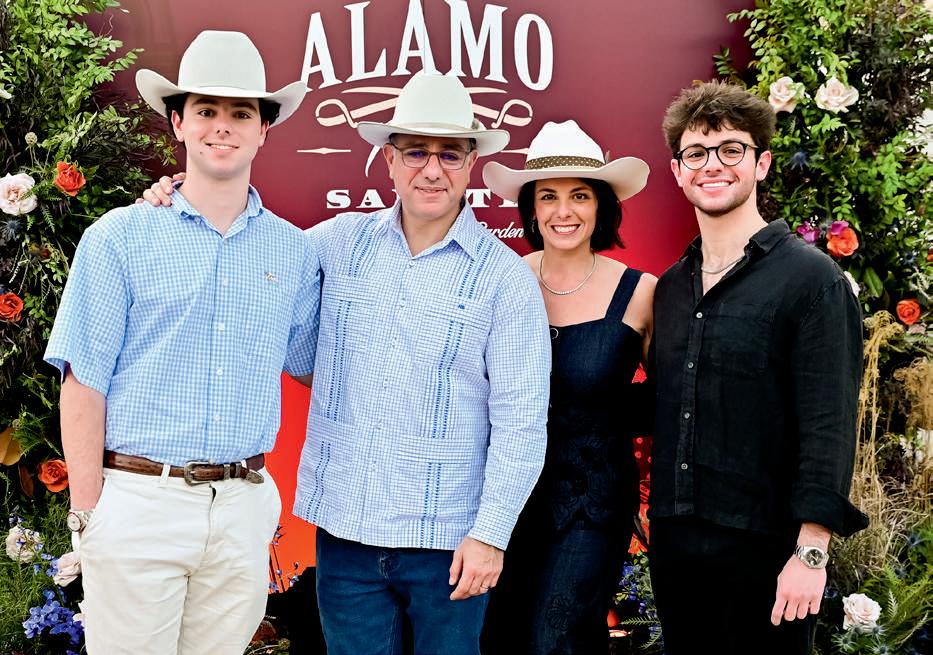
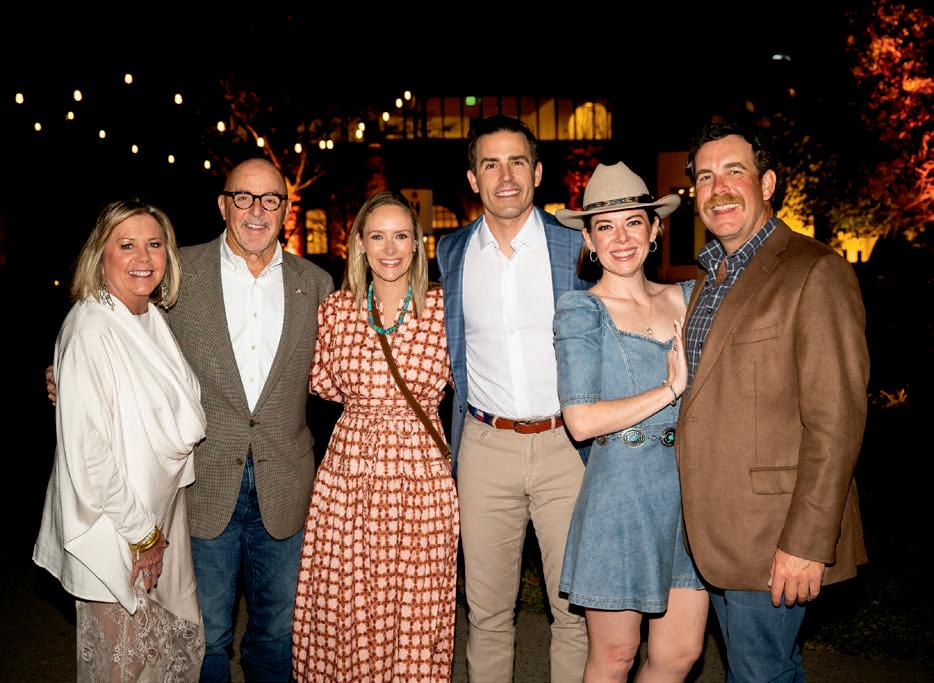
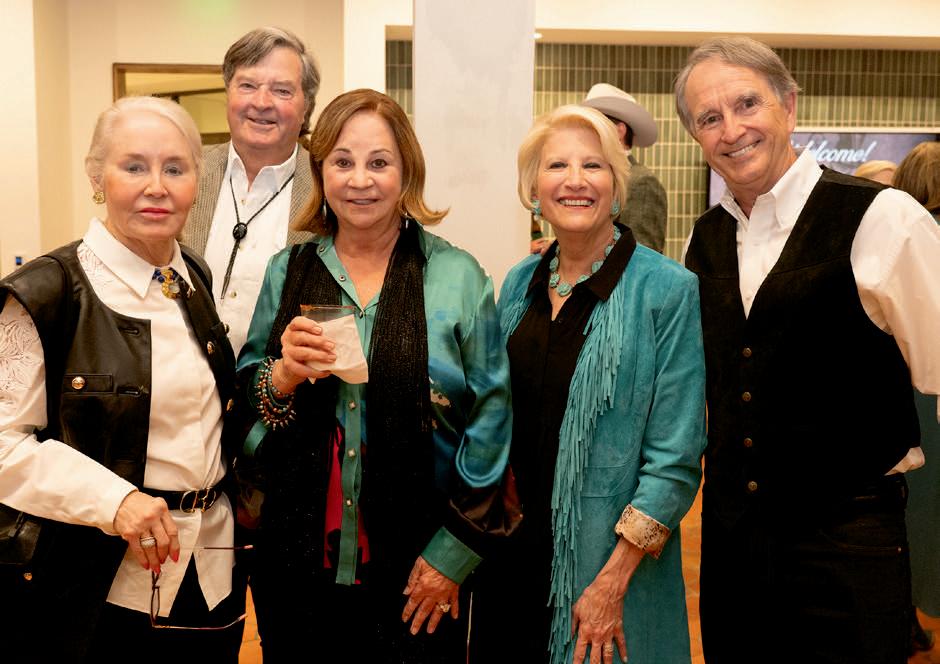
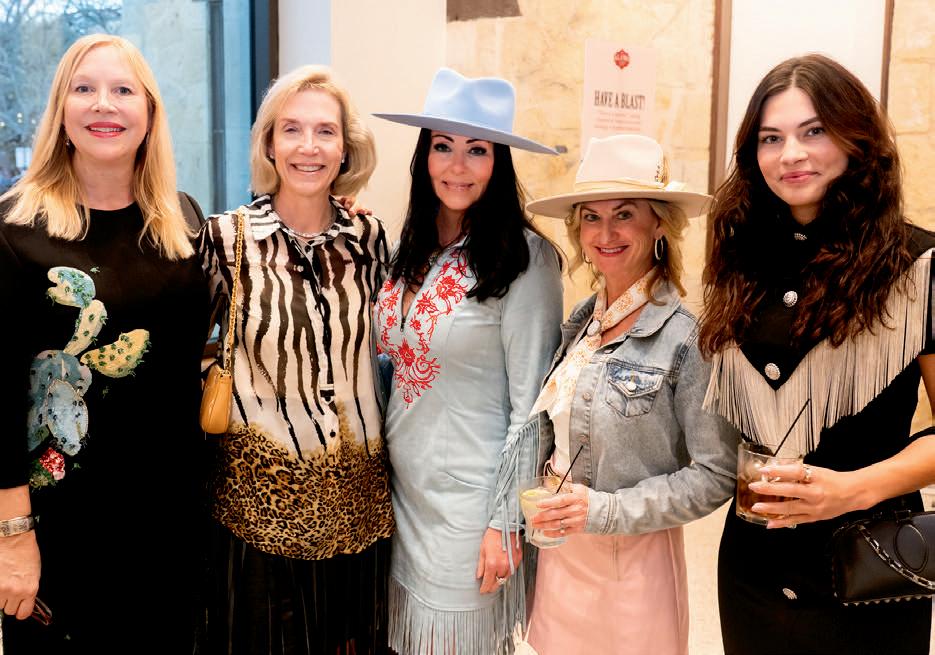
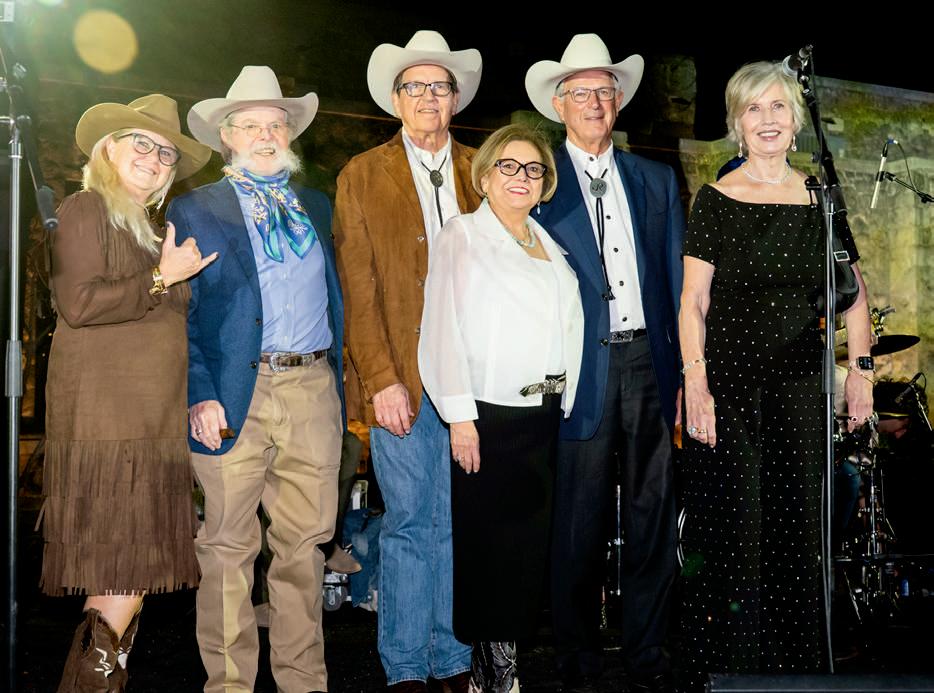
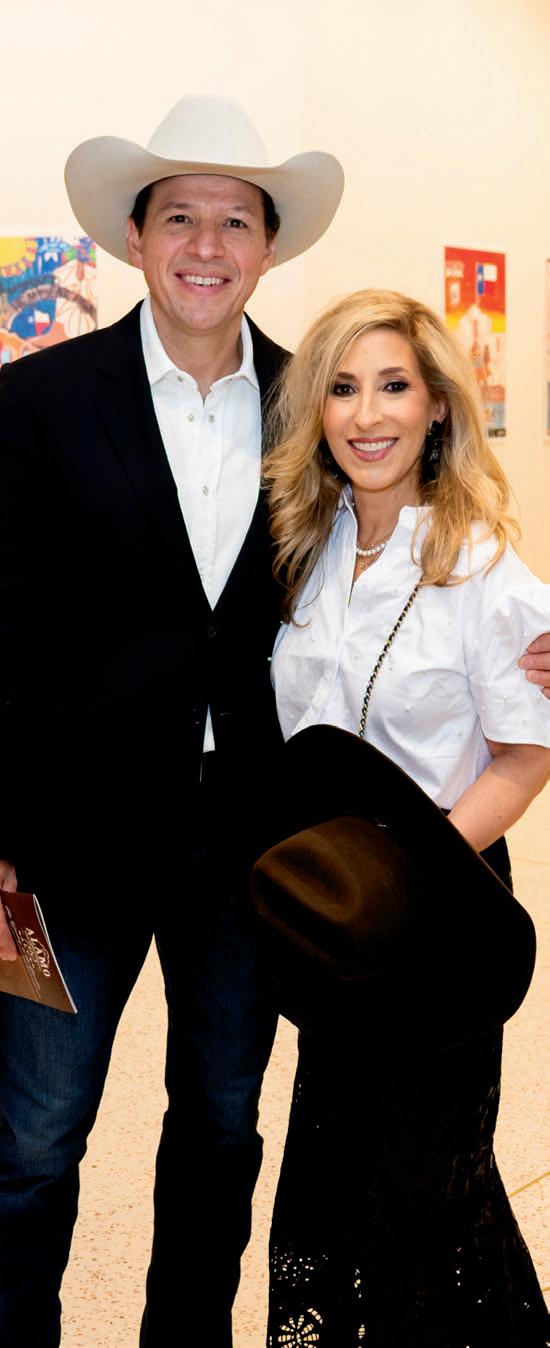
The 2025 Chrysanthemum Ball Celebrated Seven Decades of Giving and San Antonio’s Enduring Spirit of Philanthropy
By Eleanora Morrison | Photography by J.B. Lyde of Parish Photography
For more than seven decades, the Charity Ball Association of San Antonio has been a pillar of hope for children across Bexar County. Since its founding in 1954, the organization has granted more than $30 million to local children’s nonprofits, funding programs that provide healthcare, education, safety, and opportunity to those who need it most. Led by 2025 Association President Nel Belt, twenty nonprofit agencies received over $1.3 million in funding through the Association’s annual efforts.
The seventy-first Chrysanthemum Ball transformed the Mays Family Center and Zachry Acequia Gardens at the Witte Museum into an ethereal Storybook Garden, welcoming donors, patrons, sponsors, and Ball Angels for an evening of celebration and purpose. Guests were greeted by The Wall of Hope, a striking display featuring portraits of children served by this year’s grant recipients, and the beloved Cavender Cadillac filled with chrysanthemums, honoring the Cavender family’s remarkable fifty-six-year tradition of donating a car for the annual raffle.
The evening unfolded beneath starlit clouds and chandelier glow, with music by DJ Lucy Wrubel, a spirited live auction featuring packages from a private evening at The Alamo to luxury getaways across the country, and a performance by Katharine McPhee that brought the night to a memorable close.
Chairman of Decorations Laura Dawson brought the storybook vision to life, and the reimagined Halff Jewel Box served as a Patron Pavilion and Champagne Bar paying homage to the founders and present-day patrons whose generosity makes it all possible.
The seventy-first Chrysanthemum Ball was a reflection of San Antonio at its best, a city where stories of transformation begin in the hearts of those who give.
Experience more of the event and read the full story at voiceofsanantonio.com. V
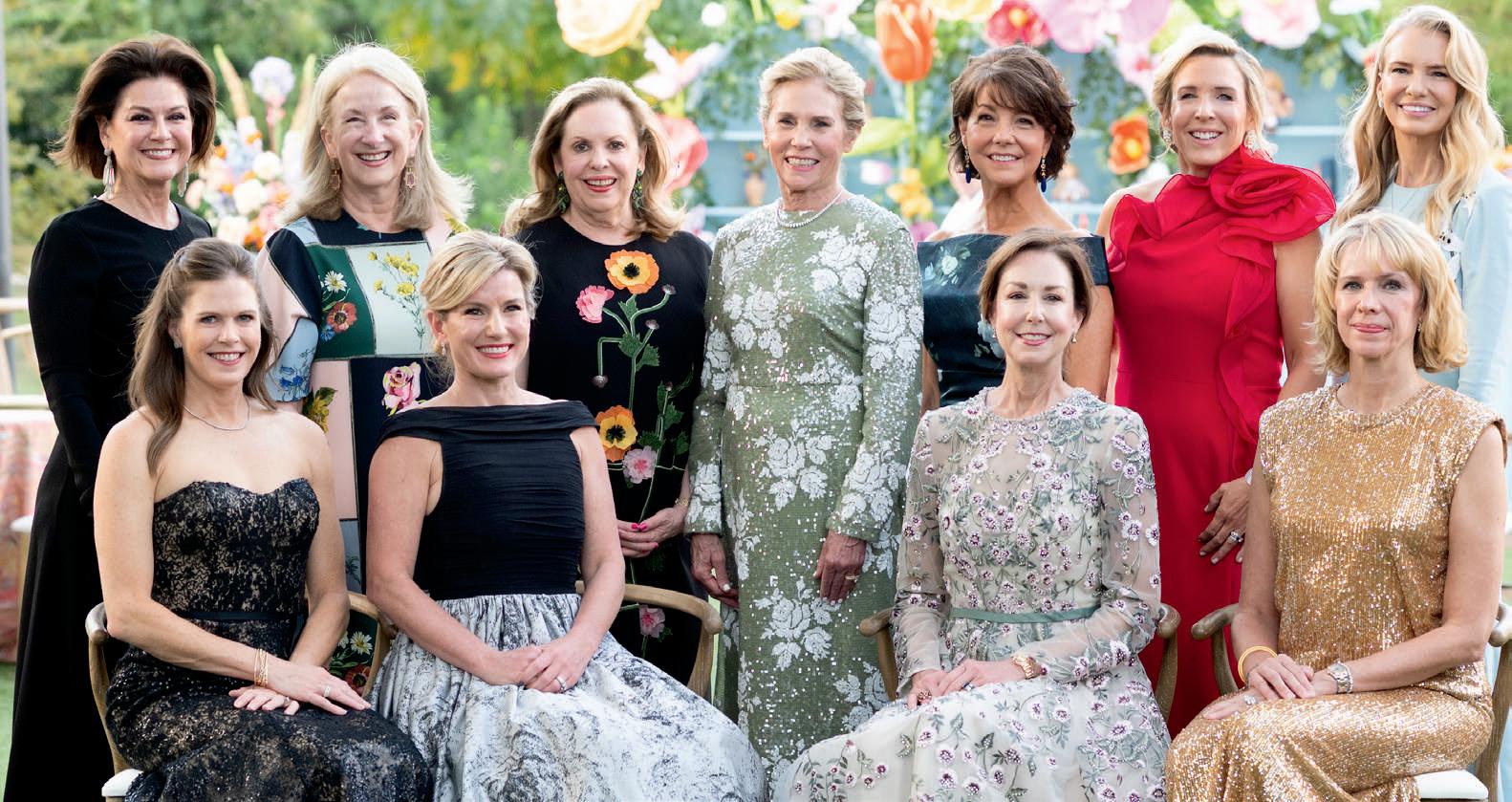
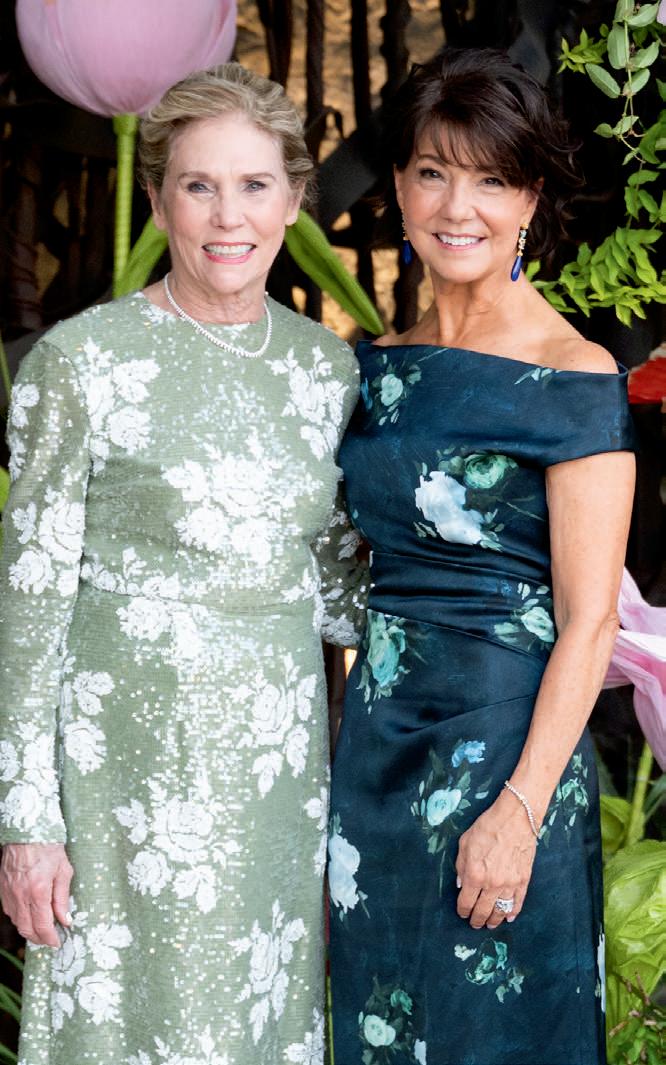
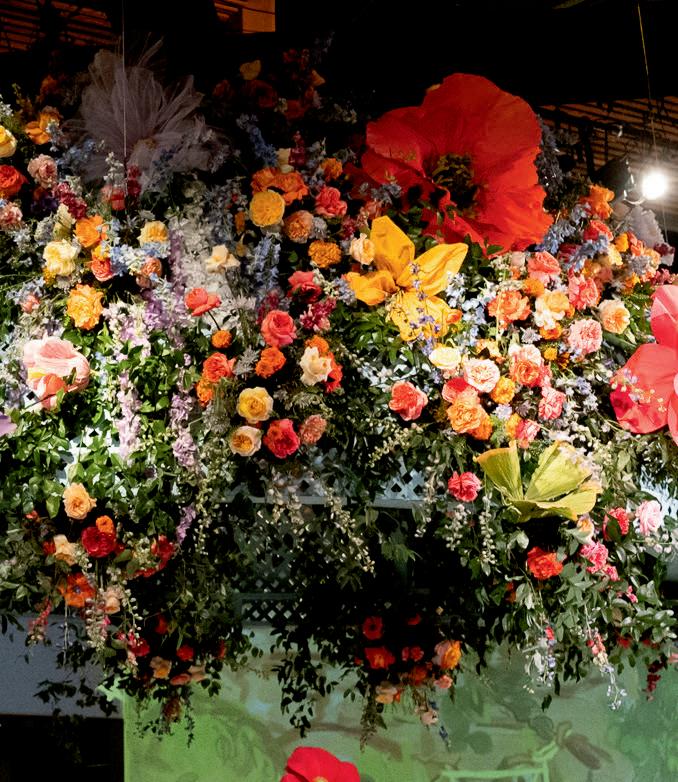
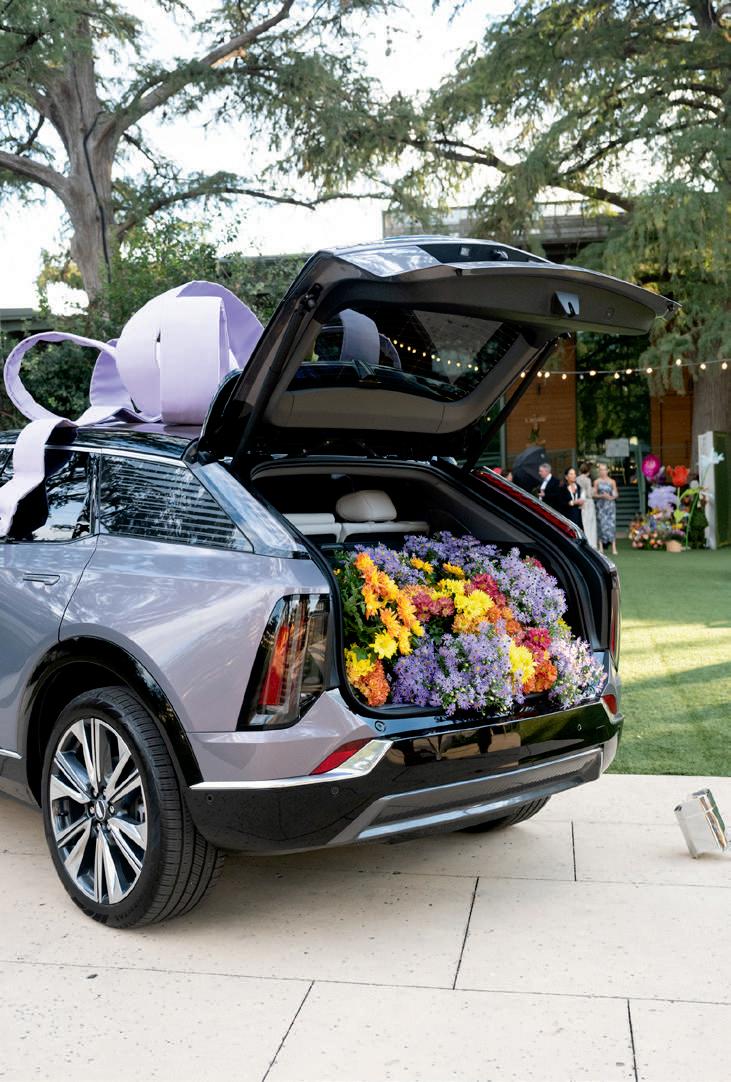
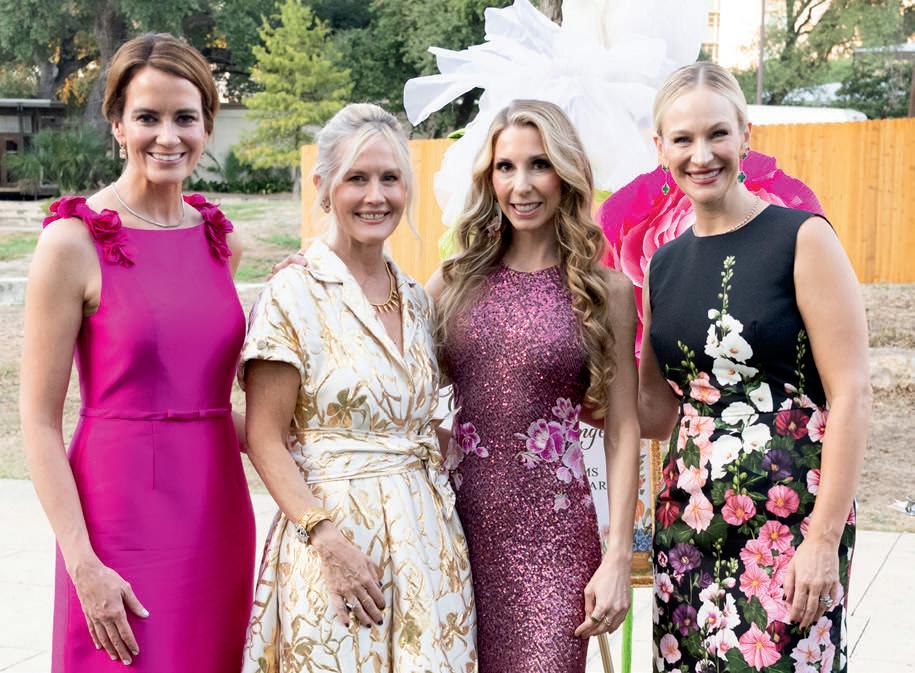
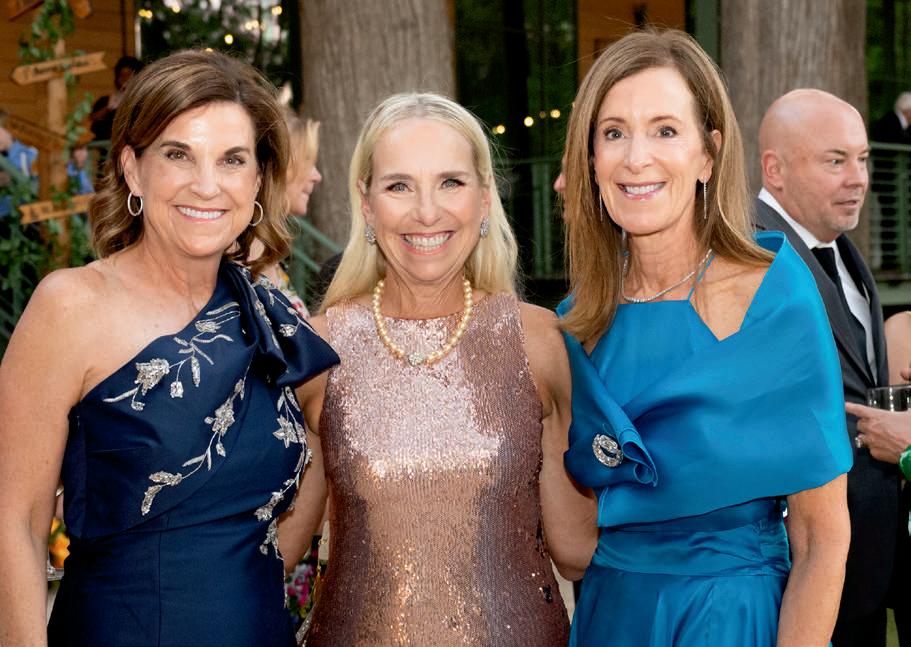
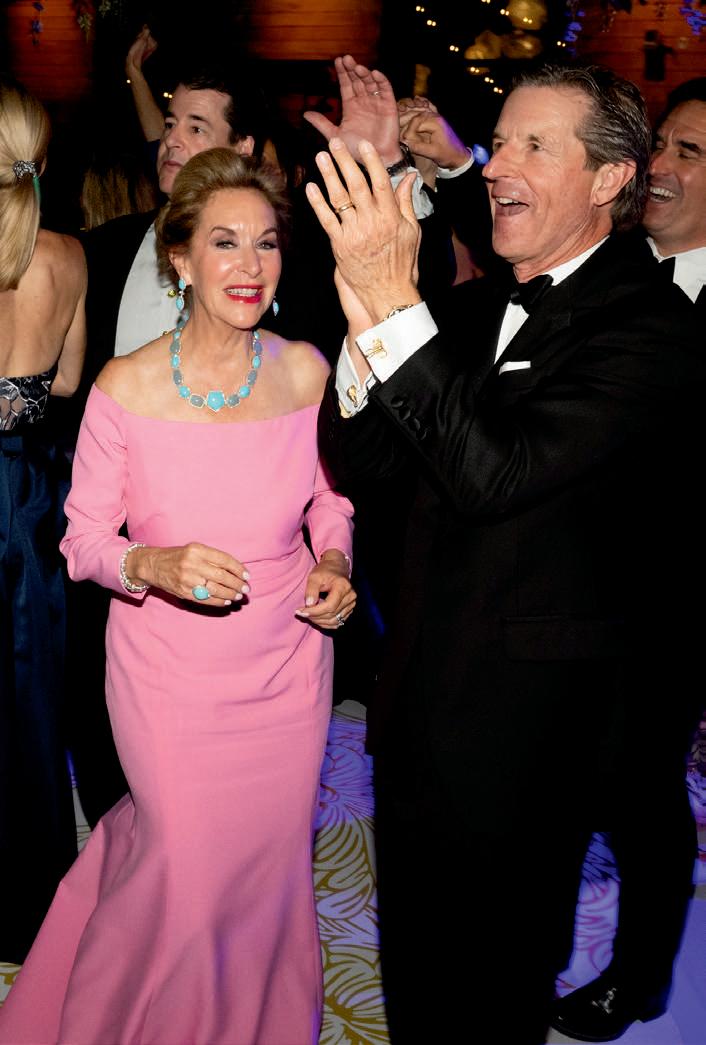
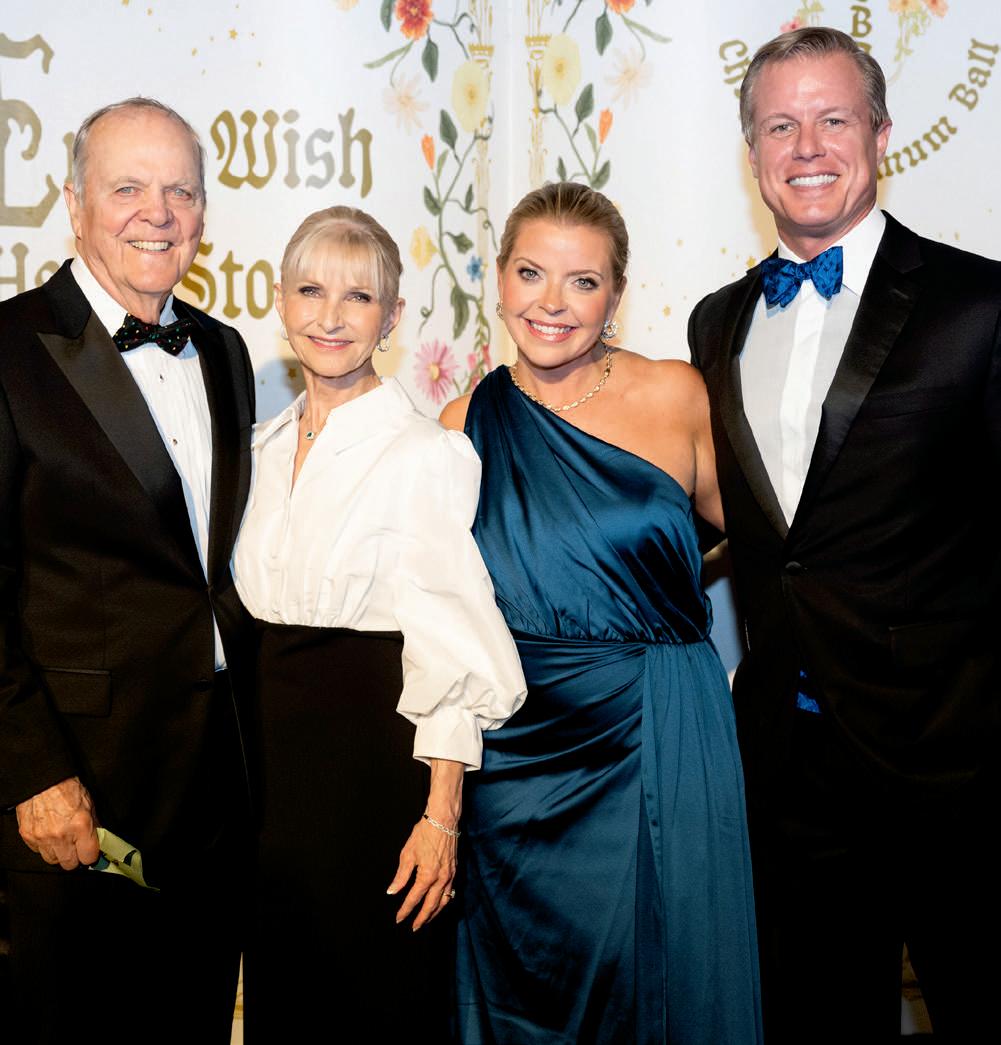
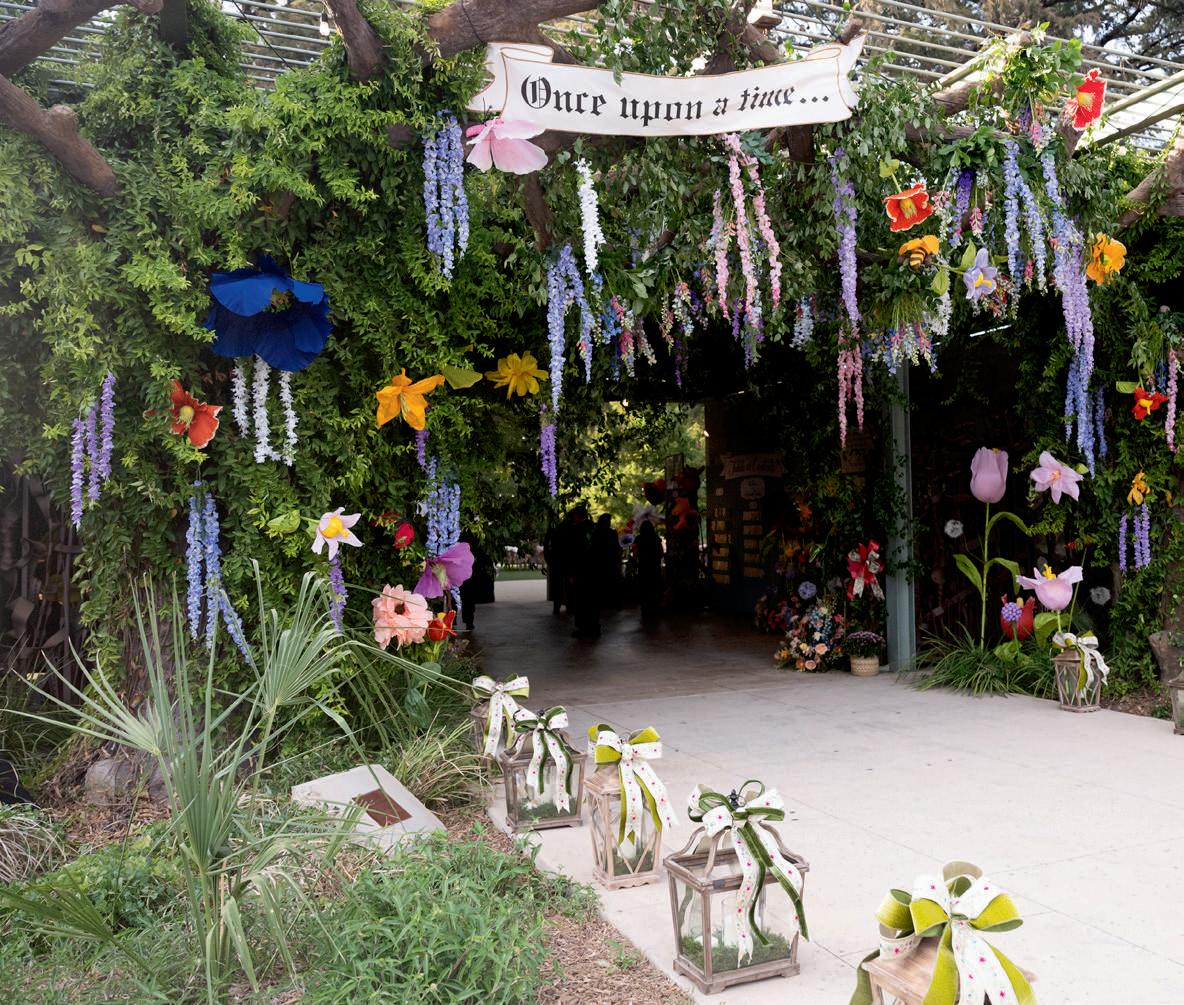
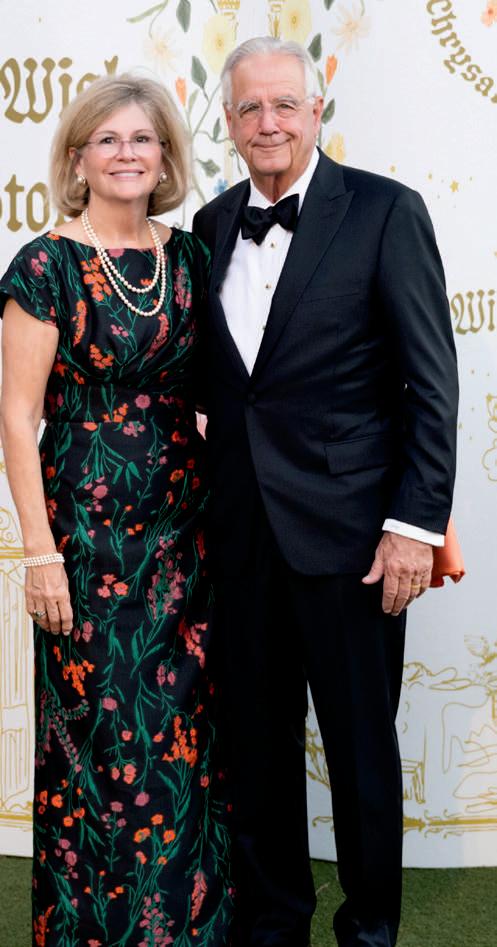
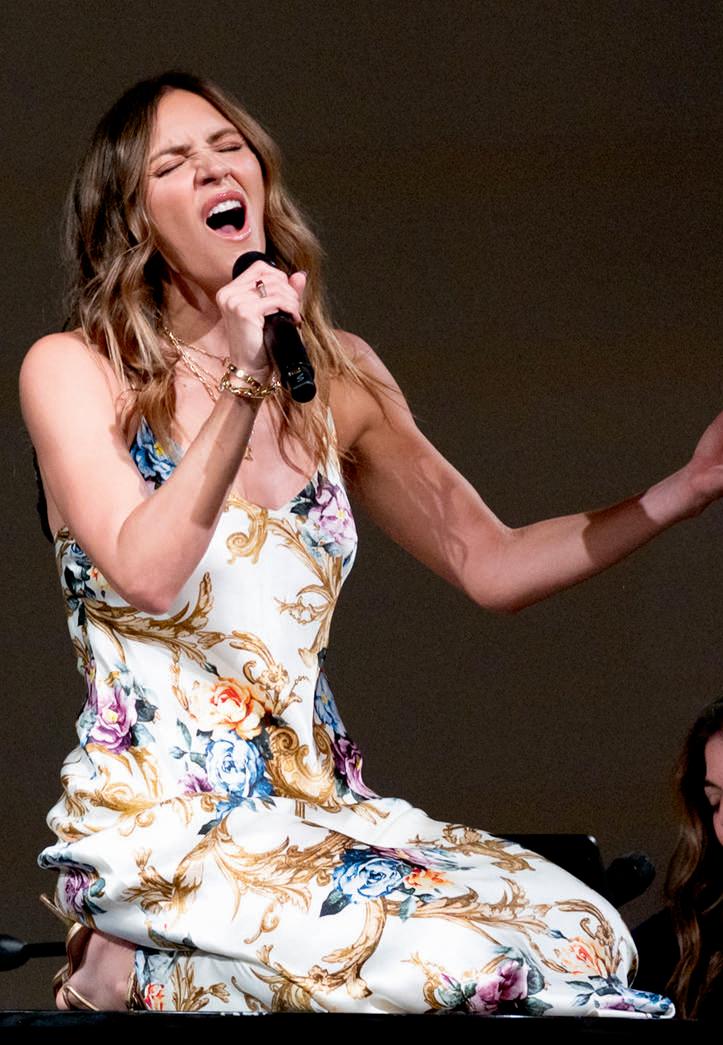
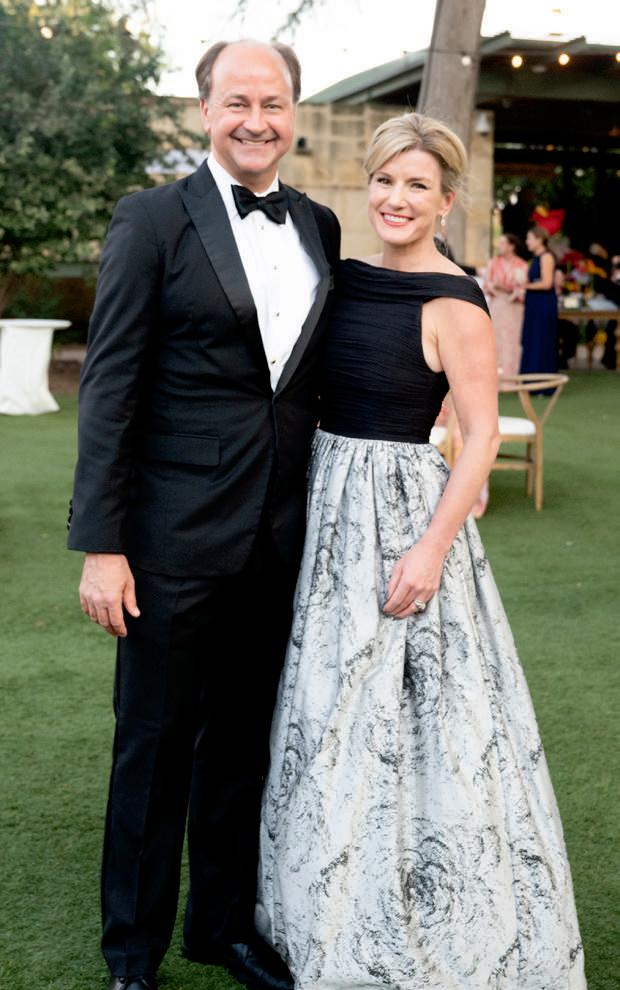
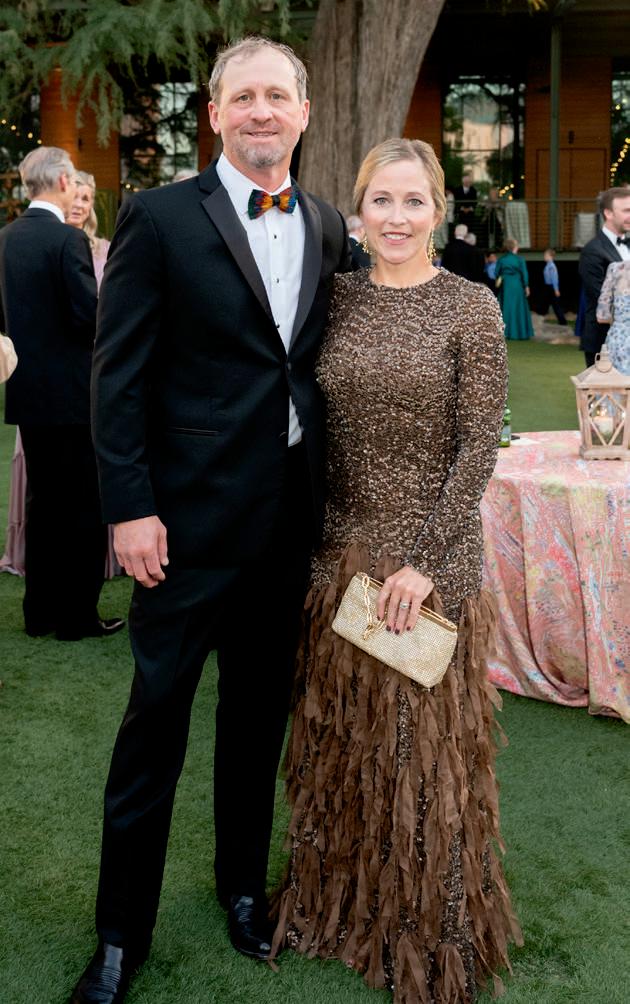
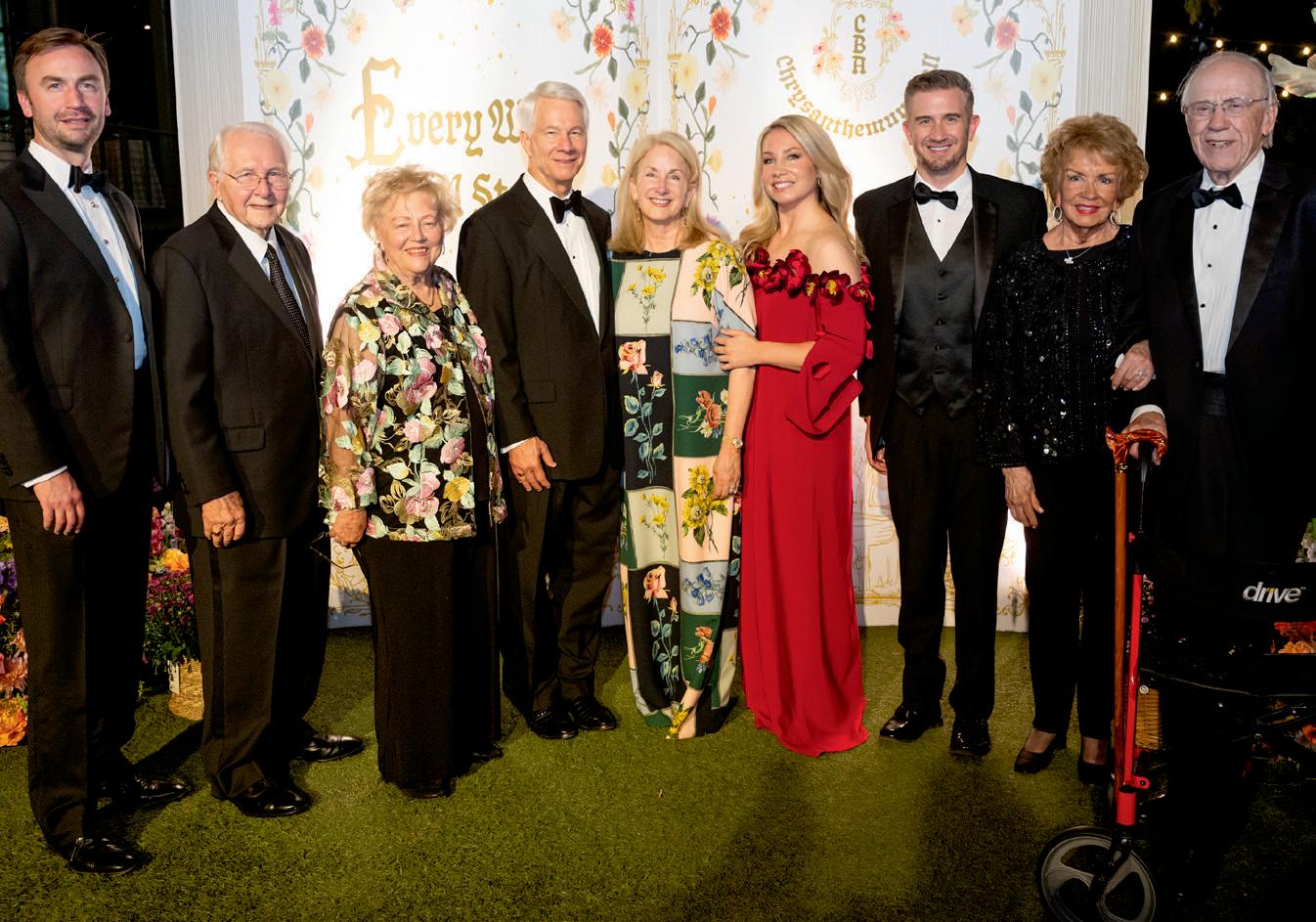
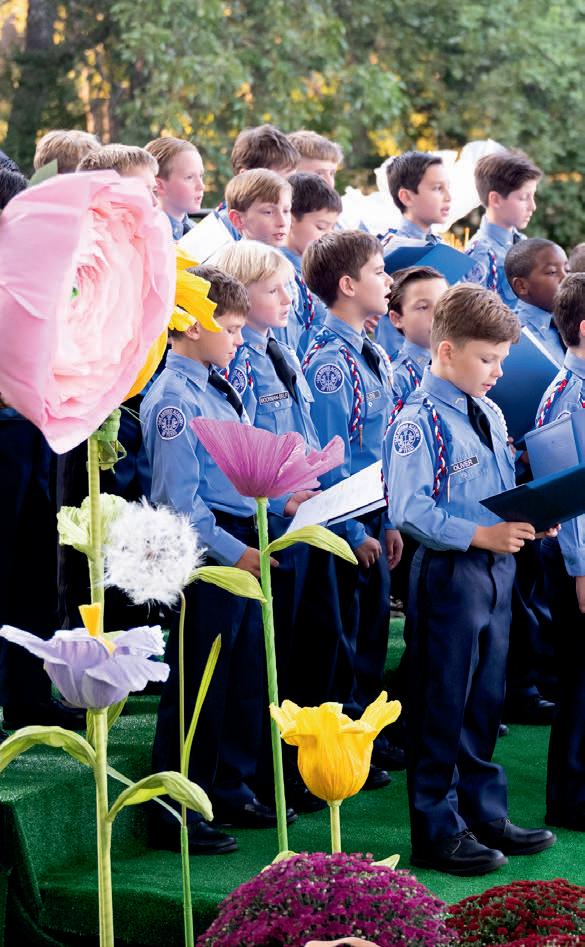
Texas Biomedical Forum Gala Mobilizes San Antonio Leadership to Advance Global Scientific Discovery
By Eleanora Morrison | Photography by Katie Clementson of Clementson Photography
The sound of taiko drums filled the lawn of The Argyle as guests arrived for the 54th Texas Biomedical Forum Gala, drawn together by a shared belief in the power of science and philanthropy to spark real-world change. Themed Matsuri, a Japanese celebration honoring health and community, the sold-out event was as purposeful as it was beautiful.
At the heart of the evening was a singular mission: accelerating research at Texas Biomedical Research Institute, one of the world’s leading nonprofit scientific institutions, founded and headquartered in San Antonio. Lantern-lit pathways, vibrant florals, and immersive cultural design masterfully produced by Wilkinson Rhodes set the stage for an extraordinary night of philanthropic impact.
Gala Co-Chairs Allegra Pitt Hawkins and Clara Kelleher Ostrander led months of planning alongside Forum President Sarah Havger and a dedicated volunteer committee to bring the vision to life.
Proceeds from the Gala directly fund Pilot Study Grants, which allow Texas Biomed scientists to test bold new ideas and gather the early data needed to pursue major discoveries in infectious disease, Parkinson’s, Alzheimer’s, and cancer, among others. Over the past two decades, the Forum has contributed more than $4.8 million to pilot studies that have helped researchers unlock over $90 million in external funding. That multiplying effect is a testament to what intentional, community-driven giving can accomplish.
The Texas Biomedical Forum, now celebrating 55 years of partnership with Texas Biomed, continues to demonstrate that when San Antonio’s leaders invest in science, the world benefits.
Experience more of the event and read the full story at voiceofsanantonio.com. V
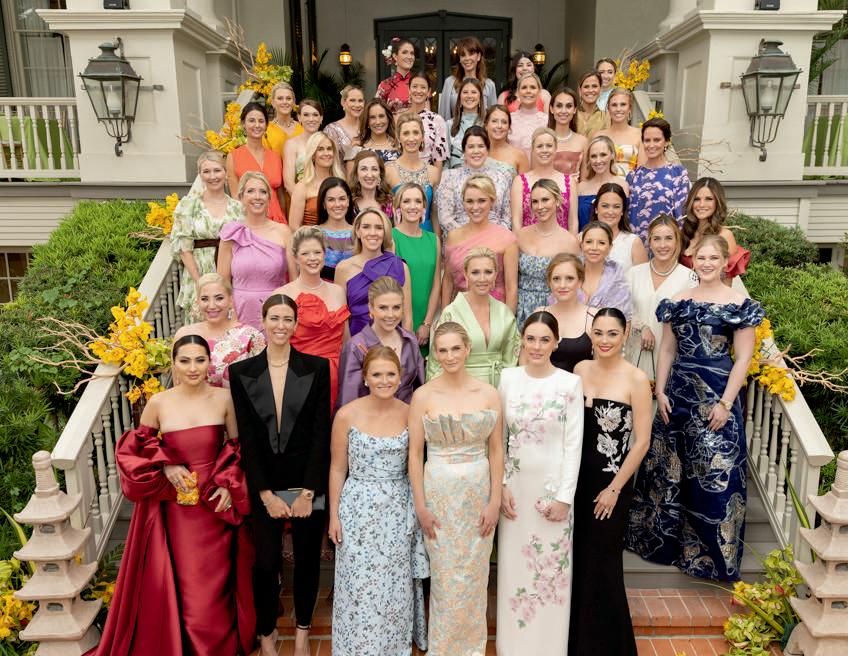
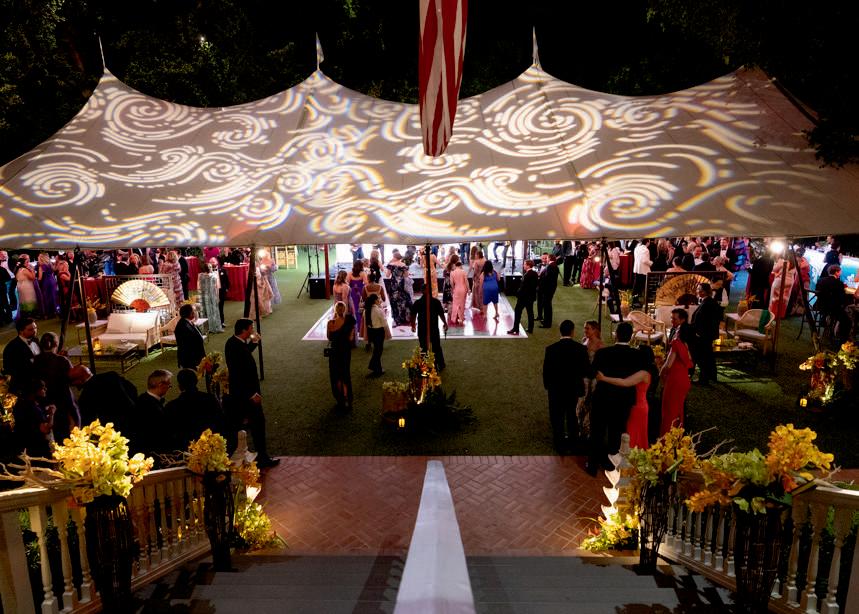
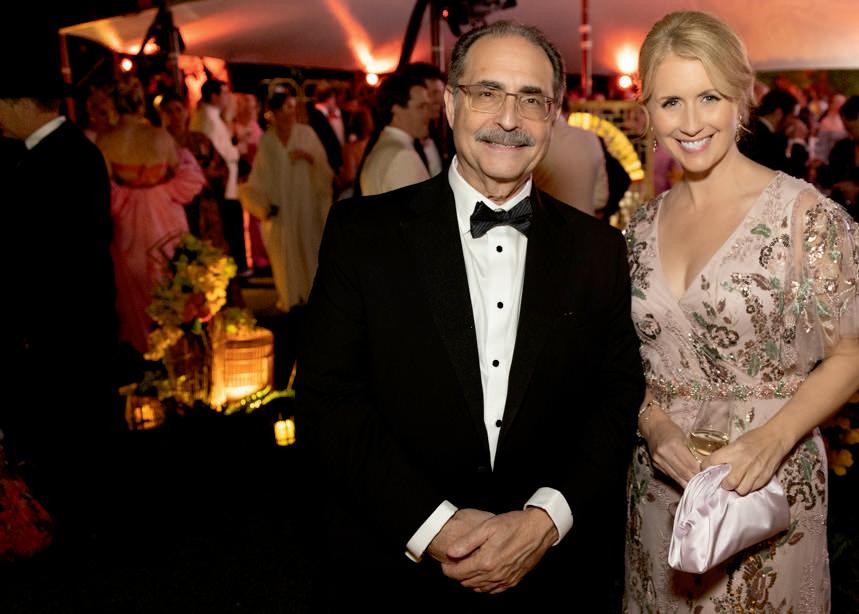
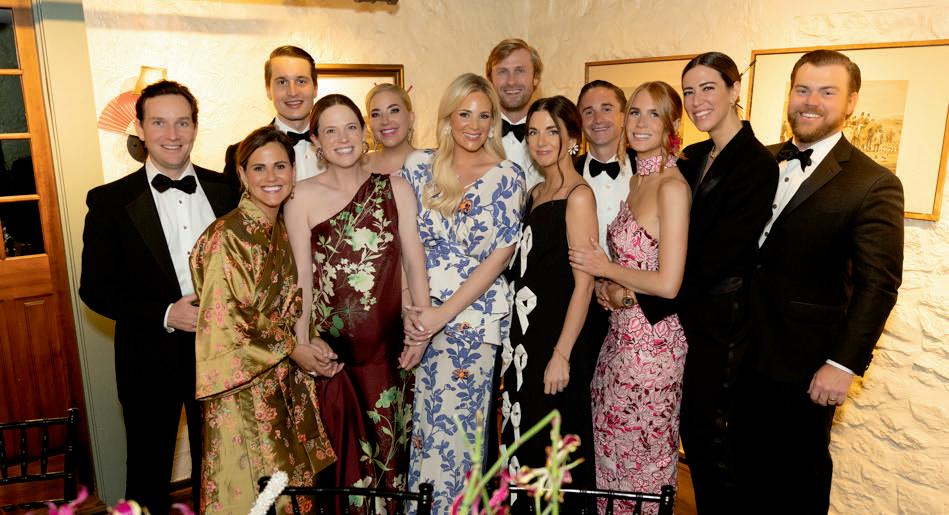
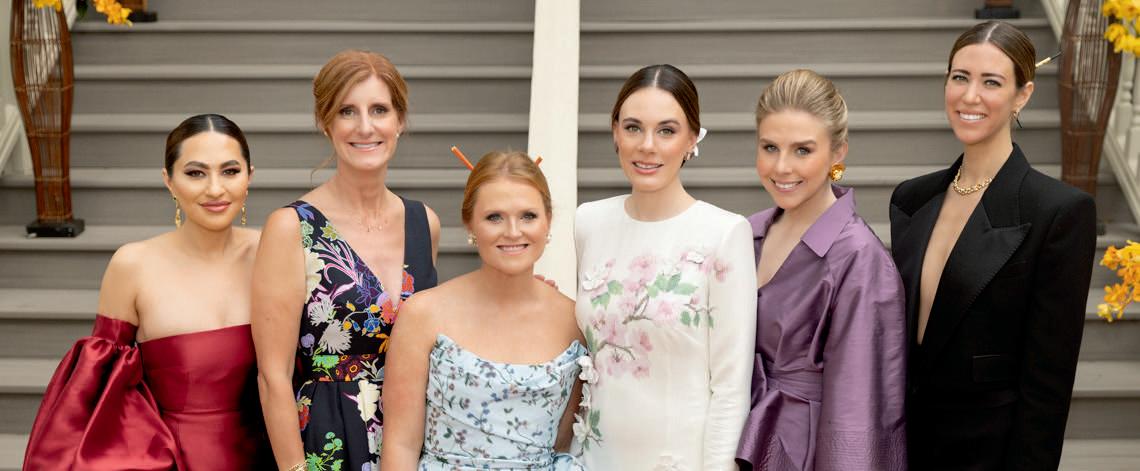
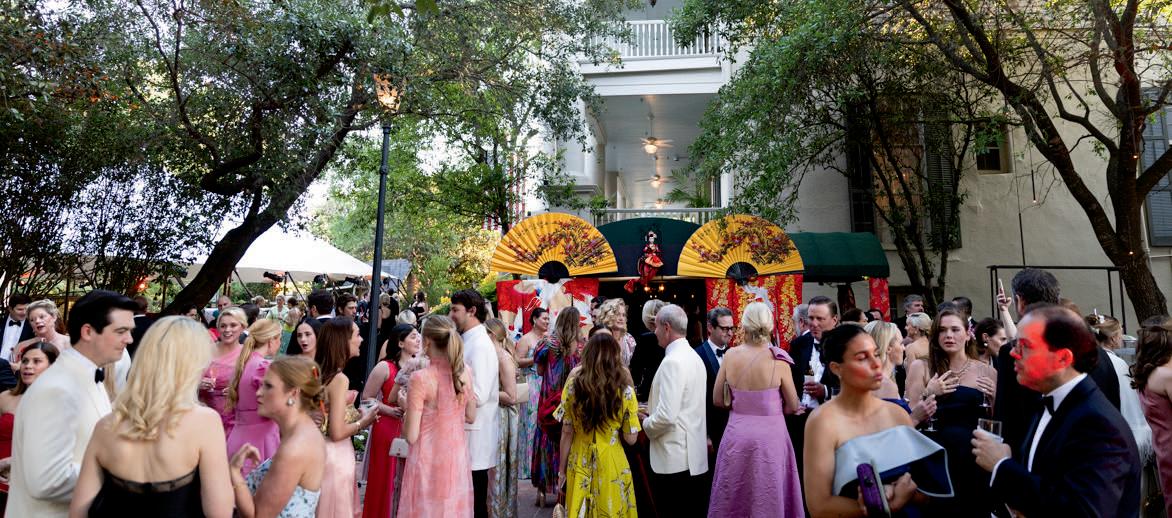
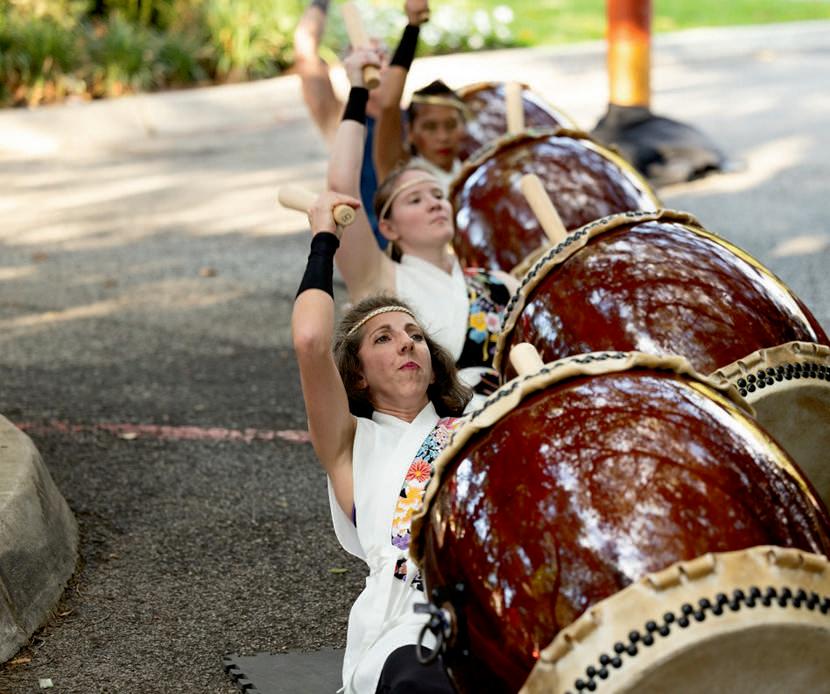
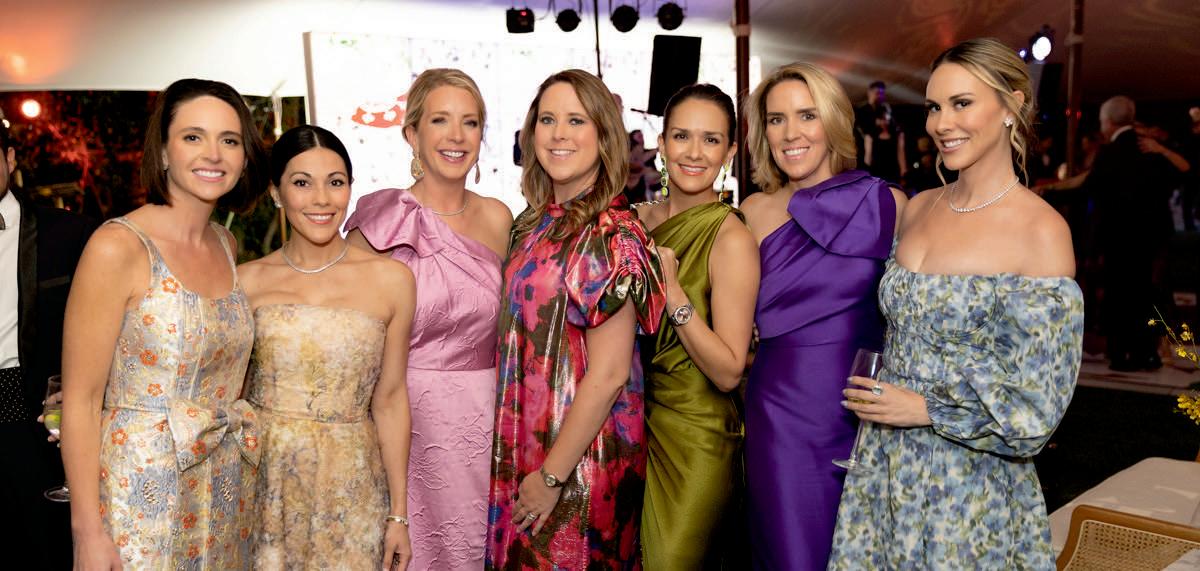
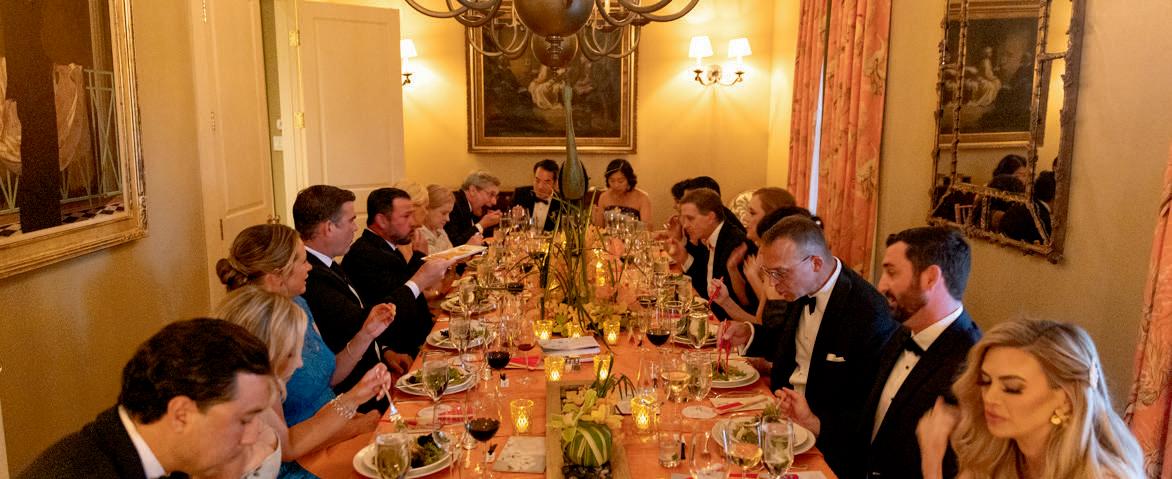
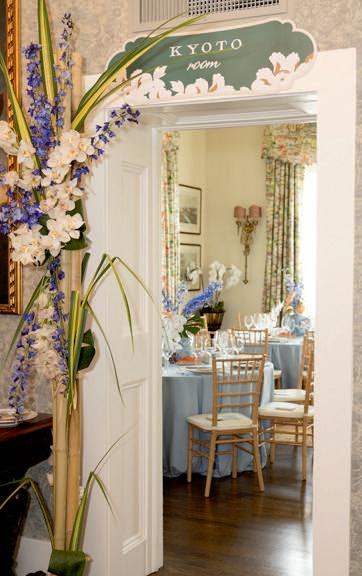
The DoSeum’s Birthday Bash Gala Celebrates a Decade of Wonder and Expands Access for San Antonio Families
By Eleanora Morrison | Photography by Vanessa Velasquez
The DoSeum’s 10th Birthday Bash Gala brought together civic leaders, philanthropists, educators, and families for an evening that was as celebratory as it was purposeful. Co-chaired by Marie Mays and Claire McNab and presented by Shiner Beer, the night raised more than $560,000 to expand access to hands-on learning for San Antonio families.
With roots dating back to 1995 and more than 3.18 million guests welcomed since its 2015 rebranding, The DoSeum has grown into one of the nation’s leading institutions for informal education. Its 68,000-square-foot campus on Broadway is a hub of creativity and curiosity, inviting young learners to think big and explore boldly.
Proceeds from the gala will benefit DoSeum For All, a program ensuring that children regardless of income can discover and thrive through the power of play. Community initiatives including Free Family Nights, Museums for All, and GoSeum collectively reach nearly 100,000 children and caregivers each year. Generous sponsors including Wave Healthcare, Mays Family Foundation, KSL Family Foundation, Cavender Auto Family, H-E-B, and others made the evening’s success possible.
The festive night featured a welcome reception, seated dinner, heartfelt program, and after-party, capping a decade that has cemented The DoSeum’s place as a cornerstone of equitable education in San Antonio.
As the confetti settles on its first ten years, The DoSeum looks ahead to inspiring the next generation of STEM innovators and creative thinkers in San Antonio and beyond.
Experience more of the event and read the full story at voiceofsanantonio.com. V
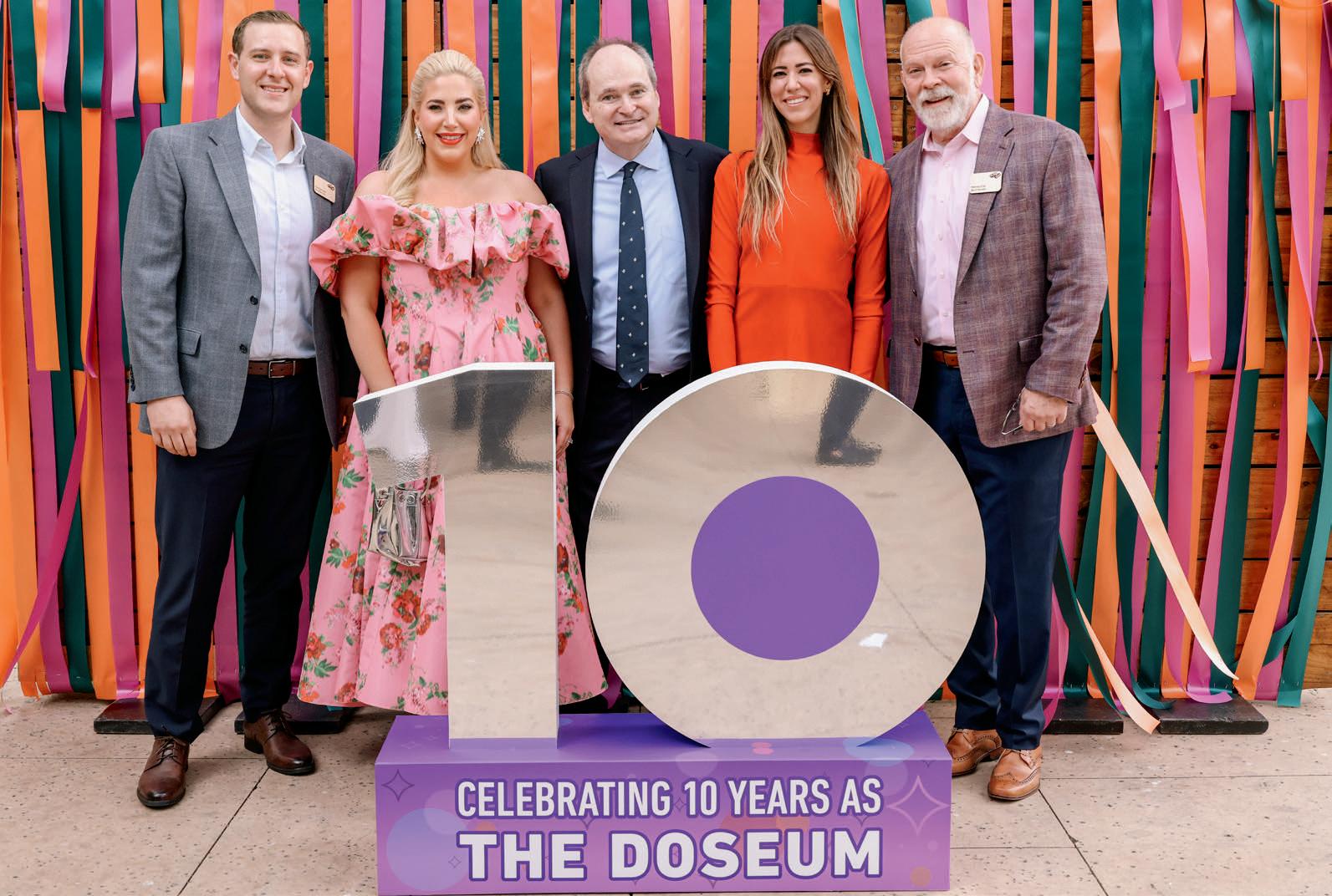
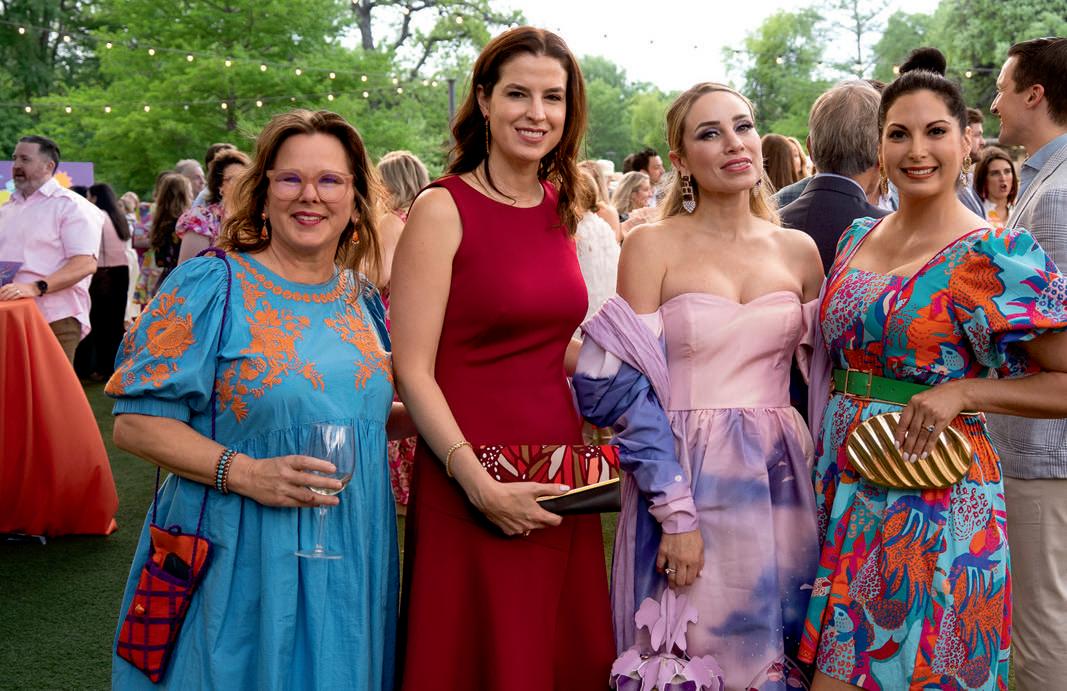
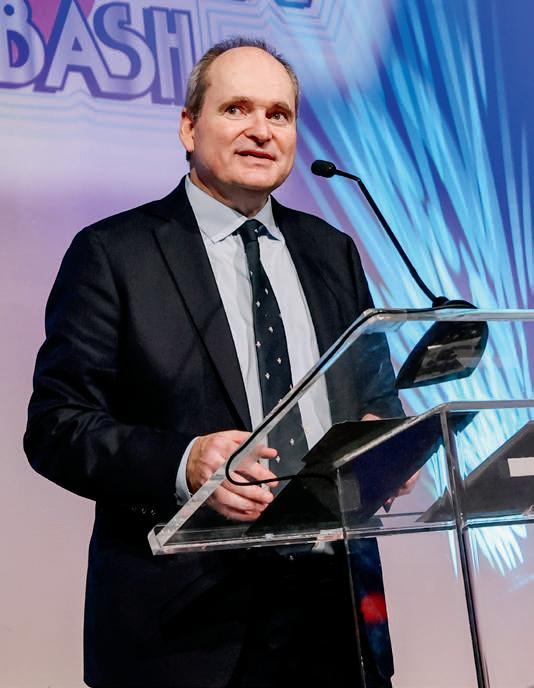
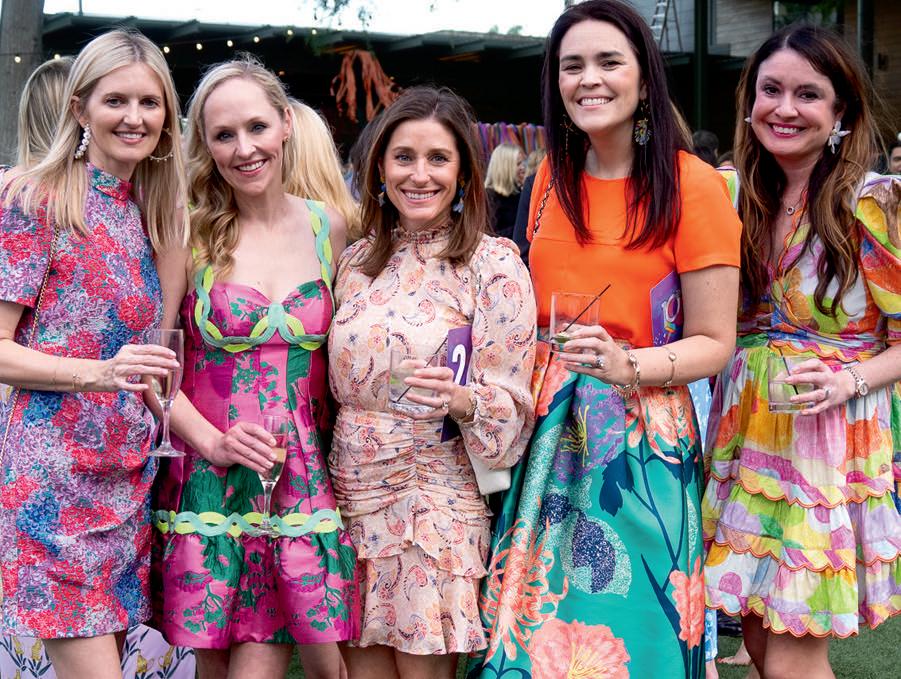
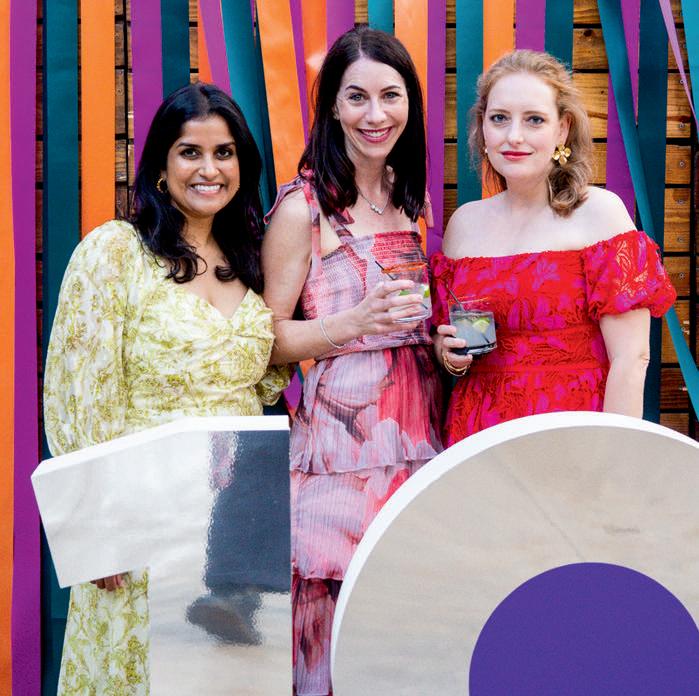
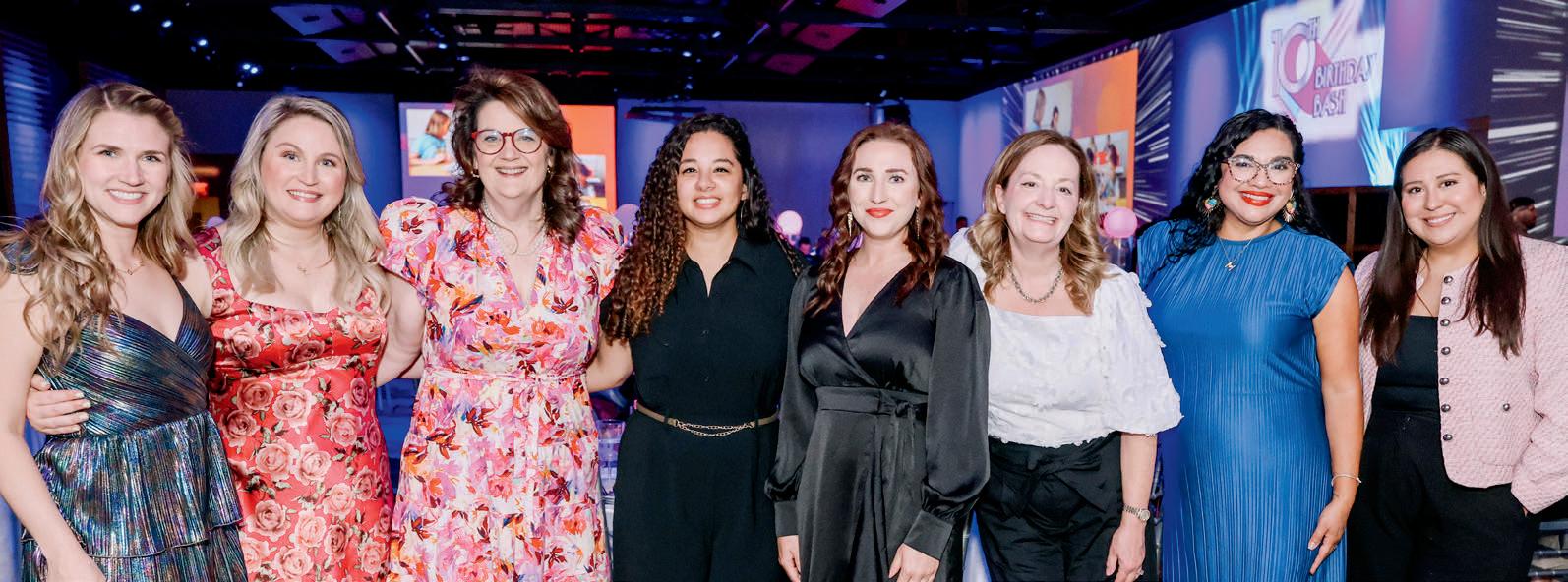
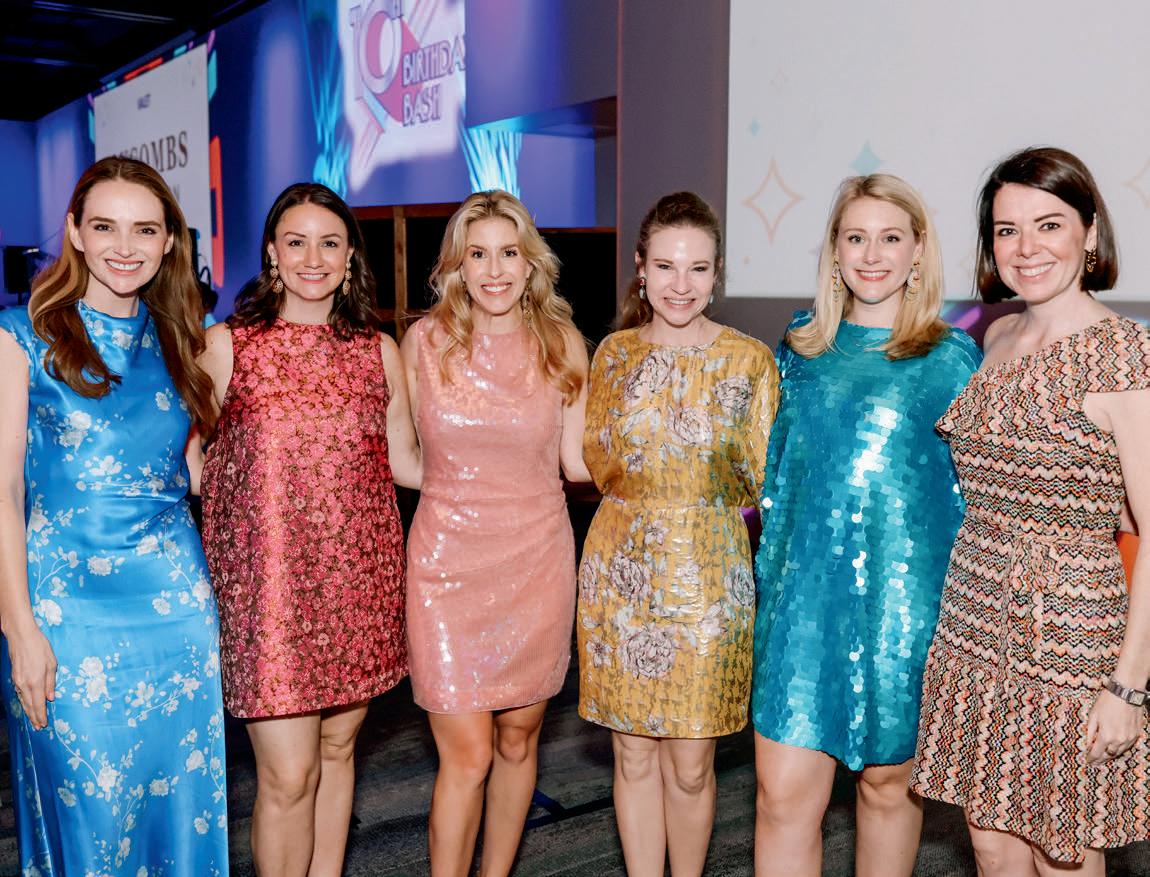
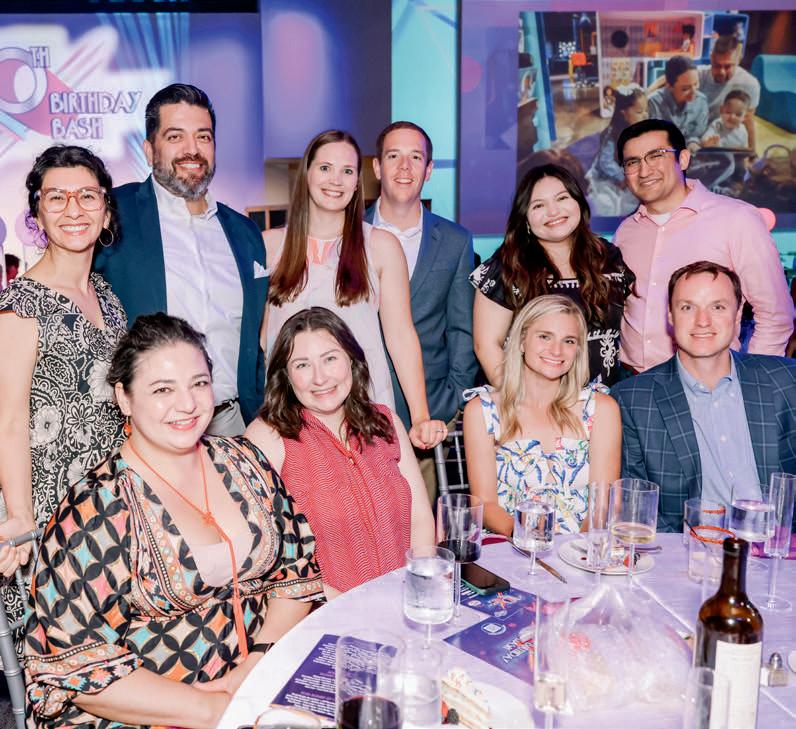
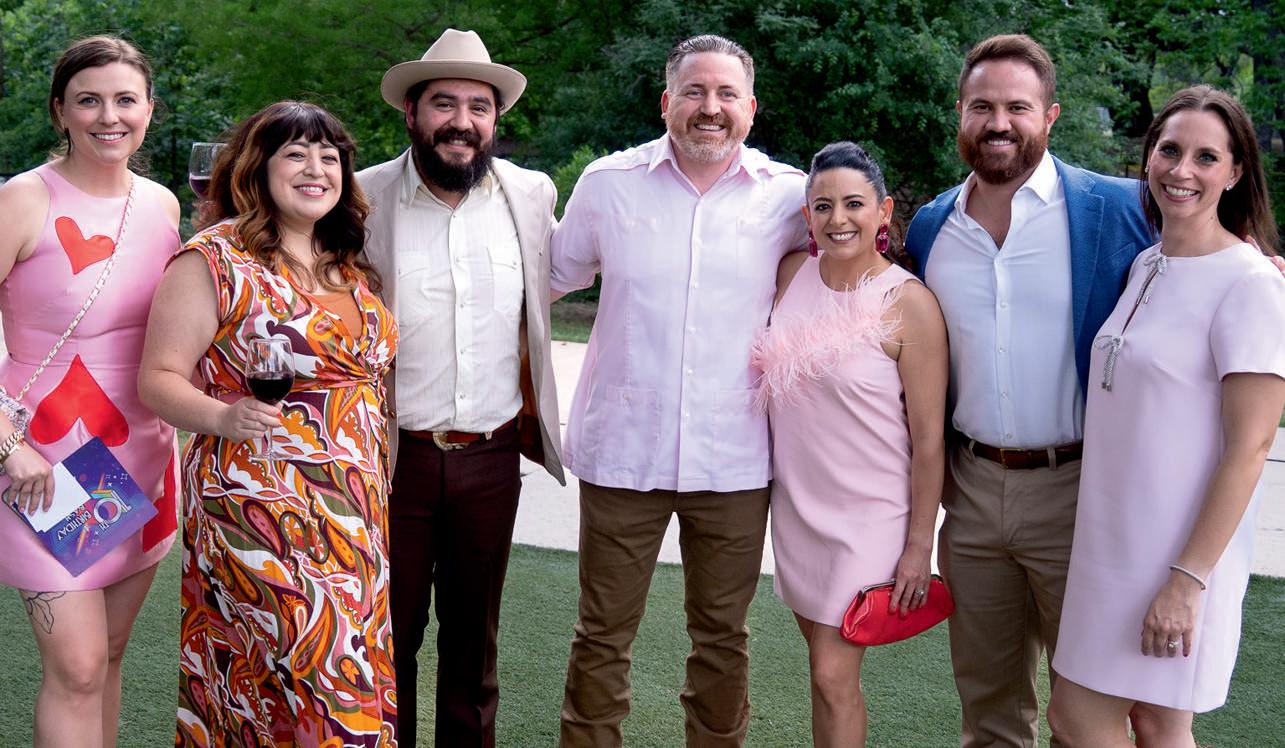
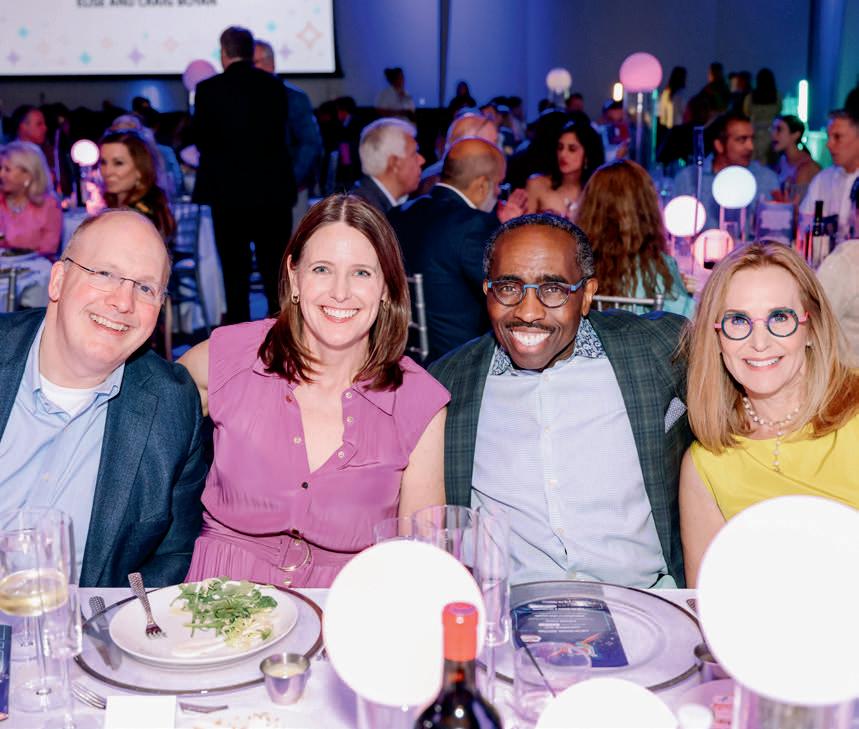

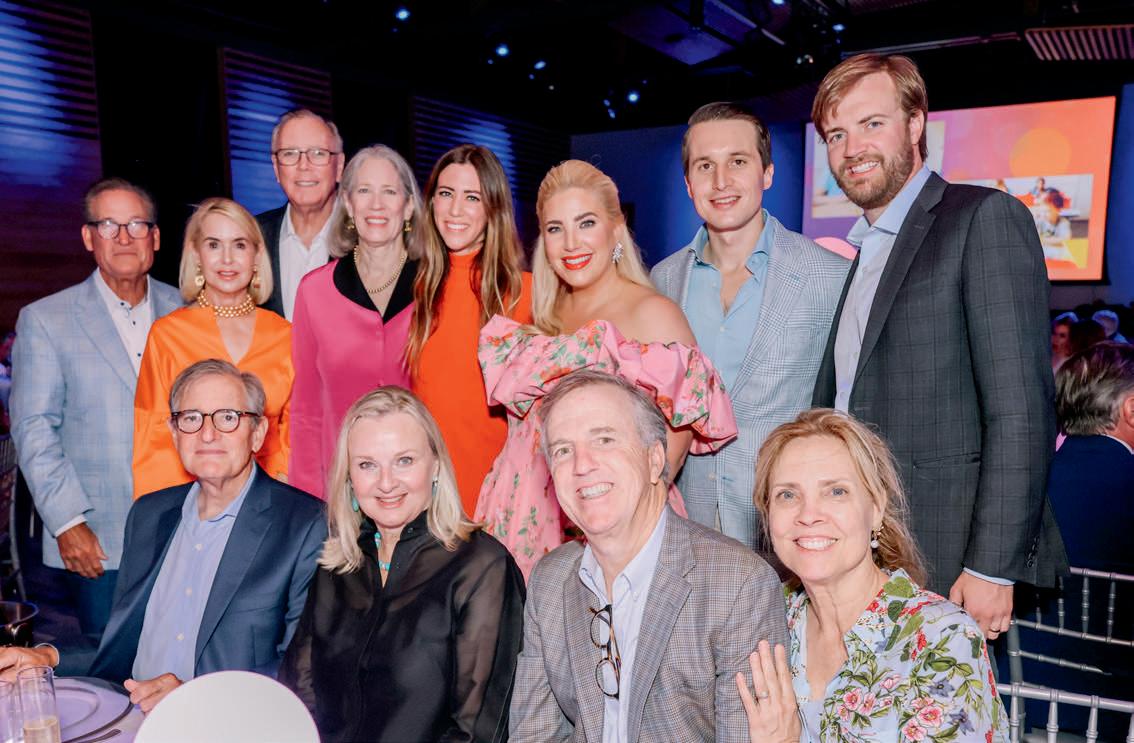
Ball’s Zoobilation Celebrates Community and the Power of Collective Conservation
By Eleanora Morrison | Photography by Quantum Lotus Labs, Torry Sledge
Congo Nights at the 43rd Annual Zoobilation Ball welcomed guests into an atmosphere that felt both cinematic and celebratory, uniting San Antonio around wildlife conservation and one of the most ambitious habitat expansions in the zoo’s history. Presented by The Will Smith Foundation, the evening paid tribute to the recent opening of Congo Falls, a stateof-the-art gorilla habitat designed to house seven magnificent gorillas in an immersive environment that invites awe and connection.
The venue came alive with rainforest textures, deep green light, jewel-toned accents, and shimmering metallic touches. The whimsical heart of the evening revealed itself early when a life-size disco-inspired gorilla descended from the ceiling during opening remarks by chairpersons Jamie and Travis Kowalski and co-chair Sara Stumberg Walker. Dancers from Children’s Ballet of San Antonio’s Professional Division opened the night with a performance that lifted the energy even further, and a Michael Jackson impersonator brought charismatic precision to the live auction.
The result was one of the most successful fundraising evenings in Zoobilation history. Congo Nights raised more than $2.2 million, surpassing $2 million for the fourth consecutive year. Funds raised directly support the zoo’s mission of animal care, conservation, and education, empowering the institution to inspire the community to love, engage with, and protect animals and the places they live.
The creative vision of the evening was brought to life by Illusions Rentals and Designs, Rosemary’s Catering, and Inspire Solutions, shaping an environment that felt elevated, immersive, and entirely unforgettable.
Congo Nights was more than a gala. It was San Antonio at its best, united in generosity and inspired by the wild beauty that makes the zoo a place of wonder for all.
Experience more of the event and read the full story at voiceofsanantonio.com. V
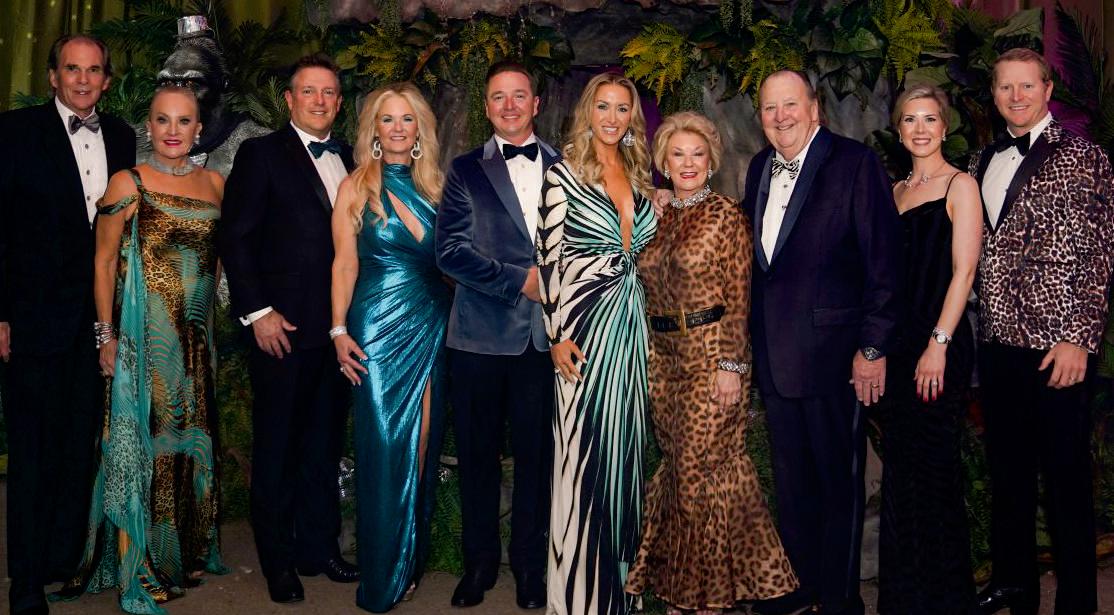
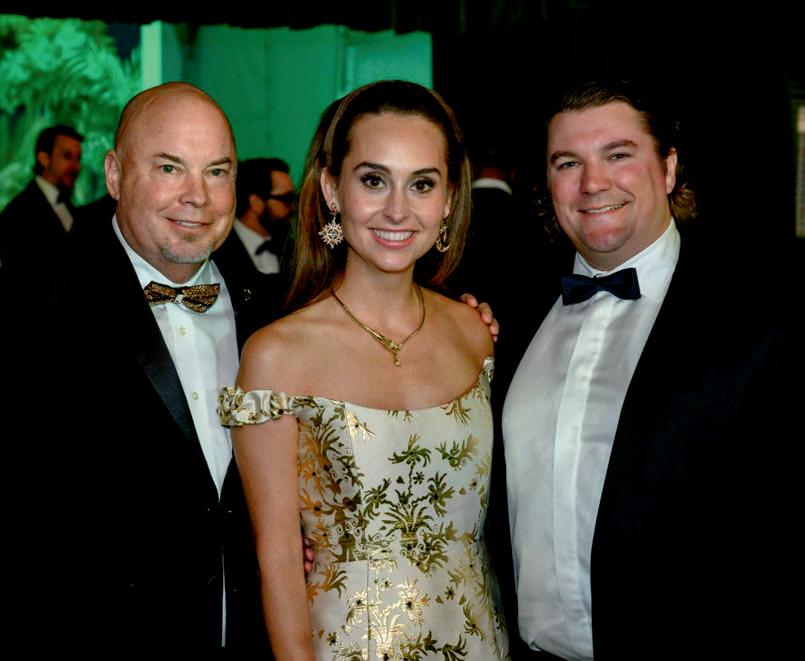
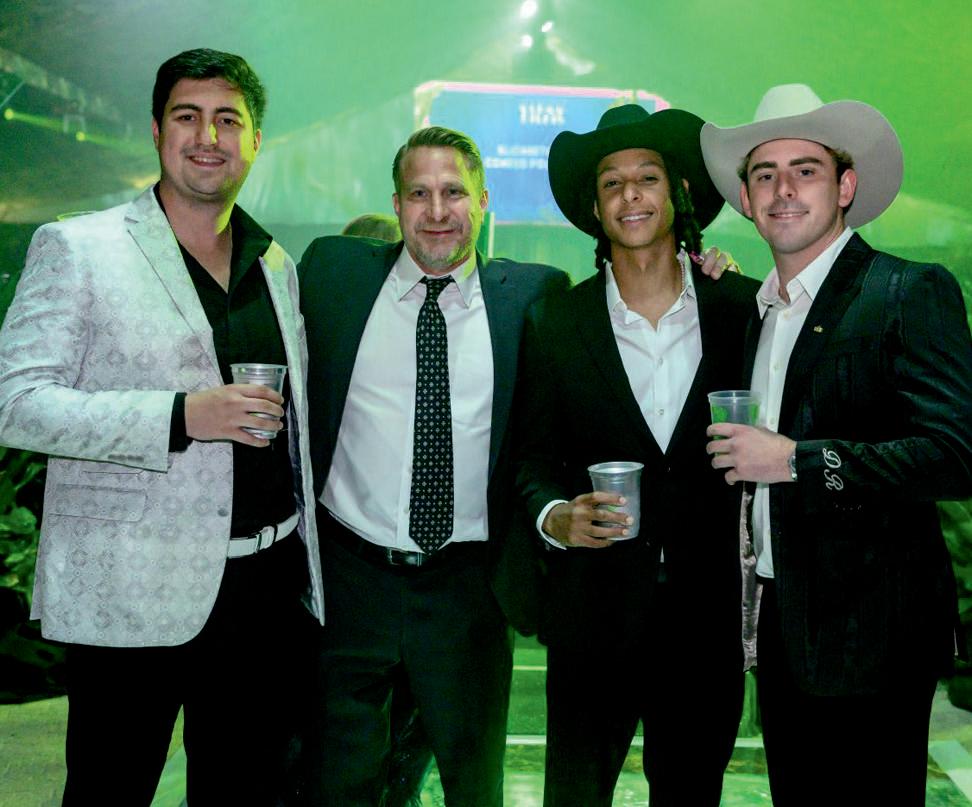
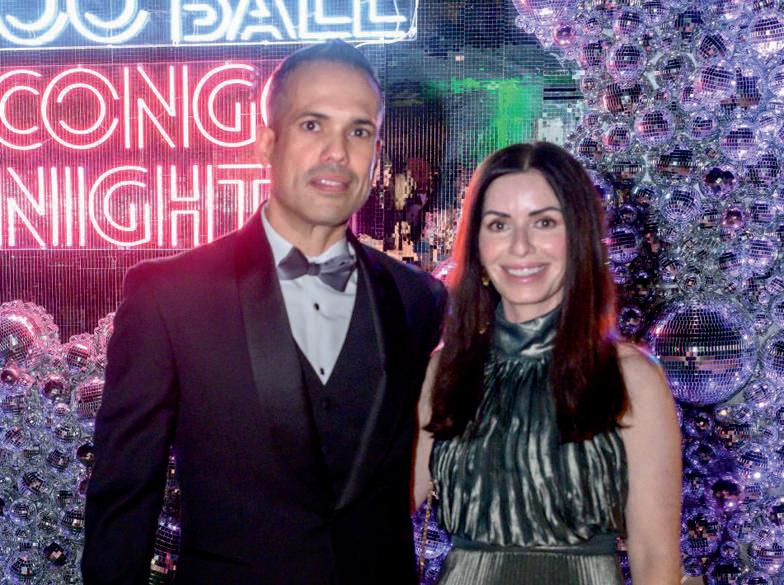
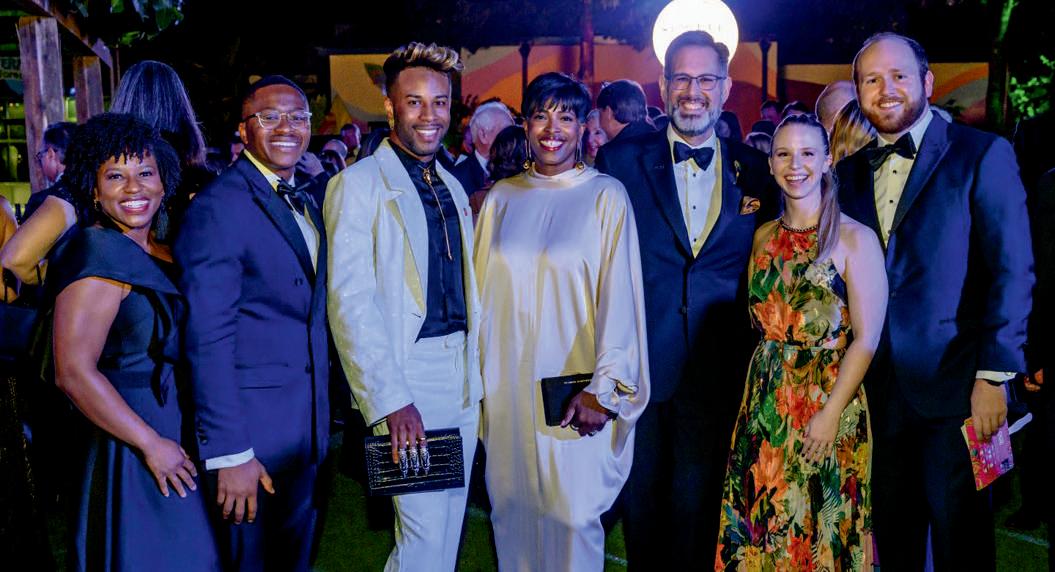
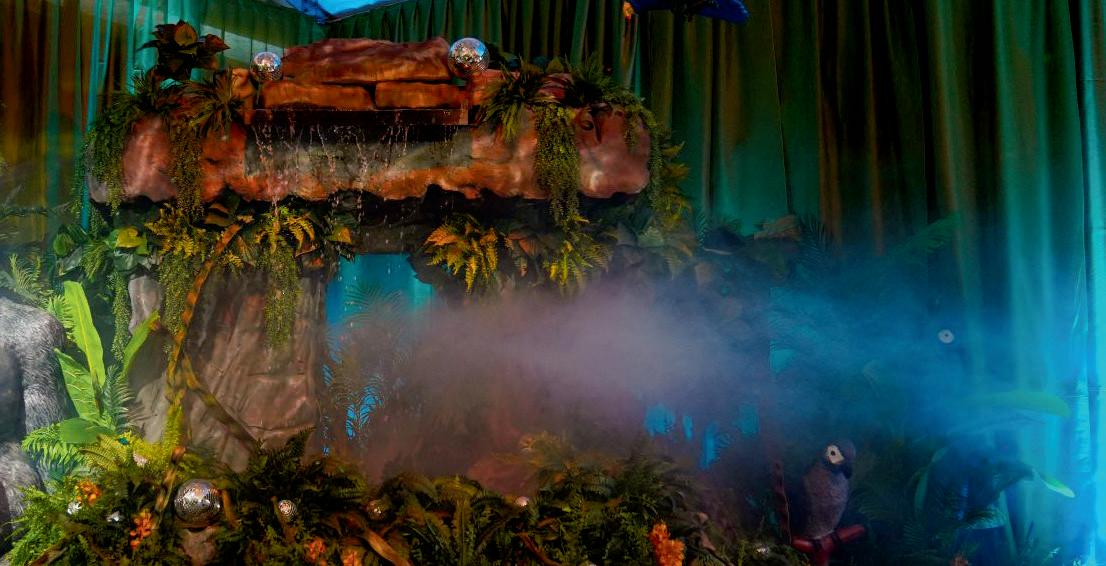
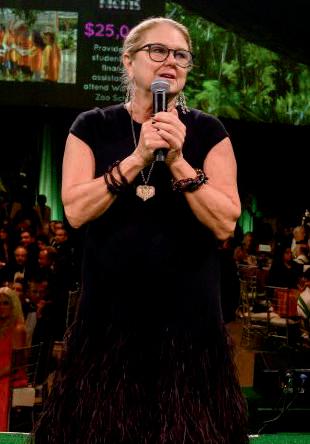
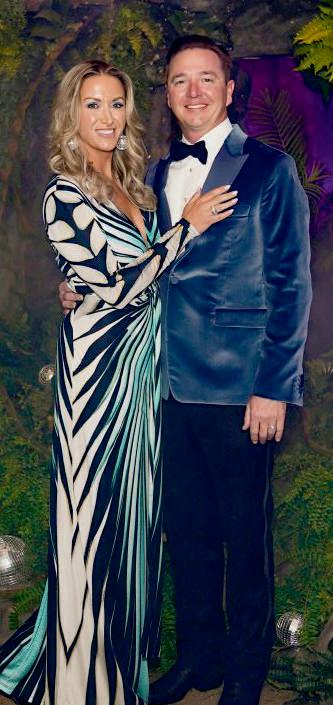
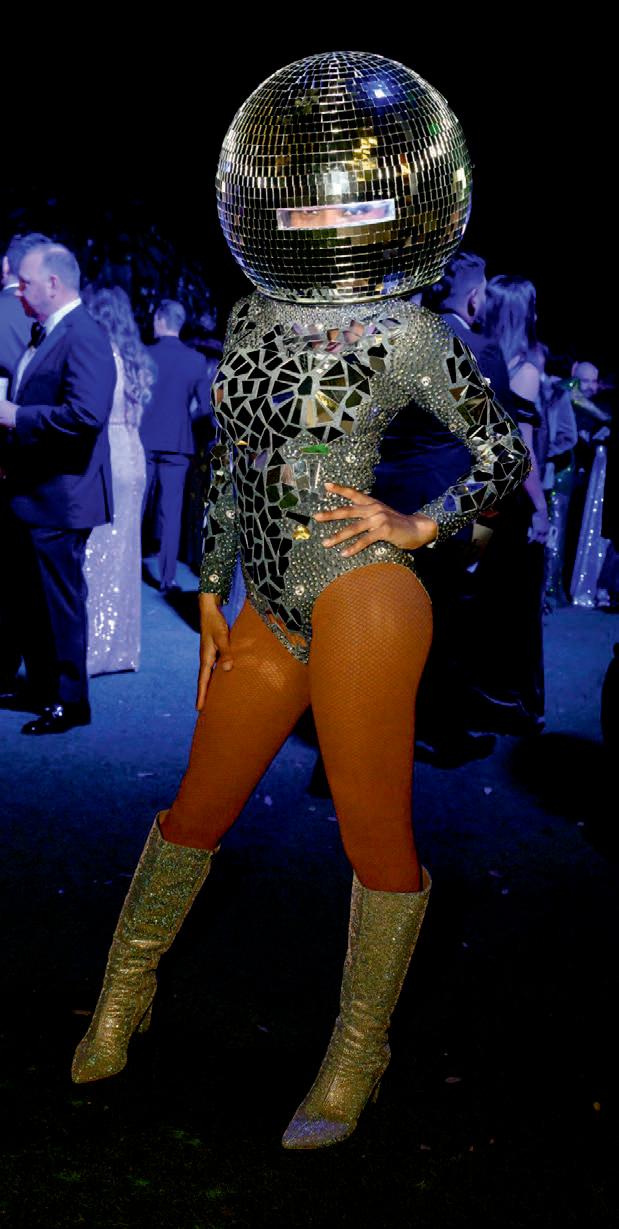
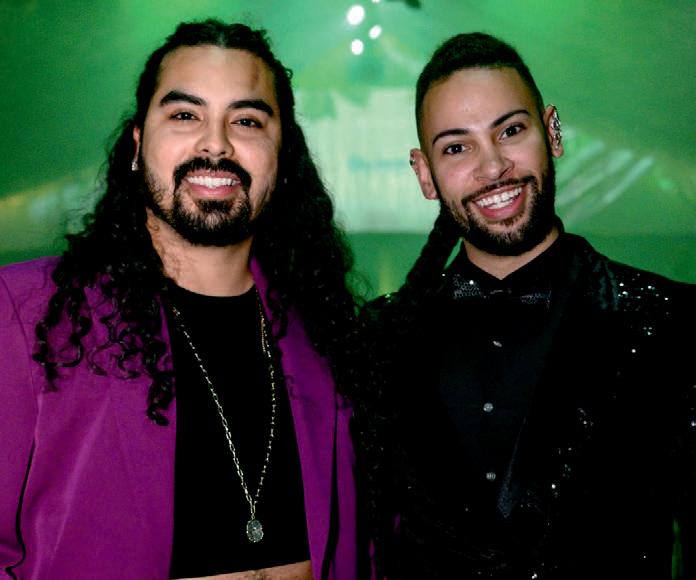
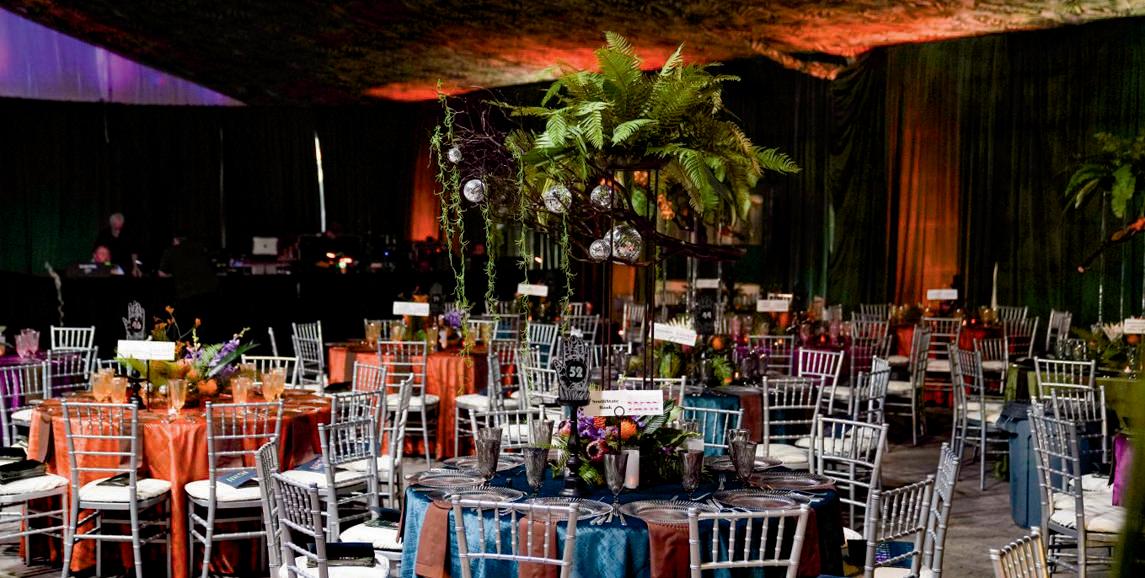
Brighton Center’s Best Night Ever Gala Rallies San Antonio Around Families and the Power of Inclusive Care
By Eleanora Morrison | Photography by Katie Clementson of Clementson Photography
The Best Night Ever Gala shimmered with joy and purpose as San Antonio gathered to support Brighton Center, an organization that has spent more than fifty years transforming the lives of children with disabilities and developmental delays. Themed Get Your Bright On, the evening was filled with radiant color, community spirit, and heartfelt connection around a mission that touches thousands of families across the region each year.
Brighton Center is the largest nonprofit in San Antonio providing direct services to children with disabilities, serving nearly five thousand children annually. With a holistic model that brings pediatric therapy, inclusive preschools, and special education consultants together under one roof, Brighton Center empowers families to navigate challenges that would otherwise feel overwhelming. When a family needs help, the answer is always yes.
That commitment carries a real financial weight. Every year, Brighton Center provides nearly three million dollars in services that insurance does not cover, including therapy sessions, medical equipment, school transition support, and services for military families with limited coverage. Last year alone, the organization covered eight hundred thousand dollars in services denied by insurance and provided more than three hundred therapy sessions monthly to military children.
Chaired by Sarah and Aaron McKee, the gala raised more than half a million dollars, a testament to the generosity of a city that understands the profound weight families carry when raising a child with a disability. Behind every dollar is a child who will receive the therapy they need, a parent who will find guidance at a difficult moment, and a community that grows stronger because no family has to walk their journey alone.
Experience more of the event and read the full story at voiceofsanantonio.com. V
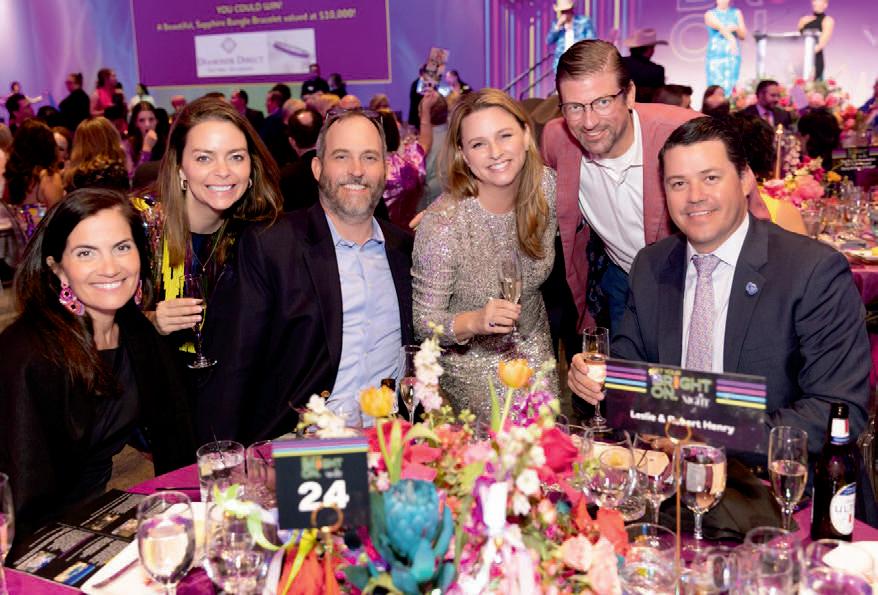
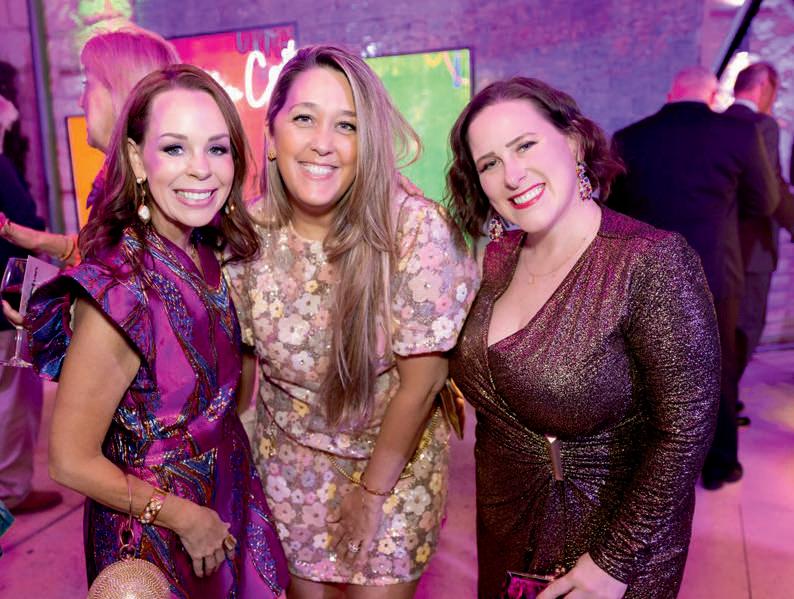
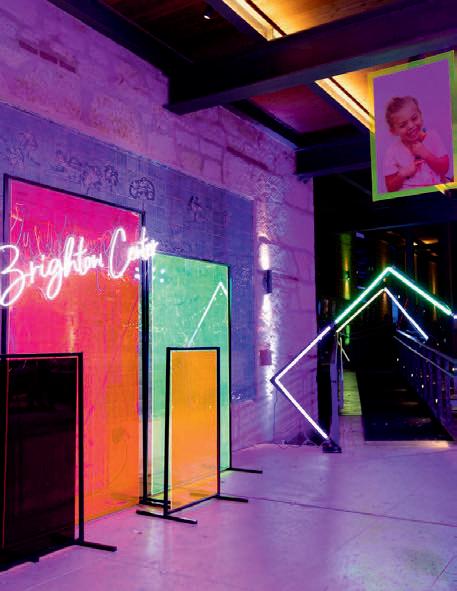
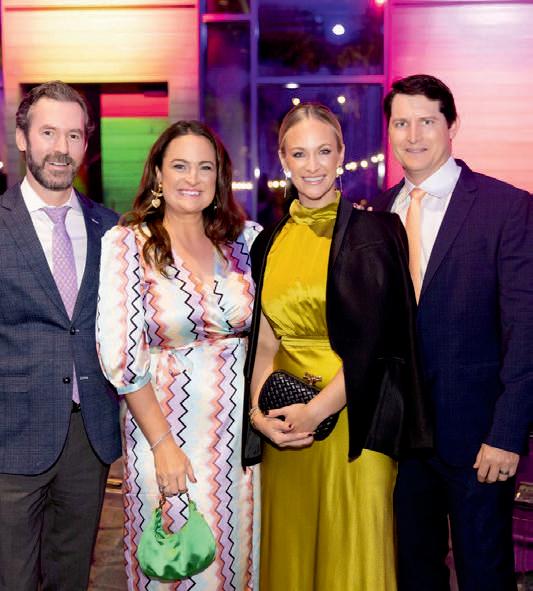
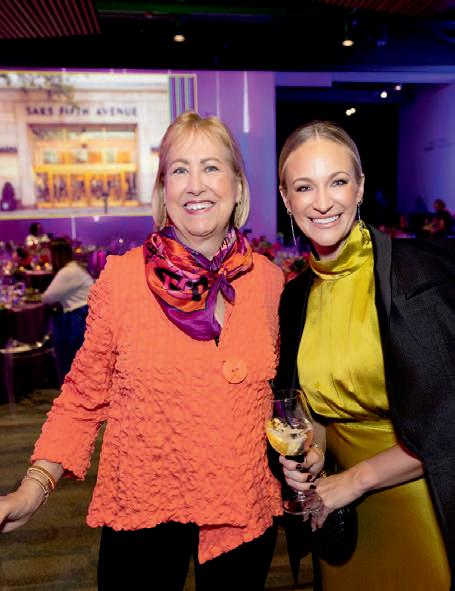
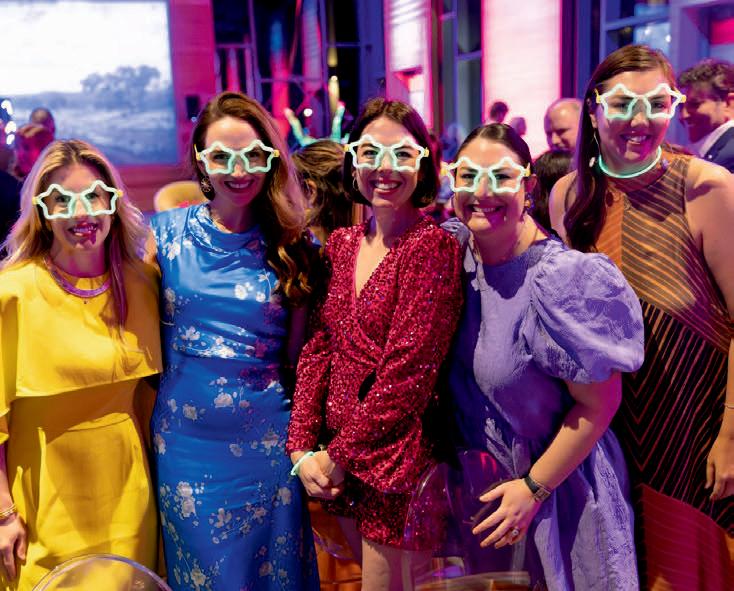
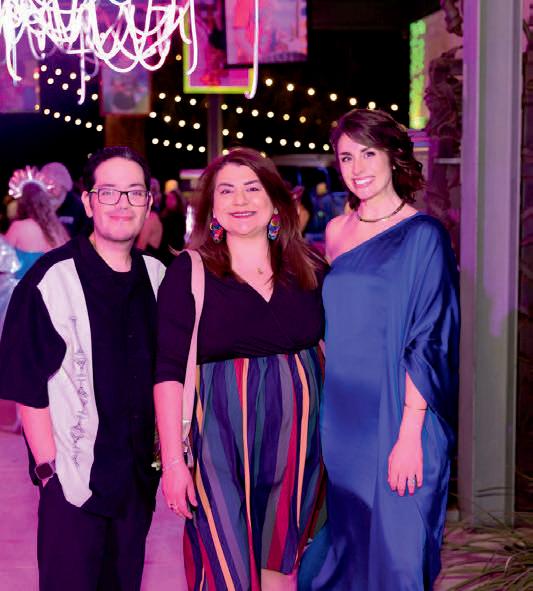
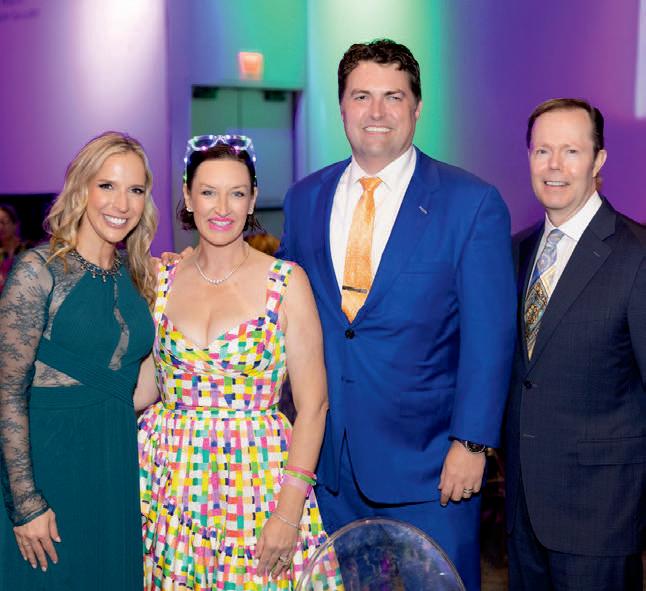
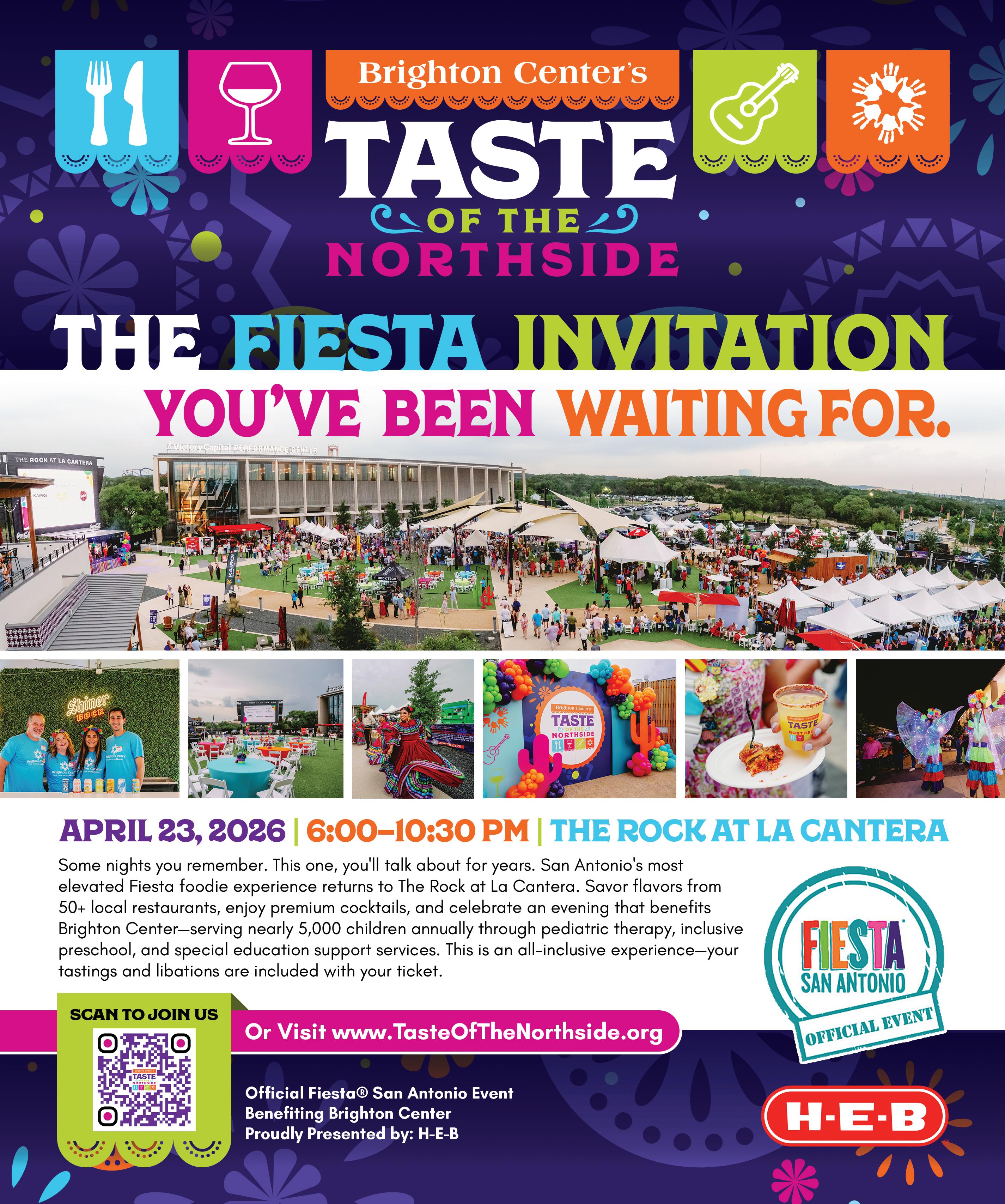
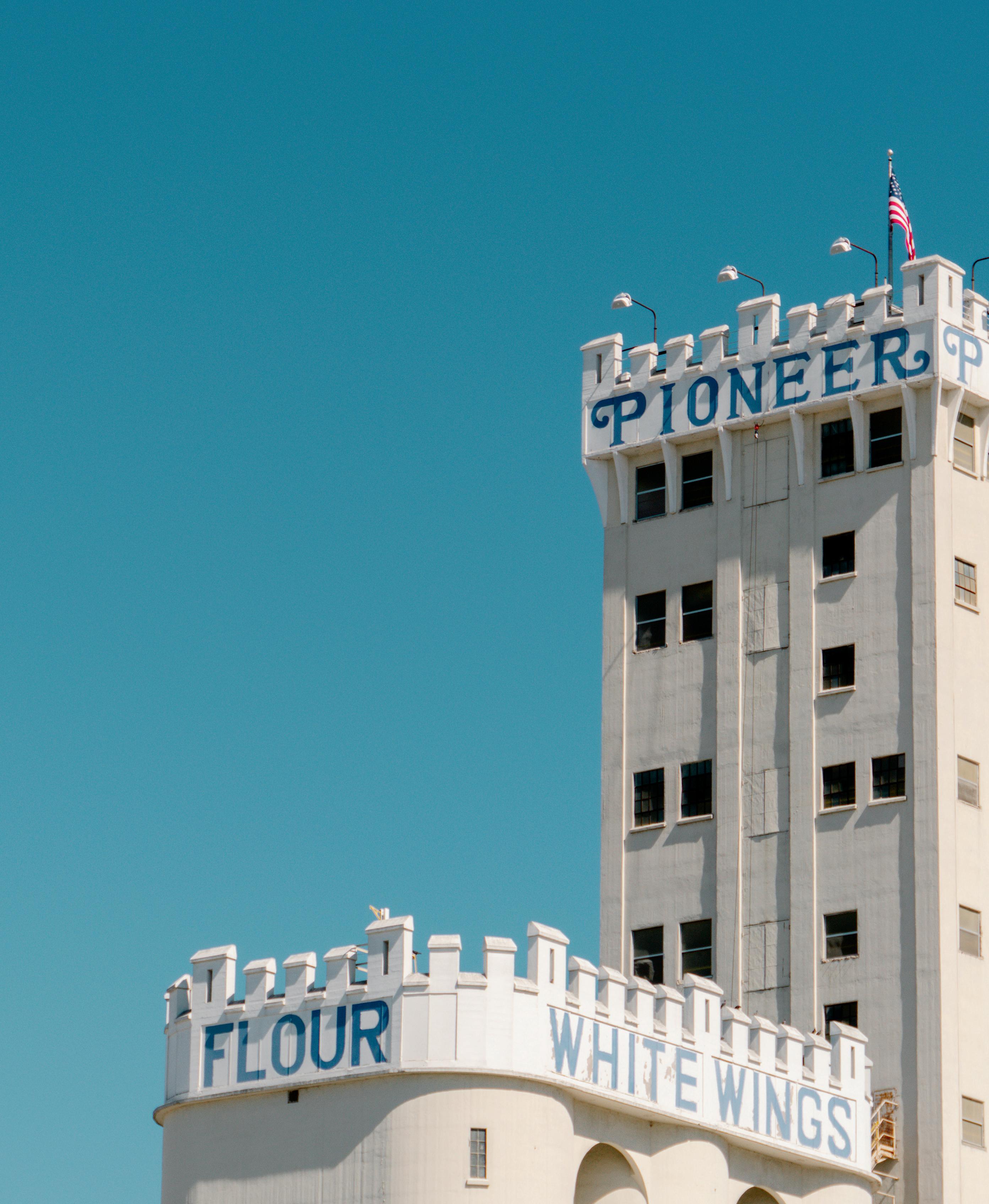
Texas Creative CEO Ashley Landers argues that San Antonio’s greatest economic opportunity lies in how boldly the city communicates its creative identity, transforming imagination, culture, and intellectual capital into global influence.
By Ashley Landers | Photography by Wendy Bowman Butler
Communication has always determined whether ideas move forward or stall. Progress depends not only on innovation itself, but on how clearly we communicate possibility to one another.
I spent much of my career inside the global advertising network Publicis Groupe, where the power of communication to shape perception was impossible to ignore. From that experience comes a belief I hold strongly: communication is one of humanity’s greatest challenges and one of its most essential tools for progress.
Part of San Antonio’s charm is its humility. We do not pretend to be something we are not. Yet too often, we fail to recognize all that we already are. Consider how frequently someone responds to an impressive local achievement with surprise: “Wow, in San Antonio?” The way we speak about our city sometimes walks a fine line between humility and self-limitation. It is time to step out of the shadows of other great cities.
Globally, the creative economy represents nearly a trillion-dollar industry driven by imagination, intellectual capital, and cultural expression, encompassing advertising, architecture, arts, design, fashion, film, music, publishing, software, and more. Many of these industries already exist here. What remains is alignment and ambition.
Pioneers do not allow their roots to hold them in place. They use those roots to give their wings lift. For San Antonio, the creative economy offers perhaps our greatest opportunity to tell a more expansive story about who we are becoming. Our heritage is not a limitation. It is a foundation.
San Antonio has an opportunity to be ambitious and aspirational at the same time, to pioneer our own perspective, and to invest in creativity not as decoration, but as infrastructure. Because ultimately, cities are shaped as much by perception as by policy. I believe we are ready to embrace a creative future, and to share that story with the world. V
From a bootstrapped founder’s unexpected path to one of the nation’s most active early stage venture firms, Pat Matthews has quietly built a firm that’s proving that world class innovation and investor returns do not have to originate on the coasts.
Venture capital has long clustered in predictable places, reinforcing the belief that influence, networks, and opportunity belong elsewhere. But from a headquarters in San Antonio, Active Capital has raised multiple institutional funds, backed founders across the country, and returned significant capital to local investors. In this essay, Lorenzo Gomez III examines how founder turned venture capitalist Pat Matthews is redefining what early stage investing can look like and why one of Texas’s most consequential venture stories is unfolding far from Silicon Valley.
By Lorenzo Gomez III | Photography by Jana Cantua and courtesy of Active Capital
Venture capital is supposed to live on the coasts.
The networks, the pedigree, and the capital typically cluster in predictable places like Silicon Valley, New York, or Boston, which is why the story of Active Capital is so unlikely.
That is also why its founder, Pat Matthews, stands apart.
Pat did not follow a traditional path into venture capital. He did not come from an Ivy League school or Wall Street, nor did he climb the ranks inside a Silicon Valley firm. He grew up with financial struggles outside Washington, D.C., worked from the time he was a teenager, and built his first company the hard way, bootstrapped and far from the spotlight.
That company, one of the world’s first large scale business email hosting platforms and one of Inc. Magazine’s fastest growing private companies, was acquired by Rackspace, bringing Pat to San Antonio. At Rackspace, he helped scale major parts of the business during its most important growth years, while remaining deeply connected to founders and startups inside a growing and increasingly complex organization.
stayed close to the startup ecosystem.
He began investing in startups, quickly becoming one of the most active angel investors in Texas, backing more than 100 companies across the state, the Bay Area, and beyond. It was early days and there was no manual for how to do it, so he learned by doing, by winning, and by losing.
Angel investing gave him exposure, but it did not give him influence. He didn’t feel like he was building.
“When you’re an angel investor, you have very little influence, you’re putting capital in and hoping the company can raise institutional dollars. But once they do that, they don’t communicate with angels very much.”
He wanted to be closer to founders and the early decisions that shape a company’s trajectory.
Pat knew he wanted to be in venture but was intimidated by the idea of raising capital–he only raised a small amount for his startup and Rackspace was fully capitalized by the time he got there. So before committing to a formal fund, he decided to test himself. He created what he calls a concept fund, investing $1 million of his own money and inviting ten trusted friends to invest $100,000 each. The result was a $2 million proving ground that allowed him to practice managing capital for others.
“It gave me confidence,” he said. “I could say, I’ve been managing money for other people, and it’s working.”
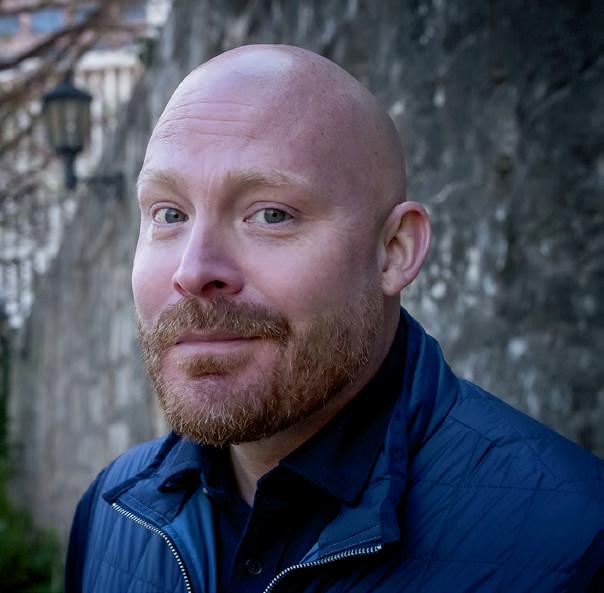
When Pat left Rackspace in late 2013, he did not have a job lined up.
“I didn’t have anywhere to go, I just knew it was my time to leave,” he said.
What he did have was a pull back toward entrepreneurship. In some ways, he had never fully left it. Even at Rackspace, he operated entrepreneurially, helping scale its emerging cloud business, and
Around that same period, life added clarity.
Pat’s father passed away in 2013, a few months before he left Rackspace. His mother died in 2017 while he was still soul searching for his next big thing.. Each loss carried weight and reinforced a growing conviction that time was not unlimited.
“Life is short, I had to go find my path again.”
By late 2017, he stopped circling the idea and committed fully. In 2018, Active Capital raised its first institutional fund of $21 million. Today, the firm manages roughly $125 million across three core funds and several special purpose vehicles, a rare achievement given that fewer than 20 percent of first time fund managers ever raise a third fund. Pat is one of them.
Still, the numbers do not fully explain what makes Active Capital different.
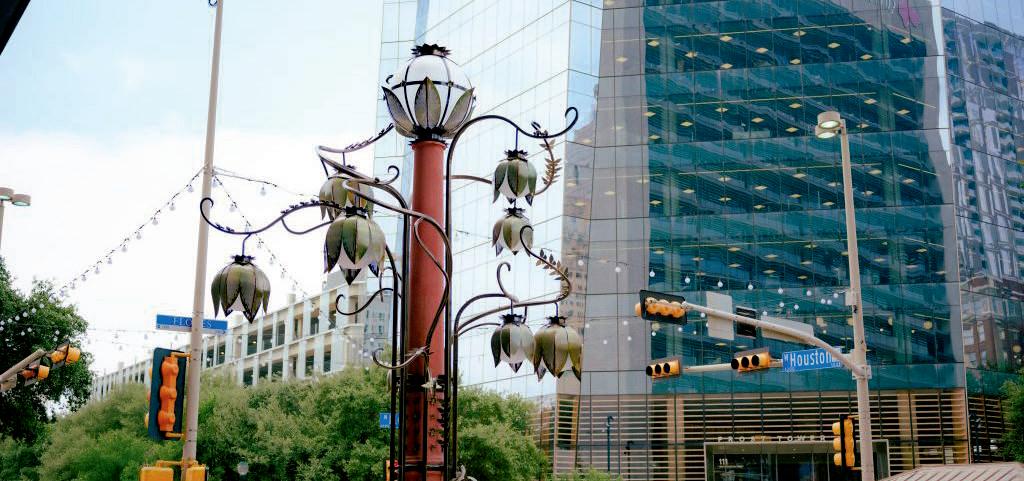
Pat describes the firm as “high conviction pre-seed,” which in practical terms means writing large checks early, typically $500,000 to $1 million, into very young companies, often before there is product or revenue. Instead of chasing trends, Active Capital underwrites founders.
“We’re looking for founder-market fit, not product-market fit,” he says.
The structure of the firm reflects that philosophy. Active Capital is intentionally small and strengths based. One partner focuses on deal flow. Another runs operations. Pat spends nearly all his time working directly with founders after investing.
He does not describe himself as founder friendly. He prefers the term founder aligned.
That distinction matters because founders do not need coddling. They need someone who has walked in their shoes, who can empathize with their individualized situations and who can give them direct feedback even when that’s hard to do.
“I want nothing more than to help founders achieve their maximum potential. Sometimes that requires coaching or tough conversations, sometimes it just means getting out of their way.”
Geography is another part of the story. Roughly 80 percent of Active Capital’s investors are from San Antonio, which is almost unheard of in venture capital. Pat built his professional and personal life here after Rackspace, and over time that community became his investor base.
“San Antonio put me in business.”
Active Capital invests nationally, often in underdog cities across the US, but Pat also spends significant time in San Francisco because he believes SF is the center of gravity for technology entrepreneurship. He is candid with his views on the importance of staying connected to that gravity, and one of Active Capital’s missions now is to serve as a bridge, helping founders from underdog cities plug into global networks without abandoning home. He cites Rackspace as an example here: “We built an incredible company in San Antonio. But I think we had too much Texas bravado and didn’t spend enough time in the Bay Area. We missed some really key trends that haunted us over time.”
ProsperOps.
ProsperOps was founded by three former Rackspace employees based in Austin and San Antonio. They were first time founders but seasoned operators who raised just $700,000 in venture capital, all of it in a single round led by Active Capital. They never raised again, which is almost unheard of in today’s venture environment.
An early acquisition offer arrived about two and a half years in. It was tempting for the founders. Instead of selling, Pat organized a secondary transaction that allowed the founders to take meaningful money off the table while keeping control of the company.
When ProsperOps was eventually acquired, the price was not disclosed, and there was no press tour or victory lap. The outcome reflected a consistent theme of substance over flash–one of Rackspace’s core values.
But Pat did share that the ProsperOps acquisition by Flexera is likely a top 20 Austin venture backed software exit of all time. With part of the team based in San Antonio, it represents the most meaningful venture backed outcome to touch this city since Rackspace.
To date, Active Capital has recorded more than a dozen exits, with ProsperOps being the largest so far. The firm has quietly become one of the most active early stage investors in the country while remaining headquartered in San Antonio.
At the start of the new year, Pat sent roughly $100 million back to investors, the majority of whom are here.
That is why this story matters. Not because it is flashy or mimics Silicon Valley, but because it proves something many in this city have long believed and rarely seen validated.
You can build something meaningful, durable, and nationally relevant from San Antonio.
The quiet giant is real, and it is already changing what is possible. V
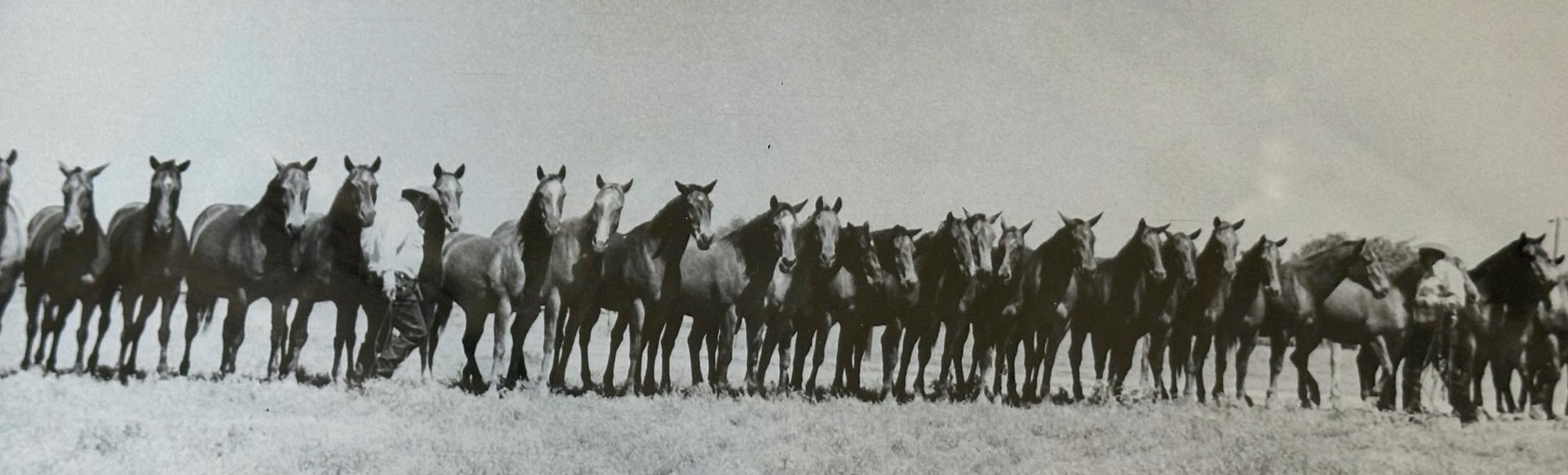
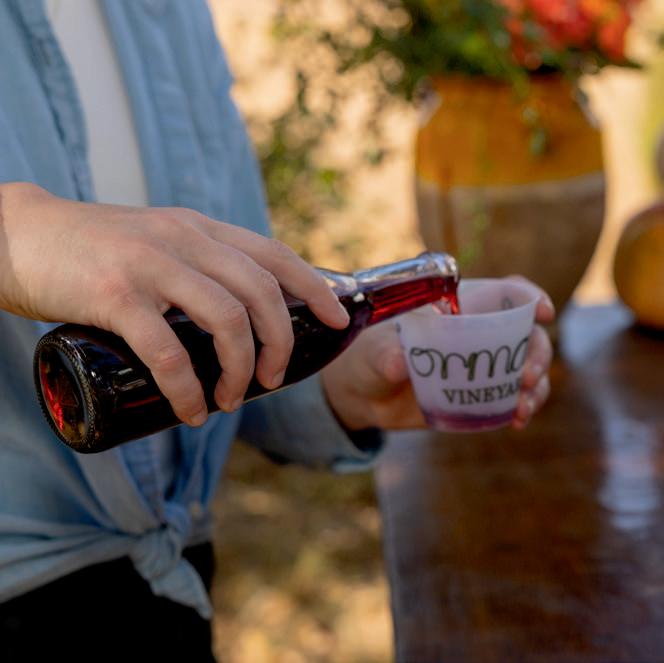
Just beyond San Antonio, where the Hill Country softens into long horizons of live oaks and limestone soil, a vineyard has taken root with the patience of a family story decades in the making.
Formando Vineyards is not simply another name along the Fredericksburg wine corridor. It is an expression of heritage shaped by ranching, artistry, and the belief that meaningful work happens when people choose to invest deeply in a place.
For Ceci McBride and her nephew Henry Kley Johnson, the idea began long before the first vine entered the ground. In 2019, conversations turned toward planting acreage on the ranch where Ceci’s family lived, fulfilling a dream she had quietly carried since moving to Fredericksburg in 2005. Guidance from viticulturist Penny Adams helped determine site orientation and varietals, while winemaker Benedict Rhyne, a native of Provence, shaped a program grounded equally in European tradition and Texas experimentation. Nine acres were planted that first year by friends and family. Today, Formando tends nineteen acres across two plantings and enters its fourth vintage, producing single varietals and thoughtful blends that continue to evolve with each harvest.
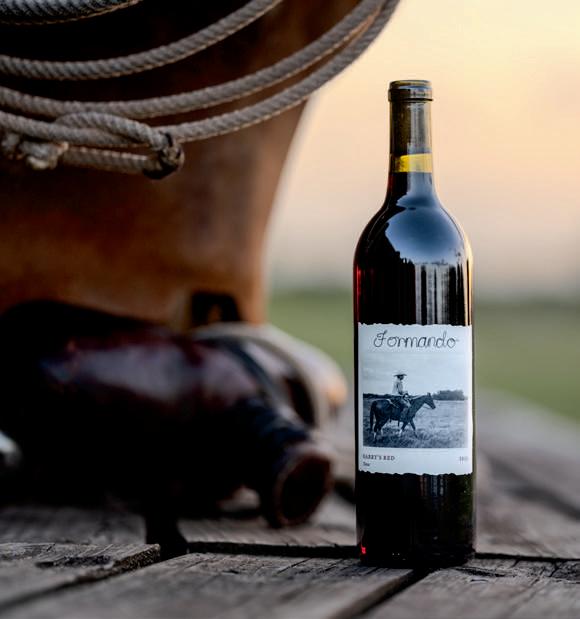
At Formando Vineyards, a ranching legacy shaped by land, hospitality, and resilience finds new expression in Texas wine, inviting San Antonians into a story rooted in stewardship and shared table.
By Eleanora Morrison | Photography courtesy of Formando Vineyards
readiness, discipline, and trust between rider, animal, and land. At Chaparrosa Ranch in La Pryor, Ceci’s childhood home, this ritual unfolded daily. The ranch remains the only cattle operation in the United States known to have practiced the Formando tradition, a moment captured in a celebrated painting by Texas artist Charles Beckendorf, created for Ceci’s father, Belton Kleberg Johnson.
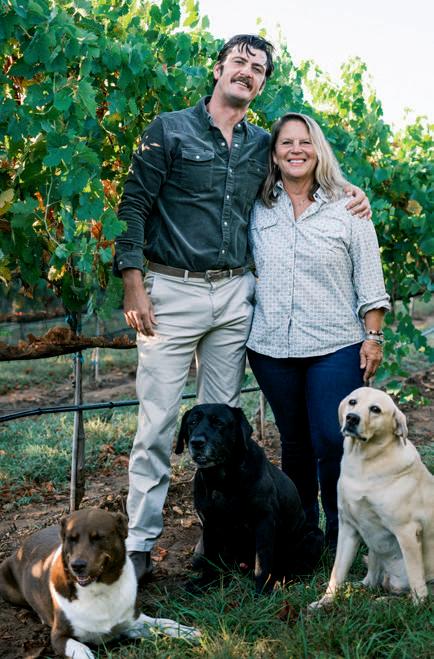
That philosophy now defines Formando’s next chapter. A new tasting room set along Highway 16 North near Willow City, currently under construction and scheduled to open this June, overlooks the vineyard and is inspired by the grounded architecture of South Texas ranch houses. Craftsman Attie Jonker, known locally for his treehouse structures at the San Antonio Zoo, is constructing tables, bar elements, and elevated wine platforms set among the trees.
The vineyard’s label features a festive interpretation of a Santa Gertrudis bull, an homage to Señor Pico, a herd sire from Chaparrosa Ranch. Designed by graphic artist Elias Carlson alongside San Antonio photographer Tito West, the artwork draws from Henri Matisse’s paper cut method, uniting past and present. Even the vineyard’s name appears in bent wire lettering. Wire defines ranch fences and vineyard cordons alike, quietly shaping boundaries while training growth.
But to understand Formando fully, one must begin long before grapes.
The name carries the memory of a ranching tradition rooted in Mexico and preserved in South Texas. “Formando” refers to a historic vaquero practice in which trained horses backed into position along a taut rope, standing side by side while awaiting selection for the day’s work. The formation represented
In the tradition of the Formando, where horses once stood ready together before the day began, the vineyard represents preparation for what comes next. A shared table. A community gathered across distance. Legacy built again with every season. V
Since2019,FormandoVineyards hasbeencultivatinggrapesand craftingwinesalongWillow CreeknearFredericksburg. Family-ownedandoperated,our missionissimple:grow exceptionalfruitandoffera singularTexaswineexperience rootedinplace.Whileour tastingroomisunder construction(openinglateJune 2026),ourwinesareavailable onlinesoyoucanbepartof thejourney.
Since 2019, Formando Vineyards has been cultivating grapes and crafting wines along Willow Creek near Fredericksburg. Family-owned and operated, our mission is simple: grow exceptional fruit and offer a singular Texas wine experience rooted in place. While our tasting room is under construction (opening late June 2026), our wines are available online so you can be part of the journey.
At Bar Loretta in Southtown, a single design choice invites San Antonians to sit closer, share space, and experience their own city in a more connected way. In a city built for distance and elbow room, Voice of San Antonio’s Urban Nerd, Lorenzo Gomez III, reflects on how one bench at Bar Loretta quietly introduces the art of proximity, and why that small shift matters for San Antonio’s growing global sensibility.
By Lorenzo Gomez III | Photography by Richard Casteel, courtesy of Bar Loretta
There’s a bench at Bar Loretta that I can’t stop thinking about. Not the cocktails. Not the lighting. Not even the market burger that’s only available on the bar menu. The bench.
If you’ve been, you know the one. It runs along the front wall of windows, just behind a row of tight two-top tables. It is, by San Antonio standards, uncomfortably close. You are shoulder to shoulder with strangers. You can hear their laughter. You can catch fragments of their conversation. If someone orders an Old Fashioned, you’ll likely know about it.
The first time I sat there, an older, sharply dressed gentleman began chatting with my friend and me. He was dining with someone as well, but before long we were all talking, including the couple on his other side. The night unfolded the way nights do in big cities. Casual conversation turned into shared laughter. Eventually he ordered champagne and sent glasses to both tables. It felt spontaneous and communal, the kind of thing that happens in places like New York or Paris.
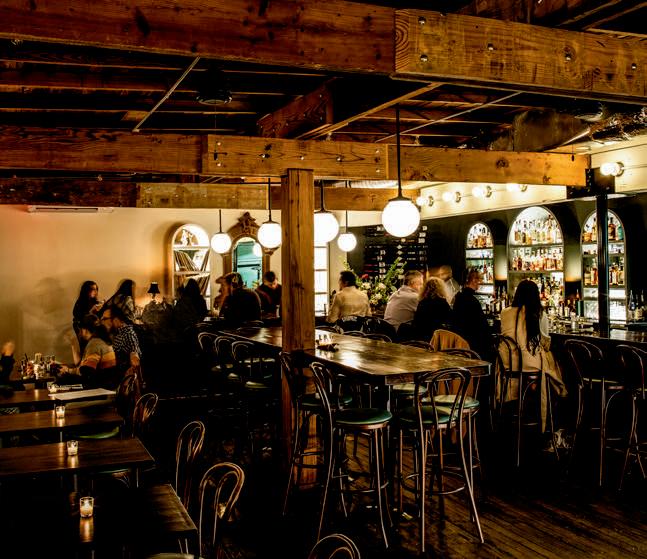
up in San Antonio. My first plane ride wasn’t until I was eighteen. The world felt far away. It wasn’t until I spent three years living in London that my perspective shifted. In dense global cities, space is shared. Restaurants are smaller. Tables are tighter. You learn how to exist alongside strangers. You learn, in a quiet way, how to share your environment.
San Antonio is different. We build wide. We park far. We value elbow room.
The bench at Bar Loretta compresses all of that.
That choice wasn’t accidental. Bar Loretta owners Roger and Sarah Herr left San Antonio together in the mid-90s and spent more than two decades in New York, where Sarah was building a career in fashion design and Roger was opening neighborhood bars that became gathering places. They returned home, blending design and hospitality into something distinctly their own. The bench is part of that translation, a deliberate reminder that great cities feel close.
Another evening, I was deep in conversation with a friend when he kept glancing to my right. I turned and realized that sitting inches away from us on that same bench was Spurs legend Gregg Popovich, quietly enjoying dinner with a friend. No fanfare. No velvet rope. Just another San Antonian on the bench.
And then there was the night I ran into a friend who had just had a baby. Of course, they were on the bench too.
Why am I so obsessed with this piece of furniture?
Because it took me a while to understand what I loved about Bar Loretta. I grew
I told Roger and Sarah it reminded me of Paris and New York. They laughed and admitted they sometimes get complaints that the seating is too tight. I had just enough wine in me to say, “Don’t change it.”
Because what they’ve created is a tiny portal. A place where someone who has never left Texas can experience, even for a couple of hours, what it feels like to be in a great metropolis. To be near. To be open. To share space.
So if you’re in Southtown, grab a seat on the bench at Bar Loretta. Order the market burger from the bar menu. Sit a little closer than you’re used to.
You might just find yourself in a different city, without ever leaving home.