

OFFICERS
AndrewFroelich
President
DaynaJones
VicePresident
IMMEDIATE PAST PRESIDENTS
AmandaHernandez
TrishaMoralesPadia
MatthewAllen
RolandGarcia
JohnHunter
JosephEsparza
LoraineEfron
DonFlanary
MichaelMcCrum
JessicaGonzalez
Secretary
ShawnSareen
Treasurer
ForrestGood ExecutiveDirector
PatriciaJay
WarrenWolf
RobertFeatherston
JorgeAristotelidis
JayNorton
MichaelGross
JeffMulliner
John“Bud”Ritenour
AdamKobs
BOARD OF DIRECTORS
RolandoArguelles
JimBethke
AnneBurnham
VictoriaChuffo
KarenCorby
DanielDeLaGarza
DeanDiachin
KellyeFernandez
ArleneGay
DIRECTORS EMERITUS
CharlesButts
StevenGilmore
ForrestGood
StaciKrause
AdamLaHood
KeriMallon
PatMontgomery
AngelaMoore
ReneMunoz
JasminOlguin
GeorgeTaylor
StephanieStevens
JimGreenfeld
MichaelS.Raign
JohnA.Convery
ErnestAcevedo,III
RonaldP.Guyer
MarkStevens
GeorgeScharmen
CynthiaHujar-Orr
BryanOrihel
AdamPaltz
RhettParr
MaryPietrazek
ElizabethRussell
DavidSilberthau
ShawnSareen
MeenuWalters
ChristianVega
AnthonyNicholas
Ifyouwouldliketosubmitanarticletobeconsideredforpublicationin The Defender,orseeabouthowyoucanhelp orbecomeinvolvedwithandcontributeasanAssociateEditor,pleaseemailPadia.Trisha@gmail.com
AndrewFroelich
TrishaMoralesPadia
TomKeyser
MatthewAllen
ForrestGood
DaynaJones
Jennifer
Jose“Andy”Escobedo &ElijahLeal
JudgeEricaPena
EDITOR-IN-CHIEF,
TrishaMoralesPadia

Andrew Froelich
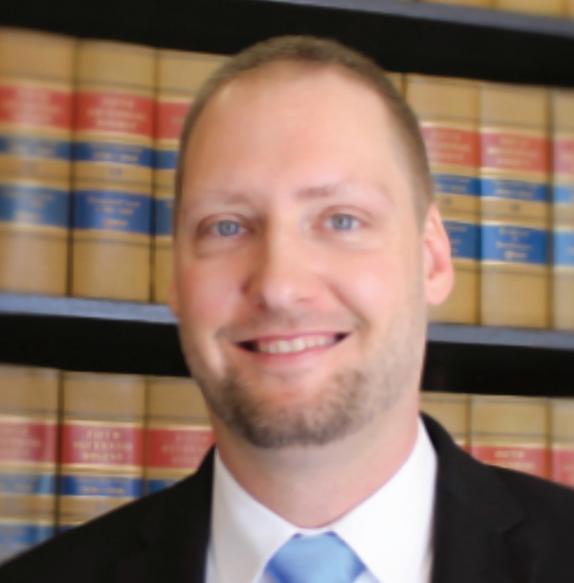
Noneofusarriveatamomentlikethisalone. We stand on the shoulders of those who servedbeforeus,andIwanttostartbyexpressingmysinceregratitudetoallourpast presidents.Inparticular,Iwanttorecognize Amanda Hernandez. Because of her steady leadershipandhertirelesscommitmentover thispastboardyear,shedidn'tjustfillaseat— sheleftthisclubbetterthanshefoundit.That isthefundamentalgoalofservice,andit’sa standardIhopetoupholdintheyearahead. I knowshe’sspecificallyproudofstartingthe JudicialConductCommittee.Thosemembers putinlong,oftendifficulthours,handlingthe kindofcomplexgrievancesthatrequirepatience,fairness,andasenseofjustice.Wewill continuethiscommitteetoprotectourmembersandclientsfromjudicialoverreach,andI honestly hope that this committee will not needtomeetasoftenthisyear.
AndtoZoeRussell—weknowthatthework ofanExecutiveDirectorisoftendoneinthe shadows,fueledbylonghoursandthankless tasksthatkeepthisenginerunning.Zoe,we seeyou,andwethankyou.Forrest,you’ve gotsomebigshoestofill,butIhaveevery confidenceyou’reuptothetask.
Now,letmebeclearaboutthetoneIhopeto setaswelooktowardtheyearahead.
I’vealwaysbelievedthatprogressinvolvesthe hard,necessaryworkofopendialogue.And myinitialgoalissimple:tositdownwithour District and County Court Judges, and the administration of the District Attorney’s office,toworktogethertosolveproblemsand fostertherelationshipsthatcanmakeadifferenceforourclients.
Now,callmeanoptimist.Somemighteven sayI’mabithopeful.ButIbelievethatatthe endoftheday,wearealljusttryingtodoour jobs. Take the Axon rollout, for example. Now,wecanallagreethatthiscluster...situationhasbeenachallenge.ButIdon’tbelieve itwasbornoutofadesiretomakeourlives harder. The truth is, technology can be a powerfultoolforjustice,butitcanalsobea source of maddening frustration for every singleoneofus.
ThetoneIwanttosetisthis:wearegoingto handlethesesituationsthroughproblem-solving,notjustposturing.Whenwefindaflaw inthesystem,wearen'tjustgoingtocomplainaboutit—wearegoingtojointogether tofixit.Andlet’sbecertain:thosesolutions mustinvolveholdingtheDistrictAttorney’s office to its Constitutional obligations. However,we’veallpracticedinthoseother counties—places where the problems aren't justhurdles,theyaredeep,institutionalbarri-
ers.Wewillcontinuetofightthosefights.But hereinSanAntonio,Ibelieveinsomething different.Ibelievethat,byandlarge,thereare honest people working in that courthouse whoaresimplytryingtodothebesttheycan.
Inthecomingmonths,I’llbemeetingwith theelectedofficialsandtheiradministrations tokeepthoselinesofcommunicationopen. Let’s leave the fighting for the courtroom. Let’sfosterasenseofcamaraderiewherewe doourworkwithintegrity,andthen—atthe endofalongday—wecanallgohometoour families.
Thankyou.Andlet’sgettowork.
Andrew Froelich President, SanAntonioCriminalDefense LawyersAssociation
Trisha Morales Padia

Asthisspringeditionreachesyourmailbox, Fiesta will be behind us, summer will be ahead,andwewillalreadybelookingtoward thesecondhalfoftheyear.Thefirstquarterof 2026 brought tremendous wins for the defense bar. Across our courts, our members have continued to fight tirelessly for their clients,upholdconstitutionalprotections,and remindourcommunitywhycriminaldefense lawyersaresoessential.
Weshouldalltakeamomenttorecognize those victories. Every dismissal, every not guiltyverdict,everyfavorableresolution,and everyclientwhosefuturewasprotectedisa testamenttotheworkthisorganizationdoes everyday.
Butalongsidethosesuccesses,thiseditionaddressesatopicthatisoftenmuchhardertotalk
about:mentalhealth.
Thepracticeofcriminaldefenseisrewarding, butitisalsodemanding.Wecarrytheweight ofourclients’fears,families,andfutures.We absorbdifficultfacts,stressfuldeadlines,long hours,andthepressureofknowingthatwhat we do matters deeply. Too often, we are trainedtopushthrough,keepmoving,and tellourselveswewillslowdownlater.
Laterrarelycomes.
Mental health is not a sign of weakness, andself-careisnotaluxury.Theyarenecessities.Ifwearegoingtocontinueservingour clients, our families, and our profession at thehighestlevel,wemustalsotakecareof ourselves.
That does not always require a major life change.Sometimesitisassimpleastakinga day off, setting boundaries, spending time withfamily,reconnectingwithfriends,exercising,sleeping,oraskingforhelpwhenwe needit.Sometimesitmeanscheckinginona colleaguewhomaybestruggling.Andsometimes it means giving ourselves permission topause.
Asmembersofthisassociation,weprideourselvesonshowingupforoneanother.Letus continuetodothat,notonlyinthecourtroom,butoutsideofitaswell.
Aswemoveintosummer,Iencourageeachof youtocelebratethevictoriesofthisyearso far,enjoytimewithyourfamiliesandfriends, and make room for your own well-being. Theworkwedoisimportant,butsoarethe peopledoingit.
Thankyouforeverythingyoudoforthisprofessionandforthisassociation.
Trisha Morales Padia Editor-in-Chief, The Defender
“Lawyers in criminal courts are necessities, not luxuries.”
Justice Hugo Black, Gideon v. Wainwright, 372 U.S. 335 (1963)
I’mexcitedtostepintotheroleofExecutive Director of SACDLA and to build on the workthisorganizationhasbeendoing,especiallyunderZoeRussell’sleadership.Zoeseta highbar,andabigpartofmygoalistocontinuethatmomentumwhilehelpingtheorganizationevolveinwaysthatmakesensefor wherecriminaldefensepracticeisrightnow.
Forthosewhodon’tknowmybackground,I started out in private practice handling the
samemixofcases,courtsettings,anddailyunpredictabilitythatmostofyoudealwithright now.Afterthat,Ispentaboutayearwiththe ManagedAssignedCounsel(MAC)program, whichgavemeaverydifferentvantagepoint. Insteadofoperatinginsidethesystem,Iwas seeing how the system itself functions, or sometimesdoesn’t,acrossamuchwiderscale. I returned to private practice with a better senseofhowallthosemovingpartsfittogetherbehindthescenes.
ThattimeattheMACshapedhowIthink aboutthisrole.Ispentalotoftimesolving practical problems, coordinating between attorneysandthecounty,tryingtomakeprocesses work more smoothly for the people
actually doing the work. It taught me that smallimprovements,especiallythekindthat reducefrictionorsavetime,canhaveanoutsizedimpactonthequalityofrepresentation. Thatdifferencemattersconstitutionally,and that is something I want to carry into SACDLA.
Mygoalistohelpmodernizeandcollectivize SACDLA in a way that feels useful and grounded.Modernizeinthesenseofmaking betteruseoftools,communication,andprogramming so SACDLA fits more naturally intoyourday-to-daypractice.Collectivizein thesenseofstrengtheningconnectionswithin thedefensebarsothatthisorganizationisnot justsomethingyoubelongto,butsomething youactivelygetvaluefromandcontributeto.
Thereisalsosomethingunusual,inagood way,aboutagrouplikethis.Itisoneofthe fewplaceswherepeoplewhoareallindividuallyverybusyandindependentcanstillfunctionasacommunity,evenifthatcommunity
onlyshowsupinbriefmomentsbetweensettingsorataCLE.Thosemomentsarethe infrastructureofafunctioningdefensebar.
ThatiswhatIwanttobuildon.Thepromise ofTheU.S.Constitutionwasneverself-executing. It requires real attorneys doing real workinrealcourtroomstogiveitmeaning everysingleday.SACDLAexiststomakesure thepeoplecarryingoutthatmandateareresourced,connected,andneverdoingitentirelyalone.
I’mlookingforwardtoworkingwithallof youandcontinuingtomakeSACDLAsomethingthatsupportstheworkyou’realready doingeveryday.
Forrest Good IncomingExecutiveDirector, SanAntonioCriminalDefense LawyersAssociation


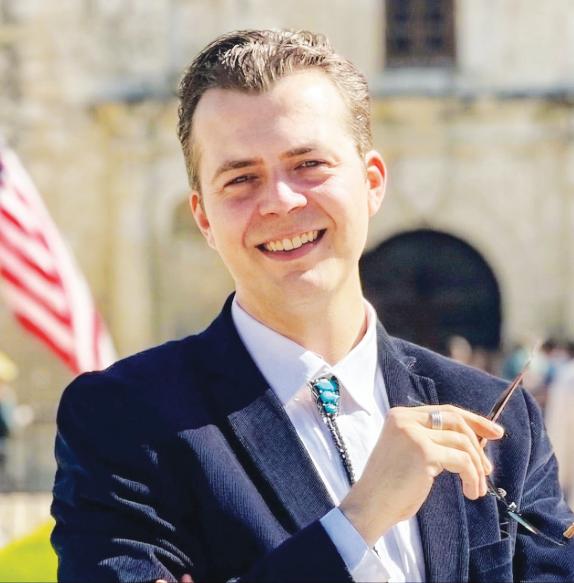
Dayna Jones partner at Jones & De La Garza
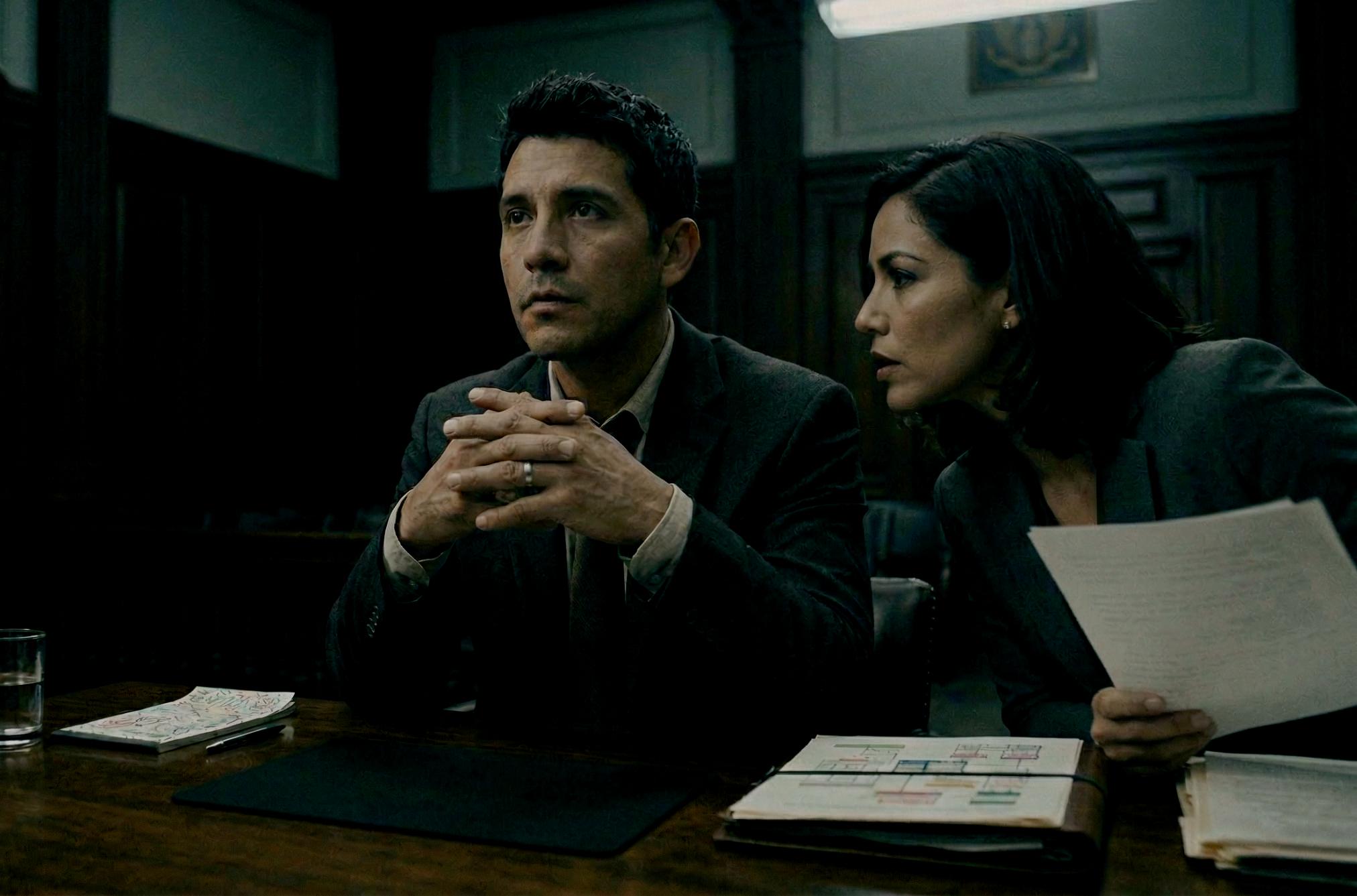
ikemostthingsinsociety,thecriminal justice system is designed for neurotypicalpeople.Criminallawoperates on a presumption that individuals perceive, process,andrespondtotheworldinroughly the same, typical way. When it comes to criminalliability,everythingflowsfromthe premisethateveryoneisfunctioningasaneurologicallytypical(“neurotypical”)individual would i.e., mens rea, actus reus, culpability, voluntariness,competency.
But for neurodivergent defendants that premiseisoftenfalse.Andifthepremisefails, so can the reliability of the outcome of a criminalcase.
Neurodivergenceisanumbrellatermusedto describeindividualswhosebrainsdevelopor functiondifferentlyfromwhatisconsidered “typical.” This includes conditions such as autism spectrum disorder (ASD), attentiondeficit/hyperactivitydisorder(ADHD),learningdisabilities,traumaticbraininjuries,and other neurological differences. Neurodivergentindividualstendtohaveadifferentinteractionwiththeworld,andthisincludessensoryprocessing,socialinteractions,andability toregulateemotions.
Inthecriminalcontext,neurodivergenceis particularlysignificantbecausetheseneurologicaldifferencescanaffectperception,impulsecontrol,communication,andtheability toformintent—coreconsiderationsinassessingculpabilityandreliabilitywithinthejusticesystem.
Asinmostthingswiththelaw,courtsmust adapttomodernsocietyandunderstanding. Whenscienceemerges,thecourtsalsomust changewiththetimes.Understandingneurodivergence is no different. For example, in 1970astudyfoundonly4in10,000children had autism. Current studies have estimated thatnumberas1in44childrenbeingonthe autismspectrum.AndtheCDCreportsanestimated 11.4% of U.S. children ages 3-17 yearsoldhavebeendiagnosedwithADHD.
Researchersalsoestimatethatadultsinprison are10timesmorelikelytohaveADHDthan the general population, and people with ADHDareatahigherriskofsubstanceuse disorders.Therealityisourprofessionislikely tointeractwiththeneurodivergentpopulationonaregularbasisandthelawshouldaccountfortheseneurologicaldifferences.
Atitscore,criminalliabilityrequiresbotha voluntaryactandaculpablementalstate.The DueProcessClauseprohibitsconvictionabsentproofofeveryelementbeyondareason-
abledoubt.Yetthesedoctrinesassumeadefendantcapableofformingintentinaway thatalignswithlegaldefinitions.Neurodivergencedisruptsthatassumption.
TheSupremeCourthasemphasizedthatculpabilitymustbeassessedinlightofthedefendant’s actual cognitive and psychological functioning,notanabstract“reasonableperson.”Inthecontextofintellectualdisability, theCourthasrecognizedthatdiminishedcapacitymayaffectmoralculpabilityandunderminesthereliabilityoftraditionalcriminaladjudicationprocedures. See Atkins v. Virginia, 536U.S.304(2002).
Yearsafter Atkins,theSupremeCourtin Hall v. Florida reiteratedtheseconcerns,explaining that"afurtherreasonfornotimposingthe deathpenaltyonapersonwhoisintellectually disabledistoprotecttheintegrityofthetrial process." Hall v. Florida,572U.S.701(2014).
TheCourtemphasizedthattheseindividuals "face'aspecialriskofwrongfulexecution'becausetheyaremorelikelytogivefalseconfessions,areoftenpoorwitnesses,andareless able to give meaningful assistance to their counsel." Id.
Both Atkins and Hall establishedthatintellectual disability undermines the reliability of traditionalcriminalproceedings. Atkins held thattheimpairmentsassociatedwithintellectual disability can undermine the reliability andfairnessincapitalproceedingsagainstintellectuallydisableddefendants.
WhilethesecasesariseintheEighthAmendmentcontext,theirreasoningcanapplymore broadly: where cognitive differences impair judgment,impulsecontrol,orunderstanding, thelawmustaccountforthosedifferences.
Mens rea isofteninferredfromconductalone. Butforneurodivergentdefendants,thatinferenceisoftenunreliable.Texaslawrequires thatadefendantact“intentionally,”“knowingly,”“recklessly,”or“withcriminalnegligence”asdefinedbystatute. See Tex.Penal Code§6.03.Butjudginganeurodivergent person’sconductthroughaneurotypicallens can often lead to misunderstandings, especiallywhentryingtodeterminetheneurodivergent individual’s mental state based on conductalone.
Neurodivergent conditions may impair the ability to appreciate risk (recklessness); the abilitytoforeseeconsequences(criminalnegligence);andtheabilitytoformconsciousobjectives (intent). For example, individuals withASDmayengageinrepetitiveorpersistentconduct—suchasrepeatedcommunication—thatisinterpretedasstalkingorharassment,despitelackinganyintenttothreatenor harm.AspartoftheASDdiagnosis,individualsonthespectrumdonotalwaysunderstand orfullyappreciatesocialnormsandoftenmisinterpretsocialqueues.Inturn,theymayengageinrepeatedbehaviorthatisperceivedas
inappropriatebytheneurotypicalcommunity butisviewedasappropriatebytheneurodivergentindividual.
Scholars have noted that ASD is associated with “significant socio-emotional impairments”thatmayaffectthecapacitytoform intentinthemannercontemplatedbycriminal statutes. Thus, as the criminal defense lawyer representing the neurodivergent client,understandingtheseissuesgoesbeyond mitigation;itcanbeafailureofproofissue. Effectively presenting your client’s deficits couldbethetotaldifferenceintheoutcomeof thecase.
Putsimply,theinformationaboutyourclient maynotjustbemitigation,itmaybeyourdefenseagainsteveryelementoftheoffense.
TheFifthandFourteenthAmendmentsrequirethatconfessionsbevoluntary.Whilecoercivepoliceconductistypicallythenorm, courtsalsoconsiderthedefendant’scharacteristics,includingmentalcondition,inassessing voluntariness.
Neurodivergent defendants present acute concernsinthisareaduetotheirsuggestibility and vulnerability. The Supreme Court has evenrecognizedthatcertainpopulationsare morevulnerabletocoercionandsuggestion.
See J.D.B. v. North Carolina,564U.S.261,272 (2011)(consideringagein Miranda custody analysisduetosusceptibilitytopressure).
Similarly,individualswithdevelopmentaldisabilitiesmayexhibitheightenedcompliance with authority; struggle to understand abstractrights(e.g., Miranda warnings);orprovide inaccurate or acquiescent responses to questioning.
Many neurodivergent individuals have difficultyprocessinglanguage,recallingdetails,orarticulatingeventsunderstress—factorsthatdirectlyaffectthereliabilityofcustodialstatements.
Itisimperativefordefensecounseltoexamine whether the client truly understood their rights;themanneranddurationofquestioning;andthepresence(orabsence)ofaccommodations.Astatementthatappearsvoluntary onitsfacemaybeanythingbut;especially whentheclientisneurodivergent.
Thebasicstandardforcompetencyiswhether thedefendanthas(1)arationalandfactualunderstanding of the proceedings and (2) the abilitytoconsultwithcounselwithareasonabledegreeofrationalunderstanding.
Neurodivergent defendants often present a unique challenge because they may appear competentinasuperficialsense—abletoan-
swerquestionsorreciteinformation—while lacking deeper comprehension. They may also agree with authority (including the lawyer)butwalkawayfromthelegalmeeting lackingarationalunderstandingofwhatjust tookplace.Courtshaverecognizedthatcompetencyisnotstaticandmustaccountforthe defendant’sactualfunctionalabilities.
In practice, this means defense attorneys shouldbeasking:
• Cantheclientmeaningfullyhelpinstrategy,notjustrepeatfacts?
• Do they understand consequences, or merelyecholanguage?
• Aresensoryorcognitivebarrierspreventingeffectiveparticipation?
Asapracticaltip,whenrepresentingneurodivergentclients,itisimportanttohavethem repeat back to you their understanding of whatisbeingdiscussed in their own words and notjusthavethemrepeatwhatyouhavepresentedthem.Also,courtroomenvironments— brightlights,noise,unpredictability—canexacerbate symptoms and impair functioning. Always meet with your neurodivergent clientstodiscussimportantdetailsoftheircase inacalm,quietenvironment.
TheSixthAmendmentguaranteestherightto
presentacompletedefense. See Crane v. Kentucky,476U.S.683(1986).Thisincludesthe abilitytopresentevidenceexplainingthedefendant’smentalstateandbehavior.Additionally,dueprocessmayrequiretheappointment ofexpertassistancewherementalconditionis asignificantfactor. See Ake v. Oklahoma,470 U.S.68(1985).
Forneurodivergentdefendants,experttestimonyisoftenessentialtoexplainhowneurologicalconditionsaffectperceptionandbehavior; challenge assumptions about intent; and contextualize conduct that may appear suspicious or deliberate to the neurotypical jury.Withoutthisevidence,prosecutorswill befreetoarguethatintentcanbeinferred fromtheconductandjurorsarelefttorelyon common-sense interpretations that may be fundamentally inaccurate for a neurodivergentdefendant.
Asdefenseattorneys,itisyourdutytobefamiliarwiththefactsandthelawofyourcase andtoadviseyourclienthowtoproceedaccordingly.Yourclient’smentalstatusmaybe relevantfactsofthecasethatyoumustbefamiliarwith.Toooften,especiallyinfamilyviolencesituations,Ihavehadtotryandundoa pleabargainwheretheparentscalledthepolice for help with the neurodivergent child whoishavingameltdown.Theparentsdo notintendtopressanychargesbecausethey knowtheirchild’saggressivebehaviorisnot intentional,yetlawenforcementarreststhe individual.Thedefenseattorneythenpleads theirclientbecausethestatehasevidencethe defendanthitthefamilymember.However,
themissingpieceinthecasemaybetheneurodivergent defendant’s mens rea and that needstobeexploredtoeffectivelyrepresent yourclient.
Individualswithdevelopmentaldisabilitiesare more likely to encounter law enforcement, andthoseencounterscarryheightenedrisk. Totheuntrainedofficer,behaviorsassociated withneurodivergence—suchasavoidingeye contact, delayed responses, or sensory-triggered reactions—are often misinterpreted as evasion,noncompliance,intoxication,oraggression.Thiscreatesaproblembecausethe same traits that define the neurodivergent conditionaretreatedbylawenforcementas evidenceofcriminalconduct.TakeforexamplesomeonewhoisstoppedforaDWI.The suspectdriveristalkativebutunabletoanswer manyquestions,unabletofollowinstructions, fidgety, and not making eye contact. An officermayperceivethesetraitsasevidenceof intoxicationbuttheymayjustbeevidenceof theperson’sneurodivergence.
Under certain circumstances, the Supreme Courthasrecognizedtheneedtoconsiderindividual characteristics in evaluating police interactions. See Graham v. Connor,490U.S. 386,396(1989)(inexcessiveforceencounters, reasonablenessmustbejudgedfromtheperspectiveofareasonableofficerunderthetotalityofthecircumstances,whichmayinclude characteristicsoftheindividual).Thisobjec-
tivestandardallowsforconsiderationofcertain individual characteristics of a suspect whentheygenerateapplicable,commonsense conclusionsaboutbehaviorthatareknownor objectivelyapparenttoofficers. J.D.B. v. North Carolina,564U.S.261(2011).
However,inothercontextstheCourthasnot accountedfortheindividual’smentalhealth concerns. For example, the Supreme Court has avoided deciding whether the Fourth Amendmentrequiresofficerstoaccommodate mentalillnessintheirreasonablenessanalysis butdecidedthattheofficersinthatcasewere afforded qualified immunity because there wasnoclearlyestablishedlawthattheymust accountforthesuspect’smentalillness. City and County of San Francisco, Calif. v. Sheehan, 575U.S.600(2015).Lowercourtscontinue tograpplewiththeseissuesconcerningmental illness and disabilities without any clear guidancefromtheSupremeCourt.
Asadefenseattorneyhandlingacaseinvolving a neurodivergent client, understanding thecharacteristicsoftheindividualwillbekey to determining whether the officer’s—and prosecutor’s—evaluationoftheclient’sbehaviorisevidenceofguiltorsimplyevidenceof yourclientbeinghisneurodivergentself.
Under Strickland v. Washington,466U.S.668 (1984)anditsprogeny,defensecounselhasa
duty to conduct a reasonable investigation into mitigating and exculpatory evidence. Thatdutynecessarilyincludesinvestigating neurodevelopmentalandpsychologicalconditionswhereindicated.Imakeitapracticeto askeverysingleclientiftheyhaveanydiagnosisbecauseoftenneurodivergenceisnota visibledisability.Eveniftheclientsaysno,but IsuspectthatthereissomethinggoingonafterIgettoknowtheclient,Imayreferthem foranevaluation.
Iftheclientdoesacknowledgeadiagnosis,it isimportantforyoutoobtainschoolrecords (IEPs,specialeducation);reviewingmedical and psychological history; consulting with familymembersandcaregivers;andretaining appropriateexperts.Failuretodosorisksnot only ineffective assistance—but wrongful conviction.
Asaneffectiveadvocateforyourclient,you may also need to educate the prosecutor, judge,andjuryonyourclient’sneurodivergenttraits.Attrial,itislikelyyouwillberepresentinganindividualthatinteractswiththe worldinamannerthateveryoneelseinthe courtroom—includingthejuryof“hispeers”—doesnotexperience.Itisthedefenseattorney’sjobtomakethemunderstand.
Whatarewepunishingifthedefendantcannotformtherequired mens rea?Thisquestion isfoundationalwhendealingwithneurodivergentdefendants.Forexample,ifsomeone withASDwalksuptoarandomgirlandhugs
andkissesher,isthatanunwantedtouching? Itcouldbeifthegirldidnotwantit,butdid that neurodivergent individual understand thatisinappropriatebehavior?Maybenot.So, acriminalconviction—orevendeferredadjudicationwithstandardconditions—wouldnot necessarilybeappropriate.Buttherapytohelp thatindividualunderstandsocialnormswithoutcriminalexposurewouldbestsuitthem.
Criminallawisnotdesignedtopunishdifferencesinpersonalities.Itisdesignedtopunish culpableconduct.Whenneurologicalcondi-
tionsunderminethereliabilityofintent,confession,competency,orbehavior,wemustaccount for those differences. As defense lawyers,wearetheadvocatesthroughwhich thathappens.
Neurodivergentdefendantsdonotfitneatly withintraditionallegalframeworks.Butthe constitutiondoesnotallowustoignorethat reality.Asdefenseattorneys,weneedindividualizejusticeinawaythatthecriminaljustice system is appropriately applied to all our clients.
MAC
HalliePeace
Monthly CLEs
ShawnSareen
Bylaw Committee
JessicaGonzalez
DA Relations Committee
AndrewFroelich
Awards Committee
AmandaHernandez
Membership Committee
ArleneGay
Social Committee /
Holiday Party
RolandoArguelles
Technology Committee
ForrestGood
Judicial Integrity Committee
AdamKobs




TheCentersforDiseaseControland Prevention (CDC) reports that betweenAugust2024andAugust2025, 69,172 deaths in the United States were causedbydrugoverdoses.1 Whilestaggering, thisfigureislikelyanundercountduetoincomplete reporting.2 In 2024, an estimated 31.7millionadultsaged18orolder,approximately 12.2% of the adult population, reportedthattheyhadexperiencedaproblem withalcoholordruguseatsomepointintheir lives.3 Notably, among those individuals, 74.3% (or 23.5 million people) identified themselves as being in recovery or having recovered.4
1www.cdc.gov/nchs/nvss/vsrr/drug-overdose-data.htm
2www.cdc.gov/nchs/nvss/vsrr/drug-overdose-data.htm
3www.samhsa.gov/newsroom/press-announcements/ 20250728/samhsa-releases-annual-national-survey-on-druguse-and-health
The Bexar County Camino Court is a SpecialtyCourtdesignedtoaddresstheneeds of individuals who enter the justice system duetosubstanceusedisorders.Thecourtis treatment-oriented and embraces a holistic approachtojustice,prioritizingrehabilitation andthereductionofrecidivism.Througha uniquelystructuredprobationprogram,participants collaborate with court staff and a multidisciplinary team of treatment professionalstoachievesobriety,repairfamilyrelationships,andovercometheeverydaychallenges that have negatively impacted their
4www.samhsa.gov/newsroom/press-announcements/ 20250728/samhsa-releases-annual-national-surveyon-drug-use-and-health
livesandrecovery.
Individuals interested in the program must havetheirattorneyssubmitareferraltothe CaminoCourt.Oncereferred,candidatesundergoaclinicalevaluationtodetermineeligibility.TheprogramservesBexarCountyresidents who are 18 years of age or older, charged with a non-violent misdemeanor offense,assessedashighriskandhighneed, anddiagnosedwithamoderateorseveresubstanceusedisorder.Uponeligibilitydetermination,theparticipant’scaseistransferredto CountyCourtatLaw#11,thehomecourtof the Camino Court. At that point, defense counselmayengagewithprosecutorstodiscussprogramentryandrequestapleaoffer.In additiontothepersonalbenefitsofparticipation,individualsoftenreceivesubstantiallegal benefits.Becausestateattorneysareintegral membersoftheCaminoCourt’smultidisciplinaryteamandarefamiliarwiththeprogram’sgoalsandrigorousrequirements,they areoftenabletoextendpleaoffersthatare legallyadvantageoustoparticipants.
Onceformallyadmittedthroughapleaagreement,participantsgainaccesstothefullsupportoftheCaminoCourt’smultidisciplinary team.Eachparticipantisassignedacasemanagerwhooverseesprogressandassistswithessential needs such as housing, obtaining a driver’slicense,andaccessingcommunityresources.Participantsarealsoassignedaprobationofficer;notably,theCaminoCourthas twoprobationofficersdedicatedexclusively to its participants. These officers maintain smallercaseloads,receivespecializedtraining,
and provide individualized supervision, allowing for closer monitoring and more effectivecommunication.
In addition, participants receive recovery counseling services through the program’s partners, including the Center for Health CareServicesandLifetimeRecovery,oftenat littleornocost.Participantsappearbeforethe courtbi-weekly,wheretheyhavetheopportunitytospeakdirectlywiththejudge.This directjudicialengagementisadefiningfeatureofSpecialtyCourts,allowingthejudgeto becomepersonallyfamiliarwitheachparticipant’scircumstances,progress,andrecovery journey.
Critics of Specialty Court programs sometimes characterize this approach as “soft on crime”or“softjustice.”Proponents,including myself, view it instead as “smart justice.” Ratherthanperpetuatingacycleofsubstance useandrepeatedinvolvementwiththecriminaljusticesystem,theCaminoCourtseeksto addresstheunderlyingcausesofcriminalbehavior.Ourmissionextendsbeyondreducing recidivism.Thecourtaimstowalkalongside participantsthroughouttheirrecoveryjourney,equipthemwithcomprehensivetoolsfor long-termsuccess,andoffermeaningfullegal incentives for successful completion of the program.
A recent Camino Court graduate gave the followingtestimonial:
“Today I’m standing here in front of you after 14 months of sobriety.
I am a mother to 2 proud children and a daughter to a proud father, and in the healthiest relationship of my life — with my spouse, but most importantly with myself. I came into treatment for multiple DUIs. Multiple times I’ve walked through that magistrate door. I felt lost & depressed. I remedied that with alcohol. I didn’t drink to drink, I drank to get drunk, to numb my pain. I always thought no one cared, that the only options were probation or jail, till I got in this program. I realize now that there are people who do. Of course you have to want it. This program has provided me so much support I never knew was out there. It gave me the tools I needed to understand triggers, to identify & control those urges that took me to that dark place. Not only did I get treatment, I got some wonderful encouragement, warm hugs & smiles. The work this team does together is beyond — I
will always be beyond grateful for their support. The treatment this court provides saved my life. Because they cared enough, I stand here the most proud, confident person I’ve been in a long time. From the bottom of my heart, thank you to Julie, Ashby, Cynthia, & Judge Pena.”
Whilethelong-termbenefitsoftheprogram andtherippleeffectsofanindividual’srecoverycanbedifficulttoquantify,testimonies likethisserveasapowerfulreminderofthe value of the Camino Court Program and other specialty courts within the Bexar Countycriminaljusticesystem.
The San Antonio Defender isalwayslookingforcontentthatservestoinspire, educate,andexciteourmembership.Ifyouwouldliketocontribute,please contactamemberofthe Defender staff.




ylawpracticestartedin1976.This year I will receive my 50-year recognition from SBOT. Those fivedecadeshavebeenfilledwithlotsofups anddowns.
From being a 7th round draft pick by the Baltimore Orioles, to becoming a college graduate,aschoolteacher,andreceivingmy JDfromSt.Mary’sLawSchool,whatcould possibly go wrong? From marrying my college sweetheart, to three children being educated in catholic schools, an Oak Hills CountryClubMembership,aPorscheinthe driveway,Spursseasonticketsandacondoin PortAransas,whatcouldpossiblygowrong?
Asoulsicknessinside,coupledwithanintrovertedpersonalitythatstruggleswithboutsof lonelinesstothisday,alongwiththestressof practicingFamily&Criminallaw,couldonly be fixed, so I thought, with a mixture of alcohol,drugs,sex,andgambling.Thatwasa lieItoldmyselfrepeatedlyduringthedecade ofthe80’s.Myselfishnessandself-centeredness,coupledwithanegothatkeptmeindenialofmyaddictionissues,nearlycostmemy life.
JudgeTomRickoffstronglysuggestedthatI gototreatmentin1984whenhesentenced meto10yearsdeferredadjudicationforcocaine possession with a community service project of building a baseball field at Old
BlancoPark.Myfriendandattorney,Gerry Goldstein,helpednegotiatethatplea.Iended updisappointingtheJudgeandmylawyerby continuingtouseforanothersixyears.
Mylonelinessandisolationledmetoavery dark place in 1990. A rope hanging down fromanindoorbasketballcourtinmytownhome.Iwasdivorced,kidsnottalkingtome, bankrupt, surrendering my law license, drowningthePorsche,andtakingshowersby using my neighbor’s garden hose. This is whereaddictiontookme.
Anoldpartyfriendofmine,whosoberedup inAugustof1989,cametomyrescueonSeptember9,1990,andtookmetoClub12foran AA-NAmeeting.Hesavedmylife.Iended upgoingto90meetingsin90daysandIwas filledwithhopethatifIstartedtobehonestin allphasesofmylife,didn’tdrinkoruse,and keptgoingbacktothosemeetings,thatthings mightjustworkout.Smallmiraclesstartedto happen.Mysistergavemeaplacetolive.The children,Shane,Mike,andErin,startedtolet mebetheirfatheragain.MyformerwifeforgavemeandtheSBOTprobated8monthsof myone-yearsuspensionandreturnedmylaw licenseinJulyof2021.Iamverygratefulthat myparentswerestillalivewhenmyrecovery started,andtheywereabletowitness20years ofsobrietybeforetheypassed.
Iamoneoftheluckyoneswhogotasecond chance.35yearsofsobrietyisatruegift.I lookbackandthankGodeverydayformy family,whichnowincludeseightgrandchildren.ThetruthisthatIcameveryclosetonot
beingheretowitnessallthemiraclesthathave happenedinmylifesincethatdaybackin Septemberof1990whenIraisedmyhandand said:MynameisTom.Iamanalcoholicand adrugaddict.
Iwasabletowalkmydaughterdowntheaisle withhermotherin2004.Afewmonthslater Iwashonoredandprivilegedtoadminister theoathandswearmysonintothelegalprofession in Judge Phillip Kazen’s courtroom, wheremysonhadrecentlycompletedaninternshipprogram.Heisnowmylawpartner.
Tenyearslater(2014)Iwaselectedbymy peerstobethePresidentoftheSanAntonio BarAssociation.In2018,Iwaselectedtobea DirectorwiththeStateBarofTexas.Thereis lotstobegratefulfor.Ifellinlovewithbaseballforasecondtimein1994andforthepast 30yearshavebeenplayingonlocalandnationalteamsenjoyingmyfirstloveinlife.Iam still going to my meetings and sponsoring youngattorneyswhohavegonedownthat darkpathofaddictionandmentalillness.
Wearestatisticallyahigh-riskprofession.20 percent of our colleagues suffer from substance abuse and mental health issues. The TexasLawyersAssistanceProgramishereto helpusfindsolutionsandoffermonetaryassistance for inpatient and outpatient treatment.Mywishisthatmyfellowattorneys don’tridetheelevatorofaddictiondownto sub-leveltwolikeme.
In closing, there are still a lot of stigmas aroundaddictioninthiscountry.TheAmeri-
canMedicalAssociationcameoutin1955and recognizedAddictionasaChronic,Progressive,andOftenTimesFatalDisease.Thereis no known cure except for complete abstinencewhichmostofusfoundoutthehard way,wecouldnotdobyourselves.Thereare severalattorneys,Judges,andLawProfessors inourlegalcommunitythathavefoundthe rooms of recovery. The Texas Lawyers Assistance Program is there to help. Very
confidential.It’snotthegrievancecommittee. TheirannualLawyersConcernedforLawyers Conventioniscomingupthefirstweekendin JuneinAustin.Scholarshipsareavailable.
Pleasecallmeifyouhaveanyquestions.
TomKeyser
O.210-225-3077
C.210-422-4343
tgk@keyserlawfirm.com
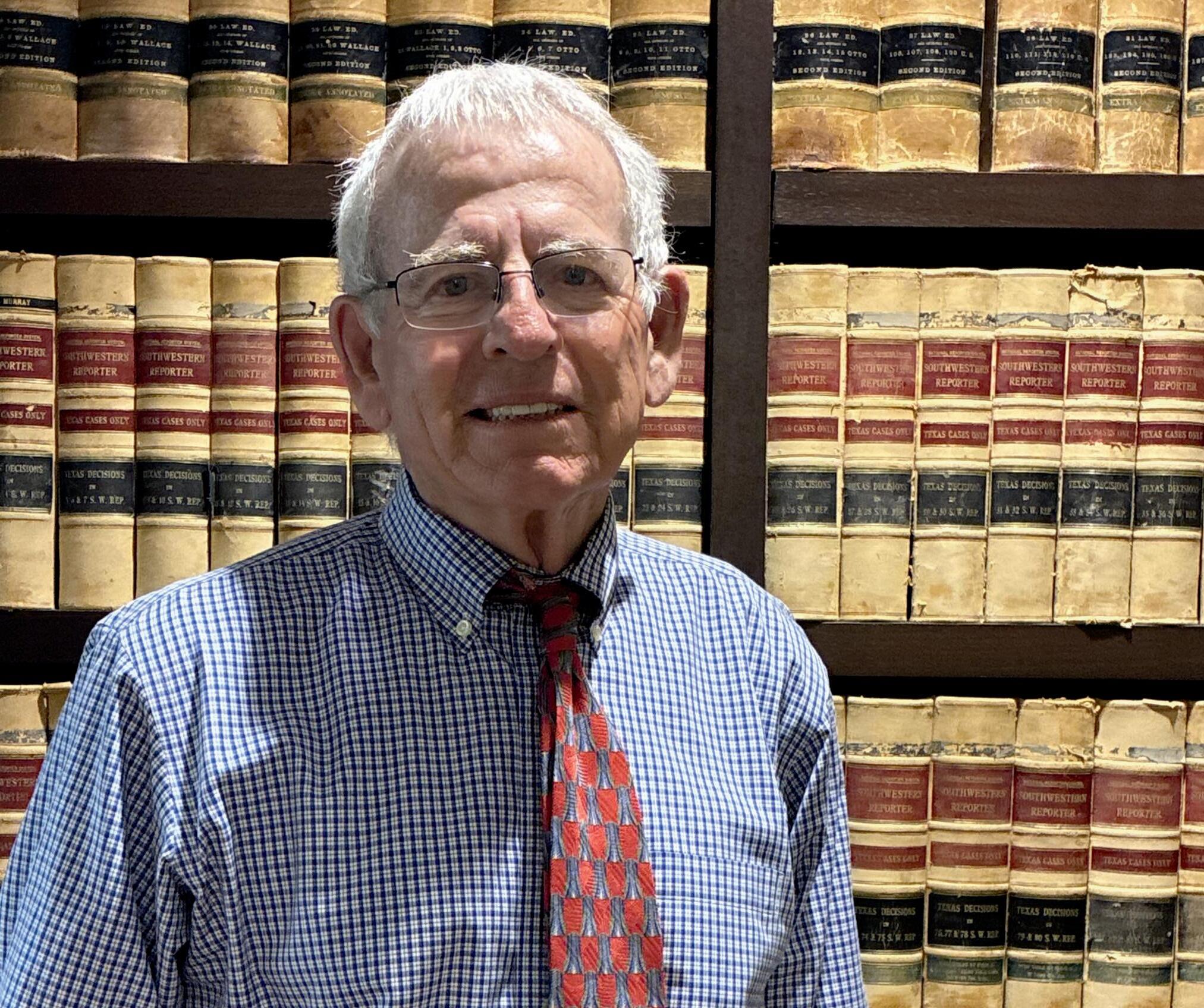
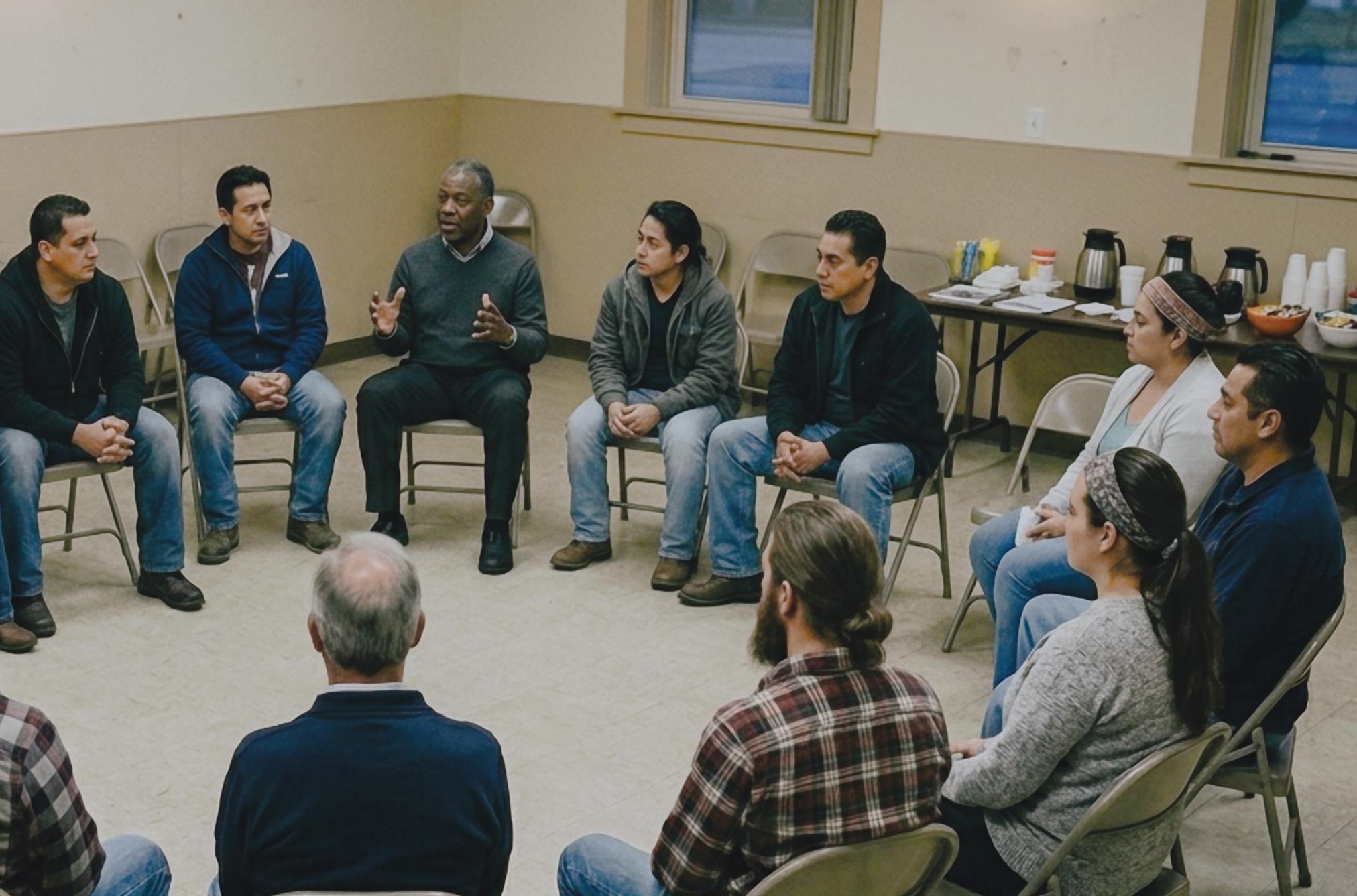
My name is Matthew and I am a ____________ (alcoholic, drug addict, gambling addict, depressed, anxious, and whatever other addiction or mentalhealthissueyouwanttofillin).But thetruthis,itdoesn’tquitematterwhatIlabeledmyself.Whatailedmewasasymptom ofsomethingmuchbiggeranddeeperthana drink,apill,ortheinabilitytogetoutofbed. Forme,Iwasbrokenfromtheinside.
My core beliefs and feelings were not just challenged;theywerenon-existent.Ididn’t knowwhoIwasbeneaththemanyrolesor actsthatIplayedortheexpectationsItriedto meet,andovertime,Ilostanyrealsenseof myself.
Thisarticleismeanttohelpyou,ortohelp youunderstandyourlovedone,yourspouse, yoursibling,oryourclient.Thisarticleisalso meantforme.Itisapartofmyrecovery.Itis akindofunmaskingfromwhateverothers thought I was and the multiple personas I playedthroughouttheyears.Inwritingthis,I amfinallybeginningtotellthetruth,firstto myselfandthentoyou.
Ifyouarehopingthateverythingturnsout okay,thateveryonelovesme,andthateveryoneliveshappilyeverafter,itdoesn’t.Don’t getmewrong,Iaminamuchbetterplace mentally, physically, and spiritually than I
havebeeninalongtime,maybeever.Like since my biggest concern was homework, videogames,andhockeytournaments.
Butthetruthis,Ihurtsomanypeopleinthe processofmydemise.Iwasaliar.Imanipulatedpeople.IdidwhateverIneededtodoto survivethatday,andindoingso,Ihurtpeople whogenuinelycaredaboutme.Ifyouwere closetomeandcaredaboutme,Ihurtyouin someway.Itwasn’talwaysintentional,butit wasalwaysmyresponsibility.Itakethatresponsibilitywithaheavyheart.Ihavenotforgivenmyselfforeverything,butIworkeach daytonotmakethosesamedecisions.
Sohere’sthespoiler:somepeoplehaveforgivenme.Somepeoplehavenotforgivenme, and rightfully so. I got divorced. My kids movedtwohoursaway.Ilostlifelongfriendships.Forabouttwoyears,maybelonger,the easiestwaytodescribemewasadepressed, selfishmonsterlivingdaybydayandsometimeshourbyhour,usingandmanipulating anyonewhohadtheterribleluckofbeing closetome.YoumightsaythatwhenIdo something,IdoitwitheverythingIhaveand Iexcelatit.Itriedtoalwaysoverachieve,from being a lawyer to being an alcoholic and addict.
Ididn’twanttobethatperson.Ididn’tgrow upwantingtocausethatkindofdamageorto become someone I couldn’t recognize. But my circumstances and choices led me to a placewheresurvivalmatteredmorethanhonesty, connection, or compassion. I wasn’t proudofwhoIwasbecoming,butIdidn’t
knowanotherwaytostayalive.
Ilivedanddidthingstoallowmetogettothe nexthourbutneverwantingthenextdayto come.Inmyheart,Iknewthiscouldn’tlast andwasnotalong-termsolution.ButIwasn’t alwaysinterestedinalong-termsolution.I wasn’talwaysinterestedintomorrow.Toput inlegalterms,Iwasn’tintentionallyorknowinglykillingmyselfbutIsureashellwasrecklesswithmylife,myrelationships,andthe peoplewholovedme.
Ontheoutside,Ihaditall,atleastbysocial mediastandards.Ihadalovingwife,twofantasticchildren,greatfamily,greatfriends,a bighouse,twonicecars,money,andallthe picturestoproveIwashappy.
Thereisasayingthatmoneycan’tbuyhappiness…andIwasalivingexample.Ihadthe money,house,cars,etc.,andnoneofitfixed whatwasbroken.Thelifelookedimpressive. Livingitfelthollow,exhausting,andimpossibletosustain.
To download and read the full text of Matthew Allen’s personal journey in relationship to our profession, scan here:


Director
Recovery is one of the most widely discussed and frequently misunderstood concepts in behavioral health. Withinlegalsettings,particularlyamongprofessionalsworkingwithmentalhealthdockets,diversionprograms,andsubstance-related cases,recoveryisoftenviewedthroughanarrowlens:compliance,abstinence,andmeasurableprogress.
Whilethoseelementsareimportant,theydo not fully capture what recovery truly is or whatitrequires.
Tounderstandrecovery,wemustfirstunderstandtheindividual.
Notwopeoplearethesame.Eachpersoncarriesauniquecombinationoflifeexperiences, childhood exposure, trauma, environmental influences,andpersonaldecision-makingthat shapeswhotheyare.Thesefactorsinfluence notonlythedevelopmentofsubstanceuse, butalsothepathwaytorecovery.
Becauseofthis,recoveryisnotandwillnever bethesameforanytwoindividuals.
Oneofthemostcommonmisconceptionsis thatrecoveryfollowsapredictable,upward trajectory.Inreality,recoveryisoftennonlinear. Progress may be followed by setbacks, momentsofclaritybyperiodsofstruggle.
Thisisnotafailureoftheindividualitisareflection of the complexity of the disease processandthehumanexperience.
Forattorneysandprofessionalsworkingwith clientsinrecovery,thisdistinctioniscritical. Asetbackdoesnoteraseprogress.Instead,it oftensignalstheneedforadjustmentsintreatment,environment,orsupportsystems.
Whenrecoveryisviewedasaprocessrather thananevent,expectationsbecomemorerealistic—andoutcomesimprove.
Relapsecarriessignificantstigma,particularly inlegalandprofessionalenvironmentswhere accountabilityisemphasized.Itisofteninterpretedasalackofeffort,motivation,orcompliance.
Relapsescanoftenbemisunderstood,Clinically,however,relapseisbetterunderstoodas partoftherecoveryprocessforanobstacle, notanendpoint.
Relapse provides important information. It mayindicate:
• Unaddressedmentalhealthconditions
• Environmentaltriggers
• Gapsincopingstrategies
• Insufficientstructureorsupport
Whenapproachedappropriately,relapsebecomes an opportunity to reassess and strengthentherecoveryplan.
Acommonbeliefisthatindividualscanovercomesubstanceusethroughsheerdetermination.This“white-knuckling”approachoverlooks the neurological and psychological componentsofaddiction.
Substanceusedisordersimpactbrainfunction, particularly in areas responsible for reward, stressregulation,andimpulsecontrol.Expecting individuals to override these changes throughwillpoweraloneisnotonlyunrealistic—itcanbecounterproductive.
Sustainablerecoveryrequires:
• Structuredtherapeuticsupport
• Developmentofcopingskills
• Behavioralandcognitiveinterventions
• Ongoingaccountability
Without these elements, individuals are far more likely to return to previous patterns, regardlessofintent.
Environment is one of the most influential factors in recovery outcomes. Individuals returningtounstableortriggeringenvironments—whethersocial,familial,orsituational—facesignificantlyincreasedrisk.
Thisiswhystructuredlevelsofcare,supportivelivingenvironments,andconsistentengagement are essential components of treatment.
Accountability,inthiscontext,isnotpunitive, itisprotective.
This provides: Structure and consistency, reinforcement of expectations, a framework forrebuildingtrust.
AtRippleRanchRecoveryCenter,weemphasize accountability as a supportive tool ratherthanadisciplinarymeasure.Whenindividualsareheldtoclear,consistentexpectationswithinatherapeuticenvironment,they arebetterpositionedtosucceed.
Forlegalprofessionals,aligningaccountability with support, not punishment, can significantlyimpactlong-termoutcomes.
Substanceuserarelyoccursinisolation.Itis frequentlyintertwinedwithunderlyingmentalhealthconditionssuchasanxiety,depression, trauma-related disorders, or mood instability.
Treating substance use without addressing mental health is incomplete, and often ineffective.
Effectiverecoveryrequires,ongoingtherapy, psychiatricevaluationandmedicationmanagementwhenappropriate,developmentand consistentapplicationofcopingstrategiesand processingofpastexperiencesandtrauma.
Mentalhealthcareisnotaone-timeintervention.Itisanongoingprocessthatevolvesas theindividualprogressesinrecovery.
Recovery is not somethingthat is achieved andcompleted.Itissomethingthatmustbe maintained.
Acommonwaytodescribethis,isthatrecoveryis“rented,notowned.”Thepriceispaid dailythroughconsistency,self-awareness,and continuedengagementintheprocess.
Thisdoesnotimplylimitation,itreflectssustainability.
Individualswhoembracerecoveryasanongoingcommitmentoftenexperiencegreater stability,improvedrelationships,andahigher qualityoflifethanbeforetreatment.However,thatstabilityisbuiltthroughcontinued effortandsupport.
Atitscore,effectiverecoveryrequiresaholisticapproach.Itisnotenoughtoaddresssubstanceusealone.
Wemusttreattheentireperson:
• Physicalhealth
• Mentalhealth
• Environmentalstability
• Relationships
• Purposeandidentity
AtRippleRanchRecoveryCenter,thisintegratedapproachiscentraltocare.Byaddressingallaspectsofanindividual’slife,wecreate afoundationthatsupportslong-termrecovery,notjustshort-termstabilization.
Clientsnavigatingmentalhealthdocketsor substance-relatedcasesarenotsimplymanaging legal obligations, they are working through complex behavioral health challenges.
Whenrecoveryisviewedthrougharealistic andinformedlens,effectivecaseplanningcan bedone,strongeralignmentofexpectations, improved compliance and engagement and strongerlong-termoutcomes.
Recoverydoesnotlookthesameforeveryone,becausenotwoindividualsarethesame.
Itisshapedbypersonalhistory,environment, mental health, and individual choice. It requires consistency, accountability, and support.
When we understand what recovery truly lookslike,wecreatespacenotjustforcompliance,butformeaningful,lastingchange.
The San Antonio Defender isalwayslookingforcontentthatservesto inspire,educate,andexciteourmembership.
Ifyouwouldliketocontribute,pleasecontact amemberofthe Defender staff.


Eaton v. State, 04-24-00758-CR, _ S.W.3d _ (Tex. App.—San Antonio Dec. 23, 2025)
Admission of an In-Custody Video and Testimonial Hearsay Constitutes Harmful Error, Requiring Reversal and Remand
JordanAlexanderEatonwasfoundguiltyof murderandaggravatedassaultwithadeadly weaponfollowingashootingthatoccurredin hisapartmentcomplex’scourtyard.Evidence presentedduringthetrialshowedthatEaton
got into an argument with Brittany and ValentinGonzalesoverEaton’sdogs.ThisescalatedtoEatonshootinginBrittany’sdirectionandValentinpunchingEatonfrombehind. According to a videoand audio recordingof the event, Eaton fired several shots,oneofwhichfatallywoundedValentin. Duringthetrial,Eatonclaimedthathewas actinginself-defense.Eatonwasultimately found guilty by the jury and sentenced to twenty years in prison for murder and ten years of community supervision for aggravatedassault.Eatonraisedseveralissuesonappeal,includingviolationsoftheConfrontation Clause, jury instruction error, and evidentiaryrulings.
ChiefJusticeRebecaC.Martinez,writingthe opinionforthecourt,addressedeachissueand ultimatelyheldthattherewasreversibleerror thatoccurredintheadmissionofcertainevidenceduringthetrial.Specifically,theCourt heldthattheadmissionofavideoofEatonin custodyandtestimonialhearsayfromawitnessviolatedevidentiaryrulesandconstitutionalprotectionsthatcontributedtoEaton’s conviction. The Court reversed and remandedEaton’scaseforanewtrialforthe followingreasons:
The State introduced a six-second video showingEatoninhandcuffswearingawhite jailjumpsuitwhiletellingnewsreportershe actedin“self-defense.”TheCourtreasoned thatadmittingthevideoviolated Lucas,which prohibitssuchevidencewithoutsufficientjustification. Lucas v. State,791S.W.2d35,55 (Tex.Crim.App.1989).Unlikecaseswhere suchevidenceisaccompaniedbyavoluntary confession,thevideoheredidnotserveany similarpurposeandwasusedbytheStateto portrayEatoninanegativeway.Becausethe Stateemphasizedthevideoduringtheirclosingargumentandthejuryrequesteditduring theirdeliberations,theCourtcouldnotconcludebeyondareasonabledoubtthattheerror didnotcontributetoEaton’sconviction.
DuringEaton’strial,adetectivetestifiedabout apriorincidentinvolvingEatonandanother neighbor,whodidnottestifyatEaton’strial. The detective relayed the neighbor’s statementthatEatonhadpreviouslypulledagun onhimtwodaysbeforetheshooting.The Courtheldthatthisstatementwastestimonial hearsayadmittedforthetruthofthematterasserted without the declarant witness being available for cross-examination. Crawford v. Washington,541U.S.36,59(2004).Applying the Davis factors to its harm analysis, the CourtdeterminedtheerrorwasharmfulbecausethetestimonysuggestedEatonwasthe firstaggressorandsupportedtheState’stheory ofthecase. Davis v. State,203 S.W.3d 845,850 (Tex.Crim.App.2006).
Havingfoundharmfulerrorintheadmission ofthecustodyvideoandtestimonialhearsay, thecourtreversedEaton’sconvictionsandremandedthecaseforanewtrial.
Reyna v. State, 04-25-00217-CR, _ S.W.3d _ (Tex. App.—San Antonio Oct. 22, 2025)
Trial Court Erred by Including Improper Fine in Court Costs
Roy Rodriguez Reyna appealed the trial court’sjudgmentthatrevokedhiscommunity supervision.Reynahadplednocontesttopossessionofacontrolledsubstanceandwassentencedtotenyearsconfinementanda$2,000 fine,withtheconfinementand$1,000ofthe
finebeingsuspendedwhilehewasplacedon communitysupervision.Reynathenviolated aconditionofhissupervision,andthetrial courtrevokedhiscommunitysupervisionand imposedathree-yearsentence.Athisrevocationhearing,althoughnofinewasorallypronounced, the written judgment included $2,325incourtcosts,whichincludedthefull $2,000 fine from the original plea hearing. Reynachallengedtheinclusionofthefineon appeal.
JusticeIreneRios,writingforthecourt,explainedthatwhenthereisaconflictbetween anoralpronouncementandawrittenjudgment,theoralpronouncementcontrols. Taylor v. State,131 S.W.3d 497,500(Tex.Crim. App.2004).However,whenadefendantis placedonregularcommunitysupervision,a non-probatedfinefromtheoriginalpleahearingremainsvalidandcanbeincludedinthe judgmentevenifitisnotre-pronouncedat the revocation hearing. Coffey v. State, 979 S.W.2d326,329(Tex.Crim.App.1998); McCoy v. State,81 S.W.3d 917,919(Tex.App.Dallas2002, pet. ref d);seealso Lyonsscott v. State, No. 02-24-00290-CR, 2025 WL 1085198,at*2(Tex.App.-FortWorthApr. 10,2025, pet. ref d).
Applying these principles, the Court concludedthatthe$1,000non-probatedportion ofReyna’soriginalfinewasproperlyincluded in the judgment. However, the trial court erredbyincludingthefull$2,000finewithin theassessmentofcourtcosts,whichresultedin
animpropertotaloffines.Becauseonly$325 constitutedpropercourtcosts,thejudgment requiredmodification.
TheCourtmodifiedthejudgmenttoremove theimproperlyincluded$2,000finefromthe courtcosts,reflectcourtcostsof$325,andincludethevalid$1,000non-probatedfine.The judgmentwasaffirmedandmodified.
Clay A. Roberts v. State, 04-24-00485-CR S.W. 3d , (Tex. App. – San Antonio Feb. 4, 2026)
Texas’s anti-smuggling statute survives First Amendment and Preemption challenges by its application to non-expressive conduct and by not requiring a citizenship status determination of those being smuggled.
The appellant was arrested in Val Verde Countyandwasconvictedontwocountsof smugglingofpersonsundertheTexasPenal Codesection20.05(a)(1)(A).Robertswasinitiallypursuedfordrivingwithadefectivetaillight, but upon stopping, three passengers emergedfromthecarandstoodidlybywhile anotherpassengerfledthescene.BorderPatrolagentswhoarrivedaftertheinitialstop, determinedtheunlawfulimmigrationstatus ofthethreepassengerswhoremained.
Roberts appealed his conviction on three grounds.First,thattheanti-smugglingstatute faciallyviolatestheFirstAmendmenttothe U.S. Constitution by attempting to distin-
guish between favored and disfavored thoughtasitrelatestoadefendant’sintent whentransportingapassenger.Second,that thestatestatuteisfieldpreemptedbythefederalgovernment’scomprehensiveregulation of “the smuggling of noncitizens.” Finally, andsimilartohissecondground,Robertsarguesthatthestatuteisconflictpreemptedby itsinterferencewiththefederalcomprehensiveimmigrationscheme,asappliedinthis case.TheCourtultimatelyaffirmedRoberts's convictionafterreviewingeachchallenge de novo andinturn.
RegardingRoberts’sFirstAmendmentchallenge,theCourtfoundthattheanti-smugglingstatute’sscopesoughttoregulatetheactionoftransportinganindividual.Whenthis actionisdonewiththespecificintentto“concealanindividualfromapeaceofficer”thenit becomesacrimeunderthestatute.Whilethe FirstAmendmentprotectsthefreedomofexpression,theCourtnotesthatthisprotection extendsonlytoinherentlyexpressiveconduct. The conduct regulated here, transporting withtheintenttoconcealwhereconcealment isunlawful,wasfoundtobenon-expressive bytheCourtandwasconsidered“plainlylegitimate”initsscope.Robertsargued,however,thattheapplicationofthestatutecould reachtowardsapersonwhohasa“conscious objective” to conceal an individual before theyareabletomanifesttheirintentthrough action.TheCourtdisagreedwiththisargument,statingthattheintenttoconcealoccurs intangentwiththeactoftransportation.Further,Robertswasunabletoprovideanyex-
ampleofprosecutionwhereadefendantwas triedunderthestatutewithouthavingtaken someactioninaccordancewiththeirintentto conceal.Theemphasisonanalyzingtherealitiesofthestatute’sapplicationsismadeclear notonlybytheCourt’srejectionof“fanciful hypotheticals,”asquotedfromapriordecision,butalsobytheirtheorythattheState wouldlikelybeunwillingtoprosecuteacase wheretheintenttoconcealcouldbeshown through“mentalimpressiononly.”Afterthis consideration,theCourtfoundthatanypotential unconstitutional application of the anti-smuggling statute was not substantial enoughwhencomparedtotheconstitutional applications and overruled Roberts's first claim.
ThesecondandthirdclaimofRoberts’sappeal regarding preemption centered around purported similarities between the federal anti-smugglingstatute,8U.S.C.section1324, andthestatestatuteatissuehere.Notably, Robertsdidnotcontendthatthestatelawis generallyunconstitutional,butratherthatitis “implicitlypreempted”whenitisappliedto thesmugglingofnoncitizens.Thisnarrowing ofthechallengeisessentialtothefirststepin a field preemption analysis: identifying the specificfieldthatwouldbepreempted.After thisidentification,theCourtmustthenconsiderifthatfieldisundertheexclusivegovernanceofCongress.TheCourtmadenoteof several instances where human smuggling statestatuteswerefaciallypreemptedandacknowledgedthatwhereanindividual’scitizenshipstatusisafactorthereisastronglike-
lihoodforasuccessfulchallenge.However,it isthatfundamentalfactorwhichleadstothe failure of Roberts's preemption challenge here.Lookingbacktowardsthelanguageof Texas’ anti-smuggling statute, the Court foundnorequirementthatsomeone’scitizenshipstatusbedeterminedbeforebeingconvicted.ThelawmerelyrequiredtheStateto proveanindividual’sintentandactiontoconcealanotherfromlawenforcement–abroad scope that is not explicitly aimed towards smugglingnoncitizens.Thisdistinctionwas provenduringRoberts'strialwheretheprosecution“didnotturnonimmigrationstatus,” butratherhis“intenttoconceal.”Whilethe field of immigration enforcement is usually ripeforsuccessfulpreemptionchallenges,the firststepintheanalysisisnotmetheregiven thatthefieldofconcealingpersonsfromlaw enforcementisnotoneofexclusiveCongressionaljurisdiction.Roberts'sconflictpreemptionchallengewassimilarlydismissedbecause theCourtpointedonceagaintotheinitial trialwheretheyfoundnointerferencewith anyfederalinvestigationorobjective.Infact, itwasnotedthatnoevidenceexistssuggestingfederalprosecutorseversoughttobring federal charges against Roberts. Given that Texas’sstatutewasdeterminedtobeapplicabletothebroadfieldofconcealinganindividualfromlawenforcementandthatnofederal prerogative was interfered with, the Court dismissedRoberts’sfinaltwoclaimsrelatingto preemption.
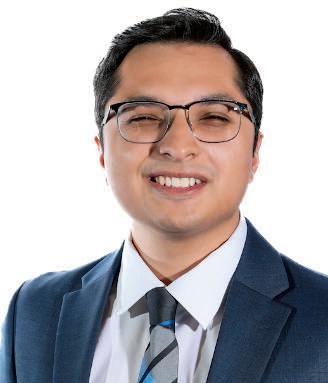
Jose “Andy” Escobedo is a second-year law student at the St. Mary’s University School of Law and a student attorney in the St. Mary’s Criminal Justice Clinic. He graduated from the University of Texas at San Antonio in 2022 with a Bachelor’s of Political Science, and has worked as the Constituency Coordinator for a Texas State Representative for the past 4 years. Andy has also interned with the Bexar County District Attorney’s Office during his first summer of law school and plans to intern with the Kendall County District Attorney’s Office during his second summer so that he can continue to use his student bar card to gain hands-on experience. He is a class senator and committee director with the St. Mary’s Student Bar Association, a member of the National Negotiations and Dispute Resolutions team, a member of the American Constitutional Society, and a member of the Criminal Law Association. Andy looks forward to practicing criminal law in the San Antonio area after graduating in the Spring of 2027.
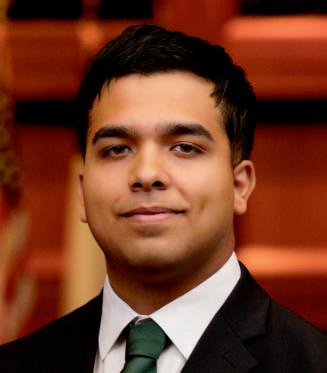
Elijah Leal is a second-year law student at St. Mary’s University School of Law and a student attorney in the St. Mary’s Criminal Justice Clinic. He earned his undergraduate degree in Political Science from Ohio University. This past summer, Elijah interned for the Regional Public Defenders for Capital Cases in San Antonio. He is a member of the National Trial Team, the Board of Advocates, and a staff writer for The Scholar: St. Mary’s Law Review on Race & Social Justice. Elijah plans to pursue a career in criminal law upon graduating in May 2027.
The San Antonio Defender isalwayslookingforcontentthatservesto inspire,educate,andexciteourmembership.
Ifyouwouldliketocontribute,pleasecontact amemberofthe Defender staff.
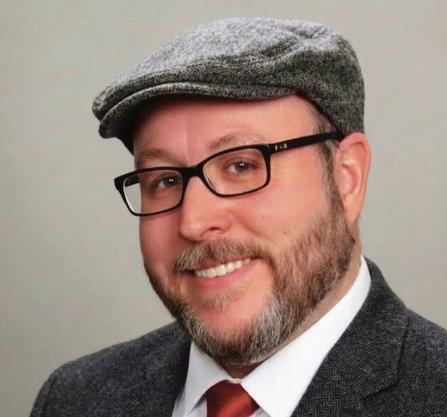
Forthepastdecade,JayRumisekhasproduced The Defender’svisualstyle.AnalumnusofTrinity University,JaytookacareerpivottowardgraphicdesignafterearninghisJ.D.fromtheUniversityofColoradoin2004.Yethehasneverlosthisdeepadmirationforthegreatworkdefense attorneyslikeyoudoeveryday.Nowlivingoutofstate,JayenjoysremaininglinkedtohisSan AntoniorootsbyensuringthatthemessagesofSACDLAmembersaredeliveredwithclarityand impactineveryissue.Needhelpwithadesignoramarketingcampaigntogetthewordout? ContactJayatJayRumisek@gmail.com.


1
2
Not Guilty in the Great Bedsheet Heist by TaylorAngel
3
IncredibleWinfor Lahood & Goss in theUvaldeCases-NGoneverycount!
4
Shoutoutandcongratulationsto Judy Wemmert. She just heard the two magicwordsinthe226th. Herclient waslookingat25yearsminimum.
5
Great job by Guillermo LaraCountI-IndecencyContact;Count II-ContinuousSAC-BOTHNOT GUILTY!!
6
Ed Shaughnessy winsatSCOTUSVillarreal v. Texas(Murder) (Bexar) (24-557)(February 25, 2026).
Congrats, Arlene Gay,onyourmistrialinthe175th.
7
8
Congrats, Rene Munoz & Kristine McDonald, who acquitted their clientofaggravatedrobbery,robbery, andSJtheft.Jurycompromisedona misdemeanortheft.
PublicDefender'sOfficewin, Jerret Swierc & Rebecca Reed acquittedtheirclientofburghabassaultin the227th
12
9
10
Daniel Mehler & George Dombart won a speedy trial dismissalintheFelonyMagCourt
13
Nico & Patrick just got a 9minutenotguiltyverdictinCC11 onaDWI
11
Bill Simmons got a not guilty verdict today on an Indecency withaChild/Sexualcontactcase in the 187th. CONGRATULATIONS!
14
Daniel Mehler & Jason Katims outofAustin,weheardthemagic wordsonaCapMurderinHays County. Unfortunately, our hero (15atthetimeofthekilling)was convictedonthelesserincludedof felonymurder,buttheresultwill likelysavehimdecadesofprison time.
Austin Lowe, Lauren Fisher & Tony Serna of the Atascosa Area AdvocatesPublicDefender’sOffice (AAAPDO)justreceivedthetwowordverdictinanIndecentAssault trialinKarnesCounty.
15
Jessica Joyner &herbrother-inlaw, Jonathan Joyner got a not guiltyin11onanassaultBIcharge today.
Congrats to Trisha Morales Padia onaNGinWilsonCounty onattemptedindecency-thiswas the second trial for this case, the firstwasamistrial!