the right to edit or reject any material submitted. The
assumes no responsibility for the return of any material without written preauthorization. No material from Postcards Magazine™ can be copied, scanned, faxed, electronically, or otherwise used without express written permission. Publication of articles, advertisements or product information does not constitute endorsement or approval by Postcards Magazine™ and/or its publisher. Business Focus stories printed in Postcards Magazine™ are drawn at random from contract advertisers.
Publisher’s Post
Getting “in the Middle of It”
There is something about County Fair time that stirs up memories you didn’t even realize were tucked away.
The smell of sawdust. The hum of fans in the livestock barn. Kids in pressed jeans and freshly brushed boots. Parents hauling folding chairs like they’re headed to a championship game. Grandparents leaning on rails with quiet pride.
For me, the fair doesn’t just bring back memories from childhood. It brings back memories from when our own kids were right there in the middle of it.
We had food projects spread across the kitchen counter. We learned more than we ever expected about raising lambs. Our schedule revolved around feeding times, weigh-ins, and barn checks. There were early mornings, late nights, and a whole lot of learning for all of us.
But what was learned went far beyond the projects.
They learned responsibility. They learned that living things depended on them showing up every single day. They learned how to keep records, track expenses, and understand what it really costs to complete a project. They learned presentation skills standing in front of judges and buyers. They learned how to clean up the grounds, how to work alongside others, and to be part of something bigger than themselves.
They learned how to compete.
And maybe more importantly, they learned how to be gracious when someone else’s name was called ahead of theirs.
They learned about the village.
Because what you quickly realize during fair season is just how many adult volunteers it takes to make it all happen.
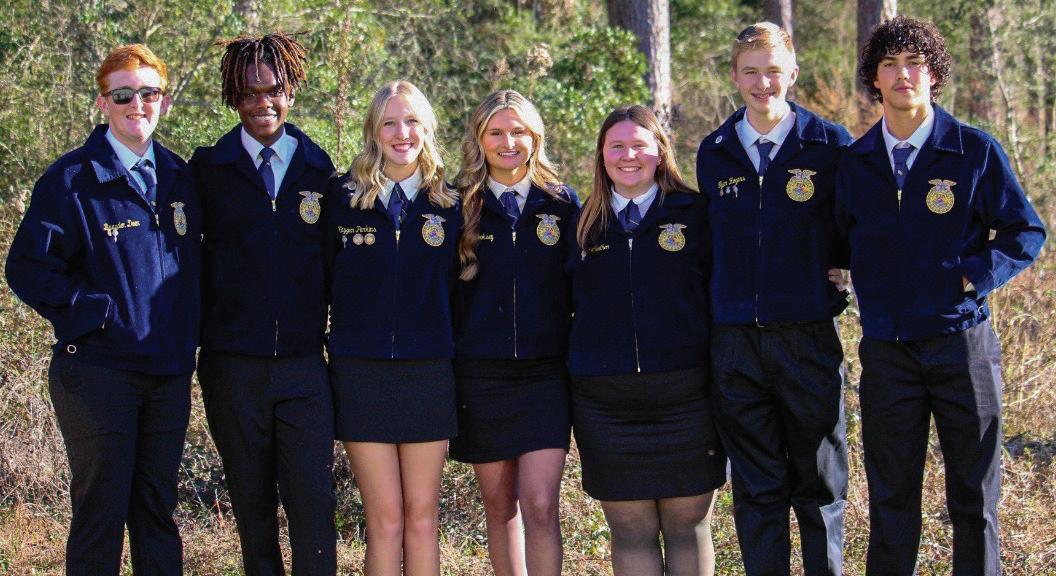
Leaders in 4-H and FFA pour their time, energy, and heart into these kids. There are men and women who show up after work, on weekends, and long after their own children are grown, simply because they believe in what this experience teaches.
We saw it firsthand. We learned it firsthand.
Those volunteers don’t just help with projects. They help shape character. They teach life lessons that stick long after the ribbons are packed away and the animals are sold. They make a lasting difference.
They sure did for me.
And now, when I walk through the fairgrounds and see a new group of young people tending to their projects, I don’t just see animals and exhibits.
I see future leaders, confidence being built in real time. I see hard work, responsibility, and pride taking root. And I see a community showing up once again to say, “We believe in you.”
County Fair time always reminds me that the future of our community is not something we have to worry about.
It’s already hard at work in the barn.
Thanks
Just wanted to say thanks for your role in bringing Sean Dietrich to the Old Town Theatre in Huntsville!
Joanne Reyes
Community Choice Awards
Thank you for beginning Postcards Magazine "Community Choice Awards". We appreciate the streamlined process of making it a more relevant reflection of community support.
Global Financial Partners
From The Editor
We recently learned from the local post office that some Huntsville mail routes have been changed; therefore, some of our readers who were previously receiving our magazine in the mail stopped receiving it when the route changes were put into effect. We are working to resolve this issue. Please bear with us and continue to update us if you have a delivery concern. We are at the mercy of the timeliness of updates done through the postal service websites regarding route information. Please know there are multiple rack locations in the area
where
Accidents Happen.
Library Picks
Sharon Williams reading
Danger in Numbers BY HEATHER GRAHAM
Amanda Davis reading
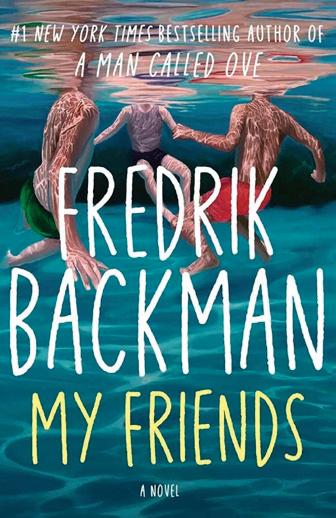
My Friends BY FREDRIK BACKMAN
Dee Truman reading Trust BY HERNAN DIAZ
The Tingling in Your Feet Is NOT “Normal Aging.”
It’s A Warning Sign
If your feet burn at night…
If they feel numb like you’re walking on socks…
If you wobble when you stand up…
You are not “just getting older.”
You may have Neuropathy .
And if you ignore it… it usually gets worse. The Night Mary Cried
Mary is 68. One night she sat on the edge of her bed crying Her feet felt like they were on fire. But when she touched them… they felt numb. “I can’t feel the floor,” she said. “I feel like I’m going to fall.” Her doctor told her:
• “It’s probably your diabetes.”
• “It’s common at your age.”
• “Here’s a prescription.”
The pills made her dizzy. They did NOT fix the problem. And here’s what scared her most… She read that neuropathy can lead to:
• Loss of balance
• Falls
• Infections
• Even amputation
That’s when she said, “Enough.”
What Is Neuropathy?
Your nerves are like electrical wires. They carry messages from your brain to your feet. Healthy nerves need oxygen and blood flow. But when blood flow drops…The nerve starts to die. That’s when you feel:
• Burning
• Tingling
• Pins and needles
• Sharp pain
• Numbness
• Balance problems
Some days it feels better. Some days worse. Like a shortcircuit light bulb. And here’s the hard truth: Neuropathy does NOT usually fix itself.
The Big Lie People Are Told
Most people are told:
• “Just live with it.”
• “Take this pill.”
• “It’s part of aging.”
• “Nothing can be done.”
That’s not leadership. That’s surrender. And every month you
wait…The nerve damage can spread.
What If You Could STOP the Damage?
At our clinic, we focus on TWO things:
1.Stop the nerve damage from getting worse
2.Help the nerve heal by improving blood flow
No surgery. No masking pills. No “just deal with it.”
Mary said: “I can sleep again. I can feel the floor again. I’m not scared to walk in the dark.” That’s what matters.
This is For You If:
✔ Your feet burn at night
✔ You feel numbness or tingling
✔ You’re scared of falling
✔ You’ve been told nothing can be done
✔ You want real answers
If that’s you… read this next part carefully.
Neuropathy Severity Evaluation Only $47 (Normally $249)
For a limited time, you’ll receive:
✔ Advanced Nerve Testing
✔ Blood Flow Evaluation
✔ Detailed Neuropathy Exam
✔ 1-on-1 Consultation with Dr. McGee
✔ A Personalized Plan
We will show you:
• How much nerve damage you have
• If it is mild, moderate, or severe
• If we can help you
No guessing. No false hope. Just answers.
A Final
Word From Dr. Brian McGee, DC
“You were told to live with this. But what if you didn’t have to? What if your next step could protect your balance… your independence… your future? You’re not too far gone. You’re not too late. You just need the right plan.”
Call 936-241-7673 NOW
The longer nerves go without oxygen… The harder they are to repair. Waiting makes it worse. Action gives you a chance. Call now.
PS: Falls are one of the top reasons adults lose independence. Neuropathy is one of the top causes of falls. You can’t fix what you don’t test. Call 936-241-7673 today. Your future self will thank you.
*Excludes beneficiaries of federally funded programs
*This article is for educational purposes only and not a substitute for personalized advice or treatment. This is a paid advertisement.
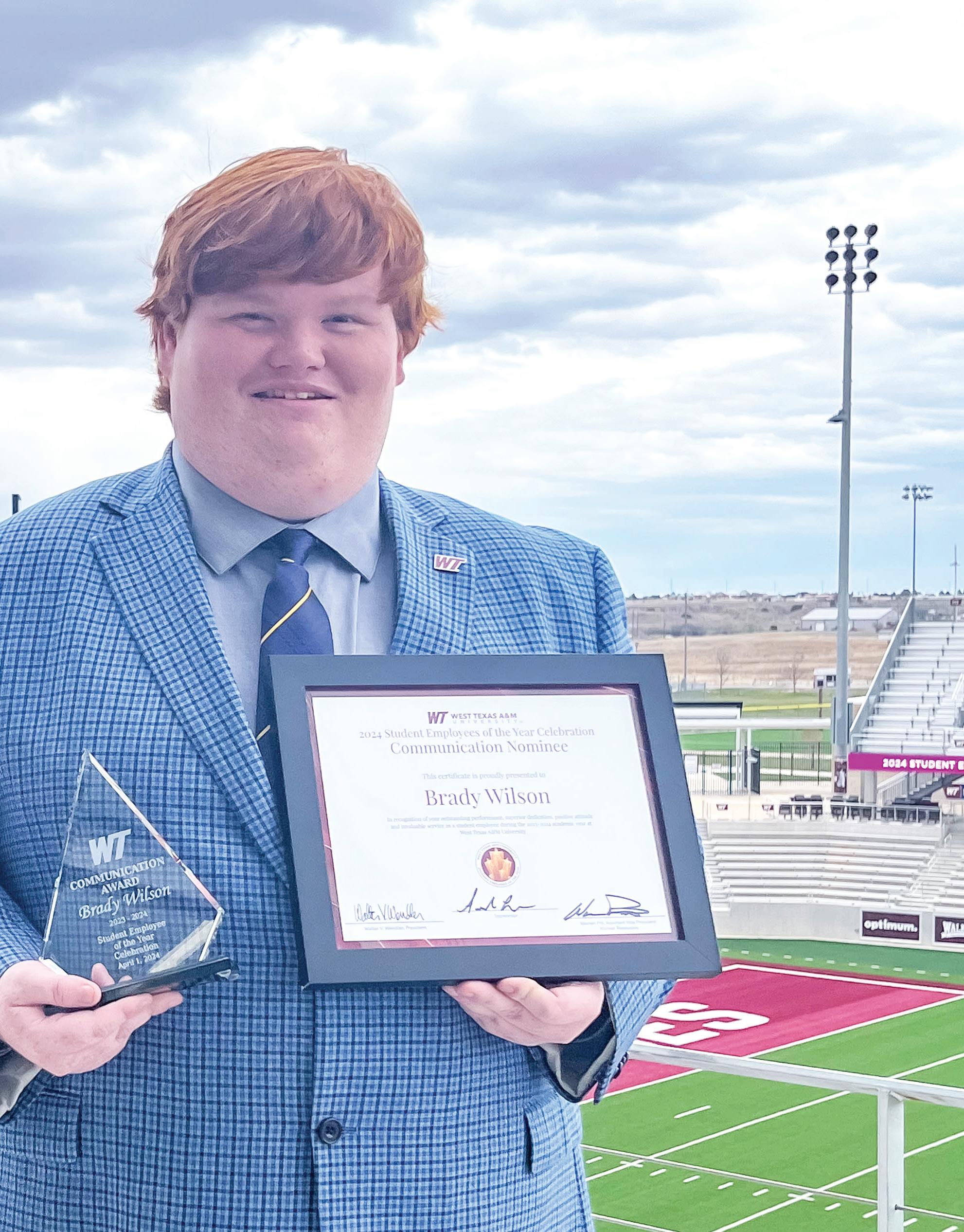
Brady Wilson
If actions speak louder than words, this young man is definitely “finding his voice.”
STORY AND PHOTOS BY TOM MILLER
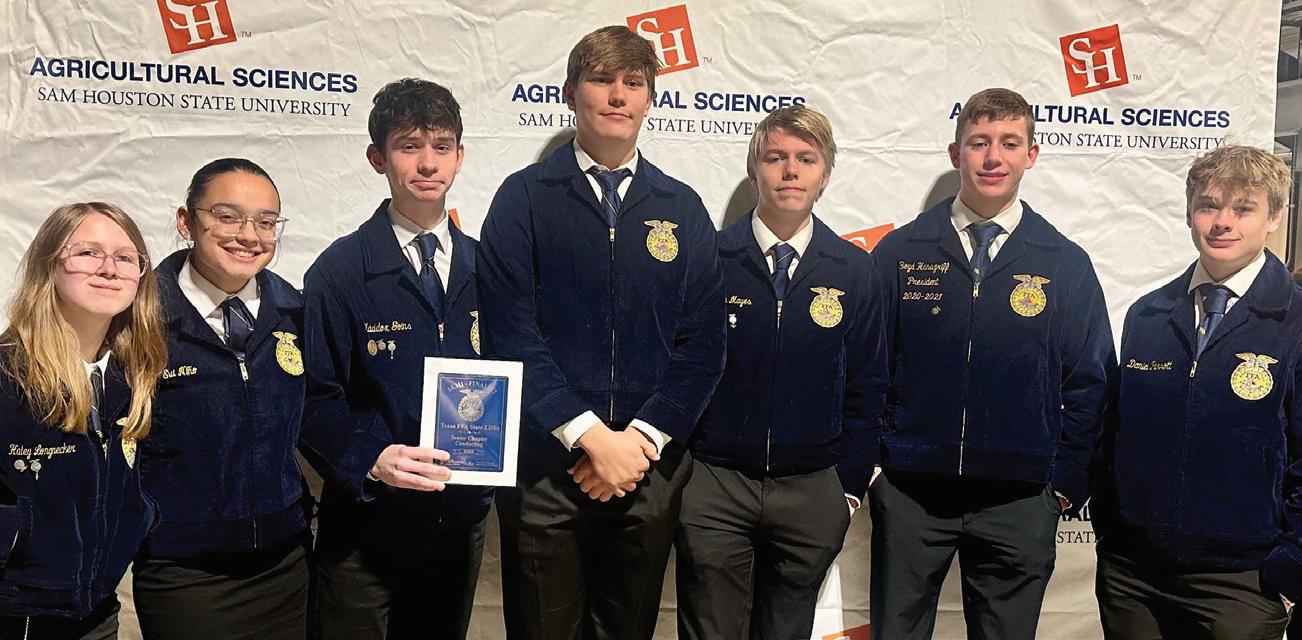
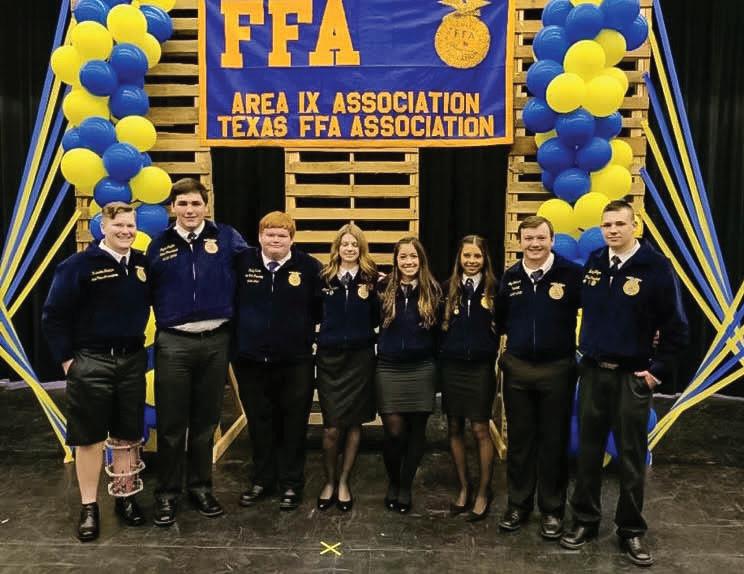
BradyWilson was born and raised in Walker County and is a young man who has a passion for serving those in need. His mind is fixed on making things better in his lifetime. Brady grew up in New Waverly and graduated from New Waverly High School in 2022. He was elected president of Area IX FFA Association in 2021. He is currently attending West Texas A&M University and will graduate in May of this year with a degree in agricultural communication.
What influenced you to get involved with FFA and 4-H growing up?
My mom and dad, Jana and Clint Wilson, taught Ag in New Waverly schools for years and now teach in nearby Groveton. My grandfather taught Ag in the Lufkin area for thirty-three years. I also have an aunt who teaches agriculture in Douglass, Texas. Just about everyone in our family has ties to agriculture, so it became a part of my life. Both of my grandfathers farm and ranch for a living — one in Groesbeck, Texas, where he grows beef cattle; the other in Garrison, Texas, where he raises chickens for Tyson and also raises black angus cattle, pigs, and sheep. I got involved in raising chickens and turkey at an early age and joined 4-H and afterwards FFA.
I would say 100 percent of my college tuition has been paid for through involvement with FFA and 4-H.
Based on your social media pages, it appears you have been quite successful in competition.
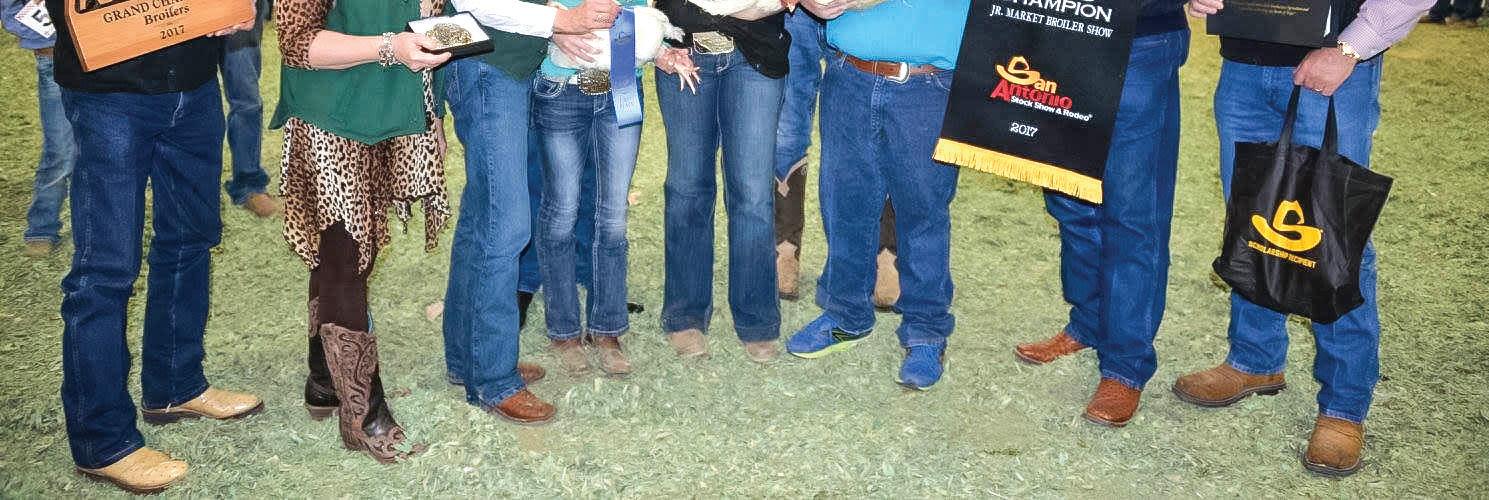
I have placed in the lineup and made the premium auctions many times. I won grand champion in 2015 at the State Fair of Texas and won grand champion at the San Antonio Livestock Show in 2017. I also had a grand champion turkey in Walker County in 2018. Raising chicken broilers and turkey has been a part of my life for as long as I can remember. While in FFA and 4-H, I have appeared at public speaking events, livestock judging, and dairy cow judging. I would say 100 percent of my college tuition has been paid for through involvement with FFA and 4-H. Our family just recently received new chicks for my sister to raise for competition at the San Antonio Livestock Show.” This time of year is very busy for our family because of the Houston Livestock Show and San Antonio Livestock Show, so we are traveling between the cities quite a bit.
How did you choose West Texas A&M University? It was kind of by accident. All my family has gone to Sam Houston or Texas A&M. I thought Sam was too close, and I knew most of the professors there. I didn’t want to be treated differently because they knew me and my parents. Texas A&M was just too big of a school for me. I visited Tarleton State, which has a great agricultural program, and I liked the campus. I signed up for orientation and was all set to go there, but that never happened. In the latter part of 2021, my dad and I had some ticket vouchers we needed to use, and we decided to fly up to Amarillo and visit West Texas A&M, which is in the nearby town of Canyon. I had visited Canyon in the past for FFA events, and I knew some friends who attended W.T. It is a division ll school and is not as well-known as the larger ones. We took the tour, visited the new Ag facility that had recently been built, and the place just felt like home. The professors I met were very personable, and we immediately exchanged cell phone numbers. If I needed to talk with them about any concerns, I had their personal number. The initial reason for visiting was word of mouth from friends, but the real reason would be how it felt like home.
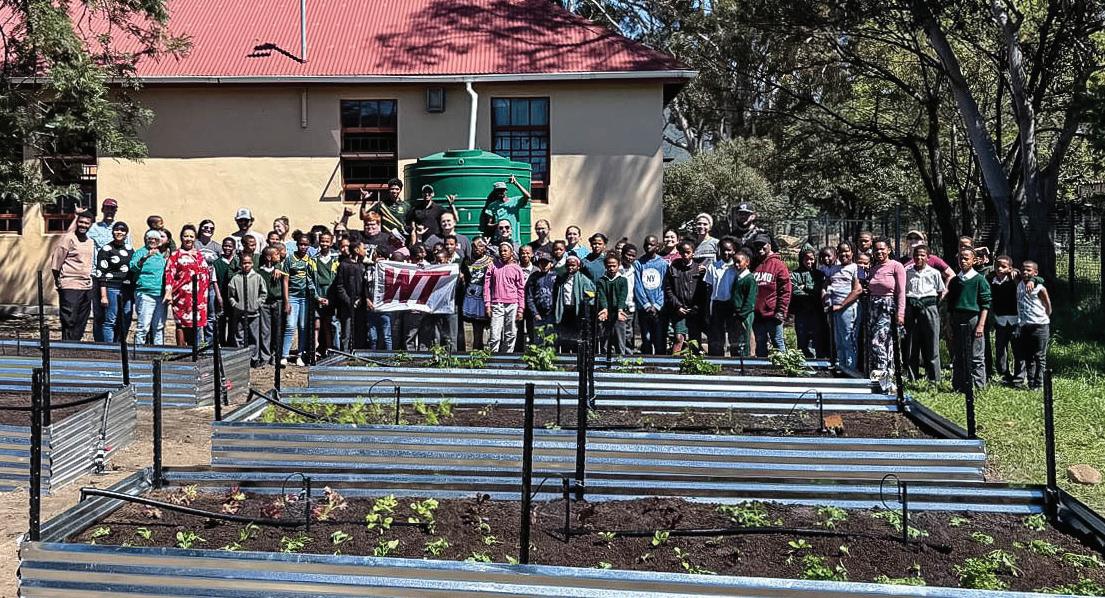
I see you were involved in a mission trip to South Africa. Share your perspective of life there compared to the U.S. In the fall of 2025, 15 other students and I were selected for a study abroad trip to Cape Town, South Africa. We took several hundred books and bookmarks to distribute to in-need children in six different primary schools. Our team was involved in planting a fruit and vegetable garden that was much needed at one of the schools in a rural area. We took several tours while we were there which included: Stellenbosch University Citrus Orchard; Table Mountain; Robbin Island; Seal Island; and Langa Township, where we attended a church service. We saw people who live in townships that are very poor. Right off, I noticed how resilient the people were in South Africa. I tried to keep an open mind on the trip, thinking there were going to be things I would see that I would not expect. The
people didn’t seem to dwell on the fact they were poor, and I witnessed their love and respect for one another--much different than what I have witnessed in America. Social classes didn’t seem to be emphasized, as I witnessed the wealthy sitting down to eat with the poor. The people of South Africa are extremely happy. While visiting the different schools, it was apparent the kids had a desire to learn, even though they lacked the technology. It didn’t seem to matter to them; their eagerness to learn was far different than what I had experienced in U.S. schools. They may be dealing with hardships, but you couldn’t tell, because they were so excited to be there.
How has community service and your association with non-profits become such a part of your life?
My servant attitude began as a kid while attending church. My mom was very instrumental in the importance of community service, as we were heavily involved with the Salvation Army. During the holidays, we would serve at the ringing of the bell to accept donations. We also visited the Conroe Soup Kitchen on different occasions. I became involved in 4-H in third grade and helped in other non-profit organizations as well.
While going to West Texas A&M, I was sightseeing near the middle of
Visiting Cape Town, South Africa to distribute books and book marks to in-need children.
town in Amarillo. There is a section called the Sixth Street Historic District, consisting of different shops, restaurants, antique malls, bars, art studios, and music venues. All of these places were located in old historical buildings. I met the owner of an antique store who is a member of the “Old Route 66 Association of Texas.” She shared information about the group that interested me. I learned there was a festival coming up that was the first Route 66 festival, hosted by the Visitors Bureau of Amarillo. They offered a bus tour that traveled the whole route through Texas. After taking the bus tour and talking with one of the tour guides, I was convinced to get involved. I became a leadership team member involved in membership and communications. Along the way, I have helped with photography, digital communication, and graphics. Since I knew a bit about lobbying, I volunteered to meet with representatives in Austin who were leaders in the Panhandle. My visit helped improve communication with TxDOT to facilitate installation of signs along the Route 66 corridor. Phase one was completed, which included 28 signs. This year, the
association is celebrating the 5th Annual Texas Route 66 Motor Tour and the 100year Anniversary of Route 66, Oct 1-3.
What are your plans once you graduate college?
I have been working remotely with an organization I am quite fond of. The
fundraising needs of FFA, 4-H, and other school organizations. They are located in Fredericksburg, and if all works out, I will soon be moving to that area. I will continue to be involved in production agriculture, helping students in FFA and 4-H, serving those in need, and continuing
Teachers Touching Tomorrow
Honoring teachers who work with our kids day in and day out. They go above and beyond, and really do “Touch Tomorrow.”
Nominate a special teacher today by going online: www.PostcardsLive.com. Those chosen for publication are awarded a gift card to 1836 Steakhouse.
Sponsored by:
Cindy Caracci
New Waverly Intermediate
NOMINATED
BY
Joanne Reyes
I have known Cindy since she taught my children (now in their 20s and 30s) through teaching alongside her for several years, ending in COVID Spring 2020, I retired after that. But not Cindy! She loved teaching, loved children, and had a goal in mind of how long she wanted to do it, regardless of obstacles. She has now surpassed her original goal by several years but continues to bring her love, experience, and excellence to the lucky children of New Waverly Intermediate. She is beyond worthy of being honored in this way.
Star Students
Kameron Vickery
Huntsville High School
FAVORITE MOVIE: Me Before Yo
FAVORITE MUSIC/ARTIST: Taylor Swift
FAVORITE FOOD: Chicken Nuggets
FAVORITE QUOTE:
“Beauty is being the best possible version of yourself, inside and out.” – Audrey Hepburn
Kameron is a senior at Huntsville High School and is the daughter of Megan Peck. Her activities include National Technical Honor Society, National English Honor Society, Mu Alpha Theta, and National Art Honor Society president. Following graduation, Kameron plans to attend Sam Houston State University nursing school to become a postpartum nurse.
Live like you’re going to die tomorrow, learn like you’re going to live forever. ”
Bayleigh Hollingsworth
Huntsville High School
FAVORITE MOVIE:
Maze Runner
FAVORITE MUSIC/ARTIST: Luke Bryan
FAVORITE FOOD: Sushi
FAVORITE QUOTE:
“Be weird. Be random. Be who you are. Because you never know who would love the person you hide.” – C.S. Lewis
Bayleigh is a senior at Huntsville High School and is the daughter of Madison Hollingsworth. Her activities include National Technical Honor Society, National English Honor Society, class council, Mu Alpha Theta, Rho Kappa, yearbook chief, and freshman class council mentor. Following graduation, Bayleigh plans to attend Texas Tech University, then medical school, and become a neurosurgeon. She believes in the words of Gandhi, “Live like you’re going to die tomorrow, learn like you’re going to live forever.”
Asher Jones
Homeschool
FAVORITE MOVIE:
The Sound of Music (1965)
FAVORITE MUSIC/ARTIST: Brandon Lake
FAVORITE FOOD: Pasta
FAVORITE QUOTE:
“Our hearts are restless until they find rest in You (God)” –St. Augustine
Asher is a senior homeschool student and is the son of David and Jennifer Jones. His activities include piano teacher, church worship leader, Bible Buddies (high school club) leader, discipleship team leader at Fellowship of Huntsville Youth Group, and National Society High School Scholars. Following graduation, Asher plans to attend Mays Business School at Texas A&M University. He believes in the words of Christ, “Love the Lord your God with all your heart and with all your soul and with all your mind and with all your strength; and Love your neighbor as yourself.”
Things My Granddaddy Said
Men are like pears. The older they are, the softer they get.
The most important things a man can get in this world are something to eat, something to drink, and someone to love.
To be happy with a man, you need to understand him a lot and love him a little.
To be happy with a woman, you need to love her a lot and not understand her at all.
Women don’t make fools of men ‘cause most men can do it themselves.
She could charm the dew right off the honeysuckle.
She don’t make mistakes. She just dates ‘em.
You ain’t never gonna break a horse if you stay sittin’ on the fence.
As I grow older, more and more often I find myself saying, “Like my Granddaddy used to say…” In an effort to keep some of these old sayings alive, we are sharing them here. Please feel free to share yours with us!
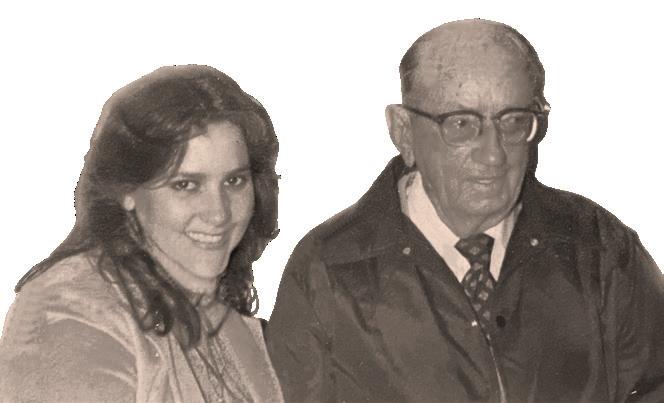
Publisher Karen Altom and her Granddaddy J.C. Farris
Sudoku from page 68-69
When spring came, even the false spring, there were no problems except where to be happiest.
~ Ernest Hemingway
Seen by: PC Staff
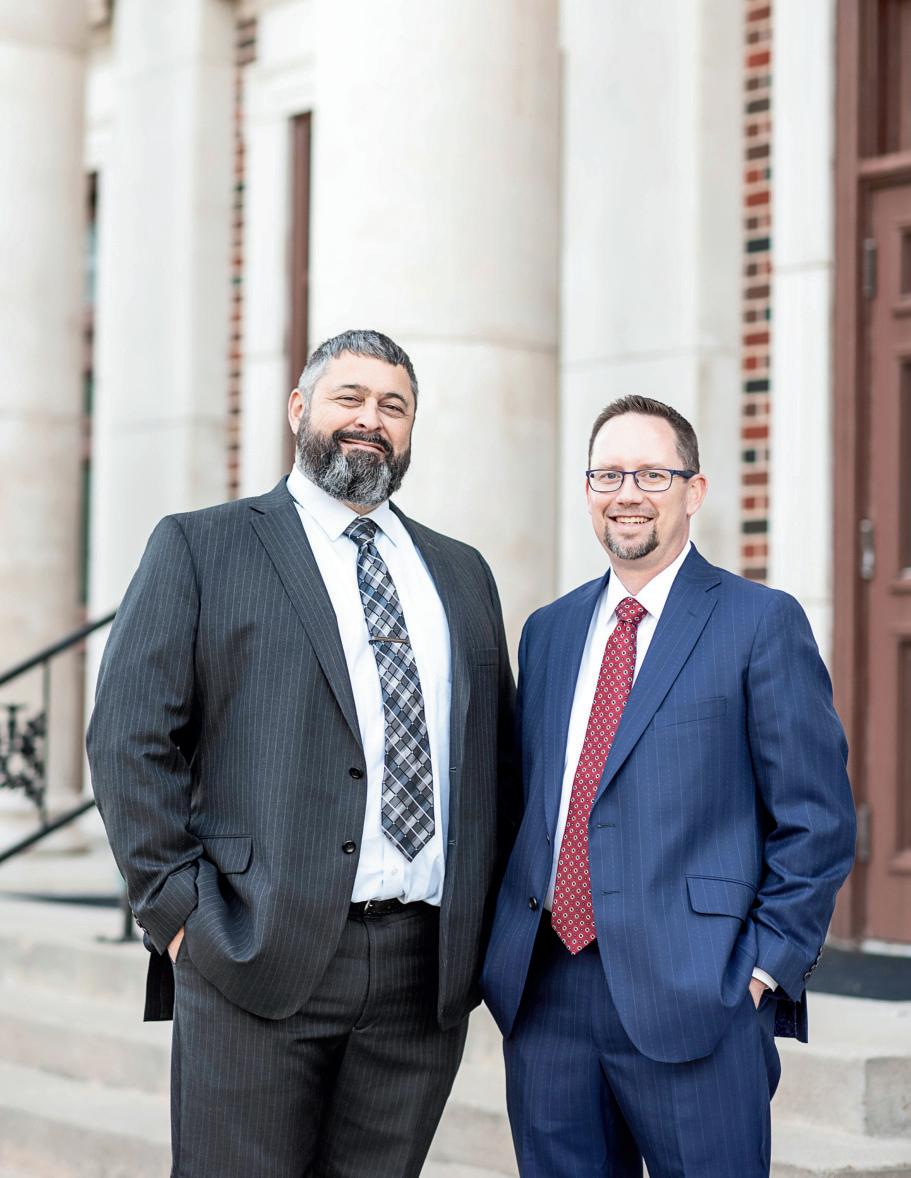
Our attorneys have been staples of the legal community in Walker County and surrounding counties for many years. We will walk you through each step of the legal process to help ensure you achieve the best results possible. At Haney Paschal & Romoser, we are here for you.
Sunday Worship Service 10:45 AM State of the Art Hearing Technology Available Adult Bible Study and Children’s Sunday School 9:30 AM Nursery Available Wednesday Bible Study 10:00 AM
Jeremy Romoser
Jacob Paschal .
Postcardslive.com
Luis & Lynne Benavides celebrated their
Alex
Saavedra
Pork Futures: A Look Inside the Show Pig Industry
An insider shares the process and its value to young people.
BY CLAUDIA KIRKWOOD | PHOTOS BY TOM MILLER
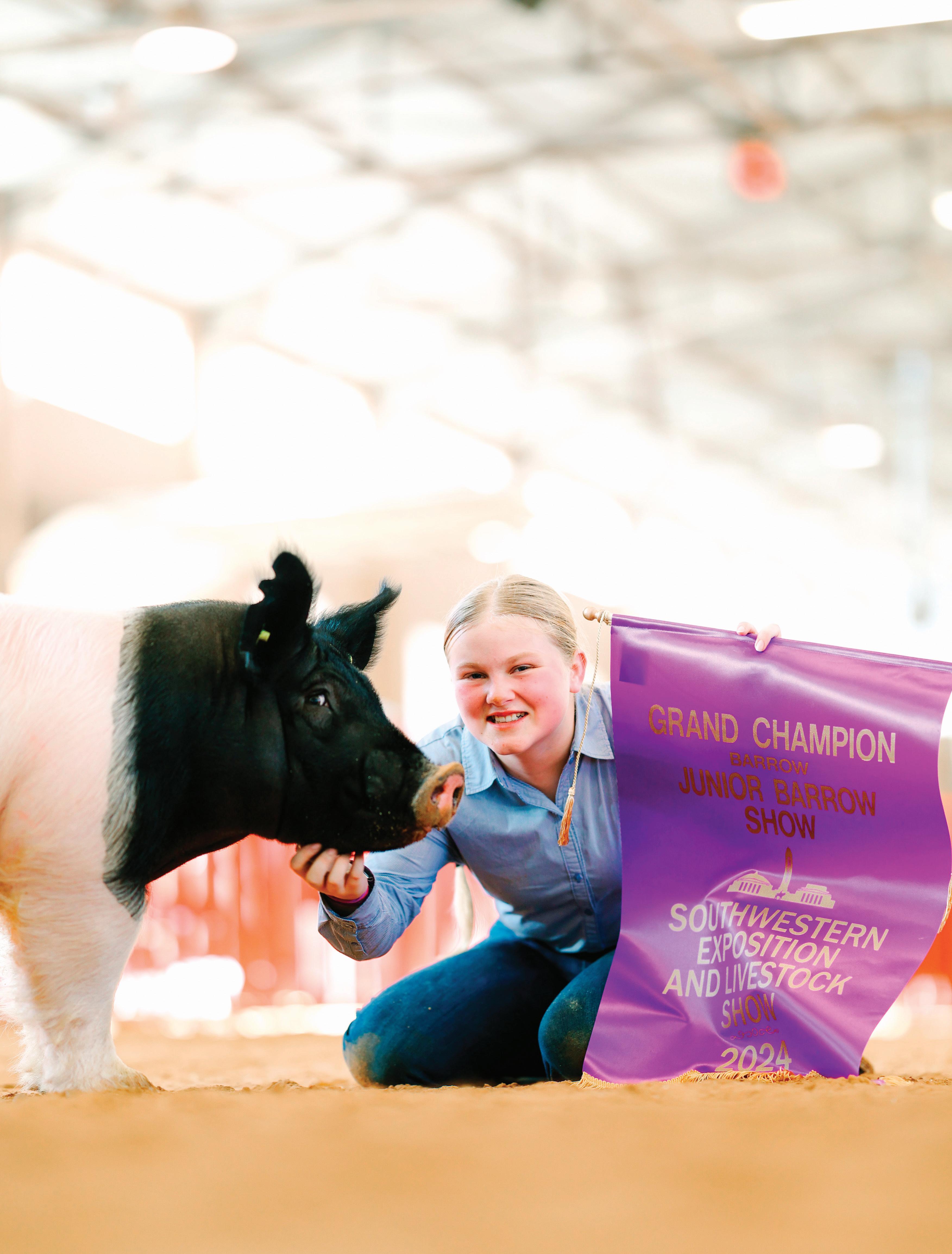
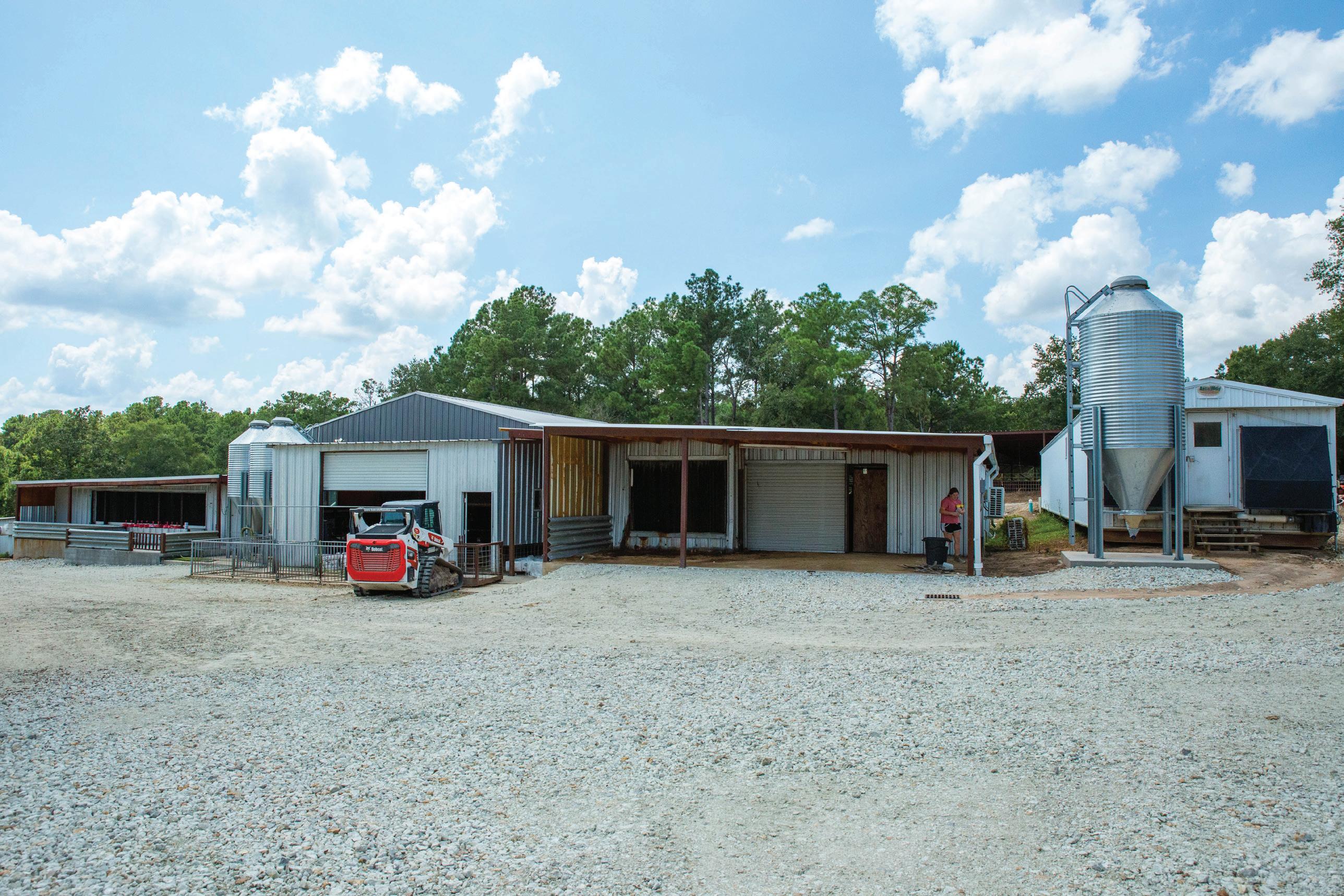
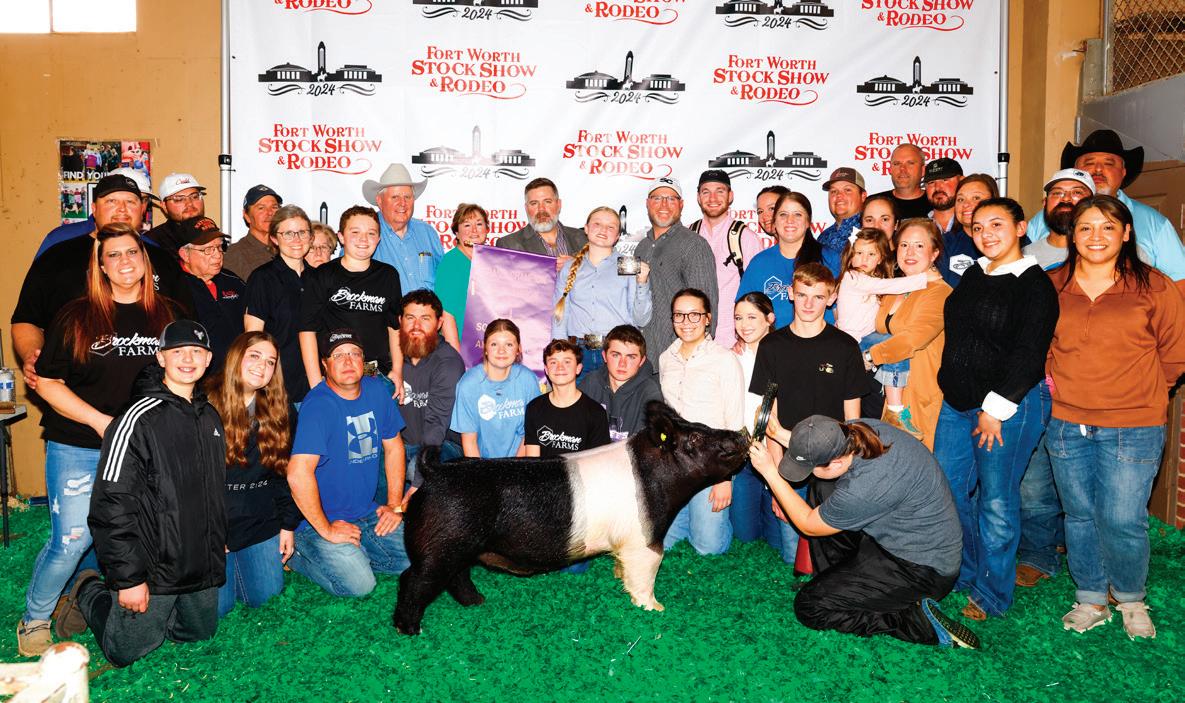
Thislittle piggy went to market, and, yes, that is true, but this article is about his pre-market days when he stayed home and lived the life of a pampered pig. Meet Rooster the show pig, raised by Kamlynn Mason. Kamlynn and her brother Kaden have both won awards in this industry, Kamlynn with Rooster, and Kaden with his barrow named Hollywood. Their mother Carrie Brockman and her husband Josh own a farm in the area and run a breeding program for the show pig industry with clientele from throughout the United States. They host a training camp for young people twice a year and sell pigs that will be raised for competition. Carrie recently shared information about how this fascinating industry is run and the benefits that raising an animal can bring to a young person.
Carrie, share with our readers information about your farm and its goals. We started raising show pigs ten
years ago, in 2015, and began with seven sows. We eventually owned 250 sows but are down to 120 at the current time. Our initial goal was to win as many shows as possible, but our objectives have changed over time to those of building solid customer relationships and pointing as many people as possible to the Lord Jesus Christ. We try to do everything we can in this operation to glorify God and give thanks to Him for the many ways He has blessed us. Additionally, we want our customers to be successful, and we do our best to give them the direction and support needed toward this goal.
Raising an animal is a timeconsuming project. What responsibilities must a young person shoulder in raising an animal for competition?
Kamlynn and Kaden are both currently raising pigs for competition. They are homeschooled and have classes in the afternoon, so their mornings are spent caring for their animals. The
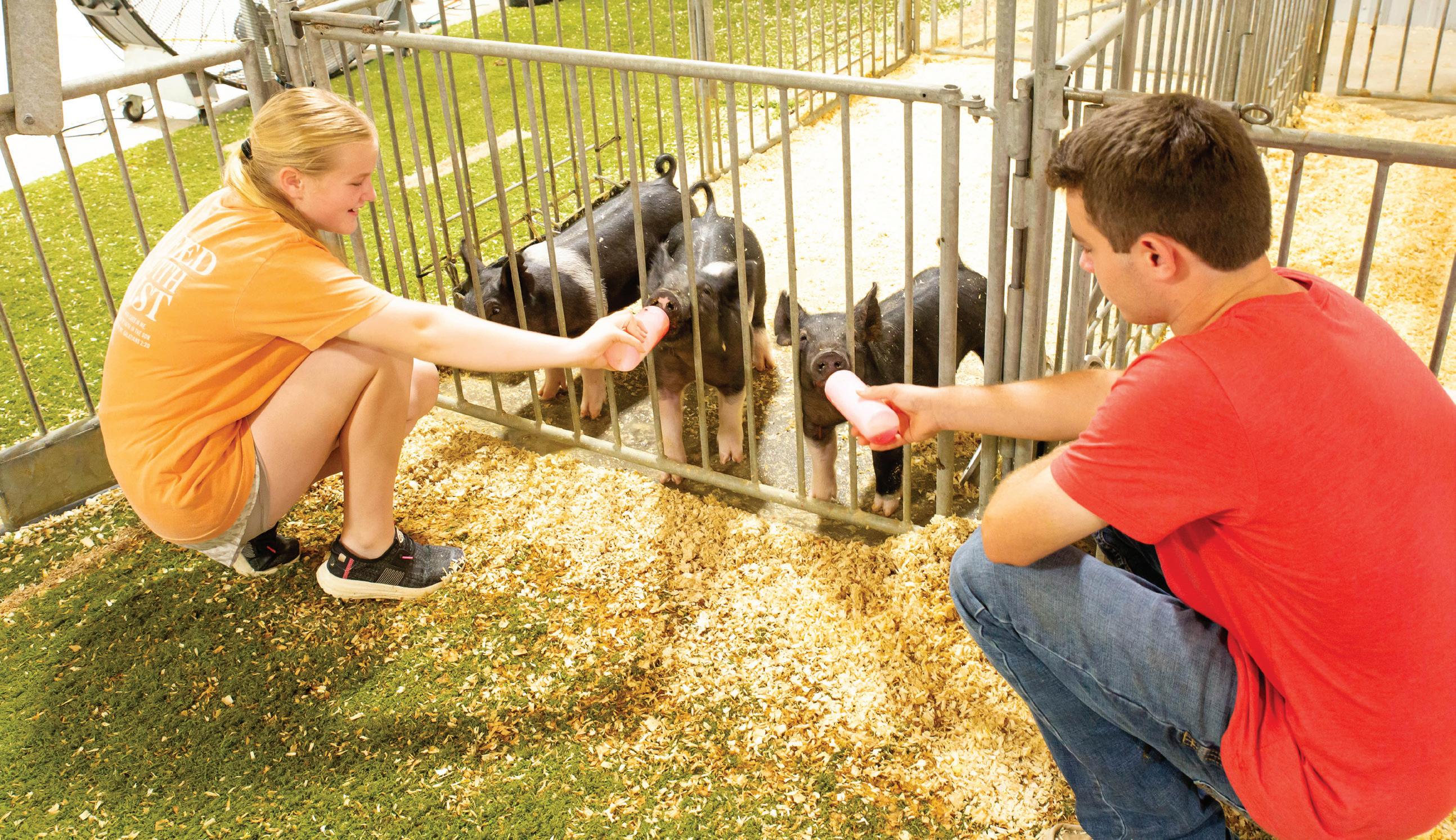
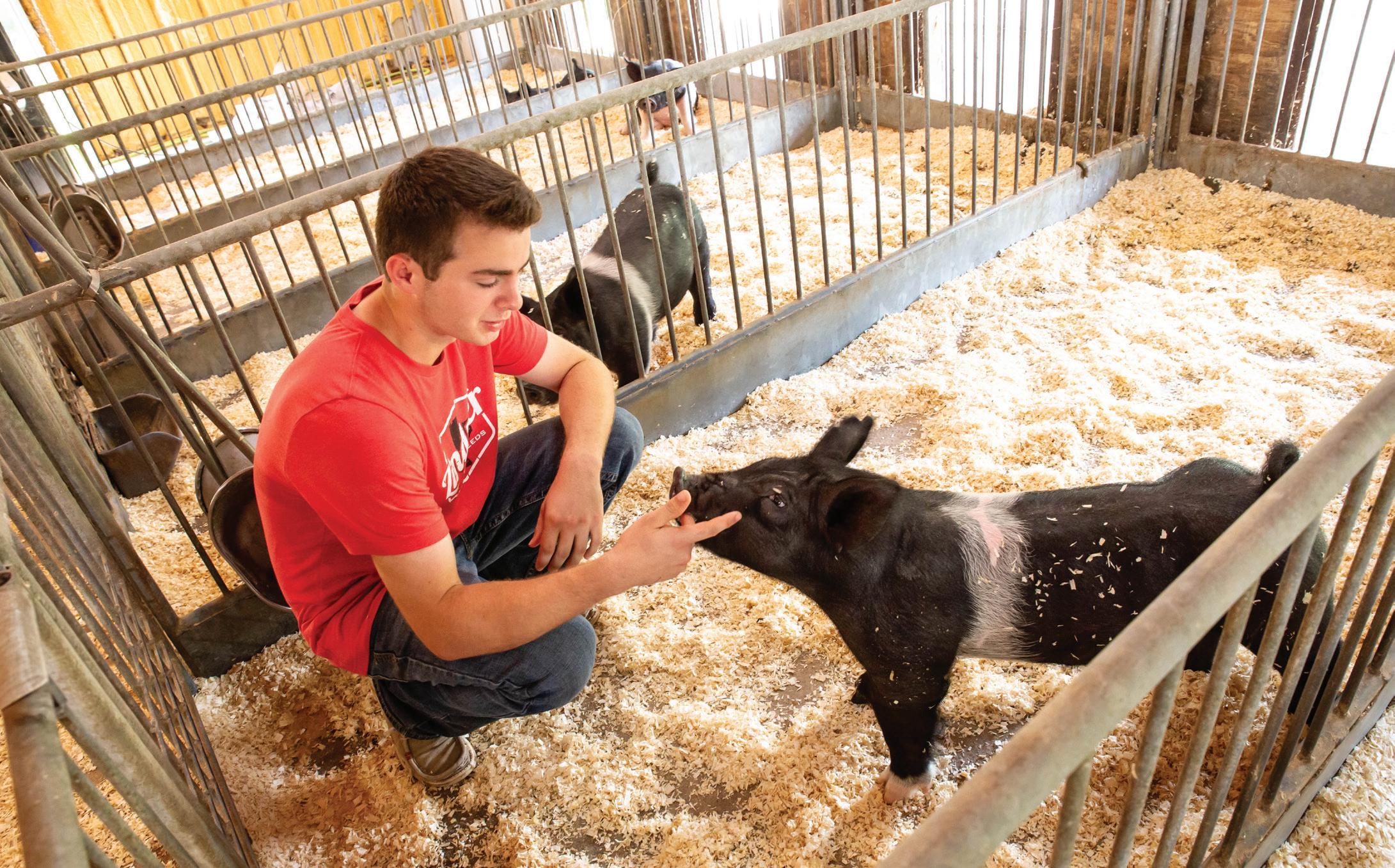
pigs need to stay on a regular schedule, and this involves being fed twice a day with high-quality feed. Time is spent brushing and conditioning their skin and hair, and this also helps the animals get accustomed to being handled. The pens are kept extremely clean, which ensures the animals are living in a healthy environment and not subject to factors that can cause sickness. Biosecurity is important and is a term meaning to reduce the risk of diseases through a variety of factors including people, other animals, equipment, and during transport. Keeping the pen clean also helps to keep the white portion of the pig’s skin and hair as white as possible. To keep the black portion as black as possible, the pig is taken to a pen out in the sun for about thirty minutes a day for tanning. The pig is also trained to walk for competition. When a young person decides to get into this type of extracurricular activity, he or she needs to be committed to the daily process of taking care of their animal. It’s a lot of
work and responsibility, and knowing they are caring for a living being adds a weight of importance to the project.
When a family contacts you about the purchase of a pig, what can they expect to receive as far as instruction and support?
We have private-treaty and live sales throughout the year, and after purchase, we help them through the entire feeding period. Feeding a pig has become a
science to help ensure the development of a quality animal. They can send videos every two weeks, and we will make recommendations on what to do. We also help with showmanship as much as possible. We offer camps twice a year and have some blog videos to help. We love seeing our young people succeed and build solid work ethics. And as a side benefit to our family, Kaden and Kamlynn have developed friendships with young people from all over the United States.
Give us a tour through Show Day when all the months of labor and toil come together. It is February, and after raising the pig for six months, it’s showtime! Competitions take place all over the nation, but we will center our sights on Rooster and the Ft. Worth Stock Show for this article. Registration to show a pig took place in December and Rooster is now ready for his big day! He is not fed during the trip to Ft. Worth because this can upset his stomach.
Kamlynn will move him into the barn the morning before the show and give him thirty minutes of rest before feeding him. Water and electrolytes are offered several times during the day and then he is fed at noon before getting an afternoon bath. The day is centered around letting Rooster eat, drink, and rest.
Competition is divided into weight ranges. Kamlynn will guide Rooster into the show ring on the cue of the judge. At this time, the judge swiftly surveys all the animals and makes quick and definitive decisions on what animals stay for further competition and those that don’t make the grade. Within just a few seconds, the fate of the past few months of hard work is known! If the pig wins at this class level, he will go on to compete in the weight within breed category, and if successful, then the breed show. The Grand Champion is selected from the breed competition on Thursday night. As you can see, the first impression at each level of a contest is huge!
The auction takes place on Saturday morning, and a percentage of the pigs are sold to companies and individuals who bid on them. And for those animals who placed high enough in both the Houston and San Antonio shows, they
go to the A&M carcass contest and are judged for their meat. The young person can make extra money at this level.
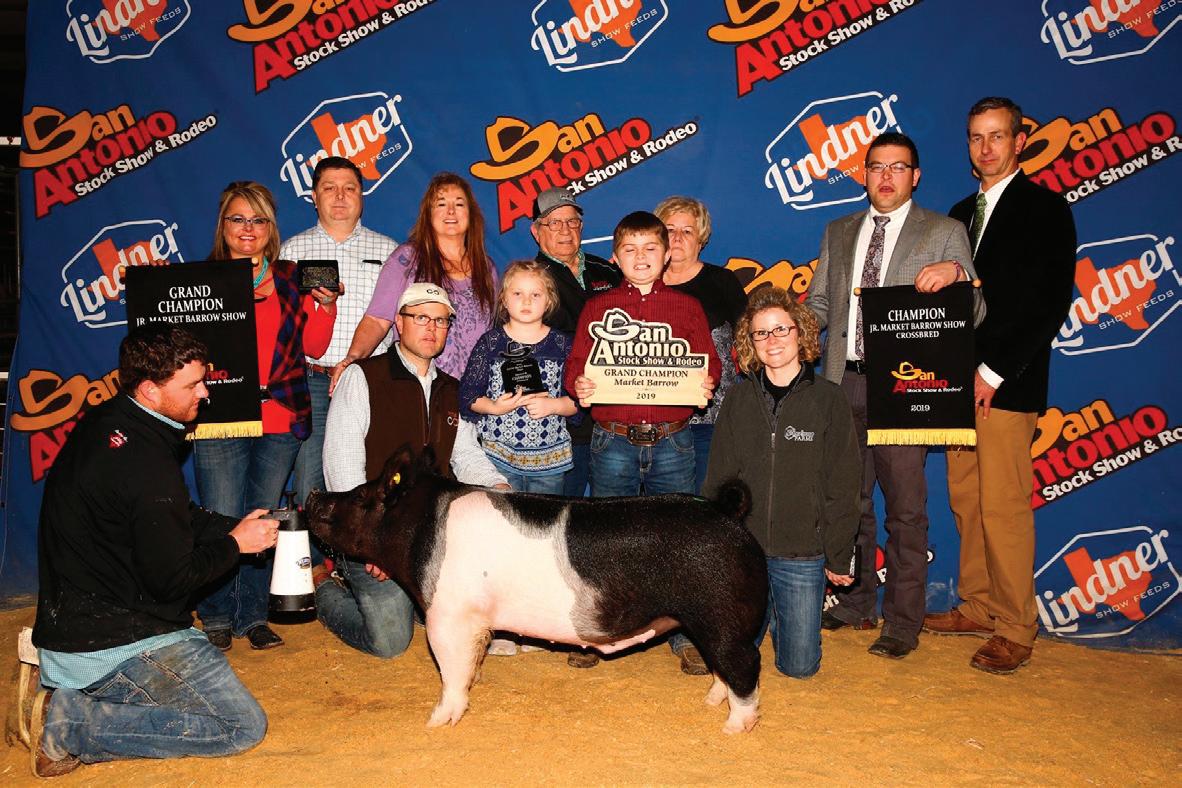
Kamlynn entered Rooster in the Ft. Worth show and won Grand Champion, and won in Louisville, Kentucky with her pig Joker. Kaden won at San Antonio, the biggest of the shows, with his pig Hollywood. Kamlynn and Kaden entered into this project through 4H, but contestants can also enter through their local high school FFA program. Whether one’s animal wins or goes home early, the rewards these young people reap will enrich their lives and benefit them greatly in the future. The characterbuilding and work ethic developed within the young person is priceless.
The Brockmans have built a business that has touched lives, both young and old, all over the nation. It has enabled them to raise Kaden and Kamlynn in an atmosphere of commitment, compassion, and trust as they work together as a family to care for a multitude of animals who depend on them. And as Carrie states, “We are always being watched by young people and their parents, so we work hard to honor Christ and touch lives with His love and message of good news. That is our main mission, and we take it very seriously.”
A few tips to consider before entering into this activity:
• Research the expenses involved for supplies and equipment
• Set goals for what you want to achieve
• Understand the tasks and schedules required
• Find mentors, whether in-person or online, who can guide you
• Be prepared for the various outcomes that competition brings
• Embrace the benefits and rewards that raising an animal can bring
Medical Matters
Spring Allergies: What’s Normal, and When to Pay Attention
Spring allergy season affects many adults in Texas. Each year around this time, I talk with people who are dealing with sneezing, congestion, and itchy eyes that seem to last longer than expected. Knowing what is normal for seasonal allergies can help you manage symptoms and understand when they may need more attention.
One common myth about seasonal allergies is that they only affect people who have had them since childhood. In reality, allergies can develop at any age. Adults who have never had allergy symptoms before may begin to notice them later in life, especially after changes in environment or repeated pollen exposure.
Seasonal allergies occur when the body reacts to pollen from trees, grasses, and weeds. Common symptoms include sneezing, a runny or stuffy nose, itchy or watery eyes, throat irritation, and postnasal drip. Many people notice symptoms are worse on windy days or after spending time outdoors.
Allergies or a Cold?
Another frequent question I hear is how to tell the difference between allergies and a cold. Colds are caused by viruses and may include fever, body aches, or fatigue. They usually improve within a week or two. Allergies do not cause fever and tend to last for weeks if pollen exposure continues. Itchy eyes
Victor Hsiao, MD
and clear nasal drainage are also more common with allergies than with colds.
Simple Steps That May Help
Simple daily habits can help reduce symptoms. Showering after being outdoors and changing clothes in the evening can help remove pollen from your skin and hair. Keeping windows closed during high-pollen days and using air conditioning can also limit exposure. Saline nasal sprays or rinses may help ease congestion by washing allergens out of the nasal passages. Paying attention to local pollen counts can help with planning outdoor activities.
When to Take a Second Look
While seasonal allergies are common, symptoms that interfere with sleep, work, or daily routines should not be ignored. Ongoing coughing, wheezing, or shortness of breath deserves attention. Symptoms that suddenly worsen or do not improve over time may point to something other than allergies.
As a physician who cares for adults across many stages of life, I know how frustrating ongoing allergy symptoms can be. With a better understanding of what your body is reacting to and a few practical steps, most people can manage spring allergies and stay comfortable during the season.
Kidspeak
3-yo: Where's you berilla?
Me: My what?
3: Berilla!
Me: I don't know what you're talking about.
3: What you hold above my head.
Me: ...
3: Outside!
Me: ...
3: For the rain!!
Me: Ohhhh, you mean umbrella.
3: Oh yes, umberilla.
Abby Boyd
I thought I was having a chill night until my toddler walked into the living room completely naked, covered in lotion, and proudly said, "I'm a slippery dolphin!"
It's so exciting. My son turned 14, and now he knows everything! Everything!! I don't have to tell him anything anymore because he already knows! In fact, he knows more than I do AND more than his dad does! We couldn't be more thrilled. What a joyous time.
Whenever I say goodbye to my 4-yo at school, I tell him something silly like, "I love you stronger than Hulk!" and he says something like, "I love you faster than a cheetah!" But this morning, he was mad at me (we had a dispute over not biting the baby) and he goes, "I only love you NORMAL today."
My 7-yo wouldn't eat his dinner because he said it tastes like [checks notes] "the inside of a vacuum."
Sean of the South
TSean Dietrich
The Good Ole Days
he news is in. Less than one third of Americans have ever written a physical letter in their lifetime.
Which isn’t surprising inasmuch as studies find that 76 percent of American students lack basic writing skills such as grammar, spelling, and knowing what to call those three little dot thingies at the end of sentences...
Two thirds of American students are not proficient in math. Only one out of every 15 students scores above average in algebra. Twelve out of every five Americans still cannot comprehend fractions.
And there’s more.
Less than one third of American young people are able to write in cursive. The rest don’t write at all. Many Generation Z adults say they have gone months, even years without using a pencil.
In other news, 54 percent of college students admit to using AI to accomplish academic writing.
According to the Center for Academic Integrity, 80 percent of college students have cheated at least once. Seventy-five percent of undergraduates admit to cheating more than once. Over fifty percent say they cheat frequently.
But then, what’s the big deal? After all, the US ranks only 16th in education. We are 10th in science, 34th in math, 60th in life expectancy. We are 38th in literacy, ranking below countries like Uzbekistan, Kazakhstan, Turkmenistan, and many other goat intensive nations.
Almost 80 percent of school children cannot name more than three US presidents. The most commonly named presidents among those under age 12 are: George Washington, John F. Kennedy, and Samuel L. Jackson.
In a recent survey, 70 percent of American students were unable to name a single American war.
Although, as it happens, it doesn’t matter. Namely, because a study conducted by the Pentagon shows that 77% of young
Americans would not qualify for military service without a waiver due to being overweight or using drugs.
Two out of three American students admit to not knowing the lyrics to the national anthem. And over one quarter of survey participants did not know the Pledge of Allegiance.
Maybe it’s because everyone is spending so much time on their phones. God knows, we’ve got phones.
There are 310 million smartphones in America. Over 95 percent of American teenagers own smartphones, regardless of socioeconomic circumstances.
Seventy-two percent of teens admit that texting is their preferred means of communication, ranking above vocalization, hand gestures, and various gastrointestinal noises.
The average teen receives 237 phone notifications per day; or four notifications every minute. An average teen will send, on average, 100 texts per day.
And if that doesn’t convince you the good old days are over, each day the American teen will spend eight hours looking at a screen. Except on weekends, when they will spend 12 hours.
The average American will spend 11 years of their life on their phone.
Only 18 percent of American school kids ride bikes. Only 27 percent of children say they go outside their homes to play. Only 24 percent of American children have ever played baseball.
Upwards of 44 percent of school children suffer symptoms of anxiety and depression.
Forty-five percent of children report symptoms of loneliness “often.” According to the US Department of Health and Human Services, approximately 49.5 percent of adolescents have at least one mental health disorder.
So if you ever find yourself with some free time, consider investing in a child.
They need us now more than ever.
The Garden Post
Spring Checklist
It seems Old Man Winter has a few more tricks up his sleeve for East Texas, but take heart fellow gardeners, spring will arrive! She may take the long path getting here, though. As we anticipate and plan for our gardens this season, let us do a quick checklist to get your spring planning off to a successful start.
Valentine’s Day has always been the traditional “kick” off date for spring pruning of crape myrtles, roses, evergreen shrubs, and scraggily perennials. Prune just about everything except spring bloomers such as azaleas, camellias, spirea, Hawthorne, and viburnum to name a few. Pruning now will remove your buds for spring blooms. It is best to prune these shrubs as soon as they have completed their heavy blooming cycle in May (this includes encore azaleas). If you are pruning more than 40%, if may be advisable to prune 40%, then the remaining 20% in a few weeks, to lessen the shock on large overgrown shrubs. Do not fret that you will have bare exposed stems and branches for 3-5 weeks. New growth will soon take over, and a beautiful spring flush of growth will transform the ugly, overgrown duckling into the correct size. It will be very important to fertilize with a slow-release fertilizer at this time…putting on an entire new set of leaves is quite a chore for any plant!
Weeds will be making their debut very soon, and they will invite the two other big party crashers: disease and insects. Treat yards and flowerbeds NOW with a pre-emergent. My personal favorite is Dimension by Fertilome. Dimension stops 80% of noxious weeds before germination and can be applied to lawns AND flowerbeds. Weed N Feed contains a post-emergent that only works on weeds that are already up—so apply pre-emergent now and post-emergent in several weeks. Do not apply a pre-emergent to new sod (less than 10 weeks installed), around newly planted trees or shrubs, or in the area where reseeding annuals such as bluebonnets are waiting to germinate. The cool nights and warm days are a virtual breeding ground for fungi in St. Augustine lawns. March 1st is the best time to apply granular systemic fungicide such as F-Stop as a preventative before the invasion begins. It is easier to prevent disease than treat it. Those areas of the yard with low airflow, heavier shade, and consistently poor drainage (low spots) will always have fungal problems until corrected.
It is time to fertilize everything—lawn, shrubs, trees, tropical, perennials, annuals, and patio plants. March 1st is your date to fertilize all your plants. Every fertilizer, if balanced, will have an N-P-K ratio. Every plant has its own specific needs [St. Augustine grass loves a 3-1-2 ratio (15-5-10 or 21-7-14), tomato plants (14-14-14 or 12- 30-14) or roses (1030-10 or 12-18-13)]. Ask a certified professional nurseryman or a trusted garden center (never assume) and read the labels. The exceptions, to name a few: hibiscus require a low phosphorous level (8 or lower), pansies love high nitrogen, and pecan trees love high nitrogen (21-0-0). Fertilome and its Hi-Yield are excellent, and Fertilome has developed an organic line, Natures Guard, we have used often and love. Fertilome is produced and distributed in Bonham, Texas, developed for Texas conditions and crops.
The “world” of gardening was once a necessity for survival in the south; it is now the country’s largest “hobby,” pastime, and leisure activity. Cheers to a wonderful spring and to the “brotherhood” of the trowel.
Kim Bius President, Kim's Home & Garden Center
Glorious Grandchildren
Send me your questions at PostcardsLive.com/Share
Dear Gabby
Welcome back to the March 2026 edition of the Dear Gabby advice column. There are no Federal holidays this month, but Daylight-Saving Time starts on the 9th, Pi Day is on 3.14, and the first day of spring is on the 20th. Saint Patrick’s Day is on the 17th, and it’s a day of shamrocks, malarkey, and shenanigans. Saint Paddy’s Day is like Valentine’s Day for people who love Jamesons and bad decisions. It’s been said that if you’re Irish, you’re lucky enough. However, we can’t all be Irish; someone has to drive! Send me your questions by clicking Dear Gabby at www.PostcardsLive.com/share.
DEAR GABBY
My grown children are very excited about a camping trip coming up this spring. They are looking forward to a grandma and grandkids week of roughing it in the boonies. I’d hate to disappoint them, but that sounds like the very last thing that I would enjoy. Please advise.
CREATURE OF COMFORT
DEAR CREATURE
You could think of an excuse about why you can’t join the family outing, but then you’d have to remember what it was. At my age, that’s not advisable. Just tell them camping is really hard on older folks, and you love them enough to not make up a lie about why you’re skipping the camping trip. Offer them a dinner date before they leave, or better yet, when they come back. I eventually had to refuse to participate in camping. Excessive heat? No thanks. Sleeping on the ground? No way. No bathroom? You’ve got to be kidding. Cooking and cleaning more while camping than at home? Give me a break. If it’s not a vacation for me, I won’t go. Give me an A/C, clean sheets, an attached bathroom, a continental breakfast, and a dinner out. That’s a vacation.
GABBY
DEAR GABBY
St. Patrick’s Day is coming up, and I was wondering why people want to pinch you when you don’t wear green. I’m not one who appreciates tickles or pinches, and I don’t own many clothes that are green. Any clue who started that?
UNTOUCHABLE
DEAR UNTOUCHABLE
People pinch others on St. Patrick’s Day due to Irish folklore that says wearing green makes you invisible to mischievous leprechauns who will pinch anyone they can see. If you’re not wearing green, you’re fair game, so other people pinch you as a reminder of this legend. Some people look forward to St. Paddy’s Day all year and really enjoy the green beer, traditions, and lore. Go to the dollar store and buy a green shamrock pin to wear once a year, and you’ll be safe. May your troubles be less and your blessings be more; and nothing but happiness come through your door.
GABBY
Tasty Bites
Deluxe Corned Beef Hash
INGREDIENTS
2 Tbs butter
2 Tbs extra-virgin olive oil
1 large onion, chopped
5 large Yukon Gold potatoes, peeled and cut into ¼-inch cubes
1 large carrot, coarsely shredded
2 lbs cooked corned beef, cubed
2 Tbs chopped fresh parsley
½ tsp ground black pepper, or to taste
¼ tsp dried thyme leaves
1 pinch salt to taste
DIRECTIONS
Step 1: Melt butter with olive oil in a large skillet over medium heat. Cook and stir onion until lightly browned, about 8 minutes.
Step 2: Stir in potatoes and carrot; cook, stirring occasionally, until tender, about 15 minutes.
Step 3: Stir in corned beef, parsley, pepper, thyme, and salt. Cook, stirring often, until hash is crisp and browned, 10 to 15 more minutes.
Tasty Bites
Crispy Buffalo Chicken Sandwiches
INGREDIENTS
3 (8 oz) skinless, boneless chicken breast halves
⅔ cup buttermilk
1 Tbs buffalo sauce
1 ½ tsp garlic powder
1 cup all-purpose flour
1 tsp poultry seasoning
¼ tsp ground black pepper
¼ cup canola oil, or as needed
6 hamburger buns
2 Tbs buffalo sauce, or to taste
½ cup sliced pickles
6 slices tomato
6 leaves lettuce, or more to taste
3 Tbs ranch dressing, or more to taste
DIRECTIONS
Step 1: Slice each chicken breast horizontally into 2 thin fillets. Place 6 fillets in a resealable zip-top bag with buttermilk, 1 tablespoon Buffalo sauce, and garlic powder. Seal the bag and shake to blend ingredients and evenly coat the chicken. Refrigerate for at least 2 hours or overnight.
Step 2: Preheat the oven to 350 degrees.
Step 3: Combine flour, poultry seasoning, and pepper
in a shallow dish or pie plate. Blend with a fork or whisk.
Step 4: Remove chicken from the marinade and shake off excess. Dip chicken in the breading mixture until well and evenly coated on both sides. Discard the remaining marinade.
Step 5: Add enough oil to a large skillet so that it thickly coats the bottom and heat over mediumhigh heat until sizzling but not smoking. Place 2 chicken fillets in the skillet so they fit comfortably; do not overcrowd. Fry until crispy and golden brown, 2 to 3 minutes per side. Drain chicken on paper towels and repeat twice, adding more oil as necessary, to fry remaining chicken. Transfer chicken to a baking sheet.
Step 6: Bake in the preheated oven until chicken is no longer pink in the center and the juices run clear, 8 to 10 minutes. An instant-read thermometer inserted into the center should read at least 165 degrees.
Step 7: Remove chicken from oven. Place a chicken fillet on the bottom half of a bun. Add Buffalo sauce to taste. Top with pickle slices, tomato, and lettuce. Spread ranch dressing on the inside of the top bun and place over the sandwich. Repeat to make remaining sandwiches.
Tasty Bites
Caesar Salad Smashed Potatoes
INGREDIENTS
1 1/2 lbs baby potatoes
3/4 cup grated Parmesan cheese, divided 1/4 cup Caesar dressing, divided, plus more for serving salt, to taste chopped parsley or romaine, for garnish
DIRECTIONS
Step 1: Boil baby potatoes in salted water until fork-tender, about 15 minutes. Drain and let cool slightly.
Step 2: Preheat the oven to 425 degrees.
Step 3: Sprinkle 1/4 cup Parmesan cheese all over a parchment-lined baking sheet. Arrange potatoes on top and gently smash with the bottom of a glass. Using half of the dressing, brush each potato and sprinkle on another 1/4 cup Parmesan cheese.
Step 4: Bake until golden and crispy, 15 to 20 minutes.
Step 5: Remove potatoes from the oven, brush on remaining dressing, and sprinkle on remaining cheese.
Step 6: Serve with additional dressing for dipping. Garnish with chopped parsley or shredded romaine.
Tasty Bites
Candied Salmon Dip
INGREDIENTS
8 oz hot-smoked salmon
2 Tbs brown sugar
1 Tbs maple syrup
1 Tbs ketchup
2 Tbs rice vinegar
2 Tbs Sriracha, or other hot chile sauce
1/4 tsp cayenne, or to taste
2 (8 oz) pkgs cream cheese, softened
1/4 cup chopped fresh dill
1/4 cup capers, drained and chopped
1/4 cup minced green onion, plus more to garnish 1 lemon, zested crackers, for serving
DIRECTIONS
Step 1: Break salmon into chunks and add to a mixing bowl, removing any skin, and checking for bones while doing so. Reserve until needed.
Step 2: Add brown sugar, maple syrup, ketchup, rice vinegar, Sriracha, and cayenne to a small saucepan,
and place over medium heat. As the mixture starts to boil, stir with a spoon to combine. Let boil on medium heat until the syrup thickens slightly, 1 to 2 minutes. Turn off heat and reserve until needed.
Step 3: Add cream cheese, dill, capers, green onions, and lemon zest to a mixing bowl, and use a spatula to mix until combined evenly. Transfer into a small (1 quart size), shallow casserole dish, and spread out into an even layer.
Step 4: Add the syrup into the bowl of smoked salmon, and use a spoon to mix until evenly combined, breaking the salmon into small pieces while you do. Transfer salmon mixture on top of the cream cheese mixture and use the tip of a spoon to distribute evenly.
Step 5: Place a piece of plastic wrap over the top, and very gently press down with your hands and fingers to flatten the surface. Remove plastic unless refrigerating for later use.
Step 6: Set the broiler to high and place the baking dish about 7 inches under the heating element. Broil until the top is browned and well caramelized, 3 or 4 minutes. Let cool to room temperature, about 20 minutes. Top with more green onions. Serve with crackers. Dip is also good served cold.
Tasty Bites
Irish Tea Cake
INGREDIENTS
1 cup white sugar
½ cup butter, softened
2 large eggs
1 ½ tsp vanilla extract
1 ¾ cups all-purpose flour
2 tsp baking powder
½ tsp salt
½ cup milk, or more if needed
¼ cup confectioners’ sugar for dusting
DIRECTIONS
Step 1: Preheat the oven to 350 degrees. Grease and flour a 9-inch round pan.
Step 2: Cream sugar and butter together in a mixing bowl with an electric mixer until light and fluffy. Beat in eggs, one at a time, mixing until fully incorporated after each addition. Stir in vanilla.
Step 3: Combine flour, baking powder, and salt in a mixing bowl. Stir dry ingredients into wet ingredients alternately with milk, adding 1 to 2 tablespoons more milk if batter is too stiff. Spread batter evenly into the prepared pan.
Step 4: Bake in the preheated oven until a toothpick inserted into the center comes out clean, 30 to 35 minutes. Cool in the pan on a wire rack for 10 minutes.
Step 5: Turn cake out onto a serving plate and cool to room temperature, 20 to 30 minutes. Dust with confectioners’ sugar right before serving.
Aaron Powell
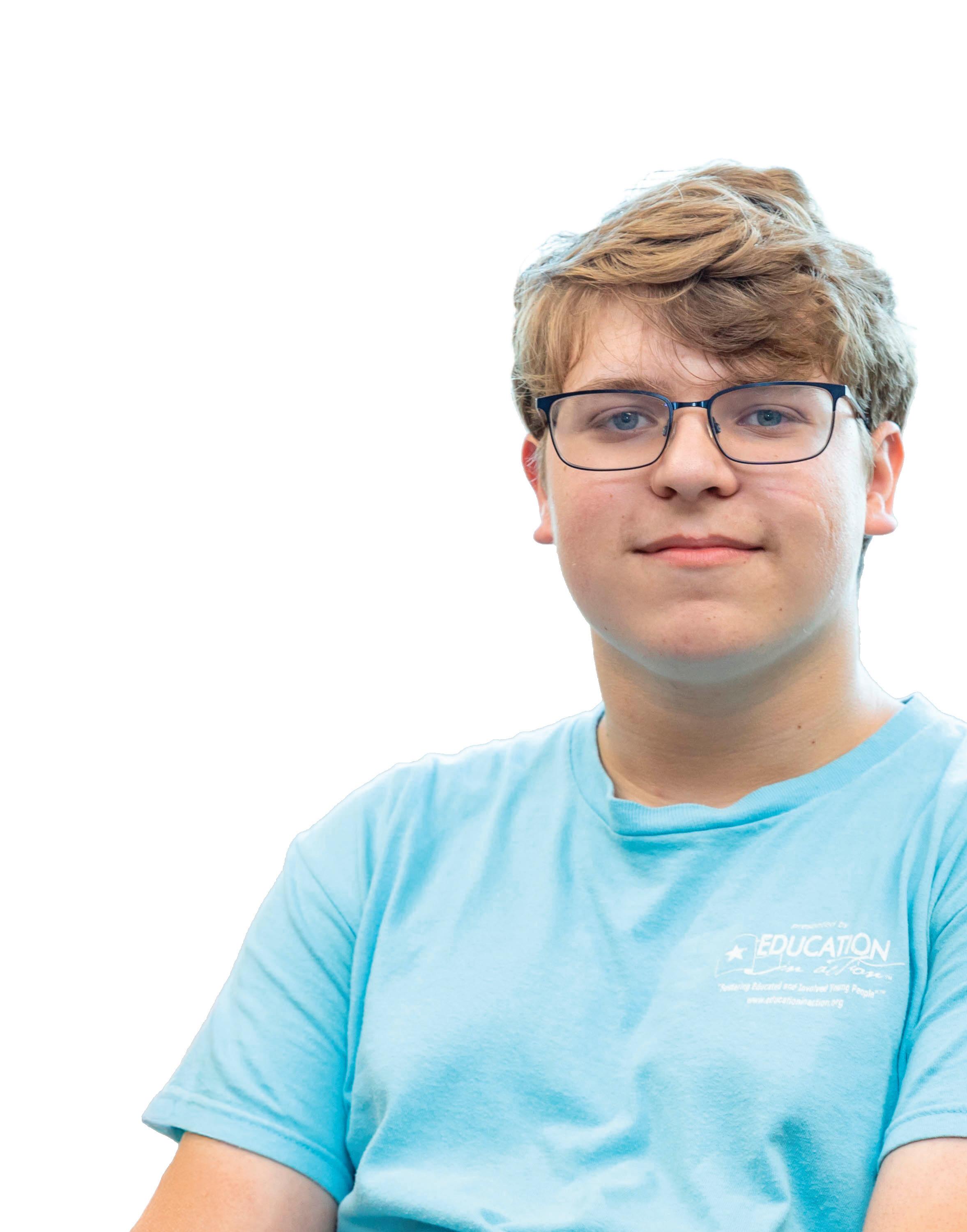
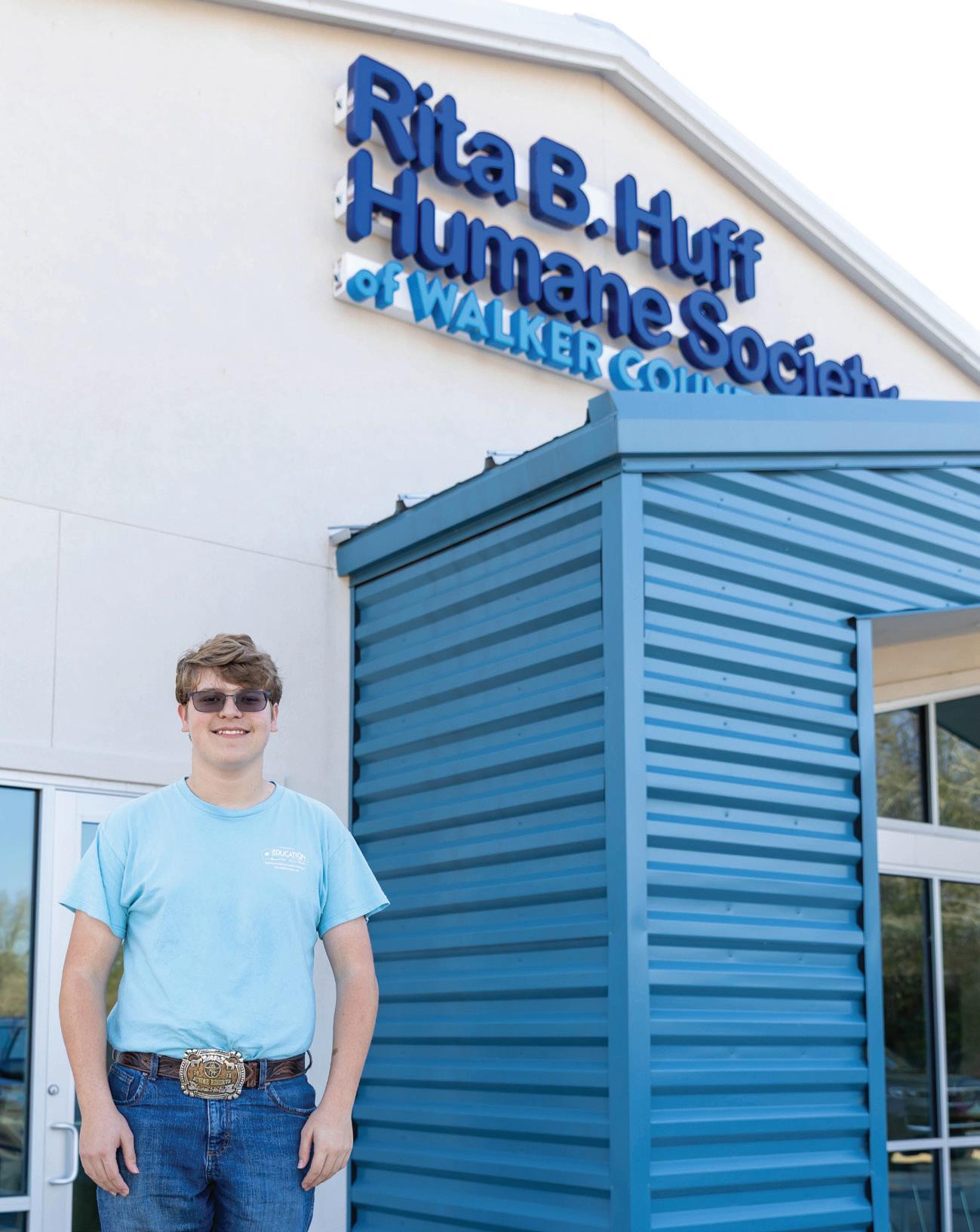
This 15-year-old Huntsville High School student is making leadership and service a priority.
BY WES ALTOM | PHOTOS BY TOM MILLER
Mto the move, he had begun attending the Lone Star Leadership Academy during summers, nominated to attend while he was a student in Conroe. Since that time, Aaron has “graduated” the program, but he continues to be involved annually as an alumni youth facilitator at the camps to mentor younger students. And, as we learn, one of the requirements for the alums is an annual service project.
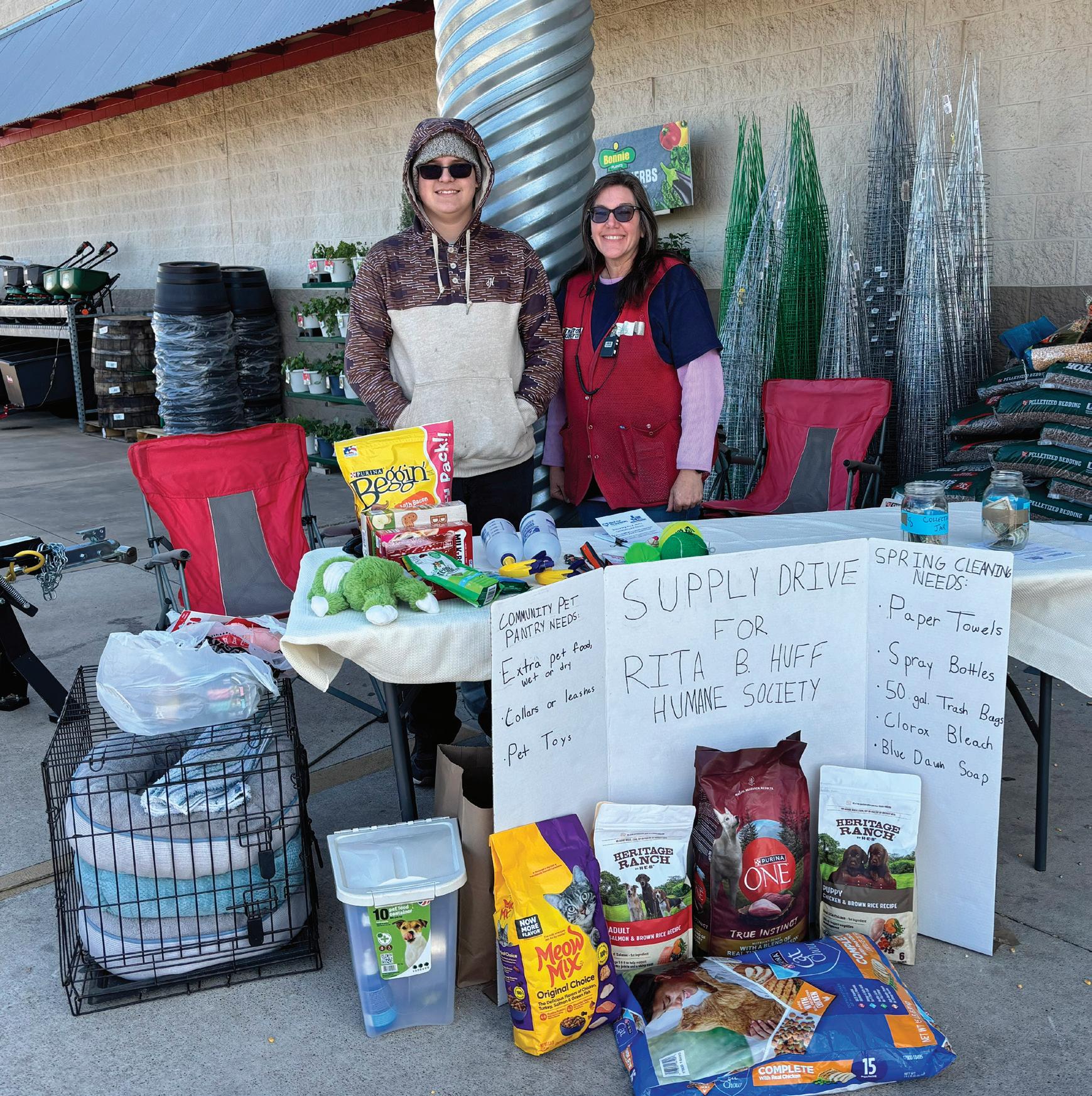
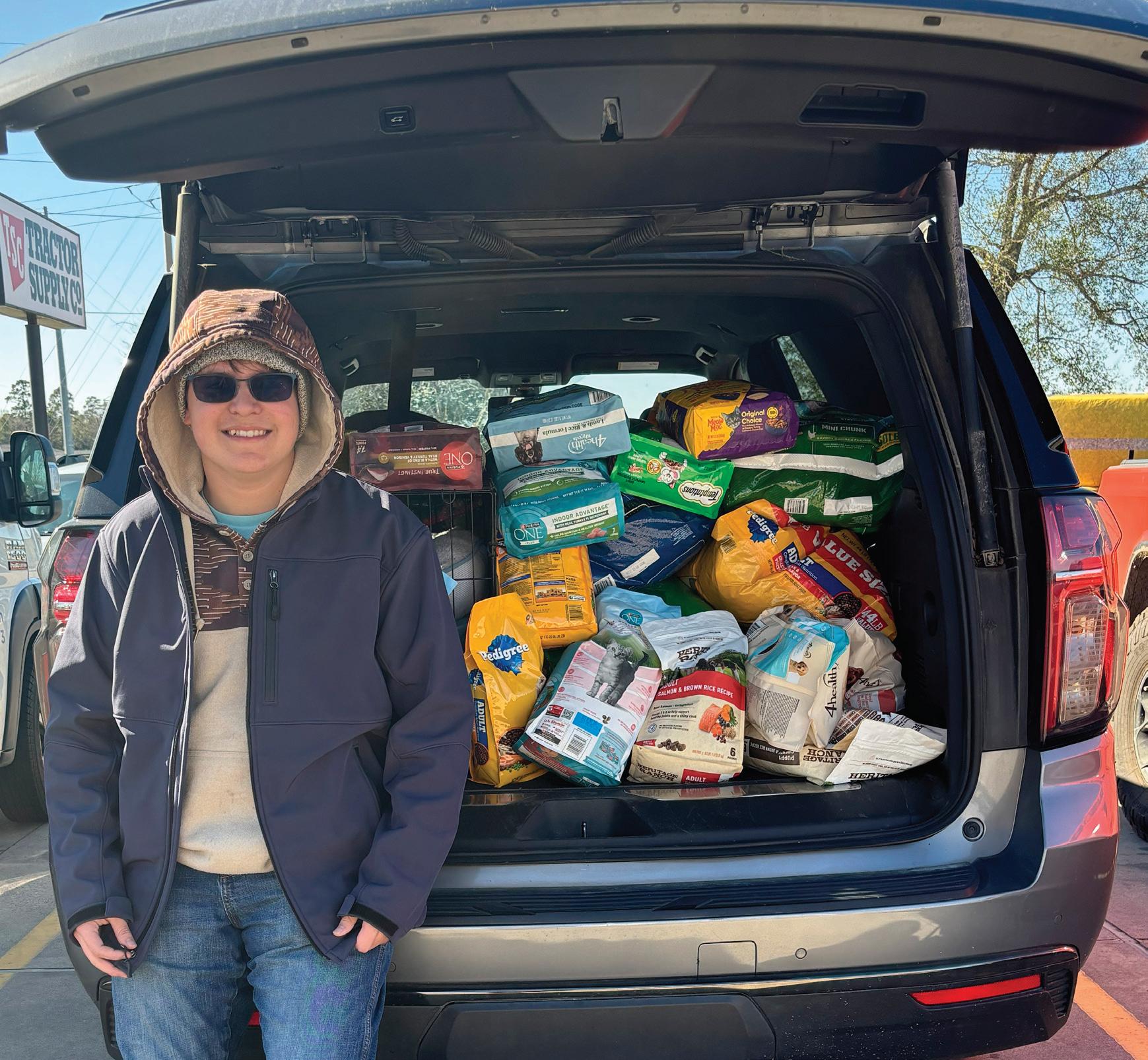
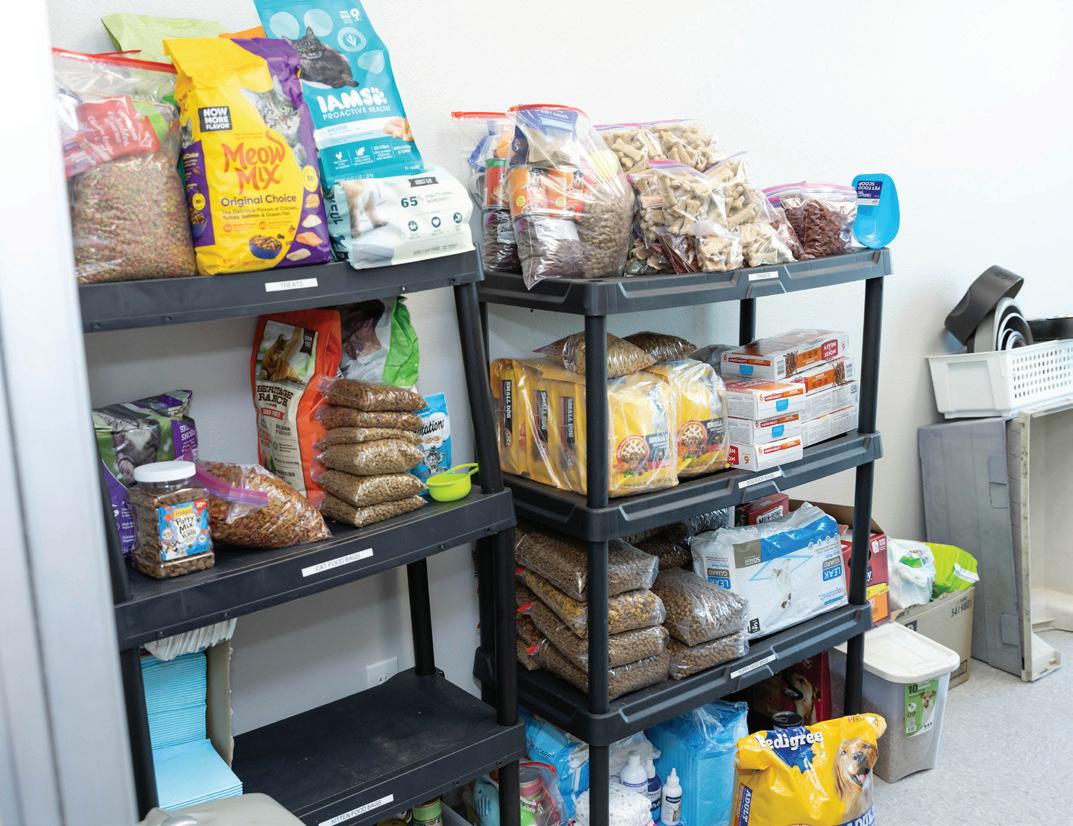
This year, we focused on stocking the community pet pantry at Rita B. Huff with food and accessories. I don’t think the community is really aware of this resource. It’s like a food bank, like a community pantry, but it’s pet food. So, it’s all the pet food they collect that they don’t give in-house, but if someone’s in need or has a dog they found on the street and doesn’t have or can’t afford any dog food, they can come in and get a bag until they can. So that’s really what we targeted. This year, we were able to bring in around $600 and a Tahoe load of food and supplies. Each year, I have to prepare and submit a report on the service project to the Leadership Academy.
So, how do you get word out about this?
Tom Waddill, the journalism teacher, is my faculty sponsor at school. We post flyers in the school with donation boxes. We also publicize the donation drive on
They need cleaning supplies at Rita B. Huff. ”
multiple Facebook pages. And, with permission, we set up a table one day at Tractor Supply. We hand people a flyer explaining what we’re doing as they go in, and many purchase something for us and give it to us on their way out. This year, our day at Tractor Supply was the same day Rita B. Huff was there doing a pet adoption promotion, so that worked out well.
And, speaking of getting the word out, you have one more push coming up, right?
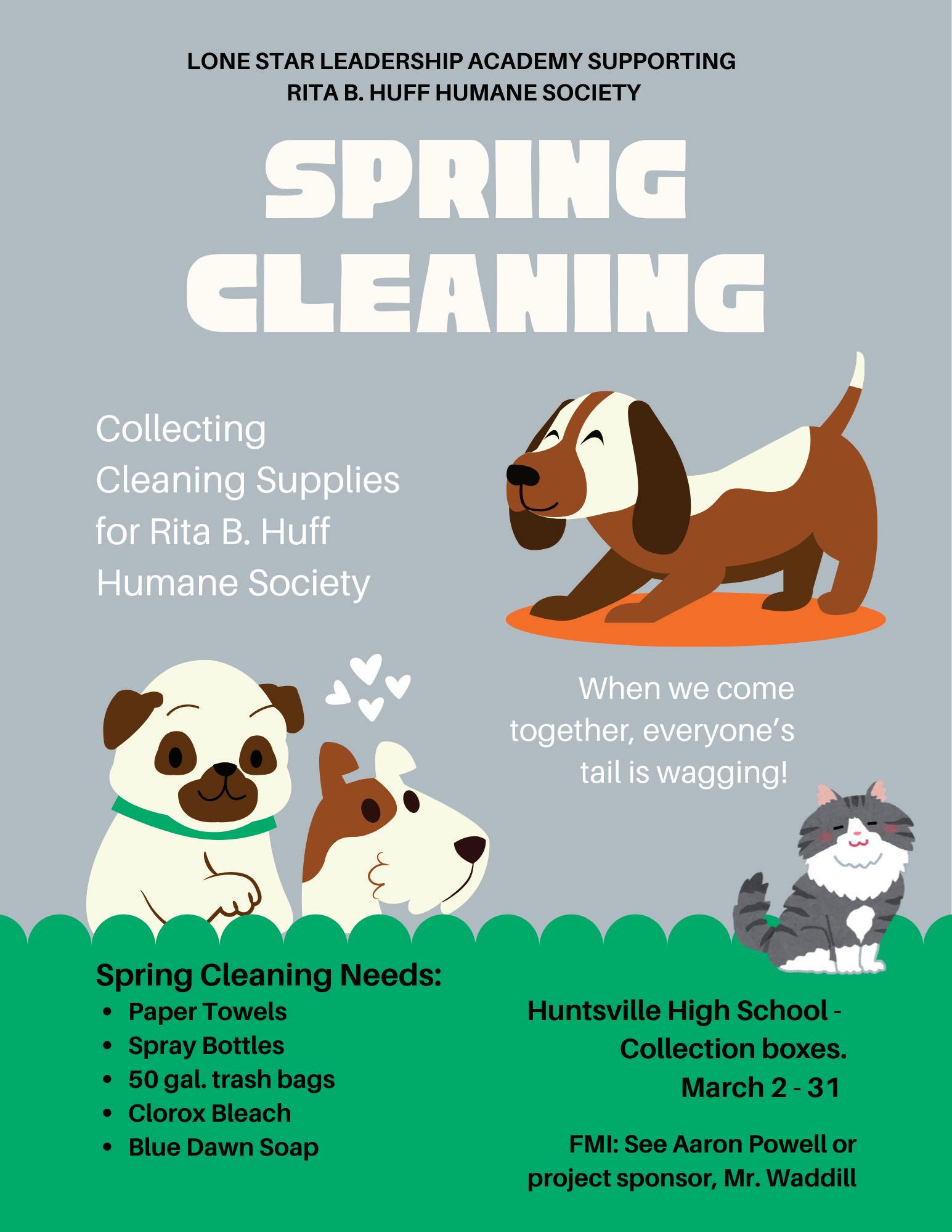
Yes, we are doing one more push with a spring-cleaning theme through the month of March.
They need cleaning supplies at Rita B. Huff. We are looking for donations of paper towels, spray bottles, 50-gallon trash bags, bleach, and blue Dawn soap.
How can people donate?
They can reach out through my mom’s email to wilson. courtneyk@gmail.com. The project grows a lot every year, like a lot. It gets significantly bigger every year, and we do more to make it bigger, so that’s cool.
What’s next?
I have one more year age-wise that I can participate as a facilitator with the camp. Then, I’m looking forward to being an adult volunteer and finding other ways I can help at the animal shelter.
Do you have any other interests?
I like video games. And I like math and science. I do a lot of UIL Academics. After I graduate, I’ll probably end up doing something math-based as a career.
Lone Star Leadership Academy is an academic camp for 3rd through 8th grade students from all over the state of Texas. The weeklong overnight camps are offered throughout the summer. Each day, participants develop leadership skills, explore unique, historically significant, and notable Texas sites, and learn about unique careers from professionals at the sites visited. Participants also gain self-confidence and independence and have fun while making new friendships with other high-achieving students.
Eligible students maintain an overall average of B (85 or 3.5) or higher, are nominated by an educator based on demonstrated leadership ability, and are involved in school and/or community activities.
Students select their camp location based on their current grade level. 3rd-6th graders may apply for Dallas/Fort Worth camps; 4th-7th graders may apply for Austin/San Antonio camps; and 5th-8th graders may apply for Houston/Galveston camps. Education in Action recommends that new 4th-6th graders sign up for the Dallas/Fort Worth program first so that during future summers they may take part in all Lone Star Leadership Academy programs.
While participants travel on charter buses to fun and interesting sites each day of their camp week, they spend each night and eat breakfast each morning at their camp’s lodging location (Dallas/Fort Worth Camp - lodging is in Keller, TX; Austin/San Antonio Camp
- lodging is in Wimberley, TX; Houston/Galveston Camp - lodging is in Crosby, TX).
Scholarship opportunities and a Fundraising Guide are available on the organization website. Many students fundraise in order to cover a portion or all their tuition to attend the Lone Star Leadership Academy. In addition to raising money, students find fundraising develops planning, organizational, communication, and leadership skills.
Upon completion of their 8th grade camp experience, many students continue their involvement through the Lone Star Leadership Academy Alumni Council. Members receive online leadership lessons, lead a service project during the school year, and return to summer camps as Youth Facilitators—providing an important mentoring aspect to the younger students.
Program dates, cost, and deadlines are available on the camp application and at educationinaction.org.
Education in Action is a 501(c)3 nonprofit organization dedicated to empowering young people to be informed and active leaders in their communities. All Lone Star Leadership Academy Facilitators are Texas educators. Student/staff member ratio is 10:1. Education in Action conducts a background check on all adult staff members prior to each summer’s programs.
Giggles & Grins
A guy dressed as a wizard said he'll slowly turn me into a loaf of bread. I laughed.
But now, I'm starting to Wonder.
••••••••••••••••••••
What did Dr. Seuss's mother do for a living?
She was a massage therapist.
Or, a Ma Seuss, if you will.
••••••••••••••••••••
My grandfather invented the cold air balloon.
Unfortunately, the idea never got off the ground.
••••••••••••••••••••
I gained five pounds, and I told my endocrinologist that I'm doing more walking than ever. He said, "Are you walking to restaurants?"
••••••••••••••••••••
Lesser-known Knights of the Round Table:
The knight who was afraid to fight: Sir Render
The knight no one believed: Sir Real
The knight too big to sit at the table: Sir Round
The knight who designed the table: Sir Cumference
The undercover knight: Sir Veillance
The knight who was never killed in battle: Sir Vivor
The knight who exceeded expectations: Sir Passed
The knight who showed up unexpectedly: Sir Prize
The knight who overcame obstacles: Sir Mount
The knight who kept the maps up-todate: Sir Veyor
The knight who drank too much: Sir Rhosis
The knight who performed in three rings: Sir Cus
Pet Pals
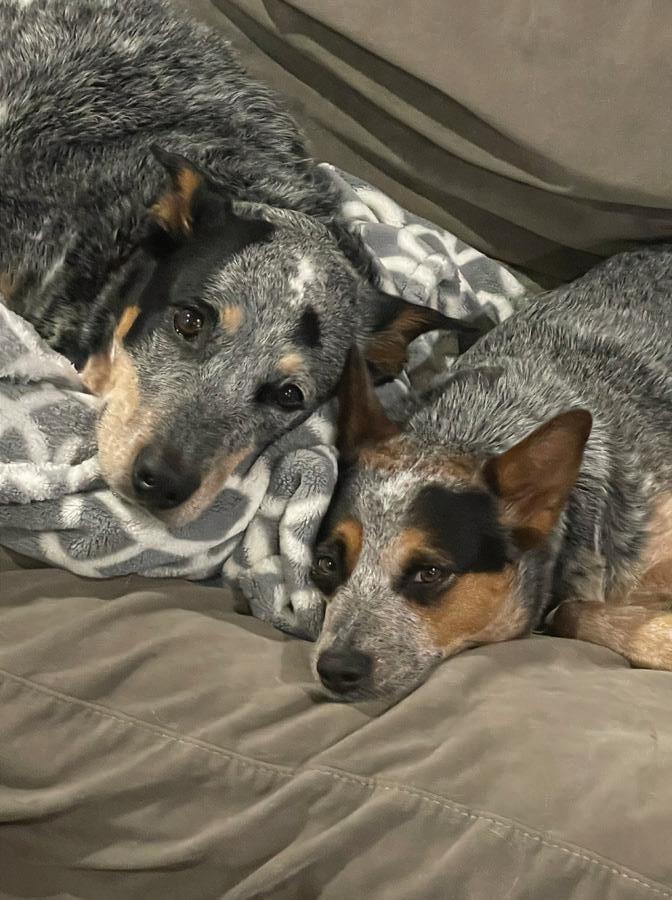
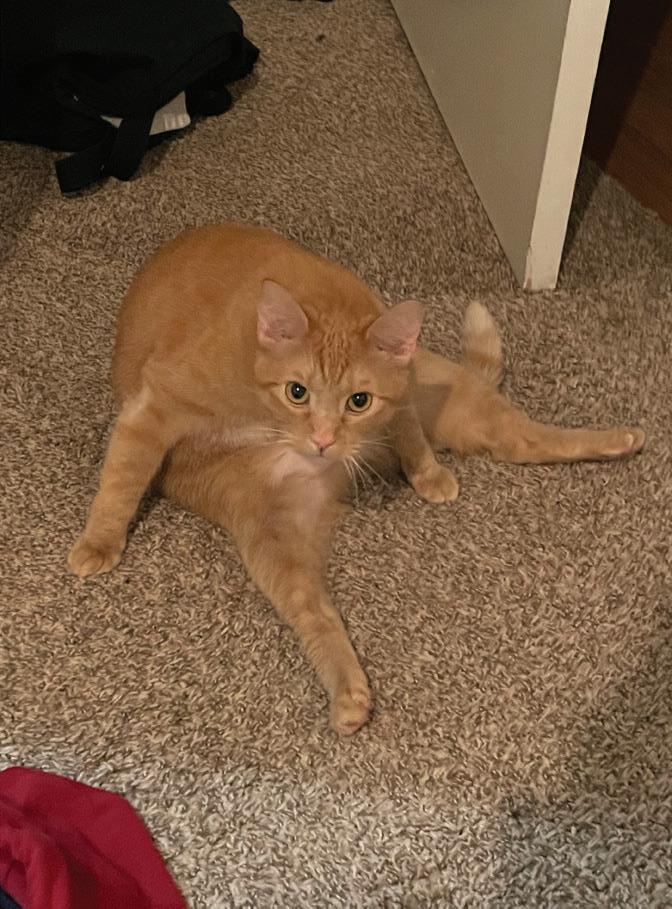
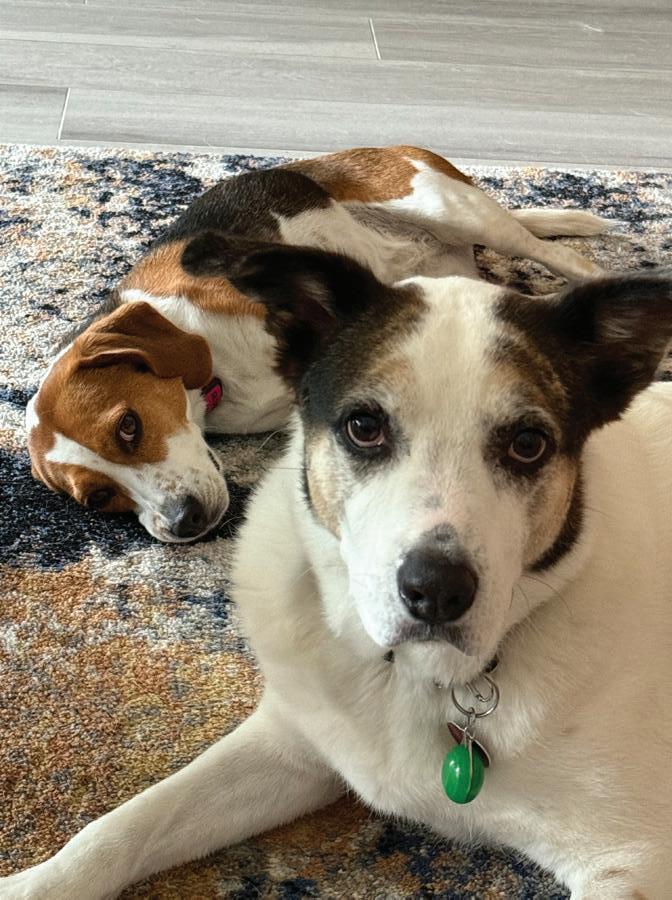
Bella Luna loved by Nancy & Hays
Brody & Millie loved by The Pospisils
Joyous Faith loved by Yaya & Papa Mac
Paco
loved by Alex & Melissa
Rico loved by Abel & Pattie Garcia
Trailor & Bella loved by Walt & Kim Stabell
Funspace
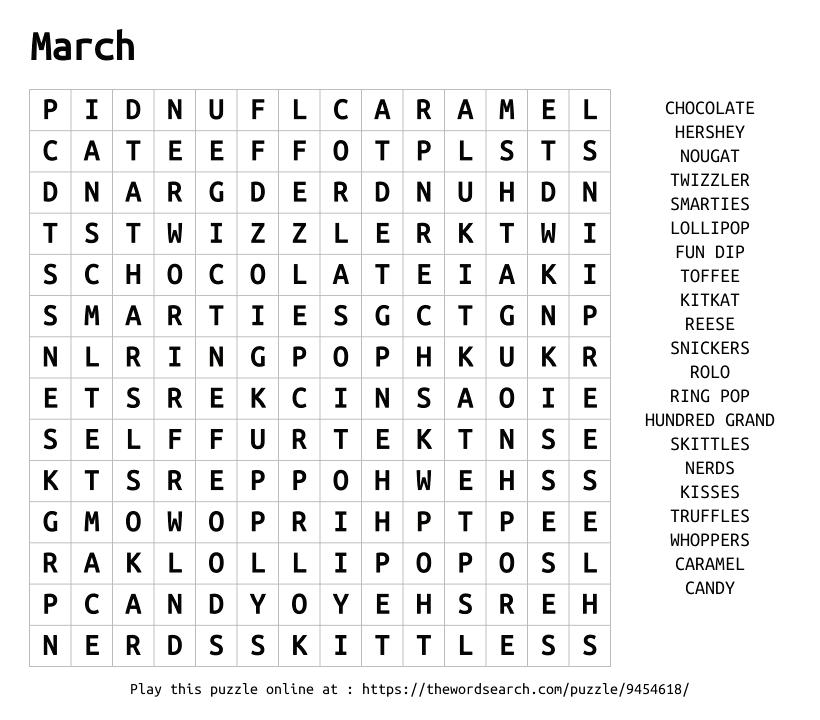
CANDY CARAMEL
CHOCOLATE
FUN DIP
HERSHEY
HUNDRED
GRAND
KISSES
KIT KAT
LOLLIPOP NERDS
NOUGAT
REESE RING POP ROLO SKITTLES
SMARTIES
SNICKERS
TOFFEE
TRUFFLES
TWIZZLER WHOPPERS
Spot 8 Differences
Funspace
Escape the Maze
Begin at the GREEN arrow and navigate to the RED exit arrow.
Sudoku Marketspace
Sudoku Marketspace
Novice Sudoku by KrazyDad, Volume 26, Book 1
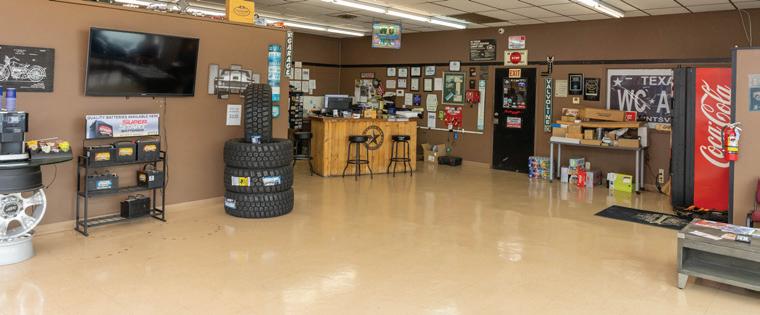
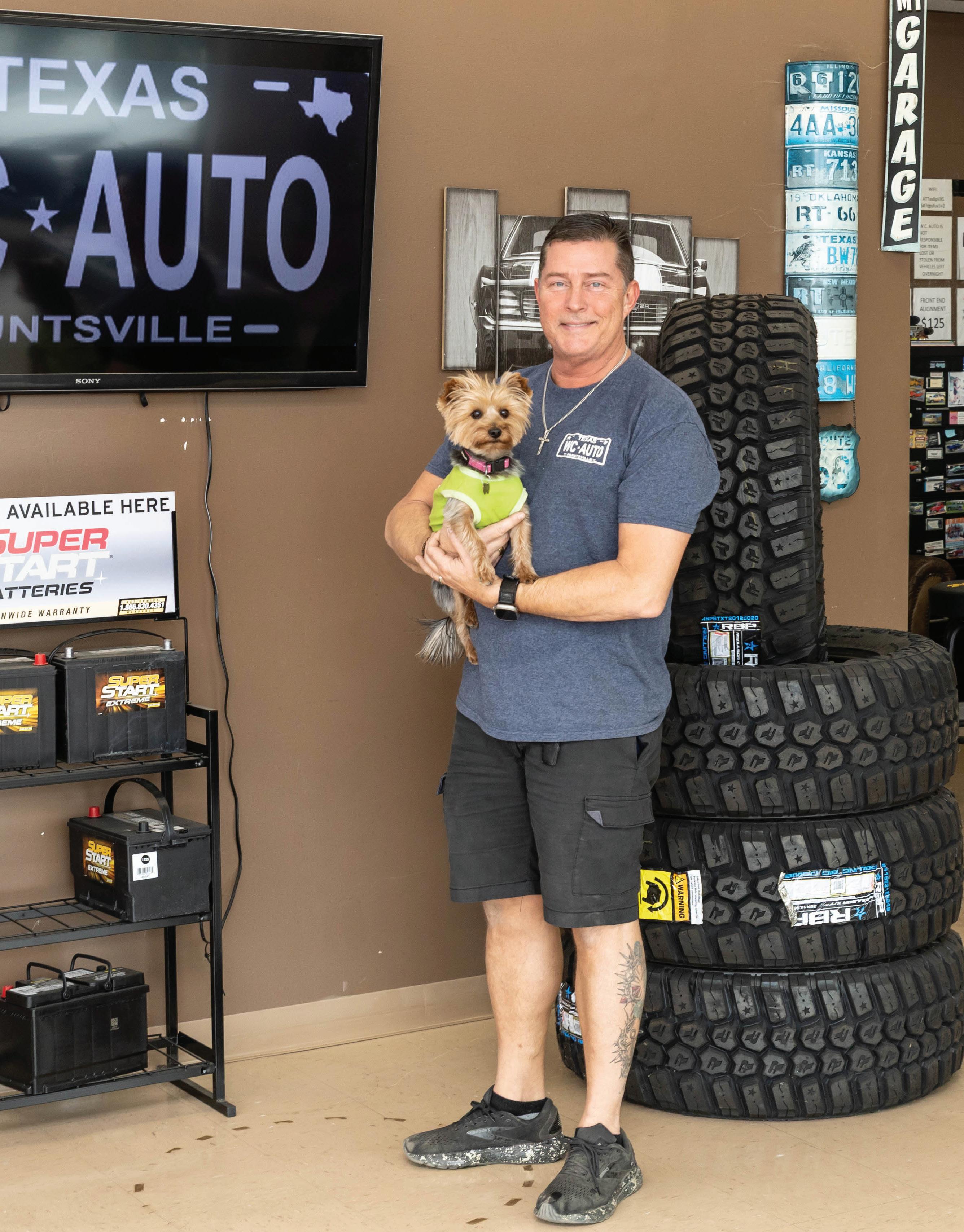
WC Auto Center
Providing motorists with quality auto care for nearly three decades.
STORY BY CLAUDIA KIRKWOOD | PHOTOS BY TOM MILLER
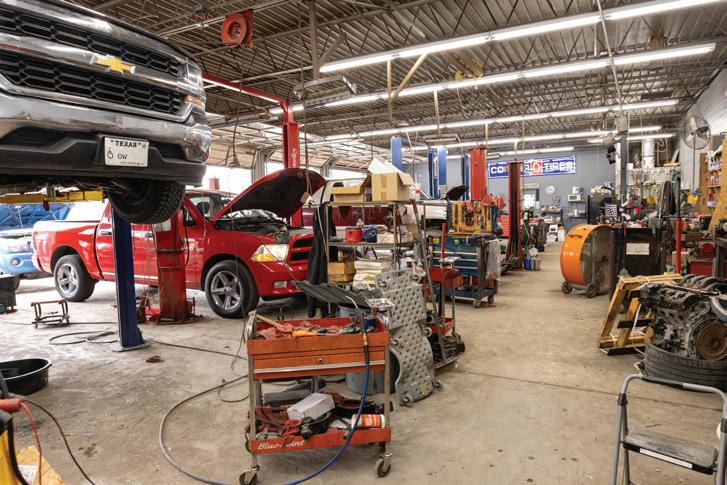
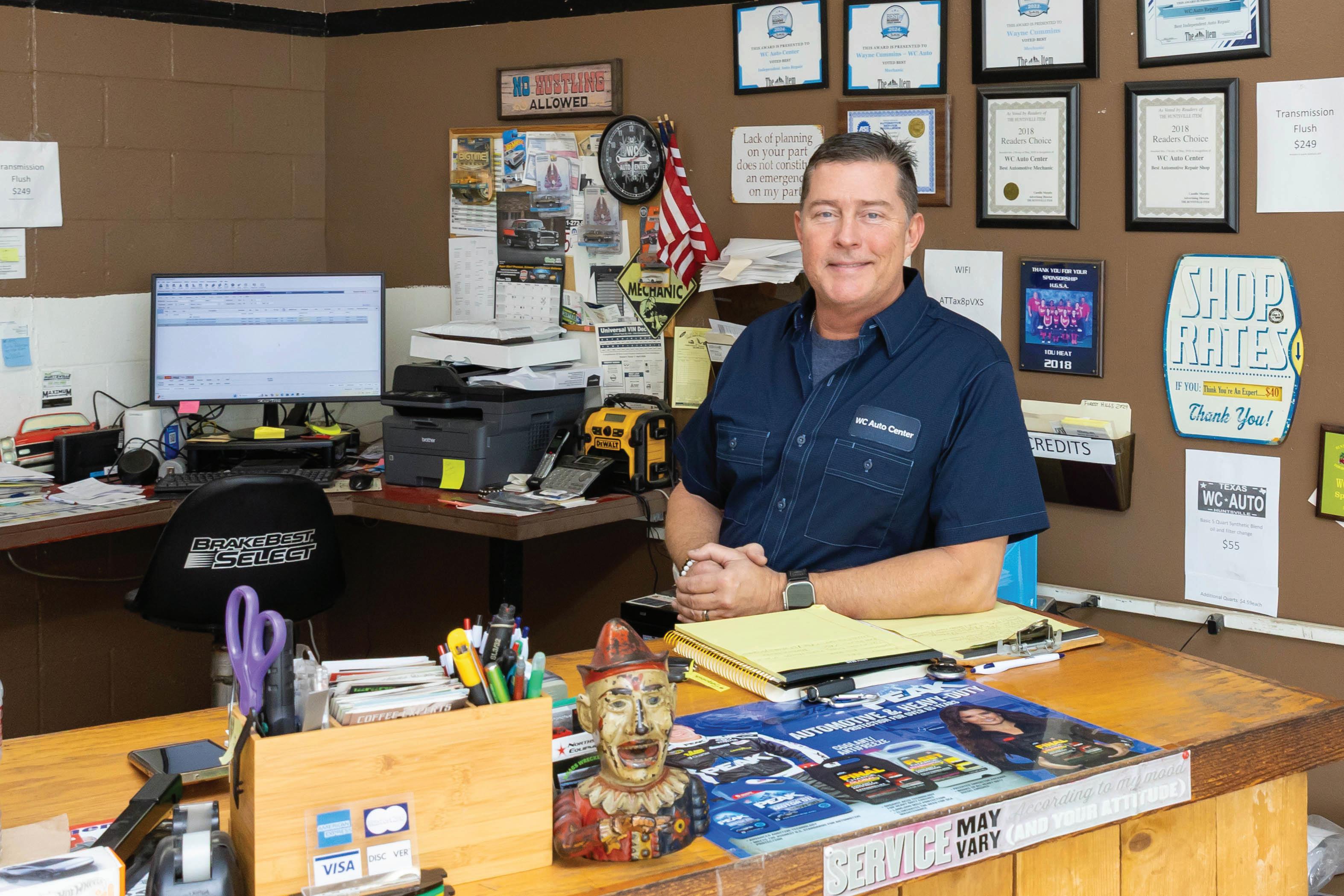
WayneCummins brought his passion and determination to fruition in 1997 when he began his auto repair business out of the trunk of his car. The business has grown over the years, and the need for greater space brought him to his current location at 1412 Sam Houston Avenue in Huntsville. As Wayne states, “We provide the highest quality auto care to our customers through technical excellence, continuous training, and exceptional service. Our business thrives on trust and quality, and on workmanship that we are proud to stand behind.”
Wayne is an ASE Master Certified Automobile Technician and has an extensive background with Dodge
and General Motors dealerships and independent repair shops.
“We maintain a friendly working relationship with other repair shops in the area and sublet to better suited shops for issues we do not specialize in and can save our customers money.”
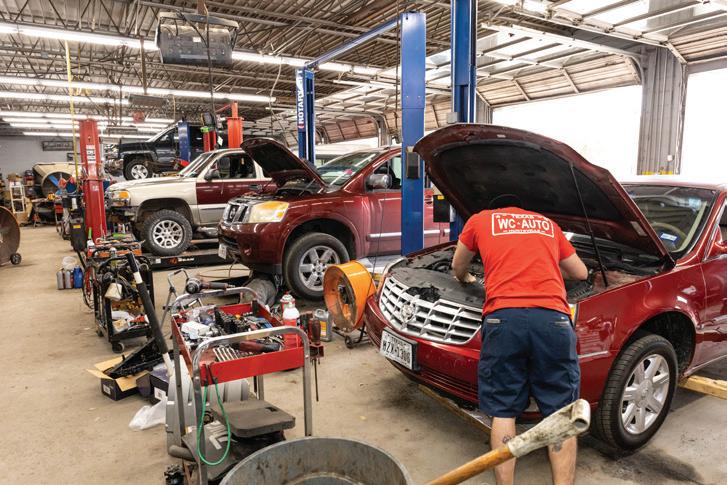
Wayne has built a team of expert technicians who have the experience and knowledge to handle any auto repair issue to get you back on the road as soon as possible.
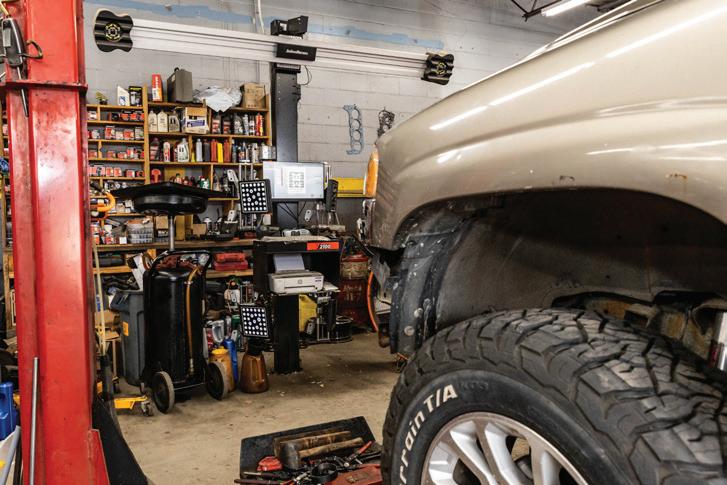
“We use state-of-the-art tools to identify and fix problems efficiently. Our new alignment machine is the newest in technology and the best in diagnostic testing and practices.” The technicians at WC Auto have access to an online nationwide database for
searching out rare as well as common auto concerns. According to Wayne, today’s vehicles have more computers, modules, and complex wiring than ever before, and therefore require extensive knowledge and technical expertise for solving problems. “We stay up on diagnostic equipment, and I keep myself and my technicians trained to diagnose complex issues.” And as he states, “This is no backyard tinkering anymore. We must learn new procedures and fixes daily to meet the needs, and it will continue to get more complex.”
WC Auto provides comprehensive repair and maintenance services and can meet the many challenges a situation may present. From minor fixes to major overhauls, the WC Auto team has the skills and technology to handle it all. Their list of services includes:
ENGINE REPAIR & REPLACEMENT
Services include engine diagnostics, minor and major repairs, and rebuilds. Engine light indicator, strange noises, decreased performance, excessive smoke, and oil and coolant leaks are signs of possible engine problems.
BRAKE SERVICE & REPAIR
Brake services include inspections, brake pad replacements, rotor resurfacing and replacement, ABS system repairs, brake fluid exchange, and caliper service. Signs that you may
My reputation for quality work and integrity are important to me. We work hard to grow and maintain your trust every day. ”
need brake service include squealing and grinding noises, vibration or pulsation, spongy brake pedal, reduced stopping power and warning light indication.
RADIATOR REPAIR
WC Auto provides comprehensive radiator repair services which include repairing leaks and repairing or replacing hoses as needed. They will also flush and clean clogged systems to restore proper function.
TRANSMISSION REPAIR
Services include diagnostics, repairs, rebuilds, and replacements. Common signs of problems include slipping gears or difficulty shifting, delayed engagement when shifting from park to drive, strange grinding or whining noises, burning smell or discolored transmission fluid, and dashboard warning light.
TIRE SERVICES & DEALER
Services include tire repairs, replacement, balancing, and rotation, and wheel alignments. The TPMS (Tire Pressure Monitoring System) provides diagnostics for proper inflation and the need for repairs. Keep an eye out for cracks, bulges, uneven wear, and low tread depth. Also, vibrations and pressure issues may be clues for problems.
AIR CONDITIONING
To keep your system at top running condition, advanced diagnostics are used to detect leaks, blockages, and electrical faults. Services also include refrigerant recharge, compressor
repair and replacement, evaporator and condenser repairs, and blower motor and fan repairs. If weak airflow, lack of cooling, strange noises, unpleasant odors, or water leaks inside the car are present, it may indicate AC problems.
AUTO ELECTRICAL & DIAGNOSTICS
Comprehensive services include electrical system diagnostics, battery testing and replacement, alternator and starter repairs, wiring and fuse repairs, lighting system repairs, and power accessories repair. The following conditions may indicate a problem: dimming or flickering lights, frequent dead battery, unresponsive power accessories, a burning smell, and dashboard warning lights.
STRUTS, SHOCKS & ALIGNMENT
Comprehensive suspension and alignment services include strut and shock replacement, suspension diagnostics, wheel alignments, spring replacement, and suspension repairs. One of the following conditions may signal a problem: bumpy or rough ride, pulling to one side, uneven tire wear,
nose diving or squatting, or steering wheel vibration.
BATTERY TESTING & REPLACEMENT
Comprehensive battery services include testing and replacement, terminal cleaning and repairs, and charging system inspection. If one of the following conditions is present, it may be time to have the battery checked: slow engine crank, dim lights or electrical issues, frequent jumpstarts, or corroded terminals.
Asked about the future of auto repair work, Wayne is committed to providing more hybrid and electric car services. “These vehicles are on the road, and we continue to train and educate ourselves to provide quality care for these newer types of automobiles.” And he states that in general, for all types of vehicles, technology is and will become more costly to repair. WC Auto is ready to meet the challenges of the future.
Wayne’s advice to auto owners is to protect yourself from improperly trained mechanics working on your vehicle. “Sometimes it can cost more to
repair after it has been ‘fixed cheaper.’ And pay attention to warning lights and unusual sounds. Early detection may save a lot of money overall.”
Why choose WC Auto Center for your auto maintenance and repair needs?
• Experience you can trust: decades of hands-on experience and industry certifications ensure your vehicle is in expert hands.
• Comprehensive Care: every vehicle is inspected thoroughly, empowering informed decisions about repairs and maintenance.
• Family-owned and operated
Proudly serving Huntsville, Texas, and surrounding areas as an independent, community-focused business, Wayne and his expert team at WC Auto Center look forward to meeting you and providing you with the utmost excellence in your auto care needs. “My reputation for quality work and integrity are important to me. We work hard to grow and maintain your trust every day.”
The Business Focus is chosen each month by random drawing from among Postcards contract advertisers.
Your Best Agrilife
What 4-H Teaches Youth Lasts a Lifetime
When people think of 4-H, they often picture blue ribbons, livestock shows, county fairs, or other project competitions. These are the moments most would consider the “end” of the project. While those experiences are an important and exciting part of the program, they are not the real end goal. In fact, the true value of 4-H reaches far beyond awards and results.
Through hands-on projects and real-life experiences, 4-H helps youth develop skills they will carry with them long after their time in the club ends. Members learn responsibility by managing projects, meeting deadlines, and following through with commitments. They are given the opportunity to explore interests in a safe and controlled manner. They build confidence by setting goals, trying new things, and learning from both success and failure.
4-H also teaches young people how to communicate effectively and work with others across generations. Because 4-H is a volunteer-led program, youth regularly collaborate with adults, community leaders, and peers of all ages. These youth–adult partnerships allow members the opportunity to share ideas, take leadership roles, and learn from the experience of others, while being treated as valued contributors. Working with people of different ages and perspectives helps young people build respect, teamwork, and communication skills essential not only in school, but in future careers and everyday life.
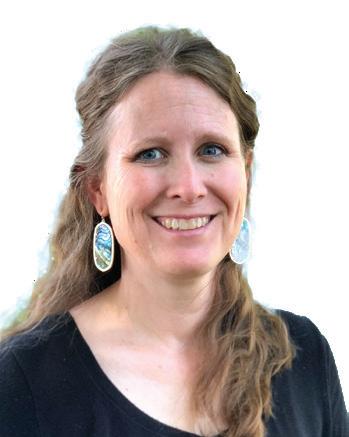
Kristy Titzman Walker County Extension Agent
Most importantly, 4-H helps members develop resilience. Not every project turns out as planned, and not every competition ends with a blue ribbon. Through these events, members learn perseverance, problem-solving, and how to grow from challenges, which are skills that prepare them to face future obstacles and challenges with confidence. While ribbons and recognition are exciting, they are simply milestones along the way. The lasting impact of 4-H is found in the character, leadership, and life skills youth develop through their experiences. These lessons help prepare young people to be engaged, capable, and ready for whatever comes next, long after the fair is over.
Wildlife Wonders
Keeping Time in the Wild
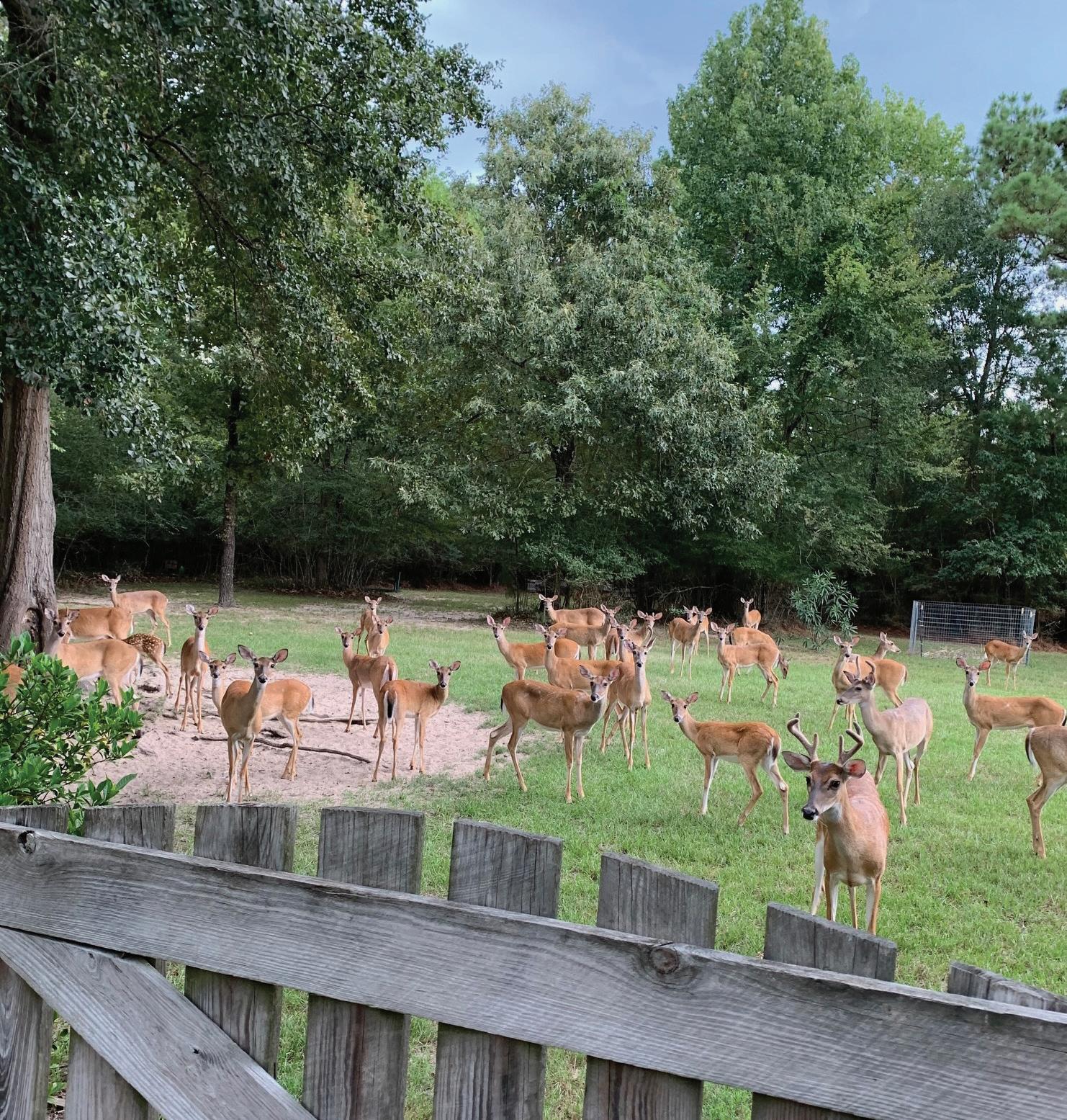
The deer in my area may not wear wristwatches, but don’t be fooled—they are obsessively punctual. It seems like an invisible alarm clock goes off in the woods, and right on cue, they report for duty (well, not really duty—food)! Around 4:00 pm every day, my own local herd arrives for their daily snack of corn. Remember the slogan associated with mail carriers? “Neither snow or rain nor heat nor gloom of night stays these couriers from the swift completion of their appointed rounds.” This certainly applies when it comes to snack time. This uncanny punctuality isn’t coincidence or politeness—it’s biology. From birds to beetles to extremely food-motivated deer, animals run on powerful internal clocks that govern when they eat, migrate, sleep, and show up expecting snacks. Call it nature’s timekeeping system: no batteries required, but surprisingly accurate.
What I’ve noticed with deer happens with other species in the animal kingdom as well. Almost all mammals, including us, have internal clocks that tell them when to eat, when to be active, and when to sleep. It’s known as a circadian clock. In simple terms, it works like a master clock in the brain called the suprachiasmatic nucleus (SCN), located
By Cheryl Conley
Lake Creek Nature Preserve Board of Directors
in the hypothalamus. It coordinates many smaller clocks throughout the body. Almost every cell in the body has its own independent, smaller clock.
Mammals rely on external clues from the environment to help reset the 24-hour biological clock. These external cues are known as “zeitgebers,” which is a German word meaning “timegivers.” Without zeitgebers, mammals might wake up at the wrong time or eat at the wrong time. Light is the main zeitgeber for almost all species. Other examples are:
• Artificial light - can interfere with an animal’s activities like foraging, mating, and migration. Exposure to lights at the “wrong” time can have adverse effects on the internal clock.
• While natural light is the main zeitgeber, food availability is second. In anticipation of eating, mammals display increased wakefulness, body temperature, and locomotor activity. Eating at “normal” times ensures synchronization of internal rhythms. When food is scarce it forces animals to change their eating patterns. More time is spent looking for food which can interfere with sleep-wake cycles.
• Temperature - changes in temperatures play a role in synchronizing the 24-hour day-night cycle. Normally, cooler temperatures signal rest or nighttime for animals, but extreme cold during daylight hours may send the wrong signal. Extreme cold can force animals into abnormal behavior. They may be forced to look for food into the night, disrupting their circadian rhythm.
Light and darkness may be nature’s most reliable alarm clock, but depending on the species, the cue to eat, move, mate, or migrate might come from the tides or the moon, a whiff of pheromones, a change in humidity, a drop in barometric pressure, or even earth’s magnetic field. Toss in social interactions, rainfall, oxidative stress, and a dozen other signals, and it becomes clear: nature runs on more clocks than a watch store.
What remains most remarkable is the way life pays attention. Across forests, fields, oceans, and skies, species of every kind read the planet’s subtle cues—light, water, pressure, and motion—and respond in quiet, precise ways. Without clocks or conscious thought, they adapt and endure, moving in rhythm with forces far older than themselves. It’s a reminder survival is not just about resilience, but about belonging—an ongoing conversation between living things and the world that shapes them.
The Divas of Soul Featuring Alfreda Gerald blinn.edu/boxoffice 25 - 29
“Be More Chill” shsu.universitytickets.com
- 28
Old Time Music and Dulcimer Festival oldpalmusic.com
- Apr 4 HUNTSVILLE
Walker County Fair & Rodeo walkercountyfair.com
Pitch, Hit and Run huntsvilletx.gov
“The Yuck Explosions Show” cypresscreekface.org
Texas Onion Fest weslaco.com
Darci Lynne and Friends
oldtowntheatre-huntsville.org
31 - Apr 1
COLLEGE STATION
Blue Man Group opastickets.org
Mustard Seed Moments
By WES ALTOM
By The Power of Spiritual Music
For many older adults living with dementia, faith has been a lifelong anchor. Even when memory fades, certain songs – especially hymns – remain deeply stored in the heart and mind. Hymns are often learned early in life, repeated often in worship, and tied to powerful emotions of belonging and hope. This imprints them into long-term memory, which often remains long after shortterm memory declines. That’s why:
• A few sung lines can reduce anxiety.
• Group hymn singing can restore a sense of community.
• Even nonverbal subjects may hum, tap, or smile in response.
In memory care communities, hymns aren’t just music –they’re spiritual lifelines.
This truth which becomes evident in older dementia patients exists even before they reach that point. We all deeply relate to the music in our roots.
And you show that you are a letter from Christ delivered by us, written not with ink but with the Spirit of the living God, not on tablets of stone but on tablets of human hearts.
- 2 Corinthians 3:3
Most Christian music comes from scripture, and the songs are a powerful way to write scripture on our hearts. Dementia or no dementia…maybe there’s a lifeline there for all of us.
Consider this: When Paul and Silas were in prison (as told in Acts 16), they could have simply prayed…they could have simply quoted scripture…but they sang hymns. And it turned out to be a “performance that brought the house down.”
Encourage each other with psalms, hymns, and spiritual songs. Sing and make music in your hearts to the Lord. Always give thanks to God the Father for everything in the name of our Lord Jesus Christ. - Ephesians 5:19-20
First National Bank of Huntsville Welcomes TJ O'Donnell
TJ O'Donnell
Senior Vice President, Loan Officer & West Branch Manager
The Board of First National Bank of Huntsville is pleased to announce the addition of TJ O'Donnell, Senior Vice President, Loan Officer and West Branch Manager TJ will preside over the day-to-day branch operations at our West Branch location, as well as providing loans to customers. TJ contributes an incredible amount of banking knowledge with over 20 years of experience in various positions in both lending and operations.
TJ grew up in Huntsville and is the son of a banker. He is a proud HHS Hornet alumnus and graduated with his BBA from Sam Houston State University in 2004. TJ and his wife, Jessica, have six children; Matthew, 24, Mia, 18, Michael, 16, Miles, 14, Emme-Kate, 6, and Evan, who is 2. They are members of St. Thomas Catholic Church and their free time is spent keeping up with their six children and their various activities and sports.
FNBH Chief Executive Officer and Chairman of the Board John Sanders said, "TJ, we are so pleased that you have joined our team to lead our West Branch. We are glad to have such an accomplished banker who brings years of experience and quality customer service skills to our existing and prospective customers here in Walker County. Additionally, we admire your dedication to the truly important things in life, such as family - welcome home."
Since 1890, First National Bank of Huntsville has proudly helped our community grow into the city it is today. We are equally proud to be Huntsville’s only locally owned community bank. FNBH is a subsidiary of First National Bancshares of Huntsville, Inc. with its main office and branch in Huntsville as well as branches in Crockett, Madisonville, Franklin and Bryan/College Station.