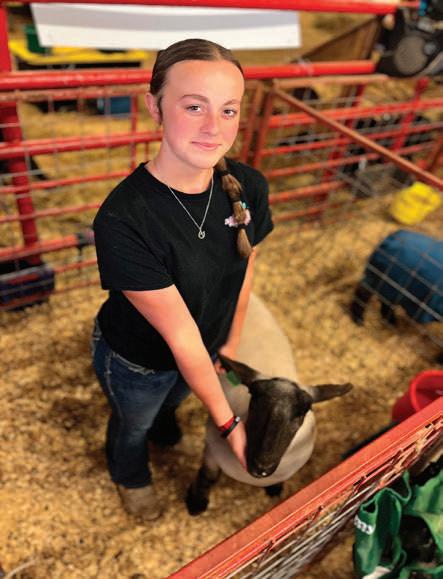
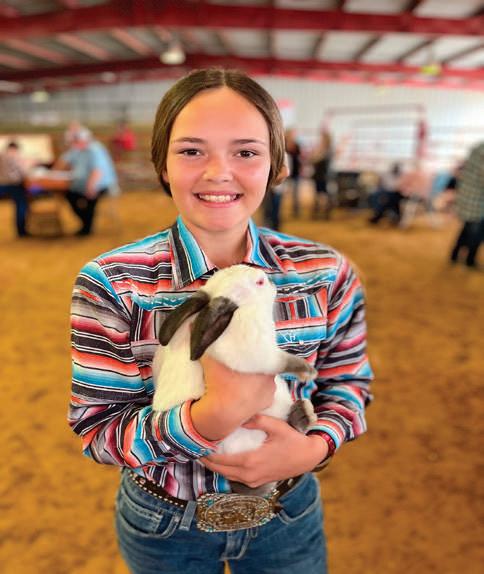
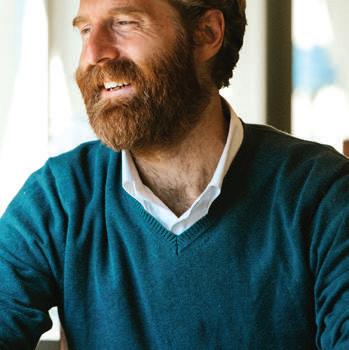
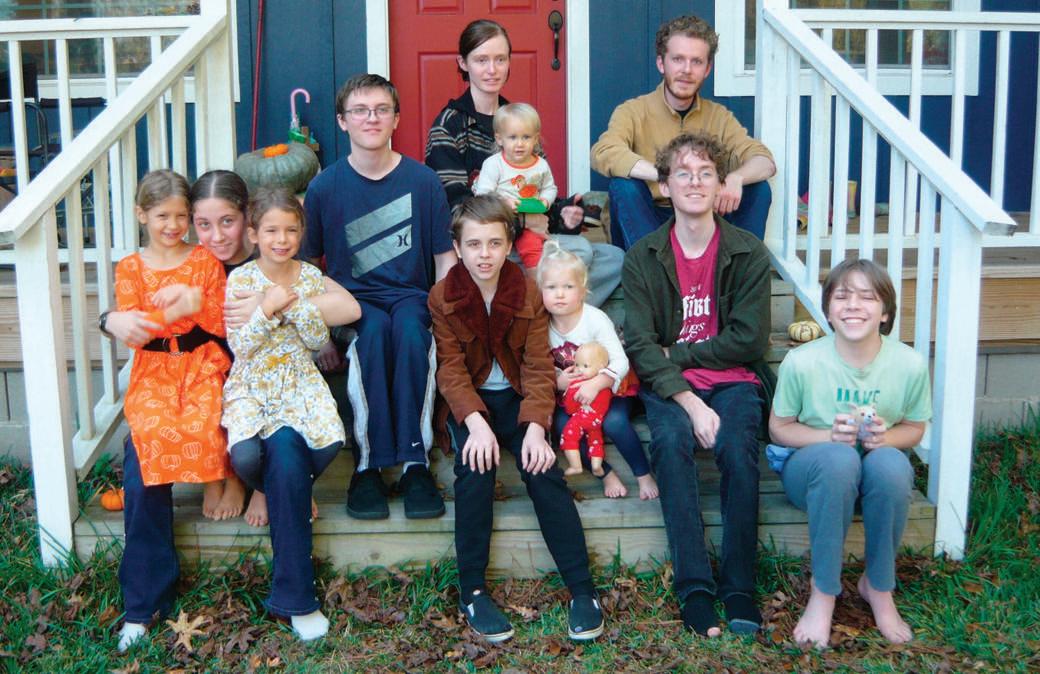
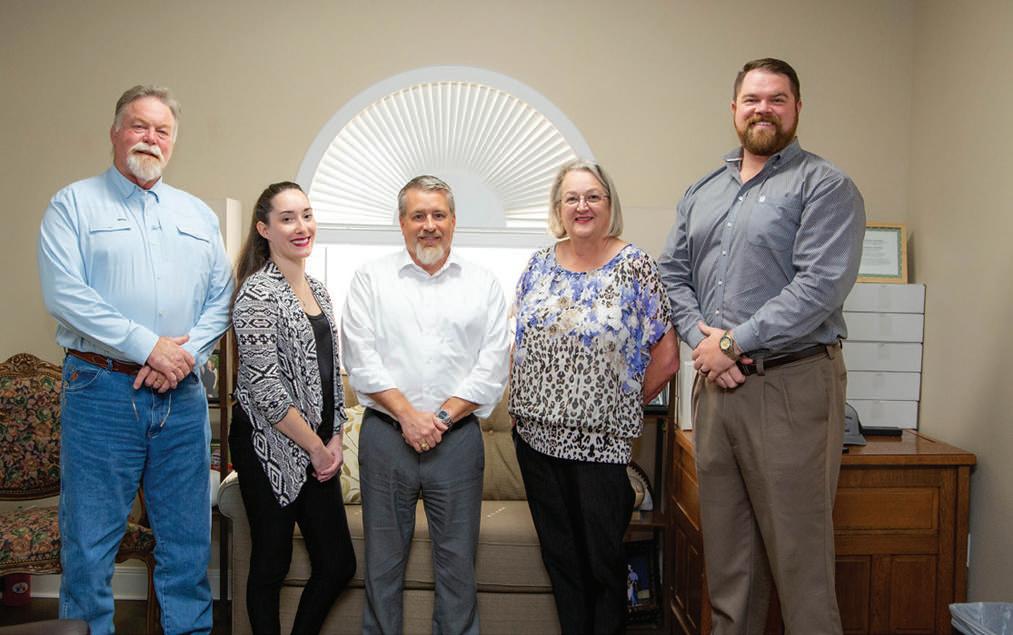
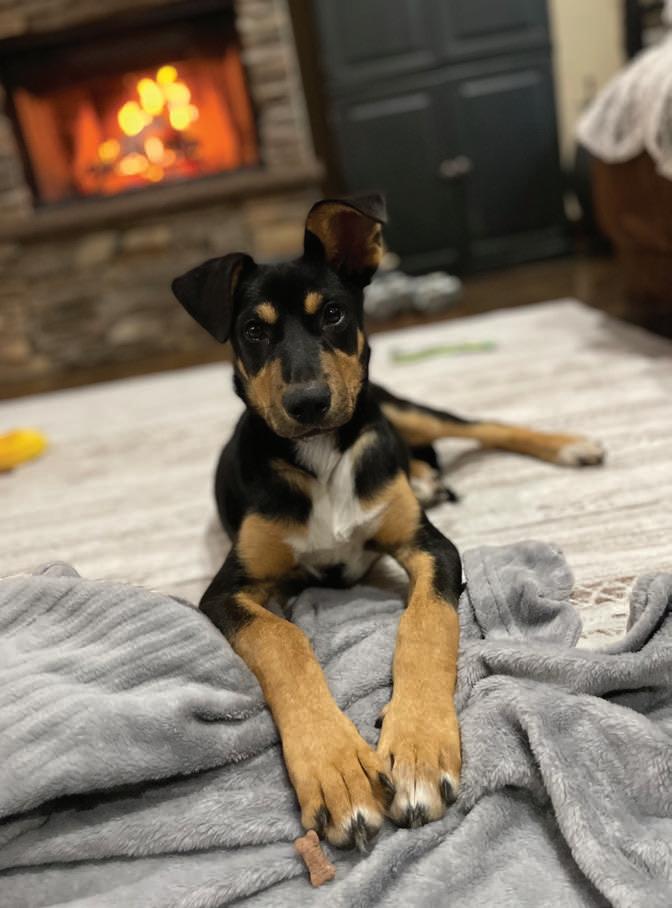
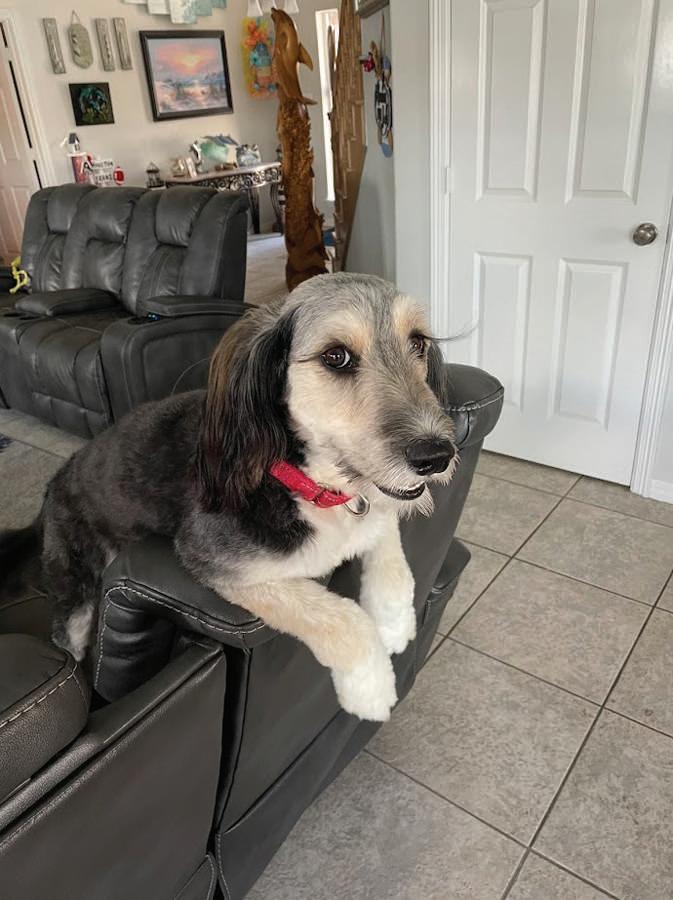
Love looks like checking in, even when you’re miles apart. Like staying up late just to say goodnight. Like making sure the people you care about can browse, stream and scroll without worry.
MidSouth Fiber makes those quiet acts of love a little easier. With built-in protection, real-time control and private guest access, your connection does more than deliver speed, it shows up for the people who matter most.
no
for the return of any material without written preauthorization. No material from
Magazine™ can be copied, scanned, faxed, electronically, or otherwise used without express written permission. Publication of articles, advertisements or product information does not constitute endorsement or approval by Postcards Magazine™ and/or its
Publisher’s Post
Who You Love
February has a way of turning our thoughts toward love. The big kind. The quiet kind. The everyday kind that shows up without fanfare.
At Postcards, when we started thinking about what February should look like on these pages, one simple question kept coming back to us: Who do you love?
Not just in the hearts-and-flowers sense, but in the real-life, boots-on-the-ground way. Who do you call first? Who do you trust? Who do you keep going back to because they show up, do it right, and treat you like a neighbor instead of a number?
That question is what inspired something brand new for us—our very first Postcards Community Choice Awards.
This is our invitation for you to tell us who you love in Walker County—your first choice for the goods and services you rely on every day. The places you recommend without hesitation. The businesses and professionals who have earned your loyalty not through flashy promises, but through consistency, care, and commitment to doing right by their customers.
These are the folks who sponsor little league teams, donate to school fundraisers, support local causes, and still remember your name when you walk through the door. They are woven into the fabric of our towns, and they deserve to be recognized…not by a panel or a committee, but by the people they serve.
That’s the heart of our Community Choice Awards. Your voice. Your vote. Your favorites.
We believe there is something powerful about neighbors lifting up neighbors…about saying, “This one right here...this is who I trust.” In a world full of online reviews from strangers and AI generated everything, this is about real recommendations from real people who live here, shop here, work here, and raise their families here.
This month, be sure to take the time to cast your vote. We hope you’ll take a few minutes to think about the people and places that matter most to you—and then tell us who you love. Because when a community shows its love, everybody wins.
As always, thank you for welcoming Postcards into your homes, your businesses, and your lives. We are honored to tell the stories of this place we all call home.
Let’s talk about who you love!
Archives
I just wanted to tell you I am so glad you have the Postcards Magazine archived in flip books online. I've missed reading several issues, but now I can go back and catch up. I love your magazine.
David O'Rear
Community
Thank you for a magazine for and about the community!
Larry Harris
Puzzled
We also are having a problem now with solving the sudokus. Thought it was just us getting old!
Bonnie Fezatte
Show the Love
We just wanted to show some love today and say how much The Color Bar loves the team and the magazine!
Library Picks
Tamara Harris reading
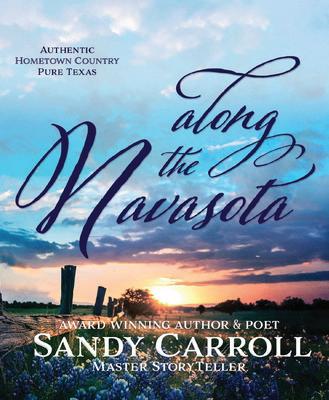
Along the Navasota BY SANDY CARROL
Jon Evans reading
Burning Evidence BY PETER KIRKLAND
Karen Altom reading In His Wake BY CHAD ZUNKER
DO YOU KNOW P
Juanita Hall
BY WES ALTOM | PHOTOS BY TOM MILLER
For this social services worker, success is a mindset, and giving back is her nature.
Juanita Hall is a force to be reckoned with. She is the face of Huntsville ISD when it comes to helping children in need and has been with the district for more than 30 years. When it comes to giving back, Hall sums up her heart and efforts with these simple words: “It’s how I was raised.”
How long have you been in Huntsville?
I was born in Galveston, and my father moved me here when I was an infant. He moved me with his grandparents, and I have lived in Huntsville my entire life. I went to elementary school here. I went to high school here. I went to college here at Sam Houston State, receiving my bachelor’s in elementary education. I went to Prairie View A&M and received my master’s in counseling, and I came back. I am a lifelong member of Mt. Zion Missionary Baptist Church, been there since I was a baby.
When I was in high school, I was the first black person to work for the tax office, back when it was a little white building right down from Mance Park. That’s where I started working, and I worked there through high school and most of college.
And from there, I ventured out, and I started working for the police department. I was the first black person to work there in the ticket department. How I got that job? I don’t even know.
Share about your work with HISD.
I have always been in the social services field. I am currently the McKinneyVento Director. I service and work with homeless children and their families within our community.
The McKinney–Vento Homeless Assistance Act of 1987 was the first significant federal legislative response to homelessness and signed into law by President Ronald Reagan. The act has been reauthorized several times over the years.
On a daily basis, someone will call and say, “Hey, Mrs. Hall, this family is in need of assistance, this family’s about to be evicted from their home, or this child is coming to school with clothes or shoes too small, or this child is reaching out and saying they’re hungry and don’t have food at their home.” If the children are old enough, I go and speak directly with the children themselves to see what their needs are. But if they’re in our elementary campuses, I go and I visit with the parents, and they tell me what their needs are.
I’ve been truly blessed that parents feel comfortable for me to come into their homes. Over the years, I have learned that someone’s home may not be what you think it needs to be, but I respect them for where they are. And because of that respect, I have been able to feel that rapport within the community. I can pretty much go anywhere. I can go into the woods where we have had children live and be able to come into their camps and talk with the family, or I can go out to one of the richest facilities or homes here in Huntsville, where family members may have someone living with them who are homeless and need help or assistance.
Sounds like you rely a lot on HISD staff as your “eyes and ears.”
Yes. We have crises all the time. I have been fortunate enough to be the mediator to try and find resources for these families. In Huntsville, resources are very, very slim. We have to be creative to find ways as a team to find these resources to meet the needs here.
Are unhoused students more often older ones?
Normally, elementary children are with their parents, and the family may be “doubling up” living with another family. When you’re doubling up, people get tired of having you in their space. So, these individuals are going from place to place every few months, staying with different people every other month or so.
It’s not stable. The challenges keep changing as they get moved around. They may have been living with Aunt Susie, who said, it’s okay for you to go into the kitchen, to eat whatever, whenever. But when they move in with Cousin Bobbie, there are stricter guidelines, and you can’t touch. And this, of course, really causes conflict with the children—it can get
confusing. And so, they come to school very cranky. Some come to school very sleepy, because they may be living in a crowded household where there are multiple people sleeping on the floor or a mattress. That’s where we must come in to help our teachers and everyone understand these children may be acting out because they’re not in a stable environment.
Older children often leave home because they are being emotionally or physically abused. They would rather sleep in their vehicle or at a friend’s home just to get away from all that baggage and what they’re having to deal with.
Last week, we had a student who just got out of juvie, and she wanted to change her circumstances. She wanted to get an education at the high school. They called me, and I went to meet her. She’s very poorly dressed. We were able to enroll her. I went and bought her clothing and the hygiene items she needed. We were able to let her shower, and she’s in school. We made it happen. We all want her to be successful and to graduate and be a respectful citizen.
We have children come from other states to live with grandparents or great-grandparents. A lot of the time when they get here and are with their grandparents, they do well, but it’s hard for them financially. Most grandparents are on a fixed income. So again, that’s where we try to assist and do what we can to help these children.
Do older kids avoid asking for help because they’re afraid of CPS involvement?
We have many young people who are reluctant about saying anything. We must make sure they know that whatever they say to us is confidential. We’re there to help them. But in my role, I also have to tell them if they tell me anything that indicates physical abuse, by law, I must report. So, it’s a fine line to gain their trust, and I’m sure there are some kids who are living under the radar.
What is the attitude of most parents toward your efforts?
Usually, the parents are glad that someone stepped in, because we can mediate between this teenager and the parent and try to find the right
We need the community’s support, and we appreciate the support.
”counseling, or find the right resources for the family to help out.
You worked alongside Sally Dowis for many years before she retired. Did the district replace her?
Yes, with a young lady named Serenity Vega. I think she will be outstanding. As I get ready to retire in the next year or so, she’ll be able to step in and carry on. She’s young, and there will be various things she’s going to do differently we may not have even thought of doing.
What’s your message to members of the community?
I would like them to know we have a very serious homeless population within our community. You may not see them, but they are here.
I would just ask the community to please, please consider continuing to help and support us. We need the community’s support, and we appreciate the support. We appreciate our churches. I cannot name all of them because we have so many who assist us. We appreciate the community leaders and every person who helps.
What’s the attitude of the general students toward these other students, do you find they’re more accepting? They are very accepting. I’m not going to say we don’t have bullying. But I am not aware of any situation where a child who is homeless was being bullied or mistreated by another student. Our teachers and our staff are good about things like that. If they see it, and understand it, they’re on top of it.
When we say, “No child left behind,” that’s just not something being said. It is really practice here. We work with our children to help them realize that everybody has something to offer and bring to the table.
I see older kids taking care of some of their peers at school. I also see these older students, if there is a significant problem, going and sharing with someone they trust. It can be a teacher, a coach, or one of the counselors.
So when that time is right and you retire, how do you want to be remembered? I want to be remembered as an individual who gave back and just loved
everybody. That’s what I want to be remembered for. Just giving back. Not that I had anything special, other than giving back because it was the right thing to do, and that was the way I was raised.
When I was in high school, I was poor, but I didn’t know it. I was voted “Best Dressed” and “Most Likely to Succeed.” Who would have thought that would be a poor person? But I had that mentality. My grandparents always made me feel I was special. Whenever I talk with these children, I try to make them feel they’re special, too.
I think if you put it in your head that you’re going to be successful, somewhere it’s going to stick, and it will turn out like that. So that’s what I do with these kids. “You’ve got this. You can do this.”
Tell me about your family. My husband and I have been married for 46 years. His name is Jack. (His real name is Ronald. How he got the nickname, Jack, I don’t know, but that’s his nickname, Baby Jack.) He was my childhood sweetheart, and he still is. We have four children, plus a stepson from before we got married.
I have 14 grandchildren. My oldest is Caleb Franklin. Caleb graduates this year. He is very gifted and athletic in track and field. He is like the second, or maybe third in the nation for long jump. He has been truly blessed to have received several offers from colleges. He’s a very humble and quiet young man. We are so proud of him and want to see him leave, come back, and give back to the community. That’s our hope for him.
Do you think if he leaves, he will come back, or will leaving change that? I think he’ll come back. We have a ranch that’s been in the family for over 100 years. My husband is older, and I think he’ll come back eventually to care for that. But he’ll come back with a purpose and a plan, bigger and better plans for how to keep it going for the next 100 years. He’ll come back and give back. That’s how he was raised.
Most Needed Items
• Toothbrushes
• Toothpaste
• Deodorant
• Shampoo
• Hair Products for African American Hair
• Lotion
• Combs
• Hair Brushes
• Lip Balm
• New Socks for Children and Young Adults
• Backpacks for Boys and Girls
• Backpack for Teenage Boys and Girls
• Gallon Ziploc Bags
• Baby Wipes
• Hand Sanitizer
• Wet Wipes
• Rubber Bands
• Scrunchies
• Feminine Hygiene Products
• Body Spray for Boys
• Body Spray for Girls
• Diapers Size 2, 4, 7, Pull-ups
The Latest
9th Annual Prison City Film Festival
An Independent Film Festival based at the Old Town Theatre in Huntsville, Texas, is set to begin on Wednesday, February 25, 2026.
Its four-day roster will be packed with Special Presentations, Q&As and informative open Discussions, Receptions & Networking Mixers (during & after hours), Live Entertainment, and of course – feature films, shorts, documentaries, music videos, and trailers selected from the various category submissions to be screened and presented in first rate style on the big screen with HQ sound. All of this will follow a fun-filled pathway ultimately leading to the spectacular PCFF Red Carpet Awards Gala.
Since its inception, PCFF has grown tremendously, doubling in size each year, and rapidly becoming one of the premier film festivals in North America -- well worth the consideration of all indie filmmakers, and film enthusiasts alike.
Last year’s winner of The PCFF Warden’s Vanguard Award was “Parable” by Ritchey Cable. Parable was recently picked up by Angel Studios and currently ranks among their top movies.
For more information, visit facebook.com/PrisonCityFilmFestival
March 2019
(written by Rosa Coss)
Teachers Touching Tomorrow
All Natural Nolan Ryan Angus Beef Burgers and Blue Bell Ice Cream!!!
Family owned since 1973 with an attitude of excellence!
2902 E Main St • Ste 104 Madisonville, TX 77864
Honoring teachers who work with our kids day in and day out. They go above and beyond, and really do “Touch Tomorrow.”
Jordan Huebner
Huntsville High School Criminal Justice
NOMINATED BY Casey Cotton
Mrs. Huebner has been my favorite teacher and major influence on my academic journey. She kept me engaged in every class, helped guide my plans for after high school, and just consistently helped me. She is an amazing advisor for CJ Club.
Nominate a special teacher today by going online: www.PostcardsLive.com. Those chosen for publication are awarded a gift card to 1836 Steakhouse.
Sponsored by:
Star Students
Casey Cotton
Huntsville High School
FAVORITE MOVIE:
Coraline
FAVORITE MUSIC/ARTIST:
Treaty Oak Revival
FAVORITE FOOD:
Tortellini Alfredo Pasta
FAVORITE QUOTE:
“The past has no power over the present moment.”
Casey is a senior at Huntsville High School and is the daughter of Joesph Cotton and Trista Cotton. Her activities include Criminal Justice Club, National Technical Honor Society, Rho Kappa, and Science National Honor Society. Following graduation, Casey plans to attend Sam Houston State University to major in biology and minor in forensics. She believes, “Be present in the moment.”
Dean DeHart
Huntsville High School
FAVORITE MOVIE:
Any Comedy
FAVORITE MUSIC/ARTIST:
Tracy Lawrence
FAVORITE FOOD:
Sushi
FAVORITE QUOTE:
“A wasted life is worse than death.”
Dean is a senior at Huntsville High School and is the son of Keith DeHart, Jennifer DeHart, and Damion White. His activities include Criminal Justice Club and CTE Ambassador. Following graduation, Dean plans to attend TEEX Fire Academy and become a firefighter. He believes, “I always want to be humble and try to understand what others are going through.”
Payton Hall
Trinity High School
FAVORITE MOVIE: n/a
FAVORITE MUSIC/ARTIST: R&B
FAVORITE FOOD: Chili
FAVORITE QUOTE:
“I can be changed by what happens to me, but I refuse to be reduced by it.” –Maya Angelou
Payton is a senior at Trinity High School and is the daughter of Ryanne Whicker and Tim Spraw. Her activities include FBLA, FCCLA, and UIL Academics in science. Following graduation, Payton plans to attend Texas A&M University, then become a dental hygienist and travel the world. She believes, “Anyone can change the world if they try. Empathy is a superpower, and my best is enough.”
Anyone can change the world if they try.
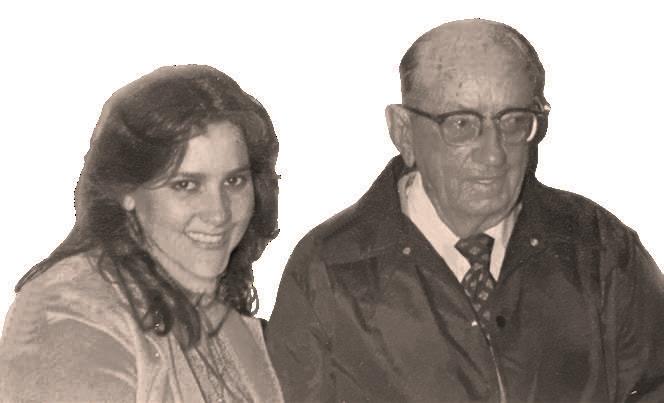
Publisher Karen Altom and her Granddaddy J.C. Farris
Seen by: PC Staff
Thank You
Santa's Helpers, in partnership with Wesley Memorial Methodist Church and the Good Shepherd Mission, want to thank the following businesses for their generous support that made it possible for over 400 Walker County children to receive toys and experience the joy of Christmas in 2025.
A+ Donuts
Bill Fick Ford
Brookshire Brothers
Charlie’s Used Cars
Danny Brown’s Paint and Body Shop
Elkins Lake
Fabric Carousel
First Financial Bank
First National Bank
First United Methodist Church
Global Financial Partners
HEB
HEH Communications
Heritage Oak Funeral Home
Homeland Properties
Huntsville Fire Department
KSAM 101.7
Los Pericos Mexican Restaurant
Prosperity Bank
Ringo Tire and Services, Inc.
Salvation Army
Walker County Ace Hardware
Ward Furniture and Flooring
Postcardslive.com
and Rosa
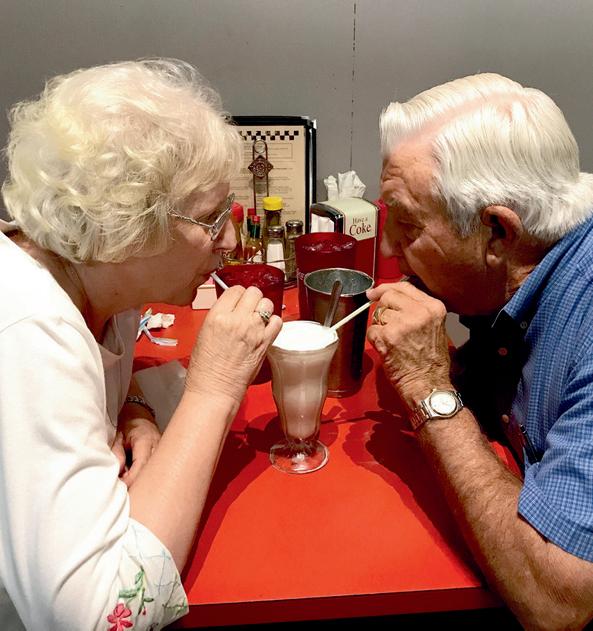
celebrated their 50th Anniversary in 2025
with his sister
celebrating her 96th Birthday
Robert
Bustamante
Elroy Hunter
Lerlene
Organization connects students to community through experiential learning. SHSU LEAP
BY WES ALTOM | SUBMITTED PHOTOS
TheCenter for Law, Engagement, And Politics (LEAP) at Sam Houston State University offers unique learning opportunities for students related to the fine arts; history; civil rights; literature; and, in particular, law, engagement, and politics. Its mission is to promote civic leadership skills by providing educational and professional experiences across all disciplines through programming, volunteerism,
experiential learning, and travel.
As LEAP prepares to celebrate its 20th anniversary this month, we caught up with Professor Mike Yawn and some of the LEAP students to learn more about the organization. I use the term “caught up” because, literally, Yawn sent me their busy schedule for the week and said, “Here is where we will be when.” The where
just happened to be when LEAP was at the Meals on Wheels Senior Center volunteering alongside community seniors to paint bowls for the upcoming annual Empty Bowls fundraiser for the Meals program. LEAP has assisted with Empty Bowls from its beginning in Huntsville (and Yawn shared that the idea was originally brought to Huntsville by a LEAP student who had seen it in another locale).
View from the students
Jacob Wessels, from Cypress, has been participating with LEAP for the last two years. He shared that the event opportunities are awesome, but he also really appreciates the student and faculty mentoring, noting that Jean Loveall helped him through LSAT scores. One of his favorite events was a trip to Austin. “We visited the Texas Supreme Court and saw Justice Evan Young,” said Jacob. “We got to visit with him and ask him questions. It was a neat experience.” One of Jacob’s favorite ongoing service projects is helping the Huntsville Lion’s Club place and retrieve flags for their downtown flag project.
I also visited with Mikaela Baires, a student originally from Long Island, New York. When I asked about the different components of LEAP as outlined above in the mission statement, she balked at the distinction. “In my opinion, it’s all educational. Anything and everything can be a lesson if you’re open to it. The service opportunities teach us to how to relate to and communicate with members of this community, which will be beneficial for communicating with people I work with and for in the future. The more you give, the more you get.” Mikaela summed it up, “The LEAP program is one of the best things to come out of Sam Houston State University, hands down.”
The evolution of LEAP at SHSU
When SHSU Professor Mike Yawn was working on his PhD at Arizona State University, they had a program called Junior Fellows. Fellowship programs are pretty common in different places. The concept was to recruit promising students in apprenticeship-style positions, with faculty members providing sponsorship and mentorship. He decided to begin a similar program at Sam Houston State. It was called Junior Fellows from 2005 to 2012. “We did a lot of work,” recalls Yawn. “We did not have a grand design. We knew that we wanted to teach skills and we wanted to contribute to and support the community.”
Michelle working on the Huntsville Lions Club downtown flag project.
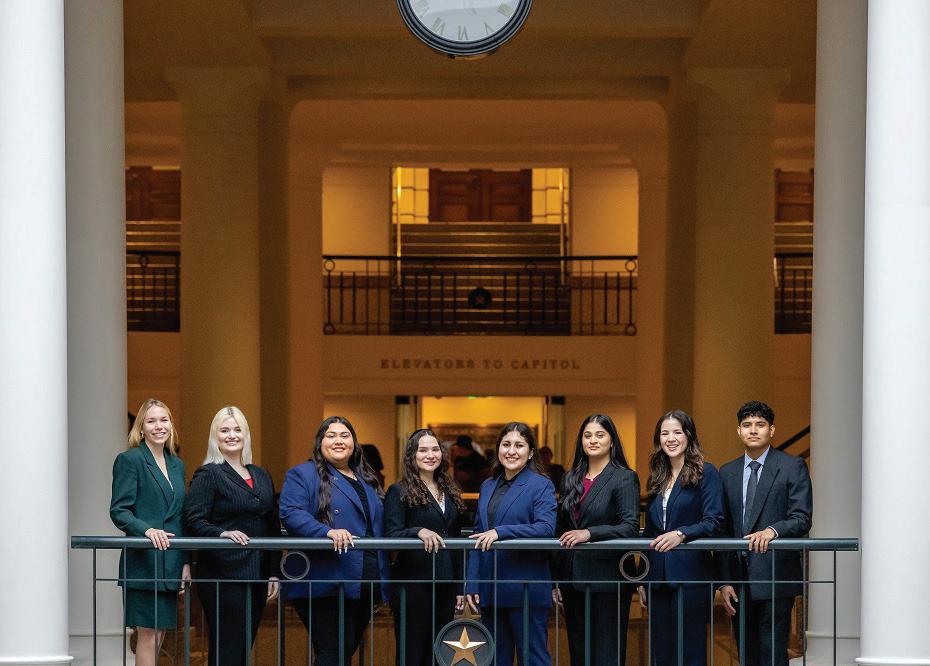
Inauguration Day in Washington, DC
Through trial and error, the group progressed to a model that worked. Up until 2012, all costs of attending events, travel, and program supplies came out of the pockets of students and faculty. As the program continued to grow, this was becoming a challenge. Fortunately, at this point, the University saw enough value in the program to expand and fund it. Since 2013, it has been the Center for Law, Engagement, and Politics.
Yawn explains, “Now we have a budget for things and a little more formalized structure. We only have two staff members. It’s me and program coordinator Jean Loveall, who came onboard shortly after the 2013 expansion. We keep it running with the help of student workers.”
A “door opener”
While the LEAP Center hosts approximately 150 events per year, the bulk of opportunities come from facilitating outside connections providing chances for student education and service. There is a wide variety of experiences, and students can lean in where their interests lie.
Yawn describes the offerings, “We oversee the Pre-law Society. Some students are only interested in that. Some students do volunteer work, and that’s really all they can do. We have two internship programs. We send some students to Austin and some students to the City of Huntsville. Then we have programs. And we also go to events and outside programs.”
While Yawn is an energetic catalyst for student involvement, he doesn’t see staff as the biggest factor. “Jean and I don’t do all the work. We don’t do any magic. Our job is just to open doors for learning opportunities, and it’s the student’s job and responsibility to walk through those doors. And then they will find doors beyond there that we didn’t even know about. And if they’re good students, and if it’s good for them, they’ll go through those doors. That’s great.”
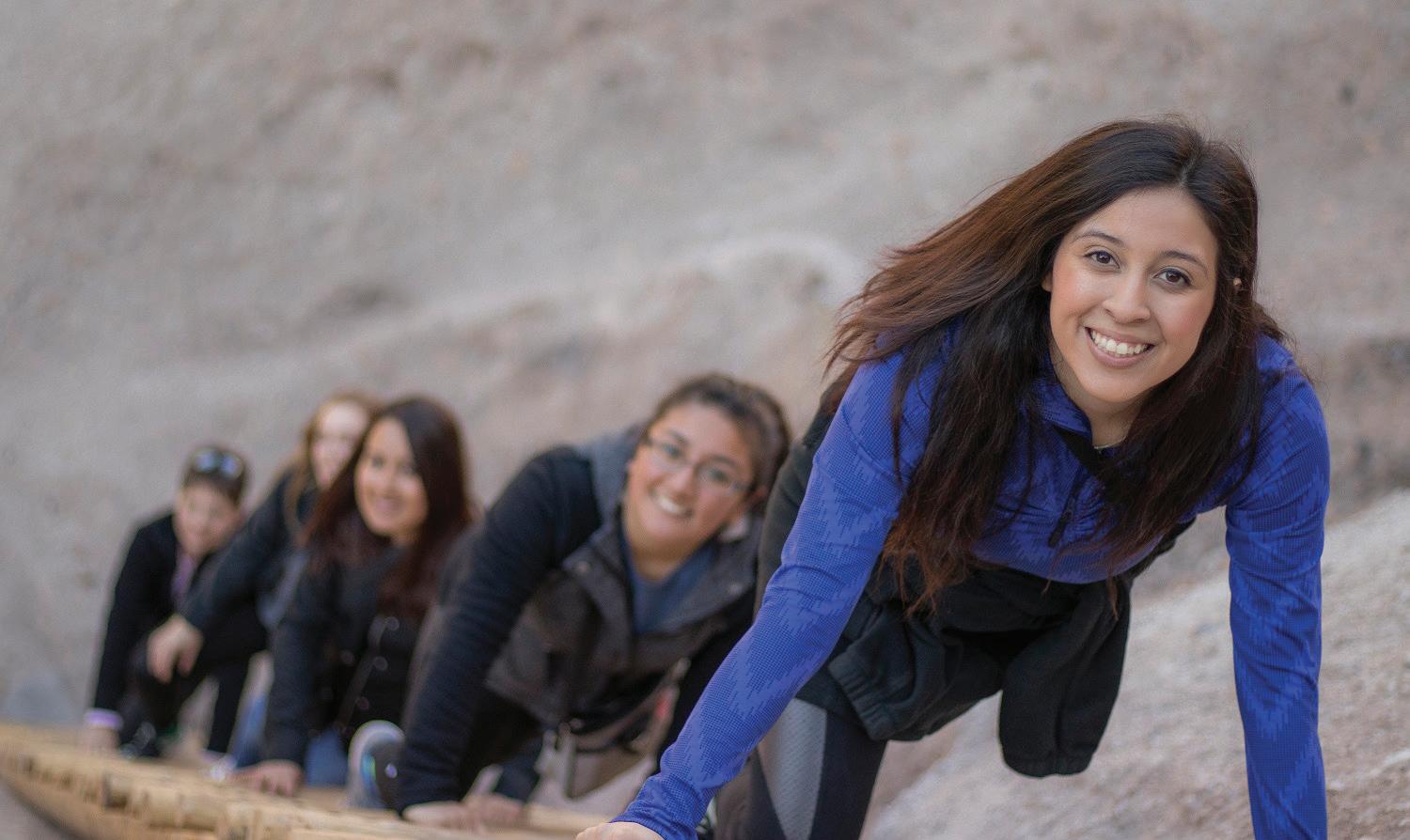
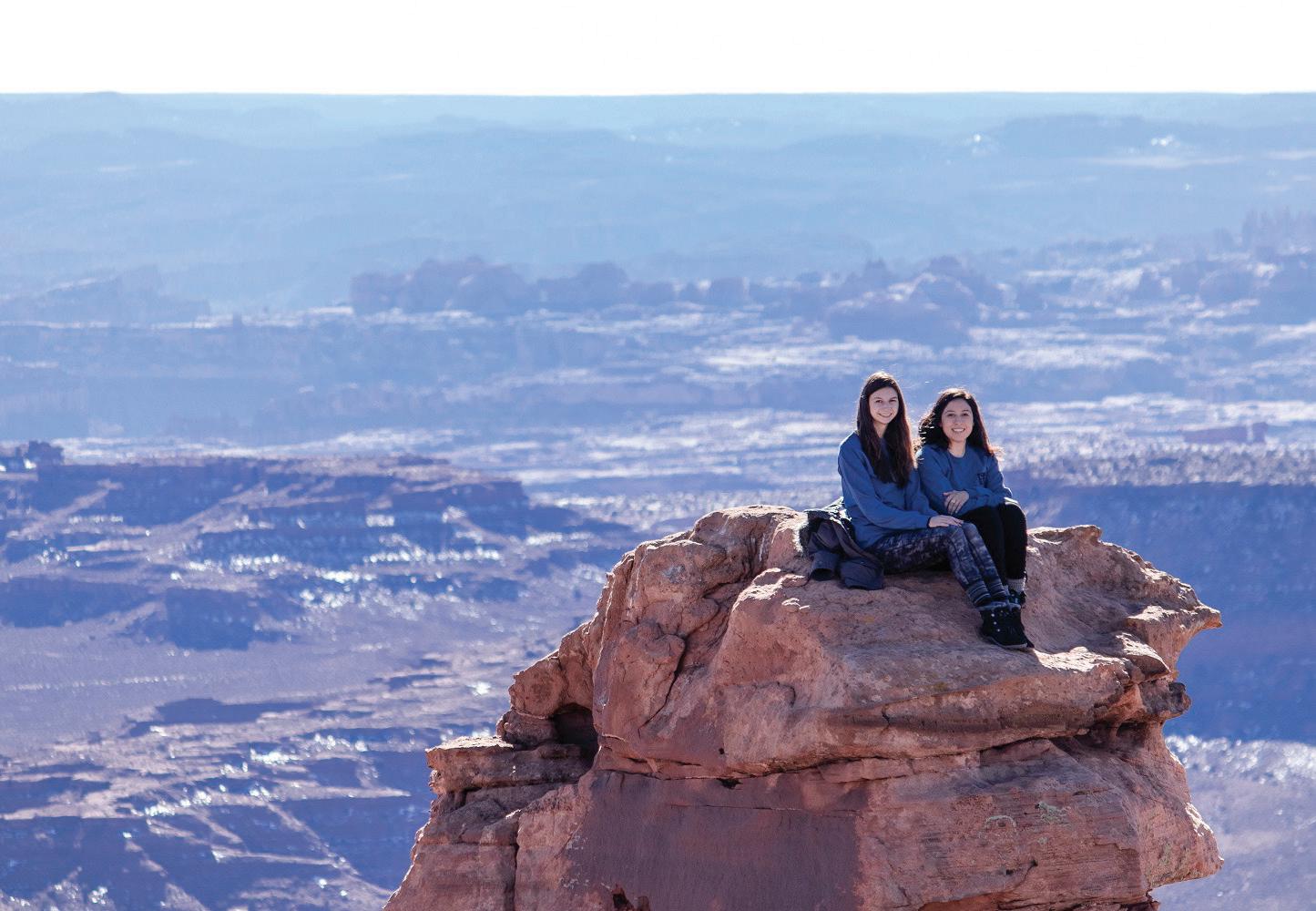
At Canyonlands National Park in Utah
Little Rock Central High School National Historic Site
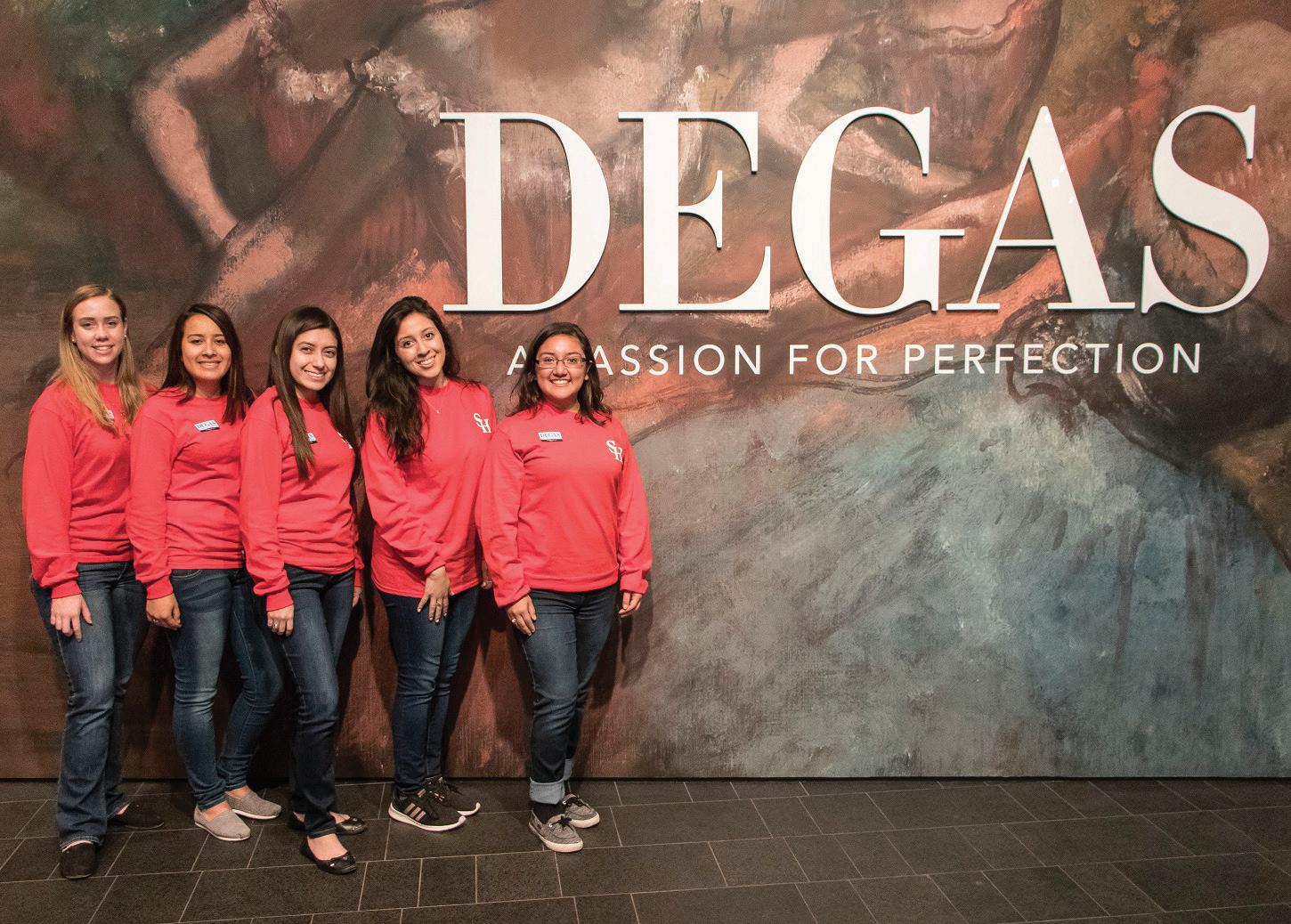
At the Art Museum in Denver, Colorado
The education model
Yawn describes the education model as Prepare, Experience, Reflect. He explained, “Today, before we came to this event, the students had to do a little bit of prep work to familiarize themselves with what the Senior Center is, what Empty Bowls is. Then they go and they experience it. And then one of them will write about it afterward to reflect on it. And then we use that. First, on social media, to benefit the agency that we are working with. Then, next time we will send the prior blog beforehand to the students going to that agency so they know what they’re getting into and what to expect. So, it’s also a training tool, and it’s a machine that builds on itself.”
Student leadership: LEAP Ambassadors
Yawn credits student leadership as the biggest success factor for LEAP. In any given year, there may be 2,000-3,000 students who participate in at least one LEAP affiliated event. But there are a select few who participate heavily across all aspects of the Center’s offerings. These are eligible to become LEAP Ambassadors.
The LEAP Ambassadors are selected by the LEAP Center to serve as Student Advisory Board Members--typically referred to as Ambassadors. To be considered as a possible Ambassador, a student must have at least a 3.4 GPA, a demonstrated record of meaningful public service, and have participated in multiple LEAP events. Members of the existing advisory board are responsible for selecting new members. LEAP Ambassadors meet twice a month in formal meetings, have office hours each week, and participate in 20+ events per semester. Ambassadors participate regularly in meaningful volunteer service in the community, assist with LEAP programs, and often engage in community internships to assist their engagement and professional development.
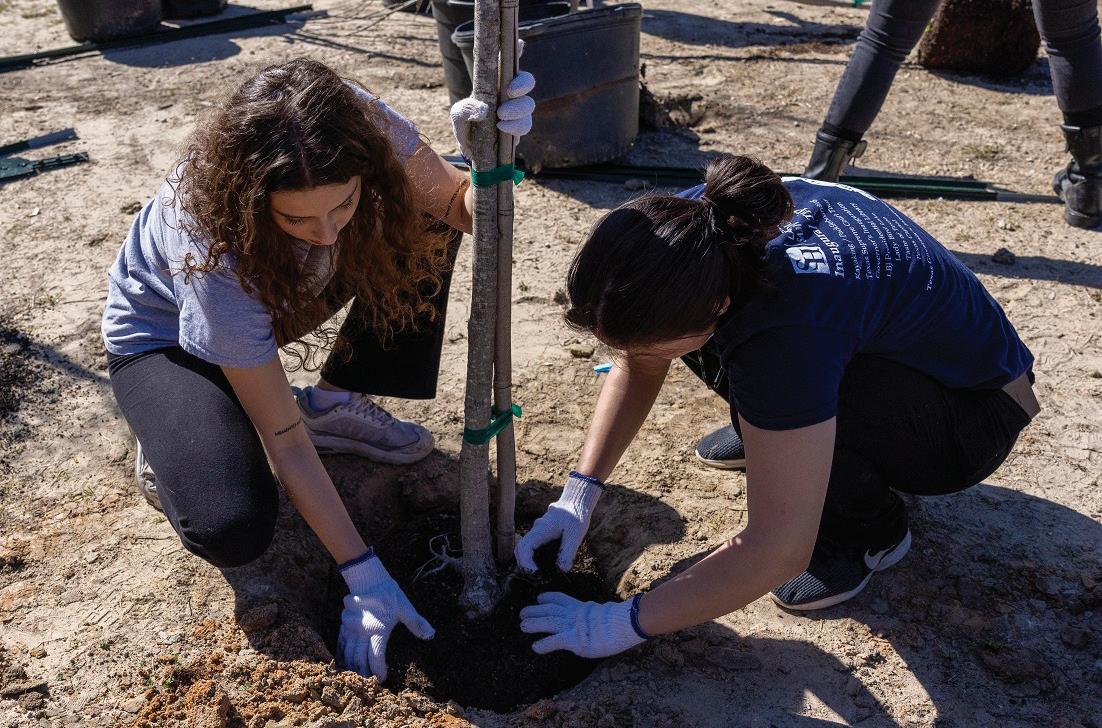
Cinthia and Olivia plant trees on a service project
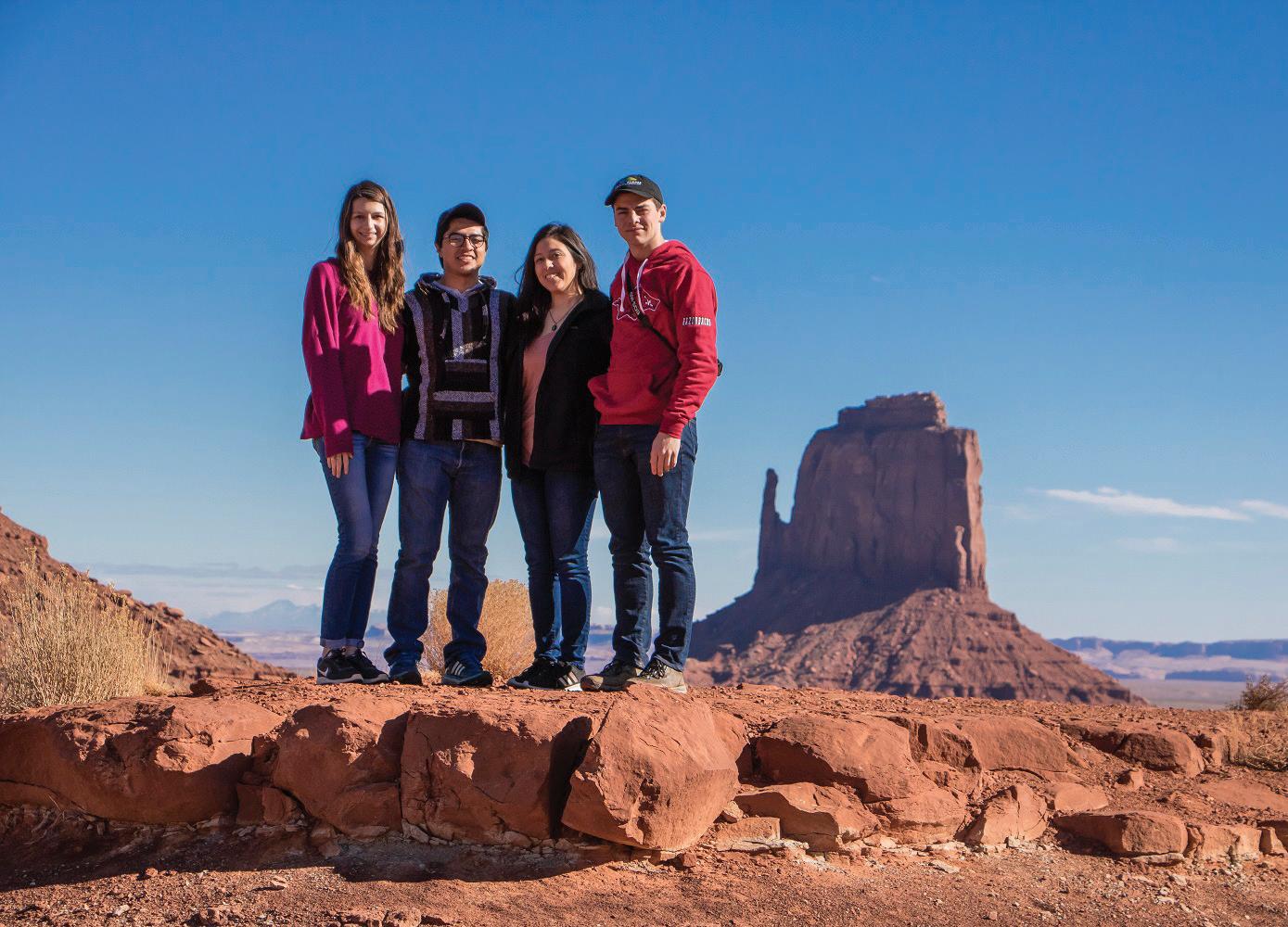
Monument Valley Navajo Tribal Park, Arizona
“It’s the ambassadors, four or five ambassadors, who are carrying the bulk of the work on a day-to-day, week-to-week basis,” said Yawn. “Anytime we benefit from something or somebody else’s generosity or their thoughtfulness, we write a thank you note. And that’s a learning process. And it’s the ambassadors who do that. For each event we do, the students write a blog. And that’s the ambassadors generally who write the blog. They’re the ones who are making those connections in the community; they’re the ones who are serving truly as ambassadors for us in their volunteer work in the programs and championing student involvement. We couldn’t do any of that without them and we hope, in the process of that, those students are getting the skills to be the leaders of tomorrow.”
According to Yawn, there have been some generous people over the years who have donated money specifically for LEAP Ambassador scholarships. “Walter Penigar has endowed a scholarship each year. Also, the Martinez family, and Wade Scott and Andrea Scott. And there are a couple of other scholarships as well.”
Yawn continued, “When our kids get a scholarship. We sit down. When they get Russell Martinez’s scholarship, they read the obituaries of both Ila and Andrew. They have to know who that Martinez family is and what their contributions were. This is real money given by real people for a real purpose, and it’s important that our students understand that. And we really try to make it clear that the importance of this goes beyond the money, that this is a model for them in the community. So that’s something that we approach not only with the scholarships, but we hope, in everything we do.”
In today’s world of extremism and self-serving narratives, it is both refreshing and encouraging to see young people embracing civic service and community relations as a core component of their education. Thank you Mike, Jean, and LEAP students for all you do for our communities.
Anything and everything can be a lesson if you’re open to it.
Over the twenty years the LEAP Center has been operating, students and staff have:
Quadrupled the number of SHSU students who attend law school, placing SHSU as a significant “law-school feeder”
Visited 28 State Capitol buildings and Washington, DC.
Attended four gubernatorial inaugurations and five presidential inaugurations
Written more than 1,300 articles on their adventures in the last 13 years (see leapatshsu.com)
Students work at KSAM's annual MASH (Make a Smile Happen) toy and food drive
My 4-yo spent five minutes yelling at everyone because we didn't realize that when he asked for apricots, he actually meant croutons.
••••••••••••••••••••
Email from school: Matilda had a good day today. Was really passionate in History.
Matilda: Yeah, so he told us all about the Roman army, then told us to write a diary entry like we were a Roman soldier. Then he asked me why I wasn't writing anything. So I said, "You literally just told us that women couldn't join the Roman army. I'm a girl. I can't be a Roman soldier, so I didn't have to write ANYTHING! ...Yeah...passionate...
••••••••••••••••••••
Me: What's the first rule of cooking? 4-yo: Don't put your hands in your butt.
Me:
4-yo:
Me: Correct.
••••••••••••••••••••
My 7-yo son made me a cup of coffee that somehow tastes like beef stew. "Mommy, I put a sprinkle of that brown stuff in it you like."
The brown stuff I use is cinnamon. The brown stuff he used was dry rub seasoning.
I can't wait for these kids to go to my mama's house today.
••••••••••••••••••••
I was helping my 9-yo son clean his room and commented, "You have way too much stuff!"
He said, "I don't have money. I didn't buy any of this stuff."
Son: 1
Mommy: 0
Sean of the South
Some Kinda Kindness
The following story is true, sent in via email by a man named Gale.
The mid-80s. Detroit. The boy didn’t have much. He was one of those teens most people won’t notice.
Each day, he walked to and from school with a ratty backpack on his shoulders, containing a pitiful lunch he made himself, since he had no mother to prepare meals.
He had no father, either. The boy was raised by his aunt, who spent her life in the arms of some guy she met at a bar, or lost at the bottom of a bottle.
His aunt’s life was such a mess she couldn’t even remember to do the grocery shopping regularly. So the boy got pretty good at buying groceries.
Truth told, he actually liked grocery shopping. The supermarket was his jam. He loved the clean, crisp aisles, with food piled high on shelves. He loved the water-sprinklers, misting vegetables in the produce department. He loved the elevator music.
Today, he was exiting the store with an armful of groceries when he was met by an older man, standing outside the supermarket, asking for handouts.
The young man’s heart was pricked when he saw the man. He offered the man his sack of groceries.
The grocery bag was full of peanut butter, jelly, frozen French fries, a gallon of two-percent, Frosted Flakes, and other odds and ends. This was supposed to last the boy for an entire week.
The man smiled his tooth at the kid. There was something wet in his eyes. “God bless you, son.”
The kid flashed a return smile, one with a little pain behind it. That was HIS food. He walked home empty handed.
The following week was pretty tough. It’s hard to function when you’re hungry. Hard to fall asleep, too. Digestive acids start to hurt your stomach. Mostly, you just lie in bed, thinking about sandwiches.
The boy ate free school lunches, of course, but they weren’t enough. He nodded off in class, weak from malnutrition. Teachers would wake him up and send him to the school nurse, who fed him snacks in her office. But candy bars do not a meal make.
A few weeks later, the boy was at the supermarket again. His aunt had gotten her paycheck and sent him for groceries. The boy could hardly wait. His stomach was gurgling when he arrived.
But when approached the market, he saw the old man standing by the door again.
The boy braced himself for the man to ask for another handout. But the man didn’t. Instead the man’s face lit up.
He asked the boy if he had a moment to spare.
“Um, sure,” said the kid. “I have some time.”
The man led the boy to the alley behind the store, where a
Sean Dietrich
broken down Honda was parked. The boy was nervous. He was wishing he wouldn’t have followed this man into a back alley.
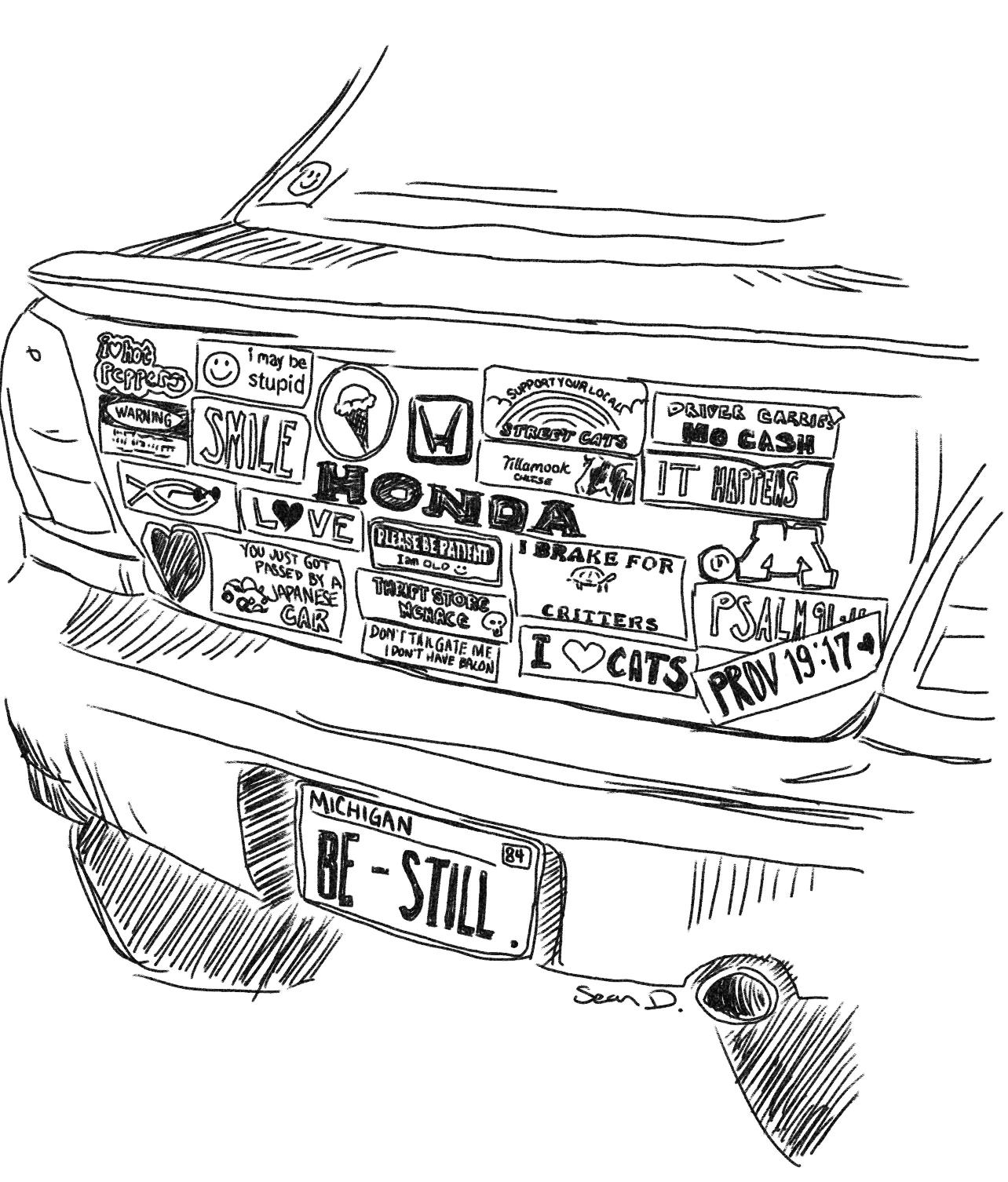
But then the man opened the rear hatch. Inside the Honda were a few cats, a makeshift bed in the backseat, and lots of books. And there were boxes of food in the trunk. Big boxes of food.
Dozens and dozens of boxes filled with canned goods. Dried goods. Candy. Cereals. Everything.
“Some church people gave me this food,” the man said. “It’s too much for me. I’ve been waiting by the front door all week, hoping to see you again so I could give it to you.”
The man followed the kid home in his Honda. He placed the boxes on the porch steps. They shook hands and said goodbye.
And as the wheezing Honda drove away, the kid caught a glimpse of the rear bumper, covered in a quiltwork of bumper stickers. One sticker stood out in particular. Blue text on a white background. It read: PROV 19:17.
Medical Matters
Preventive Screenings Every Man Should Know About
any men do not think about health screenings unless something feels wrong. The challenge is that many common health conditions in men develop quietly. Preventive screenings help catch changes early, often before symptoms appear, when they are easier to manage.
Blood pressure is a good example. High blood pressure often has no warning signs, but it can damage the heart, kidneys, and blood vessels over time. All men should begin blood pressure checks at age 18 and have them checked at least once a year. Risk is higher for men with a family history, diets high in salt or processed foods, excess weight, regular alcohol use, or ongoing stress. Black men or those with family history of high blood pressure are also more likely to develop high blood pressure at younger ages.
Cholesterol is another screening that often surprises people. High cholesterol does not cause pain or clear symptoms, but it can slowly raise the risk for heart attacks and strokes. Most men should have their cholesterol checked starting
in their early 20s. If results are normal, testing is often repeated every four to six years. Men with a family history, low physical activity, or conditions like diabetes may need testing more often. If your cholesterol is slightly elevated, your doctor will likely only recommend changes in diet and exercise. However, in some cases, cholesterol can be very high at an early age, warranting a recommendation for lifestyle changes and medication to lower risk.
Colon cancer screening should start for most men at age 45 or earlier if the patient has a family history of colon cancer. Risk increases with age, diets low in fiber, limited physical activity, or regular alcohol use. Screening can find cancer early and may even prevent it by identifying growths before they become dangerous.
Prostate health is another important part of men’s preventive care. Prostate cancer screening is not one-size-fits-all and should be discussed with a doctor. Many of these conversations begin at 50.
Skin cancer screening is often
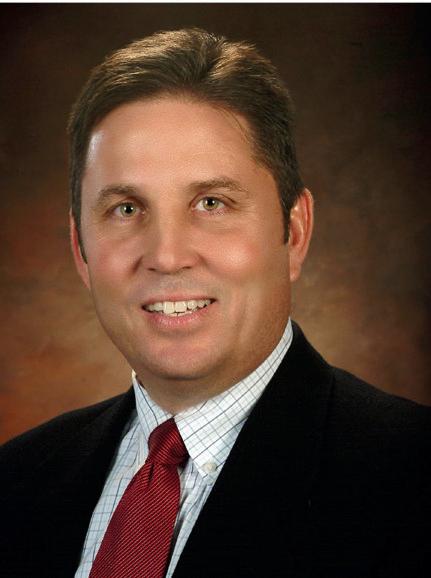
Craig Boudreaux, DO
Board-certified in Family Medicine
overlooked by men. Risk is higher for those who work or spend time outdoors. If you had frequent sunburns early in life, you may be at increased risk. Men with lighter skin tones are at higher risk, but skin cancer can affect anyone. Regular self-checks and routine skin exams, based on a doctor’s guidance, help catch changes early.
Blood sugar screening is important even for men who have not been diagnosed with diabetes. Many begin screening in their 30s or earlier if risk factors are present. Risk is higher for men who are overweight, inactive, or have a family history. Hispanic, Black, and Native American men are also more likely to develop type 2 diabetes.
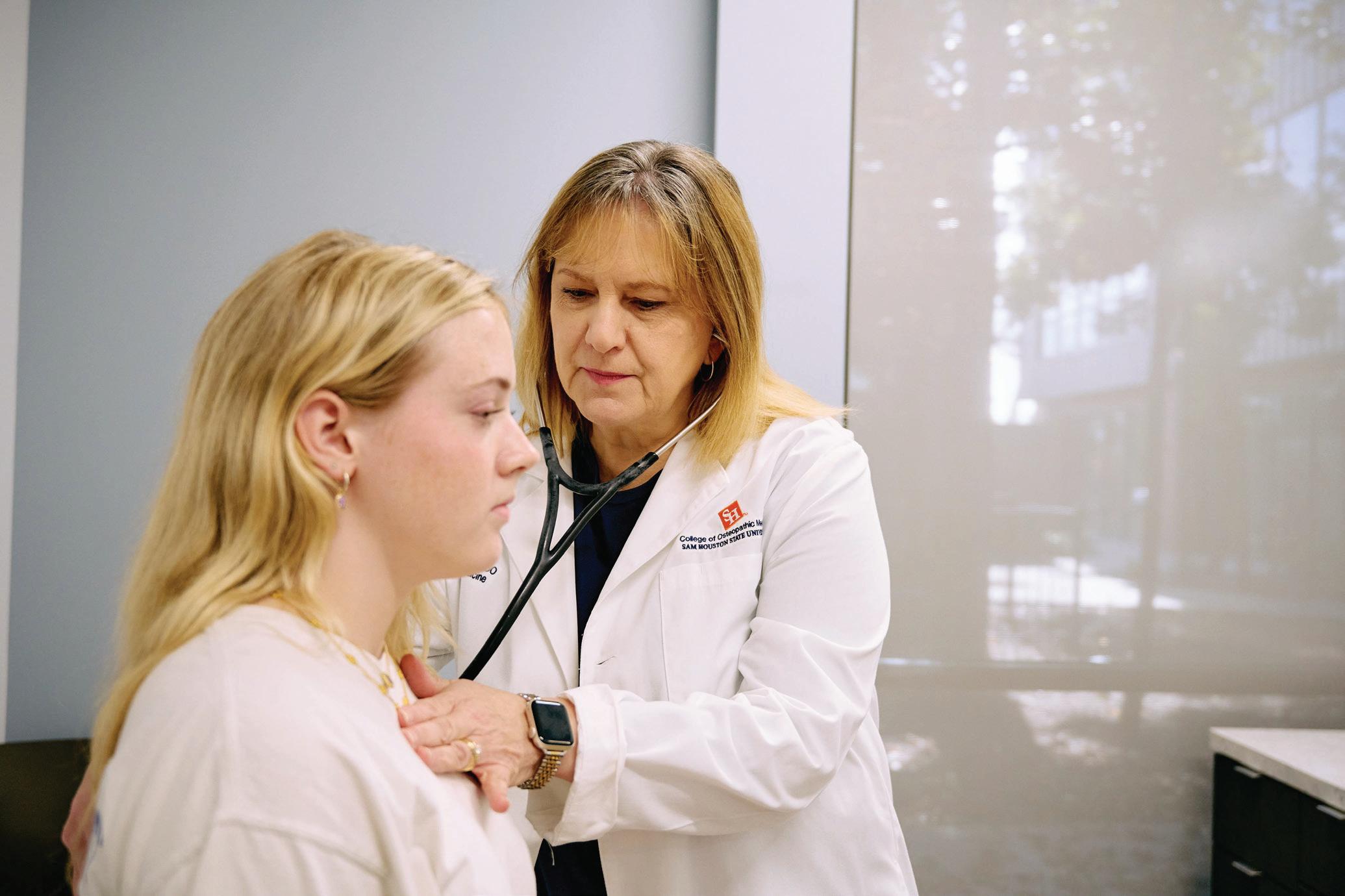
As an osteopathic doctor, I view preventive screenings as part of caring for the whole patient. Preventive screenings only work if they happen. If it has been a while, or you are not sure when your screenings were last checked, now is a good time to schedule a visit. Even one appointment can help establish a baseline and identify risks early.
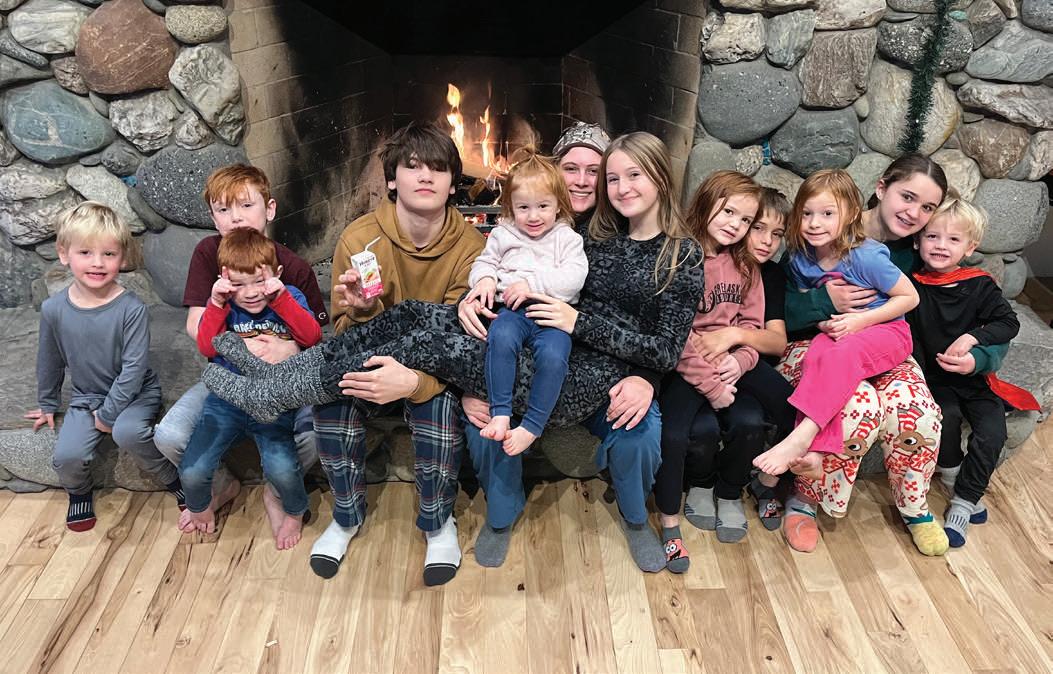
Grandchilren of Nancy Reeves and Billy & Audrey Martin
Ellie, Holly, Heidi, Gabriel, Rebekah, Josiah, Audrie, Ruthie, Jacob, Michael & Van
Grandchildren of John & Linda Unger, shared with Roger & Tammy Dixon, Van Hale, and David & Nancy Gauteson
Send me your questions at PostcardsLive.com/Share
Dear Gabby
Welcome back to the February 2026 edition of the Dear Gabby advice column. Our February national holiday is Washington’s Birthday on Monday the 16th. Happy Valentine’s Day and sweet wishes to my loyal readers on the 14th. Not to get too personal, but a quote from Cameron Esposito reminded me of my own relationship with my husband/hero, Dud. “I married for love, but the obvious side benefit of having someone around to find your glasses cannot be ignored.” Send me your questions by clicking on Dear Gabby at www.PostcardsLive.com/share
DEAR GABBY
No question, I’m just venting. I have a wonderful husband, but he usually skips Valentine’s Day altogether or buys the most unromantic gifts anyone could imagine. We’ve been together forever, so this isn’t a game changer, but it can be quite annoying.
ALREADY POUTING
DEAR POUTING
We may be neighbors! I asked my neighbor if he’s bought his wife a gift for Valentine’s Day. He replied that he bought her a belt and a bag! I was so impressed until he added that he hoped the vacuum cleaner would work much better. One year, I told Dud I thought we should go out to eat for Valentine’s. He informed me he didn’t go out with married women, sorry. I reminded him we were married to each other, but he stuck to his guns. No exceptions! I determined I should just appreciate his moral ground and decide what to cook. I even made his favorite dessert.
GABBY
DEAR GABBY
I bought some wine the other day, and the cashier barely glanced at my ID and finished checking me out. I must look younger than I thought!
PUFFED UP
DEAR PUFFY
I hate to be the deflator, but it doesn’t take long for a checker to see that some birthdates start with 19. They used to have to do math.
CONFIDENTIAL TO “Out of Shape”
So what if you can’t touch your toes anymore. Who wants to touch their toes anyway?
GABBY
The Garden Post
Planting Season has Begun!
The weather has been so unpredictable even the most seasoned gardeners are asking what to do when. Regardless of what Mother Nature has in store, we “do know” planting season has begun for fruit and nut trees, as well as most berry plants and roses. The unseasonally warm weather may be a challenge for area fruit trees struggling to receive 650 chilling hours this year to set fruit. If you are unfamiliar with the term “chilling hour” and a few others, here is a quick reference refresher course.
A chilling hour is the amount time below 43 degrees a tree must receive to set fruit.
Low chilling hour fruit trees (400 and below) will be for the coastal areas of Texas, where frost rarely occurs.
The Walker County area is 650-675, and the Dallas area is 850900. Our neighboring northern counties will be in 750-850 requirements. A low chilling hour tree planted further north may bloom out too early and be zapped by a late frost. chilling hour (800) tree may set fruit if planted in south This is why it is so important or trust the nursery you are to have the correct varieties
Pollinator required versus self-pollinating tree will not blooming nearby at the same ing. A self-pollinating tree allowing pollen to fertilize its own blossoms (with the help of wind and the ever-essential bee). Even self-pollinating trees will benefit from having a second pollinator nearby to increase crop yield.
better with pollinator).
Kim Bius President, Kim's Home & Garden Center
Self-Pollinating fruit tree varieties: pomegranate, citrus (lemon, lime, orange, grapefruit, etc.) peach, certain plums.
Pollinator required: pecans, apples, most plums, pears, avocado, blueberry, blackberry, grapes, dragon fruit (do much
Bare Root – Bare root is the terminology given to trees/ plants that are field grown and removed from the field for resale. The tree can come with no dirt and bare root and trunk only, or the tree root ball may be wrapped in burlap with a wire cage. These trees can be removed from the ground after the second killing frost, generally mid-January to late February. If spring comes early and leaves begin emerging, transplant window. This is also a time to take saplings out of wild for replanting. Many garden centers receive bare root trees and pot in biodegradable pots to ensure their customer is getting the best!
Container Grown or Containerized – (The lingo given to plants grown in a container/ pot.) These trees have 50% more labor and maintenance involved, so expect a 50% higher price.
Grafted versus Own-root fruit trees are either or grown on their own system without grafting, heirloom fruit varieties and trees. This is especially citrus, not so much in stone large seed, peach or trees have two parts: the root system, and the part with the desired fruit
The root stock controls size, hardiness, and soil adaption; the top graft is the actual fruit variety.
An own-root stock lemon tree will have a bush form and the fruit will be smaller for the first few years of production, but it will catch up. The beauty of the own root tree is that if the plant freezes, it can return from the root system if the temps are not below 20 degrees. Most grafted citrus damage easily at 32 degrees, something good to know.
Tasty Bites
Ginger Glazed Mahi Mahi
INGREDIENTS
3 Tbs honey
3 Tbs soy sauce
3 Tbs balsamic vinegar
2 tsp olive oil
1 tsp grated fresh ginger root
1 clove garlic, crushed or to taste
4 (6 oz) mahi mahi fillets salt and pepper to taste
1 Tbs vegetable oil
DIRECTIONS
Step 1: Mix honey, soy sauce, balsamic vinegar, olive oil, ginger, and garlic together in a shallow dish. Season fish fillets with salt and pepper; place them skinsides down in the dish with marinade. Cover and refrigerate for 20 minutes.
Step 2: Heat vegetable oil in a large skillet over mediumhigh heat. Remove fish fillets, reserving marinade. Fry fish for 4 to 6 minutes on each side, turning only once, until fish flakes easily with a fork. Remove fillets to a serving platter and keep warm.
Step 3: Pour reserved marinade into the skillet; simmer over medium heat until reduced to a glaze. Spoon glaze over fish and serve.
1 (15-oz) can diced tomatoes, undrained shredded cheese, chopped red onion, sliced jalapeño and/or sour cream (optional)
DIRECTIONS
Step 1: Whisk together beef broth, tomato paste, chili
powder, paprika, black pepper, salt, and cayenne pepper in a large bowl or 8-cup measuring cup until well combined. Set aside.
Step 2: Heat a 6-quart Dutch oven over medium-high heat. Add ground beef and cook until browned, 5 to 7 minutes.
Step 3: Stir in onion, chopped jalapeño, and garlic. Cook until vegetables are softened, about 5 minutes.
Step 4: Sprinkle flour over the beef mixture. Cook, stirring constantly, for 1 minute.
Step 5: Stir in the broth mixture gradually until incorporated. Bring the mixture to a boil over high heat.
Step 6: Add diced tomatoes. Reduce heat to low and simmer, uncovered, until chili thickens, about 30 minutes, stirring occasionally.
Step 7: Top with cheese, red onion, sliced jalapeño, and/or sour cream, if desired.
Tasty Bites
Shipwreck Casserole
INGREDIENTS
1 lb lean ground beef
1 (7.25 oz) pkg macaroni and cheese mix
1 (14.5 oz) can diced tomatoes
1 cup milk
1 cup frozen peas
1 cup frozen corn
1 tsp seasoned salt or to taste
1 cup shredded Cheddar cheese, divided
DIRECTIONS
Step 1: Heat a large skillet over medium-high heat. Cook and stir beef in the hot skillet until browned and crumbly, 5 to 7 minutes.
Step 2: Stir pasta and cheese mixture from macaroni and cheese package into beef. Stir in tomatoes, milk, peas, and corn; bring to a boil, reduce heat to medium-low, cover, and simmer until noodles are tender, about 12 minutes.
Step 3: Season with seasoned salt. Stir 1/2 of the Cheddar cheese into dish to melt. Top with remaining cheese.
Tasty Bites
Blood Orange Vinaigrette
INGREDIENTS
½ cup olive oil
⅓ cup blood orange juice
¼ cup red wine vinegar
2 Tbs honey
1 Tbs spicy brown mustard
salt and ground black pepper to taste
DIRECTIONS
Step 1: Combine olive oil, blood orange juice, red wine vinegar, honey, mustard, salt, and pepper in a blender. Process until well combined and smooth.
Step 2: Toss over your favorite greens, some fresh slices of blood orange, and a few candied nuts for an amazing salad.
Tasty Bites
Lunch Lady Bars
INGREDIENTS
Base:
1 ½ sticks (12 tablespoons) unsalted butter
1 ½ cups creamy peanut butter
2 cups graham cracker crumbs
1 cup powdered sugar
½ tsp salt
Topping:
2 cups dark chocolate chips
4 Tbs creamy peanut butter
DIRECTIONS
Step 1: Place graham crackers in a food processor and blend into a fine crumb.
Step 2: In a microwave-safe bowl, melt the butter and 1 ½ cups peanut butter in 30-second intervals, stirring between each.
Step 3: Pour into a large bowl. Add graham cracker crumbs, confectioner’s sugar, and salt. Stir until fully combined.
Step 4: Line a 9×13-inch pan with parchment paper. Press mixture evenly into the bottom. Refrigerate for 20 minutes.
Step 5: In another microwave-safe bowl, combine the chocolate chips and 4 tablespoons peanut butter. Microwave in 30-second intervals, stirring until smooth.
Step 6: Spread chocolate over the chilled base. Refrigerate for at least 1 hour before slicing and serving.
Serious Space For Serious Storage Needs
As we enter the new year, many of us are filled with optimism and hope for a bright future. Often that involves planning ways to improve our lives or situation. Whether it is simply a goal, or you refer to it as a resolution, it is the intention to make changes in our habits to positively impact our lives and the lives of our families.
The unfortunate truth is that most of our goals, or resolutions, last less than four months into a new year. The failure is likely the result of unrealistic goals or inadequate planning to implement the goals. So, with that in mind, we would like to suggest some simple steps we can all take to start off the year in a positive fashion.
1. The February Audit – This is a great time to do a review of your fixed and recurring expenses. Think of costs like insurance (home, auto, life), utilities including internet service providers, groceries, automobile expense (including fuel), and monthly payments for home and other loans. Are all these expenses still budgeted appropriately? Are there any changes that could be made to improve your financial situation?
2. Subscriptions – How many subscriptions do you have? Think about streaming services for television or music, gym memberships, or software products. Are you still actively using all your subscriptions? If not, this is a great time weed out the subscriptions you are no longer using.
3. Estate and Beneficiary Review – This is a great opportunity to look at wills, power
of attorney, medical powers, and other legal documents. Changes in estate tax exemptions, gift tax limits, and life events can all impact your estate documents. In addition, named beneficiaries will allow accounts to transfer outside of those legal documents. It is extremely important to keep your beneficiaries up to date based on life changes such as marriage, divorce, or even children becoming adults.
4. Savings Rates – When you consider your monthly budget, do you pay yourself? It is important to have an emergency fund, and savings for future planned purchases or even retirement. How much of your income do you pay to yourself as opposed to allocating to current or past lifestyle (credit cards). A good goal is to pay yourself 10-15% of your income for future use. If you are not currently doing that, incremental steps can help get you there.
Submitted by: Brian B. Smith, CFP®, Bryan M. Masten, CFP® & Riley W. Smith, CFP®
Page, Arizona
To get to storybook views, some “pages” are easier turned than others.
The territory that straddles the border of Arizona and Utah near Page, Arizona is known for its otherworldly beauty. Some landmarks are famous throughout the world; others are less well-known, yet still worthy of a visit. Page, once a housing camp for workers who constructed the Glen Canyon Dam, is now a town that welcomes millions of tourists each year.
STORY AND PHOTOS BY RUTH FIELDS
Ruth & Charlie at The Wave
Antelope Canyon
Antelope Canyon, one of the most dramatic and well-known slot canyons in America, is situated on Navajo land about six miles east of Page. It was named after the herds of pronghorn antelope that once frequented the area. Today, instead of antelope, there are herds of people. Most estimates agree that somewhere around four million people visit Antelope Canyon each year.
There is no public access to Antelope Canyon; all visitors must reserve spots through one of several tour companies authorized by the Navajo Nation. The tours are pricey, but give visitors peace of mind. Storms originating miles upstream from Antelope Canyon have been known to produce deadly flash flooding inside the slot canyon; therefore, Navajo Nation Parks personnel watch the weather closely—in the immediate vicinity of the canyon and throughout the watershed area—and close Antelope Canyon when storms threaten. In addition, tour guides ferry visitors from the main roadway across several miles of sandy road that is accessible only by four-wheel-drive vehicles.
Antelope Canyon is actually two strikingly similar canyons, Upper Antelope Canyon and Lower Antelope Canyon, which are in the same immediate area. They do not connect, and separate tours must be booked for each of the sister canyons. Some people visit both.
The Navajo name for Upper Antelope Canyon is “Tse’bighanilini,” which means “the place where water runs through rocks.” The entrance looks simply like a crack in a rock wall, which may be how it got its nickname “The Crack.” Once inside, however, there is nothing ordinary about Upper Antelope Canyon. Swirling sandstone extends about 120 feet above the streambed. When my husband and I visited Upper Antelope Canyon, we were awestruck as we meandered between the narrow canyon walls. We weren’t able to see the canyon’s iconic light beams, which shine through the canyon to the streambed during the months of May through September between about 11 a.m. and 1:30 p.m. on sunny days; however, it was still an unforgettable experience.
The Navajo name for Lower Antelope Canyon is “Hasdssez’ twazi,” which means “the spiral role arches.” Of the
two sister canyons, Lower Antelope Canyon, sometimes called “the Corkscrew,” is deemed to be a more difficult hike, requiring visitors to traverse steps and ladders. In contrast to Upper Antelope Canyon, which is narrower at the top, Lower Antelope Canyon is wider at the top than at the streambed, and at 1,335 feet long, it is about twice the length of Upper Antelope Canyon.
Unlike the state of Arizona, the Navajo Nation observes Daylight Saving Time; however, to avoid confusion, Antelope Canyon tours operate on Mountain Standard Time all year. When we visited Antelope Canyon, we were accustomed to Central Daylight Time, so we found it advantageous to book an early morning tour. We were rewarded with relatively cool weather and a small tour group.
Horseshoe Bend
Less than five miles south of downtown Page, the Colorado River makes a pronounced U-turn known as Horseshoe Bend. It’s what my husband calls a “one-trick pony,” but it is quite a trick. More than two million people visit Horseshoe Bend each year to view this natural phenomenon.
Getting to Horseshoe Bend requires a 1.5-mile round-trip hike on an improved trail that is accessible to wheelchairs, strollers, and leashed dogs; however, there is minimal shade and a 137-foot change in elevation. In 2018, a fenced overlook was added to improve safety, but according to the National Park Service, “much of the rim remains exposed to the 1,000-foot drop.” Be careful!
Horseshoe Bend is in the Glen Canyon National Recreation area; however, the parking lot is within the city limits of Page, and national park passes are not accepted. There is a $10 parking fee, and cash may be requested on busy weekends and holidays.
The Wave
The 280,000-acre Vermilion Cliffs National Monument, under the care of the Bureau of Land Management (BLM), is west of Page. Among the scenic areas in this unspoiled wilderness are the Vermilion Cliffs, Paria Canyon, and Coyote Buttes. According to the BLM, “Coyote Buttes North is just a small part of the 112,500-acre Paria Canyon-Vermilion Cliffs Wilderness, but has some of the most visually striking geologic sandstone formations in the world, including The Wave.”
The Wave, a massive series of swirly striations in sandstone, has become a hiking destination of immense popularity. Due to incredible demand and the fragile landscape, the BLM now restricts access through a strict lottery system. People who live in the immediate vicinity have a separate lottery, which allows up to 16 hikers each day; the “advance lottery,” for those outside the local area, selects up to 12 groups or up to 48 people each day, whichever comes first. (Each permit covers up to six people.) Competition is stiff.
According to some estimates, more than 300,000 people entered the lottery to hike to The Wave in 2023, and many people enter month after month, despite the non-refundable $6 fee for each entry. Entering the lottery, however, is a must: hiking without a permit is punishable by a staggering fine and even imprisonment.
In April 2025, our younger son entered the lottery for the first time and—in a stunning reversal of expectations—won a permit for four. I had been dreaming of hiking to The Wave for years, so as soon as I stopped squealing, I devised a four-month plan to get in shape for the challenging 6.4mile hike.
As it turned out, preparation for a high-altitude hike with significant changes in elevation was only part of the equation. The BLM does not reschedule permits for any reason, including weather, and the eight-mile, minimally maintained dirt road to the trailhead is impassable when wet. (Interestingly, the trailhead is in Utah, but The Wave itself is in Arizona.)
During monsoon season, some portions of the wave are under water.
Our permit was for August 29, toward the end of monsoon season. We nearly got rained out, which would have been enormously disappointing after anticipating the hike for four months and traveling 1,200 miles to get there.
We were among the most fortunate. We made it to the trailhead after a white-knuckled drive and were blessed with a glorious hike through areas of unparalleled beauty. The Wave is not a one-trick pony. Even before we reached The Wave, we saw what I called “pre-Wave swirls.” Beyond, there was more striated sandstone, including the Second Wave, a smaller wave-like formation. The hike was tough, sometimes necessitating multiple points of contact in rocky areas, and we had to navigate without benefit of a trail; however, the unimaginably vibrant, multi-color striations in the sandstone made it all worthwhile. We even saw six bighorn sheep, which was an unexpected bonus. We were grateful for
the once-in-a-lifetime opportunity to hike to The Wave. (To enter the lottery, visit recreation.gov.)
That’s not all, folks
There are many other noteworthy destinations near Page. Lake Powell, extending 185 miles, well into Utah, is one of the largest man-made lakes in North America. In addition, the Grand Staircase-Escalante National Monument, managed by the BLM, begins just north of Page in Utah. It includes nearly 1.9 million acres of cliffs, canyons, plateaus, colorful rock formations and arches. It is named for the Escalante River and for the staircase-like increases in elevation between Lake Powell and Bryce Canyon National Park. There are many hiking opportunities in this scenic wilderness. While in the area, it’s tempting to visit one or more of Utah’s five national parks, but that’s another story for another day.
Giggles & Grins
I tripped over a box of Kleenex last night. I thought I really hurt myself, but it turns out it was just tissue damage.
••••••••••••••••••••
A state trooper pulled me over for speeding. The officer said to me, "If you can give me an excuse I've never heard before, I'll let you go." I said to the officer, "Several years ago, my wife ran off with a state trooper, and I thought you were him trying to bring her back to me." The officer replied, "Slow it down, and have a nice day."
••••••••••••••••••••
My son is writing a college essay on changing the world. This morning, he couldn't change the empty toilet paper roll.
••••••••••••••••••••
My wife is hilarious. We have been trying to get hold of our son's daycare corporate office for 4 months, and they literally do not answer phones or email. She applied for a job, and when they contacted her for an interview, she asked to be transferred to the person we needed to talk to.
••••••••••••••••••••
My friend's car broke down between the marina and the Hallmark store.
He was stuck between a dock and a card place.
••••••••••••••••••••
Whoever came up with "penny for your thoughts," "don't nickel and dime me," and "another day, another dollar" sure knew how to coin a phrase.
••••••••••••••••••••
I got thrown out of my local park after arranging the squirrels by height. They didn't like me critter sizing.
••••••••••••••••••••
Sorry, I can't make it. Contracted mood poisoning. Must've been something I hate.
Still Can’t Sit, Stand, or Sleep Because of Sciatica?
If back or leg pain keeps coming back and pills or injections haven’t fixed it yet, this may be the missing piece.
Enough Is Enough
Susan, 62, thought her active days were behind her. “I had shooting pain from my back to my leg,” she said. “I couldn’t stand long enough to cook dinner, sit through church, or even sleep through the night. My doctor gave me pills, but they just made me feel groggy. And I was still in pain.”
She didn’t want surgery. She didn’t want to be stuck on medication. She just wanted her life back. That’s when she called out clinic Huntsville .
“They gave me something I hadn’t had in a long time, hope . And even better, a real plan that actually worked.”
Sciatica Doesn’t Just “Go Away”
That sharp, burning, or numb pain down your leg? That’s your sciatic nerve under pressure , and it won’t fix itself with time. You can ice, stretch, rest, or medicate it all you want... but if you don’t treat the cause , it usually gets worse.
Too Many People Are Told:
• “It’s just aging.”
• “Try yoga or stretches.”
• “Let’s try another injection.”
• “You’ll probably need surgery eventually.”
This kind of advice keeps people stuck . And for many, it leads to more pain, more pills and a growing fear that they’re losing control of their body and independence.
What If You Could Finally Get Relief…Without Surgery or Drugs?
People just like Susan are experiencing just that at our clinic. Our non-surgical approach relieves the pressure on your sciatic nerve so you can:
✔ Sleep without waking in pain
✔ Stand, sit, and walk comfortably again
✔ Drive without dreading the ride
✔ Play with grandkids, attend events, and feel like yourself again
✔ Finally feel in control of your health and your future
“I went from limping and barely making it through the day…to walking, smiling, and even helping my husband with yard work again. I got ME back.” -Susan M., 62
*This article is for educational purposes only and not a substitute for personalized advice or treatment.
This Is For You If You’re:
✔ Over 40 with chronic back or leg pain
✔ Missing golf, social events, or family time because of pain
✔ Worried about losing your independence
✔ Done trying every pill, stretch, or shot with no lasting results
✔ Ready to fix the problem, not just cover it up
The Sciatica Relief Evaluation, Only $47 (Regularly $249)
For a limited time, you’ll receive:
✔ A Full Nerve & Spine Evaluation
✔ Ortho and Neuro Examination
✔ Advanced Digital Imaging
✔ 1-on-1 Consultation with Dr. McGee to Map Out Your Plan
Warning: Only 7 Discounted Evaluations Available This Month:
We limit this offer to ensure quality care and attention for each patient. These appointments fill up FAST, especially for people looking for real answers.
A Final Word From Dr. McGee
“You’ve been told to manage the pain, take another pill, or prepare for surgery. But what if you didn’t have to do any of that? What if your next step could be your breakthrough?
You’re not out of options. You’re not too late.
You just haven’t tried the right plan…yet.”
Call 936-241-7673 NOW
Let’s get you back to living, moving, and doing what you love.
PS: Every day you wait, your nerve pain could be getting worse. The sooner you act, the easier it is to fix. You don’t have to suffer, guess, or settle for surgery. Hundreds of women have already found relief. You can too, but only if you take the first step. Call us at 936-241-7673 today.
Your future self will thank you.
*Excludes beneficiaries of federally funded programs
Pet Pals
Nakita
loved by Monique & Frank
Nash-Tater
loved by Hendrix Family
Buddy
loved by Kynlee, Lacee & Preslee Gavan
loved by Rob & Sharon
loved by Brock & Diana Pennel
loved by Joe Hex & Lisa Watt
Funspace
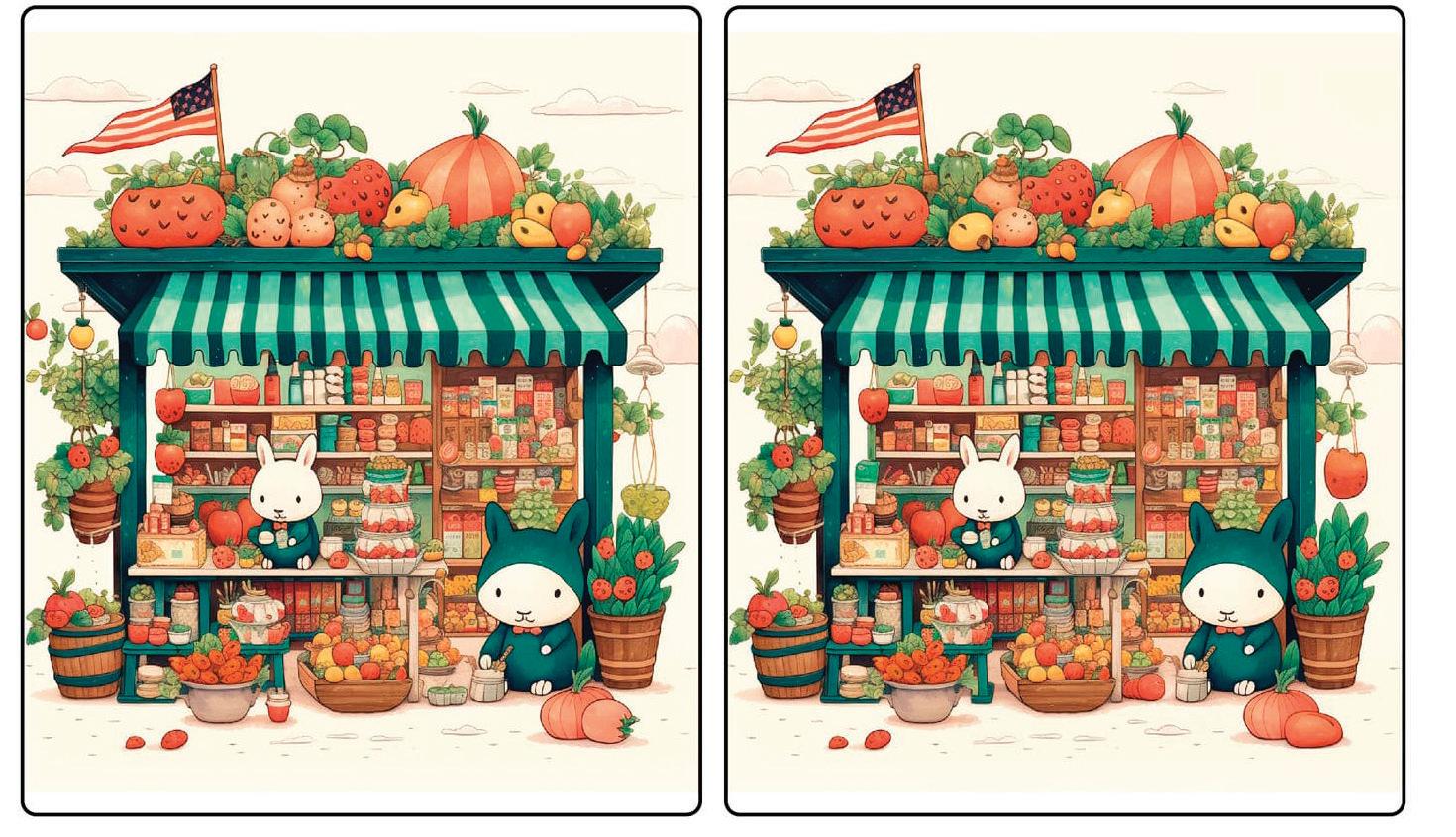
Spot 8 Differences
Funspace
Escape the Maze
Begin at the GREEN arrow and navigate to the RED exit arrow.
Tough Mazes by KrazyDad, Book 1 Maze #2
Sudoku Marketspace
Logan & Fritsch Dentistry
BY WES ALTOM | PHOTOS BY TOM MILLER
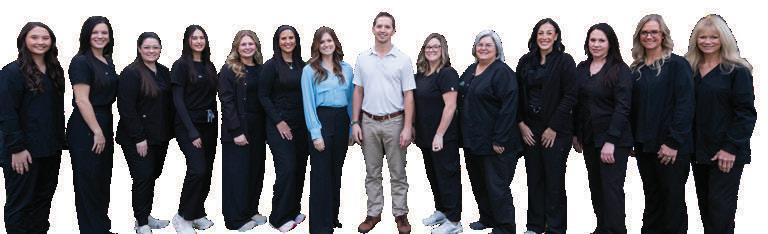
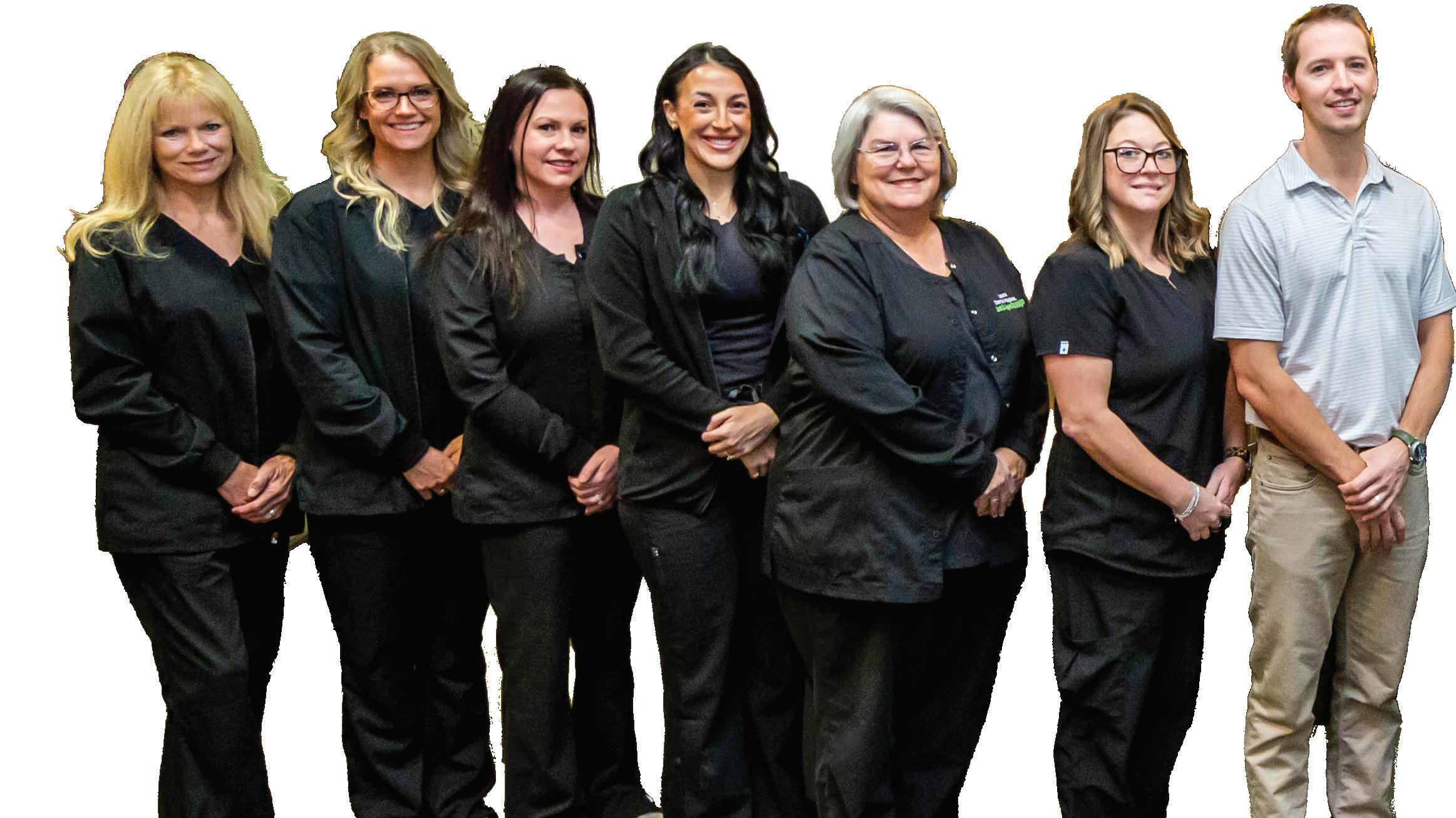
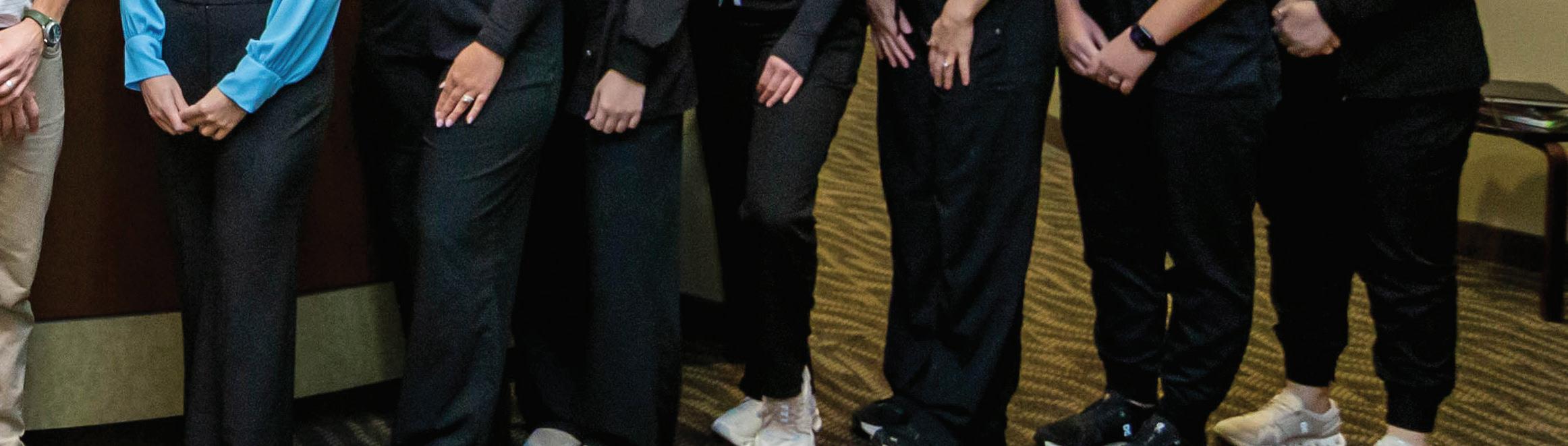
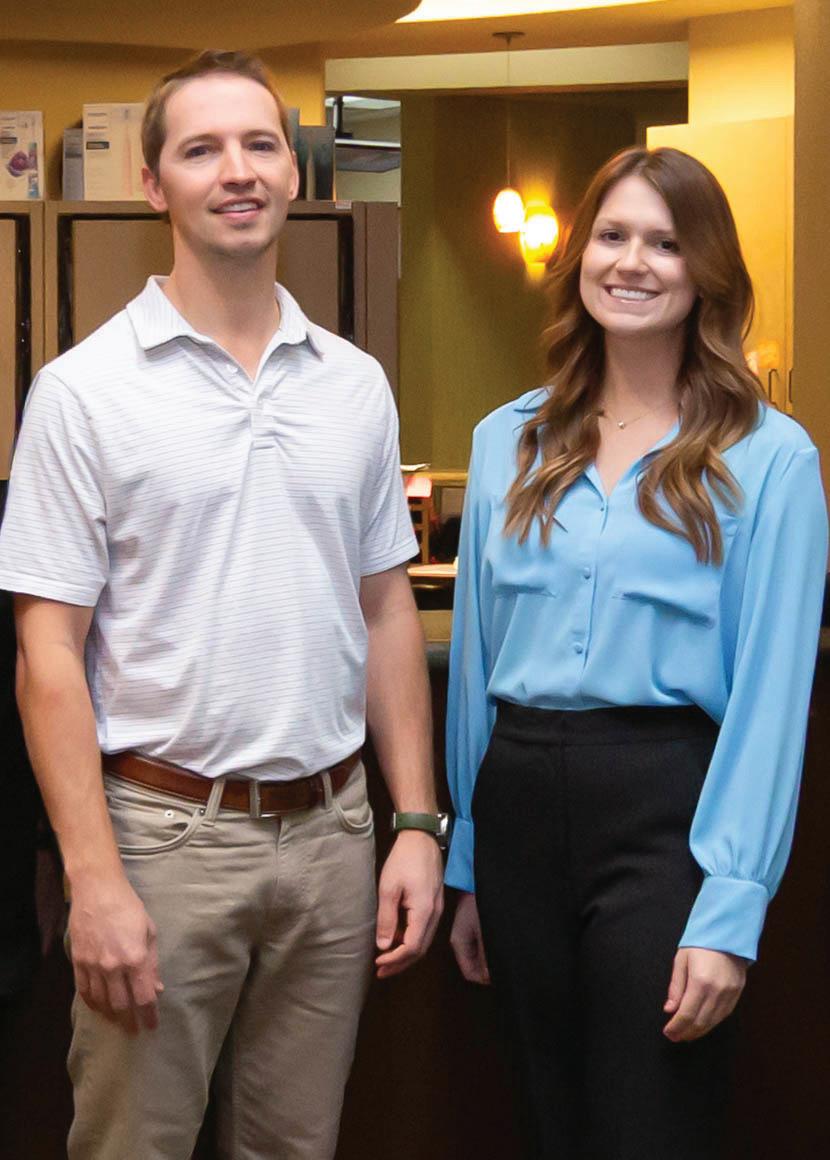
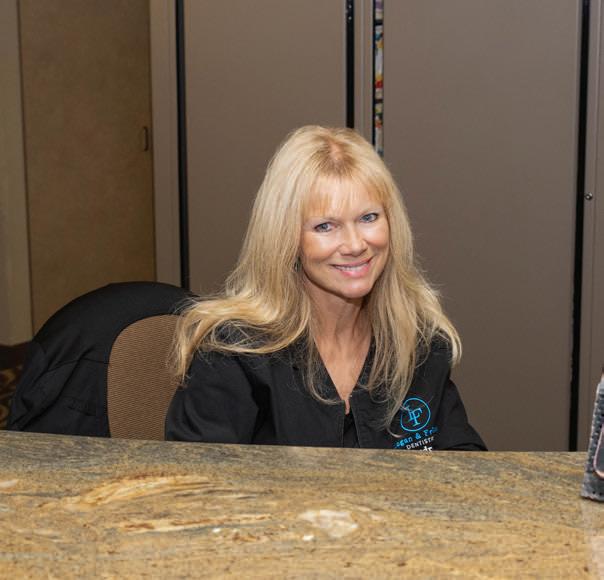
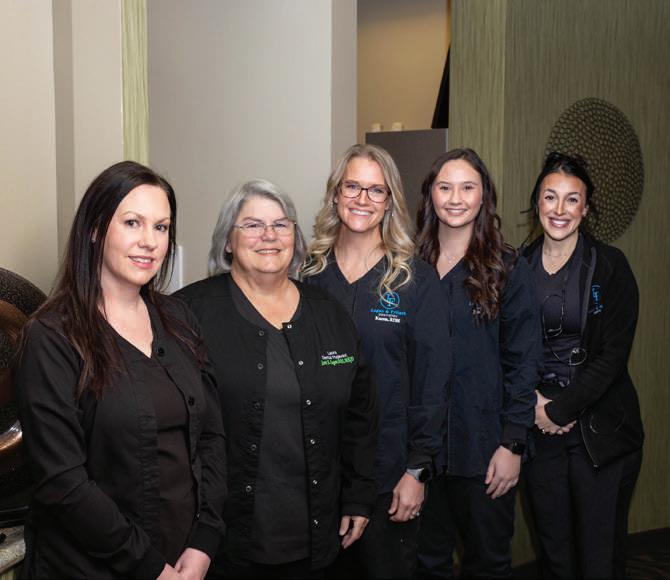
Andrea, Karen, Amanda, Lou, Laura, April, Dr. Fritsch, Dr. McQuay, Hailey, Maci, Taylor, Kendall, Jordan, and Kendra
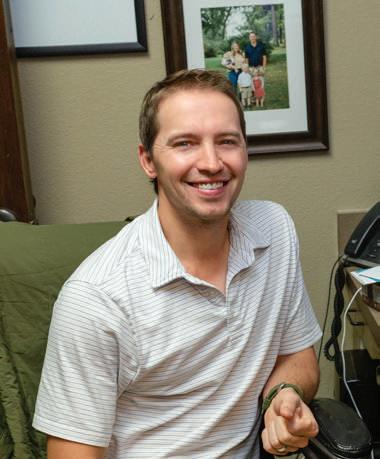
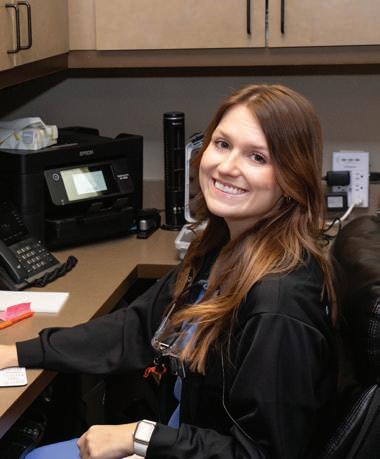
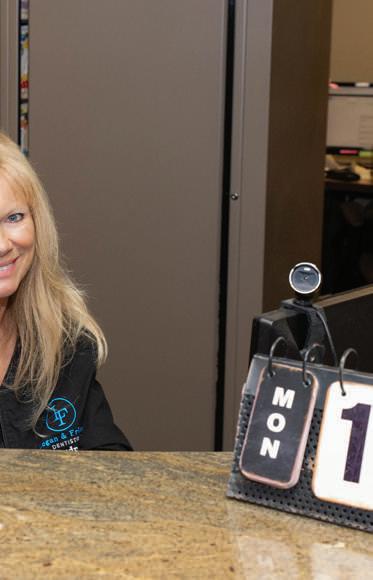
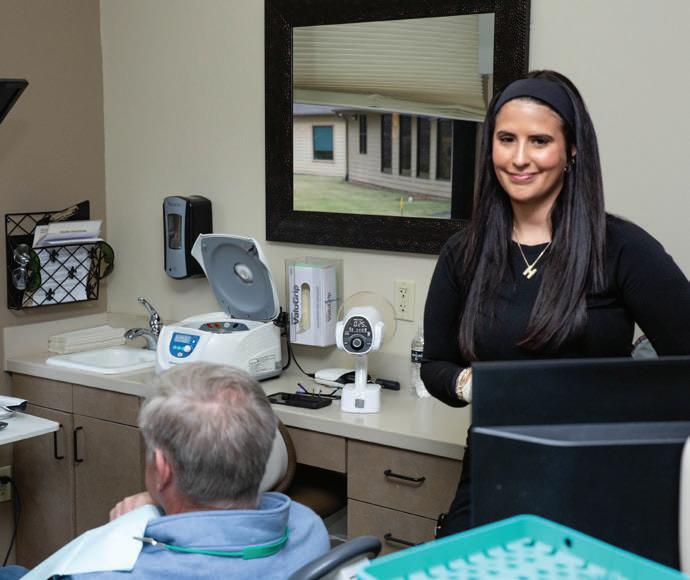
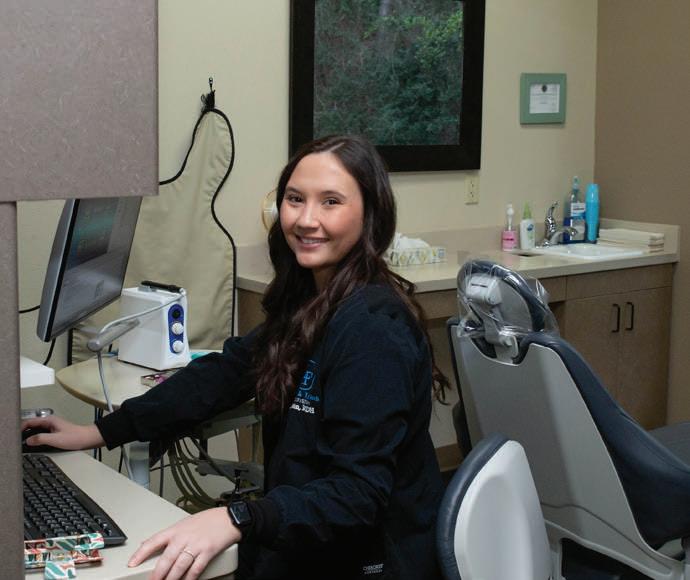
Walk into Logan & Fritsch Dentistry and ask any of the care team members, “What’s new?” There is a good chance they will respond with, “A LOT!”
Dr. Scott Logan is newly enjoying a well-earned retirement; Dr. Aaron Fritsch is now the owner; and Dr. Lilly McQuay has recently joined the team.
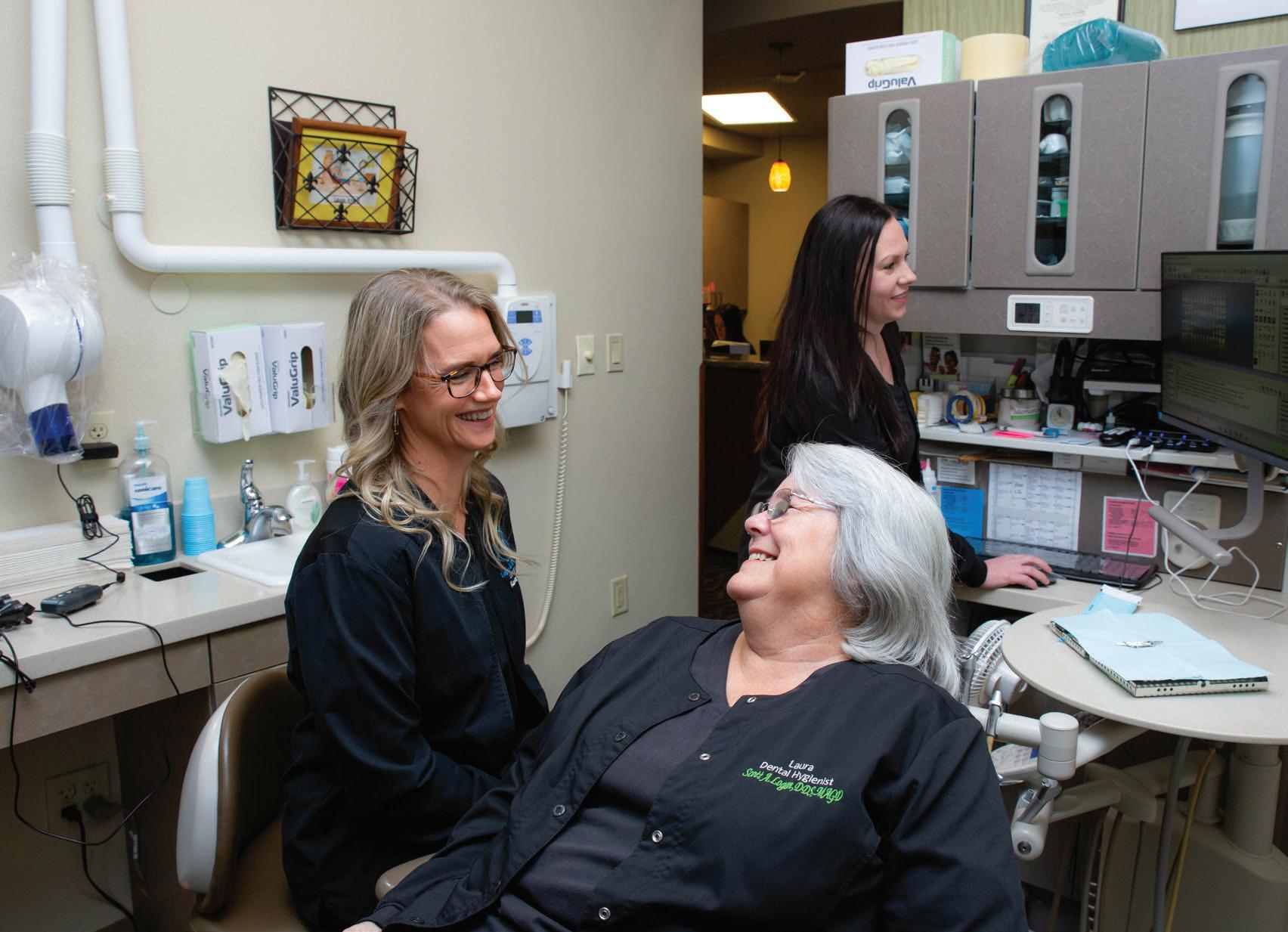
Relational care is a constant One thing that hasn’t changed is the positive atmosphere and style of relational care this group has grown quite the reputation for. In fact, that was what impressed McQuay enough to come aboard. “I was at another office before, getting great experience,” said McQuay, “but we didn’t get a whole lot of time with the patients because it was so fast paced. I think we’re in an ‘atmosphere’ here. I’m just happy we’re able to spend time with the patients, talk to them, get to know them. You know, building lasting relationships.”
Fritsch expanded on that line of thought. “I like Huntsville,” shared Fritsch. “This is my community. I like small-town people. I think they’re more like the salt of the earth. I like when I drive around town and people will wave at me. When I go to Kroger, I like seeing people I know and talking to them. It’s the small-town friendliness.” And
Fritsch says that spirit carries over into the office environment. Not only is it a positive environment to work in, it has a positive impact on patients as well.
“We’re not cycling a bunch of doctors through here, right?” Fritsch continued, noting that adding McQuay was the end result of a nine month arduous search for the right fit. “You’re
going to see familiar faces. Not only the two of us, but the team members. That’s an important part of helping patients feel as comfortable as they can and less anxious about receiving dental care. Patients also often comment that our team is in a good mood and friendly. We talk to you; we look you in the eyes; those things are important.”
The Business Focus is chosen each month by random drawing from among Postcards contract advertisers.
Newer doctor, newer knowledge?
I asked Dr. McQuay whether the fact that she went through dental school several years after Dr. Fritsch meant that she brought new knowledge and technology to the group. She explained that the exact opposite is true. McQuay said her dental school taught the basics, because not all practices have newer tools, technology, and techniques. “It’s actually funny, because Dr. Fritsch is very modern with his approach,” explained McQuay.
You’re going to see familiar faces. Not only the two of us, but the team members.
”
3205 Robinson Creek Pkwy Huntsville, TX 77340 (936)291-6589
huntsvilletxdentist.com
“He’s actually teaching me a lot. The team here calls me ‘old school’ and ‘the second Dr. Logan’ because I’m very traditional right now, but I am rapidly learning new ways with the technology. Dr. Fritsch is a really great teacher.”
When asked about one preventative recommendation she would make, McQuay said being simple, but mindful is often best. “If you’re going to eat chocolate or candy or drink coffee or soda, just swish with water afterward, because otherwise that’s sitting on your teeth for a long time, and it starts to eat
away at the tooth,” explained McQuay. “That’s something anyone can do. It’s just something simple. When I have my coffee in the morning, I always just swish with water after.”
The total package Fritsch shared the thing he wants to stress most to both current and potential patients is the totality of care now available at the Huntsville office. “We’re pretty much a one-stop shop for adult dental care. There are very few things we don’t do right here that a
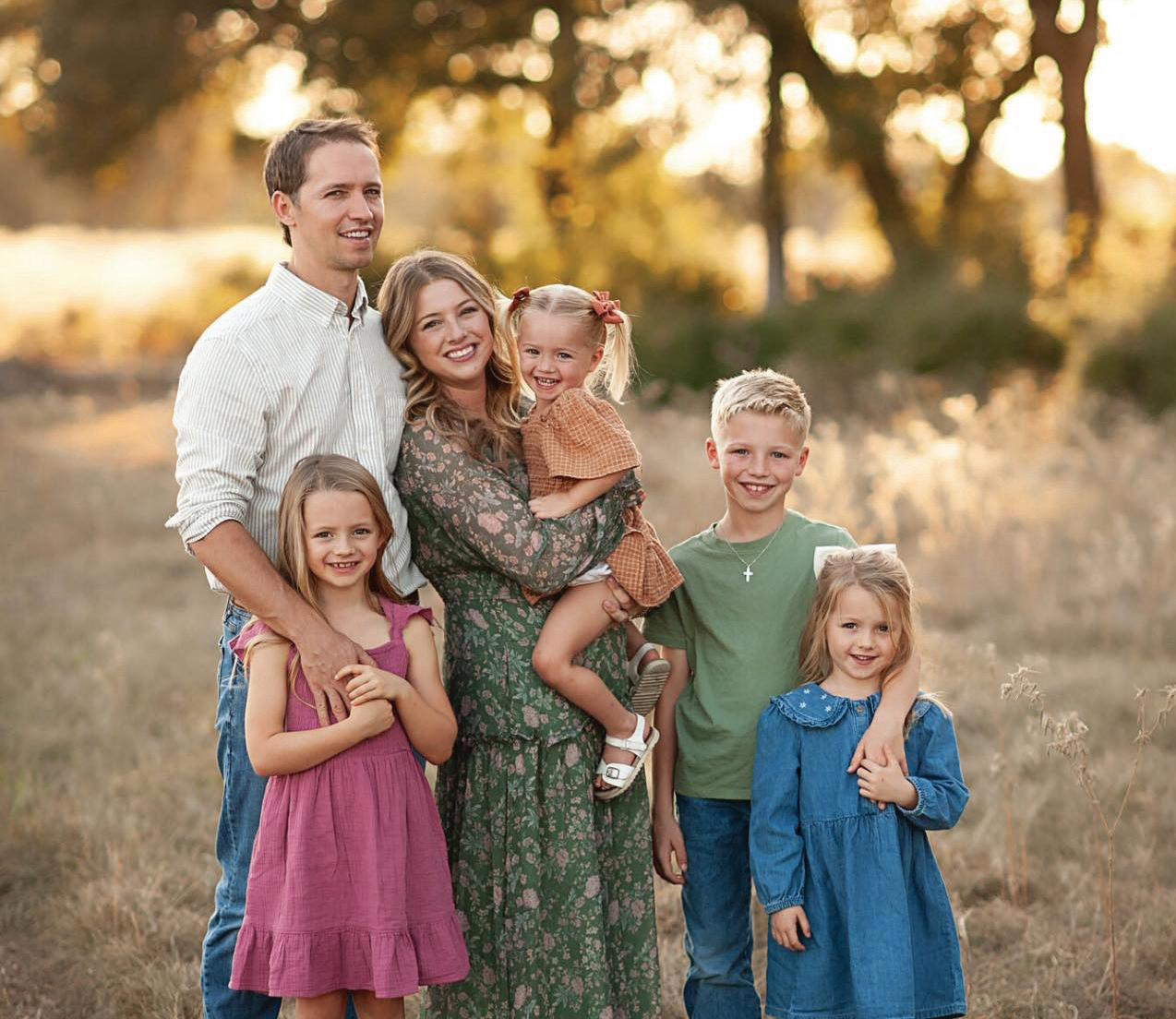
Dr. Aaron Fritsch is from Del Rio, Texas. He went to Baylor University, then dental school at the University of Texas Health Science Center in San Antonio. He joined the practice in 2020. Aaron and his wife Ashleigh have four children ranging in age from two to ten. When he is not at work, his family keeps him hopping!
patient would have to go elsewhere for.”
From extractions to root canals, implants, oral and IV sedation, porcelain veneers, invisible aligners, or cosmetic dentistry, Fritsch says it is all available right here, without being referred out to travel to another provider you don’t know. “Implants used to be much more difficult and much more expensive to obtain,” said Fritsch. “Now, whether it’s a single tooth or an ‘All on X’ procedure providing a whole new smile, it is readily doable.”
Fritsch explains that while costs have come down and these procedures can be done locally, the cost has not been similarly reduced at all outside specialists performing such procedures. “We are way more affordable than people down south. Especially for those bigger procedures,” said Fritsch. “I want us to be fair to the price of services in small towns.” And, he explained there are payment plan options available through outside vendors to make things even more affordable.
Fritsch summarized that he cannot stress enough the positive possibilities. “I know going to the dentist can be stressful. The anxiety about procedures and the concern about cost is real. But today’s truth is that we are here…we care…we have all the tools and capabilities to both perform the work and to reduce the stress…and it’s more affordable than ever. If you have been putting off necessary dental work, you just may be needlessly missing out on a better quality of life.”
Dr. Lilly McQuay grew up in northeast Arkansas. She went to Arkansas State University in Jonesboro for undergraduate studies, then dental school in St. Louis, Missouri. She met her fiancée, Raj Patel, there. He is from the Houston area, a graduate of Texas A&M University, and is a dentist in College Station. The couple is planning a fall wedding.
Your Best Agrilife
Healthy Hearts Start at Home
Building Lifelong Heart-Healthy Habits as a Family
February is often celebrated as the month of love, but not just the romantic kind. While Valentine’s Day gets much of the attention, February is also American Heart Month. What better way to celebrate than by caring for the hearts that matter most and making hearthealthy habits a family affair?
Heart health is often thought of as something adults need to think about later in life, but heart disease affects people of all ages and remains one of the most serious health issues in the United States. In 2024, the Centers for Disease Control and Prevention (CDC) reported cardiovascular disease, including heart disease and stroke, continues to be the leading cause of death in the U.S. and worldwide. According to the American Heart Association, someone dies from cardiovascular disease in the U.S. every 34 seconds, totaling nearly 2,500 deaths each
cholesterol levels.
Families can start with small, manageable changes, such as adding more fruits and vegetables to meals or choosing water instead of sugary drinks. Inviting children into the kitchen to help with meal planning and preparation teaches them where food comes from and builds confidence around trying new foods.
While these statistics may feel concerning, there is encouraging news: heart disease is also one of the most preventable major causes of death – especially when healthy habits begin early and are reinforced at home. Small, consistent choices can make a meaningful impact on heart health for every family member.
Start with the Plate
Samantha Smith
Walker County Extension Agent
rather than a chore – creating habits that can last a lifetime.
Rest, Recharge, and Reduce Stress
Rest and stress management are often overlooked but play an important role in heart health. Adequate sleep supports emotional well-being, energy levels, and overall health for both adults and children.
Move Together, Stay Active
Creating calming bedtime routines, limiting screens before sleep, and keeping consistent schedules can make a noticeable difference. Teaching simple stressmanagement tools, such as deep breathing or mindfulness, helps children develop lifelong self-care skills and strengthens family connection.
Make It Fun and Make It Stick
Families can celebrate American Heart Month by keeping things fun and engaging. Try a “red foods” night with strawberries, tomatoes, or apples; family steps or active minutes on shared chart; or challenge everyone to one new healthy recipe each week. might even choose one heart-healthy goal for the month, such as walking together every day or cooking at home more often.
Nutrition plays a powerful role in supporting heart health, and healthy eating doesn’t have to be complicated. A balanced approach that includes fruits and vegetables, whole grains, lean proteins, and healthy fats can help support healthy blood pressure and
Physical activity is a cornerstone of heart health. Adults are encouraged to get about 150 minutes of moderate activity each week, and children need even more. The good news is movement doesn’t have to mean gym workouts or organized sports.
Simple activities like family walks after dinner, bike rides, dance parties, or weekend hikes all help raise heart rates and boost mood. When movement is fun and shared, children are more likely to see it as something enjoyable
The goal isn’t perfection – it’s participation. When everyone feels included, heart-healthy habits are more likely to stick.
American Heart Month is more than a reminder – it is an invitation to build lasting habits together. By choosing movement, balanced nutrition, rest, and mindful awareness, families can support heart health not just in February, but all year long. After all, showing love includes caring for the hearts that matter most.
Wildlife Wonders
Screwed Again?
The Shocking Return of the Flesh-Eating Pest
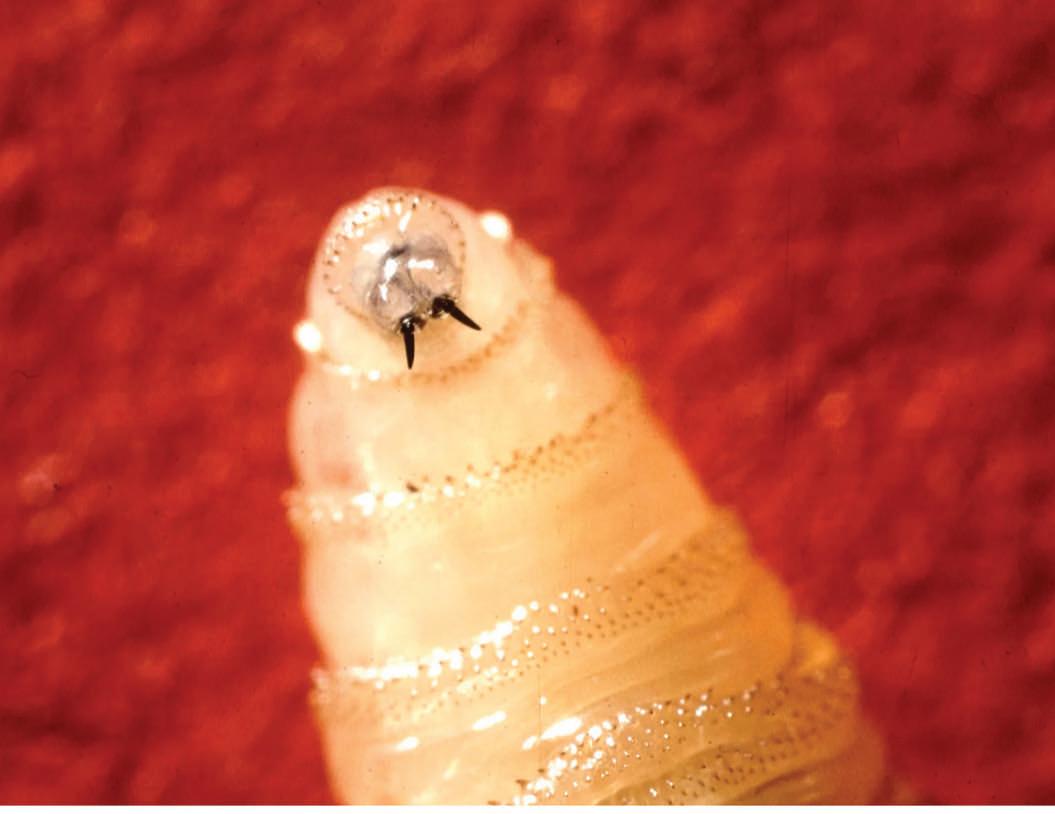
Once thought to be eradicated, the New World screwworm (Cochliomyia hominivorax) has now reached the doorstep of the United States. It was rediscovered late in 2025 just 70 miles south of the Texas border in Nuevo Leon, Mexico. This resurgence has put conservationists and ranchers on high-alert, reviving nightmares of the 2016 Florida outbreak that nearly decimated the endangered Key deer population. Today, the threat looms even larger as the parasite rides northward on migrating wildlife.
The screwworm is an obligate parasite, which means that unlike common flies that lay eggs on decaying material, screwworms must have a living, warm-blooded host to survive and reproduce. The adult female fly targets any small opening on a host, laying her eggs in open wounds or sensitive areas like the nostrils, eyes, or mouth. Once the eggs hatch, the larvae immediately use their sharp, hooked mouthparts to burrow, or “screw”, down into the living tissue. This is how they got their name. As the maggots feed and the wound deepens, the infection quickly progresses and will almost always prove fatal if the animal is not treated immediately.
How do you tell the difference between a screwworm infestation or a wound infested with regular fly maggots?
1. Screwworms feed on LIVING tissue. They burrow deep into the tissue and are not typically visible on the surface. They are packed tightly together with heads down deep within the wound.
2. Check the appearance and smell of the wound. With screwworms, the wound will rapidly widen and go deeper. Usually there’s a thin, bloody discharge from the wound. The smell is very distinctive and foul. The smell is disproportionate to the size of the wound.
3. Watch the animal’s behavior. A screwworm infestation is very painful so the animal will show signs of distress. The animal may stop eating and separate itself from the herd. The animal may have a fever. Depression and lethargy are common.
A screwworm infestation requires immediate action. It’s extremely important to isolate the animal. Collect 5 to 10 of the screwworms in a container filled with 70% rubbing alcohol. If it’s a pet, contact your veterinarian immediately. If it’s a wild animal or farm animals, contact your state’s animal health officials. Federal officials will be notified.
By Cheryl Conley Lake Creek Nature Preserve Board of Directors
Everyone should be concerned about the screwworm threat. Its re-establishment in the USA would have significant effects on grocery prices, the health of our environment, and our pets. A screwworm outbreak in cattle would cause a high mortality rate and would stop cattle imports from Mexico, which is a major source of feeder calves. Regarding our pets, any small scratch or tick bite on a cat or dog could attract the fly. If not caught early, it could be fatal. The screwworm poses a risk to wildlife populations, especially species like the Key deer and white-tailed deer. Billions of dollars would be spent eradicating the problem, which ultimately would be paid by taxpayers through higher prices for beef, dairy and other affected products.
Although extremely rare, humans are susceptible, especially if you have open wounds. On August 4th of this year, screwworms were identified in a human and was confirmed by the CDC. The patient had traveled to El Salvador.
Despite the threat posed by the screwworm’s unexpected re-emergence, this biological “curve ball” does not overshadow the beauty and value that the natural world provides every day. While the danger demands our attention, it is simply a reminder of nature’s complexity and power.
New World screwworm larva, like the one pictured, will hatch and feed on the flesh of the living animals, typically cattle. Cases in humans are rare but can be fatal.
Sunday Worship Service 10:45 AM
State of the Art
Hearing Technology Available
Adult Bible Study and Children’s Sunday School 9:30 AM
Nursery Available
Wednesday Bible Study 10:00 AM
February 2026
COLLEGE STATION
“The Simon & Garfunkel Story” opastickets.org
17 - Mar 1
HOUSTON
“Million Dollar Quartet” tuts.org 20-21 BRENHAM Lucky Stars Quilt Show friendshipquiltguild.com
The team was determined to win the championship by hook or by crook, using every strategy available.
Ever wonder about the origin of this phrase? In my mind, I always have put a positive connotation on the first (as in bait on a hook, an enticement) and a negative connotation on the second (as in a “crook” using dirty or illegal means). Maybe that’s just the way my warped mind works.
When researching the origin, there is no definitive answer for the exact source, but the two top theories BOTH present an either/or as a connection and not opposites as I supposed.
The first likely source of the phrase is that it comes from Hook Head, Ireland and Crooke, Ireland. During the English Civil War in 1650, there was a vow by Oliver Cromwell to capture Waterford by Hook or by Crooke—a simple alternate choice of routes.
The second supposition is that it comes from the customs regulating which firewood local people could take from
common land. They were allowed to take any branches they could reach with either a billhook (a farmer’s tool) or a crook (a shepherd’s tool). Again, a simple alternate choice. Is it becoming our very nature to see every potential alternative situation as a “VS.” rather than an “OR”? We must each be careful lest we lose our ability to be objective in evaluating ourselves, examining our choices, and passing judgment on others.
Let your reasonableness be known to everyone. The Lord is at hand. Philippians 4:5 (ESV)
Let your gentle spirit [your graciousness, unselfishness, mercy, tolerance, and patience] be known to all people. The Lord is near. Philippians 4:5 (Amplified)