CONNECTED FOR A BETTER FUTURE: IN AFRICA

CONNECTED FOR A BETTER FUTURE: IN AFRICA








As we navigate the ever-evolving landscape of financial technology, this edition delves into the theme of “Innovating the Future: Transformative Technologies for Inclusive Banking.” While we continue to cover the familiar territory of contactless payments we also explore a broader spectrum of explore a broader spectrum of groundbreaking technologies that are reshaping the banking and finance sector.
While fintech and innovation remain at the heart of our discussions, we are committed to shining a spotlight on how these advancements contribute to financial inclusion. This edition will delve into the impact of artificial intelligence, blockchain, digital currencies, and cybersecurity in creating a more inclusive financial landscape.
By focusing on the role these innovations play in reaching
underserved communities, we aim to provide valuable insights and strategies that promote financial inclusion and address the evolving needs of diverse populations.
We are thrilled to feature a collection of insightful articles from industry experts and thought leaders who share their unique perspectives on the future of banking. Their contributions provide authentic and in-depth analysis, empowering you to navigate the complexities of the digital age with confidence.

THANK YOU TO OUR CONTRIBUTING WRITERS IN DBA WINTER 24
ADELEKE OYERO Paydock
Product Owner
DANIEL AWE
Head
Africa FinTech Foundry (AFF)
DARREN FRANKS
CEO titc.io
DERRYDEAN DADZIE Founder Heritors Labs Ltd.
HAMISH HOUSTON
Group Chief Operating Officer enza
KITSO LEMO
Associate Director
Boston Consulting Group, Johannesburg
NIHMAL MARRIE
Managing Director and Partner
Boston Consulting Group, Johannesburg
NOLWAZI HLOPHE
Senior Fintech Specialist: FSCA
Co-Lead of the Regulatory Guidance Unit
OLUSEGUN ALEBIOSU CEO FirstBank Group
OLANIRAN RASAQ
Intergration Analyst Infopro Digital
PHILANI DLAMINI
Engineering ManagerDigital Payments
RUFAIDA HAMILTON
Standard Bank’s Head of Payments in South Africa
SHADRACK KUBYANE Co-Founder eFama App & Coronet Blockchain
SIZWE GWALA Head of Data Governance and Management Absa Group
UZOMA DOZIE CEO, Sparkle
WIZA JALAKASI Director, Africa Expansion EBANX
Editor: Anthony Bempong
Executive Editor: Noel Morrison
Deputy Editor: Henry Scott
Art Director: Pritesh Patel
Layout Designer
Abdhesh Kumar Jha
Chief Sub:
Kwabena Mensah Bonsu
Head of Online Development: Lee-Anne Doughlin
Online Development:
Gerald Hutchfull, Paulette Davidson
Subscription Manager: Stephen Rock
Marketing Manager: Siobhan Copland
Marketing Assistant
Jason Hall, Nikki Jadine
Circulation manager:
Nathan Asare
Head of Sales: Michael Scott
Production Editor: Rebecca Turner
Business Development: James Walters, Lloyd Quansah, Paul Da
Associate Producer:
Dean Kirby
Head of Accounts: Wayne Sykes
Publisher:
Percival Marshall
ISSN 2752-4485
www.digitalbankerafrica.com
Images by www.istock.com
All information contained in this publication has been obtained from sources the proprietors believe to be correct, however no legal liability can be accepted for any errors. No part of this publication can be reproduced without prior consent from the publisher.

Lessons from a Small Business in Malawi for the African Payments Industry
You Are the Training Data

Leading the Way: Olusegun Alebiosu, CEO of FirstBank, on Innovation, Inclusion, and the Future of Finance
Leveraging Digital transformation in Africa through Emerging Technology 12 22 26 16 20
The Crucial Role of Government in the African fintech ecosystem

Access Bank’s Commitment to Digital Banking Services
Innovating the Future Transformative Technologies for Inclusive Banking
From Cards to Codes Why Payment Tokens Are the New Currency of Trust
Unlocking Data with Open Banking Transforming with Artificial Intelligence

Instant Payments Can Play a Bigger Role In Enhancing Financial Inclusion in Africa But We Must Take Deliberate Actions
Digital Banker Africa Awards 2024
Connected for a Better Future:
Digital Finance in Africa
Transforming Nigeria The FirstBank Way

Breaking Barriers Can New Tech Drive Inclusion in Africa’s Fintech Economy?
Bridging the Financial Divide How AI and Blockchain Are Driving Inclusive Banking in Africa
Digital Innovation The catalyst to inclusive banking
The Role of Blockchain Technology in Building Financial Inclusion
No Time to Waste Africa’s Banks Must Leverage Their Advantage Now

Once, my cousin, who owns a fashion business, called me with an unusual request:
“Wiza, could you please help me make a payment in dollars to a Chinese supplier?”
If my cousin lived in the United States, Europe, or Asia, she probably wouldn’t have even needed to call me. She could have resolved it easily in just a few minutes. But she’s in Malawi, my homeland.
“I need to transfer $1,056.62, but this amount exceeds my card’s international transaction limit.”
Since I had an individual account with a higher limit, I asked her to make me a domestic transfer. As soon as I received it, I made the payment. But it didn’t go through. So, I contacted my bank manager, who explained that they needed an invoice issued by my cousin’s supplier to approve the transaction. After a few hours of back-andforth, we finally managed to complete the payment.
This story perfectly illustrates the reality of a continent that still struggles to address simple, lowcomplexity issues. What for many
may seem like an insurmountable and discouraging barrier to doing business is, for us Africans passionate about technology, an opportunity to develop creative and disruptive solutions. And, guess what? That’s exactly what we have been doing. It’s true that we are far from where we’d like to be but to move forward, we must recognise what has been achieved, replicate what has worked, correct what hasn’t, and above all, keep paying attention to Africa’s real problems, and needs. The market is calling out. We need to listen to it.

One of the main signals that business leaders, developers, product managers, and policymakers must watch comes from digital commerce. African consumers have never used technology as much as they do now to purchase products and services. And the good news is that this trend will intensify further. Data from the World Data Lab analysed by EBANX shows that Africa will see tripledigit growth in consumer spending over the next decade. Some rising countries are among the fastestgrowing regions in the world. The ones expected to accelerate the most are Ethiopia (449%), Egypt (127%), Kenya (120%), Morocco (107%), Ghana (105%), and South Africa (42%), per the World Data Lab. In 2024 alone, we will see an additional 10 million new consumers in our region, placing us second in the global growth ranking, behind only Asia. This strong pace will continue, and by 2030, over 1 billion adults will be digital consumers in Africa, a figure that would currently represent 71% of the continent’s population, according to United Nations data.
This exponential increase in Africans with purchasing power makes the continent a truly digital economy hotspot across various sectors, with growth rates surpassing the global average, according to Beyond Borders, EBANX’s annual study about the digital market and payments in rising economies. This has been happening in sectors like cloud computing, online retail, digital advertising, streaming, gaming, and online education, which are expanding nearly three times
faster than the worldwide rate. This is why, at EBANX, we consider Africa the next frontier for digital commerce.
But what explains this phenomenon if, as I highlighted at the beginning of this article, Africa faces basic structural challenges that hinder economic and social development? The answer certainly involves Africa’s youth boom, which drives digital demand for goods and services, but it is also intrinsically linked to three characteristics that define the African tech market: creativity, innovation, and resilience.
The biggest trend in today’s payments industry
I could use the example of the revolution that mobile money brought to Africa’s financial ecosystem, but that’s already well-known. This solution is widely recognised around the world as an outcome of the originality and boldness inherent in our industry. So, I will highlight another equally visionary product: Fawry, in Egypt. In a country where 64% of the online sales volume is paid with cash (PCMI data analysed by EBANX), this African technology is enabling consumers to make payments via vouchers or QR codes, including in the digital commerce, even if they don’t have bank accounts – something that applies to seven out of ten Egyptians. It’s both simple and revolutionary. It’s no surprise that this method is now used by over 52.5 million people, practically half of the country’s population.
Fawry exemplifies perhaps the biggest trend in today’s payments
industry: the relentless pursuit of adapting to consumer behaviour rather than forcing them to adapt to what I believe they want. In other words, it’s about meeting people at the stage they’re at. Providing this type of service with security, efficiency, and reliability is not only about technology but also about understanding real-life challenges and proposing solutions that prioritise a seamless and standardised consumer experience. This human, sensitive, and indeed, very intelligent business approach has redefined not only traditional payment methods, such as cash, but also the way in which the low level of banking access in Africa is addressed – a critical issue that has historically hindered its social development. It’s no coincidence that financial inclusion is cited by the United Nations as a key indicator for eight of the 17 Sustainable Development Goals for 2030. So how does this work in practice? The book BoxBreakers!, by Fredda McDonald, tells an inspiring story that answers this question.
Ester, a Kenyan housewife, mother of five, and married, had to juggle raising her family because her husband, the primary breadwinner, used to spend nearly all his income on banana beer. Her fate began to change with the advent of mobile money. With formal access to lowcost banking services, Ester secured a loan from a local cooperative to start her own business and received mentorship and professional guidance. It worked so well that she ended up employing two of her children and her husband. Now, the men of her house work in Ester’s banana beer factory. What goes around comes around.
How many Esters are there in Africa? And how many more will there be once we overcome obstacles like the continent’s inherent fragmentation which partly drives the siloing of payment systems? Many, many more than today, I have no doubt. Interconnection and interoperability remain critical issues preventing the region’s homogeneous development. The “Big Four” – Kenya, Egypt, Nigeria, and South Africa – are leading the charge, yet they are isolated from one another and, worse, from those following behind. This creates an inequality
that ultimately works against them all. Add to it profound differences in technological maturity, regulatory frameworks, infrastructure, level of government support, and literacy.
Overcoming such complex obstacles necessarily requires a collective effort from all stakeholders. This is precisely the approach that EBANX has taken since arriving in Africa two years ago. In order to provide consumers in 11 African countries with access to goods and services available worldwide, we have established strategic partnerships with local companies, hired industry specialists from

Wiza Jalakasi Director, Africa Expansion EBANX

the region, collaborated with regulatory institutions, and thoroughly studied the technology behind each market’s preferred payment methods. This work as a global payment aggregator enables merchants to operate across different countries in a seamless and more strategic way, minimising the effects of the fragmentation that used to keep them away from the continent.
Of course, there is still much to be done. New technologies like blockchain, Web3, and DeFi are highly promising and have the potential to further support efforts to build a bright future for Africa. In the payments industry, these innovations significantly enhance three fundamental pillars: security, transaction efficiency, and user experience. They enable a smoother purchasing journey for the consumer, lower costs for processing payments, and greater reliability at every stage of the process. The natural consequence of all this is an increase in conversion rates, which positively impacts the entire digital economy.
The future of digital payments in Africa is bright, but getting there requires more than just optimism. Realising its full potential requires collaborative efforts to overcome infrastructure hurdles, ensure regulatory compliance, and foster financial inclusion. My cousin – and the entire continent – is rooting for us.


The need for a continuous modernisation of digital products and services cannot be overemphasised owing to the meteoric advancement in science and technology. The advent of Artificial Intelligence - AI and automations have brought a big rethink to how digital solutions are designed, created, and served to consumers. One can say the futuristic imaginations of the early 21st century are beginning to come to reality. This is not to say that there has been a drastic deployment of technology which is out of the ordinary, but it will relate well to say a clearer vision and path for redefining technology and digital services is being set. Adaptive and augmented realities have come to stay and can only get better, and the thought of having to shelf off some of one’s brain tasking schedules for an adaptive AI solution gives the relief to focus on what matters ahead.
It is also worth noting that there is the need for properly tendered data, and data storage as these realities fuel the availability of data to create patterns that define intelligent outcomes needed to handle futuristic tasks. The need for data collection to understand business, sales, customer trends and patterns has intensified the overactive use of browser cookies, intentional survey analysis about products, services and goods reviews, traffic information from speed and motion cameras, entry and exit data information, transactions from financial institutions, parking and road users from tolls and the list goes on. The need for this data cannot be overlooked as it forms the bedrock of any intelligence or algorithms that can birth several forms of automations, integrations for the emergence of these contemporary technologies.
Another astonishing digitisation is the increasing use of metaverse as a means of virtual augmentation and reality. Most of the top digital and tech institutions are beginning to focus more on leveraging this artificial reality as a means of promoting their businesses, services, and superiority over other contemporaries. Accenture in recent years have been a foremost driver of the use of augmented reality and are well convinced that they can get their spread of global clients to subscribe to their new inventions as a means for ease of doing business. Institutions like Google and Apple have constantly been rolling out Virtual Reality devices, software, and applications that have enticed their users and made them begin to have a closer perspective towards what the world of Artificial Intelligence can offer.

The beauty and ease of life and doing business that come or would eventually come with these realities can be well pictured with an open mindset, and so far, there hasn’t been any disadvantage bar consumer privacy that has outweighed the positivity and advantages surrounding the use of AI. The most common of these advantages is seen in the automation of production lines, employee workflows, recurring tasks and schedules, self-driven vehicles, robotic engineering, bots, virtual reality, and trending. Immersive virtual reality is now being used for simulated on-field training, teaching, meetings, and interviews. This model not only brings individuals continents apart into closer realities, but it also creates timesaving, cost-effective, and agile ways to getting things done. Another use case is seen in the health sector where augmented reality – AR is driving the use
of HoloLens (Microsoft) AR to perform surgical procedures which give accessibility to information and visualisation of data in real time to surgeons during surgery, making diagnosis, treatment, and procedures faster and more reliable.
Emphatically, the availability of proper data can only bring transformation to any institution and the effectiveness of their participation in the new digitisation conundrum would readily be a positive leap. These said, one can affirm that the domiciliation of this modern technology is not geographical, and it is important that Africa is not left out of this movement. Another can argue that digitisation in Africa may not always make the rounds in the world of newer inventions, but it will always be said that Africa possesses the environment where disruptive transformation can be easily reckoned and is still a bedrock for innovative ideas and business re-imaginations. This is owed to the abundance of natural, human, and multicultural resources embedded in the continent.
While the fundamental question of data gathering and availability would be the first objection for any progressive integration of digitisation into Africa, it is most proven that with the right and important first steps, this can be surmountable. The issue would not be the availability of data resources but the right technology and tools to harvest these chunks of data. This is the most expensive part of the contemporary trends, and it is what big corporations like Google
and Apple feed on to promote their new realities. Another restraining argument would be around the political unrest in the continent which has marred the influx of corporates pitching their branches and even worse led to the exodus of a few ones whose stakes were in developing their brands in the continent.
However, these negativities are not enough recipes to deter the integration of these new forms.
The issue of data gathering is a global thing, and while one can close an eye towards the general issue of privacy invasion and the possibilities of socially engineered attacks when personal information gets to the hand of wrong entities, data gathering becomes a continuum and neverending process. The fact that newer trends are emerging daily means there must be the right set of data to be collected to improve these trends and transform them into what AI would understand, learn, and feature. This alone proves that if Africa started today or chose to integrate what it currently has, the possibilities of matching the world realities are quite unending. So, first things first, we need to get our infrastructure, policies, support systems, vision, and corporate cooperation right.
It is also important to note that collaborative efforts and research would help achieve these realities faster than having to saddle a few daring ones with whatever is made available to them. Example of this is seen with Accenture, KPMG and other digitisation firms who leverage the contributions of their
global clients to create shared solutions that not only benefit one (the firm), but all involved. With the right investors and political support, research institutes in foremost academic institutions in the continent could be used to front this campaign. Similarly, bigger corporations in Africa can take the bold step to replicate or partner with already established western companies.
The next question would be what sources of data would be needed to fuel these realities. Before answering this question, it is worth emphasising again that Artificial Intelligence, Virtual realities, and augmented systems need chunks of data with proper availability to process and make precise predictions and decisions. With a more conscious policy, the continent can begin to emphasise and enforce the need to have their footprints online. Health record keeping needs to be taken off files and hard materials into digital systems with availability to less personal patient data. Another data pool which may be readily available is the Census and Political registration of various geo-political zones that participate in these exercises. It is a great development that most of the leading African countries are beginning to digitise their voters’ registration and voting exercises which would be a great pool of data if it can be made accessible with the right policies.
Super Malls and businesses also have a great deal of daily data stored away in the hard drive of their monitoring units. With the
right incentive, these businesses can be easy contributors to national or geographical data gathering. Telecommunications, Mobile phone, Internet providing corporates can be made to provide access to the daily data they collect off the citizens of nations where they are domiciled. This comes with properly structured user policies and incentives for giving such access. Grassroot digital banking is currently being driven massively by the freedom given through the financial inclusion drive for banked and unbanked individuals. This can be seen driven by indigenous Fintechs across the continent. These tech companies command a whole lot of data even from the most remote locations where technology has been minimal and constrained. These raw data can do a lot in transforming the needs of these communities and help usher in tailored realities from generative intelligence.
Once data gathering, data models and storage is gotten right, the next question would be what use cases there are to solve that could not be a direct plug to existing intelligence and augmented realities. The peculiarity of the African terrain, diversity in culture and languages make the need for tailored solutions become profound and evident. To buttress these peculiarities, one can focus on a use case in digital banking across Africa. Having in recent times drawn a contrast between banking services in Africa and Europe to be specific, it is obvious that the driving factors for security, customer reliability, fraud, customer complaints and overall
success of financial institutions in both continents differ. For example, the use of USSD as a means of short code banking is prominent in Africa but an avoidable luxury in Europe. Also, the means of KYC verification for onboarding is also somewhat different. While one can do face capturing and upload relevant documents and have access to fully functional accounts in some countries in Europe, this method would have to be controlled in most institutions across Africa. This generally centres around inadequate real time security data to verify an onboarding user. In most cases a customer gets access to basic accounts and would probably have to walk into a bank’s branch to complete their verification processes.
This said, the following can highlight some of the benefits tailored AI, AR, VR can immediately bring to digital banking in Africa:
• Smarter targeting of customers by products – In most cases, digital sales is targeted at every prospective person. With AI, it would be easy to analyse impending and existing customers’ data to identify what their needs are and what product benefits them more. With this customised approach, it is easy to have a win-win customer influence and retention.
• Better insight about customers – nothing beats having a summarised insight of who
your customers are before and when they reach out. It not only builds customers’ trust but also creates a strategic approach to satisfying them. AI can help identify spend patterns, vulnerabilities, and sentiments in customer dealings much quicker and better than humans, and this in turn frees up time any personnel would use to analyse such information.
• Improved efficiency – apart from AI creating time saving experiences, it enables processes and services to be automated and optimised. Automation is another part of generative AI that is fast improving globally, and it really helps to greatly reduce the stress of carrying out repeated tasks, monitoring, drafting proposals, identifying sales opportunities, scheduling of follow ups and the list continues.
• Elimination of trial and error – the precision of predictive modelling algorithms used in data science and AI would not be overemphasised especially when each prediction comes with a percentage accuracy. With the right set of data, generative systems can properly advise about financial processes, strategies, and campaigns that would help drive assured profitability. This approach greatly reduces risk, loss, and time inherent from any traditional trial and error method.
• Near-human interactions –the use of chatbot in customer service is generally improving with time even across Africa. This technology can only become more seamless with the introduction of VR and AR. With a properly structured data approach, conversions driven by these realities can become more intelligent and closer to humans, both in delivering tailored customer service and human-like experiences. Natural language processing is another means of providing tailored customer experience in culturally diverse continents like Africa.
• Analytic reporting and interpretation – one of the challenges facing financial institutions in Africa is not knowing what to make out of the pool of customer data and transactions they sit on. Predictive models can help create instant reporting based on customer historic dealing and generate a pattern that can be easily used to tailor existing and newer products to customers. Another great benefit of analytic AI is to proactively help in preventing fraudulent activities on account holders through valuable insight into their spend patterns, in a faster and efficiently reliable manner.
Digital transformation through AI has come to stay and can only get better. The deployment of metaverse and virtual realities are the most forward-looking ways of business interactions, training, service provisions, and closing distance between humans. In the nearest future, these technologies will become more prominent than the current scope of AI available now, as such time is of essence for Africa to be in tune with the world realities and be open to improving digital processes. As mentioned earlier, the right political interests and policies need to be in place now to have the data prerequisites to build and integrate these technologies.
Intergration Analyst
Infopro Digital

In today’s digital world, the phrase “You are the training data” has become increasingly important. But what does it mean, and why should you care?
Training data is the information that artificial intelligence (AI) systems use to learn and make decisions. Think of it like teaching a child to recognise animals by showing them pictures of cats and dogs. The more pictures they see, the better they get at identifying each animal. Similarly, AI systems learn from the data they are given.

Every time you use the internet, you leave behind bits of information. This could be your search history, the websites you visit, the products you buy, or the posts you like on social media. Companies collect this data to understand your preferences and behaviours. They use it to improve their services and make your online experience more personalised.
Using your data can have several benefits, for instance websites and apps can show you content that is more relevant to your interests, while enabling companies to improve their products and services by analysing user data (including yours and mine).
By analysing data, companies and online stores can recommend products that suit your tastes and use that very same data to become more innovative and create new technologies that make our lives easier.
However, there are also concerns about how your data is used and many people worry about their personal information being collected and shared without their consent.
This is why it’s important to know how your data is being used and who has access to it. If the data used to train AI systems is biassed, the AI can make unfair or discriminatory decisions, and this is why it’s crucial to use diverse and representative data. What are the specific concerns with that? One may be that firms are generating income off your personal data, including by selling it to 3rd parties.
Users want to know what data is being collected and how it’s being used, because transparency helps build trust between users and companies.
As a user, you have the power to control your data, such as regularly reviewing and updating the privacy settings on your devices and online accounts to control what data is collected.
Users can also learn about the data policies of the services they use, as this helps them make informed decisions while navigating the online realm.
Over and above that users can advocate for clear and transparent data practices,
which will help ensure that companies are accountable for how they use your data.
Data holders and/or users of AI also play a crucial role in ensuring data is used responsibly, by enforcing stricter privacy laws to ensure that companies collect and use data responsibly. This includes requiring clear consent from users before collecting their data and ensuring that users have the ability to control their data. While many operators in this space may be trying to do the right thing, the role of the regulator is to set clear and consistent standards that guide the sector towards safe and ethical practices.
Regulators can mandate that companies provide clear and accessible information about their data collection and usage practices. This helps users understand what data is being collected, how it is used, and who has access to it. It is equally important for regulators to establish guidelines to ensure that AI systems are trained on diverse and representative data as this helps prevent biases in AI decision-making and promotes fairness.

Senior Fintech Specialist: FSCA Co-Lead of the Regulatory Guidance Unit

Alternatively, regulators can implement policies that hold companies accountable for their data practices, this includes regular audits and penalties for non-compliance with data protection regulations.
Members of the public also need to be educated about their data using awareness campaigns, as this enables them to make informed decisions about their data.
While protecting user data, stakeholders can equally create an environment that supports innovation can, as this includes providing guidelines that balance data protection with the need for technological advancement.
Indeed, you are the training data. Your online actions and behaviours help shape the AI systems that are becoming a part of our daily lives, and by understanding how your data is used and taking steps to protect your privacy, you can navigate the digital world more confidently. Regulators also have a vital role in ensuring that data is used ethically and responsibly, protecting users while fostering innovation in the digital age.
Financial institution are required by law to treat their costomers fairly if you think you have been treated unfairly, lodge a complaint with the provider, and if that does not address your concerns, you are entitled to lodge your complaint with an ombud who is a neutral party that will assess the complaint free of charge.
The FSCA may consider mandating that companies provide clear and accessible information about their data collection and usage practices, ensuring transparency and helping users understand what data is being collected and how it is used. Additionally, companies should be required to obtain clear consent from users before collecting their data, giving users control over their personal information.
Stricter privacy laws should be enforced, including regular audits and penalties for non-compliance, to ensure responsible data collection and usage. To prevent biases in AI decisionmaking, the FSCA should consider establishing guidelines that require AI systems to be trained on diverse and representative data.
Public awareness campaigns are also essential to educate users about their data rights and how to protect their privacy, enabling them to make informed decisions. Furthermore, the FSCA should consider creating guidelines that balance data protection with the need for technological advancement, fostering an environment that supports innovation while ensuring ethical data practices.
Regular monitoring and accountability measures, such as audits and penalties for non-compliance, will help maintain high standards of data protection. By implementing these recommendations, the FSCA can build trust between users and companies, promote ethical data practices, and ensure that data is used responsibly while fostering innovation in the digital age.


Leading a financial institution through a period of rapid technological change requires vision, adaptability, and a deep understanding of the customer. Olusegun Alebiosu, CEO, FirstBank Group, embodies these qualities. In this exclusive interview, Olusegun shares insights into the Bank’s digital transformation journey, its commitment to financial inclusion, and the strategies driving its continued success.
DBA: Congratulations on winning the awards for the Most Innovative Digital Bank – Nigeria and Best Financial Inclusion Services Provider – Nigeria. How does it feel to be recognised for your efforts in digital banking and financial inclusion?
OA: Thank you for these recognitions, they are a humbling affirmation of our commitment to excellence in driving digital innovation and financial inclusion in Nigeria.
For the records, we won the award - Best Financial Inclusion Services Provider – Nigeria in 2023 and winning it for the 2nd year in a row makes it more gratifying.
FirstBank in its over 130 years of existence has pioneered several financial solutions in the Nigerian
banking industry, and we continue to leverage innovative technology to develop products, services and initiatives that meet the needs of our customers.
These awards are a testament to the dedication of our team, the trust of our customers, and our steadfast focus on making financial services accessible to everyone. They are the cornerstones of our mission to empower individuals and businesses across Nigeria and Africa with the best financial services possible. The recognition will inspire us to do even more in support of Nigeria and Africa’s economic growth and development as we continue to serve our customers in their respective communities.
DBA: FirstBank has been at the forefront of digital innovation in Nigeria. What are some of the key initiatives that led to the Bank’s success in being named the Most Innovative Digital Bank of 2024?
OA: FirstBank’s success stems from a relentless focus on technology to enhance customer experience. Our innovative strides are anchored on customer-centricity and leveraging cutting-edge technology and channels like the FirstMobile App, which offers seamless banking
services and user-friendly features to over 8.3 million active users. The Bank also has a robust agent banking network – FirstMonie - which has revolutionised how customers access financial services. With over 270,000 agents spread across 772 of the 774 local government areas of Nigeria, we remain the most expansive bank-led agent banking business in Africa. This initiative also bridges access gaps, taking banking services to rural communities, especially the unbanked and underserved.
Also, with the introduction of our fully automated Digital Xperience Centers (DXCs) across strategic locations in Nigeria, FirstBank offers contactless, paperless services to its customers. The DXCs are designed with features such as humanoid robots - that assist customers with their transactions; AI-powered video banking; and self-service kiosks so that they can perform various tasks independently. And even though there are no human interactions at the DXCs, customers can walk in 24/7 to perform all their transactions and enjoy banking services that would be provided in a traditional branch where there are staff.
In 2018, FirstBank launched a Digital Innovation Lab, first of its kind in the Nigerian banking industry. This
lab serves as a hub for ideating and implementing innovative solutions that drive new and redefined banking experience for our teeming customers, especially the young and tech-savvy demographic. We also organise Technology boot camps to create a pool of skilled resources for the ‘tech’ functional work areas within and outside the Bank.
These initiatives demonstrate our ability to adapt to changing customer needs while staying ahead in a rapidly evolving industry. Furthermore, our partnerships with fintech companies, and robust cybersecurity systems have continued to set us apart as an innovative leader in the industry.
DBA: In terms of financial inclusion, what challenges have you encountered while trying to extend services to underserved communities, and how has FirstBank overcome these challenges?
OA: The journey toward financial inclusion and reaching underserved communities in Nigeria is not without its own challenges. We have had a fair share, and I would mention a few:
• Accessibility due to limited infrastructure: Many rural areas lack the necessary infrastructure to access them in terms of road network and technological limitations. These limit the opportunities to host a brickand-mortar banking branch in these locations. Despite this challenge, FirstBank till today, has the largest branch banking network in Nigeria, and to surmount the identified access challenge, we have leveraged our Agent banking business network to reach even the most remote and difficult to access communities in Nigeria.
• Financial and Digital literacy gaps: People in most underserved communities lack basic literacy in finance and very importantly, digital tools which are very key in levelling up with the rest of the world, especially as banking has fast advanced to self-services. FirstBank has continued to advance financial literacy across all communities and going as far as starting with pupils in elementary schools to give them an early advantage. This has also been continually extended to adults in the most remote areas of the country. Our banking agents are trained prior to onboarding and periodically, to ensure that they can effectively use the digital tools and perform banking transactions for their customers seamlessly.
- Mistrust of formal financial institutions due to cultural barriers.
At FirstBank, we’ve made significant progress in tackling these issues through the launch of the Firstmonie Agent Banking Network, which currently has over 270,000 agents serving the underbanked and underserved areas. These Agents are part of the communities, they are well known to the people, hence, easily trusted. This engenders the Bank’s penetration amongst the people in these communities.
Our USSD Banking, *894# also enables customers in rural areas as well as customers who have little knowledge of complicated devices to bypass smartphone intricacies and internet constraints to access banking services at their convenience. Additionally, we’ve partnered with different organisations and facilitated financial literacy campaigns to
educate individuals, especially the younger generation, about banking, budgeting, and savings. We have continued to witness incremental improvement in customers’ adoption of self-service banking solutions - today, over 95% of customers’ transactions are processed on selfservice digital/alternative channels.
DBA: Can you elaborate on how FirstBank leverages technology to reach the unbanked population in Nigeria, especially in rural areas?
OA: Technology is central to our efforts in reaching the unbanked and underserved. With our FirstMonie Agent Network, we provide banking services like deposits, withdrawals, funds transfers and bill payments through different agent locations, thereby reducing the complexities of customers in remote areas accessing physical branches. Like I mentioned earlier, our *894# USSD banking platform is a game-changing channel that allows customers to perform transactions with ease on their phones. The Bank also deployed the FirstMonie digital wallet which has enabled partnerships with telecom providers to ensure financial access even in the most remote areas. By integrating these technologies with localised support and financial education programmes, we are effectively narrowing the gap between the banked and unbanked populations.
DBA: How has FirstBank’s digital transformation journey evolved over the years, and what role has leadership played in ensuring its success?
OA: Since its establishment in 1894, FirstBank has consistently embraced technological advancements to enhance its services. In 1991,
FirstBank introduced its first ATM to Nigerians and pioneered instant debit card issuance in the early 2010s; these have grown to over 13 million active cards currently in use by its customers – one of the largest card penetrations in Africa. There have been several other innovative solutions birthed by the Bank’s transition to digital banking through its “Century 2” programme. Today, well over 95% of customers’ transactions are carried out on digital channels.
Other recent innovations of the Bank include the launch of a fully digital branch - Digital Xperience Centres (DXCs) in 2021. The DXCs feature humanoid robots, AI, and video banking for seamless, human-less banking.
To bridge the literacy gap, FirstBank also developed the *894# USSD string code for simple mobile banking, attracting over 17.1 active million users. This is in addition to catering to its tech-savvy customers through digital platforms like FirstMobile App and FirstOnline, serving over 8.3 million users. Through these efforts, FirstBank remains a transformative force in Nigeria’s economy, committed to innovation and financial inclusion.
FirstBank’s solid corporate governance and thought leadership have been instrumental in driving this evolution. With a forwardlooking approach, our management team fosters a culture of innovation, invests in capacity-building, and ensures alignment with global best practices. This strategic vision has enabled us to anticipate trends and position FirstBank as a leader in digital banking. By staying proactive and customer-centric,
we’ve remained relevant in an everchanging industry.
DBA: With the rapid changes in fintech and digital banking, what do you see as the future of banking in Nigeria, and how is FirstBank preparing for the next phase of digital innovation?
OA: The future of banking in Nigeria will be defined by hyperpersonalisation, automation, embedded banking, sustainability practices and collaboration. Open banking will also reshape financial services and as a foremost financial services provider in Nigeria, FirstBank has strategically positioned itself by preparing for this future through high investments in advanced data analytics, cybersecurity and customer data protection to provide personalised banking experiences to the customer. We are also collaborating with fintechs to deliver innovative solutions. With the expansion of our Digital Innovation Lab and the launch of Digital Xperience for consistency Centres in different locations of the country, we are exploring emerging technologies like Artificial Intelligence and LLM (large language model) to enhance transparency, stay ahead of industry trends and ensure security in financial transactions.
DBA: Financial inclusion is a critical element for economic development. Could you share more about FirstBank’s broader strategy to improve financial literacy and access to banking services in Nigeria?
OA: Our financial inclusion strategy revolves around three pillars: accessibility, education, and empowerment. The Bank has launched several financial literacy programmes targeting students,
women, and small business owners to demystify banking and empower communities. Through our FirstBank Sustainability Centre and partnerships with organisations like Junior Achievement Nigeria, we constantly promote financial literacy amongst youth and MSMEs. Additionally, through several innovative products like our FirstMonie Wallet, FirstCredit and FirstAdvance loan solutions, we cater to the needs of our customers especially the underserved, and through the large network of FirstBank Agents in remote communities, we ensure that banking services are accessible to everyone. Through a combination of all these efforts, the Bank is steadily and significantly contributing to Nigeria’s economy and ensuring poverty reduction amongst its citizens.
DBA: How does FirstBank foster a culture of innovation within the organisation, and what steps do you take to ensure your teams stay ahead in such a competitive industry?
OA: Innovation is embedded in FirstBank’s DNA. We foster it by creating a dynamic work environment that encourages creativity and

collaboration which includes:
• Providing continuous training in emerging technologies for our employees.
• Embedding an agile methodology in our processes to adapt swiftly to changes.
• Rewarding innovation through incentives and recognition programmes.
This culture ensures that our teams remain competitive and proactive in addressing industry and customer demands.
DBA: Winning two prestigious awards back-to-back is no small feat. What message would you like to send to your customers, stakeholders, and the wider industry about FirstBank’s vision for the future?
OA: These awards are a testament to the trust our customers and stakeholders place in us. To them, I say: Thank you for your loyalty and belief in FirstBank. Our vision remains clear - To be Africa’s ‘Bank’ for consistency of first choice. To ensure this, we remain committed

to driving innovation, empowering communities and enabling financial inclusion across all demographics. The Bank is also committed to making financial services accessible to all, while shaping the future of banking through technology and inclusion. We will continue to build on our over 130 years legacy, ensuring that we deliver exceptional value and contribute meaningfully to Nigeria’s economic development.
DBA: Finally, as CEO, what are the top three priorities for FirstBank in 2025, and how do these align with your long-term vision for the Bank’s role in shaping Nigeria’s financial landscape?
OA: Coincidentally, 2025 will mark the beginning of a new strategic plan cycle (that is, the 2025 –2029 strategic plan cycle) for us at FirstBank. Therefore, our immediate priority is to consolidate on the gains we have made in the outgoing 2020 – 2024 cycle while pursuing new growth levers in the new cycle for enhanced market dominance and leadership. In this regard and amongst other considerations, these three strategic priorities will receive elevated focus in 2025.
• a. Footprint Expansion: As a Bank with a vision to be “Africa’s Bank of ‘first choice’ for consistency”, we would be doubling down on our expansion plans in 2025. This effort will see us both grow market share in existing markets and expand into new strategic markets on the African Continent & certain select global markets outside the continent. Through this expanded footprint, we aspire to acquire new capabilities and market reach that will enable us to serve our customers’ needs in more unique ways than we have
done up to this point in time.
• b. Elevated Customer Experience: Despite all that we have achieved in digital innovations, we remain committed to improving overall customer experience across all our touch points. To this end, we would be leveraging leading technologies (such as robotics and Gen AI) and our deep understanding of the customer’s journey to further simplify our internal processes towards making them a lot easier for our customers to transact and do business with us.
• c. Strategic Partnerships & Ecosystems: As we begin the new strategic plan cycle, we would be more deliberate in creating a stronger network of strategic partnerships that will support our platform business and ecosystem playbook. This would see us scaling current efforts across some of our existing platforms and services (such as the Biller Aggregator Platform -BAP, LIT App, etc.) as we seek to deliver a beyond-banking proposition to our teeming customer base.
All these priorities are well aligned to our vision as an organisation and our aspiration to consolidate on our leadership position within the Nigerian financial services landscape, leveraging cutting-edge technology and a bouquet of differentiated customer value propositions.
Olusegun Alebiosu CEO, FirstBank Group



In recent years, the African fintech ecosystem has emerged as a dynamic and transformative force, significantly advancing financial inclusion across the continent. Much of this growth has been fuelled by innovative private sector financial technology solutions, addressing the challenges faced by traditional financial services. However, to fully unlock the potential of fintech and ensure its sustainability, government intervention in developing a comprehensive regulatory framework is essential.
Africa’s fintech revolution can be traced back to Kenya’s M-PESA, launched in 2007. M-PESA provided a mobile-based solution to the country’s inefficient banking system, quickly gaining popularity and spreading to other African nations. Today, Africa accounts for nearly half of the world’s mobile money accounts, with countries like Nigeria, South Africa, and Egypt leading the charge in fintech innovation.
There have been several African success stories. These fintechs are primarily in payments, enabling more efficient, reliable transaction amongst consumers and businesses including digital native fintechs such as Yoco, Opay, Flutterwave and Moniepoint, and telco backed fintechs including MTN MoMo, M-PESA, Airtel Money and Orange Money. Other leading segments are banking and remittances where players including South Africa’s Tyme Bank have made significant market share gains and are exploring international expansion.
Highlighting the attractiveness of the sector to global investors, a landmark transaction in 2024 saw global payment leader Mastercard invest $200m in MTN Group Fintech, following a $100m investment in Airtel Money as it seeks to expand access to digital payments in Africa.
Despite these successes, significant challenges remain. Many African countries still struggle with financial exclusion, particularly in rural areas. Fintech solutions, such as mobile money, micro-lending, and digital payment platforms, have shown great promise in bridging this gap.
If one considers that South Africa is the most advanced of the banking systems on the continent, the population remains under-banked with less than 5% of small businesses able to access working capital.
For the sector to achieve greater market penetration, it needs to be able to attract capital and ultimately see more businesses raise capital to expand operations or reach Initial Public Offering (IPO) stage.
While innovation can be driven by the private sector, it is imperative that frameworks for the following are in place:
Consumer Protection: Regulatory oversight ensures that fintech companies operate transparently and ethically, protecting consumers from fraud and ensuring the security of their financial data.
Market Stability: Regulations help maintain stability in the financial market, preventing the kind of volatility that could undermine trust in fintech solutions.
Encouraging Innovation: Clear guidelines and supportive policies can foster innovation by providing a predictable environment for fintech companies to develop and deploy new solutions.
Attracting Investment: A wellregulated fintech ecosystem is more attractive to investors, both local and international, who seek a secure and stable environment for their investments.
Nihmal Marrie
Managing Director and Partner
Boston Consulting Group, Johannesburg
Kitso Lemo
Associate Director
Boston Consulting Group, Johannesburg


African governments can draw valuable lessons from the successes of fintech ecosystems in South America and Asia. Brazil’s fintech sector has flourished due to proactive regulatory measures. The Brazilian Central Bank’s Pix Open Payments System has fostered competition and innovation, enabling fintech companies to offer diverse financial services. The Pix offering has now exceeded over 150 million users annually – greater than credit usage in the region. This has resulted in increased financial inclusion and improved access to credit for underserved populations.
In Asia, countries like Singapore and India have created supportive regulatory environments that encourage fintech growth. Singapore’s Monetary Authority has implemented a regulatory sandbox, allowing fintech companies to test new products under relaxed regulatory requirements. India’s Unified Payments Interface (UPI) has revolutionised digital payments, thanks to a collaborative effort between the government and private sector.
To replicate these successes, African governments must take a proactive approach in developing and implementing regulatory frameworks tailored to their unique contexts.To this end, we’re encouraged by the work done by the Central Bank of West African States who are driving frameworks for interoperability for the fintech ecosystem. Ghana is another example of a country taking positive steps here.
Here are key steps that can be taken:
Stakeholder Collaboration:
Governments should collaborate with fintech companies, financial institutions, and other stakeholders to understand the needs and challenges of the ecosystem. Publicprivate partnerships can drive effective regulatory measures that support innovation while ensuring consumer protection.
Regulatory Sandboxes: Establishing regulatory sandboxes can provide a controlled environment for fintech companies to experiment with new products and services. This approach allows regulators to closely monitor innovations and adapt regulations accordingly.
Capacity Building: Governments should invest in building the capacity of regulatory bodies to effectively oversee the fintech sector. This includes training personnel, upgrading technological infrastructure, and fostering a culture of continuous learning.
Regional Cooperation: We need to recognise that fintech businesses want to cross borders and enable consumers and businesses to send money across the continent, but the different geographies and regulatory
environments make this difficult. African countries can benefit from regional cooperation in fintech regulation. Harmonising regulations across borders can facilitate crossborder fintech operations and enhance the overall competitiveness of the African fintech ecosystem.
Capacity building of skills: As the fintech ecosystem is maturing, there will be increased competition from skills across various sectors including insurance, banking and telecommunications. This will include developing not only skills around product capabilities, legal and compliance but also technology roles such as system architects, developers, cyber-security specialists and data scientists. Investing in these talent pipelines at scale will be key to unlocking value.
The African fintech ecosystem holds immense potential to drive financial inclusion and economic growth. However, the realisation of this potential depends on the development of robust regulatory frameworks. By learning from the successes of South America and Asia and adopting a collaborative, proactive approach, African governments can create an enabling environment for fintech innovation. This, in turn, will ensure that fintech solutions are sustainable, secure, and accessible to all, driving the continent towards a more inclusive and prosperous future.
In an era where digital transformation is reshaping industries and redefining customer experiences, Access Bank has become a major player in driving digital innovation in Nigeria’s banking sector. With a steadfast commitment to digital banking services, Access Bank is not only enhancing its digital presence but also revolutionising the way its customers interact with financial services.
Access Bank has long been a pillar of strength and reliability in Nigeria’s banking industry. With a rich history of providing exceptional financial services, the bank has consistently demonstrated its commitment to innovation and customer satisfaction.
Access Bank is on a mission to become Africa’s leading bank, and digital innovation is at the heart of our strategy. With over 60 million customers across 13 countries, we have transformed banking for millions through innovative digital solutions. Today, Access Bank is leading the digital banking revolution in Nigeria, leveraging innovative technology to deliver seamless and efficient banking experiences to its customers.
At the heart of Access Bank’s digital transformation is its suite of userfriendly platforms designed to make banking more accessible and convenient. The bank’s multi-award-winning Access More app, online banking, and USSD platforms are intuitive and easy to navigate, offering customers a wide range of services at their fingertips.
With over 5.4 million active users, Access More has become an indispensable part of the daily life of our customers. In line with our commitment to serving customers across the continent, we have launched the app in 12 African countries including Cameroon, DR Congo, Gambia, Ghana, Guinea, Kenya, Mozambique, Rwanda, Sierra Leone, South Africa, Zambia, and Nigeria.
Access More empowers customers and offers a comprehensive solution that allows for seamless bill management, from essential utilities like airtime, data, and electricity to larger obligations such as education fees and taxes, international airtime, sports, foreign currency transfers, and other needs. Access More is committed to providing a holistic financial experience, catering to the diverse lifestyles of our customers.
The lifestyle section of the app contains features like Bancassurance where our customers can secure their financial future with pension contributions and explore insurance options. Travel enthusiasts can book flights seamlessly with our My Flights feature. App users can also purchase event tickets, e-vouchers, or gift cards.
Additionally, the bank is a leader in Nigeria’s digital lending revolution. Our belief in financial inclusion has driven us to develop a diverse range of loan products tailored to meet the unique needs of our customers. From individuals seeking to cover unexpected expenses to SMEs requiring capital for growth, we offer flexible and accessible lending solutions.
Innovation is at the core of Access Bank’s digital strategy. The bank has integrated several innovative features into its digital platforms to enhance the customer experience. AI-powered chatbots provide instant assistance and personalised recommendations, making banking more interactive and efficient. Some of the attributes of the digital platform include improved UI/UX, AI-driven experience, account opening support, and improved customer journey. Biometric authentication adds an extra layer of security, ensuring that customers’ accounts are protected from unauthorised access.
The app has several capabilities, one of which is the Bank to Broker feature which facilitates seamless stock and investment trading. This innovative feature encompasses a spectrum of functionalities, including customer onboarding, wallet funding, purchase and sale of stocks, user investment portfolio management, and easy withdrawal from the wallet account to the bank.
Additionally, a reward and loyalty program has been seamlessly integrated into the Access More app. This allows users to earn points for everyday transactions like airtime purchases and bill payments. These points can then be redeemed for a variety of rewards. The rewards program has over 1.69 million subscribers with 73,804,396.8+ points awarded, and over 24,717,588.36 points redeemed year to date, demonstrating the program’s popularity and effectiveness in driving customer engagement and loyalty.
Access Bank is committed to driving innovation both within the bank and across the broader ecosystem. To this end, the bank has launched several initiatives, including the Africa Fintech Foundry (AFF). AFF is a Pan-African startup incubator and accelerator that supports founders and businesses in their journey to innovation and scale. By fostering a network of founders, mentors, investors, and partners, AFF empowers entrepreneurs to develop groundbreaking solutions.
Africa FinTech Foundry also develops products, services, and initiatives that build an innovative culture within the bank. Access Bank’s internal culture of innovation is characterised by a commitment to experimentation, risktaking, and continuous improvement. The bank empowers employees to think creatively and challenge the status quo. The bank has also fostered a dynamic and innovative work environment. Through its innovative leadership and initiatives, Access Bank is making a significant impact on key players in the financial ecosystem and promoting digital innovation in fintech and other sectors of the economy.
Access Bank is not just focused on enhancing its digital services; it is also committed to driving financial inclusion across Nigeria through its USSD platform (*901#). This platform is specifically designed to cater to customers without internet access, providing them with a seamless and convenient banking experience directly from their mobile phones.
The USSD platform allows customers to perform a wide range of banking transactions, such as checking account balances, transferring funds, paying bills, purchasing airtime, and accessing loans, without the need for a smartphone or internet connection.
Another key initiative driving financial inclusion is our agency banking journey. We recently launched a mobile platform that helps our agents extend banking services to underserved communities. Through this initiative, Access Bank has been able to reach remote areas and provide essential financial services, such as Account Opening, Cash Deposits and Withdrawals, Fund Transfers, Bill
Payments, Airtime Purchase, and other financial transactions.
Additionally, we are one of the few banks in Nigeria offering digital loans to SMEs, empowering businesses with the financial resources they need to thrive. By providing quick access to capital, we are supporting job creation and economic growth. Our range of loan products, including payday loans, quick bucks, school fees, business cash flow loans, asset financing, etc., ensures that we can meet the diverse needs of our customers, and this drives financial inclusion.
As Access Bank continues to innovate and embrace modern technologies, we are poised to shape the future of banking in Nigeria. The bank’s commitment to continuous improvement and customer-centricity ensures that it remains at the forefront of digital banking. Access Bank is constantly exploring new ways to enhance the customer experience, from developing new digital products to refining existing services.

The future of banking is digital, and Access Bank is leading the charge. By leveraging advanced technologies like Generative AI and Big Data and staying ahead of industry trends, the bank is setting new standards for excellence in digital banking. Customers can look forward to even more innovative features and services that will make banking more convenient, secure, and enjoyable.
In conclusion, Access Bank is a pioneer in digital banking, committed to delivering exceptional services that meet the evolving needs of its customers. The bank’s dedication to innovation, financial inclusion, and customer satisfaction sets it apart as a leader in the industry. As Access Bank continues to execute the vision to be “the world’s most respected African Bank,” the investment in digital banking services is evidence of the desire to create a more inclusive and efficient banking ecosystem in Africa.

With our scale, expertise and deep desire to satisfy your needs, we will deliver exceptional experiences for the moments that matter the most to you.
African finance stands at a pivotal juncture. The past decade has witnessed a surge in mobile money adoption and the widespread embrace of contactless payments, fundamentally altering how millions conduct their daily transactions. Yet, these advancements – as transformative as they have been – are merely the opening act in a far more comprehensive revolution unfolding across the continent’s financial landscape.
This revolution is rooted in a suite of emerging technologies that promise to redefine the very essence of banking in Africa. From artificial intelligence to blockchain, from digital currencies to advanced cybersecurity measures, these innovations are not just enhancing existing services; they are catalysing a reimagining of financial inclusion itself.
As we delve into this new frontier, it becomes clear that the true potential of these technologies lies not in their individual capabilities, but in their collective power to address long-standing challenges unique to the African context. Infrastructure gaps, limited access to formal identification, and the complexities of serving diverse, often remote populations are being tackled with unprecedented effectiveness.

At the forefront of this technological revolution stands artificial intelligence (AI), a tool that’s proving invaluable in crafting personalised banking experiences. Far from being a futuristic concept, AI is already at work in many African banks, analysing vast datasets to offer tailored financial products and services.
Consider the transformation in customer service. AIpowered chatbots, capable of communicating in multiple local languages, are breaking down long standing barriers to financial engagement. These systems go beyond simple query resolution, offering nuanced, context-aware interactions that rival human agents in their effectiveness.

But AI’s impact extends far beyond customer interfaces. It’s revolutionising credit assessment, a critical area for financial inclusion. Traditional credit scoring methods, heavily reliant on formal credit histories, have long excluded millions from accessing financial services. AI is changing this narrative.
By leveraging machine learning algorithms, financial institutions are now able to assess creditworthiness using alternative data points. Mobile phone usage patterns, utility bill payments, and even social media activity are being analysed to create comprehensive financial profiles. This approach is opening doors for individuals and small businesses previously deemed ‘unbankable’, marking a significant leap towards inclusive finance.
If AI is the brain of the new financial ecosystem, blockchain could well be its backbone. This distributed ledger technology is addressing two critical challenges that have long plagued African banking: transaction security and identity verification.
The immutable nature of blockchain provides a level of transparency and security that’s unprecedented in traditional banking systems. In regions where trust in financial institutions has been eroded by historical instances of fraud or mismanagement, blockchain offers a way to rebuild confidence.
But perhaps the most exciting application of blockchain in the African context is in the realm of digital identity. The lack of formal identification has historically been a significant barrier to financial inclusion. Blockchain-based digital identity solutions are changing this dynamic, offering a secure, verifiable, and portable means of identification.
Financial institutions across the continent are leveraging this technology to create robust Know Your Customer (KYC) systems. These systems not only enhance regulatory compliance but also simplify the onboarding process for new customers. The result is a win-win situation: banks can expand their customer base while individuals gain access to formal financial services, often for the first time.
The advent of Central Bank Digital Currencies (CBDCs) marks another milestone in Africa’s financial evolution. Nigeria’s eNaira, launched in 2021, stands as a pioneering example, with several other African nations in various stages of CBDC development.
Equally significant is South Africa’s innovative approach to digital currencies. The eZAR program, spearheaded by the Fintech Association of South Africa, represents a groundbreaking collaborative effort that brings together banks, fintech companies, and regulators. This initiative explores the potential of an interoperable stablecoin solution, aiming to revolutionise the financial landscape.
The eZAR program stands out for its ecosystem-wide approach. Unlike traditional CBDCs that are solely central bank initiatives, eZAR leverages the expertise and resources of the entire financial sector. This collaborative model could potentially accelerate adoption and innovation, creating a more dynamic and responsive digital currency system.
By focusing on interoperability, the eZAR initiative addresses one of the key challenges in the digital currency space. An interoperable stablecoin could seamlessly connect different financial systems, from traditional banks to mobile money platforms, potentially reducing transaction costs and increasing financial inclusion.
These state-backed and collaborative digital currency initiatives offer a unique value proposition in the African context. By providing digital alternatives to cash that don’t necessarily require traditional bank accounts, they have the potential to bring millions into the formal financial system. They promise to reduce transaction costs, facilitate more efficient
government disbursements, and enhance monetary policy transmission.
The eZAR program, in particular, could serve as a model for other African nations, demonstrating how public-private partnerships can drive innovation in the financial sector. Its success could pave the way for similar initiatives across the continent, potentially leading to a network of interoperable digital currencies that could transform intraAfrican trade and financial services.
Simultaneously, the rise of decentralised cryptocurrencies is introducing new dynamics to the financial ecosystem. While regulatory approaches vary across the continent, the adoption of cryptocurrencies for cross-border remittances and as a hedge against currency volatility is gaining traction. In countries grappling with economic instability, cryptocurrencies are emerging as an alternative store of value, challenging traditional notions of currency and financial sovereignty.
As these various forms of digital currencies evolve, they are likely to coexist, each serving different needs within the financial ecosystem. CBDCs may provide a stable, regulated digital alternative to cash, while initiatives like eZAR could bridge the gap between traditional and digital finance.
Decentralised cryptocurrencies, on the other hand, might continue to serve as tools for cross-border transactions and as alternative investments.
The landscape of digital currencies in Africa is rapidly evolving, with each new initiative adding to the complexity and potential of the sector. For financial institutions, staying abreast of these developments and actively participating in collaborative efforts like the eZAR program will be crucial in shaping the future of finance on the continent.

As financial services increasingly migrate to digital platforms, robust cybersecurity measures become not just important, but essential. African financial institutions are investing heavily in advanced security technologies, recognising that trust is the cornerstone of digital finance adoption.
Biometric authentication systems are at the forefront of this security revolution. Multi-factor authentication protocols that combine physiological biometrics (like fingerprint and facial recognition) with behavioural biometrics (analysing how customers interact with their devices) are becoming the norm. These systems enhance security without compromising user experience – a crucial balance in encouraging wider adoption of digital financial services.
Moreover, AI-powered fraud detection systems are being deployed to monitor transactions in realtime, identifying and mitigating potential security breaches before they escalate. These adaptive systems learn from each interaction, continuously evolving to counter new threats in an ever-changing risk landscape.
While not a new technology in the African context, mobile banking continues to evolve, moving beyond basic access to offer a comprehensive suite of financial tools. The focus has shifted from merely providing a digital wallet to empowering users with sophisticated financial services.
Innovations in this space are making complex financial products more accessible and user-friendly. The integration of mobile money services with other technologies is creating powerful synergies. For instance, the convergence of mobile banking with AI-driven financial advisory services is democratising access to personalised financial planning and investment opportunities.
Furthermore, increased interoperability between mobile money platforms and traditional banking systems is blurring the lines between formal and informal financial services. This integration is creating a more seamless financial ecosystem, where users can easily move money between mobile wallets and bank accounts, expanding the utility and reach of both systems.
Despite the immense potential of these technologies, significant challenges remain. Issues of digital literacy, infrastructure gaps, and regulatory
disparities continue to impede fullscale adoption across the continent. However, these challenges are increasingly being met with innovative solutions and collaborative efforts.
Public-private partnerships are emerging as key drivers in addressing these issues. Initiatives like the African Development Bank’s Digital Africa are working in concert with governments and technology companies to enhance digital infrastructure and skills across the continent. These collaborations are not only tackling immediate barriers but also laying the groundwork for future innovations.
As we look to the horizon, the convergence of these transformative technologies promises to create a financial ecosystem in Africa that is more inclusive, efficient, and secure than ever before. By leveraging AI, blockchain, digital currencies, and robust cybersecurity measures, while continuing to innovate in mobile banking, the financial sector is not merely adapting to the digital age—it is actively shaping a new financial paradigm uniquely suited to the African context.
The journey towards comprehensive financial inclusion in Africa is ongoing and complex. However, with these innovative technologies at the vanguard, the future of banking on the continent is poised for unprecedented growth and inclusivity. As financial institutions continue to harness these technologies, they are not just expanding their reach but fundamentally redefining the relationship between Africans and their financial systems, paving the way for economic empowerment and sustainable development across the continent.
In this new era of African finance, the question is no longer whether technology will transform banking, but how quickly and comprehensively this transformation will occur. For those in the financial sector, the message is clear: embrace these innovations, for they hold the key to unlocking the vast potential of the African market.

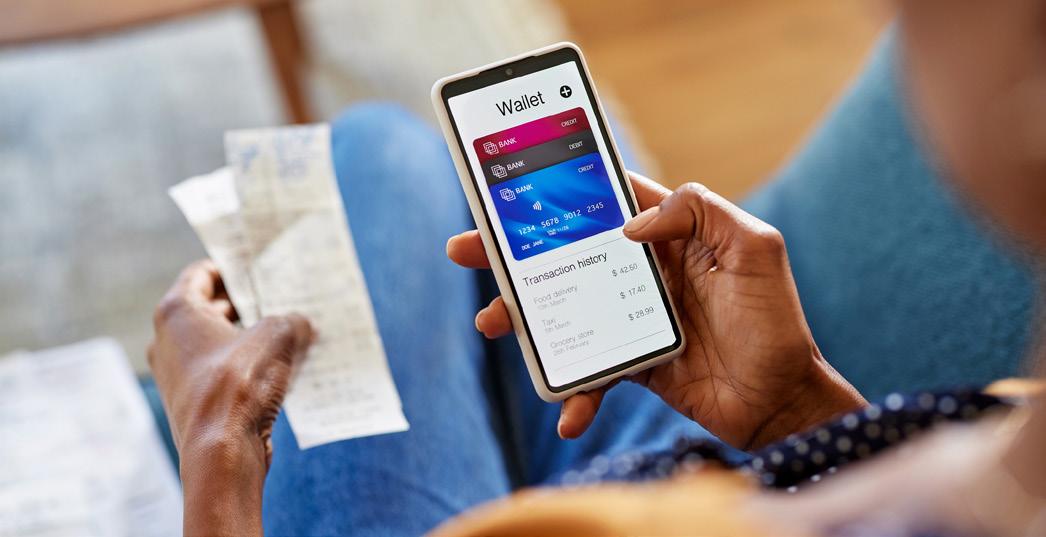
As digital transactions continue to grow at a lightning speed with increasing innovative payment methods, they have also become the mainstay of the global economy, and so does the battle against fraud and data breaches proportionately. According to the Juniper report released in 2022, the global losses to online payment fraud and breaches are expected to reach $343 billion by 2027. The card payment method, once regarded as the holy grail for transactions, is fast becoming outdated as merchants now seek alternatives and invest heavily in fraud management tools. Enter payment tokens, an innovative technology designed to revolutionise and protect our financial transactions
From being printed on cardboard, to having magnetic strips to being enabled for authorisation to having chips, later contactless capability and now biometrics, payment cards have greatly evolved since its introduction in the 1950s. On the other hand, as e-commerce space rapidly expands, cybercrimes have also become more sophisticated and the security limitations of payment cards are fast becoming evident. Payment tokens, unlike payment cards, provide an enhanced level of security rendering them useless if intercepted.
Payment tokens are a distinct set of randomly generated characters that replace sensitive card information in financial transactions. Unlike card Primary Account Numbers (PAN), which could easily be intercepted by cybercriminals and exploited, payment tokens are designed to be
context-specific. Unique cryptograms are also generated for each transaction and sent alongside payment tokens in payment processing ensuring distinctiveness. This implies that even if they are intercepted or compromised, they cannot be used outside of the intended purpose or with a different merchant, thus reducing the likelihood of fraud.
The advantages of payment tokens are numerous. The likes of Apple and Google have been able to incorporate tokenization into Apple Pay and Google Wallet payments thus making them more secured. Among the numerous advantages are;
Enhanced Security: payments made with tokens are more secure because sensitive card information has been replaced by a token.
Reduced PCI Compliance Burden: Merchants/Retailers have little to no worry about ensuring compliance with PCIDSS as tokens are now used in place of cards.
Improved Consumer Trust: Customers are more confident as their sensitive card information is replaced with tokens.
Streamlined Transactions: Tokens can streamline transactions by allowing for quicker and more efficient processing.

Network Token: generated by card networks such as Visa and Mastercard, and used for online payments.
Acquirer Token: generated by acquirers or payment service providers for payment purposes.
Merchant Token: generated by merchants or their payment service providers for card storage and transactions such as subscriptions or loyalty.
Payment Service Provider (PSP) Token: generated by payment service providers on behalf of merchants to facilitate online payment.
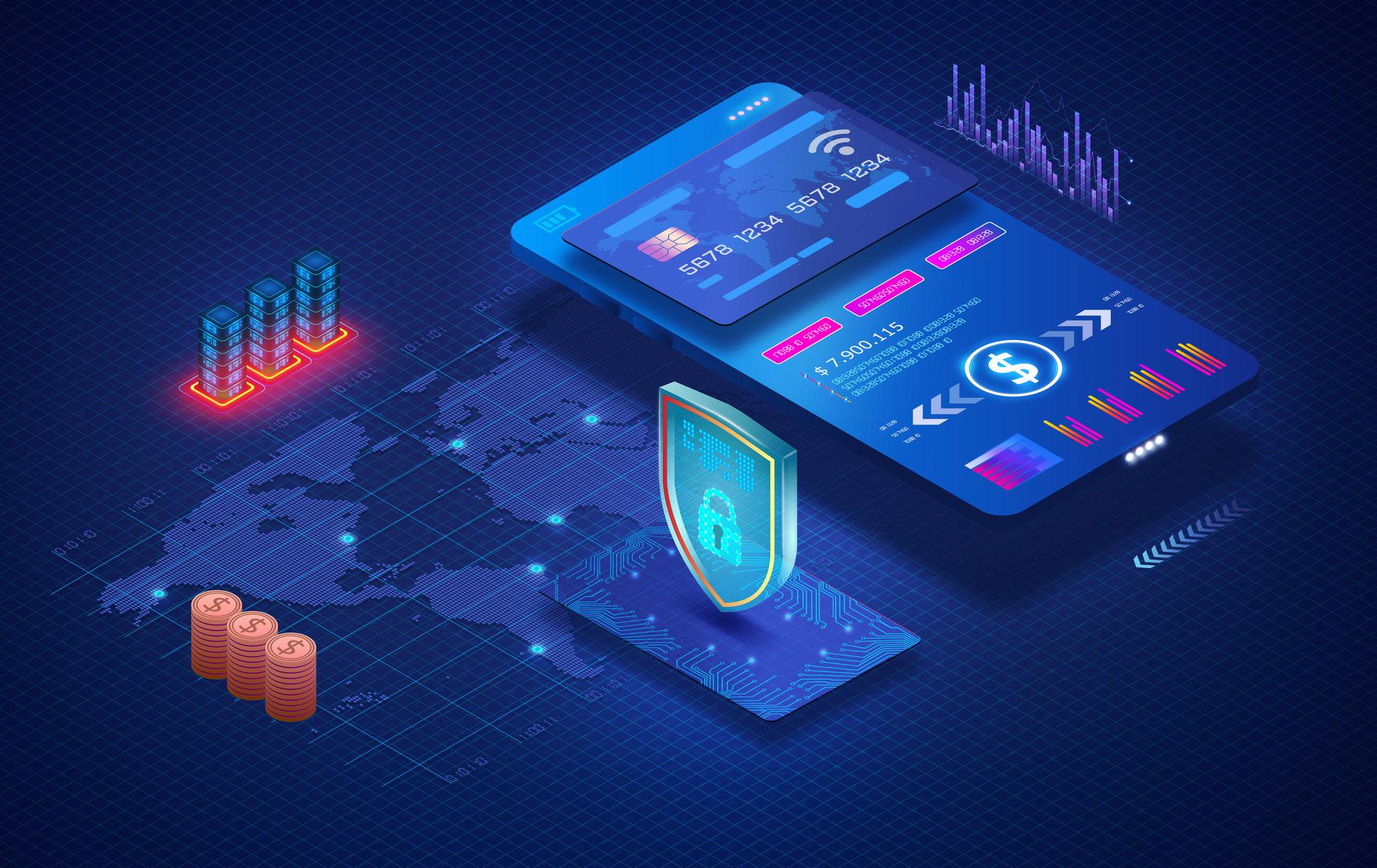
Preauthorisation Token: used to preauthorise transactions i.e., reserve funds.
Device Token: used in digital wallets such as Google Pay and Apple Pay.
Cryptographic Token: used for cryptocurrency transactions.
The gradual migration from payment cards to payment tokens is not only a technological upgrade, but a paradigm shift helping to further enshrine how trust is established in financial transactions. With a focus on security and reducing the potential for data breaches, payment tokens are helping to build a more trustworthy and resilient financial ecosystem.
The adoption of tokens most especially Network Tokens by
retailers and merchants for financial transactions cannot be overemphasised. Not only does it reduce compliance cost and enhance security it also aligns with the ever-evolving consumer expectations for seamless and secure transactions.
Payment tokens will definitely play a critical role as payment technology continues to advance. They are also positioned to be positively impacted by new innovations such as the Token Authentication Framework (TAF) and blockchain technology. Furthermore, the continued evolution of regulatory standards such as the Payment Card Industry Data Security Standard (PCIDSS) and the global data protection laws will become more stringent, thus positioning payment tokens to play a vital part in ensuring compliance and protecting consumer data.
As we journey through the digital age, the need for an efficient, trustworthy and secure payment system has never been greater. Payment tokens represent a new currency of trust and security in this digital age. It is time for businesses to leverage tokenization for payments, consumers to demand it, and regulators to further support its usage. The fate of financial security largely depends on it.
Adeleke Oyero
Product Owner Paydock

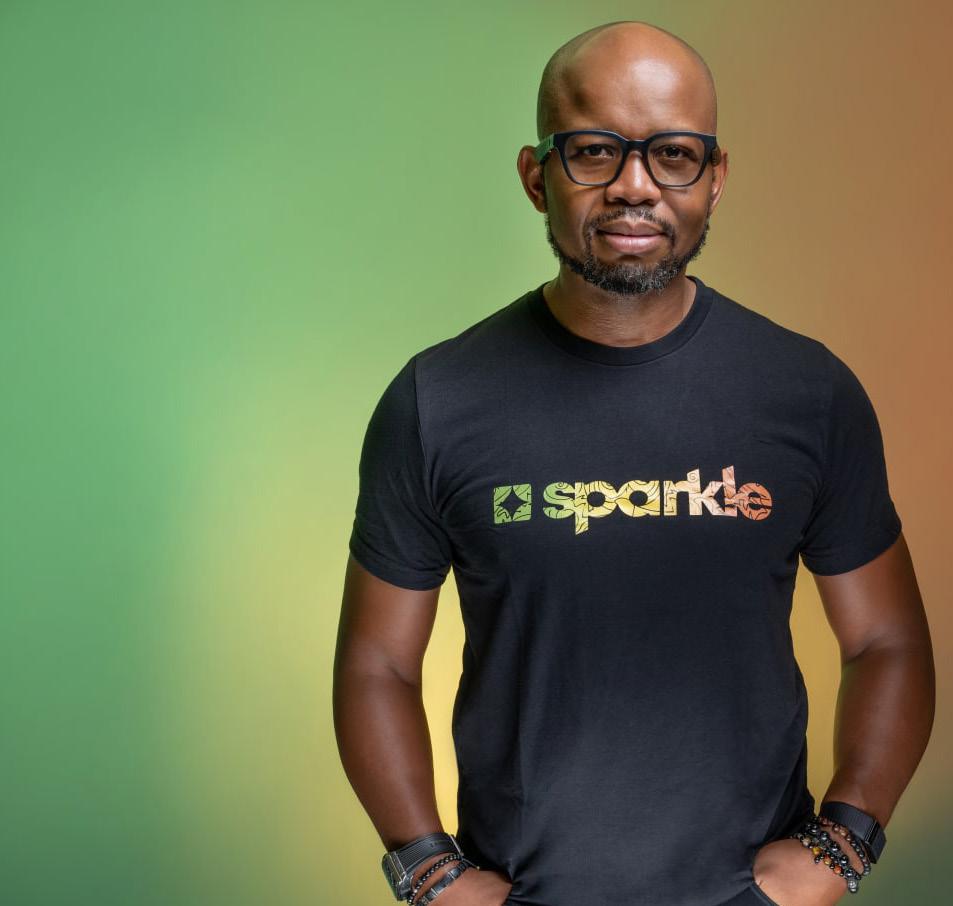
Financial services by design are built to favour the wealthy compared to the poor. The processes, requirements, and products are usually targeted at the already banked and mid to high-income earners. This is true especially for traditional or mainstream banking where the cost of banking is higher for the low income earners. Naturally, this discourages many from taking advantage of banking products, for example, to grow their small business or settle unforeseen urgent needs.
Consider Amsa, a restaurant owner on a street corner in Lagos. Amsa’s business was originally set up by her grandparents and passed on to her mother and aunt, and now it is being run by Amsa - as the only grandchild interested in running a food business. Amsa’s grandparents had a well-funded bank account in a mainstream bank in Victoria Island but the few times they attempted withdrawals, they were frustrated with complaints of signature irregularities in their cheque book. The result -
they stuck to taking home their cash earnings, saving them in inconspicuous places around the house until it’s time to restock. Amsa’s parents were wiser and set up rotating savings with friends and using the bank only when they had to. Amsa is from a different generation; she’s a digital native. She has digitised the business processes from inventories to pay roll, and even takes orders online on ubereats and chowdeck. She expanded the menu, has a tidy turnover and needs some money to give the physical business a facelift. Her main bank won’t give her a loan for collateral reasons but a digital bank has offered her YouTuber friend a loan. She sets up an account on her phone on her way to the market, applies for a loan two hours later and gets it. Amsa is able to access a loan facility from the challenger bank because of Open Banking.
Open Banking unlocks data and enables secure sharing among approved parties, especially financial institutions. Open banking enables banks to connect in a cost-effective, secure manner, similar to how the standardisation of USB-C has simplified device charging. In financial terms, this standardisation allows banks and other service providers to access customer data with the customer’s consent, fostering innovation and competition. It puts control back in the hands of the customer. The lack of comprehensive data on consumers’ spending and

purchasing habits has held back the credit market on the African continent, as banks - both traditional and neo - require data to make informed decisions. Open banking will equally empower third party providers to access and utilise customer’s historical financial data which came in handy for assessing Amsa’s credit worthiness during her loan application. Technology is a key driver of innovation in all facets of life. Today’s consumers are highly reliant on mobile devices for conducting business and staying connected with acquaintances. In banking, the stakes are even higher.
Banking is all about storing and creating value and it thrives on trust and risk management. The more data a financial institution has on your financial history, they can make better decisions on your risk profile. With limited data, a bank will charge higher interest rates on a small loan, in order to hedge its risk, however making borrowing expensive for the individual or small business owner. It is why banking appears more expensive for the poor. Traditional banks which have been around for much longer mostly design products with high entry barriers, which mostly work for their banked and overbanked audience. Technology however has enabled access to digital banks thereby driving financial inclusivity as more unbanked and underserved consumers make their foray into the formal economy at their own convenience - on their mobile phones. With the existing technology used by Open Banking - interoperable APIs (Application
Innovating the future of banking will require the full embrace of next level technology which is artificial intelligence. Contactless payments, mobile money, digital wallets are some of the trends that have transformed the banking experience as we know it, yet the transformative potential of AI when deployed within an Open Banking system will be phenomenal. Think about some of the benefits that Open banking currently enables:
Collaboration and partnership between fintechs and other institutions sparking innovation
Efficient and affordable cross border payments enhancements - reducing cost and expanding financial access
Open banking data analytics provide valuable insights into consumer behaviour and financial patterns, enabling personalised financial products and services.
Microloans - banks can assess credit worthiness more accurately, expanding access to affordable financial assistance to underserved individuals and businesses, empowering financial inclusion Programming Interface) that enable seamless data exchange and collaboration between different platforms, a new kind of customer-driven banking is possible.
With AI in the picture, all of these benefits are further enhanced and banking becomes more personalised. For example, payments and settlements are harmonised in real time, with no intermediaries needed in a seamless banking experience. The blockchain technology enables nearly instantaneous crossborder financial transactions with all systems directly linked and talking to each other. It lowers costs and provides more value to the customer. The use of chatbots also becomes more elevated in an open banking system as they easily become e-advisors on wealth planning and investments.
Take for instance at Sparkle where Indy, our chatbot supports customers in navigating the platform and to solve simple banking requests. From the start, AI is something we invested heavily in and we were pleased with the interface and use case. But now ChatGPT will make us up our game again, forcing us to be even more competitive. Indy needs to provide intelligent answers much faster and more reliably and we are already working on that. Indy’s evolution has always been focussed on becoming our customers’ own personal intelligent assistant. Her job is to help Sparklers fulfil our mantra, What do you want to do today? Simple. With data unlocked via open banking, Indy can go several steps further to provide investment advice using comprehensive financial data, becoming an e-advisor. This way, the customer remains at the forefront of the business and is always serviced.
The informal economy driven by small businesses remains the key driver of Africa’s economy, providing up to 85 percent of total employment, according to the International Labour Organisation. In Nigeria, where Sparkle operates, there are nearly 40 million micro, small and medium enterprises (MSMEs) contributing up to 48 percent of the country’s GDP. Fewer than 5 percent can access funding from financial institutions and this is one of the problems that Sparkle set out to solve - increasing access to finance for small businesses and individuals. Understanding that 37% of Nigerians are financially excluded and that traditional banking has often left out women and the informal economy, Sparkle is redefining commerce by leveraging technology and data to offer seamless solutions to retailers, individuals and SMEs wanting to do more. By removing barriers to inclusion and enabling access to a range of simple, secure and transparent banking products and financial services, Sparkle enables all to reach their full potential. This is particularly important for women, who make up a significant portion of the informal economy but are often underserved by traditional banks.
The future of Inclusive Banking begins with identifying the underserved segment of the population and creating scalable ideas and policies that can ensure their full participation in the formal economy.
Unlocking data via open banking which leverages transformative technology like AI and blockchain will ensure that businesses in continents like Africa, can access and participate fairly in the global financial system, for trade and investments. At Sparkle, we are using artificial intelligence
and machine learning to put data in the hands of the customer to allow them to make their own decisions.
In addition to delivering a personalised, value-add service, our goal is to leverage open data to cocreate solutions, driven by the use of open APIs, to build products which are then owned and accessed by everyone. Basically, more data means more innovation and trust, and more trust lowers the cost of lending. When banks can access comprehensive financial data, they can offer better services to small businesses and individuals like Amsa. This is the future.
CEO, Sparkle

Uzoma Dozie is a leading figure in the Nigerian finance and banking landscape, with expertise spanning banking, technology, and investment. He currently serves as the CEO and Founder of Sparkle, a mobile-first micro-finance bank and technology platform focused on empowering Nigeria’s digital natives and retail sector.
Uzoma boasts over 20 years of experience in the Nigerian banking sector, culminating in his role as Group Managing Director and Bank CEO of Diamond Bank from 2014 to 2018. There, he spearheaded the bank’s digital transformation agenda, whilst growing the customer base to 18m+. During his tenure, Uzoma successfully navigated the institution’s merger with Access Bank Plc, resulting in the new institution becoming Africa’s largest bank.
Uzoma believes technology must be leveraged to unlock economic opportunities and transform the lives of individuals and businesses, especially MSMEs and SMEs on the continent and regularly blogs on this subject.


Empowering economies, particularly emerging economies through inclusive payments which foster broad-based participation in the formal paymentsled economy, is one of the foundational pillars to sustainable economic growth: When everyone can pay, everyone can prosper.
It is no secret: Brazil’s PIX and India’s UPI are the gold standard for instant payments, setting the pace for financial inclusion worldwide. Not to overshadow achievements in Asia and Latin America, but African countries are fast emerging as trailblazers in instant payment inclusion. With trailblazing solutions like Kenya’s M-Pesa, Africa is setting a powerful example in instant payment inclusion, alongside pioneers in South Asia, Southeast Asia, and
Brazil. M-Pesa’s transformative impact in Kenya underscores Africa’s role as a leader in creating accessible financial ecosystems for all.
In 2016, an article by McKinsey about Global Financial Inclusion highlighted a key moment in global financial inclusion, suggesting that providing full access to payments, credit, and savings for the underbanked could unleash a welcome groundswell of economic activity and significantly boost GDPs. At the time, around 2.5 billion adults –mainly in Asia, Africa, Latin America, and the Middle East – lacked full access to the formal economy. By enabling them to use digital mobile payments, it was believed this could drive economic activity, particularly benefiting micro, small, and medium enterprises. Digital financial inclusion could potentially add
up to 6% to annual GDP growth in these countries.
Financial inclusion has moved far beyond simply having a bank account — it is about easy, real-time access to services that connect and empower users. Instant payments are a gamechanger in this regard, especially in Africa, where mobile transactions allow people to send, receive, and manage money instantly. This boosts economic activity and reduces dependency on cash. While cash is still widely used in both emerging and developed economies due to its universal acceptance, tangibility, and independence from technology, it remains crucial in areas with limited digital infrastructure. In Africa, cash is appealing because it offers immediate access, no transaction fees, privacy, and

provides a sense of control that many find reassuring.
For unbanked populations, cash is often the only accessible way to make payments, allowing transactions without a bank account or internet. It is also familiar and trusted in many communities, deeply embedded in daily life and business.
Yet we know that cash carries risks, regulatory compliance challenges, and the mental burden of securing, accessing, and moving it – both for individuals and businesses. Instant payments rival the ‘instantaneous’ nature of cash and can support small businesses, boost trade, and provide faster access to essential services, particularly in remote or underserved areas.
However, transforming economies and growing instant payment inclusion has not been an easy and simple re-frame. Despite the advancements noted, in South Africa for instance, where the proportion of adults with bank accounts increased from 54% in 2011 to over 85% in 2021 – the quest to bring full economic inclusion to Africa’s diverse
populations remains an ongoing challenge.
While efforts to expand inclusive instant payment systems (IIPS) are yielding positive results across several African nations, including through innovations like mobile money, the full inclusion of lower-income and rural communities remains an ongoing challenge. The progress is tentative but showing consistency in central bank mindsets across Africa. There are at least nine active instant payment systems across Africa, including Nigeria’s NIBSS Instant Pay (NIP) and Ghana’s GhIPSS Instant Pay (GIP), both of which have shown impressive growth in transaction volumes. South Africa’s Payshap (in the market since April 2023) sits squarely poised to grow real payment inclusion but remains in its ‘basic’ or early stages of maturity.
We continue to watch this evolution, as we work through the data that shows we still have a long way to go. The fact that over 400 million adults on the continent are unbanked demonstrates that we need to solve key barriers like cost, accessibility, lack of compatible infrastructure, and the need for formal identification.
In conclusion, while Africa has made significant strides in advancing digital financial inclusion, the journey is far from complete. The rapid growth of instant payment systems is undoubtedly promising, but real and lasting economic empowerment hinges on addressing the persistent barriers to access and inclusion. Solutions must be tailored to meet the unique needs of Africa’s diverse and often underserved populations. By focusing on accessible, low-cost solutions, we can unlock new opportunities, drive entrepreneurship, and create more inclusive economies. When everyone can pay, everyone can prosper.
Standard Bank’s Head of Payments in South Africa

South Africa:
About the Standard Bank Group
The Standard Bank Group is the largest African bank by assets, operating in 20 African countries, 4 global financial centres and 2 offshore hubs. Headquartered in Johannesburg, South Africa, we are listed on the Johannesburg Stock Exchange, with share code SBK, and the Namibian Stock Exchange, share code SNB.
Standard Bank has a 161-year history in South Africa and started building a franchise outside southern Africa in the early 1990s. Our strategic position, which enables us to connect Africa to other select emerging markets as well as pools of capital in developed markets, and our balanced portfolio of businesses, provide significant opportunities for growth.
As at 30 June 2024, Standard Bank Group had 19.5 million clients, employed nearly 51 000 people (including Liberty) and had almost 1 200 points of representation and 5 500 ATMs on the African continent.
The group’s largest shareholder is the Industrial and Commercial Bank of China (ICBC), the world’s largest bank, with a 19.4% shareholding. In addition, Standard Bank Group and ICBC share a strategic partnership that facilitates trade and deal flow between Africa, China and select emerging markets.
For further information, go to http://www.standardbank.com






































IBest Digital Bank
Banco Angolano de Investimentos








Best Mobile Banking App
Caixa Angola
Best Digital Bank
First National Bank Botswana
Best Mobile Banking App
First National Bank Botswana
Best Financial Inclusion Services
Provider



n an era where digital transformation is reshaping the financial landscape, the Digital Banker Africa Awards continue to recognise and celebrate those institutions that are driving innovation and delivering exceptional customer experiences. As we embark on a new year, the 2024 Digital Banker Africa Awards honour the pioneers who are redefining the future of banking.
The past year has witnessed a remarkable acceleration in digital banking adoption across the African continent. From mobile banking to AI-powered chatbots, financial institutions have embraced technology to streamline operations, enhance security, and provide seamless customer journeys. The 2024 award winners represent the pinnacle of this digital evolution, showcasing a commitment to innovation, customer centricity, and financial inclusion.
As the world becomes increasingly interconnected, the demand for







innovative solutions that address the evolving needs of consumers has never been greater. This year’s winners have demonstrated a keen understanding of these needs, leveraging cutting-edge technologies to deliver personalised, secure, and efficient banking services. From contactless payments to biometric authentication, these institutions are setting new industry standards.
The 2024 Digital Banker Africa Awards recognise the organisations that are not only adapting to the digital age but actively shaping it. By embracing emerging technologies such as artificial intelligence, blockchain, and the Internet of Things, these institutions are unlocking new opportunities and creating a more inclusive financial ecosystem.
As we honour the 2024 award winners, we celebrate their achievements and look forward to the continued growth and innovation of the African banking industry. Angola
Absa Bank Botswana

Best Digital Bank
Standard Chartered
Best Mobile Banking App
Bange Mobile
Best Financial Inclusion Services
Provider
PlaNet Finance
Best Digital Bank
National Bank of Egypt
Best Mobile Banking App
National Bank of Egypt
Best Financial Inclusion Services
Provider
National Bank of Egypt
Best Digital Bank
Ecobank Gambia
Best Mobile Banking App
FirstBank Gambia
Best Financial Inclusion Services
Provider
Access Bank Gambia
Best Digital Bank
First Atlantic Bank
Best Mobile Banking App
Zenith Bank Ghana
Best Financial Inclusion Services
Provider
Zenith Bank Ghana
Best Digital Bank
Stanbic Bank Kenya
Best Mobile Banking App
I&M Bank
Best Financial Inclusion Services
Provider
Gulf African Bank
Morocco
Best Digital Bank
Attijariwafa Bank
Best Mobile Banking App
CIH Mobile
Mozambique
Best Digital Bank
Millennium bim
Best Mobile Banking App
Millennium bim Smart
Best Financial Inclusion Services
Provider
M-Pesa
Best Digital Bank
Access Bank
Most Innovative Digital Bank
First Bank of Nigeria
Best Mobile Banking App
Guaranty Trust Bank
Best Financial Inclusion Services
Provider
First Bank of Nigeria
Best Digital Bank
Absa Bank Seychelles
Best Mobile Banking App
JuiceByMCB Seychellesy
Best Financial Inclusion Services
Provider
Absa Bank Seychelles
Best Digital Bank
Ecobank Sierra Leone
Best Mobile Banking App
GT Bank
Best Financial Inclusion Services
Provider
UBA Sierra Leone
Best Digital Bank
Nedbank
Best Mobile Banking App
Capitec Bank
Best Financial Inclusion Services
Provider
Nedbank
Best Digital Bank
NMB Bank Tanzania
Best Mobile Banking App
NMB Bank Tanzania
Best Financial Inclusion Services
Provider
NMB Bank Tanzania
Best Digital Bank
Banque Internationale Arabe de Tunisie
Best Mobile Banking App
Banque Internationale Arabe de Tunisie
Best Financial Inclusion Services
Provider
Central Bank of Tunisia
Best Digital Bank
Standard Chartered Bank Uganda
Best Mobile Banking App
United Bank for Africa Uganda
Best Financial Inclusion Services
Provider
HiPipo
Best Digital Bank
Standard Chartered Bank Zambia
Best Mobile Banking App
Atlas Mara Zambia
Best Financial Inclusion Services
Provider
Bank of Zambia
Best Digital Bank
AFC Commercial Bank
Best Mobile Banking App
First Capital Bank Zimbabwe
Best Financial Inclusion Services
Provider
CBZ Bank

In the ever-evolving landscape of African finance, digital banking has emerged as a powerful catalyst for financial inclusion. However, beneath this technological revolution lies a complex web of challenges that can hinder progress. The ability to stay connected, a seemingly simple concept, is a critical factor in ensuring that the benefits of digital finance reach even the most remote corners of the continent.
Africa’s digital divide is a stark reality, characterised by disparities in access to technology and internet connectivity. While significant strides have been made in recent years, challenges such as poor infrastructure, high costs, and low digital literacy rates continue to limit the potential of digital financial services.
For instance, a lack of reliable electricity supply can severely impact the ability of individuals and businesses, particularly in rural areas, to charge their mobile devices, hindering their access to essential financial services. This underscores the importance of addressing the underlying infrastructure challenges that underpin digital connectivity.
Mobile network operators (MNOs) have played a pivotal role in driving financial inclusion in Africa by providing essential connectivity services. Through partnerships with banks and fintech companies, MNOs have enabled millions of Africans to access a range of financial services, including mobile money, remittances, and loans.
However, MNOs face numerous challenges, including regulatory hurdles, infrastructure costs, and the need to invest in network expansion and upgrades. To ensure the sustainability of their operations and the continued growth of digital finance, MNOs must adopt innovative strategies to overcome these obstacles.
Public-private partnerships (PPPs) have emerged as a powerful tool for accelerating financial inclusion. By combining the resources, expertise, and reach of governments, financial institutions, and technology companies, PPPs can help address the complex challenges that hinder financial access.
For example, partnerships between governments and MNOs can facilitate the deployment of infrastructure, such as fiberoptic cables and cell towers, in underserved areas. Additionally, collaborations between banks and fintech companies can enable the development of innovative digital financial products and services that cater to the specific needs of African consumers.
Financial literacy is a critical factor in ensuring that individuals can effectively use digital financial services. By empowering people with the knowledge and skills they need to manage their finances, financial literacy programs can help to reduce financial exclusion and promote economic growth. Governments, financial institutions, and civil society organisations can play a role in promoting financial literacy through education campaigns, workshops, and online resources. By investing in financial literacy, we can help to build a more financially literate and empowered population.
To address the unique challenges faced by women and rural populations, it is crucial to tailor digital financial services to their specific needs.
Women: Women often face barriers such as limited access to education, property rights, and financial resources. Digital financial services can empower women by providing them with access to savings, loans, and insurance. However, it is crucial to address gender-specific challenges, such as digital literacy and safety concerns, to ensure that women can fully benefit from these services.
Rural Populations: Rural populations face unique challenges, including limited access to technology, poor infrastructure, and low levels of financial literacy. Mobile money services, in particular, have the potential to transform the lives
Emerging technologies, such as artificial intelligence, blockchain, and the Internet of Things, have the potential to revolutionise financial inclusion in Africa. These technologies can be used to develop innovative solutions that address the unique challenges faced by African consumers. For example, AI-powered chatbots can provide financial advice and support to customers, while blockchain technology can enable secure and transparent transactions. of rural people by providing them with access to financial services that were previously unavailable. However, it is essential to invest in rural infrastructure and digital literacy programs to ensure that rural populations can fully benefit from these services.
To achieve sustainable financial inclusion in Africa, it is essential to address the underlying factors that limit access to digital financial services. By investing in infrastructure, promoting innovation, and fostering strong public-private partnerships, we can create a future where everyone, regardless of their location or socioeconomic status, has the opportunity to participate in the digital economy.
As we move forward, it is imperative to embrace a holistic approach that considers the interconnectedness of technology, infrastructure, and human capital. By doing so, we can unlock the full potential of digital finance and drive economic growth and social development across the African continent.


For First Bank of Nigeria Limited (FirstBank), pioneering banking business in Nigeria was not borne out of a purely commercial interest but out of an ingrained desire to be a catalyst for the economic transformation of the country. So much so that when the doors of the Bank (then known as Bank of British West Africa) were first opened in Lagos in 1894, the Bank instantly became a viable alternative to keeping cash at home for several Nigerians!
The Bank has also had a pan-African outlook (as the premier financial institution in the West African subregion) from inception, leading to the opening of the first international branch of the Bank in Accra, Ghana in 1896. Today, FirstBank is the leading
financial services provider in West Africa with active market presence in Nigeria, Ghana, Democratic Republic of Congo (DRC), Guinea, Senegal, Sierra Leone and The Gambia. As a forward-thinking institution and probably one of the first players to fully scope the importance of the Nigerian-European trading corridor, FirstBank was the first Nigerian bank to establish a branch in London, United Kingdom in 1982. This London Branch was later upgraded to a full-fledged subsidiary in 2002 and continues to play a leading role in facilitating trade and investment exchanges between African businesses and their European counterparts.
Although the Bank’s operations were largely manually driven when
it commenced operations in 1894 with the use of paper-based ledgers to keep up with customers’ deposits & withdrawals and “tally numbers” as a queue management system, FirstBank has always made it a duty to keep pace with the dominant technology of each era of its over 130 years unbroken history. For example, ahead of most other players in the Nigerian market, the Bank began its journey to online real-time banking operations well before its centenary anniversary with its transformation programme code-named “Century 2”. The success of this transformation programme laid the technological foundation for the eventual cut-over of the Bank’s operations to digital. Currently, almost 95% of FirstBank’s customer-induced transactions are conducted on the Bank’s multiple digital channels.
In 1991, FirstBank introduced its first Automated Teller Machine (ATM) into the Nigerian market to give customers unrestrained 24/7 access to banking services. The Bank also played a leading role in deepening card payments as a viable payments option in the Nigerian market when it pioneered the instant debit card issuance process to customers in the early2010s. With over 13 million cards in circulation today, FirstBank is Nigeria’s leading payments partner and the second-highest payments card issuer in Africa.
In staying true to its pioneering tradition, FirstBank introduced Nigeria’s (and indeed, West Africa’s) first-ever wholly digital bank branch equipped with digital screens, selfservice terminals, card issuance kiosks, humanoid robots as well as video banking and Artificial Intelligence (AI) capabilities to provide superior banking experience to customers when it launched the FirstBank Digital Xperience Centre (DXC) in 2021. With this innovation, human-less banking services are now fast becoming a more prominent feature of the Nigerian banking landscape.
As the foremost financial institution in Nigeria, FirstBank has been at the forefront of deepening financial inclusion in Nigeria. The Bank’s multiple-layered approach to financial inclusion has proven to be very effective, ensuring that access to financial services gets to the lastmile regardless of the customer’s demographic status or location across Nigeria.
With its network of 732 business locations in Nigeria alone,
FirstBank’s physical footprint across the length and breadth of Nigeria remains unmatched. In several Nigerian rural communities, FirstBank’s offices not only serve as facilitator for local economic activities but a symbol of hope and economic emancipation for the rural dwellers.
To complement the efforts of its network of physical business locations in narrowing the financial exclusion gaps, FirstBank launched the FirstMonie Agent Banking Network in the mid-2010s to lower the cost-to-serve for the average customer, thereby encouraging many more financially excluded people to come into the formal banking system. Through the FirstMonie Agent Network, FirstBank is improving access to financial services and encouraging the uptake of financial products across every customer segment.
By empowering over 270,000 FirstMonie Agents to open bank accounts for customers, perform cash-in-cash-out transactions, conduct intra & inter-bank transfers, carry out bill payments & airtime purchase on behalf of customers, FirstBank improves access to financial services and the overall quality of life, especially for people residing in remote locations with limited or no formal banking facilities. With close to 50% of Agents on the FirstMonie Agent Banking Network operating from rural or semi-rural locations, these agents are emerging to become major facilitators of economic activities within their immediate localities.
Through the FirstMonie Agent Banking Network, FirstBank has created more than a million direct and indirect employment opportunities (especially for women and youth), thereby empowering these Nigerians to create wealth through a generous revenue sharing arrangement. In addition, the Bank supports the FirstMonie Agents with a bespoke facility product known as AgentCredit to augment any intra-day cash flow shortages that the agents might encounter. Little wonder FirstBank’s FirstMonie Agent Banking Network is the largest bankled agent banking network on the continent!
Realising the limitations of physical footprints in driving financial inclusion, especially as it relates to achieving scale in a relatively shorter period of time, FirstBank has also been leveraging digital financial services and channels to widen the financial inclusion nets. In doing this, the Bank is mindful of the uneven literacy levels within the financially excluded demography. As such, FirstBank has adopted a two-pronged approach in its adoption of digital financial services.
First, the Bank has created and positioned its unique *894# USSD string code to serve the financial services needs of the not-so literate nor tech-savvy customer segments. With the *894# USSD string code, customers can open a FirstBank account, perform both intra & inter-bank transfers, buy airtime, make bills payment and even access any of FirstBank’s consumer loan products via the FirstAdvance or FirstCredit retail assets products depending on their income profile.

The *894# USSD products are extremely easy to use and require very minimal mobile phone and customer sophistication. Given the over 90% mobile phone penetration rate in Nigeria, FirstBank’s *894# USSD product has proven to be a very effective channel for bringing the unbanked into the formal banking system with over 17.1 million subscribers as of September 2024.
Similarly, FirstBank has launched several high-end and internetenabled channels (such as FirstMobile, FirstOnline & LIT App) to cater to the financial services needs of the literate and tech-savvy customer segment. On any of these channels, customers can perform multiple financial & non-financial transactions from the comfort of their homes or offices including funds transfer, bulk & scheduled transfers, bills payments, airtime top-up and several other account maintenance services. The combined user base on these channels stood at over 8.3 million as of September 2024 and continues to grow.
FirstBank is intricately woven into every fabric of Nigerian society, and as a financial services group, it remains acutely aware of this in the choices that it makes and how it serves the Nigerian market. The Bank understands how its history and
pioneering efforts have placed it in a vantage point to continue to catalyse the economic transformations of Nigeria in a way no other player can, and it is fully committed to this responsibility.
In recognition of this fact, FirstBank has taken concrete steps to institutionalise its transformational strides (through initiatives such as floating of the nation’s first Digital Innovation Lab in 2018) and ensure it remains on the cutting-edge in curating innovative ideas & products that will better reflect the needs and serve the aspirations of the banking (and yet-to-bank) public. This capability is closely aligned and supportive of the Bank’s vision to be “Africa’s Bank of first choice”.
Olusegun Alebiosu CEO, FirstBank Group

Africa’s financial systems are at a crossroads, undergoing a profound transformative shift fueled by technological innovation and a collective push for inclusion. Despite progress, nearly 57% of sub-Saharan Africans remain unbanked, hindered by weak identity systems, limited credit access, unreliable electricity, and poor digital connectivity. Platforms like Kenya’s M-Pesa, Ghana’s Kowri, MTN Momo, and Nigeria’s Flutterwave have demonstrated the potential of fintech to bridge these gaps, yet significant challenges persist, particularly for informal workers, smallholder farmers, and rural populations.
The path forward lies in a collaborative approach. Governments must invest in foundational infrastructure such as broadband, electricity, and biometric identity systems while implementing responsive, future-ready policies that provide clear frameworks for data privacy, cybersecurity, fintech integration, and ecosystem growth. The private sector should focus on the innovation layer, driving last-mile value-added intermediation to deliver tailored, scalable solutions that address diverse needs. Communities must co-create these interventions to ensure they are culturally relevant and practical.
By aligning robust infrastructure, innovative technology, and inclusive governance, Africa can transform its fintech landscape, fostering trust, empowering underserved populations, and driving sustainable growth. This will not only close existing gaps but also deliver a robust fintech core that assures the sustainability and capability of the fintech ecosystem to churn out wholesale and last-mile services that meet the needs of people in all parts of African societies.
For Africa’s fintech revolution to succeed, solutions must align with its people’s cultural, social, and economic realities, especially in rural communities. Informal economies dominate these areas, and traditional financial systems often fail to meet their needs. Effective fintech solutions must resonate with local dynamics, such as agricultural cycles, communitybased savings practices, and longstanding trust networks.
One transformative opportunity lies in integrating financial services with agriculture, which underpins rural livelihoods. Tools like weather-indexed insurance can protect smallholder farmers against climate risks, offering prompt payouts based on objective weather data. This approach reduces dependency on complex claims processes and aligns financial services with the realities of rural farming. Similarly, mobilebased group savings systems can modernise communal practices like esusu (Nigeria and Ghana), chamas (Kenya), and stokvels (South Africa), preserving their essence while increasing transparency, efficiency, and reach.
Fintech must also address collective needs through innovations like shared loan products, which distribute risk among trusted networks. This model reflects traditional lending practices and empowers marginalised groups, particularly women,
to access capital. Embedding financial education within platforms using local languages and relatable storytelling can build trust and demystify digital tools, fostering confidence and adoption in communities wary of formal systems. To overcome infrastructure challenges, solutions must work in low-bandwidth or offline environments and prioritise affordability. USSDbased interfaces and affordable transaction models ensure that even the most underserved populations can participate. By integrating technology with cultural and social frameworks, fintech can deliver sustainable impact, driving equitable growth and transforming Africa’s rural economies.
Can emerging technologies provide the critical tools to address Africa’s financial inclusion challenges?
The answer lies in their ability to reshape access, trust, and education while overcoming infrastructural hurdles. Artificial intelligence (AI) offers gamechanging potential, enabling personalised financial products by analysing non-traditional data sources such as mobile usage, farming outputs, and transaction patterns. Beyond credit scoring, AI can drive tailored insurance and savings products that adapt to users’ economic realities, such as seasonal farming cycles.
Blockchain technology promises secure, transparent systems for rural savings groups and agricultural cooperatives. Immutable records can enhance trust and accountability, while smart contracts automate processes like weather-indexed insurance payouts, ensuring timely support for smallholder farmers during climate crises. The Internet of Things (IoT) further complements these solutions, linking agricultural tools with fintech platforms to provide real-time data on weather or soil conditions, which can unlock innovative financing for farmers.
Mobile-first innovations, such as USSD-based platforms and apps with offline functionality, address connectivity gaps, allowing users with basic phones to participate in digital finance. Similarly, satellite technologies can power weatherlinked insurance systems and broadband expansion in remote areas. Digital identity systems, like Ghana’s Ghana Card, can anchor these innovations, ensuring seamless onboarding and reducing access barriers.
To succeed, these technologies must integrate financial education as a foundational element.
Gamified learning tools, local language content, and culturally relevant narratives can demystify fintech solutions, fostering trust and engagement. By leveraging emerging technologies to align with Africa’s unique needs, fintech can bridge inclusion gaps and redefine how financial systems empower underserved populations.
True transformation in digital financial ecosystems requires reimagining trust and security, moving beyond current standards of encryption and biometrics. The future lies in predictive and adaptive cybersecurity frameworks powered by real-time AI and quantum-resistant technologies. These systems can anticipate threats, evolve with emerging risks, and ensure resilience even against the most sophisticated attacks.
A novel approach is the establishment of a Global Trust Grid—a decentralised, blockchainenabled network where fintech providers, regulators, and users collaboratively validate and share fraud intelligence. Unlike static databases, this grid would operate dynamically, using AI to analyse shared data, identify anomalies, and generate ecosystem-wide alerts in milliseconds. This transparency, combined with distributed accountability, would prevent fraud and actively deter bad actors, redefining trust in a digitalfirst financial world.
Kowri, a Ghana fintech platform, exemplifies emerging technologies’ transformative role in inclusive finance. Kowri delivers tailored payment solutions, microloans, and savings products to underserved communities by integrating the Ghana Card’s biometric database and utilising AI-powered data analytics. Its collaboration with

the Medical Credit Fund (MCF) leverages revenue-based financing (RBF) to address healthcare financing gaps. Through AI, Kowri tailors repayment schedules to match healthcare providers’ revenue cycles, reducing financial strain and enabling the expansion of services, acquisition of equipment, and better patient care. This approach highlights the practical application of AI and data analytics in solving systemic challenges and advancing financial inclusion across critical sectors in Ghana.
CONTEXTUALISING TECHNOLOGY DEPLOYMENT: BRIDGING INNOVATION WITH RURAL REALITIES
Deploying emerging technologies like blockchain, AI, and IoT in Africa’s rural communities presents transformative opportunities but must align with the realities of poverty, limited infrastructure, and low digital literacy. Innovation must go beyond theory, integrating seamlessly into the daily lives of rural populations to create tangible impact and not become inaccessible novelties.
Blockchain’s potential for transparency is vast, yet its energy-intensive infrastructure remains unsuitable for areas with unreliable electricity. A future-forward solution is hybrid models that combine blockchain’s immutability with lightweight, energy-efficient centralised
Derrydean Dadzie Founder Heritors Labs Ltd.

systems, offering security without overwhelming local resources. Similarly, AI’s ability to personalise financial services can revolutionise access, but it must operate on low-bandwidth, offline platforms to provide practical insights like credit scoring and financial education, even on basic devices.
IoT technology offers scalable solutions for agriculture, a critical sector in rural economies. Solarpowered sensors and shared devices managed by cooperatives can deliver real-time data on weather, soil, and crop health at minimal cost, empowering farmers with actionable insights while reducing reliance on advancedinfrastructure. Fintech platforms must complement these technologies with inclusive interfaces like USSD and SMS to reach users on feature phones and incorporate solar-powered charging systems to ensure accessibility.
Solutions must be co-created with communities, respecting cultural nuances and addressing local challenges to foster trust and adoption. By designing future-ready, human-centred innovations, fintech can transcend barriers to drive equity, empowerment, and lasting growth in Africa’s rural landscapes.
Africa’s fintech evolution must break free from business-as-usual (BAU) thinking. The challenges of limited infrastructure, financial exclusion, and trust deficits demand a bold shift toward business-as-revolution (BAR). This shift requires leveraging emerging technologies like AI, blockchain, and IoT not as isolated solutions but tools deeply integrated with Africa’s unique social, cultural and economic realities.
Governments must rise as architects of foundational infrastructure, enabling onnectivity, power, and secure identity systems while crafting responsive policies that drive innovation and protect trust. The private sector, in turn, must lead in creating practical, last-mile solutions that bridge these systems to the everyday lives of the people they serve. Communities must no longer be recipients but co-creators of solutions that reflect their values and lived experiences.
This is not just a technological shift; it’s a reimagining of what inclusion and equity mean in practice. It’s about designing systems that address urban realities while reflecting the pulse of rural life, respecting cultural norms, and creating opportunities where none existed before. It’s about building trust in places where trust has long been broken and ensuring that financial tools empower individuals, not just economies.
Over 350 million adults in Africa remain unbanked, restricting their access to credit, savings, and essential financial services (McKinsey & Company, 2022). Despite being home to some of the world’s fastest growing economies, the African continent faces unique challenges in extending banking services to remote and underserved communities. Limited infrastructure, high friction associated with traditional banking, and low levels of financial literacy collectively exacerbate barriers to financial inclusion. However, the rise of fintech across Africa has been a game changer, propelling the sector into exponential growth. African fintech revenues are projected to reach $30 billion by 2025, representing an eightfold increase since 2020 (McKinsey & Company, 2022). This remarkable surge is driven by increasing smartphone penetration, decreasing data costs, and the advent of innovative financial solutions tailored to local needs. As financial technology evolves, two transformative technologies, Artificial Intelligence (AI) and Blockchain, are emerging as powerful catalysts to reshape banking access across the continent.

Artificial Intelligence has the capacity to revolutionise how financial institutions assess and serve customers. Traditional credit scoring models often exclude individuals without formal financial histories, a common scenario in Africa where informal economies thrive. AI-driven algorithms can analyse alternative data sources—such as mobile phone usage, utility payments, and social media activity—to assess creditworthiness more accurately. This opens up lending opportunities for those previously deemed unbankable, fostering entrepreneurship and economic growth.
learning algorithms that analyse vast amounts of data in real-time. Unlike static rules, AI can identify complex patterns and evolve with emerging fraud tactics. It learns from historical data to distinguish between normal user behaviour and potential threats, improving accuracy in detection. By reducing false positives and identifying subtle anomalies that rule-based systems might miss, AI strengthens fraud prevention measures. This heightened security fosters trust and encourages more people to participate in the formal financial system, knowing their transactions are safeguarded by advanced technology.
The integration of AI with blockchain can enhance the functionality of smart contracts—self-executing contracts with the terms directly written into code. AI can assess contract conditions and external data inputs, triggering contract execution when predefined conditions are met. This automation reduces the need for intermediaries, lowers transaction costs, and increases efficiency.
Language barriers and low levels of financial literacy present challenges in customer engagement. AI-powered chatbots offer multilingual support and can simplify complex financial concepts, providing 24/7 assistance. These chatbots can guide users through transactions, help them understand product offerings, and resolve issues promptly, enhancing customer experience and trust in digital financial services. Financial fraud rema ins a significant concern, undermining confidence in digital banking solutions. Traditional risk management systems often rely on rule-based engines that use predefined criteria to flag suspicious activities. These systems operate on static parameters—such as transaction limits, geographic locations, or frequency caps—to detect anomalies. While they provide a baseline level of security, they are limited in adaptability and can generate high rates of false positives, inconveniencing legitimate customers and failing to catch sophisticated fraudulent schemes. AI systems enhance these traditional risk engines by employing machine
Blockchain technology introduces a decentralised ledger system that ensures transparency and security in financial transactions. Every transaction is recorded and immutable, reducing the risk of fraud and corruption. This level of security is crucial in building trust among users who may be sceptical of traditional banking institutions.
A significant barrier to financial inclusion is the lack of formal identification documents. Blockchain can facilitate the creation of secure digital identities, enabling individuals to meet Know Your Customer (KYC) requirements without traditional paperwork. This streamlines the onboarding process, allowing more people to access banking services efficiently.
Remittances are a vital source of income for many African households. Traditional remittance services are often slow and expensive. Blockchain enables faster, cost-effective cross-border transactions by eliminating intermediaries. This not only benefits recipients but also stimulates local economies by increasing disposable income.
DeFi leverages blockchain to create financial instruments without central authorities. When combined with AI, DeFi platforms can offer personalised financial products, such as tailored lending rates or investment strategies, to users who might otherwise lack access to such services. This democratises financial services, making them accessible to a broader population.
While technology offers solutions, infrastructural challenges like limited internet connectivity and electricity remain obstacles. Investments in infrastructure are essential to support digital platforms. Solar-powered ATMs and offline mobile payment solutions are examples of innovations addressing these issues.
A supportive regulatory framework is crucial for technological adoption. Policymakers need to balance innovation with consumer protection. Regulatory sandboxes, where new technologies can be tested under regulatory supervision, are effective in fostering innovation while mitigating risks.
Philani Dlamini
Engineering ManagerDigital Payments

African startup Jumo uses artificial intelligence and machine learning to provide financial products and services to underbanked populations, specifically those who lack formal financial records, collateral, or credit history. By using advanced AI models, Jumo is able to generate accurate credit scores for individuals without traditional financial identities, thus facilitating access to credit and other financial services. This approach allows Jumo to address financial inclusion challenges and create tailored financial solutions for underserved communities (Jumo, 2024).
In Nigeria, AI-driven platforms like Carbon offer instant loans via mobile apps, serving customers overlooked by traditional banks (Carbon , n.d.). In Rwanda, the government has adopted blockchain technology to modernise its land registration system (Mwanza & Wilkins, 2018). By implementing a blockchain-based registry, the government creates a secure and immutable record of land ownership that is tamper-proof and easily verifiable. This innovation not only safeguards property rights but also enables landowners to use their titles as collateral for loans, thereby stimulating economic activity and promoting financial inclusion.
Traditional banks can partner with innovating fintech companies to leverage technological innovations through Open Banking APIs. Such collaborations can extend the reach of financial services, combining the stability of established institutions with the agility of startups.

Empowering individuals with digital skills is vital. Educational programs focusing on financial literacy and technology use can enhance adoption rates and ensure that users can safely navigate digital financial services.
Policy
Governments should actively develop and implement comprehensive AI strategies to harness the transformative potential of artificial intelligence in the financial sector. By establishing clear guidelines and fostering an environment conducive to innovation, they can ensure that AI technologies are deployed ethically and effectively. A national AI strategy would address critical issues such as data privacy, cybersecurity, and the mitigation of biases in AI systems, aligning technological advancements with societal needs and national interests. Encouraging foreign investment in fintech and AI can also accelerate growth, provided it aligns with national priorities and security concerns. By adopting forward-looking AI policies, African governments can position their countries to take full advantage of emerging technologies, improve financial inclusion, and build more resilient economies.
Artificial Intelligence and Blockchain technologies stand at the forefront of technological innovation, offering unprecedented opportunities to reshape the financial landscape in Africa. By addressing long standing barriers to financial inclusion, these technologies can empower millions, stimulate economic growth, and foster a more equitable society. The journey towards inclusive banking is complex and requires concerted efforts from all stakeholders—governments, financial institutions, technology providers, and the communities themselves. With strategic investments, supportive policies, and collaborative initiatives, Africa can harness these transformative technologies to build a future where financial services are accessible to all.
Carbon. (n.d.). Carbon – Instant loans, payments, and investments. Retrieved November 10, 2024, from https://www. getcarbon.co
Mwanza, K., & Wilkins, H. (2018). African startups bet on blockchain to tackle land fraud. Reuters. Retrieved from https://www. reuters.com/article/world/african-startupsbet-on-blockchain-to-tackle-land -fraudidUSKCN1G00YJ
Jumo. (2024). Intelligent Banking Technology. Retrieved from https://jumo.world McKinsey & Company. (2022). Fintech in Africa: The End of the Beginning. McKinsey Global Institute.
















As an optimistic and resilient professional, I am deeply committed to advancing technical, data, and digital literacy on a global scale. Motivated by a desire to collaborate with likeminded individuals, I strive to create an environment where opportunities are accessible to those seeking positive change, whether in their personal lives, their communities, or globally.
At the 27th annual Africa Tech Festival (ATF) held in Cape Town, South Africa, in November 2024, Google unveiled 10 dynamic startups selected for its Startups Accelerator Africa: Black Founders Program. This 10-week, equity-free accelerator supports Series A startups focused on developing Africa-centric solutions powered by artificial intelligence (AI). In addition to receiving $350,000 in Google Cloud credits, these companies will gain access to advanced business tools, mentorship, and resources designed to foster innovation and drive technological advancement across the continent. Initiatives like these
are critical in advancing the global digital agenda, which is increasingly recognised as a powerful catalyst for achieving financial inclusion.
Amid these developments, the rapid adoption of advanced technologies has become a global cornerstone for modern living, driving the rise of smart cities, intelligent industries, and, notably, digital banking. These innovations are reshaping how businesses and individuals engage with financial products and services, resulting in increased exposure, greater efficiency, and more effective service delivery. Over the past decade, there has been a significant reduction in the number of financially excluded individuals and businesses worldwide.
According to the South African National Treasury’s 2023 Inclusive Financial Sector Report, the global unbanked population has decreased from approximately 2.5 billion to 1.7 billion. The report further highlights that many previously excluded customers have transitioned from cash-based transactions to formal financial services, such as digital payments, savings, investments, and credit. This shift has been largely driven by the widespread adoption of mobile phones and other digital technologies.
These advancements represent significant progress, as financial inclusion enables individuals and businesses to access formal financial services, thereby enhancing financial security and promoting sustainability. Financial inclusion is a key driver of improved quality of life, fostering economic growth, supporting the success of small to medium-sized enterprises, while also reducing poverty and inequality. At its core, financial inclusion advocates for the availability of mutually beneficial and sustainable financial products and services tailored to the needs of target populations. It also emphasises the importance of creating an enabling environment that encourages competition, innovation, product development, and service delivery, while promoting greater diversity among regulated financial service providers.
The World Bank Group, comprising five global organisations, defines digital financial inclusion as the use of cost-effective digital tools to reach historically excluded and underserved populations with a range of formal financial services suited to their needs.
This perspective is echoed by the South African Financial Sector Conduct Authority (FSCA), which notes that technology enables consumers to access customercentric, secure, user-friendly, and cost-effective financial products and services. In its Digital Banking Research paper, the FSCA further states that digital financial services can be accessed from anywhere, meaning customers are no longer restricted by physical location and can choose financial institutions that best meet their needs.
Digitally inclusive practices are essential in bridging the digital divide by promoting equitable access to financial tools such as mobile banking, online payments, and digital credit, in a sustainable and scalable manner. The digitisation of financial services is typically approached with a clear agenda and well-defined key performance indicators (KPIs). Agility is vital in the rollout of these products and services. It is often most effective to start on a smaller scale and expand as customers recognise the value, which can directly correlate with profitability and overall financial performance. Below are three essential capabilities that, when deployed effectively, have shown significant value within a short period of time.
Digitising core operations and technology should take priority over other initiatives, as they form the backbone of any business. The optimal approach involves identifying business processes with high potential for optimisation and leveraging robotic process automation (RPA) to streamline these processes. This improves speed, quality, and capacity while driving operational efficiency. Once these foundational improvements are in place, the focus can shift to initiatives that add value to customers.
Digitising the overall customer experience involves transforming the entire customer journey to enhance satisfaction and engagement. This process is typically guided by core business activities such as customer onboarding, ongoing reviews, and exit processes. By utilising digital tools and technologies, businesses can streamline these interactions, making them more efficient, seamless, and customer-centric.
Digitising transactional platforms enables customers to make and receive payments, transfer funds, and store value electronically. This is achieved using devices that transmit and receive transaction data, while connecting to a bank or a licensed non-bank entity authorised to store electronic value. This transformation enhances convenience, security, and accessibility for customers in managing their financial transactions.
The digital transformation of financial services is revolutionising access to formal financial products, significantly advancing financial inclusion across the globe. This article highlights the critical role of collaboration in driving innovation, using Google’s Startups Accelerator Africa: Black Founders Program as a case study of fostering Africa-centric solutions powered by artificial intelligence.
Over the past decade, the adoption of digital technologies, particularly mobile devices, has reduced the global unbanked population, enabling millions to transition from cash-based transactions to formal services such as digital payments, savings, and credit. Financial inclusion not only fosters economic growth and SME success but also reduces poverty and inequality, serving as a catalyst for sustainable development.
Digitisation efforts, including core operations, customer experience, and transactional platforms, are foundational to this transformation. Agile approaches that begin on a small scale and expand as customer value is realised have proven effective in linking innovation to profitability. Additionally, both global organisations like the World Bank Group and local regulators such as South Africa’s FSCA emphasise the importance of accessible, secure, and customer-centric financial solutions in bridging the digital divide.
This article underscores the need for businesses to prioritise digitally inclusive practices, ensuring that financial tools are sustainable, scalable, and tailored to the needs of underserved populations, driving long-term economic and social benefits.
Head of Data Governance and Management Absa Group



I was raised by two generations of farmers. My late grandmother was a coffee farmer, while my mother farmed everyday crops and poultry. Growing up in a small farming community, we embraced the bartering system where goods and services were exchanged without money. It wasn’t just about trading goods; it was about coming together as a community. During planting time, villagers would unite to help families that lacked capacity, such as female-led households, by providing manpower and sharing farming tools. This ensured that everyone was economically included, value stayed within the community and support was available when and where it was needed most.
Payments were instant, if you exchanged a basket of vegetables, you received your chicken in exchange immediately, not in 5 to 10 days. This system built and reinforced trust and strengthened relationships. However: as I grew older, I saw the limitations when trying to scale this model beyond the village community towards the big
city or international markets. Today, through eFama, we’re harnessing blockchain technology to take the essence of that bartering system: trust, direct exchange, fast payment methods, financial inclusion and deepening community building. Enabling trust and trade on a larger scale. We connect farmers directly to buyers and ensure swift transparent payments, building an inclusive agricultural supply chain that empowers farmers across Africa. Quite the opposite to the typical status quo: where farmers are often left at the margins desperate for market access and financial inclusion.
Dr. Laurie Dippenaar, one of the founding fathers who shaped South Africa’s globally revered banking system, reflecting on his highly successful 40-year career in financial services, said his keys to success could be summed up in four words: ‘traditional values, innovative ideas.’ At the intersection of traditional values and innovative technology lies the potential for true financial inclusion. Blockchain, much like the age-old
bartering system, is revolutionising how we think about trust, direct exchange, swift, transparent payments, and community-based peer to peer economies. As an emerging best practice: blockchain technology is evolving beyond hype as it goes mainstream adoption. Decentralised ledger technologies, a more sectorwide way of referencing blockchain, is being scaled to create transparent, efficient, and inclusive financial ecosystems that democratise market access and empower underserved communities.
In pondering the role of blockchain in today’s economy, borrowing from my lived-experiences and front-row seat across the decentralised marketplace: I couldn’t help but notice blockchain’s parallels to the bartering system — and how these traditional principles, i.e. the need for trust at scale, are driving innovation to reshape financial services and extend economic opportunities across regions.
At this tipping point as the Blockchain technology gears for adoption at scale the technology ought to not seek to replace traditional banking; rather to enhance it. Much like how bartering relied on trust and community, blockchain uses a decentralisation to build trust without the need for a central authority. This integrative approach creates a synergy where blockchain-based payment networks facilitate cross-border transactions that are faster, more secure, and costeffective. Cross-border in this context is dual-form: established country borders and the nexus across the informal and formal economies. The agricultural landscape is shaped by this particular reality: growers exist across smallholder farming, semi-commercial and commercial size farmers.
Slightly away from my daily focus, but an adjacent reality: for many Africans working abroad, sending money back home is a lifeline for their families. However, traditional remittance services remain costly and timeconsuming. Blockchain technology changes this by offering near-instant transfers at a fraction of the cost, enhancing accessibility for millions.
Consider Elizabeth Rossiello’s bold vision when she founded BitPesa [now Aza Finance] , a blockchainbased remittance service operating in Africa. By using Bitcoin as a medium, Aza Finance, across 115 countries, converts international payments into local currencies within minutes. This approach not only saves time but also dramatically reduces fees, charging 1-3% per transaction compared to the 5-10% typically levied by traditional remittance services.
Shadrack Kubyane Co-Founder
eFama App & Coronet Blockchain

Back home: in my farming community, to each participating villager, trust was a vital component of bartering. We needed to be certain that the livestock or produce exchanged was of good quality and that promises would be kept. Blockchain replicates and enhances this trust in a digital format through its transparent and immutable ledger, at scale.
Blockchain’s tamper-proof nature ensures that all transactions are visible, verifiable, and permanent. This transparency has had a profound impact in reducing fraud and corruption, particularly in developing economies where trust in financial systems remains low across certain societal tiers. For example, back in 2018 HSBC pioneered the use of blockchain in trade financeacross a country to country agricultural supply chain. In the process, by reducing the 10 day process to an impressive 24 hours: they demonstrated how blockchain successfully replaced lengthy, paperbased processes with digital, verifiable records, reducing the risk of fraud and ensuring that all parties have confidence in the transaction.
As the tipping point unfolds towards blockchain’s wider adoption, this is worth considering: according to the World Bank, over 1.7 billion people globally remain unbanked, with a significant percentage of these individuals residing in Africa. The lack of access to formal financial services often leaves these populations excluded from economic opportunities. However, blockchain, in combination with mobile money services, is changing this reality.
Mobile payment services like M-Pesa have boldly demonstrated the potential of mobile payments in providing basic financial services. Mpesa’s big ticket wins however are originally centred across a Business to Consumer [B2C] or Consumer to Consumer [C2C] dimension. Blockchain: adds a hyper business to business [B2B] dimension to mobile payments, by further enabling not only simple transactions but also access to loans, insurance, and savings accounts, all without the need for a traditional bank account. By creating a digital identity and transaction history, individuals can access a broader range of financial products, often at lower costs than what traditional banks can offer.
Blockchain’s decentralised nature allows people in remote areas to participate in the financial system with just a mobile phone. Through blockchain, the unbanked can now send and receive money, access credit, and build wealth, thus bridging the gap between them and the global economy.
Most of you would have by now become aware of my former neighbour, Elon Musk’s impressive feat via SpaceX’s “chopsticks” mechanism introduced by SpaceX with their Starship launch system. Which has revolutionised space technology by enabling a reusable launch and catch system, potentially making launches more efficient and cost-effective.
Blockchain’s “chop-sticks” moment in Agriculture: yes, that’s what my team and I decided to label it as, during a recent ideation window, zooming in one of our priority focus areas, as we fixed our lenses on eFama’s vision 2030 trajectory. Beyond our present thousands of farmers. What happens when blockchain simplifies trust, trade and inclusion across the formal and informal economies that make up farming, shaping Africa’s food security, or widening the glaring food insecurity gaps?
The rise of fintechs at the expense of the banking establishment has been well documented. In bypassing the need for traditional banking infrastructure, fintechs have disrupted the market and empowered underserved segments of the population with financial capabilities, but also created extensive areas of competition with banks.
It seemed as if the banks would simply sit back and cede large areas of business to the challengers, but recently, they have begun to recognise that while they may be down, they are not out. Novel partnerships can enable them to reach new customers and serve them efficiently through the adoption of innovative technology. Yet if banks are to thrive rather than simply survive in this intensely competitive environment,
they must forge partnerships that exploit their considerable advantages now. If they do, the future is bright. Africa’s banks have the potential to grow and future-proof their business while also enabling much needed financial inclusion across the continent.
This paper considers the challenges and opportunities facing Africa’s banks in the fight back against the rise of the fintech. It explores their key advantages, the benefits to be gained from partnerships, and highlights four exciting areas for potential business growth.
The fintech revolution is global, but in Africa its effects are most starkly visible.
The mobile money boom spearheaded by the birth of M-PESA in Kenya, followed by similar mobile money operations in Tanzania and Uganda, swiftly brought tangible benefits to huge portions of the population. By solving the distribution problem and lowering the cost to serve, Mobile Network Operators (MNOs) left the banks standing, tied to their branch networks.
Africa’s banks have the potential to grow and future-proof their business while also enabling much needed financial inclusion.
According to data from the World Bank, in 2022 there were 12 economies in which adults with just a mobile money account outnumbered those who held an account with a bank or regulated financial institution. All 12 of those economies were in Sub-Saharan Africa1.
Consumers now use their mobile money accounts not just to make and receive payments, but to save and borrow, encroaching further into traditional banking territory. In what can be seen as a blunt warning to other banks, KCB (one of the largest banks in East Africa) recently announced that their loan book halved over the last 12 months, with the loss of 1.1 million customers. At the same time, MNO Safaricom revealed that financial services from mobile money, including loans and deposits, now make up 33% of its revenue, approaching $1bn. MNOs and fintechs are actively eating away at the banks’ bread-and-butter business.
For those consumers who are financially included, Open Banking, and real-time payments also have the potential to significantly impact consumer habits. Empowered by greater control of their finances, customers are able to pick andchoose providers and mix-and match services thanks to greater access to data. Now more than ever, customer loyalty needs to be earned, not taken for granted.
Yet opportunity does exist for banks who act now. They must respond to the MNOs by blending the physical with the digital to reach these same consumers through digital channels. With Africa’s young, fast-growing population presenting a still largely untapped market, banks have the potential to fight back and make considerable gains if they leverage their core advantages without delay.
1. Data From the Global Findex 2021: The Impact of Mobile Money in SubSaharan Africa: https://www.worldbank. org/en/publication/globalfindex/brief/ data-from-the-global-findex-2021the-impact-of-mobile-money-in-subsaharan-africa
The banking establishment’s wealth and long experience gives them unique strengths & capabilities to leverage and build on.
Banks are trusted, giving them a license to offer a broader range of profitable services beyond payments, including savings accounts, deposits, investing, lending, and insurance.
Regulation creates a costly barrier to entry for fintech and MNO competitors, restricting their growth and ability to profitably service broader market segments.
Banks are experienced at managing complex political, economic, and regulatory environments, giving them a competitive edge over their lessexperienced challengers.
Regulatory requirements, often seen as an onerous burden, are in fact a key advantage that defines a bank’s USP:
Banks are trusted, giving them a license to offer a broader range of profitable services beyond payments, including savings accounts, deposits, investing, lending, and insurance.
Regulation creates a costly barrier to entry for fintech and MNO competitors, restricting their growth and ability to profitably service broader market segments.
Banks are experienced at managing complex political, economic, and regulatory environments, giving them a competitive edge over their less-experienced challengers.
There is a tremendous opportunity for incumbent banks to service the latent demand for smarter payment options and wider financial services.With a well-developed range of existing products ready to go, they have the chance to serve new customers in depth and at speed.
Moreover, while the need to adapt to a digital-first strategy is clear, many customers still value access to physical branches which banks can provide. This gives banks the opportunity to flex and develop in a way that suits them and their customers. For example, in South Africa, Capitec is committed to bank branches and serving customers face-to-face, while TymeBank has no branches at all, but works through a retail partner to enable physical client interactions.
Whichever option banks choose, their access to extensive customer data can be used to personalise services, improve customer experience, and develop new products. This gives them the potential to extract realtime insights to enable smarter, timely, and more informed decisions. This is a significant advantage in an industry increasingly driven by analytics and AI, and has the potential to dramatically enhance operational efficiency and accelerate time-tomarket.
Despite the long-lasting shock waves from the global financial crisis, banks are still highly regarded as robust institutions, and trusted by consumers. In many markets, they are also underpinned by financial system insurance from central banks, adding a further degree of stability and confidence.
Compared to the less mature, often capital-poor fintechs, African banks have considerable financial strength, with strong balance sheets and resources that allow for ongoing investment, empowering them to leverage their operational scale to exploit these new opportunities.
So how can banks harness the full potential of their strengths? They need to find ways to work around the limitations of aging legacy infrastructure, move from
a traditional conservative approach to a data-driven strategy, and achieve speed to market. This isn’t something they can do single-handed.
Many international titans of the business have opted to buy fintechs, making investments that have been both tactical in plugging capability gaps, and strategic in controlling competitors. Though Visa’s attempt to buy Plaid fell foul of the regulators, Mastercard’s purchase of Vocalink has allowed it to expand into alternate digital payments beyond the traditional four-party card model. Meanwhile, Bank of America has invested in Zelle, Amex in Kabbage, and BBVA are now the owners of Simple.
For most banks, however, partnerships are essential. Actively collaborating with fintechs is a simpler, faster, more cost-effective solution and the model that African banks are best placed to pursue. If they are to enrich their proposition or reach out to serve a broader base of customers, finding the right partner is key.

The very best partnerships will do more than answer an isolated pain point. They will give a bank:
• The agility and resources they need from day one, with the chance to nurture an ongoing and mutually beneficial relationship.
• Full, flexible payment capabilities, speed and scale of innovation across the business, with deep data insight to help guide smart decisions for the future.
• A combination of cutting-edge financial technology with deep industry knowledge, allowing the bank to bring their breadth and depth of service into play across every part of their customers’ finances.
Most vital of all, the right partner will have the ability to easily integrate with existing technology and deploy anywhere, allowing banks not just to fight back against the fintechs, but partner with complementary fintechs to gain new ground and liberate their business to grow in both profit and scale.
The very best partnerships will do more than answer an isolated pain point. By harnessing the power of partnership and bringing their key advantages into play, Africa’s banks have the prospect of exciting times ahead. Here are four steps they can take to extend their territory and future-proof their market share:
Fintechs have successfully used their low cost to serve, built on modern technology infrastructure, to successfully reach unserved and underserved market segments with innovative products and services. Banks who can leverage fintech partnerships can offer affordable and convenient services to these same market segments, expand their customer base and fulfil financial inclusion goals. Crucially, they also have the opportunity to cross-sell their traditional banking services, particularly in more regulated areas such as lending, deposits, insurance, and wealth management, thereby increasing profits and lowering costs.
With the right partner to provide data analytics, RPA and AI to enhance their processes, banks can reduce costs and improve efficiency, resulting in faster, cheaper, higher quality services to customers. This frees the banks to focus on their core capabilities – rather than “do what you do best, and outsource the rest”, think in terms of “do what you do best, and partner for the rest”.
Providing this agile design approach is built on the right framework, banks can release small enhancements, gather user feedback, and iterate accordingly, allowing them to stay up-to-date with technological advancements without falling behind the curve.
Banks the world over have an unhappy history of implementing ambitious A to Z tech revamps at a tortuously slow pace and great expense. In today’s fastevolving world of commerce, banks should rather focus on rolling out incremental innovation across products, services, and efficiencies by harnessing fintech capabilities that complement their own core competencies and capabilities.
Banks already have unique insights into consumer behaviours. Now they need to exploit them to their advantage. Working with a partner with expertise in AI and data analytics will help banks better understand their customers, personalise the customer experience, and improve predictive modelling for better operational efficiency and improved product opportunity.
By embracing the right partnerships, banks can enable the services that customers need, using cutting-edge financial technology.
Africa’s banking establishment has a very real window of opportunity before them: the chance to modernise their business model, freeing them to seize more opportunities, embrace innovation, add value, and drive financial inclusion across the continent.
Fintechs will continue to challenge the banking monopoly. But this doesn’t have to be at the expense of the banks’ ability to continue growing their customer base, revenues and market relevance. By embracing the right partnerships,
banks can enable the services that customers need, using cutting-edge financial technology and deep industry knowledge to build new digital payments propositions that enhance consumer experiences.
At enza, we empower banks with the innovation they need to thrive in today’s highly-competitive market, freeing them to seize more opportunities for their business and their customers.
When you partner with enza, you benefit from our rapid seamless integration with fintech services. We take care of the complexity of integrating new technologies with your existing systems, allowing you to focus on building superior customer experiences and driving growth. Talk to us today about how we can transform your payments capabilities to compete and win in the fastevolving world of digital commerce.

enza empowers Africa’s financial institutions with the innovation needed to compete, liberating the world of payments for more inclusive, opportunity-led commerce.
Founded in 2023, enza is headquartered in Abu Dhabi, with regional offices in Egypt, South Africa, and Nigeria, and is led by the most successful and experienced team in African payments.
enza’s innovative payment solutions deliver the flexibility and agility needed to increase competitiveness, capitalise on new markets, and develop new revenue streams through better serving consumer and business customers across Africa.
enza is liberating the world of payments for a more prosperous, financiallyinclusive Africa, are you ready to join us? www.enzagroup.global sales@enzagroup.global