THE ORDINANCE OF A DIGITAL AFRICA
INTRODUCING AUSTIN’S FIVE FORCES MODEL FOR ANALYSING SUSTAINABLE DEVELOPMENT
DIGITAL TRANSFORMATION IN FINANCIAL SERVICES IN ZIMBABWE, ARE WE THERE YET?

THE ORDINANCE OF A DIGITAL AFRICA
INTRODUCING AUSTIN’S FIVE FORCES MODEL FOR ANALYSING SUSTAINABLE DEVELOPMENT
DIGITAL TRANSFORMATION IN FINANCIAL SERVICES IN ZIMBABWE, ARE WE THERE YET?




Unlocking digital transformation to power inclusive financial services in Nigeria


Digital Transformation in Financial Services in Zimbabwe, are we there yet? How is API Driven Innovation Improving the Banking Experience?


Welcome to the latest edition of Digital Banker Africa, where we bring you the latest news in Africa’s digital journey. As lockdowns start to become more relaxed and the focus switches to vaccines, one thing is for sure, banking will never be the same again and the steps taken by the banking community during the pandemic are here to stay.
In this edition we shine a light on decentralized Finance and take a look at exactly what this new buzz phrase brings to the world of digital finance.
As always, this edition is packed with insightful opinion pieces from those within the field of digital finance. Gerald Munyaradzi Nyakwawa, Chief Association Executive of the Digital Finance Practitioners Association of Zimbabwe asks “Are we there yet?” when discussing the digital transformation in financial services in Zimbabwe.

Along with Abigail Komu who discusses financial services and how it works for those in the gig economy.
Turn to page 30 to find an in-depth piece from Dayo Ademola CEO of Branch International discussing how digital finance could be the key to unlocking financial inclusion in Nigeria.
We enjoy bringing the latest activity from within the African Digital Banking community to our offline and online readership. We strive to capture the breaking news about Africa’s digital economy, digital finance events and digital banking game changers from prominent leaders in the industry and public viewpoints with an intention to serve a holistic outlook.
Send us your thoughts on how we can continue to improve and what you’d like to see in the future.

AUSTIN OKERE
Founder, CWG Plc and Entrepreneur in Residence, Ausso Leadership Academy
OLUSEGUN FELIX ESAN
Head, Agency Banking Business, Growth & Operations Management
Cititrust Financial Services Plc. Nigeria
DAYO ADEMOLA
Managing Director Branch International
GERALD MUNYARADZI NYAKWAWA
Chief Association Executive
Digital Finance Practitioners Association of Zimbabwe
UZO ONUMONU
Digital Transformation Executive
ABIGAIL KOMU
Digital and Financial Inclusion Consultant
HELGA SALVATERRA PERES
MSc Finance & Banking | Civil Servant |
Brand Founder & Creative Manager | Global and Strategic Thinker
HENRY AKINTOYE
Lead, Application development
Nigeria Inter-Bank Settlement Systems PLC
Editor: Anthony Bempong
Executive Editor:
Noel Morrison
Deputy Editor: Henry Scott
Art Director: Pritesh Patel
Layout Designer
Abdhesh Kumar Jha
Chief Sub:
Kwabena Mensah Bonsu
Head of Online Development: Lee-Anne Doughlin
Online Development:
Gerald Hutchfull, Paulette Davidson
Subscription Manager: Stephen Rock
Marketing Manager: Siobhan Copland
Marketing Assistant
Jason Hall
Circulation manager:
Nathan Asare
Head of Sales:
Michael Scott
Production Editor:
Rebecca Mcglynn
Business Development:
James Walters, Lloyd Quansah, Paul Da
Associate Producer:
Dean Kirby
Head of Accounts: Wayne Sykes
Publisher:
Percival Marshall
ISSN 2752-4485
www.digitalbankerafrica.com
Images by www.istock.com
All information contained in this publication has been obtained from sources the proprietors believe to be correct, however no legal liability can be accepted for any errors. No part of this publication can be reproduced without prior consent from the publisher.
The sustainability challenge is becoming clearer.
Being a Consultant at the Sustainable Development Goals, Africa Centre (SDGCA) in Rwanda and on the Global Agenda Council of the World Economic Forum (WEF) has exposed me to the global framework for economic growth that protects the fundamental pillars of humanity and the planet.
The SDGs are about People, Planet, Prosperity and Peace – and about driving development in an inclusive way that leaves no one behind. These tenets were further reinforced through my interview with Professor Paul Romer, Nobel Laureate, and former Chief Economist at the World Bank.

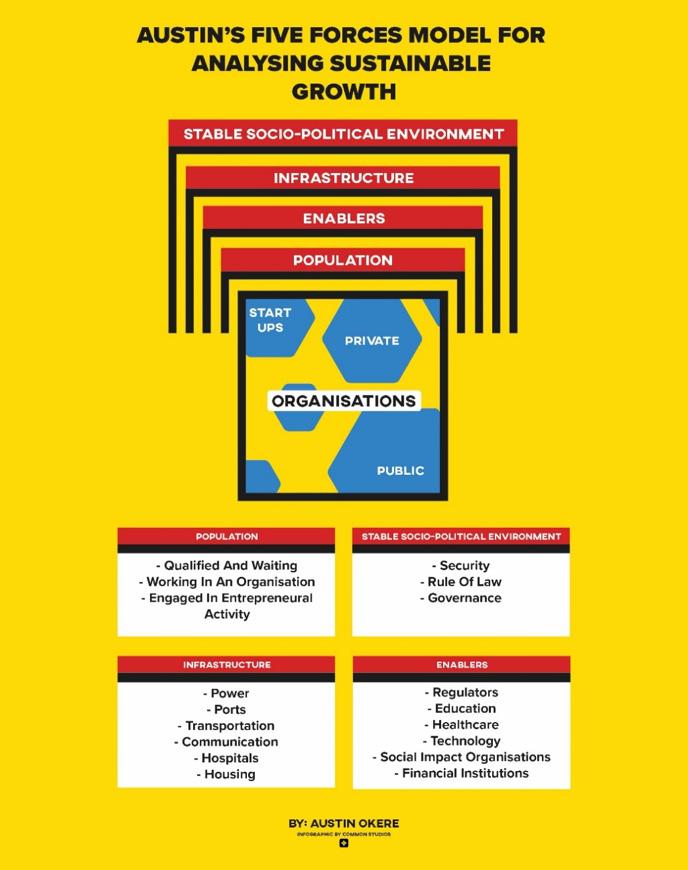
I see Five Forces driving sustainable growth as follows – Organisations, Population, Enablers, Infrastructure, and the Socio-Political Environment. I have codified below, the relation between these forces in the in a model which I call the Austin’s Five Forces Model for analysing Sustainable Development.


Below are the Five Forces and how they impact sustainability:
Organisations - providing jobs for the population for shared prosperity
Population – a large social group subject to the same political authority and dominant cultural expectations. This is the source of skilled labour to the organisation and who in turn contribute to the welfare of society
Enablers – institutions and mechanisms necessary for supporting efficient and equitable pursuance of
opportunities in the society. They may include regulation, education, healthcare, and technology among others
Infrastructure – the basic physical and organizational structures and facilities needed for the operation of a society or enterprise. They include housing, ports, roads, power, and communication
Social-Pollical Environment
- the central values of society, politics, culture and public opinion, as well as the assurance of security and the adherence to rule of law that governs the society
These forces and their interplay are represented in the schematic
At the heart of providing jobs is the organisation, public, private, startups and non-governmental.
A commonly held truism is that government alone cannot provide all jobs and is not big enough to shoulder the entire economy. Take Nigeria for example, in real terms, government spending at 5.7% of GDP (2019) means non-government economic activity accounts for almost all of GDP (about 95%). Among OECD economies, business activity
accounts for 72 percent of GDP with monetary flows from labour income, capital income, taxes, investment in capital assets, and payments to suppliers. It is this crucial force that needs to be enabled to unleash economic growth.
In many economies, 80% of the jobs are provided by entrepreneurs. They are responsible for most of the advances in new products and processes, provide most of the employment opportunities and
are a key indicator of the overall performance of an economy.
In Nigeria, while there are only about 161 companies listed on the Stock Exchange, the total number of MSMEs as of 2019 stood at 41.5m according to the National Bureau of statistics. Just imagine the scale of jobs that will be created if each of these businesses is empowered to employ just only one additional person.

A developing society is based on the ideal by which equality of opportunity is available to any member, allowing the highest aspirations and goals to be achieved. While society in the past was split between the haves and have nots, society today is split more into those who are included and those left behind.
This inequality is more significant in emerging markets, where 80% of the world reside. According to the National Bureau of Statistics, the unemployment rate in Nigeria is 32.6%, while the youth unemployment rate (15-24 years) in 2020 was 58.3%.
Young people who cannot find jobs still need to eat. With few legitimate options, illegal means become attractive.
Research has shown that youth unemployment increases all sorts of crime. It is estimated that by 2050, Africa’s population will double, reaching 2.5b people – just about the current combined population of India and China. Without a credible plan towards sustainable employment, this could be a ticking bomb.
What is more worrisome is that while the population grew at a rate of 2.6%, the GDP growth rate was lower at 2.2% in 2019 according to the World Bank.
Enablers are institutions and mechanisms which remove economic blockages and open economic arteries. Anything that enhances economic activity to a community will culminate in an economic driver for the society. Regulators are one of the most critical enablers of a society.
Regulators, however, tend to be either a source of support or a headwind against progress. The regulator should not constrict the pursuit of opportunity nor act in a manner to entrench protectionism.
While Nigeria has become one of the world’s fastest-growing technology markets, attracting investments of over $216m in the first quarter of 2021 alone, there is a palpable apprehension among technology start-ups, after a series of regulatory headwinds from different government bodies.
These include the Central bank of Nigeria’s ban on cryptocurrency trading and the Security and Exchanges Commission’s clampdown on technology platforms for purchasing shares in foreign companies outside the Commission’s regulatory purview and registration.
Until more people think they can successfully start businesses and prosper, we will not have enough jobs in the economy. Other significant enablers are health and education. On the supply side for jobs, the education system needs to be set up so that people
leaving, either at the secondary or university level have employable skills.
The most significant enabler in modern times is the Technology Platform. These Platforms provide a means of significantly extending services at low-cost efficiencies, and as a result draw many people into the consumption pool, while also creating many jobs along the value chain which would otherwise simply not exist. Technology Platforms have heralded an era of unprecedented inclusiveness.

Nigerian legislators are considering a social media bill to regulate internet conversations...
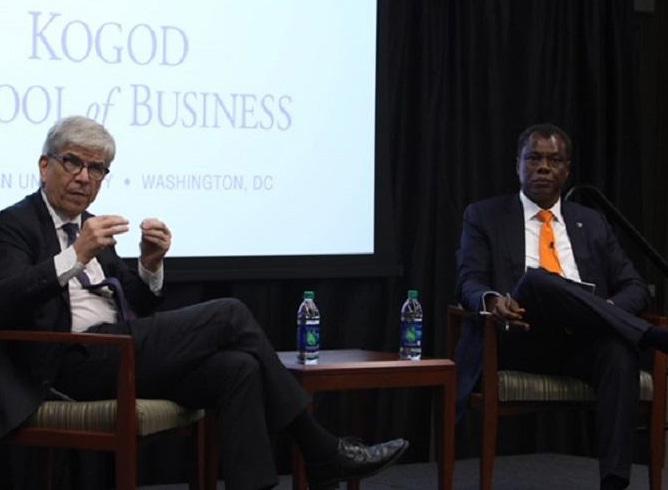
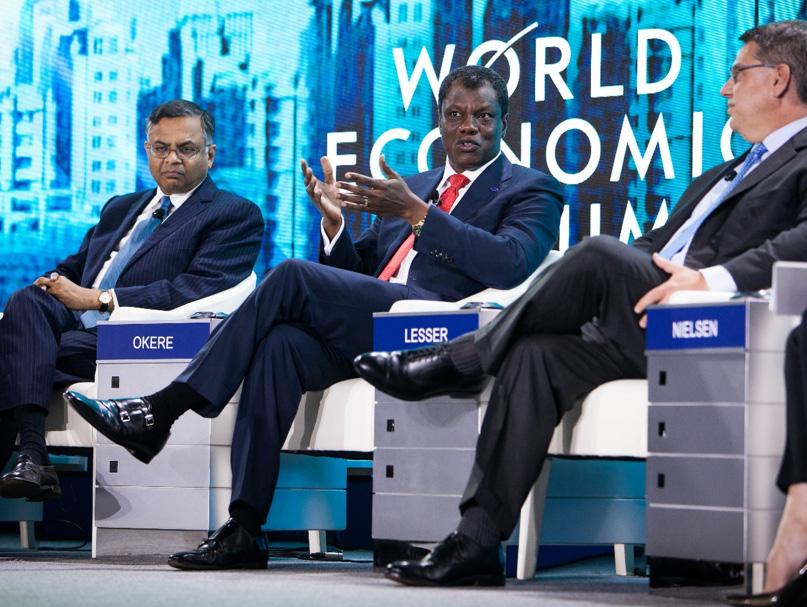
Austins interview with Professor Paul Romer, Nobel Laureate, and former Chief Economist at the World Bank in Washington DC.
For instance, MPESA the popular payment system had more than 60% of Kenya’s 33 million mobile users and in 2015 transacted $28m on her platform. Similar applications have metamorphosed across Africa, and Mobile Money services are today generating 6.7% of Africa’s GDP.
Platforms have made it possible to reach far more than our traditional schools can cater to, by leveraging Massive Open Online Courses (MOOCs). Research and Markets forecast that e-learning will grow to $325 Billion by 2025 from $107b in 2015.
The Covid-19 pandemic has severely tested many sovereign health systems, and many have been found significantly wanting.
Infrastructure speaks to facilities needed for the operation of a society, and includes power, ports, transportation, communication, housing, and not least, broadband to homes and offices. This has now become imperative due to the increase in digital transformation, largely driven by the Covid-19 pandemic. A lack of these will severely constrict the smooth production and delivery of goods and services.
By 2050, the infrastructure needed for the 2.5b Africans will be unprecedented in the history of humankind; 700m housing units, 300k schools, and 100k health centres. Can you imagine Africa

without a significant network of rail or a functional underground transport system in 2050?
The UK’s Underground Tube system moves 1.35b people annually and has been operating for about 150 years. African Countries such as Ethiopia and Kenya are making strident advances in rail transportation.
The biggest infrastructure drawback, however, has been electricity. Almost half of the people living in Sub-Saharan Africa do not have access to electricity. The attendant impact on entrepreneurship can only be imagined. If Africa were able to achieve in power what she has achieved in telecoms the impact on sustainable development would be immense.
Nothing impacts sustainable growth as much as a stable sociopolitical environment. it enables the attraction of capital for rapid economic development. The rule of law is paramount for a stable polity. Any society that does not abide by some code of conduct whether in public or private matters tends to become chaotic, and virtually ungovernable.
Produced, or built, capital is what many of us think of when we think of capital: the sum of machinery, equipment, and structures (including infrastructure) and urban land. If one simply adds up the current value of a country’s natural resources and produced, or built, capital, there’s no way
that can account for that country’s level of income. The rest is the result of “intangible” factors such as the trust among people in a society, an efficient judicial system, clear property rights and effective government.
All these intangible capital also boosts the productivity of labour and results in higher total wealth. In fact, the World Bank finds, “Human capital and the value of institutions (as measured by rule of law) constitute the largest share of wealth in virtually all countries.”
According to the World Bank’s regression analyses, the rule of law explains 57% of countries’ intangible capital while education accounts for 36%.
The blind application of the law without regard to status, tribe or creed is what enshrines deterrence. It is the pursuit of deterrence that drives developed countries from sparing any high-ranking members of the society who fall foul of the law, not least their leaders, who are held to a higher account.
Through rampant corruption and failing school systems, many lowincome countries are destroying their intangible capital and ensuring that their people will be poorer in the future.
When we analyse the conduct of the people from rich and developed countries, we observed that a majority abide by the following principles of life: ethics, integrity, responsibility, the respect of most citizens for the rule of law, pride in their work, the effort to save and invest, and the will to be productive

and punctual. In poorer countries, a small minority follow these basic principles in their daily lives.
A society is not poor because they lack natural resources or because nature is cruel to them, but rather because they lack the right attitude. Conscience is usually thrown out, and justice is on sale to the highest bidder; this is what is known as a market society.
Russian American writer and philosopher, Ayn Rand succinctly sums it up as follows:
“When you see that in order to produce, you need to obtain permission from men who produce nothing - When you see that money is flowing to those who deal, not in goods, but in favours - When you see that men get richer by graft and by pull than by work, and your laws don’t protect you against them, but protect them against you - When you see corruption being rewarded and honesty becoming a self-sacrificeYou may know that your society is doomed.”
According to Yury Fedotov, Executive Director, United Nations Office on Drugs and Crime,“Corruption represents a major threat to the rule of law and
sustainable development the world over. It has a disproportionate, destructive impact on the poor and most vulnerable, but it is also quite simply bad for business.”
The sustainable development of any society depends on where they lie on the spectrum of these critical five forces.
Austin Okere is the Founder of CWG Plc and the Ausso Leadership Academy. He has an MBA from IESE Business School, and over 25 years entrepreneurial experience. Currently an Entrepreneur-in-Residence at Columbia Business School, New York, he has also been appointed to the Board of Trustees of the Global Business Practices Council of the AACSB, and the Advisory Board of the Global Business School Network in Washington in recognition of his contribution to the development of business education and knowledge transfer in Africa. Austin is on the World Economic Forum’s Global Agenda Council and has served as a Consultant to the Sustainable Development Goals, African Center (SDGAC) in Rwanda.

Are you a financial services leader creating value in the economy, society, and environment?
Are you an exceptional professional driving unparalleled performance and building sustainable institutions?
Are you an innovator shaping the financial system?
Here is your opportunity to be recognized for your accomplishments!
The 2021 Angaza Awards call for entries opens on 1st August and closes on 30th October 2021.
Entries from across Africa are welcome from women excelling in the following financial services sub-sectors:
Banking
Co-Operatives and SACCOs
Development Finance Institutions
FinTechs
Fund Management & Investment Banking
Insurance
Microfinance
Public Sector Finance
Private Equity
Visit www.AngazaAwards.com to learn more about this opportunity to build your profile and celebrate your achievements.
#AngazaAwards
#AfricaWomenInFinance
FOLLOW US


@AngazaAwards linkedin.com/company/angaza-awards

“The Angaza awards put a spotlight on my professional achievements for the first time; and concurrently brought attention to NCBA Bank, but most importantly raised the profile of female bankers in Rwanda. My favourite quote from the media: ‘We thought there was only one female banker in Rwanda, until Angaza’.”
Lina M. Higiro
Chief
Executive Officer, NCBA Bank Rwanda PLC
“Angaza Award 2020 has built my credibility in the international space and validated my outstanding position back home. Highlighting my achievements made me stand out as a solid banking and finance professional among my peers.”
Millicent Omukaga Advisor on Women Empowerment
and Financial Inclusion, African Development Bank Group, Abidjan





Prior to the mechanics of the digital system in Africa, we experienced an analog mode of operation in the banking system where we could only run transactions inside the banking hall where our accounts domiciled and this took a lot of hours out of our daily lives. Cash posting to other countries takes longer days to mature. The trade system also experiences an ugly trend where the marketers have to travel with cash from one town to another and thereby attract robbers who rob them of their cash and valuables. But now, bank accounts are agnostic of locations where they were opened.
The past two decades, which was the gradual invention of digital banking operations such as the supply and installation of Automated Teller Machines to their respective banks and the configuration of ATM cards which bring seamless transactions and relief to all in Africa.
A decade ago, was the incorporation of a cashless policy society with POS flag off, Agency Banking, USSD (Unstructured Supplementary Service Data), Internet Banking, Mobile Money Operation and Web Pay Services. These domains substantially reduced the banking stress and increased transactions operation across Africa. These digital products and services have increasingly boasted the economy from 14% to 78%, reducing crime rate, fraud and money laundering.
More innovation forces and reativity have led to more growth and opportunities,which in turn open the door to more innovations
Head, Agency Banking Business, Growth & Operations Management
Cititrust Financial Services Plc. Nigeria. ofelix@cititrust.ng +2348035210500

and creativity. Many years, you were likely to get a job and become financially independent within a few years after graduation. This isn’t the case for young Africans right now – a group that constitutes about 58 percent of the population in Africa. The population of Africa has grown exponentially and with it has come increased competition for jobs. To make up for this, more young people are starting businesses and embracing creative career choices fueled by the rapid penetration of the Internet and digital technology. These two factors have introduced new dimensions to how we do business and make money. Today, we have smartphones that can allow us to speak with our friends in myriad ways, including over social media, instant messaging apps, email, audio and video calls. All these new developments have impacted how we relate as humans, they have also influenced banking and of course redesign the windows of job opportunity in Africa.
So, now we have a generation of entrepreneurial and creative Africans, a generation accustomed to living through mobile, software and digital technology which in turn have revolutionizes every industry known to man. Now Cybersecurity – Cyber threats are real. A securitymagazine.com report states that a cyberattack occurs every 36 seconds.
Now, think about the import of this in Africa that is predicted to have over one million devices in a few years; this simply means that there will always be a vulnerable device available to be attacked. I believe this has also helped us ramp up software development such as machine learning and artificial intelligence in dealing with the shameful problem of corruption and introduction of e-voting in election processes and other vices.
The impact of Artificial Intelligence continues to be felt across ndustries substantially in marketing and sales, logistics as well as supply chain management and manufacturing. AI has the potential to create trillions of dollars of value across the economy if business leaders in Africa work to understand what it can and cannot do. However, a number of studies have argued that AI and robotics will take over 50 percent of human jobs in the next 30 years, but will expose human to more newly creative mechanizes works to do in either agriculture, crafting and artisans’ jobs which would also attract AI and thereby create more technology advanced jobs opportunities. The research sensitivity is due to the exponential advancements in robotics, quantum computing and AI. Restrictions on movement and reduction in the handling of physical cash because of Covid-19 pandemic caused mobile money transaction volumes in sub-Saharan Africa to reach $490bn in 2020 – Visa report. Digital innovation and
technological advances are bringing exciting opportunities for financial inclusion to the fore. Technology is now a tool to leapfrog over old processes, systems and protocols for the benefit of everyday consumers. Moreover, before the advent or insurgence of Covid–19 pandemics, which vehemently awakes all of us and teaches to the conclusion that we must all go digital across board, forces us to shift our behaviors and adopt more technology to assist our day-to-day lives in all aspects, Africans believe and practice the linear chain of home to office as employees carry out their job roles on daily basis in the office. Now, digitalisation has broadened our knowledge such that 72% of the corporate world work from home with an inestimable height of productivity, virtual meetings can be held with different online platforms. Post covid has given birth to more digital products and offerings such as card less transactions, thumbprint transactions, eye lens contact transactions alongside QR scan transactions mechanism, all these as a result of the advanced tech system and innovation. Talking more on POS / Agency Banking System – this has become a much bee in the air with a lot of tech giants in operation. If you understand the market, the MSMEs, empowerment via loans to fund business and the startups, the growth execution, the value creation and the Return on Investment are awesome. Across
Africa we have a large percentage of people living below the average of 69% total population, who have no
access to funds, no access to bricks and mortar banks, no access to loans and benefits. Agency banking is all about financial inclusiveness under an enabling environment and thereby contributing to the economic growth of the nation. Agency Banking is an innovative solution borne out of digital proportion for customers and other stakeholders including SMEs. It is to bridge the financial inclusion gap by empowering the underserved individuals and businesses in emerging and frontier markets with a range of financial services such as but not limited to – cash transfer, cash deposit, cash withdrawal, bill payment, airtime vending, data subscription, satellite subscription. It exposes SMEs to various finance opportunities that they could access and utilize to foster the continued growth of their businesses, while optimising the sustenance of their business operations in contributing to national development. The product acts as the financial access lifeline for individuals and communities in otherwise hard to reach towns and villages, the unbanked or underbanked areas, to enable them access and manage their money more efficiently and productively. This also serves as means of showcasing other deliverables a particular company has within her subsidiaries for the agents and their customers to patronise. Agency Banking enhances the capacity building pillar of its value propositions to SMEs. Aside banking services, Micro Health Insurance is another enabling service offered to these agents via POS usage, such that their health security is covered

monthly, quarterly or annually. Upon subscription, they are channeled to the Clinics and Health Centers closest to them for medical checkup, test, drugs administered and treatment. Digital marketing has greatly advanced the emancipation of the Entrepreneurs and startups on a daily basis. Entrepreneurship is inherently risky such that business owners must possess the ability to mitigate company specific risks while simultaneously bringing a product or service to market at a price point that meets consumer demand levels. Digital marketing has therefore leveraged a window to showcase these products to prospect markets. Digital and technology have drastically increased job / wealth creation in every sector of profession. We can shop online with easy payment mode, we can apply for admission online, we can study online and acquire certification, we can do interviews online, we can pay our bills online and so on. Conclusively, is the introduction of digital currency which will deepen financial inclusion in Africa. Most central banks had indicated keen interests in developing their digital currencies in response to the threats and limitations of cryptocurrency including poor regulation, price volatility and facilitating illicit financial transactions. Virtual currencies would henceforth enhance smooth financial transactions, eliminate bottlenecks associated with the use of cash (mutilated notes, forgery, cash handling charges, shortages) and increase the velocity of circulation.











On Oct. 1, CBN will reportedly launch a pilot scheme for “GIANT,” a CBDC project in development since 2017 that runs on the open-source blockchain Hyperledger Fabric.
Rakiya Mohammed, CBN’s information technology director, said the bank might conduct a proof-ofconcept before the end of 2021. In a webinar this week with stakeholders, CBN representatives reportedly emphasised that the institution could not afford to be left behind while the vast majority of central banks worldwide make headway with their own CBDC research and development.
Among the motivations cited for the project, CBN has noted that a CBDC would be beneficial for macro and growth management, cross-border trade support and financial inclusion.
Potential benefits could still extend further, in CBN’s
view, ranging from higher efficiency for payments and remittances, better monetary policy transmission, improved tax revenue collection, and the facilitation of targeted social policies.
Alongside CBN, the Bank of Ghana has this summer been moving rapidly toward the pilot stage for its own central bank digital currency. The country has positioned itself as a pioneer in CBDC development on the continent and considers central bank-issued digital currencies to be superior to and less risky than decentralized cryptocurrencies.
However, Ghana’s wariness of crypto is overshadowed by Nigeria’s more aggressive measures, which include a ban on commercial banks and other financial institutions from servicing crypto exchanges. Despite this, Bitcoin (BTC) adoption and peer-to-peer trades have remained high in the country.
Pan African payments company
Cellulant has acquired PSP License in Ghana as it rolls out a digital payments solution for businesses
Cellulant is also launching Tingg in Ghana to provide the best customer experience for all persons and businesses looking to digitise their payments, collect, and disburse to customers today.
This announcement came after the Central Bank of Ghana issued Cellulant a payment services provider (PSP) License. The
PSP License allows Cellulant to aggregate merchant services, process financial services, acquire merchants; deploy POS systems, and aggregate payments for banks, institutions, and the general public. The license is a requirement under the Payment Services Act 2019 which mandates that all Financial Technology or digital payments companies be licensed by the Bank of Ghana before they can operate in the country.
Cellulant Ghana country manager, Eric Kortey, said, “We believe that
Ghana is fast becoming a hub for fintech in Africa. Being licensed by the Bank of Ghana means a lot to the growth of our industry and opens doors to increased security and confidence in digital payments systems. Cellulant’s digital payments platform is allowing every Ghanaian to pay for their goods and services through any payment channel of their choice.”
Hundreds of businesses have already begun using Tingg to collect digitally from their customers across Ghana.
Appzone, the Pan-African fintech software provider building proprietary solutions for the continent’s banking and payments industries, has announced the close of its $10mn Series A round.
Led by CardinalStone Capital Advisers with participation from V8 Capital, Lateral Investment Partners, Constant Capital, and Itanna Capital Ventures, the new round will bolster investment in Appzone’s core technologies and kickoff a wave of new country expansions in a drive to build out a financial operating system intended to completely digitise and automate the delivery of financial services on the continent.
Launched in 2008, AppZone delivers best-in-class products for digital core banking and interbank transaction processing with clients across seven African countries including high-profile names like Access Bank, GT Bank and Zenith Bank. Since its inception, the company, also an alumnus of the Google launchpad accelerator, has led Africa’s fintech sector through radical innovation that resulted in a number of global firsts from the continent, including the world’s first decentralized payment processing network , the first core banking and omni-channel software on the cloud and the first multi-bank direct debit service based on single global mandates. To date, the company’s platforms

have served 18 commercial banks and over 450 microfinance banks, amassing a yearly transaction value and yearly loan disbursement of $2bn and $300mn respectively.
As Africa’s traditional banks and fintech startups grapple with the increasing threat from telco companies and big tech players, AppZone’s products effectively and affordably equip them to deal with the sector’s most pressing challenges including legacy cost structures and a major lack of operational efficiency. Currently, due to a severe dearth of highquality localised solutions that address these problems, traditional and challenger banks in Africa are
limited to using foreign technology solutions tailored for Western markets – many of which are plagued with the huge stumbling blocks of prohibitive pricing, insufficient flexibility to innovate and a lack of local tech support.
Speaking on the fundraise, Appzone’s Co-Founder and CEO Obi Emetarom says: “We’re excited not only to be securing a significant capital raise, but also welcoming on board some strategic investors whose support will be key to our growth journey. Today’s news allows us to scale Appzone’s products and services rapidly. For the last 12 years, we’ve worked in stealth mode, building the really
complex infrastructure to power the continent’s growing digital financial services space and forging partnerships with the continent’s biggest financial institutions.
In terms of next steps, we are now looking to hire from Africa’s top 1% to grow our team of elite talent who have proven themselves to be true African builders; the brightest senior software engineers and domain experts, doing the incredibly hard work of building the backbone and next generation infrastructure for digital financial services at a level beyond worldclass. We are seeking out gifted and audacious engineering and entrepreneurial minds, hungry to accelerate economic prosperity and tackle challenging technology with us. We are not just trying to bring African fintech on-par with the rest of the world – we exist to make our financial sector the most innovative and technologically advanced on the globe through solutions built for Africa by Africans.”
Currently, Appzone’s clients spread across Nigeria, Ghana, Gambia, DRC (Democratic Republic of Congo), Tanzania, Senegal and Guinea and to-date, the company has raised $15m in equity funding with previous investors including Lateral Capital, GreenHouse Capital, Timon Capital and Itanna. In 2018, the company obtained an officially approval from the Central Bank of Nigeria to operate as a Payment Solution Service Provider (PSSP) and has been the recipient of a number of industry awards including the Frost & Sullivan Award, NAMB (National
Association of Microfinance Banks) and CeBIH (Committee of eBusiness Industry Heads) awards.
Yomi Jemibewon, Co-Founder and Managing Director of Cardinal Stone Capital Advisers said:
“Our investment in Appzone is further proof of Africa’s potential as the future hub of world class technology. Appzone is building a disruptive FinTech ecosystem that will be the backbone of Africa’s finance industry with products across payments, infrastructure and Software as a Service. The impact of Appzone’s work is multifold –the company’s products deepen financial inclusion across the continent whilst providing best-fit and low cost solutions to financial institutions. Its emphasis on premium talent also helps stem brain drain, rewarding Africa’s best brains with best in class employment opportunities.”
Despite its challenges, Africa’s banking sector is projected to reach a total market valuation of $129bn by 2022 according to McKinsey & Co. As the industry struggles to serve Africa’s huge unbanked population, there has been a growing influx of fintech platforms filling the gap. In recent years, these startups have attracted major interest from investors across the globe and in 2020, the sector accounted for over a third of the total $1.3bn in funding secured by African tech startups.
BPC have announced that the Vista Bank Group (Vista) has selected its paytech provider Radar Payments to drive its global payment processing activities.
Vista is a Pan-African financial services company, which aims to contribute to economic growth and financial inclusion across Africa. It has an ambitious agenda to challenge the status quo and deliver a superior experience to retail customers, large enterprises and MSMEs across West Africa.
The group is expanding rapidly through a series of successive strategic acquisitions that include First International Bank (FIB) Group in Gambia, followed by BNP Paribas’ Subsidiaries, La Banque Internationale pour le Commerce et l’Industrie de la Guinée (BICIGUI) in Guinea and La Banque Internationale pour le Commerce l’Industrie et l’Agriculture du Burkina (BICIAB) in Burkina Faso. Vista Bank is now the top bank in Guinea by assets and network coverage.
In response to its digital-first strategy, Vista has selected Radar Payments by BPC as its preferred partner to drive digital payment adoption in the region. Radar Payments will centralise payment operations at Vista’s tech hub located in Senegal, supervising Vista Bank’s activities in Guinea, Gambia, Burkina Faso and Sierra Leone while leaving room for further banks to join its network. It is part of the bank’s growth agenda to expand to Burkina-Faso, Togo, Cote d’Ivoire, Senegal and Mali.
The agreement will see Vista Bank running on BPC’s flagship payment suite, SmartVista to manage card issuance and lifecycle management, payment switching, ATM and Point-Of-Sales management as well as providing digital channels such as mobile banking and e-wallet; personalised to both retail and corporate clients. The bank is planning to accelerate the issuance of UnionPay International (UPI) branded cards including prepaid, debit, and premium cards, in addition to the
acquisition in ATM, Point-of-Sales, Contactless, QR payment, and E-Commerce.
This announcement comes at a time where AfCFTA, the panAfrican free trade agreement has become a reality. Since 1st January 2021, AfCFTA has set new business standards for 41 countries and 1.2 billion people to help accelerate economic growth across the continent. The free trade programme promises a change in trading rules, with reduced import export taxes making commerce more affordable for players in Africa. It also means that the volume of transactions will sharply increase and banks in the continent will have to gear up for a panAfrican service.
Simon Tiemtore, Group Chairman at Vista Bank, said: “With AfCFTA, banks have to think pan-Africa first, and realise that we need to step up the game in terms of ease of payment, a critical component to every banking and business experience. As a challenger bank,
Vista Bank is taking bold decisions when it comes to its technology stack, forming alliances with the best partners in their own fields. By selecting Radar Payments, the paytech by BPC, we have chosen a leader with a solid reputation in delivering superior global payments processing.”
Evgenia Loginova, CEO of Radar Payments, commented: “We are proud to join Vista Bank on their journey to transform the way people bank, pay and get paid, while making financial services more accessible to them. This partnership was born from our shared vision to successfully solve real life payment problems with a high-end, globally proven digital solution that focuses on end customers. Together, with the help of cutting-edge digital payment solutions, we will provide easy, instant and secure movement of money, thereby transforming Vista Bank into a trailblazing player within the continent. “
Nigerian Fintech startup, TeamApt, has successfully raised an undisclosed amount in its Series B funding round.
The funding round was led by Novastar Ventures with participation from FMO, Global Ventures, CDC, Oui Capital, Kepple Africa Ventures, Soma Capital, and a syndicate of local angel investors including Gbenga Oyebode.
TeamApt is a financial technology company focused on, developing Digital Banking, Digital Business
solutions, and running Payments Infrastructure by rethinking the needs of consumers, businesses, and the financial industry. Beginning operations in 2015, TeamApt was born from a desire to create financial happiness, building solutions and tools for businesses and individuals to happily manage money.
This new influx of funds will be used to extend its offerings directly to customers and micro-SMEs by giving them access to the financial access lifelines they need to succeed. The company also plans to expand their solutions beyond Nigeria.
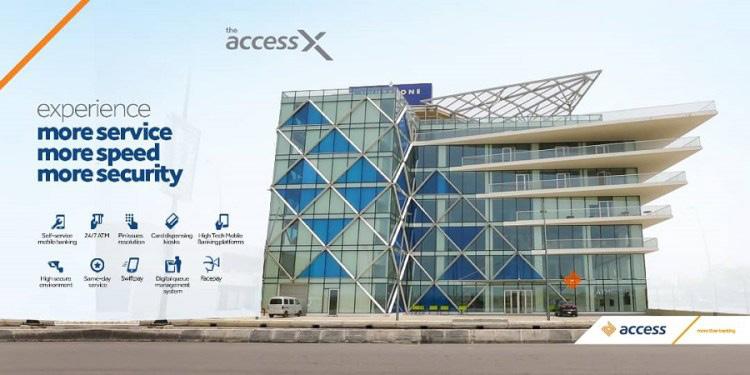
In a bid to provide top-notch digital service to its customers and demonstrate the best of innovative solutions through selfservice banking, Access Bank Plc has launched AccessX that it has termed an experience centre.
The bank explained that the experience centre is a onestop technology hub where its customers are taken on a digital tour spanning from Artificial intelligence to Robotics, and Smart data.
The financial institution said the centre is related to digital channels and a place to demonstrate the best of its innovative solutions through self-service banking.
The bank’s Executive Director, Retail Banking, Victor Etuokwu, said: “AccessX is an additional touchpoint to back up our customers.
“It is recognition of the fact that 90 percent of our transactions are engagement with the customers is digital and so those require support from us in some forms either on their cards, mobile apps or internet banking are given.
“As we are setting up this experience centre across the country, our customers will have a point of contact where they can get support, find out what is new on digital and get speedy service that is outside of the traditional branches.
“The traditional branches do have their place; they have something to support with but AccessX centre is 100 per cent digital support.”
Providing details on other digital services that customers can benefit from the AccesX centre, Daniel Akumabor, the Chief Technology Officer – Channels, said: “There are a lot of concepts and services we can afford customers and that does not mean that this is an exclusive place where we do all that.
“Customers coming in here can do a lot of things. They can resolve challenges, complaints, enquiries or requests across our digital channels.
“When they say digital channels, that stands for when there is a card, USSD, internet banking, mobile app is paramount for cooperate customers.
“And as a bank, we are very innovative, we have a lot of our own solutions to the internet market, and we have things like face field, swift pages and merchant enquiries solution for our customers.
“As we roll out all those digital
channels, we are able to them satisfied. This also gives opportunities for the customers to have full digital experience in channels we are all aware of and also it helps us get feedback to improve our channels and see the way the customers interact with our channels.”
And when asked about how accessible it is for customers anywhere, Akumabor said: “Customers from any part of the world can reach excellent centres and get things resolved for them.
“Here is the difference, we know that our customers like to do things digitally and if they go to any of our branches for complaints, there would always be some things that they will need to refer to service engineer at the bank’s office and tell the customers something like this would be resolved in the next few hours.
“The reason they do that is they would refer the matter to somebody else who is going to work on it but when you walk in here that is not going to happen because the tech skits can do it on the spot.”
Central Bank of Liberia (CBL)
Executive Governor J. Aloysius Tarlue, Jr., has told a Senate confirmation hearing that the banking system in the country needs to go digital.
Appearing before the Senate Committee on Banking, Finance, and Currency during his confirmation hearing, Tarlue said the printing of money is not the solution to the problem here.
Tarlue, who was concluding a tenure as CBL Governor when he was nominated again by President George Manneh Weah, informed the Senate Committee that US$ 6m has been allocated for the digital banking project, already approved by the World Bank.
According to him, since he became governor of the Central Bank, he has put a prudent financial system in place because he observed that the system has been abused for so long.
Mr. Tarlue explained further that during his first term as CBL Governor, he put a biometric tracking system into place in order to know who goes to work or not, and also an appraisal system into place.
Tarlue further stated that they have a three-year strategic plan to lead the CBL forward, noting that the CBL Act was approved under his leadership while the first four billion Liberian Dollars were printed under his watch.
“Thanks again to the Liberian
Senate for trusting us to print new bank notes,” he said.
The CBL boss suggested that the use of mobile money system helped them greatly during the ongoing COVID-19 crisis, where people will not be able to stand in huge cues in baking halls as a way of observing social distancing.
Governor Tarlue explained that there are not many banks in the various counties, lamenting that four counties have a single bank and it is very difficult for the people in the rural areas to get their salaries.
According to him, the digital system will be a great help, noting that “My legacy is [to] change Liberia to a digital country.”
Governor Tarlue continued that the CBL is working with Nigeria, Ghana, and other African countries, noting that buying rice and other things from Nigeria and Ghana will be cheaper in transportation than getting it from those other faraway countries.
For his part, Deputy CBL Governor for Economy Policy
Dr. Musa Dukuly said during his
confirmation hearing that he has served the position since 2019 and was reappointed by President Weah.
According to him, when he took over in 2019, the exchange rate was high and there was inflation, saying in order to have some of these settled, Liberia joined the International Monetary Fund (IMF) program and was asked to cut down staff and carry on salary harmonisation.
Dr. Dukuly explained further that CBL cut down 274 staffers because the program was a lifeline for Liberia’s economy and they couldn’t miss being a part of it.
He said in 2919, he took over with no handover notes, adding that the domestic production was weak and there were about $23 million dollars outside the bank, though it is now about $20 million.
Dr. Dukuly concluded that since he took over in 2019, there has been a growth in the microeconomic system, saying Liberia has reached the Economic Community of West African States (ECOWAS) target.

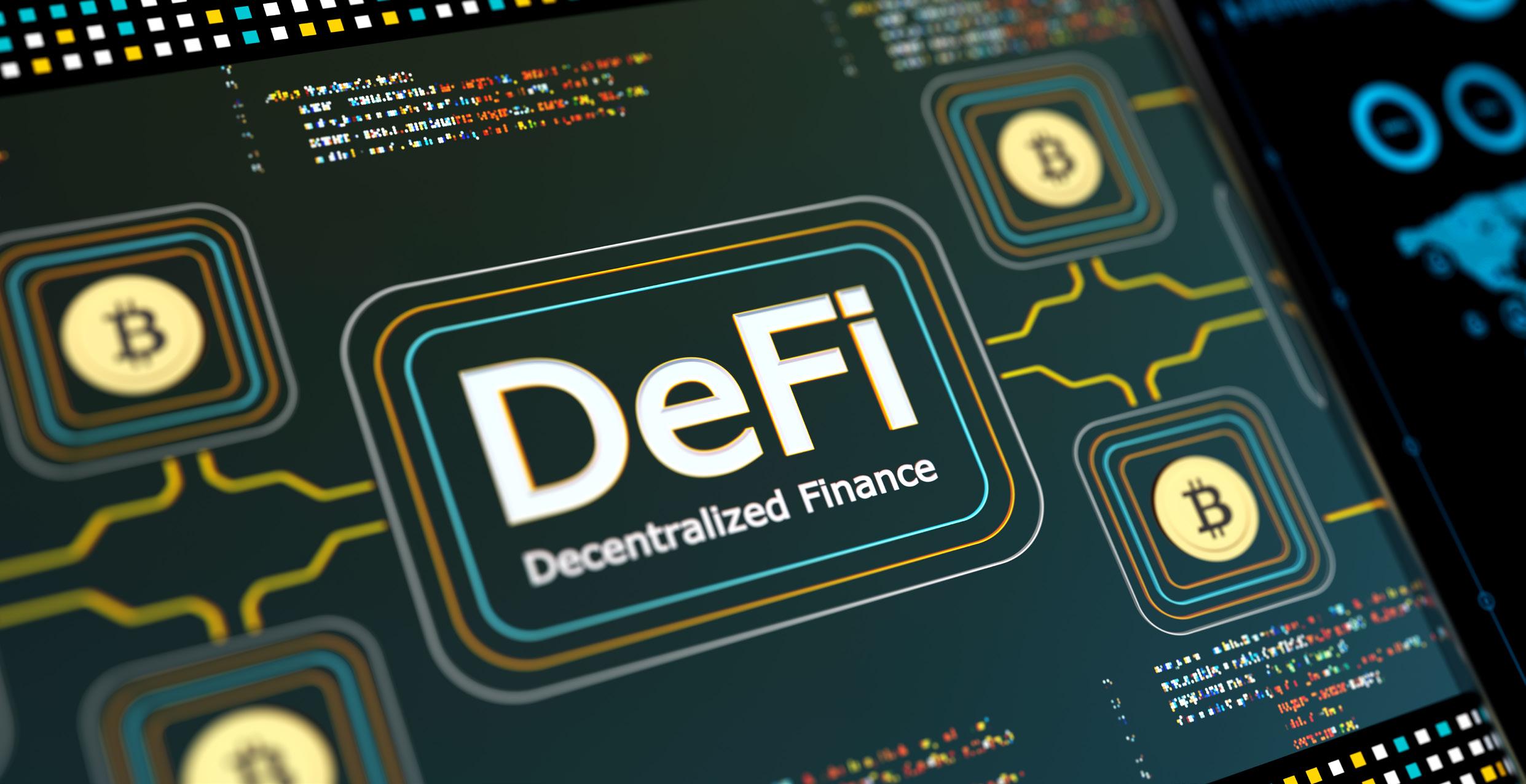
Africa is a continent where most of the population is unbanked or does not have any bank accounts. Financial systems and banks have tried to change this status quo but have remained unsuccessful so far.
The primary reasons for this are as follows:
• Most of the banking infrastructure and processes are poorly built and handled.
• Conventional banking systems are challenging to build due to a lack of resources that can help people understand finance as a subject on a deeper level.
• Moreover, the physical banks are not available everywhere, thus taking a toll on the people due to the cost and time wasted traveling to one.
• There are certain banks that
work with organisations to provide people with necessary loans, but the interest rates are pretty high.
• Finally, bureaucracy is a significant obstacle that people must overcome to create bank accounts and perform simple banking functions.
These are the main challenges people face while trying to leverage banking resources for sustainable financial growth.
Africa is a continent with a majority of the population under the age of 35 that has a higher usage of smartphones and the internet. This increases the opportunities for them to access banking services remotely via unconventional and innovative mediums such as DeFi.
According to Cardano CEO Charles Hoskinson, DeFi is currently a
service that not many people around the globe need. This is because people in countries such as the USA have enough banking systems that are fast, efficient, regulated, and provide all the services necessary for the citizens in a relatively straightforward manner.
Hence, shifting to a completely different finance paradigm will be difficult for these people, and there would be resistance from them since their needs are already being met.
The same logic can be applied to people in Africa who do not get help from any system. Although there is awareness about how institutions function in other places, people do not have institutions in place that can serve them.
This makes Africa a potential opportunity for DeFi platforms to engage with the people here and cater to them since they’d be more than willing to shift to systems
that are faster, cost-effective, transparent, and have no central or bureaucratic authority managing them.
• With DeFi platforms and systems in place, the people who haven’t had access to any financial systems can now access it anytime they want with just a phone and an internet connection.
• The platform will be run with tech, and hence there will be more autonomy and independence for people who want to manage their own wealth.
• It’ll be faster, cheaper, and relatively more secure.
• People can perform P2P transactions such as lending, borrowing, etc., and without the need for a central authority or intermediaries.
• There might be a resistance to change and mass adoption of this innovative system.
• Since DeFi is a relatively new space, there can be programs to usher people into the space and showcase its benefits.
• Companies will need to work with government regulatory boards to co-create policies that best serve the public.
• Usually, DeFi as a system is
seen as a threat by traditional banking institutions so a path needs to be charted where traditional institutions and new-age DeFi space can work together to elevate the banking experience for the public.
• The DeFi system will also need to have seamless on and offramp procedures for people who currently possess only fiat currencies.
• Though the system is more secure than the traditional ones, it still is prone to smart contracts and poor security risks.
• DeFi systems should have easyto-use and understandable UI/ UX so that people from all walks of life can avail and leverage its benefits for their growth.
• Finally, liquidity on the platform will be imperative for people to incur lower fees and obtain currencies at a minimal price.
DeFi systems in Africa can provide access to banking, getting mortgages or loans, wealth management tools, investment opportunities, solutions for smallto-medium sized businesses, insurance, and real estate too!
With all these systems in place, people will be able to have sustainable financial growth and, in the long run, make them more in control of their future.
Xend Finance is a Nigerian DeFi platform startup that was launched in 2019. It is the first DeFi platform out of Africa and claims to be the first DeFi Credit Union platform. The company participated in the Google Launchpad Africa Accelerator and Binance Incubator Program and obtained funding of $2.2 billion.
Built on the Binance Smart Chain, the platform looks at currency devaluation as a use case and wants to leverage decentralized systems to provide better financial services.
The platform will launch a $XEND token that will provide additional benefits to the users by providing them rewards for performing operations on the network. Furthermore, it will also enable decentralized governance in their finance ecosystem.
In essence, Africa looks promising for DeFi platforms, and the scope is enormous. As Charles Hoskinson said, it is predicted that over 100 million users will be part of different DeFi ecosystems in the next three years.
Home to over 200 companies in just a few years, the Nigerian fintech space has become widely known for developing and delivering innovative value propositions across the financial service value chain to meet the needs of customers. Innovations such as mobile payments, digital lending platforms, savings, wealth management, and much more, seem to be transforming the financial service industry fundamentally, to challenge models of traditional institutions and infrastructure.
This coupled with a youthful population and increasing smartphone penetration are contributing to the overall fintech growth. Whilst these innovations are notable, there is still the question of how to deepen access to these solutions; simply put, how do we dramatically increase the rate of financial inclusion in Nigeria? In reigniting the economy postpandemic, the role of financial inclusion has become ever-more important.
Dayo Ademola Managing Director Branch International

The World Bank defines financial inclusion as a situation where individuals and businesses can access useful, affordable, and timely financial products and
services that meet their needs and are delivered responsibly and sustainably. Driving financial inclusion has been highlighted as a key booster in enabling prosperity for the Nigerian economy.
Following the Central Bank of Nigeria’s (CBN) National Financial Inclusion Strategy (NFIS) which was launched in 2012 and aimed to achieve 80% financial inclusion of adults at the end of 2020, a

new report released by Enhancing Financial Innovation & Access (EFInA), shows that Nigeria has missed this target by 16% having achieved 64% financial inclusion by the end of 2020.
Digital financial solutions need to be easily and quickly available to the financially excluded and underserved. Our insights at Branch International reveal that, particularly in remote parts of Nigeria, this goal is elusive, due to high infrastructure deficits in these areas. We further identify that technology can help leapfrog some of these deficits.
Further digital transformation in the financial services sector will benefit both newer fintech players and the incumbent banks. Overall,
the customer wins, and this will further drive financial inclusion and address some of the deficits the “included but underserved” are facing. EFInA in its 2020 report, endorses innovation enablement, digital ID and credit infrastructure, and technology talent, as actions that could further lead to a higher rate of financial inclusion in Nigeria.
At Branch International, our Primary area of impact is with underserved customers - those who lack a full suite of adequate financial service options. According to a 2017 KPMG report, this challenge plagues about 98% of Nigeria’s financially eligible population. Removing the barriers is a priority for a company like Branch International as we offer a wide range of affordable and timely products and services to meet the financial needs of customers accordingly.

The ultimate solution (if there is indeed one) to the financial inclusion problem in Nigeria lies with both the public and private sectors. The financial services regulators must continue to enact enabling policies, and the industry players must continue to innovate solutions to the deficits we faceinfrastructure, education, security.
There are optimistic projections that the financial inclusion progress rates could grow faster with the implementation of favorable policies by regulators to encourage digital transformation within the sector.
Opportunities abound to innovate on business models that increase affordability, reinforce trust and expand capacity for financial services to be built and tailored to the Nigerian market. There is also an untapped space by partnering telcos, retailers, and other financial technology firms to provide services to those who are excluded and underserved. Ultimately, the regulatory landscape needs to grow the capacity and expertise to enable the digital space which in turn will support and widen the horizons of financial inclusion.
Dayo Ademola is available for interviews on the above topic and other aspects of the financial inclusion conversation.

The payment system in Zimbabwe has gone through interesting changes in the last decade, however most of the interesting changes have happened in the last 3 or so years. From debating the impact of interoperability of mobile money on the digital payments space to covid making an impact on financial services as well as payments.
From 2019 to 2020 Zimbabwe has been in a period of interesting developments, it has been a period like no other for the financial services. Whilst the appointment of ZimSwitch as the new national switch may have come as a shock to the mobile money industry, one can equally argue that the closure of agent lines was a bigger shock. This especially in a country that had become evidently reliant on
Gerald Munyaradzi Nyakwawa Chief Association Executive Digital Finance Practitioners Association of Zimbabwe

mobile money on the majority of its instant payments. The reduction of limits and the number of mobile money wallets citizens can have on any mobile money operator system was another shock. Despite all the debate surrounding mobile money, the regulators were adamant that mobile money had become a systemic risk in the financial services sector and something needed to be done urgently before the whole financial services is affected.
In the midst of all the limits debate, Covid-19 happened, it ushered in a new need or a perceived justification to reversing the
central bank’s orders on mobile money so as to allow citizens to transact freely and remotely maintaining physical distance as well as transacting in a healthy manner.
There is no doubt that the pandemic has confronted all industries, however it appears payments, finance and banking are at the epicenter of this experience that is “renovating” the financial services sector. Working from home has also changed the way we work, the way we trade and the way we pay. Of course, those in the financial services sector have been working meticulously to innovate and create positive change for customers through digital transformation. We give credit to covid for accelerating this change, even banks that have often been considered to be traditional now
have digital banking or alternative banking departments. It’s only in government where we have not seen the creation of a financial inclusion inclined and focused departments.
Digital transformation in financial services has always been a fundamental part of a successful business strategy in the financial services industry. We have moved from the bank branches to Automated Teller Machines (ATM) (bank to machines). From ATMs to Bank applications (from machines back to banks through technology). Now we have mobile money and a lot of other Digital Financial Services offered by nonbank operators like FinTechs and TechFins.
Why is digital transformation important in the financial service industry?
For starters digital transformations lead to sustained adoption of connected digital services by citizens, businesses and government. Digital transformations are a key driver to economic development and job creation. In the pandemic digitisation may help stop the economy from contracting as consumers and businesses continue to interact using digital means and pay using the same digital platforms. Whilst I’m sitting in my house, I can use my phone through USSD or an application to access a store and make an order and get it delivered to my location without exposing myself to health risks.
Digital transformation in the financial services space is a massive responsibility given the current limits imposed by the central bank on mobile money transactions. Despite all the challenges the service providers, as customer centric organisations have to meet the ever-changing customer expectations, thus digital transformations have the potential to move customers from a lower level of satisfaction to a higher level. However, this must all be done in adherence to regulatory statutes and guidelines around consumer protection, data protection and anti-money laundering laws and policies. Thus, as the service providers innovate the regulators also have to innovate so that they are not left behind.
Digital transformations have a multiplier effect in any economy.
of digital financial servicesdemand side
Zimbabwe has experienced two lockdowns and social distancing rules that have forced people to stay indoors only going outdoors to buy essential goods and/or services. This has forced an increased adoption of digital financial services in particular and digital technologies in general. Even after
the central bank imposed limits on mobile money accounts there was growth in terms of usage. The Postal and Telecommunications Regulatory Authority Zimbabwe (Potraz) reports that
The total number of active mobile money subscriptions as at 31 December 2020, was 6,495,682. This represents a 2.7% growth from 6,325,666 recorded as at 30September 2020
Not surprisingly the central bank reports that there was a significant increase in digital payments both in value and in volume in the same period.
Due to the lockdown most retailers realised the importance of a digital presence and they started setting up online stores, there was evidently a race among retailers and wholesalers to setup e-commerce platforms to capture sales. A sizable number of consumers were now shopping online. Similarly, the same retail shops were setting up e-commerce platforms to try and minimise the number of customers visiting their shops given that most staff were now working from home. In this period, we witnessed an increased number of dial-a-delivery services. Some aligned to the retail chains others independent.
Banks on the other hand, given the same circumstances and at the same time not wanting to lose out
on the BoP customers affected by the mobile money restrictions, offered remote account opening services. They encouraged the use of their bank applications; this was motivated by banks zero-rating data on bank mobile apps which means customers could access bank apps without any data credit in their smartphones.
This is the era that we have seen the development of smart bots as well as WhatsApp banking, where customers can interact with a Bot and do majority of the transactions that they can do on the bank application as well as USSD platform.
A journey of a thousand miles.
Whilst covid has pushed the country up to speed with regards to digital transformations, it will be unfair to put all the credit on the pandemic as financial services and retail chains where already working on customer interfacing technologies. The pandemic may only have increased the speed to launch, we have noticed a lot of products coming to the market, at minimum viable product stage, and they are developed and updated as time goes whilst it is already in use.
The promotion and adoption of digital financial services in Zimbabwe is a factor of government preparedness and company willingness to transform. The government of Zimbabwe has a critical challenge to promote the acceptance of new technologies and ease of digital adoption
by citizens, organisations and MSMEs especially those in the informal sector. We have recently experienced the launch of national data centers aimed at promoting e-government. Government being the biggest organisation that interacts with citizens, this move will definitely help in the country’s efforts to digitise.
Government can promote digital transformations and acceptance through all-inclusive digital policies and promoting digital telecommunications infrastructure. Just like the national data centers,
the government should exert its energy on redefining and realigning outdated regulatory frameworks and institutions. Nurturing digital banking and fintech penetration with the correct communications infrastructure will aid the development of the financial services space. The government also needs to recognise and understand the implications of each new business model in order to quickly react. The central bank has launched the new sandbox guidelines which are aimed at closing the gap between knowledge and application.
Identity is a precondition for participating in society by facilitating access to health and welfare systems, education, and financial and government services. With the accelerating digital transformation, a rapidly growing number of transactions is conducted online, creating an ever-more-urgent need for a digital identity.” Based on verified personal information, a digital identity can be defined as a set of digitally captured and stored attributes such as name, date of birth or gender coupled with credentials that are linked to a unique identifier to identify a person and thereby facilitate transactions in the digital world.
It appears the future of financial services is based on digital identities, in a country where some citizens lack national identity cards but own a cellphone and sometimes do even transact on mobile money without the required identity cards. Digital identities can help identify individuals and their relationship with other attributes such as assets and location. Thus, the when we refer to “digital identity” we
are not simply referring to a program or system that identifies human individuals, an identity could consequently refer to a person as to their car, house, phone, many other electronic devices, and the association and relationship of these components and their identities with the human individual may simply be deemed to be a logical expression of ownership and/or proof of residence.
Related to digital identities are the lack of data sharing arrangements within and across industries. With digital identities in financial services repeated registration on account opening will be rendered outdated. To date if one wants to open a bank or mobile money account, one has to take the same documents to all the financial services providers and payment services providers where they intend to open the account. All the financial services providers will run the same customer with the financial clearing bureau at a cost before they can open an account. Digital Identity will allow for customers to register at a central database whose data is shared within the industry thus opening an account means the financial service provider will pull the data from the central source and make an open or reject decision based on the industry available data. Zimbabwe is currently using static data sets thus making it difficult for customers to access financial services.
Fraud protection can also be enhanced through data sharing. Most anti-fraud systems in financial services are based upon the data that financial institutions share. For small economies like Zimbabwe this can be critical because if two banks are hit by the same fraud it can lead to systemic impact on the monetary system. Thus, a data sharing agreement may lead to mechanisms to predict potential fraud using machine learning and artificial intelligence.
Most systems in developing countries including Zimbabwe allow for data sharing after the fraud event has since occurred. The time delay between reporting and the fraud event may result in another bank being hit by the same fraud before the first has reported or has shared the information with the central bank.
It will be ideal in the digital transformations space in general and in digital financial inclusion if Mobile Network Operators (MNOs) and payments services providers would complement where they should and compete where they must. Infrastructure sharing is a great step forward when it comes to digitisation. The current
situation in Zimbabwe seems to be encouraging closed loop systems within MNOs. Dominant players within any industry tend to dislike any form of cooperation, collaboration and interoperability. They sense that any form of cooperation is like handing over their customers to competition on a silver platter. They may be justified in doing so given the historical and legacy issues surrounding the development of the telecommunications industry. However, if the goal is digital transformations, if the goal is digital financial inclusion, then there may be a need for some massaging by the central bank. Governments may need to develop incentives or regulations to encourage these pro-poor collaborations and innovations.

As we conclude etrade for all, identifies the five priority areas for digital transformations, these can be adopted by Zimbabwe and these can assist in bringing the digital age in finance and in general at a faster rate “than covid” and this will help Zimbabwe to move with the times and move with the regions. COMESA and SADC are already working on instant inclusive retail payment systems for the BoP market to promote inter and intra-regional trade. However, are our MSMEs ready to ride on this bandwagon, are they prepared to take advantage of these digital and e-commerce platforms found in the region. The five priority areas are
Craft a digital compact for inclusive development – there is a need for the country to adopt a nationwide digital change program that is disruptive. Piloting it entails synchronised action. There is no doubt that in a country like Zimbabwe reconfiguring and restructuring an economy will result in some form of resistance, maybe from business as mentioned above or from political corners. In an almost polarised economy, the starting point can only be by achieving buy-in from all players, political society and business and to balance tradeoffs.
Put people at the center of the digital future – as witnessed in Zimbabwe when mobile money was launched in 2011 any rapid
change in technology impacts peoples’ lives. Thus, any change that does not place citizens at the centre of socio-economic change can lead to social unrest. Even in instances where the change is for the greater benefit of the people, if they do not understand it, it may be deemed to be anti-people for example the closure of agent lines on mobile money in Zimbabwe was done to minimise the potential systemic risk that was now associated with mobile money but people did not understand it and an economic decision was deemed to be political.
The pace and intensity of change means it’s all the more important that people are at the center of the digital future – not the technology.
Build the digital essentials – Digital financial services, digital products and services cannot be created in a vacuum there is need for the basic components to be in place. Does the country have the necessary infrastructure, are companies and the government willing to invest in technology?
Having reliable infrastructure, infrastructure sharing arrangements and interoperable systems means that firms and service providers can focus on their core business, without having to build an enabling environment from scratch.
Reach everyone with digital technologies – for technology to be developmental for technology to include the bottom of the pyramid in mainstream economics it must be able to reach everyone on the economic pyramid.
Govern technology for the future – in technology, change is the only constant and regulators and policy makers should be tech-savvy. Recently the central bank has come up with sandbox guidelines. It is critical that in the sandbox both the fintech innovator and the Reserve Bank are learning from each other. Regulation has a tendency to follow innovation however when you govern for the future the gap by which regulation follows innovation is reduced.








Digital-only Bank Zero has opened for business to individual clients and firms in South Africa, which is charting out plans to revive its economy from the damage caused by Covid-19 pandemic.
Positioned to compete with the country’s traditional and challenger banks, Bank Zero was originally planned to be launched by end of 2019, but was later pushed to end of 2020 and finally to 2021.
Marked by little marketing, the bank launched an account for individuals and business customers and has the same fees for both the segments.
Its offering for business owners also comes with integration of Xero accounting software, while its
offering for individuals comes with special features such as a patent to stop card skimming and a facility to befriend accounts.
The mutual digital bank Zero is not looking to enter the lending market right now.
Bank Zero chief executive Officer
Yatin Narsai was quoted as saying: “The smaller banks don’t cater for such a wide target market and typically have a narrow focus like just the high- or lowincome groups. We’re targeting individuals in all income groups and businesses.”
The bank is one of the last to commence its operations among a group of newly licensed banks in the recent years, including TymeBank and Discovery Bank. It also provides zero monthly account management fees, and does not charge fees for bank notifications.
Software Group, a global technology company specialised in digitalisation and integration solutions for the financial industry, and Botswana Post, an innovator in financial, logistics, postal, communications and agency services in Botswana, today announce a new stage of their partnership which enables Botswana Post to significantly improve its existing agent network via Software Group’s market leading Agency Banking platform.
Partners since 2018, Software Group and Botswana Post have helped the government in its mission of easing the disbursements process for pensioners and other vulnerable groups through digital means –effectively paying out to over 115 000 recipients each month. The digital technology not only saved time and improved convenience for the vulnerable group, but also proved viable for protecting their health during the COVID-19 crisis.
Building on the existing infrastructure and utilising the full capabilities of Software Group’s robust Agency Banking
platform, Botswana Post will be able to quickly scale their agent network, improving the efficiency of their delivery and financial services. The institution expects to be facilitating a 6 million transaction volume within three years of implementation, while also extending its payment services to other government institutions and financial service providers.
Clifford Lekoko, Chief Commercial Officer at Botswana Post, said: “We are pleased to have seen our agent network improve the lives of senior citizens using state-of-the-art technology provided by Software Group. We plan to increase our services offerings and bring it to more citizens in line with our vision of extending our e-services channels for a modern digital economy in Botswana.”
Connor Hanan, Africa CEO at Software Group, commented: “Under the leadership of Cornelius Ramatlhakwane, CEO, and Clifford Lekoko, CCO, Botswana Post has become one of the most forwardthinking institutions in Africa. We are proud to establish a long-term partnership with them in digitising their operations as the country moves towards a digital economy.”
Currently implemented in more than 15 countries across Africa, Software Group’s Agency Banking is the most robust and mature software of this type in emerging markets. Built on the DigiWave Digital Banking Platform, it enables financial service providers to easily adopt new channels and features and drive innovation with quickto-market digital initiatives.
Even with a high banked population and a multitude of electronic payment options available, the average South African still use cash for daily purchases and payments with an estimated 78-80% of transactions being in cash.
Anton van der Merwe, the recentlyappointed COO of Ukheshe Technologies, a fintech enablement partner that works with financial institutions to grow in the rapidlyexpanding digital space, says that for these reasons alone, the opportunities for digital payments are set to boom.
Van der Merwe, who has a strong background in traditional financial environments says that his appointment at Ukheshe represents the significant shift in the traditional and fintech spaces: “New technologies are expected to change the local landscape as emerging trends accelerate and traditional financial services providers recognise the value in partnering with fintechs to deliver solutions quickly and efficiently.”
Electronic payments were first introduced in SA around 40 years ago, yet today, there are still many ecosystems such as the taxi environment, rural areas and townships that are cash heavy. That means the potential in the digital space is immense – reducing the
use of cash by just 8 percent, for example, and growing digital transactions by that same number, means a shift of 10-15 billion transactions annually.
“Looking at the underpenetrated target markets we can already see how technology can make further significant differences. For example, if South Africa’s 16 million daily transport commuters were able to pay by scanning a QR code instead of counting out cash – with the transaction reflected in their accounts in real time. Not only would this simplify the process, but it would also represent billions in value for the institutions enabling transactions,” says van der Merwe.
As part of its National Payment System Framework and Strategy – Vision 2025, the South African Reserve Bank has outlined their vision for growth in financial inclusion and greater electronic payments and within the broader financial industry these efforts are gaining momentum through new industry initiatives. Surveys show that over 70% of South Africans would want to transact on their phone, while there are an estimated 1 million of township merchants that could be included into the digital payments ecosystem.
Van der Merwe says that the country already has a very high level of banked individuals, all that’s lacking is the infrastructure to accept digital payments on a large scale: “That’s where fintech enablement partners like Ukheshe come in. New solutions such as real-time QR code payments and recently-launched
Whatsapp payments, in partnership with banks and retailers, demonstrates how large, traditional financial institutions or any company looking for a payment solution, can keep up with the rapidly changing needs of consumers.”
He says that such partnerships combine the agility of smaller fintech firms with the reach and trust of traditional financial institutions, bringing customer-centric solutions to market with greater speed and ease. Conversely, our digital payments solution, Eclipse, can also work entirely independently too. Through Eclipse, Ukheshe’s locally developed universal fintech API, the company has enabled card issuing, made up of three telcos, six banks and fintechs, 334 029 merchants and 2 271 880 apps.
Payments that eliminate the inefficiencies and hidden safety costs associated with cash payments are already here, with their implementation just around the corner – and a more inclusive society along with it.
South African businesses, already under severe economic strain, are now counting the costs of rapidly increasing internal payments fraud. According to Ryan Mer, Managing Director, eftsure Africa, a Know Your Payee™ (KYP) platform provider, the number of recent high-profile cases before the courts only partly reflects the true scale of the problem.
Estimates suggest that it costs the private sector more than R2 billion every year to combat theft and fraud. According to a PWC report, South Africa was ranked as having one of the worst white-collar crime rates in the world. A similar study conducted by the Association of Certified Fraud Examiners found that a typical organisation loses at least 5 percent of its annual revenue to fraud. The same study also found that once victimised, an organisation is unlikely to recover the losses. “Not only do South African businesses have to contend with the threat of external bad actors, but the
relatively high likelihood of payments fraud being committed by an entity’s own staff,” says Mer.
He adds that while the amount of business transactions taking place online is constantly growing and working from home is now commonplace, business controls have not kept pace with digital transformation. This has led to increasing demand for security and anti-fraud solutions.
Positions that involve administering payments to creditors and suppliers, overseeing and processing invoices and electronic payments, and capturing bank statement transactions present a higher risk for businesses. “It’s crucial organisations implement best practice anti-fraud strategies to prevent, detect, investigate and remediate fraudulent activity before it becomes so serious it endangers the very survival of the business.”

Mer points out that a recent case of an East London personal assistant being jailed for 15 years for stealing R11.5 million from her employer highlights that many organisations are too complacent by not implementing enough measures to tackle internal payments fraud. “Often, businesses tighten certain payment approval policies without implementing a longer-term strategy and the necessary technology to truly make an impact. Despite an overwhelming majority of businesses having vendor onboarding, management and payment controls in place, cybercrime and payment fraud is a daily occurrence and a massive challenge for businesses. While the right controls might be in place theoretically, clearly definite gaps that need to be addressed” he says.
Another hurdle organisations face is that those responsible for reviewing and releasing payments, such as CFOs, financial managers, senior managers, and directors, are under huge time constraints and don’t have capacity to check packs of supporting documents in detail on a regular basis or verify all banking details. At its core, eftsure helps protect organisations against financial fraud
by automating manual controls, placing less reliance on the manual and human factor, giving those responsible for releasing payments confidence that processes and controls are in place and working effectively prior to releasing payments.
In addition to understanding the risks of internal fraud and boosting existing security, Mer advises businesses to invest in tech solutions with sufficient audit logs built in so that every action performed is recorded and can be traced back to the staff member responsible. “This is where eftsure’s automated check, with the click of a button, gives those responsible comfort in seconds as to the integrity of the payment information, prior to payment release, he says.”
“People combined with technology and sound business processes are at the frontline of fighting fraud and mitigating risk. By building a culture of security within an organisation that ensures cooperation between employees and technology, it is significantly more difficult for bad actors, both external and internal, to commit white-collar crime,” says Mer.
BankservAfrica’s transactions cleared on an immediate basis (TCIB) scheme could be a game changer for low-value cross-border payments following successful piloting in the SADC region.
The TCIB scheme allows immediate clearing of single credit “push” transactions that are settled on a deferred basis.
The scheme provides an e-payment solution in an environment in which many people do not have access to the formal banking sector.
Several companies were engaged by BankservAfrica to participate in the TCIB testing phase, and these included Virtual Technology Services of Namibia, which is described as a pioneer of e-money and e-payments solutions with its PaynGo product.
As part of the pilot project, participating entities were requested to demonstrate their ability to use their technology platforms to initiate cross-border transactions between several SADC countries.
On 30 July 2021, VTS became the first organisation in SADC to successfully do this by transferring the amount of N$20 in local currency from their digital e-money platform located in Namibia to a bank in Zimbabwe. The transaction was processed in real-time, meaning the Zimbabwean recipient received the money within seconds of the transaction being completed. The transaction was automatically converted to local currency at withdrawal point.VTS technical director Mr Paul Rowney said, “The 30th of July was an exciting, mind-blowing day for VTS and the entire participating regional team, to be part of this new initiative and for being at the forefront as the first of two companies located in Namibia and Zimbabwe to successfully send and receive payments over the TCIB scheme.”
On the back of Cape Town being recognised as the tech capital of Africa, topping international rankings for foreign direct investment strategy, Ian Lessem, Managing Partner at HAVAÍC –investors in early-stage, highgrowth technology businesses –says several other African cities are quickly emerging as leading startup and investment hubs to watch.
“Startups in Nigeria, Kenya, Egypt and South Africa raised a total of US$625 million last year. Of those, Kenyan startups raised US$191 million, the most of any other African country, according to Disrupt Africa’s African Tech Startup Funding Report for 2020. Distinct startup geographies are emerging in Africa, each with the potential to become its own powerhouse,” he says.
In addition, the World Bank predicts that two thirds of the world’s GDP growth will occur in cities over the next fifty years. Lessem says Africa’s rapid urbanisation is a welcome development as cities foster greater economic potential, business collaboration, and technological innovation needed to leapfrog traditional infrastructure, which can result in creating thriving tech ecosystems.
“HAVAÍC sees Southern Africa, dominated by South Africa; Anglophone West Africa, led by Nigeria; Francophone West Africa, dominated by Cote d’Ivore and
Senegal; East Africa led by Kenya; and North Africa dominated by Egypt, as key African geographies to pay close attention to. Each are quite different, with some of them tackling more regional challenges and others offering globally scalable solutions,” notes Lessem.
A diversity of businesses are emerging in critical sectors such as e-health, fintech, security and education, as African startup investment continues its upward trajectory, having increased yearon-year for the past five years.
“West African hubs like Lagos have benefitted hugely from locals being skilled abroad and returning home where a young, bourgeoning middle
class are open to new fintech propositions as we have seen from the likes of Flutterwave. While in Nairobi, an influx of foreign direct investment and financing from national development finance institutions, coupled with international skills transfers, have contributed to creating a flourishing startup environment,” says Lessem.
He adds that Cairo’s access to favorable funding and product distribution from the Middle East is unique on the continent. “Egypt’s large local customer base and proximity to major international hubs in the UAE, Qatar, Oman and Saudi Arabia make it a strong B2B

(business to business) and B2B2C (business to business to consumer) regional player. Of course, South Africa’s strong blue chip corporate base and financial and digital infrastructure have ensured the country’s startups have been able to enter developed markets with their seamless tech competing toe-to-toe in international markets.”
“In both English and French speaking West Africa, there are significant B2B2C opportunities, thanks in part to the development and growth of cities like Dakar, Abidjan and Lagos. Ultimately, massive improvements in infrastructure, maturing financial markets and broader access to higher education are laying the foundation for Africa’s tech hubs and signal an exciting future for the continent’s startups who prove time and time again they can compete with the best in Silicon Valley, London and Singapore,” Lessem points out.
HAVAÍC’s own investment thesis is centred around investing in local African tech businesses that have the ability to scale and service both regional and global markets. “Our ability to invest locally, strategically nurture, and help internationalise our portfolio is what sets us apart. More than ever before, investing and supporting local, growing innovation with the potential for global elevation, is a smart investment decision at the heart of Africa’s future,” Lessem says.
Zimbabwean financial services provider First Capital Bank has announced the launch of Alisa, a WhatsApp banking chatbot, bringing together machine learning and cognitive computing technologies to provide customers and clients with various banking services.
The bank says that this mobile application brings peace of mind with unique privacy and security settings, end-to-end encryption, and identification and verification processes prior to the completion of any personal banking transactions or information sharing.
Interactions with Alisa are free, with charges applying to transactions depending on their tariffs.
The bank has also introduced reverse billing through what it calls a zero rating solution that allows Econet customers to access their internet banking and mobile banking app at no cost to them. This development, says First Capital Bank, makes it one of the few banks currently offering this service.
The consumer banking director Angela Kamhiriri has described the current developments as being in line with the predominant digital banking global standards which will allow customers to transact with ease.
Ironically, however, many customers who need such a service may have trouble accessing it. According to the Zimbabwean Sunday News, Zimbabwe’s vice president Constantino Chiwenga has called on mobile phone operators to provide network connectivity to marginalised communities, pointing out that the government wants connectivity to support programmes such as online educational platforms, electronic passports and e-licensing.

he popularity of API banking systems is driving more and more innovation, particularly among fintechs. Major players want APIs to be successful in this space.
Banks are accelerating the adoption of API technology to improve transparency and increase customer satisfaction.
By opening up bank account information to third-party service providers, API Banking allows financial institutions to
Uzo Onumonu Digital Transformation Executive
provide a seamless digital banking experience.
The API Banking service lets you offer new digital services to consumers and businesses in ways you never could have imagined and make your products and services more profitable. With API banking, you can apply for a loan, transfer money between countries, and

pay bills all from an app on your smartphone. Your service can be used to do whatever you want it to. There are no limits.
Banks around the world recognise the potential of APIs in transforming financial services. In 2015, a survey by software firm Fundica found that nearly 60 percent of banks had already deployed or were planning to implement APIs by 2017. Accenture said that 34 percent of financial services institutions had started using APIs and predicted a rise of 56 percent by 2017.

Effectively, financial institutions have already experienced the disruptive power of digital innovation and are reaping its benefits. Financial services that leverage APIs as the primary way to draw value from external data have a competitive edge over their competitors.
Technology-Banking is driving innovation because it inherently drives market disruption. Innovation comes from combining technology and business in new ways that solve problems or create value for customers and businesses. The trend is further accelerating
with the introduction of API (application programming interface) enabled bank services and technologies. This has turned bankers into masters of their fortune and also empowered them to contribute significantly to the global economy through innovation and entrepreneurship. Not only that but they are empowered by it because it enables them to innovate faster and more efficiently. The creation of new banking services has become possible due to opensource software (OSS) standards and ecosystems that allow for the seamless integration of new services.
The term “API banking” is popping up in conversations across the industry -- and this is hardly surprising since banking is a sector that continues to undergo continuous innovation.
API or Application Programming Interface is a set of networks and protocols that allow machines to communicate with software or the internet. More than just a communication protocol, APIs are responsible for bridging the technological divide between specialist software and nonspecialist software applications. With just a few lines of code, an API can be transformed into a working solution for your business requiring high availability and distributed systems, automatic failover between clusters, and the ability to message other computers on the internet using your domain name.
Banks now allow third-party platforms to add more value to their user and open up new business opportunities based on the API Banking Technology that is transforming the financial industry.
The banking industry is continuously growing at a fast pace. Innovations in the banking space include API-first banks, banks that serve as developers, and more. Even large institutions are no longer satisfied simply by serving their customers.
It’s no secret that financial institutions are using technology to improve their services and their bottom line. However, with so many different companies using the API space for different purposes, it can be challenging to understand each service’s impact on the global economy. API Banking--the use of an unstructured, interconnected set of Internet services and businesses as a way to improve financial services delivery--is one-way banks are trying to create new economic systems that support a diverse set of customers while reducing their vulnerability to disruptive changes in the financial sector.
There are several reasons why API banking is becoming the wave of the future. The first and most obvious reason is cost reduction. Companies can automate customer support and other processes with the aid of an API, improving the quality of service provided to customers while lowering costs. A good example of this is how Facebook keeps track of your emotions using an API, which allows the company to offer customised content based on your mood or situation. In turn, this allows users to have more interaction with the companies they already know and trust, making them more likely to do business with them.
The Internet of Everything (IoE) revolutionised consumption three years ago with the arrival of smartphones and the apps that came with them. This has given birth to a new kind of industry – one built on APIs. An API (application programming interface) is just a way to get software or internet services to work with your company’s systems. When you need a new way to buy something from Amazon, for example, you don’t just request a shipping application – you also make an API request. The company can fulfill that request – send an email with tracking information about your order, or deliver the product to your doorstep – because it understands what type of product you need, and has information about your purchase via a previous API request made by someone else.
While the financial industry has been focusing on increasing its transaction capacity and providing better services, local financial services providers have also seen the need to innovate to stay relevant in their local markets. And one of the most effective ways to do so is leveraging the increasingly powerful Internet of Things (IoT) technologies.
Due to the increasing popularity and utility of APIs, financial institutions are now seeing a need to create better user experiences.
The use of APIs and the integration of machine learning and data science into financial services hasn’t been happening in an inertial way. Innovation is accelerating in the financial sector because of the
increased utilisation and wealth of information available from these systems. Banks are making use of this knowledge and using it to make risk assessments more informed and efficient. For example; by using machine learning technology to analyse credit default risk they could reduce their investment in vulnerable clients and increase their returns on asset protection.
The banking industry is undergoing a historic disruption as FinTech startups redefine how traditional banking is done, inside and out. Payments are the heartbeat of any bank, and vital to their security. Banks must get in front of these changes and find ways to successfully leverage all this innovation. Although FinTech companies are moving quickly to build technology solutions and expand their customer base, existing infrastructure providers have not kept pace with this change. As a result, they will need to dramatically improve speed.
service providers (e.g. Visa, MasterCard) are exploring ways to modernise their infrastructure to offer better customer experiences.
In conclusion, the banking and finance sector is doing a lot of work to simplify their systems and make them more agile. Simple and open API-centric architectures can drive down costs, improve business agility and make systems flexible.

Naserian is a mother of two and has been an independent contractor working on both online and offline short-term projects for about three years, and only receiving payment upon completing the work. Unlike her friend Taipei, she is not a permanent employee who earns a monthly salary and is eligible for benefits.
Naserian, like many people in Kenya, Africa and around the world, is a gig worker. The concept of gig work is not new, as gig workers have been in existence since time immemorial. However, with global digitisation and technological advancements, the idea and nature of work is changing. The online gig economy has steadily grown and is transforming how people think about and access work opportunities. It is slowly

transitioning the workforce of offline gig workers towards more accessible, competitive, and consistent job opportunities on online gig platforms such as Uber, Sendy, Fiverr, Upwork, Glovo, Fundis, Red Ant Directory etc.
According to a recent report by Mastercard, the global gig economy is valued at $193 billion and is growing at a projected annual rate of 17.4% and is forecast to be worth $455 billion by 2023. It includes 40.7 million gig workers on various digital platforms globally, generating $193 billion in gross volume and $127 billion in disbursements to gig workers, a trend that is similar in many countries.
Mercy Corps reports that the Kenyan online gig economy is valued at $109 million and
employs over 36,000 gig workers. It is projected to grow at an annual rate of 33% in five years, almost twice the global growth rate, reaching $345 million and with close to 100,000 gig workers by 2023. High mobile, internet, smartphone penetration, a growing youthful population of approximately 20.1%, and a highly unemployed workforce looking for work supports this growth. With so many young people looking for employment, innovation and adaptation in the job market are critical. Only 17% of the working population is formally employed, with a majority (between 15-34 years old) accounting for 84% of the unemployed.
Despite the rapid expansion of the gig economy, there is limited research on essential financial Services for gig economy workers,

which has led to little investment and development of their financial needs.
For workers like Naserian, several factors that can affect their ability to find work and generate an income. Unlike Taipei, Gig workers are not permanent employees of online platforms thus may not have access to benefits such as insurance, savings, and investments. They may lack knowledge of, accessibility to, and ability to manage these facilities outside permanent employment. However, this is not the case in every country, and some countries are passing bills outlining how gig workers should be treated. The U.K’s Supreme Court upheld a ruling that Uber drivers were workers, not independent contractors. Uber now treats all 70,000 of its drivers in Britain as “workers” are entitled to a minimum wage, holiday pay and pension plans. This ruling is poised to have significant implications for the broader gig economy.
Abigail Komu Digital and Financial
Inclusion Consultant

Gig workers have unique financial needs that distinguish them from permanent employees, including inconsistent and unpredictable income patterns, the need to access credit, insurance, savings and investments, payments processing and tax requirements. Many gig workers are underbanked and lack access to resources that can grow their financial health and wellness. Availability of and access to the right financial services can help cushion them during periods where they have no work, given that many of them rely on payments from Gig work to make ends meet. The very nature of gig work, especially during the coronavirus pandemic, has resulted in vulnerability and financial exclusion for underserved workers.
The growth of the gig economy and Fintech go hand in hand. Financial technology (or fintech) providers are at the forefront of providing innovative solutions to address the inaccessibility of financial services for gig workers, especially where incumbent institutions have fallen short. By better understanding the different segments of the gig economy and their unmet needs within those segments, the following Fintech’s have begun to provide relevant and timely solutions that generate real value for a significant portion of gig workers. However, there still is room to develop more inclusive and innovative solutions.
Fintech’s focusing on financial education and wellness help gig workers learn about, manage, save, and invest their money better by understanding their finances, lifestyle, motivations, and values behind their concept of money.
A fintech company called Power helps gig workers across Africa control their financial well-being and relieve finance-related stress by building their digital financial profiles and credit scores and eliminating debt. Another fintech, Steady, is an income advocate and financial health platform for the independent gig workers helping fill the underemployed income gaps, defining an individual’s portfolio of work in the Future of Work, and providing curated inclusive finance. Steady lets users link in their bank data so that it can track their income across multiple jobs.
A key pain point for gig workers is accessing a financial account that meets their needs. Gig workers receive payments in numerous currencies such as USD, GBP, or EUR, which can be a cumbersome process to manage. Platform providers should work with many payment platforms like Payoneer, Wise, Skrill, PayPal, etc., to enable anyone, anytime, anywhere globally to get paid near real-time.
Another example is the Moves Spending Account, an online bank account designed explicitly for gig workers looking for an easy but powerful way to manage their gig earnings all in one place. It helps reduce the financial risks stemming from the unpredictability and volatility rooted in gig work. Additionally, Fintech’s like Cogni, a digital bank designed with gig workers in mind and with features that traditional banks do not offer, provide curated financial and lifestyle services on their mobile apps.
Gig workers want access to income as soon as possible after the work is done, which helps alleviate income volatility. Fast and easy access to payments is essential to keeping gig workers engaged, happy and satisfied. Pay-out options influence gig workers initially to choose to work with and how long they will stay. As the gig economy grows, so will the importance of providing flexible payment solutions by paying people the way they want to be paid will also increase.
Gig platforms need to find new ways to differentiate themselves from their competitors by using innovative payment platforms and services, offering real-time payment rails, bypassing slower batch payment systems to speed up payroll by 1-2 days. Additionally, it is important to note that payment systems are continuously evolving. Gig platforms must monitor global current and long-term trends and anticipate the impact of any changes. One exciting development is the adoption of unregulated
cryptocurrencies such as Bitcoin and Ethereum as a medium of exchange by some users and the launch of Central Bank Digital Currencies (CBDCs), e.g., the U.S. digital dollar, E.U. digital Euro, the Chinese Digital Yuan etc. These developments could impact how gig workers would like to get paid.
Paper-based invoices can cause financial friction, both for gig workers freelancers and the platforms with which they work; therefore, invoices need to be automated using technology and advanced learning tools such as artificial intelligence. French FinTech Shine.fr is a mobile bank that offers a management platform to gig workers for online banking with contract and invoice management. It has an invoicing feature that allows users to insure
their outstanding invoices by paying a 2% fee of the total invoice to insure these documents against delayed or missing payments. Shine then contacts firms with outstanding amounts on the gig workers behalf to get these funds to waiting gig workers faster.
GGig workers’ pay taxes, and some apps help them determine how much they need to pay, based on the specific country requirements. Workers can use business expenses using apps like Expensify, which capture Track and generate expense reports, after which they can determine how much they owe as tax. Another option is the free Mint budgeting app which offers basic budgeting features and provides bill payment reminders

and customised alerts when over budget. Some tax apps, including Track, use machine learning to estimate and auto-remit taxes to the tax regulatory authority for gig workers, entrepreneurs, and small business owners.
The path to retirement for gig workers is less certain as it lacks the predictability that is important in retirement planning. Gig workers in many African countries report that their savings are quickly depleting. Their families are drawing closer to a total lack of basic needs, i.e., food, shelter, and clothing. Therefore, they must set some money aside and build up savings for a rainy day. A study conducted by Stash Financial, Inc. interviewed 1,240 current gig economy workers and found that the vast majority receive no

employment benefits at all and that nearly 30% of gig economy workers did not have an emergency fund. This means they had no savings of any kind, leaving them vulnerable and more susceptible to financial hardship should they miss work due to an emergency. Therefore, it is critical to have enough money saved up in case of an emergency. Digit, Chime, Cowrywise, etc., can help all gig workers build an emergency fund to cushion them from future shocks.
investment suggestions based on individual goals and risk levels and allows one to make the final decision. Betterment is a wealth management app that enables goal-based investments. One can set goals for, e.g. a dream home, wealth building, and retirement. The platform uses Robo-advisors to provide investment suggestions based on these goals. Lastly, eToro allows users to trade currencies, commodities, indices, and stocks. These are just a few of the many investment options available.
Gig workers often have to develop their investment portfolios to create wealth. The good news is that there are many local and international investment and wealth creation and management options available today. Gig workers can invest in local shares, bills, bonds, money market funds, startups etc., and with the democratisation of finance, they are also free to invest in international markets. Many apps offer the opportunity for fractional investment, which means one can start investing with as little as, or less than, a dollar. One option would be investing via digital platforms such as Robinhood, which provides a commission-free investment platform. This means one can trade in stocks, ETFs, gold, cryptocurrency, and options without paying any fees. One can also earn a 0.3% annual interest on unutilised funds in the account. Stash works for those who are new to investing but need help getting started., It offers options for roundups, periodic investments, and auto-investments. It provides
There is a need for mobile or digital lending products. This space has historically been home to predatory lenders. However, several startups have started introducing consumer-friendly products to help address this. Examples include Prosper and Upstart. Consumers without digital credit profiles have fewer alternatives to access credit, leading to a vicious debt cycle. Fintechs like Qwil are needed. It focuses on providing working capital for gig workers and works with marketplaces, payment providers, and human resources platforms to offer cash advances to their users. Qwil’s underwriting process conducts identity verification, fraud checks and assesses gig workers’ creditworthiness by capturing data regarding a freelancer’s invoicing status.
The Gig Economy Tracker reports that Gig workers are accustomed to hunting down late payments from companies, with 71% noting they have worked with firms that have paid them late or not paid at all. They often don’t have protection if a client refuses to pay for work done or cancels at the last minute, and at times are forced to chase clients down to get paid after they’ve completed the job. There is also no guarantee of delivery for the client after an initial upfront payment, which presents a risk to them as well.
Digital escrows work by assuring gig workers that clients are both willing and able to pay for their services. And for clients, digital escrows enable them to see if the assigned work has been completed to satisfaction before releasing the payment. Fintech companies like Paybase, Vesicash and Payscrow hold the money in trust in an escrow account. It is neither with the worker nor the client and can only be released once both parties have given the go-ahead, which is excellent for both parties.
Gig workers are complicated to insure due to their on-demand and unpredictable nature, lack of structured contracts, and poor and incnsistent pay. Many gig workers do not have suitable healthcare insurance despite the high health risk present in their day-to-day work. For example, motorbike riders who handle deliveries are in greater danger of being involved in accidents, which may cause permanent disability or contracting diseases such as coronavirus due to constant contact with products and people. Zego provides pay-as-yougo insurance for drivers and riders working for sharing economy companies, including Deliveroo, UberEATS, Jinn, and Amazon, who only pay, via an app or top-up card, for cover for the hours they work. Health insurance has traditionally targeted permanent employees, with very few insurance companies providing adequate and accessible products to gig workers. Even health coverage systems such as the National Hospital Insurance
Fund, the nature of gig work may not offer consistent income to
pockets, sell assets or borrow money to cater to medical services for themselves and family members when the time comes.
Pilot programs can help prove that well-designed, tailored solutions are needed to meet the needs of gig workers like Naserian; however, questions remain on who should be responsible for providing these relevant solutions and to what extent. It is important to note that any innovation will need to consider mobile and, by extension, mobile money as its rails. According to the GSMA, there are 310 mobile money services across 96 countries, with over 1.21 billion users, some of who are likely to be gig workers. Africa, particularly the Sub-Saharan region, is a global leader in mobile money services with over half a billion accounts and ripe for innovation. For sure, the best course of action is a system-wide approach where public and private sectors collaborate to ensure the best possible outcome for the gig economy at large.



Egyptian digital banking startup Telda has raised $5 million in a pre-seed funding round led by American VC giant Sequoia Capital.

5 Global joined the round for Telda, which was founded just last month by former Uber engineer Youssef Sholqamy and Ahmed Sabbah, who co-founded Cairo-based ridesharing firm Swvl.
Telda has already become the first company to receive a license from the Central Bank of Egypt under the new Banking Agents regulations, empowering it to issue cards and on-board customers to its app.
the app with their phone number and national IDs and get an Iban and Mastercard-powered card. In its first month of operation, the startup has acquired over 30,000 sign-ups.
The investment is Sequoia’s first in the Mena region and the VC’s partner, George Robson, likens Egypt to Brazil, where Sequoia counts the giant Nubank among its investments.
young, talented and tech savvy population with a strong appetite to innovate,” says Robson.
Adds Sholqamy: “This funding milestone promotes the digital transformation of the Egyptian economy and allows Telda to provide everyone with access to important financial services so they can fully participate in the economy.”
Al Barid Bank, the financial branch of the Moroccan post office, has launched the first dematerialised, fully-digital bank card in Morocco.
Branded “KLIK Visa E-card,” the card is available exclusively on the Barid Bank Mobile application. It can be used to make national and international payments.
The digital bank card allows users to make purchases over the internet in a similar way to regular bank cards. It includes a card number and a three-number card security code.
Contrary to the majority of regular bank cards in Morocco, KLIK Visa E-card is not necessarily linked to a checking account. Instead, it can be separately recharged and used like a prepaid card.
“This is an integrated service with the Barid Bank Mobile app. The KLIK Visa E-card is an Al Barid Bank exclusive, with fully digital services,” the financial institution announced in a press release.
“This product differs from existing offers on the market insofar as it targets both national and international e-commerce and perfectly meets the needs of our customers in terms of internet payment, convenience, and accessibility,” said Najm-Eddine Redouane, the bank’s chairman.
According to Redouane, the new card is part of Al Barid Bank’s strategy for financial inclusion, seeking to digitise and simplify access to banking services for all
citizens, while maintaining the security of their transactions.
Al Barid Bank, the financial branch of the Moroccan post office, has launched the first dematerialised, fully-digital bank card in Morocco.
Branded “KLIK Visa E-card,” the card is available exclusively on the Barid Bank Mobile application. It can be used to make national and international payments.
The digital bank card allows users to make purchases over the internet in a similar way to regular bank cards. It includes a card number and a three-number card security code.
Contrary to the majority of regular bank cards in Morocco, KLIK Visa E-card is not necessarily linked to a checking account. Instead, it can be separately recharged and used like a prepaid card.
“This is an integrated service with the Barid Bank Mobile app. The KLIK Visa E-card is an Al Barid Bank exclusive, with fully digital services,” the financial institution announced in a press release.
“This product differs from existing offers on the market insofar as it targets both national and international e-commerce and perfectly meets the needs of our customers in terms of internet payment, convenience, and accessibility,” said Najm-Eddine Redouane, the bank’s chairman.
According to Redouane, the new card is part of Al Barid Bank’s strategy for financial inclusion,
seeking to digitise and simplify access to banking services for all citizens, while maintaining the security of their transactions.
The new card appears to be an attempt to build up on the unprecedented rise in the use of digital payment services in Morocco during the COVID-19 pandemic.
According to Morocco’s Interbank Electronic Banking Center (CMI), the number of e-commerce transactions made by Moroccan bank cards reached 1.4 million in 2020. The figure represents a 43% increase compared to 2019.
The Bank for International Settlements (BIS) is encouraging central banks to take account of cross border payments at the CBDC design phase. Hence CBDCs have to interoperate with digital currencies from other countries and the design of multi-CBDC (m-CBDC) systems is an active research area.
France’s recent CBDC trials have all focused on cross border payments. On July 8, the French central bank announced a cross border CBDC experiment with the Monetary Authority of Singapore (MAS), using JP Morgan’s Onyx blockchain to support the wholesale CBDC experiment. And last month, France partnered with the Swiss National Bank to investigate the use of wholesale CBDC to settle tokenised asset transactions
Earlier this month, the Banque de France partnered with Banque Centrale de Tunisie for France’s seventh central bank digital currency (CBDC) experiment. The trial involved a consortium led by Prosperus comprising Bank Wormser Frères, la Banque Internationale Arabe de Tunisie and its French subsidiary BIAT France.
The experiment used a blockchain-based wholesale central bank digital currency to carry out wire transfers between commercial banks in each country instead of using SWIFT.
The primary motivation behind this wholesale CBDC trial was to find a way of making commercial cross-border transfers realtime, more transparent and cost-effective. Particularly for Tunisians who live and work in France sending digital Euros to Tunisia.
“This operation constitutes the first use case of wholesale CBDC
as a means to operate retail transfers and paves the way for further studies between central banks to improve remittances,” said Nathalie Aufauvre, General Director of Financial Stability and Operations at Banque de France.
Prosperus provided InstaClear, a private distributed ledger that was used for the transaction. The startup has been working with the Tunisian central bank since March 2020 to create a shared system that enables cross border payments between North African banks using the central banks as intermediaries. Tunisia intends InstaClear for use by the Arab Maghreb Union, which consists of Morocco, Algeria, Tunisia, Libya and Mauritania. The ultimate aim is to enable North African commercial banks to make transactions via the system. While the Bank of Libya was not a participant in this trial, the central bank is also a client of Prosperus.

Rules aim to make best use of infrastructure of service providers, encourage electronic financial transactions, says Ramy Aboul Naga
The Board of Directors at the Central Bank of Egypt (CBE) has approved the rules for the interoperability of cash deposit and withdrawal services through service providers.
This comes as part of the strategy set up by Egypt’s National Payments Council, headed by President Abdel Fattah Al-Sisi, to support the transformation towards digital economy.
The strategy also aims to provide easy and convenient electronic payment and collection services for citizens, and would eventually enhance financial inclusion. This step comes as part of the CBE’s plan to increase the use of payment devices.
Rami Aboul-Naga, Deputy Governor of the CBE, said that the rules adopted reflect the
central bank keenness to achieve the maximum benefit from the infrastructure of payment systems and services.
It also encourages citizens to continue to use electronic payment methods and channels to boost Egypt’s transformation into a cashless society.
Amany Shams-Eldin, First SubGovernor Banking Operations at the CBE, said these rules will enable citizens to deposit or withdraw cash with all payment cards or mobile phone wallets from all service provider outlets.
They will be able to do so without being restricted to specific service provider outlets and the contracting bank.
Ehab Nasr, CBE’s Assistant SubGovernor Payment Systems and Services, said that the new rules are expected to contribute to providing cash deposit and withdrawal services to about 70 million electronic payment devices.
This is through nearly 500,000 electronic points of sale (POS), which in turn will lead to saving the time and energy of citizens.
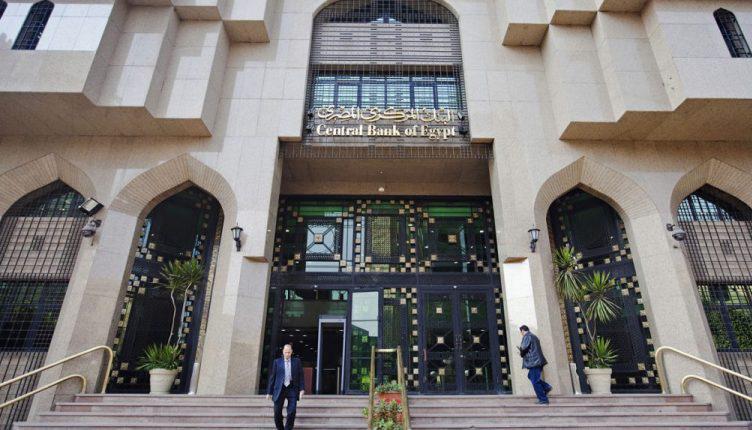
Dopay‘s plans to launch a next generation virtual banking platform are on track after the fintech is awarded a banking agent license in Egypt.
The Cairo-based bank, on a mission to drive financial inclusion, has been awarded a banking agent license through Arab Banking Corporation Egypt (Bank ABC Egypt).
In a partnership, Dopay and Bank ABC Egypt will build and implement a platform described as ‘a gamechanger for Egypt in terms of accessibility, speed and convenience of payments. Currently, 67 per cent of Egyptians do not have a bank account, while 94 per cent have no access to credit.
Businesses will be able to instantly open Dopay accounts for employees and other beneficiaries, and pay them in real-time, in accordance with the guidelines set by the Bank. Each Dopay account provides a prepaid debit card, enabling 24/7 access to funds. While, enrolled businesses benefit from a secure and cashless payroll.
“I am delighted that, after rigorous scrutiny, the Central Bank of Egypt has recognised the security and efficiency of our platform and product,” said Frans van Eersel, founder and CEO of Dopay. “Obtaining this license is a significant landmark on our journey to becoming a leading virtual banking platform in Egypt.
“I am very proud of Dopay’s team of innovators who have taken us successfully to this milestone and I am also appreciative of the support of Bank ABC Egypt. Being granted this license is also a vital next step to making our platform the foundation for delivery of many more new services to come.”
According to Dopay, it also has extensive MENA-focused expansion plans, building on established and growing operations in Egypt.
Its investor base includes Force over Mass Capital and Dutch entrepreneurial development bank FMO, as well as Techstars Ventures, Ace and Company, and the NN Group.
The Central Bank of Libya (CBL) has launched a set of projects concerned with digital transformation, banking system integrity, state financial sustainability, governance and capacity building.
This came during the Governor of the Bank, Sadiq Al-Kabir’s meeting with a number of advisors and directors of departments in the bank on Monday.
The meeting also discussed a number of files related to contributing to moving the wheel of the economy according to the vision of the National UnityGovernment, according to the CBL media office.

Huawei Mobile Services (HMS) inked a partnership with Mondia Pay (www.Mondia.com) – a leading digital payment provider, that is set to provide Ooredoo Algeria and Orange Tunisia users with safe and convenient payment options. Huawei device users can now pay for their monthly services, latest games, and favourite applications seamlessly on HUAWEI AppGallery using Direct Carrier Billing services (DCB).
With over 2.1 billion global monthly transactions, Mondia Pay aims to provide users in North Africa with secure, convenient, and contactless payment options. This integration is a result of a strategic partnership that was formalised in September 2020 and has since witnessed an increase of DCB coverage and IAP (InApp Purchase) kit capabilities for global developers.
“We are extremely proud of our continued partnership with Huawei Mobile Services, and to bring Mondia Pay’s fully integrated digital payment technology
to serve the Africa region. We remain committed to delivering innovative digitalisation and payments solutions that enable the natural progression towards cashless societies throughout the rest of Africa”, said Simon Rahmann, CEO Mondia Pay.
Adam Xiao, Managing Director of Huawei Mobile Services in the Middle East and Africa, Huawei Consumer Business Group, said, “We are pleased to partner with Mondia Pay to provide HUAWEI AppGallery users in Algeria and Tunisia with seamless, safe, and secure payment options. This partnership further cements our commitment to enable technology around the world and to provide Huawei users in Algeria and Tunisia with convenient access to services by Huawei Mobile Services.”
The service went live with multiple DCB services providers such as Ufone Pakistan, Vodafone Egypt, and Etisalat UAE.

Leadership is critical for the future of nations, organisations and individuals. Much has and will surely continue to be written and reflected upon the topic of leadership. In my humble experience being a leader is essentially about unlocking individuals’ best potential and keeping and sustaining relationships that must absolutely work out for the benefit of the collective.
In that sense, a leader’s role consists mainly of:
Juggling strategic trade-offs while managing the “good chaos”, which in turn entails
Successfully striking a balance of diverse groups’ expectations and goals.
Considering the abovementioned terms and references, which should be a Leader’s main attributes? Irrespective of being a female or a male, in today’s world aspiring managers cannot expect to become respected and accomplished Leaders without demonstrating and/or training honesty/authenticity/humanity, communications skills and resilience in the face of obstacles.
The “good chaos” refer to the many intertwined and complex factors a Leader must wisely consider. These factors can be defined as endogenous and exogenous. A traditional SWOT analysis is a useful tool to identify, distinguish and manage these factors. However, the important aspect to retain is these can either be endogenous factors, which are typically simpler to cope, and exogenous factors which can be more difficult as they represent events and/or circumstances beyond the Leader’s direct control. Why “good chaos”? It is crucial that a Leader approaches tough backgrounds with a positive, flexible and candid mindset. As it is well known, working in the context of a pandemic exposed several “new” challenges for Leaders. For instance, relocation of resources, acquiring equipment, adjustment of logistics, as measures to create the required conditions for remote work appeared, to a certain extent, easy to implement as part of organisations/institutions’ BCP/BRP (Business Continuity/

Recovery Plans). Moreover, Leaders were left with the “heavy duty” of having to adequately learn to mitigate the weaknesses and risks exposed by the advent of working in the context of an unprecedent crisis, such as social isolation, organizational cultural disconnection, family disruption, and others, which are in essence more human and socially related matters, and for which one-sizefit-all approaches are certainly less applicable.
With my teams we practice frankness and realism above all, “do not keep problems in a drawer”, I tell them, “not only that won’t sort them out, but will instead make them bigger and at some point, they will start to show”. Nonetheless, when a leader demands that level of honesty, her/him must also inspire an equally strong degree of trust. “Problems and conflicts will occur, its inherent of the human existence and the evolution of

civilisations and societies”, its often stressed during our department meetings, “what makes the difference, is how we deal with them”. This, in my view, is where emotional intelligent skills are crucial. As both the “commander in chief” and spokesperson of a team, a Leader needs to exercise self-awareness and self-regard regularly. Ultimately, a Leader is responsible for providing the tools and guidance to overcome the challenges experienced by the team, thus she/he must be vigilant, attentive, supportive, confident, vulnerable, open, inclusive, and reliable. As a two way street, trust is a key factor in the communication process among all intervenients. While team members must feel comfortable enough to convey their ideas, concerns and feedback, Leaders shall also create a safe and responsible environment for honest dialogue to take place.

“BRIDGE GAPS, DON’T DIG HOLES?”
As a Leader one is usually entrusted a vote of confidence to offer direction and accomplish a vision. In that regard, a Leader’s key success factor is its ability to manage individuals and teams of individuals, which can also be her/ his main Achilles’ heel. How to address this polarity? Important literature on Leadership states that understanding the problematic is the first step towards developing an effective action plan to resolve it. In my experience, a Leader ought to account for the unexpectant and the outliers. In exercising adaptive leadership and adjusting its practices to the challenges presented by a context increasingly marked by VUCA World characteristics, it is critical for a Leader to bridge gaps rather than dig holes. How can this be attained? An ability
to embrace necessary change without missing the targets, and a predisposition to foster constant and constructive dialogue with the different stakeholders, in my experience is a “formula” that often works. What does that mean, in practice? Turning, once again, to the working in the context of a pandemic example, as an event deemed of “low probability of occurrence and high impact”, Leaders are suddenly confronted with having to make mutually exclusive decisions. In this case, honest, timely and clear communication across the board is fundamental to i) avoid unrealistic expectations; for ii) readjusting key performance indications due to significant changed assumptions; and iii) prevent exacerbating difficulties for the groups already under considerable pressure.
As per the above, in an ever and fast evolving world, socially, technologically, and fortunately also environmentally, the concept of Leader has clearly and necessarily changed as well. The traditional and oldfashioned perception of a Leader, as an unapproachable, strict, threating individual was replaced by the coach, contributor and champion change agent. Studies and experience has proven that this human-focus rather than deliverables-focus mentality is contributing to improve the organisations/institutions/ society’s quality of interactions, values, and development while paving the pathway for the generations ahead.
1 VUCA World Concept (Volatility, Uncertainty, Complexity and Ambiguity): US Army College concept introduced in the 90s to explain the world scenario post-Cold War, and often applied by Organisations, Companies, Academic Institutions to explain complex and challenging scenarios.

In this era of the COVID-19 pandemic, safety measures in the workplace or NonPharmaceutical Interventions (NPIs), include avoiding touching items/devices. This is crucial in preventing the transmission of the dreaded virus. This goes without saying the importance of IT automation in a workplace.
IT automation involves implementing software applications that would perform repeatable instructions or operational activities, thereby limiting human interaction with computer systems. More so, the importance of technological innovation in a workplace will continue to be on an upward trajectory because humans are in the quest of finding a better and asier way of doing things.
Without a doubt, looking back at technological innovation and advancement, we can boldly state that we have come a long way in the area of software development. As a software engineer, I could remember learning specific programming languages (RichFaces, Primefaces, Google widget (GWT) etc.) to help speed up software development on specific tasks I had. My focus is not on the fact that these development frameworks no longer exist, but to appreciate how much human efforts have been put into making things easier with each technological advancement. Nowadays, we see frameworks and platforms that help non-IT professionals to achieve their day-to-day activities (referred to business as usual activities) effortlessly without prior knowledge of software
development. These frameworks and platforms are referred to as “no-code” systems. As a non-IT professional, you could do a lot with generating reports; either structured or ad-hoc reports just by dragging and /or clicking a couple of buttons.
Furthermore, having stated the advancement in technology and by extension IT automation, I will not fail to mention that this advancement has met with stiff opposition in most corporate organisations. One of the most important concerns of IT automation is job security. We all live in uncertain times where holding on to one’s means of livelihood is crucial due to the recent downward trend in key economic performance indicators (rise in inflation, high cost of living, etc.). As a result, staff for
whom aspects of their jobs can be automated are often faced with anxiety due to the uncertainty of not knowing what next if a routine they have mastered over the years is now subject to automation.
While empathising with staff who face such anxiety , the damaging effect of lack of IT automation in an organisation cannot be over emphasised. Firstly, the fear of a second and third wave of the coronavirus pandemic has been a major concern for every government around the world. In addition, mutations such as the delta variant of the virus likely means it’s a pandemic we may have to live with for a very long time. WHO and other professionals health bodies around the globe continue to advise that the less objects/devices we touch the more we reduce the chances of transmitting the deadly virus. For a corporate entity to comply with this guideline, automation is the way to go in order to reduce/prevent human touch. A good example is a paperless office space. Rather than carrying hard copy memos, letters, invites around for signing, the company should invest in approval workflow applications that would help digitise the process. Secondly, an organisation that wants to keep their staff and reduce staff turnover must embrace IT automation. Leaders need talent working on strategic priorities daily in the workplace as opposed to drudge work that can be automated. Also, IT people whose companies keep them on monotonous work are more likely to leave - for a more innovative environment where they can grow their careers. Thirdly, IT
space is now fast paced because of huge competition from new market entrants. Failing to automate processes will mean late release of a product and by the time it gets out into the market, the market would have moved on.

We cannot totally separate organisational leadership from IT automation because they drive the process. As we all know everything rises and falls on leadership of an organisation, which means the extent or lack of automation clearly shows the corporate goal of the leadership of such organisations. The motivation for automation must be tied to a business goal such as: to increase revenue and bring down expenditure. Moreover, identifying which process to automate is very important in the decision making process, because automating a process which will not have any direct impact on cost reduction and effective use of human resources is probably not a wise choice. Low skill work is a good candidate for IT automation as this allows technical staff to make best use of their time.
In addition, management has a huge role to play in communicating the importance of IT automation and assuring staff their job security. Communication is very important in an organisation because it’s a good way to disseminate organisational mission, visions, goals and objectives to the work-
force who are key drivers to the overall success of a corporate strategy. Staff should be made to realise they are an integral part of the company’s growth, as mundane repetitive tasks are being automated away, they should be encouraged to conduct research and high-order work, the type that will advance their career.
Another role leadership needs to play is the management of any resulting culture shock that may occur in driving the automation process. Staff members might feel awkward not going through their daily routine where they have direct interaction or impact in completing an operational process. Occasional interference on the process might be observed by staff that cannot help being an on-looking of the automated process. Rather than sanctions, re-orientation of the new way of working is very important at this point because the staff might be suffering from culture shock. Also, we do not expect this transition to be a flip of a switch, structured or unstructured training should be organised by the management to help hand-hold staff throughout the process automation journey so they can be culturally fit for the new system.
In conclusion, with the right vision and strategies properly aligned to corporate business strategies, process automation would be the first step towards self-learning processes where the system would be able to monitor and self-test itself leading to excellent business processes and service delivery.
This investment reflects strong support for Wapi Pay’s value-forusers approach. Simplest, fastest, cheapest way for African SMEs and businesses to pay in Asia.
• Funding will help Wapi Pay engage regulators for licensing across Africa, and drive higher and sustained growth,
• This non-equity pre-seed raise is one of the largest for Fintech in Eastern Africa
• Build value for Wapi Pay’s existing and potential customers by broadening its suite of products.
Wapi Pay, based in Singapore and headquartered in Kenya has raised $2.2 Million in pre-seed funding to scale up global payments and remittances between Africa and Asia. Making international transfers faster, easier and much cheaper.
The investors included EchoVC & China based global fund MSA Capital, who have invested in domestic Asian unicorns such as Meituan and NIO, and international unicorns such as Nubank and Klarna. Additional investors include Kepple Africa Ventures.
Existing investors are Future Hub, Gobi Ventures and Transsion Holding.
Eddie Ndichu, co-founder at Wapi Pay commented on this
funding milestone:
“These funds will help Wapi Pay diversify our products range and drive growth so that we can evolve remittances into real-time global cross-border payments, starting with Africa and Asia. All while minimising the cost of transactions, it needs to be as easy as sending M-PESA”
EchoVC commented on this funding milestone:
“Wapi Pay is an exciting fintech that is removing friction in an enormous payments space for Africa and powering the circular trade economy. As the symbiotic relationship between Africa and Asia deepens, Wapi Pay’s ecosystem of services will become increasingly critical to bridge and drive economic value between the two continents. We look forward to working with Paul and Eddie on this next phase of growth.”
MSA Capital commented on this funding milestone:
“Africa to Asia is a large trading corridor overlooked and underserved by tech today. We believe Wapi Pay is the best team to build the necessary infrastructure to support its growing trade volumes. We are excited to support with our extensive China fintech network and playbook.”
How Wapi Pay Works:
Wapi Pay focuses on the Africa-Asia remittance corridor. China-Africa trade jumped 27% to $52.1 billion in the first quarter of this year 2021 compared with 2020, buoyed by the recovery of economies after the coronavirus pandemic.
Today traders have to endure high remittances fees of up to 15% of the amount, waiting period of up to five days, and are exposed the high risk of consistent reversals due to unmatched instructions, with Wapi

Pay the cost reduces to below 3% and same day payout.
Sub-Saharan Africa remains the most expensive region to send money to and out, according to the World Bank, with the average cost of sending $200 being 8.02% of the principal amount compared with 4.64% for South Asia, the lowest cost globally.
Seamless payment platforms such as Wapi Pay can greatly ease trade and investments, according to Ndichu.
“Wapi Pay bypasses traditional payment networks, optimising efficiency and cost for our customers. Users choose the delivery channels they want such as Bank to Bank, Wallet to Wallet, Bank to Wallet and Wallet to Bank options to transfer funds as well as make merchant payments, with settlement done within 24 hours.”
Wapi Pay is in China, Singapore, Indonesia, Japan, Thailand, Philippines, Malaysia, India, Taiwan and Vietnam — working with local banks and platforms.
Wapi Pay targets to process $500 million in remittances by the end of 2022, grow the number of registered suppliers and beneficiaries in Asia to 100,000; and sign up at least 500,000 merchants, traders and businesses in Africa.
A Memorandum of Understanding (MoU) was signed, in Port Louis, between the Small and Medium Enterprises (SMEs) Division of the Ministry of Industrial Development, SMEs and Cooperatives (MIDSC) and the Mauritius Post Ltd (MPL) so as to provide an e-Commerce Platform for SMEs and Cooperatives registered with the SME Registration Unit.
The signature ceremony was held in the presence of the Minister of Industrial Development, SMEs and Cooperatives, Mr Soomilduth Bholah, and the Minister of Technology, Communication and Innovation, Mr Darsanand Balgobin.
Through this MoU, the MPL will be able to offer efficient business solutions comprising e-commerce solutions and marketing facilities including delivery services to registered SMEs and cooperatives. The MIDSC will be responsible for engaging with SMEs/Cooperatives to adopt and use the solutions offered by the MPL.
The objective is to give more visibility to the e-commerce solutions offered by the MPL and to the SMEs/Cooperatives using
the solutions. The incentives and assistance provided by the MIDSC and the preferential tariffs provided to registered SMEs/ Cooperatives would attract more SMEs/Cooperatives to register with the MIDSC while boosting their businesses.
In his keynote address, Minister Bholah recalled that the vision of MIDSC is to foster a transformative and pioneering SME Sector crafted on innovation, opportunities and inclusiveness whilst its mission is to provide technical, professional and managerial support to SMEs through the creation of an appropriate framework for business development and growth.
He recalled that amid slowing economic activity, COVID-19 has led to a surge in e-commerce and accelerated digital transformation. Digitalisation and innovation are key for the survival of the SME and cooperative sectors, he added, and appealed to enterprises to rethink about their economic models since businesses and consumers that were able to ‘go digital’ during the COVID-19 pandemic have helped mitigate the economic downturn.
Minister Bholah underlined that in a bid to create an appropriate
framework for business development and growth of SMEs, the SMEs Division of the MIDSC has been upfront in exploring the possibility of having an electronic solution, namely an e-Commerce Platform with secured online payment facilities for SMEs to market their products locally, regionally and internationally.
For his part, Minister Balgobin dwelt on the need to create a conducive environment to facilitate the digital economy and to promote a transformative approach based on opportunities, inclusion and innovation.
He recalled that the MPL has developed and adopted an e-Commerce and online trading and payment platform. With its recent migration to the Post Global Postal System, the MPL is able to cater for the operations of different models of e-commerce platforms in Mauritius, he said. He also announced that the MPL will set up a special e-Commerce unit.
Furthermore, he indicated that its e-Commerce solution coupled with its network of 114 Post Offices and accompanying delivery logistics and shipment facilities to 660,000 postal access points across the world will facilitate the exchange of physical goods between buyers and sellers and ensure payment electronically or otherwise.
Rwandese authorities have approved the KCB Group deal to buy Banque Populaire du Rwanda (BPR) from London-listed financial services firm Atlas Mara Limited.
Atlas Mara made regulatory disclosures that it had obtained approvals to sell its banks in Rwanda and Botswana.
The firm said it was awaiting approvals from Tanzania where KCB Group has also set sights on African Banking Corporation Tanzania (BancABC).
KCB Group announced in November it had signed a deal with Atlas Mara to buy 62.06 per cent stake in BPR and a 100 per cent stake in BancABC.
“The Company has secured regulatory approval for the transactions with respects to its investments in Rwanda and Botswana, and parties are now in the process of concluding precompletion conditions. Regulatory approval is pending with respect to the transaction with respect to its investment in Tanzania,” Atlas Mara said in the regulatory filing posted on its website.
High rate of financial inclusion and digital banking have forced Kenyan lenders to look outside the Kenyan local markets for growth.
Mr Oigara said the transaction is part of KCB’s “ongoing strategy to explore opportunities for new growth while investing in and
maximising returns from the Group’s existing businesses.”
The push for bank acquisitions has seen KCB battle with Equity Bank Group for regional domination in the race for boosting their asset base to over Ksh1 trillion ($9.2 billion).
KCB Bank and Equity Group have been top rivals, battling for superior customer base and assets to grow market share which has sent them on a trip of regional acquisitions.
The KCB deal came months after Equity Bank Group called off its plan to acquire four subsidiaries from Atlas Mara Limited in a move aimed at preserving its capital in the wake of the Covid-19 pandemic. The parties had initiated talks in April last year, but the negotiations targeting Atlas Mara’s units in Rwanda, Zambia, Tanzania and Mozambique dragged on until the pandemic hit.
Equity Bank then acquired
Belgian tycoon George Forrest’s 66.53 percent stake in Banque Commerciale du Congo (BCDC)for Ksh10.4 billion ($96 million).
The Kenyan lender had already bought 86 percent shareholding of ProCredit Bank between 2015 and 2017 and renamed it Equity Bank Congo, then merge it with the new acquisition to create Equity Commercial Bank of Congo (Equity BCDC) biggest foreign bank in DRC.
SPENN, a financial technology company with a cost-free mobile banking application powered by I&M Bank, has signed a partnership deal with Espoir Basketball Club valued at Rwf15 million to promote digital payments.
The one-year agreement will be implemented in the 2020/21 season with a possibility to extend the partnership in the future.
SPENN has the mandate to promote financial inclusion, by connecting the banked the unbanked population in Rwanda.
Participants at the signing in ceremony at Amahoro stadium.
Transactions that can be performed on the platform include sending and receiving money, opening a savings account with annual interest, performing global airtime purchases, bills payments, paying in-store and many more according to Norbert Haguma, the Country Manager of SPENN Rwanda.
Haguma added that SPENN also allows businesses to perform bulk payroll via SPENN Business and facilitates online payments via the SPENN e-commerce payment solution known as SPENN Connect.
He further revealed that the partnership with ESPOIR Basketball club will encourage all fans to explore the benefits of SPENN.
“Each time a fan is fully registered on SPENN, when using the referral code “espoir”, Rwf500 is contributed to ESPOIR Basketball club. This is also an opportunity for ESPOIR Club fans to show how powerful the ESPOIR brand is. It is also a big step in the direction of the country’s vision to monetise and support professional sports,” he said.
Under the agreement, he noted, at least 20,000 fans for ESPOIR Basketball club will register in SPENN.
Pascale Mugwaneza, the vice president of Rwanda Basketball Federation, speaks during the event.
“The club has leadership and fans. We hope it will have more fans,” he said.
Norbert Mwanangu, the General Manager-Retail Banking and Digital Experience at I&M Bank Rwanda Plc said that the Bank values cashless solutions saying that SPENN amongst the best solutions not only for their customers but also anyone in the market looking for convenience.
SPENN was launched in partnership with I&M Bank Rwanda Plc in 2018 and currently has more than 300,000 clients registered on the platform and is so far available in
four countries across the globe.
“The Bank’s partnership with SPENN will ensure continued offerings of simplified banking solutions and we are looking into preparations of business offers for SPENN users,” he said.
Albert Tuyishime, the Vice President of ESPOIR Basketball club said that the club has 60 years of experience and will play a big role in marketing the SPENN product.
“We have platforms for our fans and we hope they will be even better organised. The one-year partnership with SPENN is the first step towards a sustainable partnership,” he said.
He said that the partnership will also improve working conditions for players in competitions as the club gains more financial support thanks to the partnership.
The Vice-President of Rwanda Basketball Federation, Pascale Mugwaneza commended ESPOIR Club efforts in basketball development in Rwanda especially in raising youth’s talents.
She said that the partnership between the club and SPENN is one of the ways to build the financial capacities of clubs in Rwanda.
Equity Bank Rwanda has unveiled a one-year campaign that seeks to promote the usage of different Visa cards to pay for goods and services.
The campaign dubbed “Ikarita ikora hose: card that works everywhere” will see customers win exciting prizes ranging from household appliances, brand new laptops, shopping and travel vouchers as well many other exciting monthly prizes from June to December 2021
The Bank offers debit and credit card services and is on course to introduce other prepaid cards.
On Wednesday, June 18, two new debit cards were also launched. These include USD-denominated Equity Bank Visa Gold Debit Card and Equity Bank Visa Infinite Card.
In light of the Covid-19 pandemic, Equity Bank said all cards issued by Equity are contactless, a feature that shortens the amount of time that a customer spends when making payments in crowded stores such as supermarkets, hotels among others.
The key insight behind this campaign is that customers lose a lot of time going to the ATM to withdraw cash.
The cards can also be tapped on a POS machine and make payment without necessarily being inserted into it.
Hannington Namara, the Managing Director of Equity Bank Rwanda, explained that USD-Visa Gold Debit Card is the first of its kind on the Rwandan market and targets to provide convenience to the bank’s customers, who are looking to make online or in-store transactions in the USD currency.
He said that the card will enable the Bank’s customers to carry out transactions in USD currency for free.
Those to use the USD card will have an account linked to it.
Equity Bank Rwanda will soon issue Prepaid Visa Cards to its customers and they include Equity Bank Visa Infinite Card, a premium card that gives cardholders free travel insurance that covers the spouse and children plus unlimited access to more than 800 airport lounges all over the world.
“We are excited to launch this promotion that has been designed to create awareness about the different types of cards as well as the different benefits that customers get when they choose Equity Bank Visa Cards,” Namara said, “This promotion will go a step further and reward those who use their cards to make payments both online and in the store.”
The campaign will educate customers about each type of card, the different outlets or locations
that accept Equity Visa Cards whether it is online, in the store locally or abroad when they have travelled, he added.
Equity Bank’s Director Commercial, Jean Claude Gaga, says that the cards offer an affordable and secure solution to the customer and will go a long way in providing the muchneeded convenience and freedom.
“Our promise is to continue to give Rwandans more convenience, comfort, and control of their financial needs, by saving time and costs while carrying out transactions especially as we continue to observe safe health measures against covid-19,” he said.
Salma Ingabire, Country Director for Visa in Rwanda said, “We are delighted to partner with Equity bank on this timely campaign to enhance the adoption of digital payments as well as inspire and inform merchants and consumers on the benefits and effectiveness of using Visa cards.”
She said that VISA operates in over 200 countries worldwide and has over five billion cards in the payment network working over 15,000 banks.
“We have data centres with technology that makes payment secure,” she said.
Equity Bank Rwanda began its operations in 2011 and is registered as a commercial bank by the National Bank of Rwanda.
The Bank has a foot-print of 15 branches and is supported by 2800 agents, 1224 merchants and a network of 21 ATMs.