MODERNISATION OF PAYMENT SYSTEMS
EVERYTHING YOU NEED TO KNOW ABOUT NFTS
CARDANO AFRICA: BREAKING DOWN BARRIERS
INVESTING IN AFRICA’S LOCAL AND GLOBAL TECH POTENTIAL
DIGITAL BANKING IN EMERGING MARKETS







MODERNISATION OF PAYMENT SYSTEMS
EVERYTHING YOU NEED TO KNOW ABOUT NFTS
CARDANO AFRICA: BREAKING DOWN BARRIERS
INVESTING IN AFRICA’S LOCAL AND GLOBAL TECH POTENTIAL
DIGITAL BANKING IN EMERGING MARKETS
Welcome to the spring edition of Digital Banker Africa! You could say we have a ‘spring’ in our step, as we are proud to announce our new partnership with Mastercard. This new strategic partnership further underlines Mastercard and Digital Banker Africa’s emphasis on innovation, safe and secure payment services and extending financial inclusion.
Our front cover story features Gerald Nyakwawa Chief Association Executive of DFPAZE who discusses the digital transformation currently taking place in Zimbabwe.

“New beginnings bring about opportunities for transformation” says Austin Okere as he introduces us to his five forces model.
We also take a look at the top 10 women to watch in Banking and Finance presented by the Angaza awards.
As the prospect of a cashless Africa grows we will continue to keep our readers abreast of the changes, challenges and of those who continue to shape the digital banking space.
Happy reading !

THANK YOU TO OUR CONTRIBUTING
IN DBA SPRING 21
JOHN KANE
Chief Innovation Officer
Tyme
RACHEL FREEMAN
Chief Growth Officer
Tyme
ALI HUSSEIN KASSIM
Co-Founder & CEO
Kipochi
AUSTIN OKERE
Founder, CWG Plc and Entrepreneur in Residence, Ausso Leadership Academy
AZUKA MORDI
Market Product Management, Digital Payments and Labs (West Africa) Mastercard
MURRAY GARDINER
MD of Bluecode Africa
IAN LESSEM
Managing Partner HAVAÍC
TREVOR CRACKNELL
Head of product Finteq
NOLWAZI HLOPHE
Deputy Director Financial Regulation and Supervision Digital Frontiers
DARE AYANWALE
Payment System Specialist Nigeria Inter-Bank Settlement Systems PLC
RYAN MER
Managing Director Eftsure
MAYOWA AGBELUSI
Central Bank of Nigeria
Editor:
Anthony Bempong
Executive Editor:
Noel Morrison
Deputy Editor: Henry Scott
Art Director:
Pritesh Patel
Layout Designer
Abdhesh Kumar Jha
Chief Sub:
Kwabena Mensah Bonsu
Head of Online Development:
Lee-Anne Doughlin
Online Development:
Gerald Hutchfull, Paulette Davidson
Subscription Manager:
Stephen Rock
Marketing Manager: Siobhan Copland
Marketing Assistant
Jason Hall
Circulation manager:
Nathan Asare
Head of Sales:
Michael Scott
Production Editor: Rebecca Mcglynn
Business Development: James Walters, Lloyd Quansah, Paul Da
Associate Producer:
Dean Kirby
Head of Accounts: Wayne Sykes
Publisher:
Percival Marshall
ISSN 2752-4485 www.digitalbankerafrica.com
Images by www.istock.com
All information contained in this publication has been obtained from sources the proprietors believe to be correct, however no legal liability can be accepted for any errors. No part of this publication can be reproduced without prior consent from the publisher.
The financial crisis of 2008 changed the global economy to a great extent. It also changed the method of the traditional banking and finance industry by providing cost-efficient and fast financial services to a wide range of customers. Digital banks are now providing financial services to the under banked and unbanked population. Technological advancements also paved new paths for financial institutions with the inclusion of block chain, artificial intelligence, machine learning, etc. Customers are able to access a wide range of financial services by a single click. Currently there are many neo banks and challenger banks working in Africa to provide tech driven technological products. Both of the terms are used interchangeably while referring towards digital banking. But these two terms are different from each other on the basis of their features.
A Neobank is a digital bank that is entirely cloud based without any traditional branch network. Neobanks can be called fintech firms that provide digital and mobile-first financial solutions payments, money transfers, money lending, and more. The idea was first launched in 2010, to offer better financial solutions to new start-ups and SMEs.
Neo banks provide limited financial services as compared to the traditional banking systems but they provide cost-efficient services. Usually, they pay higher interest rates to their customers. The fees charged by neo banks are very low as compared to the traditional banks thus making them more popular among customers in the modern banking industry. Neo banks appeal to the customers who more rely on digital transactions and like to manage things by just using simple apps on their mobile phones .Few examples of neo banks in Africa includes Cowrywise,

PiggyVest, Chippercash and SOLwallet.
Neo banks are different in their nature of operations from the traditional banks. They do not provide credit in the form of overdrafts. They make partnerships with traditional banks to insure the deposits of their customers. Neo
banks are not chartered with federal regulators or banks. They provide online banking services mainly based on mobile phone apps.
Neo banks offer flexibility to SMEs and new startups as they have limited liquidity reserves. They provide many financial services to SMEs which include expense management, automated accounting services, etc. They help them against their corporate

financial challenges. Lidya is an African neo bank which provides affordable credit options to small and medium size businesses with the help of online platforms.
As neo banks don’t have a license, they are dependent on their partner bank inorder to operate. They provide checking and saving accounts, financial education tools, payment, and money transfer services. To minimise their risk and costs, neo banks offer limited credit. They may offer loans to their customers through their partner traditional banks or credit unions. Some of the neo banks were previously working as lending firms. Now they provide both deposit and loan accounts. An example of such a kind of neo bank is Eversend.
In the case of a neo bank, the customer only needs to create an account on their platform and sign in. After signing in, he can enjoy the services offered by the bank. But it should be kept in mind that they do not replace the traditional banks as financial services provided by the neo banks are very limited. They cannot meet the demands of each type of banking customer.
Some neo banks allow customers to link their traditional bank account with them. It is very important for the customers to check that their neo bank is offering federally insured deposit accounts or not. As in the case of non-insured deposit accounts, their money is exposed to
unnecessary risk. As neo banks don’t possess a license so they ally with other traditional banks or credit unions so they can offer FDIC insurance on the deposited money.
Existing traditional banks also recognised the importance and demand of the neo banking products and services. They also started providing similar products and services to compete with the neo banking industry. They introduced products that attract the under banked and tech-savvy consumer base.
These are the small-size retail banks that also use digital platforms along with the physical presence to provide financial services. Although their physical presence is on a small scale they differ from neo banks as they provide both traditional banking services and fintech-based operations. There are almost 100 challenger banks currently operating around the globe. Tyme, Discovery, Bank zero and Barko financial services are few examples of African challenger banks.
Challenger banks could be subcategorised into digital challenger banks, Commercial lenders, and challenger banks with physical branches.Where digital includes entirely online organisations like Tymebank. Barko financial services bank is an example of a commercial lender.
The main difference between a challenger bank and a traditional bank is that they focus on providing an online customer experience. They offer a wide range of products to their customers which is easily accessible and provide better interest rates.
A survey done by Moneyfacts found that the challenger banks are providing 11 additional financial products as compared to the traditional banks. They also found that on a 1 year fixed rate bond, challenger banks are offering a 0.66% higher average return.
Challenger banks are continuously introducing innovation in their products and services to meet the diverse needs of the current finance industry.
Following are some main differences between both banking industries.
Challenger banks have some physical branches as well as an online banking platform. While neo banks were started in 2017 to bridge the gap between traditional banking financial institutions and fintech. They are a cloud-based online system without any local branches.
Accounts, Services, and products offered
Challenger banks offer business as well as personal accounts to a wide
range of customers and businesses. They work as digital banks and provide technology-based products and services to the customers who were under-served by the traditional banking sector.
Neo banks also provide personal as well as business accounts. But they mostly focus on providing technology-driven products and services to SMEs and new startups. They work as online financial technology firms and provides necessary corporate financial needs.
Challenger banks have banking licenses so they can provide a wide range of financial products and services. They can issue credit cards and grant loans.
Neo banks don’t have any licenses. They can provide these financial services only when they have a partnership with some licensed traditional bank or credit union. Some banks started business as neo banks but they got licensed later on and become challenger banks.
Depending upon the customer’s need, challenger and neo banks are providing innovative technologydriven products and services. They are going to make rapid speed with the increased usage of digital banking in the coming decade. This decade started with the spread of a deadly virus Covid 19 which affected almost every sector of the economy. Neo banks and challenger bank’s digital services are the best options in the current scenario.

Tyme is a digital banking group focused on empowering financial inclusion in emerging markets by integrating banking into physical retail ecosystems. Tyme originally started as a domestic remittance fintech in 2012 in South Africa, but quickly realized that the key to financial empowerment is through regulated financial institutions. In 2017, Tyme obtained a full banking license from the South African Reserve Bank and launched TymeBank in February 2019. Within 12 months from launch, TymeBank acquired > 1 million customers. TymeBank now has 3.2 million customers and is one of the fastest growing digital banks in the world.
Tyme stands for providing simple, efficient, and responsible banking. We believe well designed financial services can help even the most vulnerable in society take advantage of economic opportunities, and better deal with potentially devastating life events. At Tyme, we are driven by the conviction that broadening economic participation is the foundation for human growth. Digital technologies today offer us the tools to rebuild banking for the under-banked and underserved. However, we don’t believe that having a smart phone and using social media necessarily translates into a customer trusting a digital bank with their savings.
Launching a successful digital bank has universal challenges that all institutions will face, whether in developed markets or emerging markets, but digital banking in emerging markets does carry some unique challenges in order to gain a widespread, mass market customer base.
John Kane chief innovation officer
Tyme
Rachel Freeman
Chief Growth Officer
Tyme


• A digital bank must secure meaningful access to customers. A first interaction seems easy on a smartphone, but these can actually be very
difficult to manufacture. Most potential customers are blind to digital advertising, and onboarding on the phone can be cumbersome for even the most digitally savvy. Combine these challenges with the need for the customer to first download an application before they get to the onboarding process, and you are asking a lot of a customer you have never engaged with before. The negative cost effects of this are compounded by the fact that the ability to acquire customers is constrained by marketing spend, and creating brand awareness through digital advertising often reduces efforts in customer education, a crucial element of long-term digital banking customer adoption and financial return. In our experience, the costs of acquiring customers are really the costs of acquiring active customers, and education, not brand awareness, determines the activity level of a customer.
• A digital bank must develop a strong trust relationship with the customer. Trust in the digital banking brand is the single most important indicator of continued usage. Creating trust is difficult even in markets with strong depositor protection. Creating trust takes time and is expensive, requiring significant investment by the digital bank. This starts with a positive onboarding experience, but customer onboarding processes can be intimidating leading to substantial drop off. And, while the apps may be easy to use, a customer’s lack of understanding of the channels and products can translate into no or low usage of many services.
The above challenges are universal to all digital banks, no matter how developed the market, but digital banking in emerging markets with lower access to financial services and digital and financial literacy brings several new challenges. A digital bank must engage even closer with its clients to secure both the access to the customer and, more importantly, the trust in order to gain long-term adoption and active customer usage.
more specific challenges To digiTal banking in emerging markeTs are:
• Ease of cash in – cash out: A digital bank must ensure the ability to easily move cash to digital and back to cash. Currently, over 90% of transactions are cash-based in emerging markets so cash is still king. This means that to believe in digital money, customers must also believe that they can turn cash digital and back anytime they want. There must be as little friction as possible in daily spending patterns and transacting, as cash has its issues but has little friction in transacting.
• Ease of location: A digital bank must have ubiquitous points of representation. Customers will only test out the digital bank if it is easy to find and engages the customer where the customer already is. In emerging markets, a digital bank builds trust through physical locations, where customers
can see the institution in their own respective ecosystem. Customers will only continue to use the digital bank’s products and services if the digital bank is embedded into the customers’ ecosystem.
• Ease of understanding digital channels: a digital bank must meet customers where they are in their digital journey. Customers are looking for their digital bank to walk the path to digital with them. Channels must reflect where the customers are now and enable them to steadily engage digitally together. The assumption that all (or even the majority) of customers are already digitally savvy and ready for digital financial services risks offending the customer – a dead end for all engagement.
• Ease of understanding products: a digital bank must engage deeply on its product mix and not err on the side of too many or too complex products. Payments can be the ticket to play, but it is not the prize. While also addressing 100% of the market’s needs is too complex and leads to too large an organization, a digital bank that meets too few needs translates into the game of diminishing returns as the digital bank is too easy to substitute.
TymeBank in South Africa. In solving these challenges, we took a customer-centric approach that looked at the average South Africans’ daily challenges and established solutions and channels which would unblock any impediments that they have in accessing banking in their own individual ecosystems.
reTail ouTleTs wiTh a naTional fooTprinT was our firsT sTep To secure ubiquiTous poinTs of represenTaTion in The cusTomer’s ecosysTem. Tymebank formed a long-Term sTraTegic parTnership wiTh picknpay and boxer sTores, allowing iTs cusTomers To bank where They shop, aT picknpay and boxer sTores around The counTry. cusTomers can boTh onboard and acTivaTe The accounT aT The sTores, allowing cusTomers To engage in Their banking in Their mosT used ecosysTem, Their grocery sTore.
fully KYC’ed bank account in under 5min, without the need for any paperwork (just an ID number and a cellphone). Customers can open a fully FICA-compliant bank account and receive their personalized Visa debit card at a TymeBank kiosk in under five minutes. After receiving the debit card, customers may transact straight away at the store cash register, allowing easy cash in – cash out while buying your groceries. This means that across South Africa, customers have 14,000 till points (cash registers) for cash in – cash out, embedded right into their grocery shopping experience.
And third, to provide customer education, we placed Ambassadors at these kiosks in the retail outlets. The Ambassadors assist customers through our digital onboarding journey as well as educate them on how to use our products in our channels. Our in store Ambassadors are local, formally unemployed youth from the local community who play a pivotal role in driving customer trust.
The above is the conceptual framework in which Tyme launched
Secondly, to enable easy customer onboarding, we developed the TymeBank kiosk which opens a
Using this approach, TymeBank fundamentally changed the banking landscape in South Africa by offering easy to access, transparent, and customer centric financial products and services for the mass market - for all South Africans. With our success in South Africa, Tyme’s next deployment will be in the Philippines. With over 70% under-banked and unbanked, the Philippines is the ideal next market to test Tyme’s unique model for digital banking.







Join us as we celebrate the Top 10 Women to Watch in Banking and Finance (East Africa) and launch the 2021 Angaza Pan-African Awards which will spotlight leading women across the Continent who are shaping the financial services sector
Tuesday, 8Th June 2021 • Zoom evenT
2 - 3 p.m. West africa Time
3 - 4 p.m. south african standard Time
4 - 5 p.m. east africa Time
https://kenyanwallstreet.com/top-10-women-in-banking-and-finance

BroughT To you By regisTraTion

KeynoTe speaKers
Dr. Nancy Onyango
Director, Office of
Internal Audit and Inspection at the International Monetary Fund
Gail Evans New York Times Best-Selling Author



No one ever saw the coming of the seismic shift that was caused by the CoronaVirus. One thing that a number of us predicted correctly as we ushered 2020 was the increased focus by Policy Makers and Regulators on Big Tech and Fintech.
Boy, were we on the mark! From Alibaba’s Ant Group about to hit the reset button courtesy of the Chinese Communist Party to America’s Big Tech antitrust woes, stuff really hit the fan. Not a moment’s boredom.
As we enter the second month of the 2nd quarter what’s your 2021 shaping to look like?
Ali Hussein Kassim Co-Founder & CEO Kipochi

Here are my predictions for the rest of the year.
1
IOT will finally enter mainstream usage at scale. Companies like Schneider Electric with their industry leading tech will become even more interesting. How will this affect the banking sector? IOT will make access to data for credit risk assessment easier to access. Technologies such as device-to-
device communication protocols and sensor implementation will allow asset management companies access relevant data across fields such as retail, agriculture for enhanced decision making.
2
We’ve seen a concerted Global Backlash against Big Tech. First by governments and now by consumers. Techlash will now enter the mainstream lexicon. Techlash is the term first coined by The Economist to describe this new phenomenon. The Oxford English Dictionary defined the word as “A strong and widespread negative reaction to the growing power

and influence of large technology companies, particularly those based in Silicon Valley.”
3
Digital Transformation will accelerate. Accelerated because of COVID-19 in 2020 it will become mainstream. Industries like Media, that have already been decimated by forces like Big Tech, will accelerate their transformation or die. We are already seeing the effects of that across Africa as tech startups, especially in the Fintech space, are raising humongous amounts of money to upend the hegemony of the incumbents. Players like Flutterwave and Interswitch are now more valuable than many banks on the continent.
4
The pace of consolidation in the tech industry will slow down as policy makers and regulators come to terms with the clear and present danger of too much economic power in industries
controlled by a handful of private capitalists. We are already seeing this play out in America where the Justice Department has frustrated the acquisition of Plaid (a financial services company based in San Francisco, California. The company builds a data transfer network that powers fintech and digital finance products) by Visa Inc, an American multinational financial services corporation headquartered in Foster City, California, United States. It facilitates electronic funds transfers throughout the world, most commonly through Visabranded credit cards, debit cards and prepaid cards
5As regulation becomes ubiquitous, companies, large and small, will learn to live with it and even thrive. There is no choice in this as you will either have a seat at the table or be on the menu.
6
From a purely African perspective we will see an increased number of smartphone users coming online
driven by cheaper smartphones and the Use Now Pay Later phenomenon that Telcos are using in partnership with various players including Google. This will drive more usage of services like digital banking and eCommerce.
7
From a business perspective, more SMEs will adopt Work From Home options driving further the adoption of technologies like Employee Productivity Tools that include virtual meeting platforms. Enter the tech-enabled workspace.
8
Last but not least Government is in on the game. From Digital Taxes that have become the rage the world over to more enhanced and digitally enabled Government to Citizen communication. This is manifesting itself more through the introduction and in some cases expansion of government services via eCitizen Portals, digital IDs and taxation.
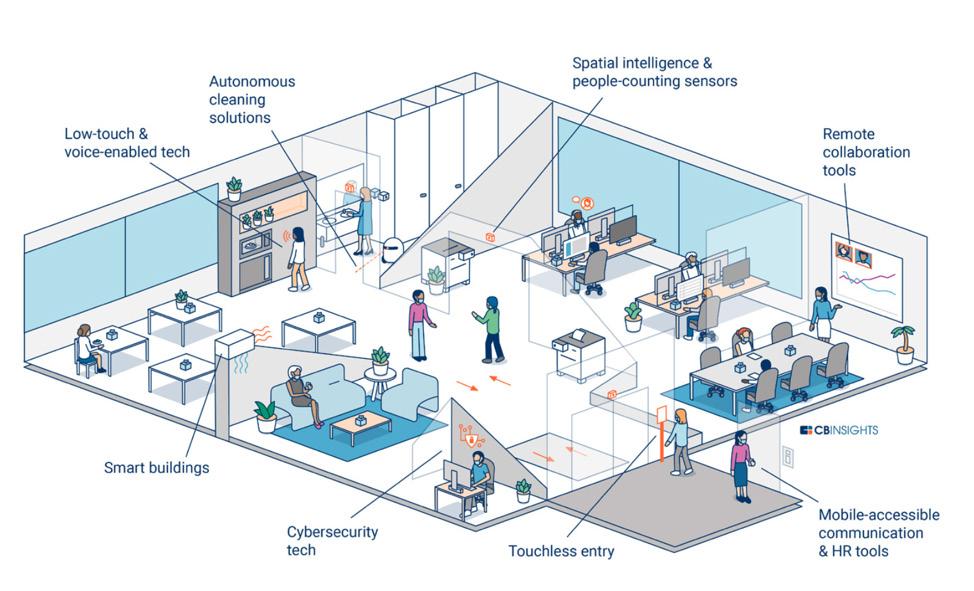
New beginnings (such as the current pandemic) bring about opportunities for transformation if we suppress current realities and augment possibilities. This enables us to adopt agile strategies to create new systems which then become our new realities. I have codified below, the relation between Transformation, Vision, Team, Time, Resources and Resolve in a model which I call the Austin’s 5 Forces Model for Transformation.
Transformation, Social-Political, Economic or Business, rests on five forces as follows:

A great vision is the first force and the crux of any transformation journey. Singapore under the leadership of Lee Kwan Yew provides a perfect example. Lee Kuan Yew was the first and longest-serving Prime Minister of Singapore.
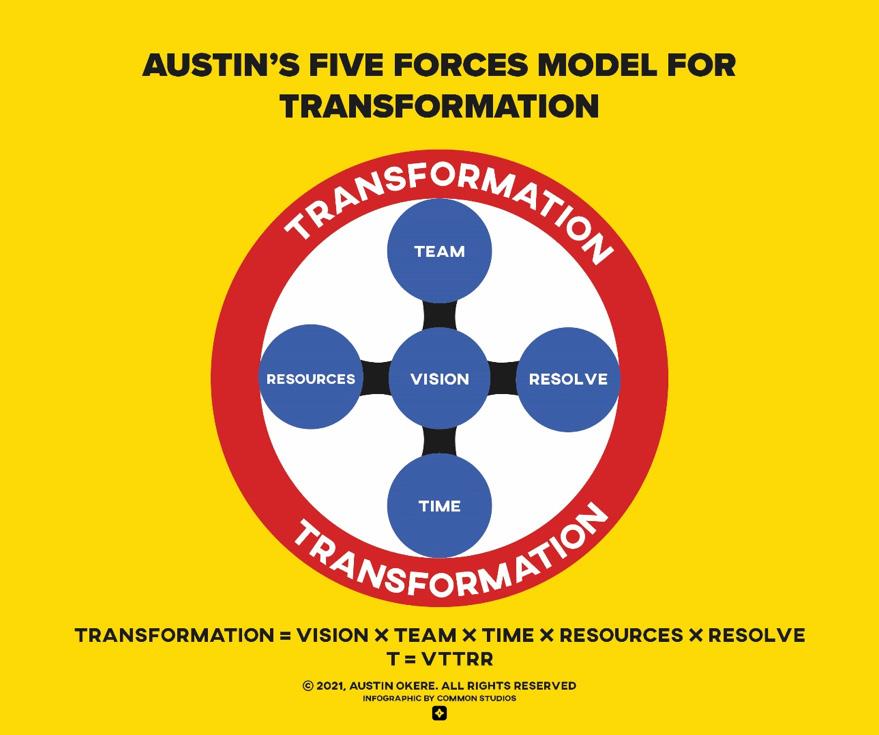
It was his leadership that transformed Singapore from a third world country into a thriving metropolitan city in just three decades. His famous saying “The Impossible Can Happen!” encapsulated the power of his vision. The clarity of the vision engenders team conviction.
The second force of the transformation journey is a high performing team or a winning team. A winning team has both Aptitude and Attitude, and consistently demonstrate a keen sense of critical thinking, pace, and agility. They have a deep sense of alignment to the vision and autonomy to operate freely, while keeping an eye on the big picture. They understand the WHY of their roles and not just the WHAT and HOW. Such a team led by a visionary leader is a lethal force for transformation. At its height, NASA estimates that a total of 400,000 men and women across the United States were involved in the Apollo programme. Neil Armstrong and his right-hand man Buzz Aldrin on the lunar landing module are exemplary of a great team.
The third force in the transformation journey is time. This is the most significant limiting factor of all constraints. The whole Apollo project would have been futile if their fiercest competitor, Soviet Union, had been able to achieve it first.
While resources are not unlimited, they must be provided in adequate measure to prosecute the vision. Reaching the moon was a giant leap for mankind. The Apollo program’s total cost was about $25.4 billion, about $152 billion in today’s dollars. Hundreds of companies helped construct the Apollo spacecraft, while Neil Armstrong, Buzz Aldrin and Michael Collins exhibited great resourcefulness complimentarily. The rapid prototyping and deployment would have been impossible without that kind of Resources that were made available, and the resourcefulness of the team.


Of all the forces for transformation, perhaps the most crucial is Resolve. It is this Will Power to succeed that determines the fortune of a venture. It is resolve that drove Thomas Edison in the discovery of the electric bulb. Edison and his lab associates, called “Muckers,” conducted thousands of experiments to develop the electric light bulb. To make it functional, each step required the invention of a new component, from vacuumed and sealed glass bulbs to switches, special types of wire and meters. Like previous efforts, the greatest challenge was coming up with a material that could serve as a long-lasting filament. After testing thousands of materials, including over 6,000 types of plant growths, they found the best substance was carbonized cotton thread.
It is resolve that made an obscure team such as Leicester City win the English premiership league in 2016 against more formidable and established opponents such as Manchester United, Manchester
City, Chelsea and Liverpool. Resolve speaks to the tenacity of the team to achieve the vision.
I will like to give credit to all transformational leaders, whose works have provided valuable insights, and also to my dear Son, Omimi Okere, of Common Studios for correctly interpreting my model in an aesthetic schematic.


is the Founder of CWG
the largest security in the technology sector of the Nigerian Stock Exchange, and Entrepreneur-in-Residence at CBS, New York. Austin also serves on the Advisory Board of the Global Business School Network, and on the World Economic Forum Global Agenda Council on Innovation and Intrapreneurship. Austin now runs the Ausso Leadership Academy focused on Business and Entrepreneurial Mentorship.
f cf Ta )

There is very little formalized trade going on between African countries. Intra-continental trade, the average of exports and imports between countries in the same continent, was around 2% between 2015 to 2017 in Africa, compared to 47% in America, 61% in Asia, 67% in Europe and 7% in Oceania (UNCTAD, 2019). This is because intra-African trade is largely informal, yet it accounts for over 60% of regional trade (OECD, 2020). This trade is usually conducted by small businesses and individual traders in goods which may be legal on one side of the border and illicit on the other side due to not having been subjected to statutory border formalities such as

customs clearance (AfDB, 2012). Informal trade can be beneficial to those living near borders as it provides livelihoods, contributes to job creation and ensures food security through the trade of agricultural products, but it comes at the cost of reduced tax revenue and undermines policy-making efforts.
Due to low levels of financial inclusion in Africa, this trade is largely financed through informal financial systems, making it difficult to measure the value of sub–Saharan Africa’s share of global trade. The formal financial channels for cross-border transactions are too expensive for small traders in Africa, access to cheaper and more efficient formal financial services can help to boost intra-African trade.
The African Continental Free Trade Agreement (AfCFTA) was signed by 54 countries and ratified by 36 African countries. It started officially on January 1, 2021, and seeks to create a single African market by removing 90% of tariffs and providing free movement of goods, services, and capital. The AfCFTA needs a thriving and more inclusive financial system to succeed as the World Bank estimates $292 billion in income gains from stronger trade facilitation such as cheaper cross-border payments, but the high cost of moving capital across Africa is a barrier to success. It is more expensive to send money to Sub-Saharan Africa (SSA) than any region in the world. Statistics from the World Bank show it costs 8.9% in fees to send money to SSA, higher than the global average of 6.8%. In 2019, senders paid an average transaction fee of 25.1% to send money from South Africa to China while transfers from Cameroon to Nigeria cost 15.5%. Financial inclusion through mobile money for participants in the informal economy is key to reducing the cost of cross-border payments.
According to the World Bank, only 20% of the SSA population has a bank account compared to 92% in advanced economies and 38% in non-advanced economies. The high cost of formal financial services pushes people to informal channels. While Nigeria’s diaspora remittance ($25.3 billion as of 2019) is the highest in Africa, the Centre for Financial Regulation and Innovation (CENFRI) estimates that an additional 50% of remittance value is transferred informally. Such significant economic activity happening outside the formal system increases the risks of money laundering and terrorist financing, it also denies the unbanked the benefits of access to financial services such as increased productive investment and consumption.
The availability of cheap mobile devices and the high mobile-phone penetration rate has led to the rise of mobile money in Africa and can help provide
more people with formal financial services. In 2019, 50 million sub-Saharan Africans created a mobilemoney account via a mobile phone, representing a 12% increase compared to 2018 and bringing the total number of users up to 469 million across the region (Africa Report, 2020). Mobile money wallets from operators such as Paga and Safaricom have emerged as a cheap and fast alternative to traditional financial institutions which do not have the infrastructure and personnel to adequately serve the rural areas. For example, Nigeria has only 4.3 commercial bank branches per 100,000 adults and 16.93 ATMs per 100,000 adults (World Bank, 2018), excluding a large rural population from formal financial services.
The large volume of cross-border payments outside the formal financial system makes it difficult for the Central Bank of Nigeria (CBN) to carry out its monetary stability mandate. To drive financial inclusion in Nigeria, the National Financial Inclusion Strategy (NFIS) was launched in 2012 and revised in 2018, as a result, Nigeria’s financial exclusion rate dropped from 46.3% to 36.8% in 2018. This was achieved through focus on identity management through the Bank Verification Number (BVN), payments system, agent banking and mobile banking. Unfortunately, the target of reducing financial exclusion to 20% by 2020 was not met, and this has been attributed to the fact that Nigeria uses a bank-led mobile money model and as a result 71.3% of adult mobile phone users were still financially excluded in 2019. To remedy this, the CBN approved the creation of Payment Services Banks (PSBs), which allows mobile network operators to provide basic financial services to customers. The existing SIM registration database and KYC support the onboarding of all mobile phone owners, solving the identity management problem.
A thriving and inclusive payments’ system is vital to the success of the AfCTFA. The CBN as the financial regulator of Africa’s largest economy can play a major role in this success by deepening financial inclusion in Nigeria and democratising cross-border payments.
COVID-19 brought a public health challenge to Nigeria, but it also resulted in an economic downturn on the back of a pandemicinduced recession. The pandemic highlighted the need to diversify the economy to develop a wide range of growth industries and sectors in addition to the more traditional ones such as oil and gas.
Azuka Mordi
Market Product Management, Digital Payments and Labs (West Africa) Mastercard

The growth of the digital technology sector in Nigeria is an indication that the sector can serve as a catalyst for advancing the digital economy, while enabling economic recovery and growth.
The NBS report noted the significance of the ICT sector, as it was the leading driver in the non-oil sector that lead to GDP growth and economic recovery in 2020. The World Bank’s Nigeria Digital Economy Diagnostic Report highlights that Nigeria is uniquely positioned to reap the benefits

of the digital economy as the country accounts for 47% of West Africa’s population, and half of the country’s 200 million people are under the age of 30. The report goes on to acknowledge Nigeria as the largest mobile market in SubSaharan Africa, supported by strong mobile broadband infrastructure. At the same time, minimal fixed infrastructure and connectivity in rural areas can leave the most marginalized people behind. Partnerships with government, fintech players, telecom companies and other strategic partners to provide digital solutions and support the cashless economy, offer the greatest potential to overcome infrastructure barriers to accelerate

financial inclusion and drive economic growth across multiple sectors.
Digital innovations are key to advancing financial inclusion. They are the big equalizers, enabling and spearheading financial inclusion for people and small businesses alike. The foundation to enable payment technologies for a robust digital economy is being laid one regulation at a time. Recent frameworks issued by the Central Bank of Nigeria on Sandbox, QR, Open Banking and others, are expected to galvanize and accelerate the digital economy agenda by allowing more innovation. Creating certainty in other areas such as
contactless payments can energize the industry even further.
As a trusted partner that has developed its secure, innovative payment technology over many years, Mastercard is driving growth in digital financial services through digital partnerships, solutions and technology, extending acceptance infrastructure and aiming to connect 1 billion people to the digital economy by 2025, including 50 million micro and small businesses, with a direct focus on 25 million women entrepreneurs. This can be achieved by making it easier to accept electronic payments, along with greater access to credit to grow and scale.
An example of this is Mastercard’s recent partnership with MTN which enables millions of consumers in 16 countries across Africa to make global e-commerce payments safely and securely, with or without a bank account. Last year, we launched a Pay-on-Demand mobile platform in Uganda with Samsung, Airtel and Asante Financial Services Group which provides end consumers and MSMEs with asset financing to access smart handsets at a low upfront cost while making affordable payments over time.
In addition, Mastercard and Airtel’s digital partnership will enable access for over 100 million mobile phone users in 14 African countries to virtual card numbers (VCN) and QR Payment capability – even though they don’t have a bank account. Mastercard also aims to onboard over 40K SMEs as merchants on QR. The partnership has made Airtel one of the largest offline-to-online digital payment networks in Africa.
We have deployed product solutions designed to achieve three key objectives. The first objective is to grow acceptance, especially for micro-payments in rural areas. Secondly, to provide cost-effective merchant payments (near zero cost) for domestic payments. And finally, to achieve instant settlement for all merchants, regardless of mode of payment or acceptance. We delivered these objectives via market product solutions such as Mastercard QR which enables consumers to pay via their mobile devices by snapping a photo of a QR code sticker or poster
presented by merchant, Tap on Phone solutions that allow a merchant to turn their mobile phone into a contactless acceptance device and Mastercard Payment Gateway Service which enables acquiring banks to offer e-commerce payment solutions to small merchants via our Simplify system.
Mastercard solutions assist businesses and consumers to thrive in the digital economy by utilizing safe and secure digital payment channels. But governments are benefiting too, Mastercard applies its technology to assist countries and stakeholders to digitize economies and develop successful, interoperable payment ecosystems that can support sustainable growth and wider financial inclusion. Our research has found that cash prevalence can have a high economic cost – estimated at 3.2% to 4.5% of global GDP.
Mastercard’s Payments
Ecosystem Design & Development (PEDD) methodology offers cash-cutting solutions and helps governments develop a blueprint of their digital economy to mitigate the costs of cash and build domestic payment ecosystems.
The PEDD approach consists of five steps: size the payment flows, determine the drivers of cash, design the strategy, prioritize the initiatives, and propose an implementation plan built on public-private partnership that also advances financial inclusion.
Some of the PEDD initiatives that we’ve successfully carried out include:
• Digital immunization records with Gavi The Vaccine Alliance, a digital voucher program with the World Food Programme.
• A digital marketplace for farmers via the Mastercard Farmers Network (MFN), and
• A digitized school ecosystem through the Kupaa initiative in Africa that allows parents, schools and governments to make and track school payments.
• These initiatives are also starting blocks for future Smart Cities as they digitize the citizen journey within the payments value chain, thereby creating a seamless experience.
The growing reach of mobile technology creates a tremendous opportunity for the payments and technology industries to bring more people and businesses into the formal economy. Through partnerships, we can achieve a digital payments economy that includes everyone, mitigates the costs of cash, and achieves the sustainable economic growth and inclusive well-being that we want for Nigeria.








In Europe, the Open Banking concept aims to foster a more dynamic and customer-centric financial market. Using secure application programming interface (API) integration with banking systems and mutually agreed security and technology protocols lets consumers expose their banking data to third-party fintech providers for new and innovative financial products and services. This principle is particularly valuable in the domain of digital payments in emerging markets.
In Africa, by contrast, digital mobile payments, modelled on the person-to-person (P2P) threeparty payment innovation pioneered by Safaricom’s M-Pesa mobile payment, have become ubiquitous. M-Pesa is now a de facto payment scheme in East Africa, having secured market dominance by exploiting its first-mover advantage in Kenya. Any two M-Pesa customers can pay each other instantly through SMS messaging.
However, now that banks are launching their own siloed QR digital payments, all three-party payments are limited to a single ecosystem where the payer and payee are both users of the same mobile network operator (MNO) or bank. This means that no single provider has the local market dominance to replicate the M-Pesa story.
Payment between separate siloed financial institutions is more challenging. Instant payment and settlement gateways achieve some of the benefits of interoperability but are still limited, particularly when it comes to merchant payments and acceptance of digital payments by businesses. To achieve real


interoperability, a four party Open Banking digital mobile payment scheme is required.
A four-party payment is where different financial institutions agree to a common set of rules for the clearance and settlement of a defined payment type. This means a customer from Bank A can pay at a merchant who banks with Bank B. Neither banks nor merchants or consumers know (or care) who banks with whom, yet the payment works.
This kind of account-based, non-card based, openloop payment works in an Open Banking environment. First, the participating financial institutions need to agree on a set of rules. Then, they expose access to the customer account through secure APIs which are approved as an acceptable standard compliant with local regulation,security, and data protection protocols. Banks can then provide their merchants and their customers with access to a digital option to pay at any merchant that displays acceptance of the payment type by any participating bank.
The UK is leading the pack with Open Banking by allowing third-party providers to access the financial information of banking customers through secure and approved APIs. The idea is to provide customers with more customer-centric and personalised products and services while also fostering fintech innovation and competition in the market.

Regulation and supervisory guidance are important elements in the development of the Open Banking world. Big banks and the ‘winner takes all’ culture may not be consistent with Open Banking principles, so some regulatory ‘carrot and stick’ incentives may be required to create a more level playing field, breaking up the established legacy arrangements that Open Banking aims to disrupt.
But giving customers the option of providing access to their accounts to third-party fintech, in particular for digital payments, is a powerful market demand-led intervention that can generate more innovation and competition as well as a better end-user experience. Established banks can choose to either be disrupted by new players or they can align with fintech to bring their customers a richer, more valuable, payment experience while creating deeper banking relationships for both customers and merchants.
This is incredibly important in emerging markets where financial inclusion has been focused almost exclusively on the consumer. In Africa, 50% or more of GDP and employment come from the informal sector - traders, artisans, producers - and through innovation that is completely unseen by the formal financial sector.
The digital transparency of small, medium and micro-enterprise (SMME) cash flow, coupled with track record data from suppliers and other sources, can be used to build a risk profile and create effective demand for more enriched financial services such as insurance, savings, transactional banking, and
lifestyle-related services. Small merchants prefer cash, for cultural and privacy reasons, so digital must bring positive external benefits that are much more valuable than simple cash replacement.
Digital payments need to be a gateway to formal financial products and services. The more formal finance that can be provided to an SMME, the greater the opportunity to grow the business and contribute to wealth creation, jobs and a mutually beneficial relationship between the enterprise and formal finance. As these businesses are enriched by formal finance they grow and, in turn, increase the total addressable market for financial services.
Open Banking with four-party digital mobile merchant payments operating off the card rails, and unaffected by the costs, physical limitations and shallow penetration of legacy cards, is an important strategy to advance digital transformation and real financial inclusion of the informal sector in the formal economy. This will provide more people with access to the essential financial products and services they need to develop their business and personal potential and, by doing so, unlock the potential of the human capital of the informal economy.
Bluecode is a mobile payment technology, combining cashless payments via smartphones with value-added services and enabling payments with merchant and banking apps alike. While providing a secure, frictionless e commerce payment where no customer data is compromised because there is no customer data within the transaction.
Founded in Europe, Bluecode has now expanded into Africa. Bluecode Africa is taking mobile payments into markets where its value as a technology payment service and scheme can make a significant difference for retailers, SMMEs and in the everyday lives of consumers. Bluecode Africa is focused on providing technology to facilitate safe payments where no customer data is compromised, to help grow business and provide digital transparency, For more information: www.bluecodeafrica.com or email the Africa team at info@bluecodeafrica.com.
We have heard, it has been said and we have said it, the world is becoming a global village. In simple terms it means the entire world is becoming more interconnected by the day using digital technologies. The questions that we have often asked ourselves as an association are; how can we be part of the global village when our own villages are not yet part of digital Zimbabwe? How can we be part of the global financial village when citizens can not send or can not afford to send money across financial services providers? How can we be part of the global village when we are still using static identity data to know your customer registrations? What about those without national identity cards or any form of national registration? How can we be part of the global financial village when our financial service providers are still competing where they must complement e.g., fraud monitoring and reporting systems. These are some of the questions that we ask ourselves as an association.

We seek to work with all stakeholders in the country to ensure that the digital transformation journey is shortened thus we are ready to join the rest of the world digitally without exporting or importing risks. African Continental Free Trade Area (AfCFTA), COMESA Business Council and Southern Africa Development Community (SADC) are working on solutions to ensure instant and inclusive retail payments. Again, we ask, are our Micro Small and Medium Enterprises (MSMEs) ready for these opportunities to trade regionally and be paid instantly? Can regional interoperability work before local interoperability?
Digital Finance Practitioners Association of Zimbabwe (DFPAZ), is a member-based association of likeminded people from across the intellectual and career divide. We have members who studied African languages to become computer scientists. What brings us together is the passion for digital transformations. We are working on ensuring that we accommodate scholars from early childhood learning to university all with the aim to digitally transform Zimbabwe. We are passionate about transforming the villages in Zimbabwe to be part of the national economy, to becoming participants in the global village - not just spectators. Among other things, our aim is to ensure that digital finance is sustainable, thus it does not hurt the poor that it is intended to serve. We also aim to ensure that we magnify the impact of digital finance on the community as well as on economic development to ensure that policy makers are well aware so they make informed decisions.
As an association we are concerned about the numbers of our citizens that are affected by old age poverty due to the lack of micro-insurance and micro-pension products. We are worried about our citizens who are financially illiterate and are left out in the greater scheme of financial services. We promote the financial sector deepening thus making markets work for the poor.
DFPAZ is affiliated to the Digital Frontiers Institute (DFI) and Africa Fintech Network (AFN). We started off as a Community of Practice (CoP) for students who were enrolled by DFI since 2017. It was formally registered as a trust in March of 2020. Each of
our members is either a student, alumni with the DFI or they are just members of the public who are passionate about digital financial inclusion in particular and digital transformations in general. Our secretariat includes leaders in different sectors who are passionate about positive change in Zimbabwe and are biased towards digital solutions as the new standard in terms of efficiency in economies. We have leaders in the following sectors within our membership; Fintech and Techfin, Regtech and Suptech, Edutech, Alternative finance, Agtech, healthtech and Insutech.
Like partners, we track our journey and progress in these sectors by following set structures and targets that we have set for ourselves, from reading research articles to hosting webinars. We also critically look at events happening in our environment and analyze them, with a special focus on their impact on Bottom of the Pyramid (BoP) - short term and long term. We appreciate that financial inclusion is of national interest, as highlighted in the recent Monetary Policy Statement’s “measures to address deficiencies in mobile banking”. Given the complexities and misconceptions around the regulatory pronouncements, we appreciate the role the media plays in informing the public, the digital financial inclusion space as well as the economy as a whole.
We appreciate the role that the Digital Banker Africa plays in changing the structural imbalances in financial services by ensuring that CEOs appreciate the new developments in this market. The poor are bankable but it takes innovative CEOs to appreciate this. To achieve the global village agenda, we cannot afford techphobic CEOs or leaders.
Our students are well equipped when it comes to Science, Technology, Engineering, and Mathematics (STEM) subjects, but not much is known about Financial Literacy, Entrepreneurship & Career Education (FLEC) subjects. We intend to engage with the relevant ministries as well as digital solution providers to ensure this gap is reduced and at best closed.
In general, our association has a vested interest in development economics across all sectors, however we put more effort on the unbanked under-banked and unhappily banked at the BoP.
Due to the covid 19 pandemic our travelling has been limited and we have continued to advocate for digital financial inclusion through webinars, some of our webinars has attracted audience from as far as china and Russia and the USA and these are mostly Zimbabweans in the diaspora who feel there is now need for a digital Zimbabwe project.
We have celebrated women in Zimbabwe who have spent time and effort in ensuring Zimbabwe is financially included. We have celebrated women who have ensured that the MSMEs still have access to financial services especially through the pandemic. Because of the pandemic MSMEs were facing challenges in accessing credit, insurance savings and pension products but there are innovative women that have come up with affordable solutions to assist the MSMEs. We have celebrated them to magnify the importance of their work in the digital economy.
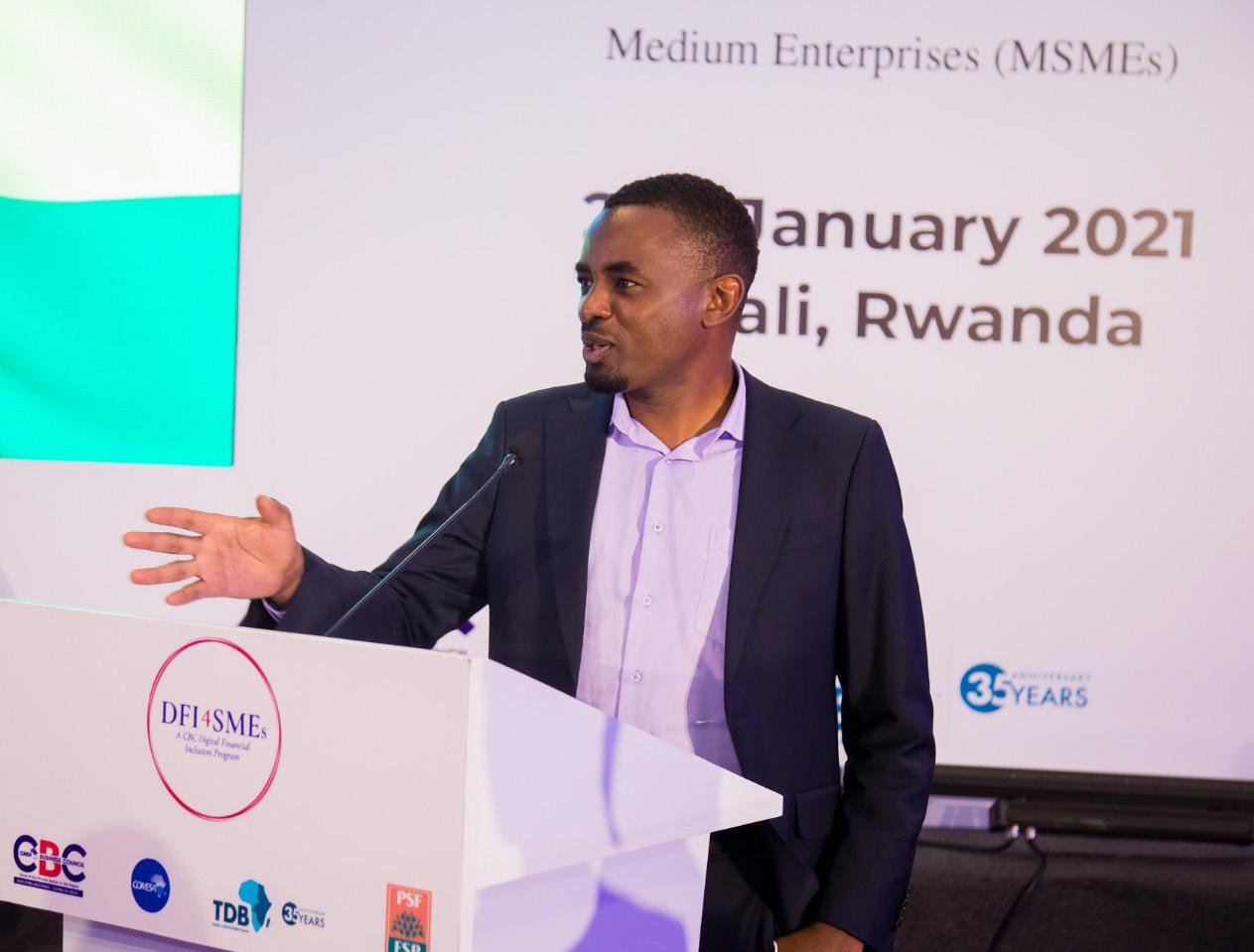
We believe financial literacy is the bridge between financial inclusion and sustainable financial inclusion. We are convinced that financial inclusion is the oil in the economic development engine, never noticed but without it the economy will not perform.
We are young, innovative and disruptive, we intend to unite digital transformation advocates, leaders, organizations and stakeholders to exchange information and ideas, promote and support creation of innovative technologies and deployment across and beyond Zimbabwe. The association also serves as a platform for advocacy and coordinated regulatory interactions.
Our Vision is to create an efficient economy through digital financial inclusion, financial literacy and financial deepening for every Zimbabwean home and beyond.
Our Mission is to promote the development of a digital economy, to empower and impart knowledge to our people so we can realize our financial capabilities and freedoms through innovative, convenient and disruptive localized solutions.
Gerald Munyaradzi Nyakwawa is the Chief Association Executive of DFPAZ and can be reached on gerald.nyakwawa@dfpaz.co.zw








The Angaza Awards: Women to Watch in Banking & Finance program has announced the list of Top 10 women who are steering and shaping the financial services sector. The list was compiled following a four-month entry period which saw professionals from Kenya, Rwanda, South Sudan, Tanzania and Uganda submit applications. The Kenyan Wallstreet, a financial news media company and Kaleidoscope Consultants partnered together on the Awards in an effort to raise awareness of seasoned women who are shaping and influencing the sector through their organizations.
The Angaza Award criteria included an assessment of the applicants’ area of responsibility and contribution to firm performance. Scores were also awarded for achievement that transcended the institution and resulted in sector and, or community shared value creation. Professionals in Banking, Capital Markets, Insurance, Investment Banking, Fintech, Fund Management, Microfinance, and
Savings and Credit Cooperatives (SACCOs) were invited to submit their applications or nominations via the Kenyan Wallstreet Award Web page.
“These women are quietly, behind the scenes, creating an impact for their organizations and in turn shaping the financial sector. They have certainly earned the recognition and we congratulate them for their accomplishments,” said Nuru Mugambi, who chaired the Judges Panel. “I often am asked ‘where are the women,’ when it comes to board appointments. Considering the financial sector employs thousands of women, we recognize that this list is not exhaustive, but it is a start in showcasing the many women who are ready and able to serve,” she said.
“Board diversity includes gender, age, tribe, race, culture and professional backgrounds, and research and analysis has proven that firm performance improves with a well-constituted and diverse board. Moreover, financial sector experience is an advantageous skillset for any board.” added Mugambi. “We need to move away from board recruitment practices that entrench cronyism, tribalism and nepotism. Listed companies in Africa are encouraged to continue making an effort to recruit transparently and from the many databases that will help introduce boards to new names and fresh perspectives. The Angaza list is a good place to start!”
The Angaza Awards Judges Panel was constituted by Prof. Tabitha Kiriti of the University of Nairobi School of Economics; Ms. Catherine Musakali, co-founder of Women on Boards Network; Ms. Ester Ndeti, Executive Director of East Africa Venture Capital Association; Dr. Mary Okello, co-founder of Kenya Women Finance Trust; Mr. Luke Ombara, Capital Markets Authority Director of Regulatory Affairs; and Ms. Phyllis Wakiaga, Chief Executive of Kenya Association of Manufacturing.
“The inaugural Angaza Awards is a testament of how important it is to acknowledge the role that women play in the banking and financial services industry. Increasing gender diversity onboards is associated with stronger financial outcomes, stability and greater focus on transparency and ethics.
Regulators, sector businesses and Fintechs need to improve the representation of women in leadership positions. As new market entrants, Fintechs should be encouraged to take a lead in this area,” said Eric Asuma, the CoFounder and CEO at Kenyan Wallstreet.
The Award Secretariat also announced that the 2021 Award will invite applications from across Africa with the Call for Entry period opening in October 2021. Follow @AngazaAwards on Twitter for updates and more information on the award program.

MARY WAMAE
COUNTRY: KENYA
SECTOR: BANKING
AGE: 52
Mary serves as Group Executive Director for Equity Group Holdings Plc and a Non-Executive Director in the Boards of Finserve Africa Ltd, Equity Group Foundation, Equity Investment Bank Ltd, Equity Insurance Agency Ltd, and Equity Subsidiaries (Kenya, Uganda, Rwanda, Tanzania and Congo).
In 2019 she led the Group’s acquisition of BCDC in DRC and the subsequent merger with Equity Bank Congo to enable the bank to attain a combined balance sheet of Ksh. 2.5 billion, leading to Equity Group crossing the Ksh. 13 Trillion balance sheet milestone.
In addition to bank leadership, she is involved in mentorship of young ladies, career mentorship of professionals, scholarship sponsorships for bright but needy scholars and environmental conservation. In March 2020, she pioneered the launch of a staff empowerment program, EQUIP, that aims to empower and mentor staff to advance in their careers, practice work-life balance and generally expose them to industry leaders and content that will help them network and grow in their careers.
She also sponsors more than 20 students and five orphans to pursue their high school, college and university education. In 2020, she individually championed the construction of a classroom block and equipped a library for BL TEZZA School for the hearing-impaired students in Nyatike Migori County.
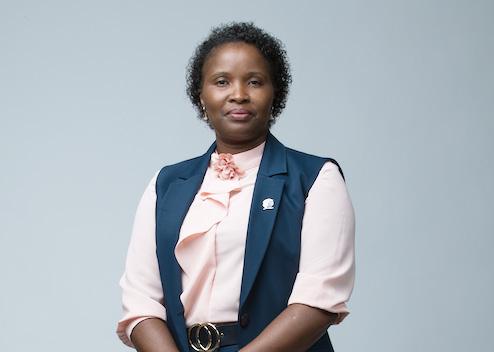
COUNTRY: KENYA
SECTOR: INSURANCE
AGE: 47
For the past four years, Catherine has been the Chief Executive Officer of APA Life Assurance Company. By championing the development of such innovative products as Upendo, the first end-to-end digital microlife product, the firm has witnessed impressive performance with revenue increasing 43 percent and assets by approximately 50 percent. Equivalently, the APA Life Fund has grown by over Ksh 2 billion under her tenure.
She has been recognized as a leader who fosters a customer-focused environment, delivering products and services that exceed customers’ expectations. Overseeing company operations to ensure efficiency, quality service and cost effective management of resources, Catherine’s continuous improvement approach has anchored the firm’s sustainable growth.
Catherine is active in the community. She supports Nthimbiri Primary School as an alumni member and has contributed individually towards the provision of clean piped water, and new and better toilets. The school has also been assisted during the Coronavirus (COVID-19) pandemic through provision of soap and masks. She also serves on the management team of a community church where she supported digitization in the wake of COVID and helped mobilize food and other basic needs for church members who were impacted through loss of businesses and jobs as a result of the pandemic.

COUNTRY: RWANDA
SECTOR: BANKING
AGE: 49
Lina serves as Chief Executive Officer of NCBA Bank PLC, one of the fastest growing banks in Rwanda. A key approach to her leadership is to foster institutional growth through digital-led efficiency and staff engagement. In her first years as CEO, Lina consolidated operations, revised the business model and introduced new income and customer segments, resulting in a remarkable growth in operating income by 141 percent, driven by a 163 percent growth of the loan portfolio.
She has delivered five key digitization and efficiency projects, which attracted new customers and grew the bank’s deposit base by 99 percent ($21m to $41m) between 2019 and 2020; and mobile money customer base to represent 80 percent of Rwanda’s active mobile money users. Lina’s leadership style has resulted in a positive culture within the bank, which is rated the highest in the NCBA group in terms of employee satisfaction.
Prior to joining NCBA, she served as Chief Operating Officer (COO) at AB Bank Rwanda, where she helped streamline operations resulting in a 150 percent growth in non-funded income and 235 percent growth in payment transaction volumes.
In 2019, she set up a “Fee Gap Fund” dubbed “LIK Fund” to support university students with housing, food, fees and transport, and in January 2021 she co-initiated the introduction of a mental health Employee Assistance Program (EAP) for the banking sector which will be launched in May.

COUNTRY: KENYA
SECTOR: BANKING
AGE: 48
Elizabeth is Director of Business Banking at Absa Bank Kenya Plc. She joined Absa in 2018 and was tasked with developing and executing a workable growth strategy. Within a year, she was able to identify opportunities of growth and areas that required re-organization and re-building. In 2019, the bank’s asset book grew by 28 percent, customer deposit base was up 6 percent and for the first time, the Business Banking Segment revenue recorded a positive growth. Despite the challenging business environment in 2020, her division recorded a 10 percent growth in earnings.
One of her key initiatives was to make Absa (formerly Barclays) more friendly to small local businesses. As such, she led the review of lending policies and introduction of new unsecured products. This new proposition was anchored
on a campaign dubbed “Wezesha Biashara.” Elizabeth is a key supporter of women entrepreneurs and a key believer in women’s economic empowerment. Under her steer, the bank launched a Ksh 10 Billion fund for women entrepreneurs to grow their businesses and enhance their management skills.
She also has been instrumental in building and establishing lasting collaborative engagements with key stakeholders, including Kenya National Chamber of Commerce and Industry (KNCCI), Kenya Association on Manufactures (KAM), International Trade Centre SHE Trades, and Kenya Private Sector Alliance (KEPSA).
Over the years, Elizabeth has supported Wema Rehabilitation Center for Street Children in Mombasa; mentorship of students at Kenya High School; and Marera SDA Church in sponsoring children in need.

COUNTRY: SOUTH SUDAN
SECTOR: BANKING
AGE: 41
As Country Head of Risk and Compliance at KCB South Sudan, Joanita has improved the bank’s operations by introducing risk management structures and frameworks that have stymied losses. Through her efforts, the bank’s write-offs have drastically reduced with zero losses due to fraud and full compensation to affected customers, averting all potential penalties and reputational damage costs. She has implemented robust Anti-Money Laundering (AML)and CounterTerrorist Financing (CFT) systems for rigorous monitoring of customer profiles and transactions in South Sudan, which is a “hotspot” area for U.S. and UN sanctions and embargoes; this has created a competitive advantage for the bank and enhanced confidence and continued business with international partners.
For these interventions, KCB South Sudan is recognized for attaining the highest Enterprise-Wide Risk Management Index Score within KCB Group. She also has been instrumental in building an effective compliance and risk management culture which has reinforced system efforts to minimize operational errors and/or failures and promote operational efficiency.
Previously, she served as Governance and Control Manager at ABSA Bank Uganda Ltd., where she contributed to firm performance by sealing income leakages through fraud detection and prevention that reduced the bank’s operational loss expense from 20 percent to 6 percent of Profit Before Tax.
Within the community, Joanita supports the Juba Teaching and Referral Hospital, where she has organized and secured funding to procure medical equipment, including delivery beds for expectant mothers, mattresses and wheelchairs.

COUNTRY: KENYA
SECTOR: DEVELOPMENT
FINANCE
AGE: 41
Millicent serves as the Advisor, Women Empowerment Policy and Affirmative Finance at the Office of the President, African Development Bank (AfDB). At the Bank, she has guided transformative gender finance by strengthening gender mainstreaming across AfDB operations and strategies while also addressing the Bank’s internal transformation to make it a more supportive, genderresponsive institution that values its female and male staff equally.
She supported the establishment of the Gender Equality Trust Fund, the first thematic fund on gender in the AfDB history. She also has championed a Risk Share Mechanism facility, a transaction seeking to unlock up to USD 2 billion in credit; this is the largest effort ever to bridge the gap in access to finance for women in Africa’s history.
Alongside the finance space, she consistently contributes to the national and regional gender machinery for empowerment of women and girls through Kenya Girl Guides Association, Institute of Certified Public Accountants in Kenya, Association of Women Accountants in Kenya and the National Gender Sector Working Group. She is also a regional advocate for financial inclusion through the African Women Leadership Network (AWLN). She previously served as the Chief Operations Officer and Head of Business at the Agricultural Finance Corporation, and General Manager at Kenya Women Microfinance Bank.

COUNTRY: RWANDA
SECTOR: BANKING
AGE: 36
Emmanuella is Head of Information Technology at KCB Rwanda, where she provides vision and leadership for developing and implementing strategic initiatives. She is responsible for directing the planning and implementation of IT systems in support of business operations in order to improve cost effectiveness, service quality, and business development. As such, she is accountable for daily operations of technology and provides ongoing systems and cybersecurity service to internal staff, as well as, other stakeholders.
Some of her achievements include the successful delivery of a USD 3 million project for a new infrastructure, covering the core banking system and the bank’s primary and disaster recovery data centers. This project was completed with a 10 percent cost saving and within timelines, despite challenging requirements.
A believer in employee development, she has mentored and trained junior staff, including three employees who have advanced to become managers. When she joined the bank’s IT department, she was the only female. Over time, she has influenced a more diverse culture which has attracted more female professionals; the IT department now comprises 38 percent female and 62 percent male employees. She recognizes that this is not gender parity and continues to work towards that goal.
In addition to mentoring women within the bank, Emmanuella is a member of Techwomen Rwanda, which is an initiative of the U.S Department of State to empower, connect and support the next generation of women leaders in STEM. Through the program, she mentors and trains students in local schools.

COUNTRY: KENYA
SECTOR: BANKING
AGE: 48
Judith is the KCB Group Head of Corporate Affairs and this role involves managing brand reputation, stakeholder engagement, internal and external strategic communications, and sustainability and responsible banking. She has spearheaded the bank’s sustainability initiatives that in 2020 resulted in accreditation with the global Green Climate Fund (GCF), which will see the bank access up to USD 250 million in funding for onward lending to clients aligned to climate change mitigation and adaptation. KCB is the first bank in the country to be accredited. Judith’s efforts toward making KCB an environmentally responsible bank were underpinned in 2014 when she helped incorporate Environmental and Social Governance (ESG) requirements into the bank’s credit processes.
Judith has honed her leadership capability at the highest corporate level, working with various KCB Boards and Committees, including by serving as a member of the KCB Executive Committee (EXCO), KCB Wellness Committee, and KCB Staff Recognition Committee. She previously was a Board Director of KCB Insurance for three years. In addition, she serves on the Kenya Bankers Association (KBA) Sustainable Finance Initiative (SFI) Committee, United Nations Environmental Program Financial Initiative (UNEP Fi) Committee, and Membership Committee at Women in Boards (WOB).
Previously, she served as Public Relations Manager at Kenya Railways Corporation, where she successfully designed and executed programs to promote the privatization of Kenya Railways, in addition to improving the outlook of the Nairobi Railway Museum and its publications and overseeing its opening to the public.

COUNTRY: KENYA
SECTOR: INSURANCE
AGE: 32
Pooja is the Co-Founder of two profitable companies: QuantaRisk, an insurance consulting firm and QuantaInsure, an insurance agency which sells a variety of insurance products from multiple companies digitally via mobile application technology. The platform enables customers to buy a policy or make a claim within minutes. As a founding team member, she contributes to business strategy and development, project management and client relations. As a qualified actuary and insurance consultant, Pooja leads technical aspects of client projects. Her clients include businesses with annual turnover of more than Ksh 20 billion. She also supports clients with insurance training and awareness.
Prior to founding her companies, Pooja worked as an actuary at XL Catlin (UK) until 2018. While at the firm she helped digitize its insurance reserving process. The USD 1 million project included working with interdepartmental teams such as Actuarial, Finance, Claims, IT, as well as, offices across the globe in order to understand their current processes and future requirements.
Pooja is passionate about women in business, youth mentoring, and philanthropy. Since returning to Kenya from the United Kingdom in 2018, she has helped promote opportunities for women in business through New Faces New Voices; and has helped raise donations to distribute much-needed items to schools and children’s homes.

COUNTRY: KENYA
SECTOR: PRIVATE EQUITY
AGE: 47
Rosemary is ESG & Impact Manager at Catalyst Principal Partners. She has spearheaded enhanced Environmental, Social & Governance (ESG) risk management practices, which have contributed to a robust risk assessment of non financial parameters that contribute to financial performance through improved governance structures, reduced costs, improved efficiency, and improved stakeholder engagement, among others.
She has been responsible for monitoring business integrity practices, corporate and legal affairs, compliance management and reporting; as well as, stakeholder relations. In addition, she leads monitoring and support to investment professionals and ensures that internal policies and procedures, laws, regulations and ethical standards are strictly adhered to by the Fund, Manager and Investee companies. She is Secretary to the Investors Advisory Board and served as Secretary to the Investment Committee.
Her achievements include developing and managing ESG frameworks for two private equity funds, representing USD 300 million in assets under management and more than 10 local and international investors. In addition, she is responsible for incorporating ESG aspects across 12 companies spanning Fast Moving Consumer Goods (FMCG), pharmaceutical sector, printing and office automation, heavy equipment leasing, agribusiness and financial institutions.
Her efforts have resulted in 100 percent wastewater treatment and recycling in some portfolio companies, improved health and safety
performance, reduction in loss time injuries, gender considerations, improved governance structures, and prevented sanctions and penalties through strict adherence to compliance policies.
Rosemary previously served as Legal Counsel to United States International University (USIU), where she successfully set up the office of the Legal Counsel; established a Board and Management Council Secretariat; and oversaw the setting up of an Endowment Fund for USIU. She earlier served as Legal Officer at Jubilee Insurance Company Limited and Nairobi Securities Exchange.
In her spare time, she volunteers as a mentor and coach. She has mentored four ladies through university and into employment. She also serves as special advisor to EGF, an impact fund seeking to raise USD 100 million.
With the rate of technology adoption continuing to accelerate, and Africa steadily producing a wave of technology giants, with Nigeria’s Flutterwave becoming Africa’s most recent tech Unicorn, now truly is an incredible time to support and invest in local, African Venture Capital (VC).
As the managing partner of an African focused VC investment manager, where we look to invest in opportunities that significantly outperform the traditional investment market, I am constantly comparing the VC opportunities that come past my desk with other investments which include a myriad of asset classes and sectors available both locally and abroad. Doing this day in and day out, I can honestly say just how excited I am

Ian Lessem Managing Partner HAVAÍC

at the prospects coming out of the VC space in African markets which are truly world class opportunities with local and global potential.
At HAVAÍC, we focus on local African technology-based investments. A common question that comes our way is, “How can a Cape Town start-up compete with a start-up in Palo Alto, Singapore, London or Tel Aviv? Given the resources that those businesses have at their disposal, surely African startups can’t compete?” To which I reply, “They compete out of necessity; as necessity is the mother of invention.”
Taking a broad view into the near future; it seems unlikely that the greatest contributions to and innovations in biotech or space travel will emerge from Africa (although I would be thrilled to be proven wrong here). However, when it comes to finding commercial and innovative solutions to local challenges with global relevance, African founders are really paving the way, and proving not only that they can scale, but that they can also scale quickly, both locally and abroad.
As a VC investor we place great emphasis on supporting and investing in startups with commercial and globally relevant solutions, where the founders and their technology have a ‘right to play’, and their business provides real-world solutions that can scale

seamlessly across the globe on the back of proprietary technology.
In developed economy cities and the tech hubs mentioned above, there is a significant supply of available capital for startups and entrepreneurs. The Softbank Vision Fund has a staggering $100 billion to invest into VC in these markets, and with many other multi-billiondollar VC funds in Silicon Valley and other cities, scarcity of financial resources is not a limiter on the path to success for start-ups in these geographies.
By contrast, in Africa there is a shortage of affordable, appropriate, unrestricted and smart capital. This means only a few of the most promising businesses and entrepreneurs tend to be funded, and most businesses we assess and engage with have already placed the
right emphasis on being financially viable from an early stage. Out of sheer necessity, coupled with scarcity of funding, African founders need to self-fund and bootstrap for as long as possible. Because of this, we see the priorities and focus of founders in achieving a commercially successful business from the get-go. Through our early stage investing lens, the premise that the cream rises to the top certainly holds true.
On top of being commercially viable, HAVAÍC searches for startups with global scalability. When we look at a tech business, we ask the question, “What does this business have that a billion dollar, US headquartered, VC funded business does not have?” But perhaps an even more interesting question is “Why would a multinational company contract with a startup from the bottom tip of Africa?” Here again, necessity becomes the mother of invention. Another question linked to this is, “What right does the startup have to compete?”
To best answer these questions, it’s worth turning our attention to some of the exciting high growth
technology companies within the HAVAÍC portfolio, which collectively service close to half a million customers in over 180 countries across the globe.
When we first invested in AURA, now one of our more mature investments, the company only had one commercial contract. Today, they provide access to on-demand private security and emergency services through a Johannesburg developed technology platform, servicing local and international clients including global tech giants like Uber. AURA’s solution was born out of the necessity of addressing high crime rates in South Africa – far more prevalent and invasive in our own environment than it is in the United States. South Africans, and in this instance the AURA founders we have backed, have innovated, experimented and succeeded in the global SecurityTech environment, and have undoubtedly earned their right to play. This outcome should hardly come as a surprise, as the most innovative solutions in private and corporate security have always come out of places and situations that are most impacted by their unsafe environments and high incidences of crime.
A brilliant second example is hearX, a HealthTech platform developed in Pretoria, which is following on the uniquely South African health innovation precedent first set by Dr Christiaan Barnard in 1967 when he performed the world’s first successful heart transplant. Together with the World Health Organisation hearX have used their proprietary, affordable, and
accessible audiology technology to perform over 1 million hearing tests in over 80 countries across the globe. With limited access to audiology solutions in Africa, hearX is another prime example of innovation born out of necessity, which when coupled with technology, can scale both locally and internationally. This global scalability is evidenced by hearX’s landmark distribution agreement with Walgreens, a leading US pharmacy chain, to roll out their AI powered hearing aid solution Lexie, in 39 States in over 10,000 stores.
A third example within HAVAÍC’s portfolio and tying in to the “flutter” of investments in the Nigerian fintech space is Kuda, a digital bank built in a similar mold to leading international virtual banks such as Monza but catering perfectly to the youthful and tech savvy population of Nigeria that just so happens to have some of the highest mobile penetration rates in the world. Kuda recently closed a $25 million Series A funding round led by New York-based VC Valar Ventures. With a large portion of Nigeria’s 200 million plus population not having access to traditional banking services, out-of-necessity solutions like Kuda are crucial in the drive to create financial inclusion. Coupled with scalable technology, this is a very appealing proposition for international investors with smart money looking to enter into new high growth markets.
The same core principle applies to many other sectors in Africa, where local challenges are so pervasive that innovators simply have no choice but to tackle them
head-on and out of necessity become subject matter experts. Examples where innovative African founded solutions can successfully arise are in support services for public and private healthcare, financial services for underbanked communities, delivery and digital communication services where population growth outstrips infrastructure growth, to name just a few. These solutions, borne out of necessity, create efficiencies, new products and opportunities that can be applied and used in both developing and developed markets.
It
is clear that Africa has scalable products that can grow both locally and abroad, as long as they are underpinned by commercially viable business models, have been nurtured, tested and grown in Africa with a global mindset, and importantly the founders are experts in their field. All this in combination with scalable and cuttingedge proprietary technology, gives them the ‘right-to-play’ and the potential to scale domestically and internationally.
In a world where investors are spoilt for choice and can invest anywhere, unlocking the potential of VC as an investment class in Africa offers investors the opportunity not only to invest in real-world businesses solving real-world challenges, but to invest in a sector that offers undeniable growth prospects. Importantly, at HAVAÍC, we invest into local African teams; in businesses that have local expenses that are often significantly less than in developed markets; that are either invoicing in ‘dollars’ or have the potential to attract interest from foreign investors and trade buyers looking to gain new market share and products.
Access to all of this is possible without having to journey across the globe in search of the next big thing as it is already right here on our doorstep. The solid organising principle of innovating out of necessity is why the continent is well-placed to continue producing more and more tech enabled Unicorns in the years to come, and why we at HAVAÍC are so excited to be supporting and investing in Africa’s immense local and global potential.



Payments worldwide are undergoing a revolution where digitisation, interoperability and modernisation are currently the key topics in every financial institution’s business and investment strategies. Ever increasing regulatory control, rapid technology advancement and highly competitive business environments dictate that financial institutions need to be more agile and scalable to meet both legislative and the modern customer’s requirements. As a result of this, the domestic and international payment environment has become a strategic business driver to most financial institutions. However, the ability to deliver ongoing, cost-effective, valueadding and sustainable changes to payments architecture without introducing major risk remains a key challenge.
Trevor Cracknell Head of product Finteq

As financial institutions grow, mature or even transform over time, systems and processes become more fragmented with business, technology and operational silos. As a result of this, financial institutions find themselves with multiple payment capabilities performing similar, or even the same functions across multiple channels and products. This invariably leads to businesscritical issues such as high system maintenance costs, major outlay and risk to implement changes or new lines of business. Apart from this it leads to an inability to manage payment processing and risk efficiently across an institution as a whole and, in most cases results in duplicate functionality throughout the value chain.
Modernisation is a relatively new concept to the payments environment, where in the past
the focus has been primarily on regulation, stability and security with more traditional participants such as central banks, retail and/or corporate banks, clearing houses, mobile operators and other large financial institutions. The role of digitisation in the modernisation process introduces completely new and disruptive products and services that threaten the existing payment eco systems by reducing their relevance or by replacing them entirely. These are often driven by new market entrants, Fintechs and other payment solution providers that were never previously the drivers that determined the strategic direction of national and international payment systems. This has created a significant change in focus for regulators, competition and ultimately the value and service delivery to the users.
In order to fully understand the landscape, the drivers of this revolution need to be understood, why this trend has started and where it is ultimately heading.
There are many parts that make up the whole in the sense that there is no single driver, but rather a number of drivers that co-exist to create the desire to change. These can be loosely categorised by the outcomes being pursued as well as the levels of impact experienced as a result of the modernisation agenda.
• Implementation of updated or new legislation and policies to support modernisation goals such as flexibility, cooperability, interoperability and inclusivity.
• Introduction of regulatory controls into existing and new payments systems in order to manage risk and compliance of participants.
• Implementation of policies that drive innovation and efficiencies that promote key benefits such as increased competition, new growth opportunities and overall access to payment systems.
• Alignment with domestic and international best practice to better identify and respond to fraud, money-laundering, and other criminal activities.
• Implementation of regional modernisation and integration programmes.
• Implementation of Open Banking standards that allow for the introduction of new participants, products, and services into markets.
• Payment modernisation trends driven by disruptive technologies and Fintechs.
• The global need to enhance and promote digitisation to respond to the COVID-19 pandemic.
• The rapid adoption of digital solutions due to exposure to new and different technologies as well as generational differences in both knowledge and needs.
• Adoption of the ISO 20022 standard that promotes interoperability and scalability to extend the standardisation of payment systems across the entire value chain.
the end customer who have a greater desire to own their finances and be able to manage their cash flow with fewer constraints or dependencies on financial institutions.
• Demands of the modern customer for more consistent and predictable payment services that offer more product features and benefits.
• Introduction of international competition into domestic markets with advanced product capability.
• Access to information and overall understanding of payment systems has increased the need for payment solution providers to implement simpler and more intuitive products and services.
• Decommissioning, replacement or retirement of legacy systems that are expensive to change and struggle to meet regulatory requirements.
• The introduction of realtime payment solutions that fundamentally impact the payments ecosystem and offer 24/7/365 processing opportunities.
• Greater autonomy needs of
Successful modernisation initiatives around the world have been those that have extended their focus beyond current business and operating models, and where there has been a clear understanding of the impacts, risks and constraints associated with the new or improved payment environments. Sound design principles should be followed in the technical, business, and operating domains in order to achieve the benefits of participating in a modernised payment system. Most modern payment systems share similar features, which have somewhat become these inherent underlying principles that government, regulators,
Adaptable and Flexible Reliable and Predictable Cost Effective and Responsive to Demand
associations, financial institutions, and other participants have used to define their products and services.
When modelling for modernisation, careful consideration should be paid to the business context to ensure that the strategy followed is in alignment with the capability to operate in the payment environment. Particular attention should be added to the enablers that play an important role in the decision-making and business case for modernising. Some of these enablers include:
• The capability to digitise and the impact this has on existing lines of business.
• The impact of existing and indirect legislation that may create inherent constraints.
• The readiness of consumer groups or segments to adopt modernisation.
• The capability to implement Cloud-based strategies to lower costs and improve access to markets and users.
• The direct impact of more comprehensive and rich data that adds new challenges to the transmission, processing, storage and scale of IT operations.
• The decision to replace or co-exist with legacy systems changes the operational complexity and cost models.
All principles and considerations are subject to the driver of the change itself. In most instances worldwide, the process has been mandated or triggered by inclusive regulatory initiatives. This has led to a more cooperative and inclusive model where industry participants have been engaged to formulate and implement the modernisation journey. Where this is followed by a more singular approach, it has proven more difficult to implement however, and more disruptive in nature. It is therefore
of great importance to design for the journey with an understanding of how it will be implemented.
Although the main advocates for the revolution towards modernisation are the financial and nonfinancial institutions, focus cannot be detected on the end user or consumer to be ready for the change. A large portion of this readiness depends on the chosen implementation and delivery model, which can result in a critical impact on these stakeholders. Various delivery models have been implemented with different levels of success. The success of which has largely been attributed to how the journey was delivered and how the solutions have been adopted by end users and consumers. Two typical models have been utilised, however, alternative strategies are emerging due to the growing availability of information:
Regulatory-Led Approach
Identified as the most successful journeys with collaboration of regulators and participants at different stages of the initiatives. Models have included direct engagement with detailed involvement or at a higher-level oversight function. The implementation is typically characterised with a “big-bang” approach where systems and processes are implemented with immediate effect at an agreed and specified time by all participants.
Participant Migration Approach
These have been implemented with varying levels of
success and are more conservative in nature, attributed to the complexity of the existing systems and the readiness of the impacted end users and consumers to adopt the change. This approach entails either the parallel or co-existence of the legacy and modernised payment systems. The implementation is categorised as a lower risk, albeit higher cost, model where consumers are migrated to the modernised system over time. Models have shown that there needs to be an ultimate goal of completing the migration, otherwise the user adoption may slow the process to a grinding halt.
Regardless of the chosen approach, careful planning should be applied to ensure the following adoption success factors are catered for:
• Participants of the modernisation journey should be included as early as possible. As a sound change management practice, the earlier the involvement and participation in the solution, the higher the likelihood of success.
• Communication should be consistent, clear and understandable. Given the impact to large stakeholder groups, the failure to communicate will invariably create negativity, fear and further constraints to adoption.
• All stakeholders should be able to interpret what it means to embrace modernisation, how they can be part of the journey and what they need to do to adopt it.
Modernisation is a trend being followed globally and across all of the different payment domains, schemes and environments. Although payment ecosystems are no strangers to change and have needed to undergo many large-scale initiatives over the past few decades, the changes being driven by modernisation are far-reaching and have major implications to all stakeholders and users. Failure of the organisation to mobilise and start the journey will find themselves struggling to stay relevant, negatively affect customer retention and meet the challenges in a highly competitive payment environment.
IS CAPACITY BUILDING A NECESSARY REQUIREMENT FOR ENHANCED AND FORWARD-LOOKING REGULATORY CHANGE?

Nolwazi Hlophe
Deputy Director Financial Regulation and Supervision

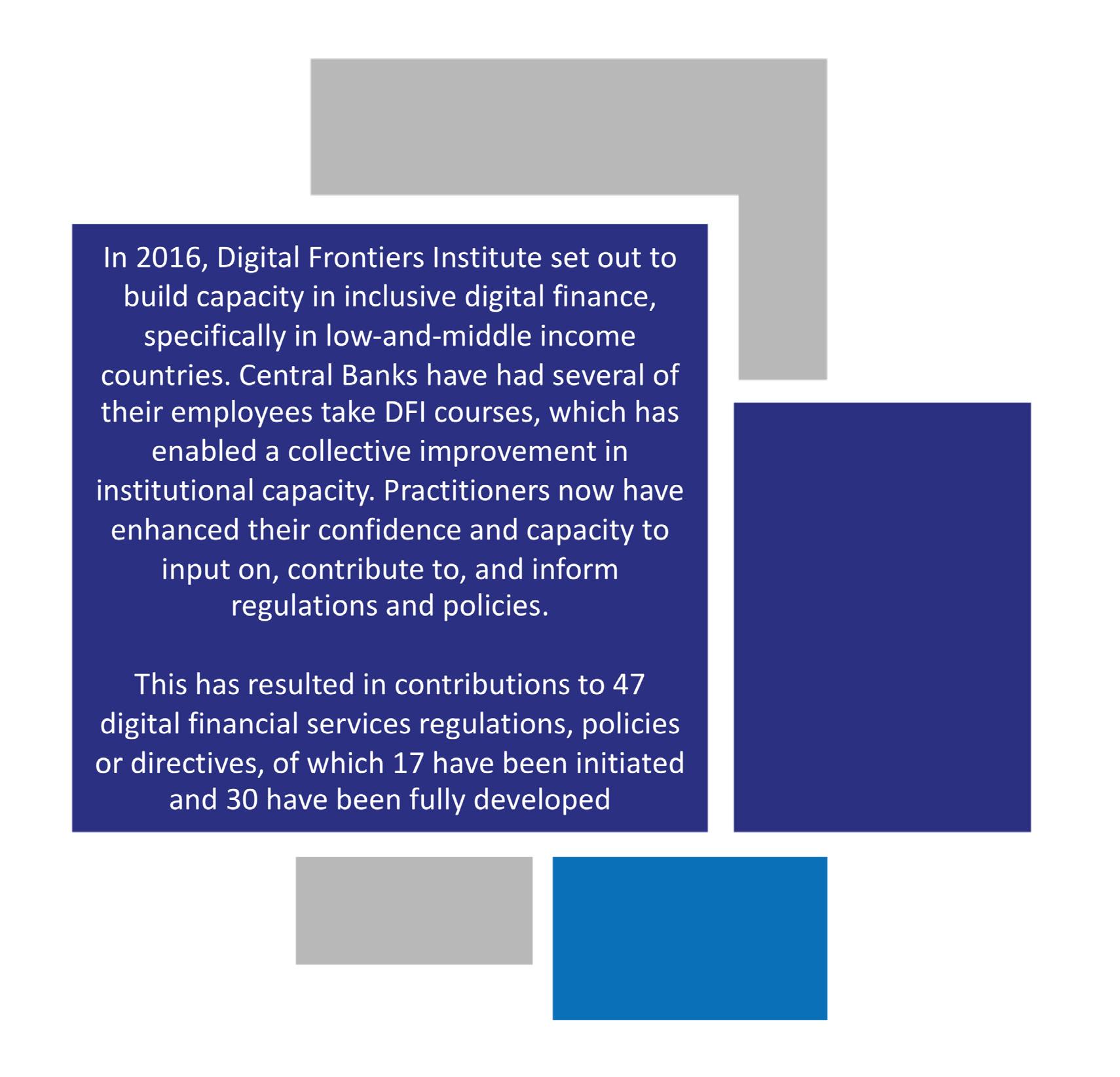
Financial regulation needs to keep in pace with rapidly evolving innovations in the financial sector, whilst aligning them with their mandates. This can be a particularly daunting task for financial regulators as they may have two significant limitations: limited staff resources available to focus on a given topical area and limited capability, i.e., limited technical background, skills and expertise to make appropriate decisions across a variety of regulatory domains. The Covid-19 pandemic has significantly highlighted how these limitations hamper the ability of regulation to be an enabler for market development and innovation. However, due to Covid-19 restrictions, there has been an increase in uptake of online training, which seeks to increase the capacity of policymakers, regulators and supervisors.
Can capacity building inform regulatory change? Financial authorities play a leading role in increasing financial inclusion globally. However, the lack of capacity to design and implement enhanced and forward-looking policy and regulation is often cited as a key challenge that hampers the goal of global financial inclusion. It is important for financial authorities, such as policymakers, regulators and supervisors, to continuously identify their changing capacity-building needs that are specific to their context.
The pace of progress towards regulatory change and regulatory flexibility isn’t keeping in step with innovation. Several capacitybuilding trainings offered by a variety of actors, including Digital Frontiers Institute (DFI) generally work complementarily. However, despite these efforts, there continues to be a divergence in the type of capacity-building training that is supplied as opposed to the training that is needed by financial authorities. Consequently, these opportunities are not tailored to policymakers’ context and needs1. To bridge this gap, it is key for capacity-building providers to understand their desired student persona and their context to offer tailored trainings that can
encourage an increased pace of policy and regulatory change, which provides policymakers and regulators with some level of discretion, thereby making these changes flexible and agile to future developments in the industry.
Regulating for innovation is a multi-faceted and multistakeholder endeavour. Financial policies and regulations are key enablers for inclusive digital financial services. Recent innovations include 1 Dalberg Advisors (2019), CGAP Insights: How do policy makers learn and adapt today?, available here. new business models, products and technologies, which have the potential to encourage more people
to use formal financial services2. New business models include digital credit, crowdfunding, peerto-peer lending and insurance. When considering how and if to license these new business models, financial authorities need to identify, understand and prioritize the key risks and opportunities these bring to their jurisdiction. New products such as instant payments, stablecoins and central bank digital currencies (CBDCs) have significant implications on legal and regulatory frameworks of jurisdictions as well as risks to their monetary sovereignty. Finally, new technologies may be the underlying foundation of the new business models and products, these include cloud computing, application programming interfaces (APIs), digital identity, distributed ledger technologies and big data analytics.
These innovations raise a lot of questions for policymakers and regulators, which ultimately inform their decisions. A lack of technical capability amongst policymakers and regulators often results in the absence of clear, enabling legal and regulatory frameworks, which is a barrier for financial innovation. This lack of regulatory clarity can be addressed, initially, by equipping regulators with the technical knowledge, which addresses their questions and helps them to develop prudential policies and regulations as well as use innovation facilitators that are relevant to their context. Furthermore, policymakers and regulators need to understand how to implement the tools that they
have at their disposal appropriately for their jurisdiction.
Capacity-building is the key to unlocking enhanced and advanced regulatory change. However, for capacity-building initiatives to achieve this desired outcome, they need to incorporate accountability frameworks into their participation selection criteria. Furthermore, capacity-building providers can provide scholarships and ensure consistent coordination between participants across different jurisdictions as well as coordination with other capacitybuilding providers and development agencies. Digital Frontiers Institute provides scholarships and has established Communities of Practice (CoPs), which will ensure that learning continues outside of the online classroom through facilitating effective stakeholder coordination and collaboration nationally, regionally and internationally.
Through DFI policymakers and regulators can follow one of these journeys according to their focus area in their institution. DFI seeks to increase technical capability of policymakers, regulators and supervisors such that they understand the new developments in industry, identify and understand the key risks and opportunities of innovations as well as understanding and appropriately using the tools at their disposal. A sound understanding of emerging approaches, through increased technical capability, can help supervisors maximise their limited resources thereby enabling enhanced and forward-looking regulatory change.
2 World Bank & BIS (2020), Payment aspects of financial inclusion in the fintech era, available here.
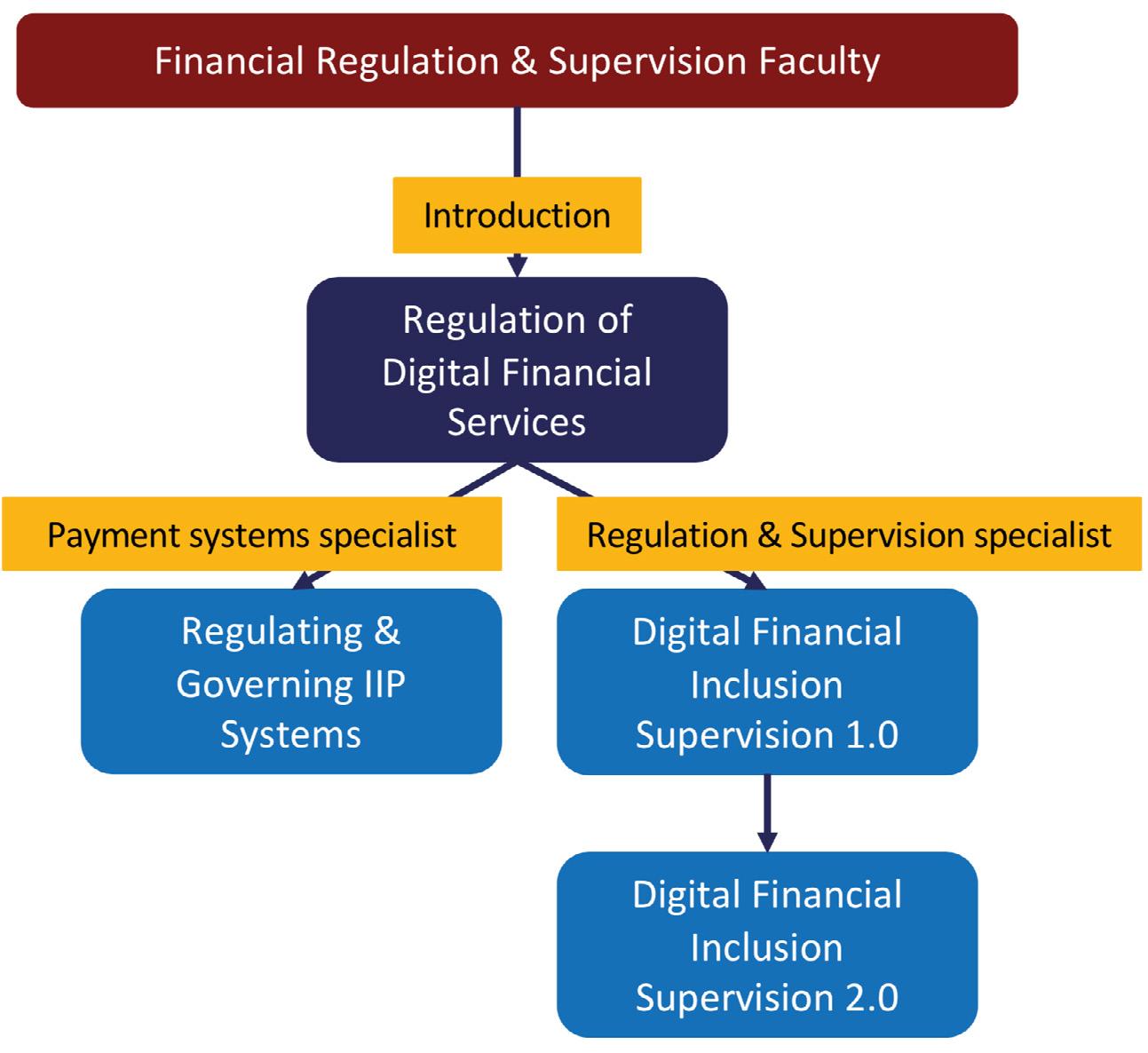


Today, it is not uncommon for organisations to focus more on launching a product and forget about customer experience. Also, activities geared towards conducting a solution evaluation after a launch to understand issues experienced by their end-users can at best be an afterthought.

A plethora of literature exists, alluding to the fact that customers, existing and potential, are integral to the product design and development process. The customer’s engagement early in the design process mitigates the risk of problem-solution fit, which sadly bedevils many organisations today. The spate of failed or unsuccessful technology-based product/ services begs whether organisations, including the leadership team, value the importance of customers besides earning revenue from them.
In the world of high-end and sophisticated technology, most leaders have lost focus on the presence of customer needs in user requirements. For payment-based solutions, leaders and project teams need to realise that a solution’s “momentof-truth” occurs primarily at the payment point when a customer attempts to initiate or complete a
transaction. Customers are likely not to have interaction if there is no complexity in getting value during payment. Consumers determine the growth of an organisation; user advertisement of a product is a driver to a firm’s customer base. In communication, end-user satisfaction spreads like the good news that drives the marketing of a product.
Leadership means providing the best and deepest answers, to your customers’ biggest questions, in the formats your audience likes to consume. It means creating solutions to customer’s common needs in a way that the customer prefers.
It emphasises doing things the customer’s way. This process can help anyone involved in the business decision to gain alignment among their peers in the electronic payment industry they fall into
or other industries. It allows businesses to define the category of their solution in customer terms. In other words, thought leadership is all about meeting the customer’s needs in the customer’s ways. Every business wants to provide a solution to its customers but not all of them are done with the customer as the main goal, a lot ignore the customer’s journey. Leadership thought shifts focus of service delivery from profit making to the customer which indirectly increases profit when executed properly.
The much-vaunted statement, “the customer is king,” still holds today. The ubiquitous nature of communication has amplified the customer’s influence. They are much more informed, assertive, discerning, and their tastes and demands change like the seasons. They drive business opportunities among other users. Gone are the days where payment firms largely dictated how markets move and what consumers want. Customers today KNOW what they want, and if they do not get it with, say, Company A, they have no qualms pivoting to Company B, C or wherever the need will be fulfilled. Brand loyalty and brand advocacy are precious luxuries in this day and age. Organisations that take proactive actions in conducting profitability analysis and customer studies often unlock the secrets to profitability and create loyal brand ambassadors (who often don’t need to be paid a single fee) and discover new opportunities that were previously untapped.
Many people have lost deals and contracts to competitors solely because they paid little or no attention to the customer’s needs. When you provide a payment solution to a customer’s needs and do it in a way that it makes them happy, the customers stick with you, which in turn drives more profit for an organisation. A focus on profit is good; however, making a continuous profit as a business is the primary goal of every organisation and this can only be achieved by constantly providing solutions to customer’s needs as they evolve. Practices aimed at maximising customer satisfaction create a mutually reinforcing value chain, as happy customers continue to support companies that successfully meet their needs. In turn, the business reaps the benefit of increased revenue, which provides tangible and intangible benefits for employees. It enables the company to continue keeping customers happy and elongated with the company’s existence and products. Attention to the customer’s needs can build loyalty to the company, increasing longterm profitability through repeat sales and word-of-mouth referrals and customer retention. As leaders, product managers, payment solution delivery managers or any portfolio you manage that involves providing services, know that CUSTOMERS are in control.
Permutations project that over 7.5 billion people will be using the internet by the year 2030. In the same vein, it is estimated that about 111 billion lines of novel software are being produced yearly. These are exciting growth projections, nevertheless, it presents a disturbing number of weaknesses that can be exploited by cybercriminals.
According to Ryan Mer, the managing director of eftsure Africa, a Know Your Payee (KYP) platform provider, cybersecurity is often a people problem at the onset; “While the amount of business transactions taking place online is constantly growing and working from home is now commonplace, business controls have not kept pace with digital transformation. This has led to increasing demand for cybersecurity solutions.”
When the permutations above are considered alongside the projected 96 zettabytes of digital content being produced at the moment; such a huge volume of activities would only lead to an increase in cyber-attacks and other online criminal activities which may be nigh-impossible for humans to combat.
This area, according to Mer, is where eftsure SaaS platform comes
Ryan Mer Managing Director
Eftsure

in to support businesses of all sizes. eftsure has positioned itself to provide validation of payee and payment data software to help businesses combat the menace of payment fraud in the B2B sector. “We provide a platform to digitise and automate the verification of payee and eft payment data, on a continuous basis through our KYP technology. Eftsure protects companies against fraud and error made through incorrect, fraudulently changed or maliciously altered payee information.”
All cybercrime activities targeted at businesses are often propelled by social engineering, email usage, and
the holes in the payment network. Here are some tips from Mer which will help your business stay ahead of cybercrime:
Criminal tactics never stay static, their tactics change regularly and may include phishing, ransomware, social engineering, business email breach, malicious software, and sometimes, insiders are recruited to help in breaking down the security apparatus from within. Several organizations depend on manual systems that have too many gaping holes and are often too reliant on human input. The first step towards protecting yourself and your business is to research and understand the several possible means through which you could be attacked. It is also paramount

that you understand risks or vulnerabilities peculiar to your business. You should also identify weak spots which means examining or putting your current processes to the test to discover vulnerable spots. This test is best handled by external professionals.
Now that you have understood the threats and dangers you face as a business in cyberspace, you must take a good look at your payment processes to fish out possible vulnerabilities. Any hole you discover could be handled by adding extra verification steps or separation of duties between staff. You must encourage your staff -as a matter of importance- to question any request that looks suspicious irrespective of who they come from; actively making this a part of the culture of your organization would be very useful.
Members of staff should also be encouraged to avoid relying entirely on email, instead, they should confirm and verify money transfer requests and any change in supplier payment information actively. Although it is helpful to check with senior executives or confirm through phone, these methods

take a lot of time and are generally ineffective, with notable risks. The best option is to use independent third-party platforms like eftsure. They can provide support with the management of supplier data and make payment checking and supplier verification automatic. They help you manage time and eliminate a lot of human error.
If you are always drumming the risks associated with cybercrime into the ears of your staff at all levels, they will assimilate and grow a strong security consciousness with time. Set the right tone from the highest to the lowest employee and ensure that management leads the cybersecurity culture. Don’t think you’ve done it all, this is only the beginning. Review threats and vulnerabilities constantly and always try to improve your security always because criminals are constantly evolving new systems.
You may want to restrict user access to specific systems and applications, this will help you to limit access to current employees only and keep former employees out of your system.
Think about a possible upgrade of the company password. One trick could be making a combination of letters, symbols, and numbers or more characters a requirement. Remember to change passwords
regularly and when possible, enable two-factor verification. Review your remote access provision to be sure there are no vulnerabilities in the provision of that particular service.
You should equip your employees with skills and tools to notice threats and counter them effectively. This is necessary because employees are often the major targets of cybercrime particularly those in finance and accounts. Such things as cyber safety awareness programs, simulations, and workshops can be introduced in your business to help staff learn to identify phishing and spam messages. It will also help staff take note of the sheer volume of the threat out there. Remember to educate them on how to spot and report suspicious activities online.
eftsure is a universal, systemagnostic solution, built with the sole aim of providing businesses with the ability to control, manage and protect the full cycle of a payee beginning from the onboarding to the final point of payment. eftsure’s secure payee management portal enables businesses to onboard and verify payees with improved efficiency, certainty, and accuracy. eftsure also makes the payment checking process fully automatic, actively, at the point of payment, and before the release of payment.

An article named Technology and Sovereignty was published by Foreign affairs in 1980. It threw light on the fact that international monetary policies and financial markets will be changed due to technological innovations in the future. They predicted that this could change the balance of power on a global level. This was proved to be true as the internet revolution changed the whole world by introducing a new era of financial globalisation.
Due to the global financial crisis, there was a need for a truly international currency. Bitcoin was introduced to serve the purpose but being highly volatile, it is used as a speculative financial asset instead of being circulated for international payments.
All the countries are adopting digital solutions for the current problems in their financial and banking systems. Central banks across the globe are trying to solve financial system issues by introducing digital currencies. Many cryptocurrencies have become popular in recent years along with the world facing the covid 19 pandemic there has been a need for cashless transactions to control the further spread of the virus. The interest has been increased in developing a central bank digital currency that could cater to all the current issues in the financial markets.
There has been an increase in digital currency development by the central banks across the world in the last year. Many central banks are currently spending on the research and tests related to introducing a CBDC.
Recently in 2020, the first official launch OF CBDC was done by The Bahamas. They named their digital currency the Sand dollar. It is the digital replica of their currency in circulation to provide more easy access to financial services to the public. Collaboration was made with MasterCard which gives an option of transferring digital currency to traditional currencies. It facilitates the financial transactions made in the countries where MasterCard is accepted.
A survey was done by the Bank for international settlements to check the current status of developing a central bank digital currency
globally. It included 65 central banks from around the world. It revealed that 86% of the central banks are currently working on developing a CBDC. They are trying to develop a digital currency that safeguards the public trust in the national currencies as well as help them in achieving their financial system objectives. Creating Price stability and safe payment infrastructure is also one of the main objectives of the central banks. New digital currencies issued by the central banks will be the replications of their traditional money.
The evolution of cryptocurrencies is proof of a tech-driven global monetary system. The use of cryptocurrencies has increased in Nigeria in recent years. The security exchange commission of Nigeria made regulations specifically for digital currency. The central bank of Nigeria also played a pivotal role in defining cryptocurrency under the financial regime of the country.
Bitcoin was introduced as a decentralised money system in which there won’t be any interference from a third party like government or financial institutions. Blockchain-based Cryptocurrencies evolved as legal tender money. There are many reasons for adopting the central bank digital currency. It is adopted depending upon the population and maturity of the financial system of the country.
Global Policy House recently organised a conference about
Central Bank Digital Currency in Africa. The central bank of Nigeria states the central bank digital currency as fiat money and not a cryptocurrency. It decided to create the digital form of the naira to serve as a CBDC. As this currency is backed by the central bank so sole liability in case of default of this money lies with the central bank of Nigeria. The founder of the Global Policy House stated that CBDC should be explored by the authorities as it will be the future of the monetary system in the coming decade.
Major arguments given in the favour of the CBDC are that it provides access to legal tender in case of a cash shortage or unavailability of cash in the financial system. Some also argue that in a post covid world digital money is the solution to stop the further spread of the virus.
Many countries do not fully trust cryptocurrencies as a permanent monetary solution. Nigeria also warned its public about using cryptocurrencies. Despite the warnings given by the central bank of Nigeria, the public is still interested in dealing with digital assets. Nigeria is one of the top countries dealing in cryptocurrencies.
Nigeria, however, has held off having any direct relationship with cryptocurrency. Regardless of its warnings, Nigeria continues to make the top countries in the world carrying out peer-to-peer cryptocurrency transactions as well
as occupying the top position in search of bitcoin across the world.
Despite the arguments whether it is good or bad, the majority of the population is interested in using a digital currency for their monetary transactions. Because of this increasing interest and changes in the global financial systems, many central banks are developing a CBDC.
In the case of creating a CBDC, the following factors will play a key role in its development.
Central banks need to make clear policies about a central bank digital currency design. The majority of stakeholders must promote the concept of using a CBDC. A strong legal framework should be implemented for the issuance and distribution of CBDC. Central banks should ensure the efficient use of digital currency within the economy. Necessary money market reforms should be done so as to make digital money easily accessible and adaptable.
Strengthening all the abovementioned policies could change the general perception of the public in case of adopting the digital currency and its issuance. It will take time to create a supportive global monetary system that will use only digital currencies. But there is no doubt that digital currency is going to be the future of the global financial markets.

Cardano was incorporated in 2015 by Ethereum. It is a blockchain and cryptocurrency organisation based in Zug, Switzerland. The main purpose of this organisation is to promote, protect and standardise the Cardano protocol technology.
Cardano Africa is an open and decentralised blockchain platform for the public. It was created to run smart contracts within the economy. It facilitates peer-to-peer transactions using its internal cryptocurrency asset. It was developed and supervised by the Cardano Foundation.
Cardano has been in Africa for three years. Currently, it is providing many modern tech-driven services to society. It publicises itself as the first peer-reviewed blockchain technology which is going to facilitate the underdeveloped countries and regions around the globe. One of the regions which have been focused on by Cardano is Africa with the goal of reaching the unbanked and turning them into a banked population.

To reach its goal in Africa, Cardano’s development team devised a new strategy named the Africa strategy. This strategy includes resolving real market issues of the shareholders in the African markets. By engaging the stakeholders with new projects and educating them to find solutions for their operating activities, Cardano aims to increase its adoption in the local community and African markets.
To achieve its goal of banking
the unbanked, IOHK being the development team behind the Cardano, signed a memorandum of understanding with the Ethiopian government. It will help in providing training to the junior Software developers so they can use the modern technology built on Cardano in their agricultural system.
Ethiopia has introduced a new digital transformation strategy named Digital Ethiopia 2025. The digital transformation strategy was made by the Ethiopian government to digitalise the different sectors of the economy like manufacturing, agriculture, and tourism. Adopting the PRISM platform will bring new opportunities and working methodologies. Digital IDs provided by the Cardano system will be used for transport, health care, and agricultural supply chains.
Cardano is also providing other technological solutions for the region to increase the awareness and better adoption of their company.
It announced a partnership with the Ethiopian government which will aim to provide a modern technological solution for the educational system. They introduced a new student and teacher ID attainment recording system which will use blockchain technology. It will help in monitoring the performance of the schools remotely. It will also
help in verifying the grades on a digital basis. Cardano introduced an identity solution named Atala PRISM which will be built on Cardano.
This identity solution will greatly help the authorities in monitoring the institution’s performance. A tamper-proof record of educational performance will be created and maintained. In the case of blockchain technology, nobody can alter or make a change to the available information or data so there will be transparency in the data.
Atala PRISM will help in maintaining data on the educational performance of 5 million students and 750,000 teachers. It will cover almost 3500 schools in the area to find out the schools where educational performance is not good. It will also help in identifying the cause of that underachievement and allocating the necessary educational resources.
All the students will get block chain verified digital qualifications which will help in the reduction of fraudulent job applications. It will enable the employers to verify the qualifications of the applicants in a short period. There will be no further need for third-party agencies. Social mobility will be increased by introducing this system. The government of Ethiopia recently issued a national identity standard. Atala PRISM will issue IDs based on this national identity standard and ensure tamper-proof data management.
Using Cardano for detecting the educational performance within the country will bring transparency and accuracy to the system. This will help in tracking the individual grades, attendance, and behavior of the students across all elementary and general secondary schools. Teachers can also use the same technology to report the behaviors of the students as well as the dropouts from the school.
The Ethiopian government is providing tablets and internet networks to five million teachers and students. This will enable the students to get instant access to their educational records. This will result in an increased number of employment opportunities for the population living in the rural areas. The student IDs will be paired with the data available from the learning management system. Machine learning algorithms will help in driving personalised tuition and a dynamic curriculum.
This system could be expanded to college and university levels. It will greatly reduce the number of fraudulent activities in the case of higher studies and job applications.
To reach the unbanked population of Africa, Cardano also took another
initiative named SMART Africa. 24 countries within the continent of Africa have already signed up for it. This program is entirely focused on providing digital infrastructure by making heavy investments for African industries. This will help in the growth of the industries and it will create massive opportunities. The Smart Africa project has so far focused on mobile broadband centers, satellites, Fibre optic networks, data centers, etc.
To provide better access to financial services to the unbanked, Cardano’s launched a light wallet named Yoroi. This wallet is available on both Apple’s App Store and Google play to ensure easy access to the unbanked population. With the usage of blockchain solutions, this wallet is providing fast and secure access to Cardano’s cryptocurrency asset, ADA.
By using modern technology Cardano is creating trusted databases that will reduce the barriers to entry into the African market and increase the adoption percentage.
Cardano foundation and international nonprofit organisations are joining hands to help the community by using Cardano and digital currency methods to provide benefits to the needy people in East Africa. Cardano will work to save the children’s team in Rwanda. It will help in identifying the areas
where blockchain technology could advance their missions. So they can reach the maximum unbanked population. They aim to provide easily accessible and fast financial services to the rural areas population as well.
Implementing blockchain technology in the African continent is going to be beneficial in the future as they compete with other nations. Although the region needs to develop its financial, administrative, and legislative system, technological development has been increased in Africa with the introduction of blockchain technology. Any further development of Africa’s infrastructure will also bring reward for the Cardano ecosystem.












Mike Winkelmann, also known as Beeple or Beeple Crap, sold his artwork as NFT. The JPEG image, titled “Everydays: the First 5,000 Days”, was sold for $69.4 million, making it the highest price paid in an NFT. The artwork also stands third in the list of most expensive works among living artists. So what does Non-Fungible Token mean, and how expensive are they?
A non-fungible token (NFT) is a single, unique token encrypted on the blockchain infrastructure. As we are aware that bitcoin is a changeable coin, NFTs are unique and cannot be changed.
The most amazing feature of NFT is that it is a proprietary asset and one of a kind. Put simply; these tokens are different from the usual coins because they are created in different values and originality that cannot be modified.
Also known as immutable tokens, NFTs work on the foundation of blockchain technology. With them, digital storage of audio, visual, and written works can be achieved. Non-fungible tokens are used to describe assets developed using blockchain technology.
The majority of NFTs are part of the Ethereum blockchain. It is a currency similar to Dogecoin or Bitcoin, but the blockchain also supports NFTs. What makes NFTs unique is that it is bound to a single token. They have metadata processed by a cryptographic hash function — an algorithm that comprises a unique string of numbers and letters.
NFTs are a completely new form of digital collection. They are a certificate of authenticity and rarity developed by the blockchain for a digital asset such as a music video, album, or piece of art. It is a part of
the digital market that has garnered a lot of interest, with a digital artwork sold for $69.3 million at Christie’s auction.
NFTs are used in art creations and areas that require digital ownership. For example, it can be found in digital collectibles, online gaming, and artworks. NFTs can be a piece of art, a basketball card, music albums, stamps, etc.
Moreover, NFTs can even be a tweet. For instance, Twitter founder Jack Dorsey sold his first tweet as NFT for a whopping $2.9 million. This means that he was paid $580,000 for each word in his tweet, “just setting up my twttr”. He said that all the proceedings would be converted to Bitcoin and donated to GiveDirectly, a charity, to provide COVID-19 support to six African countries.
King of Leon made more than $2 million by selling NFTs of their
latest album. On the other hand, a Lebron James match NFT card was sold for $208,000 on the NBA Top Shot platform.
Why Do People Pay in NFTs?
Imagine the extraordinary artwork by Vincent Van Gogh — The Starry Night. Investments are made in cryptocurrencies, precious metals, shares, and such paintings because unique products can hold their value for decades or even centuries. In fact, art is an aesthetic tool for aesthetic pleasures, and the same applies to their digital versions too.
Now you must be thinking, “How can a digital work of art, such as a photograph or a tweet be special? It can be copied or downloaded with one click.” The truth is, you cannot draw The Starry Night again, but you can get it printed or downloaded from the internet. Why would you pay hundreds of thousands of dollars for this kind of digital product?
This is what makes NFTs unique and important. Blockchain technology is the key that increases the value of digital products from essence. Thanks to its unique cryptography features, blockchain offers true ownership of a product to its owners. Put simply, the product you purchase is a “real digital copy”, and nobody can claim NFT.
If it’s still difficult for you to understand, think about it this way. US dollars, gold, or diamonds actually have no sense. The dollar is a piece of paper. Gold is a metal and
diamonds are stones. Can we buy a house without any paperwork? No, we need currency for that. So what differentiates the two products with the same raw material? Is it people adding more value to it?
The logic of NFTs is the same. Putting up an auction for digital products that society and its people valued and wanted to have. Who knows, maybe in the future, even YouTube videos will be available in the markets where currently only digital items such as tweets or art pieces are getting sold.
NFTs are becoming more and more popular amongst South African companies, with new developments being released locally, and this cryptographic craze is becoming a common marketplace across the world. As per industry experts, while NFTs are still in the nascent stages, local companies are witnessing a massive potential in them. They believe that NFTs hold immense benefits for investors and organizations across sectors.
South Africa’s first NFT of a media article called Gadget1998 was introduced by online media
platform Gadget and is up for auction. This article is a digital image of the country’s oldest surviving online game review that made its appearance in 1998. This comes a few weeks after Worldart — Cape Town’s art gallery — became the first local gallery to put its art up for auction as an NFT. The artwork depicts a superhero-styled woman called Timekeeper 151, developed by artist Normal O’Flynn.
While the blockchain-based cryptocurrency has gained popularity in the local art industry, experts think it will penetrate into other industries as more companies are getting to know its valuable use cases for creating art and other things. General Manager of Luno Africa, Marius Reitz, said that while NFTs have been around since 2015, it was only after the popularity of other cryptocurrencies such as Bitcoin and Ether that they gained popularity in the South African markets.
Non-fungible tokens (NFT) are developed through cryptocurrency and recorded on the blockchain. NFTs cannot be copied, mass reproduced, or cut into smaller parts. They may be used for a wide range of purposes, such as smart contracts and validating ownership.
The rise of NFTs during 2021 gave rise to a lot of media hype and controversy. Even though they are still not a part of the financial mainstream, NFTs are a budding asset class with a volatile and uncertain future.

Teraco, the giant of interconnected data center operation in Africa is now a fundamental link to the METISS (Melting Pot Indian Oceanic Submarine).
According to Michele McCann, Teraco’s Head of Interconnection and Peering, the members of the MÉTISS Consortium have infrastructure in the Johannesburg (JB1) data center facility as well as the Teraco Durban (DB1) facility, providing the Indian
Ocean islands with direct access to more than 300 networks in the Teraco ecosystem, 50 worldwide content providers, 130 IT service providers, and the core global cloud providers. South Africa’s potential market for cloud and content providers expands with the introduction of another cable to service the regions within the Indian Ocean islands. This way, the current telecommunications infrastructure becomes more adaptable.
MÉTISS, a subsea fiber optic cable system, runs 3200km between South Africa and the Indian Ocean islands of Mauritius, Madagascar, and Reunion. Zeop, Emtel, SRR (SFR) Telma, CEB Fibernet, and Canal + Telecom make up the MÉTISS consortium. Touching down in Amanzimtoti, the MÉTISS cable is backhauled to Teraco’s Durban (DB1) data center by Liquid Telecoms.
Enterprises, multinationals, and organizations with eyes on the region can rely on the abilities and services of MÉTISS to facilitate their digital strategies.
Teraco’s DB1 is located on the north coast of Durban. A strategic interconnection hub on the subsea cable map of Africa, it is connected to MÉTISS and the existing EASSy and Seacom cable systems. The Teraco DB1 facility and Johannesburg JB1 campus in Isando are linked by a wide array of carriers through different regional fiber routes. This makes it possible for clients to connect with a higher number of partners and broaden their horizons into new markets. Clients of the Teraco DB1 facility are provided with interconnection services, secure colocation, and direct access to Teraco’s DB1 and JB1 digital hubs.
McCann said, “The cable brings connectivity across regions that were previously hard to reach. Through Teraco, access to this cable is an interconnect away, and in keeping with our tagline, ‘the world connects here’, we are very proud to play such a pivotal role in the success of this cable system.” The island region now has access to peer at NAPAfrica, Africa’s Internet exchange giant. This comes with many advantages such as network fault tolerance, increased routing
control, reliable traffic exchange, and enhanced network performance.
There is an increasing demand for higher bandwidth which is being resolved through interconnection and peering. This needs to be cost-effective and achieved with as little latency as possible. The Indian Ocean Island region will not only benefit from the interconnection that the MÉTISS cable provides but also enjoy a boost in its digital economy. Thanks to Teraco, everyone has fast and easy access to connections within the data center.
Teraco is the foremost interconnected data center hub in Africa, providing carrier and cloud-neutral colocation data centers and boasting more than 18500 crossconnects. Teraco closes the gap between the digital edge and global content, being a leader in making subSaharan Africa a highly adaptable, vendor-neutral data environment.
Offering a network dense ecosystem and worldclass data center infrastructure, Teraco is established as a core element of Africa’s Internet and a vital element of the modern enterprise’s strategy for digital transformation. Due to its growing ecosystem, colocation has become only a small fraction of Teraco’s scope as it is also an established open marketplace attending to digital innovation and development. A highly adaptable, resilient, and secure home for digital establishments all over the world, Teraco discovers potential business partners, implements strategic interconnection, on-ramps your cloud choices, and connects with new markets across the globe.