eWallet vs Digital Wallet Which Is Right
The terms eWallet and digital wallet are often used interchangeably but they’re not the same. And while the difference might seem subtle, it can have a major impact on your business strategy.
Choosing between these two wallet technologies is more than just a tech decision it's about defining how your customers will experience digital payments and how your business will grow around it.
From mobile apps to tap-and-pay services, wallets have transformed how we manage money. But not every solution fits every business. Your choice should align with your audience, operational goals, and long-term vision.
In this article, we’ll cover:
• What is an eWallet vs. a Digital Wallet?
• The key differences between the two
• When to choose which solution
• Strategic considerations to guide your decision
Let’s break it down.
What is an eWallet?
Definition
An eWallet is a digital payment system that allows users to preload money and store it within the app much like a physical wallet, but on their phones. It facilitates instant transactions without needing access to a bank account at the time of purchase.
• Transaction history tracking
What is a Digital Wallet?
Definition
A digital wallet links directly to the user’s bank account or cards, enabling real-time payments without preloading funds.
How it Works
1. Users register and link a card or bank account.
2. Data is tokenized for security.
3. Payments are made via NFC, QR codes, or online.
4. The app processes payments in real time through the bank or issuer.
Examples
• Apple Pay
• Google Pay
• Samsung Pay
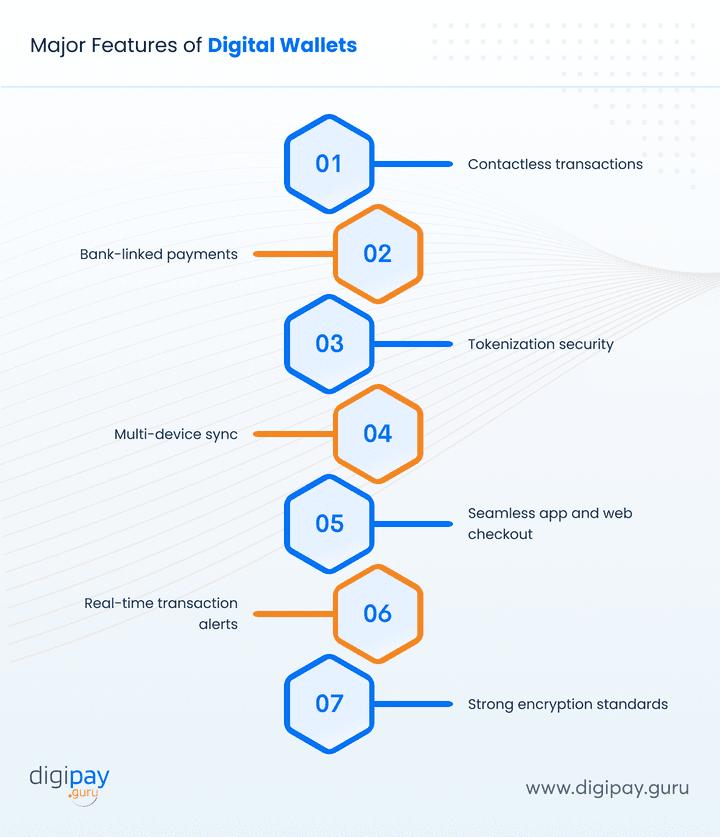
Key Features
• Bank/card-linked payments
• No top-ups required
• Contactless (NFC) transactions
• Secure tokenization
• Biometric authentication
• Multi-device sync
• Real-time transaction alerts
eWallet vs. Digital Wallet: The Key Differences
Feature eWallet Digital Wallet
Stores Funds Yes No
Top-Up Required Yes No
Bank Account Needed Optional Required
Offline Capability Yes No
P2P Transfers Yes Yes (if supported)
Security PIN, OTP, Biometrics Tokenization, Biometrics
Best For Unbanked markets, loyalty programs Fast, seamless payments
Revenue Model Float, cashback, loyalty Fees, value-added services
Compliance Load High (fund management, KYC) Moderate (PCI, auth)
Setup Complexity Higher Lower
When Should You Choose an eWallet?
Go with an eWallet if:
• You want to create a closed-loop payment system.
• Your users prefer to preload funds for controlled spending.
• You operate in cash-based or underbanked markets.
• You aim to offer offline payments.
• You're building loyalty, gamification, or cashback incentives.
eWallets offer more flexibility, user engagement tools, and control over the payment ecosystem.
When Should You Choose a Digital Wallet?
Choose a digital wallet if:
• Your users are already banked and tech-savvy.
• You want faster market entry and lower compliance overhead.
• You’re integrating with third-party payment gateways.
• Real-time payments without stored funds is a priority.
• Security and frictionless checkout are key concerns.
Digital wallets are ideal for scalable, low-risk fintech environments.
Strategic Considerations Before You Decide
Business Model Fit
Stored-value systems (eWallets) work well if you control transactions within your ecosystem. Digital wallets are better for streamlining bank-linked payments.
Revenue Potential
eWallets allow for monetization via float, merchant commissions, and promotions. Digital wallets focus on volume fees per transaction, API integrations, or added services.
Compliance & Risk
eWallets come with heavy regulatory requirements. Digital wallets reduce licensing complexity but still require secure infrastructure.
User Profile
Unbanked and rural users? Choose eWallets. Urban, connected, and card-savvy users? Go digital.
Infrastructure Readiness
If you have the backend to support banking APIs, digital wallets offer speed. If you're building from the ground up, an eWallet may offer more control.
Scalability & Speed to Market
Digital wallets can be deployed faster and scaled easily. eWallets need more time but offer greater customization once live.
How DigiPay.Guru Can Help
No matter your choice, DigiPay.Guru has you covered with both advanced eWallet and digital wallet solutions.
Our eWallet platform offers:
• P2P and merchant payments
• Offline transactions
• Multi-currency and multi-tenant support
• KYC, agent management, loyalty features
• Available in both SaaS and license models
Our Digital Wallet platform includes:
• Direct bank/card payments
• Bill payments, top-ups, rewards
• Tokenization and biometric security
• Quick deployment and low operational burden
• Also available as SaaS or licensed
Conclusion
The core difference between an eWallet and a digital wallet lies in where the funds are stored. This simple distinction leads to major differences in functionality, compliance, operations, and user experience.
Understanding your audience, infrastructure, and business goals will help you choose the right path. Whether you prioritize user control or seamless integration, DigiPay.Guru has a tailored solution ready for you.
Ready to launch your wallet solution?
Let DigiPay.Guru guide you to success with technology that fits your business, not the other way around.
FAQ
1. Are digital wallets, eWallets, and mobile wallets the same? Not exactly. While often used interchangeably, they serve different purposes:
• eWallets store preloaded funds within the app.
• Digital wallets connect directly to bank accounts or cards for real-time payments.
• Mobile wallets are digital wallets designed specifically for use on smartphones.
2. What are some common examples of eWallets?
Popular eWallets include Paytm, GCash, M-Pesa, and Apple Pay Cash. These platforms allow users to store money within the app and use it for payments, transfers, and more.
3. How do eWallets differ from digital wallets?
• eWallets hold a balance that users preload and can use offline or within closed ecosystems.
• Digital wallets access funds directly from a linked bank account or card, enabling real-time transactions without preloading.
4. What’s the difference between an online wallet and an eWallet?
An online wallet typically refers to web-based platforms that store card/payment info for online purchases. An eWallet is broader it stores actual funds digitally and can be used both online and offline.
5. Can one app support both an eWallet and a digital wallet?
Yes. Many modern wallet platforms support hybrid models, allowing users to store funds and also link their bank accounts offering flexibility for different preferences and use cases.
6. Which is more secure: eWallet or digital wallet? Both can be secure when properly implemented.
• Digital wallets often feature advanced security like tokenization and biometric authentication.
• eWallets rely on PINs, OTPs, and two-factor authentication. The key to security lies in the platform’s infrastructure, not just the wallet type.
Note – This blog was originally posted on - eWallet vs. Digital Wallet: Which Solution Fits Your Business Needs Best?