Essential Insights Into Auto Glass Regulations
Auto glass is a vital part of vehicle safety, offering visibility and structural support in the event of a crash. As technology and vehicle designs evolve, the regulations surrounding auto glass have grown more complex.
Understanding Auto Glass Regulations
Auto glass is regulated by several agencies that set guidelines for its production, installation, and repair. In the United States, the National Highway Traffic Safety Administration (NHTSA) plays a key role through the Federal Motor Vehicle Safety Standards (FMVSS) These regulations outline the requirements for auto glass, ensuring it provides adequate protection during accidents and supports the vehicle’s overall integrity
For example, FMVSS 205 mandates that windshields and other windows use laminated glass, which features a plastic layer between two glass sheets This design minimizes the risk of glass shattering upon impact, providing greater protection to vehicle occupants
Impact of Regulations on Auto Glass Manufacturers
Auto glass manufacturers must adhere to strict production standards. The glass is tested for durability, impact resistance, and temperature tolerance, with particular emphasis on optical clarity Regulations also specify the glass's ability to withstand cracks, chips, and scratches Any glass that fails these tests is deemed unsafe and cannot be used in vehicles.
Manufacturers must also ensure their glass meets specific criteria for light transmittance, ensuring drivers have a clear view through the windshield. To meet these standards, manufacturers often work with certified testing facilities that perform a range of tests to confirm the glass’s safety and reliability.
Regulations on Auto Glass Installation and Repair
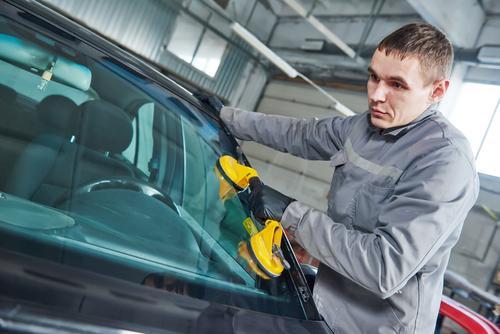
Installation and repair of auto glass are equally regulated. Service providers must comply with both federal and state-level laws In the U S , the NHTSA requires that replacement glass meet the same safety standards as original equipment This means that after-market glass must match the manufacturer's specifications for size, shape, and performance.
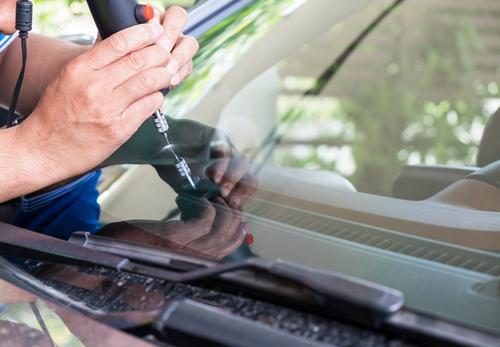
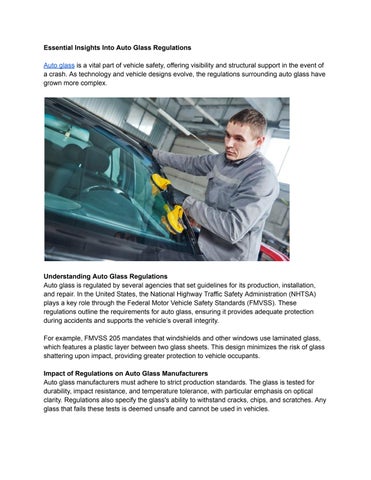
One key regulation is the requirement that only certified technicians perform glass installations and repairs, particularly for safety-critical components like windshields. Improper installation can result in safety hazards, such as incorrect airbag deployment or weakened vehicle structure during a collision Additionally, using substandard replacement parts that do not meet safety standards is prohibited, as it can jeopardize the vehicle’s crashworthiness.
The Role of Insurance and Liability
Auto glass regulations also influence insurance policies Most vehicle insurance plans cover windshield repairs or replacements, but the quality of the glass used and the standards of installation may affect the claim process. Insurance companies often partner with authorized repair shops that follow the necessary regulations to guarantee safety and compliance
From a liability standpoint, service providers or manufacturers can be held accountable if defective or poorly installed glass contributes to an accident. In such cases, the liability typically falls on the service provider or the manufacturer, especially if the glass failure causes injury or exacerbates damage during a crash. Adhering to regulations helps mitigate these risks and protects both consumers and service providers.
Understanding auto glass regulations is important for ensuring the safety and reliability of vehicles Manufacturers must meet stringent standards for production, while service providers must follow installation guidelines to guarantee the glass meets all safety requirements Consumers should be aware of these standards and the importance of working with certified professionals to maintain the quality of their vehicle’s glass By staying informed about regulations, everyone plays a part in promoting road safety