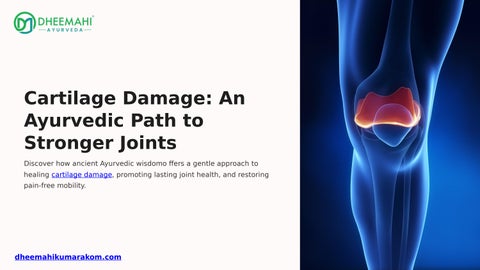

Cartilage Damage: An Ayurvedic Path to Stronger Joints
Discover how ancient Ayurvedic wisdomo ffers a gentle approach to healing cartilage damage, promoting lasting joint health, and restoring pain-free mobility.
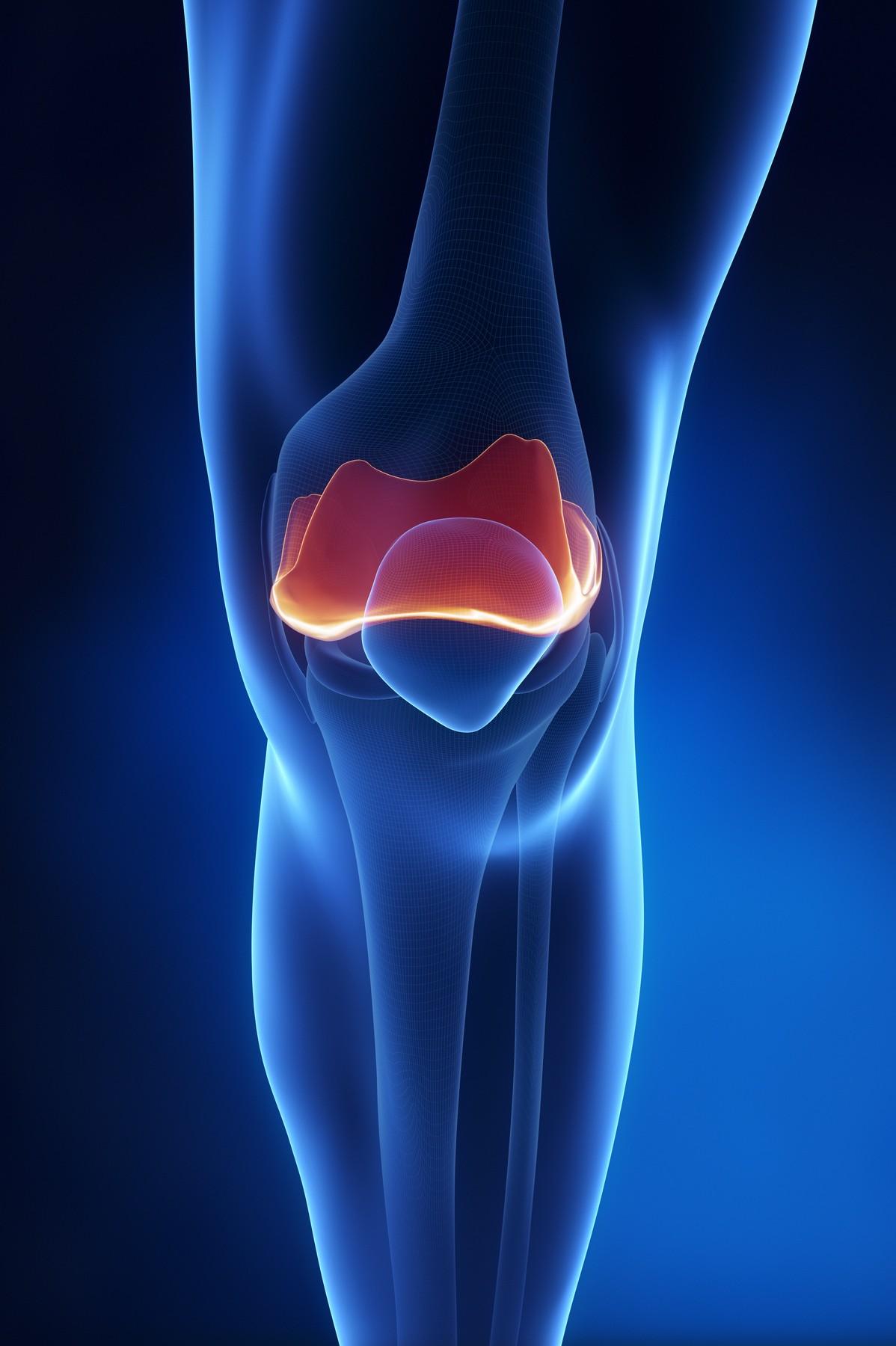
Understanding Cartilage and Its Vital Role
Cartilage is a flexible, shock-absorbing tissue cushioning joints, enabling smooth movement. Damage from aging, injury, or autoimmune conditions leads to pain, stiffness, and reduced mobility.Unlike other tissues, cartilage lacks a blood supply, making natural healing slow.
Functions of Cartilage:
Shock absorption Smooth movement Joint support and structure
Why it's Crucial:
Reduces impact on bones
Provides low-friction surface
Maintains joint integrity
Causes and Symptoms of Cartilage Damage
Cartilage damage can stem from various factors, leading to discomfort and limited mobility.
Common
Causes:
Arthritis: Osteoarthritis (wear and tear) and Rheumatoid Arthritis (autoimmune).
Injuries: Sports-related trauma or accidents.
Aging: Reduced elasticity and water content in cartilage.
Lifestyle: Obesity, repetitive stress, genetics.
Key
Symptoms:
Persistent joint pain, especially during movement
Grating or clicking sensations Swelling and inflammation Stiffness after inactivity Decreased joint flexibility
The Multi-Level Ayurvedic Approach
Ayurveda offers a comprehensive, natural path to healing cartilage, focusing on root causes rather than just symptoms.
Panchakarma therapies cleanse toxins and balance doshas.
Lifestyle
Adjustments
Yoga, meditation, and exercise for holistic well-being.

Herbal formulations and remedies reduce symptoms and inflammation.
Specialized therapies enhance tissue repair and promote long-term vitality.
Personalized nutrition plans support healing and reduce inflammation.
Shodhana
Ayurvedic Perspective on Cartilage Degeneration
Ayurveda views joint issues through the lens of doshic imbalance and toxin accumulation.

Vata accumulation in joints leads to dryness, cracking, and degeneration of cartilage and synovial fluid.
Poor digestion (Mandagni) causes Ama to form, obstructing nutrient supply to Majja Dhatu (cartilage and bone marrow).


Lack of nourishment to this tissue results in stiffness, inflammation, and eventual cartilage degeneration.
Vata Dosha
Majja Dhatu
Panchakarma: Deep Cleansing for Joint Health
Panchakarma is a powerful Ayurvedic detoxification therapy that eliminates toxins, balances doshas, and rejuvenates joint tissues.
Key
Therapies:
Basti (Herbal Enemas): Highly effective for joint pain, cleansing the colon and strengthening joints.
Abhyanga (Warm Oil Massage): Improves blood flow and softens stiff joints.
Swedana (Herbal Steam): Reduces inflammation and aids detoxification.
Kati/Janu Basti: Localized oil retention for deep nourishment.
Benefit
s:
Reduces pain, stiffness, and swelling
Improves joint mobility Enhances blood flow and tissue nourishment
Slows joint degeneration
Supports deep tissue rejuvenation
Diet and Nutrition for Cartilage Repair
A balanced Ayurvedic diet is foundational for reducing inflammation and promoting tissue healing.

Bone broth, flaxseeds, chia seeds to help rebuild cartilage matrix. 1 Calcium-Rich
Sesame seeds, ragi, almonds to support bone and cartilage strength.

Ginger, turmeric, garlic, green leafy vegetables to reduce joint inflammation.


Flaxseeds, walnuts, desi ghee for joint lubrication and stiffness reduction.
Foods to Limit or Avoid
Certain foods can exacerbate inflammation and hinder joint health, so it's best to reduce their intake.
Processed & Fried Foods: Contributeto systemicinflammation and joint degeneration.
Excessive Sugar & Refined Carbs: Fuel inflammation in the body.
Sour & Fermented Foods: May aggravate inflammation, especially for Pitta-dominant individuals.
Excess Red Meat: Can increase inflammatory markers and burden digestion.
Maintain regular mealtimes, avoid late-night eating, and sip warm herbal teas throughout the day to support sustained joint health.
Lifestyle Changes for Lasting Joint Health
Ayurveda emphasizes daily and seasonal routines (Dinacharya and Ritucharya) to maintain dosha balance and prevent further cartilage damage.
Yoga, swimming, and walking strengthen muscles and support joints without excessive strain.
Maintaining a healthy weight reduces stress on weightbearing joints like knees and hips.
Drinking warm water or herbal infusions helps keep joints lubricated and flexible.
Meditation, pranayama, and deep breathing balance Vata dosha, protecting joint health from stress-induced damage.
Conclusion: Regenerate Your Joints
Naturally
Ayurveda offers a sustainable, side-effect-free path to managing cartilage damage and jointpain.
Holistic Healing: Addresses root causes for long-term relief.
Enhanced Regeneration: Supports natural tissue repair and flexibility.
Improved Well-being: Promotes overall physical and emotional health.
Begin your journey towards pain-free movement, stronger joints, and balanced digestion with the timeless wisdom of Ayurveda at Dheemahi Ayurvedic Village.