
SOUTHWESTRETORT
SEVENTY-NINTH YEAR March 2026
Published for the advancement of Chemists, Chemical Engineers and Chemistry in this area published by
The Dallas-Fort Worth Section, with the cooperation of five other local sections of theAmerican Chemical Society in the Southwest Region.
Vol. 79 (7) March 2026
Editorial and Business Offices: Contact the Editor for subscription and advertisement information.
Editor: Connie Hendrickson: retort@acsdfw.org
Copy and Layout Editor: Lance Hughes: hugla64@gmail.com
Business Manager: Martha Gilchrist: Martha.Gilchrist@tccd.edu
The Southwest Retort is published monthly, September through May, by the Dallas-Ft. Worth Section of the American Chemical Society, Inc., for the ACS Sections of the Southwest Region.




Data Entry and Editing
Specializes in:
• Company newsletters
• Confidential Data Entry
• Free Quotes Contact Lance at hugla64@gmail.com Or 214-356-9002
2026 ACS DFW Executive Committee
Chair: Jonathan Dannatt, PhD
Chair-elect: Rajani Srinivasan, PhD
Past Chair: Denise Lynn Merkle, PhD
Treasurer: Martha Gilchrist, MS
Secretary: Celyna Rackov, PhD Councilors:
Mary E. Anderson, PhD (2025-2026)
Kirby B. Drake, JD (2025-2027)
Linda D Schultz, PhD (2026-2028)
Rebecca Weber, PhD (2025-2027)
Alternate Councilors:
Daniela Hutanu, PhD (2025-2026)
Trey Putnam, PhD (2026-2028)
Daniel Tran, PhD (2025-2027)
Yunxiang Li, PhD (2025-2027)
From the ACS Press Room
Less trippy, more therapeutic ‘magic mushrooms’
“Design, Synthesis, and Pharmacokinetic
Profiling of Fluorinated Reversible N‑Alkyl Carbamate Derivatives of Psilocin for Sub-
Hallucinogenic Brain Exposure”
Journal of Medicinal Chemistry
Psilocybin the psychoactive compound in “magic mushrooms” is gaining scientific attention for its potential in treating neuropsychiatric conditions including depression, anxiety, substance use disorders and certain neurodegenerative diseases. However, its hallucinogenic effects may limit broader therapeutic applications. Researchers publishing in ACS’ Journal of Medicinal Chemistry synthesized modified versions of psilocin, the active form of psilocybin, that retained its activity while producing fewer hallucinogenic-like effects than pharmaceutical-grade psilocybin in a preliminary study in mice.Researchers developed a version of psilocin the active form of psilocybin that may offer therapeutic benefits with fewer hallucinogenic effects.
“Our findings are consistent with a growing scientific perspective suggesting that psychedelic effects and serotonergic activity may be dissociated,” says Andrea Mattarei, a corresponding author of the study. “This opens the possibility of designing new therapeutics that retain beneficial biological activity while reducing hallucinogenic responses, potentially enabling safer and more practical treatment strategies.”
Mood disorders and some neurodegenerative diseases, such as Alzheimer’s disease, involve imbalances of the neurotransmitter
molecule serotonin, which helps regulate mood and other brain functions. For decades, scientists have been investigating the therapeutic use of psychedelics such as psilocybin
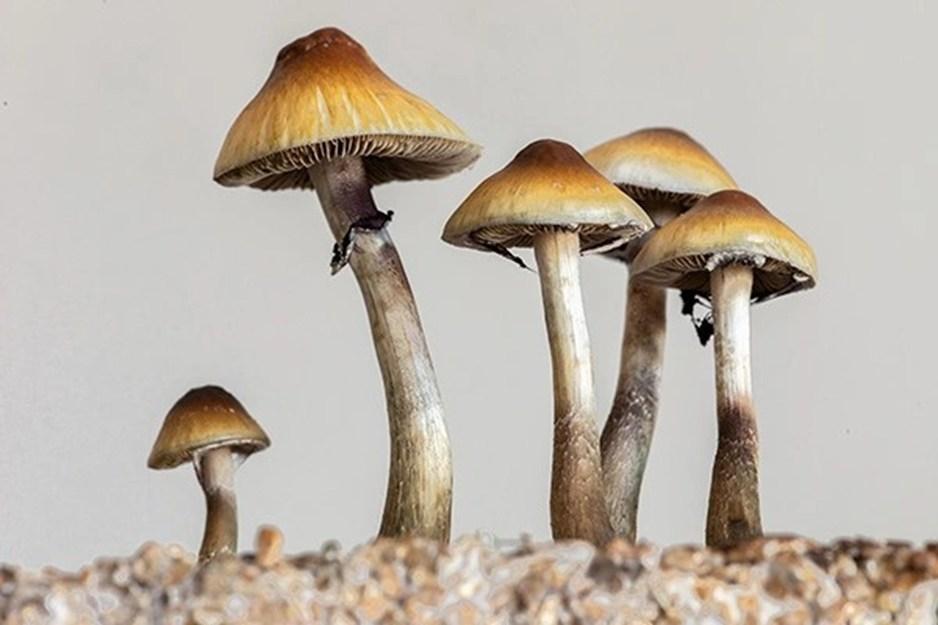
Fotema/Shutterstock.com
on serotonin-signaling pathways. However, the hallucinations that can accompany these drugs may make people wary of taking them, even if there is a medical benefit.
So, a team led by Sara De Martin, Mattarei and Paolo Manfredi chemically engineered five psilocin derivatives for slower, sustained and potentially non-hallucinogenic release into the brain. They first tested these five compounds using human plasma samples and laboratory conditions mimicking gastrointestinal absorption. These experiments allowed the team to identify a compound they named 4e as the most promising candidate because it displayed favorable stability for absorption and enabled a gradual release of psilocin a feature that could potentially mitigate hallucinogenic effects. Importantly, 4e retained activity at key serotonin receptors at levels comparable to psilocin.
Next, the researchers compared the effects of Continued on page 14
From the ACS Press Room
Why don’t antibiotic-making bacteria self-destruct?
“An Acetyltransferase Conferring Self-
Resistance of the Producer to Lasso Peptide
Antibiotic Lariocidin”
ACS Infectious Diseases
Early in 2025, scientists discovered a promising new antibiotic in a soil sample from a lab technician’s backyard. The molecule, called lariocidin, is produced by the microbe Paenibacillus and shows broad activity against pathogenic bacteria, including several that are multi-drug-resistant. Now, the researchers report in ACS Infectious Diseases how Paenibacillus avoids harm by its own antibiotic information that is crucial for developing lariocidin or similar compounds into new drug candidates.
“The discovery of a new antibiotic is just the first step in advancing it toward clinical use. It is vital to understand potential mechanisms of resistance to pressure test the novelty and clinical potential of the original discovery,” says Gerry Wright, the lead investigator of the lariocidin project.
As bacteria evolve resistance to drugs, new antibiotics are urgently needed. In their initial breakthrough, Wright and colleagues identified that a slowgrowing Paenibacillus strain produces lariocidin, which inactivates the bacteria against which it competes for resources in the soil. Expanding on that work, the researchers examined how the microbe resists its own powerful antibiotic.
Lariocidin deactivates bacteria by binding to ribosomal RNA and interfering with protein synthesis. In the current study, the researchers identified one enzyme (shortened to lrcE) produced by the Paenibacillus strain that
modifies lariocidin. Their experiments revealed that lrcE adds a functional group onto the antibiotic molecule, which prevents it from binding to the bacterium’s ribosomal RNA, thereby protecting Paenibacillus. Additionally, the enzyme was specific to lariocidin and did not impact other antibiotic compounds such as aminoglycosides and streptothricins.
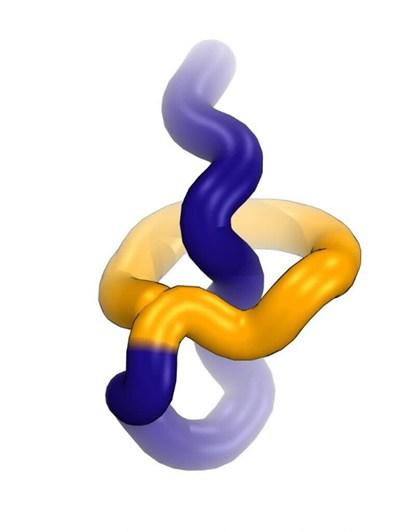
This computer simulation shows the recently discovered lariocidin, a lassoshaped compound with its “lasso loop” shown in yellow and “tail” shown in purple.
Yury Polikanov and Dmitri Travin/ University of Illinois, Chicago
Then, from an analysis of the bacterium’s genome, the researchers characterized the gene that encodes the lariocidinresistance enzyme. A small -scale search for similar genes in environmental bacteria and human pathogens revealed some in Bacillus genomes and environmental proteobacteria but none in the genomes of human pathogens. The researchers say that gene transfer from environmental bacteria to human pathogens is slow and rare, but if lariocidin or related compounds become pharmaceutical treatments, potential gene transfer should be monitored. These insights suggest to the team that lariocidin holds promise as a powerful next-generation antibiotic treatment for humans with minimal risk of resistance, making it a promising candidate for preclinical development.
The authors acknowledge funding from the Canadian Institutes for Health Research, the National Institute of General Medical Sciences of the National Institutes of Health, and Illinois State startup funds.
From the ACS Press Room
Black soldier fly larvae show promise for safe organic waste removal
“Unveiling the Hidden RNA Virus Diversity in Organic Wastes: Shaping and Reduction Effects of Black Soldier Fly Treatment”
Environmental Science & Technology Letters
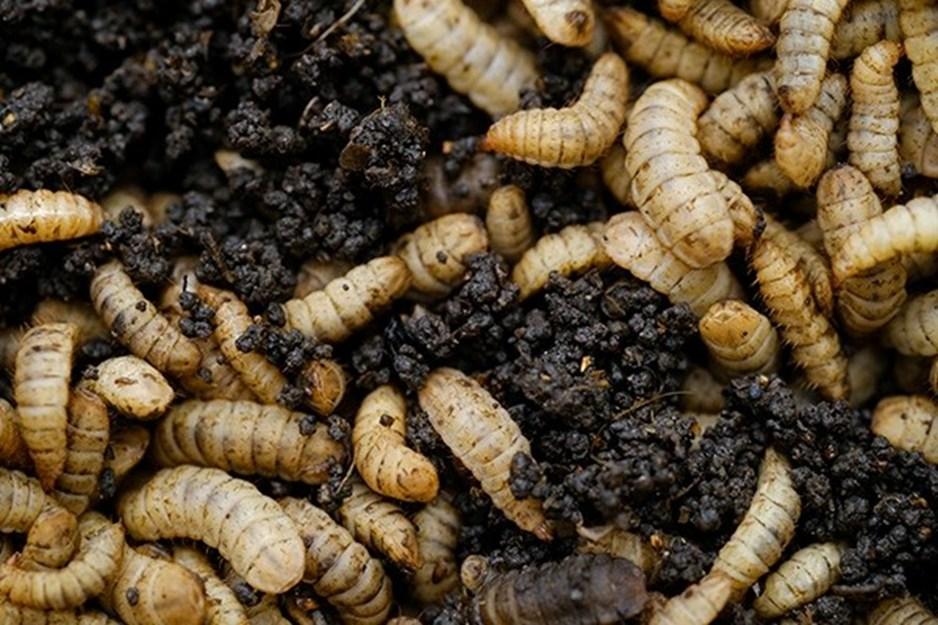
Black soldier fly larvae (shown here) eat lots of organic matter and could be a way to get rid of waste from humans and animals in the environment Faizal Afnan/ Shutterstock.com
People and animals create lots of waste that is usually sent to landfills, incinerated or stored in engineered ponds such as manure lagoons. Now, researchers publishing in ACS’ Environmental Science & Technology Letters report a potential removal method using insects, specifically black soldier fly larvae. In experiments, the larvae ate spoiled food, sewage sludge or livestock manure, and removed most human-pathogenic viruses. The researchers say this demonstrates a step toward simple, environmentally friendly waste management.
"Viruses in organic wastes have rarely been studied in a systematic way, but our research shows that black soldier fly larvae can help reduce potential viral risks, highlighting the promise of this approach for future waste treatment,” says Gang Luo, a corresponding author of the study.
Zhijian Shi, Luo and colleagues wanted to
see how well black soldier fly larvae break down RNA viruses in three organic waste streams, or if viral material persists in their bodies or appears in their frass (tiny, nutrientrich pellets larvae excrete). The researchers fed separate groups of black soldier fly larvae food waste, sewage sludge or pig manure. After eight days, all the larvae gained weight, with those that ate food waste growing the most, followed by those fed manure and those fed sewage. When the team members assessed the three waste streams, they found that the initial feedstocks contained a diverse array of RNA viruses that could infect living things such as bacteria, fungi, plants and animals, even humans.
Larvae that consumed food waste contained low amounts of insect-specific viruses, which the researchers consider to be of minimal ecological or human infection risk. In contrast, larvae that were fed sewage sludge or pig manure had higher viral diversity, and their frass contained RNA viruses that could infect humans. Although larval digestion significantly decreased the abundance of most human-pathogenic viruses (e.g., noroviruses) from the fecal organic matter sources to frass, some viruses (e.g., picobirnaviruses that can cause digestive symptoms) persisted in both the final larvae and frass.
The researchers conclude that black soldier fly larvae are a promising simple and natural approach for waste management, but larvae consuming fecal wastes may need additional treatment for safe use in feed or for their
Continued on page 14

DFWACS MEETING-IN-MINIATURE (MIM)
SATURDAYAPRIL 18, 2026 9 a.m. - 5 p.m. McFadden Science Center
Call forAbstracts!
Registration is Open! Registration for this meeting is free and will close on April 1. Call forAbstracts!

Post-docs, grad, and undergrad students to submit abstracts for a 10 12-minute oral presentation• Register or SubmitAbstracts CALL
From the ACS Press Room
Big and small dogs both impact indoor air quality, just differently
“Our Best Friends: How Dogs Alter Indoor Air Quality”
Environmental Science & Technology
Dogs come in all shapes and sizes: from giant fluffy Newfoundlands to tiny shorthaired Chihuahuas. And many furry companions like to spend their days inside near their humans. An initial study published in ACS’ Environmental Science & Technology reports that dogs both big and small impact indoor air quality. The researchers found that small active dogs rborne particles, but larger animals released more microbes into the air than people did.
Owning a dog has been shown to boost a person’s mental health, but the effect on overall physical health is less clear. To explore one aspect of this, Licina and colleagues wanted to see how these animals impact indoor air quality an especially important issue for pet owners who spend most of their time inside. The researchers measured airborne pollutants, including gases, particulate matter and microbes, released from small and large dogs in a controlled lab environment and compared them to emissions from human owners.
The team compared a group of four small dogs (all Chihuahuas) to a group of three large dogs (a Tibetan Mastiff, a Newfoundland and an English Mastiff). Each group was tested separately with an owner in the room, whose emissions were also measured separately. Results showed that:
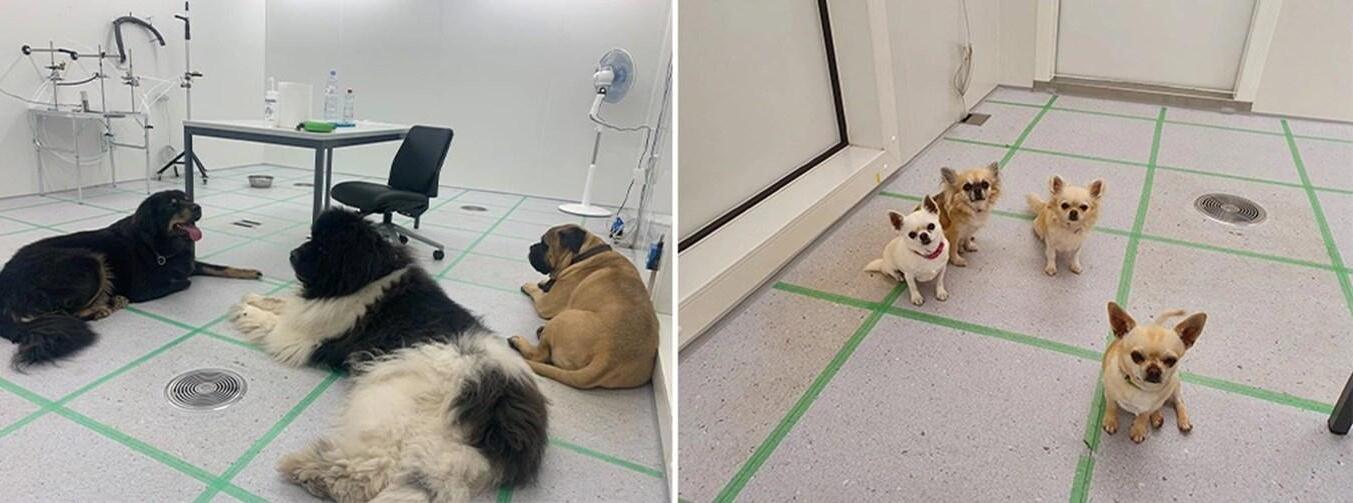
adorable furry scientists (small on the left; big on the right) accompanied their owners to have their impact on indoor air quality measured.Adapted from Environmental Science & Technology 2026, DOI: 10.1021/ acs.est.5c13324
“Pets are part of our indoor environment. By quantifying what dogs add to indoor air, we can build more realistic indoor air quality and exposure models and better inform ventilation strategies without blaming pets or discouraging pet ownership,” says Dusan Licina, the corresponding author of the study.
• Large dogs emitted carbon dioxide and ammonia at rates similar to humans and at substantially higher rates than small dogs.
• Both small and large dogs released more airborne particulate matter (1 nanometer wide to 10 micrometer wide) than the owners, with the small dogs producing the most, which the researchers say is likely because they were most active during the experiments.
Continued on page 14
These
From the ACS Press Room
How recycled sewage could make the moon or Mars suitable for growing crops
“Lunar and Martian Regolith Simulants
Desorb and Weather after Exposure to Bioregenerative Life Support System Effluent”
ACS Earth and Space Chemistry
Dining on the moon or Mars might seem like a fantasy reserved for science fiction, but researchers are investigating how it could become a reality. Their efforts to recycle plant and human waste into a fertilizer material turning the barren surfaces of the moon and Mars into fertile fields that might be suitable for extraterrestrial agriculture are described in ACS Earth and Space Chemistry.
“In lunar and Martian outposts, organic wastes will be key to generating healthy, productive soils, explains Harrison Coker, the first author on the study. “By weathering simulant soils from the moon and Mars with organic waste streams, it was revealed that many essential plant nutrients can be harvested from surface minerals.”
For humanity to set up a colony on the moon or Mars, a very uninhabitable landscape needs to be transformed into something habitable. Surfaces on both celestial bodies are composed of dusty, rocky material, known as regolith, which is not suitable for plant growth. In one popular science fiction novel and subsequent movie featuring a Martian colony, a botanist turned regolith into a growth medium by using waste left behind by his fellow astronauts. And now, Coker and Julie Howe are working with colleagues at NASA to attempt something similar. They
are investigating how a solution of recycled sewage interacts with simulated lunar and Martian regolith to see if the result provides a suitable medium to grow crops.
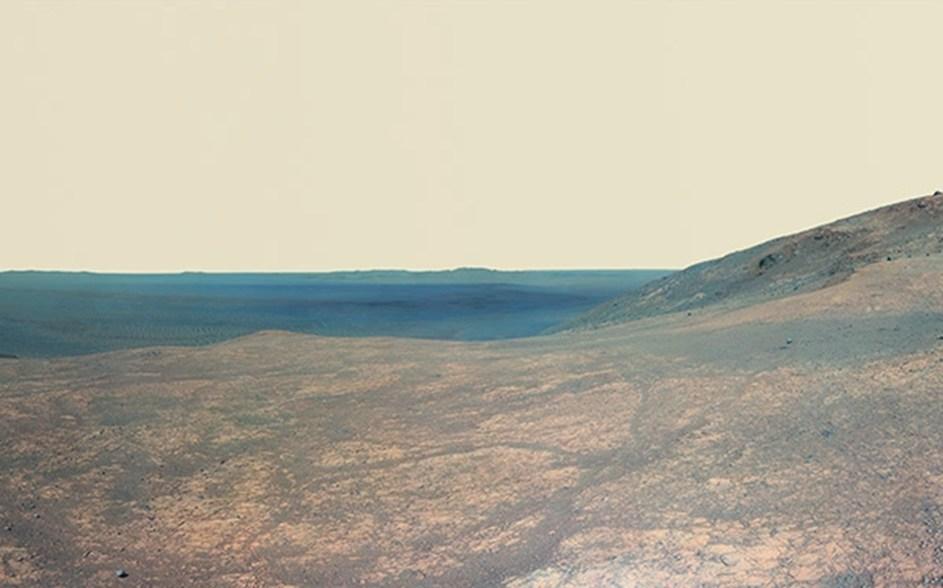
NASA/JPL-Caltech/Cornell University/Arizona State University
A team at NASA’s Kennedy Space Center is leading the development of bioregenerative life support systems, or BLiSS. These systems consist of a series of bioreactors and filters that transform sewage an artificial version, in this case into a nutrient-dense solution. Here, researchers combined the BLiSS effluent with simulated Martian or lunar regolith (each called a simulant) and placed the two different solutions in a shaker for 24 hours.
The experiment revealed that the weathered simulants supplied large amounts of essential plant nutrients, including sulfur, calcium, and magnesium, and other metals, when interact-
Continued on Page 15
The secret to making Mars’s uninhabitable surface (pictured here) suitable for plants might be recycled sewage.
From the ACS Press Room E-waste chemicals are appearing in dolphins and porpoises
“Liquid Crystal Monomers Released from LCD Displays Accumulate in Endangered Marine Cetaceans Triggering Health Concerns”
Environmental Science & Technology
Liquid crystal monomers (LCMs) are critical components of laptop, television and smartphone screens. Given their ubiquity in the environment, these compounds are considered persistent pollutants, posing threats to marine life that scientists want to understand. Research published in ACS’ Environmental Science & Technology provides initial evidence that LCMs from household electronics or electronic waste (e-waste) can accumulate in dolphin and porpoise tissues, including blubber, muscle, and brain, demonstrating their ability to cross the blood-brain barrier.
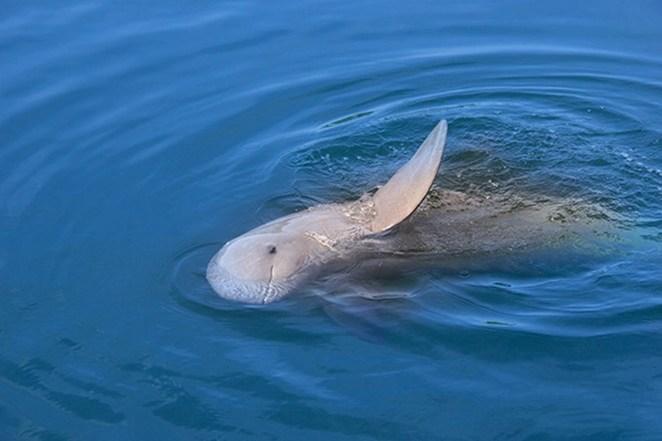
Apirak Wongpunsing/Shutterstock
“Our research reveals that LCMs from everyday electronics are not just pollution
they're accumulating in the brains of endangered dolphins and porpoises,” says Yuhe He, a researcher at City University of Hong Kong and a corresponding author of the study. “This is a wake-up call: The chemicals powering our devices are now infiltrating marine life, and we must act now on e-waste to protect ocean health and, ultimately, ourselves.”
LCMs control how light passes through handheld and large display screens, producing the sharp images consumers have grown to expect. Given these devices’ widespread use, the chemicals have been found in indoor air, dust and even wastewater, eventually ending up in coastal environments. Previous studies also found that some LCMs pose health risks to humans and some aquatic species. However, less is known about how these pollutants move through marine food chains and whether they reach top predators. To determine this, Bo Liang, He and colleagues analyzed tissue samples from IndoPacific humpback dolphins and finless porpoises collected between 2007 and 2021 in the South China Sea, an important habitat for these endangered marine animals.
They screened the dolphin and porpoise blubber, muscle, liver, kidney and brain tissue samples for 62 individual LCMs. The analysis indicates that:
• Four compounds accounted for the majority of what was detected. Prior studies identified similar LCMs in the fish
Continued on page 15
LCMs released from consumer electronics can accumulate in various tissues, including the brain, of dolphins and porpoises.
From the ACS Press Room
Wastewater reveals increase in new synthetic opioids during major New Orleans events
“Nitazenes Discharged During Super Bowl and Mardi Gras Celebrations in New Orleans, USA”
Environmental Science & Technology Letters
In early 2025, the party-loving city of New Orleans, Louisiana, hosted two major events within the span of a month: Super Bowl LIX and Mardi Gras. And, as with many major events, it appears there was an increase in recreational drug use during this time. Researchers publishing in ACS’ Environmental Science & Technology Letters show how monitoring wastewater revealed an increase in the use of relatively new dangerous synthetic opioids during these two events.

“Our study reveals the growing trend of synthetic opioid use in communities and our non -invasive approach to detect these emerging
drugs, helping public health officials to respond more effectively and shape informed policies,” explains Ramesh Sapkota, an author of the study.
Opioid drugs including oxycodone, heroin and fentanyl have fueled an ever-worsening epidemic in the U.S. And synthetic opioids such as nitazenes are emerging as new drugs that are being misused. Nitazenes were first developed as an alternative to morphine in the 1950s but carried too high an overdose risk for clinical use. However, they reemerged in the illicit drug market around 2019. And although they frequently appear in overdose-related deaths, not all jurisdictions are monitoring for them yet. For example, Louisiana’s Department of Health reported that 46% of overdose deaths in 2023 were caused by opioids, but none officially report nitazene involvement, contradicting the national trends reported by the U.S. Centers for Disease Control and Prevention.
To monitor this emerging risk, Sapkota, Emilia Lomnicki and Bikram Subedi turned to a method that could provide near real-time, non-invasive results: wastewater monitoring. They say this is the first time that this technique has been used to track several nitazene compounds in municipal wastewater.
The researchers specifically focused on the period surrounding and including the Super Bowl and Mardi Gras in New Orleans (Jan. 23 to March 31, 2025) and collected a total of 28 samples from a treatment plant estimated to serve nearly 300,000 people. The anal-
New Orleans’wastewater revealed an increase in dangerous synthetic opioids during two major events it hosted back-to-back in 2025: the Super Bowl and Mardi Gras. SuJo Studios/Shutterstock.com
yses detected seven of the nine nitazenes down to trace levels in wastewater. And their most commonly found nitazene analogue, metonitazene, is 1,000 times more potent than morphine. Surprisingly, some analogues were found at similar levels during the week of the big events and the week after, and some were only found after Mardi Gras had concluded.
These estimates do not provide insight into the consumption rate of nitazene analogues because the excretion rates of these drugs must be understood first. However, early detection of these dangerous substances is incredibly important, especially during high-traffic events like those studied here.
“With this knowledge, valuable insight into the evolving dynamics of the overdose crisis is gained, and a discussion on public health responses to combat these illicit drugs and prevent further loss of life is opened,” concludes Lomnicki.
The authors acknowledge startup funding provided by the Louisiana State University Office of Research & Economic Development.

Around the Area

UT Dallas
UT Dallas Chemistry remembers Professor
Richard A. “Dick” Caldwell, who twice served as dean of the School of Natural Sciences and Mathematics (NSM) at The University of Texas at Dallas. Dr. Caldwell died Dec. 2 at the age of 85 in Lavon, Texas.
“Dick (who started at UT Dallas in 1971) was responsible for the early hiring and trying to develop a coherent administrative structure in chemistry,” said Dr. Lynn A. Melton, who came to the University shortly after Caldwell and is now professor emeritus of Science/ Mathematics Education. Caldwell, Melton, the late Dr. Christopher Parr and Dr. A. Dean Sherry were the first four faculty members in the fledgling program. But Caldwell stood out, Sherry said.
“He was the intellectual leader of the department as it was just getting started,” said Sherry, Chair Emeritus of Natural Sciences and Mathematics.
https://news.utdallas.edu/faculty-staff/ richard-caldwell-tribute-2026/
UT Dallas Chemistry congratulates Dr. Sheel Dodani (Associate Professor and Eugene McDermott Distinguished Professor) for being the recipient of the 2026 Norman Hackerman Award in Chemical Research from The Welch Foundation for her pioneering contributions to the development of engineered proteins as anion sensors in biology. She is the first UT Dallas professor to earn the honor.
https://news.utdallas.edu/faculty-staff/welch -hackerman-honor-dodani-2026/
From the ACS Press Room
continued
Less trippy, more therapeutic ‘magic mushrooms’
Continued from page 5
equivalent doses of 4e with pharmaceuticalgrade psilocybin in mice. The team administered the compounds orally to mice and measured how much psilocin reached the bloodstream and brain over a 48-hour period. In mice dosed with 4e, the compound was able to cross the blood–brain barrier effectively and exhibited a lower but more sustained presence of psilocin in their brains compared to those treated with psilocybin. When the researchers looked at mouse behavior, they observed that 4e-treated animals exhibited significantly fewer head twitches a well-established marker of psychedeliclike activity in rodents than those receiving psilocybin, despite the strong serotonin receptor activity of 4e. This behavioral difference appeared to be associated primarily with the amount and timing of psilocin released in the brain.
The researchers say their findings demonstrate the feasibility of developing stable brain-penetrating psilocin derivatives that retain serotonin receptor activity while reducing acute mind-altering effects. Further studies will be needed to clarify their mechanism of action and fully characterize their biological effects before assessing their therapeutic potential and safety in humans.
The authors acknowledge funding from MGGM Therapeutics, LLC, in collaboration with NeuroArbor Therapeutics Inc. Several authors declare they are inventors on patents related to psilocin.
Black soldier fly larvae
Continued from page 7
frass to be used in fertilizers. Future research will focus on whether viruses remaining in larvae or their frass are still active. Gang Luo says this is “key to safely reusing them in a circular waste management system.”
The authors acknowledge funding from the National Natural Science Foundation of China.
Big and small dogs
Continued from page 9
• Big dogs released the most bacteria and fungi into the air, and many of these microorganisms originated from an outdoor environment, which changed the indoor microbial composition in ways that humans don’t.
These findings indicate that dogs, especially big dogs, could impact household air quality at a level similar to or more than humans. Licina adds that the results also suggest dogs act as mobile transport vectors, carrying and redistributing particles and microbes from other environments into indoor spaces. In the future, the researchers plan to study emissions from other indoor pets, such as cats, rabbits and rodents.
The authors say that it’s important to start including pet emissions when designing ventilation and air quality control systems for healthier indoor environments, “not just for humans, but for the animals that live alongside them,”
From the ACS Press Room
continued
as they conclude in their paper.
The authors acknowledge funding from the Swiss National Science Foundation and the Swiss Federal Technology Institute of Lausanne (École Polytechnique Fédérale de Lausanne). They also thank the dogs and their owners for their participation in the study.
How recycled sewage could make the moon
Continued from page 10
ing with both water and BLiSS solutions. In addition, looking at the simulant particles under a microscope revealed weathered features such as tiny pits forming in the lunar simulant and the Martian simulant becoming covered in nanoparticles. Both helped make the sharp minerals in the simulant less abrasive, showing successful weathering and a step toward a more soil-like material.
Despite these promising initial results, actual lunar and Martian regolith differ from the simulants, so further experimentation is needed. Regardless, the researchers say that this work provides crucial insights into a process that will be critical for sustaining human colonies in outer space.
The authors acknowledge funding from the NASA Space Technology Graduate Research Opportunities and the Mars Campaign Office.
E-waste chemicals are appearing in dolphins
Continued from page 11
and invertebrates that these dolphins and porpoises eat, which the researchers say supports the idea that the pollutants enter through their diet rather than directly from water.
• Most of the LCMs found in dolphins and porpoises likely originated from television and computer screens, with smaller contributions from smartphones.
• Although the contaminants were most concentrated in blubber a fatty tissue that often stores pollutants the researchers were surprised to discover small amounts in other organs, particularly the brain, revealing potential health hazards such as neurotoxic risks.
• LCM levels in porpoise blubber have changed over time, generally increasing when liquid crystal display use was expanding and then declining in recent years as manufacturers have shifted to more LED displays.
• In additional lab tests, several common LCMs, including the major four in these samples, altered gene activity such as those related to DNA repair and cell division in cultured dolphin cells. These results suggest that these compounds could negatively impact marine mammals. So, the researchers call for further investigation into the effects of LCM pollution on wildlife, highlighting the need for urgent regulatory action and improved e-waste disposal.
From the ACS Press Room
continued
The authors acknowledge funding from the National Natural Science Foundation of China, Research Grants Council of Hong Kong, Ecology and Enhancement Fund, and Marine Conservation and Enhancement Fund, a Shantou University Scientific Research Initiation Grant, the National Science Foundation for Young Scientists of China, the Key Program of Marine Economy Development (Six Marine Industries) Special Foundation of the Department of Natural Resources of Guangdong Province, and the Innovation and Technology Commission of the Hong Kong SAR Government.
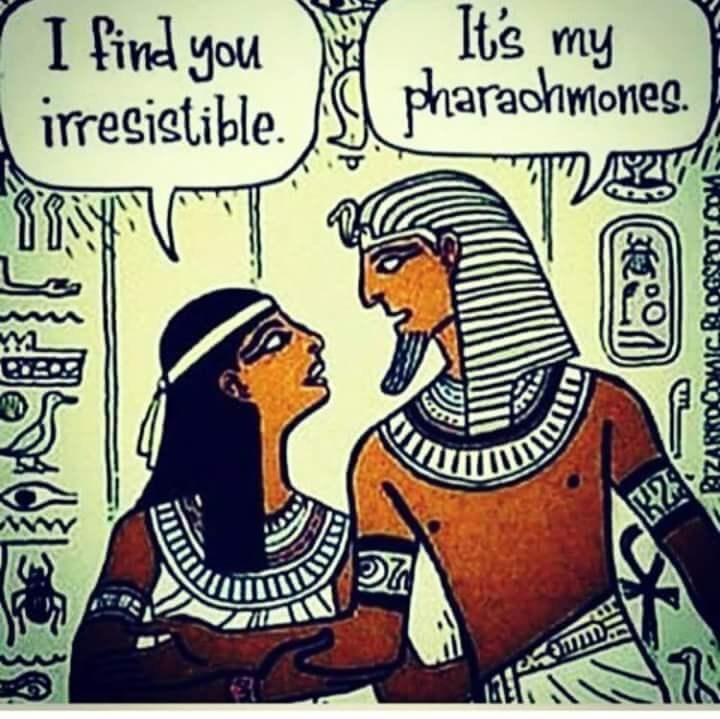

From the Editor
Don’t forget: Time for the Meeting-in-Miniature! Judges needed! Contact Phong Ngo at ngo@txwes.edu or 817-831-4806.
Most interesting article? Wastewater monitoring in the Big Easy (also known as the Big Sleazy…) after Mardi Gras and the Super Bowl showed the recreational drug use increased during this time. Researchers publishing in ACS’ Environmental Science & Technology Letters show monitoring wastewater revealed an increase in the use of relatively new dangerous synthetic opioids during these two events. Just hoping the crawfish don’t get any of that…!