
Sport at DESS College is built on a very simple belief: that great people make great performers, and not the other way around.
DUBAI 7S
DUBAI 7S
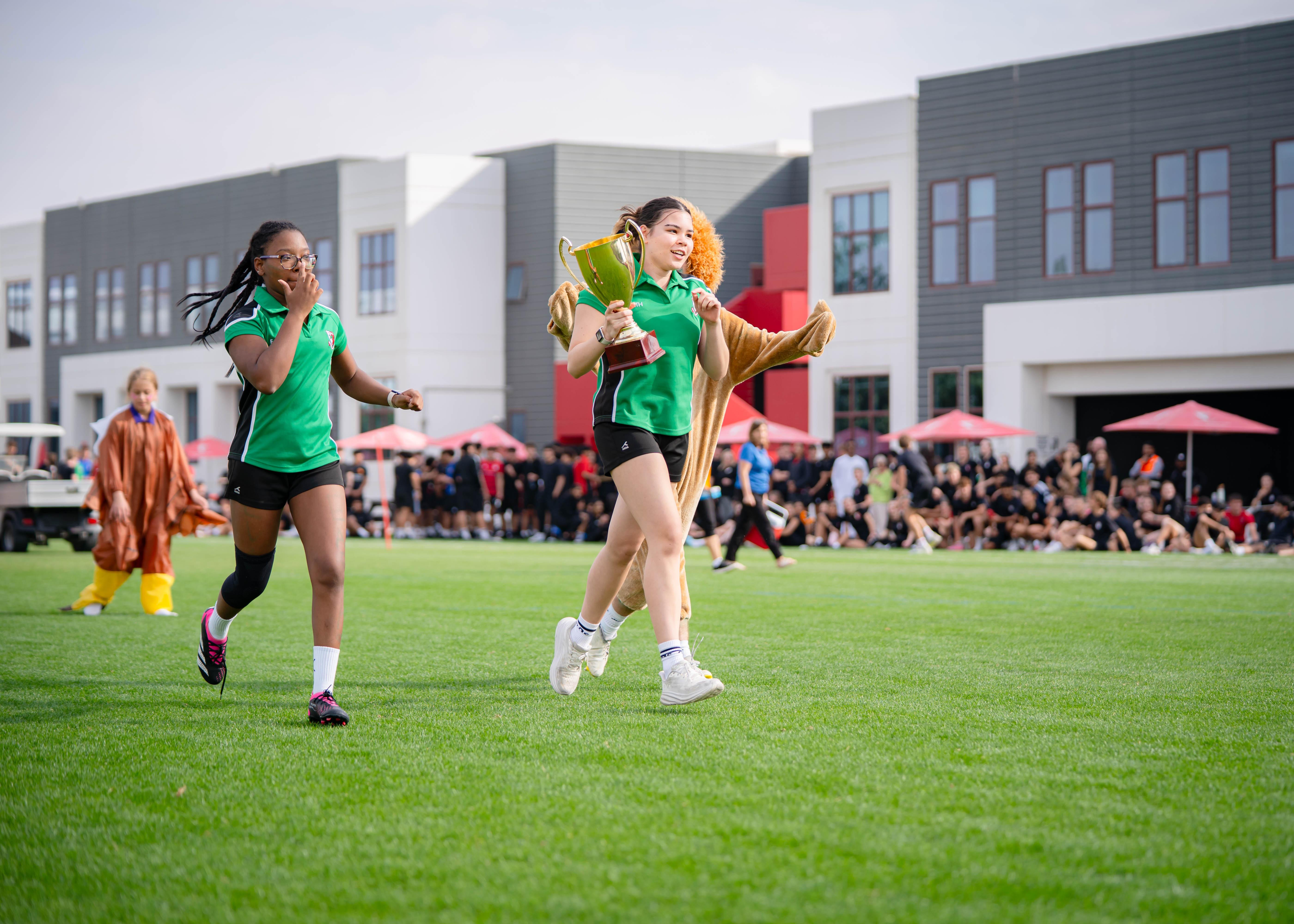
GULF U19 BOYS WINNERS
GULF U19 BOYS WINNERS
This matters, because it shapes everything. The way teams are selected, the way coaches work, the way a student who doesn’t make the first team is treated just as seriously as one who does. For us, sport should never be a reward for the talented few. It’s a programme designed around every student who walks through our gates.
DUBAI 7S
DUBAI 7S
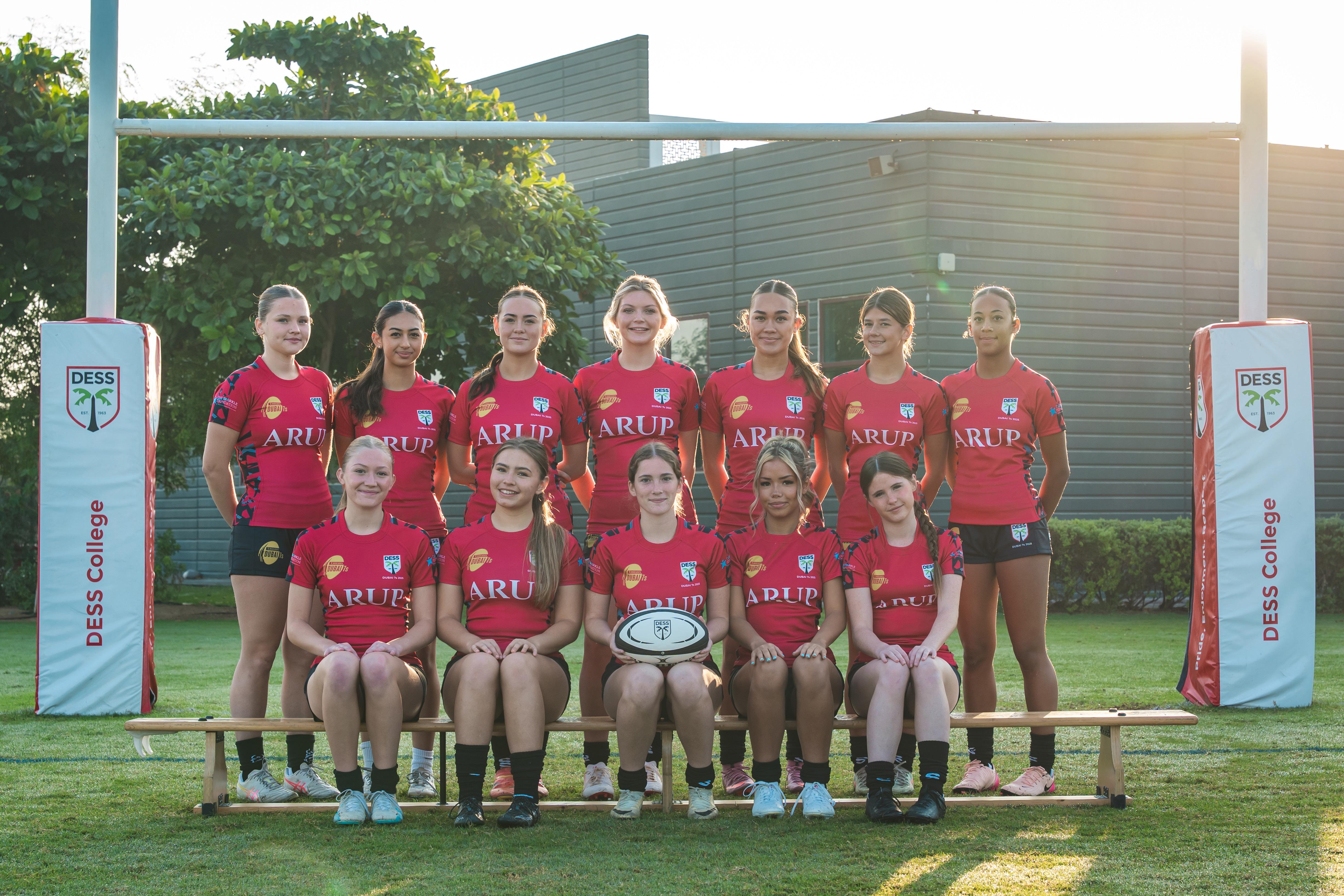
GULF U19 GIRLS
GULF U19 GIRLS
RUNNERS UP
RUNNERS UP

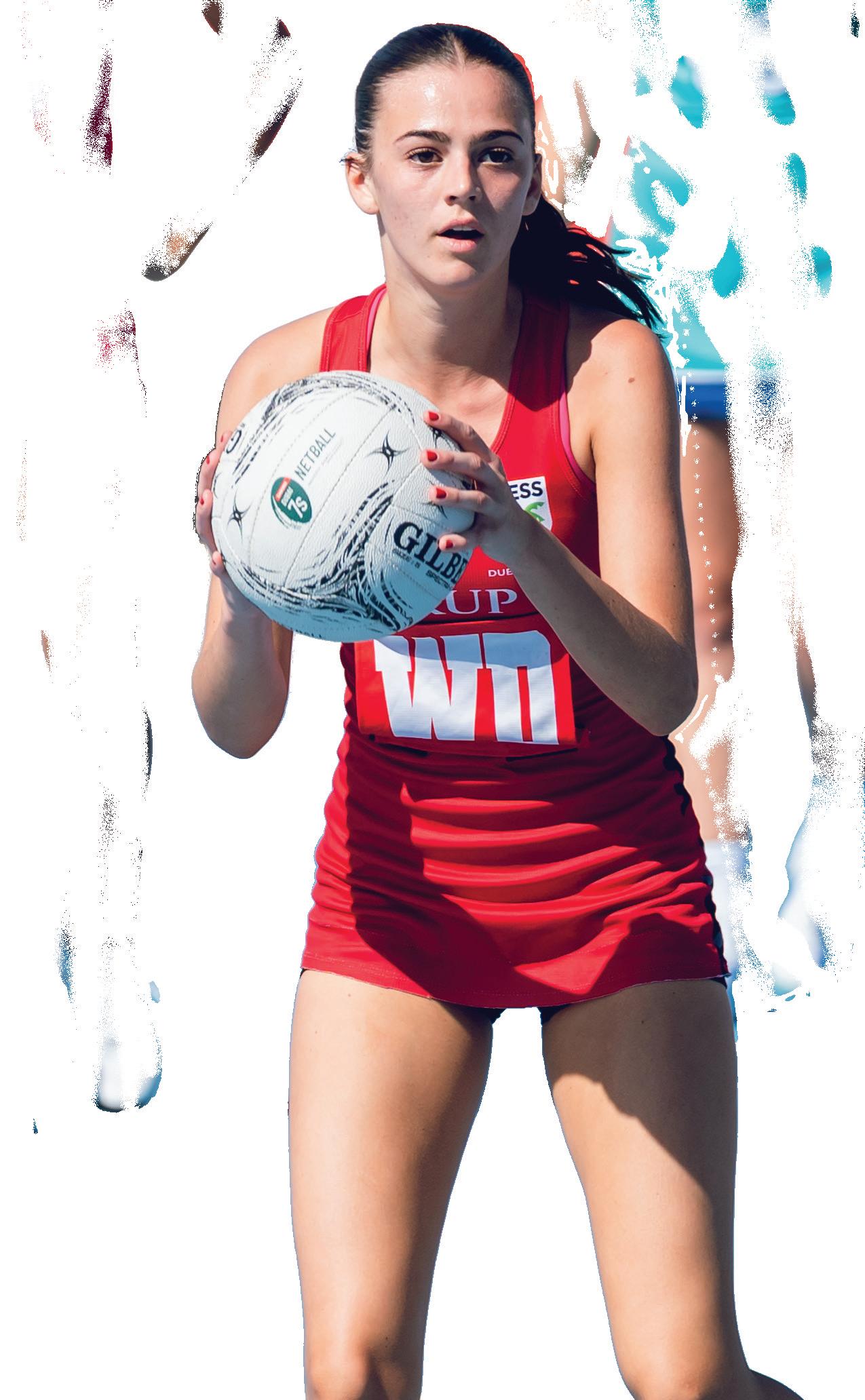
DUBAI 7S
DUBAI 7S
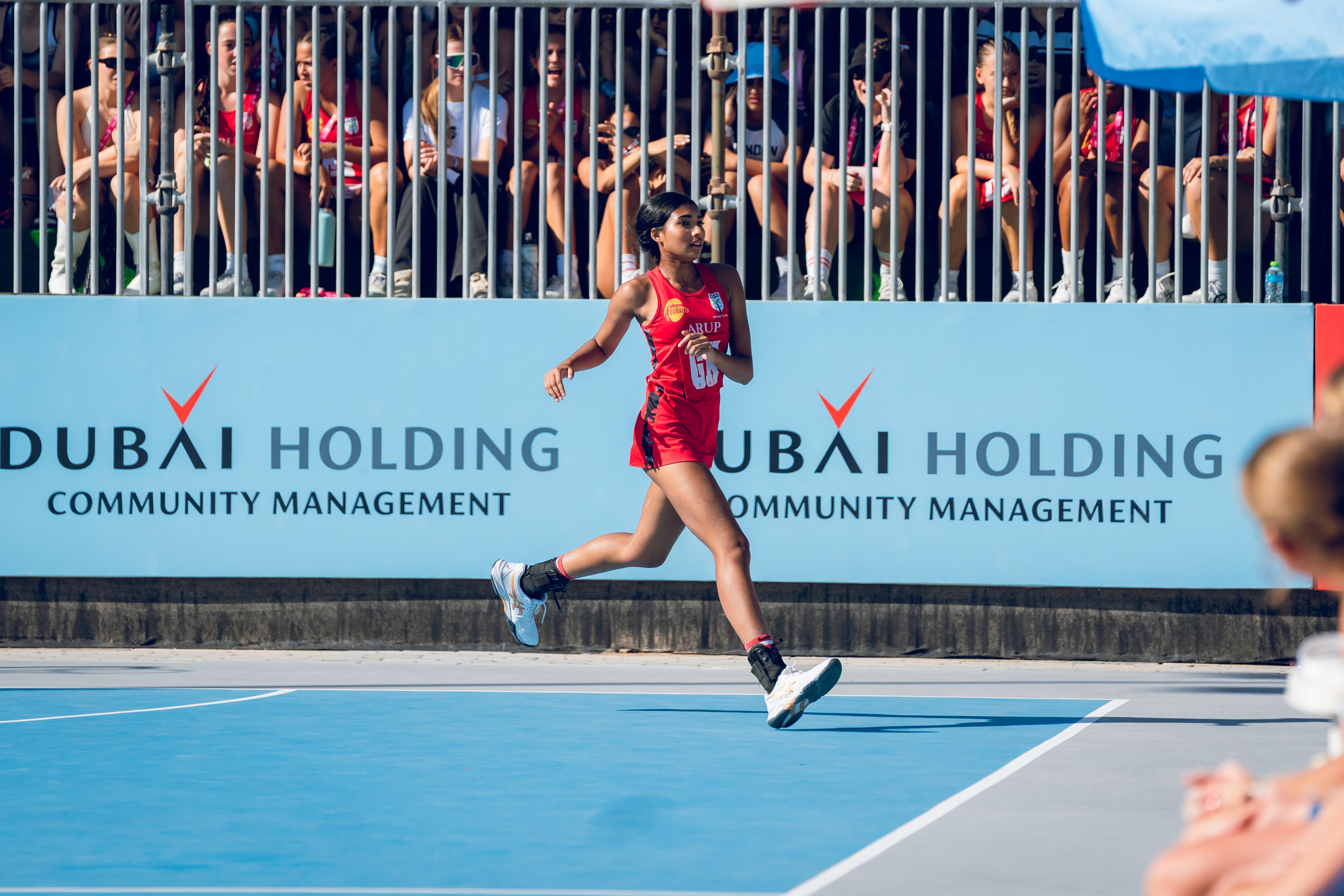
U19 OPEN GIRLS
U19 OPEN GIRLS
NETBALL RUNNERS UP
NETBALL RUNNERS UP
That said, we’re very proud of our record. With more than 130 teams, an 83% participation rate across the College, and alumni competing at Olympic, international and professional level, the standard here is genuinely high. What we have learned, through years of working with young people, is that inclusivity and excellence are not opposites. One produces the other.
Character drives the process, and process drives winning. We care about winning deeply, but we invest our energy in what actually produces it, and that investment starts on day one, whatever your child’s ability, appetite or experience.
Our aim is straightforward. We want every student to leave DESS College with a genuine, lasting passion for at least one sport, not just a medal in a drawer or a memory of a good season, but a relationship with physical activity that serves them for life. That is what sport is for, and that is what we are here to build.
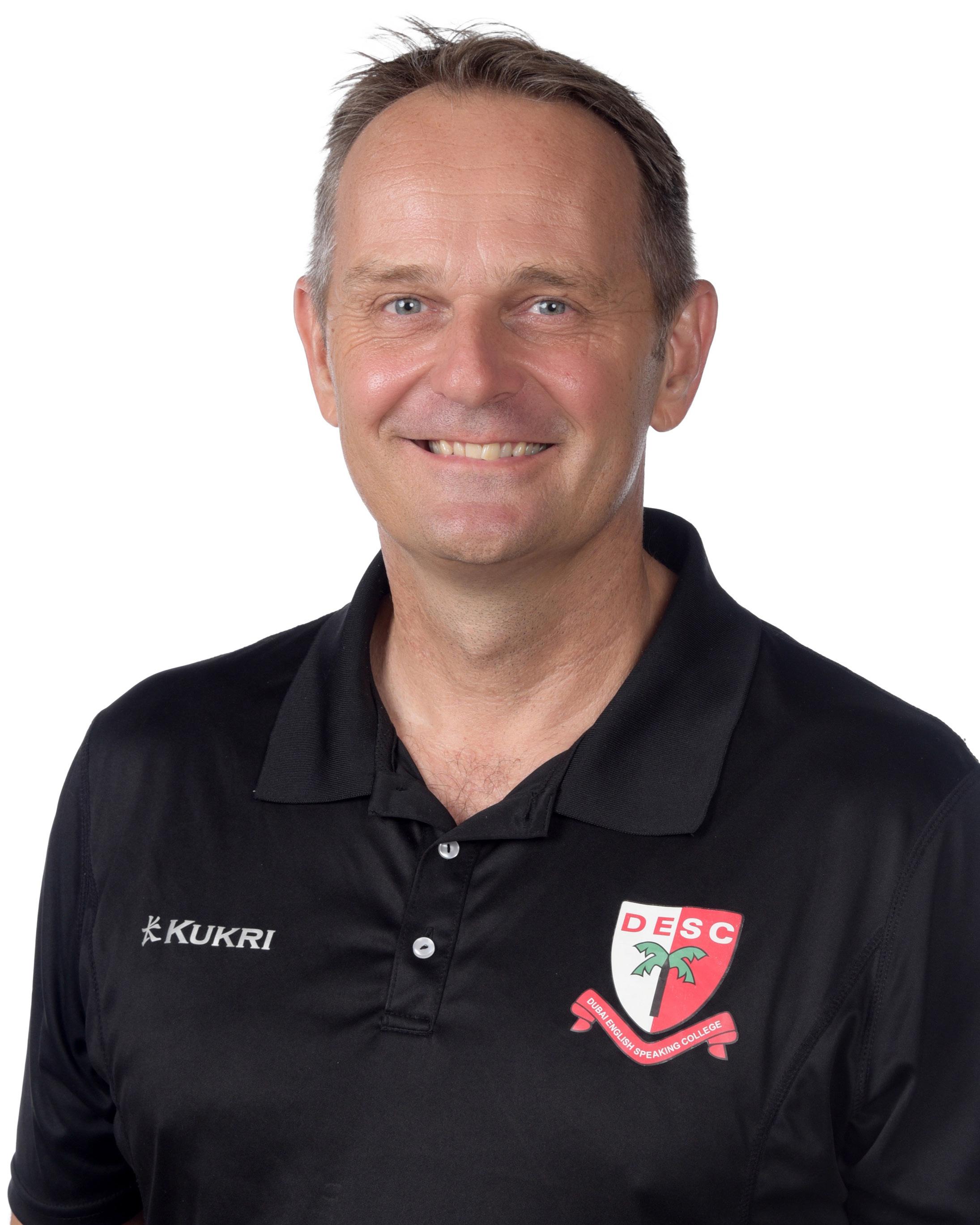
MICHAEL RANDALL DIRECTOR OF SPORT




There is a version of school sport that works for a small number of students and politely tolerates the rest. Ours is not that version.
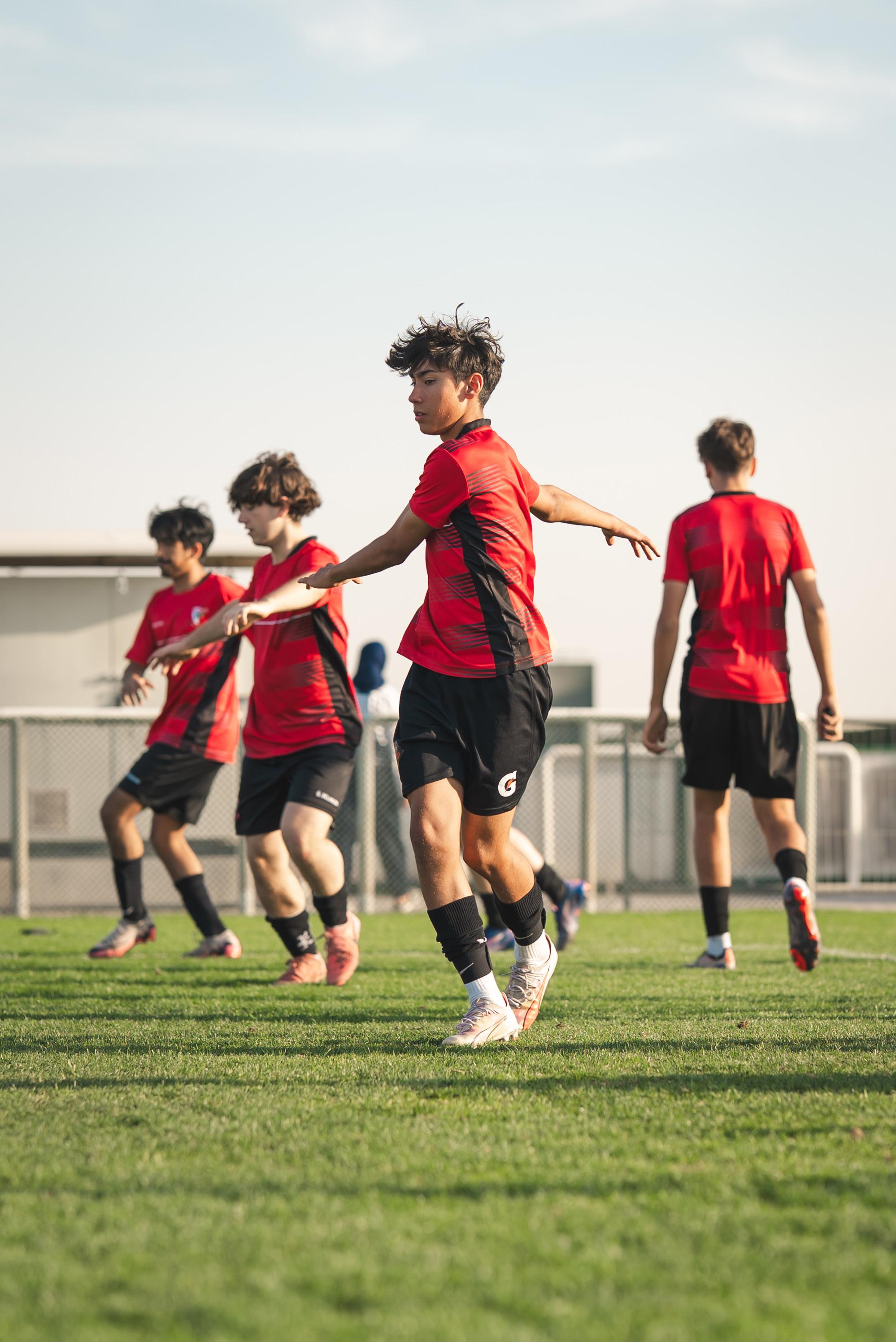
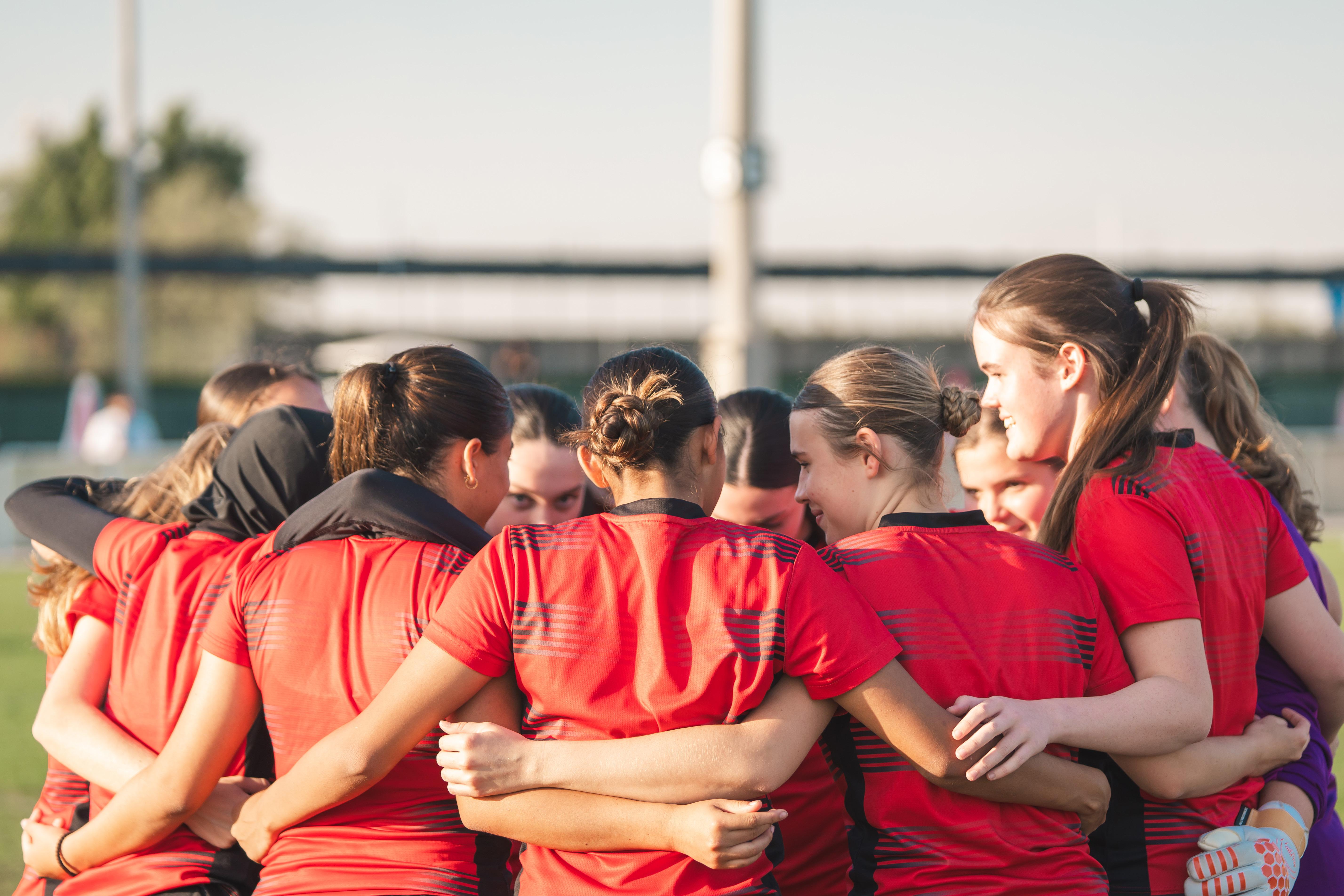
With more than 130 teams across the College, representing a wide range of sports, age groups and ability levels, the programme has been deliberately built to give every student a genuine opportunity to compete and to belong. Around 83% of students choose a sporting ECA during the school year, a figure that reflects not just availability but appetite. Football alone draws more than 600 participants, at a school that is not a football academy and has never set out to be one.
Our B teams are not an afterthought. When DESS College entered the BSAK tournament with its full complement of teams across all age groups, the result was an overall event victory. Depth won it, not just the stars at the top. Selection for representative sport is competitive and the standards are high, but the question we ask ourselves goes beyond who is good enough for the A team. It is whether every student who wants to represent the College has a genuine pathway to do so. In our experience, both questions deserve a serious answer.
CORE PE FOR ALL
ECA PARTICIPATION
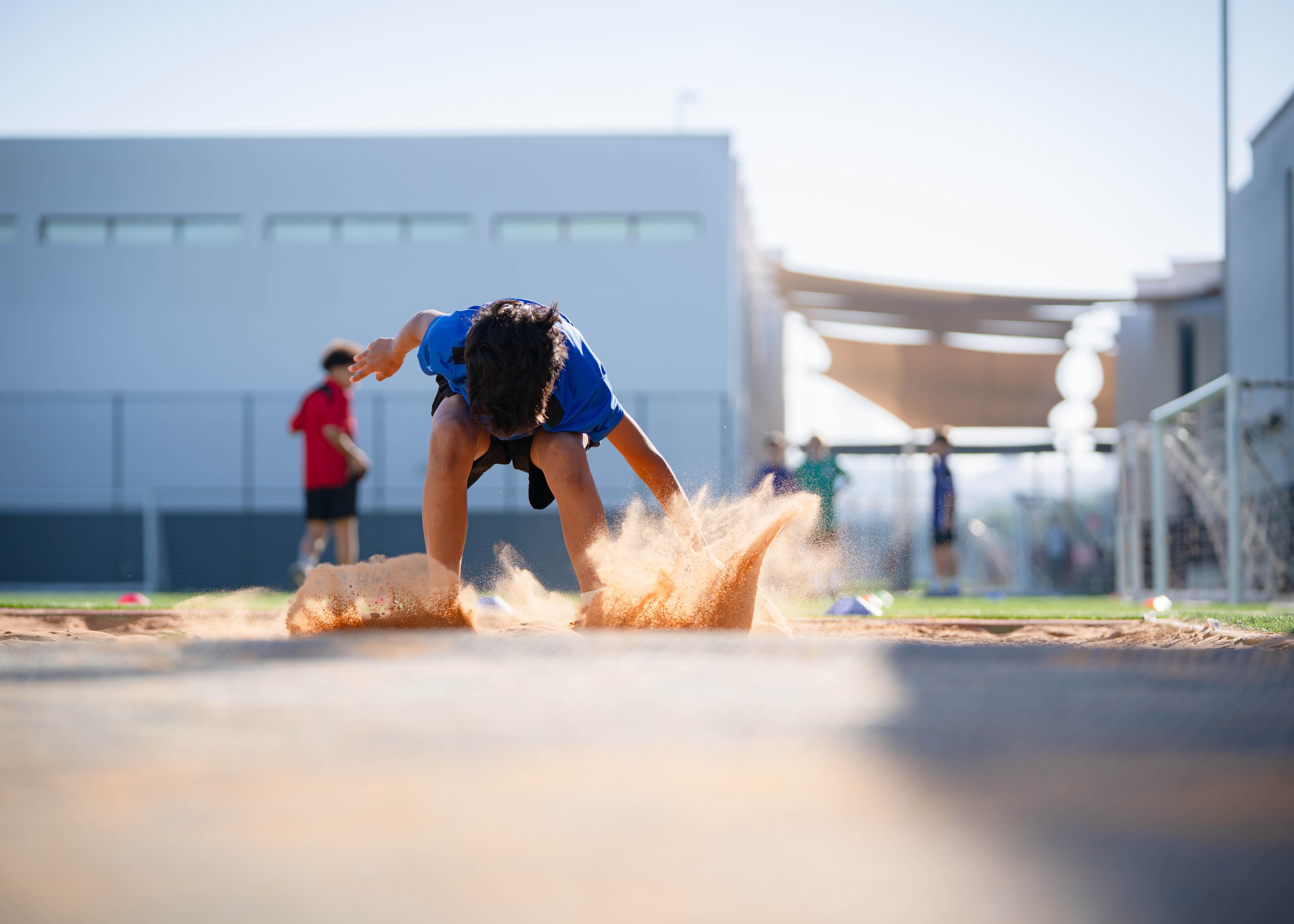
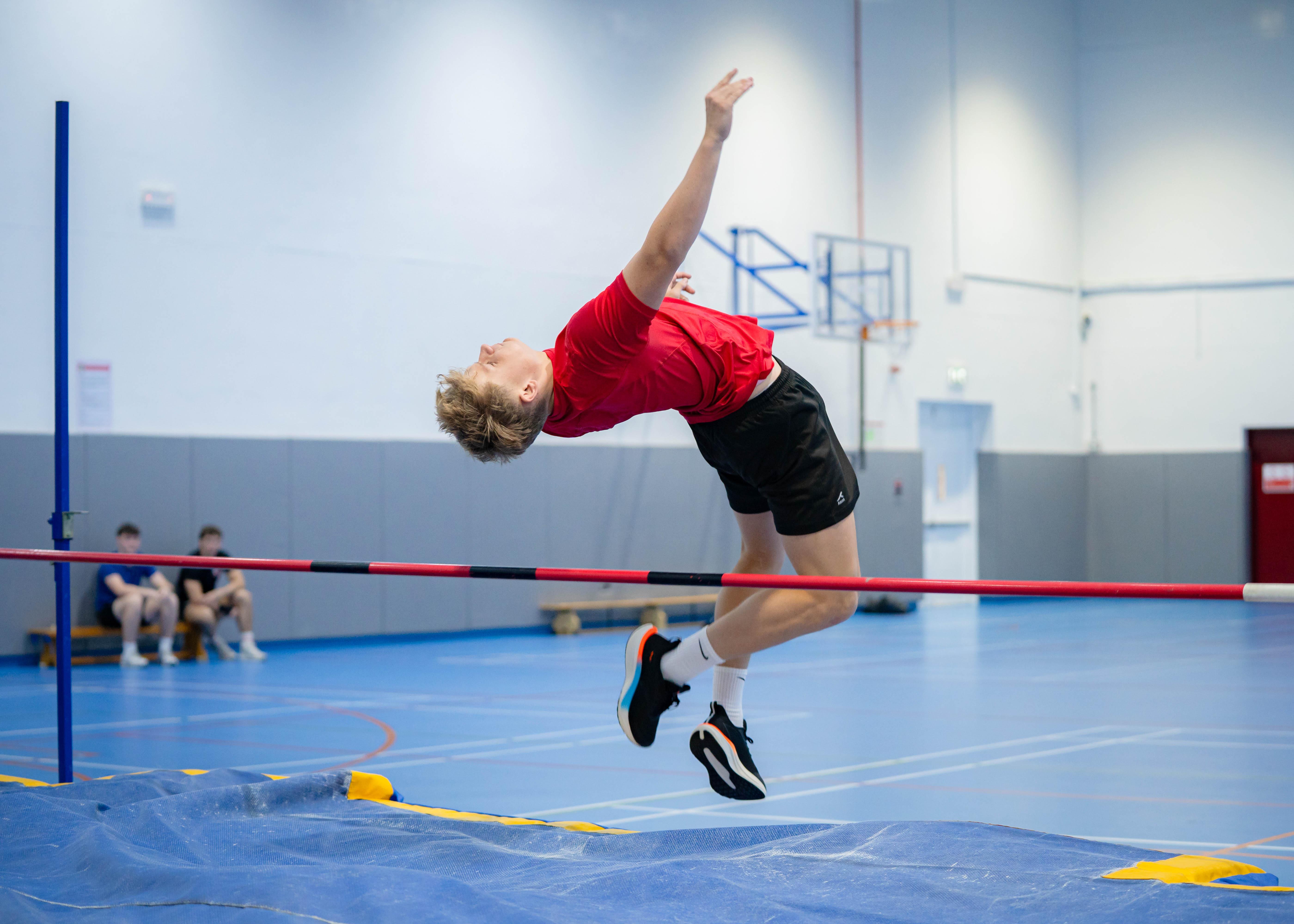
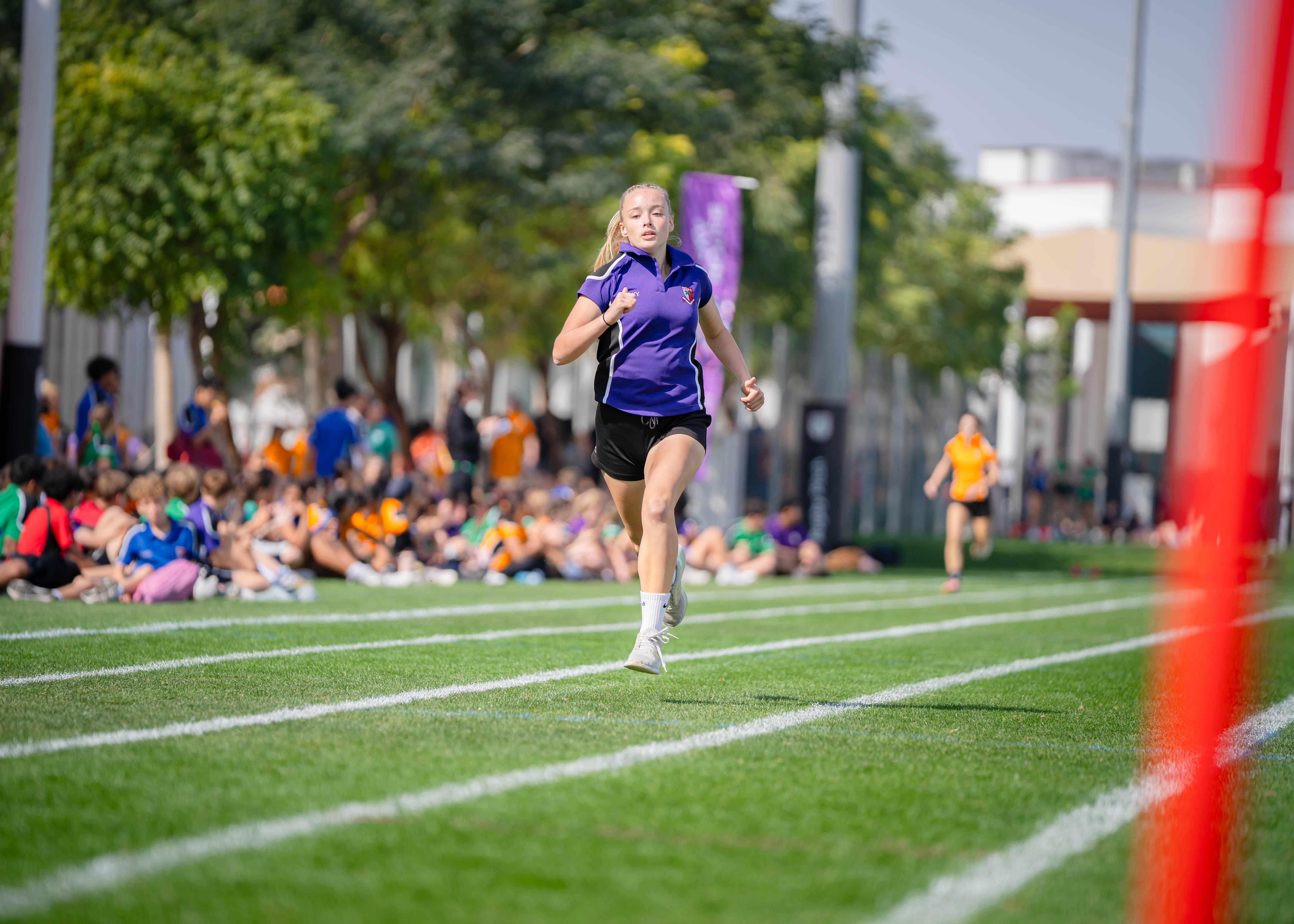
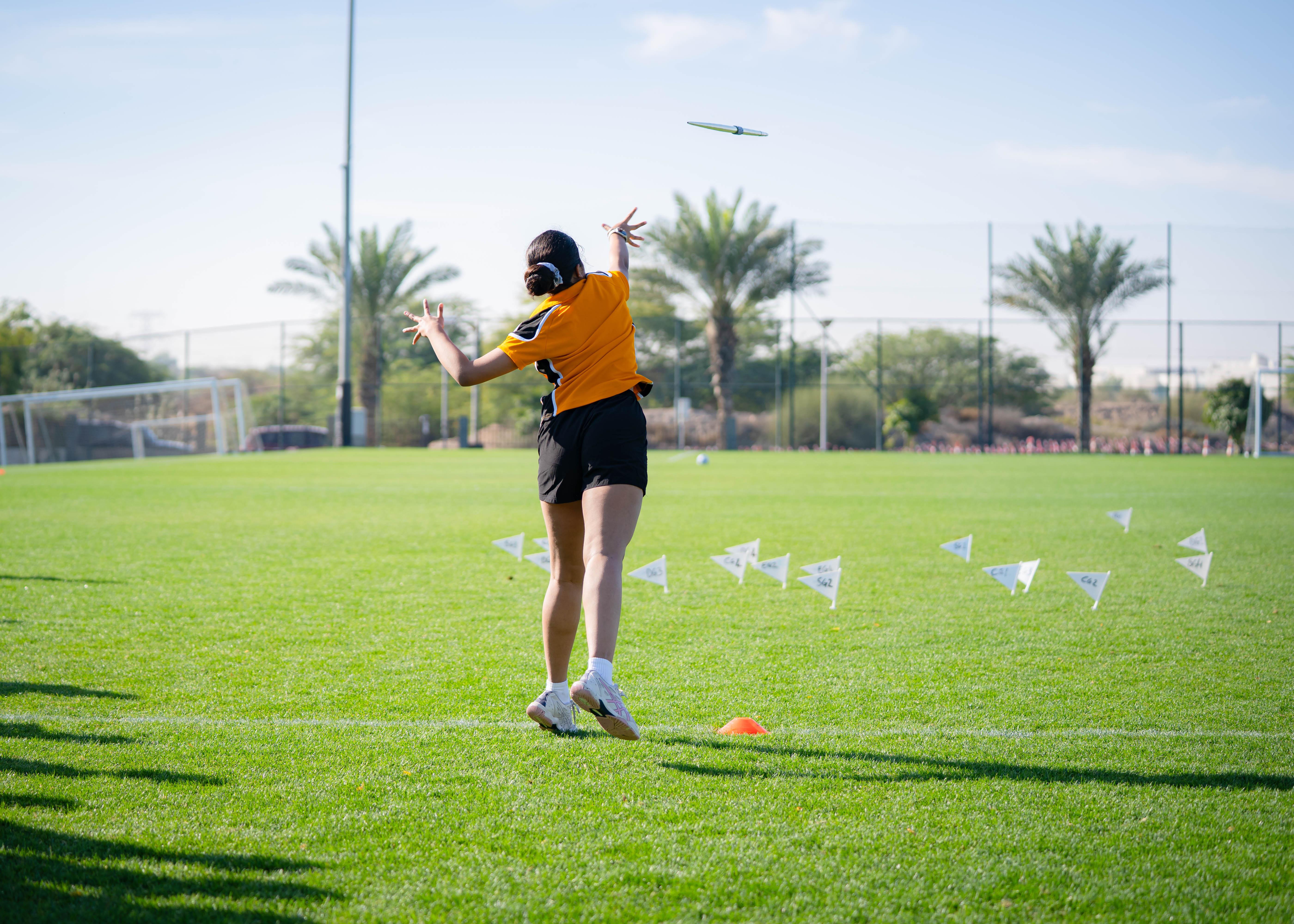
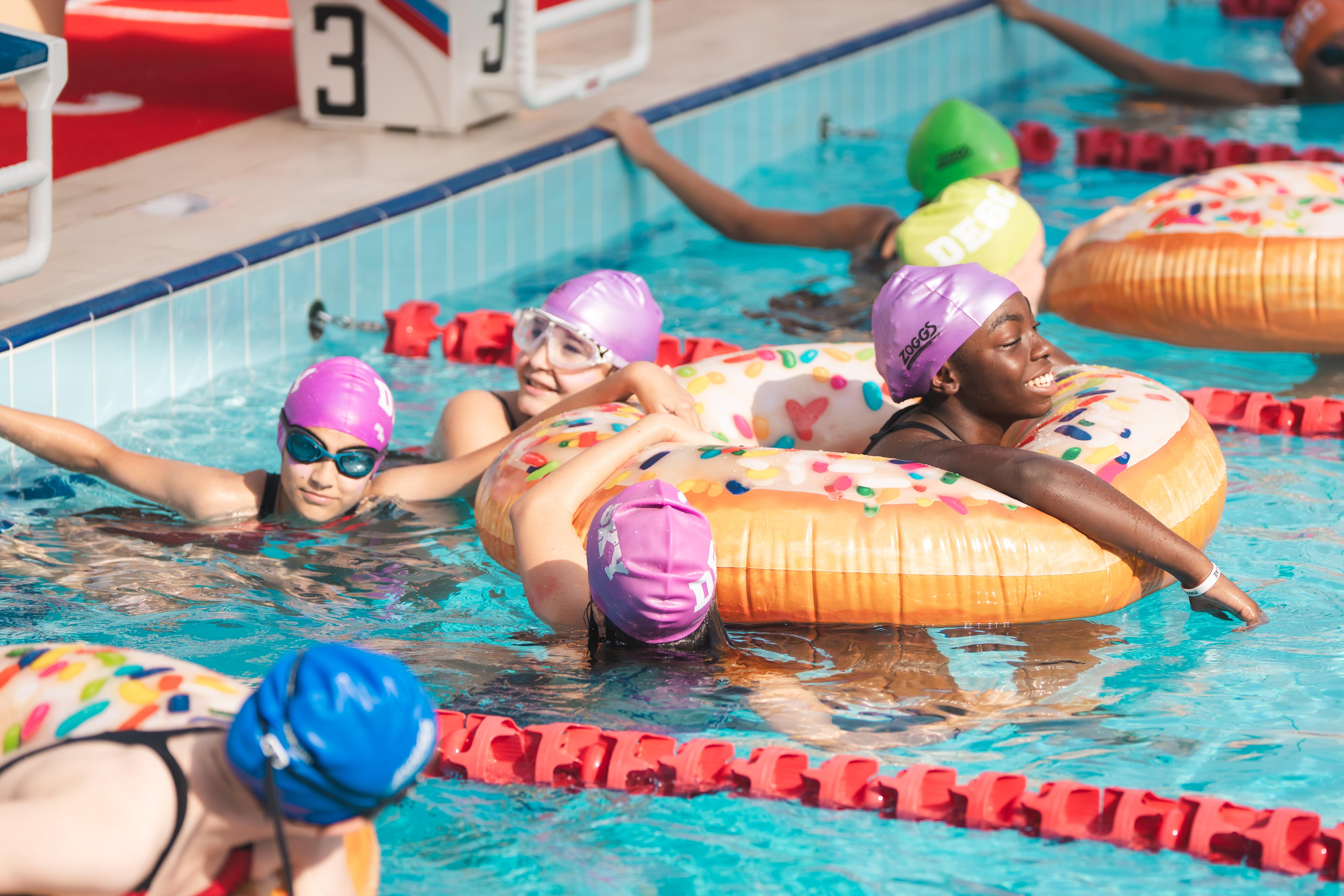
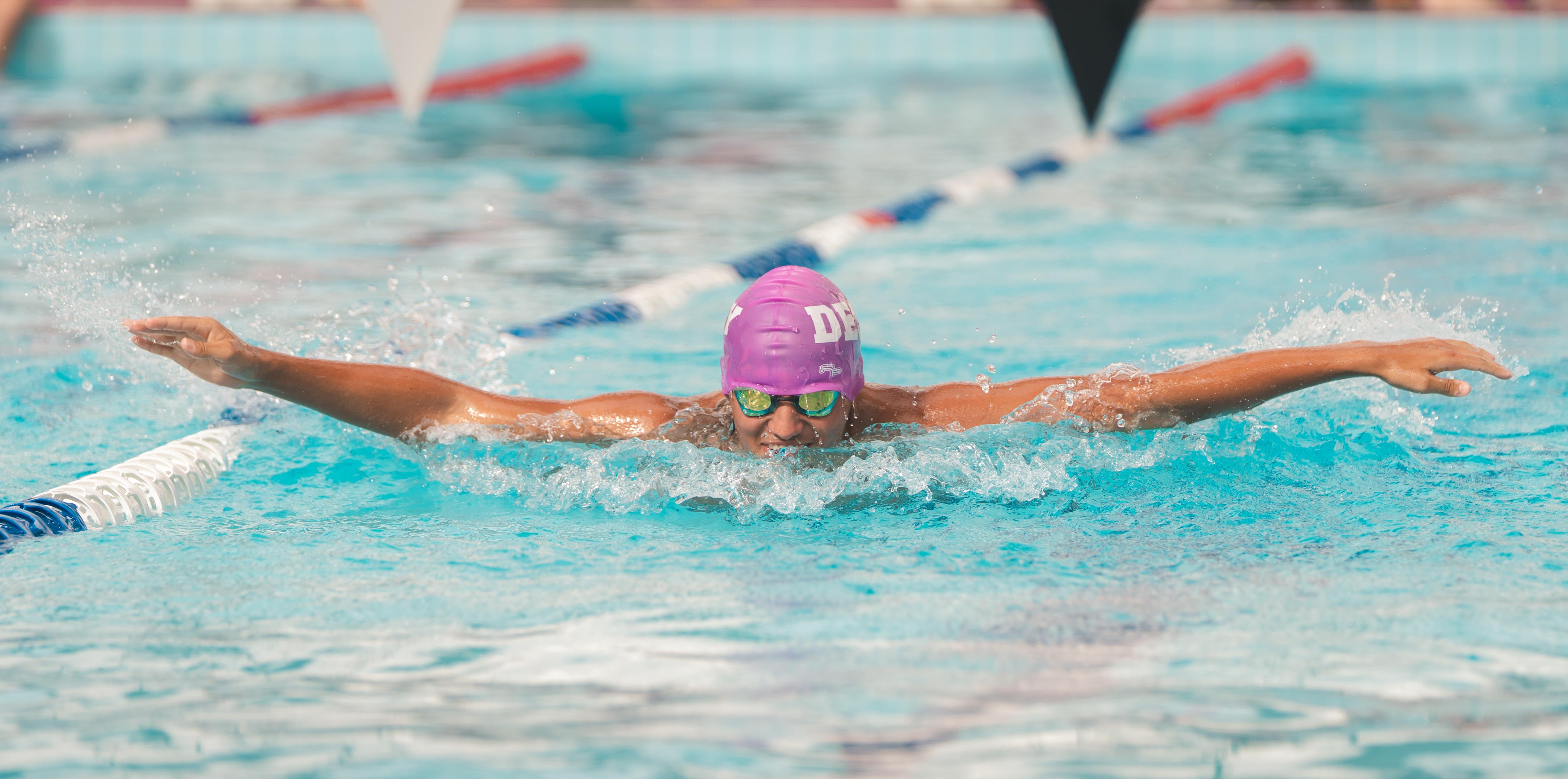
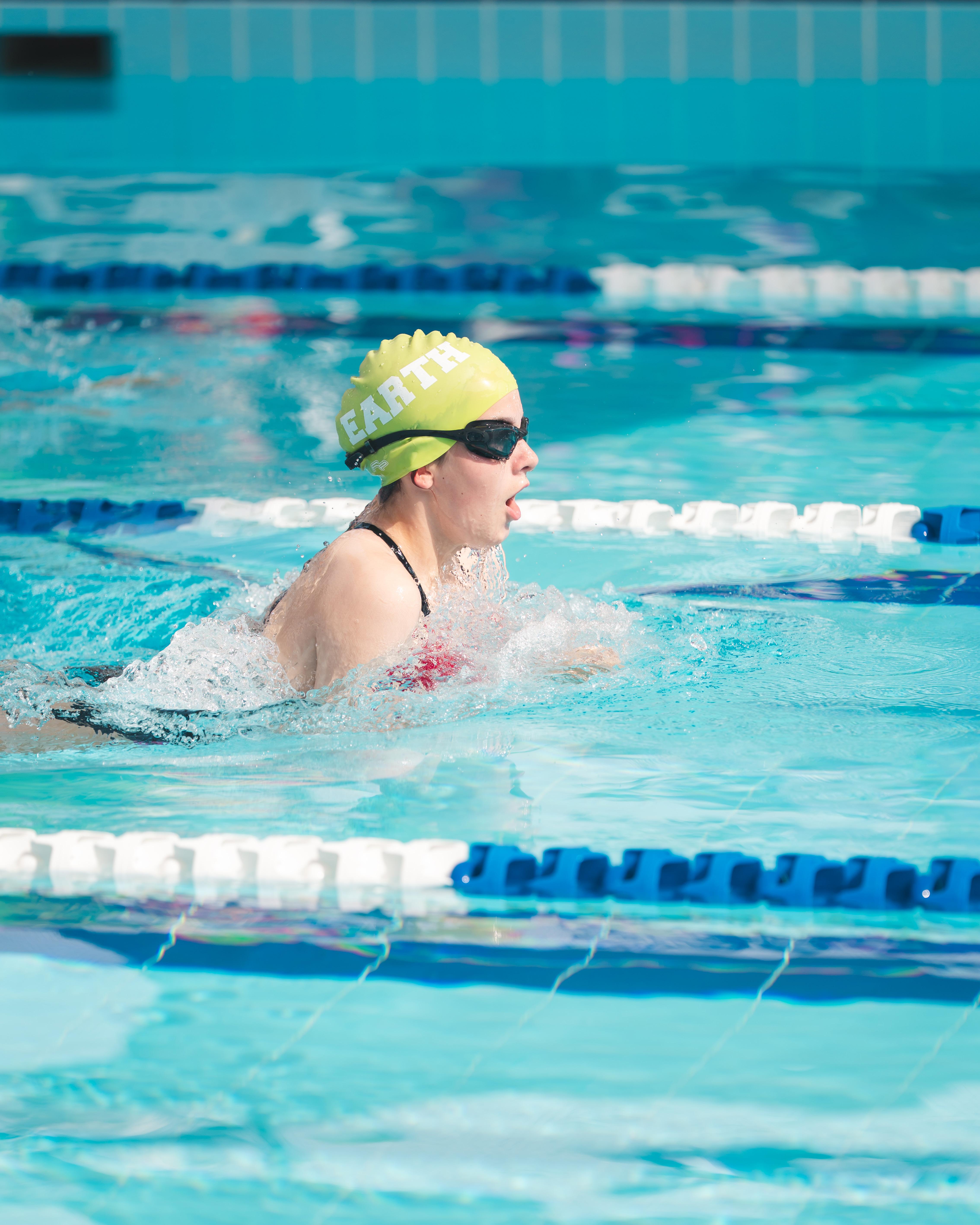
Every student in Years 7 to 11 receives two timetabled PE lessons each week across a broad curriculum spanning rugby, football, swimming, athletics, basketball, netball, strength and conditioning and more. Assessment covers physical skill, relationships, emotional response and independent thinking. This is where every student’s sporting journey begins.
DEVELOPMENT PROGRAMME INVITATION
Beyond the timetable, opportunities multiply. A Year 7 student has access to 32 sporting sessions each week outside of lessons. Sixth Form students have 25. Football, rugby and netball lead the way, with basketball, tennis and cricket growing strongly alongside them.
REPRESENTATIVE SPORT
For students in Years 7, 8 and 9, dedicated Development Programmes run in football, netball and rugby. Selection is by invitation, based on the RISE framework, considering relationships, interests, skills and emotional maturity. Those selected receive weekly specialist coaching, gym and strength and conditioning access, and a personalised programme through the Teambuildr app.
BEYOND SCHOOL
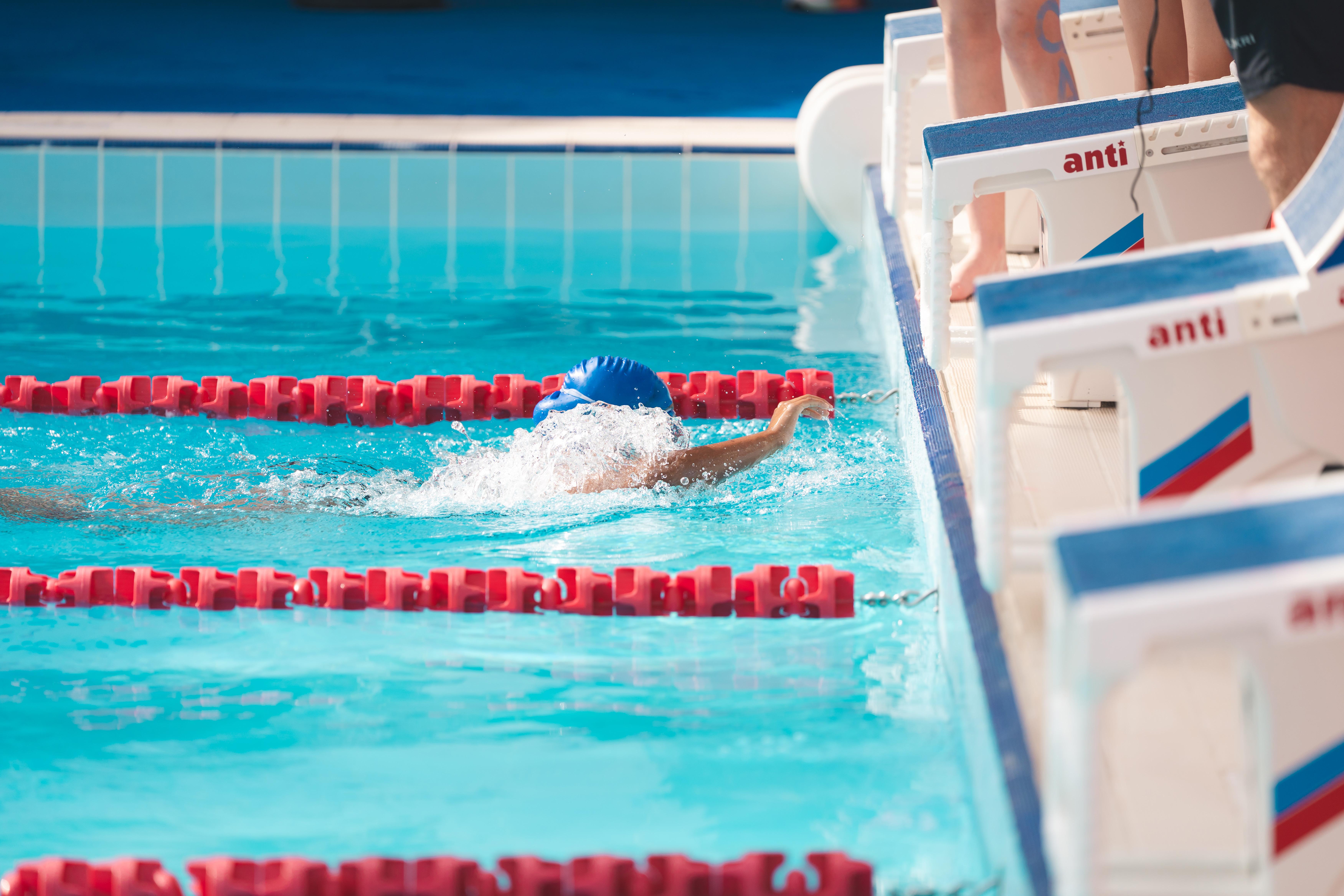
DESS College fields more than 130 squads in the DASSA league and cup structure across all three terms, from Under 12 to Under 19 in football, rugby, netball, basketball, cricket, swimming, water polo, volleyball and athletics. Tours extend the experience further, with 11 trips proposed for 2025/26 across South Africa, Egypt, Madrid, Singapore, Hong Kong and Sri Lanka.
The goal is not simply to produce good school athletes, but to send students into adult life with a lasting relationship with sport. DESS College alumni have competed at Olympic level, earned university scholarships, represented their countries and qualified as professional coaches. The programme is designed with that horizon in mind from day one.

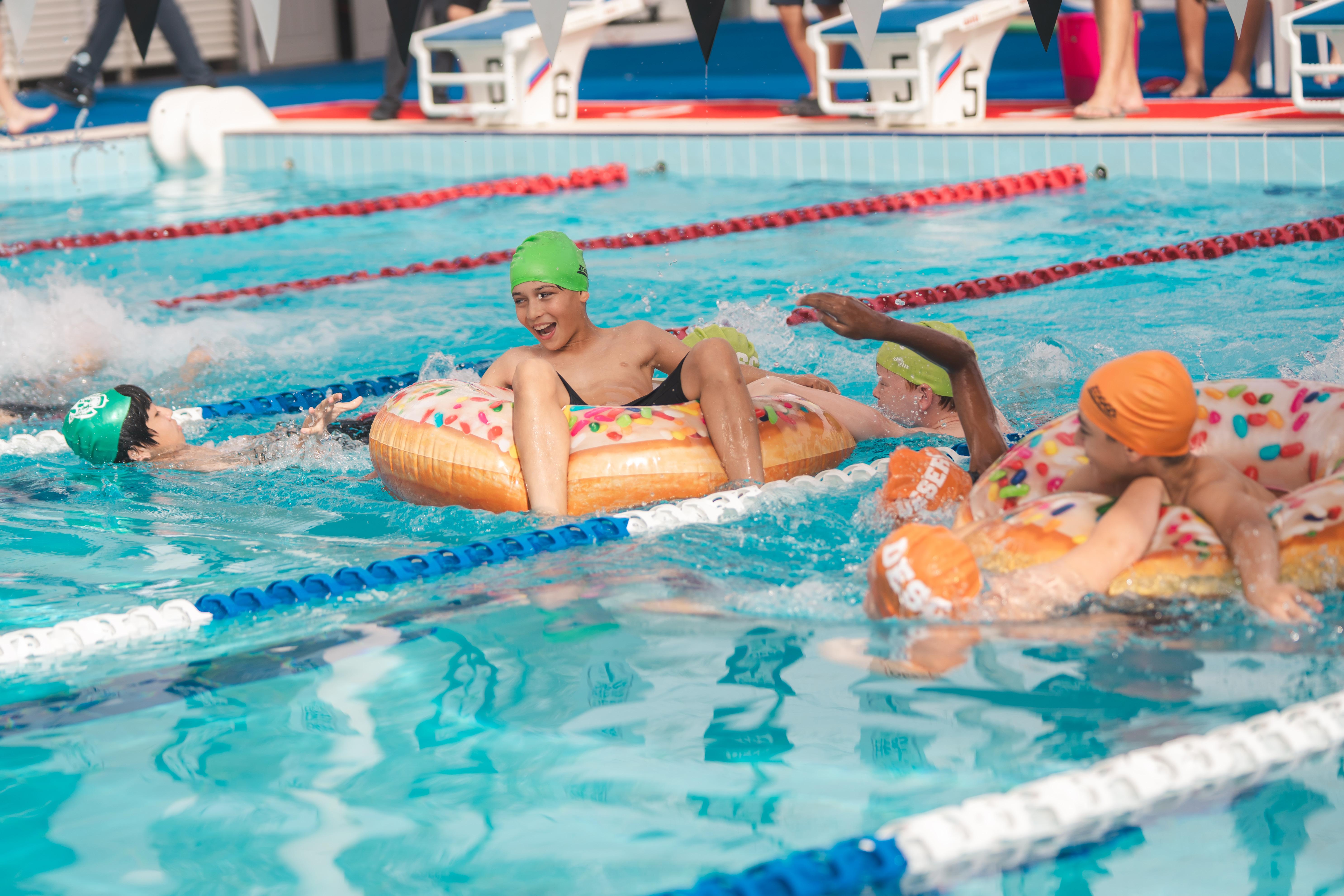

Ask most schools what they mean by sports leadership and they will point to the captain’s armband. At DESS College, that is where the conversation starts, not where it ends.
Leadership here is a habit of behaviour, not a title. It shows up in the senior player who stays behind to help a younger student with technique, the first-team footballer who gives up a Saturday morning to run a Year 7 tournament, and the rugby captain who crosses codes for a cup semifinal because the team needed him. These are not exceptional stories. They happen regularly, because the programme has been built to produce them.
The best captains, in our experience, are not necessarily the best players. They are the ones who make those around them better, who set a standard in training that others rise to meet. Alongside formal captaincy, students have access to coaching qualifications, officiating pathways and leadership programmes that extend their engagement well beyond playing. The performance and moral character traits we develop, from competitiveness and resilience to humility, honesty and care for others, prepare a student for considerably more than the next fixture.
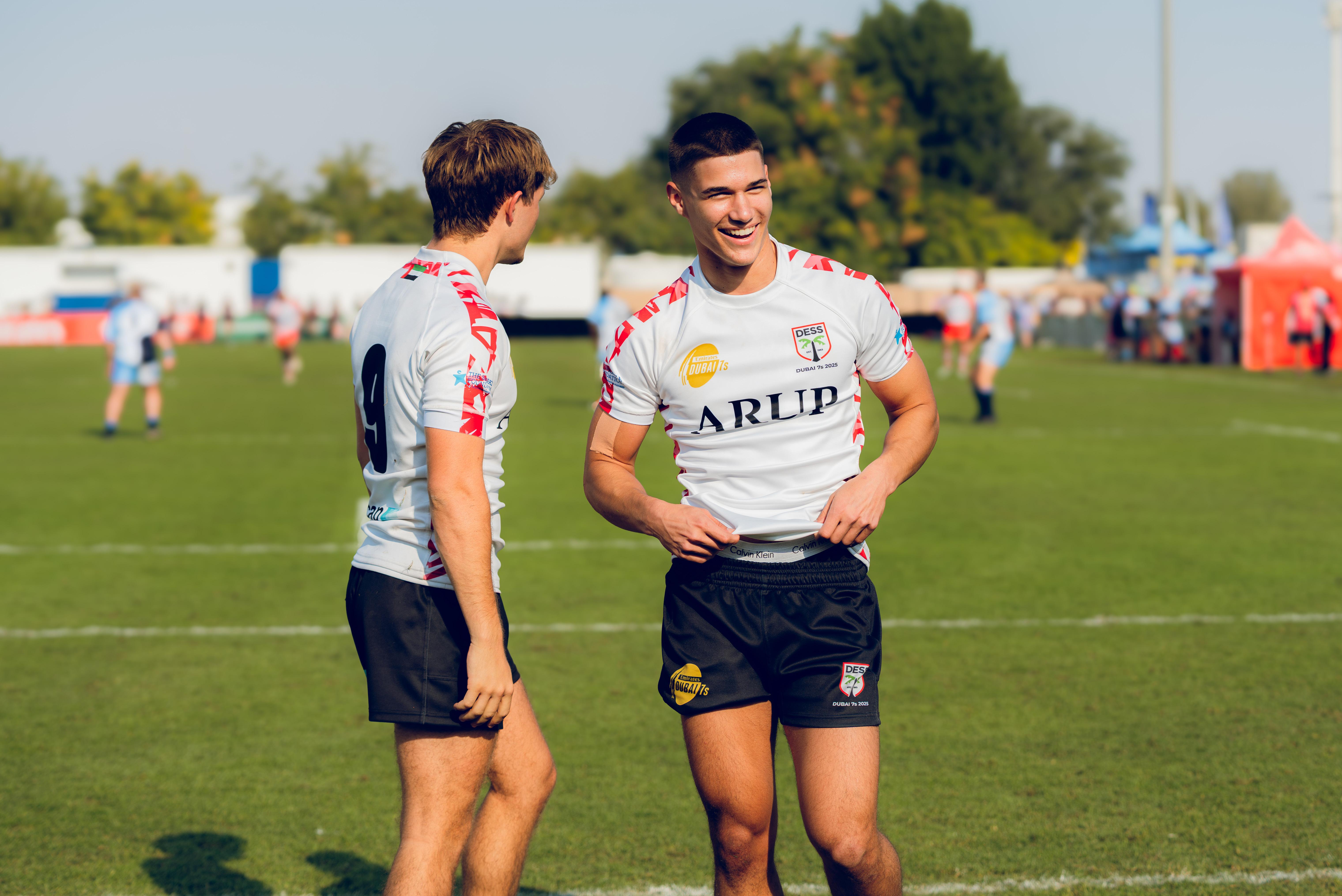
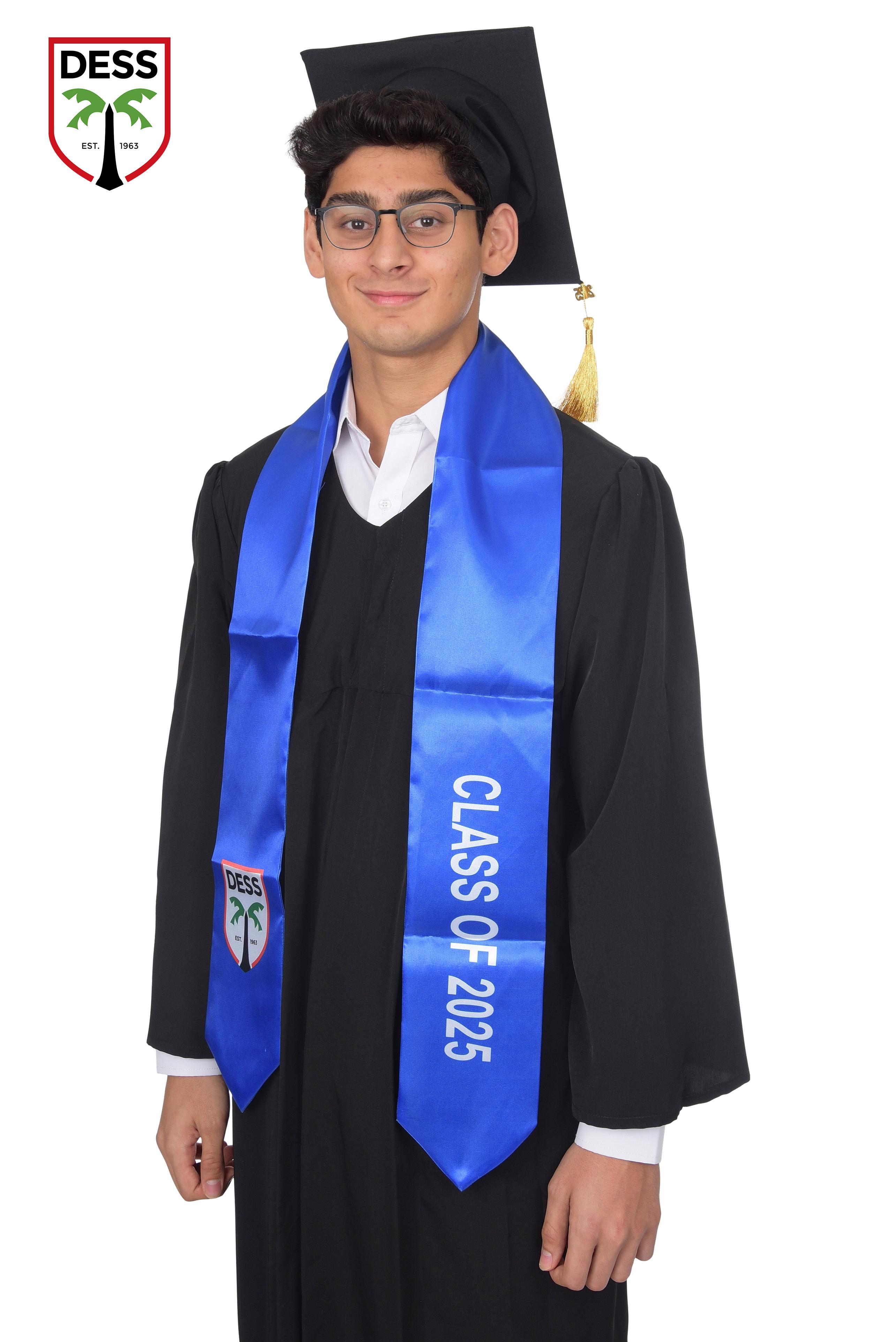
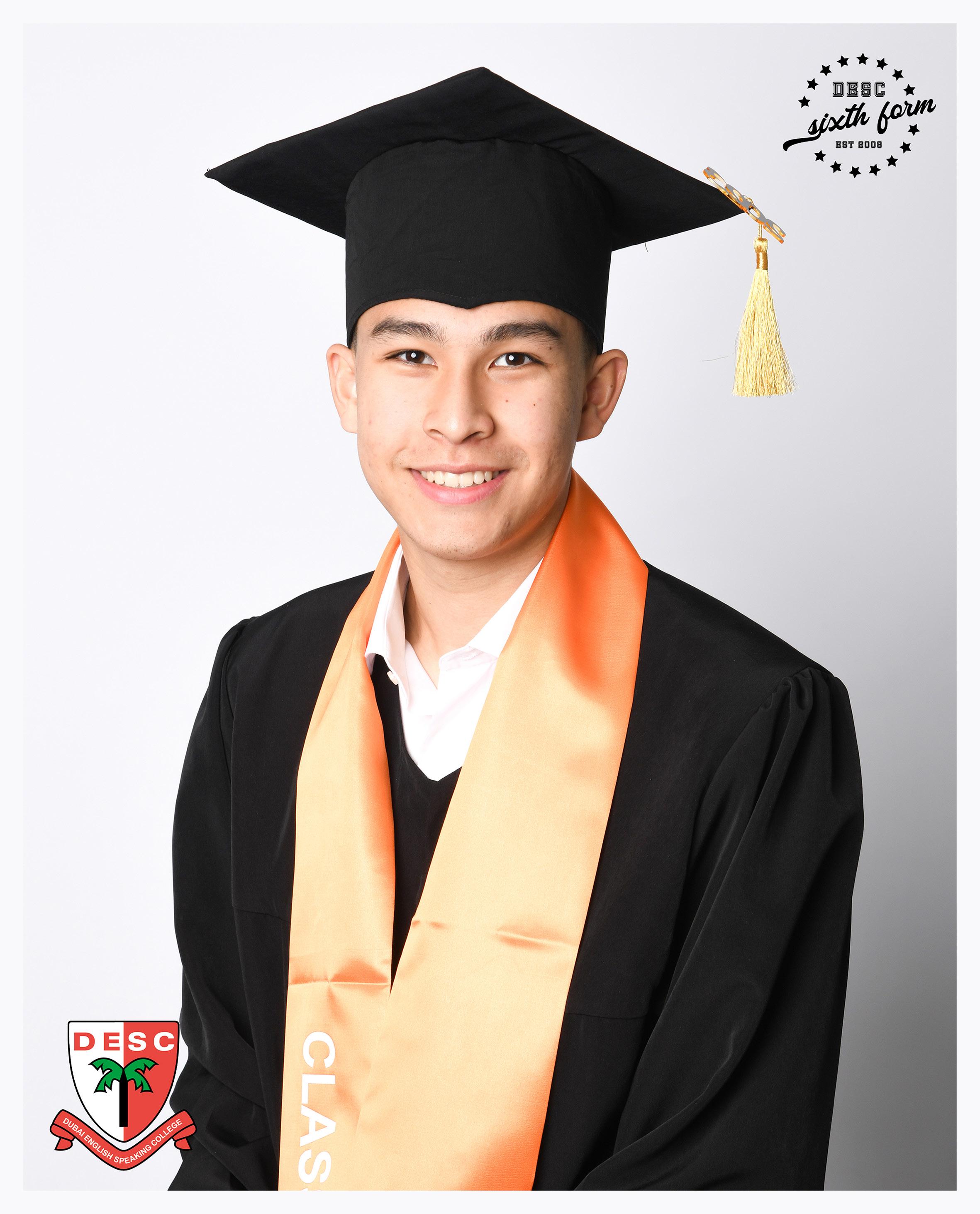



The truest measure of any sports programme is not what happens during school. It is what happens after.
In the summer of 2024, Ahmed Durrani stood on the starting block at the Paris Olympics, representing Pakistan in the 200m freestyle while still a Year 13 student at DESS College. James Aubrey arrived in Year 7 as an enthusiastic footballer with plenty still to prove, and left for the United States on a full university scholarship, having captained the Senior First Team. His story is not primarily about football. It is about what happens when character is taken as seriously as capability.
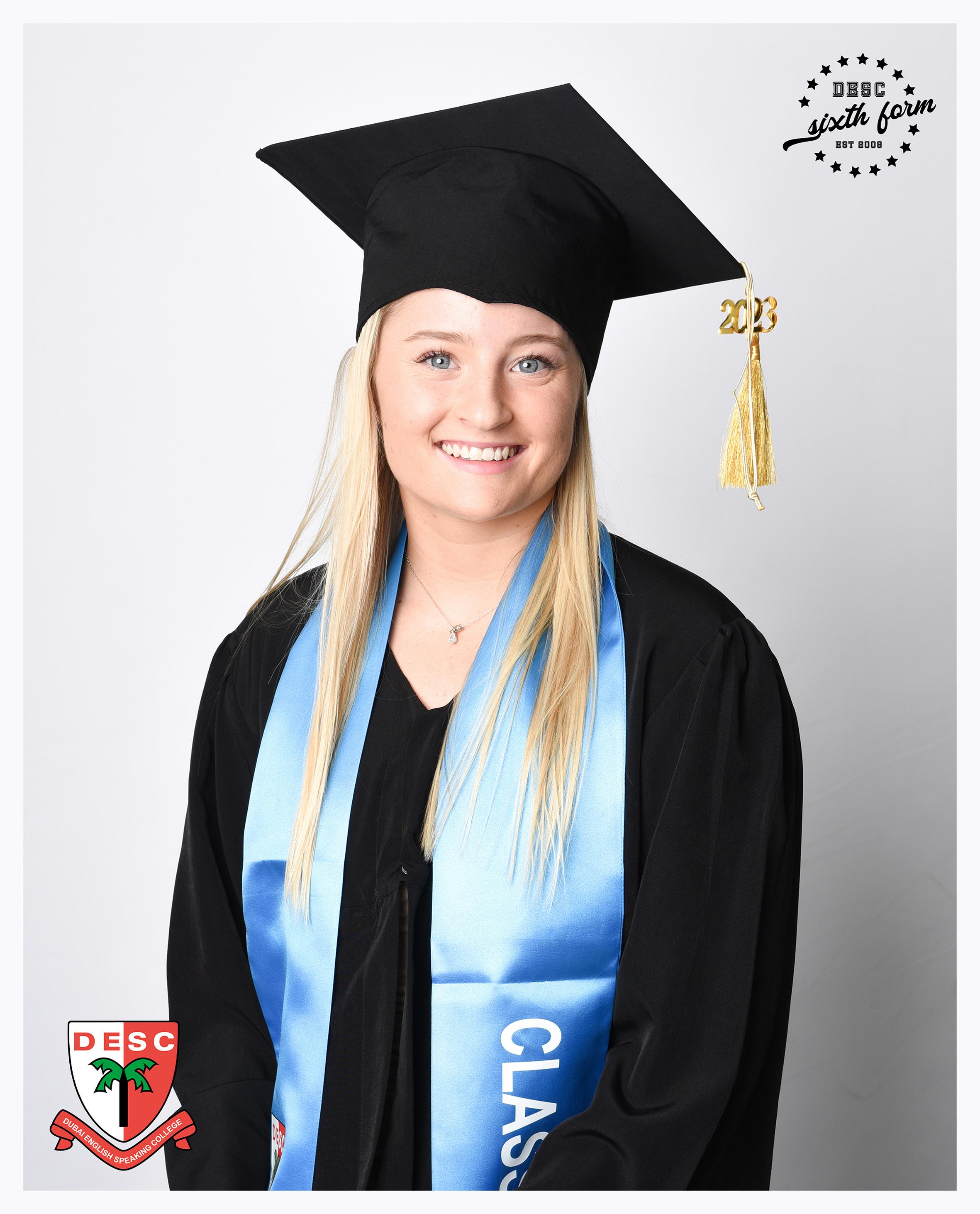
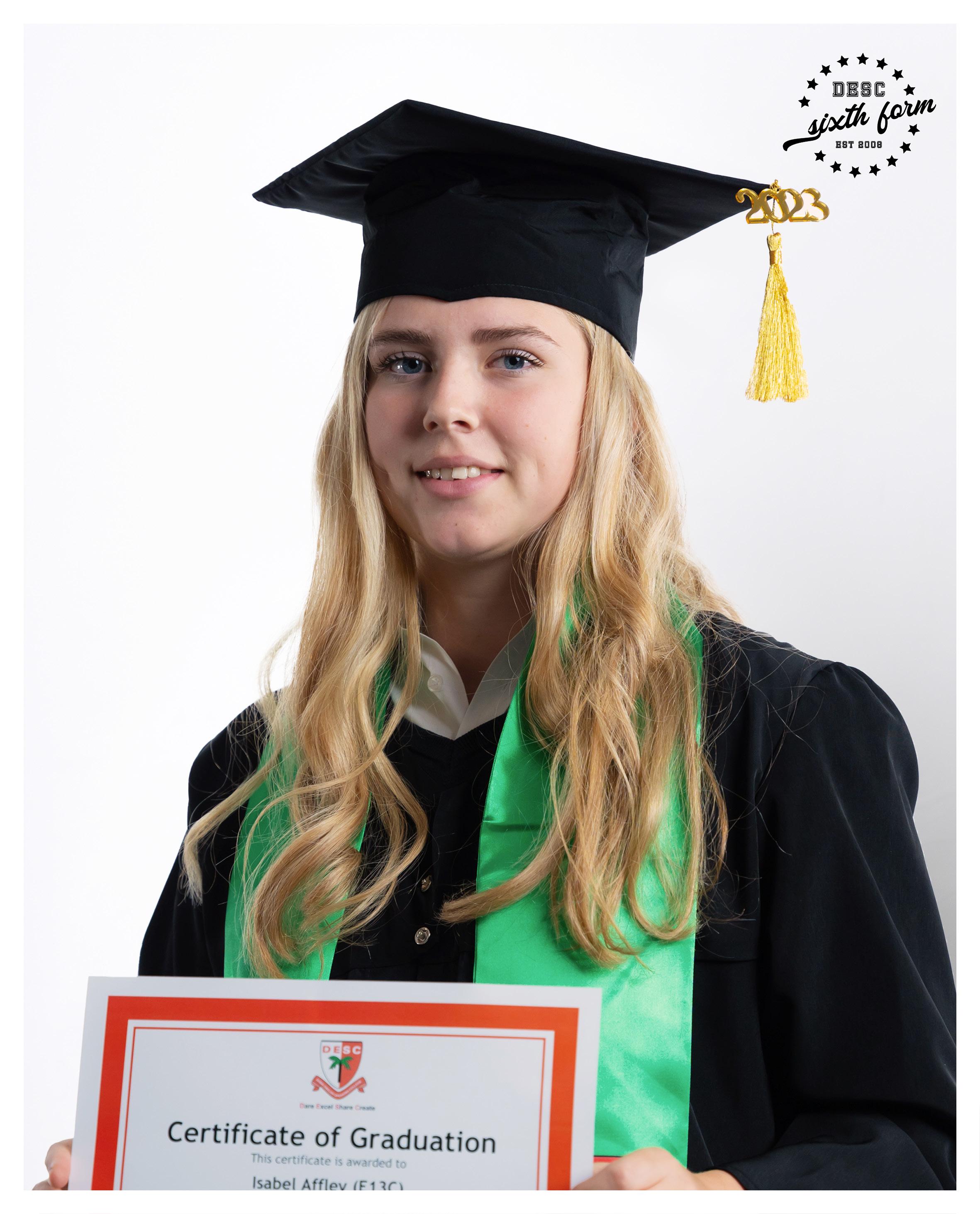
Emily Eglen represented the UAE at Under 18, Under 20 and senior international level and is now being considered for the Australia Sevens Olympic programme. Nicole Sproul became a UAE Falcon and senior international and now works as a pathway coach. Izzy Affley plays for Loughborough Lightning and has represented Wales at Under 19 and Under 21 level. Jack Taylor left as a World Rugby Level 2 referee.
Six stories. Six sports. Six definitions of success. What they share is a starting point: a school that believed developing the whole person was the most reliable route to developing the whole athlete. Your child’s story will be their own. Our job is to make sure the environment is worthy of it.
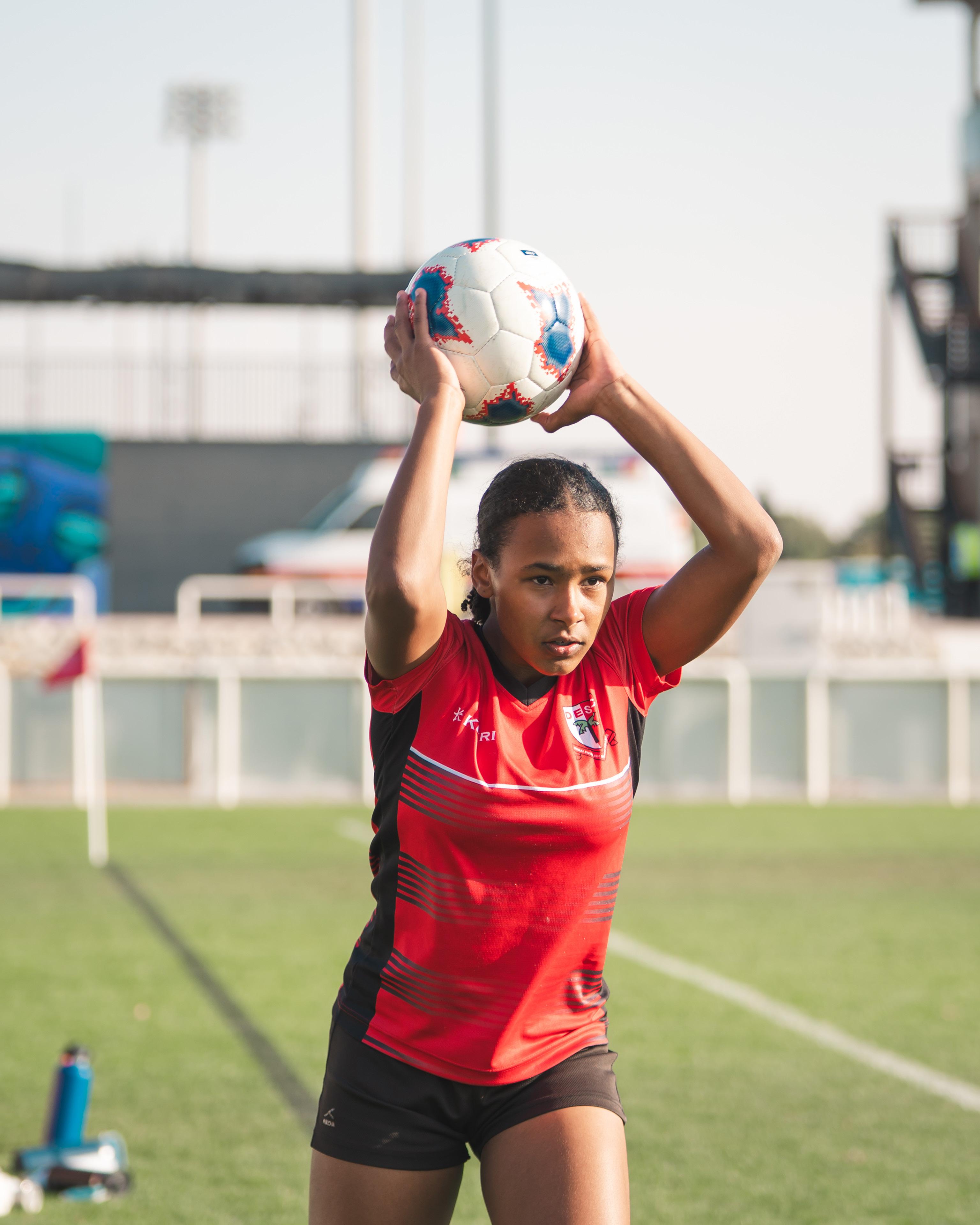

There is a question we return to often when planning a programme, selecting a team or deciding how to respond when a student finds things difficult. It is not how do we win the next fixture. It is something quieter and more important: will this young person still be active, still engaged with sport, still feel that physical activity is part of who they are, ten or twenty years from now?
That question shapes decisions that might otherwise seem small. It is why we field B teams, why we offer 32 weekly opportunities outside of lessons, and why we measure success not just in trophies but in retention, enjoyment and the quality of the memories students carry when they leave.
We are proud of the students who leave to compete internationally, earn scholarships and represent their countries. We are equally proud of the ones who leave simply loving sport, who join a club in a new city, who one day stand on a touchline watching their own children play and feel, without quite being able to explain why, that sport matters. That feeling is what we are really trying to build. Everything else follows from it.