
Counselling has always had a place in secondary schools. The question isn’t whether students need emotional support during their school years - because they do and they always have, but whether the right support is available when they need it, delivered by people with the training and experience to make it count.
At DESS College, the School Counselling Service is available to every student, not as a last resort or a response to crisis, but as a quiet, consistent presence in school life, there when it’s needed and in the background when it isn’t. Think of it the way you think of the school nurse. You don’t send your son or daughter to the nurse only when something is seriously wrong. You send them when they need a little help, and when they’ve had that
help, they slip back into their school day.
Students’ emotional lives are often more complicated than adults’. A student in Year 7 can be genuinely anxious about fitting in at a new school, and someone who seems perfectly settled at home can be carrying something that only shows up in the school day. Young people can catastrophise in ways that are invisible to the adults around them, and what feels small from the outside can feel enormous from the inside. Early, lighttouch support is almost always more effective than waiting.
The service at DESS College operates to the highest professional standards, built on the foundations that make counselling actually work: trust,
confidentiality, safe hands, and clear ethics. DESS College has invested in this area well beyond what most Dubai schools offer, in the depth of the team, the qualifications of its psychologists and therapists, and the range of support available across the pastoral structure.
If a student ever finds their way to this service, it’s not a sign that something has gone wrong. It’s evidence that their school is paying attention.
Sarah Benaud School Counselling Service Team Leader


Students arrive at DESS College with different emotional landscapes. Some will sail through their secondary years without ever needing more than the ordinary support a good teacher provides. Others will hit a patch, a family change, a friendship falling apart, an anxiety that has nowhere obvious to go, and need something more focused. Many will land somewhere in between, quietly struggling with something they can’t quite name, or carrying a worry they haven’t shared with anyone at home.
The School Counselling Service is built for all of them.
Every student at DESS College has access to the service, regardless of year group, background, or the nature of what they’re dealing with. There
are no thresholds to meet, no formal referral process that feels daunting, and no requirement for a problem to have reached a certain size before support is available. A student can be seen because a teacher has noticed a change in their behaviour, because a parent has raised a concern, or simply because the student themselves has asked to talk to someone.
Teachers and form tutors do an initial check in, then this is referred to House teams who review then refer to the School Counselling Service. There’s also the option for parents and students to self-refer, and we’ve included more on this in the Q&A section below.
The service sits within DESS College’s wider pastoral structure, working alongside teachers, form tutors,
and the pastoral team to make sure that support is joined up and that no student falls between the gaps. Counselling here is not a separate world operating behind a closed door. It is part of how DESS College takes care of its students.
What happens in sessions is confidential, and that confidentiality is fundamental. It is what makes the relationship between a student and their counsellor work, and what gives students the confidence to speak honestly. Parents are kept informed in the ways that matter, and the team works in close partnership with families throughout.


Many parents find themselves uncertain about what school counselling actually involves, and that uncertainty is worth addressing directly.
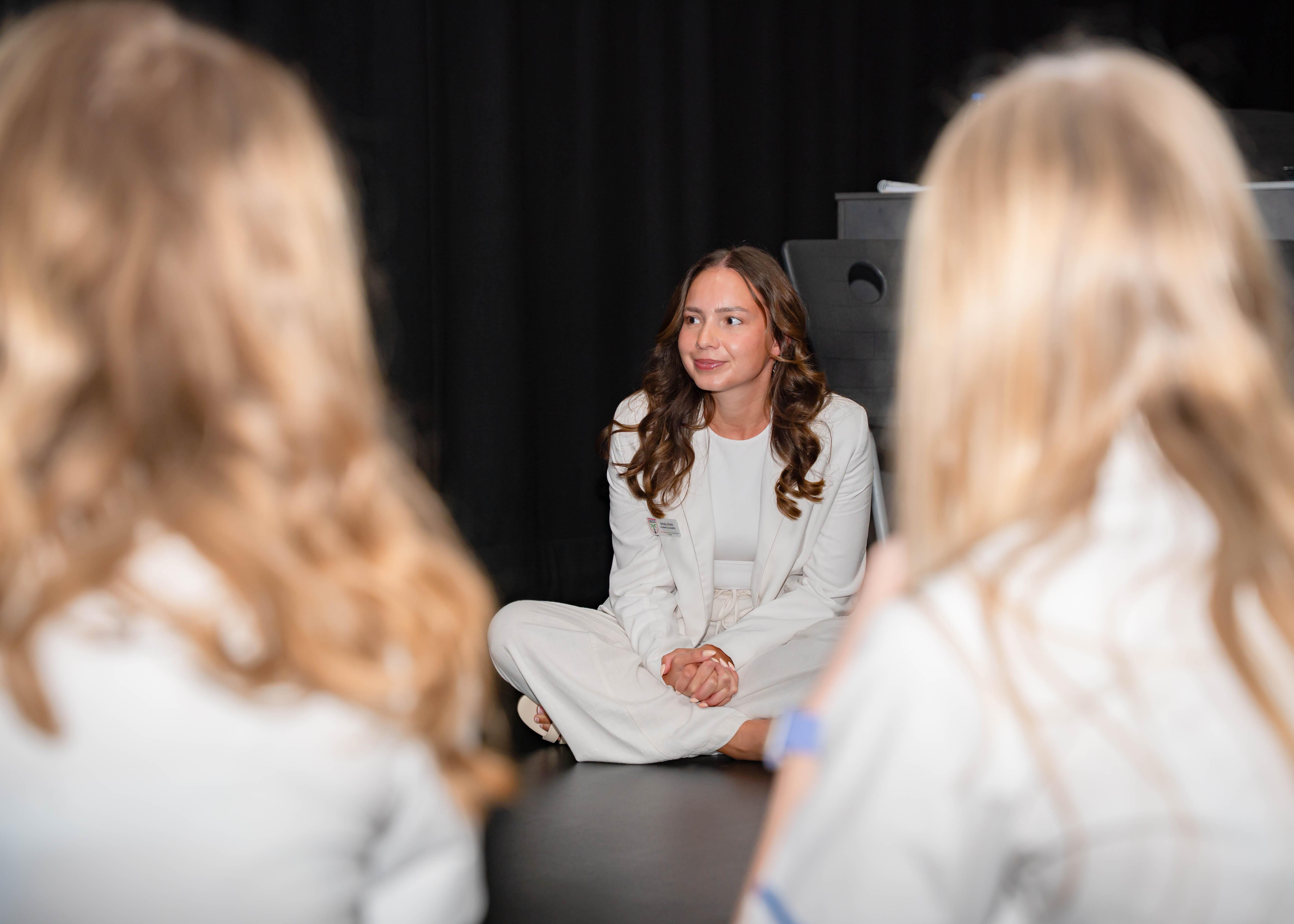
A school counsellor is a qualified professional whose role is to support students experiencing challenges that are affecting their emotional or psychological wellbeing. At DESS College, the team includes qualified social workers and psychologists with professional accreditation and extensive experience working with secondary-age students.
Counselling provides a safe, confidential space in which a student can talk through whatever is weighing on them, whether that’s anxiety, a friendship difficulty, something
happening at home, or a worry that has no obvious label. Most sessions are oneto-one, and the counsellor’s role is to listen, to help the student understand what they’re feeling, and to build the coping skills they need to manage it.
It is worth being clear about how counselling sits alongside the school’s broader pastoral care. Pastoral care is the wider web of support that runs through school life, the relationships students have with their teachers and form tutors, the adults who know them well and notice when something is off. Counselling works within that structure but offers something more specialised: a dedicated, confidential space with a trained professional, separate from the everyday life of the classroom.
At secondary level, counselling is generally a short-term intervention rather than an ongoing arrangement. The aim is to give a student the tools and perspective they need to move forward, then step back. A few sessions is often enough. The service is responsive by nature, dealing with what students are actually experiencing rather than following a fixed programme, and it is open to every student regardless of year group or the nature of what they’re bringing to it. A student in Year 7 navigating a difficult friendship and a student in Year 11 anxious about GCSE pressure are equally valid reasons to ask for support. Students can be referred by staff, by parents, or can simply ask to see someone themselves.

There is a version of this conversation that focuses on problems, on what has gone wrong, on what a student is struggling with, on the difficulties that counselling exists to address. That version is true, but incomplete.
The fuller picture is about what students gain.
A student who learns, during their secondary years, that their feelings have a name and that talking about them is something safe and useful, carries that understanding for the rest of their life. The habit of seeking help rather than bottling things up, of
recognising when something feels too heavy to carry alone, is one of the most valuable things a secondary education can give, and it is not taught in a classroom.
Students who engage with counselling support develop stronger emotional vocabulary and better coping strategies. They become more able to manage the ordinary difficulties of school life, disappointments, social friction, academic pressure, without those difficulties escalating. They learn that feeling anxious, sad, or confused is not a flaw. It is part of being human, and there are ways through it.
Young people in particular can catastrophise. Their experience of the world is still forming, and the pressures of secondary school, academic, social, personal, can feel disproportionately large from the inside. Having a trusted, trained adult help them put a worry in proportion can change the emotional register of their entire school day.
There is also a clear relationship between emotional wellbeing and academic engagement. Students who are carrying unaddressed anxiety or distress find it harder to concentrate, harder to participate, and harder to get the most from their learning.


Should I be worried if my son or daughter is referred to the counselling service?
The natural instinct is to worry, and that instinct is worth acknowledging honestly. A referral is best understood as the school doing its job well, noticing something, taking it seriously, and offering support before it grows. If anything, it reflects well on your son or daughter: accepting support takes selfawareness and, in its own way, courage.
How can I refer my child?
It’s quick and fuss-free. Parents can refer their child to the School Counsellor by contacting your child’s House team or the Sixth Form team through the Parent Liaison Officers.
Will I be told what my child says in sessions?
Confidentiality is central to how counselling works, because without it students don’t feel safe enough to be honest. In practice, the team works closely with parents throughout and will always communicate anything that gives rise to a safeguarding concern. The confidentiality is there to protect your son or daughter, not to exclude you.
Is this only for students with serious problems?
No. Some of what the service handles is serious. Much of it is not.
Friendship difficulties, changes at home, nervousness about moving year groups, exam pressure: these are everyday secondary school experiences, and the service is there for them. The threshold for asking for support is low, and deliberately so, and a quick chat to our Pastoral team will help to clarify the situation for you.
What if my son or daughter doesn’t want to go?
It happens, and it’s handled gently. A good counsellor builds trust over time, and a student who is reluctant at first often becomes more open once they understand that sessions are a conversation rather than an interrogation. Nobody is pressed into a process that isn’t working for them.
Could it make things worse?
This is one of the most common parental concerns, and the evidence is clear. Talking about feelings does not make them worse. Naming emotions and exploring them in a safe environment helps students understand and manage them. Silence, by contrast, tends to let worries grow.

The quality of a counselling service is only as good as the people delivering it and the standards they work to. At DESS College, both are taken seriously.
The team includes qualified social workers and psychologists who work to professional ethical standards that govern confidentiality, safeguarding, and the boundaries of the therapeutic relationship. The service is not a single person doing their best. It is a structured provision with depth, oversight, and the professional infrastructure to handle whatever students bring to it.
Trust is the operating principle. A student who sits down with a DESS College counsellor is in safe hands, hands that are qualified, experienced, and bound by clear professional obligations. That combination of warmth and rigour is what makes the work effective, and it is what we have invested in building.
For families new to the idea of schoolbased counselling, the simplest summary is this. It exists because students’ emotional wellbeing matters, because secondary school is where so much is at stake, and because DESS College believes that looking after the whole student is not an optional extra. It is the whole point.

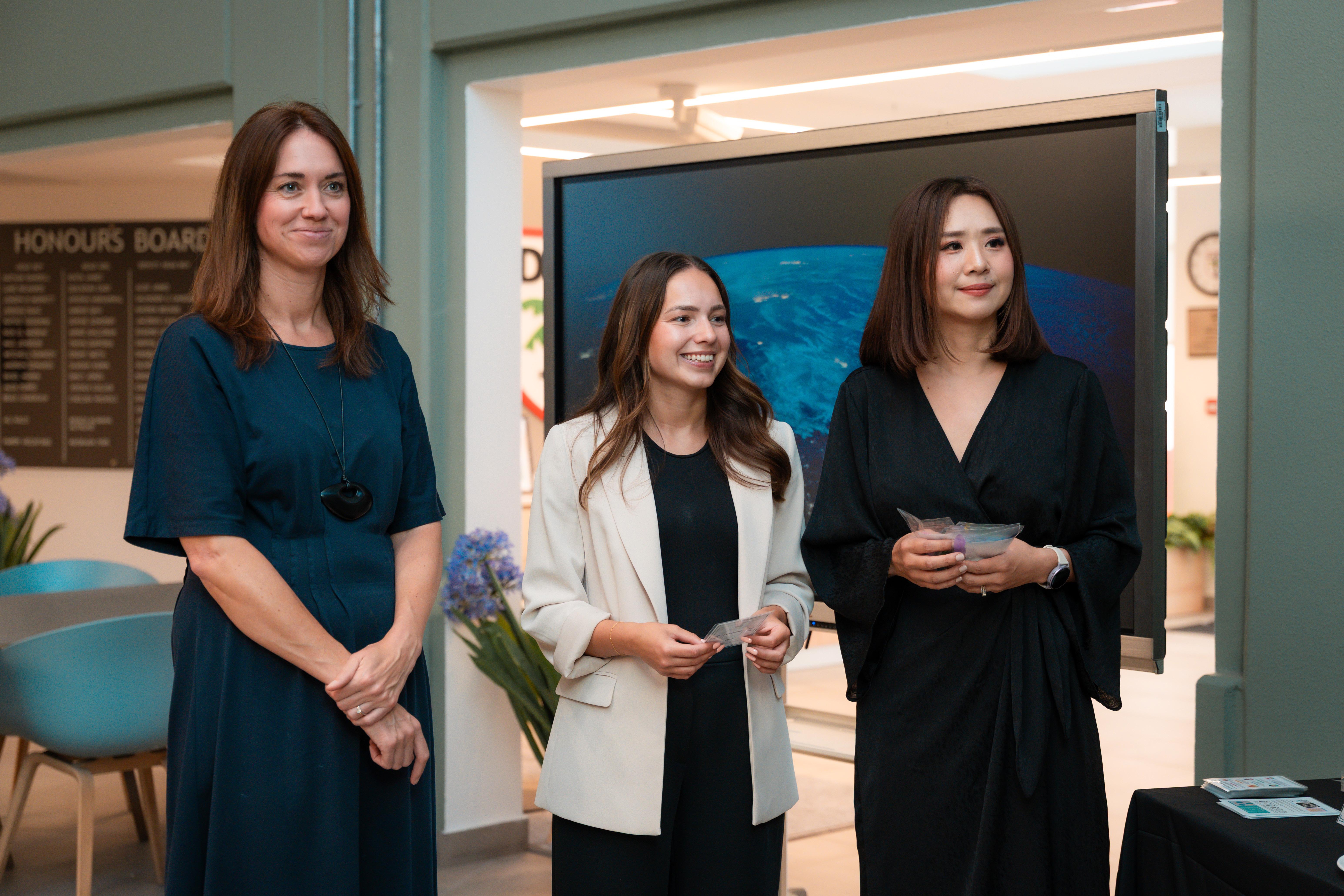
Sarah is an Australian Social Worker and Counsellor with over 17 years of professional practice across Australia, Hong Kong, and the UAE. She holds a Master of Advanced Social Work from the University of Melbourne and a Bachelor of Social Work from the University of Sydney.
She began her career in Sydney in hospital and mental health settings, specialising in supporting individuals and families experiencing complex medical and mental health challenges and crisis situations. Over the past eight years she has moved into international school settings, first in Hong Kong and now in Dubai, where she focuses on the wellbeing of children and young people.
Sarah is passionate about helping students navigate anxiety, friendship difficulties, academic stress, and the particular challenges that come with being part of an expatriate or third culture family. Her approach is warm, compassionate, and culturally responsive. As Team Leader, she supports the counselling service and contributes to the development of counselling, wellbeing, and safeguarding practices across the College, helping to build a strong culture of care and inclusion.

Outside school, Sarah is an unashamed cat enthusiast (‘mother’ to five!), with a deep love of cooking, Korean food in particular, and a genuine joy in travelling and meeting new people. Her personal motto says it all: “Leave things better than how you found them.”
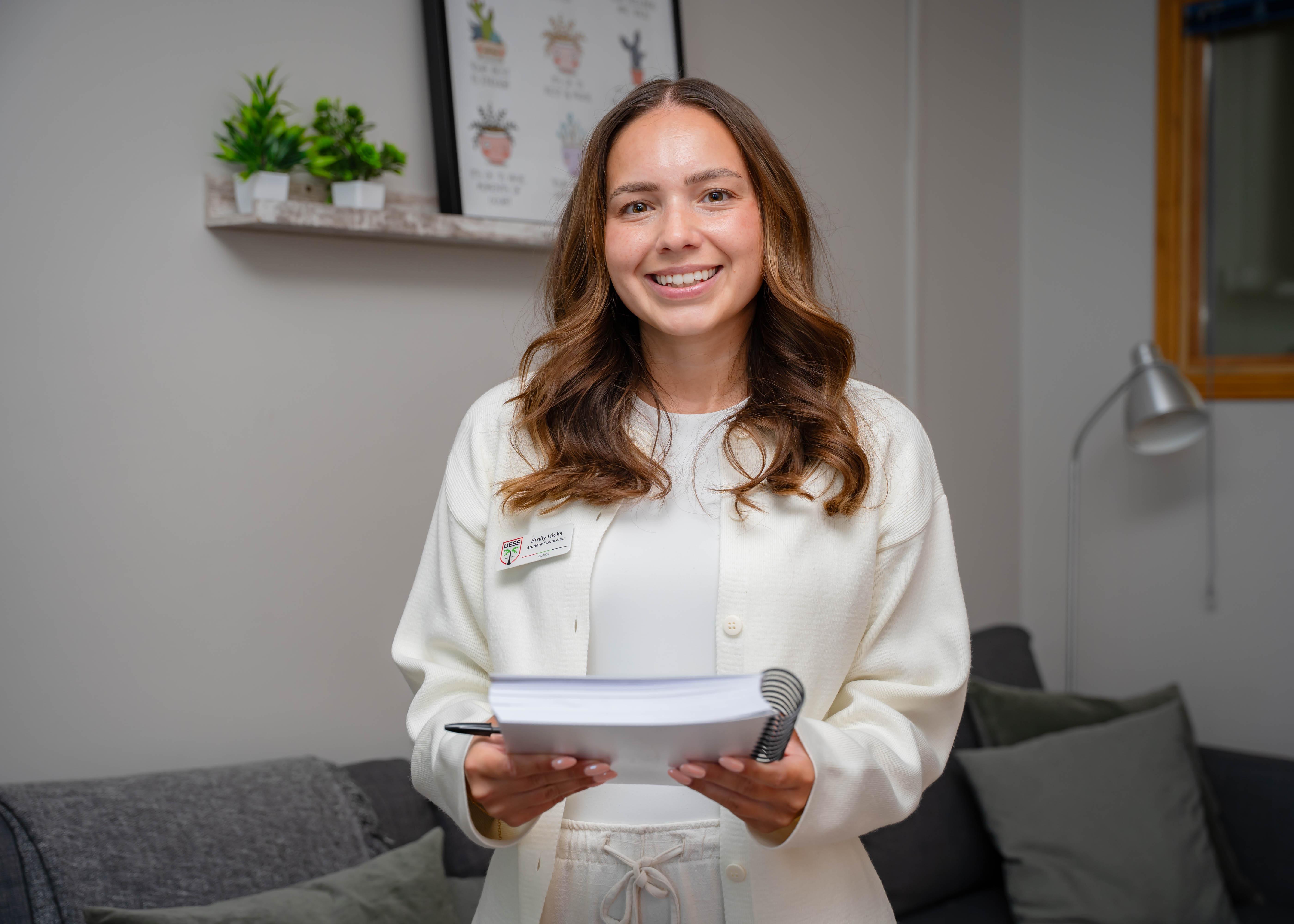
Emily is originally from Wales and brings a strong clinical background to her role at DESS College. She holds an undergraduate and master’s degree in Psychology, as well as a Postgraduate Diploma in Child Mental Health and Wellbeing from King’s College London. Before moving to Dubai, she worked within the NHS as a Children’s Mental Health Practitioner, delivering evidence-based therapy to young people.
Now two years into her school counselling career in Dubai, Emily is passionate about ensuring every student has a safe space to feel heard and supported. She believes strongly in the importance of accessible, early mental health support and brings both professional rigour and genuine warmth to every interaction.
When she is not at school, you will most likely find Emily somewhere near a matcha, on a beach walk, or planning her next trip to a country she has not yet visited.
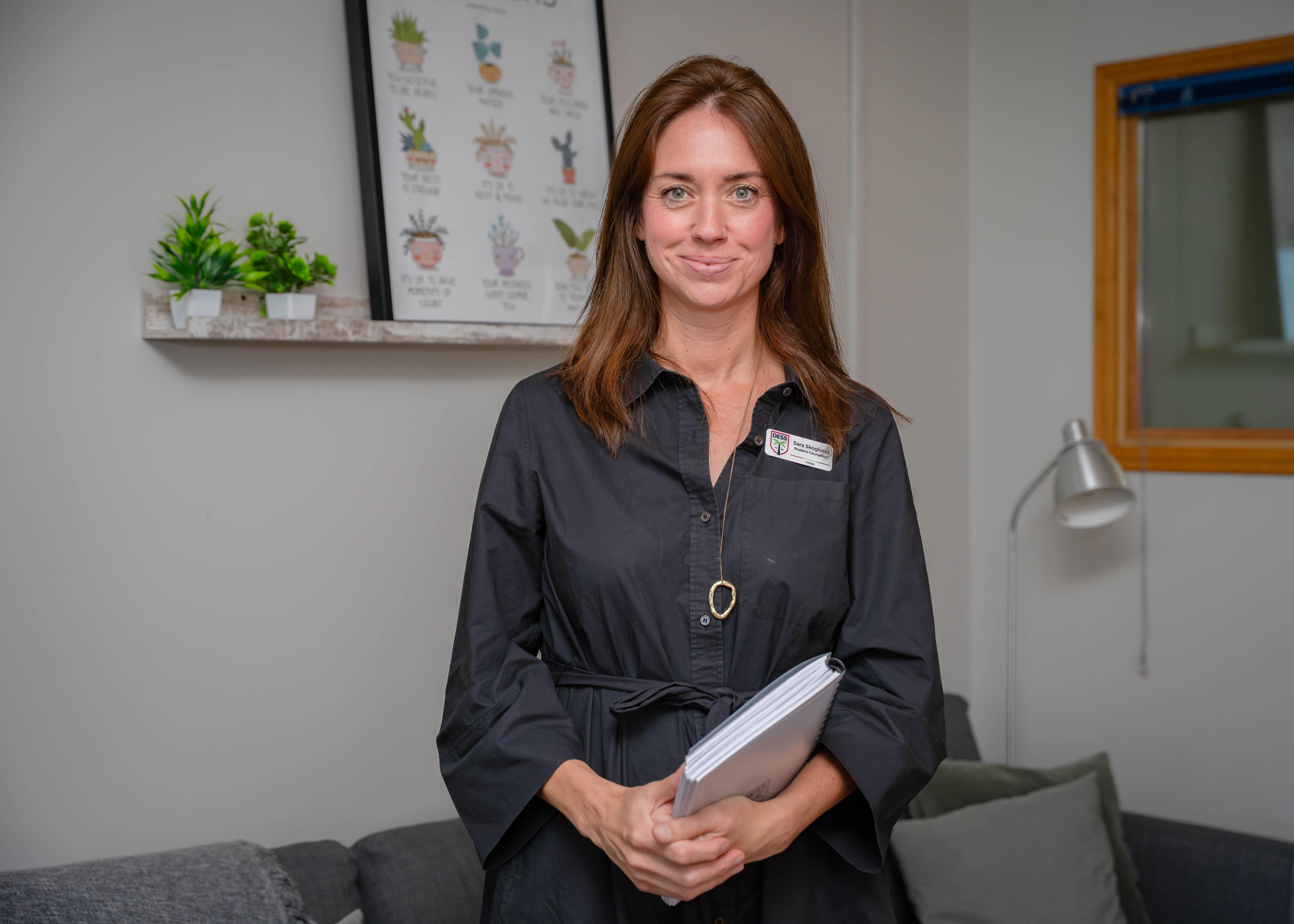
Sara is a Social Worker and Systemic Family Psychotherapist with additional training in CBT and DBT. Originally from Sweden, she has lived and worked across several countries, spending many years in the UK before making Dubai home.
Before joining the school counselling world, Sara built extensive experience within the UK’s National Health Service, working in CAMHS and in private practice supporting young people and families with a wide range of mental health and emotional difficulties. She brings that depth of clinical experience into her work at DESS College, where she takes a collaborative, compassionate, and student-centred approach. Her priority is always the same: creating a safe, supportive space where students feel genuinely heard and understood.
Outside school, Sara enjoys time with her family, walks with her dog, and the pleasure of discovering new places and cuisines wherever travel takes her.
Raising Children raisingchildren.net.au
Reachout au.reachout.com
Kidspot Australia kidspot.com.au
Beyond Blue beyondblue.org.au
Mind UK mind.org.uk
Young Minds youngminds.org.uk
Emerging Minds emergingminds.com.au
Anna Freud annafreud.org

If you require any further resources or information, please contact the School Counselling Service through your child’s House Parent Liaison.
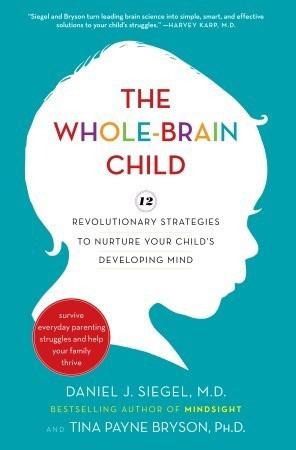
The Whole-Brain Child: Revolutionary Strategies to Nurture Your Child›s Developing Mind
Daniel J. Siegel, Tina Payne Bryson
Raising An Emotionally Intelligent Child: The Heart of Parenting
John M. Gottman

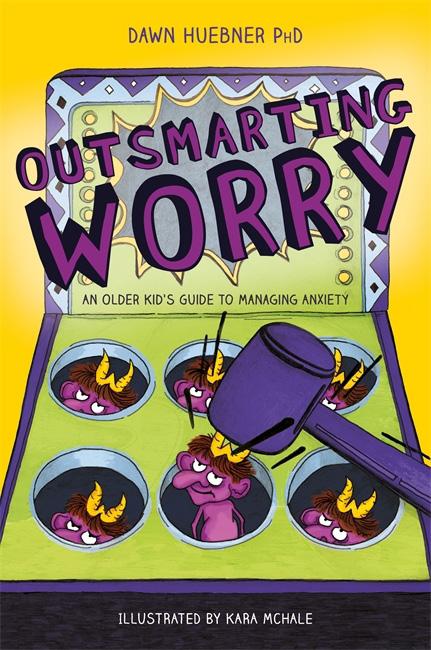
Outsmarting Worry
Dawn Huebner
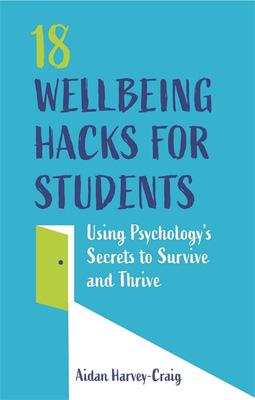
18 Wellbeing Hacks For Students
Aidan Harvey-Craig
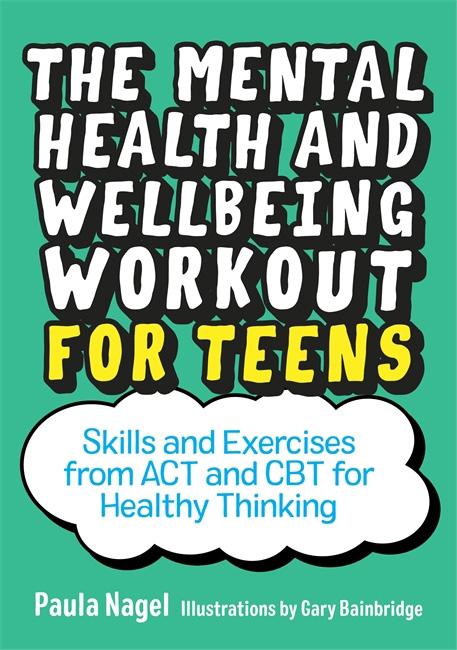
The Mental Health and Wellbeing Workout for Teens: Skills and Exercises from ACT and CBT for Healthy Thinking
Paula Nagel
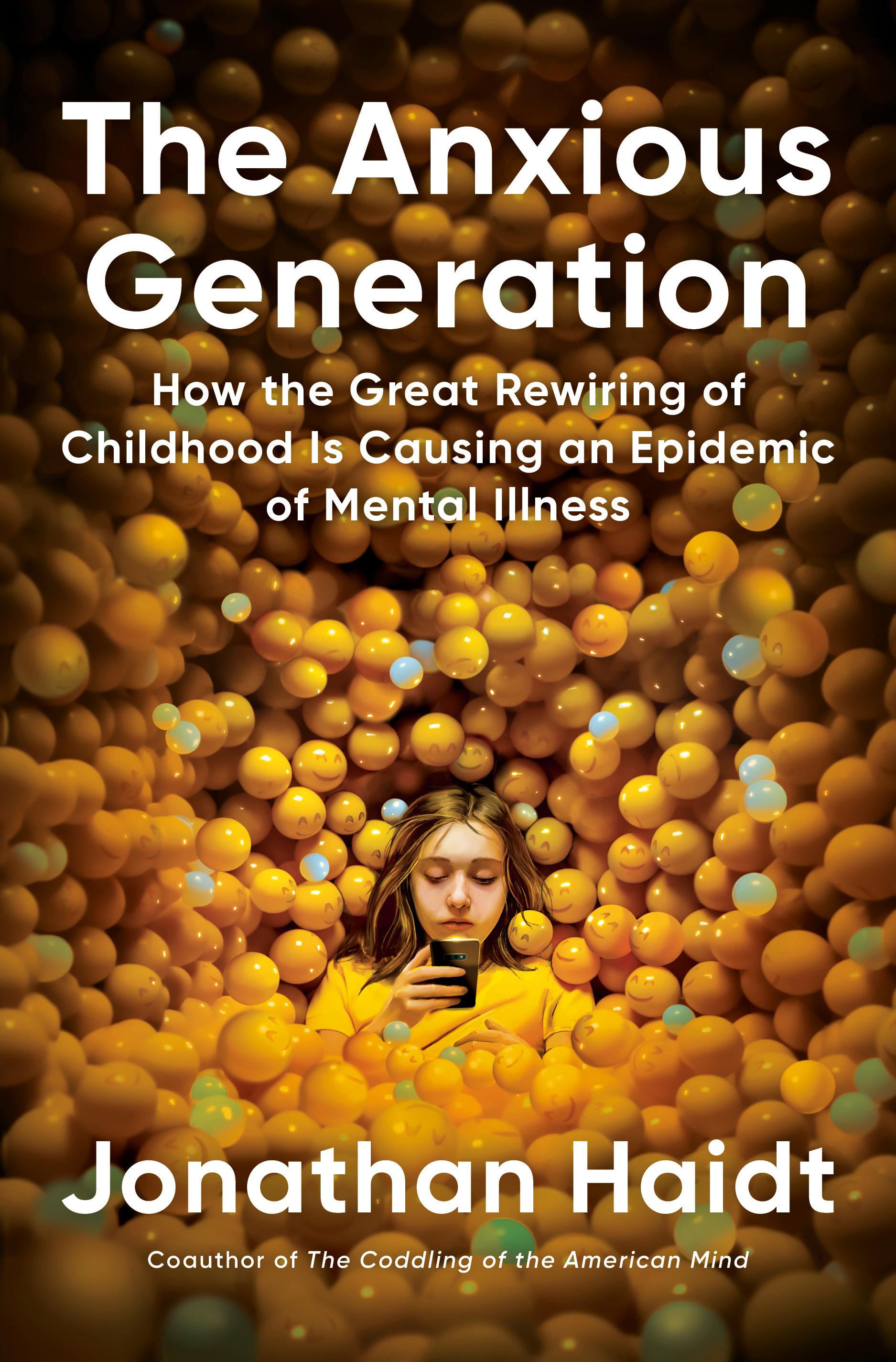
The Anxious Generation: How the Great Rewiring of Childhood Caused an Epidemic of Mental Illness
Jonathan Haidt
Why Has Nobody Told Me This Before?
Julie Smith

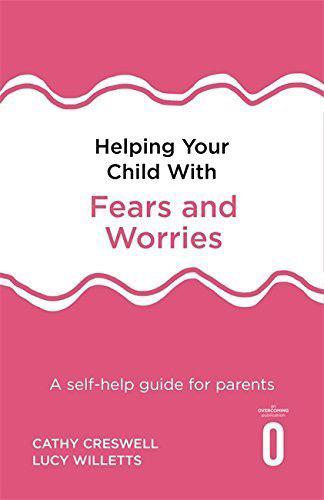
Helping Your Child with Fears and Worries: A Self-Help Guide for Parents
Cathy Creswell