04 06 08 WELCOME PERFORMING ARTS FOR EVERY CHILD THE JOURNEY THROUGH PRIMARY PERFORMING ARTS 10 12 WHAT THE PERFORMING ARTS REALLY BUILD SPACES BUILT FOR WHAT MATTERS
14 WHAT A CHILD CARRIES WITH THEM
There is a moment that happens in every performing arts programme worth its name. It’s when a child who has been hesitant, who has held back, or who perhaps has not yet found their place in the classroom, steps forward onto a stage or into a rehearsal or picks up an instrument for the first time. Something shifts in a way that is difficult to explain but impossible to
Having spent more than a decade working with children in Dubai schools, I have watched the performing arts do things that no other part of school life quite replicates: finding confidence where it was hidden, building communication where it was fragile, and giving children a form of expression that words alone cannot provide. For some children, that first encounter changes everything.
At DESS Academic City, music, drama and dance are not an optional extra or a reward for children who have finished the real work. They are the real work, because the skills the performing arts develop, the capacity to listen, collaborate, express, persist, and stand up in front of others and mean something, are among the most valuable things a primary education
Your child does not need to arrive as a born performer. They simply need to give it a go, and what happens next often has a way of surprising everyone, Head of Performing Arts


Children arrive at DESS Academic City with very different experiences of the performing arts. Some will have had lessons and some will never have been on a stage. The programme is built to work for all of them, meeting each child where they are and opening doors they
Many choose to work towards graded examinations with recognised boards such as Trinity, ABRSM and Stage School.
Music, drama and dance are part of everyday school life, supported by specialist teaching and spaces designed to let creativity develop properly. Purpose-built studios and performance-ready environments give children room to rehearse, experiment and perform, whether they are finding their feet for the first time or stepping confidently into the spotlight.
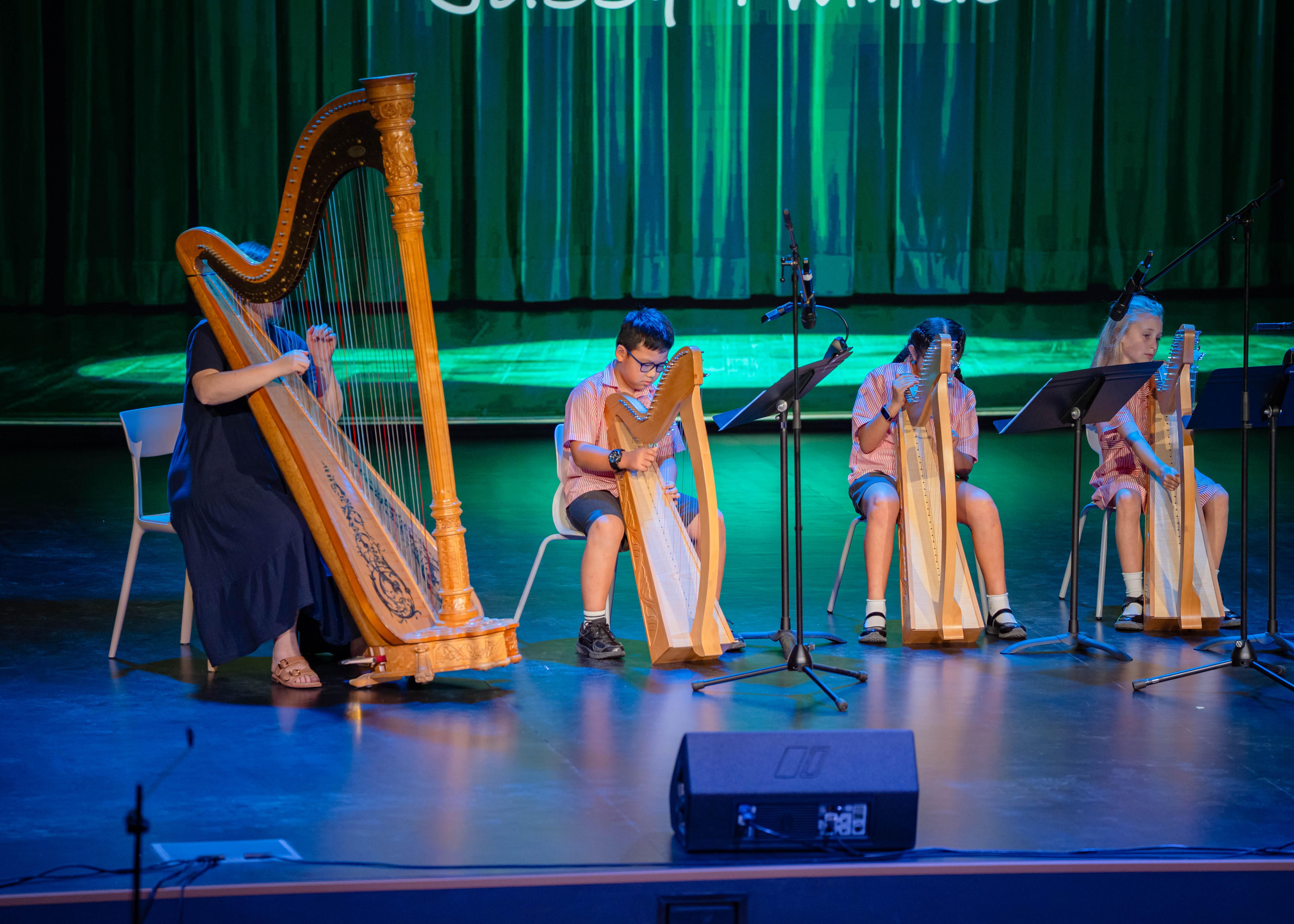
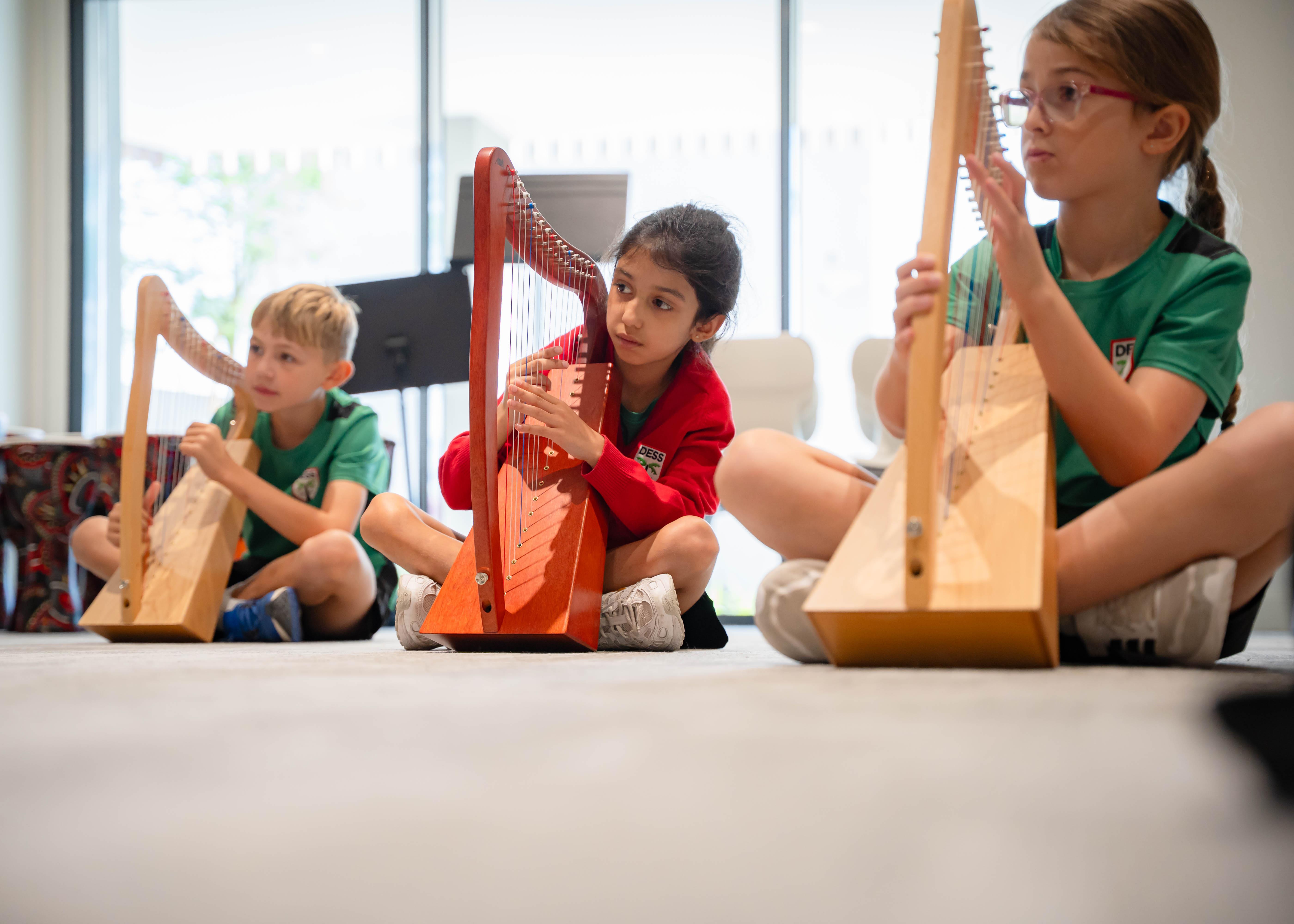
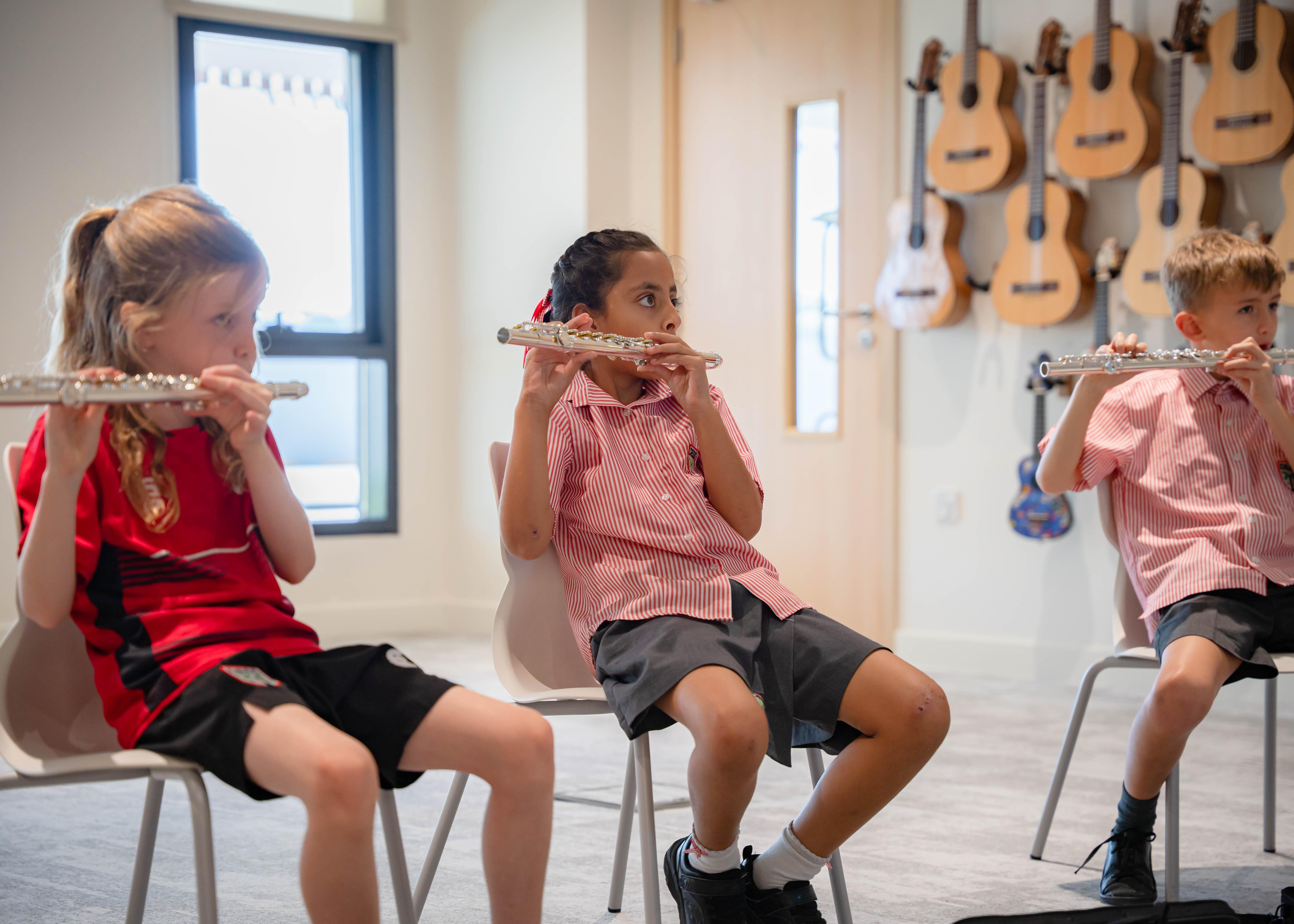
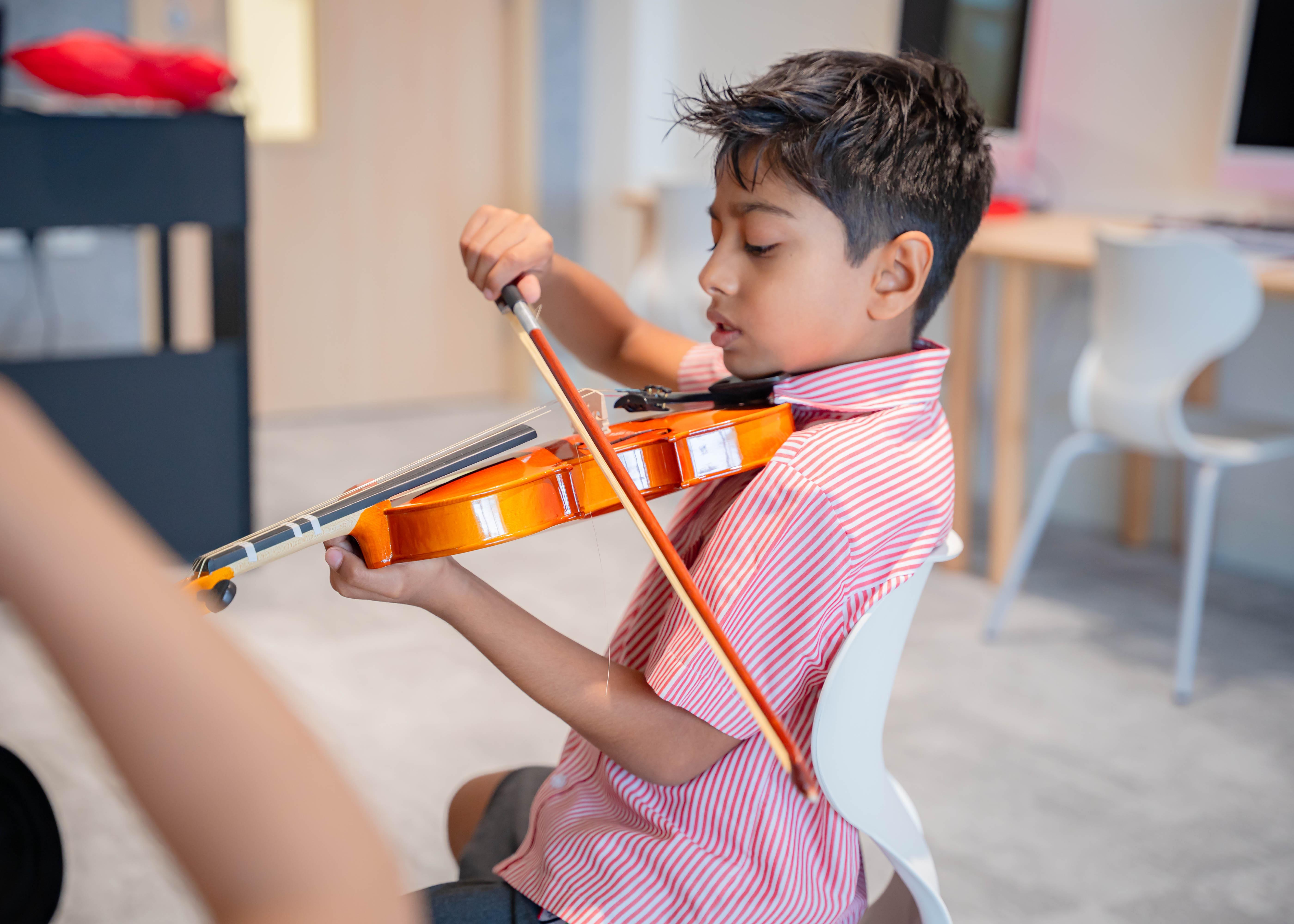
Instrumental music is a strong feature of the programme. Through the Peripatetic Instrumental Music Programme, children can learn a wide range of instruments, including piano, guitar, drums, flute, saxophone, and brass, with weekly one-to-one
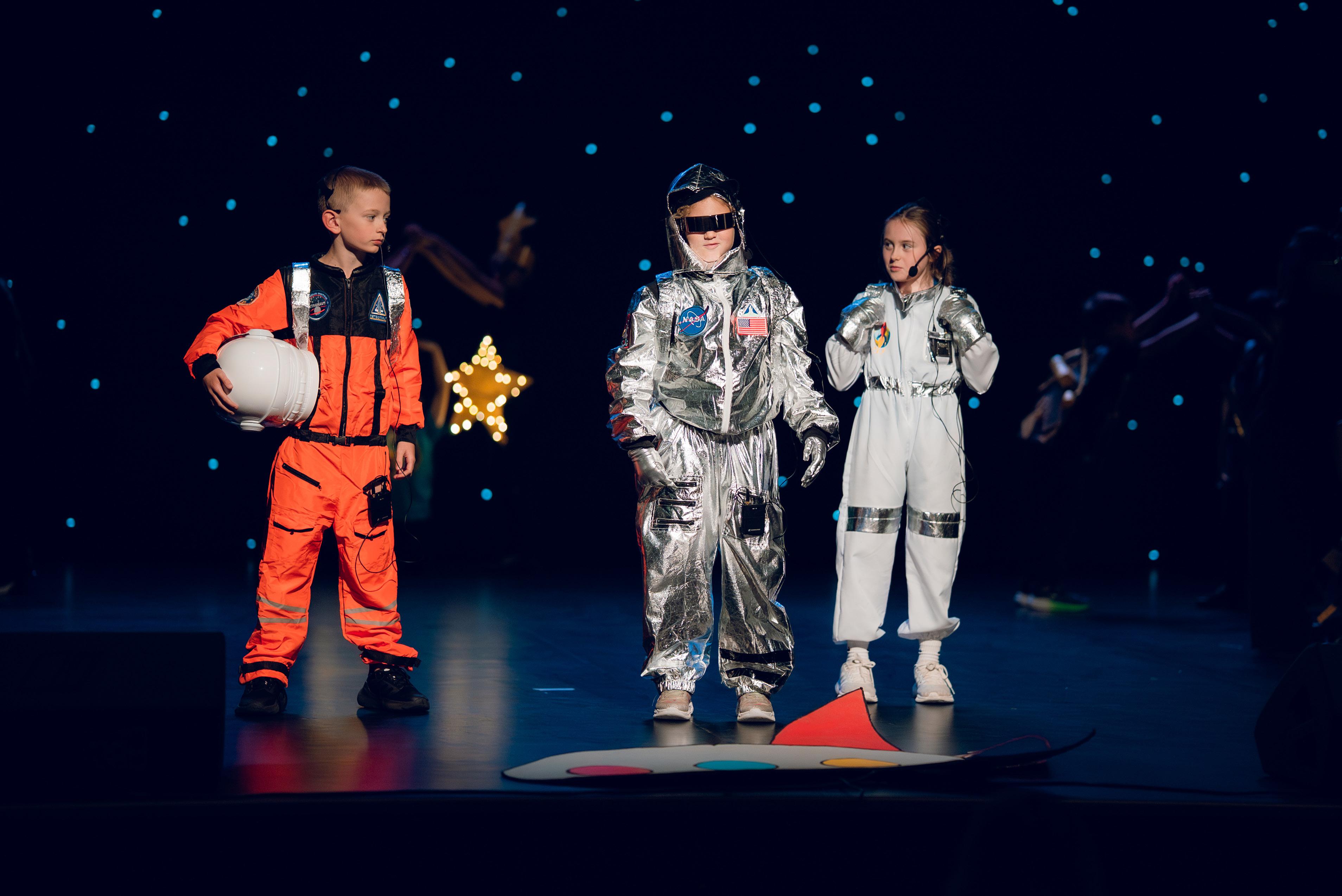
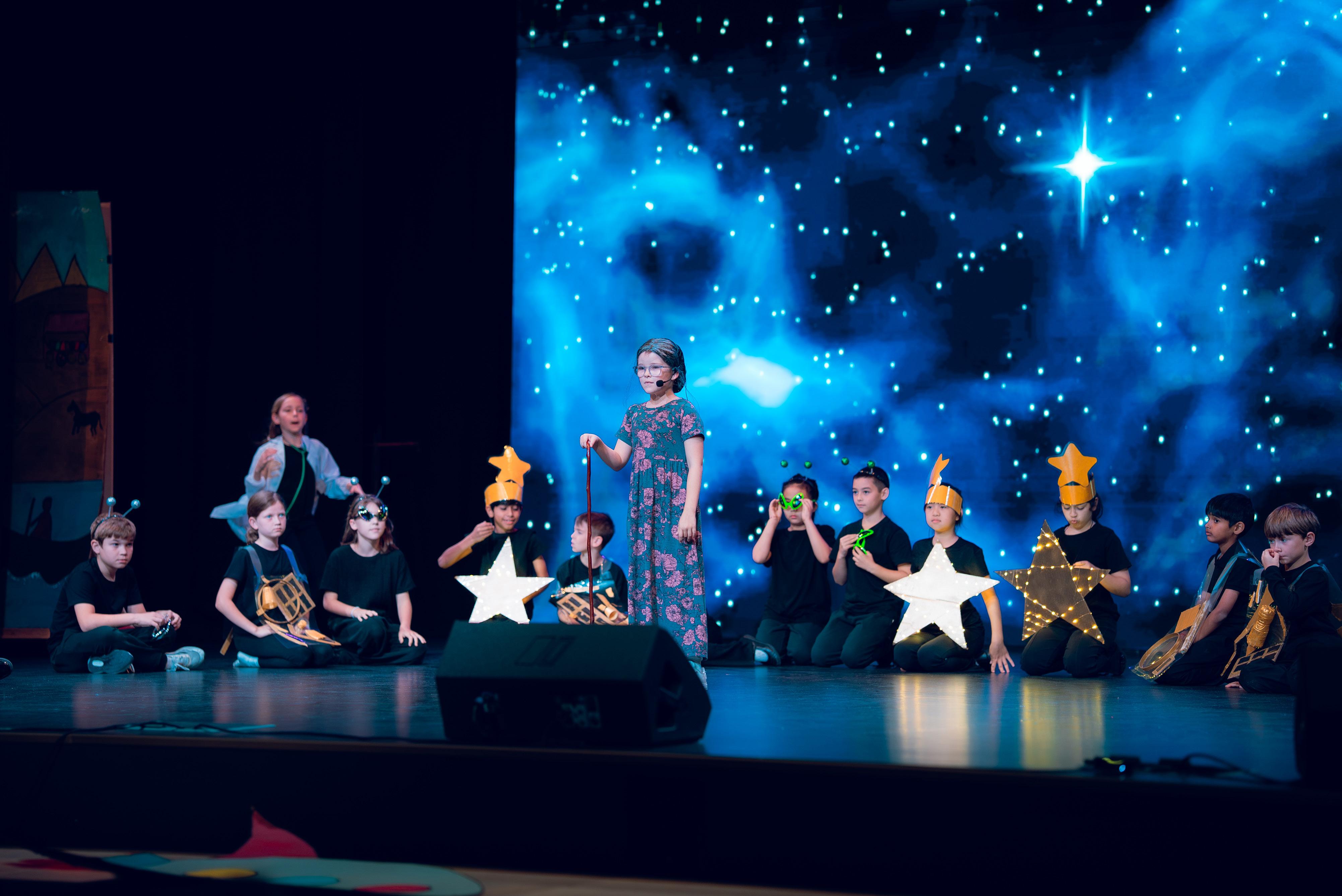
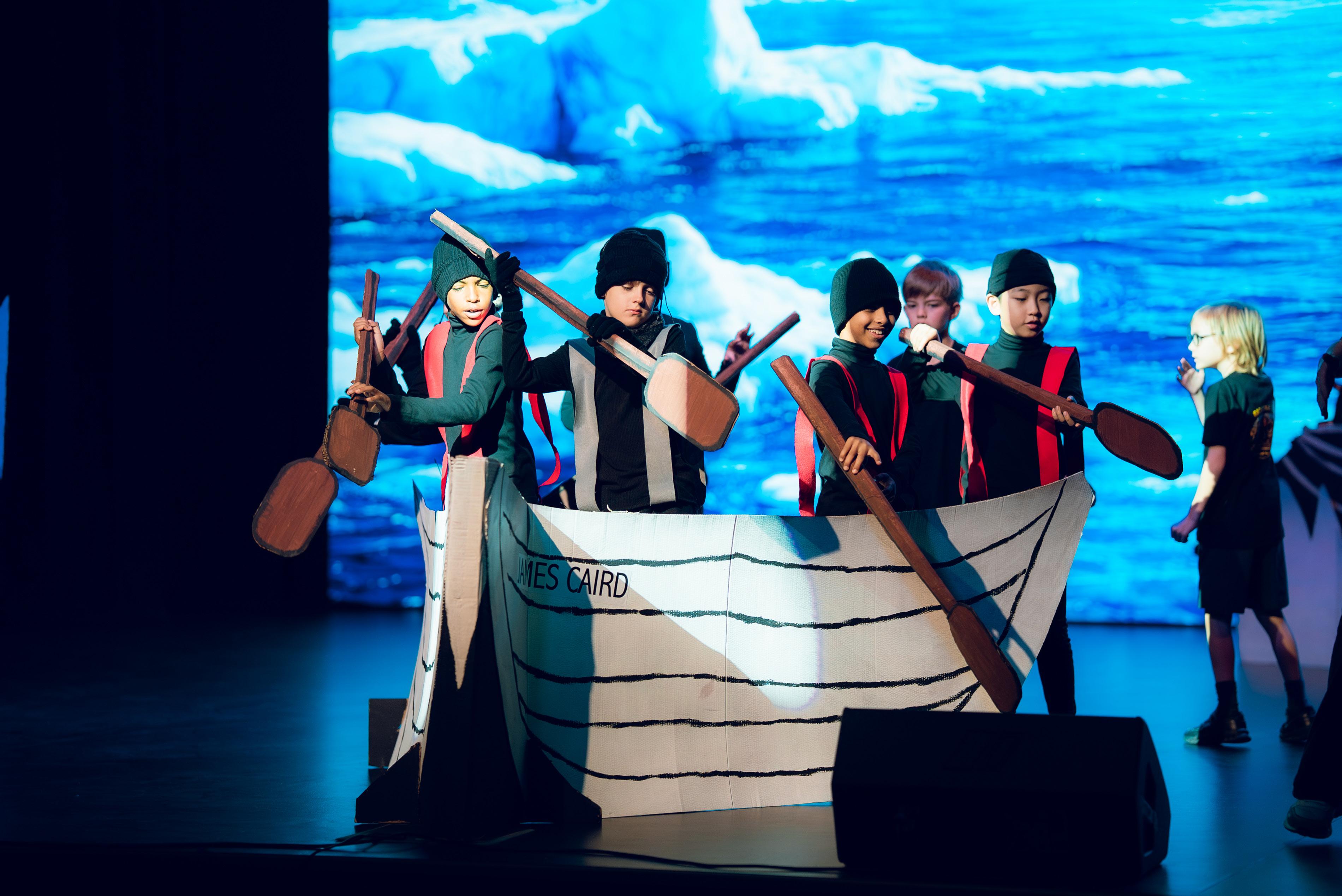
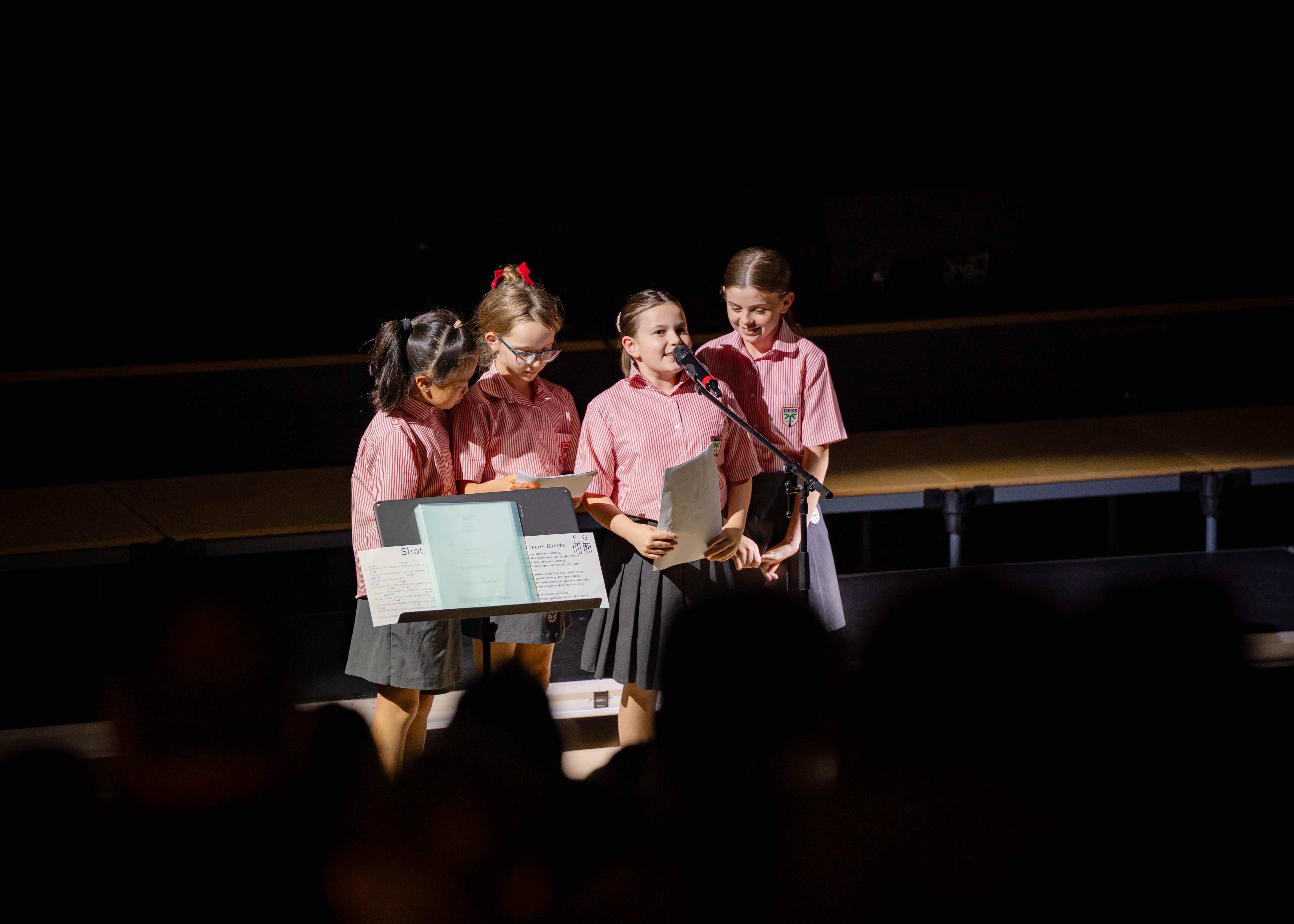
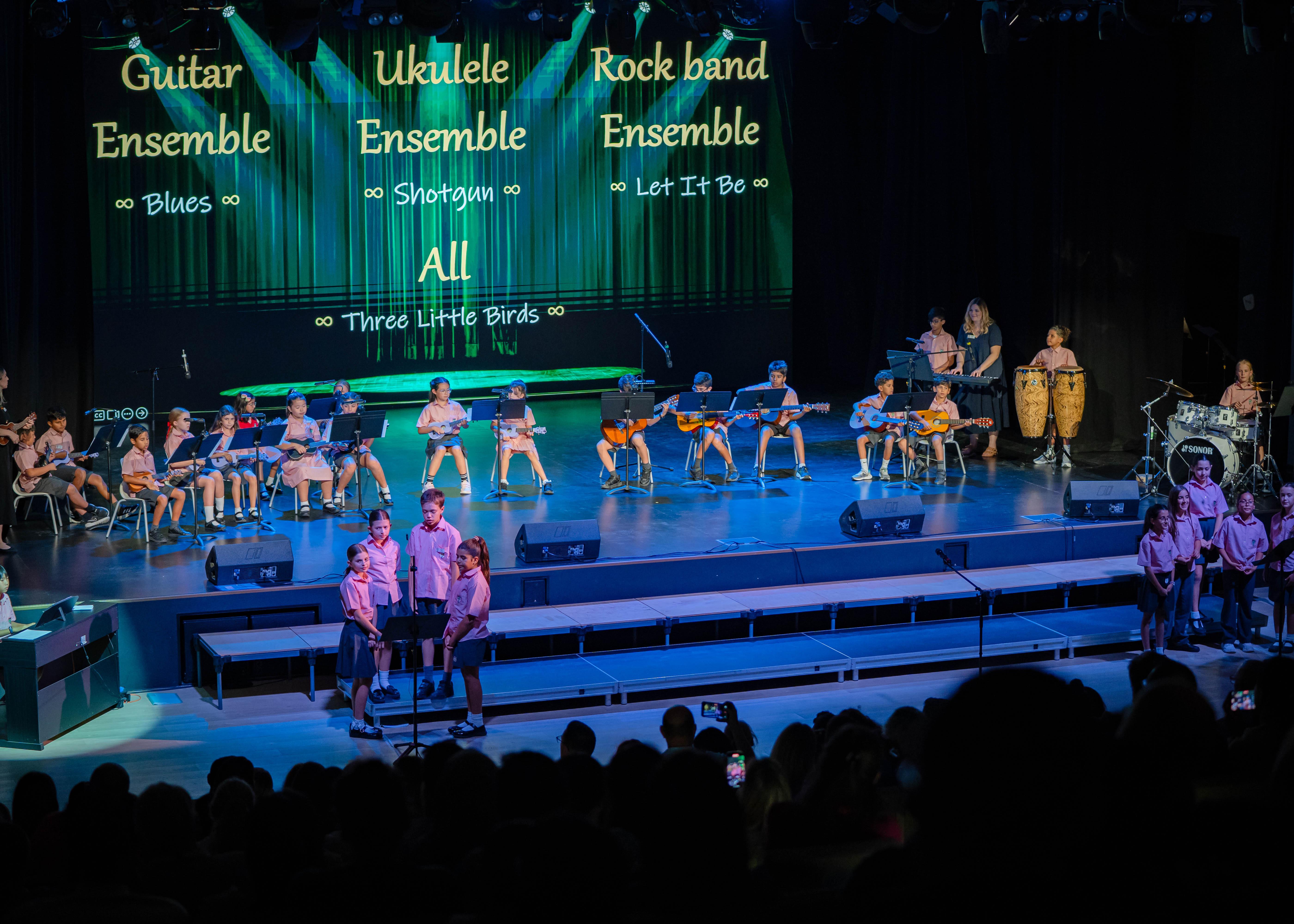
Opportunities to perform run throughout the year and across all year groups, with ensemble work, solo performance and choral singing woven into school life. Choirs, bands and productions give children regular chances to step into the spotlight or contribute as part of a wider group, while drama, dance and music-based extra-curricular activities extend this further, offering different ways to explore performance and build confidence at each child’s own pace.
The breadth of the offer matters because children are different. Some will fall in love with the stage, some will find their place in an ensemble, and some will discover, quietly and privately, that music gives them something no other part of school life provides. Every one of those outcomes
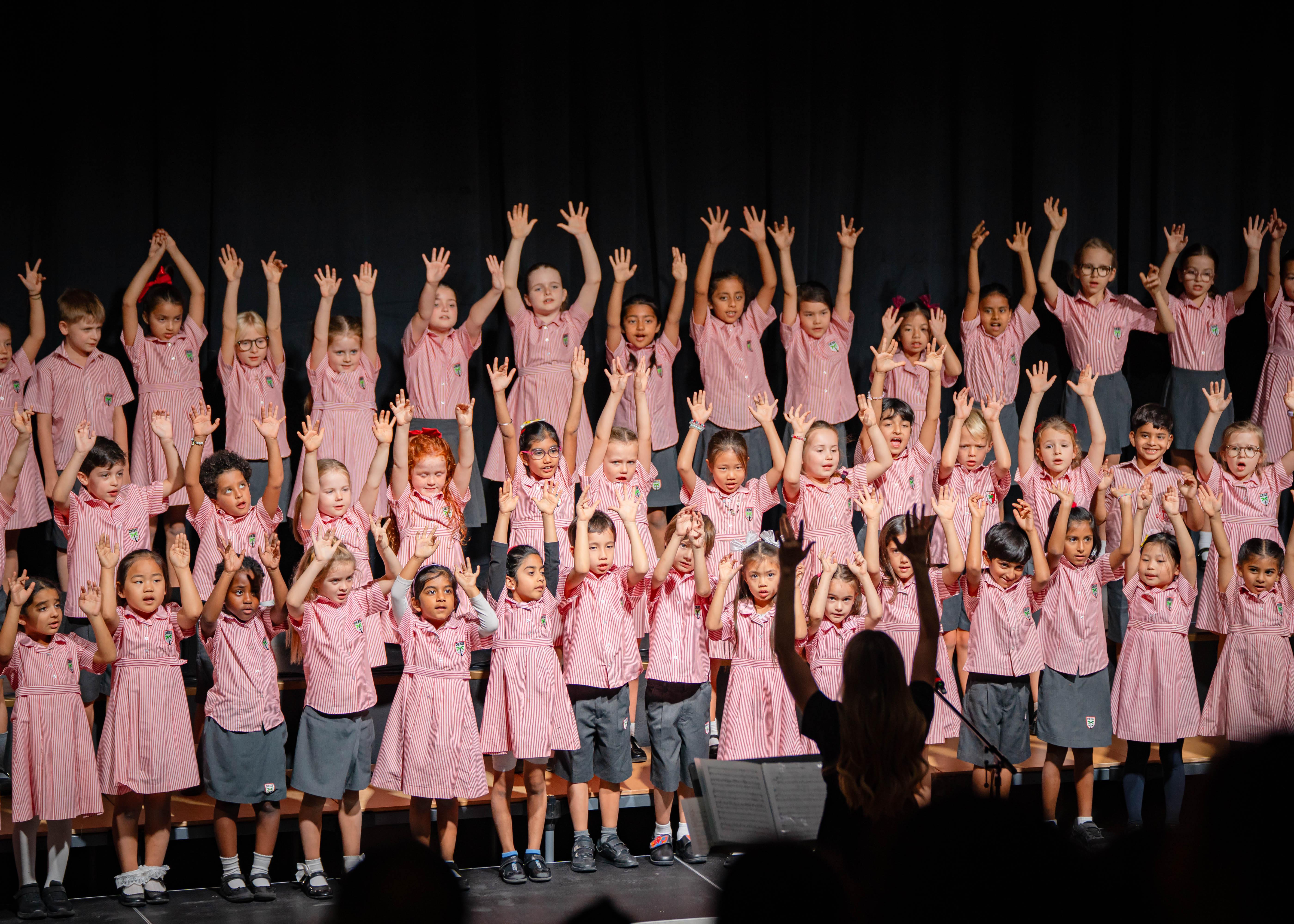

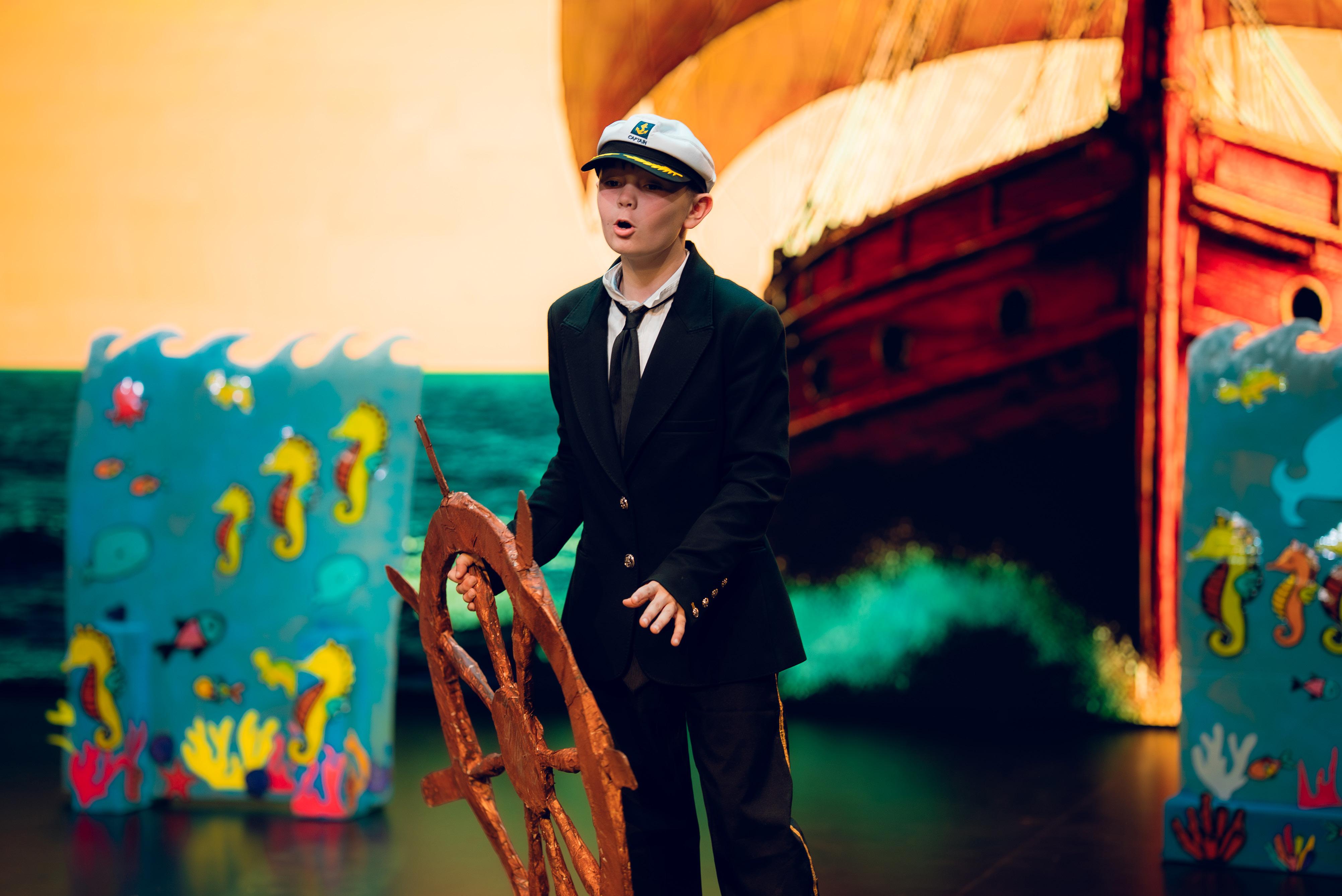
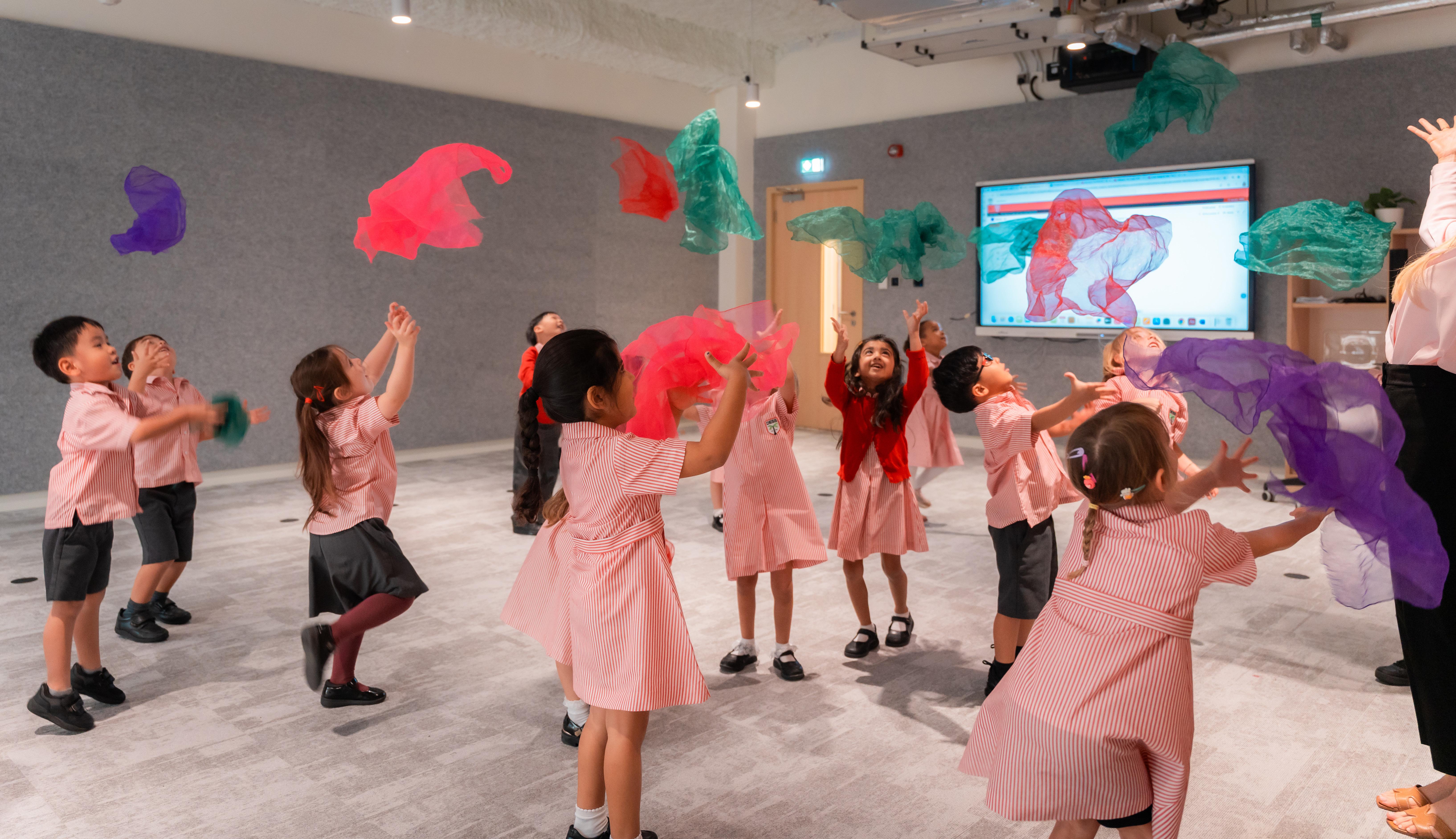
The performing arts journey at DESS Academic City has a clear shape, moving from a child’s very first days in Foundation Stage through to the confidence and capability of Year 6.
In Foundation Stage, the emphasis is on movement, role-play, and storytelling, as children begin to explore how their bodies and voices can communicate feeling and character. There are no right answers at this stage; the goal is simply to discover that expression is enjoyable, and that being in front of others can feel exciting rather than frightening.
Through Key Stage 1, music becomes more structured as children begin listening carefully, describing what they hear, and making their own sounds with intention. Drama builds on the role-play of the early years, introducing improvisation and the beginnings of character work, while dance programmes introduce varied styles and children begin to understand performance as something that can be shaped and crafted, not merely
By Key Stage 2 the landscape shifts considerably, with formal music lessons taking hold and children developing real technique on their chosen instruments. Drama incorporates voice projection, stage direction and character development with greater depth, and school productions, choirs, bands and ensembles bring larger groups of children together in pursuit of something genuinely ambitious. Stage School examinations provide an external framework for those who want it, and children who show particular musical promise may be encouraged towards the Dubai National Youth Orchestra.
By Years 5 and 6, children are capable of performing with confidence and carrying themselves on a stage in ways that would have seemed unimaginable to their Foundation Stage selves. That transformation is the result of years of patient, purposeful work by specialist staff who understand that the performing arts are serious business, even when they look effortless.

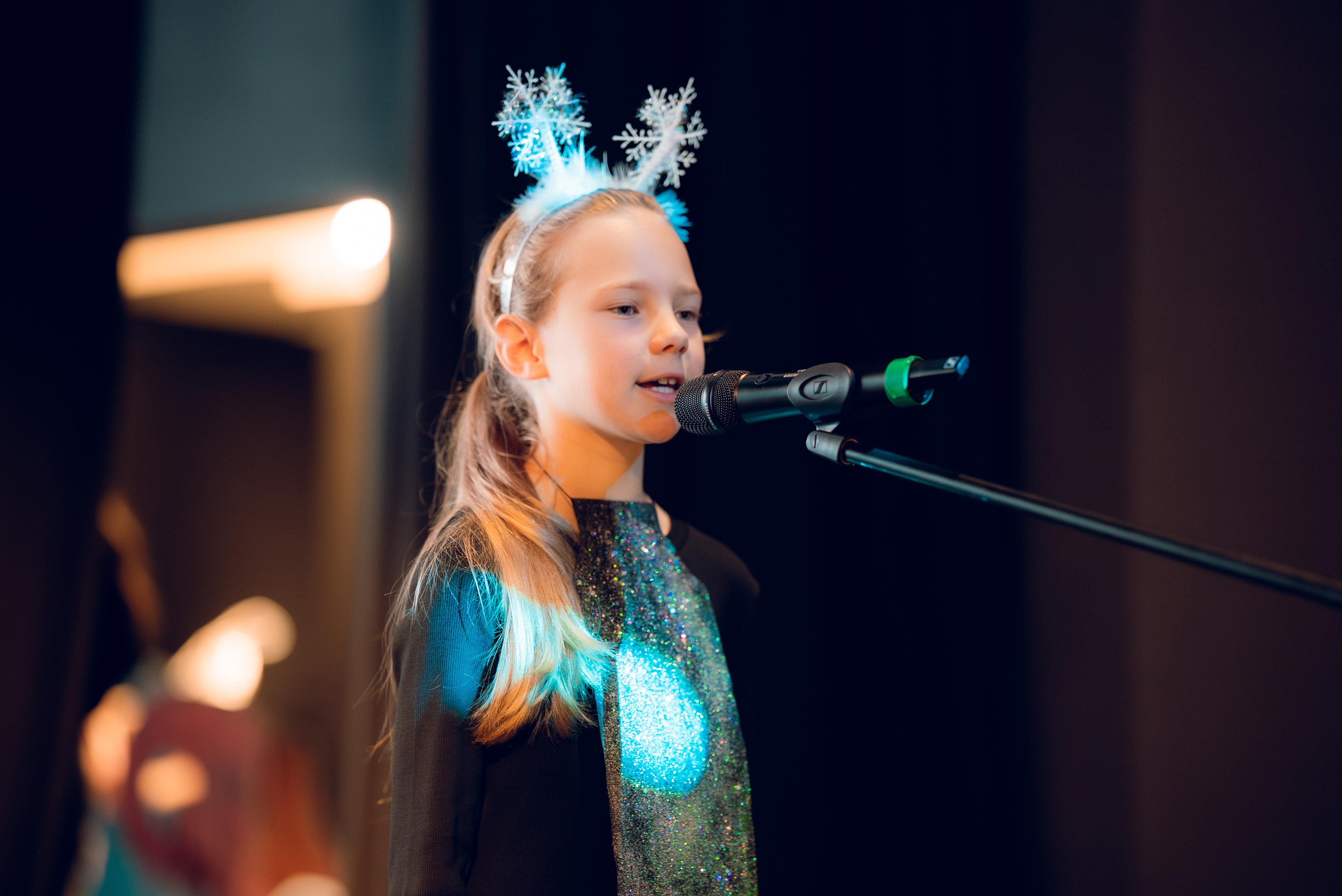
The language of creativity and selfexpression is used freely in education, but at DESS Academic City it means something specific.
It describes the child who is nervous before a performance but steps forward anyway and feels, perhaps for the first time, what it is to do something difficult in front of other people - and come through it smiling. Or perhaps the child who does not get the solo but finds, in the ensemble, a sense of belonging that is every bit as meaningful.
There is also a strong relationship between involvement in the performing arts and broader academic development. Participation in music, drama and dance is linked to improved reading comprehension, stronger critical thinking and greater capacity for empathy.
Through rehearsal and performance, children learn to communicate, collaborate and lead. They learn to manage nerves, take direction, offer feedback and receive it gracefully, and persist with something that feels different from everyday school work.
As Miss Mead puts it:
“ It’s not about who sings the loudest. It’s about giving every child the confidence to use their voice.

The facilities at DESS Academic City are new, purpose-built, and designed to make sure the performing arts are taken seriously. Dedicated music rooms, flexible rehearsal studios, and performance spaces give children the environments they need to do their best work. These are not rooms where the arts are squeezed in around other priorities, but spaces where music, drama and dance belong, and where children understand instinctively that what they are creating here is valued.
Good spaces matter because they change how children feel about their work. A child who rehearses in a proper studio, performs on a proper stage, and hears their music in a room with real acoustics develops a relationship with the performing arts that is different from one who does not. The physical environment we have created at Academic City sends a clear message about how seriously the school takes this part of its children’s education.
But we also need to remember that it’s not the buildings that bring Performing Arts to life. It’s the children and the teachers inside them who provide the magic dust.

There is a question worth asking about any primary Performing Arts programme: what does a child actually take with them when they leave?
Not the certificates from a Stage School examination, though those represent real achievement, and not only the memory of the best performances, though those tend to stay longer than most people expect. What endures, when everything else has faded, is the feeling of standing in the wings before a performance and realising that the nerves are just part of it all. Of hearing an audience respond to something you helped create. Of practising something until it clicks and discovering that the gap between who you were at the beginning of term and who you are now is wider than you thought possible.
Some children who pass through DESS Academic City will go on to join the Dubai National Youth Orchestra or pursue drama and dance at a serious level. But others will not, and that’s fine too. The measure is a child who leaves primary school with an ear for music, a willingness to stand up in front of others, and a genuine understanding that they have something worth expressing.