Fans of Midwest emo, indie and hyperpop music brush shoulders as a line forms inside DePaul’s Lincoln Park Student Center. The sound of mic checks flows out of Room 120 AB. Members of DePaul’s Music Business Organization whiz by, ironing out last-minute kinks and making conversation with concertgoers.
DePaul musicians and bands Tollbooth, Anna Rose Baker, Zercher, Helltwo and Jane Aubrey gather in the greenroom as
nerves mount and the beginning of the opening act approaches.
Sophomore Robert Oboza, lead vocalist and guitarist in Zercher, said the band’s novelty caused some jitters before their performance.
“I was nervous,” Oboza said. “We’ve been pushing this show really hard because we’re pretty new. We had our first show on April 3.”
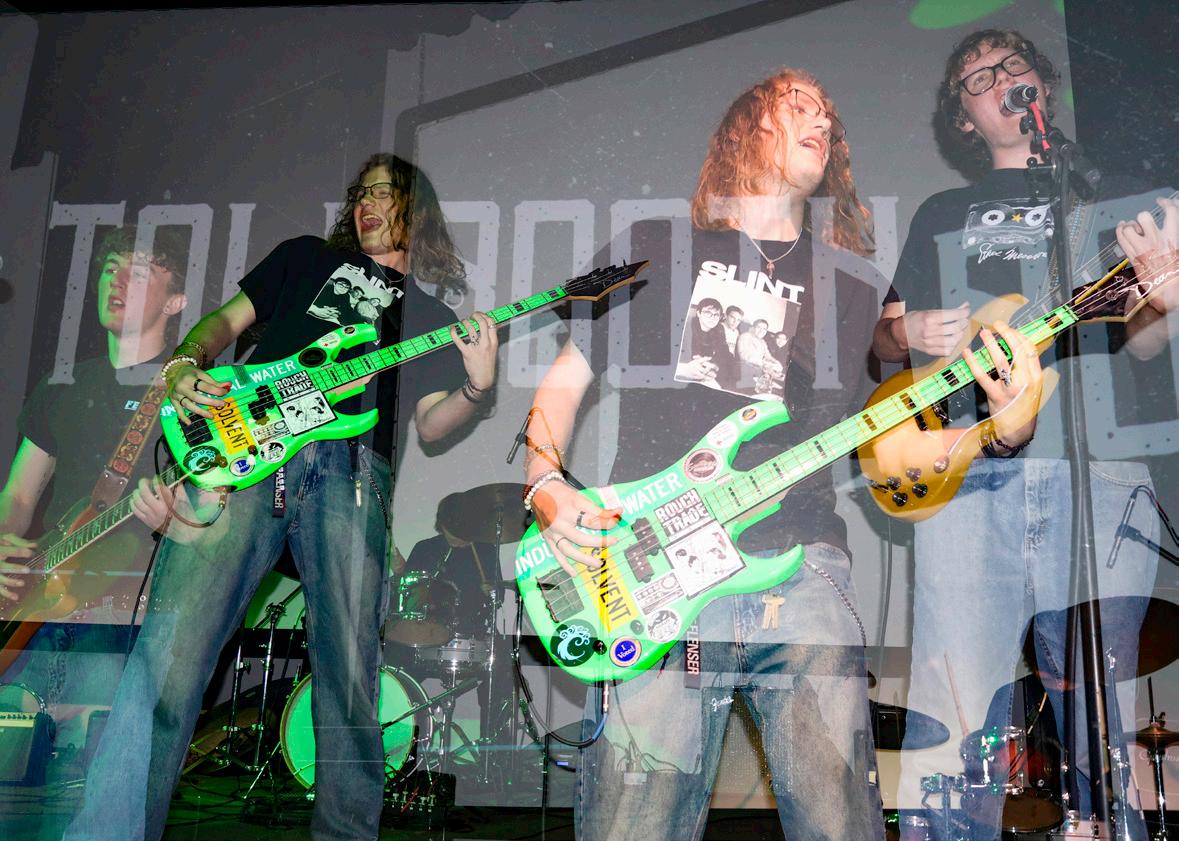
Chicago-based band Tollbooth, which opened Battle of the Bands, set the scene for a responsive show when fans opened up a mosh pit on the floor.
DePaul alum turns data into a cost-of-living guide for Chicago
By Kathryn Byrnes Contributing Writer
Sourabh R. Rodagi moved to Chicago two years ago. What he learned about Chicago neighborhoods when apartment searching was all word of mouth, but he knew there was data collected that could help people make informed decisions when choosing a place to live.
When choosing a place to
live, the true cost of that neighborhood can be overlooked prior to signing a 12-month lease. Rodagi wanted to help solve this by providing a tool to make Chicago residents more informed. This led him to the creation of Chicago.Intel, a database that combines data from sources including local, state, federal, civic and census to help people navigate affordable housing.
Zercher vocalist and bass player Tyson Keller said speculation from the crowd early in the night encouraged him to play his best. Many crowd members were already fans of the band, so there was a lot of hype surrounding their set.
“Right after Tollbooth played, my friend came up to me and said ‘Tyson, people are saying that you’re going to win.’ I was like, ‘What are you talking about? We haven’t even played yet?’ After that, I was kind of pushed.”
When Zercher took the stage, Oboza said he was excited for
Using the knowledge he gained during his time as a graduate student studying business analytics at DePaul he knew he wanted to solve a real problem.
“Chicago residents who are staying … in the city, want to switch to different neighborhood and someone who is newcoming, can make decisions on where to live based on their monthly salary and targets using all the numbers which are publicly available,” Rodagi said.
his “little gag at the beginning” where he ripped his DePaul shirt to reveal yet another DePaul shirt underneath. He said the crowd took a liking to the band’s antics.
“It was cool when everyone pressed up against the stage and the pit started opening up,” Oboza said.
Synth player Amarin Wexler of Zercher said the reception from the crowd gave the band a good idea of the verdict to come.
“I knew there was so much love and support around us,” Wexler said. “Seeing the crowd, I had a feeling that we had a good
shot.”
Sophomore Austin Martinez, Zercher’s drummer, said he encouraged his friends at the show to stage dive.
“My hope and dream for any band that I ever play in is to be known as ‘the stage-diving band,’” Martinez said. “When I saw them doing it, I was overcome with joy. I loved that people were stage diving in the Student Center. We might be the first band that ever made that happen.”
See BANDS, page 12
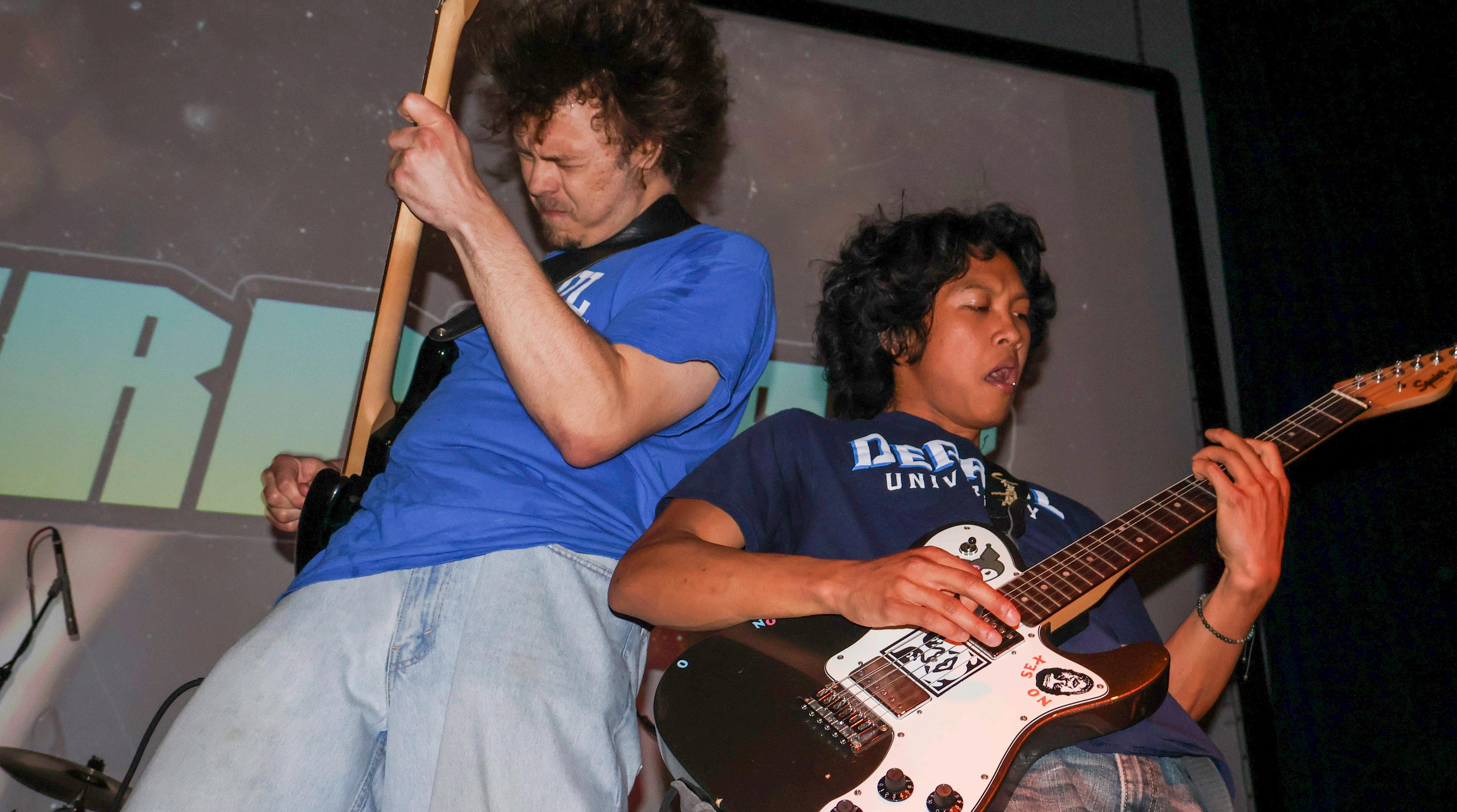
KIERSTEN HUNG / THE DEPAULIA
Zercher vocalist and bass player Tyson Keller (left) and sophomore Robert Oboza, lead vocalist and guitarist, play at Battle of the Bands in the Student Center on Tuesday, April 28, 2026. Zercher won free studio time at Classick Studios and will open FEST on May 15.
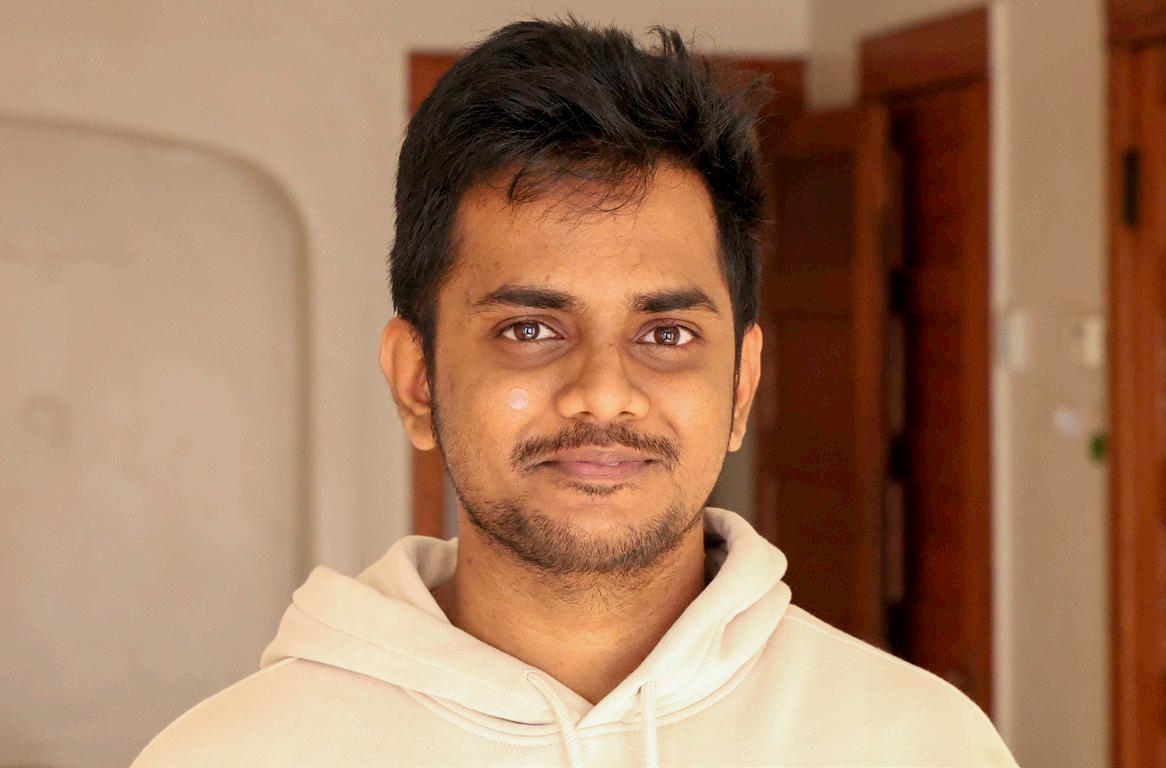
NORA SMITH / THE DEPAULIA
Sourabh Rodagi stands in his Wrigleyville home on Thursday, April 30, 2026. Rodagi created Chicago.Intel, which aims to help those living in Chicago navigate the housing market.
The DePaulia is the official student-run newspaper of DePaul University and may not necessarily reflect the views of college administrators, faculty or staff.
La DePaulia es el noticiero oficial estudiantil en español de la Universidad DePaul, enfocado en proveer una voz para la comunidad latinx. Nuestras opiniones no necesariamente reflejan las opiniones de la administración, facultad o personal de la universidad.
EDITORA EN JEFE | SOFIA JOSEPH SJOSEP@DEPAULIAONLINE.COM
EDITORA DE CONTENIDO | IZZY SIEMASZKO ISIEMA@DEPAULIAONLINE.COM
EDITORA DE NOTICIAS | TORI TREVIÑO TTREVI@DEPAULIAONLINE.COM
EDITOR DE REDES SOCIALES | CRIS SALAS CSALAS@DEPAULIAONLINE.COM
MENTOR DE LA DEPAULIA | ARTURO FERNÁNDEZ AFERNÁ@DEPAULIAONLINE.COM
CAMPUS CRIME REPORT
April 22 - April 28, 2026
LINCOLN PARK CAMPUS
Drug & Alcohol Assault & Theft Other
Lincoln Park Campus Crimes:
April 23
A Disturbance report was filed for an incident in the Sheffield Square Apartments.
April.24
A Disturbance report was filed for an incident on the 1st floor of the Student Center.
April 24
A Disturbance report was filed for an incident in the Ray Meyer Fitness Center.
April.26
A Graffiti report was filed for markings found on the exterior cement pillar of the gate near the School of Music.
April 27
A Cannabis Control Act report was filed for cannabis
found on the 6th floor of Centennial Hall.
April.27
A Criminal Trespass report was filed for an incident in the Schmitt Academic Center. Subject was taken into custody by Chicago Police.
April 27
An Unauthorized Postings report was filed for flyers posted on the 2nd floor of the Arts & Letters Building.
April 27
A Domestic Battery and Criminal Trespass Report was filed for an incident outside the 990 W. Fullerton Building. Chicago Police responded to the scene.
April 27
A Disturbance report was filed for an incident in the Schmitt Academic Center.
LOOP CAMPUS
April 27
A Criminal Trespass report was filed for an incident near the Fullerton CTA station.
April 27
A Hit and Run report was filed for a car damaged while parked in Lot L on April 22.
April 28
An Attempted Motor Vehicle Theft report was filed for a car parked on Kenmore Ave. near the Student Center.
Loop Campus Crimes:
April 23
A Simple Battery report was filed for an incident in University Center. A Chicago Police report was filed.
COST-OF-LIVING
continued from front
Chicago.Intel shows a neighborhood’s true price. The neighborhoods are broken into sectors showing finance, safety, vibe and walkability for that area. The “vibe” is based on the nightlife scene, transit access, number of restaurants, walkability and what the area is known for. It also includes factors such as utilities, groceries, dining and transportation.
Rodagi spent a month putting Chicago. Intel together. He finished the current version in March.
However, Rodagi has plans to continue improving the database. His current focus is making it “street level.”
This would give a user the ability to search their current address or any specific address to see on the basis of apartment opposed to neighborhood.
He currently works as a full-time analytics engineer at DataCEVA and dedicates ten hours a week to working on Chicago.Intel.
While creating the database, Rodagi met with Adam Hecktman, an adjunct faculty member at DePaul’s College of Computing and Digital Media. Rodagi and Hecktman discussed ways to improve the tool and get more eyes on it.
When Hecktman first looked at Chicago.Intel he was confused, he said, because it looked like a project that more than one person had put together. He said it took someone who understood data, user experience and geographic information systems.
“All of those people were one terrific DePaul grad student,” Hecktman said. Hecktman was excited by this project be-
cause he said Rodagi “picked up on a nuance around social impact that not a lot of people think about.”
He added that although people think the cost of rent is simply how much a place costs, it does not reflect the cost of amenities, and the database gives renters a more accurate view of the real cost of a neighborhood.
“He’s showing you other neighborhoods that you might otherwise have overlooked, for one reason or another, that have the amenities that you want, and maybe, just maybe, this could chip away ever so slightly at the segregation and housing problem that we have here in Chicago,” Hecktman said.
Maddie Underwood, a senior at St. Louis University, is from Chicago and moving back after graduation. Despite being an Austin neighborhood native, she has still struggled finding an apartment.
Underwood said she has friends who have never lived in a city moving to Chicago and are completely overwhelmed. She said Chicago.Intel accounts for basically everything.
“I think a lot of people don’t think about this stuff, especially if you’re a new renter … this is most definitely very helpful,” Underwood said. “Especially the transportation section, if you’ve never lived in Chicago and relied on public transit.”
Hecktman is on the board of Chi Hack Night, which led to Rodagi presenting Chicago.Intel at one of their events. One of the recommendations he received at Chi Hack Night was to add a feature where people living in a neighborhood can give a review on their living experience for others to see on
Chicago.Intel.
Hecktman thinks Chicago.Intel is useful not just to students but to anyone looking to get an idea of where they want to live.
“This will give you some visibility into neighborhoods that you may not have otherwise thought about or even knew about that you could be living in and affording it and contributing to that community,” Hecktman
said.
Rodagi started Chicago.Intel as a project to showcase his skills and solve a problem so he could help people make more informed decisions.
He said this project “feels well heard and appreciated and give(s) you a hope that if you build something that can solve a problem, there are people to help.”
NORA SMITH / THE DEPAULIA
Rodagi works in his home office on Thursday, April 30, 2026. After graduating last spring he found a job at DataCEVA.
Friday, April 24,
DePaul event highlights lasting impacts of Illinois’ death penalty abolition
By Taylor Peterson Contributing Writer
Fifteen years after Illinois abolished the death penalty, an event at DePaul University on Friday asked a simple but urgent question: What does that decision mean today?
The “A Beacon of Light in Darkness” event at the DePaul Student Center in Lincoln Park brought together students, faculty and community members to discuss the state’s 2011 abolition Friday, April 24. They also talked about the continued use of capital punishment in other parts of the country and their goal of outlawing the practice in every state.
A recorded message from Pope Leo XIV opened the discussion, grounding it in Catholic teachings on human dignity. “The death penalty is inadmissible because it is an attack on the inviolability and dignity of the person,” he said.
The event featured remarks from anti-death penalty activist Sister Helen Prejean and former Illinois Gov. Pat Quinn, who signed the law ending capital punishment in the state. Quinn said the decision reflected not only policy concerns, but also the state’s identity as the “Land of Lincoln,” rooted in democratic ideals.
“The people of Illinois decided this,” Quinn said, referencing the legislative process that led to abolition. “Where the Land of Lincoln, where Lincoln believed in government of the people, by the people and
for the people.”
Illinois became the 16th state to abolish the death penalty in 2011 after years of debate over wrongful convictions and concerns about how the system functioned. At the time, the debate focused on 20 death row exonerations — cases that raised serious questions about whether the system could be applied fairly or accurately.
“Certainly, we are human, and we don’t want to make one mistake, let alone 20,” Quinn said.
Quinn described the abolition not as a single political decision, but the result of sustained pressure from advocates, lawmakers and residents. He emphasized the role of public input, recalling an intentional waiting period before he signed the bill.
“I deliberately wanted a period of about 60 days for people to have their chance to speak,” Quinn said.
That process included hearing from victims’ families, legal experts and activists, with many opposing the death penalty. Quinn said the final decision reflected both moral consideration and the limits of the justice system itself.
For Prejean, those limits remain central to her decades of advocacy against capital punishment.
“There’s a pocket of deep South ex-slave states that are still killing people,” she said.
States like Texas, Alabama and Florida continue to carry out a disproportionate share of executions, reflecting the region-
al divide Prejean described. Texas alone has executed more than 500 people since 1976 — more than any other state — while Alabama and Florida remain among the most active in recent years, according to the Death Penalty Information Center.
In an interview before the event, Prejean focused on how public opinion shifts when people better understand how the system operates, arguing that support for the death penalty often changes with closer exposure.
“A lot of Americans say they support the death penalty,” she said. “Bring them close. Educate them, and they’re not going to support the death penalty.”
She also pointed to systemic inequalities in how the punishment is applied, particularly in access to legal resources.
“It’s only poor people,” Prejean said of inmates on death row. “You’re never going to have a rich person, because they’re gonna get a crackerjack lawyer.”
Her remarks connected broader questions of justice to lived realities within the legal system, a theme that carried into facilitated discussions following the event.
Emma Senanayake, a DePaul junior studying nursing, helped organize and facilitate those discussions. She said the goal was to help people see the issue as ongoing rather than historical.
“I think this event is important,” she said. “It’s telling people that there’s hope, that change is possible.”
She said continued engagement is key as conversations around capital punishment continue beyond campus events.
“Your voice matters,” she said. “You can still do a lot of things, and even if you’re one person, there’s still a great amount that you can do.”
Faculty and organizers framed the anniversary as both reflection and responsibility. In his remark at the event, DePaul President Robert Manuel encouraged attendees to think about what comes next.
“Today is about remembering what was accomplished,” Manuel said. “But it’s also about asking what responsibility that history places on your shoulders today.”
Throughout the event, speakers returned to the same idea: Illinois’ decision was significant, but it was not the end of the conversation. Prejean echoed that sentiment, emphasizing education and community as central to continued reform.
Quinn emphasized grassroots organizing as the driving force behind abolition and as the path forward in other states. Reflecting on the decision, he framed it as a collective effort rather than a single political act.
“The people made the law,” he said. “That’s really the way democracy was set up. It’s not from the top down. It’s grassroots, everyday people banding together.”
Manuel echoed that forward looking message as the event closed.
“We’re not done,” he said.
TORI MALEK / THE DEPAULIA
Stanley Howard (center) listens to Bishop Lawrence Sullivan speak at “A Beacon of Light”
2026. Howard spent 16 years on death row until he was pardoned in 2003 as a member of the Death Row Ten.
Pritzker calls for Trump’s removal over Iran threats
By Madison Ragsdale Contributing Writer
Illinois Gov. JB Pritzker is urging Congress to invoke the 25th Amendment to remove President Donald Trump from office following his threats to Iran. The governor’s comments have sparked various reactions among the DePaul community.
Pritzker joined over 50 House Democrats and several conservatives in April who called for the removal of the president over his comments regarding foreign affairs. Trump has been vocal about the Iran war on various social media platforms, including his own Truth Social.
In recent weeks on the platform, the president has given Iran’s leaders ultimatums if they did not open the Strait of Hormuz, one of the most important transport routes for oil. In March, Trump said the United States would “hit and obliterate their various power plants, starting with the biggest one first.”
Chris Bury, a DePaul journalism professor and former ABC News correspondent, says the rising tensions between Trump and Iran have become “highly consequential.”
“It is a matter of life and death when it comes to war in Iran,” Bury said.
The Strait of Hormuz has been a major point of contention during the war. It is a limited waterway in the Middle East, connecting the Persian Gulf with the Gulf of Oman to the sea. Closing the Strait could severely impact international relations regarding the economy and military welfare. The U.S. and Iran are currently in a ceasefire, with a stipulation allowing safe passage through the strait.
On April 7, Trump posted that “a whole civilization will die tonight” if a deal with Iran was not reached. In response, Pritzker also posted on social media, saying it was time for Trump to leave office, and “the 25th Amendment must be invoked.”
The 25th Amendment of the U.S. Constitution states that if the president dies, is impeached or is unable to fulfill their duties, the vice president would take over their position.
However, the amendment has never been implemented. Bury says utilizing the amendment is “basically impossible,” especially because Vice President JD Vance is “extremely loyal to President Trump.”
Invoking the 25th Amendment is unlikely due to the vice president’s unwillingness to act, which is necessary as the amendment requires the vice president and the majority of the cabinet to initiate the process.
Julian Blair, a DePaul senior studying international studies and German, takes issue with the hypocrisy of the United States.
“It’s incredibly contradictory, considering that there are 13 U.S. Navy ships, which are also blocking the Hormuz Strait in Iran right now,” Blair said.
He also noted that finding reliable information about the war is “really difficult” in this current political climate.
“It’s impossible to find independent news sources about this right now,” Blair said.
Nate Page, a freshman studying art, said the president’s comments about Iran create conflicts with political allies.
“I think it’s shaping up for other countries to think that America doesn’t make good decisions at all, and they can’t make a good leader, or they have to be given a tyrannical leader for them to function in a way,” Page said.
While Page voiced concerns about
how U.S. leaders are presented and interpreted around the world, journalism professor Bury offers a political stance regarding the governor’s remarks.
Bury says Pritzker’s reaction is po-
litical and symbolic. He says the governor is claiming that the president’s calls for the death of an entire civilization are dangerous.
“Pritzker clearly felt that was outrageous,” Bury said.
SEBASTIAN ALARCON / THE DEPAULIA
Illinois Gov. JB Pritzker leads the No Kings March after his speech at Millennium Park on Saturday, Oct. 18, 2025. Pritzker has been one of the most outspoken anti-Trump politicians, which culminated in the president calling for his arrest in early October.
DePaul rounds out Earth Month with sustainability efforts on campus
By Liza Eliseeva Contributing Writer
Even though Earth Month has ended, the DePaul community continues to celebrate campus sustainability commitments. Just DePaul, a sustainability department, held an Earth Month Fair on April 30 in McGowan South.
Zayn Ibrahim, an environmental science graduate student, works as a sustainability coordinator at Just DePaul.
“This is a fun celebration thing to bring people together,” Ibrahim said.
Events are the primary way for students to engage with Just DePaul, Ibrahim said. As students expressed interest in getting more involved, Just DePaul partnered with the Student Government Association to create a Sustainability Committee.
“A lot of students are really interested in volunteering their time and service, and developing sustainability on campus, and making sure DePaul is green and eco-conscious,” Ibrahim said.
A Sustainability Committee will allow students to collaborate on sustain-
ability initiatives they want to bring to their communities.
DePaul departments, clubs and community partners joined the fair to engage with students and tell them about the ways to get involved in environmental initiatives on campus.
Chicago resident Shane Alden owns Wild Dryad, an educational company teaching people how to identify plants and process them into food, medicines, dyes, art projects and baskets. At the fair, Alden told people about edible plants and mushrooms and Illinois’ ecosystems. He said knowing where food comes from matters to all people and unites them.
“That’s universal,” Alden said. “Regardless of whether you choose to care about the environment or climate change, or not, it’s something that, I think, affects us all.”
Alden said he likes exploring the intersections of how different cultures process food and the relationships they have with plants and mushrooms.
“Plants and food are something that connects all cultures, no matter what background you come from,” Alden said.
Alden said sustainability events,
such as the Earth Fair, can be fun while teaching people about the environmental impacts of their everyday actions.
“I don’t think, generally, people realize how important it is to care about the environment,” Alden said. “Maybe when we’re in urban spaces, we don’t get the chance to at least see the impact that we’re creating.”
Katelyn Panti, a senior majoring in environmental studies, said Earth Fair teaches students about the current issues happening in the world and provides networking opportunities.
“It’s good to just be environmentally aware of what’s going on and just try to bring sustainable efforts,” Panti said.
Ibrahim said Earth Fair “is not necessarily an educational event,” but a celebration that encourages conversation around environment within the DePaul populous.
“I really hope people get a sense of being able to connect with the community over a really cool and awesome topic of the earth and sustainability,” Ibrahim said.
Ibrahim said it is important to recognize environmental issues and make efforts to be sustainable. At the
same time, they said, the celebration and positive attitude unite people.
“There’s ways for us to be concerned about what’s going on in our environment, but also having some levity and joy,” Ibrahim said.
Just DePaul has also been developing a sustainability scholarship program. Ibrahim said it will bring students together to learn about sustainability from different perspectives and prepare them for their future careers in their areas of study.
The program will help students to develop professional skills and build a network.
“It’s great for visibility, showing our community that this is something that we are committed to and really interested in,” Ibrahim said.
At the end of the academic year, Just DePaul will organize a “moving out swap.” It will help students repurpose their items when they move out of the dorms.
“The idea of it is just trying to avoid waste at the end of the year going to landfill,” Ibrahim said. “Trying to make sure we are reusing items, recycling items, recovering items before throwing it into the trash.”
A. RAZVAN POPESCU / THE DEPAULIA
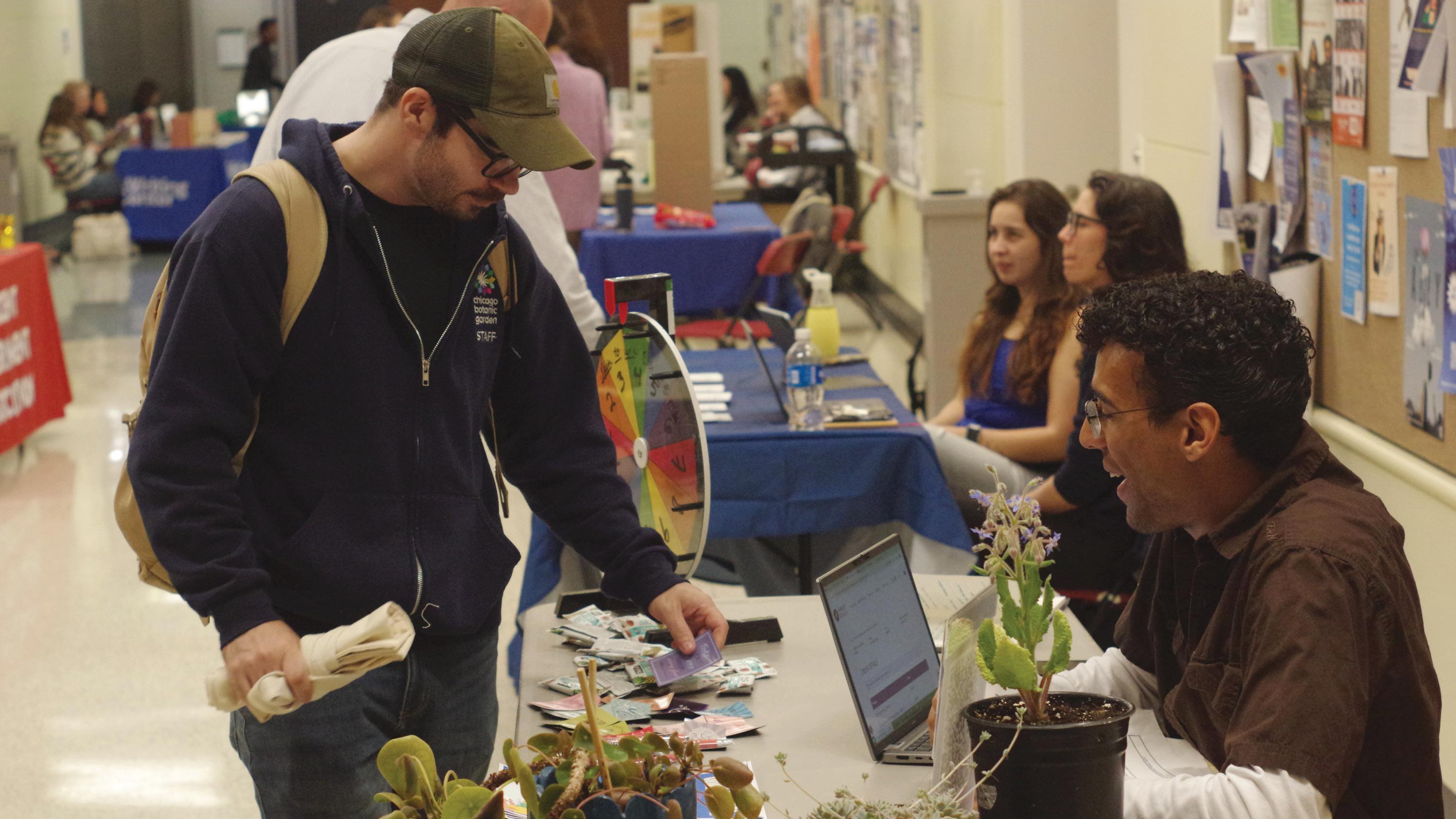
A person at a table talks to a student at the Earth Month Fair on Thursday, April 30, 2026. Just DePaul hosts events like this to get students engaged with sustainability efforts.
Opinions
Cancel culture doesn’t affect the powerful
By Sana Hajidamji Opinion Beat Writer
We like to think cancel culture holds people accountable, but somewhere along the way, canceling became less about consequences and more about giving people something to talk about. For people with money, fame or influence, this so-called consequence rarely does lasting damage. In fact, cancel culture often acts as free publicity, making it more performative than punitive for the powerful.
We’ve all seen powerful people in headlines, getting bad press for something they said or did. Then the next day everyone reacts and talks about it, and a few days later it feels like it goes away. Maybe an apology gets posted or an interview drops, but let’s be real: the whole thing turns into a cycle where the outrage boosts visibility instead of actually shutting anything down.
Ever heard the saying “all publicity is good publicity?”
For celebrities especially, staying relevant, even for the wrong reasons, often means staying profitable and it keeps that passive income rolling.
Edward Barnes, a professor in the School of Cinematic Arts, says public figures can often recover from controversy due to image management and public attention cycles.
“I think the public wants to like public figures, since their image is crafted to be as likable as possible,” Barnes said. “At the same time, moments where they are shown to be imperfect can humanize them, which sometimes softens public reaction over time.”
Take Chris Brown for example. He’s been at the center of multiple controversies over the years, most infamously the 2009 assault of his then girlfriend Rihanna, which left her with visible injuries and led to
widespread backlash and public “canceling.” But that moment didn’t end his career. It didn’t even remove him from it at all.
Since then, he’s remained tied to public controversy — whether its altercations with other artists, legal issues including arrests and probation, or other incidents that kept resurfacing in headlines. Each time, the pattern was consistent: outrage, headlines, discussion, then a return to business as usual.
A study from Oberlin College looked at whether public cancellations actually lower audience engagement, after tracking streaming numbers before and after major controversy moments, it was found there wasn’t a significant drop.
Even if celebrities aren’t completely cancelled, controversy does not always reshape their entire careers. Following the infamous feud between Drake and Kendrick Lamar, nei -
ther artist faced consequences from the public. Drake’s songs kept pulling huge streaming numbers during the feud. His reputation was debated constantly online, but his music never really left the conversation. On the other hand, Kendrick’s “Not Like Us” blew up, won five Grammys, and ended up at the Super Bowl halftime show, becoming a cultural moment on its own.
Payton Aguilar, a freshman studying business administration, says the Drake and Kendrick Lamar feud shows that having a bad reputation does not stop profit.
“We have to remember that at the end of the day they are both truly winning because no matter what, they are making money,” Aguilar said. “Whether or not we as listeners and supporters think the artist is ‘cancelled,’ the artist themselves are still getting money from our listens and plays.”
With the continued production of songs, albums and touring comes wealth, fame and a fan base. This serves as protection when it comes to powerful people actually being held accountable.
Outrage alone doesn’t end careers if the audience doesn’t leave. In a lot of cases, people separate the art from the artist, and the ongoing engagement keeps someone culturally and financially afloat, even during controversy.
Cancel culture works differently depending on who you are, which says a lot about our society. For people with power, it often doesn’t function as real accountability. Instead, they can even benefit from it. So the next time someone says a celebrity or politician has been “canceled,” it’s worth asking what that actually means and whether there’s really any accountability at all, or just attention that never fully turns into consequences.
NICO RODRIGUEZ / THE DEPAULIA
Delete Your Accounts: Social media is threatening humanity
By Ivy D. Davidson Contributing Writer
We have all heard the classic “desert island” prompt: If you were stranded on a deserted island by yourself, what is the one item you would bring with you? A weapon? Fire starter? Maybe a companion? Or, the more common answer: your phone? Would you rather be entertained or rational?
This choice illuminates where our society is headed, or maybe we’ve already arrived.
DePaul professor Peter Forster says rationality is fundamental to democracy. Without it, he says democracy “cannot exist,” but “you can have a dictatorship.”
Democracy is being destroyed as our history, socialization and humanity are being actively rewritten by technology.
Social media is evil, severing what makes us human. And we have become OK with it — choosing entertainment over rationality, spectacle over truth.
Thanks to social media, we are moving towards a post-truth
society, where emotions shape public opinion rather than fact. Echo chambers thrive, misinformation is truth and the algorithm knows us better than any human does. Our democracy is threatened as convenience is now our priority.
“To abandon facts is to abandon freedom,” said Timothy Snyder in “On Tyranny: The Book to Help You Understand Why Democracy Is Failing.” This means democracy cannot exist if society does not acknowledge we exist in a singular shared truth and reality, which emulates our current state.
DePaul junior Zoe Przybylski sees the way her feed influences her thoughts, acknowledging the “bubble” she exists in on social media.
“Part of me is OK with that. It can be scary being fed so much information,” Przybylski said.
Social media presents the illusion that its users are in control, and we believe it — knowingly or unknowingly, I do not know. Regardless, by blindly accepting everything on our feeds, basically
giving permission for our minds to be altered, we perpetuate democracy’s destruction.
We are quick to blame those in power for threatening democracy, forgetting that dictators attempt to achieve authoritarianism. The difference is that now, the biggest threat to democracy is us.
Illinois Gov. JB Pritzker is pushing for a bill to ban cell phone use in K-12 classrooms statewide following a decrease in student attention, mental well-being and school performance. Despite my support, the fact that such a policy even has to be considered is terrifying. These poor kids are being taught to be media illiterate through social media.
Shared understanding and media literacy are necessary to a functioning democracy. We have lost this. We allow algorithms to amplify sensation over truth and cause polarization, resulting in media illiteracy.
We have been blinded by the easiness we are promised on social media, desensitized to its harm because it makes our lives
convenient. Forster, like me, does not buy into these promises.
Social media is competition under the guise of connection. The idea that people who are more connected are happier is a promise “we’ve believed from Mark Zuckerberg,” Forster says.
Forster, an adjunct faculty at the College of Communication, relates democracy’s destruction to our constant need to prove ourselves online. Social media frames being alone, bored, unimportant or inactive as something to be scared of.
Therefore we keep liking, posting and commenting, reinforcing the echo chambers we exist in, continuing to be driven by relevancy and the responsibility to be “connected.”
DePaul freshman Ali Asghar says he will never delete Instagram. “Social media is a big part of who I am as a person,” he said.
We have tied our identities to technology, only feeling valuable and comfortable next to our phones, making it impossible to recognize that we are at fault.
Are we OK with who the al-
gorithm tells us we should be?
We have outsourced our entire lives to the ease of technology: social life to Instagram, romantic life to Hinge, intellectual life to ChatGPT, even parental life to YouTube.
We have lost sight of the grief, love, learning and relationships that make humanity beautiful and democracy possible.
“Inconvenience becomes a tyrant,” Forster said.
Do you have to know you are a victim to be a victim?
The fear of being disconnected from social media allows authoritarianism to seep its way into our society, hidden by the carefully crafted facade that we are in control. Platforms that once promised connection have made us addicted, feeble hostages, unable to even see our contribution to democracy’s downfall.
I urge you to delete your accounts. Liberation can only exist if we are able to see the need for liberation. We have lost ourselves within our devices, disappearing into our digital universe.
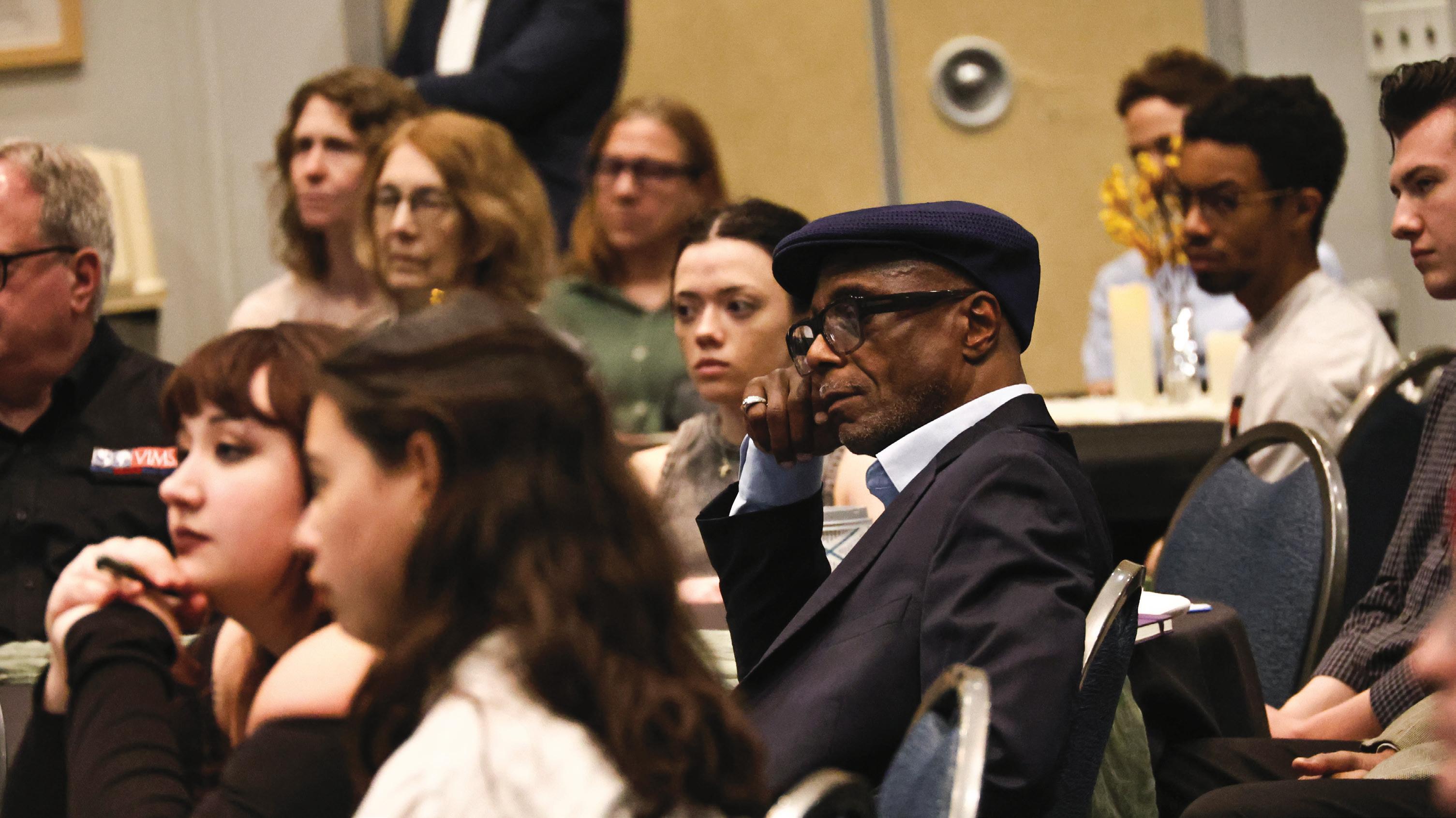
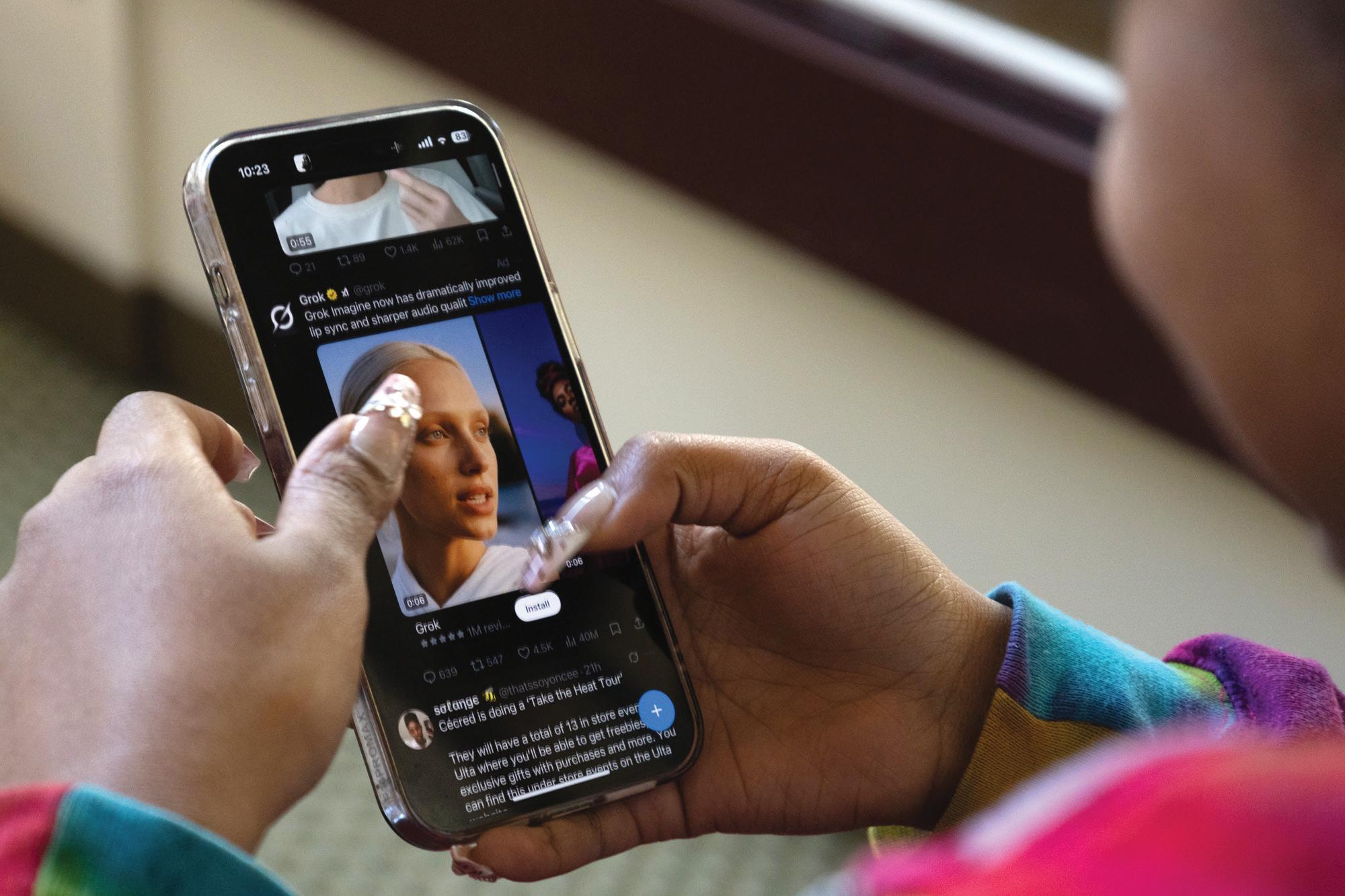
A DePaul student scrolls the social platform X in the Loop campus on Saturday, May 2, 2026. DePaul professor Peter Forster says rationality is fundamental to democracy.
JEREMY BATTLE / THE DEPAULIA
La DePaulia
El desfile del Cinco de Mayo en Little Village está cancelado
Por Opal Green Escritora colaboradora
Las preocupaciones sobre la continua aplicación de leyes migratorias han llevado a la cancelación del desfile anual del Cinco de Mayo en Little Village por segundo año consecutivo. A medida que la actividad de ICE sigue afectando a la comunidad latina en Estados Unidos, las personas están encontrando formas alternativas de celebrar la festividad frente a la adversidad.
Para Mike Moreno, dueño de Moreno Liquors y Osito’s Tap en Little Village, adoptar la cultura de manera independiente ayudando localmente a mantener la unidad que simboliza el Cinco de Mayo.
“El Cinco de Mayo es algo que no todos los mexicanos celebran, pero es algo que entendemos y respetamos”, dijo Moreno. “Podrán quitarnos una parte de nosotros, pero no pueden quitarnos nuestra identidad en su totalidad”.
La campaña de aplicación de leyes migratorias del gobierno federal bajo la administración Trump ha dirigido a personas latinas desde el inicio de su mandato, y en el área de Chicago se intensificó durante el otoño pasado con la Operación Midway Blitz. Héctor Escobar, presidente de Casa Puebla y de la Cámara de Comercio de Cermak Road, dijo a “Chicago Tonight” de WTTW que la decisión de cancelar el desfile fue difícil, pero la seguridad de quienes viven en el vecindario es la prioridad.
El Cinco de Mayo conmemora
la victoria de México sobre el Segundo Imperio francés en la Batalla de Puebla en 1862. El desfile en Little Village ha sido un evento importante por más de 40 años, celebrando la cultura mexicana con danzas y presentaciones musicales que reúnen a cientos de personas en el vecindario, y destaca a diversas organizaciones latinas en Chicago. Joe Tafoya, profesor asistente
de ciencias políticas en DePaul, destacó la importancia de la festividad por su orgullo cultural e historia, alentando a otros a aprender sobre el significado del Cinco de Mayo más allá de su uso comercial.
“Nos encontramos en un momento extraño donde el Cinco de Mayo es un elemento de orgullo, y aun así, también se utiliza como una oportunidad para el comercio
y las ventas”, dijo Tafoya. “Pero al menos todavía lo tenemos. Seguimos hablando de ello.”
Según Tafoya, la celebración del Cinco de Mayo se popularizó durante el movimiento por los derechos chicanos en las décadas de 1960 y 1970, utilizando la Batalla de Puebla como símbolo de orgullo cultural, principalmente para los mexicoamericanos.
Aunque algunos han criticado los desfiles modernos por ser comerciales o por apropiarse de la cultura mexicana, los miembros de la comunidad también destacan los negocios locales en Little Village y celebran su herencia.
Aunque el desfile ha sido cancelado, Tafoya urge a las comunidades latinas a seguir fortaleciéndose recordando los logros del pasado y del presente.
“Sean visibles. Una cosa que va a vencer el miedo es la alegría y el orgullo”, dijo Tafoya. “Necesitamos mostrarles, ‘Miren, no van a poder con nosotros’. Y además, ahora tenemos un enemigo común. Vamos a unirnos aún mejor que antes.”
Una profesora de DePaul, que optó por identificarse únicamente con su apellido, Rodríguez, debido a preocupaciones migratorias, comparte opiniones similares sobre
resaltar la importancia de la cultura latina durante todo el año. A pesar de estar molesta por la cancelación del desfile, encuentra comunidad enraizado en la ciudad.
“Son formas de resistencia cotidianas”, dijo Rodríguez. “El hecho de que las personas existan en este país, hablen su lengua materna, honren su propia comida, escuchen su propia música, es en sí mismo una forma de resistencia. Básicamente es decir, ‘No pueden borrarnos. Todavía seguimos aquí.’” Las personas en toda la ciudad aún esperan celebrar, con o sin desfile.
Moreno abrirá su bar para el Cinco de Mayo. El dijo que será la primera vez que el bar abre un martes desde 2020 y espera que sea un lugar seguro donde las personas puedan disfrutar de la comunidad y de las festividades.
También habrá otras oportunidades para centrarse en la cultura y los negocios mexicanos este año. Además de la Semana de los Pequeños Negocios, que comienza el 11 de mayo, la Cámara de Comercio de Little Village también destaca el Día de la Independencia de México con un desfile el
septiembre.
14 de
Un participante del desfile monta su caballo por la Calle 26 durante el Desfile del Día de la Independencia de México en el vecindario de Little Village en Chicago, el 14 de septiembre de 2025. Con una duración de hora y media, el desfile presentó a decenas de grupos culturales, personalidades destacadas y más.
ISABELLA SIEMASZKO / LA DEPAULIA
Una niña corea mientras una carroza avanza por la Calle 26 durante el Desfile del Día de la Independencia de México en Little Village, el 14 de septiembre de 2025. A pesar de las preocupaciones por el aumento de la actividad de ICE, muchas familias aún optaron por presenciar el desfile número 54.
ISABELLA SIEMASZKO / LA DEPAULIA
St.Vincent’s
D e JAMZ
“PINCHANDO RITMOS FRESCOS DESDE 1581”
Por Tori Treviño Editora de Noticias
“Ser amado a la mexicana” es un término acuñado por usuarios de redes sociales y presente en la cultura popular, que describe un anhelo interminable y apasionado que los mexicanos, como yo, conocemos demasiado bien. La semana pasada, mi pareja y yo celebramos nuestro segundo aniversario. En honor a haber pasado los últimos años amándolo “a la mexicana”, aquí hay algunas canciones de amor en español que representan el mejor tipo de amor.
“I
COULD FALL IN LOVE” POR SELENA
Descanse en paz la reina mexicoamericana que ejemplificó perfectamente lo que se siente al bajar la guardia por alguien. Dato personal: esta es mi primera relación formal, así que, obviamente, me daba miedo dejar que alguien entrara en mi corazón por primera vez.
Esta canción explica el conflicto entre lo aterrador y lo hermoso que puede ser enamorarse.
“CORAZÓN SIN CARA” POR PRINCE ROYCE
Esta canción destaca para mí como parte de mi introducción a las canciones románticas en español. Rápidamente se convirtió en uno de mis temas favoritos de secundaria para mis primos y para mí, y fue lo que me llevó a aprender a bailar bachata. No hay forma de que me importen las letras cursis. Es un mensaje hermoso que realmente representa el amor joven.
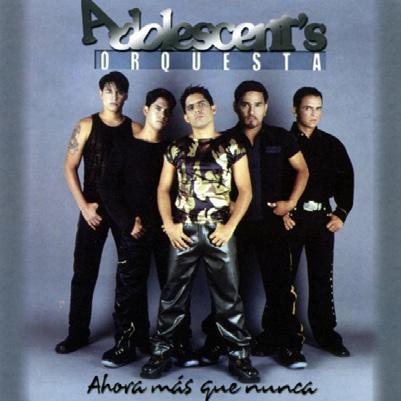
“VIRGEN” POR ADOLESCENT’S ORQUESTRA
La salsa es muy romántica. Esta canción es una oferta para alguien que ha
sido herido por otra persona. Es una confesión de que están dispuestos a dar todo lo que su expareja no pudo y más. ¡O sea, vamos! El puente me da escalofríos cada vez.
“BAILE INOLVIDABLE” POR BAD BUNNY
Esta es un poco triste, ya que trata de perder a alguien y arrepentirse, pero no se puede ignorar ese anhelo de primer nivel. Extrañar a alguien y llamarlo inolvidable es innegablemente romántico.
Y sí, hay una pequeña posibilidad de que yo sea la “diabla”, “ángel” y “loquita” de mi pareja. Además, otro puente poderoso. De nada
“LO QUE YO TENGO” POR JAY PÉREZ
Mi familia tiene raíces tejanas, así que por supuesto crecí escuchando a Jay Pérez. Él canta sobre entregarlo todo
por alguien, y sinceramente es muy especial para mí poder finalmente identificarme con las canciones con las que crecí. ¡Su voz es como seda y sus palabras son como magia!
“DREAMING OF YOU” POR SELENA Abrimos con Selena, así que cerremos también con ella. Si alguna vez no has podido dormir por la noche porque estabas pensando obsesivamente en alguien, esta es para ti. Esto es anhelo sin filtros, y creo que soñar con alguien es una de las expresiones más románticas del amor.
ESCUCHA LOS TEMAS EN SPOTIFY
Arts & Life
Young couple opens Daly’s Donuts in Lincoln Park
By Kathryn Byrnes Contributing Writer
Alejandra Daly has always wanted to have a bakery. Her husband, Conor Daly, always wanted to start a business. But the two never dreamed they would be able to combine their passions to open Daly’s Donuts in Lincoln Park.
The couple hosted the grand opening of their new storefront at 659 W. Armitage Ave. on March 7, and the spot that has quickly gained regulars.
“We just put up our patio and the first people who came and sat at it was a dad and his daughter, and … this made my whole week,” Alejandra said. “Little things like that are so cool.”
On opening day, a line formed outside before the doors were even unlocked at 8 a.m. The line continued until they sold out and again the next day.
Daly’s donuts differ from your typical donut. Summed up by their slogan, the donuts are “Baked, Not Fried.”
The menu options include classic cinnamon sugar, chocolate churro, chocolate dipped, maple glazed, cinnamon sugar dunkers and their current seasonal flavor, sticky toffee. They also have freshly brewed coffee available.
The original cinnamon sugar recipe comes from Alejandra’s mom’s side of the family, which she baked all the time while she was growing up.
“When I graduated college, randomly I rediscovered the recipe, made it all the time,” Alejandra said. “Anytime people had them they
BANDS continued from front
Keller said despite the adrenaline he felt during the show, he thought the performance was solid.
“Sometimes when I’m in the moment, I get too excited and I’m like, ‘I can’t play my instrument anymore,’” Keller said. “But it was one of our best performances, there weren’t many mess-ups.”
Fans in the crowd showed their support by singing along to Zercher’s “Twilight Sparkle.” Wexler said that sing-alongs happen sometimes at their shows, “but this time it happened so naturally.”
After the final act, students lined up and grabbed markers to
loved them.”
On Conor’s 30th birthday back in 2022, Alejandra made him her family’s cinnamon sugar donuts. That evening they had a party, where their friends tried the donuts. Alejandra said that was the moment it became apparent just how much people loved them.
Conor and Alejandra decided to start Daly’s Donuts the next day, turning their apartment into a one-oven bakery.
Both Alejandra and Conor worked corporate jobs when they started Daly’s Donuts. They would dedicate their weekends to donuts, waking up at midnight to start baking for the next 12 hours. This left
vote for their favorite performer. Excitement from the crowd mounted as members from the DePaul Activities Board gathered on stage to announce the winner.
When Zercher was announced as the winner, the crowd cheered and the band members came together, jumping with joy at the news.
“I was relieved,” Keller said. “We were all jumping when we were up on stage after they announced it.”
The prize package for the winner of Battle of the Bands includes an opening spot at FEST, DePaul’s annual music festival, and free studio time at Classick Studios in Humboldt Park.
Although Zercher has had some studio sessions before through a
them without any days off.
“I feel like we could both agree that sitting at a corporate job for eight hours felt way longer and weirdly way more exhausting than, like, 14 to 16-hour days doing this,” she said.
Anna Nelson, a recent DePaul graduate and Lincoln Park resident, learned about Daly’s Donuts in spring of 2023 when the couple was passing out free samples and business cards in the neighborhood.
“Now that they finally have a business front it’s really cool,” Nelson said. “I feel like I’ve seen them grow over the past three years in a way.”
They started taking orders
friend’s internship, Oboza said the opportunity to record at Classick will be an important upgrade.
“We did three weeks in a row of one or two recording sessions each week, all going past 2 a.m.,” Oboza said. “So, having actual studio time at Classick where we don’t have to do it in the quiet of the night is going to be awesome.”
Oboza said after finding out they won, he mostly felt excitement to play at FEST.
“We want to play outside,” Oboza said. “Maybe we’ll play in jorts.”
Martinez gave the following advice to FEST-goers: “If there is an opportunity to stage dive at our shows, take it. Hopefully there’s no barricades at FEST. Be yourself, we’re not here to judge you.”
through Toast, an app allowing people to place mobile orders. But business really picked up when they became a vendor at the Green City Market in Lincoln Park. From there, they also began catering corporate events.
Their upstairs neighbor, DePaul senior Grace Ixpata, said before knowing the couple’s names, she would refer to them as the “donut people.” She said as their business grew, so did the smell of yummy donuts in the building. Despite living right above them, Ixpata did not always make it in time for a donut.
“They would always sell out. It would be kind of a race if we were
gonna wake up early enough to put an order in or not,” Ixpata said.
She said she loves that the donuts are baked because they taste healthier and fresher than fried donuts.
“It’s the perfect amount of moistness, but it still has a crumble to it,” Ixpata said. “And also, they’re so hot and good.”
About a year ago, Alejandra and Conor hired their first full-time employee, Conor’s younger brother Colin Daly.
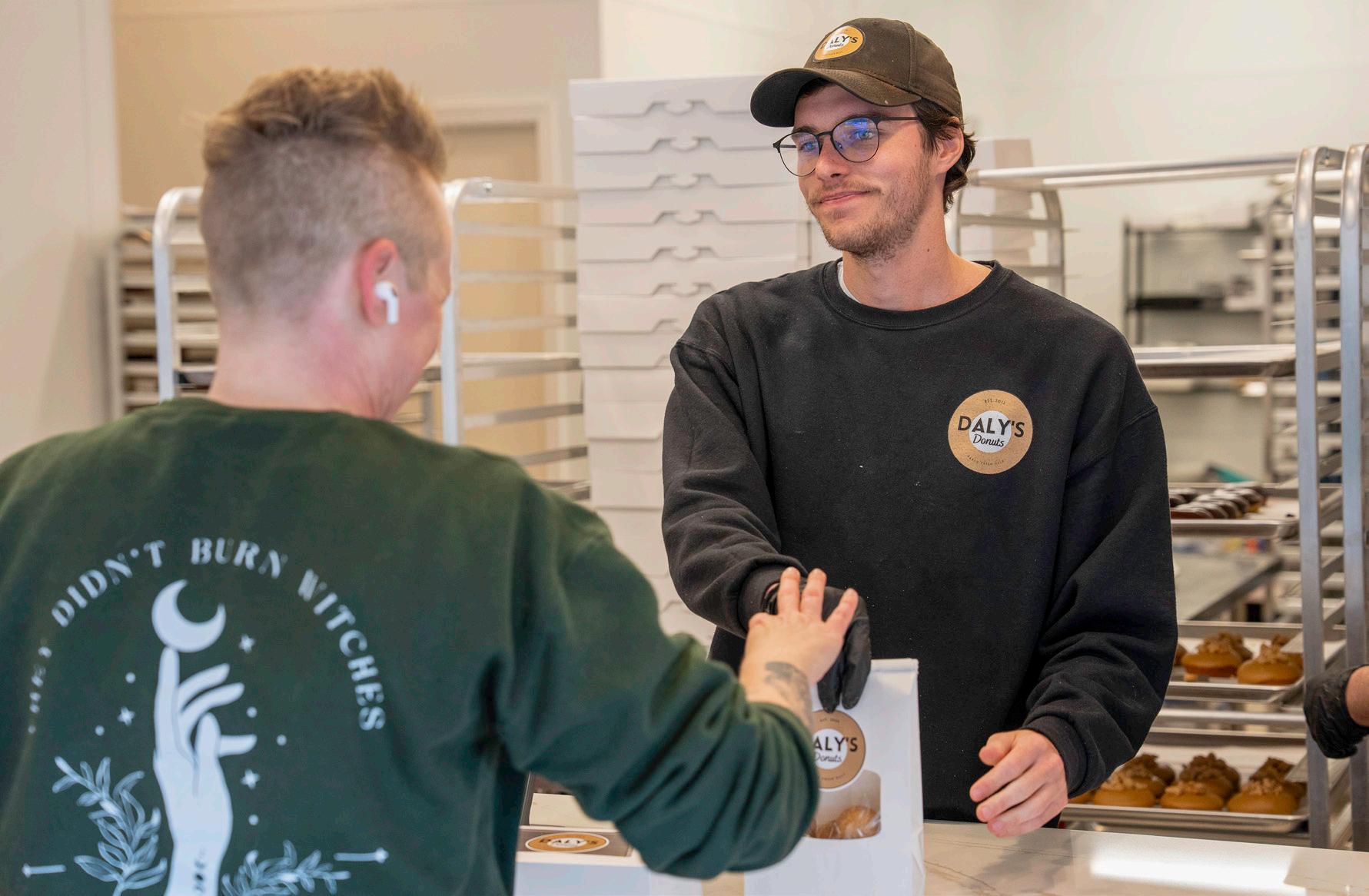
Colin does not have a part in baking the donuts, which he said means he gets to sleep in until 4:30 a.m. Last year he would work the farmers market, but now he serves up coffee and takes orders at the storefront.
He said the team feels a lot of love from the community.
“I’ve been called ‘donut man.’ Little girls have gotten me pictures of hearts and donuts and definitely have connected well with the community for sure,” Colin said. “It’s been great.”
Both Alejandra and Conor have enjoyed running their own business together and getting to know the community over the last three years.
“You work way more but you feel more gratified, I would say. From the work itself and just not having to answer a boss but to each other has been very nice,” Conor said.
Daly’s Donuts storefront is open Wednesday through Friday 7 a.m. to 2 p.m. and on Saturday and Sunday 8 a.m. to 2 p.m. The business will still be at Green City Market this season.
BENNETT LAUER / THE DEPAULIA
Colin Daly, an employee at Daly’s Donuts, serves a costumer on Wedenesday, April 29, 2026. The new storefront is located at 659 W. Armitage Ave.
Members of Tollbooth play at Battle of the Bands in the Student Center on Tuesday, April 28, 2026. The event featured five student bands who competed for free studio time and the opening slot at FEST.
KIERSTEN HUNG / THE DEPAULIA
‘All They Wanted’ was to see Panchiko live
Zoey Duchene Asst. Photo Editor
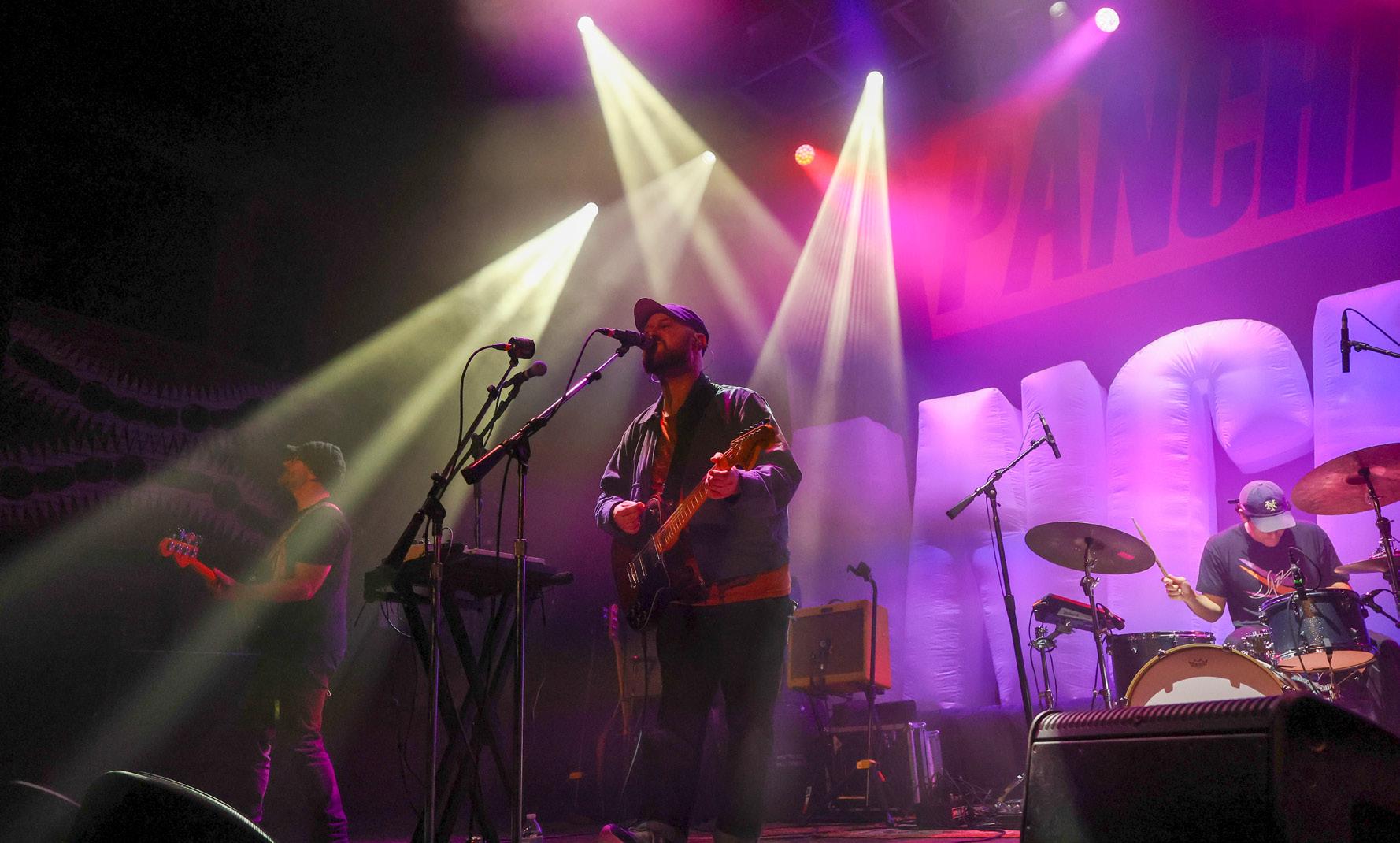
Panchiko lit up House of Blues on Tuesday, April 28, with the first performance of a two-show run in Chicago. The mostly young audience was waiting to hear older hits like “D>E>A>T>H>M>E>T>A>L” and newer hits like “All They Wanted,” but even the less popular songs left an impression on the audience.
Panchiko disbanded in 2000 but was rediscovered in 2016 through a 4Chan post. A user had found one of their old CDs, but was unable to find any other details about the band other than their name.
Since then, Panchiko felt the immense internet pressure to get back together around 2020. Due to gaining more listens and blowing up again, the group got back together in 2020 to continue making music and touring. They have been touring their older music on and off, with a couple new albums since then. This whole 4Chan craze caused them to resurface from almost zero listeners then to 2.8 million monthly Spotify listeners today.
One fan who discovered Panchiko through the 4Chan post
Panchiko opens up their concert at House of Blues with “Stabilizers For Boys” on Tuesday, April 28, 2026. The show was the first of a two day run in Chicago.
was Ian Hernandez-Maya, who found the story and fell in love with the electronic tone of their music.
“Live I think they pretty much sound the same, it sounds authentic,” Hernandez-Maya said. “They did say they didn’t use backing tracks so I thought it sounded pretty accurate to their master tracks.”
The energy throughout the
night only grew. Fans had their phones out almost every song, looking to get a video or photo of the moment they were in. The grungy environment of House of Blues, mixed with Panchiko’s shoegaze-type beat, created an atmosphere that was a hit for concertgoers.
Despite the crowd being younger, many had been following
the band for about two years, such as Sara Perez, who came with her boyfriend.
“There’s a couple little things you hear live that aren’t online,” Perez said. “Music just feels raw and more intimate when it’s live than through just a platform.”
Some fans even drove from Michigan to see the performance like Zakaria Bassuny, who came
with his three cousins.
“I really loved finding people that I could relate to,” Bassuny said. “For example, I found this guy that had a hat from a manga series I really liked. I also found this girl that liked the same exact songs as me. So I would say my favorite part of it is just meeting new people.”
When the band’s hit “D>E>A>T>H>M>E>T>A>L” came on, the crowd became electric, singing every lyric, recording every moment, and dancing their way through the rest of the set.
Concert goers enjoyed all of the antics that the band displayed that night, like when Andrew Wright, who is the guitarist and keyboardist, decided to take his shoes off and put them on his keyboard.
Shulamite Tsai, another concertgoer from Michigan, arrived two hours early to get to the very front of the crowd, deeming the experience worthwhile.
“This was the best concert I’ve been to so far. And even though they didn’t play ‘The Eyes’ or ‘Ibad’ I had an amazing time,” Tsai said. Panchiko will be continuing their U.S. stretch of the tour until May 14 in California before heading to Europe in the fall to finish out the rest of their 2026 tour.
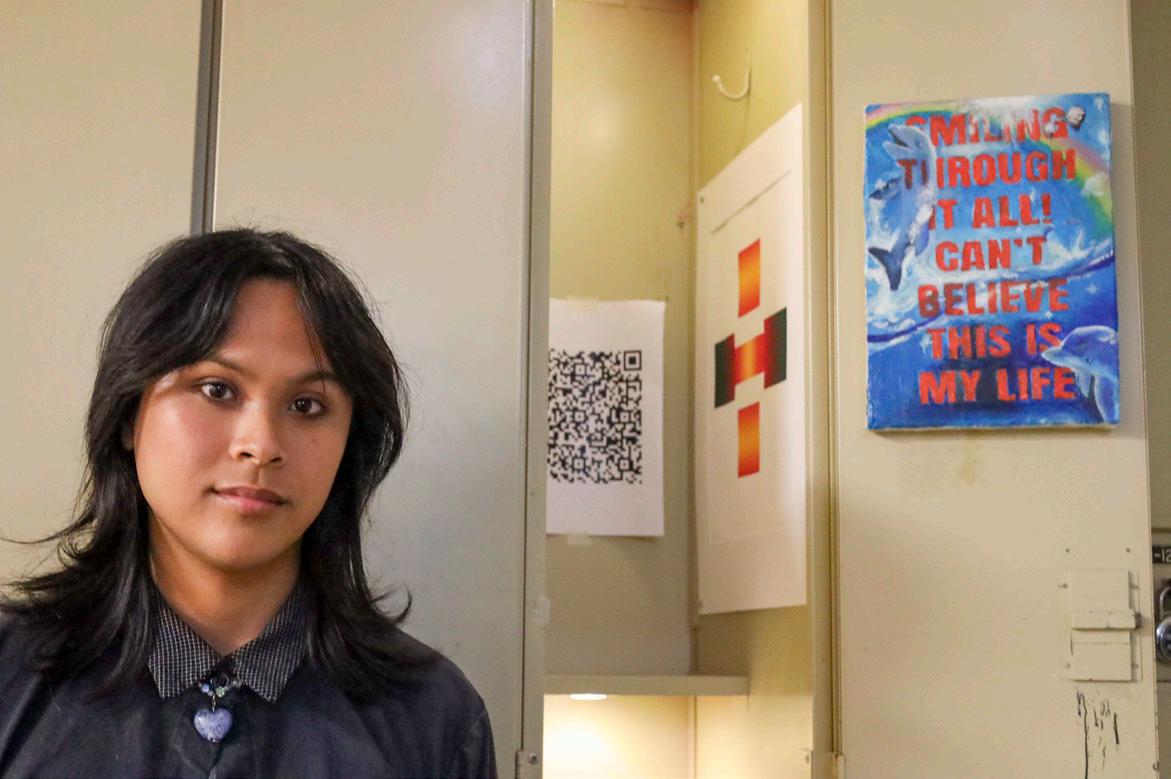
Hidden in plain sight inside DePaul’s Schmitt Academic Center, a locker-sized gallery is drawing curious students to stop, open the door and take a closer look.
Called “Locker Room,” the project is part of a student-led push to keep art alive on campus as institutional spaces like the DePaul Art Museum disappear.
Tucked into locker No. 121 on the first floor of the SAC, the micro-exhibit rotates every two weeks. It’s open from noon to 4 p.m. Sunday through Thursday, inviting passersby to pause between classes and engage with art in an unexpected place.
Christa Baclia-an, a DePaul senior and the exhibit’s creator, says she started the project at a moment when the arts on campus felt uncertain and wanted to expand how artists connect with multiple communities.
The opening of “Locker Room” follows news that DePaul will close the DePaul Art Museum at the end of the academic year as part of broader strain on the university’s budget. Students like Baclia-an say they’re now looking for ways to fill that loss.
“I felt the need to find a way to make an artist-run space that engages with the community here, as
well as beyond DePaul community,” Baclia-an said. “And remind us what we’re doing here, why we want to create, why we want to make things.”
Abisola Clay, a DePaul junior who previously exhibited work in the locker, says this space reflects both necessity and opportunity.
“I think The Art School has always been like, we need more,” Clay said. “With DPAM closing, I think we had, even though we didn’t really have our work in the space, we just had a space itself, and it showed that DePaul still cared about the fine arts in some way.”
Baclia-an started “Locker Room” earlier this year by renting a campus locker for just $25. Viewers have to open the locker themselves, turning the act of looking into something active rather than passive.
Recent and upcoming exhibitions include artists from outside the university — and even outside the country — as Baclia-an looks to grow the space into something bigger.
“I wanted to expand who the DePaul community was engaging with the same way that DPAM does,” she said.
“Locker Room” is just one example of a growing DIY art scene at DePaul, where students are creating their own spaces and connections.
Peyton Rhodes, a senior, recently curated an exhibition in the locker
featuring an artist she met abroad. She says exhibits like these are essential to fill the gap left by DPAM.
“Student-led DIY shows are honest. Just as DPAM focused on underrepresented artist representation, student shows do exactly that from the ground up,” she said. “They’re essential for artists to begin to put their voice out there in an art world that is so unforgiving and exclusive.”
The current exhibition, “Arousing a profound disquiet,” runs April 26 through May 6 and features work by London-based artist Lee Tzur. Rhodes connected with Tzur while studying abroad and invited her to participate after seeing her work in a student exhibition.
“It’s so fulfilling to know that people that I don’t really know, essentially strangers, are looking at my work,” Tzur said. “They can come up with their own interpretations of the work, and it makes their relationship to the work a lot more authentic and therefore makes the work feel more authentic.”
Tzur, who grew up in Goa, India, and is now pursuing a fine arts degree in London, describes her practice as increasingly conceptual.
Her pieces in “Locker Room” include a framed image of a sex doll and a roll of toilet paper printed with affirmations. Both works interrogate performance, identity and the con-
struction of idealized selves.
The framed image, presented almost like a shrine, examines what she calls a “reductive” view of femininity. The toilet paper piece takes a more satirical approach, printing self-affirmations onto a material associated with waste.
That sense of authenticity is central to DIY art spaces, which operate outside institutional pressures like funding, collectors and marketability.
“I feel like my horizon has really grown so much just through art and just through saying yes to participating and contributing to these sort of
DIY scenes,” Tzur said. “They have so much more of an impact on culture.”
Baclia-an has already hosted several exhibitions and plans to continue through the end of the school year, with hopes of expanding the project beyond campus after graduation. She envisions curating shows in other unconventional spaces, keeping the same DIY ethos.
“I don’t like explaining what the art means, why it’s there, but I think it has a right to exist there,” she said. “That’s just what art is, it’s a meeting space.”
ZOEY DUCHENE / THE DEPAULIA
DePaul senior Christa Baclia-an, stands in front of her art exhibit, “Locker Room,” in the Schmitt Academic Center on Tuesday, April 14, 2026. The project was spurred by the planned closure of the DePaul Art Museum.
ISABELLA RUSSOMANNO / THE DEPAULIA
St.Vincent’s
D e JAMZ
“SPINNINg FRESH bEATS SINCE 1581”
By Anna Barth Opinions Editor
There’s no denying spring is a time of deeply felt change. After months of cold, harsh winter, the sun begins to peek through and subtly bring warmth back into our lives. Here in Chicago, we face extreme whiplash, tormented with heavy rain and precarious winds after days of seemingly summery weather. Though disorienting, I appreciate the moments of reflection this change provides. Here are some songs, whether it’s sunny or rainy, that prompt me to stop, think and most of all, daydream.
“BULLET PROOF SOUL” BY SADE
Stuart Matthewman’s saxophone in “Bullet Proof Soul” immediately drew me into this song. Paired with Sade’s smooth, soulful voice, I find myself in a dreamlike state. It’s easy to get lost in the beauty of this ballad, but true reflection requires an attention to the lyrics and the underlying tension in Sade’s tone. Sade’s seemingly composed voice and melancholic lyrics reveal a deep, underlying emotional conflict. She sings about coming out of
a situation stronger than you entered, hence her “bullet proof soul.” This song is intricate, but when you truly listen, it is unforgettably beautiful.
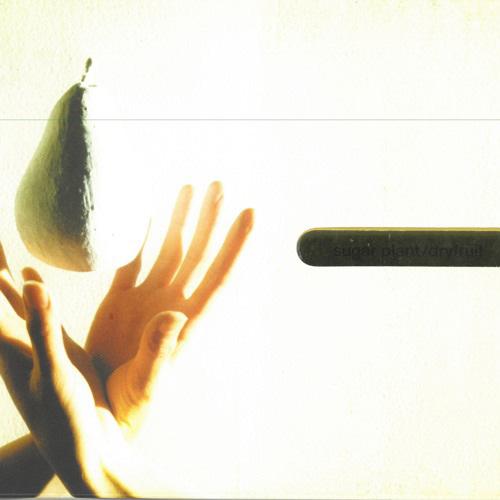
“A RAIN DISCRETION” BY SUGAR PLANT
As much as I cherish spring days where the sun is out and the promise of summer is near, I find an undeniable comfort in the rain. It fulfills my desire to take a moment, forgo my thoughts and peacefully resign, just like the rain itself. The song’s lyrics are almost like a wish, in which the artist wistfully hopes for the clouds to release rain and wash over her emotional fatigue.
“Rain covers me, my pain / The fact everything gets wet / Makes me feel like / Sleeping under the tree.”
“WE’RE SIMPLE MINDS” BY CLUB 8
“Finding yourself” is simpler than you imagine. Most of us are consumed with ambition, with aspirations of who we think we are meant to be. This song re -
minds me to take a look at my surroundings, and enjoy the simple things in life. The line “Seasons change / And I’m still the same / I can never tell what’s inside me,” captures an emotional ambiguity. Life keeps moving, but internal definition fails to follow the same timeline. We stretch ourselves trying to feel something meaningful, when meaning is often already embedded in ordinary moments we’re overlooking. The present is worth living.
“CHOSEN” BY BLOOD ORANGE AND CAROLINE POLACHEK
You know a song is magical when you can recall the moment you first heard it. The sound is definitively Blood Orange, and its soothing yet “messy” atmosphere is both contemplative and remarkably intimate. Dev Hynes has described the song as an ode to a boy, intending to express the longing of queer desire. It reflects a precarious balance, on the brink of either falling or making a decision. The recur -
ring refrain “But I don’t want to choose” shows the introspective battle of either admitting your feelings at the risk of rejection or remaining at an impasse.
To me, this song feels like fate waiting to happen.
Yes, queer love often exceeds the heteronormative standards of heartbreak and longing. But, the deep intimacy of patiently finding your person is by far the most profound feeling in the world. Just like the first time I heard it, this song reminds me of the love I am so lucky to feel.
LISTEN TO THE JAMZ ON SPOTIFY
2 Famous rodent and herald of Spring (4) 6 Turtles in Mario games (6) 7 Radio distress signal (6)
10 Gesture of disapproval, over text (Abbr.) (3) 15 Saltwater, in a medical context (6) 16 Hannibal Lecter side dish (9)
20 Affirmative, in operator-speak (7) 21 Parsley, sage, rosemary and thyme (5)
1 Geronimo-adjacent acronym (4) 3 Leviathan author and plush tiger (6) 4 Somewhat unpopular image file format (4) 5 Disc-shaped floor-cleaning robot (6) 8 Prevalent infectious disease in the 70s (10) 9 Jar Jar Binks’ species in Star Wars (6) 11 ___ Brontë, Wuthering Heights author (5)
12 Scottish lake cryptid, affectionately (6)
13 Newest F1 team as of 2026 season (8) 14 H.R. Giger’s titular alien (9)
17 Non-mythical aquatic unicorn (7)
18 _ Yorke, Radiohead vocalist (4)
19 Around a given year, thereabouts (5)
Sports
Womxn’s rugby is gaining ground at DePaul
Isabella Siemaszko
La DePaulia News Editor
In rugby, when a minor infraction stops play, it’s restarted with a scrum. Forwards from each team pack together and push against opposition, competing for possession of the ball and field position. The coordination and grit required on the field are carried off the field, where the womxn’s rugby club pushes for the same gains in resources and status.
In the club’s efforts to win, grow and leave a lasting legacy at DePaul, club president and senior sports communication major Breanna Baldwin-Zurek acknowledges how important passion and intensity are.
“There’s seven people on the field. If one person is trying harder than everyone, then you know it’s gonna be a rough day,” Baldwin-Zurek said.
Baldwin-Zurek started playing rugby her freshman year at DePaul. Despite not having a background in the sport, with the help of her teammates, she’s worked her way to the top of the board. She is encouraging others to follow in her footsteps.
“I think this game is the most approachable with learning it because no one knows what they’re doing, so everyone’s learning together,” Baldwin-Zurek said.
Many athletes on the team have no prior experience playing rugby, including Mallory Bores, a DePaul junior studying public relations and marketing. Bores joined the team after stumbling upon their table at an involvement fair.
“All I knew was cheer, so every single thing was new,” Bores said. “Cleats were new. Getting hurt was new. It’s constant scratches. My legs are scratched up just from the turf, from cleats. You get stomped on by the cleats.”
During her first season, Bores broke her hand while practicing a tackle, forcing her to spend most of the year learning from the sidelines. Despite the injuries, she said the physical marks left behind are worth it, as they reflect the effort and determination behind each win.
on Sunday, April 26,
“Leaving with bruises and scratches fills me with so much joy, and it shouldn’t, but it does,” Bores said.
The wear and tear isn’t limited to the players themselves.
Baldwin-Zurek noted that the equipment also takes on a toll.
“More people are coming out. We’ve lost jerseys over the years. Some have been ripped in half,” she said.
The jerseys DePaul plays in were on the backs of players who were at DePaul decades ago. One of those players is Sarah Berry, the club’s current assistant coach and 2017 DePaul graduate.
“I started wearing those in 2015, and the other set, they didn’t get until 2017 right after I graduated,” Berry said.
red kits, equipment and travel expenses.
Women’s rugby is recognized as an NCAA Emerging Sport, and only five Division I clubs operate under the bylaws. Since club rugby does not receive the already limited institutional backing that the divisional teams get, they have to get creative about meeting basic competitive needs.
As the club is growing, intensity is growing, and hopefully our legacy at DePaul is growing,
Breanna Baldwin-Zurek club president
After years of use, the players said the jerseys have become “uncomfortable,” “less size-inclusive” and “leotard-like.”
In April, the team started a crowdfunding campaign to raise money for fresh blue and
“It’s no secret that club sports don’t quite get as much funding as DI, DII, DIII programs, and so these students have to do a lot to figure out where that funding comes from,” Berry said.
In just 24 days, after lots of social media outreach and word-of-mouth promotion, the club met their goal of $3,000. In an Instagram post, they thanked donors for their generosity and said the money would “completely change” the club.
Baldwin-Zurek feels that this progress off the field can encourage new players to join.
“As the club is growing, intensity is growing, and hopefully our legacy at DePaul is growing,” she said.
Since her time as a player in the club almost a decade ago, Berry has noticed a significant increase in interest in the sport, both in college and professional leagues.
In 2025, Women’s Elite Rugby, the first professional women’s rugby league in the U.S., had its inaugural season. Composed of six teams, the league seeks to create a pipeline for younger players into the professional level.
At the 2024 Paris Olympics, USA women’s rugby took home bronze with the help of Ilona Maher, who has since become a popular personality and “Dancing with the Stars” runner-up. Berry believes wins like these help give rugby a larger platform.
“I think women’s sports in general is showing that it’s more than just about the athlete. It’s about the whole person,” Berry said. “We’re really following stories and getting excited
about it. I think we’re seeing a lot of growth in rugby from that.”
As the club continues to build momentum, its identity is shaped as much by connection as it is competition and training.
Charlotte Waters-Graves, a senior studying communications and media, said that the camaraderie on the field stems to genuine relationships between the players off it.
“It can be really hard sometimes when we’ve had a lot of losses, but in the end, we just pick each other back up,” Waters-Graves said. “We’re just there for each other.”
It doesn’t matter if they play in worn down jerseys or brand new ones, with torn up rugby balls or fresh cleats, the focus remains on helping on another grow their talent and building something bigger with every ruck, tackle and scrum.
“We’re not just teammates. We’re not in competition with each other,” Bores said. “We’re always lifting each other up, whether we’ve played for seven years or it’s our first time putting cleats on today.”
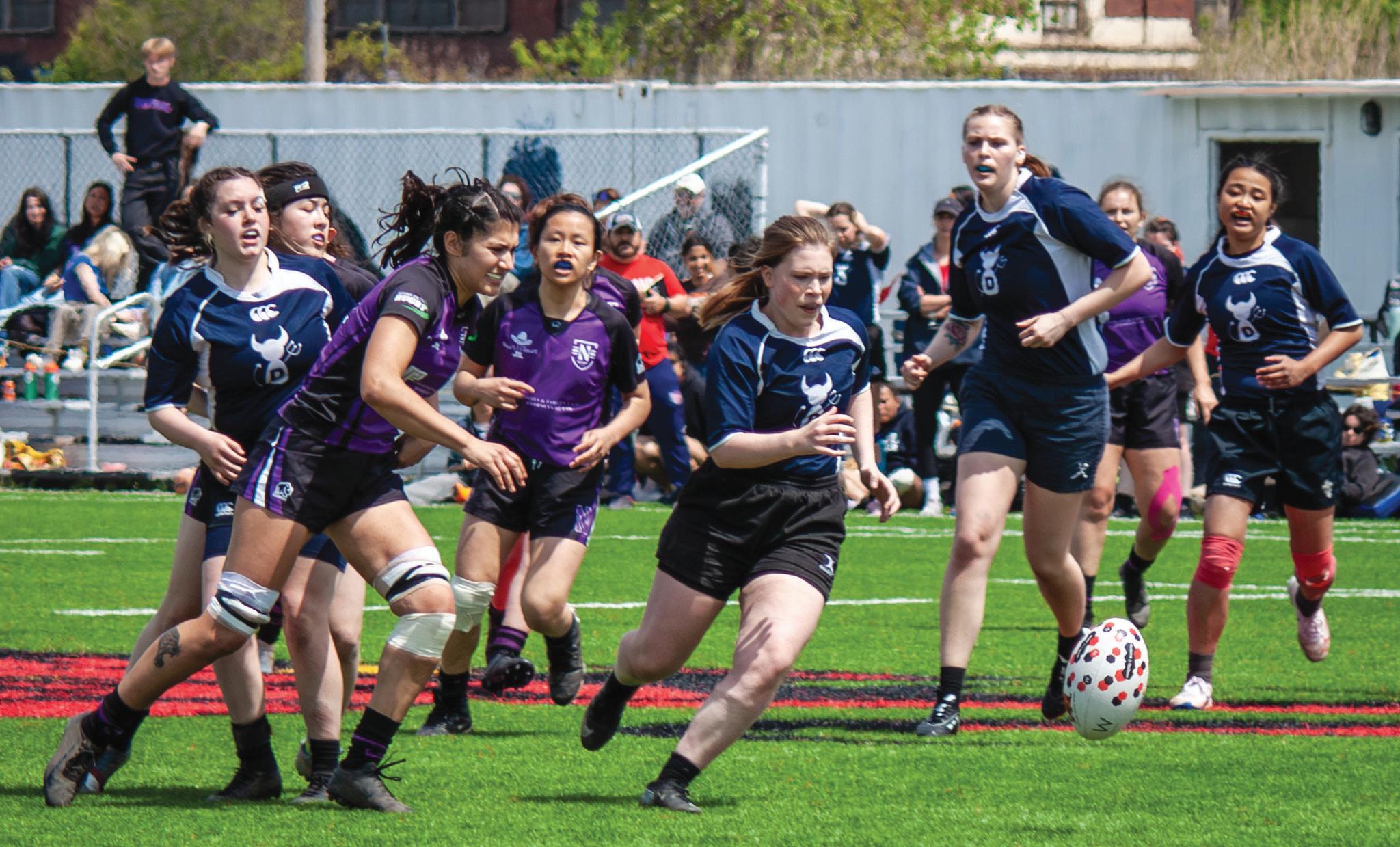
ISABELLA SIEMASZKO / THE DEPAULIA
Emelia Wetherall-Dehmlow goes after the ball during the Southside 7s tournament in a game against Northwestern at Lions for Hope Field
2026. As the womxn’s rugby club grows, the athletes are finding creative ways to gain funding for new resources and equipment.
DePaul’s Women’s and Non-Binary Ultimate Frisbee team champions inclusivity
Laura Casey
Contributing Writer
Spirit, fun and character define the game of Ultimate Frisbee. DePaul’s women’s and nonbinary team has actively embraced those values to build a community that’s as inclusive as it is competitive, according to Nellie Mai, vice president and captain of the team.
“It is super important to have a space where it doesn’t matter what anyone’s gender identity is,” she said. “We all just want to get together and enjoy playing the sport.”
Ultimate Frisbee is a fast-paced noncontact sport in which competing teams score points by catching the Frisbee in the opponent’s end zone.
At tournaments, each team has a member who takes on the role of “spirit captain,” Mai said. The spirit captain’s purpose is to promote fair play and communication, which is important because the game is self-officiated.
Mai explained that each team’s spirit captain will get together before the tournament begins to discuss which pronouns to use for each player. This ensures that everyone’s identities are respected.
Originally, the DePaul team had just been a women’s league, but in 2019, it adopted the “womxn” designation, an alternate spelling of woman used to promote inclusivity for trans and nonbinary people. They also go by “women’s and non-binary” as well as their team name, Laser Chains.
Mai, a DePaul senior who has been playing Ultimate Frisbee since high school, said the sport has a history of being gender inclusive.
“USA Ultimate has always included women and nonbinary individuals,” Mai said of the nonprofit organization that oversees the sport. She explained that Ultimate Frisbee has three divisions: men’s, women’s and mixed. The mixed division allows for men, women
and nonbinary athletes to all play on the same team.
In recent years, USA Ultimate has implemented various strategies to help increase access to the game for marginalized communities. This includes creating a new gender inclusion policy in 2020 after recognizing the previous policy was not inclusive of trans and nonbinary individuals. The new policy allows athletes, however they identify, to participate in the division in which they feel most comfortable and safe.
Joel Willison, one of the DePaul team’s coaches, agrees that Ultimate Frisbee is more inclusive and accessible than other sports because it is a noncontact sport that “rewards safe play and decision-making.”
Still, Mai said it has been hard to recruit DePaul students into the sport.
“People don’t really know what it is, or they confuse it with disc golf,” she said. “We’ve really been trying to grow the team from the ground up this year.”
Despite the recruiting challenges, she added that this year’s team has become “very tight-knit.”
“I have gotten to know every single one of the players on a personal level,” Mai said.
Isa Brady, a DePaul freshman on the team, described the team’s atmosphere as friendly and inviting.
“It has provided me with a community and a sort of group of pre-set friends, which I am super grateful for,” Brady, a neuroscience major, said.
Willison has enjoyed seeing the new players find community through the game at DePaul.
“This team in particular has embraced each other faster than I’ve seen other sports teams do,” he said. “We have so much fun. We’ve got a competitive spirit, but never at the expense of everyone having a good time.”
A player catches a frisbee during practice at Wish Field on Wednesday, April 29, 2026. The team runs drills focused on passing, timing and coordination.