Newsletter January 2026
Content
Intro
Success Story
Events
New Colleagues
Welcome to the first DBM newsletter of 2026!
As we begin a new year, we are optimistic and enthusiastic about the future. At the same time, we are reflecting on the encouraging developments that have occurred since our last update.
One particularly pleasing highlight is the success of our early-career researchers. Since the last newsletter was published, three DBM scientists have been awarded ERC Starting Grants: Mariana Borsa, Magdalena Sznurkowska, and Jean-Christophe Beltra. This makes it an exceptional year for junior investigators at our department. This issue features Mariana and Jean-Christophe, who discuss their research and ambitions as junior group leaders and how their scientific interests in T-cell biology may complement each other in the future. We are also looking forward to welcoming Magdalena to the DBM and launching her research program. Our cover story presents another success story from the DBM. In an interview, Francis Jacob discusses the Tumor Profiler program, a major collaborative initiative demonstrating how integrated, multimodal research approaches can support clinical decision-making and advance precision oncology.
You will also have the opportunity to meet the Cognitive and Molecular Neuroscience groups, led by Dominique de Quervain and Andreas Papassotiropoulos, as well as the Gastroenterology Research Group, led by Jan Niess. We are delighted to be able to shine a light on the exciting research being conducted by all three groups.
Beyond these highlights, we are proud of our members’ many achievements. The year ended with several of our research articles being accepted in highly respected journals, which we have proudly included in our publication list. We also share insights from the uBICo retreat and our annual DBM Research Day, the latter marking the beginning of the year and fosters exchange across research areas.
We would like to thank all of our contributors and DBM members for their continued commitment and support. We look forward to another productive and successful year.
Research Groups at a Glance
Cover Story
Success Story
DBM Cover Story
Tumor Profiler: Advancing Precision Oncology from Integrated Data to Clinical Decision-Making
What does it take to move complex laboratory insights closer to everyday patient care? This cover story explores a Swiss-wide collaborative effort that brings together research, clinical practice, and infrastructure to rethink how cancer treatment strategies are developed and evaluated. At its center is a program that is helping turn scientific depth into clinically meaningful progress.
“By combining comprehensive multi-omics profiling with innovative, umbrella-like, clinical trial designs, we are beginning to test treatment strategies guided by the molecular and functional characteristics of individual tumors rather than tumor type alone.”
– Francis Jacob
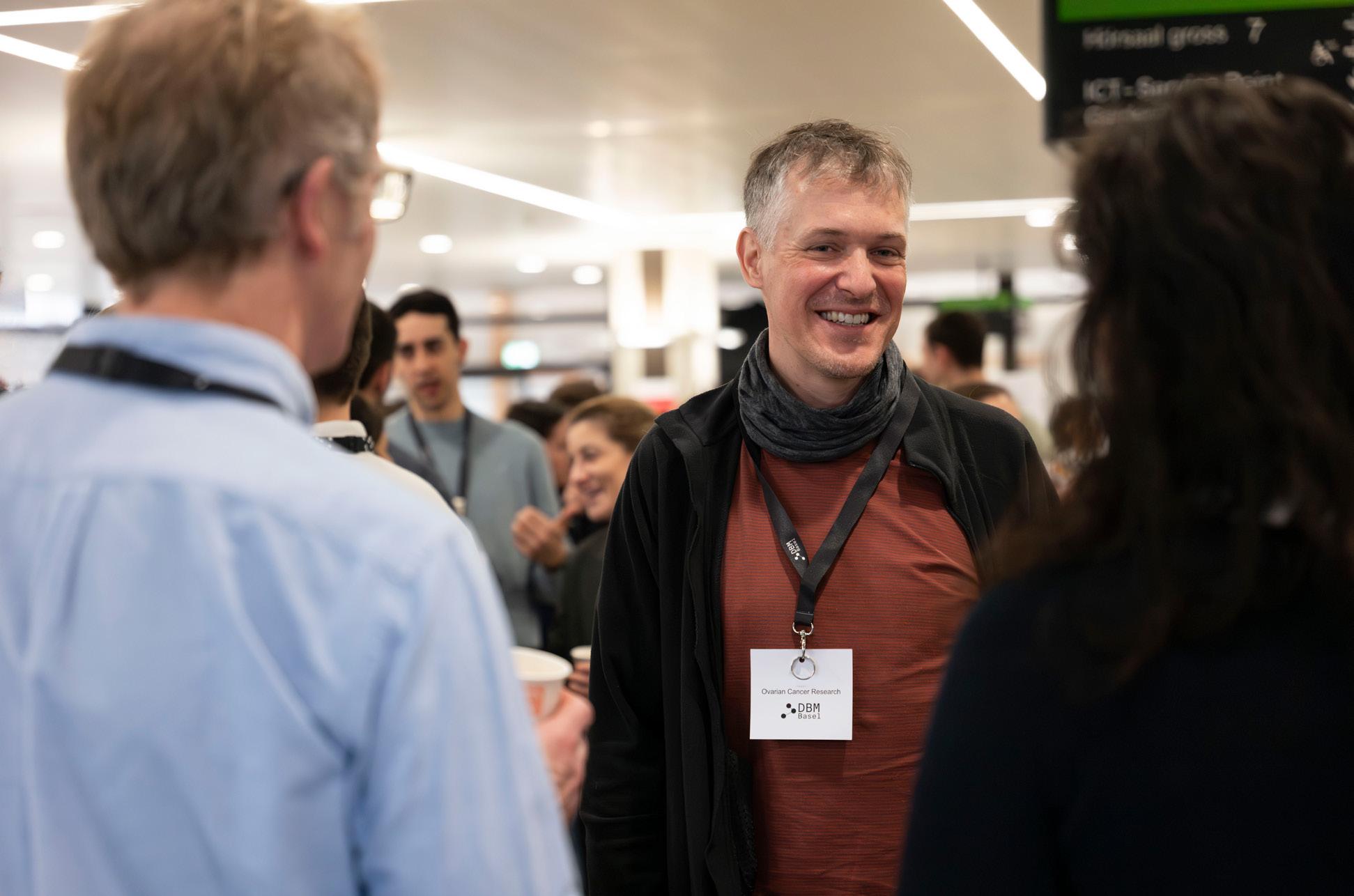
We spoke with Francis Jacob, co-group leader with Viola Heinzelmann-Schwarz of the Ovarian Cancer Research Group, about what motivates his work in precision oncology, how the Tumor Profiler program is influencing clinical decision-making today, and where integrated multi-modal approaches may take cancer care next.
What motivates you in your work in precision oncology?
For decades, patients with ovarian cancer have largely been treated with variations of chemotherapy, and many show limited long-term benefit from newer therapeutic options. At the same time, clinical trials designed to evaluate novel treatments are often expensive, time-consuming, and, particularly in first- and second-line settings, must be conducted alongside chemotherapy as the standard-of-care, which can limit flexibility and innovation.
What motivates me is the possibility of challenging this paradigm. By combining comprehensive multi-omics profiling with innovative, umbrella-like, clinical trial designs, we can begin to test treatment strate -
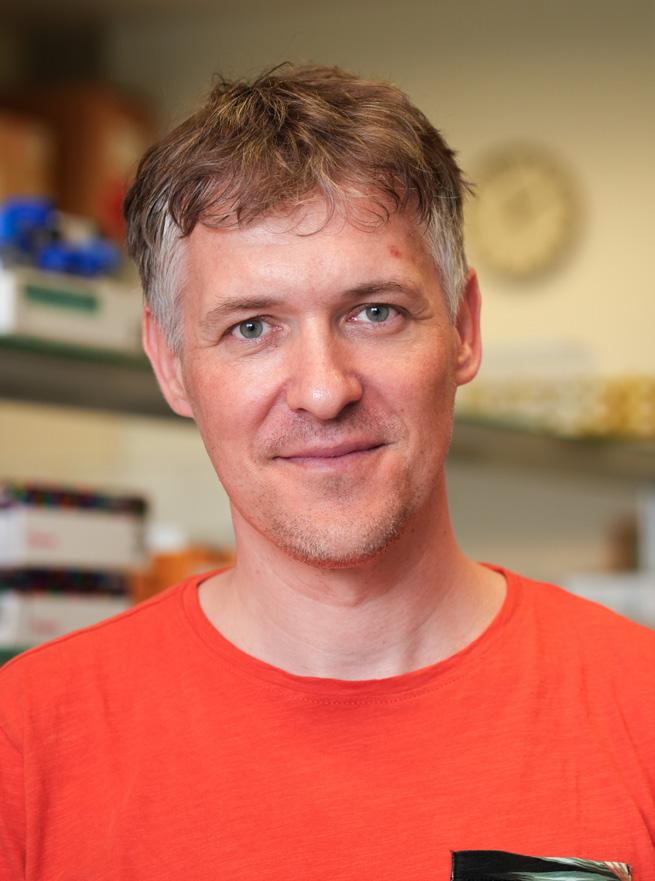
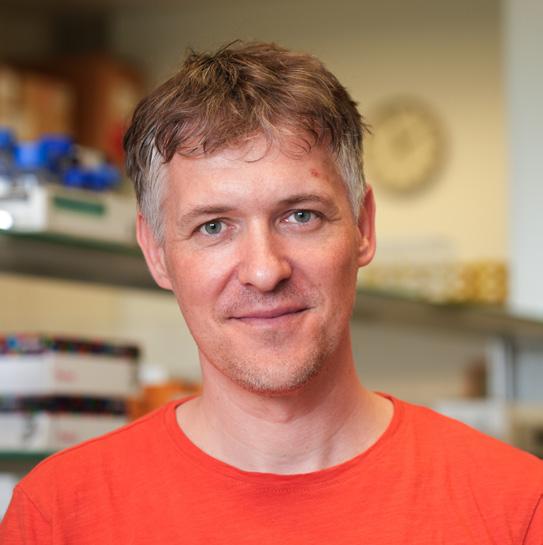
Francis was born in a country town near Dresden in former East Germany. Early on, he developed a strong commitment to competitive athletics, which he pursued for more than a decade and which fostered perseverance. He began his academic training in Biology at the Technical University of Dresden, where he completed five years of study, while working as a student researcher in several laboratories, spanning medical research as well as yeast and plant genetics. Throughout this period, his primary motivation was to acquire broad experimental expertise and exposure to diverse biological systems. After obtaining his Diploma in Biology, Francis continued his research training at the Nicolaus Copernicus University, Toruń, Poland, and at the University of Texas at Austin, where he carried on with his work on pollen tube growth and glycosylation in the model organism Arabidopsis thaliana. This work established a lasting interest in glycobiology and its functional relevance. Seeking to apply this expertise in a biomedical context, he joined the PhD cancer biology program at the University of Zurich. Together with Viola Heinzelmann-Schwarz, he contributed to building ovarian cancer research activities with a focus on molecular profiling of patient samples. His training during this time included research stays in San Diego, California, where he worked with glycan arrays, and in Moscow, where he gained experience in glycan synthesis. Following his return to Switzerland, Francis strengthened his analytical expertise through specialized coursework and collaborations at EPFL. He completed his PhD in 2010 and subsequently received an SNSF Postdoctoral Fellowship and continued his research at the Lowy Cancer Research Centre in Sydney. In 2012, he joined the Ovarian Cancer Research team at the DBM, where he has initiated and led several translational ovarian cancer research projects and has been co-leading the group since 2023.
Francis Jacob
gies that are guided by the molecular and functional characteristics of individual tumors rather than tumor type alone. Accumulated evidence from the Tumor Profiler program (https://tumorprofilercenter.ch) and the subsequent launch of our randomized trial, OV Precision ( NCT06466382 ), suggest that this approach could open new translational paths. Ultimately, my motivation comes from the prospect of offering patients, especially those with advanced disease, more personalized biology-driven treatment options beyond chemotherapy, and doing so within clinically realistic time frames that can make a meaningful difference for patients.
Explaining Tumor Profiler
The Tumor Profiler examines a patient’s tumor in great detail using multiple advanced laboratory methods ( Irmisch et al., 2021 ) By combining different types of information, it builds a more complete picture of the tumor’s characteristics and its environment. This information can support doctors in selecting treatments and help researchers improve future cancer care.
What Makes It Unique
The Tumor Profiler is unique worldwide in several important ways. First, it brings together multiple leading institutions and hospitals across Switzerland, enabling close collaboration between clinicians and basic scientists. Second, it has established highly efficient logistics that allow patient tumor material, including viable tissue, to be transported and processed within hours.
Equally important is the speed at which results are delivered: comprehensive molecular and functional data are discussed in the molecular tumor board in less than one month after surgery. This rapid turnaround makes the information clinically relevant. In addition, the program systematically evaluates alternative Swissmedic-approved treatment options for patients who would otherwise receive standard chemotherapy, supported by a large number of complementary technologies that aim to generate clinically useful data.
Finally, the transition from an observational study to the randomized clinical trial OV Precision sets Tumor Profiler apart. This step allows the program not only to generate insights but also to rigorously test whether data-driven treatment recommendations can provide additional clinical benefit for patients.
Clinical Impact
Can you share a concrete example where the program directly impacted a clinical decision or patient outcome?
One clear example comes from melanoma. In this indication, Tumor Profiler-based data were considered useful for informing treatment recommendations in 75% of cases. Importantly, patients who received personalized polybiomarker-driven treatment strategies beyond standard of care showed improved outcomes compared with patients treated according to standard approaches alone, highlighting the clinical relevance and potential of integrated multi-modal profiling (Miglino et al., 2025, NCT06463509).
A second example comes from ovarian cancer. Here, we found that incorporating Tumor Profiler technologies would have led to different treatment recommendations for the majority of patients, both at initial diagnosis and at relapse, compared with routine clinical practice. In addition, our analyses suggest that Tumor Profiler-guided adaptations in the maintenance treatment setting are associated with improved overall survival in this cohort (revised manuscript under review).
“Patients who received personalized polybiomarker-driven treatment strategies beyond standard of care showed improved outcomes compared with patients treated according to standard approaches alone.”
– Francis Jacob
From Feasibility to Evidence
How is the Tumor Profiler approach changing cancer care today – and where do you see it going next ?
The Tumor Profiler initiative began as an approved observational clinical study across melanoma, ovarian cancer, and AML. In this setting, we prospectively profiled patient tumor samples to evaluate whether integrating multi-omics data together with functional readouts could meaningfully support clinical decision-making, going beyond current diagnostic standards such as pathology and targeted next-generation sequencing. We have generated evidence that Tumor Profiler can indeed influence treatment recommendations and provide clinically actionable insights. Building on this success, the next essential step is to generate formal evidence through randomized clinical trials. These studies will test whether multimodal-guided strategies can improve patient outcomes in a measurable and clinically relevant way.
A concrete example of this progression is OV Precision, a randomized phase II clinical trial that is currently recruiting and coordinated by the Central Laboratory at the DBM (sample biobanking, processing, and quality control) in close collaboration with the Swiss-GO trial group and
the DKF. Here, OV Precision aims to evaluate whether treatment regimens informed by Tumor Profiler’s multi-modal analyses can provide additional clinical benefit beyond standard-of-care strategies in patients with ovarian cancer. This represents an important transition from demonstrating feasibility to rigorously testing clinical impact.
Technology Horizons
Which new developments or technologies are you most excited to integrate in the future?
Identifying the “ most exciting ” technology is challenging because each platform offers very different strengths and levels of clinical readiness. Some technologies – such as established immunohistochemical markers like ER or HER2 – are becoming routine in pathology, while others, including single-cell DNA and RNA sequencing, remain primarily research tools. Their purposes, maturity, and potential impact are therefore not directly comparable.
Similarly, the choice between targeted platforms ( for example, Imaging Mass Cytometry, which measures a defined set of dozens of markers ) and untargeted approaches like single-cell RNA-seq ( which captures thousands of features ) highlights the diversity in analytical depth and flexibility. Functional ex vivo drug-response platforms also represent an exciting avenue toward personalized treatment prediction, though robust clinical evidence, especially in solid tumors such as ovarian cancer, is still needed.
Overall, the developments I am most enthusiastic about involve integrating multiple data modalities and capturing diverse biological parameters simultaneously. Emerging and future technological advances that combine molecular, spatial, and functional readouts – or enable multi-omic measurements within the same assay – may provide a more comprehensive snapshot of the tumor. For example, long-read sequencing represents a particularly promising avenue to explore in clinical trial samples, as it offers the potential to gain deeper insights into the tumor microenvironment by simultaneously resolving pathogenic mutations and transcript isoform diversity at single-cell resolution. I believe such integrative approaches have a strong potential to advance personalized oncology in the coming years.
Why This Work Matters
What has been the most rewarding moment for you in this project ?
It is difficult to single out one moment, because the entire Tumor Profiler project has been deeply rewarding in its breadth and ambition. One of the most exciting aspects has been witnessing major institutions collaborate seamlessly to establish the Tumor Profiler Consortium and deliver clinically meaningful multi-omics data within a clinically relevant turnaround time.
Equally inspiring is the launch of a clinical trial that evaluates treatment strategies proposed by the molecular tumor board going beyond standard of care and testing how such data can truly impact patient management.
Beyond these milestones, there are many smaller but highly motivating moments. Watching clinicians and basic scientists discuss individual patient cases, seeing how data generated from patient-derived samples shapes those conversations, and experiencing how ideas evolve in real time – often in ways I would not have anticipated – has been exceptionally inspiring. These interactions highlight the power of interdisciplinary exchange and are a constant reminder of why this project is so impactful.
“Participating
in discussions between clinicians and basic scientists on individual patient cases, and seeing how data from patient-derived samples directly shape those conversations, has been exceptionally inspiring.”
– Francis Jacob
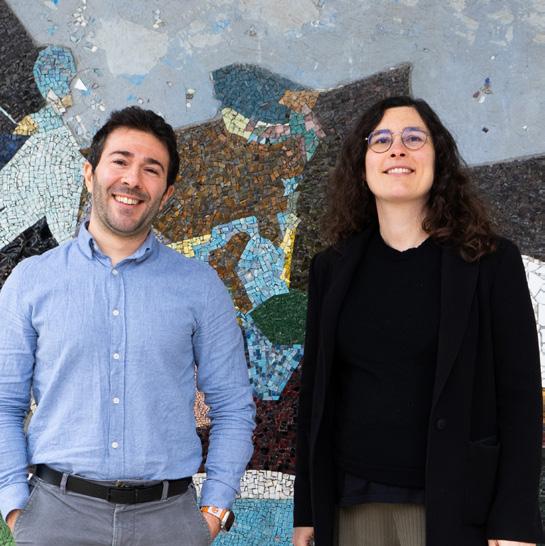
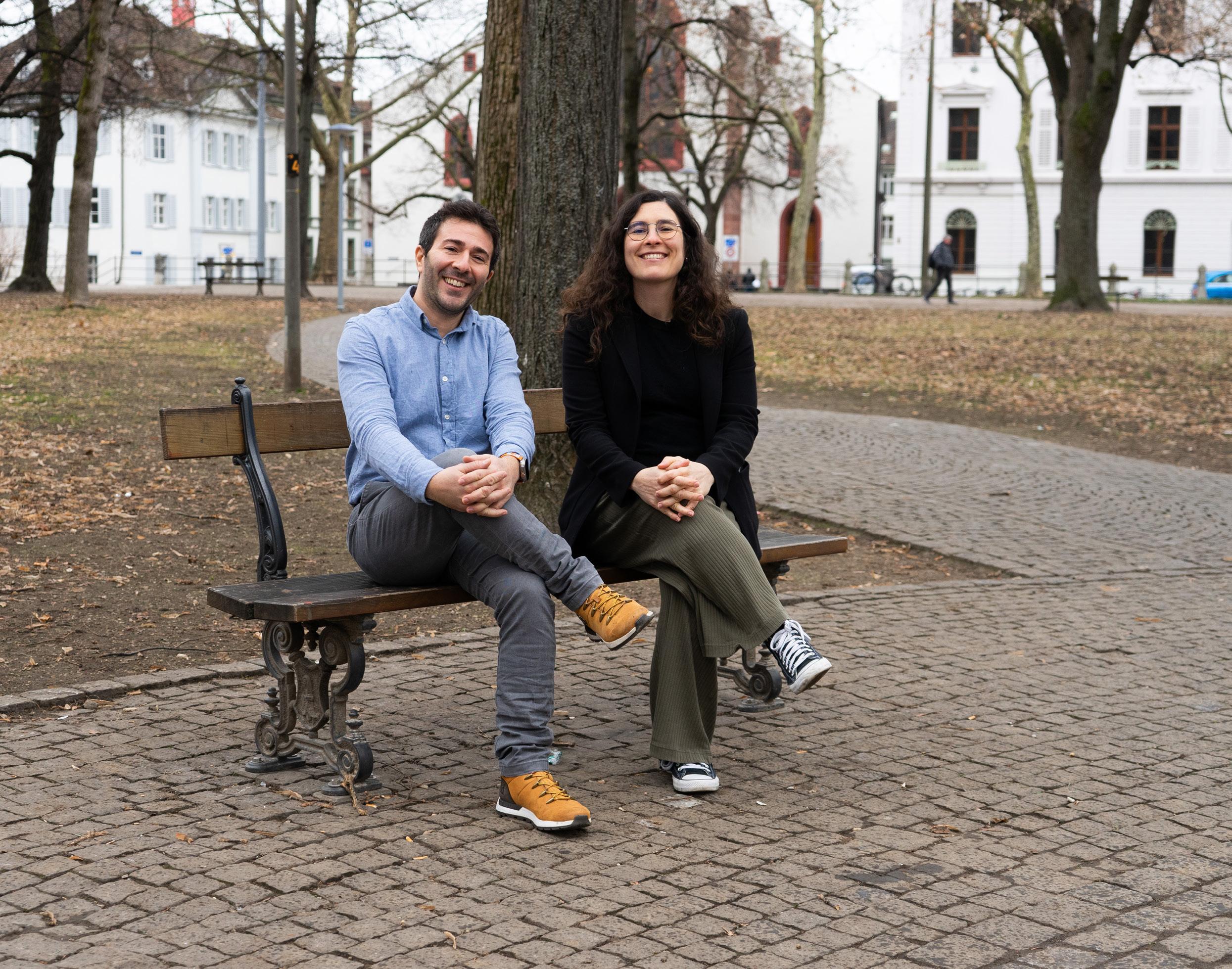
Success Story: Two Starting Grants, One Shared Milestone
A conversation with Mariana Borsa and Jean-Christophe Beltra
Receiving an SNSF and an ERC Starting Grant provides a strong foundation for launching ambitious and independent research. In this article, Mariana Borsa and Jean-Christophe Beltra describe how these awards are shaping new directions in T-cell biology and fostering collaboration within our department. They also emphasize the importance of collegial support and mentorship in developing their research programs.
Their perspectives offer a personal look at what it takes to launch independent research in a collaborative scientific environment.
You are the only two “junior” researchers at the DBM this year to secure two major starting grants – how did you react when you found out you had both made it?
Mariana Borsa:
“When I wrote the proposal for the ERC Starting Grant, I still did not know the outcome of my SNSF Starting Grant application, which I had submitted months earlier. So, I wrote the ERC Grant application with the mindset of “I need to be able to start my own research group.” Shortly afterwards, I learned that I had been awarded the SNSF Grant. I was of course thrilled, but also very relieved that the next step in my career was no longer just a plan but a concrete reality. When I later learned about the “double-award” after the ERC Grant outcome, I could then simply be very happy: it meant I would have a stronger start with a larger and more dynamic team. Jean-Christophe was one of the few early-career peers who helped me with my SNSF application, so I was genuinely very happy to learn that he had also been double-awarded. It is always wonderful to see colleagues who practice solidarity succeed.”
Jean-Christophe Beltra:
“The outcome of the proposal of the SNSF Grant was a turning point in both my career and personal life. At the time, I was considering offers to pursue my career abroad, and I’m grateful that the SNSF gave me the opportunity to return to the old continent, closer to my home country, after 12 years abroad. Regarding the ERC Grant, I was actually on vacation when the email arrived! I admit I was hesitant to open it at first, but it turned out to bring excellent news, instantly putting me in celebration mode for the rest of the vacation. I was also extremely happy to hear that Mariana succeeded in both applications. I had met her a few months earlier during a conference, where she shared her wish to come to Basel, and later while she was preparing for her SNSF interview. I’m very glad she made it and I’m pleased to count her as a new colleague at the DBM.”
You arrived at the DBM at different times – how did your first interactions shape your collaboration or support for each other?
Mariana Borsa:
“I started at the DBM around 18 months after Jean-Christophe, so I have only been here for about 4 months – and in a few weeks, I will leave for maternity leave. We recently discussed potential overlapping scientific interests, and I hope this collaboration can move forward and become a concrete project. As we are both junior group leaders without tenure-track positions, we have also talked about the challenges of being at this stage of our careers.”
Jean-Christophe Beltra:
“Receiving
both starting grants meant that the next step in my career was no longer just a plan but a concrete reality.”
“I feel lucky to have found the environment at the DBM, and particularly at the Petersplatz location, extremely welcoming. I’m very grateful to my colleagues there for the warm welcome and their support while establishing my lab. If I can return the favor and provide tips to new colleagues at the DBM, I’m always happy to do so.”
You are both immunologists. How often do your scientific conversations spark unexpected ideas… or friendly debates?
Mariana Borsa:
“We are not only both immunologists, but specifically T-cell biologists. As a result, even brief conversations often end with questions that fall directly into each other’s scientific expertise, making it feel very natural for new ideas to emerge.”
Jean-Christophe Beltra:
“I expect these conversations to happen quite often in the years to come. We both study T-cell development, but through different lenses, and I believe that bringing our two areas of expertise together will spark innovative ideas.”
– Mariana Borsa
Success
Research Group at a Glance
Jean-Christophe Beltra

Jean-Christophe Beltra was born in Perpignan, France. He trained as a cancer immunologist France and earned his PhD in Immunology from University of Montreal, Canada – graduating with the highest distinction and Dean’s Honors. During his postdoctoral training at the University of Penn sylvania, USA, he published landmark studies that significantly advanced our understanding of hausted CD8 T cells, opening new avenues for improvement of anti-cancer immunotherapies. work has been recognized with several competitive fellowships, notably from the American Association of Immunologists and the Parker Institute for Cancer Immunotherapy. In 2024, Dr. Beltra was awarded Swiss National Science Foundation (SNSF) Start ing Grant, followed more recently by a European Research Council (ERC) Starting Grant, providing a strong foundation to develop his own research group at the DBM, University of Basel. Outside lab, he is a father of two and enjoys spending time with his family, hiking in the Swiss mountains, visit ing foreign countries, and boxing.
“Grants are just seeds we must nurture with creativity and hard work.”
– Mariana Borsa
Perpignan, in the with During Pennthat exthe His competitive Association Cancer awarded a StartEuropean providing research the time visit-
Mariana Borsa was born in Porto Alegre, Brazil. She studied Biology (BSc) and Biosciences (MSc) at the Federal University of Santa Catarina in Brazil before moving to Switzerland, where she completed her PhD in Immunology at ETH Zurich. For her doctoral thesis, she received the ETH Silver Medal. Since then, she has been awarded several highly competitive and prestigious fellowships including the SNSF Early Postdoc.Mobility, Marie Skłodowska-Curie IF, and Sir Henry Wellcome. She has performed seminal work on the role of asymmetric cell division in T-cell differentiation, and more recently on organelle ageing and inheritance as metabolic drivers of fate decisions. This research forms the foundation of the projects for which she has recently been awarded Starting Grants from both the SNSF and the ERC. She currently lives in Basel and enjoys cycling and gardening – although these hobbies are now on hold as she is very soon welcoming her first child.
Mariana Borsa
If you had to describe each other’s research in one sentence – what would you say?
Mariana Borsa:
“Jean-Christophe has carried out pioneering work on the development and diversity of exhausted CD8 T cells, a type of T cell that loses function during chronic infections and cancer – which provides fundamental insights that can help improve immunotherapy strategies or unravel new ones.”
Jean-Christophe Beltra:
“T-cell differentiation is regulated at multiple levels. Mariana’s work has added new pieces to the puzzle by highlighting the important role of asymmetric division, autophagy, and organelle distribution in the process, significantly broadening our understanding of this complex biology.”
Grant writing can be stressful. Did you exchange tips, pep talks, or “emotional survival strategies” during the process?
Mariana Borsa:
“I must be honest: I haven’t helped Jean-Christophe at all! He was the one helping me, offering valuable advice when I was writing the SNSF Grant application. He also attended one of my mock interviews and shared his perspective based on his successful experience, for which I am very grateful.”
Jean-Christophe Beltra:
“Grant writing is indeed demanding, as are the many challenges that come with establishing our own research groups. Discussing these challenges with other junior PIs who have joined the DBM in recent years is always refreshing to me. It is striking that working hard with a clock above our heads is a primary emotional concern and sharing experiences on how we navigate this reality is always vivifying.”
What’s something you’ve learned from each other that has influenced your own way of thinking?
Mariana Borsa:
“We will have several years as colleagues and junior PIs at the DBM, with many opportunities to exchange and support each other. I must say that Jean-Christophe is extremely approachable and generous despite having received outstanding training and having built a very successful career before coming to Basel, something I truly admire.”
Jean-Christophe Beltra:
“We use different approaches and methodologies to tackle our scientific questions, and I am confident that this breadth will foster creative ideas in the years to come.”
“The DBM offers advantages that are not seen in many research centers.”
– Jean-Christophe Beltra
If your two projects could “meet” scientifically, where do you see the overlap or future synergy?
Mariana Borsa:
“I am a T-cell biologist, and there are a number of cellular mechanisms that could be targeted to reinvigorate T cells in the context of chronic infections and cancer. No spoilers here, but we have already started discussing possibilities!”
Jean-Christophe Beltra:
“We are both T-cell aficionados. Mariana focuses on how organelle inheritance impacts cell fate and function, while my work centers on identifying key signaling pathways and epigenetic modulators involved in these processes. These two aspects of T-cell biology are clearly interconnected, and we already talked about potential synergistic projects we could develop. I really look forward to seeing the science that will emerge from them.”
What makes the DBM uniquely supportive for young PIs starting ambitious projects?
Mariana Borsa:
“The strength of the DBM lies in its ability to synergize fundamental research with translational efforts, in an environment that has access to outstanding technology. This makes it uniquely attractive to young PIs. I have also found that many of the outstanding scientists here are generous, supportive, and community-minded. Besides Jean-Christophe, I would like to highlight the kind support from brilliant scientists: Petya Apostolova, another young PI at the DBM, Christoph Hess, who was instrumental in my preparation for the SNSF Starting Grant, and Carolyn King, the kindest mentor I could ask for.”
Jean-Christophe Beltra:
“The DBM is a very supportive ground to young PIs, it offers advantages that are not seen in many research centers. The scientific diversity fosters creativity, the proximity to clinicians facilitates translational perspectives, and the unlimited access to top core facilities, led by experts in their respective fields, is a major advantage for competitiveness. I really look forward to the years ahead within this fantastic environment.”
Can you name one thing about the other person’s scientific style or personality that you really admire?
Mariana Borsa:
“Jean-Christophe is very generous and transparent, and I am absolutely convinced that this benefits his scientific endeavors.”
Jean-Christophe Beltra:
“Mariana is easy to talk to, and I really appreciate the atypical angles of her projects. I very much look forward to the science emerging from her lab and the potential synergistic efforts between our groups.”
Now that both projects are launching – any shared celebration plans?
Mariana Borsa:
“Good point! Both of our ERC projects officially start in September, when I will already be back from maternity leave. I believe we should celebrate even small daily successes, but this one is certainly memorable, and it is wonderful to share this experience with a DBM colleague.”
Jean-Christophe Beltra:
“We are both junior group leaders always running after time, but it is important to occasionally pause and celebrate victories. I’m pretty sure we’ll make time to formally celebrate when Mariana comes back from maternity leave.”
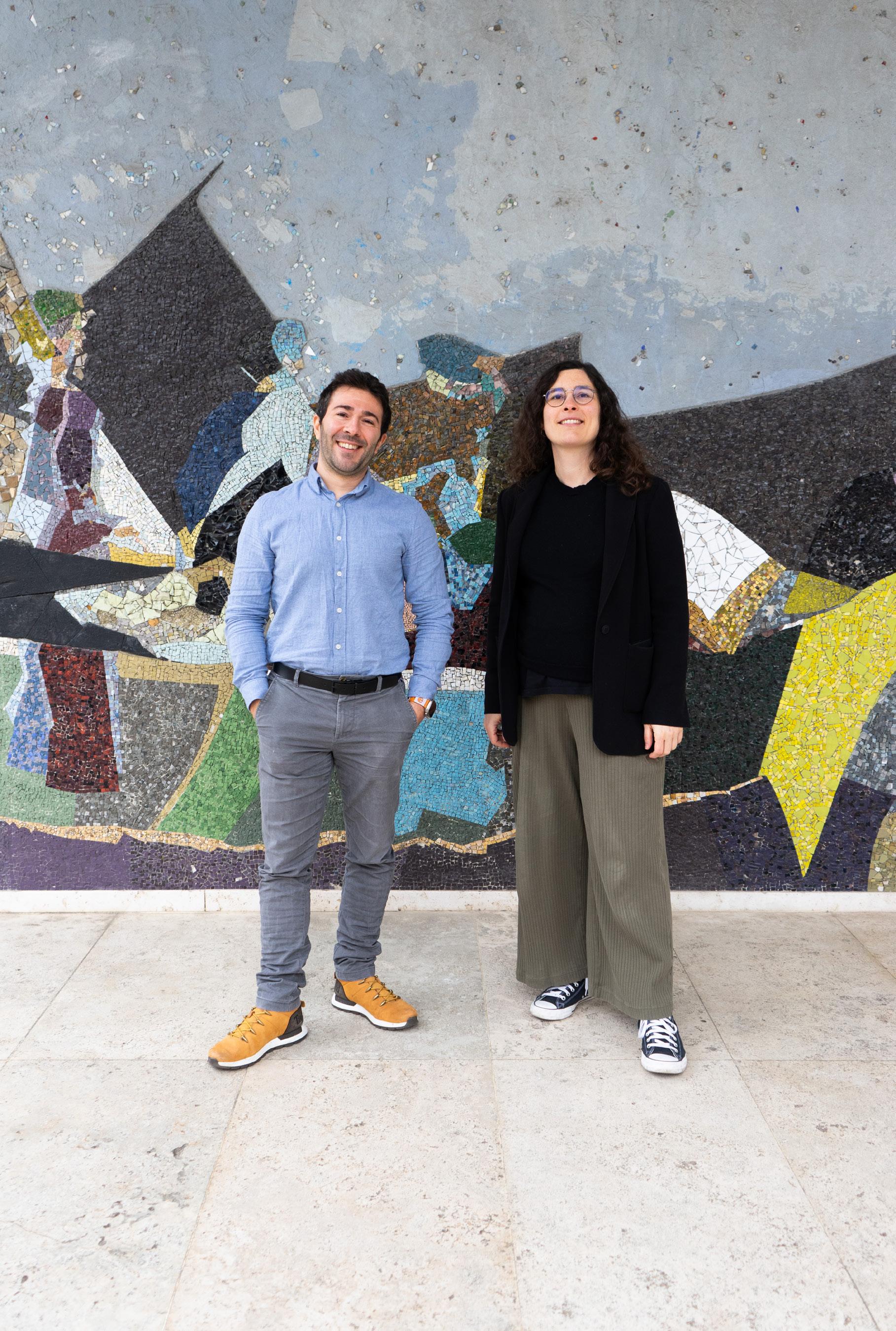
Mariana, what’s the most surprising thing you’ve learned about how organelles “age” inside immune cells?
Mariana Borsa:
“This is actually easy to answer: the most surprising discovery is that chronological age does not affect all organelles in the same way. Some organelles, like mitochondria, can accumulate damage over time (“age like milk”), while others seem to require time to become more mature and functional (“age like wine”). This intriguing observation is at the core of our research.”
Jean-Christophe, what big mystery about exhausted T cells keeps you awake with excitement (and occasionally frustration)?
Jean-Christophe Beltra:
“A distinctive aspect of exhausted CD8 T cells is their epigenetic stability, and overcoming this barrier is key to reversing exhaustion and enhancing anti-cancer immunotherapies. Together with other groups, we pioneered this line of research and began identifying pathways whose manipulation can partially reprogram the epigenetic landscape of exhausted CD8 T cells. Interestingly, we discovered that targeting certain pathways generates a spectrum of novel cell states that do not occur naturally. The prospect of precisely manipulating exhausted CD8 T cells to create non-natural cell states with superior anti-tumor activity is what really keeps me awake!”
You study T-cell exhaustion; Mariana studies T-cell ageing. Do you see your fields teasing each other or teaming up?
Jean-Christophe Beltra:
“Yes, definitely. Although exhaustion and ageing or senescence develop independently, exhausted T cells often acquire features typically associated with these processes. At present, we do not have a precise understanding of how these processes interleave. This would be an exciting question to team up on.”
Mariana, how will the two grants let you follow the ideas that previously felt “too ambitious”?
Mariana Borsa:
“Based on the comments from the grant reviewers, my ideas may still be considered ambitious! Fortunately, they believed we would be able to pursue them – and the two grants now allow me to build a strong team, which already started very well with Ursula Düren and Dimitra Stamkopoulou joining a few months ago. It is wonderful to discuss
these ideas and see them evolve through different perspectives, influenced by the background and interests of lab members. This makes it clear that grants are just seeds we must nurture with creativity and hard work.”
What’s the first experiment you can’t wait to see your team dive into?
Mariana Borsa:
“The core of our lab is to understand how the unequal inheritance of organelles of different ages – a process regulated by segregation, biogenesis, and degradation – affects the metabolism and function of T cells. This has inevitable consequences for cell fate decisions and therefore represents a unique opportunity for therapeutic targeting and immunotherapy development. I am particularly curious about how “old” organelles differ from “young” organelles, and what this tells us about why ageing is not always detrimental for an organelle. In the long term, I would like to determine whether organelle ageing and organismal ageing are reciprocal processes. Although our approach is very T-cell-focused, it may ultimately allow us to promote healthy ageing by rejuvenating T cells and transfer our finding to the context of other cell types, which would be relevant in the context of tissue regeneration.”
And what long-term breakthrough would you love to see emerge from your work, Jean-Christophe?
Jean-Christophe Beltra:
“After over 20 years of research on the topic, T-cell exhaustion remains a major barrier to anti-cancer immunotherapies, and strategies to overcome this process are still very limited. My hope is to see our work filling this gap by enabling the design of biologically relevant approaches to reprogram exhausted T cells and enhance anti-cancer immunotherapy.”
What keeps you motivated when tackling such complex biology?
Jean-Christophe Beltra:
“I’m just excited by the science, resolving complex mechanisms, testing hypotheses and pushing boundaries with the latest technologies – that’s my drive. I could stare at a single dataset for hours trying to figure out what the hell is happening in those T cells. Beyond that, resolving complex questions requires hard work, commitment, and team effort, and seeing dedicated colleagues and students succeed is always a source of motivation for me.”
Content
Research Group at a Glance Research Cluster Molecular and Cognitive Neurosciences (MCN)
Papassotiropoulos & de Quervain
A Quick Overview of Our Research
Success Story
Intro Events
Cover Story New Colleagues
The Research Cluster Molecular and Cognitive Neurosciences (MCN) of the University of Basel is an interdisciplinary research environment focused on neuroscience-oriented psychiatric research. MCN investigates the molecular and neural underpinnings of human emotional and cognitive processes, with the overarching goal of developing novel treatment options for neuropsychiatric disorders. MCN is affiliated with the DBM and the Psychiatric University Clinics Basel (UPK) and brings together researchers from diverse backgrounds, including psychiatry, biology, genetics, psychology, mathematics, and engineering.
Research Group at a Glance
At the core of MCN, the Division of Molecular Neuroscience, led by Andreas Papassotiropoulos, and the Division of Cognitive Neuroscience, led by Dominique de Quervain, join forces to advance our understanding of cognition and emotion across levels. Our methodological approaches span molecular neuroscience in C. elegans, high-throughput human genetics and statistical genomics, multimodal brain imaging, digital tools, and clinical studies.
Highlights, Breakthroughs, and Current Projects
For more than 15 years of close scientific collaboration, our two divisions have contributed to the understanding of human cognitive and emotional functions. We have identified both genetic and neural underpinnings of human memory and related emotional-cognitive phenotypes.
Currently, we are pursuing several projects that illustrate the MCN bridge from basic research to translation, including drug discovery:
First, based on human genetic studies, we identified a potassium channel blocker as a promising candidate to improve working memory. Following an initial proof-of-concept study in healthy participants, we are now exploring its potential to improve this cognitive function in patients with depression, in collaboration with Annette Brühl and Magdalena Ridder from the UPK.
Second, we are investigating the genetic basis of an individual with exceptionally vivid autobiographical memory, who can recall almost every day of the past 50 years. We identified a de novo genetic variant in this person that is absent in his parents, who do not show this phenomenon. Remarkably, introducing this variant into nematodes and mice improved memory performance.
Third, we have identified a gene that is actively involved in forgetting and have shown that blocking this gene can reduce forgetting. We are now following up these findings by conducting a high-throughput
screen for novel small molecules and designing proprietary compounds that inhibit the protein encoded by this gene. In C. elegans, we have already demonstrated that these compounds can indeed reduce forgetting. Preclinical studies in mice are now under way. These results may open up a new approach to treating memory deficits.
Fourth, using functional neuroimaging, we have identified neural circuitry linked to the emotional appraisal of negative information. We are now using transcranial magnetic stimulation to test whether modulating these circuits can reduce negative feelings during the processing of negative information. This work could have implications for treating conditions such as post-traumatic stress disorder or anxiety.
Finally, we are developing several non-pharmacological interventions using Virtual Reality to reduce anxiety and stress. These interventions adapt established psychological therapy methods and combine them with cognitive neuroscientific findings, with the goal of creating scalable, evidence-based, digital tools that can be evaluated in rigorous clinical studies.
Our Vision for the Future
Our long-term goal is to bridge discovery and therapy: to connect molecular, genetic, and neural mechanisms to behavior, and to translate these insights into novel interventions for psychiatric disorders. By integrating cross-disciplinary expertise and methods – from basic neuroscience to digital technologies and clinical trials – MCN aims to help shape mechanism-based and ultimately better treatments.
Team Spirit – Introduction of Our Team
MCN is defined by a strong culture of collaboration across disciplines and career stages. Clinicians, experimentalists, and quantitative scientists work side by side, sharing data, methods, and ideas. We foster an environment where curiosity, rigor, and open exchange drive progress –and where training the next generation of interdisciplinary scientists is a central part of the mission.
For us, neuroscience is a passion. We are driven by a simple fascination: the brain, striving to fulfill its fundamental role and to adapt to everyday challenges. This shared curiosity connects our diverse perspectives and motivates us to translate discovery into meaningful advances for patients.
Content
Intro
Cover Story
Success Story
Research Group at a Glance
Publications
Congratulations
Events
New Colleagues
Our Group Members
Andreas Papassotiropoulos Research Group Leader Division of Molecular Neuroscience
Dominique J.-F. de Quervain Research Group Leader Division of Cognitive Neuroscience
Virginie Freytag
Attila Stetak
David Coynel
Thomas Schlitt
Nathalie Schicktanz
Melanie Neutzner
Nan Wang
Christiane Gerhards
Senior Research Assistant
Senior Research Assistant
Senior Research Assistant
Senior Research Assistant
Senior Research Assistant
Senior Research Assistant
Senior Research Assistant
Study Physician
Pavlina Mastrandreas Postdoc
Andreas Arnold Postdoc
Galya Iseli Postdoc
Léonie Geissmann Postdoc
Noëlle Burri PhD Candidate
Ehssan Amini PhD Candidate
Fabian Müller PhD Candidate
Neda Ghasemi PhD Candidate
Amanda Aerni
Clinical Trials Coordinator
Mehdi Daemi Research Assistant
Fabian Peter
Kim-Dung Huynh
Sigrid Falk
Uta Kühne
Melanie Knabe
Anne Eckert
Christian Cajochen
Technology / Laboratory / Infrastructure
Technology / Laboratory / Infrastructure
Technology / Laboratory / Infrastructure
Administrative Staff
Administrative Staff
Head Neurobiology at UPK
Head Chronobiology at UPK
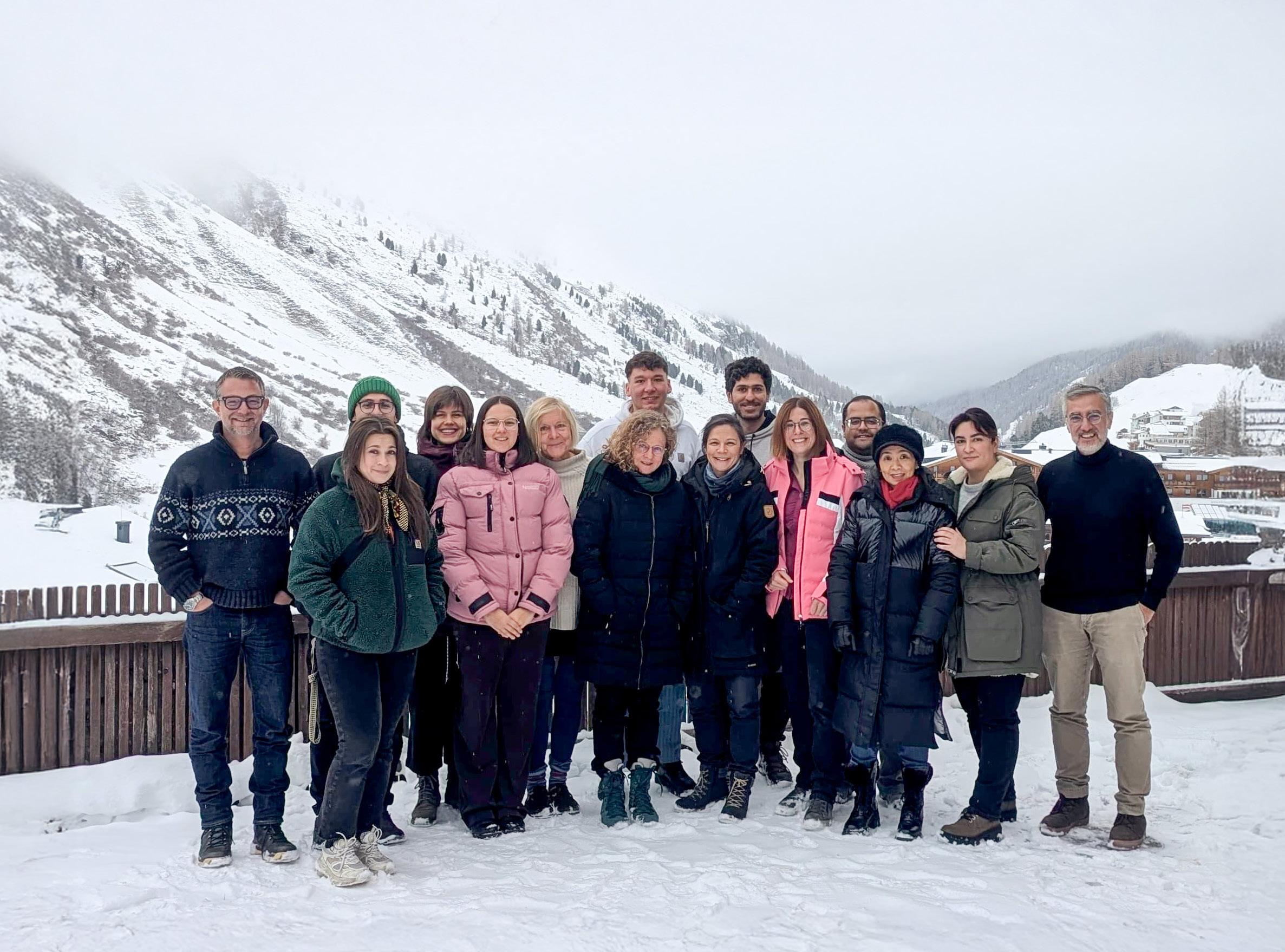
Research Cluster Molecular and Cognitive Neurosciences (MCN): (from left to right) Dominique de Quervain, Galya Iseli, David Coynel, Noëlle Burri, Mélanie Mayor (intern), Christiane Gerhards, Uta Kühne, Christian Wollmann (intern), Virginie Freytag, Ehssan Amini, Nathalie Schicktanz, Mehdi Daemi, Kim-Dung Huynh, Neda Ghasemi, Andreas Papassotiropoulos
Content
Research Group at a Glance Gastroenterology Niess Lab
A Quick Overview of Our Research
Success Story
Research Group at a Glance
Intro Events
Cover Story New Colleagues
Hippocrates’s quote, “All diseases begin in the gut”, underscores that overall health in humans and other mammals depends on an intact digestive system. Modern concepts and technologies support Hippocrates’s quote by elucidating the complex interplay between the immune system and the gut microbiome. Our research group integrates clinical data with preclinical mouse models using advanced technologies, such as metagenomics, metabolomics, and single-cell RNA sequencing. We have a particular interest in inflammatory conditions of the gastrointestinal tract, such as inflammatory bowel disease (IBD) and eosinophilic esophagitis (EoE), both chronic diseases with no cure. Collaborations within the DBM further extend our focus beyond the gut to other organs, including the liver and brain. Through interdisciplinary work, we aim to better understand the mucosal immune system of the gastrointestinal tract.
Congratulations Publications
Highlights, Breakthroughs, and Current Projects
Our research group investigates how microbial- and host-derived metabolites influence immune regulation in the esophagus and the large intestine. To address these questions, we employ a range of complementary experimental approaches to dissect the molecular pathways involved in sensing and processing endogenous and exogenous signals in these tissues. A research project led by Sara Dylgjeri in our lab has identified a novel epithelial pathway that links environmental and endogenous chemical sensing to metabolic regulation in the colon. Central to this pathway is the aryl hydrocarbon receptor (AHR), which detects diverse chemical signals and induces expression of the enzyme Cyp2s1 in colonic epithelial cells. Manipulating Cyp2s1 expression in vivo revealed significant effects on host metabolic profiles and microbial community composition. These findings uncover a novel function of Cyp2s1 in IBD and highlight its potential as a therapeutic target for regulating gut metabolism and inflammatory responses.
Inflammation in the mucosal immune system fundamentally alters its metabolome. In the lab, Hassan Melhem discovered that tryptophan derivatives shift from quinoline end products to xanthenurate derivatives, which are recognized by the G protein-coupled receptor GPR35 in active EoE. Activation of GPR35, in turn, induces IL-18 production by macrophages, thereby further impairing the esophageal barrier. Considering that food- and aeroallergen-driven EoE can be treated with a six-food elimination diet that avoids tryptophan-rich foods such as milk, wheat, egg, soy, nuts, and fish, these examples highlight the complex interplay
between the mucosal immune system and environmental, diet-derived, and endogenous substrates to alter the mucosal immune system in inflammatory conditions.
Our Vision for the Future
Our laboratory aims to decode how tissue context shapes immune function in the gastrointestinal tract, with a particular focus on the esophagus and colon, by integrating advanced animal models, patient-derived organoids, spatial immunology, and systems approaches.
1. Mapping the Esophageal Immune System as a True Mucosal Immune Organ
We aim to position the esophagus as a fully competent mucosal immune tissue. By constructing a high-resolution map of its immune landscape, we will define the identity, origin, and function of resident macrophages and innate lymphoid cells, and determine how they sense epithelial stress, microbial metabolites, and environmental cues to maintain tolerance, promote repair, or drive chronic inflammation.
2. Turning Genetics into Mechanism–and Mechanism into Opportunity
Risk genes provide powerful biological entry points to study immunity, yet their functions remain largely unresolved. Using novel mouse models and engineered immune-epithelial systems, we will dissect how IBD- and EoE-associated genes reshape barrier integrity, cytokine signaling, and immune-epithelial communication.
3. Environmental Sensing as a Gatekeeper of Health and Disease
Chronic mucosal inflammation arises when environmental sensing fails. We will investigate how metabolome-sensing pathways regulate the immune tone in the gut and esophagus.
4. Humanized Platforms to Bridge Models and Patients
To bridge the translational gap, we will integrate patient-derived esophageal organoids, immune co-culture systems, and spatial transcriptomics to recreate and experimentally manipulate human EoE and IBD biology in controlled settings. These platforms will enable direct testing of mechanisms identified in murine systems in human tissue, accelerating clinically meaningful discovery and therapeutic translation.
Intro
Cover
Success Story
Research Group at a Glance
Team Spirit – Introduction to Our Team
We are a group of enthusiastic scientists with diverse backgrounds and experiences, united by our curiosity to elucidate the mechanisms of the mucosal immune system. Each member of our group has a distinct professional and cultural background, with education in medicine, gastroenterology, biology, and immunology. Daily interactions in the lab are driven by enthusiasm, constructive discussion, and a genuine willingness to help one another. Through open dialogue, hands-on collaboration, and a culture of mutual respect, the team creates an environment where ideas grow and challenges are shared.
Our Group Members
Jan Niess Research Group Leader
Hassan Melhem Postdoc / Project Leader
Sara Dylgjeri Postdoc
Mao Chen
Öykü Aksu
PhD Student
PhD Student
Katline Metzger-Peter Study Nurse
Ashley Kimberley Heinsalo
MD Student
Tanay Kaymak Clinical doctor
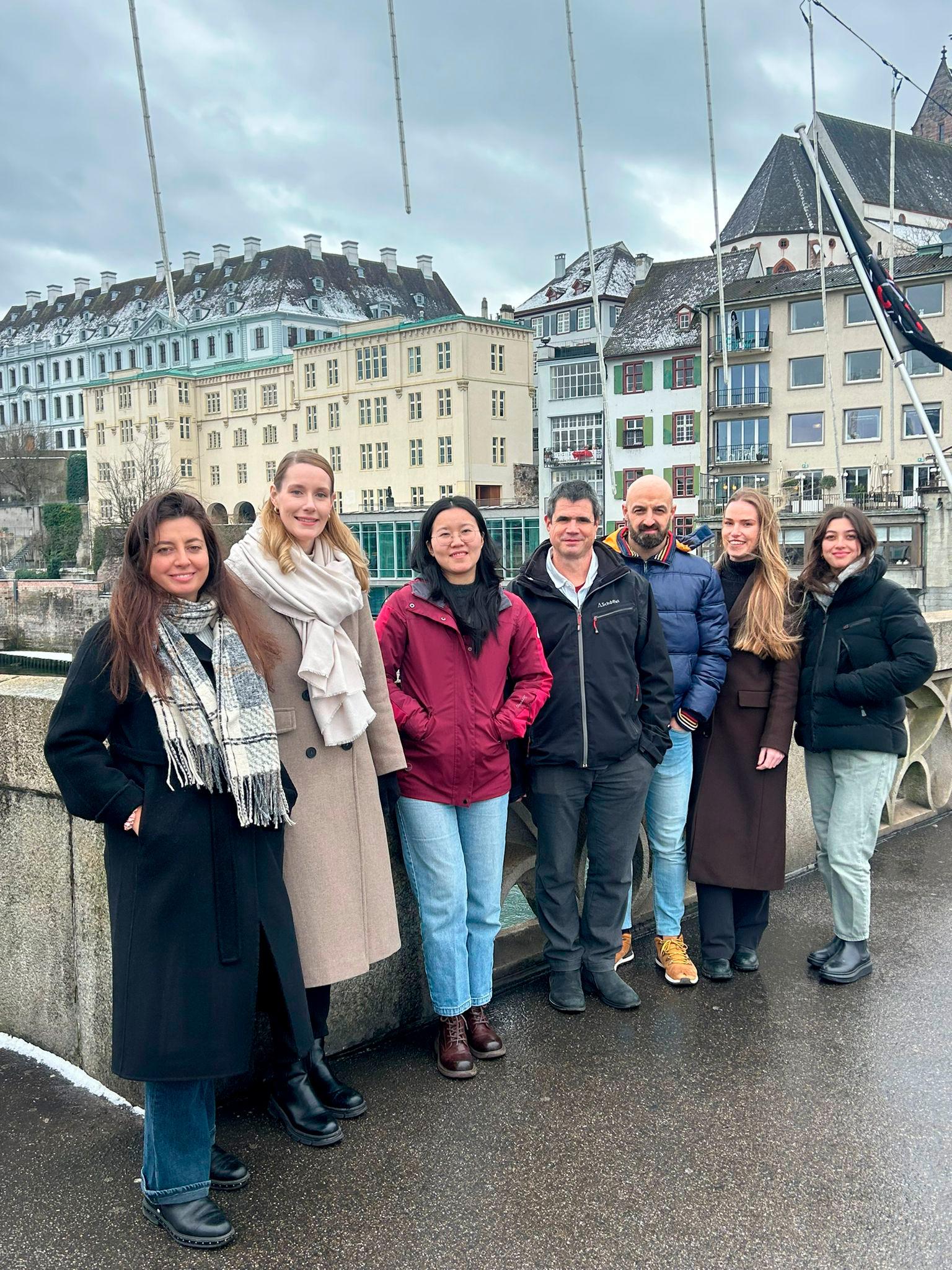
Gastroenterology Lab:
(from left to right) Sara Dylgjeri, Katline Metzger-Peter, Mao Chen, Jan Niess, Hassan Melhem, Ashley Kimberley Heinsalo, Öykü Aksu
Content
Intro
Cover Story
Success Story
Research Group at a Glance
Publications
Congratulations
Events
New Colleagues
Publications
All publications we have received from the period between September 2025 and January 2026. The publications are listed by date.
A preclinical study of combined hepatic and renal artery denervation
Mahfoud F, Tunev S, Kandzari DE, Secemsky EA, Taub PR, Voora RA, Lauder L, Ryan C, Trudel J, Hettrick DA, Schlaich M.
EuroIntervention. 2025 Sep 1;21(17):e1028-e1036. doi: 10.4244/EIJ-D-25-00349.
An Organ-on-Chip platform for strain-controlled, tissue-specific compression of cartilage and mineralized osteochondral interface to study mechanical overloading in osteoarthritis
Mainardi A, Börsch A, Occhetta P, Ivanek R, Ehrbar M, Krattiger L, Oertle P, Loparic M, Martin I, Rasponi M, Barbero A.
Adv Healthc Mater. 2025 Sep;14(23):e2501588. doi: 10.1002/adhm.202501588.
PD-1-targeted cis-delivery of an IL-2 variant induces a multifaceted antitumoral T cell response in human lung cancer
Fusi I, Serger C, Herzig P, Germann M, Sandholzer MT, Oelgarth N, Schwalie PC, Don L, Vetter VK, Koelzer VH, Lardinois D, Kao H, Deak LC, Umaña P, Klein C, Hojski A, Natoli M, Zippelius A.
Sci Transl Med. 2025 Sep 17;17(816):eadr3718. doi: 10.1126/scitranslmed.adr3718.
Tumor immune dynamics and long-term clinical outcome of stage IIIA NSCLC patients treated with neoadjuvant chemoimmunotherapy
Schmid D, Sobottka B, Manzo M, Trüb M, Leonards K, Herzig P, Oyewole OR, Jermann P, Hayoz S, Savic Prince S, Tochtermann G, Natoli M, Pless M, Bettini A, Früh M, Mauti LA, Britschgi C, Peters S, Mark M, Ochsenbein AF, Janthur WD, Waibel C, Mach N, Froesch P, Buess M, Bohanes P, Gonzalez M, Alborelli I, Rothschild SI, Koelzer VH, Zippelius A.
Nat Commun. 2025 Sep 30;16(1):8673. doi: 10.1038/s41467-025-63696-5.
Blood characteristics of patients with type 2 diabetes and response of their peripheral blood mononuclear cells to inhibitors of the NLRP3-inflammasome and caspase-1
de Paula Souza J, Fischer JS, Jeanneau K, Allard C, Angevaare E, Aschenbrenner D, Bodendorf U, Demarco B, Gounarides JS, Killmer S, Kovarik J, Pfister S, Yin H, Ratnarasa V, Böni-Schnetzler M, Hepprich M, Meier DT, Wieczorek G, Donath MY.
Can J Diabetes. 2025 Oct;49(7):388-400.e8. doi: 10.1016/j.jcjd.2025.06.008
Unveiling the molecular and immunological drivers of antibody-drug conjugates in cancer treatment
Zippelius A, Tolaney SM, Tarantino P, Balthasar JP, Thurber GM.
Nat Rev Cancer. 2025 Oct 2. doi: 10.1038/s41568-025-00869-w.
Elucidating the coordination of RNA processing using short-read and long-read RNA-sequencing methods
Alfonso-Gonzalez C, Hilgers V.
Nat Rev Mol Cell Biol. 2025 Oct 6. doi: 10.1038/s41580-025-00895-4.
Massive reduction of RyR1 in muscle spindles of mice carrying recessive Ryr1 mutations alters proprioception and causes scoliosis
Ruiz A, Benucci S, Meier H, Schultz G, Buczak K, Handschin C, Pena RCG, Treves S, Zorzato F.
J Physiol. 2025 Oct 15. doi: 10.1113/JP287832.
Fibronectin- and bioactive glass-modified alginate scaffolds support limited primary cell proliferation in vitro yet demonstrate effective host integration in vivo
Guagnini B, Mazzoleni A, Moya A, Scherberich A, Medagli B, Martin I, Porrelli D, Muraro MG, Turco G.
J Funct Biomater. 2025 Oct 15;16(10):386. doi: 10.3390/jfb16100386.
Content
Intro
Cover Story
Success Story
Research Group at a Glance
Publications
Congratulations
Events
New Colleagues
Cytochrome P450 Cyp2s1 regulation of the intestinal metabolome and microbiome
Dylgjeri S, Bartoszek EM, Hruz P, Melhem H, Niess JH.
Mucosal Immunol. 2025 Oct 19:S1933-0219(25)00112-6. doi: 10.1016/j.mucimm.2025.10.007.
Prevalence of KIT D816V in anaphylaxis or systemic mast cell activation
Hartmann K, Alvarez-Twose I, Bernstein JA, Akin C, Myers B, Hirdt A, Whyte AF, Anderson J, Ruëff F, Siebenhaar F, White AA, Pongdee T, Grattan CE, Jurcic JG, Bonadonna P, Triggiani M, Giannetti M, Barete S, Wedi B, Zakharyan A, Coghlan R, Hoehn G, Lugar P, Livideanu CB, Sabato V.
J Allergy Clin Immunol. 2025 Oct 25:S0091-6749(25)01040-1. doi: 10.1016/j.jaci.2025.10.010.
Increase of inhibitory siglec receptors on T cells mitigates severe immune reactions during acute viral infections
Rodrigues Mantuano N, Bärenwaldt A, Sarcevic M, Siqueira IVM, Jauch A, Maja Etter M, Matter MS, Hutter G, Recher M, Läubli H. PNAS Nexus. 2025 Oct 27;4(11):pgaf340. doi: 10.1093/pnasnexus/pgaf340.
Unbiased DNA pathogen detection in tissues: Real-world experience with metagenomic sequencing in pathology
Hamelin B, Hosch S, Neidhöfer C, Ruf MT, Haslbauer JD, Field CM, Schläpfer P, Manzo M, Neumayr A, Kuenzli E, Mancuso M, Sachs M, Mensah N, Bernhard R, Klaus-Wirthner B, Concu M, Nienhold R, Kuehl R, Baettig V, Weisser-Rohacek M, Gosert R, Tzankov A, Tschudin-Sutter S, Khanna N, Leuzinger K, Keller PM, Mertz KD.
Lab Invest. 2025 Oct 28:104254. doi: 10.1016/j.labinv.2025.104254.
Single-cell analysis uncovers preserved prostate cancer lineages and universally altered pathways in Matrigel-free patient-derived organoids
Dolgos R, Parmentier R, Wang J, Servant R, Templeton AJ, Zellweger T, Lamb AD, Mertz KD, Subotic S, Vlajnic T, Seifert H, Mortezavi A, Rentsch CA, Bubendorf L, Le Magnen C.
Cell Rep. 2025 Oct 28;44(10):116352. doi: 10.1016/j.celrep.2025.116352.
The 4-alkyl chain length of 2,5-dimethoxyamphetamines differentially affects in vitro serotonin receptor actions versus in vivo psychedelic-like effects
Luethi D, Glatfelter GC, Pottie E, Sellitti F, Maitland AD, Gonzalez NR, Kryszak LA, Jackson SN, Hoener MC, Stove CP, Liechti ME, Smieško M, Baumann MH, Simmler LD, Rudin D.
Mol Psychiatry. 2025 Nov 5. doi: 10.1038/s41380-025-03325-1.
mRNA prime-boost vaccination promotes clonal continuity in germinal center reactions and broadens SARS-CoV-2 variant coverage
Ciancaglini M, Fixemer J, Seven C, Dimitrova M, Finozzi D, Weklak D, Kastner AL, Jönsson F, Wagner I, Vincenti I, Peters A, Newby ML, Crispin M, Merkler D, Kreppel F, Pinschewer DD.
Mol Ther. 2025 Nov 5;33(11):5453-5469. doi: 10.1016/j.ymthe.2025.08.008.
Orf virus-based vectors induce potent germinal center B cell, Tfh cell, and CD8+ T cell responses
Kastner AL, Müller M, Marx AF, Dimitrova M, Wagner I, Merkler D, Amann R, Pinschewer DD.
Mol Ther. 2025 Nov 5;33(11):5383-5400. doi: 10.1016/j.ymthe.2025.08.037.
Content
Intro
Cover Story
Success Story
Research Group at a Glance
Publications
Congratulations
Events
New Colleagues
Inflammatory stromal and T cells mediate human bone marrow niche remodeling in clonal hematopoiesis and myelodysplasia
Prummel KD, Woods K, Kholmatov M, Schmitt EC, Vlachou EP, Labyadh M, Wehner R, Poschmann G, Stühler K, Winter S, Oelschlaegel U, Wobus M, Schwartz LS, Moura PL, Hellström-Lindberg E, Rajalingam K, Theobald M, Trowbridge JJ, Carron C, Jaffredo T, Schmitz M, Platzbecker U, Zaugg JB, Guezguez B.
Nat Commun. 2025 Nov 18;16(1):10042. doi: 10.1038/s41467-025-65803-y.
Activated glucocorticoid receptor is an estrogen receptor silencer in ER+ metastatic breast cancer
Manivannan M, Jehanno C, Kloc M, Gomez Miragaya J, Diepenbruck M, Volkmann K, Coissieux MM, Palafox M, Rouchon A, Kramer N, Schmidt A, Blum Y, Hamelin B, Schuster H, Heidinger M, Muenst S, Vetter M, Kurzeder C, Weber WP, Bentires-Alj M.
EMBO Mol Med. 2025 Nov 19. doi: 10.1038/s44321-025-00342-z.
PKCγ-mediated phosphorylation of Mtss1 regulates the dendritic outgrowth and spine development of cerebellar Purkinje cells
Torrents-Solé P, Sziber Z, Shimobayashi E, Kapfhammer JP.
Mol Neurobiol. 2025 Nov 25;63(1):168. doi: 10.1007/s12035-025-05526-9.
An ex vivo model of intervertebral disc degeneration for assessing retention of injectable cell-based grafts
Schmid R, Apte J, Schulze E, Sirek A, Schäfer G, Schäper J, Santini F, Negoias S, Barbero A, Martin I, Pelttari K, Schären S, Krupkova O, Mehrkens A.
JOR Spine. 2025 Nov 26;8(4):e70144. doi: 10.1002/jsp2.70144.
Asymmetric biphasic electric stimulation supports cardiac maturation and functionality
Sileo A, Gabetti S, Gülan AC, Cervenka I, Zhang C, Mingels A, Milan G, Massai D, Marsano A.
J Tissue Eng. 2025 Nov 28:16:20417314251393556. doi: 10.1177/20417314251393556.
Macro-scale, scaffold-assisted model of the human bone marrow endosteal niche using hiPSC-vascularized osteoblastic organoids
Li Q, Nikolova MT, Zhang G, Cervenka I, Valigi F, Burri D, Plantier E, Mazzoleni A, Lamouline A, Schwaller J, Treutlein B, Martin I, García-García A.
Cell Stem Cell. 2025 Dec 4;32(12):1941-1958.e8. doi: 10.1016/j.stem.2025.10.009.
Ovarian cancer metastasis to the human omentum disrupts organ homeostasis and induces fundamental tissue reprogramming
Lischetti U, Liang CY, Carrara M, Coelho R, Hanns A, Lombardo F, Dondi A, Goetze S, Hensler M, Kurzeder C, Montavon C, Fucikova J, Singer F, Beerenwinkel N, Beisel C, Heinzelmann-Schwarz V, Jacob F.
Nat Commun. 2025 Dec 16. doi: 10.1038/s41467-025-67557-z.
Single–amino acid variants in target epitopes can confer resistance to antibody-based therapies
Marone R, Asllanaj E, Capoferri G, Schwede T, Jeker LT, Lepore R.
Sci Transl Med. 2025 Dec 17;17(829):eady4877. doi: 10.1126/scitranslmed.ady4877.
Content
Intro
Cover Story
Success Story
Research Group at a Glance
Publications
Congratulations
Events
New Colleagues
Patient-derived monoclonal myelin oligodendrocyte glycoprotein autoantibodies mediate cytotoxicity
Wetzel NS, Kulsvehagen L, Lecourt AC, Filipek B, Lipps P, Rieder L, Berve K, Krishnamoorthy G, ‘t Hart BA, Schirmer L, Yandamuri SS, O’Connor KC, Pröbstel AK.
Neurol Neuroimmunol Neuroinflamm. 2026 Jan;13(1):e200520. doi: 10.1212/NXI.0000000000200520.
Thrombopoietin increases susceptibility for EVI1 + KMT2AMLLT3-driven AML expressing stem cell genes linked to poor outcome
Châtel-Soulet HÉ, Juge S, Pereira AL, Seguin J, El Taher A, Valigi F, Jevtic Z, Sivalingam R, Bagger FO, Büschl P, Almosailleakh M, Tzankov A, Tong W, Kurokawa M, Nombela Arrieta C, Schwaller J.
Nat Commun. 2025 Dec 19. doi: 10.1038/s41467-025-67611-w.
Antigen-specific activation of gut immune cells drives autoimmune neuroinflammation
Siewert LK, Berve K, Pössnecker E, Dyckow J, Zulji A, Baumann R, Munoz-Blazquez A, Krishnamoorthy G, Schreiner D, Sagan S, Nelson C, Sabatino JJ Jr, Nagashima K, Diard M, J Macpherson A, Ganal-Vonarburg SC, Fischbach MA, Zamvil SS, Schirmer L, Baranzini SE, Pröbstel AK.
Gut Microbes. 2026 Dec 31;18(1):2601430. doi: 10.1080/19490976.2025.2601430.
High pretreatment peripheral blood T-cell receptor clonality as a predictor of prolonged response in immune thrombocytopenia to the British Journal of Haematology
Schmidt-Barbo P, Schultheiss C, Jauch AJ, Simnica D, Silling G, Hänel M, Chromik J, Stauch T, Trautmann-Grill K, Repp R, Schulte C, Fleischmann B, Welslau M, Stauch M, Quiering C, Richter F, Tesanovic T, Jahn S, Holbro A, Passweg JR, Matzdorff A, Rummel M, Meyer O, Nimmerjahn F, Binder M.
Br J Haematol. 2026 Jan 4. doi: 10.1111/bjh.70310.
Large-scale testing of antimicrobial lethality at single-cell resolution predicts mycobacterial infection outcomes
Jovanovic A, Bright FK, Sadeghi A, Wicki B, Caño Muñiz SE, Giannini GC, Toprak S, Sauteur L, Rodoni A, Wüst A, Lupien A, Borrell S, Grogono DM, Wheeler NE, Dehio P, Nemeth J, Pargger H, Thomson R, Bell SC, Gagneux S, Bryant JM, Peng T, Diacon AH, Floto RA, Abanto M, Boeck L.
Nat Microbiol. 2026 Jan 9. doi: 10.1038/s41564-025-02217-y.
Start, stop, sewind, repeat-cyclic exposure of adipose stromal cells-derived cartilage organoids to chondrogenic and proliferative cues to achieve scaled-up and customizable bone formation by endochondral ossification
Pfister P, Lhospice E, García-García A, Paillaud R, Jung S, Schaller R, Kappos EA, Jaquiéry C, Ismail T, Schaefer DJ, de Wild M, Martin I, Kaempfen A, Scherberich A, Moya A.
Adv Healthc Mater. 2026 Jan 9:e04880. doi: 10.1002/adhm.202504880.
Myelin antigen capture in the CNS by B cells expressing EBV latent membrane protein 1 leads to demyelinating lesion formation
Kim H, Schneider M, Raach Y, Karypidis P, Roux J, Perdikaris G, Holdermann S, Kulsvehagen L, Lecourt AC, Narr K, Sankowski R, Diebold M, Bartoszek-Kandler E, Kapfhammer JP, Zimmer G, Pröbstel AK, Prinz M, Kappos L, Sanderson NSR, Derfuss T.
Cell. 2026 Jan 13.
doi: 10.1016/j.cell.2025.12.031
We acknowledge Andrea Banfi for his contribution and dedication to the publication list.
Content
Intro
Cover Story
Success Story
Research Group at a Glance
Publications
Congratulations
Events
New Colleagues
The DBM Congratulates
Awards since September 2025
We extend our heartfelt congratulations to the following DBM members for their remarkable awards and achievements since September 2025.
NEW SNSF PROJECT FUNDING
Defining the role of the microbiome in cellular plasticity of colorectal cancer progression and therapy resistance
Judith Zaugg
Start: 01.07.2025 | End: 30.06.2029
Environmental plasticity of hippocampal inhibition
Josef Bischofberger
Start: 01.10.2026 | End: 30.09.2020
Systematic search for genetic variants influencing clinical symptom severity in patients with hereditary angioedema
Sven Cichon and Bettina Burger
Start: 01.10.2025 | End: 30.09.2028
The role of border zone associated macrophages in glioblastoma treatment
Gregor Hutter
Start: 01.10.2025 | End: 30.09.2029
Liquid biopsy in arthritis by analysis of extracellular vesicles derived from the synovium
Diego Kyburz
Start: 01.01.2026 | End: 31.12.2028
Combining CRISPR with high-throughput metabolomics to unravel and exploit metabolic vulnerabilities during metastatic colonization by lung cancer cells
Mattia Zampieri
Start: 01.01.2026 | End: 31.12.2029
Development of an in situ strategy for articular cartilage repair through nasal chondrocytes-inspired regenerative molecules
Andrea Barbero
Start: 01.05.2026 | End: 30.04.2030
NEW SNSF BRIDGE DISCOVERY FUNDING
Development of Multifunctional CAR-T Cells for the Treatment of Solid Tumours
Gregor Hutter
Start: 01.10.2025 | End: 30.09.2029
Antonio Sileo was awarded the best poster award for “Enhancing cardiac engineered tissue maturation and functionality using combined passive and active mechanical loading” at the SSB+RM Annual Meeting.
Valerio Sabatino received support from the Research Fund Junior Researchers of the University of Basel.
Annalisa Sanga was awarded the “Research Advancement Prize” of the SGG/SASL in September 2025.
Darya Palianina has received the 2nd Prize on Basic Research in Infectious Diseases of the Swiss Society for Infectious Diseases in September 2025 on her paper: “Stem cell memory EBV-specific T cells control EBV tumor growth and persist in vivo”.
The Best oral presentation award at the Basel Postdoc Network Meeting 2025 was awarded to Romuald Parmentier
Content
Intro
Cover Story
Success Story
Research Group at a Glance
Publications
Congratulations
Events
New Colleagues
The DBM Congratulates
Elena Ratti received support from the FAG Basel for her project entitled: “The role of checkpoint molecules in the pathogenesis of systemic mastocytosis”.
Anne-Katrin Pröbstel has received the “We are neuroimmunology” Mid-Career Award from the International Society of Neuroimmunology (ISNI). She is being honored for her work on the roles of B cells and antibodies, as well as the influence of the gut microbiome on immune cells in neuroinflammatory diseases.
The GREAT Network Meeting in Naples, Italy, October 2025 awarded the First Prize for oral presentation to Deborah Fusco for “Bacterial cellulose vascular grafts for CABG”.
An SNFS Spark Grant for “Metabolic Reprogramming of Tumor-Reactive T Cells: Unlocking Propionate as a Novel Fuel for Immunotherapy” was awarded to Maryam Akramisomeabozorg.
Jannis Tossounidis receives the Alfred-Gasche Fellowship for clinician scientists from the Faculty of Medicine, University of Basel.
The award for the best oral presentation at the EMBO workshop “CRISPR-Cas: From biology to therapeutic applications” in Sorrento, Italy, goes to Romina Matter-Marone for “Toxin-free replacement of beta-thalassemia hematopoietic stem cells reverses disease phenotype”.
Clarivate recognized Alfred Zippelius and Jens Kuhle as Highly Cited Researchers for 2025. According to citation data from the Web of Science Core Collection and quantitative and qualitative analysis by experts at the Institute for Scientific Information (ISI), they have demonstrated significant and broad influence in their fields of research.
Venture Kick supports GlioCART GmbH, a spin-off of the University of Basel including Gregor Hutter, Patrice Zeis, and Valerio Sabatino.
The Faculty of Medicine prize for the best thesis for a medical doctorate, sponsored by the University Hospitals, went to Manina Etter
An Innosuisse Grant without implementation partner went to Gregor Hutter and Valerio Sabatino.
Jürg Schwaller’s project “Characterization of a specific dependency with therapeutic potential for acute myeloid leukemia” is supported by Krebsliga Schweiz.
Felix Mahfoud received the Franz-Gross-Wissenschaftspreis 2025.
Marc Aurel Busche’s project “How soluble tau proteins impair neuronal circuits in early Alzheimer’s disease and related tauopathies: from hyperto hypoexcitability” is supported by the Dementia Research Switzerland - Synapsis Foundation.
Tomas Martins has received the Bruno Speck Award 2026.
The Horten Consortial grant was awarded to Tobias Weiss, Gregor Hutter and Judith Zaugg.
The DBM Congratulates

PhD Defenses since September 2025
19.09.2025
19.09.2025
Biomedical Engineering
Microbiology
Molecular Biology
Neurobiology
Molecular Biology
Medical-Biological Research
Medical-Biological Research
Medical-Biological Research
Antonio Sileo
Dorotej Alexander
Sasha Jovanovic
Aya Iizuka
Pierre Abiven
Evrim Ceren Kabak
Emilio Flint
Mao Chen
Sarah Roffeis
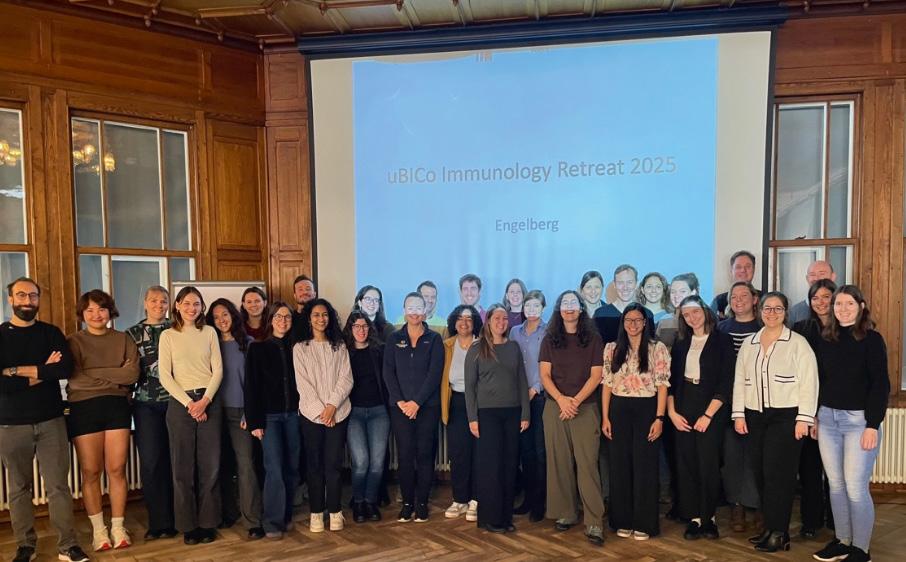
uBICo Retreat in Engelberg
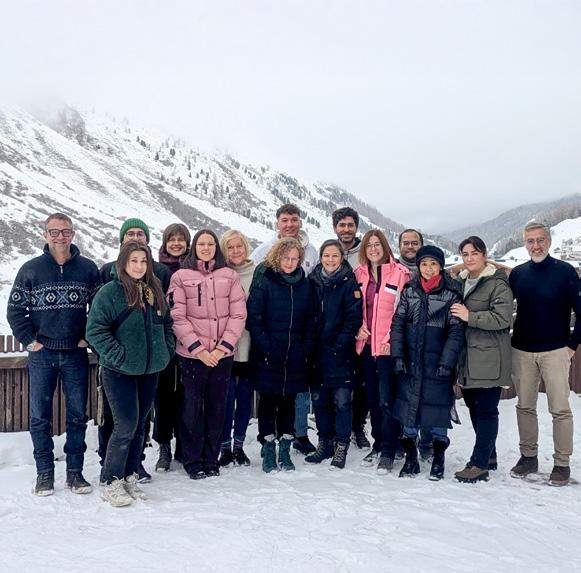
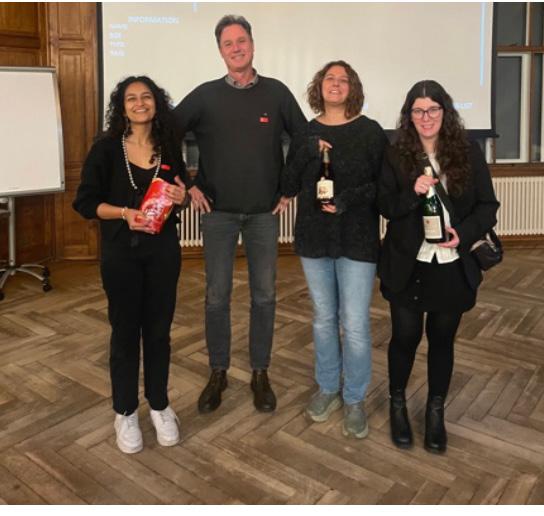
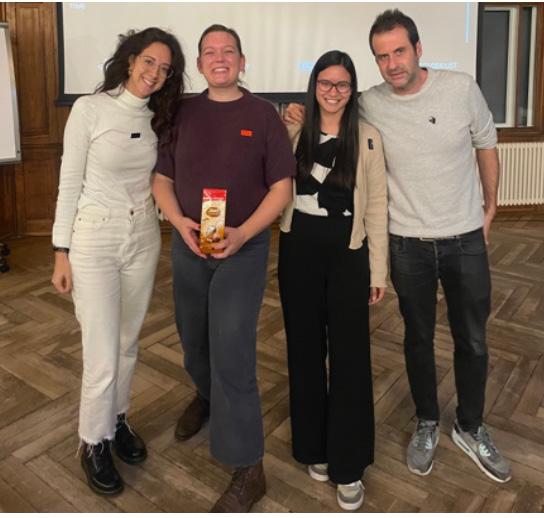
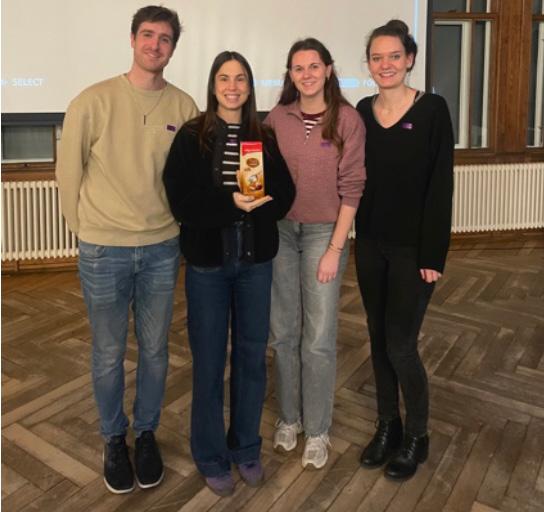
In early November 2025, members of uBICo from the DBM and the Biozentrum convened in Engelberg for their annual retreat. The participants gathered to reflect on progress, strengthen collaborations, and shape the scientific and strategic direction of the consortium for the coming years. The retreat brought together researchers across all levels, from trainees to principal investigators, creating a dynamic and open environment for exchange.
The immunology-focused quiz added a fun, light-hearted element to the scientific program. It was another way to bring people together in a friendly setting.
Looking ahead, we hope to carry this engaging and collaborative atmosphere into 2026.
DBM Research Day 2026
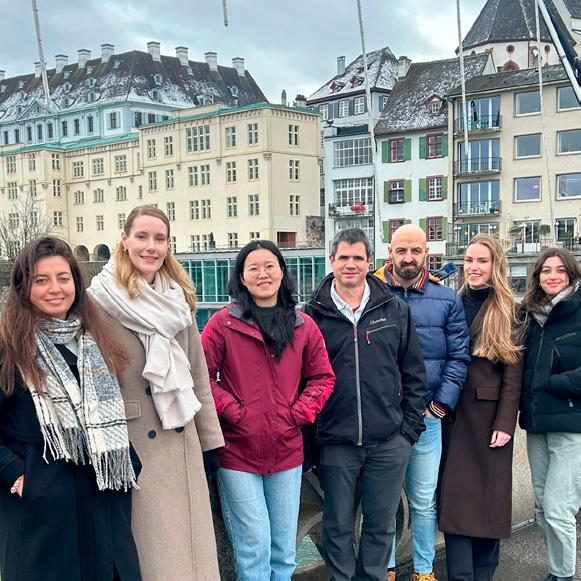
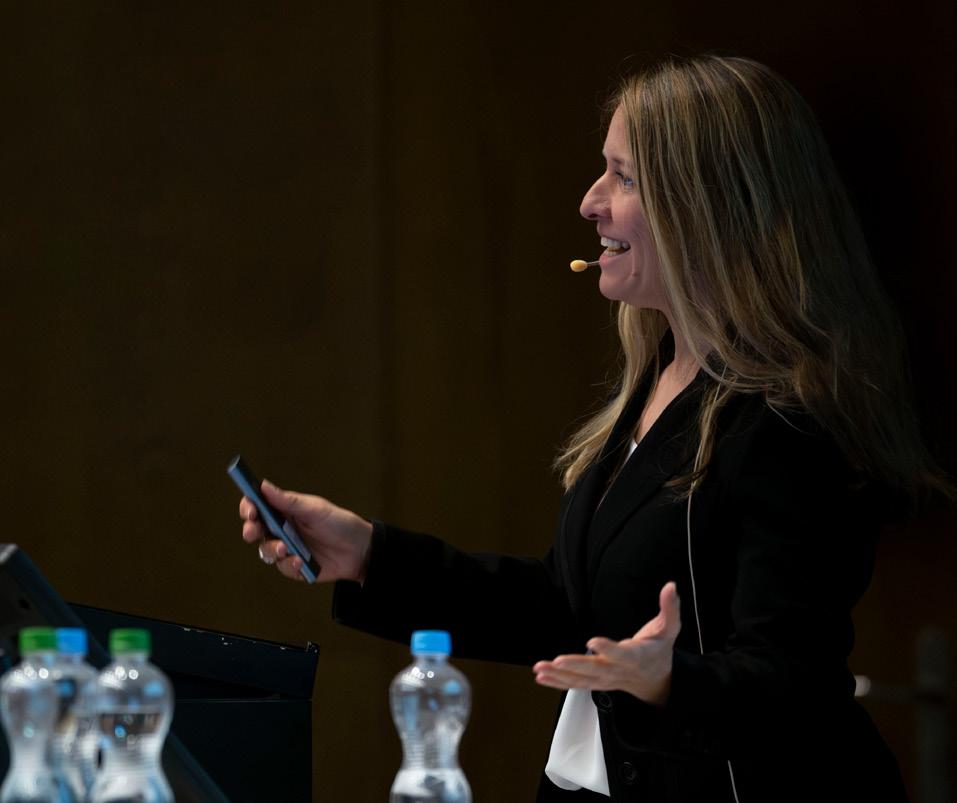
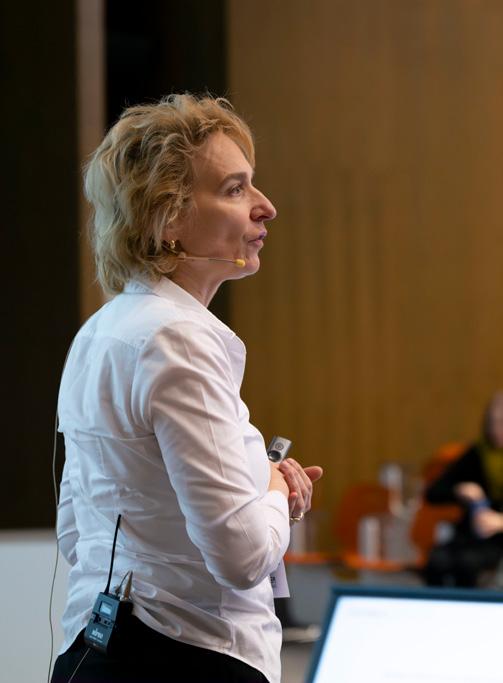
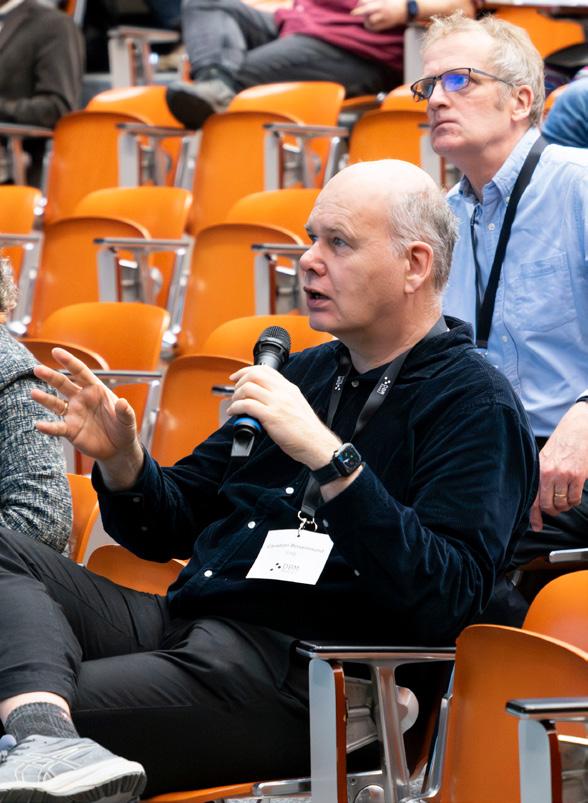
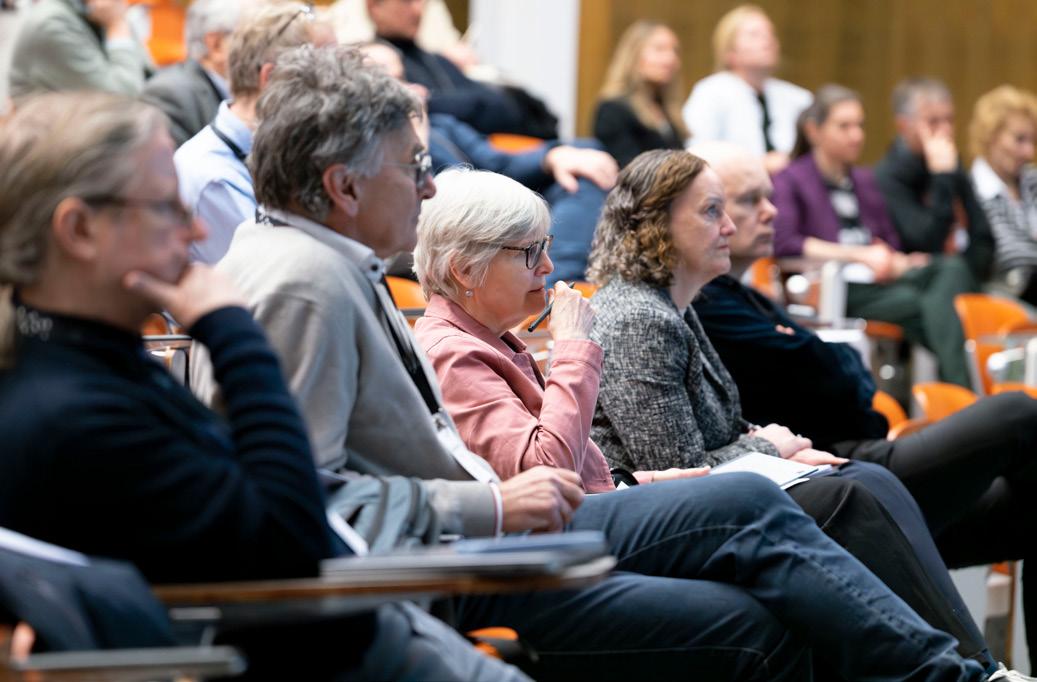
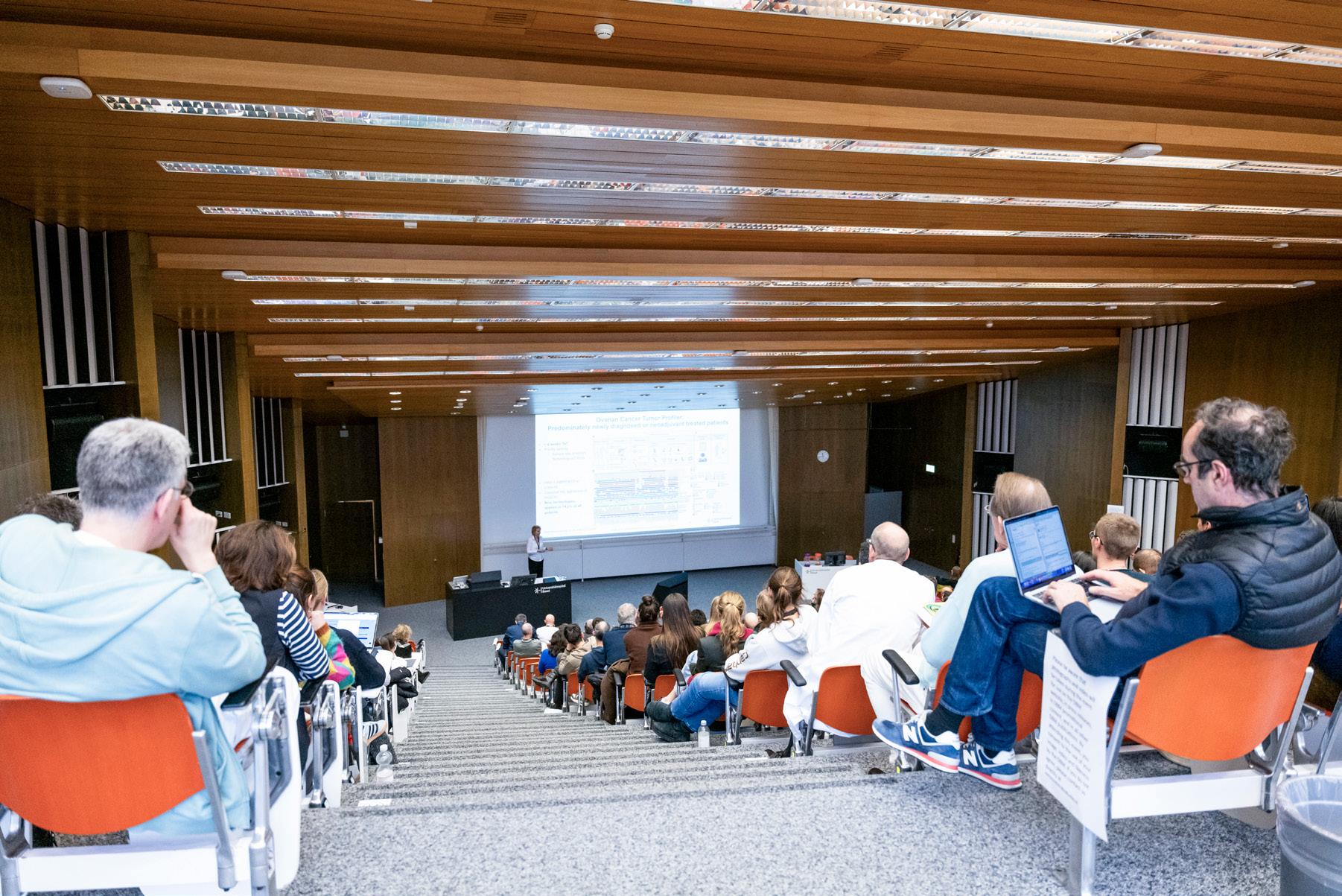
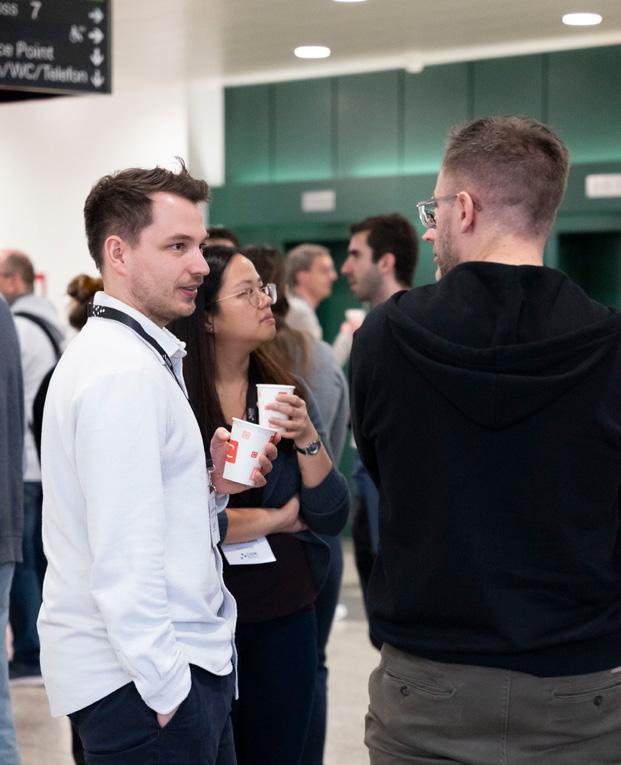
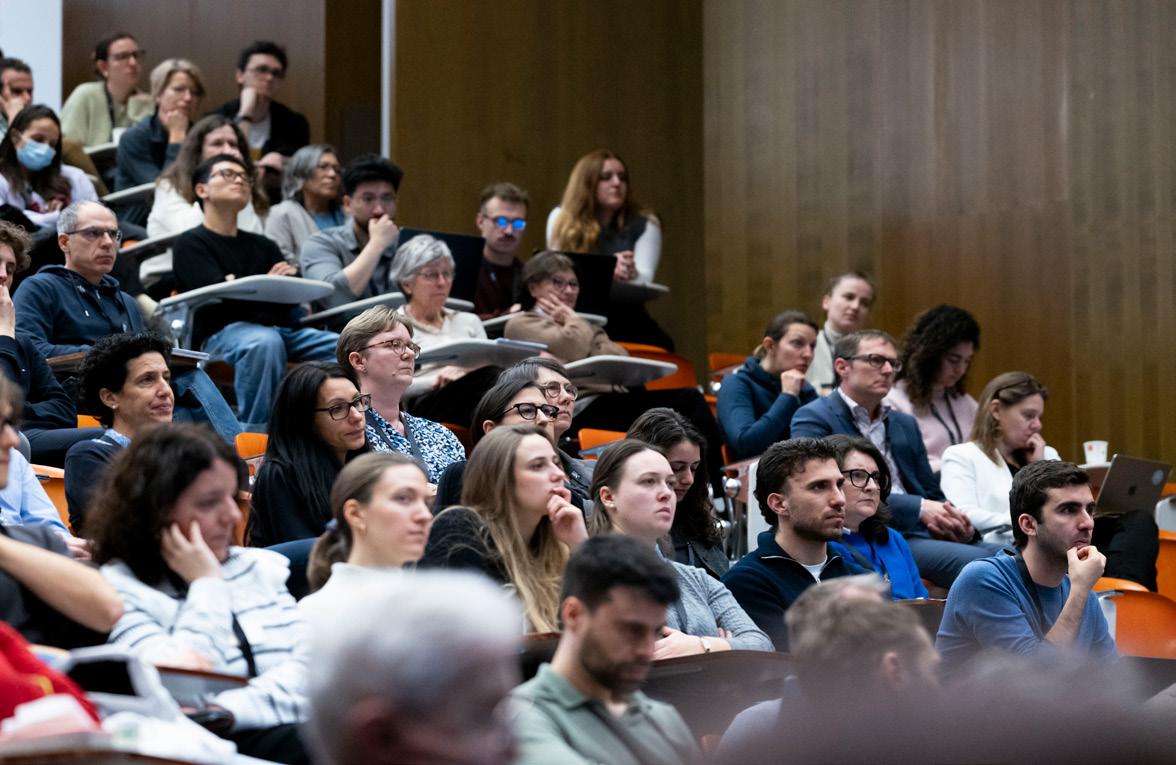
Once again, the Department of Biomedicine welcomed a large audience to its annual DBM Research Day. On January 22, 2026, the Big Lecture Hall of the ZLF filled with researchers and guests for a full day dedicated to science and discovery.
Nine DBM research groups were assessed by the Scientific Advisory Board this year and presented their work in a series of engaging talks, highlighting the diversity and excellence of biomedical research at the department. The speakers were Lukas Jeker, Géraldine Guex, Josef Bischofberger, Jürg Schwaller, Ivan Martin, Magdalena Filipowicz Sinnreich, Viola Heinzelmann/Francis Jacob, Albert Neutzner, and Tania Rinaldi Barkat. Their presentations sparked lively discussion in a packed auditorium.
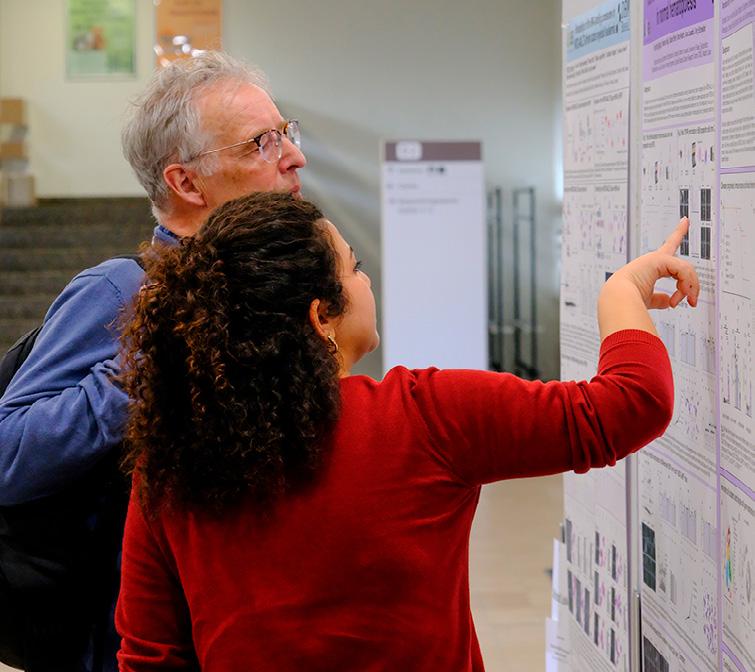
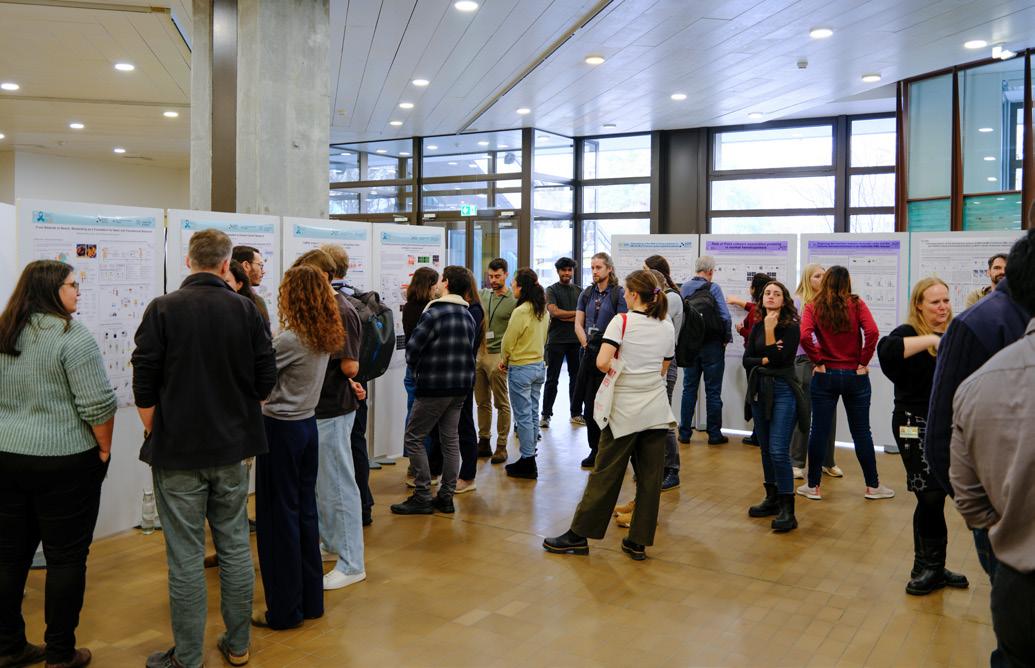
In the afternoon, the poster session provided an opportunity for indepth discussion, enabling group members to present their projects and discuss their research in a more informal setting. The combination of talks and posters proved valuable once again, providing a platform for scientists at all career stages.
With its inspiring atmosphere and stimulating scientific discussions, the DBM Research Day 2026 was another great success and a highlight in the department’s academic calendar.
Upcoming Events
Content
New Colleagues from September 2025 to January 2026
We are delighted to have you among us. We would like to express our warmest welcome and good wishes!
Ivan Berest
Molecular and Computational Hematology-Immunology (Zaugg)
Erica Piccinni
Cover Story
Success Story
Research Group at a Glance
Publications
Congratulations
Intro Events
New Colleagues
Tissue Engineering (Martin)
Shane Vontelin Van Breda
DBM-Microscopy
Sarah Holec
RNA Biology and Neurogenetics (Hilgers)
Felix Theiss
Blood Cancer Biology and Immunotherapy (Apostolova)
Fernando Mateos Linares
RNA Biology and Neurogenetics (Hilgers)
Cong Truc Le
RNA Biology and Neurogenetics (Hilgers)
Anton Hess
RNA Biology and Neurogenetics (Hilgers)
Hasan-Can Özbulut
RNA Biology and Neurogenetics (Hilgers)
Richard Marsman
RNA Biology and Neurogenetics (Hilgers)
Melissa Serrano
Brain Ageing and Neurodegeneration (Busche)
George Kensah
Cardiac Surgery and Engineering (Baraki)
Eirinaios Pappas
Blood Cancer Biology and Immunotherapy (Apostolova)
Andrea Polazzi
Molecular and Computational Hematology-Immunology (Zaugg)
Lea Stefanie Messmer
Tumor Heterogeneity Metastasis and Resistance (Bentires-Alj)
Zhi Sheng Poh
Tumor Heterogeneity Metastasis and Resistance (Bentires-Alj)

Dimitra Stamkopoulou
Immune Cell Biology (Borsa)
Johannes Tossounidis
Blood Cancer Biology and Immunotherapy (Apostolova)
Hassina Baraki
Cardiac Surgery and Engineering (Baraki)
Valentina Sperto
Cancer Neuroimmunology (Dixon)
Laura Pohl
Brain Ageing and Neurodegeneration (Busche)
Ursula Karoline Düren
Immune Cell Biology (Borsa)
Mengjin Shi
RNA Biology and Neurogenetics (Hilgers)
Iuliia Ermakova
Molecular and Computational Hematology-Immunology (Zaugg)
Claire Maria Larrieu
Tumor Heterogeneity Metastasis and Resistance (Bentires-Alj)
Vivien Ruder
Brain Ischemia and Regeneration (Guzman)
Tobias Michael Andermatt
Translational Immuno-Oncology (Binder)
Daniel Hajnal
Cancer Immunology (Zippelius)
Content
New Colleagues from September 2025 to January 2026
Nivedya Swarnalekha Immunobiology (Hess)
Mirko Gabriel Hurtlin Inner Ear Research (Bodmer)
Rachele D‘Amore Tissue Engineering (Martin)
Cover Story
Success Story
Research Group at a Glance
Congratulations Publications
Intro Events
New Colleagues
Ashley Kimberley Heinsalo Gastroenterology (Niess)
Liliana Tchernev Pediatric Immunology (Holländer)
Giorgio Morandi Pediatric Immunology (Holländer)
Melanie Dalhof Psychopharmacology Research (Liechti)
Oneda Leka Skin Biology (Navarini)
Ana Teresa Da Silva Pais Molecular Immune Regulation (Jeker)
Sarah Elena Rubin Pathology of Infectious and Immunologic Diseases (Mertz)
Susanne Irene Radonjic-Hösli Allergy and Immunity (Hartmann)
Vitaliia Terzova Ovarian Cancer Research (Heinzelmann)
Bettina Andrea Kägi Childhood Leukemia (Schwaller)
Florian Bracher Allergy and Immunity (Hartmann)
Alice Francesca Longden Cellular Neurophysiology (Bischofberger)
Sergio Ivan Cheng Zhu Pulmonary Infection Biology (Boeck)
Nina Giovina Spagone-Wolf Ovarian Cancer Research (Heinzelmann)
Marina Mastantuono Clinical Neuroimmunology (Derfuss/Kuhle)
Theodoros Basiakos Immunobiology (Hess)
Damiana Schlesier Molecular Immune Regulation (Jeker)
Nicole Wenger Experimental Neuroimmunology (Pröbstel)
Philip Williams Brain Tumor Immunotherapy and Biology (Hutter/Mariani)
Margot Del Valle Lezier Infection Immunology (King)
Tecla Cittadini Cancer Immunotherapy (Läubli)
Lea Rahel Felber Cancer Immunotherapy (Läubli)
Salome Jael Stein Immunodeficiency (Recher)
Francesca Nicola Pulmonary Infection Biology (Boeck)
Sara Bucher Inner Ear Research (Bodmer)
Melanie Gartmann Psychopharmacology Research (Liechti)
Kristina Maria Meierhans Cardiac Surgery and Engineering (Marsano)
Philipp Ellinger Myocardial Research (Kuster-Pfister)
Annamaria Pennesi
Experimental Neuroimmunology (Pröbstel)
Content
Intro
Cover Story
Success Story
Research Group at a Glance
Publications
Congratulations
Events
New Colleagues
New Colleagues from September 2025 to January 2026
Louis Jaron Schulz
Blood Cancer Biology and Immunotherapy (Apostolova)
Livia Dornbierer
Cognitive Neuroscience (De Quervain)
Tabea Rees
Cognitive Neuroscience (De Quervain)
Michael Koch
Translational Genitourinary Cancer Research (Le Magnen)
Research
The DBM newsletter team would like to thank all the contributors for their work. We hope you enjoyed reading the newsletter.
Please feel free to submit your ideas and input for our next issue. communications-dbm@unibas.ch
Department of Biomedicine Bluesky @biomedizin.unibas.ch
Publishing Information Imprint
Content
Intro
Cover Story
Success Story
Research Group at a Glance
Publications
Congratulations
Events
New Colleagues
Publisher:
Department of Biomedicine University of Basel
Hebelstrasse 20 4031 Basel
Switzerland
Concept: Xiomara Banholzer and Martina Konantz
Editorial Team:
Xiomara Banholzer, Karin Fava and Martina Konantz
Design and Layout: Chesa Cuan and Natalie Kohler
Photography: Chesa Cuan, Karin Fava and Natalie Kohler
Contact:
Department of Biomedicine
Hebelstrasse 20 4031 Basel
Switzerland
Email: communications-dbm@unibas.ch
© Department of Biomedicine Basel, University of Basel, University Hospital Basel and University Children‘s Hospital Basel January 2026