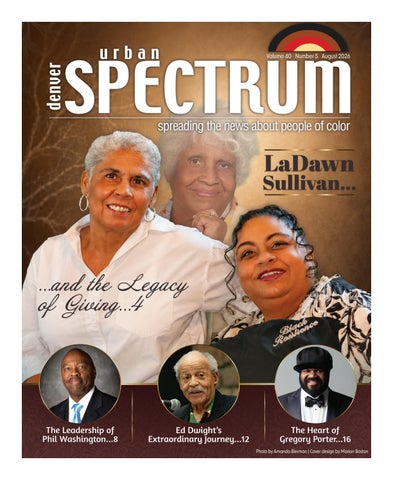
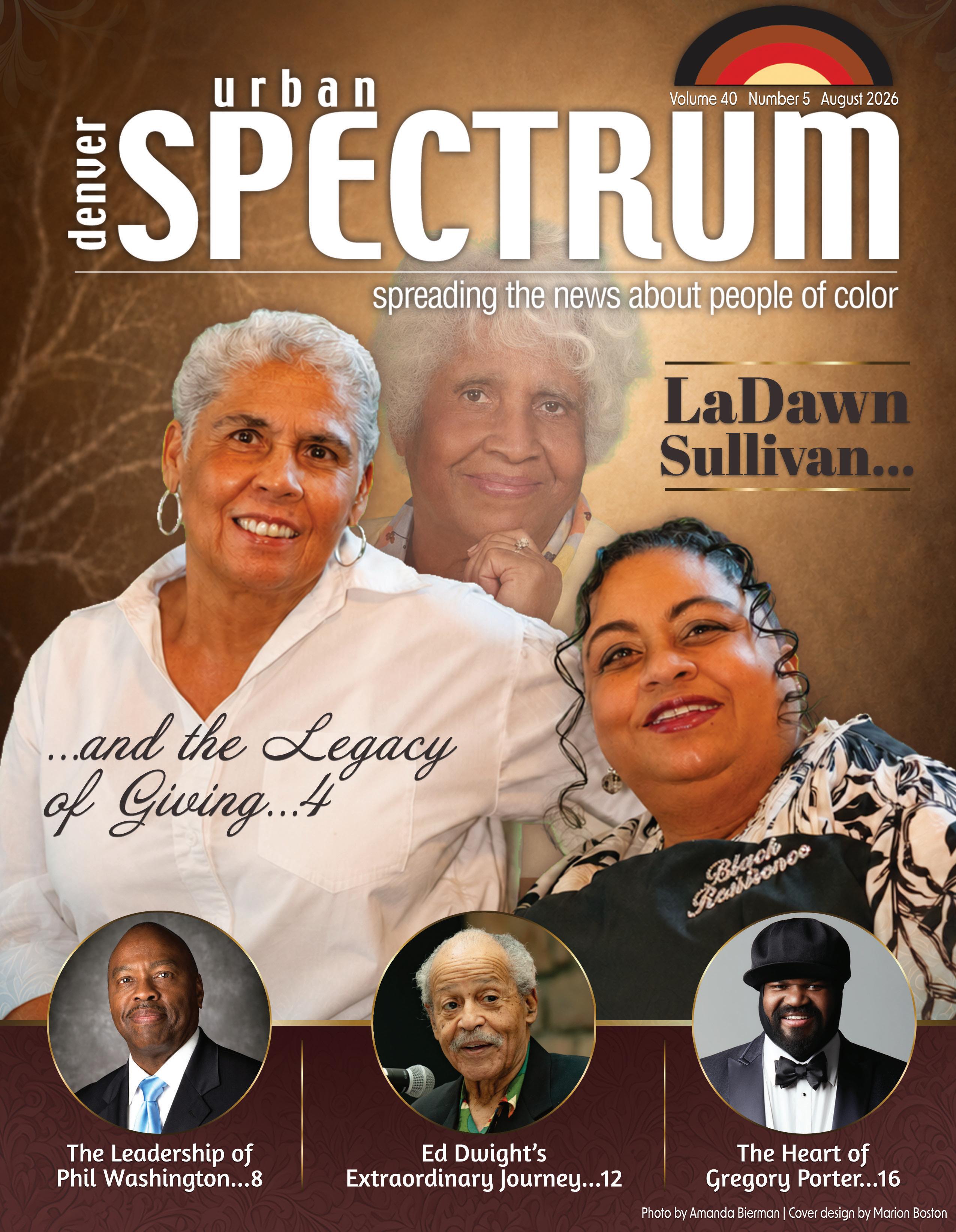
Denver Urban Spectrum August 2026 - Giving and Gratitude
Volume 40 Number 5 August 2026
PUBLISHER
Rosalind J. Harris
COPY EDITOR
Tanya Ishikawa
COLUMNISTS
Barry Overton
Dr. Dedrick Sims
Earl Ofari Hutchinson
Thomas Holt-Russell
CONTRIBUTING WRITERS
Chet Boyd
Jordan Coburn
LaTerrell Bradford
Ursula James
GUEST CONTRIBUTORS
Cynthia James Ryan Grundy
Paolo Zialcita
SPECIAL PROJECTS ASSISTANT
Tanya Ishikawa
ART DIRECTOR
Bee Harris
BROADCAST COORDINATOR
Karen Davis
CONTRIBUTING PHOTOGRAPHER
Amanda Bierman
GRAPHIC DESIGNERS
Jody Gilbert – Kolorgraphix
Marion Boston
Sekar Uthayasuriyan
DISTRIBUTION
Lawrence A. James
Denver Urban Spectrum is a monthly publication dedicated to spreading the news about people of color. Contents of Denver Urban Spectrum are copyright 2026 by Bizzy Bee Enterprise. No portion may be reproduced without written permission of the publisher.
Denver Urban Spectrum circulates 7,500 copies throughout Colorado. Denver Urban Spectrum welcomes all letters, but reserves the right to edit for space, libelous material, grammar, and length. All letters must include name, address, and phone number. We will withhold author's name on request. Unsolicited articles are accepted without guarantee of publication or payment.
Write to Denver Urban Spectrum at P.O. Box 31001, Aurora, CO 80041.
For advertising, subscriptions, or other information, call 303-292-6446, email publisher@urbanspectrum or visit the Website at www. denverurbanspectrum.com.
MESSAGE
Gratitude and Three Ruths
Each month, as I look over the stories we are preparing to share, I almost always discover a common thread woven throughout the issue. Sometimes it is obvious. Other times it quietly reveals itself as the pages come together.
This month, that thread is gratitude—both seen and unseen—and, unexpectedly, three remarkable women named Ruth.
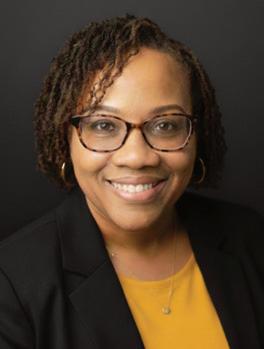
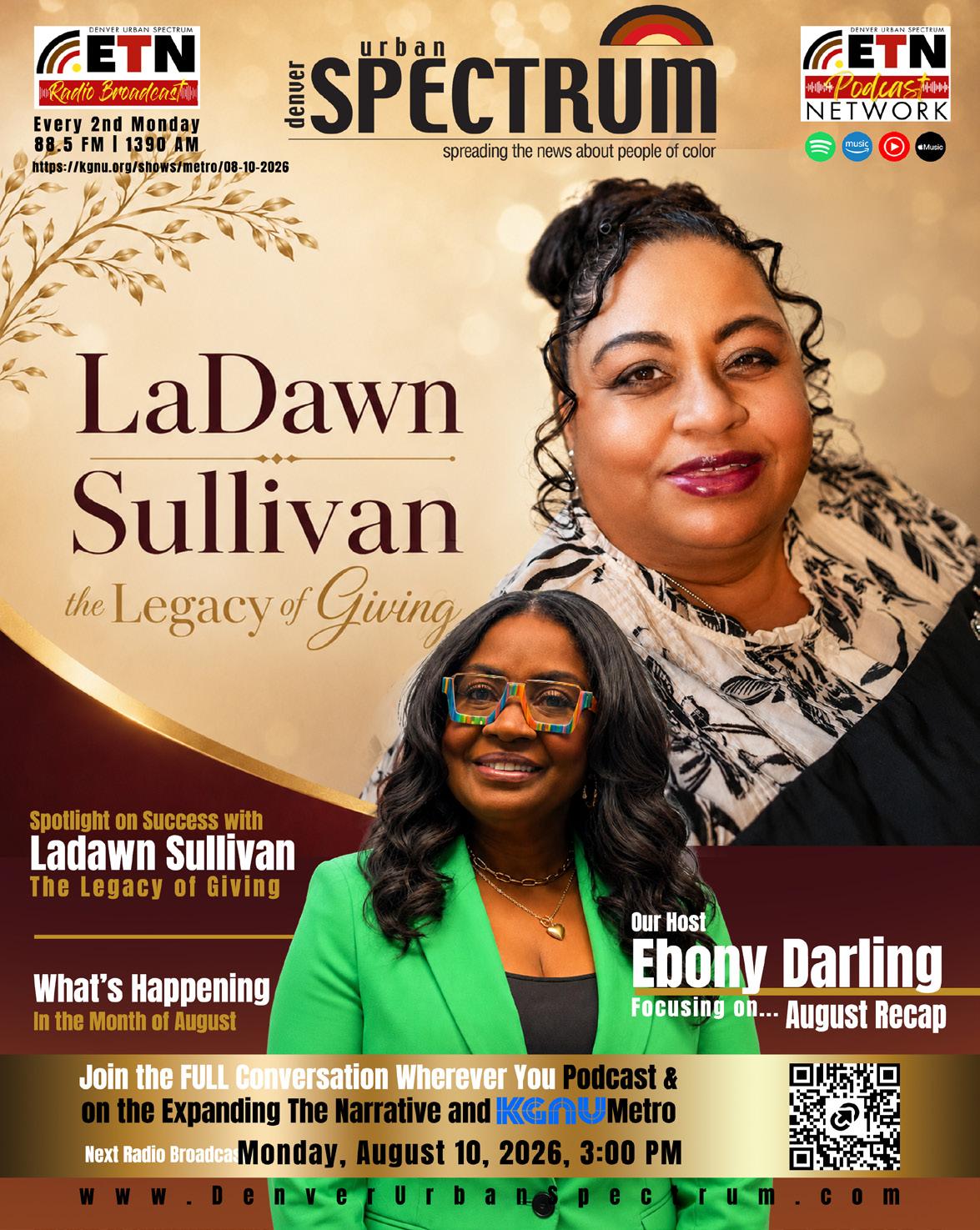
August is Black Philanthropy Month, a celebration of generosity, community investment, and the power of collective giving. Our cover story highlights the Black Resilience in Colorado (BRIC) Fund, the state’s first Black-focused community fund, built on the belief that investing in one another strengthens us all. Executive Director LaDawn Sullivan shares how she is carrying forward a family legacy of justice, generosity, and service inspired by her mother, attorney Dianne Briscoe McKenzie, and her grandmother, educator and civil rights activist Ruth C. Denny.
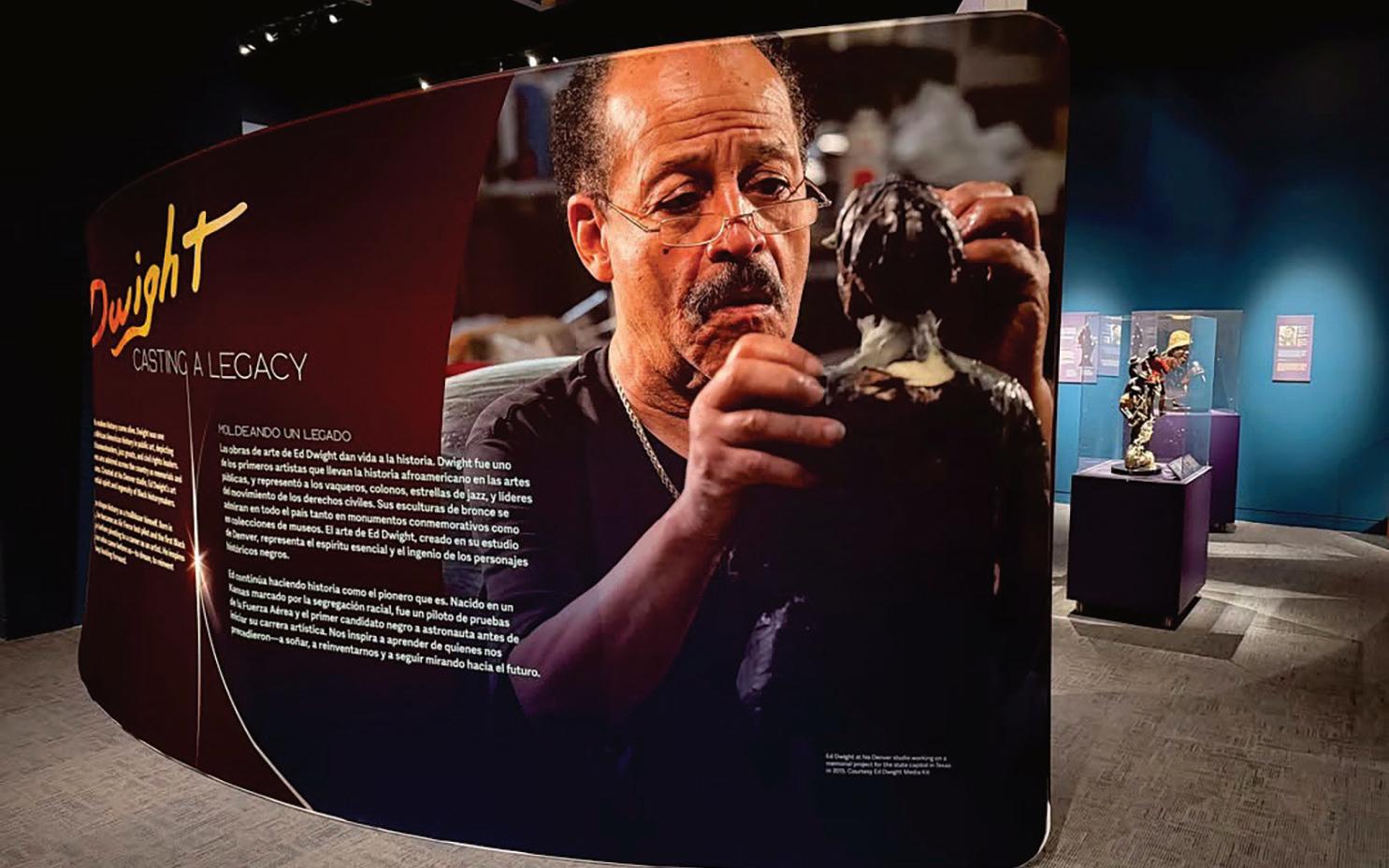
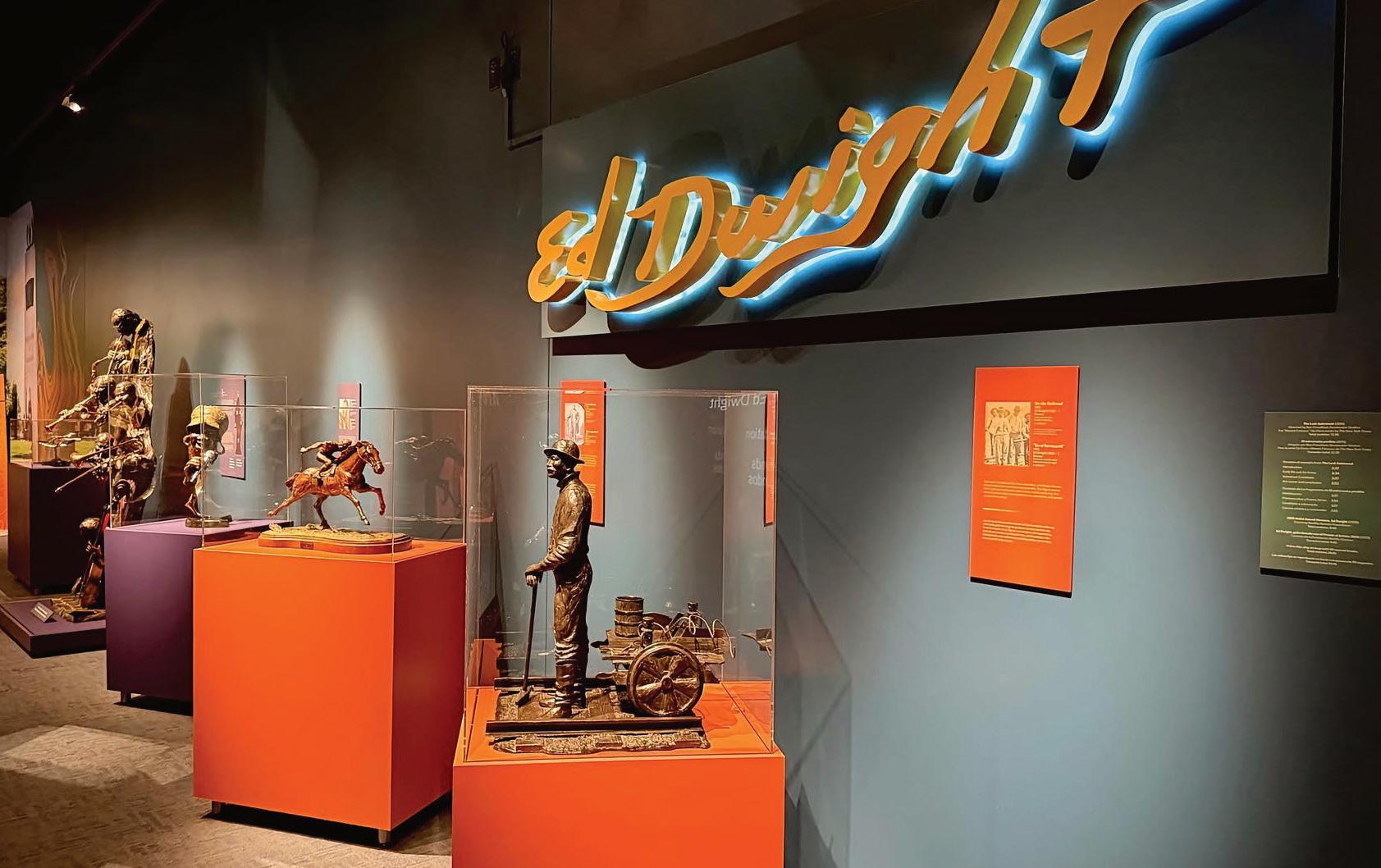
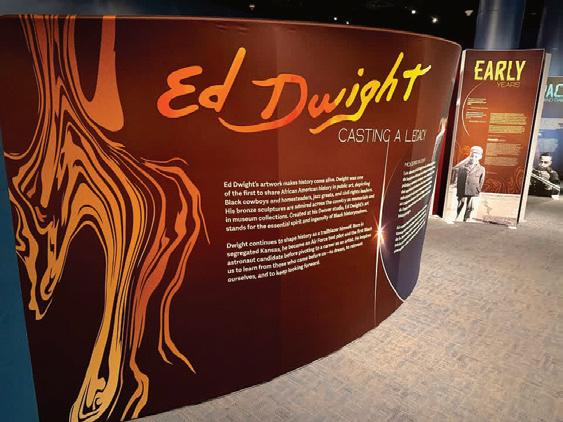
Gratitude is also reflected in the way our community honors those who have spent their lives serving others. This month we celebrate two extraordinary trailblazers whose legacies continue to shape Colorado. Read how recently retired Denver International Airport CEO Phil Washington profoundly impacted the life of his friend and colleague Barry Burch. Then visit Ed Dwight: Casting a Legacy, the remarkable new exhibit at History Colorado honoring the pioneering astronaut candidate, internationally acclaimed sculptor, and one of Colorado’s greatest visionaries. The exhibit remains on display through February 2027.
You’ll also read about two organizations looking toward the future while honoring the past.
From The Publisher
“Gratitude helps you to grow and expand; gratitude brings joy and laughter into your life and into the lives of all those around you.”
— Eileen Caddy, Spiritual Teacher and Author
The Colorado Women’s Hall of Fame announces its Class of 2027, continuing the vision established more than four decades ago by its founder, M.L. Hanson. Meanwhile, Stephanie Knight, CEO of the Mountain Plains Minority Supplier Development Council, shares her commitment to expanding opportunities for minority-owned businesses and strengthening the systems that help them thrive.
And now, back to gratitude.
I want to extend my heartfelt thanks to the Denver Botanic Gardens and Swallow Hill Music, but especially to Gregory Porter for generously sharing his time, his music, and his heart during a Zoom conversation while he was on tour in Italy.
Anyone who knows me knows I am one of millions of devoted fans of the internationally acclaimed jazz vocalist and songwriter. Yet what stayed with me most after our 40-minute Sunday morning conversation wasn’t simply his extraordinary talent—it was his extraordinary spirit.
When I reread Eileen Caddy’s quote, I realized she could have been describing Gregory Porter.
His gratitude is genuine, abundant, and deeply personal. It has helped him grow as an artist and as a human being. More importantly, it brings joy, warmth, and laughter into the lives of everyone
fortunate enough to cross his path. For forty unforgettable minutes, I was one of those people.
As we talked, it became clear that one of the greatest sources of his gratitude is his mother, Ruth.
Much like LaDawn’s grandmother, Ruth C. Denny.
And much like my own mother, Ruth Boyd.
Three women named Ruth. Three women whose love, wisdom, strength, and guidance continue to shape lives long after their work began.
Since my mother’s passing on November 3, 2008, I have often reflected on this remarkable journey of nearly four decades publishing Denver Urban Spectrum. Through every challenge, every milestone, and every blessing, I have felt her presence. She may no longer be with me physically, but her spirit continues to guide me, encourage me, and remind me to keep moving forward.
Perhaps that is one of gratitude’s greatest gifts. It allows us to recognize that those who have loved us well never truly leave us. Their influence lives on in the choices we make, the lives we touch, and the legacy we continue to build.
For that, and for so much more, I am deeply grateful.
Because when love is rooted in gratitude... there is No Love Dying.
Rosalind “Bee” Harris
Publisher Denver Urban Spectrum
Submitted by Black Resilience in Colorado Fund
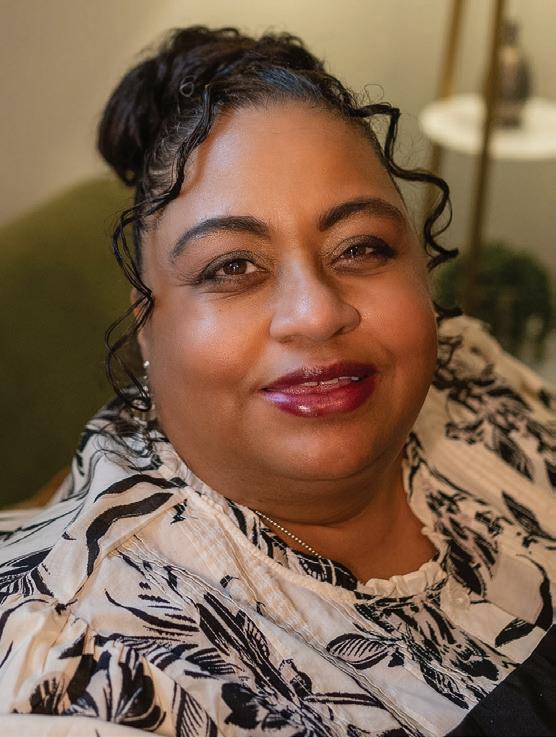
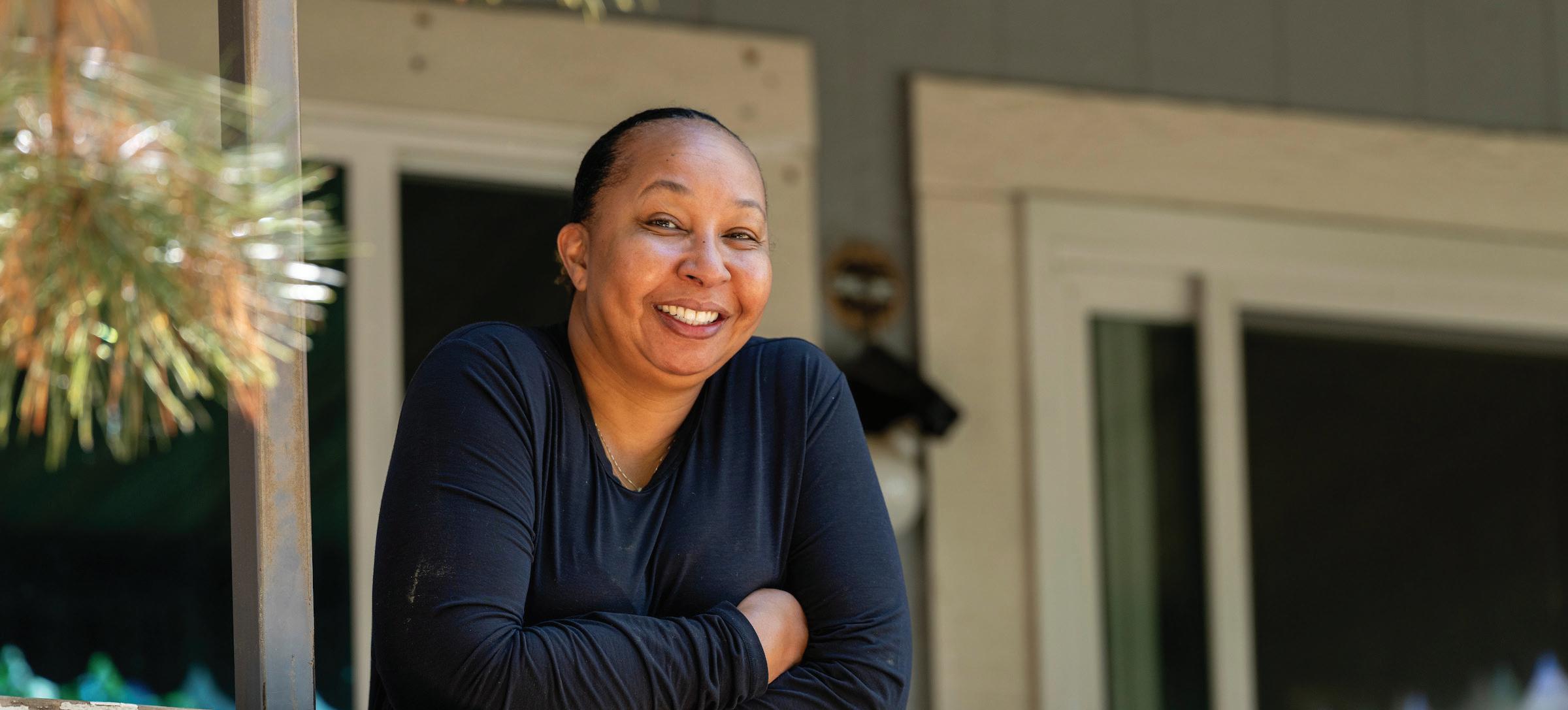
LaDawn Sullivan didn’t learn philanthropy in a boardroom. She learned it at her grandmother’s feet. Before Sullivan understood grantmaking, donor strategy, or philanthropic infrastructure, she understood that people gave because communities depended on it. Around the kitchen table of her grandmother, Ruth C. Denny, generosity wasn’t measured by wealth; it was measured by willingness.
The Legacy of Giving
LaDawn Sullivan is carrying forward a family tradition of justice, generosity, and community.
Sometimes it looked like opening a home to neighbors who needed a meal. Sometimes it looked like organizing families to stand against injustice. Sometimes it looked like spending another long day in a classroom because the children deserved more than what the system expected of them.
There was no ceremony around it. It was simply what her family did. For Sullivan, that distinction matters.
Today, as executive director of the Black Resilience in Colorado (BRIC) Fund, she spends much of her time talking about philanthropy. She is quick to remind audiences that Black philanthropy did not begin when foundations discovered equity, nor when corporations issued public statements after moments of national tragedy.
“We’ve always been giving,” she often says. “The question isn’t whether Black communities are philanthropic. The question is whether people have been paying attention.”
That perspective – equal parts historical truth and loving challenge – has become one of the defining
characteristics of Sullivan’s leadership. She is as comfortable speaking to billion-dollar foundations as she is sitting in neighborhood meetings, encouraging someone to make their first $10 gift. To her, both acts belong to the same tradition.
An inherited tradition of giving
Denny was a respected Denver Public Schools educator whose commitment to civil rights stretched far beyond the classroom. She organized, advocated, marched, and believed that education and justice were inseparable. She helped challenge segregation, participated in the movement that culminated in the historic March on Washington, and spent her life proving that ordinary people could create extraordinary change when they moved together.
She never used the word “philanthropist.” She didn’t need to. Her life defined it.
Watching Grandma Ruth shaped Sullivan’s understanding of leadership long before she would hold executive titles herself. Leadership wasn’t about having the loudest voice. It was about showing up, again and again, for people whose dignity mattered.
Denny planted the seeds. Sullivan’s mother, Dianne Briscoe McKenzie, demonstrated what those seeds could become.
McKenzie fulfilled , in many ways, exceeded her mother’s dream of having a lawyer in the family. Serving as assistant city attorney of Denver, airport attorney, prosecutor of child protection, and ultimately in the esteemed position of Denver County court judge, she devoted her career to pursuing justice through the legal system, bringing compassion, fairness, and integrity to the bench.
Where Denny organized communities to challenge injustice, her daughter wielded the law to protect them. Together, grandmother and mother offered Sullivan a powerful
inheritance: the knowledge and drive to pursue justice through education, law, organizing, leadership, and philanthropy. Each generation found its lane and carried the movement forward.
Sullivan found hers in philanthropy. Her career has spanned more than three decades in government, philanthropy, and nonprofit leadership. Along the way, she became known for building relationships. She developed a reputation as someone who connected people before they knew they needed one another, believing that lasting change rarely comes from isolated brilliance but rather comes from collective effort.
Her belief in collective giving helped shape an important facet of Colorado’s philanthropic landscape: Black giving circles. Throughout her career, she created and strengthened spaces where individuals pooled their resources, relationships, and influence to invest directly in their communities. She helped launch and support Colorado Black giving circles such as Denver African American Philanthropists (DAAP), Sisterhood of Philanthropists Impacting Needs (SPIN), Women of Color Making a Difference (WOCMAD), and ties to Community Investment Network, a national network of giving circles.
She championed a simple but transformative idea: philanthropy becomes even more powerful when generosity is shared. These giving circles have done more than award grants—they have cultivated new donors, strengthened civic leadership, inspired volunteerism, and affirmed that everyone has something meaningful to contribute, regardless of the size of their gift.
Not a moment, a movement
Fund. Launched on Juneteenth 2020, assistance, leadership development, capital access, statewide convenings,
Sullivan resists reducing BRIC’s impact to numbers. Yet, the grants matter – over $6 million awarded. The loans matter – over $250,000 funded. The leadership programs matter – 350-
What excites
her most is what those
“When we invest in Black leadership,” she says, “we’re investing in people who
JOIN THE MOVEMENT
August is Black Philanthropy Month, a global celebration of Black generosity, leadership, and community investment. The 2026 theme, "Many Voices. One Movement.", reminds us that every voice, every dollar, and every act of generosity moves us closer to stronger Black communities.
Throughout August, the Black Resilience in Colorado (BRIC) Fund will match every
That philosophy eventually found
already know how to solve problems. They don’t need to be rescued. They need to be resourced.”
That sentence captures much of her approach to philanthropy. Too often, traditional philanthropy begins by asking communities what they lack. She prefers asking what communities already possess. The answer is usually everything except sufficient investment.
Black neighborhoods have always contained entrepreneurs, artists, educators, healers, organizers, pastors,
Continued on Page 6
ONE MOVEMENT ONE MOVEMENT
caregivers, innovators, and dreamers. They have always possessed cultural wealth, social capital, and collective wisdom. What has too often been missing is equitable access to financial capital. Closing that gap is not charity; it is justice.
Each August, communities across the country celebrate a movement that has steadily grown since its founding in 2011. Black Philanthropy Month recognizes the countless ways Black communities invest in one another— not simply through financial gifts, but through mentorship, advocacy, volunteerism, leadership, storytelling, faith, and collective action.
For Sullivan, the month serves another purpose—it corrects history.
“People often imagine philanthropy as something wealthy people do,” she explains. “Black Philanthropy Month reminds us that philanthropy is something communities (specifically Black folks) do.”
Long before formal foundations existed, Black families pooled resources to purchase freedom, establish schools, build churches, create mutual aid societies, support historically Black colleges and universities, and care for neighbors navigating impossible circumstances.
“The receipts have always existed. They simply weren’t always recognized,” she explains.
That is why the 2026 Black Philanthropy Month theme, “Many Voices. One Movement,” resonates so deeply with her. In it, she hears her grandmother’s voice, her mother’s voice, the voices of countless nonprofit leaders working long hours without public recognition, and the voices of donors making recurring monthly gifts because consistency matters more than headlines.
She recognizes the voices of volunteers preparing meals, mentoring young people, serving on boards, organizing neighborhoods, coaching new executive directors, preserving Black history, supporting Black businesses, and helping families weather difficult seasons.
Sullivan believes the theme also challenges a dangerous misconception – that effective movements require everyone to look the same or contribute in identical ways. Communities don’t need uniformity. They need participation.
That belief inspired one of BRIC’s most recognizable frameworks: the Five Ts – Time, Talent, Treasure, Testimony, and (Social) Ties.
Every contribution and voice strengthens the movement
The framework reminds people that everyone has something meaningful to contribute. Some give financially. Others mentor emerging leaders. Others tell stories that preserve community memory. Others introduce people who become lifelong collaborators.
The Five Ts also reflect Sullivan’s own life. She has given treasure through fundraising, talent through decades of nonprofit leadership, and time through countless evenings, weekends, and community meetings. She has offered testimony by publicly championing Black philanthropy, and created social ties through a passion for, and long record of, connecting people across sectors, generations, and geography.
“I never met a stranger I couldn’t turn into family,” she jokes. Beneath the humor sits a profound truth: communities grow stronger when relationships grow stronger.
That relationship-centered approach explains why she invests as much energy in leadership development as she does in grantmaking. Through the Executive Directors of Color Institute, she has helped cultivate hundreds of nonprofit leaders who now serve communities throughout Colorado.
“Strong organizations require strong leaders. Strong leaders require strong communities. Strong communities create lasting change. It is all connected,” she explains.
Perhaps that is why she refuses to separate philanthropy from her everyday life. Giving isn’t something she turns on during business hours. It is how she moves through the world.
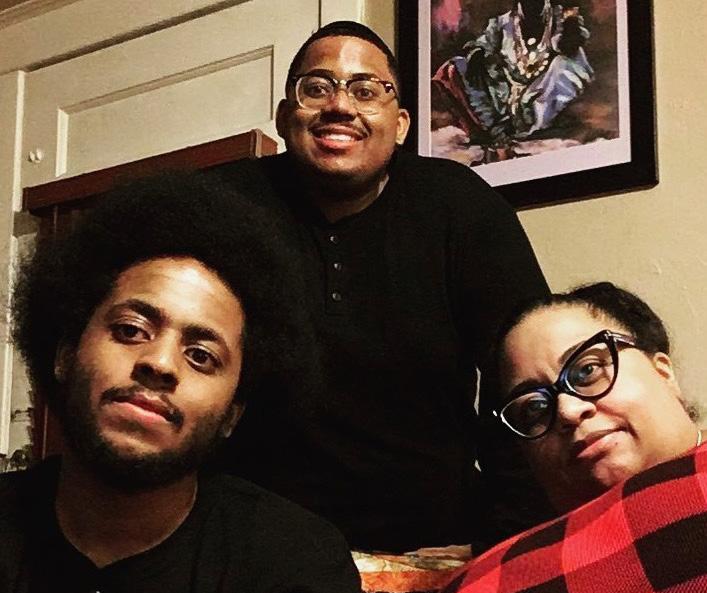
As the mother of two Black sons, she thinks often about legacy – not as something written in biographies but as something lived through daily decisions. Every conversation, every investment, every introduction, and every opportunity created for someone else contributes to the inheritance future generations will receive.
She wants her sons to understand what their great-grandmother and grandmother understood and demonstrated: success means very little if it stops with you. Real success multiplies. It opens doors, leaves resources, and creates pathways others can travel.
In that sense, Sullivan measures wealth differently than many people. To her, wealth is seeing a nonprofit leader secure funding that keeps their doors open, watching young leaders discover their confidence, helping Black organizations purchase buildings instead of renting them forever, and ensuring that future generations inherit institutions – not just memories.
That philosophy continues to shape BRIC’s work as it invests in Colorado’s future. The organization is helping build something previously imagined but inhibited by the lack of resources to sustain it: permanent Black philanthropic infrastructure.
Infrastructure that leads to change
Strong institutions preserve culture, protect community memory, respond during crises, and invest during
opportunity. They remain long after individual leaders retire. Sullivan understands that no single person builds such institutions alone.
The 2026 Black Philanthropy Month theme is deeply personal for her. “Many voices. One movement,” is the story of her family. Grandmother Ruth raised her voice for educational justice and civil rights. Mother McKenzie raised hers in courtrooms where fairness mattered. Sullivan raises hers in philanthropy, striving so that communities have the resources to pursue the futures they deserve.
“Three women. Three generations. One continuous movement toward justice,” she proclaims.
Her mission is to ensure that movement extends far beyond a single family to everyone. It includes every donor making a first gift, every volunteer serving communities, every foundation choosing trust over control, every nonprofit leader refusing to give up, every young person deciding to come home and build instead of leave, and every elder passing wisdom to the next generation.
Each voice matters. Together they create something far greater than any individual could accomplish alone.
For her, that is the enduring promise of Black philanthropy. “It has never simply been about giving money. It has always been about giving possibility, that once shared, has a remarkable way of becoming legacy,” she says.
The legacy that Denny quietly modeled around a kitchen table now echoes through conference rooms, community centers, neighborhood organizations, board meetings, and classrooms across Colorado. It lives in every BRIC Fund investment, every emerging leader encouraged to stay in the work, every donor reminded that generosity is measured by commitment rather than income, and every community strengthened because someone chose to give.
“One enduring belief that has carried Black communities through every generation is: when we invest in one another, we build far more than programs or institutions,” Sullivan says, “We build the future, BRIC by BRIC.” ♦
Editor’s note: For more information about the Black Resilience in Colorado (BRIC) Fund, visit https://www.bricfund.org/
A Painful Memory for Me NOLAN WELLS DEATH STIRS
By Earl Ofari Hutchinson
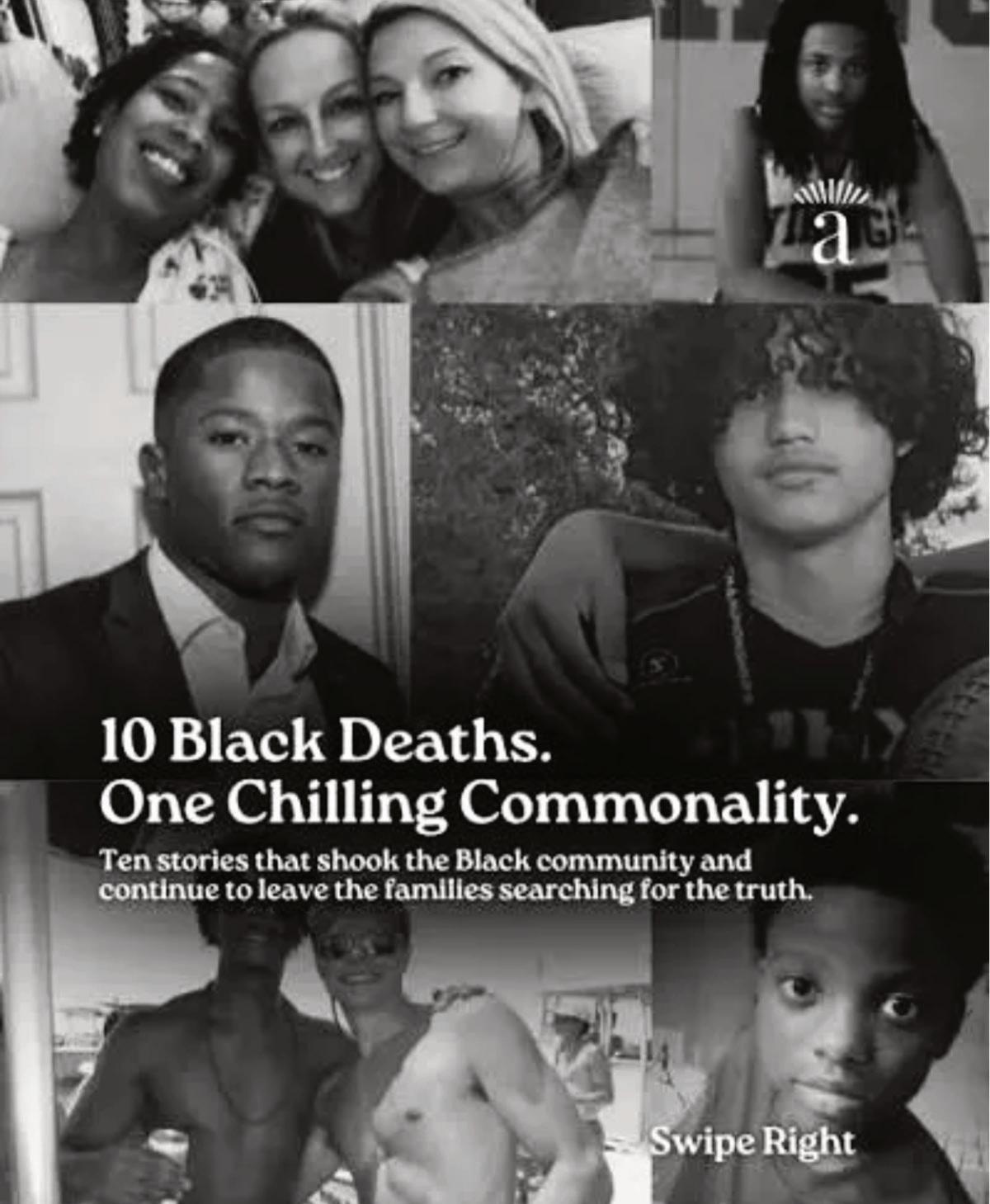
The debate rages over whether Mississippi high school football player Nolan Wells was the tragic victim of drowning. Or was he the victim of foul play? This brings back a painful memory for me. One that has been a cause of uncertainty and agony in my family for decades.
My cousin, like Wells, allegedly died from drowning. His body was found in the Mississippi river. Officials quickly ruled his death accidental. However, many of my family members weren’t convinced. He was known to be an excellent swimmer. But the greatest reason for doubt was that he had gone on his swimming outing with a group of whites he knew. None of them were injured. It wasn’t clear at the time just how promptly his associates had reported his death, or worse.
This certainly did not prove that my cousin was the victim of foul play. Nor that the perpetrators were his white companions. But it was more than enough to create doubt and suspicion about his death.
The controversy over Wells’s death is a near pitch perfect carbon copy of the same grim, and doubtful scenario that shadowed my cousin’s death. It’s also the same one that has fueled the controversy over the deaths of more than a few other young Blacks in recent years. All of them died under seemingly murky circumstances. Nearly a dozen of these deaths has drawn intense, but brief media and public attention — and questioning.
They had several things in common. They were young African Americans. They stirred intense speculation and anger that their deaths were anything but accidental. They put officials on the spot to prove that there was no foul play. In each case authorities ultimately ruled their deaths as either accidental or self-inflicted. Their parents and relatives had no choice but to accept the official ruling that the deaths were anything other than accidental.
It’s precisely because of these circumstances that many Blacks have loudly cried foul abut Wells. They are convinced that officials are covering up a murder.
It’s hard to say how many more official probes it will take before the parents of Wells believe that their son’s death was a horrid accident. They have hired a prominent attorney to raise questions. Several notables including former NFL star Colin Kaepernick are bankrolling the independent autopsy the family authorized. A bevy of civil rights activists have demanded answers. Legions of Blacks and others have burned up social media outlets charging cover-up and foul play in his death. They will never buy the at least initial response from officials of “no evidence of foul play.”
Once the dust settles Well’s death may indeed prove to be accidental. But that still won’t alter the painful reasons many say it isn’t. I say painful because of three things that weigh heavily on me and can never be erased.
The first as mentioned is the drowning death of my cousin under still questionable circumstances. He did not have attorneys, civil rights activists, and thousands of Blacks demanding answers to the cause of his death. Officials quickly closed the case. It wasn’t said but, in that era, it was just routinely considered just another Black life gone and nothing special about it.
The second is the current Trump fueled polarized racial climate. The ongoing assault on DEI, racial profiling, continuing dubious police shootings of young Blacks and Hispanics, and the grotesque racial disparities in the prison and criminal justice system. Many Blacks are firmly convinced that they are under sustained, venomous racial assault.
The third reason is the savage racial history of Mississippi toward Blacks. It was the runaway leader for decades in lynchings, assaults, bombings, and imprisoning of Blacks, especially young Black males. In nearly all cases, officials
either turned a blind eye toward the violence or gave it the most cursory look and then a shrug off. That tortured history is still fresh in the minds of many Blacks.
The parents of Wells demand and deserve a thorough. impartial and most importantly honest investigation into his death. Unlike him, my cousin never had that luxury. That’s why to this day my family members remain unconvinced about the cause of his death. The clamor over Wells death shows that other Blacks will always have the same feeling that something just wasn’t right about how their loved ones died. ♦
Editor’s note: Earl Ofari Hutchinson is an author and political analyst. His forthcoming book is Trump’s Obama Obsession (Amazon ebook and Middle Passage Press). He hosts the weekly news and issues commentary radio show The Hutchinson Report Wednesdays 6 PM PST 9 PM EST at ktymgospel.net.
Phil Washington A Legacy Built on Leadership, Opportunity and Vision
By Chet Boyd
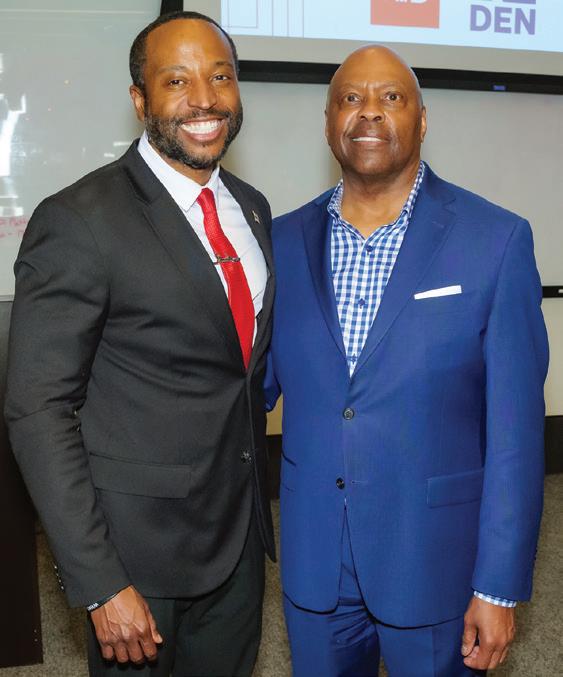
When Phil Washington retired as Chief Executive Officer of Denver International Airport on August 3, 2026, he concluded a distinguished career spanning more than five decades of military and public service. His retirement marked the close of an extraordinary chapter defined not only by transformational leadership in transportation, but by an unwavering commitment to creating opportunities for others.
Throughout his career—from military service to leading some of the nation’s largest public transit agencies and ultimately one of the world’s busiest airports—Washington has consistently demonstrated that leadership extends far beyond managing systems and infrastructure. For him, transportation has always been about connecting people to opportunity.
That philosophy became the foundation of his leadership style and the reason his influence has reached far beyond airport terminals, rail lines and construction projects.
Those who worked closely with Washington describe a leader whose vision reached well beyond the next project or fiscal year.
“What impressed me most about Phil was his ability to connect
When Phil Washington retired as CEO of Denver International Airport on August 3, he left behind far more than one of the world’s busiest airports. His five decades of military and public service reshaped transportation, expanded opportunity, and demonstrated that visionary leadership begins—and ends—with people.
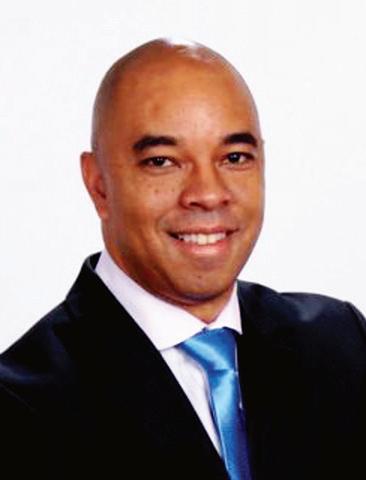
big-picture vision with meaningful action,” said Barry Burch Jr., External Affairs Advisor at Denver International Airport and President of COMTO Colorado. “He consistently challenged the organization to think beyond the immediate and focus on the long-term future of the airport, our workforce and the communities we serve. His leadership was never limited to operations or infrastructure; it was always rooted in people and opportunity.”
That combination of strategic thinking and human-centered leadership has become one of Washington’s defining characteristics.
During his tenure at Denver International Airport, he guided the airport through a period of unprecedented growth while positioning it as an international gateway and economic engine for Colorado. Yet colleagues say the numbers tell only part of the story.
Equally important was the culture he cultivated.
“What surprised me was how approachable and accessible he remained despite leading one of the world’s busiest airports,” Burch said. “Whether speaking with frontline employees, students, community members, elected officials or business
leaders, he treated everyone with the same level of respect and attention. He had a unique ability to make people feel heard and valued.”
That accessibility distinguished Washington from many executives leading organizations of similar size and complexity. While his responsibilities included overseeing billions of dollars in infrastructure investments and thousands of employees, he never allowed the scope of the job to create distance between himself and the people he served.
Away from the podium and outside the public spotlight, Burch witnessed another side of Washington—one
centered on mentorship and developing future leaders.
“The public often saw the visionary leader and accomplished executive,” Burch reflected, “but those of us who worked alongside him saw a mentor who invested time in developing people. He regularly encouraged employees to pursue leadership opportunities, expand their skills and think bigger about their careers. He celebrated the success of others and was quick to share credit for accomplishments.”
That willingness to elevate others may ultimately become one of Washington’s most enduring contributions.
Throughout his career, Washington consistently advocated for expanding opportunities for historically underrepresented businesses and professionals. He understood that major public infrastructure projects could serve as engines for economic mobility if inclusion became an intentional priority rather than an afterthought.
“Phil consistently emphasized the importance of creating pathways for historically underrepresented businesses and individuals,” Burch said. “He understood that major infrastructure projects should create opportunities for a diverse range of businesses and communities, and he championed efforts that expanded access and participation.”
His commitment extended well beyond policy.
Washington founded the Colorado chapter of the Conference of Minority Transportation Officials (COMTO) more than two decades ago, creating a lasting network dedicated to advancing diversity and professional development within the transportation industry. He also launched the Equity in Infrastructure Project, an initiative designed to help small businesses compete for major infrastructure
opportunities while creating pathways toward long-term economic growth and generational wealth.
These efforts reflected Washington’s belief that public investment should strengthen entire communities, not simply complete construction projects.
His leadership philosophy was often expressed through memorable observations that challenged conventional thinking.
Among the messages colleagues heard repeatedly was his conviction that “transportation is about connecting people to opportunity”—a simple statement that became a guiding principle throughout his career.
Burch also recalls two additional expressions that captured Washington’s perspective on leadership: “Leadership is dangerous because you have to survive long enough to get the good things done” and perhaps his favorite, “Leadership is the ability to disappoint at a rate that people can absorb.”
Those words reveal a leader who understood that meaningful progress often requires difficult decisions, courage and an unwavering commitment to long-term outcomes rather than short-term popularity.
As Denver prepares to bid farewell to one of its most respected civic leaders, Washington’s legacy cannot be measured solely by passenger counts, expansion projects or operational milestones.
His true legacy lives in the people he mentored, the careers he helped launch, the businesses he encouraged, the communities he championed and the culture of inclusion he worked to build.
“Phil’s legacy extends far beyond airport operations,” Burch said. “He demonstrated that leadership can be visionary while remaining people-
Phil Washington by the Numbers
50+ Years
Combined military and public service dedicated to strengthening America’s transportation systems and communities.
Military Veteran
Began his career serving in the United States Army before transitioning into public transportation leadership.
National Transportation Leader
Led major public transportation organizations across the country before becoming Chief Executive Officer of Denver International Airport.
CEO, Denver International Airport
Guided one of the world’s busiest airports through record passenger growth, major infrastructure expansion and global recognition.
Founder, COMTO Colorado
Established the Colorado chapter of the Conference of Minority Transportation Officials more than two decades ago, creating opportunities for professionals
centered. His commitment to mentorship, equity, workforce development and community engagement will continue to influence Denver International Airport and the broader transportation industry for years to come.”
That may be the most fitting measure of Phil Washington’s remarkable career.
Great leaders leave organizations stronger than they found them. Exceptional leaders also leave people believing more is possible than they imagined before.
and businesses throughout the transportation industry.
Champion for Equity
Created the Equity in Infrastructure Project, helping small and disadvantaged businesses gain greater access to major public infrastructure opportunities and build pathways toward generational wealth.
Leadership Philosophy
“Transportation is about connecting people to opportunity.”
Words to Lead By
“Leadership is dangerous because you have to survive long enough to get the good things done.”
“Leadership is the ability to disappoint at a rate that people can absorb.”
A Lasting Legacy
Measured not only by airports, rail systems and infrastructure, but by the leaders he mentored, the businesses he championed and the communities he empowered.
After more than fifty years of service, Phil Washington leaves Colorado with both. ♦
Publisher’s note: For nearly four decades, Denver Urban Spectrum has chronicled the leaders whose vision has helped shape Colorado’s future. Phil Washington’s career stands as a reminder that true leadership is measured not simply by the positions one holds, but by the lives one touches and the opportunities one creates. We thank him for his service and wish him every success in the next chapter of his remarkable journey.
CEO KNIGHT FOCUSED ON HELPING Minority-Owned
By Jordan Coburn
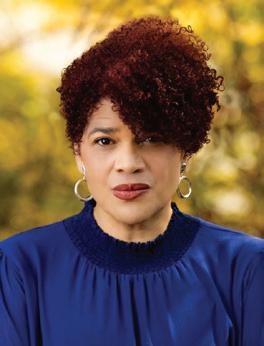
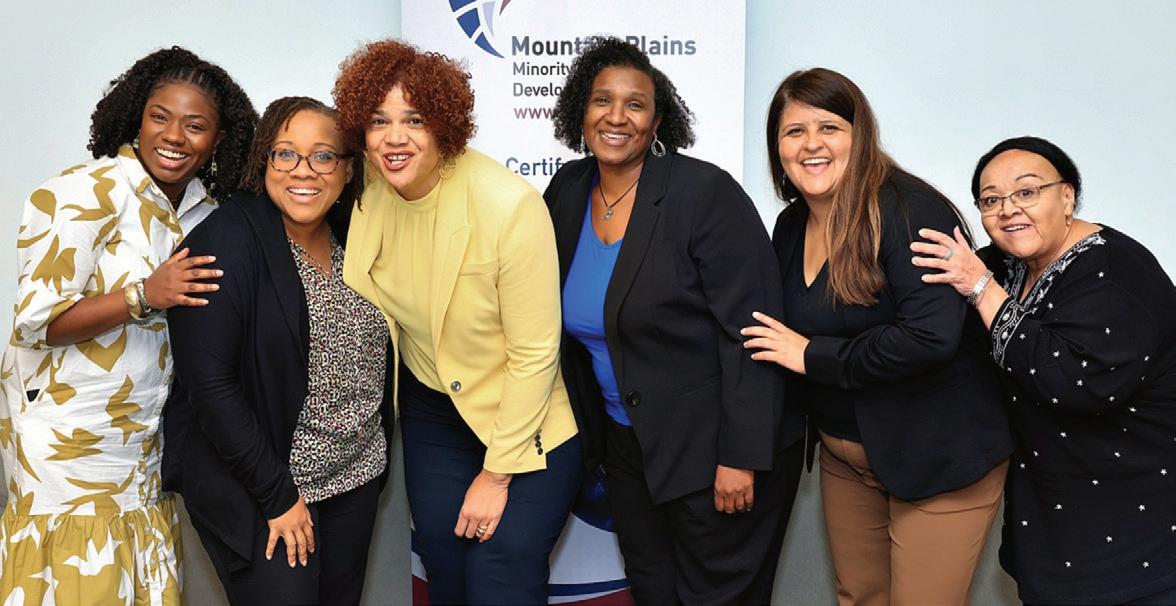
Stephanie Knight says her longterm vision as the CEO of the Mountain Plains Minority Supplier Development Council is to help expand opportunities for minority-owned businesses and strengthen the systems that support them.
She leads the nonprofit, which connects diverse business owners with certification, development resources and corporate contracting opportunities across Colorado, Western Missouri, Nebraska and Kansas. She said she was largely inspired by her father, a former president of Conagra Foods, a large international Fortune 100 company.
“I grew up in a household with a role model,” said Knight, who is based in Centennial. “I didn’t know the depth and breadth of what he was teaching me in middle school, high school, and college, but he instilled a lot of values in me and a lot of ways to connect with people, build relationships, to always honor your word, and to operate in excellence because he demonstrated that. I owe a lot to him and my mom, as they cultivated a lot of the skills and attributes that I have right now.”
Knight joined the organization in December 2025 following a national search and said staffing and operations have been rebuilt across several regions.
“We’ve made a lot of changes, there’s been some changes with the immediate team here in Colorado, so basically we’ve created a whole new team in the Colorado footprint,” Knight said. “We’ve also hired all new team members in our Kansas and Missouri market and Nebraska markets.”
Those updates, she said, are a part of a big shift within the national network of affiliated councils.
“Our national [office] has also gone through a reorg and new leadership,” Knight said. “We have a new president, Don Cravins, who came out of the federal government as well as his run-in
Businesses Thrive
urban league and [he] just is really committed to small business advocacy and work, so he’s leading the helm at the national level.”
The organization has also adjusted how businesses qualify for Minority Business Enterprise certification, centralizing that process at the national level.
“One of the most significant changes in August of 2025 is that we moved the certification process,” Knight said. “The exercise of certifying and validating your business to become an MBE to our national offices where it had been performed at the affiliate level before all these years.”
Knight said the change is especially helpful for companies seeking contracts and training.
“We stay really focused on the enablement and the on ramping of small minority business enterprises,” she said. “Some people at this juncture question the value proposition around the certification, but it’s a robust tool to gain access and to enter a community of resources and professional development.”
Looking ahead, the council is organizing a series of events aimed at helping businesses secure funding and build their workforce.
“We’re hosting a convening that will be in the fall in Colorado called Capital and Capacity,” Knight said. “The other part of the capacity is educating employers about the apprenticeship opportunities that are statewide and subsidized for an employer to garner additional talent because in addition to capital, sometimes you can’t scale or expand or grow because you don’t have the staff or the talent you need.”
More gatherings are planned in Missouri and Nebraska later this year.
“These summits are full-day events; we had one in May in Kansas City, and what we do is we engage a whole host of subject matter experts,” Knight said. “Think about marketing expertise, folks in the finance or capital readiness fields, people that have good command and understanding of AI for small business, contracting and procurement specialists that talk specifically to our MBE audience.”
Knight said the events are free and designed to connect business owners with local resources.
“We engage specifically subject matter experts in those footprints and we do host them in those footprints to have a deeper level of engagement with MBE’s that are in every one of the markets that we represent,” she noted.
Before taking the role, Knight led the Colorado Inclusive Economy, a statewide movement led by CEOs which helps leaders build Diversity, Equity and Inclusion (DEI) strategies that are affiliated with the goals of their organization, where she worked on supplier diversity initiatives.
“We had a total of four different pathways that we ran through that organization, and one of those pathways was supplier diversity,” Knight said. “For two years we hosted cohort groups. We had about 40 different companies, Colorado-based, that went through that pathway and talking about equity and opportunities within supplier diversity, so setting goals on your projects, setting yearover-year goals to spend with small and disadvantaged and local business enterprises. That work really, really
helped set the stage for me and deepened my understanding about the gaps and the needs kind of in the supplier diversity realm.”
She also worked for the city and county of Denver, gaining insight into certification, compliance and project goals.
“I got a really good orientation in terms of what it takes to become certified, to set business goals and utilization goals on a project, as well as the compliance that you have to have to get your certification through the city and county of Denver,” Knight said. “So that was a good training ground there that I applied to this role.”
Antisha Gaitan, who serves as the senior manager of MBE Engagement and Partnerships for the organization said as a minority business herself, she is excited about the work they are carrying out.
“This is an opportunity for me to be able to help them through their processes,” said Gaitan who is based out of the Kansas City, MO area. “Working with the council the focus is definitely on the other business owners and being there to serve and offer advice.”
Knight said her experience as a business owner also informs her approach.
“I’ve also been a business owner with my husband, a small business, so I’m very, very sensitive to the needs and the challenges of small business,” Knight said. “We had a small boutique farm in Southern California, and we primarily had private sector contracts.”
The council is also evaluating future fundraising efforts and partnerships, including revisiting its annual golf tournament and a special event that would include “an intimate fireside chat with two industry leaders in the supplier diversity space.”
She said recognition for her work is secondary to the mission.
“I’m very appreciative of those who’ve acknowledged me and the organizations that have awarded me based on the work that I’ve done, but I think most importantly is I never set out to garner a particular award or accolade or recognition,” Knight said. “I always focus on the work, I focus on the mission, I focus on changing
lives, helping businesses in every organization that I run.”
Gaitan agreed, adding that responsibilities remain the same for the organization, no matter what changes occur within it.
“As we go through change there may be bumps along the way, but our commitment does not change with what the organization was originally built upon,” Gaitan said. “Our team has really strived to make sure that we stay on course with the values and objectives of the organization.”
Knight said strengthening ties with corporate partners will be critical moving forward.
“Being highly responsive, being ready when they put out a bid opportunity, or they share a contract opportunity,” Knight said. “We have a good social media presence; we push out, and we advertise contract opportunities on a regular basis for access, and we make good matchmaking and connectivity. Those are some of the things that we do to shore up our relationships with our corporate partners.” ♦
ED DWIGHT: Casting a Legacy
History Colorado Celebrates the Extraordinary Life and Legacy of Ed Dwight
By Ursula James and LaTerrell Bradford
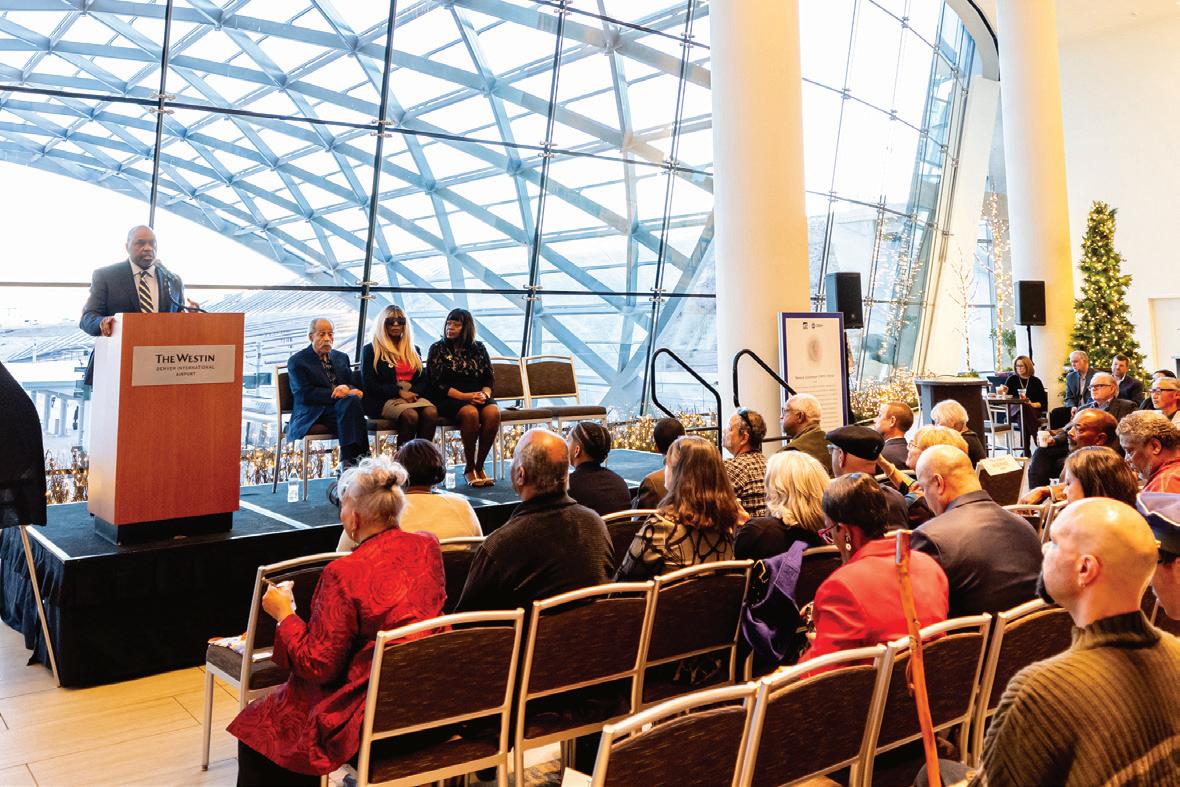
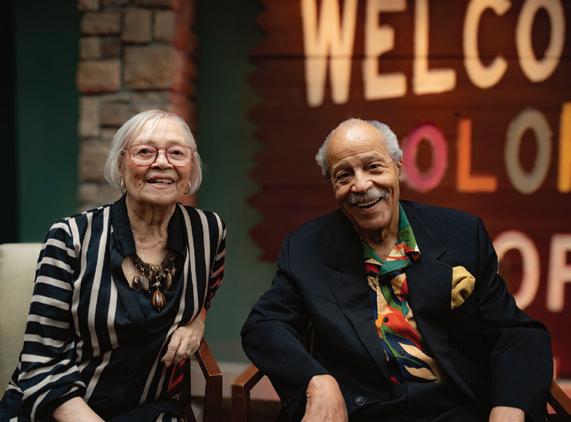
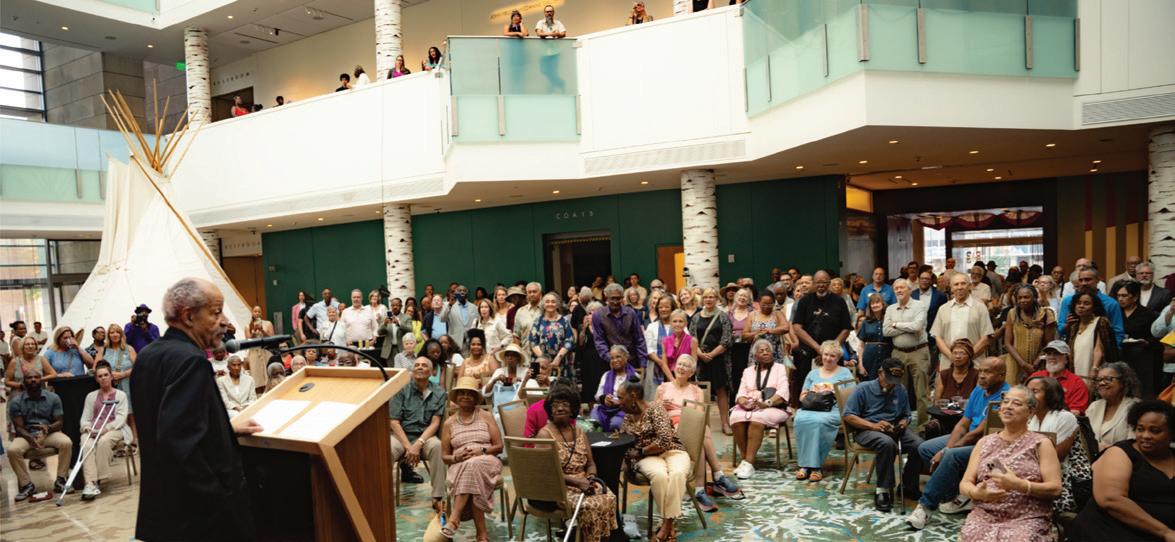
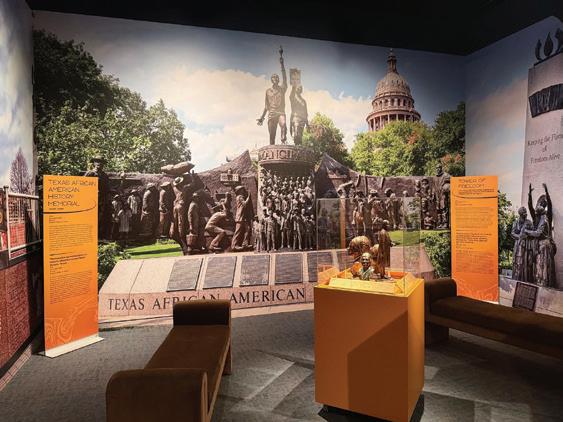
History Colorado honored the extraordinary life and artistic legacy of Ed Dwight during a special reception marking the opening of Ed Dwight: Casting A Legacy exhibit dedicated to the pioneering astronaut candidate and internationally acclaimed sculptor.
Community members gathered at the History Colorado Center on July 16 to celebrate Dwight, whose contributions hold special significance as the nation commemorates the 250th anniversary of the signing of the Declaration of Independence and Colorado prepares to recognize 150 years of statehood.
Dwight’s sculptures and artwork form the centerpiece of the exhibit, but they represent only one chapter of a life defined by courage, perseverance and discovery.
In 1961, President John F. Kennedy’s administration selected Dwight to become the nation’s first Black astronaut candidate. A U.S. Air Force pilot, Dwight completed the required training but was not selected for NASA’s astronaut corps following Kennedy’s assassination.
Dwight’s long-delayed journey into space also drew enthusiastic recognition during the reception. In 2024, at age 90, he traveled aboard Blue Origin’s New Shepard spacecraft, becoming the oldest person to reach space. Audience members
responded with amazement and delight as the historic achievement was acknowledged—a fitting, full-circle moment for the man once denied the opportunity to join NASA’s astronaut corps.
During the reception, Dwight reflected on his childhood, his military service and the experiences that eventually led him to become one of the world’s most celebrated sculptors. He also spoke about his relationship with George L. Brown, Colorado’s first Black lieutenant governor, who encouraged Dwight to use his artistic talents to preserve Black history.
Brown commissioned Dwight to create sculptures depicting prominent Black historical figures. At the time, Dwight acknowledged, he knew surprisingly little about the people whose lives and accomplishments he would eventually immortalize in bronze.
Brown responded by giving him a collection of books chronicling the history and achievements of Black Americans. What Dwight learned transformed both his perspective and the direction of his artistic career.
“I felt cheated; I had never been taught about the history and accomplishments of my people,” Dwight recalled. “I was 42 years old when I learned about Harriet Tubman.”
That realization inspired a body of work celebrating figures whose contributions had too often been overlooked or excluded from traditional accounts of American history. Dwight eventually became one of the world’s most sought-after sculptors, creating monuments and memorials that honor Black leaders, pioneers and historical events.
At 92, Dwight continues to inspire audiences through his remarkable journey and enduring creative legacy. The reception brought together his family, friends and community members for an evening of storytelling, remembrance and appreciation for a Colorado icon whose work has helped broaden the nation’s understanding of its history. ♦
Editor’s note: The Ed Dwight: Casting A Legacy exhibit will remain on view at the History Colorado Center through Feb. 28, 2027, offering visitors an opportunity to experience his sculptures and explore the extraordinary life behind the art.
Photos courtesy of History Colorado
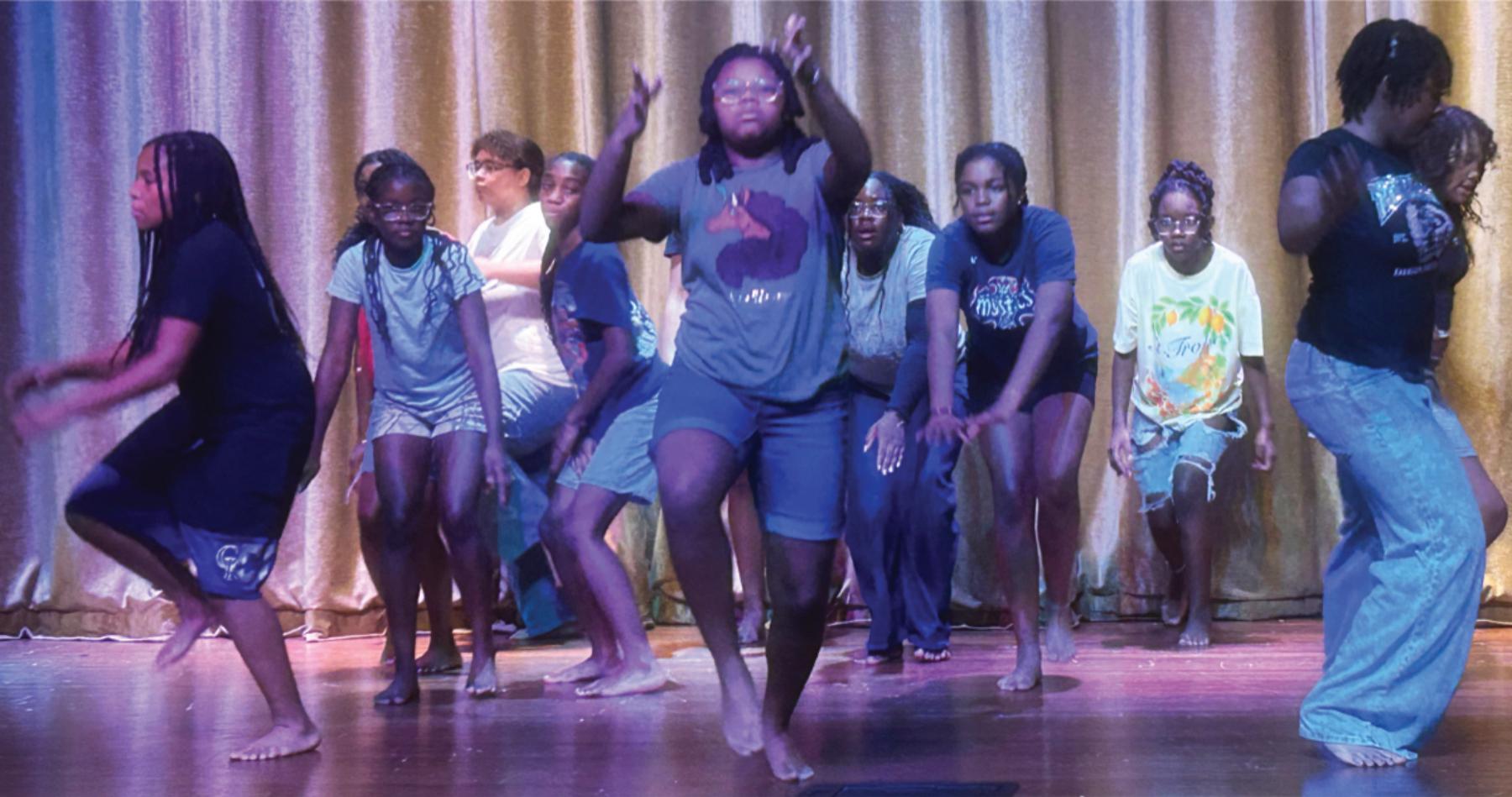
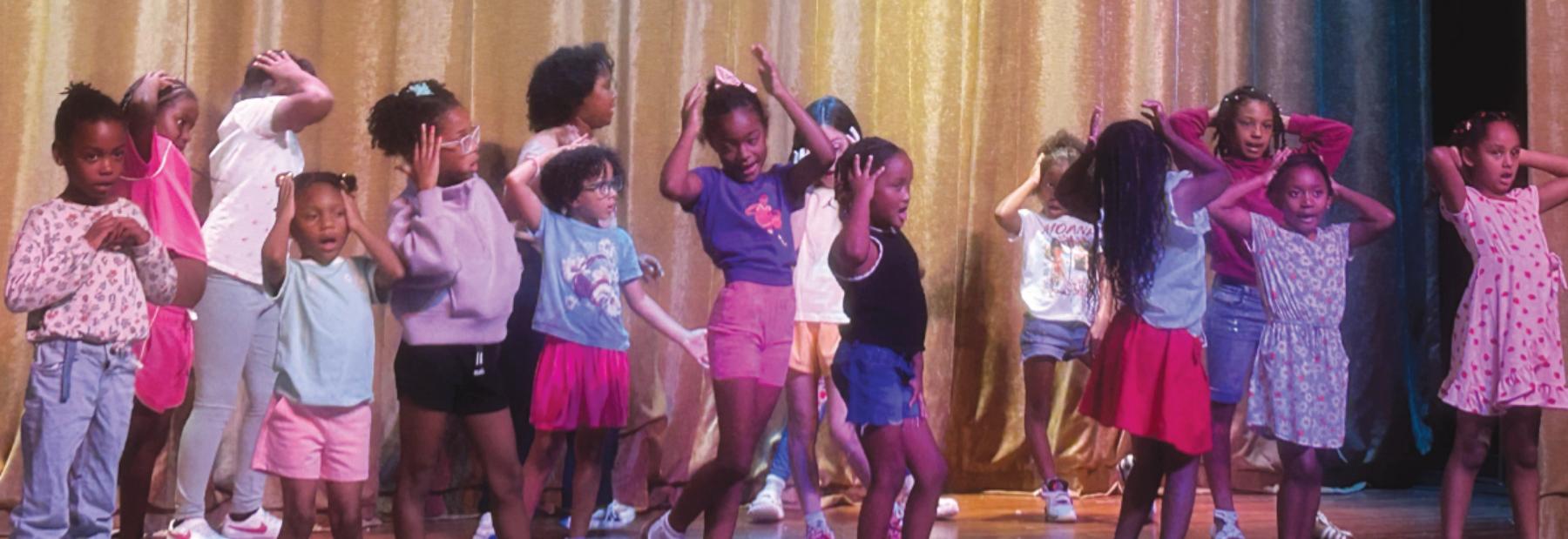
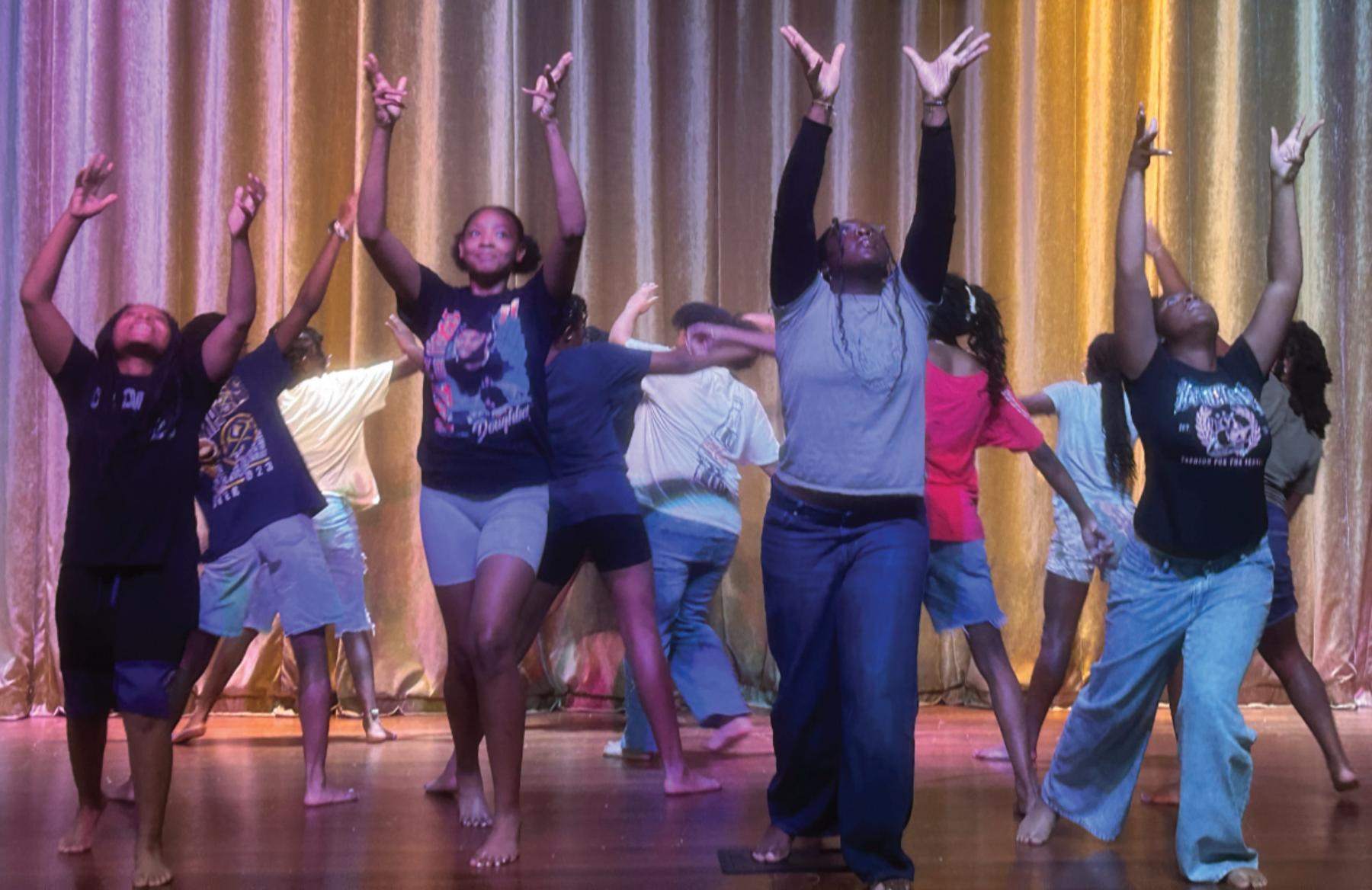
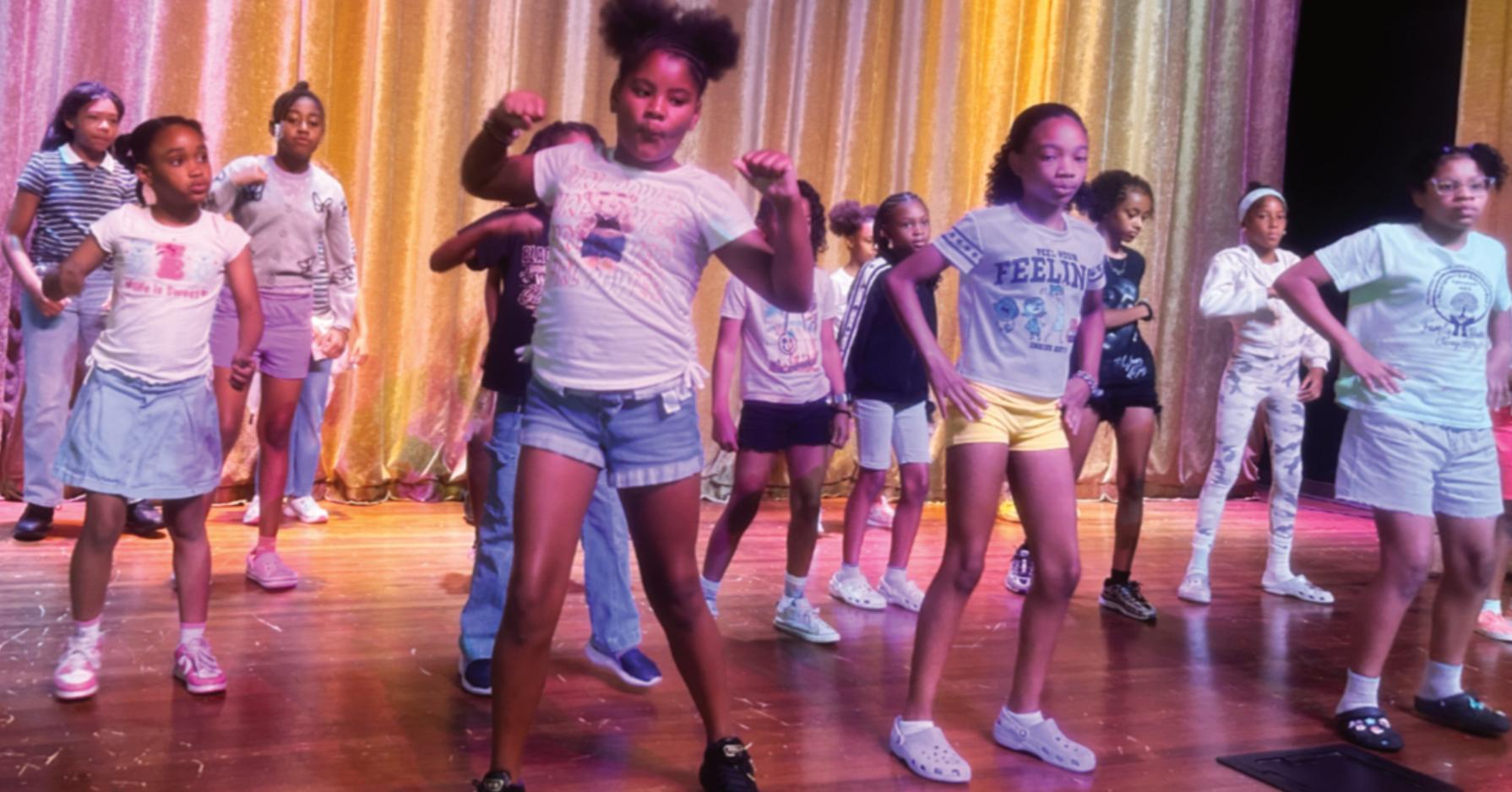
Opening Act Theatre Summer Camp Showcase “Our Crowns” Culminating a two-week summer camp, Opening Act Theater presented Our Crowns on Friday, July 24 at the Centennial Hall, located at 1800 Pontiac in Denver. The showcase honored Black hair as a reflection of identity, history, creativity, and self-expression. Performed by young girls, ages 5 to 16, the showcase brought together 57 girls for intensive theater arts, vocal training, movement, and storytelling to the stage. The summer camp was held from July 13 to 24, 2026. For more information, visit https://openingacttheatre.org/.
ALL THINGS BOYS
Boys Become What Their Environment Repeats About Them
By Dr. Dedrick J. Sims
Ihave never met a boy who was born believing he was not smart enough to succeed in school. I have never met a boy who entered kindergarten believing he was destined to disappoint his family, become another discipline problem, or spend his life reacting to circumstances instead of shaping them. Those beliefs are learned over time because every environment teaches boys something about themselves.
Several years ago, a sixth-grade student named Jeramiah walked into one of our schools carrying something much heavier than his backpack. His fifth-grade teacher had already decided what he was capable of, and somewhere along the way, he accepted her opinion as though it were the truth. By the time I met him, he had stopped expecting much from himself because the adults around him had already lowered their expectations of him.
One afternoon, I handed Jeramiah an assignment that many people assumed would be beyond him. He quietly completed the work, and when I began reading what he had written, I realized I was looking at a brilliant young man. The ability had always been there. What
had been missing was an environment willing to see it.
That experience has stayed with me because Jeramiah was not an exception. During the past three decades, I have met thousands of boys carrying stories about themselves that they did not write. Somewhere along the way, someone looked at their behavior, their neighborhood, their family circumstances, or the mistakes they had made and quietly decided what they could become. Over time, those opinions became beliefs, and those beliefs began shaping how those boys saw themselves.
Boys Believe What Is Repeated
Identity is rarely formed by a single conversation. It is built through repetition. Boys pay attention to what adults expect of them, who gets trusted with responsibility, who receives grace after making mistakes, and who is constantly reminded of what they did wrong. They notice which students are viewed as leaders and which students are viewed as problems long before anyone says those words out loud.
Every interaction teaches something. A teacher communicates belief through the assignments she gives and the questions she asks. A coach communicates belief by deciding who can handle responsibility when the game is on
The systems surrounding boys are always producing something. If we want different outcomes, we have to examine what those systems are reinforcing every single day.
Belonging Is Built Through Experience
Belonging is not something we create with slogans posted on walls or themes printed on T-shirts. Boys believe they belong because of what they experience repeatedly. They experience adults who know their names. They experience teachers who refuse to lower expectations. They experience mentors who challenge them because they see something worth developing. They experience accountability that communicates, “I am correcting you because I believe in who you can become.” That kind of environment changes how boys see themselves.
the line. Parents communicate belief through the standards they set and the confidence they express when life becomes difficult. Boys are constantly collecting these messages, and eventually they begin repeating them to themselves.
That is why environments matter so much. They do not simply influence behavior. They shape identity.
Expectations Become Outcomes
Over the years, I have watched boys rise when adults expected more from them, and I have watched boys shrink when expectations quietly disappeared. In many cases, the difference was not intelligence, talent, or potential. The difference was whether someone created an environment that consistently reinforced possibility instead of limitation.
Too often, we focus on changing boys without examining the environments surrounding them. We ask why a student lacks confidence without asking what experiences have taught him to doubt himself. We wonder why a young man has disengaged from school without asking whether school has consistently communicated that he belongs there. We spend tremendous energy trying to repair outcomes while giving far less attention to the conditions producing those outcomes.
I think often about my own life. Growing up in Pine Bluff, Arkansas, there were adults who saw possibilities in me before I fully saw them myself. My grandmother, Betty Jean Sims, never allowed our circumstances to determine my expectations. Later, Sergeant Hudson looked me in the eye and told me something I have carried for the rest of my life: “It is not what people call you. It is what you answer to.”
Looking back, I realize those words did more than encourage me. They interrupted a story that could have defined my future. Every boy deserves adults willing to do the same.
What Adults Must Understand Now
The future of boys will not be determined by motivation alone. It will be determined by the environments we intentionally build around them. Boys become who they repeatedly believe themselves to be, and those beliefs are shaped every day by the families, schools, organizations, neighborhoods, and communities entrusted with their development.
Jeramiah did not become brilliant the afternoon I handed him that assignment. He had been brilliant all along. What changed was that someone finally created an environment where his ability could be seen. I often wonder how many other boys are still waiting for someone to see what has been there all along.
If we are serious about improving outcomes for boys and young men, we have to stop asking why so many of them are struggling without also examining the environments we have built around them. Boys are constantly learning who they are from the expectations, relationships, opportunities, and experiences we create every day. When those environments consistently communicate possibility, responsibility, and belonging, boys begin believing those things about themselves. When they repeatedly communicate limitation, boys often begin believing that instead.
The future of boys will not be determined by whether we ask them to dream bigger. It will be determined by whether adults are willing to build schools, families, organizations, and communities that consistently reinforce the belief that every boy is capable of becoming more than the circumstances surrounding him. Boys become what their environments repeat about them. That is not simply an observation. It is a design challenge, and design challenges can be solved.
If this conversation resonates with you and you would like to continue the dialogue around mentoring, adolescent
development, or building stronger systems of support for boys and young men, you can reach me directly at dedrick@djsventures. org. ♦
Editor’s note: Dr. Dedrick J. Sims is the Founder and CEO of the Sims-Fayola Foundation, creator of The Sims Framework, and author of the monthly All Things Boys column in The Urban Spectrum. A nationally recognized leader in systems design and youth development, he advises communities, educators, and policymakers on building systems of belonging that help boys and young men of color thrive. Learn more at www.sffoundation.org.
GREGORY PORTER
Every Song Begins and Ends with Gratitude
An unexpected conversation with one of music’s most soulful voices revealed that behind every note is a lesson in love, legacy and the enduring influence of a mother named Ruth.
By Rosalind “Bee” Harris
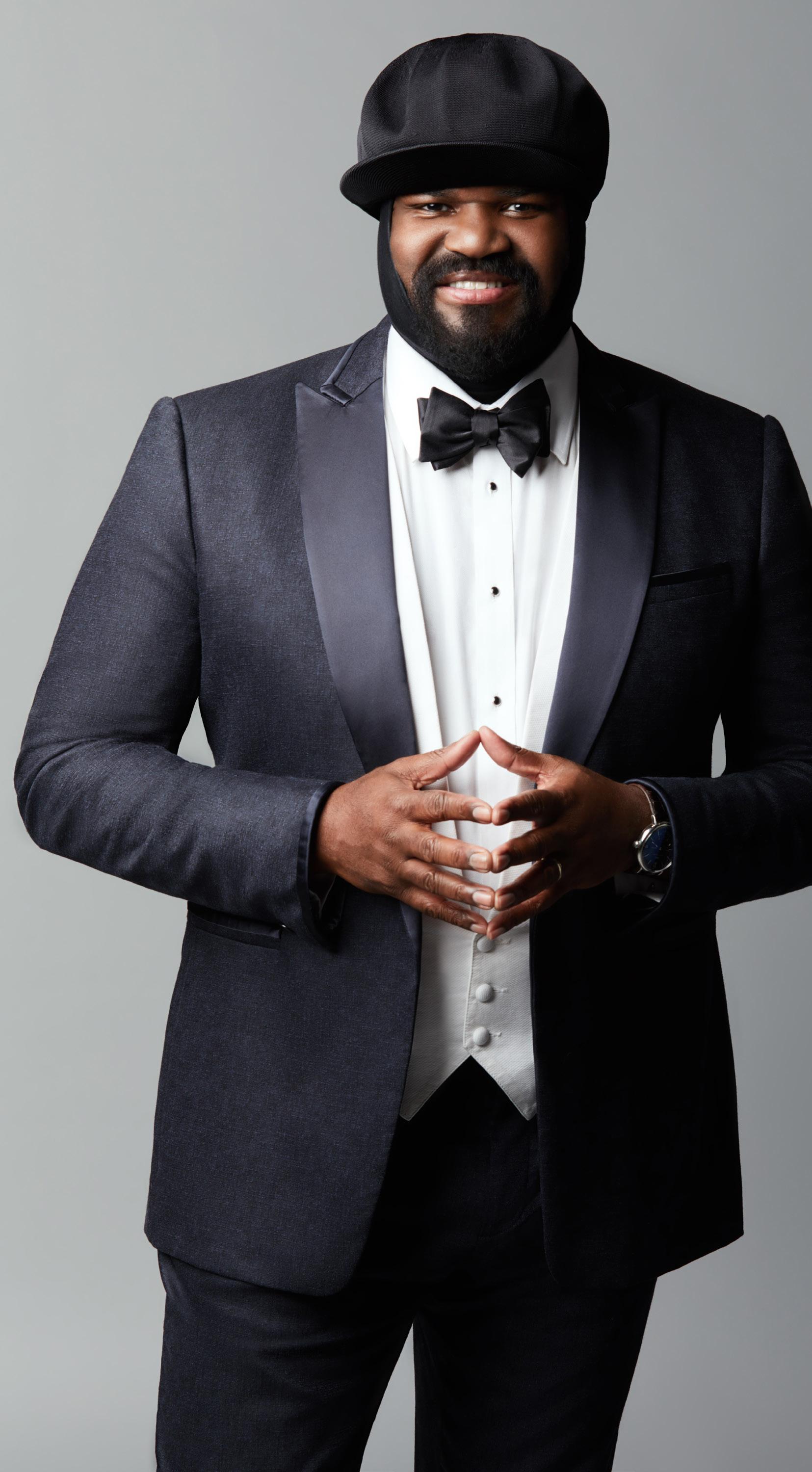
I expected to squeeze in a short interview with internationally acclaimed jazz singer-songwriter Gregory Porter during his tightly scheduled European tour. Instead, he treated me to an in-depth conversation that stretched into inspiring tangents.
When our Zoom connection opened, Gregory was winding through the mountains of northern Italy on a rare day off between concerts. Before we could begin, he apologized with his familiar warm smile, safely pulled his vehicle to the side of the road, repositioned his phone and settled in as though we had all afternoon.
That simple gesture told me everything I needed to know about the man I was about to interview. There was no rush, no celebrity distance, no publicist hovering over the conversation.
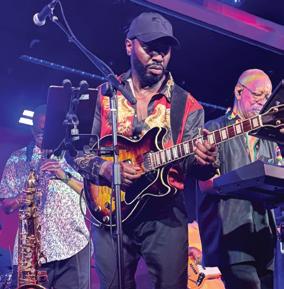
To prepare local audiences for Gregory’s August performance at the Denver Botanic Gardens, I snagged the opportunity to talk with one of my favorite musical artists for a Denver Urban Spectrum exclusive feature story.
What was scheduled as a 20-minute interview became nearly 40 minutes of conversation, not because anyone was watching the clock, but because Gregory was fully present, genuinely engaged and simply enjoying the exchange. That, more than anything, revealed the man behind the music.
We talked about music, family, faith, race, legacy, joy, pain and the remarkable woman who shaped the artist the world has come to know.
When our conversation ended, I realized I hadn’t simply interviewed one of the greatest jazz vocalists of our generation. I had spent time with a man whose greatest song may not be one he has written at all. It is gratitude.
Some people sing songs. Gregory Porter sings gratitude. It is woven into every answer, every memory and every story he tells.
Long before Grammy Awards, sold-out concert halls and international tours, there was Bakersfield, California.
There, a young Gregory followed his mother, Ruth, as she ministered to people many others overlooked.
He remembers singing for people living on society’s margins—individuals struggling with addiction, homelessness and despair. While others may have seen brokenness, Ruth Porter saw humanity. Her son learned to do the same.
Those experiences became his earliest education—not simply in music, but in compassion. As Gregory reflected, “I learned that everybody deserves dignity.”
It is impossible to separate Gregory Porter the artist from Gregory Porter the son. Again, and again our conversation returned to Ruth, not because I steered it there but because Gregory did.
When I asked whether he ever imagined the remarkable success his career would achieve, he answered not with a list of accomplishments but with gratitude for the woman who believed in him before anyone else knew his name. Even now, years after her passing, he speaks of her in the present tense—as though her encouragement still accompanies him every time he walks onto a stage. Perhaps it does.
Like many listeners, I’ve often wondered whether his songs emerge from personal experience. His lyrics explore longing, hope, disappointment, forgiveness, love, healing.
When I asked whether those deeply personal stories came from his own
life, his answer was refreshingly honest. Sometimes they do. Sometimes they belong to someone else whose story deserves to be told. Other times they emerge from simply observing humanity.
For Gregory, songwriting is less about autobiography than empathy. His remarkable gift is entering another person’s emotional landscape and inviting listeners to recognize themselves there. That may explain why audiences around the world feel as though Gregory isn’t performing to them. He’s singing with them.
“Yeah, I do dabble with masculine vulnerability,” he explained. “Finding some way to speak about love…it’s something that I’m trying to do in my own life and so that’s what they hear. What I love is when I’m walking in Brooklyn and it’s a big-strong-baggypants-wearing-hat-tip-to-the side young man says ‘Hey, hey, you that brother, who sing that song Be Good, you know?’ Yeah, it’s this really tender song. Right. And you wouldn’t imagine, you know, a cat like that would love it. He’s like, ‘Yeah, oh man, that’s me and my girl’s song. I love it.’ Yeah, I love that. I love that I can reach any group of people with the music.”
Our conversation eventually turned toward legacy. Awards are wonderful. Gold records are meaningful. Standing ovations never lose their magic. But Gregory seemed far more interested in what remains after the applause fades. He spoke thoughtfully about Black history, about the generations who
created American music while often receiving little recognition, and about the responsibility artists have to honor those whose shoulders they stand upon.
His own music reflects gospel, jazz, soul, blues and folk traditions not as separate genres but as one continuous conversation.
“I stand on the shoulders of some people that laid it down before me. Not just Nat King Cole, but Nina Simone, Ella Fitzgerald, Sammy Davis Jr., you know. Just all of those great voices that had great, great tradition. And so, yeah, I think I feel like I am following in the footsteps of people that have laid down an avenue in which to travel musically and even footsteps, physical footsteps on this earth because as I’m here in Europe representing a tradition of a music, a track record of, in a way, greatness that was laid down for me more than 50 years ago. I’m here because of Louis Armstrong. They saw Louis Armstrong and they’re like, ‘Oh, we want some more of that.’ Right. You know, well, who’s next? So, I’m thankful. It’s no small thing to honor the tradition because the tradition is honoring me,” he said.
Listening to Gregory wasn’t simply hearing beautiful music. It was hearing generations speak to one another. Then something unexpected happened. As conversations sometimes do, ours became personal.
I shared that my own mother’s name was Ruth and that I had written a book about her titled “The Story of Ruth.”
Gregory paused. His smile widened.
“The Story of Ruth,” he repeated softly, almost savoring the words. “What a beautiful title.”
For a brief moment, the interview disappeared. There were no questions, no prepared notes, no famous musician,
no publisher. We were just two people talking about mothers whose love continued shaping their children’s lives long after the matriarchs were gone.
“She had three or four more days that she lived before we had a conversation about what I was going to do with my life,” he reminisced. “She was telling me about what to do when you have your first child and how to buy a house. And she was just downloading as much information as she could to me. It was three o’clock in the morning. And she said, ‘Gregory, don’t forget about your music. You know, that’s the best thing you do. Don’t forget about it. Sing, baby sing.’”
It was, for me, the most memorable moment of my conversation with Gregory, and my heart was full. Our conversation naturally shifted from the lessons he learned from his mother to the legacy he hopes to leave his own children. When I asked about the young boy featured in Don’t Lose Your Steam, Gregory smiled before explaining.
“I have two kids…the little one [in the video] is now 13 and I have a 4-yearold…they inspired me doing that thing I did with my record and subsequent records after that,” he said. “If I draw from personal experience, something real…something that moves me; it’ll always be authentic. And so, when I write something, when I wanted to say to my boys, get me to the other side of your life, which is what I’m trying to do with my mother. I’m trying to get her to the other side of my life. I’m trying to get her memory and her message to my kids, and I want them to take that message mixed in with me, get it to the other side of their lives. I want legacy, tradition. This is what I meant with that song. And so, you think about those things when you have children. You think about, what am I going to give them? What am I going to leave them?”
Gregory has often been described as possessing one of the most recognizable voices in contemporary music. Critics praise its richness. Fans admire its warmth. Musicians marvel at its emotional depth. All of those descriptions are true.
But after spending time with him, I believe they describe only part of what audiences hear. What truly resonates is authenticity. He never performs gratitude. He lives it.
Whether discussing his childhood, his mother, his fans or the privilege of
traveling the world through music, there is an unmistakable humility that refuses to be overshadowed by success. That humility may be his greatest gift.
In a world often captivated by celebrity, Gregory remains captivated by people. He revealed, “I’m thankful to have a profession that fits me, that fits my personality…I’m not saying I’m immune to criticism or the professional critics that write in magazines or paper, but I’m not making songs for them. I’m making songs for you. So, if I write a song about my mama, it’s untouchable. A critic can’t touch it. You have nothing to say because there’s nothing there that’s for you. You understand? So, I’m not saying that I don’t care what they say because I do. I want to be received well. But my point is: if you’re singing for God, your mama or for your loved ones, that’s who it’s for.”
As our conversation came to a close, we spoke about his upcoming return to Colorado and the excitement of performing once again for Denver audiences.
Anyone attending the concert will undoubtedly hear the soaring vocals, impeccable musicianship and beloved songs that have earned him fans around the globe. But I hope they also hear something else.
If you are so lucky as to make it to the concert, listen closely between the notes. You’ll hear the lessons of a mother named Ruth. You’ll hear compassion for people often forgotten. You’ll hear history, hope, faith and gratitude.
Because after spending nearly 40 minutes with Gregory Porter, I came away believing something I hadn’t expected when our Zoom call began in the mountains of northern Italy. His greatest instrument isn’t simply his extraordinary voice. It’s his extraordinary heart. And perhaps that’s why his music lingers long after the final note.
Every song begins – and ends –with gratitude.
Publisher’s note: Gregory Porter performs at the Denver Botanic Gardens on August 10. For tickets and information, visit https://www.botanicgardens.org/. To watch the complete Denver Urban Spectrum interview with Gregory, visit our YouTube channel and experience the warmth, wisdom and humor that made this conversation one I will never forget.
Editor’s note: ChatGPT was used in helping structure and streamline the transcription of the Zoom interview.
How America’s New Housing Law Could Reshape the Dream of Homeownership FROM EMPTY BUILDINGS to New Beginnings
By Barry Overton
For millions of Americans, the dream of owning a home has felt increasingly out of reach.
Home prices have climbed, housing inventory has remained tight, and higher interest rates have made monthly payments more difficult for many families to afford. Here in Colorado, and particularly throughout the Denver metropolitan area, many first-time buyers have wondered whether homeownership would ever become attainable again.
A new federal law aims to change that. At 12 a.m. on July 11, the 21st Century ROAD to Housing Act officially became law. Interestingly, it did so without the President’s signature. While that may sound unusual, it is completely constitutional. If a bill passes both the House of Representatives and the Senate and the President neither signs nor vetoes it within the required time while Congress remains in session, it automatically becomes law.
The legislation had already earned overwhelming bipartisan support in Congress, reflecting a shared recognition that America’s housing shortage has become one of the nation’s most pressing economic challenges.
So, what does this new law actually do? In simple terms, it is designed to make it easier to build more homes, modernize outdated housing programs, encourage redevelopment of underused properties, and create more opportunities for families to achieve homeownership.
The biggest issue facing today’s housing market is surprisingly straightforward: there simply are not enough homes available.
When there are more buyers than homes for sale, prices naturally increase. That shortage has made it difficult for first-time buyers, working families, teachers, healthcare workers, veterans, and many others to purchase a home in the communities where they live and work.
Rather than focusing only on helping buyers compete for the limited number of homes already on the market, the 21st Century ROAD to Housing Act focuses on increasing the overall housing supply.
One of the most exciting provisions encourages the conversion of vacant commercial buildings into residential housing.
Across the country, many office buildings, shopping centers, hotels, and other commercial properties remain underused following changes in how Americans work and shop. Instead of allowing these buildings to sit empty, the new law creates programs that encourage developers and local communities to transform these properties into apartments, condominiums, workforce housing, and affordable homes.
Imagine an empty office building in downtown Denver becoming hundreds of new homes. Picture a struggling shopping center being reimagined as a vibrant mixed-use community where families can live, work, shop, and gather. Those are the kinds of innovative redevelopment projects this legislation hopes to inspire.
The law also seeks to reduce unnecessary federal delays that can slow housing construction. While local governments will continue making zoning and permitting decisions, streamlining portions of the federal review process could help qualified projects move from the drawing board to construction more efficiently.
Another important feature authorizes pilot programs to expand access to smaller mortgage loans. In many communities, buyers looking at lowerpriced homes often have difficulty obtaining financing because smaller loans can be less attractive for lenders to originate. Expanding access to these loans could help more families purchase entry-level homes and begin building long-term wealth through homeownership.
The legislation also updates several long-standing housing programs administered by the U.S. Department of Housing and Urban Development (HUD), providing communities with additional tools to preserve affordable housing, encourage neighborhood revitalization, and support responsible housing development.
Will this law immediately lower home prices? Probably not. Housing markets do not change overnight. Builders still need time to construct homes. Federal agencies must develop regulations, and state and local governments will determine how best to use many of the new programs. The full impact will likely unfold over several years rather than several months.
Even so, this legislation represents an important shift in national housing policy. Instead of treating the
symptoms of the housing shortage, lawmakers are attempting to address one of its root causes: a lack of available housing. Most housing economists agree that increasing supply is one of the most effective long-term strategies for improving affordability.
For Colorado, that could be especially meaningful. Denver continues to attract new residents because of its strong economy, exceptional quality of life, and diverse employment opportunities. Yet many families have watched housing costs rise much faster than incomes. The new law provides communities with additional tools to help close that gap through new construction, adaptive reuse projects, and expanded financing opportunities.
Perhaps the greatest impact of the 21st Century ROAD to Housing Act is not found in any single program or policy. It is found in the renewed sense of possibility it creates.
For young families saving for their first home, it offers hope that more inventory could become available. For neighborhoods with vacant buildings, it presents an opportunity for revitalization instead of decline. For communities seeking economic growth, it creates pathways for investment, redevelopment, and long-term stability.
Homeownership has always represented far more than owning four walls and a roof. It has been one of the most powerful tools for building financial security, creating generational wealth, strengthening neighborhoods, and investing in the future.
The 21st Century ROAD to Housing Act is not a magic solution, and it will not solve every housing challenge overnight. But it does represent one of the most significant federal commitments to expanding housing opportunities in decades.
For future homebuyers throughout Denver and across America, that commitment may be the beginning of a brighter chapter—one where the American Dream is no longer slipping away, but becoming attainable once again. ♦
Editor’s note: Barry Overton is a Denverbased real estate advisor, veteran, and mentor. He helps investors, homeowners, and agents unlock wealth-building opportunities across the country. Follow him for more insights on market trends, AI in real estate, and personal development for entrepreneurs. Contact him at 303-668-5433
in the 2026 FIFA World Cup WHY I ROOTED FOR FRANCE
Op-Ed by Jordan Coburn
Iwanted France to win the 2026 FIFA World Cup mainly because forward Kylian Mbappé has been my favorite soccer player ever since I watched him play in the 2022 World Cup final. France wasn’t able to win its third World Cup this year because it didn’t have the same drive it showed in its last World Cup final appearance, when the team lost to Argentina in a penalty shootout.
This year’s team stood out because Mbappé wasn’t the only player to score five or more goals. Forward Ousmane Dembélé impressed me the most because of how much he improved, scoring six goals in this year’s World Cup after not scoring at all in the previous tournament. One personal reason I supported France is that, as an African American, I felt a stronger connection to the team because more than half of its players are of African descent. I never realized that was possible for a national team representing a European country.
France was eliminated in the semifinals after a 2-0 loss to Spain, the eventual World Cup champion. The defeat also ended any chance of a France-Argentina rematch from the 2022 final. The momentum shifted when France defender Lucas Digne fouled Spain forward Lamine Yamal, leading to a penalty kick that Mikel Oyarzabal converted in the first half. France never recovered after Spain defender Pedro Porro scored early in the second half.
I also think coaching decisions played a big role in the loss. France waited too long to substitute Bradley Barcola for Désiré Doué, making the change just before Spain scored its second goal. I also couldn’t understand why midfielder N’Golo Kanté barely saw the field—not just in this game, but throughout the tournament. Spain played with more urgency, controlled possession, and consistently put pressure on France’s defense.
France wasn’t as good as many people expected and fell short of its potential. I know I’m not the only fan who believes anything less than a trip to the final feels disappointing for a team this talented. Going forward, I think France needs to do a better job of using its full roster. There could be a hidden gem on the bench who helps lead the team in the next World Cup. Even though England defeated France 6-4 in the thirdplace match, it was encouraging to see France score four goals after being shut out by Spain.
I still believe France was capable of winning the World Cup, but I also think the team underestimated Spain and may have been looking too far ahead to a possible rematch with Argentina. I’ll definitely keep rooting for France, and I’m hopeful they’ll be back on top in 2030. Great teams learn from tough losses, and I think this one will make France even stronger. ♦
Editor’s note: Jordan Coburn is a senior at the University of Kansas majoring in journalism and aspiring to become a sports writer. This summer he is interning with the Colorado Association of Black Journalists (CABJ) and Denver Urban Spectrum.
SHAWN COREY CARTER Where Are You?
By Thomas Holt Russell, III
In the future, our society will wonder why some of the richest and most powerful people remained silent during the weakest and most convoluted time in American history since the Civil War. The Supreme Court is methodically stripping away the rights that Black people have been beaten, bled, and died for. Our leaders, instead of pushing back and leading the way, are attacking each other on social media platforms. Comedians, actors, singers, dancers, commentators, and athletes are all fighting over the placement of the deckchairs while the ship is sinking.
Our elected leaders are cowardly and seem driven by their own selfinterest rather than the interests of those who elect them. The present administration is blatantly ripping off our tax money in the bright light of day, while celebrities such as Stephen A. Smith mistake financial success for validation of their intelligence and worth, and instead of using their platforms to help fight the current attack on and erosion of the laws won during the civil rights era, he and many like him prefer to take the buffoonery route.
He is joined by many others who make a sizable living from attacking African American culture and, in particular, Black women, every chance they get. Attacking Black women seems to be the number one sport of White Republican men. Uncle Toms
such as Candace Owens, Clarence Thomas, and Jason Whitlock are the darlings of right-wing media, and they make money denigrating people who look exactly like their own Black mothers. We are in a shit show. However, there is one person who could make a difference: Imagine if Shawn Corey Carter decided to run for president!
Is he qualified for president? Hell no! Is he smart enough? Yes, but intelligence is apparently not a qualification for the presidency. Does he represent moral leadership? Again, the answer is hell no, but who really cares? This is not 1976, when celebrities were not seriously considered to be viable candidates for president. We are in a time when personality, or the cult of personality, is all that matters. Celebrity outweighs real leadership. There are people out there doing great work, of course, but we do not see them unless they are already famous.
The spectacle of it all matters. Qualification does not matter. Meritocracy does not exist. Carter has exactly what it takes: money, personality, and potentially the most famous First Lady of all time. And he has a child who has the potential to be one of those poor little rich girls nobody understands, but everyone loves. There can be baked-in sexual scandals with security details and other shenanigans that would fit
perfectly in our celebrity-obsessed culture. I’m sure a couple of stripper stories will find their way into the mix. He can surround himself with the right people so he does not have to worry about the tedious duties of running a country. If things go left, just say things went right and keep going.
The worst part about this is that I am 100% serious. This is how bad things are. Everything about America has been getting worse every day since this administration came to power. In a perfect world, Wes Moore would be our next president, but I do not trust that common sense will have any significant role in this next election.
Where are the people whose morality outweighs the desire for financial gain and adulation? Where are the leaders who would risk money, comfort, access, and popularity to do what is right and needed? If Socrates were walking around here asking questions, he’d be killed again. A society that worships fame, or more accurately, mistakes fame for real leadership, should not be surprised when it finds itself in a leaderless desert. ♦
Editor’s note: Thomas Holt Russell is the founder of SEMtech (Student Engagement & Mentoring in Tech), a writer, educator, photographer, modern-day Luddite, Existentialist, and secular humanist
of Ebola on East Africa THE HIDDEN IMPACT
Op-ed by Cynthia James, GLI Board Chair and Ryan Grundy, CEO, GLI
School is out for the summer, and thousands of high school and college students across America are preparing to use their passports and experience the world beyond their own communities. For many, it will be their first time traveling abroad, building relationships across cultures, and stepping outside their comfort zones.
For students planning to travel to Uganda this summer, those plans have changed.
The headlines are focused on a deadly Ebola outbreak moving through parts of the Democratic Republic of Congo and into neighboring Uganda. Public health officials are doing what
they should do, working to contain the virus and protect lives.
The most important story, of course, is the human one. Ebola outbreaks cost lives, place enormous strain on families and healthcare systems, and require extraordinary efforts from frontline health workers to contain them. Protecting public health must remain the priority.
But there is another story unfolding that rarely makes the news.
At the Global Livingston Institute, we have spent nearly two decades building relationships between students in the United States, Uganda, and Rwanda. Every summer, young people come together in classrooms, villages, and communities to learn from one another
of these families. When the visitors stop coming, the economic consequences are immediate.
The impact of Ebola is measured first and foremost in its public health consequences.
But it can also be measured in students who never meet. In scholarships that become harder to sustain. In families who lose income. In community organizations struggling to keep local staff employed. It is measured in opportunities lost and relationships postponed.
The effects also ripple far beyond the outbreak itself. Countries like Rwanda, which have reported no cases, often experience declines in tourism because developments in one country can shape how travelers view the broader region.
Perceptions travel faster than facts.
and challenge their assumptions about the world.
This year, those classrooms are empty. Like many organizations, our summer programs have been canceled. More than 300 students who were supposed to learn together will no longer have that opportunity. Twenty local Ugandan staff members who help make these programs possible now face an uncertain season.
When student trips are canceled, the impact extends far beyond the travelers themselves.
Tourism slows. Income disappears. Families who rely on seasonal work lose wages they count on to pay school fees, buy food, and access healthcare. There is no safety net waiting for many
None of this diminishes the seriousness of Ebola. The virus is real, and the efforts to contain it are essential. But if we only pay attention to the headlines, we miss the broader consequences for the communities working every day to build stronger futures.
This summer, our global classrooms will be quieter than usual.
But this moment is also a reminder of why we invest in these relationships in the first place. The challenges facing communities in East Africa cannot be solved through isolation. They are solved through partnership, education, and a commitment to seeing one another as neighbors in a shared world.
That, too, is part of the story.
If you’d like to help GLI continue creating opportunities for young people to learn across cultures and build lasting global relationships, visit www.globallivingston.org. ♦
Engineering students from the University of Colorado Boulder and Kabale University collaborate at GLI’s Entusi Resort and Retreat Center in Uganda during a hackathon to develop better water access in Uganda.
Johnston wants universal childcare in Denver
(and 3 other things we heard at his big speech)
The State of the City was held at the National Western Center in Elyria-Swansea, a notable departure from previous years.
By Paolo Zialcita
In his annual State of the City address, Mayor Mike Johnston touched on familiar talking points while outlining his vision for a potential second term that would focus on sustainable growth and economic opportunity.
This year, his address was held at the National Western Center in ElyriaSwansea, a notable departure from previous years. His last two were held downtown, an area he’s spent much of his tenure focusing on.
The choice was symbolic — the neighborhood is at a crossroads. While some neighbors have fought back against rapid development, especially against the construction of a sprawling data center, the mayor positions the National Western Center as a new hub for strategic growth in the city.
Here are four takeaways from his speech.
Housing and childcare will be a focus.
Johnston touched on some familiar topics, like homelessness and gun crime. While he said he will continue to focus on those issues, much of his speech was dedicated to what he described as “the opportunity to thrive, the opportunity to belong, opportunity to connect.”
First, Johnston promised to launch a task force devoted to delivering a yet-tobe-planned “universal” childcare program — something he said would happen in five years, before the end of a potential second term. The task force will first start with a citywide listening tour to hear experiences about a system that is “failing” families and childcare providers.
“This task force has three jobs. First, to cut the red tape so passionate educators can open and run a quality childcare business without drowning in paperwork. For those that work in these places, they know how real that is,” he said.
“Second, to build a pipeline of welltrained, well-paid caregivers who can support this system. And third, to chart the path to make care affordable and accessible for every Denver family within the next five years,” he said.
The group is to be named the Haynes-Gary Taskforce, in honor of Anna Jo Haynes and Nancy Gary, who worked together to create Mile High Montessori and later the Denver Preschool Program. (Johnston, relatedly, is a former president of Nancy and Sam Gary’s philanthropy, Gary Community Ventures.)
Johnston also said the city would focus on making homebuying more
It’s a collection of seven high-profile public and private projects across Denver: Park Hill Park, the National Western Center, 16th Street, Ball Arena and River Mile, the proposed Denver Broncos stadium at Burnham Yard, the redevelopment of the current Broncos stadium, and the future Denver Summit FC stadium at Santa Fe Yards.
“Tonight, for the first time, we give these set of projects one name and one set of values,” he said of the new “Mile High Line” branding.
He promised a more carefully balanced approach to that development that would minimize the disruption and displacement of the past.
“For 100 years, growth in American cities has been a story of winners and losers. A neighborhood gets hot, developers rush in, they build luxury units the neighbors can’t afford. They extract value and they move on. The growth is not planned. It’s not connected. It’s not fair. And the people who built that neighborhood are often the first ones who get pushed out of it,” he said.
The city’s new approach, he said, would put housing near transit while protecting open space.
accessible while reducing the impacts of gentrification.
“So as a city, we will not watch from the sidelines as prices go out of reach,” he said during the speech.
“Where we own land, we will make deals that drive down the cost of building new homes. Where we have financial tools like the Downtown Denver Authority, we can cut the cost of borrowing so projects break ground in months instead of years. And when the city shows up as a partner, more homes get built at every income level and they get built faster. That is how a city builds opportunity with our land, our dollars and our political will.
Johnston’s speech touted familiar accomplishments, although some of them can be marked by asterisks.
Unsheltered homelessness has decreased dramatically, although the city is experiencing a troubling increase in youth homelessness. Violent gun crime is down, despite a spike in gun deaths this summer. And the city’s lengthy permitting process has been shortened.
The administration will focus growth in seven sites.
Another big promise came from what Johnston is calling the “Mile High Line.”
Later, he told reporters that Denver’s earlier growth had “not always been planned. It’s not always been productive, it’s not always been fair,” he told reporters.
Public transit infrastructure, he said, has failed because “there’s not enough density or volume to support those lines.”
“So, they’re really struggling, so we think we shouldn’t grow the city randomly,” he said. “We should focus growth in places that support public transit, make it cheaper for folks to live and easier to get around.”
Johnston said the city will strive to build 20,000 housing units across those seven sites.
Johnston sees Denver’s future in its past.
Mayor Johnston’s speech laid it on thick with references to Denver’s history.
He opened his speech with an anecdote about Justina Ford, the first Black woman licensed to practice medicine in Colorado history, saying she “came to Denver to chase a dream.”
“She saw a system that was broken and a country that wasn’t living up to its promise, and she came to Denver
Denver Mayor Mike Johnston gives the annual State of the City address at the National Western Center. July 21, 2026. McKenzie Lange/CPR News
because she believed that here, she could change it,” he said in the opening minutes. “And when she saw it change here in Denver, that is what gave her the hope for the future of this city and this country.”
It continued as the speech wore on. He name-dropped people like Barney Ford, the once-enslaved man turned entrepreneur, and Japanese American internment camp survivor and Denver Post journalist Bill Hosokawa. He spoke of the Ute, Cheyenne and Arapaho tribes that count Denver among their ancestral lands.
Those who came before in Denver lived in a “frontier of opportunity,” he said.
“You persevered, you worked together, you refused to give in,” he said. “The power that fueled this place was never gold or silver, it was opportunity.”
As America struggles through a divisive period, one that Johnston said was largely driven by President Donald Trump, he said the city and nation as a whole are once again living on a “frontier” that called for leadership.
“Delivering real change is the most powerful tool to fight despair, and the most powerful way to rebuild hope,” he said. “That is why in Denver we hold onto a simple, contrarian belief: that our toughest problems are solvable, and that we are the ones to solve them.”
The speech was interrupted twice.
Johnston was surrounded by allies — fellow elected officials, his mayoral
predecessors, city staff, teachers, private-sector leaders and others.
He also had some critics in the crowd. While his last two State of the City speeches went uninterrupted, he had to pause his address twice on Tuesday, after attendees stood up to heckle him.
One individual called him a fraud deserving of jail time early in his speech. Another group stood while Johnston spoke about homelessness, accusing him of inflating statistics and turning a blind eye to deaths at shelters.
The disruptors were shepherded out by police and venue staff. The first time, Johnston moved past it deftly; the second, he waited until the crowd applauded to resume. ♦
Editor’s note: Paolo Zialcita has lived in Colorado since 2020. He became an official Denverite Neighborhood Reporter in 2023. Before coming to Denverite, he worked on CPR News’ daily news desk, NPR and KUNR Public Radio in Reno, Nevada.
Editor’s note: This story was produced in part with the Colorado News Collaborative, a coalition that includes journalists from nearly 200 newsrooms — print, online, radio and television, for profit and nonprofit.
Guest Contributor
CHERRY CREEK RECOGNIZES
By Tracy Winchester
Residents, business owners, and community partners marked Colorado’s sesquicentennial by reflecting on 150 years of Cherry Creek history and the often-overlooked stories of the Black, Greek, and Jewish families who helped shape the neighborhood’s early development.
More than 200 people attended the neighborhood event, Cherry Creek 150 and the Untold story, on June 25 at the Daniels Fund building. Retired Denver County Court Judge Gary M. Jackson moderated a panel of Black, Greek, and Jewish community leaders, who shared family stories about creating a place to live, belong, and thrive in America. Cherry Creek was the childhood neighborhood of Jackson as well as Cleo Parker Robinson, founder and artistic director of the Cleo Parker Robinson Dance Ensemble.
Their family’s histories are featured in a 12-page sesquicentennial chronicle titled Cherry Creek 150 and the Untold Story, A Neighborhood of Nations, written by Jackson. The following are a few excerpts from the publication.
The Black Community: Presence and Persistence
“Black families in Cherry Creek shaped the neighborhood’s history while facing obstacles not shared by the Jewish and Greek communities. They built homes, raised children, worked
Jewish, Greek and Black Contributions to Neighborhood’s History
hard, and served their country and city, even as society often told them they did not fully belong. Their persistence, success, and lasting contributions to Cherry Creek stand as a testament to both individual achievement and collective dignity.
“Zion Baptist Church, founded in 1865, was one of the earliest institutional pillars of Black life in Denver, serving families in Cherry Creek and the Five Points neighborhood – Denver’s historic African American community - as a spiritual home and community anchor across generations.
“William Pitts was a man who built things that lasted. His homes at 354 and 360 Garfield Street and 563 Harrison Street (which still stands today) – represents physical evidence of skilled craftsmanship and community investment that has outlasted a century.
“No single figure represents the Black presence in Cherry Creek more fully than Nancelia E. Scott Jackson, known in the community as the Grand Dame of Cherry Creek. She resided on Garfield Street from 1926 until her passing on August 18, 2024, nearly a century of life lived in the community she helped define.”
Pioneers and Pathbreakers
“Among Cherry Creek’s Black pioneers who broke barriers was Marilyn Cason,
who became the first lawyer of color on 17th Street, Denver’s legal and financial corridor, when she joined Dawson, Nagel, Sherman & Howard in 1969. The barriers she crossed were not only professional but also social and historical, and her achievement helped open doors that had long been closed.
“Thelma Kinchlow, a Fillmore Street resident, served with distinction as a Denver Public School principal.”
In the 1850s, James Beckwourth, one of the most influential frontiersmen of his time, settled in Denver. Fifth Avenue in Cherry Creek was once known as Beckwourth Avenue, named for the former Army scout, trailblazer, and cofounder of Pueblo, Colorado.
Cherry Creek’s Retail Revolution
The June 25 event also recognized today’s Cherry Creek, known for fine dining, high-end boutiques, and luxury condominiums. Its history reveals the families and small businesses that helped set the neighborhood on the path to becoming an affluent corridor.
Another panel of business leaders was moderated by Lou Raders, Chair of the Cherry Creek Steering Committee. They examined Cherry Creek through the lens of business formation, entrepreneurship, neighborhood commerce, and economic development.
Frederico Peña, past U.S. Secretary of Transportation and Denver Mayor,
participated as a keynote panelist. Peña was mayor during the time that Cherry Creek business leaders created the state’s first business improvement district.
Excerpts from A Neighborhood of Nations describe the neighborhood’s commercial success.
“The commercial district that grew up in Cherry Creek through the 1930s, 1940s, and 1950s was in no small measure, a Jewish commercial district – not exclusively, but substantially, Jewish-owned businesses line the avenues and side street, serving the whole neighborhood while sustaining the community that had built them.”
Notable businesses include Zaidy’s Deli, Dependable Cleaners, Hirshfeld Press, Robinson Dairy, Neusteter, International Villa, and the Tatter Cover.
Cherry Creek 150 and the Untold Story, the event and chronicle, was made possible by a small group of neighbors, community leaders, local businesses, community partners, and family members. ♦
Editor’s note: To read the full sesquicentennial chronicle from Cherry Creek, go to: https://www.ccnneighbors. com/editor_upload/File/Presentations/ CherryCreek150_A_Neighborhood_of_ Nations_FINAL.pdf
Through Courage, Leadership and Legacy: SHAPING TOMORROW
Colorado Women’s Hall of Fame Announces the Class of 2027
The Colorado Women’s Hall of Fame has announced its Class of 2027, honoring an extraordinary group of women whose leadership, innovation, service and determination have strengthened Colorado and inspired generations.
Representing diverse professions, backgrounds and life experiences, this year’s inductees have made lasting contributions in education, science, business, public service, healthcare, philanthropy, advocacy, media, athletics and the law. Their achievements embody the Hall of Fame’s mission to recognize women whose accomplishments have shaped Colorado’s history while encouraging future generations to dream boldly and lead with purpose.
The announcement is especially meaningful as Colorado celebrates its 150th anniversary of statehood. The Class of 2027 also includes M.L. Hanson, founder of the Colorado Women’s Hall of Fame, whose vision more than four decades ago created an enduring institution dedicated to preserving the stories of Colorado women.
Dream Big
The 2027 theme, Dream Big, celebrates women whose vision, determination and courage transformed ambitious ideas into lasting achievements. Their stories remind us that meaningful progress begins with the willingness to imagine what is possible and the perseverance to make it reality.
Colorado Women’s Hall of Fame Class of 2027
Contemporary Inductees
The Class of 2027 was introduced during a special announcement celebration on July 22, 2026, at IMA Financial Group in downtown Denver. These women will join more than 200 Hall of Fame inductees whose accomplishments span nearly every sector of Colorado life.
“The Colorado Women’s Hall of Fame exists to preserve and elevate the stories of women whose leadership has shaped our state,” said Executive Director Barb Beckner. “The Class of 2027 reminds us that every achievement begins with the courage to dream big. These remarkable women have expanded opportunities for others, strengthened our communities and created legacies that will inspire future generations.”
The Hall also recognized IMA Financial Group, along with its sponsors, donors and community partners, for supporting its mission to celebrate the accomplishments of Colorado women.
The Class of 2027 will be formally inducted during the Colorado Women’s Hall of Fame Induction Gala on March 26, 2027. Businesses, community leaders and individuals are invited to participate through sponsorships, corporate table purchases and event attendance. Proceeds support the Hall’s educational and storytelling mission.
• Janine Davidson, PhD – Military leader, former Under Secretary of the U.S. Navy and president of Metropolitan State University of Denver, recognized for advancing national security and expanding access to higher education.
• Lucille Echohawk – Pawnee Nation citizen and longtime advocate for Native American child welfare, philanthropy and community leadership.
• M.L. Hanson – Founder of the Colorado Women’s Hall of Fame and pioneering banker and nonprofit leader whose vision has preserved the stories of Colorado women for more than 40 years.
• Florence Hernández-Ramos –Founder of Denver’s KUVO Jazz and the nation’s first Latina president and general manager of a jazz public radio station, recognized for expanding Latino representation in public media.
• Rebecca Love Kourlis – Former Colorado Supreme Court Justice and founder of the Institute for the Advancement of the American Legal System, nationally recognized for improving access to justice.
Class of 2027 and historical inductees family members. Photo by TruBlu Images
• Leslie Leinwand, PhD –Distinguished University of Colorado Boulder scientist and entrepreneur whose cardiovascular research has advanced patient care worldwide.
• Margaret “Peggy” LeMone, PhD –Trailblazing atmospheric scientist whose pioneering research and mentorship have influenced generations of scientists.
• Donna Lynne, DrPH – Healthcare executive, former Colorado lieutenant governor and CEO of Denver Health, recognized for strengthening healthcare access throughout Colorado.
• Gail Schwartz – Former state senator, educator and affordable housing leader whose public service has strengthened schools, communities and economic opportunity.
• Diane T. Wendt – Champion for Title IX and women’s collegiate athletics whose leadership transformed opportunities for women in sports.
Historical Inductees
• Joyce Porter Arneill –Philanthropist, political organizer and civic leader who expanded opportunities for women in politics while supporting numerous Colorado institutions.
• Betty Jennings – Certified nursemidwife who helped establish licensed nurse-midwifery in Colorado and educated generations of healthcare professionals.
• Marcy Morrison – Trailblazing public servant whose bipartisan leadership advanced mental health, open space preservation and public service across Colorado.
About the Colorado Women’s Hall of Fame
Founded in 1985, the Colorado Women’s Hall of Fame honors and preserves the stories of women whose leadership, achievements and service have shaped Colorado’s history. Through education, storytelling and public engagement, the Hall celebrates women from every walk of life while ensuring their legacies continue to inspire future generations. ♦
21st Annual Live at the Vineyards Promises Community Connection and Great Music
KUVO JAZZ’s Signature Event featuring Etienne Charles Creole Orchestra
There is something electric about experiencing jazz alongside a crowd of fellow music lovers. That collective spirit takes center stage as KUVO JAZZ presents the 21st annual Live at the Vineyards on Saturday, August 15, 2026, at Balistreri Vineyards, featuring the Etienne Charles Creole Orchestra. This unforgettable evening invites attendees to support the station while celebrating the unifying power of live music.
Etienne Charles is a performer, composer, and storyteller who will bring his lush trumpet sound, varied compositional textures, and pulsating percussive grooves to Denver. He will perform with a 20-piece orchestra blending Creole, soul, funk, jazz, and a bit of mambo. Grooves that are sure to have everyone on their feet. His critically acclaimed body of work is often inspired by his Trinidadian heritage.
“Live at the Vineyards is proof that great music and great community go hand in hand,” said Ayana Contreras, Vice President of Radio for Rocky Mountain Public Media. “When our listeners come together, they are living KUVO’s mission, ensuring we remain a home for connecting Colorado communities with music and culture.”
This celebration is a powerful reminder of how live music brings people together. KUVO JAZZ does this vital work daily through live broadcasts from its Bonfils-Stanton Performance
Studio and coverage of community events, but Live at the Vineyards offers something unique: the chance for listeners to experience that connection in person. The event embodies public
radio’s role in building community, proving that shared musical celebration is just as essential as the music itself.
Guests will enjoy a gourmet feast as they stroll from booth to booth, sampling a wide variety of chef-inspired dishes. Pairing with the culinary spread are award-winning wines from Balistreri Vineyards, including four exclusive KUVO JAZZ Signature selections. For the evening’s main event, attendees will dance to the lush, soothing sounds of soul, funk, and jazz with the Etienne Charles Creole Orchestra. ♦
Editor’s note: The 21st Annual Live at the Vineyards will be held at Balistreri Vineyards, 1946 E 66th Ave., in Denver on Saturday, August 15 from 5:30 to 10 p.m. For more information, visit https://www. kuvo.org/events/21st-annual-live-at-thevineyards. To purchase tickets and tables, visit connect.rmpm.org/event/21st-annuallive-at-the-vineyards