The Unspoken Pressure of Leadership: Why High-Performing Women Feel It Differently BY
The Question I Hear Every Day: “What Do We Do?” BY
LINDA HARVEY
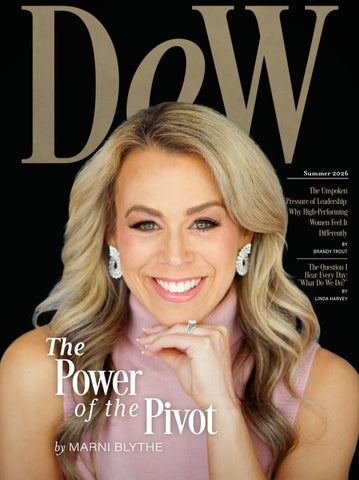
The Unspoken Pressure of Leadership: Why High-Performing Women Feel It Differently BY
The Question I Hear Every Day: “What Do We Do?” BY
LINDA HARVEY
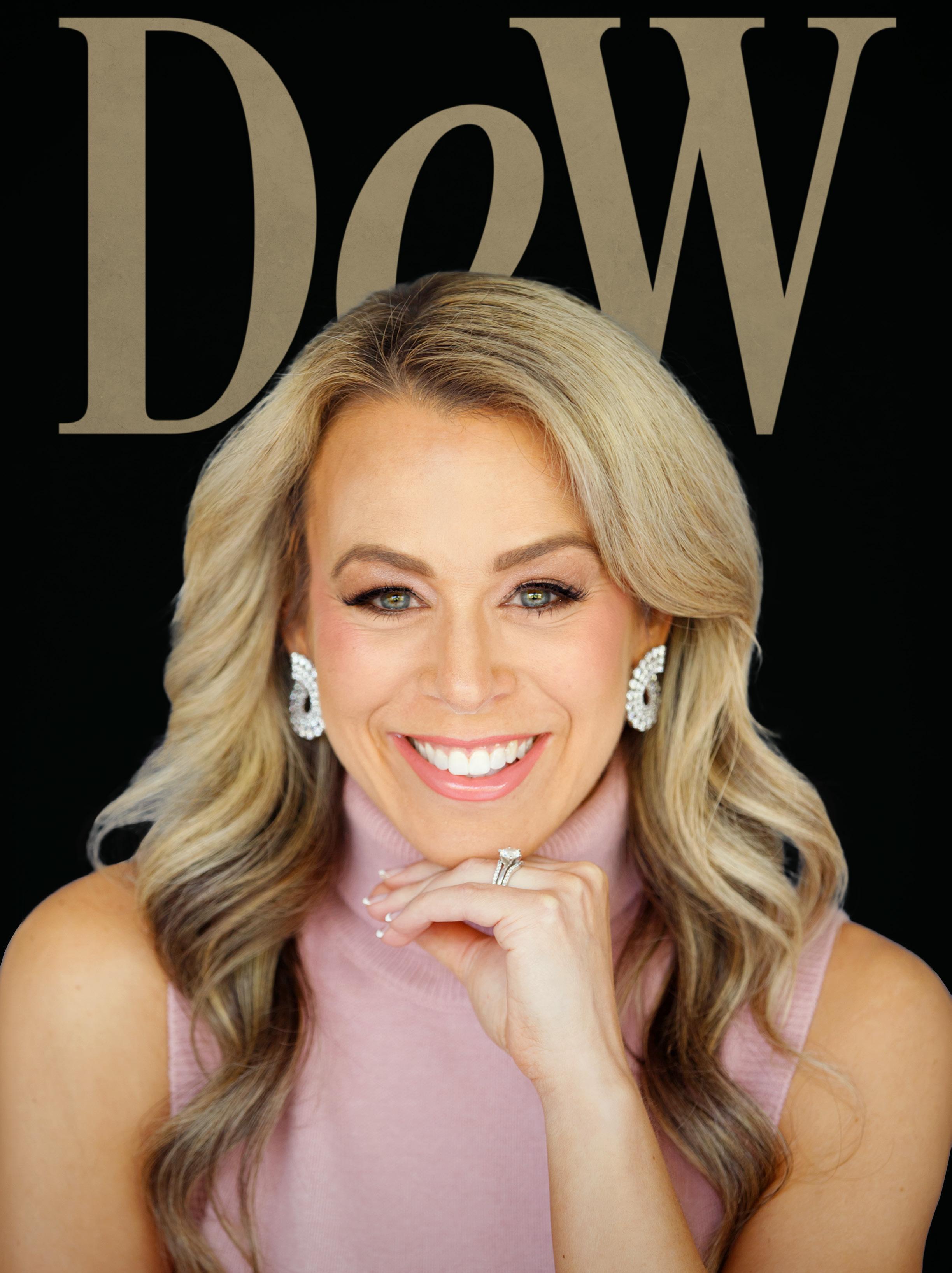
by MARNI BLYTHE





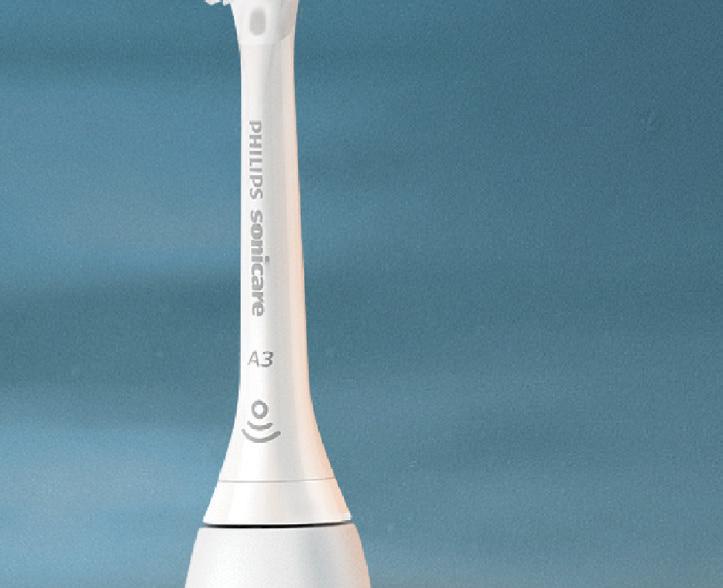
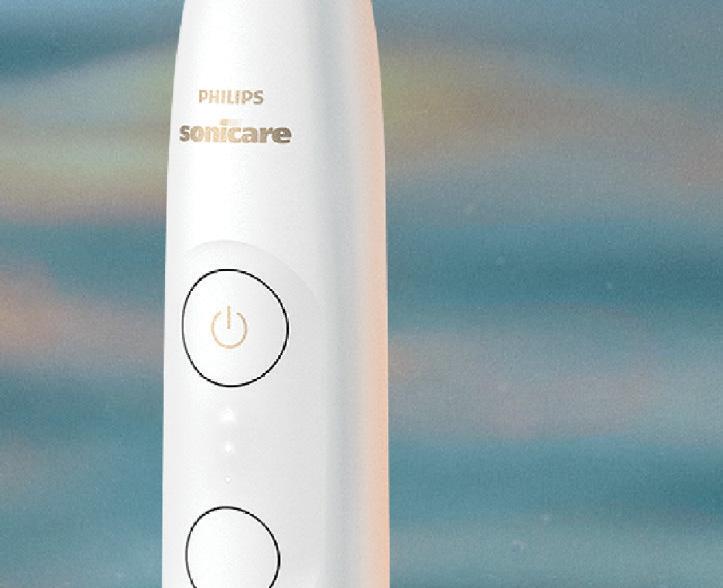
The Philips Sonicare 7400 is tough on bio�lm, gentle on gingiva and helps patients adapt their brushing technique to ensure a gentle and effective clean. See up to 6x healthier gums in just 2 weeks.*
Discover the next generation of Sonicare.




Feel the Care
















Summer 2026 Issue Brought to You By

Transform Your Referral Workflow
Stop Losing Referrals. Start Converting Them. Referral Lab is the purpose-built platform for dental specialists to track, manage, and convert every referral— improving case acceptance, boosting team performance, and strengthening provider relationships.
Editor and Publisher
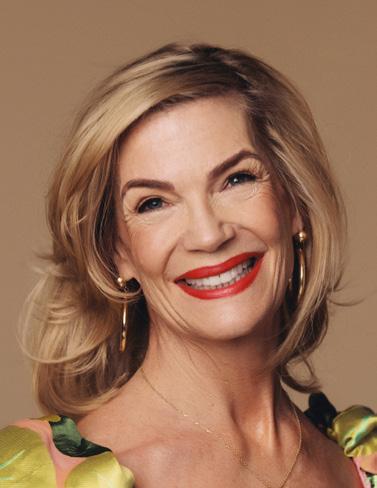
Anne M. Duffy, RDH
Project Manager
Tari Sixpence
Director of Operations & Business Development
Karla Moreno
Creative Consultant
Beth Linesch
Design and Layout
Brian Rummel
Production [CURAtive]
James B. Kennedy
Web Management
Golden Proportions
Conference Strategist and Advisor
Vanessa Vitagliano
Cover Photo
Tonya Palumbo
Summer Contributors
Wendy Aldhamen
Marni Blythe
Christy Carver
Linda Harvey Elaine Lalicata
Dr. Camesia Matthews
Jacqueline Morrill-Faucher
Becky Moser
Emme Sanders
There comes a point in every woman's life when she realizes the life she's meant to build isn't waiting for permission.
It's waiting for participation.
As I sat down to write this editorial for our Summer 2026 edition of Dental Entrepreneur Woman , I couldn't help but notice a common thread woven through every story in these pages.
Not one of these women had a straight path.
They pivoted. They started over. They questioned themselves.
They experienced loss, setbacks, unexpected opportunities, and moments where the future looked nothing like they had imagined.
But they kept going. That is the story of leadership. And it's the story of this community.
Our cover story, "The Power of the Pivot," by Marni Blythe, captures that beautifully. Marni's journey isn't simply about executive leadership or business success. It's about having the courage to stop living for everyone else's expectations and start building a life aligned with your own purpose.
One line from her story has stayed with me:
"The pivot is not a concession to circumstance. It is the bravest and most honest thing I know."
I think every woman reading this magazine will recognize herself somewhere in that sentence. Throughout this issue you'll also meet women whose stories remind us that leadership takes many forms.
Christy Carver shares how surviving the unimaginable became the foundation for a life filled with gratitude, courage, and purpose.
Becky reminds us that sometimes the most important leadership question isn't, "How are you?" but simply, "What's your number?"—creating space for honesty before solutions.
Linda Harvey shows us that leadership often looks like helping others remain steady when everything around them feels uncertain.
Different stories. Different journeys. One common thread.
Every one of these women chose to participate in their own lives instead of waiting for life to happen to them. That message feels especially meaningful as DeW celebrates its 10th Anniversary this year.
Over the last ten years, I've learned something that has shaped not only this organization, but my own life. Community isn't something you consume. It's something you contribute to.
The women who get the most out of DeW aren't necessarily the ones who've been here the longest. They're the women who raise their hand. They attend the retreat before they know anyone. They join a Learning Crew. They volunteer. They write an article. They introduce themselves. They choose to walk through the door.
And because they do, another woman feels comfortable walking through it too.
That's how movements grow. That's how leaders are developed. That's how community lasts.
A very special thank you to Referral Lab, the presenting sponsor of our Summer 2026 edition, for believing in this mission and helping bring this magazine to life.
Referral Lab is transforming the way dental specialists track, manage, and convert referrals while strengthening provider relationships and improving patient care.
I'd also like to personally thank Jessica Magnatta and Christy Carver, two incredible DeW members whose partnership and belief in this community continue to make an impact far beyond these pages. It means so much when members choose to invest back into the community that has invested in them.
And thank you to Cameron Full , Co-Founder of Referral Lab, for championing this edition and recognizing the importance of investing in women in dentistry. We are grateful for industry leaders who don't simply sponsor our work, they believe in it.
Please support Referral Lab and all of our industry partners. Their investment makes this magazine, our Learning Crews, podcast, retreat, scholarships, and year-round programming possible.
To every author who trusted us with your story...thank you. To every reader...thank you for continuing to show up. And to every woman wondering whether she's ready for what's next...
You don't have to have it all figured out. You simply have to decide to participate.
With gratitude,


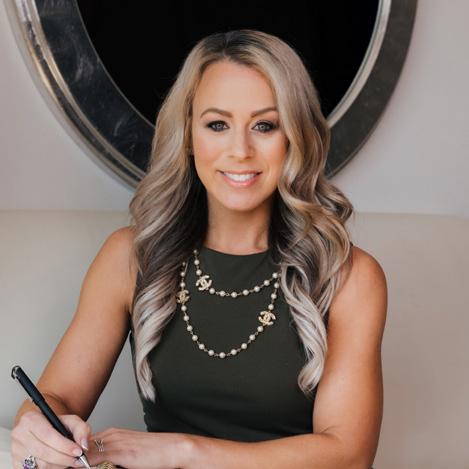
By Marni Blythe
Turning my life around meant ceasing to be a people pleaser and perfectionist. What I have never been, despite the odds, is willing to stop.
Ifelt like I wasn’t enough. Such a confession probably surprises a lot of people who know me now – the confident entrepreneur, the Fractional COO and CMO for dental and healthcare teams, the professional speaker, and the co-author of a best selling book on leadership and building company culture. No one’s journey is a perfectly straight line pointing skyward; I have found that paths will zig and paths will zag, interrupted by opportunities for learning from adventure and embracing resilience, vulnerability, and gratitude. My learning came from the power of the pivot and this is my story. I hope it inspires you to grant yourself grace, and to discover – and live unapologetically – your purpose. And guess what you will find in doing so? You are enough.
I grew up in New Jersey in a Jewish household anchored by a strong, devoted mother, brightened by a gifted younger sister, and complicated by a largely absent father. Within that home, a struggle ensued for which I was too young to understand and too affected by not to feel. When I was twelve, a crisis reshaped our family entirely — overnight, it seemed, we were living on food stamps, and my mother was working two jobs to hold us together. What she modeled for me in that season was something I have carried ever since: that loyalty and resilience are not responses to difficulty so much as they are a way of being. The harder edges of that time — the perfectionism it produced in me, the deep need to prove
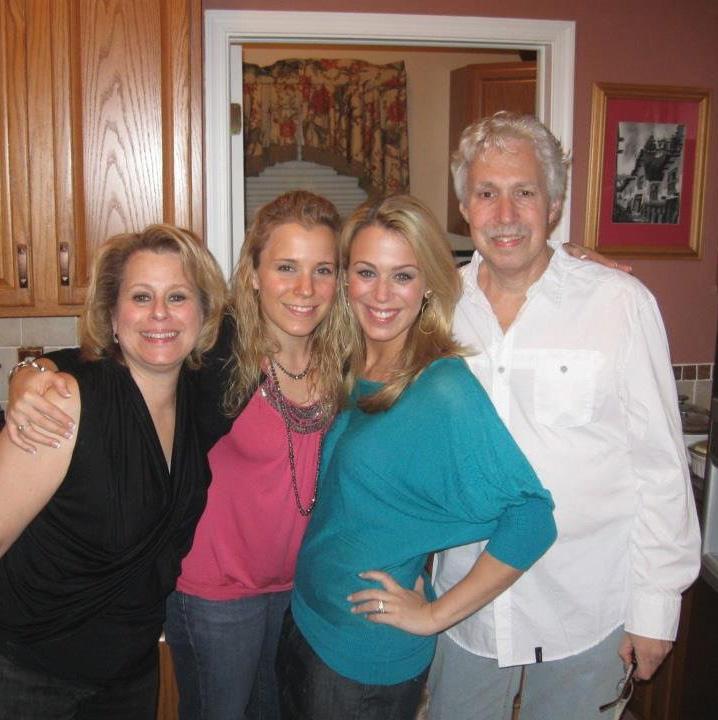
myself — I have spent years shifting and understanding. But the fire it lit? That I have never wanted to put out. I made it to NYU on scholarships, financial aid, and my grandmother’s quiet generosity, covering everything else myself — which, at eighteen, meant starting my own business and contracting with the local clubs to bring in professionals in their 20s, 30s and 40s for networking. The entrepreneurial spirit was always there, just waiting for the right conditions to announce itself.
My twenties were spent climbing the corporate ladder at
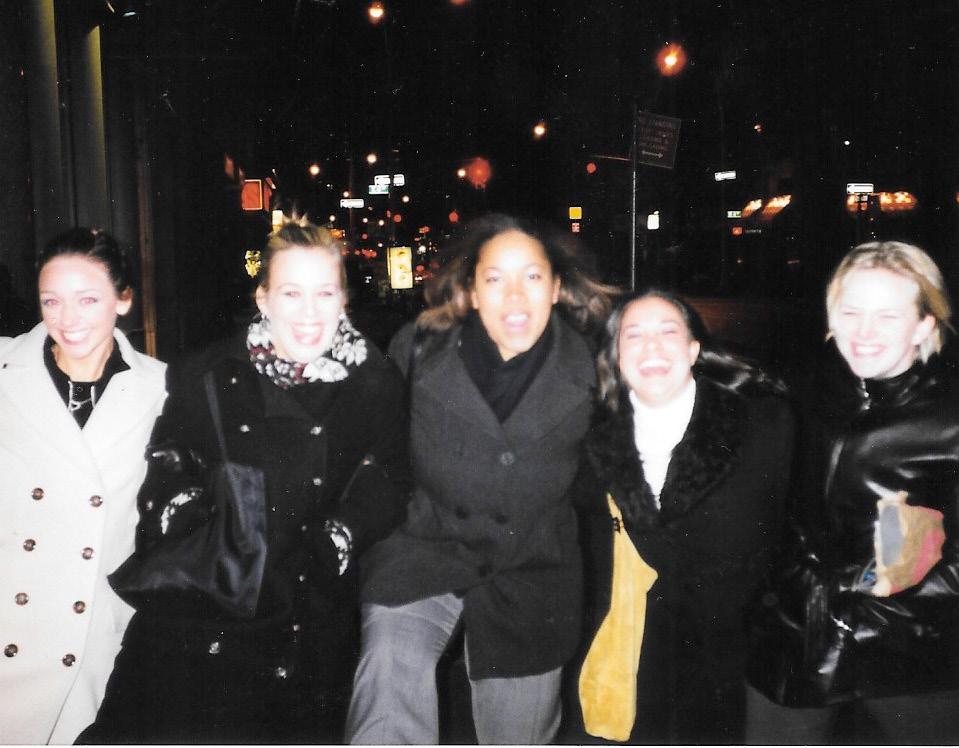
a large New York ad agency, where I learned the language of big business working with Fortune 500 and 100 clients— the complexity of KPIs, the necessity of brand architecture, and the particular alchemy of generating market demand. I rose quickly as a professional, eventually reaching the C-suite, all while getting married and moving to the Upper West Side. By any reasonable external measure, I was living a successful and enviable life. Then my mother-in-law mentioned a sofa I had been quietly coveting, and offered it as an incentive to join the nutritional supplements company she had invested in. I signed up — half for the sofa, half out of genuine curiosity — entirely without knowing the decision would redirect the course of my life. What I found inside that organization went far beyond supplements. I received weekly training in leadership, emotional intelligence, sales, and communication — a transformative education that awakened something I hadn’t known was dormant in me: a profound desire to help others build lives of financial freedom and genuine wellbeing. Within two years, I had built and led a team of 1,500 sales representatives down the Eastern Seaboard and became a national speaker, helping others launch businesses of their own. It was also during this time that I began to see, with increasing clarity, that the life I was living on the outside didn’t match the person I was becoming on the inside. The marriage ended, and in the divorce, I lost the business that had become so central to my identity. What I gained, though I couldn’t see it yet, was the freedom to finally build something entirely my own, my first pivot.
On Halloween of 2009, I packed my Honda Accord and drove south to Raleigh, North Carolina, carrying a few friends’ phone numbers and an open heart. I sold my engagement and wedding rings and lived modestly off the proceeds while I found my footing. I remember calling my mother in those early days, feeling untethered,
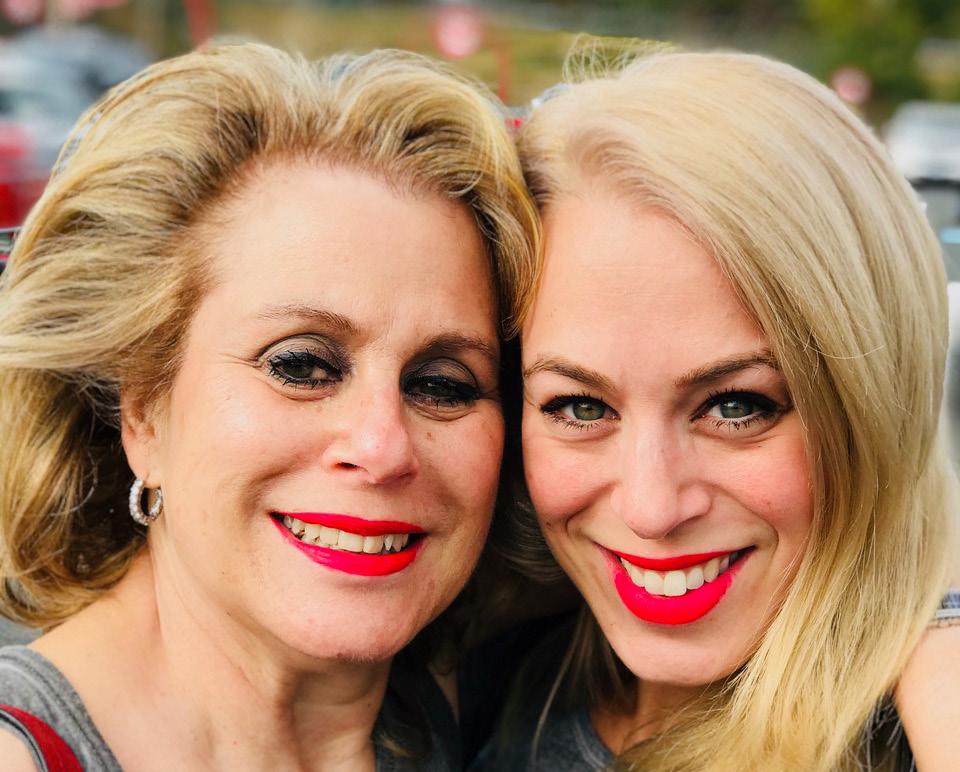
and her guidance still resonates: sometimes the only way forward is one moment or hour at a time. She was right, as she almost always was. Raleigh welcomed me in a way I hadn’t expected — its open spaces, its gentler pace, the particular way the South invites you to breathe differently. I landed a vice presidency at a well-regarded local agency, built their digital services department from the ground up, and became a sought-after regional speaker on social media, Google advertising, and branding. When the agency eventually closed, I opened my own communications firm with a business partner and eventually sold my stake a few years later. I remarried and, together with my husband, made the audacious decision to open a Health & Fitness Center, my next pivot.
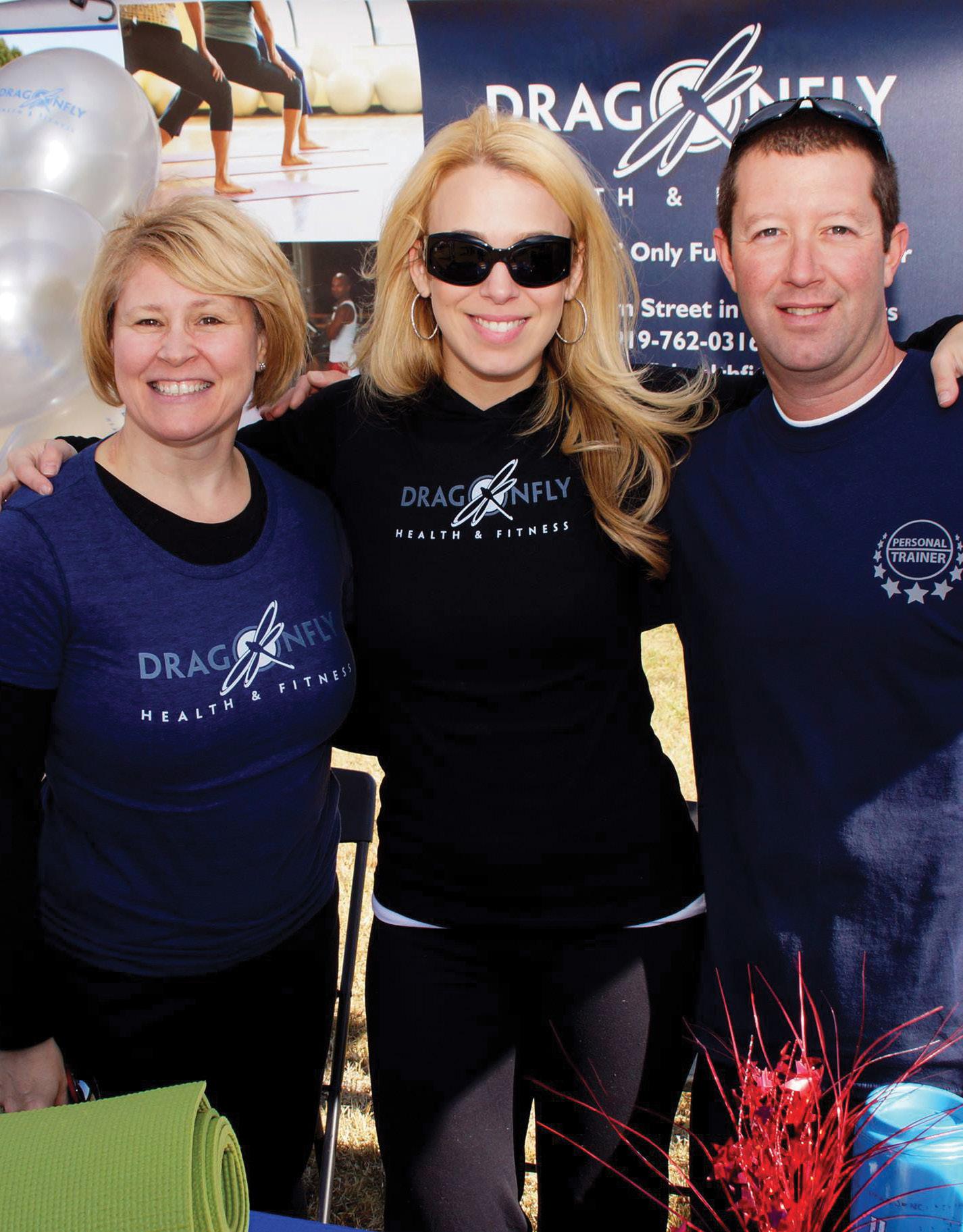
Dragonfly CrossFit & Training Center became one of the greatest labors of my life. Located in Holly Springs, just south of Raleigh, it grew from a dream into an 8,000-square-foot community hub offering yoga, CrossFit, Zumba, massage therapy, chiropractic care, childcare, and more than 150 classes per week. I put everything I had into it — every credit card, every asset, every ounce of energy I could summon. The first year was genuinely humbling, but it’s where I earned my “real-world MBA” in leadership, operations, and resilience. I became pregnant at the two-year mark, a dream I had held for a long time, and learned — as working mothers always do — how to hold more than one enormous thing at once. What we built was more than a business; it was a community, a culture, a place where people came to become better versions of themselves. After six years, my husband and I made the difficult decision to sell the business and to part ways personally as well. Letting go was one of the hardest things I have ever done, and still, I am proud of every single thing we created there.
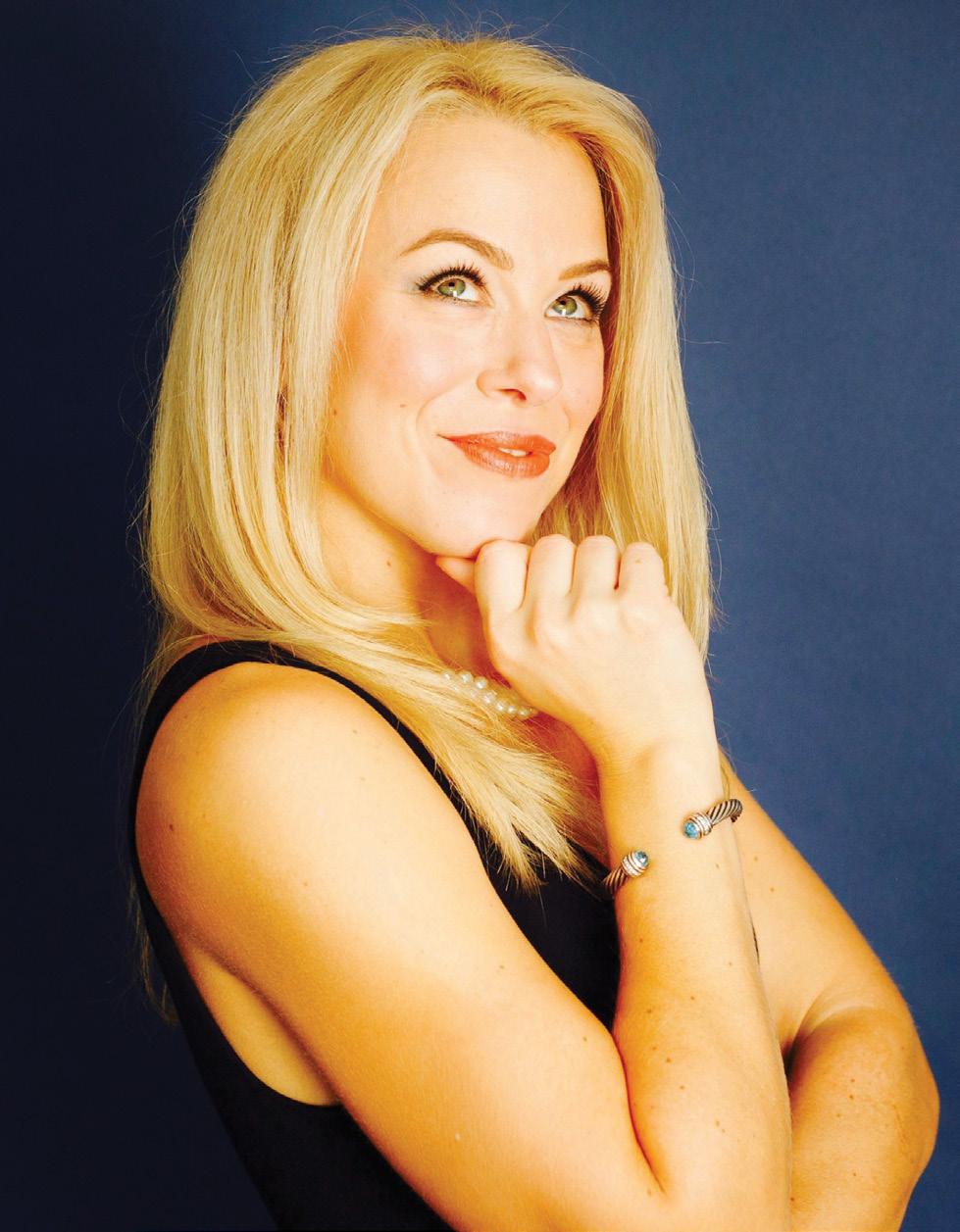
What came after was, in many ways, the pivot I had been preparing for all along. Full Pocket Coaching was born from the accumulated wisdom of everything I had built and lost and rebuilt — a practice rooted in fractional executive leadership for healthcare and wellness businesses that needed strategic guidance without the overhead of a full-time hire. I brought to each client not just a set of skills but a hard-won understanding of what it actually takes to run something: the emotional labor, the culture-building, the daily discipline of showing up fully even when the path isn’t clear. A speaking engagement at a dental study club introduced me to Dr. Mark Scurria, a distinguished prosthodontist in Durham who had spent twenty-three years running his practice without a consultant before he decided to take a chance on me. That partnership changed everything. I fell in love with dentistry — its blend of artistry and precision, the deep trust patients place in the people who care for them — and have never looked back.
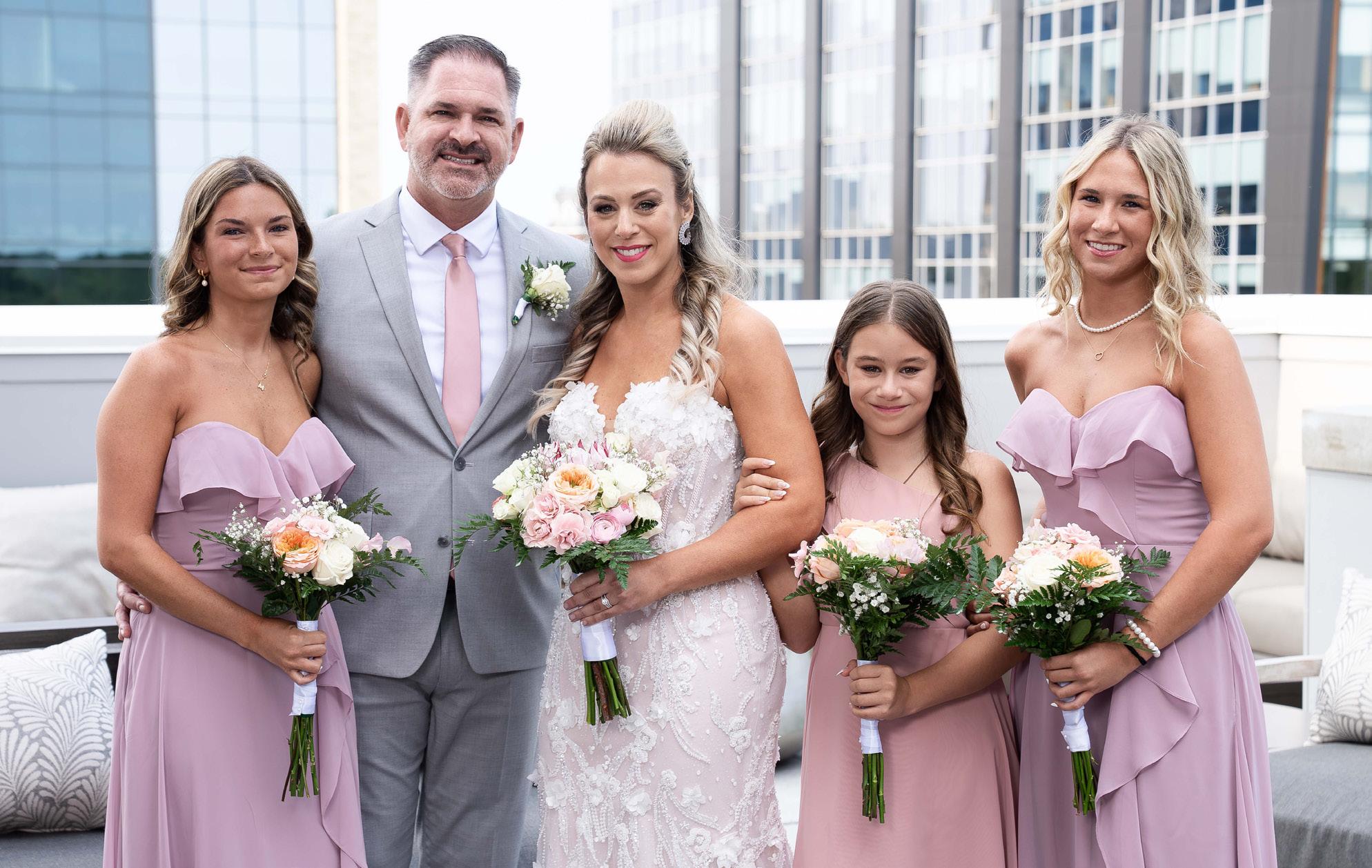
In 2025, I married Sean, the love of my life, in a celebration that felt like the culmination of everything I had learned about what real partnership looks like. I became a bonus mother to his two adult daughters, Madison and Katie, who have brought immeasurable joy into our home. My
own daughter Sofia — aged 11, yet going on 21, and an actress, a singer, and a fiercely independent thinker — continues to be my greatest teacher and my greatest delight. That same year, within six months of each other, both of my parents passed away. The grief was profound, and the timing — arriving alongside such joy — was a reminder that life rarely offers its lessons in tidy, manageable portions. What that year asked of me was the same thing every difficult season has asked: to go within, to find the steadiness that lives beneath the noise, and to trust that the love surrounding me was enough to hold me through.
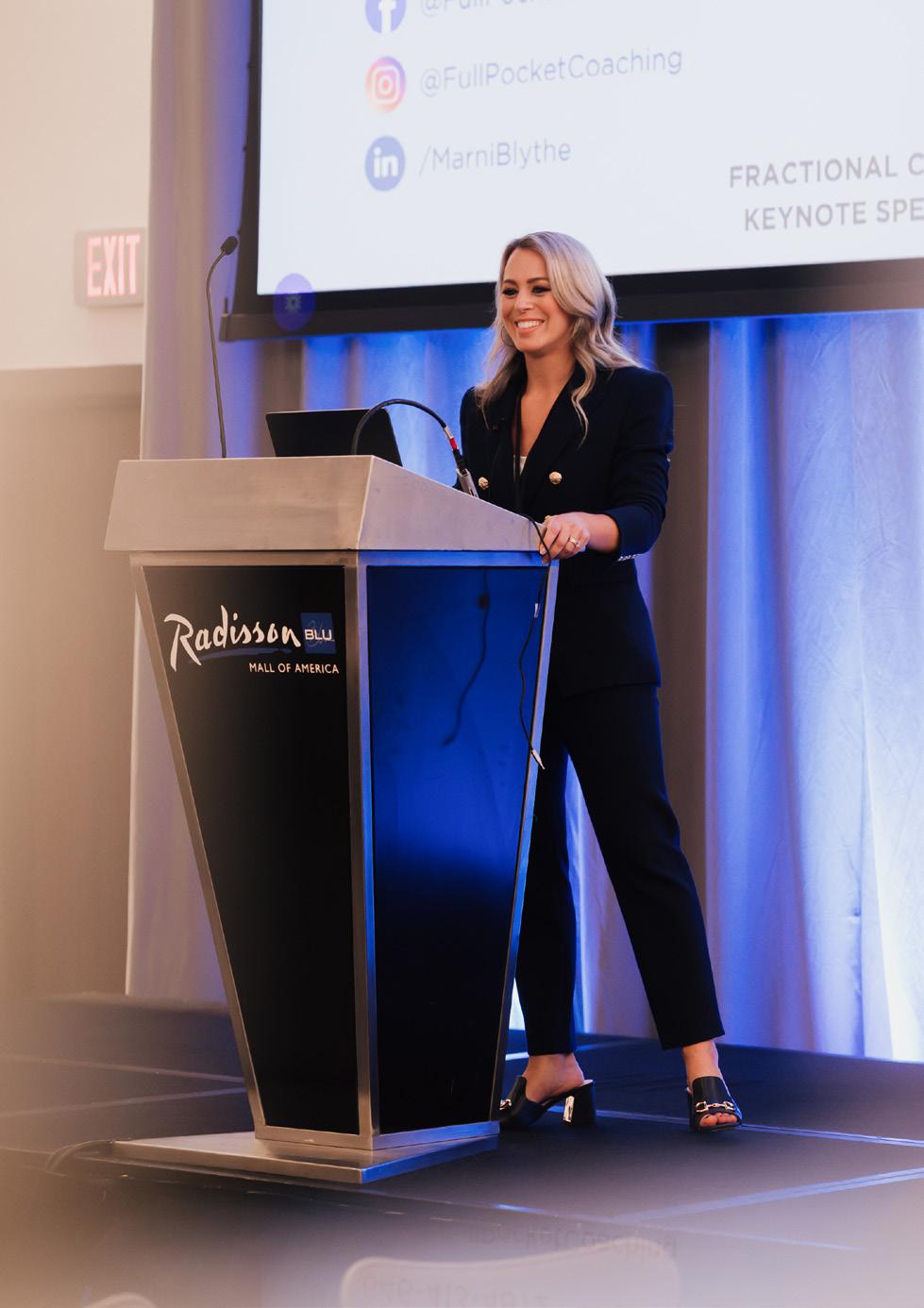
Today, I speak on stages for healthcare organizations and leadership teams across the country, on the things I care about most deeply: building cultures where people genuinely thrive, leading with both strength and heart, and creating organizations where performance and humanity are not in competition but in service of each other. I have been a student of this work — through therapists, mentors, coaches, and healers whose wisdom I am grateful for every day — far longer than I have been a teacher of it. I no longer believe I am not enough. That belief has been replaced by something quieter and more durable: a knowledge, earned through every pivot and every loss and every new beginning, that I am exactly who and where I am supposed to be.
A mantra I follow is “You have to go within, or you go without.” I offer this not as a motto but as a map — drawn
from every fork in the road where I chose, to turn inward rather than keep performing inauthentically. The pivot is not a concession to circumstance. It is the bravest and most honest thing I know. I’ll say it again: you are enough. I have lived long enough, and lost enough, and loved enough, to know that this is true — for me, and very likely for you.
About the author:
Marni Blythe is a nationally recognized leadership expert, keynote speaker, best selling author, and Fractional COO who helps healthcare organizations build resilient cultures, emotionally intelligent leaders, and high-performing teams. With over 20 years of executive leadership experience, she combines operational strategy, human & emotional intelligence, communication, and change management to drive meaningful results.
As Founder and CEO of Full Pocket Coaching, Marni equips leaders with practical tools to strengthen culture, improve performance, navigate change, and lead with greater clarity, resilience, and human connection.
The unspoken pressure of leadership is the pressure that nobody sees. There are women leading dental organizations right now who have not had a fully quiet mind in years. Even after the office lights are off and the schedule for tomorrow is finalized, part of them is still mentally scanning. Thinking about the team member who seemed withdrawn during morning huddle. Replaying a difficult conversation. Anticipating staffing gaps, patient concerns, operational problems, and emotional undercurrents before they fully surface. Some leadership exhaustion does not come from the workload itself. It comes from becoming the emotional infrastructure holding everything together.
For high-performing women in dentistry, this pressure is rarely discussed openly, yet it shapes leadership experiences in profound ways. It develops in the space where professional responsibility and personal identity begin to overlap, reinforced by expectations that are often invisible but deeply felt. Over time, leadership stops feeling like a role and starts feeling like a constant state of internal responsibility.
There was a season in my own leadership where everything depended on me. Multiple locations, constant decisions, and teams that needed direction at every turn. I stepped in wherever I was needed, filling gaps without hesitation and carrying more than any single role was designed to hold. At the time, it felt responsible. It felt necessary. But eventually I recognized something I had not fully named before: the more I carried, the more the organization adapted around my carrying. That pattern is more common than many women realize.
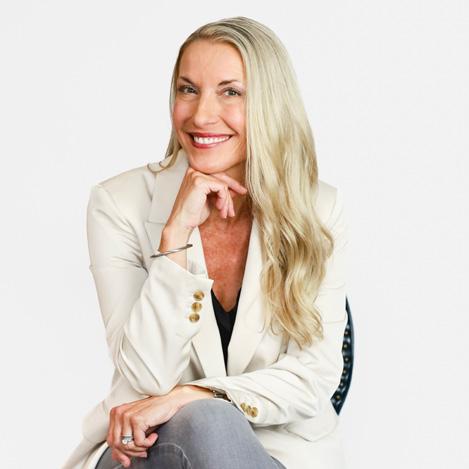
By Brandy Trout

“The more I carried, the more the organization adapted around my carrying.”
Leadership always carries responsibility, but many women experience an additional layer that often goes unnamed. In dental organizations especially, leadership is not only operational. It is deeply relational. Leaders are expected to maintain stability, absorb tension, navigate conflict, regulate morale, and protect the emotional climate of the practice while simultaneously driving performance.
This work rarely appears on a dashboard, yet it shapes nearly everything inside the organization.
When emotional labor becomes expected rather than acknowledged, it gradually attaches itself to identity. A leader’s value becomes measured not only by outcomes, but by her ability to hold the emotional environment together without visible strain. Over time, what begins as care quietly becomes obligation.
Many high-performing women become extraordinarily skilled at sensing tension before anyone speaks it aloud. They anticipate emotional needs, smooth conflict before
it escalates, and absorb stress internally so the team can continue functioning. The problem is not that women are incapable of carrying this weight. The problem is that too many organizations quietly begin depending on them to carry it and balance. That dependency has consequences.
There is a long-standing tension between what people expect from women and what people expect from leaders. Women are often expected to be collaborative, emotionally attuned, and accommodating. Leaders are expected to be decisive, assertive, and authoritative. Navigating both sets of expectations simultaneously creates a kind of invisible balancing act that many women manage every day without fully realizing how much energy it requires.
Over time, many high-performing women respond by internalizing leadership itself.
The role no longer feels separate from identity. She becomes the person who remembers everything, steadies everyone, solves problems quickly, and ensures nothing falls apart. Leadership stops being something she does and starts becoming part of who she is.
That shift changes how pressure is experienced.
When leadership becomes personal, delegation becomes emotionally complicated. Rest feels irresponsible. Boundaries feel uncomfortable. Even success can create additional pressure because the more capable a leader becomes, the more others instinctively rely on her capacity. Many organizations unintentionally become dependent on the emotional endurance of one highly capable woman. And because she is competent, dependable, and deeply committed, the system often rewards the very patterns that eventually exhaust her.
Research has consistently shown that women frequently experience what is known as the “prove-it-again” dynamic, where competence is not automatically assumed but repeatedly demonstrated over time. One study found that 61% of women reported needing to prove themselves repeatedly to receive the same level of recognition as their peers.
Eventually, external pressure becomes internalized.
Research increasingly reflects what many women in leadership already feel intuitively. According to the 2024 Women in the Workplace report, six in ten senior-level women report frequently feeling burned out, a noticeably higher rate than their male peers. Studies also continue to document the persistent 'prove-it-again' dynamic, with women reporting the need to repeatedly demonstrate competence to receive the same recognition as colleagues. At the same time, burnout across dentistry and healthcare professions has risen sharply in recent years, particularly in leadership-intensive environments where emotional and operational demands consistently overlap.
The external pressure appears in the hesitation to fully delegate. The instinct to double-check work that has already been reviewed. The feeling that mistakes have greater consequences. The quiet belief that stepping back, even briefly, may cause others to question commitment or capability.
This pressure often persists even in highly successful leaders. Many women in leadership are not operating from a lack of competence. They are operating from prolonged over-responsibility. Over time, carrying both visible and invisible leadership demands simultaneously creates accumulation. Mental fatigue builds quietly. Emotional exhaustion becomes normalized. The leader continues performing well externally while internally functioning in a nearly continuous state of responsibility.
“Many organizations unintentionally become dependent on the emotional endurance of one highly capable woman.”
Women leaders are often expected to be assertive, but not abrasive. Compassionate, but not emotionally affected. Accessible, but never overwhelmed. Strong, but endlessly flexible. These expectations are rarely stated directly, yet they shape leadership experiences every day.
The standard exists without ever being fully defined. And when expectations are unclear, many high-performing women compensate by carrying more.
When prolonged responsibility becomes normalized, accumulation begins quietly. It appears as mental fatigue on a day that outwardly looked successful. It appears as emotional exhaustion that does not fully match the visible workload. It appears as the inability to fully disconnect, even during moments of rest. What makes this difficult is that much of the burden remains invisible.
Women carrying these patterns are often highly successful by every external measure. They are respected, capable, dependable, and deeply committed to the people they lead. Yet internally, many are functioning inside a level of continuous emotional responsibility that no leadership structure was designed to sustain indefinitely.
Being capable does not mean becoming responsible for what others are unwilling to develop.
Recognition alone does not solve these patterns, but it does create the possibility for a different kind of leadership. Intentional leadership begins by recognizing that sustainability matters. Not only for personal wellbeing, but for organizational health. Teams cannot grow in healthy ways when leadership depends too heavily on the constant emotional availability of one person.
Strong leadership is not measured by how much one individual can continue carrying indefinitely. Mature leadership creates structures where responsibility is shared, leadership is developed in others, and organizational stability does not depend entirely on one nervous system remaining functional. This requires intentional decisions. It requires leaders who are willing to develop people instead of rescuing them. Leaders who create clarity around ownership and accountability. Leaders who understand that sustainable growth requires distributed strength, not concentrated exhaustion.
For many women, this also requires separating identity from indispensability. Being deeply committed does not require carrying everything alone. Being capable does not mean becoming responsible for what others are unwilling
to develop. Some of the healthiest leadership shifts happen when women stop asking, “How much more can I continue carrying?” and begin asking, “What kind of leadership structure allows people to grow together more sustainably?”
That question changes organizations.
The most important shift often begins with recognition. Recognition that the pressure is real. Recognition that it is shared by many women in leadership. Recognition that what feels personal is often deeply structural.
Because the exhaustion many high-performing women feel is not necessarily the result of weakness or lack of resilience. In many cases, it is the result of carrying forms of leadership labor that were never fully acknowledged in the first place. If any part of this feels familiar, you are not imagining it.
The strongest leaders are not defined by how much they can personally absorb. They are defined by the clarity with which they understand what they are carrying, the wisdom to recognize what cannot remain concentrated in one person forever, and the willingness to build healthier leadership structures around them. Recognition does not remove the weight of leadership. But it may be the beginning of carrying it differently. The goal is not to carry less because you are weaker. The goal is to lead differently because sustainability matters.
Field, E., Krivkovich, A., Kugele, S., Robinson, N., & Yee, L. (2024). Women in the workplace 2024. McKinsey & Company and LeanIn.Org. https://womenintheworkplace.com/2024
Karelaia, N., & Guillen, L. (2014). Me, a woman and a leader: Positive social identity and identity conflict. Organizational Behavior and Human Decision Processes, 125(2), 204–219. https://doi.org/10.1016/j.obhdp.2014.08.002
Mohr, D. C., Elnahal, S., Marks, M. L., Derickson, R., & Osatuke, K. (2025). Burnout trends among U.S. health care workers. JAMA Network Open, 8(4), Article e255954. https://doi.org/10.1001/jamanetworkopen.2025.5954
Vial, A. C., & Cowgill, C. M. (2022). Heavier lies her crown:
Gendered patterns of leader emotional labor and their downstream effects. Frontiers in Psychology, 13, Article 849566. https://doi.org/10.3389/fpsyg.2022.849566
Williams, J. C., Korn, R. M., & Mihaylo, S. (2021) Beyond implicit bias: Litigating race and gender employment discrimination using data from the Workplace Experiences Survey. Hastings Law Journal, 72(1), 337–406. https:// repository.uclawsf.edu/hastings_law_journal/vol72/iss1/7
About the author:
Brandy Trout is a leadership strategist who helps dental organizations build the leadership depth required for sustainable scale. With more than seventeen years of executive leadership experience in multi-location healthcare operations, she specializes in strengths-based leadership alignment, distributed decision-making, and the infrastructure necessary to protect culture during expansion. She also serves as a speaker and advisor, leading executive leadership development and team alignment initiatives for organizations navigating expansion. Learn more at fromgoodtograce.com.
Social Media Handles: IG: https://www.instagram.com/fgtgtdev/ @fgtgtdev FB:https://www.facebook.com/profile.php?id=100076434889058 LinkedIn: Brandy Trout | LinkedIn



Dr. Camesia Matthews
Doctor - Clutch Dental Studio
Boxborough, MA
IG: @drcamesiamatthews
LI: @drcamesiaomatthews dentalfitnesspillars.com
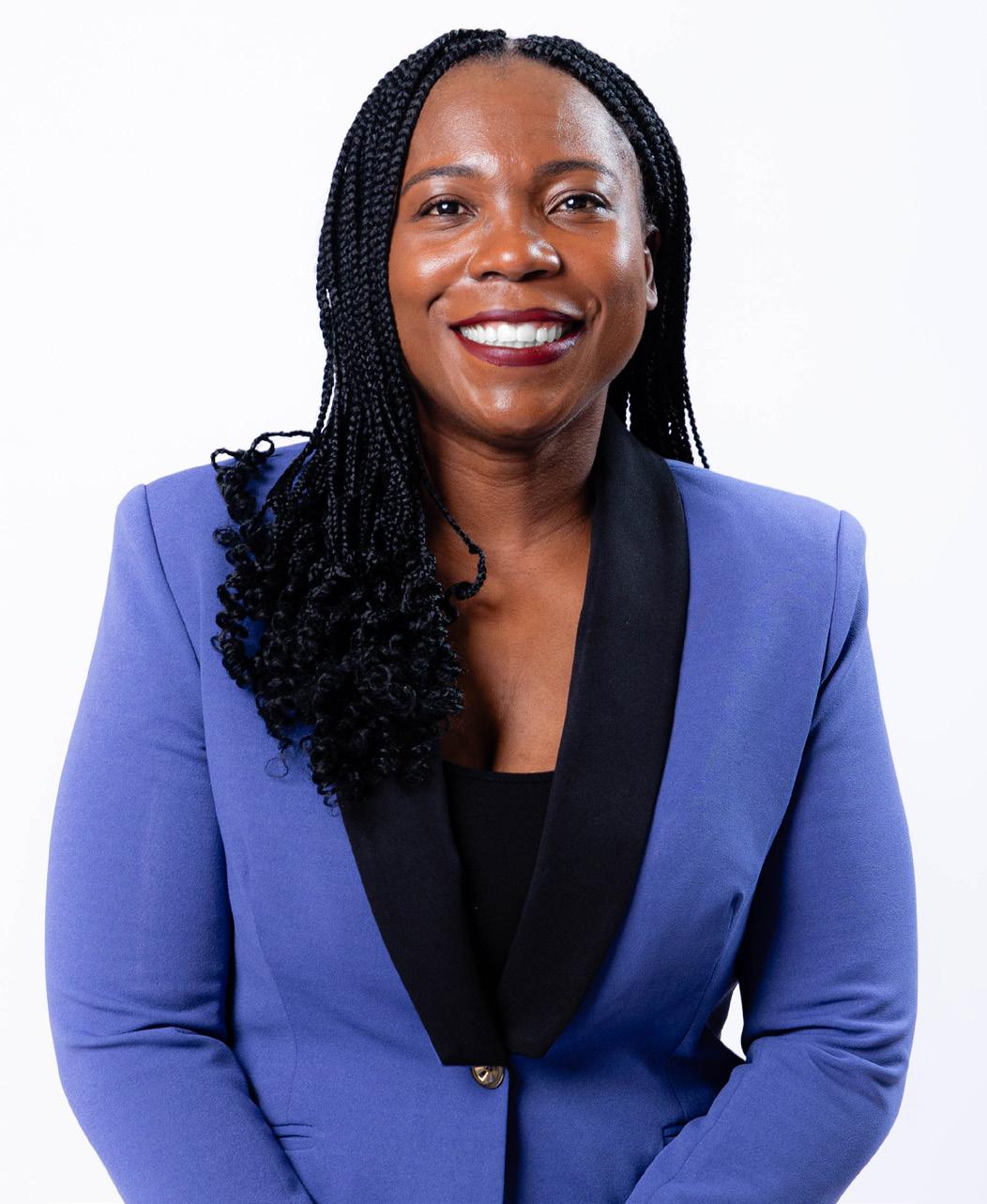
What’s your favorite part of the work you do, and why does it light you up?
"Taking my patients through a transformation. It lights me up because it makes someone’s life better physically and mentally. Their confidence and knowledge are increased as well, which means they can share with someone else."
Tell us about a woman who’s deeply influenced your life or career. What did she teach you?
"The woman who has had the greatest influence on my life and career is my older sister, Sharon Browne. She set an example of excellence as the first person in our family to attend college, but she also taught me many valuable life lessons.
The lesson that stands out most is: “No knowledge is wasted knowledge.” She taught me that every piece of knowledge you gain will eventually be useful, often in ways you could never imagine. This mindset has encouraged me to stay open to learning, regardless of the subject or topic. As a result, I have become more successful and adaptable throughout my personal and professional life."
activities helps me relax, recharge, and regain perspective so I can approach the day with renewed energy".

What’s your go-to way to reset when you’re having a rough day?
"My go-to ways to reset when I'm having a rough day include reading nonfiction books that support my personal growth, playing the piano, watching a great NBA game, or spending some time on my For you page on TikTok. Each of these
What advice would you give someone starting their journey in your field today?
"Never stop learning. The degree is just the beginning. Pursue the topics you like and always go deeper. There is always another level to go."
What’s a quote or personal motto that keeps you grounded or inspired?
"If something is worth doing it’s worth doing it well"
Who would you love to have lunch with (living or passed), and what would you ask them?
"Michael Jordan. Questions I would ask. Looking back, what did you misunderstand about greatness when you were younger that you understand now? What separates someone who wants to be great from someone who is willing to become great? What was the hardest part of staying motivated after you had already proved yourself?"
What movie or TV show always makes you laugh no matter how many times you’ve seen it?
"The Cosby Show or the movie Planes Trains and Automobiles "
Describe your dream vacation. Where are you, who’s with you, and what are you doing?
"My dream vacation combines relaxation and adventure. I would be on a beautiful beach with my husband, enjoying the sound of the waves while also exploring everything the destination has to offer. We love taking excursions, learning about the local culture, and discovering the unique character of each place we visit. Whether enjoying outdoor activities, sightseeing, or local entertainment, we maximize every experience and create lasting memories."
“What inspired you to join the DeW Life community? What called you to become a DeW?
"A mutual friend introduced me to Anne Duffy, suggesting we connect to discuss the possibility of me being a guest on a podcast. During our first conversation, Anne shared the vision and mission of the DeW Life community, (a group I had never heard of before). I immediately felt a connection to her and her vision for the community and knew I wanted to be a part of it. Anne's passion drew me in."

Dr. Karen Tindall
Luxury Travel Designer / Owner and Founder Globe & Co
Bentonville, AR
IG: @drkarentindall
LI: @drkarentindallluxurytraveldesign
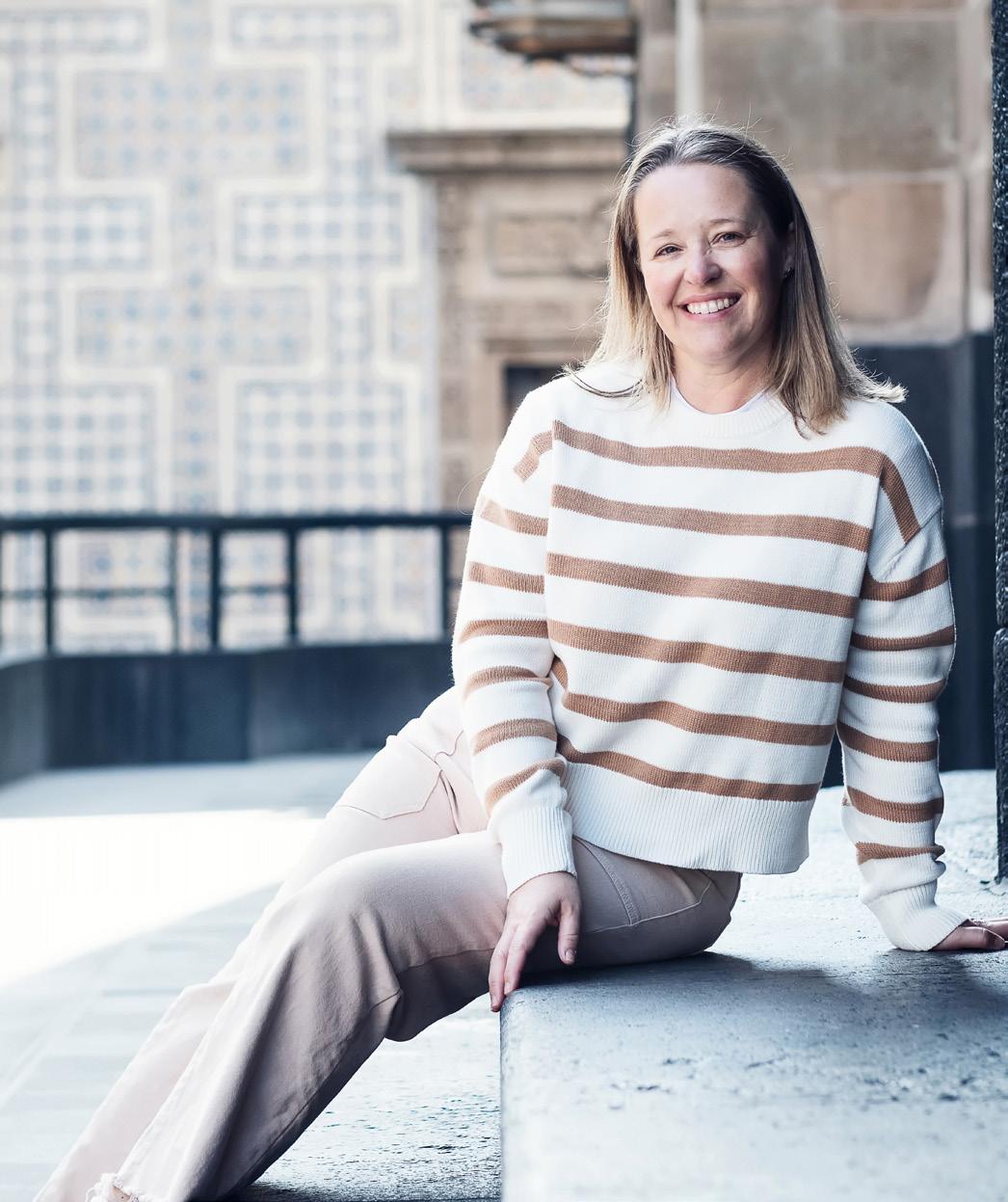
What’s your favorite part of the work you do, and why does it light you up?
“The most rewarding part of my work is the process of tailoring a journey that fits each client’s specific needs and desires. When a trip is perfectly aligned with what a person truly needs, it allows them to step away from the noise of daily life, fully recharge, and build memories that last a lifetime.
What really lights me up is that my approach is always centered on the human heart. I love witnessing the spark of excitement and anticipation when we start planning. However, the best part is hearing their stories when they return. Knowing that I helped facilitate an incredible experience fuels my passion and reminds me why I love what I do.”
How do you personally define success—and how do you know when you’ve hit it?
“I define success by the quality and integrity of the experience I provide. It is important to me that my clients feel they can trust me completely, and I take a great deal of personal pride in the level of service I deliver. To me, success isn’t just about the booking; it’s about knowing I’ve met my own high standards for excellence.
I know I have truly hit that mark when a client refers their closest friends and family to me. There is no higher praise than someone trusting me with the people they care about most. When those referrals come in, it’s a clear sign that I’ve built a lasting relationship based on reliability and exceptional results”
What’s your go-to way to reset when you’re having a rough day?
“When I’m having a challenging day, my absolute favorite way to reset is by taking a walk with my cockapoo, Rascal. No matter what is weighing on my mind, his enthusiasm and cute face are an immediate mood booster.
Stepping into the woods and breathing in the fresh air helps me release any built-up stress or tension. I’ve found that the combination of nature and companionship whether canine or human is a potent remedy; it grounds me and provides the perspective I need to head back to work with a clear head.”
What does real work-life harmony look like for you these days?
“I’ve come to realize that the traditional idea of ‘work-life balance’ is often a myth; instead, I view it as a dynamic equilibrium. I’ve learned to accept that there will be certain days, weeks, or even entire seasons that are naturally busier than others, and I’ve made peace with that ebb and flow.
At the core of my routine, I focus on a few non-negotiables: daily movement, frequent breaks, and actually stopping for lunch! It is incredibly easy to skip a meal when things get busy, but I’ve learned that neglecting my own needs never ends well. Prioritizing these small moments of self-care ensures that I have the energy and clarity to show up fully for my clients and my family.”
What’s a quote or personal motto that keeps you grounded or inspired?
“A quote that keeps me grounded is the motto from my allgirls school in England: ‘Age Quod Agis.’ Translated from Latin, it means ‘Do what you do, well.’ It is a simple yet profound reminder to approach every task and every relationship with excellence and intentionality.
This philosophy aligns perfectly with the DeW community’s focus on understanding and leaning into our individual strengths. Rather than trying to be everything to everyone, I strive to focus on what I do best and perform that work with the highest level of care. It serves as my North Star, ensuring that I stay true to my standards and provide the best possible experience for my clients.”
Who would you love to have lunch with (living or passed), and what would you ask them?
“If I could have lunch with anyone, it would be my Polish grandmother, whom we called Babcia. When she was alive, we spent many hours together in a unique way: I would speak to her in English, and she would reply in her native Polish. Somehow, we understood each other perfectly."

Jacqueline Morrill-Faucher, RDH, Myofunctional Therapist
Registered Dental Hygienist / Office Coordinator - Parker River Dental Byfield, MA
www.parkerriverdental.net
@hygienistjackie / @parkerriverdental
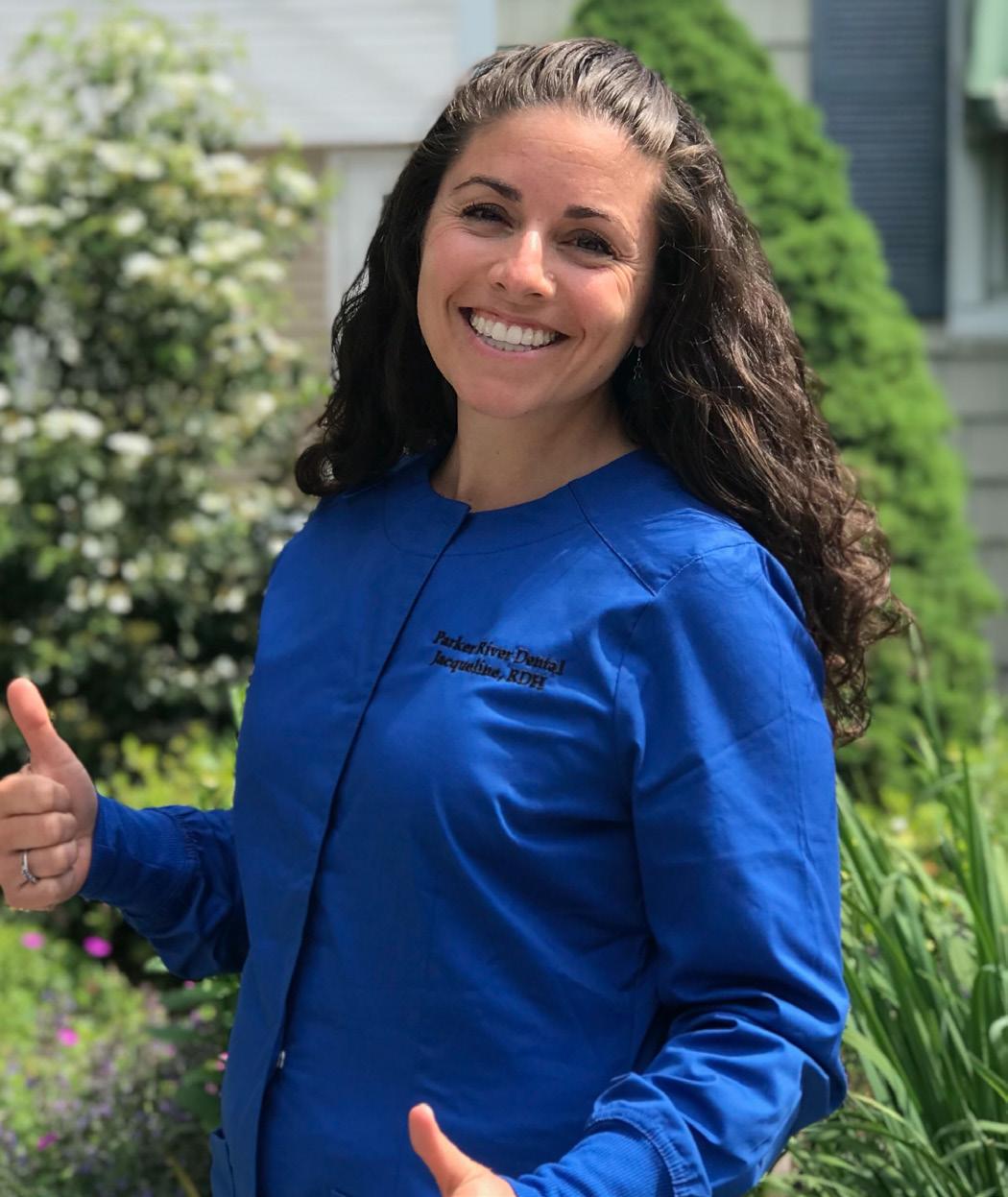
What’s your favorite part of the work you do, and why does it light you up?
“My favorite part of the work I do is making a meaningful difference in people’s lives. A healthy mouth is truly the foundation of overall health, and I’m passionate about helping patients understand that connection. What matters most to me is helping patients overcome fear and feel comfortable—at home—in my chair.
Over time, these patients become like family, and I look forward to seeing them every 3, 4, or 6 months, depending on their individual needs, so we can continue supporting their health and keeping them feeling their best. “
Tell us about a woman who’s deeply influenced your life or career. What did she teach you?
“Dr. Robin Davies, my current boss and friend, has consistently inspired and supported me both in the dental office and beyond. We’ve built a relationship grounded in trust, and that trust allows me to feel confident in my skills, continue to grow, and provide the highest level of care to our patients and our team.
Her leadership has shaped the kind of hygienist and professional I strive to be, reinforcing the importance of comprehensive, patient-centered care. It has also shown me the true value of balance and mutual respect between a dentist and hygienist—and really, among all team members—which is the foundation of a strong and successful dental practice.”
What’s one challenge you’ve faced in your career, and how did you overcome it?
“One challenge I faced was burnout about six years ago. I felt like there was something more for me. I loved my office, but I wasn’t loving coming to work every day.
That changed when I attended Yankee Dental in Boston and had a meaningful conversation with one of my former professors, who asked, “Jackie, when are you going to come teach?” It was something I had been considering, but that moment truly lit a fire in me. By that fall, I had stepped into a teaching role.
Teaching reignited my passion for learning and became a weekly refresher of the knowledge I gained in hygiene school— some of which had faded over time due to the repetitiveness that can happen in clinical practice. It brought me back to the “why” behind what we do, and connected me with a wonderful group of colleagues who I am always learning from.
Since then, I’ve been able to reintroduce and strengthen so much of that knowledge, especially with updated periodontal staging and grading. It has greatly improved my confidence in having meaningful periodontal conversations with my patients.
Having a more diversified work week—mentoring future dental hygienists, working chairside, and bringing what I learn through teaching back into my practice—has truly re-sparked my passion and renewed the joy I feel in my everyday clinical work.”
What advice would you give someone starting their journey in your field today?
“The first thing I would encourage someone just starting out is to find an office that is open to teaching and supporting their growth in both skills and knowledge. Your first year in the field is incredibly important—it’s the time to really build on everything you learned in school and gain confidence in your clinical abilities.
My second piece of advice is to find a doctor who truly values your voice and recognizes what you bring to the team. Feeling respected and heard makes a significant difference in both your growth and job satisfaction.
Finally, remember that there is no single path in dental hygiene. At times it may feel that way, but if you’re willing to grow and stay open-minded, you’ll find there are many doors and opportunities available to you within this profession.”
Maricarmen Vazquez
Photographer
M.C. Photography
Aurora IL
mcphotography01.mypixieset.com

What’s your favorite part of the work you do, and why does it light you up?
"My favorite part of what I do is helping people see themselves differently. Many come in feeling unsure or not confident, and I get to change that through my lens by the end of the photoshoot, my goal is for them to look at themselves and think, Wow I am beautiful and I am powerful I love that moment when their confidence comes out, even if they didn’t see it before. That’s what really lights me up. It’s not just about taking photos it’s about helping people believe in themselves."
Tell us about a woman who’s deeply influenced your life or career. What did she teach you?
"I would have to say Dr. Maggie Augustyn. She has had such a powerful impact on my life and my career. She believed in me in a way I had never believed in myself before she saw something in me that I didn’t see at the time, and she never stopped reminding me of who I am. She always encouraged me to never give up and to find a solution no matter what. Because of her, I started to see my own worth and potential. She opened doors for me that I never thought were possible and truly helped shape the path I’m on today."
It’s not just about taking beautiful pictures, it’s about how my work makes people feel when clients trust me to capture their families, their weddings, or their business, that means everything. I know I’ve reached success when people come back to me not just for photos but because they trust me and connect with me a lot of my clients become like friends and that relationship is what truly makes me feel successful.”
What’s one challenge you’ve faced in your career, and how did you overcome it?
"One of the biggest challenges I’ve faced in my career was my language. English is my second language, and in the beginning I felt very insecure communicating with clients. I worried about saying things wrong or not sounding professional over time, I realized that being bilingual is actually a strength, not a weakness I worked on improving my English, but more importantly, I learned to trust myself and just show up as I am. Now I focus on connecting with my clients and I’ve grown so much in my confidence. That experience taught me to believe in myself and not let fear hold me back."
What’s your go-to way to reset when you’re having a rough day?
"My go-to way to reset is meditation and spending time in nature. That’s what really helps me clear my mind and let go of any stress or negativity I’m holding onto.
Even something as simple as going for a walk or taking my shoes off and feeling connected to the ground helps me feel centered again. It brings me back to myself. Once I take that time, I feel recharged and ready to start fresh.”
What advice would you give someone starting their journey in your field today?
"My advice would be to believe in yourself and trust your gut. Those feelings matter more than you think don’t be afraid to ask questions, especially from people you admire. Not everyone will answer and that’s okay just keep going stay true to yourself don’t try to copy others, and focus on finding your own style. Most importantly, be patient. Nothing happens overnight, but if you stay consistent and keep putting in the effort, it will be worth it in the end."
What does real work-life harmony look like for you these days?

How do you personally define success—and how do you know when you’ve hit it?
“I define success as more than just growing in my career for me, it’s about the impact I have on people. When someone looks at their photos and starts to see themselves differently with more confidence, more love for who they are that’s success to me.
“For me real work life harmony is about having peace in what I do and the people around me. It means supporting others being supported, and not comparing myself or feeling envy of someone else’s success. I’ve learned that someone else’s success doesn’t take away from mine. When I focus on my own path, stay grounded, and surround myself with positive energy, everything feels more balanced. That’s what harmony looks like for me feeling at peace with my work, my growth, and the journey I’m on.”
Emme Sanders, RDH
Dental Team Culture & Leadership Expert | RDH | Speaker | Coach | Co-Founder of COLLABricon Charlotte, NC
www.emmesandersrdh.com
IG: @EmmeSandersRDH www.collabricon.com
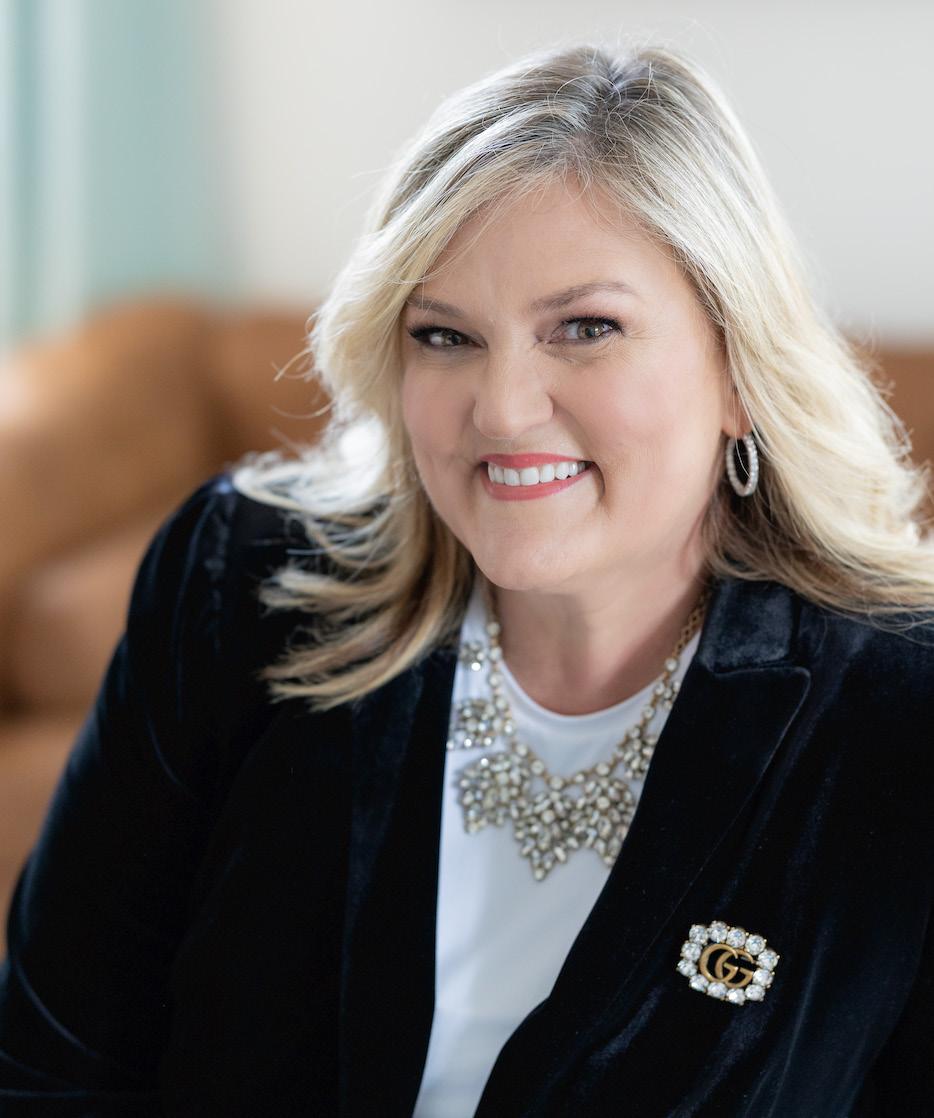
What’s your favorite part of the work you do, and why does it light you up?
"My favorite part of the work I do is helping dental teams see what’s possible when they’re truly aligned. So many teams think their challenges are about systems or schedules but in reality, it’s often about communication, clarity, and leadership. When those pieces click, everything changes. You can feel the shift in the room. What lights me up is watching that exact moment happen...when a team moves from frustration to ownership. When they start speaking the same language, supporting each other, and delivering a higher level of care to their patients. Because at the end of the day, this isn’t just about productivity or numbers. It’s about creating a workplace people actually want to be part of and a standard of care that patients can feel the moment they walk in. That transformation… that’s what I love most."
Tell us about a woman who’s deeply influenced your life or career. What did she teach you?
"A woman who has deeply influenced my life and career is Anne Duffy. What’s remarkable about Anne is that she seemed to appear at every pivotal intersection in my career, almost like she had a way of seeing what was next for me before I did. From my transition from the DSO space, to moving into elite private practice, and ultimately into coaching, Anne was there making introductions, opening doors, and connecting me to the right people at exactly the right time. But more than the connections, Anne taught me the power of relationships and timing. She showed me that success isn’t just about what you know, it’s about who you surround yourself with and how you show up for others. Her belief in me, often before I
fully believed in myself, gave me the confidence to step into opportunities that ultimately shaped the career I have today."

How do you personally define success—and how do you know when you’ve hit it?
"I define success as alignment. When what I’m doing, who I’m serving, and how I’m showing up all match my core values. For me, it’s not just about achievements or milestones. It’s about the impact. Am I helping teams grow? Am I creating meaningful change in how they grow, lead, communicate, and care for their patients? When I see that happening, I know I’m on the right path. I also measure success by the ripple effect. When a team shifts their culture, it doesn’t just stay within their office. That shift impacts every patient they serve and every relationship within that team. That’s real success to me. And personally, I know I’ve “hit it” when I feel both challenged and fulfilled at the same time. When I’m growing, serving, and still genuinely excited about the work I get to do, that’s when I know I’m exactly where I’m meant to be."
What’s one challenge you’ve faced in your career, and how did you overcome it?
“One of the greatest challenges I’ve faced in my career was overcoming myself.
There was a pivotal moment when I realized that this work isn’t about me, it’s about the people I serve. That shift in perspective changed everything. It moved me from focusing on performance to focusing on purpose. When I let go of the need to prove myself and instead focused on truly serving others, I became a better coach, a better leader, and a better communicator. I started showing up with more intention, more empathy, and a genuine desire to help others grow. That mindset continues to guide me today. My role is to serve in a way that inspires positive change and when I stay committed to that, everything else follows.”
What’s your go-to way to reset when you’re having a rough day?
"My go-to way to reset starts with grounding myself in faith. Spending quality time with God reminds me that I already have everything I need...peace, strength, vision, hope, and grace. It brings me back to what truly matters and quiets the noise. And then there’s my husband, Steve Sanders, also known as “Huzbend.” He is one of the greatest gifts God has given me. He has this incredible way of keeping me grounded, gently redirecting me when I start to drift, and lifting me up when that inner voice tries to tell me I’m not enough. Between my faith and my husband, I’m reminded daily of my worth, my purpose, and the path I’m meant to walk. That reset doesn’t just get me through a rough day, it brings me back stronger, clearer, and ready to serve again."
Jennifer Steadman
President of Jen SOS, Co-Host of Back in 10 Podcast and Director of Operations at Inspired Hygiene
Jen SOS, Back in 10, Inspired Hygiene Boston, MA
IG: @sos_steadman_onboarding, @backin10pod, @inspiredhygiene
LI: @jennifercsteadman
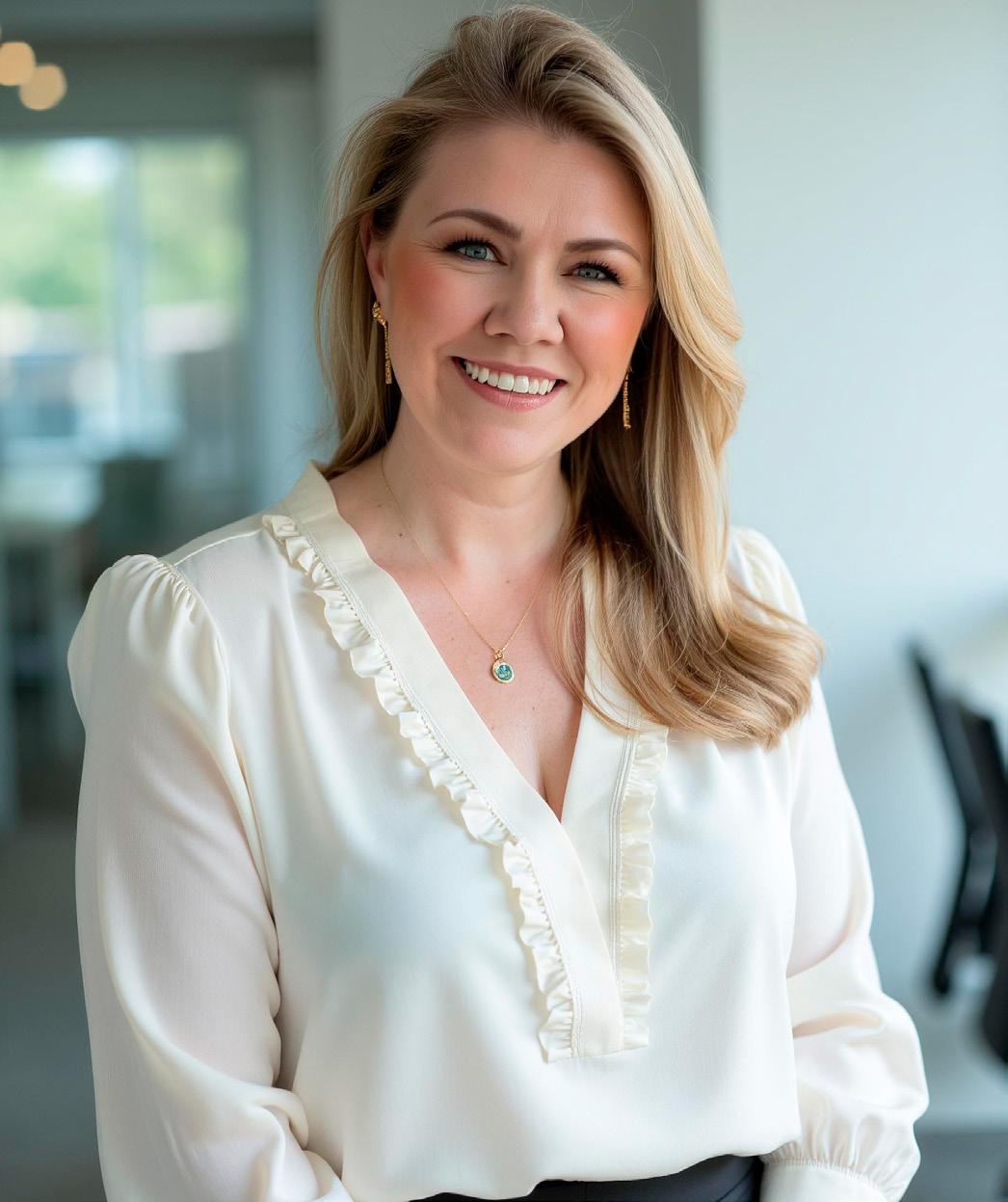
What’s your favorite part of the work you do, and why does it light you up?
“My favorite part of the work I do is helping teams feel seen, heard, and capable of doing their best work. I have worked in just about every role in the dental practice, other than dentist! Assistant, hygienist, admin, office manager, and VP of Operations — so I understand how much pressure dental teams carry every day.
What lights me up is helping practices create clarity, communication, and systems that actually support the people doing the work. When a team starts to feel more confident, more aligned, and more valued, you can feel the energy shift. That is the good stuff for me.”
Tell us about a woman who’s deeply influenced your life or career. What did she teach you?
“A woman who has deeply influenced my life is my Nana. She taught me the importance of family, showing up for the people you love, and leading with kindness.
She had a way of making people feel cared for, seen, and welcomed, and that has stayed with me in every part of my life. Whether I am with my family, working with a dental team, or speaking to a room full of people, I try to bring that same energy with me.
people feel after spending time with me.”

My Nana taught me that strength does not always have to be loud. Sometimes it looks like consistency, compassion, humor, and the way you make people feel. That lesson has shaped how I lead, how I connect with others, and how I hope
How do you personally define success—and how do you know when you’ve hit it?
“Success for me is not just about titles, revenue, or checking boxes. It is about impact. Am I helping people? Am I creating space for others to grow? Am I doing work that aligns with my values and still allows me to be present for the people I love?
I know I have hit success when I can look around and see that something is better because I was part of it. A team feels stronger, a leader feels more confident, a practice is more aligned, or someone feels less alone in what they are navigating.”
What advice would you give someone starting their journey in your field today?
“Stay curious, stay humble, and never underestimate the value of learning every part of the dental practice. The more you understand the people, the systems, the patient experience, and the business side, the more valuable your perspective becomes.
I would also tell them to build real relationships. Dentistry is a big industry, but it can feel beautifully small when you find the right people. Say yes to opportunities, ask questions, find mentors, and do not wait until you feel perfectly ready to take the next step.”
What does real work-life harmony look like for you these days?
“Work-life harmony for me looks like being able to do meaningful work without missing the moments that matter most at home. It is not perfect balance every day, because I do not think that really exists. Some seasons require more from work, and some seasons require more from family.
Harmony is knowing what matters most in the season I am in, giving myself grace, and making sure the people I love do not only get what is left of me. I have been there in my career, and I make conscious decisions every day to not be in that place again."
What movie or TV show always makes you laugh no matter how many times you’ve seen it?
“The Office, hands down. It is awkward in the best way, and no matter how many times I have seen it, the one-liners, facial expressions, and uncomfortable moments still get me every time!
Sometimes you just need a little Michael Scott chaos to reset your day!”
Wendy Aldhamen
Owner
Career Elevation
Dimondale, MI
www.CareerElevationCE.com
FB:@CareerElevationCE
LI: @CareerElevationCE

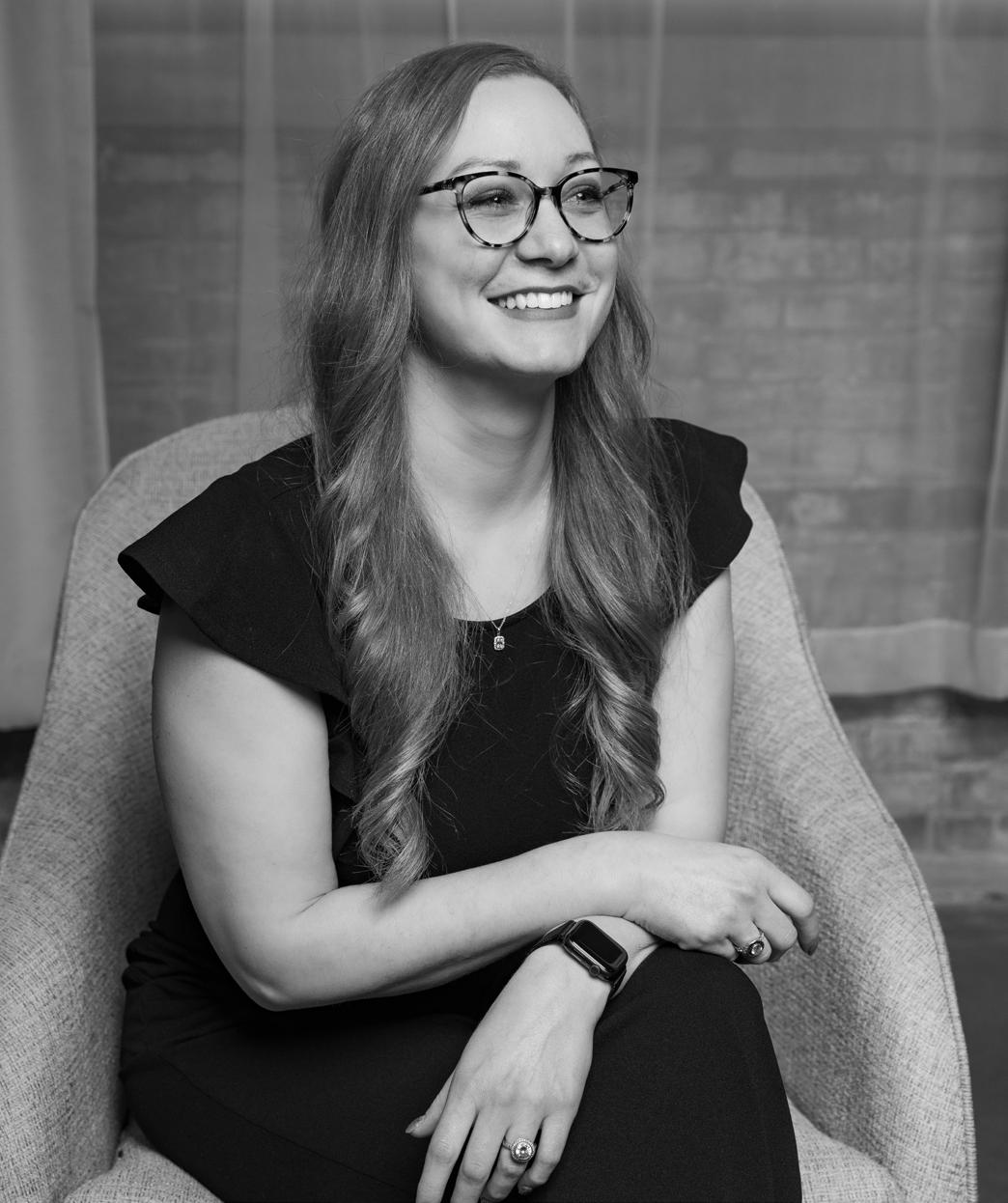
What’s your favorite part of the work you do, and why does it light you up?
"I love being able to lift up the candidates that I speak with. I get to be real with both the office and the candidates. I get the chance to help them into the right position/ person. It’s a lovely feeling when we make the exact match that both parties have been yearning for, for years!"
How do you personally define success—and how do you know when you’ve hit it?
“The cool thing about defining success is that there isn’t one answer that fits all people. And your definition can change from month to month as well!!
My definition of success is seeing my team members grow, learn, develop, and teach others their knowledge. For me, it’s being able to be a good mom and a good leader. Success is being able to help others by asking simple yet life-changing questions and getting people in the same room together, which changes their career trajectory!“
What’s your go-to way to reset when you’re having a rough day?
“Besides the family helping to uplift me, I have a folder on my desktop called “”Cool stuff I’ve done in 2026””. When I get a really great text, a review, or something awesome that I’ve accomplished, I add it to the folder. When I’m feeling a little down, I go to the folder, and I’m flooded by the cool stuff that I’ve done.
Sometimes we have to remind ourselves that we are BA women and the world isn’t the easiest on us. It’s refreshing to see the incredible things that we’ve done, the lives that we’ve touched, and the impact that we make in this world. I never knew what I wanted to do when I was a kid, the only thing I really knew about was that I wanted to “”help people”” but I didn’t know how. I wish I had created these folders every year since being in dentistry, but I think I would have to get a bigger hard drive!"
What advice would you give someone starting their journey in your field today?
“You’re already incredible for wanting to start this journey that you’re heading down! It’s not going to always be easy, but it’ll be worth it! Lead with your vision, your mission, and the money will come. But you still want to get paid for what you do; don’t do too much work for free or discounted. Whatever you have in your head why you’re scared to do a sales call, nervous to pick up the phone, that you're not 100% ready to move forward, just do it anyway! Making the first and thought out move will be the right one. The person you’re talking to won’t know that you forgot to add in another sentence to your email. They (typically) won’t ask you how many clients you’ve already worked with. The chances of them asking your the direct questions that you’re most scared to get, no one will ask you! I was terrified when i started that people would “”find out”” that I didn’t have an HR degree. They would ask why they should trust me. They’d want proof that I have a college degree. Guess what, no one asked me the above 3 questions. Because I was telling them how I can help, I was giving their time back and allowing them to still get the result that they desired. I was honest, but I didn’t overshare about how I started.
You’ll get there. You don’t need everything to be perfect. If you wait until it’s perfect, it’ll take eons! Also, hire a virtual assistant before you’re actually ready for one. Start getting some of your time back before you don’t have the time in your schedule to train someone. If you have a VA that works while you’re sleeping, you’ll wake up to a refreshing start instead of an inbox full of things you need to reply to before you do anything else for the day! Take the stress off early, rather than too late! “
What does real work-life harmony look like for you these days?
“I start work at 9, I leave work at my desk at 5 pm. I take from 5-8:30 pm to make sure I’m present with my kids and my husband. Leaving work for the time I’m scheduled to be at my desk and when I have childcare is incredibly important to me. If I have an extra fun side project or craft, I might work on it again, but only if I really have the time or energy to do it."
By Elaine Lalicata
If you had told eight-year-old me that one day I would build a career in dentistry because of a school screening program, a kind hygienist, and a truly unfortunate 1988 perm, I probably would have believed you. Not because I had a clear career plan at eight years old. I absolutely did not. I was mostly concerned with Barbies, snacks, and convincing adults I knew more than I actually did. But I was also a curious kid. The kind of kid who asked too many questions, noticed everything, and could feel the difference between someone who was just doing their job and someone who actually saw me.
Dentistry was not part of my world in the beginning. I did not grow up in a family where preventive dental care was routine. My parents came from the generation of, “You go to the dentist when something hurts.” Cleanings every six months? Fluoride? Sealants? Oral health education? That was not the rhythm of our household. We did not have a lot of money, and like many families doing the best they could with what they had, prevention felt like a luxury. If nobody was crying, bleeding, swollen, or in obvious pain, then we were fine. That was the system.
Then, when I was around six years old, I was signed up for a public health dental program through my school. A hygienist came in to do screenings, cleanings, and fluoride treatments for kids like me. Kids whose families may not have had access to routine care. Kids who may not have known what a dental hygienist was. Kids who needed someone to show up with kindness, patience, and free toothbrushes. I was fascinated.
There was this person who arrived with gloves, little mirrors, and a calm confidence I could not stop watching. She knew things. She explained things. She looked in mouths and somehow understood an entire story from teeth and gums. I had never seen anything like it. So naturally, I did what any completely normal child would
do. I started making up reasons to go to the nurse’s office whenever I knew the hygienist was there. My stomach hurt. My head hurt. My shoe felt weird. I may have had a mysterious elbow emergency. Whatever it took, I was suddenly very medically fragile on dental screening days.
I wanted to be near her. I wanted to watch. I wanted to ask questions. Probably too many questions. Definitely too many questions. But she never made me feel annoying. She taught me what she could. She explained that I should be seeing a dentist twice a year, not just when something hurt. This was brand-new information to me, and once I had it, I became relentless.
I went home and started begging my parents to take me to the dentist. Not asking. Begging. I became the world’s smallest dental advocate with absolutely no chill. “Did you know I’m supposed to go twice a year?” “Did you know they clean your teeth before they hurt?” “Did you know I need an appointment? “I am sure I was exhausting. But eventually, my persistence worked. My parents gave in and took me to a real dental office. That is where I met Gayle.
Gayle was my first true dental experience, and to me, she looked like Disney’s Snow White. She was beautiful in that soft, classic way that children remember forever. Dark hair, kind eyes, gentle voice, and a presence that made a dental chair feel less like something scary and more like a safe little world where I was allowed to ask questions. And I asked questions. A lot of them. Gayle answered every single one with grace. She knew I did not come from the easiest home life. I never had to explain it in detail. Some adults can just tell. They can read the quiet parts of a child’s story without forcing them to say it out loud. Gayle was one of those people. She made me feel special without making me feel pitied. She made me feel smart without making me feel like a bother. I did not know it at
the time, but that kind of care plants seeds
One appointment with Gayle turned into many. I loved going to the dentist. I loved the smells, the sounds, the prophy paste flavors, the way Gayle explained everything before she did it. I loved how clean my teeth felt afterward. I loved that she remembered me. But the moment that sealed it for me had nothing to do with teeth. It had to do with my hair.
It was 1988, and perms were everywhere. Big hair was not just a style. It was an aspiration. It was an identity. It was a lifestyle. I wanted one badly. I wanted the big, beautiful, bouncy 80s hair I saw on television and in magazines. I wanted volume. I wanted glamour. I wanted to walk out looking like I belonged in a music video. So, I began my never-ending campaign for new hair. All the reasons why I needed it. I would become a social outcast without it. My mom made the appointment that forever changed my life.
I went into that appointment with hope in my heart and visions of fabulous hair in my head. What I got was not fabulous. What I got was a crisis. I did not look like an 80s dream girl. I looked like someone had placed a bad wig on a confused child and hoped for the best. It was puffy in the wrong places, flat in the wrong places, and somehow both too much and not enough at the same time. I was devastated. And I had a dental appointment with Gayle right after.
I walked into that office carrying the emotional weight of a failed beauty transformation. By the time I sat in Gayle’s chair, I completely fell apart. I started crying hysterically because I hated my hair. Not a polite little tear. A full emotional collapse. Eight-year-old me was having a very real salon trauma moment in a dental chair.
Gayle could have said, “Oh honey, it looks fine,” and started the cleaning. She could have stayed on schedule. She could have treated my meltdown like an inconvenience. Instead, she saw me. She put down the dental instruments, took me to the bathroom, found a comb, and spent the appointment helping me style my new hair. She showed me how to work with it, how to soften it, how to make it feel less like a disaster and more like something I could survive. She did not clean my teeth that day. She cared for the child sitting in front of her.
That was the day I fell completely in love with Gayle, dentistry, and the idea that a healthcare provider could change how someone felt about themselves. Looking back now, I realize that moment shaped more than my career choice. It shaped my entire understanding of care. Gayle taught me that clinical skill matters, but connection is what people remember.
Patients may not remember the exact oral hygiene instructions you gave. They may not remember whether you started on the upper right or lower left. But they remember how you made them feel. They remember if you listened. They remember if you explained things in a way that made them feel capable instead of ashamed. They remember if, in a vulnerable moment, you chose compassion over convenience. That lesson followed me long before I had the words to describe it.
Years later, I started working in that same dental office as a dental assistant. The same office where I had once sat as a little girl with too many questions and one unforgettable perm. And yes, I eventually got to work with Gayle before she retired her hygiene instruments and moved into nursing. There was something beautifully full-circle about it. The woman who inspired me to love dentistry became someone I got to work beside. I got to see not just the magic of how she treated patients, but the discipline behind it. The preparation. The professionalism. The way she could make people feel calm without making a big production of it. She did not need a spotlight to be influential. She just showed up with kindness over and over again. She taught me things that school never could.
Eventually, I went to the same dental hygiene program Gayle had attended and became a hygienist myself.



At the time, I thought I was choosing a career where I would clean teeth, educate patients, and help people stay healthy. I did do all of that. But dental hygiene gave me far more than a profession. It taught me how to read a room before anyone spoke, how to calm fear without dismissing it, how to explain hard things with softness. It taught me that trust is built in tiny moments and that people bring their whole lives into the dental chair, not just their teeth.
I thought I was learning dentistry. Really, I was learning people. And that is the part of the story I carry with me now. As my career grew beyond clinical hygiene into training, operations, implementation, leadership, and writing, I realized that the foundation was always the same. Whether I was helping one patient understand gum disease, helping a team adopt a new system, or helping a practice create better workflows, the work was still about people feeling seen, supported, and capable of doing something differently. That little girl in the nurse’s office could never have predicted all of this. She just knew she was fascinated by the kind hygienist who came to her school. She knew Gayle made the dentist feel safe. She knew that when her 1988 perm tried to ruin her life, someone cared enough to stop the schedule and help her.

Sometimes we think impact has to be big to matter. A stage. A title. A major accomplishment. A perfect plan. But sometimes impact is a public health hygienist showing up at an elementary school. Sometimes it is answering a child’s endless questions without making her feel small and a comb in a dental office bathroom. Sometimes it is choosing kindness when someone else may have chosen to stay on task.
I became a dental hygienist because Gayle showed me what care could feel like. I stayed in dentistry because I learned how much power there is in helping people feel safe, educated, and respected. And I keep telling the story because somewhere there is another little girl watching, wondering, asking questions, and quietly deciding who she wants to become. For me, it all started with a school program for kids who needed access, a bad perm job, and the kindness of my very own Disney princess hygienist. And honestly, I cannot think of a better beginning.

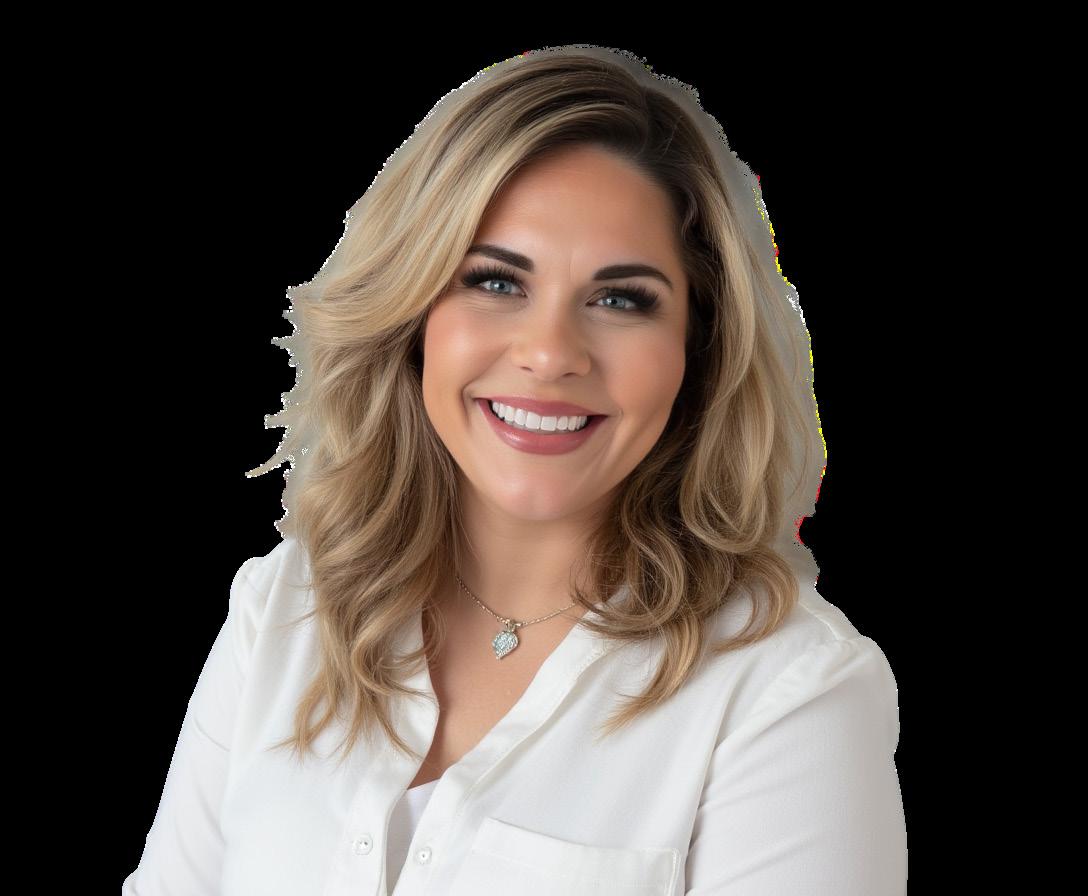
About the author: Elaine “Lainey” Lalicata is a retired clinical dental hygienist, dental operations leader, writer, speaker, and customer success professional with more than 20 years of experience in dentistry. She is passionate about helping dental teams bridge the gap between clinical knowledge, workflow consistency, implementation, and real human connection. Known for her humor and heart, Lainey uses storytelling to inspire growth, adoption, and confidence across the dental industry.
Iwill never forget the first time I heard it in his voice. It wasn’t loud. It wasn’t dramatic. It was quiet exhaustion.
He had been practicing dentistry for decades. He owned a busy pediatric practice. He was working six days a week and still struggling to make payroll. His marriage was strained under the weight of stress. He was paying for all of his children’s college tuition while trying to keep the doors open.
From the outside, he was a seasoned practice owner. But during that first phone call, I could hear how much he was carrying and how alone he felt in it.
There is a specific tone people have when they’ve been carrying too much for too long. I hear it in the pauses. In the hesitation when they admit something isn’t working.
That call shaped me more than I realized at the time.
Yes, I uncovered financial issues. Yes, I found breakdowns in systems and accountability. Years of service had quietly replaced accountability. Without clear systems and measurable expectations, performance went unquestioned, and no one realized how much it was costing. It took time for him to make the hardest decision. Letting go of someone who had been with the practice for decades but was no longer serving it well.
That was my first major leadership lesson: Silence feels safe in the short term. But it is expensive in the long run.
When he finally acted, everything shifted. Cash flow stabilized. Collections strengthened. Anxiety eased.
By Becky Moser
Within a year, the practice experienced growth he had never seen before. Over time, debt was paid down, and associates were hired. He eventually created the schedule he had once described as ideal.
The numbers improved. But the real transformation wasn’t financial. When the pressure around money eased, so did his mind.
That experience changed how I see leadership.
When someone is operating from constant stress, every decision feels heavier. You tolerate what you shouldn’t. You delay hard conversations. You avoid looking too closely at what feels overwhelming. You second-guess yourself.
Financial chaos is loud. Emotional fatigue is quieter — and often more influential than we realize.
We ask each other, “How are you?” Every day. But most leaders don’t answer honestly. There isn’t time to unpack everything. There isn’t space to explain all the variables. And sometimes, there aren’t even words for what feels off. So, I started asking a different question.
“What’s your number?”
On a scale of one to ten, where are you in your headspace today? One is the lowest. Ten is steady, clear, and confident.
It’s okay to be a four. It’s not okay to stay there.
That question changed everything.
Over time, I realized this question didn’t just belong in
business conversations. I began using it with friends, family, and with the people closest to me. Sometimes it was the only text we had with each other that day. A simple number that carried more honesty than a full conversation ever could.
The number system created something I didn’t even know my clients needed. A number makes room for honesty without forcing explanation. It allows someone to be seen without feeling exposed.
They don’t have to defend their emotions. They don’t have to present a polished answer. They don’t have to pretend they’re fine. They can simply say, “I’m at a five,” and we move forward from there.
Sometimes I send a simple text: “What’s your number today?” Not because I need details. But because leadership is strengthened by awareness. And awareness requires honesty.
Leadership comes with responsibility, but it doesn’t have to come with silence. One of the things I value most about this community is that we don’t pretend to have it all together. We show up. We share. We lift one another. We don’t always need the perfect words. Sometimes we just need the right question. Sometimes that question is simple:
“What’s your number?”
We don’t always need the full story. We don’t need a polished explanation. A number opens the conversation in a way “How are you?” rarely does. It invites honesty. It signals safety. It creates room to say, “I’m at a four,” and know someone will sit with you there — and help you move forward.
There was a season when I found myself at a four.
A difficult client interaction left me reflecting deeply. I remember sitting with tears in my eyes, not questioning the work itself, but questioning whether I was stewarding it well. Did I have the steadiness to hold space for leaders in their hardest seasons? What did I need to refine in myself to serve them better?
A close friend, another woman in the DeW community, reached out to me.
She checked in. She stayed present. She reminded me that I didn’t have to be perfect. She reminded me that the work I do matters. She reminded me that being at a four
didn’t mean I was failing. It meant I was growing.
And she didn’t stop there. She continued to check in. She reminded me I would always have a seat at the table. That conversation steadied me. It moved me from a four to a six. That is what community does.
Headspace is not separate from strategy. It influences decisions. It affects clarity. It shapes how we lead. I continue to show up in this work and not because I have all the answers, but because I don’t have to carry the responsibility alone. I rely on the DeW community — a circle of women who challenge me, encourage me, and remind me who I am when I forget. Their presence steadies me so I can continue serving with clarity and confidence.
You can be competent and still need support. You can be capable and still benefit from someone asking a better question.
If you are at a four, acknowledge it. If you are at a seven, protect it. If you are at a three, let someone see you.
Leadership isn’t about pretending you are always a ten.
It’s about knowing when you’re not — and refusing to stay there.
What’s your number?
Be honest.
Then take the next steady step forward.
About the author:
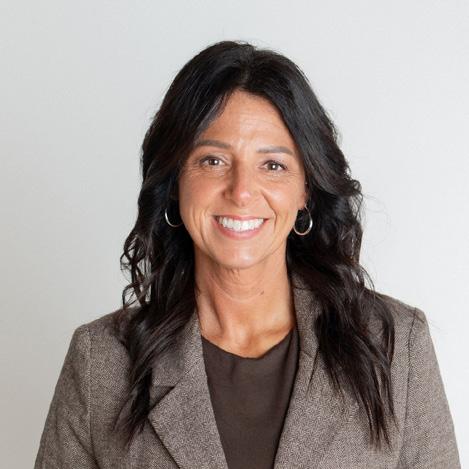
Becky is the founder of Once Upon a Practice and a pediatric dental consultant focused on bringing clarity to practice operations and finances. She specializes in front office systems, team training, and financial transparency, helping dental teams understand their numbers, strengthen trust, and operate with confidence. Becky partners with pediatric practices nationwide to create streamlined systems that support team confidence, operational efficiency, and long-term growth. She lives in Georgia with her husband, two daughters, and their two dogs.
Iwas born in Pasco, Washington, but I was raised in the Philippines. Some of my earliest memories are of being surrounded by family, always being taught to respect others, to stay humble, and to take care of the people around me. Those values became a part of me before I even understood what leadership was.
As a Filipina woman, there were things I did not question growing up. You listen before you speak. You do not challenge authority. You make sure everyone is okay, even if it means putting yourself last. You keep the peace. I never saw those things as limitations. To me, that was just who I was. It was not until much later in my career that I realized how deeply those beliefs were shaping the way I was leading.
When I first stepped into leadership, I thought I was doing everything right. I was the leader who people felt comfortable with. I made sure my team felt supported, avoided tension, and said yes often, even when I knew I probably should not. I told myself that being liked meant I was doing a good job, and for a while, it seemed like it was working.
Over time, I started to feel the weight of it. I remember walking out of conversations thinking I should have said something. I would replay situations in my head where I avoided addressing an issue because I did not want to make someone uncomfortable. I convinced myself that keeping the peace was more important than being direct. In reality, I was not leading with clarity. I was leading from a place of fear. Fear of being seen as too much, fear of coming across as disrespectful, and fear of disappointing people. In trying to protect everyone else’s feelings, I was slowly losing my voice.

By Laurie Umandal
For a long time, I did not connect this to my upbringing. I thought it was just my personality. But the more I reflected, the more I started to see the patterns in how I showed up. The way I avoided conflict, the way I overextended myself, and the way I felt responsible for how everyone else felt in the room.
In Filipino culture, values like getting along with others and maintaining harmony are deeply ingrained. There is a strong sense of community and respect, and those are things I am incredibly proud of. At the same time, I had to be honest with myself about how those values were showing up in my leadership. Some of them made it difficult for me to speak up when it mattered most.
As women, especially Filipina women, we are often raised to be nurturing, accommodating, and selfless. There is strength and beauty in that, but there can also be a quiet pressure to not take up too much space. For a long time, I lived within that space without even realizing it.
My growth did not come from one defining moment. It came from a series of small moments that kept building on each other. Moments where I knew something needed to be addressed and I chose not to. Moments where I felt frustrated but stayed silent. Moments where I realized that my team needed more from me than just kindness. They needed direction, honesty, and leadership.
One moment that stands out was when I had to address a performance issue with a team member. I had been avoiding the conversation for weeks, hoping it would resolve on its own. It did not. By the time I finally had the conversation, it was harder than it needed to be, not because the situation was complicated, but because I
had allowed it to build up.
I walked away from that experience realizing something important. Avoiding the conversation did not protect the relationship. It made it more difficult. That realization shifted something in me and pushed me to start doing the work.
Finding my voice was uncomfortable at first. Setting boundaries felt unnatural, saying no felt heavy, and being direct felt like I was doing something wrong, even when I knew I was not. I had to remind myself that being clear is not the same as being unkind.
I started small by speaking up in situations where I normally would have stayed quiet. I practiced being honest even when it felt easier to soften the message, and I began holding people accountable while still being respectful. Over time, it started to feel more natural. What I realized is that I did not have to choose between being kind and being strong. I could care deeply about my team and still expect more from them. I could lead with empathy and still set boundaries. That balance changed everything for me.
Difficult conversations used to be something I avoided at all costs. Now, I approach them with intention. I no longer wait until things build up. I address things earlier, go into conversations prepared, and stay clear on what needs to be said.
I also focus on listening. Before, I was so concerned about not upsetting someone that I would overthink every word. Now, I focus on being present in the conversation, understanding the other person’s perspective, and still standing firm in mine. It is not always easy, and there are still moments where I feel hesitation, but I no longer let that stop me. I have seen what happens when I choose courage instead of comfort, and that continues to guide me.
I have always believed in servant leadership, but my understanding of it has evolved. I used to think serving my team meant making things easier for them, keeping things smooth, and avoiding anything that might create tension.
Now, I see it differently. Serving my team means being honest with them, setting clear expectations, and holding them accountable, even when it is uncomfortable. It means helping them grow, not just keeping them comfortable. That shift has made me a stronger and more effective leader.
This journey has never been about changing who I am.
It has been about understanding myself more deeply. I am proud of my Filipino roots. They have shaped the way I connect with people, the way I care for others, and the way I show up as a leader.
Those qualities are not something I had to leave behind. They are something I have learned to strengthen. What I have done is add to them. I have learned to speak up, to set boundaries, and to recognize that my voice matters just as much as anyone else’s in the room. That awareness has allowed me to lead in a way that feels both authentic and effective.
I am still learning and growing. There are moments where I catch myself wanting to go back to what feels familiar, whether that is staying quiet, avoiding discomfort, or keeping the peace. The difference now is that I recognize it.
Instead of defaulting to those patterns, I make a conscious choice to respond differently. Each time I speak up, set a boundary, or lean into a difficult conversation, I am reinforcing the leader I am becoming.
If you have ever felt like your kindness has held you back, if you have ever stayed quiet to avoid conflict, or if you have ever questioned whether you can be both compassionate and confident, you are not alone.
You do not have to lose who you are to grow. You can still lead with heart and care deeply about your team while also taking up space, speaking up, and setting boundaries. You can be the kind of leader who is both respected and trusted without sacrificing your authenticity.
When I look back, I see a version of myself who believed that being a good leader meant being agreeable and accommodating. While those qualities came from a genuine place, they were not enough on their own.
Today, I understand that leadership requires clarity, courage, and a willingness to use your voice even when it feels uncomfortable. I still lead with service at the core, but now that service is supported by confidence, boundaries, and honest communication.
That shift has not only changed the way I lead. It has changed the way I see myself.
About the author:
Laurie Umandal is currently leading a practice in Central Florida and has worked in dentistry since 2011. Driven by a deep commitment to growth, she believes investing in herself allows her to lead others with greater impact. She brings an intentional leadership style rooted in empathy and accountability. She is the founder of The Lotus Principle, creating space for leadership, growth, and connection. Outside dentistry, she is a wife, mother of three, and values community and family time.
Whether you’re newly out of dental school, in the prime of your career or a soon-to-be retiree, you have dreams and goals for your practice. Perhaps you want to expand or renovate your dental office. Maybe you’re ready to optimize your operations to boost profitability and grow. It could be that you want to sustain what’s working well as you prepare to sell or retire in the next few years.
Wherever you are on your journey, the right partner can elevate your success by understanding your needs and goals, guiding you to the solutions to reach them and offering sustained support. Consider what dentists across the nation have done with Patterson Dental by their side.
By Patterson Dental
Five years into practice ownership, Dr. Christopher Bauer had a thriving, growing three-operatory practice in Fresno, California. He had invested in CAD/CAM technology, 3D imaging, a 3D printer and the Solea AllTissue Laser. But his older dental office didn’t reflect his high-tech capabilities.
“I always joked that we were like a hole-in-the-wall restaurant. We were doing great things, but nobody knew it,” Bauer said. Mills were tucked away in sterilization, and the furnace sat in an office cabinet in the hallway.
When it came time to renew his lease, the adjoining space was available, and Bauer started a plan to take it over. The idea behind the expansion was to show off the technology. “We wanted our patients to notice it more. Plus, we’re here all day, Monday through Thursday, and I wanted everyone to enjoy the office space.”
Bauer’s renovation puts the lab front and center so patients can see it as they walk from the waiting room to the operatories. “I think it looks beautiful. And it starts the conversation about, ‘Oh, what is that?’ and the hygienist or assistant can say, ‘That’s where we make your crowns in a day.’ It helps them see what we’re doing. I can sit back and let it speak for itself.”
Bauer had worked with Patterson for years before the renovation, and Patterson was a key partner in the expansion. “It’s more than just quality products,” Dr.
Bauer said. “It’s all the other support Patterson provides.”
Patterson “was there every step of the way making sure things were running smoothly,” Bauer said. “[The equipment specialist] made what could have been a very painful and stressful experience so easy; my only regret is not doing it sooner.”
Drs. Jon and Joshua Chisholm: Enhancing care and increasing production in West Santaquin, Utah
Dr. Jon Chisholm had a long-standing relationship with Patterson when he started making changes to prepare his practice for his son, Dr. Joshua Chisholm, to join. While Joshua was at dental school, Jon doubled the number of hygiene days and added four new operatories to gear up the office for another dentist.
Inspired by Joshua’s interest in and experience with dental technology, Dr. Jon added a digital scanner and milling unit to his practice, followed by cone beam technology. “And I’m glad that I did. It’s been a great experience. It’s made me a better technician and a better dentist,” said Dr. Jon.
The dental technology allowed the Chisholms to mill crowns, aligners and implants in-house. “We can serve our patients in a better, more efficient way. The precision we can achieve with a scanner is amazing and the convenience of milling on-site is huge,” said Dr. Joshua. “Patients are thrilled they don’t have to come back, wear a temporary or get numbed again.”
The Chisholms boosted production by 20 percent in six
months with their investment. “It’s been fantastic,” said Dr. Jon.
Jon has worked with Patterson for more than 20 years, he said. “They’ve been awesome to work with from when we set up this new part of the office; they came in and helped me draw up the plans so we knew where we needed the equipment.”
He added, “When we were adding equipment, Patterson was on top of it quickly and took care of everything. They’re also always there whenever you need service, training or have a question.”
Dr. Matt Andrews: Optimizing innovations to better serve his hometown in Wisconsin
Dr. Matt Andrews serves his hometown and its surrounding region with three practices in the southwest corner of Wisconsin. He bought his first practice – Cuba City Family Dental – in 2010 and then rebuilt it. Later, he opened two practices by partnering with and colocating in health centers. Plus, he’s invested in innovative technology to better serve his patients.
While Andrews’ primary focus is on general dentistry, his practices also offer specialty care. They do a lot of orthodontics and “everything implant-related” from placement to restoration, Andrews said. “We do a lot of root canals and pretty much all of the prosthodontic specialties, as well as pediatrics. There’s just no other access for pediatrics [in the area], so the backlog is huge.”
Andrews says his most beneficial technology is his CAD/
CAM system. “I would never stop doing same-day crowns or same-day bridges. It’s such a huge time-savings. People love having only one appointment, being numbed up only once and not having to worry about a temporary.”
Plus, Cuba City has the Solea All-Tissue Laser by Convergent Dental. “The biggest value of Solea has been with the kids. It’s very seldom that I’m using anesthetic on
kids. Being able to do fillings with it and having a whole generation who have never been numb, even if they’ve had a fair bit of work done, is pretty amazing.”
Andrews described his relationship with Patterson as excellent. He’s had the same sales rep since he started, and some great equipment specialists, he said. “We’ve always had a first-name relationship. I can text them if we have a problem and they’ll text me just to see how everything’s going. They’re always very responsive. Our TechEdge service technician always helps us figure out a solution to get back to operational.”
If it wasn’t for Patterson’s support, Andrews is not sure he would have branched out to the extent he has. “Just the ability for them to lay it all out and get me quotes on everything and go to a showroom and look at the equipment.… It’s really made it easy.”
scheduling, it’s the accounting, it’s the treatment planning, and now with Pearl AI being integrated into Eaglesoft as well as some other claims submission tools, it’s really the central hub for the practice.”
Another constant since Meevasin and Cruz became practice owners is their relationship with Patterson. When they were new to practice ownership, they found Patterson stood out among competitors for its responsiveness. They worked with a representative who was new to Patterson, and “we kind of came up together and really built a strong and trusting relationship that only got stronger over the years.”
As for Eaglesoft, Cruz says it’s not only easy to use but is incredibly reliable. “Eaglesoft has always worked,” he says. “It’s helped us through.”
Cruz also appreciates the support his team receives from Patterson whether they are learning something new or identifying an area for improvement. He sees it in the in-office training, the Eaglesoft chat feature, and the Patterson Technology Center, which is just a phone call away. “I really love the responsiveness of that,” he said.
The support that comes with Eaglesoft means a dentist doesn’t have to spend that time helping their team, meaning they are freed up to focus on what matters most – their patients. “And when you’re small, it makes all the difference.”
Patterson works with dental entrepreneurs across the nation to support their dreams. Whether a practice owner wants to expand their footprint, grow in place, optimize their care or sustain what’s working well, the Patterson team is here – ready, willing and able to support dental entrepreneurs in achieving their vision and their goals.
Since Dee Dee Meevasin, DMD, and her husband Michael Cruz bought what is now Dee for Dentist in Las Vegas in 2011, a lot has changed. They have evolved into a hightech practice that’s focused on digital dentistry, acquired two more dental offices, and have grown every year. But one thing that has stayed the same is that Eaglesoft remains at the center of their operations.
The practice management software was used by the original practice they purchased and “we just kind of ran with it,” says Cruz, who is the office manager. “It’s the
About the author:
With nearly 150 years of experience in the dental industry behind us, Patterson Dental offers over 150,000 solutions to practices ranging from toothbrushes and dental floss to patient chairs and exam lights to the latest 3D imaging solutions and laser technology. More than that, our products are backed by an expert team who listens to your needs and goals, guides you to solutions to reach them, and offers support for success into the future.


By Jui Trivedi
Partnering with a Dental Service Organization can transform your practice—but understanding what you gain and what you give up makes all the difference between a smart exit and seller’s remorse
Partnering with a Dental Service Organization (DSO) can offer real advantages: liquidity, operational support, and growth resources. But the ownership change can impact the practice and the professional experience in ways that may not be fully visible until after closing.
I have seen this decision play out in real transactions. The owners who feel best are the ones who understood what they were gaining, what they were giving up, and whether the deal matched the life they wanted after closing. Reacting to an unsolicited offer or chasing what they heard another dentist received rarely results in long term satisfaction.
A DSO partnership can be a smart exit. It can also create seller’s remorse. The difference usually begins with cleareyed preparation.
The DSO conversation often starts casually: a cold email, a conference introduction, or a referral from another dentist. The first call may feel exploratory, with the buyer talking about partnership, clinical autonomy, shared values, and long-term opportunity.
But if the DSO sees a fit, the pace can change quickly. Document requests, follow-up calls, valuation discussions, and pressure to keep moving can arrive before a dentist has fully decided what they want.
That does not have to make the process adversarial. However, it does mean you are entering a sophisticated sale process with buyers who do this repeatedly, while most dentists do it once. Preparing early helps you gain clarity on your goals and make decisions deliberately, not reactively.
The best starting point is honest self-assessment.
What are you truly optimizing for? If your primary goal is liquidity and you are ready to step away from non-clinical responsibilities, a DSO partnership may align well. It can also offer the resources, infrastructure, and support of a larger organization.
If autonomy and independent decision-making remain central to your professional satisfaction, another path may be a better fit. Ask yourself how much you enjoy the business side of ownership. If staffing, payer issues, facilities, financials, and daily operations feel draining, the DSO model may solve a real problem. If those responsibilities give you pride or purpose, the tradeoffs may feel larger after closing.
Timeline matters too. DSO partnerships often work best for dentists willing to continue practicing for several years after the transaction. Many deals require ongoing clinical
A DSO partnership can be a smart exit. It can also create seller's remorse. The difference usually begins with clear-eyed preparation.
involvement and employment commitments. If you are close to full retirement, a simpler sale to an associate or private buyer may be more appropriate.
The specific DSO matters as much as the concept. Some organizations preserve meaningful autonomy and local decision-making. Others operate with far more centralization. Dentists should ask direct questions: What decisions require corporate approval? How are staffing levels determined? Who controls compensation changes? How often does regional management visit? What happens if the practice misses performance targets?
It is also important to speak with dentists already inside the organization, including dentists who were not hand-selected as references. Their perspective can be revealing.
Finally, consider alternatives before committing. Could you sell to an associate or local buyer? Could you bring in a practice manager to reduce the administrative burden without selling? Could you structure a gradual transition with a younger partner? Could you prepare the practice over time to improve value before going to market?
A good exit strategy starts with understanding what these options offer and how each one aligns with your objectives. This includes considering whether DSO partnership is right for you at all.
For many dental practice owners, the practice represents a substantial portion of personal net worth, and its value is often tied closely to the owner’s ability to keep working. A DSO transaction can convert years of sweat equity into liquidity, reducing that personal exposure and creating room to diversify assets, support family goals, or move gradually toward a full exit. This can be particularly attractive if you are within 10 years of retirement, as it can create a definitive exit option while monetizing the value of your practice.
Most DSO deals include some combination of three broad components:
• Upfront cash is the portion paid at closing.
• Deferred payments may be subject to future performance criteria or other post-closing conditions.
• Rollover equity is reinvested into the DSO platform, giving the seller a chance to participate in future growth.
Rollover equity is where the “second bite of the apple” becomes attractive. If the DSO grows successfully and later sells or recapitalizes, the rollover equity may generate another payout. In some successful platforms, dentists have seen meaningful returns from this second event.
But rollover equity should be viewed with realism. It is not cash in the bank. It comes with restrictions and is illiquid; it is dependent on the platform’s performance and often influenced by factors far outside the dentist’s control, including integration success, debt levels, leadership decisions, payer trends, margin pressure, and future buyer appetite.
The dentists who evaluate this well treat rollover equity as speculative capital. They recognize the upside but do not build their entire retirement plan around it. They ask careful questions about the private equity owner’s timeline and how their equity will be valued in a future transaction.
The financial upside can be real. But it should be understood, not romanticized.
Even in a dentist-friendly DSO partnership, you give up some control. The key is knowing how much control you are willing to give up, what you want your role to look like after the sale, and how your staff and patients will be impacted.
Before a transaction, decisions about staffing, vendors, technology, marketing, scheduling, compensation, and patient experience usually sit close to the owner. After a transaction, many move to a regional or corporate team. For some dentists, that is a relief; they can focus on clinical work while someone else manages the business. For others, the loss of independence feels heavier than expected.
Clinical autonomy may be preserved, and many DSOs are sincere about that. But operational decisions are where the change is often felt first: a hygienist’s compensation
"The key is asking the right questions early, understanding the tradeoffs clearly, and choosing the path that fits your life, not just your balance sheet."
adjustment, staffing levels, technology choices, or other day-to-day decisions may now require approval or be measured against system-wide benchmarks.
None of these changes are necessarily unreasonable from a business standpoint. DSOs standardize because consistency, data, and scale create value. But what makes sense at the platform level can feel very different inside a practice built around personal judgment and local relationships.
That is why the question is not simply whether a DSO partnership is good or bad. It is whether the level of control you retain fits your goals, your timeline, and the role you want to play after the sale.
Valuation, deal multiple, and rollover equity terms deserve serious attention. But some of the most frustrating postclosing issues are the ones that seem ordinary during diligence.
Employment terms matter beyond compensation. Noncompetes, production targets, and schedule expectations can meaningfully shape life after closing, especially if the partnership no longer feels like the right fit.
DSO management turnover is another reality. The regional leader who built trust during the transaction may not be there later. Private equity-backed organizations evolve, priorities change, and the culture described during courtship may feel different after integration.
Then there is the emotional shift. For many dentists, ownership is tied to identity. You are the person who built the practice, hired the team, and made the hard decisions. After a sale, even with a respected title, you are no longer the owner. That can be a bigger adjustment than many dentists expect.
A DSO partnership should not be treated as the only option for your exit strategy simply because a buyer has shown interest.
The dentists who experience the least regret are the ones who enter the process with clear priorities. They understand the economics, but they also understand their long term goals. They know what they want their next chapter to look like, how much control they are willing to give up, and what kind of organization they are willing to be part of.
DSO partnerships are not inherently good or bad, but they are complex transactions with layers most sellers do not see at first. No path is entirely risk-free. Staying independent has tradeoffs, and selling has tradeoffs.
In either case, the decision often comes down to what you are willing to exchange among control, time, financial certainty, stress, and future opportunity. The key is asking the right questions early, understanding the tradeoffs clearly, and choosing the path that fits your life, not just your balance sheet.
About the author:
Jui Trivedi is Managing Partner at Next Point LLC, where she advises dental and healthcare practice owners on growth, transition, and exit strategy. She has led transactions involving independent practices and DSO partnerships, helping dentists navigate valuation, deal structure, and long-term alignment. Her work combines financial rigor with a practical understanding of what life looks like after closing. She can be reached at Jui@ nextpointLLC.com or on LinkedIn at https://www.linkedin.com/ in/juitrivedi/.


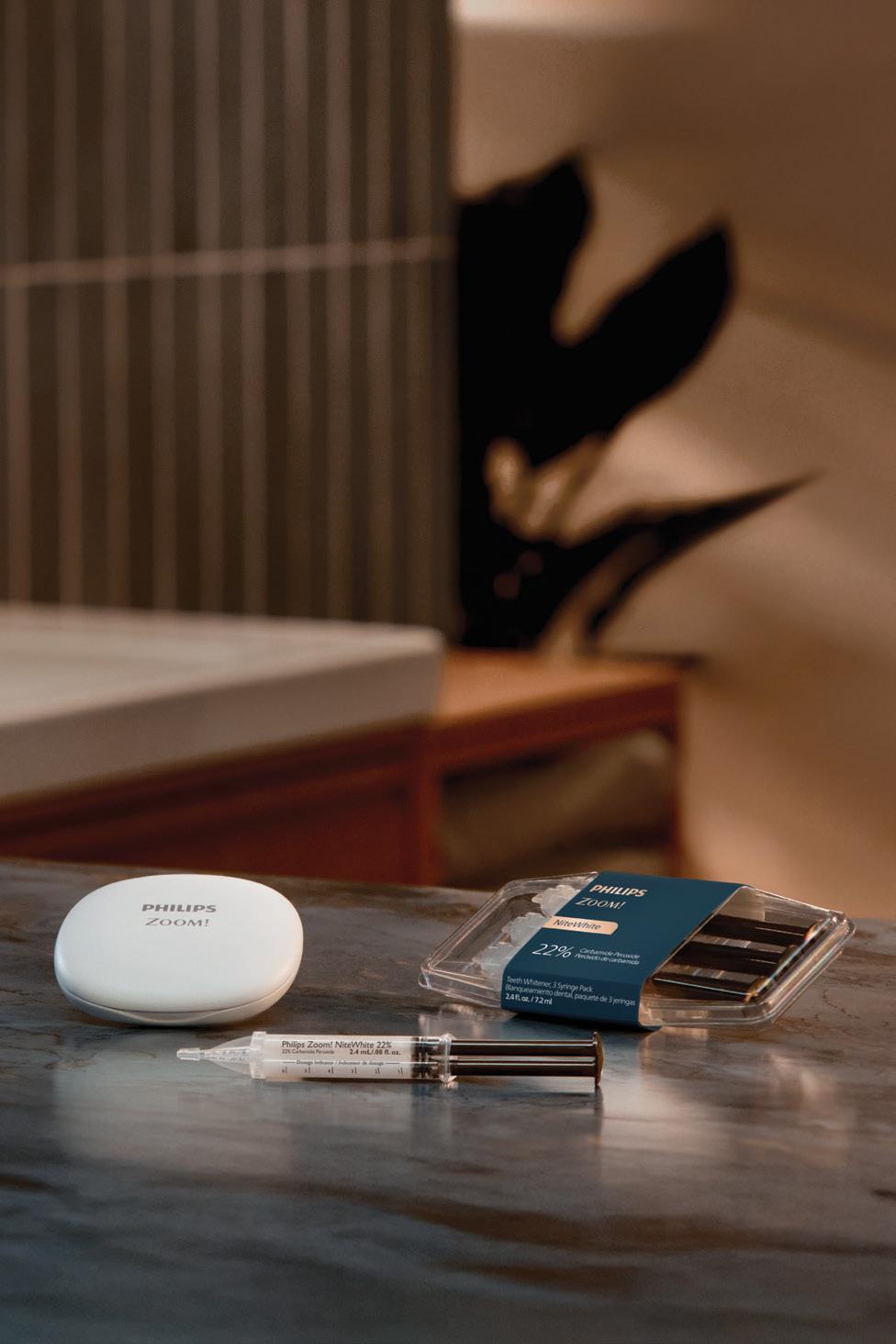




From compliance training and consulting to helping practices navigate team and patient safety issues, no two days in my world ever look the same.
“Risk what? What’s risk management?”
I actually said those exact words 35 years ago when a friend looked at me and said, “You need to go into risk management.” I understood the words separately, but together? I had no idea what they meant—or how deeply they would shape the rest of my life.
Fast forward to 2025, and my Florida-based business, Dental Compliance Institute (DCI), is now in its 11th year. Our mission is to advance dental compliance education through credentialed train-the-trainer programs and a membershipdriven support network that empowers professionals to lead with confidence, integrity, and resilience. At the heart of it all is helping practices create environments where patients feel safe, teams feel supported, and leadership feels prepared instead of reactive.
But when people ask me what risk management actually looks like day to day, the answer is rarely simple.
Because risk management is not really about policies and binders.
It’s about people.
It’s about the moments no one prepares you for. The phone calls that come in when something has gone wrong. The splitsecond decisions that affect patients, teams, reputations, and trust. It’s helping people move through fear, uncertainty, and pressure with clarity instead of panic.
And almost every single day, someone asks me the same question:
“What do we do?”
One recent Tuesday, I thought I was finally going to have a quiet
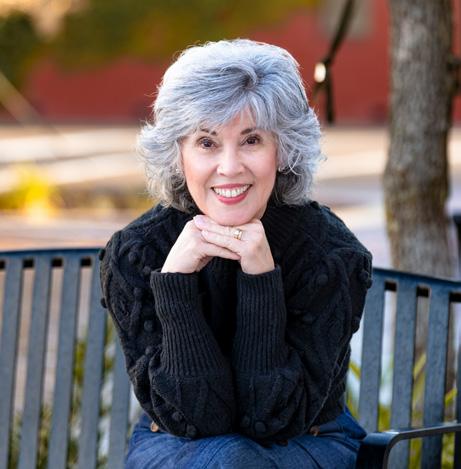
By Linda Harvey
day. A few scheduled calls. Some paperwork. Maybe even the rare feeling of catching up.
That lasted less than an hour.
A client texted needing a form. Another wanted a form reviewed. An attorney sent over a referral. Then came an email from a practice about a patient who had fallen out of a chair in the reception area and injured himself.
Immediately, everything else stopped mattering.
When I got on the phone with the office, I learned the incident had happened the day before. Thankfully, everyone involved—including the patient and his driver—had responded appropriately. But because the patient had pre-medicated at home before surgery, the practice needed guidance on what could happen next and how to navigate the situation appropriately moving forward.
This is where risk management becomes more than compliance.
Anyone can react after something happens. The real work is helping teams think ahead, stay calm under pressure, and respond in ways that protect both people and trust.
Together, we walked through next steps, strengthened protocols, and discussed possible downstream implications, including potential regulatory reporting requirements. But beyond regulations, situations like this leave an emotional imprint on teams. They remind us how quickly ordinary days can change and how important preparation, communication, and accountability truly are.
Almost every day includes calls like this. Emergencies. Questions. Clarifications. Coaching moments.
And every day requires triage.
Because while every concern matters, not every situation carries the same level of urgency. Part of my role is constantly assessing risk: physical risk, emotional risk, reputational risk, financial risk. Some situations can wait until tomorrow. Others cannot wait another ten minutes.
“What Do We Do?”
That question follows me everywhere.
An office calls after 5:00 PM because a pregnant team member experienced a needle stick after the patient had already left and occupational health was closed.
“What do we do?”
Another office calls because a patient with previously elevated blood pressure is already in the chair before anyone realizes vitals were never taken.
“What do we do?”
When those calls come in, everything else disappears into the background.
Because at the center of every situation is safety.
Patient safety. Team safety. Protecting trust. Protecting licenses. Protecting people.
Sometimes my role is strategic. Sometimes educational. Sometimes it feels like part coach, part crisis manager, part therapist.
But over time, I’ve realized what I really do is help people think clearly during moments that feel chaotic.
I stay immersed in existing and emerging regulations so I can translate them into practical workflows teams can actually use—not just policies that sit untouched in binders. I belong to multiple medical risk management and patient safety organizations, and that work eventually led to being recognized by the American Society for Healthcare Risk Management as a Distinguished Fellow.
Depending on who you ask, that may sound overwhelming.
To me, it feels purposeful.
One of the most important lessons this career has taught me is understanding the limits of your own expertise.
I once received a referral from a practice shortly after their systems had been hacked. It became obvious very quickly that while I understood policy, compliance, and response procedures, I needed someone with a deeper technical IT background to properly address the situation.
So I called in an expert.
That’s one thing experience teaches you: confidence does not mean pretending to know everything. It means knowing when collaboration protects people better than ego ever could.
Over the years, I’ve built relationships with specialists across multiple industries so clients can get the support they need beyond my scope. In many ways, risk management is really about building the right team around the problem.
Ironically, I’ve also become a consultant to other consultants. Colleagues regularly reach out asking me to assess situations, speak with clients, or help navigate difficult compliance concerns.
And honestly, I love that part of the work.
No matter how carefully I plan my day, everything can change with one phone call.
Sometimes several.
There are days where my personal life and professional life collide in ways I never could have anticipated. Recently, while driving to the bank to deal with my own family’s hacked checking account, I was simultaneously helping a client troubleshoot a failed dental waterline test while coordinating with their sales representative and service technician.
A failed dental unit waterline test is not a minor inconvenience. It can effectively shut down an operatory because of patient safety concerns, triggering an entire chain reaction for the practice.
By the end of the day, both situations were resolved.
Stressful? Absolutely.
But there is something deeply meaningful about helping people move from panic to resolution. About being the steady voice on the other end of the phone when someone feels overwhelmed.
We all have our version of hard days. Risk management just happens to be mine.
Educate and Serve
At DCI, we provide certification training and education in corporate compliance, OSHA, HIPAA regulations, and dental risk management.
But education does not just happen in classrooms.
It happens in difficult conversations. In late-night phone calls. In text messages from overwhelmed office managers. In helping a team understand why one small workflow change today could prevent a devastating situation tomorrow.
That’s the work I care about most.
Thirty-five years ago, risk management was a phrase I didn’t even understand.
Now it's evolved into a calling.
I’ve spent my career helping practices strengthen systems, protect patients, support teams, and navigate uncertainty with greater confidence and clarity. And after all these years, I still find purpose in helping people through the moments they never expected to face.
About the author:
Linda Harvey, MS, RDH, HRM, founder of the Dental Compliance Institute, has shaped dental risk management for over 30 years. She supports practices and DSOs nationwide with compliance solutions and career pathways for compliance leaders. A Distinguished Fellow in ASHRM and 2026 Denobi Award recipient, she now focuses on corporate DSO compliance.
Igrew up a small-town girl in Wisconsin, the kind who knew deep down that the world was bigger than the borders of my zip code. I didn’t have a roadmap, but I had a sense, a tug, that life would take me places. And it did. From Wisconsin to North Carolina in high school, then to Florida for college, and eventually back to North Carolina again.
At the time, I thought those moves were simply chapters in a young woman’s life. I had no idea they were preparing me for the faith, strength, courage, and friendships I would need to survive the unimaginable.
In my early 20s, I felt invincible. Many of us do at that age, full of ambition, energy, and the belief that life will unfold the way we planned. I was living in Charlotte, working, building friendships, dreaming big. I felt like Superwoman.
But the thing about feeling invincible is that it blinds us to how quickly life can change.
And for me, it changed on an ordinary day, the kind of day you don’t remember until it becomes the one you’ll never forget.
I was 24 when I was emergently admitted to a hospital in Charlotte. One moment, I was living my best life, and the next, I was surrounded by doctors and nurses moving with urgency, speaking in tones that made my stomach drop. Someone told my mom to get on the first flight.
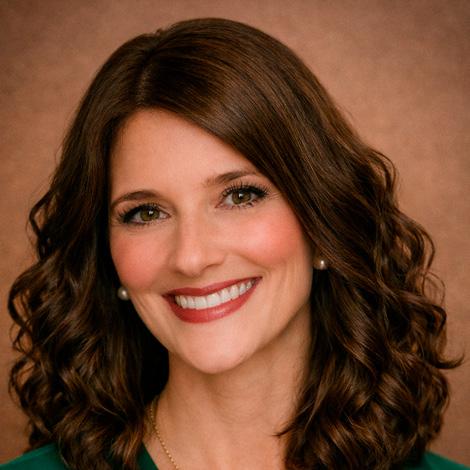
By Christy Carver
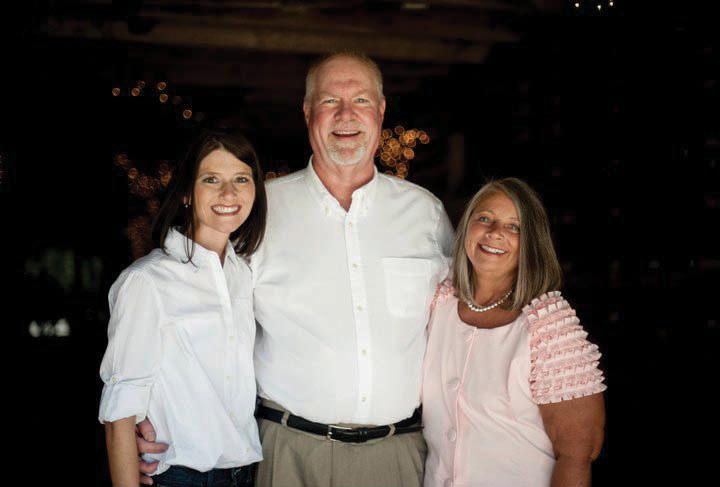
I remember lying there thinking, This can’t be happening to me. I was too young, too healthy, too full of plans.
But invincibility evaporates quickly when your life is suddenly in someone else’s hands.
I was diagnosed with a rare syndrome, so rare that if my doctor hadn’t been in the hospital that day, my story might have ended there. It was the first of many “Godwinks” I’ve experienced over the past 22 years. Moments of divine timing that stitched themselves into my story long before I understood their meaning.
Complications from my first surgery landed me in the ICU. I was losing more blood than they could transfuse. I was too critical for another surgery, but without it, I wouldn’t survive. It was a crossroads no one wants to face.
I remember the hospital chaplain visiting. I remember my dad, 6’5”, strong and steady, with a single tear rolling
down his cheek as he shook my surgeon’s hand. And I remember that surgeon reaching for my hand as they wheeled me toward the OR and saying, “Here we go. I’m not going anywhere.”
In that cold, sterile room, I felt an unexpected peace. A sense that whatever happened next was exactly where I was meant to be.
And then, days later, I woke up.
Against the odds. Against the medical predictions. Against the fear that had tried to swallow me whole.
I survived.
But survival was only the beginning.
What followed was not a triumphant return to normal life. It was the start of a two-decade health journey that included fourteen abdominal surgeries, countless hospital stays, and a level of physical and emotional pain I could never have imagined at 24.
It was also the beginning of a new outlook on life, one shaped by gratitude, grit, and a deeper understanding of what truly matters.
We use words like critical, blessed, right place, right time, boundaries, being present, beat the odds, and invincible. But until life forces us to confront the weight of those words, they’re just phrases.
When you’ve lived them, they become the truth.
And truth changes you.
After my initial recovery, I remember wondering: Who will hire me? What does my future look like? What happens to all the dreams I had? What now?
I didn’t know where to begin, so I started small. I made my bed every day.
It sounds simple, but it was symbolic. A promise to myself. A commitment to order in a season of chaos. And I knew myself well enough to know I wouldn’t mess up a perfectly made bed.
Eventually, I left corporate America and took a job with a small business. I started that job with a feeding tube hidden under my clothes. I didn’t want pity. I didn’t want assumptions. I didn’t want my medical history to define me.
For almost two years, no one there knew what I had been through.
When I finally shared my story, I braced myself for judgment. Instead, I received kindness. Pride. Respect.
My employer looked at me and said, “Your story matters. You should own it. It could help someone else. Asking for help isn’t weakness.”
Those words landed in a place I didn’t even realize was still hurting. They shifted something in me. They gave me permission to stop hiding.
When my health hit another crossroads, I was referred to the Mayo Clinic in Minnesota. That led to a difficult decision, moving again, this time to be closer to my parents.
I dreaded telling my employer. I expected disappointment or frustration.
Instead, I was met with grace.
Understanding.
Kindness.
He supported my decision. He continued paying for my medical insurance. He gave me space to choose what was best for me. Another Godwink.
Watching how he treated me, and how he treated all his employees, changed me. He became the kind of leader I wanted to be someday. The kind of business owner who leads with humanity, not hierarchy. The kind of person who influences others without ever trying to.
He was the role model I didn’t know I needed.
When life throws us into the fire, we often ask, Why me?
But over time, I learned to shift that question.
Why not me?
Not in a defeated way, but in a way that recognizes that our hardest moments often become the very experiences that shape our purpose. They give us strength we didn’t know we had. They build character. They deepen empathy. They connect us to others in ways we never expected.
Looking back, those experiences gave me the grit to push boundaries, the courage to stand up for what I believe in, and the resilience to reinvent myself personally and professionally.
My 40s
I redefined my career in my 40s.
If you had told the 24-year-old me, the girl in the ICU fighting for her life, that she would someday run her own business, pivot industries, and step into a role she truly loved, she wouldn’t have believed you.
But every road bump, every success, every Godwink led
me here.
Today, I work in a career that feels aligned with who I am. I represent a company I’m proud of. I know my worth. And I know my voice, the one I thought I had lost, was never gone. It was simply waiting for the right moment, the right people, and the right purpose.
My dad used to tell me, “Never put your name on something that doesn’t have all of YOU in it.”
I carry that with me every day. It guides how I work, how I lead, and how I show up.
And now, I show up fully.
The people I’ve met along the way, the doctors, the employers, the friends, the strangers who became anchors, they’ve made my story richer. They’ve taught me that leadership isn’t about titles. It’s about humanity. It’s about seeing people. It’s about showing up when it matters.
So here’s what I know:
Do the hard things. Celebrate the wins. Ask the questions. Meet the stranger. Follow your gut. Be vulnerable. Fight for your voice and know its value. And above all, be YOU.
Because your story, the messy, beautiful, complicated, resilient story, is the most powerful thing you have.
And it matters.
About the author:
With over two decades of leadership in management and marketing, I bring both expertise and heart to Referral Lab. My career spans operational management, DSO integrations, and seven years as a small - business owner. I’m driven by integrity, faith, strong values, and a genuine passion for helping others succeed. Based in North Carolina, I’m a proud single mom who loves traveling, reading, spending time with friends/family, and cheering on the Green Bay Packers.



Human connection is beautiful. It’s a dance of souls. A coalition of energies. An empowering synergy. When two humans connect, when they vibrate on the same level, all is right with the world. Whether it’s platonic or romantic, a bond between two people can carry the weight of the world. It can make us feel loved and lovable. It can make us feel chosen. It makes us smile and laugh and defines a road to happiness. Human connection stands in perfect opposition to isolation, loneliness, or worthlessness. The belief that someone understands you, cares for you, and is willing and capable of carrying you, metaphorically, through the challenging times you face, is unmistakably one of this world’s greatest gifts. A connection, a relationship, rooted in shared experiences and vulnerability, can sometimes even remind us that life, in fact, is worth living. And as we live in the grace and glory of togetherness, as we share our deepest fears and grandest desires, you wish and pray that it never dissipates, that it never leaves you. You wish and pray that your partner is also forever carried by this camaraderie. But simply because a prayer is said, and simply because a penny is dropped into that wishing well, doesn’t mean the connection will stay constant. It doesn’t mean it won’t vary in strength. It doesn’t mean it won’t come to an abrupt end. It doesn’t even mean you have a choice in how it plays out.
A new catchphrase has been surfacing and spreading, claiming that relationships have a ‘season or a reason.’ And that catchy tone is incredibly accurate. Sometimes, we use that phrase to make ourselves feel better about walking away from someone; sometimes, we use it to make ourselves feel better about someone walking away from us. But as we approach the end of the season or realize we’ve been part of a reason, the incoming change
By
from being a partnership, a collaboration, a coalition, a kinship, a marriage, or a friendship is unforgivably painful.
What happens as you grow a relationship with another human, in love and respect, as you deepen the Godgiven connection that you feel with your entire body, with your entire being, is you become hopeful, open, and free. You blur boundaries, all toward that sense of having found belonging. You begin to believe that nothing will ever get in the way of this relationship and that you will guard it with all your might. You begin to lower the walls that have encased you in safety. You might altogether eliminate them. You share with this other human all the things that make you human. You disclose to them your secrets and insecurities. You gift a handwritten guide on all the things that can make you fly and the things that break your wings. You are handed one back. And without a word, you make a blood pact that neither of you would ever intend to break. You romanticize this relationship (not necessarily romantically), thinking that the ones that came before just weren’t real enough. You pedestal the kinship above many other things in your life. The connection becomes divine-like. And you bask in its glory.
But the realism of relationships, in fact, the realism of humans, is that we grow and evolve. Our movement, past minutes and moments, is unending. Our movement toward some sort of finish line or reset can alter in speed and direction, but it never ceases. And because we are different humans, with different backgrounds, pasts, hopes, dreams, desires, and

abilities, we move differently. Some dance their way, some crawl, some moonwalk backward. And with no one at fault, we get out of sync. Some prioritize the relationship and respect each other enough to continue, at least to remain a part of each other’s lives. Prioritization is an important part of this equation. Some, due to past actions and interactions, due to mutual respect, can drop off for weeks, months, or years and still pick up as if nothing had ever interrupted that journey. And some, many others, simply cease to be. However you arrive at the sometimesabrupt end, or however many times you arrive here, it never ceases to amaze how much it hurts.
You might sometimes be unaware of what caused the breakup. You may sometimes end up on the abrupt end, ghosted. You may sometimes, one day, discover you’ve been blocked on social media channels, emails, and texts. And sometimes, just sometimes, you may do the blocking. Lines of communication just stop. They no longer exist. Professional or not, loving or not, kind or not, respectful or not, you are left to make up stories about what you did wrong. You make up lies about how someone did you wrong. You’re left believing you’re unworthy and unlovable. You are abandoned, which hurts that much more, having discovered the power of belonging.
Because, you see, if your trusted compadre, the one you disclosed all your fears and secrets to, chooses to do so—if they are cowardly, cruel, and conniving enough— they will use all that information, all those handwritten gifts and messages, to manipulate the situation and hurt you. Hurt you in a place where you’ll feel it most, where you’ll remember it most, where you’ll be wounded most. And it doesn’t take too many of these kinds of relationship endings before you figure out—before you promise yourself—that never again will you let someone else in. The fear of the past now holds you back, preventing you entirely from hoping to create a similar future. And in this, you lose. In this, we all lose. We lose ourselves by staying
dormant, and those around us lose because of the gifts we can no longer give through future connections and collaborations.
So you stay still, and you stay stagnant, and above all, you hurt. You hurt deeply—the loss of that connection. You hurt deeply from the stabbing of that other person. You hurt deeply from what you label as their manipulation. The person who hurt you turns into someone unrecognizable. You figure out they are as damaged and immature as they claimed to have overcome. You figure out they are flawed and failed, no differently than you, that they have faltered and will falter. You figure out that, above all, despite the pain you carry, they need forgiveness. This forgiveness you attempt with all your will, and sometimes you are unsuccessful.
But in this, you must now hear me. No matter the lows you might be experiencing, here is the thing about life: It never stays constant. And if you cut yourself off on account of this particular breakup (romantic, platonic, or professional), you will never have a chance of feeling like all is right with the world. And no one is disputing the depth of the darkness you might be carrying. I strayed away from friendships with women for 10 years because someone walked away from me, only to open my heart and have another two or three stomp on it a year or two later. And then, two years after that, there was more hardship with others. Believe me, I get it. Hurt doesn’t quite cover it. Fear, abandonment, worthlessness—all of that comes into play, and more.
I am not here to dismiss the fact that what happened to you as this relationship fell apart didn’t make you pause or freeze. I am not here to argue that moving forward in any capacity will take a tremendous amount of courage to try again, to trust again, to feel again. I know how deeply you want to stand still, immobilized in fear of a repeat of the circumstances you just experienced. I am not here to argue that pause and a break are inappropriate. I will, however, use my last breath to convince you that movement forward, despite the fear, is in your best interest. I will argue that moving on, however slowly you might want to take it, is worth every ounce of effort. You have built the wherewithal to enter the next chapter. Grab my hand, scream if you have to, allow the wind to push at your back. I beg you, move! That first step is the hardest, but it’s the only way for you to experience joy again, and bliss, and laughter, and life. If you continue to idle in your safe space, you will not be able to feel the joy that is promised to you, simply because you are human. I support the courage you have to exit the container that has kept
you sane, the place where the buckets of your tears have once gathered. Shout as you gain the momentum to get back in the game. Crossing the line you promised yourself never to move past will bring back the colors that have been missing in your life. Your eyes were built to see this very rainbow. And the next. And the one after that.
And here is the beauty of it: As you move back into a life filled with blush, as your skin allows you to feel raw sensation again, you’ll have no choice but to keep moving in this direction. Yes, you might retreat here and there. But you will come back. Because the taste of life will awaken you again. The stars at night will be brighter; the laughs you hear near you will make you want to join; the love you have to give will replenish. And with a flavor of that, there simply is no going back to the grotto that kept you safe. Decline the sunglasses that dim the light. Spin and laugh in the rain. Dispel your old story of the broken human who laid ill. Open your eyes with a gleam in the morning, even if it’s dark outside. Allow your pulse to connect with the world around you. Look for the good in all your interactions. And now that you have: Welcome back!
And so, as you stand at the crossroads of pain and possibility, remember this: the human spirit is resilient, and your capacity to heal is infinite. The scars you carry are not signs of weakness but proof of your survival, your courage, and your ability to love deeply. Life, in all its unpredictability, will continue to offer you moments of connection, beauty, and belonging—if only you are brave enough to reach for them. Let the pain of the past be the soil in which your future blooms. Let it remind you that even in the darkest nights, the stars still shine. And as you take that first trembling step forward, know that you are not alone. The world is waiting for you—with open arms, with new connections, with laughter, and with love. Welcome back to the dance of life.
About the author:
Dr. Maggie Augustyn, FAGD, FICOI, FIADFE, FAAIP is a practicing general dentist, owner of Happy Tooth, author, and inspirational keynote. Recognized as one of the top 250 leaders in dentistry, she captivates audiences with her ability to evoke emotion by giving attention to the things that we suppress in the hopes of making us feel less alone and more connected. Dr. Augustyn is also the national spokesperson for the Academy of General Dentistry.


Support the mission to inspire, highlight, empower and connect all women in dentistry
dew.life