PREVIEW
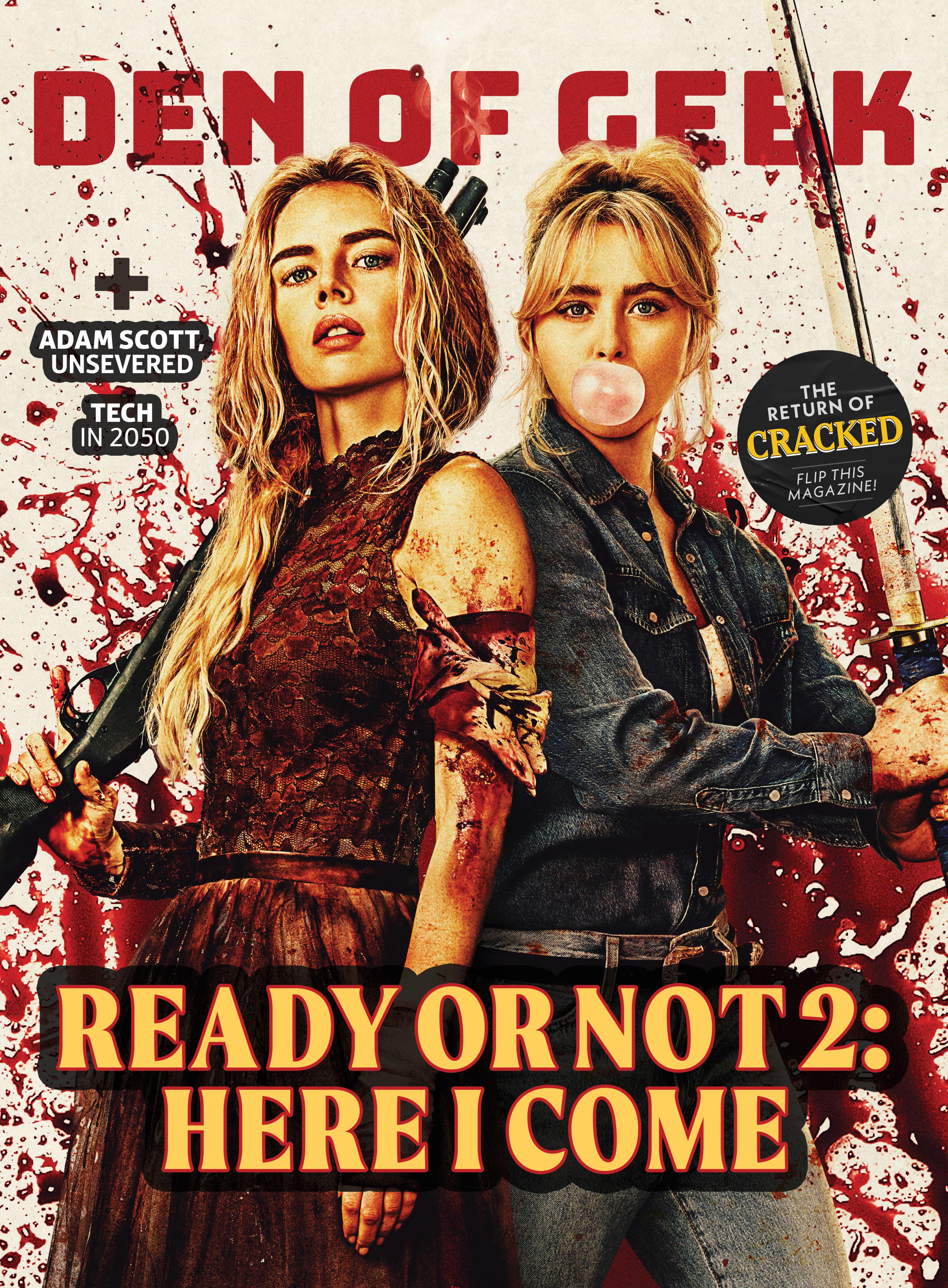
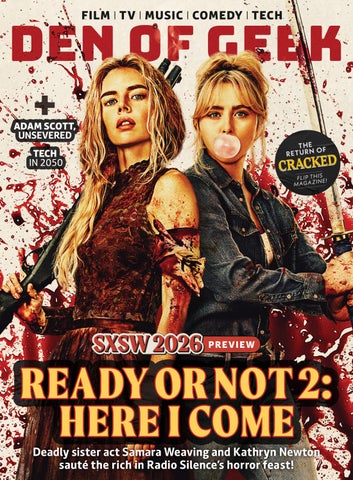
Deadly sister act Samara Weaving and Kathryn Newton sauté the rich in Radio Silence’s horror feast!


From the Creators of Big Mouth

PREVIEW
Deadly sister act Samara Weaving and Kathryn Newton sauté the rich in Radio Silence’s horror feast!
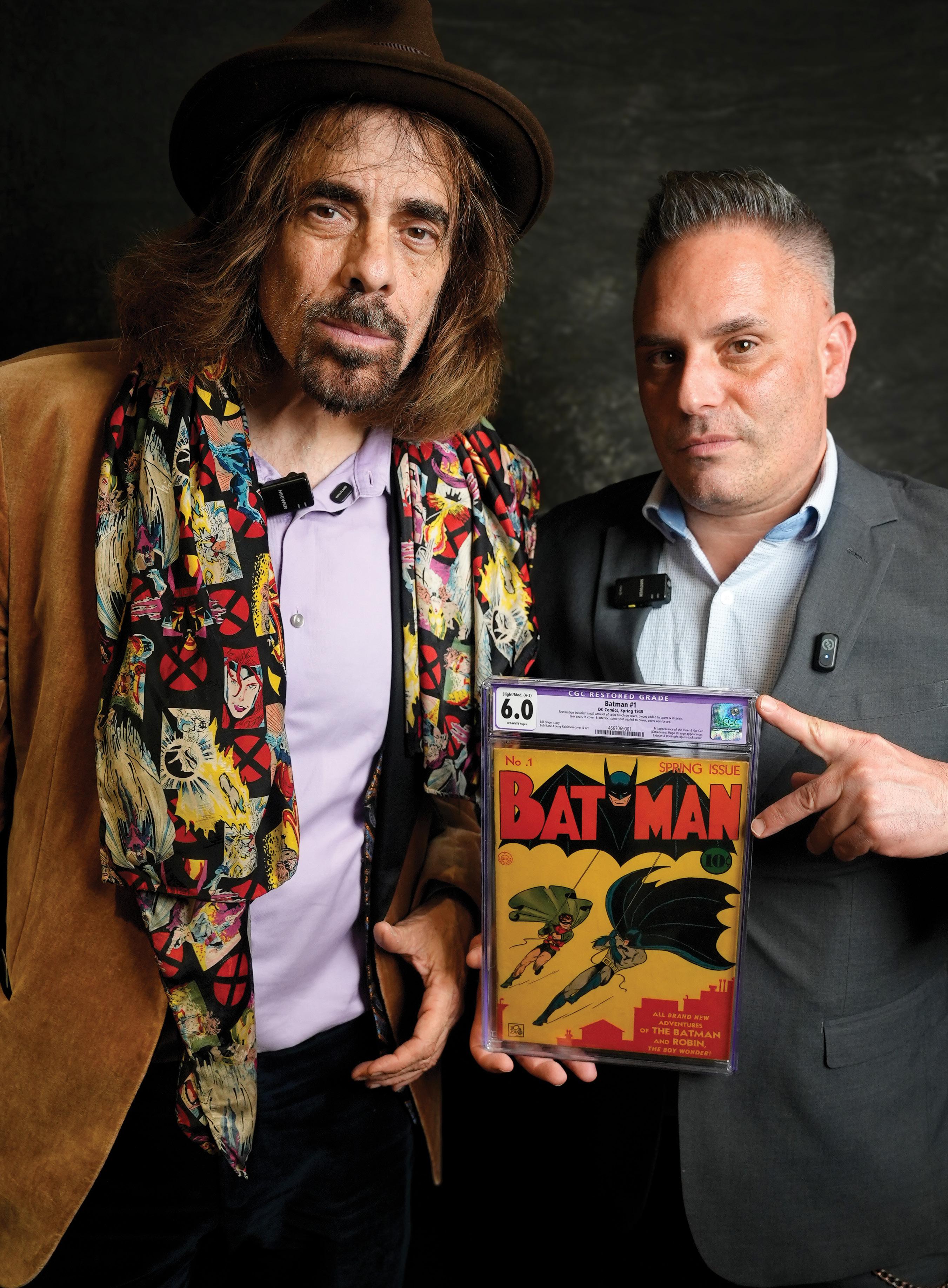
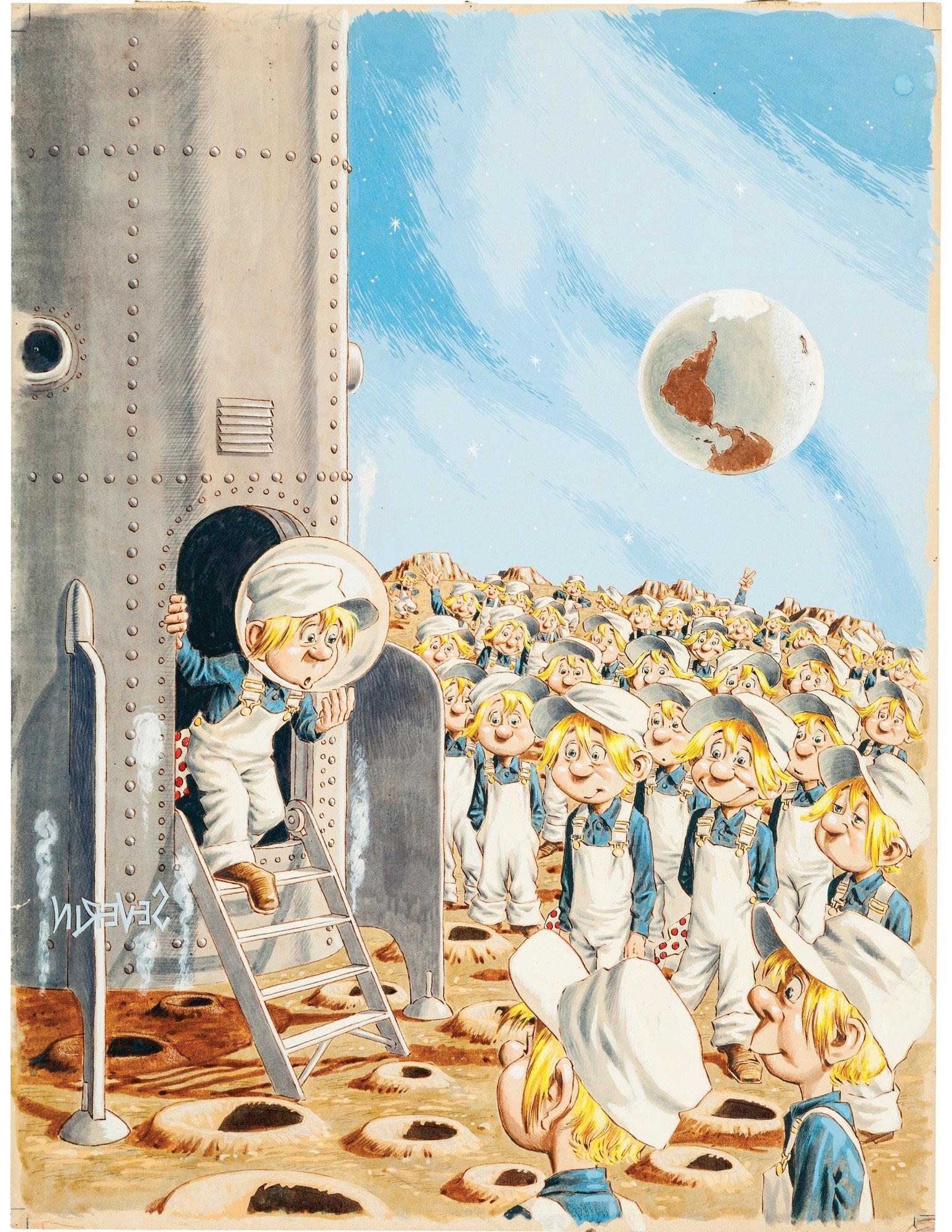
Miked Up is your VIP pass into the secret society of serious collectors and comics connoisseurs.

Whether you’re a die-hard Golden Age junkie, a ’90s holofoil hoarder, or just someone who accidentally sat on a copy of Giant-Size X-Men #1, this is your live shopping show.

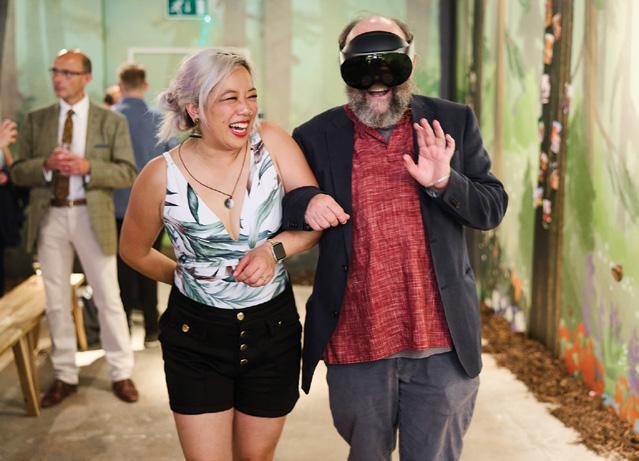
AI hive minds, fully immersive art, virtual companionship, and a “non-negotiable planet”—experts share their theories on what technology might look like in the year 2050. PG. 16
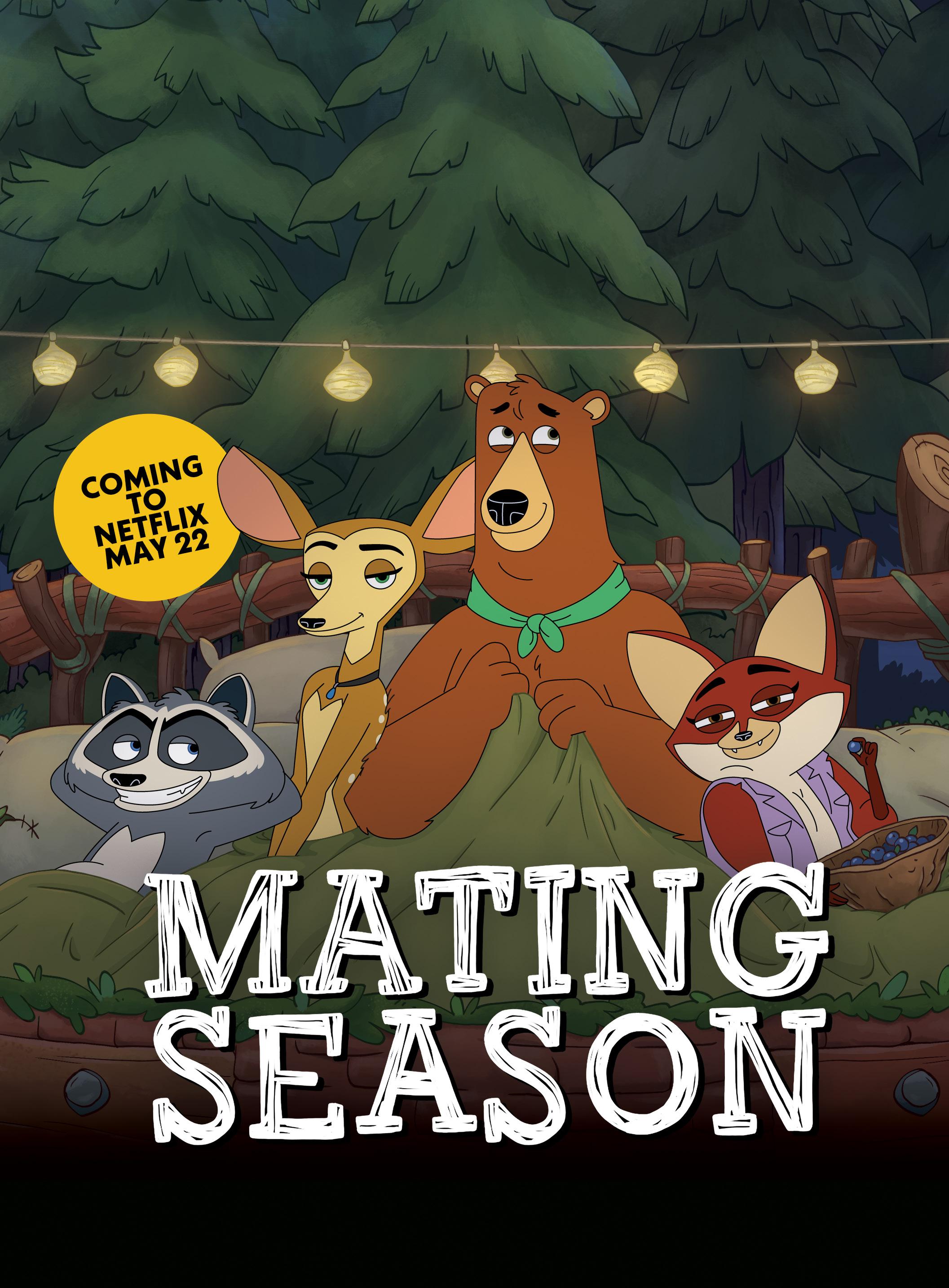
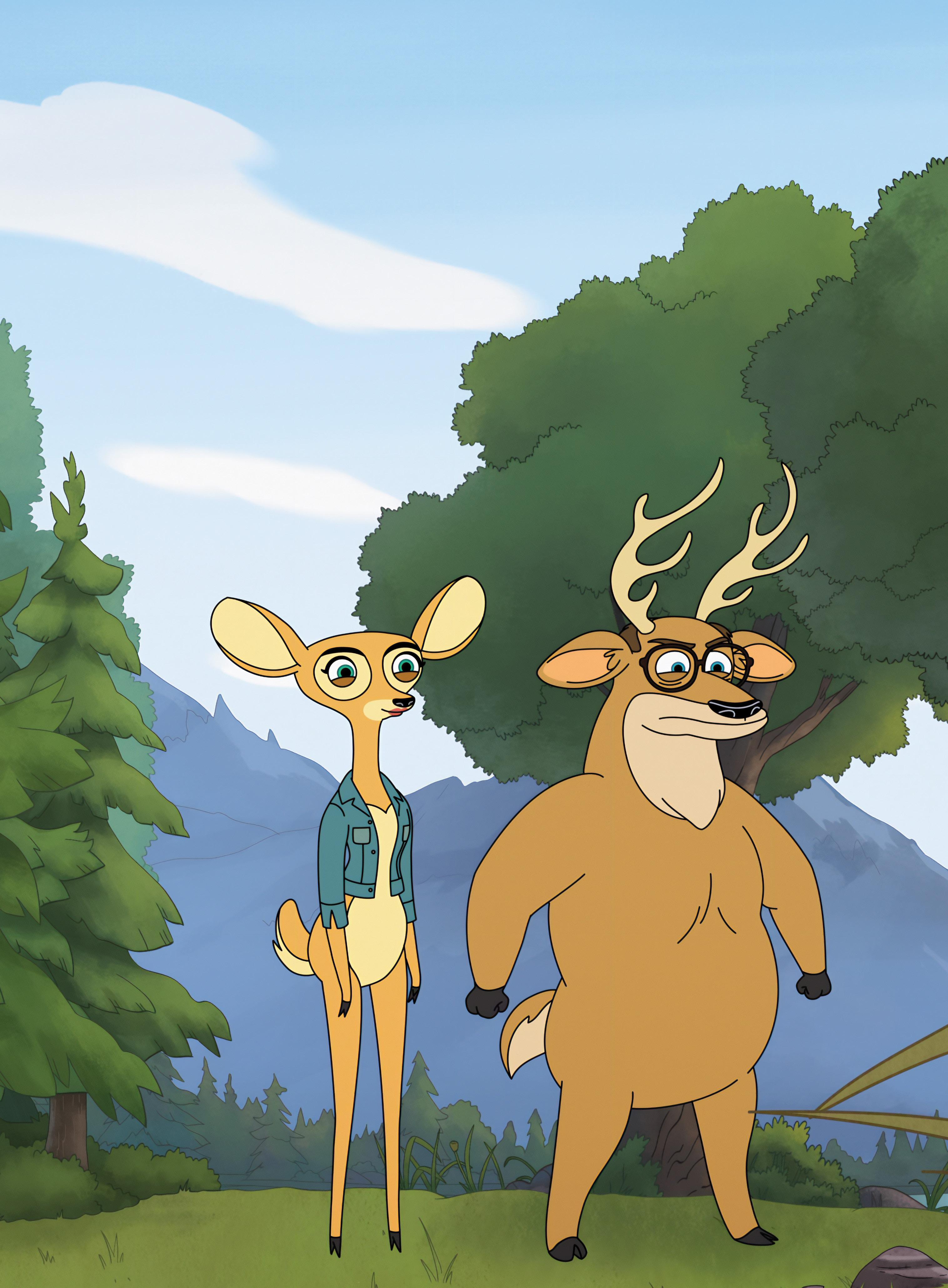
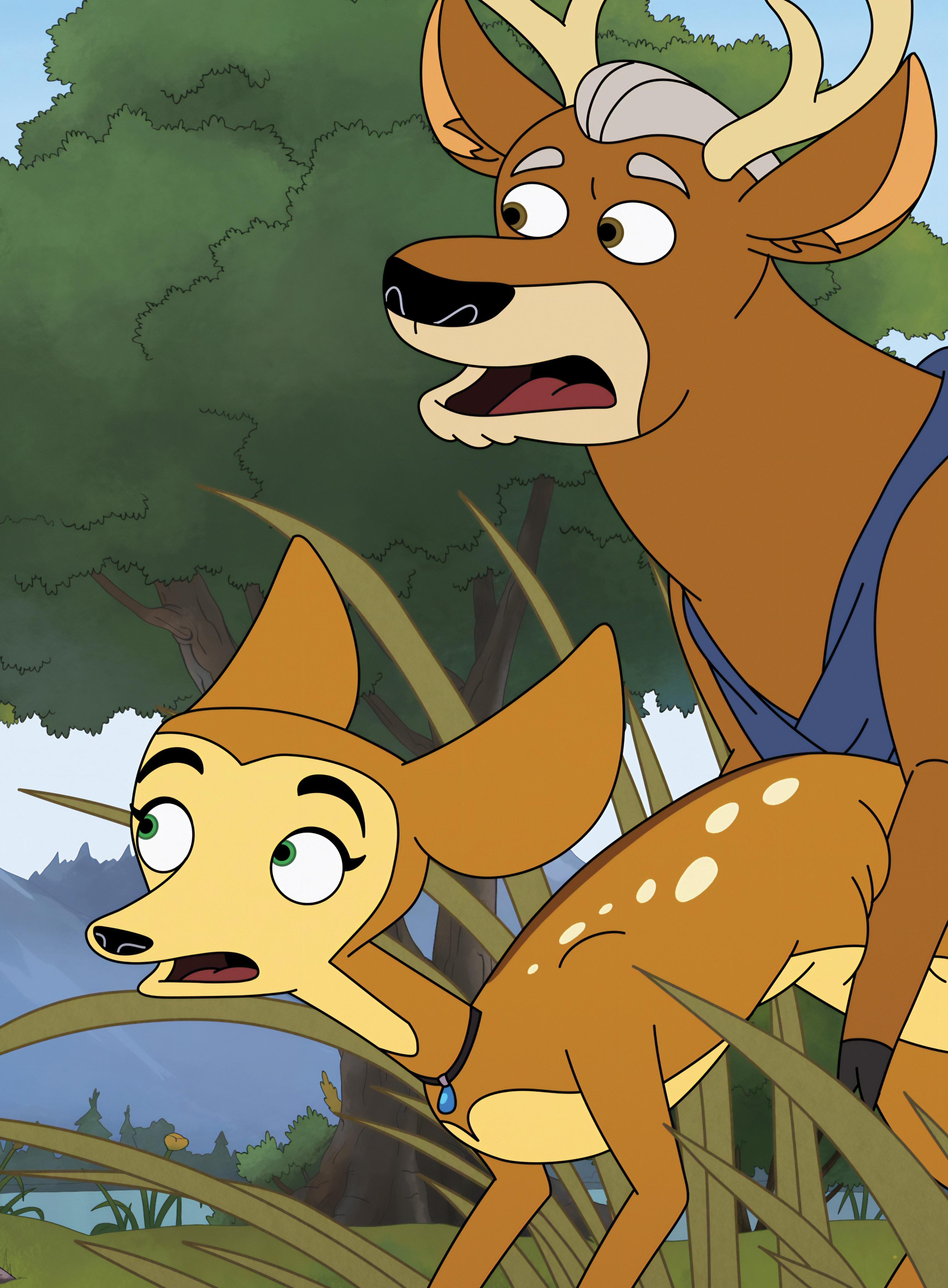
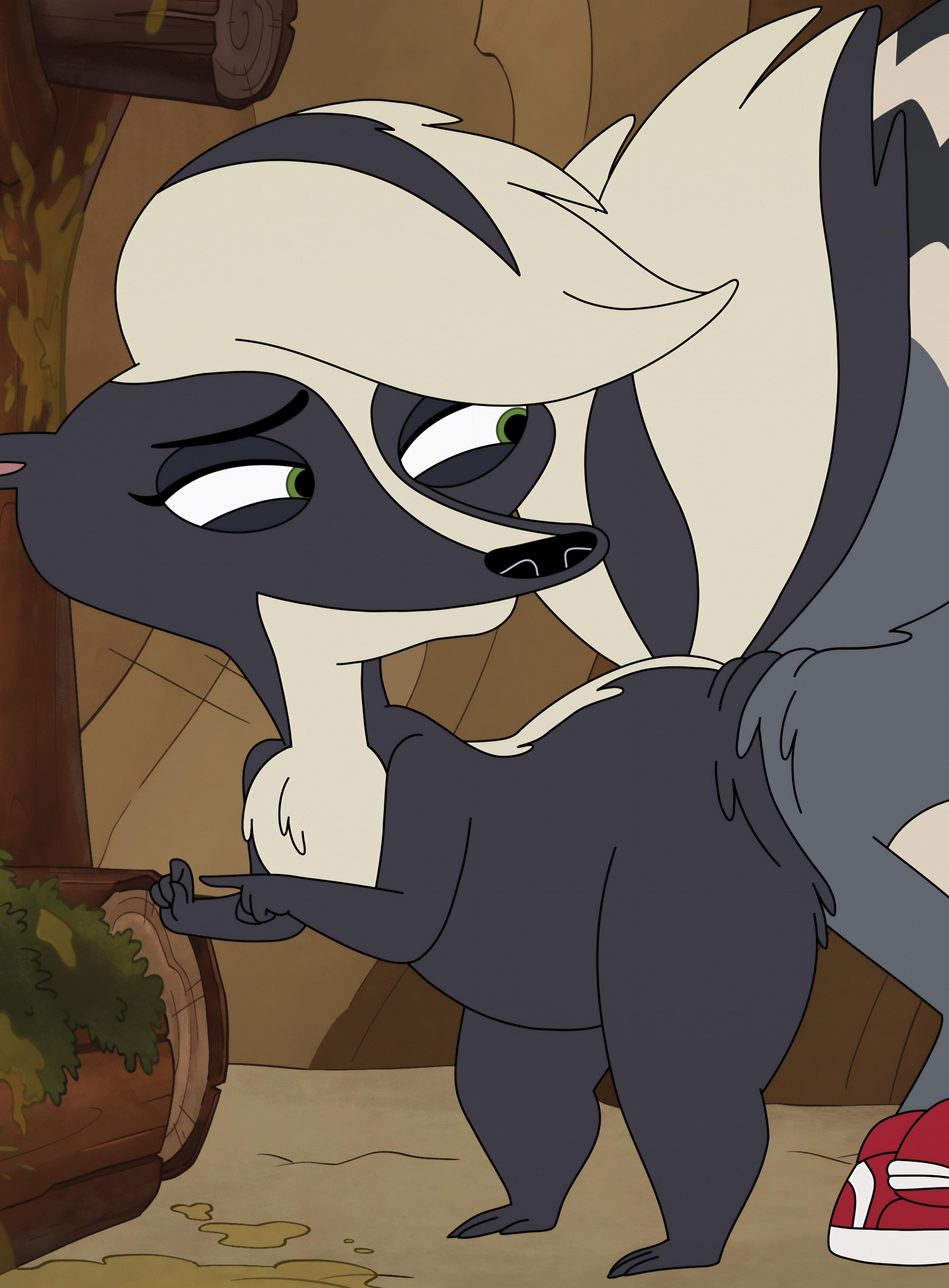
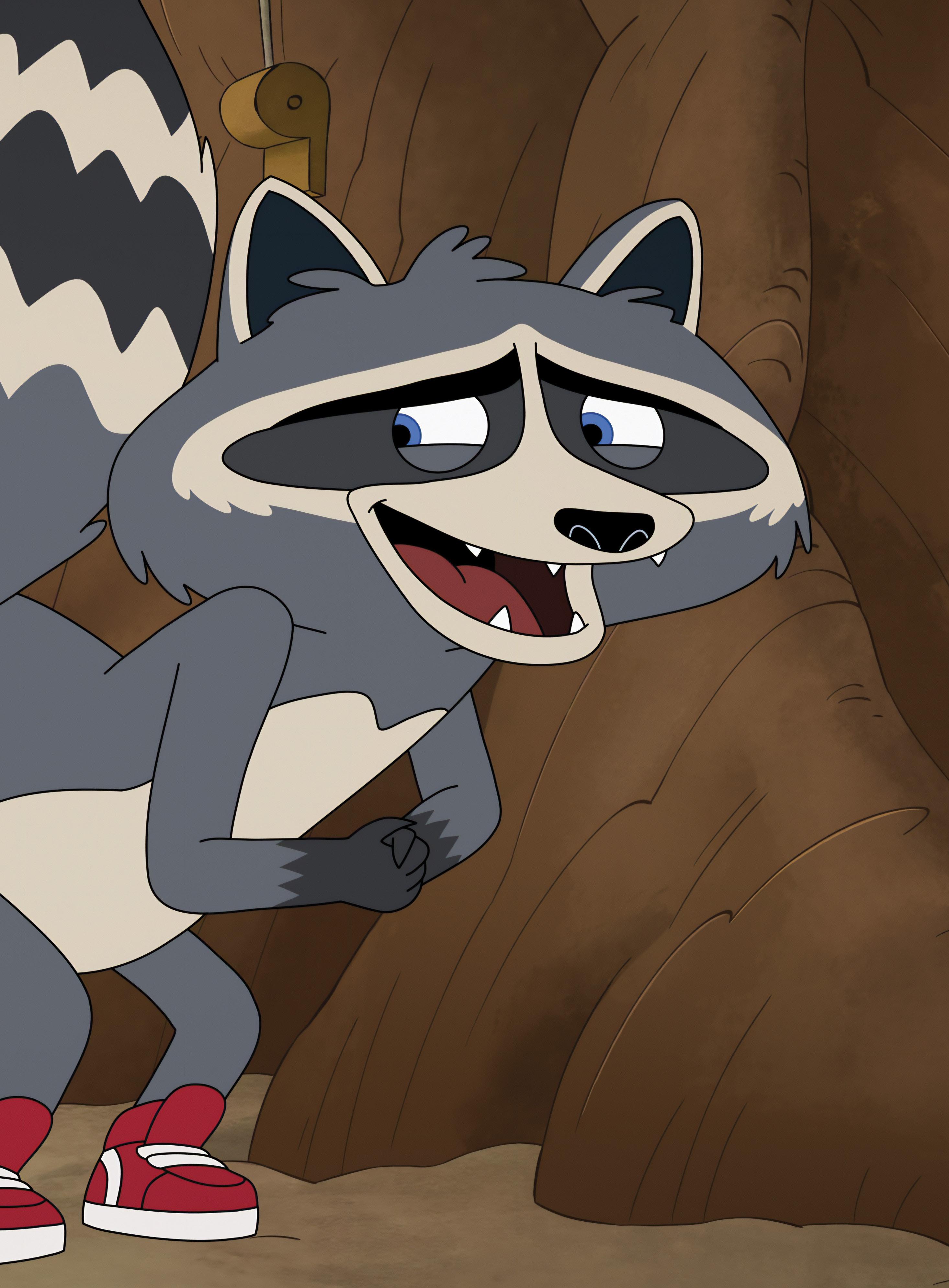
Our special takeover section celebrates the comedy institution’s history of striking magazine covers and then looks to the future with an exclusive sneak peek at the Netflix adult animated comedy, Mating Season, with exec producers Andrew Goldberg, Mark Levin, and Jennifer Flackett. PG. 56
Get to know the hilarious group of emerging stand-up comedians taking the Creek and Cave stage for Cracked’s first-ever SXSW official showcase. PG. 58
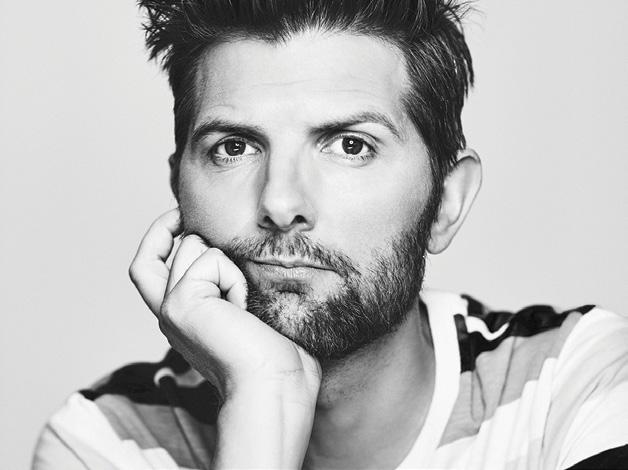
Adam Scott’s work is mysterious and important. The Severance star stops by the Den to discuss his career in comedy, sci-fi, drama, and now horror thanks to bewitching SXSW Midnighter Hokum. PG. 22
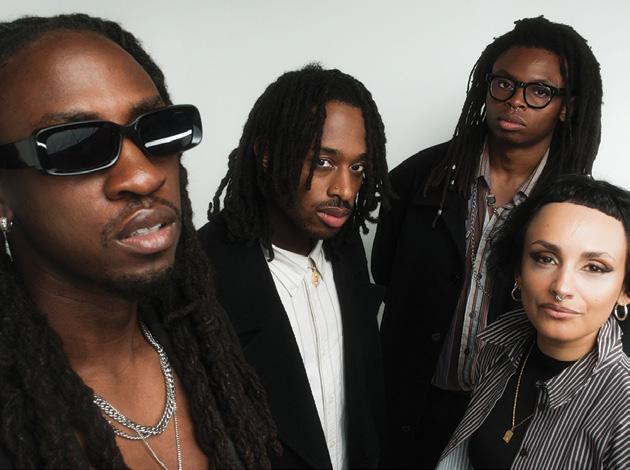
Consider our massive SXSW preview your cheat sheet for the most exciting films, shows, documentaries, and musical acts to fill up your 2026 festival schedule. PG. 28
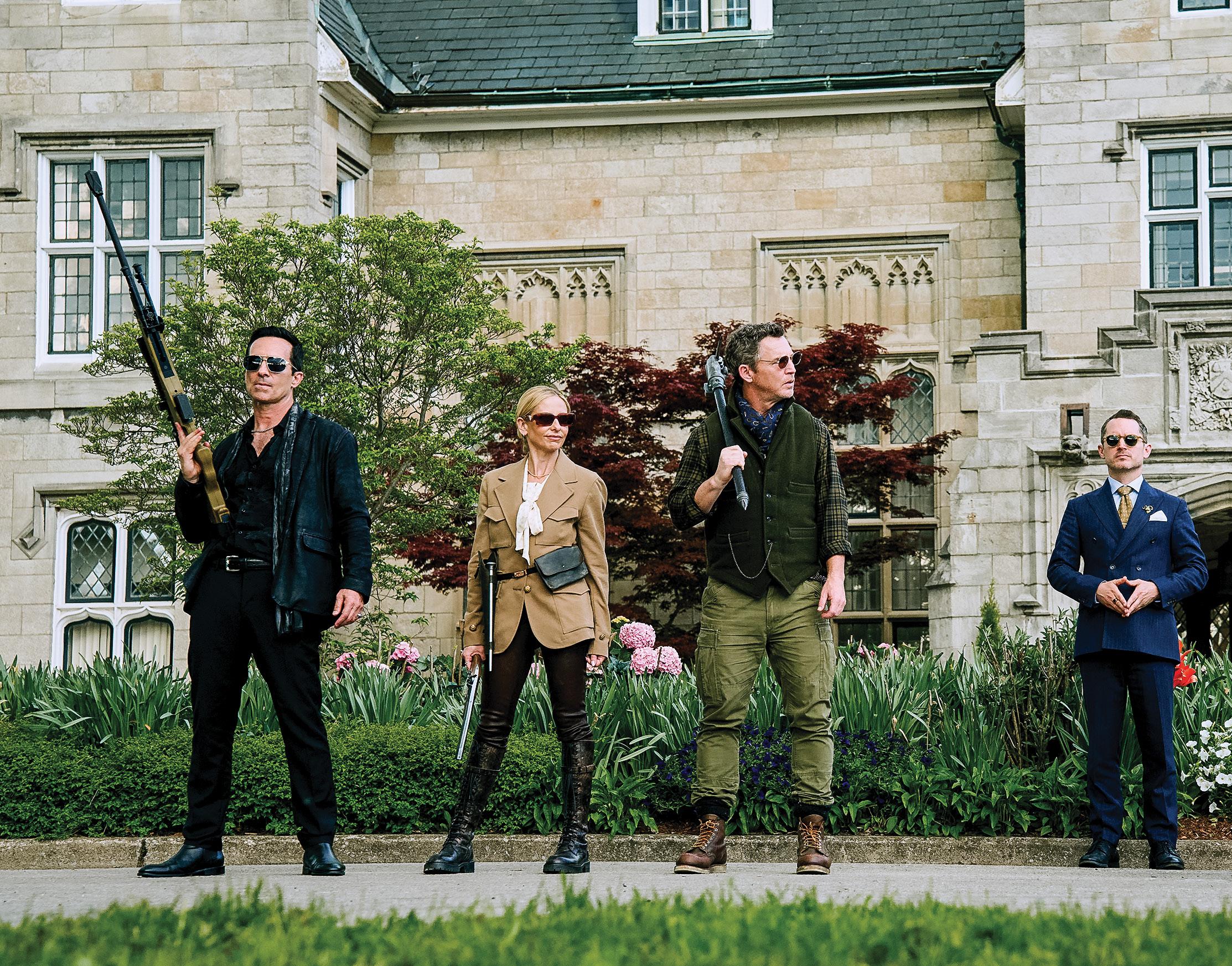
WHY DO WE SEEK OUT anything in this life? When Ready or Not blasted into cinemas seven years ago, the horror-comedy offered a clever answer that certainly applies to the moneyed and powerful. Some will always crave more. More money. More power. More everything. It proved a prescient fable for the decade to come, courtesy of genre wunderkinds Matt Bettinelli-Olpin and Tyler Gillett, the directing quotient of the filmmaking collective Radio Silence. Their social satire was light, giddy, and served with a dopamine-laced twist.
It’s therefore joyous to see the pair, as well as Samara Weaving, screenwriters Guy Busick and R. Christopher Murphy, and all the rest back in Austin and on our special edition cover. There is no venue
better suited for the thrills that await in Ready or Not 2: Here I Come than SXSW. This town loves a chiller that knows how to evenly season its fun, even while gorging on the rich. And yet, looking around this pilgrimage site for all things cool, left-of-center, and, well, weird, I cannot help but be grateful that there are other things
folks seek in this life. The fact that you’re here holding this magazine proves it.
The concept of “hide-and-seek” as a children’s game goes back to the ancients, with evidence of a version of it existing during the days of Plato and Aristotle. We have always sought the things we want in life and taught our children to do the same within a framework that is fun, fair, and most of all fulfilling. Clearly, you learned the lesson since you’re here in Austin to catch the most insane genre film, unearth a poignant documentary, or just participate in an extraordinary intersection of music, technology, and comedy. We come because we know what some call weird, others call a taste of home. And such tastes should not stay hidden.
In this issue, there will be more
bold flavors to savor, too: some also of a horror variety; others complete with a booming electric guitar; and then those that will just make you laugh. Indeed, our sister publication at Literally Media, Cracked, is coming back in a big way with its first-ever comedy showcase on Friday night, featuring up-and-coming talent. And as part of this issue, the legendary humor rag is making a long-overdue return.
So welcome! We hope you find whatever it is that brought you to SXSW, beginning by turning this page.
Editor-at-Large
Yaniv Ben-Atia CEO
Matthew Sullivan-Pond PUBLISHER
Chris Longo CHIEF CREATIVE OFFICER
David Crow
SENIOR EDITOR-AT-LARGE
Alec Bojalad MANAGING EDITOR
Michael Ahr NEWSLETTER EDITOR ART
Lucy Quintanilla CREATIVE DIRECTOR
Jessica Koynock ART DIRECTOR
PRODUCTION
Kyle Christine Darnell MAGAZINE PRODUCTION
Rosie Fletcher
MAGAZINE SUB EDITOR
Sarah Litt
MAGAZINE COPY EDITOR
PHOTO & VIDEO PRODUCTION
Nick Morgulis SENIOR VIDEO PRODUCER
Andrew Halley HEAD OF VIDEO PRODUCTION

Tamar Sukenik GENERAL MANAGER
Keegan Kelly MANAGING EDITOR
Michael Strauss HEAD OF VIDEO
Sylvester P. Smythe INTERN

Serena Tara SOCIAL MEDIA MANAGER
Britt Miggs CRACKED COMEDY CLUB PRODUCER
SPECIAL THANKS TO CRACKED ARCHIVAL EDITOR CHET REAMS.
Literally Media is a network of legacy, iconic internet brands, boasting the #1 humor network on comScore, and creating content daily in the meme, comedy and entertainment space.
With Music, Film & TV, and Comedy programs running concurrently for the first time ever, SXSW’s worlds are colliding. Hear from the people tasked with pulling off the epic crossover.
BY DANIEL KURLAND
THERE IS NO SHORTAGE of festivals in the world, but for nearly four decades, SXSW has been a true tastemaker in the entertainment industry and beyond. It’s an event where attendees can enjoy indie features, fringe art house films, or major studio blockbusters. Nothing is off limits at the week-long party that seems determined to embody Austin’s “Keep it Weird” ethos.
With an attendance pool that’s grown past 300,000 this decade, SXSW is singular in how it intersects film and television, music, and even comedy, with technology and innovation. And this year, all of the above will be running simultaneously with unparalleled coordination. To mark this significant pivot, the heads of each SXSW department—Sam Schles, Director of Comedy; Claudette Godfrey, Vice President of Film and TV; and Brian Hobbs, Vice President of Music—tease this year’s must-see programming, the impact of collaboration, and why 2026 is a breakout year in Austin.
This year is especially exciting for SXSW because the comedy, film and television, and music programming are running concurrently for the first time. What level of coordination and collaboration does it take to pull that off?
SAM SCHLES, Director of Comedy: That was actually a huge priority of mine coming in. This is my first year at the festival, and that’s exactly what I wanted to take advantage of. I’d see comedy as a nexus point where there’s a confluence of culture. That’s all coming together at SXSW, and comedy has an awesome opportunity to spotlight the talent that we have in a different way.
It made sense to look at what comedy movies and talent were
CLAUDETTE GODFREY, VP of Film and TV: I think it’s definitely a big change. Part of the reason they were staggered before was that Austin didn’t have the infrastructure for everyone to be here. It used to be that there wouldn’t be a room left in the city, but now there are, like, 100 more hotels or something. So now we don’t have those capacity and logistic issues BEHIND
coming through and feature them as guests on podcasts or elsewhere. We’re working with the music programmers to see which artists can be invited into one of our spaces that highlight them in a funny or unexpected light. That was definitely top of mind for me when I started programming.
that we used to have. Everybody can be together, and I think it’s going to be very exciting.
In terms of the coordination, it’s really the same as always. We’ve been like the spine of the event, going the full 10 days, so we’ve always had a lot of coordination with all the other events happening during it. It kind of lifted some of the previous restrictions around scheduling. It’s exciting to continue our crossover programming.
BRIAN HOBBS, VP of Music: We have a really good relationship with all the festivals inside SXSW, but this year music and film have been killing it together because they have some really great music documentaries and films that they’re premiering, and then those artists are now turning around and doing showcases with us. They’re already here promoting their films, so why not give the fans what they want, too?
For instance, that’s how the Lainey Wilson performance came about. Lainey is down here with a Netflix documentary, and we have one combo with her team. Cool organic stuff like that comes together. I don’t know what changed this year, but the collaboration has been for the better, and things have been running so smoothly. We have six high-level film
and music collaborations, which is the most that I can remember us ever having.
What was the selection process for assembling this year’s programming? What are you looking for?
CLAUDETTE GODFREY: The biggest difference this year is that we had a much tighter schedule because we lost three days. So the process was a bit more deliberate because we were very concerned we would fall into our normal programming habits and end up with too many films and not the
right slots for them. That’s why we did a more split thing between our two announcements; we just really wanted to make sure we were getting the right films and the right locations, because we do our final programming in tandem with the schedule, so we can kind of fit in as many projects as we can. In terms of our shared programming vision, that really doesn’t ever change. It’s really, really focused on finding the most exciting gems in the program.
BRIAN HOBBS: By the end of the festival, we’ll have over a thousand
artists, whether that’s solo artists or bands, we’ll have over a thousand invited this year. I think our peak number was in 2015 when we invited 2200 bands. It’s wild, but it’s also too much! We had to book a lot of venues, and it was really chaotic. We’ve found a really good spot now where we’re booking about 50 to 55 venues a night, and we’ve got a thousand total artists booked. So that gives them more opportunities to perform multiple times.
We respect how much time, money, and energy it takes to come to SXSW, especially if you’re an international
artist who has traveled across the world. We don’t want them to have just one performance once they’re in town. We want them to be able to perform multiple times in front of multiple different audiences and reach as many people as possible. We want them to have the best experience possible. We want SXSW to be part of your journey, where you level up to the next level, no matter where you’re at.
SAM SCHLES: I see it as an opportunity to speak to all the different types of comedy that are happening today, whether that’s inviting a lot of digital native talent or brands or shows that could pop up live at SXSW. It’s improv, sketch, stand-up, game shows, podcasts, and even drag and cabaret. I see SXSW as the perfect place to spotlight different types of voices, so making sure we’re hitting all those points is integral to what defines the SXSW Comedy Festival.
This year has some extremely interesting headliner films like Boots Riley’s I Love Boosters, Jorma Taccone’s Over Your Dead Body, and Ready or Not 2. Why did these feel like the right movies to stand out as showcase pieces for the year?
CLAUDETTE GODFREY: I wouldn’t make I Love Boosters the opening night film if it wasn’t phenomenal. I’ll say that much. It’s perfect for opening night because it sets the tone. It’s a party. Everybody in it is so good but then Boots is also a unique filmmaker who has a distinct vision. Everything he makes has his fingerprints on it, and this film is no different. I can pretty much predict what’s going to happen in most films, but I could not do that with this. They’re going to do so many cool activations around it because it’s such a unique piece. It’s a match made in heaven for opening night.
We’re hoping that some of these other first-time filmmakers with their weird movies and visions are going to
keep making that groundbreaking kind of stuff. Ready or Not 2 is also phenomenal. We’re not playing a sequel unless it’s amazing. And it starts like the minute after the first one ends. And Pretty Lethal? Have you ever seen teenage girls who have to fight their way out with just their wits and their ballerina outfits that they happen to be in?
Brian, you’ve also got some exciting headliners assembled this year for the Music Festival, including
Junior H, Lola Young, The AllAmerican Rejects, and Gogol Bordello. Why did these feel like the right groups to showcase and represent this year’s Music Festival?
BRIAN HOBBS: Honestly, I’ll start with All-American Rejects because that came together through such crazy synergy. I’m doing a lot of music discovery when Berkli Johnson [Music Programmer at SXSW] and I were seeing these like pop-up house
party shows that All-American Rejects were doing. We knew we had to figure something out with them. I looked up who their agent is, and it’s someone I have a really long, successful history of booking shows at SXSW with. I sent him an email, and he was like, “Man, get out of here, I just talked to the band about SXSW two days ago!” It was like fate. They’ve been so cool to work with, and they’re going to headline our music opening party. This is my 13th festival, and this is the biggest music opening party that we’ve done since I’ve been here. Then, with Junior, we’ve been trying to get Junior for
her Grammy win, and she’s just such a dope, authentic artist. She’s played SXSW before as a developing act, so it’s so cool to have her on this side of things. That’s what this shit is all about. We love an artist who comes here, plays a small show, and then their career blows up—whether we had an effect on it or not. It’s just cool to see whenever someone plays some smaller shows, and then a few years later, they’re headlining for Rolling Stone at one of our biggest shows of the week.
What are some of the biggest highlights from this year’s SXSW Comedy Festival that you’re excited for fans to experience?
SAM SCHLES: The big one is Dropout. We have three shows with them—three different types of shows. CHAOS is a big one for me. The Reductress showcase we’re doing. Eric Andre’s podcast is going to be here, and it’s sure to be nutty. I have no idea what’s going to happen, and I’m glad I don’t. We’re also really excited about our opening night. We have banger after banger every day, but opening
IT’S IMPROV, SKETCH, STAND-UP, GAME SHOWS, PODCASTS, AND EVEN DRAG AND CABARET. I SEE SXSW AS THE PERFECT PLACE TO SPOTLIGHT DIFFERENT TYPES OF VOICES, SO MAKING SURE WE’RE HITTING ALL THOSE POINTS IS INTEGRAL TO WHAT DEFINES THE SXSW COMEDY FESTIVAL.
three years. I think some of [him playing here] is the effect of his team seeing that Peso was here, Frontera was here. It makes sense for him to be here. There are going to be people crying and falling out in the crowd! With Gogol, it was a situation of them coming through on tour, and their booking agent hitting us up. We’re so fortunate with Lola Young, too. We’re so blessed that she kept us on her schedule because she trimmed her 2026 festival schedule down to just a couple of things. She’s locked in now, and she kept us. She’s coming off
night, in particular, is great. Cracked Comedy Club is going to be filming short set shows that go out. Devon Walker, the former SNL cast member who is actually from Austin, is doing the first-ever live edition of My Favorite Lyrics. So it’s kind of like this hometown homecoming entertainment blowout with him that I’m so thrilled about. Probably the biggest one is that Fox Entertainment Studios is hosting a showcase to celebrate one of their films, which is going to be hosted by Bill Burr. It’s a huge year for us.
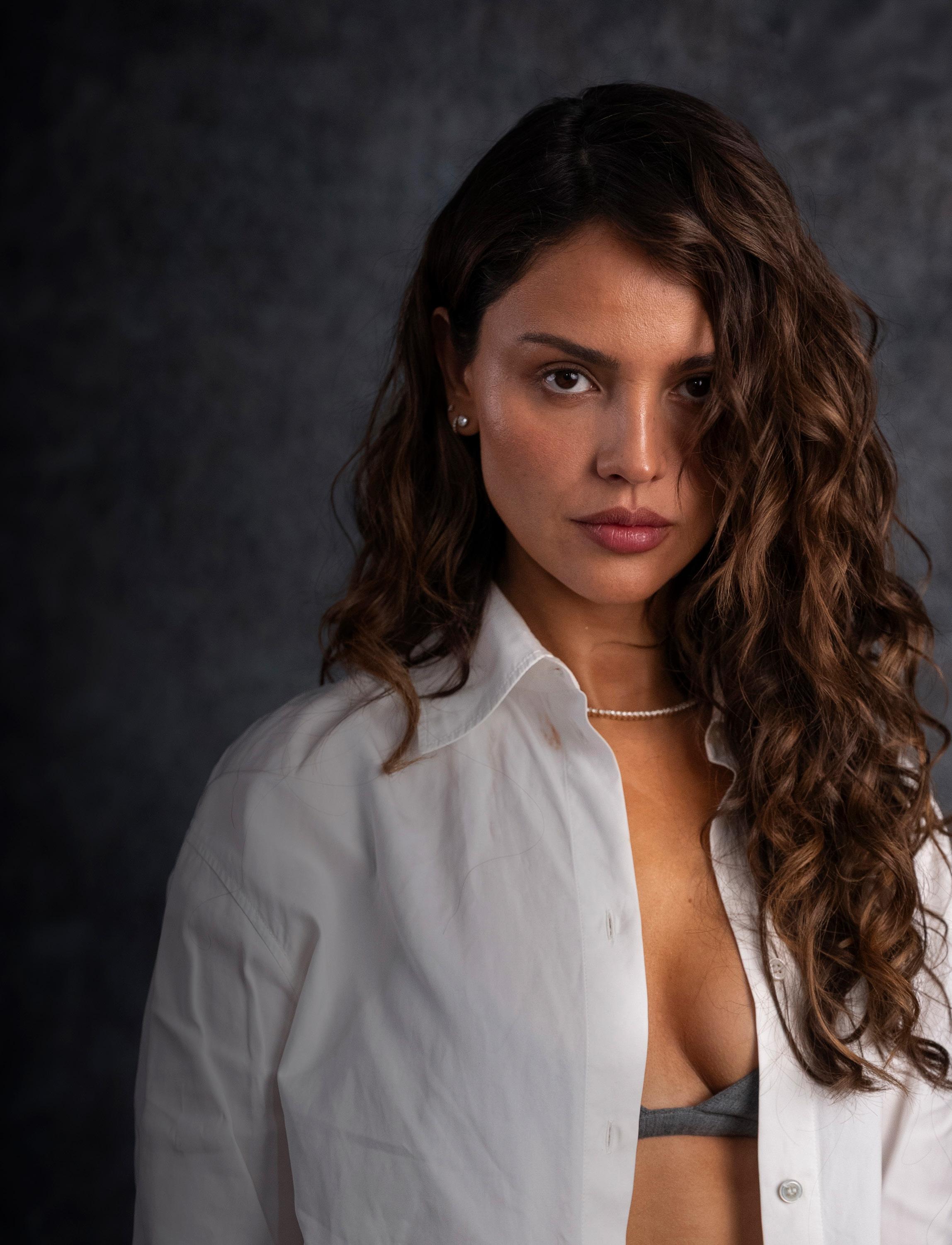
The 3 Body Problem star is back in Austin for I Love Boosters and Mike & Nick & Nick & Alice, but this is far from her first rodeo at SXSW.
BY DAVID CROW PHOTOGRAPHY BY NICK MORGULIS
1
Eiza González was born in Mexico City where she spent much of her childhood, but by age 12 she was working as both a pop singer and an actor on children’s shows and telenovelas. She told Seth Meyers, “There was a moment in my life when I’d be in between takes, and I’d record an album in a closet.”
2 During her early career, Eiza was described as the “Hannah Montana of Argentina” after starring on Sueña conmigo, a Nickelodeon Latin America co-production, in which Eiza played a teen who must hide her identity as a reality-show pop star from her father.
3
Eiza González is trilingual, able to speak fluently in Spanish, English, and Italian (the latter due to family in Trento, Italy). In The Ministry of Ungentlemanly Warfare, she also dabbled in singing German at the request of Guy Ritchie.
4
Eiza landed her first breakthrough in the U.S.—the vampire queen in From Dusk Till Dawn: The Series—after auditioning on a whim for Star Wars: The Force Awakens during a few weeks’ escape to LA.
5
While chatting with us about horror sci-fi Ash at last year’s SXSW, Eiza revealed she has a deep-seated love for PS2-era horror games: “I’m a humongous Silent Hill fan… and [Ash] reminded me of Silent Hill 2, which I used to play avidly.”
exclusive
. BY DEN OF GEEK STAFF
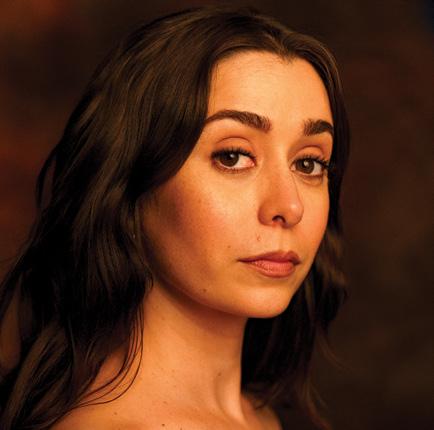
“ I don't know what can prepare you for arguing with yourself, although, as I ’m saying that, this is the second time I ’ ve been on a show where I fight myself.”
— Cristin Milioti on playing dual roles in Black Mirror and Made for Love.
“I TOLD HIM THAT MY HAT IS A REAL ARCHAEOLOGY HAT, AND THE HARRISON FORD HAT IS THE FAKE ONE.”
— Former Egyptian Antiquities Minister Zahi Hawass on that time George Lucas asked about his hat.
“MY PARENTS’ WHOLE PLAN WAS, YOU KNOW, MICHAEL JORDAN WILL BE GREAT FOREVER, AND THIS WILL FIT YOU FOREVER.”
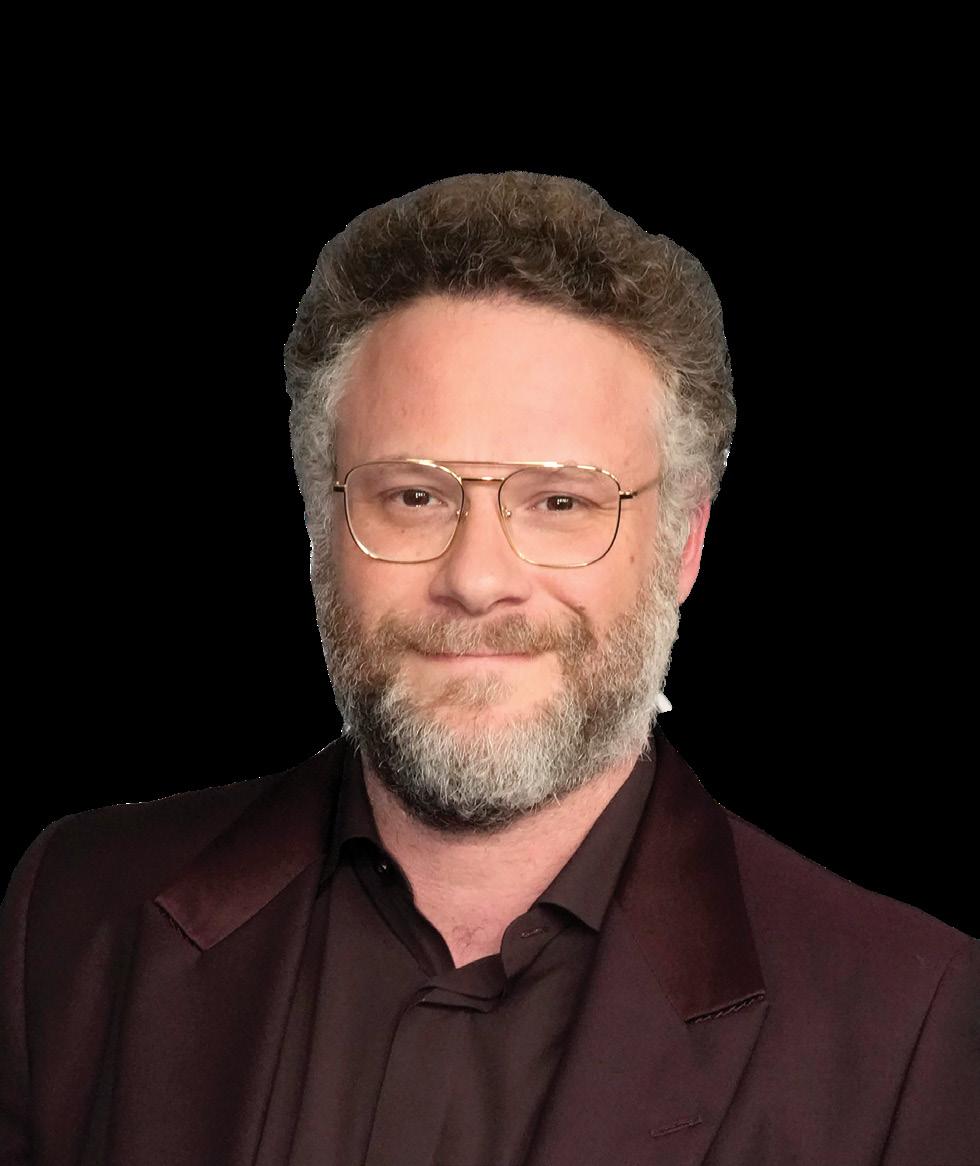
“He would probably be too cowardly to make a film like this.”
— Seth Rogen on whether his The Studio character could make a movie like the Sundance breakout The Invite
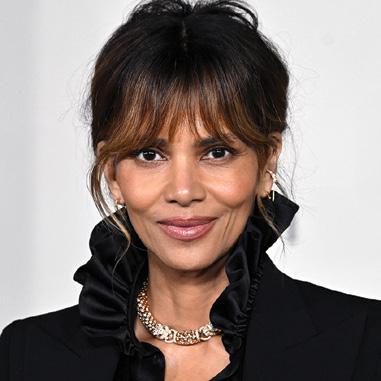
“I understand what it means to be a woman of a certain age and to feel marginalized and to feel like there’s no place for you, and that your industry that you loved so much would rather do away with you if they could.”
— Halle Berry
Ramy Youssef on his parents buying him an oversized Michael Jordan jersey when he was a kid.
“It’s no secret at this point that I really did not enjoy that costume. It was so uncomfortable. It wasn’t finished; it wasn’t really properly put together, and there was no lining on the inside, so I got a lot of blisters.”
— Lauren LaVera on Terrifier 2 wardrobe
“THERE IS ALWAYS SOMETHING QUITE EPIC ABOUT STANDING INRAIN, FEELING THE RAINDROPS FALL OFF YOUR HAIR AND BEING COMPLETELY SOAKED TO THE SKIN WHILE GIVING THIS MONOLOGUE.”
— Peter Claffey on acting in A Knight of the Seven Kingdoms

BY JENNIFER KITE-POWELL + ILLUSTRATION BY CHLOE LEWIS
For centuries, our ideas about the future have been shaped by science fiction. From Mary Shelley’s Frankenstein to Stanley Kubrick’s 2001: A Space Odyssey to Isaac Asimov’s robots, we have imagined technology as a moral force that either saves humanity or turns against it.
But in 2026, tech is less a science-fiction spectacle and more a mundane reality. Technology regulates our homes, tracks our bodies, and optimizes our movements. “The algorithm” has become cultural shorthand for global behavioral influence. We say it casually—the algorithm made me buy it, boosted this, buried that—half joking, but half aware.
Will we always effortlessly adapt to technological change, though? With the help of several experts in an array of fields, we are fast-forwarding to 2050 and imagining how technology will reshape the way we work, connect, and even inhabit the planet.
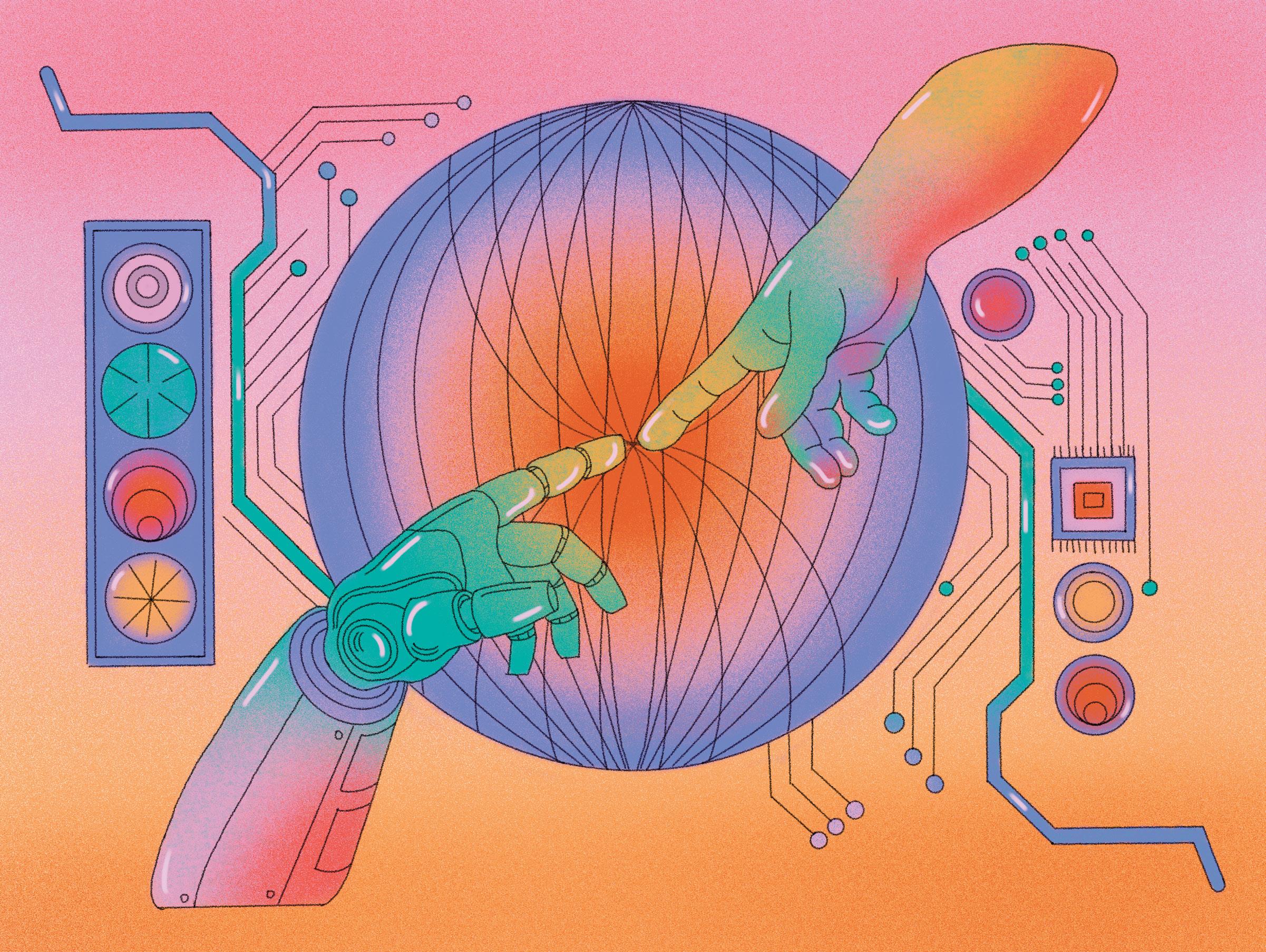
PREDICTION: By 2050, work will shift from human hustle to hive-mind coordination.
Sometimes, the past shows us how the future will arrive. In 1973, GermanAustrian ethologist Karl von Frisch won the Nobel Prize for decoding the honeybee’s “waggle dance,” a subtle movement that communicates the location of food to the hive. For the colony, this is coordination. Individual bees follow simple rules and local signals, yet they make coordinated decisions collectively. Von Frisch’s decoding of the waggle
dance later inspired bee-based optimization research, and waggle dance–driven algorithms have since been absorbed into modern swarmbased decision-making models.
“Many AI models have been directly inspired by biological systems, especially collective intelligence in animals,” says Dr. Asad Tirmizi, CEO of Trener Robotics, an AI platform that equips industrial robots with built-in intelligence. “Swarm intelligence from bees, ants, and birds has shaped several important algorithmic families.”
That biological logic is now migrating from nature into the systems that shape how we work. Sharon Gai, a former Alibaba digital
strategy advisor and author of How to Do More with Less: Future-Proofing Yourself in an AI-Driven Economy, experienced that biological logic jump from nature into the workplace.
During Alibaba’s ramp-up to China’s Singles’ Day shopping festival, which features five times the volume of the entire U.S. Cyber Week, she was part of a team experimenting with an early generative design system that reduced the work of roughly 1,000 contract designers into prompts managed by a much smaller core group, a coordination model that mirrors the kind of distributed intelligence seen in hive systems.
With that experience in mind, Gai argues that by 2050, work will be
reorganized around machine-level output. Gai describes this as a shift in mindset. Work has felt like an endless to-do list—humans operating as busy bees, constantly executing tasks. As AI systems grow more capable, she argues, the human role changes. Instead of performing every task, we become more like beekeepers, supervising a hive of AI agents.
Inside DingTalk, Alibaba’s version of Slack, she said the first role they modified was the project manager.
“Within DingTalk, you had the ability to create a bot. And the first thing we bot-ified was the project manager (PM). So if we had a working group of 40 to 50 people in that big group thread managing timelines
for us, that bot became our PM. All we had to do was set rules, like how many times can you bug someone before they really get pissed off? … and that was three. So we couldn’t ask the fourth,” Gai says. Inside Alibaba’s internal systems, Gai saw how quickly workplace coordination began to resemble programmable swarm behavior.
For Gai, the deeper issue is not automation itself but boundaries.
“Is it good to hand over so much of our decision-making powers and tasks that we originally did as humans over to this hive of AI agents?” Gai considers. “I think the answer is sometimes, and that’s the part that so many of us are trying to navigate: what should I hand over to AI and what should I keep for myself.”
FUTURE PREDICTION: As AI increasingly automates busywork, humanity will come to appreciate the “small frictions” in life.
Gai frames the future of work through Iain M. Banks’ Culture series novels, shifting the focus from machine capability to human purpose: if AI agents supervise other agents, what remains distinctly ours? In that universe, humans are fed, clothed, and free from the labor needed to survive. Life is frictionless.
Gai believes a similar dynamic could emerge in our work if AI continues to advance.

“If work becomes fully automated, if AI agents supervise other agents, what remains distinctly human? Are we just going to become hollow biological beings where the algorithm has done so much of the work for us, and we’re just there to click the enter button?”
The tech author has lately been subscribing to Kurt Vonnegut’s “one envelope” approach.
“His recommendation is to buy one envelope at a time instead of buying a
box of envelopes.” The theory is that you have to go to the post office, buy a stamp, then maybe walk past a cafe, and meet people. That creates intentional community.
Vonnegut argued that computers will end up doing all of that for us, saying, “And, what the computer people don’t realize, or they don’t care, is we’re dancing animals. We love to move around. And we’re not supposed to dance at all anymore.”
He was arguing that the small, everyday things you can do on your own matter.
So if AI reduces friction at work, removing the need to gather in tall glass buildings, what happens to how we connect outside that work world? If meetings are handled by bots, and projects are executed before humans
arrive, what becomes of the accidental exchange between humans?
FUTURE PREDICTION: By 2050, immersion will evolve into true presence through fully multi-sensory experiences.
While no one truly knows what the world will look like as immersion and virtual reality technology improve, the market agrees on one thing: we will leave behind chunky headsets and move to more invisible, ubiquitous interfaces.
Some scenarios still feel far more sci-fi than we can swallow now. But even in 2015, the futurist Ray Kurzweil
said we would be living in an immersive reality with neural implants by 2030. In 2026, the experience of virtual reality (VR) or immersion is more likely to come through entertainment using multiple sensory inputs.
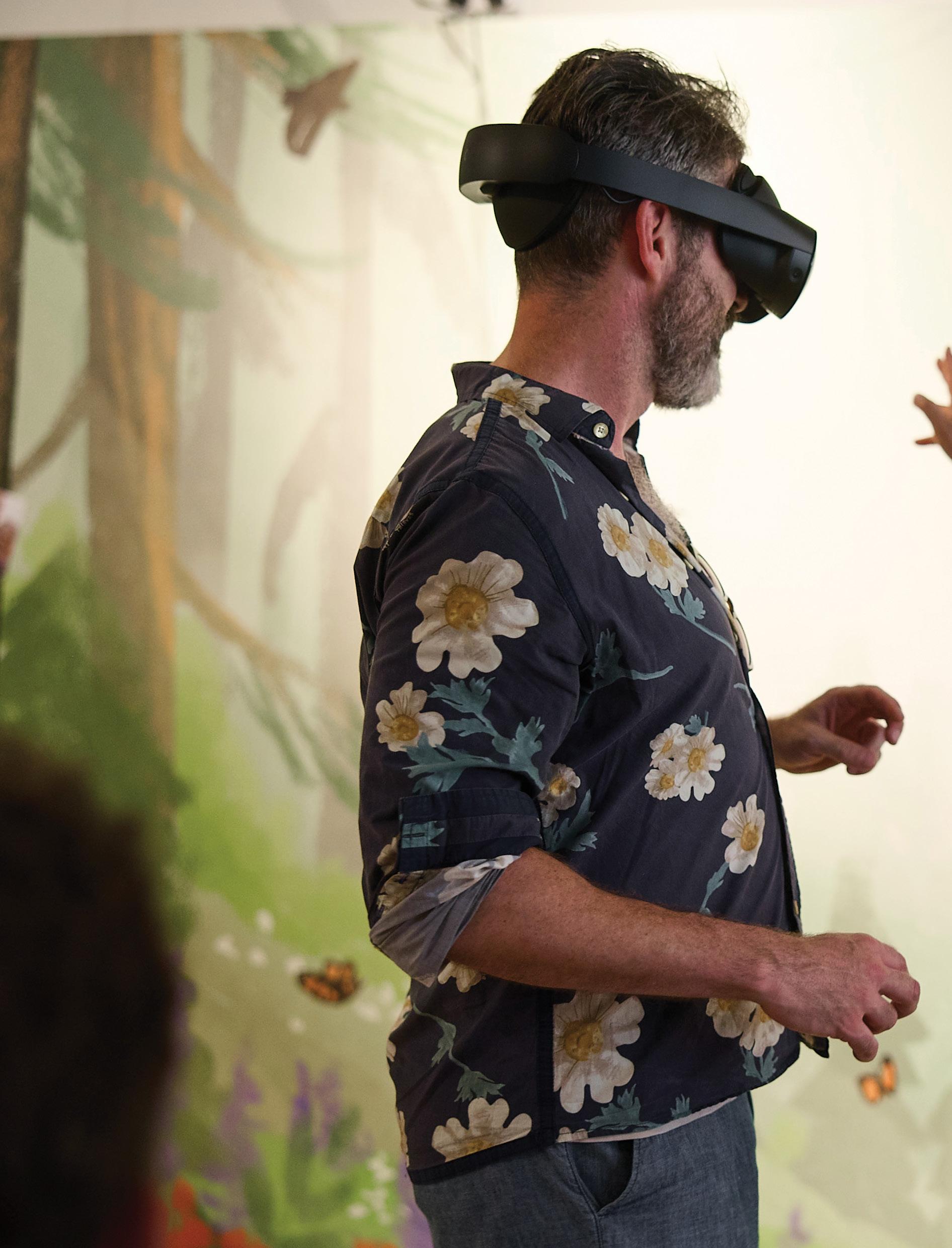
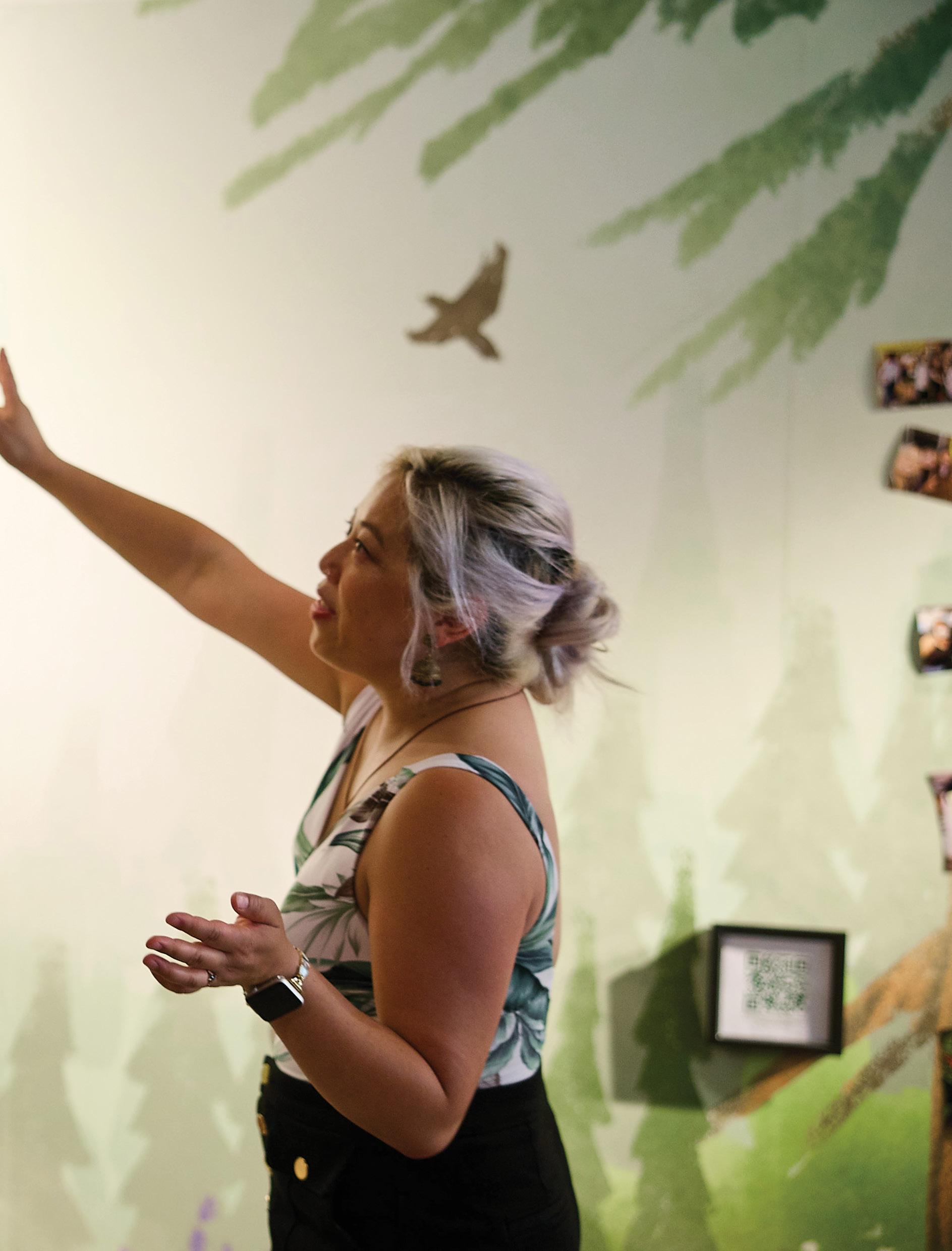
VR artist Estella Tse has created large-scale VR installations around the world. She brings nature into each of her XR (extended reality) installations to ensure a blend of the organic and humanity in an otherwise tech-heavy experience. Her 2023 exhibition “In Bloom,” a collaboration between the University of Oxford's TORCH and the Ethics in AI Institute, was created as she was recovering from complex PTSD and debilitating depression, inviting audiences to believe that even in the
darkest days, they can find light again.
The installation unfolded within a hand-painted physical forest, designed as a fully immersive environment. The installation used the backdrop of a damaged forest that progressed into a flourishing ecosystem again.
She integrated physical wood bark, which added a natural scent to the tangible experience. For the latter part of the exhibition space, Tse integrated geranium and lavender scents for a full immersive experience.
“I combined my knowledge of visual storytelling and theme park design for ‘In Bloom,’” says Tse. “There’s a beginning, middle, and end. There’s a climactic part, and all design elements were made to support that build-up. From darkness
to light, from grayscale to full saturated colors, from flat 2D progressively into full 3D immersion, I utilized multiple design elements to create emotional intensity at the most important parts.
“The immersive nature of VR metaphorically and literally puts the viewer into a different world—the brain feels like it’s transported to another place. This is so powerful for building empathy and a felt experience.”
For the future, she’s not sure where the medium will go. “Outside of XR moving into film, the industry is heavily reliant on the big corporations and their ROIs on what makes sense for their businesses in this economy,” she adds. But Tse believes creative efforts make it possible for XR to become mainstream. “We literally create the possibilities of what new tech can do.”
FUTURE PREDICTION: By 2050, we will have AI robot buddies.
In 2025, Gai attended an Eva AI “dating cafe,” where people brought their AI companions to a cafe, just like you would take a date to meet friends. While she was there, she said a reporter approached the event “from a very critical lens,” asking, “Is this going to replace human relationships?”
But Gai said she was looking at this interaction on the perky, rosier side.
“The AI dating humans thing is weird right now because it's not very mainstream,” she says. “If it brings that person comfort, how bad is it for those people who want to partake?”
Gai believes this could create a new branch of relationships.“If you think about it, relationships have branched out over time, right? First, it was your family; then your partner; then your friends; and finally, your colleagues. So who’s to say that the next branch isn’t an AI?”
The progression of how we interact with AI in our lives is more about
expanding how we create and live our connections. What feels unfamiliar now may simply become another layer in the way humans relate, communicate, and find meaning. As with earlier technological shifts, the shape of connection evolves before we fully understand what it will become.
FUTURE PREDICTION: In 2050, accountability remains human, even when presence is proxy.
The era of proxy presence has already begun. On Feb. 15, 2026, OpenAI acquired OpenClaw, an experiment in AI agents posting and interacting on a social forum. Early screenshots sparked outrage and alarm across social platforms, with users reacting to provocative posts attributed to autonomous agents. Gai cautions that much of what circulated online was not independent machine behavior, but content humans had prompted the agents to produce for attention and clicks.

“A lot of the things they were posting were very far-fetched,” says Gai. “And the far-fetched-ness was not created by the AI agent. It was humans creating and feeding it that content, for eyeballs, for clicks.”
The real shift, she explains, is not spectacle but representation: agents interacting with other agents. Systems negotiating with each other before humans enter the conversation.
OpenClaw is experimenting, Gai says, with AI agents interacting directly with one another, effectively moving toward a social network for AI agents.
From an efficiency perspective, if AI understands how a human worker responds to clients, friends, or collaborators, it could interact directly with their agents, attend meetings, negotiate timelines, and even pre-complete projects.
“You don’t even have to show up for meetings; your bot already went through all of them,” she says. “And your bot went through all of them
with the other bots, so they have already run through this project and know exactly what the deadlines are, and then it autonomously finishes the project on behalf of you.”
In that scenario, coordination takes a backseat. Systems exchange signals, set expectations, and execute tasks at a speed that no longer depends on human scheduling.

When soil can’t absorb rain and roots can’t hold slopes, development becomes physically unstable in addition to being ethically questionable. For Caroline Howell, CEO of Canopy Development Group, the hardest planetary constraint to ignore in 2050 will be water and the living systems that regulate it.
But Gai draws a boundary. “The one thing we can’t outsource is human responsibility. You can’t put a bot in jail.”
As efficiency expands in a botdriven world, accountability still remains human. OpenClaw illustrates one possible direction for agent-to-
“Not just water scarcity in the abstract, but broken water cycles,” explains Howell. “Floods where forests once slowed rainfall and droughts where soil once held moisture like a sponge.”
But Howell poses a bigger question, one that challenges conventional market thinking: what if real estate
agent networking, and even today, such systems have provoked caution from major tech firms, underscoring how quickly proxy autonomy raises real-world governance questions.
FUTURE PREDICTION: By 2050, we will be living inside ecological limits.
The idea of a “non-negotiable planet” can feel abstract. Even today, we’ve altered more than 75 percent of Earth’s land surface, degraded a third of soils, and drained ancient aquifers.
were treated as a living system rather than a financial project?
Time horizons would shift: development is optimized for short exit cycles rather than the decadeslong lifespans of living systems. Forests regenerate over generations. Soil formation is measured in centuries. Watersheds stabilize slowly but collapse when pushed too far. Howell believes that if real estate were treated as a living system, long-term stewardship funds would be embedded in every project.
“Ecological metrics would sit alongside financial ones in investor
reports. Property values would be tied to biodiversity gains and water resilience. Governance structures would include land councils or ecological oversight boards, rather than just HOAs focused on aesthetics,” she says.
Yet Howell contends the deeper shift is cultural, and we need to stop asking how fast we can extract value and start asking what the landscape needs to be healthier in 50 years.
Howell frames technology not as a savior or villain, but as a reflection.
“Technology is a mirror. It reflects our intentions,” she adds.
Canopy’s approach fuses technology with natural ecosystems. They use a “land listening” system and remote sensing to gather critical data for land planning, making projects more resilient to future weather. This also helps teams understand the creatures and patterns of a shared home. In this framework, technology doesn’t erase limits; it exposes them and teaches us how to live within them.
On Panama’s Azuero Peninsula, Canopy’s Playa Venao sits within an endangered tropical dry forest ecosystem. Rather than clearing and subdividing, they planted 40,000 native trees to protect the watershed and are building food systems within the development. Howell says they will be the first real estate project to generate and sell biodiversity credits globally. The work is tied to restoring a 20,000-hectare biological corridor with Pro Eco Azuero, creating local jobs in regeneration.
Howell believes that living within planetary boundaries is less dramatic and more beautiful than people imagine.
Shade trees lower ambient temperatures by several degrees; buildings oriented for wind flow, reducing mechanical cooling; food growing within walking distance; and materials chosen for durability and repair. Most importantly, Howell dreams of a 2050 where neighborhoods are designed to gently return people to the living world around them.

BY MICHAEL AHR
March 16 at 10:00 AM in JW Marriott Salon 1-4
This featured session poses the exciting prospect of landing on the far side of the moon for the first time in American history. The talk is hosted by Firefly Aerospace CEO Jason Kim and VP of Engineering Brigette Oakes, who are celebrating the company’s landmark first commercial moon landing while discussing the future of the aerospace industry. In addition to their work in the growing satellite market, they’re preparing to place spacecraft into orbit to support a future that includes in-space maneuverability.
March 13 at 4:00 PM in JW Marriott Salon AB
With the International Space Station fading fast after 30 years of continuous service, the race to define what comes next is officially on. Axiom Space CEO Dr. Jonathan Cirtain will be joined by journalist Robert Capps to make the case for a commercial future in orbit after launching four private astronaut missions and partnering with everyone from NASA to Prada to build what Axiom hopes will be the world’s first commercial space station. Is this the beginning of a bold new era for space industrialization?
March 17 at 2:30 PM in JW Marriott Salon D
Forget generative AI, we want the robots promised by science fiction! Executives from Serve Robotics, OpenMind, RealSense, and Simbe Robotics will lead a discussion of how “machine vision” will enable robots of the future to understand, navigate, and interact with the world around them. Advancements in depth sensing and environmental awareness are giving humanoid machines the ability to operate naturally among us. Come learn about what this means for the future of human-robot interaction.
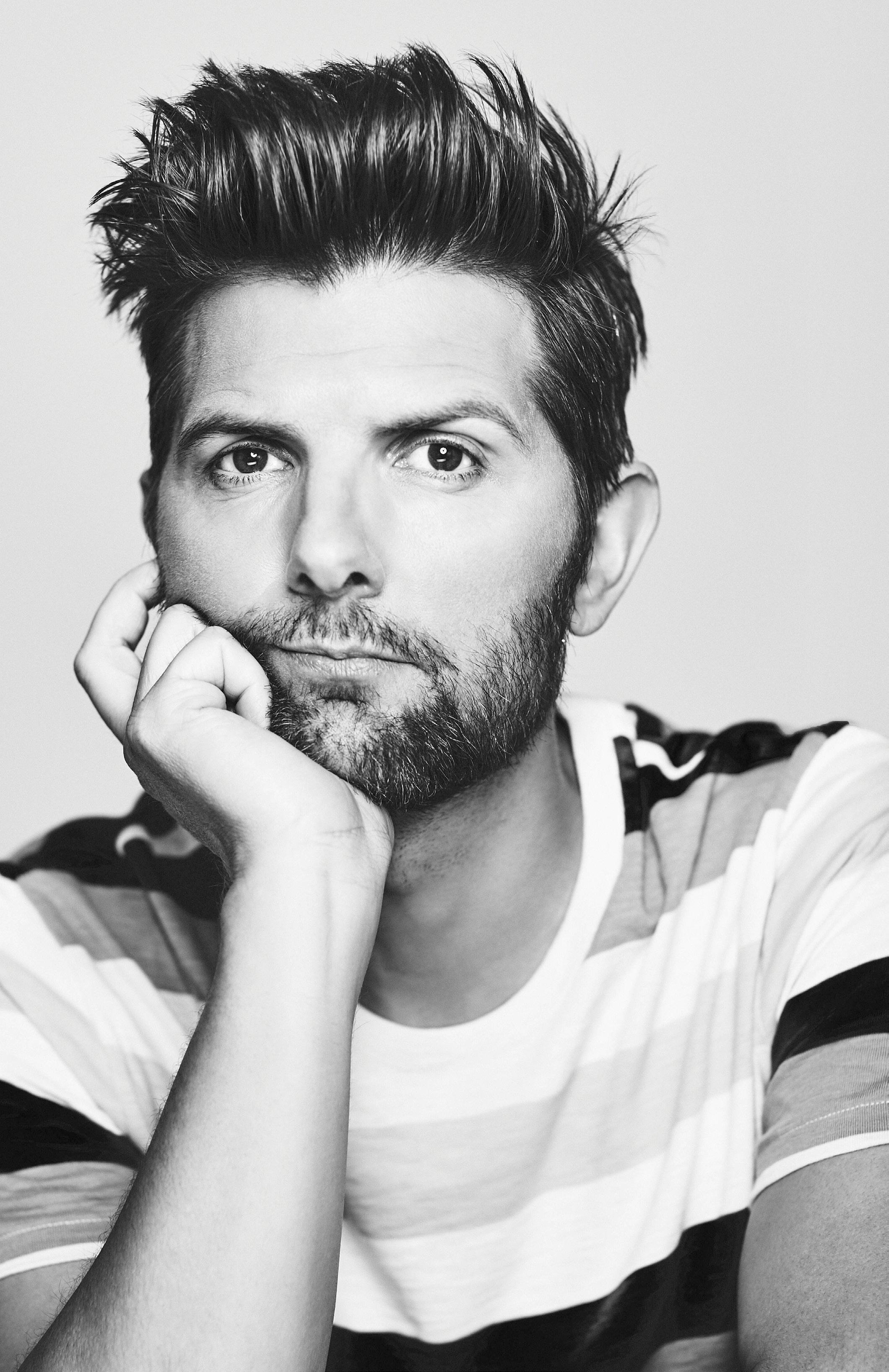
Fresh off the sci-fi success of Severance season two, Adam Scott turns to horror with a starring role in Damian McCarthy’s Neon chiller Hokum.
BY ALEC BOJALAD
everance star Adam Scott takes a detail-oriented approach to his showbiz career—right down to the very name he pursues it under.
Eager to stand out as a “serious actor” in the vein of Robert De Niro or Al Pacino, a young Scott once considered changing his relatively common surname to the more flowery “Quardero,” a shortened version of his mother’s Sicilian maiden name “Quartararo.”
He ultimately opted against the rebrand and embarked on an acting career successful enough to condemn all other Adam Scotts to “for other uses, see Adam Scott (disambiguation)” status on Wikipedia.
Still, when Scott sits down with us to discuss the success of his hit Apple TV sci-fi series Severance, a starring role in upcoming SXSW midnighter Hokum, and his career at large, we ask him to consider a “sliding doors” scenario in which the first moniker stuck.
“I wonder what Adam Quardero would be doing right now,” he muses. “Hopefully, the exact same thing… except everyone would always be asking him how to pronounce his name.”
Indeed, Adam Quardero would be immensely fortunate to have Adam Scott’s career. After getting his start as high school bully Griff Hawkins on coming-of-age sitcom Boy Meets World, Scott transitioned into the world of comedy: appearing as the douchey Derek Huff in Adam McKay’s Step Brothers, struggling as actor-turned-caterer Henry Pollard in Starz’s comedy Party Down, and former boy mayor and Leslie Knope’s love interest, Ben Wyatt, in NBC’s Parks and Recreation
But it was the premiere of the Dan Erickson-created, Ben Stiller-directed Severance, in 2022, that elevated Scott to dramatic leading man status. Over two critically and culturally acclaimed seasons, Scott has embodied Mark
Scout, a Lumon Industries employee who has undergone the “severance” procedure to bifurcate his consciousness between his work life and home life.
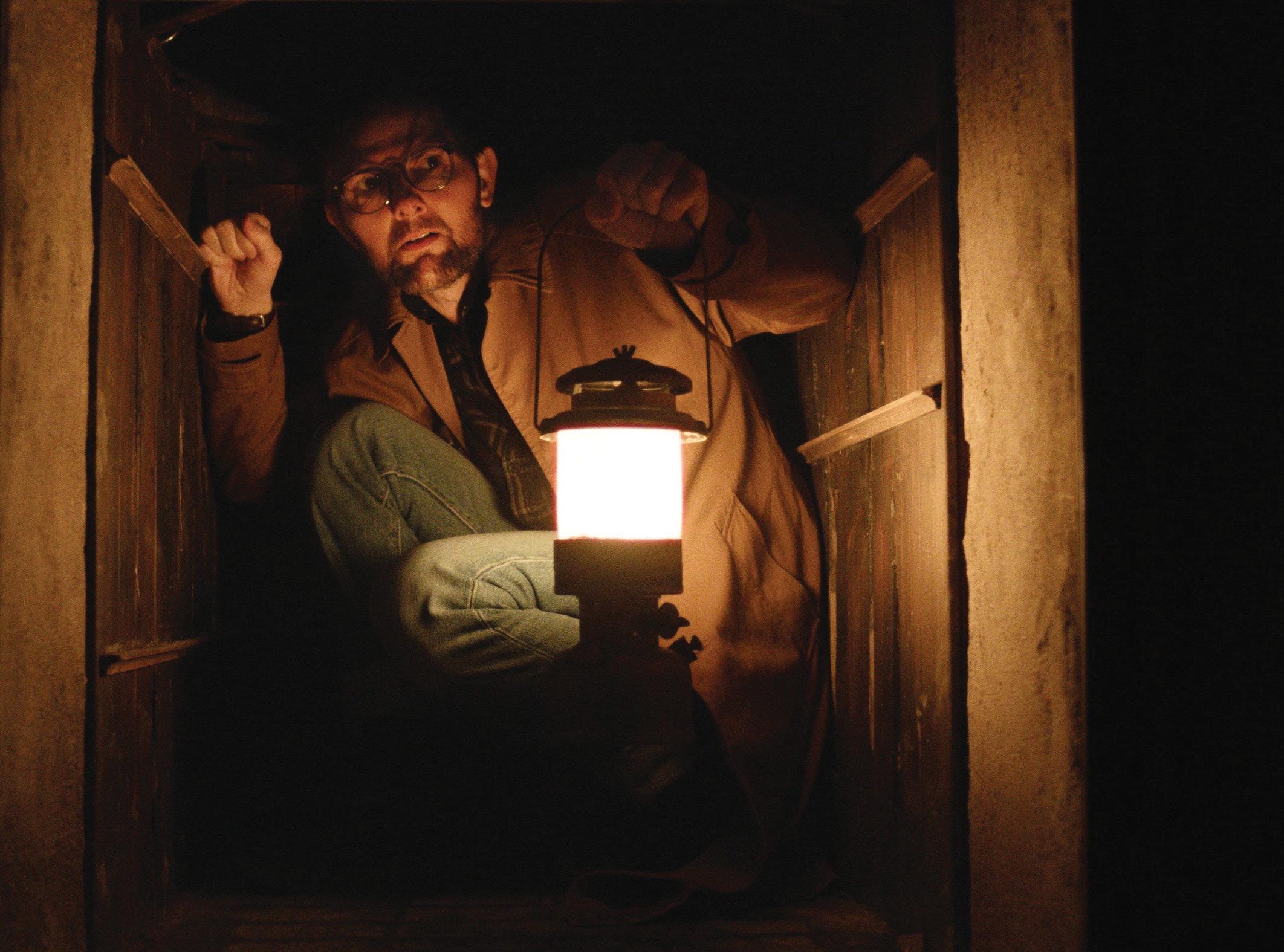
Now, between seasons at Apple, Scott is set to dip his toe back into the world of horror (he appeared in Krampus and Piranha 3D back in the day), starring in Irish auteur Damian McCarthy’s latest feature, Hokum. The project takes Scott’s troubled novelist character, Ohm Bauman, to a honeymoon suite in a remote Irish inn where he’ll encounter all manner of… well, hokum.
What intrigued you about Hokum as a project?
I love Damian and I loved Oddity. That movie burrowed itself in, in ways that we’re not seeing much currently in horror or suspense. It’s an incredibly patient movie and entirely character-driven. The script [for Hokum] itself was super interesting, and I liked that the lead character wasn’t asking for any sort of sympathy or forgiveness. In fact, quite the opposite. You get to kind of go through it with him and learn along the way why he is that particular way.
Much of Hokum is fairly claustrophobic for your character and presents a lot of upsetting imagery. I know it’s a job, and you’re just “playing pretend,” but was there any element on set that was genuinely horrifying to you?
It was more or less one large room we were working in. It’s dark in the film, and it was literally dark when we were in there making it. It was pretty clear that this was going to be unsettling. I thought the witch was frightening. To see her kind of go in and start running around is genuinely unsettling.
But more than anything, it was exciting to see what would be frightening. I knew that this was going to be effective because the set was so beautifully made. Damian had his eye on every single detail, down to those little guys that strike the bells on the clock, and the unsettling expressions on their faces. As an actor, since your control is limited, you never know really how something is going to turn out at the end of the day. Having so much faith in Damian and seeing all the components they put together on set, I knew there was a chance that this could work.
Are you usually drawn to horror? I believe your first major movie role was actually in Hellraiser: Bloodline, right?
It was, yeah. And I’ve been in a few horror movies over the years, but I’m not particularly drawn to them as an actor more so than any other genre. As an audience member, I do like horror movies, but it all depends on whether they actually frighten me or not. If I’m gonna see one, I want it to be something that really, really freaks me out. Hereditary was a perfect example of that, or The Strangers—movies that really pinpoint these nightmarish scenarios and then don’t look away. I’m not there to just see the most imaginative kills (which I also enjoy). I like them in the context of something that’s really working, characterand story-wise.
What does your work life look like between seasons of Severance? It seems as though you’ve kept very busy this year with Hokum, The Saviors, which is also premiering at SXSW, and the upcoming crime thriller, The Whisper Man, with Robert De Niro.
Severance is something we’re always discussing and getting ready for, which is what we’re doing right now, actually. I like working, and I enjoy being busy. My wife and I have a [production] company we run together, so when I’m not acting in something, we’re busy developing a lot of TV and movie stuff. We have an office that we go to; it’s like an actual job.
It’s great because I never want to go back to my early years of sitting in my apartment twiddling my thumbs, never knowing where that next job is going to come from. Every actor who started out from nothing has that in the back of their head as the thing they never want to go back and touch again.
How has Severance changed the way that people interact with you? It’s a very popular show that invites a lot of interpretations and feelings, and you’re the lead of it. It’s funny, because I was in the States for the first two episodes [of Severance season two] and then I went off and
“EVERY ACTOR WHO STARTED OUT FROM NOTHING HAS THAT IN THE BACK OF THEIR HEAD AS THE THING THEY NEVER WANT TO GO BACK AND TOUCH AGAIN.”
made Hokum in Ireland. When I came back, right when the finale aired, I could tell Severance had really broadened out. People usually recognize me from Parks and Rec or Step Brothers. You get to know the pockets of people that come up and say hello, which is always really nice. Suddenly, it wasn’t just the demographics that I’m used to; it was everyone.
The show has really reached out and grabbed a lot of people, which is terrific. But it was certainly an adjustment. We kind of all collectively stopped and took a breath in London once when we were in the midst of the press over there. We all looked at each other and were like, “Holy shit, this is crazy.” It’s exactly what you want when you work as hard as we do. You want as many people as possible to see it.
What was your hardest day on set for Severance so far?
[Director] Ben Stiller has you running around a lot! Probably the fight that I have with Mr. Drummond in the [season two] finale. Darri [Ólafur Darri Ólafsson] and I really went for it because it was fun, and we had a blast choreographing it with the stunt team. It was completely my fault, but as Darri was swinging me around into the wall, I didn’t get my arm up in time to absorb the slam. I hit it head-first and got a bit of a concussion. That was probably the hardest day, but the whole thing was challenging. We
were exhausted by the end of it. For me, “challenging” isn’t negative. I love things that look impossible at first. That’s often what Severance is.
Are there any lessons that come to mind from playing Ben Wyatt on Parks and Recreation? I imagine learning experiences abound on the set of a well-executed sitcom like that.
[Creator] Mike Schur is a master of storytelling. It sounds like I’m talking about [screenwriting guru] Robert McKee. I would love it if that comparison stayed with him because he stapled calzones onto me for life. He and the writers had this economic way of telling a story that was able to squeeze into 22 minutes every week and not take any shortcuts, so you never felt short-shrifted.
There was this trick that Mike taught me early on, and I think of it constantly when I’m working on something. In any successfully written TV show (and some movies), you should be able to take all of the characters’ names off any page of the script and know exactly who is saying what. If you’ve drawn these characters properly, like in Cheers or Golden Girls, or any of these great comedies or dramas, that is what you’re trying to achieve. That’s one of the many lessons I learned over there that I’ll never forget.
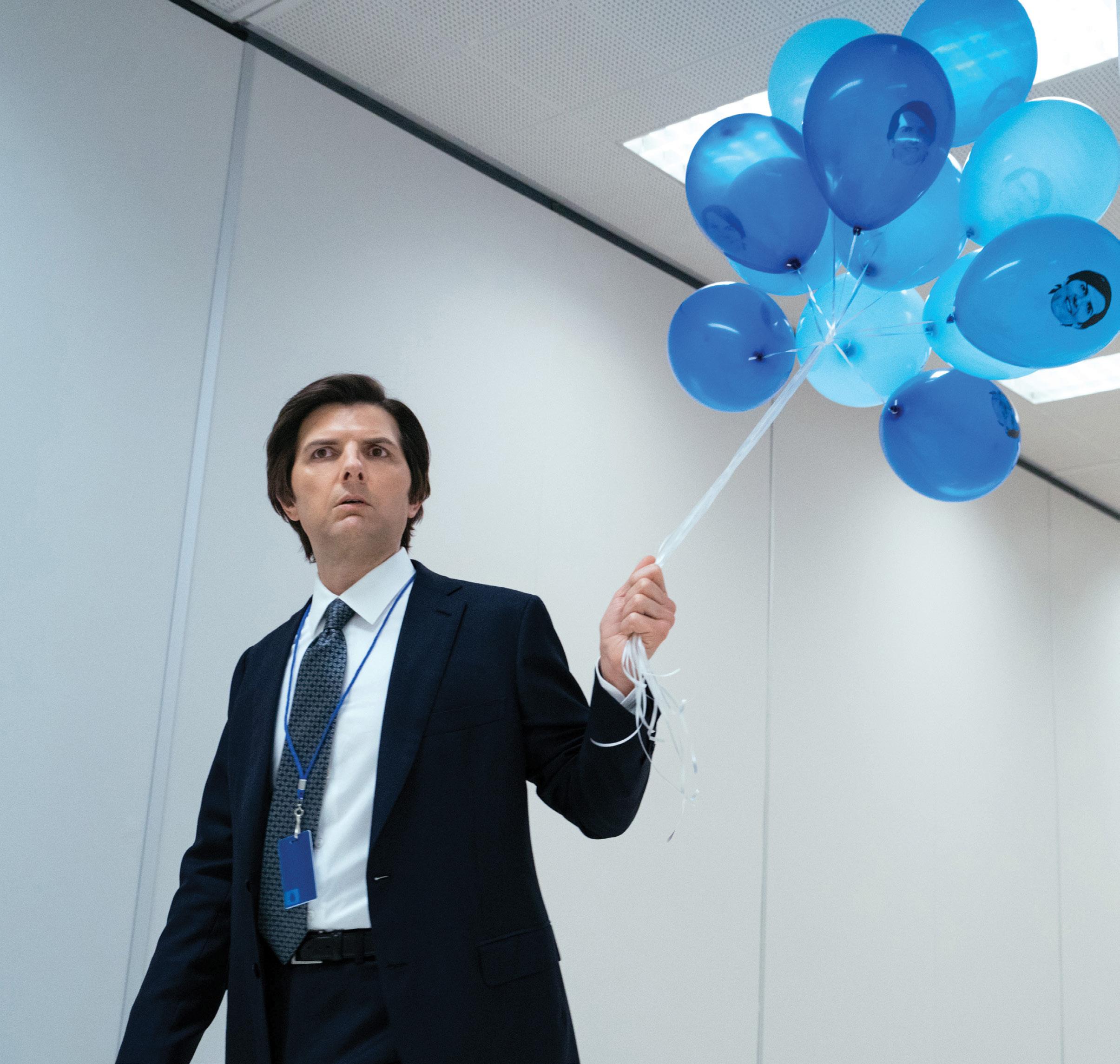
I’ve always found your Starz comedy Party Down to be an oddly resonant viewing experience. Because at the end of the day, it’s a series about young actors trying to make it in Hollywood—who are all played by young actors trying to make it in Hollywood. What emotions are associated with that show for you?
It was a really special time. A lot of us were in a similar position to the characters, so not in the midst of these flourishing, incredible careers. We were all lucky to be there and felt a bit like outsiders in showbiz. We found each other on this show and didn’t quite know if it would work or what it would be. At the time, Starz wasn’t making TV shows, so we weren’t even sure who was going to see this. It really came together in the “Singles Seminar” episode. That is when we all really locked in. We looked at each
other and were like, “Oh, this is great. This is fun, and who cares if anyone sees it? This is about each other; defining ourselves for ourselves. It’s the most fun we’ve ever had.” We all really just started making the show for each other.
I think it’s important to have moments like that in any business, but particularly in show business where you’re always perceiving yourself or being forced to perceive yourself according to how others perceive you. When you start finding yourself with a group of people, you come to realize it doesn’t matter what anyone else thinks. Your self-worth changes.
Do you think doing Step Brothers added a lot to your comedic toolbox? There are still certain “Derek from Step Brothers” moves I can see in your work to this day.
“IT’S A PET PEEVE OF MINE, SEEING PEOPLE ON TELEVISION WITH SLOPPILY TIED TIES. I’M LIKE, ‘DID NO ONE SEE THAT THAT THING IS ABOUT TO COME LOOSE? YOU JUST GOTTA GIVE IT A TUG, AND IT WILL LOOK 70 PERCENT BETTER!’”
I didn’t even really have a comedic toolbox at that point. It was before Party Down, and I hadn’t had the opportunity to be in a big comedy like that. Getting that role was a bit of a fluke. When I got there, I didn’t totally know what I was doing; I had to learn on the job. But I slowly came to realize that I never wanted to go back to anything else. This is where it was at. Seeing how [director Adam] McKay and Will Ferrell and John C. Reilly work, by the time it ended, I felt like I had figured it out a little bit. I realized this was what I wanted to do. That was an incredibly instructive moment.
Is there a role in your career that you look back on particularly fondly that doesn’t often come up in interviews like this?
Something that was a huge deal for me and sort of changed the way I perceived myself was a movie called The Vicious Kind. This really talented writer-director, Lee Krieger, cast me in his movie, and I didn’t even know why. I had just finished shooting Step Brothers, but it hadn’t even come out yet. Then I got the lead role of this little indie, and I loved making it. It was a really emotional role and it had everything I always wanted to do in movies.
When it was done, I was like, “Oh God, I wonder if this is going to be embarrassing.” I remember inviting everyone in the Party Down cast and sitting down to watch it with everybody and realizing, “Wait, I think this might actually be good. I might have pulled this off.” That really changed everything. That period of time had me doing The Vicious Kind, Step Brothers came out, Party Down was out there, and I had just gotten the Parks and Rec job. That was when an actual career came together and solidified.
Your name tends to come up frequently when the internet comments on people who have not yet hosted Saturday Night Live but should. Would you be interested in doing something like that?
Of course! The funny thing is, people often think that I already have. It’s probably because of the people I’ve worked with or am friends with, and they just assume that I’ve hosted SNL. But yes, I would love to, of course.
I think you have a good sense for men’s fashion. You attended the InStyle Imagemaker Awards last year and Comedy Bang! Bang!’s Scott Aukerman once said you were the only person he knew who owned a tux. Who taught you to tie a tie so cleanly and snugly?
YouTube, honestly. I’m sure my dad taught me a long time ago, but I remember needing to tie a tie, and it had been 15 years since I had. I learned a few different knots on YouTube, and they made it pretty easy. You could do a double Windsor or whatever, but I like a smaller, tighter knot. You see a lot of Wall Street guys with this big fat triangle at the top. Or a lot of the MAGA politicians have that big knot, like [Secretary of Defense Pete] Hegseth. It’s a pet peeve of mine, seeing people on television with sloppily tied ties. I’m like, “Did no one see that that thing is about to come loose? You just gotta give it a tug, and it will look 70 percent better!”
I assume that you consented to this interview because you fondly remember talking to Den of Geek back in 2017 for a magazine feature about your Fox sitcom Ghosted. How does it feel to return to the pages of Den of Geek magazine, and more importantly, should Ghosted be rebooted?
It feels great! [Laughs] First of all. And should Ghosted be rebooted? Absolutely. I think it should be rebooted every year. It should be a national holiday every time they reboot it. That goes without saying.
Hokum premieres on May 1 nationwide.


T I L L DE AT H T I L L DE AT H D O US PA R D O US PA R
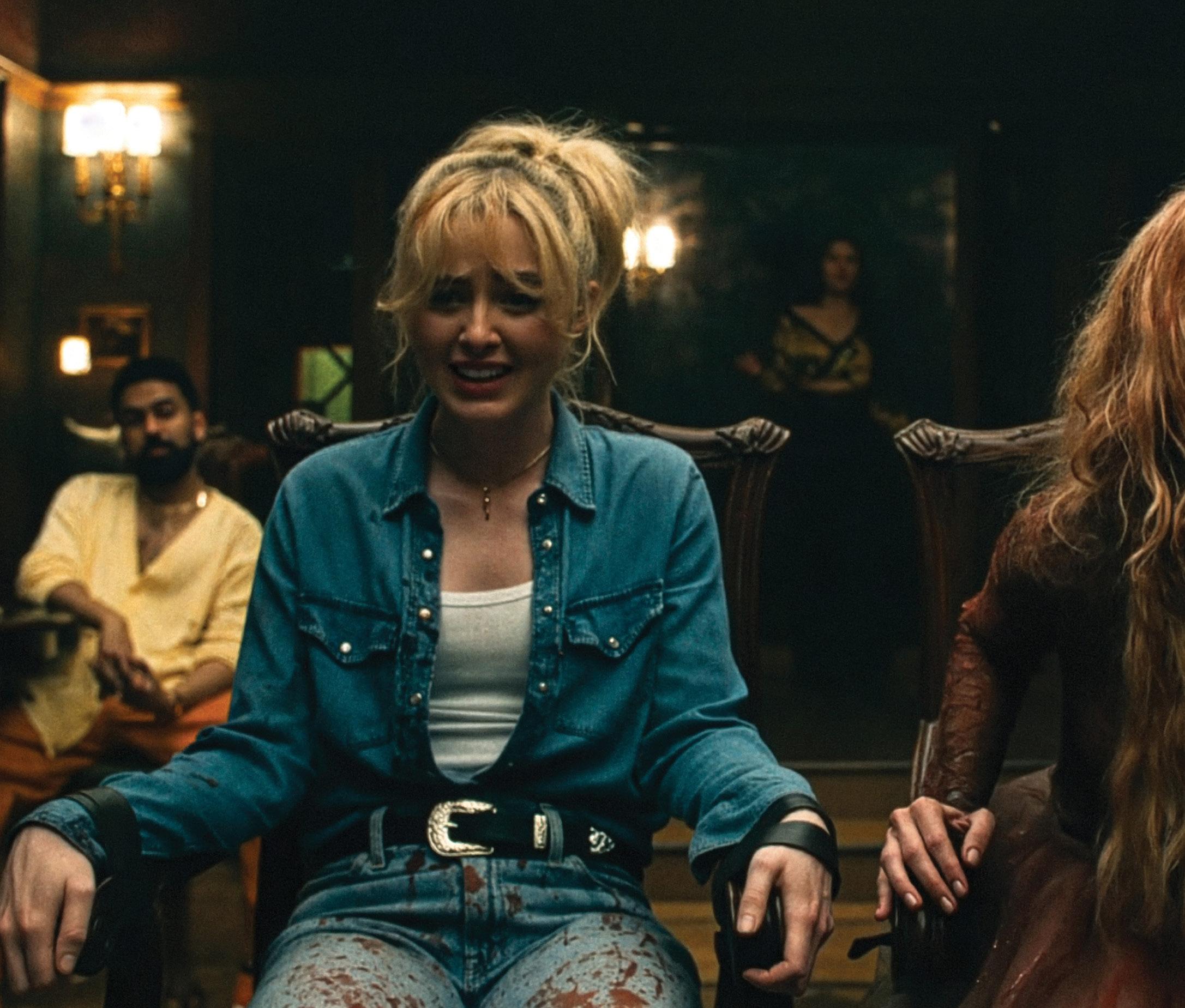
Samara Weaving’s beleaguered bride is back in Ready or Not 2: Here I Come, and this time she’s got her sister in tow. We talk to the all-star cast and crew of the explosive extravaganza.

BY ROSIE FLETCHER
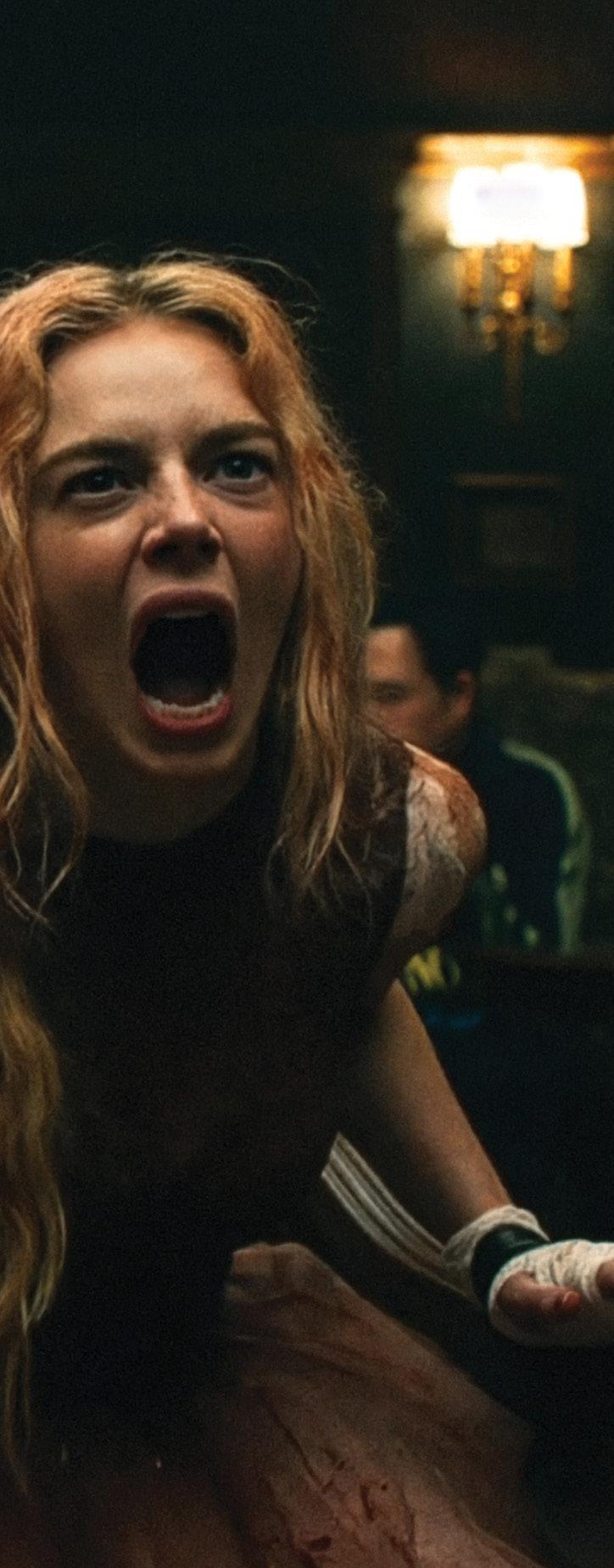

is spontaneously combusting bodies! You heard it here first.
Arriving seven years after Ready or Not saw Samara Weaving’s new bride engage in a deadly game of hide and seek, the sequel Here I Come ups the ante with more blood, more kills, more locations, and higher stakes that include no less than the future of the entire known world. And yes, there’s another exploding body or two.
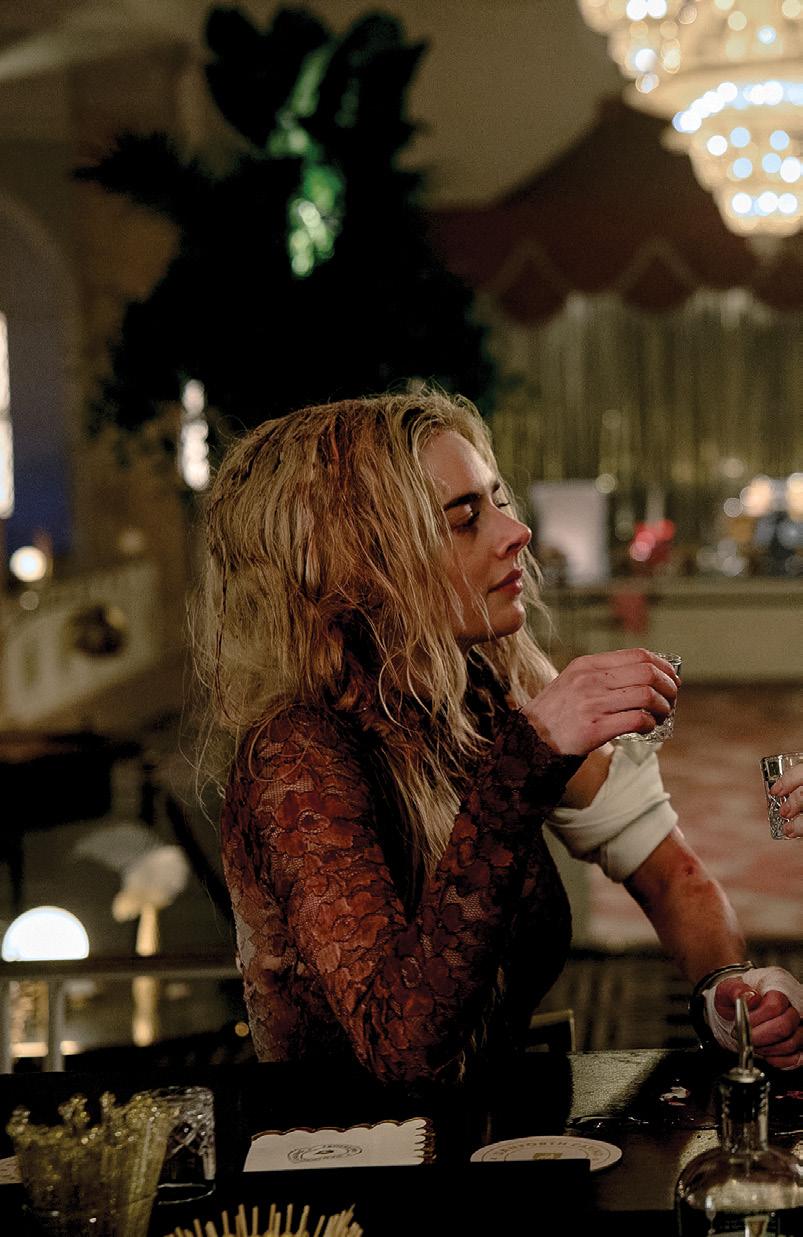
Back in the dress to see it all is Weaving’s Grace, who we catch up with seconds after the gloriously gory ending of the last film, with the newly widowed bride sitting on the steps of the mansion where she was hunted. She’s won the game, but there are consequences to her survival.
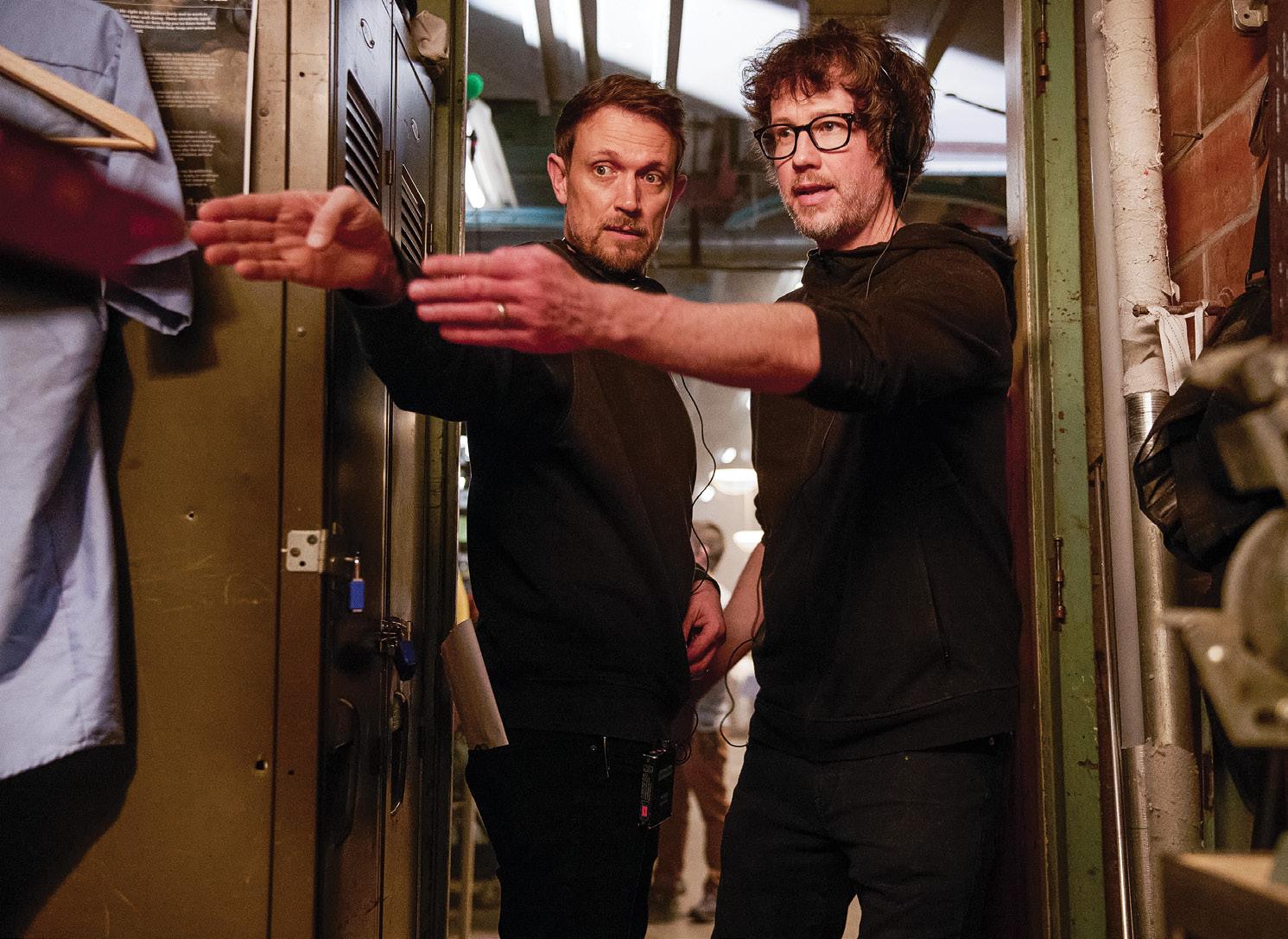
Matt Bettinelli-Olpin and Tyler Gillett, who work as part of the Radio Silence collective, also return in the directors’ chairs with Guy Busick and R. Christopher Murphy once again on scripting duties. The Radio Silence team say they had an appetite to take a second dip into the world of Ready or Not after the first film became such a hit with audiences, but only if they had the right story to tell.
“The idea that we could expand the mythology and build another story in that same universe and in that same tone was really exciting to us,” explains Gillett. “It was exciting because it wasn’t premeditated, we didn’t go into the first movie planning on something else, and so there was a feeling of freedom in that.”
Since the first movie, the helming pair had been off making raucous vampire-ballerina horror, Abigail (with Kathryn Newton), and Scream 5 and 6 (which briefly, but memorably, also featured Weaving). Meanwhile, Weaving was making, among other things, the sequel The Babysitter: Killer Queen, high-end TV show Nine Perfect Strangers, and Damien Chazelle’s Babylon opposite an all-star cast. The planets would need to align to get the gang back together.
Filmed in 2018 and released in 2019,
Ready or Not saw former foster child Grace marry into the affluent Le Domas family. On her wedding night, she takes part in a family tradition— an initiation ceremony where she must pick a card from the box of a mysterious figure named Mr. Le Bail. Grace’s card reads “Hide and Seek,” but far from a fun kids’ game, this is a deadly cat-and-mouse chase. The Le Domas family must hunt and kill Grace to fulfill their demonic pact with Le Bail. If she survives till dawn, they all die. Sure enough, Grace does, and the Le Domas family explodes into a morning red mist.
The Radio Silence team considers themselves fortunate to be able to brazenly pick up seconds after the carnage, despite it being more than half a decade later since they were on that set. “Obviously, we lucked out that Sam literally hasn’t aged a day in seven years, which I know we certainly can’t say the same for ourselves,” Gillett laughs. Grace is in fact still sitting bloodied and broken on the steps outside the Le Domas house as the interior burns. Merging the first movie seamlessly with the second in that opening shot was a complicated affair that could fill an hour-long “making of,” according to Bettinelli-Olpin.
“The linchpin that holds it all together is Samara,” he says.
Again in that blood-soaked gown, Weaving’s Grace is about to suffer another 24-hour ordeal.
“I had to remember what I was doing all those years ago,” says Weaving, chatting to us from LA.
“It was tricky because where, emotionally, does she go from here? I thought in the first one I’d been

stretched and seen a rainbow of emotions, and now, how do we make this interesting for the audience so it’s not repetitive at all? I think Kathryn [Newton] is so helpful in that.”
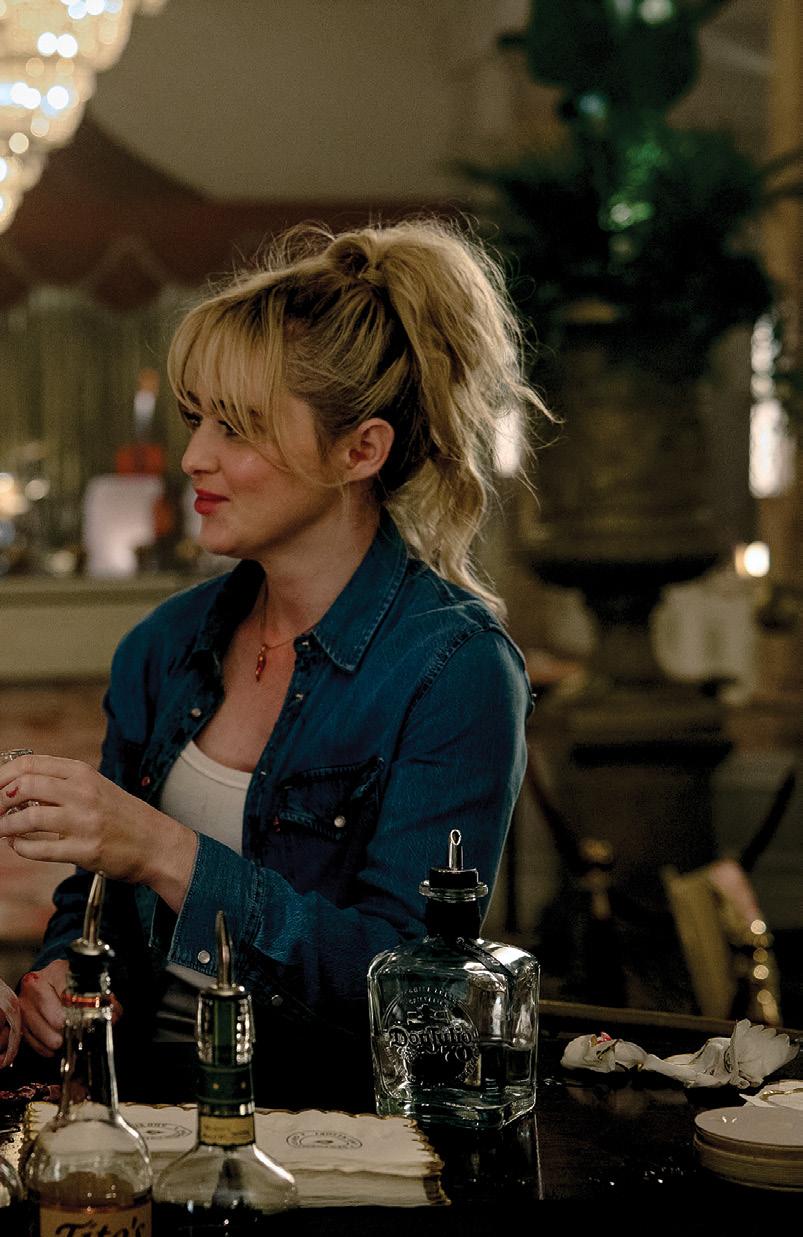
Enter Faith, Grace’s estranged younger sister played by Newton. Grace is cuffed and in the hospital when Faith walks back into her life, mad as hell because Grace abandoned her as a teenager. But all that drama will have to be dealt with later since Grace’s survival has had major repercussions for the elite group of families who have made deals with the literal Devil for untold power and influence over the world.
It hasn’t escaped the cast and directors how horribly current that last plot point is with the movie coming after the staggered release of the Epstein files: “They’ve always been a satire, but I don’t think we imagined that they would be quite as sharp a satire as the two Ready or Not movies currently feel,” says Gillett.
Newton’s been an actor since she was four years old but describes working with Radio Silence on Abigail as giving her “a new sense of wonder all over again.” So when the duo approached her to play Faith, she “was jumping up and down and screaming.”
Radio Silence say they “Parent Trapped” Newton and Weaving, inviting Newton along to a Ready or Not reunion screening and encouraging the two to bond and hang out. It clearly worked. On screen, their chemistry is infectious. Not only do the two look like siblings—“If you think we look alike, I’ll take it!” laughs Newton—but they easily slip into a rhythm.
“She is one of my favorite people, I’m obsessed with her,” Weaving
smiles when we ask about her co-star. “We very quickly fell into a sisterly relationship where I just was making fun of her all day and doing impressions of her on set, embarrassing her. I was like texting boys for her because I don’t understand how she doesn’t have a boyfriend. We need to remedy this…” Newton is equally enamored of Weaving, saying she started to copy her tastes and habits.
“She’s way cooler than me,” Newton says. “She’s a little older than me, she’s a little more worldly. I’m still growing. I’m still kind of in eighth grade in a lot of ways, especially when it comes to boys and stuff, but she’s just really cool. Sam made it really easy for me to be myself and to shine in my own way, which only makes her shine too.”
Handing off the Scream Queen baton is no less than Buffy the Vampire Slayer herself, Sarah Michelle Gellar. Not a final girl this time, she’s Ursula, one half of a pair of evil twins with Shawn Hatosy’s Titus as her brother.
The two are the offspring of patriarch Chester Danforth (played by legendary horror director David Cronenberg), holder of the “high seat.” But after the demise of the Le Domas clan that claim is contested. Titus and Ursula will have to compete against other powerful families to be the first to destroy Grace and claim back the most powerful spot in the world.
Ursula is beautiful, cold, callous, and violent, and Gellar looks like she’s having a blast in the role of villain. While she might be best known for playing Buffy, she’s been on both sides of the spectrum plenty of times.
“It’s so funny because I first got
some notoriety in my career when I was a teenager and I was on All My Children, and I played this very bad character,” she says. “I thought that’s what my future was. It took me a while to convince people that I could be Buffy. I was originally cast as Cordelia. Then Buffy was such a success, and when I wanted to do Cruel Intentions, everybody kept trying to talk me out of it and say, ‘Don’t you want to play [good girl] Annette?’ I’m so incredibly grateful to be accepted in both roles.”
With the various different factions competing to murder Grace first, it was a large ensemble cast, and Gellar says it was a joy how much everyone wanted to be together between takes. Newton describes Gellar as a massive influence in her career and recalls a special moment.
“We were sitting on set one day [in costume], I had the ball gag in my mouth… and she’s like, ‘Hmm, this
looks familiar,’ and she pulls up this picture of her as Buffy, and she had on a denim shirt, hair up in a bun just like mine with the bangs and a sword. I had chills, like full-body chills.”
Seeing Gellar, Weaving, and Newton share screen time is a treat, even when they are trying to kill each other.
“Her doing this movie is such an honor because she’s a scream queen,” says Newton. “Now we have Samara, I’m a baby scream queen. We’re all coming together, and she’s opening the door and continuing that legacy.”
Other families competing for the “high seat” are clans from London, Spain, China, and more. The rules of the game are thus:
The head of the family must be the first to attempt to kill Grace. If they die, the next in their bloodline must take over.
Members of the council are not allowed to kill each other, a crime punishable by death.
Each family must use a weapon contemporary to when their blood line first made their pact. Grace, meanwhile, must simply survive.
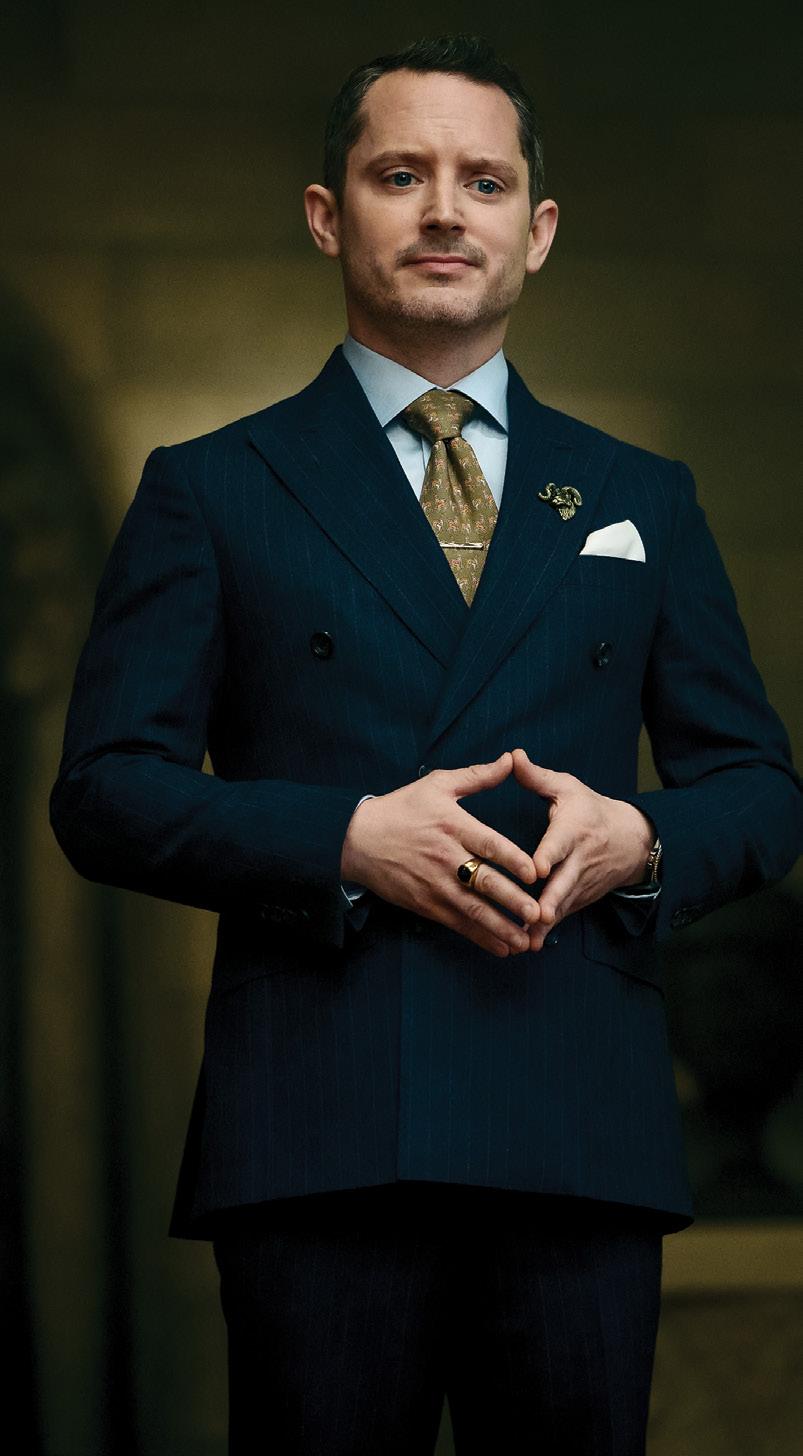
The person to enforce these rules is Elijah Wood’s character, known only as “the Lawyer.” He works for Mr. Le Bail, and while his backstory isn’t conveyed in the film, Wood and Radio Silence discussed what it could be at length, leaving the audience with tantalizing questions.
“It’s toeing that line between being someone who is neutral, to articulate the rules, but also giving him some personality in regards to what he is observing internally,” Wood says. “He’s probably seen this process through multiple times, and maybe even has his own opinions about these individuals that are ultimately irrelevant in regard to his task.”
Though it’s a relatively small role, Wood relished working with Cronenberg’s Chester Danforth. While Gellar says she was tempted to ask for tips from her on-screen
father—“It was funny, after every take, I would say, ‘What do you think? Do you have any notes for me?’ And he would look at me and he’d be like, ‘I’m not the director.’”—horror nut Wood, who runs genre production studio, SpectreVision, was nervous to ask for tales from the auteur.
“He was incredibly forthcoming, really lovely, and such a sweet individual,” Wood says.
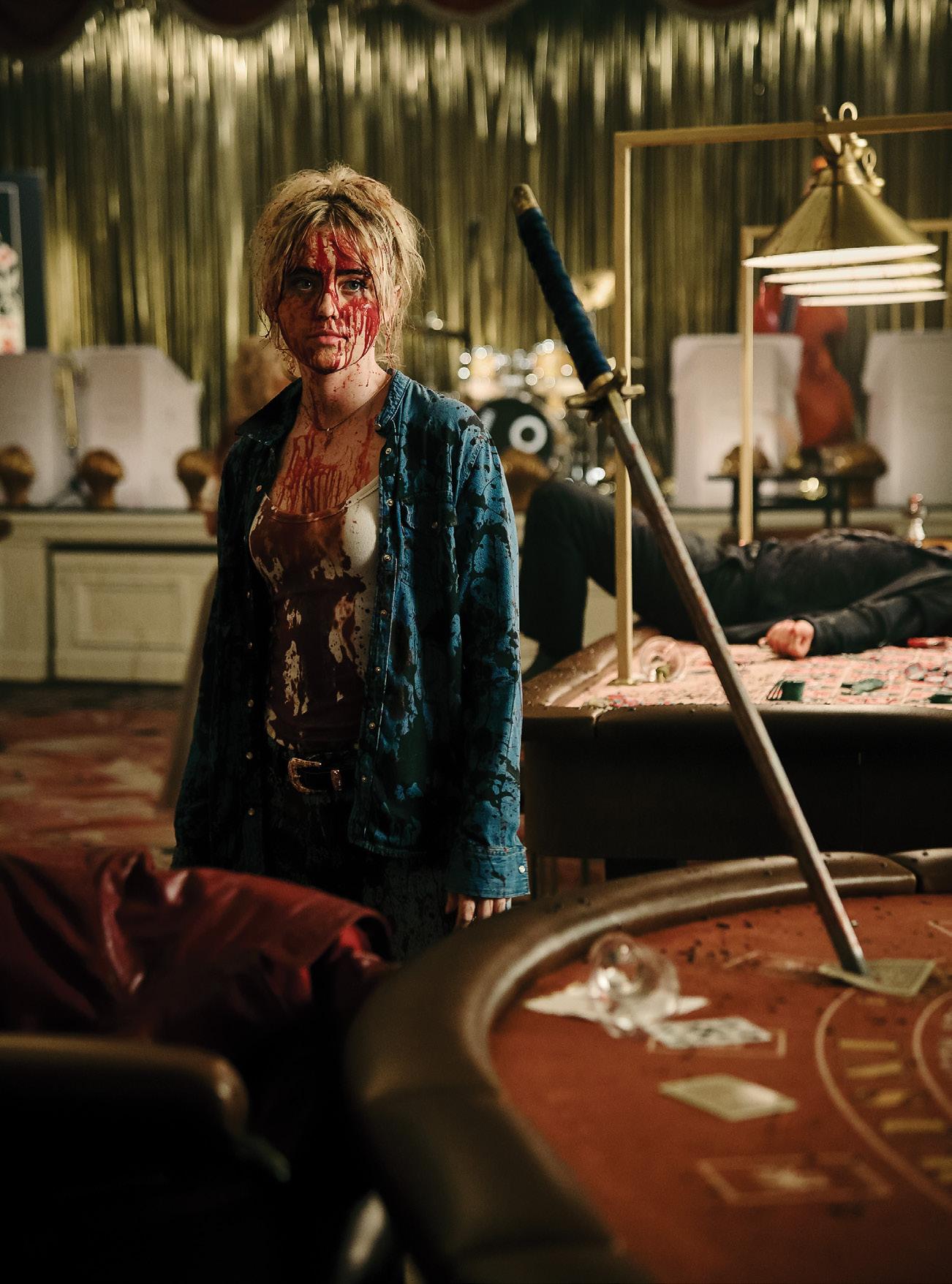
With the players in place and the rules established, the game is afoot. What results is massive carnage, including notable setpieces dubbed “death by washing machine,” “bride on bride,” and what Radio Silence refers to as “the paffening.” No spoilers here, but there are complex stunts and a lot of gore. Specifically, 325 gallons of blood, with 100 gallons for the “paffening” alone, which required 14 huge pneumatic cannons, according to Radio Silence.
The two say that they are sticklers for practical effects, meaning the set becomes hard to be in after some scenes (“you don’t wear your nice shoes to work,” jokes Gillett).
Weaving and Newton bear the brunt of the onslaught, but both knew what they were getting into after Ready or Not and Abigail
“You just have to be in acceptance. Otherwise, why are we doing a second one?” Weaving considers. “I think a big reason why we wanted to do another one was that we had so much fun. It’s camp, you’re gonna be cold and sticky and uncomfortable, but it’s also gonna be fun.” Indeed, Weaving lost the security deposit on her apartment after the first film due to the blood stains she left behind.
“They must have thought some serial killer had lived there!” she laughs. “The bathtub was stained pink from all the blood coming out of
my hair, and there were just trails of fake syrup blood everywhere. Fair enough, by the way, it’s really hard to get out. They were going, ‘You’re not getting your deposit back because that apartment is pink now.’ Yeah, sign of a good time.”
At the end of the day, on top of the politics and kills, Ready or Not 2 is a really good time. It’s the kind of good time that Radio Silence have developed as their calling card over the last decade and more.
“We want to put our characters through something really tough, and we want to see them make it out the other side having learned something about themselves. The world is a scary place and we want our films to be an escape from that,” Gillett says.
It’s a reemerging trend in horror where stories can be taken seriously and also be gory, funny, and wild.
“There’s nothing silly about this movie,” Newton says. “That movie is hilarious, the original, but it’s also very grounded. So we had to be careful not to go too big.” The actor even recalls one of her main notes
“THE BATHTUB WAS STAINED PINK FROM ALL THE BLOOD COMING OUT OF MY HAIR, AND THERE WERE JUST TRAILS OF FAKE SYRUP BLOOD
The final showdown in Ready or Not 2: Here I Come is as massive and outrageous as anything Radio Silence has done, with most of the cast gathered together, decked out in spectacular costumes, not least of which include the Lawyer’s incredible
hat and Grace’s new dress.
“It’s one of the best dresses I’ve ever worn,” Weaving says. “The train was so long, though, and I had to work with a goat.”
Ah, yes, the goat. Adding to the general melee is a farm animal, which has to kneel on command.
“The goat was terrified of the dress, thought it was like a long snake or something,” Weaving continues. “So it was a little tricky when it was 4 a.m., and the sun was coming up, and we had to get this shot, and this goat was not a fan of this dress at all.”
At the time of our interviews, the cast and team hasn’t yet seen the film with a theatrical audience. The movie premieres at SXSW, and the gang cannot wait to witness the reactions of the crowd. Bettinelli-Olpin equates it to being in a band.
“When you’re in a band, and you play a live show, that’s the moment. It’s not the recording, it’s the interaction with the audience, and I think that we’re always searching for that feeling with our movies.
Hopefully they play great at home, but they play much differently in a theater when you’re surrounded by people having the same experience, and where there is a very real moment-to-moment interaction with the audience.”
Contemporary, but also exploring ancient mythology, there could even be scope for a third installment.
“We didn’t save any good ideas to use later,” says Gillett. “We want the audience to feel like they are getting a complete and satisfying story from beginning to end, and there’s no tease or tag, or ‘to be continued.’ [But] given the way we expand the mythology in this one, there’s certainly a bonkers, absurdist way of continuing the saga, and we’re here for it should it occur.”
For now, sit back, enjoy, and let the combustion commence.
Ready or Not 2: Here I Come opens in theaters on March 20.
Returning costume designer Avery Plewes talks us through her inspirations and intentions for some of the iconic outfits of Ready or Not 2: Here I Come.
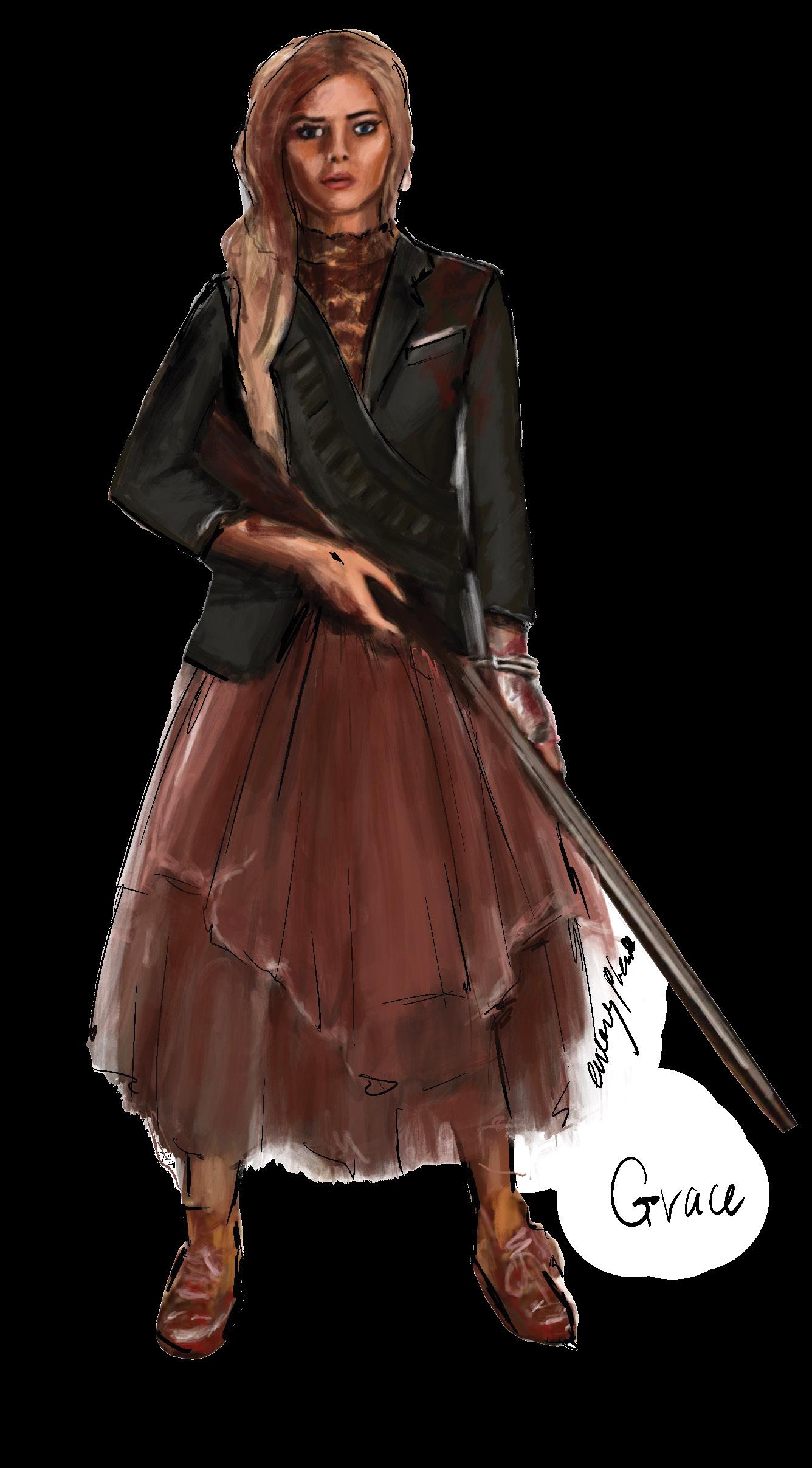
For the original dress from the first film that returns for the sequel, Plewes took inspiration from Grace Kelly and Kate Middleton.
“I looked at commoners marrying into royal families, and there was a consistency of a lace dress with a princess cut skirt,” she says.
“I think it may have been [producer James Vanderbilt who said] the dress is like Indiana Jones’ hat. Sometimes you wanna move on from certain things as a designer, but when he said that, I was like, ‘Oh man, you’re so right. It really is her version of the hat. We added a body suit in it for Samara for comfort.”
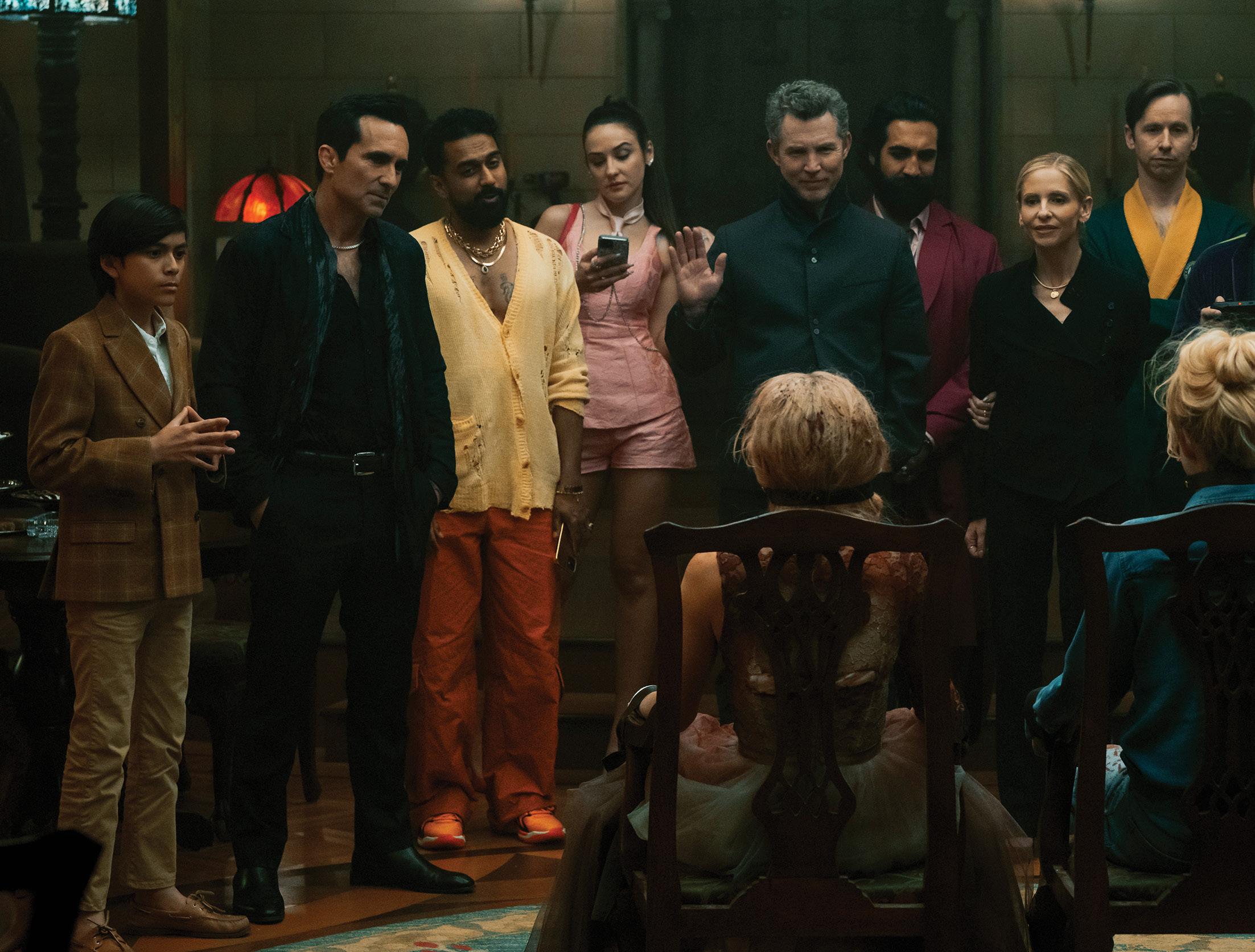
“Matt and Tyler wanted sort of a goat head element [for the hat], and then I wanted hair on it that felt like sacrificial human hair. The line work on it is taken from images from Gothic churches. Chantelle Hermiston, my key textile artist, chromed it, so that’s why it looks like real gold. Elijah was just down for whatever, which I really love. The stole on the front and the back, James Bolton, who was on my team, and I made most of that, and we took shards of shell and things that look like they could be bones. It’s a technique where you mount those items, then you take a leather glue and then you stick the leather on top, and it gets that relief. We were working on that one late night at the costume office, and Elijah would pop his head in and say hi, and he came in, and I asked, ‘Do you wanna work on your stole?’ And he’s like, ‘Oh my God, yeah,’ so he actually sat down and glued a lot of the pieces that are on it with us.”
“She has to be just as cool as Samara. One thing I really love that we ended up with is Kathryn and Samara kind of represent the American dream, and they’re in red, white, and blue when you look at them. For Kathryn, we wanted something matching and again layered, so that you could take away pieces. They’re kind of like Thelma and Louise.
“With Kathryn, I wanted her to feel really timeless, and all of the pieces she’s wearing could be from the ’90s. Fashionable but also pedestrian in a way. Kathryn can make anything look good, so with her, if you take anything that’s remotely fashionable, she’ll take it to an 11, and so we had to simplify her.”
The most powerful families in the world gather to play a game with Grace and her sister Faith.
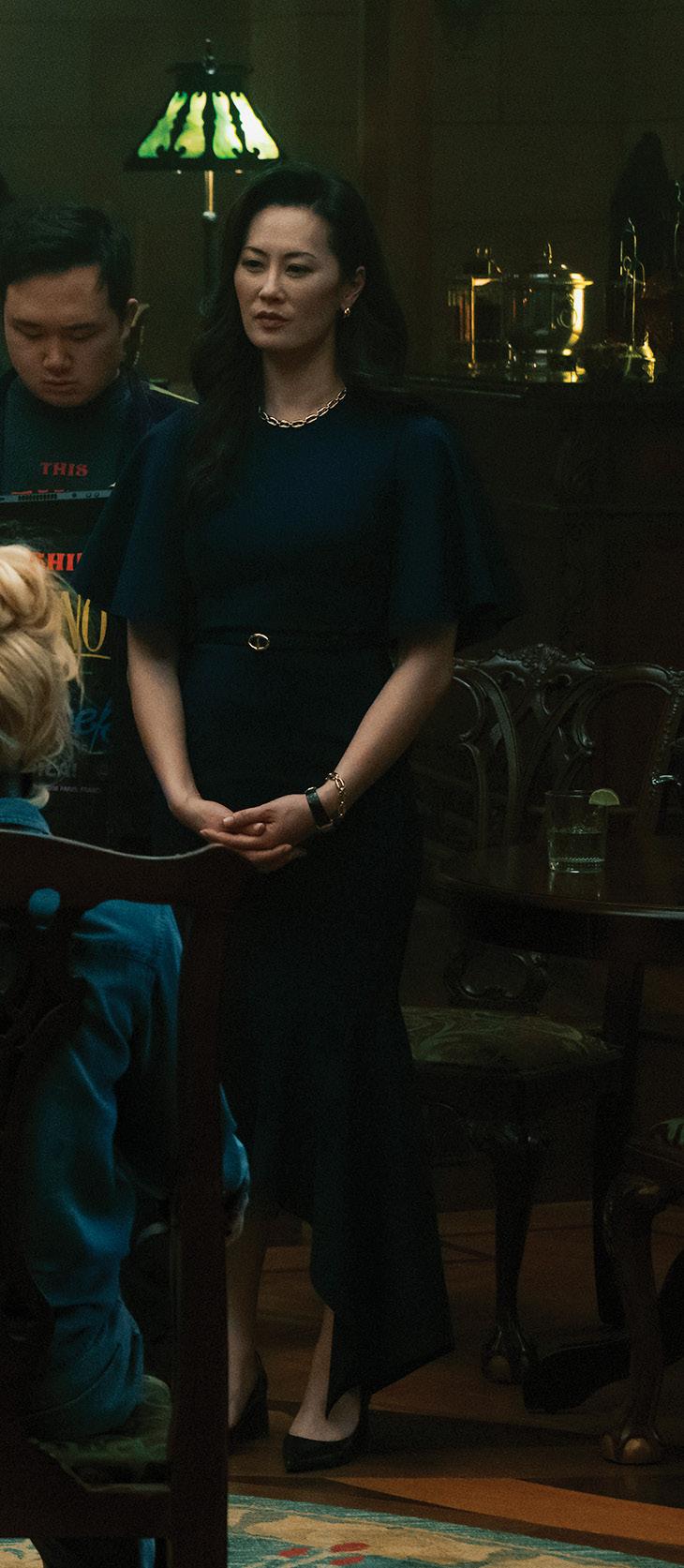
For Samara’s second iconic outfit, Plewes took different cues. “They wanted something very Gothic, like a Gothic Eyes Wide Shut [...] I wanted a real vulnerability in what she was wearing, so the fabric is this sort of French chainmail. It’s very heavy but it also reminded me of Joan of Arc. Then for the headdress, I wanted something very ceremonial and violent-feeling.”
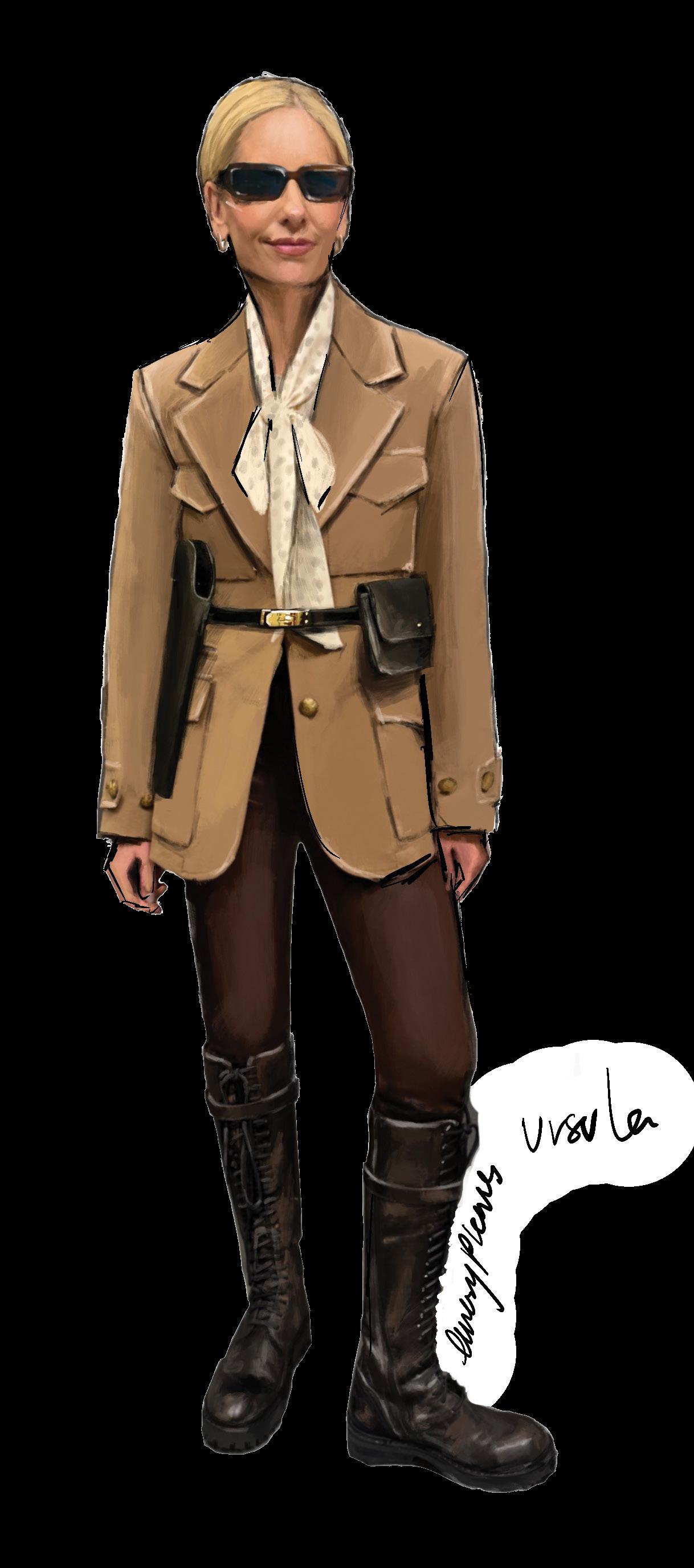
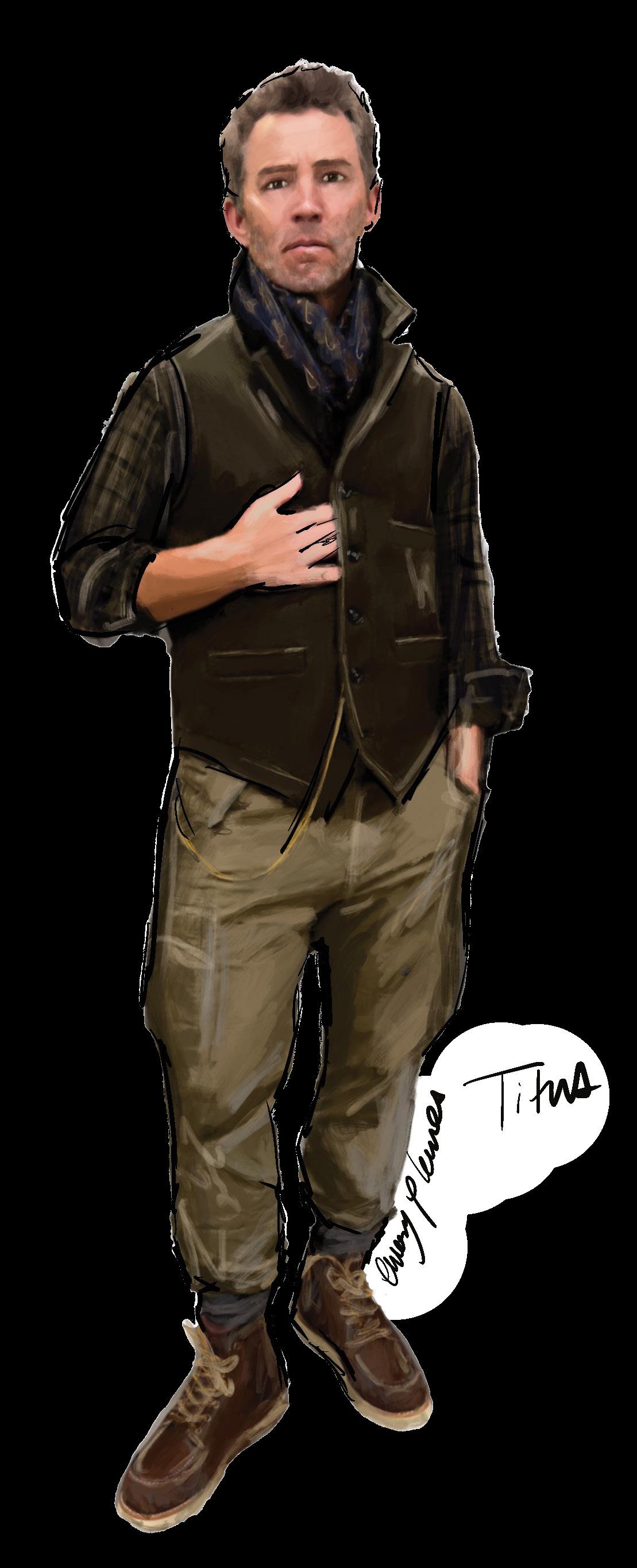
“I really looked at English countryside hunting for both of them,” Plewes explains.
“I wanted it to be a little bit elevated, so Sarah’s actually wearing a Hermès Kelly belt over her costume for her hunting pouch and is then in Demeulemeester hunting boots, leather leggings, and that pussy bow blouse. There’s this constant push and pull of very fashionable, veering on Gothic and obscure, meeting ultra-classic silhouettes.
“The jacket that Titus wears when they’re first receiving their guests is this style that veers on a Nehru jacket, which a lot of oligarchs and famous billionaires these days wear, which is basically a blazer with the stand collar. I felt like he’s so pretentious that he would probably wear obscure Japanese brands. You know, there’s an exclusivity to people like that.”

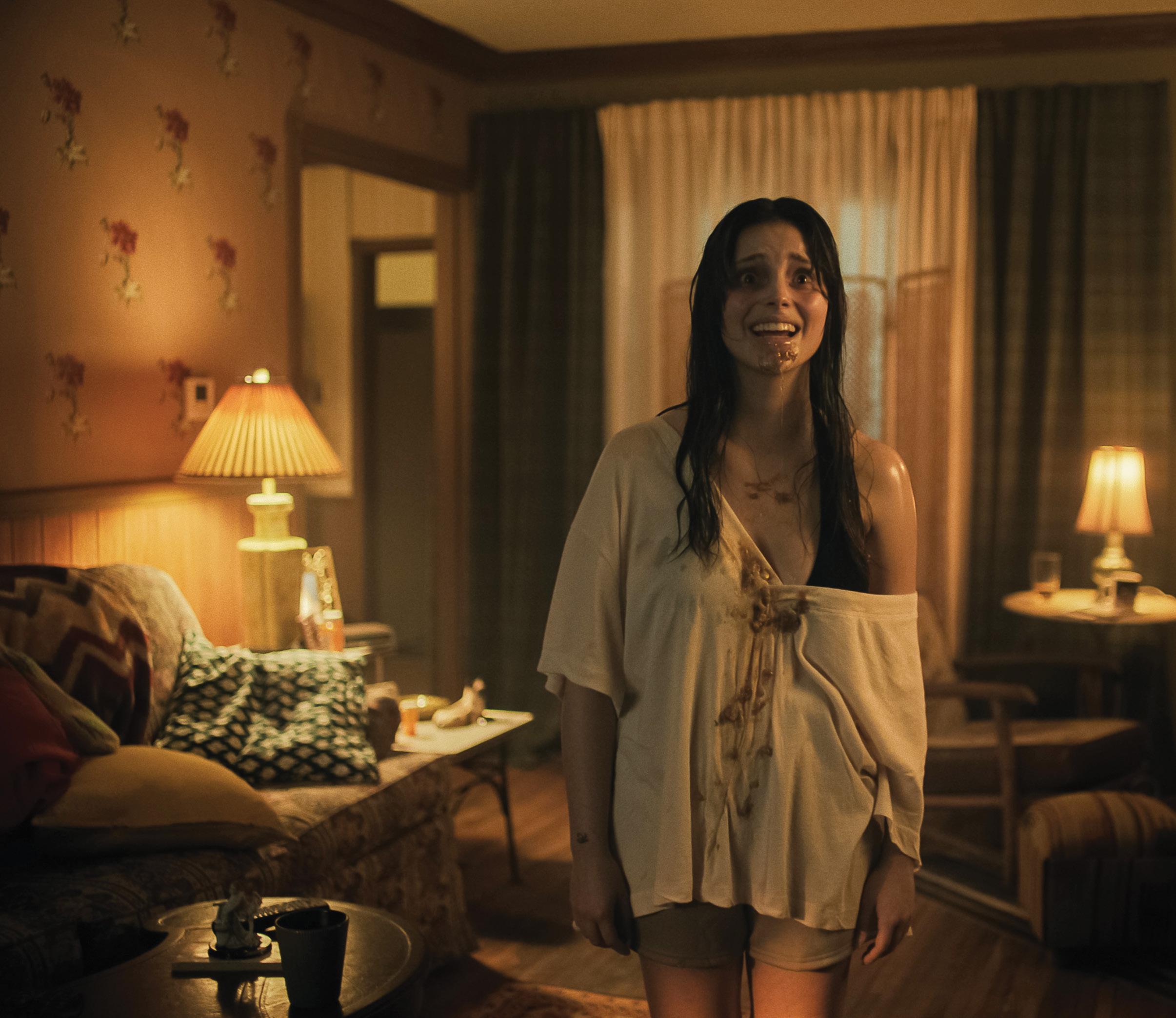

Obsession’s Curry Barker, Michael Johnston, and Inde Navarrette break down the indie freak-out that triggered a bidding war after its festival premiere.
BY AMELIA EMBERWING
Finding love ain’t easy. But what if it was? What if you didn’t have to go through the agony of meeting someone you have chemistry with, only to go on two dates and realize you have nothing in common, or end up on a third just to get ghosted? What if you could avoid the low-grade anxiety of constantly wondering whether your partner might get bored with you and leave? Curry Barker’s Obsession is here to answer all those doubts and fears, and it’s probably going to make you feel a lot better about the warts of modern dating.
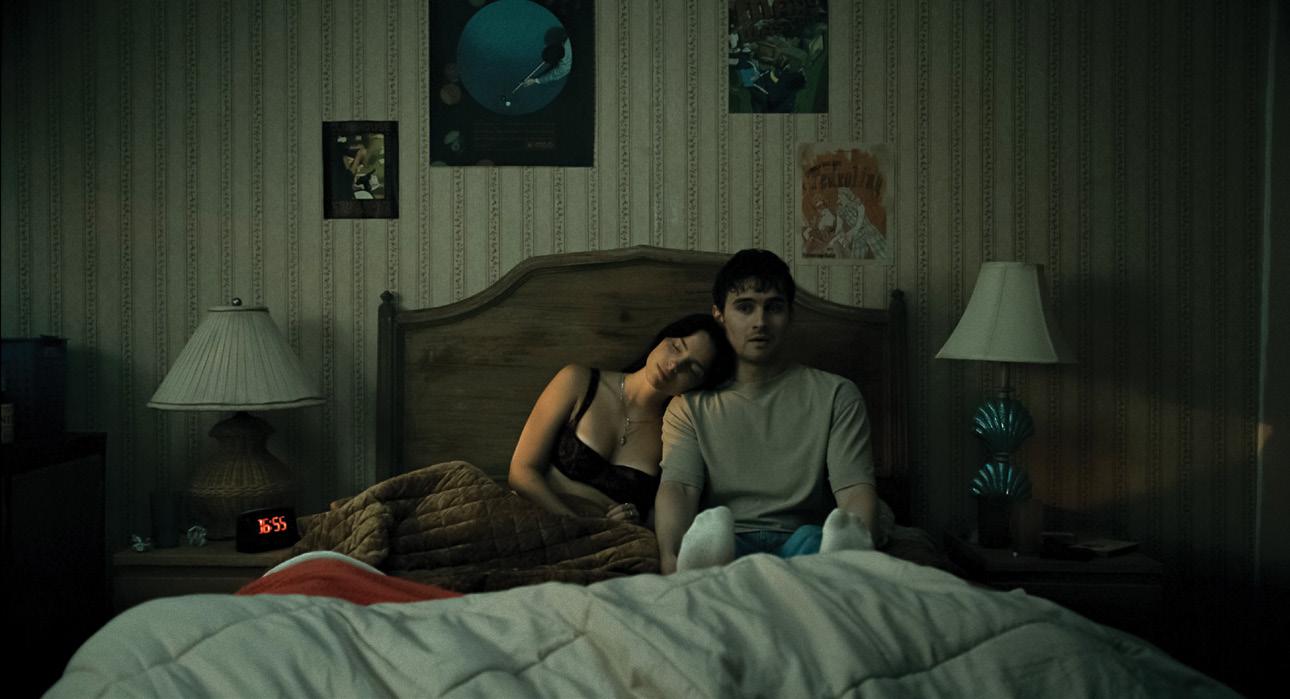
The film centers on Bear (Michael Johnston), a private, secretly
miserable homebody who has it bad for his best friend Nikki (Inde Navarrette). Bear is sweet, unassuming, and quiet, making his infatuation with Nikki more cute than creepy. He’s the kind of protagonist that you feel for, especially after his cat unexpectedly dies due to helping itself to Bear’s medicine cabinet. He’s just a boy trying to impress a girl, and losing his cat in the middle of it all! That is, until a joke purchase ruins everything.
Meanwhile, Nikki is as cool as they come. She’s collected and self-assured, and has no time to do things that aren’t fulfilling her soul.
NIKKI CAN’T EVEN GIVE CONSENT TO HOLD HANDS. SHE’S NOT THERE.

Her friends are deeply important to her, and you can tell that she’s the exact kind of person who actually listens. It’s immediately evident why Bear has a crush on her. What isn’t evident is whether or not she feels the same way. This is where the seemingly innocent novelty toy, “One Wish Willow,” comes in, and where everything starts to get… sinister.
Rather than risk telling her how he feels, Bear wishes that Nikki loved him more than anything else in the world and then snaps the toy in half as instructed. Things immediately get weird between the two, but there’s nothing that can prepare you for how twisted their “it’s complicated” dynamic becomes.
The concept of “be careful what you wish for” or the proverbial monkey’s paw fable is not new. So much, in fact, that Obsession director Curry Barker got the idea for his script from The Simpsons’ “The Monkey’s Paw” segment in “Treehouse of Horror II.” Still, his movie offers an unsettling wrinkle about human nature and desire when the wish in question is used by
a man, intentionally or otherwise, to oppress and subjugate the will and identity of a woman he claims to adore.
Obsession’s themes are heavily rooted in consent: who is able to give it and who is not. When we meet Bear, we find someone who we believe is a good guy. You want that little fella to win. The second he makes his wish, though, everything gets dangerously complicated. Playing with such difficult subject matters appealed to Barker, but he had a clear line in the sand regarding Nikki’s autonomy after the wish.
“Nikki can’t even give consent to hold hands,” Barker explains. “She’s not there. So nothing is real. That was really a dark and interesting concept to play with.”
Things also get a little bit more complex for Johnston, who has to play Bear as a good guy while also seeing the very gray area as a performer.
“The way I approach the character is very—I think he’s a good guy, but it’s sort of like he has this willful blindness. He knows there’s a monster under the bed, but is it really there?”
The monster is very much there. The beauty of Obsession, however, is that you don’t know that monster’s going to eat you until it’s fully in view. Of course, blurred lines are central to the success of the slow-burning terror, and their fuzziness played a major role in the way Navarrette both viewed and portrayed Nikki.

“It always gets tricky when we want to talk about consent, a very important issue and conversation,” Navarrette considers. “I think that the film does a really good job explaining how those lines can get blurred, and how one person’s story and experience may not be what other people perceive it to be. It’s very specific to that, and I think with Nikki, you really get into the nittygritty of what that looks like.”
Going into Obsession, one expects to be confronted with thematic horror, with the trauma of what Nikki is going through playing a central role in the viewer’s discomfort and fear. That is, of course, prevalent throughout the film. Full disclosure, though: this bad boy is gonna make you jump in your seat more than once. Seasoned horror fans let out full-on hollers in early festival screenings of Obsession, and those screams were earned.
For Barker, it is about playing with a metaphor for the “modern toxic relationship.” Still, the tangible scares were as important as the thematic ones: “You want to incorporate those scares, and then you want to weave it with all the psychological stuff,” he says.
Meanwhile, Navarrette was excited to, in her words, act nuts and get paid.
I ACTUALLY HAD A LOT OF TROUBLE WITH [THAT SCENE] BECAUSE WE HAD TO CUT IT DOWN. THE VERSION YOU SAW WON’T MAKE IT INTO THEATERS. DON’T WORRY,
control.”
“I think it’s one of the best parts of my job,” she says with a laugh. “At least to me, there’s no better shoe to put my foot in.” Humor aside, there’s never a moment that Navarrette lost sight of what her character was going
What made that lack of control extra horrific for Navarrette is that everything that happens on-screen, and every depraved action that eventually unfolds in Obsession, is technically caused by Nikki’s own hand. Yet she fundamentally is unable to say “stop.”
Practical effects are also essential when it comes to meaningful scares,
and it’s something that Barker and his team took very seriously when crafting the layered horrors of . Navarrette enjoyed all the work she was able to do on the film, but one stunt and set piece stood out. The scene in question involves Nikki running out of nowhere and bludgeoning someone to death.
“[The victim’s actor] gets replaced by a wonderful little dummy that our special effects woman had to do; the dummy’s face is caved in, and I have a foam brick, and then they wired tubes through the face and the eyes [of the prop],” Navarrette explains with delight. “That blood was coming
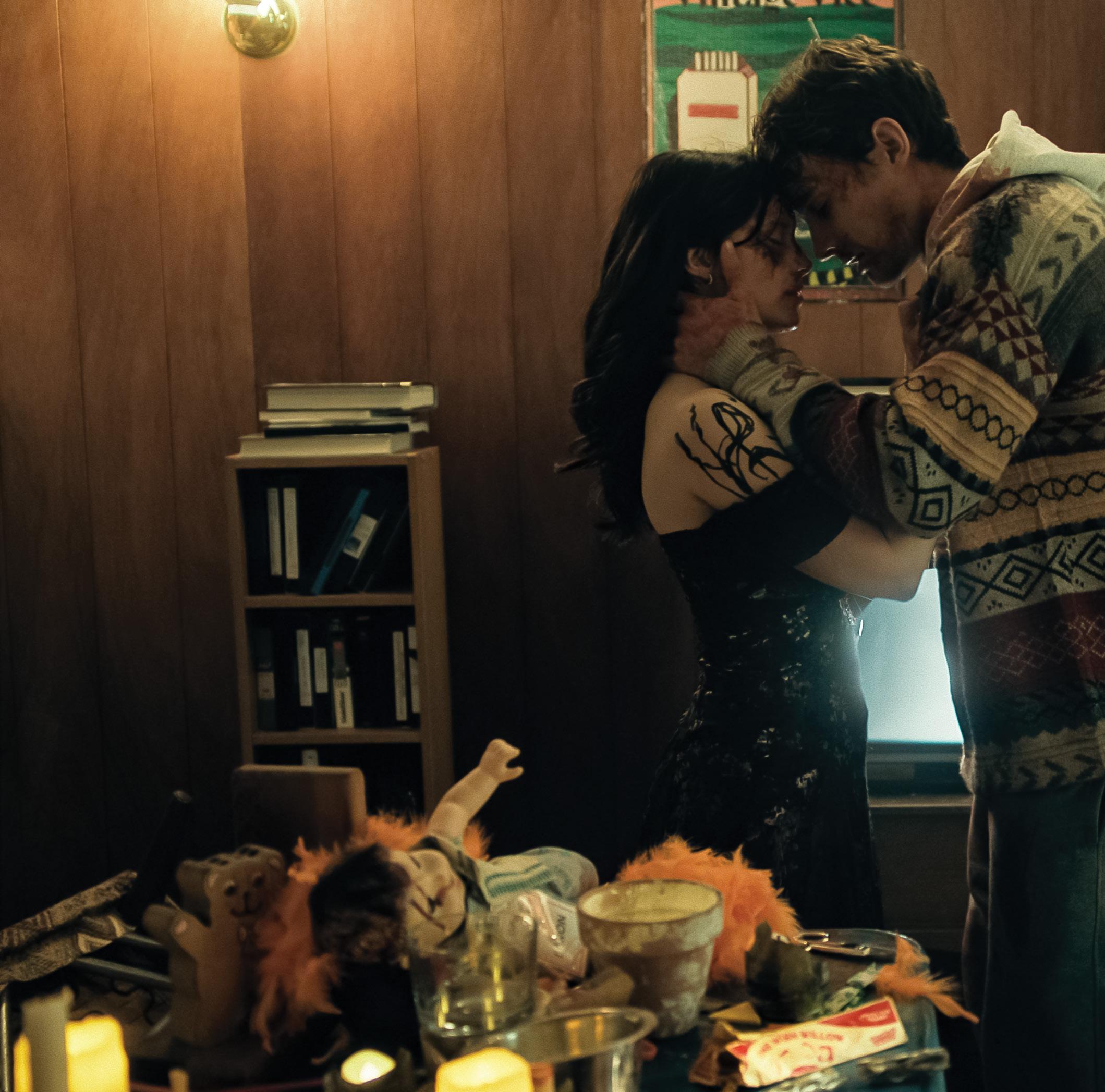
Bear is trying to make a go of it with love interest Nikki, or at least a version of her.
out at the same time as I’m smashing, and that doll’s head probably weighed… 15 pounds? So as I’m smashing, my hand’s getting tired, and my hits are getting slower and slower, and Curry never calls cut.”
Barker remembers the scene fondly as well, and the lack of a cut call was entirely intentional. For him, it was just as much about getting Bear’s reaction as the audience stand-in as it was about playing with the practical goo of it all. “I wanted it to be grotesque, and if Bear has to look at it, you have to look at it too.”
Grotesque isn’t an exaggeration either. “I actually had a lot of trouble with [the scene] because we had to cut it down,” Barker reveals. “The version you saw won’t make it into theaters. Don’t worry, though. It’s still crazy.”
The MPA might be out here ruining everyone’s fun, but given the rest of Obsession’s overall vibe, you should feel comfortable taking Barker at his word when it comes to the final cut being just as... sticky.
Obsession hits theaters May 15, 2026.
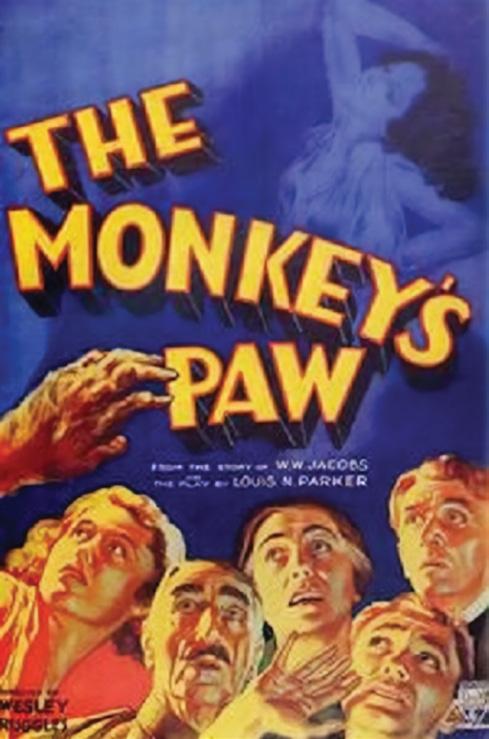
The first talkie adaptation of W.W. Jacobs’ haunting tale was domestically maligned back in the ’30s. Though Americans turned their nose up at directors Wesley Ruggles and Ernest B. Schoedsack’s odd adaptation, the film found its audience in England.
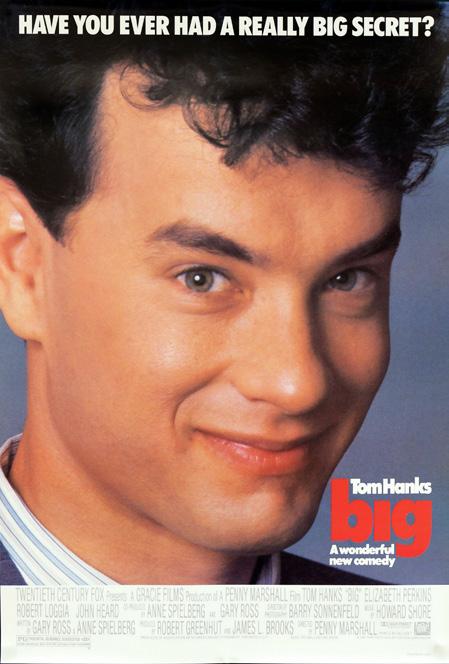
Not every monkey’s paw story needs horror, as proven by Penny Marshall’s endlessly charming Big. The Tom Hanks-starrer twists a silly wish on its head, thrusting a young boy into an adult version of himself—one who’s forced to leave his family if he can’t undo it.
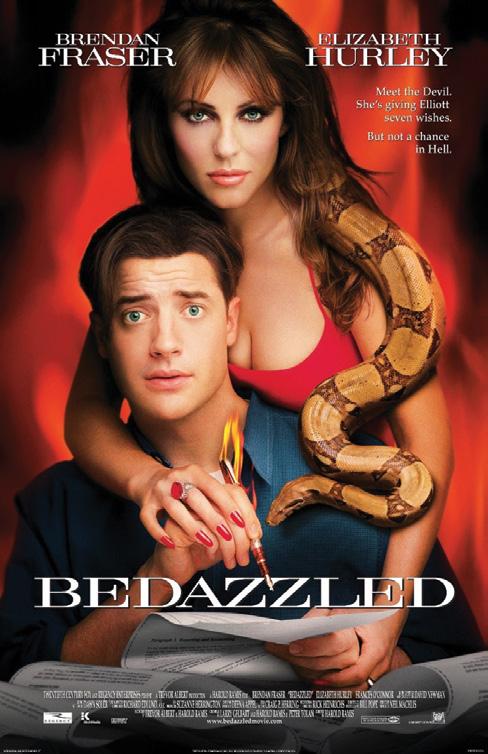
The late Harold Ramis remade the Dudley Moore movie when he cast Brendan Fraser at his most pitiful as a “nice guy” desperate enough to sell his soul to the Devil in a red dress (a fabulous Elizabeth Hurley) for seven wishes. Things don’t get better for him.
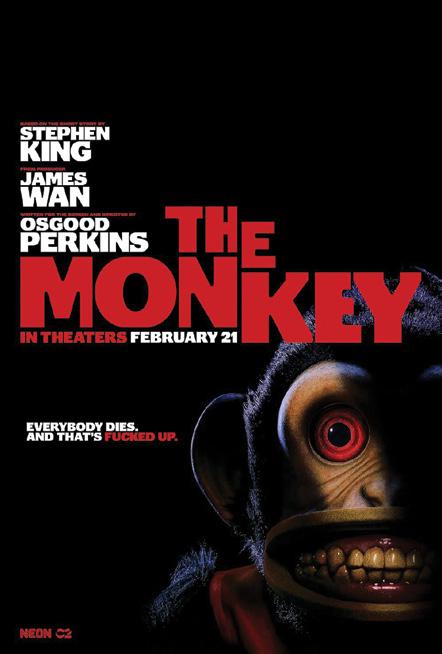
Osgood Perkins’ The Monkey (adapted from the Stephen King story of the same name) has a delightful time torturing its entire ensemble. It’s more of a cursed object film than it is a straight-up monkey’s paw story, but the intention remains the same.
unsolicited package from an online retailer containing some sort of small, trivial item you didn’t order? This is an annoying but harmless real-world phenomenon called “brushing” that online sellers do to generate fake reviews of their product. But what if those packages never stopped coming? And what if the items inside those packages started to feel unsettlingly relevant?
That’s the horrifying scenario facing Julia (Severance’s Britt Lower) in the Russell Goldman-directed thriller Sender. When an anonymous sender from the online market Smirk won’t stop shipping items tied to Julia’s traumatic past, she tumbles down an online rabbit hole to unmask them. Jamie Lee Curtis, David Dastmalchian, Utkarsh Ambudkar, and Rhea Seehorn (Pluribus) also star, with the lattermost actress’s presence making Sender a meeting of Apple TV’s two most beloved sci-fi leading ladies.
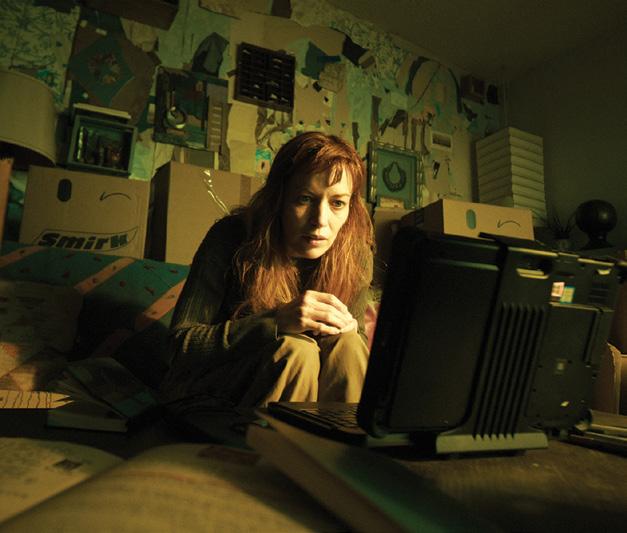
BY ALEC BOJALAD & DAVID CROW
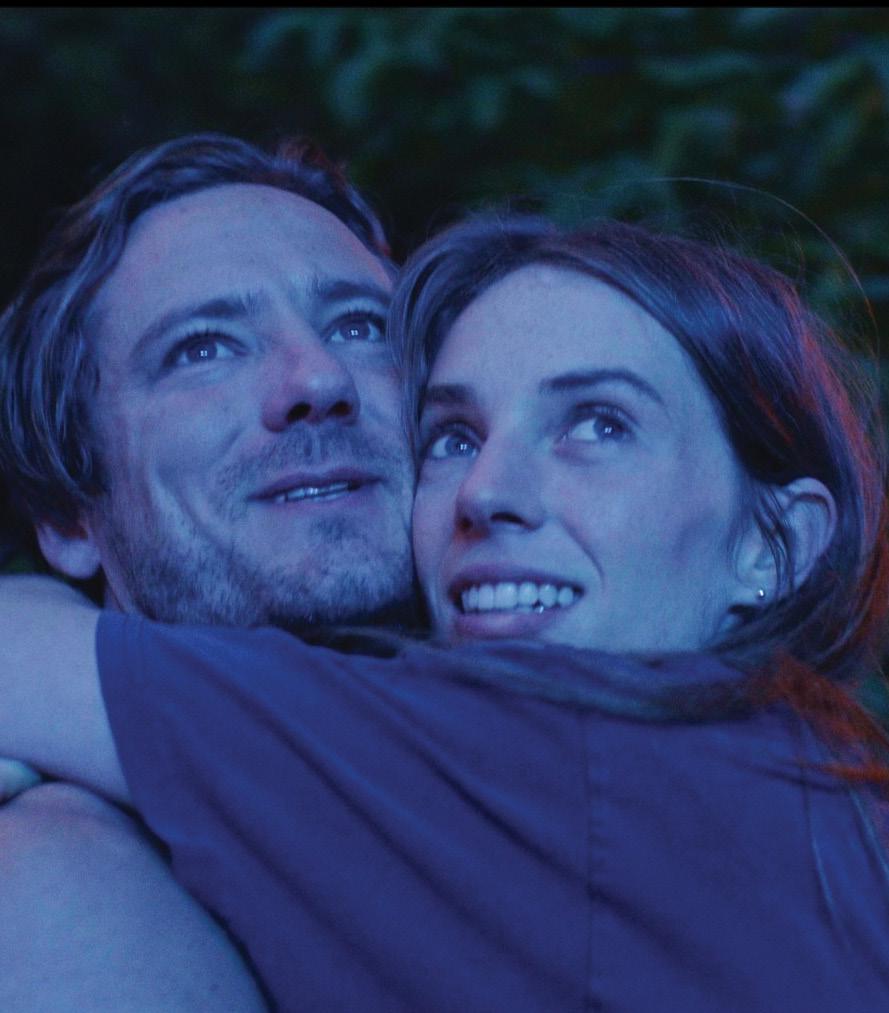
AS MARVEL’S BOB REYNOLDS, a.k.a. Sentry, and Stranger Things’ Robin Buckley, respectively, actors Lewis Pullman and Maya Hawke dominated the pop culture landscape in 2025. Now they’re looking to keep the good genre vibes going with Graham Parkes’ sci-fi rom-com, Wishful Thinking. The duo star as Julia and Charlie, a couple from Portland, Oregon going through a rough patch in their relationship.
After attending a seminar led by twin healers who claim to use energy to fix relationships, Julia and Charlie discover that the state of their union suddenly affects the world around them: earthquakes, stock market crashes, the whole nine yards. With the literal fate of the world now in their hands, the couple has to figure out what to do with the power of their connection. You know, with great power comes… all that stuff.
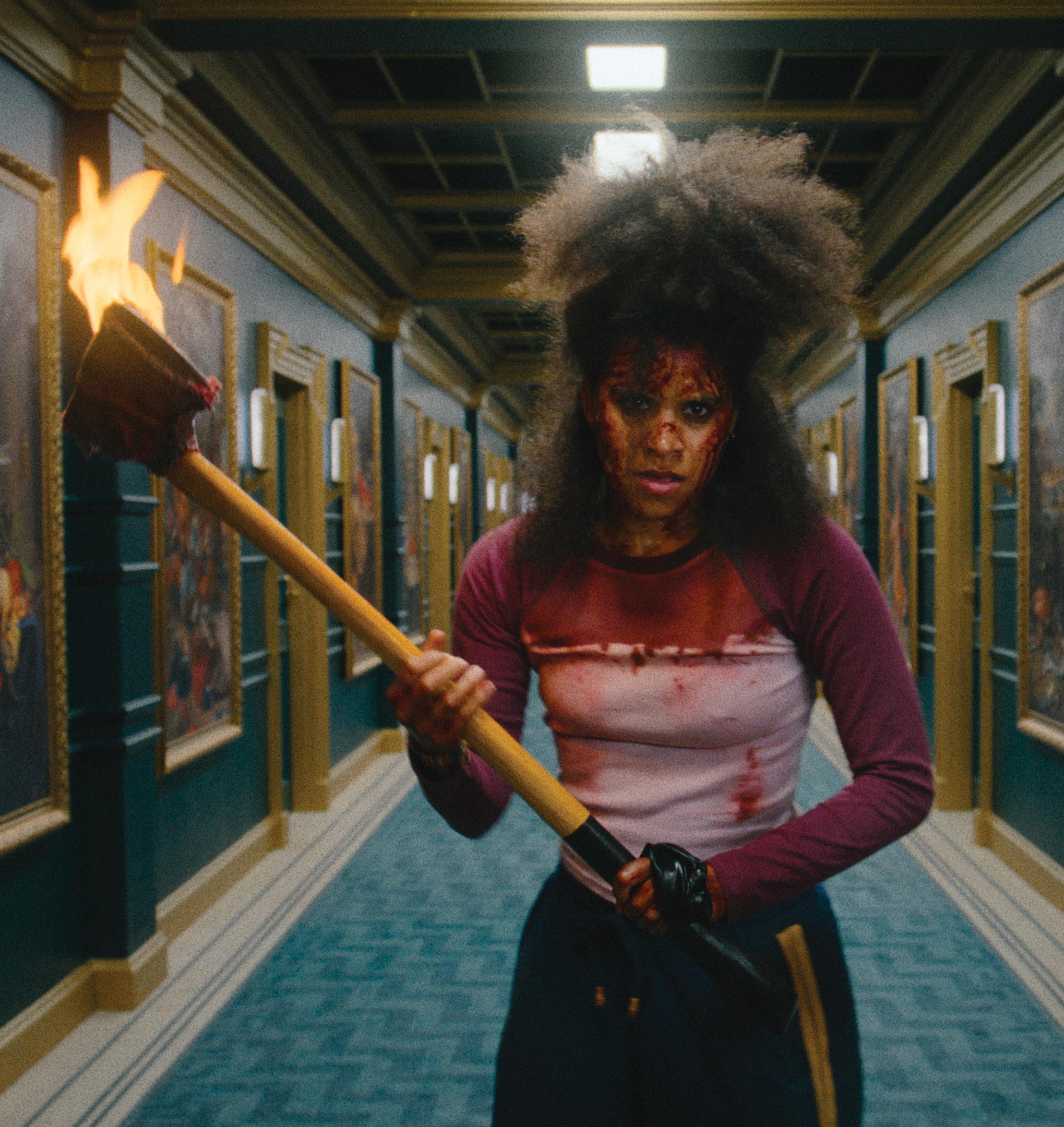
Festival headliner Ready or Not 2: Here I Come isn’t the only film in this year’s “everyone’s coming to kill you” genre. Joining it in Austin is the fittingly titled They Will Kill You. The blood-soaked thriller finds cultists played by Myha’la, Tom Felton, Heather Graham, and Patricia Arquette trying their darndest to capture and sacrifice Zazie Beetz to sweet, sweet Satan.
Catching Ms. Beetz is easier said than done, however, as the hunt takes place in swanky Manhattan hotel the Virgil. Built in 1923, the structure was designed to be a death trap for the poor would-be human offerings to the Dark Prince. But that design might prove as useful to the hunted as it is to the hunters. Directed by Kirill Sokolov and produced by Andy and Barbara Muschietti (It), They Will Kill You has the feel of a hide-and-seek game set in the Continental from John Wick
When it’s that SXSW time of year, it must be Boots Riley season. At least that’s proven true in the best years where the iconoclastic, multi-hyphenated filmmaker, musician, activist, and all around cool dude came to town with visionary acts of subversion like Sorry to Bother You and I’m a Virgo. And he’s back at this festival with the opening night film.
An apparently kaleidoscopic and candy-colored heist movie set in the San Francisco fashion scene, I Love Boosters follows the three Fs: Fashion Forward F(Ph)ilanthropy. That’s the motto of the eponymous boosters who steal from the bougie and give to the proletariat. It’s a hell of a setup unto itself, but following on the magical realist flourishes of Riley’s previous work, we’re sure there is more going on in a film bursting at the seams with onscreen talent, including Keke Palmer, Taylour Paige, Eiza González, LaKeith Stanfield, Will Poulter, and Demi Moore fresh off kicking The Substance.
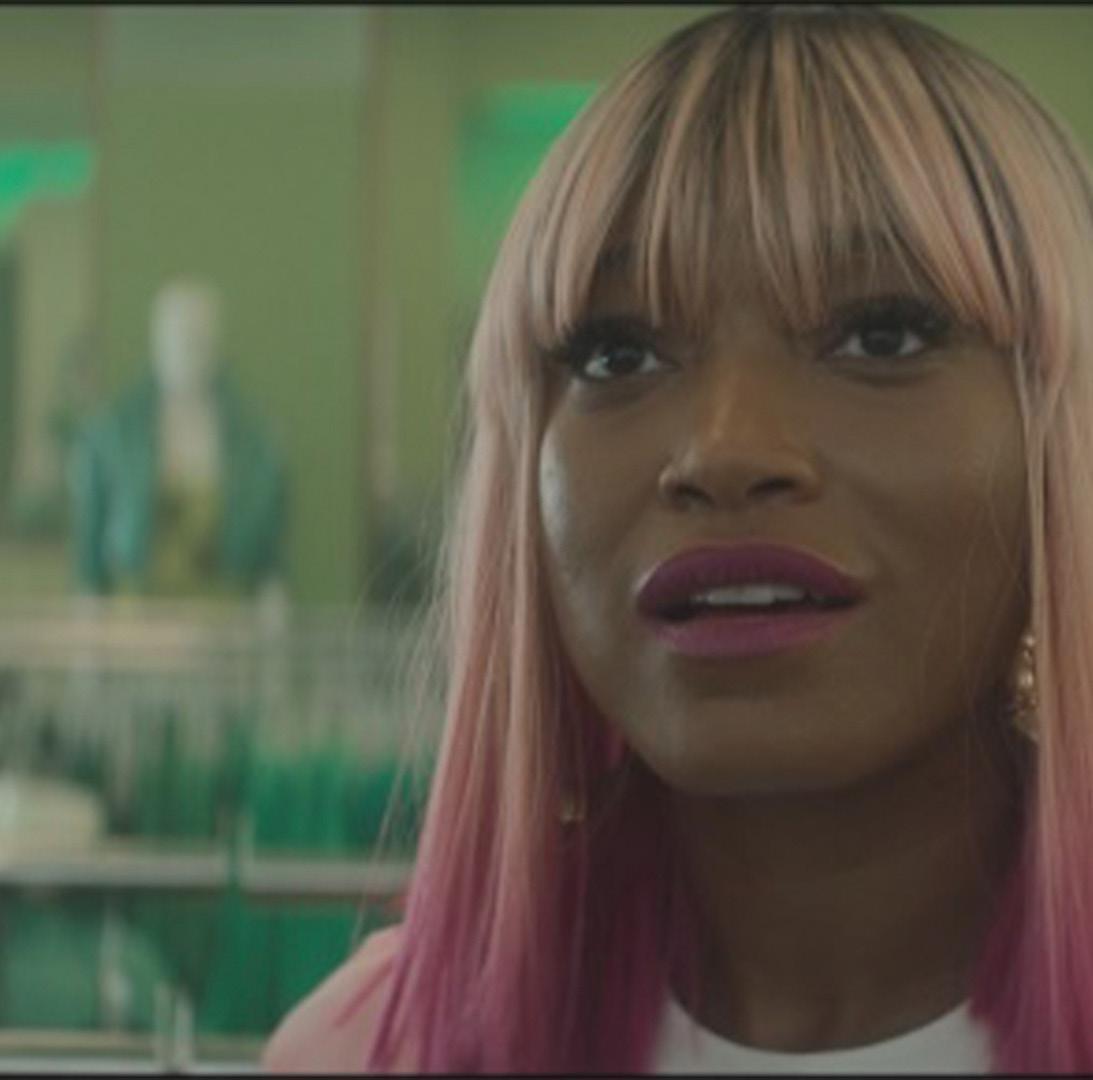

reflected in every scene, and the audience feels that love and sense of joy. If they don’t, I’m fucked."
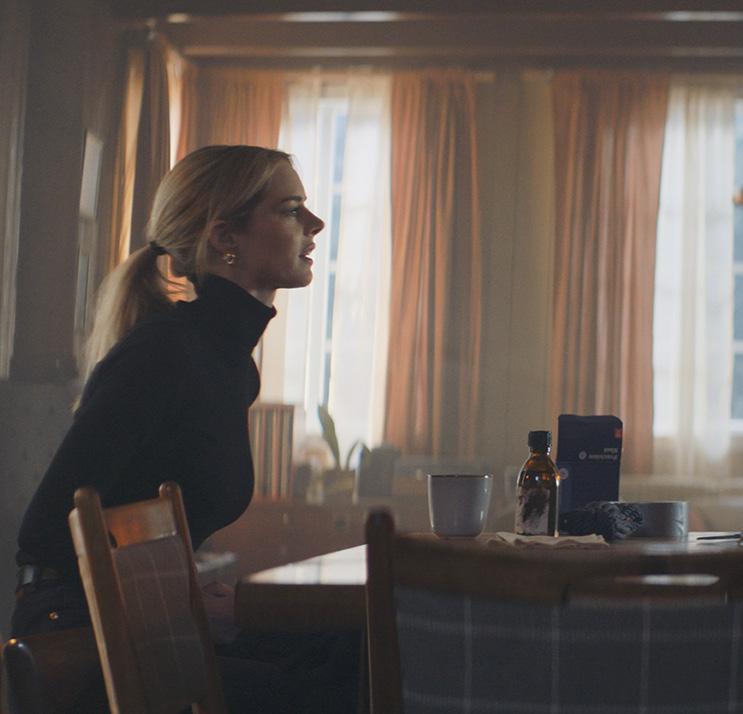

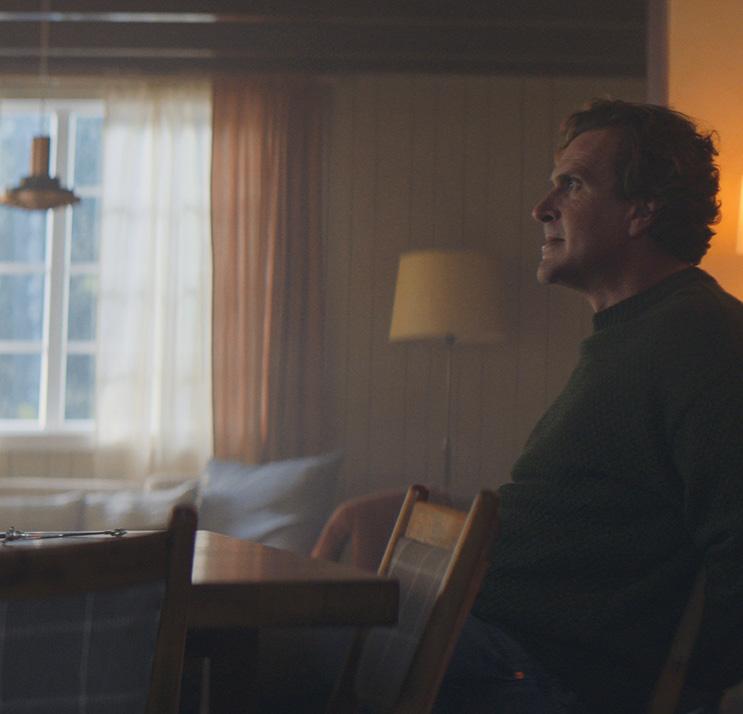
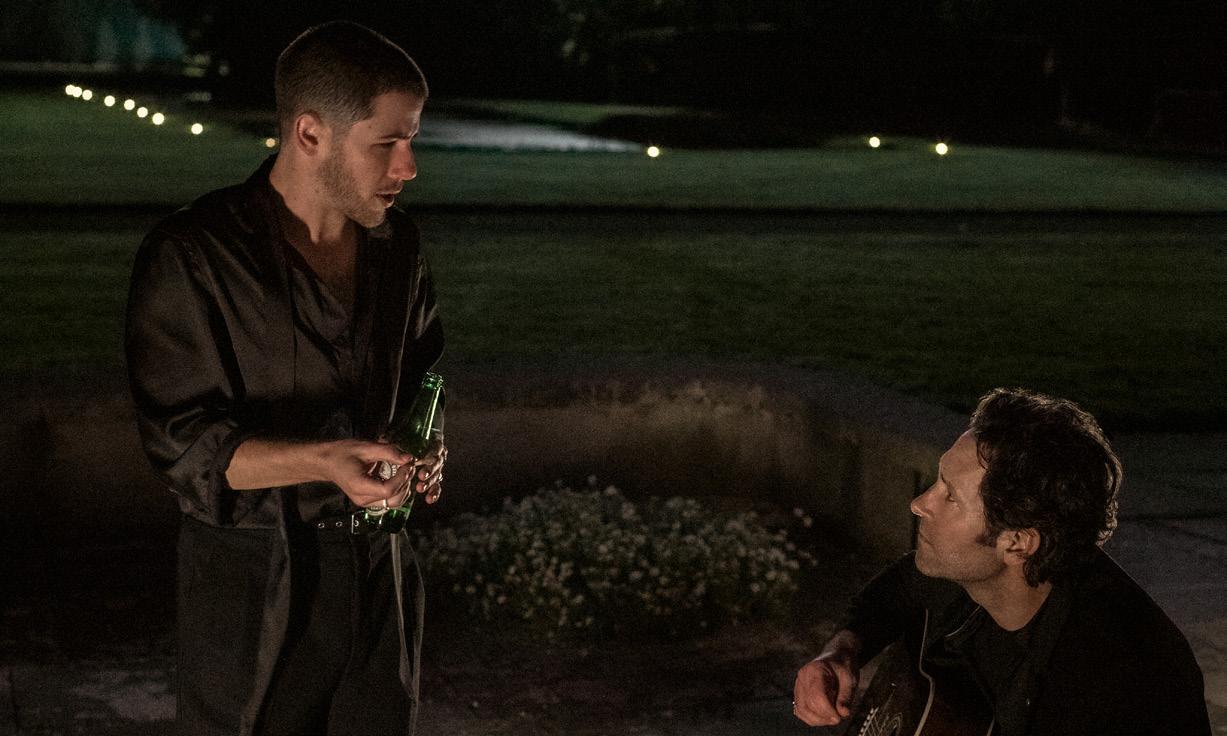
How lucky are we to live in a time when John Carney has a new film coming to cinemas, and its first stop is Austin, Texas? The singular Irish filmmaker of bittersweet musical love stories Once and Sing Street has now finished what we’re sure will be a swooning Power Ballad. The film also partners the writer-director with Paul Rudd in the role of Rick, a

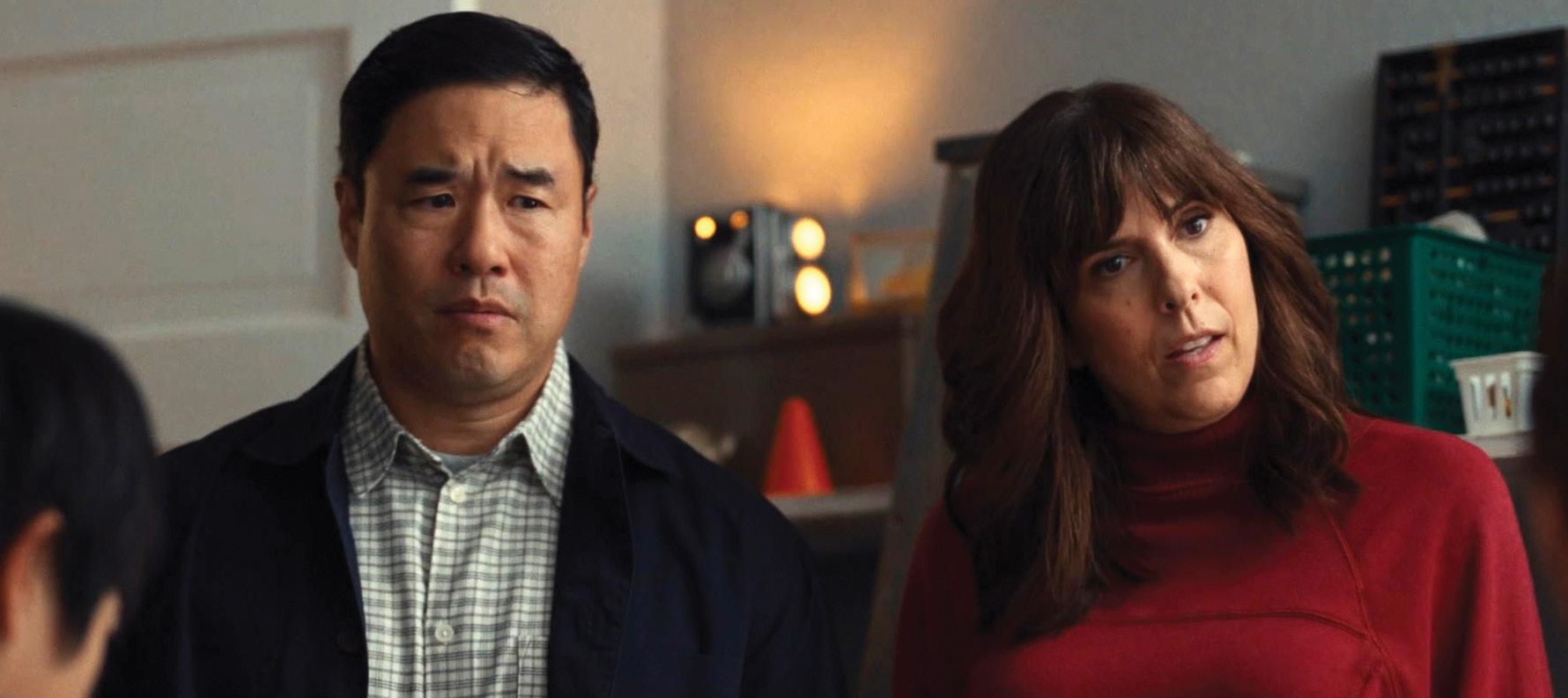
THE TITULAR CHARACTER is having a tough go of it in writer-director Will Ropp’s debut feature, Brian. Played by Ben Wang (Karate Kid: Legends), the poor lad is prone to panic attacks, struggles to find an identity, and yes, has an unrequited crush (on his teacher, no less). That’s why in a desperate attempt to find his true calling, Brian decides to run for the most hallowed position in all of high school politics: class president.
“At its core, Brian is a coming-of-age story about learning how to survive yourself; about realizing that being ‘too much’ isn’t something to be ashamed of, it’s something you learn to live alongside,” Ropp says. “I wanted to honor the kids, and adults, who walk around feeling like they missed a class everyone else took about how to be a normal person. This is the kind of movie I wanted when I was 17. So I made it now.”
BY ALEC BOJALAD
While Friends might be the biggest television series of all time, real TV-heads know that the NBC sitcom was a mere warm-up for Lisa Kudrow’s real episodic masterpiece: The Comeback. After premiering with a single season in 2005 and returning for a follow-up in 2014, the Kudrow-created and starring HBO comedy is set to come back for its third and final bow in 2026.
As embodied by Kudrow, Valerie Cherish is an aging B-list sitcom veteran who continually tries to find a fresh foothold in a Hollywood that has long passed her by… all while documentary cameras film the futile attempts. Armed with only her bright smile and immaculately constructed hair, the guileless Valerie will get to work on her biggest challenge yet in season three: acting in an AI-written sitcom.
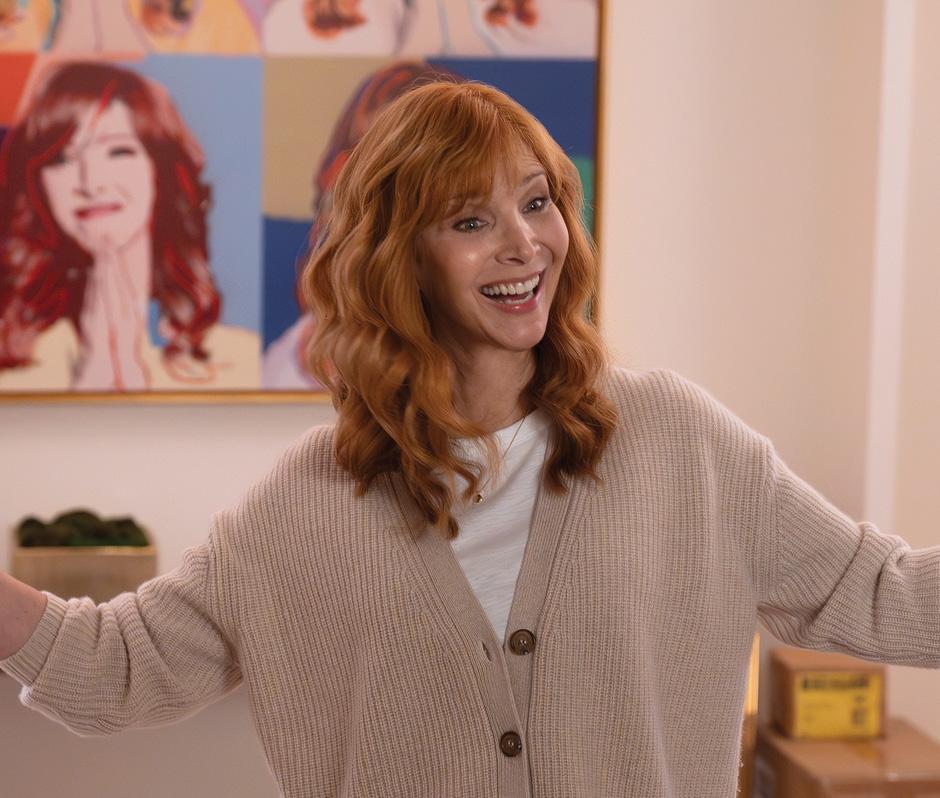
SXSW isn’t just the best place to experience the latest and greatest in tech innovation; it’s also the best place to satirize it. Created by writer Jonathan Glatzer (who knows a thing or two about the rich and powerful thanks to his time on Succession), The Audacity examines the… well, audacity of our Silicon Valley overlords. Billy Magnussen stars as Duncan Park, an ambitious tech CEO who with a chip on his shoulder and a questionable plan to harvest people's personal data. In addition to the magnetic Magnussen, The Audacity boasts a cast of TV all-stars including Sarah Goldberg (Barry), Rob Corddry (Children’s Hospital), and Simon Helberg (The Big Bang Theory), and is set to premiere on AMC on April 12.
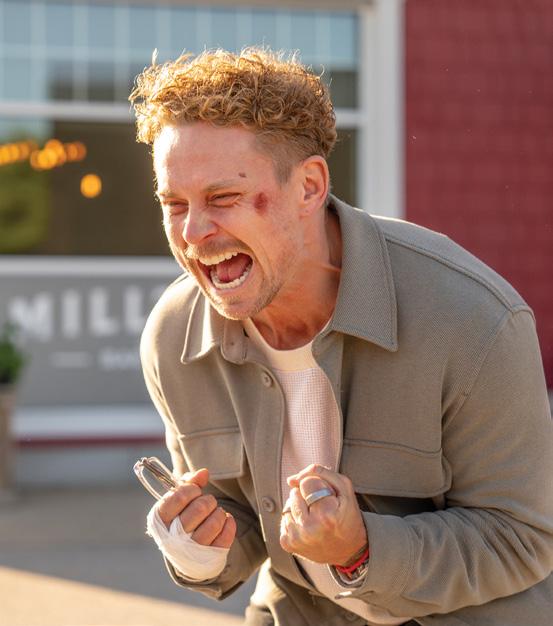
AFTER UNCOVERING THE dark side of the exotic animal trade with hit docuseries Tiger King and Chimp Crazy, director Eric Goode returns to his first love: scales ’n tails. Monsters of God follows smugglers Hank Molt and Tommy Crutchfield as they launch a billion-dollar criminal enterprise by selling some of the world’s rarest reptiles to zoos. The only thing more grim than the smuggling empire's beginning, however, is its end, with the feature-length doc set to venture into Tiger King-esque true crime territory as well.


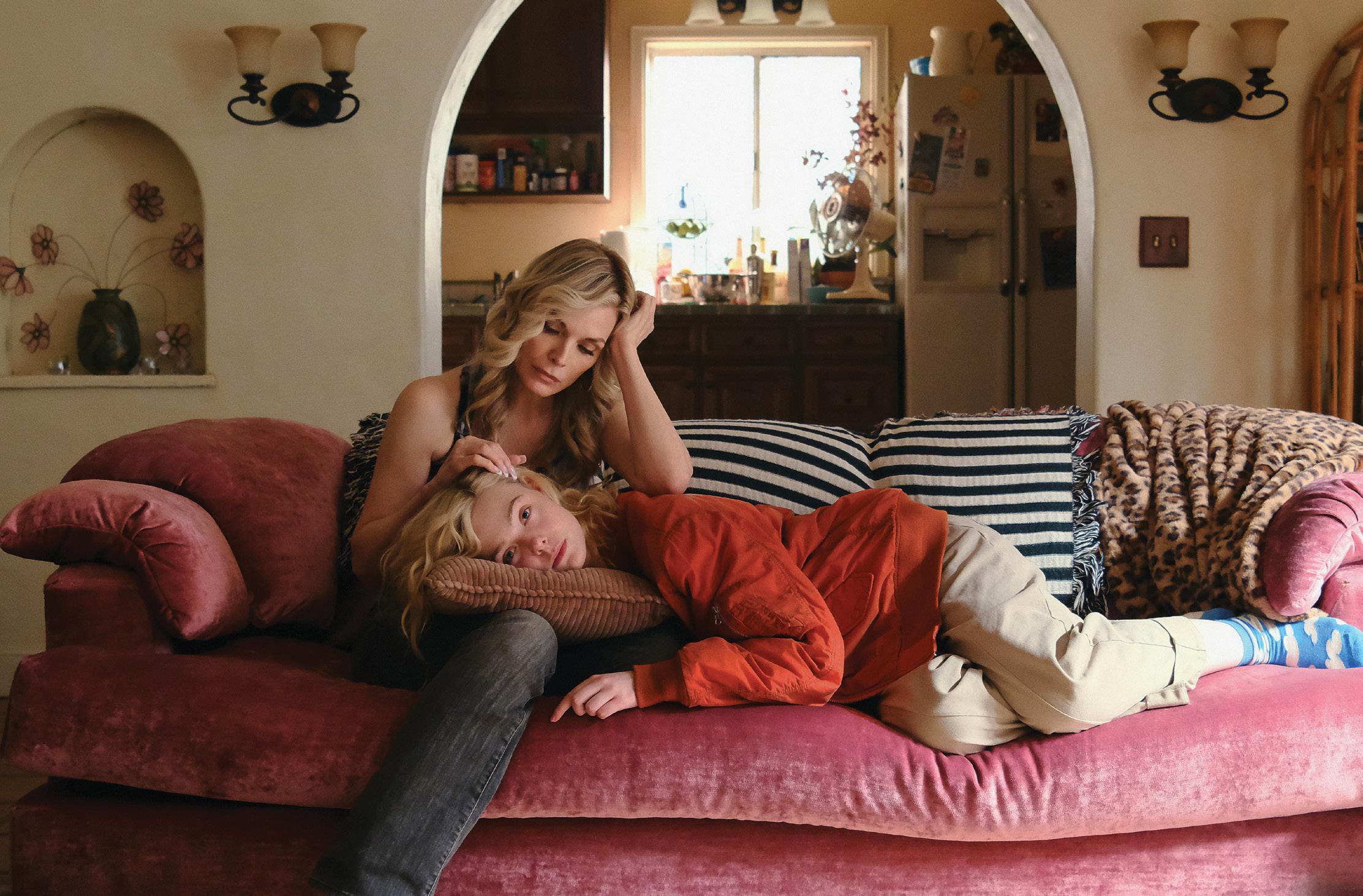
Margo’s Got Money Troubles represents the confluence of some very powerful forces in the entertainment industry. Produced by premier indie studio A24 and set to be released on prestige streamer Apple TV, the series is created by TV legend David E. Kelley (Ally McBeal, Big Little Lies) and based on Rufi Thorpe’s bestselling novel of the same name. Add in the acting talents of Elle Fanning, Nicole Kidman, Michelle Pfeiffer, Nick Offerman, and Greg Kinnear, and you’ve got all the ingredients for a creative behemoth.
So what attracted all these heavy hitters to a TV series with a charmingly mundane title? Probably the fact that the premise sounds great! Fanning stars as the titular Margo Millet, the disaffected daughter of a Hooter’s waitress and former wrestler. After getting pregnant from an affair with her English professor, Margo begins to experience, you guessed it, money troubles. Margo starts an OnlyFans account, decides to get creative with it, and heartwarming comedy-drama ensues.
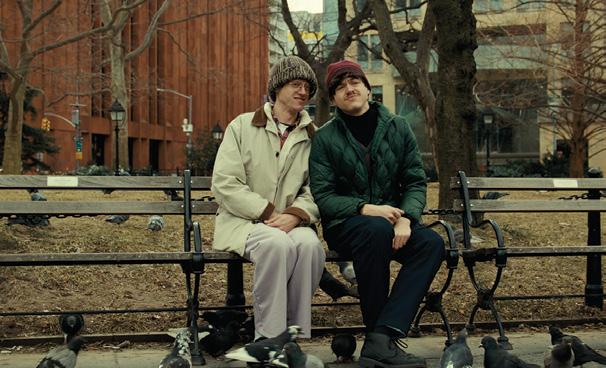
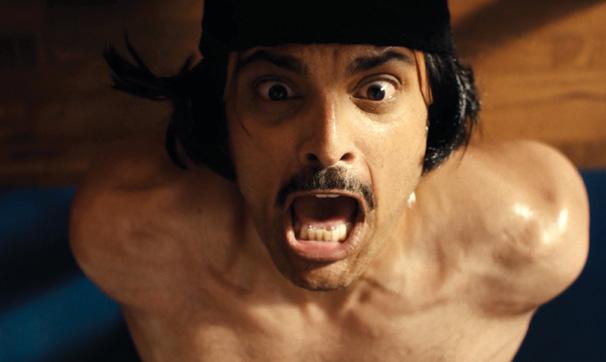
Hailing from twin creators Wade and Weston McElhaney (no relation to AFC Wrexham owner Rob Mac), Codependent follows dysfunctional brothers Tristan and Max (the McElhaneys) as they move to New York after accidentally applying for the same job. It’s a shame the codependent duo can’t just share the role, unless… wait a minute, they’re identical!
Ever wonder what kind of person tries to steal someone’s credit card info? Cold Call, from showrunners Emma Lenderman and Elise Kibler, posits that the hypothetical scammer might not be a person at all. This pilot follows the Ergons, a cult of potentially extraterrestrial office workers trying to return to their home planet by cold calling and scamming people.
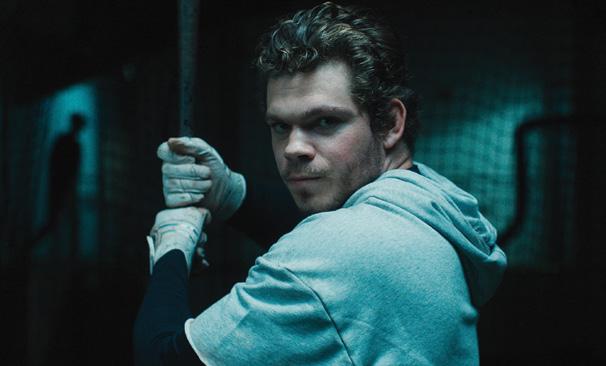
Baseball has a long and storied history on film, but when it comes to television, there’s really only Jim Brockmire, Ken Burns, and little else to represent America’s pastime. Perhaps the Alex Bendo-created In My Blood can change that. Daniel Diemer stars as a minor leaguer desperate to make his father proud, even if it means poisoning his blood with performance-enhancing drugs.
In Son of a Bikram, hot yoga enthusiast Raag is devastated to discover that his hero, yoga guru Bikram Choudhury, is the subject of numerous sexual assault claims. He’s then even more devastated to discover that Bikram Choudhury is his literal father. How Raag responds to this unwelcome news is up to him (and Son of a Bikram showrunners Ash T and Johnny Rey Diaz).
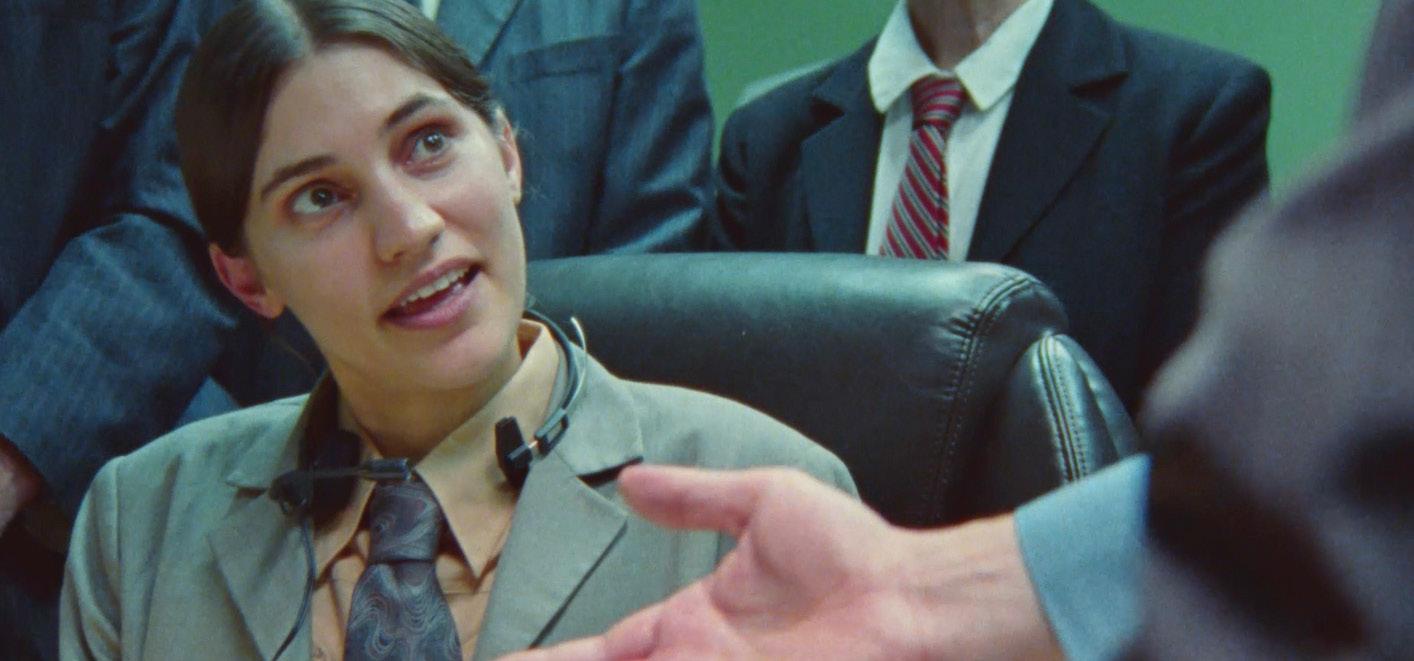
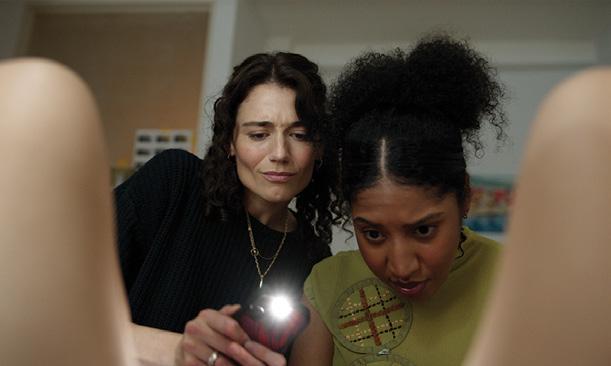
Inspired by creator and star Hannah Shealy’s experiences as a birth doula, Birth is for P*ssies sounds like The Pitt for pregnancy. The 13-minute pilot follows a rookie doula (Shealy) through her first day on a job filled with at-home IUD removal, cervical dilations, and extended labor: all part of life’s messy, beautiful beginnings.
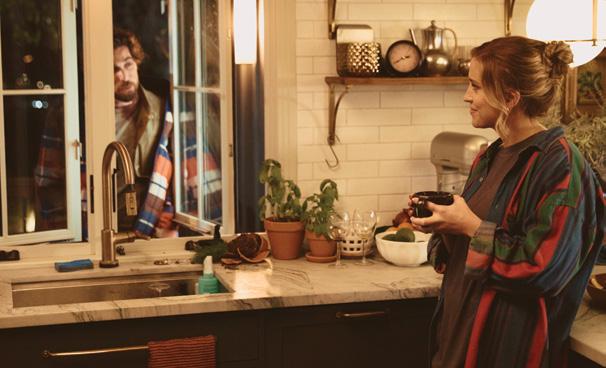
Does “till death do us part” apply to undeath as well? That’s the question facing Laura (Taylor Misiak) in Are We Still Married? as she ponders whether to let the right one in when her newly vamp-ified husband Jack (Dustin Milligan) comes knocking. The indie pilot is created by Kit Steinkellner and produced by Barry Galperin.

BY MICHAEL AHR
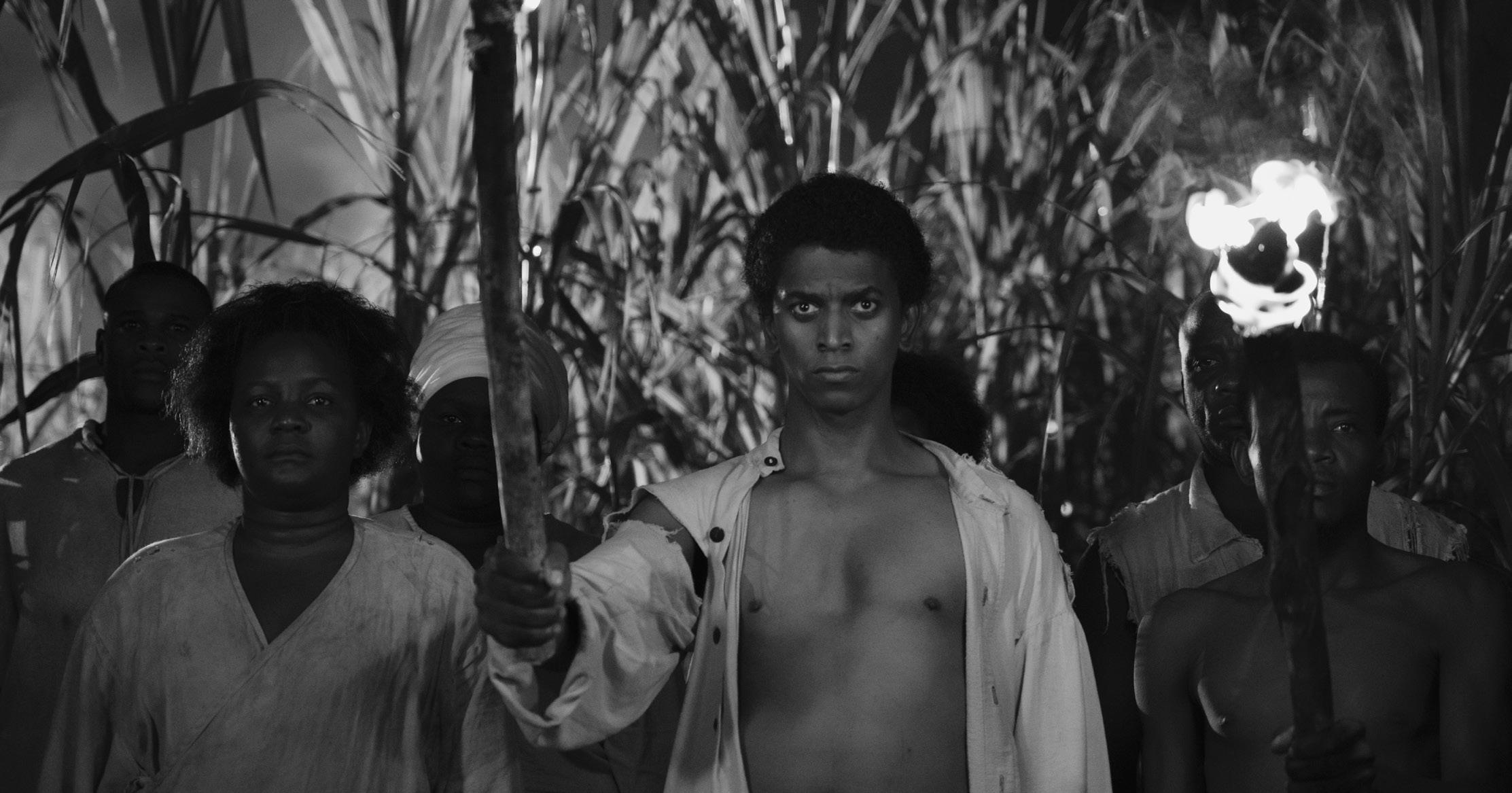
touted as routine legal safeguards to protect secrets and proprietary ideas. But in the wrong hands, they can become blunt instruments used to intimidate workers and bury misconduct. In My NDA, three people bound by non-disclosure agreements face extreme personal risk to go public with their stories about how simple intellectual property contracts can be weaponized to silence whistleblowers, manipulate employees, and control public perception.
From the pop culture appeal of horror movies to the haunted cane fields of colonial Haiti, Black Zombie unearths the buried origins of the zombie,
dangerous hurricanes in the U.S. The visceral spectacle is balanced with a more intimate look at Gammons’ battle with a near-fatal disease at a time when larger environmental forces are at play. Gammons reckons with the physical and emotional toll of a life spent chasing nature at its most violent, creating a high-stakes, immersive experience on a global and personal scale.
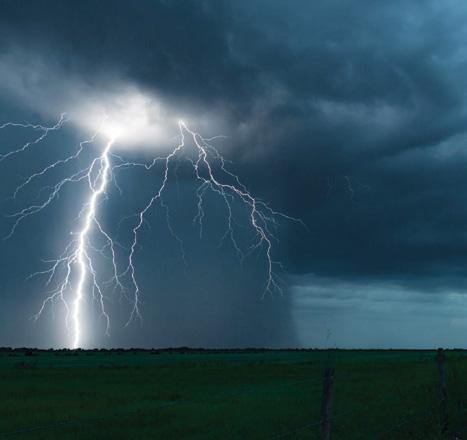
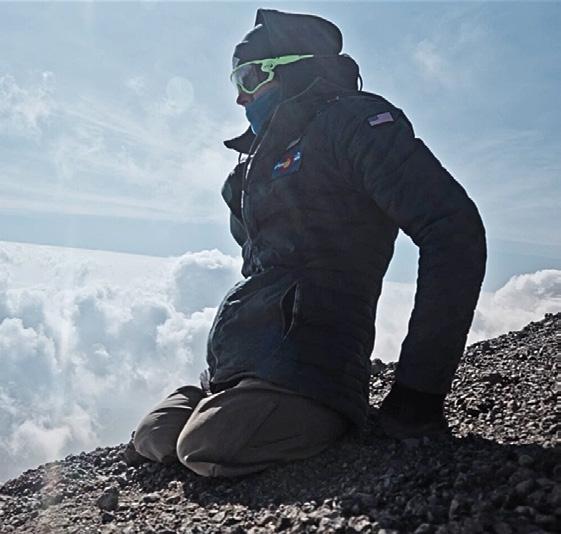
In an era where masked men still dominate the multiplex, this doc tells the story of a costumed vigilante in a black-and-gold suit who once fought crime on the streets of Seattle during the 2010s. The tools of choice for Phoenix Jones were pepper spray and a taser, and he was accompanied by a team of costumed crime fighters. Director Bayan Joonam follows the story after Jones’ true identity was exposed, tarnishing the perceived heroic image of Jones and causing his team to abandon him. Also, perhaps tapping into the moment, the doc will telescope forward a decade when Jones reemerges during the Seattle protests to rekindle that superhero spirit despite continuing legal troubles and public skepticism.
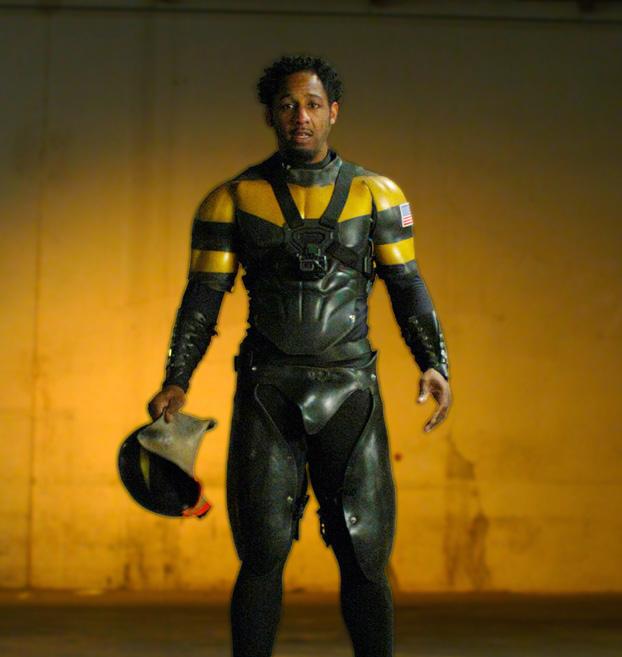
At the age of 21, Mandy Horvath lost both of her legs under mysterious circumstances in an event that led her down a path of mistrust and disillusionment. Ten years later, she’s making a record-breaking attempt to crawl to the summit of Mount Kilimanjaro using only her hands. This is the inspiring true story told in The Ascent, directed by Edward Drake, Scott Veltri, and Francis Cronin. The film follows Horvath as she pushes her body to its limits on Africa’s tallest mountain while simultaneously reckoning with what happened to her and what she can do to heal.
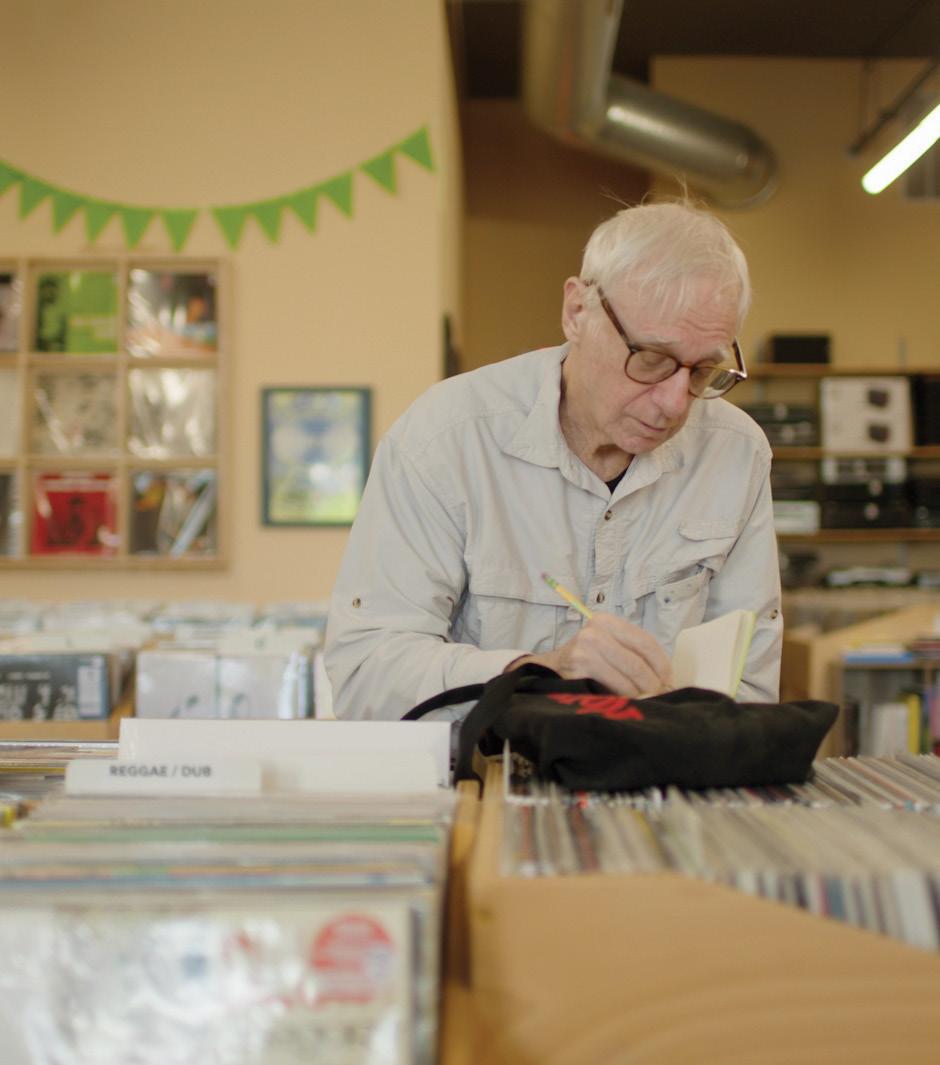
The Last Critic takes a sharp, affectionate look at Robert Christgau, the man who practically invented modern rock criticism and then spent 60 years shaping how we talk about pop music. Director Matty Wishnow highlights the role Christgau played in canonizing legends like the Ramones and Public Enemy, while simultaneously infuriating icons like Lou Reed and Billy Joel. Also, with a bit of urgency, the doc seems eager to remind that Christgau, now in his 80s, is still writing with his trademark bite and craftsmanship despite facing a landscape where albums are irrelevant, print is dead, and algorithms rule taste-making.

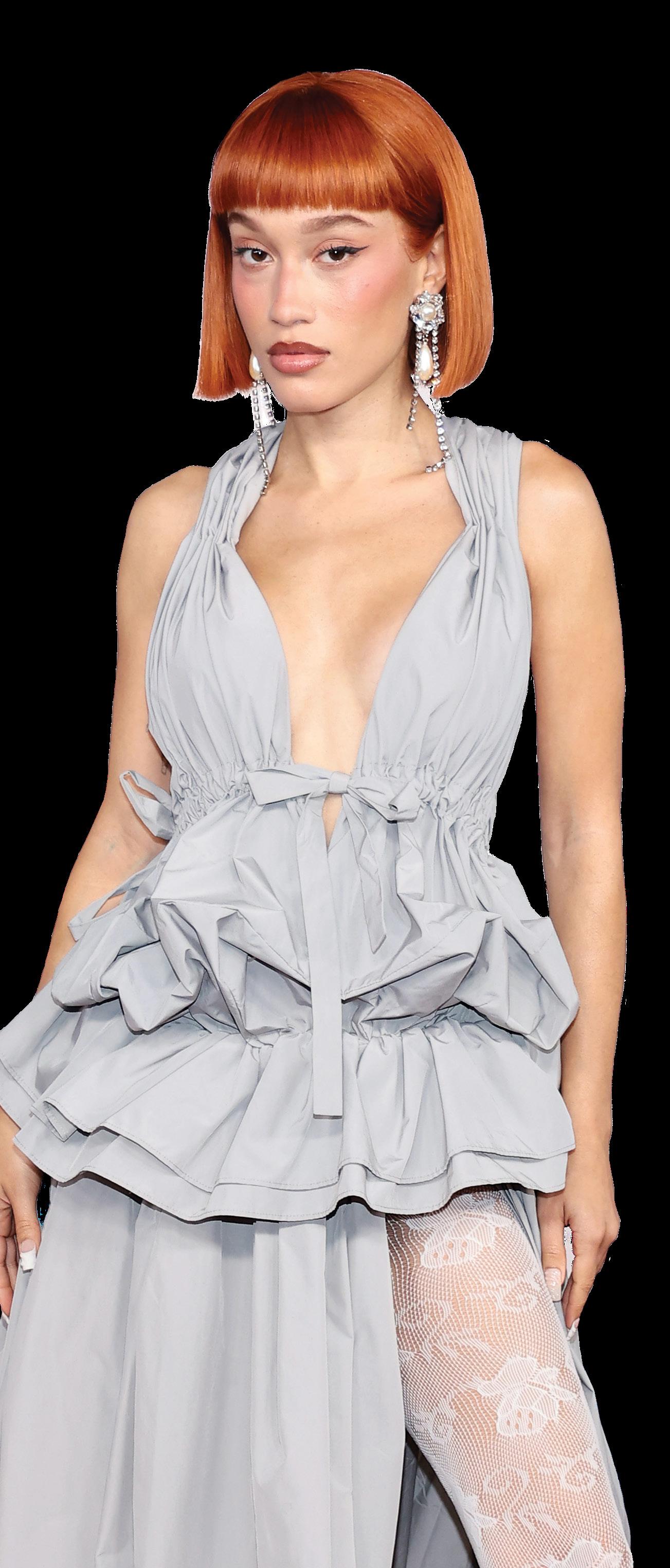

BY NICK HARLEY

Spanglish pop singer and Bay Area native Nezza went viral last summer after performing the Spanish version of the U.S. National Anthem (“El Pendón Estrellado”) at a Los Angeles Dodgers baseball game to protest the disruptive presence of ICE in the city. The moment of dissent brought attention to her Y2K-inspired single “Classy,” a breezy selfempowerment jam that conjures memories of “Fergalicious.” A former backup dancer for Zendaya and Selena Gomez, Nezza’s bilingual bops always feel particularly danceable. It’s only a matter of

mastermind, blending dreamy, ethereal synthpop with beautifully processed vocals that sound deeply human despite the futuristic sheen. 2025’s moonlight diaries is an appropriately titled, hypnotic collection of exquisitely detailed, shimmering pop that sounds like late-night longing after the club closes.
Nordic post-punk indie rock band Spacestation are stars in their hometown of Reykjavík, ready to conquer the U.S. Creating a recognizable fusion of noisy effects, delayed guitars, and Krautrockinfluenced grooves, they would have fit right in with Interpol, She Wants Revenge, and Black Rebel Motorcycle Club during the early 2000s garage rock revival. Playing
Austin’s own Bayonne is the moniker of indie electronica savant Roger Sellers. Ten years into a prolific career, Bayonne deploys loops, cooing falsetto vocals, and majestic piano stabs to deliver arena-ready, indie-pop anthems. Mesmerizing repetition and eddying instrumentation combined with raw introspection on 2023’s "Temporary Time," which channeled the loss of Sellers’ father into the most beautiful, successful music in Bayonne’s

Queer Minneapolis singersongwriter runo plum creates lush, intimate indie rock-leaning songs that evoke images of snowblanketed forests, appropriate given plum’s upbringing in rural northern Minnesota. With an angelic voice and a background studying jazz, her deceptively simple-sounding music packs an emotional wallop. Plum often incorporates environmental sounds into her mix, like rustling trees or bird calls, creating an immersive, woodsy vibe. When she does let the guitars turn up, like on the transcendent “Lemon Garden,” the earthiness of plum’s work lifts off into the atmosphere.

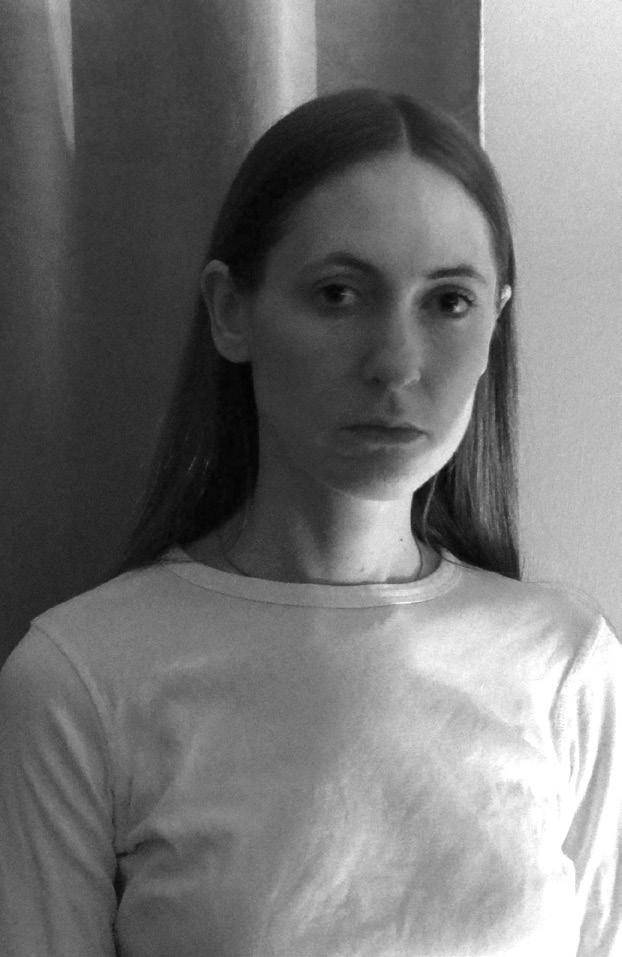
Fine is the solo project of Copenhagen composer/producer Fine Glindvad Jensen. Her surreal, reverb-soaked music borrows from country, folk, trip-hop, and pop, and sounds like it wouldn’t be out of place being performed at the Bang Bang Bar in Twin Peaks. Jensen co-wrote three songs on NewJeans’ EP “Get Up,” so it’s no surprise her music is sneakily hooky. Hazy and ageless-sounding, Fine’s sound is supremely cool, and her torch songs evoke images of woozily dancing alone with a bottle of wine, smiling through the tears.
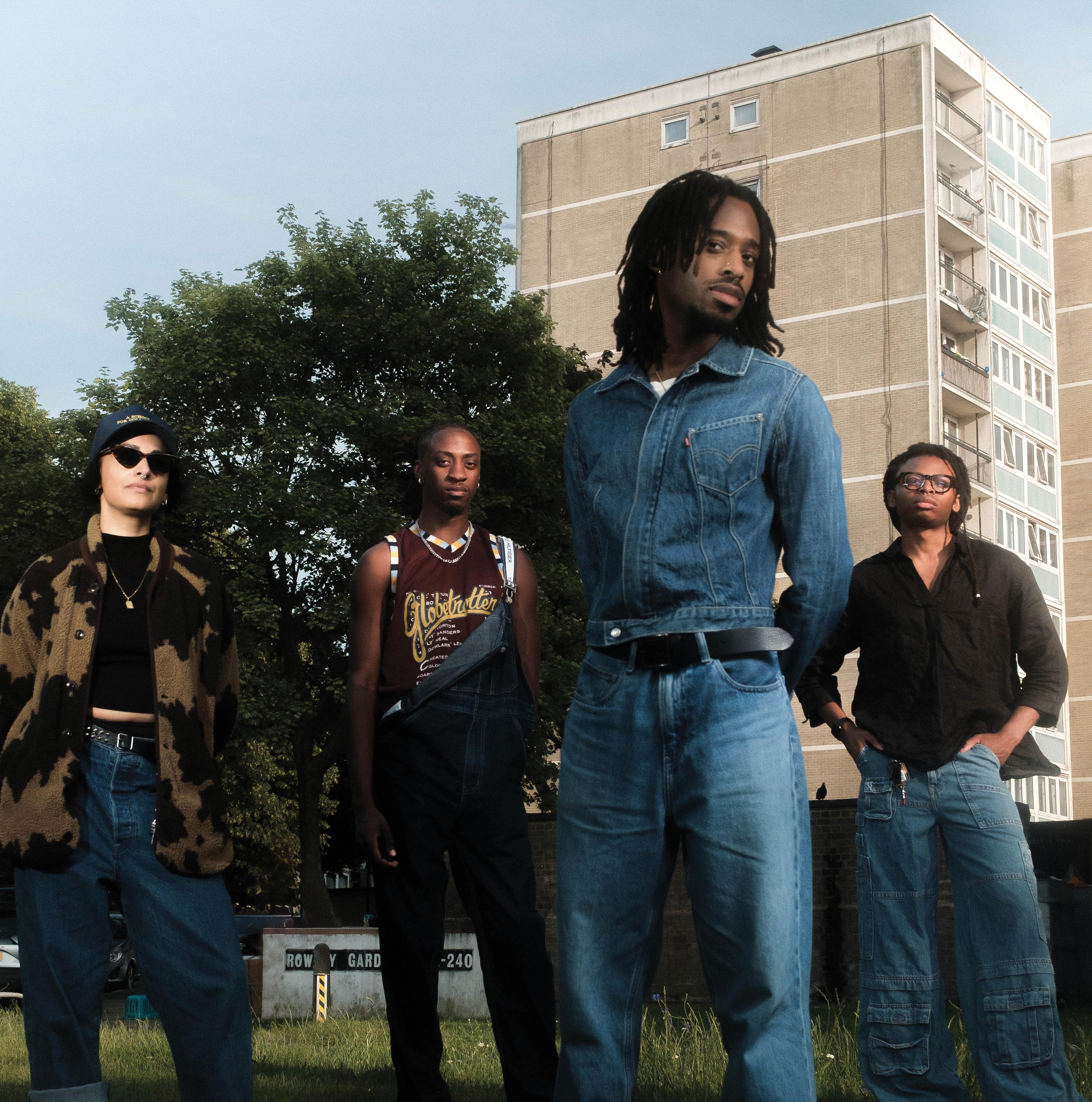
The surging London shoegaze band Whitelands—featuring Etienne QuarteyPapafio (vocals/guitar), Jagun Meseorisa (drums), Vanessa Govinden (bass), and Michael Adelaja (guitar)—pulls from the dreamy side of the subgenre, utilizing warm textures, jangly, swirling guitars, and a tight rhythm section. Unlike many of their peers, Quartey-Papafio’s vocals are front and center, unafraid to shine. The band is also fearless in its lyrical content, tackling themes of racial inequality and imperialism. Comfortably flirting with pop hooks while valiantly pushing past mere aesthetics, Whitelands appears to be the true torchbearer for its legendary label Sonic Cathedral.
Reportedly “born from a nightmare and forged into a dream,” Austin’s buffalo_farm is a one-man trap-metal project that sounds like a logical mutation of nu metal mayhem. Distorted, screamy vocals, glitchy drums, blown-out bass, and horror movie aesthetics define the masked buffalo_farm. The enigmatic artist garnered a loyal following by touring with like-minded performers, such as
Frequently cited as the future of Chinese electronic music, IDM (intelligent dance music) transmedia group Frankfurt Helmet features renowned Wuhan drummer Hu Juan, formerly of the influential post-punk band AV Okubo, and philosophy PhD, guitarist, and modular synth wizard, Da Fei. The duo treats their project as a multi-sensory art form, designed to be as much a mental experience as a sonic one, combining avant-garde, ambient

A supergroup of the underground Toronto hardcore scene, featuring members of Hot Garbage, Possum, and Kali Horse, OOZ is bringing the noise and abrasive griminess to SXSW. With heavy distortion, blast beats, and an improvisational quality to their breakdowns, OOZ twitches and thrashes with the best of them, and co-vocalist Sam Maloney has an infectious energy and indignant swagger that takes tracks like the punishing “Meddle” to spellbinding heights.

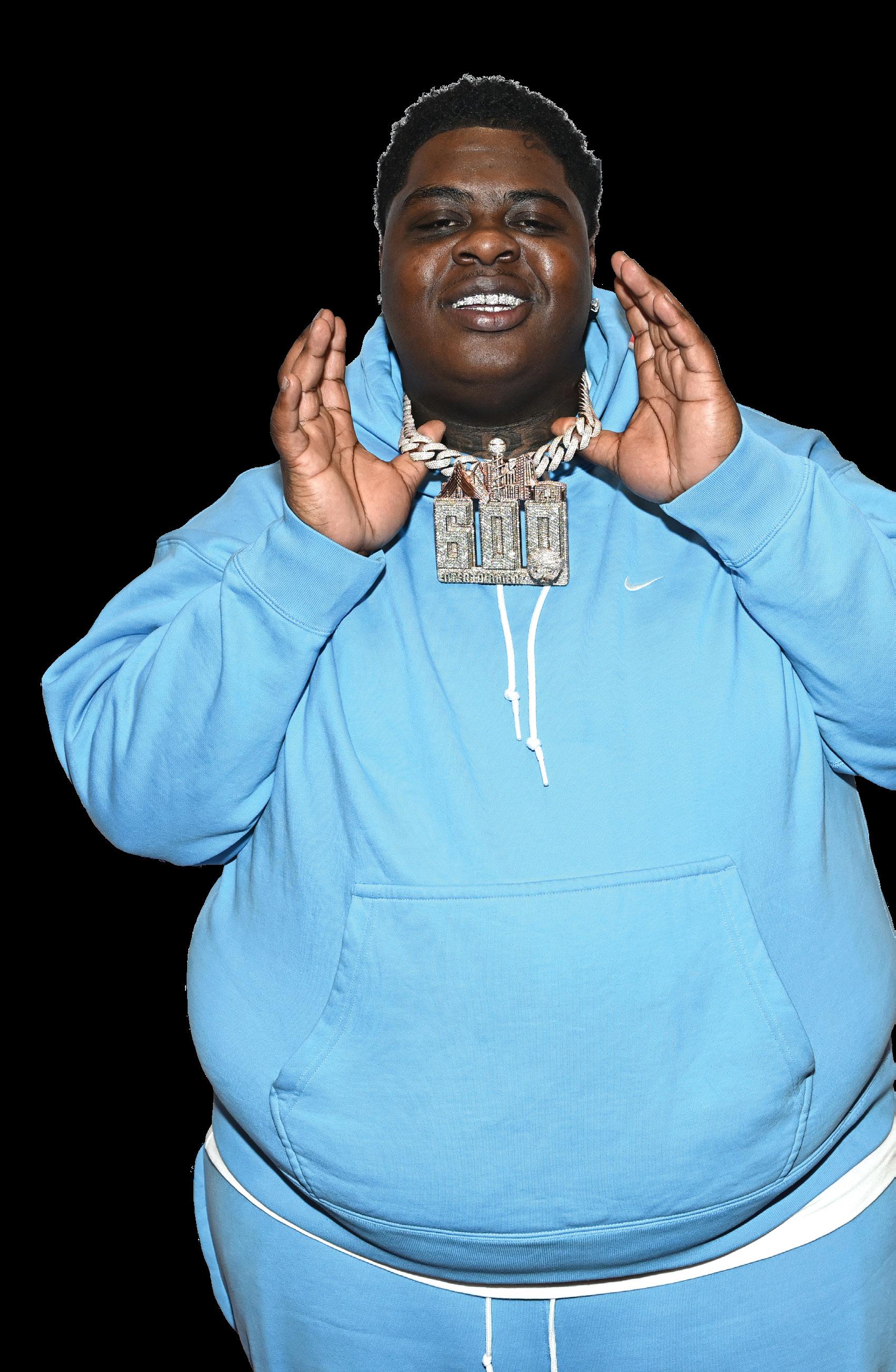

If you’re a country fan, you’ve probably already encountered your favorite artists collaborating with Dallas MC BigXthaPlug, a former NFL hopeful who has left Southern trap behind to fully lean into the growing country-rap boom. With cosigns from Jelly Roll, Luke Combs, and Post Malone, the booming baritone rapper can both rave up and weave narratives about past mistakes with gravitas and grace. You can even count Beyoncé as a fan; she’s used the fellow Texan’s music during interludes on her Cowboy Carter Tour.


“i hope you’re ready”


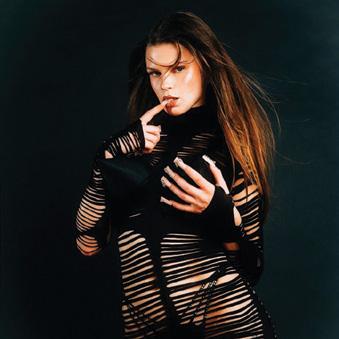




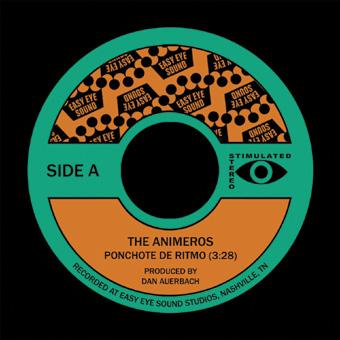
For the first time since 2007, a 68-year-old comedy institution (that is disappointed its age is one numeral away in either direction of being funny) comes back to print. BY KEEGAN
• 1958 | Cracked launches under founding editor Sol Brodsky, previously Marvel Comics’ Silver Age production manager.
• 1970s | Cracked expands into international markets. The British version is the same but with weirder spelling.
• 1980s | Realizing that stealing, not imitation, is the sincerest form of flattery, Cracked recruits artists away from MAD Magazine.
• 1990s | Cracked absorbs staff from the failing National Lampoon. Harvard University never recovers.
• 2005 | Cracked.com launches under editor-in-chief Jack O’Brien.
• 2006 | Cracked discovers the power of online video content, launches YouTube channel.
• 2007 | Cracked decides that print is for suckers, goes online-only.
• 2010s | Cracked changes corporate hands twice, skyrocketing shareholder value.
• 2026 | Cracked decides that online-only is for suckers, returns to print.
KELLY
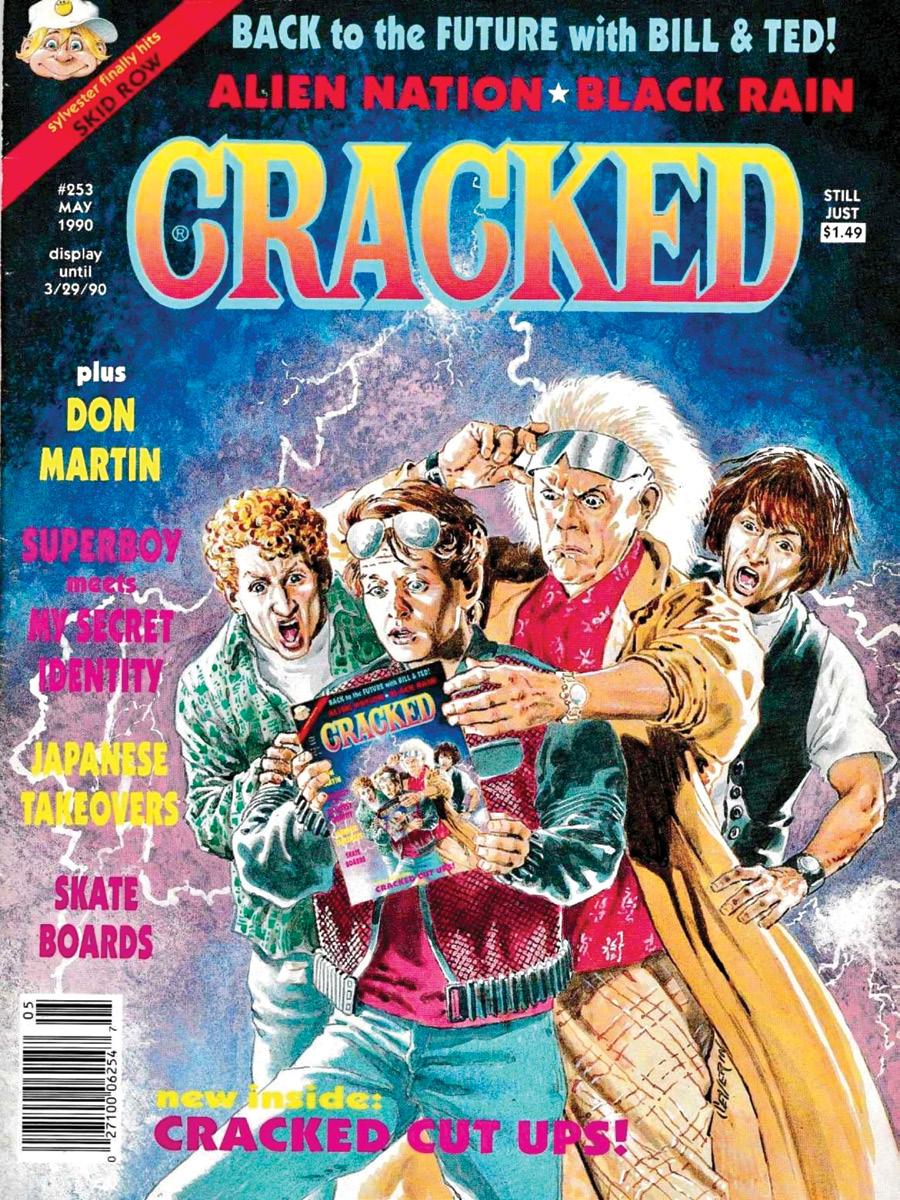
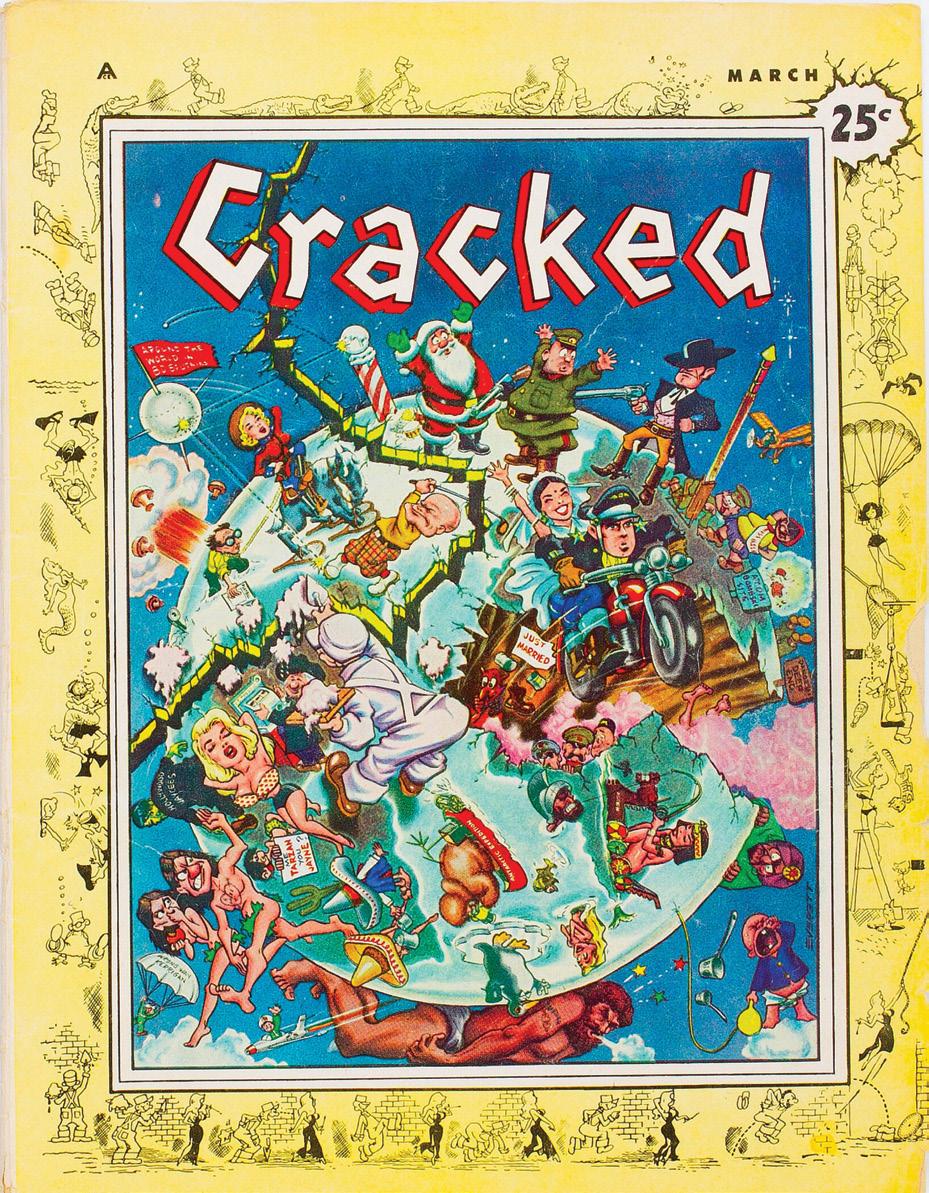
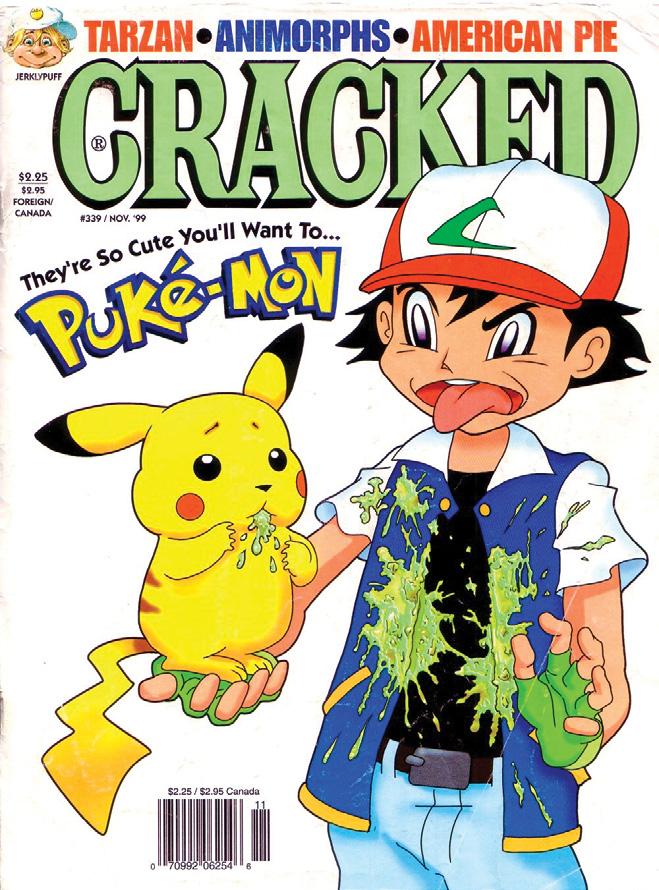
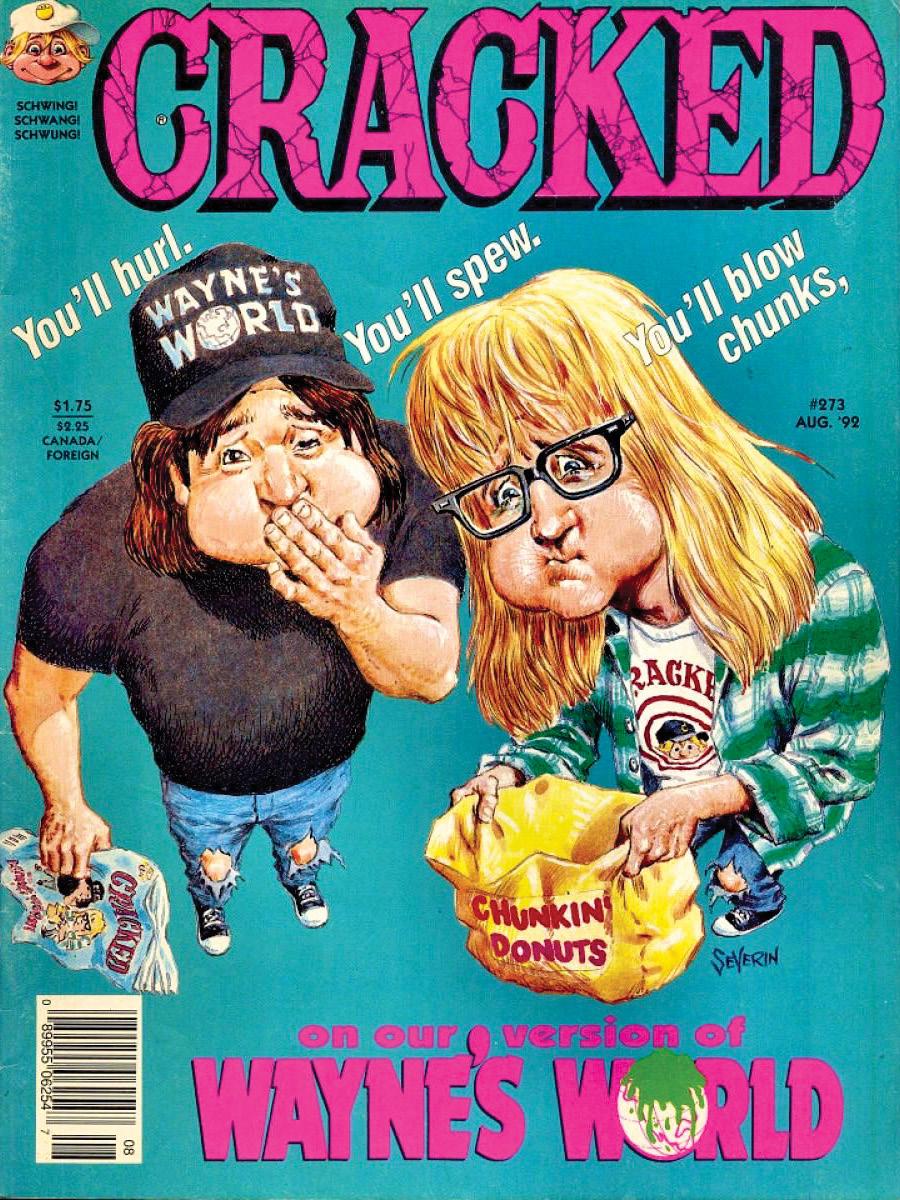
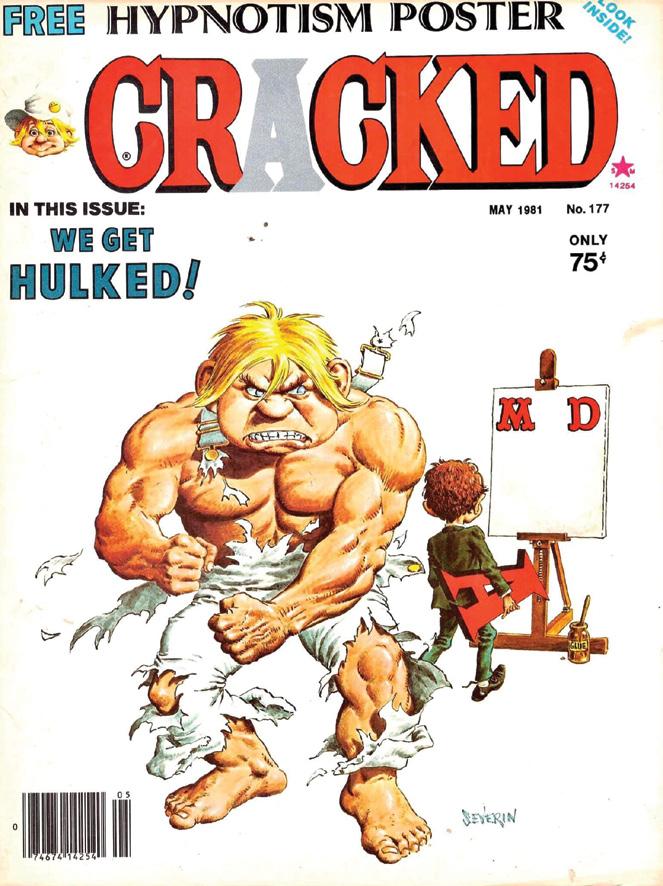
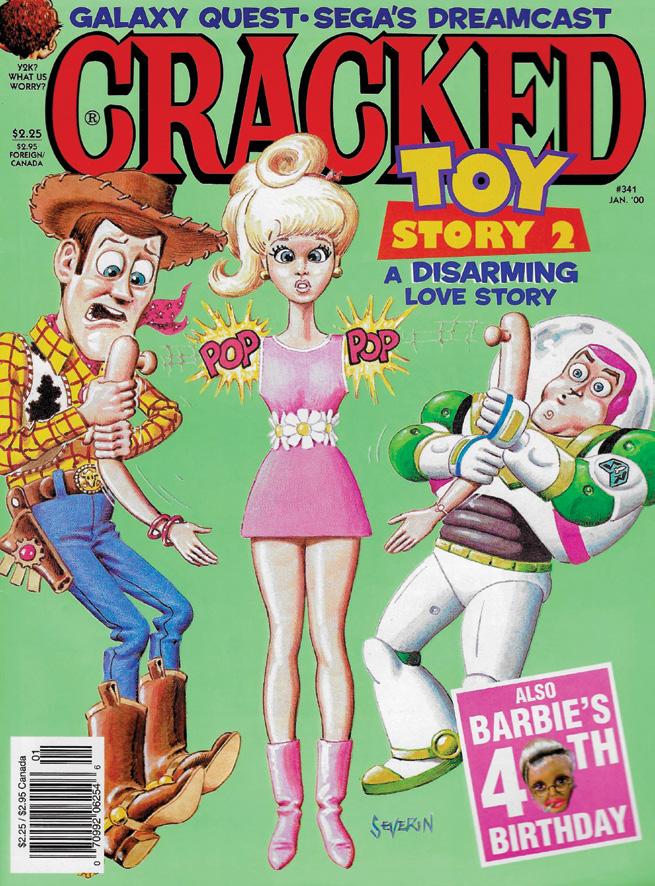
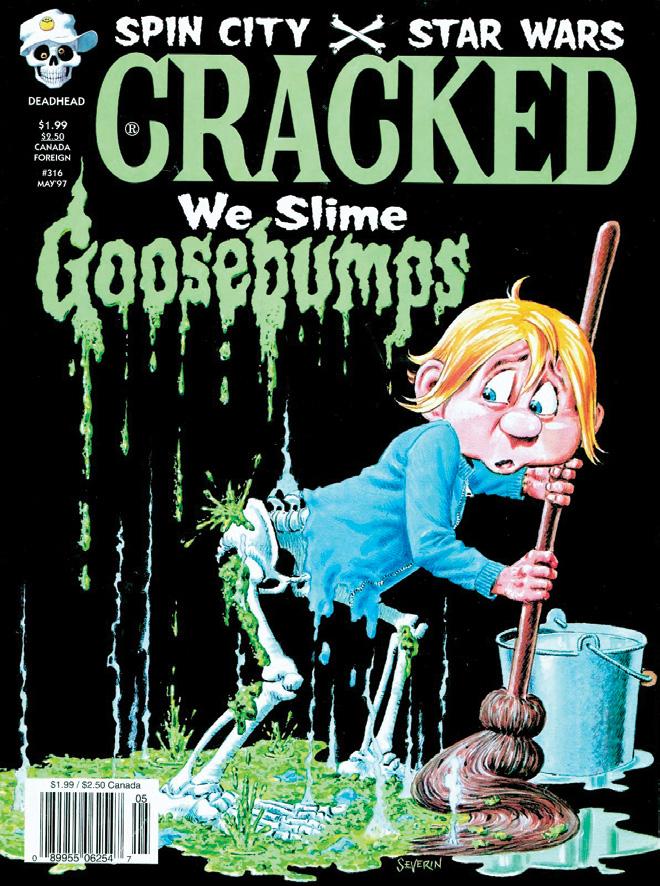
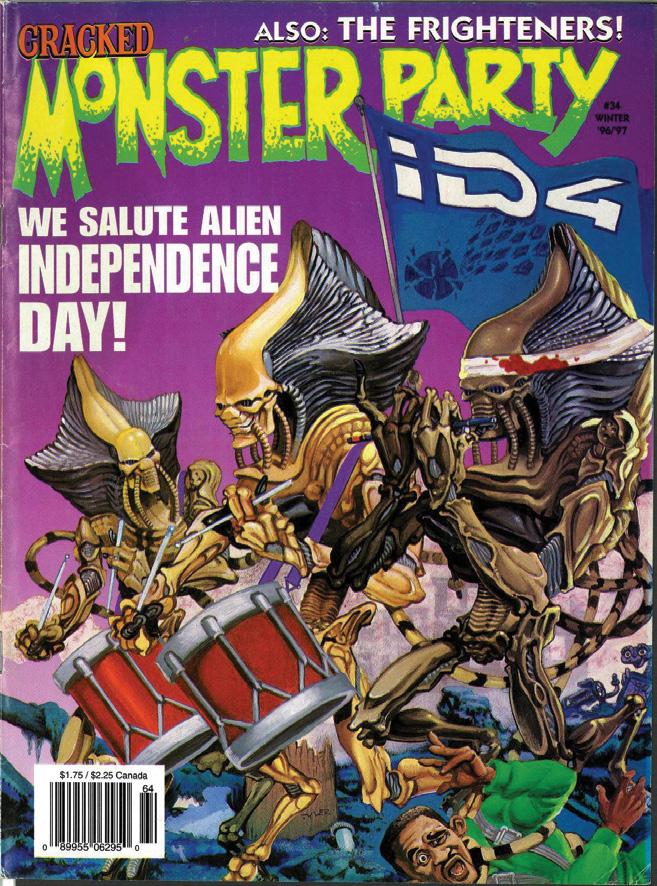
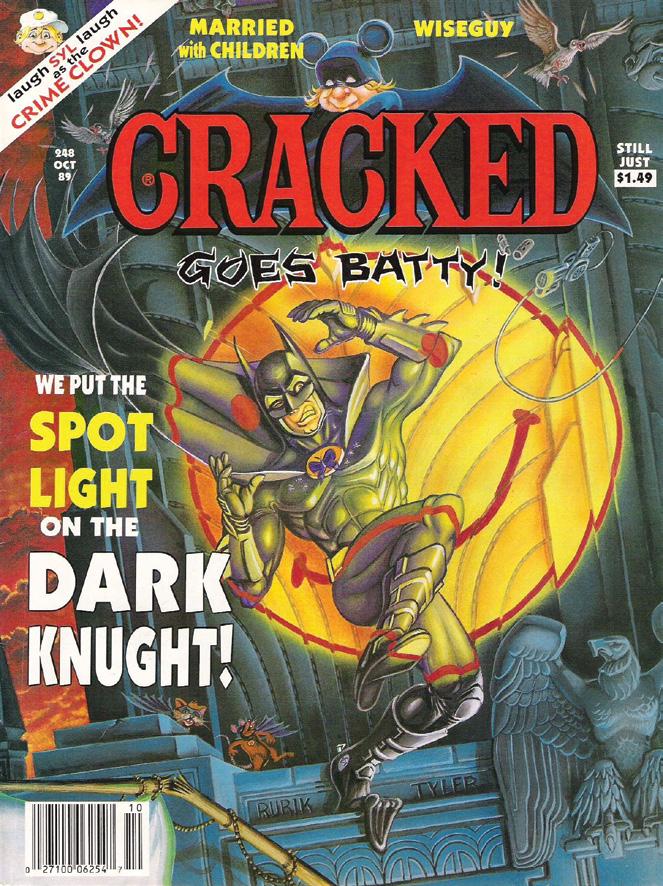
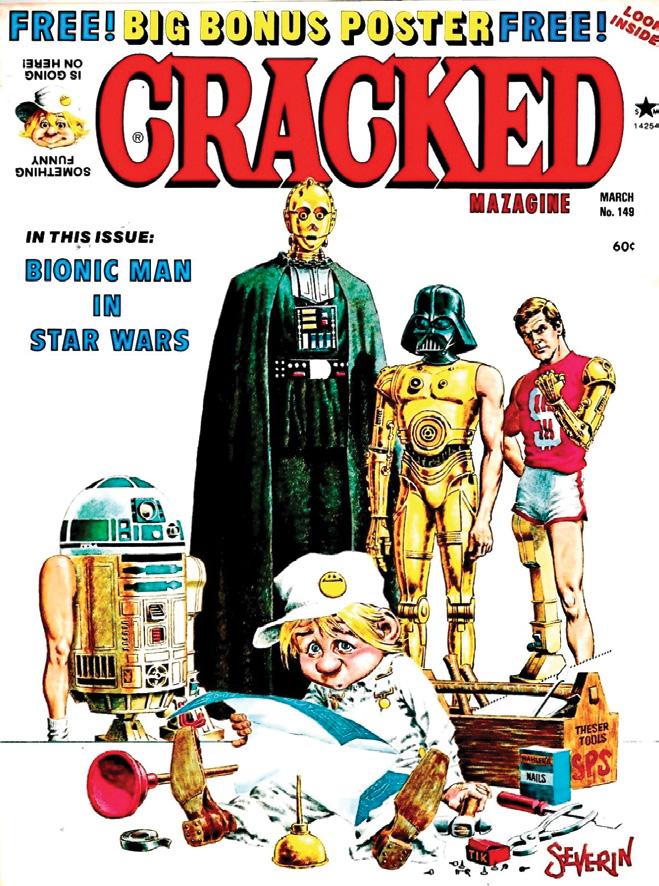
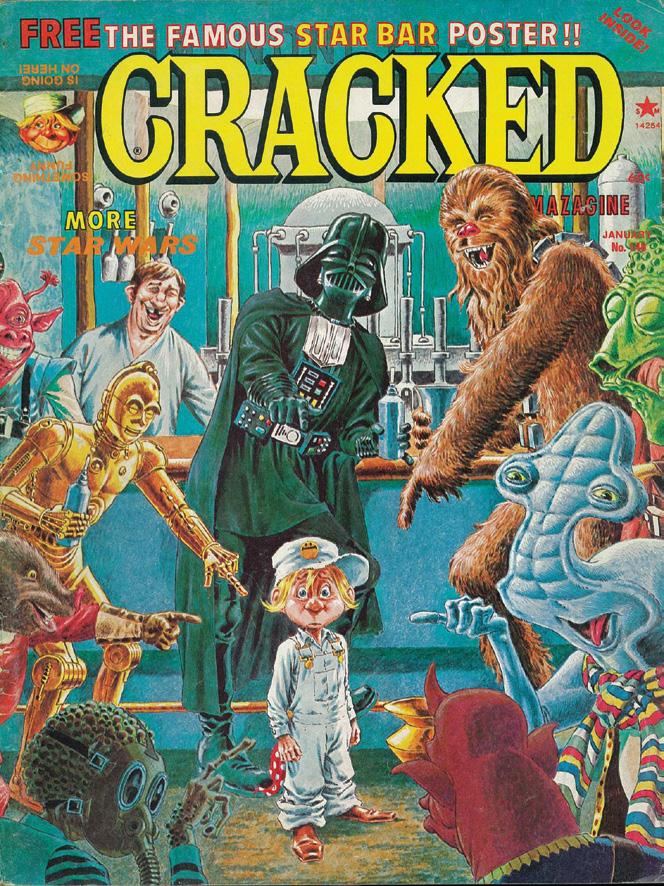
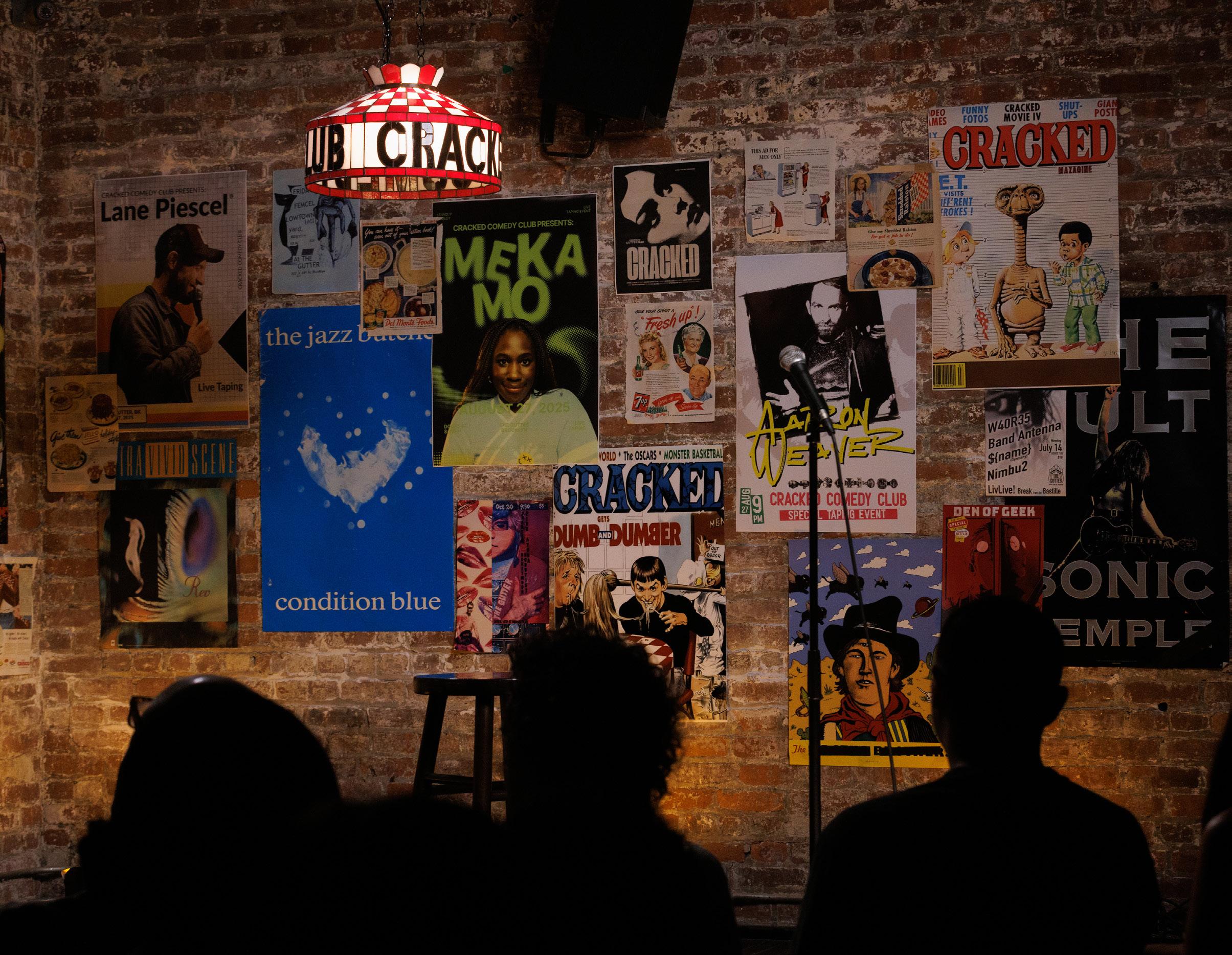
CRACKED’S RETURN TO print isn’t the only milestone we’re celebrating this year. For the first time ever, Cracked Comedy Club is coming to the SXSW Comedy Festival. Since the opener is always the best and most famous act on the bill, we’re kicking it off as the first show of the weekend!

Takes over SXSW 2026 in Austin, Texas.
BY KEEGAN KELLY
On Friday, March 13 at 7:00 p.m. CT, the Cracked Comedy Club Official Showcase in Partnership with Netflix’s Mating Season comes to The Creek and The Cave with a killer lineup of breakout stand-up comics. It’s time for us to put our stamp on the flourishing Austin comedy scene, and, in the spirit of SXSW, we’re doing it with the help of the artists who represent the future of laughter. We caught up with the talent of the Cracked Comedy Club Showcase to talk about what comedy means to them and where they think the industry is headed. Here’s what they had to say:


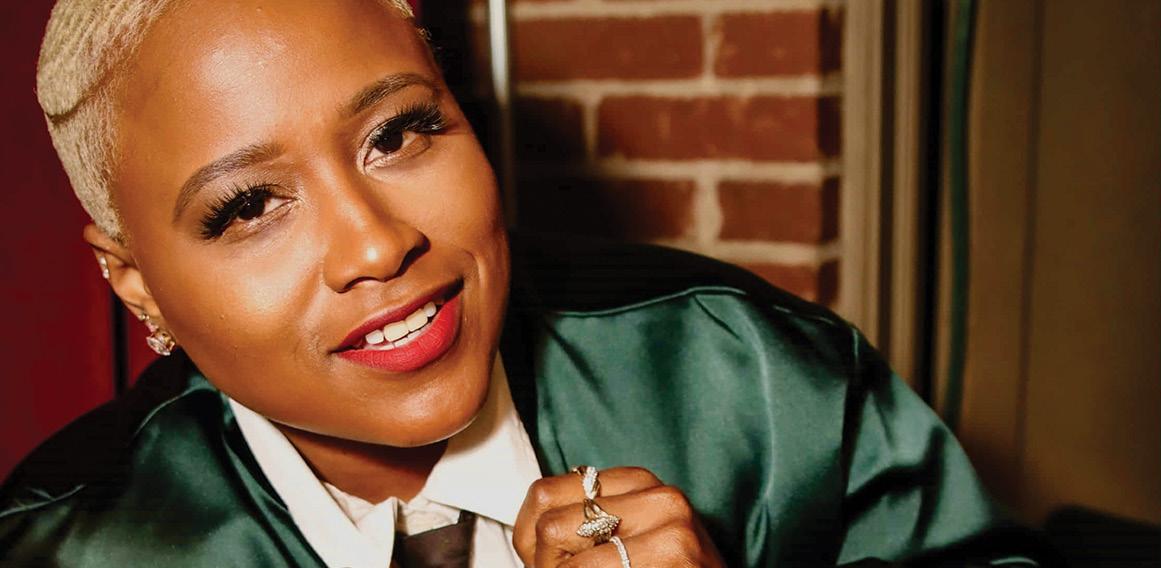
Who was your first hero in comedy?
My first hero in comedy is, and will always be, Sommore. Seeing her was powerful for me because she represented something I didn’t always see growing up: a bold, unapologetic Black woman commanding the stage on her own terms. Watching her felt like permission. She blends sass, reallife observations, relationship talk, and social commentary in a way that’s both hilarious and thought-provoking.
What is your proudest moment as a comedian?
My proudest moment as a comedian was being handpicked by the legendary Wanda Sykes to work with her on the first season of Unprotected Sets on EPIX. That was a full-circle moment. It also made my family incredibly proud, which made it even more special. There’s something powerful about seeing the people who’ve supported you finally see the industry recognize you too.
What excites you the most about the future of comedy?
What excites me most about the future of comedy is the expansion of storytelling. We’re moving beyond just setup–punchline–tag. Comedians are
building worlds now. They’re blending stand-up with cinematic visuals, character work, music, vulnerability, even docu-style confessionals. What is one trend in comedy that you hope will die in 2026?
One trend I hope fades in 2026 is the extreme sensitivity around comedy, especially the expectation that comedians constantly apologize for their style. Comedy has always pushed buttons. It challenges, provokes, and won’t land the same for everyone and that’s okay. Art isn’t universal.
What do you think will change about the comedy industry in the coming years?
I think what’s already changing and will continue to change is how comedians are discovered and built. There was a time when the blueprint was clear: grind at open mics for years, bomb, refine your voice, build stage stamina, earn respect in clubs, and slowly develop a loyal fan base. Now? A oneminute viral clip can change someone’s life overnight. Social media has shifted the gatekeeping. Platforms like TikTok, Instagram, and YouTube have become the new comedy clubs.
Who was your first hero in comedy?
Bugs Bunny. What is your proudest moment as a comedian?
Getting passed at the Comedy Cellar.
What excites you the most about the future of comedy?
I’m 37. Very little “excites” me anymore.
What is one trend in comedy that you hope will die in 2026? “So, I’m (*insert identity here*).” followed by undeserved applause.
Who is one comedian who every comedy fan should know (besides yourself)? Mandal.
What do you think will change about the comedy industry in the coming years?
The INDUSTRY, hopefully.
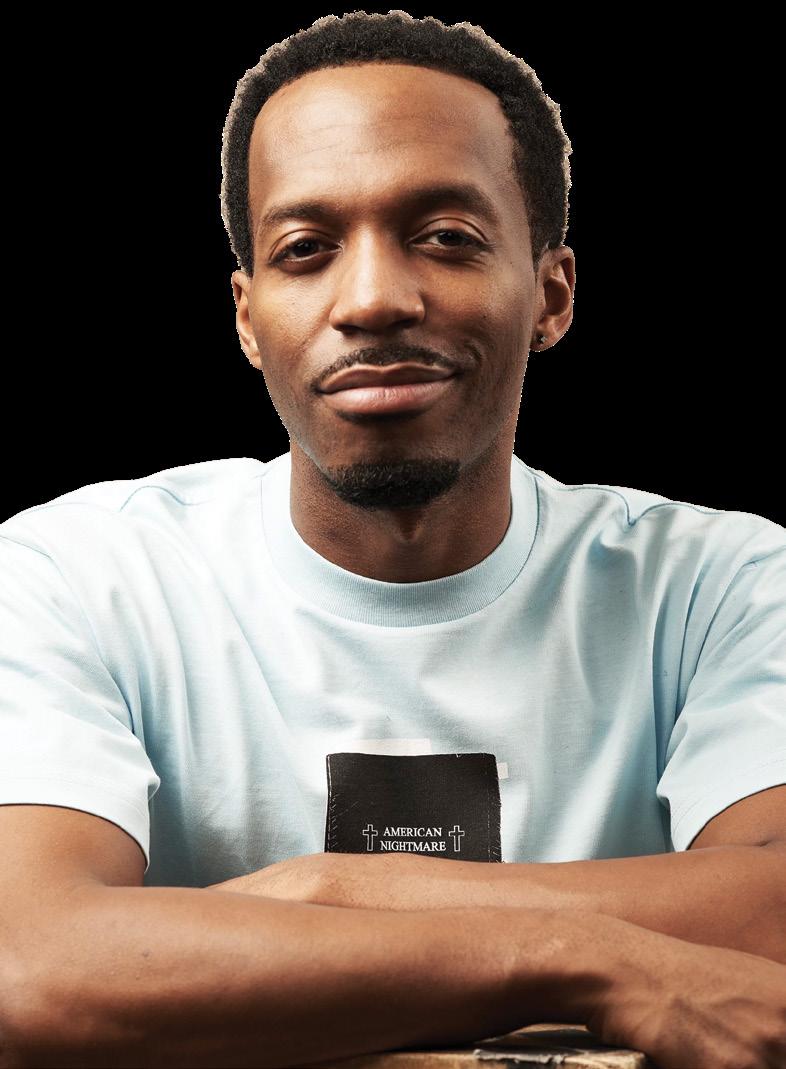
Who was your first hero in comedy?
Iago from Aladdin was the first impression I ever did, so I guess Gilbert Gottfried. But in all seriousness, Maria Bamford, who I believe is the greatest living comic of our time. What is your proudest moment as a comedian?
Taking my solo show to the Edinburgh Fringe Festival. It was my first time doing comedy internationally and it was one of the hardest, most rewarding things I’ve ever done. I still can’t believe I got to perform my show every single day for a whole month—pinch me! My goal has always been to perform fulltime, so it felt like I was really living the dream.
What excites you the most about the future of comedy?
The people! There are so many good comics that I feel honored to be in the same cohort as, so I’m just really excited to see the people I’ve come up with get their flowers. Comedy is getting weird (positive) and people are subverting genres in different ways. It feels like every day there is a new sketch format or way to tell a joke and I love to see it. The future
Who was your first hero in comedy?
Craig Ferguson and Chelsea Handler. I watched their shows every night when I was a kid. I loved Craig’s absurdity and how willing he was to break the traditional late-night form. I also loved Chelsea’s realness. They represent the two sides of my sense of humor. What is your proudest moment as a comedian?
The first time I sold out Joe’s Pub. I had seen so many iconic New York acts perform there over the years, so getting to headline that stage myself felt surreal. It remains one of my favorite memories.
What is one trend in comedy that you hope will die in 2026? I want us to go back to the days of
audio-only podcasting. I miss when podcasts were just audio—when we could all look like shit and really focus on being funny.
Who is one comedian who every comedy fan should know (besides yourself)?
Richard Perez. His show I Have to Do This is brilliant, vulnerable, and so, so good. He performs it in New York and all over on different dates.
What do you think will change about the comedy industry in the coming years?
I think live comedy will become even more important. As the internet feels more and more bleak, and reality becomes so blurred online, people will crave real, in-person experiences.
of comedy is female, it’s queer, it’s trans, it’s not just old white guys and that ROCKS.
What is one trend in comedy that you hope will die in 2026?
Comics being misogynist, racist, homophobic, transphobic, etc. You know who you are and it’s hack and it sucks. Oh, you hate your wife? Groundbreaking!
Who is one comedian who every comedy fan should know (besides yourself)?
Don’t do this to me. There are 100 crazy talented people I wanna list here and it feels insane to choose one. I will say three people who have been making me laugh for a while and really put in the work: Shaunak Godkhindi, Sunny Laprade, and Amber Singletary.
What do you think will change about the comedy industry in the coming years?
There are things that I HOPE will change. This “follower count is everything” model is preventing extremely talented comics from getting stage time and opportunities while the inverse also seems to be happening. Just because someone can sell out a club doesn’t mean they have jokes! Let comics work on their writing instead of having to be their own full time social media managers.
Who was your first hero in comedy?
My first hero in comedy was my grandmother. She was silly and jovial and she loved making fun of everyone in our family. She taught me that it’s always hilarious when you say the things that you’re not supposed to say. What is your proudest moment as a comedian?
My proudest moment so far has been taping my first hour special last year. I’m so excited for everyone one to see it! Keep an eye out. It should be out later this year.
What excites you the most about the future of comedy?
Being able to reach broader audiences and having access to more comedians through the internet. What is one trend in comedy that you hope will die in 2026?
Crowd work clips. Let’s get back to storytelling and writing jokes. Who is one comedian who every comedy fan should know (besides yourself)?
Lushious Massacr is the funniest person on the internet right now! What do you think will change about the comedy industry in the coming years?
I think that the comedy industry will be dominated by women and LGBTQ+ comedians.
CRACKED PRODUCES AN ONGOING LIVE COMEDY showcase featuring breakout talent whose work spans the gamut of feature films and television from Comedy Central to Saturday Night Live, and beyond. Cracked Comedy Club’s taped stand-up sets from shows in New York, Los Angeles, and now Austin, Texas at SXSW can be found on its eponymous YouTube channel. We proudly showcase standup talent of the highest caliber from some of the most popular comedy clubs around the country.
Kyle Gordon – “The Ugliest Girl at the Beach”
– “Wild Guilty”
Tatyana Guchi – “Used to Be a Stud” Meredith Dietz – “I Got Called Firecrotch”

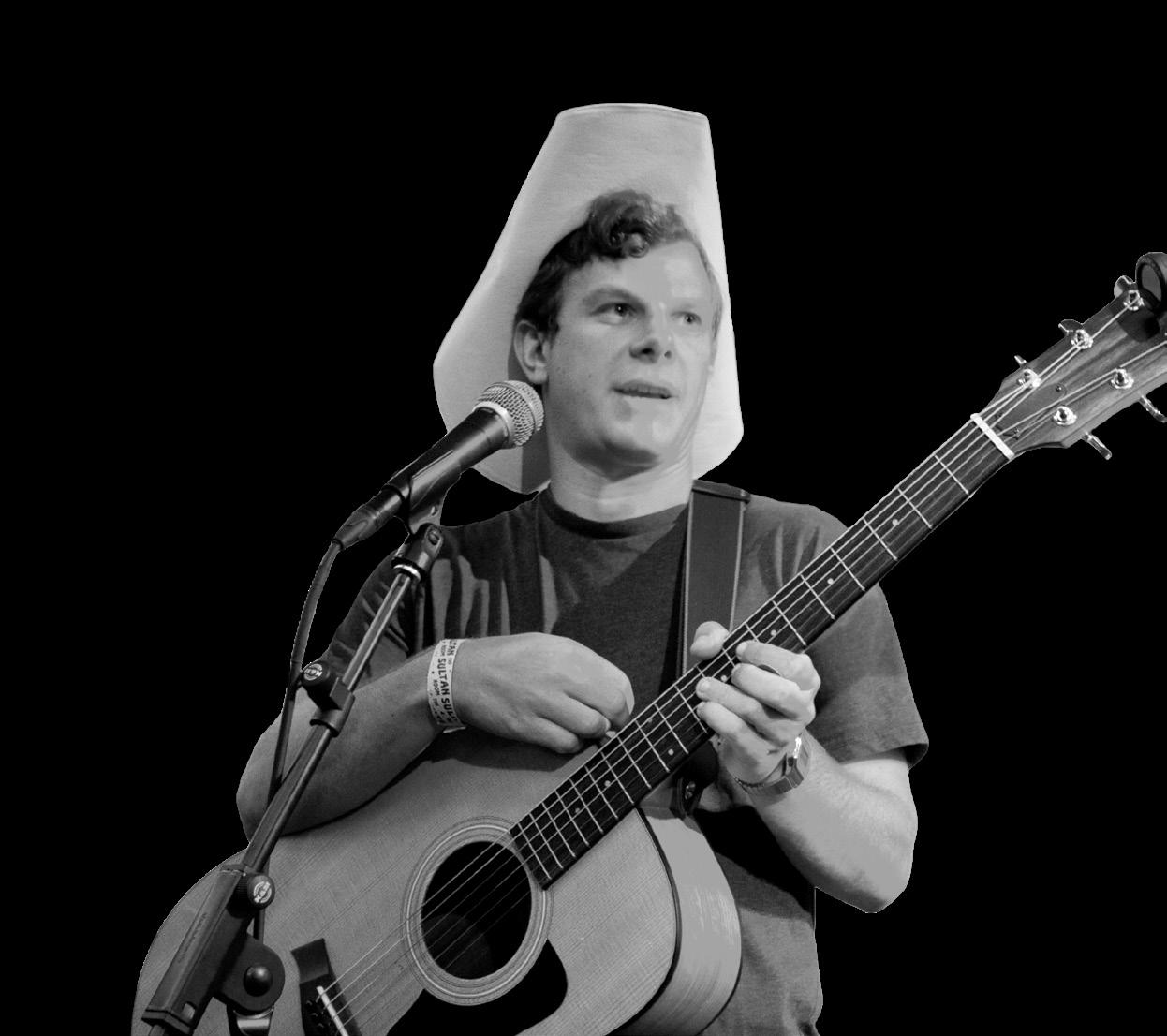

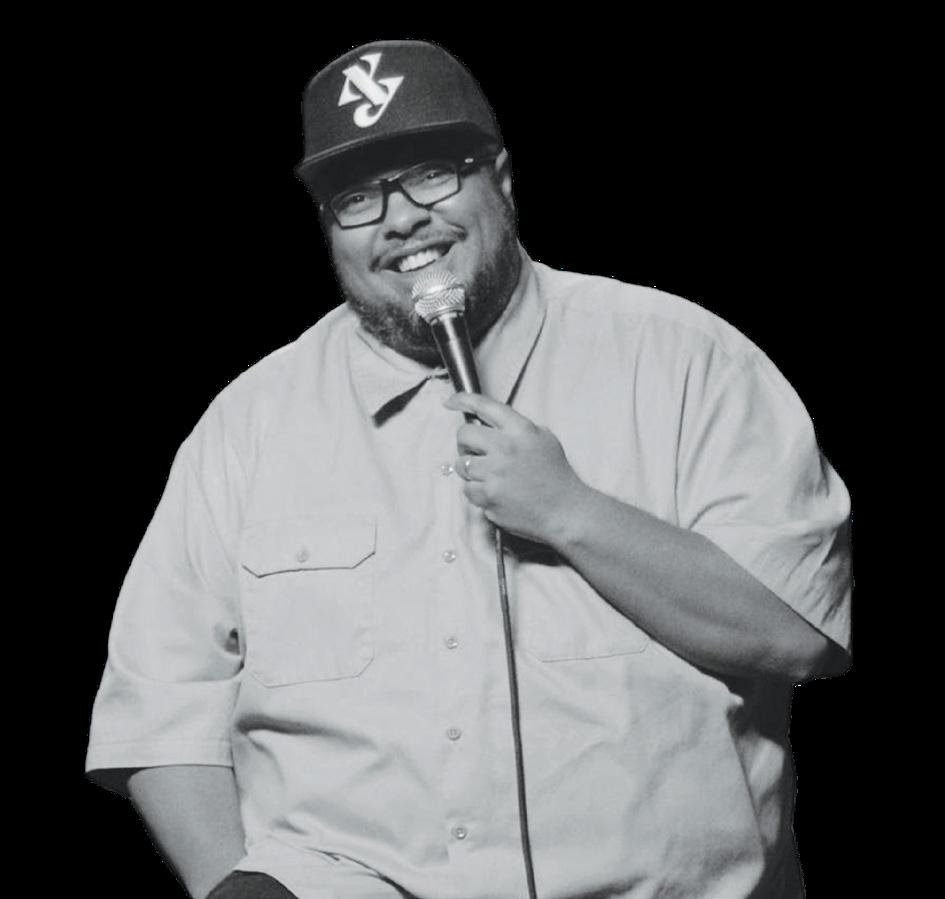
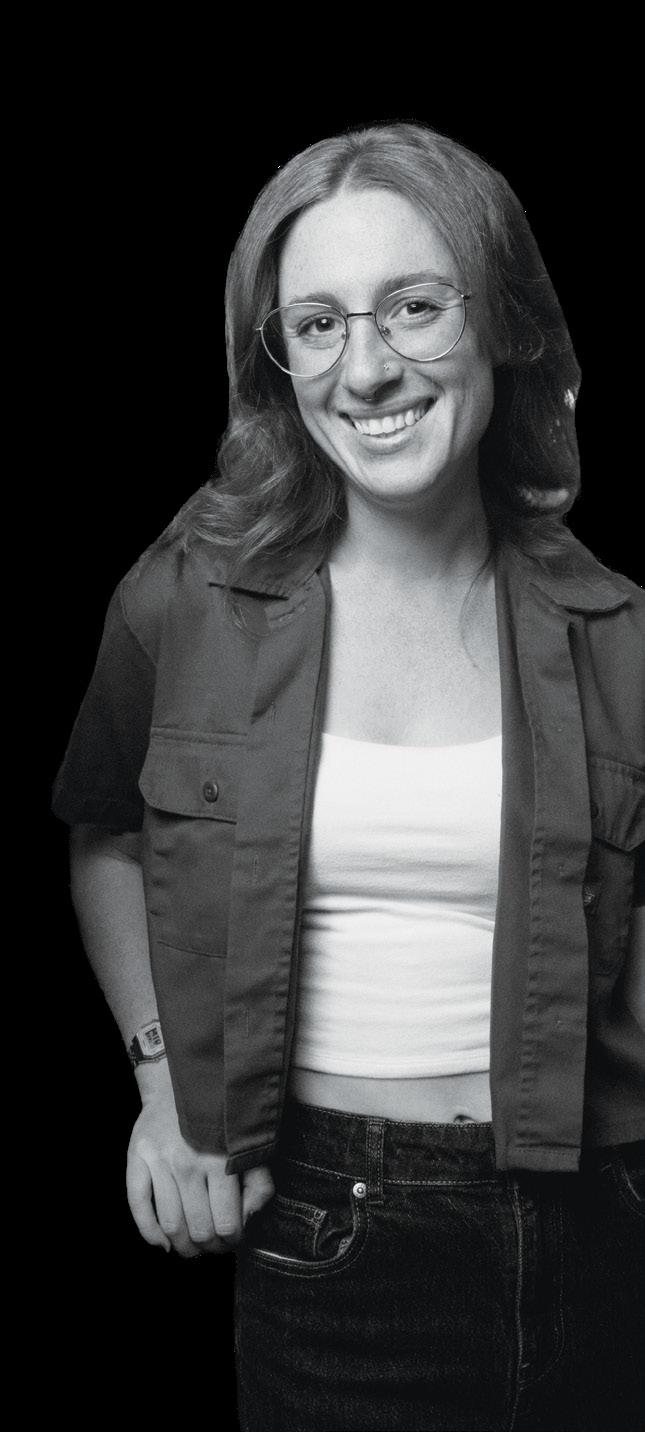
The executive producers behind Netflix’s Mating Season, Andrew Goldberg, Mark Levin, and Jennifer Flackett, preview the animated adult comedy that balances horny with heartwarming.
BY DANIEL KURLAND
Netflix’s Big Mouth was a breath of fresh air when it debuted back in 2017. The daring and debauched animated comedy evolved from fringe fascination to one of Netflix’s longest-running series with eight seasons, over 80 episodes, and a spinoff that lasted two seasons on its own. Now, the same team responsible for Big Mouth’s creative deconstruction of puberty and young love has returned for an equally outrageous series about sex.
Mating Season swaps pubescent humans for hormonally wild woodland critters. A bear, a raccoon, a doe, and a fox guide this chaotic revue on the birds and the bees. And while the series may be set in a forest with a bunch of filthy animals, it looks at dating, sexuality, age gaps, breakups, and even dating apps with a stunning clarity that’s deeply human. Ahead of Mating Season’s May premiere, executive producers Andrew Goldberg, Mark Levin, and Jennifer Flackett break down what to expect from their new animated comedy, why it’s really a love story, and the surprising sitcom that it draws inspiration from.
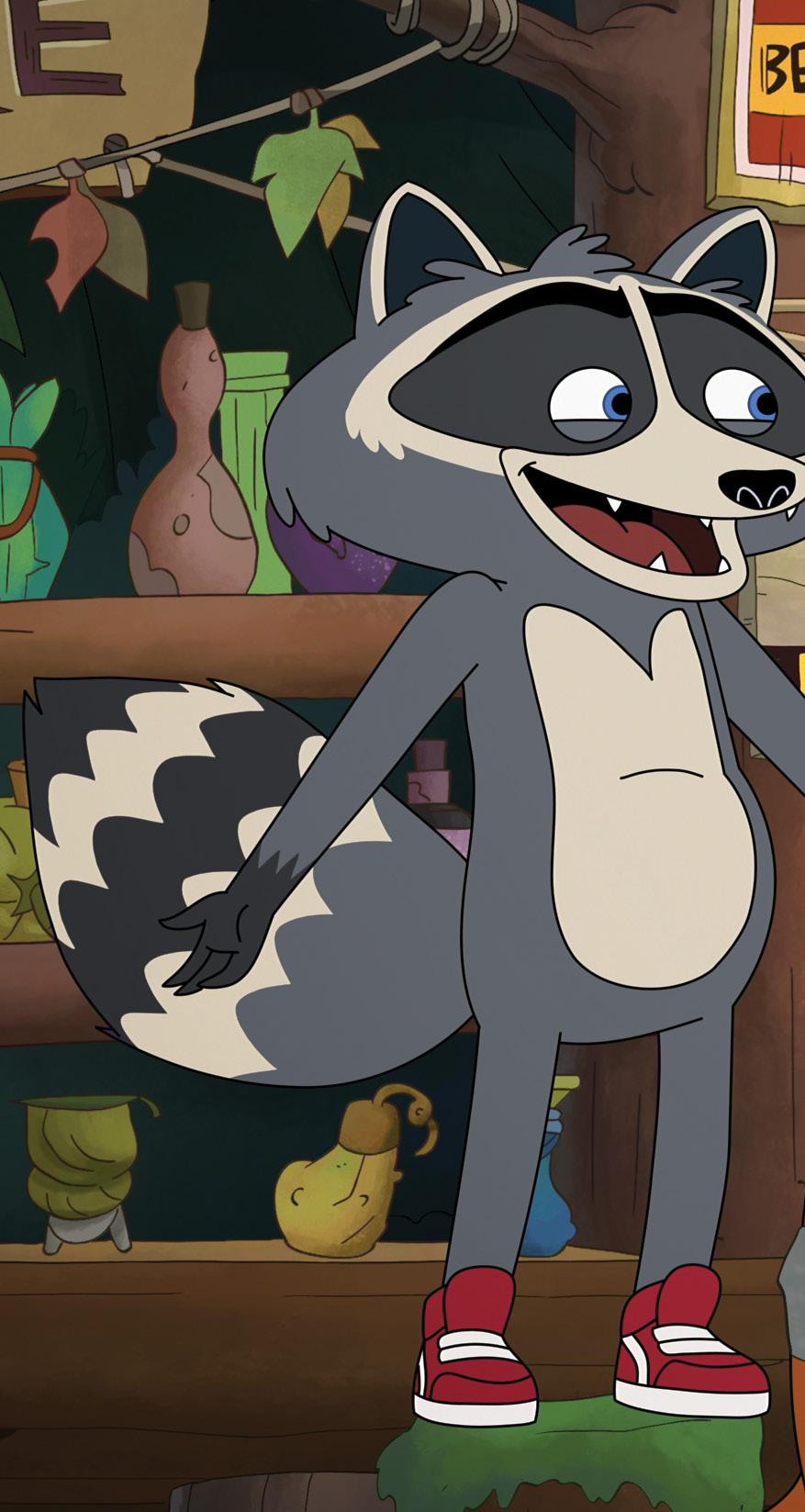
were trying to come up with ideas with people in them, and it always felt like any of that should be live action.
Then we kind of said, “Well, with Mating Season, you know why that’s animated.” And not only that, but on Big Mouth, we always felt like we had to use a metaphor with sex because showing it just wasn’t that funny. Somehow, sex with animals feels different and funnier too. It made sense when we put all that together in the stew, and it answered all the questions.
DEN OF GEEK: How did you decide that you wanted to do a mature animated comedy through the perspective of animals? Is this an idea that had been on your minds for a while, or was it a concept that Netflix approached you with while on Big Mouth?
MARK LEVIN: We always keep a list of things we want to do. At one point, I think we were talking about even doing an animated feature with this idea of a sex comedy within the
animal kingdom. But as we turned the corner on Big Mouth and thought about what’s next, it rose to the top of various projects.
JENNIFER FLACKETT: We were sort of thinking about the fact that we wanted to do something about the next phase of life. In Big Mouth, you were really around young people. You had to be careful with what you would do with them emotionally and sexually. We felt like we wanted to do something about your next phase, your 20s, but it really didn’t work. We
There must also be a broader appeal in using Mating Season to critique humans through a unique lens.
JF: Exactly.
ML: Very human. If we just close our eyes, or when we build our radio plays, we may as well be telling stories about humans. It’s always special when you get to be able to make it specific to the animal kingdom.
JF: The “copulatory tie” from the first episode is really fun. It’s fun whenever

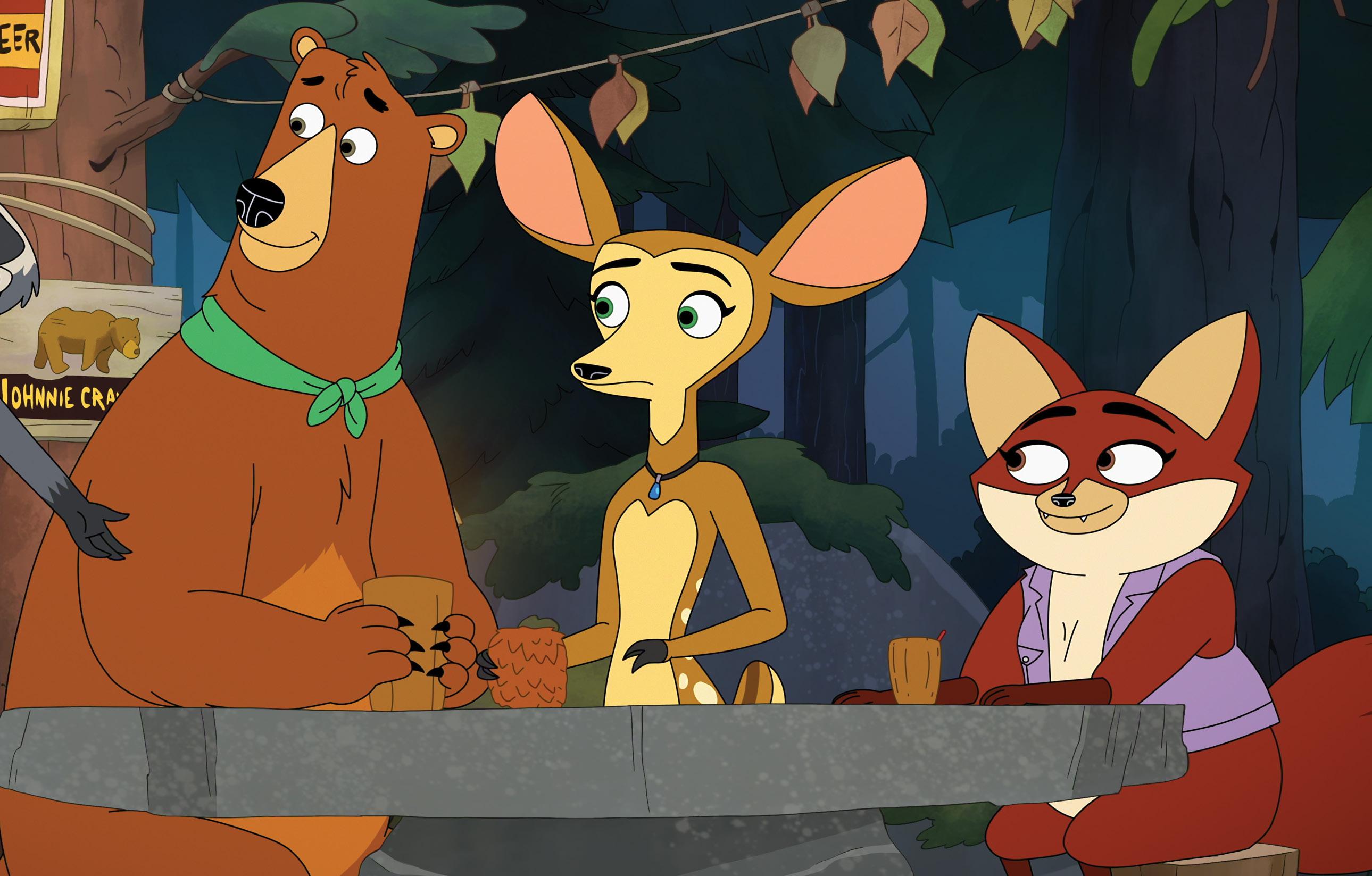
we find a thing that totally works for both humans and animals. That’s really where we hit our sweetest spot.
The “copulatory tie” angle of the premiere feels like the perfect premise where you find this extreme aspect of animal sexuality and use it as a commentary on human relationships, codependency, and toxic bonds. Why was this the right story for the premiere, and did you consider anything else as potential entry points to this world?
JF: No, it was always the copulatory tie!
ML: Once we learned about this unique phenomenon, we thought, “Oh, there’s a great story there.” Then, obviously, the metaphorical aspect of it all emerged simultaneously as we were writing it. We’re realizing that this is a metaphor for entering a
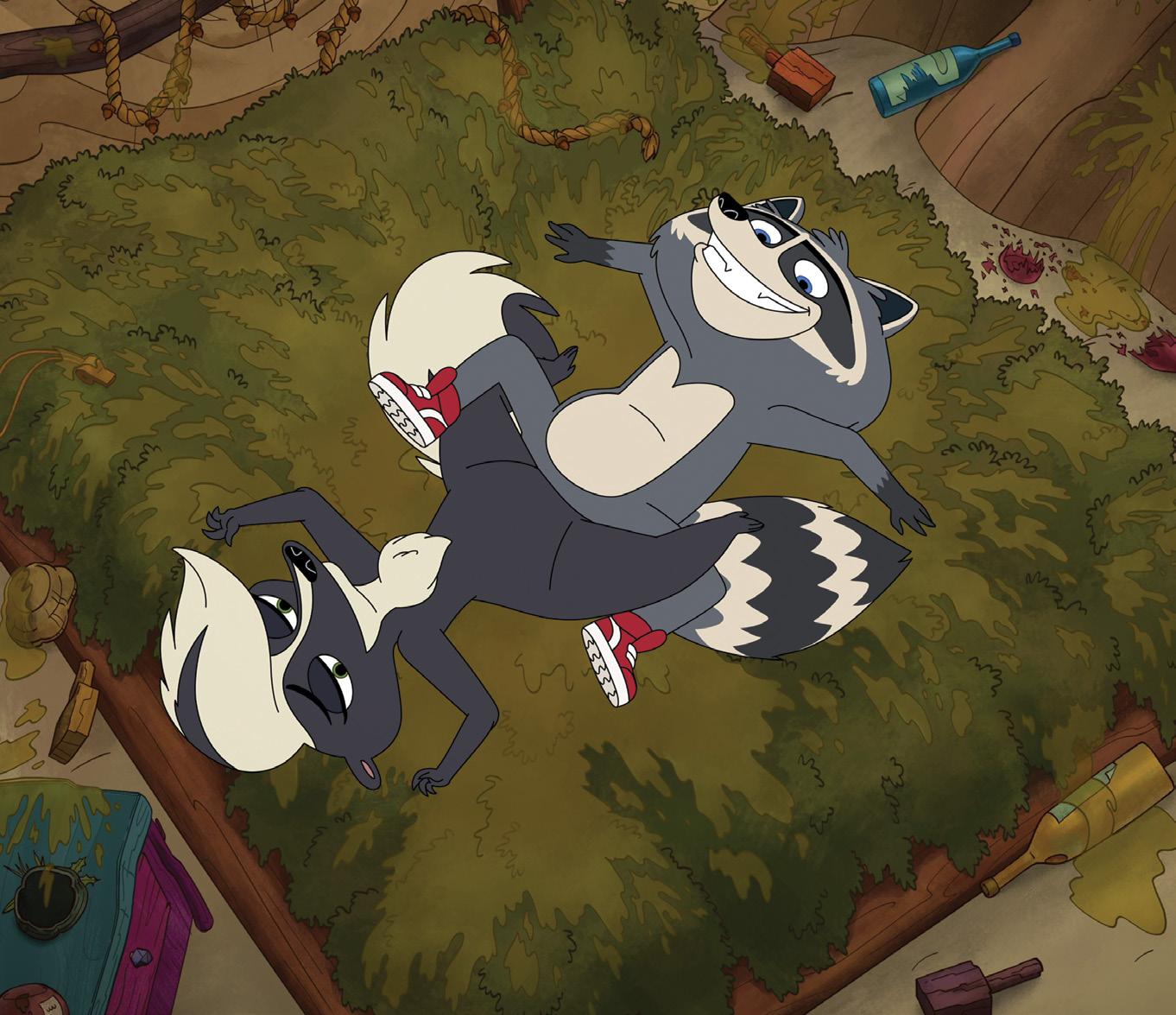
relationship prematurely and the commitment issues that stem from that.
ANDREW GOLDBERG: I think it’s fun because so much of Big Mouth was inspired by us sitting around in a room and talking about the most humiliating things that happened to us during adolescence. Now we’re sitting around and talking about the most humiliating things that happened to us when we were young adults. Or even just drawing inspiration from our current relationships. It’s the same sort of thing where we’re bringing these human stories and then figuring out how to tell them with animals in a way that makes them funnier.
In Big Mouth, you all had characters with designs that were fairly analogous to how you look in real life. Mating Season is obviously a different story. How did you decide on why these specific animals should represent these characters?
JF: Well, Nick [Kroll] loves raccoons,
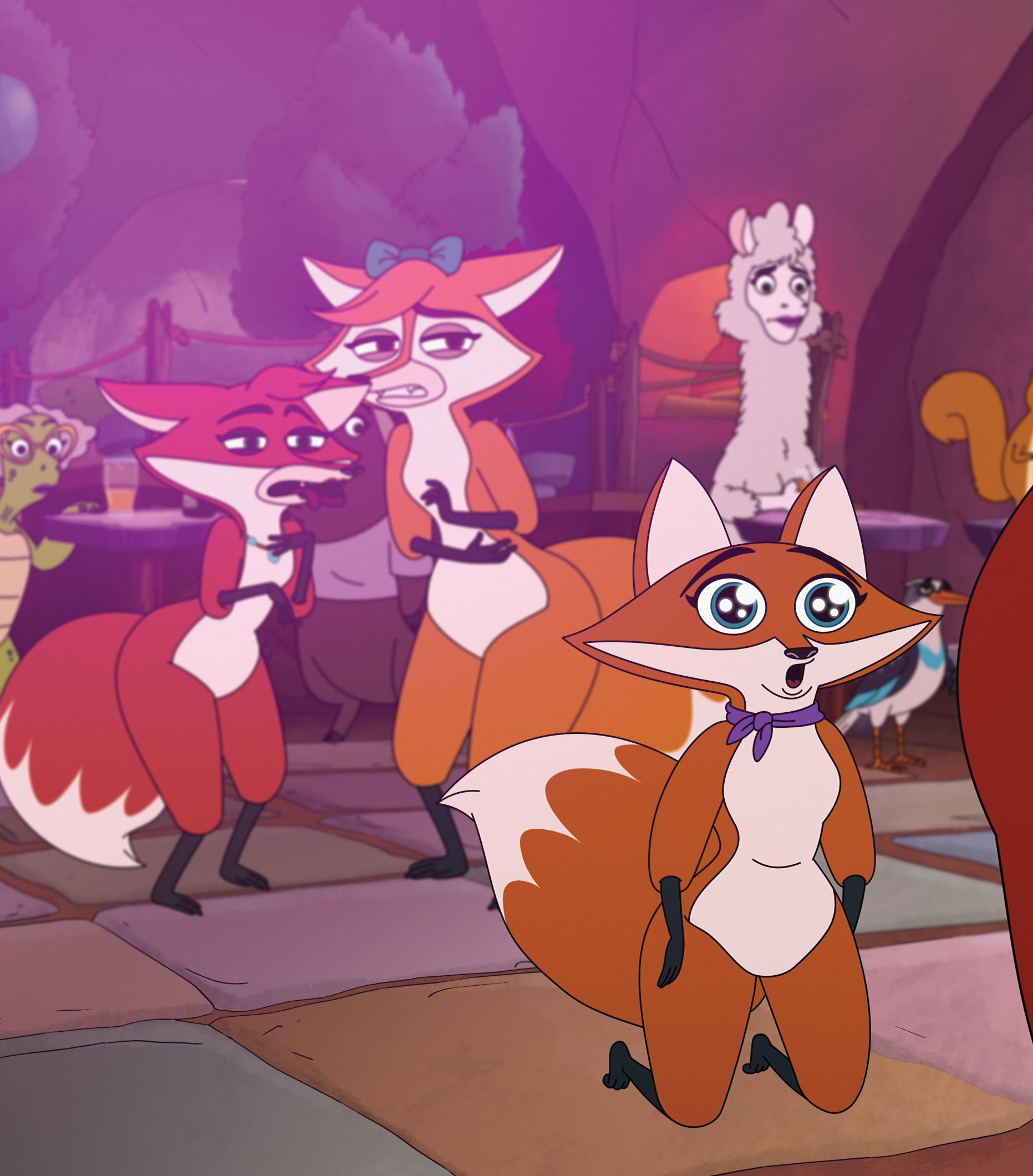
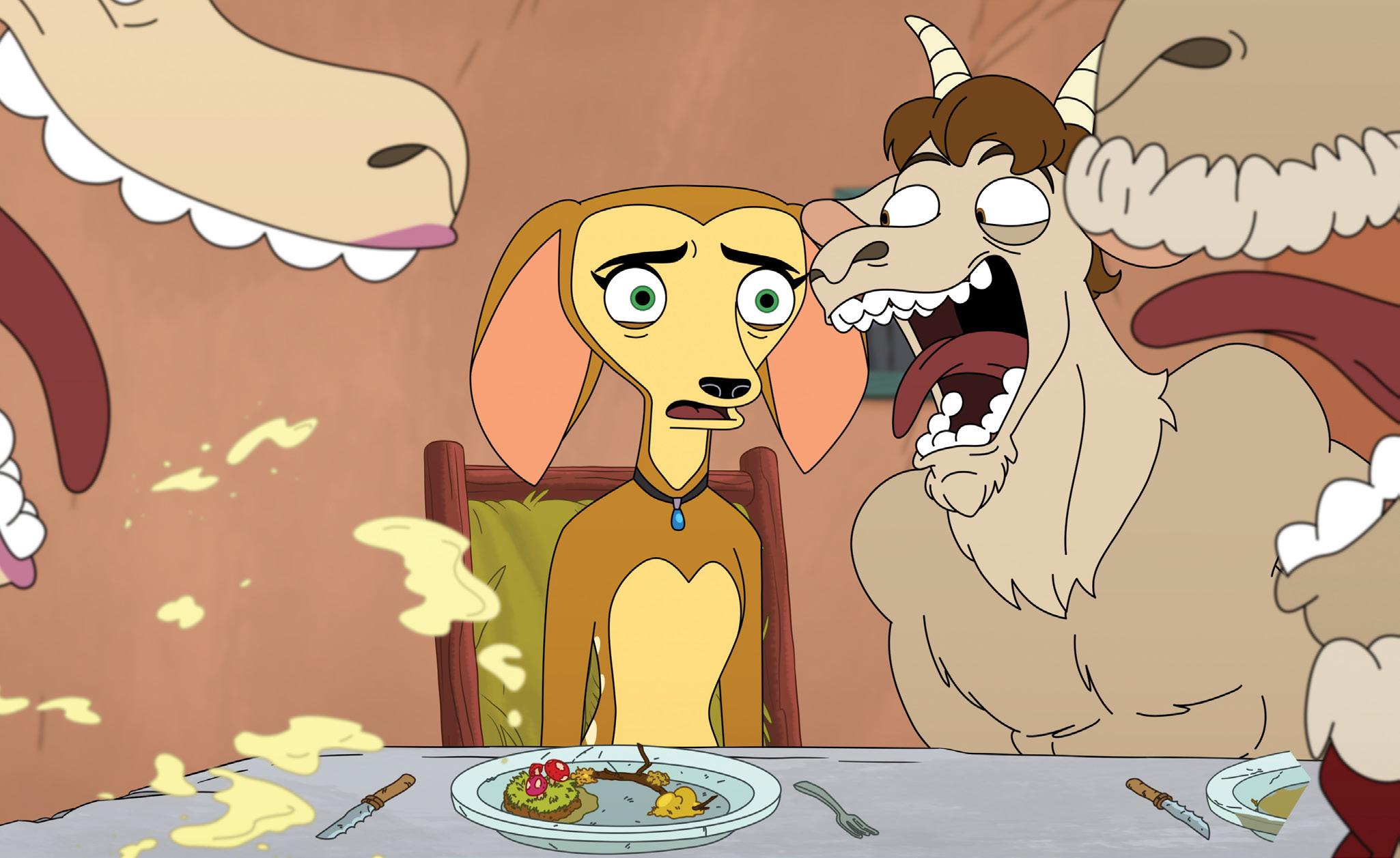
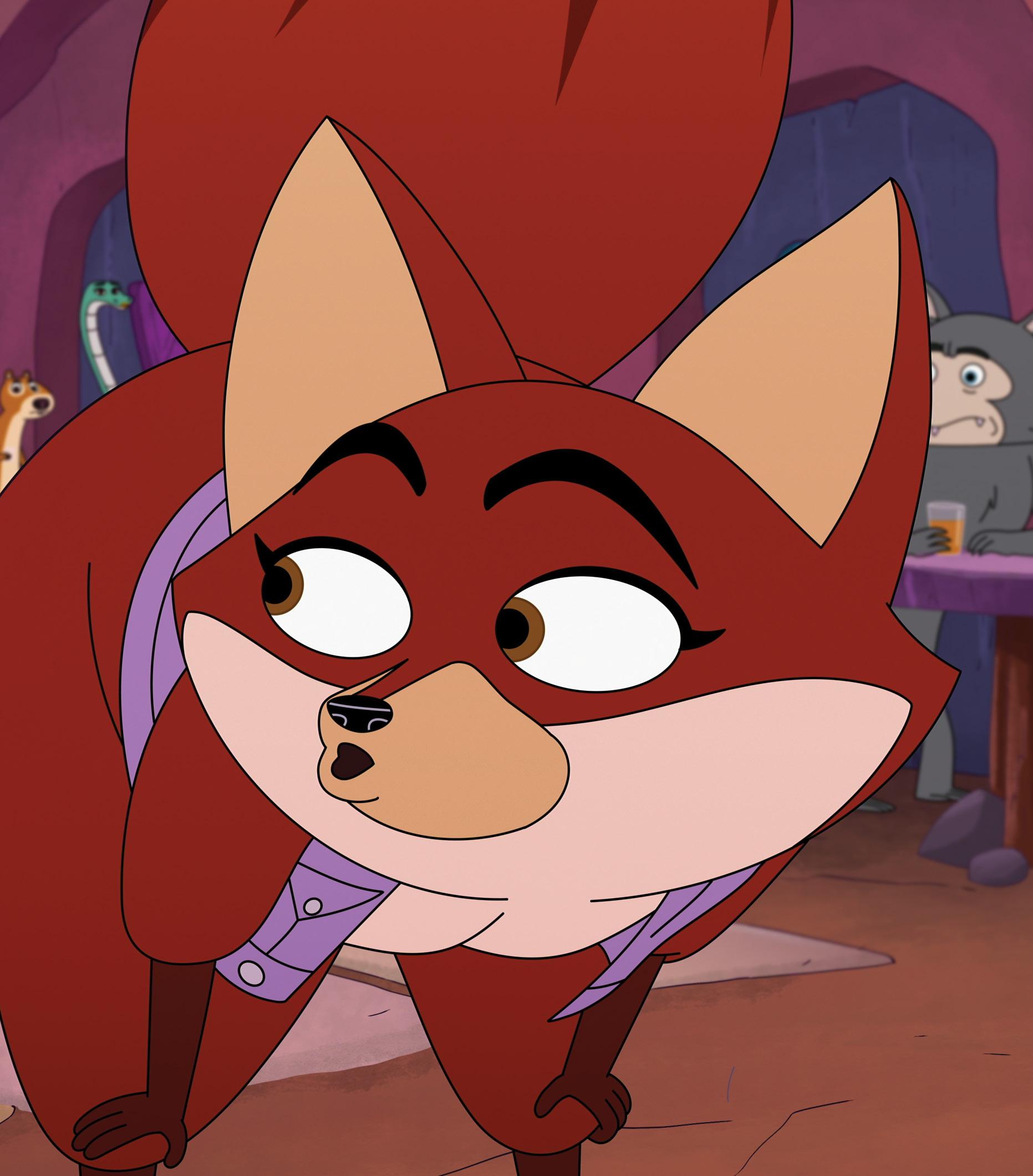
You have to know about holes, both metaphorical and literal.”
ANDREW GOLDBERG, Executive Producer
as do I, I will say. So the raccoon was always the raccoon.
AG: Nick’s always wanted to be a raccoon. He’s got a great affinity for the creature.
JF: That was really easy and came fully formed. I kind of feel like Josh [voiced by Zach Woods] was always a bear because we wanted that big and little contrast again, like we had on Big Mouth. And then for the other characters, we really wrote it for June [Diane Raphael] and Sabrina [Jalees]. Those were always the four that we wanted. They were kind of inspirational too. I think Fawn is so beautiful, and June is so beautiful. AG: And for Penelope, we were really interested in the idea of a fox who doesn’t feel foxy.
There’s such a wide roster of animated animal shows out there. Is it fun to disrupt that space?
You’re riffing on things like Hanna-Barbera.
ML: It does have a “Sexy Yogi Bear” vibe, doesn’t it?
JF: The Flintstones too!
AG: Definitely The Flintstones. I think one of the things that we discovered early on in the first episode is when they’re talking about Bambi, and it’s treated like he’s Michael Jackson. We love the idea that their celebrities are these famous cartoon animals. Garfield comes up later in the season, and just the idea that Yogi Bear is like a touchstone of theirs.
ML: But our inspiration is really coming from sitcoms! Sex and the City
JF: Friends! Seinfeld, New Girl
ML: Shows that explore relationships and maybe in a sex-positive way. Those shows feel as much a cousin to Mating Season as the animal shows
do. It’s the intersection of those two genres.
Big Mouth would be very silly, but it still featured really satisfying evolutions for its characters. Would you say Mating Season is going for something similar or more episodic?
ML: It’s a little of both. In some ways, we like the idea of a show where you can jump in at any point and not need to catch up on the whole. Each episode has its own integrity, and you could show up and just enjoy the beginning, middle, and end of that episode. At the same time, over the first season and then subsequent seasons, our goal is to make the relationships richer so that people care more about the characters. That little bit of caring and love is the ingredient that made Big Mouth special and allowed us to do the raunchy stuff that we did. That balance is still with us on the new show.
AG: I think of it a lot like Friends where you can pop into any episode of Friends, and it exists as its own contained thing, but when you’re watching, it’s also like, “Oh, this is the season when Chandler and Monica
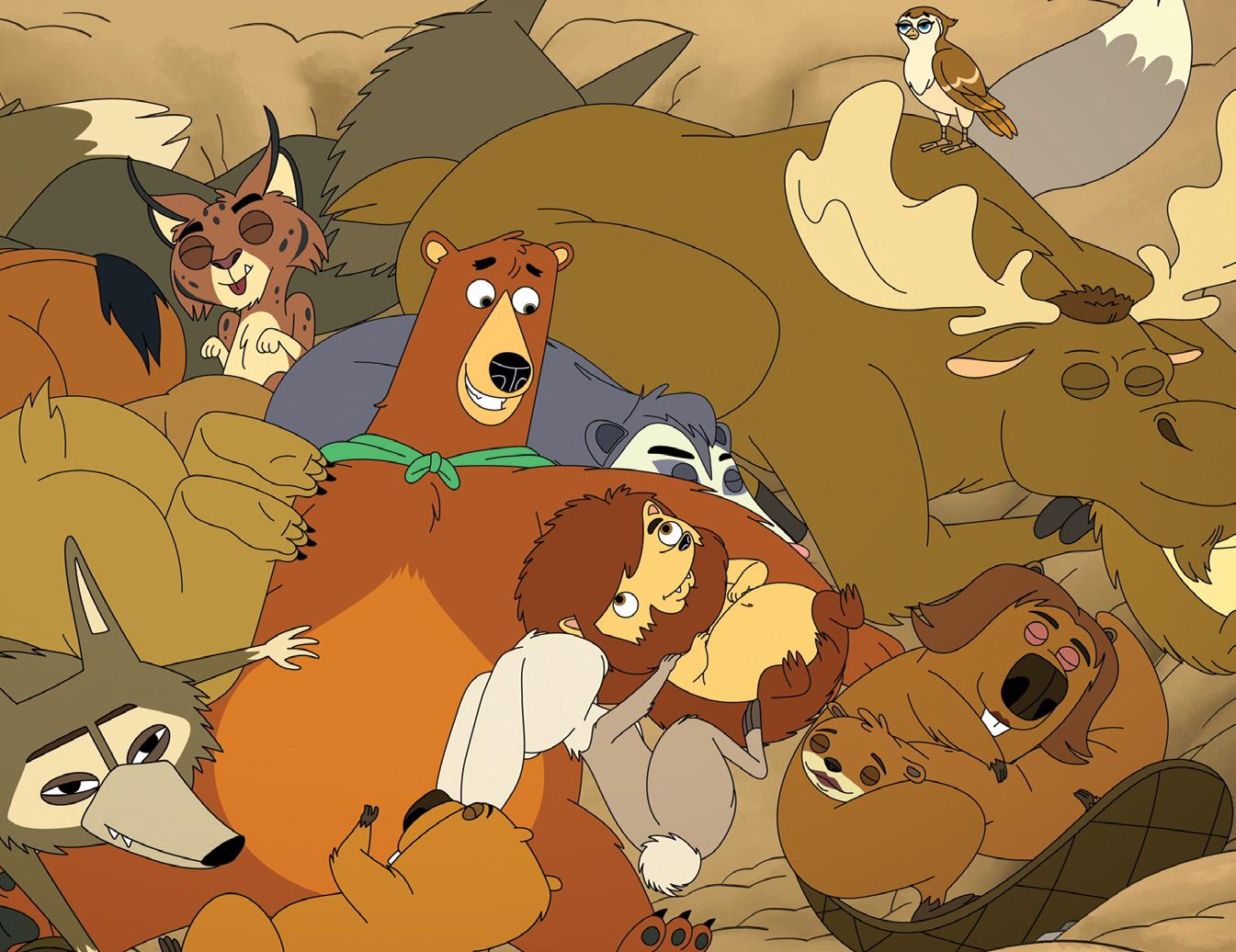
were secretly hooking up.”
JF: “Oh, this is the Tom Selleck season.”
I really love Mating Season’s opening credits, which feature real-life nature footage of animals. How did that idea come about, and have there been thoughts on mixing real-life nature footage into the show in other contexts and playing around with mixed media?
ML: This was the only real context that we considered. Our editor/ producer, Abe Forman-Greenwald, had built a version of that main title into the very first radio-play rough cut he was building. Just YouTube clips. And it seemed so right upon seeing it that we really kind of locked in on it. Then it was just a matter of finding the best real-life animal footage. It puts the whole show immediately in a context of real life.
AG: I love that it reminds the viewers that animals are real. They’re out there!
JF: They make out.
ML: They get with each other! It is a really lovely idea that immediately takes people into the show and provides a lot of context.
JF: It was really exciting when we saw that for the first time because we were
all like, “Oh, our work here is done.” And that was a really nice feeling.
Are we ever going to see humans in the series? Is that something that you’ve thought about at all?
ML: We generally live in a humanfree world, but they’re referred to, even in the first episode. They’re hunters. They’re a catalyst for the story. So they’re there, but it’s rare. Like in Peanuts, you know, the grownups were kind of there and not there at the same time. That’s our inspiration for our relationship to humans. As we go on and on, whether there’s an exception to that, we’ll see. But right now, we’re in the forest with the animals.
JF: It’s funny because I remember in one of our stories we sort of had humans, and then we were like, “No, no, no. We can do this story without the humans. That’s better.” Because it raises too many questions.
AG: It’s just more fun to live in that space. When I think about humans in the show—there’s a cold open in one of the later episodes where Ray [the raccoon] saves a child animal from getting hit by a car. You never see the driver but you see the big truck bearing down on this little animal. That’s their
experience with humans. That’s the level of interaction that they have with them.
Mating Season is presented as a comedy driven by sex, but it also seems just as interested in telling stories about death. Is there a darker side to this series that slowly reveals itself?
JF: We really think that it’s about sex and it’s about love. Ultimately, I think all these animals want to find love, and that was the thing we really realized as we were constructing our first season. I think we thought the show was going to be more about looking for sex, but no, it’s really about looking for love. We’re all softies too. So, as we realized that and decided to really lean into the romantic comedy of it all, that’s when we really began to understand what the show was.
AG: I think this was especially the case with Nick’s character, Ray the raccoon. That was a character that we really started out viewing as “the sex guy,” but as we started telling these stories with him, we realized, “Oh, he wants sex because he wants connection.” He wants to feel like he belongs. He wants somebody to love him more than just fuck him.
JF: Even in that first episode, he has a very complicated relationship with his mother, and we really meet the mother. We really see that he is a hole that needs to be filled.
AG: By filling other holes.
JF: Exactly. And the hole in his heart. AG: You have to know about holes, both metaphorical and literal.
Mating Season is coming to Netflix on May 22.
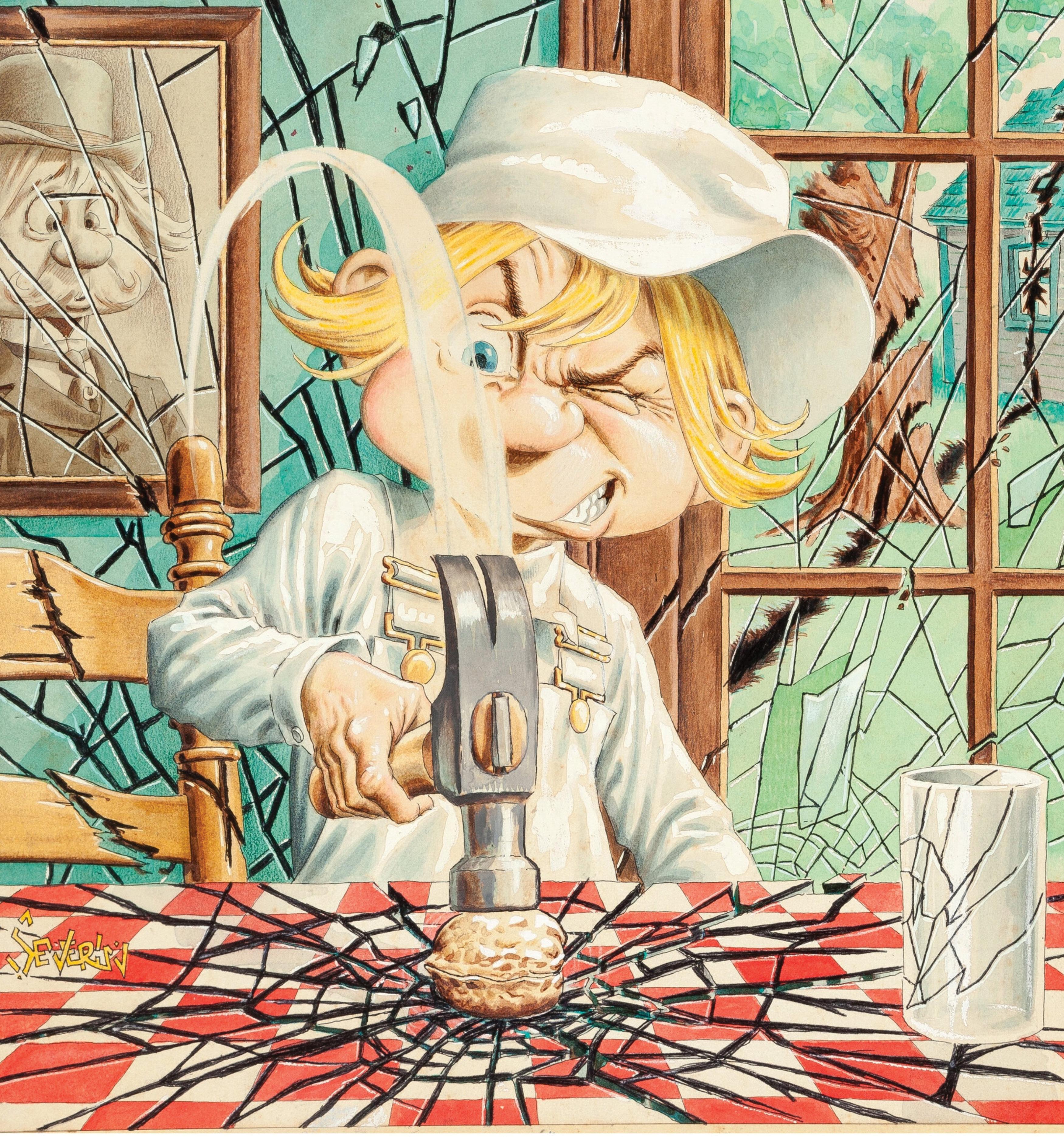
THERE’S MORE THAN ONE WAY TO GET .