Spark curiosity. Ignite learning.
BUILD YOUR COMMUNITY through social media
RETHINK SPACE DESIGN without a budget SUPPORT global literacy

Spark curiosity. Ignite learning.
BUILD YOUR COMMUNITY through social media
RETHINK SPACE DESIGN without a budget SUPPORT global literacy
The library is more than just a home for books. It’s a place that grows into a Saturday morning ritual for families and their young children, a spot where new and familiar friends can catch up and try out a new craft together, a quiet study space for students after school, and so much more.
There’s so much to love about libraries.
Creating somewhere you and your visitors love now and in the future requires us to make the most of our library’s spaces. From getting the word out about all the learning opportunities at your library to designing flexible, collaborative zones, everything adds up and creates a one-of-a-kind space everyone enjoys.
Inside, we’ve curated a collection of insights and inspiration to help you create a space everyone wants to be in. In our all-new issue of the Array, you’ll find ideas for leveraging social media and incorporating trends into your outreach efforts, tips for supporting your different groups of visitors through programming tailored for all ages, approaches to rethinking space design, and inspiring stories of other libraries nationwide (and even globally) that transformed their spaces to serve their local communities better.
As always, we’re honored to support you in everything you do. Let’s make this year the best one yet for your library and your visitors.
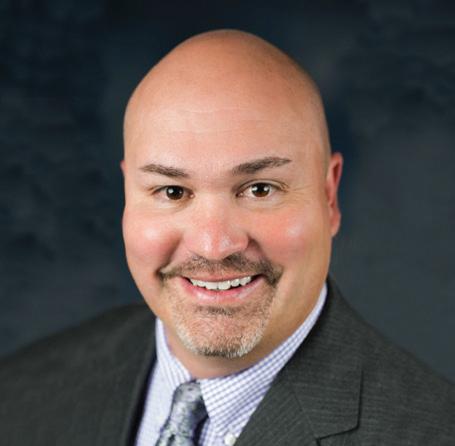

Chad Edwards, CEO
The Demco Array celebrates the role of librarians and pre-K–12 educators in our communities while sharing an array of ideas and inspiration to help you spark curiosity, ignite learning, and transform lives.

When you partner with Demco, you gain unrivaled service and support, plus the power of choice through our proprietary solutions and a curated portfolio of on-trend products from other industry leaders.
We are an industry-leading learning environments company with a single goal: empower every learner to reach their maximum potential.
We offer many proprietary solutions developed through an educator’s lens.
We have longstanding relationships with industry-leading suppliers that allow us to offer thousands of solutions, preferred pricing, and quicker warranty issue resolution.
Our in-house team stays up to date on trends, teaching and learning modes, and innovative furniture solutions to create inspiring and effective learning environments.
We are with you every step of the way, from initial needs assessment through implementation training and follow-up support, so you can focus on running your space.
We partner with industry experts who provide even deeper insight into space design and utilization.

“Demco’s designs looked great on screen and translated beautifully in real life.”

Gina Lunsford, Librarian, The Woodlands Christian Academy (TX)
Whether it’s a replacement for your favorite chair or a brand-new design for your classroom or library, we’ll help you find the perfect solution.


By Kate Larson and Demco
See how to leverage social media and give your library’s visibility a boost within your local community and beyond.


Kate Larson Writer, Researcher
Kate has a background in non-profit communications and is particularly interested in the ways that language drives behavior changes through education, awareness-building, and the power of an irresistible narrative.
Andrea Trudeau, Ph.D.
Library Information Specialist, NBCT
Andrea is a 2025 Library Journal Mover & Shaker and a 28-year veteran educator who has cultivated active, human-centered learning commons in her public middle school, emphasizing community, creativity, critical thinking, and fun.
As a Fulbright-Hays scholar in 2022, she spent nearly six weeks in rural Tanzania and Kenya teaching secondary students in public and private schools — an experience that sparked her passion to cofound Librarians Building Libraries and promote literacy worldwide.
Introducing the Ignite Furniture Collection from Demco
By Demco
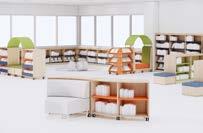
Explore a behind-the-scenes look at the creation of Ignite, Demco's new bold, browse-ready library furniture system.
By Kate Larson
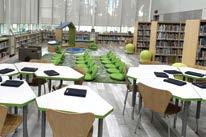
Create engaging, empowering, and fulfilling programming tailored to older adults in your local community.
By Demco
Discover how small, research-backed design shifts can transform how patrons experience your library.
By Demco
Hear firsthand from Andrea Trudeau, Ph.D., a veteran educator and librarian, about supporting underserved library communities.
ByKateLarsonandDemco
No matter the size or location of your library, you’re likely to face a similar challenge: helping your local community understand (and get excited about) all the resources and services your library provides.
While it’s easy to avoid and push social media down your to-do list, leveraging social media can result in a major boost in your library’s visibility throughout your local community and beyond. Showcasing what’s happening in your space is a great way to capture the attention of those who might not typically visit or even be aware of what your library offers.
For example, according to a recent report from the American Library Association (ALA), 43% of Gen Z and Millennials surveyed didn’t identify as readers, but more than half of those same people still visited their local libraries in the past 12 months.
“These digitally-immersed generations make clear that libraries are about more than books,” said former ALA President Emily Drabinski in a news release about the report. “Programming relevant to teens and their parents — coding clubs, job application help, gaming — draws even non-readers to the library, as does the physical space to connect and collaborate.”
While you’re familiar with all that your library offers outside of the traditional services people know, social media helps you share a bit about what’s happening in your space. Reaching members of your community who are unfamiliar with your offerings will hopefully inspire them to take a trip and check everything out for themselves.
Social media is a great way for your library communications to get informal and casual (and sometimes downright silly)! The fast click-cycle of social media platforms makes them the perfect place for book-related puns, gushing about a great new title, and lighthearted updates that might not merit their own newsletter announcement.
These digitallyimmersed generations make clear that libraries are about more than books.”
—Emily Drabinski , Former ALA President
“Social media is brand awareness … It’s really an important way to get the name of the library out there and to showcase the different things that you are doing in the community,” said Liz Boyd, a marketing specialist at Madison Public Library in Madison, Wisconsin.
“It also showcases the library’s values, because of the way that you write the content and the things that you’re featuring.”
Each year, the Public Library Association (PLA) conducts the Public Library Staff Survey as part of a commitment to understanding and addressing the evolving needs of library staff across the country.
According to the 2024 survey:
• 71.1% of all public libraries had staff dedicated to community engagement in 2024, an increase from 65.6% in 2021.
• Roles pertaining to public programs increased from 73.8% in 2021 to 78.7% in 2024.
• Staff dedicated to social media and digital outreach increased from 67.0% in 2021 to 71.8% in 2024.
Public Library Staffing Report: Results from the 2024 PLA Survey
Some of Boyd’s best-performing posts on social media, she notes, are informal snapshots of moments that took place in a library branch and caught a librarian’s attention.
Shining a light on these informal snapshots often makes the library feel more approachable — an important piece of the puzzle for ensuring nonregulars or first-time visitors feel welcome and that the library is a part of the local community.
Typically, people avoid the library for five reasons:
1. No interest. Not in general, nor at this point in their lives.
2. Other alternatives. They feel they have alternatives to the library with different options for books, internet access, quiet spaces to read or study, and opportunities for education and community.
3. Lack of awareness. Visitors are unaware of library services beyond book borrowing or may not realize they’re welcome to use the library regardless of immigration or housing status.
4. Limited or no access. People either lack access or are limited by transportation, open hours, disability
access, or internet access for digital services.
5. Negative experiences. These could include late fees, unfriendly interactions, or confusion about policies or how to access services.
Understanding these reasons is valuable and a good starting point for guiding your library’s local community outreach efforts through social media.
There are clear advantages for libraries that use social media. Depending on the size and location of your library, your social media strategy may look a bit different, but the approach is similar. Don’t worry if your library hasn’t gone social yet or has accounts that feel a bit neglected. There are a few simple steps you can take toward using social media more strategically.
Social media is brand awareness.”
—Liz Boyd , Marketing Specialist at Madison Public Library (WI)
The right platform really depends on your library’s goals with social media and who you’re trying to reach. As a general rule, Facebook is recommended for reaching those who are over 40, Instagram is for those between the ages of 25–40, and TikTok is for those younger than 25. Video content tends to do
extremely well on almost every platform and is a great way to build brand awareness around your library, but producing video content can be time-consuming.
“Try to evaluate as clearly as you can who your planned audience is, and if there’s an audience segment that you really want to reach,” Boyd says. “People have the idea that ‘if I’m going to do social media, I have to be constantly posting and … it’s not realistic.’”
DETERMINE DIFFERENT CONTENT OPPORTUNITIES:
While many libraries share upcoming events and announcements on social media, it’s worth thinking about other things you can highlight. This includes services your local community might not know about, book recommendations, or day-in-the-life stories from the library. Post what feels right to you and remember that you can always adjust things down the road. It’s okay to have a rough plan.
Social media gives us the platform to show a bit more of our personalities. It’s a great place to hop on a fun trend or emphasize that the library isn’t just a quiet study space where talking isn’t encouraged. Think beyond upcoming events and announcements and don’t be afraid to try something new.
For example, the Cincinnati & Hamilton County Public Library in Cincinnati, Ohio, posted a TikTok and went viral. They shared their silly side by pretending to answer followers’ gardening questions, then emphasized that while they’re not gardening experts, the library can help you find what you need. The video gained traction and soon reached far beyond the local Cincinnati community.
Scroll through your own social media accounts and see what resonates with you. Take time to explore and see what some of your favorite library influencers are doing. Someone else’s post might lead to an idea for your library.
Remember, social media is meant to be a space for connecting with others. Don’t be too hard on yourself if a post doesn’t perform well, and don’t be afraid to show off all the incredible work you and your team are doing.
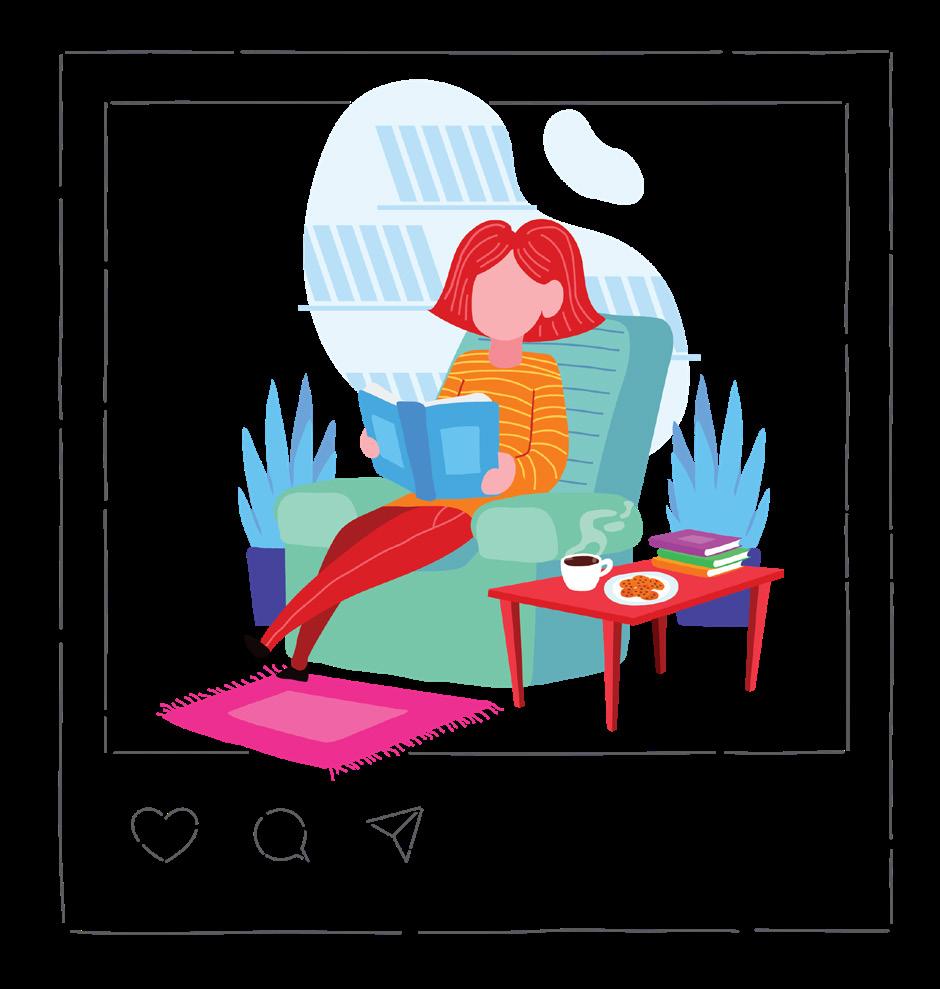
Not sure who to follow? Start here!
Amy Drake, Teacher Librarian @the_snarky_librarian
Gail Borden Public Library (IL) @gailbordenlibrary
Heather Grace, K–5 School Librarian @thecontouredlibrarian
Milwaukee Public Library (WI) @milwaukeepubliclibrary
Mychal Threets, Librarian and Reading Rainbow Host @mychal3ts
“Right this way!” All signs say,
“Right this way!” All signs say,

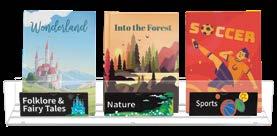
Ensure your visitors can find the way to wherever they want to go.
Shop Wayfinding Products
The “Summer Slide” is real, but so is the “Summer Slump” for librarians who try to throw a program together at the last minute. Start your summer reading program planning now, and you can build a robust, inclusive program that engages your entire community — from toddlers to grandparents.
Here’s a guide to crafting a memorable Summer Reading Program (SRP) for the upcoming season, featuring fresh ideas and the perfect incentives to keep those pages turning.
The first decision is your anchor. Do you go with the national standard or strike out on your own?
For 2026, the Collaborative Summer Library Program (CSLP) theme is “Unearth a Story.” This theme focuses on dinosaurs, archaeology, and paleontology. Evoking ideas of discovery, remembering the past, and digging into a good book.
Pros: It comes with an already-made curriculum, artwork, and a built-in marketing machine. There’s a perfect opportunity to embrace STEAM and creative storytelling and tie in with local museums, parks, and historical societies. It goes without saying, dinosaurs are a perennial favorite for children and families alike.
Cons: This theme may not be tailored to your patrons or fit the goals of your community. Perhaps your area has an upcoming development or sesquicentennial that you prefer to tie in.
If you want more flexibility, consider a broad, evergreen theme like “Reading Is a Superpower” or “Camp Read-a-Lot," both of which can be reused annually by adopting fresh programming. You can tailor your own specifically to your community’s interests and existing collections. It also allows you to reuse decor from previous years more easily.
Whether you choose the 2026 CSLP theme or your own, the key is interactive programming that spans generations.
FOR EARLY LEARNERS AND CHILDREN — FOCUS ON SENSORY AND DISCOVERY:
• Fill sensory bins with sand or kinetic sand and bury plastic dinosaurs, “fossilized” rocks (painted stones), or laminated letters. Challenge kids to “unearth” the
letters to spell out a displayed book title.
• Take the reading outside. Dismantle a picture book and place laminated pages along a path near the library. Have a question or a hidden object to find on each page.
FOR TEENS — FOCUS ON MAKERSPACE AND SOCIAL NETWORKS:
• Use your makerspace supplies to have teens create “future artifacts.” What would a cell phone or a game controller look like to an archaeologist 1,000 years from now? They can sculpt, paint, and write museum place cards for their items and display them in a mini museum.
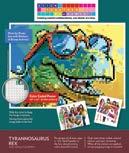
• Use Demco Upstart® Color Craze coloring sheets, StickTogether® posters, or large butcher paper for social networking. Teens love opportunities to doodle and color while hanging out. It’s a passive program that builds community ownership of the space.
FOR ADULTS — FOCUS ON NOSTALGIA AND EMBRACE LOCAL HISTORY:
• Partner with a local genealogical society or use your library’s database subscriptions to host a beginner’s ancestry workshop.
• Invite history enthusiasts to create a poster timeline of major milestones in your area, including prehistoric inhabitants and plants.
• Wrap books in brown paper decorated with fossils and only the genre and a few keywords written on the front. It encourages adults to read outside their comfort zone without judging a book by its cover.
FOR THE WHOLE FAMILY — FOCUS ON OUTDOOR ACTIVITIES AND OUTINGS:
• Host an outdoor movie night (think Jurassic Park or The Land Before Time). Have families bring blankets and offer free popcorn.
• Partner with a local museum to bring actual fossils, or work with city services to bring “digging” equipment like excavators for kids to see up close.
In May, visit local schools to publicize the program. Bring incentives and encourage young readers to get ready to be an expert.
Post sneak peeks of the displays going up, share polls looking for ideas (and the results of their voting), or profile any experts presenting.
Ask your town mayor or school principal to commit to a silly stunt (like wearing a dinosaur costume or getting buried in a sandbox) if the community reaches a collective reading goal.
Incentives offer the cherry on top. Below you'll find some top picks from the Demco Upstart® collection that coordinate well with discovery and reading themes:
UPSTART® COLOR CRAZE READING TRACKER BOOKMARKS. Readers color in a section of the bookmark for every 15 or 20 minutes they read. It provides immediate visual feedback on their progress and challenges peers to keep up.
GLOW-IN-THE-DARK OR SCRATCHAND-SNIFF BOOKMARKS. These classic favorites never go out of style.
UPSTART® POP OPEN A GOOD BOOK POPCORN ECONOMY BOOK BAGS. A sturdy library bag is a badge of honor for an adult or teen powerreader.
STICKERS AND STAMPS. Never underestimate the power of a sticker. Look for the “Reading Star” or dinosaur-themed sets to match the 2026 vibe.



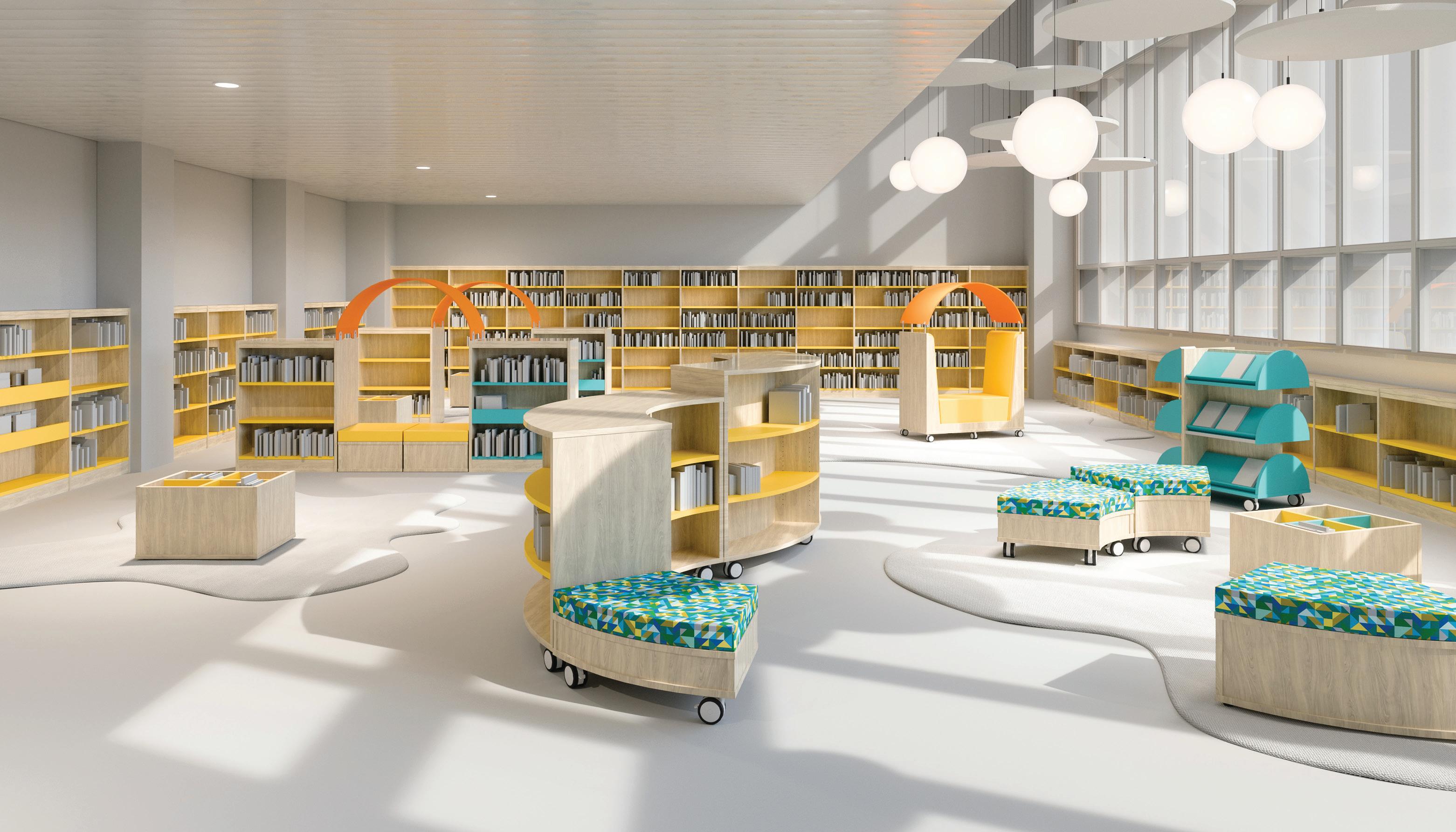
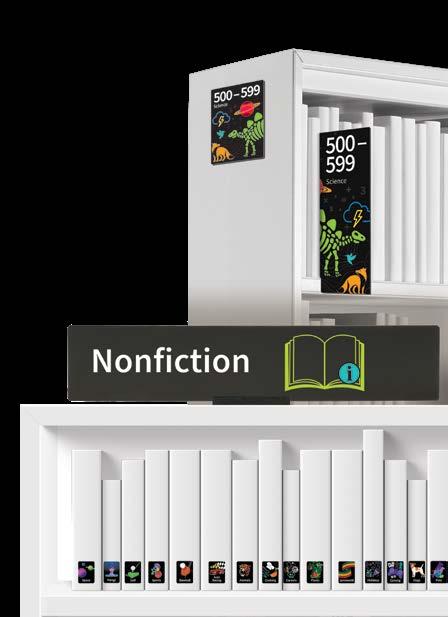
When the Demco team began developing the new Ignite Furniture Collection, they set out to design something that would inspire curiosity, support intuitive browsing, and create a sense of adventure for today’s learners. What started as conversations with librarians quickly evolved into a flexible, customizable system built to make collections more inviting and easier to explore. “We really wanted to break the patterns,” explains Product Manager Courtney Burgasser, who led the early research and exploration of this line. “Traditional shelving can feel overwhelming,
Courtney Burgasser
with long rows of repeating spines. Librarians shared that students engage more deeply when books are displayed face-out and collections feel dynamic. Those insights guided the entire project.”
Product Manager
Over multiple focus group sessions, librarians showed increasing excitement and described their challenges and aspirations for modern browsing that this new line would address. Their feedback shaped the brief handed to Design Manager Steve Gower, who translated those ideas into concepts that balanced functionality, creativity, and flexibility.
“Ignite is built for adventure — for the spark that happens when a student discovers the new and unexpected.”
—Steve Gower , Design Manager, Demco
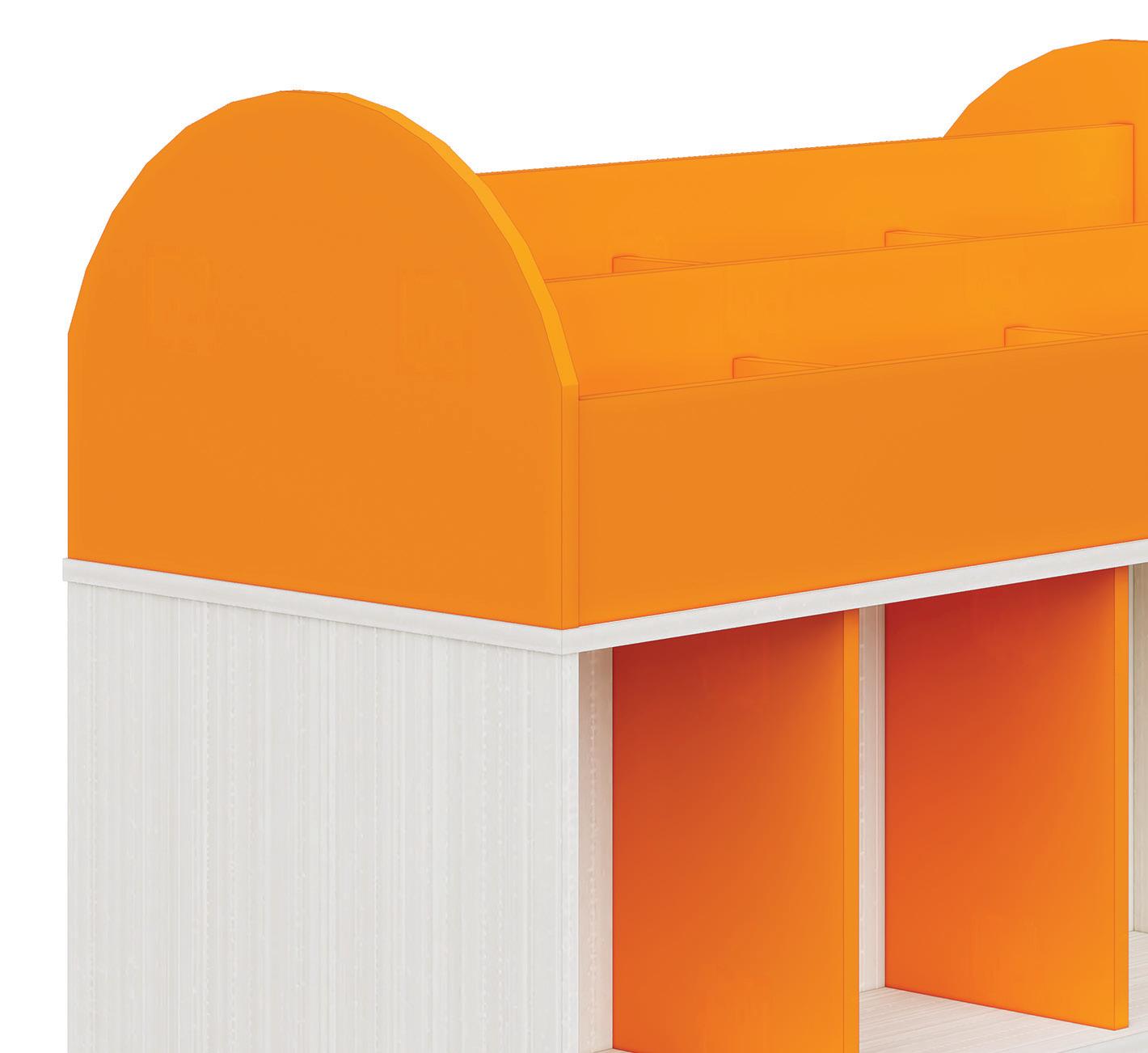
From the start, the Ignite Collection centered on a simple idea: browsing should feel natural and exciting. To support this idea, the line integrates face-out, flip-through, and angled display options that encourage students to approach the shelves and discover new books. “Face-out displays continue to be one of the biggest drivers of circulation,” Courtney notes. “We wanted to make that effortless for librarians.”
Ignite also introduces visual variety through geometry. While traditional shelving is dominated by straight lines, Ignite adds curved shelving,
canopy tops, and sculptural silhouettes that define spaces within the space. These subtle architectural elements help create cozy nooks where students can settle in, read, and explore.
“There’s a sense of movement and adventure,” Steve says. “Ignite isn’t just rows of books. It’s an experience designed to guide and inspire!”
Libraries need spaces that can adapt, and Ignite was built with that very idea in mind. The collection seamlessly blends mobile and static shelving, allowing librarians to rearrange layouts without losing visual cohesion. It’s a level of alignment rarely seen in the industry.
The line includes single- and double-sided units, curved and linear forms, integrated seating, and canopy elements that help define areas for different age groups or activities. “It’s truly modular,” Steve explains. “Libraries can mix and match forms, colors, and functions to create layouts that evolve as their needs do.”
Every element of Ignite was intentionally designed to support merchandising, encourage discovery, and provide multipurpose functionality — three qualities librarians consistently emphasized.
Color plays a major role in the Ignite Collection. By combining woodgrain finishes with vibrant color options, the palette can shift from playful to sophisticated depending on the environment. Customers can choose all woodgrain, all color, or a hybrid approach that combines woodgrain and color, allowing libraries to express their unique identity. “The balance of color and woodgrain creates harmony,” says Steve. “It brings energy without overwhelming the space.”
Before finalizing designs, the team shared early concepts with Demco’s Library Council. The response was immediate: librarians loved the flexibility, the playfulness, and the emphasis on face-out browsing. Their enthusiasm helped refine the designs and confirmed the direction.
“Everything we created had purpose,” Courtney reflects. “Librarians helped shape this line from day one.”
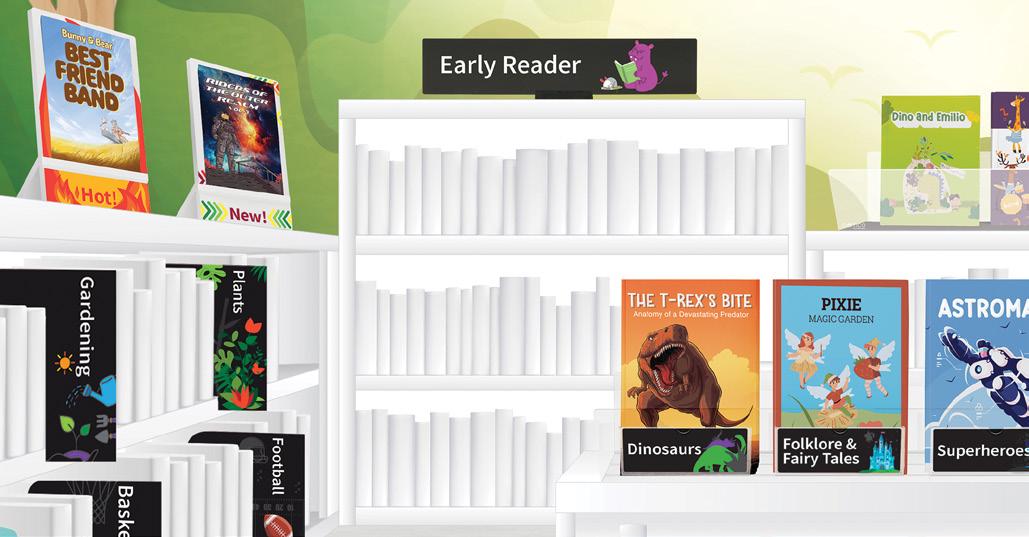
Combine spine-out linear units, browse-friendly bin space, and dynamic display pieces
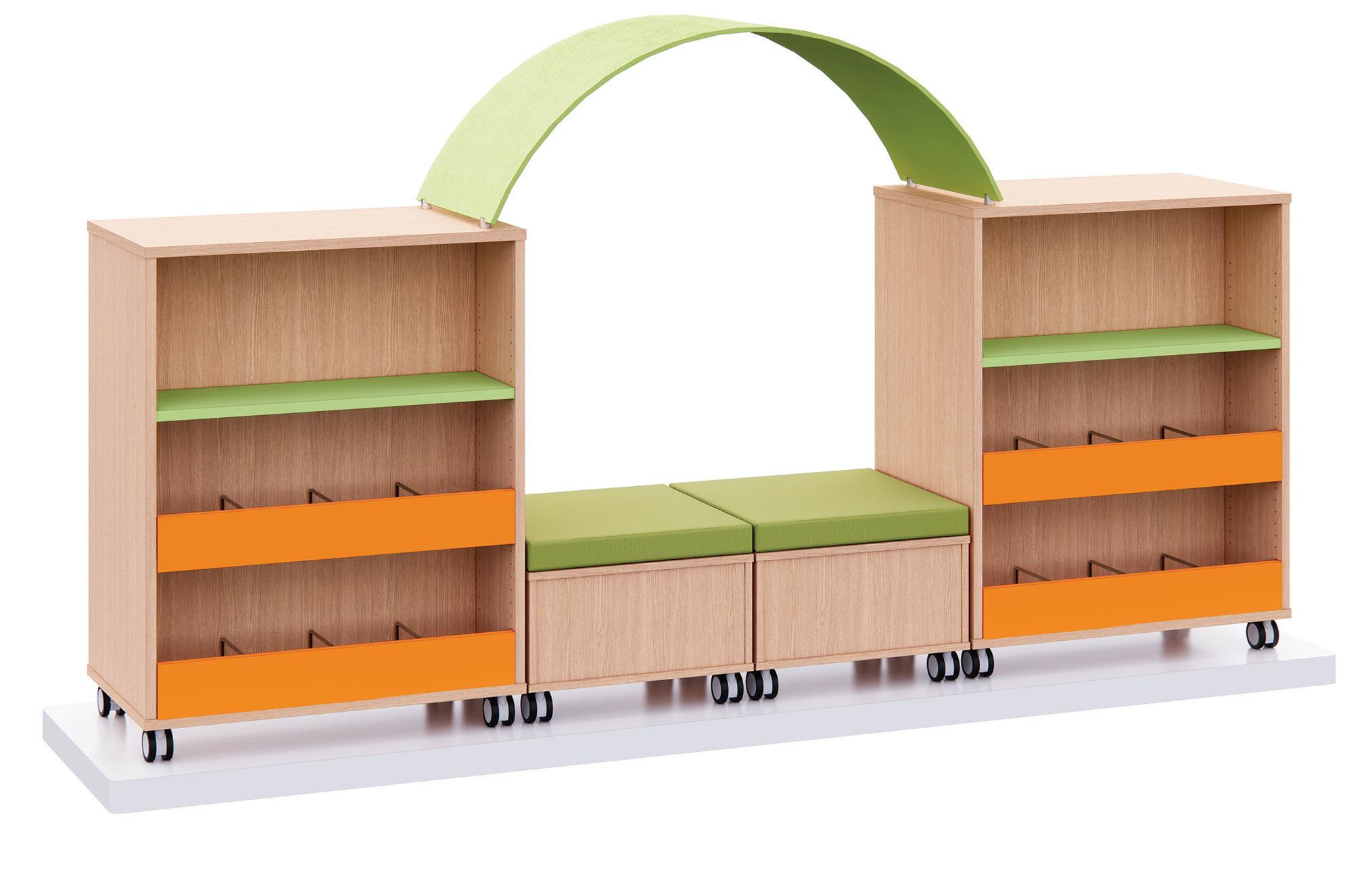
Designed to kindle curiosity, Ignite delivers the high-interest variety librarians keep asking for: space for easy-grab bins, can’t-miss face-out moments, dependable spine-out storage, and mobile pieces that let you remix the room whenever a new idea hits. Slide a unit into the spotlight for a short-term feature, curve a shelving run into a genre hideaway, or roll a nook right where readers naturally gather. Ignite keeps discovery happening all around the library.
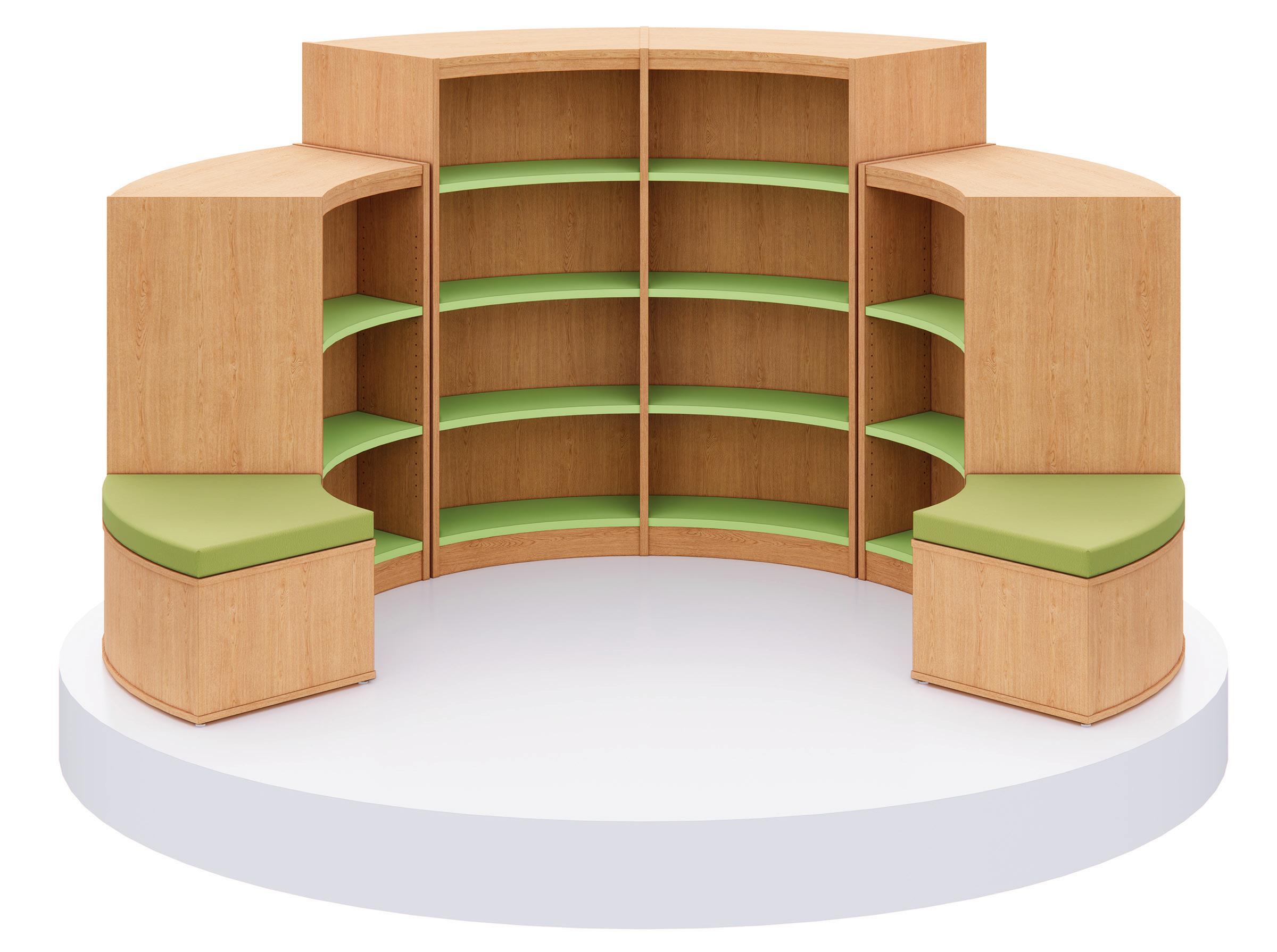

Modular and mobile, Ignite lets you rezone and remerchandise as collections, programs, and spaces evolve
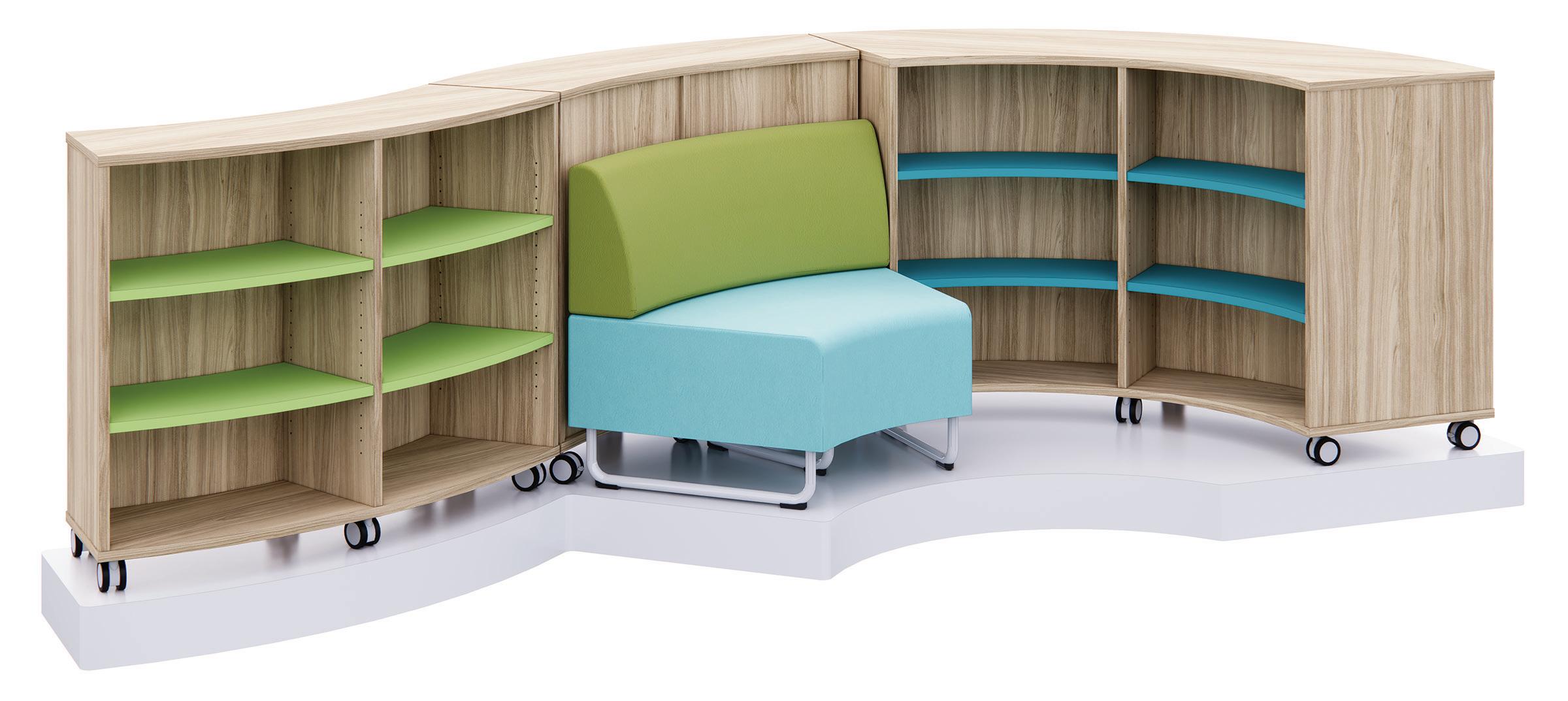
Guide readers to themed zones, new adventures, and lasting connections with destination-building shapes and colors
Kickstart higher engagement and circulation with eye-catching
BY KATE LARSON
Older adults are a fast-growing group and a remarkably diverse one: some still work full-time, some are winding down long careers, and others have been retired for years. They may be exploring new hobbies, taking on caregiving roles, facing health challenges, learning about new subjects — or all the above. Finding ways to meet the needs of such a wide-ranging population may seem challenging.
But here’s the good news: libraries stand perfectly positioned to make a significant impact on older adults’ quality of life by providing thoughtfully
designed services tailored to their specific needs and interests.
1. DEFINE YOUR TARGET AUDIENCE AND GET TO KNOW THEM
Angela Meyers, Coordinator of Youth and Inclusive Services at the Bridges Library System in Wisconsin, is deliberate about using the term “older adult” rather than “seniors.” Research shows that people don’t see themselves as “seniors” and that the word “elderly” is universally disliked among older library users.
Many people trust the library as a source of education, and older adults often find it a more comfortable place to pick up new skills.
So who counts as an older adult? There is no single answer. Some say 50 and up, others start at 55, 60, or 65. It's not about picking an age cutoff; it’s about understanding your patrons.
Meyers recommends leveraging census data to figure out what percentage of your community falls in your chosen age range, and then “just asking [older adults] what they want to learn more about.” Effective programming requires understanding your specific population. Are they gardeners? Grandparents? Healthcare professionals? The topics and events that resonate in one community might fall flat in another. You might find success in all different things: tech programs, book groups, walking clubs, or simply creating opportunities to connect over coffee.
Many people trust the library as a source of education, and older adults often find it a more comfortable place to pick up new skills. In classes or one-on-one sessions, “patrons can come in and learn how to use a smartphone from somebody other than their adult child or grandchild,” Meyers says.
In 2023, the U.S. Surgeon General issued an advisory on the healing effects of social connection. Social connection enhances cognitive function, improves physical and mental health, and prolongs life. Furthermore, community programs create opportunities for connection. Accordingly, Meyers
says when planning library events, “building those opportunities for social connection is really important.” This could mean opening the event space early for socializing or encouraging attendees to wear nametags. Sometimes, Meyers says, it’s simply “not hurrying up and closing the program up right away and letting people linger, letting them talk.”
Thoughtful scheduling: Inclusive practices can be as simple as offering events at a variety of times to accommodate different preferences and availability.
• The San Jose (CA) Public Library offers Digital Skill Building Pathways: self-paced online resources and in-person programs for patrons looking to boost digital proficiency.
• The Senior Outreach Bookmobile at the Billings (MT) Public Library brings library services to senior apartments, residential communities, and nursing homes every month.
• In partnership with the Jewish Council for the Aging, Montgomery County (MD) Public Library held intergenerational book discussions with middle school students and volunteers over 50.
• Through the Library Memory Project, libraries in Wisconsin host memory cafes, offering regular social gatherings for people living with memory loss and their care partners. This growing collaboration currently includes 21 libraries in southeastern Wisconsin.*
*Libraries interested in exploring the possibility of hosting memory cafes can receive free training through the Memory Cafe Alliance™, hosted by Dementia Friendly America®. And anyone who wants to attend a memory cafe can search for local events in the Alliance’s directory, which is updated regularly.
“Sometimes, just by offering it during the day, you might see more older adults come to your programs,” Meyers notes. She also points out, however, that plenty of older adults still work and prefer evening programs. You may also want to consider that some people prefer not to drive when it’s dark.
Inclusive language: A simple choice like book club vs. book group matters, “because ‘club’ makes it sound exclusive, like you can't come in, whereas ‘group’ makes it sound more inviting.” And if you're labeling a program level, try “experienced” instead of “advanced.”
Accessible spaces and collections: “I like to remind people that if you have a large print collection or an audio collection … to have those collections nearest to the door,” Meyers says. “As people age, we get a little bit more aches and pains, and every step counts. So, the closer you can have those items to the front door and the circulation desk, the better.”
Similarly, when it comes to gathering spaces, ensure accessibility to patrons with mobility challenges and offer a variety of seating options.
Additionally, moving programs and services outside the library walls may help you reach more older adults, whether that’s holding library events in other community spaces, operating a bookmobile, or offering book delivery and pickup. “Not everybody has the ability to get to the library,” Meyers notes, “so I think bringing the library to them is really helpful.”
Serving older adults well isn't about one-size-fits-all programming — it's about understanding your community and creating accessible and welcoming spaces. From workshops to interest groups, “there are lots of different things that libraries can do for older adults,” Meyers says. When we get these things right, libraries become places where people can keep learning, stay connected, and age well.
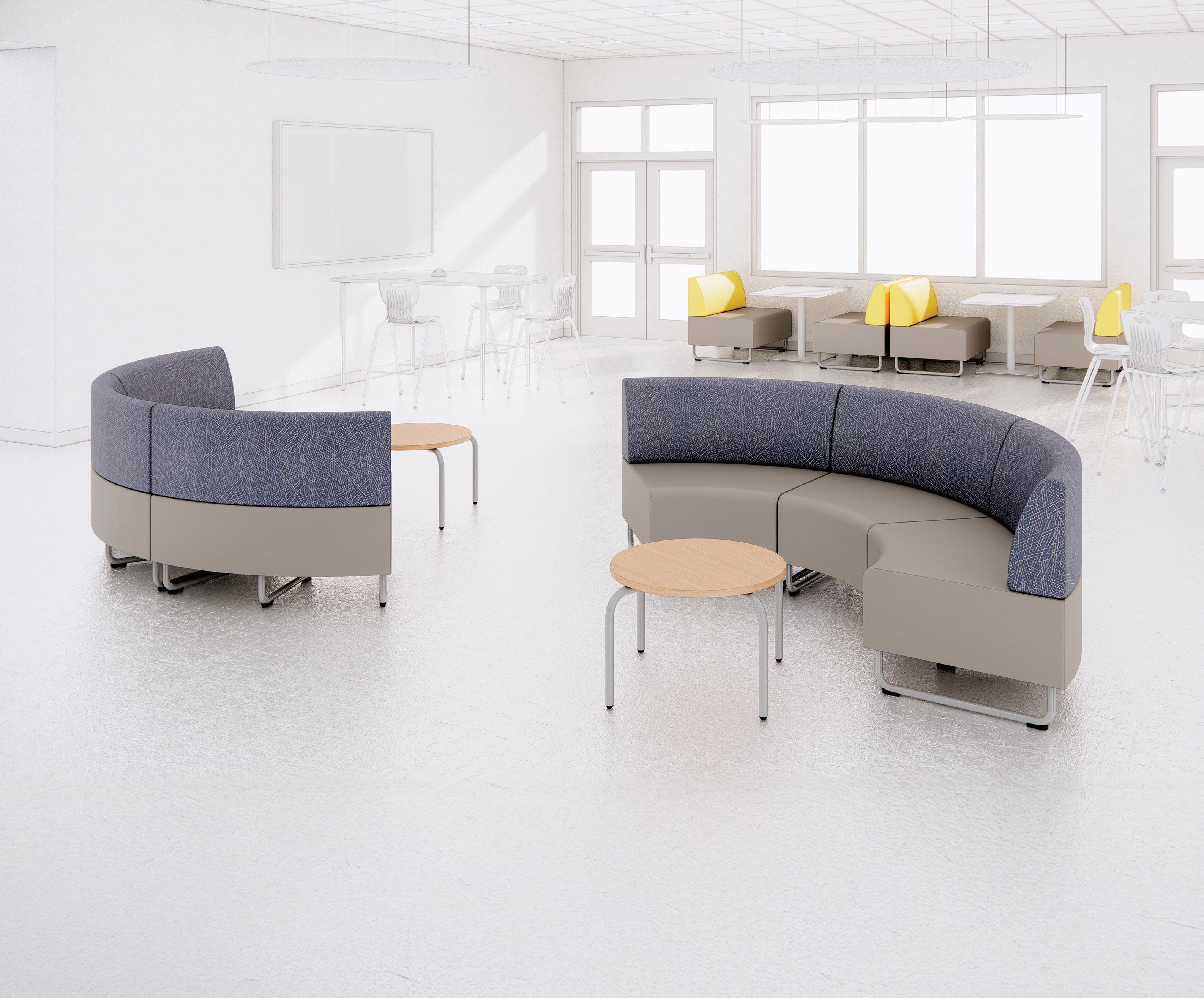
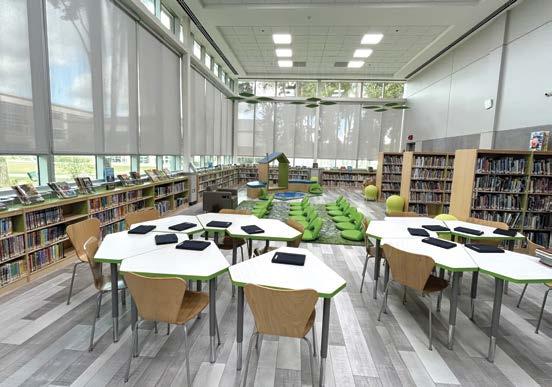
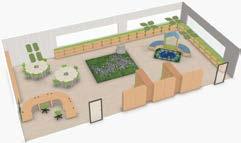
HOW SMALL, RESEARCH-BACKED DESIGN SHIFTS CAN TRANSFORM HOW PATRONS EXPERIENCE YOUR LIBRARY
Environmental psychology tells us that people subconsciously interpret their surroundings constantly, influencing how they feel and behave. Some spaces immediately invite them to explore; others quiet racing thoughts; still others spark a sense of possibility. Small environmental signals add up, becoming the emotional backdrop for learning, discovery, and connection.
Fortunately, many of these subtle cues can be adjusted without purchasing a single new thing, empowering you to shape how visitors feel when
they enter your library: alert, confident, curious, or inspired.
At Demco, we’ve spent decades watching how people move, pause, share, and imagine inside libraries. Those observations, paired with research, guide our human-centered approach: design’s key role is to elevate real life experiences. Read on to discover practical, research-backed strategies to tune the emotional and cognitive landscape of the library, creating places where patrons feel welcomed, supported, and ready to discover something new.
LIBRARY WAYFINDING AND SIGNAGE: SIMPLIFYING LAYOUTS TO REDUCE COGNITIVE
When people enter a library, their brains immediately begin sorting the visual information around them: where to go, what to pay attention to, what to ignore. The more cluttered or visually complex the environment, the harder the brain has to work to make sense of it. Environmental noise doesn’t just overwhelm the eye; it impacts cognition. Research in learning settings shows that excessive visual stimuli can increase stress and reduce attention, particularly for young learners who are still developing their ability to filter information (Klatte et al., 2010).
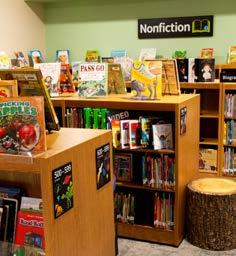
Visual clarity is one of the easiest improvements a library can make without spending a dollar. Start by removing outdated or redundant signage so the most important messages stand out. Consolidate displays so that each one has a clear purpose rather than competing for attention. Consider the pathways patrons naturally take and adjust furniture or shelving to open up those sightlines. Even modest changes like simplifying a bulletin board or creating a single focal point at an entry can help patrons feel instantly more at ease.
More important than the aesthetic, clearer visuals make the library easier to navigate and more inviting to explore, strengthening both confidence and discovery.
BEHAVIOR
People instinctively read a space to understand how it’s meant to be used. Is this a place to focus quietly, collaborate with others, or simply pause and browse? Environmental psychology and servicedesign research support this intuitive process. Mary Jo Bitner’s Servicescape model shows that physical cues such as layout, boundaries, light, and visual hierarchy shape expectations and behavior long before signage comes into play.
Libraries can use these cues strategically without adding new furnishings. Existing shelving can act as gentle dividers between quiet and collaborative zones without blocking sightlines. Clustered tables naturally invite group work, while soft seating or study carrels placed along edges or in smaller pockets signal more reflective use. Color and lighting further reinforce purpose: cooler, muted tones and lower light levels support focus and calm, while warmer accents and brighter areas encourage energy and interaction.
These same cues make it possible to create microenvironments, which serve as small, purposedriven settings within a larger space. A cozy reading nook invites lingering. A tucked-away table cluster supports small-group collaboration. A corner with softer lighting and fewer visual distractions can function as a sensory-friendly retreat. These spaces speak for themselves via scale, arrangement, and atmosphere.
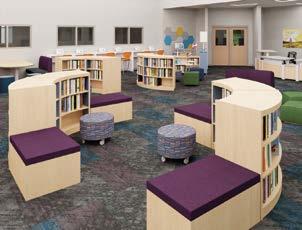
People instinctively read a space to understand how it’s meant to be used
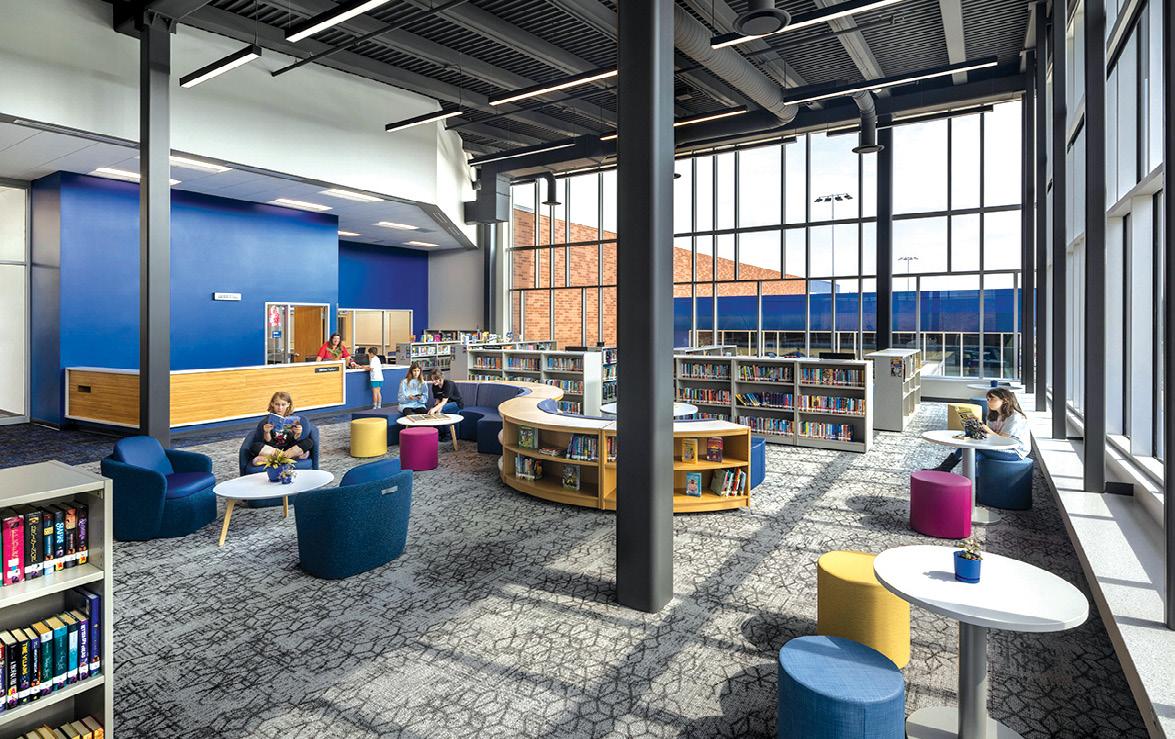
And when spaces speak clearly, patrons feel more confident in choosing where to go and how to engage. That clarity reduces friction, increases comfort, and helps people settle in more fully, allowing the library to support many needs at once with intention rather than compromise.
Light is one of the most influential elements in shaping how a space feels, and it doesn’t require a major investment to make a major difference. Research across workplace, educational, and healthcare environments consistently shows that lighting affects mood, alertness, and visual comfort. Studies cited in the WELL Building Standard and ergonomic lighting research demonstrate that simple changes to increase color temperature consistency and reduce glare can meaningfully improve user experience.
For libraries, the first step is simply making the most of daylight. Rearrange furniture to invite patrons toward windows, clear obstructions blocking natural light, and use reflective surfaces thoughtfully to bounce brightness deeper into the
room. Natural light signals openness and energy, which in turn support exploration and engagement.
Artificial lighting can be just as impactful. Mismatched bulbs with competing color temperatures create subconscious visual tension. Standardizing bulbs by choosing either warm or cool depending on the space’s purpose can set a clearer emotional tone. Lower, softer lighting can create cozy reading pockets, while bright, uniform lighting supports task-oriented zones.
Even without new fixtures, cleaning dusty lenses, adjusting blinds, and adding or repositioning lamps can dramatically transform how a space feels. Light shapes atmosphere, and atmosphere shapes experience in intangible but undeniable ways.
RESTORATIVE LIBRARY DESIGN: ENHANCING WELL-BEING THROUGH ACOUSTICS AND NATURE
A well-designed library looks and feels good, supporting patrons’ ability to focus, relax, or recover from the sensory demands of daily life. Sound and nature are two of the most powerful contributors to this feeling, and both have deep roots in research.
Great library design isn’t about what you buy — it’s about how people feel when they arrive.
Noise, for instance, is one of the most common complaints in libraries. Studies in education environments, such as the work of Shield & Dockrell (2003), show that background noise can impair reading comprehension and memory. While full acoustic renovations might be out of reach, existing soft materials like rugs, upholstered chairs, curtains, and bulletin boards can also help absorb sound and smooth the acoustic landscape. Simply relocating loud activities away from designated quiet zones can also have an outsized impact. Visual cues about expected sound levels, even subtle ones, help patrons choose appropriate areas and reduce conflict.
Nature provides a complementary path to comfort. Biophilic design research, including Kaplan & Kaplan’s Attention Restoration Theory, demonstrates that natural elements help reduce
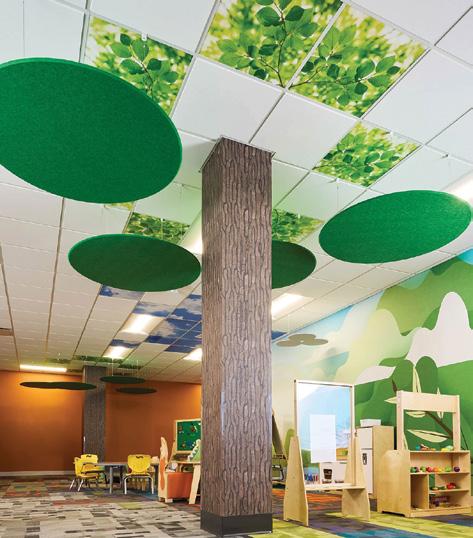
stress and restore depleted attention. Libraries can apply these insights by arranging existing plants where people study, clearing windowsills to increase views of greenery, and using nature imagery in high-traffic or high-stress zones. These gestures offer micro-restorative moments that help patrons reset mentally.
Together, quieter acoustics and biophilic cues create a library environment that supports well-being. It doesn’t take a full-scale renovation to create spaces where patrons can breathe a little easier, think more clearly, and stay a little longer.
Great library design isn’t about what you buy — it’s about how people feel when they arrive. Environmental psychology reminds us that people respond deeply to their surroundings, often without realizing why. When libraries attend to clarity, comfort, sensory well-being, and spatial cues, they create environments that go beyond basic functionality to achieve authentic inspiration.
The strategies in this article don’t require new products or large-scale renovations. They require observation, intention, and a willingness to see the library through patrons’ eyes. At Demco, that perspective is at the heart of our work — helping libraries become places where people feel confident navigating, motivated to explore, and proud to belong.
Because when a library is genuinely inspiring, everything else follows.
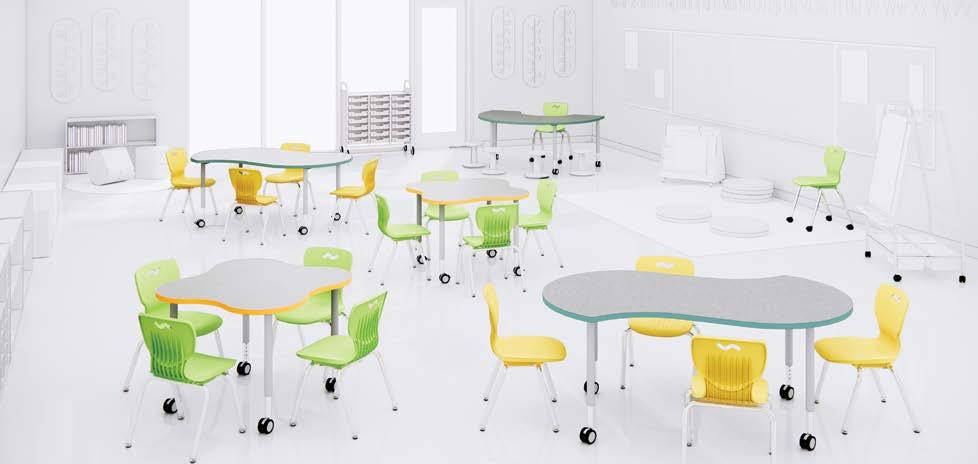
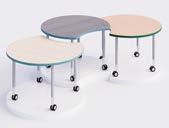
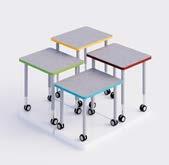
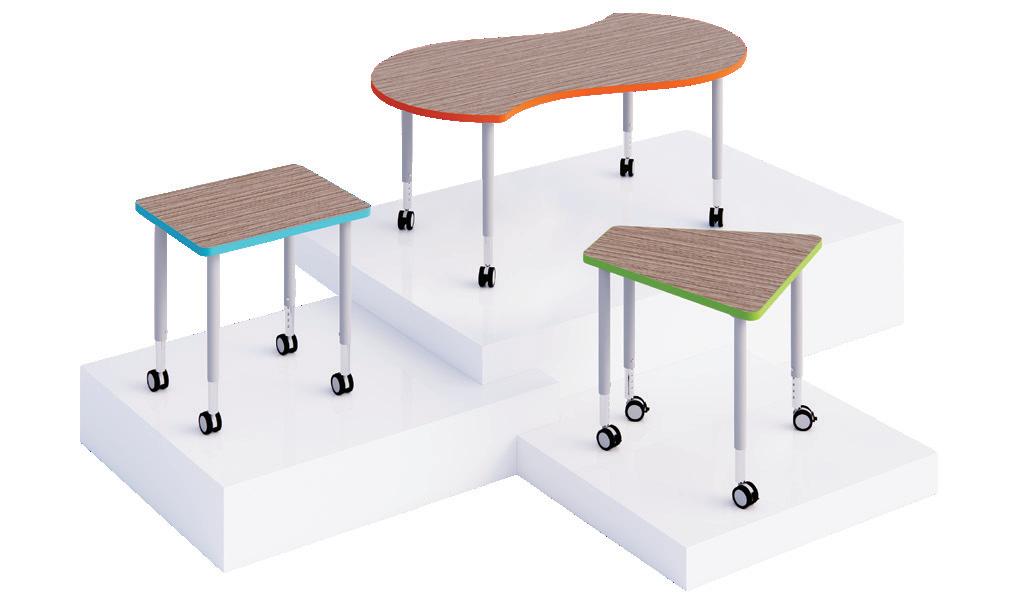
The Kalos Collection, named for one of the root words in “kaleidoscope,” celebrates the beauty of possibility and change. Its versatile pieces can be used alone or combined into an attractive, functional mosaic of workspaces for groups of any size. Desks
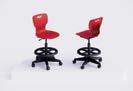
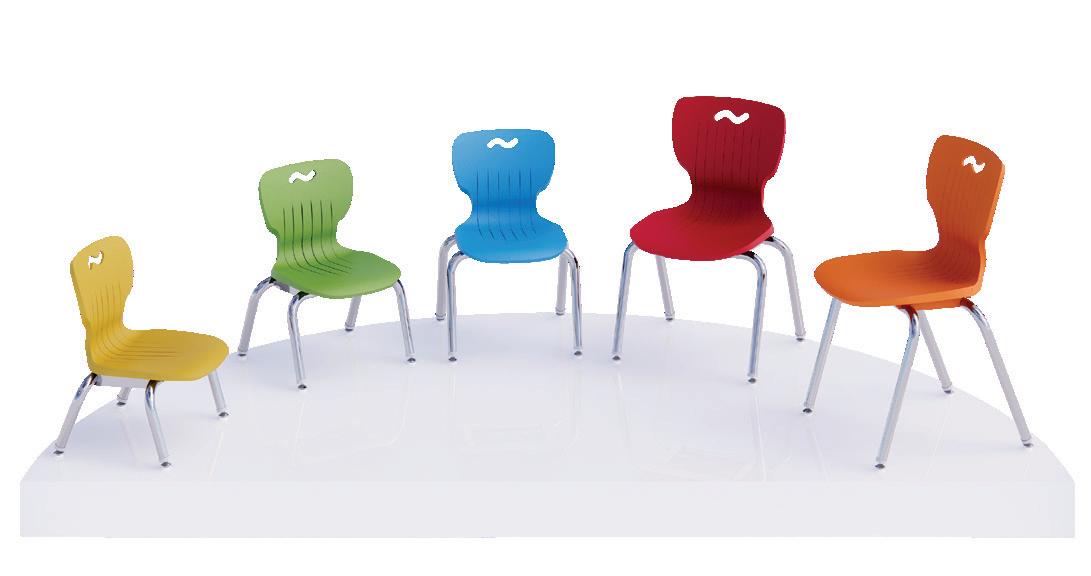
Height‑Adjustable Task Chairs & Stools
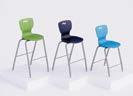
Why educators choose Kalos & Tidal:
Seamless reconfiguration between layouts and activities
Age-appropriate, ergonomic designs that promote focus
Scalable for small classrooms or expansive common areas
Material and color options for any function or aesthetic
Durable designs that withstand years of daily use
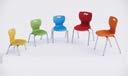
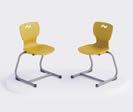
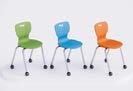
The next wave in ergonomic seating
Tidal empowers you to create the space you need on-demand with comfy, supportive seating options for every age group and aesthetic. Alongside Kalos, Tidal chairs and stools are designed to meet the diverse needs of learners and educators.


with Andrea Trudeau, Ph.D. Library Information Specialist, NBCT


See what Dr. Trudeau has to say about her experiences as a librarian here and abroad, how others can make a global impact, and more.
Q: What inspired you to become a librarian?
A: As an English literature major and former eighth-grade English language arts teacher, I’ve always been captivated by the power of story and maintained a human-centered pedagogical approach. When the opportunity arose, I recognized that librarianship would challenge my skillset in entirely new ways. I felt fortunate to inherit a well-established, well-respected program at a pivotal time — when makerspaces and flexible seating began transforming learning spaces. The prospect of reimagining the library’s philosophy represented exactly the challenge I wanted.
Q: What led you to East Africa and to cofounding your foundation?
A: While pursuing my Ph.D. at Northern Illinois University, I received an email about a FulbrightHays grant opportunity — six weeks in East Africa, spending half the time in Tanzania and half in Kenya. I anticipated just checking off a box on my professional development, but I returned a completely changed human being. I felt a responsibility to educate those around me about
how others live around the world — to take the resources I have and help others. Then through conversations with my colleagues, Amanda Jones and Tom Bober, about my passion for giving back to this part of the world, it led to founding our nonprofit, Librarians Building Libraries.
Q: What is the foundation’s mission?
A: The mission for us is to help promote libraries around the world. We began with the Jane Adeny Memorial School (JAMS), an all-girls secondary school in rural Kenya founded by Dr. Teresa Wasonga, one of my Fulbright-Hays professors. Many of the books in the library were in disarray and many featured white characters and white faces. They didn’t have the mirrors we felt these girls needed. So, this past summer, our team spent a month on campus reorganizing the entire library collection, weeding materials in a way that respected Kenyan culture and beliefs, implementing sustainable systems, and training students in maintaining the system — because this school did not have a librarian. Ultimately, teachers, students, and school administration expressed amazement
at what we accomplished. We’re not done! We plan on continuing collection development and raising funds for furnishings that promote a more conducive learning environment.
Q: When you say human-centered, what does that mean to you?
A: We wanted art that the students felt a part of. For example, I cut butterfly templates out of old book pages, and everyone was charged with decorating a butterfly. I painted an open book on the wall with Q-tips (with no paint brushes, I had to get resourceful), and we glued the butterflies flying out of the book. It’s striking and collaborative art where everyone could participate. We also had Demco StickTogether® posters and a calming corner. Many of the young women arrive at the school having experienced considerable trauma. To address this, I brought a lot of fidgets and puzzles and little printouts of breathing figure eights — just different strategies to help them manage the stress and trauma they carry.
Q: What is your broader vision for Librarians Building Libraries?
Q: What would you like people to know about these collaborative relationships?
A: There’s real impact in having these collaborative relationships. I maintain daily communication with librarians and friends in Tanzania and Kenya. It’s a rich cultural exchange spanning nearly four years. I’ve been working with librarians and educators virtually in that part of the world to facilitate reading circles. When I finished my Ph.D., I had a party to celebrate, and instead of gifts, I asked for donations to purchase books for these reading circles. The donations went to English books and English-Swahili bilingual books for students from grade three through high school juniors. Now, I regularly receive photos of kids reading books together and videos of kids reading books aloud to class. The fact that these books and reading circles build their confidence, create joy, and cultivate a love for reading is just amazing.

A: Growing beyond this school is the goal. We’re very focused on JAMS and this project will span approximately two to 2½ years. We’re starting to explore possibilities for our next project, which will probably be another year from now. The key for us is having a local partner who can help navigate transportation, cultural contexts, and safety considerations.
Q: What advice would you give to librarians wanting to make a global impact?
A: Programs like Fulbright-Hays and Peace Corps offer transformative opportunities. Spending time in another part of the world, completely displaced and out of your comfort zone, makes you a better librarian and a better human. However, I also recognize that this is not for everybody. But, it’s also important to look at our own corner of the world. Consider partnering with international organizations focused on literacy, serving on nonprofit boards, or supporting microfinance initiatives like Kiva.
Q: How do emerging technologies help libraries serve these communities?
A: Internet connectivity enables our ongoing collaboration. Though bandwidth limitations and unreliable electricity present challenges, the librarians and students maximize their limited resources. They demonstrate remarkable patience and creativity. Through partnerships, we’ve secured Kids Discover subscriptions with newly available Swahili translation. We’re also exploring other resources, including virtual tours and artificial intelligence. For students without personal devices, digital resources provide essential windows to the world beyond their textbooks. These children are voracious learners and for them to be more connected — it’s essential.
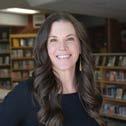
Andrea Trudeau, Ph.D., is a veteran educator and self-proclaimed no-“shh” librarian. Dr. Trudeau has spent 28 years at Alan B. Shepard Middle School in Deerfield, Illinois — the last 11 as the school’s library information specialist. She transitioned from classroom teaching when the previous librarian retired, a shift that proved lifechanging both professionally and personally.
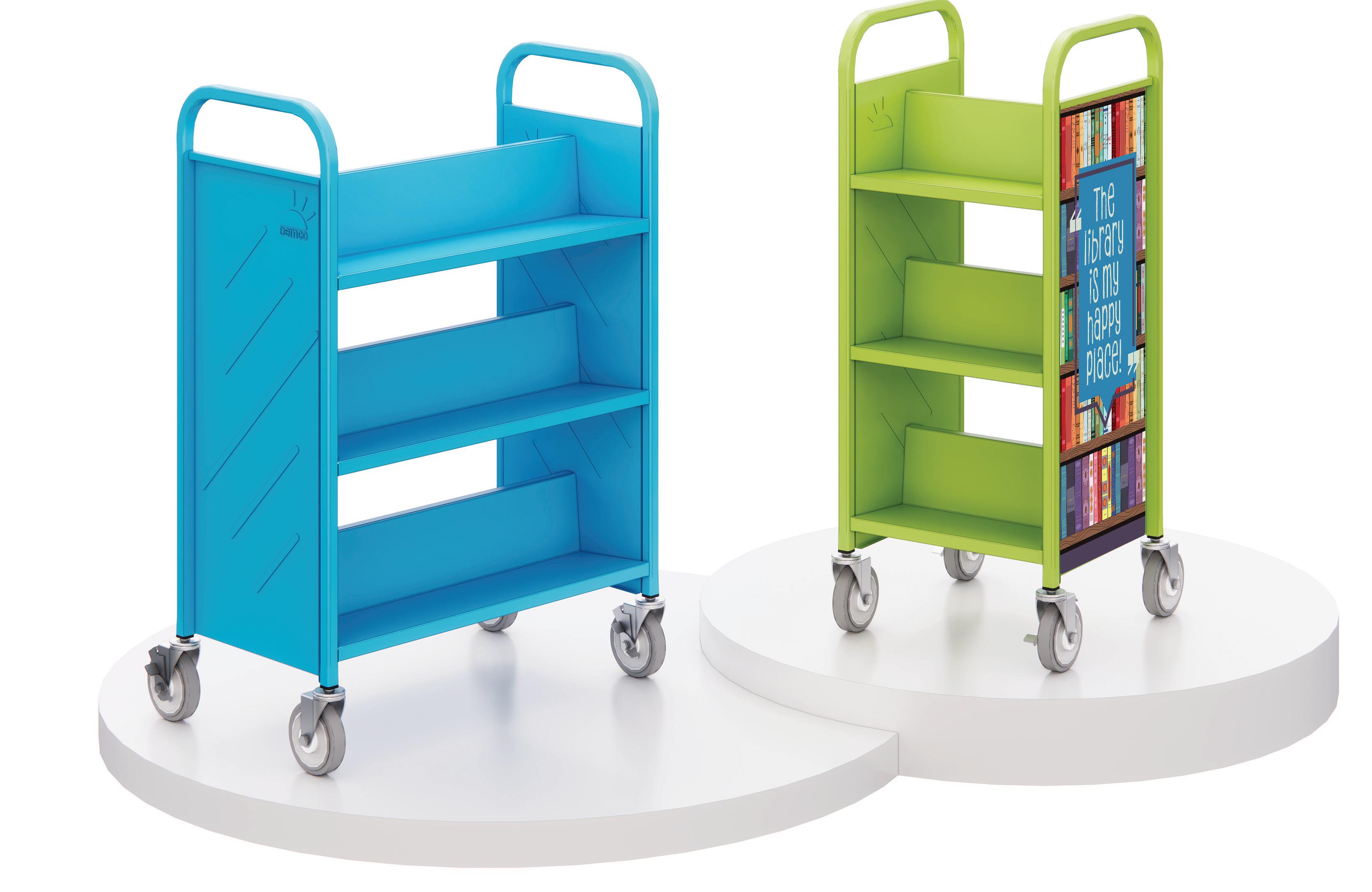
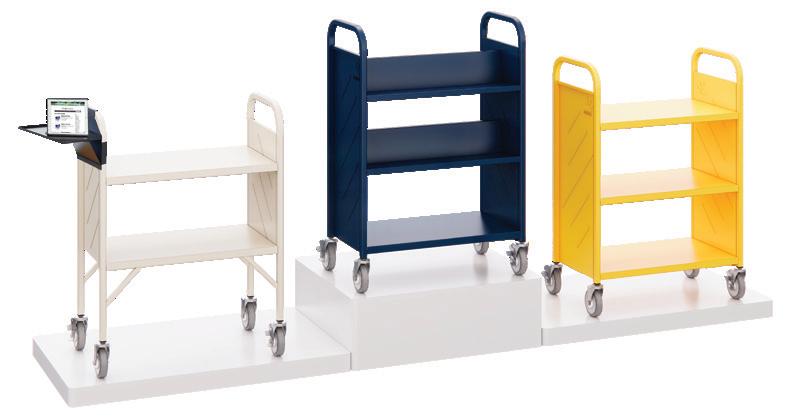
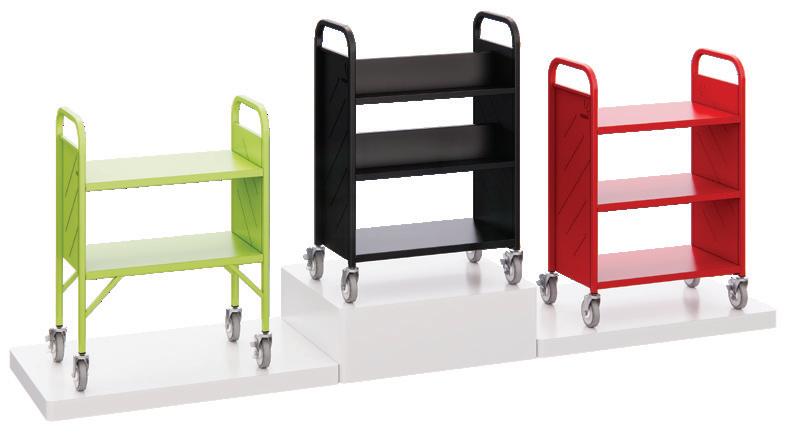
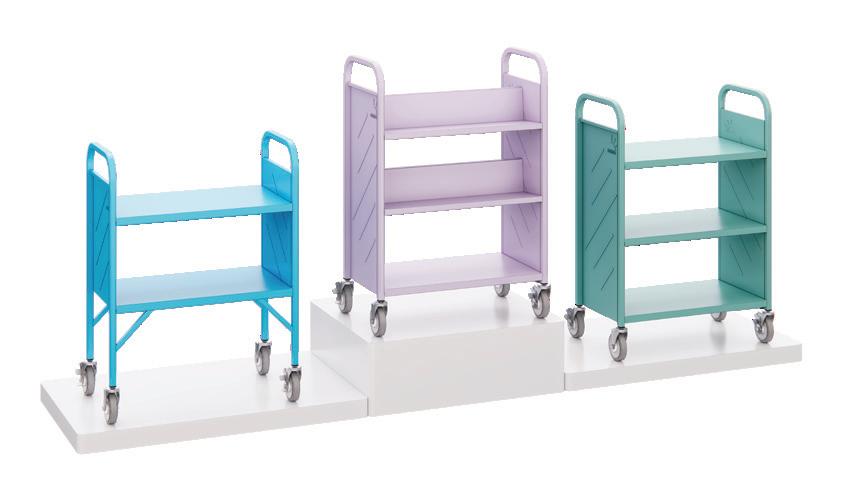
Navigate your library with a splash of color and a swirl of “shhh” with Demco booktrucks and accessories.


The right cover and laminate choices extend circulation, reduce repair, and keep your collection looking its best.
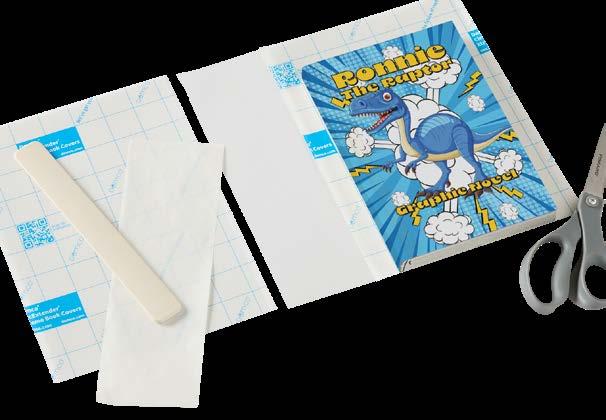
Book processing is one of those behind-thescenes jobs that quietly shapes everything patrons experience. A well-protected book checks out more often, stays attractive longer, and costs less to maintain. Whether you’re outfitting brand-new titles or giving gently used books a second life, the goal is the same: match the level of protection to the way each book is used.
That’s where Demco CircExtender® comes in. This complete range of librarian-tested options make it easy to protect every book in your collection. From pre-cut sheets or laminate rolls to adhesive that’s repositionable or practically permanent, you can find the right solutions for your workflow. The result: superior protection, simpler application, and a stronger return on your investment.
Not all items circulate the same way. A paperback graphic novel that hits the hold shelf every week faces different wear than a reference title that stays mostly in-library. When deciding what to use, ask:
• Is the title hardcover or softcover?
• How often will it circulate?
• Who’s using it (kids, teens, adults, classroom groups)?
• Does it need quick triage or long-term reinforcement?
• Is it important to avoid glare, fingerprints, or wiping books down?
Once you know what job needs to be done — surviving heavy use, staying clean, resisting corner curling, or just lasting a little bit longer — you can pick the right CircExtender® solution.
Quickly process your gently used books with affordable, easy-to-use sheets. These pre-cut covers deliver reliable everyday protection for new or lightly worn titles, helping you wrap, seal, and shelve faster without stretching your budget.
Effortlessly repositionable laminate offers thicker protection without sacrificing flexibility, which is ideal for new and experienced users alike. Lift, adjust, and reapply as needed for smooth, bubble-free results every time. No mess, no damage — just confident processing, even for first-timers.
This heavy-duty protection for your high-circulation books is so strong, it’s like turning a paperback into a hardcover. Built for the busiest titles, Xtreme adds serious structure and wear resistance, keeping books looking sharp checkout after checkout.
When you’re processing large batches, laminate rolls keep things streamlined and cost-efficient. Cut to size, cover what you need, and move on to the next title.
Stretch your books’ lives and your budget with our most economical option for protection. A practical choice for wide collections, Economy laminate adds dependable coverage at the lowest cost per book.
This vinyl laminate hugs the contours of your books better than other budget alternatives. It flexes around curved spines and uneven edges for a tighter seal that looks cleaner and holds up longer.
Need roll-based efficiency with the same low-stress application as repositionable sheets? This option gives you the best of both worlds: cutto-size protection and the ability to reset placement while you work. It’s especially handy for busy processing days or mixed-experience teams.
One line. Six solutions. Protection for every shelf.
From quick-turn paperbacks to long-term hardcover investments, CircExtender® helps you protect smarter so your books (and budget) last longer. Pick the right protection and patrons will always have shelves full of great reads ready to go!
For more about book processing, get the Demco Book Care & Repair Guide.
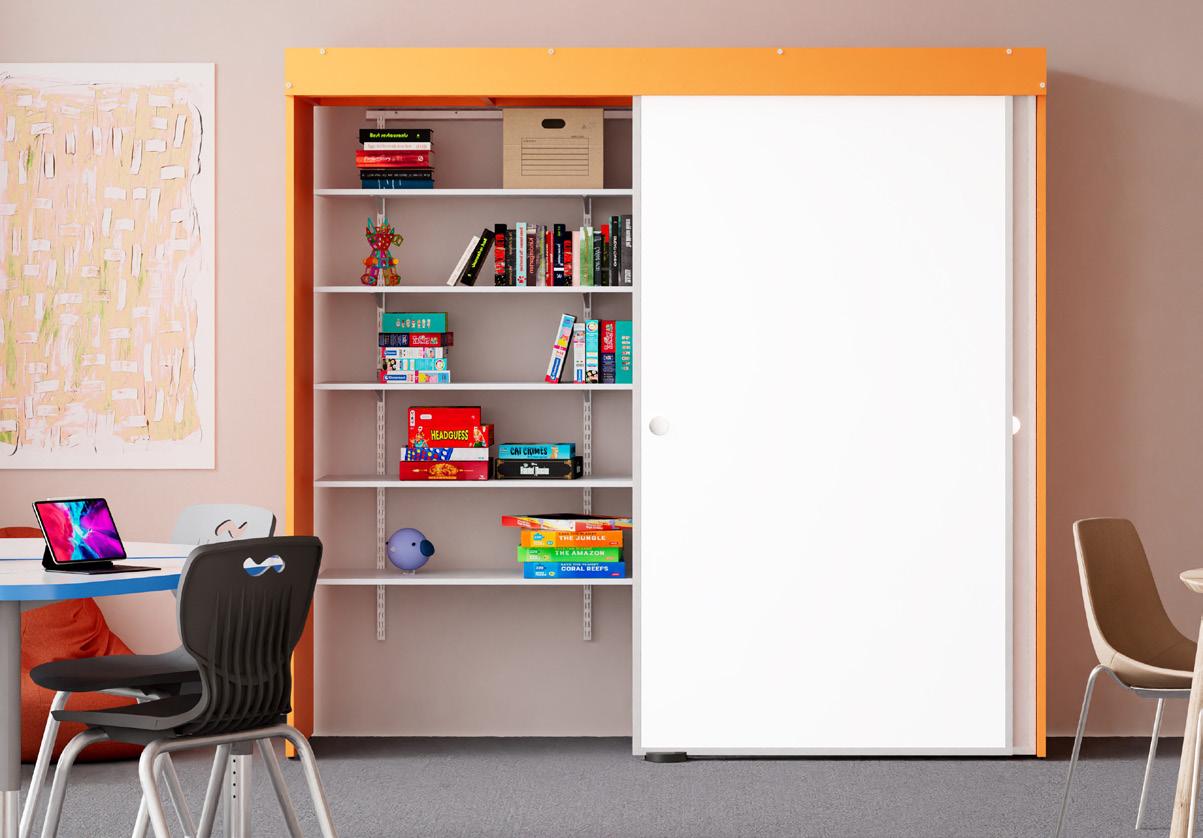
Collaborative
Magnetic, dry-erase doors serve as a canvas to share ideas.
Efficient
A smart design turns 18 ft2 of floor space into 110 ft3 of storage.
The customized system adjusts to your dynamic environment.
Focus-boosting Hidden storage eliminates clutter and confusion.
Shop the Show & Stow System
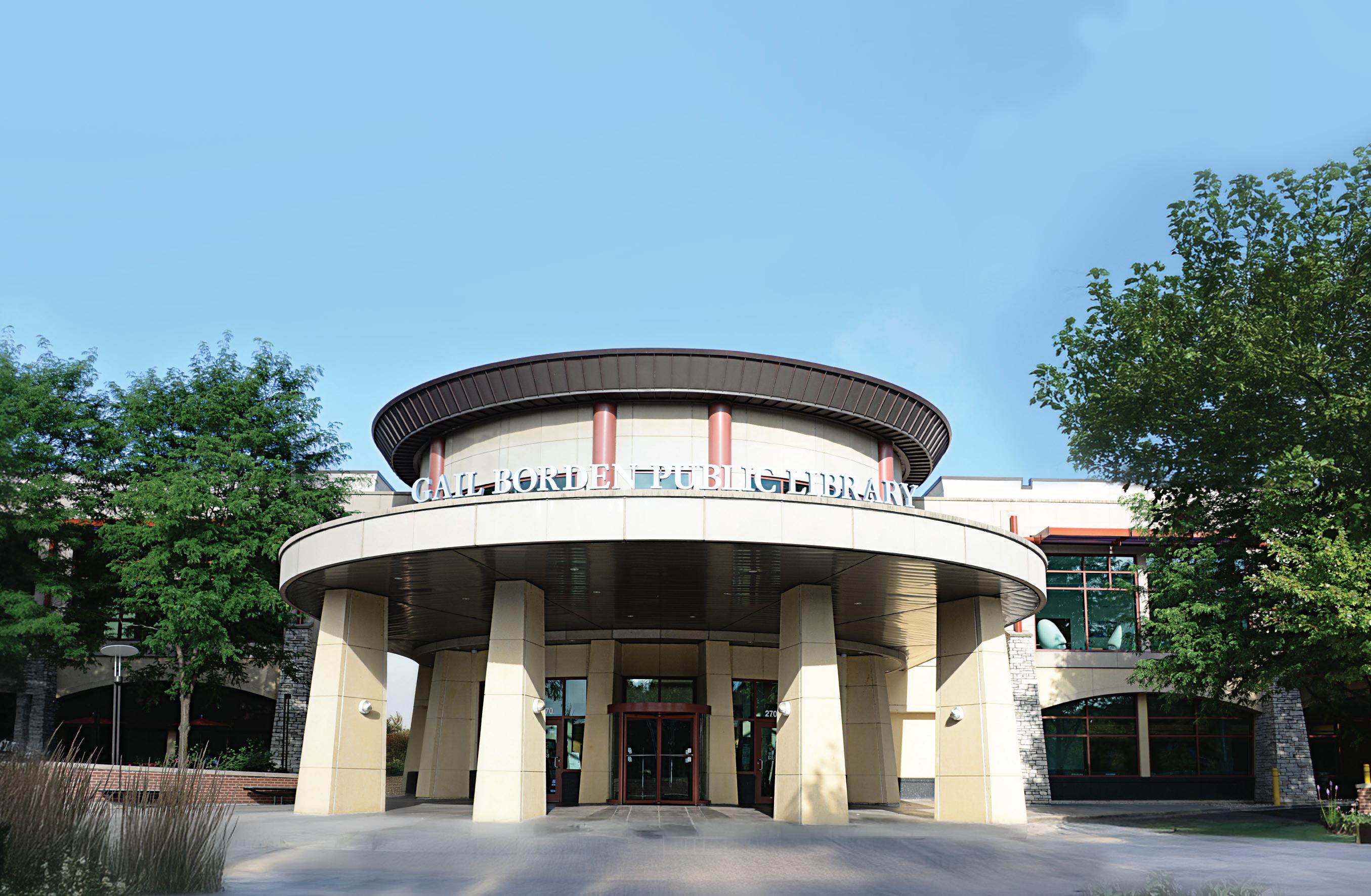
Gail Borden Public Library (GBPL), located in Elgin, IL, is the second-largest library district in the state. They serve 8,569 children, 0–5 years old — about 6.2% of the library’s service population. GBPL’s main branch faced a challenge: the children’s area featured a 20-year-old play structure. It was worn out and needed to be removed before it became a potential safety hazard. “It took some time to work through the new design and determine what we wanted it to look like,” said Carole Medal, GBPL CEO. Inspired by the interactive exhibits at the St. Louis Children’s Museum in Kirkwood, MO, Carole, along with Margaret Peebles, Director of GBPL KidSpace, and Sara Sabo, GBPL COO, had a vision. They needed a partner, and Demco was ready and equipped to turn their vision into reality.
While visiting the Demco booth at a library conference and trade show, they were attracted by Demco’s offer to create a design for their space free of charge. Demco was a longtime provider of library essentials to GBPL, but GBPL knew little about Demco’s design capabilities. “When it
came to a large-scale design project,” said Medal, “Demco had to prove themselves, and visiting the showroom — that was a big sell.” After seeing the showroom and Demco’s solutions first-hand, GBPL came away eager to move forward with the Demco team.
1. FLEXIBLE SOLUTIONS
GBPL wanted custom solutions and a functional, inspirational space they could adapt and refresh for various programming needs.
2. VISUAL MERCHANDISING OPTIONS
Face-out displays to increase circulation of books, games, toys, and more was a priority for GBPL.
3. PERSONAL CONSIDERATION
GBPL needed a partner who could understand their goals and make their large renovation seamless. Their vision included a welcoming space where visitors felt comfortable and excited to return to again.
Download the Gail Borden Public Library Case Study
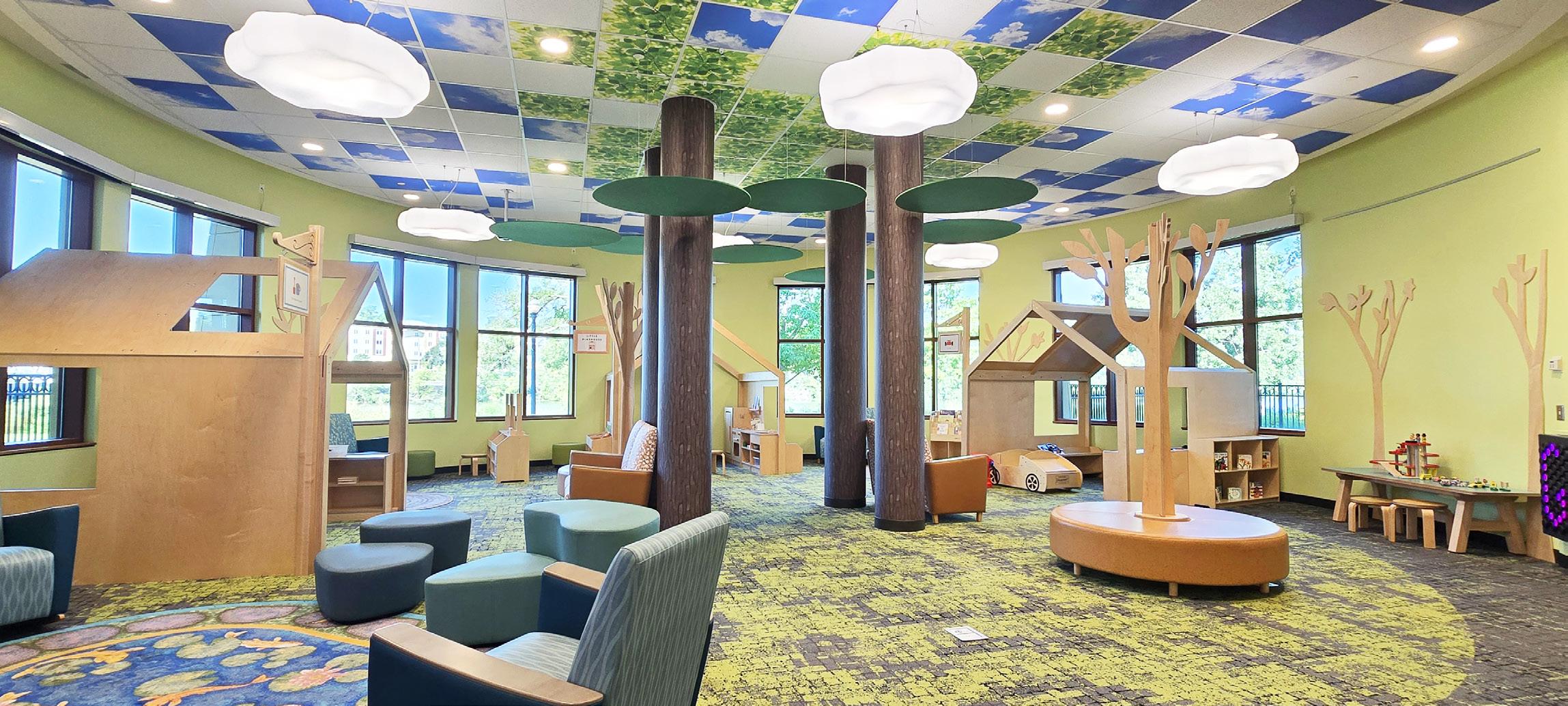
INDOOR FOREST TRANSFORMATION
Thoughtfully placed TMC Grove Tree Wall Appliques and Arbor Tree Benches surround visitors with forest-themed elements that transform the space into an outdoor wonderland.
ACOUSTIC CANOPY DESIGN
CalmScape Decorative Ceiling Tiles and Acoustic Panels draw visitors into the space with a sense of awe. These overhead nature-inspired elements mimic looking up through a forest canopy, while also reducing noise levels and defining the space.
FLEXIBLE PLAY SOLUTIONS
The new children’s area includes three large “workshops” which replaced the outdated play structure. The workshops add interactive elements to the space and provide GBPL staff with the flexibility to change the setups based on programming. “It’s refreshing for our patrons and us,” Peebles noted.
INCREASED ENGAGEMENT AND COMMUNITY CONNECTION
Patrons love it and feel appreciated, and attendance and circulation have increased significantly, according to GBPL staff. When describing how the renovated space impacts kids, Peebles emphasized, “Kids come to the play area and it’s so wonderful, they stay in the play area. We took down walls, but we don’t need walls; kids don’t want to leave.”
GBPL loved how the playhouses, the outdoorthemed furniture, carpets, wallpaper, ceiling tiles, appliques, and interactive elements work together as a fun, cohesive space. Peebles shared, “It’s wonderful to see kids coming in, excited to play. And it’s wonderful to be able to have programming that we’re able to refresh. Now we can interweave books with the play area; that was important to us. So, we’re getting more books into more hands, and we’re inspiring a lifelong love of reading!”
And when it came to partnering with Demco, the experience was, “Easy, breezy — the Demco team was always right there with a solution,” stated Sabo. Medal added, “The design is fantastic. Demco is so much more than library supplies! They paid close attention to our needs and created flexible, open spaces that fit the environment. We have the beautiful backdrop of the Fox River and were able to bring nature indoors.”
The design is fantastic. Demco is so much more than library supplies!”
—Carole Medal , CEO, Gail Borden Public Library
Your library is more than a space — it’s the heart of your community. With Ignite at the center, you can create flexible, dynamic spaces that easily adapt. Surround it with pieces that invite people to stay!
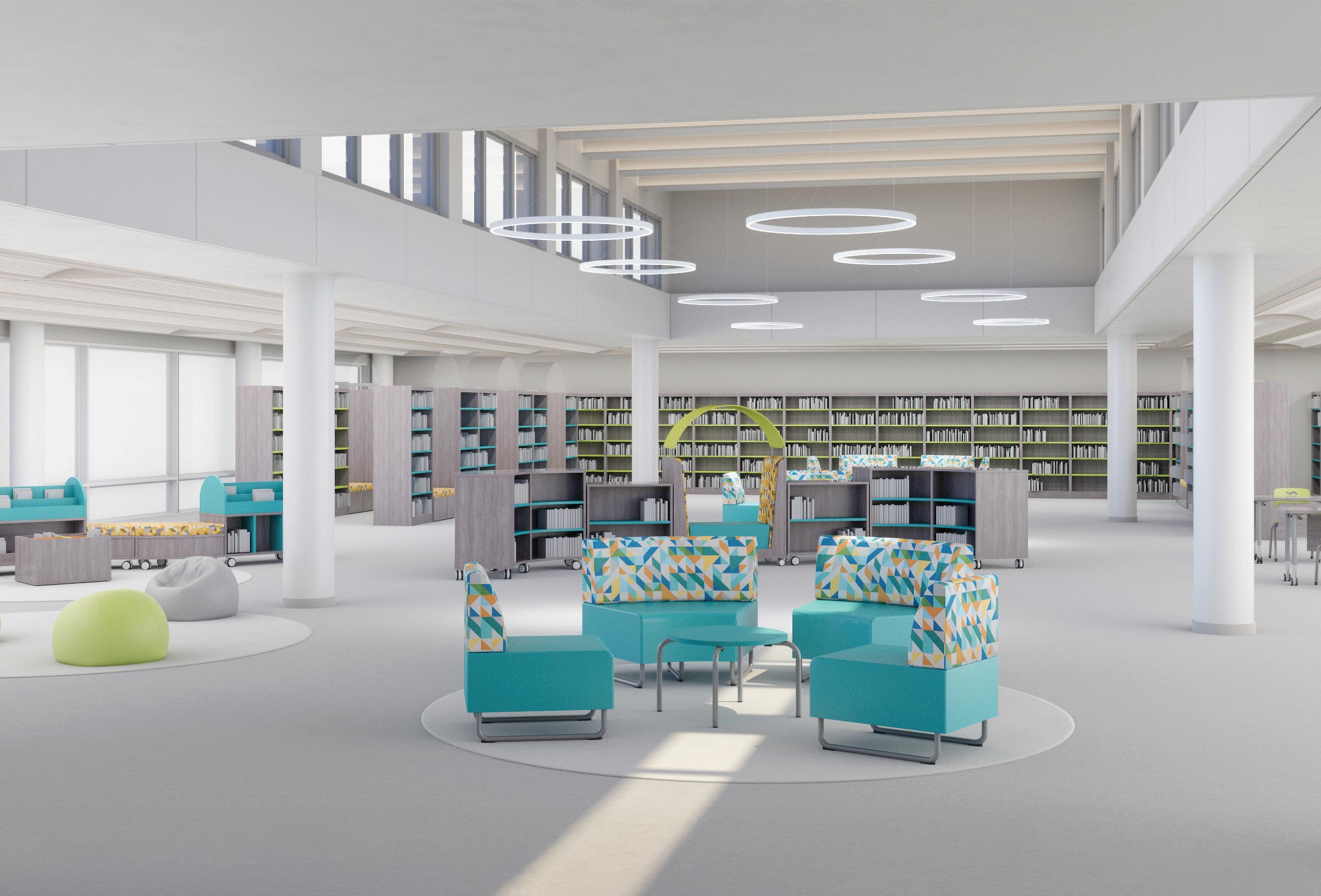
Kindle curiosity with Ignite
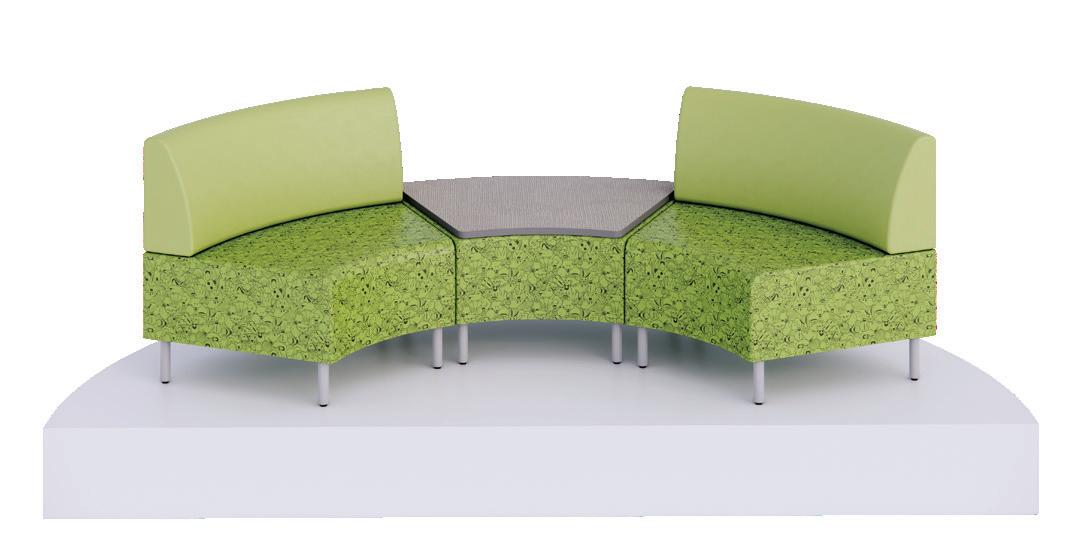
Foster connection with Restination Support learning and choice with Kalos
Encourage focus with Tidal
Showcase collections with ShelfSpark