Delaware
Farm Bureau News
Local Farmers Feeding Your Family
Delaware Farm Bureau Awards 80 FFA Blue Jackets to Students at State Convention
By: Jaiden Cain Delaware Farm Bureau
Delaware Farm Bureau (DEFB) awarded 80 FFA Blue Jackets to students from across the state through its Blue Jacket Bonanza program on March 25, 2026, during the 96th Annual Delaware FFA State Convention. For more than a decade, this program has provided jackets to FFA members, helping ensure all students can proudly represent their chapters and state.
The iconic blue corduroy jacket is a staple of the FFA experience. Each jacket is personalized with the student’s name on the front and their chapter and state on the back,
serving as a physical reminder of their membership and commitment to the organization.
“My blue jacket is not only a symbol of leadership and dedication, which were important in earning my blue jacket and how I participate within my chapter, but also a continued family legacy and a constant reminder of where I come from,” said Addison Evans of Milford, a 2026 Blue Jacket Bonanza recipient.
Evans shared that the jacket represents a community of leaders and agriculturalists who share common
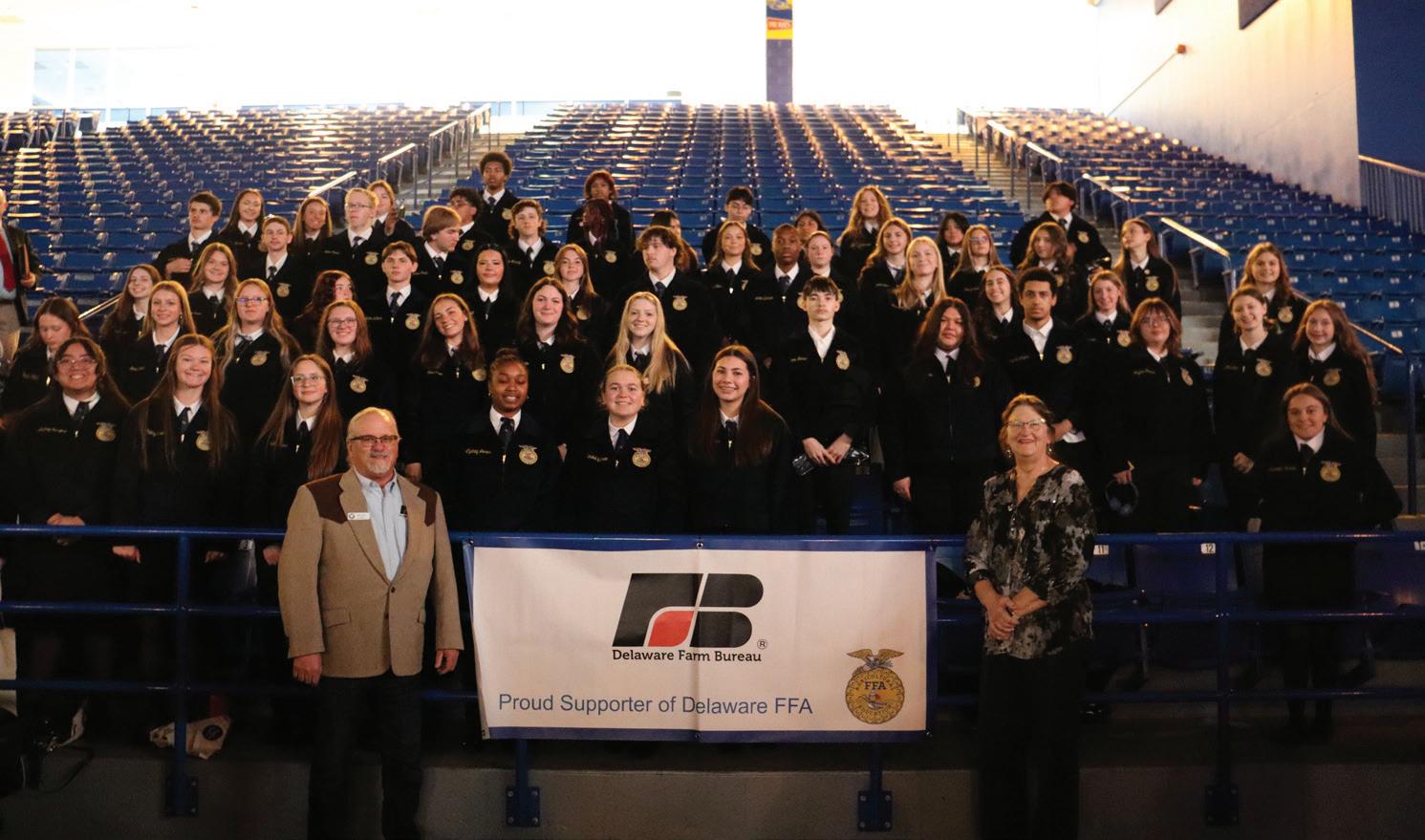
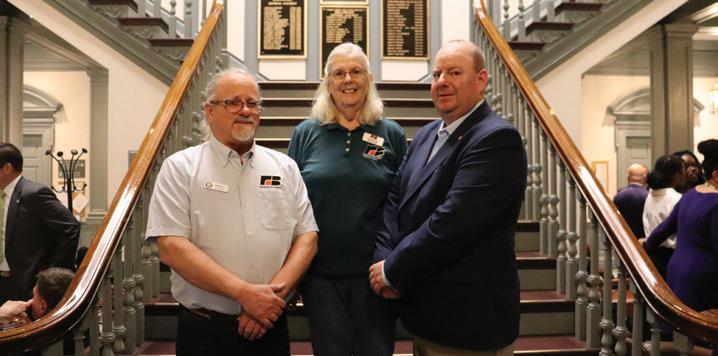

Delaware Farm Bureau awarded 80 FFA Blue Jackets to students across the state at the Delaware FFA Convention on March 25 held at the University of Delaware.
From the President’s desk
Caring for Our People and Our Farms
2025-2026
State Board of Directors
Farming has always been about more than crops and livestock. It is, and always has been, about people. It is about families, farm employees, and neighbors who show up every day with a shared commitment to the land and to one another. As we recognize Mental Health Awareness Month, it is a good time to pause and reflect on the pressures faced by those who make their living in agriculture, and on our shared responsibility to watch out for one another.
Farming is deeply rewarding work, but it can also be lonely, stressful, and physically demanding. Long hours, uncertain markets, changing weather, and the responsibility of carrying on a family operation can add up over time. Many people in farming are used to solving problems on their own, but none of us should feel that we have to carry every burden alone. Sometimes something as simple as checking in with a family member, a coworker, or a neighbor can make more of a difference than we think.
Farm workers and staff are more than just employees. They are trusted partners and, in many cases, are family. We share early mornings,
late nights, meals, and the ups and downs of each season. That connection is a strength. It allows us to notice when someone is struggling or when stress is beginning to affect them. When people feel respected and supported, they are more likely to speak up, help one another, and work together through challenges. Those relationships matter to the long-term success of our farms and everyone involved.
Caring for the people behind our farms means recognizing both the rewards and the risks of agricultural work. Difficult moments remind us how closely connected our farming community is. By supporting one another and approaching our work with care and awareness, we show respect for the individuals and families who make agriculture possible.
Another source of stress for many farm families is succession planning. For most of us, our farms are more than a business. They are a legacy. Conversations about the future can be difficult and emotional. Questions about who will take over, how responsibilities will shift, or what the next generation wants can weigh heavily on families. While it’s easy to put those discussions off, thoughtful planning can bring clarity and peace of mind. Clear plans help farms remain strong and families remain united.
Part of looking out for one another is making sure help is close at
Delaware Farm Bureau News
hand. Delaware Farm Bureau has been helping raise awareness of the 988 Suicide and Crisis Lifeline by providing free stickers through local agribusinesses, placing the number where farmers are likely to see it in their day to day work. It is a simple reminder that help is available by call or text, any time. In addition, the American Farm Bureau Federation’s Farm State of Mind initiative offers mental health resources created specifically for the agricultural community.
As an agricultural community, we must keep reminding ourselves that taking care of people is just as important as taking care of the land. Mental health, safety, planning for the future, and strong relationships are all connected. When we prioritize them, we strengthen not only our farms but our entire agricultural community. Agriculture has always relied on neighbors helping neighbors, and that still holds true today. We will continue to move forward together, looking out for one another and supporting the people who sustain Delaware agriculture every day.
To request 988 Suicide and Crisis Lifeline promotional materials, contact DEFB Assistant Executive Director & Marketing Coordinator Mikayla Paul at mikayla.paul@defb. org. To access AFBF’s Farm State of Mind resources, visit www.fb.org/ initiative/farm-state-of-mind.
Jaiden Cain, Editor | jaiden.cain@defb.org | 302-697-3183
Delaware Farm Bureau News (ISSN 1077-0798), published in Camden, DE, bimonthly, by Delaware Farm Bureau. Production by Suquehanna Printing. Periodicals postage paid at Camden, DE and additional offices. Business and Editorial Offices: 3457 S Dupont Highway, Camden, DE 19934, 302-697-3183. Any editorial material may be reproduced with credit to this publication.
POSTMASTER: Send address changes to Delaware Farm Bureau News at the office above.
Subscription price to members (paid as part of Farm Bureau membership dues) is $1.60. All other subscriptions are $6.50 per year.
President
William “Bill” Powers, Jr.
1st Vice President
Steve Breeding
2nd Vice President
Paul Cartanza, Sr.
County Presidents
Kent: Jim Minner
New Castle: Stewart Ramsey
Sussex: Steve Breeding
Young Farmers and Ranchers
State Chair: Connor Vincent
Kent Chair: JT Robbins
New Castle Chair: Liz Harrison
Sussex Chair: Ainsley West
Women’s Committee
State Chair: Mollie Lynch
Kent Chair: Rebecca Bobola
New Castle Chair: Kim Klair
Sussex Chair: Connie Fox
Promotion and Engagement Committee
Co-Chairs: Debbie Kirk and Maci Carter
Kent County Directors
John Comegys
Bruce Dempsey
David Marvel
New Castle County Directors
Dave Daniels
John Filasky
Charles Greer
Sussex County Directors
Alan Bailey
Ray Ellis
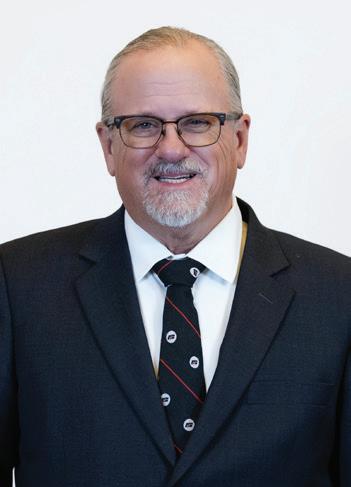
Bill Powers DEFB President
Catching Up with the Counties Farmers Share Concerns with Legislators at County Legislative Breakfasts
Farm Bureau members had the opportunity to meet with their legislators on February 27 and March 9 at the New Castle County and Kent County Farm Bureaus’ Legislative Breakfasts.
During these events, members shared their experiences with the recent property reassessment, tightening profit margins, and increasing development pressures.
These Legislative Breakfasts serve as a way for Delaware Farm Bureau (DEFB) members and legislators to engage in direct, face-to-face conversations about the challenges facing agriculture. They also offer an opportunity to thank legislators for their continued support of the farming community.
A common theme throughout the discussions was that many farmers are struggling to provide for their families. They want to continue farming because it is their livelihood and passion, but many are unsure how long they can sustain their operations in Delaware. DEFB President Bill Powers addressed the most recent property reassessment, noting its complexity. While some landowners experienced tax relief, others were hit so hard they are being forced to consider selling their operations. He emphasized the need to support Delaware’s top industry, agriculture, and highlighted DEFB’s support for the passage of Senate Bill
35, which would fairly tax farmers on structures used for production rather than treating them as residential.
Several farmers shared firsthand accounts of drastic tax increases.
During New Castle County Farm Bureau’s breakfast, Matt Linton of Highland Orchards in Wilmington explained that his small farm parcel’s tax bill skyrocketed to nearly $35,000. He noted that they were forced to hire an attorney to contest a bill they could not afford, only to spend even more money while already operating on tight margins.
Similarly, Tom Puglisi of Puglisi Egg Farms in Middletown reported that his property was reassessed at more than twelve times its previous value. Despite going through the proper appeal process, he said Tyler Technologies and New Castle County continuously pushed their concerns aside. Puglisi shared that, like many others, he invested significant resources into challenging the reassessment and is still waiting for answers.
Jay Baxter and other farmers spoke about the difficulty of maintaining profitability as input costs continue to rise. They explained that farmers often must purchase at retail prices and sell at wholesale prices, making it challenging to support a family. Baxter encouraged other farmers to share their stories and connect with their neighbors and legislators to educate them on the agriculture way of life.
Direct-to-consumer farmers also spoke on their regulatory struggles. One local farmer who operates an intensive agriculture farm, shared
that he is commonly held to the same standards as much larger farms. This creates significant difficulties with hiring help, particularly H-2A workers.
For more information on DEFB’s
advocacy efforts, contact DEFB Government Affairs Coordinator Sydnie Grossnickle at sydnie. grossnickle@defb.org or 302-6973183.
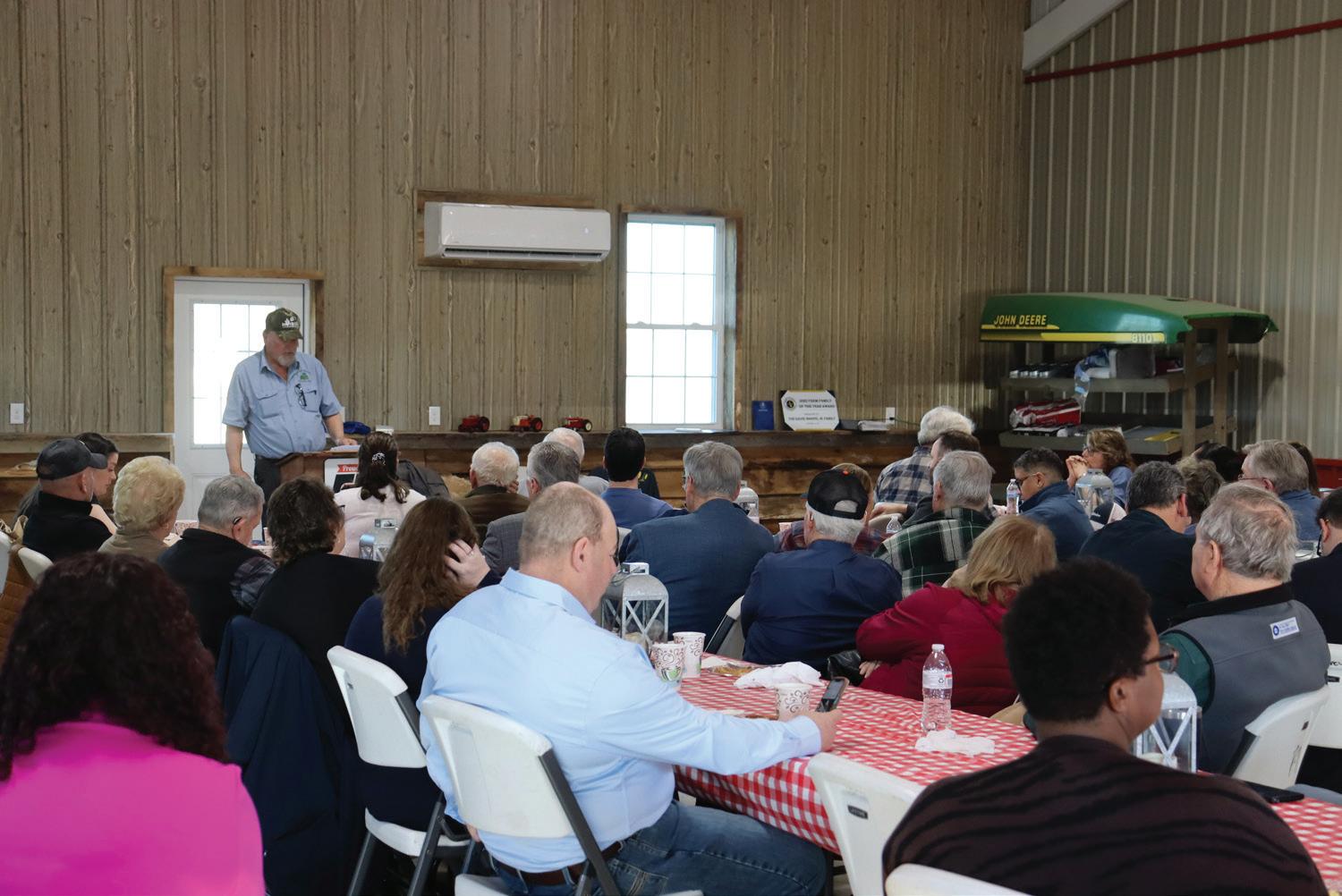

Kent County Farm Bureau Members and legislators representing districts in Kent County met at Marvel Farms in Harrington to discuss struggles and pressures facing farmers.
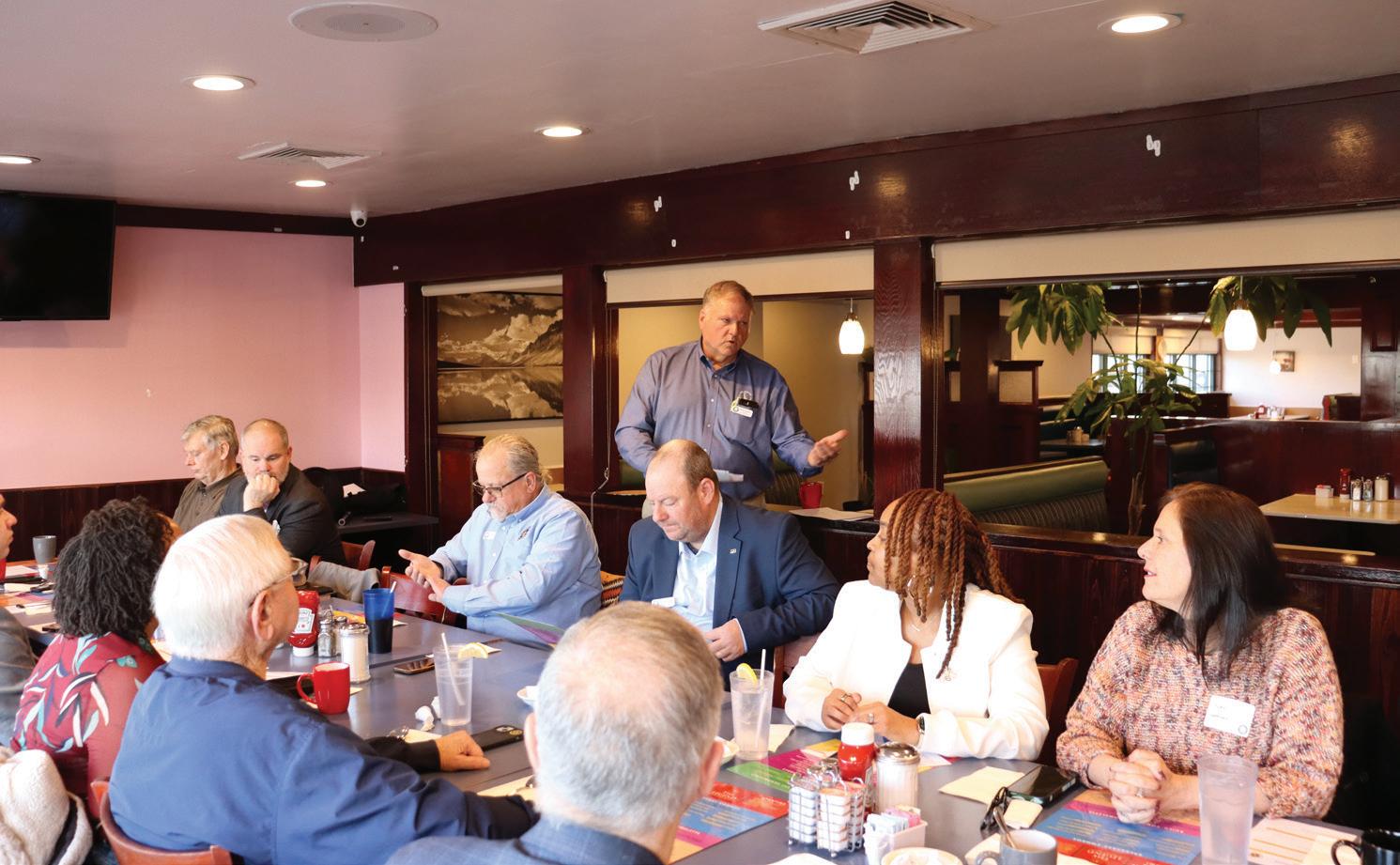
New Castle County Farm Bureau hosted a breakfast for members and legislators at The Legend Restaurant in New Castle to discuss legislative priorities.
Jaiden Cain DEFB Membership & Outreach Coordinator
The Zipline American Agriculture Drives the Economy
Spring always brings a sense of excitement on the farm. There’s planning to do, seeds to get in the ground and a lot riding on the months ahead. Every decision matters, because what we do today shapes what we’re able to harvest tomorrow. But the impact of that work doesn’t stop at the farm gate. Last week, I had the opportunity to stand at the White House alongside farmers, ranchers and Farm Bureau leaders from across the country to celebrate the role agriculture plays in our nation. Looking around, you could see farmers from every corner of the country and across different commodities, but we are all connected by the same purpose. We take very seriously our responsibility to feed, fuel and clothe this country.
According to the 2026 Feeding the Economy report, food and
agriculture supports $10.4 trillion in economic output, making up one-fifth of the entire U.S. economy. That’s a powerful reminder that what starts in our fields reaches into every part of American life.
American Agriculture Supports One in Three Jobs
On the farm, it’s easy to focus on the work right in front of you. But agriculture has always been bigger than any one farm or ranch. It takes a network of people to keep things moving, from the businesses that supply inputs like seed and fertilizer, to the folks who process, transport and sell the food we produce. Altogether, that work supports nearly 49 million U.S. jobs, or about one in every three jobs in this country. That’s not just farmers and ranchers. That’s truck drivers, grocery store employees, restaurant workers, veterinarians and so many others whose livelihoods are tied to agriculture in one way or another.
Whether you live in a rural town or a big city, agriculture is part of your story.
American Agriculture Strengthens Our Economy
The work farmers do sets off a chain reaction that touches every community. Food moves from farms to processing plants, onto trucks and into stores and restaurants. Along the way, it creates jobs, generates income, and supports the services we all rely on.
That includes more than $1.3 trillion in tax revenue, helping fund everything from schools and roads to healthcare and public safety. It all starts with production on the farm, but it doesn’t end there.
When farmers are doing well, that strength carries through the entire system. When we’re struggling, it doesn’t stay contained to the countryside. It shows up across the broader economy.
Keeping American Agriculture Strong for the Future
Farmers are facing tough conditions right now. Costs are high, markets are uncertain, and for too many farmers, the math just isn’t
working anymore. In some cases, we’re already seeing production decline or shift beyond our borders.
That matters because this isn’t just about food. It’s about whether the jobs and the economic strength tied to agriculture stay here in the United States. That’s why we need policies that keep farmers farming here at home. We need a new farm bill, labor reform, reliable markets and a regulatory environment that allows us to keep producing the food, fuel and fiber American families depend on.
Whether you farm five acres or 5,000, you’re part of something bigger than your own farm. You’re helping support jobs, strengthen communities and power an economy that reaches every corner of this country.
That’s something I was reminded of standing at the White House last week, and it’s something I carry with me every day on the farm. And it’s why supporting farm families should matter to every American.
Zippy Duvall American Farm Bureau Federation President
Government Affairs Update Mid-Session Legislative Update
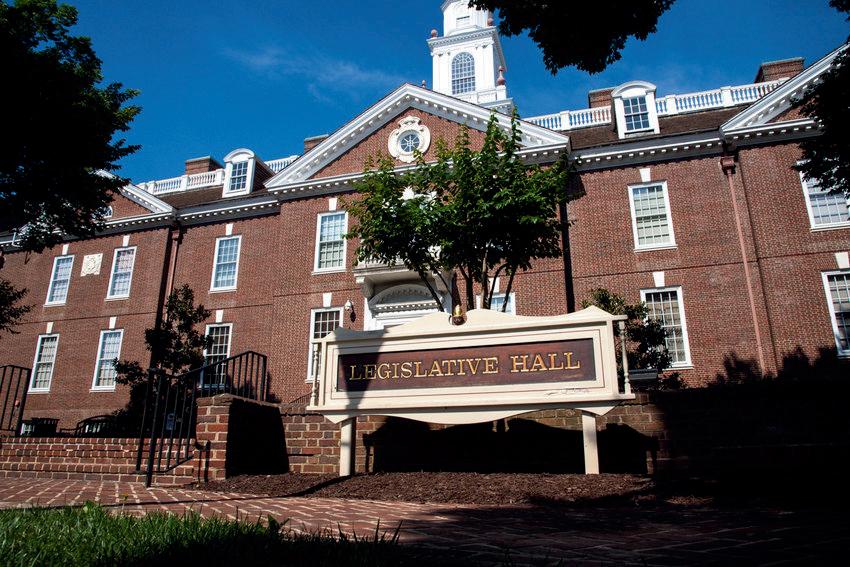
Legislators have returned to Dover following the two-week Spring recess and are gearing up for a pivotal final stretch of the 153rd General Assembly. With the June 30 adjournment deadline fast approaching, and elections on the horizon, lawmakers are moving quickly to advance priority legislation and leave a lasting impact. DEFB leadership, legislative committee members, and staff remain actively engaged in the process, advocating for members’ interests and ensuring their voices are heard in Dover during this fast-paced race to the finish.
What We’re Watching HS 1 for HB 274
Synopsis: This legislation increases the state child and dependent care expense tax credit from the current 50% match to a full 100% match of the federal credit.
House Substitute 1 clarifies that this would be applicable for tax years beginning on or after January 1, 2027.
Status: Released from the House Revenue and Finance Committee and has been assigned to the House Appropriations Committee.
DEFB Position: DEFB supports HS 1 for HB 274, after a February 2026 State Board of Directors vote.
DEFB believes this legislation can provide much-needed relief to farm families with children and other dependents.
HB 278 with HA 1 and HA 2
Synopsis: This bill amends Title 7 to expand recreational hunting by permitting Sunday hunting for all established game species, while preserving landowner and agency discretion. It updates handgun ammunition and other hunting implement regulations to reflect modern technology and reclassifies certain species by removing European and snowshoe hares as game animals and adding skunks and weasels.
Status: Passed the House, and has been assigned to the Senate Environment, Energy, and Transportation Committee.
DEFB Position: Support.
SB 9
Synopsis: The Act establishes a comprehensive state wetlands program covering both tidal and nontidal wetlands to address gaps in federal jurisdiction and improve permitting efficiency. It revises statutory wetland definitions, assigns the burden of proof for permit applicants, provides exemptions and conditional exemptions for activities including agriculture and silviculture, and directs DNREC to adopt regulations covering screening, mitigation, and protections for high-value wetlands. The bill also creates a Wetlands Regulatory Advisory Committee, including three DEFB members, repeals the existing nontidal wetlands chapter, clarifies federal permit-related exemptions, and establishes phased effective dates.
Status: Released from the Senate Environment, Energy, and Transportation committee, and placed on the Senate Ready List.
DEFB Position: Neutral. DEFB
appreciates the extensive agricultural exemptions included in the bill and commends the bill’s prime sponsor, Senator Stephanie Hansen, for her diligent outreach and engagement with stakeholders.
SB 211 with SA 1
Synopsis: This Act increases the size of the Governor’s Council on Agriculture from 7 to 9 members. The Act also requires that 1 member of the Council must be a livestock/poultry producer, and 1 member must be a farmer that is 40 years old or younger.
Status: Passed Senate and has been assigned to the House Agriculture Committee.
DEFB Position: Support. DEFB worked with the prime sponsor, Senator Kyra Hoffner, to file this legislation to get more representation on the Governor’s Council.
SS 1 for SB 212
Synopsis: This Act is the first leg of a constitutional amendment to establish the right to hunt, fish, and trap wildlife in Delaware. The substitute only removes references to “traditional methods” and clarifies that lawmakers and agencies may continue science-based wildlife regulation, licensing, and humane standards.
Status: Assigned to the Senate Executive Committee.
DEFB Position: Support.
SB 233 with SA 1
Synopsis: This Act requires snow and ice to be removed from a vehi cle before operation and establishes civil penalties for violations. It also creates a separate civil penalty when snow or ice dislodges from a
vehicle and causes property damage or physical injury. These penalties are not the exclusive remedy for damages. Senate Amendment 1 exempts farm vehicles and tractors.
Status: Awaiting Senate Environment, Energy, and Transportation Committee meeting.
DEFB Position: Support. If signed into law, DEFB plans to work with enforcement and regulatory agencies to ensure fair enforcement.
Get Involved
DEFB encourages members and supporters to engage with their legislators on the issues outlined above and to share their personal agricultural stories. Member involvement is critical to ensuring that policymakers understand the real-world impacts of their decisions. Those interested in learning more about DEFB’s advocacy efforts or getting involved are encouraged to contact Sydnie Grossnickle, Government Affairs Coordinator, at sydnie. grossnickle@defb.org or (302) 697-3183.
Last updated April 16, 2026.
Sydnie Grossnickle DEFB Government Affairs Coordinator



Protect Yourself Against Identity Theft
Identity theft is a growing concern in our increasingly digital world. As technology evolves, so do cybercriminals’ tactics. Understanding identity theft, its various forms, and how to protect yourself is crucial. As the Executive Vice President of Dover Federal Credit Union, I am committed to ensuring we have the programs, resources and educational support in place to protect the best interest of our members. Here are a few practical tips and strategies to help you avoid becoming a victim of financial fraud.
commit crimes, while synthetic identity theft combines real and fabricated information to create a new identity. With the rising popularity of Artificial Intelligence (AI), there are all sorts of new scams emerging.
Healthcare ransomware attacks and criminal identity theft are additional ways fraud occurs. Unfortunately, identity theft tactics are becoming more sophisticated and continue to evolve. This is why it’s incredibly important that Dover Federal Credit Union continues to invest in our organization’s security programs, processes and systems while also empowering our members with information to better protect themselves.
How does Identity Theft Happen?
tial information. Be cautious of unsolicited requests for your personal details.
• While consumers can’t prevent being a part of a data breach or the victim of a skimming device, constantly monitoring your accounts and updating passwords can minimize the damage.
How can you reduce the threat of Identity Theft?
What is Identity Theft?
Identity theft occurs when someone uses your personal information without your permission. This could include your name, Social Security number, credit card details, or other identifying information. Usually, the goal is for financial gain, but it can also be to commit fraud or other crimes using your identity. Unfortunately, it can manifest in various ways, each with unique characteristics and implications.
What are the Types of Identity Theft?
Financial identity theft is the most common form, where thieves steal your financial information to make unauthorized transactions or open new accounts.
Personal identity theft involves the unauthorized use of your personal details to open accounts in your name, apply for loans, or even
Identity theft can happen to anyone through multiple tactics such as phishing, data breaches, social engineering, physical theft, skimming and scanning.
• Phishing involves tricking individuals into providing sensitive information through fake emails, websites, or messages; that’s why it’s critical to verify the source before clicking on any links or sharing information.
• Caller ID spoofing is another technique that fraudsters are utilizing to try and obtain your personal information. The caller ID will display as a legitimate bank or government agency, and the caller is impersonating as a representative from these businesses to try to trick you to provide personal information.
• Through social engineering, consumers are often manipulated into giving up confiden-
Being aware of key identity theft signals can help you detect identity theft early. These signals could include unexpected charges, missing bills, suspicious activity on your account or credit report or even being denied credit. Here are a few tips for safeguarding your personal information to help you prevent identity theft:
• Limit the amount of personal information you share online and offline.
• Exercise strong password practices. Use strong, unique passwords and consider a password manager to keep track of them securely.
• Monitor your credit reports regularly.
• Enable two-factor authentication (2FA) on your accounts. This adds an extra layer of security, making it harder for thieves to access your information.
• Avoid phishing scams: Always verify the legitimacy of emails and messages before clicking on links or providing information.
• Reach out directly before providing any information to someone reaching out to you.
• Be sure to use the direct contact information you already have on your account or company’s website.
• Shred sensitive documents.
• Be cautious with public Wi-Fi.
• Avoid call spoofing: Always verify the legitimacy of the call and do not provide personal information to the caller.
• Hang up and call the number on your account statement or the company’s website to verify the authenticity of the request.
If you fall victim to identity theft, prompt action is essential. Be sure to notify your financial institution(s), freeze your credit and consider identity protection via fraud monitoring services.
At Dover Federal, safeguarding your financial information is paramount. That’s why our debit and credit cardholders are automatically enrolled in Fraud Text Alerts. This free service provides real-time text notifications about any suspicious activity on your cards. You’ll receive a text with the merchant’s name and transaction amount when a potentially fraudulent transaction is detected. You simply verify whether you made the purchase or not. If the transaction is legitimate, you confirm it, and no further action is needed. If it’s fraudulent, your card will be blocked, and you’ll receive a follow-up phone number to contact us.
Dover Federal Credit Union’s commitment to security, including services like Fraud Text Alerts and a comprehensive Security Center available on our website at https:// www.doverfcu.com/security-center, ensures you have the support and tools needed to stay protected.
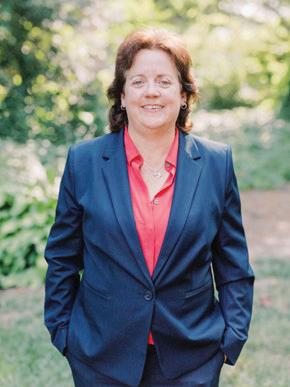
Donna Kiscaden
Executive Vice President, Dover Federal Credit Union
Six Delaware Agricultural Teachers Named Finalists for Golden Owl Award®
By: Delaware FFA Association
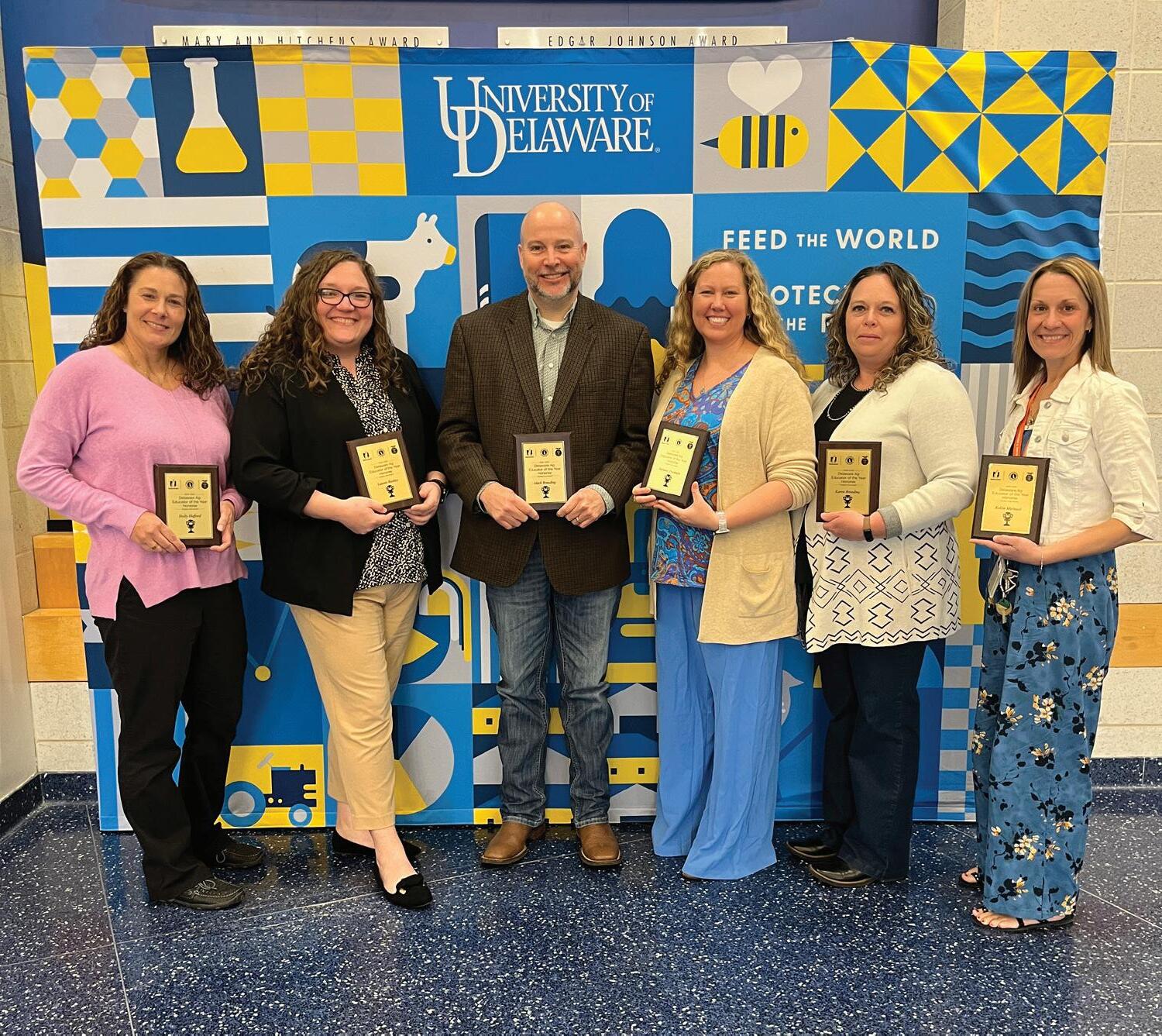
Educators devote limitless time, and often their own resources, to helping students pursue their passions. To recognize the contributions of Delaware’s leading agricultural teachers, the Delaware FFA, Delaware Farm Bureau, and Nationwide honored six exceptional teachers as finalists for the Golden Owl Award.
From October 2025, nominations were collected for the state’s top agricultural teachers from local students, parents, fellow teachers and community members across Delaware.
Delaware’s 2025-2026 Golden
Owl Award finalists are:
• Mr. Mark Breeding; Caesar Rodney High School
• Mrs. Holly Hufford; Smyrna Middle School
• Mrs. Lauren Ruskey; Caesar Rodney High School
• Mrs. Karen Breeding; Woodbridge High School
• Mrs. Stefane Freimuth; Smyrna Middle School
• Mrs. Kellie Michaud; Smyrna High School
Each finalist was presented with an individualized plaque in front of fellow teachers and students and will receive a $500 check to support future educational efforts.
Next, they’ll be entered into a final selection stage for the chance to be crowned Delaware’s Ag Educator of the Year, earning an additional $3,000 Nationwide-funded check and the coveted Golden Owl Award trophy.
“Delaware FFA if proud to honor the educators who dedicate their time, passion, and knowledge to cultivating the next generation of agricultural leaders; creating an impact far beyond the classroom and into the communities they serve.”Sarah Bell, State FFA Advisor Nationwide established the Golden Owl Award to honor the contributions of teachers and support their programs with additional resources to assist their continued educational efforts. This year, the award program honors outstanding ag educators in 15 states: California, Delaware, Illinois, Indiana, Iowa, Kansas, Kentucky, Maryland, Missouri, Nebraska, New York, Ohio, Pennsylvania, South Dakota and Utah.
“As the need grows for more ag educators across the nation, we are proud to thank and honor these hardworking agricultural teachers for their dedication,” said Brad Liggett, president of Agribusiness at Nationwide. “These educators play a crucial role in preparing students for successful careers in the industry.”
In conjunction with the Golden Owl Award, Nationwide is also donating $5,000 to the Delaware FFA to further support the personal and professional growth of students, teachers and advisors alike.
The Delaware FFA Association is a premier youth leadership orga-
nization preparing students for careers in agriculture, food systems, and natural resources. As part of agricultural education, FFA develops leadership, personal growth, and career success through classroom learning, supervised agricultural experiences (SAEs), and hands-on activities. Members participate in leadership and career development events, community service, professional development opportunities, and conferences. Delaware FFA equips students with the skills and confidence to succeed and make a positive impact in their communities and the agricultural industry.
Nationwide, a Fortune 100 company based in Columbus, Ohio, is one of the largest and strongest diversified financial services and insurance organizations in the United States. Nationwide is rated A+ by Standard & Poor’s. An industry leader in driving customer-focused innovation, Nationwide provides a full range of insurance and financial services products including auto, business, homeowners, farm and life insurance; public and private sector retirement plans, annuities and mutual funds; excess & surplus, specialty and surety; and pet, motorcycle and boat insurance.
For more information about Nationwide and Nationwide’s ratings, visit www.nationwide.com or Company Ratings — Nationwide. Subscribe today to receive the latest news from Nationwide and follow Nationwide PR on X.
Nationwide, Nationwide is on your side and the Nationwide N and Eagle are service marks of Nationwide Mutual Insurance Company. © 2025
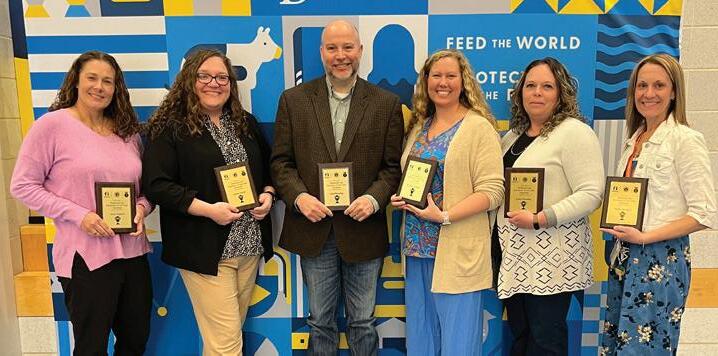
Delaware’s 2025-2026 Golden Owl Award finalist from left to right, Holly Hufford of Smyrna Middle, Lauren Ruskey of Caesar Rodney High, Mark Breeding of Caesar Rodney High, Stefane Freimuth of Smyrna Middle, Karen Breeding of Woodbridge, Kellie Michaud of Smyrna High. photo credit: Delaware FFA
Committee Corner
DEFB Highlights Farm Safety at Ninth Annual Ag Safety Conference
By: Jaiden Cain Delaware Farm Bureau
The Delaware Farm Bureau
(DEFB) Promotion and Engagement Committee (P&E) held its ninth annual Delaware Ag Safety Conference on March 18 at the Pratt Farm Lodge. Conference Chair June Unruh opened the event by thanking participants for their dedication to promoting safety in Delaware agriculture and shared her “three P’s” for approaching safety: prevent the preventable, prioritize safety, and protect your living assets. Attendees from across the state then took part in sessions
covering tick safety, proper livestock handling, fire extinguisher use, and preparing for unexpected on-farm emergencies.
Ashley Kennedy, Delaware Department of Natural Resources and Environmental Control (DNREC) Tick Biologist, presented on tick biology, ecology, and safety in Delaware. She explained that DNREC’s tick program conducts year-round surveillance and testing and provides resources to help identify the species found in the state. Kennedy highlighted four species of particular concern: the Longhorned Tick, American Dog Tick,
Lone Star Tick, and Blacklegged Tick. She noted that the Lone Star Tick is associated with alpha-gal syndrome, while the Blacklegged Tick, commonly known as the deer tick, can carry lyme disease and other pathogens. More information on tick safety is available at www. de.gov/ticks.
Susan Garey, Kent County Extension Director with University of Delaware (UD) Cooperative Extension, shared best practices for safe livestock handling. She emphasized the importance of remaining calm and quiet around animals, noting that their poor depth perception and
blind spots can make them easily startled by sudden movements. Garey also explained that animals’ flight zones vary depending on level of tameness. She reminded attendees to never turn their backs on male animals, which are often more aggressive. She closed by encouraging everyone to “plan, prepare, and always be aware.” More information on UD Cooperative Extension can be found at www. udel.edu/academics/colleges/canr/ cooperative-extension.
Chuck Snyder, Delaware State SAFETY CONFERENCE CONTINUED TO PAGE 16
DEFB P&E Committee Hosts Legislative Luncheon on National Ag Day
By: Jaiden Cain Delaware Farm Bureau
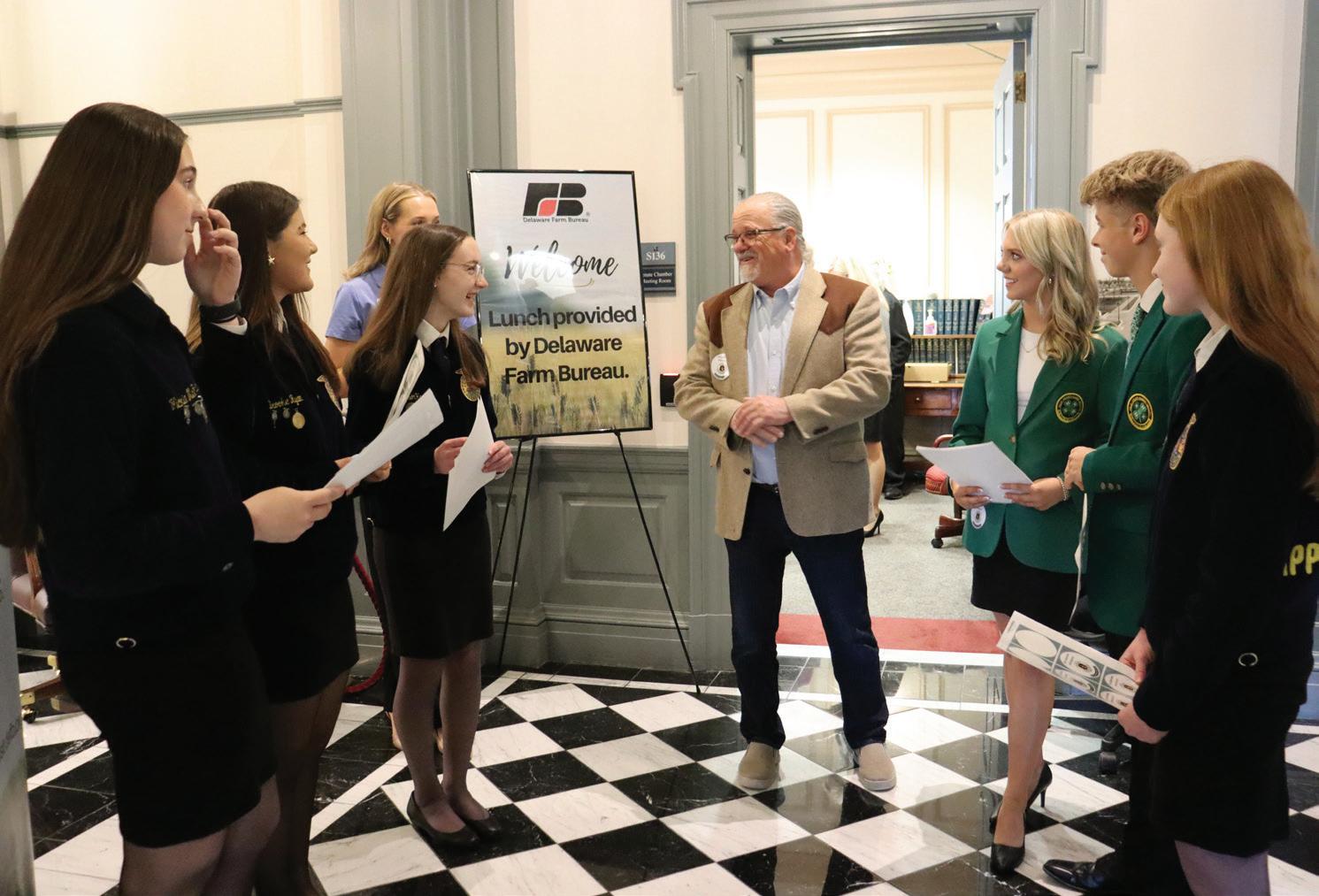
The Delaware Farm Bureau (DEFB) Promotion & Engagement Committee (P&E) hosted a legislative luncheon on National Ag Day, March 24, 2026, to celebrate agriculture and thank legislators for their continued support of Delaware agriculture.
This luncheon was started by Jackie King as a way to highlight agriculture in Legislative Hall. To show appreciation, legislators and legislative staff were invited to enjoy lunch served by P&E members. Several 4-H and FFA students also attended, representing the next generation of Delaware’s agricultural community. The luncheon provided DEFB members with the oppor-
tunity to speak directly with their elected officials about key agricultural priorities and issues impacting farmers across the state.
This event is part of DEFB’s ongoing efforts to maintain strong relationships with Delaware legislators, share the stories of Delaware farmers, and provide valuable education about the state’s diverse agricultural industry. DEFB is grateful for the support it receives from legislators and is proud of the productive partnerships built over the years.
For more information or to get involved with the DEFB P&E Committee, contact P&E Coordinator Mikayla Paul at Mikayla.paul@ defb.org or 302-697-3183.
Appoquinimink FFA Members, 4-H State Teen Council Members, the DEFB Ambassador, and DEFB President Bill Powers welcome legislators and legislative staff to an appreciation luncheon on National Ag Day.
Delaware Farm Bureau Members Attend AFBF Tar-
get Training in Washington, D.C.
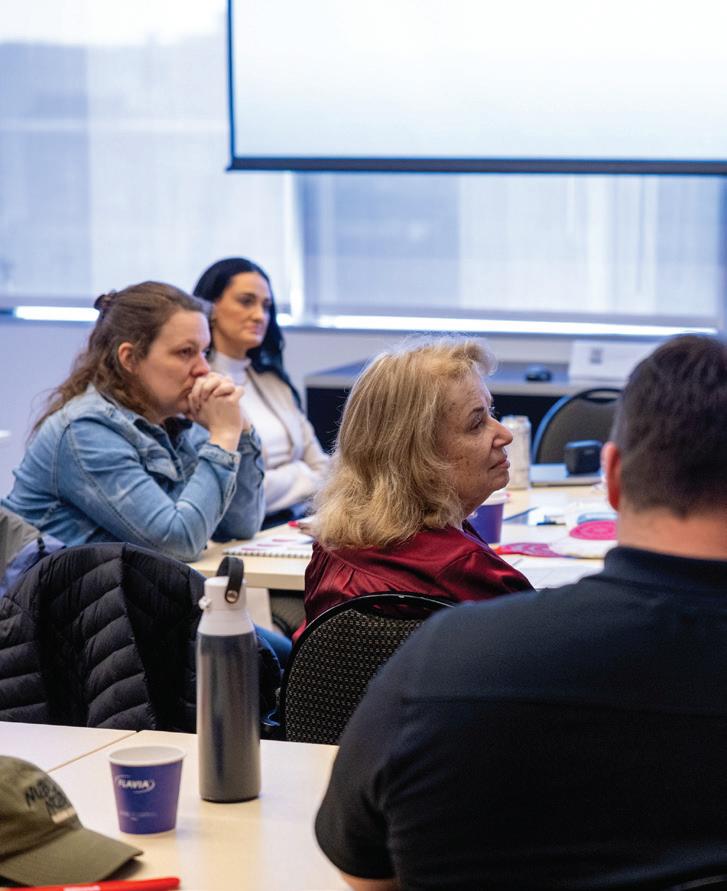
Every two years, the AFBF Promotion and Engagement (P&E) Committee hosts Target Training to inspire and equip farmers and ranchers to effectively convey the significance of agriculture and bridge the gap between field and fork. This year’s training was held March 26–28 in Washington, D.C.
In support of its mission to promote and protect Delaware agriculture through education and advoca-
cy, Delaware Farm Bureau (DEFB) provided the opportunity for members to attend. Throughout the training, attendees gained valuable insight into how P&E efforts can be strengthened at the state level. Key themes included the importance of structuring P&E work to meet the unique needs of each state, the necessity of communicating “the why” behind every message, and the powerful impact that comes when farmers and ranchers share their stories directly with consumers. Participants also had the chance to network with P&E leaders from across the country including Steve Breeding of Seaford who is serving as National P&E Vice Chair, ex-
changing ideas and learning about successful outreach strategies being used in other states. These conversations highlighted the shared challenges and opportunities facing agriculture nationwide and offered fresh inspiration for strengthening Delaware’s own engagement efforts
The P&E Committee plans to spend the next few months considering how these insights can be incorporated to strengthen communication between farmers and the public. Anyone interested in providing input or joining the P&E Committee is encouraged to contact Mikayla Paul at mikayla.paul@defb.org or (302) 697-3183.
P&E Committee: Spring Highlights Strengthening Connections Across Delaware Agriculture
The Delaware Farm Bureau (DEFB) Promotion & Engagement (P&E) Committee has been actively connecting communities with agriculture through a series of meaningful events this spring.
Debbie Kirk P&E Committee Co-Chair
Committee members celebrated National Agriculture Day with a luncheon at Legislative Hall, bringing together state legislators, DEFB representatives, and youth leaders to highlight the vital role agriculture plays in Delaware. Attendees enjoyed Delaware-grown products while discussing current issues fac-
ing farmers, supported by 4-H and FFA members whose involvement showcased the strength of agricultural education and the next generation of industry leaders.
The committee continued its outreach during Agricultural Literacy Week by visiting schools across the state, where volunteers read agriculture-themed books and sparked conversations about where food comes from. These visits helped students explore farming, food production, and the environment, building a foundation of agricultural awareness for future generations.
In addition to educational outreach, committee members dedicated time to community service through a volunteer effort at the Food Bank of Delaware. Volunteers worked together to pack fresh
oranges for distribution through mobile food programs, helping provide nutritious options to families in local communities. This handson effort reflects the committee’s ongoing commitment to service and support.
Committee members also engaged with students at the Delaware State FFA Convention College & Career Expo, held back in March at the University of Delaware. This event offered a valuable opportunity to connect directly with FFA members from across the state, share information about careers in agriculture, and highlight the role of Farm Bureau in supporting the industry. Conversations focused on pathways in farming, agribusiness, and advocacy, helping inspire and inform students as they consider
their future careers.
Through these efforts, the P&E Committee remains committed to strengthening connections between farmers, leaders, and the broader community. These initiatives not only celebrate Delaware agriculture but also foster education, awareness, and appreciation for the farmers who help feed and support our state.
The committee welcomes new members who are passionate about agricultural outreach, community engagement, and supporting Delaware’s farm families. Anyone interested in joining the P&E Committee is encouraged to contact Mikayla Paul at mikayla.paul@defb.org or (302) 697-3183 to learn more about upcoming meetings and volunteer opportunities.
Nancy Kitchen P&E Committee Member
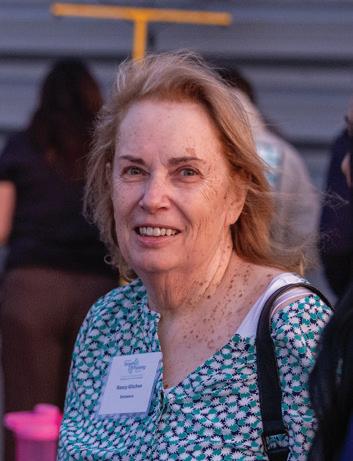
Nancy Kitchen, right, represented Delaware at the AFBF P&E Target Training in Washington D.C.
Delaware Young Farmers and Ranchers Grow Leadership Skills at National Conference
By: Jaiden Cain Delaware Farm Bureau
Four Delaware Young Farmers & Ranchers (YF&R) members attended the 2026 Farm Bureau YF&R Leadership Conference, held March 13–16 in Portland, Oregon. The conference provided networking opportunities along with educational sessions focused on learning, sharing, and growing together to build a sustainable future for agriculture and Farm Bureau.
YF&R is a committee of Delaware Farm Bureau (DEFB) for members ages 18–40 that emphasizes leadership and career development within the agricultural industry. Delaware YF&R proudly supports its active members by funding their participation in this conference through various fundraising efforts, such as the Annual Tractor Pull and their
auction at the State Annual Banquet, as well as with the help of generous sponsors like Horizon Farm Credit.
Among the Delaware representatives was Emerson Hickey of Middletown. Hickey serves as the DEFB Ambassador and won the Delaware Collegiate Discussion Meet in December 2025 advancing her to compete at the national level during this conference.
“Competing in the Collegiate Discussion Meet allowed me to engage in meaningful conversations about critical agricultural issues impacting not only the United States, but also right here in Delaware, alongside passionate and like-minded individuals from across the country,” Hickey said of her experience. Conference sessions covered a wide range of topics, including policy updates, consumer engagement,
and effective uses of social media in agriculture. These sessions equipped attendees with skills to help advocate for and preserve the future of agriculture. Participants also toured local agricultural operations, ranging from cideries, creameries, and chocolate producers to gardens and greenhouses highlighting the diver-
sity of Oregon agriculture.
For more information about YF&R, contact State Chair Connor Vincent at connor.vincent33@ gmail. For more information about Collegiate Discussion Meet, contact DEFB Government Affairs Coordinator Sydnie Grossnickle at sydnie. grossnickle@defb.org.
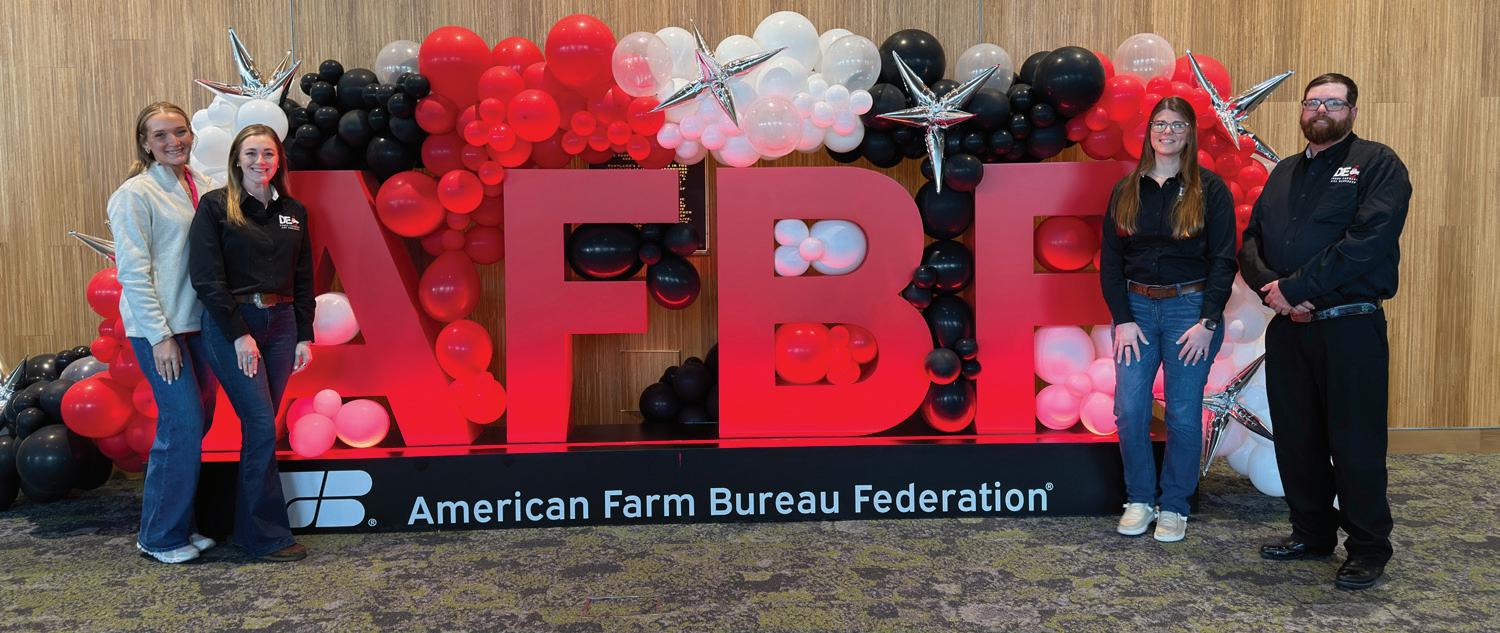
Oregon. From left to right, Emerson Hickey, Connor Vincent, Taylor Robichaud, JT Robbins.
Meet Ainsley West, Sus-
sex County YF & R Chair


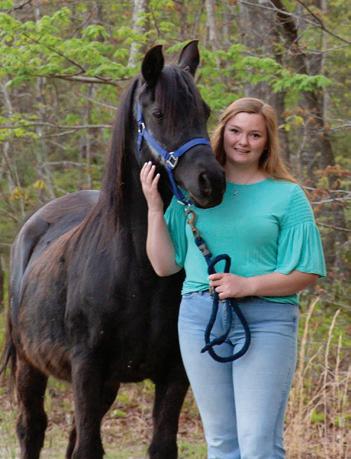
Ainsley West Sussex County YF&R Chair
I am Ainsley West, a 20-yearold from Milton. I grew up on my family’s farm, where I’ve built my own flock of 50 sheep. My sheep journey began on my cousin’s sheep farm in Bridgeville, and in 2019 I purchased my first Leicester Longwool ewe and ram. Since then, I’ve added two more heritage breeds to my flock.
My involvement with sheep has led to some incredible opportunities, including serving as the 2022
Delaware Teen Miss United States Agriculture and the 2023 Delaware Sheep and Wool Ambassador. I was highly active in 4-H for 11 years and now serve as a 4-H Link and Leader.
I’m attending Delaware Tech, majoring in Production Agriculture. I became involved with DEFB two years ago and have enjoyed everything it has to offer. I now serve as the Sussex County YF&R chair. I look forward to the state fair each year, especially helping out at the DEFB Food Booth, which is also my favorite place to eat at the fair!
If you are interested in joining YF&R, contact State Chair Connor Vincent at connor.vincent33@gmail. com.
Four Delaware Young Farmers and Ranchers members attended the National Leadership Conference in Portland,


MAY 7
THURSDAY
Young Farmers & Ranchers Meeting
7:30pm - 9:00pm
Delaware Farm Bureau
3457 S. Dupont Hwy. Camden, DE 19934
JUNE 4
THURSDAY
Young Farmers & Ranchers Meeting
7:30pm - 9:00pm
Delaware Farm Bureau
3457 S. Dupont Hwy. Camden, DE 19934
UPCOMING EVENTS UPCOMING EVENTS
MAY 11
MAY
16
MAY 27
SATURDAY
State Board Meeting
3457 S. Dupont Hwy. Camden, DE 19934 7:00pm - 10:00pm
13th Annual Milk Run/Walk
8:00am Registation | 9:00am Race Starts
Delaware Farm Bureau
JUNE 8
- 10:00pm

Ramsey’s Farm 440 Ramsey Road Wilmington, DE 19803
JUNE 19
Juneteenth (DEFB State Office Closed)
Delaware Agricultural Museum 866 N Dupont Highway Dover, DE 19901 5:30pm - 6:30pm Hosted by the P&E Committee
13TH ANNUAL
SATURDAY, MAY 16, 2026
Registration begins: 8:00 AM Race Starts: 9:00 AM 440 Ramsey Road Wilmington, DE 19803
RAMSEY'S FARM


Youth in Ag Spotlight From 4-H to the Fields: Growing Leaders Through Agriculture
Agriculture is more than just an industry. It is a way of life rooted in opportunity, education, and family, teaching me the value of hard work, dedication, and an appreciation for Delaware’s number one industry. Through agriculture, I have developed values and morals that have shaped who I am today.
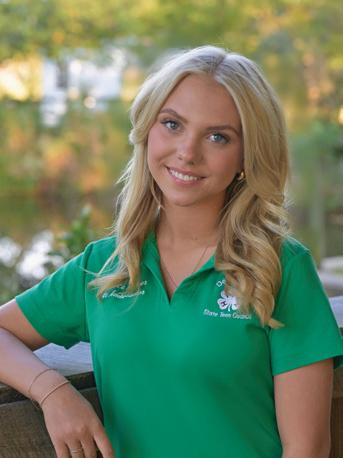
opened the door to my involvement in agriculture and has provided lessons that extend far beyond “cows and plows,” including leadership, commitment, and the importance of community.
Youth organizations like 4-H play a vital role in immersing participants in hands-on learning experiences that build foundational knowledge, provide physical application, and spark interest in the agricultural industry. 4-H
My personal 4-H experiences have ranged from animal science to plant research, as well as community involvement. Raising market goats for the Delaware State Fair strengthened my bond and connection to the industry, while teaching me practical skills such as basic veterinary care, feeding strategies, and an understanding of meat production. These experiences also instilled in me compassion, patience, and a strong sense of responsibility.
For the past two years, I have attended the National 4-H Ignite Summit in the agriscience and animal science pathways. Through
interactive workshops like “Soil Secrets,” where I learned about soil nutrients and composition that support crop growth, my passion for agriculture truly developed and inspired my goal of becoming an agronomist!
Last year, I founded “Sow and Tell: Promoting Agriculture to the Next Generation,” an advocacy program connecting youth to the industry. The experiences have taken me to Legislative Hall visits and state meetings, and presenting workshops at county camps on propagation and livestock judging. Overall, 4-H has provided me an opportunity to experience all the agriculture industry has to offer. Through this, agriculture has given me purpose, leadership, and a passion to educate others. I am excited for the future and what it holds for
myself, our community, and our industry.
DEFB Summer Interns Strive to Connect Producers and Consumers
By: Jaiden Cain Delaware Farm Bureau
Delaware Farm Bureau (DEFB) is pleased to announce that Harmony “Montana” Golden of Felton and Dillana Reed of Camden will serve as DEFB Summer Interns. Golden and Reed will work collaboratively to support DEFB’s mission to promote and protect Delaware agriculture through education and advocacy to ensure a quality of life for farmers and their
families and their consumers.
Golden, originally from Panama City, Florida and now residing in Felton, is currently a sophomore at Warner University in Lake Wales, Florida, where she is majoring in Agricultural Studies and minoring in Marketing and Education. Her passion for agriculture stems from growing up on her family’s farm and her early involvement in FFA.
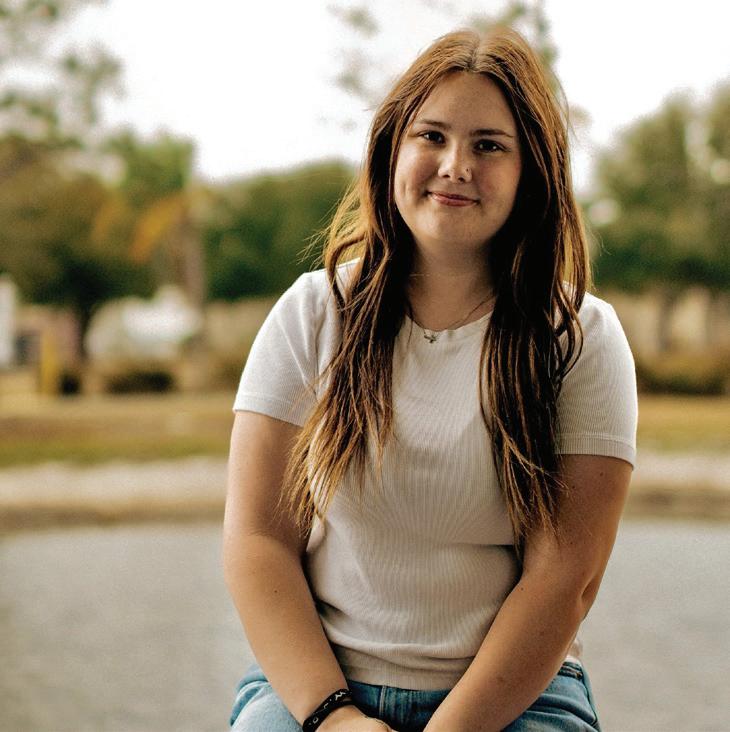
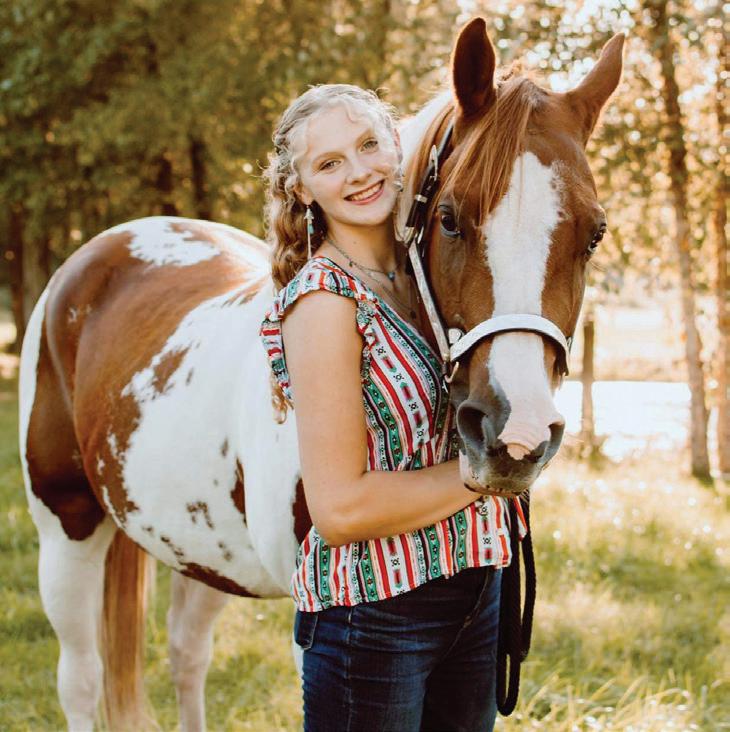
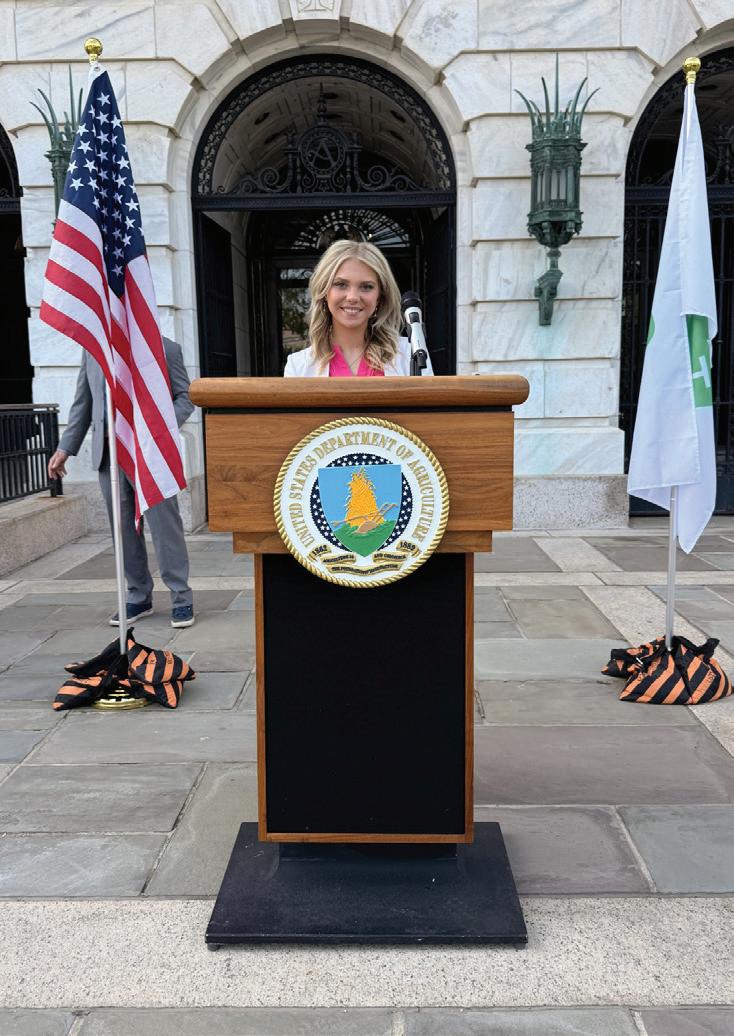
Juliette Anger is currently serving as a Delaware 4-H State Teen Council State Ambassador.
Photo submitted by Juliette Anger
Juliette Anger DE 4-H State Teen Council State Ambassador
Dillana Reed of Camden
Montana Golden of Felton
Foundation Focus Delaware Farm Bureau Foundation Promotes Agricultural Literacy in Local Schools
By: Jaiden Cain Delaware Farm Bureau
Volunteers with the Delaware Farm Bureau (DEFB) Foundation spent Ag Literacy Week, March 15–21, 2026, visiting elementary schools across Delaware to read an agriculture-themed children’s book and spark conversations about where food comes from. During each visit, volunteers highlighted the importance of understanding agriculture and its role in everyday life.
This year’s featured book was “Kenna, the Produce Princess: The Crown of Confidence”, written by local farmer and author Katey Jo Evans. The story follows Kenna through her adventures on the farm and at the county fair, where she learns valuable life lessons such as perseverance and believing in herself. The book promotes agricultural awareness and encourages self-confidence among students
throughout the state. Each classroom received its own copy of the book, donated by the Foundation.
Volunteers visited more than 10 schools statewide, reading to numerous classrooms and inspiring students to be curious about agriculture, ask questions, and dream big.
“My students were actively engaged in the agriculture stories and real-world examples that Mrs. Urian brough to life,” said Rebecca Fabi, a teacher at Clayton Intermediate School in Clayton.
“My students were participating in conversations about each of the books she shared and were eager to hear more.”
This outreach effort supports the DEFB Foundation’s larger mission: to build awareness, understanding, and positive public perception about Delaware’s farm operations and fresh local food. The Foundation works year-round to educate
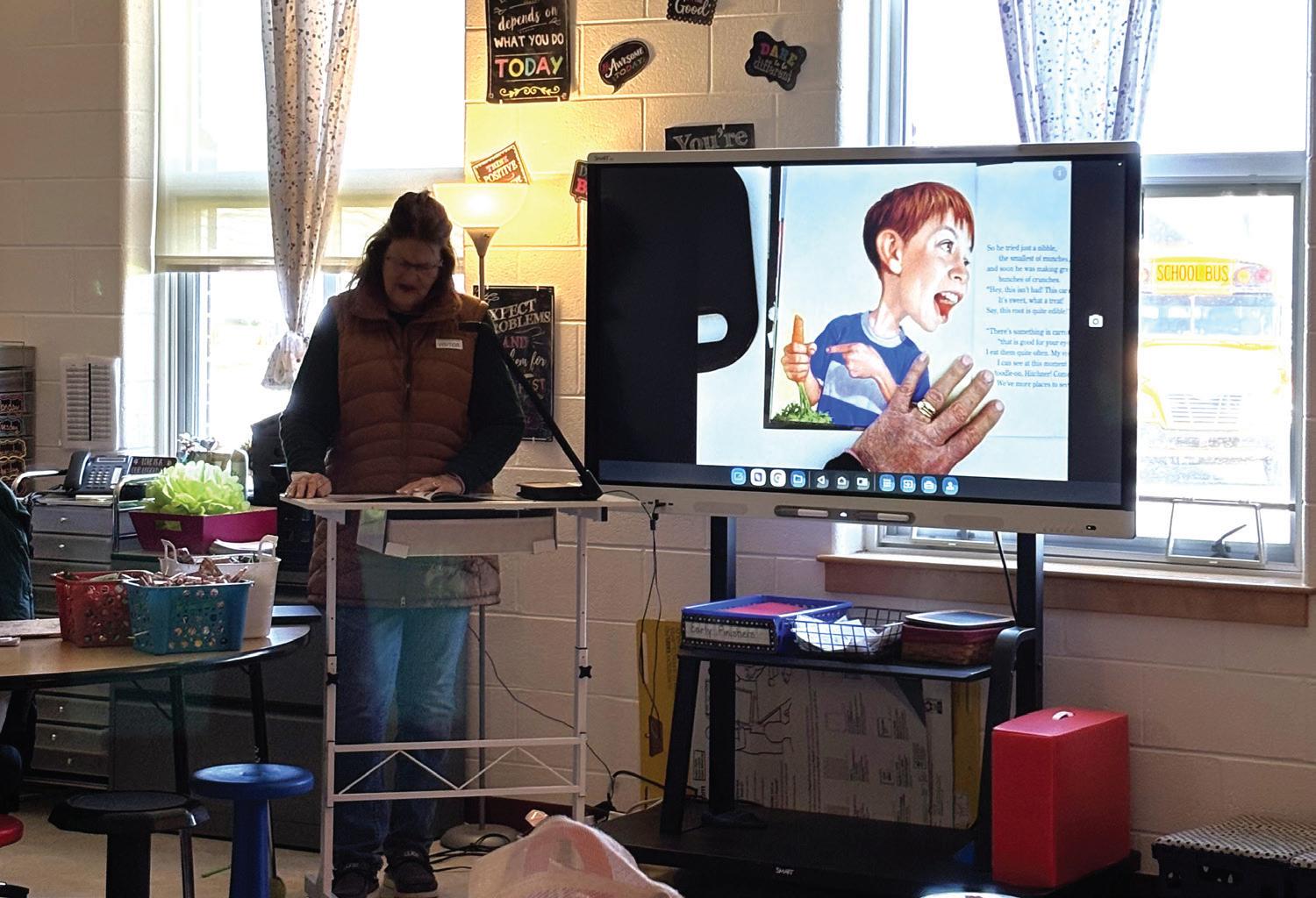
Sandy Urian of Clayton reads an agriculturally accurate book to students at Clayton Intermediate School in Clayton during Ag Literacy Week.
children about agriculture, healthy eating, and the importance of knowing where their food comes from.
For more information on the DEFB Foundation, visit www.defb.
org/foundation/. To request a classroom or youth camp visit, contact DEFB Ag Literacy Coordinator Noah Dixon at noah.dixon@defb. org.
COME GROW WITH US.
You can count on your local Relationship Manager to be your advocate—providing local support with local decisions to help you make your business goals happen.
DEFB Welcomes Noah Dixon as Ag Literacy Coordinator

SAFETY CONFERENCE
CONTINUED FROM PAGE 9
Fire School Field Instructor, offered guidance on the safe use of fire extinguishers. He reviewed the five classes of extinguishers:
A – Ordinary Combustibles
B – Flammable Liquids
C – Electrical Equipment
D – Combustible Metals
K – Cooking Media (greases, fats, oils)
Snyder also provided a hands-on learning experience using a fire extinguisher simulator. He advised participants to stand with their backs to the wind, six to ten feet from the fire, pull the pin, aim at the base of the flames, gently squeeze the lever, and sweep from left to right until the fire is fully extinguished. Snyder reminded attendees to check extinguishers annually and noted that metal extinguishers can be refilled. Additional information is available at www.statefireschool.delaware. gov.
Todd Givler, Nationwide Sr. Con-
By: Jaiden Cain Delaware Farm Bureau
Delaware Farm Bureau (DEFB) has hired Noah Dixon of Felton as the Ag Literacy Coordinator.
In this role, Dixon will support DEFB’s mission to promote and protect Delaware agriculture through education and advocacy to ensure a quality of life for farmers and their families and their consumers. The Ag Literacy Coordinator works to build understanding of where food and fiber come from by developing educational materials, coordinating classroom and community outreach, and strengthening
sultant Sponsor Relations, spoke on Nationwide’s newest campaign, Farm Risk Ready. His presentation focused on identifying and prioritizing the biggest risks on an operation and developing effective response plans. Givler stressed the importance of asking “what if?” to better prepare for unexpected events, noting that 65% of people do not have a formal emergency plan and instead take a “wait and see” approach. He explained that having established plans can also benefit insurance policies by demonstrating lower risk. Attendees were encouraged to review their preparedness strategies and take proactive steps. More information on Farm Risk Ready can be found at www.nationwide.com/ lc/resources/farm-and-agribusiness/ articles/farm-risk-ready.
Jimmy Hughes, Pesticide Program Manager and Sussex County Inspector with the Delaware Department of Agriculture (DDA), delivered a presentation on proper pesticide management. He outlined the steps
connections between farmers and schools across the state.
“I am excited for the chance to educate Delaware’s youth about the significance of agriculture as an industry and in their lives,” said Dixon. “Young people are our future, and when we feed into them, the future is a stronger and brighter place.”
Dixon previously served as a DEFB intern, where he gained hands-on experience with Farm Bureau programs and agricultural education. He has also been actively involved with the National FFA Organization, serving two years
required to become a Certified Pesticide Applicator and reviewed the ongoing training necessary to maintain certification. Hughes also discussed important safety precautions. such as proper handling and planning, when applying pesticides. Participation in his session provided attendees with one credit toward their certification renewal. For more information on the DDA Pesticide Management Program, visit www. de.gov/pesticides.
“It is very important to stay
as a Delaware State FFA Officer and continuing to volunteer with the state organization. In addition, Dixon was a marketing intern with the Delaware Department of Agriculture.
He will graduate from Delaware State University in May 2026 with a degree in general agriculture and has been active in Collegiate FFA and the development of the DSU Collegiate Farm Bureau.
For more information or to request an ag literacy visit, contact Dixon at noah.dixon@defb.org.
informed and work smart; don’t learn the hard way,” Unruh said as she praised attendees for prioritizing safety education. “Keep a safety checklist in your head, and learn it, use it, and share it.”
For more information on DEFB’s Safety Conference or Promotion and Engagement Committee contact DEFB Assistant Executive Director and Marketing Coordinator Mikayla Paul at mikayla.paul@defb.org, 302-697-3183, or www.defb.org.
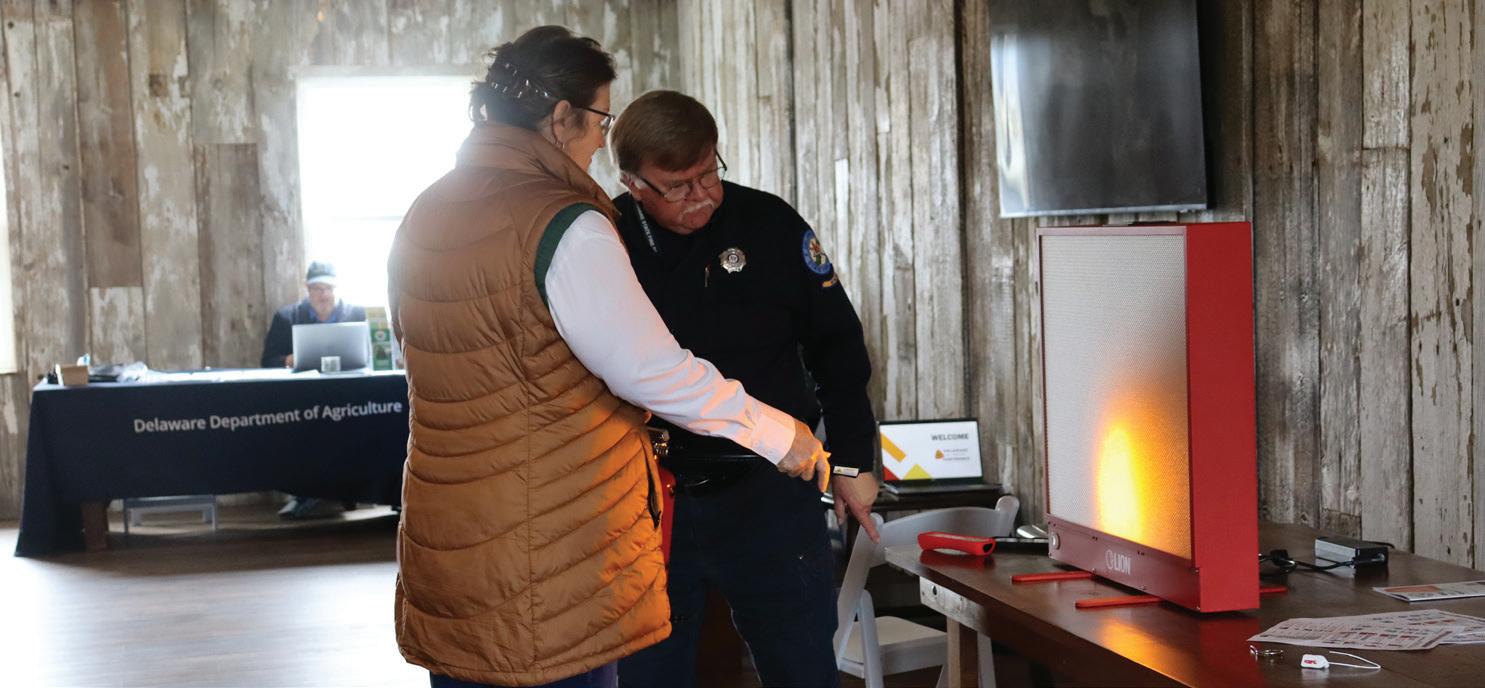
Chuck Snyder, right, assists Sandy Urian, left, with the fire extinguisher simulator.
Noah Dixon is excited to serve as the DEFB Ag Literacy Coordinator.
See Behind the Scenes of Delaware Farming in New Documentary
By: Jaiden Cain Delaware Farm Bureau
“Deeply Rooted: Family Farming in Delaware” is a 2026 documentary that takes viewers into the lives of family farms across the state. The project was developed by former Delaware Secretary of Agriculture Ed Kee, who partnered with Michael Oates and 302 Stories, Inc. to highlight how family farming continues to shape Delaware’s landscape, economy, and communities.
The documentary follows farmers through their daily work, offering a closer look into the agricultural industry. Their stories reflect the passion and family legacy that continue to define farming in Delaware.
Several family owned farms representing a wide range of commodities are featured through a single growing season, from planting to harvest. Viewers see the realities of farming,
SUMMER INTERNS
CONTINUED FROM PAGE 14
Golden is eager to gain hands-on experience in agricultural advocacy, connect with industry professionals, and build real-world skills through DEFB projects and events. Outside of the classroom, she serves as an intern with Youth Leaders in Production Agriculture and is actively involved in Delight, a college ministry, where she is the Team Director for her campus chapter. Golden aspires to become an agriculture teacher or pursue a career that supports and advances the agriculture industry.
“This opportunity means a lot to me because it allows me to grow professionally, build confidence, and take meaningful steps toward
including long days, difficult decisions, and unexpected challenges.
“Deeply Rooted” works to narrow the gap between producers and consumers by connecting audiences with the farmers who feed their communities.
“Agriculture is one of the biggest contributors to Delaware’s economy as Delaware farms generate more revenue per acre than farms in 47 other states,” said Kee. “Yet few people realize how significant agriculture is to the state, and that 96% of Delaware farms are family owned. Many of these families have worked Delaware soil for generations, and this program introduces viewers to some of them through an annual growing season.”
The documentary can be viewed online on the Delaware Farm Bureau YouTube channel at https://tinyurl. com/vh7ydupa. The project was par-
my future career while working in a field I am passionate about,” said Golden about the summer internship.
Reed, a Camden native, is currently a junior at Delaware Valley University in Doylestown, Pennsylvania, where she is pursuing a degree in agribusiness with a specialization in livestock, dairy, and equine studies. She strongly connects with DEFB’s mission through her background in her family’s farm and firsthand experience with the challenges farmers face. Outside of her coursework, Reed enjoys helping on the farm, spending time with her horse, and riding with the western equestrian team at her college. Her interest in the internship was sparked by her family’s
tially funded by a grant from Delaware Humanities, a state program of the National Endowment for the Humanities, with additional support from the Delaware Department of Agriculture, Delaware State Farm
involvement in the organization and DEFB’s support of both the agricultural industry and the local community. Reed looks forward to expanding her skills across all areas of agriculture, especially agricultural policy, member services, and industry advocacy.
“I take pride in my agricultural roots and am grateful for the opportunity to grow professionally while contributing to an organization that supports Delaware agriculture and its producers,” said Reed.
A major project for the interns this summer will focus on encouraging families to incorporate Delaware-grown specialty crops into their everyday meals. This initiative will provide easy-to-follow recipes, promotion of local farm markets,
Bureau, Horizon Farm Credit, the University of Delaware College of Agriculture and Natural Resources, Berkana, the Center for Media and Education, and 302 Stories, Inc.
and instructional cooking videos featuring DEFB members, chefs, and other local food advocates.
Funded through the United States Department of Agriculture Specialty Crop Block Grant and in partnership with the Delaware Department of Agriculture, the project aims to strengthen connections between consumers and farmers, promote the inclusion of specialty crops in daily meals, and encourage family engagement in both the kitchen and agriculture.
To learn more about Delaware Farm Bureau, visit defb.org. To contribute a recipe or be featured in a cooking video, please contact DEFB Assistant Executive Director and Marketing Coordinator Mikayla Paul at mikayla.paul@defb.org.
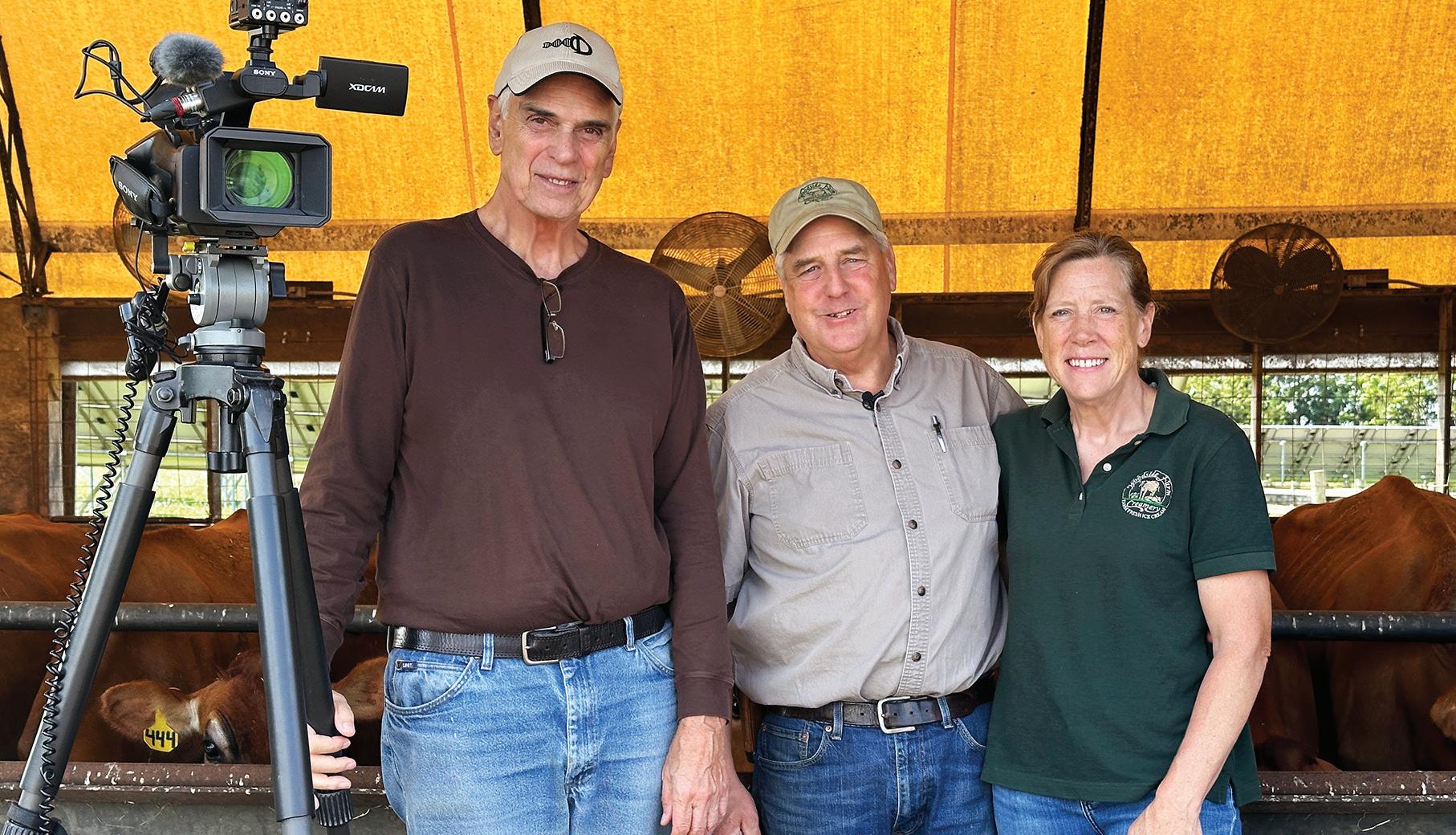
Director Michael Oates, left, features Jim and Janet Mitchell of Woodside Creamery in Hockessin in new documentary “Deeply Rooted: Family Farming in Delaware”.
Volunteers Needed for DEFB Food Booth at the Delaware State Fair
By: Jaiden Cain Delaware Farm Bureau
The Delaware Farm Bureau (DEFB) Women’s Committee is seeking volunteers to help staff the DEFB Food Booth at the Delaware State Fair.
The Food Booth will be open from 12:00 p.m. to 11:00 p.m. on July 23, and 7:00 a.m. to 11:00 p.m. daily from July 24 through August
FFA BLUE JACKETS
CONTINUED FROM PAGE 1
values and a passion for agriculture. She added that receiving her own jacket makes her feel truly connected to that community.
DEFB President Bill Powers addressed the convention hall, expressing the DEFB’s pride in supporting students through this program. He emphasized the importance of ensuring members have the opportunity to compete in their own blue jacket. Powers also noted that this year’s convention marks the 50th anniversary of his election as a Delaware FFA state officer, reflecting on how the skills he gained in that role helped shape his career and leadership journey.
The 2026 Blue Jacket Bonanza recipients are as follows:
Appoquinimink
Jacob Dzuriak
Alysse Kennedy
Jordan Kerr
Audrey Serajose
Gabby Yaiser
Caesar Rodney
Nicholas Bell
Savannah Ferger
Cydney Jones
Paisley Kessler
1. Proceeds from the Food Booth support the Women’s Committee Youth Scholarship Program.
Volunteers may participate as individuals or as part of a group. Youth groups that volunteer will have the opportunity to earn funds for their organization. Volunteer opportunities are divided into scheduled shifts, which will be available at the time of sign-up. No
Kendall Tatman
Rowan Watras
Conrad
Peyton Riley
Indian River
Maddelyn Marvel
Lake Forest
Taylor Boyer
Rylan Brode
Kelsie Demoss
Olivia Jones
Charli Schulz
Kenzie Smolecki
Anna Spence
Rylann Thompson
McKean
Kaamil Alston
Sophia Charlton
Constance Jaskolka
Connor Jones
Payton Pierce
Middletown
Paige Green
Lana Manzo
Milford
Amara Duff
Addison Evans
Aubrey Jones
prior experience is necessary. All volunteers must be at least 14 years of age and will receive brief on site training and support from Food Booth coordinators.
Food Booth duties include taking customers’ orders, preparing food and beverages, maintaining a clean workspace, greeting customers, and washing dishes.
Individuals, families, youth
Aidan Millman
James Truitt
Odessa
Teagan Lomas
Catherine Lyon
Bailey Myers
Scarlett Redden
Ryan Taylor
Kinsley Trego
Liana Yetsko
Aiden Zonvide
Seaford
Joshua Koski
Gavin LeCates
Levi Massey
James Reinke
Camden Todd
Smyrna
Kaydence Bartsch
Georgeanna Ennis
Bradley Masten
Lily McNatt
Arizona Miller
Austin Rumfelt
Savannah Snow
Emery Thurmond
Natalie Webber
Sussex Academy
Jenna Davis
Grayce Glover
groups, and organizations interested in volunteering at the DEFB Food Booth are encouraged to sign up. For more information or to reserve volunteer shifts, please contact DEFB Women’s Committee Coordinator Jan Cartanza at jan. cartanza@defb.org or Food Booth Coordinator Connie Fox at foxfarm1996@msn.com.
Claudia Warren
Sussex Central
Bethany Agyei-Yeboah
Aryianna Drummond
Dayanna Fernandez-Rodriquez
Jesus Garcia Morales
McKinley Messick
Rocio Ramirez-Diego
Alvin Revolorio-Perez
Lupita Velazquez
Wesley Velasquez
William Penn
Shardae Burns
Isabel Cornejo
Oskar Konkiel
Levi Parker
Arianna Rodriguez
Annabel Zamichieli
Woodbridge
Brooke Messick
Kelsey Messick
Emily Porches
Shelby Pusey
Logan Sears
Emma Short
Hidalma Solis-Morales
For more information on the Blue Jacket Bonanza program or Delaware Farm Bureau, visit www.defb. org.
Risk Management Conference Equips Delaware Producers with Tools for 2026
By: Jaiden Cain Delaware Farm Bureau
The University of Delaware (UD) Cooperative Extension and the Delaware Farm Bureau hosted a Risk Management Conference in Harrington on February 25, 2026. The conference provided attendees with practical strategies to reduce risks on their farming operations and strengthen their financial bottom line.
The morning opened with remarks from Delaware Secretary of Agriculture Don Clifton, who encouraged farmers to review their crop insurance options, especially in light of the newly released Crop Insurance Assistance. Kent County Farm Bureau President Jim Minner also welcomed participants, emphasizing the importance of continued education and proactive planning in agriculture.
Nate Bruce from the UD Cooperative Extension, presented the 2026 Commodity Crop Budgets and later introduced the economics of precision conservation. He explained how enterprise budgets support operational planning by helping farmers determine profitability and breakeven costs. He encouraged attendees to use Excel or farm management tools such as FAST Tools or Ag Decision Maker to support financial decision-making.
James Adkins and Jarrod Miller, also from the UD Cooperative Extension, discussed the economics of agricultural technology, outlining the differences between automated and data-driven technologies as well as traditional versus precision methods. They stressed the importance of understanding capital,
labor, and time investment, noting that farmers should consider both the cost of adopting new technology and the expected timeline for return on investment.
Kevin Wooten of the U.S. Department of Agriculture (USDA) Risk Management Agency (RMA) provided an in-depth overview of crop insurance options. He highlighted recent updates to crop insurance provisions related to peppers and triticale, along with updates to premium subsidy rates for beginning farmers. Wooten also noted additional premium assistance and increased coverage levels now available to producers. For more information visit www.rma.usda.gov.
Dale Maurice Johnson from the University of Maryland presented a grain market outlook and reviewed commodity balance sheets. Johnson underscored the challenges of market prediction due to fluctuating local supply and demand.
Faith Parum, Economist for the American Farm Bureau Federation (AFBF), spoke on the economics of agricultural chemicals, noting that the United States used 10% of global fertilizer in 2021 and that shipping disruptions continue to influence pricing. She encouraged attendees to stay informed through AFBF’s Market Intel resources at www.fb.org/market-intel.
Maryann Reed of the Farm Service Agency provided an agency update highlighting their programs available. The Supplemental Disaster Relief Program (SDRP) program will be administered in two stages and applications for both stages are currently open through April 30. The Conservation Reserve
Enhancement Program (CREP) encourages farmers and landowners to enroll in long-term conservation contracts, removing environmentally sensitive land from agricultural production and implementing conservation practices. She also encouraged attendees to reach out to their county offices for information on the Conservation Reserve Program (CRP). To learn more about FSA and their programs, visit www.fsa.usda.gov.
The conference concluded with a presentation from Kelly Sipple from UD on retirement planning
options and Laurie Wolinski of UD and Jennifer Ford of the Mental Health Association of Delaware on ambiguous loss in agriculture. They explained that stress often builds gradually and can stem from unclear or compounding sources. Farmers, they noted, face constant uncertainty and demanding decisions, contributing to significant mental strain. They also highlighted the unique cultural challenges within agriculture, including strong self-reliance and limited safe spaces to discuss personal struggles.
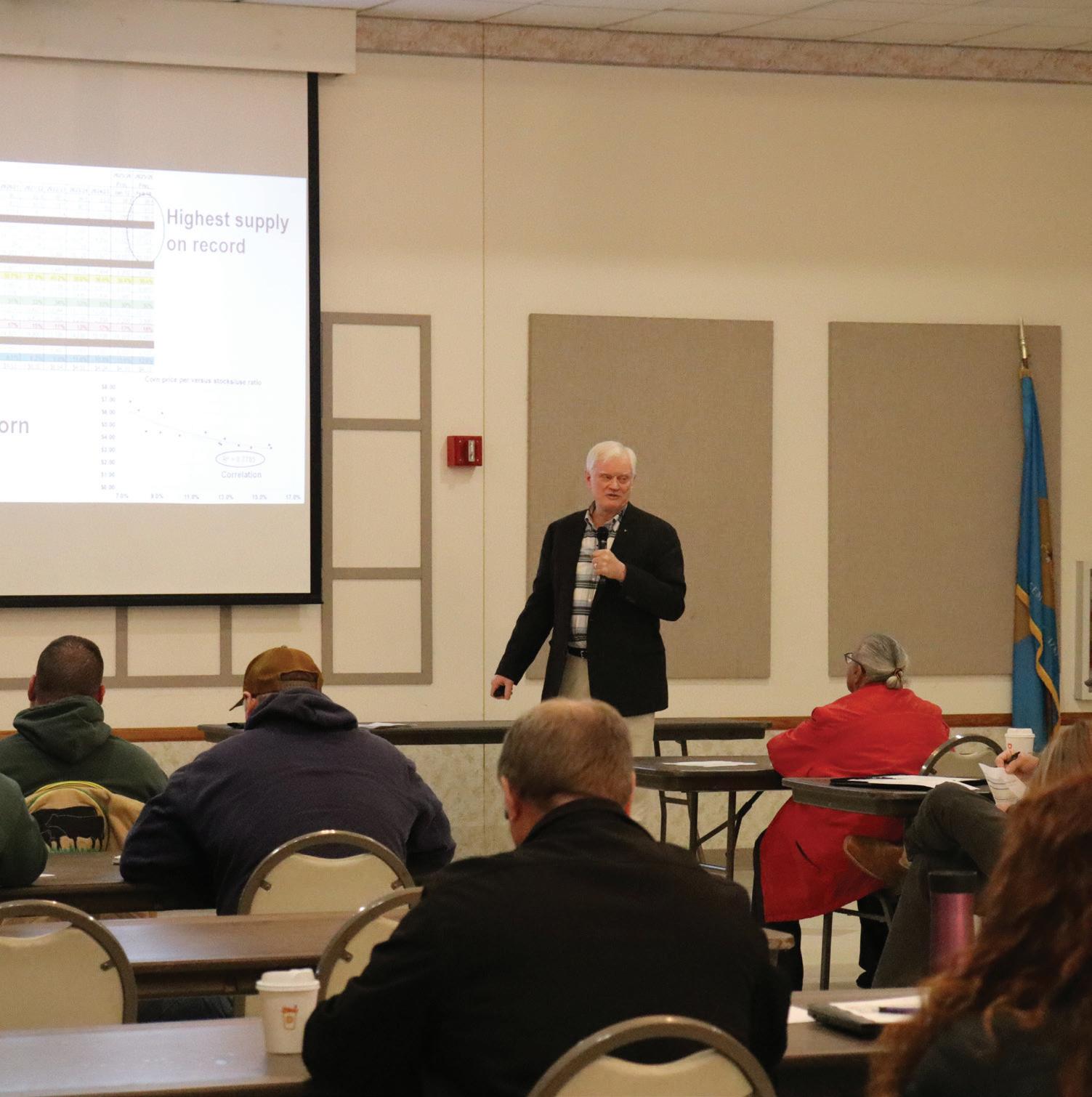
Dale Maurice Johnson from University of Maryland presented on grain market outlook to the attendees of the 2026 Risk Management Conference held at the Harrington Fire Hall on February 25.
Updates from AFBF Farm Bureau Survey Reveals Real Impact of Fertilizer Availability and Price
Rising input costs tied to the conflict in the Middle East are adding strain to an already challenging farm economy. To better understand how global fertilizer market disruptions are affecting producers during spring planting, the American Farm Bureau Federation conducted a Fertilizer Availability Survey of farmers and ranchers across the country. More than 5,700 farmers responded to the survey, which was conducted April 3 through April 11.
Regional Differences Reflect Crop Mix and Supply Exposure
Survey responses show the closure of the Strait of Hormuz is affecting regions across the United States differently because crop production systems and fertilizer needs vary.
Midwestern producers – often relying on a corn and soybean rotation – reported higher pre-booking rates, with 67% securing fertilizer
earlier in the season. Given these crop rotations, pre-booking is more common in the Midwest, where fertilizer needs are typically larger and purchasing decisions are often made well ahead of planting. As a result, a larger share of Midwestern farmers reported being able to secure the inputs they need before recent price increases. Even with higher pre-booking rates, nearly one in three Midwestern farmers still report entering the season without securing all of their fertilizer needs.
In contrast, producers in other regions are more likely to purchase fertilizer closer to application, increasing exposure to in-season price volatility during periods of market disruption. Nineteen percent of southern farmers pre-booked fertilizer this crop year. Southern producers often grow crops such as cotton, rice, soybeans, corn and peanuts that rely heavily on applied
nutrients and can be particularly sensitive to changes in fertilizer costs. Pre-booking rates are similarly limited in other regions, with just 30% of farmers in the Northeast and 31% in the West securing fertilizer ahead of the season.
Smaller farms reported substantially lower fertilizer pre-booking rates than larger operations across every region, suggesting greater exposure to recent price volatility during the spring purchasing window. In the Midwest, 49% of farms with 1–499 acres pre-booked fertilizer, compared to 77% of farms with 500–2,499 acres and 76% of farms with 2,500+ acres. The gap was even more pronounced in the Northeast, where only 24% of the smallest farms pre-booked fertilizer, compared to 35% of mid-sized farms and 67% of the largest operations. Similar patterns appeared in the South (16% for 1–499 acres vs. 28% for 2,500+ acres) and West (25% vs. 54%).
Because smaller farms are less likely to secure fertilizer ahead of the season, they are more exposed to in-season price increases, which can make it harder to afford full application rates and increase the risk of reduced yields and tighter margins in 2026.
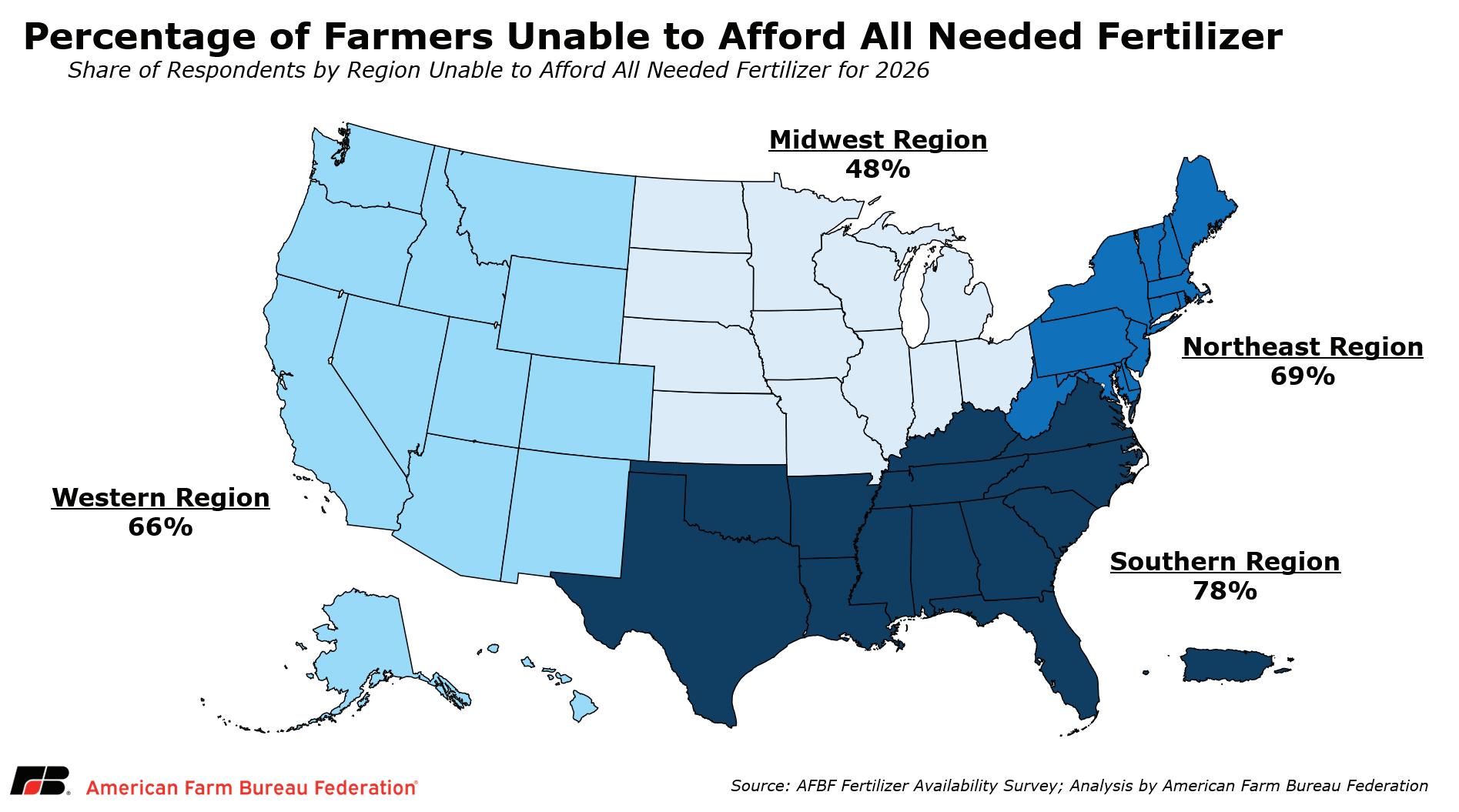
Farmers in the Southern region reported the greatest difficulty securing fertilizer, with 78% unable to afford all needed inputs this season. Producers in the Northeast and West also reported significant challenges, with 69% and 66%, respectively, unable to afford all required fertilizer, compared to 48% in the Midwest. When producers cannot afford full fertilizer application rates, they may reduce nutrient use or shift acreage decisions, both of which increase the risk of lower yields and reduced production potential in the 2026 crop year.
Fertilizer Impact by Commodity Pre-booking behavior varies significantly across commodities. Nearly half of soybean producers reported pre-booking fertilizer (49%), followed by barley (47%), corn (44%), and wheat (42%) growers. Lower pre-booking rates among cotton (13%) and peanuts (9%), both crops grown in the southern U.S., suggest greater farm exposure to in-season price volatility.
Affordability concerns are even more pronounced when viewed by commodity. More than 80% of rice, cotton and peanut producers reported they cannot afford all required fertilizer, highlighting the vulnerability of these production systems to input cost shocks. Over half of all commodities report not being able to afford all fertilizer needs this year.
FERTILIZER
CONTINUED FROM PAGE 20
Farm Financial Health Remains Under Pressure
According to the survey, 94% of respondents reported their financial situation has worsened or remained the same since last year, while only 6% reported improvement. Poor financial conditions going into this growing season impacted planting and purchasing decisions, and as a result, rapidly changing fertilizer and fuel market price volatility impacted farmers across the country in different ways – as confirmed by our survey.
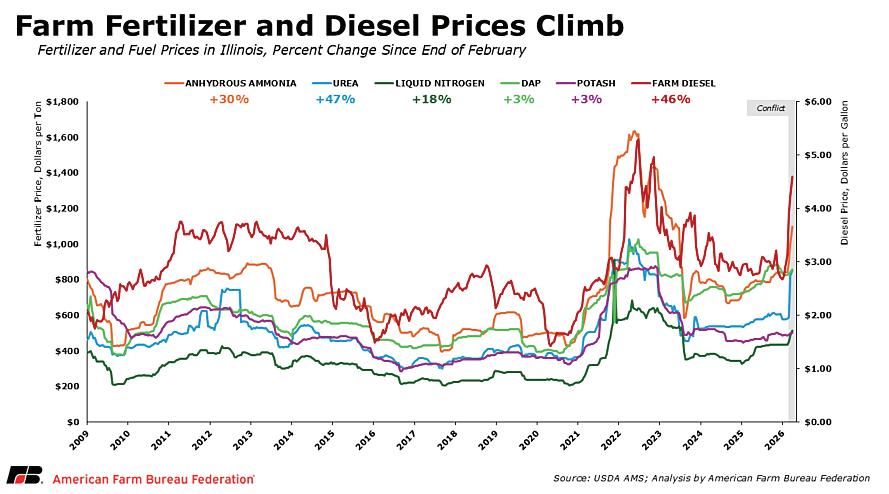
Spring planting decisions depend heavily on access to fertilizer and diesel fuel, both of which have been impacted by geopolitical risks that have disrupted global markets. Since the escalation of tensions in the Middle East, nitrogen fertilizer prices have risen more than 30%, while combined fuel and fertilizer costs have increased roughly 20% to 40%. Urea prices have increased by 47% since the end of February, marking the largest month-to-month percentage increase in the price of urea. These increases are occurring when many producers were already
gasoline prices increased significantly, raising costs across nearly every stage of production. Farm diesel prices have risen 46% since the end of February, marking the largest month-tomonth percentage increase in diesel prices over the period.
Higher energy prices also increase the cost of producing nitrogen fertilizer, which relies heavily on natural gas as feedstock. Together, these overlapping increases in fuel and fertilizer expenses help explain why more than 90% of farmers surveyed reported that their financial conditions have worsened or remained the same since last year.
Bottom Line
er markets remain globally interconnected.
Countries exposed to instability in and around the Persian Gulf account for roughly 49% of global urea exports and about 30% of global ammonia exports. Because these products are essential for crop production, disruptions in the region can influence fertilizer availability and prices well beyond the Middle East.
report, followed by the June 30 Acreage report.
Domestic Food Production Security is National Security
Fuel and fertilizer markets are the most volatile since Russia’s invasion of Ukraine, and the duration of disruptions in the Middle East and
Survey results suggest many farmers are already adjusting fertilizer purchases and application de-
The administration has announced plans to help ensure the safe passage of fuel shipments through key global shipping lanes. Expanding these protections to include agricultural input supplies such as fertilizer should also be a priority given their importance to food production and national security.




Our Featured Member Benefits
Farm & Equipment





Call (302) 697-3183 or visit your local FB office
Call (302) 697-3183
Cat.com/FarmBureau
JohnDeere.com/FarmBureau
Present a valid DEFB ID account code to receive discount.
Newark: (302) 292-2330
Gambrills (301) 595-2971
Forest Hill (410) 838-2400
Travel







www.wyndhamhotels.com/hoteldeals/farm-bureau
www.choicehotels.com/ Input Farm Bureau code
www.motel6.com/en/home/cp/dfb .html
www.avis.com/DEFB
www.budget.com/DEFB
www.budgettruck.com/FarmB ureau
www.defb.org/member-benefits-2
www.hertz.com (800) 654-3131
Corporate Code: 1510015
Financial & Insurance



www.farmbureaubank.com
www.del-one.org (302) 739-4496
www.doverfcu.com (302) 678-8000

Nationwide offers a variety of insurance and financial services to Farm Bureau members including auto*, home*, pet* powersports, commercial and life insurance.*Select discounts may apply. To learn more, contact your local Nationwide agent or visit Nationwide.com/dfb
Additional Benefits
Delaware Farm Bureau offers discounts at over 30 businesses. For a complete list of our member benefits visit defb.org/membership/memberbenefits-2/ or scan the QR code below.

Nationwide News Planting the seeds for retirement: A guide for young farmers
The following information is provided by Nationwide®, your approved insurance and financial services company.
As a young or beginning farmer, there’s a lot vying for your attention, from building your operation and managing risk to simply making it through the next season. But even though it may be decades away, it’s always a good idea to think about and plan for how you want to one day retire.
“Retirement planning isn’t about giving up farming. It’s about ensuring you have choices and security when the time comes,” said George Schein, Technical Director, Nationwide Advanced Consulting Group.
The earlier you start planning for retirement, the more options you’ll have down the road. Here are a few actionable steps you can take today to firm up your retirement plans and start taking steps to making them happen.
Start with an end in mind
Successful retirement planning takes intentionality and the right mindset. Schein recommends thinking long-term even when it comes to the immediate steps you need to take to start planning for when and how you want to retire.
“It’s never too early to start planning for retirement, even if
you’re just starting out as a farmer or rancher,” he said.
To begin forming the foundation of your retirement plan, start by asking yourself key questions like:
• Where do I want to be in 10, 20 or 30 years?
• What kind of life do I envision for myself and my family?
Account for rising costs
Retirement planning is ultimately about preparing for the financial realities of aging. Health and longterm care costs can be significant, and especially in recent years, have risen sharply.
“Many farmers assume their land or farm will be their retirement,” Schein notes. “But it’s critical to account for rising health care costs, life expectancy and the unexpected. Diversifying your retirement strategy can help you avoid financial strain later.”
Explore retirement savings options
Farmers have unique opportunities to save for retirement through plans tailored to the self-employed like individual retirement accounts (IRAs) and Simplified Employee Pensions (SEPs).
Any individual worker can establish an IRA, and there are two primary types:
• Traditional IRA. Contributions are tax-deductible, with a $7,500 annual limit in 2026 (or $8,600 if you’re over 50).
• Roth IRA. Contributions are
not tax-deductible, but “qualified distributions” — those that meet certain IRS requirements — that (hopefully) include earnings, are tax-free. The contribution limit for a Roth IRA is the same as the traditional IRA, but once an individual’s modified adjusted gross income (“MAGI) reaches a certain amount, their ability to contribute to a Roth IRA begins to be phased out and will eventually be completely disallowed once a higher MAGI threshold is reached.
A SEP is a specific sub-type of IRA that in 2026 will allow an individual to invest up to the lesser of (a) 25% of their eligible compensation, or (b) $72,000. Those contributions are based on net self-employment earnings. But unlike a traditional or Roth IRA, you have to be either officially self-employed or an employer to establish an SEP.
“Even small, consistent contributions to a retirement account can grow significantly over time,” Schein advises. “The earlier you start, the more you benefit from compound growth.”
Maximize off-farm benefits
If you or your spouse have off-farm employment, take full advantage of employer-sponsored benefits like 401(k) plans, employer-provided healthcare and life insurance. “These benefits
can complement your farm-based retirement strategy and provide additional security for your family,” says Schein.
Enlist a team of trusted advisers
If you’re just starting out on your farm, retirement may seem like a far-off concept. But it’s never too early to start planning. By shifting your mindset, understanding the costs, exploring savings options and maximizing opportunities, you can plant the seeds for a secure and fulfilling future.
“Retirement planning is about giving yourself choices,” Schein said. “It’s about ensuring that when the time comes, you can decide what’s next, whether that’s continuing to farm, passing the operation to the next generation or enjoying the fruits of your labor in a new way.”
Get your retirement planning started by contacting your farm’s trusted advisors, from your lender and CPA to your financial specialist. Get connected to a financial specialist who can help protect your farm, family and future.
Visit AgInsightCenter.com for more resources and expert tips to help you run a successful business and maintain the safety of your operation.
Nationwide, the Nationwide N and Eagle, and Nationwide is on your side are service marks of Nationwide Mutual Insurance Company. © 2025 Nationwide