Delaware
Farm Bureau News
Local Farmers Feeding Your Family
DEFB Launches “Healthy Meals, Local Fields” Campaign to Connect Consumers with Agriculture
By: Jaiden Cain Delaware Farm Bureau
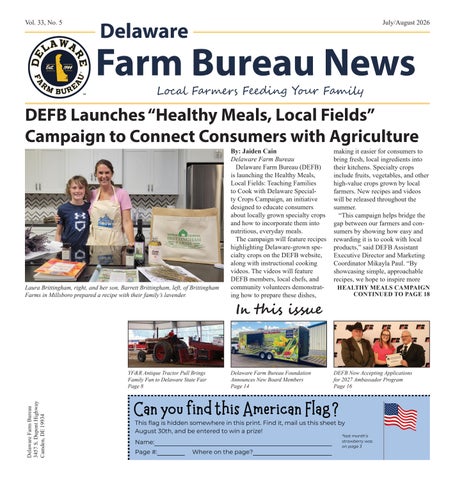
Delaware Farm Bureau (DEFB) is launching the Healthy Meals, Local Fields: Teaching Families to Cook with Delaware Specialty Crops Campaign, an initiative designed to educate consumers about locally grown specialty crops and how to incorporate them into nutritious, everyday meals. The campaign will feature recipes highlighting Delaware-grown specialty crops on the DEFB website, along with instructional cooking videos. The videos will feature DEFB members, local chefs, and community volunteers demonstrating how to prepare these dishes,
making it easier for consumers to bring fresh, local ingredients into their kitchens. Specialty crops include fruits, vegetables, and other high-value crops grown by local farmers. New recipes and videos will be released throughout the summer.
“This campaign helps bridge the gap between our farmers and consumers by showing how easy and rewarding it is to cook with local products,” said DEFB Assistant Executive Director and Marketing Coordinator Mikayla Paul. “By showcasing simple, approachable recipes, we hope to inspire more
HEALTHY MEALS CAMPAIGN CONTINUED TO PAGE 18
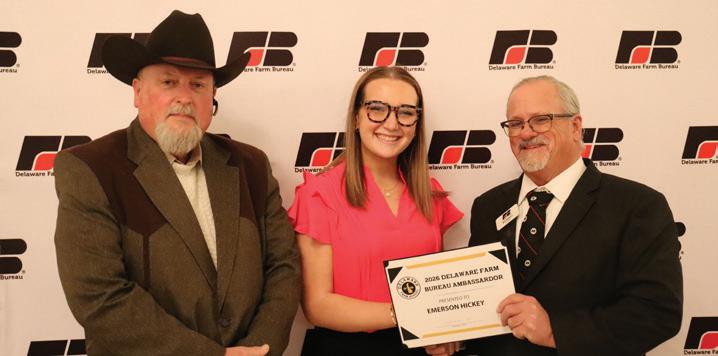
Now Accepting Applications for 2027 Ambassador Program
Delaware
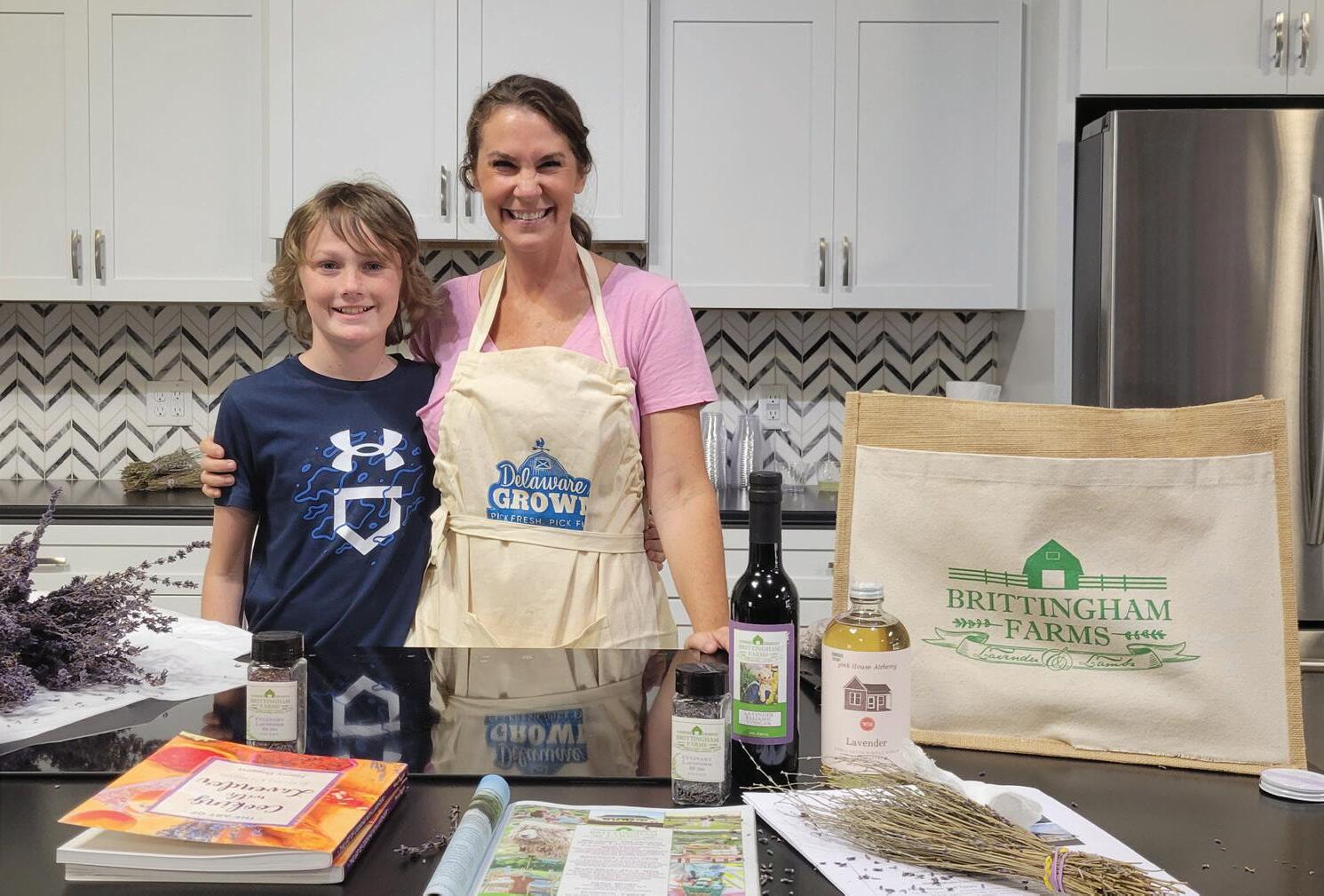
Laura Brittingham, right, and her son, Barrett Brittingham, left, of Brittingham Farms in Millsboro prepared a recipe with their family’s lavender.
From the President’s desk Standing Strong Together for Delaware Agriculture
2025-2026
State Board of Directors
President
William “Bill” Powers, Jr.
1st Vice President

As we get further into the growing season, the work does not let up for Delaware farmers. This time of year brings long days, tough decisions, and a reliance on weather, markets, and timing. Recent weather has only added to that uncertainty, from a late-season freeze to ongoing dry conditions across the state. Seasons like these truly show how resilient and dedicated the agricultural community is. Right now, farmers are facing a number of challenges that are not new, but they are stacking up and making things a lot harder. Weather alone has had a big impact, from total crop losses to unknown effects on what has just been planted. On top of that, input costs continue to rise, while crop prices are not keeping pace.
What does not change, even in seasons like this, is the importance of having a strong, unified voice speaking up for agriculture at every level.
That is where Delaware Farm Bureau remains committed to serving
you.
We are actively working to represent your interests in Dover and beyond. Whether it is land use, environmental regulations, or keeping family farms going, we are at the table making sure agriculture is part of the conversation. In years like this, when so much is already out of your control, that advocacy becomes even more important. And the strength of that voice comes directly from you and the experiences you share with us.
At the same time, we know supporting agriculture is about more than just policy. It is about supporting you and your families. Seasons like this bring added stress and uncertainty, which is why we continue to grow our efforts around farmer well being, business resources, and building strong communities. Through our committees and partnerships, we are able to offer educational opportunities, resource materials, and mental health resources that can help you both on and off the farm.
That same mindset carries into everything else we do. We want your membership to positively impact you day to day. Whether it is access to educational resources, cost saving benefits, or new opportunities, our
Delaware Farm Bureau News
goal is to provide support that helps your operation and your family not just get through a tough season, but stay strong for the long term.
Delaware Farm Bureau is only as strong as the individuals and families who stand behind it. Each member plays a role in shaping the future of agriculture in our state. Your involvement, whether through participation in local events, engagement in advocacy efforts, or simply staying informed, helps build a more connected and effective organization that can respond to challenges like those we are facing this year.
As we look ahead, there is still plenty of work to be done, but there is also opportunity. Agriculture has always required adaptability, and that remains true today. By continuing to work together, support one another, and stay engaged, we can meet current challenges while building a stronger future for Delaware agriculture.
On behalf of Delaware Farm Bureau, thank you for the work you do every day. Your dedication drives this industry forward, and it is an honor to advocate on your behalf.
Together, we will keep Delaware agriculture strong.
Jaiden Cain, Editor | jaiden.cain@defb.org | 302-697-3183
Delaware Farm Bureau News (ISSN 1077-0798), published in Camden, DE, bimonthly, by Delaware Farm Bureau. Production by Suquehanna Printing. Periodicals postage paid at Camden, DE and additional offices.
Business and Editorial Offices: 3457 S Dupont Highway, Camden, DE 19934, 302-697-3183. Any editorial material may be reproduced with credit to this publication.
POSTMASTER: Send address changes to Delaware Farm Bureau News at the office above.
Subscription price to members (paid as part of Farm Bureau membership dues) is $1.60. All other subscriptions are $6.50 per year.
Steve Breeding
2nd Vice President
Paul Cartanza, Sr.
County Presidents
Kent: Jim Minner
New Castle: Stewart Ramsey
Sussex: Steve Breeding
Young Farmers and Ranchers
State Chair: Connor Vincent
Kent Chair: JT Robbins
New Castle Chair: Liz Harrison
Sussex Chair: Ainsley West
Women’s Committee
State Chair: Mollie Lynch
Kent Chair: Rebecca Bobola
New Castle Chair: Kim Klair
Sussex Chair: Connie Fox
Promotion and Engagement Committee
Co-Chairs: Debbie Kirk and Maci Dickerson
Kent County Directors
John Comegys
Bruce Dempsey
David Marvel
New Castle County Directors
Dave Daniels
John Filasky
Sussex County Directors
Alan Bailey
Ray Ellis
Bill Powers DEFB President
Catching Up with the Counties New Castle County Farm Bureau Updates and Ongoing Tax Concerns
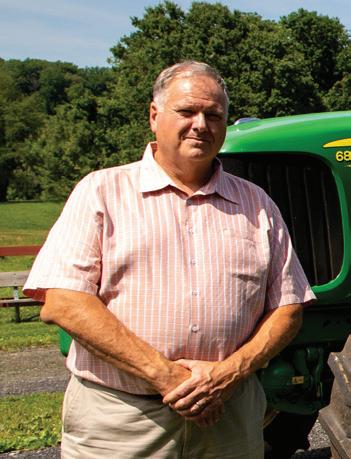
As I write this article we are starting on second cutting of hay and only have a few more acres of spring crops to plant at Ramsey’s Farm. The weather has been a rollercoaster with significant dry spells and wildly variable temperature swings. I hope the spring has been safe and productive for your farm and family. The expression “broken record” is
a good way to describe the situation we have with inaccurate tax assessments on agricultural property and the county’s response to our appeals – both formal and informal. Recently the county passed a 17% tax increase on real estate. While I believe the county needs to get its finances in order, imposing a tax increase on properties already under formal appeal—many claiming assessments 200–300% higher than they should be—is a hard pill to swallow. They need to resolve these appeals before they move forward. Another observation about the property easements is that agricultural
properties in New Castle County have seen much greater errors than those in the other two counties. Given the depressed farm economy with high input costs and very low commodity prices the short term outlook for farm income is dismal.
On a brighter note, at the county and state levels Farm Bureau is working to support local youth and their activities – particularly those engaged in 4-H, FFA, and Young Farmers and Ranchers (YF&R).
New Castle County Farm Bureau invested nearly all of the profits from our Beef and Beer events back into these groups. That equates to
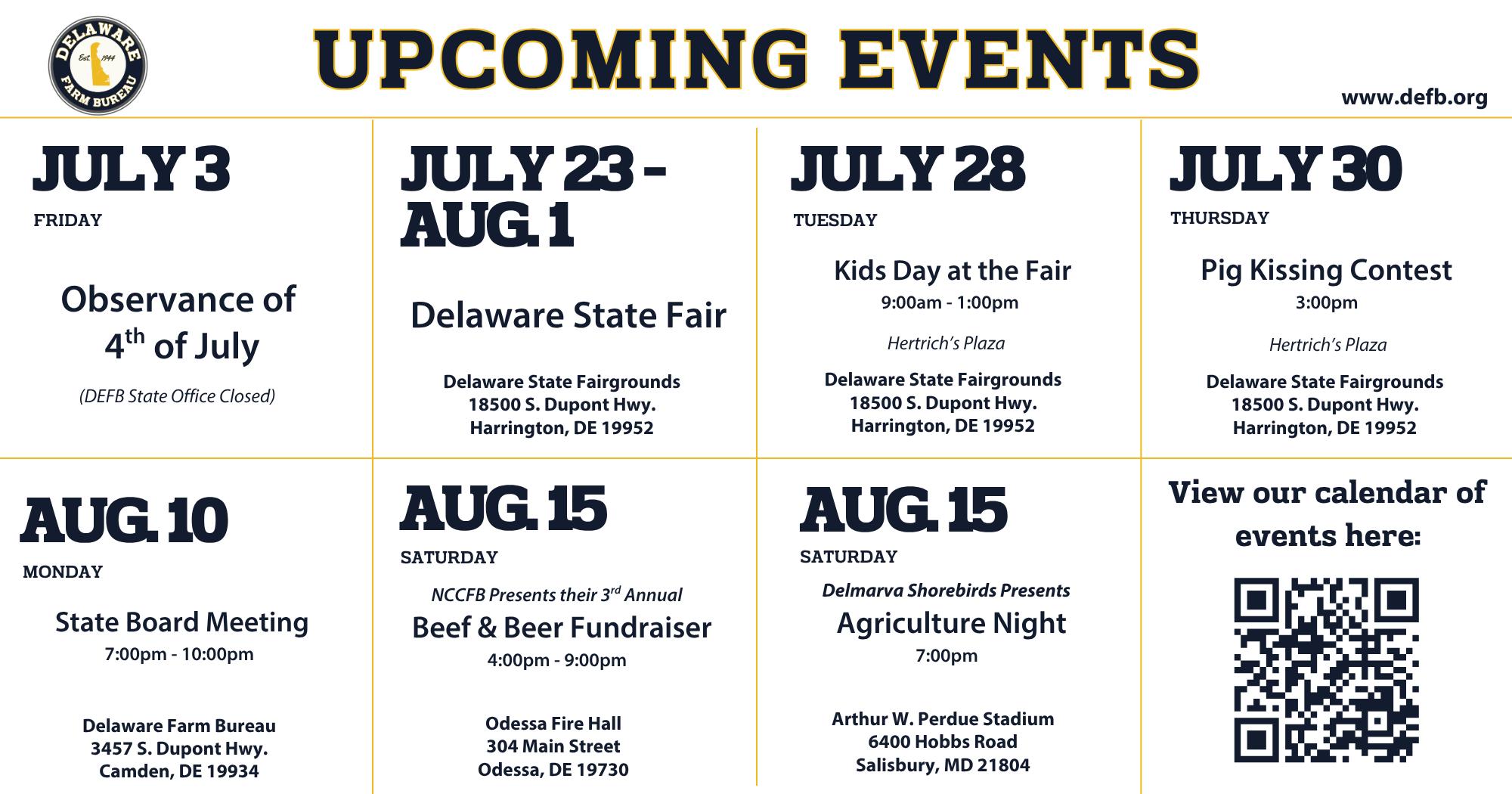
7 out of every 10 dollars from our income sources going back to the community. Our 3rd annual Beef and Beer Fundraiser will be held on Saturday August 15th at the Odessa Fire Hall. We have added some exciting new auction and raffle items to make this year’s event bigger and better than ever. Keep a look out for a formal announcement and if you have something that you would like to donate please contact me at stewart@ramseysfarm.com or 302540-4680.
I’m always available by phone/ text or email don’t hesitate to reach out with question or concerns.
Stewart Ramsey New Castle County Farm Bureau President
Government Affairs Update Final Stretch of the 153rd General Assembly
As of this writing, just six legislative days remain in the 153rd Delaware General Assembly. Throughout this session, the Delaware Farm Bureau (DEFB) leadership, Legislative Committee members, and staff have closely monitored more than 40 bills and submitted over 25 comments on key pieces of legislation impacting agriculture, allied industries, and rural communities.
7 to expand recreational hunting by allowing Sunday hunting for all established game species, while still respecting the authority of landowners and regulatory agencies. It also modernizes rules for handgun ammunition and other hunting equipment. In addition, the bill updates species classifications by removing European and snowshoe hares as game animals and adding skunks and weasels.
Status: Passed both chambers, and awaiting Governor Meyer’s signature
DEFB Position/Action: DEFB provided comments of support during the committee processes.
changes will take effect in 2026 and require a supermajority vote, as they constitute a tax increase. Amendment HA 2 clarifies that the Secretary’s authority to set fees is limited by the maximum amounts established in statute.
Status: Signed by the Governor on May 21, 2026.
DEFB Position/Action: DEFB opposed this bill. In committee testimony, DEFB noted that many farm operations are structured as LLCs or LPs and expressed concern about the added financial burden from increased licensing costs.
younger, helping ensure broader and more balanced representation.
Status: Passed both chambers, and awaiting Governor Meyer’s signature
DEFB Position/Action: DEFB supported this legislation and worked with the prime sponsor, Senator Kyra Hoffner, to advance the bill and improve representation on the Council.
Below is a summary of legislation that has successfully passed both chambers and has either been signed by the Governor or is currently awaiting signature:
House Bill (HB) 278 with House Amendment (HA) 1 and 2.
Synopsis: This bill updates Title
HB 400 with HA 2
Synopsis: HB 400 increases Delaware business fees and annual taxes. It raises the annual tax for LLCs and partnerships from $300 to $400, increases filing and expedited service fees, and updates service-of-process procedures. Most
Senate Bill (SB) 211 with Senate Amendment (SA) 1
Synopsis: This Act increases the size of the Governor’s Council on Agriculture from seven to nine members. It also requires that one member be a livestock or poultry producer and that another be a farmer who is 40 years old or
As the 153rd General Assembly draws to a close, DEFB remains committed to ensuring the voices and needs of Delaware’s agricultural community are heard. A comprehensive legislative recap for the 2026 session will be released later this summer.
For more information about DEFB’s advocacy efforts or to get involved, please contact Sydnie Grossnickle, Government Affairs Coordinator, at sydnie.grossnickle@defb.org or (302) 697-3183. Last updated June 17, 2026
DEFB 2026 Election Guides Coming Soon
By: Sydnie Grossnickle Delaware Farm Bureau
The Delaware Farm Bureau (DEFB) is pleased to announce the upcoming release of its Election Guides for both the Primary and General Elections. This year, two separate guides will be published, one tailored specifically to the Primary Election and another for the General Election, providing timely, relevant information as voters prepare to head to the polls. Each nonpartisan guide is designed to help Delaware voters, particularly those in the agricultural community, better understand where
candidates stand on issues important to farmers, rural residents, and the state’s agricultural future. The guides will feature candidate profiles and responses that reflect their perspectives on supporting agriculture and rural communities, managing growth and land use, and strengthening the long-term viability of Delaware’s family farms.
By focusing on these critical topics, DEFB aims to provide voters with meaningful, issue-based insights into how candidates plan to address the opportunities and challenges facing Delaware agriculture, without endorsing any candidates.
DEFB encourages all voters to take advantage of this valuable resource and to participate in the upcoming elections. Printed copies of the Election Guides will be available upon request. To request a paper copy of the Election Guides, please complete the form at defb. org/advocacy/election-guides/ or contact Sydnie Grossnickle, DEFB Government Affairs Coordinator, at sydnie.grossnickle@defb.org or (302) 697-3183. For any questions or additional information, please contact Sydnie directly. Stay tuned for more details on the guides’ release and availability. View DEFB’s Election Guides
Sydnie Grossnickle DEFB Government Affairs Coordinator
The Zipline AI in Agriculture Is Already Here
Not long ago, most conversations about artificial intelligence felt far removed from everyday life on the farm. Today, farmers are seeing it roll through fields and help make decisions in real time.
Last week, I had the opportunity to visit the University of Florida’s Gulf Coast Research and Education Center, where researchers are developing new tools that can help farmers solve real-world challenges. What stood out to me was not flashy technology or futuristic promises, but the practical way they are approaching innovation with farmers in mind.
I got to see firsthand how AI can help farmers work more efficiently in the field. That kind of innovation can really make a difference for farmers at a time when we are being asked to do more with less in
one of the toughest economic environments we’ve seen in decades.
AI Helps Farmers Grow More with Less
Farmers have always embraced tools that help us do more with fewer resources. From better equipment to precision agriculture technologies, innovation has helped farmers improve efficiency while caring for the land. Artificial intelligence is offering new ways to do that.
In Florida, researchers are using AI to distinguish weeds from tomato plants in real time, so sprayers only apply herbicide where it is needed. That technology can reduce herbicide use by 70% while also lowering expenses for growers. That matters for farmers trying to stay afloat in a tough economy, and it also matters for families asking questions about how their food is grown. We know there is rising concern around the use of chemicals on the farm and at home. While farmers rely on science-based tools and strict safety standards, we are
also ready to embrace innovation that helps us use products more precisely and efficiently.
AI also has the potential to help farmers conserve water, monitor crop health earlier, and improve yields in areas facing labor shortages. These innovations give farmers better information and tools to make decisions.
The Future of AI and Rural America
At the same time, farmers understand this innovation comes with concerns. The growth of AI and other digital services is fueling a rapid expansion of data centers across rural America. These facilities can bring jobs, infrastructure, and tax revenue to local communities. But they also require large amounts of land, water, and electricity. At a time when farmers are already facing rising electricity costs, growing electricity demand from data centers is putting even more pressure on the energy grid. Communities are facing a balancing act as more data centers move
into rural areas. Farmland conversion is often permanent, and many farmers are raising concerns about protecting productive farmland and natural resources.
Farmers know better than anyone that our land is not just another piece of real estate. It is how we produce the food, fuel, and fiber that American families depend on. As America continues investing in technology and innovation, we also need to be thoughtful about protecting the farmland and rural communities that sustain our food system. This isn’t an either-or discussion when it comes to agriculture and technology. America needs both.
Farmers Must Have a Seat at the Table
One thing that encouraged me during my visit to Florida is that the researchers there are building these tools alongside farmers. Their goal is not innovation for the sake of creating something new and shiny. They want to solve real problems farmers face every day.
Article published on 6/3/2026
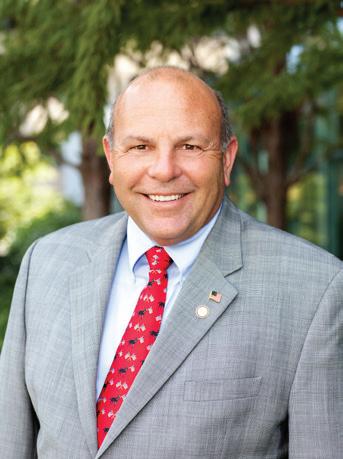
Zippy Duvall American Farm Bureau Federation President
Delaware Farm Bureau Welcomes Ashley Holmes as Digital Media Assistant
By: Jaiden Cain Delaware Farm Bureau
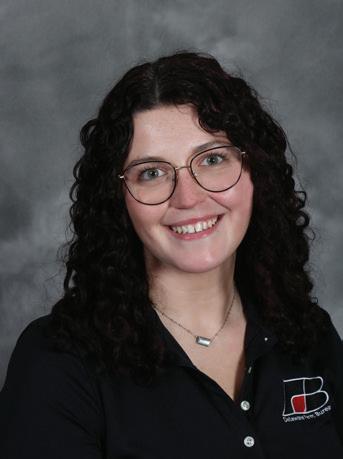
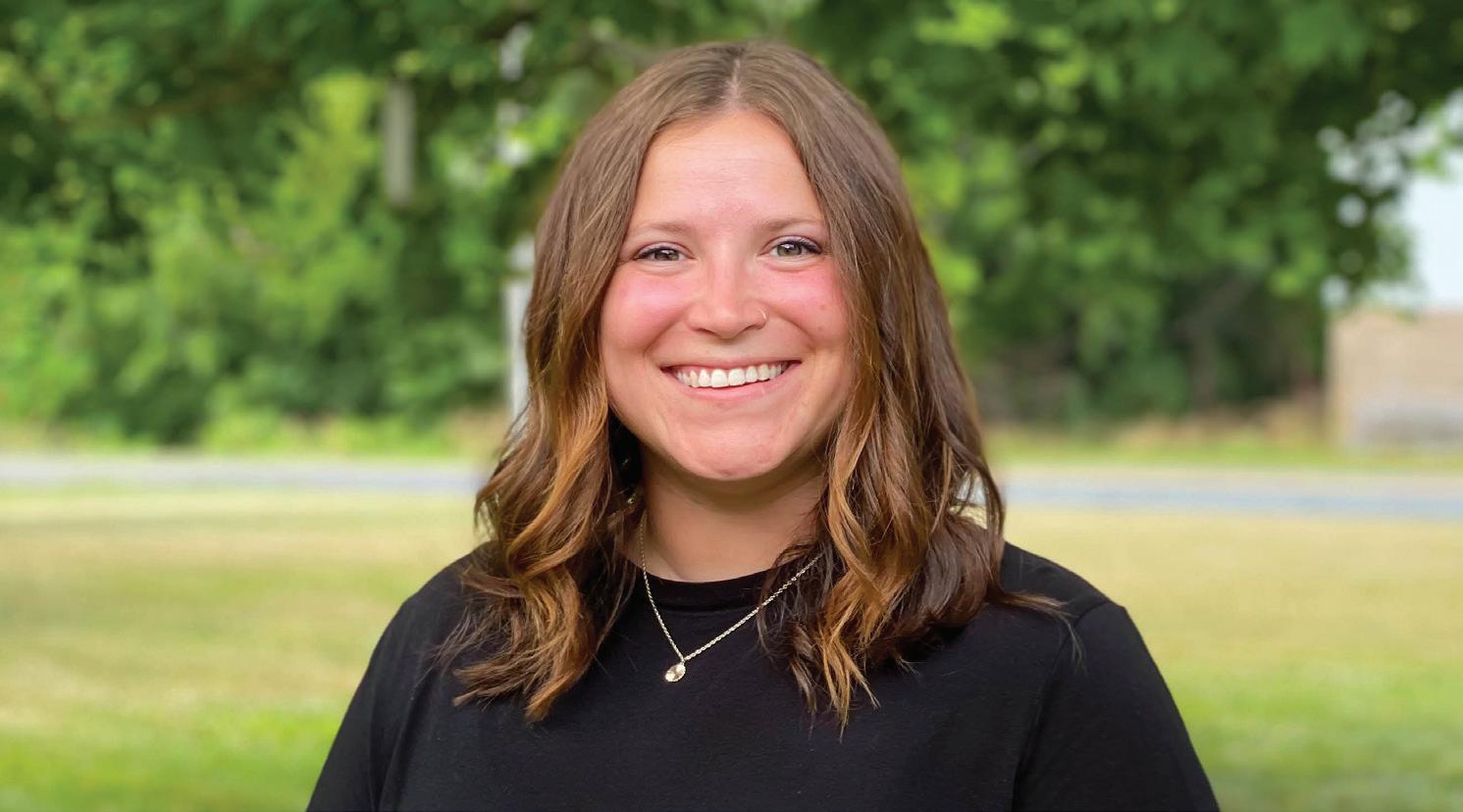
Delaware Farm Bureau (DEFB) is pleased to announce the hiring of Ashley Holmes as Digital Media Assistant. In this role, Holmes will help promote the organization’s initiatives, events, and Delaware agriculture through engaging digital content and communications.
Holmes brings an extensive background in agriculture and marketing and a passion for sharing the stories of Delaware farmers. After graduating from Oklahoma State University with a bachelor’s degree in agricultural communications, she worked in agricultural education and in agricultural communications for the Delaware Department of Agriculture. Holmes now manages
her family farm, Alley Mill Farm, in Clayton, DE.
In this position, Holmes aims to support DEFB’s mission to promote and protect Delaware agriculture through education and advocacy to ensure a quality of life for farmers and their families and their consumers. Through strong digital campaigns, website maintenance, and social media content development, Holmes will enhance DEFB’s online visibility and digital presence.
“I am excited to work for the Delaware Farm Bureau because it provides me the opportunity to support our farmers and agricultural community,” said Holmes. “I look forward to helping advocate for agriculture, building strong relation-
ships with producers, and contributing to an organization that works hard to ensure a successful future for Delaware’s farming families.”
To find out more about Delaware Farm Bureau visit defb.org and follow us on social media.
Maximize Your Savings This Summer With DEFB Member Benefits
Summer vacation expenses can rack up quickly, especially when traveling far from home. It’s easy for finances to take some of the fun out of trips, and managing costs can add extra stress to what should be relaxing. Fortunately, Delaware Farm Bureau (DEFB) offers exclusive member benefits designed to help make travel more affordable.
There are many ways for members to reduce travel costs this
summer, with savings available on both lodging and transportation. Hotel discounts are offered through several major brands to fit a variety of needs and budgets. Members can save up to 20% at any of the 22 brands within Choice Hotels by booking online or by phone using the special rate code found on the DEFB membership card. Savings of up to 20% are also available at participating Wyndham Hotels and Resorts properties through the booking link provided on the DEFB member benefits page. In addition, members can receive up to 15% off stays at Motel 6 or Studio 6 Extended Stay by using the discount
code available on the DEFB member benefits page.
Transportation savings are just as valuable for summer travel. DEFB members have access to discounts with several major car rental companies, including Alamo Rent a Car, Avis, Budget, Enterprise Rent-A-Car, Hertz, and National Car Rental. Many of these companies offer savings of up to 35% off base rental rates, giving members flexible and affordable options for getting where they need to go.
No matter what your summer travel plans may include, DEFB’s member benefits can help make vacations more affordable and

enjoyable for the whole family. To find out more about DEFB’s member benefits, visit defb.org/ membership/member-benefits-2/ or call the DEFB State Office at 302697-3183.
Ashley Holmes of Clayton joins the Delaware Farm Bureau team as Digital Media Assistant.
Montana Golden DEFB Intern



Young Farmers and Ranchers Antique Tractor Pull Brings Family Fun to Delaware State Fair
By: Jaiden Cain Delaware Farm Bureau
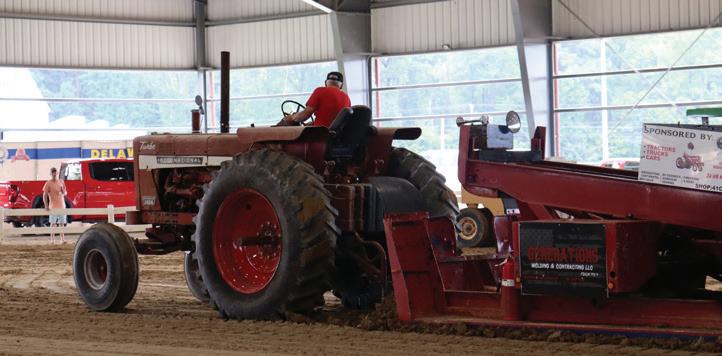
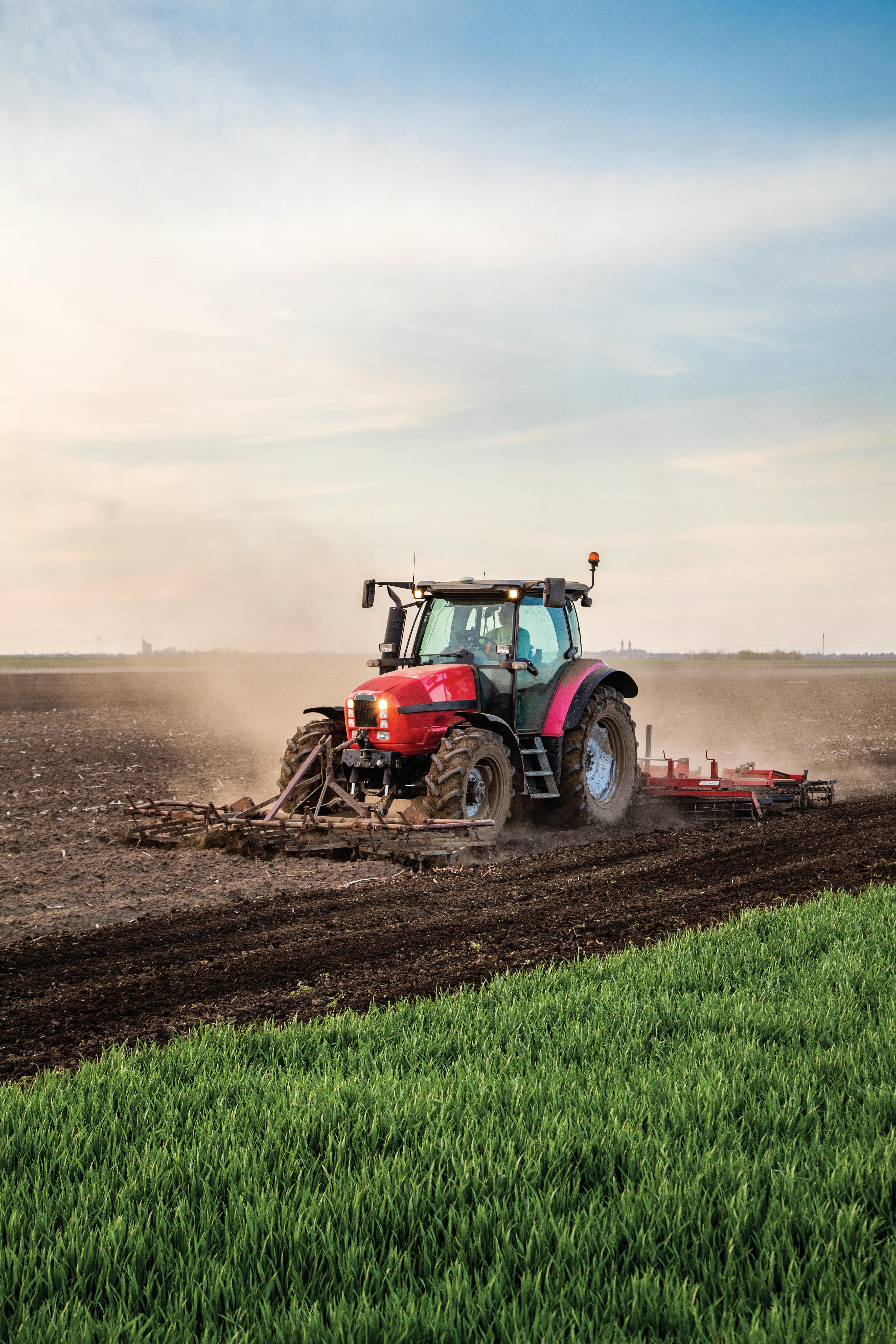
The Antique Tractor Pull is a time-honored tradition of the Delaware Farm Bureau Young Farmers and Ranchers (YF&R). For over 30 years, antique tractor enthusiasts have met at the Delaware State Fair to showcase their work, compete, and connect with fellow community members.
The 2026 Antique Tractor Pull will be held on Saturday, August 1, in the Quillen Arena at the Delaware State Fair. The pull is free to watch; however, fair admission is required to enter the fairgrounds. A true family-friendly event, whether you’re 8 or 80, there’s something for everyone to enjoy. Behind every tractor is a story of time, skill, and dedication, as competitors work year-round to maintain and restore these pieces of agricultural history. During the pull, drivers test their tractors by pulling a weighted sled down the track,
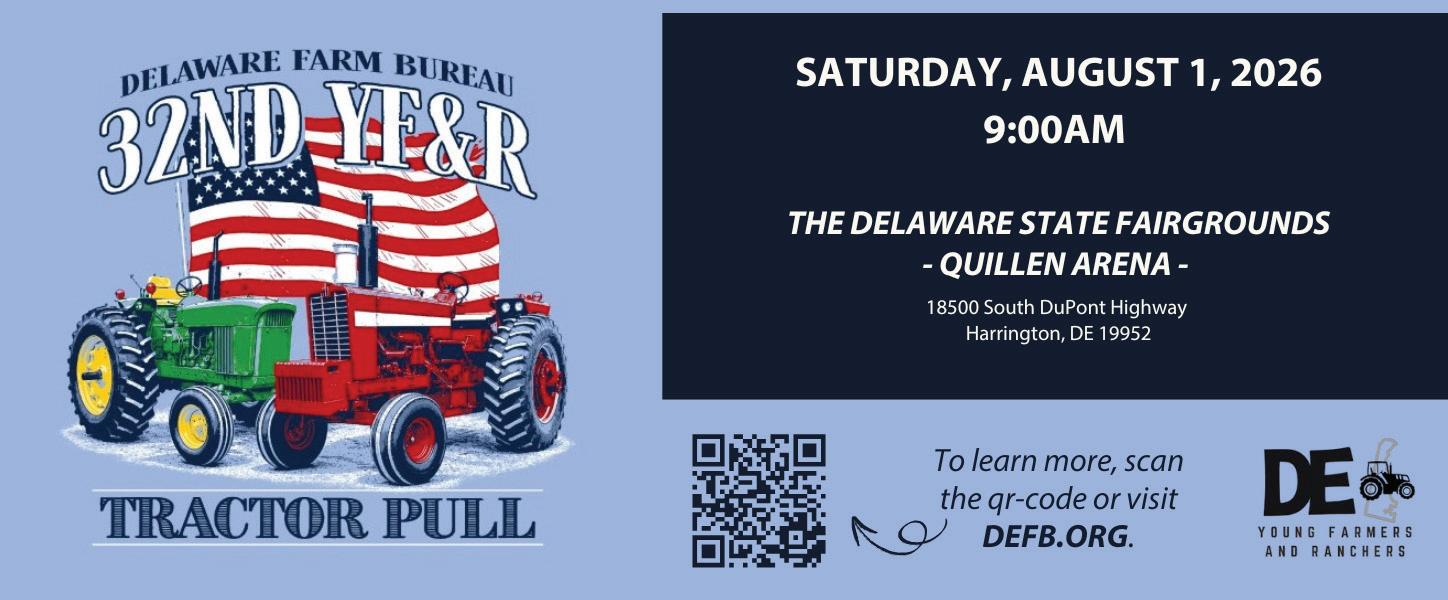
with the farthest distance determining the winner in each class. But the event is about more than just how far a tractor can pull. It’s about bringing people together around a shared passion for antique tractors.
“The Antique Tractor Pull is something the whole family can enjoy,” said YF&R State Chair Connor Vincent. “We love seeing kids experience it for the first time

while also bringing back memories for those who grew up watching or competing.”
Event registration and check-in begin at 7:00 a.m., followed by a drivers’ meeting at 8:30 a.m., with the first hook at 9:00 a.m. Winners of the YF&R Scholarship will also be announced during the event. Pre-registration is encouraged and available at www.defb.org/yfr/an-
tique-tractor-pull/.
The entry fee is $20 per hook for all classes. Event T-shirts will be available on-site for $25 each, or $20 for youth sizes.
For more information, contact YF&R State Chair Connor Vincent at connor.vincent33@gmail.com or call the DEFB state office at 302697-3183.

Delaware Farm Bureau Invites Amateur
Photographers to Enter 2026 Photo Contest
By: Jaiden Cain Delaware Farm Bureau
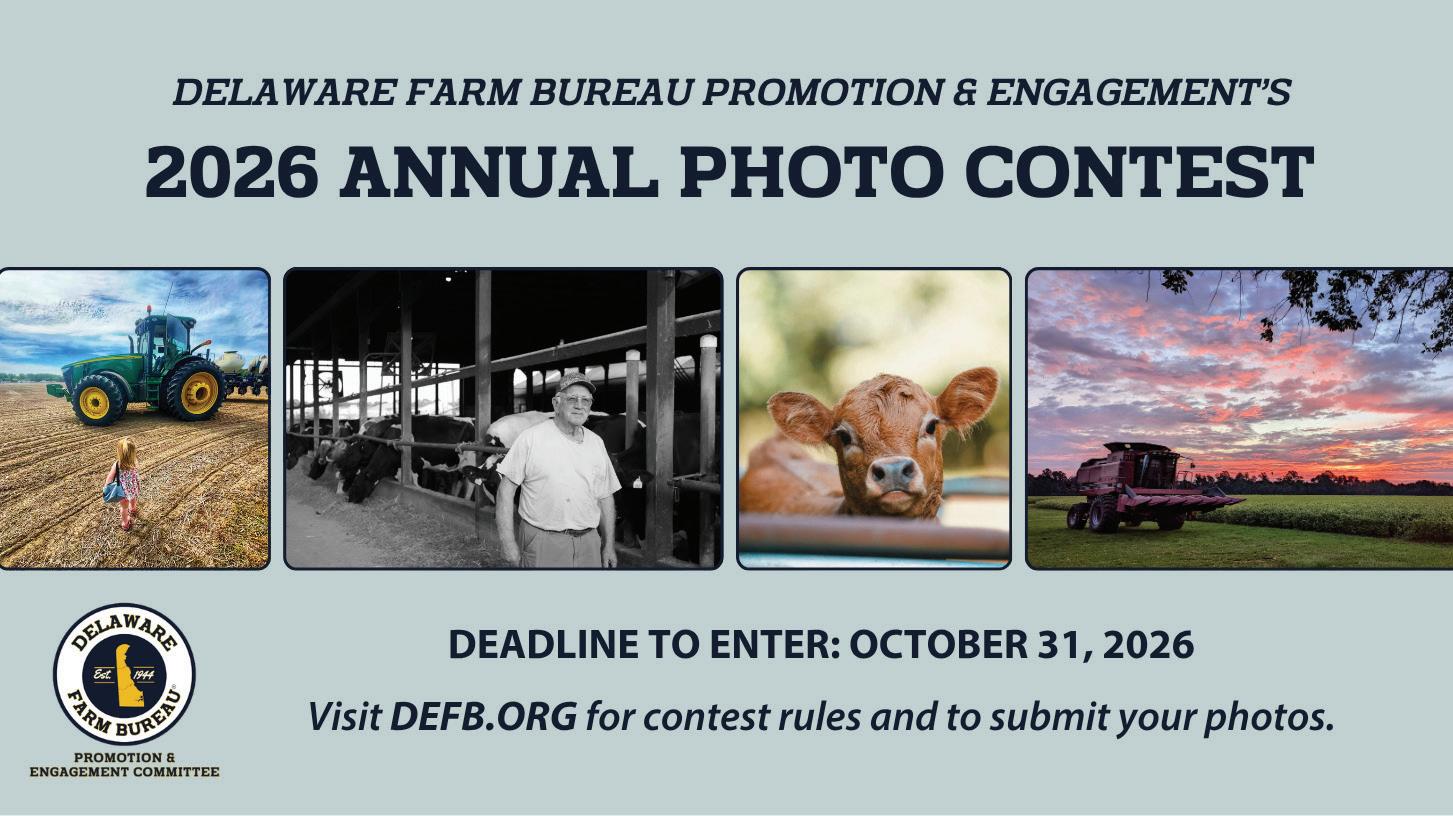
The Delaware Farm Bureau (DEFB) Promotion and Engagement Committee (P&E) is now accepting entries for its 2026 Annual Photo Contest. The contest is open to amateur photographers of all ages who have a passion for capturing Delaware agriculture.
Participants are invited to submit their best agriculture related photographs to DEFB between May 1 and October 31, 2026.
Winning photos will be announced during the DEFB Annual Banquet in December 2026. The top four entries will receive a monetary prize and will be displayed at the DEFB State Office in Camden
and the Delaware Agriculture Museum in Dover. In addition, six honorable mention winners will receive a certificate of recognition.
DEFB President Bill Powers will also select a President’s Pick, awarding DEFB branded swag to his favorite photo’s photographer.
“We look forward to seeing how photographers capture the creativity, dedication, and tradition behind Delaware agriculture,” said P&E Member Casey Collier-Betts. “It’s always inspiring to see our industry through other perspectives.”
The DEFB P&E partners with Delaware farm families to create relationships with our neighbors, the consumer, to promote Delaware’s number one industry and educate the public and farmer alike.
For contest rules, submission guidelines, and additional details, visit www.defb.org/promotion-and-education/photo-contest/.
Meet the NCC YF&R Chair: Liz Harrison
By: Liz Harrison
New Castle County Young Farmers & Ranchers Chair
I am honored to serve as the New Castle County Young Farmers & Ranchers Chair for the Delaware Farm Bureau. While I did not grow up living on a farm, agriculture has been a part of my life for as long as I can remember.
I began riding horses at a young age and spent many summers on a farm in Southern Chester County, Pennsylvania, helping care for animals and making hay. Those experiences instilled a strong appreciation for agriculture and the hardworking people who make it possible.
My passion for agricultural education led me to the University of Kentucky, where I earned my degree in Career & Technical Education. After spending five years in Kentucky, I proudly returned to
Chester County to help fill a vacant agriculture teacher position. Over the next decade, I taught Animal Science, primarily through the Chester County Intermediate Unit, and had the privilege of developing the Animal Science curriculum that is still used today at the Pennock’s Bridge Campus.
In December 2019, my husband and I moved to Newark, Delaware, with our four-month-old son. Just a few months later, the world shut down during the pandemic. The unexpected time at home allowed me to reflect on my career and the flexibility I wanted for my family. In 2023, I made the decision to leave teaching and pursue a career as a farm insurance agent.
Today, I work with farmers and agricultural businesses throughout the region, helping them protect the operations they have worked
so hard to build. Their dedication to agriculture, their communities, and one another is inspiring, and it has motivated me to become more involved and support the important work being done across our state.
I am grateful for the opportunity to serve as the New Castle County Young Farmers & Ranchers Chair,
Questions regarding the photo contest may be directed to DEFB Assistant Executive Director and Marketing Coordinator Mikayla Paul at mikayla.paul@defb.org.
and I take that responsibility seriously. I look forward to connecting with fellow members, supporting the next generation of agricultural leaders, and helping strengthen the future of Delaware agriculture.
In my free time I enjoy training for triathlons and spending time with my family and friends!
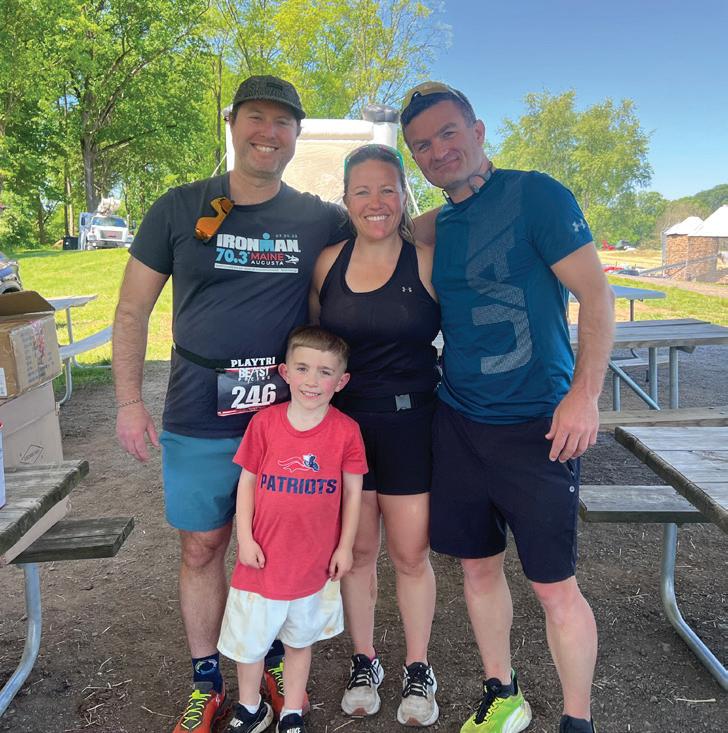
Liz with family and friends after completing the Milk Run/Walk in May.
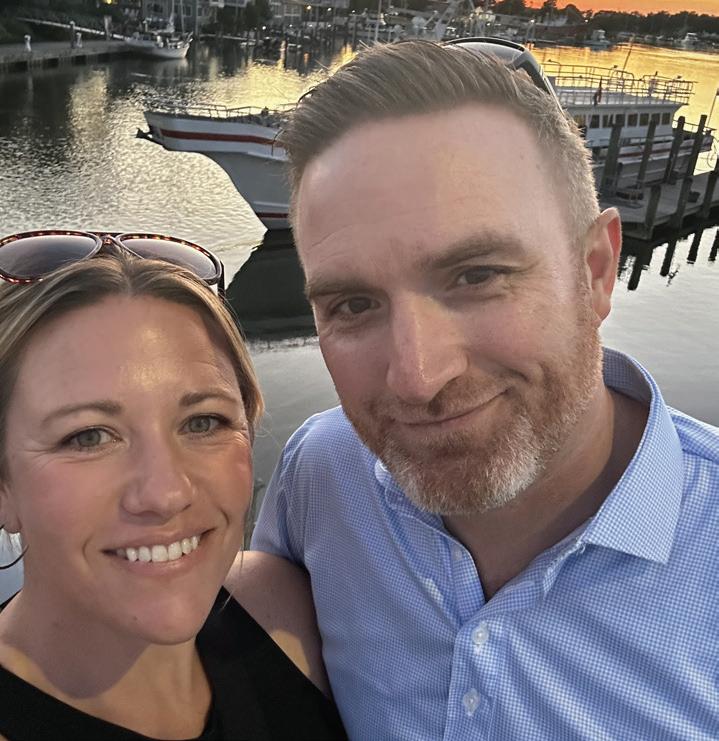
Liz and her husband, Chris.
DEFB Promotion and Engagement Committee Hosts Mental Health Seminar for Community
By: Jaiden Cain Delaware Farm Bureau
Delaware Farm Bureau (DEFB), in partnership with the University of Delaware (UD) Cooperative Extension, hosted a free mental health seminar on May 27 as part of the Delaware Agricultural Museum’s Lecture Series. The seminar provided practical tools and resources to support the well-being of Delaware’s agricultural community.
Attendees learned how to recognize signs of stress, burnout, and depression and were introduced to the “Observe, Engage, Share” model by Maria Pippidis of UD Cooperative Extension. The model helps individuals recognize signs of stress, burnout, and depression
and connect others with support resources. Attendees also received information on local services, including the 988 Suicide and Crisis Lifeline.
Pippidis emphasized that mental health can vary from day to day and from person to person. She explained that changes in usual behavior may be an early sign of mental health struggles and should prompt a check-in.
“We tend to think of mental health as an illness, but that’s not really the case,” said Pippidis. “Mental health exists on a continuum, from flourishing to severely impacting daily life. It’s important to understand this when talking about mental health.”
Stress, isolation, and economic uncertainty continue to impact farmers and rural communities, making access to mental health education and resources critical. Events like this seminar aim to reduce stigma and encourage open conversations around mental well-being.
Pippidis encouraged those facing challenges to reach out and stay connected with their community. She also urged attendees to look out for friends, neighbors, and colleagues, and to check in when someone’s behavior seems out of the ordinary, reminding them that support is available.
DEFB Promotion and Engagement Chair Maci Dickerson
highlighted stickers developed by DEFB in partnership with the Delaware Department of Agriculture that feature the 988 Suicide and Crisis Lifeline. The stickers are designed to be placed in visible locations, serving as a reminder that help is always available and encouraging individuals to reach out if they are struggling.
“In recognition of Mental Health Awareness Month, we wanted to offer this seminar to equip attendees with resources to help keep our community strong and resilient,” said Dickerson.
For more information about DEFB Promotion and Engagement Committee programs or upcoming events, visit defb.org.
Learning to Lead with Purpose and Impact
Leadership Delaware Inc. recently hosted its second cohort of the year for the Leadership Development Series workshop, and I had the opportunity to participate alongside fellow DEFB members thanks to a generous sponsorship from Corteva Agriscience.
Mikayla Paul DEFB Asst. Exec. Director & Marketing Coordinator
The program included six thoughtfully designed sessions that built on one another, creating a meaningful and eye-opening experience. As someone always looking to grow personally and professionally, this series challenged and encouraged me while helping me better understand the kind of leader I want to be.
We began by examining our own
leadership styles—who has influenced us, the values we carry, and the leaders we aspire to become.
From there, we focused on leading people: understanding generational differences, building trust, and giving feedback that truly helps others grow. It was a strong reminder that leadership is about supporting people, not just directing them.
As the sessions progressed, we explored communication and vision— learning to speak with purpose, build a shared vision, and strengthen public speaking skills. These themes led into discussions on navigating change, challenging processes, and staying open to new ideas. We also looked at the role leaders play in shaping culture, reinforcing values, and celebrating both big and small wins.
Our final week brought everything together as we reflected on what it
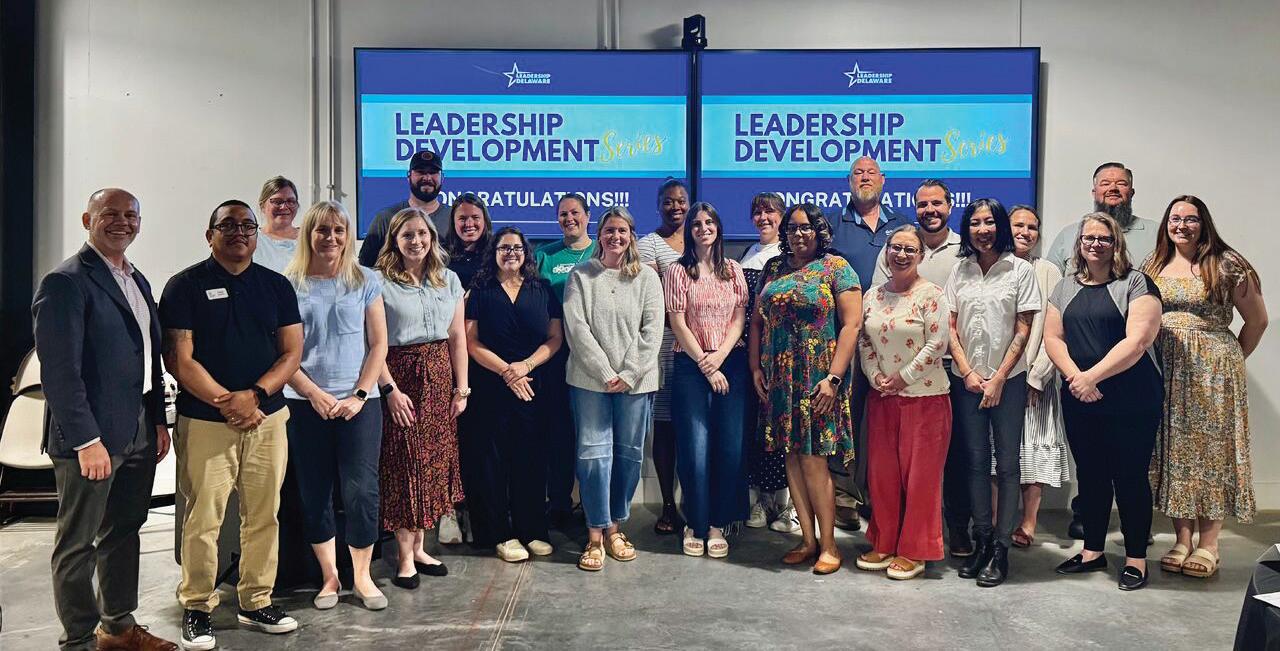
Paul was among 24 graduates of the Leadership Development Series.
means to lead with impact. It was a powerful opportunity to see how much we had grown as more confident and intentional leaders.
My classmate, Blake Moore, shared that leadership is a continuous journey. He noted, “The discussions we had were one of the most important parts, since we could share real-world, real-time leader-
ship challenges.”
Participating in the Leadership Development Series was incredibly rewarding. I left feeling more equipped, inspired, and committed to growing as a leader.
To learn more about Leadership Delaware or the Leadership Development Series, visit leadershipdelaware.org.
Mikayla
Women in Ag Rise to Lead at the 2026 ACE Summit
P&E Committee Co-Chair
In honor of the International Year of the Woman Farmer (IYWF), the American Farm Bureau Federation Women’s Leadership program hosted the 2026 ACE (Advocate, Cultivate, Empower) Summit in Washington, D.C. Being surrounded by over 500 women from across the country that each have made such an impact in the agriculture industry was truly a once in a lifetime experience during this special year. In recognition of IYWF, the conference included speakers and breakout sessions to build our networking and advocacy skills, with a focus on sharing our own personal story.
At the opening general session, we heard from a panel of women in leadership positions who came together to create the campaign of the International Year of the Woman Farmer over a decade ago. It was inspiring to hear how the global movement began and the dedication to bringing this vision to life.
Women in agriculture play an essential role in the agriculture indus-
try and it is important for us to use our voices. We attended breakout sessions during the conference that equipped us with skills to engage effectively with media outlets and speak on behalf of the industry with clarity and credibility. Another session focused on the pursuit of owning your ambition and provided practical frameworks to achieve our goals and shift our focus from a mode of self-discipline to self-devotion.
To end the summit, attendees were able to hear firsthand the results of the National Women in Agriculture Study. With over 4,000 responses, the survey provided a comprehensive look into the various responsibilities and skills women in agriculture possess. One of the best findings was that 9 out of 10 women report feeling confident speaking at community meetings about agriculture. It truly showed that women have the skills to share their story and balance work and on-farm responsibilities at the same time, being the superwoman that they are!
Finally it was time for the Women in Ag Day on Capitol Hill. This was a great opportunity to speak with members of the U.S. House and Senate for our state. I was able
to apply the skills I learned in the sessions during my visits and sharpened my message to connect with the legislators. With the Farm Bill currently in the hands of the Senate Agriculture Committee, it is a vital time for Delaware Farm Bureau members to be present in Congress. Overall, I left with a new fuel for my leadership journey and a desire
to create change in my home state. Women are the backbone of the agriculture industry, and I am grateful to have so many inspiring women to look up to in my life, whether in my own family or within my Farm Bureau family. I hope to leave that same positive example for the next generation of women as well.
COME GROW WITH US.
Maci Dickerson
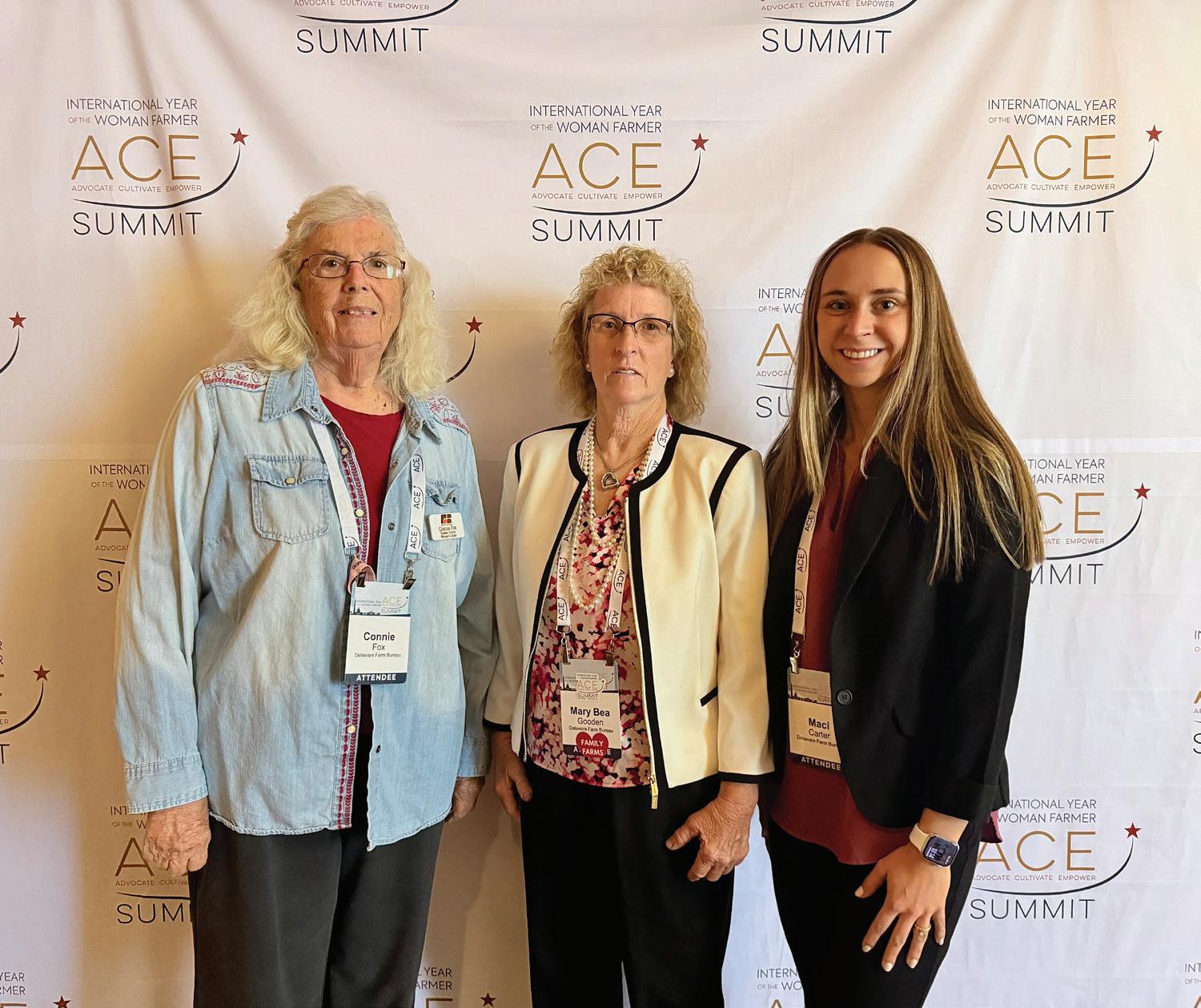
Connie Fox, Mary Bea Gooden, and Maci Dickerson, from left to right, represented Delaware Farm Bureau at the ACE Summit held in Washington D.C. from June 1st through 3rd.



Foundation Focus Delaware Farm Bureau Foundation Announces New Board Members
By: Jaiden Cain Delaware Farm Bureau
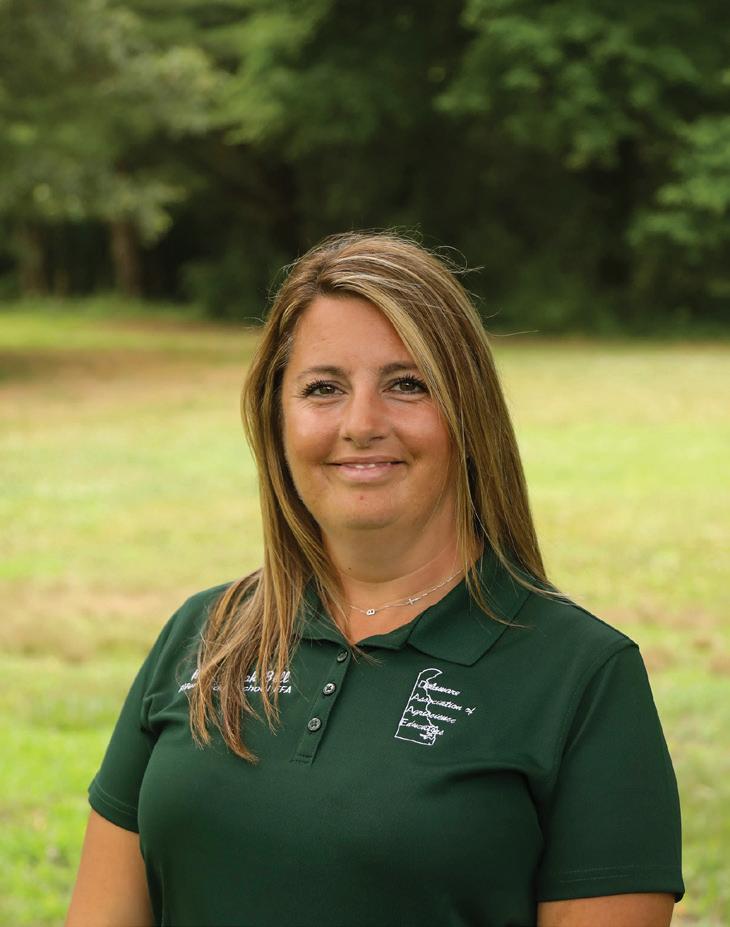
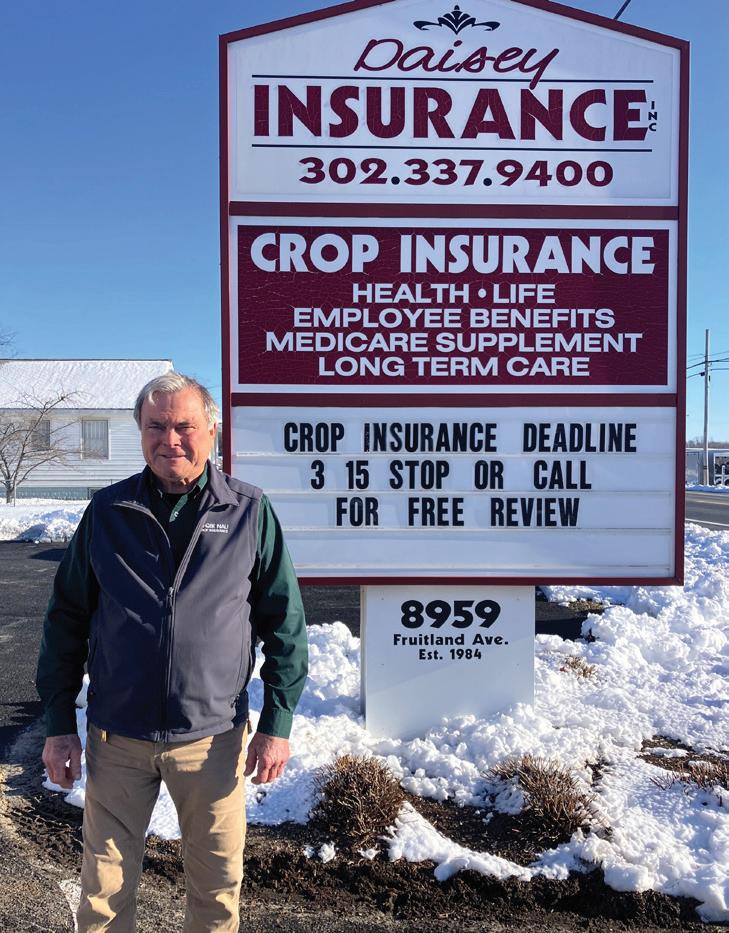
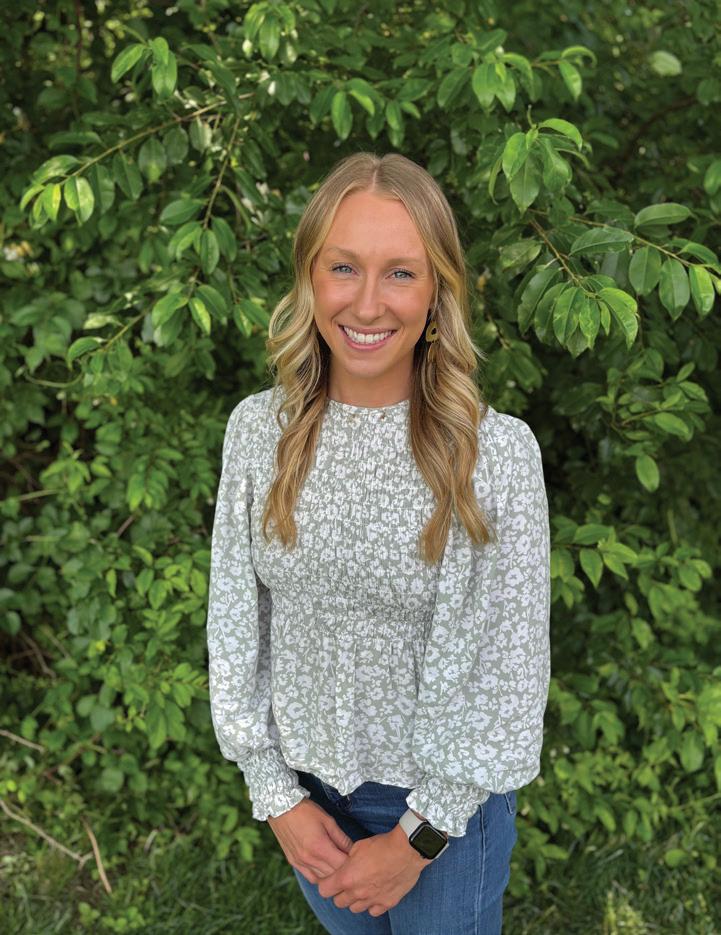
The Delaware Farm Bureau (DEFB) Foundation is pleased to announce the addition of four new members to its Board of Directors. The new members are Sarah Bell of Camden, Harry Daisey of Bridgeville, Kathryn Simpson of Harrington, and Stacie Warner of Georgetown. Each brings unique professional experience and a shared passion for agriculture, education, and community outreach. Sarah Bell currently serves as an Education Associate and Agriculture, Technology, and CTE Program Quality Lead for the Delaware Department of Education and the State Advisor for the Delaware FFA Association. Raised on a small farm outside of Felton, Bell was actively involved in both 4-H and FFA, experiences that fueled her passion for agricultural education. She credits agriculture teachers and 4-H extension agents for inspiring her desire to give back. Bell looks forward to working with the Foundation to expand agricultural learning opportunities for students statewide. Outside of work, she enjoys spending time outdoors, working with livestock, and watching her sons play lacrosse. Harry Daisey is an insurance agent and owner of Daisey Insurance in Bridgeville and grew up working on his family’s farm, where he helped in chicken houses and with planting crops. His agricultural background sparked his passion for educating consumers about where their food comes from
and the hard work behind it. Daisey sees his role with the Foundation as an opportunity to help the public better understand the importance of a strong farming community. In his free time, he enjoys hunting, woodworking, and canning with his granddaughters. Daisey also hopes to one day establish a foundation to support veterans, honoring his late son who served in Iraq.
Kathryn Simpson, Ag Relationship Manager at Horizon Farm Credit, brings both personal and professional experience in agriculture to the board. She grew up on her family’s farm and has deep agricultural roots on both sides of her family. Simpson raised and showed dairy cattle with her siblings at the Delaware State Fair and recently started a farm operation with her brother. Her professional background includes work with Hanover Foods Corporation before joining Horizon Farm Credit in 2023. Simpson hopes to use her firsthand farming experience to help educate youth about agriculture and the work to put food on their plate. She also has a special connection to Farm Bureau, as her great-grandfather served as Delaware Farm Bureau’s first president in 1945. Outside of work, she enjoys spending time with her boyfriend, Ryan, and their dogs Bandit and Annie, boating, gardening, and walking their farm.
“Growing up on the farm instilled in me the values of responsibility, determination, and grit, which are all traits that guide me through my work today,” said Simpson. “I be-

lieve that the younger generations deserve to have similar experiences, or have the opportunity to learn more about agriculture and its importance.”
Stacie Warner, Vice President Relationship Manager at First Cit-
izens Community Bank, joins the Board with more than 20 years of experience in agricultural finance. Raised on her family farm, Warner earned a Bachelor of Science FOUNDATION BOARD CONTINUED TO PAGE 17
Sarah Bell, Delaware Department of Education
Kathryn Simpson, Horizon Farm Credit
Stacie Warner, First Citizens Community Bank
Harry Daisey, Daisey Insurance
2026 Milk Run/Walk Raises over $20,000 to Support Children’s Milk Programs in DE
By: Jaiden Cain Delaware Farm Bureau
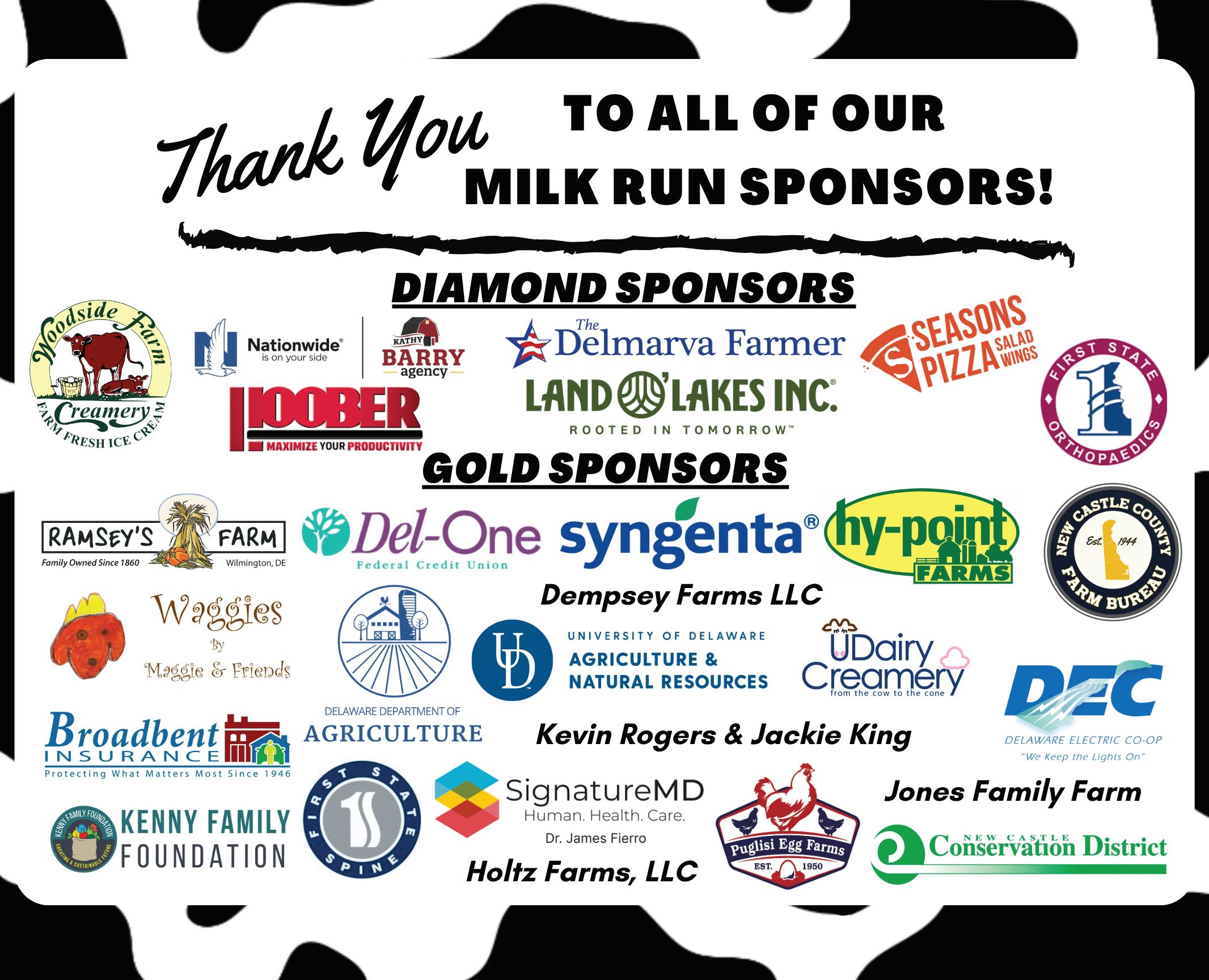
Runners gathered to help support children’s milk programs in Delaware during the 2026 Milk Run/ Walk, held at Ramsey’s Farm in Wilmington on May 16. The event was organized by the Delaware Farm Bureau (DEFB) Foundation in partnership with Beast Coast Productions, benefiting the Foundation, Food Bank of Delaware, and the Ministry of Caring. 136 participants registered for the race, which featured 5K, 10K, and Health Walk divisions along scenic courses through Ramsey’s Farm. Top finishers in each category were recognized with signature cowbell awards, among other prizes. Participants also enjoyed a unique photo opportunity with a live dairy cow courtesy of Emerson Farms. The morning concluded with an awards ceremony, a 50/50 raffle, and a silent auction featuring items donated by numerous local businesses.
This year’s event raised over $20,000 to support the DEFB Foundation, the Food Bank of Delaware’s Backpack Program, and the Ministry of Caring’s Milk for Children Fund. Together, these programs help provide nutritious meals to youth in need while also educating them about agriculture, food sources, and healthy choices. One of the beneficiaries of the race, The Ministry of Caring, provides for those in need in the Wilmington area. Milk is one part of the nutritional meals served to guests of the Emmanuel Dining Room. The Food Bank of Dela-
ware’s Backpack Program allows children in need to take a backpack full of food home at the end of the school week to provide nutrition for the weekend. The backpacks have food such as shelf-stable milk and juice, macaroni and cheese, granola bars, and apple sauce.
The DEFB Foundation strives to increase awareness, understanding, and positivity surrounding Delaware agriculture. Funds raised from this event will benefit the Foundation’s various programs and other initiatives to support this mission.
“We’re so grateful for the Delaware Farm Bureau Foundation’s partnership and support of the Food Bank of Delaware’s Backpack Program,” said Food Bank of Delaware Special Events Manager Jessi Domingeuz. “The Milk Run was a beautiful morning filled with energy and enthusiasm from the crowd, all coming together to support children facing food insecurity across our state. Events like this help ensure kids have nutritious meals and snacks to take home over the weekends, making a meaningful impact for Delaware families.”
For more information on the Delaware Farm Bureau and Foundation, visit www.defb.org. For more information on the Ministry of Caring, visit https://www. ministryofcaring.org/. For more information on the Food Bank of Delaware, visit https://www.fbd. org/. For results of the race, visit www.runsignup.com/Race/Results/ Overview/73211.
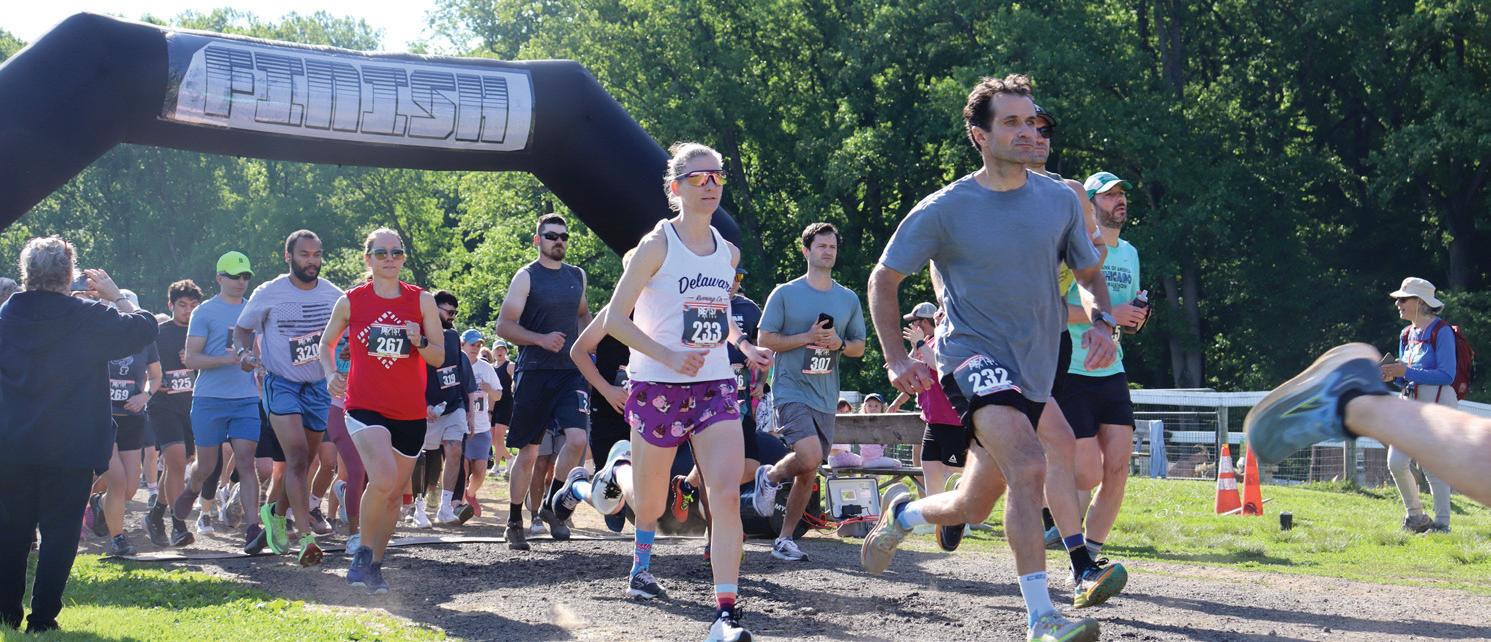
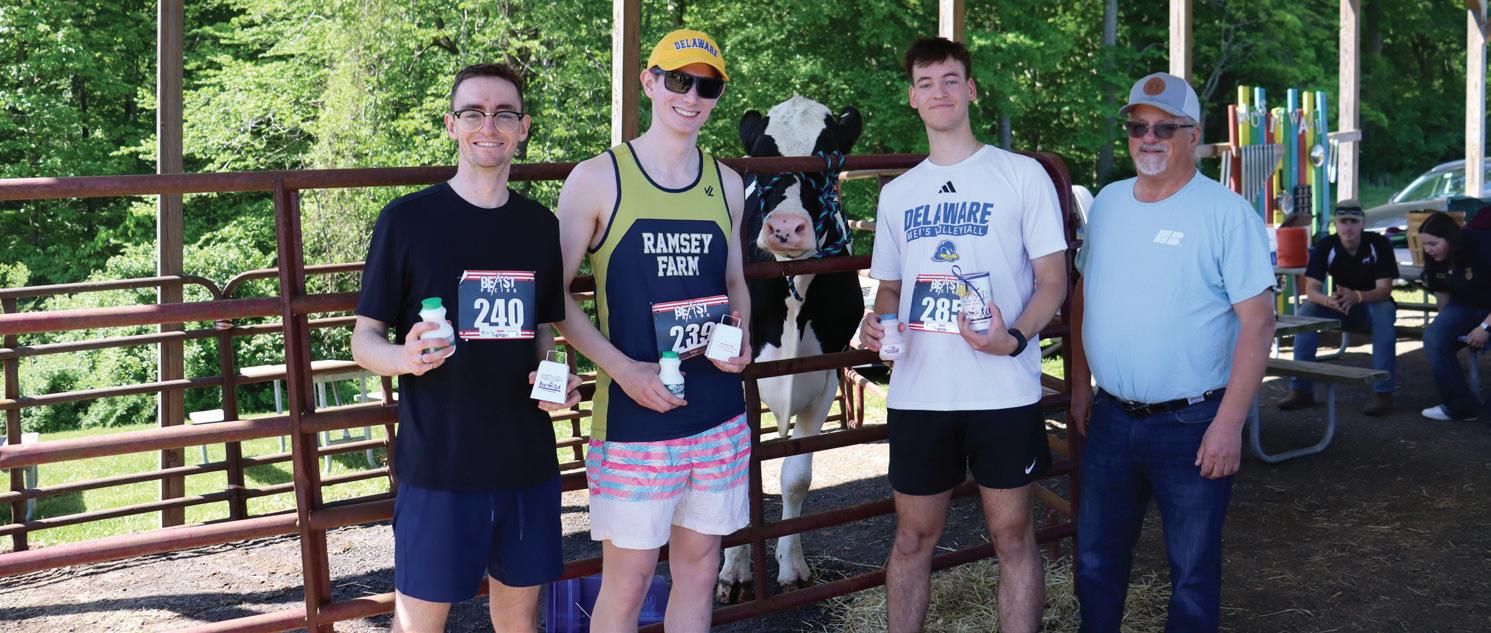
Participants had the opportunity to take photos with a dairy cow from a local dairy farm during the awards ceremony.
136 participants registered for the 2026 Milk Run/Walk held on May 16 at Ramsey’s Farm in Wilmington.
Youth in Ag Spotlight
Growing Up in Agriculture and
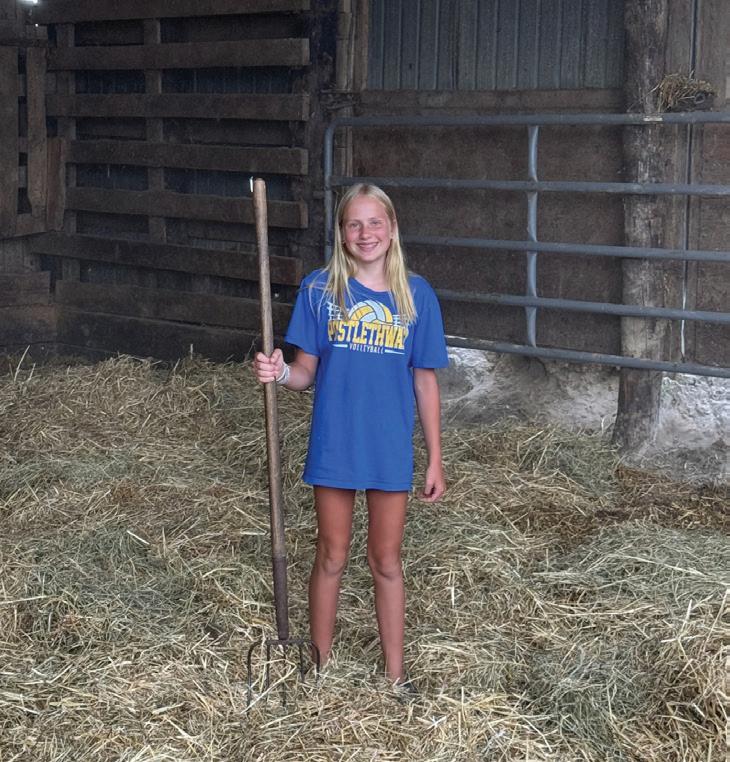
Agriculture is my entire life. Growing up on a farm has taught me so much. I have learned many valuable attributes, including perseverance, hard work, and responsibility.

Some of my responsibilities include taking care of my livestock projects throughout the show season, helping care for our beef cattle herd, helping
dump trucks in the granary during harvest season, and jumping in and helping with anything else that is needed. These experiences have helped me become more responsible, hardworking, and confident. One of my favorite parts of agriculture is seeing all of our hard work pay off.
Agriculture has taught me the importance of teamwork, dedication, and resilience. Through my involvement, I have gained a greater appreciation for farmers and the agricultural industry.
Learning Life Skills
In the future, I plan to continue my involvement in agriculture by continuing to farm with my family. My career goals include being a large animal veterinarian . I am interested in this field because I already enjoy caring for my livestock. I hope to develop my skills and knowledge so that I can make a positive impact on the agriculture industry.
Overall, agriculture has given me many opportunities to learn and grow. The experiences I have gained have prepared me for future success.
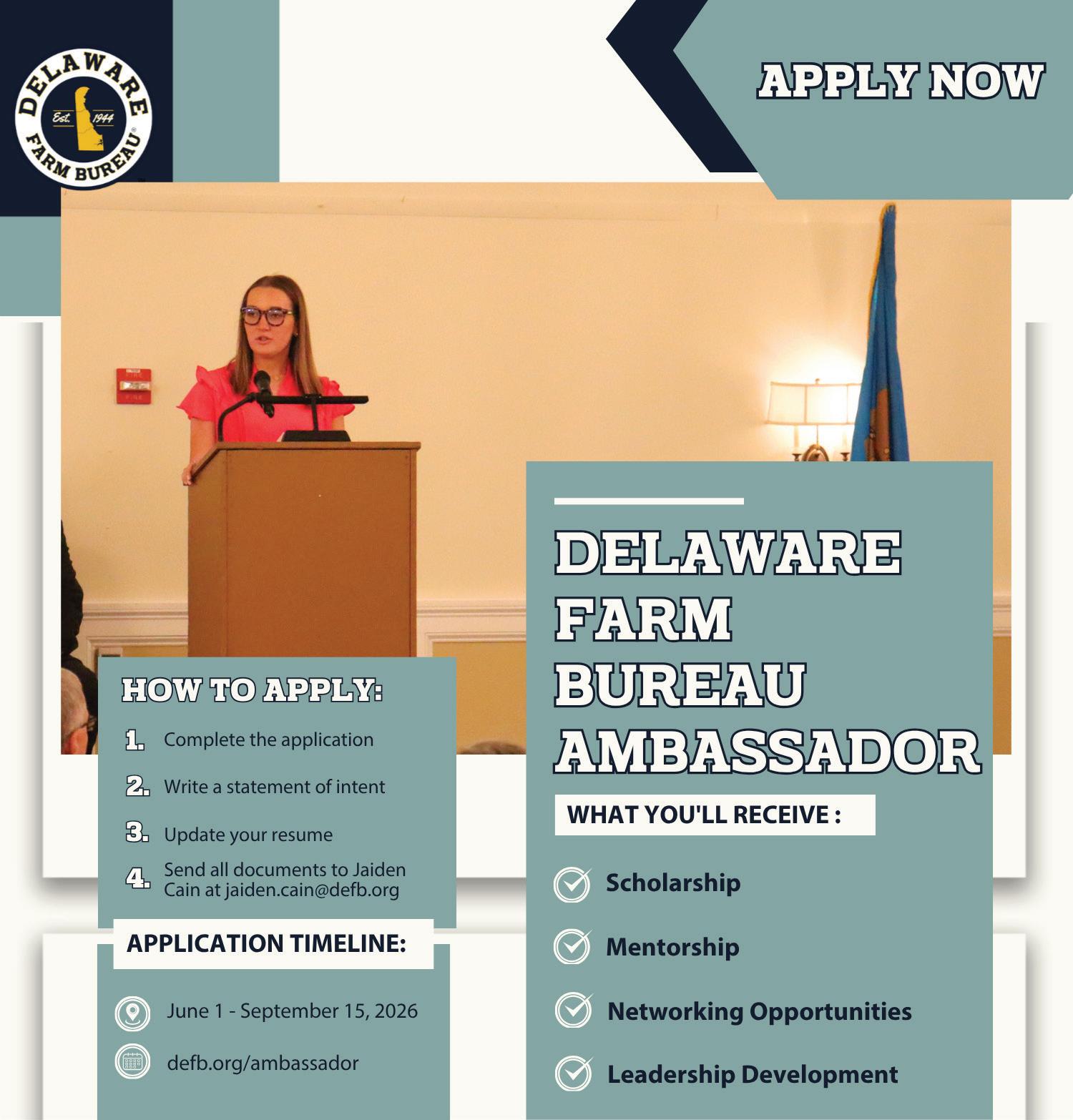
Delaware Farm Bureau Now Accepting Applications for 2027 Ambassador Program
By: Jaiden Cain Delaware Farm Bureau
Delaware Farm Bureau (DEFB) has opened applications for an Ambassador Scholarship Program. Young individuals with a passion for agriculture who are ages 17–21 as of January 1, 2026, and are active DEFB members or the children or grandchildren of active members are encouraged to apply.
The DEFB Ambassador Program provides young leaders with opportunities to develop communication, leadership, and advocacy skills while promoting agriculture across the state. Ambassadors serve as representatives of DEFB, engaging with members, participating in community outreach, and helping share the story of Delaware agriculture with the public.
Through hands-on experiences, networking opportunities, and leadership development activities, applicants gain valuable skills that support both personal and profes-
sional growth. Ambassadors also receive a $5,000 scholarship in recognition of their commitment to agricultural advocacy, while playing a key role in strengthening connections between farmers, consumers, and policymakers.
“Throughout my year, I have had the privilege of engaging in outreach efforts with not only Farm Bureau members, but also members of the broader community,” said 2026 DEFB Ambassador Emerson Hickey. “Being able to represent and promote an industry that means so much to me has been the most rewarding part of serving as the ambassador.”
Applications are open through September 15, 2026. Interested individuals can apply at www.defb.org/ambassador/. Completed applications, along with a statement of intent and resume, may be submitted via email to jaiden.cain@defb.org or by mail to 3457 S. Dupont Hwy, Camden, DE 19934.
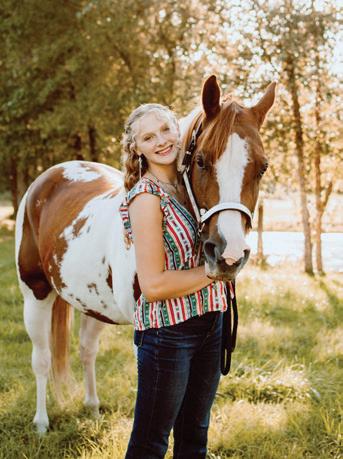
Emily Gooden DE Ag Youth
During the show season, Emily Gooden spends her time caring for livestock.
250 Years of Resiliency in Delaware Agriculture
As the nation observes America’s 250th anniversary, it is imperative to honor American agriculture, one of our country’s most enduring and influential industries. Throughout history, agricultural advancements helped to shape the nation’s economy, culture, and identity. In Delaware alone, this is not only reflected within our landscape but also within the development of the Delaware Farm Bureau, an organization that has played a critical role in supporting our farmers.
In the late 18th century farming used to be defined as a small family run operation, using manual labor and limited tools.The farms in Delaware followed this pattern, they relied on animal power, hand tools, and strong communities, to provide the labor needed to run the farm. A large majority of the population was involved in farming.
Agriculture began to shift in the 19th century. Mechanical equipment like the steel plow and reaper were introduced, which helped farmers increase their productivity. Railroads expanded which allowed for more market access. These improvements helped lay the groundwork for a more interconnected and commercially oriented agricultural system. As farming began to modernize
FOUNDATION BOD CONTINUED FROM PAGE 14
in General Agriculture from the University of Delaware and has spent her career serving farmers through financial services. She is motivated to help bridge the gap between consumers and produc-
and become more complex, so did the challenges that farmers faced. Farmers were faced with fluctuating prices, limited access to necessary supplies, and a need for reliable information about newer agricultural practices. Across the country many cooperative organizations emerged to try and address some of these issues. These cooperatives are what led to the formation of the Delaware Farm Bureau.
County Farm Bureaus were first established in the early 1900s by county extension agents as a way to promote the modern farming techniques and education programs extension agents provided. Delaware Farm Bureau was organized in 1920 and the first official president was W.V. Cosden.
During this time Delaware Farm Bureau was also considered a purchasing cooperative which helped to enable the local farmers to pool resources in order to buy seed, fertilizer, and equipment at a fraction of the normal cost. However, individuals that were not members of the Delaware Farm Bureau began using this purchasing cooperative without actually contributing any dues which caused significant strain and eventually led to the bureau’s disbandment. In 1926, the Delaware Farm Bureau was forced to dissolve.
Although it was disbanded, the need for a unified voice for agriculture did not disappear. As farmers navigated the Great Depression, wartime production needs, and tech-
ers, especially as fewer individuals today have a direct connection to agriculture. Warner hopes to help the Foundation increase public understanding of agriculture’s role as Delaware’s top industry. Outside of work, she is a lifelong member of Providence Community Church and enjoys spending time with family,
nological changes the value of an organized group protecting farmers’ interests became increasingly clear. The number of farms in this time period was drastically dropping and farm size was rapidly growing. Farmers were navigating different challenges and new business models.
In 1944, the Delaware Farm Bureau reorganized with a drive to protect Delaware agriculture and gain membership. The organization was able to quickly reestablish itself as it was a vital advocate for the farmers in the area, as well as crucial for policy development, educational programs, and strengthening the community. The first president of DEFB was George Simpson of Houston, under his leadership the organization looked to unify the farmers, strengthen their communication, and promote shared problem solving.
Modern American farms currently bear little resemblance to their
four-wheeling in West Virginia, and attending concerts.
The remaining DEFB Foundation Board members include Chair Bill Powers, Vice Chair Steve Breeding, Troy Dickerson, Laura Hill, David Holtz, Kitty Holtz, Chuck Hoober, Stewart Ramsey, and June Unruh.
The Delaware Farm Bureau
colonial start. Many modern farms now rely on machinery, data-driven decision making, and a global market. Delaware was able to diversify itself with its production of poultry, produce, and grains, all of which have formed the backbone of our state’s farming economy.
Although there have been many changes, many of the core values for both farmers and the Delaware Farm Bureau have remained unchanged: cooperation, community, and a commitment to helping local producers. Delaware Farm Bureau stands as a testament to the strength of our agricultural community. From its early days to its modern role as a statewide advocate, the organization has helped shape the identity of Delaware farming. Its history reminds us that agriculture is not just an industry; it is a living tradition, carried forward by generations who work the land, support one another, and adapt to the changing world around them.
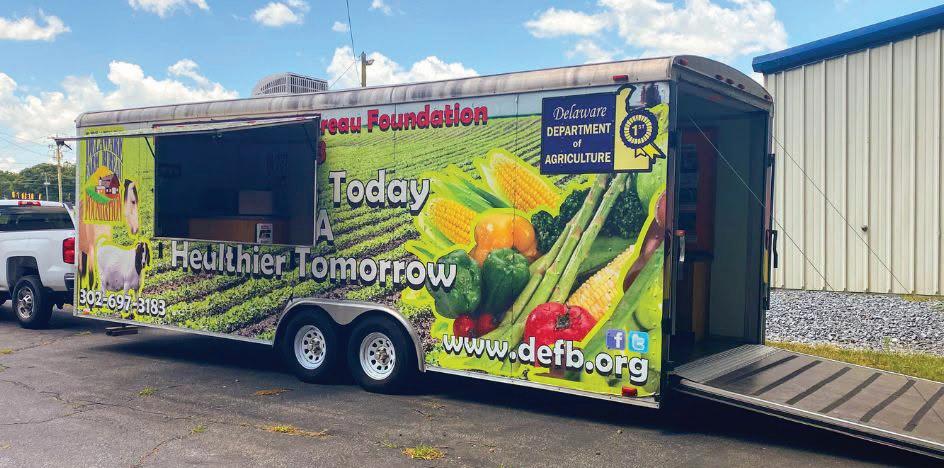
Foundation is a non-profit organization created to build awareness, understanding, and positive public perception about Delaware’s farm operations, promote fresh local food, and sponsor the Ag Education Mobile Classroom. To find out more or support the Foundation, visit www.defb.org/foundation/.
Dillana Reed DEFB Intern
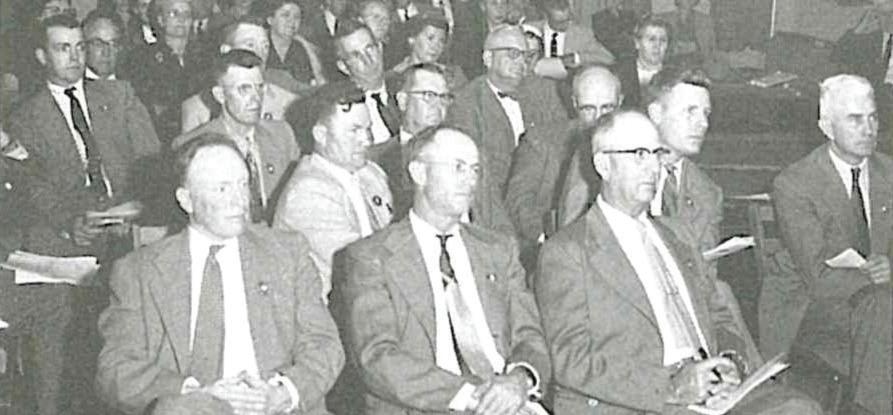
Delegates of the 1956 Delaware Farm Bureau Annual Meeting held November 12, 1956 at the Camden Wyoming Fire Hall.
Heat Stress on the Farm: A Danger You Can’t See
By: Dillana Reed Delaware Farm Bureau Intern
Delaware summers are hot and humid, and are when farmers spend the most time working outdoors. For the state’s agricultural community, this season brings a growing challenge that may not stand out but can be just as dangerous as any storm. Extreme heat has become one of the most serious and least visible threats to both farmworkers and livestock across the First State. What makes extreme heat so dangerous is its quietness. It doesn’t roar like a storm or tear through fields like a flood. Instead, it builds over long days in the sun, from equipment radiating heat, and in barns where humidity lingers. Farmworkers often push through the hottest hours with limited shade and few chances to cool down. When the body can’t release heat fast enough, symptoms like dizziness, nausea, and headaches can appear. Recognizing these signs early can help prevent life threatening conditions like heat stroke.
Livestock feel the strain as well. Cattle may breathe faster or gather at water troughs. Poultry pant and spread their wings, while swine, unable to sweat, slow down and avoid
HEALTHY MEALS CAMPAIGN
CONTINUED FROM PAGE 1
families to choose fresh, locally grown foods.”
Through this initiative, DEFB aims to encourage healthier eating habits while supporting Delaware farmers and strengthening connections between producers and consumers. As interest in fresh, locally sourced foods continues to grow, the campaign provides practical tools to make healthy eating more accessible.
movement. Farmers monitor the temperature humidity index to track conditions, and as it rises, animals struggle to stay cool. Knowing species specific signs of heat stress helps producers respond early.
Preventing heat stress starts with planning. Many farms adjust schedules so strenuous work happens early in the morning or later in the evening. Hydration breaks, shaded rest areas, and simple cooling stations reduce risk for workers. Training is just as important, crews should recognize heat illness and know how to respond.
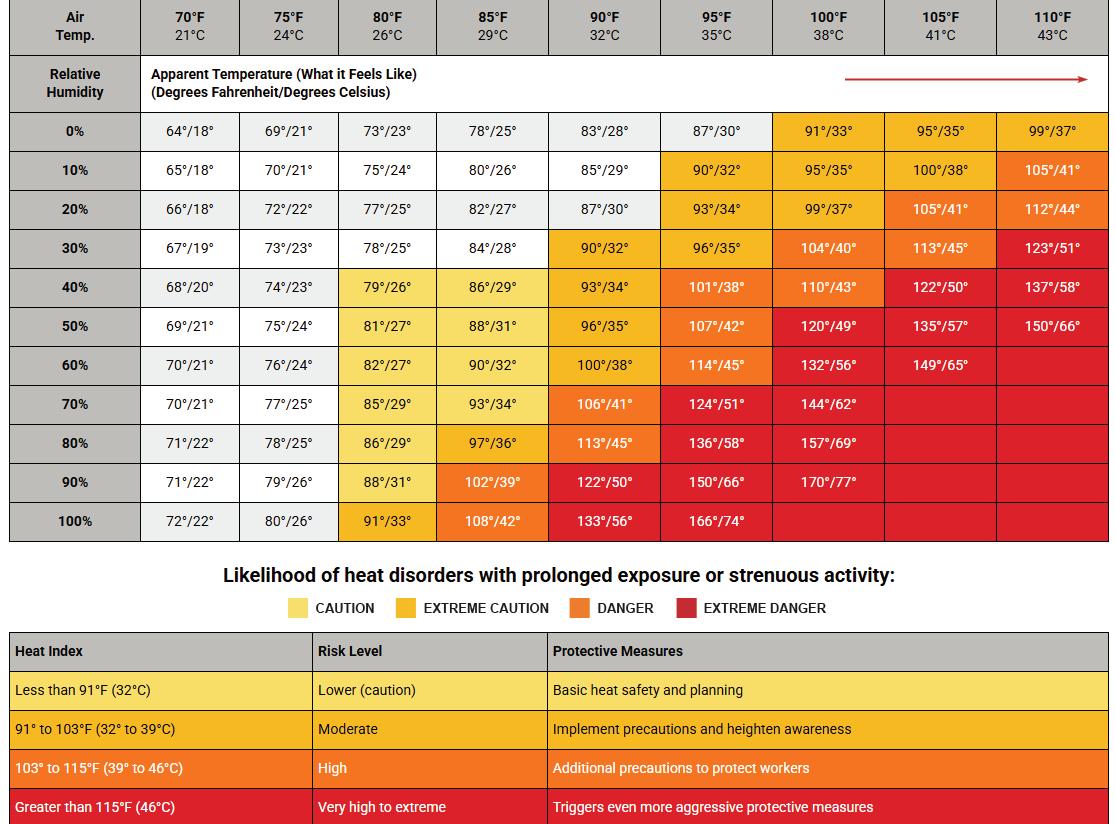
Information Source: National Oceanic & Atmospheric Association & OSHA
Graphic Source: Grainger
Livestock management can also be adjusted. Providing fresh water more frequently, improving airflow in barns, and adding shade in pastures make a noticeable difference. Some operations use misters or sprinklers, while others adjust feeding and transport schedules.
“I am looking forward to building connections with the amazing farmers of Delaware and the wider community,” said DEFB Summer Intern Dillana Reed. “We are excited to promote and try to bring healthy produce from local fields into homes throughout Delaware.”
This campaign is made possible by funding from the United States Department of Agriculture Specialty Crop Block Grant, administered by the Delaware Department of Agriculture.
Even small changes, like replacing bedding more often, can improve comfort and health.
If an emergency occurs, a quick response is critical. Workers showing signs of heat stroke need immediate cooling and medical attention. Animals in distress require rapid shade, ventilation, and possibly veterinary care. Knowing when to
Have a favorite recipe featuring a specialty crop? Visit defb.org/recipes/ to submit a recipe or sign up to participate in an instructional video.
call for help can save lives. Fortunately, farmers have more tools than ever to anticipate dangerous conditions, including heat advisories, mobile apps, and Extension alerts. Using these resources can turn a risky day into a manageable one. Heat safety isn’t optional, it’s a fundamental part of good farm management.
To discover new recipes or watch cooking demonstrations, visit defb. org/recipes/ or the Delaware Farm Bureau YouTube channel.

HEALTHY MEALS Fields
Eat healthy and local this summer by cooking with Delaware’s specialty crops!

Find DEFB Across the Delaware State Fair
By: Jaiden Cain Delaware Farm Bureau
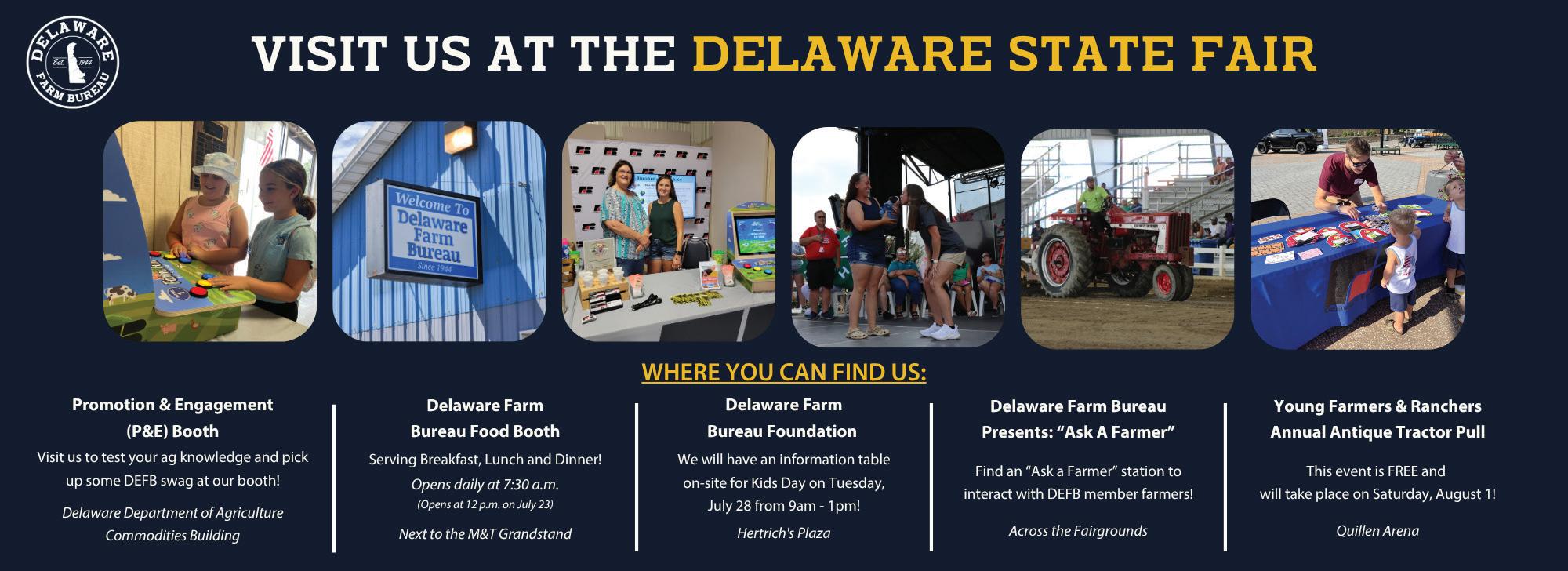
Delaware Farm Bureau (DEFB) is excited to be present at the Delaware State Fair. Members can be found across the fairgrounds from the barns and commodity buildings to the food court.
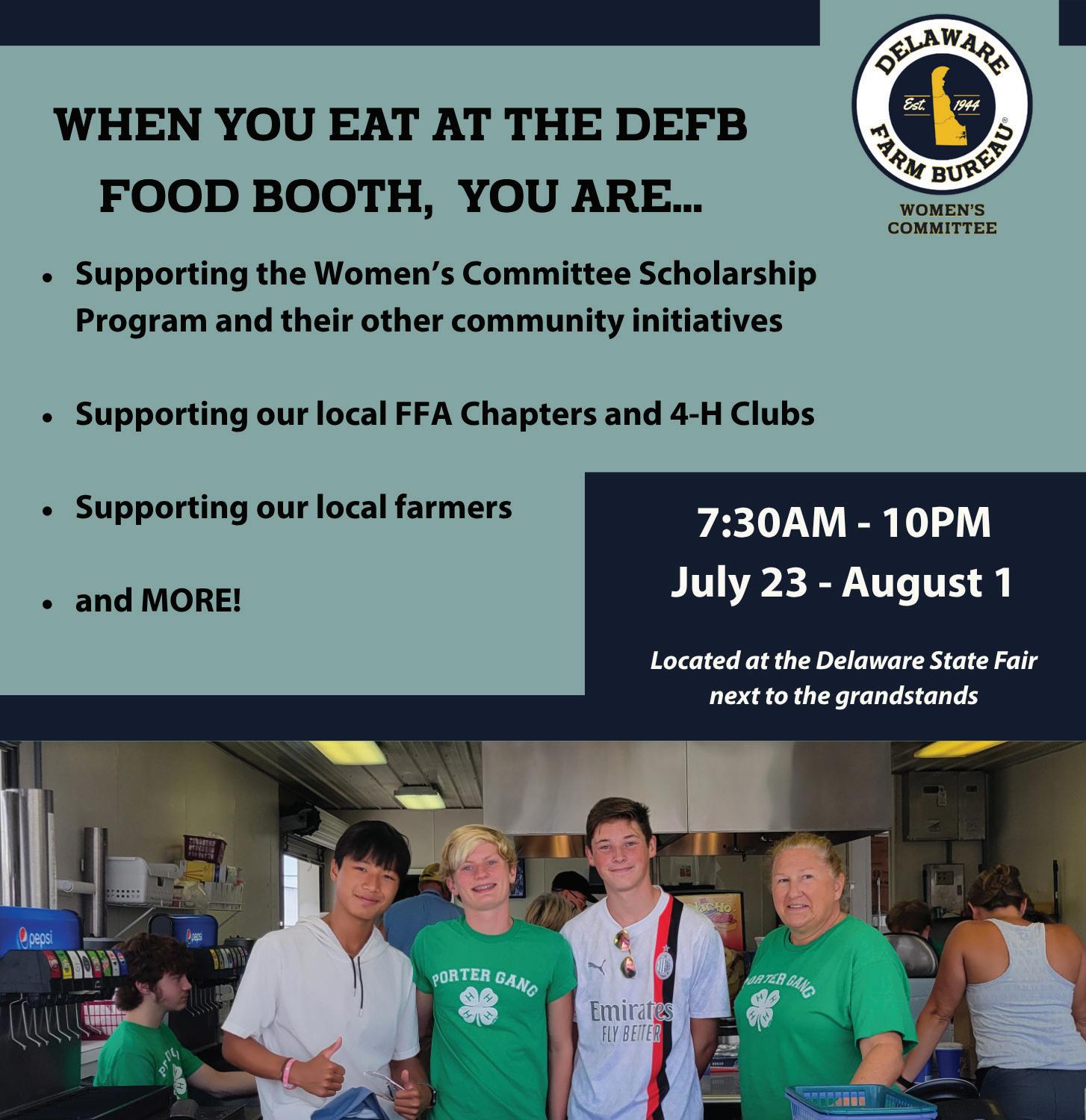
The DEFB Women’s Committee manages the DEFB Food Booth, located beside the grandstands. The booth offers affordable meals for families while raising funds to support scholarships and community initiatives.
The DEFB Foundation will be present in the Hertrich Plaza on Kid’s Day, Tuesday, July 28, 2026. The Foundation will be manning a table full of educational materials, crafts, and activities meant to educate youth on agriculture.
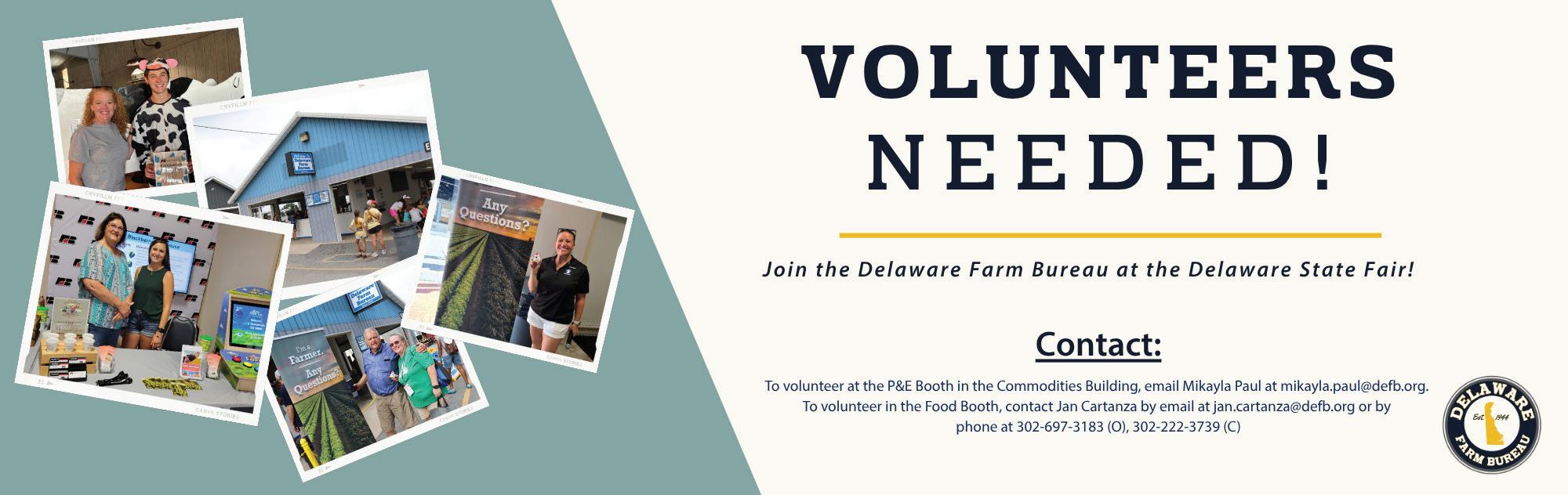
The DEFB Promotion and Engagement (P&E) Committee will have an educational booth in the Delaware Department of Agriculture Commodities Building for all 10 days of the Fair. Visitors can stop by to enjoy an interactive game featuring agricultural trivia
and learn more about local farming. New this year are limited-edition American flag themed DEFB socks! The first 50 visitors every day of the fair who show P&E members a same-day receipt of $10 or more from the DEFB Food Booth will receive a pair.
Throughout the week, DEFB members will host “Ask a Farmer” sessions across the fairgrounds, giving fairgoers the opportunity to connect directly with farmers and ask questions about agriculture. This ongoing P&E initiative helps
bridge the gap between producers and consumers.
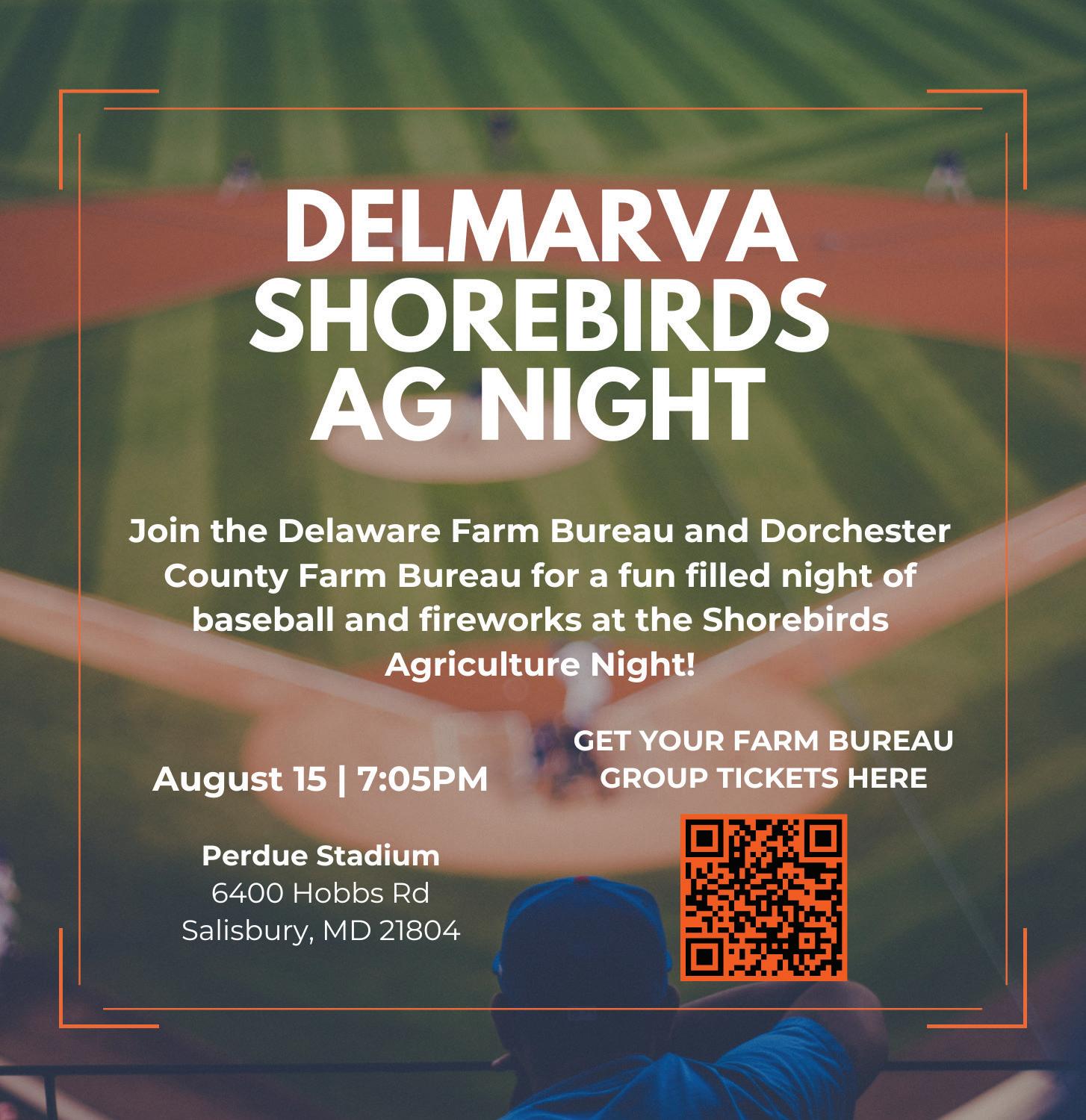
The DEFB Young Farmers and Ranchers are hosting their 32nd Annual Antique Tractor Pull at 9am in the Quillen Arena on Saturday, August 1, 2026. The pull brings together antique tractor enthusiasts from the region for a fun-filled event for the whole family.
To stay up to date on DEFB’s activities and find out where to connect with us, follow us on social media or visit defb.org.
Updates from AFBF Production Costs Expected to Reach New Highs in 2027
The latest USDA Commodity Cost and Returns report provides the first comprehensive look at how recent disruptions in global energy and fertilizer markets are filtering down to the farm level. Released after months of volatility stemming from conflict involving Iran and concerns over shipments moving through the Strait of Hormuz, and as expected, the updated projections indicate production costs are expected to be higher than previously anticipated for every major crop for the 2026 growing season. The findings align with the American Farm Bureau Federation’s recent survey of over 5,700 farmers, which found that 70% of respondents were unable to afford all the fertilizer they needed for the 2026 crop year as rising input costs continued to strain farm finances. The next update will be in November of this year.

peanuts at $1,248 per acre, cotton at $1,001 per acre and corn at $952 per acre. Soybeans, sorghum and wheat are also projected to reach record levels.
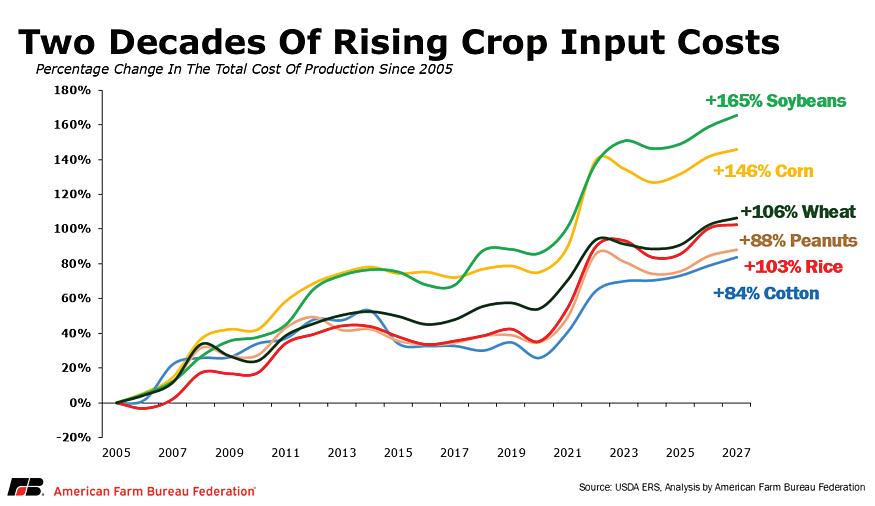
For many crops, projected 2027 costs exceed not only USDA’s previous forecasts but also the highs experienced during the supply chain disruptions and inflationary pressures of the early 2020s. Since 2005, total productions costs have more than doubled for several major row crops, including soybeans (+165%), corn (+146%), wheat (+106%) and rice (+103%). While commodity prices often fluctuate from year to year, production expenses have steadily trended higher, leaving farmers increasingly exposed when crop prices decline. The record costs projected for 2027 suggest that rising input expenses are no longer a temporary challenge but a persistent reality facing farmers across the country.
Production Costs Revised Higher
Costs Projected to Reach New Highs in 2027
USDA’s new 2027 cost of production forecast reveals farmers may not see meaningful relief from elevated production costs anytime soon. USDA’s preliminary 2027 projections show total production costs continuing to rise for most major crops, pushing all commodities to record highs. Higher production costs are driven not by fuel and fertilizer in 2027, but rather by higher prices for seed, chemicals, repairs, labor, machinery and cash rents expenses. USDA’s current estimates for rice production costs are $1,427 per acre in 2027, followed by
Compared to USDA’s earlier 2026 projections, total production costs were revised higher for every major crop included in the report. Rice had the largest increase, with projected costs rising nearly $75 per acre (5.6%), followed by peanuts at nearly $30 per acre (2.5%) and corn at more than $19 per acre (2.1%). While the magnitude varies by crop, production expense forecasts for all major commodities increased in the updated outlook and are projected to climb even higher in 2027.
Fuel and Fertilizer Drive Cost Increases for 2026, Declining in 2027
Much of the increase in USDA’s updated cost estimates can be traced to higher fuel and fertilizer expenses. Compared to USDA’s earlier
2026 projections, fertilizer costs were revised 9% to 13% higher across major crops, while fuel, lube and electricity expenses increased 33% to 41%.
Fuel costs represented the largest upward revision in the report. Projected fuel, lube and electricity expenses increased 41% for sorghum, 36.8% for peanuts and more than 34% for corn, wheat and rice. Fertilizer costs also moved sharply higher, increasing 11.7% for rice and more than 11% for corn, soybeans and peanuts.
However, the recent easing of tensions in the Middle East and the end of the Iran conflict could provide some relief to global energy markets. USDA does project that fuel and fertilizer prices will drop in 2027 as the Strait of Hormuz opens and resumes normal traffic. However, high production expenses in other categories and low commodity prices will likely continue weighing on the economic viability of farms. USDA will revise its forecast in November.
Not all cost categories moved higher in 2026. Seed and chemical expenses were revised lower for most crops, partially offsetting
increases elsewhere. However, the magnitude of higher fuel and fertilizer costs outweighed those declines, resulting in cost increases for all crops covered in the report.
Bottom Line
The latest USDA projections highlight the challenges farmers continue to face as input costs remain elevated with historically low commodity prices. Production costs were revised higher for every major crop in 2026, driven largely by increases in fuel and fertilizer expenses. However, fuel and fertilizer costs are projected to decrease in 2027. Other categories will keep 2027 above record levels. At a time when commodity prices remain under pressure and margins are already thin, higher operating expenses will place additional strain on farm viability. Recent policy actions, including economic assistance for farmers and improvements to the farm safety net included in the One Big Beautiful Bill Act, provide important support, while continued progress on a new farm bill and other efforts to strengthen the farm economy could help producers amid ongoing market uncertainty.
Faith Parum Economist AFBF
New Study Finds Women in Agriculture Ready to Lead, More Support Needed
By: AFBF Staff American Farm Bureau Federation
The American Farm Bureau Federation’s Women’s Leadership Committee, with support from JBS and CoBank, is unveiling the results of a new national study intended to guide programming dedicated to women in agriculture for the next five years.
Conducted via online survey and focus groups, the study provides a comprehensive look at women in agriculture in the United States. It also identifies the essential roles women currently play in building a sustainable future for agriculture as well as opportunities for growth, improvement and additional support.
“Agriculture around the world has flourished with the full support of women — oftentimes behind the scenes — but increasingly in leadership roles,” said AFBF Women’s Leadership Chair Isabella Chism.
“As we celebrate the International Year of the Woman Farmer along with the 250th anniversary of the United States, this is the perfect time to make sure everyone has a seat at the table in agriculture. This study allows us to take a closer look at the role women play in
raising crops and tending livestock but also balancing off-farm jobs, caring for children, volunteering in their community, and so much more. This study provides a comprehensive look at the many hats worn by women in agriculture as well as opportunities to better support them.”
A key finding from the study is that women in agriculture have strong confidence in their ability to balance farm work and family responsibilities. Most respondents also have a high level of confidence in their ability to represent agriculture in public or professional settings. In fact, 9 out of 10 women report feeling confident speaking at community meetings about agriculture, and an impressive number — nearly 90% — of women surveyed are interested in taking on leadership roles now or in the future.
Conversely, the study also identifies five key areas where the agriculture sector could increase support: time and caregiving; skill development; leadership involvement; financial future; and overall wellbeing.
For example, almost half (44%) of women surveyed reported inter-
est in gaining equipment or technical skills training, while nearly 6 in 10 respondents (56%) expressed interest in business and financial management training.
“As a grassroots organization and committee, we have long built our programming based on feedback from members,” Chism said. “For example, we doubled the number of communications boot camps we host. This survey gives us contemporary data that will help us develop future workshops, online engagements and peer-support networks for women.”
Encouragingly, several data points reinforce existing Farm Bureau programming. For example, 45% of respondents expressed interest in policy or civic engagement training, and 42% expressed interest in community involvement or advocacy training. This aligns with the focus of Farm Bureau’s Women’s Communications Boot Camp, which has trained more than 350 women in agriculture in communications and advocacy.
Furthermore, the Women’s Leadership Committee has continually focused on the importance of mentorship among women in agriculture, an interest identified by 45%
of survey respondents. Programs such as AgConnectHER serve to inspire and equip women in agriculture to succeed in leadership, not just in the agricultural industry but well beyond.
More than half (52%) of all respondents reported interest in training related to farm succession or ownership transition. Farm Bureau has featured workshops on succession planning at eight of the last 10 most recent Farm Bureau Conventions and nine of the 10 most recent Young Farmers & Ranchers or FUSION conferences.
More than 4,300 women in agriculture from all 50 states and Puerto Rico responded to the survey. A strong majority (61%) described their operation as a family farm, and more than 25 different crops and commodities were represented. AFBF and its research partners will continue analyzing the study results to gain additional insights.
Farm Bureau is appreciative of CoBank and JBS for their support of this study in order to recognize the essential roles women play in agriculture.
Find a study summary of the study at www.fb.org.
Our Featured Member Benefits

fordrecognizesu.com /farmbureau









dungarees.com/deals/delawarefrb

To obtain a copy of the prescription card, please call the office at (302) 697-3183.
Call (888) 683-4070
Call 302-697-3251
gkillmon@chpk.com (302) 242-3138
(855) 902-3274
workboots.com
Use Farm Bureau Code
(302) 735-9940
Dover (302) 736-6081
Salisbury (410) 742-4465
(800) 634-5021
Discount code: DFB17 (302) 757-2350
https://www.milb.com/wilmington Discount code: DEFB25
Present a valid DEFB ID account code to receive discount.
Present a valid DEFB ID account code to receive free consultation

Priority Code: BDHW348 www.lifelinescreening.com/DE FB to make an appointment.
VirtualcareRX.com/HomeDelaware-Farm-Bureau
Business
https://www.staplesadvantage.co m/lp/guest-homepage
Click on My company has a Staples Business Advantage account, but I need a login. Then fill in the form and a Staples Representative will contact you.


defb.savingscenter.net
https://www.fieldclock.com/dela ware-farm-bureau
Additional Benefits
Delaware Farm Bureau offers discounts at over 30 businesses. For a complete list of our member benefits visit defb.org/membership/memberbenefits-2/ or scan the QR code below.

Nationwide News How Agricultural Drones Are Changing Modern Farming
The following information is provided by Nationwide®, your approved insurance and financial services company.
Farmers have always been early adopters of technology that works. From GPS-guided tractors to precision irrigation systems, agriculture has never been shy about embracing tools that save time, reduce waste and improve yields. Drones, or Unmanned Aerial Systems (UAS), are quickly becoming the next essential piece of equipment on modern farms and ranches.
“We’re seeing a real shift in how farmers and ranchers are thinking about drones,” says Peter LaMair, Nationwide Farm Staff Underwriting. “What used to seem like a high-tech novelty is now becoming a practical, cost-effective tool that’s changing how operations of all sizes manage their crops and livestock.”
The numbers back up LaMair. The agricultural drone market is currently valued at $7.55 billion. And it’s growing fast. Whether you’re managing a few hundred crop acres or managing a cow/calf operation, drones offer real, measurable advantages. Here’s what you need to know before you take the leap.
What is an agricultural drone?
An agricultural drone is an unmanned aerial vehicle designed specifically for farm and ranch use. Modern ag drones are far more than cameras with propellers. Today’s ag
drones range from compact consumer-grade models to heavy-lift commercial sprayers capable of carrying 10 to 40 gallons of liquid at a time.
• Depending on the model and configuration, they can:
• Spray crops with herbicides, pesticides, fungicides or fertilizers
• Map and monitor fields using multispectral or thermal imaging
• Scout for pests, disease and weeds across large areas quickly
• Monitor livestock by tracking herd locations, identifying injured or separated animals, checking fencing and applying pesticides for flies and other pests
• Plant crops like cover crops in areas difficult to reach by ground equipment
• Assess irrigation coverage and identify dry spots before they become yield-loss problems
How drones can improve farm efficiency
The main appeal of agricultural drones is efficiency. A drone can cover land faster than most groundbased equipment, with some spray drones able to treat 15 to 40 acres per hour, depending on the terrain and application rate. For monitoring and scouting, a single drone flight can survey fields in minutes that would take hours to walk.
“Time is money on a farm,”
LaMair says. “When a drone can scout 300 acres in a morning and flag problem areas before they spread, that’s a real competitive advantage.”
For livestock operations, drones are proving their worth in monitoring cattle, checking on remote water sources and assessing fence lines. They’re all tasks that traditionally required an ATV, horse or long pickup ride.
Get started with drones Drone technology has matured considerably, and the barrier to entry is lower than many farmers expect.
There’s a real learning curve with adding drones to your farm or ranch. But it’s manageable. And the risks — like many other risks on your operation — are insurable.
Operating an agricultural drone, especially one used for chemical applications, comes with real responsibilities and requires Federal Aviation Administration (FAA) certification, pesticide applicator licensing, the right equipment and training. LaMair said it’s a good practice to treat a drone just like any other piece of machinery on a farm or ranch, especially when it comes to managing risk.
“Adding a drone to your opera-
tion is exciting, but it also introduces new risks,” LaMair says. “Farmers have spent decades scheduling tractors, combines and implements on their insurance policies. It only makes sense that drones should be treated the same way. Now they can be.”
Contact your Nationwide Farm Certified agent to ensure you have the proper drone insurance coverage to manage the risks of aerial operations. Nationwide offers a comprehensive suite of coverage that protects equipment, physical damage and liability during precision drone operations and crop input applications. Your agent can walk you through the available drone coverage options, help you find a solution that fits your operation and make sure your policy keeps pace with your farm’s technology.
Visit AgInsightCenter.com for more resources and expert tips to help you run a successful business and maintain the safety of your operation.
Nationwide, the Nationwide N and Eagle, and Nationwide is on your side are service marks of Nationwide Mutual Insurance Company. © 2026 Nationwide