FOR YEARS, ORGANIZATIONS HAVE FOCUSED ON DIVERSITY, EQUITY, AND INCLUSION (DEI) AS THE FOUNDATION FOR CREATING FAIR AND WELCOMING WORKPLACES BUT RECENTLY, A FOURTH ELEMENT, ‘BELONGING,’ HAS BEEN ADDED, TRANSFORMING DEI INTO DEIB. WHY DOES THIS MATTER?
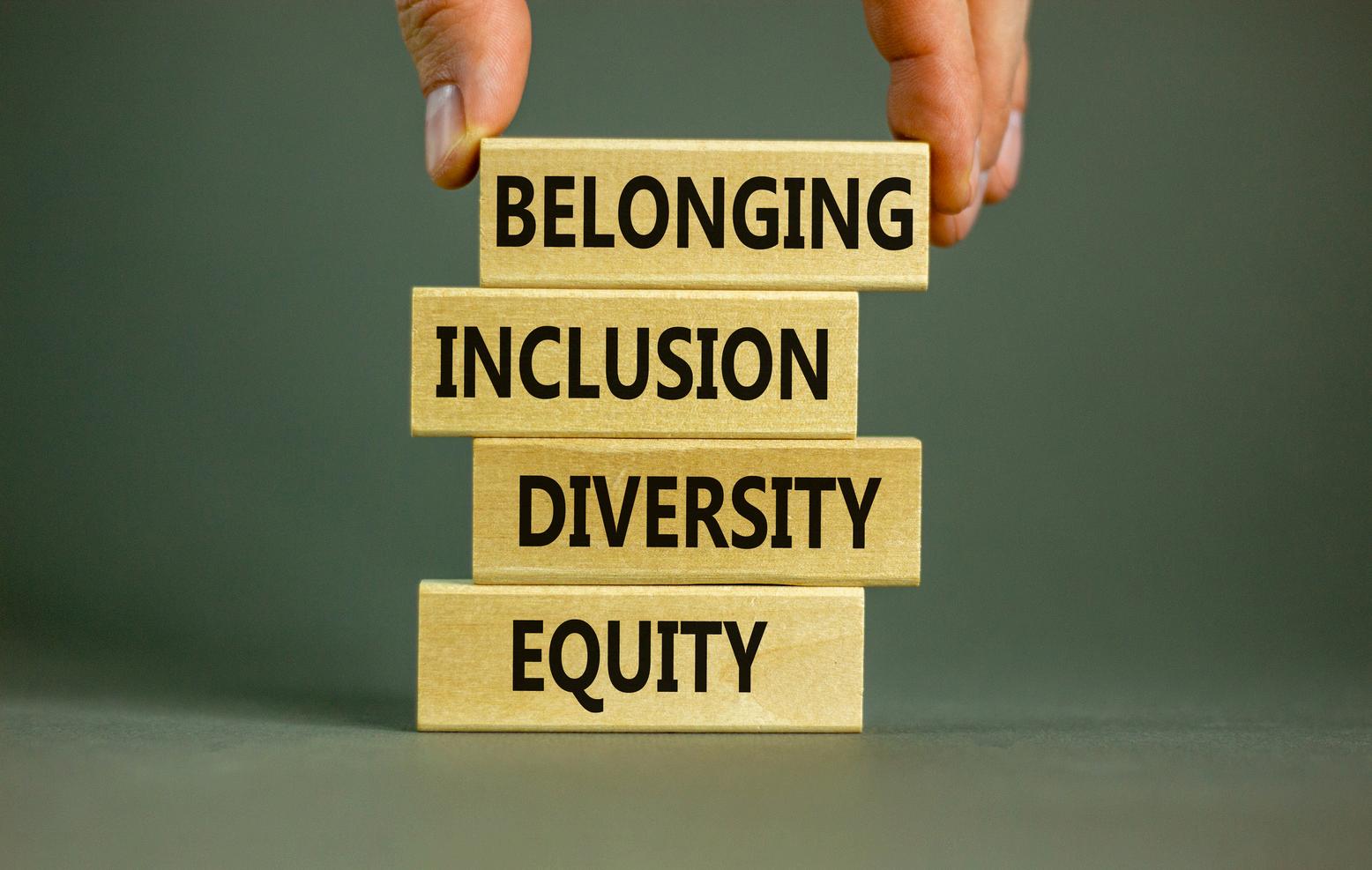
Belonging goes beyond inclusion Inclusion ensures people are invited to the table; belonging ensures they feel comfortable, valued, and empowered to bring their authentic selves It’s the emotional outcome of an inclusive environment, a sense that “I am accepted here for who I am”
As one expert explains, “If DEI is about having a seat at the table, DEIB is about having a seat at a table where you are welcomed with open arms” (BPM, 2024)
The Difference Between DEI and DEIB
Diversity: Representation of different identities and perspectives
Equity: Fair access to opportunities and resources
Inclusion: Active efforts to make all voices heard.
Belonging: The emotional connection that makes people want to stay and thrive (Cooleaf, 2023)
Adding “B” acknowledges that policies and programs alone aren’t enough. People need to feel part of a community When employees feel they belong, they are more engaged, creative, and committed benefits that ripple across recruitment, retention, and organizational culture (Karen Groom, 2025)
Many trailblazers within the Black community have made groundbreaking contributions to medicine and science Here are just a few:
Dr Daniel Hale Williams (1856–1931)
Dr Daniel Hale Williams founded Provident Hospital, the nation’s first Black-owned interracial hospital On July 10, 1893, he performed the first successful open-heart surgery on a human and is recognized as the first African American cardiologist He later co-founded the National Medical Association and became the first Black physician admitted to the American College of Surgeons
Dr Jane Cooke Wright (1919–2013)
Dr Jane Cooke Wright began her career researching chemotherapy alongside her father at the Cancer Research Foundation in Harlem Their work led to major advances in treating leukemia and lymphoma After her father’s death in 1952, she became the foundation’s director at just 33 years old She went on to serve as director of cancer chemotherapy at New York University Medical Center and as associate dean at New York Medical College Her research was instrumental in establishing chemotherapy as a standard cancer treatment
Dr Patricia Bath (1942–2019)
Dr Patricia Bath became the first African American to complete an ophthalmology residency at NYU in 1973 and, in 1975, the first female faculty member in UCLA’s ophthalmology department Driven by her belief that “eyesight is a basic human right,” she co-founded the American Institute for the Prevention of Blindness In 1986, she invented the Laserphaco probe, revolutionizing cataract surgery When she patented it in 1988, she became the first African American female doctor to receive a medical patent
These individuals represent just a few of the many Black innovators who shaped modern medicine As we look to the future, it is vital to honor their achievements and the barriers they overcame, paving the way for future generations to advance healthcare for all
(Read about more inspiring figures here)

FEBRUARY11-
Gender equality in science is crucial for building a better future for all, yet women and girls continue to face systemic barriers and biases in pursuing scientific careers
A significant gender gap has persisted throughout the years at all levels of science, technology, engineering, and mathematics disciplines all over the world Although women have made significant progress in increasing their participation in higher education, they remain underrepresented in these fields (UN, 2025)
In honor of this observance, let’s travel in time and look at some amazing women who have paved the way for women in the STEM field
Annie Easley (1933-2011) : A computer scientist and rocket scientist at NASA
Vera Rubin (1928-2016): Astronomer who provided key evidence for dark matter
Elizabeth Blackwell (1821-1920): First woman to earn a medical degree in the U S
Maude Abbott, M.D. (1868-1940): Invented an international classification system for congenital heart disease.
Check out this article by the AHA, Women Who Made History in Cardiology. READ HERE

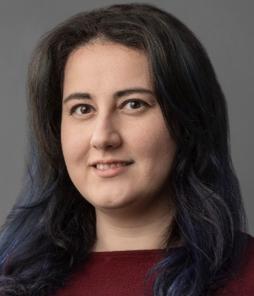
March is Women’s History Month and we’re proud to highlight one of the many women shaping Laerdal’s technology landscape: Rafif Alsaleh, QA Engineer at Laerdal Labs Her journey reflects not only technical expertise, but also a deep commitment to building equitable, inclusive systems where all people can succeed
DEIB as Something We Do Not Just Something We Value
Rafif’s understanding of DEIB has evolved throughout her career “Diversity is about who is in the room, but equity, inclusion, and belonging are about what happens once they’re there”
She emphasizes that DEIB has to live in daily decisions, not just in statements or ideals
“DEIB lives in systems, processes, and everyday decisions not just intentions.”
Before entering tech, Rafif worked as an Arabic instructor, linguist, and interpreter. Those experiences continue to influence how she sees equity. “Language can either open doors or quietly close them.”
With backgrounds in both Computer Science and Applied Linguistics, she believes talent develops through many paths not one predetermined track
As she moved through technical environments, Rafif began noticing patterns “People who didn’t share the dominant background or communication style often had to work harder just to be heard”
This awareness fuels her determination to question assumptions and surface gaps a mindset strengthened by her QA experience
One meaningful improvement Rafif helped influence involved standardizing documentation and reducing jargon
“By documenting processes more intentionally, we made it easier for everyone to participate and succeed”
It’s an example of how even subtle system changes can expand access
Rafif also acknowledges leadership that models accountability, especially her manager, Charles Woehr
“He creates space for open dialogue, actively listens, and follows through when concerns are raised”
She notes that authentic DEIB leadership is seen in consistent presence and responsiveness, not just metrics
Rafif’s story is one of many across Laerdal that highlight the strength, creativity, and impact of women in tech As we reflect this quarter, we celebrate Rafif and the women across the organization whose work continues to shape our mission: helping save lives through innovative, equitable technology
th
Why January 4 ? This date marks the birth of Louis Braille, who, after losing his sight as a child, transformed six simple dots into a universal language
For a person with visual impairment, Braille is the key to connecting to the world
The significance of Braille extends to:
Employment: it allows the visually impaired to gain professional independence and the ability to navigate workplace documents
Public Safety: it provides information on medicine labels, elevators, and signage
Last but not least, Social Equality: Braille aids in reducing the barriers of discrimination and ensuring information is not a privilege, but a shared resource (Oliveria, 2025)
Read more here
The Lunar New Year begins with the second new moon after the winter solstice in December. This Lunar New Year starts on Tuesday, February 17 and ends on Tuesday, March 3rd th Chinese New Year is thought to date back to the Shang Dynasty in the 14 century BC th
Read more about the Lunar New Years’ history HERE!
Make these "gold bars" spring rolls as a Lunar New Year Inspo celebration
These dim sum morsels can be easily batch-made, frozen, and cooked on the day of your family reunion dinner party!



Thank you for those who participated in our Year-End Survey! Take a look at the overall results.
Metric Score (out of 100) Interpretation
Strong, but with outliers
Very Positive
Empowering Women
LGBTQ+ Advocacy
Leadership Transparency
"Quick Win" Recommendations
Acknowledge Success
Direct Communication
Targeted Education
Jan 1 – New Year’s Day / GantanSai
Jan 3 – Mahayana New Year
Jan 4 – World Braille Day
Jan 7 – Coptic & Eastern Orthodox Christmas
Jan 13 – Maghi / Lohri-Maghi
Jan 14 – Makar Sankranti / Pongal
Jan 18 – World Religion Day
Jan 19 – Martin Luther King, Jr Day
Jan 24 – International Day of Education
Jan 27 – International Holocaust Remembrance Day Month-long themes: Slavery & Human Trafficking Awareness; National Mentoring Month; Poverty in America Awareness Month
Feb 1–28 – Black History Month
Feb 1 – National Freedom Day
Feb 2 – Tu BiShvat
Feb 2–3 – Lailat al Bara’ah
Feb 4 – World Cancer Day
Feb 7 – National Black
HIV/AIDS Awareness Day
Feb 8 – International Epilepsy Day
Feb 11 – International Day of Women & Girls in Science
Feb 14 – Valentine’s Day
Feb 15 – Nirvana Day & International Childhood Cancer Day
Feb 15 – Maha Shivaratri
Feb 17 – Lunar New Year
Feb 17–Mar 19 – Ramadan
Feb 18 – Ash Wednesday
Feb 20 – World Day of Social Justice
Month-long themes: American Heart Month; Ethnic Equality Month
March 1 – Zero Discrimination Day
March 3 – World Hearing Day
March 8 – International Women’s Day
March 14 – Holi (date varies yearly)
March 15 – International Day to Combat Islamophobia
March 18 – Global Recycling Day
March 20 – International Day of Happiness
March 20 – Nowruz (Persian New Year)
March 21 – International Day for the Elimination of Racial Discrimination
March 21 – World Down Syndrome Day
March 25 – International Day of Remembrance of the Victims of Slavery and the Transatlantic Slave Trade
March 31 – International Transgender Day of Visibility

Diversity, Equity, Inclusion & Belonging is tightly connected to our mission, vision, values, leadership principles, and code of conduct in Laerdal. A diverse, equitable and inclusive organisation is where everyone feels respected, valued, and empowered to contribute, no matter who they are or where they come from.
Diversity, equity, inclusion and belonging fosters a collaborative and innovative environment which contributes to better decision-making, a strong organizational culture, enhanced reputation, talent attraction and better solution and outcomes for our partners and customers. Ultimately enabling us to helping save more lives.
We invite you to check our more of our DEI resources in our Knowledge Link site!
Click Here
The Diversity, Equity, and Inclusion Committee’s mission is to foster a culture of diversity, equity, and inclusion at Laerdal Medical, acknowledging that our unique perspectives, individuality, and differences enhance our collective strength
Please continue to share your feedback with the DEI Committee through this anonymous form: Click Here .