Preview Fall 2026| De Gruyter Arts & Deutscher Kunstverlag
PUBLISHER
De Gruyter / Deutscher Kunstverlag
Berlin Office
Genthiner Straße 13 10785 Berlin
T +49 (0)30 279076 0
F +49 (0)30 279076 11
Munich Office
Neumarkter Straße 28 81673 München
T +49 (0)89 76902 0
F +49 (0)89 76902 491
deutscherkunstverlag.de degruyterbrill.com
CONTACT
Dr. Katja Richter
Publishing Director Arts
T +49 (0)89 769 023 13 katja.richter@degruyterbrill.com
Kathleen Herfurth
Acquisitions Editor Deutscher Kunstverlag
T +49 (0)30 279 076 61 kathleen.herfurth@degruyterbrill.com
Dr. Pablo Schneider
Acquisitions Editor Deutscher Kunstverlag
T +49 (0)30 260 054 50 pablo.schneider@degruyterbrill.com
Dr. Anja Weisenseel
Acquisitions Editor De Gruyter / Deutscher Kunstverlag
T +49 (0)89 769 023 88 anja.weisenseel@degruyterbrill.com
Luzie Diekmann
Editor – Art Guides Deutscher Kunstverlag
M +49 (0)173 385 291 7
luzie.diekmann@degruyterbrill.com
Nicole Schwarz
Management Press and Marketing
M +49 (0)174 584 501 7 nicole.schwarz@degruyterbrill.com
Max Dornemann
Press and Marketing
T +49 (0)30 260 051 63 maxmarian.dornemann@degruyterbrill.com
Jennifer Harris
Social Media
T +49 (0)30 260 051 83 jennifer.harris@degruyterbrill.com
Kevin Schneider
Press and Marketing
T +49 (0)30 260 053 70 kevin.schneider@degruyterbrill.com
Dear Friends and Readers,
Four years have passed since allegations of antisemitism shook documenta fifteen. Since then, the events have been thoroughly examined, and the surrounding debates have sparked sustained art-historical engagement with antisemitic imagery. For the first time, this field has been studied in its historical dimension, allowing antisemitic cultural techniques to be freshly contextualized. Building on the recently published Antisemitismus und Kunst vor 1933, this fall we will present another contribution to this urgent topic: the edited volume Antisemitische Symbole in Kunstobjekten. How does art respond to a present shaped by violence, migration, and destruction? Publications such as the exhibition catalog on the work of the French artist Nicolas Daubanes, the anthology Times of Waste, and the new series Spectropia. Experiments in Trace offer varied perspectives on this question and provide nuanced inspiration for engaging with the challenges of our time. I hope this preview inspires you as you explore these and many other forthcoming titles on art, from antiquity to the present.
Katja Richter Editorial Director Arts
Nicolas Daubanes 4
Heia Norge! 6
Ashkan Sahihi 8
Unter Druck 10
Felix Nussbaum 12
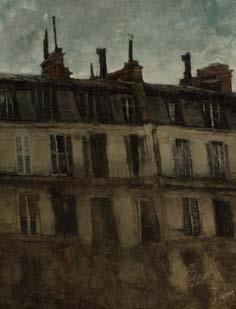
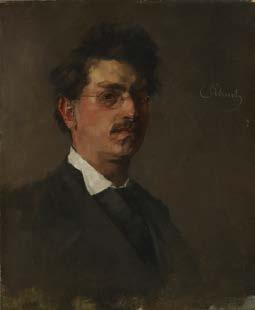
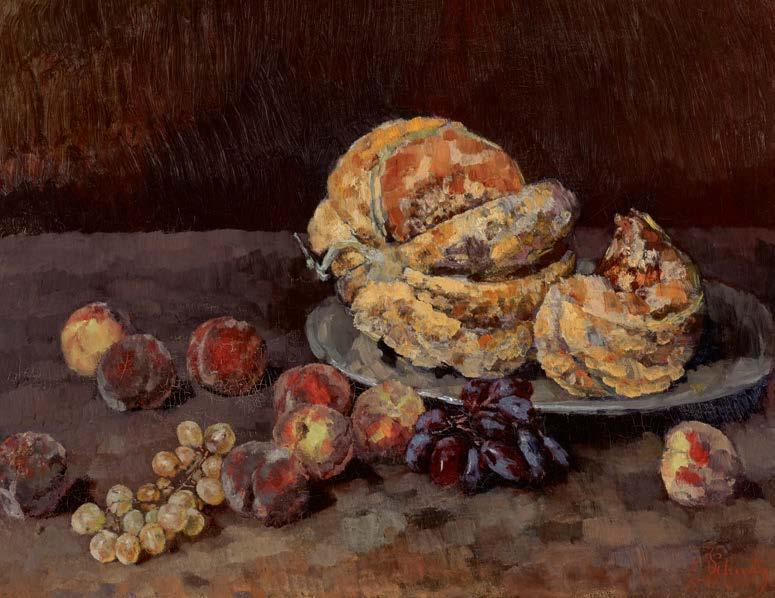
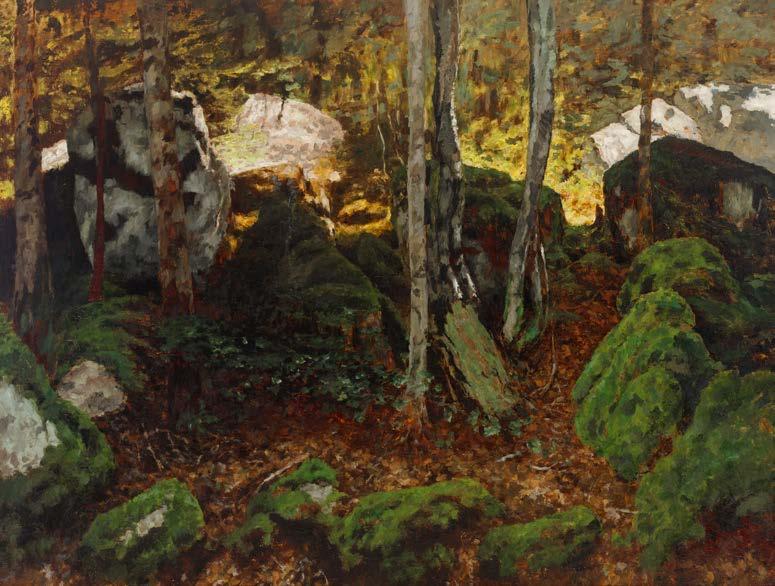
Carl Schuch 1846–1903 14
Spielerische Allianzen 16
Crime Scene Ephesus. Cleopatra and Rome 18
Stories from the Post-Ethnological Museum 20
Times of Waste—Handling Matter 21
Counter-Cartographies of Trace 22
Fossil Aesthetics 23
AI Halftime 24
Crossing Borders 25
Theorien der Praxis – vor und nach Artistic Research 28
Rethinking Transcultural Interactions in Visual Art 29
Wachstum und Form 30
Tele-Monumente – Tele-Monuments 31
Malerei als Verkleidung 32
Feminist Insurgences 33
Körperidealen trotzen 34
Private: Please Come In 35
Objekte der Begierde 37
More than Irony 40
Carlo Scarpa 41
Armando. Das skulpturale Werk 1988–2017 42
Malen mit dem Körper 43
Zum Schreiben ermutigt 44
Tracing Provenance in Italy 46
Antisemitische Symbole in Kunstobjekten 47
Fragmented Modernity in Interwar France 48
Paul Posenenske und die Kunsthochschule Kassel 49
Ein kalifornischer Zauberberg 50
Aufbrüche zur Abstraktion in der europäischen Architektur der Moderne 52
Brasilianische Belle Epoque 54
Chinoiserie and Chinese Art in Siam 55
Wahnfried 56
Luxus 57
Gefällige Unordnung oder didaktische Innovation? 58
Poesie des Lichts 59
Katastrophe 60
Mimicry and Masks 61
Dynamische Kombinationen 62
Rubens und die Immanenz des Bildes 63
Silber 66
Fragile Masterpieces 67
Golden Glow 68
Der Schild und das Bild 69
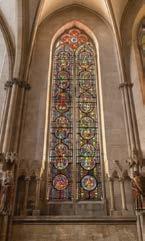
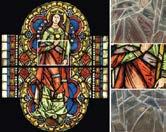
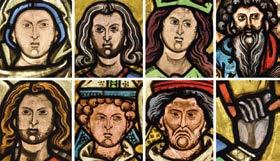
Die Glasmalereien im Westchor des Naumburger Doms 70
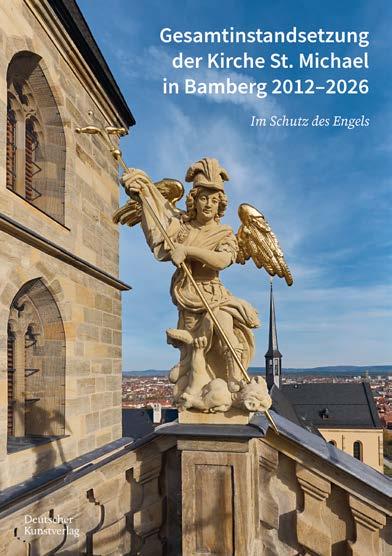
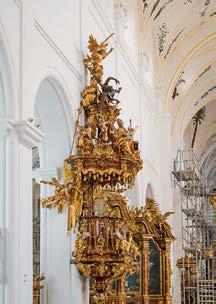
Gesamtinstandsetzung der Kirche St. Michael in Bamberg 72
The Berliner Dom 74
BACKLIST Selected Titles
Exhibition
Staatliche Kunsthalle Karlsruhe
September 26, 2026 to January 10, 2027
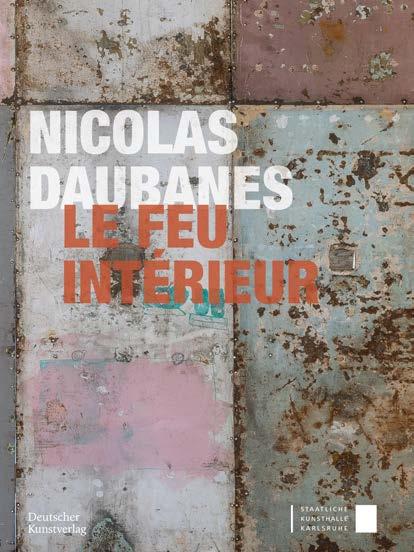
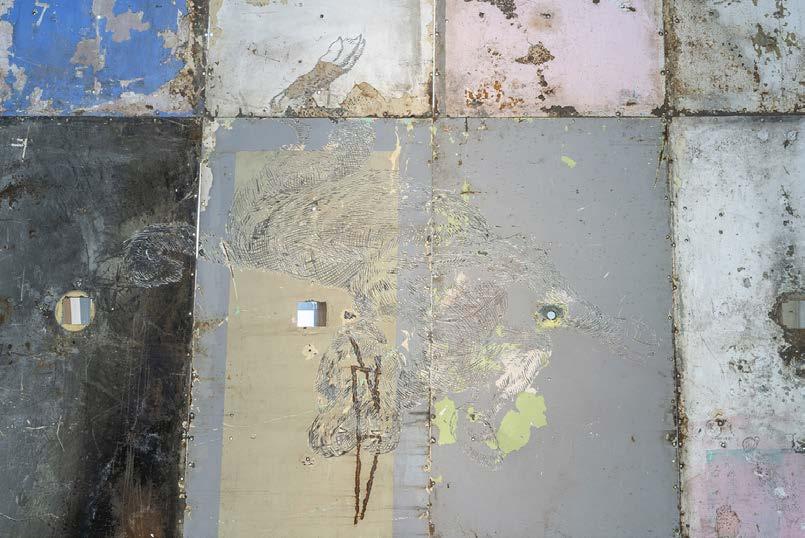
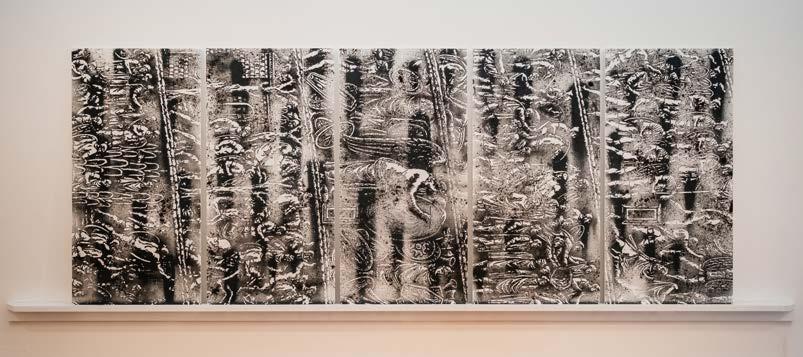
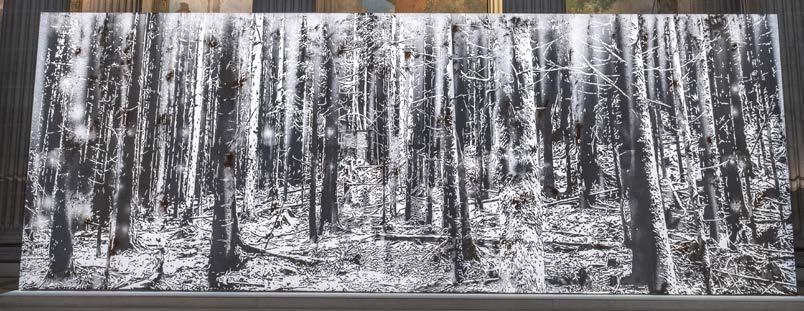
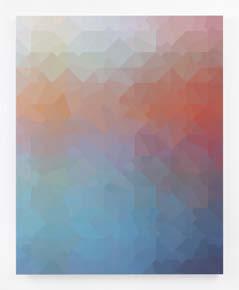
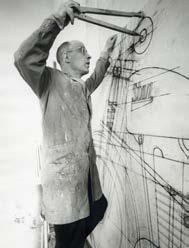
French artist Nicolas Daubanes (born 1983) explores power structures and the will to resist them. His works –large-format, sometimes monumental drawings with iron powder on magnetic panels, and installations – reflect on the reasons for, and consequences of violence, social injustice, oppression and war. His historical research focuses primarily on recent as well as con-
Staatliche Kunsthalle Karlsruhe (ed.)
Nicolas Daubanes
Le feu intérieur
Pages 200 Ills. 70
Format 21.0 × 28.0 cm
SC 978-3-422-80444-9 En/Ger
ca. € 40.00 / $ 44.99 / £ 36.50
ENGLISH/GERMAN
OCTOBER 2026
DEUTSCHER KUNSTVERLAG
Catalogue to accompany the first major exhibition of his work in Germany
Committed art exploring the courage to disobey, liberation and democracy – with art-historical references and collaboration with those impacted
temporary French and German history, the Resistance during the Second World War, and the fate of prisoners and deportees.
This book, entitled Le feu intérieur –referring to both smouldering fires within societies and the ‘inner fire’ that compels artists, scientists, politicians and citizens to resist – presents Daubanes’ work and themes via ex-
tensive visual material and well-researched essays.
With contributions by Kirsten Claudia Voigt, Julien Voinot, Laëtitia Desserrières, Frédéric Bußmann et al.
Exhibitions
Lillehammer Art Museum, October 24, 2026 to February 7, 2027
Mathias Listl, Nils Ohlsen, Theres Rhode (eds.)
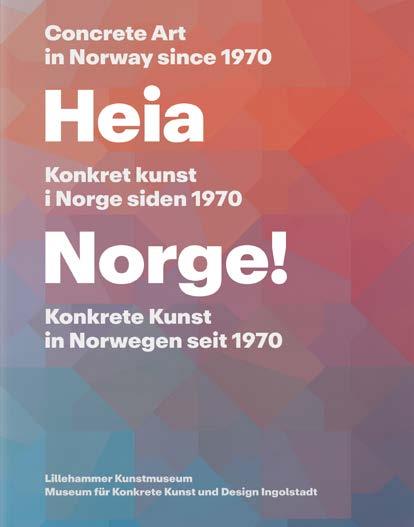
Heia Norge!
Concrete Art in Norway since 1970 / Concrete Art in Norway since 1970 / Konkret kunst i Norge siden 1970
First comprehensive overview of Concrete Art in Norway since 1970 – with around 100 works by over 25 artists
Discovery of previously little-known positions
Museum für Konkrete Kunst und Design Ingolstadt, expectedly fall/winter 2027/2028
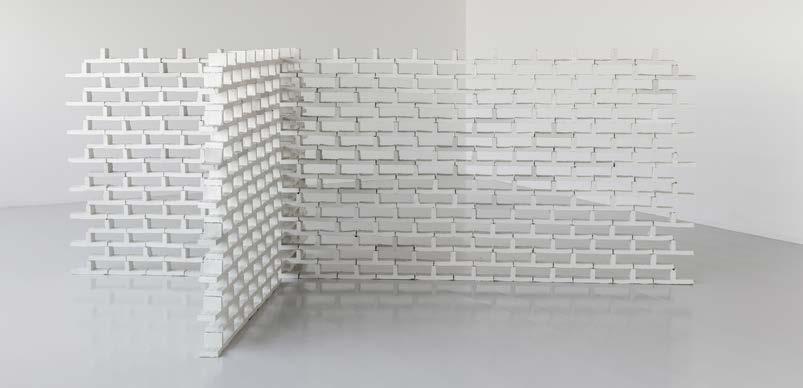
Soon after 1968, several Norwegian art pioneers began producing radically simplified paintings with monochrome surfaces, using pure colours and strictly geometric forms. This marked the beginning of Concrete Art in Norway. It is unjust that to this day, many of its representatives have remained little-known not only in Germany but
Artists
also in their homeland. This publication is the first comprehensive work on the subject, showcasing the huge diversity and quality of the movement in Europe’s northernmost kingdom. It not only focuses on paintings, prints, sculptures and installations from the 1970s to the present day but also examines video, textile art, and pho-
tography. Thus, it presents a broad spectrum of Concrete Art in Norway since 1970.
With contributions by Mathias Listl, Nils Ohlsen, Theres Rohde
Eirin Bjørsland Hansen, Paul Brand, Marie Buskov, Herbert Hebler, Callum Inness, Hennie-Ann Isdahl, Marte Johnslien, Camilla Løw, Edith Lundebrekke, Arne Malmedal, Trine Mauritz, Tone Myskja, Kristin Nordhøy, Thomas Pihl, Bjørn Ransve, Stein Rønning, Dag Skedsmo, Anders Sletvold Moe, Thorbjørn Sørensen, Lars Strandh, André Tehrani, Mouche Thomsen, Gerd Tinglum, Tone Vigeland, Sidsel Westbø, Erlend Grytbakk Wold, Martin Woll Godal, Sverre Wyller
Exhibition
Lea Bischofberger Gallery, Zurich March 19, to April 30, 2026
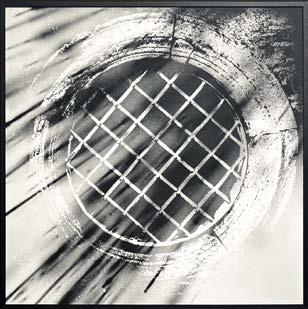
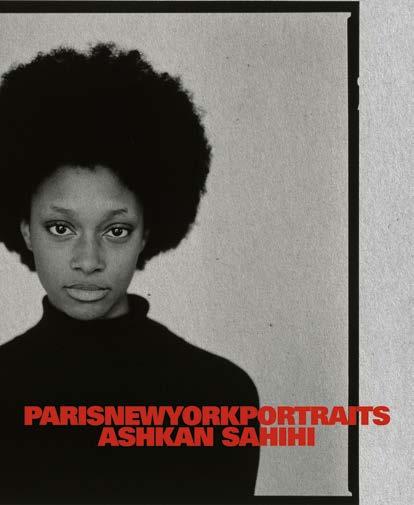
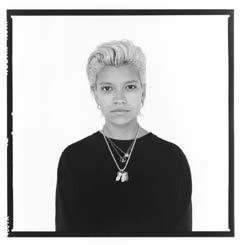
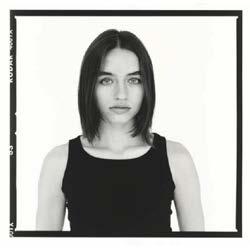
With ParisNewYorkPortraits, photographer Ashkan Sahihi presents a compelling portrait series that challenges and refines the way we see.
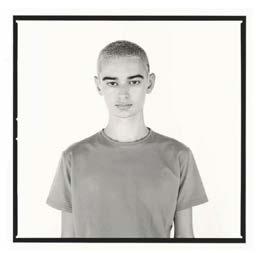
Envisioning a radiant and optimistic future, the book brings together 38 young people in their twenties from Paris and New York—a generation shaped by pandemic isolation and the constant exposure of digital hypervisibility.
Captured in analogue black-andwhite, without artificial light or digital alteration, each face resists easy categorization. Ethnic background, identity, and belonging remain fluid rather than fixed. With remarkable
Ashkan Sahihi (ed.) Ashkan Sahihi
ParisNewYorkPortraits
Pages 128
Ills. 38
Format 24.0 × 30.0 cm
SC 978-3-422-80428-9 En
€ 38.00 / $ 41.99 / £ 35.00
ENGLISH APRIL 2026
DEUTSCHER KUNSTVERLAG
38 black-and-white studio portraits capture young people from Paris and New York beyond digital self-staging
With a reflection by Ocean Vuong
sensitivity and restraint, Sahihi creates images that privilege presence over performance.
Accompanied by three thought-provoking essays, the volume reflects on contemporary image cultures, social media self-staging, and the question of what it means today not just to be looked at but truly seen. ParisNewYorkPortraits is a celebration of youth, individuality, and hope amid the complexities of our time.
Ashkan Sahihi, born in Tehran in 1963, is an IranianAmerican photographer who began his artistic career in the cultural
avant-garde of 1980s New York. Known for his portrait-based social studies, often dealing with the question of perception, he created significant works in the cities of New York, Istanbul, London, and Berlin, which have been exhibited and published internationally.
With contributions by Sussan Babaie, Saskia Trebing, Natascha Schoenaich-Carolath and Ocean Vuong
Exhibitions
Museum Wiesbaden, February 6 to August 9, 2026
Hessischer Landtag, March 18 to April 12, 2026
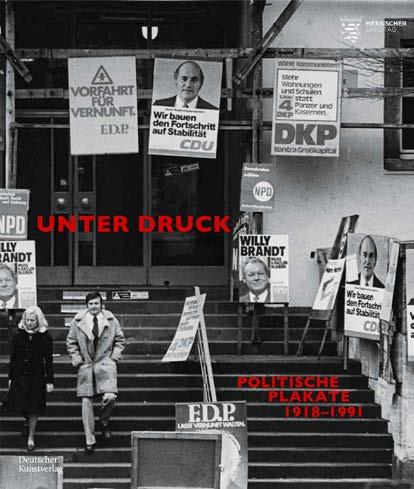
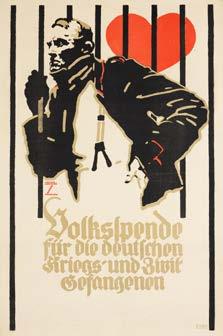
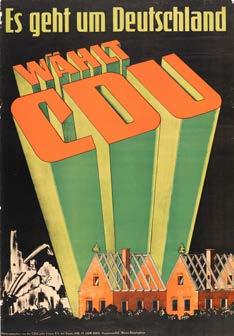
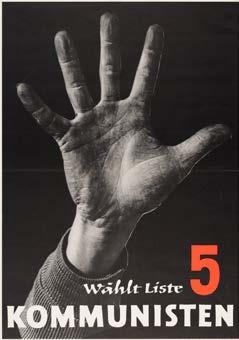
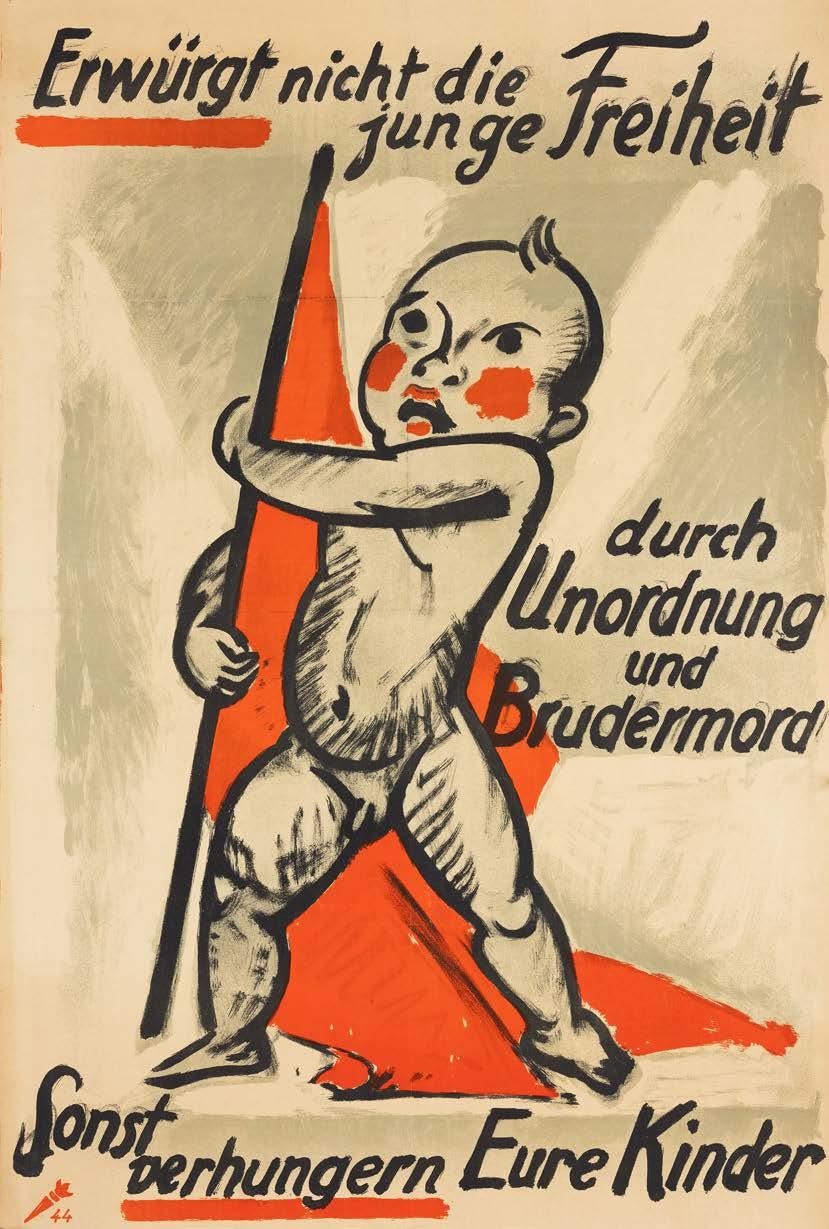
Political posters were first used widely in Europe in the context of First World War propaganda. They have remained with us since then as visual commentaries on social and political upheavals. This publication traces the development of political poster design and subjects from 1918 onwards. While expressionist designs after the First World War reflected the traumatised state of the nation, the forms
Astrid Wallmann (ed.) Unter Druck
Politische Plakate 1918–1991
Pages 144
Ills. 110
Format 24.0 × 28.0 cm
HC 978-3-422-80423-4 Ger € 28.00 / $ 32.42 / £ 24.34
GERMAN APRIL 2026
DEUTSCHER KUNSTVERLAG
Political posters as a reflection of the 20th century
Including works by A. M. Cay, Heinz Fuchs, Ludwig Hohlwein, Käthe Kollwitz, Holger Matthies, Max Pechstein, Walter Schnackenberg, Klaus Staeck, Franz von Stuck, and many others
and motifs of posters from the 1920s and 1930s increasingly bore witness to the brutality of political conflicts. After the Second World War, the focus shifted to issues such as the conflict between political systems and individual politicians. The pop art style of posters from the 1960s and 1970s was intended to appeal to a younger target group. Finally, the 1980s and 1990s marked the start of stylistic pluralism.
Edited by Peter Forster, René Grohnert, Nikolas Werner Jacobs
With contributions by Petra Eisele, Peter Forster, René Grohnert, Nikolas Werner Jacobs, Astrid Wallmann
Exhibition
Felix-Nussbaum-Haus at Museumsquartier Osnabrück
November 22, 2026 to April 4, 2027
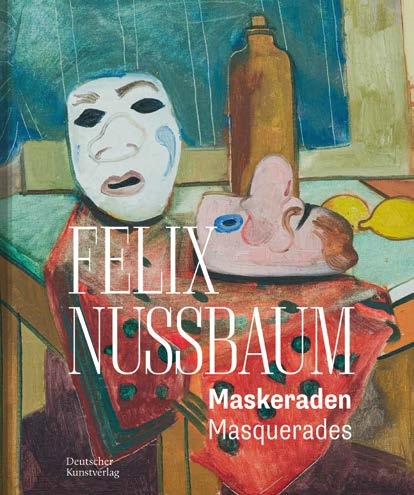
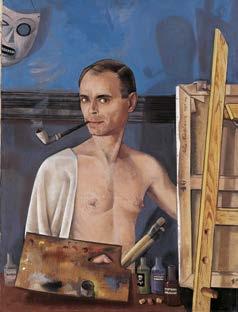
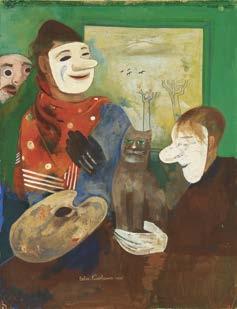
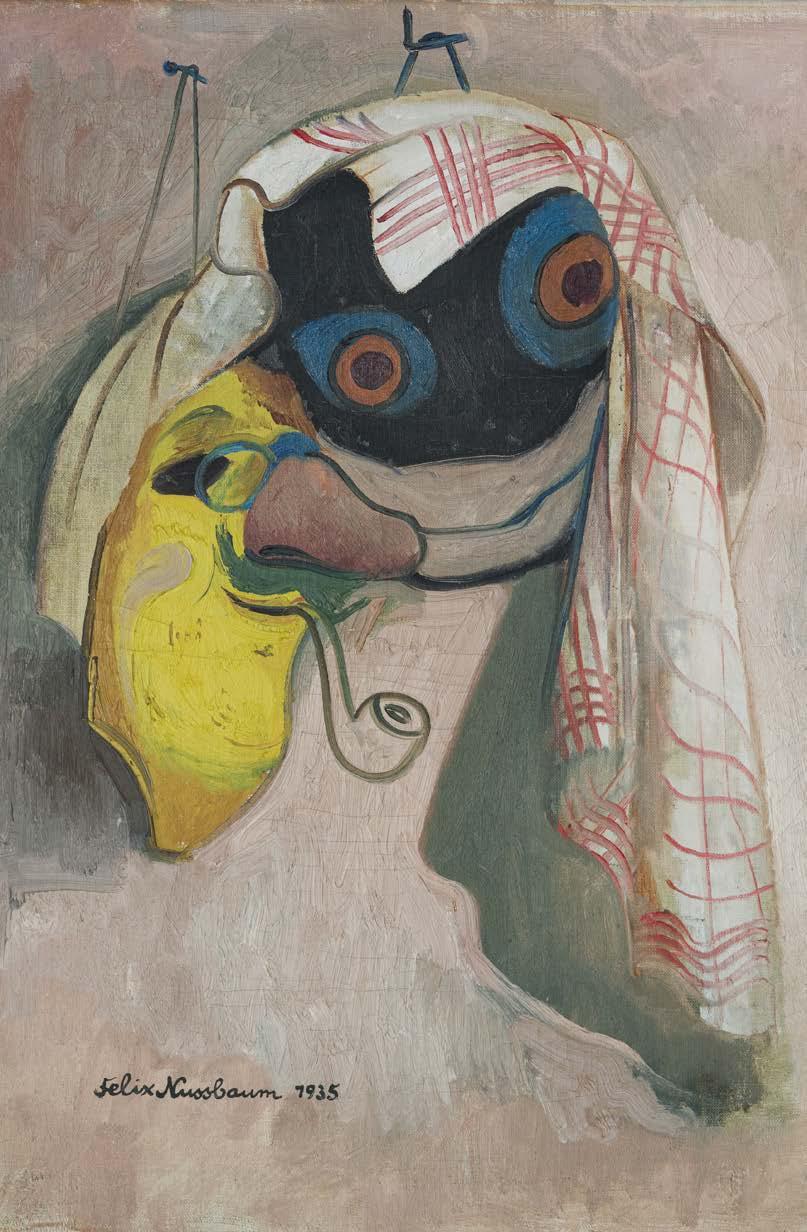
Masquerading plays a unique role in the work of German-Jewish artist Felix Nussbaum (1904–1944). It serves as a means of self-reflection in times of upheaval as well as being an attempt to preserve his own artistic identity in face of the growing threat from National Socialism.
Museumsquartier der Stadt Osnabrück (ed.)
Felix Nussbaum
Maskeraden / Masquerades
Pages 200 Ills. 60
Format 18.5 × 23.5 cm
HC 978-3-422-80443-2 En/Ger ca. € 38.00 / $ 41.99 / £ 35.00
ENGLISH/GERMAN
NOVEMBER 2026
DEUTSCHER KUNSTVERLAG
New insights into Felix Nussbaum’s oeuvre
Depictions of masks in the first half of the 20th century
The opportunities and risks of “masking” in today’s post-migrant societies
This catalogue is dedicated to the motif, which has been little researched to date in Nussbaum’s work, presenting his mask paintings in juxtaposition with works by contemporaries including Max Beckmann, James Ensor, Karl Hofer, Emil Nolde and Lea Grundig. The works’ presentation is complemented by in-depth art-historical es-
says on the subject. These draw links to contemporary discourse on society and identity politics, where ‘masking’ is omnipresent.
With contributions by Katharina Henkel, Maren Koormann, María do Mar Castro Varela, Anne Sibylle Schwetter, Herwig Todts et al.
Österreichische
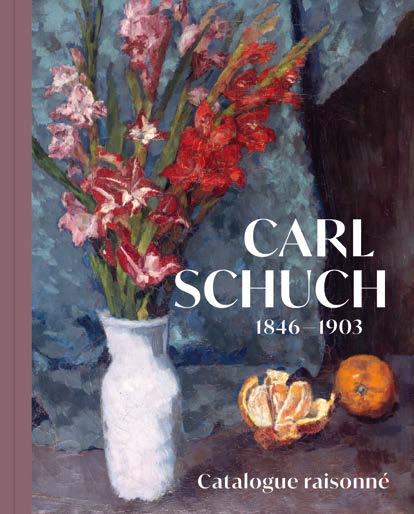
Carl Schuch 1846–1903
Catalogue raisonné
Pages 482
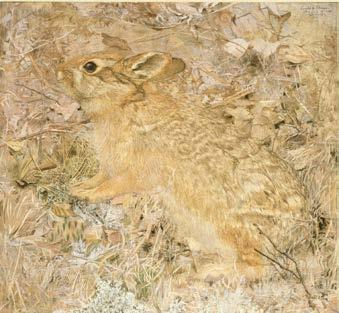
Ills. 650
Format 24.0 × 28.0 cm
HC 978-3-422-80445-6 Ger € 55.00 / $ 63.99 / £ 50.50
GERMAN
DECEMBER 2026
DEUTSCHER KUNSTVERLAG
Carl Schuch’s painting made a profound contribution to European art in the late 19th century. His oeuvre covers the full spectrum from Viennese Biedermeier to German-influenced realism and the French avant-garde, from Waldmüller and Leibl to Manet, Monet and Cézanne. Constantly engaged with current developments and maintaining a sceptical distance from
First catalogue raisonné of Carl Schuch’s work, taking into account the latest analyses and findings on painting techniques
Essays on the artist’s biography, work and reception: Schuch as an independent artist caught between realism and modernism
his own artwork, the artist’s oeuvre culminated in still lifes and landscapes painted in a unique style during his years in Paris.
Schuch did not make it easy for posterity to access his work, rejecting anything he did not consider good enough. Around 350 paintings and some 250 works on paper have survived, but a considerable number have
been lost. This catalogue raisonné provides a first critical inventory of his oeuvre.
Roland Dorn, Chairman of the Carl Schuch Society
Exhibition
Deutsches Historisches Museum, Berlin May 8, 2026 to October 31, 2027
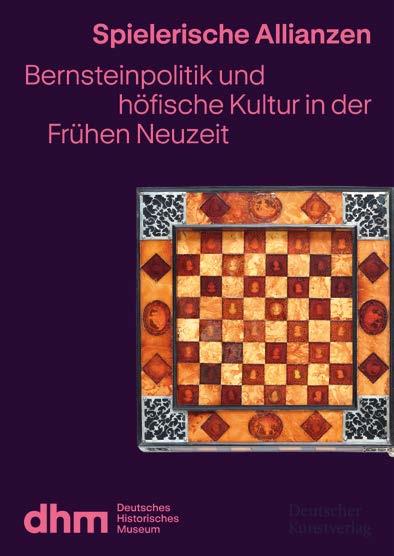
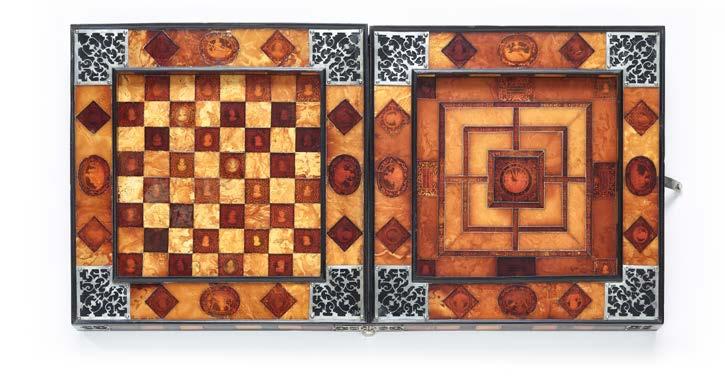
Between 1590 and 1620, many board game cassettes for Nine Men’s Morris, chess and backgammon were produced in the Prussian court sphere in Königsberg, marking an artistic high point in amber craftsmanship. This volume is the first to examine the context in which such precious objects were crafted against the backdrop of courtly (gaming) culture and dynastic alliance politics.
Fritz Backhaus, Wolfgang Cortjaens, Thomas Weißbrich (eds.)
Spielerische Allianzen
Bernsteinpolitik und höfische Kultur in der Frühen Neuzeit
First interdisciplinary study on Königsberg amber board game cassettes around 1600
New perspectives on a hitherto little-researched field of early modern, luxury objects
The acquisition of a Königsberg board game cassette dating from 1607 by the Deutsches Historisches Museum in 2021 provided an opportunity to conduct interdisciplinary research into this culturally and historically significant subgroup of Prussian ‘amber diplomacy’. The 13 contributions to this volume present perspectives from art, cultural and economic history, bringing the Baltic Sea region to life as a strategic focal point of the period around 1600.
With contributions by Valeria Butera, Wolfgang Cortjaens, Mathias Herman, Katharina KüsterHeise, Rahul Kulka, Markus Laufs, Ulrich Schädler, Antje Scherner, Verena Wasmuth, Klaus Weber, Thomas Weißbrich, Sabine Witt
Königsberg, Anfang 17. Jahrhundert, signiert Hans Klingenberg, Detail eines Ornamentplättchens, Hamburg,
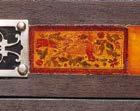
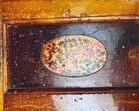
einem engen Kontakt beider Meister ausgegangen werden kann.10 Doch auch materialkundliche Vergleiche haben ihre Grenzen, denn oft bezogen die Bernsteindreher vorgefertigte Teile aus lokalen oder auswärtigen Werkstätten. So erlauben etwa die Bildplättchen mit amelierten Pflanzen- und Vogeldarstellungen an den Außenseiten des Berliner Brettspielkastens, zu denen sich identische Amelierungen an einem Klingenberg zugeschriebenen Kästchen im Altonaer Museum finden (Abb. 4, 5), keineswegs eine Zuschreibung an diesen Meister, könnte es sich dabei doch ebenso gut um Importware einer der Augsburger oder Nürnberger Goldarbeiterwerkstätten handeln, die sich auf diese spezielle, aus der Hinterglasmalerei abgeleitete Fertigungs- und Dekortechnik in Blattgold oder Metallfolie spezialisiert hatten.11
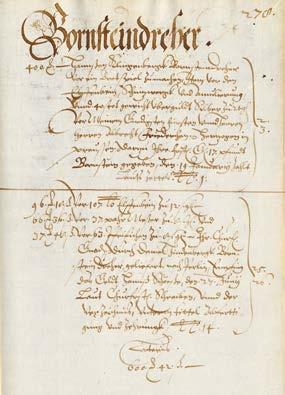
Sowohl Hans Klingenberg als auch Georg Schreiber haben für den Königsberger Hof gearbeitet. Die ab den 1560er-Jahren in fürstlichen Inventaren und in den Ausgabenbüchern der preußischen Herzöge urkundlich nachgewiesenen Bernstein-„Brettspiele“ (Abb. 6) waren vor allem Repräsentationsstücke, zu bewundern in den Kunstkammern und Privatgemächern der Herrschenden. In diesen nur ausgewählten Personen zugänglichen Räumen fürstlicher Repräsentation befanden sich neben kunsthandwerklichen Preziosen auch naturwissenschaftliche Fund- und Schaustücke aus den Bereichen Botanik, Zoologie, Mineralogie und Archäologie.12 Die Sammlungen waren Teil der Selbstdarstellung des Adels, der sich in einem ständigen Konkurrenzverhältnis und Überbietungswettbewerb befand.
6 Ausgabenbuch der herzoglichen Familie für das Jahr 1610, darin: Erwähnung eines von Hans Klingenberg im Auftrag des Herzogs Albrecht Friedrich von Preußen gefertigten Brettspiels aus Bernstein, Elfenbein und Silber, 19. Februar 1610, Geheimes Staatsarchiv Preußischer Kulturbesitz (GStA PK), XX. HA Ostpr. Fol., Nr. 13521
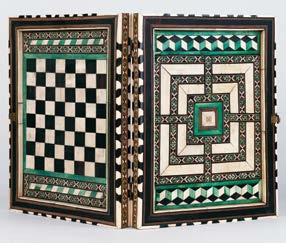
3a Klappspielbrett mit drei Spielbrettern, Norditalien, zweite Hälfte 15. Jahrhundert, Kunsthistorisches Museum Wien, Inv.-Nr. KK 3715
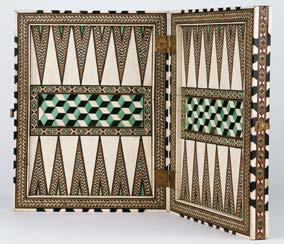
vertieft eingesetzt. Es war also noch nicht daran gedacht, Spielsteine im Innern zu verstauen. In etwa die gleiche Zeit dürfte ein Klappspielbrett aus Glasscheiben im Schloss Ambras gehören:20 Durch das ebenfalls leicht rechteckige Format entsteht auf zwei Seiten des Schach- und des Mühlebretts jeweils ein recht breiter Rand. Die Zuschreibung der die Spielbretter umrahmenden orientalisierenden Pflanzenmotive ist ungeklärt; außerdem ist der originale Rahmen leider nicht erhalten, sodass eine genauere Einschätzung schwierig ist. Neben dem dualen Spielbrett wurde also ein dreifaches Spielsystem etabliert. Es führte dem bestehenden Schach- bzw. Damebrett und dem Brett für Backgammon-Spiele das Mühlespiel hinzu. Dieses Spiel war in dem hier betrachteten Zeitraum besonders im Süden Europas beliebt, wo es zur gleichen Spielfamilie wie die kleine Mühle und das aus dem arabischen Raum stammende, das Damespiel vorwegnehmende Alquerque gezählt wurde.21 Nun
3b Klappspielbrett mit drei Spielbrettern, Norditalien, zweite Hälfte 15. Jahrhundert (wie Abb. 3a), Innenseiten
lässt sich beobachten, dass das typische Spielbrett für Alquerque nach 1500 in Europa kaum noch vorkommt, wohl weil das Spiel nun auf das Schachbrett übertragen wurde.22 Diese Entwicklung scheint durch die Brettspielkassette maßgeblich beeinflusst worden zu sein. Nun finden wir das Dreigestirn Schach–„Backgammon“–Mühle in dieser Form in Norditalien, nämlich in der Problemsammlung eines unter dem Pseudonym Bonus Socius schreibenden lombardischen Verfassers, die seit dem 14. Jahrhundert weite Verbreitung in Europa fand.23 Die Sammlung umfasst für Wetten gedachte Aufgaben für Schach,24 verschiedene Backgammon-Spiele und Mühle mitsamt ihren Lösungen. Von Norditalien aus gelangte die Schrift schon im frühen 14. Jahrhundert nach Frankreich, wo prächtig ausgestattete Handschriften und Übersetzungen für des Lateinischen unkundige, aber wohlhabende Interessenten angefertigt wurden, als deren Autor sich ein gewisser Nicolas de Nicolai ausgibt.
4 Brettspielkasten, Königsberg, 1607 (wie Abb. 1), Detail des Außenrandes: ameliertes Ornamentplättchen mit Blumen und Vögeln
5 Bernstein-Kästchen,
Altonaer Museum
Exhibition
Kunsthistorisches Museum, Vienna, Neue Hofburg 20 October 2026 to 29 March 2027
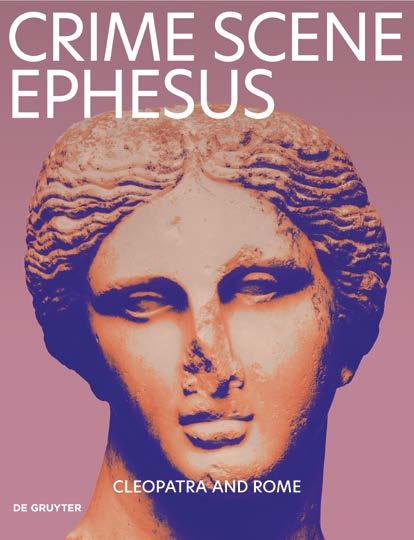
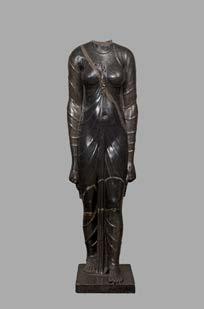
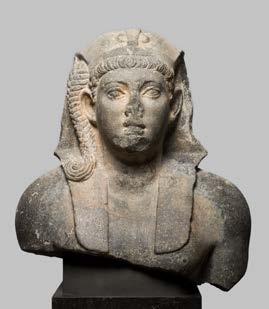
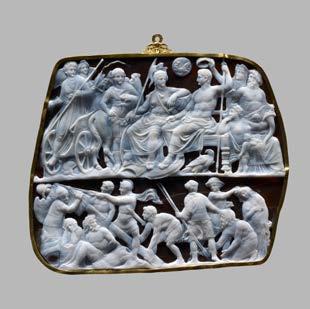
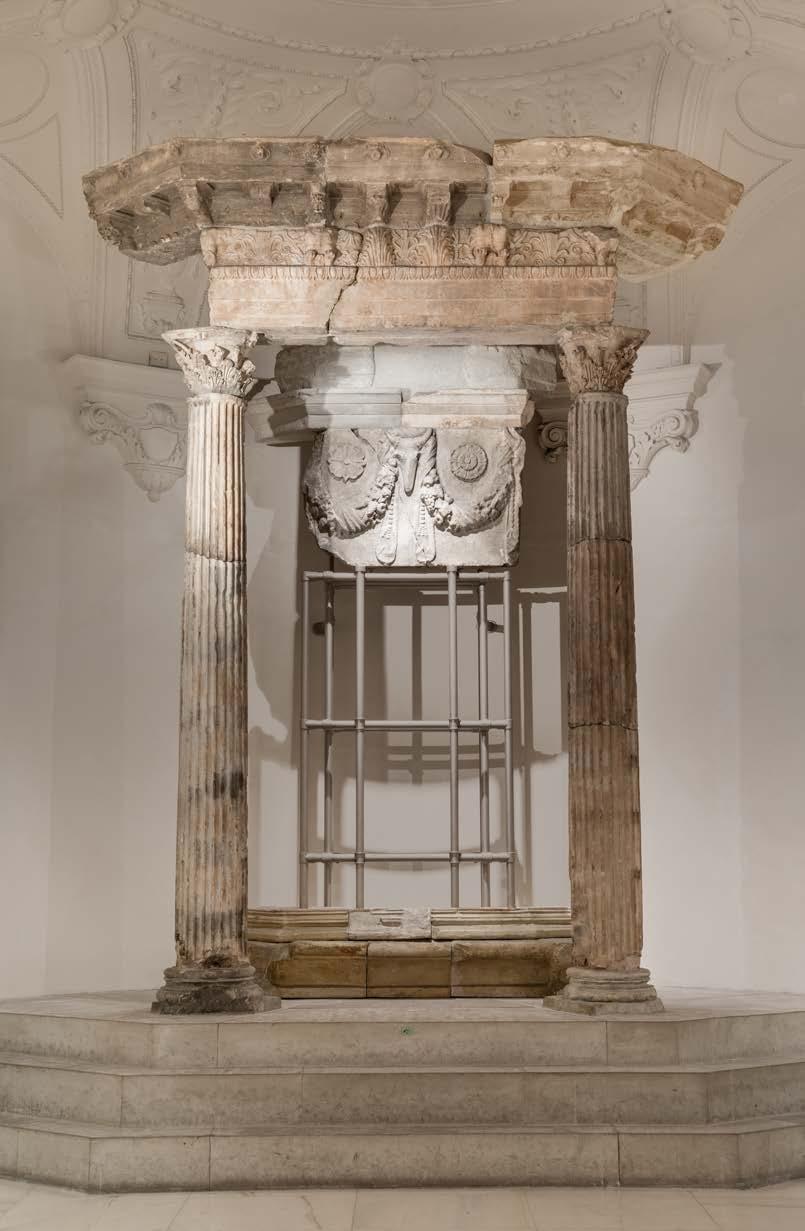
A mysterious tomb structure, a scandalous murder, a world in upheaval – in Ephesus, one of the most magnificent cities of the ancient world, Cleopatra’s sister Arsinoë was murdered and buried. Who were the key players, and what role did the political transformations of the first century BC and CE play?
The essays in this volume explore cultural-historical questions concerning the central actors of the time – Caesar, Mark Antony, Augustus, and Cleopa-
Georg A. Plattner,Regina Hölzl, Stephanie Stoss, Martina Minas-Nerpel, Hilmar Klinkott (eds.)
New insights into the so-called Octagon in Ephesus
Sculptures, inscriptions, funerary reliefs, and manuscripts tell of intrigues and power struggles in antiquity
tra. The latest findings from Austrian archaeological excavations in Ephesus complement the perspectives of archaeological, historical, and cultural studies.
The result is a multifaceted panorama of an interconnected ancient world in which cultural “codes” were consciously employed to secure power – a world where the means of power were diverse and murder was an everyday occurrence.
Georg Plattner, Regina Hölzl, Stephanie Stoss, Kunsthistorisches Museum, Vienna
Martina Minas-Nerpel, Institute of Egyptology, University of Trier
Hilmar Klinkott, Institute of Classical Antiquity, University of Kiel
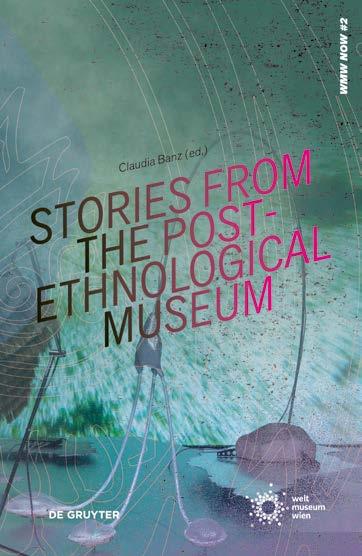
The post-ethnological museum no longer regards ethnological collections as archives of “foreign cultures”, but as dynamic repositories of knowledge on global relationships. It critically examines their origins and provides new forms of interpretation, cooperation, and authorship. Central to this approach is dialogue with contemporary
Invites readers to explore new forms of relationship between humans and the wider world, moving beyond an anthropocentric perspective
art: artistic practices create new ways of engaging with the collections, challenge established meanings, and link them to current social and ecological discourses. The museum sees itself as a translator between different knowledge systems and provides a space in which the past, present, and possible futures are negotiated.
The volume brings together artistic and research-based positions that link historical collections with current ecological issues.
With essays by Debbie Chachra, Mathias Muwonge Kyazze, Natasha Doroshenko Murray, Emanuele Quinz, and Superflux
more-than-human world. The three elements that make up the exhibition build alternative possibilities for people to step into, to provoke other ways of being and sensing: sculptural weather sensors resurface the ecological intelligence of rivers (Nobody Told Me Rivers Dream, 2025; fig. 1) a multi-species
Deb Chachra
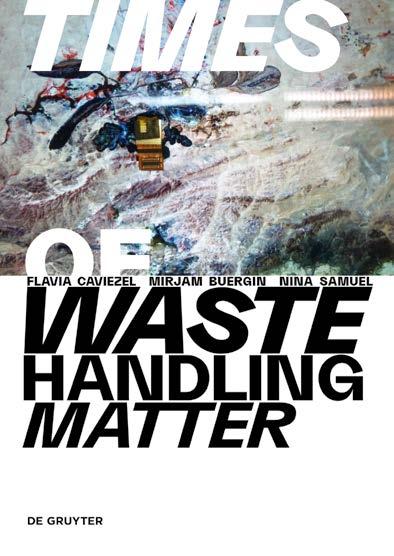
Waste is political. Waste is social. Waste is economic, ecological, and colonial. It embodies traces of the past and imaginaries of the future. In this book, artists, designers, and art scholars discuss the perception and handling of waste materiality, including practical approaches to coexistence. Exploring transnational narratives of material traces, the contributions examine the interplay of representation, temporality, and technology. Attentive
Flavia Caviezel, Mirjam Bürgin, Nina Samuel (eds.)
Times of Waste –Handling Matter
Pages 264 Ills. 100 Format 17.0 × 24.0 cm
HC 978-3-11-132066-3 En € 49.00 / $ 53.99 / £ 45.00
E-book 978-3-11-132092-2 En Open Access
ENGLISH AUGUST 2026 DE GRUYTER
Waste and beyond
Caring for planetary conditions
Multifaceted perspectives on materiality
to the accumulated leftovers of previous generations and the unsettling prospect of a ‘new world disorder’, the publication emphasizes interconnectedness and dependency within a more-than-human world. Against the backdrop of a postcolonial understanding of material culture and the implications of the Anthropocene, how could a multiperspective conception of waste in space and time be embraced?
Flavia Caviezel, Basel Academy of Art and Design FHNW
Mirjam Bürgin, Basel Academy of Art and Design FHNW
Nina Samuel, Cluster Matters of Activity, Humboldt Universität zu Berlin
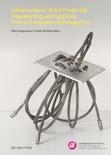
This volume provides a road map for a new field of transdisciplinary Traces Studies. Based on four years of collaborative, interdisciplinary research, it adopts an experimental approach to traces. In a world marked by layered forms of violence – political, economic, social, and environmental – the contributions offer a vital and timely intervention. Instead of searching for lost or silenced histories, they turn to counter-cartography: a radical practice
Lee Douglas, Aimée Joyce, Magdalena Buchczyk (eds.)
Counter-Cartographies
of Trace
Theoretical, Methodological and Ethical Approaches Across Disciplines
Opens fresh pathways for engaging with the legacies of violence, the climate crisis, technological change, imperial histories, and everyday practices of resistance
Featuring contributions from academic and artistic, non-academic voices
where gaps, absences, and fragments become powerful sites of possibility. In this way, the authors seek to open space for speculation, incompleteness and the possibility of imagining: What might it be like – or feel like – to move through fractured, uncertain worlds guided by traces? How might we reimagine complex social realities and contested terrains through what remains? And what new possibilities might emerge from the act of tracing?
Aimée Joyce, University of St Andrews
Magdalena Buchczyk, Humboldt-Universität zu Berlin
Lee Douglas, Goldsmiths, University of London
Fossil Aesthetics explores how fossil fuels, thermodynamic science, and industrial capitalism have shaped modern cultural imaginaries. Bridging political ecology, eco-Marxism, and aesthetic theory, the book argues that energy is not only a material force but also a powerful symbolic construct
Jaime Vindel
Fossil Aesthetics
Energy Imaginaries and Global Warming
Spectropia 3 Pages 176 Ills. 9 Format 17.0 × 24.0 cm
that has naturalized productivism and domination. From the steam engine to neoliberal “creative energy,” it traces how fossil imaginaries structure perception, labor, and worldviews in the ‘Capitalocene’. At a time of climate crisis, this essay calls for a denaturalization of fossil culture and the imag-
ining of alternative, post-fossil energy cultures.
Jaime Vindel, Spanish National Research Council, CSIC, Madrid
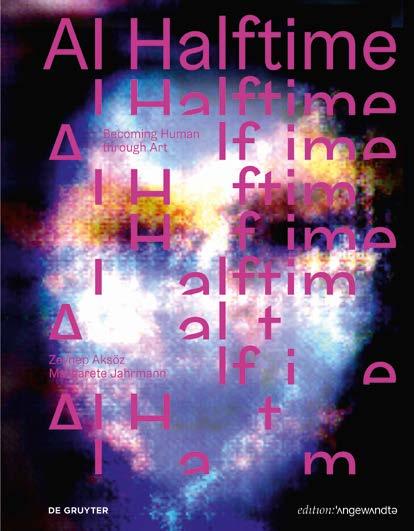
As AI evolves in increasingly autonomous and difficult-to-govern ways, it has become clear that we are no longer at an early moment of experimentation. AI halftime presents a suspended moment within an unfolding transformation.
Challenging the divide between technology and nature, the book argues that technology is not an external
Zeynep Aksöz, Margarete Jahrmann (eds.) AI Halftime
Becoming Human Through Art
Edition Angewandte Pages 180 Ills. 100
Format 19.5 × 25.0 cm
HC 978-3-68924-336-4 En € 48.00 / $ 52.99 / £ 44.00
ENGLISH NOVEMBER 2026 DE GRUYTER
Reframes AI as part of a hybrid ecology
New perspectives on AI and artistic practice
force but part of the hybrid ecology we inhabit, evolving in continuous intra-action with biological, social, and perceptual systems.
This book investigates the roles, embodiments, and agencies AI assumes within artistic practice. It explores emerging hybrid ecologies shaped by multiple intelligences and asks: How artistic practices can intervene struc-
turally, reshaping the trajectories of technological evolution and redefining what intelligence might become.
Zeynep Aksöz, Margarete Jahrman, University of Applied Arts Vienna
This book highlights the contributions of Central European women to global modernism in architecture, design, art, photography, and museology. It spotlights trailblazers including designers Ilonka Karasz and Mariska Karasz, artist Amrita Sher-Gil, photographer
Irena Blühová, architect Dora Gad, and ceramicist Susi Singer. It also explores the groundbreaking practices of jew-
Elana Shapira, Anne-Katrin Rossberg (eds.)
Crossing Borders
Central European Women in the Arts
Edition Angewandte Pages 256 Ills. 102
Format 17.0 × 24.0 cm
HC 978-3-68924-262-6 En E-book 978-3-68924-049-3 En € 62.00 / $ 68.99 / £ 56.50
ENGLISH NOVEMBER 2026 DE GRUYTER
Central European women artists influencing global art and design
Presents women artists who crossed borders and shaped modernism
elry designer Cissy Zoltowska, artist Kiki Kogelnik, museologist Zdenka Munk, and visual artist Mira Schendel. Concluding with contemporary multimedia positions, the book examines how these women navigated materiality and spirituality, bridging concept and matter, gender dynamics, and the East–West divide within and beyond Europe.
Elana Shapira, University of Applied Arts Vienna
Anne-Katrin Rossberg, Museum of Applied Arts Vienna
Elana Shapira, Daniela Finzi (eds.) It Hurts! Violence against Women in Art and Psychoanalysis
2023 SC 978-3-0356-2705-3 En E-book 978-3-0356-2706-0 En € 42.00 / $ 48.99/ £ 36.50
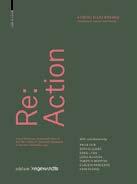
Hani Rashid (ed.) Re: Action Urban Resilience, Sustainable Growth, and the Vitality of Cities and Ecosystems in the Post-Information Age
2023 HC 978-3-0356-2707-7 En E-book 978-3-0356-2710-7 En
52.00 / $ 59.99 / £ 45.00
The book series of the University of Applied Arts Vienna
Peter Weibel, Katharina Gsöllpointner
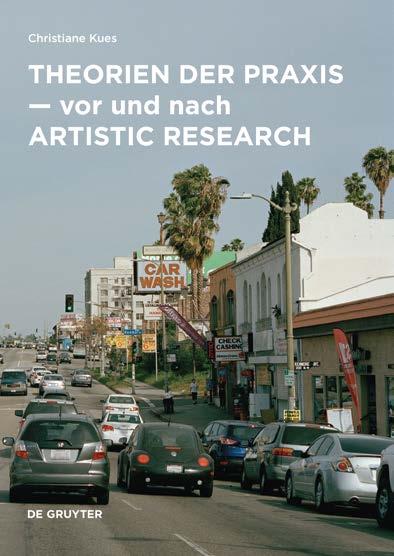
“Artistic research” refers to artistic research practices as well as their increasing anchorage in institutions, e.g., in doctoral programs. This book is the first to examine the development of the field alongside key transformation processes in the arts – from critical impulses since the 1970s to the establishment of artistic research as
Christiane Kues
Theorien der Praxis –vor und nach Artistic Research
Fundamental study on the history and contemporary relevance of artistic research
Examines for the first time the historical and social contexts of the prehistory of artistic research
an independent discourse. The focus is on artistic research as a theory of practice: as a way of thinking emerging from artistic activity, together with its preliminary stages, consolidation, and points of failure. A well-founded contribution to current discussions at the interface of art, research, and knowledge production.
Christiane Kues, Research Fellow, International Research Center for Cultural Studies, Vienna
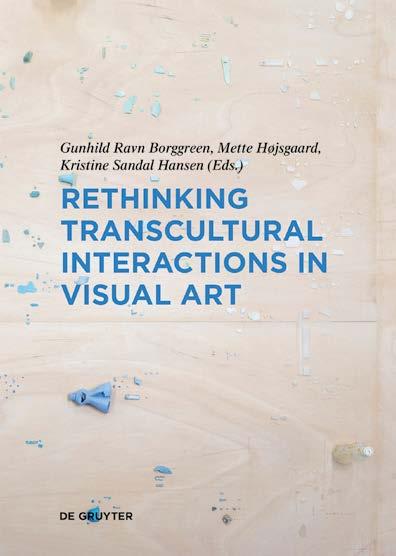
This book examines the transcultural and global turn in art research as well as in curatorial and artistic practice. Bringing together contributions from scholars, curators, and artists, the volume approaches transculturation as a critical lens for understanding the complex flows of people, objects, and ideas across the globe. The authors examine how knowledge systems are challenged and reconfigured, how plural identities are negotiated within entangled communities, and how
Rethinking Transcultural Interactions in Visual Art
Contact Zones 10 Pages 472 Ills. 140 Format 17.0 × 24.0 cm
HC 978-3-68924-245-9 En € 99.00 / $ 108.99 / £ 90.00
E-book 978-3-68924-041-7 En Open Access
ENGLISH AUGUST 2026 DE GRUYTER
Transdisciplinary approaches to modern and contemporary visual art
Includes interviews, photo essays, artworks, and scholarly articles
Broad outlook from different geographical positions and viewpoints
alternative historiographic frameworks take shape beyond Western paradigms. Attention to material practices highlights the role of objects and artworks as carriers of memory and affective solidarity. In this way, transculturation emerges as both an analytical framework and a transformative practice shaped by movement across borders.
Gunhild Ravn Borggreen, University of Copenhagen
Mette Højsgaard, University of Copenhagen
Kristine Sandal Hansen, University of Copenhagen
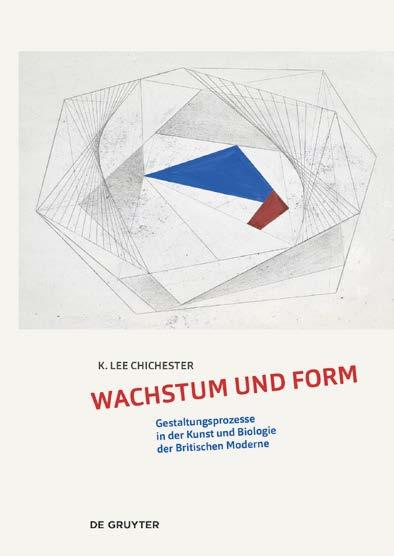
How relevant is art to science? Few studies to date have succeeded in demonstrating the concrete impact of artworks on scientific theory and its formation. However, this book is a rare exception. K. Lee Chichester shows how biologists’ encounters with works of art have led to the development of new images in biology. She follows in the footsteps of the influential Scot-
K. Lee Chichester
Wachstum und Form
Gestaltungsprozesse in der Kunst und Biologie der Britischen Moderne
Art and its influence on science in the late 19th and early 20th centuries
New perspectives on the work of Barbara Hepworth and John Piper
tish biologist D'Arcy W. Thompson, who devised a theory of organic form around 1900, based on an artisanal understanding of form and force. His approaches were taken up by younger biologists who, influenced by British Constructivist art and in collaboration with artists such as Barbara Hepworth and John Piper, developed new images for creative processes in organisms.
K. Lee Chichester, University of Bremen
When we think of monuments, we usually refer to objects made of stone or bronze that embody the social memory of a nation or community and make it tangible in material objects.
New digital technologies – virtual reality, augmented reality and artificial intelligence – lend commemorative practices an unexpected materiality and novel potential.
This book offers a critical comparative
Andrea Pinotti
Tele-Monumente –Tele-Monuments
Erinnerungspraktiken und digitale Technologien – Memorial Practices and Digital Technologies
Panofsky-Professur am Zentralinstitut für Kunstgeschichte München
Pages 112 Ills. 24
Format 13.0 × 21.0 cm
SC 978-3-422-80404-3 En/Ger
E-book 978-3-422-80405-0 En/Ger
€ 16.90 / $ 18.99 / £ 15.50
ENGLISH/GERMAN
SEPTEMBER 2026
DEUTSCHER KUNSTVERLAG
Innovative critical approach comparing digital technologies (VR, AR, AI) as commemorative strategies
Tele-commemoration is contextualised within the human dialectics near/far
Analysis of how social memory is reshaped in the age of algorithmic media
overview of the various types of digital monuments and considers them as strategies of telepresence, from aesthetic as well as ethical and socio-political perspectives. Several paradigmatic case studies are analysed to show how the experience of externalised memory is being profoundly transformed in the age of algorithmic media.
Andrea Pinotti, Department of Philosophy at the University of Milan La Statale
Andy Warhol began using wallpaper as an artistic medium in the mid-1960s. Despite the extensive scholarship on his work, this aspect of his oeuvre has received relatively little attention in research. This book examines these overlooked pieces to highlight key shifts in his artistic practice. Wallpaper and interior decoration were central
Also of interest
Barbara
Reisinger
Malerei als Verkleidung
Andy Warhols Tapeten 1964-1974
Oyster 8
Pages 312
Ills. 100
Format 17.0 × 24.0 cm
SC 978-3-11-079393-2 Ger
€ 59.00 / $ 64.99 / £ 54.00
E-book 978-3-11-079407-6 Ger Open Access
GERMAN NOVEMBER 2026 DE GRUYTER
First monographic work on Andy Warhol’s wallpapers
New insights gained from an in-depth exploration of previously overlooked archival material
Innovative methodology combining queer theory and masculinity studies
to Warhol's transition from graphic designer to Pop artist and his complex engagement with painting. The medium’s affordability and mass-producibility enabled Warhol to challenge the conventions of the traditionally serious, heteronormative, and male-dominated realm of painting. These material characteristics align with Warhol’s
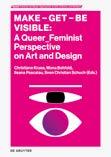
Christiane Kruse, Sven Christian Schuch, Ileana Pascalau, Mona Behfeld (eds.)
Make – Get – Be Visible
A Queer_Feminist Perspective on Art and Design
Oyster 3
Pages 304
Ills. 112 in color
Format 17.0 × 24.0 cm
SC 978-3-68924-215-2
E-book 978-3-68924-036-3 Open Access
€ 59.00 / $ 64.99 / £ 54.00
ENGLISH/GERMAN
OCTOBER 2025 DE GRUYTER
self-fashioning as an artist who deliberately employed techniques of queer opacity and disguise
Barbara Reisinger, Art historian, Vienna
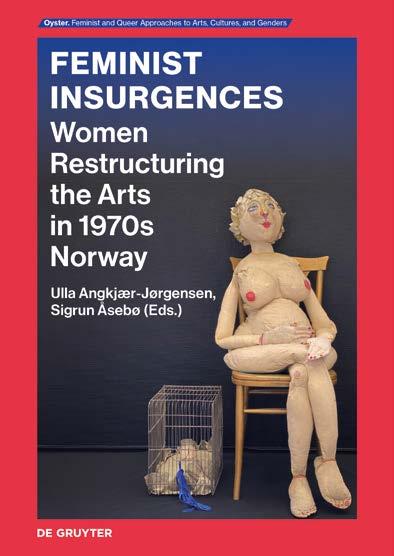
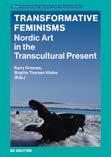
Feminist Insurgences takes the first steps toward mapping the previously unknown territory of the feminist art movement and women’s art in Norway and Sápmi in the 1970s. By examining how women artists challenged existing institutional frameworks and created new structures, this edited volume offers groundbreaking new insights into Nordic and European transna-
Ulla Angkjær-Jørgensen, Sigrun Åsebø (eds.)
Feminist Insurgences
Women Restructuring the Arts in 1970s Norway Oyster 9 Pages 336 Ills. 70
Format 17.0 × 24.0 cm
HC 978-3-68924-242-8 En
€ 89.00 / $ 97.99 / £ 81.00
E-book 978-3-68924-040-0 En
ENGLISH
Open Access
DECEMBER 2026
DE GRUYTER
Groundbreaking contribution to Nordic and European transnational feminist history
Investigates how women artists interfered with existing institutional frameworks and built new structures
Explores overlooked work by women in the visual arts, theater, dance, and documentary film
tional feminist history and suggests new premises for cultural heritage. It explores overlooked work by women in the visual arts, theater, dance, and documentary film, as well as critically examining art history, its institutions, and their collecting practices by studying women’s activism and exhibitions.
Ulla Angkjær-Jørgensen, Norwegian University of Science and Technology, Trondheim
Sigrun Åsebø, University of Bergen
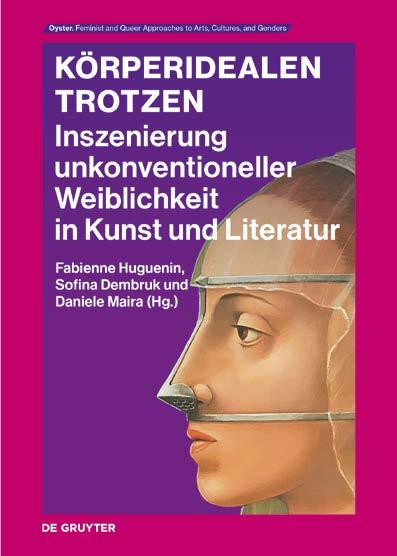
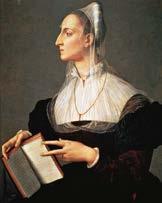
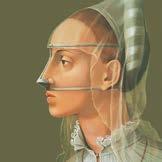
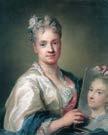
From the poet Laura Battiferri to the naturalist Maria Sibylla Merian, history has long tied female intellectual brilliance to an unattractive appearance. But what if “ugliness” were not a curse, but a strategy? This groundbreaking study is the first to critically explore how literary and painted portraits of women in science and the arts – including philosopher Marie de Gournay and painter Rosalba Carriera – challenged conventions by
Current investigations into the 'unattractive' intellectual
deliberately staging unconventional beauty as a tool of emancipation. The book exposes the hidden negotiations between appearance, intellectual legitimacy, and artistic ambition in early modern Europe. Through vivid case studies, it uncovers the interplay between gender, the body, and creative genuineness, revealing how these remarkable women redefined female authority on their own terms.
Sofina Dembruk, University of Stuttgart
Fabienne Huguenin, Staatliche Archive Bayerns
Daniele Maira, Georg-August-Universität Göttingen
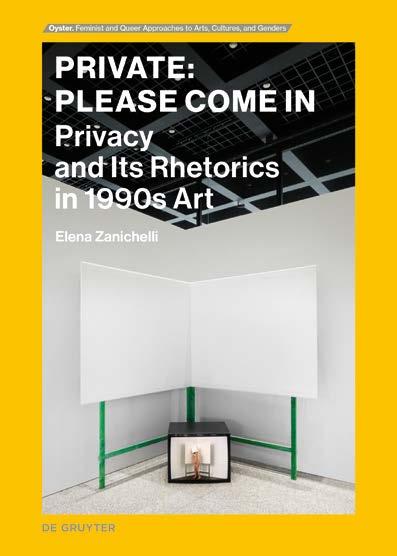
Why should we be interested in what is, strictly speaking, none of our business? Where has our growing fascination with the private sphere come from? Artistic practices of the 1990s operate precisely in this field of tension when they claim to “honestly” reproduce private life experiences –
Also of interest
Elena Zanichelli
Private: Please Come In
Privacy and Its Rhetorics in 1990s Art
Oyster 11
Pages 448
Ills. 125
Format 17.0 × 24.0 cm
SC 978-3-68924-294-7 En
E-book 978-3-68924-067-7 En
€ 59.00 / $ 64.99 / £ 54.00
ENGLISH NOVEMBER 2026 DE GRUYTER
Shows how the private sphere itself became a stage in artistic practices
Offers a new, theoretically grounded perspective on intimate artistic self-exposure
First systematic study of how art makes the supposedly hidden visible, renegotiating autonomy, freedom, and their limits
or even stage them live. Wolfgang Tillmans photographed intimate scenes from his circle of friends; Félix González-Torres presented billboards with close-ups of his unmade bed in New York in 1992; Elke Krystufek masturbated at the Kunsthalle Wien in 1994. In this book, Elena Zanichelli ex-
Änne Söll, Maike Wagner, Katharina Boje (eds.)
Under Construction Kunst, Männlichkeiten und Queerness seit 1970
amines artistic practices that visualize a sphere that is supposed to remain hidden, yet at the same time promises and regulates autonomy and freedom.
Elena Zanichelli, University of Marburg
Schriften des Rheinischen Archivs für Künstlernachlässe
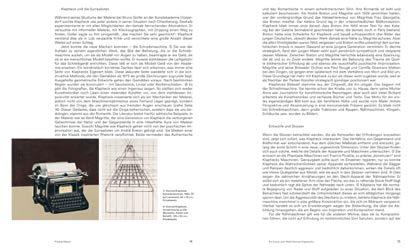
The “Rheinisches Archiv für Künstlernachlässe” (Rhenish Archive for Artists’ Legacies – RAK) in Bonn is dedicated to the preservation, study, and public dissemination of art from the twentieth and twenty-first centuries in the Rhineland. With more than 200 pre- and posthumous estates, it constitutes a central research center for both regional and international modernism. The scholarly cataloguing of its holdings, its integration within university contexts, and the conservation of its collections ensure their long-term accessibility.
Through its new publication series, the RAK makes its collections and research findings available to a broad audience while addressing key questions in Rhineland art history, including artistic networks, artists’ groups, and the interplay between regional and international modernism. Particular attention is given to movements and associations such as the “Sonderbund,” “Das Junge Rheinland,” the “Kölner Progressiven,” and “Gruppe 53.”
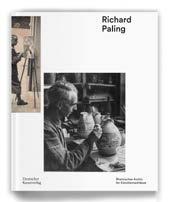
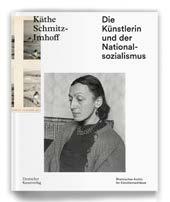
The series comprises exhibition catalogues, monographic studies, and annotated editions of primary sources. It opens with the catalogue accompanying the exhibition on Konrad Klapheck, to be followed by monographic publications on Richard Paling (2026) and Käthe Schmitz-Imhoff (2027). The series is further complemented by editions of significant primary sources—such as correspondence and diaries—that provide unique insights into artistic networks and lived experiences.
Designed in a clear and distinctive format, the series will publish at least one volume annually.
Overall, the series underscores the Rhineland’s role as a vital cradle of modernism and renders its artistic developments accessible in a lasting and meaningful way.
Schriften des Rheinischen Archivs für Künstlernachlässe
ISSN 3054-5129
Coming soon
Richard Paling
HC 978-3-422-80450-0
GERMAN expected by the end of 2026 DEUTSCHER KUNSTVERLAG
Käthe Schmitz-Imhoff. Die Künstlerin und der Nationalsozialismus
HC 978-3-422-80451-7
GERMAN 2027 DEUTSCHER KUNSTVERLAG
Exhibition
Rheinisches Archiv für Künstlernachlässe (ed.)
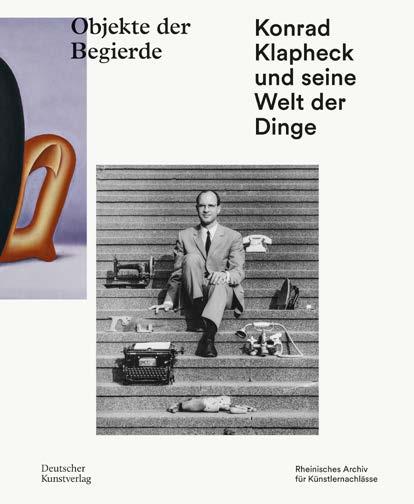
Objekte der Begierde
Konrad Klapheck und seine Welt der Dinge
Pages 160
Ills. 80
Format 23.0 × 28.0 cm
HC 978-3-422-80430-2 Ger
GERMAN
€ 38.00 / $ 41.99 / £ 35.00
MAY 2026
DEUTSCHER KUNSTVERLAG
Previously unknown material from Konrad Klapheck’s estate regarding his models and working methods
Rare insight into the artist’s early work
Deutsche Bundesbank, Hauptverwaltung in Nordrhein-Westfalen, Düsseldorf April 13 to May 20, 2026
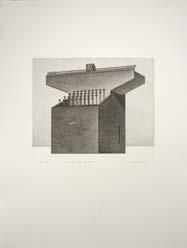
Painter and graphic artist Konrad Klapheck (1935–2023) is a key representative of New Objectivity. He became well-known for his technically precise yet exaggerated and surrealistic depictions of machines and apparatus, which he heightened to produce psychologically charged icons. This volume is the first to focus on the objects that formed the basis of Klapheck’s visual world: from his first typewriter in 1955 to sewing machines, calculators, shoe trees, and bicycle
bells. These are juxtaposed with Klapheck’s works, in which he depicts such mostly everyday objects with precision while at the same time exaggerating them metaphorically. In addition to showing paintings, drawings and prints, the book also offers the first insights into Klapheck’s extensive estate, including documents, sketches, and his meticulously arranged collections of thematically organised objects.
With contributions by Daniel Schütz, Siegfried Gohr, Hansdieter Erbsmehl, Konrad Klapheck
RHINELAND
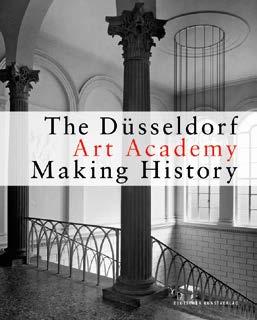
Kunstakademie Düsseldorf (ed.)
The Düsseldorf Art Academy Making History since 1945
2015. 480 pages, 24.0 × 30.0 cm, 400 illustrations
HC 978-3-422-07311-1 En € 44.90 / $ 51.99 / £ 39.00
Johannes Myssok (ed.)
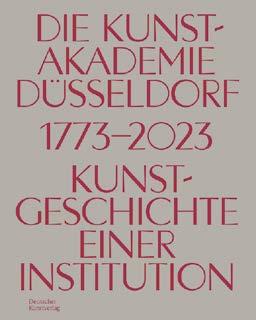
Die Kunstakademie Düsseldorf 1773–2023
Kunstgeschichte einer Institution
2023. 400 pages, 24.0 × 30.0 cm, 243 illustrations
HC 978-3-422-80165-3 Ger
€ 48.00 / $ 52.99 / £ 42.00
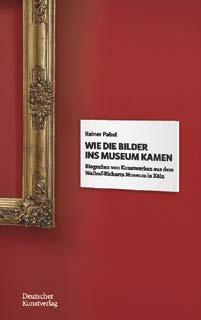
Rainer Pabst
Wie die Bilder ins Museum kamen Biografien von Kunstwerken aus dem Wallraf-Richartz-Museum in Köln
2021. 224 pages, 13.5 × 21.5 cm, 92 illustrations
SC 978-3-422-98438-7 Ger
€ 19.00 / $ 21.99 / £ 17.50
Vanessa Sondermann (ed.)
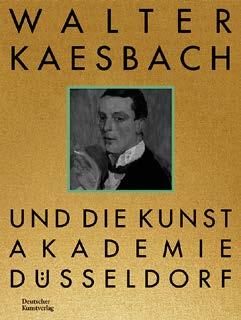
Walter Kaesbach und die Kunstakademie Düsseldorf
2024. 312 pages, 22.5 × 30.0 cm, 201 illustrations
With contributions by Kunibert Bering, Susanne Deicher, John Morgan, Cornelia Nowak, Vanessa Sondermann, Hans-Peter Thurn, Alexander Zschokke
HC 978-3-422-80203-2 Ger
€ 44.00 / $ 48.99 / £ 38.50
Andrea Pufke (ed.)
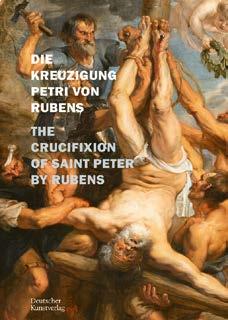
The Crucifixion of Saint Peter by Rubens
Volume in the series Arbeitshefte der rheinischen Denkmalpflege
2022. 256 pages, 21.0 × 29.7 cm, 128 illustrations
HC 978-3-422-98952-8 Ger/En
€ 48.00 / $ 55.99 / £ 41.50
Marcel Schumacher (ed.)
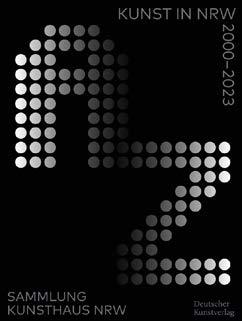
A–Z Kunst in NRW 2000–2023
Sammlung Kunsthaus NRW
2024. 384 pages, 16.6 x 22.0 cm, 262 illustrations
HC 978-3-422-80123-3 Ger
€ 36.00 / $ 39.99 / £ 31.50
Georg Dehio
Dehio Vereinigung e.V. (ed.) Nordrhein-Westfalen I Rheinland
Volume in the series DehioHandbuch der deutschen Kunstdenkmäler
2005. 1344 pages, 12.5 × 18.5 cm
HC 978-3-422-03093-0 Ger E-book 978-3-422-80156-1 Ger
€ 58.00 / $ 66.99 / £ 52.50
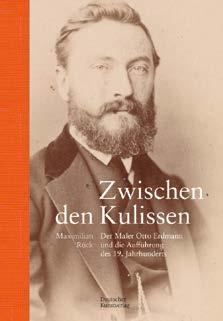
Maximilian Rück
Zwischen den Kulissen
Der Maler Otto Erdmann und die Aufführung des 19. Jahrhunderts
2024. 376 pages, 17.0 x 24.0 cm, 60 illustrations
HC 978-3-422-80254-4 Ger
E-book 978-3-422-80255-1 Ger
€ 42.00 / $ 46.99 / £ 37.00
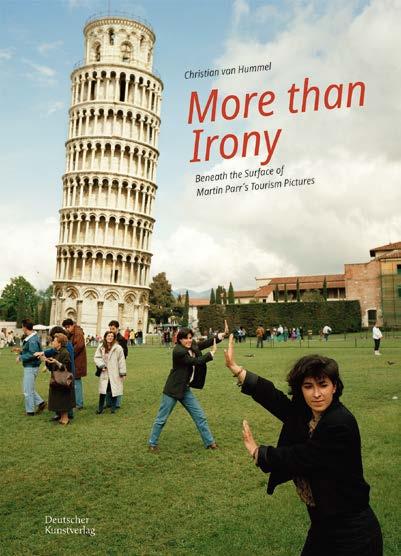
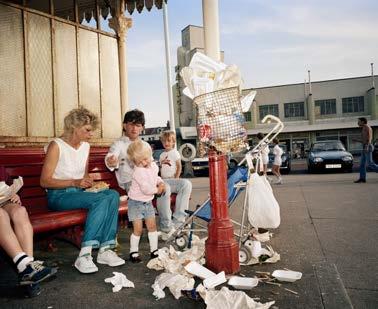
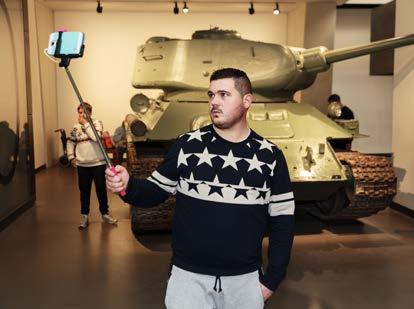
Currently, Martin Parr (1952–2025) is one of the world’s most influential and popular photographers. Chris von Hummel approaches Parr’s distinctive pictorial language from the perspective of visual modes of irony. The focus is not on individual images but on the photo books The Last Resort (1986),
Christian van Hummel
More than Irony
Beneath the Surface of Martin Parr’s Tourism Pictures
Pages 224 Ills. 51 Format 17.0 × 24.0 cm
SC 978-3-422-80412-8 En E-book 978-3-422-80413-5 En € 32.00 / $ 35.99 / £ 29.50
ENGLISH JULY 2026
DEUTSCHER KUNSTVERLAG
Image analysis of photo books
Exemplary analyses of individual images and photo books
Comprehensive consideration of Martin Parr’s oeuvre up to 2025
Small World (from 1995) and Death by Selfie (2019) and their themes: leisure activities, travel and tourism. Starting from these contemporary icons of photography, he goes on to reflect on the significance of the photo book as an independent genre. The result is a comprehensive overview presenting
unfamiliar aspects in the reception of Parr’s work and its relevance for contemporary art. Short, selective interviews with Parr complement the analyses.
Christian van Hummel, art historian
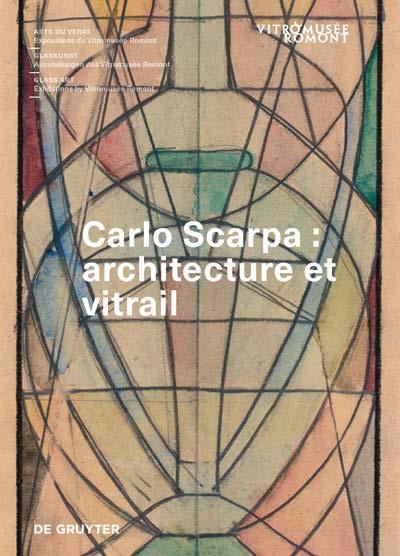
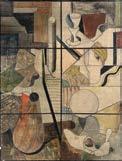
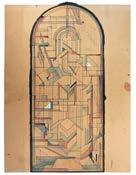
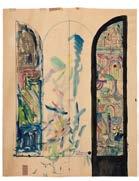
Carlo Scarpa (1906–1978) was an influential Italian architect and designer whose handling of materials, craftsmanship, and detail made him a major figure in 20th-century architecture.
Written by Swiss and Italian experts, this book compares Scarpa’s aesthetic experiments with stained glass in Venice during the 1920s and 1930s with the work of several important 20th-century Swiss artists: Edmond
Francine Giese, Jennifer Burkard, Ariane Varela Braga (eds.)
Carlo Scarpa
Architecture et vitrail
Pages 108
Ills. 80
Format 14.8 × 21.0 cm
SC 978-3-68924-315-9 Fr/It
E-book 978-3-68924-316-6 Fr/It
€ 29.00 / $ 31.99 / £ 26.50
FRENCH/ITALIAN JUNE 2026 DE GRUYTER
Dedicated to one of Italy’s most important 20th-century architects and designers
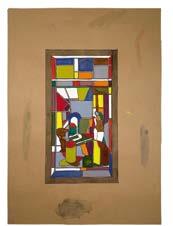
Focuses on Scarpa’s stained glass designs, little known to date
Links Scarpa’s early experiments in the decorative arts with his later architectural achievements
Bille, Bodjol, Charles Hindenlang, Felix Hoffmann, Burkhard Mangold, Robert Schär, Otto Staiger, Hans Stocker, and Peter Travaglini, among others. Special attention is paid to Scarpa’s early experimentation with little-known projects for the Venetian glassworks
M.V.M. Cappellin & C.: a set of stainedglass windows that reveal key aspects of his emerging approach to the material, light, and craftsmanship.
Francine Giese, Vitromusée and Vitrocentre Romont
Jennifer Burkard, Vitromusée Romont
Ariane Varela Braga, UNED, Facultad de Geografía e Historia, Madrid
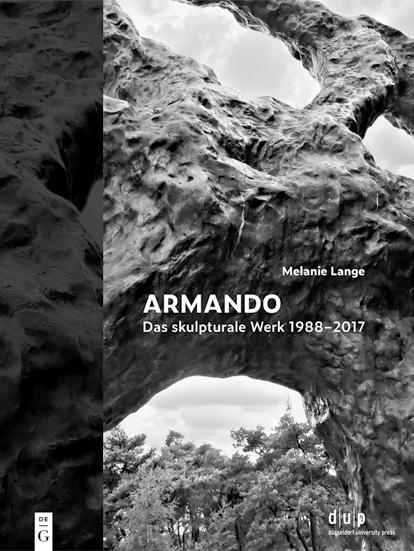
Melanie
Lange
Armando. Das skulpturale Werk 1988–2017
Erinnern als Symbiose von historischer Seismik und archaischer Tektonik
Pages 440
Ills. 76
Format 21.0 × 28.0 cm
HC 978-3-68924-108-7 Ger E-book 978-3-68924-109-4 Ger € 68.00 / $ 74.99 / £ 62.00
GERMAN AUGUST 2026
DE GRUYTER
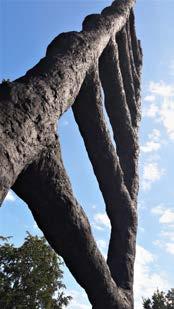
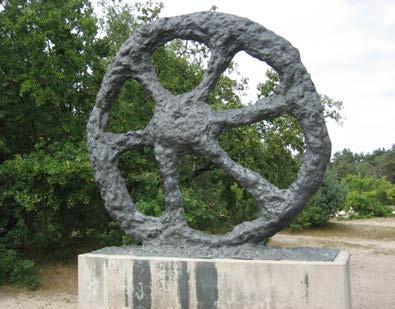
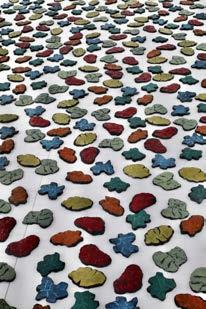
The oeuvre of Dutch artist Armando includes 173 bronze sculptures created between 1988 and 2017. Melanie Lange analyses the form, content, materiality and structure of the sculptural works for the first time, classifying the bronzes within the artist’s oeuvre as a whole. Six key motifs – “The Lad-
First systematic analysis of Armando’s sculptural oeuvre
Aesthetic study of Armando’s artistic oeuvre in the context of contemporary history
Art in the field of tension between analytical reflection and mimetic empathy
der”, “The Wheel”, “The Leaf”, “Head”, “Form”, and “Fragment” – embody aesthetic concepts and a credo of responsible art, which employs visual means to counteract forgetting and obscuration. Armando’s sculptures extend the contemporary historical dimension of painting to include archaic
topics of early human development. In view of current developments in autocracy, violence and war, the artist’s worldview as reflected in his sculptures takes on immense relevance.
Melanie Lange, Museum Folkwang, Essen
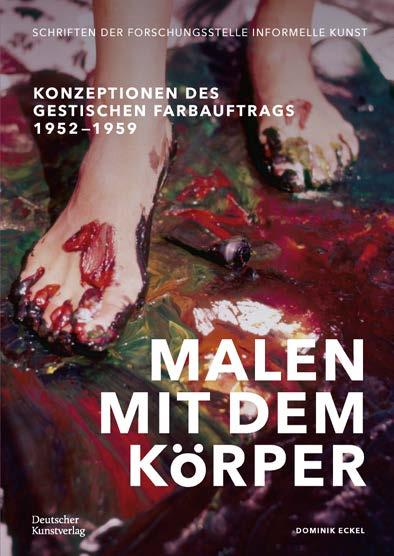
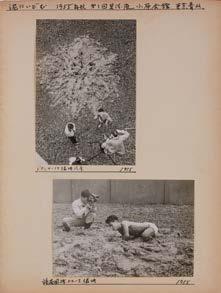
The focus of this study is on the question of how the painting body directly inscribed itself into abstract paintings of the 1950s. Did this approach, from 1952 to 1959, lead to the emergence of a similarly conceived idea of painting in various places? Going beyond an analysis of the networks surrounding Götz, Shiraga, Pollock, and Mathieu,
Dominik Eckel
Malen mit dem Körper
Konzeptionen des gestischen Farbauftrags
1952–1959
Schriftenreihe der Forschungsstelle
Informelle Kunst 5 Pages 288 Ills. 44
Format 17.0 × 24.0 cm
SC 978-3-422-80400-5 Ger E-book 978-3-422-80401-2 Ger € 48.00 / $ 52.99 / £ 44.00
GERMAN
AUGUST 2026
DEUTSCHER KUNSTVERLAG
Transdisciplinary History of the Connection Between Choreography and Painting
Transcultural Study on Karl Otto Götz, Georges Mathieu, Jackson Pollock, and Kazuo Shiraga
Critical Revision of Concepts of Innovation and the “Universal Language of Abstraction”
the study establishes for the first time a constructive intersection: The confrontation of painting processes with a history of choreography. This approach makes the circulation of embodied concepts across linguistic boundaries tangible. The publication subjects the “universal language of abstraction,” notions of innovation,
and norms of masculinity to a critical revision and contributes to studies on the performativity of the image.
Dominik Eckel, Institute for European Art History, Heidelberg University
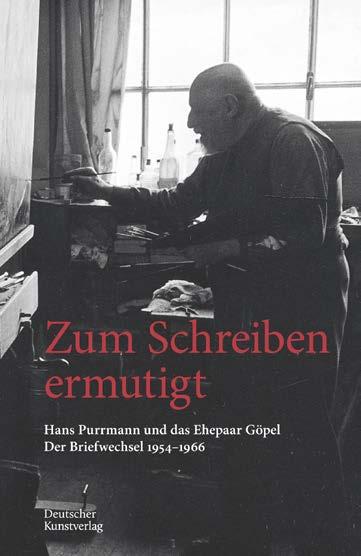
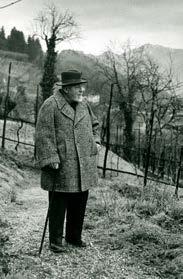
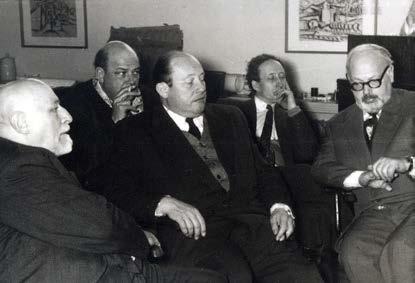
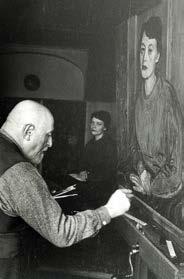
The letters exchanged between painter Hans Purrmann and the art historians, married couple Barbara and Erhard Göpel, open up fresh perspectives on the art world and society of post-war Germany. The 280 previously unpublished letters also trace the genesis of the book “Leben und Meinungen des Malers Hans Purrmann” (The Life and Opinions of the Painter Hans
Felix Billeter, Maria Leitmeyer (eds.) Zum Schreiben ermutigt
Hans Purrmann und das Ehepaar Göpel. Der Briefwechsel 1954–1966
Edition Purrmann Briefe
Pages 544
Ills. 75 Format 13.5 × 21 cm
SC 978-3-422-80398-5 Ger E-book 978-3-422-80399-2 Ger € 56.00 / $ 61.99 / £ 51.00
GERMAN JUNE 2026
DEUTSCHER KUNSTVERLAG
First Publication of the Correspondence
Art and Politics in Postwar Germany
Max Beckmann and Germany
Purrmann), edited by the couple and published in 1961. The correspondence provides significant new insights into the artistic and art-political issues of that era. Not least, the material facilitates a reassessment of Erhard Göpel’s engagement with contemporary art after 1950 against the backdrop of his involvement in Nazi art theft.
Felix Billeter, Purrmann Archive, Munich
Maria Leitmeyer, Museum Purrmann-Haus, Speyer
PURRMANN LETTERS EDITION
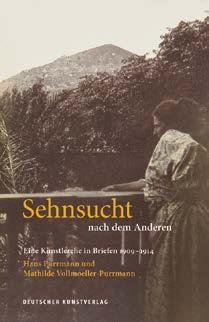
Felix Billeter, Maria Leitmeyer (eds.) Sehnsucht nach dem Anderen –Eine Künstlerehe in Briefen 1909–1914
Hans Purrmann und Mathilde Vollmoeller-Purrmann
Volume 2
2019. 184 pages, 13.5 × 21.0 cm, 50 illustrations
SC 978-3-422-89286-6 Ger
€ 14.90 / $ 17.99 / £ 13.50
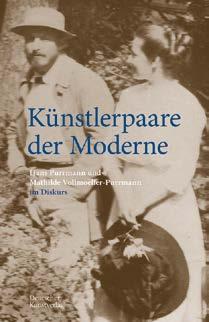
Felix Billeter, Maria Leitmeyer (eds.) Künstlerpaare der Moderne
Hans Purrmann und Mathilde Vollmoeller-Purrmann im Diskurs
Volume 4
2021. 176 pages, 13.5 × 21.0 cm, 50 illustrations
SC 978-3-422-98650-3 Ger
€ 18.00 / $ 20.99 / £ 16.50
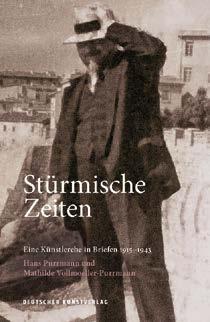
Felix Billeter, Maria Leitmeyer (eds.) Stürmische Zeiten –Eine Künstlerehe in Briefen 1915–1943
Hans Purrmann, Karl Ernst Osthaus, Henri Matisse. Der Briefwechsel 1907–1919
Volume 7
2024. 120 pages, 13.5 × 21.0 cm, 32 illustrations
SC 978-3-422-80212-4 Ger
€ 18.00 / $ 19.99 / £ 16.00
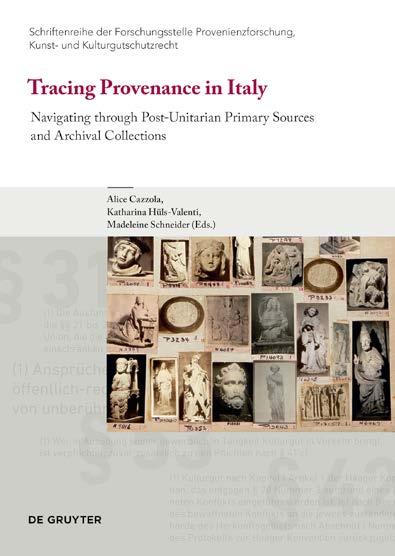
Following the guiding question Quo vadis provenance research in Italy?, this volume brings together interdisciplinary approaches and outlines current developments in the research field on the basis of concrete case studies. In addition to focusing on historical contexts of injustice such as colonialism, National Socialism and Fascism, the publication provides
Alice Cazzola, Katharina Hüls-Valenti, Madeleine Schneider (eds.)
Tracing Provenance in Italy
Navigating through Post-Unitarian Primary Sources and Archival Collections
Schriftenreihe der Forschungsstelle Provenienzforschung, Kunst- und Kulturgutschutzrecht 13 Pages 288 Ills. 60
Fundamental contribution to provenance research in Italy between academia and practice
Current case studies and unpublished archival materials
Transnational cooperation and interdisciplinary knowledge exchange between Italy and Germany
insights into the rich, heterogeneous archival sources for Italian collection and art market research. The relevance of researching the provenance and transfer of art and cultural assets is demonstrated at both the academic and the practical level.
Alice Cazzola, Universität Heidelberg/Kunsthistorisches Institut in Florenz –Max-Planck-Institut
How do anti-Semitic worldviews become manifest in works of art? What impact does their manipulative visual power have in cultural struggles up to the present day? These questions are more pressing than ever, considering anti-Semitism’s worldwide resurgence, which was also evident at documenta fifteen. The contributions in this volume reveal how anti-Semitism operates as a visual code, sometimes in a striking and sometimes in a subversive manner. They analyse motifs of traditional Christian anti-Judaism, nationalist and anti-capitalist anti-Semitic imagery, and
Also of interest
Dorothee Wimmer, Ines Gerber, Meike Hopp (eds.)
Antisemitische Symbole in Kunstobjekten
Pages 168
Ills. 140
Format 17.0 × 24.0 cm
SC 978-3-422-80390-9 Ger
€ 48.00 / $ 52.99 / £ 44.00
E-book 978-3-422-80391-6 Ger
GERMAN
Open Access
OCTOBER 2026
DEUTSCHER KUNSTVERLAG
New image-historical and critical research on anti-Semitic codes
Social, political, and economic contextualisation of anti-Semitic cultural techniques
Curatorial strategies for dealing with antiSemitic art objects
With contributions in German and English
the interactions of anti-Semitic and colonialist cultural techniques. In addition, the publication offers insights into Nazi provenance research and suggests curatorial strategies for dealing with anti-Semitic sources and objects.
Ines Gerber, post-graduate school „Belongings“, Leipzig University
Meike Hopp, German Lost Art Foundation / University of Cologne
Nike Bätzner, Christina Brinkmann (eds.)
Antisemitismus und Kunst vor 1933
Pages 128
Ills. 40 in color
Format 17.0 × 24.0 cm
HC 978-3-422-80332-9
€ 48.00 / $52.99 / £42.00
E-book 978-3-422-80334-3
Open Access
GERMAN
MARCH 2026
DEUTSCHER KUNSTVERLAG
Dorothee Wimmer, Centre for Art Market Studies / Technische Universität Berlin
With contributions by
Peter Bell, Gabriela Benner, Nikolaus Bernau, Johanna Bork, Christina Brinkmann, Louisa Denker, Ines Gerber, Meike Hopp, Andreas Huth, Sylvia Karges, Alexey Markin, Mira Anneli Naß, Anne D. Peiter, Nora Sternfeld, Julia Stolba, Elke Anna Werner, Annika Wienert, Dorothee Wimmer
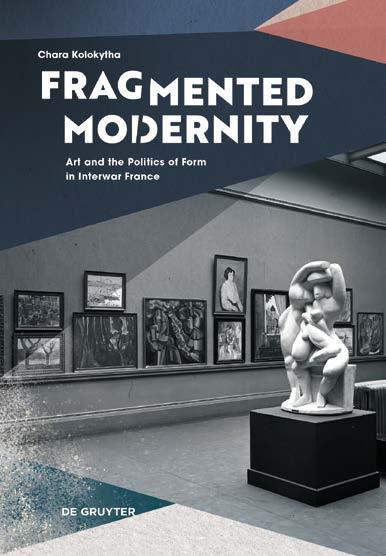
Fragmented Modernity offers a critical reappraisal of interwar modernism, challenging the assumption that its pluralism was a lived historical reality.
Through an analysis of French cultural institutions, independent salons, private academies, critical discourse and market dynamics, it argues that
Chara Kolokytha
Fragmented Modernity
Art and the Politics of Form in Interwar France
Pages 184 Ills. 23
Format 17.0 × 24.0 cm
HC 978-3-68924-317-3 En
E-book 978-3-68924-318-0 En
€ 109.00 / $ 119.99 / £ 99.50
ENGLISH NOVEMBER 2026
DE GRUYTER
Challenges the long-standing narrative of pluralist modernism
Reconfigures the modernist field and its canon
Study that offers archival depth and addresses ongoing debates about diversity, gatekeeping, and cultural power
modernism was consolidated through selective recognition and exclusion. Fragmentation emerges not as a transitional phase but as a structural condition administered through institutional practices. Reframing the interwar years as a threshold in modernism’s formation, the book
contributes to debates in modernist studies, art history, and the sociology of culture.
Chara Kolokytha, Art historian, Athens, Greece
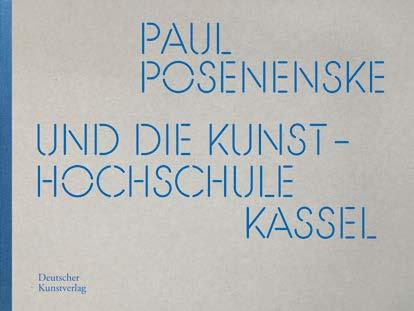
Alexis Joachimides, Philipp Oswalt (eds.)
Paul Posenenske und die Kunsthochschule Kassel
Pages 184 Ills. 50
Format 28.0 × 21.0 cm
HC 978-3-422-80414-2 Ger
GERMAN
€ 40.00 / $ 44.99 / £ 36.50
JULY 2026
DEUTSCHER KUNSTVERLAG
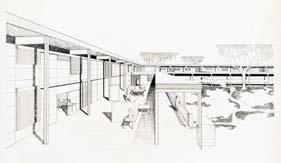
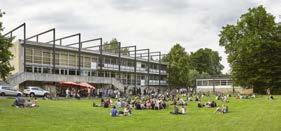
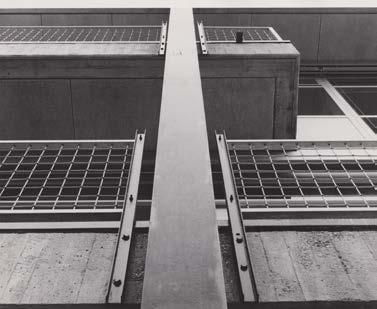
An outstanding example of post-war architecture, the School of Fine Arts in Kassel, designed by Paul Posenenske, is characterized by its differentiated spatial structure, high degree of variability, and an atmosphere of lightness. This comprehensive monograph, featuring previously unpublished documents, plans, and photographs, traces its development—from the architect's biographical influences and
Monograph of a building with unpublished historical plans and photos
Unusual perspectives on questions such as construction organization, hacking and dystopian futures
Graphic design based on the architect’s ideas and echoing the building itself
the institutional and cultural-political context, to the design and construction process and an analysis of the project, completed in 1968, including the associated furniture and lighting. The subsequent history of its use is followed by a sketch of possible futures—from the challenges of the planned energy-efficient renovation to dystopian visions.
Alexis Joachimides, Kassel School of Art and Design Philipp Oswalt, University of Kassel
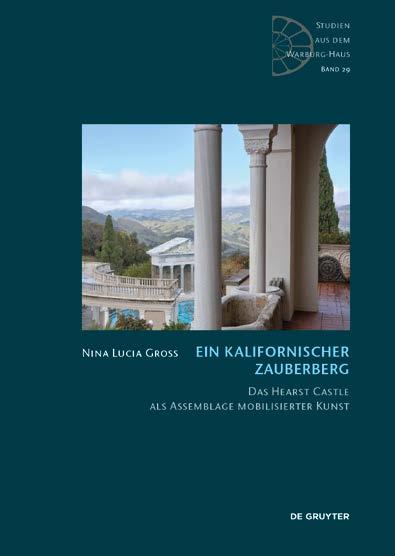
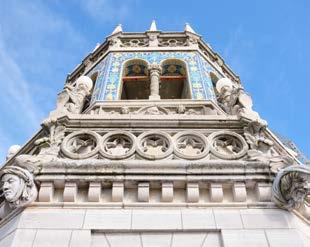
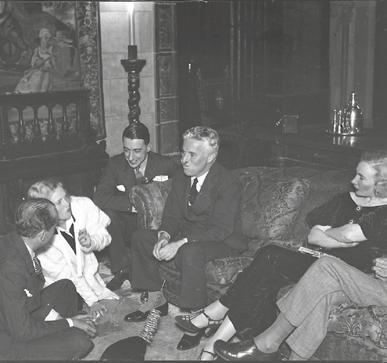
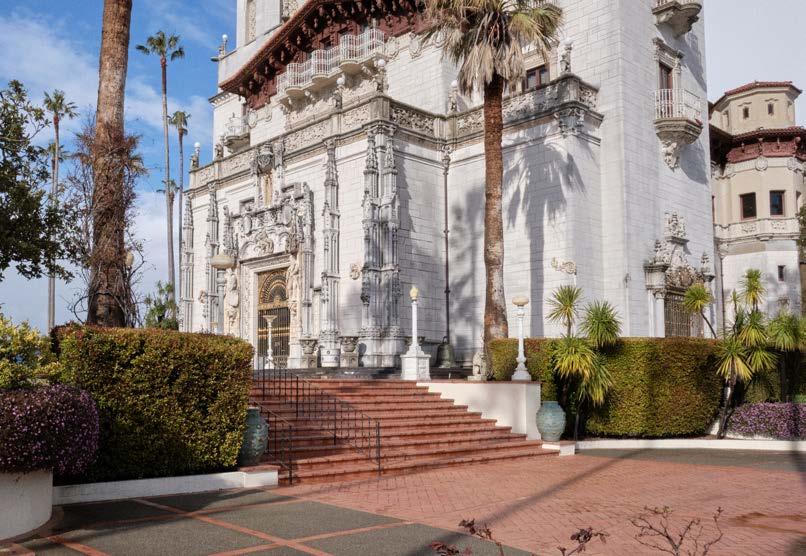
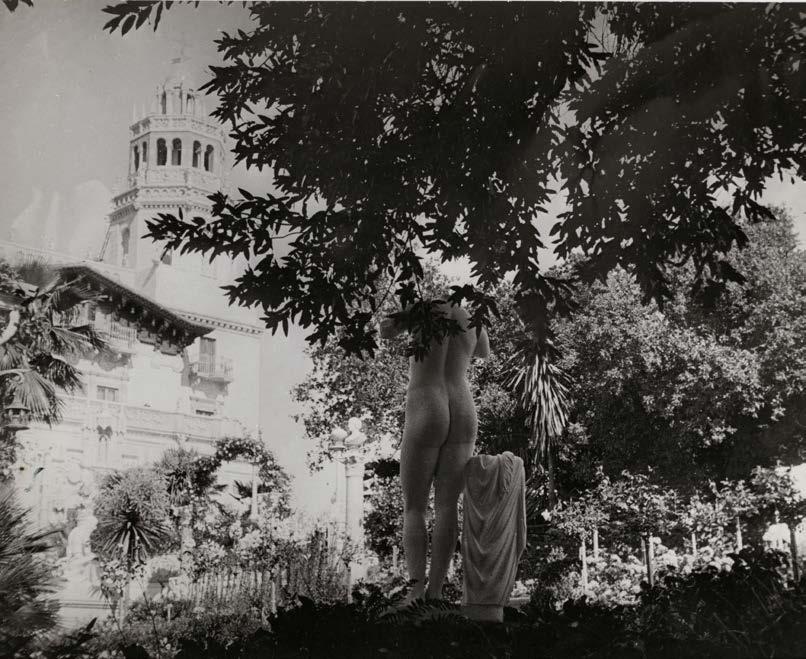
Built in the 1920s, Hearst Castle is regarded as a hyperreal castle located between myth and monument, kitsch and curiosity. Nina Lucia Groß offers a first in-depth art-historical assessment of the ensemble, placing it in the context of Californian modernism. Architecture, interior design, collection and landscaped grounds are examined as an assemblage of mobilized objects, images and styles. Based on intensive source research, the study reconstructs Julia Morgan’s and William Randolph Hearst’s collaborative practice, reading the estate as a project of cultural transfer. Historical analysis and an examination of the castle’s continuing role in popular culture and tourism intertwine and reveal Hearst Castle as a built setting as well as a dynamic space of the collective imagination.
Nina Lucia Groß, Art historian, Hamburg
Nina Lucia Groß Ein kalifornischer Zauberberg
Das Hearst Castle als Assemblage mobilisierter Kunst
Studien aus dem Warburg-Haus 29 Pages 416 Ills. 125 Format 17.0 × 24.0 cm
HC 978-3-68924-308-1 Ger E-book 978-3-68924-071-4 Ger € 99.00 / $ 108.99 / £ 90.00
GERMAN OCTOBER 2026 DE GRUYTER
Hearst Castle and Californian modernism
Re-evaluation of Hearst Castle as an architectural assemblage
Innovative links between research into architecture, collection and cultural transfer
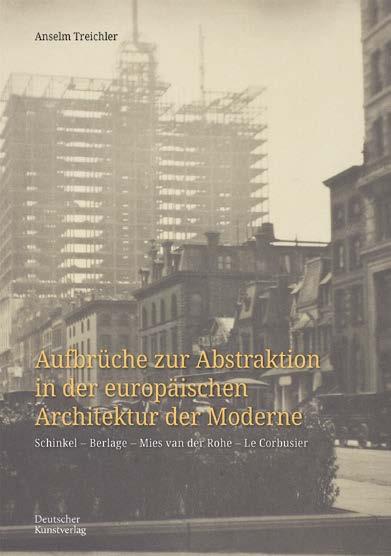
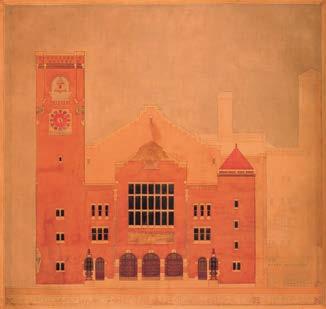
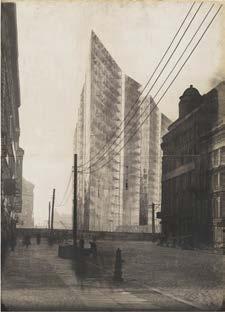
What part did processes of abstraction play in modern architecture in the context of cultural, technical and social developments? Anselm Treichler explores this question by analysing and re-evaluating modernist designs and buildings. His reflections focus on
Anselm Treichler
Aufbrüche zur Abstraktion in der europäischen Architektur der Moderne
Schinkel – Berlage – Mies van der Rohe –Le Corbusier
Kunstwissenschaftliche Studien
Pages 368 Ills. 89
Format 17.0 × 24.0 cm
SC 978-3-422-80376-3 Ger E-book 978-3-422-80377-0 Ger € 58.00 / $ 63.99 / £ 53.00
GERMAN OCTOBER 2026
DEUTSCHER KUNSTVERLAG
Comprehensive analysis and re-assessment of abstraction processes in European architecture
Critical perspectives on aesthetic, technical and social developments
A fresh perspective on key works of modern architecture
the close links between, on the one hand, new materials and constructions made of iron, steel, concrete and glass, and on the other hand, between technical innovations and design concepts. Amidst such changes came the exciting emergence of a new architectural
language, which is presented on the basis of selected works by Schinkel, Berlage, Loos, Gropius, Mies van der Rohe and Le Corbusier.
Anselm Treichler, research assistant and curator, USA
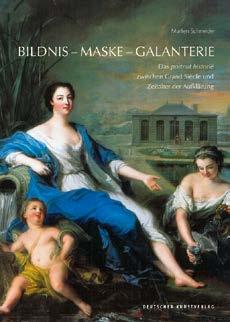
Marlen Schneider
Bildnis – Maske – Galanterie
Das portrait historié zwischen Grand Siècle und Zeitalter der Aufklärung
Volume 197
2018. 272 pages, 17.0 × 24.0 cm, 102 illustrations
SC 978-3-422-07487-3 Ger
€ 38.00 / $ 36.99 / £ 29.00
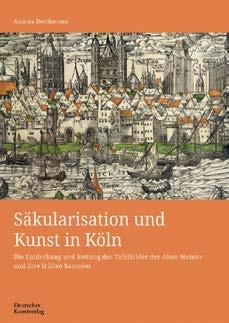
Andrea Deichmann
Säkularisation und Kunst in Köln
Die Entdeckung und Rettung der Tafelbilder der Alten Meister und ihre frühen Sammler
Volume 202
2023. 367 pages, 17.0 × 24.0 cm, 46 illustrations
HC 978-3-422-80112-7 Ger
E-book 978-3-422-80162-2 Ger
€ 68.00 / $ 74.99 / £ 59.50
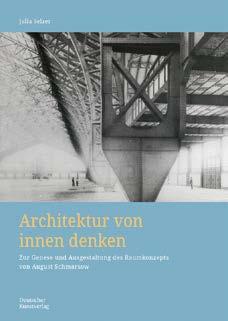
Friederike Voßkamp
Im Wandel der Zeit
Die Darstellung der Vier Jahreszeiten in der bildenden Kunst des 18. und frühen 19. Jahrhunderts
Zur Genese und Ausgestaltung des Raumkonzepts von August Schmarsow
Volume 203
2026. 416 pages, 17.0 × 24.0 cm, 29 illustrations
SC 978-3-422-80349-7 Ger
E-book 978-3-422-80350-3 Ger
€ 72.00 / $ 79.99 / £ 63.00
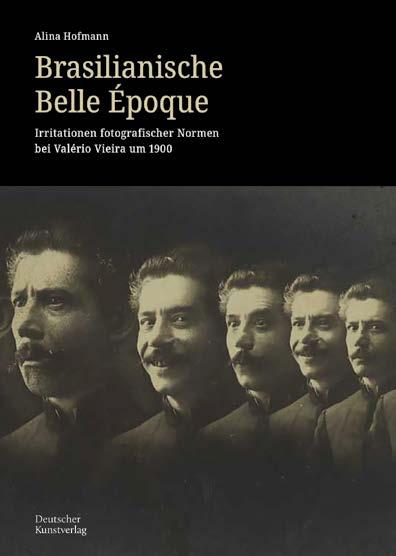
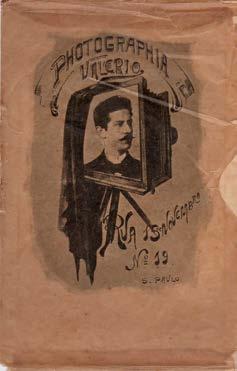
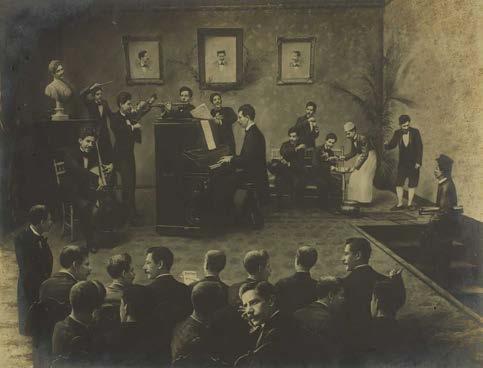
International modernism outside Europe has rarely been considered in the history of photography. It is not very well-known, for example, that Brazil played a prominent role in photography from the 1830s onwards and developed an outstanding repertoire of techniques, discourses and individual formal languages. Based on intensive
Alina Hofmann Brasilianische Belle Époque
Irritationen fotografischer Normen bei Valério Vieira um 1900
Kunstwissenschaftliche Studien
Pages 384
Ills. 116
Format 17.0 × 24.0 cm
SC 978-3-422-80378-7 Ger E-book 978-3-422-80379-4 Ger € 88.00 / $ 96.99 / £ 80.00
GERMAN
AUGUST 2026
DEUTSCHER KUNSTVERLAG
First German-language publication about Valério Vieira
A key research contribution on international modernism outside Europe
Combines art and media studies discourse with the history of photography
archival work and starting out from the photographer Valério Vieira, Alina Hofmann reconstructs the aesthetic and cultural context of photography in the “Brazilian Belle Époque”. She explores the question of what could or should have been achieved by photographic images around 1900. Vieira found humorous and critical answers
to this question. His photographs convey a more comprehensive picture of the turn of the century than previously considered in research.
Alina Hofmann, photo historian and curator
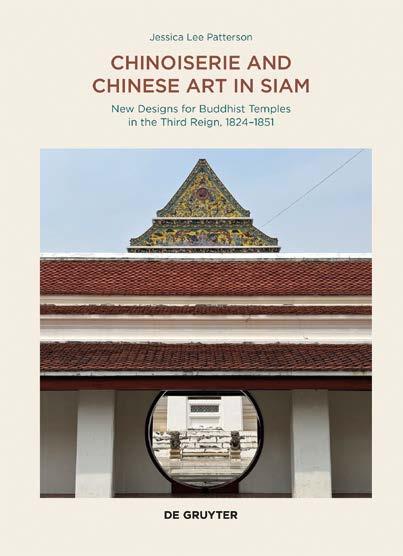
Jessica
Lee Patterson
Chinoiserie and Chinese Art in Siam
New Designs for Buddhist Temples in the Third Reign, 1824–1851
Pages 240
Ills. 66
Format 17.0 × 24.0 cm
HC 978-3-68924-312-8 En E-book 978-3-68924-313-5 En € 109.00 / $ 119.99 / £ 99.50
ENGLISH NOVEMBER 2026
DE GRUYTER
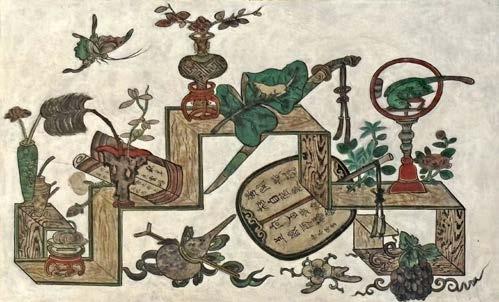
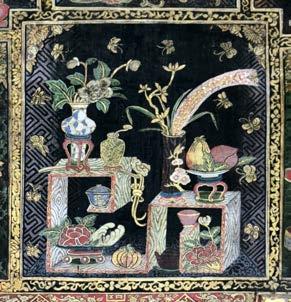
Early 19th-century Siam enjoyed vigorous maritime trade with China that coincided with an influx of Chinese migrants to Bangkok, reshaping the city's culture. The wealth and prestige of the Qing Empire attracted admiration even from Thai royalty, who became fond of Chinese literature and decorative art. As this publication
Thai Buddhist temples presented as tangible sites of cross-cultural exchange between Siam and China
Examines the concept of chinoiserie from a broader, non-Eurocentric perspective
highlights, these two strands converged in the creation of a new artistic style, a kind of Siamese chinoiserie, that became fashionable among court-affiliated elites. Known as “the royal preference,” this style was applied to numerous temples that were built or renovated during the Third Reign (1824–1851). It did not repro-
duce Chinese art and architecture, but adapted and altered specific forms, objects, and motifs to fit the devotional constraints of Theravada Buddhism and the exuberance of Thai aesthetics.
Jessica Lee Patterson, Art historian and curator, USA
Richard-Wagner-Stiftung Bayreuth (ed.)
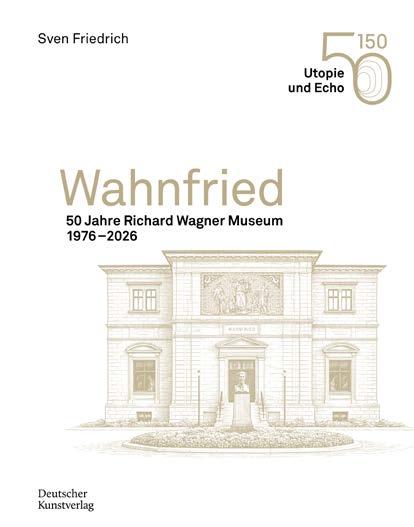
Wahnfried
50 Jahre Richard Wagner Museum 1976–2026
Pages 200 Ills. 80
Format 22.0 × 28.0 cm
HC 978-3-422-80440-1 Ger € 34.00 / $ 37.99 / £ 31.00
GERMAN
AUGUST 2026
DEUTSCHER KUNSTVERLAG
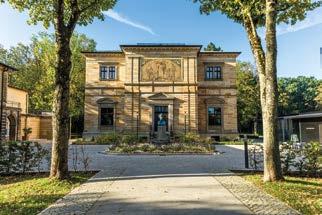
In 1876, Wagner founded the festival in his own theatre in Bayreuth, exclusively for his own work. Here, he also spent the last decade of his life in his first home, ‘Wahnfried’. After his death, it developed into the centre of an ideological Wagner cult. During the Nazi era, as the residence of the Wagner family, it was closely associated with Adolf Hitler. Partially destroyed
50 years of Wahnfried – relating history, stories, and insights into the Richard Wagner Museum, not only for Wagner fans
by a bomb in 1945, Wahnfried was rebuilt true to the original from 1974 onwards. It opened as the Richard Wagner Museum in 1976.
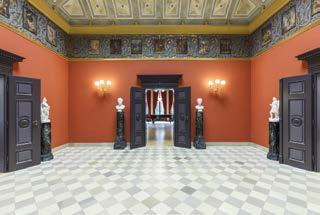
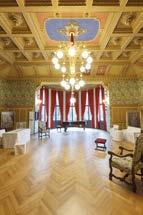
This publication traces the 50-year history of the museum and highlights Wahnfried as a place of remembrance located between artistic heritage, political instrumentalization, and crit-
ical re-evaluation. Richly illustrated, it documents the transformation, research into, and presentation of a house highly significant in German cultural history.
Sven Friedrich, Richard-Wagner-Museum with National Archives, Franz Liszt Museum, Jean Paul Museum, Bayreuth
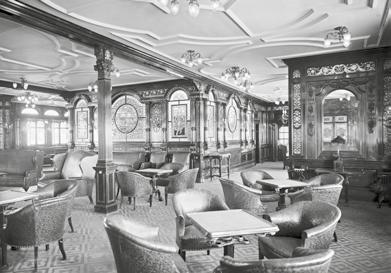
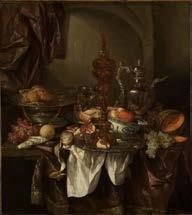
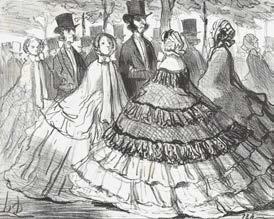
Once a privilege of the aristocracy, from the 18th century to the end of the Weimar Republic luxury developed into a bourgeois status symbol – a cornerstone of modern consumer society. This publication examines the ambivalence of the concept of luxury, from moral criticism to its key role as a driver of capitalist dynamics. Although industrialisation made luxury goods more widely available, new social in-
Sabine Becker, Tabea Mannßhardt (eds.)
Luxus
Die Lust am Überfluss
Pages 160 Ills. 51 Format 17.0 × 24.0 cm
SC 978-3-422-80425-8 Ger E-book 978-3-422-80426-5 Ger € 24.00 / $ 26.99 / £ 22.00
GERMAN
SEPTEMBER 2026
DEUTSCHER KUNSTVERLAG
Interdisciplinary contributions on the history of consumerism and luxury
Focus on German- and French-speaking countries
Baden-Baden as a European showcase for luxurious lifestyles
equalities were also created. Based on key topics – from colonial cuisine and architecture to fashion and design, as well as to increasing mobility and leisure – this volume unfolds a genealogy of abundance on the threshold of modernity. Against the backdrop of current debates on inflation, resource scarcity and social division, a critical perspective emerges on luxury and wealth today.
With contributions by Sabine Becker, Tabea Mannßhardt, Frank Trentmann, Michael G. Esch, Burcu Dogramaci, Peter Peter, Eva Zimmermann, Sebastian Meixner
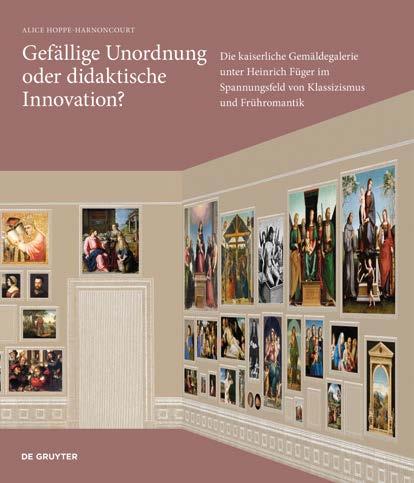
Alice Hoppe-Harnoncourt Gefällige Unordnung oder didaktische Innovation?
Die kaiserliche Gemäldegalerie unter Heinrich Füger im Spannungsfeld von Klassizismus und Frühromantik
Schriften des Kunsthistorischen Museums 23 Pages 224 Ills. 200
Format 24 × 28 cm
HC 978-3-68924-325-8 Ger
E-book 978-3-68924-326-5 Ger
GERMAN
€ 79.00 / $ 86.99 / £ 72.00
OCTOBER 2026
DE GRUYTER
The Wiener Gemäldegalerie is generally acknowledged as an innovative foundation dating from the Enlightenment. But how did the presentation of the paintings change under Heinrich Füger (1806–1818)? While his hanging of the works was often misunderstood as arbitrary disorder, Alice Hoppe-Harnoncourt reveals the concept’s didactic innovation for the first time.
Collection history of the Imperial Picture Gallery in Vienna, now part of the Kunsthistorisches Museum
The gallery design under Füger is presented as an innovative development and visual representation of contemporary discourse
The new arrangement only becomes clear when considering Füger’s role as an academic teacher and his artistic positioning between classicism and early Romanticism. Füger broke with the static system of the 1780s to make space for contemporary art and a new classification of the ‘old schools’. This reorganization is interpreted here as a visual representation of contemporary
discourse during the transition to the museum’s institutional formation in the 19th century.
Alice Hoppe-Harnoncourt, Art historian, Vienna
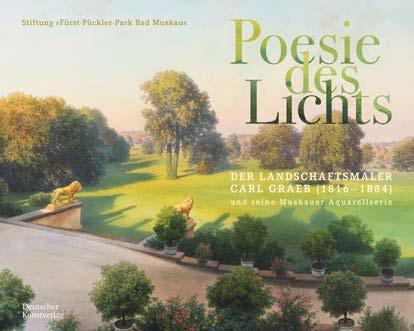
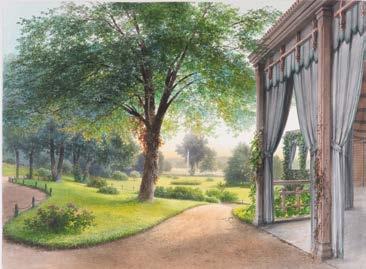
Stiftung “Fürst-Pückler-Park
Bad Muskau” (ed.) Poesie des Lichts.
Der Landschaftsmaler Carl Graeb (1816–1884) und seine Muskauer
Aquarellserie
Pages 208 Ills. 80
Format 30.0 × 24.0 cm
HC 978-3-422-80429-6 Ger € 38.00 / $ 41.99 / £ 35.00
GERMAN JULY 2026
DEUTSCHER KUNSTVERLAG
Exhibition
Neues Schloss Bad Muskau
June 5 to August 16, 2026
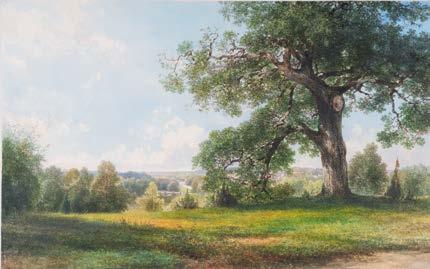
Carl Graeb was among the most acclaimed 19th-century artists. His fine brushstrokes, impressive attention to detail, and skilful use of light enabled him to create architectural and landscape paintings that have continued to fascinate people to this day. They became popular collector’s items, which is why Graeb’s patrons included families of the high-ranking nobility in Germany and Europe, who entrusted
First publication of the watercolour cycle with views of Muskauer Park, purchased from a private collection in 2021
Impressive testimony to the condition in the mid-19th century of Muskauer Park, one of the world’s most significant landscape gardens and a UNESCO World Heritage Site
him with prestigious commissions. This publication presents one of his most extensive series, a watercolour cycle featuring Muskauer Park, created for Prince Frederick of the Netherlands between 1855 and around 1859. His bold colours and skilful use of light captured ephemeral moments for eternity that were celebrated by his contemporaries as a ‘poetry of light’.
Stefanie Fink, Stiftung “Fürst-Pückler-Park Bad Muskau”
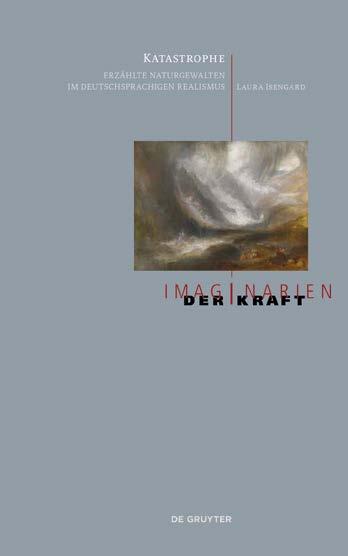
Depictions of disaster in literature and art highlight a fundamental contradiction: on the one hand, natural disasters appear to challenge the symbolic order; at the same time, they have always been interpreted culturally. Poetry itself has contributed to the emergence of such interpretative pat-
Also of interest
Laura Isengard Katastrophe
Erzählte Naturgewalten im deutschsprachigen Realismus
Imaginarien der Kraft 9 Pages 312
Format 15.5 × 23.0 cm
SC 978-3-68924-104-9 Ger
E-book 978-3-68924-105-6 Ger
€ 69.00 / $ 75.99 / £ 63.00
GERMAN AUGUST 2026 DE GRUYTER
Innovative reassessment of Germanlanguage realism using the example of narrated natural catastrophes
Linking literary, cultural and perception theories
terns. However, it is not only capable of reflecting on its own interpretative action, but also of problematizing and blocking that same process. Against this backdrop, Laura Isengard examines forces of nature as described in selected texts from German-language realism as a crisis-ridden “perceptual
Frank Fehrenbach, Laura Isengard, Gerd M. Micheluzzi, Cornelia Zumbusch (eds.) Wahrnehmungskräfte - Kräfte wahrnehmen Dynamiken der Sinne in Wissenschaft, Kunst und Literatur
Imaginarien der Kraft 7 Pages 456
Ills. 29 b/w, 26 in color
Format 15.0 × 24.0 cm
SC 978-3-11-105987-7
E-book 978-3-11-106038-5
€ 89.00 / $ 97.99 / £ 81.00
GERMAN/ENGLISH
MAY 2024 DE GRUYTER
disorder.” The tension between realism and idealism is visualized using the example of narrated natural catastrophe.
Laura Isengard, DFG Research Group “Imaginarien der Kraft” University of Hamburg
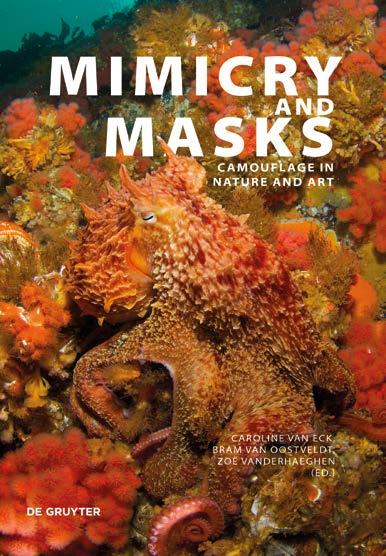
This book is the first to contribute to the pre-history of camouflage, that is its history before its codification in evolution theory in the 1860s and 1870s, and its military use in World War I. Its history is in fact much older, going back to the zoological writings of Aristotle and observations of mimicry among animals and humans in Homer’s Odyssey. Defining camouflage as an adaptive change of appearance or behaviour, this publication
Caroline van Eck, Bram van Oostveldt, Zoë Vanderhaeghen (eds.)
Mimicry and Masks
Camouflage in Nature and Art
Pages 256
Ills. 90
Format 17.0 × 24.0 cm
HC 978-3-68924-124-7 En E-book 978-3-68924-006-6 En € 59.00 / $ 64.99 / £ 54.00
ENGLISH DECEMBER 2026 DE GRUYTER
First history of camouflage before Darwin, showing connections between image-making by animals and by humans in the arts
Offers a new way of thinking about the mask and masquerade as a paradigm for imagemaking
Major contribution to rethinking animalhuman relations
starts from the fact that this is a very common phenomenon among humans and animals, based on our shared ability to create images. The mask is the point where animal and human camouflage meet. The essays do not only present a major stage in the history of camouflage, but also develop a new history and theory of the mask by reconstructing its origins in animal behavior.
Caroline van Eck, University of Cambridge
Bram van Oostveldt, University of Ghent
Zoë Vanderhaeghen, University of Ghent
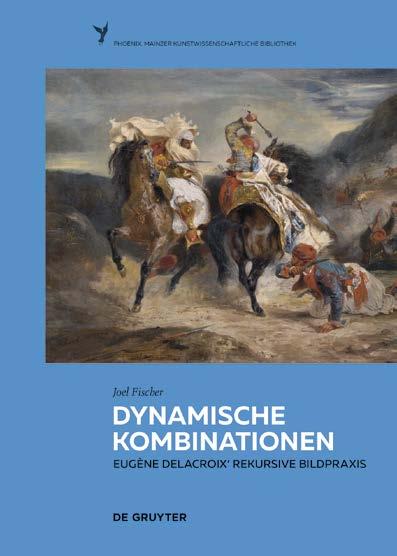
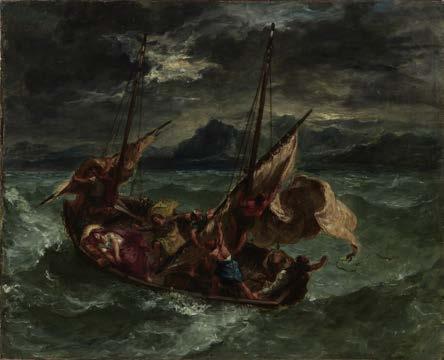
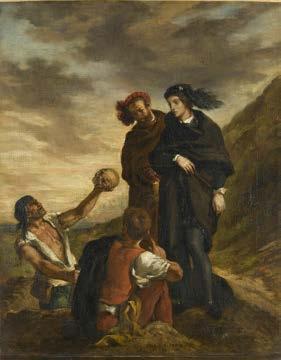
The work of Eugène Delacroix features many self-references, whereby the artist drew on his earlier compositions, themes and motifs or translated them into different techniques. Such references equate to a form of painterly self-reflection on his own artistic production. Their diversity and irregularity
Joel Fischer
Dynamische Kombinationen
Eugène Delacroix' rekursive Bildpraxis
Phoenix 11 Pages 464
Ills. 200
Format 17.0 × 24.0 cm
HC 978-3-68924-100-1 Ger E-book 978-3-68924-101-8 Ger € 98.00 / $ 107.99 / £ 89.50
GERMAN
OCTOBER 2026
DE GRUYTER
New perspective on the work of Eugène Delacroix and 19th-century French painting
Differentiated study of the diversity of artistic self-references
Distinction between multiple repetitions and series
are also important indicators of the upheaval and challenges of working as an artist in the 19th century. This monograph is the first to focus systematically on repetitions and their various manifestations in Delacroix’s work. It analyses their changing combinations, in which personal, aesthetic
and commercial motives merge to create a complex, recursive pictorial practice.
Joel Fischer, Museum of Communication, Frankfurt
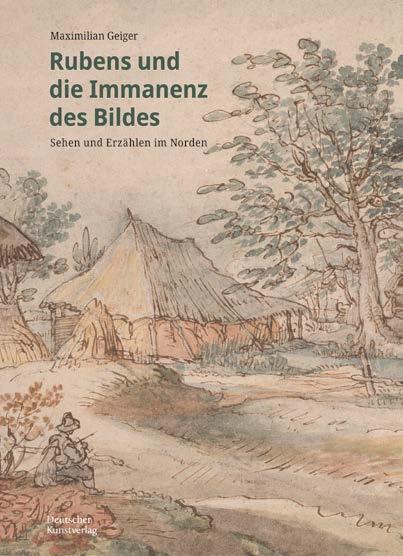
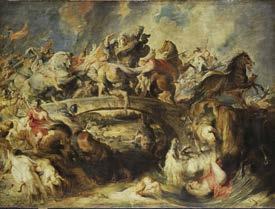
Taking Peter Paul Rubens’ *Battle of the Amazons* (1617/1618) as his starting point, Maximilian Geiger explores in this study the development of early modern history painting in the Netherlands. He examines the religious, economic, and empirical factors, as well as the aesthetic and epistemological aspects, that shaped this
Maximilian Geiger
Rubens und die Immanenz des Bildes
Sehen und Erzählen im Norden
Kunstwissenschaftliche Studien
Pages 752
Ills. 222
Format 17.0 × 24.0 cm
HC 978-3-422-80374-9 Ger E-book 978-3-422-80375-6 Ger € 88.00 / $ 96.99 / £ 80.00
GERMAN
OCTOBER 2026
DEUTSCHER KUNSTVERLAG
Innovative research on 17th-century theories of perception and space
Visual storytelling as a methodological challenge
Exemplary study on key aspects of early modern image theory
development since the Quattrocento. Rubens’ works, created at the turn of a new political and economic era, demonstrate a transformed understanding of the image, in which the pictorial concepts of Leon Battista Alberti and the Catholic Reformation were reflected upon and modified. Maximilian Geiger demonstrates that the narrative
structures of painting are rooted in various perceptual spaces and modes of representation, and that the materiality of the images is an integral part of a new form of visual perception. He illustrates that Rubens contributed to a new way of apprehending reality through his painting.
Maximilian Geiger, taught art history at the Universities of Konstanz and Wuppertal
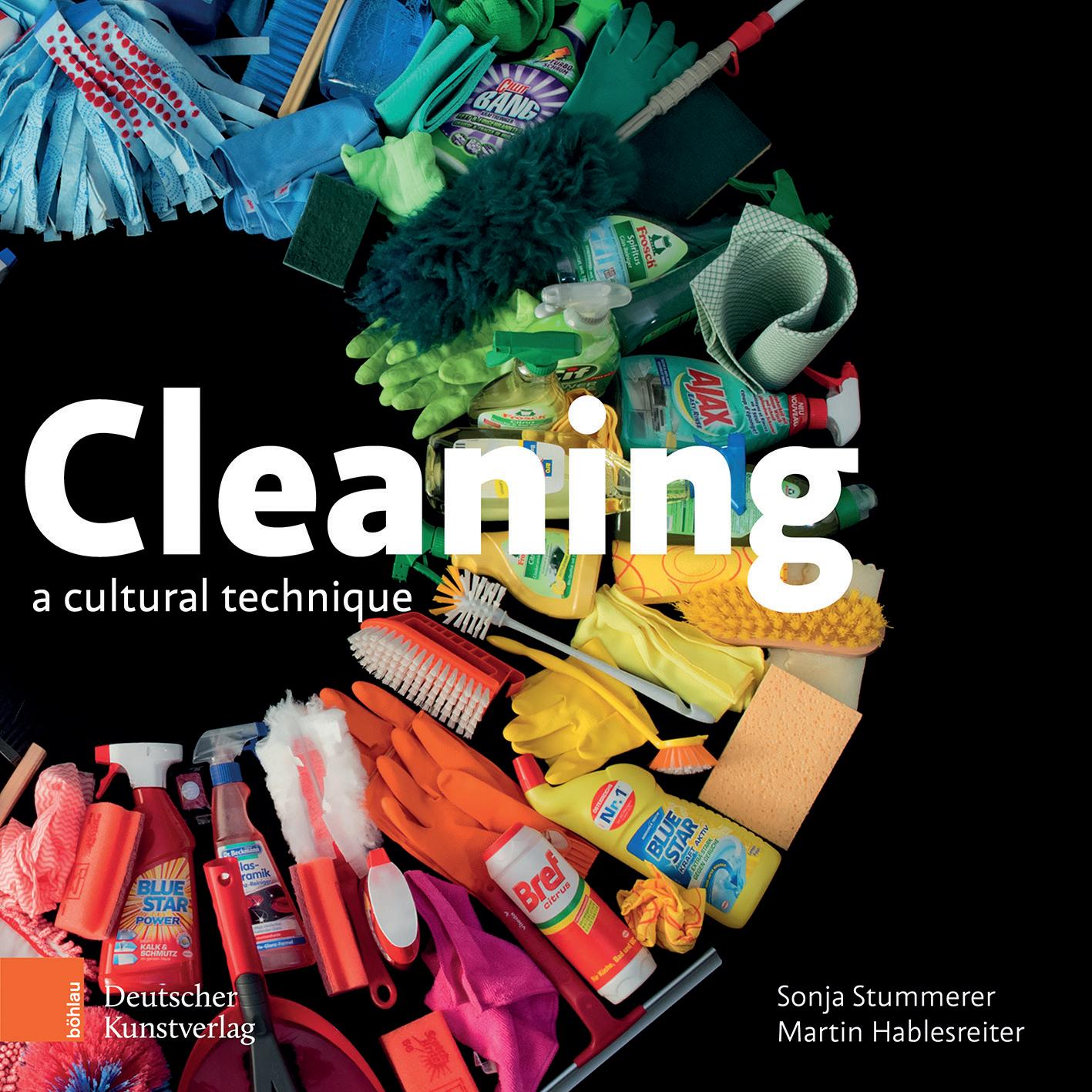
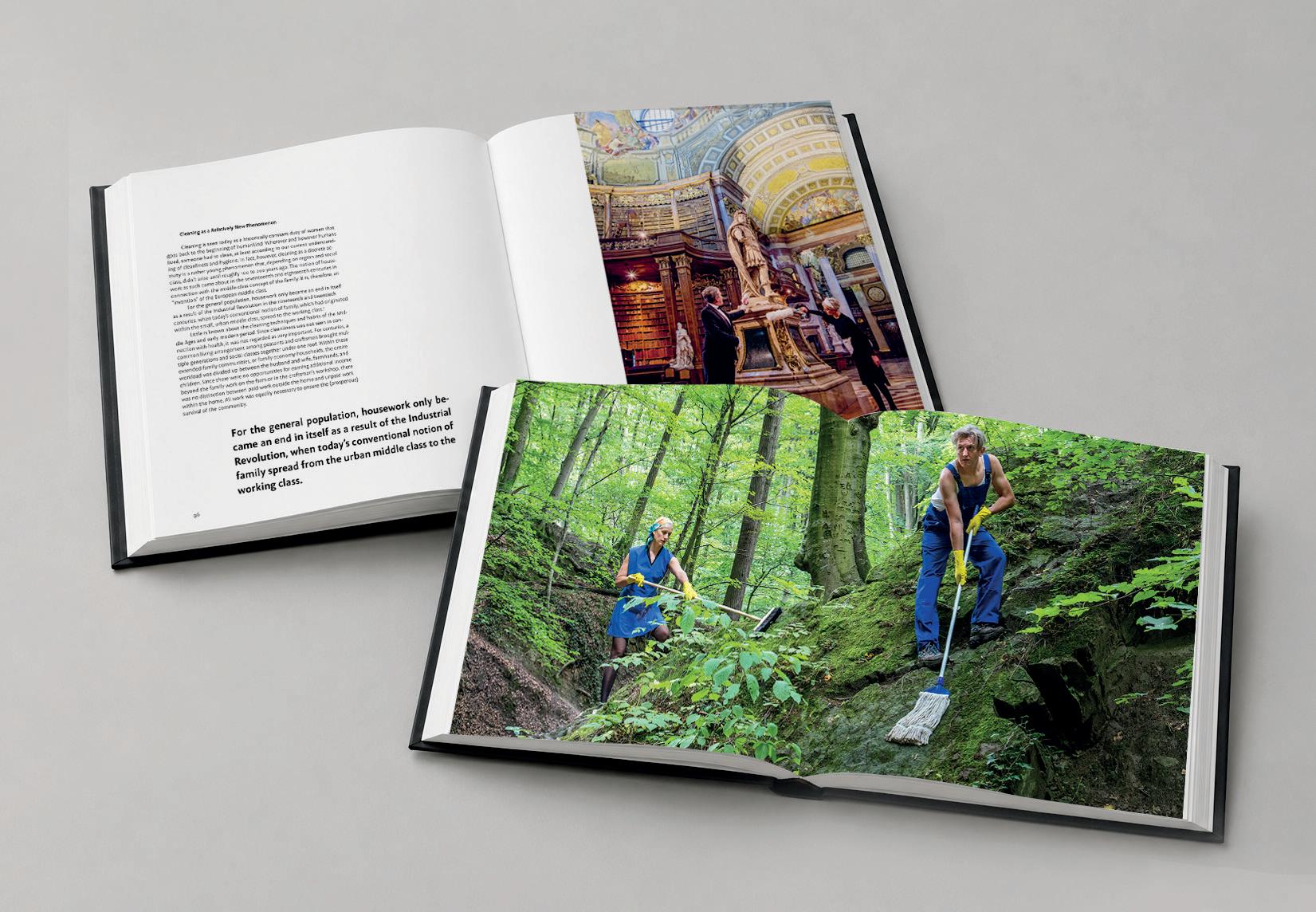
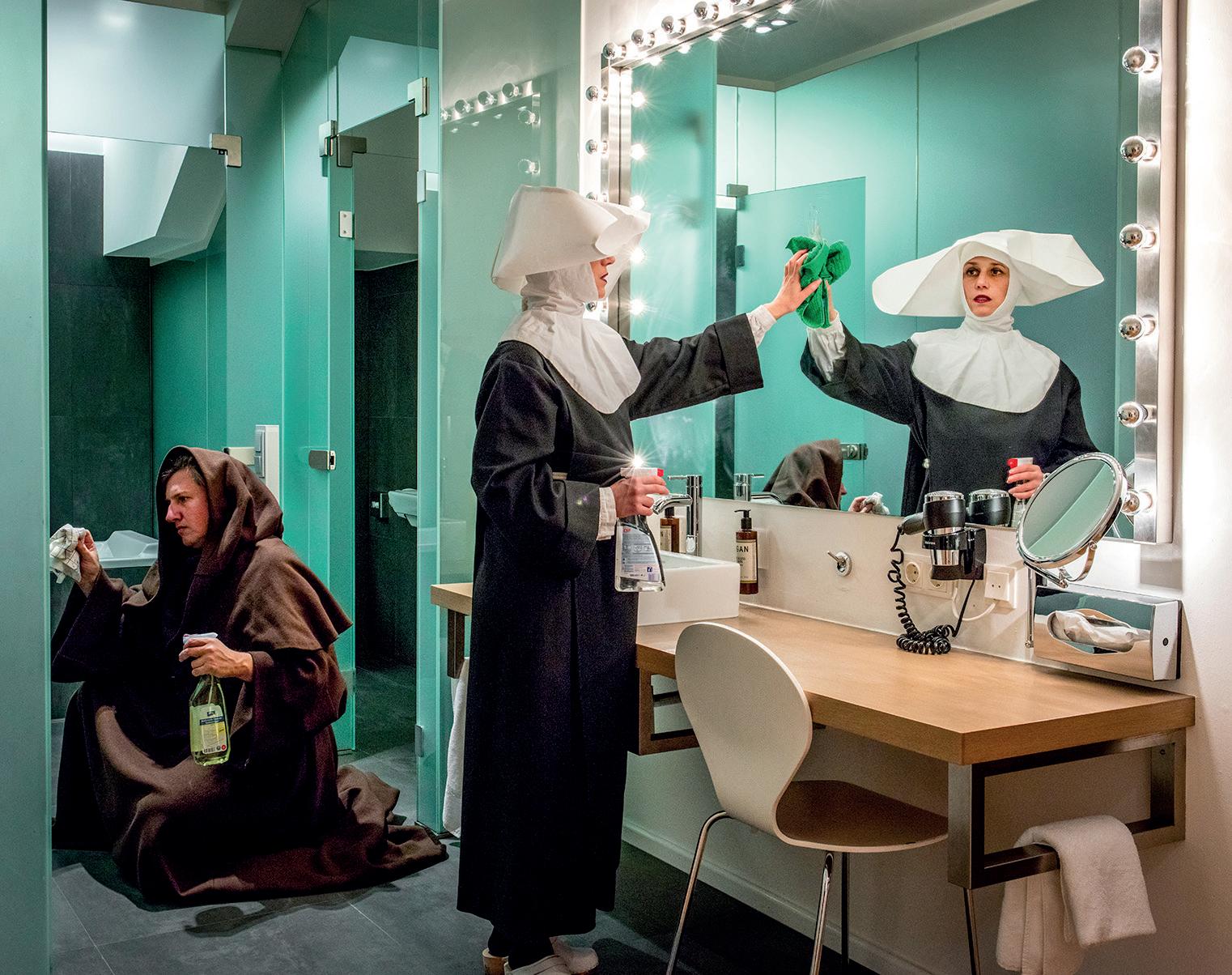
Sonja Stummerer, Martin Hablesreiter
Cleaning
A Cultural Technique
Pages 216
Ills. 100
Format 26,0 × 26,0 cm
HC 978-3-422-80408-1 En € 45.00
ENGLISH JUNE 2026
DEUTSCHER KUNSTVERLAG BÖHLAU
“Cleaning” takes a closer look at everyday life in Western societies. Culture takes place every day: in every household, with every bite, with every piece of clothing; it is negotiated through the products we choose and how we use them. The book sets out to highlight cleaning as a cultural technique through which culture is lived and nature is vanquished, through which hierarchies are created, social rankings manifested, and traditions imple-
Also of interest
Gabriele Schor (ed.) CARE MATTERS
Art from the VERBUND COLLECTION, Vienna
2026. 200 pages. 19.0 × 25.0 cm
208 illustrations
HC 978-3-422-80394-7 En
€ 40.00 / $ 44.99 / £ 36.50
A fresh perspective on an everyday cultural practice
Connects cleaning with care work, sustainability, and social issues
Insightful, original, and highly relevant— by the renowned design researchers honey & bunny
mented. Addressing dirt and cleanliness, cleaning agents, equipment, and machines, (clean) surfaces and polluted environments, it interrogates the unwritten cultural rules around cleanliness and order, asking what they reveal about our beliefs and value systems. In 2020, the original German-language edition of this book was published under the title “Putzen. Eine Kulturtechnik”. It triggered tremendous media coverage in German-speaking countries
Sonja Stummerer and Martin Hablesreiter
studied architecture and design in Vienna, London, and Barcelona. After working in Tokyo, they founded the Vienna-based design studio honey & bunny, focusing on everyday life and sustainable design.
ManfreDu Schu, Günther Moschig, Hannes Priesch (eds.)
REMbox
Die Wiener Künstlergruppe REM. 1984–1990 / The Viennese artists group REM. 1984–1990 2026. 432 pages num. illustrations 19.5 x 26.8 cm
HC 978-3-205-22519-5 Ger € 65.00
Günter Brucher
Venezianische Veduten- und Landschaftsmalerei des 18. Jahrhunderts
2026. approx. 224 pages
176 illustrations
21.0 x 27.0 cm
HC 978-3-205-22469-3 De € 60.00
Janine Freeston Exhibitions, Societies, and the Press The Emergence of Color Photography in Britain, 1906–1932
2026. approx. 200 pages approx. 100 illustrations 17.0 x 24.0 cm
HC 978-3-205-22297-2 En E-book 978-3-205-22298-9 En € 35.00
Radka Nokkala Miltová Towards the Olympian Gods
The Representational Strategies of Mythological Painting in 17th century Bohemia and Moravia 2025. 208 pages
50 illustrations 17.5 x 24.5 cm
HC 978-3-205-22245-3 En E-book 978-3-205-22246-0 En Open Access € 55.00
Verena Krieger, Ella Falldorf (eds.) Beyond Irrepresentability
Exploring Images from Nazi Camps, Ghettos, and the Holocaust 2025. 352 pages
102 illustrations 15.5 x 23.0 cm
SC 978-3-412-53378-6 En E-book 978-3-412-53379-3 En € 75.00
Lukas Nickel, Anette Froesch (eds.)
Placing China at the Courts of Europe, 1700–1800
2026. approx. 320 pages
196 illustrations
21.0 x 28.0 cm
HC 978-3-412-53540-7 En E-book 978-3-412-53541-4 En € 39.00
Robert Born, Barbara Kristina Murovec (eds.) Visual Memory and Oblivion Monuments and Conflicts in Urban Spaces in Central and Eastern Europe from the Nineteenth Century to the Present Day 2026. approx. 376 pages ca. 130 illustrations
17.0 x 24.0 cm
HC 978-3-412-52908-6 En E-book 978-3-412-52909-3 En € 59.00
Rebecca Müller, Rafał Quirini-Popławski (eds.)
Genoa and Venice Overseas People, Power, and Art, 13th to 16th century 2026. 440 pages
164 illustrations
17.0 x 24.0 cm
HC 978-3-412-53461-5 En E-book 978-3-412-53462-2 En € 75.00
Not everything that glitters is gold – often it is silver: chased, polished, enamelled, hallmarked, and even gilded. These contributions address the semantic, economic, and technical dimensions of artistic silverwork, drawing on a wide range of object types and sources. International ex-
Studies on silversmithing in Germanspeaking countries, across different eras
New research on the production, function, significance, and distribution of silver objects
Lavishly illustrated with more than 260 photographs, some previously unpublished
perts in art history, history, and linguistics present current research findings on the production, trading, translocation, and social significance of silver objects, illustrating their development over time. Current issues of looting and restitution are addressed as well.
Esther Wipfler, Responsible for the research unit on material culture at the Central Institute for Art History in Munich as well as the online platform for art historical object research, www.rdklabor.de
Exhibition
Pharmacy Museum Basel
Starting October 15, 2026
Focusing on Renaissance albarelli –iconic tin-glazed jars used by apothecaries for the storage and display of medicinal ingredients – this publication explores the intersection of science, art, and globalization in early modern Europe from the 15th to the 17th centuries. In that era, these decorated vessels permitted those authorized to handle them to claim authority and command of knowledge within the rapidly growing field of
Provides the first detailed art historical study of the ceramic collection of the Pharmacy Museum, University of Basel
pharmaceutical and medical studies. By highlighting the materiality of these ceramic containers, the authors point to the scientific community’s continual search for knowledge and technologies. The lustrous surfaces testify to the networks of exchange established across the early modern world, and to the experimentation that linked early modern pottery workshops with apothecary practices.
Zuzanna Sarnecka, University of Bern
Claudio Paolinelli, University of Urbino
Susanne Prillwitz, Pharmacy Museum, University of Basel
In medieval and early modern Venice, churches gleamed with the brilliance of gold and silver altarpieces and altar frontals. Large-scale, sumptuous, and visually ingenious, these altarpieces functioned as dramatic “viewing machines”, dominating the architectural space and framing the liturgy. The essays in this volume bring those awe-inspiring and long-neglected objects back to light, exposing their
Stefania Gerevini, Giosuè Fabiano, Andrew J. Hopkins (eds.)
Golden Glow
Gold and Silver Altarpieces in Medieval Venetia
Object Studies in Art History 9
Pages 432
Ills. 130
Format 17.0 × 24.0 cm
HC 978-3-68924-297-8 En € 79.00 / $ 86.99 / £ 72.00
E-book 978-3-68924-069-1 En Open Access
ENGLISH AUGUST 2026 DE GRUYTER
Reassessment of the arts of medieval and Renaissance Venice
Reframes “Venetian art” as the product of dynamic exchanges between the city, its Adriatic colonies, and the wider Mediterranean
Including two Italian contributions
significance as the forgotten heart of Venice’s visual and religious landscape and situating them within their broader Adriatic and Mediterranean contexts. In doing so, this volume contributes to key art-historical debates about materiality and the “object archive”; fragmentation and the afterlives of artworks; the interactions between space and liturgy; visuality, and the history of the senses.
Stefania Gerevini, Bocconi University, Milan
Giosuè Fabiano, University of Vienna
Andrew J. Hopkins, Università degli Studi dell’Aquila
Shields are both weapons and image carriers. The close link between these functions dates back to antiquity but took on fresh significance in the early modern period: at a time when shields were losing their military relevance, they became even more sought-after as image carriers. The weapon found
Julia Saviello
Der Schild und das Bild
Geschichte einer engen Verbindung
Object Studies in Art History 11
Pages 376 Ills. 110
Format 17.0 × 24.0 cm
HC 978-3-68924-112-4 Ger
€ 79.00 / $ 86.99 / £ 72.00
E-book 978-3-68924-113-1 Ger
Open Access
GERMAN OCTOBER 2026 DE GRUYTER
A first in-depth examination of the shield as an image carrier and topic of art theory
Presentation of little-known objects from European and American collections
References to the animal kingdom (turtle) and processes of transcultural entanglement
a new purpose in this role. This publication traces the change in the use of shields, showing what it means to carry them as image carriers on one’s own body, examining the role such objects play in generating and conveying pictorial meaning, and reconstructing the new functional, spatial and nar-
rative contexts of image shields. The focus is on the key phase from the 15th to the 17th century, with additional insights into antiquity and cultural contexts outside Europe.
Julia Saviello, Goethe University Frankfurt
Naumburg Cathedral is a key ensemble of European Gothic architecture; architecture, sculpture and stained glass interrelate closely in its west chancel. Following recent restoration work, this volume examines the hitherto little-researched stained glass from an art-historical and art-technological perspective. It discusses the involvement of the 13th-century glass work-
Cornelia Aman, Maria Deiters, Sarah Jarron
Die Glasmalereien im Westchor des Naumburger Doms
Untersuchungen zu Gestaltung, Werkprozess und historischer Technologie vom 13. bis zum 20. Jahrhundert
Corpus Vitrearum Medii Aevi Deutschland. Studien 4 Pages 256 Ills. 350
Insights into the interactions between the medieval stonemasons’ lodge and the glass workshop
Detailed research into the history of restoration
Richly illustrated publication on a significant example of medieval stained glass
shop in the design and construction processes of the stonemasons’ lodge, highlights the artistic and technical quality of medieval stained glass, and pays tribute to the reconstruction work carried out in the 19th century. The book also makes an important contribution to the history and methodology of stained glass restoration.
Cornelia Aman, Maria Deiters, Corpus Vitrearum Medii Aevi (CVMA), Potsdam
Sarah Jarron, Lincoln Cathedral
than flashed glasses24 The medieval glaziers were keenly aware of the different properties of the glass they were using. The red flashed glass was always glazed with the red layer to the exterior side of the panel. This has resulted in visible corrosion where it has been lost (Fig. 5). This effect was
glass corrosion, there is evidence that variations within the coloured sheet were used to highlight lighter and darker areas of the design, e.g. in the robes of St Margaret (Fig. 6). When observed in reflected light, it is clear that corrosion is not limited to the paler areas 4.
2.1. Die besondere Gestalt der Eisenarmaturen des Westchors die Glasmalereien des Westchors zeichnen sich durch ein sehr charakteristisches armatursystem aus: bestimmendes Gestaltungselement der Glasmalereien sind die großen langpässe, in denen die heiligen bzw. tugenden stehen. die armatureisen sind im bogen um die langpässe geführt und binden – ohne weitere senkrechte unterteilungen – links und rechts in die Fenstergewände ein. senkrechte streben am scheitelpunkt der bögen verbinden die übereinander gestapelten, großen Formen und halten gleichzeitig die eingefügten ornamentalen zwickelscheiben. in der untersten zeile umfassten die armatureisen die kreisförmigen bischofsmedaillons (abb. 1, 2). dieses armatursystem ist weitgehend noch im mittelalterlichen erscheinungsbild erhalten. in den Fenstern swiii nwii und nwiii sind zudem große teile der mittelalterlichen substanz überliefert. die vor der domrestaurierung von 1874 bis 1878 entstandenen Fotografien vermitteln ein bild von der ursprünglichen montagesituation (abb. 3): in den a-bahnen der Fenster nwii und nwiii sind die im kreis um die medaillons mit den bischofsbildnissen geführten eisen noch erhalten und belegen damit die grundsätzliche richtigkeit der rekonstruktion des damaligen bauleiters karl memminger1 erkennbar ist außerdem die montage der Glasscheiben auf den armatureisen mittels geschmiedeter Ösen und splinten. alle eisen wiesen vermutlich deckschienen auf. diese sind allerdings im mittleren bereich der auf der Fotografie erkennbaren Bildfelder nicht mehr erhalten, so dass hier die randbleie der Glasmalereifelder zu sehen sind. an den seitlichen partien erkennbare stummel legen jedoch nahe, dass die deckschienen im mittelbereich verloren gegangen sind; möglicherweise in Folge von vibrationsbelastungen, Feuchtigkeitsanfall und korrosion. auch an den Glastafeln selbst sind randstreifen zu erkennen, die weniger korrodiert sind, weil sie vermutlich durch abdeckende schienen stärker geschützt waren. die Form der naumburger armaturen und die teilung der Glasmalereifelder ist in der mittelalterlichen Glasmalerei dieser zeit in deutschland ungewöhnlich. in den meisten überlieferten verglasungen des 13. Jahrhunderts wird hier im Wesentlichen eine rechtwinklige teilung vorgenommen 2 auch die spannweite der Figurentafeln über die ganze breite der bahn ist unüblich. so verläuft z.b. im Falle der langpassformen mit heiligen in st. kunibert in köln die eisenführung eng um den langpass herum und ein senkrechtes eisen trennt die rahmende borte zusätzlich ab (abb. 4).
1_CVMA_Studien_IV_Text_Seiten_1-231_EF.indd
The former Benedictine monastery church of St. Michael on Michelsberg is one of Bamberg’s most significant monuments, both historically and artistically, and forms part of the UNESCO World Heritage Site of the episcopal city of Bamberg. In 2012, the building was in acute danger of collapse, which made it necessary to close the church and initiate one of the most extensive restoration campaigns in the building’s history.
Interdisciplinary insights into modern monument conservation
This volume brings together more than 30 articles that shed light on the extraordinary restoration of St. Michael’s from a variety of perspectives. They trace the individual stages of the restoration, explain the complex tasks, decisions, and challenges involved, and present new findings from building research, archaeology, art history, and conservation science.
With contributions by Julia Brandt, Kerstin Brendel, Annette Faber, Susanne Fischer, Madlen Gulitsch, Karin Hamper, Theresa Hilger, Angelina Klassen, Katharina von Miller, Nicole Röring, Claudia Schelbert, Sabine Schwab, Petra Spiller, Marianne Tauber, Ivonne Tschoepe
Selbst in der reichen Kunstlandscha Frankens besticht die Ausstattung von St. Michael durch ihre hohe künstlerische- und ausführungstechnische Qualität. Für die holzsichtige Ausstattung beau ragte die Benediktinerabtei in den Jahren 1726 bis 1730 eine Gemeinscha aus seinerzeit gefragten Künstlern.
Zu ihnen gehörten die Schöpfer der Gemälde Martin Speer (1702–1765) und Johann Joseph Scheubel d.Ä. (1686–1769), die Kunstschreiner Servatius Brickard (1676–1742) und Hans-Georg Eichler († nach 1746), die Bildschnitzer Leonhard Gollwitzer (1682–1746), Thomas Esterbauer (um 1685–1737) und Franz Anton Schlott (1697–1736). Georg Reuß (1704–1768) wirkte ab 1751 als Bildschnitzer wohl mit dem Kunstschreiner Franz Anton Thomas (1705–1773) an der architektonisch wie kunsttechnologisch großartig gestalteten Rokokokanzel zusammen Abb.92). Ein Hauptwerk Servatius Brickards ist das Chorgestühl im Hochchor, er fertigte aber auch Mobiliar im Langhaus wie das Laiengestühl.
MASSNAHMEN AN DER HOLZSICHTIGEN AUSSTATTUNG
Eine einschneidende Bearbeitung weiter Teile der holzsichtigen Ausstattung fand 1889 statt. Hierbei wurden unter anderem die originalen Lacke der Entstehungszeit – stets wesentliches künstlerisches Gestaltungsmittel holzsichtiger Werke – entfernt und durch einen neuen Überzug auf der Basis von Schellack ersetzt. Dieser Überzug wurde im Gegensatz zu den Lacken des 18.Jahrhunderts, die durch den Auftrag mit dem Pinsel o enporig waren, porenfüllend aufgetragen. Aus restaurierungswissenscha licher Sicht war es wichtig, anhand letzter erhaltener Frag-
92 Die Kanzel nach Abschluss der Restaurierung.
116 Isometrie des romanischen Baus der Klosterkirche St. Michael von Südosten. Die Zeichnung zeigt die heute gesichert romanische Bausubstanz.
o mals sensationellen neuen Befunde wurden in Text und Bild dokumentiert. Die daraus resultierenden Erkenntnisse konnten somit in die zahlreichen zu tre enden Entscheidungen während des Arbeitsprozesses mit einfließen.
HOLZ ALS BAUSTOFF
Jeder repräsentative, aus Werksteinen erbaute Monumentalbau strahlt eine gewisse Langlebigkeit und Robustheit aus. Ohne Zweifel ist aber ein solches Bauwerk nicht ohne den Werksto Holz zu errichten. Nicht nur für Gerüste und andere Hilfsmittel war Holz notwendig. Auch für die Überdeckung von weit zu überspannenden Räumen durch Gewölbe wurden sogenannte Lehrgerüste aus Holzkonstruktionen gebaut. Sie gewährleisteten das Aufmauern der Gewölbe während des Bauens und wurden nach der Aushärtung der Kalkmörtel wieder entfernt. Hiervon zeugen heute nur noch die Negativspuren von Abdrücken im Mörtel, aber auch zugesetzte Veranke-
117 Blick auf die verschränkte Eckverbindung der Ringbalkenlage aus dem 12.Jahrhundert, die nach Entfernung eines Quaders an der Südostecke des südlichen Querhausarms sichtbar wurde.
rungslöcher im Mauerwerk weisen auf solch einen Einsatz hin. Anders verhält es sich mit Hölzern, die im Mauerwerk als Zug- oder Armierungselemente integriert sind. Sie wurden zur Unterstützung und Verbesserung der Standfestigkeit des romanischen Baus im Mauerwerk eingebracht und sind heute noch zum Teil nachweisbar.
DIE WIEDERENTDECKTEN RINGANKERLAGEN IM QUERHAUS
Durch den notwendigen Ausbau eines Werksteins an der südöstlichen Eckquaderung des südlichen Querhausarmes konnte ein Blick in das technische Know-how des 12.Jahrhunderts erlangt werden.
In der Mitte des zweischaligen Mauerwerks wurden während der Errichtung der Wand auf einer Höhe von 11,80m Eichenbalken eingelegt. Diese wurden satt in Kalkmörtel gebettet und beidseitig bündig mit den Werksteinen eingemauert (Abb.117 und 118). Jeweils vier Eichenbalken bildeten ein Geviert
mente die Zusammensetzung und damit das Erscheinungsbild der Originallacke naturwissenscha lich bestimmen zu lassen. Dies gelang in Kooperation mit einem externen Fachlabor; dabei wurde festgestellt, dass man im 18.Jahrhundert einen Kolophoniumlack auf der Basis von Leinöl verwendet hatte. Anlässlich der Kirchenrestaurierung im Jahr 1952 erfolgten nochmals Maßnahmen an den Altären und dem Kanzelkorb. Die Schellackoberflächen von 1889 blieben hierbei erhalten, man überarbeitete sie jedoch mit einer kompakten Para inwachsschicht. Diese hatte in der Zwischenzeit derartig viel Staub und Schmutz gebunden, dass entschieden wurde, das Wachs zu entfernen. Hierdurch wurde die freigelegte Schellackoberfläche matt. Im Wissen um die einstige Glanzwirkung der Originallacke entschied man sich für eine reversible Überarbeitung dieser Schellackschicht durch eine di erenzierte Vorgehensweise, sodass der Oberflächenglanz der zunächst unterschiedlich erscheinenden Ausstattungsstücke Stück um Stück aufeinander abgestimmt wurde, nachdem sämtliche Furniere gefestigt und ergänzt worden waren. Ein optisches Vorbild für die Einstellung des Glanzgrads war der Schalldeckel der Kanzel. Er hatte, vermutlich durch seine Höhe, eine ganz eigene Restaurierungsgeschichte: Im Gegensatz zu allen anderen marketerierten Ausstattungsstücken blieb hier der Originallack bei den restauratorischen Aktivitäten im letzten Drittel des 19.Jahrhunderts erhalten. Er wurde durch einen ölhaltigen Überzug überarbeitet. Bei der aktuellen Restaurierung gelang es dem Team, den ölhaltigen Überzug unter Erhalt des Originals abzunehmen (Abb.93). So wurde der Schalldeckel hinsichtlich seines Glanzgrads zu einer wichtigen Referenzfläche.
DIE SKULPTUREN UND VERGOLDETEN SCHNITZAPPLIKATIONEN IM LANGHAUS
Die gefassten Objekte im Langhaus, insbesondere die vergoldete Ornamentik und die nur wenigen polychromen Fassungen, sollten analog der Objekte im Hochchor bearbeitet werden. Schwerpunkt war hier die bildhauerische Ergänzung der reichen, aber o nicht mehr vollständigen Schnitzornamentik (Abb.94) und die anschließende Neuvergoldung der Ergänzungen passend zum Bestand. An der Kanzel
93 | Detail vom Schalldeckel der Kanzel: Abnahme des stark gedunkelten ölhaltigen Überzugs unter Erhalt des originalen Lacks (Vorzustand).
94 | Arbeitsfoto während einer holzbildhauerischen Ergänzung am Kanzelkorb.
D IE AUSSTATTUNGDES LANGHAUSES | 103
118 | Isometrie der verschränkten Eckverbindung der unteren Ringbalkenlage an der Südostecke des südlichen Querhausarmes. Beide hochrechteckigen Eichenbalken sind mit einem angeschrägten Sitz als kra schlüssige Verbindung aufeinandergesetzt und werden durch die Einmauerung und Auflast lagestabil gehalten.
und klammerten so das Mauerwerk des Querhausarms zusammen (Abb.119). Die Hölzer sind jeweils 10,7m lang und haben eine Stärke von 17 auf 27cm. An den Ecken wurden sie zimmermannstechnisch verschränkt und durch die direkt folgende Aufmauerung lagefest gehalten. Diese Formation einer Ringbalkenlage konnte auch in einer Höhe von 16,8 m nachgewiesen werden. Sie liegt etwa 1 Meter unter der Traufe – also dem oberen Mauerabschluss – der Querhauswände. Hier haben sich jedoch die für die Tragstruktur wichtigen eingebauten Hölzer nicht mehr erhalten, da diese beim Brand im Jahr 1610 im Mauerwerk verbacken wurden und gegenwärtig nur noch in Form von Holzkohle in Bruchstücken nachweisbar sind. Heutzutage ist an dieser Stelle ein Kanal vorzufinden, der an den Wänden Negativspuren der eingelegten Hölzer im Mörtel abbildet (Abb. 120). Zudem begrenzt sich der Befund auf den Bereich des südlichen Querhausgiebels, da die oberen Wandabschnitte der Ost- und Westwand des südlichen Querhausarms nach dem Brand 1610 neu aufgemauert wurden. Notwendig waren diese eingelegten Armierungsbalken, durch die das Mauerwerk auch Zugkrä e aufnehmen konnte, da der Kirchenbau ohne jegliche Stützpfeiler oder Abstrebungen geplant und
119 Isometrie des romanischen Baus der Klosterkirche St. Michael von Südosten mit farbiger Eintragung der Lage der Ringbalken im Querhaus und Presbyterium (rot: obere Ringbalkenlage, blau: untere Ringbalkenlage).
errichtet wurde. Die Balken übernehmen somit die Funktion von Zugstäben, die die Mauern zusammenhalten und somit das Ausweichen des Mauerwerks verhindern, das eben nur Druckkrä e aufnehmen kann. Auf diese Weise wurde die Standfestigkeit im Bereich des Querhauses Süd gewährleistet. Ein ebensolches Ringankersystem kann auch für den Querhausarm Nord sowie über der Vierung, dem mittigen Quadrat im Schnittpunkt des kreuzförmigen Grundrisses angenommen werden (Abb.119).
120 Blick in den hochrechteckigen Kanal der oberen Ringbalkenlage unterhalb des Südgiebels am Querhaus Süd. Im Mörtel des 12.Jahrhunderts zeichnen sich die Abdrücke des hölzernen Ringbalkens als Negativspuren ab.
Berlin Cathedral is one of Germany’s most impressive church buildings and a defining landmark of the capital. Commissioned by Emperor Wilhelm II. as the court and cathedral church of the Hohenzollern dynasty, the monumental structure was ceremonially inaugurated on February 27, 1905. With its vast dome, richly articulated façade, and elaborate sculptural program, the cathedral embodies the imperial ambitions of Neo-Baroque architecture.
Lars Zimmermann, Birgit Walter
The Berlin Dom
2nd edition
Große DKV-Kunstführer
Pages 112 Ills. 121
Format 17.0 × 24.0 cm
SC 978-3-422-80434-0 En
ENGLISH
€ 12.90 / $ 14.99 / £ 12.00
AUGUST 2026
DEUTSCHER KUNSTVERLAG
Art guide to Berlin Cathedral, covering history, architecture, and interior
Illustrated with new photographs of exterior, interior, and artworks
Insight into Neo-Baroque architecture and the former “church of the emperor”
The interior is equally magnificent, featuring a lavish chancel, large-scale mosaic decorations, numerous statues and sculptures, and the Hohenzollern Crypt, one of Europe’s most important dynastic burial sites. Architecture, art, and political symbolism merge here into a powerful Gesamtkunstwerk Richly illustrated with new photographs, this art guide offers an accessible and well-founded introduction to the history, architecture, and furnishings of Berlin Cathedral. It provides
readers with a deeper understanding of one of Germany’s most significant architectural monuments and the former “church of the emperor.”
Lars Zimmermann, Art historian and author of numerous publications. He lives and works on the island of Rügen, Germany
Calabash Nebula Tabita Rezaire and Her Cosmological Tales of Connection
Claudia Banz (eds.)
2025. 65 pages. 15.0 × 23.0 cm
12 illustrations
SC 978-3-68924-083-7 En
€ 18.00 / $ 20.99 / £ 16.50
Striving for Independence Nordic Women Studio Photographers, 1860–1920
Sigrid Lien, Mette Sandbye (eds.)
2026. 496 pages. 17.0 × 24.0 cm
200 illustrations
SC 978-3-11-133893-4 En E-book 978-3-11-133895-8 En € 58.00 / $ 63.99 / £ 53.00
Exhibition Ecologies Entanglements of Art, Institutions, and Politics in the Environmental Crisis Regine Ehleiter, Friederike Schäfer (eds.)
2026. 208 pages. 17.0 × 24.0 cm
45 illustrations
SC 978-3-68924-251-0 En E-book 978-3-68924-047-9 En
Access € 69.00 / $ 75.99 / £ 63.00
A Collector’s Odyssey How Marianne de Goldschmidt-Rothschild Saved her Paintings from Nazi Looting Christel H. Force, Anna-Carolin Augustin, Katharina Weiler
2026. 608 pages. 17.0 × 24.0 cm
152 illustrations
HC 978-3-11-123929-3 En E-book 978-3-11-123949-1 En Open Access
€ 99.00 / $ 113.99 / £ 90.50
Spanish Dialogues on Picasso María López-Fanjul y Díez del Corral (ed.)
2026. 144 pages. 17.0 × 24.0 cm
45 illustrations
SC 978-3-68924-186-5 En
E-book 978-3-68924-026-4 En
€ 69.00 / $ 75.99 / £ 63.00
Les tournois à la cour de France (1490–1620)
Marina Viallon
2026. 448 pages. 17.0 × 24.0 cm
140 illustrations
HC 978-3-68924-302-9 Fr
E-book 978-3-68924-070-7 Fr
€ 109.00 / $ 119.99 / £ 99.50
Dealing in Splendour A History of the European Art Market
Christian Huemer, Stephan Koja (eds.)
2026. 448 pages. 24.0 × 28.0 cm
210 illustrations
HC 978-3-68924-107-0 En € 59.00 / $ 64.99 / £ 54.00
Transformative Feminisms Nordic Art in the Transcultural Present
Kerry Greaves, Birgitte Thorsen Vilslev (eds.)
2026. 368 pages. 17.0 × 24.0 cm
52 illustrations
Back to the Marshes Myth, Method, Matter Barbara Baert
2026. 150 pages. 17.0 × 24.0 cm 67 illustrations
SC 978-3-68924-085-1 En E-book 978-3-68924-086-8 En € 99.00 / $ 108.99 / £ 90.00
Infrastructures of Art Producing, Transporting, and Logistics from a Transnational Perspective Burcu Dogramaci, Ursula Ströbele (eds.)
HC 978-3-68924-295-4 En E-book 978-3-68924-298-5 En
€ 59.00 / $ 64.99 / £ 54.00
Post Canova
Sculpture in Rome 1822–1870
Anna Frasca-Rath, Johannes Myssok (eds.)
2026. 256 pages. 17.0 × 24.0 cm
90 illustrations
HC 978-3-68924-288-6 En/Ger/It
E-book 978-3-68924-062-2
En/Ger/It
€ 69.00 / $ 75.99 / £ 63.00
Marcel Duchamp Rrose Sélavy
Mocking Art
Lars Blunck
2025. 240 pages. 17.0 × 24.0 cm
73 illustrations
SC 978-3-68924-248-0 En
E-book 978-3-68924-042-4 En
€ 59.00 / $ 64.99 / £ 54.00
Christiane Kruse, Sven Christian Schuch, Ileana Pascalau, Mona Behfeld (eds.)
2025. 304 pages. 17.0 × 24.0 cm
112 illustrations
SC 978-3-11-133216-1 En E-book 978-3-11-133225-3 En Open Access € 79.00 / $ 86.99 / £ 72.00 Make – Get – Be Visible A Queer_Feminist Perspective on Art and Design
(Re)made in China Material (Dis)connections, Art, and Creative Reuse
Anna Grasskamp (ed.)
2025. 240 pages. 17.0 × 24.0 cm
55 illustrations
SC 978-3-11-133147-8 En E-book 978-3-11-133152-2 En
Open Access
€ 52.00 / $ 57.99 / £ 47.50
Oya Lace for Men Textile Jewels from Turkey Gérard Maizou, Kathrin Müller
A Show of Hands
Crafting Concepts in Contemporary Art
Ileana Parvu (ed.)
2024. 220 pages. 17.0 × 24.0 cm
51 illustrations
SC 978-3-11-101836-2 En
E-book 978-3-11-101873-7 En
Open Access
€ 49.00 / $ 53.99 / £ 45.00
Sigmund Freud’s Figural Psychoanalysis Michelangelo's Moses and the Collection of Idols
Horst Bredekamp
2026. 160 pages. 15.0 × 24.0 cm
49 illustrations
SC 978-3-68924-244-2 En E-book 978-3-68924-044-8 En € 34.00 / $ 39.99 / £ 31.00
Taking the Alhambra to St. Petersburg Neo-Moorish Russian Architecture and Interiors 1830–1917
Katrin Kaufmann
2023. 312 pages. 21.0 × 28.0 cm
312 illustrations
HC 978-3-11-071065-6 En
E-book 978-3-11-114137-4 En Open Access
€ 84.00 / $ 96.99 / £ 76.50
Choreo-ethical Assemblages Embodied Research as Cosmopoietic Œcology
Mariella Greil (ed.)
2026. 440 pages. 16.0 × 31.0 cm
303 illustrations
HC 978-3-68924-089-9 En E-book 978-3-68924-090-5 En Open Access
€ 44.00 / $ 48.99 / £ 40.00
Bare Bodies – Thresholding Life
Mariella Greil (ed.)
2023. 208 pages. 16.5 × 24.0 cm
46 illustrations
SC 978-3-11-134137-8 En E-book 978-3-11-134144-6 En
€ 42.00 / $ 46.99 / £ 38.50
Ricarda Denzer – ganz ohr / all ears
Audio Trouble, Para-Listening, and Sounding Research
Ricarda Denzer, Christian Höller (eds.)
2023. 192 pages. 16.5 × 23.5 cm
153 illustrations
SC 978-3-11-134216-0 En/Ger
E-book 978-3-11-134223-8 En/Ger
€ 45.00 / $ 49.99 / £ 41.00
The Sculptural in the (Post-) Digital Age
Mara-Johanna Kölmel, Ursula Ströbele (eds.)
2023. 242 pages. 17.0 × 24.0 cm
68 illustrations
SC 978-3-11-077505-1 En E-book 978-3-11-077514-3 En Open Access
€ 59.95 / $ 68.99 / £ 54.50
Boccaccio und die bildenden Künste Dialoge, Spiegelungen, Transformationen
Sebastian Schütze, Maria Antonietta Terzoli (eds.)
2024. 328 pages. 17.0 × 24.0 cm
134 illustrations
HC 978-3-11-139681-1 Ger/It
E-book 978-3-11-139692-7 Ger/It
€ 69.00 / $ 75.99 / £ 63.00
China and the West Reconsidering Chinese Reverse Glass Painting
Elisa Ambrosio, Francine Giese, Alina Martimyanova, Hans Bjarne Thomsen (eds.)
2022. 292 pages. 17.0 × 24.0 cm
152 illustrations
HC 978-3-11-071175-2 En E-book 978-3-11-071177-6 En
Open Access
€ 49.95 / $ 57.99 / £ 45.50
New Media in Art History Tensions, Exchanges, Situations Régine Bonnefoit, Melissa Rérat, Samuel Schellenberg (eds.)
2023. 144 pages. 14.8 × 21.0 cm
44 illustrations
HC 978-3-11-118592-7 En
E-book 978-3-11-118600-9 En
Open Access
€ 42.00 / $ 46.99 / £ 38.50
The Octopus On Diversities, Art Production, Educational Models, and Curatorial Trajectories Başak Şenova (ed.)
2024. 256 pages. 18.0 × 26.0 cm
343 illustrations
SC 978-3-11-136534-3 En E-book 978-3-11-136554-1 En
€ 42.00 / $ 46.99 / £ 38.50
Ruth Schnell – WORKBOOK Mirrors of the Unseen
Peter Weibel, Katharina Gsöllpointner (eds.)
2023. 360 pages. 21.0 × 27.0 cm
387 illustrations
SC 978-3-11-124998-8 En E-book 978-3-11-125010-6 En
€ 45.00 / $ 49.99 / £ 41.00
Relational Acts Performance Practices and Media of Documentation
Barbara Büscher, Franz Anton Cramer, Ulrike Hanstein (eds.)
2026. 360 pages. 17.0 × 24.0 cm
72 illustrations
SC 978-3-68924-277-0 En E-book 978-3-68924-058-5 En € 48.00 / $ 52.99 / £ 44.00
Resist, Reclaim, Retrieve The Long History of the Struggle for the Restitution of Cultural Heritage and Ancestral Remains Taken under Colonial Conditions Larissa Förster, Jan Hüsgen, Sarah Fründt (eds.)
2024. 202 pages. 17.0 × 24.0 cm 22 illustrations
SC 978-3-11-099968-6 En E-book 978-3-11-098924-3 En € 49.00 / $ 53.99 / £ 45.00 Can Art History be Made Global? Meditations from the Periphery Monica Juneja
2023. 348 pages. 17.0 × 24.0 cm 60
Abstraction & Economy Myths of Growth Eva Maria Stadler, Jenni Tischer (eds.)
2024. 272 pages. 16.5 × 24.0 cm
128 illustrations
SC 978-3-11-136634-0 En E-book 978-3-11-137134-4 En
Wenn der Wind weht / When the Wind Blows Luft, Wind und Atem in der zeitgenössischen Kunst / Air, Wind, and Breath in Contemporary Art
L. Scheffknecht, E. Strouhal (eds.), V. Kaspar-Eisert, H. Kromp-Kolb, P. Blom
2022. 232 pages. 24.0 × 30.0 cm
190 illustrations
SC 978-3-11-078520-3 En/Ger
E-book 978-3-11-078524-1 En/Ger
€ 48.00 / $ 55.99 / £ 43.50
Jari Genser – It Is about Time 10 Jahre – 16 Werke / 1 0 Years – 16 Works
Jari Genser
2023. 132 pages. 24.5 × 32.0 cm
51 illustrations
HC 978-3-11-106650-9 En/Ger
E-book 978-3-11-106656-1 En/Ger
€ 42.00 / $ 48.99 / £ 38.00
Liddy Scheffknecht – Points in Time
Arbeiten/Works 2010–2020
Ernst Strouhal (ed.)
2021. 248 pages. 22.0 × 28.0 cm
334 illustrations
HC 978-3-11-076943-2 En/Ger
E-book 978-3-11-076956-2 En/Ger
€ 39.95 / $ 45.99 / £ 36.50
Toxic Temple An Artistic and Philosophical Adventure into the Toxicity of the Now
Anna Lerchbaumer, Kilian Jörg (eds.)
2022. 256 pages. 17.0 × 24.0 cm
112 illustrations
HC 978-3-11-076914-2 En
E-book 978-3-11-076924-1 En
€ 39.95 / $ 45.99 / £ 36.50
Oskar Kokoschka: Neue Einblicke und Perspektiven / New Insights and Perspectives
Régine Bonnefoit, Bernadette Reinhold (eds.)
2021. 452 pages. 14.8 × 21.0 cm
63 illustrations
SC 978-3-11-072420-2 En/Ger
E-book 978-3-11-072422-6 En/Ger
€ 39.95 / $ 45.99 / £ 34.50
Arts & Dementia Interdisciplinary Perspectives
Ruth Mateus-Berr, L. Vanessa Gruber (eds.)
2020. 400 pages. 17.0 × 24.2 cm
214 illustrations
HC 978-3-11-072047-1 En
E-book 978-3-11-072055-6 En
€ 49.95 / $ 57.99 / £ 43.50
Friedl Dicker-Brandeis Works from the Collection of the University of Applied Arts Vienna
Stefanie Kitzberger, Cosima Rainer, Linda Schädler (eds.)
2022. 352 pages. 16.5 × 24.0 cm
170 illustrations
HC 978-3-11-078906-5 En E-book 978-3-11-078913-3 En
€ 49.95 / $ 57.99 / £ 45.50
Barbara Holub –Stiller Aktivismus / Silent Activism
Başak Şenova (ed.)
2022. 312 pages. 22.0 × 28.0 cm
321 illustrations
HC 978-3-11-079081-8 En/Ger
E-book 978-3-11-079082-5 En/Ger
€ 49.95 / $ 57.99 / £ 45.50
LINDA BERGER – PEACH-BLOW MONOGRAFIE/MONOGRAPH
Linda Berger, Maria Christine Holter (eds.)
2021. 224 pages. 21.9 × 25.8 cm
90 illustrations
HC 978-3-11-074475-0 En/Ger E-book 978-3-11-074703-4 En/Ger
€ 39.95 / $ 45.99 / £ 34.50
inframince infra-mince infra mince TransArts at the University of Applied Arts Vienna / TransArts an der Universität für angewandte Kunst Wien
Stephan Hilge, Roman Pfeffer, Nita Tandon, Gudrun Ratzinger, Franz Thalmair (eds.)
2021. 304 pages. 16.3 × 21.6 cm
303 illustrations
HC 978-3-11-072418-9 En/Ger
E-book 978-3-11-072424-0 En/Ger
€ 39.95 / $ 45.99 / £ 34.50
Kabarett Fledermaus @ Bar du Bois Aktualisierung eines Experiments der Wiener Moderne / Update of an Experiment of Viennese Modernism Cosima Rainer (ed.)
2020. 176 pages. 21.0 × 29.7 cm
298 illustrations
SC 978-3-11-072306-9 En/Ger
€ 29.95 / $ 34.99 / £ 26.00
2023. 400 pages. 21.0 × 26.0 cm
706 illustrations
SC 978-3-11-106146-7 En/Ger
E-book
978-3-11-106256-3 En/Ger
€ 49.00 / $ 56.99 / £ 44.50
Theresia Hauenfels (ed.) 2022. 256 pages. 20.5 × 26.0 cm
Plastic Ocean: Art and Science Responses to Marine Pollution
Ingeborg Reichle (ed.)
2021. 272 pages. 20.0 × 25.0 cm
164 illustrations
HC 978-3-11-074472-9 En E-book 978-3-11-074477-4 En € 39.95 / $ 45.99 / £ 34.50
Being in Contact: Encountering a Bare Body Mariella Greil
2021. 368 pages. 16.5 × 24.0 cm 533 illustrations
SC 978-3-11-073939-8 En
E-book 978-3-11-073598-7 En
€ 39.95 / $ 45.99 / £ 34.50
COMPANY. Fotografien und Fragmente über das Arbeiten Photographs and Fragments on Working Beatrix Zobl, Wolfgang Schneider, Ruth Horak, Monika Mokre, Erzsébet Pilinger, Tasos Zembylas
2019. 296 pages. 21.0 × 24.5 cm
SC 978-3-11-065766-1 En/Ger
€ 39.95 / $ 45.99 / £ 34.50
The Amden Atelier 1999–2015
Roman Kurzmeyer
2015. 256 pages. 15.5 × 24.0 cm
162 illustrations
SC 978-3-11-044042-3 En
€ 34.95 / $ 49.00 / £ 30.50
Barbis Ruder. Werk – Zyklus – Körper / Work – Cycle – Body Madeleine Frey (ed.)
Judith P. Fischer – Linie Form Raum / Line Shape Space
Remix Von Gerhard Richter bis Katharina Grosse / From Gerhard Richter to Katharina Grosse
2025. 208 pages. 24.0 × 30.0 cm
120 illustrations
HC 978-3-422-80324-4 En/Ger
€ 44.00 / $ 48.99 / £ 38.50
GLOBAL Nuremberg
1300–1600 Germanisches Nationalmuseum, Benno Baumbauer, Sven Jakstat, Marie-Therese Feist (eds.)
24! / Fragen an die Konkrete Gegenwart / Questions for the Concrete Present Mathias Listl, Henrike Holsing, Theres Rohde (eds.) 2024. 176 pages. 17.0 × 24.0 cm 100 illustrations
978-3-422-80222-3 En/Ger € 34.00 /
„Die wahre Kunst ist immer da, wo man sie nicht erwartet“/ “True art is where it is not expected” Dubuffet, Chaissac, Soutter, Gill, Held, Wölfli Brigitte Hausmann (ed.)
Me, This Is You. Die Eva Felten Fotosammlung / The Eva Felten Photography Collection Monika Bayer-Wermuth (eds.)
Derain, and their Friends The Parisian Avant-Garde 1904–1908 Arthur Fink, Claudine Grammont, Josef Helfenstein (eds.) 2023. 352 pages. 21.5 × 28.5
Xanti Schawinsky Vom Bauhaus in die Welt. From the Bauhaus into the World
Torsten Blume, Annegret Laabs
2021. 160 pages. 23.5 × 28.0 cm
149 illustrations
HC 978-3-422-07470-5 En/Ger
€ 29.90 / $ 34.99 / £ 26.00
Der Sammler Curt Glaser / The Collector Curt Glaser Vom Verfechter der Moderne zum Verfolgten / From Champion of Modernism to Refugee
Anita Haldemann, Judith Rauser (eds.)
2022. 288 pages. 22.0 × 28.0 cm
360 illustrations
SC 978-3-422-98879-8 En/Ger
€ 48.00 / $ 55.99 / £ 41.50
Piranesi und sein Museum / Piranesi and his Museum
Die Restaurierung der Antike und die Entstehung des Style Empire in einer sich globalisierenden
Welt / The restoration of antiquity and the genesis of the empire style in a globalizing world
Caroline van Eck
2019. 144 pages. 12.5 × 21.0 cm
25 illustrations
SC 978-3-422-90000-4 En/Ger
€ 14.90 / $ 17.99 / £ 13.00
Age of Electricity Pioneering Achievements in Electrical Engineering
2014. 272 pages. 23.0 × 30.0 cm Numerous ills.
HC 978-3-422-07254-1 En
€ 29.80 / $ 34.99 / £ 26.00
The Düsseldorf Art Academy Making History since 1945
2015. 480 pages. 24.0 × 30.0 cm
400 illustrations
HC 978-3-422-07311-1 En
€ 44.90 / $ 51.99 / £ 39.00
The Solly Collection 1821–2021 Founding the Berlin Gemäldegalerie Neville Rowley
2021. 136 pages. 22.0 × 28.0 cm
65 illustrations
SC 978-3-422-98664-0 En
€ 36.00 / $ 41.99 / £ 31.50
Red Glow
Yugoslav Partisan Photography and Social Movement, 1941–1945 Davor Konjikušić
2021. 423 pages. 19.5 × 26.0 cm
578 illustrations
HC 978-3-422-98640-4 En E-book 978-3-422-98648-0 En
Open Access
€ 48.00 / $ 55.99 / £ 41.50
Becoming CoBrA Anfänge einer europäischen Kunstbewegung / Beginnings of a European Art Movement
Christina Bergemann, Inge Herold, Johan Holten (eds.)
2022. 240 pages. 22.5 × 27.0 cm
200 illustrations
HC 978-3-422-99091-3 En/Ger
€ 42.00 / $ 48.99 / £ 36.50
India Tecton Gebautes Indien / Architectural Expressions in India Kunststiftung K52 (ed.), Nicolaus Schmidt
2022. 256 pages. 30.0 × 24.0 cm
186 illustrations HC 978-3-422-98762-3 En/Ger
20.00 / $ 22.99 / £ 17.50
70 Years of Art in Architecture in Germany Ute Chibidziura, Constanze von Marlin
2021. 316 pages. 23.0 × 29.7 cm
200 illustrations
45.00 / $ 51.99 / £ 39.00
Mission Rimini Material, Geschichte, Restaurierung. Der Rimini-Altar / Material, History, Conservation. The Rimini Altarpiece
Stefan Roller, Harald Theiss (eds.)
2021. 420 pages. 24.0 × 30.0 cm
315 illustrations
HC 978-3-422-98679-4 En/Ger
€ 54.00 / $ 62.99 / £ 47.00
Future Bodies from a Recent Past Sculpture, Technology, and the Body since the 1950s
Linhardt, Megan R. Luke, Jenny Nachtigall
2022. 240 pages. 22.0 × 29.0 cm
201 illustrations
HC 978-3-422-99024-1 En
€ 49.00 / $ 56.99 / £ 42.50
Hans Baldung Grien sacré | profane Holger Jacob-Friesen (ed.)
2020. 504 pages. 24.0 × 30.0 cm
500 illustrations
HC 978-3-422-98119-5 Fr
€ 39.90 / $ 45.99 / £ 36.50
Machine Room of the Gods How Our Future Was Invented Vinzenz Brinkmann (ed.)
2023. 280 pages. 17.5 × 25.5 cm
350 illustrations
HC 978-3-422-99636-6 En € 45.00 / $ 51.99 / £ 39.00
– SURFACES
Koschies, Axel Koschies (eds.), Sigrid Weigel, Klaus Honnef, Christoph Tannert
11 Max Pechstein, Erwürgt nicht die junge Freiheit durch Unordnung und Brudermord. Sonst verhungern Eure Kinder (Do not strangle the newly won freedom through disorder and fratricide. Otherwise your children will starve), Deutsches Reich (German Reich), 1919
14 left Carl Schuch, Pariser Häuser, about 1885–90, Belvedere, Vienna. Photo: Belvedere, Vienna / Johannes Stoll; right Carl Schuch, Selbstporträt, about 1875/76,
Belvedere, Vienna. Photo: Belvedere, Vienna / Johannes Stoll
15 above Carl Schuch, Stillleben mit Kürbis, Pfirsich und Weintrauben, about 1884, Belvedere, Vienna. Photo: Belvedere, Vienna / Johannes Stoll; below Carl Schuch, Waldinneres bei Saut du Doubs, about 1887, Belvedere, Vienna. Photo: Belvedere, Vienna / Johannes Stoll
16 Games casket made of amber, Königsberg 1607 @ DHM/Sebastian Ahlers
21 View from live stream: Mirjam Buergin and Flavia Caviezel in conversation with Astrid Schwarz and Baruch Gottlieb at the online symposium ‘Times of Waste –Handling Matter’, Basel/Berlin 2021
30 left to right George Dutch Davidson, Abstract Decoration, ca. 1898, watercolor on paper, Bridgeman Images, Dundee Art Galleries & Museums, The McManus; Hugh Allan, Allander Pottery Vase, 1905, earthenware, glazed, 15.2× 19.0 cm, Glasgow Museums, J. Arnold Fleming Collection, gifted by Miss A Fleming, 1938, E.1938.10.fl, Glasgow Life, Creative Commons Attribution-NonCommercial 4.0 International License; D’Arcy W. Thompson, half section of a nautilus shell, from: D’Arcy W. Thompson, On Growth and Form, Cambridge 1917, p. 581
31 left to right Still of Cenotaph for Newton VR (Femme Fatale Studio, 2021); Kinfolk, Toussaint l’Ouverture AR monument in Columbus Circle, New York (Monuments Project, 2021)
42 left to right Armando, The Ladder (detail view looking northeast), 1994, reg.nr.: 29, collection of the Municipality of Amersfoort; Armando, The Wheel, 1992, reg.nr.: 18, collection of the Municipality of Rosmalen; detail view of various sculptures “The Leaf”, 2015, reg.nr.: 161-166, 6 different colored versions, Kunstpark Soestdijk, Baarn
44 left to right Hans Purrmann in Montagnola, Photo 1959, Hans Purrmann Archive Munich; Hans Purrmann at the jury meeting of the Association of Artists in Berlin, Photo 1957, Hans Purrmann Archive Munich; Hans Purrmann portraying Barbara Göpel, Photo 1959, Hans Purrmann Archive Munich
48 left El Lissitzky, Runner in the City, c. 1926, gelatin silver print, 13.1× 12.8 cm, The Metropolitan Museum, New York. https://pdimagearchive.org/images/ f25b9834-bd51-4b2b-9b62-0621175f4e15/ (public domain); right Édouard Vuillard, Portrait of Aristide Maillol working on the Cézanne Monument, c. 1930–1935, distemper on paper mounted on canvas, 116× 115.5 cm, Musée d’Art Moderne de la Ville de Paris. Photo: Julien Vidal/ Parisienne de Photographie. https://www. mam.paris.fr/fr/collections-en-ligne#/ artwork/edouard-vuillard-portrait-d-aristidemaillol-180000000001686?filters= query%3Avuillard,,authors%3AVUILLARD% 20Edouard%E2%86%B9VUILLARD%20 Edouard&page=1&layout=grid&sort=by_ author (public domain)
49 left to right Paul Posenenske, Staatliche Hochschule für Bildende Künste in Kassel, ca. 1963, estate Paul Posenenske, Archive of the Universität Kassel; North building of the Kunsthochschule Kassel from the park side, 2015 (Photo Nicolas Wefers); upward view of a steel beam in the lecture hall block of the Staatliche Hochschule für Bildende Künste in Kassel, ca. 1968 (Photo Tile Westermann), estate Paul Posenenske, Archive of the Universität Kassel
Howard Greenberg Gallery, New York / Courtesy of the International Center of Photography, New York
51 above West facade of the main building La Casa Grande, detail. Photo: Tilman Walther, 2023. Courtesy of California State Parks, 2023; below Erich Salomon, Erich Salomon visiting William Randolph Hearst, view of the park and the right tower of the castle in San Simeon California, 1930, gelatine silver print, 17.9× 24.2 cm, Berlinische Galerie, Landesmuseum für Moderne Kunst, Fotografie und Architektur, Berlin. Scan: Anja Elisabeth Witte/Berlinische Galerie
52 left to right Hendrik Petrus Berlage, Amsterdam stock market, draft, 1899/1900, Nederlands Architectuurinstituut; Ludwig Mies van der Rohe, Glashochhaus „Wabe”, „Hochhaus am Bahnhof Friedrichstrasse” in Berlin, 1921/22, highly stylised photomontage, Bauhaus-Archiv Berlin, VG Bild-Kunst, Bonn 2026
54 left to right Valério Vieira, Kabinettkarte, 1900, Balady, Sonia Umbaranas, Valério Vieira. Um dos Pioneiros da Experimentação Fotográfica no Brasil, São Paulo 2012, S. 60; Valério Vieira, Os Trinta Valérios (1901), Biblioteca Nacional, Rio de Janeiro, FOTOS-ARM.1.7.2(13), Iconografia
55 left Detail from the upper wall murals at Wat Nak Prok, Bangkok, photographed in 2025, archive of the author; right Detail from the upper wall murals at Wat Ratcha Orot, Bangkok, photographed in 2025, archive of the author
59 left Carl Graeb, Wehreichenblick. Photo: René E. Pech; right Carl Graeb, Blick von der Moosgalerie. Photo: René E. Pech
61 Gerald and Emma Abott Thayer, The Cotton-Tail Rabbit among Dry Grasses and Leaves, c. 1904, gouache over graphite on cream, smooth-textured paper-surfaced pulpboard, Brooklyn Museum, New York. Photo: Brooklyn Museum https://commons. wikimedia.org/wiki/File:Brooklyn_Museum__The_Cotton-Tail_Rabbit_among_Dry_ Grasses_and_Leaves_-_Gerald_H._Thayer_ -_overall.jpg (public domain)
66 left to right Nautilus cup in the form of a pelican, Christoph Cunad, Nuremberg, 1603–1609, silver, gilt, nautilus shell, Grünes Gewölbe, SKD, Inv.-Nr. III 145. Photo: Staatliche Kunstsammlungen Dresden; BennoFisch, Fritz von Miller, 1897–1900, base added between 1910-1922, 50× 125 cm, Münchner Stadtmuseum, Inv.Nr. K-76/109. Photo: Münchner Stadtmuseum; reliquary, frontal view, Tyrol (?), 1487, 23,5× 19× 7,2 cm, Innsbruck, Stift Wilten. Photo: Watzek
67 left to right Workshop active in Faenza, pharmacy jar (Albarello) with a Male Saint, c. 1580-1600, inv. no. K782, Pharmacy Museum, University of Basel. Photo: Natascha Jansen; Workshop active in the Marche, Pharmacy jar (Albarello) with the Virgin of Loreto, c. 1620-1640, Pharmacy Museum, University of Basel, inv. no. K 50. Photo: Natascha Jansen; Workshop active in Sicily (Sciacca), pharmacy jar (Albarello) with St. Peter and a Rooster, mid-17th century, inv. no. K61, Pharmacy Museum, University of Basel. Photo: Natascha Jansen