





























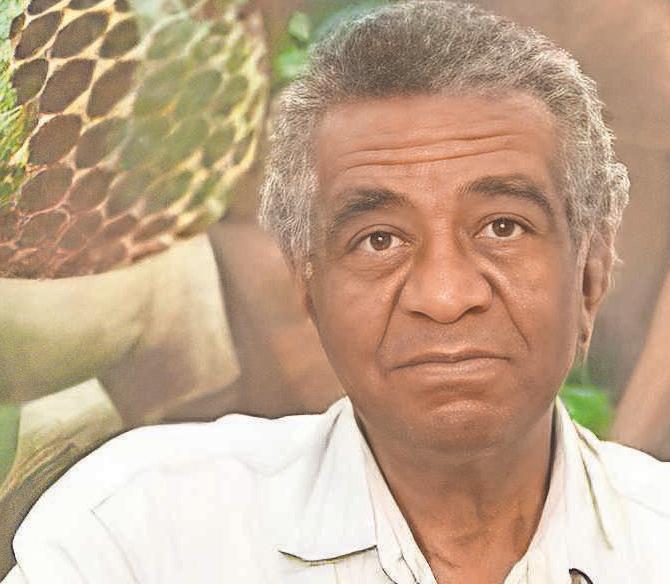


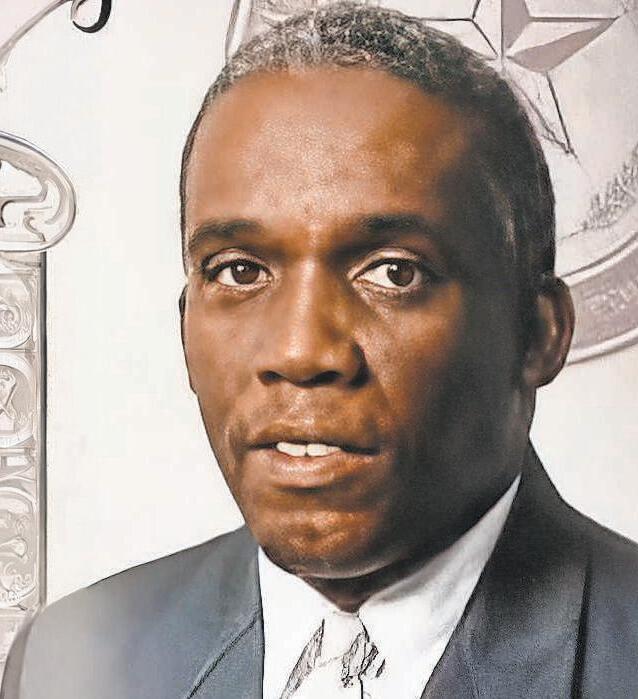



The confederacy seeks to rise again as Republican candidates across the South who are ‘election deniers’ champion positions that are near carbon copies of the confederacy of Civil War days. Credit: ABC7NY.
The original Confederacy was built explicitlyonanti-Blacknessandthepreservationofslavery.Andeventhoughapologists claim those confederates were all about states’ rights, the number one state right they fought for (and listed in their traitorous constitutions) was the right to enslave Black people
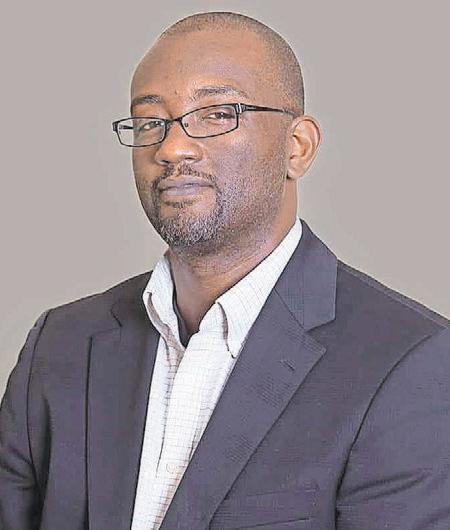
Today’s movement echoes that past by attemptingtodelegitimizeBlackvoters It wasnoaccidentthat2020electiondenierstargetedthevotingresultsofhigh-turnoutBlackcitieslikeAtlanta,Detroit, Milwaukee,andPhiladelphiawithclaimsoffraud.Thatwas the GOP saying loud and clear that Black votes and voters are illegitimate.
Theirplatformcentersonaggressivevotersuppression—a moderniterationoftheConfederatestancethatBlackpeople should hold no political power. In essence, they’re fighting for white nationalism.
Aheadofthe2026midterms,severalSouthernRepublican candidates who still “question” the 2020 election results are running for offices that oversee future voting procedures. Whilemainstreammediaoftenlabelsthem“electiondeniers,” a more accurate label might be confederates, or even white nationalists.
As activist Lurie Daniel Favors notes, communities must “voteforthecandidateswhowilleitherdoourcommunities the most good or the least harm.” In other words, voting againstthemodern-dayconfederacyshouldbeano-brainer
AtarecentWindsorBoardofEducationmeetinginConnecticut,NaomiChamplain,asixth-gradeBlackgirlatSage Prep Middle School, delivered a powerful message about systemic gaps in gifted-and-talented programs
Despiteanimpressiveacademicandcivicresume,Naomi wasonlyidentifiedasgiftedattheendofsixthgrade.“Iwasn’t identified in kindergarten or first grade, or second grade, or third, or fourth, or even fifth,” she said “I was identified at the end of sixth grade due to my parents advocating for me The identification was new. My abilities were not. That makes me wonder, how many years of evidence should it take before a child’s gifts are recognized?”
Her father, Malik Champlain, praised his daughter for
speaking truth to power, and noted that her experiencehighlightsalargersystemicissue: Blackgirlsremaintheleastrepresentedgroup in the district’s gifted program, per Windsor SchoolDistrictstats.
WhileNaomi’sparentssuccessfullyfought for her, many Black families face structural barriers—suchasinflexibleworkschedulesor economic realities—that prevent them from attendingboardmeetings.
This story underscores the urgent need for parents to advocate within existing institutions, while working toward building independent spaces wherethebrillianceofBlackchildrenisrecognizedfromjump
Texas ‘Christian education’ an oxymoron
The Texas State Board of Education is voting this week on a new curriculum that incorporates Christian texts and emphasizesaspecificinterpretationofTexasandU.S.history. Whileadvocatesclaimthesechangesappropriatelyhighlight Christianity’sroleinpromotingfreedomandcapitalism,critics argue the curriculum promotes religious favoritism and contains factual inaccuracies.
Beyond the curriculum itself, a stark contradiction exists between the state’s legislative actions and the biblical values it seeks to teach. Texas policymakers, and the “Christians” behindthispush,haveroutinelyopposedcivilrights,women’s rights, and assistance for vulnerable groups like immigrants and orphans—all tenets central to Christian teachings.
Furthermore,historical“Christiancontributions”toAmericanhistoryoftenobscurehowthedominantwhiteChristian church historically weaponized faith to justify slavery, voter suppression, misogyny, and systemic inequality While true adherents of Jesus’s message champion justice and human rights,theyarefrequentlytargetedbytheverywhiteChristian nationalists driving these educational mandates. Ultimately, the version of Christianity being pushed into public schools stands in direct opposition to the compassionate, equitable teachings of the faith it claims to represent.
ON THE WEB
• Tim Godfrey brings AFROVIVAL Gospel experience to Houston.
• America at 250: Time for white History Month.
• Manvel’s Esmeralda Salazar shifts from softball dreams to pediatric nursing.
ByTannisthaSinha
DowntownHoustonisabouttochange RemembranceParkwillsoonoccupythree cityblocksamidstthecity’scourthousesand government buildings. Championed by HarrisCountyCommissionerRodneyEllis, RemembranceParkisa memorial andcivic spacedesignedtoconfrontHouston’shistory of racial violence whilecreatingaplace for reflectionandcommunitygathering.
“Remembrance Park is aboutrememberinghonestlyand carrying that memory forward,” Ellissaid. “Byhonoringthe liveslost to racial violence andthose whofoughtfor freedomandjustice,RemembranceParkwill helpfuturegenerationsunderstandthetruth ofourpastandtheunfinishedworkthatstill shapesourfuture.”
Thepark’sconstructionis expected to begininthefallof2027andbecompletedin 2029,fundedthroughacombinationofpark bond funds, TaxIncrement Reinvestment
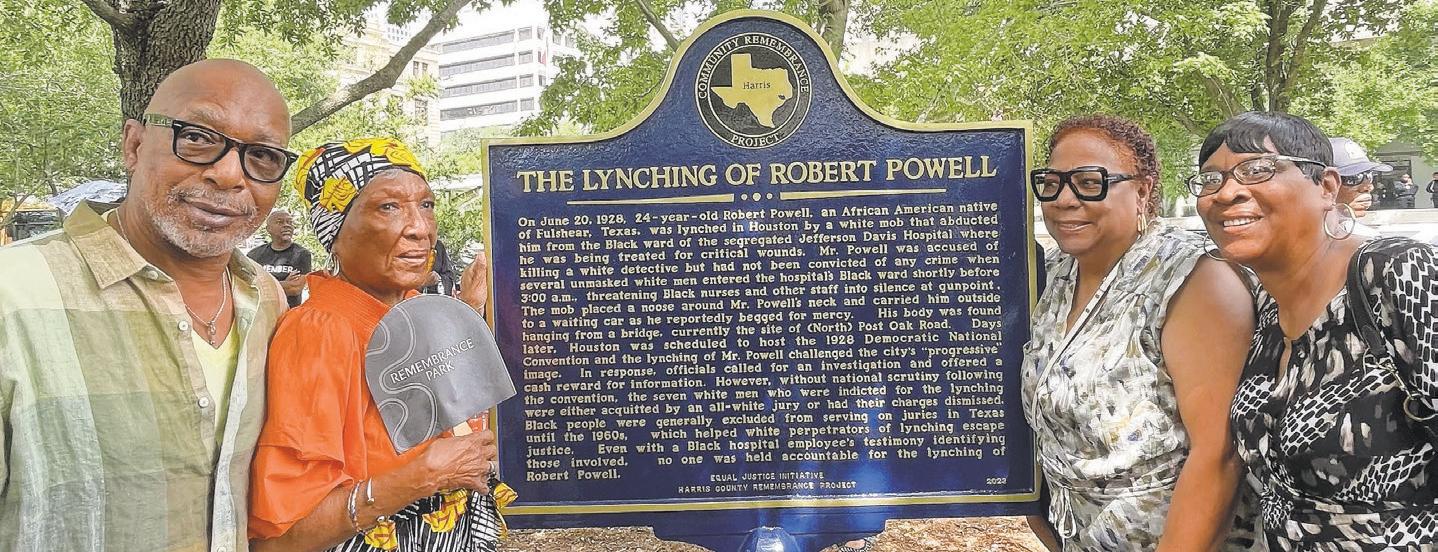
Descendants of lynchingvictim Robert Powell saythe memorial ensures painful family historiesare notforgotten. Credit:TannisthaSinha/Defender.
Zone (TIRZ)infrastructurefunds,hotel occupancytax funds, philanthropicsupport,andpartnerships.Itwilltransformland stretchingfromthe Harris County CourthousetoBuffalo BayouintowhatEllis says will bear testamenttothe ongoingpursuit of justice
HistoricalmarkersandaFreedomMarker


commemoratingfourHarrisCountyvictims of lynching,JohnWalton, Burl Smith, John White, andRobertPowell, serveasfocal pointswithinthepark.
ImportancetoHouston’sBlack community Dr.RuthSimmons, former presidentof
BrownUniversityand PrairieViewA&M UniversityandthePresident’sDistinguished Fellow at Rice University,saidprojects like RemembranceParkare essentialatatime when historyisincreasinglycontested ElliscreditedSimmons,whoisservingas theprincipal strategicadvisor forthe park perEllis’office,withhelpingshapetheproject’scommitmenttoconfrontingHouston’s history.
“Toestablish RemembranceParkhelps usmoveforwardtogether,drawingstrength from thefactthatwedosoinacknowledgingwhere we have been,creatinga place forcommunity reflection,” Simmonssaid. “Creatingsuchaplaceofcommunityreflection andanongoing recommitmenttothe powerful values of truthand justice is a supremelyimportant gift to this multi-ethnic internationalcitythatwelove.”
Seevideo interviews with lynching victim descendantsatDefenderNetwork.com

Stay connected duringextreme weather and storms with CenterPoint Energy’s PowerAlert Service. Gettimely update sent straight to your phone, tablet or laptop throughcall, te oremail whenever your homeorbusiness is affected.
POWERALERT SERVICEPROVIDESUPDATES FOR:

Keep familymembers,caregivers, friendsand others in the loop by adding them to your contactlist. PowerAlert Service cansendupdates to multiple phone numbersand email addressessoeveryonewho needstoknowstays informed.

ByStacyM.Brown| BlackPress USA
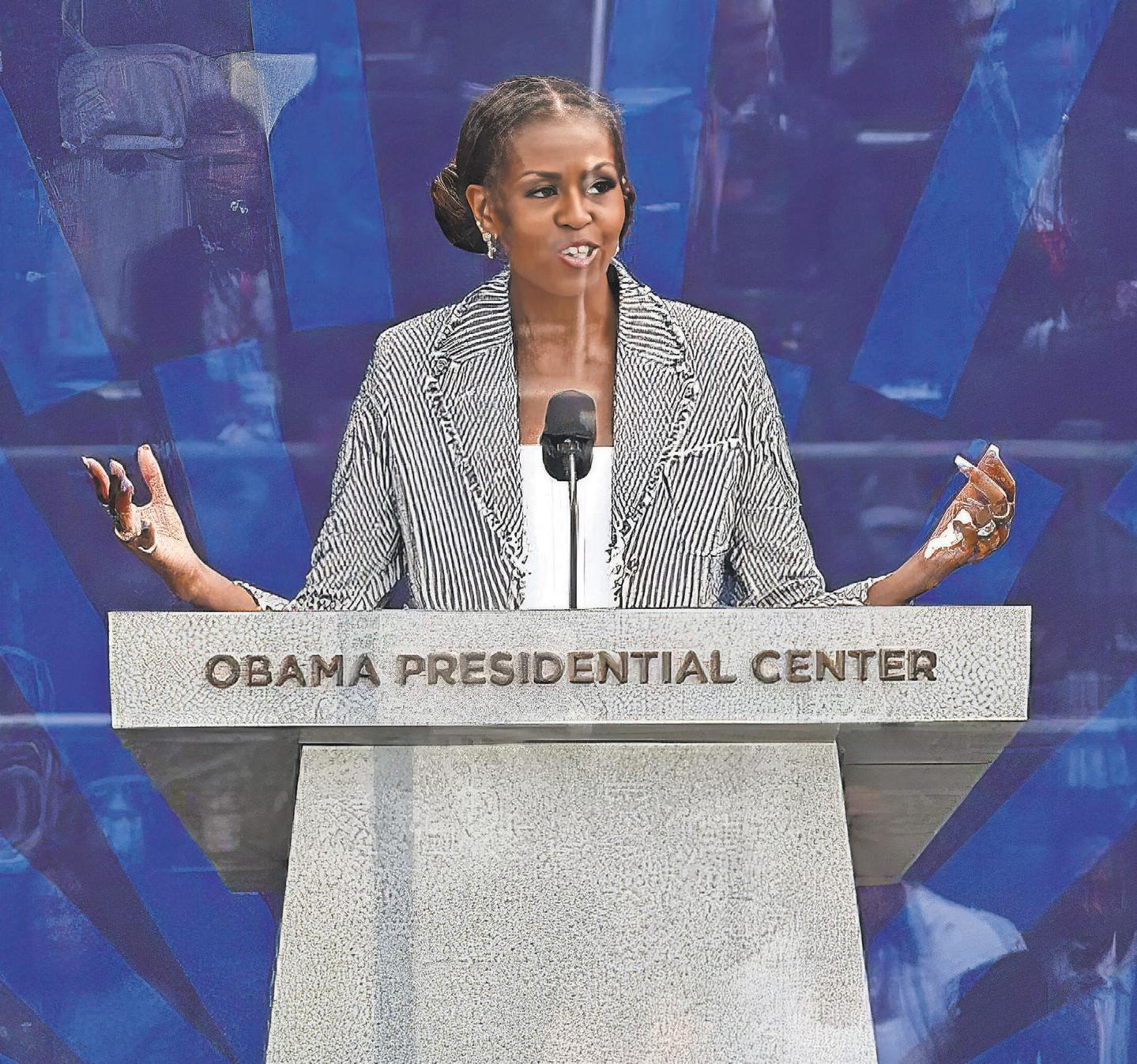
Standingbeforethousandsgatheredforthe opening of the Obama Presidential Center, MichelleObamacelebratedwhatthesprawlingcomplexrepresents,notingthatit’smore thanamonumenttoaformerpresident.
The former first lady made sure to acknowledgethecountry’sunfinishedwork
“The Obama Presidential Center is a living testament to the power of choice, y’all,” Obamasaidduringtheceremony.“Thisisan historicexamplethatmillionsofyougavethe world about what this imperfect democracy has strived for and achieved And an urgent calltogooutthereanddoitagain.”
Her description of the United States as an “imperfectdemocracy”touchedonaquestion thathasfollowedthenationsinceitsfounding, andonethatisreceivingrenewedattentionas Americaapproachesthe250thanniversaryof theDeclarationofIndependence.
For some historians, educators, and civil rights advocates, the anniversary presents an opportunity not only to celebrate the country’s achievements but also to examine the contradictions that have shaped its history For Obama and many of the attendees, those contradictions are difficult to ignore Thomas Jefferson penned the Declaration ofIndependence’sassertionthat“allmenare created equal” while enslaving hundreds of peopleatMonticello.TheConstitutionestablisheddemocraticprincipleswhilepermitting slavery.
After the Civil War, formerly enslaved Americans were promised 40 acres and a mule as part of an effort to build economic independence,onlytoseethosecommitments abandoned.Morethanacenturylater,abolitionistFrederickDouglass’swordscontinueto resonate.Inspeechesandwritings,Douglass repeatedlychallengedAmericanstomeasure thenation’sactionsagainstitsideals,arguing that the country’s founding principles could notbeseparatedfromthetreatmentofBlack Americans.
One commentator wondered whether some resistance to racial progress is rooted inafearthatthosewhohavehistoricallyheld
power could one day experience the same exclusion and discrimination once imposed onothers Anotherexploredwhetherequality itselfissometimesviewedasathreatbecause itchallengeslongstandingassumptionsabout who belongs at the top of society and who doesnot.ThatquestionhasappearedrepeatedlythroughoutAmericanhistory.
From Reconstruction to the Civil Rights Movement and into the present day, opponents of racial change have often expressed concernsthatexpandingrightsforonegroup would come at the expense of another. Civil rights leaders, including Douglass, argued instead that democracy works only when rights are expanded rather than restricted TheObamaPresidentialCenterunitesthose competingvisions
VOLUME 95, NUMBER 36 - JUNE 25, 2026
Itsveryexistencereflectsalevelofprogress that earlier generations could scarcely have imagined As Michelle Obama so poetically described,thecenterrecognizesachievement withoutignoringfailure.Itcelebratesprogress withoutdeclaringvictory.Anditsuggeststhat democracyisnotadestinationreachedonce andforall,butanongoingstruggleoverwho is included, who is heard, and whether the nation’sactionswillultimatelymatchitsideals.
“Failing to see the humanity in all people puts us all on a slippery slope, and once that slide starts, there’s no telling where it stops,” Michelle Obama remarked “A dangerous precedent that flies in the very face of our faith and of the founding promise of this democracy:thatallofus Allofusarecreated equal. That each of us is a child of God with
inherentvalue.Andthatnoone,andImean noone,hastherighttositinjudgmentofwho isAmericanenough.”
Some observers noted that the Obama Center’s 19-acre footprint falls well short of the 40 acres once promised to formerly enslaved people after emancipation, a comparisonshowinghowdiscussionsaboutrace, opportunity, and citizenship remain intertwinedwiththenation’shistory.
Inadiscussionaboutdemocracy,oneindividualcomparedthenationtoaboxerwaking up after being knocked to the canvas After smelling salt, the fighter comes to and looks around,askingasimplequestion
“Whathappened?”
The metaphor speaks to questions that have followed the country for generations. What happened to the promises made to Indigenous people who inhabited the continentbeforeEuropeansettlement?Whathappenedtotheidealsofequalityarticulatedby Jeffersonwhileslaveryremainedlegal?What happened to Reconstruction-era commitments intended to help formerly enslaved Americans build economic security? Those questions remain at the center of modern discussionsaboutdemocracy.
Atthesametime,theObamaPresidential Center stands as evidence of changes many once considered impossible The election of Barack Obama as the nation’s first Black president represented a milestone unimaginable to generations of Americans who livedunderslavery,segregation,andlegalized discrimination.
As the nation prepares to mark its 250th birthday,whetherAmericansviewthesetensionsasflawsorasdefiningcharacteristicsof thenationmayultimatelyshapehowthenext chapterofitshistoryiswritten.
“Hope is all we have, because hope is the essential spark that lights the fire of change,” MichelleObamastated “Buthopeisachoice Whetherornotweuseourvoicestospeakup isachoice Votingisachoice Beingadecent humanbeingisachoice Believingthatwestill holdthepowertobuildacountrythatreflects usallisachoice.”


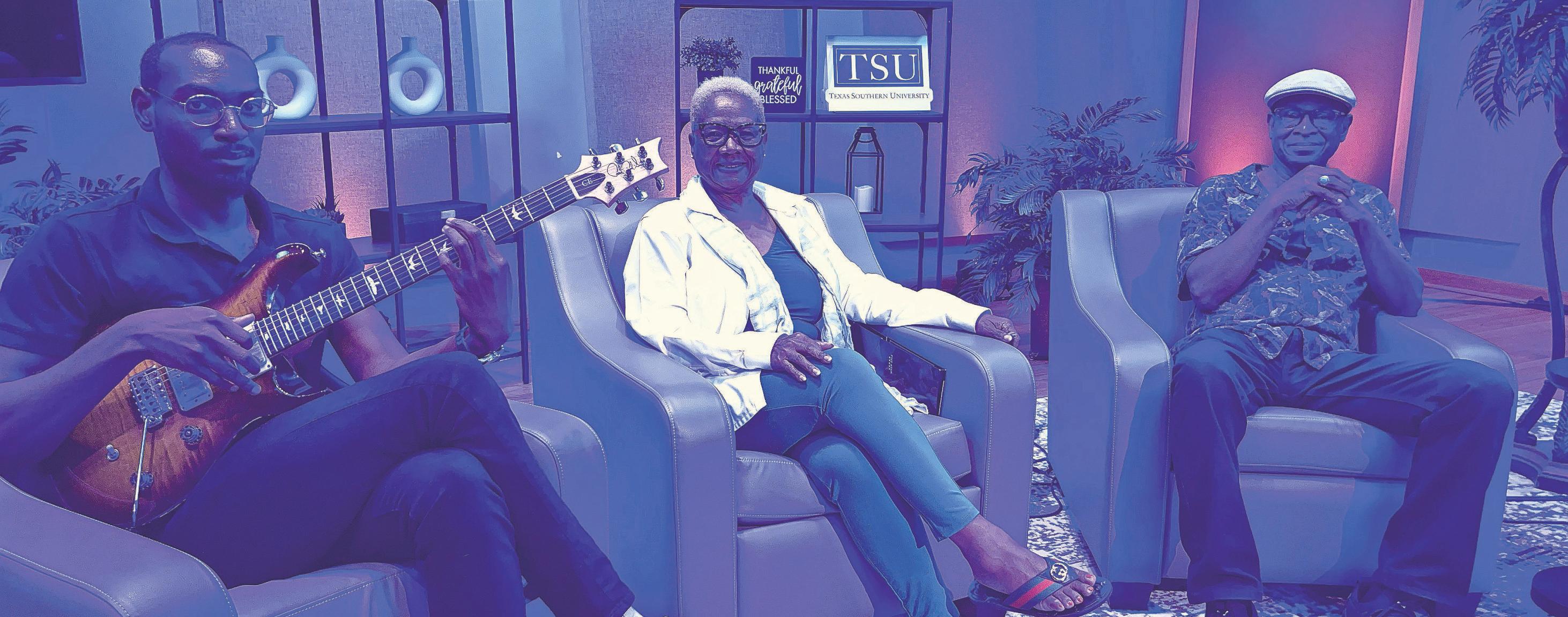
Musicians say the city has not fully embraced or promoted itsblues legacy. Credit: Tannistha Sinha/ Defender.
By Tannistha Sinha
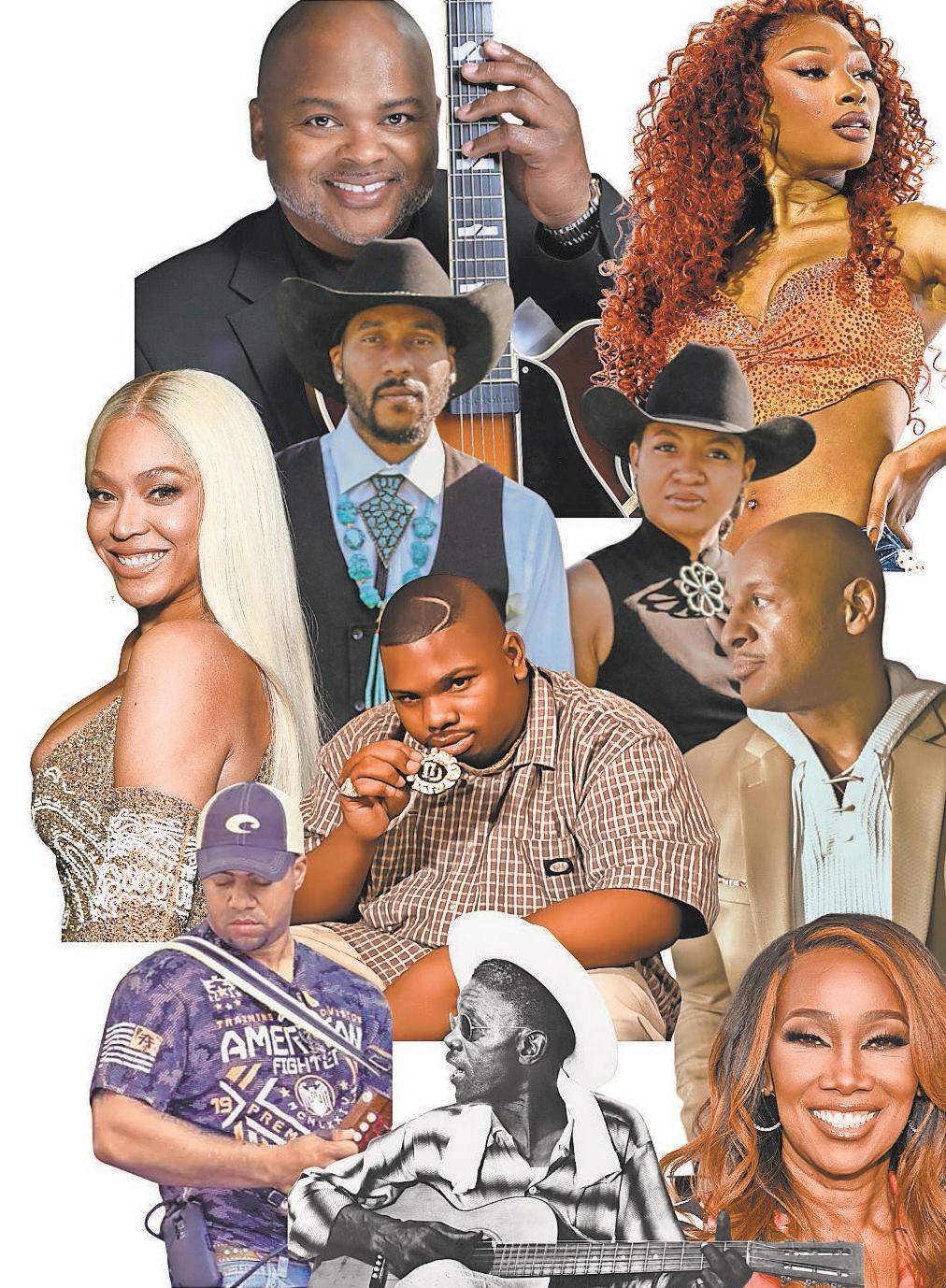
Long before Houstonbecame synonymous with Beyoncé, hip hop, R&B andgospel, it wasone ofAmerica’smostimportantblues cities.
FromtheThirdWardandFifth Ward to Frenchtown andSunnyside,Houston’s Blackneighborhoodsnurturedgenerations of musicianswhoseinfluencereached farbeyondTexas. Artistssuchas Sam“Lightnin’”Hopkins,Clarence “Gatemouth”Brown,Big Mama Thornton,Bobby “Blue” Bland, GradyGaines, andTexasJohnny BrownhelpeddefineaGulfCoast blues soundrootedinmigration, faith, hardship,and storytelling.
Yetdespitethatrichhistory, many musicianssay Houstonhas failed to preserve andpromote its blues legacy.
HoustonBlues Society board member Sandra Harper Scott, musician Leonard“Lowdown” Brown, and2023 International Blues Challenge winner Mathias LattintoldtheDefenderthatwhile dedicated audiences stillsupport blues festivalsand performances,
muchofthecity’smusicalheritage hasfaded from public memory “Whentheartists,thelisteners, or thepurveyors of this genreof musicfailtotellthe stories and tellthemconsistentlyinthemedia or in schools, then it is filtered, watereddownand unfortunately forgotten,”Scott said.“Overall, thecityofHouston,for whatever reason,evenwithour arts population,artscommunity,justhas notdonea good jobofmaking ourblues historystories known, notjustinthecity,butbeyondthe city boundaries.”
Whereis thevisibility?
Lattin believes theissue is not alackofhistory buta lack of visibility.
“The ironyisthatHouston’s bluescredentials rivalthose of cities more commonly associated withthegenre,”hesaid,notingthat venues willingtosupport blues often do so outofpassion rather than profit
Houston’sblues rootsgrew duringthemid-20thcentury,when BlackSoutherners migratedfrom
Louisiana, Mississippi, East Texas andelsewhere in search of industrialjobs. Theybrought musical traditionsthatblended country blues, gospel,jazz, zydeco and rhythmandbluesintoadistinctly Houstonsound
At thecenterofthatscene wasDon Robey’sDuke-Peacock empireintheFifthWard.Peacock Recordsand theBronzePeacock Ballroombecameamongthemost influential Black-ownedmusic institutions in America, recordingartists such as “Gatemouth” Brown, BigMamaThornton, Bobby“Blue”Bland,and Junior Parker whilealsodevelopinga majorgospeldivision.
“EvenDukePeacock’s is definitelyforgotten,”Lattinchimedin.
Formanymusicians,thefading visibility of Houstonblues is tied notonlytohistoricalamnesiabut also to thedisappearance of the venues that once sustainedthe culture.
Brown, whohas livedinHoustonsince 1981, remembersa city with farmoreopportunities for blues musicians.
“WhenIdid move here,the bluesscenewas alot bigger,” Brownsaid. “There were more venues…a lotofthe venues have alsodisappeared.Sotherearen’tas many places to play.”
He said many venueowners struggledfinanciallyduringthe COVID-19pandemic,whilesome musiciansleft Houstoninsearch of better opportunities elsewhere.
Thehistory of Houston blues
Browntraces Houston’sblues traditiontothe migrationofBlack families during the1940s and 1950s.Manysettled in historic neighborhoodssuchasthe Third Ward,where theEldorado Ballroomopenedin1939andbecamea culturalhubforBlackHoustonians.
Thevenuehostedlegendsincluding B.B. King,Ray Charles, andJames Brownwhile providinga stagefor localtalent.
Still,Scottarguesthatbluesculture remainsembeddedinBlack communities.
“Thosekidswhohavegrownup have heardthose songsbefore; it’s notnew to them,”she said.“Blues hasalwaysbeeninterjected in the Blackculture in ourneighborhoods,justlikegospelmusic.That’s howitcontinues to perpetuate.”
Lattin experiencedthattradition firsthand.RaisedinHouston andeducatedatthe High School forthe Performing andVisual Arts, he learnedbywatchingveteranmusiciansperform at local clubs.
“IwouldseeJohnDelToroRichardsonperformeveryWednesday nightandIwouldgetupthereand jam,”hesaid. “I wouldlearn from peoplelikeLarryEvans,whoused to play with ‘Gatemouth.’”
Ultimately,Scott says blues is a living record of Blackhistory and culture.
“Bluesisstillastory,”Scottsaid. “It’sstill tellingastory that came from theAfricans.”
Othervenues, including Club Matineeand theBronzePeacock,helpedyoung musicians learndirectlyfromexperienced performers.Asthose spaces disappeared, so did many opportunities formentorship.
By ReShondaTate
Before Houstonbecameknown for Beyonce’,raplegends,sold-outstadiumtours andplatinumrecords,its soundtrackwas beingcreated in church sanctuaries,neighborhood juke joints, Creole dancehalls,and family gatherings acrossBlack communities.
Thesoundsweredifferent,butthemission wasoftenthe same
During BlackMusic Month, Houston’s musical identity stands amongthe nation’s most distinctive. Whilecitiessuchas New Orleansare knownfor jazz andNashville for countrymusic,Houston developeda soundscaperootedinmultipleBlack traditions Blues,gospel,zydeco,jazz,R&B,andchoppedand-screwedhip-hopallemergedfromdifferentcornersofthecity,yettogethertheytellthe storyofBlack Houstonitself.
“Music hasalwaysbeenone of theways BlackHoustonians documented theirlives,” said DonnaFranklin, programdirectorat KTSU-FM. “Music has away of healing, of soothing, of taking youonawhole different planeinyourmind, someplacethatisnice that’speaceful.”
FromEastTexasbluesmusicianstochurch choirs,Creoledance halls, andslabculture each generation of BlackHoustonians added anew layertothe city’s soundtrack. Together thosesoundscreatedaculturalidentityunlike anywhereelseinAmerica.
The bluesbuilt the foundation
LongbeforeHoustonbecamearapcapital thebluesprovidedthecity’smusicalbackbone AsBlackfamiliesmigratedfromruralEast TexasandLouisianaintoHoustonduringthe earlyand mid-20th century, they brought withthemthesoundsofTexasblues.Musiciansperformed in neighborhood clubs, bars,and gatheringplacesthroughouthistoricallyBlack communities
Leonard“Lowdown” Brown, oneofHouston’slongtimebluesmusicians,saidtherootsof Blackmusiccanbetracedbacktospiritualsand fie dsongssungbyenslavedAfricans
“MostBlackmusicderivesoutofthegospel oroutofthefields,whattheycallfieldhollers,” Brownsaid. “Then theblues kind of evolved from that.”
Houstonwould eventually become home to legendssuchasLightnin’ Hopkins, Big Mama Thornton, Bobby“Blue”Bland,Clarence“Gatemouth”Brown,andAlbertCollins, helpingestablish thecityasamajor forcein bluesmusic
“The blues wasn’t just entertainment,” Franklin said.“It wasnews. It wastherapy Itwas storytelling of one’slife, thetrials, the tribulations,the good times, thebad times, allofit -beforemanypeoplehad accessto otherplatforms.”
Theinfluence of blueswould laterecho throughnearlyevery majorHouston sound that followed
The church createdgenerationsof musicians
Whileblues-filledclubs were taking shape everySaturdaynight,another musicaltradition wastakingshape everySundaymorning. Forgenerations of Black Houstonians,
thechurchservedasthe first stage. Choirs,praiseteams,andchurchmusicians developedvocalists whowould latermove into gospel,jazz,R&B,and popularmusic The disciplineofrehearsals, harmony, and performancecreated apipelineoftalentthat continues to this day.
Many of Houston’smostcelebratedperformerslearned their craftbehindchurch pianos,inyouthchoirs,orwatchingministers of musicleadcongregations.
“I thinkour countryisinthe middle of contendingfor thestories: Whogetstotell them, whogets to contextualize them, who gets to read meaningintothem,”saidHoustonianandGrammy-nominatedgospelartist BrianCourtneyWilson. “Gospelmusic has always been ameans to tellingthatstory.It uses words, anditgoesbeyondwords.”
Formanyartists,theBlackchurchwasone of Houston’smostimportant musicaltraininggrounds.Beyondcreatingperformers, gospel music became asourceofstrength during segregation,economichardship, and socialchange.Itofferedhopewhilereinforcing community bonds.
Houston’sgospellegacyincludesartistssuch as YolandaAdams,Kim Burrell, JamesFortune,andWilson,allofwhombuiltuponatradition that remains
deeplywovenintothecity’sculturalfabric.
Zydeco found asecond home in Houston
If gospel filledchurchpews, zydeco filled dancefloors
Houstonishometoone of thenation’s largestCreolepopulationsoutsideLouisiana, thanks largely to generationsoffamilies who relocatedfromsouthwestLouisianainsearch of jobs andopportunity.They broughttheir culturewiththem.
Accordionmusic,washboards,Creoletraditions, andzydecodances became fixtures across Blackcommunities, particularly on Houston’snorth andnortheast sides.
Weekenddancesbecamefamilyaffairs, withmultiplegenerationsgatheringtocelebrateheritagethroughmusicandmovement
“Houston is doinganexcellent jobin preserving theZydecoculture because Zydeco wasa Southern type bill,especially fromLouisiana.NowZydecoisglobal,”said Franklin
Today, zydeco remainsone of Houston’s most unique culturalconnections,blending Louisianaroots with Texasidentity while
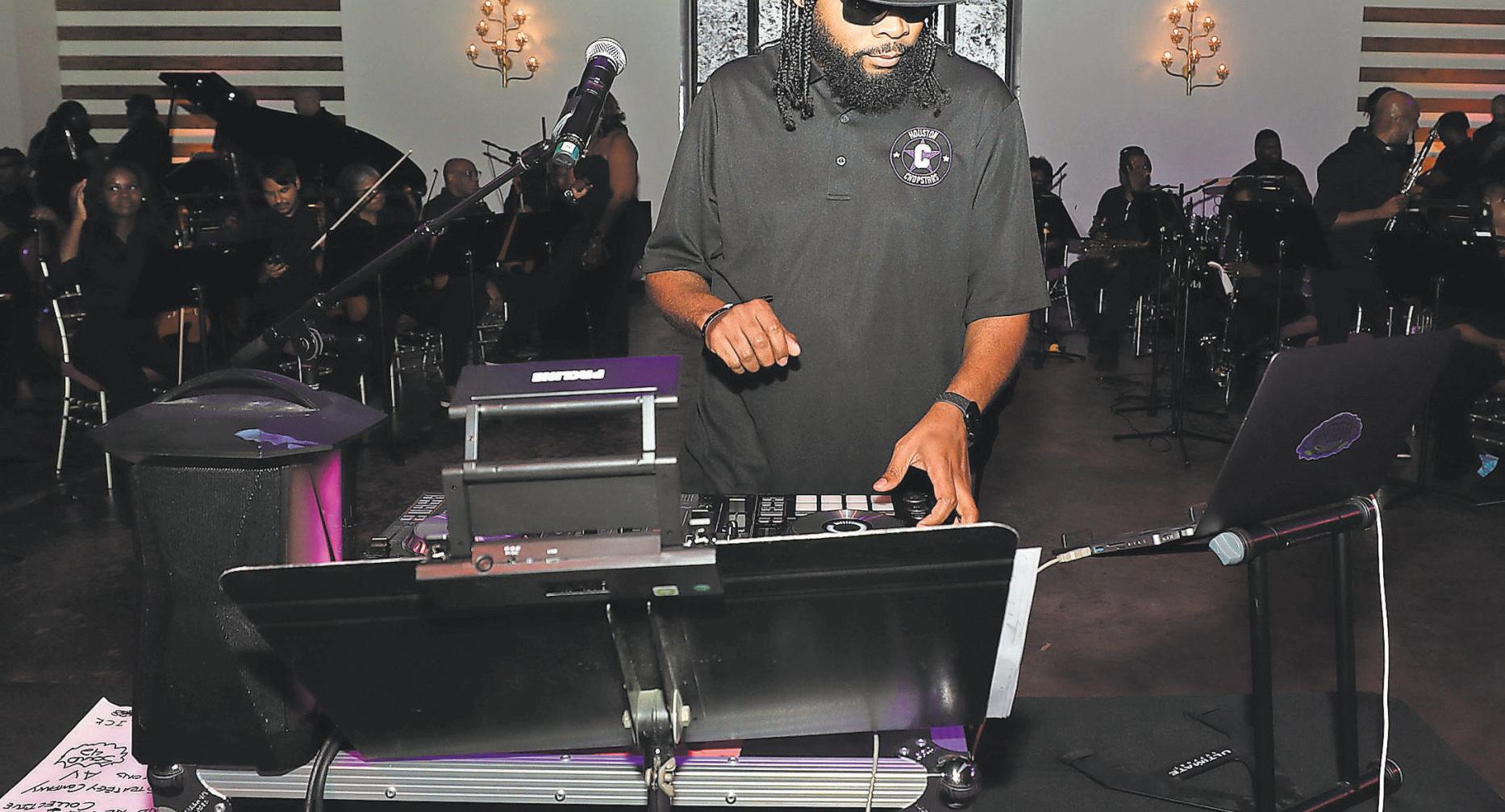
DJ Candlestick performedas CrownRoyal celebrated Chopped& Screwed Music In Houstonat TheRevaire on June 28,2022 in Houston, Texas. Photo byBobLevey/ GettyImages forCrown Royal.

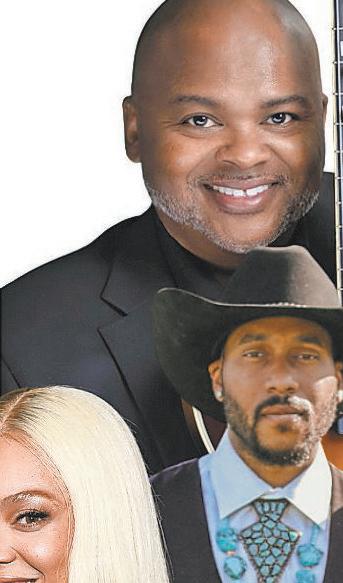
impact helped cementthe city as a significant,thoughoftenoverlooked, centerofBlack musical excellence


Jazz connected HoustontoAmerica
Whileblues andgospelwererootedin neighborhood churches andclubs,jazz connectedHouston musicianstoanational movement
Houston’sroleinjazzhistoryisoftenovershadowedbycitiessuchasNew Orleans, Chicago,andNewYork.Yetmusichistorians argue thestory of American jazz cannot be fullytoldwithout Houston.
“There’snoway to tell thestory of AmericanjazzwithouttellingthestoryofHouston, Texas,andtheartistswhohavebeenfrontand centeratevery stageofjazz’s development,” saidTierneyMalone,hostofKPFT’s“Houston Jazz Spotlight.”
AmongHouston’s most influential contributionswasTheCrusaders,originallyknown as The Jazz Crusaders. FoundedbyHouston nativesJoe Sample,Wayne Henderson, WiltonFelder,andStixHooper,thegrouphelped bridge jazz, soul,and funk,influencinggenerations of musicians.
Houstonalsoproducednotablejazzfigures, includingArnettCobb, Hubert Laws,and legendary educator Conrad Johnson, whose
R&B gave Houstonits groove
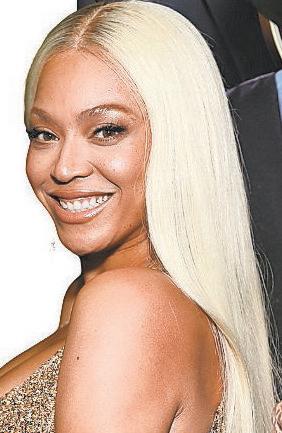
As Black-owned clubsand radio stations flourished, Houstondeveloped athrivingR&B andsoulscene. Thecity’ssmoothsoundreflectedboth Southern rootsand urbansophistication.Globalsuperstar,Beyoncé reps Houstoninher music. Localmusicians filledloungesand nightclubswhile radio personalities introducedaudiencesto emerging artistsand trends
Neighborhood venues became gathering placeswheremusic,fashion,andcommunity lifeintersected
“R&BwasthesoundtrackofBlackHouston nightlife,”Franklin said.“People fell in love to it.They danced to it.They builtmemories around it.”
The genrehelpeddefinegenerationsand laid thegroundworkfor artistswho would eventually carryHouston’s influence onto thenationalstage
Then Houstoncreated asound all itsown
Everymajor city haship-hop.Houston changedit.
In the1990s, thelateDJScrew developed astyle that slowed recordsdown, deepened basslines,andtransformedfamiliarsongsinto somethingentirelynew
What beganasa localinnovationevolved into aglobalmusical movement
FormanyHoustonians,chopped-andscrewedmusic wasn’t simplyaproduction technique. It reflected thecity’sculture,car scene, andlived experiences. Thegenre becamesynonymouswithslabculture,neighborhoodpride,and Houstonidentity




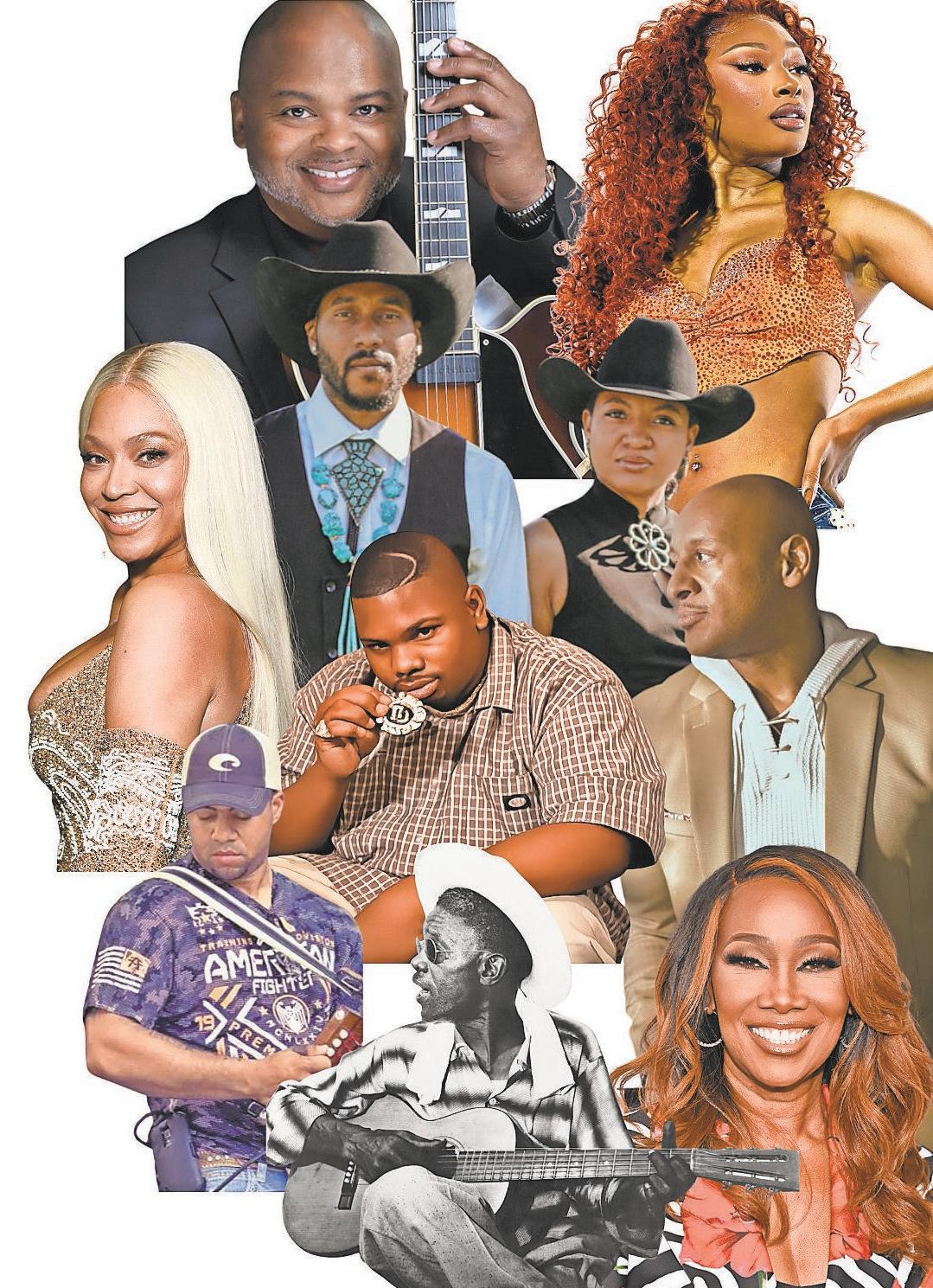
Houston’shiphoplegacyextends farbeyond DJ Screw. ArtistssuchasScarface, BunB FatPat,SlimThug,MikeJones,andTraeTha Truthhelpedcreatea soundand culturethat influenced musiciansworldwide
The impact of hip-hop remainssosignificantthatinstitutionssuchasthe Houston Museum of AfricanAmericanCulture have dedicatedexhibitionsand programming to preserving itshistory
Thefutureofmusic
AsHoustoncontinuestogrowandchange, many culturaladvocates worryabout the future of thespacesthathelpedcreatethese musicaltraditions. Historic venues have disappeared.Neighborhoodshavetransformed Youngergenerations oftendiscoverlocal music historythrough social mediarather
than firsthand experience. Yetmusicians,historians, andcommunity leaderscontinueworking to preserve thelegacy.
MathiasLattin, winner of the2023 InternationalBluesChallenge,saidpreservingthe music requires more than simplylisteningto oldrecords
“They allteach thenextgeneration,”Lattinsaidofolderbluesmusicians.“Withsocial media,peoplecanlearneverythingonline,but thereare fewerplaceswhere youcan go sit withthepeoplewholiveditandlearndirectly from them.”
ForFranklin, themissionissimple. “Thereissomuchtalent,whetherit’sgospel, jazz,R&B,blues,Zydeco,outofHouston,that youcan’t stop it.”
By Tannistha Sinha
Across Houston’s Downtown corridors and through the heart of Third Ward, Dr John Biggers’s art watches over the city Biggers’ works live on in The Return, painted across the Harris County Juvenile Detention Center, in Ghana Dancers, in which two women are seen dancing in celebrationofaharvest,andinThe Stream Crosses the Path, where Black women are rendered as cosmic forces.
Since 1949, Biggers’ murals have lined thecorridorsofTexasSouthernUniversity, wherehefoundedtheartdepartment More thantwodecadesafterhisdeath,thestories of African heritage and Black resilience he createdthroughhisartstillresonateamong Houstonians.
Born in Gastonia, North Carolina, in 1924,BiggersarrivedatHamptonInstitute in 1941 with plans to become a plumber. WhathefoundinsteadwasViktorLowenfeld, an Austrian Jewish refugee who had fled Nazi persecution.
TheencounterwastransformativeasBiggerslaterfollowedLowenfeldtoPennsylvaniaStateUniversity,earningbachelor’sand master’s degrees in art education in 1948 and a doctorate in education in 1954
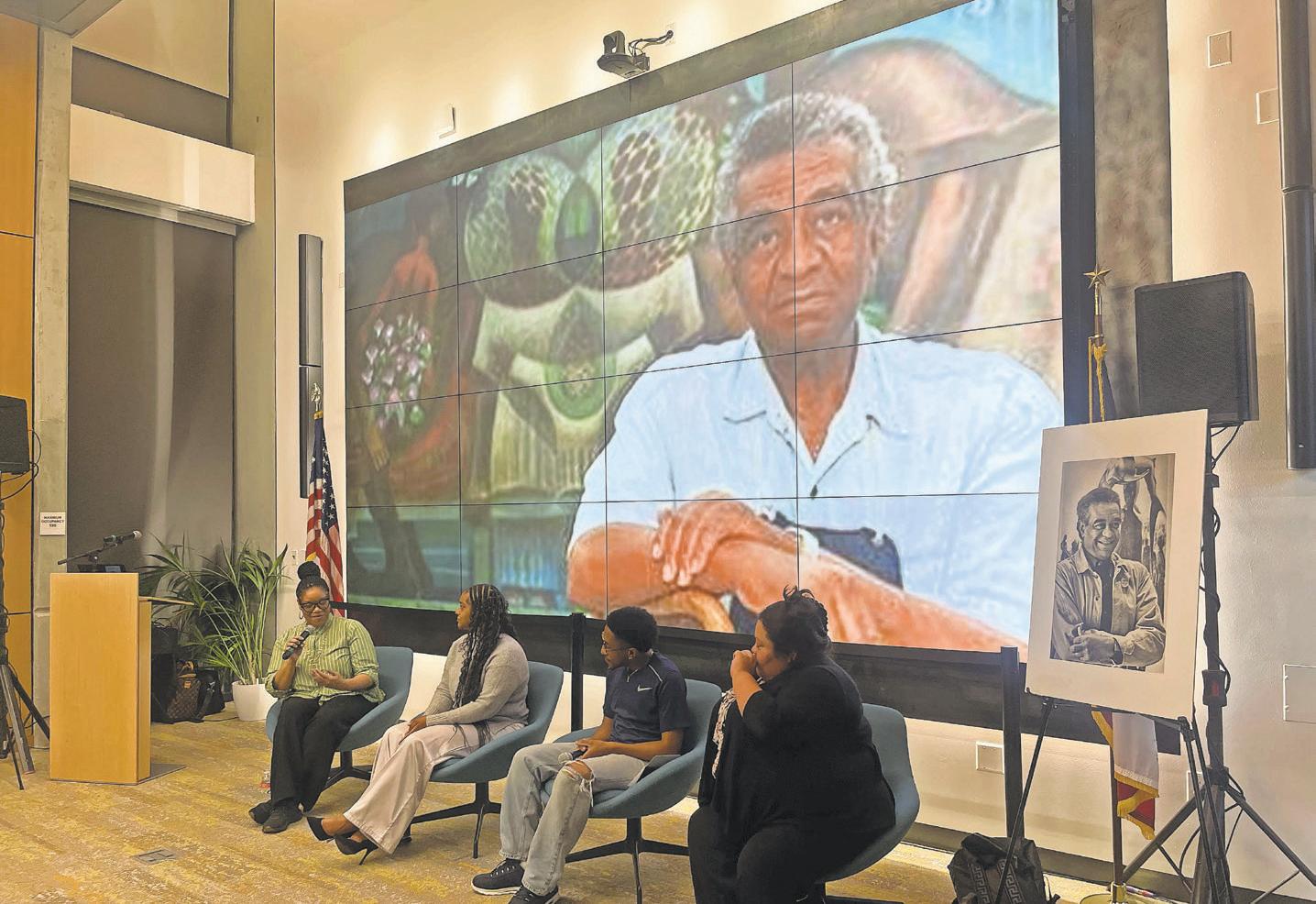
Rita Reyes, a graduate fellow who has spent years researching Biggers’ life, described what happened next during a panel discussion organized by Harris County Commissioner Rodney Ellis.
“Lowenfeld’s goal was to promote art as a tool for oppressed people to connect withtheirculturalidentityandgainself-esteem,”Reyessaid “Heencouragedstudents to record in their art the disappointments and joys of life in the Southern Black community.”
By 1949, he had moved to Houston.
His impact on the TSU campus and Houston’s broader cultural landscape remains palpable
Kamilah Davis, an intern for the University Museum and an art major at TSU, described the experience of walking through the campus daily.
“The legacy of Dr Biggers means for me, especially as a Black woman, to be the embodimentofstrength,focus,dedication, working with the history and preserving Dr Biggers as well as the alumni,” Davis said “Itdefinitelytaughtmealotaboutmy major. Walking across campus and seeing the artwork, seeing the murals, seeing the sculptures…Itjustmakesyoureallyappreciative of where you come from and also seeingtheembodimentoftheancestors,the
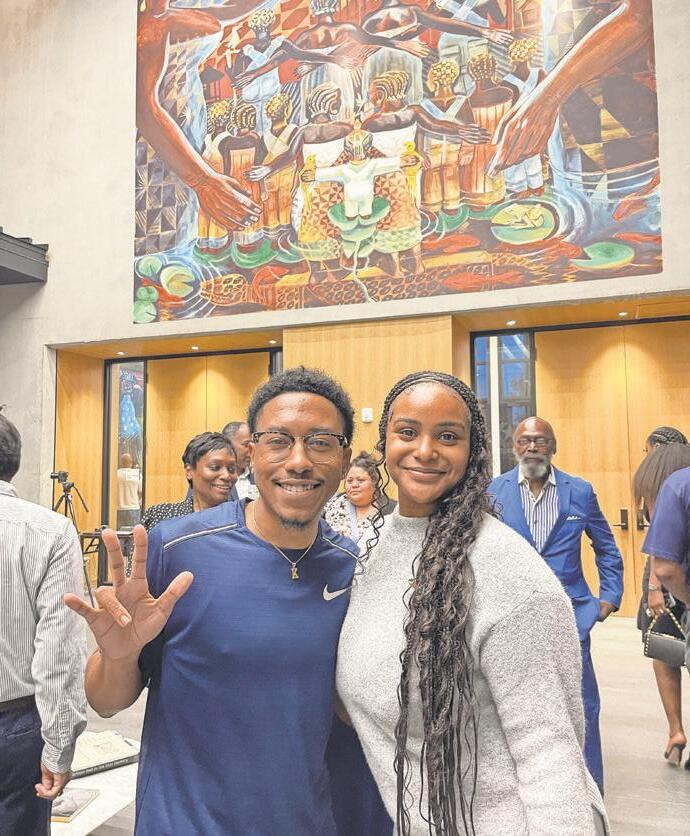
Texas Southern University students Kamilah Davis and Ken
said Dr. John Biggers’ work inspires pride for Black students on campus. Credit: TannisthaSinha/Defender
Blackmen,theBlackwomen.It’sdefinitely a powerful legacy that he held.”
Biggers’ career unfolded against the backdrop of American segregation. In 1950, he won a contest at the Museum of Fine Arts for his work titled The Cradle The museum allowed Black people in only on Thursdays and did not allow Biggers to attendthereceptionheldinhisownhonor.
Overtime,Biggers’muralsbecamemore abstract,featuringsymbolsofBlackculture, such as shotgun houses and churches
Ashura M. Bayyan, an art advisor and studentattheUniversityofHouston-Downtown,describeditasBiggers’abilitytocompose stories through his paintings.
“HeisthemostinfluentialBlackartistin theSouth,”BayyantoldtheDefender.“Most oftheartiststhatareleadingthevanguard here in Houston are descendants of him, eitherdirectlyorindirectlythroughTSU.”
Murals as monuments
Biggers’muralsarewidelyconsideredas manifestos for Black identity
Ellis, a TSU alumnus who has a replica ofaBiggersmuralinhisofficebuildingand hosted a celebration in Biggers’ honor this year, spoke fondly of his legacy.
“Hestoodupwhentheoddswereagainst him,”Ellissaid “Weshouldbeinspiredby his willingness to stand up in the ’50s We ought to stand up in 2026.”
Biggers’workattheBlueTriangleCommunity Center, titled The Contribution of Negro Women in American Life and
Education,tellsasimilarstoryofartasalife raftforinstitutions Theworkwasdamaged whenwaterfromHurricaneHarveyentered the building through its leaky roof
SylviaTerry,aboardmemberofthecenter, explained that the building might not still be standing without it
“Without his painting…that building wouldn’tbestandingrightnow,”Terrysaid “Thatpaintingiswhatmadepeoplewantto contribute to it.”
When the painting was damaged, conservators from Washington, DC, came to restore it
Today, it still draws donors and visitors,
Terry said BiggersdiedofaheartattackinHouston on January 25, 2001, at 76
But his murals remain etched into the daily lives of Houstonians, adorning the sides of buildings and university hallways
“Definitely walking across campus and seeingtheartwork,seeingthemurals,seeing the sculptures, it just makes you really appreciative of where you come from and also seeing the embodiment of the ancestors, the Black men, the Black women, ” said Ken Jackson, a senior Art major and Museum Studies minor. “He held a powerful legacy.”
By LauraOnyeneho
Before Richelle Gemini couldwrite a verse,shehadalreadylearnedhowtocommandaroom.Bythetimeshewasfouryears old,shehadmemorizedhermother’sfitness tapes,andhermother,aformerhomecomingqueen andheadcheerleader from Port Arthur,tookthatasa sign.
Ballet classesfollowed. Thenpageants, modeling, speechand acting classes, tennis, andSundaymornings leadingpraise danceatherfather’schurch.Whenballetgot tooexpensive,she did notquit. Shestarted teachingthe othergirls at church what she hadbeenlearninginclass,weaving ballet intothechoreographyofpraisedancewithoutmissingabeat.
productions.Shewroteamonologueforan AlphaPhi Alphaevent,performed it,and leftthestagetoaroomfullofpeoplecalling hera poet. Shedisagreed Twoclassmatesputhernameonanopen miclistwithouttellingher.“Idon’tlikethat word,” shesays, recounting themoment someonetoldher nottobescared. Gemini gotup, performed, andnever looked back. By 2010, shewas competingatslampoetry nationalsaftera Dallas poet convincedher thattheshowhehadinvitedhertowasactuallytheregionalcompetition.Collegebookingsfollowed,andsherealizedshecouldget paid forher craft.
“I learnedyou don’thavetorhyme anymore.You cantakethissmall thingand
make it into abig thing. My brainwas opened up to awhole otherspan.”
What followed were yearsofexpansion andhardpivots. Shediscoveredmid-run that shewas pregnant,moved back to Houstonafterher relationship ended,andbecameamotherof twoboys, Lincolnand AJ,who were just 10 months apart.
totakeawayabeat,especiallywhenIdidn’t even askfor it.”
Becauseshe stayed true to herself, doors opened that theindustrywouldn’t have unlocked,suchaslecturesatRiceUniversity andtheUniversityofHouston, schoolresidencies,andtheatricaltours
Learnabout Richelle’s upcoming projects
oconfidentonstage, ike, they [parents]
“PeopletellmeI’msoconfidentonstage” Gemini says. “I wasl made me do it.”
Gemini’spassionfor earlybytwo keyteach Marila,instructoratt StarsinMotion, trained to11.Shehascarriedth throughout hercareer.
“Shewouldsay,ifyou of thedance,” Geminis putthatintomylife.Ifs that’s part of thechoreo
The second impactf creditsisFeliciaHollow Gemini’slifeat12after callinguprootedthe fam herconnected to mov sionduringthe transiti arelationshipwithth wouldnever break.
Sheenrolledatthe U ofNorthTexastostudy cast journalism. Herfa hadspent yearscallin herAction13Newsfor herdetailedhousehold reports, but quicklyrealizedit wasnot herpath.
theartswasshaped hers The first, Ms the dance academy d her from ages five hoselessonswithher umessup,that’spart says “Do not stop I somethinghappens, ography of it all.” ul teacher Gemini way, who came into herfather’spastoral mily Holloway kept vement and expreson, reinforcing e arts that University ybroadamily ng
“You have to be non-biasedand stick tothescript,”shesays.“I wasnotgoodatsticking to thescript.”
Shefoundherwayto CAST,aBlack theater organization formed on campus because therewerenot enoug Blackroles in main
I g d e gh nstream
ShereturnedtoUNT and completedher degreein 2015, with concentrations in anthropology,philosophy, and sociology. Shealsominored in Spanish, allwhile workinga nightshiftjob.Throughitall, she kept creating “I’vebeenwho IambeforeI
Ive been who I am before I pushedoutmykids,”shesays.“Ididn’twant these circumstances to keep me from what I wanted to do”
When the boys were old enough, she re-entered Houston’s rap scene as the only woman in H-Town rap battles, making the finals so consistently she became the fan favorite She eventually found her way into the orbit of a local record label However, a label executive told her he thought she was talented but did not know how to sell her. Industry figures pushed her to take outside writers, surrendersteeppercentages,andconform to what the market wanted from a female rapper She declined all of it
Foryoungcreativesnavigatingthesameterrain,heradvice is to form your LLC, ownyour name andyourmasters,and neversignanythingwithout understandingit.
“Ifyou can’tafford alawyer, thankGodforChatGPT;useit toreadyourcontracts,”Gemini says. “And always look forthe dperpetuity.”She pushes back against dculturejustasfirmly.“There’srichness ourrest.Yourcreativitycomesoutbetter nyou rest.”
“These are my words,” she says “I was a poet first It doesn’t scare me word grind inyo when H guid Spiri and for a “I what I nee H duce frien into for p “I mon I loo for p poet given sets i
Herreadinglistdoubles as asurvival de: TheFourAgreements, TheSeven itualLawsofSuccess,The Alchemist, The 48 Laws of Power,whichshe reads awareness.
don’thavetomanipulateyou to get tIneed,”shesays.“I’lljusttellyouwhat ed.”
HoustonentrepreneurandexecutiveproerChinaraButler,oneofGemini’sclosest nds, haswatched that mindset translate apublishingcompanybuiltspecifically poets.
askedher,how do y’all actually make neydoing poetry?” Butler says.“When oked up,she hadapublishingcompany poets, teachingthemhow to turn their tryintoalbums,openingdoorsforcommercials,musiclicensing,all of that.”
Richelle Gemini has prioritized authenticity overacceptance her entirecareer.
Credit:Jimmie Aggison/ Defender.

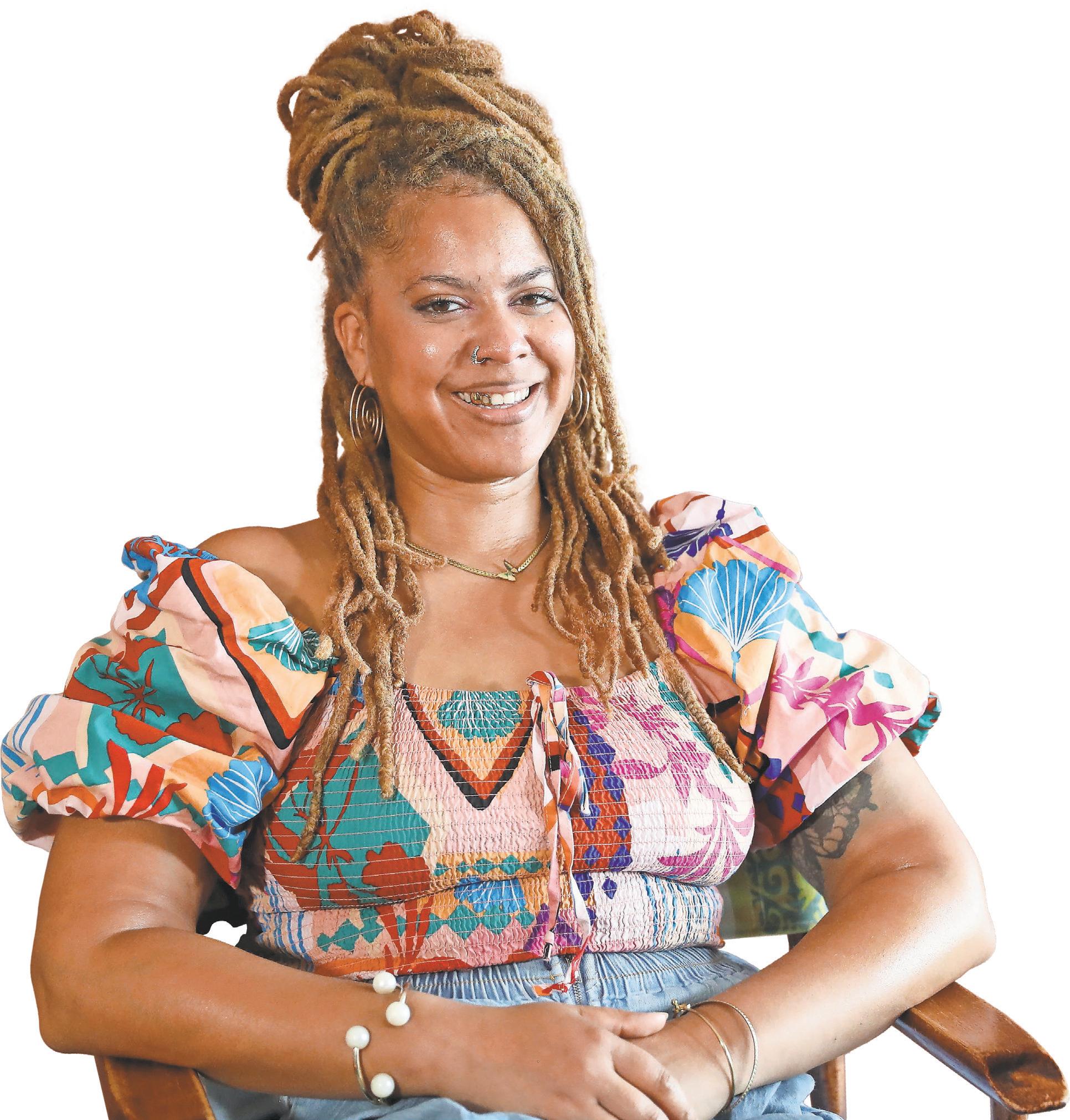
Butler,who has spent nearly twodecadesinthe music business, says the gapGeminiisfilling is significant.
“EvenwithRussell Simmons andDef Poetry Jam, thatwasthebiggestplatform I’dseenforpoets.Afterthat, Ihaven’t seen one. She’s npoets agift.”Butler addsthatwhat sGeminiapart goes beyond business instincts. “Mydaughtersaiditbest: Richelle wouldn’t be able to exist if shecouldn’tbeherself.Whatyousee is what you’re getting.”
“I have fought the good fight, I have finished the race, I have kept the faith.”
2 Timothy 4:7
By Terrance Harris
John“Doc”Harvey’sofficialtitlewashead athletic trainer during his 41 years at Texas Southern University
But the man with a positive spirit and a heart of gold will be remembered for so muchmore Hewasafriend,mentor,spiritualguide,andsomeonewhowouldn’tpull any punches when the moment called for it Harvey passed away on June 2 at the age of 81.
Thelarger-than-lifelegacyheleftbehind still lives. The man, universally known as Doc, was confidant to many of the student athletes who matriculated through the HBCU. He was also something of a surrogate father to others who either didn’t have one or, like former TSU basketball star and athletic director Kevin Granger, had an active father but was hundreds of miles awayinScooba,Mississippi.Docsometimes filled the void
“Doc has always been open, ” Granger said “He has always been approachable, andhewasalwayslookingoutforyourbest interest, not just making sure you stayed in yourplayingfieldbutalsointheclassroom.”
By all accounts, Doc was a pioneer in athletic training, ahead of his time during histenureatTSUfrom1974to2015,when heretired.UnlikehiscounterpartsatPWIs, Docwasasoloact,theonlycertifiedathletic trainerinchargeofoverseeingthe16sports
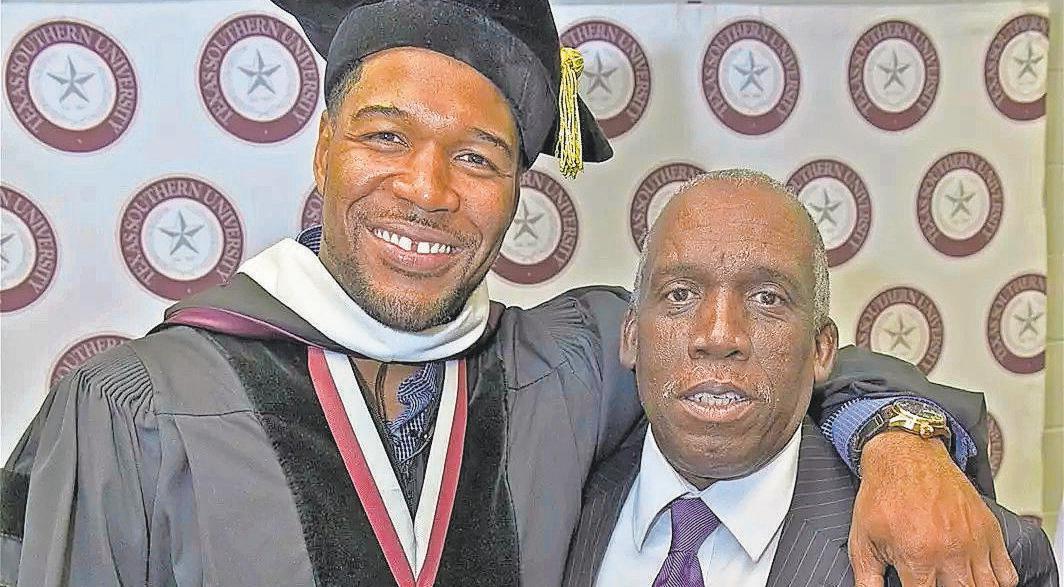
teams and more than 300 student athletes each year, and over 13,000 throughout his tenure.
Along the way, Doc also held unofficial titles like manager, counselor, and even travel agent. Former TSU head football coach Johnnie Cole saw Doc in all his dimensions,fromthetimehefirstencounteredhimasa17-year-oldstudent-athlete, laterasanassistantcoachatTSU,andthen once he took over the Tigers’ program.
for the Houston Oilers.
Along the way, there were plenty of stories about the impact Doc had on the student-athletes he took care of and the studentshetookunderhiswing Defender publisherandCEOSonceriaMessiah-Jiles firstmethiminthe1970swhileworkingin the HISD athletic department.
He was more than a father. He was our foundation, our teacher, our encourager, the greatest example of humility and service. To so many others, he was a mentor, a trailblazer, and praised for his generosity. Our father lived with purpose, integrity, and a heart to serve.”
JOHN HARVEY JR. DOC’S SON
“He was the dude,” Cole said “He is the only guy who has been around that Texas Southern program for 41 years. He went through 11 coaches, 10 presidents, and numerous athletic directors
Some constants about Doc seem to be how much he cared and how much of a good man he was. Doc, a native Houstonian, began his career while a student at Jack Yates, then moved on to Wiley CollegetoearnaBachelorofSciencedegreein 1966,andlaterreceivedaMasterofScience degree from Prairie View A&M.
Doc got his start at Aldine ISD, then at AustinISD,beforeastintatPrairieViewas the head trainer, and then returned home to work with Houston ISD from 1971 to 1974.Heevenservedasagamedaytrainer
Messiah-Jiles got to observe Doc be all thingstomany,includingathleteswhomay haveneededaparentalfigure,orevengiving financial support to those in need
“As a result, I grew to admire John because of him stepping up to help young peopleintheirtimeofneed.”Messiah-Jiles said “He will be missed.”
As much as Doc is remembered for his advice,counseling,andthetapeheadministered, he is also recognized by many for his love of jazz music. There are countless stories of student-athletes who were more into rap music being introduced to jazz greats like Thelonious Monk and Miles Davis while receiving treatment in the training room
Doc was a drummer himself
“Wewereyoungwhippersnappers,like, `Man, turn this off. Put on some rap, ’” former TSU football player Ramon Manning
recalls. “And Doc Harvey would say, `Wheredoyouthinkrapcamefrom,son?’
“It was a teachable moment, everybody from Thelonious Monk, Miles Davis, you name it And he talked about the repetition, the cadence, the adlibbing, and all ofthisstuff.Andhesaid,`Son,thisiswhere it all came from.’”
Whether it was the lessons being doled out,himmakingmorewithless,orjusthis ability to reach out to the Houston Oilers or others he had contacts with when the trainingroomranoutoftapeorothersupplies,andsuddenlywhatwasshortwasnow plentiful,leftanindeliblelegacythatwon’t soon be forgotten.
Harvey was inducted into the SWAC Hall of Fame in 2019 and into the Texas Southern Sports Hall of Fame in 2024.
“You can only get that at an HBCU Real talk,” said Manning, who played for theTigersfrom1992-97.“Justthinkabout these lessons that have nothing to do with a curriculum or a classroom. This was a BlackmanbestowinggametoyoungBlack boys.That’smyexperiencewithJohn“Doc” Harvey.”
ReadthefullversionofthistributetoJohn “Doc” Harvey on DefenderNetwork.com
By Jimmie Aggison
Oneyearago,Pearland’sJoshuaShelton leftthe UIL 6A statetrackmeetfrustrated afterfinishingfifthinthe400meters
Unsatisfiedwiththeresult,Sheltontransformed himself from adisappointedstate finalist into oneofthe nation’s fastest400meterrunners,winningaUIL6Agoldmedal intheeventduringhisseniorseason.
NowaTexasA&Mcommit,Sheltoncontinued hisseasonatthe USATF U20 OutdoorChampionships,wherehecompetedfor thefirsttime.Sheltonplacedsixthinthe400 meters with atimeof45.86,earningaspot onTeamUSA.
“Thelossandthedoubtpeoplehadinme stayed with me afterIfinished fifth,”said Shelton.“Aftermyjuniorseason,peoplewere sayingIwasn’tathreatandthatnobodyhad toworryaboutmeinthe400meters.”
competingonthestate’sbiggeststage.
“Asyoungathletes,yourfocusoftenshifts towhoyou’reracingandwhatthey’vedone, ratherthanonyourexecutionandracestrategy,”saidEvans.“Thereisanawefactorfrom thecrowd andall thenoise;mostathletes aren’t accustomedtonavigatingthrough that.”
Determined to return stronger,Shelton increased hisdisciplineand beganworking with DannyMcCraytorefinehis physical andmentalperformance
“I wanted revenge,and Iwantedtowin,” said Shelton. “I begantrainingwithDanny McCray,whohelpedmefixmyformandthe mentalsideofmygame.”
“Shelton’smentalapproachandraceexecution were what sethis junioryearapart fromhissenioryear,”saidEvans
Theworksoonbegantoshow. Sheltonbuilt confidencerace by race,and his 45.21 at theregionalmeetmade him one ofthenation’sfastesthighschool400-meter runners.
Running45.21 was amilestone that let me know Iwas on the righttrack,but the work wasnot done; it wasjusta preview of what is coming in thefuture.”
JOSHUA SHELTON
ThosedoubtsfueledShelton’s determination.
“IknewIhadmoreinme,andIwasgoing toproveit,”saidShelton.
Insteadofletting thedisappointment definehim,Sheltonuseditasmotivationto rebuildhimselfonandoffthetrack
“I startedtobecomea differentathlete when IrealizedI wasbecominga different person,”saidShelton.“PrayerandarelationshipwithGodarethemostimportantparts ofsuccess.Igotintomywordmore,andthe more IwenttoGod,the more he beganto workinmylife.”
PearlandheadtrackcoachDwayneEvans said that many athletes struggle with the pressure anddistractionsthatcomewith
“Running45.21 wasa milestonethatlet me know Iwas on theright track, butthe work wasnot done;itwas just apreview of whatiscominginthefuture,”saidShelton.
Insteadofchasing, Sheltonbecamethe runnereveryoneelsewaschasing.
“Itoldmyselfthoseguysdon’tmatter;it’s me vs. me,” said Shelton. “Beingthe person chased broughtpressureatthe time,but I remembered Ididn’trun thesetimes worryingabout otherathletes comingafter me becausetheyaren’tmeorhaven’t hitmy marks. At theend of theday,onthattrack it’s me andmylordand savior,and we will prevail.”
By thetimeShelton returned to thestate meet,expectationshad shiftedcompletely. Hedelivered,winninghisfirstUIL6Astate championshipinthe400meterswithatime of45.86.
“I wasthankfultoGod,” said Shelton. “Duringmyjuniorseason, when Ifinished fifth,Iwas battling akneeinjury, so Iran with abad mindset. Butduringmysenior season,mydad andIpromisedwewould do things rightthisyear, andthat’swhatwe did,trustinginthewholevillage.”
ForShelton,the statetitle wasnot the endofthe journeybut confirmation that thetransformationwasreal
ThatmomentumcarriedintotheUSATF U20 OutdoorChampionships, whereSheltoncompetedagainst many of thenation’s topunder 20 athletes.Inhis firstappearanceatthemeet,hefinishedsixthinthe400


meters afterrunning45.86, earninga place onTeamUSA
“Godisamazing,”saidShelton What some viewed as asetback ayear agobecameoneofShelton’smostsignificant learningexperiences.
“Itookthatlessonasaman,workedwith it,and shaped it into my ownstrategy,”said Shelton.
Ayearafter leavingthe statemeetdisappointed, Sheltonhas transformedhimself intoaUILstatechampionandamemberof
Team USA. Hisjourney from afifth-place finish at thestate meet to representing the United States on theinternational stage standsasatestamenttoresilience,faithand relentlessdetermination.
“Joshlearned alot over thepastyear,” said Evans. “Helearned howtobetterprepare himself, both mentally andphysically, to improvehis God-giventalent. However, there’salwaysroomforgrowth.Ifhecontinuestogrowandmatureinallaspectsoftrack &field,theskyisthelimitforhim.”
ByRAMANBAMIDELE,MD
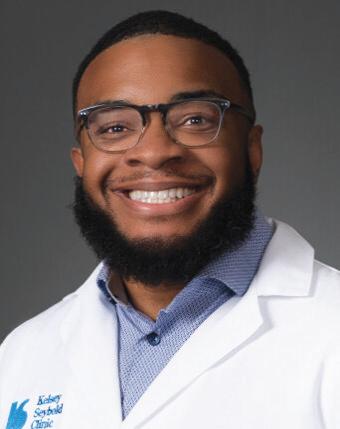
Men’shealthoften changesgradually overtime, andmanyimportant health changes do not cause noticeable symptomsearly on.Stayingconnected to regular care canhelpidentifythose changes earlier,whentheymay be easier to manage. Toomuch timebetween visits canmakegradualchanges harder to recognize
Common Conditions Can Develop ConditionsCan Without Symptoms
TheCenters forDisease Controland Prevention identifiesheart disease as the leading cause of deathinthe United States¹. Severalcommonconditions, including high blood pressure and diabetes,can increase theriskofheart disease and often developwithout noticeable symptoms in earlystages¹.
Because these changes happen over time, early signs maybeeasy to miss Routine care,including checkups and screenings, is associatedwith earlier
detection and maymakeconditions easier to manage².
Some Cancers DevelopWithoutCancersDevelop Witho Symptoms³ mptoms³
Prostate cancer remains themost commonlydiagnosedcancer among Blackmen in theUnited States, accountingfor about 44%ofdiagnoses in this population4.Itoften develops without earlysymptoms, whichcan makeitdifficult to recognizewithout screening.
Black menalsoexperience higher deathrates from prostatecancer, including morethandoublethe risk comparedwith Whitemen4.National cancer data show that earlierdetection is linked to betteroutcomes³, reinforcing theroleofregular screeningdiscussions as partofongoing care.
SupportCan Help YouStayConsistent Suppor lp Yo tayConsist Healthdecisions often involvemore than one person. Afamilymember
ortrustedfriendcan helpreinforce routinesand maynotice changes that are easy to miss.These conversations can makeiteasiertofollowthrough on care
PrimaryCareVisits Can Help YouGet imaryCareVisitsCan Yo Started
Avisit with aprimarycarephysician canhelpreviewyourhealth history and clarifywhich screenings maybe appropriate.Regular check-ins can then help track changes andguide care overtime².
To learn moreorschedule avisit, call 713-442-7025 713-442-7025orvisit kelsey-seybold.com lsey-seybold.com.
Sources
1. Centers forDisease Controland Prevention (CDC)
2. Centers forMedicare& MedicaidServices (CMS)
3. National Cancer Institute(NCI)
4. American Cancer Society (ACS)