Behind every breakthrough in computer science is a student with a dream. Behind every student is a community that believes in them. When you give to the Department of Computer Science, you open doors, spark curiosity, and prepare tomorrow’s innovators to change the world.
Your support eases financial burdens through scholarships, drives discovery with essential resources, and sustains the excellence that makes Hokies leaders in computing Unrestricted gifts provide vital flexibility to meet students’ most pressing needs, while endowed funds like the Anne & George Gorsline Endowed Scholarship in Computer Science, the Barbara G. Ryder Fund for Excellence, the George Gorsline Memorial Scholarship Award, and the CS Investment in Excellence Endowment create a legacy of opportunity that endures for generations.
Every gift, large or small, shows you believe in their future. Together, we can ensure Hokie innovators dream bigger, achieve more, and lead with purpose

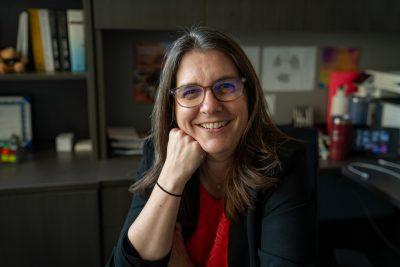
“The realstory ofCS@VTisnotjust abouttechnology,but aboutpeople committedtomaking adifference.”
As head of Computer Science, I’m proud to share this glimpse into our community; its people, ideas, and aspirations. Whether you’re a prospective student or an alum reconnecting with your Hokie roots, I hope you see the same qualities that drew me here: innovation, purpose, and service
We’re living through a transformative moment. The rise of AI is reshaping every part of society. At Virginia Tech, we don’t just respond to change, we lead it. Our graduates are critical thinkers, collaborators, and problem solvers ready to thrive in a world where technology evolves rapidly.
Grounded in our land-grant mission and the spirit of Ut Prosim, CS@VT prepares students to use computing for societal good Technical skill is only the beginning impact is the goal.
Our faculty and students advance this mission through bold research and partnerships. From artificial intelligence and high-performance computing to human-computer interaction and quantum computing, we collaborate across the university and beyond to drive discovery
But what truly sets CS@VT apart is its people. Our students are curious and determined. Our faculty and staff are mentors and innovators. Our alumni carry Hokie values into industries and communities around the world. The story of CS@VT is, above all, a story about people making a difference.
As you explore this book, imagine yourself as part of this story; as a student, alum, supporter, or partner Now more than ever, the world needs computer scientists who pair technical excellence with creativity, adaptability, and service.
Christine Julien Professor and Department Head, Computer Science
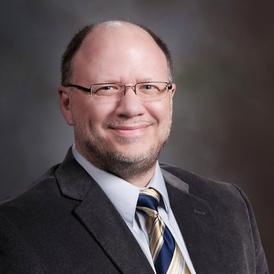
The undergraduate Computer Science program at Virginia Tech is where curiosity meets creation As one of the largest programs in the College of Engineering, we offer a dynamic blend of academic rigor, research opportunities, and community connection
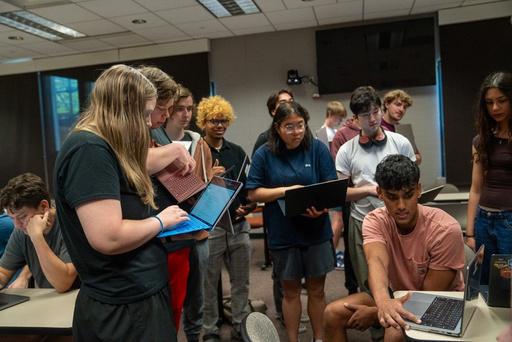
Our students learn by doing applying theory to hands-on experiences in AI, cybersecurity, software engineering, and more. Many work alongside faculty on projects through the Undergraduate Research in CS (URCS) program and the Fralin Fellowship, exploring everything from machine learning and blockchain to computer vision and privacy.
Outside the classroom, student organizations create space for mentorship, leadership, and belonging. Supported by a strong Hokie network, our graduates launch successful careers at a wide variety of companies across the tech industry and beyond and many return to give back through mentoring and collaboration.
At its heart, CS@VT is more than a major. It’s a community grounded in excellence, creativity, and the spirit of Ut Prosim that I may serve
Steve Edwards Professor and Associate Department Head, Undergraduate Studies
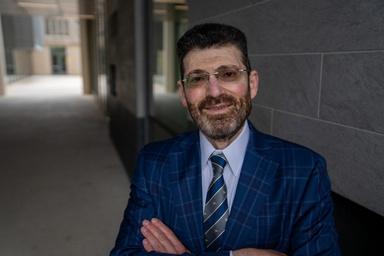
Whether you’re a newly admitted student, new faculty member, or an alum reconnecting with the Hokie community, we’re glad to introduce you to the breadth of our graduate programs.
Our degrees support a range of goals:
• M.S research-focused, ideal for doctoral preparation or research careers
• M.Eng. industry-oriented, with advanced applied skills
• Ph.D. research-intensive, advancing the frontiers of computer science
All three paths offer rigorous coursework, dedicated mentorship, and collaboration across disciplines and campuses in Blacksburg and the greater Washington, D.C., area. This lookbook highlights student achievements, faculty research, and alumni impact. As a digital resource, it will be updated regularly with new stories, discoveries, and opportunities.
As you explore, we hope you’ll see what defines VT CS: curiosity, collaboration, and purpose. We look forward to your role in this community and in shaping the future of computing.
Eli Tilevich
Professor and Associate Department Head, Graduate Studies
Fall2025Enrollments
2024-25DegreesAwarded
527 BS degrees
93 MS degrees
341 M.Eng degrees
31 PhD degrees
Bachelor of Science (BS) degrees majors in Computer Science, Secure Computing, & Data-Centric Computing
Undergraduate minors in Computer Science, Cybersecurity, & Human-Computer Interaction (HCI)
Accelerated BS/MS degrees in Computer Science
Master of Science (MS) and Master of Engineering (MEng) degrees in Computer Science Doctoral (PhD) degrees in Computer Science
The Department contributes to several additional degree programs at Virginia Tech, including the BS in Computational Modeling & Data Analytics (CMDA); the PhD in Genetics, Bioinformatics & Computational Biology (GBCB); and the online Masters of Information Technology (MIT)
ofstudentsentering2024-25 orlaterwillhaveacareer bridgeexperienceatVT (internship,studyabroad, undergraduatersearch,etc.)
of2024-25graduates reportedatleastoneCSrelatedinternshipduring theirundergraduatestudy
of2024-25graduatesreported havingparticipatedin undergraduateresearchinCS


97 total faculty members
67 tenured/tenure-track faculty
28 full professors (4 chaired)
13 associate professors
8 administrative & professional faculty 29 *2 New Career Award Winners in 2025 external research funding in 24/25
26 assistant professors
23 collegiate faculty
2 professors of practice 5 instructors
7 research scientists
7 professional academic advisors
18 administrative and support staff
Computational Biology& Bioinformatics Theory& Algorithms



Center for Human-Computer Interaction (CHCI) Sanghani Center for AI & Data Analytics (SCAIDA)
• Center for Synergistic Environments for Experimental Computing (SEEC) Center for Community Empowering Pandemic Prediction and Prevention from Atoms to Societies (NSF COMPASS)
read more here
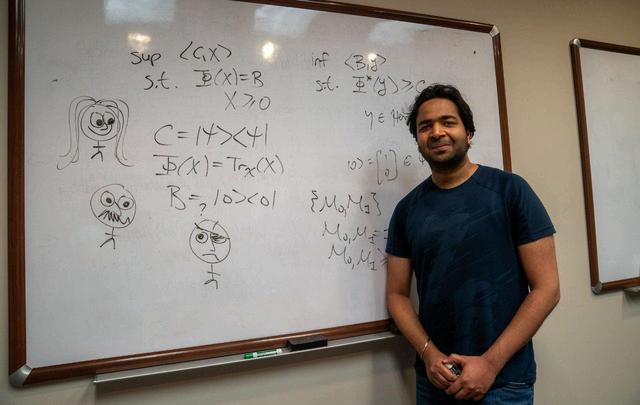
A class that changed everything. When Akshay Bansal entered Virginia Tech’s Ph.D. program in Computer Science, he was sure his path led straight to machine learning (ML).
Then he took a quantum computing course from Assistant Professor Jamie Sikora. This course didn’t just change Akshay’s first semester, it rerouted his career.
“I realized that Jamie’s work combines the two things I love most: probability theory and numerical optimization,” Bansal said.
Bansal receivedthe 2025BestPh.D. ResearchAward fromCS@VT
Within weeks, he had joined Sikora’s research lab and shifted his focus. Quantum computing had become his new home.
From ML to Quantum Theory. Bansal was drawn to the mathematical backbone of quantum computing. He knew from his interest in machine learning that numerical optimization helps solve complex problems efficiently and probability theory explains the behavior of random events.
But these same foundations are also the cornerstone of his work in quantum computing.
“My work is mostly theoretical, ” he said, “proving mathematically why certain protocols work or don’t When fault-tolerant quantum computing arrives, these algorithms could improve cryptographic security. That’s the hope.” original story by
At the edge of security and intelligence. Bansal’s dissertation, Adversarial two-party quantum interactions in cryptography and machine learning, sounds like a mouthful, but it asks some big questions: How could we use quantum protocols to secure communication networks? How could we design algorithms that can extract information through quantum interactions? Bansal’s research is at the cutting edge of computer science, with implications that could one day reshape digital security.
A new frontier. Quantum computing is still in its infancy, but quantum computers will one day outperform today’s supercomputers by orders of magnitude
“We’re in the early stages, ” Sikora says. “Think vacuum tubes and literal computer bugs in the 1950s. Today’s hardware is about that mature, but improving fast.” Researchers like Bansal and Sikora are paving the way, building the theories and algorithms now so they’re ready when the hardware is.
A milestone with wide impact. Bansal’s dissertation defense in May 2025 marked more than a personal achievement. It’s a signal of momentum for Virginia Tech, for computer science, and for a rapidly emerging field.
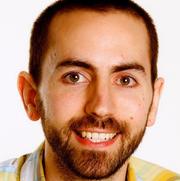
Steve Flammia Professor quantum information theory
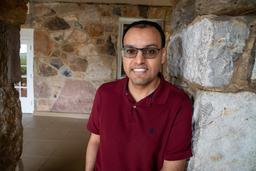
Sumeet Khatri Assistant Professor quantum information theory
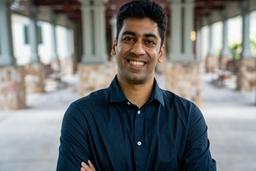
Atul Mantri Assistant Professor secure delegated quantum computing
Jamie Sikora Assistant Professor quantum machine learning
Quantum computing
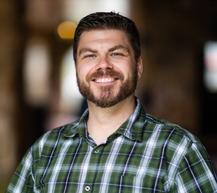
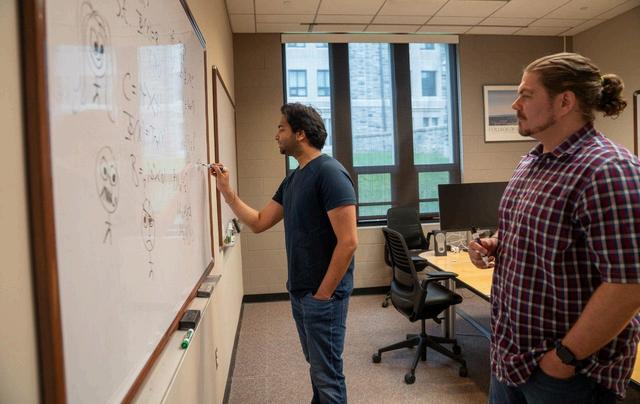
Ph D graduate Akshay Bansal (left) and his advisor, Assistant Professor Jamie Sikora were both “firsts” in the department’s quantum program
by Tonia Moxley for Virginia Tech
What if students could explore ancient Egyptian monuments without leaving their classroom?
That’s exactly what happened for more than 95 computer science students in Sally Hamouda’s database course in CS@VT Through a Global Learning Course Grant from the university’s Global Education Office, Hamouda’s students used virtual-reality headsets to “visit” endangered heritage sites while collaborating with an Egyptian government official on how to preserve them. The course combined technical learning with global engagement. Two student teams built databases and interfaces to organize information on hundreds of monuments their condition, materials, preservation efforts, and historical data all to support an Egyptian conservation project.

Collegiate Associate
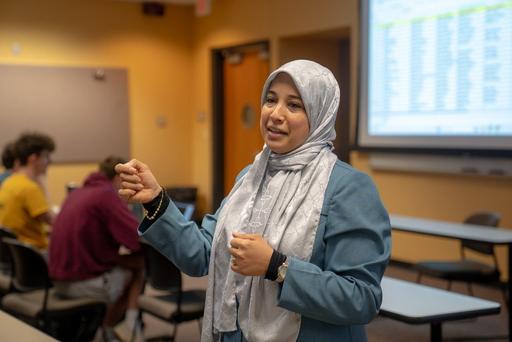
Professor Sally Hamouda is using a grant from the VT Global Education Office to bring international data challenges into the classroom through VR.
original story by Tonia Moxley read more here



“I want students to know that databases can solve global problems. Extreme weather has a huge impact on monuments in Egypt, so I wanted students to see that we can gather data and use it to help solve the problem. ”
- Sally Hamouda, Collegiate Associate Professor in CS@VT
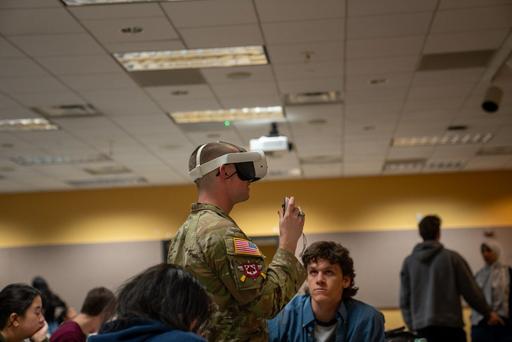

In the past, most students in Hamouda’s course chose U.S.-based projects. The global course grant allowed them to work on a project from another country and to visit that country virtually using VR tools.
“Using a VR headset, we can explore and experience different things that we cannot explore with a computer alone, ” said Ayda Haydarpour, an undergraduate research assistant who helped implement the technology. “We get to have this immersive experience. ”
Hamouda’s approach reflects her decade of experience teaching database design and her belief that students learn best by doing. “It’s no longer like a lecture where I stand in front of them and talk for an hour, ” she said. “We actually do the project in class Once we cover a concept, they apply it immediately ”
Theresa Johansson, director of global education, said Hamouda’s work demonstrates how technology can expand learning across cultures. “Sally’s innovative approach to integrating global learning into engineering curricula sets a powerful example of how the campus curriculum can connect students with the world, ” Johansson said.
Hamouda plans to expand future versions of the course to include endangered heritage sites in China, India, and beyond helping students experience the world, virtually and intellectually, from right inside a Virginia Tech classroom.
Collegiate faculty at Virginia Tech are dedicated educators whose primary role is teaching and curriculum development They bring creativity and innovation to the classroom, designing learning experiences that prepare students for a rapidly changing world.
Many, like Hamouda, also engage in fundamental and applied research, often through interdisciplinary collaborations that connect teaching to discovery. This integration keeps Virginia Tech’s educational programs closely aligned with emerging knowledge and cuttingedge practice, ensuring that students learn from faculty who are actively shaping their fields.
Learn more about faculty jobs in CS@VT csvt
“The need forpractical, technology-driven solutions in health care has neverbeen greater.”
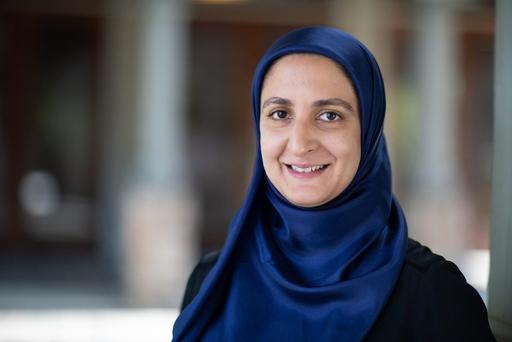
- Hoda Eldardiry Associate Professorin CS@VT

PhotocourtesyofLiteraSeed
When communication fails in health care, lives are at risk. Associate Professor Hoda Eldardiry and her team in CS@VT are using artificial intelligence to make sure that never happens again.
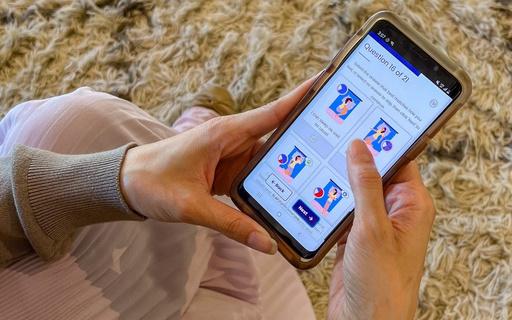
Working with health-tech startup LiteraSeed Inc , Eldardiry’s Machine Learning Laboratory is developing AI tools that help patients and clinicians overcome language and literacy barriers that often lead to medical errors. The partnership grew from shared personal experiences: both Eldardiry and LiteraSeed co-founder Aziza Ismail had witnessed preventable tragedies caused by miscommunication in hospitals.
“Cultural barriers, less access to care, and language and literacy barriers put already vulnerable communities at greater risk of misdiagnosis, which can lead to critical medical issues and death, ” said Ismail, LiteraSeed’s cofounder and chief operating officer. “Enhancing communication is crucial for improving the efficiency and quality of health care services as well as patient outcomes. ”
Funded by a nearly $1 million National Science Foundation Small Business Technology Transfer grant, the project integrates LiteraSeed’s visualbased patient communication app with electronic health-record systems The goal is to make care more efficient, accurate, and equitable by letting technology do what humans sometimes can’t translate complex data and context in real time.
$238 billion – annual cost of medical errors caused by misdiagnosis and miscommunication
$1 million - NSF investment in VT research to build an AI-powered triage system
4 – CS@VT students on the project 2 – founders whose personal experiences inspired the work 1 - vision for a world where every patient is understood
Eldardiry’s lab is building an AIpowered triage system that can extract relevant information from a patient’s medical records, accurately predict serious medical risks, and quickly inform care providers when a patient is in danger. “Our tools can extract from medical records more than a dozen critical risk factors like past and active health conditions, misinterpreted lab values, and pertinent family history with near 100 percent accuracy,” Eldardiry said.
“The need for practical, technologydriven solutions in health care has never been greater, ” she added “Our partnership goes beyond innovation it’s about transforming patientprovider interactions to improve outcomes for all populations ”
The collaboration offers students hands-on experience applying AI to complex real-world problems. For Eldardiry, it’s research with a human heartbeat AI that listens.
Learn more about the Machine Learning Lab people.cs.vt.edu/hdardiry/
“Once you identify the photograph, you’re able to tell the story.”
- Ron Coddington
Every face tells a story Some, though, were nearly lost to time mislabeled photographs in family albums, unidentified soldiers in archives, forgotten lives hidden behind glass In CS@VT, Associate Professor Kurt Luther is using artificial intelligence and human collaboration to restore those identities His project, Civil War Photo Sleuth, blends computing power with crowdsourced detective work to match anonymous portraits with real names, giving long-silent faces a voice again, and turning history into a living act of rediscovery
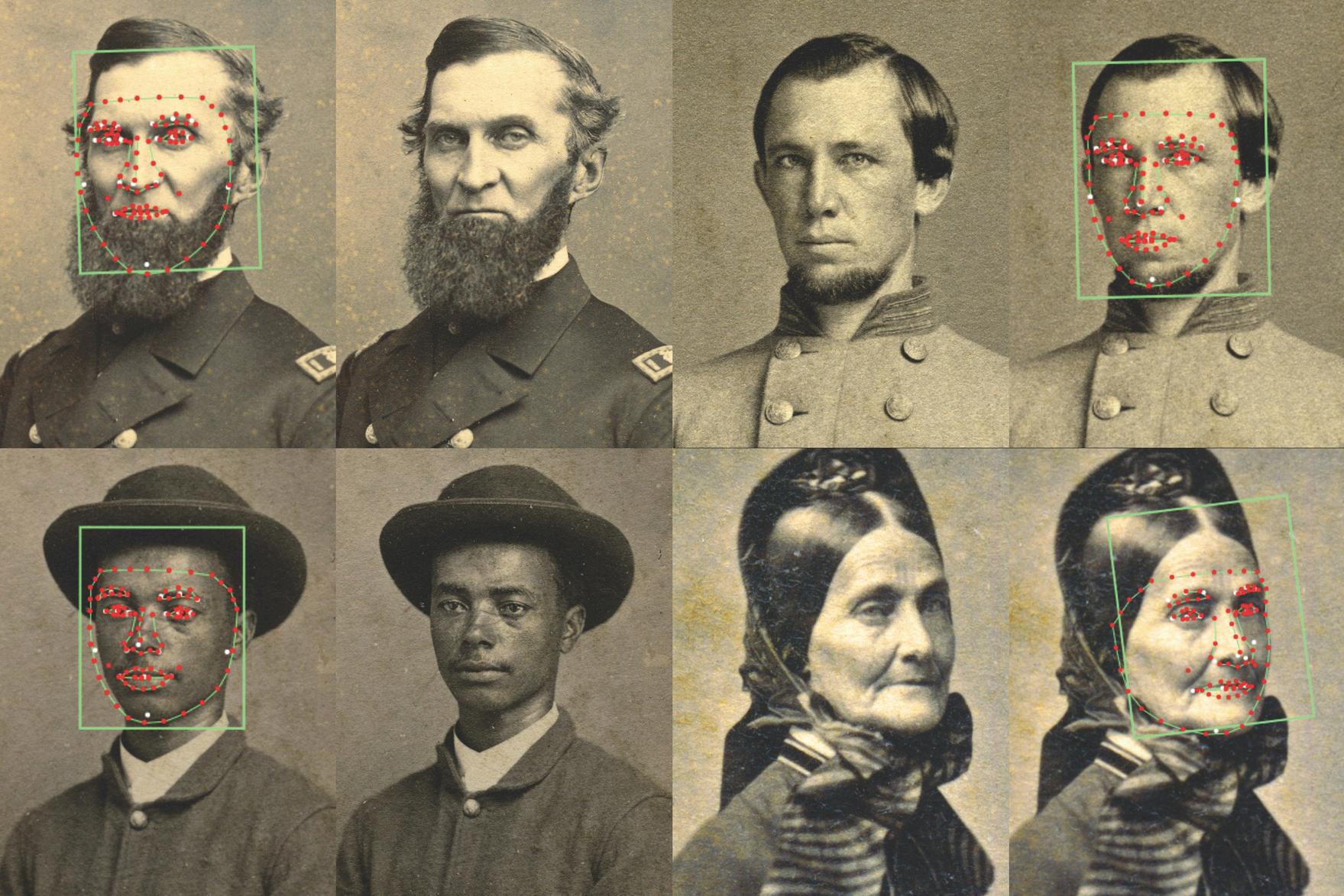

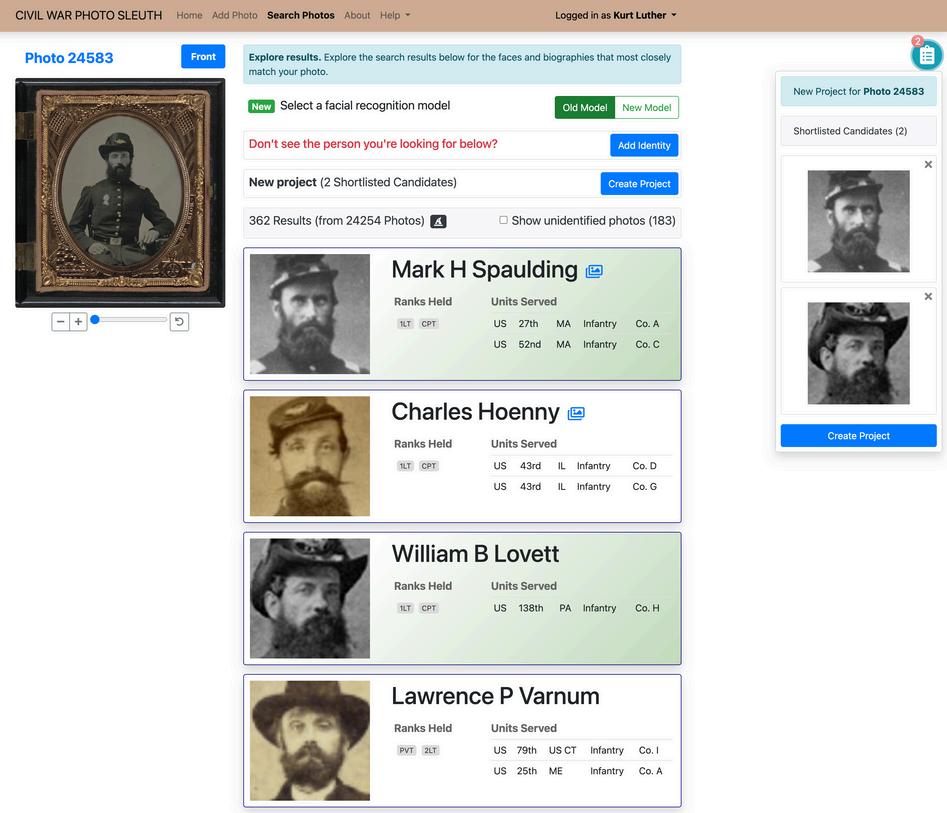
Launched in 2018, Civil War Photo Sleuth pairs technology with passion Originally funded by the National Science Foundation, Luther and his Ph.D. student Vikram Mohanty developed software that could compare facial features across thousands of digitized 19th-century portraits. With historian Ron Coddington, they created a crowdsourced platform to identify forgotten faces.
What began with a few hundred early adopters has grown to more than 20,000 contributors. “Our site now hosts over 60,000 photos, the majority of them identified, making it possibly the largest source of digitized Civil War portraits in existence, ” said Luther. As the project evolved, the team added a new feature, BackTrace, which uses AI-based computer vision to recognize painted studio backdrops common in 19th-century portraits. By linking backdrops, they can pinpoint where a photograph was taken and sometimes even the photographer providing vital new clues to historians.
In 2024, the project transitioned into a nonprofit, The Photo Sleuth Foundation The foundation ensures the platform’s longevity and opens new possibilities for expanding to other eras and conflicts.
“The model is a great fit for our mission of rediscovering the lost names and stories of people in historical photos through community and technology, ” Luther said “We’re excited to build on this foundation to tell even more stories.”
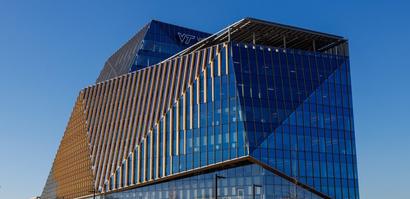
Luther and his students are members of the Institute for Advanced Computing (IAC), located in Academic Building One in Alexandria. The IAC connects researchers who harness computing to address society’s most complex challenges from artificial intelligence and data analytics to cybersecurity and quantum systems. Bringing together faculty, students, and partners from academia, industry, and government, the IAC accelerates innovation and applies research to real-world needs By linking Virginia Tech’s computing expertise with Northern Virginia’s vibrant technology ecosystem, the IAC positions the university as a national leader in advanced, ethical, and human-centered computing.
ENGAGE
Reflectionsofgrowth,inspiration,and Hokiepridefromstudentsandalumniin ComputerScience.
QHow have you applied what you learned in class to a real-world project or internship?
As an undergraduate at Cal State Bakersfield, I still remember the excitement of first learning Relational Algebra in my introduction to database systems course. I later applied that foundation during my internship, where I used Python and SQL to transform remotely collected data This was my first experience translating classroom knowledge into a real-world problem. Now, as a Lead Graduate Teaching Assistant for Introduction to DBMS, I draw on that experience and learned knowledge to guide students and shape my teaching through assessments and projects At Virginia Tech’s Department of Computer Science, I continue to grow as both a researcher and an educator within a community that helps learners turn abstract concepts into practical solutions.
- Yeana Bond, CS@VT Ph.D. Student
QHow have you grown (personally or professionally) since joining the department?
The Computer Science Department has been my steppingstone for technical and personal growth Through my classes and internship, I have acquired the necessary skills and confidence to solve difficult problems, work efficiently with others, and be thoughtful about the use of technology.
- Carlos Ortega, CS@VT Graduate Student, MEng
QWhat's one class, project, or professor that made a lasting impact on you?
What makes Hokie CS special to me is the mentorship I’ve received Faculty like Dr Shaffer have guided my research and, more importantly, modeled what it means to put students first.
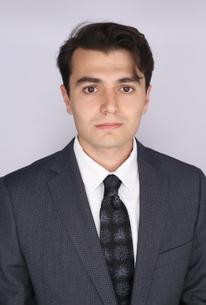
Al i k CS@ G duate Student, MS
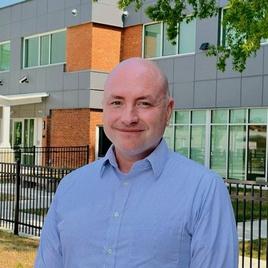
QQWhat’s one skill or mindset you took from CS@VT that you still use today?
Ut Prosim is very important to me We should live to serve the people around us. Hokie Nation consists of hundreds of thousands of people out in the world that hold that as a central value
- Jason Snook, BS ‘00, PhD ‘05
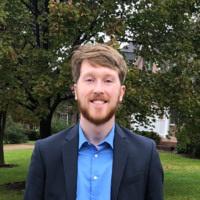
Was there a turning point or challenge that shaped your experience in a meaningful way?
I took CS 1114 (Introduction to Software Design) out of curiosity, and I found the classwork and projects so compelling I knew I had to change my major to Computer Science
- Pierce Wexler, CS@VT Undergraduate Student
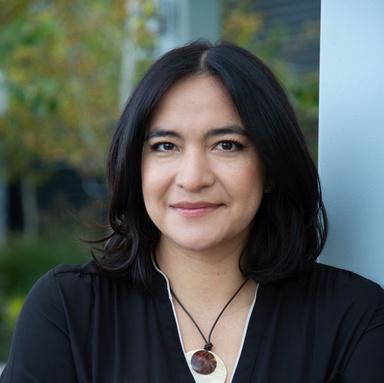
QWhat’s a favorite memory from your time in CS@VT?
I always enjoyed spending time with my peers in their research lab As international students, we bonded and learned so much from each other, both CS and not There was always strong camaraderie, and we helped each other with our diverse strengths That group of friends helped me prepare for my first technical interviews and I got multiple offers as a result
- Beatriz Diaz Acosta, MS ‘04
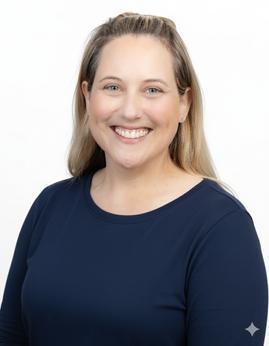
QHow did your time in CS@VT prepare you for your career?
The CS department prepared me in two ways. The first is that it taught me the foundations Using the algorithmic thinking that I learned so many years ago, I am able to solve problems and learn new technologies more easily than my peers. The second is that it taught me how to work with other engineers There are many types of personalities in CS and you encounter them all at Tech. I could learn how to navigate difficult situations through group work and study sessions when the stakes were much lower than they would be at work
- Megan Underwood, BS ‘08
Yourgifts to CS support opportunity,excellence,and the future ofcomputing.
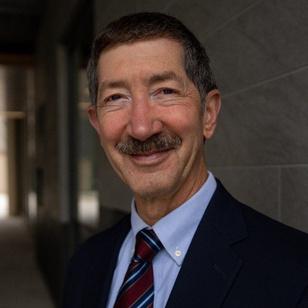
ProfessorofComputerScience,
For more than 41 years, Ed Fox was a steady, caring force in Virginia Tech’s Computer Science Department. His teaching excellence, leadership, and commitment to students helped shape the department.
He directed 53 master’s theses and 35 doctoral dissertations, served on hundreds of graduate committees, and was principal or coprincipal investigator on 147 grants.
Ed also founded and led the Networked Digital Library of Theses and Dissertations, helping establish Virginia Tech as a global leader in electronic theses and dissertations.
His impact was recognized with numerous honors, including the W.S. “Pete” White Award for Innovation in Engineering Education, the XCaliber Award, the Commercialization Champion Award, and the College of Engineering Dean’s Award for Excellence in Service
Ed, you have been an exceptional friend and colleague to many. Your kindness and generosity will long be remembered, and we hope your new chapter is as fulfilling and enriching as the legacy you leave behind.
After 38 years as a cornerstone of Virginia Tech’s Department of Computer Science, Lenwood “Lenny” Heath retired in August 2025, leaving behind a legacy of excellence, mentorship, and quiet leadership.
Lenny was the ultimate department citizen steadfast, thoughtful, and deeply committed to teaching, service, and scholarship. His expertise in applying algorithms to life sciences helped spark the department’s growth in computational biology and bioinformatics His lectures inspired students to think critically and deeply, while his collaboration and kindness helped shape the department’s collegial culture.

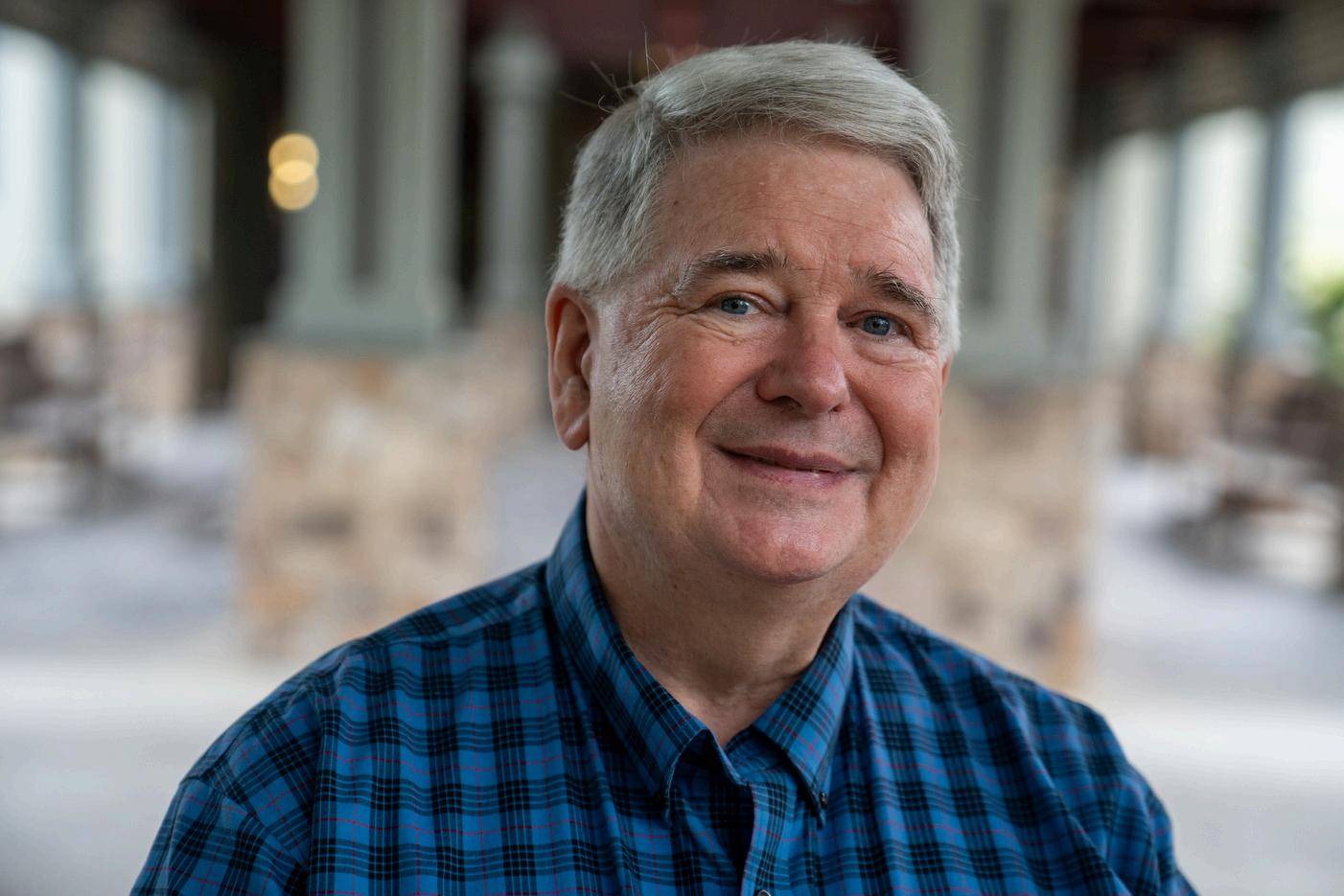
LenwoodHeath ProfessorofComputerScience,VirginiaTech
Over his career, Lenny advised 20 Ph D and 19 master’s graduates, received the department’s Outstanding Department Contributor Award for Exemplary Faculty Service, and earned recognition as a lifetime senior member of the IEEE.
As one former student said, “Lenny, you will always be the G.O.A.T. of Computer Science and Bioinformatics. Your legacy lives on in all of us who had the privilege of learning from you. ”
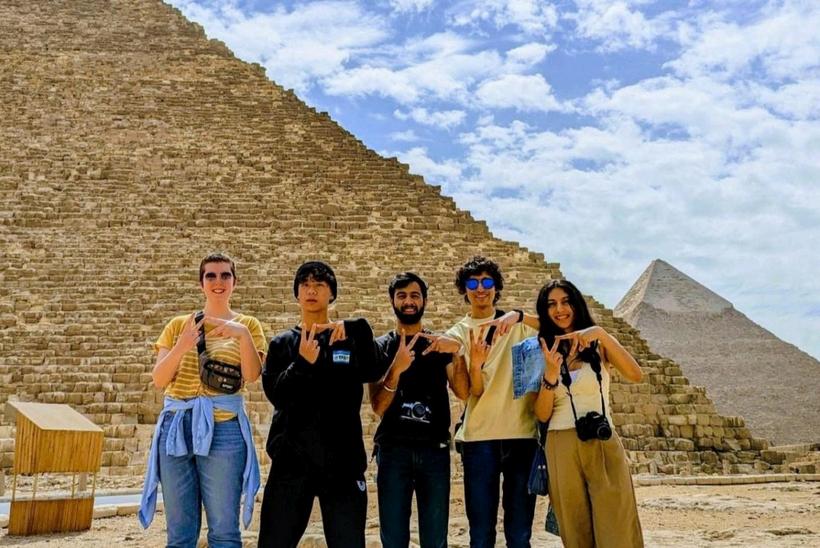
Everyyear,VirginiaTech ComputerScience studentsventure beyond campus to explore the world; studying,collaborating,and solving problems across borders.Ourstudyabroad programs let Hokies deepen theirtechnicalknowledge while immersing themselves in new cultures,globalcommunities,and internationalnetworks.
PROGRAM
CS @ StegerCenter(Switzerland, semester-long)
CS 4704: Software Engineering in a GlobalContext (Egypt,spring-term)
Take CS courses,collaborate with internationalpartners; studyItalian language
Collaborate inAgile teams to develop real-world software with globalimpact
CNRE: New Zealand: Sustaining Human Societies and the Environment Explore naturalhistory,resource conservation,and sustainable development
Hamburg UniversityofApplied Sciences
Experience urban culture and globalperspectives in computing
CS students.