


Dear Readers,
When we published our first issue of "[AD]itorial" we had one thing in mind: this is going to be a newsletter for future marketers or students like us who will gain immense knowledge about the advertising world through all the articles
In our first volume, we showed how war among brands happens with the help of competitive advertisements, what are ethics and limitations related to such ads, and how such ads manage to gather all the attention of consumers

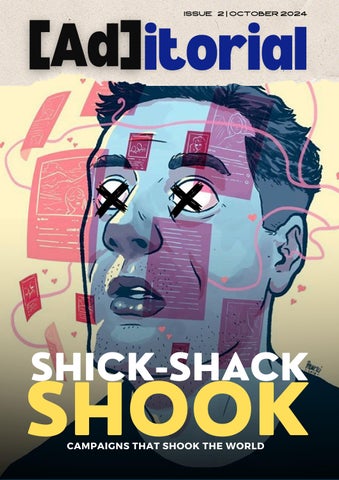
For this issue, we have expanded our horizon by incorporating some public relations campaigns too. The second issue of [AD]itorial, titled "Shick Shack Shook," basically takes the readers through the journey of some campaigns that have shocked the world. Now, the twist is it's not always the good or excellent results that shock people, so we added campaigns that have been controversial, which failed badly, which did something out of the box, which helped a party win the elections, and so on, whose deeper case study will help you prepare for what to do or not in future.
My team and I have worked hard to cover 360-degree aspects in the newsletter by writing about almost all mediums We hope this volume will give you some great insights
Lastly, I want to extend a heartfelt shout-out to my team, who empowered me to take on the role of editor and discover new skills, while giving their all to this project
AnkitaSingh
Editor-in-Chief
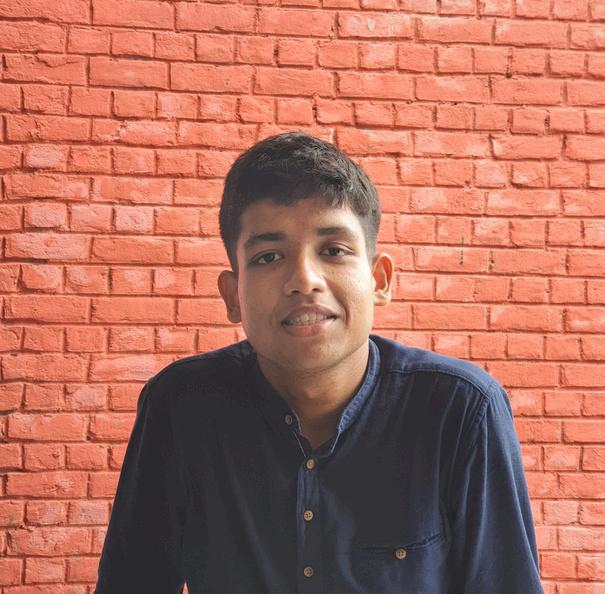


ANKITASINGH
editor-in-chief

DesignTeam/ContentTeam
DesignTeam/ContentTeam


Under the supervision of :
DR. MEETA UJJAIN
Course Director
DesignTeam/ContentTeam

Academic Associates


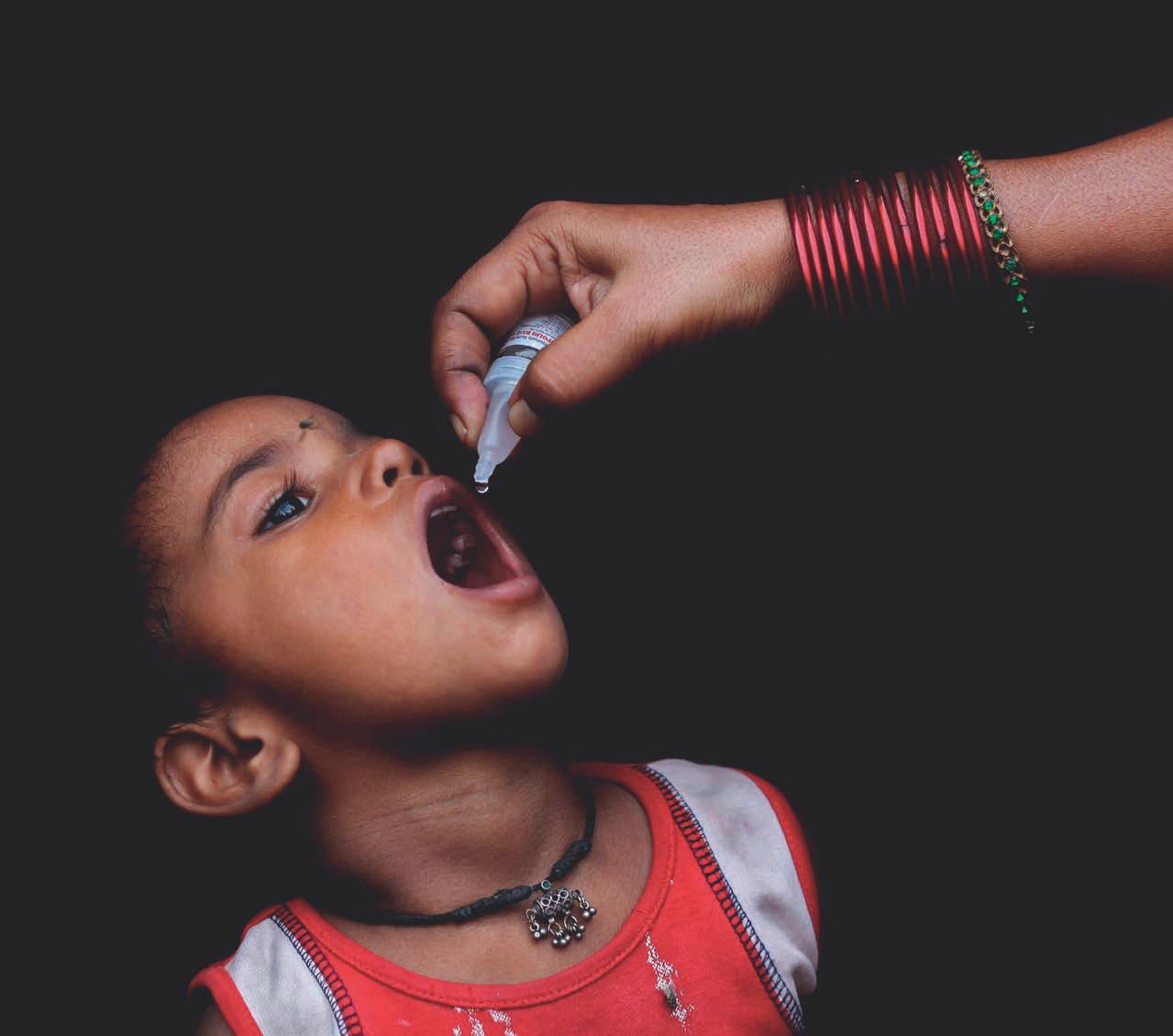

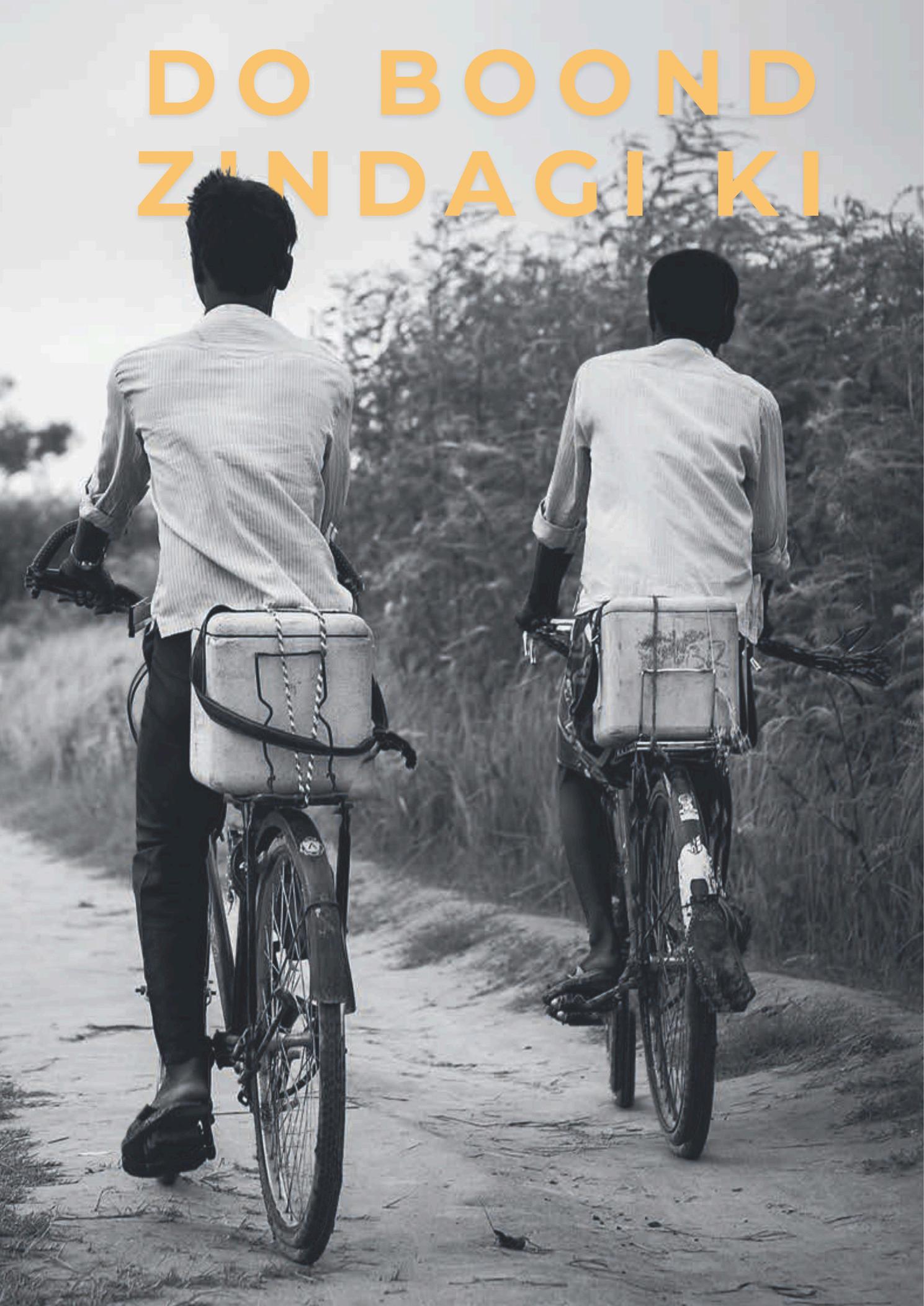
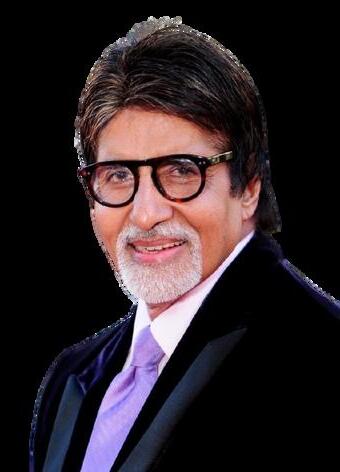
Imagine this: It's the early 2000s, and you're sitting down with your family to watch your favorite TV show after a long day. Suddenly, the screen flickers, and there he is Amitabh Bachchan His powerful voice fills the room as he says, "Do Boond Zindagi Ki " He's not there to promote a movie, but he is urging people, as their parent or guardian, to protect their children from the deadly polio virus with just two simple drops.
In 2002, India launched the Pulse Polio campaign, with TV commercials playing a crucial role. While healthcare professionals and government policies played their part, it was the power of television that truly brought the nationwide immunization mission into people's homes, making polio a personal responsibility for every family The campaign strategically aired the commercials at the right times, ensuring they reached a receptive and engaged audience As "Polio Sunday" approached, the ads became more frequent, creating a constant reminder in people's minds.
The campaign also understood the diversity of a country like India. It knew that taking language and culture into
consideration is significant. To ensure that every family was able to hear the message no matter where they belonged, the ads were translated into different regional languages. A household in Tamil Nadu heard the same message in Tamil as a family in West Bengal heard it in Bengali. It wasn’t just a message but a tailored message for each community, making sure language to not become a barrier
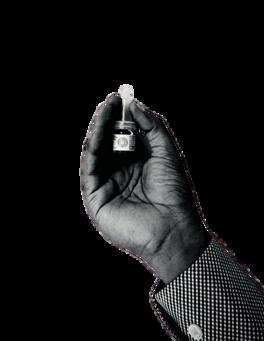
The ads’ visuals had the same effect. They didn’t overwhelm people with complex medical images. Instead, people holding their babies, a health worker with a bottle of life-saving drops, and a happy child causing havoc outside were shown. It reminded them that this was about far more than health – it was about their own children’s lives.
The impact of these ads was significant They ensured that a health program became a popular movement and reached every part of India People in India, whether in cities or rural

towns, were constantly exposed to the vaccination message This approach was way too successful that within months of this campaign, the number of vaccinations tripled. Millions of children gained access to polio drops, and this continued year after year, leading to a reduction in several polio cases
In 2014 the World Health Organization officially declared India a polio-free country. It was a remarkable achievement for India as back in the 1980s when polio was widespread, this seemed impossible The Pulse Polio campaign, with its effective TV advertising, played a crucial role in this success The advertisements were not just promoting a cause; they inspired hope and showcased the impact of a successful public health campaign
By Ankita Singh
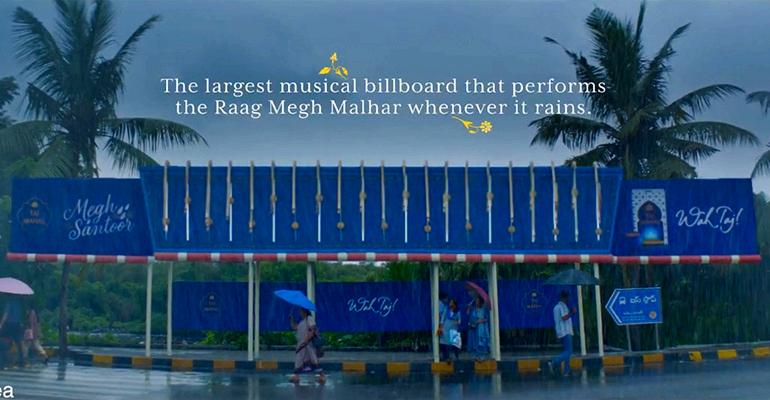
When it comes to creativity, Ogilvy India ensures that their campaigns are brimming with it. Each time we wonder what more they can offer to the audience, they come back with a phenomenal campaign that leaves everyone speechless. One such breathtaking campaign, planned and executed by Ogilvy India, was the “Megh Santoor” campaign for the tea brand Taj Mahal. It gained a Guinness World Record for being the largest environmentally interactive board.
Brooke Bond's “Taj Mahal” a renowned tea brand is known for positioning Indian classical music in its marketing. From Ustad Zakir Hussain to Hindustani Classical Vocalist Nirali Kartik Taj has been featuring many well-known musicians in its marketing. But on September 10th, 2023 the brand became the talk of the town when its out-of-the-box outdoor campaign blew everyone’s mind with its brilliant fusion of technology, music, and nature. The largest environmentally active billboard named “Megh Santoor” covering an area of 210.86
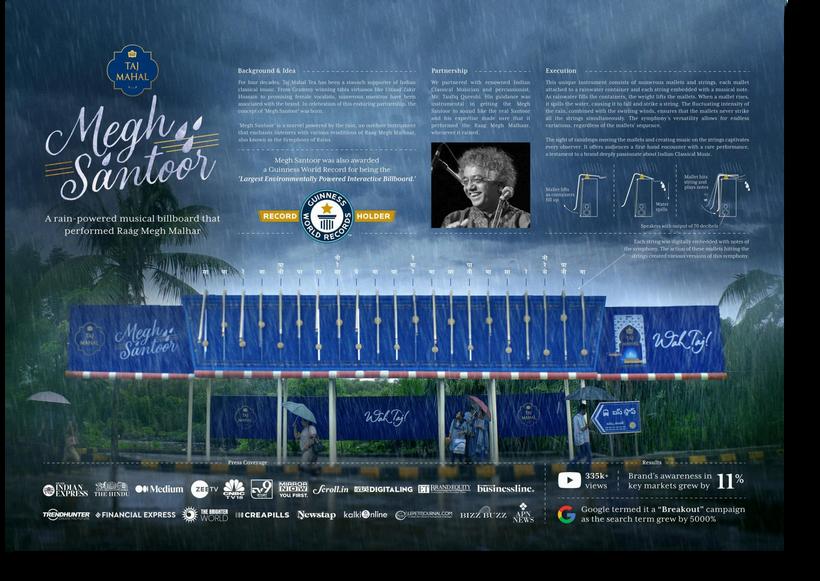
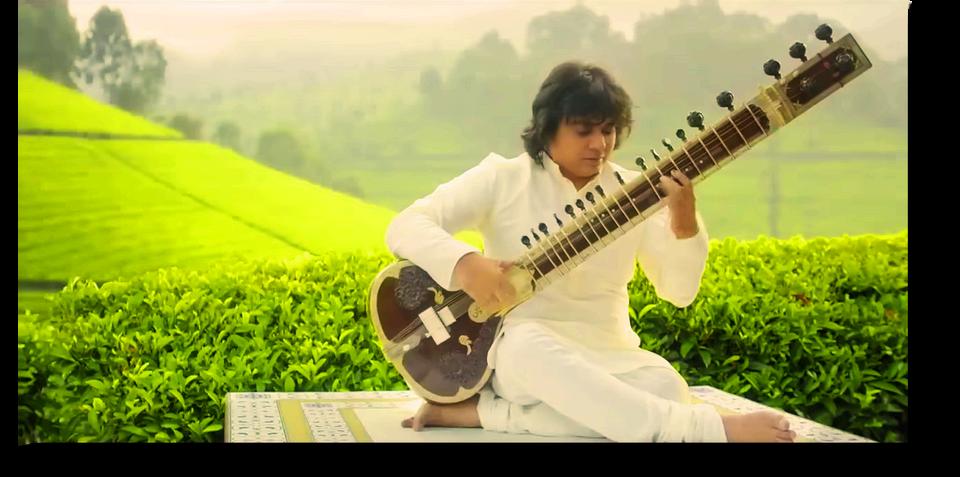
square meters (2269 75 sq ft) was unveiled across Vijayawada Junction railway station in Andhra Pradesh But what was so special about this Megh santoor? This billboard was one of a kind as each rainfall fell over it activated the billboard’s strings to produce music, echoing the ‘Raag Megh Malhar’ It is a popular classical Indian musical played on Santoor which is traditionally associated with the monsoon season.
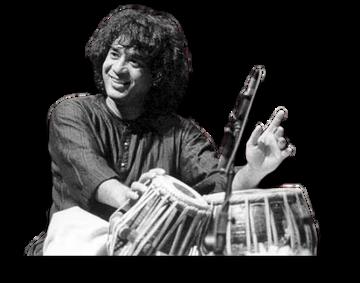
With the hard work of over 50 professionals supervised by Ustad Taufiq Qureshi, this billboard was finally produced in six months This campaign was mainly focused on creating a high impact and high engagement among the target
audience while maintaining legacy of the brand For the team, it was a challenge to figure out a creative idea that had never been done before Even after finalizing the idea, the execution was one complex task too. However, their efforts resulted in a beautiful and mesmerizing campaign celebrating the rain with music. The decision to install the billboard in Vijayawada was itself based on thorough research, whose key finding was that it was one of the biggest citadels for Taj Mahal tea

On October 16th, the billboard was taken down after engaging extensively with real-time audiences in the city and on social media This campaign created a history in the advertising world by blending music and technology. The aweinspiring billboard proved that in
he world where marketers or advertisers are shifting towards trends i.e. influencer marketing, viral marketing and any type of contemporary marketing, traditional mediums like outdoor marketing can be celebrated with distinctive imagination too. This campaign redefined and reshaped the scope of OOH marketing by pushing the limits of imagination making it an unforgettable


case study for future advertisers to remember. The television commercial, produced after this billboard won a Guinness World Record, made not just India, but the
world exclaim, "Wah Taj"! With its soothing background music and visuals, the commercial made people feel how amazing it would have been to see the live rain music concert in Vijayawada.
By Akash Debnath
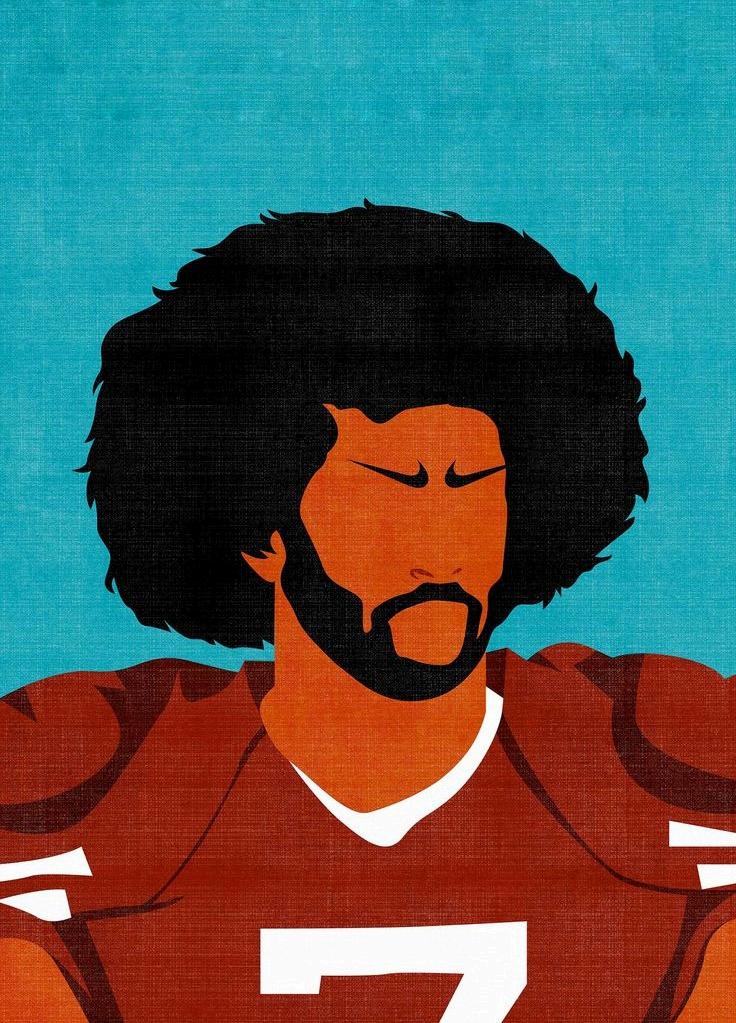
"Between calculated risk and reckless decision-making lies the dividing line between profit and loss" - Charles Duhigg, an American journalist and nonfiction author, once said this line. Nike, a global sportswear company, took a calculated risk in 2018 In that year during its 30th anniversary, the company revealed the new "Just Do It" campaign featuring Colin Kaepernick, a former NFL American football quarterback, and civil rights activist. This was a bold move by Nike as Colin Kaepernick already sparked lots of controversy in his life. But at the same time, it was a calculated risk.
Nike was not just popular for its wide range of products the company is also known for its outstanding marketing campaigns. One of these campaigns is the 2018 "Just Do It" campaign highlighting Colin Kaepernick. This campaign went on to become one of the most controversial campaigns that the company ever launched Along with the image of Colin Kaepernick with the words"Believe in something, even if it means sacrificing everything"this ad campaign sparked controversy around the world because of the involvement of Colin Kaepernick
This campaign became controversial because of the involvement of Colin Kaepernick In 2016, at an NFL preseason game between the San Francisco 49ers and Green Bay Packers, Kaepernick, the former NFL quarterback,
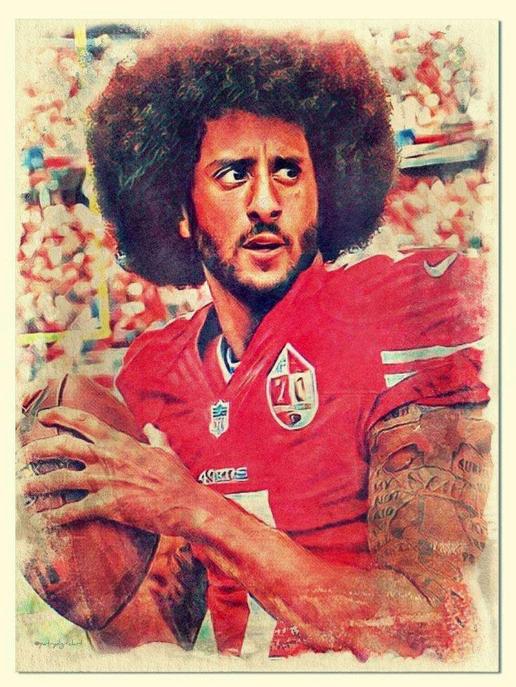
move of kneeling down during the national anthem, Collin Kaepernick said, "I continue to sit, I'm going to continue to stand with the people that are being oppressed " But this move of Kaepernick has a strong impact as other NFL players have also started supporting his protest against racial injustice. At one point in 2017, more than 200 NFL players knelt, sat, or raised their fists during the anthem. Well, this was a decisive move by Nike as they were involved with a sportsperson who was too controversial for his act.
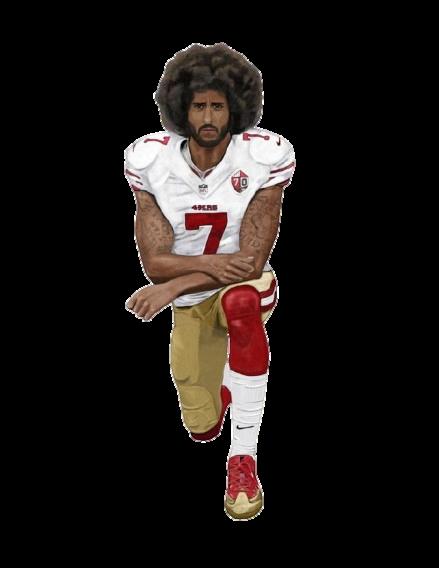
became a polarizing figure due to his decision to kneel during the national anthem to protest racial injustice and police brutality
When he was asked about his
The internet went into an uproar when Kaepernick posted a Nike Ad on Twitter with the words " Believe in something, even if it means sacrificing everything" People who were strongly against Kaepernick announced their intentions to boycott the brand on social media However, despite all this criticism, Nike promoted this campaign on various media including social media, print media, and outdoor. The company used big newspapers including The New York Times and USA Today, where the ad was published with a full-page spread. This ad campaign was circulated on various social media platforms including YouTube, X ( formerly Twitter), and many more
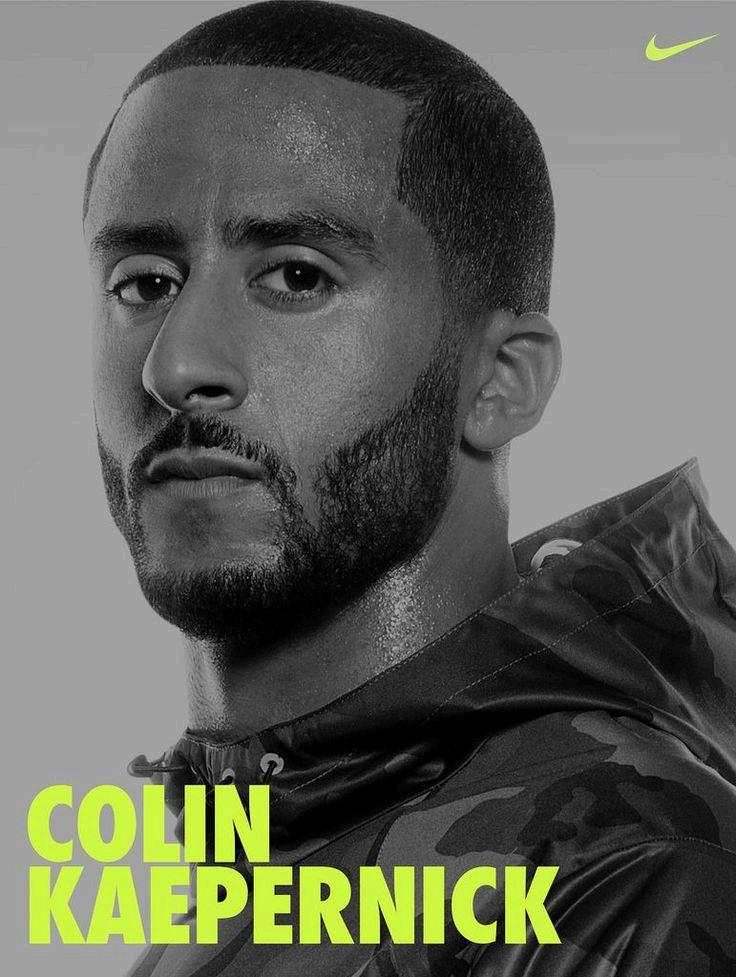
Now, the question is whether this campaign was successful or not Nike knew that they were going to be involved in a big controversy but still, they took this calculated risk. Many argued that it would create a negative impact on the brand and also create an impact on sales. To some extent, it was true as Nike Stock fell roughly 3.2% after the launch of the campaign However, evidence suggests that it was a right and wise move for Nike. According to news published by Forbes, this controversy has converted into over $43 million in media exposure Despite all this, the sales of Collin Kaepernick's jerseys and apparel have remained strong While it seemed like Nike's campaign could have created a negative impact on the brand, it ended up working in its favor. In the days after the campaign was launched, Nike's online sales jumped more than 25%
In 2018, on Labor Day, Nike launched the Campaign. According to news published by the Guardian, the company's sales grew 31% over Labor Day in 2018, besting 2017's comparative 17% increase. Another report in the Guardian also highlighted that the company's stock rose by 5% in the weeks following the ad campaign was released.
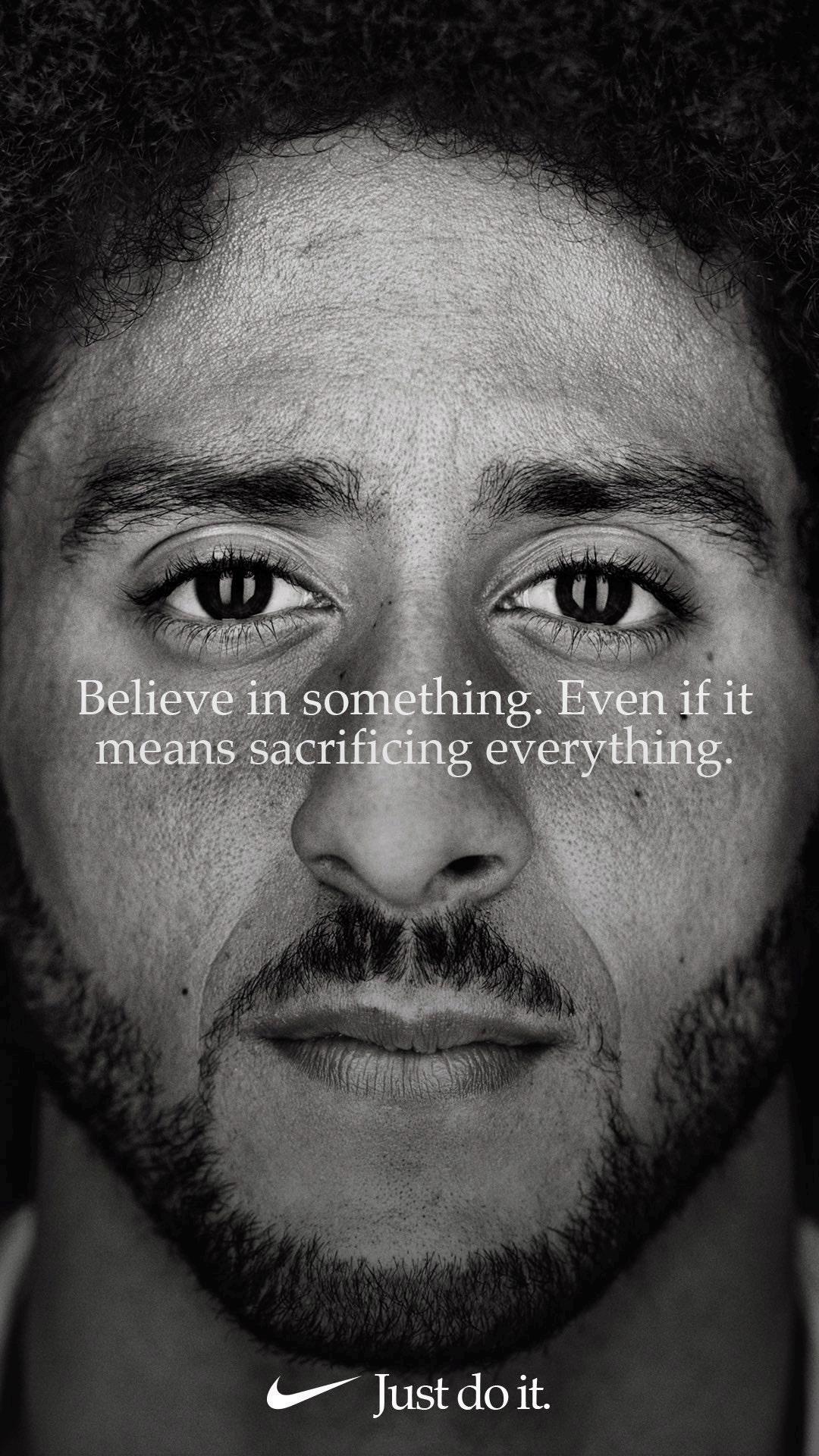
So, despite all the controversy, Nike as a brand tasted the ultimate success in both marketing and revenue. Supporters like Nick Cannon used their money and platform to purchase Nike gear and give it to the homeless after the ad campaign was launched In 2019, this Nike Ad campaign featuring Collin Kaepernick, also called "Dream Crazy" won the award for outstanding commercial at the Creative Arts Emmys.
It is very shocking to see that while most brands try to avoid controversy and huge risks, Nike embraces it This could be considered one of the hallmarks of marketing genius
By Adarsh
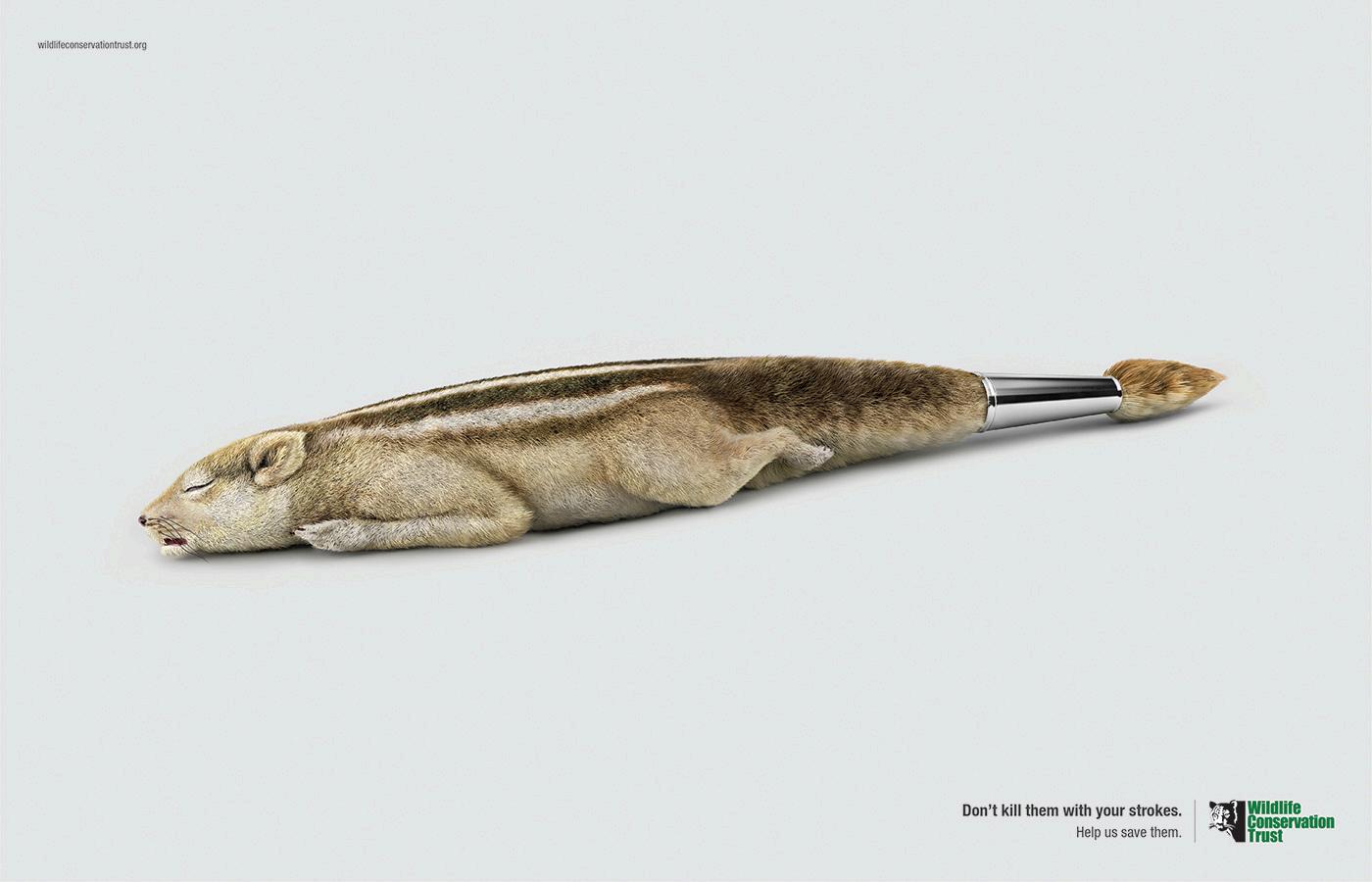
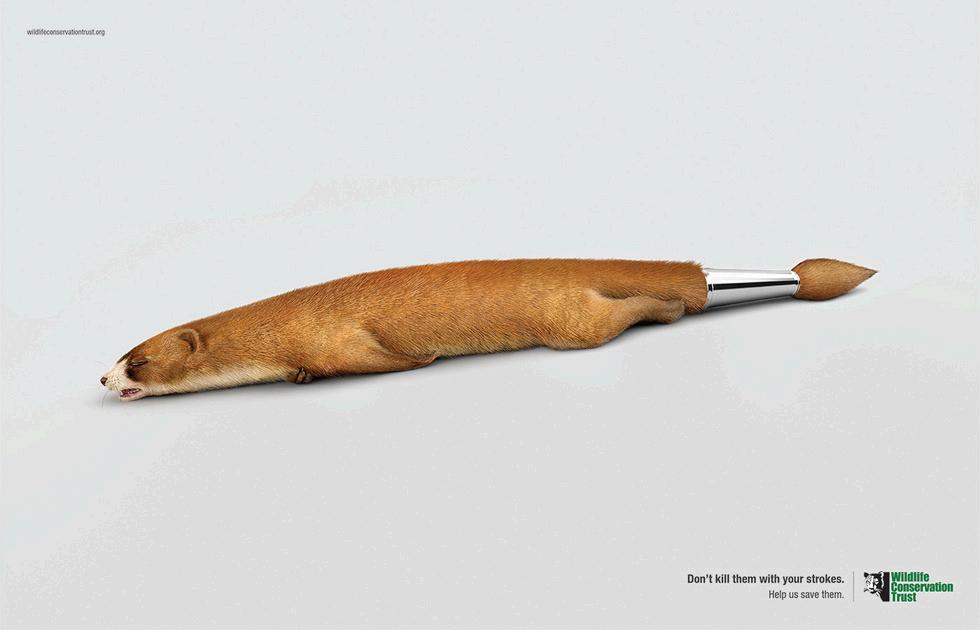
Whenever you go to Art Galleries, you are happy to see the beauty of paintings, but do you know the disgusting truth behind them?
So many innocent animals are killed to make the paint brushes that are used for painting. They are ruthlessly killed just for their hair In India, 1 lakh mongooses are killed every year for this illegal business All the six species of mongoose found in India are accorded maximum protection by law, Listed in Part II of Schedule II of the Wild Life (Protection) Act, 1972, and trading in their hair or any other body part is illegal That's why in 2017 The Wildlife Conservation Trust launched a campaign against it "Should art kill?".
Wildlife Conservation Trust (WCT) was established to protect India's life-giving ecosystems in a holistic, sustainable manner Currently, WCT operates in 160 protected areas across 23 states in the country and covers 82 percent of India's tiger reserves, 24 percent of national parks and sanctuaries and affects a population of about 3 5 million people.
While synthetic bristle brushes are available, artists generally prefer to use the more ‘natural feeling’, fur brushes, unaware of the illegal poaching that goes into delivering the same, according to a release.
There had never been a campaign like this before. This was the first time people were learning about it and taking it seriously. The Wildlife Conservation Trust made schools, artists, students, and manufacturers aware of the use of fibre brushes instead of fur ones to save wildlife. The Wild Life Conservation Trust wanted to make people aware of this through a social media campaign that showed brushes being made from animal bodies. The image splashed across these pages is part of a public awareness campaign by WCT aimed at bringing to the eyes of the masses, in a stark yet subtle manner, the story of wild animals that are massacred to satisfy our whims
This campaign won a Gold Abby for Best Use Of Public Service,
Appeals, and Charity (Out of Home) and a Bronze Abby for Best Use Of Computer Generated Imagery (Print Craft) at Goafest 2017 The ABBY awards are the Oscars of Indian ad awards to honour creative excellence in advertising. The success of this campaign has shown that if a campaign is run on social media with a proper strategy, it can leave a deep and positive impact.
In the end, this campaign not only exposed the dirty business of killing animals to make paint brushes from their hair but also created awareness among people to not sacrifice them for their artistic pleasure.

By Abhilash Gupta
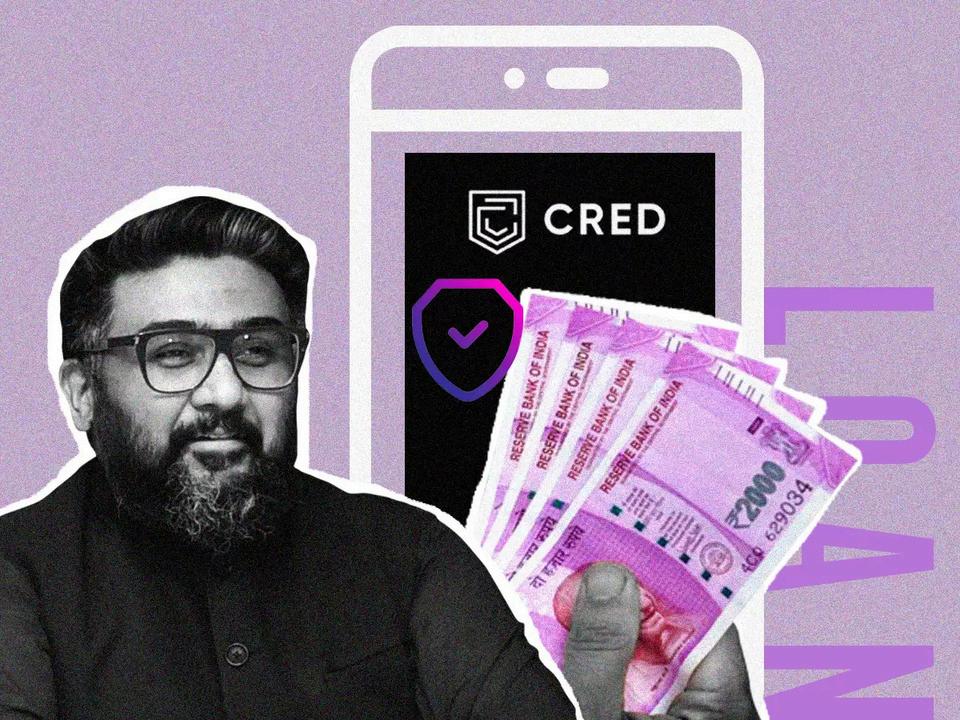
Cred is famous for its advertising Actually, it’s advertising is more famous than itself This success is because of an advertising technique that the company has perfected in a time when attention has become the new oil.
Disruptive Advertising
Shorts & reels have led to a sharp decline in people’s attention span. They are inundated with attention grabbing videos and ads every second of their day. In a sea of such ads, disruptive advertising has allowed Cred to not only garner attention but also retain it.
Now, disruptive adverting alone isn’t the ONLY reason Cred also understands its target audience That’s why it uses celebrities from an older era to connect with them (more on that later)
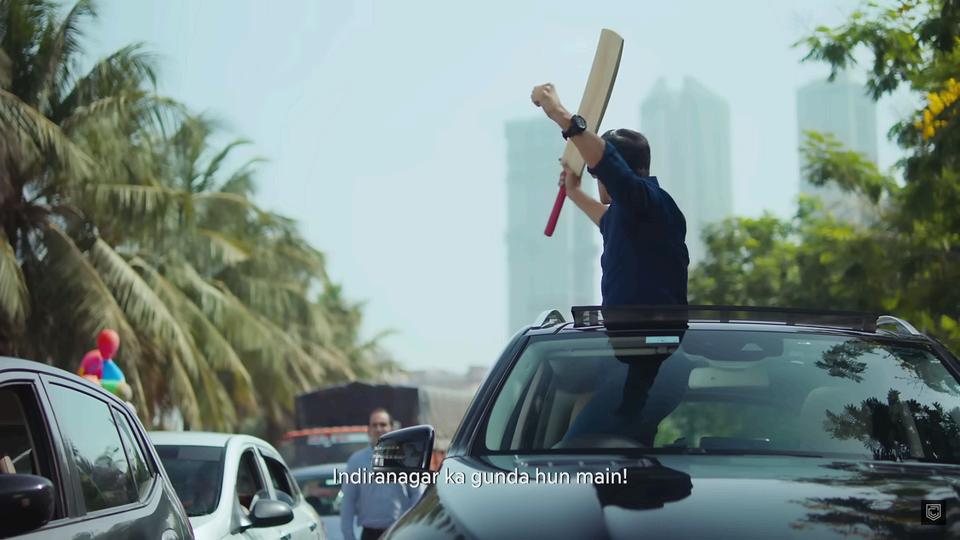
As a result, Cred was able to generate viral tweets, trending hashtags and massive revenue. But it also burned a huge hole in the company’s pockets After all, somebody has to pay Rahul Dravid to shout “Indranagar Ka Gunda” or for Kumar Shanu to sell insurance.
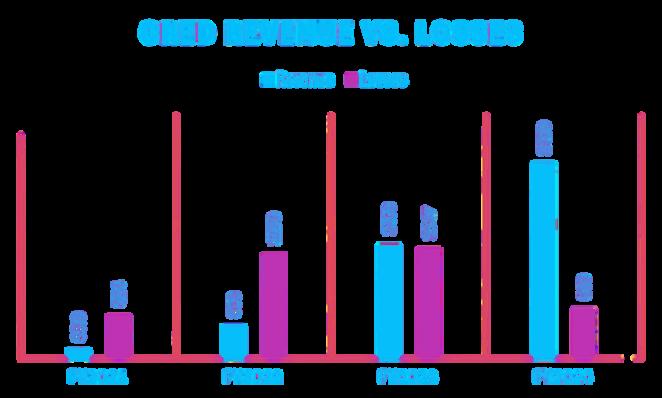
The company is yet to be profitable While its revenue has increased more than a thousandfold, its losses have increased likewise. Many have
questioned this model of burning cash to acquire customers.
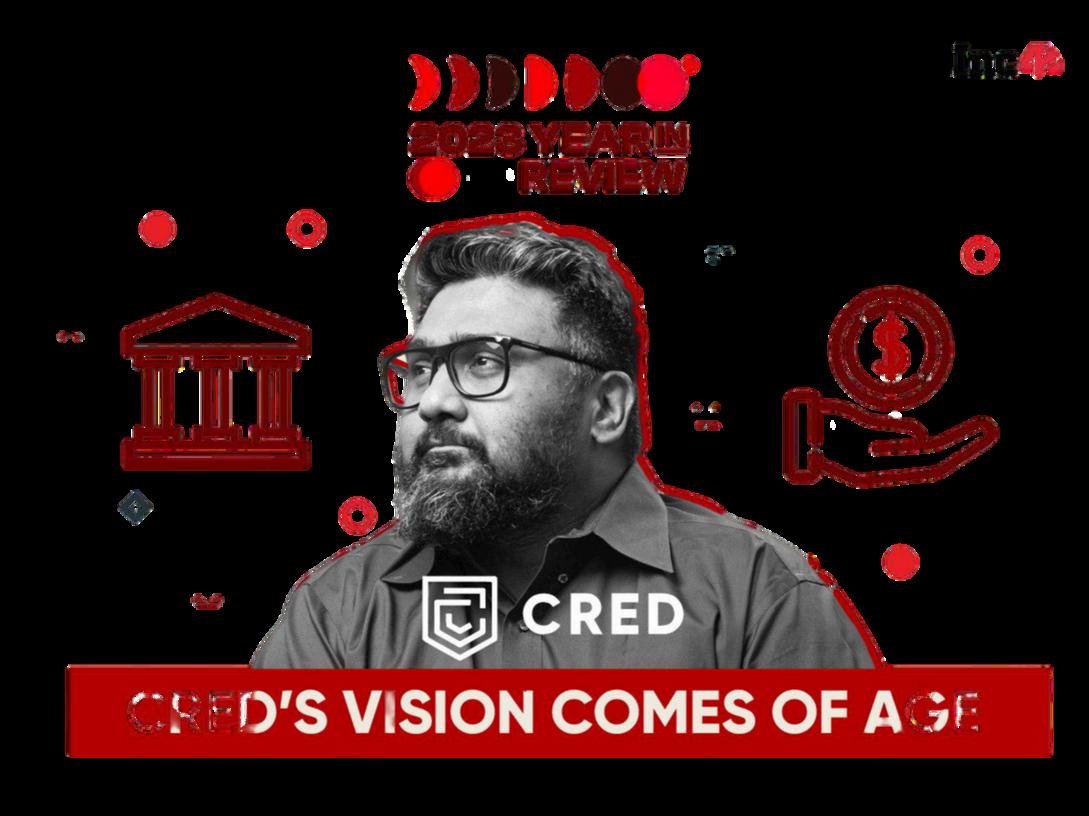
Kumar Shah, Cred’s founder, has been at the vanguard defending this strategy For him, burning cash and putting the entire company at risk is more favourable than the pervading Bhartiya mindset of Government jobs But is it worth the risk?
Cred caters to the crème da le crème of the Bhartiya economic classes The top 1% who own credit cards and have a CIBIL score of more than 750 are the only ones allowed to use Cred.
This customer base will pay mad
bucks for convenience. And that’s exactly what Cred aims to deliver. It entices potential customers with incentives (cashbacks and rewards) generating high trust amongst them It then uses this trust to market other financial products to its user base which they would be more likely to adopt given their initial positive experiences with the app All Cred has to do now is begin charging its customers for these products. Hook, line and sink!
This is its strategy And on paper, every customer will have to generate a lifetime value of more than ₹30,000 to justify Cred’s valuation of ₹57,000 Crore
In reality, this model of burning cash to acquire customers, building high trust and eventually monetising them is working for Cred
In FY24, Cred cut its losses to ₹609 Crore from ₹1,007 Crore just a year earlier. And its revenue has grown 66% to ₹2,400 Crore.
The bulk of its revenue is coming from Cred Cash, its instant money lending service. With just a PAN number and a few documents, Cred users can avail substantial sums of money instantly
Since all Cred users have a 750+ CIBIL scores, its NPAs have remained below 1% which has allowed it to generate a higher margin from its loan book.
Another well performing product is Cred Garage. It provides a one-stop solution for end-to-end vehicle
management services like insurance, parking, maintenance etc Currently, Cred is managing around 65 lakh vehicles through this platform
Again, catering to a rich minority of Bhartiyas is working for Cred. Only 7 5% of Bhartiya households own 4-wheelers.
No, not exactly Only a third of Cred’s user base is monetised. To justify its valuation of ₹57,000 Crore, it will have to grow at a rate of 80-100% in the next few years to reach a revenue of ₹8-₹10,000 Crore. According to investors, once Cred reaches this point, its valuation will be better justified. But how is it going to achieve a sustained growth rate of 80100%? By monetising more users? Kunal Shah posits an answer.
“Many companies that had a lot of flak have now become big poster boys in the public markets and are now celebrated by the whole country,” he said in an interview to Mint dated 28th September 2024.


By Ankush Kumar
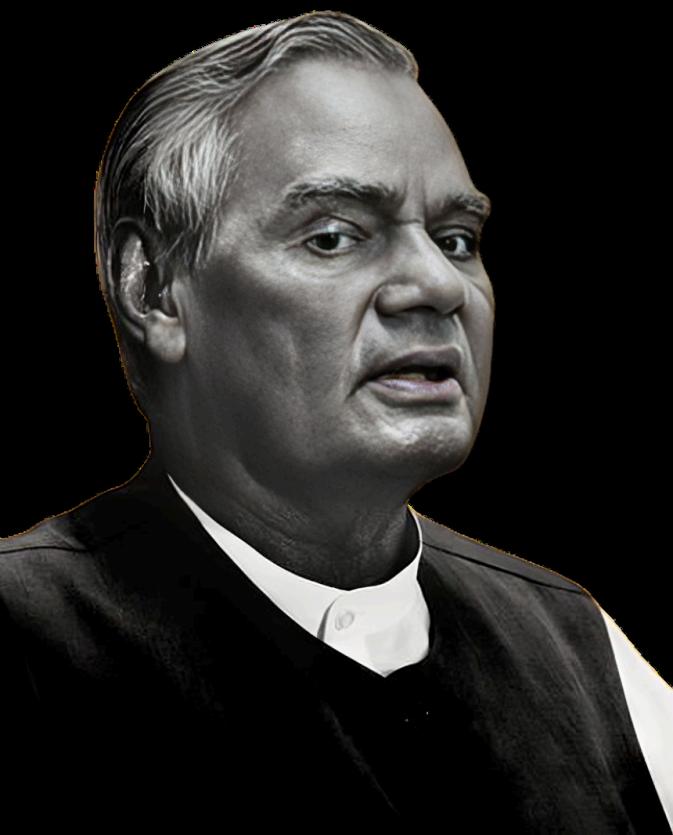
The "India Shining" campaign was one of the most important political and marketing campaigns launched in the year 2004 by Bharatiya Janata Party,announcing economic growth and development under the leadership of Prime Minister Atal Bihari Vajpayee The campaign was conceptualized in mind of achievements made during the tenure of the NDA government from 1999 to 2004 under the regime of the BJP. It featured several key themes: economic reforms, the advanced technological agenda, progress in infrastructure development, and India's growing global presence
The India Shining campaign took nearly all the forms of media, from TV to radio, and various print and billboard advertisements. It was an extremely polished and expensive campaign, projected as the shining image of progress and opportunity in India They spent Rs 5 million on this feelgood campaign and lost miserably and very badly in General Elections 2004
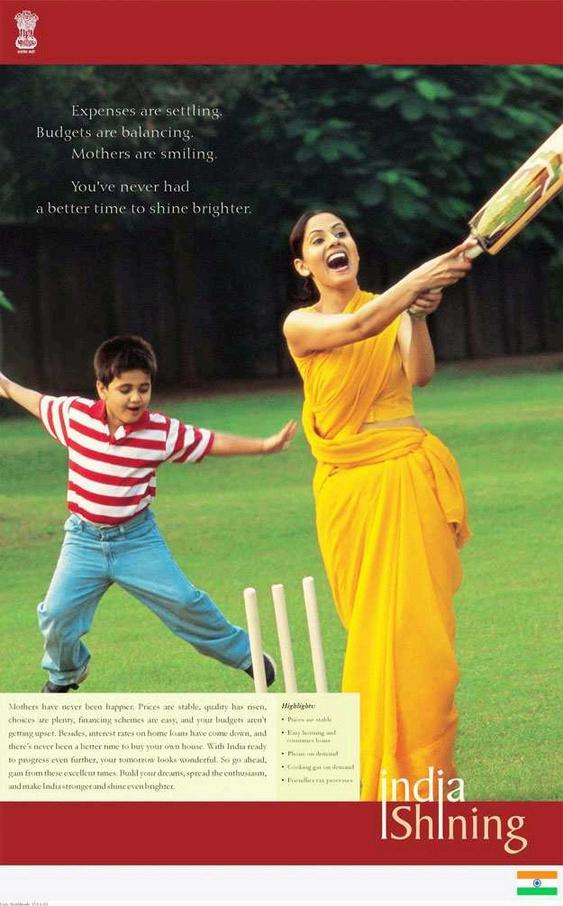
Let’s Decode how this campaign went wrong at the brink of optimism
it only concentrated on the urban middle class and did not take much account of the rural fellow citizen or economically deprived sections.
One aspect it overlooked was a vast population which was still struggling with poverty, unemployment, or inadequate infrastructure Developing effective campaigning depends on an appreciation of, and attention to, the varied needs of all sections of society-wheat farmers and city dwellers alike Campaigns that resonate with the realities of people would be far more believable and are likely to click with a larger group
While India Shining campaign was successful in talking about a success story, it missed out on telling people that in reality there are so many Indians who are still facing important issues. Munmun's talk encourages people to focus on achievements but then lose touch with others left behind Successful campaigns must build optimism, yet campaigns must be able to celebrate successes and address problems that persist. For example, a campaign would talk about economic growth but acknowledge people still face unemployment and regional imbalances, which builds a feltsense narrative from which people can better relate.
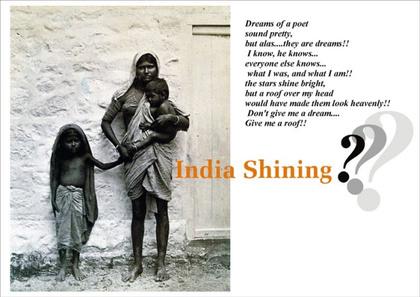
The great regional contrasts of India throw up a much wider chasm between areas that have enjoyed prosperity and economic growth, whereas others still suffer from infrastructural deficits and shortages of basic service delivery
This campaign failed to reach out to and communicate these local needs, making its message fall flat in many regions and parts of the country The localizing of the message makes it relevant to the issues of specific locales.
A key weakness of the India Shining campaign was its reliance on abstract narratives of economic success instead of real-life stories. Impersonal messaging fails to create emotional connections, and including authentic testimonials from beneficiaries could have humanized the campaign highlighting improvements in farm incomes and access to education
In addition, the campaign promised everything and delivered little Overpromising
and underdelivering could prove to be disappointing. A good campaign should set realistic expectations and lead the voters to perceive how these aspirations are to be achieved Instead of promising to eradicate unemployment, focusing on specific job-creation and training programs would strengthen and make the message sound like the real thing.
In conclusion, the India Shining campaign offers a very important lesson in message delivery when they become out of touch with realities among the people A good campaign would evolve a message that addresses the needs of its audience, balances optimism with realism,local content,includes real stories, and sets real targets. The most successful campaigns resonate not just with aspirations but with the actual experiences of the people they intend to serve

By Aastha Monga
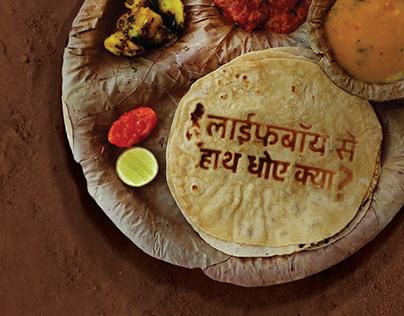
Forget the billboards. Forget the flashy jingles Forget the catchy TVCs. Lifebuoy’s marketing playbook took an unexpected twist at the 2013 Maha Kumbh Mela, where they stamped their message on something that had no competition for attention: ROTIS. Yes, the humble roti you’re about to devour.
At one of the world’s largest religious festivals, with over 100 million people gathered, Lifebuoy did something unheard of—they turned rotis into hygiene warriors. Amidst the sea of saffron robes, the echo of sacred chants and bustling community meals, a question quietly made its way into millions of hands: “Lifebuoy se haath dhoye kya?” Translation: “Did you wash your hands with Lifebuoy?”
THE EDIBLE REMINDER
The genius behind this was as simple as it was groundbreaking. In a place where traditional hand washing reminders would likely be ignored, Lifebuoy decided to think inside the tandoor, and literally put the message on what everyone was already looking at their food With over .5 million rotis stamped with this message across 100 kitchens,
there was no escaping 2 the nudge The campaign went on for the month of February, 2013. Each bite became a reminder to keep those hands clean.
You might think an idea this creative would come with a jawdropping budget Think again Lifebuoy spent just $36,000 on this campaign. For context, that's less than the cost of a single prime-time TV ad slot during a major event But what did they get in return? A whopping $59 3 million worth of media impressions. Yep, that’s 1600 times their investment. It’s like getting front-page news coverage for the cost of a samosa
This wasn’t just about boosting Lifebuoy’s soap sales (although, spoiler alert, they did hit a three-year high in market share after the campaign). It was about something much bigger: hygiene awareness. The company, along with Ogilvy, managed to imprint the message on 2.5 million fresh rotis The 'Roti Reminder’ idea was to get the consumer's attention at the exact time
when handwashing is critical. With millions sharing meals at the Kumbh Mela, where hand hygiene could often be an afterthought, this creative intervention had a direct impact on health By linking food and hygiene in such a clever way, Lifebuoy managed to get people talking and, more importantly, acting.
Fast forward to today postpandemic, where hand hygiene is no longer a recommendation but a way of life Looking back, Lifebuoy’s cheeky roti campaign feels almost prophetic What was once a quirky, unforgettable marketing stunt now seems like a foreshadowing of the hygiene challenges the world would face in the coming years.
So the next time you tear into that soft, warm roti, do not just taste it; let it remind you of something Remember that once upon a time, a simple piece of bread wasn’t just food, but a messenger of hygiene, health, and creativity. Lifebuoy didn’t just stamp a message; they served up a cultural shift with every bite Maybe your next meal won’t come with a reminder, but Lifebuoy’s cheeky roti will always linger, whispering to you: “Lifebuoy se haath dhoye kya?”


By Ananya Keshri
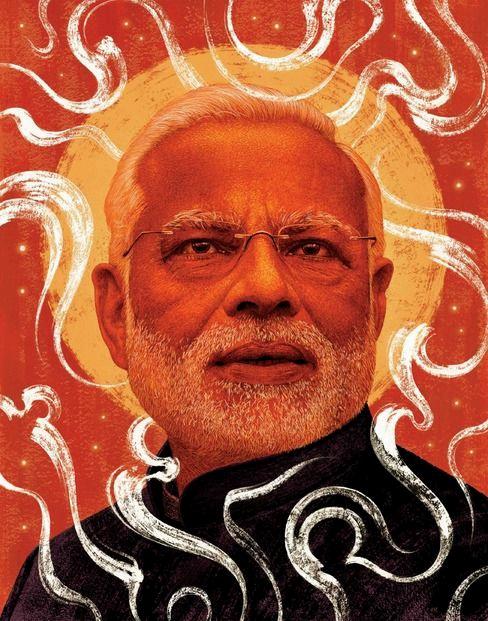
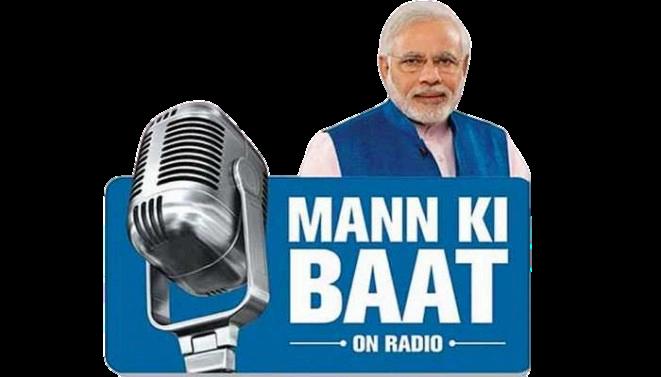
Narendra Modi's 2014 "Abki Baar Modi Sarkar" campaign was one of the most impactful in political PR This slogan didn’t just capture the pulse of the nation; it redefined the way political messages were communicated to the masses. What made the campaign stand out was the unexpected use of radio through the "Mann Ki Baat" program, allowing Modi to connect with both urban and rural citizens alike. By using radio in a new way, the campaign brought the medium back into focus and became a key moment in Indian elections
When most campaigns used high-tech methods, Modi’s campaign recognized that radio could effectively reach rural areas "Mann Ki Baat" allowed him to connect personally with citizens, discussing common issues like cleanliness, women's
empowerment, and farmers’ challenges This emotional connection helped build trust, making listeners feel important By using radio creatively, Modi showed that traditional media could still succeed in the digital age. His personal approach through radio helped him stand out from other candidates and build a strong relationship with voters
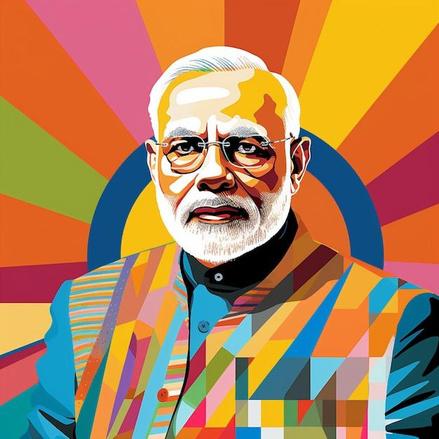
The campaign’s slogan, "Abki Baar Modi Sarkar," meaning "This time, a Modi government," became a viral catchphrase that captured the aspirations of the nation From college students to
farmers, people across India embraced the slogan, using it in conversations, on social media, and even in memes like "Twinkle twinkle little star, Abki Baar Modi Sarkar " The slogan's wide appeal created a cultural movement around Modi’s message of hope and progress
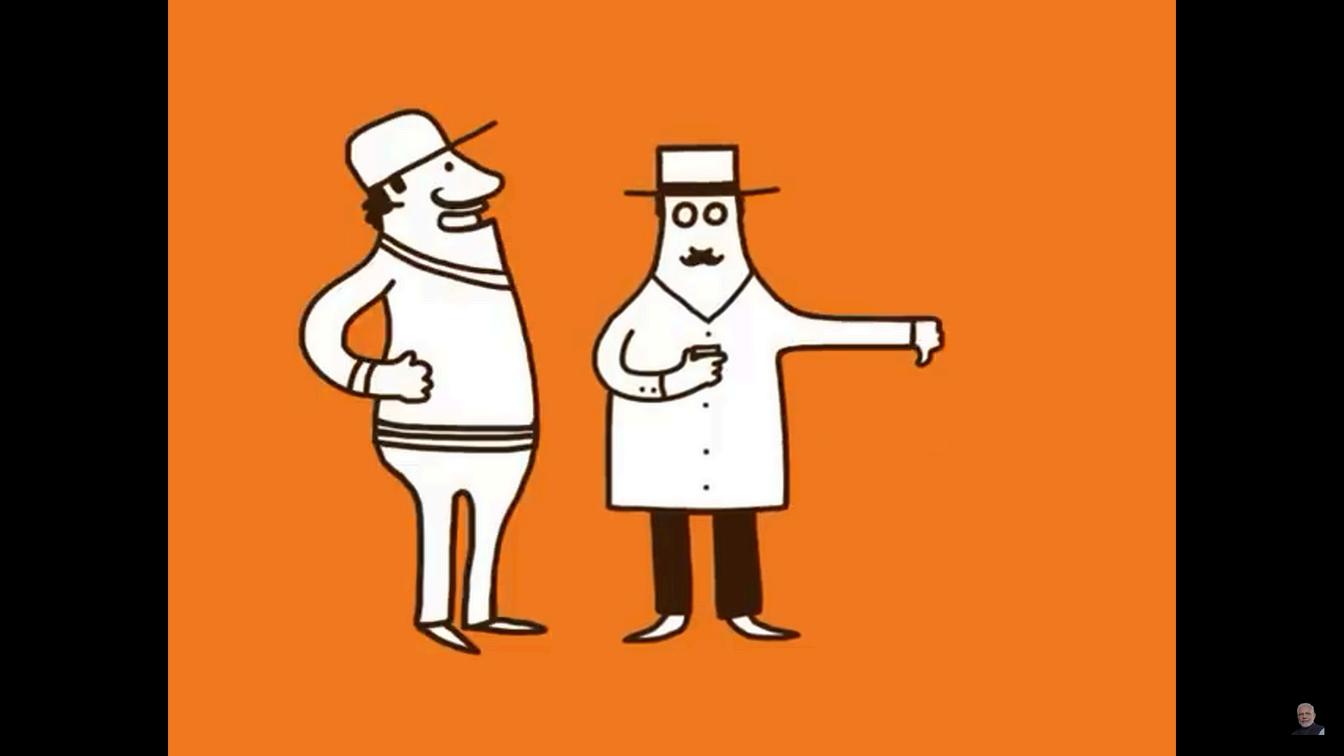
Behind the scenes, this success was fueled by the creative genius of ad man Piyush Pandey and his team from Soho Square To make sure the campaign reached every corner of the nation, they worked tirelessly to create messages that connected with people on a variety of platforms. Every night, Pandey's team created 125 distinct pieces of art for print, television, radio, and even
animated movies. One standout ad featured a bespectacled cricket umpire humorously pointing out Congress’s leadership vacuum, blending humour with political critique. These ads weren’t just promotional; they were subtle yet powerful jabs at Modi’s opponents, delivered in a way that entertained and educated the masses.
used social media, animation movies, and 3D holographic rallies to reach a wide range of people. Modi demonstrated his versatility in reaching both rural and urban voters by using 3D holograms, which enabled him to appear in multiple locations at once.
"Mann Ki Baat" helped to create an emotional bond that was essential to the campaign's success. Modi developed a rapport with the populace by attending to their issues rather than merely seeking votes. He The campaign was unique because it combined modern and traditional media. In addition to radio, the campaign
developed into a dependable leader rather than merely a politician
The campaign also emphasised voter education, explaining how to vote for the BJP’s lotus symbol on electronic voting machines, reinforcing the importance of voter participation.
In conclusion, the "Abki Baar Modi Sarkar" campaign established new benchmarks in political public relations and transformed political communication by successfully connecting with voters through radio and contemporary technology.


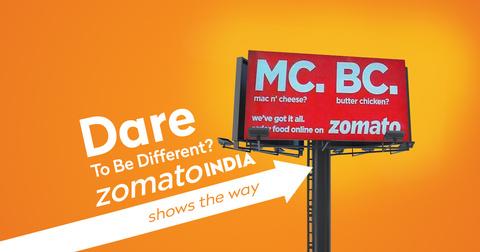
Zomato one of India’s leading food delivery apps, has always been known for its quirky, witty, relatable, and yet out-of-thebox marketing. Zomato is a brand that regularly engages with its audience through creative push notifications, tweets on everyday scenarios, memes on various social sites, and playful quotes on its billboards However, one of their witty wordplay backfired them. Their “MC-BC” billboard created a controversy, instead of laughing at it, people took offense.
The “MC BC” billboard campaign caught people’s attention with its striking simplicity, resembling brilliant red flare over the cities These two letters- “MC BC” became the center of attention but for all the wrong reasons. Zomato, always up for good wordplay, sarcastically revealed that the acronyms “MC BC” stand for two popular Indian dishes- “Mac
n’cheese” and “Butter Chicken”. But anyone familiar with Hindi street slang knows that these two acronyms are in fact wellknown abusive and vulgar terms that are extremely insulting in everyday language They don’t evoke the feeling of comfort food at all This is where the controversy began.
Zomato’s goal was very clearuse a little edgy humor to get people talking They envisioned their customers, taken aback by the brand’s bold move and laughing at the smart wordplay on well-known abusive phrases. Yet the reality was far from their expectations. Instead of evoking laughter, they aimed for, the billboards sparked anger and resentment among the audience
: Zomato underestimated the cultural impact of “MC” and “BC,” commonly used as offensive street slang in India Their attempt to repurpose these as food abbreviations backfired due to the strong vulgar associations, making the campaign seem inappropriate
While Zomato's digital audience
enjoys edgy humor, the billboard's brashness didn’t translate well in public spaces. What worked online for a younger crowd failed to resonate with the wider, more diverse public
Instead of generating buzz, the campaign sparked controversy online, with many criticizing its inappropriateness, especially in public where families could see it. The outrage spread quickly, turning it into a PR disaster for Zomato.
Zomato immediately took down the campaign and apologized. They admitted that they had misjudged the cultural sensitivities surrounding the acronyms. But the harm was already done It was a typical example of a witty brand suddenly finding itself in a foreign environment, where the joke just didn't work. While humor can be a powerful tool, it’s essential to strike the right balance between playful and respectful What Zomato hoped would be a light-hearted foodrelated joke, turned into a lesson in the importance of cultural awareness in advertising
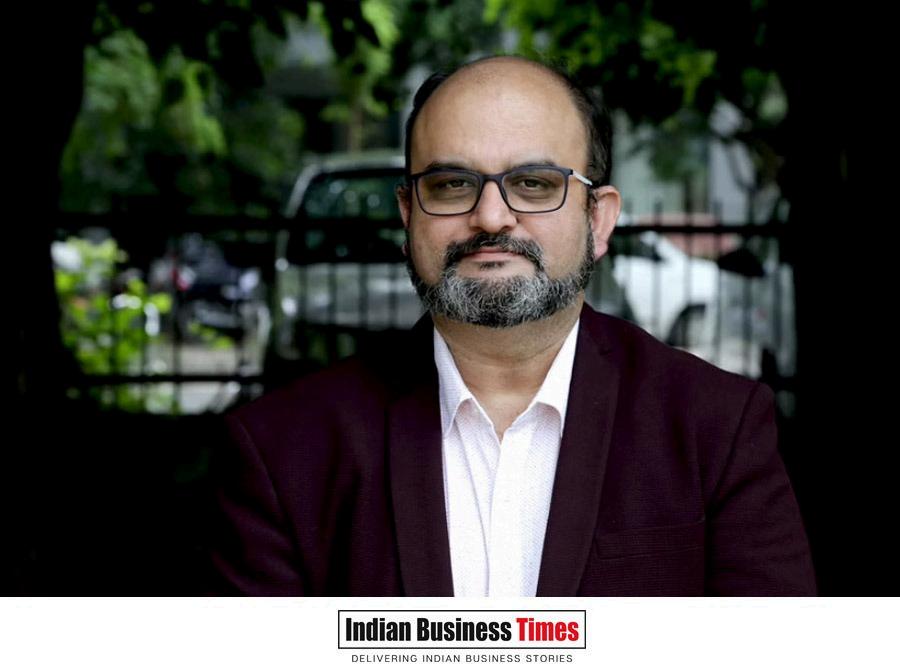
SamirKapurreflectsonsuccess,controversy,andthe powerofimpactfuladvertising
In today’s fast-paced world, advertising and public relations are the lifeblood of successful brand communication. We sat down with one of the leaders of the industry, a key figure at AdFactors PR, to talk about the art and science behind some of India’s most iconic campaigns. With decades of experience under his belt, he shared insights, personal stories, and a behind-the-scenes look at how some of the most successful campaigns were built and sustained
When asked about the most memorable campaign he has worked on, his face lit up as he said, "The one that really stood out was many years back Konkan Railways" This wasn’t just a simple campaign; it was a complex PR challenge involving politics, ecology, and public sentiment “There was a lot of resistance from the Goa belt,” he explained "Politicians feared that the railway would change the demography
of Goa, with Maharashtrians and others settling there." Ecological concerns also surfaced, with NGOs raising alarms about the potential environmental impact.
What made this campaign truly monumental was the visionary leadership of E Sreedharan, now hailed as the "Metro Man of India" “We had to raise funds during a time when no one wanted to invest in a railway project surrounded by controversy,” he said, recalling the struggles AdFactors used innovative strategies to change public perception “We created a visual that showed a hand, much like the Congress symbol, holding a lifeline in the form of a train,” he said with pride “We framed the Konkan Railway as a symbol of progress.”
The campaign also featured endorsements from leading cricketers and politicians, alongside a signature campaign and numerous editorials. Today, the Konkan Railways remains a crucial infrastructure piece, a testament to the success of this PR effort. “The relevance of this campaign is still felt,” he said, emphasising how today's development in the region, like Nitin Gadkari’s highways, has made connectivity seamless
Moving on to more recent work, he shared details of a campaign he described as “the best campaign of last year” Adani’s response to the Hindenburg allegations “It was a complex situation,” he said, as Adani’s stock faced turmoil due to the short-seller report AdFactors executed a 360-degree campaign to restore trust and stabilize the brand, handling everything from media relations to stakeholder management “It was a multi-layered approach,” he said, “and we’re proud of the results we delivered”
Raymond’s18-DayChallenge: From10,000to20,000Crore
Another striking example of his work was with Raymond “People think Raymond is just about suits, but they came to us with a very specific problem double their market valuation in 18 days,” he revealed In just over two weeks, AdFactors managed to elevate the brand’s positioning, showcasing their dominance in the Indian wedding industry "We partnered with PricewaterhouseCoopers to create a report on the men's wedding wear industry a sector rarely highlighted before This report, combined with a comprehensive media campaign, helped Raymond achieve their target.”
On the subject of campaigns with a social impact, his voice softened “The Do Boond Zindagi Ke Pulse Polio campaign is very close to my heart” The effort was monumental in eradicating polio from India, but it was not without its challenges. “We faced resistance from certain religious communities who believed that polio vaccines were against their beliefs,” he said, detailing how the campaign had to be meticulously planned. “Volunteers delivering vaccines were being attacked. That’s when we decided to bring in influencers like Shah Rukh Khan, Salman Khan, and Aamir Khan actors who belonged to the community in question” The use of celebrity influencers helped shift the narrative, and after persistent efforts, India became polio-free “From thousands of cases to zero it was one of the biggest achievements of our time,” he added with evident pride
Couldyoudiscussanycampaign whichfacedhugecontroversyor negativebacklash?
Yes, a recent example would be a campaign from one of my clients, a renowned jewelry brand that belongs to a large conglomerate in India. The ad touched on themes that resonated with their usual narrative, but given the current social and political climate, the right-wing audience perceived it as offensive and inappropriate. This led to a massive online backlash, with people calling for a boycott of the brand. The situation escalated to such an extent that we had no choice but to pull the ad from all platforms
Such incidents aren't uncommon For example, Ola's founder, Bhavish Aggarwal, recently faced backlash after engaging in a public spat with comedian Kunal Kamra on social media, despite our advice to steer clear of such controversies The negative attention that followed damaged the brand's image temporarily
Couldyoudiscussanycampaign whichfacedhugecontroversyor negativebacklash?
The key takeaway is to always ensure proper research. Brands must be aware of the social and political atmosphere they operate in. For instance, a major brand under the conglomerate released an ad supporting same-sex marriage. While the brand was always progressive, the ad was criticised heavily, and they had to withdraw it This shows that regardless of the intent, public sentiment can turn quickly Another example is Yami Gautam, who faced backlash for promoting fairness creams, forcing the brand to rebrand itself and remove the word "fair" from its name The lesson here is simple: as marketers or advertisers, you must stay grounded in the current realities, monitor trends, and always assess the risks Ensure your campaigns align with your brand's core message and values, but also stay attuned to shifting societal moods
Lookingbackonyourjourney, what'ssomethingyoudidright andsomethingthatdidn’twork out?
“One thing that worked well for me was my persistence and dedication Even though I didn't come from a communications background, I worked hard, put in the hours, and built a niche for myself, especially through data storytelling What didn’t work for me was my procrastination I missed out on several networking opportunities that could have benefitted me. So, to the students listening, don’t make the same mistake network aggressively and build your personal brand’’ he said. In conclusion, the advertising industry is fast-paced, competitive, and constantly evolving. It’s essential to stay agile, informed, and willing to adapt. Learn from the campaigns that succeed and perhaps more importantly, from the ones that face backlash. Keep improving, stay curious, and work hard on building both your professional skills and your personal brand
Shiftingthefocusfromcampaigns topersonalgrowth:Whatarethe industry'scurrentdemands?
At this point in your career, focus on learning and absorbing as much as you can Build your personal brand, engage on platforms like LinkedIn, and network extensively You should also stay updated with industry trends by reading marketing, advertising, and PR journals Attend industry events, volunteer, and take every opportunity to meet key players in the field Lastly, work on your professional persona network, create content, and maintain an online presence that reflects your professional goals
"Think Different."
"Because You're Worth It."
"Think Small."
"Impossible Is Nothing."
"Don’t Leave Home Without It."
BMW