FROMTHEEDITOR
Welcometothefirst,scintillatingeditionof[AD]itorial,inwhichwe'rewellonourway towarduncoveringthemostinterestingtopicyet AdvertisingWars.Ourtagline,"The Worldisatwar NotamongstNations,butCorporations!",istruetoitsoriginalnatureof thismodernbattlefield thisisnowarfoughtwithtanksorbarriersbutwithbranding concepts,marketingtactics,andtheinvolvementofconsumers.
Thisthemehasbeenchosenasaprimaryfocustoillustratetheextenttowhichglobal competitionischaracterisedbyanintenserivalryamongbrands.Thesecorporations engageincompetitionnotonlyformarketsharebutalsothroughstrategiccampaigning andmanoeuvring,withobjectivesthatincludesecuringconsumerloyalty,influencing publicperception,andestablishinganichewithinthecongestedmarketplace.
Tous,thestrategytheyuseisasadvancedandsuccessfulasanymethodoftraditional warfare.
ThesubjectholdsagreatdealofrelevanceforanystudentofAdvertisingandPublic Relations.Understandingthenatureofthesecorporatedisputesprovidesindividualswith amoreprofoundviewofhowadvertisingandpublicrelationsstrategiesaredeveloped andimplemented.Itencouragesonetothinkcriticallyregardinghowbrandscreatetheir stands,utilisemedia,andrelatewithpeopleinachievingwhattheywanttohappen.
Inthisdiscussion,wewillexaminethevariousfacetsofcorporateconflicts,which encompasshigh-stakesmarketingcampaignsaswellasinnovativedigitalstrategies,and howtheyinteractwithoneanother.Theinsightsgainedfromthisanalysisprovideuswith significantunderstandingofthedynamicsinherentinthisbusinessenvironmentandthe associateddemandsconcerningskillinput.
Let'slookatthesestoriesandseehowthesebattlesimpactourfieldandwhatthatmay meanforusinthefutureasadvertisersandpublicrelationsprofessionals.Itiscompelling tounderstandtheendgamebehindtheseheadlinesandtoprepareourselvesforthefuture ahead.

EDITOR-IN-CHIEF
AasthaMonga
CONTENT TEAM
AbhilashGupta
AdarshKsawan
AkankshaPriya
AkashDebnath
AmitaYadav
AnanyaKeshri
Ankita
AnkushKumar
DESIGN TEAM
AkashDebnath
AbhilashGupta (CoverpageandBackPage)
AdarshKaswan
AnkushKumar
UNDER THE SUPERVISION OF:
CourseDirector
Prof.(Dr.)MeetaUjjain
AcademicAssociates
Mr.Rohan
Ms.SadhikaSingh
From TV Screens to Touchscreens
By Amita
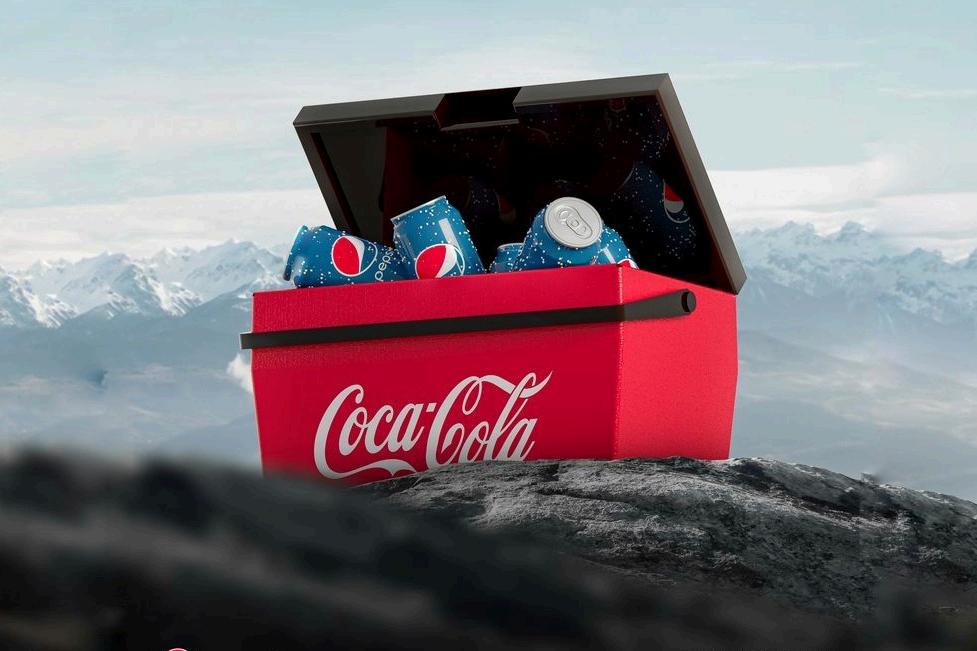

In the good old days, Ad Wars were fought on television screens and billboards, in radios and glossy magazine spreads. The tools were simple but effective catchy slogans, unforgettable jingles, and images that burned into your memory.
But times have changed. The battlefield has shifted to the infinite scroll of digital media, where brands fight for every like, comment, and share in a landscape that never sleeps.
The Cola Wars: Where Nostalgia Met Swag
The Golden Era of TV Ads:
In the 1980s, Pepsi unleashed the audacious “Pepsi Challenge,” a bold and risky move that challenged consumers to a blind taste test between Pepsi and CocaCola Pepsi didn’t just win the
taste test it won over hearts and taste buds alike, securing its place as the bold, youthful choice.
But Coca-Cola, the heavyweight of the beverage world, wasn’t going to be outdone Their counterattack came in the form of iconic ads like the “Mean Joe Greene” commercial, where a gruff football star found a soft moment with a bottle of Coke That wasn’t just an ad it was a cultural touchstone. Coca-Cola wasn't selling soda; it was selling nostalgia, comfort, and the idea that drinking a Coke was like being wrapped in a warm hug
The battlefield was clear: Pepsi was youth and rebellion, CocaCola was comfort and legacy And this war wasn’t just about drinks it was about identity.
The Digital Revolution: From Commercials to Clicks
Fast forward to the digital age,
and the battlefield has completely transformed The screen is no longer the TV it’s in your pocket, on your laptop, in the palms of your hands And so, the Cola Wars evolved too
Pepsi, always quick to seize the moment, turned to the swagger of youth with its “Har Ghoont Mein Swag Hai” campaign. This wasn’t just an ad it was a cultural movement, fueled by Bollywood stars like Tiger Shroff and Disha Patani, with the cool kids of Instagram and YouTube leading the charge. Pepsi wasn’t just selling a drink; it was selling a lifestyle, one post, one hashtag, one viral moment at a time
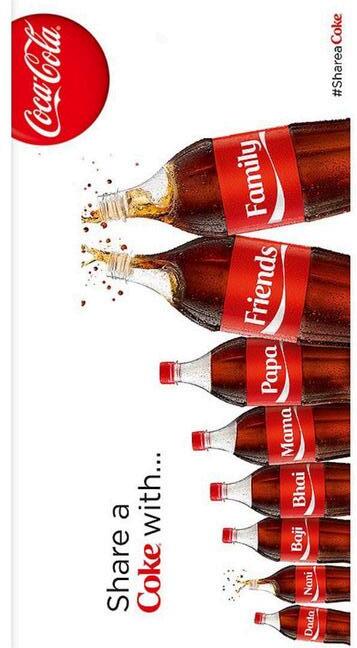
Coca-Cola, true to its roots, took a more personal approach in this new digital world Their “Share a Coke” campaign wasn’t just
marketing it was genius. By printing popular Indian names on Coke bottles, Coca-Cola invited people to find themselves in the product, to share their personalized bottle with friends, family, or even strangers It was an invitation to connect And it worked Social media flooded with people posting pictures of their bottles, tagging their loved ones, and using the viral hashtag
#ShareACoke Coca-Cola didn’t just create an ad it created a movement that spanned generations and blurred the lines between personal experience and brand identity
The New Frontline: Your Feed, Your Heart
Today, the battle isn’t for your TV screen it’s for your feed, your attention, your loyalty Brands don’t just want to be seen they want to be felt In the age of influencers and viral moments, we no longer trust faceless ads we trust people And that’s where the real war happens now In a world where a single Instagram post can topple a million-dollar ad campaign, the power is in the hands of the people and the brands know it
The Law of the Land
By Abhilash Gupta
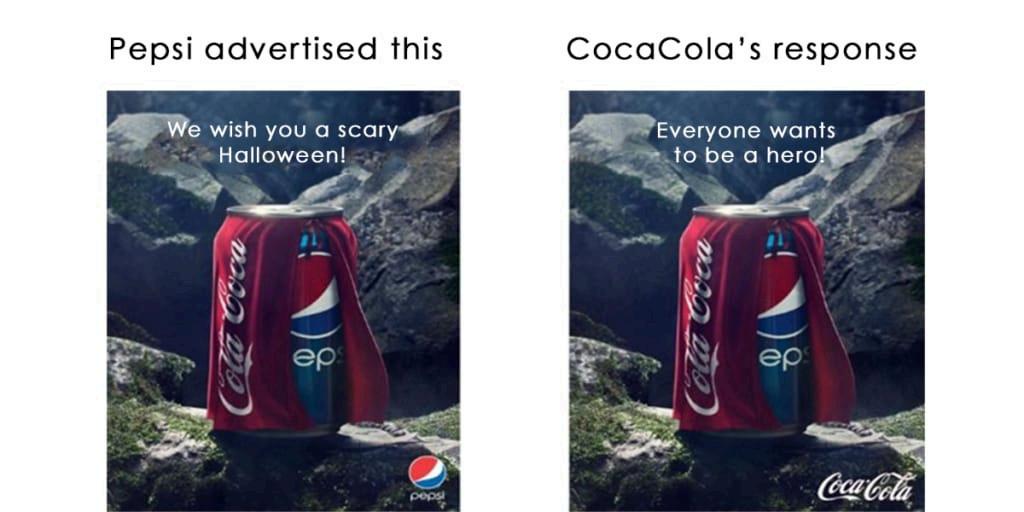
The question of legality looms large whenever advertisement wars are talked about “Is it really legal to call your product better than your competitor’s?” As it turns out, it is perfectly legal to do that. But there is a catch, you can’t denigrate your competitor’s product That’s illegal Confused? Don’t worry, let me explain.
“Itisonethingtosaythatthe defendant’s[seller]productis betterthanthatoftheplaintiff [competitor]anditisanother thingtosaythattheplaintiff’s productisinferiortothatofthe defendant.”–DelhiHC

In advertising, you must attract the attention of the buyer before you can sell your product The AIDA model – Attention, Interest, Desire and Action – sums this up. In a world saturated with advertisements, attention has become a key currency And in the advertising world directly referencing your competitor in an ad leads to higher attention. Thus, many sellers do that However, in doing that they must tow the legal line They must base their claims of superiority on fact. For example, in its famous ad campaign, Rin relied on the tests of an independent lab to claim itself better than Tide
The intention of the ad also matters. Is it to display the seller’s product in a positive light or does it have the malicious intent of disparaging the competitor? If the
latter is true, then the seller has to withdraw his ads and must pay reparations to this competitor
Alright so, as long as the seller says his product is better without claiming his competitor’s product is worse, he is legally okay Got it But wait a minute? What about the statement “India’s No.1” or “World’s Best”? Whoa, that’s not factual at all. That MUST be illegal, right? No It’s called “puffing”, and it is indeed legal
Whataboutthestatement“India’s No.1”or“World’sBest”?That MUSTbeillegal,right?No.It’s called“puffing”,anditisindeed legal.
The Supreme Court explains this in the case of Colgate v. Hindustan Lever (1999) that such expressions (“India’s No 1” or “World’s Best”) cannot be taken seriously by any reasonable
viewer and are only used to gain momentary attention Even if someone set out to prove such claims, they will quickly find the endeavour to be fruitless. For example, the world's fastest car is an objective claim which must be backed by fact while World's comfiest car is a subjective claim and depends on the consumer.
Therefore, it can be summarised that ad wars are perfectly legal as long as claims of superiority are backed by fact. If the claim is subjective and cannot be proven, then it falls under “puffing” which is legal too On the other hand, it is illegal if the ad is made with the malicious intent of disparaging the competitor which will result in financial damage or loss of market share for them
The Art of Unspoken Competition
By Ananya
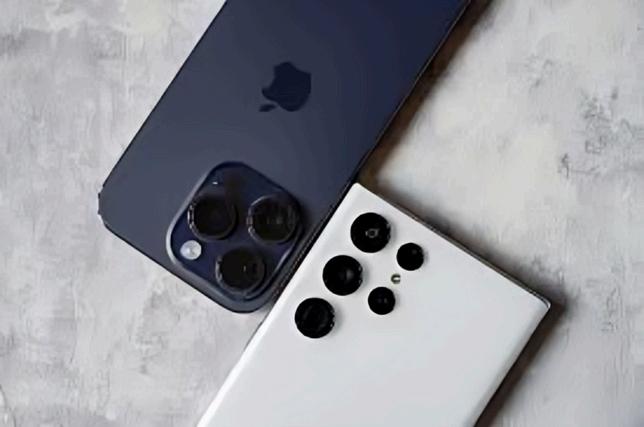
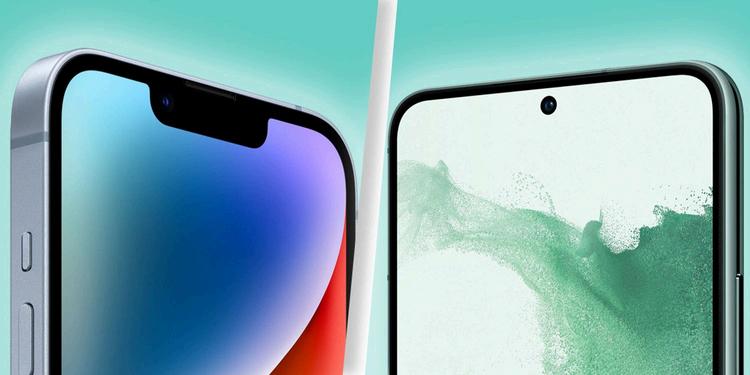
In the fiercely competitive world of tech giants, Apple and Samsung have mastered the art of speaking without words. These two powerhouses don’t need loud declarations to assert dominance they let their visuals do the talking Their advertisements are more than just promotional tools; they are carefully crafted, silent battlegrounds where design, colour, and subtle cues shape consumer perceptions
Apple’s Quiet Confidence
Apple is known for its sleek, minimalist approach to both product design and advertising
Rather than acknowledging competitors directly, Apple lets its products shine on their own. Take the "Shot on iPhone" campaign, for example stunning visuals showcased the iPhone's camera prowess without once comparing it to another brand. This unspoken assertion of
superiority positions Apple as a leader, relying on elegance and simplicity to convey confidence in its products. By avoiding direct confrontation, Apple builds brand loyalty through trust and a sense of effortless quality
Samsung’s Playful Provocations
Samsung, on the other hand, takes a more playful route, often using subtle jabs at its main rival he "Growing Up" ad is a prime example While never explicitly naming Apple, Samsung cleverly contrasts its Galaxy line with the iPhone, pointing out the latter’s perceived shortcomings through humorous and relatable scenarios. From standing in long
The Power of Visual Storytelling
queues to dealing with inconvenient dongles, Samsung creates a visual narrative that suggests their products are the more progressive choice. This approach, filled with satire and suggestive imagery, connects emotionally with consumers, inviting them to laugh at the competition while embracing Samsung’s innovative spirit. What makes these campaigns truly brilliant is their ability to evoke emotions and shape perceptions without direct confrontation. Apple’s minimalist, elegant visuals signal that it doesn't need to engage in comparison to prove its worth Samsung’s playful, almost rebellious, use of imagery positions it as the underdog, quietly challenging Apple’s dominance Both companies excel in using design, color, and storytelling to create deeper connections with their audiences demonstrating that sometimes, the most powerful messages are the ones left unspoken In this silent advertising war, Apple and Samsung teach us that true market leadership lies not in loud proclamations, but in the subtle, artful power of visual communication
Scroll, Laugh Buy!
By Aastha
Once upon a time, in a land far, far away, brands sold products Yes, dear reader, they used to advertise in a straightforward manner, telling you how MentosDimaag Ki Batti Jala De! But welcome to the present, where products no longer matter It’s all about memes. Memes so engaging, they end up in your WhatsApp chat groups.
Zomato vs. Swiggy:
The Battle of Bytes (And Bites)
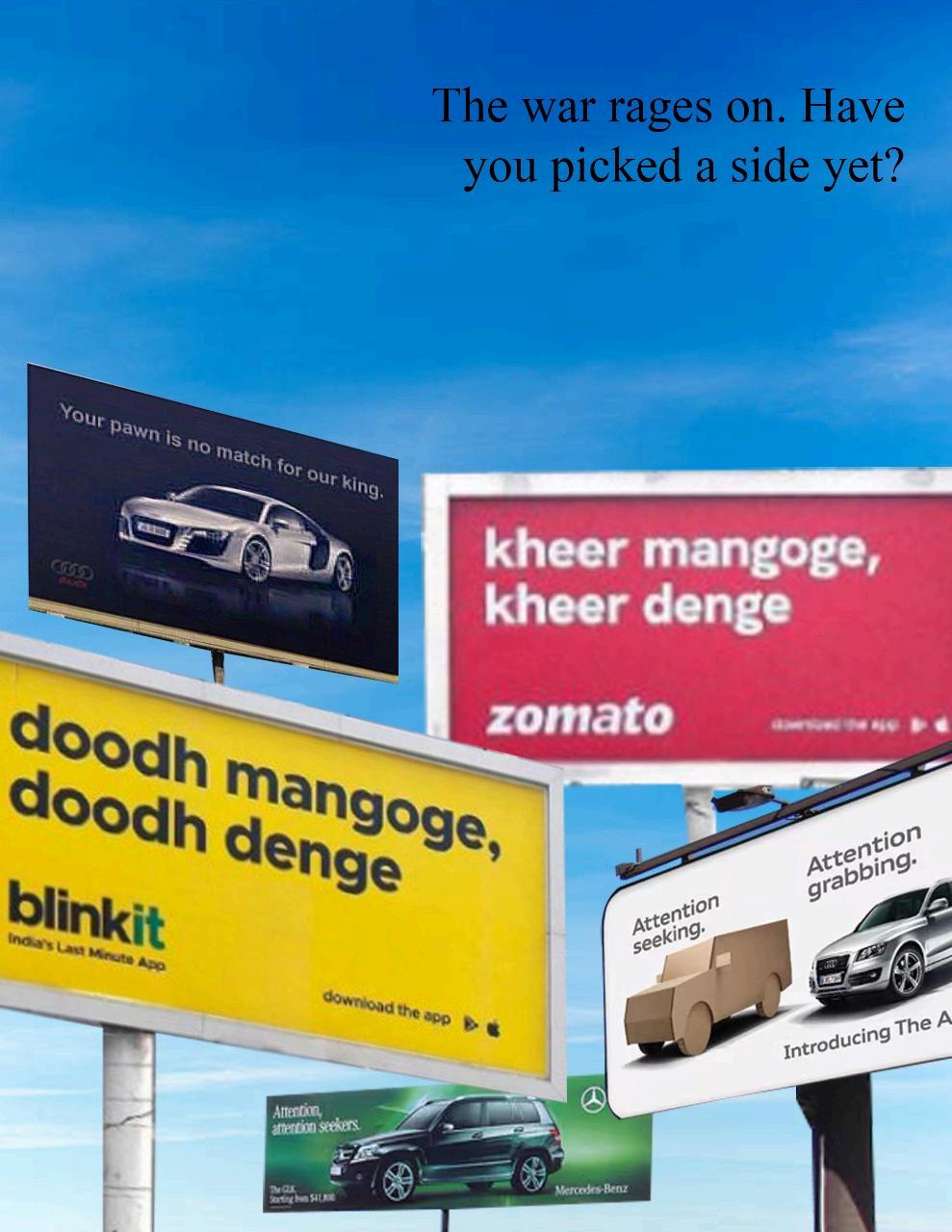
Ah, Zomato and Swiggy our friendly neighborhood food deliverers, turned meme warriors. They used to just bring us pizza, but now? Now they bring us meme content hotter than the biryani you ordered two hours ago that still hasn’t arrived. These two giants are now competing not for your order but for your attention, turning it into a contest where success is measured by retweets Take the IPL, for example where the action wasn’t just on the field but in your Twitter feed Zomato, channeling their inner Gandhian, slaps Swiggy with a peaceful meme: "When your Swiggy order takes longer than CSK to chase ” Swiggy, not wanting to be beaten, responds
orders be like Test cricket, while we deliver like T20." And just like that, the scoreboard reads 1-1 But let’s face it, the only winner here is your timeline
Why Memes Are the New Currency in Advertising
So why have memes become the nuclear warheads in the world of ads? It’s simple Memes are the marketing equivalent of a slapstick comedy fast, funny, and perfect for a world where we can’t pay attention for more than 7 seconds (I see you skipping past this article already) They’re a way to say, “Hey, we’re cool, we get you, and also, buy our product without realizing we just sold it to you ” Memes have become the new gold standard in advertising because
instant rewards and social bonding. Think of memes as the digital equivalent of a high-five they give us a quick burst of pleasure and a sense of inclusion
When a meme makes us laugh, it triggers a dopamine rush, encouraging us to share it and, by extension, the brand behind it
Thisprocessmakesbrand messagesfeellesslike marketingandmorelikean insidejokewe'reinon.
Instead of the usual advertising noise, memes cut through with humor and familiarity, embedding themselves into our social feeds and our minds It's not just about selling products anymore;
It'saboutcreatingashared momentofconnectionand amusement
In India, where we’ve turned sarcasm into a national pastime and our love for memes rivals our love for overcooked chai, brands have realized that making you laugh is more important than making you think Why? Because thought requires effort. And who has the energy for that when you’ve got dank memes to scroll through?
Retro Rewind
‘Doodh si safedi Nirma se aaye, rangeen kapde bhi khil khil jaye, sabki pasand Nirma, washing powder Nirmaaa’
I know you remember this tune, you can forget your school assembly prayer, but never this song! This is proof that memes were always a part of the Indian Advertisements, and… they worked.
If you think memes are a new-age gimmick, think again Remember the "Airtel 4G Girl" ads that had us glued to our screens, or the quirky “Vodafone Zoo Zoo” ads that made us feel like that was the coolest thing ever? Indian brands have been memeing their way into our hearts for ages.
Future Shock
Fast forward to the future where memes will not just sell you toothpaste but might just whisper sweet nothings about “Ganji Chudail” into your unsuspecting soul Brands will no longer compete with their products

but with their ability to hit the right meme nerve. Expect a world where your favorite toothpaste might drop a “Babu Bhaiya” reference just to keep you grinning through the existential void. The future is not just bleak; it’s a meme-filled circus where the brand with the most ironic sense of humor will reign supreme
Abtobazaarbhi‘Yebikgayihaigormint’keraastehai, Jahaan‘paisahipaisahoga’memeskevastehai!
Yahan‘Chaipilo’sezyadaviralhaiofferskagame, Brandsbhiab‘Rasodemeinkauntha’sebechrahehainname!
Abtoh‘Dekhbhai’memeshisabkuchchalayenge, Salesbhitabhibadhengejab‘JCBkikhudayi’dekhpayenge!
Abbrandsbhi'Pawrihorahihai'meinghusgayehain, 'Shweta,yourmicison'seoffersbajrahehain!
Aapchronologysamajhiye' pehlememes,phirlikes,phirsales, Hardeal'ShahRukhkapathaan'banchukihai,fullcraze!
Suno,ab‘MirzapurkaGuddubhaiya’bhikehrahahaiyehbaat, Memeskebinakoiadaajkalnahihotahaihit,nabaat!
Abtohadsbhi'HeyPookie!'kehketumhepasandkarvarahe, Auroffers'Verydemure'stylemein,ekdumclassylagrahe!
Memeskethroughbrandsbolrahe,'It’sgiving bestdealvibes,' Shoppingmeinab'Slay'aur'Stan'kamazaaarahahai,nolies!
‘They Are Playing With You’
By Akanksha Priya
Y c b D

Loaded fries or salted fries? Oh! Wait, what is happening!? A bright white light shines in your eyes. You blink, and suddenly you find yourself in a war zone where burgers and soft drinks become a trendy weapon of choice
Welcome to the dynamic world of ad wars, where brands don’t simply compete but clash for your attention, loyalty, and even your very identity But ever wondered, what makes these battles so addictive to us? It’s all in the psychology behind them yeah, they play with your mind, yes, you too, and guess what? You can’t help it!
Man is wired to compete We enjoy taking sides, whether it’s Hardik Pandya’s divorce, the next elections, or which burger tastes better. This instinct is what
advertisers utilize in creating tribes out of brand names, hence the ad wars.
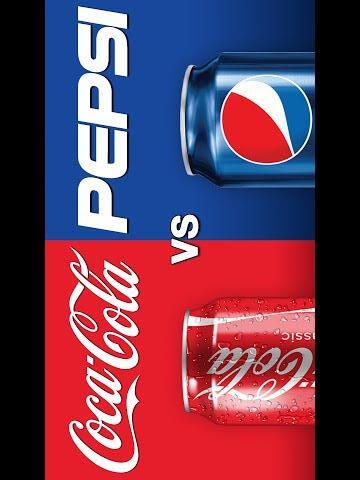
Are you Team Coke or Team Pepsi?
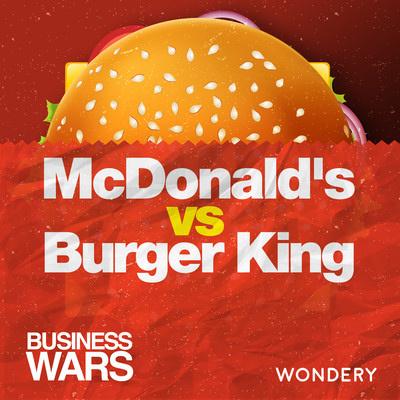
It’s more than just picking a product; it defines who you and what your beliefs entail take an example, The Burge King-McDonald's rivalry h always been epic Burger K “Whopper Detour” campai launched in 2019, shocked everyone. They offered a Whopper at the price of on but only if the order was from within a McDonald’s
Yes, you heard that right! Suddenly, hundreds of peop flooded McDonald’s parkin just to get their rebel Whop wasn’t just about saving mo was about breaking the rules and tellin ultimate joke. Done with th wonder? The burger, a simp thing, was now corrupted in weapon of choice which made
clients feel as though they belonged to an illegal society that was against their wishes.
Status Symbol or Game-Changer?
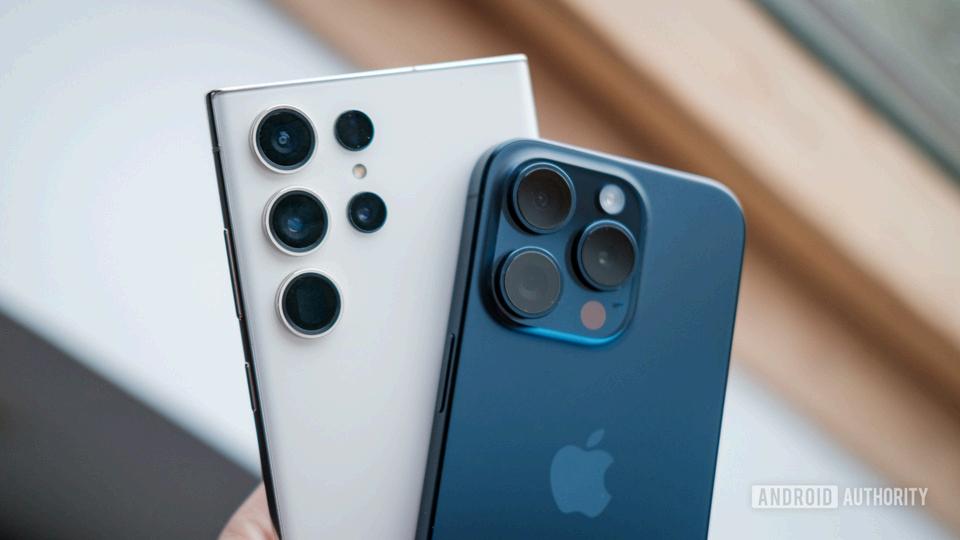
And, oh boy, how could we ever skip over the legendary tech showdown: Apple vs Samsung? Samsung’s ads, with the cheeky tagline “The Next Big Thing,” took jabs at Apple devotees, hilariously showing fanboys and fangirls camping out in never-ending lines for the latest iPhone
Samsung painted itself as the cool, bold choice for rebellious innovators. Apple? It didn’t even bother clapping back why would it? Its fans were practically a lifestyle brand Apple wasn’t just selling a phone; it was serving up a golden ticket to an exclusive club, where owning an iPhone meant you were part of an elite, untouchable crew Sure, here's the revised last line with the Indian context:
While Samsung attracted the mavericks eager to break the mold, Apple buyers especially in India were flexing their ‘status symbol’, where the iPhone mirror selfies are basically their whole identity.
It’s not really about the products but rather about you! (told you, they’re playing with you)
Brands excel in tapping into our innermost desires: being part of something, going against the tide, feeling important Whether ordering a Whopper at McDonald’s, choosing Pepsi over Coke, or queuing up for the latest iPhone, these campaigns touch us personally They don’t merely sell goods they sell narratives When we buy into that narrative, we become more than just consumers we become a part of a community a fighter in the great brand war.
Political ‘Ad’versaries
By Ankush Kumar
We’ve all seen them - the flashy billboards, catchy jingles on TV, or maybe even that pamphlet someone thrust in your hand on a busy street corner. Advertisements are the soul of marketing,but what happens when political parties take a page out of the corporate playbook? Welcome to the wild world of political ad wars!
The Advertising showdown: shaping Bihar’s future
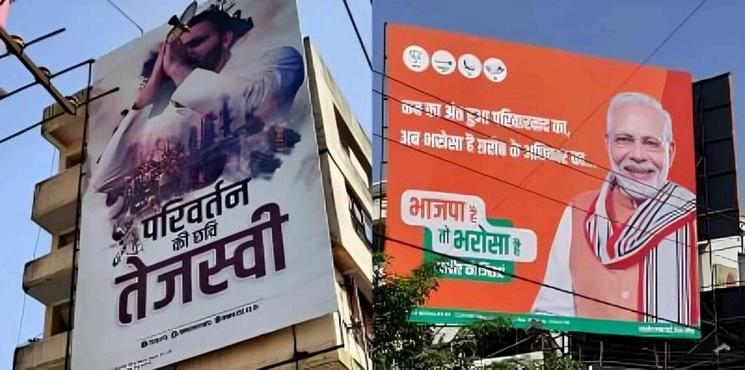
In 2020,Bihar became the battleground for a creative showdown as political parties fought for voters' attention with a lot of advertisements. Let's look at the political ad war in the state of Bihar,focusing on how political parties tried to influence voters through advertisements during the 2020 Bihar Legislative Assembly election. The two main coalitions in the fray were the MGB(Mahagathbandhan) and
the NDA(National Democratic Alliance) NDA had been in power since 2005,while the MGB was eagerly seeking to return to power with full majority.
Crafting a vision: MGB’s push for change
The MGB alliance made unemployment and related issues its primary focus. Their key leader Tejashwi Yadav, promised to provide jobs if elected, linking employment generation to the need for a change in government
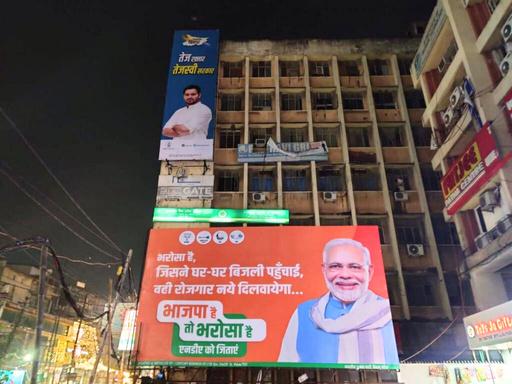
The slogan "Parivartan ki chhavi Tejashwi" (The face of change Tejashwi) became their campaign's rallying cry This advertisement helped instill confidence in voters about Tejashwi's leadership, leading to a boost in MGB's popularity. Other slogans like "Tejashwi May Bihar" and "Tez Raftaar, Tejashwi Sarkar" were also used, projecting Tejashwi as the sole candidate capable of bringing about change
The power of stability: NDA’s response to the past
In contrast, the NDA launched its campaign with the slogan "Jungle Raj ka Yuvraj"(The Prince of Jungle Raj),referring to the alleged administrative failures during the tenure of Tejashwi’s father,Lalu Yadav. They tried to consolidate voters by highlighting the misgovernance of that era To counter the MGB's unemployment narrative,the NDA came up with the slogan "Bharosa hai jisne ghar-ghar bijli pahunchai,wahi naukriyan bhi dilayega" (Trust the one who brought electricity to every home that same government will also provide jobs).This was a strategic move,reminding voters of the poor state of electricity in Bihar during Lalu Yadav’s time while presenting themselves as capable of generating employment, just as they had delivered on electrification
Toe-to-Toe with Nike and Adidas Sneaker Smackdown
By Akash Debnath
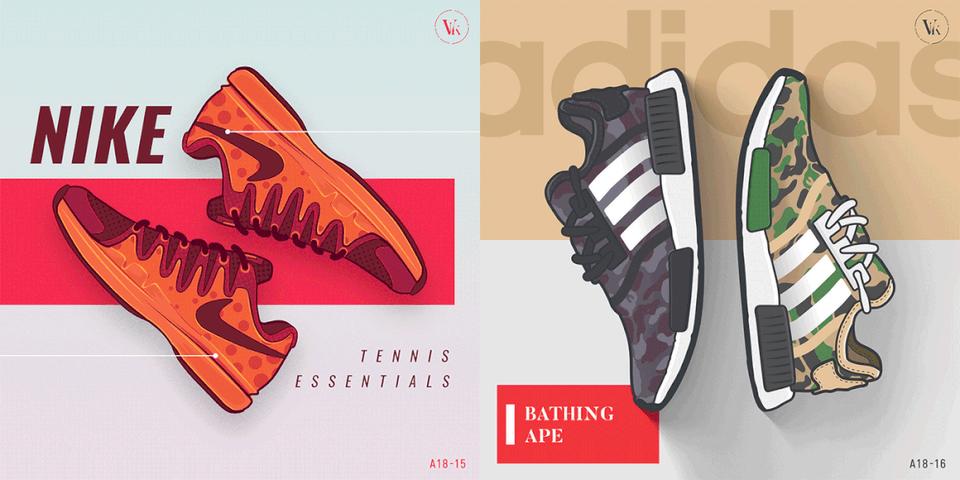
In the competitive world of sportswear, Adidas and Nike stand out as giants, their rivalry included not only their products but also involved brilliant advertising strategies. These two brands share a long history and both are well-established Their rivalry is not new, it goes long back, spanning more than six decades.
The Air Jordan effect: Nike’s bold move that shook Adidas
Adidas started functioning in the middle of the 20th century, i 1949, with the help of Adi D Meanwhile, Nike began its journey fifteen years later, in with Bill Bowerman and Phi Knight Although these two brands started their journey different times, it was the tim April 1985, when Nike launc the Air Jordan intending to $3 million in the first three y For Adidas, it was a huge se as Nike was gradually gainin popularity in the US market
also in the hearts of all NBA lovers Nike's Air Jordan success forced Adidas to make a fresh strategy. Hence started the rivalry between these two huge brands.
Adidas goes big: The $150M Olympic power play
Over the years, these two iconic brands have launched some of the most memorable ad campaigns and taglines in history. However,
their rivalry reached a fever pitch during the 2012 Olympics in London. Adidas splurged a staggering $150 million to become the official sportswear partner of the event The International Olympic Committee, in conjunction with Adidas, enforced rigorous sponsorship regulations to ensure that no other brand could make any association with the London 2012 Olympics. This meant that nonsponsors were strictly prohibited from linking themselves to the Games in any way
The unexpected twist: Nike’s clever comeback
Everyone anticipated that Adidas’s official sponsorship would skyrocket its popularity. But Nike, despite being barred from using phrases like "Olympic 2012," "London Olympics," or the iconic "Olympic Logo," crafted a brilliant marketing strategy that exploited three key loopholes in Adidas’s exclusive deal
Nike - “There are more ‘Londons’”
First, Nike cleverly overtook the ban on using the name "London" by filming ads in various locations around the world named "London," such as London, Jamaica; London, Ohio; London Gym; and London Hotel. This inventive approach allowed Nike to subtly reference the Olympics without breaching sponsorship rules
Neon green victory: The athlete advantage
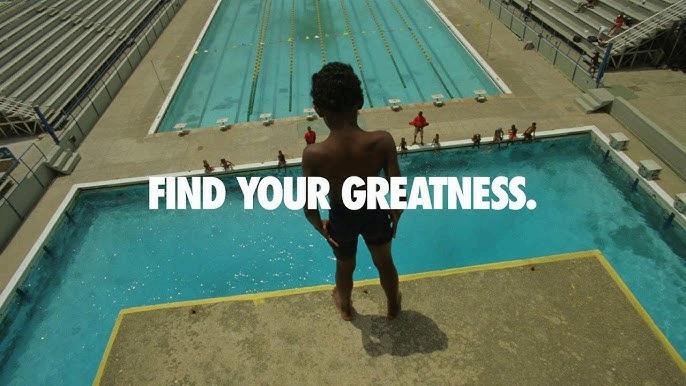
Next, while Adidas was the official sponsor, athletes still had the freedom to choose their footwear Nike capitalized on this by sponsoring 400 athletes and outfitting them with a visually striking shoe called "Vault," in a standout neon green. This eye-catching color ensured that Nike’s shoes were impossible to miss during the events Ord incl Lastl to fea their camp every limits Grea highl rathe
The Triu
Nike’ Adida A sur peopl Olym for A Twitt tweet Olym 9,300 These contin captiv makin battle brand

High-Flying Rivalry Takes Off
By Adarsh
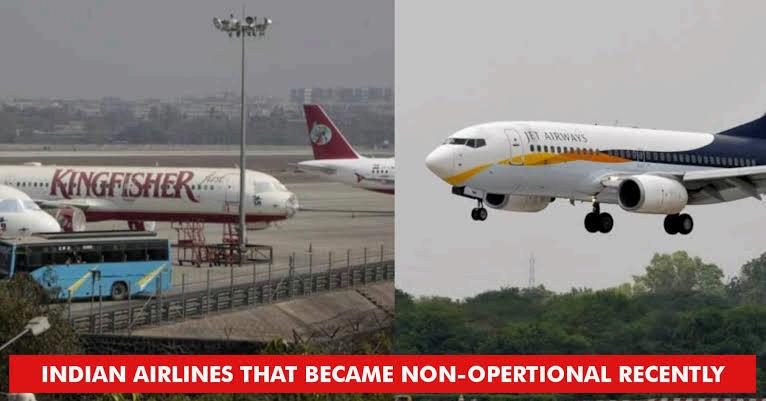
You've probably heard of advertising wars between rival brands, but have you ever seen one take place at 30,000 feet? Today, we’re talking about an ad war between two giants of Indian aviation Jet Airways and Kingfisher Airlines as they battled for supremacy not just in the skies, but also on billboards
A Tale of Two Airlines
Jet Airways: Launched by Naresh Goyal in 1992, Jet Airways initially started as an air taxi service. By August 1993, it was operating commercial flights, and in 2005, it expanded its wings to international destinations Jet reached a major milestone in 2006 when it became India’s largest domestic airline The following year, it bought its competitor, Air Sahara
Kingfisher Airlines: Launched by liquor baron Vijay Mallya in 2003, Kingfisher Airlines took its first flight in 2005 Known for its luxury offerings, Kingfisher quickly became India’s only fivestar airline, gaining fame through its lavish services and the Kingfisher calendar In 2008, it acquired Air Deccan, cementing its position as the second-largest airline in India at the time
When Billboards Became Battlefields
The rivalry between these two airlines reached new heights in 2007 In a bid to woo more passengers, they began taking digs at each other through witty and competitive ads It all started when Jet Airways put up a billboard at Cadbury Junction
declaring, "We've changed " Kingfisher cheekily responded with a billboard just above it, reading, "We made them change!"
The back-and-forth continued when Jet Airways advertised its new daily flight to New York with a billboard stating, "Takeoff to New York Daily " Kingfisher’s creatives swooped in once again, placing a billboard above it that read, "They’ve flown from here to New York."
This battle wasn't about hostility but about playful competition, with both airlines using their creative marketing skills to win over passengers It remains one of the most memorable ad wars in India's aviation history
Clean Laundry, Dirty Controversies
By Ankita
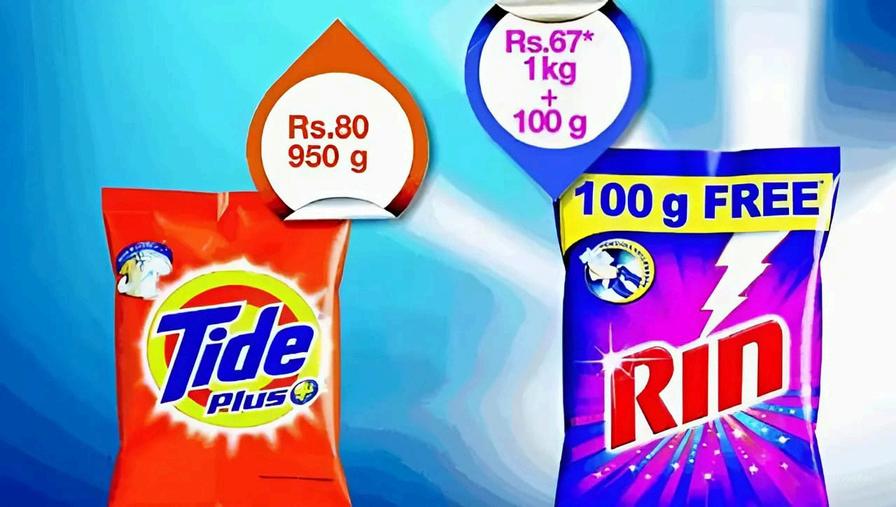
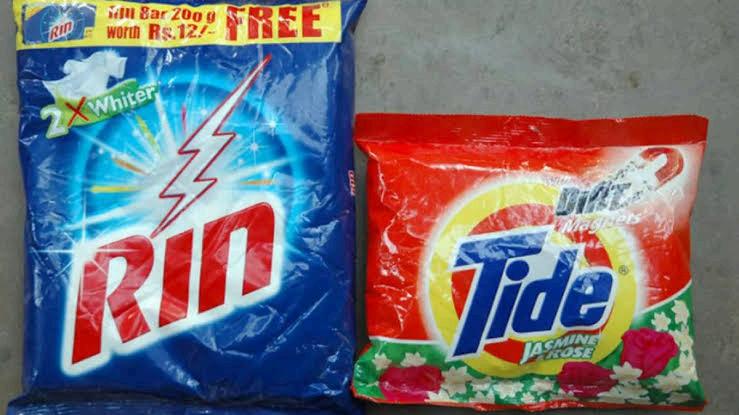
You might have experienced or seen parents bragging about their children's qualities and comparing them to others to make their kids feel superior Comparison is so rooted within our society that it goes deeper, even into “Ad Wars” but this was no ordinary ad war, it was one of the most memorable ad wars between two detergent brands, so iconic that they stained each other causing court intervention. Let's learn about this ad battle through a few perspectives and see how they cleaned their slates afterward
The Spark: Tide’s Entry Into India
The Indian detergent sector is dominated by Hindustan Unilever Limited (HUL) and Procter and Gamble (P&G) which are the parent companies of Rin and Tide, respectively Rin was launched in India in 1969 and enjoyed undisputed market share until P&G launched Tide around
1998 in India Tide with its aggressive advertisements entered the mid-price sector, resulting in increased market share, trailing Rin
All of this increased HUL’s anxiety, and to grab back the market share the price of RIN was reduced which did improve the situation but then again in 2009, Tide made a comeback with an advertisement. This time ” Tide Naturals” with an even lower price Its USP was natural ingredients like Sandalwood and
HUL Knocks Out P&G
lemons to keep the clothes fresh and clean. Tide's new ad highlighted these ingredients with visuals of a woman grinding sandalwood, suggesting a natural touch. HUL was already finding an opportunity to weaken its competition and on Feb 25, 2010, it filed a petition against P&G in Madaras High Court saying that Tide’s misleading the people & it does not contain such natural
substances This case resulted in favor of HUL and in March 2010 Madras court passed an interim order directing P&G to modify the ad. Tide escaped this difficult situation by simply adding a disclaimer “does not contain lemon and sandalwood ”
RIN’S Another Attempt To Washout Tide
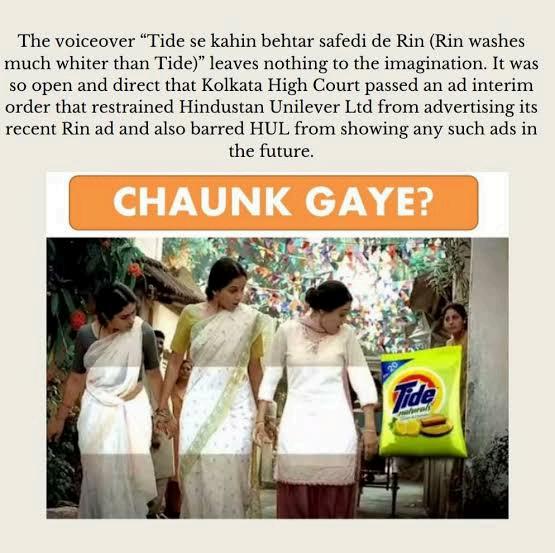
The fire was still under ashes when on February 26, 2010, Rin aired a TV commercial that shocked viewers by directly comparing itself to Tide. The ad featured two women at a bus stop, each holding shopping bags. One had Tide, the other Rin The Tide user boasted about its fragrance and cleaning power, but when the bus arrived, her son’s shirt was visibly less white than the boy wearing a shirt washed with Rin he dramatic punchline came with Rin’s tagline: “Tide se kahin behatar safedi de Rin” (Rin
gives far better whiteness than Tide), followed by “Mummy, Aunty chaunk kyun gayi?” (Mom, why is Aunty shocked?). The ad boldly declared Rin superior, with an eye-catching price of just ₹25 For the first time in India, a brand directly targeted a competitor’s product without any pixelation or subtlety, sparking massive debate.
The Legal Tussle
Now it was P&G’s turn to file a petition against HUL in Calcutta HC. But since that ad was aired on Friday, till their lawyers could build and file a case at the courts, the Courts closed And even P&G could not file the case on the next day either as it was Saturday and the courts remain closed on weekends. Rin’s ad ran for 2.5 days targeting Tide and saying they were better than Tide until the Calcutta Court passed an interim order to HUL to
withdraw their ad on Monday By then, the damage was done millions had seen the ad
An Attention-Grabbing Gimmick
HUL’s direct attack on Tide may have been short-lived, but it certainly made waves. In India, where direct comparison advertising is restricted, this bold move grabbed attention HUL timed it perfectly, launching on a Friday to ensure maximum visibility before any legal action could be taken This ad war between Rin and Tide became a case study in Indian advertising history, reminding brands of the fine line between aggressive marketing and legal boundaries
In the end, while the courts intervened, both brands gained significant attention, proving that sometimes, even controversial campaigns can leave a lasting impact