

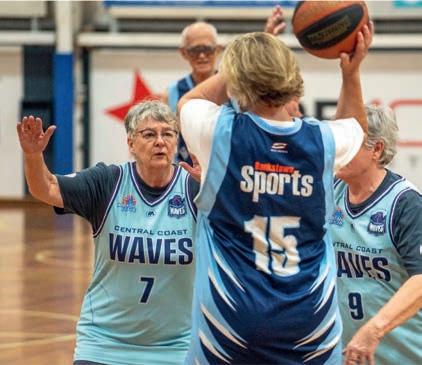
Walking Basketball is a sport for participants across all ages, genders and abilities. It helps to maintain and improve health, and decrease risk factors associated with sedentary behaviour. Whether you played years ago and want to get back into it, have never touched a ball or want to try something less strenuous on the body, now is the time to give Central Coast Waves Walking Basketball a go.
The Waves Walking Basketball program involves 45 minutes of Basketball related activity followed up with 15 minutes of socialising over complimentary tea, coffee and cupcakes. There is no running or jumping involved and is perfect for older players, those coming back from injury or just trying to avoid pressure on the joints. No prerequisites required, all we request is that you turn up and leave with a smile from ear to ear.
Last year, the Central Coast Waves won the Grand final of the 2025 Australian Masters Games defeating the Canberra Muskets 50–31. The Australian Masters Games is one of Australia’s largest premier multi sport festivals with an extensive sports program offering over 50 different sports.
Waves Operations Manager Matthew Smith said “Central Coast Waves are committed to make the great game of basketball more accessible and inclusive to the community. Our Waves Walking Basketball program has provided people on the Coast a great opportunity to be active in sport, irrespective of their ability, age and mobility”.
If you are keen to give Walking Basketball a go, the program runs:
WEDNESDAYS 10AM – 11AM Peninsular Leisure Centre, Woy Woy Fridays 9AM –10AM Niagara Park Stadium, Niagara Park





Founded in 1989, the Tuggerah Lakes Art Society is a not–for–profit organisation dedicated to promoting, developing and encouraging art, while providing a forum for enlightenment and enjoyment within our community.
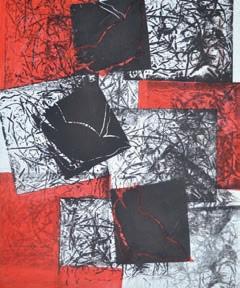
In 2019, the Society proudly presented its first Women in Art Exhibition, celebrating the extraordinary talent of female artists on the Central Coast. Built on the belief that art is a powerful catalyst for connection, conversation and community, the inaugural exhibition – held at The Entrance Lake House – was met with overwhelming support and has since become a valued part of the region’s cultural identity.
The 2026 exhibition continues this proud tradition and will also highlight the strong collaboration between Central Coast Lions Clubs, Your Guide Central Coast, and the Tuggerah Lakes Art Society –organisations united by a shared commitment to making creativity and the joy of the arts accessible to all, not just a privileged few.
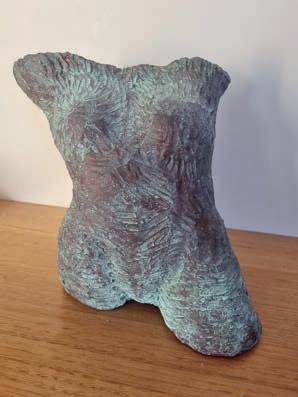
The exhibition attracts the cream of female artists from across the Central Coast, alongside emerging student artists, creating a rich and inspiring showcase of talent. Artists are invited to work in any medium or genre. Featured right, is a sculpture by Emilia Krumm, a powerful work representing women’s liberation – capturing both strength and resilience through contemporary form.

Coming up on Sunday 8 March, we celebrate 115 years of International Women's Day – a day to recognise and show gratitude for all the incredible women in our lives.
Did you know?
1. Fr ida Kahlo was the first Mexican artist to have her work shown at the L ouvre.
2. Hall e Berry became the first African American woman to win an Oscar for Best Actress in 2001.
3. Josephine Co chrane invented the first commercially successful me chanical dishwasher.
4. The FDA announced its approval of the pill, the first birth-control drug, in 1960.
5. Wome n in many parts of the world couldn't get credit cards in their own name unt il 1974.
World–renowned feminist, journalist, and activist Gloria Steinem once explained: "The story of women's struggle for equality belongs to no single feminist nor to any one organization, but to the collective efforts of all who care about human rights."
Here’s to strong women: may we know them, may we be them, may we raise them!
Happy International Women's Day, Coasties! =)
Art Director/Editor Tanzie Carpenter tanzie@onthecoastpublications.com.au
Production Luke Carpenter luke@onthecoastpublications.com.au
Publisher Tanzie Carpenter / 0414 611 851 Luke Carpenter / 0405 449 339
trading as On the Coast Publications ABN 52 212 212 482 PO Box 3251, Bateau Bay NSW 2261
For advertising enquiries advertising@onthecoastpublications.com.au
For article contribution enquiries hello@onthecoastpublications.com.au
Imagery freepik.com
Contributors
Sophie Doyle, Dorian Mode, Lydia Thorpe, Sam Woods, Jordi Woods, Sarah Tolmie, Peter Thorpe, Blake Gray, Carin Clegg, Sheree Orbell and Mia Eddy.
onthecoastpublications.com.au
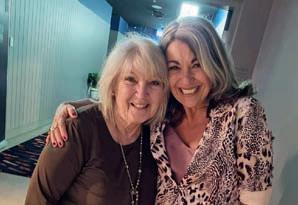
BY SOPHIE DOYLE, RETIREMENT AND FINANCIAL AGED CARE SPECIALIST

For many Australians over 55, superannuation is one of the largest assets they hold outside the family home. Yet it is often something we only start paying closer attention to as retirement approaches.
The good news is that a little understanding can make a big difference. Knowing how your super is structured and what options may still be available can help you move forward with greater confidence.
The two parts of your super
Your super balance is generally made up of two components: a tax free component and a taxable component. The tax free component usually
includes after tax contributions you have made over the years. When accessed after age 60, this portion is received tax free. The taxable component includes employer contributions such as Super Guarantee, salary sacrifice amounts and investment earnings within the fund.
For most people over 60 who have met a condition of release, withdrawals from a taxed super fund are usually tax free. Even so, the taxable component may still matter later on, particularly when thinking about what happens to your super after you are gone.
Why the mix matters
Many people are surprised to learn that superannuation can be taxed when it is paid to financially independent adult children. If a large portion of your
super balance is made up of the taxable component, tax may apply when it is paid to adult children. Super paid to a spouse, however, is generally received tax free. This means two people with similar super balances could leave very different after tax outcomes to their families, simply because of how their super is structured.
A practical example
Let’s imagine two people, Anne and Julie. Both have a super balance of $800,000 when they pass away.
Anne’s super is made up mostly of the tax free component. Julie’s super is made up largely of the taxable component. If their super is paid to financially independent adult children, Anne’s children may receive close to the full $800,000. Julie’s children,
however, may need to pay tax of up to 17 percent on the taxable portion before it is distributed. If most of her balance is taxable, this could mean well over $100,000 in tax. Even though Anne and Julie had the same total super balance, their families receive very different outcomes simply because of how their super was structured.
In some situations, strategies available before age 75 may help adjust this balance. The key is understanding how your super is divided and whether it still reflects your wishes.
Can you still contribute?
If you are under age 75, you may still be able to contribute to super, depending on your circumstances.
One common type is the non concessional contribution. These are contributions made from money that has already been taxed, for example from savings, an inheritance, or the sale of an asset.
For the 2025 to 2026 financial year, the annual non concessional contribution cap is $120,000. If eligible, you may be able to use the bring forward rule to contribute up to $360,000 over a three year period.
From 1 July 2026, the annual cap
is expected to increase in line with indexation, although this has not yet passed legislation and must receive Royal Assent before becoming law. Your eligibility to contribute may depend on your total super balance at 30 June of the previous financial year.
It is also worth noting that Downsizer contributions are separate and do not count towards the non concessional cap. If you are aged 55 or over and have owned your home for at least 10 years as your main residence, you may be eligible to contribute up to $300,000 per person to super when you sell.
Why this is worth reviewing Superannuation is not just a retirement savings account. It can also play an important role in estate planning and long term tax outcomes. Contribution rules change, balances grow and personal circumstances evolve. What suited you 10 years ago may not be the most appropriate structure today.
A simple review can help answer questions such as:
Do I understand how my super is structured?
Am I eligible to make additional contributions?
Is my beneficiary nomination up to date?
Does my super still align with my overall retirement plans?
You do not need to become an expert in super rules. However, having clarity can help you feel informed and in control as you move into the next stage of life.
Have you had your super fund health check lately?
If it has been a while since you reviewed your super, now may be a good time for a super fund health check. Understanding how your super is structured, whether you are eligible to make additional contributions, and how your beneficiary nominations are set up can provide reassurance. Even small adjustments can have a meaningful impact over time.
If you are unsure where you stand, speaking with a professional can help you better understand your options and ensure your super continues to support your long term goals.
Call us on 02 4325 0884
Sophie Doyle is a Retirement and Aged Care Specialist based on the Central Coast. She works with individuals and families over 55 to navigate superannuation, retirement planning and aged care decisions with clarity and confidence. Sophie Doyle (AR No. 000470612) is an Authorised Representative of Morgans Financial Limited (AFSL 235410, ABN 49 010 669 726). The information in this article is of a general nature only and has been prepared without taking into account your objectives, financial situation or needs. Before making any financial decisions, you should consider whether the information is appropriate to your circumstances and seek professional advice where necessary. Superannuation regulations are subject to change at anytime. Information current as at 1 February 2026.

WORDS BY DORIAN MODE PHOTOGRAPHY BY LYDIA THORPE
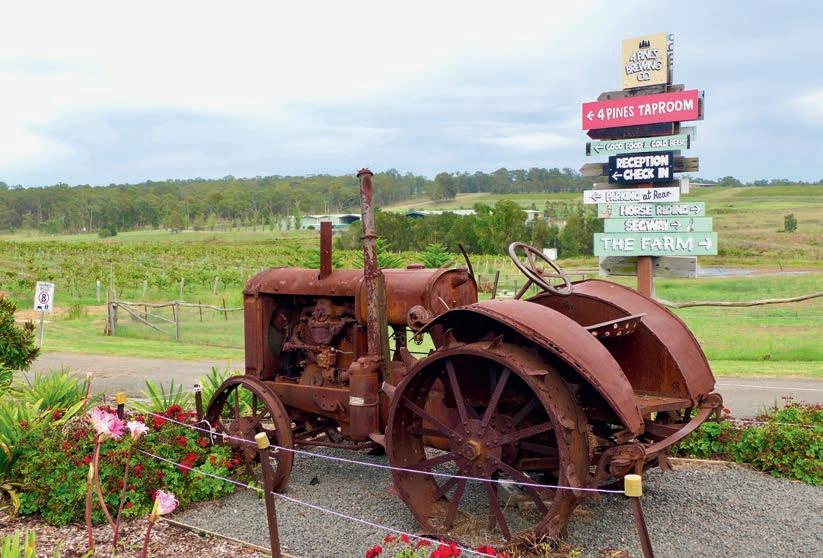
For our weekend away we eschew the M1 – the world’s longest open–air tunnel as my deputy editor from NRMA Open Road Magazine calls it – and take the back road to the Hunter Valley. This scenic route along the old convict–built Great Northern Road winds through stone culverts hewn by men who presumably had little choice in the matter, and pretty undulating roads that lead us through the villages of Kulnura, Laguna and Wollombi. At Laguna we stop for coffee at a charming roadhouse where the aroma of roasted beans mingles with the scent of eucalyptus drifting through the valley. Then it’s on to an antique store at Wollombi, where we browse relics that we don’t need.
At Wollombi we turn left to take the backroad toward Broke – a name that promises nothing good but delivers outstanding wineries: Winmark and Margan among them. At Margan (a favourite) we pause for a light vino (only $26 for two glasses, which in Hunter Valley terms qualifies as charity work) before wending our way to Hunter Valley Resort and Farm.
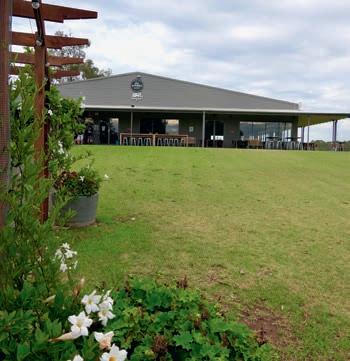
Situated in the picturesque heart of Pokolbin, Hunter Farm sprawls across 100 acres with views of the Brokenback Range and Barrington Tops that look like they’ve been airbrushed by a particularly ambitious landscape painter. Just a couple of hours north of Sydney by car, or 90mins from the sunny Central Coast, or accessible via The Wine Train for those who’ve wisely abdicated driving responsibilities, it’s an ideal short break for seniors.
What strikes us immediately is the privacy – smart cabins with those aforementioned stunning views, and a restaurant that punches well above its weight class. Through some dark culinary magic, they manage to serve an a la carte menu at pub prices. Perhaps they’re laundering money
for the mob. If so, I raise my glass to organised crime because the pork belly is so tender it makes me want to weep like a mafia boss at the opera. The meat practically dissolves on the tongue, leaving behind only the memory of crackling and the faint taste of sin.
My delight multiplies when I discover a Four Pines brewery onsite –I buy the stuff at home, so finding it here feels like running into an old friend in an unexpected place. Though really, do you come to the Hunter to drink beer? We dutifully sample the resort’s own Hunter Farm wines instead. Psst! Their 2023/24 Shiraz is worth seeking out, assuming you can prise it from their cellar.
Over dinner that evening we meet, owner, Phil Hele OAM, an affable Hunter Valley icon who’s as much a fixture here as the vines themselves. I moonlight as a ghostwriter, so we chat about a book he’s planning to write on the valley’s seminal characters as the sun melts over his sloping vineyards, painting the vines in rosé hues that would make an Instagram influencer weep with envy. This is what you come to the Hunter for – the corduroy
landscape of vineyards stretching to the horizon, and air so thick with the scent of ripening grapes you could bottle it.
Over a vodka martini that’s mostly vodka, Phil explains that the farm is an independent, sustainable, family operation. With four generations in the hotel business (we meet his mother and father, who live onsite and presumably provide quality control), they’re committed to shopping locally, employing local talent, and keeping the money circulating in the valley rather than vanishing into corporate coffers in Melbourne or Sydney.
If you’re traveling with grandchildren or simply enjoy animals, the resort offers swimming pools, tennis courts, and a veritable menagerie. We’re greeted by a giant ostrich performing what can only be described as an exotic fertility dance –somewhere between a feathery Michael Jackson and Tina Turner, all hip thrusts and neck undulations. It’s hypnotic and mildly disturbing in equal measure.
The following morning, after the best eggs I’ve tasted emerge from the farm’s restaurant kitchen (rich yolks
the colour of sunset, whites that haven’t been bullied into submission), we explore the region. Only five minutes away sits a giant antique centre where you’ll find treasures and an impressive collection of nautical–but–nice antiques that make you wonder who exactly was furnishing their suburban homes with ship’s wheels and brass portholes.
Later we have a wine tasting at Brokenwood, recommended by my friend Simon Marnie, ex–ABC Weekend show host and certified wine tragic. What I appreciate is their “wine flight” option – three glasses that collectively equal one sensible glass – meaning you can still legally operate a motor vehicle afterward. This addresses one of the Hunter’s chief inconveniences: someone has to remain sober enough to drive.
RESORT AND FARM


This is where Hunter Farm’s genius becomes apparent – your cabin is never more than 100 elbow–crawls from their wine cellar. You can sample modestly at Brokenwood, then give it a proper nudge at your accommodation’s superb wine cellar without risking a midnight drive through a random vineyard while singing the Marseillaise.
The following day we visit Hunter Valley Gardens and its shopping precinct, where we discover a flashback to childhood: an English lolly shop. Do you remember being ten years old when you could pop into a milk bar and buy 20 cents worth of mixed lollies and a single Alpine cigarette? Or was that just me? The sugar rush returns, untainted by modern concepts like dental health or responsible parenting.
Hunter Valley Resort + Farm – Official site for the resort and farm activities (accommodation, cellar door, paddocks, farm experiences) www.huntervalley.com.au/
WINERIES
Margan Restaurant and Winery – Margan Wines homepage (family winery in Broke) www.margan.com.au/ Winmark Wines and Winmark Art Gallery –Winmark Wines cellar door and gallery (Broke region) www.winmarkwines.com.au/ Brokenwood Wines – Brokenwood Wines official site (Hunter Valley winery and restaurant) www.brokenwood.com.au/
ATTRACTIONS
Hunter Valley Gardens – Hunter Valley Gardens official website www.huntervalleygardens.com.au/ Wine Train (transport/experience)
There isn’t a dedicated standalone “Wine Train” company site, but the Hunter Valley Resort + Farm offers an express train package from Sydney Central Station as part of its booking options. See their Wine Train info here www.huntervalley.com.au/hunter-valley-wine-train/
Our second night in the Hunter Farm restaurant brings ocean trout that flakes at the mere suggestion of a fork, paired with a Winmark Chardonnay that’s crisp enough to cut glass. This is followed by deep–fried apple pie and ice cream – because we’re on holiday and consequences are for Tuesday –accompanied by a small dessert wine that’s almost certainly not small.
The next morning, I order eggs benedict, because you never make that at home and hollandaise sauce tastes like butter took a gap year and came back sophisticated. Then we drive back to the coast along the soulless M1, returning to reality one kilometre marker at a time.
4 Pines at the Farm – Hunter Valley – Four Pines Brewery venue located at Hunter Farm (beer, bistro, cellar door) www.huntervalley.com.au/drink/
FACT BOX #1
• From $264 per night for two guests • Two nights’ 4–star accommodation • Breakfast vouchers per day
• Complimentary schooner at 4 Pines at the Farm taproom
• 9am guided Vine Experience through our 55–year–old vineyard, followed by a wine tasting with our Cellarmaster
• Wine Theatre experience, including a wine tutorial
• From $470 per night for two guests • Return express train tickets from Sydney Central Station to Singleton Station
• Meet and greet on arrival, including return transfers between Singleton Station and Hunter Valley Resort • Two nights’ 4–star accommodation • Breakfast vouchers per day
• 9am guided Vine Experience of our 55–year–old vineyard, followed by a wine tasting with our Cellarmaster
• Wine Theatre experience, including a wine tutorial

“Style
BY SAM & JORDI WOODS
doesn’t have an age limit” –let’s get this clear from the start!
Many clients think that once they approach a certain age their ability and need to get dressed up and wear the “latest trends” or stylish attire expires. They often voice their concern that “what does it matter anymore, I’m old”, “no one cares what I look like or notices me anyway”, “fashion is only targeted at the youth”. Well these are no reasons (or excuses) at all to not enjoy feeling stylish and confident about how we present ourselves to the world everyday – at every stage of life!
I believe it is important that more mature women realise the impact they have on younger generations rather than allow themselves to become invisible. In recent years, fashion has started to market for the more mature woman however, many of my clients (including myself) love to shop and wear brands/styles that our daughters, granddaughters and younger women are wearing and there is nothing wrong with this, In fact I encourage it –it keeps you modern. The trick is to style yourself in items and looks that are authentically you and work for your colour palette, body shape and personal style.
A personal share – I feel blessed that from birth I was surrounded by a mother and grandmother who valued the importance of good grooming, personal style and keeping modern.
My beautiful Mum, who is now in her 80s, still manages to turn heads and I believe her love of colour and always wearing a touch of “what’s in” is what keeps her so modern and stylish even in
her later years.
I (Sam) used to also love seeing my Nan take pride in herself and her appearance. In fact, she wore lip gloss and knitted scarves in the latest colours until she passed at 90 years of age!
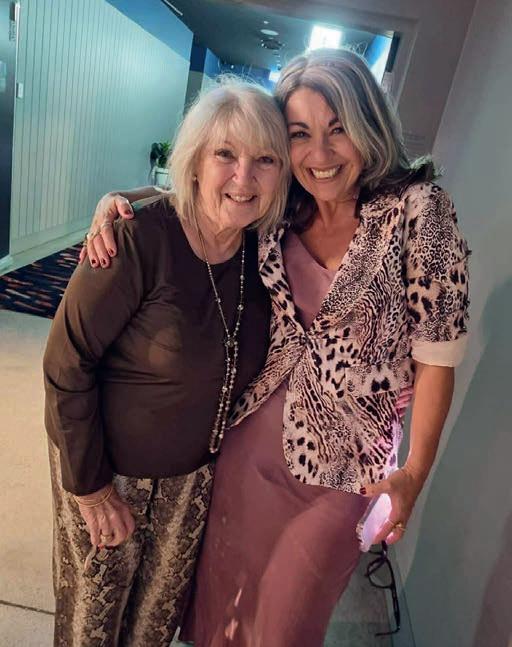
In this article, we share five of the most common concerns we hear and our professional and personal solutions.
“I don’t want to look like mutton dressed up as lamb!”
Solution: Stay true to your style, but don’t wear anything that is an undesirable distraction to your appearance. Undesirable distractions can be: clothing that doesn’t fit well or flatter your shape, colours that are too harsh or too pale for your complexion, footwear that you can’t easily walk in.
STYLE CONCERN
“I dress older than I am”
Solution: Don’t go too safe with your wardrobe and styling choices – you could end up looking matronly. To avoid adding years to your appearance always add an on–trend element, be it a scarf, handbag, lipstick or shoe in the season’s “it” colour. A new hair style or change of hair colour at least every two years will also help keep your look modern and fresh. If you do decide to embrace your natural hair colour, be sure to always wear colours in your makeup and clothing that work with your skin
I believe it is important that more mature women realise the impact they have on younger generations and they lead by example rather than allow themselves to become invisible
tone and features. This will ensure you stay true to your personal style.
STYLE CONCERN
“I am too old to wear fashionable things”
Solution: As we mentioned earlier, style does not have a used by date! Since staying updated is an important part of being stylish, you are never too old to wear something that is modern and “in”. That said, there are two important rules to abide by:
Only wear the fashion item if it is suitable for your body shape, colour palette and style.
If you can remember wearing the fashion item or look previously (another decade prior), don’t wear it the same way this time around! Even when a trend reappears, it always has a slightly new take. If you wear the
trend as you did previously you risk looking outdated.
“I can’t shop where I want because I’m not the target market”
Solution: In today’s competitive retail world, fashion houses are doing all they can to diversify their ranges so they can benefit from a greater share of the market. Most brands cater for a wide age demographic and even if they don’t necessarily cater for your age demographic, it doesn’t matter! You may not find an entire outfit but you could find the perfect item that can modernise your look. See for yourself: next time you’re in your local shopping centre pop into a shop you wouldn’t normally go to and have a good look around, you may be pleasantly surprised.
STYLE
CONCERN
“I’m scared I’ll look ridiculous if I wear the latest fashion”
Solution: Over–styling and excessive accessorising is a style no–no at any age. To ensure you never commit this style sin, don’t have more than 2–3 “fashion focus” and “style statement” elements to your look. These can be an item of clothing, shoe, bag, accessory, hairstyle or makeup look. For example an outfit consisting of a knee length leather skirt (style statement), silk blouse (timeless piece), animal print bag (fashion item), new season statement earring (fashion item) and patent leather pump (timeless piece) is a stylishly balanced outfit for a woman of any age. If a studded belt and statement necklace (fashion items) were added, the outfit’s focal points would be fighting for attention and could make the wearer appear overdone.
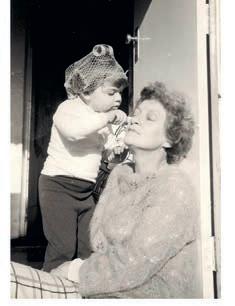
We hope these solutions will help you realise that style doesn’t have a used by date. It is just a state of mind and a knowing how to implement a few “Senior Style” solutions!
Vibrantly yours, Sam & Jordi Woods xx

Understanding styling and fashion is one thing. Having a super natural flair for making everyday people look incredible is another. Once you’ve met Sam & Jordi Woods, it’s hard not to catch their infectious passion for dressing to match your own lifestyle, personality and charisma. Through their consultancy ‘Vibrant Concepts’, Sam & Jordi have transformed the lives of thousands. Let Sam & Jordi show you how to look and feel fabulous every day at their Style Studio in Erina – learn the art of illusion dressing, colour matching, styling, translating fashion trends and savvy shopping with their unique VC Signature Styling Systems and services that are truly personal and really work! To contact Vibrant Concepts phone 0425 221 676

BY SARAH TOLMIE
To quote my dearly departed father–in–law, “this ageing business is no good”, and yet also, he would say, “but the alternative is not preferable”. As hard and confronting as it is, getting older, for the most part, is a privilege only the dying and dead can give proper perspective on.
Some of us will do it with less difficulty, and with better health and capacity, than others. For as long as we keep doing laps around the sun, we are all going to age and face change and challenge.
Unfortunately, ageing is a ripe field for many clichés – and many jokes. Being twelve years younger than my husband, I’ve worn out the joke that we are never in the same decade and have maybe made too much fun of the fact that he will mark certain ageing milestones before me. And then I hit menopause. And then I had a few health scares myself. And now with my own ageing confronting me, it all seems less funny, and I have given some sheepish apologies of late to the insensitivities I had.
I know now that when the cliché becomes a real and lived experience, it is no longer a cliché or funny, but an invitation to ‘get real and get creative and get compassionate’. It’s pointless to
READER QUESTION: “My partner is succumbing to some of the clichés of ageing. He can’t hear very well, and we often fight when conversations are broken and difficult to flow easily. He’s tired and less virile. I know I should be compassionate and caring but I find it annoying and I get angry at him. I feel so ashamed of my response. How do I find a better way?”
wage war with time.
What I mean by that is to move beyond seeing ageing as a cliché –which is a reductive explanation for what is going on – and instead, accept some things have changed and deal with the reality of what is happening. Identify and acknowledge what the changes are and the effect on you, and your partner, and your relationship, and adapt to find a way to better it together.
The first thing to do is to attend to the feelings and then to own them. Don’t blame them on the other. This is not to say that you are not allowed the feelings – because you are! You can, and will, feel all sorts of big and hard feelings. It’s understanding them and knowing how you do your feelings that matters.
Anger is often a first and easy ‘go to’ feeling, but it can often be the outer shell feeling to something that is more nuanced when you reflect more deeply. In my coaching/therapy work, I share this image of anger as a nut that has a hard, outer shell protecting a lot of other different, perhaps more vulnerable feelings inside it, such as –fear, anxiety, confusion, shame, guilt, sadness, grief, embarrassment, injustice, rejection, loneliness and more. And by the way, shame can sometimes be an
To quote my dearly departed father–in–law, “this ageing business is no good”, and yet also, he would say, “but the alternative is not preferable”. As hard and confronting as it is, getting older, for the most part, is a privilege only the dying and dead can give proper perspective on
expression of anger but directing it back towards yourself.
When you know and share feeling(s) and understand what they are trying to tell you – like what you need – then you have a lot more information and data and understanding to ask for what you want. You can sidestep guilt and shame and blame and move into care and compassion.
And move onto better clichés – like –with age comes wisdom.
Much love
Sarah x
Sarah Tolmie – Life & Love: Sarah is a marriage therapist, life & love and relationship coach, end–of–life consultant, an independent and bespoke funeral director and holistic celebrant. She provides holistic care, mentoring, guidance, healing and transformation for individuals, couples and families at their most important times of life & love – at end–of–life, in love & relationship, and in ritual and celebration. Sarah has a relationship online course for couples called “Creating a Miracle Marriage” and a guide to working with feelings and emotions called “How Do You Feel?”; plus a free resource and video series for families facing dying, death and grief called “Landscapes of Life & Love and Loss”. To find out more, visit www.sarahtolmie.com.au
BY PETER THORPE
Artificial Intelligence (AI) might sound like something designed for scientists or tech experts, but in reality, it’s becoming one of the most helpful everyday tools older adults can use. And you don’t need to understand how it works. You just need to know what it can do for you.
Think of AI as a very smart, very patient assistant. It can answer questions, organise information, help you plan trips, remind you about your medications, keep you mentally active, and even help doctors detect health problems earlier. Instead of being something to fear, AI is quickly becoming a practical companion that can make life simpler, safer and more fun. Let’s look at how.
HEALTH: smarter, safer living Healthcare is one of the biggest areas where AI is already making a difference. Many tools are working quietly in the background to help seniors stay healthier and more independent. Simple AI–powered devices can remind you to take medication, track your steps and exercise, monitor heart rate and sleep, detect falls and call for help automatically, and alert family members if something unusual happens.
Smartwatches, for instance, can detect irregular heart rhythms or sudden falls and contact emergency services automatically. That kind of backup brings enormous peace of mind – for both you and your family.
Doctors also use AI to analyse X–rays and scans faster, detect diseases earlier, personalise treatments, and predict potential health risks. This means problems can often be caught sooner, when they’re easier to treat.
AI also powers online doctor visits. Instead of travelling to a clinic, you can speak to a doctor from your lounge room using a tablet or phone. Less waiting, less hassle, same care.
BRAIN FITNESS: keeping your mind sharp
One of the best ways to stay mentally alert, is to keep learning and challenging your brain. AI makes this incredibly easy. Instead of passively watching
AI isn’t about robots taking over the world. For seniors, it’s about practical benefits: less stress, better health monitoring, easier travel, more independence, a sharper mind, and stronger connections with others
television, with AI you can actively engage your mind every day.
You can ask questions about history, science or current events, learn a new language, play memory games

or puzzles, write stories or memoirs, research family history, or explore new hobbies.
AI assistants are particularly helpful because you can simply ask for what you need:
Explain how the stock market works in simple terms.
Teach me five new Italian phrases.
Give me a daily brain quiz.
Help me write my life story.
It’s like having a tutor, researcher and conversation partner available 24 hours a day. Mental stimulation isn’t just fun –it may also help maintain memory and cognitive function as we age.
your personal trip planner
Travel should be exciting – not stressful. But researching flights, comparing prices, reading reviews and planning itineraries can feel overwhelming. This is where AI shines.
Today’s AI tools can find the best flights and hotel deals in seconds, suggest destinations based on your interests and budget, build day–by–day
travel plans, translate languages while you’re overseas, recommend restaurants and attractions nearby, and answer questions like “What’s the weather going to be tomorrow?” instantly.
For example, you could simply type: “Plan a 10–day relaxed holiday in New Zealand with scenic drives and minimal walking.” In seconds, AI will create a complete itinerary.
Voice assistants on your phone can also help while travelling. You can ask for directions, book rides, or check opening hours without typing anything. It’s like travelling with a very organised friend who never gets tired.
AI can also help with small daily tasks that add up: writing emails, creating shopping lists, managing budgets, finding recipes, setting reminders, organising photos, and video chatting with family.
Some people even say chatting with an AI assistant feels a bit like talking with a friendly helper. It’s not a replacement for people, of course, but it
can reduce frustration with technology and make everyday tasks easier.
YOU DON’T HAVE TO BE “TECHY”
Here’s the good news: you don’t need to understand anything complicated. If you can type or speak a question, you can use AI. You don’t need programming skills or special training. You simply ask for help. In many ways, AI is easier than older technology because you don’t have to learn menus or buttons – you just use plain English.
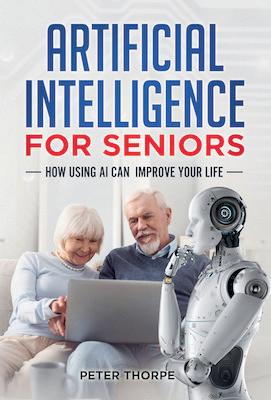
AI isn’t about robots taking over the world. For seniors, it’s about practical benefits: less stress, better health monitoring, easier travel, more independence, a sharper mind, and stronger connections with others.
It’s like having an extra pair of hands – and an extra brain – whenever you need it. And the best part is that it keeps improving every year.
Start small. Ask one question. Plan one trip. Learn one new thing. You might be surprised just how helpful your new digital assistant can be.

If you receive home care, you might hear, “Your usual Support Worker isn’t available today.”
It can be frustrating to explain things again or miss the familiar face you trust. At Adssi, we value consistency and aim to keep your services with familiar faces. However, illness, holidays, training, or emergencies may mean your usual Support Worker is not always available.
Having a team of Support Workers can actually improve your care. Here’s why.
1. Your care is more reliable when it’s shared
If only one person knows your routines, your care may be disrupted if that person is away. When a team shares your care, more Support Workers know your preferences – making your services less likely to be cancelled and your support more reliable. A flexible team makes your care more dependable.
2. Different workers bring different strengths
Each Support Worker has unique skills and experience. One may be skilled in dementia care, another in motivating you with exercises, and another in helping with meal preparation. Seeing more than one Support Worker lets you benefit from their strengths and helps you stay independent and safe at home.
3. Fresh eyes can pick up changes early
Seeing someone often can mean missing small changes over time. A Support

Worker who hasn’t seen you recently may notice changes such as:
You are more unsteady on your feet.
You seem more tired.
A new trip hazard at home.
Unused food in the fridge.
Fresh eyes help us notice and respond to changes early, preventing bigger problems and allowing us to adjust services or suggest more support.
4. More people looking out for you
A small team means more people know you and what matters to you. That means:
More people notice if something isn’t right.
More people know your routines.
More people to connect and chat with.
Support Workers can be part of your social life. Meeting different people expands your social circle and brings new conversations and interests.
5. It helps you stay in control, not dependent on one person
It’s natural to become attached to a regular Support Worker, which can make it hard if they move or change roles. With a small group, you stay in control of your services, and your care plan remains at the centre for any Support Worker to follow. You don’t have to start over each time; the Support Worker follows your plan.
6. It helps keep Support Workers safe and well, too
Support Workers can get tired, sick,
or need time off. Sharing care within a team helps:
Avoid physical strain from doing demanding tasks repeatedly.
Reduce emotional burnout.
Keep workers fresh, alert, and able to provide safe, quality support.
When Support Workers aren’t overworked, your care improves too.
7. You still have a say
At Adssi, you’re never just a name on a roster. We aim to:
Build a consistent team around you.
Match you with workers suited to your needs and personality.
Listen to your feedback on whether someone is a good fit.
If you’re worried about changes or adjusting to new Support Workers, talk to us. We’ll help you find the right balance.
Our goal is to help you live your best life with care at home. With good communication and planning, changes can help you stay safe, supported, and independent.
Call 1300 578 478 or visit adssi.com.au to learn more about our services.
Live your best life with care at home. Adssi In-Home Support adssi.inhomesupport
BY BLAKE GRAY, PRINCIPAL AT APEX ESTATE AGENTS
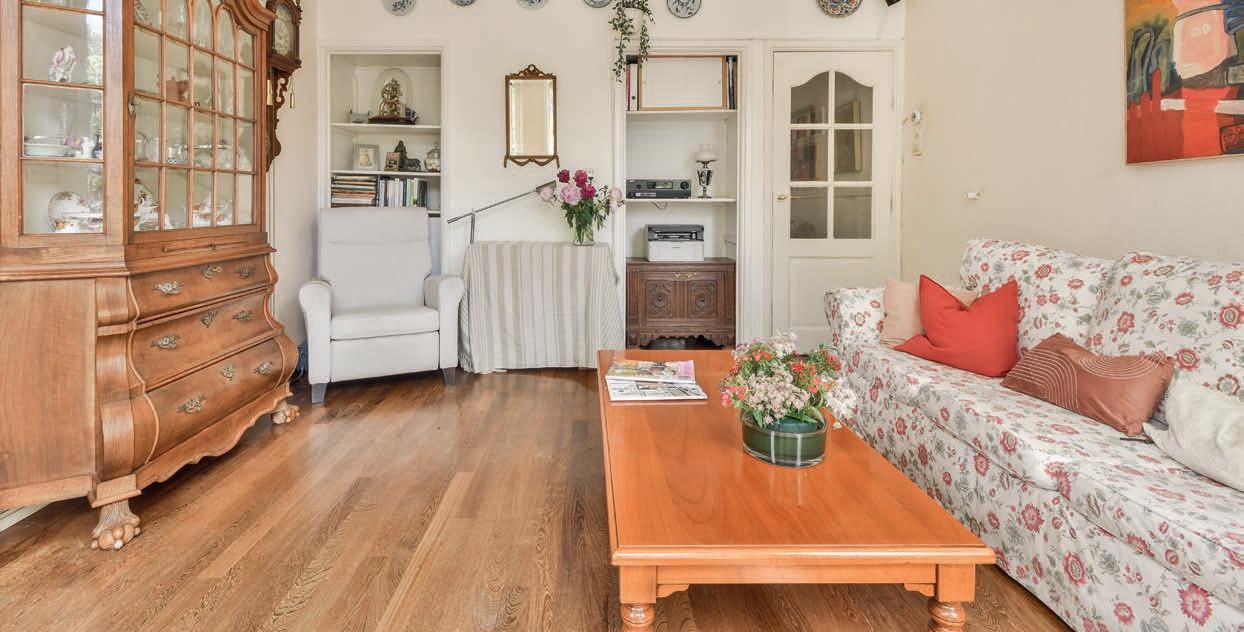
Recently I interviewed half a dozen ‘Coasties’ over the age of 55 for a two–part article in this magazine, titled Memories From Home. The purpose of these interviews was to understand where these people started in life, what their childhood home was like, in what ways did they relate to property, by what means it was that they became ‘Coasties’. These interviews were more affecting than I’d anticipated and what is more, the feedback I’ve subsequently received from readers has mirrored my sentiments. Perhaps the most salient through–line across these interviews was how noticeably the home, its furnishings, the customs of its inhabitants, and the general happenings within it have shifted in just the last generation or two. So this piece is less about real estate per se, but more accurately it’s about how home has changed over the last few generations. Is there something to be discovered or
learnt by contrasting the home of the past with that of the present? Here are some observations, along with a few of my takeaways as inspired by these interviews.
Kicking a ball against the incinerator in the backyard for hours. Walking everywhere, or if you were fortunate enough, perhaps scraping up enough money to catch the bus or train. Exploring the backyard, bush, or neighbourhood while under the express instructions to, ‘be home for dinner’. Pitching in by sliding up and down the hallway with your socks on while mum polished the parquet floors. Braving the long trek from school to help a parent at work so they could ‘punch out’ sooner. Knowing everyone in the neighbourhood and being familiar with all the retailers on the high street. Surfing every waking chance you had.
Inspecting the vegetable garden with your grandfather because he treated you like a collaborator and told a good story every now and then. These are all accounts from my interviews. How many young people today will recall their youth with this kind of fondness and nostalgia? Two things stand out in my view. The first is that children were permitted enough freedom to develop at least some kind of independence and resilience. The second is that kids were active participants in all aspects of the home and not surprisingly they enjoyed it.
TAKEAWAYS:
Tell your children/grandchildren stories – as they get older they’ll come to appreciate these more intensely.
Home is a collaboration – from an early age encourage kids/grandkids to become active participants at home (everyone likes to know that they’re needed, capable and have contributed to the whole).
The flowers in the dining room were handpicked by your spouse, or sourced directly from the backyard. The dining table on which these flowers sat belonged to a relative who gifted it to you. The whole family refinished the table as a weekend project and your mother helped to reupholster the seat backs to update and modernise the setting. You purchased the dinnerware from a beautiful shop while on your
honeymoon. In today’s world furniture comes in a box (usually from another country), items are not built to last as they once were and new things are prioritised over old ones. Imagine someone handed you an old, muddied cricket bat. It’s just an old cricket bat – right? Now imagine that the person who handed it to you also explains that this bat was once used by Sir Donald Bradman, as they point to his signature in the bottom corner. That old bat suddenly seems a much more valuable possession, doesn’t it? So, the same can be true for what we place in our homes.
TAKEAWAYS:
Furnish your home with items that tell a story, connect to memories, or speak of a long history – for many reasons an emotionally rich space is preferable to a stylish yet impersonal one.
Don’t throw items away, where possible try to re–home them –successive generations may just see their endearing value.
During my interviews I heard of the concept of an ‘open house’ in which all were welcome – friends, neighbours, family. These gatherings usually occupied the holidays and would spill out into the street, sometimes
The first is that children were permitted enough freedom to develop at least some kind of independence and resilience. The second is that kids were active participants in all aspects of the home and not surprisingly they enjoyed it
continuing into the wee hours of the next morning. At dinnertime the family would assemble as one, for a daily debriefing, after which all members would have time to invest in their own unique creative endeavours and hobbies. Some projects also lay dormant as if frozen in time, desperately waiting for that key guest who would return and initiate the continuation of the activity or game. How quaint and charming this sounds. How much of this kind of intentional social cohesion still happens in the home today?
TAKEAWAYS:
The delicacy with which the fabric
Blake Gray | Principal APEX Estate Agents – Blue Bay 0448 822 123 | bg@apexestateagents.com | apexestateagents.com bg_mylifeinrealestate @unlockedwithblake

of traditions and customs are woven into the lives of those in the home –these can have an enduring positive effect on everyone.
Take time to bring back some of these traditions – introduce them to a friend, acquaintance, or to members of your family, or invent new ones.
More mature generations typically remark upon the newer ones just as preceding generations had done so with respect to them by commenting, ‘things were better in my day’ or ‘younger people have lost their way’ or something similar. Perhaps there’s something in this. I’m reminded of the principle of Chesterton’s Fence, which effectively states that one should not change or remove something without first fully understanding why it exists – thus avoiding unintended, negative consequences. This could be a nod to a more conservative mindset, however, I think it gives rise to an interesting question. If many people before me found value in something (materially; morals and traditions; generational wisdoms), then I might do well to take a second look at it, because it may indeed be worth valuing and preserving?

BY CARIN CLEGG, DIETITIAN AND FITNESS PROFESSIONAL

As we get older, families often change and this impacts what we eat. You might find yourself with an empty nest, kids and grandkids grown up and you no longer need to cook a meal for a crowd regularly. It may be that your life partner’s health means they can’t help in the kitchen anymore, and cooking becomes your job. Or your partner may have passed and cooking for one seems almost pointless.
It is quite common for food intake and nutrition status in these situations decline which impacts falls risk and ability to live independently.
Cooking is not easy. It requires lots of skills: meal planning, organisation, multitasking, food knowledge and even some problem solving when you need to change your recipes to cater for less people.
There is often the question of what to eat and how do I get motivation to cook for just one or two.
Routines make it easy
Routines help to make tasks easy as they help you feel comfortable. For
example, if you always cook on Monday evening and not Tuesday evening, there will often be some hesitation if you need to start cooking on Tuesday as well, because you are not used to it and perhaps it had not always been expected of you. It is just human nature to feel this hesitation.
Plan to cook on the days and times that work for you depending on your energy levels and appetite. For example, you may find cooking a hot lunch easier than an evening meal when you are tired and do not have a large appetite.
Eating with others helps us to have a good appetite to eat well and the evidence shows that people eat better when they eat together.
Scheduling regular shared meals and cooking days/times into your weekly calendar is your key to staying strong and independent.
You can:
Take turns with your neighbour to cook a meal for each other on a certain day.
Cook meals together with family or friends.
Make regular lunch and dinner dates with friends.
Plan a family meal with the kids and grandchildren and remember your leftover container!
Have lunch at a community centre or with a social group: Church, Over 50s
Plan to cook on the days and times that work for you depending on your energy levels and appetite. For example, you may find cooking a hot lunch easier than an evening meal when you are tired and do not have a large appetite
Centres, Meals On Wheels, craft classes, exercise classes, other meet up groups.
Attend regular social or community events like festivals, celebrations or dances.
Make sure your quick meals are balanced with carbohydrates for energy, protein for strong muscles and vegetables for all the other micronutrients to stay healthy.
A few examples could be:
PUMPKIN SOUP
Carbs: cook with potato or bread. Protein: sprinkle cheese or nuts or s eeds on top, or have some cheese or nut butter on the toast with it. Alternative: cook your pumpkin soup w ith some red lentils to give you both
protein and carbs.
SALAD
Carbs: bread, corn thins, leftover roast sweet potato.
Protein: can of beans, tuna, handful of nuts, eggs or cheese like feta.
SANDWICH OR WRAP
Add plenty of salad to fill you up a nd make your meal colourfully inviting with grated carrot and b eetroot, a favourite of mine, in addition to avocado spread, tomato, lettuce and cucumber.
Protein: cheese, cold leftover meat, eg g or can of salmon.
Get in the habit of when you do cook, make leftovers for the fridge and/ or freezer meals. For example, when cooking vegetables, cook extra for the next 2–3 days to lighten the work.
Great leftovers for the freezer include:
Casseroles.
Soups.
Curries.
Fried rice made with brown rice.
Savoury mince which can top toast, a jacket potato or used in shepherd’s
pie served in a ramekin.
Bolognaise sauce.
Leftover roast meat, sliced and separated.
Make a list of freezer meals you like and incorporate them regularly into your cooking schedule.
Most people shop once a week, however, shopping twice a week to top up fresh fruit and vegetables might make it easier to prevent food wastage.
Consider:
Sharing or swapping fruit and large vegetables with a friend or neighbour, like melons, pumpkin, cabbage, lettuce.
Remember to move fruit and tomatoes from the fruit bowl to the fridge to prolong their life.
Try growing your food, e.g. lettuce, shallot, leek, celery, spinach, silver beet, beans and of course all your herbs.
When cooking or eating alone, you can

put on the radio or music to lift your mood.
Sit where you can see the garden, wildlife, and perhaps the sunrise or sunset.
Savour your food. Love your body with nourishment to live your best life in your golden years.

As we get ready to retire and downsize, the question of how to preserve family history may arise. The older recordings are bulky and can now be replaced by digital copies at a fraction of the size. Camera House can help with this transition.
The generations born in the late 1940s and the 1950s have seen family history go from Brownie Box cameras to 35mm cameras with slides, then prints, and now to digital. In those years, films have also changed from early 8mm, Super 8 to various forms of tape and now to hard drives and removable media. Each of these older forms of recording has rapidly evolved into the next leaving the family with boxes of slides, tapes, prints, negatives and older media cards. These generally take up space around the house and are in danger of being lost, particularly on the Coast, as mould eats its way through these precious records. Camera House owner, John Ralph, has experienced this problem himself with damaged slides and tapes. This has motivated him to expand the services of the Fountain Plaza store, to provide increased archiving services with lower prices for bulk orders. Slides are prepared in a carousel and then copied using modern digital equipment, sourced from overseas, giving higher resolution than previously commonly available. By customers filling the carousels themselves, the price is kept to a minimum.
Greatest popularity has been for transferring tapes to DVD and once digitized, conversion to files that can be
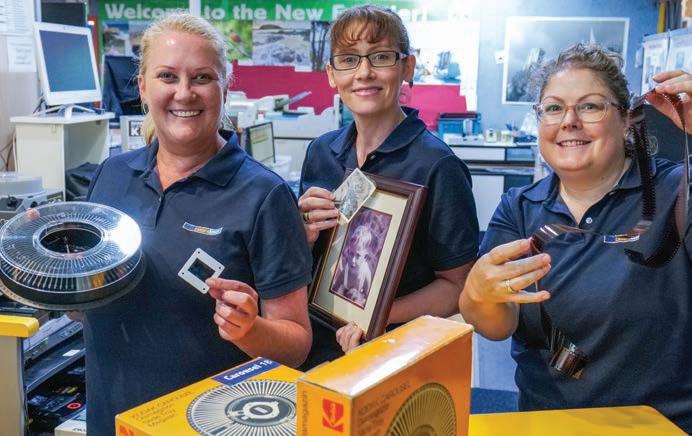
stored on USB or computer and viewed on current Smart TVs. Tape conversion was so popular that the store now has quadrupled the number of transfer stations to keep waiting times down. People are finding that many older photos have been damaged through the years. Either damp and mould have allowed fungus to grow or exposure to light has caused the colours to fade. This has created demand for local restoration services.
Pictures of all sizes can be improved. They are scanned or re–photographed and then digitally enhanced to fix colours, physical damage and even add or remove people and items from the final picture. The new picture can be enlarged from the original to produce wall art and canvases.
Frequent questions asked of the store
involve film. “Do you sell film?” – Yes. “Do you develop film?” – also Yes. “Do you scan film to digital?” – Yes. Whilst film is harder to get nowadays the store searches far and wide to keep stocks up. Also the in–store film developing is very popular especially with young people wishing to try out “Grandpa's camera”. The film can be developed and either printed or scanned to USB or Dropbox. And with more people travelling again, the number one question that is asked –“Do you do Passport Photos?” – Yes. They are done in the in–store studio, from baby to adult, including all overseas passports and are generally ready in about 10 minutes.


BY SHEREE ORBELL, SOLICITOR DIRECTOR AND MIA EDDY, LAW GRADUATE, AT ORBELL FAMILY LAWYERS
For many Central Coast families, inheritances represent far more than money.
They reflect decades of hard work, sacrifice and careful saving –perhaps the family home, investments built over a lifetime, or funds intended to provide security for children and grandchildren.
It’s therefore natural to ask:
If I leave money to my son or daughter and they later separate, will their former partner receive part of it?
If I separate later in life and receive an inheritance, how will it be treated?
Under Australian Family Law, the answer depends on the circumstances. And common assumptions are often incorrect.
There is no automatic rule
A widespread misconception is that inheritances are automatically protected in a separation. Another is that they must be divided equally. In reality, neither is correct.
When couples separate, their property is assessed as a whole. An inheritance is considered within that broader financial picture, but it is not automatically excluded, nor automatically shared. The outcome depends on what is fair in the overall context of the relationship.
If you receive an inheritance and later separate
If you receive an inheritance –whether before, during or even after a relationship – several key factors become relevant in a

property settlement:
When the inheritance was received.
How it was used.
Whether it was kept separate.
The length of the relationship.
The financial and non–financial contributions of each person.
The future needs of each person.
If inherited funds were used to renovate the family home, reduce debt or support shared living expenses, they are more likely to be treated as part of the overall asset pool to be divided If they were kept clearly separate and not used for joint purposes, they may carry greater weight as an individual contribution to be dealt with separately when deciding who gets what in a separation.
However, contributions in a relationship are not limited to money. Caring for children, managing a household, and supporting a partner’s career are also recognised. In long marriages, particularly those spanning decades, the distinction between “my asset” and “our asset” can become less significant over time.
If your adult child receives an inheritance and separates For many parents over 55, this is the more pressing concern. You may intend your estate to provide stability and opportunity for your children, not to indirectly benefit a former spouse.
If your child later separates, the inheritance they receive can be taken into account in their property settlement. That does not mean it will
A widespread misconception is that inheritances are automatically protected in a separation. Another is that they must be divided equally. In reality, neither is correct
automatically be divided, but it will form part of the overall financial assessment.
Timing is often important:
If the inheritance was received early in a long relationship and blended into joint finances, it may be treated as part of the shared assets.
If it was received later in the relationship, or after separation, it may be given greater recognition as belonging to the recipient.
If it has not yet been received, it is generally not treated as a current asset.
Even where an inheritance is not divided directly, it can still influence the final outcome. If one person has access to significant inherited funds, this may affect how other assets are allocated to achieve fairness.
What about expected inheritances?
An inheritance that has not yet been received is usually not included as property in a settlement. Wills can
change, and future timing is uncertain However, if an inheritance is likely to be received in the near future, it may be considered as part of the broader financial circumstances when assessing fairness between parties.
Protecting family wealth within relationships
While Family Law cannot prevent separation, there are steps individuals can take within their own relationships to create clarity and reduce uncertainty.
For example, financial agreements entered into before, during or after a relationship can help define how certain assets, including inheritances, are treated if separation occurs.
These agreements are strictly governed by Family Law and must meet specific legal requirements to be binding. They are not suitable for every situation, but in some families, they provide reassurance and structure.
Importantly, advice should be sought early. Once separation occurs, options may be more limited.
Why specialist Family Law advice matters
Later–life separation and intergenerational financial concerns involve more than numbers. They intersect with retirement planning, superannuation, long–term security and adult children’s stability.
For many over 55s, the concern is not simply about dividing assets today. It is about ensuring that what has been built over a lifetime continues to provide security for the next generation
These matters require careful, strategic Family Law advice, not assumptions.
At Orbell Family Lawyers, Family Law is all we do. With an office based on the Central Coast, our team regularly advises individuals navigating separation later in life, as well as parents concerned about how inheritances may be treated if their adult children separate.
Our focus is always on clarity, structured resolution and protecting long–term financial stability wherever possible.
The key message: context is everything Inheritances are neither automatically protected nor automatically shared.
Each situation turns on its specific facts – timing, use, contributions
and future financial positions – with fairness as the guiding principle.
For many over 55s, the concern is not simply about dividing assets today. It is about ensuring that what has been built over a lifetime continues to provide security for the next generation.
Seeking specialist Family Law advice early can provide clarity, confidence and peace of mind, for you and your family.
Liability limited by a scheme approved under Professional Standards Legislation. The information contained in this article is for general information only and should not be construed as legal advice.
If you are concerned about how an inheritance may be treated, for yourself or your children, Orbell Family Lawyers can provide clear, practical family law advice tailored to your circumstances.
Mention this article when you call to receive a complimentary 15–minute discovery call with one of our family law solicitors.
Phone: (02) 4314 6080
orbellfamilylawyers.com.au
info@orbellfamilylawyers.com.au