YOURS FREE [#141] APR/MAY 26
THE UNSPOKEN TRANSITION OF Motherhood –the identity shift women aren’t prepared for Building resilience amid uncertainty –helping children with
YOURS FREE [#141] APR/MAY 26
THE UNSPOKEN TRANSITION OF Motherhood –the identity shift women aren’t prepared for Building resilience amid uncertainty –helping children with
With Easter just around the corner and the school holidays just days away, there’s lots to organise and celebrate with our loved ones.

As my babies grow, I am extremely conscious of the fact that my school holiday time with them is limited. My eldest is 11 this year and the number of school breaks where she actually wants to hang out with her Mumma are counting down very fast.
So in our house school holidays are for making memories, making mess and having fun! From free activities at our fabulous local libraries, to sleep overs at Nanny and Poppy’s, movie days in your pjs, playdates with friends, and enjoying the freedom of an empty schedule – those two weeks are bliss.
With lots of energy and laughter on the horizon, I’d like to wish you all a Happy Easter and a fun–filled school holidays ;) Enjoy Coasties!
Art Director/Editor
Tanzie Carpenter tanzie@onthecoastpublications.com.au
Production Luke Carpenter luke@onthecoastpublications.com.au
Publisher
Tanzie Carpenter / 0414 611 851 Luke Carpenter / 0405 449 339
trading as On the Coast Publications ABN 52 212 212 482 PO Box 3251, Bateau Bay NSW 2261
For advertising enquiries advertising@onthecoastpublications.com.au
For article contribution enquiries tanzie@onthecoastpublications.com.au
Imagery freepik.com
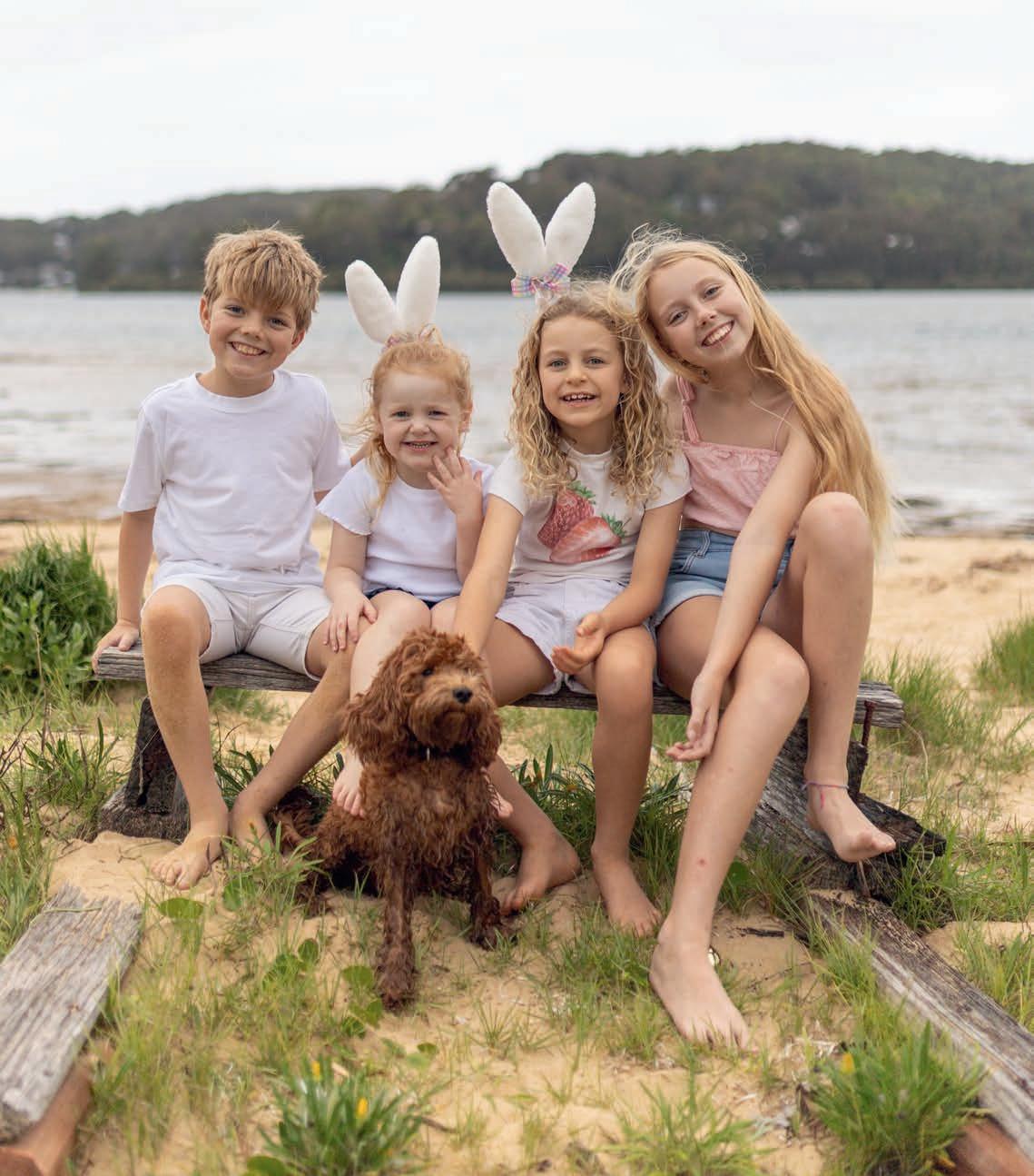
Cover image
Crystal Gail Photography crystalgailphotography.com.au Facebook – crystalgailphotographer Instagram – @crystalgail_photography
Contributors
Dorian Mode, Lydia Thorpe, Carin Clegg, Simon Tarrant, Selina Chapman, Bree Sutherland, Georgia Page, Blake Gray, Iryna Macey, Sam Woods and Jordi Woods onthecoastpublications.com.au proudly supported by
Subscribe to our online magazine here!

4 The wrap–around support you need: Finding your Path with AKG Parent Pathways
6 Kanberra for kids – Canberra really punches above its weight when catering for families

8 Let’s change our Easter culture and get back to tradition
10 Why understanding your Super today can make a big difference tomorrow
12 Building resilience amid uncertainty – helping children with world events
14 The unspoken transition of Motherhood – the identity shift women aren’t prepared for
16 Positive test? – here’s your pregnancy checklist
18 Creating that 5–Star family home vibe that buyers pay extra for!
20 From toddlers to grandparents: Exploring the South Pacific by cruise with family and friends
22 An easy Autumn getaway – your ultimate wardrobe packing list!

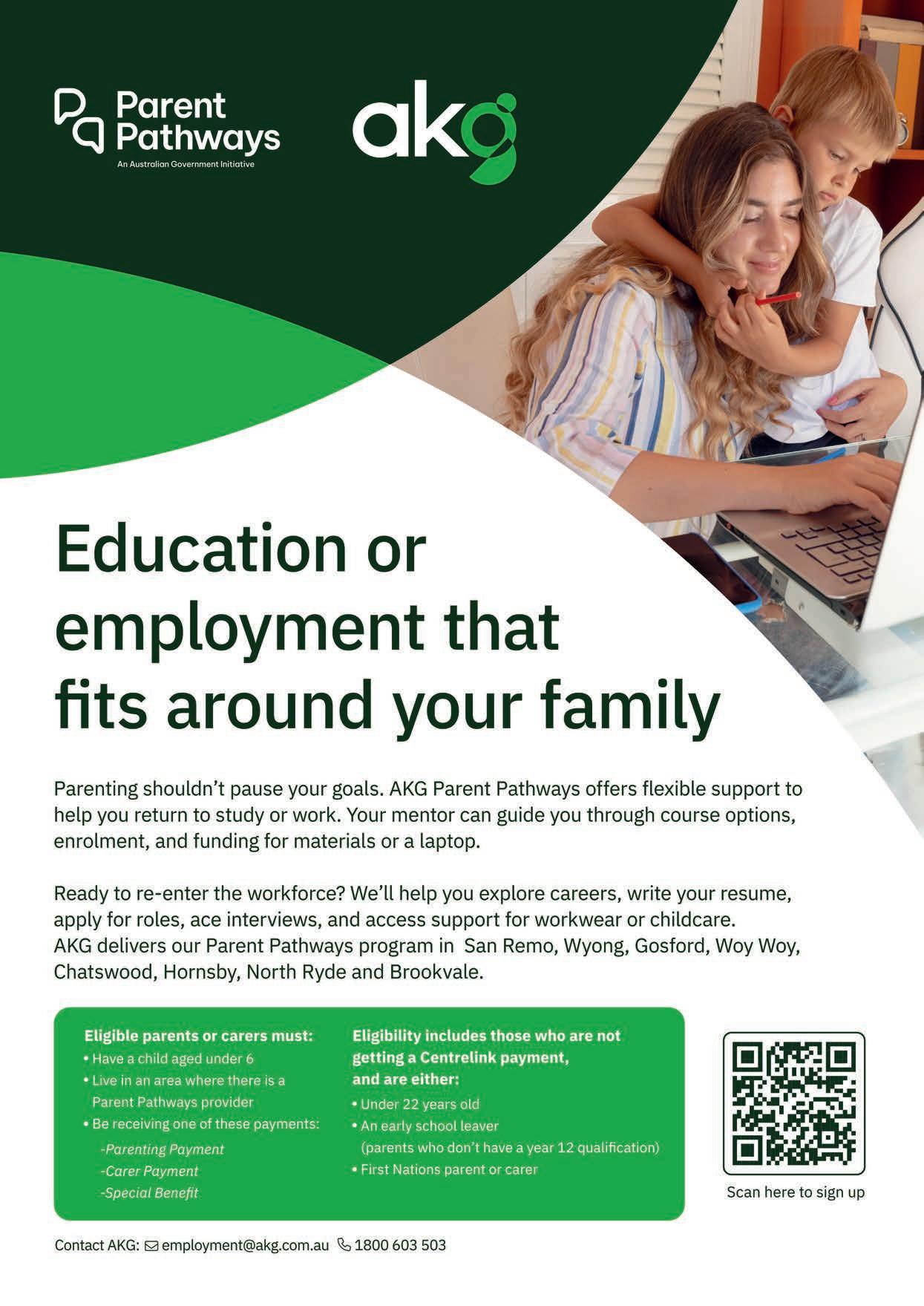
Parenting is a full–time job, but there often comes a moment when you start looking toward the horizon, wondering what the next chapter looks like for you. Whether it’s returning to study, finding a career that fits around school hours, or simply regaining a sense of personal identity; the AKG Parent Pathways team is here to help you bridge the gap.
Setting goals for the “whole you”
The journey begins with you. Your dedicated mentor works with you to set holistic goals that cover all aspects of your life, from health and family to budgeting and career. As your personal guide and cheerleader, they’ll support you to reach those milestones on a timeline decided by you.
Education and employment that fits
If you’ve been dreaming of upskilling but don’t know where to start, we simplify the process. Your mentor provides hands–on support with enrolment and training, whether it’s a short course or a long–term qualification. When you’re ready to work, we focus on matching your skills and interests to a job that respects your family commitments.
Social and practical support
Isolation is a silent struggle for many parents. Parent Pathways offers a space to build confidence, make friends, and overcome the anxiety of re–entering social or working environments.
We also provide practical and financial boosts like:
Vouchers for essentials
Laptops for study
Workwear for interviews
Childcare enrolment
Help with licensing or transport costs
Nutrition and wellbeing
Supporting your family’s health is easier with our free food pantry. Parents can fill a bag with healthy basics and pick up useful cooking tips to keep the family fuelled on a budget.
Meeting you where you are
Flexibility is at the heart of what we do. You can visit one of our kid–friendly offices – where toys are waiting to keep the little ones entertained – or meet your mentor somewhere you feel most comfortable, such as a local café or park.
Success Story: Meet Elle
Elle joined Parent Pathways as a single parent with no local support network, recovering from trauma and facing unstable housing. Her mentor linked her to mental health services and food hampers. Once Elle felt ready, she set a goal to start a cleaning business. We supported her through her first aid course and required government checks. Today, Elle is thriving with paying clients and a positive future ahead.
Parent Pathways is a voluntary program for parents and carers who have a child under six and are not currently in paid employment. Generally, participants receive a Parenting Payment, Carer Payment, or Special Benefit. You may also be eligible if you are under 22, an early school leaver, or a First Nations parent.
We support parents across the Central Coast from our offices in Wyong, Gosford, and San Remo (and by appointment in Woy Woy).
If you’ve been dreaming of upskilling but don’t know where to start, we simplify the process


Canberra really punches above its weight when catering for families
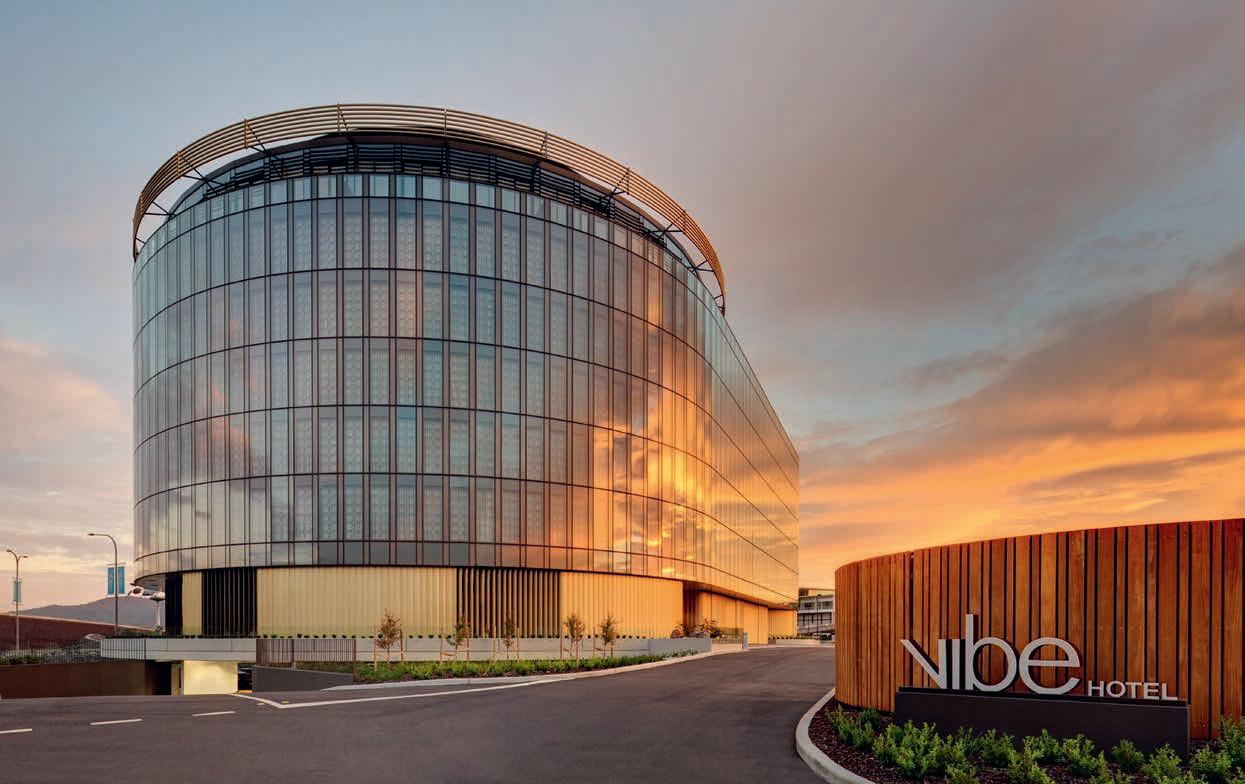
Airport hotels are generally ‘have to’ not ‘want to’ –places you endure between flights, not destinations you’d actually choose. But there’s one airport hotel in Australia that gleefully defies this logic. Enter the Vibe Hotel Canberra.
Like something beamed in from a 1960s sci–fi movie directed by someone with excellent taste, this hip, state–of–the–art hotel has serious gram factor. With its curling Guggenheim–esque black–and–white six–storey atrium, gold lounge, and funky Helix Bar, you’d be forgiven for thinking you’ve stumbled into a boutique New York hotel rather than beige, bureaucratic Canberra. Better yet, it’s terrific for families – you can book adjoining rooms without the usual hotel rigmarole.
The rooms themselves channel “Mad Men” meets a gentleman’s club circa 1962 in the Hamptons. We love it. The bathrooms are so photogenic my wife starts snapping photos like paparazzi at the Oscars, which is saying something
given she usually reserves that enthusiasm for sunset and overpriced lattes.
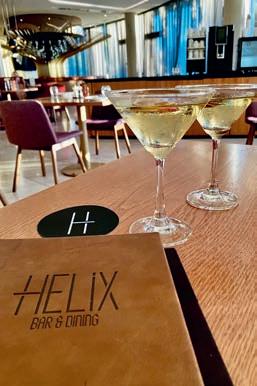
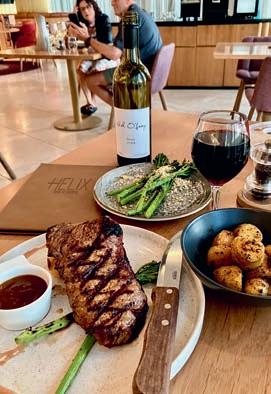
That evening we enjoy a cocktail at the Helix Bar – we order kaffir lime martinis that arrive looking like liquid architecture in a glass. Then we dine in the Vibe’s restaurant, which is perfectly set up for families, thanks to circular booths that create a cosy cocoon (book ahead or suffer the indignity of a regular table). We tuck into a 300gram Riverina Angus striploin that’s charred on the outside and blushing pink within, matched with a local 2023 Nick O’Leary Canberra Shiraz that’s peppery enough to make you sit up straight.
The following morning, after one of the best buffet breakfasts I’ve encountered (and I’ve judged many) – psst! everything was actually hot, a miracle in the buffet world – we head to our first outing.
I normally approach Taronga Zoo with the enthusiasm reserved for root canal work. Why? Because it’s exhausting. All uphill and down dale with little shade, and by day’s end the family resembles extras from a zombie film. So imagine our surprise
The Kids Discovery Trail particularly impressed us – it transforms the zoo into a treasure hunt, engaging little ones and teaching them to actually find the animals rather than just demanding ice cream
when we discover the National Zoo and Aquarium is designed by someone who actually likes families. Easy, tree–lined paths provide blessed shade. An aquarium and reptile cave offer air–conditioned respite. Here we meet lions lounging like oversized house cats, tigers pacing with theatrical menace, meerkats doing their trademark sentinel routine, and hand–feed exotic birds and kangaroos that are refreshingly polite about taking food from small fingers. There’s a massive playground where children can burn off the kind of energy that makes long car trips unbearable, plus a Dinosaur and Megafauna display that proves extinction can be educational and
entertaining. The Kids Discovery Trail particularly impressed us – it transforms the zoo into a treasure hunt, engaging little ones and teaching them to actually find the animals rather than just demand ice cream.
Post–menagerie, we head for the multi–award–winning Questacon, which is essentially Canberra’s Disneyland for the scientifically curious. The National Science and Technology Centre boasts more than 200 interactive exhibits related to science and technology, making it a popular destination for school excursions Australia wide – a reputation that’s entirely deserved. The soundtrack is a symphony of squealing children echoing up the spiral ramp that connects the exhibition spaces. It’s so engaging you’ll struggle to drag the kids away, even with promises of ice cream. Possibly the only place where children voluntarily learn about physics while having the time of their lives.
Our last visit is to the War Memorial. One of the convenient things about the Vibe – and Canberra in general – is that everything sits within a blissfully traffic–less 10–minute drive. The War Memorial is a perennial favourite, and little boys gravitate to the guns, tanks and planes on display like moths to a

The National Science and Technology Centre boasts more than 200 interactive exhibits related to science and technology, making it a popular destination for school excursions Australia–wide –a reputation that’s entirely deserved
flame. There are interactive elements – tunnels to scramble through, a WWII bombing raid simulation that’s impressively loud – but let’s be honest, it’s more for the dads. While the children press their noses against glass cases, fathers get misty–eyed over Spitfires and read every plaque with the solemnity of visiting scholars.
Later we find ourselves back at the Helix Bar, champagne and wine in hand, soaking up the vibe of the Vibe. The sleek curves of the atrium catch the afternoon light, and Canberra –against all expectations – has delivered. Who knew the nation’s capital could punch this far above it’s weight?
QUESTACON – National Science and Technology Centre
https://www.questacon.edu.au/
NATIONAL ZOO AND AQUARIUM CANBERRA
https://www.nationalzoo.com.au/
AUSTRALIAN WAR MEMORIAL
https://www.awm.gov.au/
WHERE: 1 Rogan Street, Canberra Airport ACT
https://www.tfehotels.com/ en/hotels/vibe-hotels/canberraairport/
WHY STAY: A sleek, contemporary hotel just steps from Canberra Airport and about 10mins from the CBD. Ideal for short breaks, fly–in visits or a comfortable drive to Questacon, War Memorial and the Zoo.
ROOMS: Modern rooms with floor–to–ceiling windows, Nespresso machines and excellent soundproofing. Adjoining rooms are available, making it an easy option for families travelling together.
EAT & DRINK: Helix Bar and Dining serves modern Australian dishes with local produce and a generous breakfast spread for hungry families to fuel a day exploring the capital.
FACILITIES: Gym, conference spaces, 24–hour reception and underground parking at only $12 day.
GOOD TO KNOW: Canberra is also a handy jumping–off point for the Snowy Mountains ski fields, with Thredbo and Perisher about a three hour drive away – perfect if you’re heading to the snow with the kids.
BY CARIN CLEGG – DIETITIAN AND FITNESS PROFESSIONAL AT BRIGHT DIETS
If you just look at the amount of chocolate on the supermarket shelves, you will agree that we need to transform our Easter traditions and get back to their roots of celebrating new life.
My family celebrates Orthodox Easter with the tradition of dying eggs red to signify new life, Jesus being resurrected and the traditional northern hemisphere coming of spring with newborn animals.
In Australia, it may seem strange to be celebrating new life when we are coming into the cooler months, especially when the chickens tend to stop laying at this time of year. This may be one reason why we have disconnected from the real sentiment behind Easter.
Easter is not about giving lots of cheap chocolate, that is the power of advertising. Chocolate companies simply want to make more money, and they have done a really good job at this, as most people would not even think
twice before purchasing chocolate at Easter time.
When eating chocolate, the type of chemicals released in the brain to feel enjoyment, are no more than eating any other liked food. In fact, some research shows that one smile can generate the same level of brain stimulation as up to 2,000 bars of chocolate. It is safe to say that all the hype around chocolate by food advertising, which has trickled into our culture, stories and way of life over the last few generations has convinced us that we want and like eating chocolate more so than other foods.
With so many people trying to eat well for their health and wellbeing these days, and the price of food on the rise, it is well and truly time for some
new Easter traditions or perhaps to bring back some older Easter traditions.
Instead of chocolate here are some fabulous gift ideas for young and old:
Hand painted or dyed hard boiled chicken eggs. You can even make your own dye from natural ingredients – red: brown onion skins on brown eggs, yellow: turmeric, pink: beetroot, green: spinach, mint leaves, dandelion leaves, blue: purple cabbage.
A packet of seeds or seedlings in a pot signifying new life. Even as we come into the cooler months you can still grow many herbs and vegetables from seeds. Learn how to save seeds and make origami seed packets. Take plant cuttings from your garden and pot up. These are super easy and cheap gifts that are a lot more
valuable and personal, especially if they are from your garden. In years to come, you may find out who has been given seeds from your plants, friends of friends, relatives, perhaps even schools, hospitals, workplaces or community groups.
An Easter mug or cup is the perfect gift for little ones transitioning drinking milk from a bottle.
An egg cup is also great to build excitement around trying and learning to eat dippy eggs.
Cool weather clothes including pyjamas are often a welcome gift.
Even more traditional, you can gift Easter themed story or activity books including ones about Jesus and the origins of Easter.
For a bit of fun you can also gift anything egg shaped. A football is egg shaped and will be a lot more fun and last a lot longer than eating chocolate. Try some cherry tomatoes or grapes, an eggplant, and the many varieties of pears which come in different colours like green, yellow and red as well as the Asian pears

like nashi and ya pears which are in season.
An Easter scavenger hunt is always fun for the little ones. You can use a stencil to make Easter bunny footprints with powder or flour on the floor, a cotton wool ball for more evidence he has been, then plant some clues. Using pictures of eggs, real boiled, coloured
or painted eggs, cherry tomatoes or any vegetables bunnies like to eat and packets of seeds along the way to the prize at the end. Showing the Easter bunny eats vegetables and even favours vegetables over chocolate, can be a great encouragement for children learning to eat their rainbow of vegetables.
Have happy, healthy and fun Easter!
Carin Clegg is a Paediatric Dietitian and Fitness Professional at Bright Diets with an interest in sustainability. Carin wants everyone to be clever about their eating to feel happy, healthy and vibrant! Reach out at 0413 774 411, www.brightdiets.com.au or on the socials.

BY SIMON TARRANT – PRIVATE CLIENT ADVISER AT MORGANS FINANCIAL LIMITED

Superannuation is often one of the biggest assets Australians will ever have yet it’s also one of the most misunderstood. For many families, super feels like something to worry about later, closer to retirement. But taking the time to understand your super now could make a meaningful difference to the lifestyle you enjoy in retirement.
Many people judge their super by one number: the balance on their statement. While that’s important, it’s only part of the picture. How your super is invested, what fees you’re paying, and how much is going in each year can be just as important, if not more so than where your balance sits today.
Two people earning similar incomes can retire with very different outcomes simply because one took time to understand and manage their super earlier in life.
Time is your biggest advantage
One of the most powerful forces in superannuation is time. Thanks to compounding returns, money invested earlier has longer to grow.
Even modest contributions made in your 30’s or 40’s can outweigh much larger contributions made closer to retirement.
Understanding your super now allows you to:
Make informed choices about investment options.
Check that contributions are being made correctly.

Ensure your super strategy still suits your stage of life.
These steps don’t require constant attention, just occasional check–ins that can pay off over decades.
changes, and your super should too
As families grow and circumstances change, super should evolve as well. Starting a family, working part time, changing careers, or taking time out of the workforce can all affect your retirement savings.
multiple accounts, or considering additional contributions when cash flow allows.
Ignoring super during these years can mean playing catchup later, when time is no longer on your side.
When people don’t understand their super, they often avoid it altogether. This can lead to missed opportunities or unnecessary stress approaching retirement.
By building confidence now, you’re more likely to make calm, informed decisions in the future including when markets are volatile or when retirement starts to feel real. Knowing how your super works removes uncertainty and replaces it with clarity.
A better retirement starts earlier than you think Retirement isn’t just about stopping work, it’s about having choices. Choices about how you spend your time, where you live, and how you support the people you care about.

Superannuation is often one of the biggest assets Australians will ever have, yet it’s also one of the most misunderstood. For many families, super feels like something to worry about later, closer to retirement If you would like to discuss your superannuation strategy, please contact Simon at simon.tarrant@morgans.com.au or via (02) 4325 0884 Morgans Financial Limited 4/168 The, Central Coast Hwy, Erina NSW 2250 morgans.com.au/erina
Understanding your super helps you spot gaps early and adjust where possible whether that’s reviewing insurance inside super, consolidating
Understanding your super today won’t take away from your lifestyle now. In fact, it helps ensure the lifestyle you want later is achievable.
Simon Tarrant (AR: 001270872) is a Private Client Adviser at Morgans Financial Limited (AFSL 235410 /ABN 49 010 669 726). Simon is passionate about creating quality financial strategies that are tailored and customised to a clients’ lifestyle, financial goals and risk profile.
Disclaimer: While every care has been taken, Morgans Financial Limited makes no representations as to the accuracy or completeness of the contents. The information is of a general nature only and has been prepared without consideration of your individual objectives, financial situation or needs. Before making any decisions, you should consider the appropriateness for your personal investment objectives, financial situation or individual needs. We recommend you see a financial adviser, registered tax agent or legal adviser before making any decisions based on this information.

BY SELINA CHAPMAN – PSYCHOLOGIST AT THE HEARTS AND MIND COLLECTIVE
With recent and current local and global conflict, it can be difficult or impossible to shield our children from hearing about war, conflict and local tragedies.
We may not be prepared or know how to navigate the questions our children or young people may be asking. Pretending the big uncomfortable questions don’t exist can be confusing and distressing for children and our reactions and impressions to any event has as much if not more of an impact on children than the information they are hearing.
Dr Catriona Davis–McCabe, former president of the Australian Psychological Society (APS), recommends finding out what our children are aware of first. What they understand in their own words at their age and stage or development.
With any big questions, we need to keep answers simple and in a language at their level. It is also important to answer their questions that have been asked rather than expanding on more information, particularly for children or young people that need additional supports.
It is very common for children to keep asking the same questions
repeatedly. It is how their brains are processing complex information. Some questions may be inappropriate in words, or timing if we are expecting an adult understanding. Children process information in their own way and in their own time. If we can keep calm and non–judgemental, we can encourage open communication and validation of what they are experiencing.
Dr Davis–McCabe encourages parents and carers to keep checking in with their children. Let them know that they are in a supportive environment to talk about their thoughts and feelings. Play is a great way to connect with children and have a fun and safe space to freely express themselves, whether its drawing, using toys or playing a pretend game. Child–led play allows for children to invite their safe adults into their world and take the lead without direction from others. This is highly encouraged for all adult/ child connections, especially to build and reinforce secure attachments.
As much as professionals can recommend best strategies for family
interactions and parenting support, we do understand that outside the therapy rooms, life is messy, chaotic and unpredictable at times. A great example of real life versus best practice is when it comes to young people and social media, particularly around “fake news”, social influencers, needing to source correct information and limit algorithms that feed into doom scrolling and the rabbit holes they lead users into.
I am not what happened to me; I am what I choose to become – Carl Jung
So how can we protect our children from a stream of distressing media content?
Ideally as parents, we have control over devices and content. Even with the social media ban, platforms exist to circumvent the safeguards in place designed to protect young

people online. This is where open communication between family members is invaluable. It is encouraged for children to feel they can talk to their trusted adults at any age about anything on their minds. Regular connection opportunities throughout the day and week can help build and maintain relationships, such as eating dinner together or having screen free family time.
As much as possible, it is recommended to sit with your child and examine information and their sources for transparency and accuracy.
There are important signs to look out for if you are concerned about the wellbeing of your child. Dr Davis–McCabe recommends if you notice changes in sleep patterns and quality of sleep, appetite, mood, or behaviours such as wanting to stay close or clinging instead of typical independent behaviour are some indications something is out of the ordinary and warrants further exploration.
“I am not what happened to me; I am what I choose to become.” – Carl Jung
We don’t have to have all the answers to questions such as “why do people do bad things?”. Dr Davis–McCabe suggests focusing on how people are helping; our first responders are trained for these situations and there are good people in the world. She says, “talking about helpers assuages helplessness”.
According to the APS, keep routines

predictable and reassuring, foster hope and focus on how to make the world a safe and beautiful place in which to live.
Feeling hopeless or helpless are key factors that can contribute towards low coping skills. Actions that can assist resilience and wellbeing are focussed on what we can do. We can be proactive and community minded, such as supporting groups practically with donations, attending fundraising events and checking in with members of our beautiful Coastie community that may be more impacted that ourselves.
As parents and carers, our wellbeing is also important. We need to check in with ourselves and each other and talk with supports as much as we need to. Please reach out to mental health professionals, schools and community supports. We are there to help.
Take Care, Selina
Selina Chapman is a psychologist at The Hearts and Mind Collective in North Gosford. She works with individuals of all ages seeking empowerment and support. Selina says, “Seeking support for mental health is about maintaining emotional and mental wellbeing as well as having extra help as and when we need it”.

Regular connection opportunities throughout the day and week can help build and maintain relationships, such as eating dinner together or having screen free family time

identity shift women aren’t prepared for
BREE SUTHERLAND
MATRESCENCE
At some point in motherhood, many women find themselves wondering: Why don’t I feel like myself anymore? and Who am I now, beyond being a mother? Motherhood doesn’t just change your daily routine –it quietly reshapes your entire sense of self. For many women, that shift can feel unexpectedly unsettling.
Many move through this season feeling slightly off, disconnected or unsure of themselves, often without the language or understanding to make sense of what they’re experiencing. They can find themselves caught in cycles of self–doubt and internal judgement. Motherhood can hold many conflicting emotions at once. Deep love and devotion for your child can sit alongside guilt, frustration, exhaustion, or a quiet longing for parts of your old life.
You might feel grateful and overwhelmed in the same breath. You might find yourself thinking:
Why does this feel harder than I expected?
Why don’t I feel like myself anymore?
Is something wrong with me?.
When I was asking these questions myself, I assumed it meant I simply wasn’t coping well enough. I also believed I was the only one feeling this way –because it simply wasn’t spoken about. What I later discovered is that these feelings often point to something much deeper – something very few of us are
taught about.
It’s called matrescence.
Understanding it can be profoundly relieving. It helps women realise that nothing is “wrong” with them and brings validation and self–compassion to an experience that is so often quietly questioned.
The transition no one names Matrescence is the developmental process of becoming a mother. The term was first coined in the 1970s, yet decades later it remains largely absent from mainstream conversation. Psychologist Dr Aurelie Athan, who expanded the concept, explains that we focus so much on the baby arriving that we often forget a mother is being born too.
She likens matrescence to adolescence – not simply a period of hormonal change, but a broader developmental transition that reshapes identity, relationships and the way we move through the world. Motherhood touches nearly every part of a woman’s life: her body, emotions, relationships, career, priorities and sense of self.
Unlike adolescence, which unfolds with cultural recognition and community support, matrescence often happens quietly and without guidance. It is gradual and ongoing. It does not resolve neatly at the end of maternity leave and can re–emerge with each child or at

different stages of motherhood.
Without language for it, many women assume the discomfort means they are doing something wrong. However, it isn’t a personal failure, it’s a major life transition. One of the most profound ways this transition shows up is through the shift in a woman’s sense of identity.
The identity shift beneath the surface When we become mothers, we don’t just gain a new role – our identity begins to shift. Our values change and our priorities reorder themselves. What once felt important may no longer matter in the same way. At the same time, there is still the woman beneath the role –the one with her own needs, interests, desires and personality.
The tension between those two realities can feel deeply confusing and frustrating. Many women find themselves trying to “get back” to who they were before children, waiting for the moment they will return to their old energy, routines or sense of direction. However, motherhood is not simply a temporary phase – it reshapes you.
Trying to force yourself back into a previous version of yourself can feel exhausting and disheartening because the old version often no longer fits. Matrescence is not about going back; it is about becoming. With the right support, it can also become a powerful opportunity for personal evolution.
As Anaïs Nin once wrote: “And the day came when the risk to remain tight in a bud was more painful than the risk it took to blossom.”
For many mothers, this quiet process of becoming can feel both unfamiliar and disorienting. In conversations with mothers, the same themes appear again and again, often shared hesitantly for fear of being judged.
“I feel lost.”
“I feel disconnected.”
“I love my child deeply… but I miss
parts of myself.”
“I feel guilty for wanting space.”
“I should be coping better.”
Some mothers feel overstimulated and reactive. Others feel flat or emotionally numb. Many carry a quiet sense of dissatisfaction they struggle to explain.
Because these feelings don’t align with the cultural image of the endlessly grateful mother, they are often pushed aside. For many mothers, the hardest part of this transition is feeling unable to speak openly about how profoundly motherhood has changed them. Part of what makes this transition so difficult is the set of expectations many of us carry about what motherhood should look like. These experiences are often shaped by expectations we absorb from culture, family and social media.
They can sound like:
“I should be loving every moment.”
“If I were more capable, I’d be coping better.”
“A good mother is always calm and selfless.”
These expectations can create comparison, self–criticism and enormous pressure, making a normal developmental transition feel like a personal failure.
The power of understanding matrescence
When these expectations go unnamed, many women turn their confusion inward. This is why understanding matrescence can be so powerful. When women finally hear about it, something often shifts. There is relief – a sense of “Oh, that’s why.” The internal narrative begins to move from something is wrong with me to this makes sense. For many women, that understanding becomes the first step in relating to themselves with more compassion as they move through this transition.
Having the language for what is happening – and recognising the
expectations that shape how we think about motherhood – can be deeply powerful.
Realising that these experiences are common, yet rarely spoken about, is profoundly validating. However, awareness alone rarely changes things overnight. These beliefs are often shaped over many years. Shifting them takes time, reflection and, for many women, the space and support to gently untangle them.
Understanding matrescence doesn’t make the challenges of motherhood disappear. Howver, it can fundamentally change how women see themselves within it – and that shift can be deeply grounding for mothers navigating this season.
Bree Sutherland is a Life Coach, Matrescence Facilitator, Yoga Teacher and mother based on the Central Coast. Through her workshops and coaching, she supports mothers to navigate the identity and emotional shifts of motherhood, reconnect with themselves, and move through this season with greater clarity, grounding, self–trust and fulfilment. Soul FULL Coaching www.soul-full.com.au
BY GEORGIA PAGE – GP AT YOUR FAMILY DOCTORS ERINA
In one of our previous articles we talked about pre–pregnancy planning so you can be the healthiest you can be before you fall pregnant, and to increase your changes of conceiving and having a healthy baby. If some of those tips helped and now you are pregnant, you may be wondering; what do I do next?
Firstly, congratulations! It is a very exciting time in your life, and we wish you a comfortable and healthy pregnancy. A good place to start is to see your GP for your first pregnancy visit around the 4 – 8 week mark. Your GP can confirm your pregnancy and dates, assess your health and organise routine antenatal tests recommended for your pregnancy. They will also give you information regarding where you can receive your ongoing pregnancy care and where you can deliver your baby. Outlined below is a ten point pregnancy checklist to help you achieve a healthy pregnancy.
1. Blood tests in pregnancy
Your GP will order some initial bloods tests including your blood group and antibody testing (for Rhesus factor). They will also screen for infections that can affect you and your baby. Other blood tests may be carried out depending on your circumstances and may include testing your iron, thyroid and vitamin D levels. An initial urine test will be sent off to exclude infection as well.
If you have not previously had Genetic Carrier Screening tests this may also be offered. Your doctor will check if you are up to date with your
cervical screening tests. Blood tests will be repeated at various stages of your pregnancy including screening for gestational diabetes which is usually done at 26 – 28 weeks, or earlier for those at high risk.
2. Ultrasounds in pregnancy
If you are unsure of the date of your last period, an early ultrasound can help determine how many weeks pregnant you are and your approximate due date. Two routine ultrasounds are commonly recommended. A first trimester ultrasound (between 11 – 14 weeks) and a second trimester ultrasound (between 18 – 20 weeks) is recommended to check the baby’s growth and development, including their organs.
3. Antenatal screening tests
Antenatal screening tests are offered to all women in the first trimester of pregnancy to assess the chance of having a baby with certain chromosomal conditions. These tests are optional. The Non–Invasive Perinatal Test (NIPT) is a blood test of the mother, performed at around 10 weeks of pregnancy. This test analyses small amounts of the baby’s DNA present in the mother’s blood to screen for common chromosomal changes. Currently this test is not
covered by Medicare and involves an out–of–pocket cost. Alternatively, a special ultrasound, called the Nuchal Translucency Scan, in combination with a blood test can be done at approximately 12 weeks. This test may also have some out of pocket costs, so please discuss with your doctor.
4. Multivitamins in pregnancy
Folic acid supplements are recommended during your pregnancy to reduce the risk of neural tube defects such as spina bifida. The usual recommended dose is 0.5mg daily, although women may require 5mg depending on their medical history. Iodine (150 micrograms daily) is also recommended for brain and nervous system development. Check with your pharmacist that the pregnancy multivitamin you are taking contains the recommended amounts. Other supplements may be recommended such as iron or Vitamin D, depending on your circumstances.
5. Diet and exercise in pregnancy
A healthy, well–balanced diet with a wide variety of fruits and vegetables is recommended during pregnancy. Despite the saying, you do not need to ‘’eat for two’’. Usually, two additional healthy snacks is enough. Foods to avoid during pregnancy include any raw or undercooked meats, raw seafood, soft cheeses and unwashed salads. These precautions help reduce the risk infections such as Listeriosis. Caffeine is still allowed, but it is recommended to limit intake to two cups of coffee or four cups of tea a day.
Staying fit and active during pregnancy is important for both physical and psychological wellbeing, and can help prepare your body for childbirth. Aim for around 30 minutes of moderate exercise 4 – 5 times per week. However, avoid contact sports,
6. Vaccination during pregnancy
During pregnancy the immune system is reduced, which makes women and their unborn baby more susceptible to certain infections. When pregnant women are vaccinated, protective antibodies pass to the baby, so they also receive protection. Three government funded vaccines are recommended during pregnancy to reduce the risk of significant illness to mother and unborn baby. These include the influenza vaccine (given at any stage of pregnancy), the whooping cough (pertussis) vaccine between 20 and 32 weeks, and the RSV vaccine (between 28 and 36 weeks). If you are due for a Covid–19 vaccine booster, this can be safely given at any stage of pregnancy.
7. Medications during pregnancy
If you are on any regular medications, it is important to talk to your doctor or pharmacist to check if they are safe during pregnancy. This also applies to
any over the counter medications or herbal supplements. A useful resource is the MotherSafe hotline (02 9382 6539) at the Royal Hospital for Women in Randwick.
8. Smoking and alcohol during pregnancy
Smoking can be harmful to your unborn baby and increase the risk of early pregnancy loss, prematurity, low birth weight and stillbirth. We recommend you do not smoke or vape and preferably not be in the company of smokers for lengthy periods of time. Alcohol can also cause affect a baby’s development, particularly the brain. There is no consensus on safe levels of alcohol that can be consumed during pregnancy, so it is best to avoid.
9. Antenatal Care options
There are many options for antenatal care and delivery, depending on your circumstances and preferences. Options may include referral to the local public hospital antenatal clinic
for care managed by midwives and doctors, ‘’share care’’ with your GP with delivery at the public hospital, or referral you to a private obstetrician for delivery at a private or public hospital. During your pregnancy you will have regular check–ups to monitor your blood pressure, weight, urine, your baby’s heartbeat and growth of your baby.
10. Mental wellbeing during pregnancy
Looking after your mental health during pregnancy is just as important as looking after your physical health. If you have noticed an increase in symptoms of anxiety, stress or depression, it is important to talk with your doctor, partner or support person. You can also call PANDA – Perinatal Anxiety and Depression Hotline on 1300 726 306.
We wish you well during your pregnancy and hope you have a memorable, enjoyable and healthy experience.
RESOURCES: Pregnancy Birth and Baby – https://www.pregnancybirthbaby.org.au/ Raising Children Network – https://raisingchildren.net.au/pregnancy
BY BLAKE GRAY – PRINCIPAL AT APEX ESTATE AGENTS
The Central Coast remains high on the list for families looking to upsize and for couples hoping to secure property in an ideal lifestyle location in order to start a family. These families and couples are a strong force in our local markets right now. If you’re thinking of selling soon, it would be a mistake not to consider these buyers when renovating/preparing your home. Here’s my top general suggestions for how to create the right vibe so that when these buyers view your home they see a 5–Star proposition. This will almost certainly mean higher offers for you.

What’s on the outside matters too –Far too often sellers prioritise the inside of the home and neglect the exterior when making improvements. It is important to note that a backyard without purpose is a backyard without appeal. Similarly, a front yard that doesn’t leave a lasting, positive first impression also suffers. A property lacking in these two respects has already sacrificed a valuable golden star in the eyes of these buyers.
Wherever possible think about maximising versatility. In practical terms this means that the more functions/uses the exterior space provides, the better. If you’ve got a deck, patio, or porch, think about adding a pergola or covering to enhance its entertaining potential. If
there’s a Hills Hoist clothesline in the centre of the backyard, consider moving it to free up usable space, or if the backyard is small then replace it with a wall–mounted, retractable one. If there’s a particularly awkward corner in the yard, add a vertical veggie garden. If the backyard is especially small, consider enclosing the front yard. If the yard is unusually uneven/sloping, this can be retained so as to further its usability.
Aesthetics and a welcoming street appeal also need to be emphasised. Generally, I’d encourage you to select one particular feature of each outdoor space and to lean into each. The idea here is to highlight strengths. If your property has a pool, consider updating the fencing or add colour by bordering it with plants/pebbles. If the front yard
seems uninteresting, paint the driveway in a shade that matches the house, and install a proud, new letterbox.
Buyers pay for space –
These families and couples who are the potential buyers for your property value space. As the family grows so too does its needs. Increasingly, people work from home (at least part of the time). Families are time–poor, thus embrace homes that are friction–free (require little to no renovations and are low–maintenance). The below can be achieved by means of minor home improvement/ renovations, through property styling, and via marketing.
Maximise open–plan living and connectedness.
Showcase the versatility of spaces by implying/showing their multiple uses.
Ensure the backyard is secure, safe for children and pets, and presents as low–maintenance.
Add/highlight storage solutions and potential.
Install/underline modern technological assets and conveniences like air conditioning, solar panels, USB adaptable power outlets, electric skylights, automated window furnishings, security systems etc.
Add/extend/improve outdoor entertaining potential.
(Striking the right balance with regard to the above will certainly depend on successfully working together with your selling agent, property stylist, available funds for home improvements/ preparation
The power of amplifying location and lifestyle –
So these families and couples have already decided that the Central Coast is an attractive location. To retain your 5–Star rating and close the deal you’ll also need to align your home–both implicitly and explicitly–with the lifestyle factors and amenities with which these buyers already have strong affinity (reputable schools and childcare centres, beaches, sporting facilities, shopping and entertainment precincts etc).
Explicit signalling will often be the domain of your selling agent. They will inform your buyers of notable lifestyle amenities in their property headings and descriptions. These may also feature in your campaign photos as ‘location shots’ or ‘drone photography’.
Implicit signalling is something that you can achieve yourself via intentional, inventive property styling/staging. The idea here is to strategically place items in and around your home that hint at those notable lifestyle amenities that these buyers love, thereby linking your property to these desirables. For
example: If your home is near the beach – place some surfboards, beach towels, buckets or straw hats by the front door, or perhaps in the corner of an outdoor entertaining area. Even the placement of a small, wood, picket sign with an arrow pointed in the direction of nearby cafés which reads, ‘coffee this way’ can achieve a similar effect. Get creative here.
Increasingly people work from home (at least part of the time). Families are time–poor, thus embrace homes that are friction–free (require little to no renovations and are low–maintenance)
Every property is unique. These are but a few tips. For tailored guidance in creating that 5–Star family home vibe, seek the input of your preferred property professional/real estate agent.
BY IRYNA MACEY – OWNER OF CRUISE ADDICT
Cruising is always special, but cruising with friends and family makes it even better. On our recent 9–night South Pacific cruise onboard the Anthem of the Seas, we travelled with an incredible group ranging from two years old to eighty years young.
Some of our friends had already completed nearly 90 cruises, while for others this was their very first experience at sea. What made the trip truly memorable was that everyone –regardless of age or cruising experience – found something they loved.
That’s the beauty of cruising with Royal Caribbean International. The ships offer endless activities, entertainment and dining options, yet at the same time you can simply relax, unwind and go with the flow.
Our itinerary included three stunning South Pacific ports: Port Vila, Mystery Island and Nouméa.
The South Pacific is an incredible destination, especially for Australians. It’s close to home, yet feels like a true tropical escape. Cruising is one of the easiest ways to visit multiple islands while enjoying quality time with the people you love.
Here are some of the highlights from our journey.
Embarkation day is always exciting. Once onboard, our first stop was lunch at the famous Windjammer buffet. It has become a tradition for many cruisers
to start their holiday there while enjoying panoramic ocean views.

After lunch we explored the ship, familiarising ourselves with the many activities and venues onboard. Dinner was an early one at 5pm –perfect for some relaxed family time.
Later, I decided to treat myself to a spa hair treatment. The first day often offers great spa specials, so it’s the perfect time to indulge and start the cruise feeling relaxed.
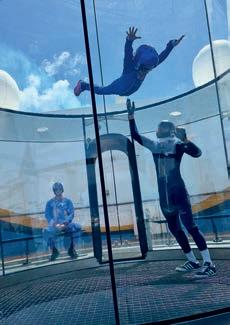
Sea days are ideal for trying some of the ship’s unique attractions. One of our highlights was indoor skydiving at the RipCord by iFLY simulator. We booked it as a special gift experience, although guests can sometimes try it for free on port days as well.
Flying inside a wind tunnel high above the ocean is something you don’t forget easily. It’s thrilling, fun and surprisingly accessible for many ages (from three years old).
The kids’ club quickly became a favourite place for our younger travellers. It gave the children a chance to make new friends and enjoy supervised activities, while the adults could relax and enjoy some time together.
One afternoon we attended one of the ship’s incredible production shows. What’s great is that these shows are sometimes available during the daytime too, making it easier for families to attend.
One morning our whole group joined a game of laser tag. Competing in teams made it even more exciting and quickly turned into one of the funniest memories of the trip.
After all that action, we cooled off in the pool and enjoyed the warm South Pacific air.

After dinner, our daughter finally achieved something she had been waiting for – she was now old enough to try the bumper cars onboard.
Our first port was beautiful Port Vila. This destination offers something for everyone. You can take an active excursion such as swimming in the Eden River, visit the famous Blue Lagoon, or learn more about the local culture.
Others in our group explored the colourful markets near the port and returned to the ship whenever they wished. That flexibility is one of the biggest advantages of cruising.
Mystery Island is truly one of the treasures of the South Pacific.
Crystal clear turquoise water, soft white sand and palm trees swaying in the breeze create a picture–perfect paradise. I never get tired of swimming in these pristine waters.
We spent the day relaxing on the beach, drinking fresh coconut water and simply enjoying the beauty of the island.
Our next port was Nouméa, a city that feels like a slice of France in the Pacific.
Many visitors explore using a hop–on
hop–off bus or stroll through the city and enjoy delicious French pastries.
This time, however, our group decided to do something different—we chartered a yacht and headed to nearby Signal Island.
The experience felt like a dream. We spotted turtles multiple times, both from the yacht and underwater while snorkelling. The marine life was incredible: colourful coral, tropical fish, sea snakes and even small white and grey reef sharks.
Signal Island is only about 40 minutes from Nouméa, but it feels like a remote tropical paradise.
After several busy days exploring the islands, a relaxing sea day was exactly what we needed.
In the evening we prepared for formal night. These days it’s usually more “semi–formal”, so there’s no need to stress too much about dressing up. It’s simply a wonderful opportunity to enjoy a special dinner, take photos and attend another fantastic theatre show.
The final day always brings mixed emotions. You realise how quickly the
time has passed and start wishing the cruise could continue.
Interestingly, even the first–time cruisers in our group said the same thing; nine nights simply wasn’t enough.
Cruising has a way of doing that. Once you experience the ease, the destinations, the entertainment and the time spent together, it becomes something you want to do again and again.
And that’s exactly why cruising with friends and family is so special – it creates memories that stay with you long after the ship returns to port.
Join us at the Cruise & Beyond World Expo and discover the latest cruise destinations, ships and travel ideas.
26 July 2026
Gosford RSL, Central Coast Meet cruise experts, hear from industry speakers and get inspired for your next adventure.

spent over 1,100
aged two and five,

BY SAM & JORDI WOODS
The thought of “what will I wear?” can be a challenge for many people most days so it is no wonder that the thought of packing for days and nights in advance for a getaway can become even more challenging and overwhelming. Add to this challenge, the uncertainty of unpredictable weather and unexpected activities, and the task of packing for a relaxing break can quickly become very stressful.
As stylists, we love to teach clients the art of holiday packing and yes, some clients even get us out to their house to pack for them so they can take off knowing they have a full suitcase of lots of stylish and practical outfits! Sorting out your suitcase should be simple, enjoyable, stress free and a way to get creative and showcase your personal style whilst on your next adventure.
Below we share three tips to simplify holiday packing and along with some essential items to take on your next Autumn Getaway.
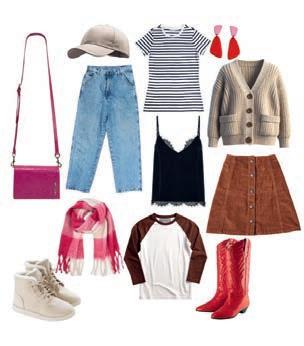
Choose a colour scheme: this ensures that everything will mix and match together. We suggest various neutrals with a pop of 2 – 3 bolder hues or fashion colours. i.e Beige, Chocolate and Black with a pop of Orange and Cobalt. Note: these ‘colour pops’ depend on your colour palette. Some palettes are best to opt for dusty or softer, muted colours to add interest to their neutrals rather than strong, brighter hues.
Create outfits and photograph them before you go: that way when you are on holidays you do not have to wonder what will go with what. It also allows your suitcase to speak to you. Sometimes if an item only goes with one outfit, it is not worth taking.
Play with accessories: try items such as head bands, neck ties, scarves, handbags and necklaces as these are all lightweight, don’t take up a lot of room and will create various looks with impact when getting dressed.
Denim jeans
Leggings/tights (great to layer with when the cold days hit)
Casual skirt
Satin midi skirt or something similar to dress up for dinner dates
Shift or sleeveless dress (can be layered over a long sleeve top or under a jacket)
Warm cardigan
Long sleeve top
Printed and plain tee
Denim or leather jacket
Casual blazer (for those days when you want something more edgy or dressier)
Silk or lace cami or top (to layer under a cardigan, jacket etc)
Button thru shirt (can be doubled as a light weight jacket)
Fine knit sweater
Ballet flat or loafer
Comfy walking shoe or edgy sneaker
Lightweight coat
Ankle boot
Cap, hat or beanie.
Use the above as a “Checklist” for your next Autumn Adventure and be sure to let your personality and style shine through the items you pack. Holidays are a great way to experiment with your look and have fun as you are out of the routine of your day to day life.
Vibrantly and adventurously yours, Sam & Jordi Woods x
Understanding styling and fashion is one thing. Having a super natural flair for making everyday people look incredible is another. Once you’ve met Sam and Jordi Woods, it’s hard not to catch their infectious passion for dressing to match your own lifestyle, personality and charisma. Through their consultancy ‘Vibrant Concepts’, Sam and Jordi have transformed the lives of thousands. Let Sam and Jordi show you how to look and feel fabulous everyday at their Style Studio in Erina – learn the art of illusion dressing, colour matching, styling, translating fashion trends and savvy shopping with their unique VC Signature Styling Systems and services that are truly personal and really work! To contact Vibrant Concepts phone 0425 221 676