Deadline Hollywood - AwardsLine - Emmy Preview - 06/10/26
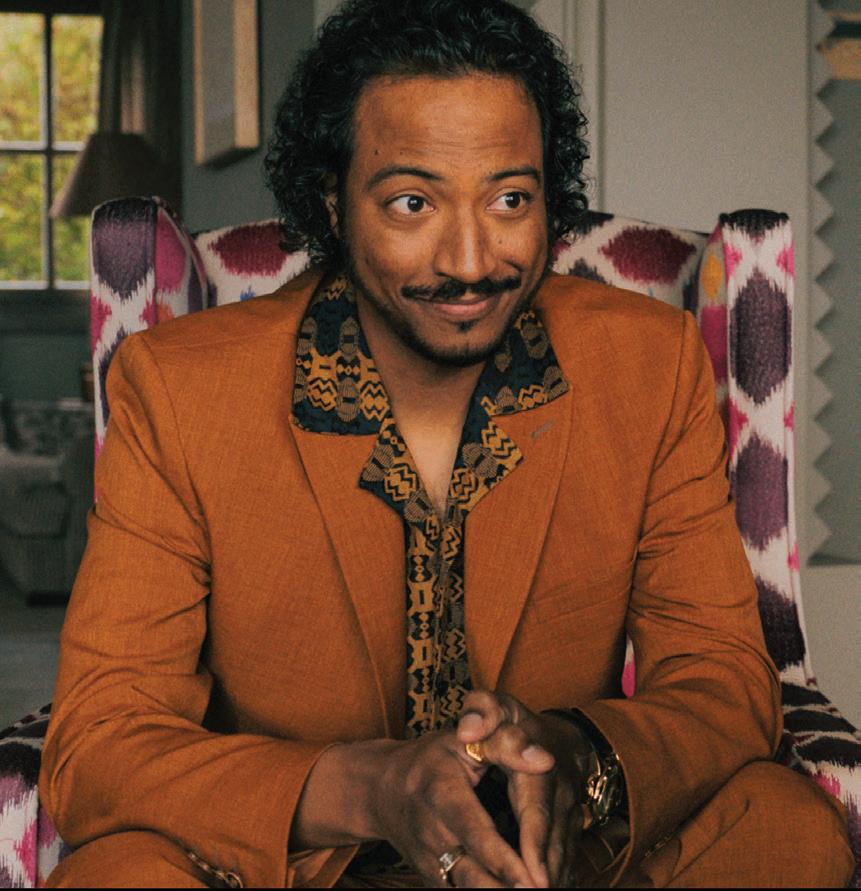
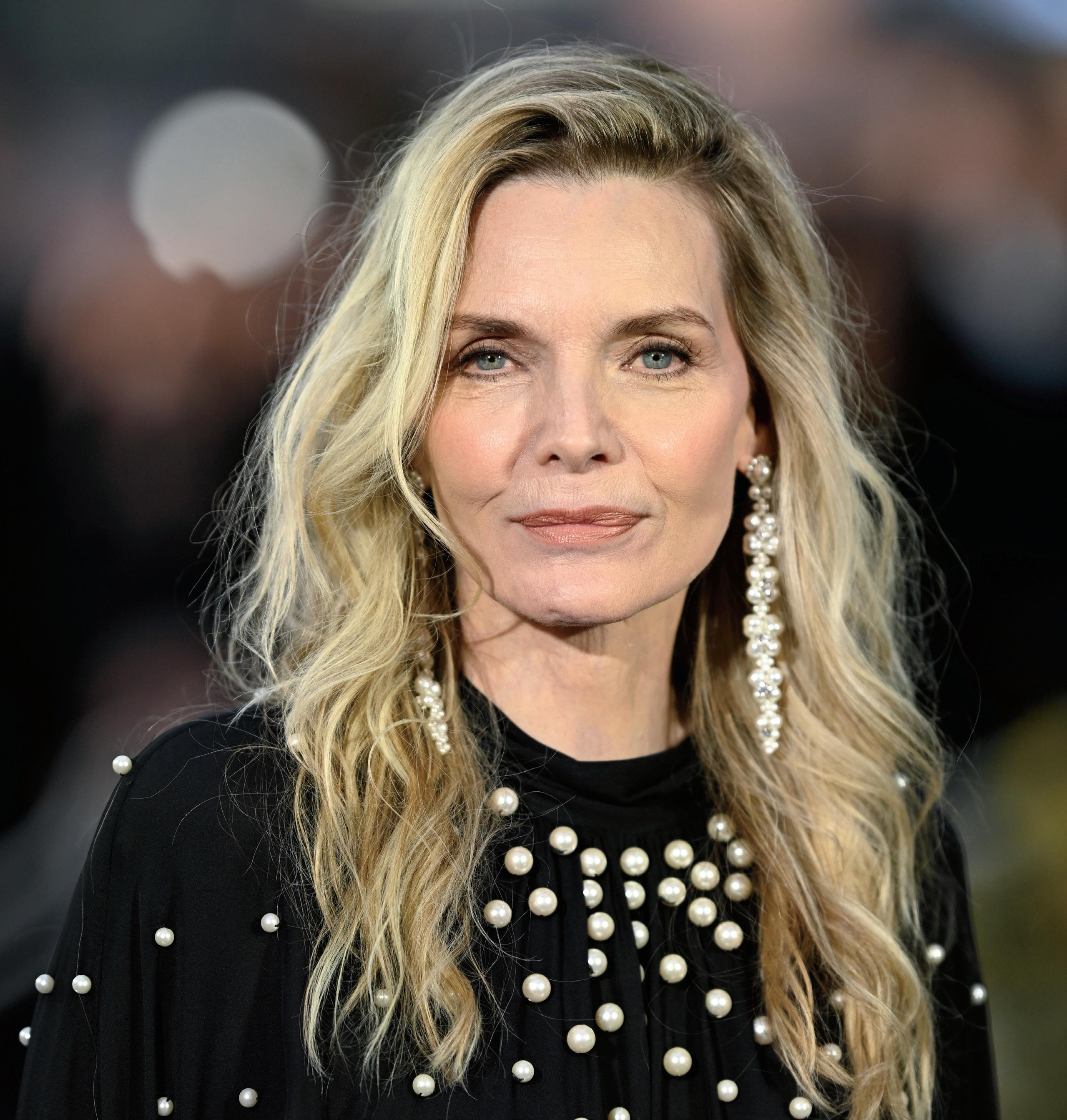
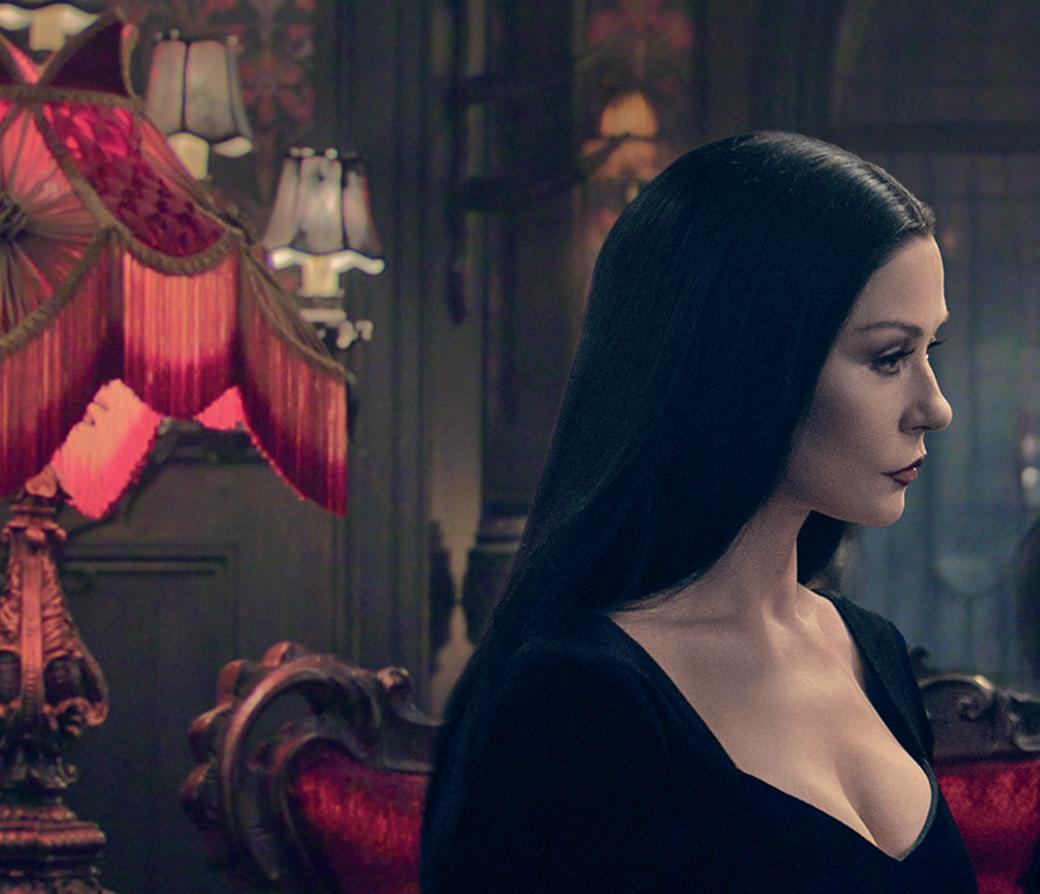
“MICHELLE PFEIFFER SHINES.
“HHHH”
Rue Grit
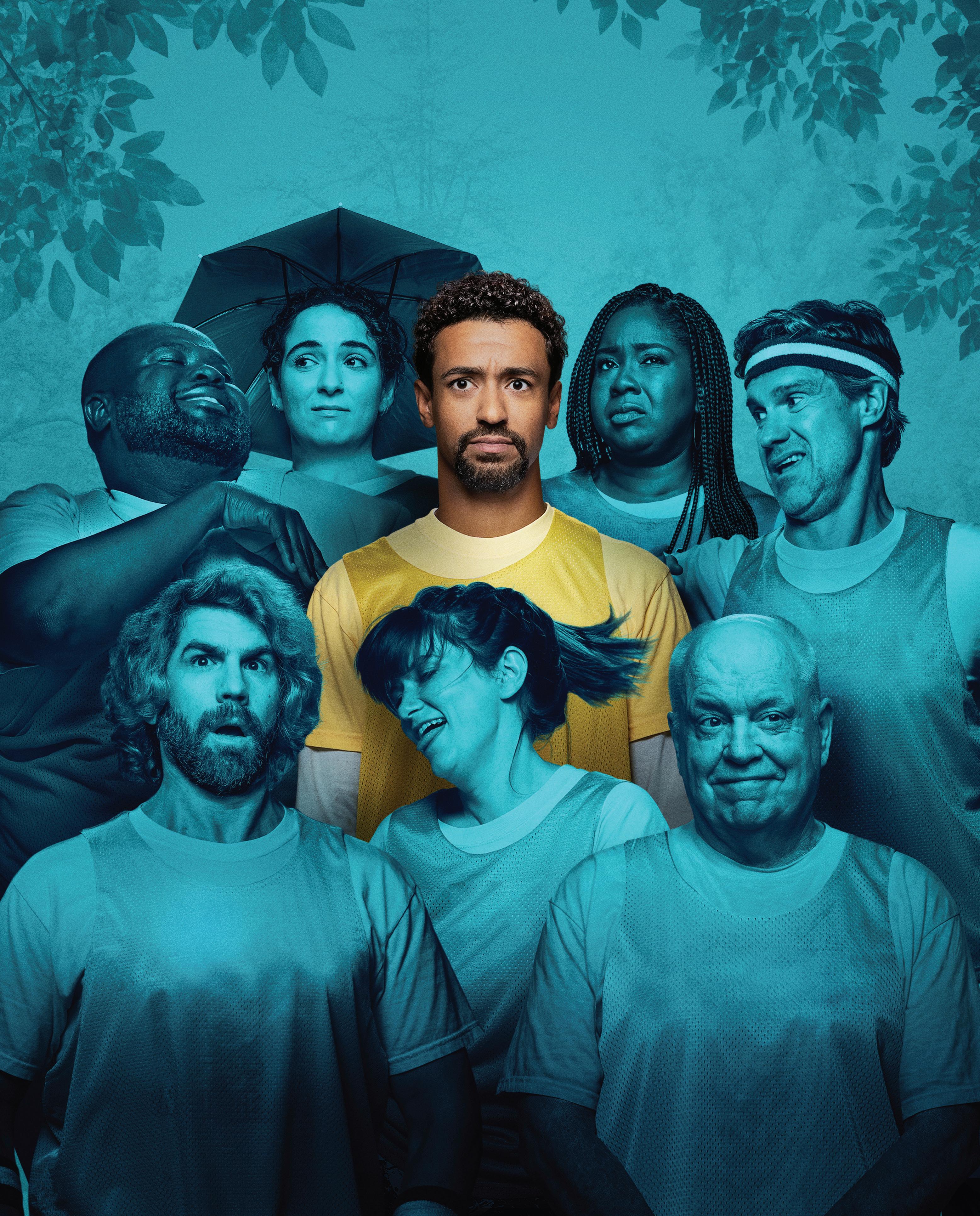
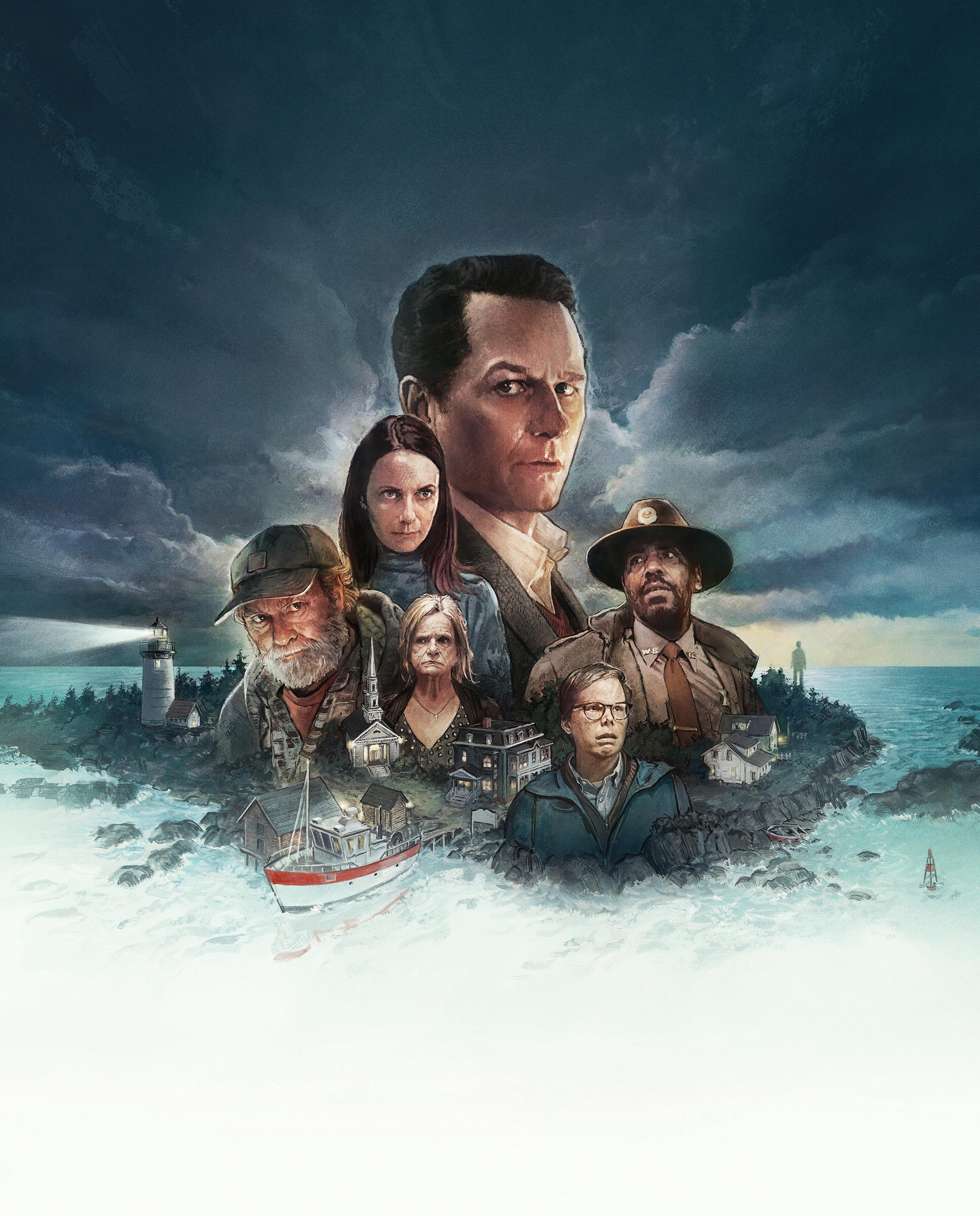
HOW THE SEASON 3 CAST SAW EUPHORIA TO THE FINISH
BROTHERS GRIM
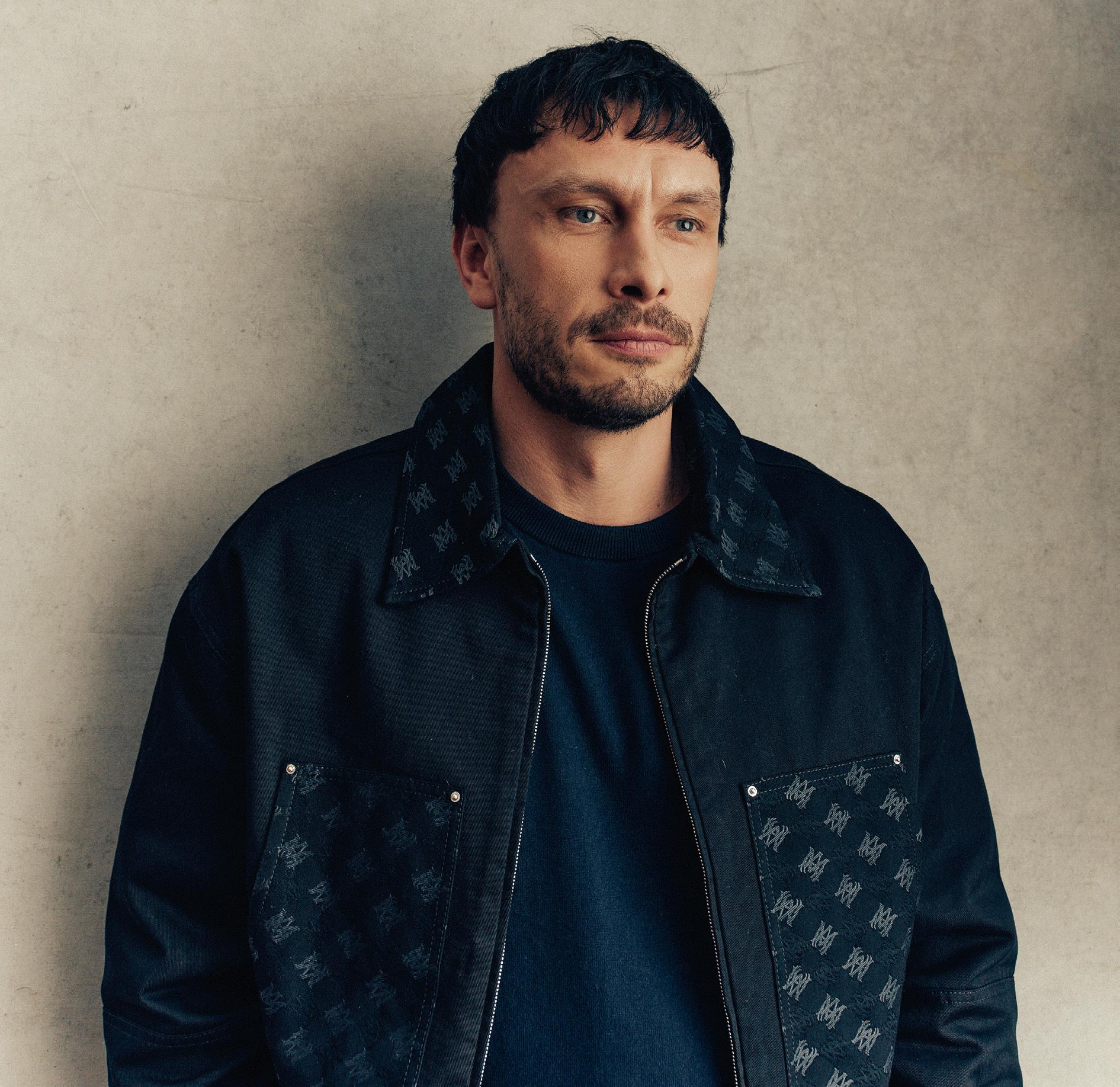
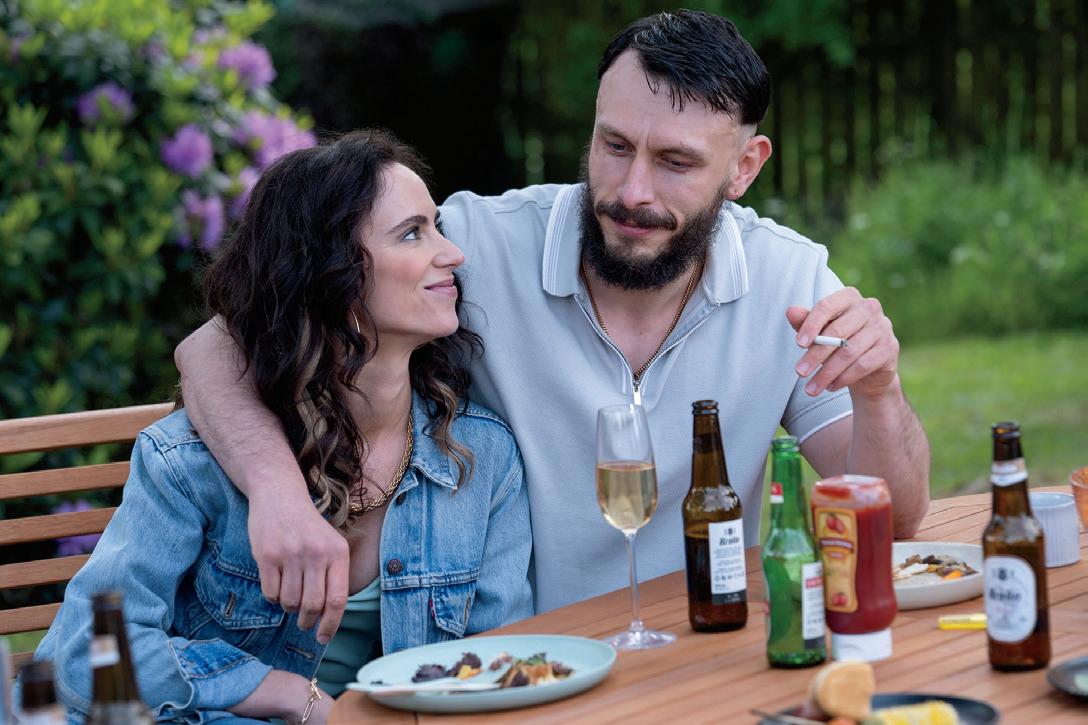
RICHARD GADD ON HALF MAN’S TALE OF TOXIC MASCULINITY
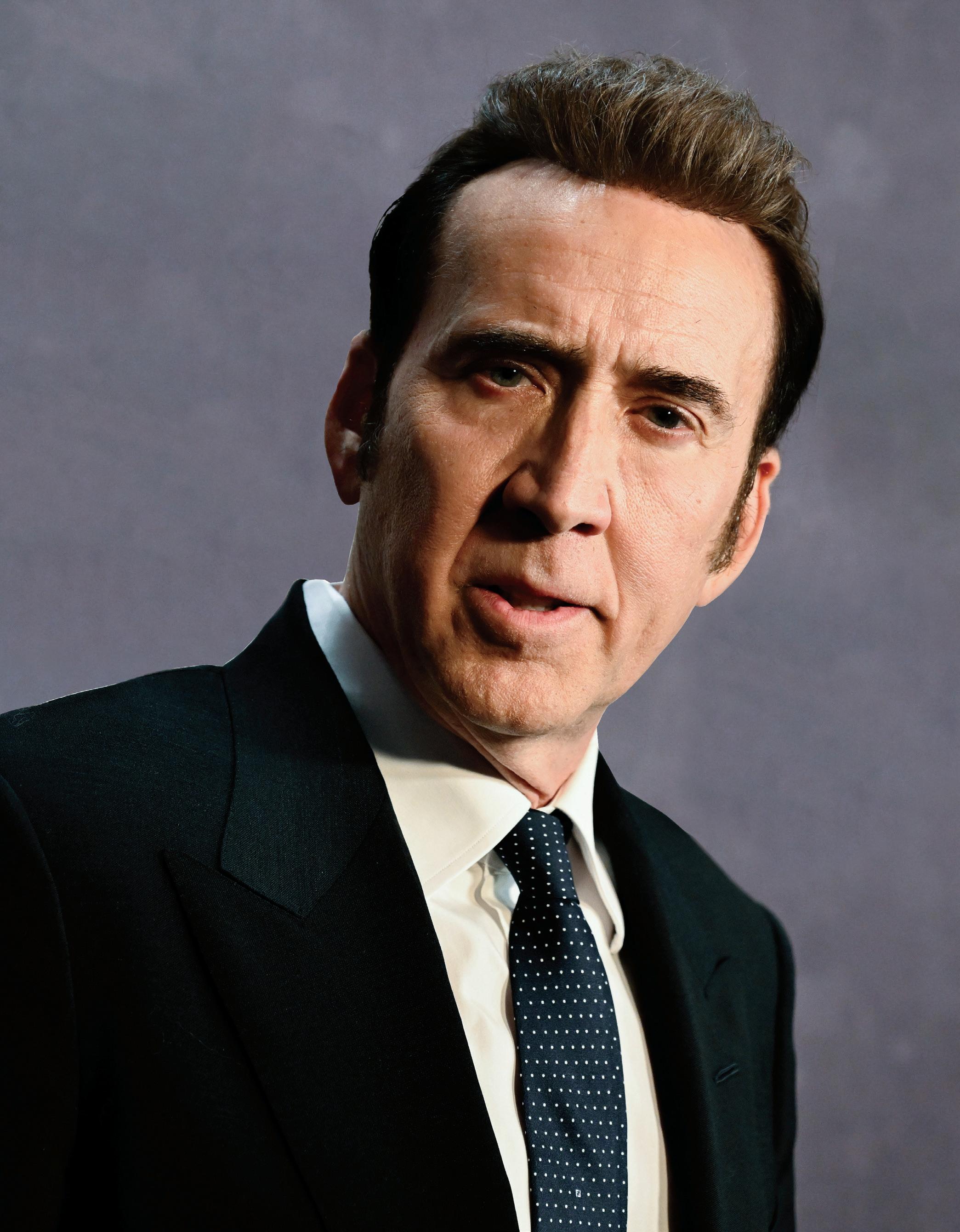
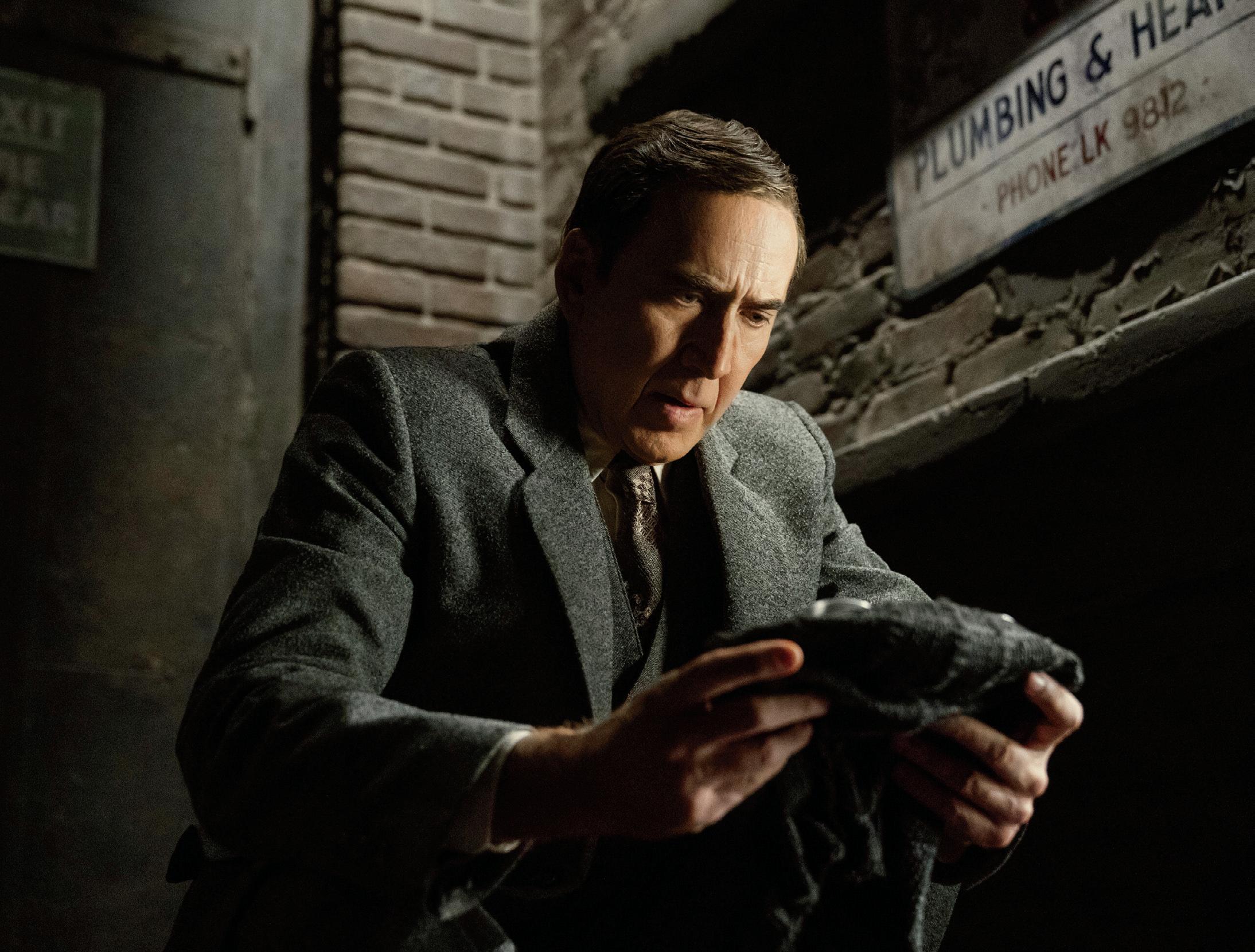
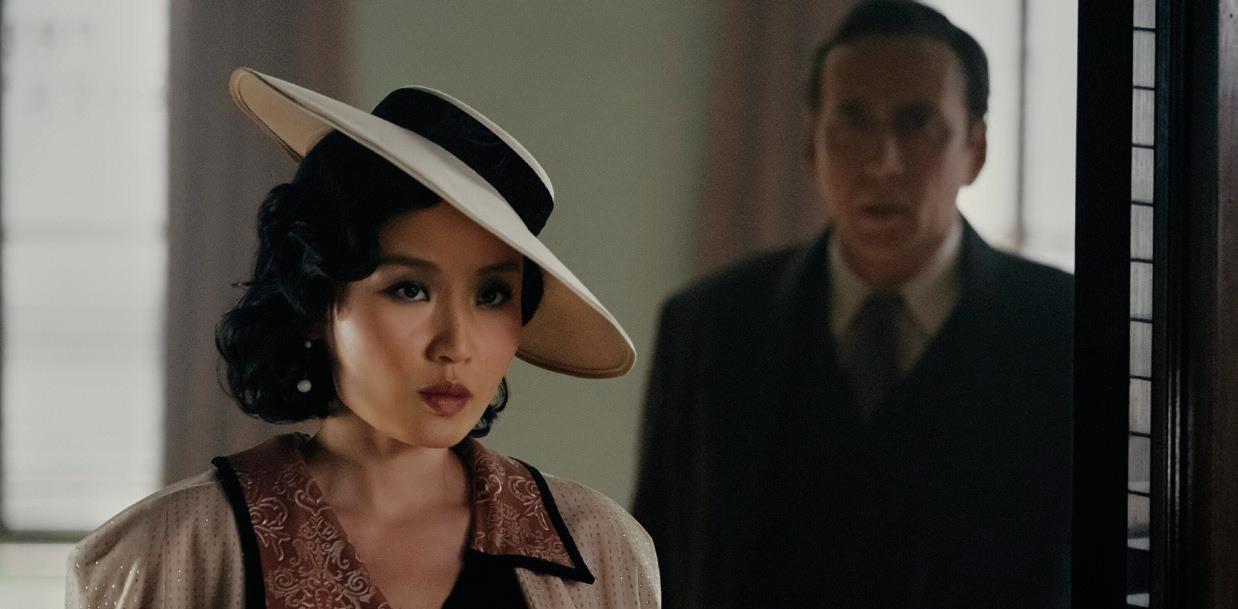
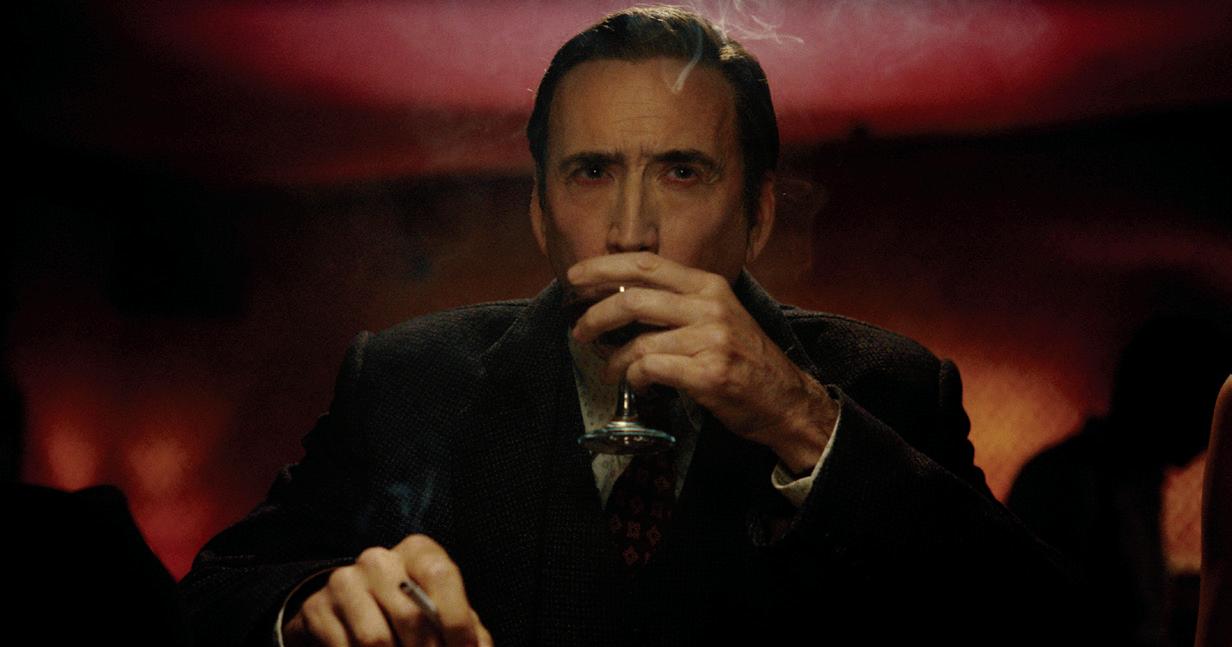
NICOLAS CAGE
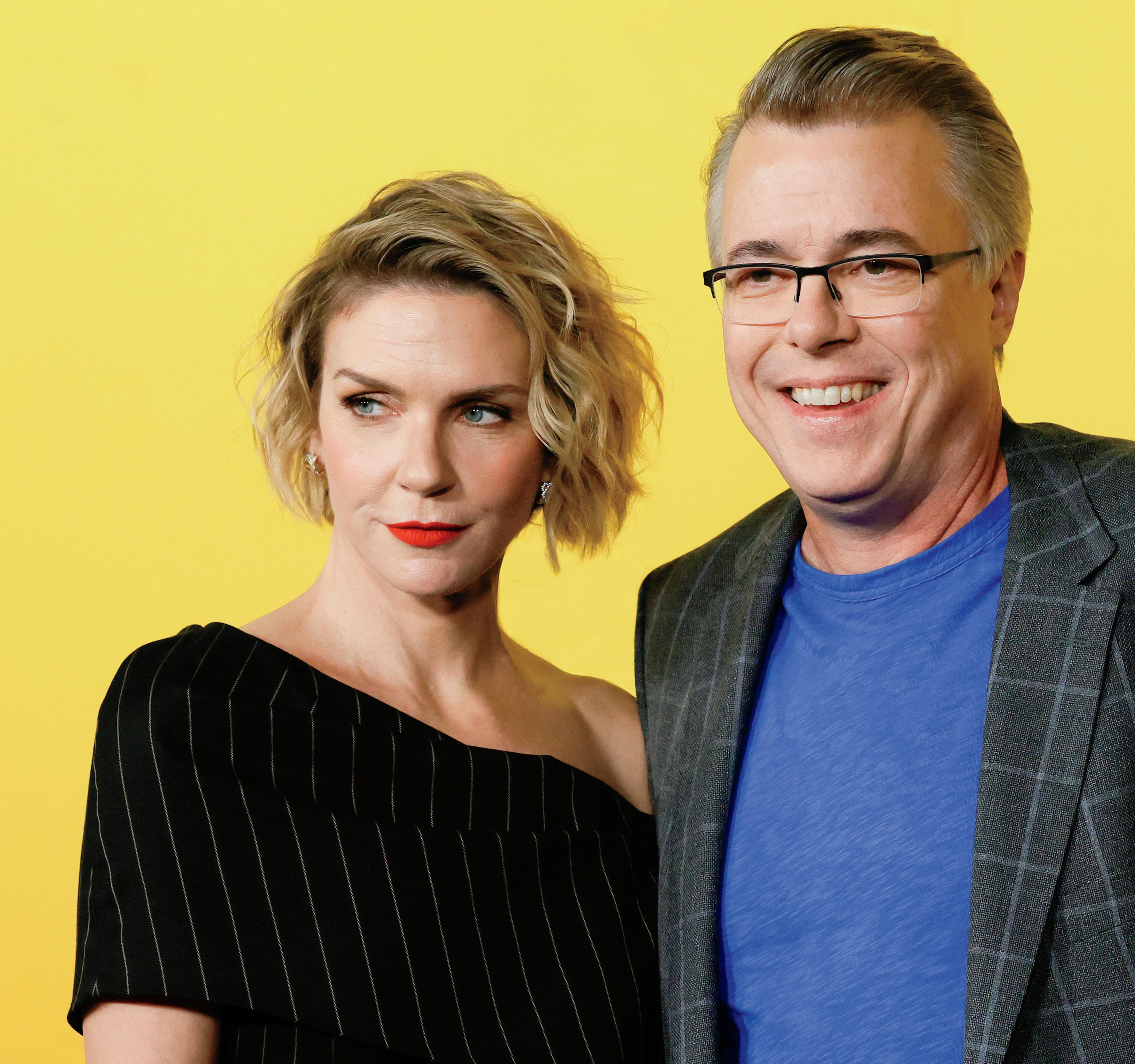
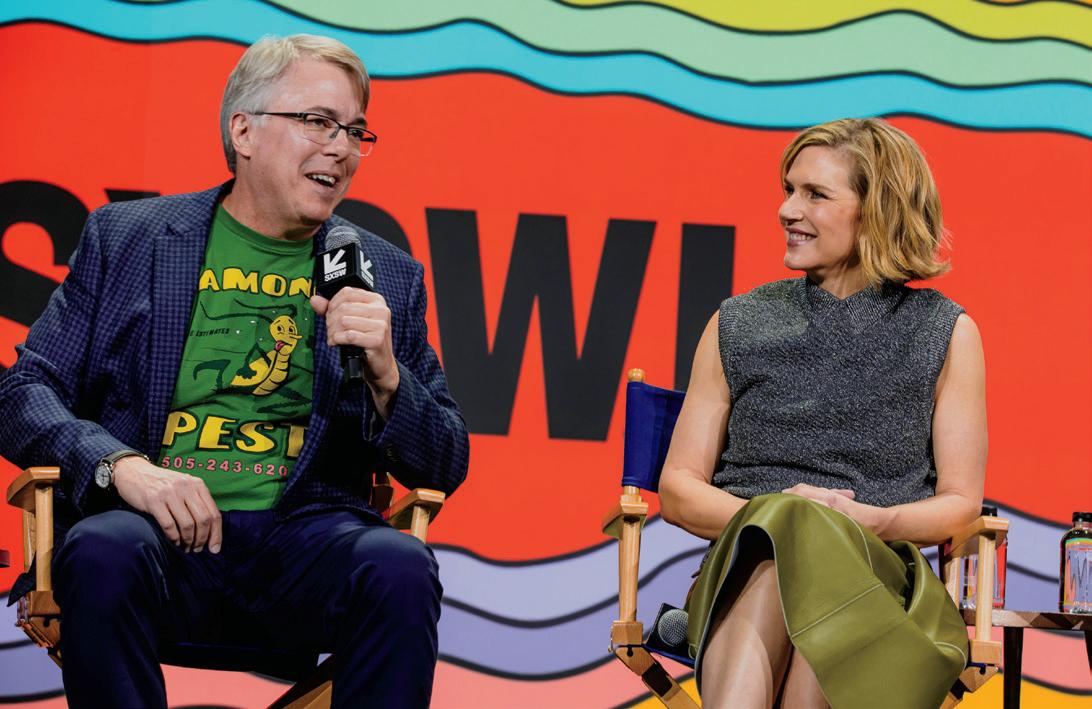
RHEA SEEHORN
JASON BATEMAN
LEE SUNG JIN
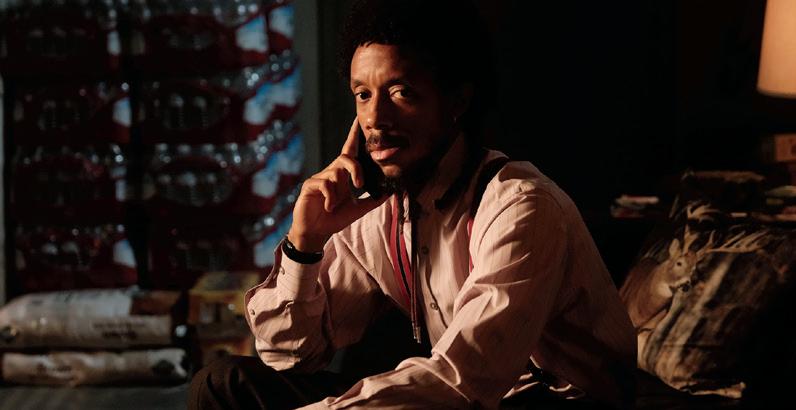
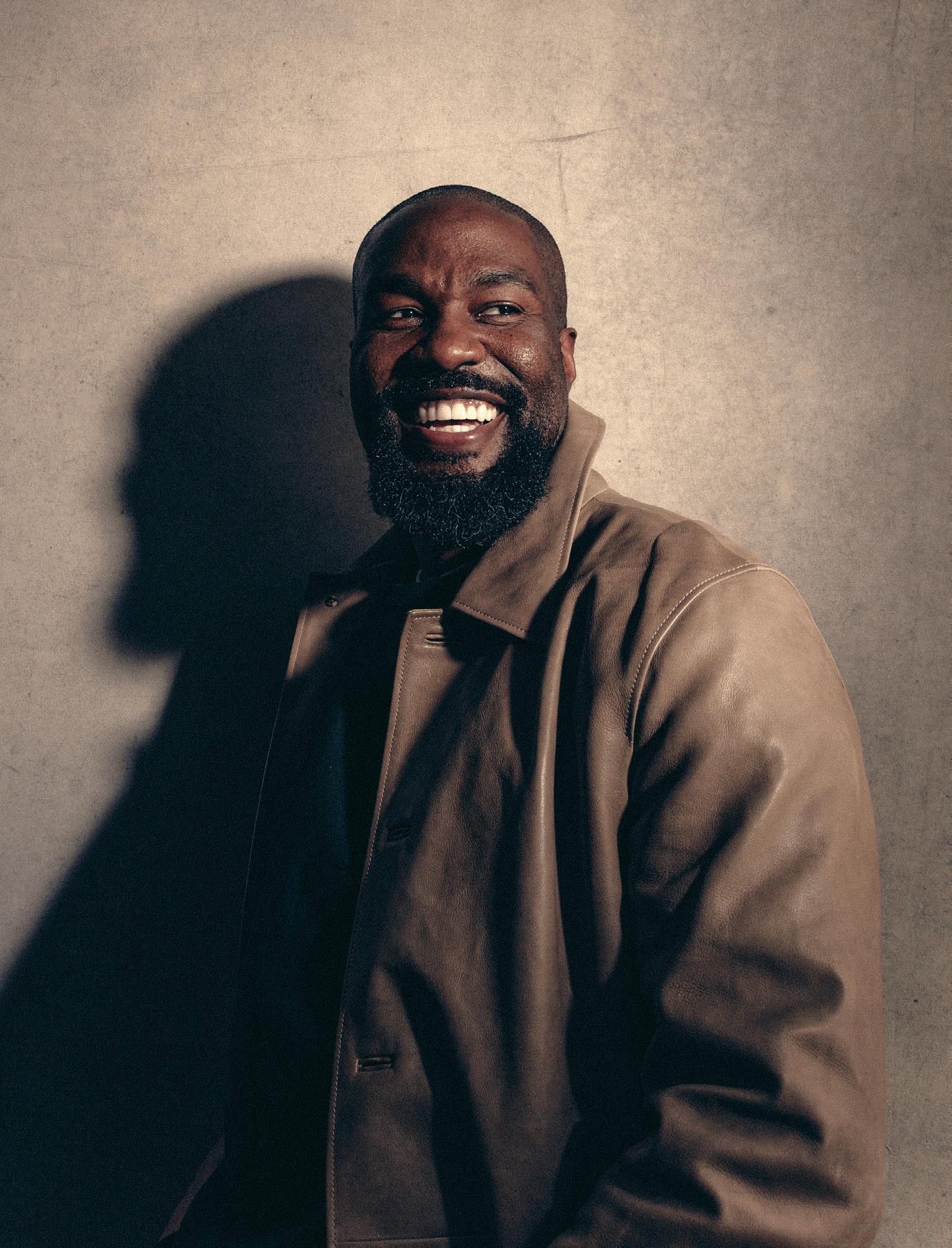
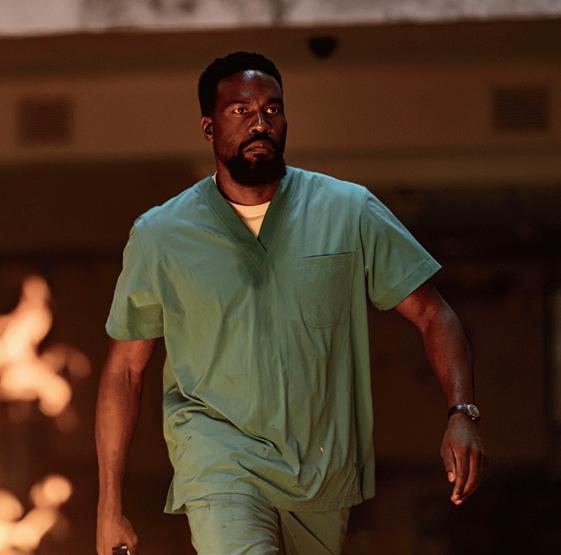
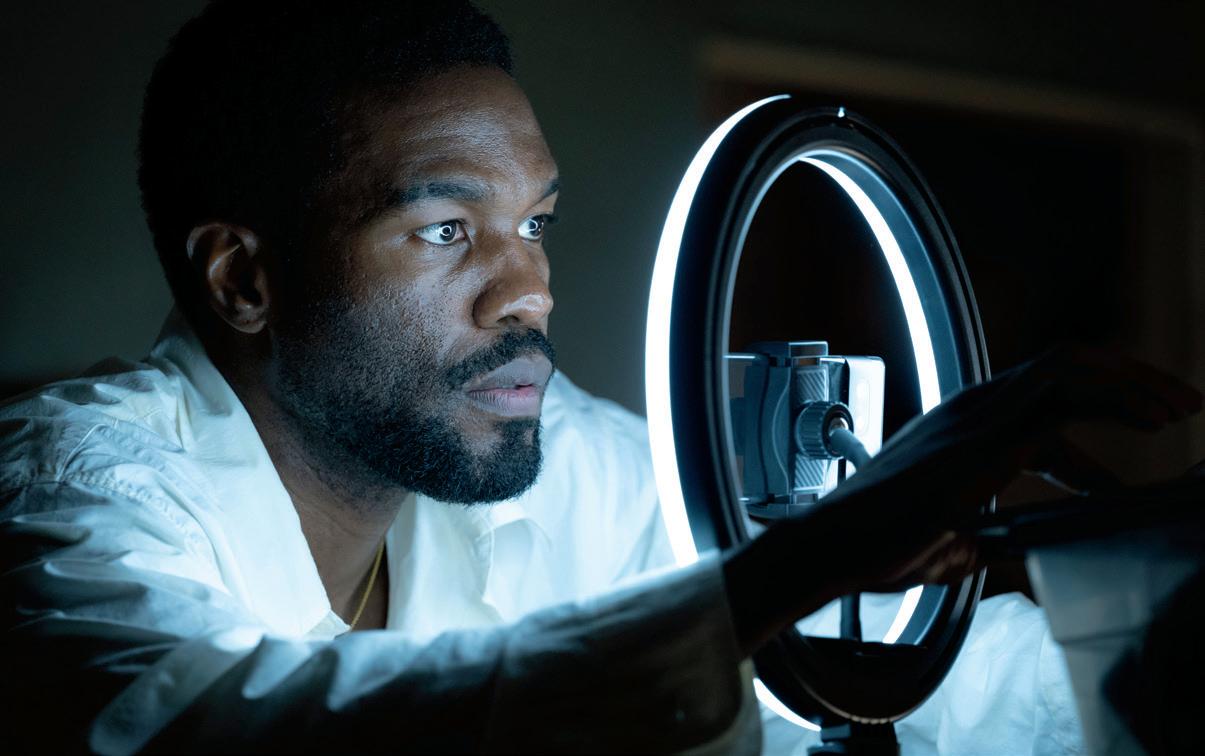
YAHYA ABDUL-MATEEN II
HALEY LU RICHARDSON
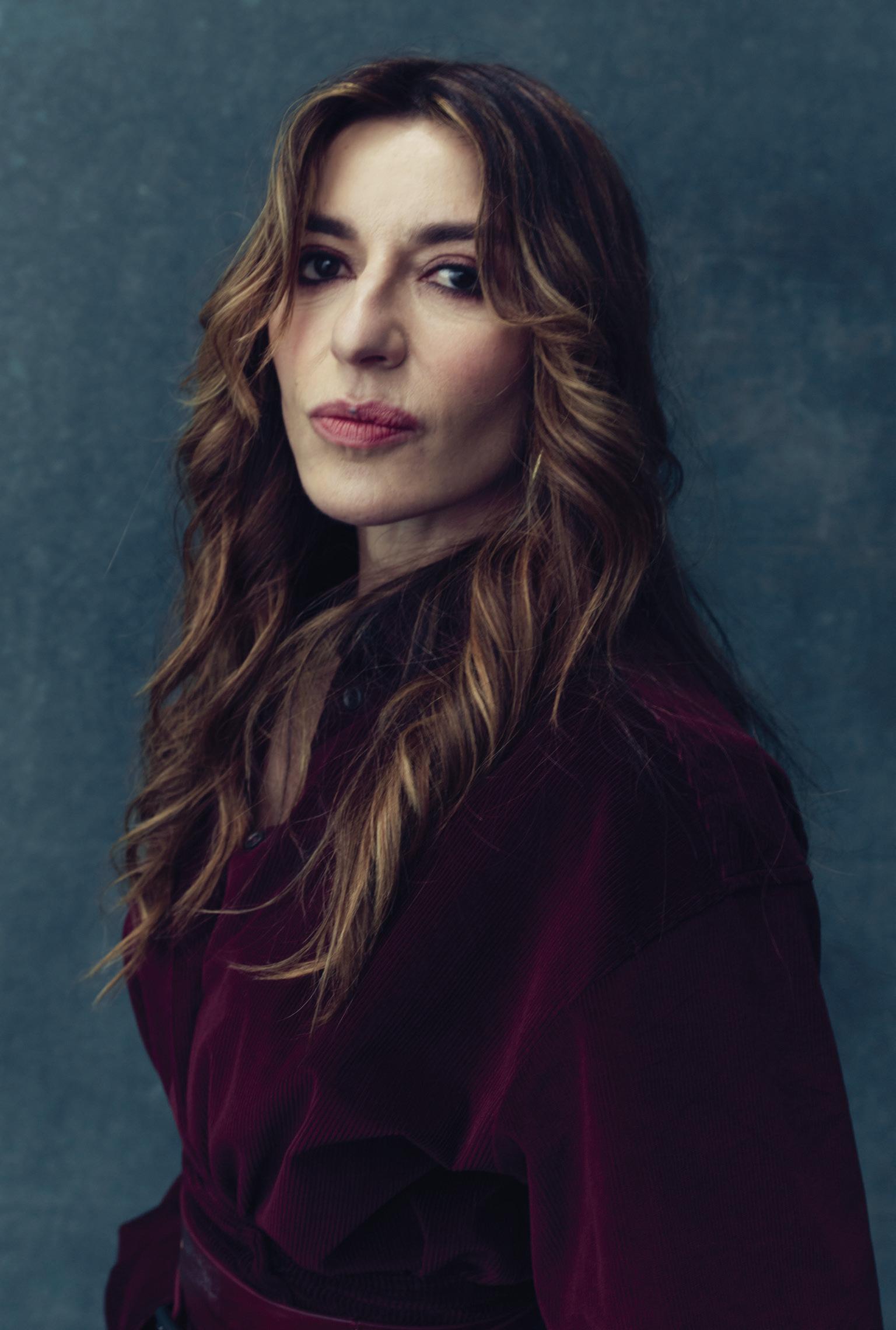
SABRINA IMPACCIATORE
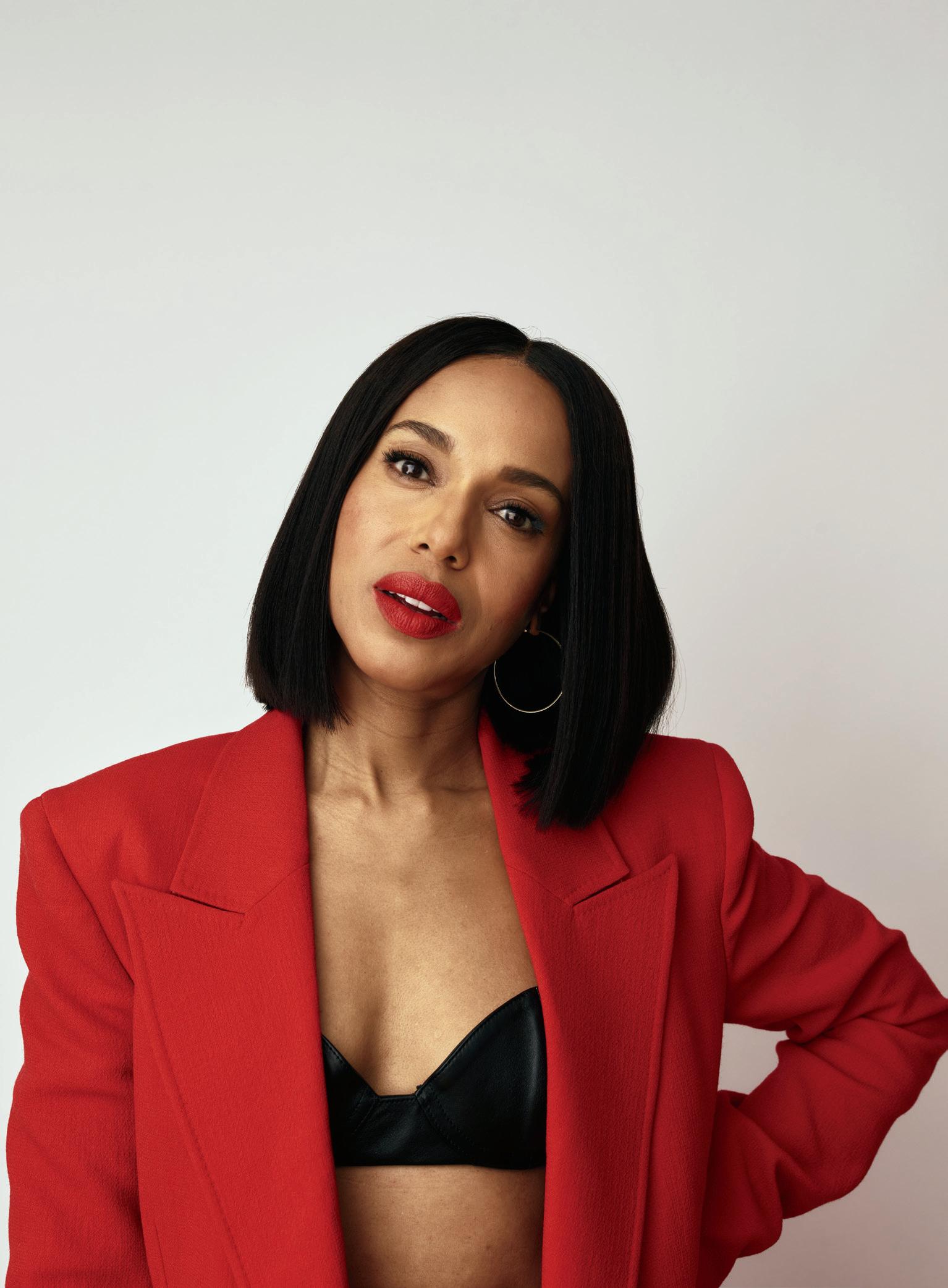
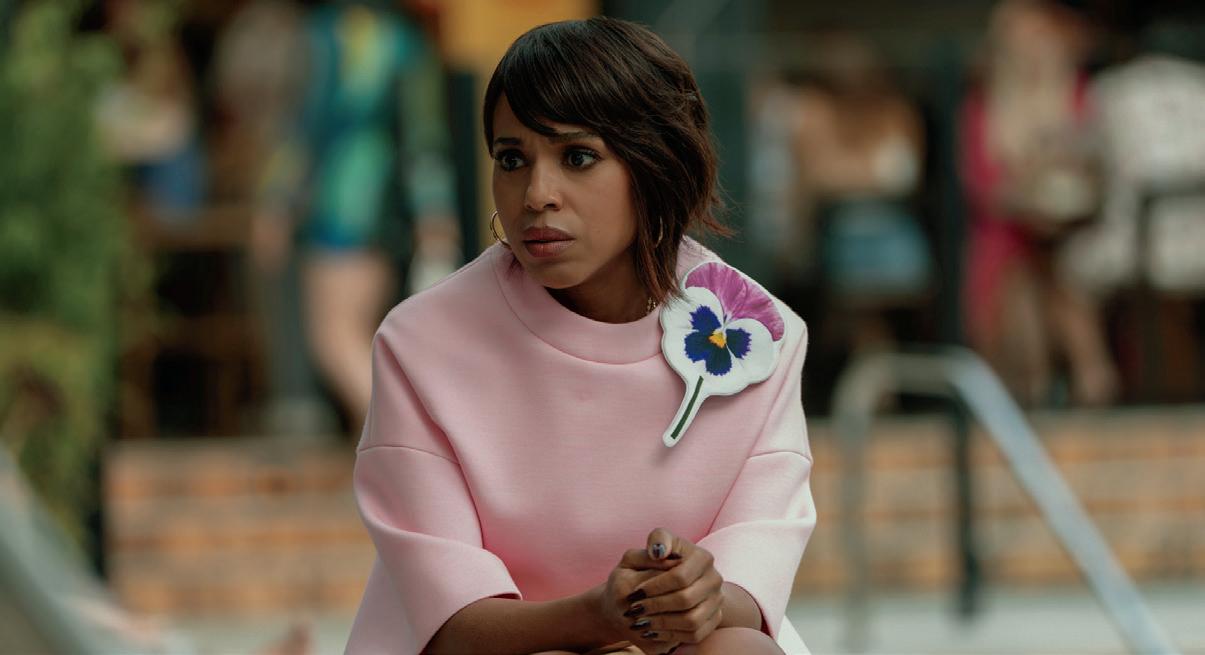
KERRY WASHINGTON
JACK THORNE
VINCE GILLIGAN
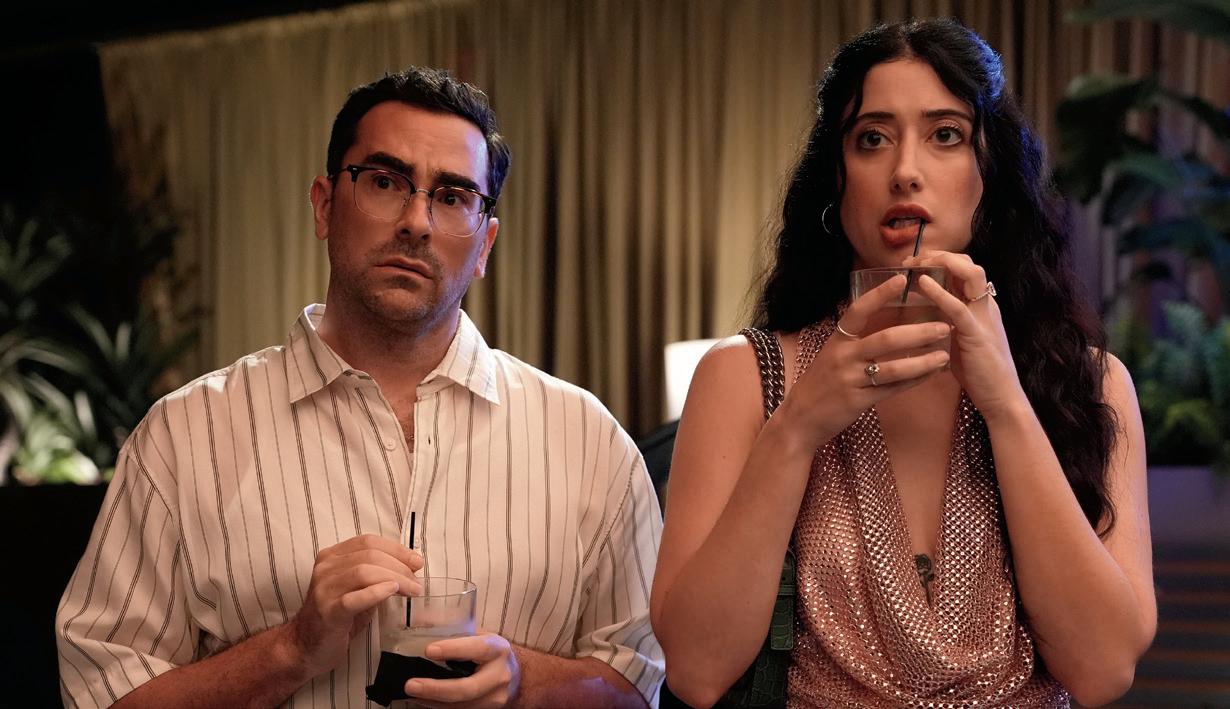
DAN LEVY
SCREEN QUEEN
Michelle Pfeiffer’s double TV takeover
DANCING WITH THE STARS
When Nureyev met The Muppets
THE STAR OF LOVE STORY AND ITS KEY PLAYERS REVEAL HOW THEY WON OVER RESISTANT LOYALISTS, COPED WITH PUSHBACK AND CREATED A BELOVED MEGA-HIT HOMAGE TO AMERICAN ROYALTY
EDITOR-IN-CHIEF
Nellie Andreeva PRESIDENT Ellie Duque
PRINT EDITORIAL
EXECUTIVE EDITOR, AWARDSLINE Antonia Blyth
FILM EDITOR Damon Wise
DOCUMENTARY
EDITOR Matthew Carey
PRODUCTION EDITOR David Morgan
CRAFTS EDITOR, AWARDS Destiny Jackson
DEADLINE.COM EDITORIAL
EDITOR-AT-LARGE Mike Fleming Jr.
AWARDS COLUMNIST & CHIEF FILM CRITIC Pete Hammond
COLUMNIST & INTERNATIONAL
EDITOR-AT-LARGE Baz Bamigboye
EXECUTIVE MANAGING EDITOR Patrick Hipes
EDITORIAL DIRECTOR & BOX OFFICE EDITOR Anthony D’Alessandro
EXECUTIVE EDITOR OF INTERNATIONAL & CO-HEAD OF FILM Andreas Wiseman
SENIOR MANAGING EDITOR Denise Petski
MANAGING EDITOR Erik Pedersen
DEPUTY MANAGING EDITOR Tom Tapp
PHOTO EDITOR/ARTS & CULTURE EDITOR Robert Lang
EDITOR-AT-LARGE Peter Bart
SENIOR VICE PRESIDENT, CONTENT, INTERNATIONAL Stewart Clarke
INTERNATIONAL FEATURES EDITOR Diana Lodderhose
BUSINESS EDITOR Dade Hayes
CO-BUSINESS EDITOR Jill Goldsmith
POLITICAL EDITOR Ted Johnson
FILM EDITOR Justin Kroll
NEW YORK & BROADWAY EDITOR Greg Evans
ASSOCIATE EDITOR, TELEVISION Rosy Cordero
SENIOR TV & LABOR REPORTER Katie Campione
SENIOR FILM REPORTER Matt Grobar
INTERNATIONAL INVESTIGATIONS EDITOR Jake Kanter
SENIOR INTERNATIONAL FILM CORRESPONDENT Melanie Goodfellow
INTERNATIONAL TELEVISION CO-EDITOR Max Goldbart
INTERNATIONAL TELEVISION CO-EDITOR Jesse Whittock
INTERNATIONAL REPORTER Zac Ntim
CONTRIBUTING EDITOR, ASIA Liz Shackleton
ASIA REPORTER Sara Merican
ASSOCIATE EDITOR Glenn Garner
SEO STAFF WRITER Dessi Gomez
STAFF WRITER Armando Tinoco
WEEKEND EDITOR Natalie Oganesyan
BUSINESS LEADERSHIP
Carra Fenton SENIOR VICE PRESIDENT, ENTERTAINMENT SALES
Céline Rotterman SVP, GLOBAL BUSINESS DEVELOPMENT & STRATEGIC PARTNERSHIPS
Brianna Corrado PRESIDENT, ENTERTAINMENT SALES
Melinda Carson VICE PRESIDENT, SALES & EVENTS
Nadia Romdhani SALES DIRECTOR, INTERNATIONAL
Luke Licata MANAGER, SALES PLANNING
Alan Peterson ACCOUNT MANAGER
Caitlyn Halfon SALES PLANNER
ART
Fah Sakharet DESIGN DIRECTOR
Paige Petersen DESIGNER
Terrence Ellsworth DESIGN PRODUCTION COORDINATOR
EVENTS AND MARKETING
Laureen O’Brien DIRECTOR, BRAND MARKETING
Renee Amponin SENIOR ASSOCIATE, SALES & MARKETING
Ally Goldberg EVENTS MANAGER
Maddy Situmeang SENIOR EVENTS ASSOCIATE
Grace Gamper EVENTS ASSOCIATE
PHOTOGRAPHY AND VIDEO
Michael Buckner CHIEF PHOTOGRAPHER
Benjamin Bloom VIDEO DIRECTOR
Jade Collins VIDEO PRODUCER/EDITOR
Francis Ray Rettinger VIDEO PRODUCER/EDITOR
Stevie Szerlip VIDEO PRODUCER/EDITOR
SOCIAL MEDIA
Scott Shilstone DIRECTOR, SOCIAL MEDIA
Natalie Sitek SOCIAL MEDIA MANAGER
Nada Aboul Kheir SOCIAL MEDIA COORDINATOR
PRODUCTION
Natalie Longman PRODUCTION DIRECTOR
Michael Petre DISTRIBUTION DIRECTOR
Andrea Wynnyk PRODUCTION MANAGER
DEADLINE
CALL SHEET
By
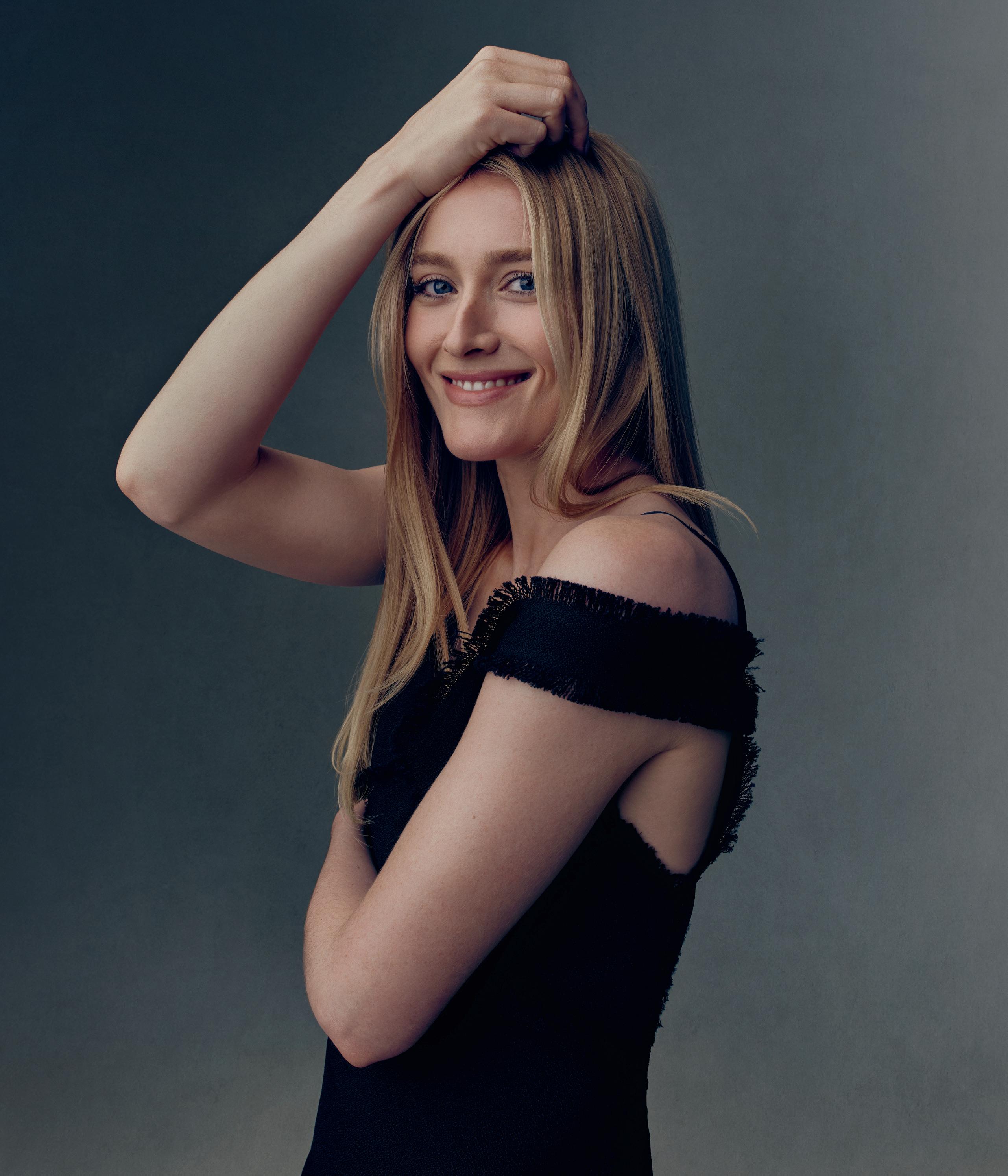
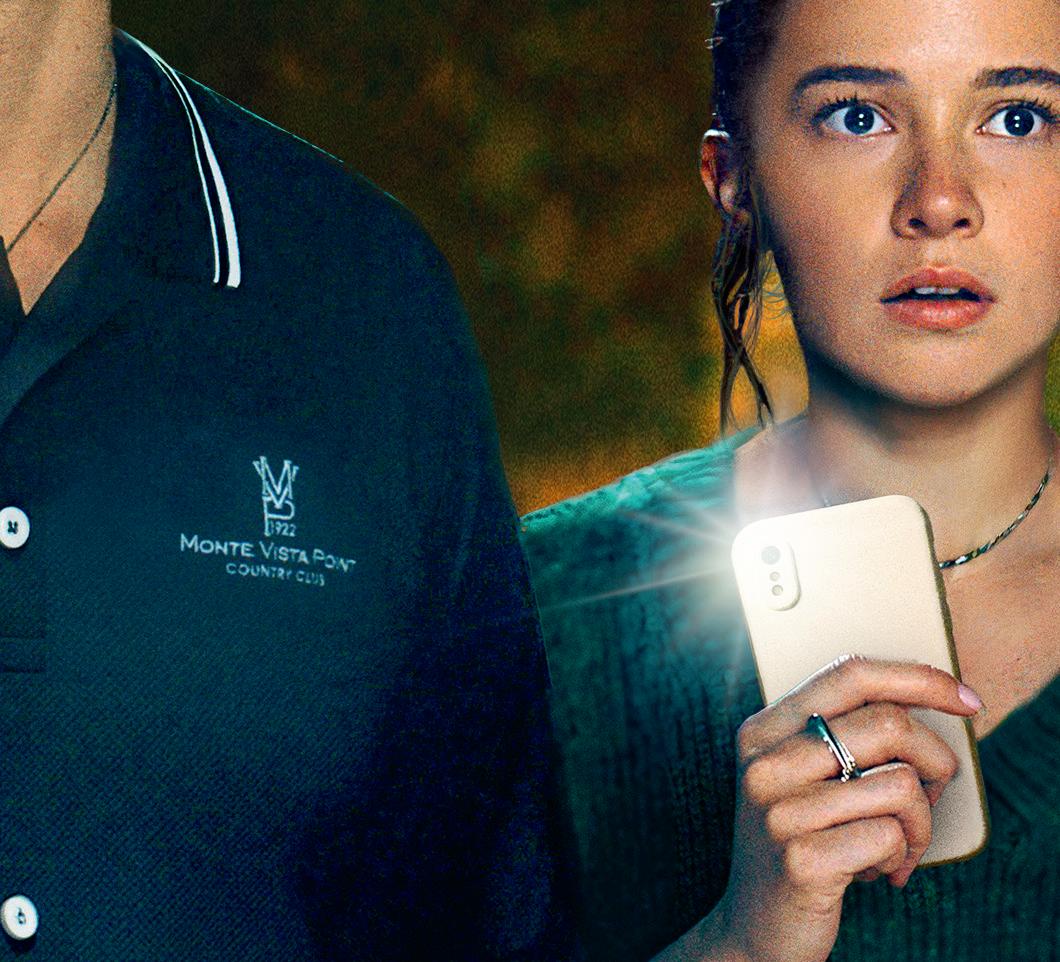
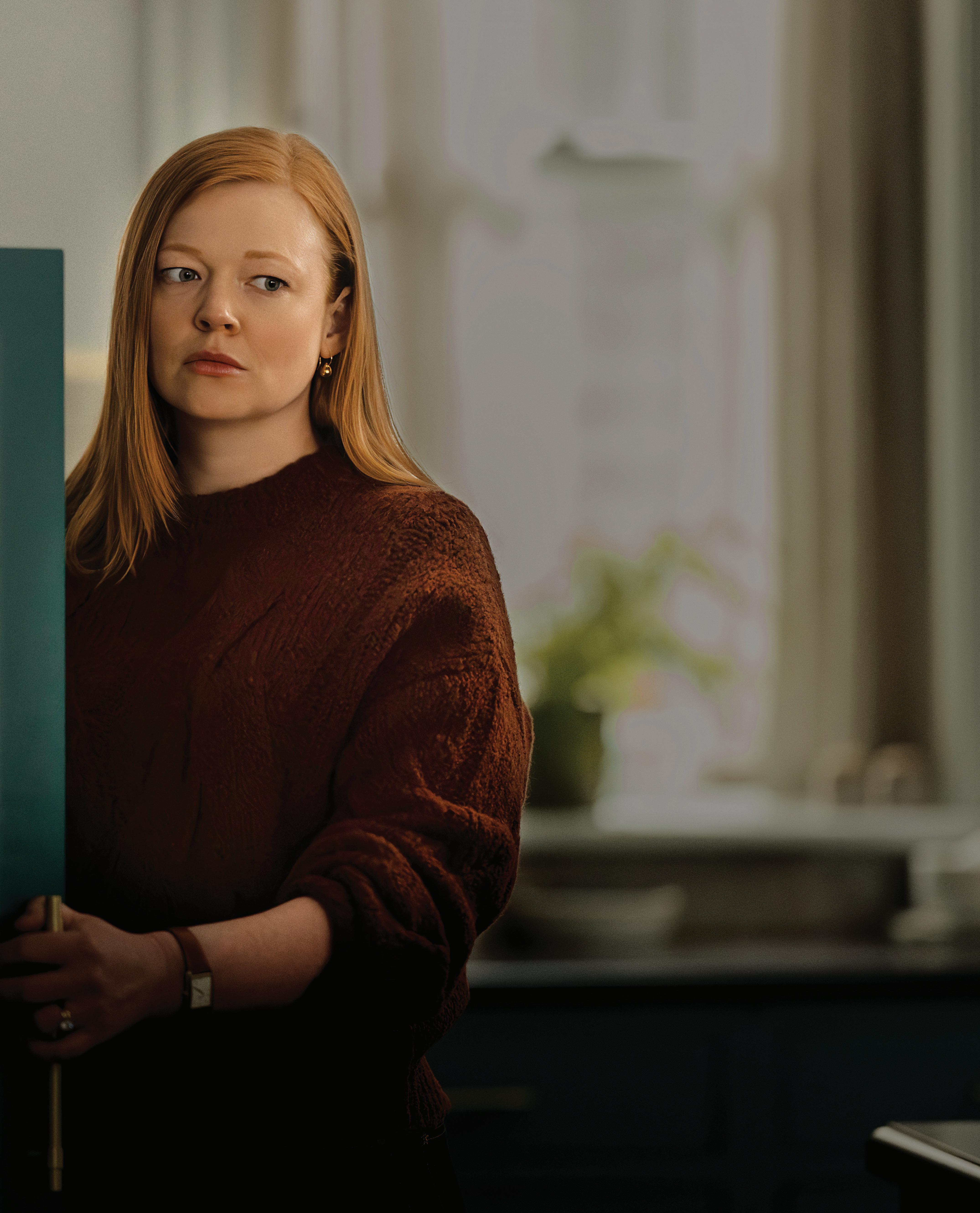
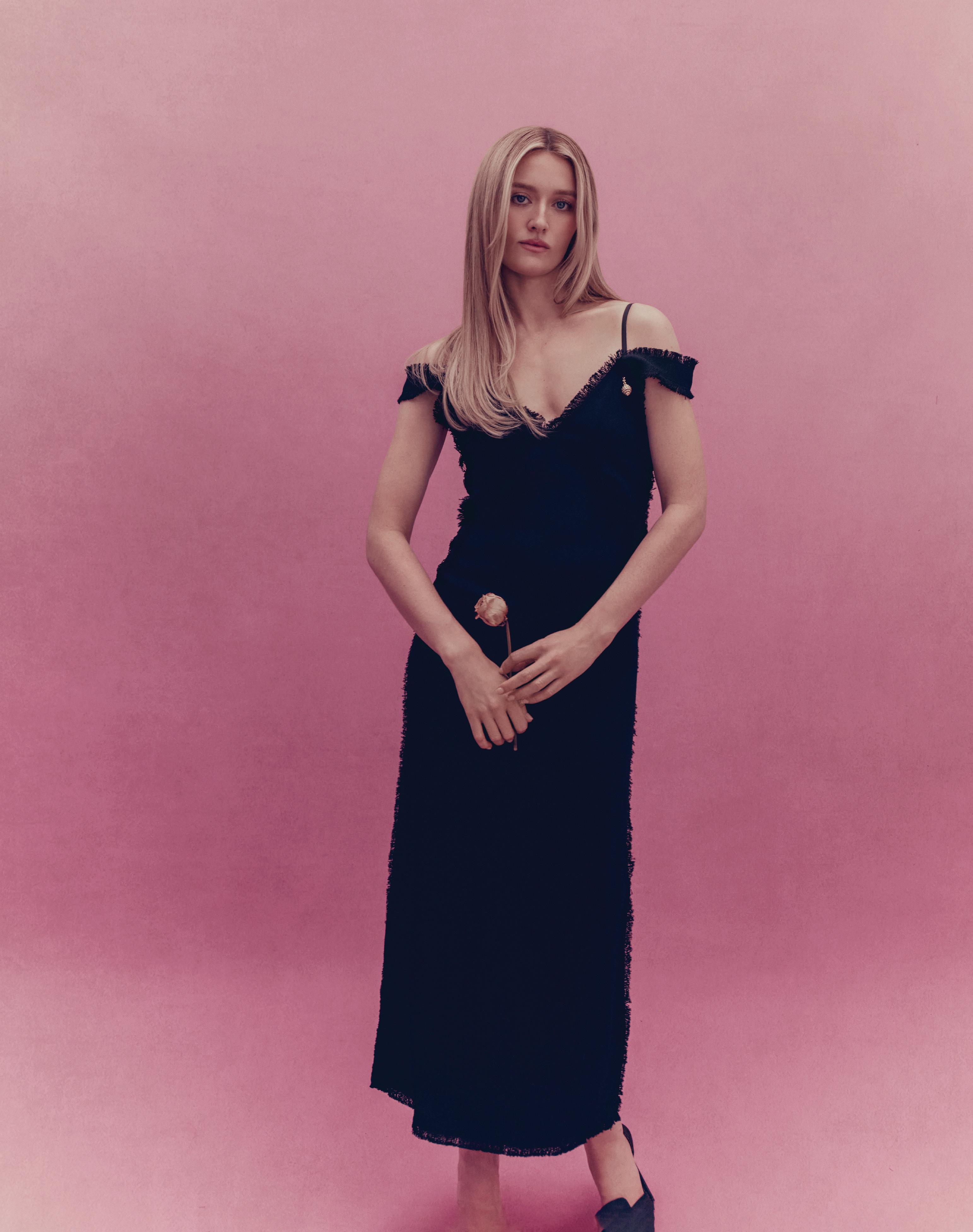
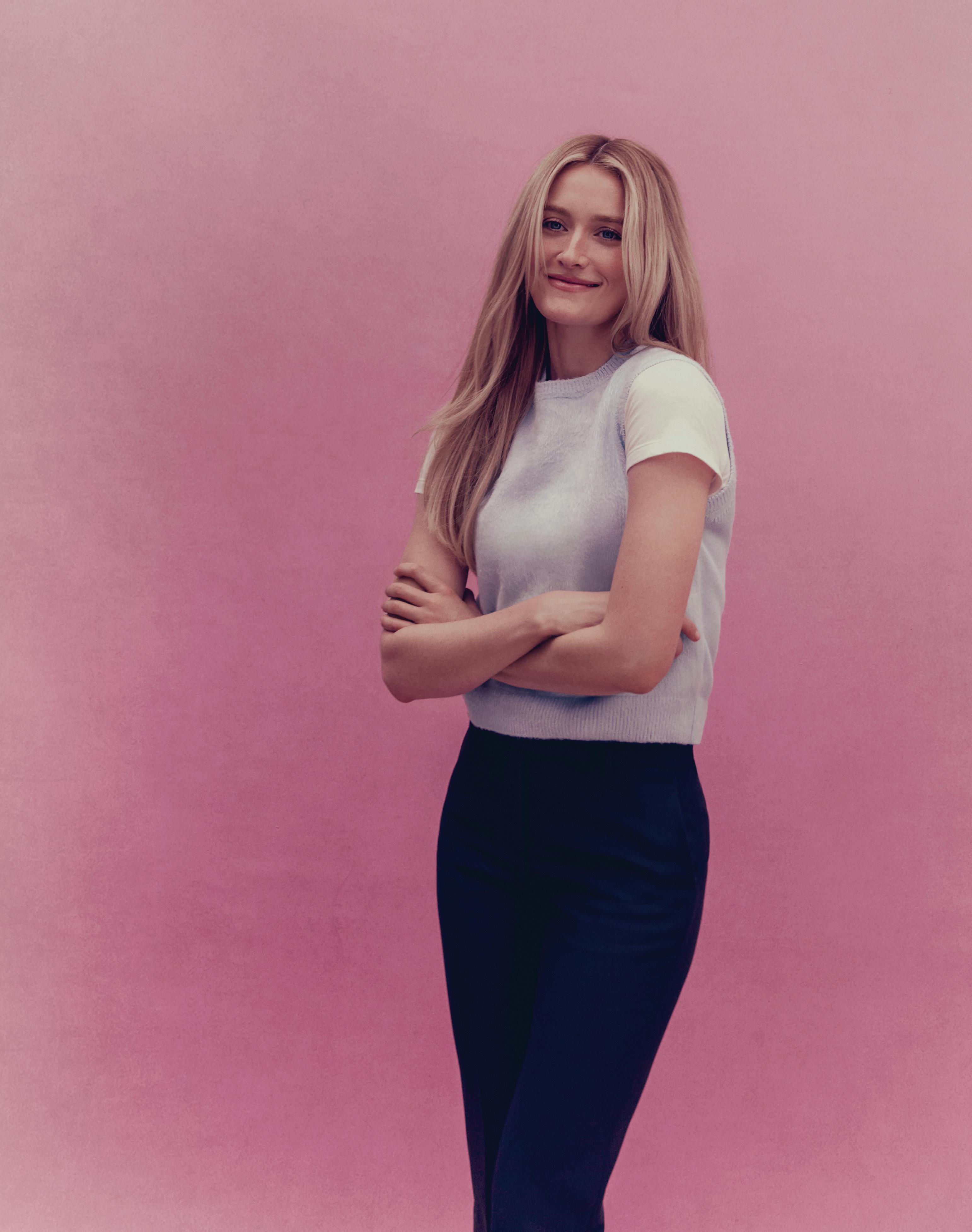
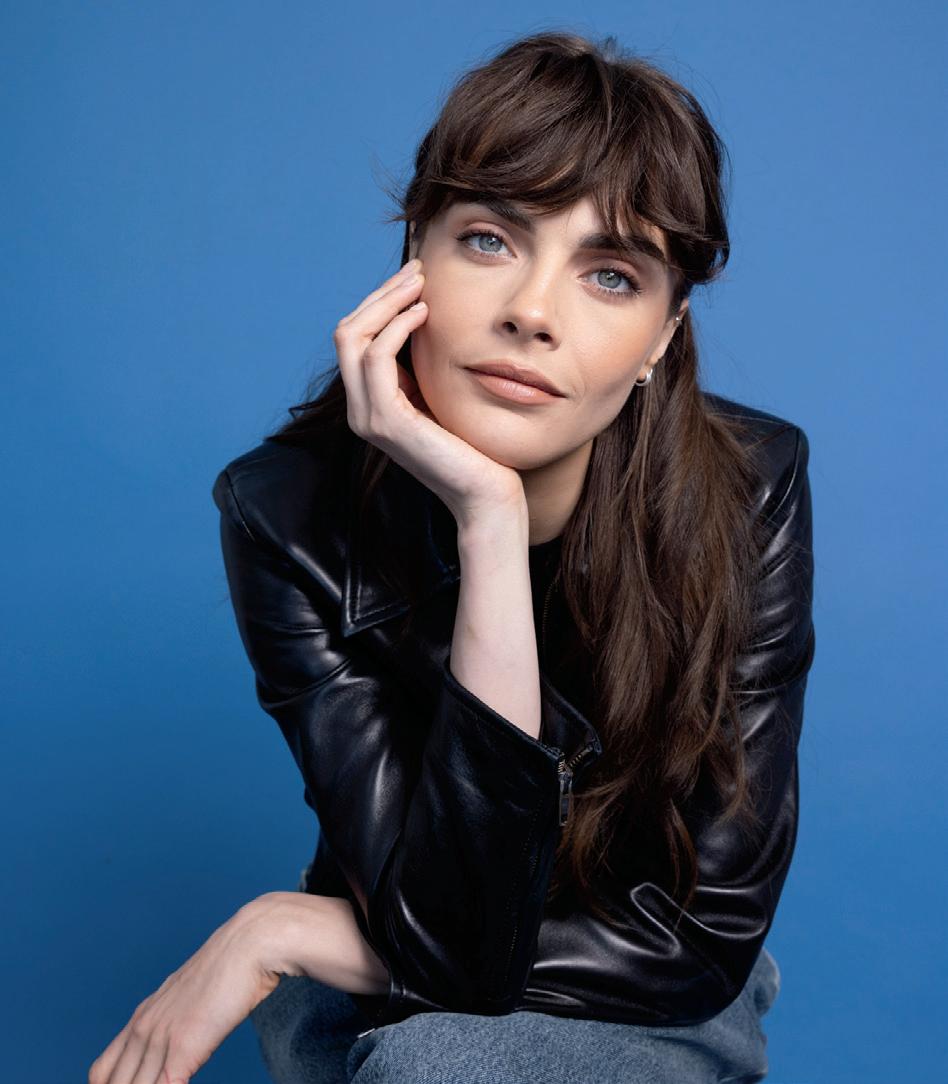
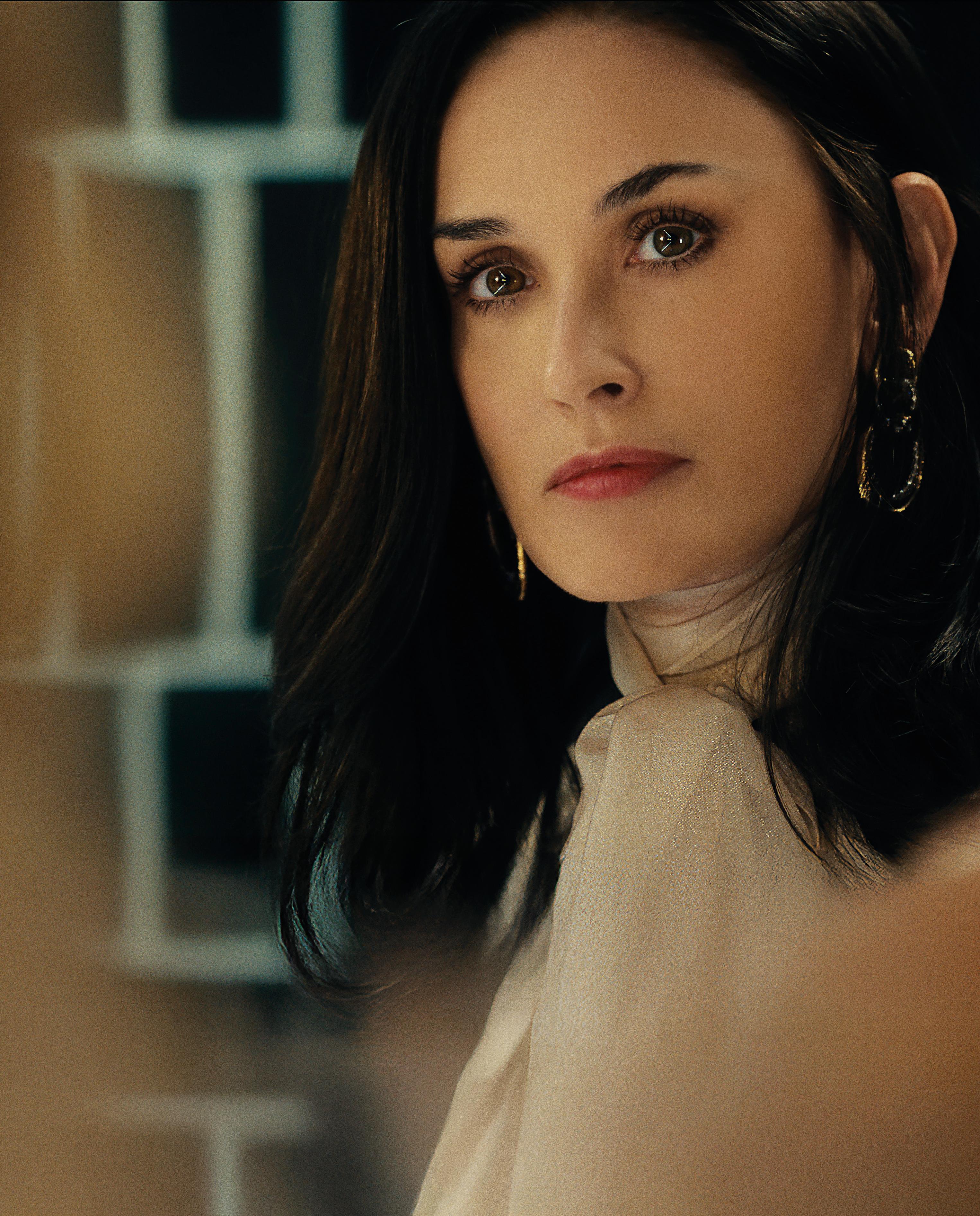
ON THE COVER Sarah Pidgeon photographed exclusively for Deadline by Josh Telles.
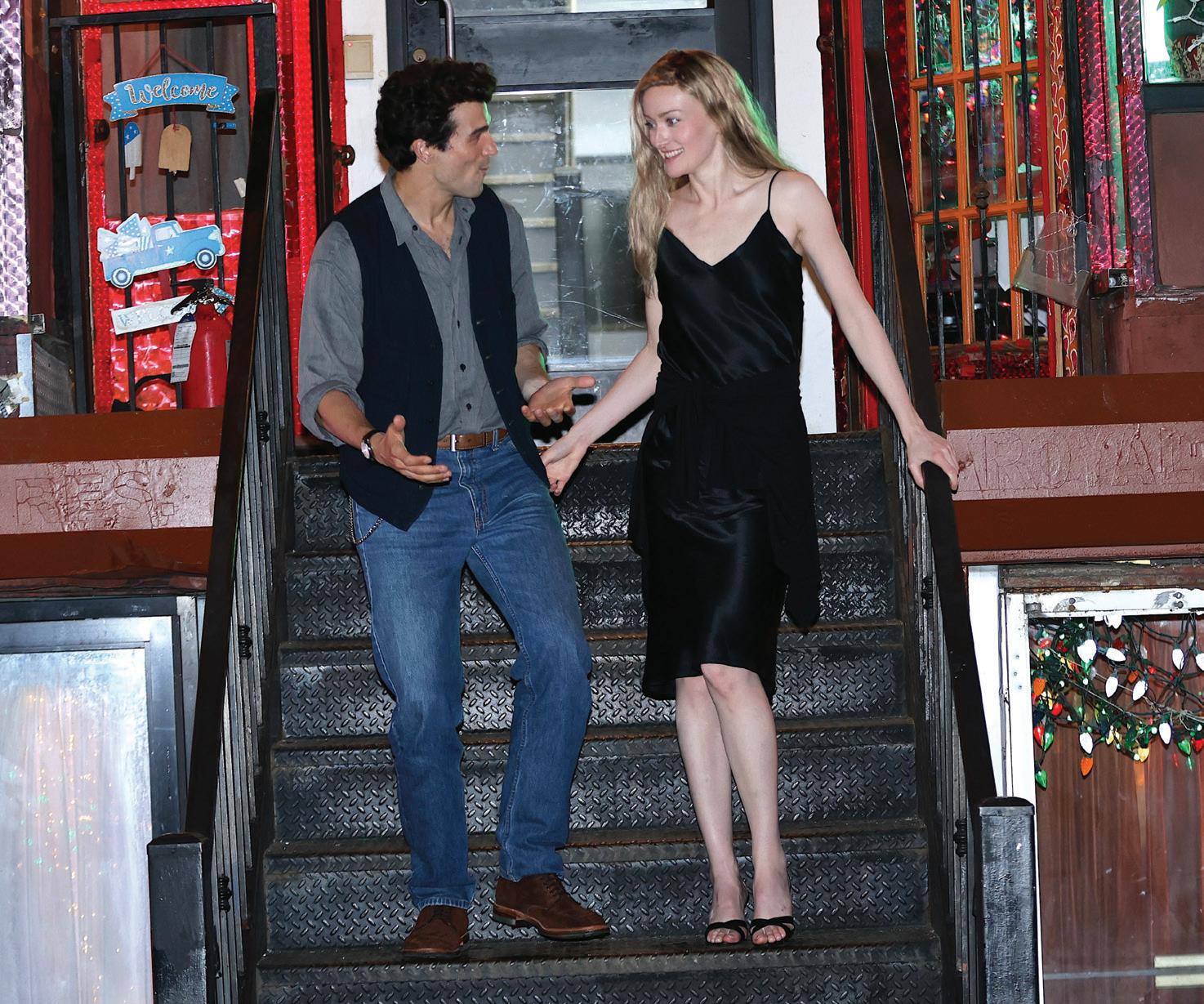
Sarah Pidgeon and key players behind Love Story: John F. Kennedy Jr. & Carolyn Bessette explain how they handled a fan frenzy.
Antonia Blyth
Shot in Los Angeles.
Premiere
10 MICHELLE PFEIFFER
Family strife in The Madison and Margo's Got Money Troubles
14 JASON BATEMAN
The DTF and Black Rabbit star on the movies that moved him.
16 SEND IN THE CLOWN
Going behind the scenes of IT: Welcome to Derry
18 GOING, GOING GONZO
The biggest guest stars ever to grace The Muppet Show
20 KISS KISS BANG BANG
Sam Levinson’s Euphoria saves the best 'til last.
24 AIN’T IT THE TRUTH
The lowdown on this year's documentary favorites.
Cover Story
30 A FAIRYTALE OF ’90S NEW YORK Sarah Pidgeon on making Ryan Murphy's Love Story: John F. Kennedy Jr. & Carolyn Bessette
Dialogue
40 NICOLAS CAGE
44 KERRY WASHINGTON
48 RICHARD GADD
50 LEE SUNG JIN
52 HALEY LU RICHARDSON
54 JACK THORNE
58 YAHYA ABDUL-MATEEN II
60 SABRINA IMPACCIATORE
64 DAN LEVY
Features
66 THE PARTNERSHIP
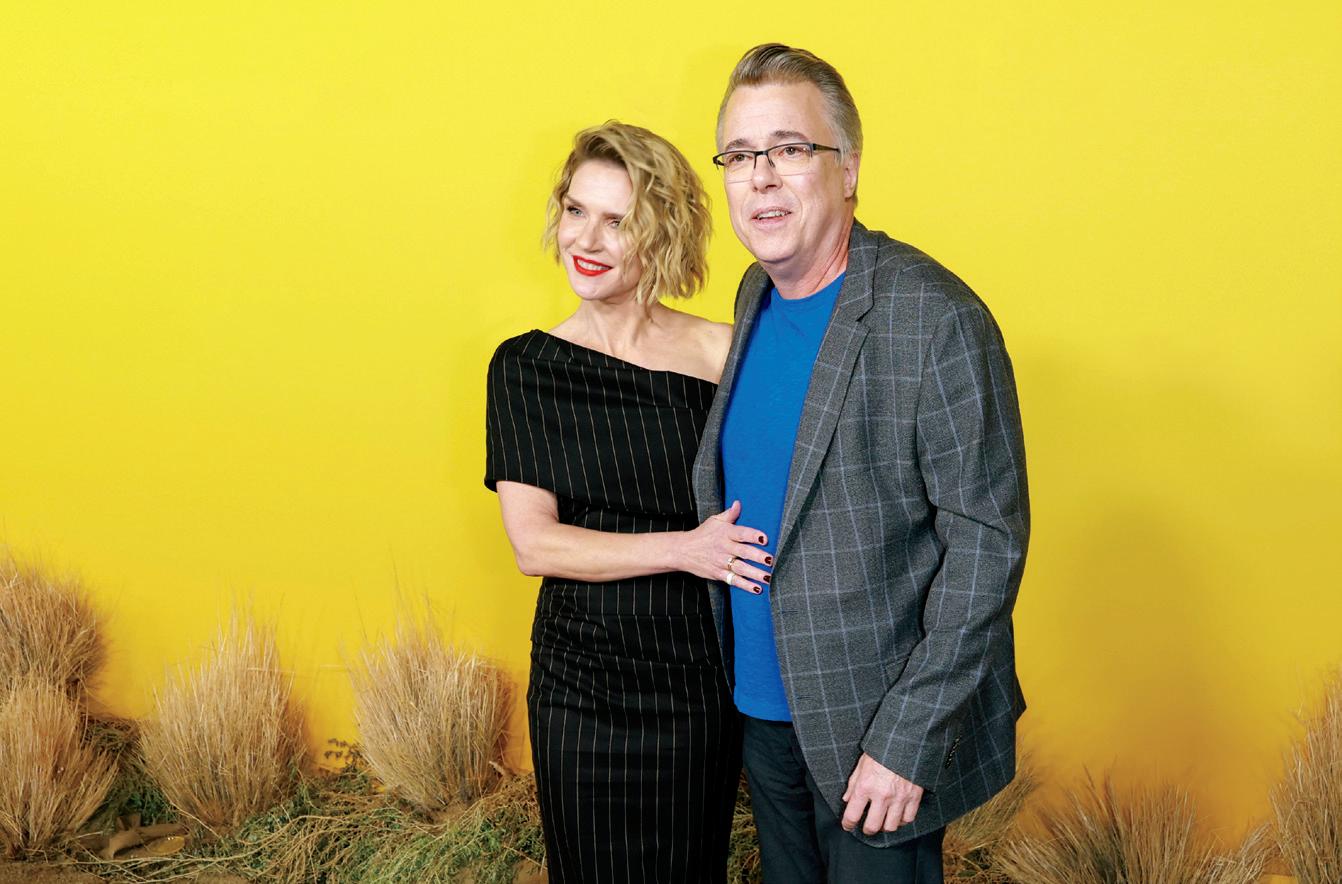
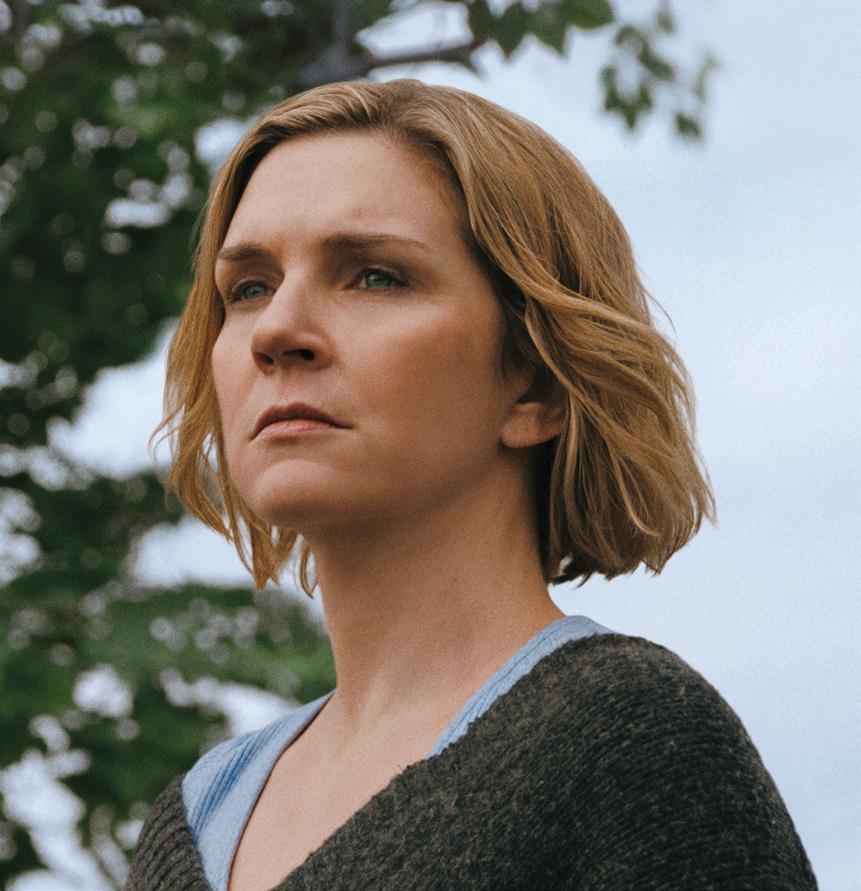
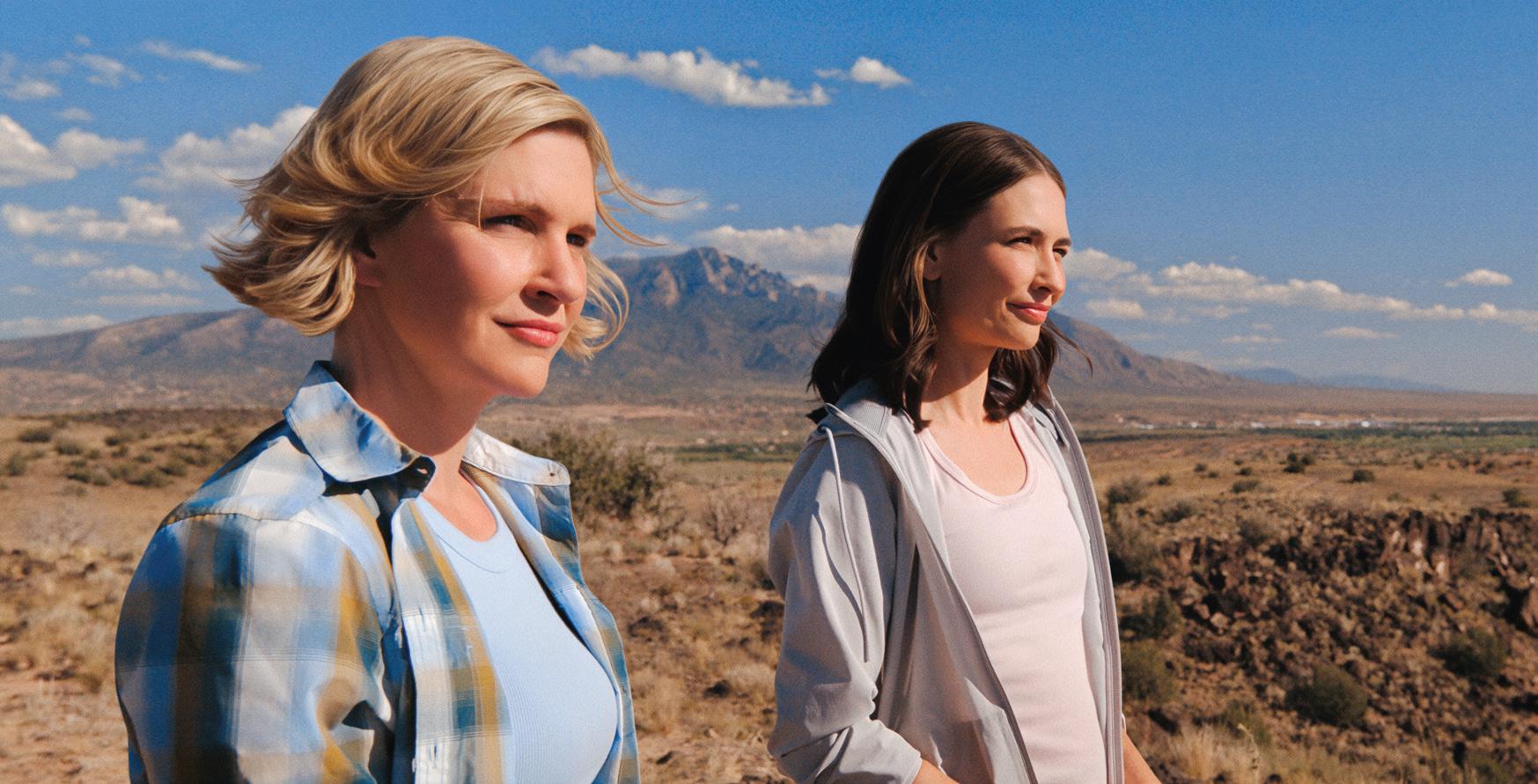
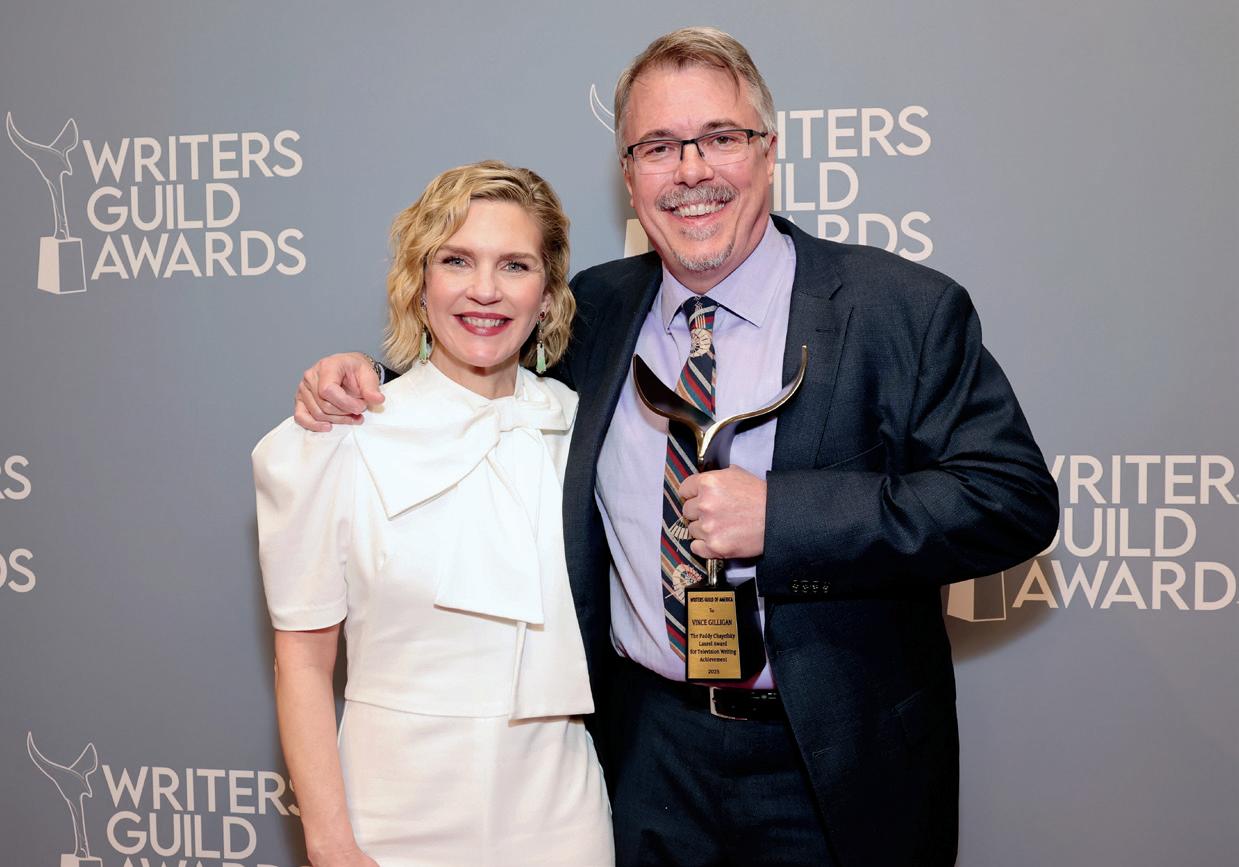
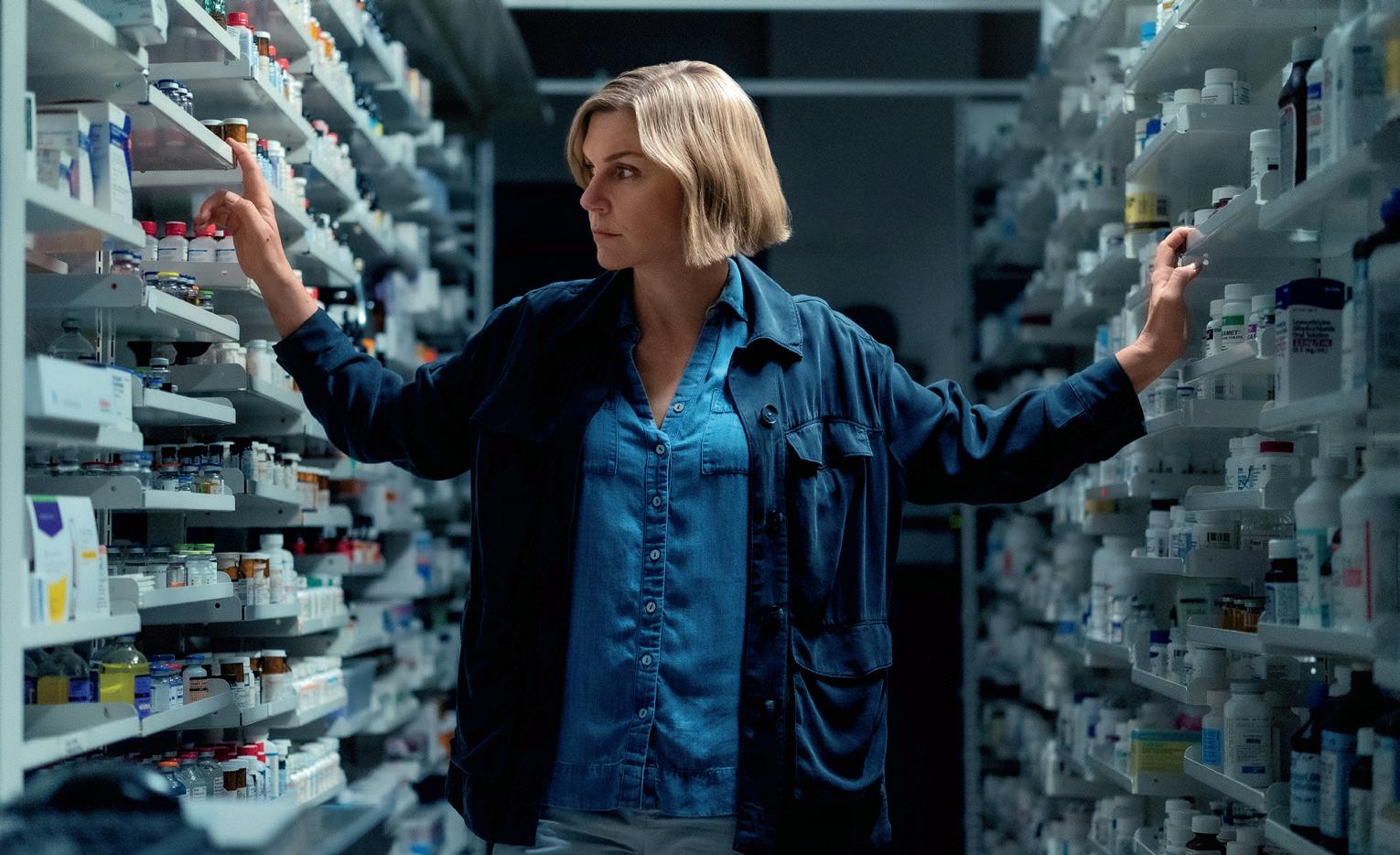
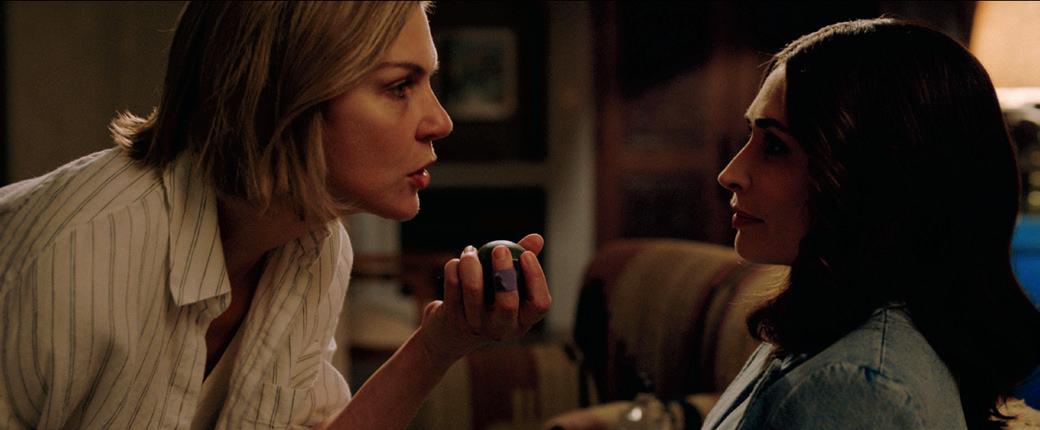
Vince Gilligan and Rhea Seehorn
reveal the secrets of the hive mind that gave us Pluribus
Snapshot
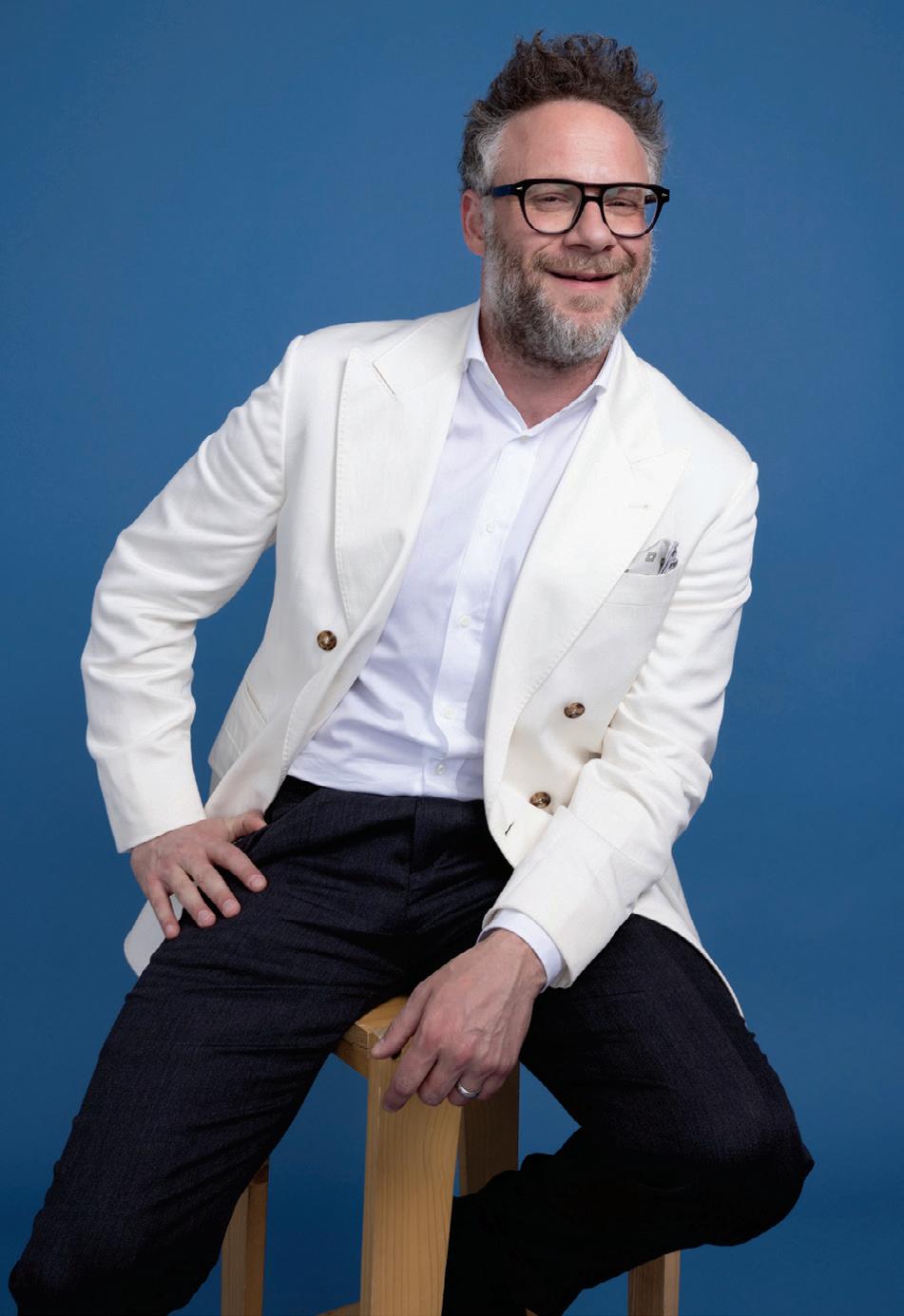
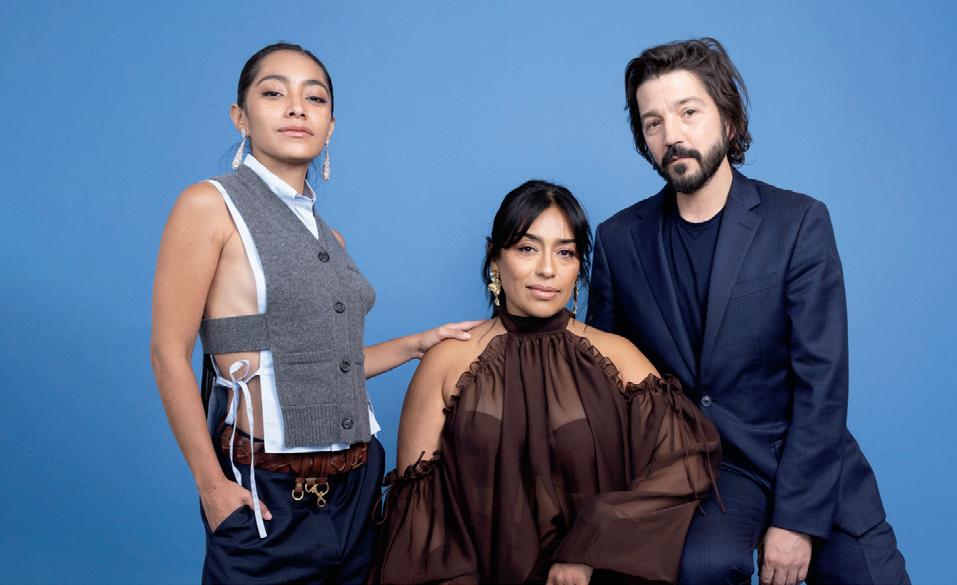
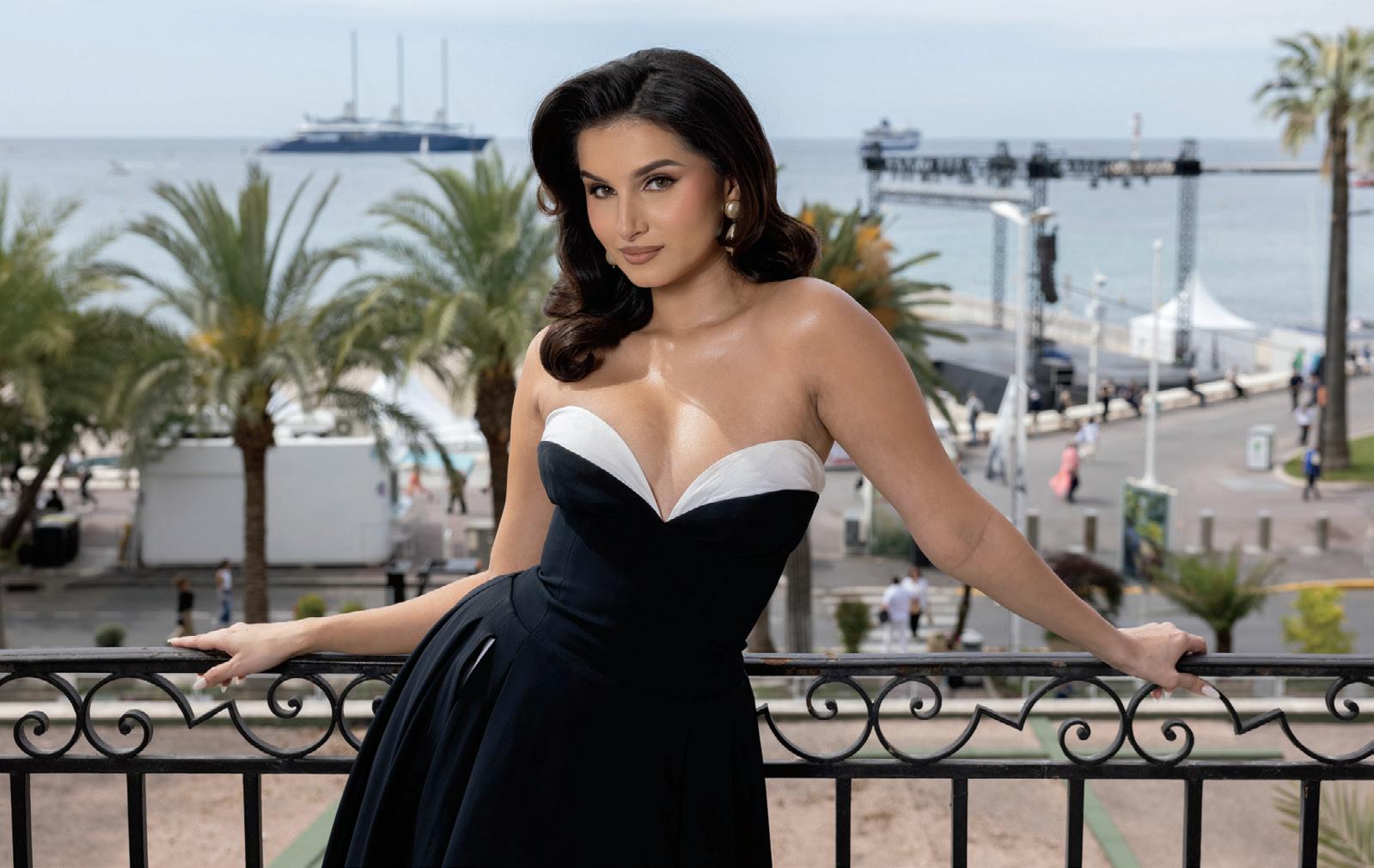
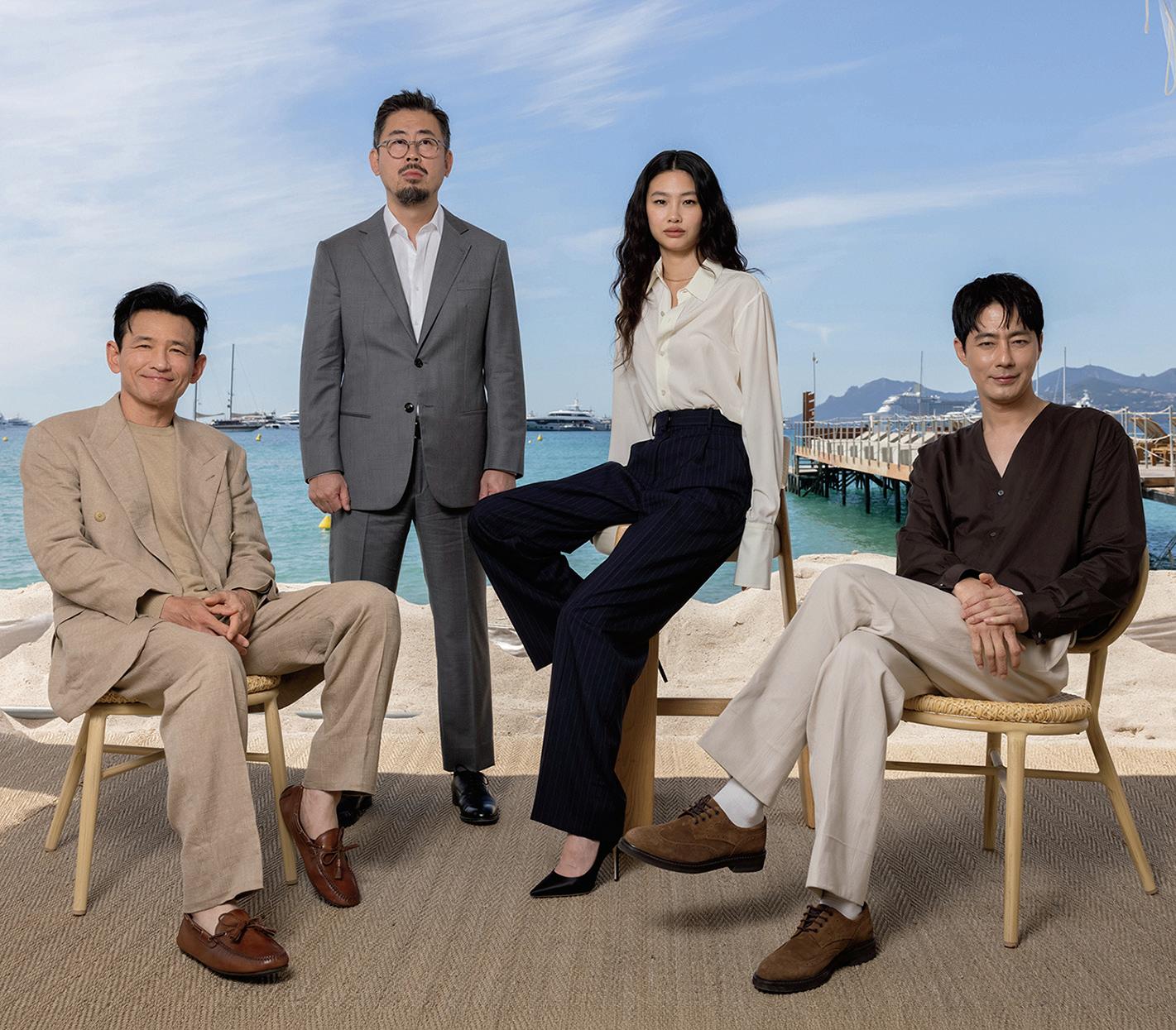
72 DEADLINE STUDIO AT CANNES
Exclusive images direct from the world's most insanely glamorous film festival.
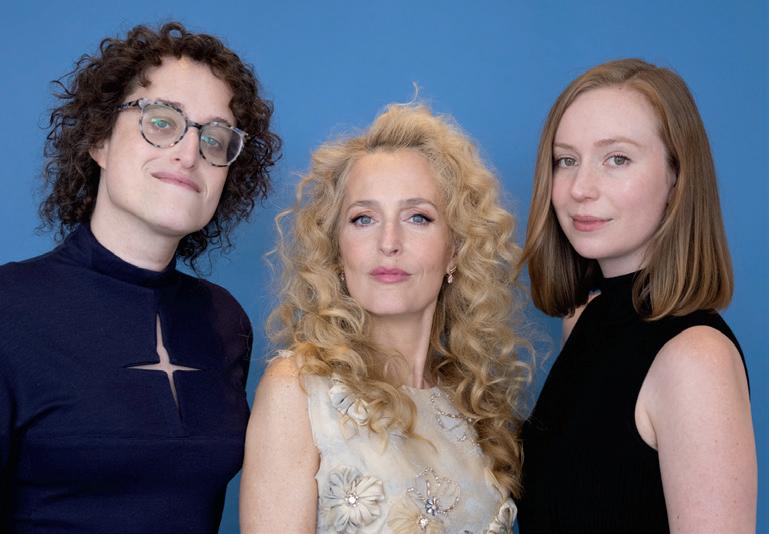
76 PRIME EXPERIENCE DEADLINE STUDIO IN LA
Key awards contenders joined Deadline for fabulous oncamera chats.
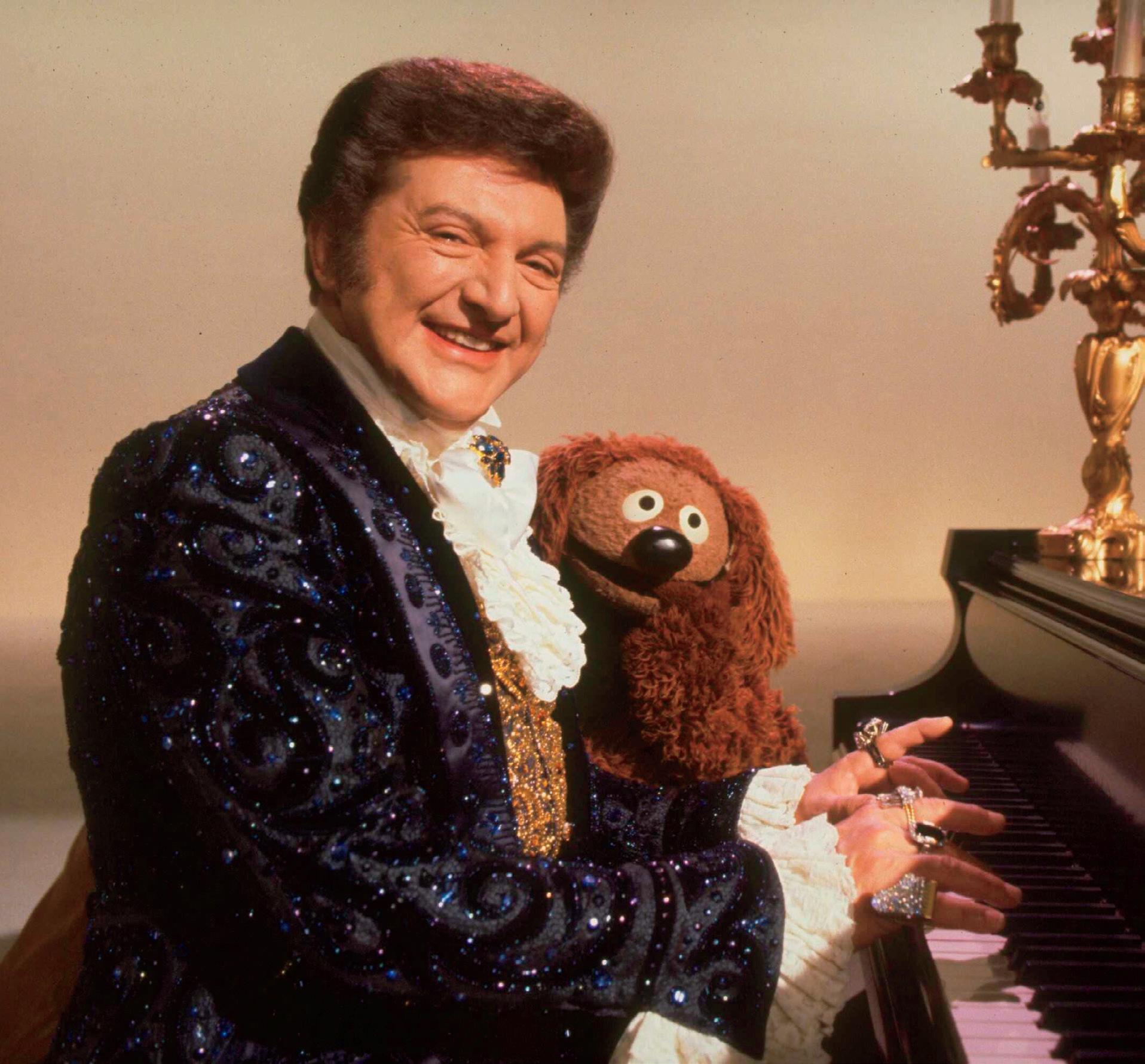
It’s only rock ’n’ Rowlf: Liberace on The Muppet Show. By Damon Wise
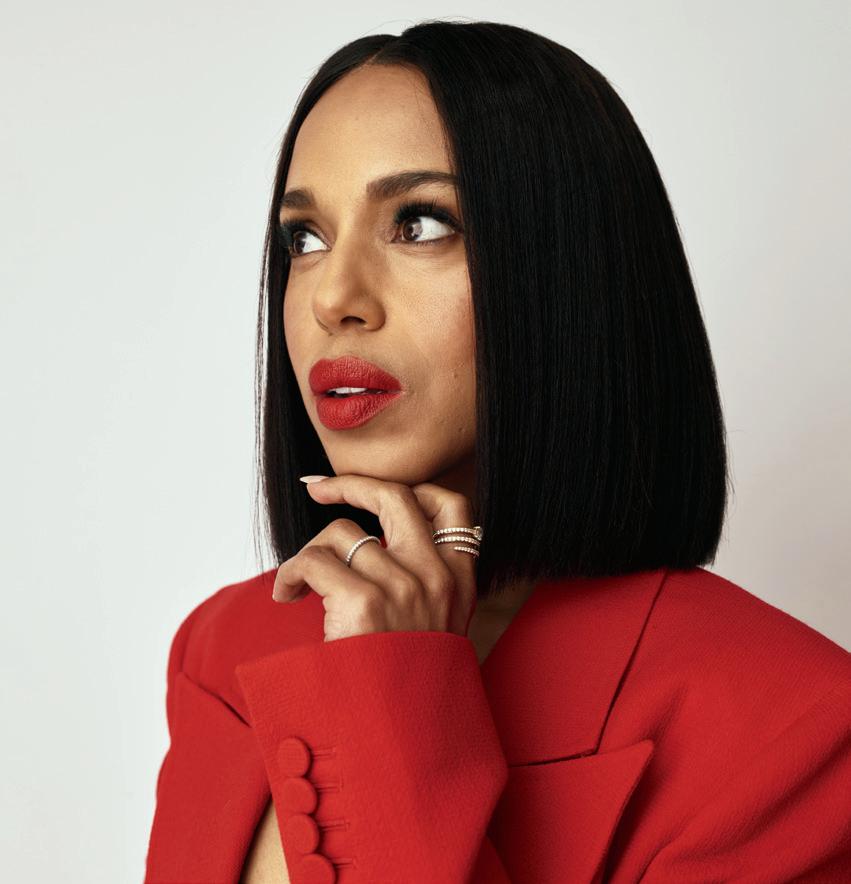
Kerry Washington on Imperfect Women. By Carita Rizzo
Vince Gilligan and Rhea Seehorn talk Pluribus. By Natalie Oganesyan
WHAT’S HOT, WHAT’S NOT, AND EVERYTHING IN BETWEEN THIS EMMY SEASON.
PREMIERE
Peak Pfeiffer
With two very different shows this year — The Madison and Margo’s Got Money Troubles — Michelle Pfeiffer is making a big splash on the small screen.
BY ANTONIA BLYTH
2
3
4
5
“Funny story for you,” I tell Michelle Pfeiffer. She’s sitting across from me in the Deadline office, the picture of elegance. I also suspect that she might be fun. I hadn’t meant to tell her this anecdote, but here we are, so I push on: “I went to high school in England with a boy who had your sweatshirt. His grandfather mailed it to him. He didn’t take it off for months.”
A tiny frown has appeared. “His grandad was Michael Gough!” I explain quickly. “He was in Batman Returns with you! Er, do you remember giving your sweatshirt to him?”
Suddenly, she leans forward and gives a genuine, hearty laugh. “No! That is hilarious. Oh my god, I love that story! That’s where all my clothes have disappeared to! I’ll be going, ‘What happened to that jacket?’ Now I know. There are people running around in my clothes.”
Since we’re going back a bit now, we get to talking about her big breakout role in the 1982 film Grease 2, in which she stepped into a sort of homage to Olivia Newton-John’s iconic leading role in the original. I tell her I loved the film, starring her as Stephanie Zinone, the Pink Ladies’ all-singing leader. “It’s so funny,” she smiles. “People do. They bring that one up a lot.”
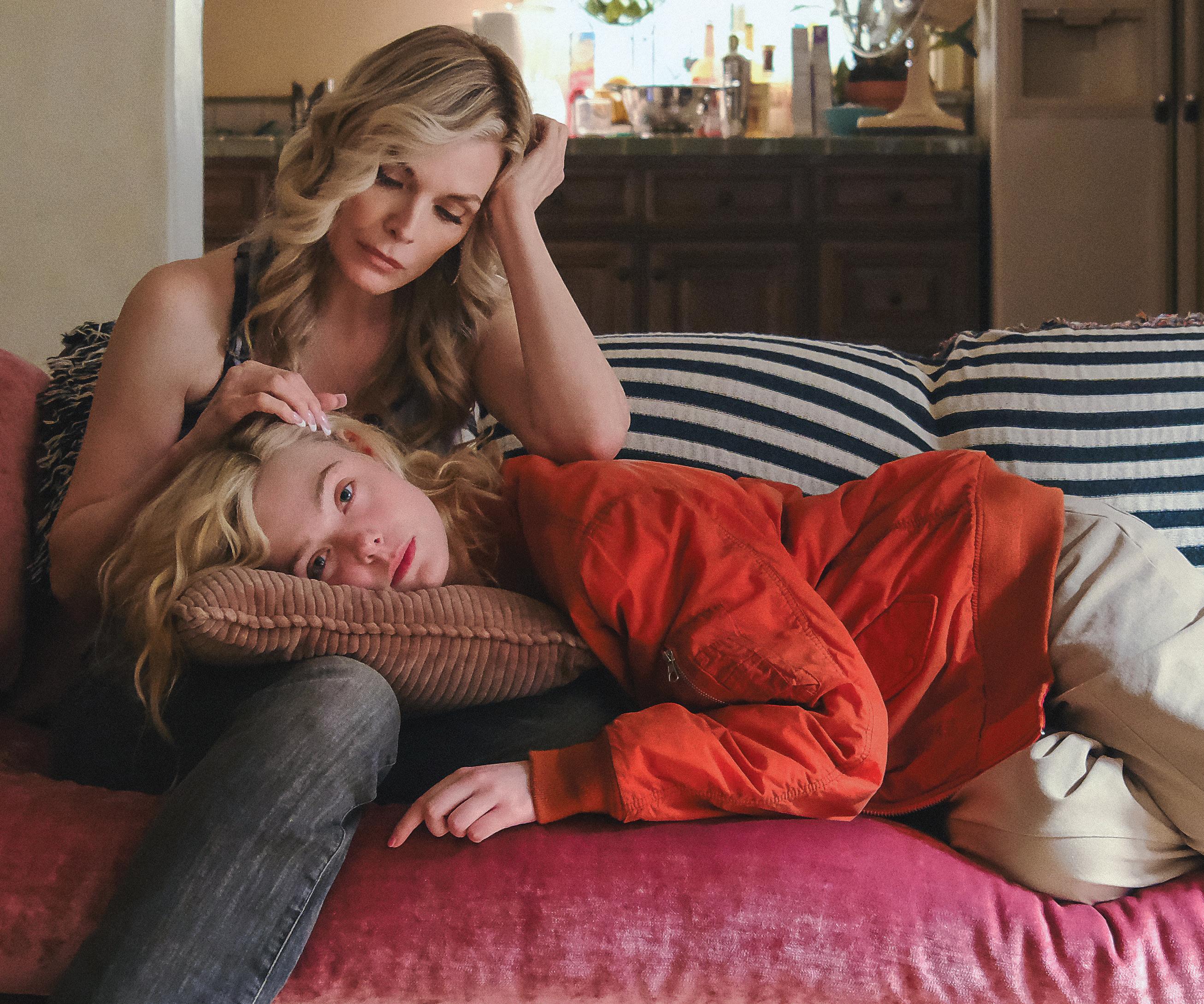
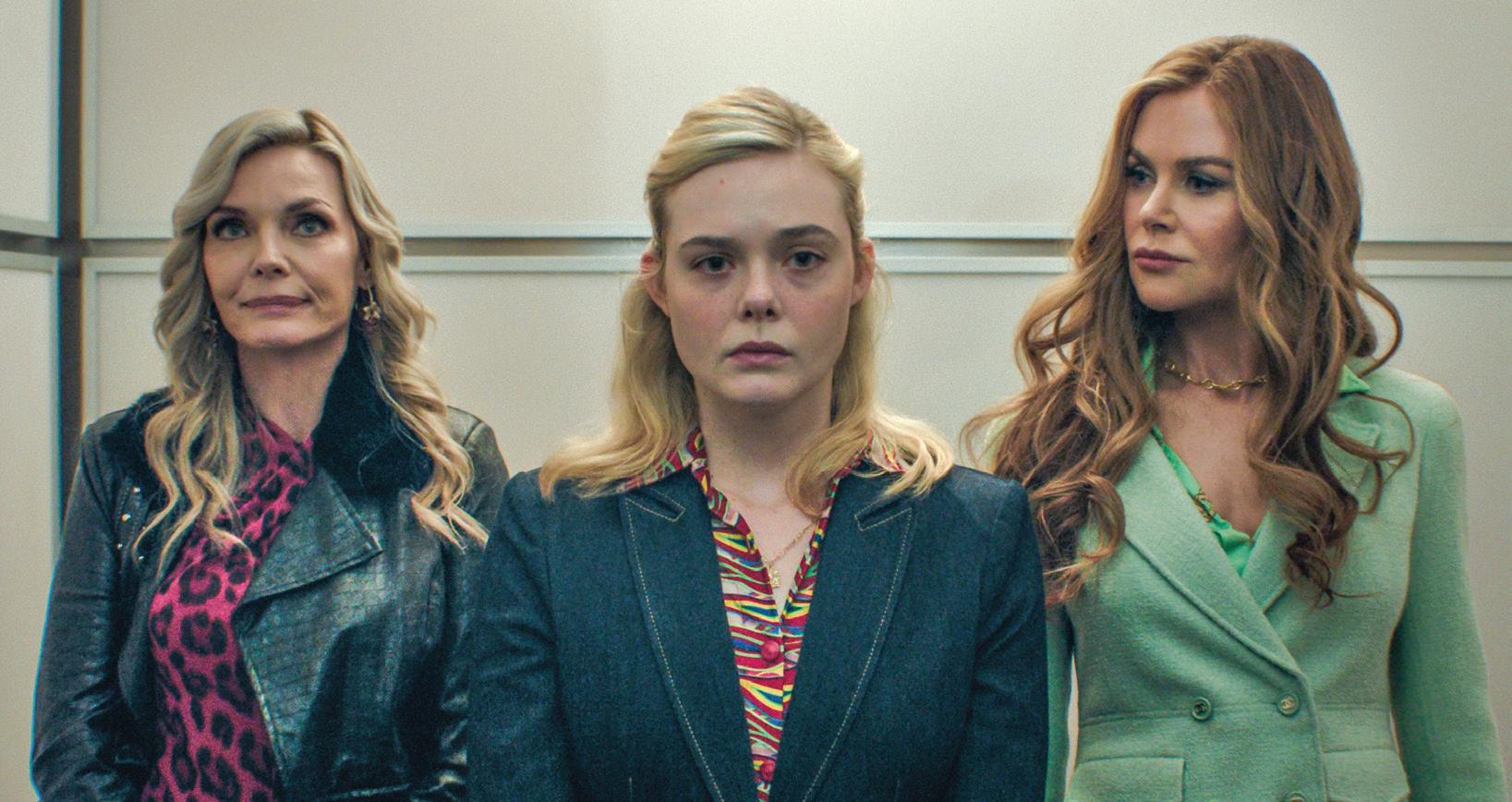
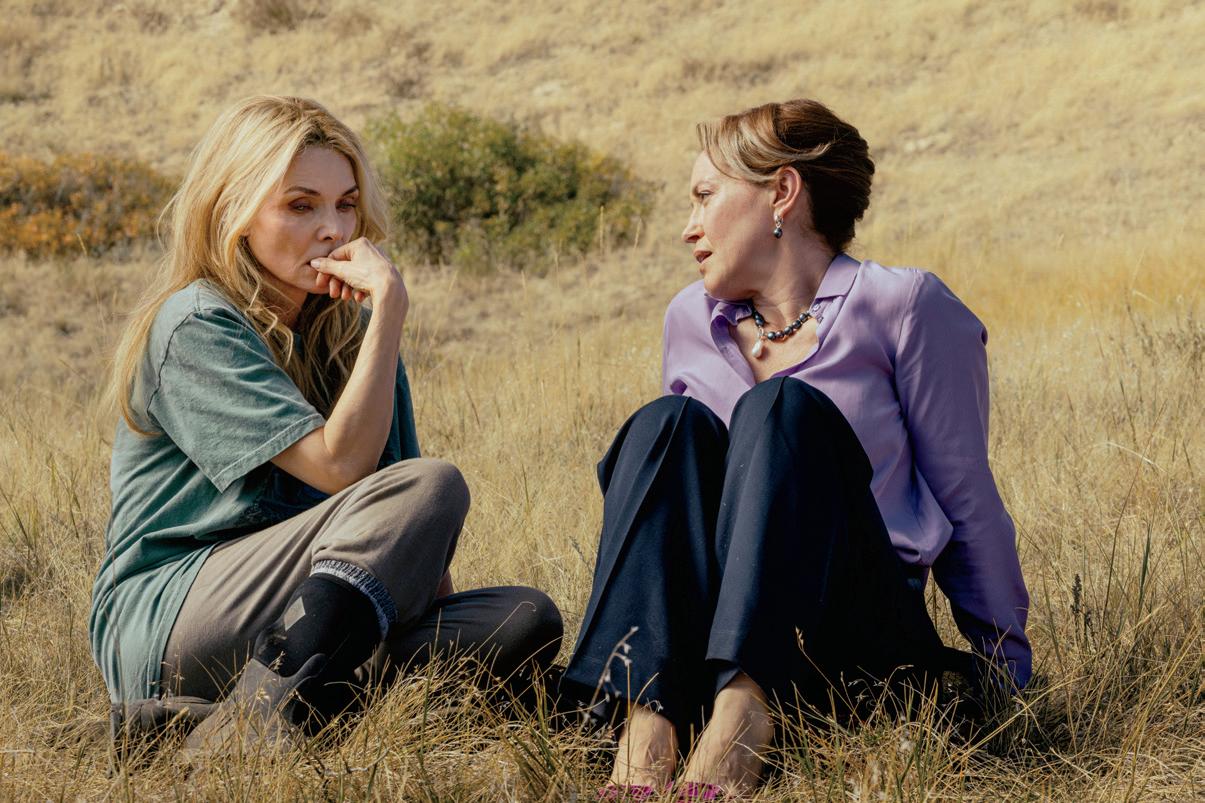
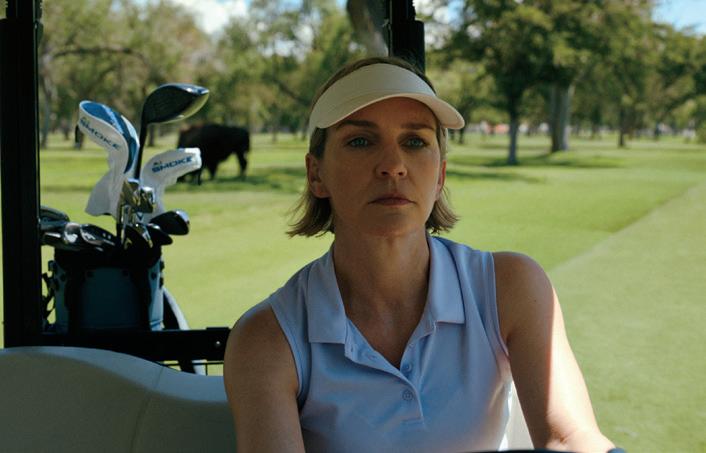
Right now, Pfeiffer is in two major Emmy-contending television projects: Taylor Sheridan’s The Madison and Margo’s Got Money Troubles, adapted from Rufi Thorpe’s bestselling novel and created for TV by her husband David E. Kelley. The two roles are polar opposites; in The Madison, she is Stacy Clyburn, a well-todo, rather formidable Manhattan matriarch. Poleaxed by the sudden death of her husband Preston (Kurt Russell), she finds herself drawn to the rustic Montana cabin he had so loved. In Margo’s Got Money Troubles, she’s the funny, feisty Shyanne Millet, a former Hooters waitress who struggles to support her teenage-mom daughter Margo (Elle Fanning). Thus, Margo turns to Only Fans for flexible income.
Both shows will have a second season, even though Margo began as a limited series. The Madison Season 2 was shot at the same time as Season 1, Pfeiffer says. In the next go-round, she teases, “I think the honeymoon is over, and I think we see—or the family sees, and Stacy even sees—that this is going to be a lot harder than the idealism of Montana. And the beauty of it, and the romance of being there, starts to fall away and we see that it’s potentially untenable.”
At a recent FYC screening of The Madison, Fanning showed up in support, even though she’s in Pfeiffer’s other show. In fact, they have known each other since Fanning was just a toddler on the set of I Am Sam. “Elle was hanging around set,” Pfeiffer recalls. “And she played Dakota in flashback as a younger child. Dakota was six, I think.” And Pfeiffer and the Fanning sisters have remained close. “They’re wickedly smart. They’re
grounded. They’re funny. They’re fun. They’re serious about the work. But I think the thing I love most about them is we have pizza and champagne nights and they are the most fun.”
Growing up in Orange County, California, Pfeiffer remembers being about six and seeing black-andwhite movies and thinking, I could do that. “But I was so far removed from show business,” she says. “I didn’t know any actors. I didn’t
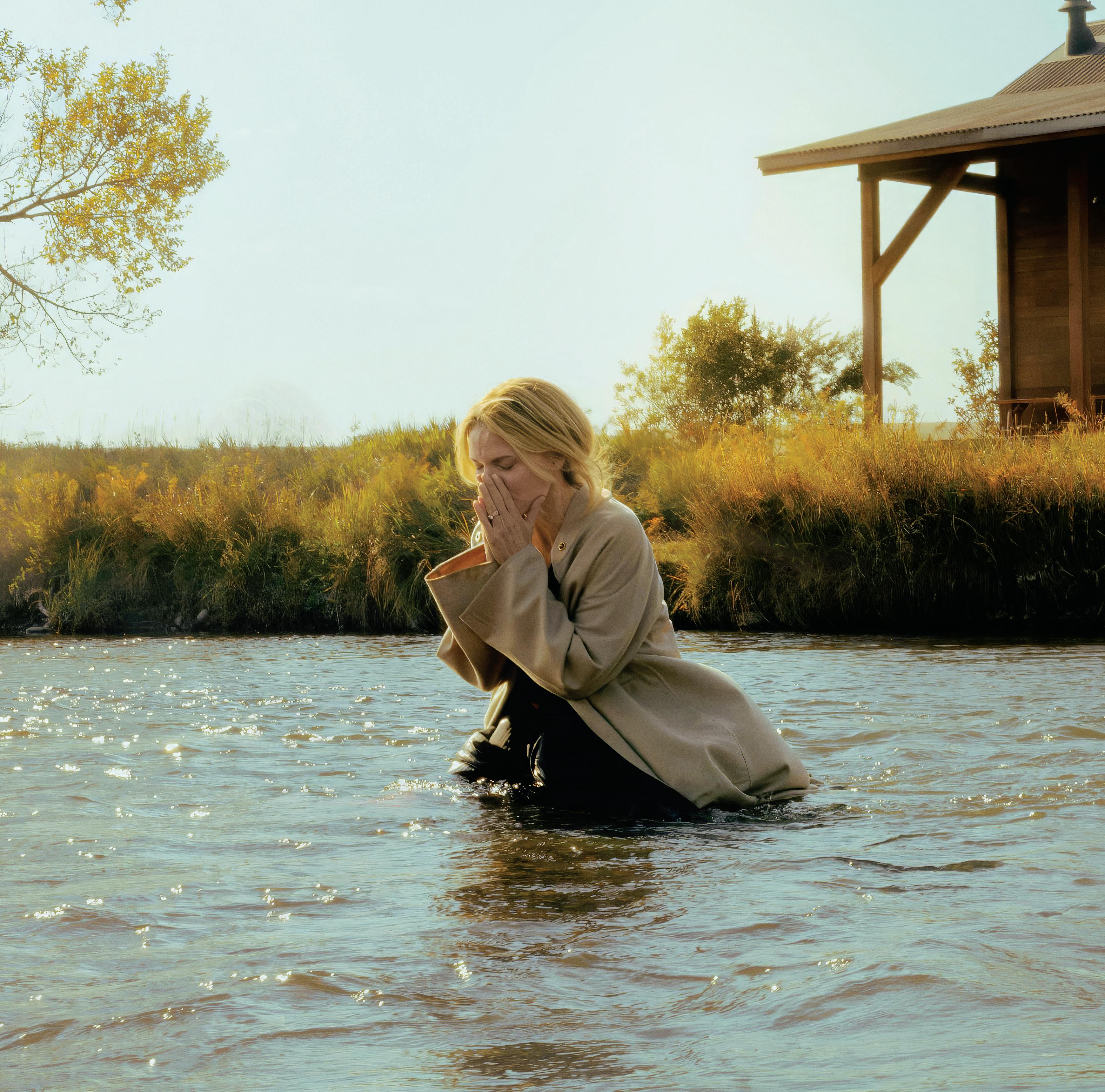
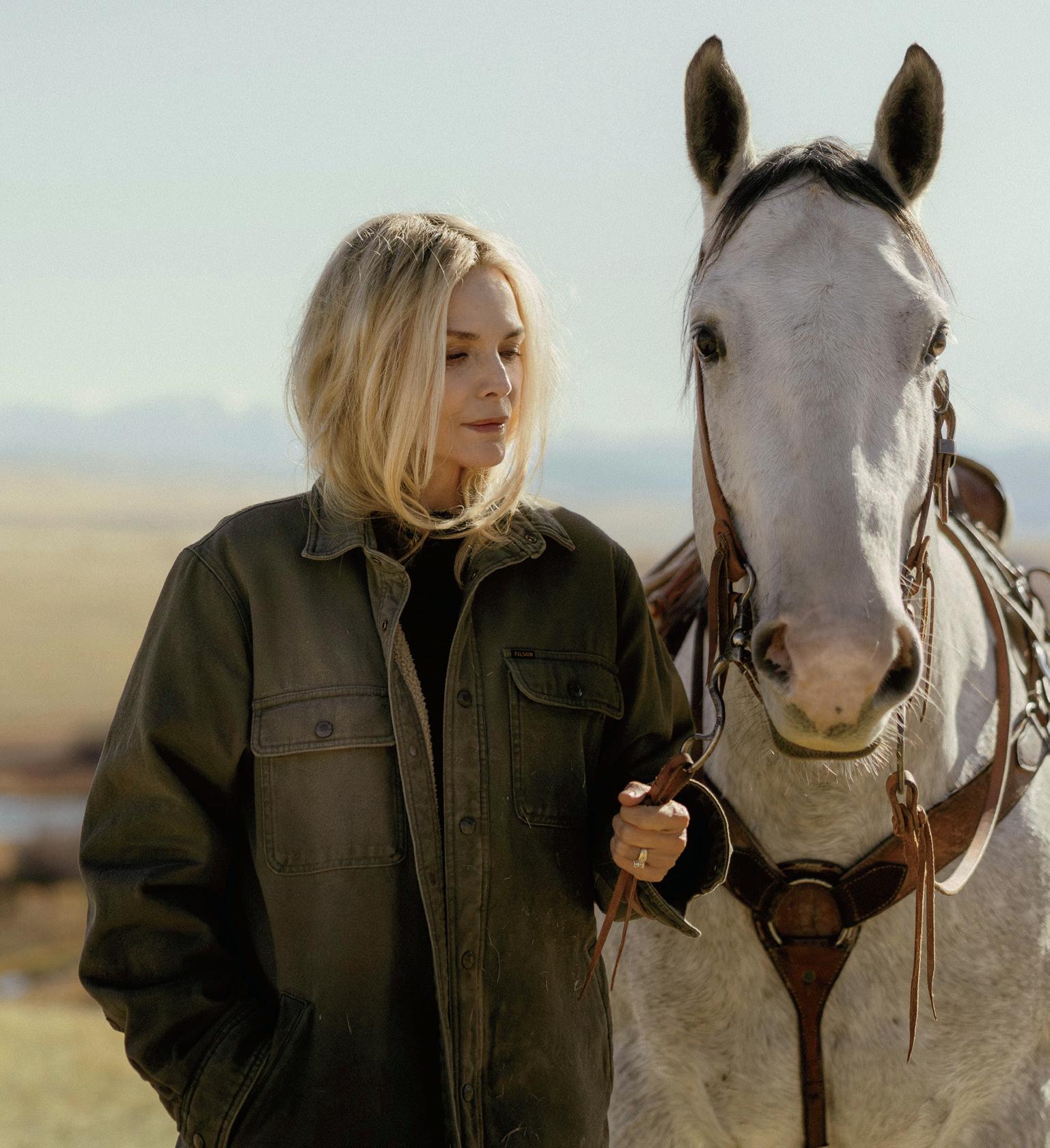
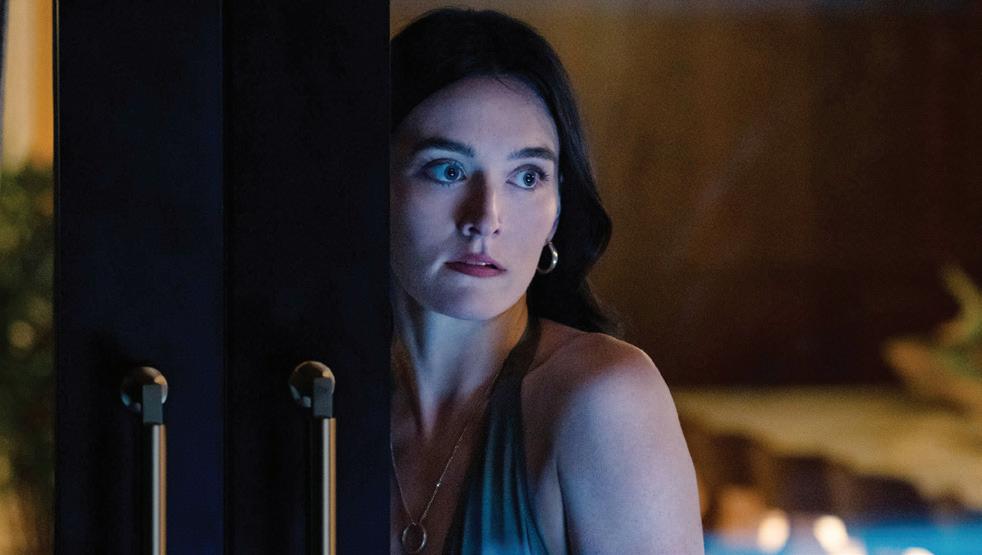
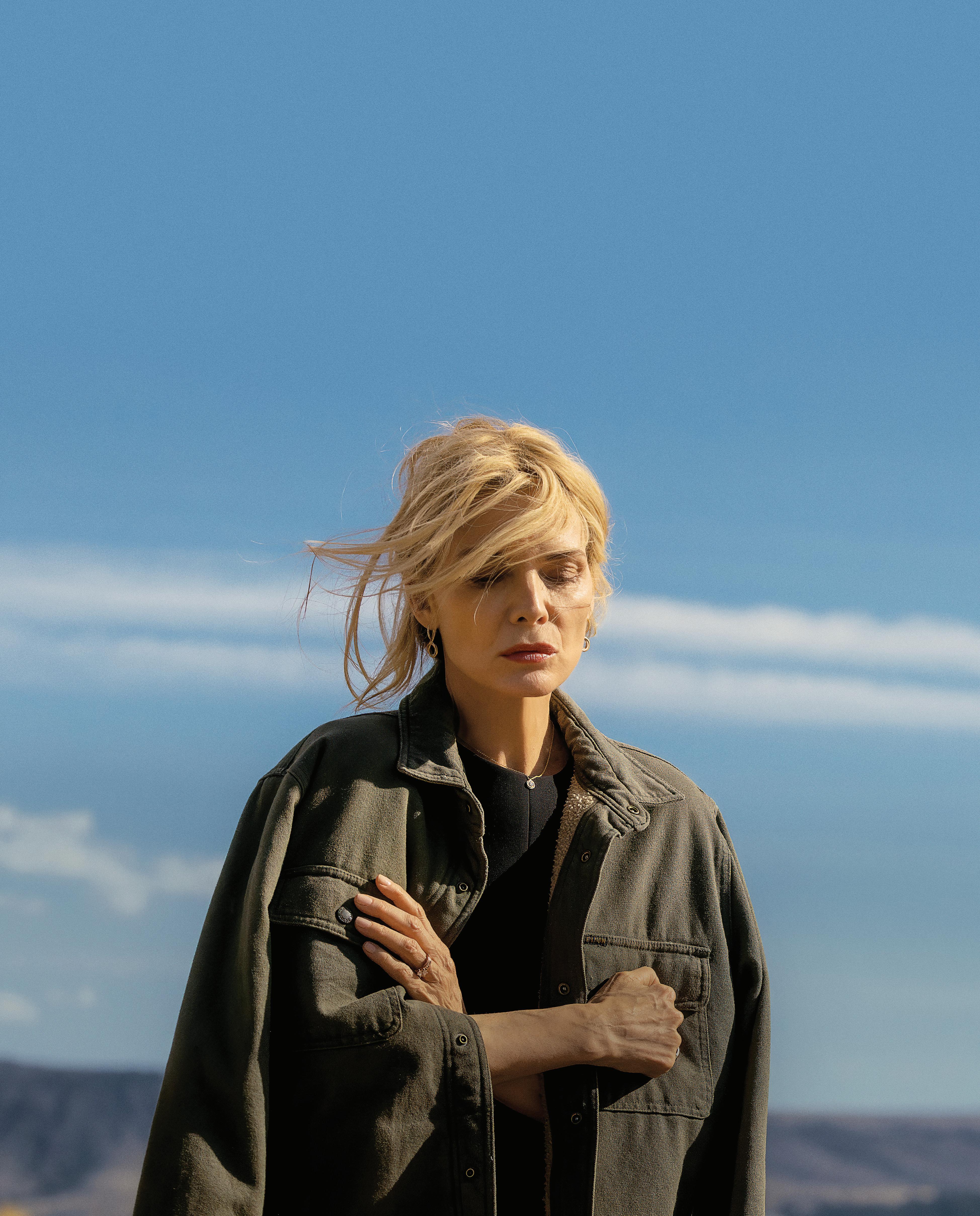
1 Michelle Pfeiffer as Stacy Clyburn in The Madison.
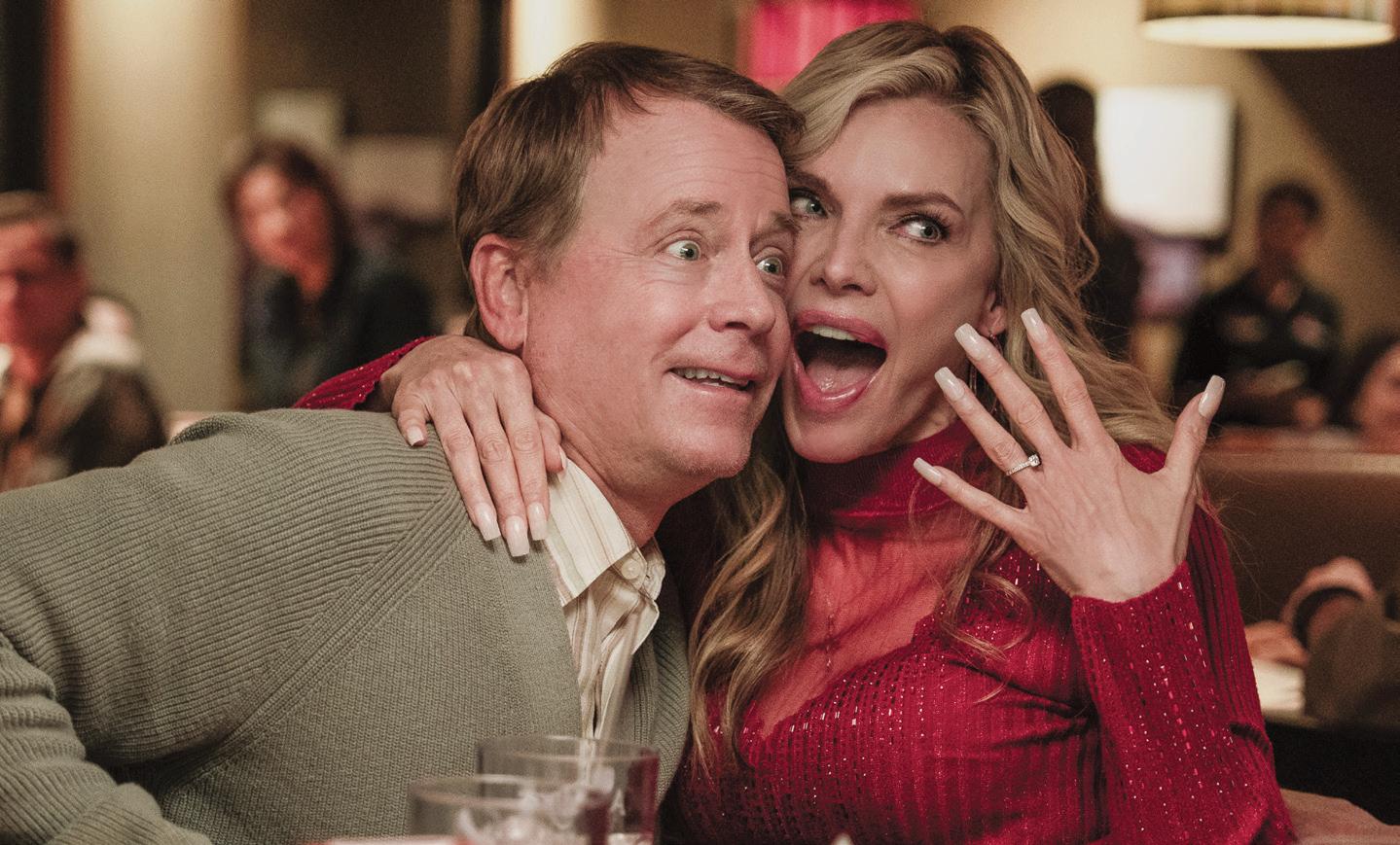
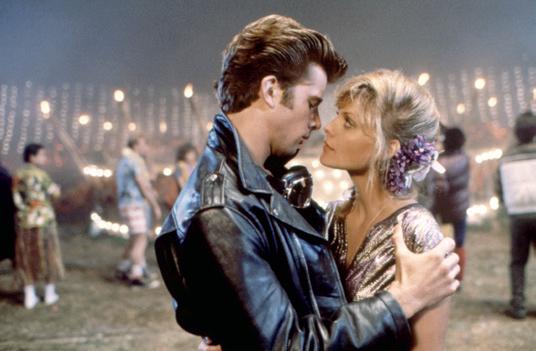
With Maxwell Caulfield in Grease 2
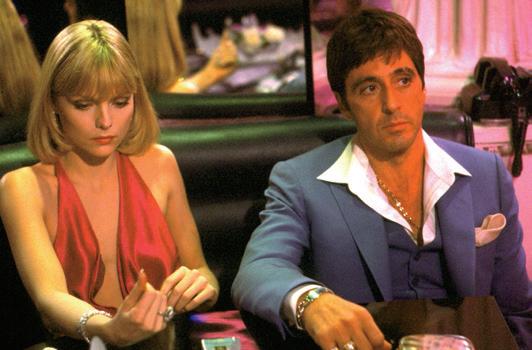
With Al Pacino in Scarface
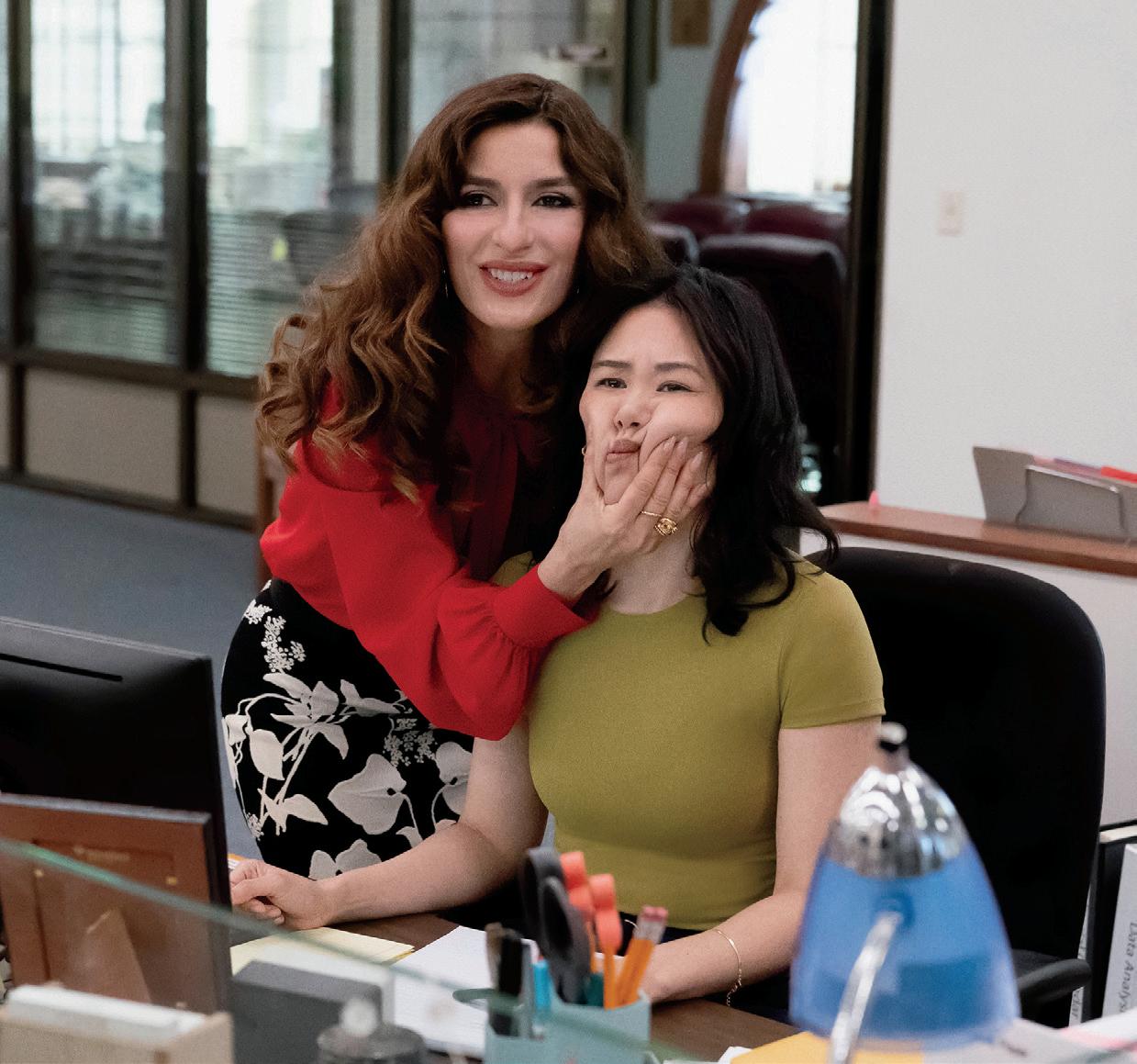
With Rebecca Spence in The Madison
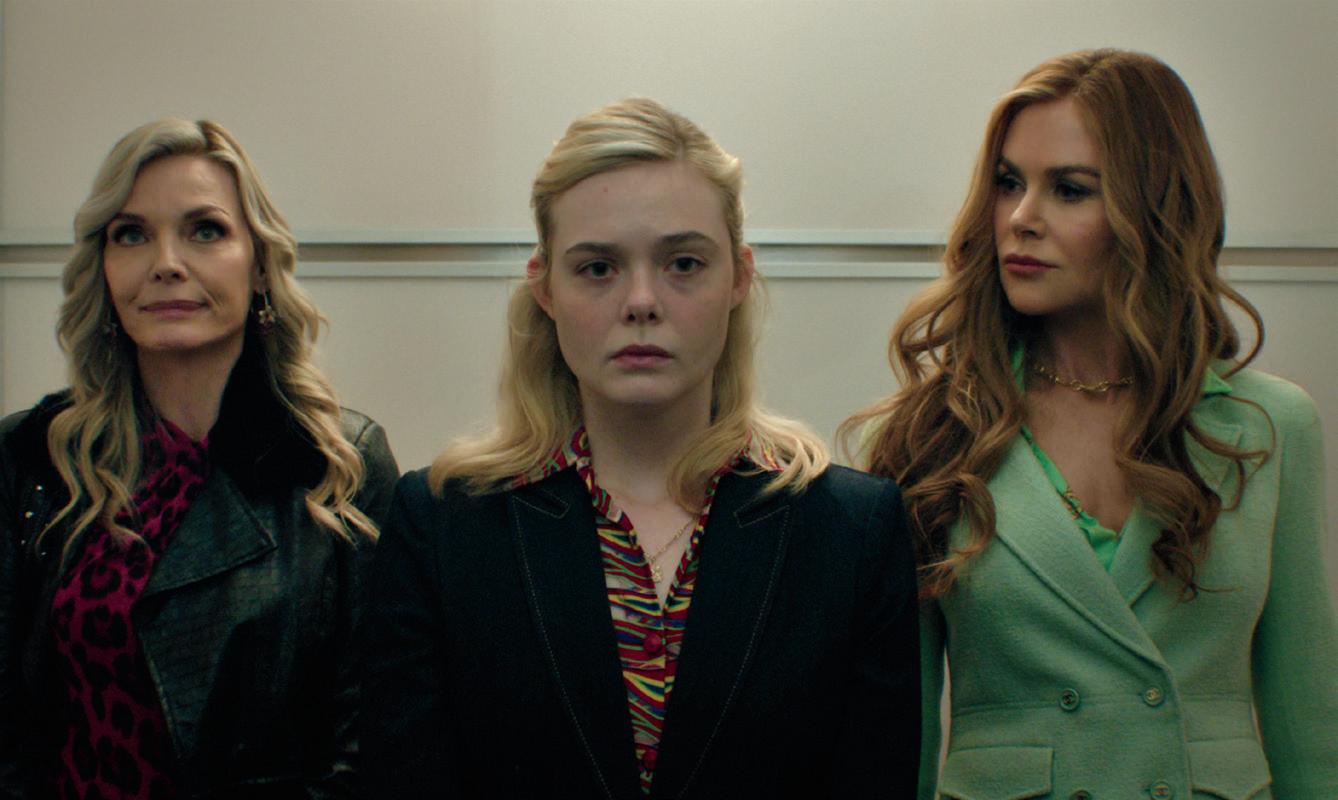
With Elle Fanning and Nicole Kidman in Margo's Got Money Troubles
know anybody in the entertainment field at all. And then I took a theater class in high school and I got the bug. But again, I didn’t think I was going to do anything.”
But then a high school theater teacher told her she had talent.
“I remember saying to myself, ‘I’m young enough to where if it doesn’t work out, I can try something else.’ At that point, all I really cared about was, could I make a living doing this? Will I be able to support myself?”
Pfeiffer was working as a cashier at a grocery store when she was offered her first role, a TV show called Delta House. Created by Harold Ramis, Chris Miller and Douglas Kenney, it would run for one season. Pfeiffer’s character was called ‘The Bombshell’.
“I figured if I could live on what I’m getting paid for this TV show for a year, I could probably quit my other job,” she recalls. “But I literally was weighing it. I was going to not do this show. I’m pragmatic.”
She took the role.
By 1982, Grease 2 had launched
“I've for years, been standing on the sidelines by choice, and just so envious of these actors getting to say these words [David E. Kelley] has written.”
her film career, but in 1983, Pfeiffer’s star power took a major leap with the role of Elvira in Scarface. To this day, she cites getting cast as one of her favorite memories: “That was a long audition process, and I really did not think I was going to get that part at all. Anyway, I just showed up, and it went really well. I was going somewhere with my friend, and we found out right before the airport. And I remember sitting in the parking lot at the airport with my friend, with a bottle of champagne, drinking it out of coffee mugs.”
Scarface and what followed— Married to the Mob, Tequila Sunrise, Dangerous Liaisons, The Fabulous Baker Boys, Frankie and Johnny, The Age of Innocence and Love Field—cemented her status as a major movie star with wide-ranging talent and three Oscar nominations. On top of that, she would go on to get an Emmy nomination, seven Golden Globe nominations and a Globe win.
Lately, she’d been actively looking for something great in television. Some shows she’s relished watching are Nurse Jackie, Mare of Easttown and Alex Garland’s limited series Devs “ How I fell in love with Nick Offerman was on that show,” she says of her onscreen ex-husband in Margo. “And then there are my husband’s shows,” she says, smiling. Mega writer-producer Kelley has shepherded such TV smashes as L.A. Law, Ally McBeal, Chicago Hope, The Practice, Big Little Lies and Presumed Innocent. “I’ve, for years, been standing on the sidelines by choice,” she says, “and just so envious of these actors getting to say these words that he has writ-
ten. From James Spader to Calista Flockhart to Jake Gyllenhaal to... It just goes on and on and on.”
Pfeiffer had noticed the book of Margo’s Got Money Troubles on the kitchen counter in the home she shares with Kelley but hadn’t yet read it when he first mentioned a potential part. “I kept walking by it,” she says of the novel. “It was kind of an intriguing cover. I think I may have said, ‘Oh, what is this? Is this good? Should I read it?’ And he said, ‘Yeah, it is. Actually, there’s a part in there that everybody thinks you’re perfect for.’” Pfeiffer started reading.
“She’s pretty early on in the book, and I knew immediately that I wanted to play her. There was just no question.”
What was it about Shyanne? “I think because I know her. I grew up in Orange County, not that there aren’t Shyannes all over the world, but I think because it was Orange County, and I loved her spirit. I loved that she’s a survivor, a take-no-prisoners kind of gal. I felt like I would have a lot of fun playing her. That’s what I’m looking for too—I’m really looking for experiences that I can thoroughly enjoy. Not that The Madison… I can’t say it was fun,” she adds, meaning its subject of grief, “but it was fun working with that cast, the crew, the director.”
It was this desire to do great television that also prompted her to go to Texas and meet with Sheridan. She had no idea what he had in mind and still didn’t really when she committed to The Madison. “I still can’t believe I agreed, not having seen an outline,” she says. “He talked very little about
what is basically this family that has suffered this unspeakable tragedy and moves to Montana. So, I figured it was a kind of ‘fishout-of-water’ story, and that was it. And I went home.”
At a later date, Sheridan did tell her a little more. “He said, ‘I want to make a show about two people who are deeply in love—and there’s no and then we discover there was an affair. No. It’s a study of grief and it’s a study of true, deep love.’ And that was really beautiful.”
Will Arnett plays Stacy’s therapist in The Madison. He becomes a verbal punching bag for all of her grief and rage, which proves both funny and moving. “I loved working with him,” she says. “We only had him for a few days and those scenes were just pages long. It was so much work. A lot of dialogue. Two people in a room. But he was such an amazing scene partner.”
She also enjoys how Stacy schools her two daughters and granddaughters on their manners, particularly in not being glued to their phones at the dinner table. However, she admits that she herself is rather attached to her phone. “It’s awful,” she says. “I think that technology has just separated us so much, we’re just all so disconnected. I read this checklist of, ‘If you check three of these boxes, you have a phone addiction.’ I checked every single one of them.”
Given that, it’s somewhat ironic that after she leaves, I use Instagram to find the now-middle-aged boy whose granddad once mailed him the fabled sweatshirt.
He writes back immediately. “It still smelled of her perfume,” he says. ★
Jason Bateman
BY ANTONIA BLYTH
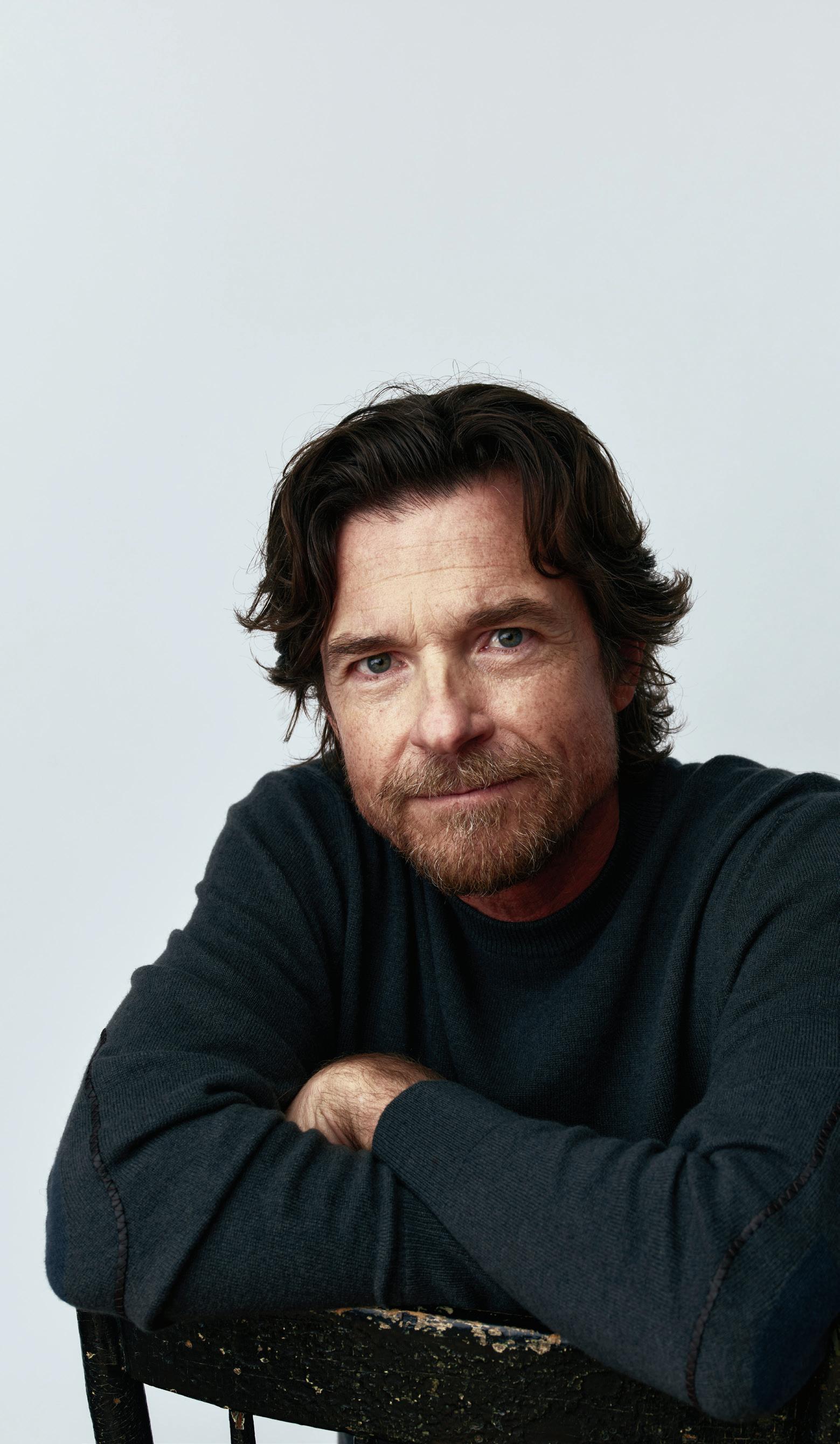
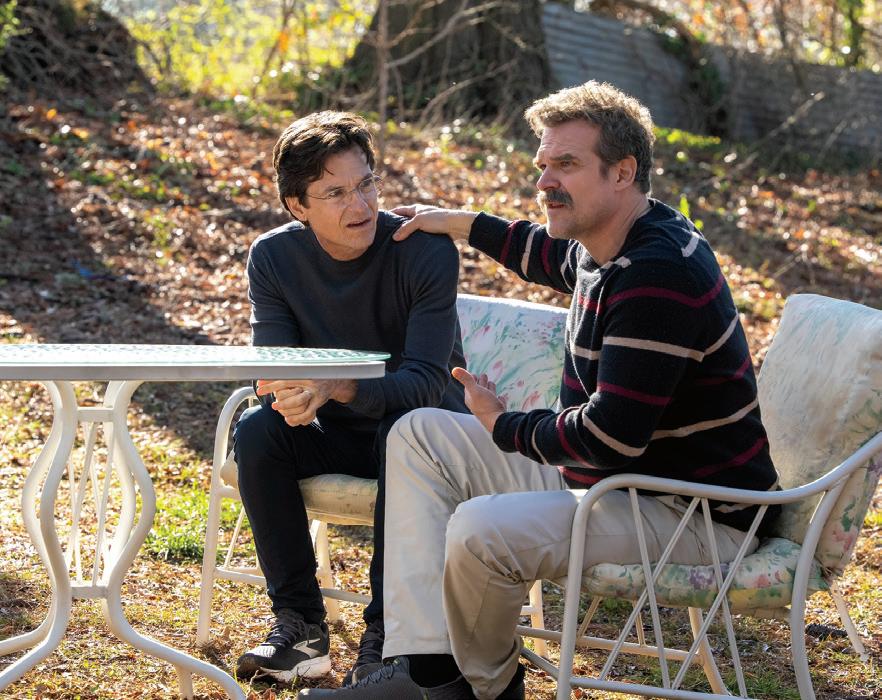
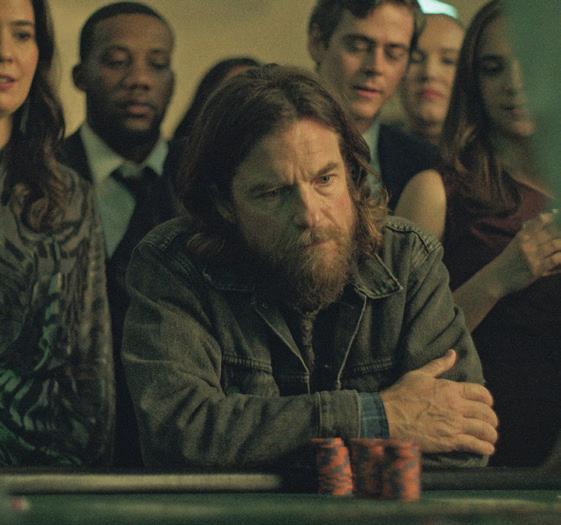
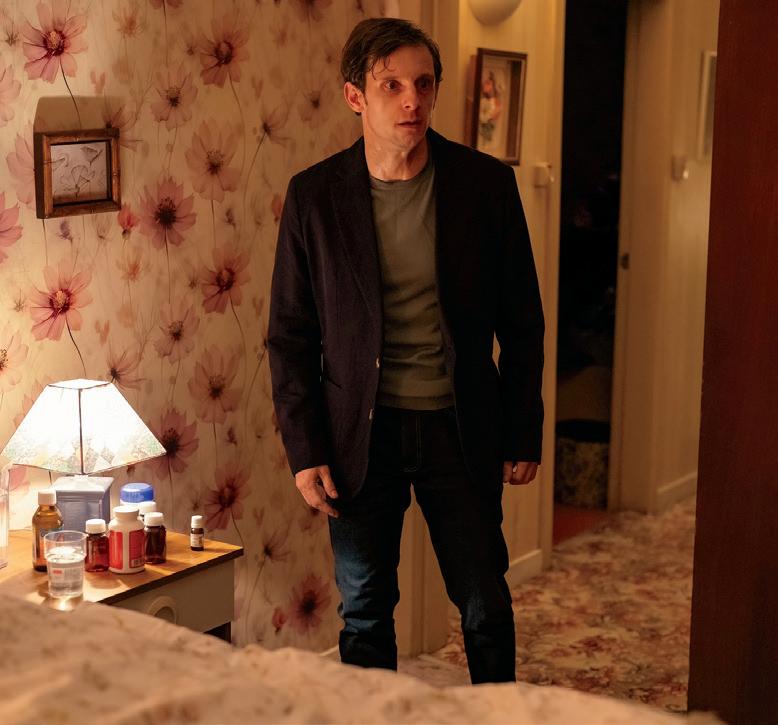
Jason Bateman has two vastly diverse limited series in Emmy contention right now: HBO Max’s DTF St. Louis, in which he plays Clark, a guileless weatherman swept up in a murder mystery alongside David Harbour and Linda Cardellini; and Netflix’s Black Rabbit, where his facial-hair-afflicted gambler Vince serves as the Cain to Jude Law’s Abel, dragging down their New York restaurant. While Bateman produced both shows, he also directed Black Rabbit, which already earned him DGA and Actor Award nominations.
Right now, he’s prepping to direct the dark comedy film The Cackling of the Dodos, starring Woody Harrelson and Sam Rockwell as farmers who discover a body in a grain bin. “They are two of my favorites, and the fact that they called me to direct them in this was just kind of a mind-blower for me,” says Bateman. Then, he’ll direct the John Grisham adaptation The Partner, starring Tom Holland as Biloxi lawyer Patrick Lanigan. In visualizing a current version of the 1997 novel, Bateman says, “What does it look like today? What’s the combination between, say, Jason Bourne and Bond and Michael Clayton, and what does that kind of stew look like? Tom is going to be a great partner throughout. He brought it our way, and so I’m looking forward to collaborating with him.”
But before all of that, Bateman takes us through some career highs, lessons learned, and a bit of advice from Katharine Hepburn.
My First Lesson On Set
To try your hardest not to be an asshole, because assholes are just incredibly disruptive to what is already a very fragile environment. There’s a lot of stress and insecurity and doubt that exists when you’re trying to create fake life. I
mean, everybody’s lying. You’re trying to create a big fake world, and it’s hard to do, and you’re trying to do it with a couple hundred people that don’t know one another for the most part, and you’ve got all of that sort of social awkwardness compounded by the technical efforts. When you have an asshole, it’s just incredibly disruptive. I worked with a couple of challenging people early on, and fortunately I had my parents around me to let me know, “OK, you see the way that the crew is reacting to that poor behavior? You want to not do that.” Plus, my first experience on a set was on Little House on the Prairie for a year with Michael Landon as the leader there—the writer, director, producer, star, and he was just incredibly kind to everybody. I started to see sets that were a bit more typical as I got older, where there was some screaming.
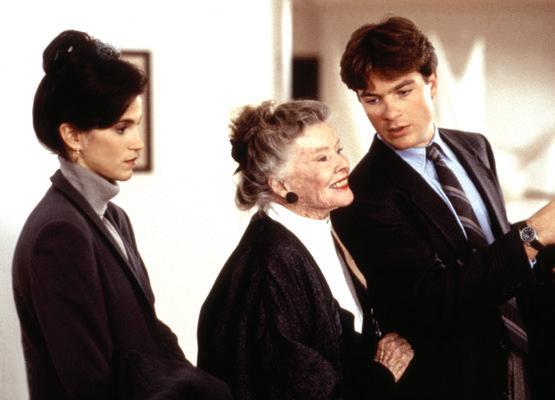
The Best Advice I Ever Received I was very, very lucky to do a job with Katharine Hepburn. I think it might’ve been her last job. I played her driver. It was kind of a Driving Miss Daisy type of dynamic between our characters, and it was a movie of the week for CBS [This Can’t Be Love]. Anthony Quinn was in it as well. And she and I were doing a scene where I had to get emotional, and it was just the two of us. And I remember I was trying to cry in the scene. I guess maybe I was just really pushing or really leaning into it too much, and in the middle of the take, she stopped, and she said, “Oh, stop acting!” And it was crushing to hear in front of the crew and everybody. And I said, “You mean for good, like professionally?” And she was like, “No, no, no. Just say the words. You’re great. Just you don’t need to push and add the stuff. Just be human and say the words and be emotional. Don’t act emotional.” It took me a while to
The DTF St. Louis and Black Rabbit star talks directing Tom Holland in The Partner and some epic advice from Katharine Hepburn
decipher it all, but that was, in retrospect, a very helpful, economical way to tell an actor to stop acting and be a bit more real. I think I was maybe 19 or 20 at the time.
The Part I Always Wanted
I mean, I apologize in referencing one of my own things, but truly DTF. I don’t know if I always wanted to play that part, but given the kinds of parts that I’ve been playing for the last 10 or 20 years— that being sort of a sardonic, cynical guy who knows everything, or thinks he does, that kind of dick—this was playing a guy that’s so naive and lovely and warm and kind and human and vulnerable and without any sort of artifice or veneer. He hasn’t learned any tricks to seem confident or have this kind of fake swagger. It was incredible to have the dialogue and the scenes to support that, and a director-writer [Steven Conrad] that allowed for that, because the character wasn’t really written at that level of vulnerability. He’s a St. Louis weatherman, so any of the assumed polish that might go into somebody like that, there was a bit more of that to the character on paper, a bit more vanity. And I just thought that it might be a more satisfying way to play the character, considering what the finish line was, to play him in much more of an ‘aw shucks’ way, and really in
awe of David Harbour’s character, as opposed to being a bit more condescending. I wanted to make him a little bit softer, and I was really happy that Steve let me do that because it was nice to play that, somebody so lovely.
The Most Fun I’ve Had On Set I think it’s got to be Arrested Development. That group of people was just incredibly funny and talented and kind. And then, all that writing that we got to do every single day, where if you’re not howling with laughter in between takes, you’re trying to keep yourself from laughing while you’re doing the takes. It was just nonstop fun and in a brand of humor that is right up my alley, both the writing and the actors, their own personal sense of humor. And then, on top of all of that, it was a career-saver for me. So, there was great feelings and mood all around.
The Shows And Films That Make Me Cry
Well, anything with little kids in it now. Once I had children, I got really soft. I mean, I cry at commercials now with little infants learning how to walk and stuff like that. I don’t know what happened to me. I can still put on Kramer vs. Kramer and start bawling. I’m sort of dating myself a bit. I’m a big classical music fan, so anytime classical music is under something, it kind of drops me into a place where a lot of my emotions live. So, that’s an easy hack to get me to go. Sometimes, when I have to cry in a scene, I’ll listen on my iPhone to some classical music, and it just kind of drops me into it.
The Part That’s Most Like Me
Well, let’s see. I mean, I don’t know. Since I don’t like to see a lot of acting from actors, I try not to be hypocritical. So, I do try to shape each character that I play into a
bit of a part of me. So, I guess all of them would really qualify to a certain extent, but most like me is probably Arrested Development or the Horrible Bosses character or Game Night...
I love being around people that are very eccentric, and that's potentially a problem, because they’re a lot of fun to hang out with, but you do have to stay on your toes and keep one foot in reality. That can demand some patience with those folks, which is kind of the dynamic I was playing with all those characters, of him being around people that he thinks are less-than, or perhaps even dumber than him, but then his own stupidity is revealed often. That’s always fun to do.
My Most Quoted Role
I mean, it used to be Arrested Development, but really Ozark took over for that. I don’t know if he’s much of a quotable character, but I was really, really excited that that landed with so many people and the formula of that show, that being a very relatable family, a very relatable protagonist, that goes into this extraordinary situation. And somehow we managed to keep
it plausible and relatable, such that the audience could go through a very unsettling, vicarious experience. I do get a lot of comments from folks, not necessarily quoting lines, but repeating scenes and moments and instances that have stuck with them.
My Guilty Pleasure
I guess I would say reality TV is usually a guilty pleasure for most folks. And for me, there’s a survival show called Alone that I’m really addicted to and patiently awaiting the next season because I gobble them up so fast. But another thing that I guess would qualify as a reality show is just our political situation. It’s very difficult to stop watching because the narrative, just the escalation, is remarkable. Each episode tops the last, and you keep thinking it’s outdone the last, and you can’t stop watching because you keep thinking the ending is right around the corner. This can’t keep going on at the narrative it’s pitched at. It’s a hell of a finale. I don’t know what that’s going to be, but I do know I don’t want to miss it.
Who’d Play Me In My Biopic
Oh my god. I don’t know. I so admire the guys that do what I try to do, the Ben Stillers and the Paul Rudds and the Ryan Reynolds. They’re so great at being the everyman, the audience’s proxy. I think they’d all do a good job at it, I suppose, but I’m not dead yet.
My Desert Island Shows And Films I would say the British Office, Fawlty Towers… My mother’s British, so I’m biased. All in the Family The King of Comedy, which is a Scorsese film with De Niro that was criminally underwatched. 2001 Fargo, I think I’ve seen more than any other film. I’m a huge Fincher fan, so take your pick. They all work for me. ★
Black Rabbit
DTF St. Louis
This Can't Be Love
Circus of Scares
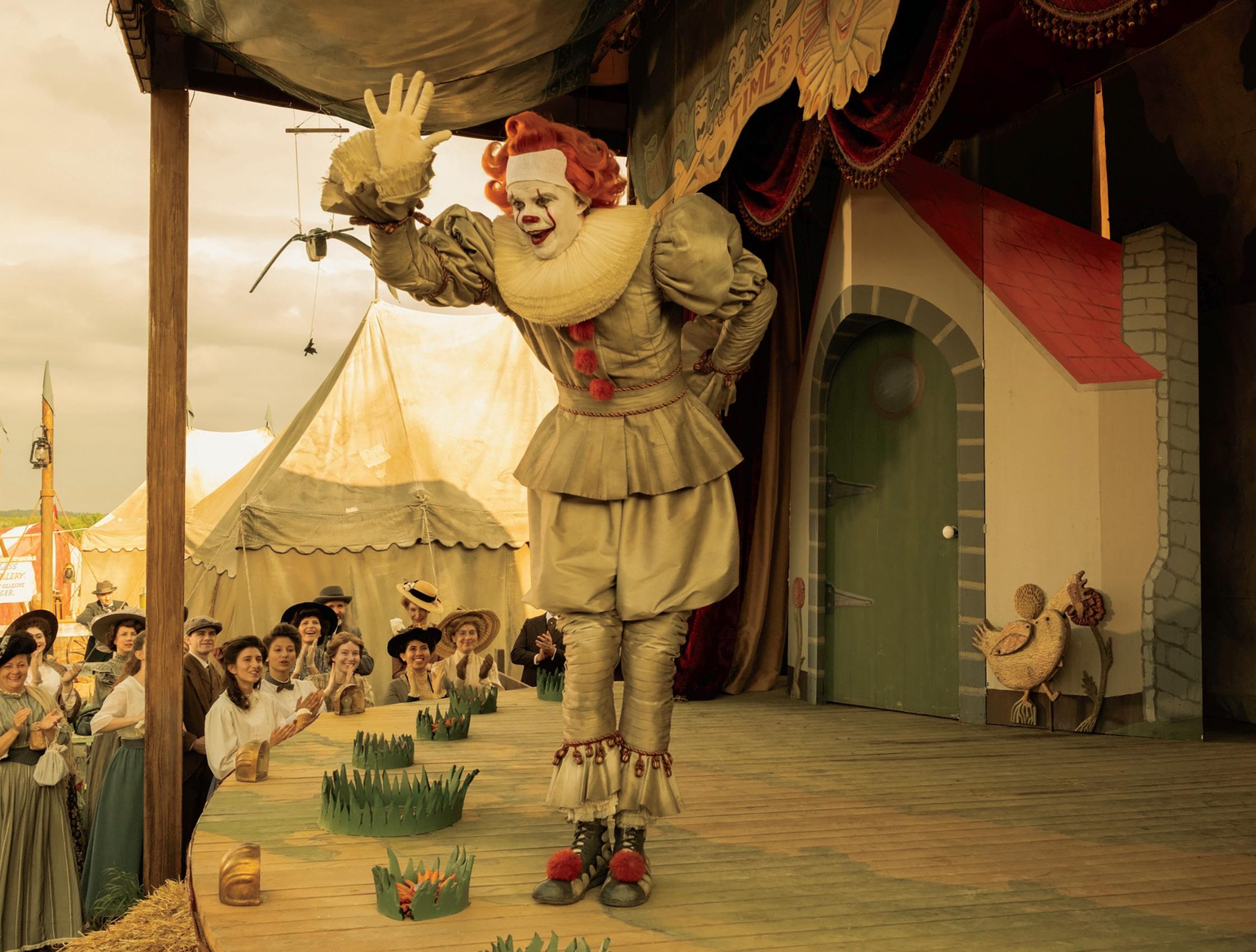
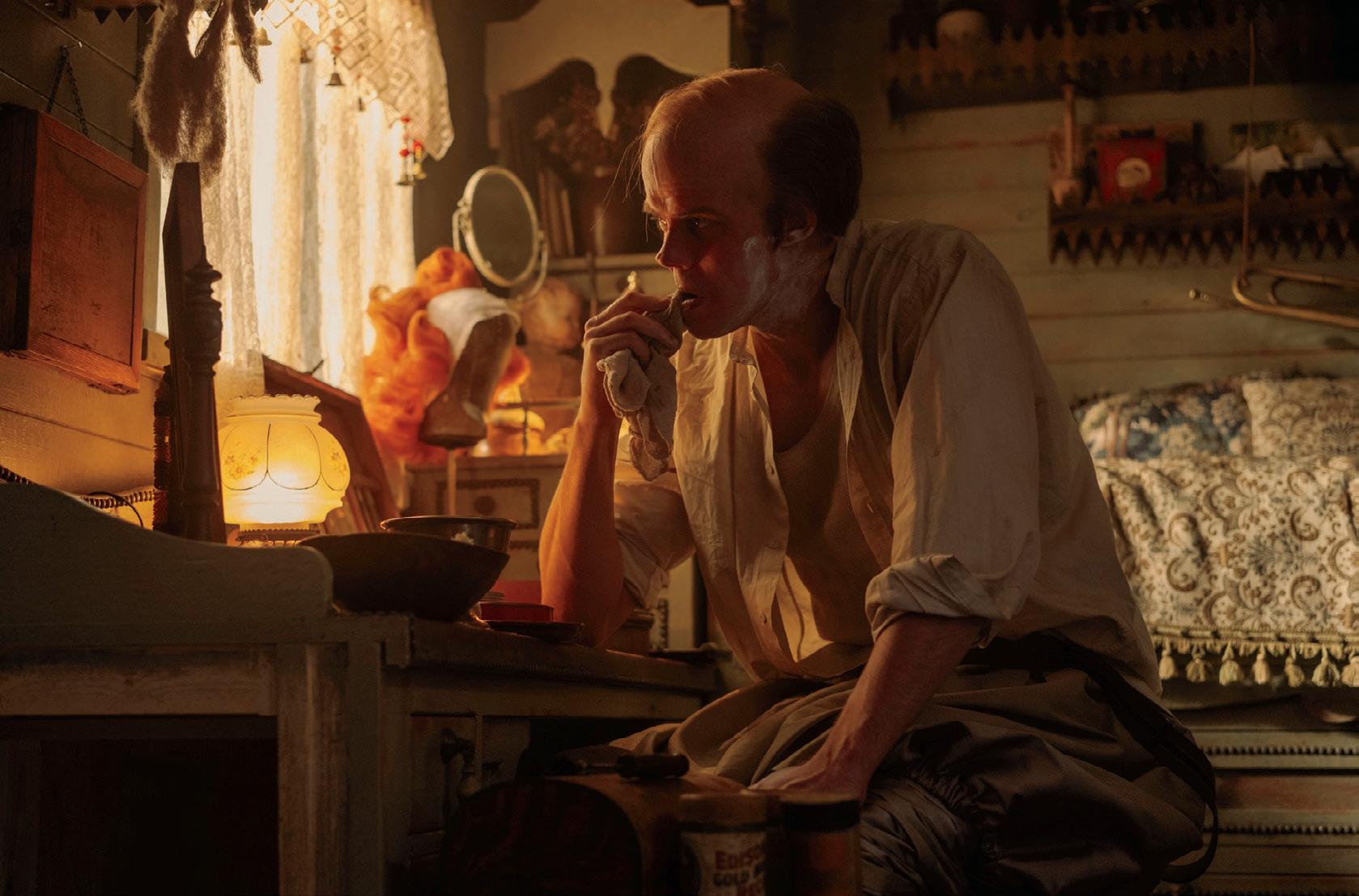
How IT: Welcome to Derry production designer Paul Austerberry crafted Episode 7 to showcase Pennywise’s seemingly unassuming but secretly dark world stage
BY DESTINY JACKSON
“It was really exciting to do the origin story of Pennywise. It’s one of the most important sets of the whole show because we wanted to know why the kids love the clown. We’ve seen two films, and by this point, six episodes, wondering. And now, we know the answer. He’s a pied piper. It was so fun to do.”
PAUL AUSTERBERRY
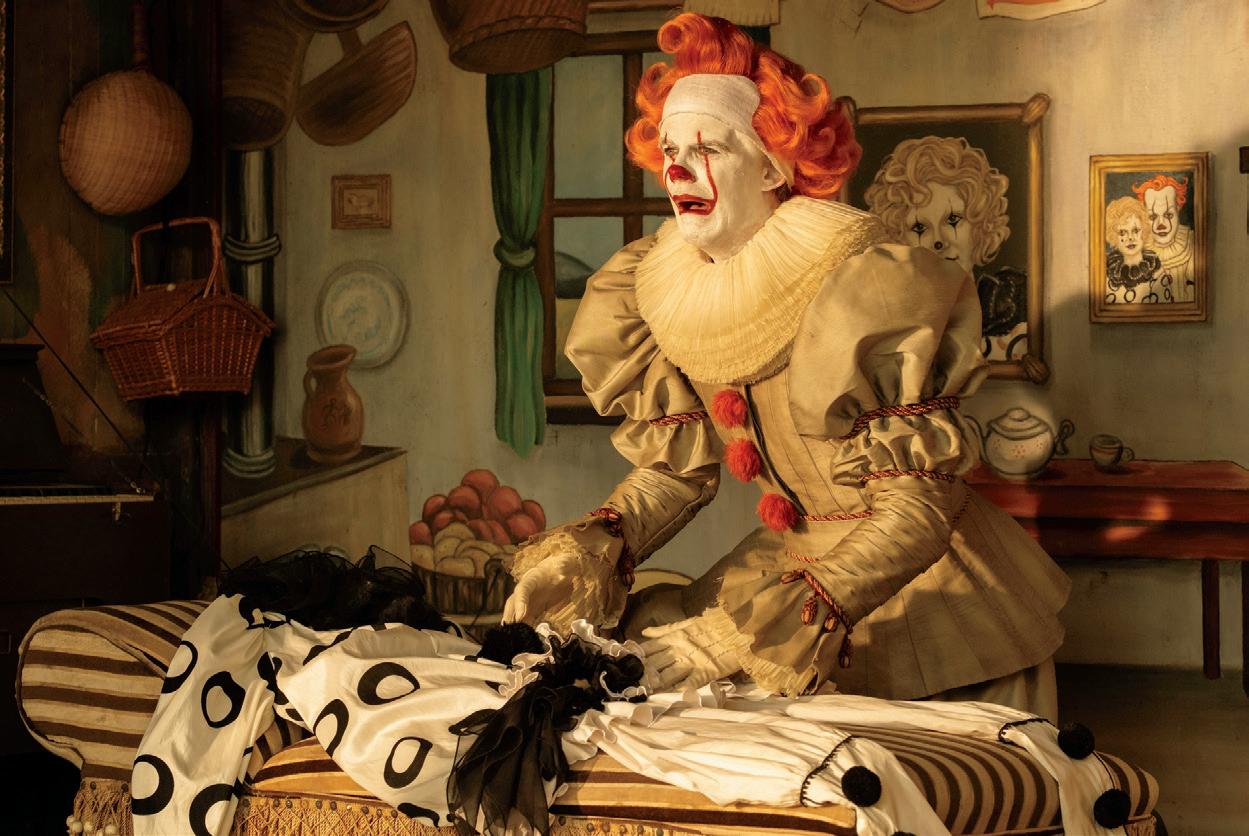
Despite It being adapted for the screen three times, first in the 1990 TV mini-series starring Tim Curry, and then across 2017’s It and 2019’s It Chapter Two, also directed by IT: Welcome to Derry creator Andy Muschietti, we’ve never seen the origins of the entity nor the full story behind Bob Gray, whose clown alter ego is Pennywise, the body that It inhabits. To understand why It thrives in Pennywise’s form, the production team wanted to showcase why kids are drawn to him—which ultimately secures the steady supply that fuels a murderous habit.
“We wanted to see Bob Gray’s house and show [he was an ordinary man with an ordinary life struck by tragedy]. Onstage he goes through the countryside to pick flowers for his wife Periwinkle’s grave. But there’s some humor here. Every time he tries to pick a flower, it mysteriously disappears. We learn there are little gophers, rabbits and chickens under the stage pulling things through tunnels, thwarting his efforts for a laugh. Everything was done in a crude way using old theatrical techniques. For the animals and their little legs, there was a small motor, ropes and rubber bands attached together and pulled by someone under the stage in a simplistic way for this set piece.”
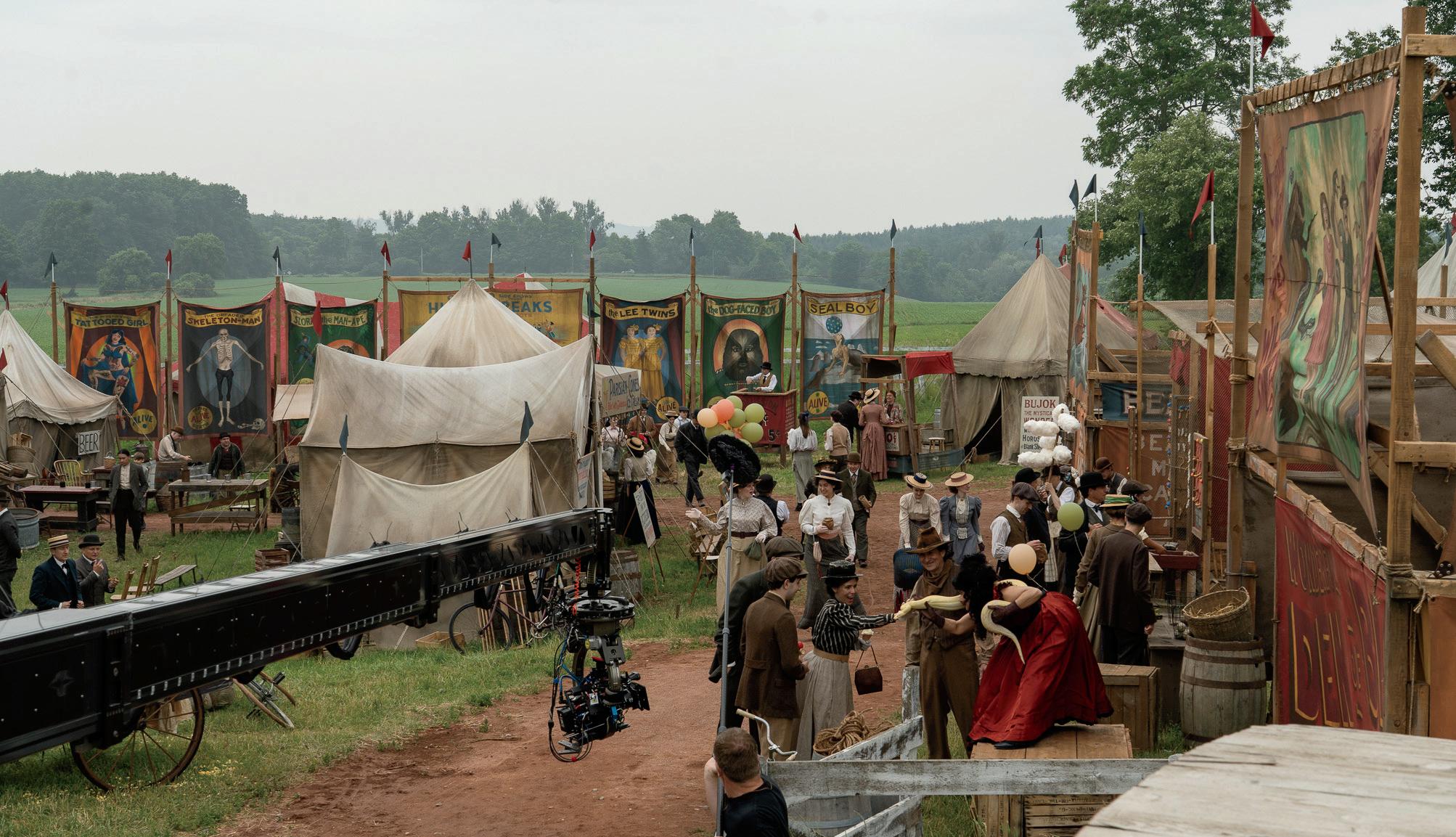
1 Bill Skarsgård as Pennywise/Bob Gray in IT: Welcome to Derry. 2 Skarsgård in IT: Welcome to Derry.
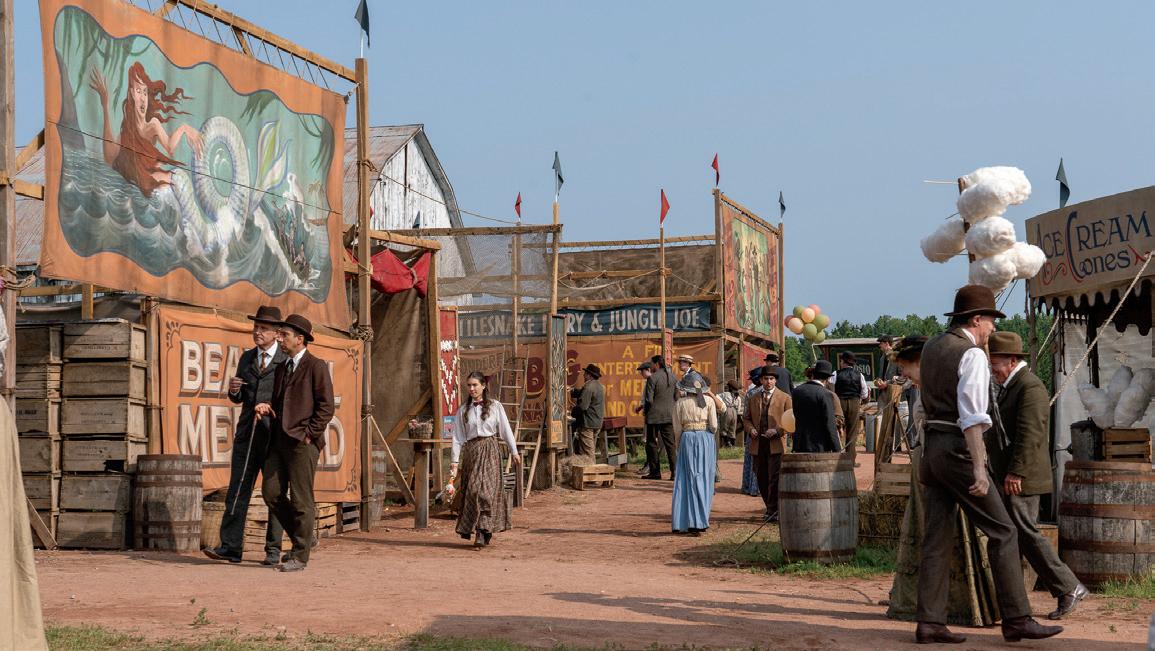
3 The old-time circus set 4 Another view of the old-time circus grounds 5 Emma Leigh-Cullum as young Perwinkle with Skarsgård. 6 Skarsgård as Bob Gray getting into his Pennywise character.
To make the old-timey circus vibes pop on screen, Austerberry and his team went authentically retro. While filming in Ontario, Canada, they built within the confines of an old Victorian farm for more scope and texture.
“The great thing about this kind of circus is that there’s a lot of book references out there. We had some graphic design done on the computer and then [the team] hand painted all these things you see. Everything was hand painted on a new canvas made to look like an old canvas with leather corners.”
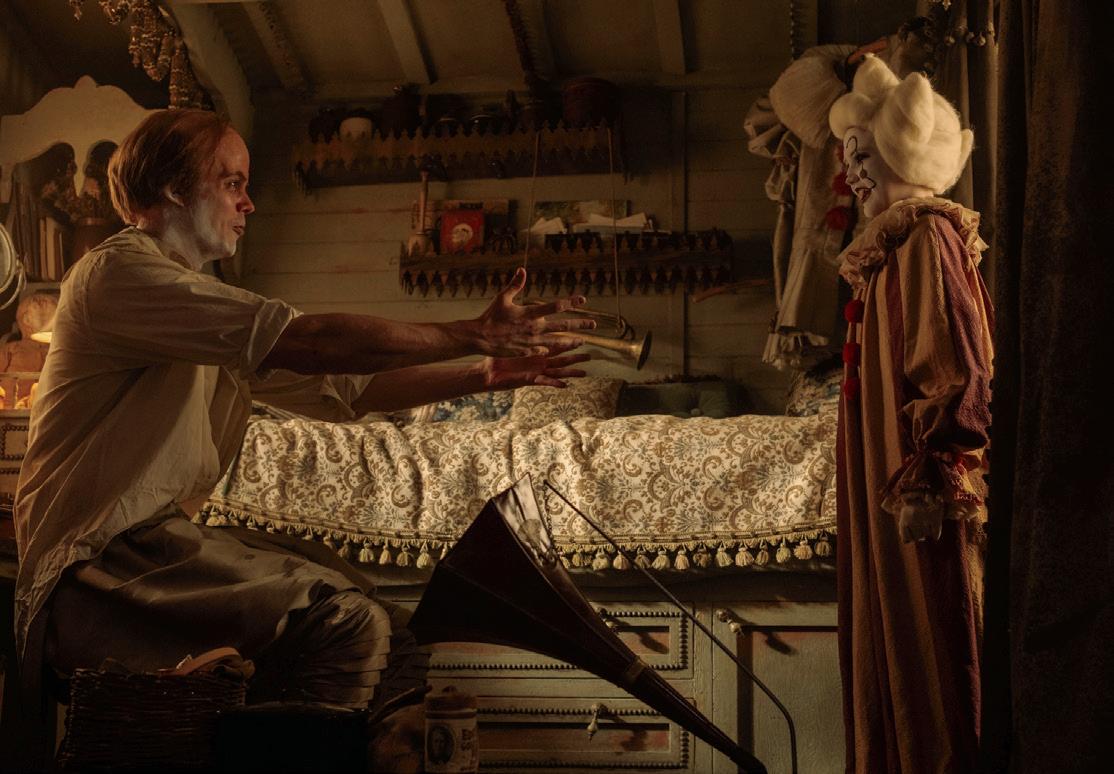
“The trumpet in the background, funnily enough, was used by Andy. He used it every single time he got his final take that he was happy with.”
PAUL AUSTERBERRY
“It was primarily functional. We had a ticket booth and plenty of circus games that we designed and sewed elements together for just so they could be [interacted with]. There’s a lot of small details that worked with the lore of It behind the scenes. It was important for all the people working on this set to get into the atmosphere. Designing this as realistically as possible gave everyone some impetus to push forward and do their best work and be part of the storytelling.”
“Because we had the same decorating team from the film and on the TV series, we were able to, through photos and memory, pull up a lot of stuff or remake some of the things we couldn’t find anymore. The wagon itself was really the only thing we saw from the original Pennywise in the film. We didn’t see anything else. There was just a close-up of him putting his makeup on. For the show, all the rest of this freakshow and carnival is new.”
In addition to Austerberry, much of the production and design teams worked on It Chapter Two, which features a brief encounter with Bob Gray. When it came time to film the eightepisode series, the team worked together to expand his life as carnival barker through a wagon he uses as his living quarters.
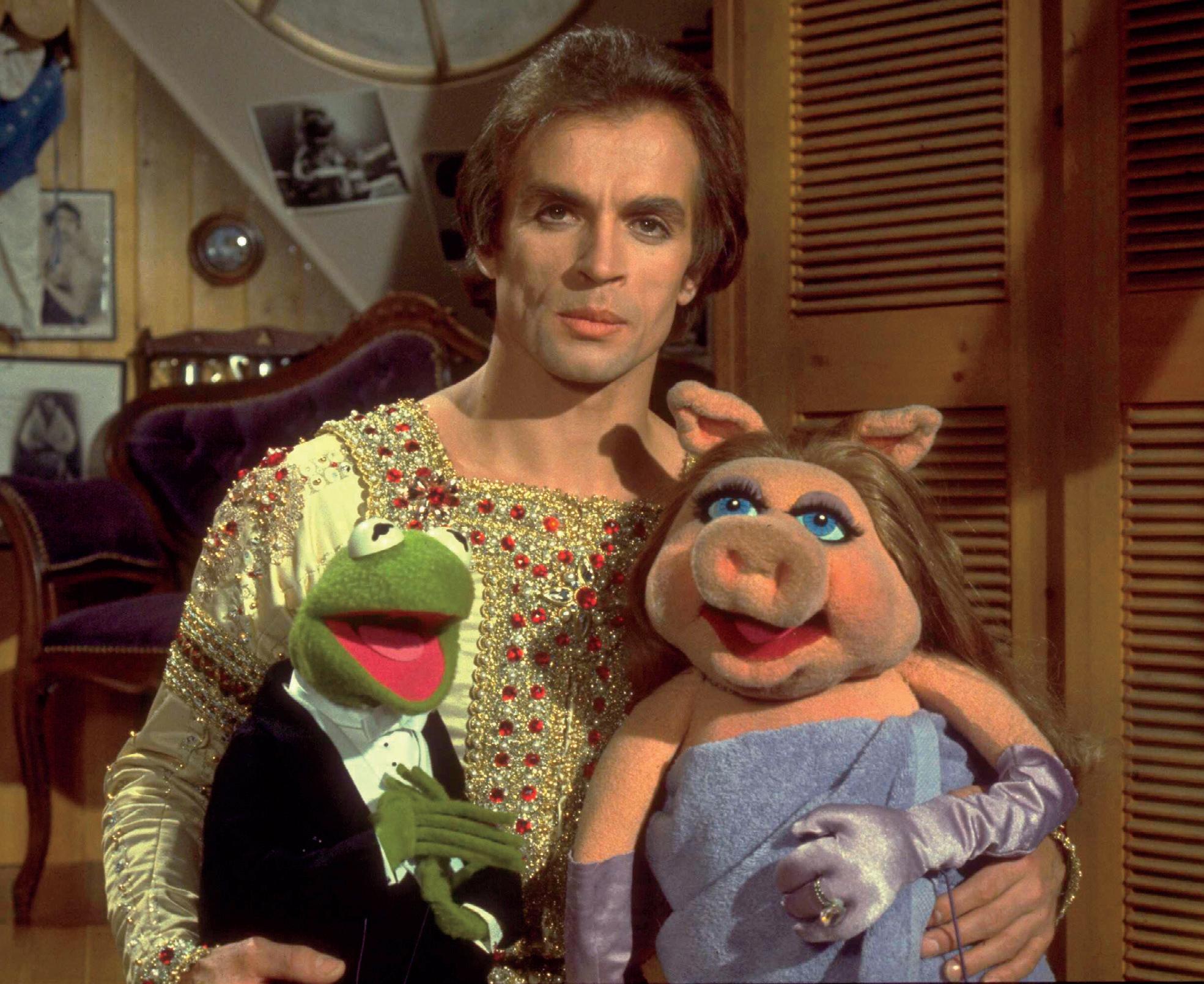
The original incarnation of The Muppet Show lasted five seasons and 120 episodes, from 1976 to 1981, and in that time some of the biggest names in showbusiness lined up to take the stage alongside Kermit the Frog, Miss Piggy and Fozzie Bear. A notable exception was the late Elizabeth Taylor, who, perhaps realizing her mistake, provided her recipe for “Spicy Chicken”, to sit alongside John Travolta’s “Lobster with Three Sauces”, Ivana Trump’s “Beef Goulash”, General “Stormin’” Norman Schwarzkopf’s “Sour Cream Peach Pie” and Yo-Yo Ma’s “Barbecued Spare Ribs with Beer and Honey” in the 1996 cookbook, In the Kitchen with Miss Piggy
At its height, Jim Henson’s series earned 21 Emmy nominations and 4 wins between 1977 and 1981 alone, and spawned eight theatrically-released movies. This year, The Muppet Show turned 50, with a one-off special guest-starring Sabrina Carpenter, Maya Rudolph and Seth Rogen, and, to celebrate this milestone, we take a look back at some of the stars who trod the boards of The Benny Vandergast Memorial Theater with Kermit and co…
1
Rudolf Nureyev (1977)
Expectations were so high for the arrival of the world’s greatest ballet dancer that Sam the Eagle wore a tux for the occasion. Nureyev performed three musical numbers, including a pas de deux with a human-sized Miss Piggy, played by Graham Fletcher of The Royal Ballet (Wayne Sleep was not available). In the show, Kermit explains that this is an excerpt from Swine Lake, in which a beautiful princess has been turned into a pig by an evil magician. Sam later apologizes for all the indignities the Muppets have made the great artist suffer, but Nureyev won’t hear it. “I wanted to do them,” he replies. “And it was fun!”
2
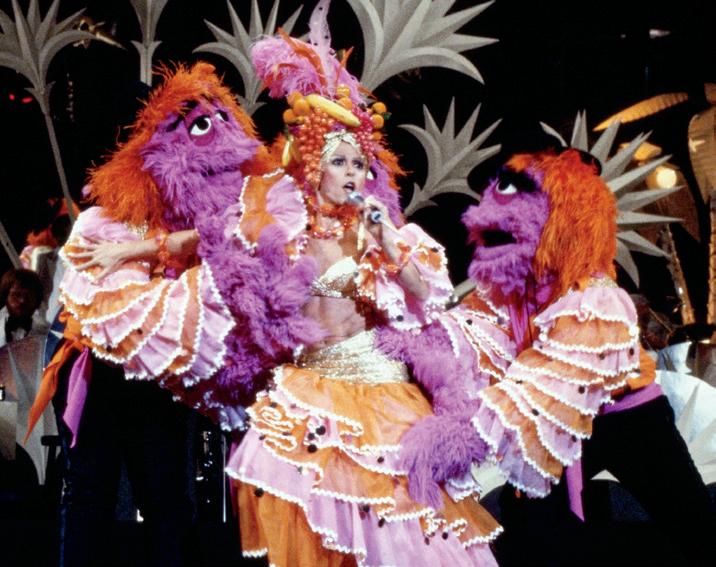
Rita Moreno (1976)
Rita Moreno’s performance of the song “Fever”, made famous by Peggy Lee, remains a classic piece of Muppet comedy. Backed by Floyd Pepper on bass and Animal on drums, Moreno oozes sex appeal in
It’s
Time To Play The Music!
As The Muppet Show turns 50, it really makes us happy to introduce to you the series’ 10 most glorious guest stars
BY DAMON WISE
a slinky red dress. Her sultry, finger-clicking turn is upstaged at every turn, however, by the increasingly out-of-control drummer, who she finally squashes between two cymbals. “I got my first Emmy for it, but it didn’t show in my career,” Moreno said later.
“You know, once you have a Latino name, you’re sort of fucked. But Frank [Oz] and Jim [Henson] loved it. They felt I was a Muppetess.”
3
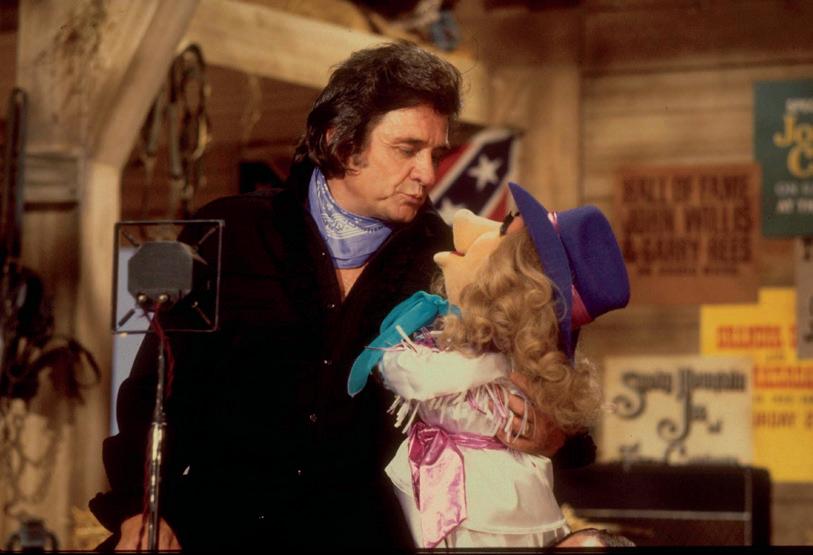
Johnny Cash (1980)
The Muppets faced a hostile takeover with the arrival of country legend
Johnny Cash; the show is set to be a co-production with country radio station WHOG, but Kermit finds himself in the firing line from the radio show’s host Big Tiny Tallsaddle. Big Tiny plans to replace all the Muppets with his own cronies, bringing in comedian Wally Whoopie behind Fozzie Bear’s back. Cash sings several songs, including “Ghost Riders in the Sky” and, as part of a medley with Miss Piggy, “Jackson”, one of the few times he did it with anyone other than his wife June Carter Cash.
4
Gene Kelly (1980)
Looking good at 68, Gene Kelly arrives at the Muppet theater expecting to attend the show as a guest, and for a time simply watches from the wings. When Miss
Jim Henson's series earned 21 Emmy nominations and spawned eight theatrically-released movies.
Piggy points out that he hasn’t actually done anything, Kelly serenades her with “You Wonderful You”, but has to pivot to Gonzo when she is called off to appear in “Pigs In Space”. Kermit’s attempts to have Kelly perform “Singin’ in the Rain” fall on deaf ears, until the poignant finale, in which Rowlf plays the opening bars over and over again and Kelly wistfully croons a few bars before heading out into the street, brolly in hand.
5
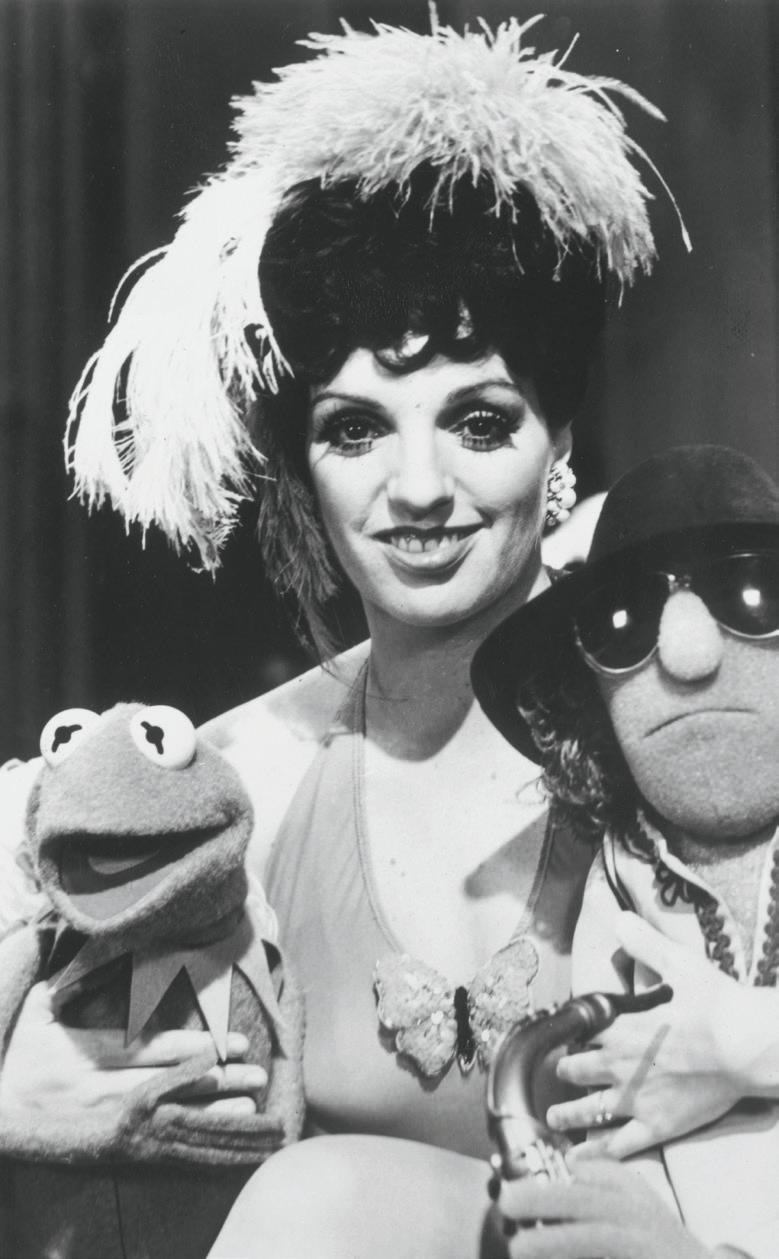
Liza Minnelli (1979)
Featuring guest star Liza Minnelli as a film noir-style actress whose show is being plagued by a series of murders and Kermit as a Bogart-like ’40s gumshoe, this episode won a special Raven Award from The Mystery Writers of America. Beating the famous Moonlighting episode “The Dream Sequence Always Rings Twice” by six years, it plays like a meta-version of The Muppet Show itself, featuring a dance routine in heaven (with The Great Gonzo as the angel Gabriel), Minnelli singing a version of Copacabana in character, and the killers finally being unmasked as the grumpy Statler and Waldorf.
6
Liberace (1978)
Władziu Valentino Liberace gave his usual all to the Muppets, but after a brief intro in which the flamboyant musician is given a Muppet piano as a pet, he kept his powder dry for the first half of the show, giving the spotlight to Miss Piggy, smashing plates in a raucous version of “Never on a Sunday”. The second half sees him play a mini-concert especially for birds, with Liberace performing everything from “Chopsticks”, Liszt and Chopin and “shameless boogie-woogie” in a rhinestone-studded tuxedo. The show ends with Liberace hiring The Great Gonzo’s chicken act to be part of his Las Vegas set.
7
Glenda Jackson (1980)
A classically-trained actress in her early years and a Labour MP for the last 20-odd years of her life, Glenda Jackson was
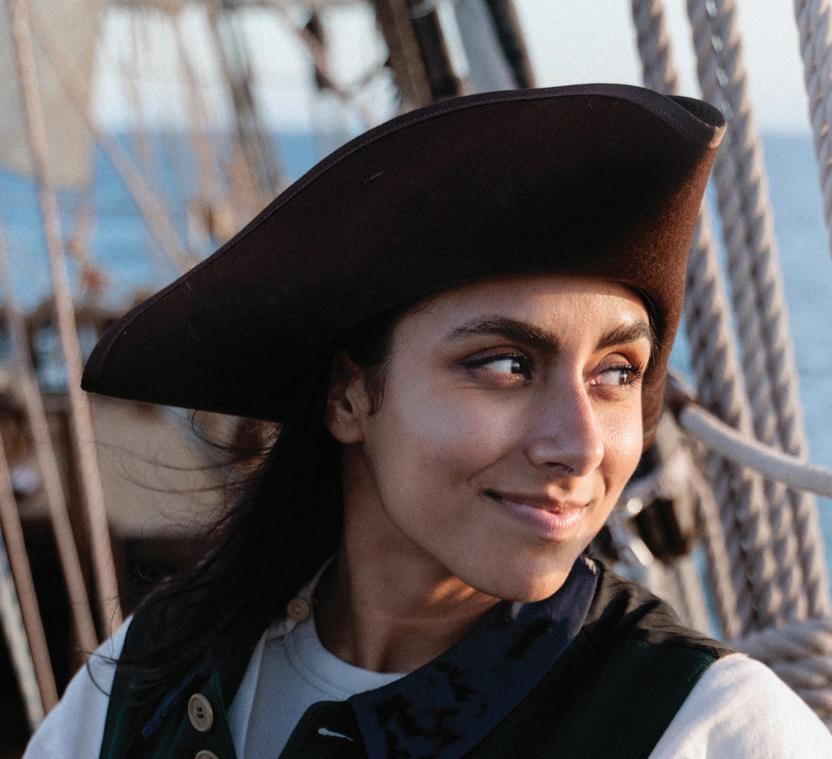
nevertheless a dream guest for The Muppet Show, telling the writers, “You people know what you’re up to. I’ll do anything you write for me.” This they duly did, writing a storyline in which the guest star turns out to be the infamous pirate captain Black Jackson, with a fake penguin that turns out to be an evil pirate parrot. Miss Piggy is captured and sentenced to walk the plank as Black Jackson turns the Muppet theater into a pirate ship and sets sail to look for buried treasure.
8
Alice Cooper (1978)
Alice Cooper had already appeared on Hollywood Squares and The Snoop Sisters when the Muppets came calling and was more than ready for it. Introduced by Kermit the Frog as “one of the world’s most talented and frightening performers”, Cooper plays himself with a twist: as well as a well-known rock singer, belting out the hits “Welcome to My Nightmare” and “School’s Out”, Cooper is also a sulphurous agent, working on behalf of a client who can offer “fabulous riches and worldwide fame” in exchange for a person’s soul—a Faustian deal that very nearly seduces Miss Piggy, who drops out at the eleventh hour.
9
Vincent Price (1977)
Filmed just before Halloween and inexplicably not aired until the new year, this horror-themed episode saw a riot of three-headed monsters, demons and ghosts in aid of special guest Vincent Price, deemed by Statler and Waldorf to be the scariest actor since Thudge McGerk. See-through specters haunt the backstage area of the Muppet theater, a Muppet News report warns of man-eating furniture, and Kermit turns the tables on Price during a long talk about acting by sprouting fangs and biting the horror icon’s neck.
10
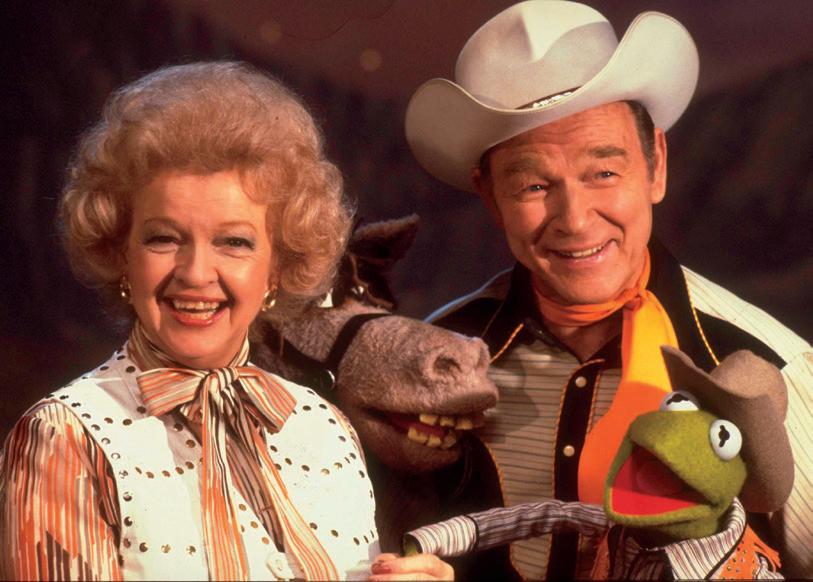
Roy Rogers and Dale Evans (1979)
The husband-and-wife duo known as the “King of the Cowboys” and the “Queen of the West” had been a wholesome staple of American TV since The Roy Rogers Show first aired in 1951. To make them feel at home, the show has a country makeover, with cows, horseshoe-pitching, and a medley of Western songs including “Tumbling Tumbleweeds” and “Happy Trails”. Mysteriously, Miss Piggy is nowhere to be seen, but Kermit takes center stage in her absence and even throws in a reference to his own budding movie career after Rogers claims to have made 189 films: “Wow! You know, I’ve only made one. 188 to go…” ★
Clockwise from left: Rudolf Nureyev; Johnny Cash; Dale Evans and Roy Rogers; Liza Minnelli; Rita Moreno.
Trigger Happy TV
After his original cast shot their way to stardom, Euphoria creator Sam Levinson injected some new blood into the final season
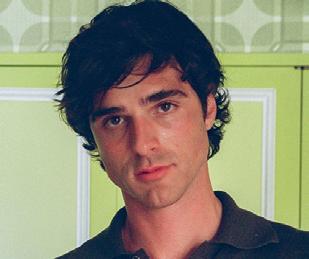
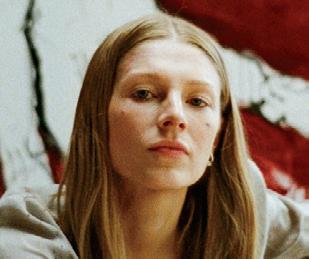
When Euphoria premiered in 2019, Zendaya was still a burgeoning Disney Channel star; Sydney Sweeney was still searching for her stepping stone from guest and recurring actor to leading lady; Jacob Elordi was known as the heartthrob from The Kissing Booth; Hunter Schafer had never acted professionally; Alexa Demie was flying under the radar on the indie film circuit, and Maude Apatow was a theater student whose most well-known roles were as a child actor in her father’s films.
Seven years later, they returned to the third and final season this spring as bonafide superstars. And that’s just the lead cast.
The first two seasons also raked in a total of 25 Emmy nominations and nine wins, including Zendaya’s back-to-back trophies for her performance as drug addict Rue Bennett and a
guest actor victory for Colman Domingo as her sponsor Ali.
Needless to say, creator Sam Levinson is not surprised to see his original cast doing so well. In fact, their mega-star status has only confirmed what he and casting director Mary Vernieu first saw in them.
“Zendaya, she’s always had a charm, a vulnerability and an incredible sense of physical comedy and timing,” Levinson says. “She’s extremely gifted with dramatic weight, so she can play to that, but she also has a charm that’s almost from another era. She’s got a bit of a Cary Grant-esque charm, something that takes it to another level.”
Of Domingo, he adds, “I’ve known him for a very long time. I wrote the character for him.”
He has similar notes on all of his original cast members. He points out Schafer’s “inher-
ent mischievousness,” and compares Demie to Ava Gardner. He cast Apatow because “there’s something very human about her,” and Elordi has always fascinated him because of the “different notes that he can play simultaneously.” He’s loved working with Sweeney since the beginning because she’s “totally fearless.”
“I wish there was a true method to it, but a lot of it’s instinctual,” Levinson says. “It’s about who feels right and then surrounding them with other actors that you know, or that you hope, will sort of spark a chemistry.”
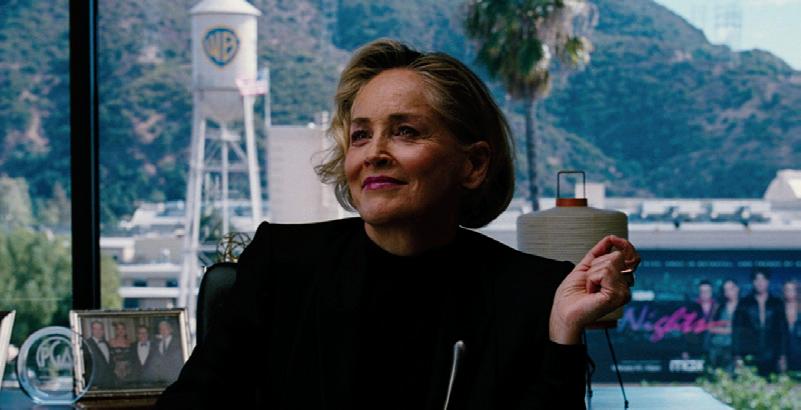
Given that the show’s reputation now precedes it, there’s no surprise that Season 3 attracted names like Sharon Stone, Natasha Lyonne and Danielle Deadwyler. But, if there was ever an urge to stack the third season with A-listers, Levinson and team resisted it in favor of maintaining the core DNA of the show—that “magic” Levinson says he feels but can’t quite describe when he’s landed on the perfect combination of wisdom and naivete on set.
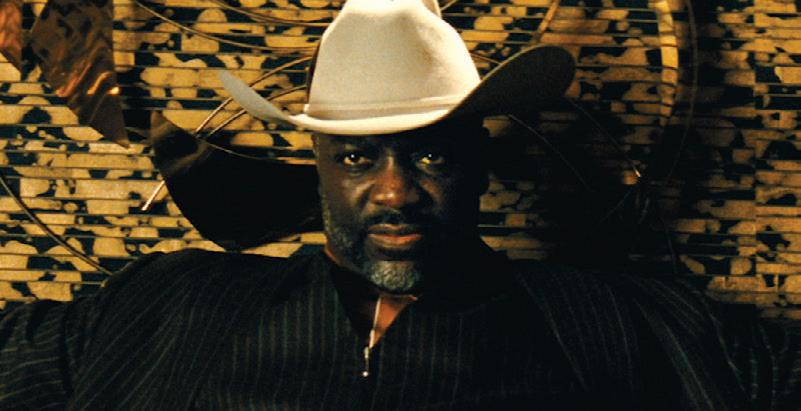
Lost ’s Adewale Akinnuoye-Agbaje plays the season’s big bad Alamo Brown. A seasoned actor with decades of professional acting experience, Vernieu knew he had “acting chops beyond” what was needed to take on the role of the ruthless, trigger-happy drug kingpin and strip club proprietor who ensnares Rue this season. Rue isn’t the only one that Alamo is playing a game of cat and mouse with. As the stories converge over the course of the season, Demie’s Maddy Perez and Sweeney’s Cassie Howard also become wrapped up in his underworld. But, while it takes viewers most of the season to truly understand that character, Akinnuoye-Agbaje needed to have a sapience about him from the first scene.
He describes a deep understanding of the character from the moment he read the scripts, saying “there wasn’t much dialogue” about where to take him. “We spoke about Sam’s vision and his inspirations—the Western iconography, and some of the characters who he felt Alamo Brown was based on, Jim Brown, Eli Wallach, Woody Strode, characters like that. He wanted a character that was larger than
Zendaya in the new season of Euphoria.
BY KATIE CAMPIONE
Sydney Sweeney Jacob Elodi Hunter Schafer Rosalía Anna Van Patten Asante Blackk Marshawn Lynch
life but grounded in reality. So we talked about that initially, but the actual process itself was seemingly wordless.”
Once they’d settled on their lead cowboy, they turned to the other actors who had tested for the role to find the rest of the crew. The Wire’s Darrell Britt-Gibson and When They See Us and This Is Us actor Asante Blackk are among those who were chosen from that pool.
Britt-Gibson gives one of Levinson’s favorite performances of the season as Alamo’s righthand man Bishop.
“He created this character that was so mysterious and unusual that I just fell in love with him as an actor,” Levinson says.
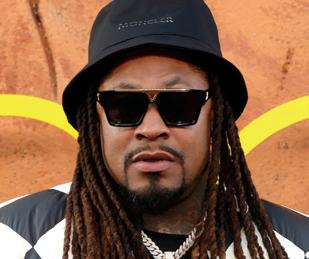
Also among those who went for Alamo and landed another role? Former NFL running back Marshawn Lynch, who adds the series to a handful of on-screen roles with his turn this season as another of Alamo’s henchmen.
“Two people like Adewale and Darrell can ground someone who’s a little fresher to the profession, like Marshawn, but Marshawn creates an electricity and unpredictability that you wouldn’t get otherwise,” Levinson says. “Darrell comes into it, and he knows, ‘OK, Alamo’s the heavyweight
here. Marshawn’s a bit of a wild card.’ And then he ends up coming up with this kind of stoic, ninja character, just as a contrast. That’s something you can’t teach.”
Britt-Gibson also petitioned for his former The Wire co-star Kwame Patterson to play Alamo Brown’s father. Musician Rosalía makes her series debut after a brief cameo in Pedro Almodóvar’s Pain and Glory. She stars alongside up-and-comer Anna Van Patten as two of the strippers at Alamo’s signature club, The Silver Slipper. The season also brings back comedian Martha Kelly as the stoic drug dealer Laurie and Chloe Cherry.
No doubt, the casting is all over the map. Levinson views it as maintaining the philosophy he’s used since day one. Simply put: Everyone brings something to the table that the other cannot.
“We talk to [Levinson] about what his vision is… and see who can bring it to life in the way that he actually sees,” Vernieu says.
That said, “everybody had to be able to rise and match the talents and the acting chops of the people that were already there,” Vernieu adds. “It was quite a high bar.” ★
Knight Moves
Why Owen Harris wanted viewers to feel “the weight and pain” of his battle scene
For an episode built around a massive Trial of Seven, the creative team behind A Knight of the Seven Kingdoms was focused on something much smaller: one man's perspective.
Episode 5, titled “In the Name of the Mother”, puts Ser Duncan the Tall (Peter Claffey) through the fight of his life. But according to director Owen Harris, the goal was never to create a flashy battle sequence. “We wanted it to feel like you're in there with him and feel the weight and pain of it, as if you were really fighting for your own life,” Harris
says. “Dunk's just a guy who's trying to do right for himself, and that’s it.”
That philosophy guided everything from the camera work to the muddy battlefield itself. Filmed on location in Glenarm, outside Belfast, the production embraced the rural elements. “It was a tiring shoot, but worth it,” Harris shares, recalling a set where “everything got muddy, literally crew, us, me, equipment, everything.”
For showrunner Ira Parker, the challenge was ensuring the action served the story. “Really, this story is about Dunk’s fighting endurance,” Parker says. “It’s about his ability to keep getting up and putting one foot in front of the other.”
Claffey found showcasing that emotional turmoil was harder than any stunt. “The stunt stuff was fine, I wasn't worried about it,” Claffey says. “It was [tricky] portraying the desperate exhaustion and hurt. That’s what I remember most about filming that.”
The result is a battle that feels less like a fantasy spectacle and more like a survival story. As Parker put it, Dunk succeeds not because he's the best fighter in the field, but because he keeps moving forward. Claffey adds: “It’s exhausting to try and pretend to be that exhausted. It's ironic that it makes you so tired, but it was worth it in the end, massively.”
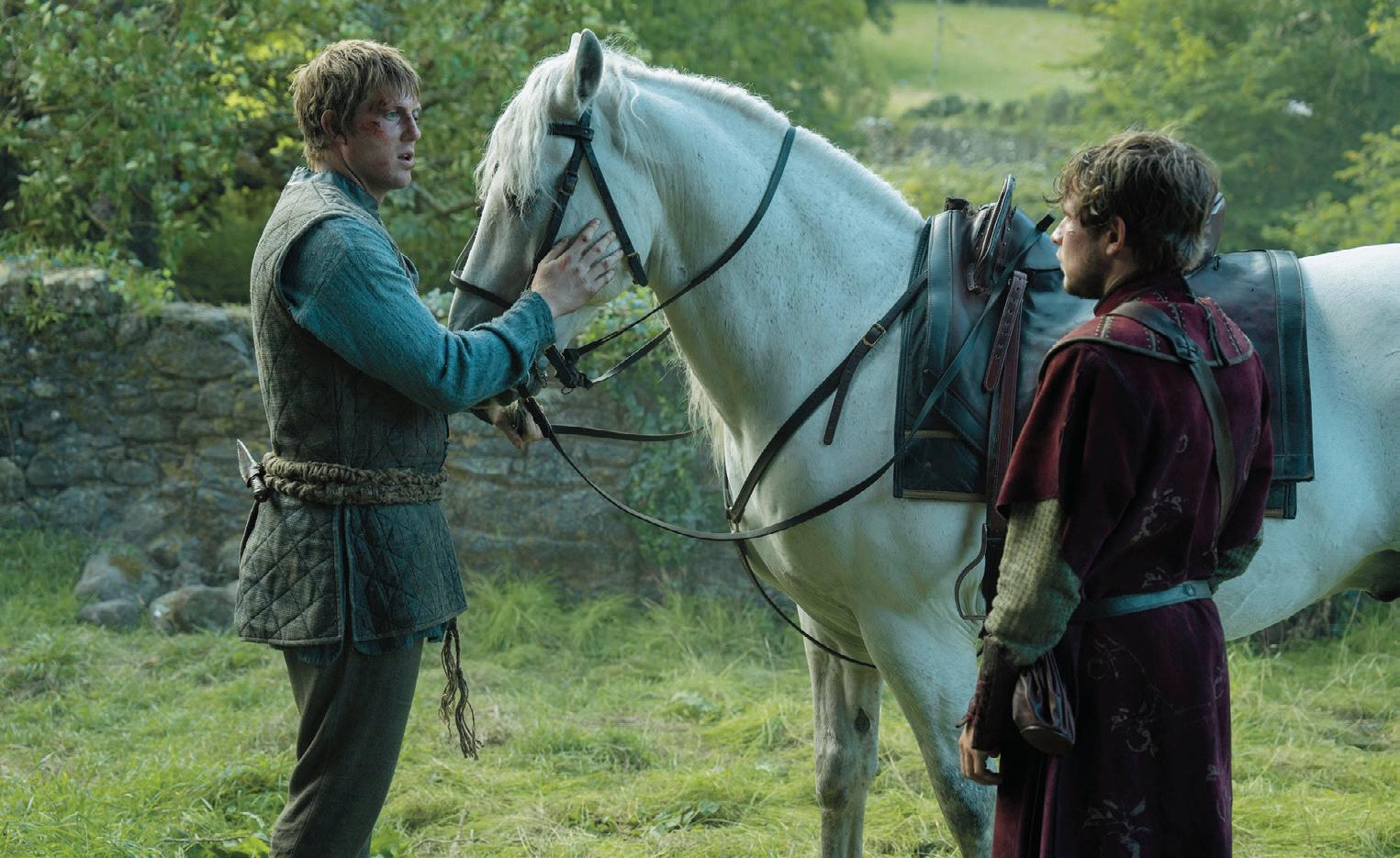
From left: Peter Claffey and Shaun Thomas in A Knight of the Seven Kingdoms
—DESTINY JACKSON
Owen Harris
From top: Darrell Britt-Gibson; Sharon Stone; Adewale Akinnuoye-Agbaje; Chloe Cherry.
“ HANDS DOWN, THE BEST TV SHOW OF THE YEAR.”
“A MASTERPIECE.
LEE SUNG JIN’S SERIES REMAINS AN UNTOUCHABLE FORCE.”
A Matter of Life and Death
This year's Emmy-contenders range from heart-warming bios to blood-curdling crime
BY MATT CAREY
Back in the early 1980s two talented young performers from Ontario first worked together on SCTV stars-in-the-making John Candy and Martin Short. All those years later, they’re paired together again, this time in the race for Primetime Emmy recognition.
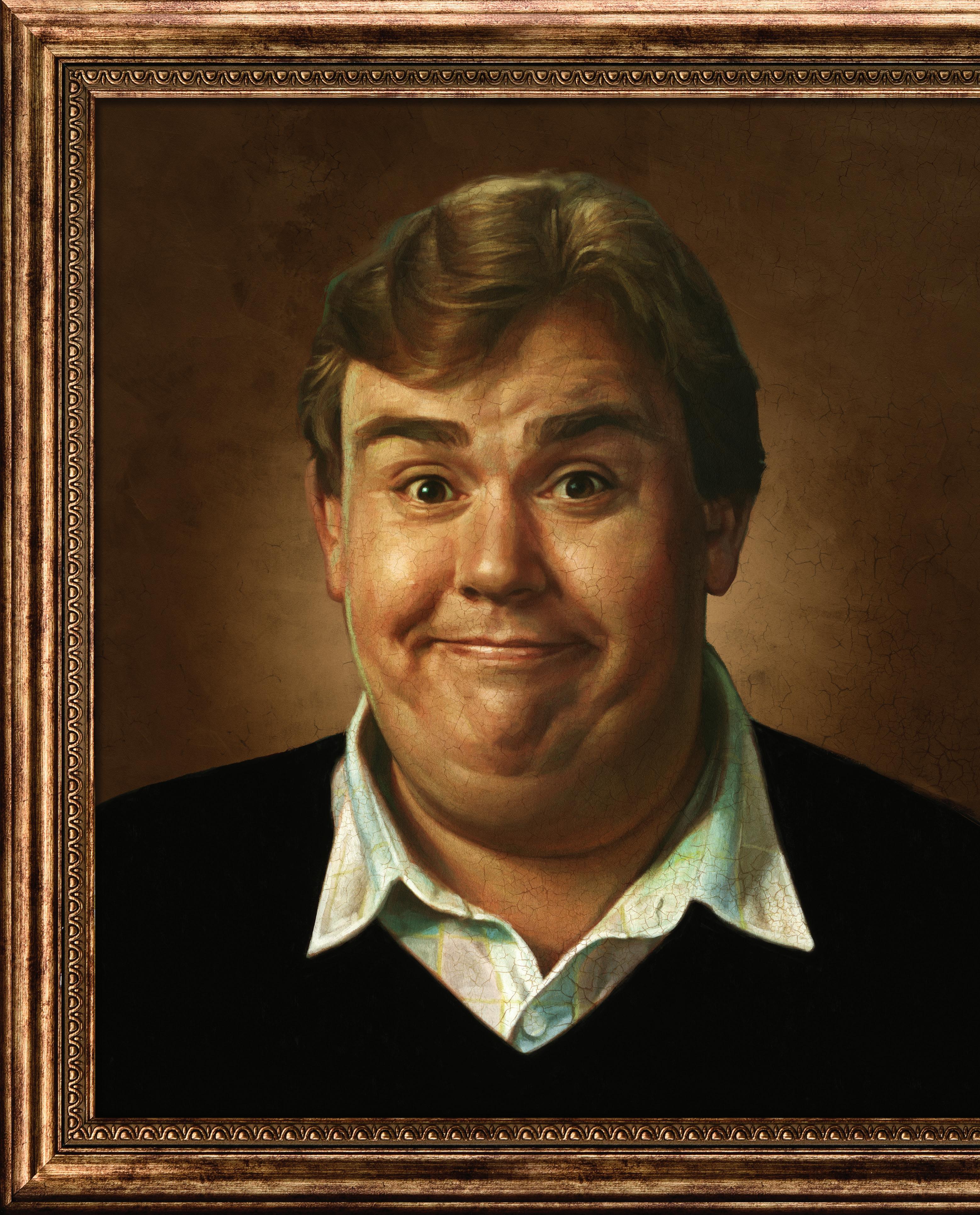
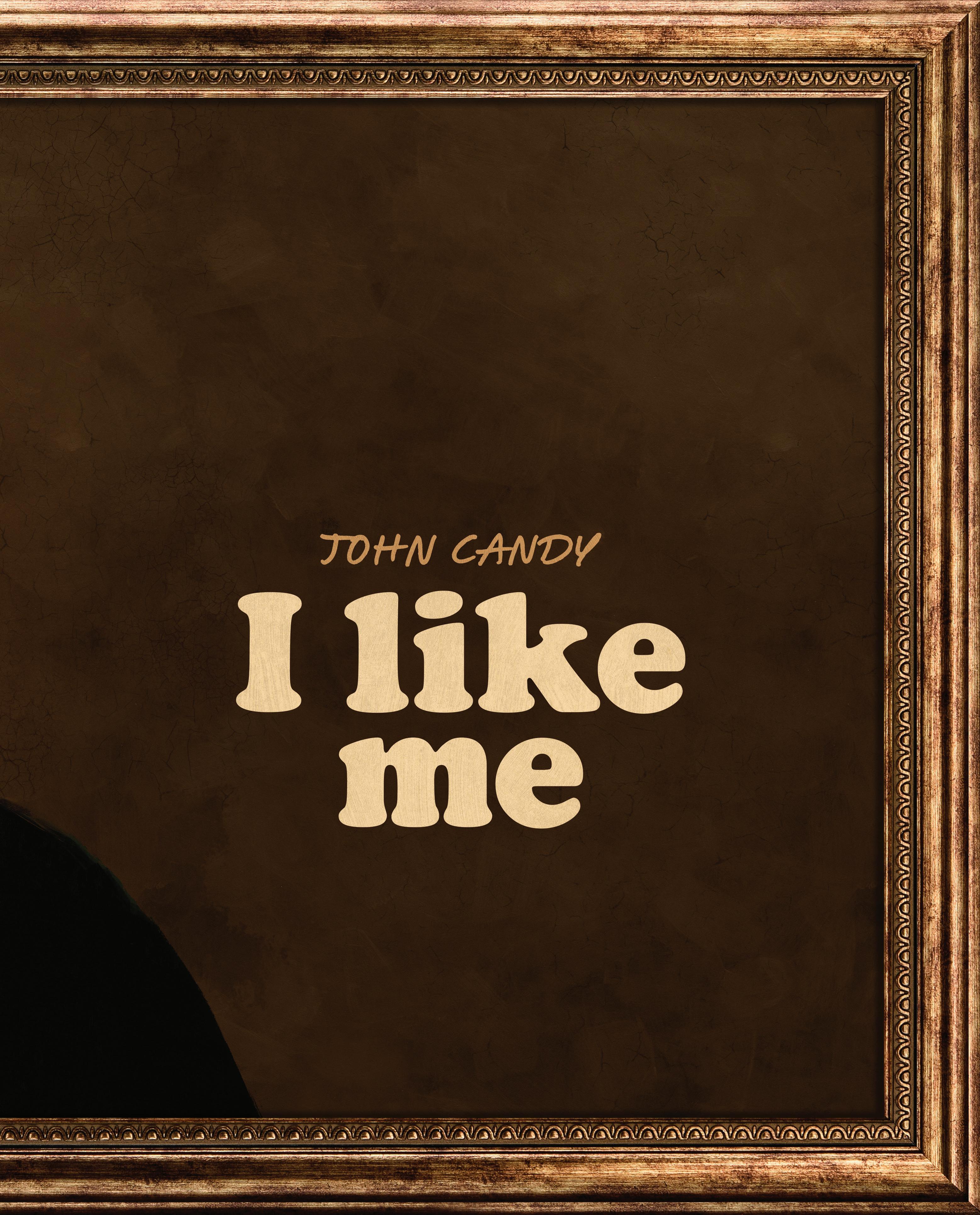
Candy and Short are the focus of separate documentary features with a major shot at nominations for Outstanding Documentary or Nonfiction Special. John Candy: I Like Me, directed by Colin Hanks, examines the comedic actor beloved for Planes, Trains & Automobiles, Uncle Buck and many other films.
“When he was up on the screen, people looked at the screen and it was like, ‘That’s us,’” Hanks says of the Candy appeal. “There was this human connection in which John was a normal human being that suffered all of the same things that we do as individuals.”
As a kid, Hanks met Candy on the set of Splash, the 1984 Ron Howard film that became a breakthrough for Colin’s father Tom Hanks and Candy. “It’s almost a great magic trick. John made everyone feel special,” Hanks recalls. “I remember the way that John made me feel. He made me feel welcome and accepted.”
Marty, Life Is Short, directed by Martin Short buddy and Oscar nominee Lawrence Kasdan, follows the life and career of an actor who, on the strength of Only
Murders in the Building, is more popular than ever.
“[Marty] hasn’t changed. That’s the amazing part. It’s like it took 50 years for people to get him,” Kasdan observes. “His audience has gotten bigger. And sometimes I think his reach has been underestimated because he stands next to the brightest media stars in the world… Over time he’s just aged so well. And I love seeing his audience expand.”
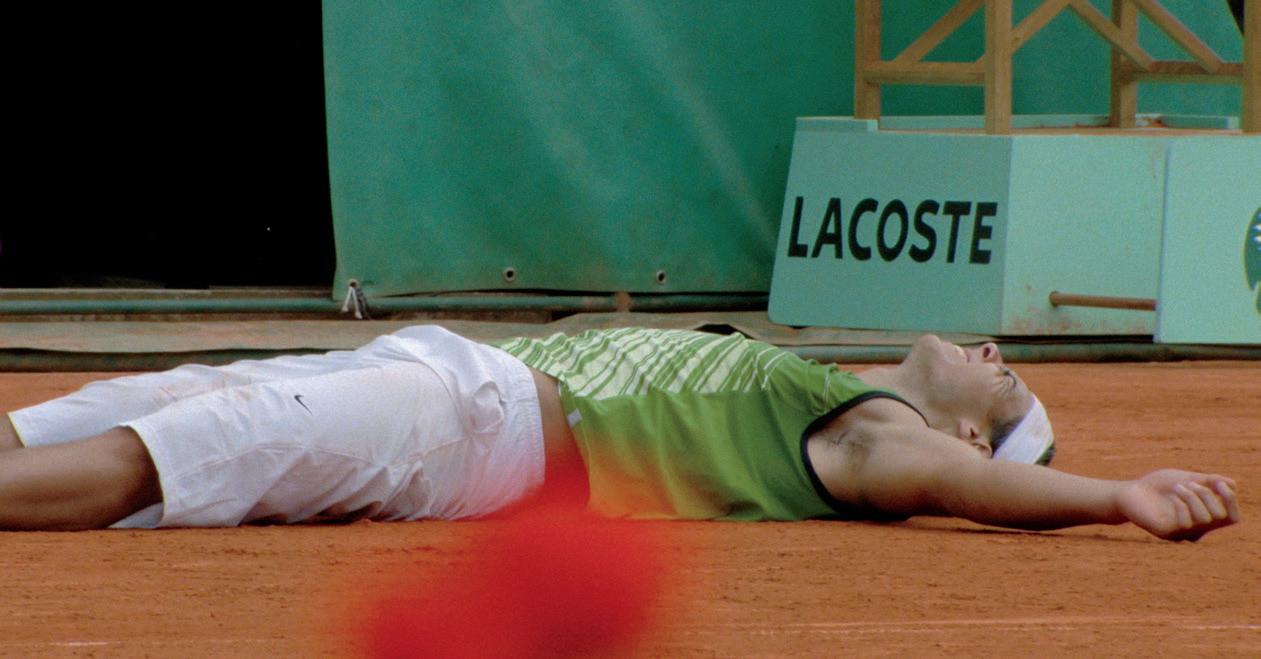
Marty, Life Is Short and Prime Video’s John Candy: I Like Me are just two of the myriad celebrity-oriented documentaries with strong Emmy potential. Along with the Short film, Netflix has Being Eddie, about Eddie Murphy; aka Charlie Sheen; Selena y Los Dinos, about the late Tejano singer and her family band, and the documentary series Rafa, about tennis sensation Rafael Nadal.
HBO Max fields the two-parter Billy Joel: And So It Goes, along with the CNN Films feature I’m Chevy Chase and You’re Not. The latter film, directed by Marina Zenovich, offers an “authorized yet unfiltered” take on the comedy star known, at least at times, for problematic behavior, probing “what is beneath the surface of his superstar bravado.”
Emmy voters, unlike their counterparts in the Motion Picture Academy’s documentary branch, don’t look skeptically at celebrity-themed documentaries. Last year, Matt Wolf’s Pee-wee as Him-
self, about the late actor Paul Reubens, won the Primetime Emmy for Outstanding Documentary or Nonfiction Special. Two years ago, Ron Howard’s Jim Henson Idea Man, about the Muppets mastermind, won five Primetime Emmys, including Outstanding Documentary or Nonfiction Special.
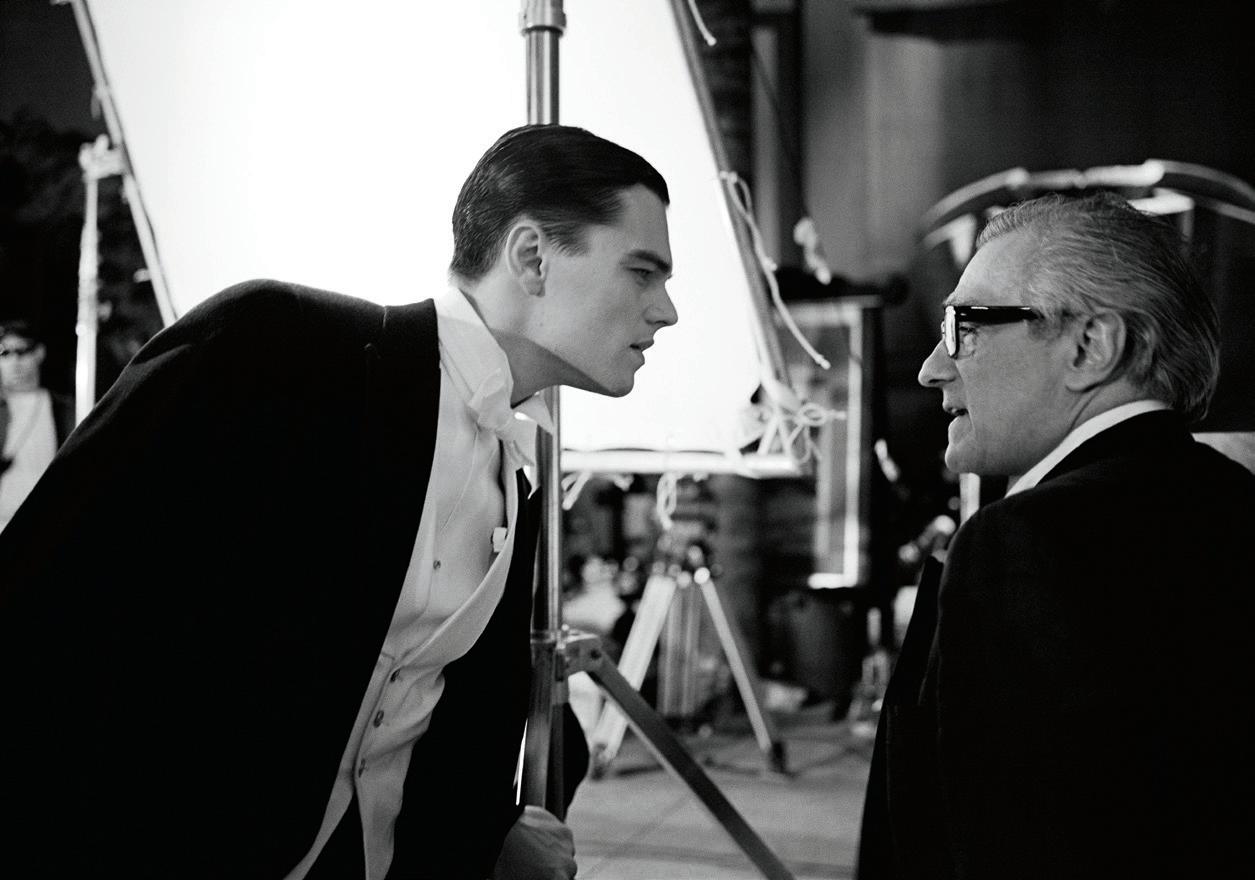
Continuing in the celebrity vein this year, Apple TV advances Stiller & Meara: Nothing Is Lost, Ben Stiller’s affectionate look at his famous parents, comedians Jerry Stiller and Anne Meara. The streamer also boasts Mr. Scorsese, directed by Rebecca Miller, a five-episode series about the Oscar-winning filmmaker. Martin Scorsese is unquestionably one of the greatest ever to go behind a camera, yet the series reveals dramatic stumbles on his route to the top.
“One of the main themes in this series is reinvention, personal reinvention. And I think anybody can actually identify with that, that sense of like you’re up and then you’re down,” Miller notes. “And in his case, he was really down. He was fired from his first feature film. He kind of got wiped out from drugs. He saved himself from that. Then there were other times in the ’80s where he was written off entirely, went to sort of what they call ‘director’s jail’ for a while. And each time he had to kind of rise from the ashes.”
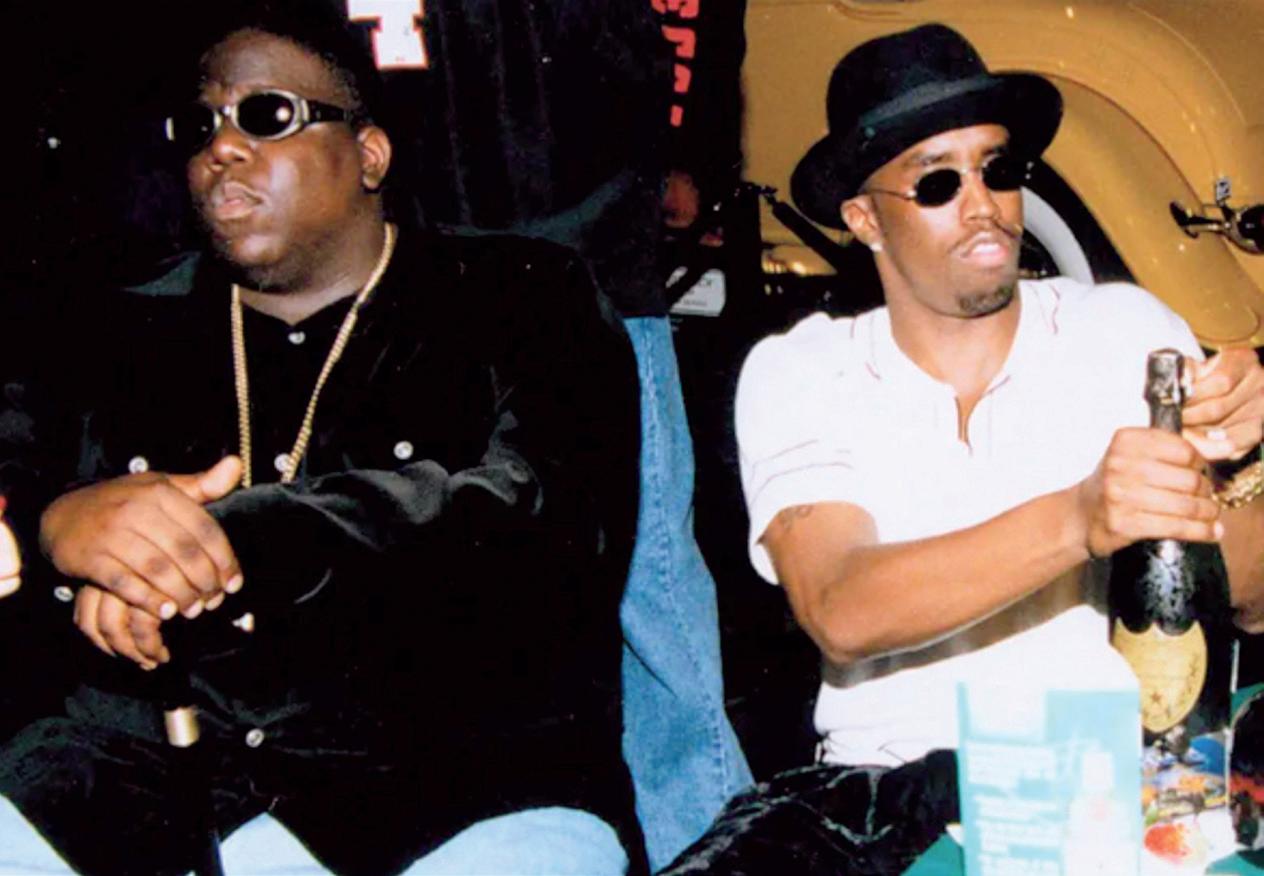
Not all the celebrity-focused docuseries in Emmy contention are flattering. Sean Combs: The Reckoning explores the pattern of behavior that ultimately led to a federal prison sentence for the titular music mogul and entrepreneur. The series streaming on Peacock is directed by Alex Stapleton and executive produced by Stapleton and Curtis “50 Cent” Jackson.
“We had a conversation about joining forces and working on this documentary together. And it was
like hours and hours of conversation that were really deep,” Stapleton remembers. “And what I appreciate about 50 is his willingness to investigate the middle and the messiness—that things are not always so black or white, so right or wrong. Where does the line of victim end and the perpetrator begin? These were things that I knew getting involved with this story were going to be themes and necessary to kind of push into. And I really felt like at the time, the media, especially social media, but even legacy media, the coverage [of Combs] was so two-dimensional, and it was really wrapped up in baby oil. But that’s not a story, that’s not a documentary. So, I was always interested in digging further.”
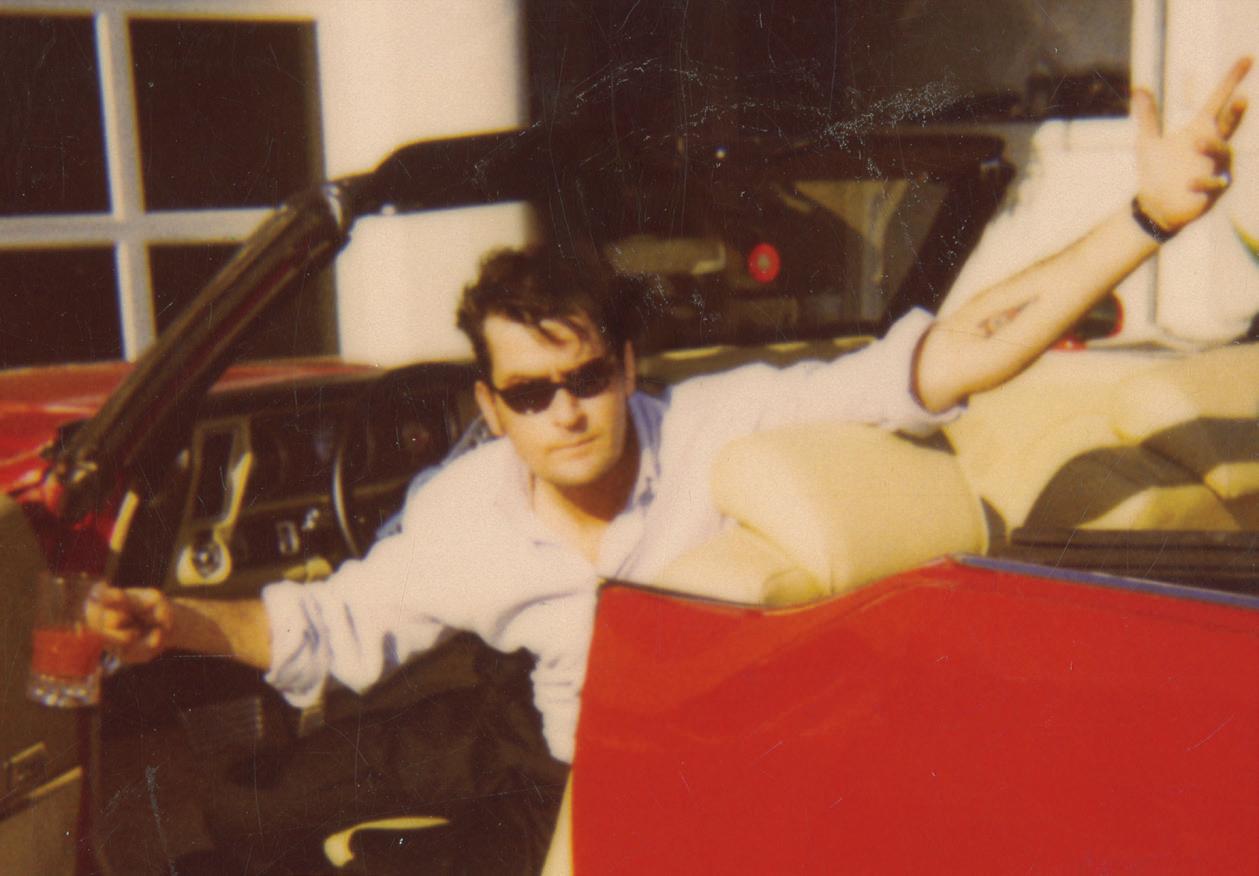
The two-part aka Charlie Sheen, directed by Andrew Renzi, is also a portrait of a star with more baggage than an airline cargo hold.
“I wanted to enter the celebrity doc conversation, [centering on] maybe somebody who’s not so perfect. Charlie came to mind and I was able to get connected to him,” Renzi explains. “We spent about eight months to a year getting to know each other before we shot a frame of the film.”
Renzi didn’t approach the project as hagiography. “I take it very seriously that I’m making something that ultimately creates a legacy piece for somebody,” the director insists. “This is the Charlie Sheen documentary, and there probably can’t be another one… He had no editorial control over this thing, but he’s able to look at it and say, ‘All right, good, bad, all the things, this is an honest portrait of me that I feel like was representative of my POV…’ It’s a nice feeling to be able to walk away and say, ‘OK, he’s good with it, I’m good with it. My hands are clean.’”
Contenders for Emmy recognition extend beyond the celebrity-themed
1 Mr. Scorsese.
2 Sean Combs: The Reckoning 3 aka Charlie Sheen
WINNER CRITICS CHOICE AWARD BEST ACTRESS IN LIMITED SE IES O MOVIE M DE FO TELEVISION SARAH SNOOK
into another very popular genre: true crime. Among the bloodsoaked docs are the HBO Max series The Yogurt Shop Murders, directed by Margaret Brown. It’s an investigation of the long-unsolved killing of four young women at a frozen yogurt outlet in Austin, Texas in 1991. About a month after the series premiered last August, police announced they had finally identified the culprit, a deceased serial killer—a dramatic development that spurred HBO Max and Brown to create a special fifth episode, titled “The End of Wondering”.
Brown moved to Austin in the late 1990s, less than a decade after the horrifying murders. “People would talk about the case like this ghost story that happened here except that the ghost story was real,” she says. “People would talk about it at parties late at night. Everyone had a theory. I’m basically the same age as the girls and their siblings, and I have so many friends who were connected to those girls and even some of the boys who were wrongly accused of the crime—one of whom was on death row and one was [sentenced to] life in prison for a time.”
Netflix puts forth the feature documentaries A Deadly American Marriage and Oklahoma City Bombing: American Terror, and the three-part American Murder: Gabby Petito, a series about the young woman killed by her fiancé in 2021 in a case that attracted nationwide attention.
From Investigation Discovery comes Lost Women of Alaska, a series narrated and executive-produced by Oscar winner Octavia Spencer. It chronicles the disappearance of several Indigenous women in Alaska, where evidence increasingly pointed toward a serial killer.
“I can’t imagine having a family member disappear and not knowing what happened to them. So, we
want to provide closure in some cases, justice in others,” Spencer says. “There’s a number that really stuck out for me, that there were over 1,300 missing Indigenous women [in Alaska]… That’s an alarming number. The very opening line [of the series] is, ‘Alaska is a serial killer’s playground.’”
Even some non-true crime, non-celebrity documentaries are climbing into the Emmy mix (if you can imagine). From executive producer Jordan Peele comes High Horse: The Black Cowboy, a threepart series on Peacock that “reveals the story of the Black cowboy whose history has been stolen, erased and left untold.”
From the PBS series American Masters comes W.E.B. Du Bois: Rebel With A Cause, directed by Rita Coburn, about the towering civil rights activist, historian and sociologist. That doc feature is narrated by Viola Davis, with performances of Du Bois’s words rendered by Jeffrey Wright, Courtney B. Vance, and Common.
In six parts, The American Revolution, directed by Ken Burns, Sarah Botstein, and David Schmidt, plunges us into the momentous war that led to the nation’s founding. The PBS series doesn’t censor uncomfortable truths, such as the reality that George Washington and other Founding Fathers owned slaves.
PBS “has urged us, but also permitted us to dive deep, unafraid of conflict,” Burns said last September as he unveiled the first episode of the series in New York. That was a subtle reference to the climate in which the series premiered—coming after President Trump’s attempts to sanitize accounts of American history at the Smithsonian Institution and at National Parks.
The Emmy nominations will be announced July 8, just a few days after the nation celebrates its 250th birthday. ★
Looking For Love
Love on the Spectrum showrunner
Cian O’Clery and casting director Sean Bowman on how the show finds its stories
Fans of Love on the Spectrum often become deeply invested in the show’s participants, celebrating new relationships and rallying behind their favorite cast members. For director-producer Cian O’Clery and casting producer Sean Bowman, that audience connection is one of the most rewarding parts of the job.
“We become so close to these people too,” Bowman says. “So, it’s really nice to see the people respond so positively to our friends at this point.”
As the Netflix series has grown in popularity, so has interest from prospective participants. But despite receiving a growing number of applications, O’Clery says that the show’s casting process remains rooted in personal connections rather than mass recruiting.
“We try as much as we can to talk to every person who writes in,” O’Clery explains.
The team works closely with autism organizations across the country, relying on trusted community networks to spread the word. Over time, those relationships have helped build trust and expand the show’s reach.
For main participants, the requirements are simple: they must be on the autism spectrum and actively looking for love. Beyond that, producers focus on finding people with authentic personalities and stories that contribute to the ensemble cast.
“Are they engaging?” Bowman says. “Is this person bringing something different?”
The process does not end once filming begins. O’Clery reveals that the team remains open to new applicants and potential matches throughout production because the series follows real lives rather than a predetermined storyline. “We start to tell the story, and we have no idea what’s going to happen,” O’Clery says.
For Bowman, that unpredictability is what makes the process worthwhile. After helping arrange a date between Madison Marilla and Tyler White, he watched their connection develop in real time, eventually leading to the couple’s engagement this season. “I was just crying the whole time because I thought, ‘Oh, this is so cool that we get to be a part of this,’” Bowman says.
As they plan for Season 5, it’s a reminder that behind every application, interview and first date there is the possibility of a relationship that lasts long after the cameras stop rolling. —DESTINY JACKSON
Quick Shot
Georgia and Connor from Love on the Spectrum
The American Revolution.
Cian O'Cleary and Sean Bowman.
Sarah Pidgeon, photographed at the PMC Studios in Los Angeles.
y first thought upon seeing Sarah Pidgeon is she’s so tall. In fact, at 5’10” she’s not that much taller than me, but meeting her in person on the red carpet at the Actor Awards in March, my impression is of a six-foot supermodel. As we talk, I realize it’s her personality, her vibe as it were, that’s creating this illusion. It’s as if I need to tilt my head back to absorb it all—she has none of the standard famous-person patina of reserve and the conversation feels warm and almost conspiratorial, like friendship even, which is weird for a two-minute chat. In the weeks following, Love Story: John F. Kennedy Jr. & Carolyn Bessette will climb from FX hit status to global phenomenon. Multiple real-life accounts of Bessette will be shared, most of them citing her enormous charisma and warmth; her ability to make others feel absolutely seen. I’ll think back to that brief meeting with Pidgeon and wonder exactly how Love Story EP Ryan Murphy and creator Connor Hines found an actor with those exact same qualities.
Later, I’ll ask Hines this very question and even he seems shocked at the serendipity of casting Pidgeon, whom he and Murphy found before Kelly. “You could tell the other characters in that world were feeling the magic of Carolyn and the magic of Sarah,” he says. “And that’s impossible to conjure in my mind. And yet Sarah Pidgeon was able to do it so seamlessly… I was honestly less concerned with finding somebody that looked exactly like Carolyn Bessette, because what they needed was that magical X factor, that swagger, that agency, that self-possession, and that’s not really something that a lot of people can just generate.”
It's been a couple of months since we met at the Actor Awards, and Pidgeon and I are on a couch in a green room at Deadline’s Los Angeles HQ. “I’ve had about five espressos,” she says happily. Last night she was at a Disney showcase event, then there was this morning’s 7 a.m. calltime for the Deadline shoot and now she’s due at the airport in two hours. She’s also shooting a film in Australia, but more on that later. Curled up in a hoodie and comfy pants, she rattles the bag of sour candy in her lap.
“Want some?” she says.
I can’t imagine what it’s been like for her these past few months.
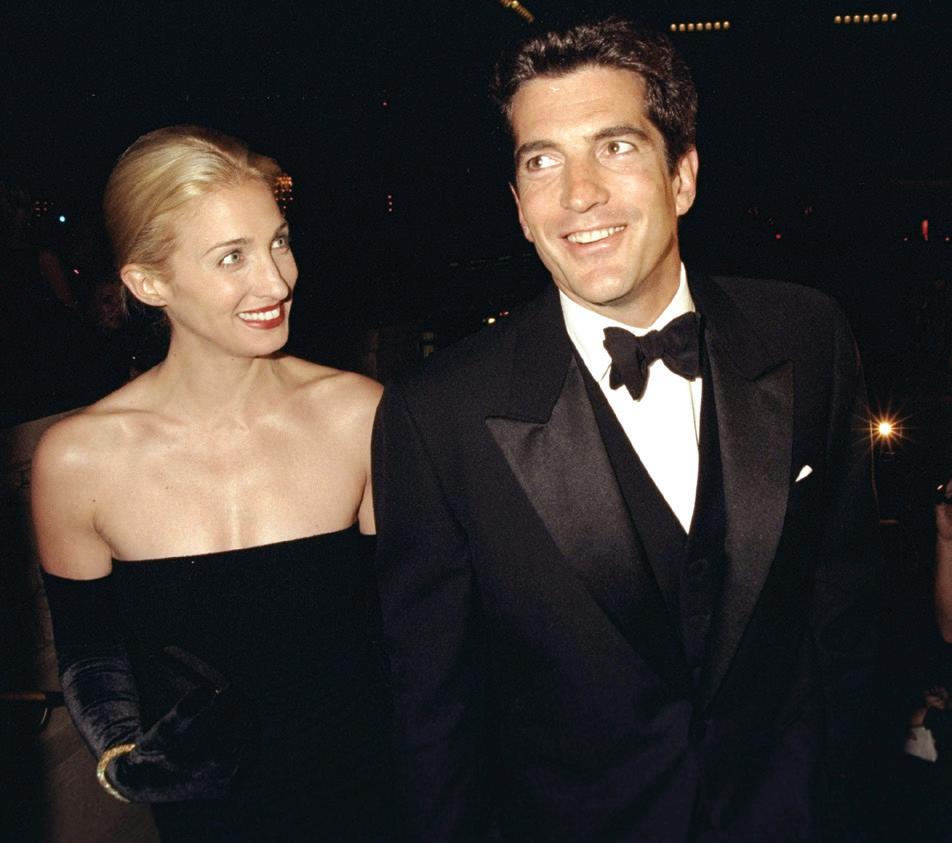
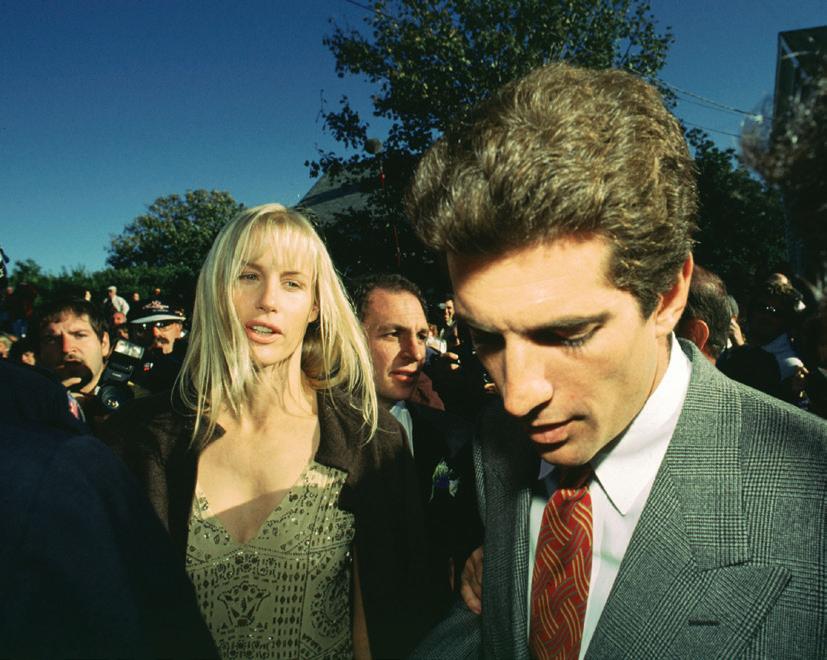
Bessette has had almost mythical status ever since she first appeared with JFK Jr. back in the ’90s—partly for the American princess factor of it all, but also for her insouciant and specific personal style. Even before Love Story sparked a fresh wave of appreciation, endless Pinterest boards and dedicated Instagram accounts paid homage to her singularity and elegance. How does a person attempt to step into the hallowed Manolos of a woman so revered; a woman whose life was so tragically cut short in the plane crash that also took JFK Jr. and Bessette’s sister Lauren?
I ask Pidgeon about her recent appearance on Jimmy Kimmel. “I was nervous,” she says. I point out that she seemed totally at ease. “It’s like a duck. I try to be still, but underneath my feet are like…” She waggles her hands.
The reason Kimmel has come up is because in that interview she told him she wanted to be a dermatologist as a kid. Obviously, I want to know more. “I think I just liked the idea of picking at skin,” she says. “I mean, being really honest.” Interestingly, she’d also wanted to be a fashion designer back then. “I would just draw the same dress over and over and over again,” she says. That dress had a square neck and spaghetti straps and “a bit of a ’90s silhouette”. It sounds exactly like something Bessette herself would wear while
From left: Carolyn Bessette and John F. Kennedy Jr.; Paul Anthony Kelly and Sarah Pidgeon in Love Story.
working at Calvin Klein. It’s a weird piece of kismet—a bit of woo-woo manifestation, as it were.
Pidgeon says she’s only just had time to absorb the huge impact of the show and seems shy at the suggestion that she’s famous now. “I feel funny talking about fame, because I don’t necessarily feel that in my lived experience,” she says. No one bothers her in her home city of New York and she’s been so busy, she hasn’t really had time to just be normal and walk down the street.
It took going all the way to Australia, and some quiet time between takes on her new film, Honeymoon With Harry, for everything to really land emotionally.
“I was really bracing for this shock wave, and then it finally hit me,” she says. The film is shooting in Brisbane, with a script from Dan Fogelman.
Pidgeon plays Haley, the daughter of Harry (Kevin Costner), who finds himself on honeymoon with his would-be son-in-law Todd (Jake Gyllenhaal). It was on the set that the Love Story aftermath all “finally clicked”, Pidgeon says, but “there’s not a timeline, I think, to contextualizing this show or what it means for my life or my career. Just to take that space has been really lovely. I’ve had such a good time,” she says of Honeymoon With Harry. “There’s just a great
group of people. It’s my third project in Oz. I did I Know What You Did Last Summer there, and The Wilds Season 2 there. I love shooting there.”
Notwithstanding the somewhat intimidating local wildlife, that is.
“I actually have a photo of this giant spider about six inches away from my face,” she says. “After I took the picture, the crew guy was like, ‘Mate, these things jump.’”
When she first met Murphy and Hines, Pidgeon was not an unknown quantity. Aside from her film and TV projects, including Hulu’s Tiny Beautiful Things and playing Bill Murray’s grieving daughter in the film The Friend, her Tony-nominated turn in the hit Broadway play Stereophonic surely made every casting director snap to attention.
Says Hines: “I’d heard people rave about Sarah once I asked around about her, but she just has this power that she generates from within that’s both magical and seemingly effortless, that makes her what I believe is a true superstar and one of the finest actors, I think, of her generation.
She’s a talent, but it’s also a gift, and I don’t even think she’s that aware that she possesses it. I think she just
thinks she’s just acting. And then I’m like, ‘What you’re doing is something else and I can’t even articulate it.’”
Pidgeon’s first impression of the Bessette role was from reading the logline ahead of her audition. “The character description was, ‘She’s not an ice queen.’” This, it turned out, was something Hines had been dead set upon from the beginning of his deep research and reading.
“Some of the narrative that surrounded her was a bit misogynistic and I think reductive,” he says, “but you could extract what you think the reality was in a non-biased way if you removed the misogynistic lens from some of those books. They would describe her as calculated, which I would be like, ‘That’s ambition for her.’” The idea that Bessette was some sort of wannabe was anathema for Hines.
She’d been sometimes cast as “a gold digger where it’s like she’s a vixen or she’s a maneater,” he continues. “A maneater through the lens of misogyny is just a woman that’s not particularly interested in you. It was this idea of, ‘Well, she was flirtatious.’ And it’s like, ‘Was she flirtatious, or was that your perception? Was she charming, and you wished it was flirtation?’ So, it was a lot of going through all of those accounts and dissecting them. And extracting the
truth through what felt like a pretty reductive and myopic lens.”
Hines grew up in Connecticut, in a neighboring town to Bessette’s Old Greenwich home, and that proximity fed his interest. “I so related to her drive to want to make something of herself,” he says. He also found an affinity with Bessette’s move to Manhattan.
“I’m somebody that started as a caterer and a waiter, moving to New York with big ambitions that might seem outsized to other people, but I just had this desire that I wanted to be close to people that were creative, that were making things that excited me. And to think about her working at the mall in Newton, folding sweaters, and then ascending the corporate ladder at Calvin Klein, and just the agency that she had, honestly, it sounds so cliché, but I really just found myself falling in love with their individual stories as I was reading about them, and also just how human they were. We lionized them and we glorify them, but they had their battles and their wounds and the emotional voids that the rest of us endure.”
Pidgeon herself had also made that move to New York, working odd jobs in pursuit of her passions. “I nannied,” she says. “I worked at a cocktail bar. I wasn’t a bartender and they never fully promoted me to waiter. I did a lot of bussing tables.”
From the beginning, Pidgeon says, “I knew how important Carolyn was to people before I really knew anything about her.” She listened endlessly to the audio book of Elizabeth Beller’s Once Upon a Time: The Captivating Life of Caroyln Bessette-Kennedy. And once the word was out that she’d gotten the role, people would stop Pidgeon on the street, or at dinner in New York to tell her what they remembered about Bessette. She also pored over Sunita Kumar Nair’s Carolyn Bessette: A Life in Fashion. “Obviously, the main focus [of that book] was her sartorial choices and influence, but there were these really amazing portrait shots of Carolyn. She was so expressive. Her eyes had this intensity and openness and depending on the shot, you got these different impressions of her.”
All of it added up to a weighty task. “I put a lot of pressure on myself,”
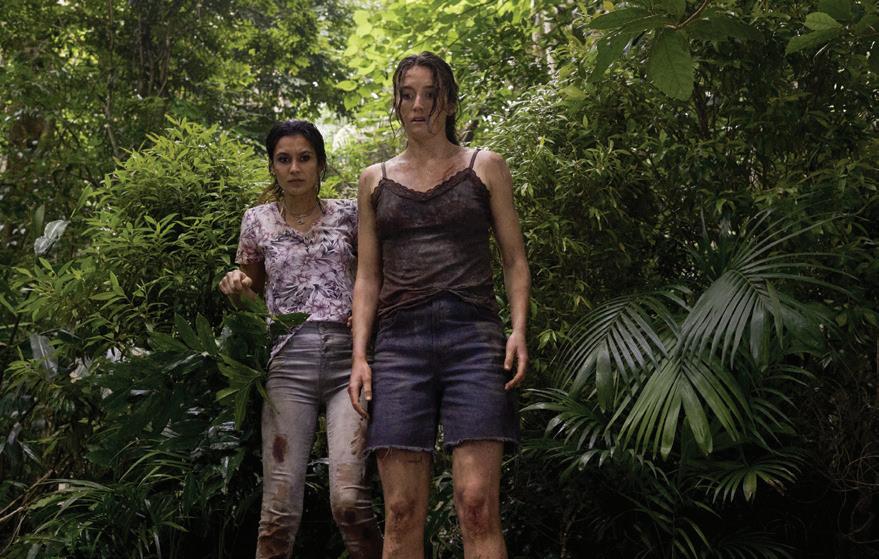
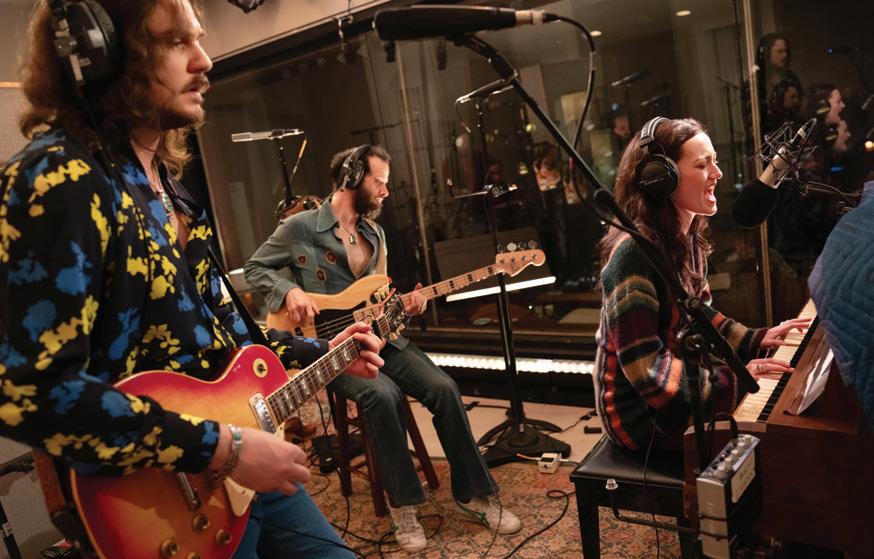
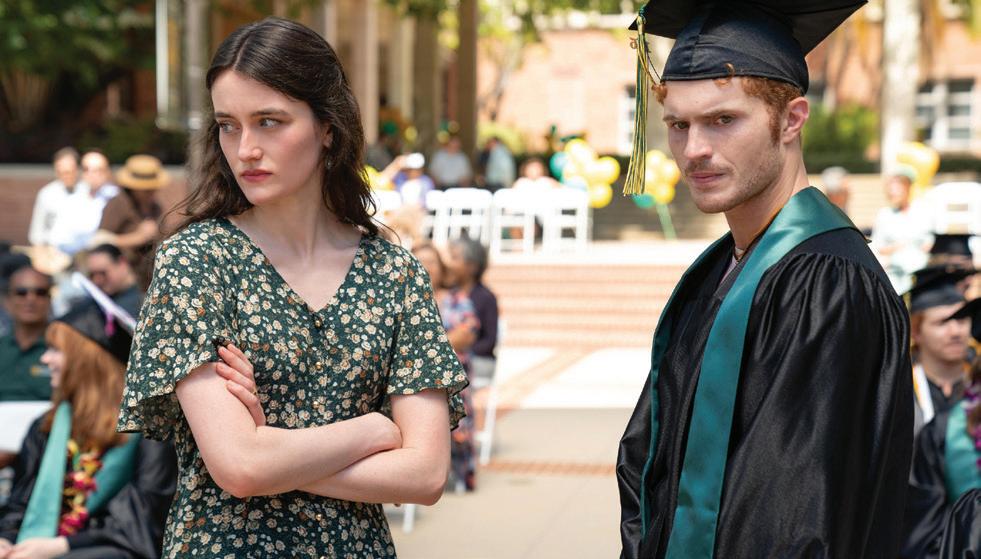
Clockwise from top left: Pidgeon in The Wilds with Sophia Ali; with Jake Austin Walker in Tiny Beautiful Things; in I Know What You Did Last Summer; on Broadway in Stereophonic
she says. Plus, the show touched on Bessette’s time in New York prior to meeting Kennedy—a period without much documentation. “I don’t think any part of making the show was particularly easy. From a research point of view, from the beginning, there’s not a whole lot of information on her. She was an incredibly private person, and my impression was that the people that she was closest to maintained her privacy, even in her passing. I wanted to avoid feeling like I was imitating, or doing an impression of her, and wanting to try and capture something while having less information than I would want was scary.”
Then there was the long search for the right JFK Jr. actor. When Paul Anthony Kelly auditioned, Murphy and Hines knew within minutes the role was his. “It happened so quickly,” Pidgeon says. “It was so clear that it was him. When I met Paul, 16 hours later he had the job.” And they let Pidgeon be the one to tell him the good news.
At the time, Kelly had been about ready to quit trying to be an actor and go back home to Canada. He’d put in 12 years of trying, and now here was Pidgeon telling him that at last, it had happened for him. “I kind of disassociated from the world, because I had finally landed a big one,” he says. And he and Pidgeon seemed to immediately connect. “It was just an absolute understanding of like, ‘I’ve got you. I know you’ve got me. Let’s do this.’”
Hines was similarly blown away by getting to live his dream. “I’d written 30 scripts that have not seen the light of day—pilots and features. I’ve been at this since I was 24 years old, so it’s been a long journey. But I will say being a part of this show, it felt like I was supposed to be a part of it in a way that I’ve never really felt creatively. As soon as I knew Ryan was doing this anthology, I’ve never really felt so called to be a part of something in all of my years out here. I still am kind of pinching myself that it was actually produced. I’m so used to writing something and then it’s sitting in my desk, or people being like, ‘We really loved it, but what else are you working on?’”
But then came the leaked test shots. Last June, the internet was
“I PUT A LOT OF PRESSURE ON MYSELF. I DON’T THINK ANY PART OF MAKING THE SHOW WAS PARTICULARLY EASY.
FROM A RESEARCH POINT OF VIEW, FROM THE BEGINNING, THERE’S NOT A WHOLE LOT OF INFORMATION ON HER. SHE WAS AN INCREDIBLY PRIVATE PERSON, AND MY IMPRESSION WAS THAT THE PEOPLE THAT SHE WAS CLOSEST TO MAINTAINED HER PRIVACY, EVEN IN HER PASSING. I WANTED TO AVOID FEELING LIKE I WAS IMITATING OR DOING AN IMPRESSION OF HER.”
SARAH PIDGEON
suddenly aflame with outrage after images emerged of initial looks for Pidgeon and Kelly in character.
Fashion experts and even associates of Bessette and JFK Jr. positively slammed the clothing and hair choices. Pidgeon’s hair was the wrong shade; the clothes looked off. Why hadn’t they borrowed the right things from designers?
Refreshingly, Max Winkler, who directed the entire show, is grateful for that fallout.
“We are so, so lucky that they spoke out and that those images got leaked, because without it, we could have been doing the whole thing wrong, and then that all would’ve happened in the trailer. It’s the greatest thing to ever happen to us.”
But the outcry was extremely rough on Pidgeon, he says. “It was brutal, but it was really the hardest on Sarah, because we hadn’t gotten the test stuff right. It was our fault. It wasn’t hers. And also, at that point, we were still messing around trying to make it work with a wig, because we had so many looks. We only had to reshoot a couple of days of filming.”
Winkler remembers a phone conversation he had with Pidgeon during that difficult time. “Probably the most important thing that happened for me on that shoot was when Sarah and I were speaking on the phone and she was having a moment, because she had to sign off of Instagram. Everybody was checking on her to see if she was OK. I was waking up to emails from my girlfriends and gay friends saying, ‘How could you do this? You’ve ruined her.’ It was a really dark time, as ridiculous as it may seem.”
He continues, “I was having a really hard time once, and somebody with more experience than me, who I really trust, read me this quote by Martha Graham, which is one of my favorite quotes about the creative process ever.” He’s referring to Graham’s words to Agnes de Mille, which read in part: There is only one of you in all of time, this expression is unique. And if you block it, it will never exist through any other medium and be lost. The world will
“WE ARE SO, SO LUCKY THAT THEY SPOKE OUT AND THAT THOSE IMAGES GOT LEAKED, BECAUSE WITHOUT IT, WE COULD HAVE BEEN DOING THE WHOLE THING WRONG, AND THEN THAT ALL WOULD’VE HAPPENED IN THE TRAILER. IT’S THE GREATEST THING TO EVER HAPPEN TO US.”
MAX WINKLER
not have it. It is not your business to decide how good it is nor how valuable nor how it compares with other expressions. It is your business to keep it yours clearly and directly, to keep the channel open.
He read this aloud to Pidgeon over the phone. “We both started crying,” he says. “And I think that was a very seminal moment for both of us in moving forward and trying, in the face of this type of thing. I’ll always remember that phone conversation very, very fondly.”
Enter hair designer Barry Lee Moe (Pam & Tommy, Pose) to save the day. Pidgeon’s naturally dark hair was then expertly colored by Kari Hill in a laborious 20-hour process that took over two days.
Says Winkler, “We brought stylists in who were really, really helpful, to set-up, just so we could start figuring out and archiving and getting real clothes. Because a lot of places, a lot of the houses, originally wouldn’t lend us clothes.” Winkler also credits
stylist Jamie Mizrahi and creative director-designer Simone Harouche. “They were very, very helpful in opening up doors for us. We ended up getting it right.”
As for why they couldn’t get those vital clothes on loan before, Winkler says, “I think Carolyn is such a holy subject, for good reason. There’s this unexplained, incredible effortlessness in everything she ever put on that touches people so much, and they have every right to protect her the way they did.”
Winkler has worked with Murphy many times, as director and executive producer of Grotesquerie, on multiple installments of American Horror Story, and on Monster and Feud. Murphy told Winkler early on, “I want this to feel like a valentine to New York City in that time period.”
Winkler says, “I’ve always kept that in my head. Like a director to an actor, that kind of unlocked it to me. He would say, ‘When they meet at the fundraiser, I want it to feel like Tony
and Maria seeing each other in West Side Story.’”
Winkler, his longtime DP Jason McCormick and production designer Alex DiGerlando set to work with that West Side Story scene in mind. Winkler says their collective thought was, “What’s the documentary realism version of that in 1992 or 1994 in New York City, where they’re the only two people in the room, where they don’t get on a rotating carousel, but it feels like that? And the Kate Bush song came in editorial, which also really, really helped me. It’s the third time I’ve used Kate Bush, so she’s like my good luck charm. Another thing Ryan said was, ‘And what if there were missed connections? What if they kept missing each other?’ And then we started talking about Baz Luhrmann’s Romeo + Juliet.”
They also thought about the way New York feels in Working Girl and Tootsie: “Like you can smell it, you can feel it. And there’s a lot of corners in New York City where it doesn’t
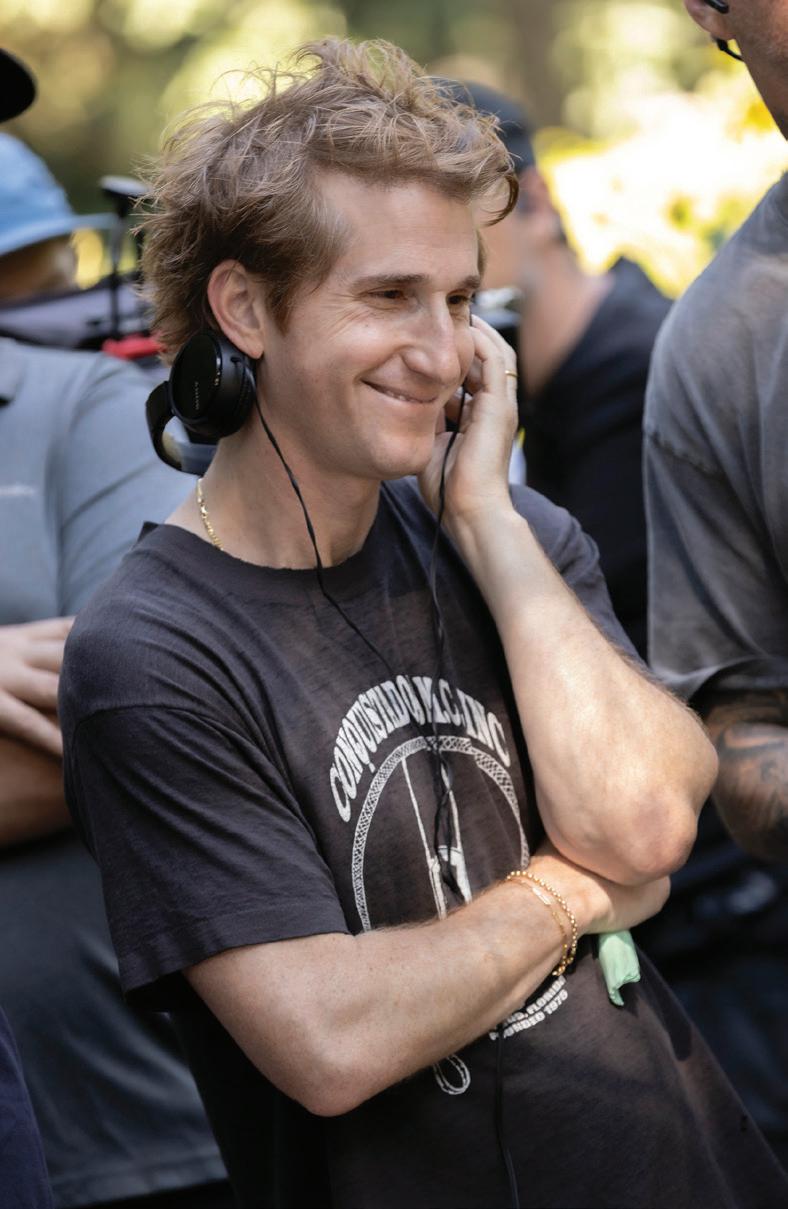
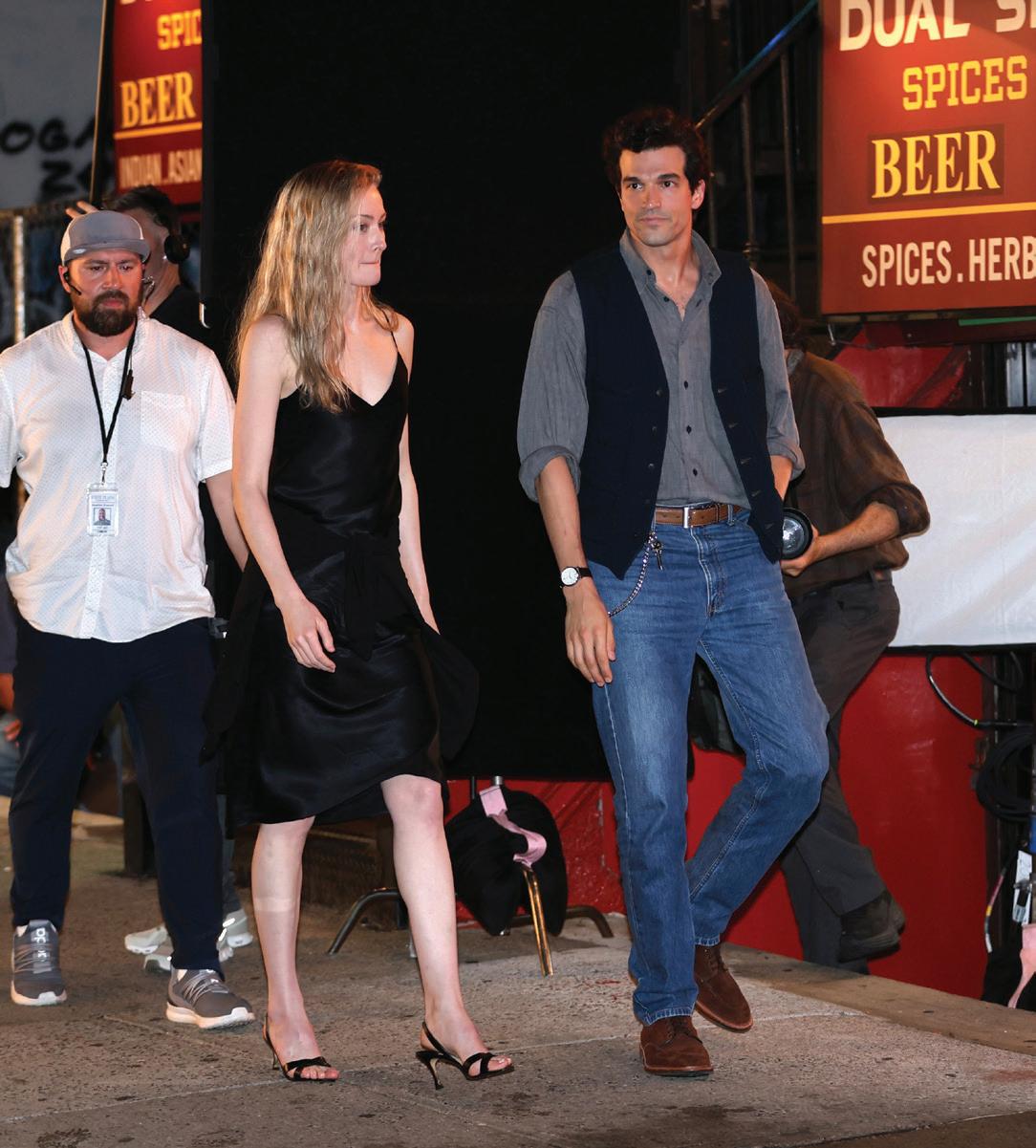
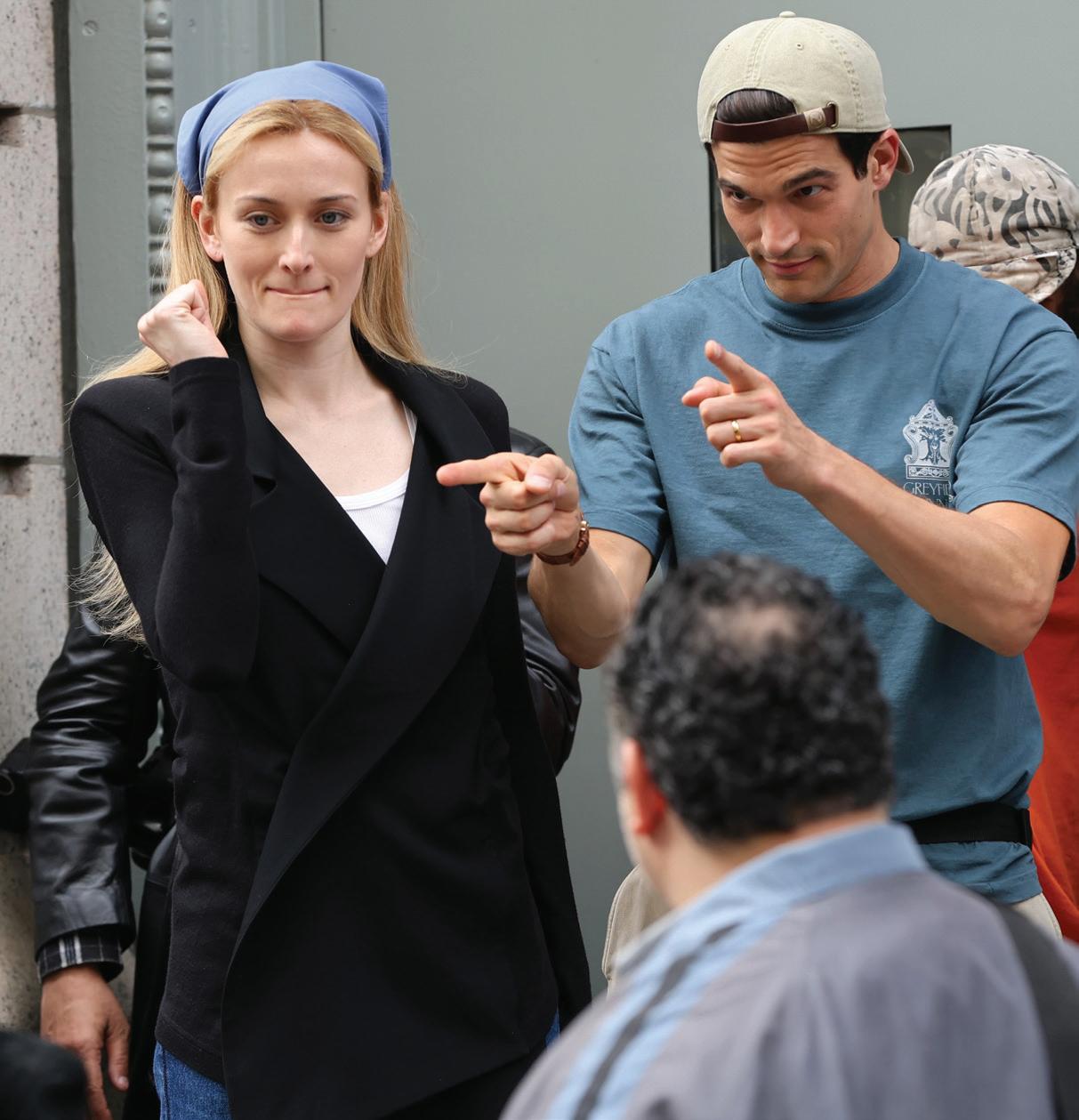
From left: Director Max Winkler on set; Pidgeon and Kelly shooting the scene of Carolyn and John's first date.
“THERE WERE A LOT OF MANOLOS, AND I COULD NOT IMAGINE LEAVING MY HOUSE IN A PAIR OF HEELS. I’VE TRIED A FEW TIMES. WHEN I GOT THE ROLE, [MOVEMENT COACH] JULIA [CROCKETT] WAS LIKE, ‘YOU NEED TO GO WALK AROUND THE STREETS IN HEELS.’ I WAS LIKE, ‘THAT SOUNDS LIKE THE WORST THING I’VE EVER HEARD.’”
SARAH PIDGEON
look that different minus a Starbucks or some signage. If you’re looking up, a lot of those buildings are the exact same, so it’s not horrible to shoot a period piece here. Jason and I also looked at a lot of William Eggleston street photography, and I just wanted it to be devoid of pretension or anything that was a ‘nice shot’. I wanted it to have a sense that it was just very, very alive, especially because in so much of the pilot, you’re seeing through both of their perspectives.
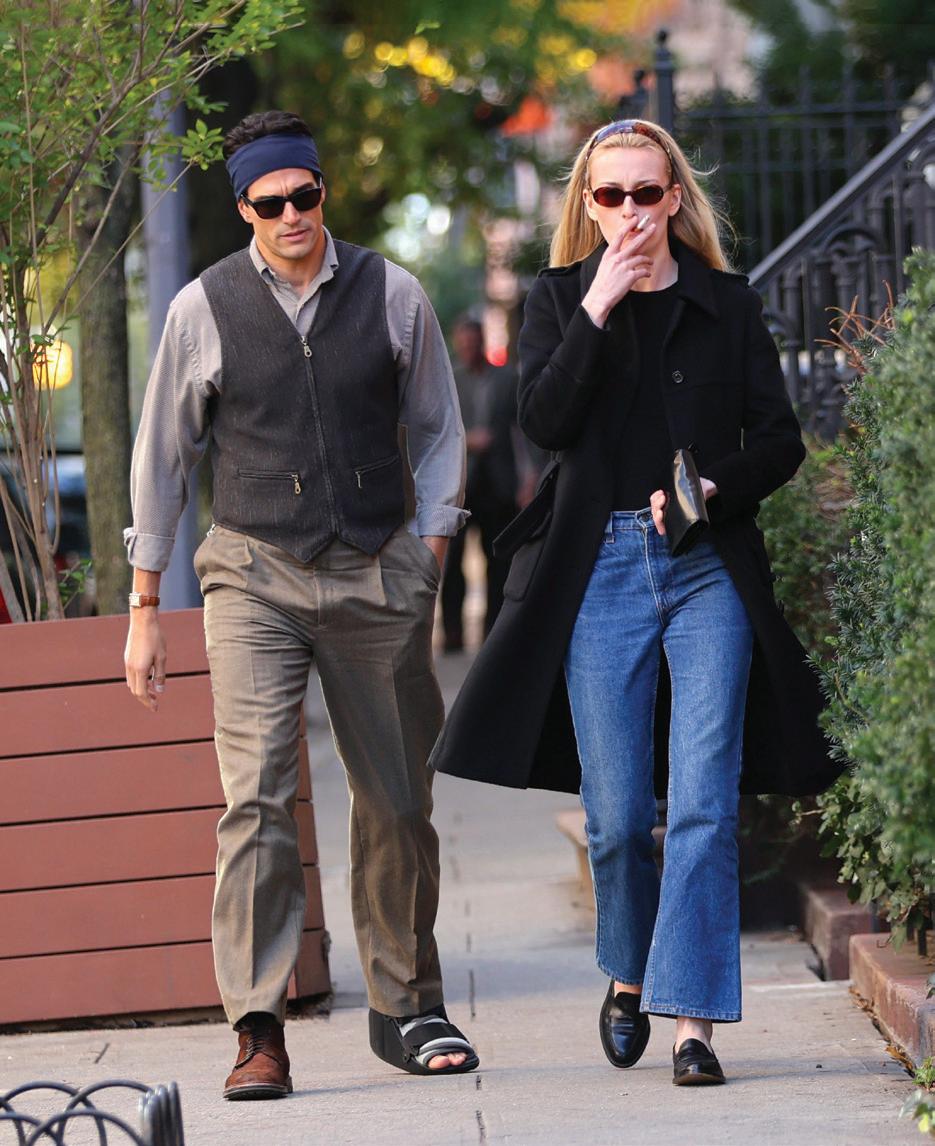
“I wanted her New York and his New York to just feel very, very specific and distinct. Those were conversations I’d had with [executive producers] Brad [Simpson] and Nina [Jacobson] and Ryan and Connor. And when we’re with her, I really wanted to move with her. Her walk, and the way she occupies space is so important. The character of Carolyn was such a tactile person, really from all of our accounts, the city was so much her playground. Whether we were at The Box or on her walk to work, which is obviously such an important moment, to get that walk right, in the city, the feel of it, of those to-go-cup coffees and your first cigarette of the day.”
They shot on sound stages in Green Point, Brooklyn and on Long Island. But it was incorporating the streets of Manhattan that paid off in spades— despite being a notoriously difficult place to shoot.
“It’s worth it,” Winkler says. “It’s so worth it for the production value you get and the aliveness everyone feels when you’re making a shot in New York. There’s such stakes to it.”
But on the street, they had a voracious audience of bystanders to manage. “Because the project really made its way to a lot of people, there was oftentimes hundreds of people outside waiting and watching.
And we have two actors. Sarah’s very experienced, but not like Anne Hathaway making Devil Wears Prada 2. And Paul is very inexperienced, and so they had to perform and act and do some of these really intimate scenes, like their first kiss and their first meeting, and seeing each other through the paparazzi line at the function, and coming outside of the Indian restaurant for the first time, with hundreds of people screaming and trying to get photographs.”
But perhaps that rather meta experience of what Bessette and Kennedy must have felt on the street actually fed the project. “They really were our Princess Di and Charles in a lot of ways.” In an early scene in the pilot, a nervous Carolyn is getting a manicure. There’s a sense of the paparazzi trying to shoot her through the salon windows and she seems almost
hunted. “The same way The Crown had made Princess Di start to feel like she was a prisoner in the most beautiful, gilded cage, that’s what we were thinking about when we set up that nail salon at the beginning.”
To perfect the physicality of the characters, both Pidgeon and Kelly worked with movement coach Julia Crockett. For Pidgeon, this meant a lot of walking in the equivalent of Bessette’s shoes. “There were a lot of Manolos,” she says, “and I could not imagine leaving my house in a pair of heels. I’ve tried a few times. When I got the role, Julia was like, ‘You need to go walk around the streets in heels.’ I was like, ‘That sounds like the worst thing I’ve ever heard.’”
But aside from that struggle, Pidgeon delightedly absorbed Bessette’s style. “The Yohji [Yamamoto] outfits were my favorite,
and a lot of Prada,” she says. “I mean, I guess I look like a slob right now— for the readers at home, I’m in a sweatshirt—but I think I find myself gravitating towards simple dressing and really having a closet that feels cohesive and comfortable. So, I also think walking around New York and seeing people in maybe a Carolyninspired outfit, it’s also like, ‘You live in the city and you’re probably walking a mile or two every single day.’”
To the uninitiated Kelly, Pidgeon became a kind of mentor. “She’s been in it for a little while and I have great admiration for her work,” he says, but this was my first job, my first major role. So, at times I felt like I was a little in over my head. But she was always there to even the keel as it were and just support me. It made me feel more comfortable being so vulnerable.”
For Grace Gummer, playing Caroline Kennedy meant sharing several key scenes with Pidgeon, as Carolyn tries hard to push down the Kennedy barriers and connect with JKF Jr.’s sister. “Sarah’s an incredible actor,” Gummer says. “She’s totally with you. She’s listening. She’s present. And what I loved so much about working with her is that she had so many ideas. She’s a collaborative scene partner. After every take, she asked me what I thought, she asked me if I had any ideas; what we could do differently. It felt like she’s interested in building something with me in that moment instead of just only figuring it out for herself. She’s a goofy, silly, disarming, incredible woman and friend, and transformed every time the camera was rolling. She embodied her interpretation of
“I HAVE GREAT ADMIRATION FOR HER WORK. BUT THIS WAS MY FIRST JOB, MY FIRST MAJOR ROLE. SO, AT TIMES I FELT LIKE I WAS A LITTLE IN OVER MY HEAD. BUT SHE WAS ALWAYS THERE TO EVEN THE KEEL AS IT WERE AND JUST SUPPORT ME. IT MADE ME FEEL MORE COMFORTABLE BEING SO VULNERABLE.”
PAUL ANTHONY KELLY
Carolyn with such confidence and force and bravery. It was really cool to watch.”
Now, in the aftermath, legions of fans are basking in the glow of Love Story’s depiction of a legendary romance, wrapped up in nostalgia and style. Considering that many worried this was a story that could not be replicated in any way, how does Hines feel about the show’s impact?
“I’ve had so many friends reach out that are like, ‘I think I’m going to change the way I live my life.’ And, ‘When it comes to dating, I’m not going to settle for anything less than a romantic pursuit that’s with flowers, and I want you to call and don’t just send me a DM.’”
I tell him I wish them all luck. “I know. Me too,” he says.
Of course, we all know that Love Story has a shocking, desperately tragic ending. The grief of that settled on Pidgeon personally in some ways. In the show’s final episode, Gummer faces Constance Zimmer as Bessette’s mother, Ann Freeman, a woman who has just lost both her daughters. Says Pidgeon, “I was so affected by
the second half of the episode with Grace Gummer and Constance Zimmer. Those scenes were just so heartbreaking. I think watching it back, I realized, ‘Oh, maybe that’s why I struggled.’ I think it was, ‘How does one finish...’ I guess that wasn’t really part of my job. I wasn’t meant to finish the story.”
There would be an unhappy outcome of the show itself to face too. In a New York Times op-ed published in early March, Daryl Hannah slammed the show. Hannah, who was JFK Jr.’s longtime girlfriend before Bessette, is portrayed by Dree Hemingway on screen, and among other things, is seen snorting cocaine from an heirloom silver plate belonging to the Kennedy family. She wrote in part of her depiction: The character ‘Daryl Hannah’ portrayed in the series is not even a remotely accurate representation of my life, my conduct or my relationship with John. The actions and behaviors attributed to me are untrue… I have never used cocaine in my life or hosted cocaine-fueled parties. I have never pressured anyone into marriage. I have never desecrated any family heirloom or
“I’D HEARD PEOPLE RAVE ABOUT SARAH, BUT SHE JUST HAS THIS POWER THAT SHE GENERATES FROM WITHIN THAT’S BOTH MAGICAL AND SEEMINGLY EFFORTLESS, THAT MAKES HER WHAT I BELIEVE IS A TRUE SUPERSTAR AND ONE OF THE FINEST ACTORS, I THINK, OF HER GENERATION.”
CONNOR
intruded upon anyone’s private memorial. I have never planted any story in the press. I never compared Jacqueline Onassis’ death to a dog’s. It’s appalling to me that I even have to defend myself against a television show. These are not creative embellishments of personality. They are assertions about conduct—and they are false.
Also in early March, Jack Schlossberg, who is JKF Jr.’s nephew and Caroline Kennedy’s son, told CBS Sunday Morning that the show was a “grotesque display of someone else’s life.” Then in mid-April, he told Katie Couric on her Next Question podcast that he and his mother had watched a clip of Love Story together. “We were laughing so hard,” he said, “as if that’s how my mom acts.”
When I ask her how she felt hearing these reactions, Pidgeon says, “I feel very strongly that they have every right to their opinion and every right to share it, and I don’t know the first thing about what it’s like to have a TV show portrayed about my life. It was never lost on me that I was portraying a real person, and that people who knew her and loved her are still with us today.”
Hines’ take on it is this: “I knew it was a very serious responsibility, and I took it as seriously as possible and it was not lost on me at any point making this show that we were dealing with sensitive subject matters and real people. I believe I can stand by the fact that my intention and Ryan’s intention and the producers and the other writers was to truly approach every component of this series with as much sensitivity as possible. And that was the objective. How
HINES
something is perceived is obviously beyond my control, all I can control is my intention. I know that the only reason I wanted to do this show is because I loved everybody in that world truly and had so much reverence for everyone. And that’s what drove me creatively—to be authentic, but to be compassionate. And I know that that was what I set out to do and what the rest of our team set out to do, and I trust that.”
As for the future of Love Story and what comes next in Murphy’s anthology, recent reports have suggested Hines is working on an installment about Liz Taylor and Richard Burton. However, Hines says nothing is set at all on that front. “That’s a conversation for Ryan Murphy. I threw it out there as a very hypothetical suggestion, but at the end of the day, this is his anthology, so if he would want to do it, great, but it’s up to him.”
Perhaps one of the reasons this story of JFK Jr. and Carolyn Bessette has captured so many and for so long, is, rather sadly, the sheer lack of truly iconic love stories that exist. “For some reason when I first started working on this show, I just assumed there would be an endless trove of couples to chronicle,” says Hines. “And once you do John and Carolyn… Honestly, it’s a very tough act to follow.”
Pidgeon’s team are tapping on the door. It’s time to head to the airport. But first, she hugs and thanks everyone. Then she’s off, in her chic airport outfit, somehow radiating both warmth and an elegant mystique. I wonder what Carolyn would have thought of her. I like to imagine they might have been friends. ★
Clockwise, from left: Kelly and Pidgeon in Chelsea; Daryl Hannah with JFK Jr.; Pidgeon, Grace Gummer, Kelly and Naomi Watts.
BY DESTINY JACKSON
Going Native The Adolescence writer on Lord of the Flies 54
Jack Thorne
Close To The Bone The creator of Beef doesn't mince his words 50
Lee Sung Jin
He Ain't Heavy The Half Man star on his tale of toxic brotherhood 48
Richard Gadd
Marvel Magic The star reflects on the series Wonder Man 58
Yahya AbdulMateen II
Mission to Moscow This spy's the limit in fun-thriller Ponies 52 Haley Lu Richardson
Nicolas Cage
How the Oscar winner sensed the potential for a small-screen hit in the atmospheric superhero show Spider-Noir
The Lotus Eater Meet the scene-stealing star of The Paper 60
Sabrina Impacciatore
No Schitt Why the Canadian star has made Big Mistakes 64
Dan Levy
Four decades into navigating Hollywood, Nicolas Cage continues to find new ways to reinvent himself. A longtime comic-book enthusiast, Cage is no stranger to the superhero world, from Tim Burton’s famously shelved Superman Lives to leading the Ghost Rider franchise and crusading as a vigilante in Kick-Ass. Now, Cage takes on his first leading television role in Prime Video’s Spider-Noir. Set in Depression-era New York City, the series follows an older Spider-Man, Ben Reilly, now working as a private investigator after leaving his masked past behind. But when old traumas resurface, he’s forced to face the life he thought he’d escaped.
You voice Spider-Noir in the Spider-Verse films already. How did you approach him in the live-action series?
Acting is just different kinds of styles and storytelling. I wanted to go back to those old ’30s and ’40s movies and watch some Howard Hawks and pick up the speed of delivery from those actors. I also thought of Double Indemnity with Fred MacMurray and Barbara Stanwyck and tried to embody that essence, mannerisms and vocalization to collide it with Stan Lee’s masterpiece of Spider-Man and see what spark I could generate. Kind of like a Roy Lichtenstein painting, I wanted to do something that would be both new for me and hopefully for the viewer.
While watching, I thought of Robert Mitchum and James Cagney. Yeah, that’s right. I mean, this character is interesting for me because as we were shooting the series, we came up with the idea that Ben Reilly was contending with this arachnid DNA that was informing his psyche, the way he thinks, the way he moves, and he’s trying to get more human again. And what we developed was this idea that he would go to the cinema and study actors to reprogram his body by copying them. So that’s why he talks the way he does.
This iteration of Ben Reilly has a lot of traumas. How did you understand him as a character?
He’s a broken man because he feels that he failed the love of his life, Ruby [Amanda Schull]. He was getting drunk while she was in a situation and he couldn’t save her. So, he has great remorse, and he also doesn’t want to wear the moniker of superhero or be the Spider
anymore, he’s done with it. He’s depressed and money is hard to come by in his profession and everyone’s struggling. What separates this Spider-Man from the others is that he’s contending with what’s happening inside of him, his body, not only emotionally, but also physically the arachnid DNA is making him move in a different way and he’s trying to be more human. So, all those little levers were very rich for me to perform.
Was there a scene that you initially thought wasn’t going to work, but then turned out better than you thought?
I was very happy with the scene that I thought was, on the page, kind of flat and expository. It was a scene I did with Karen Rodriguez in the diner, explaining to her that there might be a beach in
my future and that I’m going on a diet. I thought that scene was really funny, but I didn’t know it was going to be funny, and I didn’t know what to do with it to make it entertaining. Then when Karen and I got on set together and started playing with it, we found something. I’m very happy with the results on that scene. The other scene that I really love is with Li Jun Li when I’m explaining what the Spider DNA is doing to my thoughts, my feelings, my impulses, and the idea that he went to the movies to become more human. All that just sort of happened on the day, and I thought both scenes were elevated by thinking about them and rehearsing them a little bit.
Speaking of Li Jun Li, both of you play off each other so well as femme fatale and hardboiled
Nicolas Cage in Spider-Noir
detective. It’s a cat and mouse romance that ends with Ben hilariously telling her that he’ll save a seat for her in hell. Talk about building that relationship arc together.
Li Jun Li is an actor that is compelling to watch, she really stops the camera. There’s an enigmatic aura and unpredictable quality to her where you wonder what she’s thinking. But she can also be playful and all of that works in the Cat Hardy character. And then my character channels a little of that Bogart sensibility from The Big Sleep. Bogart always found it amusing when he could see someone being naughty, particularly the femme fatales. I wanted to give some of that to the scenes with Li Jun Li and myself where Ben is laughing at her Machiavellian tactics, because he enjoys the nuances and the human condition. But Li Jun Li for me was perfect in the role and her voice as a singer was just marvelous. I was lucky to work with her.
At the end, I would say Ben knows that she really doesn’t love him. And he’s not going to forget what she did to him because it was really bad [laughs]. He went through torture because she ratted him out to the crazy doctor. So, Ben did that gesture at the end like, “Well, I’ve already been to hell and I’m going to save you a seat. I’ll keep it warm for you.” So, he’s not going to let her go entirely.
Ben Reilly has this struggle in trying to reconcile with the perfect superhero that New York wants him to be versus the imperfect person that he is. For you, as an actor in this business for four decades, what has kept you afloat when times have gotten hard?
When I met David Bowie, I asked him, “How do you do it? How do you keep reinventing yourself? All these different characters, Ziggy Stardust, etc.” And he just said, “I never got comfortable with anything I was doing.” And that meant
something to me. That meant he was taking chances, and they were risky. If you have the mindset that you’re not a maestro but a student, then you’ll stay interested and hopefully look and go towards the places where you might learn something. And if you face your fears within reason, as long as you’re not hurting someone else or yourself, within reason, and you do that thing that challenges you, in this case, long format, a season of television, maybe you’ll learn something and you’ll grow from it and become more confident.
This is your first major TV role. Do you want to explore more roles in the future?
That’s a good question because it parlays into your previous question because navigating the industry, so to speak, is not something I normally do. But I have thought more about it because the wells are drying up. And really, I was friendly to streaming a long time ago before it was cool. [The media would say], “Oh, he’s doing straight-to-streaming movies,” like it was unheard of, like, shame on me. But now, everything is going that way. It’s like when Halston went to make dresses for JCPenney, and they dumped him, and the snobs dialed him out. Now everybody does it.
It’s like I know that I discovered that if I make a movie that streams it will become part of a collection and someone who enjoys downloading movies will be able to view it and re-view it. And I like to do that. I always like watching things multiple times and learning something new from a movie, mainly Stanley Kubrick movies. But anyway, I knew streaming would ultimately keep actors working and keep the work viewable. So, I navigated that, but it wasn’t cool when I started doing it.
You’re a man of many faces. I’m curious as to what role people approach you about on the street these days.
From
“I wanted to do something that would be both new for me and hopefully for the viewer.”
I was in New Orleans and they’re all so poetic over there with their verbiage. And this guy said to me, “Oh, I just loved you in Gone in 60 Seconds. You touched the will of Eleanor.” And I just said it back to myself [and thought], that’s good. I’m going to have to write that in a play, like Tennessee Williams [laughs]. Other than that, people talk to me most about Face/Off and National Treasure. Sometimes I get some interesting ones, like Mandy
What ever happened to the Pig fanboys?
They’re always following me around [laughs].
Next, you’re starring in the Madden biopic. Were their challenges transitioning between the close production schedules? Excellent question. It was a bit of
a learning curve and a fast cut. When you do a season of television, it’s equivalent to making four movies back-to-back. It’s a lot. So, I was talking like an oldworld film noir actor for a long time and then suddenly David O. Russell is inviting me to play this famous football coach, who was also a TV personality, who had a very specific way of talking, nothing like a film noir actor. And frankly, nothing like me. I have nothing in common with John Madden, and that was the challenge. But when we rehearsed, David tried to help me find the voice and I said to him, “It may not be anatomically possible, OK?” [Laughs]. So, I figured that maybe we’d just make a cocktail of the John Madden sound with a little of this and that and we’ll reintroduce something of my version of his voice. ★
top: Li Jun Li as Cat Hardy with Cage; Cage as Ben Reilly.
Kerry Washington
How the multi-hyphenate is breaking gender barriers with Apple TV’s Imperfect Women
BY CARITA RIZZO
Imperfect Women star and executive producer
Kerry Washington knows how rare it is to have a dream project greenlit in an industry that is struggling. “This is a challenging time in a lot of ways,” says Washington, who insisted that production of Apple TV’s psychological thriller series take place in Los Angeles. Being able to work with two female collaborators is equally a testament to Washington’s ability to create the working environment of her choosing. “I feel so blessed to be able to do what I love to do,” she says. “I want to do it with people I think can make me better and who I can make better.”
How important is being a producer on your work—having control over not just your acting process, but over the project in general? It’s pretty important to me. I still sign on for work that I’m not a producer on, but it has to be at a very high level and with partners that I really trust will allow me to be a collaborator, even if I’m not a producer. For example, working with Rian Johnson on the Knives Out film or working on Animals [with Ben Affleck], those are two directors I really respect and admire, and I believed that they would be great collaborators—and that I would learn a lot in the process that I could take back to the work that I do as a producer. But most of the work that I do now, I’m involved in either because Simpson Street is producing it, as with this show, or at least as an EP.
Would you say that you and Elisabeth Moss are the top of the ladder on Imperfect Women? I don’t know that either of us would use that language or that kind of a metaphor. We’re much more communal partners. Our production companies are the lead production companies. It started with her—she bought the rights to the book and brought me in. But Love & Squalor and Simpson Street have really linked arms to bring this show to life.
What was it about Araminta Hall’s source material that you were drawn to?
I think, and we really tried to honor this in the show, it was extraordinary for both Lizzie and I to read this material, where you enter the story through one character’s point of view, and that feels substantive enough to be the entire story. And then suddenly it switches and you’re in the perspective of the dead woman. And then it switches again. That framework was so spectacularly creative, but also a really good exercise in the world right now, to remind ourselves that we may not understand the full picture of something
until we allow ourselves to stand in someone else’s shoes.
As an actor, how aware were you of the differences in Eleanor as a character, depending on whether it was her own episode, Nancy’s (Kate Mara) or Mary’s (Moss)?
We were very aware of it. And I came to the work in a very different way [depending on the episode]. By the time we were in Episodes 4 and 5, I knew that my job was to really support Kate Mara, because now she was holding the show. And then in 6 and 7, although 7 is shared, it was to really support Lizzie, because now she’s holding the show. That was also a joy—for each of us to step into the leading role, but then also very comfortably serve each other as we pass the baton, right until the end. And, then, it does really feel like Lizzie and I cross that finish line together, which is so fun.
In a case like this, do you rely more on the writing or the directors, when it comes to those subtle character changes?
A lot of it is in the writing, and that’s part of why we worked so hard [on the scripts]. Annie Weisman, our showrunner, is fantastic, and Kay Oyegun was also with us on every episode. We had a great writers’ room. One of the things that we fought for at Simpson Street was making sure that there was real inclusivity in the writers’ room—that there were several perspectives and voices of color in the room. So, a lot of that is in the writing. And one of the things we thought a lot about, as producers, was making sure that we hired different directors so that each character has its own slight adjustment in directorial perspective. It feels like a cohesive show but you do feel the differences when it shifts from one character to another.
Lesli Linka Glatter directed the first episode. What was it like to work with her?
It was so exciting. I’d never worked
with her before. Lizzie had, either on The West Wing, Mad Men or both. As a producer, to get to hire the head of the DGA at the time... she’s such a legend and somebody I’d wanted to work with for a long time. When she said yes, it was really exciting for us.
I think we all felt like, ‘OK, now we really have a show.’ I feel like I learned so much working with Lesli, the care that she takes and the clarity that she fights for. She’s an extraordinary inspiration— and also so resilient. The LA fires had just happened right before we started filming, and she lost everything. Lesli lost her house. I remember she had a meeting with Annie, and she called Annie and said, “I want to meet with you, but all of my notes burned in the fire, so I’m going to need another day.” Just one day. And they rescheduled for one day later. And she came and directed despite having just been through that.
There is a sense that female-led productions are now more common. In actuality, how unique is it to have a production like yours, with three female protagonists who are all on equal footing?
I feel like you think it is. We still get asked about it a lot, so I don’t think it’s as common as you think it is. Even the fact that we’re having this conversation means it’s not unnoticeable still. I don’t think it’s as outrageous as it was, even when Reese [Witherspoon] first started her production company or when Drew Barrymore first started Flower Films. We’re definitely living in a different landscape of actor-producers and female actor-producers creating work for themselves and other people. But I don’t think by any means we’re in a place of equitable production.
Also, a complex female character used to be someone who was not purely in service of a male character, but it would also be one of extremes. With these characters, complex means something far
more nuanced.
Yeah. It’s funny, I was saying to Kate and Lizzie that all three of us have had long, abundant careers, and the three of us have all played strong, complicated women. But, like you said, often those women were up against these largerthan-life forces, whether it was the entire state of journalism or the White House and the entire government, or the entire advertising industry. We’ve been up against these huge, big bads that are these external forces. And on the show, the big bad is really on the inside of all of us. What we’re grappling with is our own denial, our own fear of admitting who we are and what we want and who we love. It’s a much more intimate complexity, a quieter complexity. For us, it was exciting to make sure that the stakes were still as high when the force that you’re up against is your own jealousy, envy, or desire, as opposed to the White House or Gilead.
As an acting challenge, is it more nuanced, more interesting or more difficult when it’s something more interior?
It’s just different. I think, for me, I have to mine my own emotional landscape with more diligence.
Was there a scene that you felt really opened her up to you, where she was the most authentic Eleanor?
I think perhaps the scene where she admits to her brother that she’s loved Robert (Joel Kinnaman) for as long as she has. Because that is the truth that she’s been suppressing for decades. And I think Donovan (Leslie Odom Jr.) becomes the first person that Eleanor risks being honest with to see if she’ll survive it. Taking that leap into truth was very edifying for me.
On the show, she makes a terrible friend decision with Robert, but it’s one of the juiciest parts of the writing. How do you come to it, when you know it’s a horrible thing for a person to do?
It’s so funny, we used to argue about this all the time, because I’d be like, “Oh, it’s such a horrible thing she does.” And Kate Mara was like, “But she’s dead, who gives a shit.” It’s so funny, it depends on who you ask.
Do you try to ground it in something or are you just like, look, the writing’s the writing? No, every choice has to be grounded. You have to understand why the character does what they do. Because people don’t do bad things to be bad, people make difficult choices because they feel like they don’t have other options. Whether that’s fact or not, it’s how people feel. I always have to understand where the decision comes from, especially the bad decisions. I have to unpack, “What broken place is this decision coming from? What longing am I trying to feed or what wound am I trying to heal?” Because that’s why people make questionable choices. It’s that old expression: “Hurt people hurt people.” So, I have to really understand, with a high level of compassion. If I’m judging my character, that means I’m outside of my character looking down on her. So, it’s not to say that I excuse all the behavior a character makes, but I have to at least understand it with a level of compassion and empathy.
I love that Kate Mara was like, “She’s dead, you’re not cheating on anyone.” [Laughing.] Yeah, she’s like, “Who cares, she’s gone.”
What’s next? What was the draw to Ben Affleck's Animals? I mean, it was a director that I really admire, whose work I think has been spectacular throughout the years. The writing was great. The whole cast is great. And also as a producer, the opportunity to work with Artists Equity and to really be under the hood over there and see what they’re doing, what they’re creating. Because not only do I really admire and respect Ben’s work through the years, but what Matt [Damon] and Ben have created together is really exciting.
Did it offer you a challenge that you haven’t encountered before? Lots. It was one of the most emotionally rigorous jobs I’ve had, but also just the group of artists was so fun to work with.
And Netflix's An Innocent Girl? That’s where I’m on my way to right now. I’m filming right now in New Jersey. And then this summer, Simpson Street is producing The Whoopi Monologues at Lincoln Center. We’re re-staging Whoopi Goldberg’s one-woman show from decades ago, but we’re doing it with a cast of five actresses to honor Whoopi’s legacy and that groundbreaking material.
In terms of professional accomplishments, what does it mean to be able to do that?
For Simpson Street, we really love cultivating work in the theater space. It’s such an important narrative space to create work and to support artists. But also I’ve met so many actresses through the years who will tell you that they would not be doing what they’re doing if it were not for this one-woman show that Whoopi Goldberg created. From Tracee Ellis Ross, to Robin Thede, to Anika Noni Rose. I actually recently heard an interview with an actor… It was Pedro Pascal, quoting Whoopi’s one-woman show and the impact that it had on him as a child. So many of us can still quote you the show verbatim. ★
Kerry Washington in Imperfect Women
Richard Gadd
The Baby Reindeer creator came back bigger and darker this year with Half Man—a tale of toxic masculinity
BY DAMON WISE
Richard Gadd set tongues wagging with the sometimes excruciatingly autobiographical Baby Reindeer, an only somewhat fictionalized account of how Gadd was stalked by a lonely woman in his local bar. Fortunately, viewers are taking his return to the small screen in Half Man with much less scrutiny; bulked up and scarily ripped, his performance as the violent, reckless Ruben—locked in a destructive spiral with his equally damaged step-brother Niall (Jamie Bell)—is far removed from Baby Reindeer’s amiable loser Donny Dunn. Here, the standup-turned-actor-turned showrunner discusses his long haul to the top after spending many, many lean years in the grassroots wilderness of the Edinburgh Fringe Festival.
When did you start working on Half Man?
Well, I wrote the initial pilot script back in 2019, and then Baby Reindeer was commissioned and I put it on the shelf for four years. And then when Baby Reindeer was coming to an end I kept thinking about it, how I wanted to return to it. Part of me thought when I put it on the shelf that I might never take it back off, but I couldn’t shake the feeling that I wanted to do it. So, I went back to it, and two years later—two very, very intense years later—here we are.
So, which came first? Was it the scenario or was it the two characters? It’s kind of a John Steinbeck melodrama… That’s a nice reference, John Steinbeck. I think, really, I thought the idea was that basically you take two broken men in their later life and you could find out how they got to that point—to contextualize broken masculinity, to a certain degree. But I thought I’d be doing a disservice to broken masculinity if all I did was explore the broken masculinity, or the male repression, or the male rage. I feel like some shows explore that stuff, but they’re kind of lacking the context—like, why are men so drawn to each other in varying toxic ways? Well, to begin, it has to be intoxicating. I think most things that are toxic are intoxicating to begin with. Drugs are extremely toxic, but for a lot of people they’re intoxicating to begin with. And I felt the same about male camaraderie—the kind that leaks into a kind of codependency in the way that it does with Niall and Ruben.
So, I thought in order to buy the toxicity of their relationship, you would need to actually see why they’re so drawn to each other in the first place. And that’s how I suppose I came up with the kind of multi... [Pauses.] How do I put it? The kind of atypical structure of each episode; years apart, you meet them at an intersection and a vital point in their relationship in each episode.
The framing device is Niall’s wedding, was that always there? In drama, nothing good ever happens at a wedding.
Yeah, if there’s a wedding on TV, you know there’s trouble brewing. But, yeah, it felt right to me. I remember when I came up with the idea for the first scene. I always think an idea is good if it stays with you in the days after when you started thinking about it. I was on the Tube, and I was like, “I can’t stop thinking about this idea,” and so I got the notes app out on my phone. I’ve probably still got it on this phone. I just started to write the opening scene, and the opening scene probably remained roughly the exact same from when it was on the notes on my phone: “Punch, flashback to school, now they’re in the bar…”
You really put your personal life on the line with Baby Reindeer Do you worry that you might be laying yourself open to more of the same with Half Man?
Well, I suppose I can never predict the audience’s reaction to anything. Well, Half Man is a work of fiction. I think it’s that whole [French philosopher] Roland Barthes thing, isn’t it, about the death of the author. I can’t remember what he says, but it’s something like, “for art to thrive, you need to have the death of the author”—that kind of thing. I don’t know whether that’s true or not, but Half Man is a work of fiction really at the end of the day. There’s certainly themes of struggle and identity crisis and trauma that I can relate to.
You started out with standup comedy, and that was a very big part of Baby Reindeer Half Man has nothing at all to do with standup comedy, but you still seem to be drawing on the dynamics of comedy.
Yeah. Well, I always try and keep an eye on the comedy, just because I think all the best comedies ever have dramatic elements and the best comedy
“Drugs are toxic, but for a lot of people they’re intoxicating to begin with. I felt the same about male camaraderie.”
characters have great tragedy in them, and I think all the best dramas have comedy in them. The Sopranos was hilarious. It was really super-funny, brilliant dialogue, brilliant characters. The humor was prevalent all the way throughout that. You look at characters like David Brent or Basil Fawlty, they’re seeped in tragedy and repression, especially David Brent—his desire to be loved and liked is so humanly relatable and that’s why I think it works so well.
And so, I just think it’s true to life, even in the darkest of moments that you get in Half Man, and I suppose Baby Reindeer, that comedy emerges. I mean, I think if we think back to all the saddest times in our lives, there’s maybe ironic pockets of laughter we can remember during all those times as well. It is not that I set out to make sure comedy’s in it. It’s just like a natural byproduct, I think, of writing life; sometimes funny things happen, wild things happen, and it just comes out that way. I think that you almost can’t have one without the other.
The ending is very enigmatic. Was there any pushback from HBO or the BBC?
No, I wouldn’t say there was pushback. I think everyone was quite excited about the ending. I
never really want to explain too much of the meaning because I always think that if I outline my full intentions behind it, it might ruin the debate. I mean, the ending’s come up a lot in people who’ve seen it, conversations with people who’ve seen it, press people, and everyone has a wildly different opinion on the ending, and on what’s happened. I think that’s maybe more interesting than me saying what it exactly is. Ultimately, Half Man is a show about filling out gaps. We ask the audience at so many points during the show to fill in the gaps of what’s happened in between the episodes, to almost put together a jigsaw structure of these two men’s lives, and it felt then only natural that there would be an ending where the audience would have to fill in a bit for themselves as well. I mean, there are myriad things that could have happened in that barn. There are myriad ways you can take Ruben’s reaction at the end. There’s so many ways that we can interpret it, and I think that that, hopefully, is what speaks to its power. But there weren’t any arguments. I think everyone’s appreciated—well, I hope—how daring it is.
What’s next? You’ve had a pretty full-on time for five years or so.
Well, it’s been pretty intense for ages, because I used to take a show to the Edinburgh Fringe every single year. So, really, it was 10 years to Edinburgh every single year, and then six years of television shows pretty constantly. So, I think it’s time for a break. We’ll see. I bet you I go for a break and I’m like, “I can’t do this. Let’s get back to work.” I’ve got some projects up my sleeve I can’t really talk about. I just did a part in The Husbands, which is an Apple TV show with Juno Temple playing the lead. She’s wonderful, and that was a joy, but I guess that’s all I’m really allowed to say at this point.
Would you ever go back to doing standup?
Never say never. I mean, my standup was so… [Pauses.] I mean, to go back to the kind of comedy-tragedy thing that we were talking about earlier, my standup was very tragic in a lot of ways. It was kind of theatrical in a lot of ways, so my face never fitted on that circuit anyway, on a Saturday night at the Glee Club in Nottingham. It wasn’t what people were paying for, I don’t think. But to do a comedy show? Maybe. Maybe. Comedy is a brilliant art form, and, yeah, I’d never turn my back on it completely. ★
From left: Amy Manson and Richard Gadd in Half Man; Jamie Bell in Half Man
Lee Sung Jin
The Beef creator on finding the right generational inspiration for Season 2 and controlling his own inner critic: “It’s all about quieting that talk”
BY CARITA RIZZO
Beef may not be autobiographical, but for creator Lee Sung Jin the anthology series certainly provides an outlet for his frustrations. “That’s probably how I get it all out of my system,” chuckles the jovial writer. Season 2, Lee says, was inspired by real life, after witnessing an argument that his friends, depending on age, had vastly different reactions to. “When I was retelling that story, that’s where inspiration struck,” he says. “A lot of my younger friends, Gen Z, they were aghast, like, ‘Did you call 911?’ Whereas my millennial and Gen X peers just kind of shrugged. I thought, ‘Oh, there might be a show there.’”
Was there always going to be a Season 2 of Beef?
No. Well, in my very early pitch decks, I had three slides that were like, “Hey, here’s other examples of beefs that could take place.” And when we were doing the awards run for Season 1, we still hadn’t gotten a Season 2 pickup. I was like, “What’s a guy got to do?” Jinny Howe at Netflix wisely pulled me aside and said, “You don’t have to do a Season 2. We can do another show together.” Which was a very brutal—but needed—call. I took it to heart and was ready to walk away. But real life inspired me when I heard a heated debate coming from a couple’s home in my neighborhood. I found the dichotomy of viewpoints about marriage and love [between different age groups] interesting.
What is it that’s so fruitful about that generational divide?
A lot of shows and film have covered a wider generational divide—it’s usually boomers with a “Get off my lawn” energy. I thought what would be more interesting is closing that age gap and having two generations that are butted
right up against each other. For me, what’s interesting is that, as an elder millennial/Gen X cusp, my fellow writers of the same age and I, we hadn’t gone through our midlife crisis yet. It felt like a good time to explore 40-somethings wrestling with age and the passage of time. And, when we started the show, it hadn’t really bubbled up in culture yet, but I do find now that culturally there are so many headlines about the Gen Z/millennial divide. We shouldn’t be warring with each other. We should actually be warring with the billionaire class that’s puppeteering all of this.
Did you have writers who were younger in the writers’ room?
Most of the writers were millennial
and older. We had a writer’s assistant who’s Gen Z cusp. Obviously, we had numerous conversations with Cailee Spaeny. But I think for a lot of us in the writers’ room, it was about trying to put ourselves in the shoes of our youth. I think sometimes, when you’re a millennial trying to write Gen Z, you start painting with really broad brushstrokes. But there were a lot of conversations in the room reflecting on how we were in our 20s. I remember being on staff for a show and we’d have to stay till 7:02 p.m. and I’d be judging the showrunner, thinking, “Oh, they must hate their family.” And here I am 44, routinely staying until 11:30 p.m. There’s a lot of us being humbled, as we reflect on how we were and having a better understanding of how, when you’re young, you have these ideals but what happens is that life comes at you hard and fast, and you constantly have to compromise.
When you tackle big themes like capitalism or classism, the message can sometimes overtake the character narrative. How do you tell a micro story while reflecting something bigger? It’s about leaning into character, always. Thinking about Chairwoman Park (Youn Yuh-jung) not just as an evil millionaire, but as a three-dimensional character that has a second husband. She probably got into that marriage just to have fun. At one point, they were Troy [William Fichtner] and Ava [Mikaela Hoover], where they just wanted an endless summer, and
here he is with his hand tremor causing all sorts of problems. We’re constantly thinking about what Chairman Park’s actual dayto-day would look like, and once we have those pieces, it becomes about the story math.
There’s something that, over the years, I’ve tried to impress upon the writers’ room, which is my rise-fall method of writing. I didn’t create this. Many writers have done this before me, but there was an article that struck me where a university fed a machine learning algorithm all their classic pieces of literature, and the AI discovered that there’s only six to seven ways humans tell stories. And it’s all versions of rise-fall-rise, fallrise-fall, different configurations of that. So, we’ll come up with a rise-fall shape for the overall story, and then we’re going to do that for each character. Then we’re going to do that for each episode, for each act, for each scene. You’re just rise-falling all the way down to dialogue. Once you have those shapes, you have a sturdy foundation of how to keep things propulsive and interesting.
You directed four episodes this season. Did you want to add a new creative challenge?
I definitely caught the bug last season. Directing the finale was one of my favorite parts of Season 1. I felt like I learned a lot from my rookie season and I was ready to play more minutes. For me, because it’s all about trying to use analogies to get someone else to see something in your head, it’s much easier to not play the game of telephone if you can just do it directly. Being able to execute what was in my head saved me a lot of time and energy.
Episode 4, for example, was based on a real-life event in my life where a harrowing stint at a local LA hospital for 10-plus hours led me to write that episode the next day, in 24 hours. I just vomited it out. Everything you see in that episode pretty much happened. All the little textures, the
From left: Lee Sung Jin, Oscar Isaac and director Jake Schreier on the Beef set; Lee.
man with the bent-over spine, the bandaged teenager with sunglasses, the weird liquid in the chairs—these are all things that I remember so specifically about my experience. As a director, to be able to go straight to the HODs and tell them about my day and fine-tune all the little details was super fun. I’m very, very proud of Episode 4. I feel like we were able to push things visually more than our other episodes because it was such a bottle episode.
Which came first here? Did the hospital episode happen before the rest of the season was written, or was it happening as you were writing it?
Happening as. We had been stuck on Episode 3 for quite some time and then this happened and it just gave me such a clear midpoint for the season. Once we did that, then we could retroactively change 2 and 3 so it could flow into 4 better.
The American healthcare system, which is a horror show, plays such a big part in the entire season. Did that come to you mid-process?
Ashley’s need for health insurance, that was early on. When we were doing that exercise of putting ourselves in the shoes of our youth, something that came up time and time again was how anxiety-provoking health insurance was, because you have to get off your parents’ at the age of 25 or 26. And then most staff jobs, whether writing or PA-ing, certainly don’t come with health insurance. That felt like such a palpable, visceral part of just trying to climb the ladder in your 20s, that it was an essential part of Ashley’s arc from the beginning.
Did you want Season 1 and Season 2 to feel similar?
What we tried to do with Season 2 is not copy rise-fall shapes from Season 1. I know that could be a safe, easy way for success, to just take a formula that works, copy
and paste, and do it over again. There are certain shows that I watch for comfort and there’s a repeated formula. And I’ve definitely been a part of other rooms where mentors of mine have told me, “In television, you always want to have each season start the same and end the same.” But for me, all my favorite bands, their debut album and sophomore album are very different. I find that when bands repeat themselves, I start to lose interest.
Does success change the process at all, either in terms of expectation or timeline?
I’d be lying if I said it doesn’t create a new inner monologue that becomes hypercritical. I already have very critical self-talk and success can introduce almost heightened self-criticism. But to me, the exercise this season has been to figure out a way to quiet that voice and return to making bold decisions that I would want to watch. For me, it’s all about quieting that talk.
Do you guys sit in a circle and talk about visceral ways to screw over people? That airplane scene stayed with me.
Yeah. On the airplane, we were piggybacking off the Ashley thing in Episode 4. When I was writing that episode, an early draft had her blowing her nose into Josh’s pomade, which was funny and cute, but certainly not visceral. So, I thought, “How appropriate if she actually uses the very wound that Josh caused to get back at him.” Once we had that, when Lindsay finds out about Burberry’s death, we thought, how can she take that idea a step further? We’re always trying to mirror these two couples as the ghosts of Christmas future and present, so it was humorous to us that Lindsay also creates a drink. And, to me, there’s nothing more disgusting than an airplane bathroom. Every flight, it gets worse. We had a lot of fun dialing up and down the level of grossness. ★
Haley Lu Richardson
The Ponies star explains how playing a fearless CIA operative helped her come into her own: “It was so fun and freeing”
BY NATALIE OGANESYAN
“Destined” may be a dramatic adjective, but it seems apt for describing Haley Lu Richardson’s close affinity for Twila, the spunky and charmingly idiosyncratic secretary-turnedCIA operative in Peacock’s Ponies—the comedy in which Richardson stars opposite Emilia Clarke’s super-educated character of Bea. To get into 1970s Moscow spy mode as Twila, Richardson joined forces on a thrifting expedition with costume designer Anastasia Magoutas. Here, she talks passionately about finding her unapologetic and “uninhibited” character, the power of female friendship and her love for Heated Rivalry
What was most rewarding when collaborating with hair, makeup and costuming for Ponies?
Collaborating is one of my favorite things about what I do. I feel like it’s how I learn and get better and get inspired and really find the deepest, most interesting, specific things about different humans that I try to embody and really bring to life. With Twila, particularly, she’s a really specific, wild, oneof-a-kind, uninhibited woman, so there was a lot of places that we could have gone with her, but we really wanted to make everything intentional and feel really
informative of the woman she is and this journey that she’s on. Anastasia [Magoutas], the costume designer, was super collaborative and down to actually have so much fun figuring out this woman. And we went thrifting together. On our first phone call, she found a perfect pair of cowboy boots with butterflies and flames, and we ordered them on that call. So, it was kind of like that the whole time.
You previously said you couldn’t have played this character six months beforehand, due to your own personal evolution. How did the similarities between you and Twila inform your process, if at all? Often, I feel like I’m trying to search to find the one or handful of core things—or a feeling I felt before, an experience I have, or someone I’ve met—that really connects me to a character I’m embodying. But
“We need to make a woman the president, and all the problems will go away. You can quote me on that.”
with Twila, I was like, ‘Oh my gosh, there’s actually so many deep personality and core parallels, it’ll be so fun and freeing to express that through this woman.’ But also, I don’t just want to be fully playing myself. I was actively finding ways we’re different.
The big thing for me was the way she talks. I think that I also have a slightly unrefined, weird way of enunciating and speaking, but I wanted hers to be very different and really unrefined, but with a weird confidence to it. Her voice, her accent, her way of speaking, and then her mannerisms, the way she sat. I feel like she’s maybe a bit more masculine than me. So, I had fun with that, man-spreading everywhere.
How does Twila’s speech—and in particular her accent—inform the front that she puts on?
The psychology behind it that [dialect coach] Christine Grace Szarko and I talked about at length was: She does carry a lot of shame and regret, and she is very vulnerable, but vulnerability takes strength, in a way. And she’s had to really suppress that part of herself because of her upbringing and her 10-year horrible marriage—RIP. I think she’s deeply aware that she’s unrefined, and maybe some people would look down upon that, but she almost plays it up—her unrefined, uneducated, smalltown-ness. She plays it up and throws it in people’s faces so that they can’t bring her down first, because she’s so unapologetically, loudly all of these things that people could judge. But I do think, also—and this is something I deeply related to—it’s not all just a front. She really is a confident, unapologetic, bold person.
David Iserson and Susanna Fogel have talked about how other actors might have played Twila as more one-dimensional, but her grief grounds her to someone real. Bea and Twila are positioned as opposites, but by the end they learn from each other. How do you feel they both change each other?
First, before I answer the actual real question you were asking, I can’t imagine someone playing Twila that wasn’t me, because I was born to play her. I’ve never felt that about a character before; I was just like, I have to play this woman, there’s no other choice. There’s so much deeply festering inside of her that is bursting to come out, and I felt that from that first argument with her husband— you can tell just how shaming of a relationship that is, and she’s biting, and she’s mean, and she fights back.
It’s just really so beautiful that within this whole crazy spy world, it’s really about the story of these two women and their friendship and them being seen in a safe space by a female friend for the first time, really ever in their life.
What did you take away from the show in terms of women in positions of power and working within a system that might not allow them to be who they are?
Gosh, isn’t that crazy that that’s still a thing? It’s still something we’re, like, trying to beat over people’s heads. I’ve always been partial to the underdog, because I feel that it's actually within the unexpected that the most success can happen. I’m thinking of the same actors we see all the time in these big roles, but what’s more exciting is when Heated Rivalry comes out.
I love that you mentioned this. I was literally going to bring it up. Hudson [Williams] and Connor [Storrie]. It’s like, who are these guys? But they’re the best. Sometimes you gotta bet on
some unexpected person that hasn’t been proven. And that’s what we need to do as a society with women. We need to make a woman the president, and all the problems will go away. You can quote me on that.
My childhood friend’s dad told me once that every strength overplayed is a weakness, and that means that every weakness is born in a strength. You look at Twila and Bea and they just look like a bunch of weaknesses, but the specificity that only they could bring as women are actually what make them, in the end, get as far as they do. And hopefully in Season 2, we’ll continue.
Have you heard anything about Season 2?
I was just at this NBCUniversal luncheon, and I cornered [NBC production executives] and I was like, “Just letting you know, every time the show is mentioned, I knock on wood that there’s a Season 2.” And I just stared at her unblinking. And she just smiled and nodded, so I don’t know what that means. I would be really sad to leave Twila.
We also see Twila embark on a romance with Ivanna (Lili Walters). Knowing that Tom held her infertility against her, how do you see Twila coming into her own in terms of her sexuality outside of all these rigid tabooed boxes of womanhood?
The love already died a long time ago [in her marriage]. She has been moving through the world as this independent woman, and there’s a hardness to that that’s obviously not widely acceptable
and beloved. But now, throughout the season, she is allowed to explore her softness, she’s allowed to, with Bea and with herself and with Ivanna, explore her real desires and vulnerability and softness in an honest way that transcends gender and what a woman is supposed to be.
You shot on location in Budapest for six months. There were long shoots; you and Emilia got sick a bunch of times. Despite those challenges, what did you find most gratifying?
It was extremely healing and freeing. I turned 30 in Budapest while playing this woman who was going through this big transformation and release and time in her life, like I was going through, so that was cool.
Sometimes I just blacked out, and then I’d be like, ‘Wait, did we film the scene?’ And the AD would be like, ‘Barely,’ but we just laughed a lot. It was a really good group of people.
What are some valuable lessons you learned from Twila? I feel like I’ve played a lot of Type-A characters that are more quiet, that I’ve had to actively— not in a bad way—make myself smaller or less animated or less loud. It was just so validating and freeing to be able to go to work and play this woman that I loved. In trying to love Twila, I saw things in her that I’ve carried shame about in myself. But through loving her—I’m gonna start crying—I was like, wait, I’m like that too. I can love that about me, and I don’t have to be embarrassed or cringed out at the end of the night because I said some inappropriate joke, and no one laughed. I love when Twila does that. I can be nicer to myself. It gave me an opportunity as an actor to be able to be more free and bring myself and my true instincts to things. I felt like I could switch things up and fail and look dumb, or try something different, and really be present. ★
Tanya Ivanova and Haley Lu Richardson in Ponies
Jack Thorne
The writer of Adolescence explains why adapting William Golding’s Lord of the Flies for TV wasn’t child’s play
BY DAMON WISE
Writer-producer
Jack Thorne reached national treasure status last year in the U.K. with Netflix hit Adolescence, which finished its yearlong victory lap with four big wins at the BAFTAs last month. Without missing a beat, Thorne returned almost immediately with his take on William Golding’s 1954 novel Lord of the Flies, in which a plane packed with evacuating schoolboys crashlands on a deserted island. Directed by Marc Munden, who ratchets up the tension as the boys’ attempts to selfgovern go violently wrong, the BBC fourparter couldn’t be more different to his current project: Sam Mendes’ four-POV biography of The Beatles.
When did you first read Lord of the Flies?
I didn’t study it at school. I read it when I was 11 or 12, and it was a copy that, rather beautifully, my mom had stolen. She was a supply teacher at Portway School in Bristol, and so my copy was this beautiful orange copy that had stamped on the inside cover: “Portway English Department.” I remember it very vividly. There were two books that were really, really important to me at that time. One was The Dark is
Rising by Susan Cooper, a beautiful fantasy novel, and the other was this. I remember just feeling seen, that Simon felt like me in some mad way, but a lot nicer than me. I felt profoundly moved by who he was and how he didn’t quite manage to be what the other boys needed him to be at any point, and yet he was still so interested in them and so caring about them. I think, as an autistic kid, there was something about him that I just instinctively understood.
How did you hit upon the idea of telling the story from four different points of view: Piggy, Jack, Simon and Ralph?
From reading it again and again and again and feeling that if we didn’t get an opportunity to spend time with Jack, then I wouldn’t have told the story properly. There were lots of different ways we could find to sit in his shoes, but none were quite working for me until I thought, “Well, Jack is Episode 2.” And then as soon as
Jack was Episode 2, it became clear how to proceed. There was a wrestle within me, whether Episode 1 would be Ralph or Piggy. And then I was like, “Well, no. Isn’t it more interesting if Ralph is the last episode?” This lead character around whom the world revolves isn’t given the spotlight until the final episode. And then Simon, obviously, was always Episode 3. After that, it was just a case of working out how everything fit together with the story, and this is
the bit that I kept on saying to the Golding estate as we were having multiple conversations with them about it: Actually, it feels like a way of being really loyal to the book, because you’ve got democracy through the eyes of Piggy, you’ve got things starting to break down through the agent of change that is Jack. Then you’ve got chaos through Simon and his chaotic mind, and then you’ve got all-out war through Ralph.
Peter Brook’s original 1963 film version had a strange introduction, with still images of a boys’ school, and there seemed to be a nuclear war going on. Obviously you dispensed with all of that… Well, we didn’t dispense with it— we just brought it in at different points, and you can see the war taking place at different moments, far in the distance. You can see that there’s something going on out there that the boys don’t quite have an eye on, but there are a number of different moments. When the parachutist arrives, it’s because of an air fight that happens above them. So, there are bits of what Golding intended with that.
It’s interesting. I saw the Peter Brook version many years ago but decided not to watch it again because I didn’t want to take any aspect of it into this storytelling. I also saw the 1990 film too. Marc did watch it, because he wanted to make sure that his vocabulary wasn’t in any way using Brook’s vocabulary, and so he needed to watch it, he felt like, to be sure of that. But my memories of the film are very hazy.
The kids are amazing. Where did you find them?
Well, Nina Gold and Martin Ware looked everywhere. I had nephews audition for this, so it was very weird for me, in that they were being asked questions about who they want to be with on a desert island. They went out all over the country to try and find these boys. And then the auditions were
absolutely rigorous. If you spoke to the cast, they would probably complain about how long and how much was required of them through it, but we were constantly testing them.
Did anything from Adolescence filter into this at any point?
I would say it was probably more the other way. We filmed them both in the same summer—it was Adolescence in Pontefract and Lord of the Flies in Malaysia, so it was a very weird summer. I would say that it was probably more a case of Adolescence being influenced by Golding than Golding being influenced by Adolescence. The other thing that I think is really important is we deliberately avoided teenagers. There is no element of puberty in this story. They’re pre-pubescent, it’s 10 to 12-year-olds, and they are cast exclusively as 10 to 12-year-olds. And so, Jamie in Adolescence is in a slightly different place than these boys are. They’re not quite at the same stage as he is. Jamie was a boy in an adult world. Every conversation he had in the show, you never saw him talking to other children. Every conversation he had was framed within that world, and he was someone that was grappling with adulthood before he was ready to, because he’d been pulled into it by others. This, on the other hand, is about boys amongst boys.
Now that the show is out there, what are people taking from it?
A lot of people talk about the aesthetics of it. A lot of people were surprised by how Marc
told the story. A lot of people are talking about the themes of the book. The manosphere aspect of Adolescence became so overwhelming, that’s what everyone wanted to talk about, and I reached a point where I said, “I really don’t have answers. What I’ve got is a series of questions.” And that’s all that Adolescence tried to do, pose those questions. With this, it’s much more about the power of the book and that sense of engagement. The question “Do you think kids would do that?” has come up an awful lot. And “What do you think Golding meant?” has come up an awful lot too. But it’s less like, “What do I do about my kid on social media?”—which is what Adolescence became. No one’s going, “I’m a bit worried my kid’s going on holiday to Malaysia.”
Did Golding ever talk about his book?
Yes, he said a lot of things about it and he said a lot of things about the character of Ralph, which was
“We deliberately avoided casting teenagers. They're pre-pubescent... So Jamie in Adolescence is in a slightly different place than these boys are.”
really interesting. That he felt like Ralph’s choices on the island are the most interesting choices. But I tried to avoid all that and not get involved in it because I know from my own stuff that what I write, I’m happy with, but what I talk about afterwards, I’m never as happy with. I always feel like I’ve sold myself short or not explained things properly or explained things too properly. So, I just stuck with the book and took every lesson I could from the book and trusted the estate.
What are you doing next? I’m doing this show called Falling for Channel 4, and then I’m not going to be on TV for a while, which is a good thing for everyone, I’m sure. The truth is, The Beatles took over my life. And I’ve been working extremely hard on those films and loving working on those films. And so, I haven’t been writing much else.
As a subject, is it particularly close to your heart?
We had three tapes in the car when I was a kid. We had ABBA Gold, we had Jean-Michel Jarre’s Zoolook, and we had The Beatles’ Revolver. The Beatles played a huge role in all our lives. They told stories about our country in a way that no one else has before or since. And so, to be able to be part of that is just extraordinary. ★
From left: David McKenna and Winston Sawyers in Lord of the Flies.
“SELENA GOMEZ MARTIN SHORT AND STEVE MARTIN HAVE NEVER BEEN BETTER TOGETHER ”
V CLUB “HHHH BRILLIANT ”
Yahya Abdul-Mateen II
The hero of Marvel’s superhero show Wonder Man won’t be going back to the drawing board any time soon
BY CARITA RIZZO
It is hard to imagine that Yahya Abdul-Mateen II once pursued a career in architecture and urban planning. “I never knew that acting could be a real career path,” says the now Emmy and Tony Award-winning actor. But the call of the stage was so strong that Abdul-Mateen II made a complete career change in his late 20s. “Acting started off as a way to feed the part of me that wanted to be an extrovert,” says the Wonder Man star, for whom, these days, foundation building means something completely different. “I explore people and what makes us tick,” he says. “Acting is an investigative art for me.”
Joining Wonder Man as Simon Williams and revisiting your early years as an actor—what was that like for you? Were there any striking similarities? That version of me was completely different from Simon, because I didn’t know anything. I was just young and bright-eyed, looking for a place to act. I would have done it in a garage. And then I found an opportunity to do it in a small theater. I maybe had four lines, but I was traveling about 15 miles to rehearse and say my four lines. The origins of [my story] were very different.
Where I do remember being in Simon's shoes? Maybe about a year before I graduated school, I was in the rehearsal space for a scene and I thought, “Man, no one knows I’m here. I have all of this to offer and no one knows that I’m here.” And 10 years later, I’m sharing Simon Williams with the world—and he’s sitting in his car, and he’s like, “Man, I have so much to offer and no one knows that I’m here.” You know what I mean? So, it was actually a bit of a full
circle moment to portray Simon Williams. But early on, oh man, I was just happy to be there.
Presumably, no actor says no when Marvel comes calling. But how familiar were you with the source material?
I wasn’t familiar with the source material at all. This was really about Destin [Daniel Cretton]. I was a big fan of Short Term 12 and Just Mercy. We had also had a general meeting maybe nine months before I got the phone call for this, when I was looking for directors to go and play with. And when I got the call for Wonder Man, he said that he wanted to do it in a similar style to his indie things. I knew that tonally, and in terms of style, it would be different [from other Marvel projects]. I also knew that I really, really liked working with Destin. And then, you’re right, everyone wants to work with Marvel, but I told my team, “I want to talk to Kevin [Feige].” They said, “No, you don’t have to talk to Kevin.” I said, “I’m not budging until I talk
to Kevin.” And we got Kevin on the phone and I asked him—well, I let him know, “Hey, I really, really like what you guys are doing, and I want to come and play, but I know I only get one Marvel buck to spend. So, I want to spend it well.”
And he said two things. He said, “It’ll be a buck well spent.” And, in that meeting, I said, “I want to let people know that I’m funny.” And he saw that I was saying, “No one knows that I have a funny bone,” and he was like, “Yes, that’s exactly what I see, and I want people to know that, too.” It was cool that we were all thinking the same things.
How much do you get to read at that stage? Do you get scripts? Broad concepts? What are you saying yes to?
I had maybe two scripts. I definitely had one. I knew the length of the scripts. I knew what kind of quirky cat Simon was, and everything that you saw in Episode 1 and Episode 2. I mean, some things did change to be catered more specifically to me, but it was always tight. But yeah, I got to
read the first two and they were funny. I said, “Oh, this is different.” But it did also take great casting and a great vision in order to make it be what it was. It was really a great formula of inviting just the right players.
When you say you had one Marvel buck to spend, how did you know that you were betting on the right thing?
The scripts were good, but scripts are always in development. To me, the constant was the creators—Destin and Andrew Guest. They made themselves available to hop on the phone when I said, “Hey, this section here, what’s going on here?” They said, “This is what’s going on, but what do you think is going on?” I remember everything that we talked about was in terms of what we think is happening—not what we know is happening. That let me know that it was going to be a collaborative effort. And that, as the number one on the call sheet, my voice and my opinions would be reflected in the script and the
story. I said yes to the joint venture with this team.
People who are analyzing this show are saying Wonder Man is a metaphor for anxiety. How did you ground the supernatural element? What do you think the show is about?
This is the first show where I’ve watched people watch it. In my spare time, I watch YouTube videos of people watching the episodes, and it’s so much fun. People see so much of themselves in Simon, from all walks of life. Actors, writers, directors, certainly, but podcasters, even the doorman at the building where I work—everyone relates to having a dream and believing, “I have a light and I want my light to shine.” We’re all looking for a place, in some way, I hope, to shine that light—for that light to be appreciated.
The light is the superpower, right? I think that’s what people really related to, and that’s what I related to. In that way, he was incredibly, incredibly human. Being human is super. Being human is so cool, especially in this world, where we are told to be perfect, and that we have to be millionaires and everyone has to be famous. Just to simply be human is something that unifies us all. And it’s interesting how taking a superhero and making him incredibly human is the thing that makes him special.
What’s it like for you to see it resonate? Because Watchmen was incredible, but it played to a much smaller audience. You’re literally watching people take to this character.
I never like to make things for everybody. I make things for myself, right? But boy, it does feel like everybody’s getting this one. And I think that goes back to the essence of, there’s something pure about just watching a person try to pursue their dream. I hope we all have little secret dreams. And Simon has a little dream that
he is bold enough to actually go after. When it resonates with people, it lets me know that everybody in some way is doing the same thing. It’s nice to be a part of that. But you know what I see when I’m watching those YouTube videos that none of the reactors know that I’m watching? That people are smiling, people are crying, they’re surprised. They see themselves and I can see that it’s also lighting fire under people. A lot of people want to give up right now or are at the point where they’re fighting against the voice that’s telling them to give up. And I feel like this show is putting the wind back in their sails.
It’s also such a delightful depiction of male friendship. What is it like to portray male friendship with Sir Ben Kingsley? It’s so innocent. You know what I mean? It’s so innocent. I’m 10 years into this journey and most days I feel like a pro. It’s my job to be prepared in that way. And then I get up and I go to work with Sir Ben, who’s been in this business as long as I’ve been alive—longer— and it just reminds me that I’m still Simon Williams. I’m still right here at the beginning, with so much to learn. It was a masterclass, every single day, on set, but there was so much humility in that relationship. There was no ego involved. And it was really refreshing to make a show about acting, to make the experience just about these two characters.
I have to ask you about the show’s Pretty Woman scene, because that cracked me up. What was it like to portray Julia Roberts’ iconic character? [Laughs] I was trying my best to make it my own. It was like, “What would Simon do?” Because Simon’s already got this prepared. “I know the lines.” I had to imagine that Simon saw it, and said, “That’s a great monologue. I’m going to use that someday.” He’s already done the work to make it his own. And then I had to go and watch it again and make it my own. That was the best type of ridiculousness that I’ve been involved in. And I got to smash the plates and the cups. We do such silly things in the name of art, but it felt great.
You now have your own production company, you have an Emmy, you have a Tony. How do you feel about the future? What’s the reality of getting things in motion right now?
That’s a great question. I’m recalibrating. It’s been a decade
in the business and I’ve been really blessed. I’ve been really fortunate, but I still got dreams. I’m ambitious and I have got my eye toward the future. And I want to continue being a part of projects, and producing projects through my company, that people relate to. With Wonder Man, there’s so much heart and earnestness in this show, but it’s all so funny at the same time. I want to talk about love, I want to talk about heartbreak, I want to talk about adventure and failure, and I want to do it so that we also have humor and levity in all of the things that I do. There’s so much to explore in humanity, and if I do it truthfully, then we’ll have a lot of fun along the way. I think that’s really what I want to do in the next decade, while also, through the company, providing opportunities for other artists to come and play, express themselves and tell their stories as well.
You also did Man on Fire. Was that shot before Wonder Man? It was shot after. Part of saying “yes” to Man on Fire was really to do something tonally different than Simon Williams, knowing that they could potentially be in the world at the same time. It was fun to think about, “Well, what if Simon Williams ever met Creasy? What would that dance be like?”
Did you take inspiration from Denzel Washington in the original film or did you try to stay away? I was inspired by his soulful performance, but I tried to stack the deck in my favor. It was really about learning what I could do, and then finding out what really was interesting to me about that character. Because I wouldn’t be able to do a duplicate impersonation of Denzel’s performance. That’s a losing formula, you know what I mean? I wanted to stick to what would allow me to win in my own eyes. And that was finding something personal to obsess about in this character that I would wake up excited to share. ★
Yahya Abdul-Mateen II in Wonder Man.
Man on Fire.
Sabrina Impacciatore
BY DAMON WISE
“She thinks big,” says Sabrina Impacciatore of her delightfully catty character in The Paper, in which the Italian actress plays Esmeralda Grand, managing editor of the Toledo Truth Teller and TTT Online. Conceived as a Halloween dress-up icon, Esmerelda exists almost entirely to thwart the idealistic new editor and his dreams of keeping journalism alive. Impacciatore, however, is a gifted, full-throttle comedienne who makes sure Esmerelda is much more than a villain. Small wonder Mike White wanted her for Season 2 of The White Lotus; indeed, it’s hard to imagine the anarchy unleashed whenever she and co-star Jennifer Coolidge are in the same room together…
Esmeralda’s a very unusual character to appear in an American sitcom. Was she written specially for you?
Allora… I think they’re definitely now writing around me, or what I bring to the character. I think the character at first was supposed to be played by an American actress, because I was told that they were just curious to see me in an audition. So I did the audition with my Italian accent, and they asked me if I could work on my accent to make it sound American. I said, “Yes, yes”—completely lying!—and then, when I finally got the role, they called me and they said, “You know what? We changed our mind. We love your accent.”
How has Esmerelda evolved? I think we literally created this character day by day. The main characteristic of the character was that she is a very
manipulative person. That was the main thing. And then during the audition, I made a choice, because I was very worried that this character could be hated by people. So, I had this idea that she could be like… Do you remember the bird in the cartoon, Tweety Bird?
Tweetie Pie!
Yes! This bird does the most horrible things, but from a point of view of surviving and saving his own life. So, I thought, this is what Esmerelda is doing. She fights for her life. She fights to stay where she is. She fights not to lose power. I mean, of course she doesn’t have so much power, but still there’s something there. And so I worked a lot about this innocence somehow. So, when she says or does something horrible, there is something about her that is very childlike. I worked a lot on her appearance. I mean,
Hold the front page: The actor who stole all her scenes in The White Lotus is at it again in The Paper
“STUNNING. A POWERHOUSE PERFORMANCE FROM MICHELLE PFEIFFER.”
“HHHH”
UPCOMING
“MICHELLE PFEIFFER IS NOTHING SHORT OF ASTOUNDING.” COLLIDER
“When she says or does something horrible, there is something about Esmerelda that is very childlike.”
she’s in a documentary, so maybe she secretly believes she’s going to be a star one day. I thought she should have hair like Rita Hayworth. And in fact, on day one when I arrived on set and [showrunner] Greg Daniels asked us to improvise, I entered like this… [She tosses her hair back like a B-movie vamp]. And they didn’t get it! They said, “What are you doing?” I looked crazy. I said, “This is Esmeralda playing Gilda.”
We just finished the second season. Esmeralda does the craziest things, like you guys haven’t seen her do yet. I was talking yesterday with one of my dearest friends and I told her, “There is something really incredible about this project. I’ve been inspired every single day.” When an actor works on inspiration, there is nothing that gives you a higher joy, because you don’t act. You play in a real sense, like you are a kid. You get lost. I don’t even know what I’m doing. And so, I love Esmeralda. I think she’s a crazy twin to me.
Did you do any research into the continuing decline of the publishing industry?
At university, I studied communication, so I think somehow I’ve always been interested in media. For a moment in my life, I thought I would be a journalist, and still part of me would love to be a journalist one day. You never know. But to play Esmeralda, I made sure not to know anything about journalism.
There really are people like her in journalism. Esmeraldas do exist. I can imagine that. I mean, Esmeralda, she’s the queen of bullshit. But she’s a very good seller. I think she sells things in a very intelligent way. Somehow, she’s smart, but she doesn't really know about journalism. And, in fact, there’s a scene in Season 1… I don't know if no one ever noticed, but I start a scene holding in my hands a book that’s called something like The Basics of Being a Journalist. Something like that, something silly.
You were also in Season 2 of The White Lotus. How did that come your way?
With a call from my agent. They said, “Sabrina, they can’t find this character. You are the last actress in Italy. They have seen everybody. They are desperate.” Because, I think, I was a little bit older than the character, they didn’t even think about me, I think. So I did a self-tape. Allora, do you want to know how long it took? I started at 12 p.m. and I finished at 1 a.m., because I’m an obsessive creator, and I was never happy. It was during Covid, and at the end of 13 hours, I had 125 takes.
I didn’t know which one to choose. And then I called my friend and I said, “I’m having a panic attack.” And she came over at 2 a.m.. We sent it, and after one day, I got the call from my agent screaming, “Sabrina, you became the first choice for HBO and Mike White, and now Mike White wants to meet you in person.” I had to travel all night long to see him, because I was shooting a movie in the North of Italy.
Meeting Mike, I was like a crazy person, so tired, but in character. I had dressed up, and while I was there I made a strong choice to offer a more emotional Valentina. At first, he didn’t want this kind of character. In the script, Valentina was much more tough, dry, manipulative, not emotional. And I made this suggestion, and Mike shed a tear, so this is how I got him. And he entered in my heart forever. That was an incredible experience.
And what happens when you and Jennifer Coolidge get together? We became almost a couple! In Sicily, we spent so much time together, me and her, and we had the best time. We had so many dates, me and her, having dinner, me and her, going shopping, me and her. Jennifer is one of the most brilliant and the funniest person I’ve ever met in my entire life. So day one, when I met her, I was so much in awe that during
a scene when we were together, I didn’t dare to speak. And for three takes, I didn’t say a word. And then after three takes, my assistant came to me, she said, “Sabrina, you have to say your lines.” I said, “I’m sorry, but I don’t want to interrupt her.” I adore her. She’s a genius. I hope that one day we’ll work again together.
What did The White Lotus do for you? Was it a big leap? [Incredulous] It was LIFECHANGING! Imagine this. Imagine an Italian actress that is not 20 years old anymore, who is not working anymore because they are getting old. That’s what I was diagnosing: A kind of creative cancer. I was dying because I thought, “I cannot live without acting. I’m going to die soon.” And then this audition arrived, and I was born again. A new life, a new everything. I have to write a novel, because, allora, yesterday I was at lunch with one of my best friends and she said, “Sabrina, do you know that if we Google ‘Italian actress’, there is Sophia Loren and you?” I couldn’t believe that. There’s Sophia Loren, me, Monica Bellucci... I mean, it’s unbelievable.
This is a miracle, and now I have an international career. I have two films in the Tribeca Film Festival: Julian Schnabel’s movie, In the Hand of Dante, where I play a super-dramatic role—even if it’s a cameo, it’s super-hyper-dramatic. And then I have a comedy, Gail Daughtry and the Celebrity Sex Pass. Imagine my life now!
The writers of my life that take magic mushrooms every day and then write the script of my existence, they decided to premiere these two movies on the same day at the same hour, the same time at Tribeca. Come on, the timing is unbelievable—I did the Julian Schnabel movie three years ago! Anyway, I’m living something that is not even a dream. It’s real life with a miracle happening, and I can’t even begin to express how I feel. ★
L to R: Sabrina Impacciatore and Ramona Young in The Paper.
Dan Levy
The Schitt’s Creek star explains why he turned to crime for the bickering-siblings comedy Big Mistakes
BY CARITA RIZZO
When Schitt’s Creek ended in 2020, many wondered what its creator, actor and writer Dan Levy would do next. “When you do something for so long and it touches people in such meaningful ways, you’re left thinking, ‘Who am I? What do I want?’” says Levy, who has since made his directorial film debut with Good Grief, hosted The Big Brunch and costarred on The Idol. He met Rachel Sennott on the latter, and together they forged his return to series television with Big Mistakes. “The idea of pumping out ‘content’ means very little to me,” he says. “I would much rather create things that excite me.”
What were you able to do creatively in the past five years that led you to Big Mistakes? I was able to explore outside of the thing that people know me for. In my case, I have often been referred to as a comedian, and I always feel like I didn’t earn that title. I’ve never done standup. I’ve never been staffed in a room.
I don’t really consider myself a comedian. I think I’m an actor that happened to have success in a comedy series. I love comedy, and I think it comes most naturally to me. But after leaving Schitt’s Creek, I was really interested in exploring writing, acting in, and
directing drama. As a result, Good Grief came about.
It was so formative for me to be able to experiment in a genre that was relatively new to me. That curiosity and exploration allowed me to then say, ‘OK, I’m ready to come back to comedy and I’m ready to come back to TV.’ Also, I’ve allowed for the dust to settle a little bit on the audience’s expectations of me. I think it’s hard to go from a character that people love so much into something else and expect the audience to just completely adjust their expectations. So, the timing of it all felt right.
You and Rachel Sennott got to know each other on The Idol? Is that where Big Mistakes starts?
Yeah. I had been a big fan of Rachel’s from Shiva Baby and I just love her comedic sensibility. I thought our voices together would be such a strange clashing of perspectives and generational outlook. In terms of how we carry ourselves in life, I’m an incredibly protected person. I don’t like to go out that much. And Rachel has a freedom of expression that I don’t have naturally. I also think there’s a generational divide. You can’t escape the fact that [with her] being a millennial, there are two
very different reactions to everything. So, it felt valuable to me for her to substantiate the Morgan perspective and give that character a little bit of her joie de vivre.
Was there ever a consideration that Rachel would play the character of Morgan?
When we wrote it, nobody knew what was going to happen. And then when I Love LA happened, it gave us the opportunity to find Taylor [Ortega], which was such a gift. It’s almost like Rachel came in and set the table, and then Taylor came in and took what we had done collectively and made it entirely her own thing. The character is even better for it, having gone through two very funny, very smart women’s brains.
I don’t generally like watching people argue on screen, but I could watch these two characters bickering for hours.
I do think that it comes from a place of love, that their bickering is ultimately—deep, deep down—an expression of feeling hurt. From Morgan’s perspective, she feels betrayed by the fact that Nicky left her in the house as a kid to go to seminary school. And I love the idea of truth coming out by way of the criminal elements forcing them to have these very real conversations about how they got to where they are with each other. I don’t know whether they would have had that kind of closeness had they not gone through what they went through in this season of the show.
It seems, thematically, that you’re very interested in sibling relationships. What is it that’s so rich about that subject? It’s family dynamics, honestly. I think there’s something so funny about the way that we interact with our family behind closed doors. There’s a looseness, a kind of crassness, a gruffness—you don’t let them off the hook in the same way you would anyone out in the real world. Exploring how
these family dynamics operate when no one is looking is hysterically funny to me—the way that we can get away with being the worst versions of ourselves with our families. I think back to fighting with my sister when we were very young. If I ever pulled that kind of behavior with a friend or a stranger, forget about it. And yet in the confines of my house, the two of us could scream at each other in ways that we would never scream at anyone else. That’s the juice that I love getting my hands dirty in.
Is it just, ‘You have to love me. Where are you going to go?’
Of course. I love my family, but human beings living together under the same roof, it’s crazy if you think about it. No wonder we’re all going nuts. It is such a crazy amount of time to spend in such close quarters. I believe that human beings need isolation to restore and recharge our batteries. We need solitude. We need peace. And if you’re in a big family, with even two or three siblings, you will not find peace until you become an adult.
In terms of Nicky and Morgan’s relationship, what was the arc you wanted to explore?
The first season of any show is laying the foundation for what’s to come. So, for me, it was about telling the story of two siblings who hold a lot of resentment for each other and have never really worked through it. They are, in a way, reactions to one another. As buttoned-up and as rule-abiding as Nicky is, Morgan is reckless. And to explore and explain how these characters became who they were, by way of crime, felt like a really fun way to force these two to start squeezing the truth out. What I wanted them to learn by the end is that there was a missed opportunity that has the potential to repair itself and that they could, in each other’s company, become better versions of themselves and better siblings. I think that’s very relatable for a lot of families out there.
Why was the underworld the right vehicle for this show?
I feel like, personally, I would do so badly in the face of organized crime. If I found myself in that situation, I would be at the bottom of a lake so fast. For me as a writer, it was so fun to look inward and find my own reaction to this. The crime felt entertaining. It felt like a really great way to leave an audience wanting more episode by episode. It was a challenge that I had never experienced before and one that, as a writer, turned out to be really rewarding in the end.
How did you decide that Nicky is gay, but not practicing?
When I write a character, especially in the first season, I always see the character as a pendulum and you have to pull that pendulum back as far as you can in order to release it and have enough momentum for that pendulum to swing over the course of several seasons of a show. So, when you think, Nicky’s going to be a rule book, Nicky’s going to be someone who really values goodness. Well, what is a job that could lend itself to goodness and being a rule abider? What if he’s a man of faith? Great. What if he’s a religious leader? OK, how do we pull the pendulum back even further? What if he’s doing something wrong in the church, but we don’t want it to be something that compromises his morality. What if he’s found love in an institution that has allowed him to be who he is, but doesn’t allow the practicing part—which, as hard as that is for a gay person to stomach, is also funny. Even the term non-practicing, I’m like, ‘Well, practicing is kind of what makes the sexuality.’ So it was in an attempt to pull that pendulum back that we landed on all that Nicky was, as this pastor who walked into a closet, so to speak.
What was it like to get back into a writers’ room and start to think about arcs and long-term plans? I love a writers’ room. I think a lot of it is finding the right alchemy of
the room. Once we had the right pieces in place, the show came alive in ways that I could never have expected. Writing crime with no real experience was a tough thing, until we brought in very experienced drama writers who were able to open the doors of the serialization of what the crime could be, in a way that felt fresh and new. I, then, could impart my comedy lens into the crime world and it just got into a groove almost instantly.
I really thought you were going to say something different. ‘And then we brought in criminals…’ No, but we did have a crime expert. We call him Mob Dan, and Dan is an expert on organized crime. It was important that every move we made from a criminal standpoint was real and plausible. I didn’t want any of it to be fake. So, the entire season of the show, criminally speaking, is as it would happen. We would bring in Dan anytime we had an idea that felt like, ‘This is outrageous, what would Dan think?’ Most of the time, the most outrageous ideas had already been done by a criminal, including the bull’s testicles. The education I have received in the world of organized crime is extraordinary. I could listen to this man speak for hours. He’s just so articulate and funny and had really good ideas.
Is there a scene or sequence you’re most proud of in Season 1 ?
One of the last scenes, where Taylor and I are being held against our will, was a really fun scene to shoot because never in a million years did I think that I, as an actor, would ever get to play that kind of role. Nobody’s coming to me for an action movie. I would kill to do one, but if the jobs aren’t coming outside, we got to make it from the inside. Getting to shoot the action sequences, getting to play those moments of high intensity, the thrills, the suspense, that was such a joy. And getting to do it with Taylor, who is such a good actor… I just loved it so much.
What are other things you want to write for yourself? Is there an Austen period drama in you? I would love to do a period drama. I would love to do a full-blown drama. I love collaborating and I love collaborating with directors. There are so many directors I would love to work with. Yeah. I think the industry has an ability to pigeonhole people and we have to shed that a little bit. Tom Hanks started out in comedy. There are so many funny people who make really great dramatic actors, and I want to see more comedians in dramatic roles.
So, you’re saying there’s a Philadelphia in your future? [Laughs.] You know what? If the script is great, I’m game. I am as versatile now—having done this show—as I’ve ever been. So yeah, keep them coming. ★
Dan Levy and Taylor Ortega in Big Mistakes
Partnership
Rhea Seehorn Vince Gilligan
Vince Gilligan and Rhea Seehorn, the creator and star of Apple TV drama series Pluribus, have the kind of easy camaraderie that comes from logging over a decade of prestige television together. Their rapport first sparked back in 2015, with the follow-up to Gilligan’s Breaking Bad— the crime series Better Call Saul, which he co-created with Peter Gould. Seehorn’s indelible portrayal of the cunning Kim Wexler transformed the character from one-off love interest to irreplaceable mainstay, and thus, a partnership was born. In fact, Gilligan very deliberately changed course on the longgestating sci-fi project that would eventually become Pluribus, pivoting from a male lead to instead shaping the role especially for Seehorn.
Here, the duo tell Natalie Oganesyan about their deep love for the Pluribus crew, how they relate on a personal level to Seehorn’s character—Carol Sturka, the irascible author who finds herself excluded from the show’s “happiness apocalypse”—and what it means to “take a scene till it breaks.”
Seehorn in Pluribus
Vince Gilligan and Rhea Seehorn. AND
The Partnership
“I have a dark, very introverted, skeptical side of me... and I am constantly afraid that the other shoe’s going to drop.”
– RHEA SEEHORN
Could you talk about your first meeting? I’m assuming it was during the Better Call Saul audition process.
Rhea Seehorn: Right here in this building [the Sony Pictures Studios offices].
Vince Gilligan: We had seen [her tape]. You feel like you’ve met someone… [Pauses.] Actors are always at a disadvantage, a little bit, in the sense that we’re now in an age of doing the first audition on videotape or on phones, so we felt like we had met Rhea. She hadn’t met anyone, didn’t even know what we looked like.
Seehorn: The screen-testing room here is at the end of the commissary hall. But the waiting area before you go in is incredibly close to where people weigh their food and complain about, like, how much strawberries weigh, and stuff in their salad, because they don’t want to pay for it and they get mad.
Vince came in with Peter Gould, Melissa Bernstein, Tom Schnauz, Sharon [Bialy] and Sherry [Thomas] and Russell [Scott] from Bialy/ Thomas casting, and Bob Odenkirk. Vince and Peter introduced themselves to me, sitting in the hallway, and I just remember Vince saying, “Thank you so much for coming,” and I was like, “Of course.” [Laughs.]
Gilligan: That’s what you say.
Seehorn: No, actually, I will never forget it. It eased me because it sounded totally sincere. It did not sound like jibber-jabber.
Gilligan: Well, we’re both from Virginia.
Seehorn: So, that’s where we met, and he was so kind. Vince and Peter Gould said, “We’re going to work on it, we’re going to work on it together, you’re going to have some time to get to know Bob Odenkirk”—whom I was also nervous to meet—”and then we’re going to videotape it, and we’re going to wait till we have the best take.” Am I getting that wrong?
Gilligan: Boy, this is why I’m bad at these interviews, I get so many details wrong now.
Seehorn: I could be wrong! Memory’s not fact.
Gilligan: You can trust her. I’m thinking of the real old days where you had to do it in person for all the executives.
Seehorn: I believe you said it was also unique to you guys asking, “Can we please make it more comfortable for the actors?”
Gilligan: You’re right. I only slow these things down. [Seehorn laughs.] Crazy old man who can’t remember. Is it still World War II?
Vince, you had thought about Pluribus and worked on it for 10 years. What was it about Rhea’s portrayal of Kim Wexler that made you want to tailor it for her? I know Peter has also said it wasn’t realized initially how important Kim would be to the story.
Gilligan: It wasn’t. We thought, “Let’s let him have a girlfriend.” There’s a young woman who’s read for us. “Yeah, she’s cool. We like her, she seems likable.” And then we met her, we liked her even more. We didn’t know it was that important a character.
It’s funny how things change. Aaron Paul in Breaking Bad was originally going to be, like, “Yeah, we kill him off by the end of Season 1, because we wouldn’t need him anymore.” No, he’s fantastic, and he made himself indispensable. Same thing happened with Rhea.
But it’s all because Rhea was so fantastic in the role, but on top of that, Rhea was just lovely to root for. She’s lovable, and the whole crew loves her, every crew loves her.
Seehorn: Thanks. I love them.
Gilligan: And then that’s part of the reason they love you, and she respects what everybody does, and takes her job very seriously. And what’s not to love about that? Working with someone who makes it clear by their actions more than their words. Someone like that, when you meet them, you’re like, “I want to work with them again.” And that’s what led to Pluribus
Pluribus was something I was kind of working on anyway, but it was a male protagonist, because that’s just my default, because I’m a dude. And then I thought, why does it have to be a guy? And I’m so glad I made that call, and I made it because I love Rhea so much, but it also works better for the show. It actually works better as a female protagonist.
After working with each other for so many years, have you developed a shorthand, and if so, what does that look like? Do you intuit each other’s moves?
Seehorn: I didn’t realize to what degree until… [Pauses.] Definitely the people that we had not been around as much were like, “You realize you guys are not actually finishing your sentences.” Like, “Could you just…?” “We’re gonna…” And I’m like, “Yeah, I know, because it’s...” Which is fun.
Gilligan: It’s like the thing at the end of that episode: “Oh, yeah, the thing with the thing with the other show.”
I hate to put you on the spot but do you have a favorite memory from filming Pluribus Season 1?
Seehorn: It’s so hard to say. I had so many late nights laughing my head off between really serious takes of things with my crew, with my cast; Karolina [Wydra] and I having to learn how to play Spit—never heard of that card game—and having a crew of people having to reset the cards underneath, so that they always come up on the same one.
She told me about the donut-eating ritual you have.
Seehorn: I do eat half a donut every day, and I do force someone else to eat the other half, so I don’t feel bad about it. It’s usually Phil Palmer, our sound mixer, but occasionally when he’s like, “I can’t today,” and I finish yelling at him, Karolina would pick up the slack, so I appreciate it.
And I agree with you; I don’t like a filled donut.
Seehorn: No filled! [To Gilligan:] Are you aware that because you and Karolina keep saying in these interviews—“Oh, Rhea hates a lot of stuff”— that there is now an edited reel out there where I just bitch about stuff? It looks like I hate everything.
I have seen this.
Seehorn: No food should be filled with other foods.
Gilligan: That’s not true at all. What about turducken [a deboned chicken stuffed into a deboned duck stuffed into a deboned turkey]?
Seehorn: A great case in point.
Anything you can share about the next season?
Gilligan: Well, we’re about a little past the halfway point. My writers and I have figured out the episodes, and it always—every season on every show—starts out hard. And then you just stay with it long enough. I’m starting to get to the point where I’m thinking, I’m looking forward to shooting this, and people seeing it, because I’m kind of digging it. [To Seehorn:] You’re in it.
Seehorn: Thank you.
Gilligan: We kind of debated for the first month.
Seehorn: Sure.
Gilligan: Just leave the people wanting more, make people wait till about Episode 7 or 8, but we said no. We’re thinking we’ll learn more about the atom bomb instead of just dropping it completely as a plot point.
How does working with the same Better Call Saul crew help foster that familiarity that’s a prerequisite for a creative and collaborative environment?
Gilligan: Rhea and I have that shorthand she was describing, and I get to have that with our sound mixer, Phil; I get to have it with Mark Hansen, our prop master; I get to have it with Jennifer Bryan, our costume designer; with Denise Pizzini, our production designer.
Seehorn: Diane Mercer, who you’ve been working with forever.
Gilligan: She's our head of post-production. It saves a lot of time. That’s not what it’s all about, but that is a great boon—to not have to start from zero with every conversation. To say: “It’s like that thing we did. What was that episode we did?” “Better Call Saul?” “No, no, Breaking Bad.” It’s so efficient. But also, you’ve been in the trenches with all these people for years, and there’s a shared respect, there’s a shared knowledge of what everybody does best. With these folks, they’ve got a very deep bench of very profound talent, and knowing people have your back and you have theirs It’s very important.
Seehorn: I know that we [as actors] are not always rewarded for taking a risk on a set, because if it doesn’t work, you feel like you got egg on your face, and maybe everybody’s wondering, Oh, did we make a mistake? I told our cast that this crew—and these directors, and these writers—they’ve got your back; you can try things. Those scenes and the episodes where I’m by myself, and people ask me how hard that is—I’m never alone, I’m doing this whole dance with all these artisans And there was one night, while shooting the pilot, and the sequence is getting my wife’s body out of the truck and dragging it up, and when you come back to that each night, you need to start at the same anxiety level that you wrapped the night before, and so we were doing it, and we needed to alter some things, and now we’re hurrying because the sun’s coming up over that court when you look out. I’m standing right outside of that door, and I know we’re wasting time, and I’m having the best time of my life, but physically my body was a little, like, “Whew, we gotta dig deep right now,” and I remember just putting my hands on my knees. Jules, our camera assist, was moving my mark a
little bit, and he just tapped my ankle, and he said, “You know, we all got you, right?”
I looked up, and I could see this beautiful, Kara Walker-esque silhouette—200 people working with the sun coming out behind them, all doing this just to tell this story, and all doing it together, and I got so teary. It was a very beautiful moment, one that I will never forget, because the scene started, and, in that moment, Carol has lost everything that means everything to her—and I also knew in that moment how lucky I am to have this whole second family that is the whole life that I want to have, and the career that I have.
That’s so beautiful, thank you for sharing that. Vince, when I had talked to you before, you indicated you could relate to the curmudgeonly aspects of Carol; I can understand that as well.
Seehorn: Oh, good! Occasionally, people ask me why I’m not perkier, and I’m like, What if your wife was killed?!
I’m with you.
Seehorn: Thank you!
A big and broad question, but, for both of you, what does she mean to you, and has she taught you anything?
Seehorn: [Laughs.] That’s kind of a lot.
Gilligan: The character or the actress?
However you want to take it.
Seehorn: Or, how did he explore his curmudgeon side?
Gilligan: I do that every day, with every breath I take. Living my best curmudgeon life. That’s a great question, and I don’t feel like I have a good answer for you. I learned so much from Rhea. She’s so positive; some of the most positive people I know, you got to work at it, which makes me respect it even more. Especially when you’re No. 1 on the call sheet, and I’m the boss and you realize you have responsibilities. When you’re not feeling that great, but being around someone who is so wonderfully positive and cheerful and happy—and we’re all human, sometimes you've got to kind of fake it till you make it—I think that helps. If I happen to know Rhea may be really tired or exhausted, but just still being so sweet and wonderful to the crew, I learned a lot from that.
Seehorn: Oh, that’s kind of you.
Gilligan: There is a lot of me, probably, in the character of Carol Sturka because it’s the conundrum of, at the beginning of the first episode, she’s surrounded by love, before the world changes; she’s surrounded by fans of her books, and she goes the extra mile to sign books, pose for photos, and she says, “I’m enjoying the heck out of this,” and then she gets in the car afterward, it’s like, shwoop, ugh, and then she goes and has a drink at the bar, and she’s like [makes complaining noises]. Like, what is it? Do you enjoy this or do you not? And it’s a weird thing; you do,
Seehorn in Pluribus
The Partnership
and you don’t. How do you feel anything but deep and abiding gratitude for people you don’t even know loving your work, but then sometimes you’re like, “I feel like I’m being tickled to death.” Being tickled should be enjoyable, but it’s almost like torture.
I don’t know how much I learned from the character of Carol, because if I could learn more about myself, I’d probably be a healthier human being, and maybe I wouldn’t need to write characters like Carol.
Seehorn: It was telling when you were explaining to me that Carol doesn’t actually have disdain for her fans, and she’s not mocking her work; she’s very proud of her work. We have great conversations with Denise Pizzini, but also set decorator Ashley [Michelle Marsh], about this: You can’t hate your work if you have giant posters of all the covers all over your office and copies everywhere… It’s about beating somebody to the punch: Carol’s afraid to drink the Kool-Aid. We’ve all been there. You, as a journalist, where you think, Yeah, but a real journalist would write this kind of piece, or a real actor would have been blah blah blah…
Gilligan: A real TV showrunner would do this instead of that… Sometimes we crap on our own work.
Seehorn: Yeah, you didn’t write War and Peace, you’re just writing TV.
Calm down.
Gilligan: I’ve had that my whole career: “Well, you’re not doing movies.” Beause there’s a whole vibe... luckily, it’s gone away.
I hate that, by the way.
Seehorn: It’s gone away, but yeah, I used to get it too: “Have you done anything I would have seen?” I’m like, “Well, uh...” I’d start to name something, and then I’d get: “I meant film.”
Gilligan: “I don’t own a television.”
Seehorn: Exactly, and they’re all lying through their teeth.
Gilligan: It still exists; it’s just gone underground a bit: “The best TV show ever made doesn’t hold a candle to the worst movie ever made.”
Seehorn: That’s what people think—we don’t. But it was another clue to me that sometimes it’s scarier to believe people that are saying you’re great, and in your head, you’re like, “Well, then they must be idiots.” For me, I’m sometimes like, “If you want to believe that, then why don’t you believe the review that said you’re a piece of crap, too?” Normally we memorize those. [Laughs.] Unlike Carol, I’m somebody that does seek joy, and I’m not a faultfinder.
Gilligan: That’s where we’re different. [Seehorn laughs.] I’m not even being funny.
Seehorn: But I have a dark, very introverted, skeptical side of me, which is probably where we do have like-minded conversations, and I am constantly afraid that the other shoe’s going to drop, that if I let myself enjoy this—I’ll be the first person that hopes we can find a good laugh in the room, or helps someone, but the part I don’t do well with is not being afraid that it’s all going to be taken away, that it’s all a joke. “OK, you can have this, but that means this is going to happen.” And it was interesting to look at someone like Carol, who never could enjoy what was being put in front of her. She was just so afraid. I remember thinking, “You don’t want to be that person,” and she’s somewhat subconsciously learning that.
Gilligan: You just reminded me: 20 years ago, I was already on The X-Files, but someone asked me for my autograph, and I said, “Sure,” and they said, “I was kidding.” [Laughs.]
Seehorn: Oh my god.
What?! That’s insane.
Gilligan: That’s the vibe you’re talking about. I was like, I must be a giant asshole. It’s like, No, that person was.
Wow.
Seehorn: So, trying to balance those things. I am trying to learn from Carol that sometimes speaking your mind about a boundary can still be a kind thing. I’m definitely a people-pleaser, and then I’ll just go home and be upset or break out in eczema rather than voice it. But then I feel very similar to Vince that I learn a lot from him and the way he’s the boss on the set: Yeah, we have bad days and say something I wish I hadn’t said, or maybe I said it in a tone that I’m not super-proud of—being able to come back the next day and tell somebody, “I’m sorry I was short with you.” Also, being able to say, “I don’t know,” which he does. I’m always very suspicious of people that have the perfect answer for every question.
Gilligan: Trying to hide my ignorance would be a fool’s errand.
Seehorn: [Laughs.]
Gilligan: Might as well cop to it.
In a previous interview, Karolina told me you often take a scene “until it breaks”. What is that process like?
Gilligan: I get greedy, seriously, when I’m directing. I try not to hover behind the directors when I’m not directing; it’s like one of the least fun things in the world, being on the set when I’m not directing, because I am cognizant of, I don’t want to annoy the hell out of the directors. But it’s like, “Well, if you try this…”
Seehorn: [To Gilligan.] But everyone always wants you there.
Gilligan: Well, I don’t know that the directors do.
Seehorn: Well, I didn’t ask them, so…
Gilligan: I’m not proud of this, but I’ll see Rhea or Karolina or Samba [Schutte], [Carlos-Manuel] Vesga do it great, and I’ll be so delighted that I saw it great that I’ll say, “I want to see it again.” It’s like, The roller coaster was awesome. The guy who’s putting down the bar, will he just wave me through? Can I stay on the roller coaster? And my producer sometimes will say, “You know we’re running behind here.” It’s like, “Yeah, but that was so good,” And they say, “It was, and it’s been shot, and we have it now.” If I’ve got two or three takes that I like instead of one, then it’s like, “What if you do it this way instead? What if we change it up?” And so “take it till it breaks” means, “Let’s just see it where you’re even more dry, you’re even more sarcastic, you’re even more flat affect.” Typically, it’s not, “Let’s see one where it’s angrier or bigger.” It’s, “Can you do even less? Let’s try it a little quieter still,” or, “This whole sentence or two—can we cut that out and just do it with a look?”
Seehorn: And then sometimes also with comedic things, like the scene where I’m walking out of the hospital. I don’t have a car, I will pick the police car in a minute. And it wasn’t in the script, but in this moment where she should only care, basically, about survival, Vince adds this thing. He’s like, “Go over to this car and get in, and then just decide it’s too smelly,” and I was like, “What?” And it’s like this bereft moment, where she’s coming out covered in blood. I love it so much when you try those things. It’s a wonderful thing to trust him that much, and he trusts me. All I need to do is commit 100% and then it’ll work. And if it doesn't work, we’ll move on. ★
Seehorn and Karolina Wydra in Pluribus
1. Seth Rogen, Tangles.
2. Tara Sutaria, Red Sea Film Foundation honoree.
3. Jane Schoenbrun, Gillian Anderson and Hannah Einbinder, Teenage Sex and Death at Camp Miasma
4. Boyd Holbrook, Reed Van Dyk and Gheed, Atonement
5. Anna Díaz, Adriana Paz and Diego Luna, Ashes
6. Julia Louis-Dreyfus, Tangles.
7. Riley Keough, Butterfly Jam
Snapshot
Deadline Studio at Cannes May 13-20, 2026 Cannes, France
2.
3.
4.
5.
6.
7.
8.
1. Edouard Philipponnat and Clark Shotwell, Propeller: One-Way Night Coach.
Hwang Jung-min, Na Hong-jin, Jung Ho-yeon and Zo In-sung, Hope.
Cara Delevingne, Club Kid
Mark “Markiplier” Fischbach, Iron Lung.
David Oyelowo, Clarissa
India Amarteifio, Clarissa
Akuol de Mabior, Bao Nguyen, Cate Blanchett, Annemarie Jacir and Mo Amer, the Displacement Film Fund.
Ron Howard, Avedon.
Snapshot
Amazon Prime Experience
March 22-June 8, 2026 Los Angeles, California
1.
2.
3.
4.
5.
Colin Hanks, Jennifer Candy-Sullivan, Ryan Reynolds, Chris Candy and Shane Reid, John Candy: I Like Me.
Diego Calva, The Night Manager.
Laurie Davidson and Robin Wright, The Girlfriend.
Tom Hiddleston, The Night Manager.
Hero Fiennes Tiffin, Zine Tseng and Dónal Finn, Young Sherlock.
Snapshot
1. Anthony Norman, Jury Duty.
2. Jessie T. Usher, The Boys.
3. Karen Fukuhara, The Boys.
4. Riz Ahmed, Bait.
5. Kevin the Cat and Aubrey Plaza, Kevin.
6. Tyler Conklin, Jimmy “MrBeast” Donaldson, Katy
and
Beast Games.
Deadline’s Take Ten is the rapid-fire interview series that goes beyond your typical press interviews — delivering the juicy and fun behind-the-scenes stories, hot take and unexpected confessions from the season’s buzzed-about talent and their latest projects.
FO R YO O UR U E M MM M Y ® C ON O SI S DE RA A TI T ON