Jonathan Daniels and the Martyrs of Alabama PILGRIMAGE
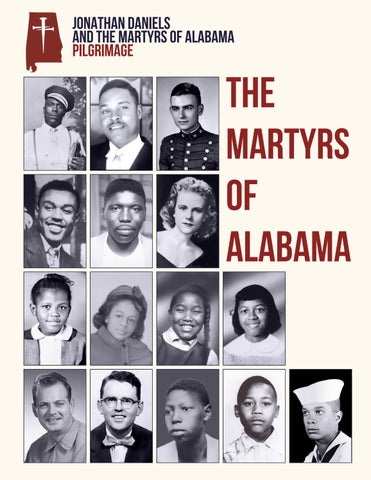
Jonathan Daniels and the Martyrs of Alabama PILGRIMAGE
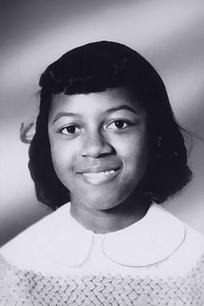
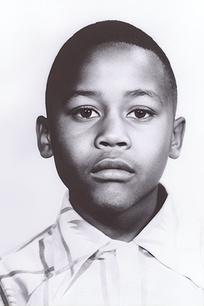
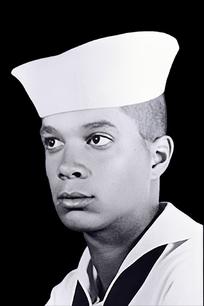
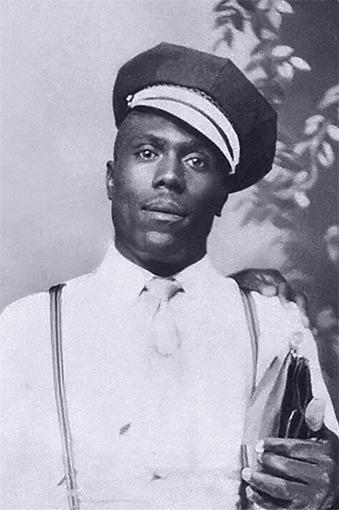
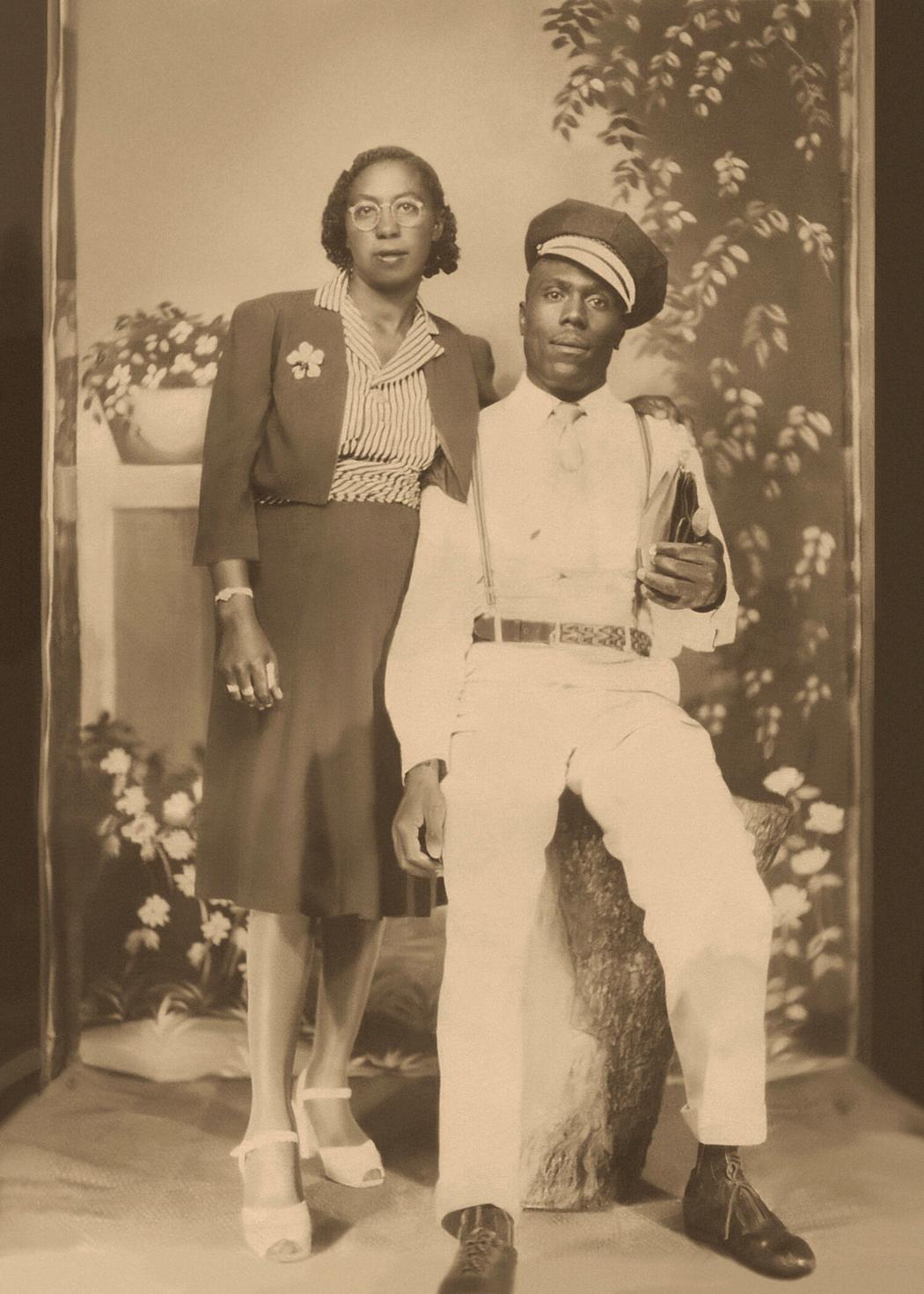

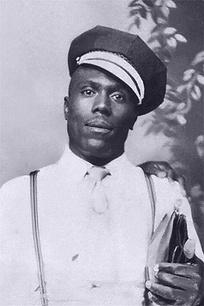
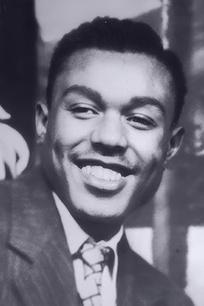
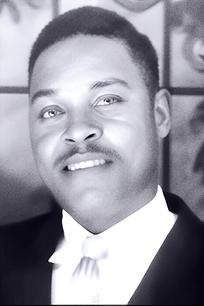
Elmore Bolling was found riddled with shot gun and pistol shots 150 yards from his general merchandise store. He was lynched because he was “too successful to be a Negro.” Elmore Bolling started with a mule and wagon and through ingenuity and hard work became a well-to-do farmer, an entrepreneur with a fleet of trucks and a general store, and a philanthropist. As Elmore's businesses thrived, some white men were irate that white employers favored Elmore over them for hauling jobs and that Elmore was prosperous enough to lease land and build a general store. In retaliation, they conspired to gun down Elmore on December 4, 1947. His family, working at his store, heard the shots and ran to find Elmore dead in a ditch No one was ever indicted and justice was never served for the killing.
Willie Edwards, Jr. was killed by the Klan. He was a truck driver, and in a case of mistaken identity, the Klan stopped him thinking he was another Winn Dixie driver they thought was dating a white woman. They forced him to jump to his death from a bridge. A fisherman found his decomposed body in the river three months later. A brief investigation turned up no murder suspects, and the case was closed
April 23, 1963
William Moore was known in Baltimore for standing up for his beliefs. He walked alone from Baltimore to Annapolic, the state capitol, to protest segregation. Later he walked to Washington to deliver a letter to President Kennedy He decided to walk from Chattanooga to Jackson, Miss., to deliver a letter to Governor Ross Barnett urging him to accept integration. On the evening of the 3rd day of his walk, he stopped on the side of the road to rest and was killed by bullets fired at close range. Ballistics tests proved who the gun owner was, but no one was ever indicted for the murder. Within a month, 29 young people were arrested for trying to finish the walk William Moore began They carried signs that read, “Mississippi or Bust”.
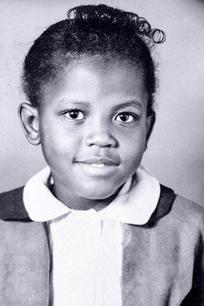
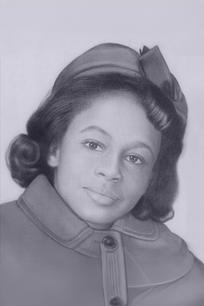
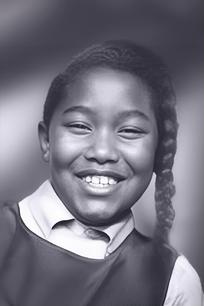
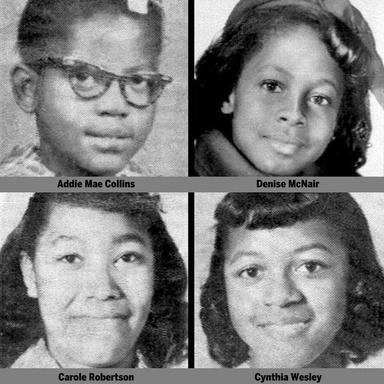
On September 15, 1963, a bomb exploded before Sunday morning services at the 16th Street Baptist Church in Birmingham, Alabama Cynthia Wesley (14), Carole Robertson (14), Addie Mae Collins (14) and Denise McNair (11) were killed and many other people injured. Outrage over the incident led to the violent clash between protesters and police.
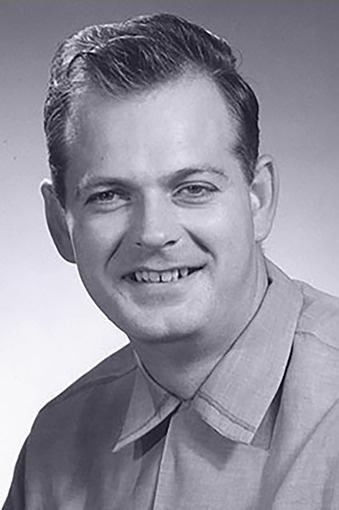
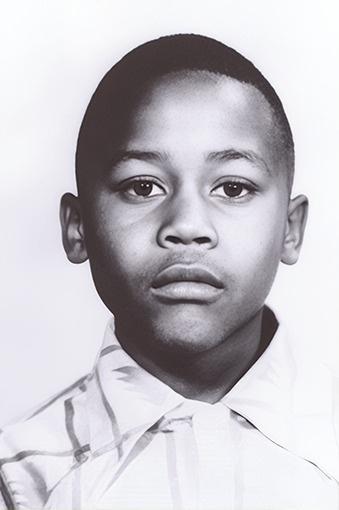
Virgil Lamar Ware, 13, was killed in the afternoon of the Church bombing in a wave of racist violence in Birmingham on September 16, 1963. He was riding on the handlebars of his brother James' bicycle. neither of them had heard about the bombing that morning. They were approached by two white boys riding a red motor scooter decorated with Confederate stickers. Without saying a word, the boy riding on the back pulled out a pistol and fired twice. Virgil fell from the handlebars to the ground and died. The killers – Michael Lee Farley and Larry Joe Sims, both 16, Eagle Scouts and regular churchgoers – confessed to the killing but told police they didn’t know why they shot Virgil Ware. They had attended a segregationist rally before the shooting They were convicted of manslaughter and sentenced to seven months.
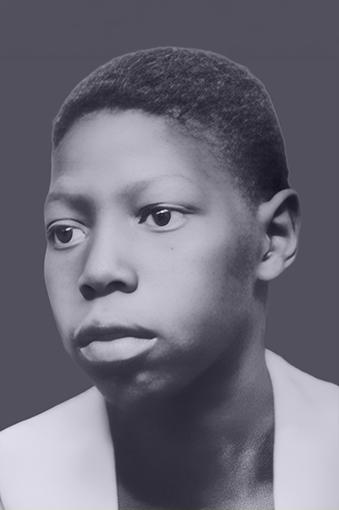
Johnny Robinson was a young African-American teenager who, at age 16, was shot and killed by a police officer in the unrest following the 16th Street Baptist Church bombing in Birmingham, Alabama. Robinson and several others were allegedly throwing rocks at a car draped with a Confederate flag. A Birmingham police officer, Jack Parker, who was riding in the back seat of a police car, shot and killed Robinson. Parker was never indicted for the killing and claimed that he had only fired a warning shot, and that a stray pellet must have killed Robinson.
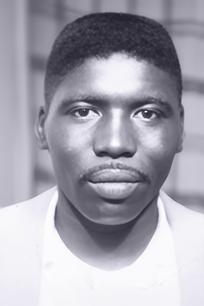
Jimmie Lee Jackson was killed by a State Trooper in Marion, AL. In nearby Selma, activists had marched for voting rights since 1963. On the night of February 18, more than 200 marchers began walking in pairs out of the door of the Mt. Zion Church. They were met a block later by state troopers swinging clubs. When Jimmie Lee saw his mother and grandfather beaten and bleeding, he ran to their aid. A trooper hit him with a club, then pulled his pistol and shot him in the stomach. Jimmie Lee died eight days later. Jackson’s killer was never publicly identified, and no charges were brought.
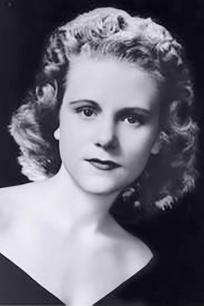
On the night of March 25, 1965, the day the marchers successfully made it from Selma to Montgomery, Viola Gregg Liuzzo was killed by the Klan while transporting marchers on the Selma Highway. Viola was a white 39year-old mother of five children She came to Alabama from Michigan to help transport marchers from Montgomery to Selma. With a young black man riding with her, she was followed out of town by a carload of white men. On a lonely stretch of road in Lowndes County, the Klansmen pulled alongside her car and fired twice, and shattered her skull. The young man grabbed the steering wheel, hit the brakes, and the car crashed into an embankment He feigned death while the Klan shone a light into the car and left. He flagged down a truck carrying more civil rights workers, but Viola Liuzzo was dead.
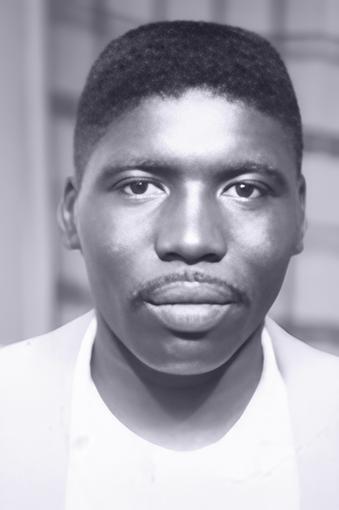
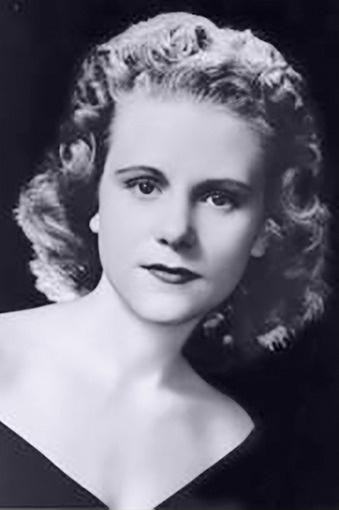
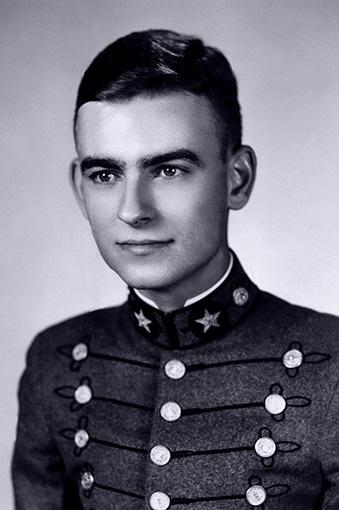
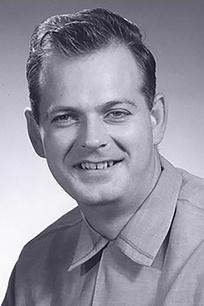
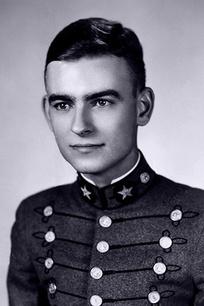
Jonathan Daniels was a 26-year old Episcopal seminarian in Boston when Dr. Martin Luther King Jr,. issued his call for clergy of all faiths to come to march. He made friends with a black family who opened their home to him and decided to stay in Alabama and work. One of his first goals was to integrate the local Episcopal Church. Then he turned to helping poor black get farm assistance, register to vote, and get educational opportunities. On August 14th, thirty protestors were arrested “for their own protection” and taken to Hayneville to jail. After nearly a week in jail, they were suddenly freed on August 20 with no reason given. Two teenage protestors walked with Daniels and a Roman Catholic priest, Father Morrisroe, to a nearby grocery store to buy a soda. They were met at the door by a man who told them to leave “ or I’ll blow your damned brains out”. In a split second, Daniels pushed one of the teenagers, Ruby Sales, out of the way and Daniels was shot in the stomach and killed instantly. Father Morrisroe grabbed the other teenager to run, but was shot in the back, critically injured. He eventually recovered. Tom Coleman, the part-time deputy sheriff who had shot Daniels and Morrisroe, walked over to the courthouse to report to the State Trooper commander, “I just shot two preachers. You better get down here”. He was indicted for murder, but he testified that Seminarian Daniels had pulled a knife on him and the all-white jury found Coleman not guilty. Ruby Sales, the young teenager Daniels pushed to the ground, went on to become an Episcopal priest.
September 11, 1965, martyred in Selma, AL
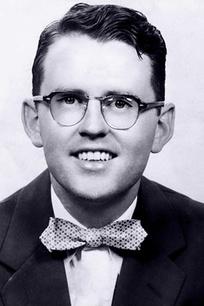
Rev. Reeb, a Unitarian minister from Boston, was beaten to death in Selma. Rev. Reeb answered the call from MLK, for ministers of all races and religions to come to Selma where the state troopers were attacking the marchers with impunity James Reeb came to Selma and joined 2000 people for the march, but they learned that a federal judge ordered the march postponed. With 2000 people waiting to march, King could not send them home. But the troopers were waiting for them. King gave the signal to retreat. He had never defied a federal court order, and could not bring himself to put the marchers in any more danger. King explained why they had retreated and asked them to stay a while Reeb decided to stay That night he and two other ministers made a wrong turn walking down a street and ran into four white men. One swung a heavy club into the side of Reeb’s head. He died two days later from a massive skull fracture and large blood clot. There was a surge of national outrage, and four days later, President Johnson delivered a voting rights bill to Congress.
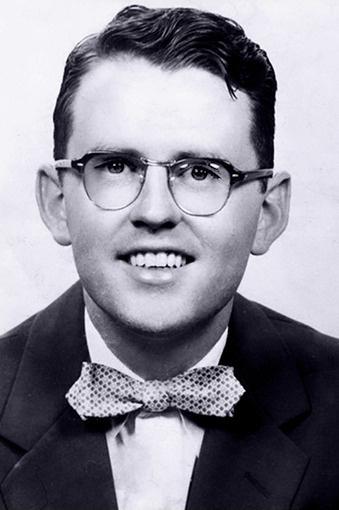
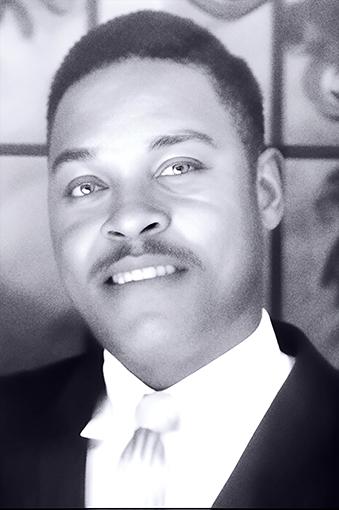
On the night of July 15, 1965, about 100 white people gathered at the courthouse in Anniston to hear a famous racist - Connie Lynch-speak. He said there should be a special medal for the one who killed Viola Liuzzo. As his racist speech was reaching its crescendo, three black men were getting off work from a local pipe foundry. Willie Brewster, a 38-year-old father of two, was driving with a co-worker when three gunshot blasts tore through the back window, slamming a bullet into Brewster's spine As he lingered near-death for three days, the Anniston Star began a campaign to find the assailants. White Anniston officials raised $20,000 as a reward within a few hours of the shooting, and three white men were indicted for Brewster's murder. After 13 hours of deliberation and 20 ballots, the all-white jury returned a 2nd-degree murder conviction against the shooter. It was the first time during the civil rights era that a white person was convicted of killing a black person in Alabama.
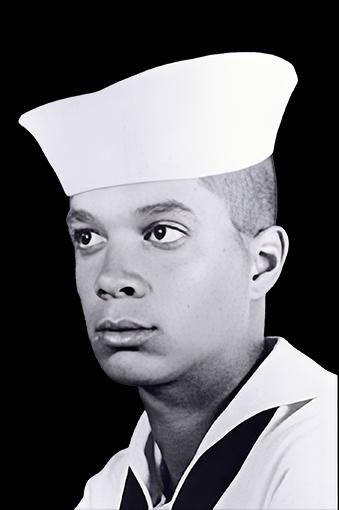
Samuel Younge, Jr., a student civil rights activist was killed in a dispute over a whites-only restroom in Tuskegee. He grew up in a prosperous middle-class family in Tuskegee, attended a boarding school in New England, and spent two years in the Navy. In 1964, he entered Tuskegee Institute. He became very dissatisfied with the hypocrisy he saw among black leaders in town, and he became a leader in the Tuskegee Institute Advancement League, an organization formed to push for stronger reforms. When he heard about the Jonathan Daniels murder, Younge organized a protest march and voter registration. After the march, he went to a local service station, asked to use the restroom, and went around back. Convinced that he was being sent to a "colored” bathroom, he argued with the 67-year-old attendant As Younge walked away, the attendant fired twice, hitting Younge in the head and killing him. The murder touched off immediate demonstrations. The next day, 2000 students and faculty marched through downtown in a steady rain to protest the killing. When the murderer was found not guilty by virtue of self defense, the students couldn't contain their anger and set fires around the town square, and threw rocks and bottles into store windows. The threat of further violence forced Tuskegee's black leaders to act. They pushed for and won a city ordinance banning discrimination in hotels and restaurants Soon thereafter, the impoverished rural blacks won the biggest victory by electing Lucius Amerson the first black sheriff in the South since Reconstruction, despite the lack of support from Tuskegee's black leaders who felt a black sheriff could not be elected Tuskegee was transformed, and Samuel Younge's father expressed satisfaction that his son had not died in vain.
...and those known only to God.