Behind the Curtain
A Creative and Theatrical Resource Guide for Teachers
DCT Executive Director Michael Meadows
Resource Guide Editor Emily Ernst
Resource Guide Layout/Design Jamie Brizzolara
Play The Pigeon Gets A Big Time Holiday Extravaganza! Based on Books and Characters by Mo Willems Script and Lyrics by Mo Willems and Adam Tobin Music by Megan Alrutz
Produced by special arrangement with Hidden Pigeon, LLC.
DALLAS CHILDREN'S THEATER produces professional theater featuring adult actors for an average annual audience of 90,000 children and their families at the Rosewood Center for Family Arts and in schools and community centers throughout North Texas. DCT provides live theater experiences and classroom study guides for each production that advance social-emotional skills development. DCT also serves over 45,000 students through matinee performances and arts-in-education programming.
DCT is committed to the integration of creative arts into the teaching strategies of academic core curriculum and educating through the arts. Techniques utilized by DCT artists are based upon the approach developed in Integration of Abilities and Making Sense with Five Senses by Paul Baker, Ph.D.
TEKS that your field trip to Dallas Children’s Theater satisfies are listed at the back of this Resource Guide.
2025-2026 EDUCATION SPONSORS

THE EUGENE MCDERMOTT FOUNDATION
THE CARL B. AND FLORENCE E. KING FOUNDATION
HOLLOWAY FAMILY FOUNDATION
STRAKE FOUNDATION
THE PATRICK AND BEATRICE HAGGERTY FOUNDATION

EDUCATIONAL SUPPORT IS ALSO PROVIDED BY
Margot B. Perot
The Ryan Goldblatt Foundation Prosperity Bank
Green Mountain Energy DCT’s official renewable energy partner
As part of DCT’s mission to integrate the arts into classroom academics, the Behind the Curtain Resource Guide is intended to provide helpful information for the teacher and students to use before and after attending a performance. The activities presented in this guide are suggested to stimulate lively responses and multi-sensory explorations of concepts in order to use the theatrical event as a vehicle for cross-cultural and language arts learning.
Please use our suggestions as springboards to lead your students into meaningful, dynamic learning; extending the dramatic experience of the play.
Permission is granted for material included in this Resource Guide to be copied for use in the classroom.
SENSORY-FRIENDLY SPONSORS
FICHTENBAUM CHARITABLE TRUST Bank of America, N.A., Trustee
The Alice E. and Joseph C. Blewett Foundation
Texas Commission on the Arts and National Endowment for the Arts
Putting a Performance Together
Every DCT performance you see is the result of many people working together to create a play. You see the cast perform on stage, but there are people behind the scenes that you do not see who help before, during, and after every production.
The WRITER/ADAPTOR
Creates a script that combines the story, the music, and the creative vision of a director.
The DIRECTOR
Determines the overall look of the performance. This person guides the actors in stage movement and character interpretation. They work with designers to plan the lights and sounds, scenery, costumes and makeup, and choreography.
The STAGE MANAGER
The DESIGNERS
Plan the lights, sounds, scenery, costumes, make-up, and actions to help bring the director’s vision to life. There are also designers who work to create the posters, advertisements, programs, and other media for the performance.
Before the performance, they create a cue sheet to guide the crew in getting set pieces on and off the stage during the performances. During the performance, the stage manager uses this cue sheet to direct people and things as they move on and off the stage.
The CREW
Build and operate the scenery, construct and tailor costumes, find and build props, and design lighting and sounds for the performance.
The AUDIENCE
The PUPPETEERS
The “invisible” folks who manipulate the puppets so that they come to life in a performance. These people work hard to make sure the puppet is the focus, even if you can still see them.
The CAST
Includes all of the performers who present the story on stage.
That’s right! There can be no performance without you—the audience. The role of the audience is unique because you experience the entertainment with the performers and backstage crew. You are a collaborator in the performance and it is important to learn your role so you can join all the people who work to create this Dallas Children’s Theater production.
The Role of the Audience
Hundreds of years ago, people would say they went to go “hear” a play. The word “audience” is connected to “audio”. In a more visual world, now we talk about watching a play, but we use both our eyes and ears when we are audience members. Watching a play is different from watching television or a sporting event. When you watch TV, you may leave the room or talk at any time. At a sporting event you might cheer and shout and discuss what you’re seeing. In order to have the best experience, being part of an audience means you must watch and listen carefully because:
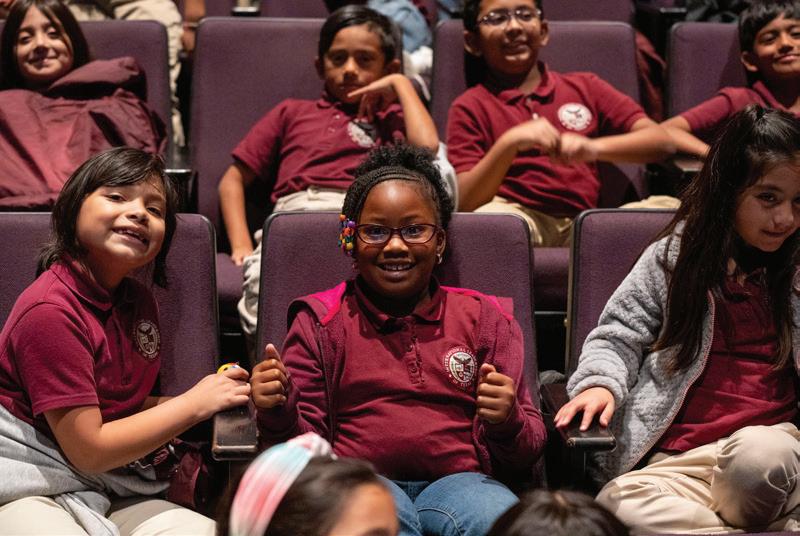
• In order to understand the play, you need to be able to hear what the actors are saying.
• The actors notice audience behavior because they are only a few feet away from you.
• It’s okay to laugh when you think something is funny. (It’s hard to control that, isn’t it?)
• Talking loudly or moving around might distract them from their work, and it might distract other audience members who are trying to listen. If you need to get up for something urgent, it’s very important to be as quiet as possible. The actors will appreciate this as a sign of respect.
Activity Give it a Try
ARE YOU READY FOR YOUR ROLE IN THIS PERFORMANCE?
Check the box next to the statements that describe proper etiquette for an audience member.
q Try your best to remain in your seat once the performance has begun.
q Share your thoughts out loud with those sitting near you.
q Wave and shout out to the actors on stage.
q Sit on your knees or stand near your seat.
q Bring snacks and chewing gum to enjoy during the show.
q Reward the cast and crew with applause when you like a song or dance, and at the end of the show.
q Jump onstage whenever you feel like it and do a cartwheel!
q Arrive on time so that you do not miss anything or disturb other audience members when you are being seated.
q Keep all hands, feet, and items out of the aisles during the performance.
q Think ahead, and use the restroom before the performance so you don’t need to.
Activity Give it a Try
Draw a picture of what the audience might look like from the stage. Consider your work from the viewpoint of the actors on stage. How might things look from where they stand?
Write a letter to an actor telling what you liked about their character or performance and why.
Write how you think it might feel to be one of the actors. Are the actors aware of the audience? How might they feel about the reactions of the audience today? How would you feel before the play began? What about after the show ends?
1 2 3 4
Which job would you like to try? Acting, Directing, Lighting and Sound design, Stage Management, Set design, Costume design, or another role? What are you the most interested in at school?
What are your best skills?
Theater Vocabulary
ACTOR/PUPPETEER any performer whose job it is to portray a character
CAST group of actors in a play
CENTER STAGE the middle of the stage
CHARACTER any person portrayed by an actor onstage. Characters may often be people, animals, and sometimes things. The most interesting characters have strengths and weaknesses, like all humans do.
CHOREOGRAPHER the person who teaches the cast a dance
COSTUME DESIGNER the person who creates what the actors wear in the performance
DIRECTOR the person who chooses the cast, and helps bring out the best in every actor
DOWNSTAGE the area at the front of the stage; closest to the audience
HOUSE where the audience sits in the theater
LIGHTING DESIGNER the person who creates the lighting for a play to simulate the time of day and the location
ONSTAGE the part of the stage the audience can see
OFFSTAGE the part of the stage the audience cannot see
PLAYWRIGHT the person who writes the script to be performed. Playwrights may write an original story or adapt a story by another author for performance.
PLOT what happens in the play
PROSCENIUM the opening framing the stage
PROJECT to speak loudly
PROP an object used by an actor in a scene like the Pigeon’s hot dog
PUPPET a movable model of a person or animal that is used in entertainment and is moved either by strings from above, or by a hand inside it.
SET the background or scenery for a play: trees, snowbanks, etc.
SETTING the time and place of the story
SOUND DESIGNER the person who provides special effects like thunder, a ringing phone, or crickets chirping
STAGE CREW the people who change the scenery during a performance
STAGE MANAGER the person who helps the director during the rehearsal and coordinates all crew during the performance
UPSTAGE the area at the back of the stage; farthest from the audience
A Brief History Of Puppetry
Puppetry, like music and dance, is an ancient art ever evolving and renewing itself.
A puppet is an inanimate figure that is caused to move by human effort before an audience. The four most common kinds of puppets are:
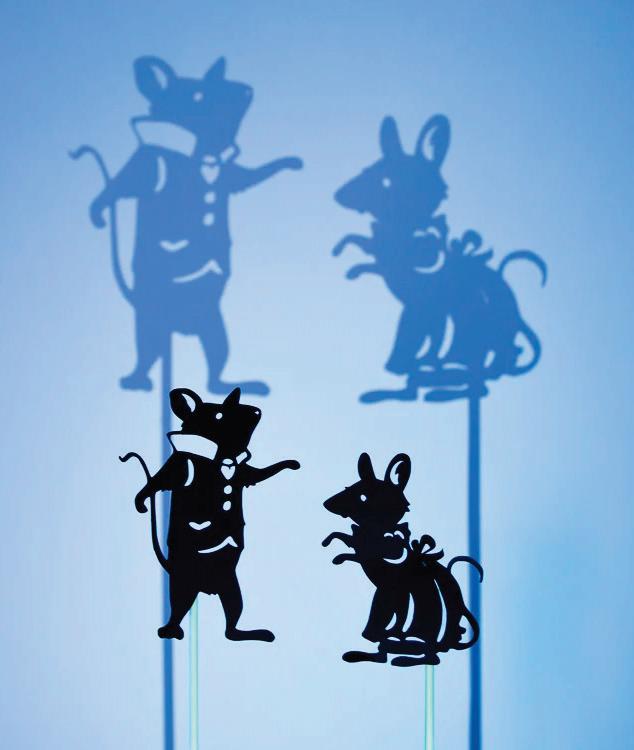
Shadow Puppets
Operated from below the stage behind a screen or curtain. Light shines through the holes to create a shadow on the screen.
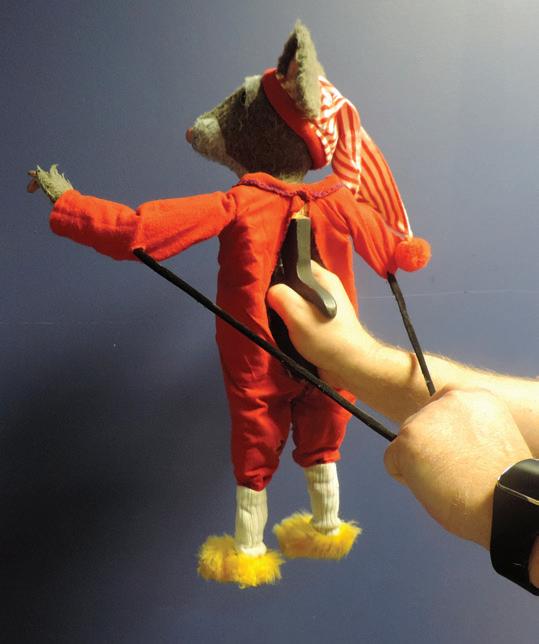
Rod Puppets
Manipulated from below the stage or from directly behind the playing area, as in Black Theatre.
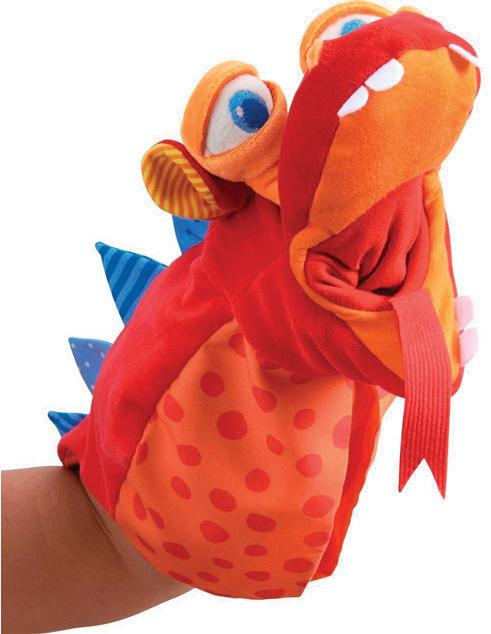
Glove or Hand Puppets
Operated from below the stage.
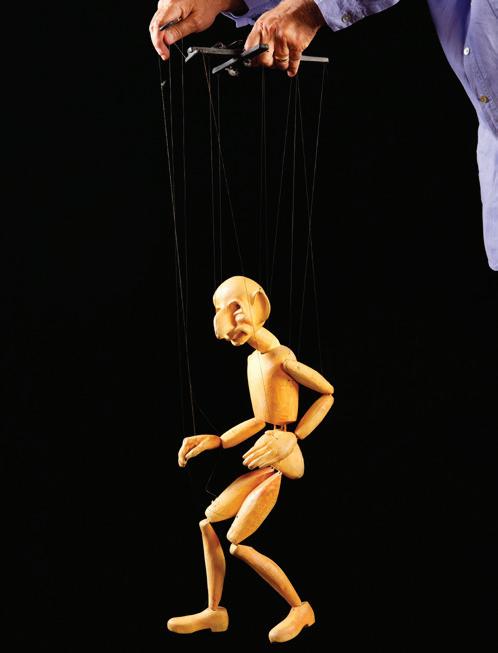
Marionettes or String Puppets
Manipulated from above the stage.
Puppets exist in a wide variety of types and may be two- or three-dimensional. They vary in size from finger puppets to larger-than-life size and range from the simplest shapes to elaborately articulated figures.
The origins of puppetry are veiled in antiquity, but it is known that primitive peoples made puppets long before the invention of writing. Puppets probably served a function in the ritual magic practices by early man. Extensive use of puppetry for religious purposes is recorded in every subsequent civilization.
For centuries, puppetry was effectively utilized in the church, but gradually some of the comic characters and scenes, originally introduced to lighten the miracle plays, got out of hand and became offensively boisterous and vulgar. Eventually, puppets were totally expelled from the church. Henceforth, the art of puppetry was practiced in the streets, fairgrounds, inns, and later, when it had gained status again, in theaters of its own. In the present day it has returned to some churches. Whatever the setting, audiences have always responded wholeheartedly to those qualities unique to the art of puppetry.
When operated with skill and artistry, puppets can convey with great intensity every emotion known to humankind, distilling the essence of feelings common to everyone. Puppets eloquently express the gamut of dramatic styles, from slapstick to riotous comedy to heart rending pathos and soul wrenching drama.
Images: https://www.adventure-in-a-box.com/shadow-puppet-templates/, DCT staff, https://www.habausa.com/, and istock
Curtains Up After the Performance

Attending a play is an experience unlike any other entertainment experience. Because a play is presented live, it provides a unique opportunity to experience a story as it happens. Dallas Children’s Theater brings books to life through live performance. Many people are involved in the process. Playwrights adapt the stories you read in order to bring them off the page and onto the stage. Designers and technicians create lighting effects so that you can feel the mood of a scene. Carpenters build the scenery and make the setting of the story become a real place, while costumers and make-up designers can turn actors into the characters you meet in the stories. Directors help actors bring the story to life and make it happen before your very eyes. All of these things make seeing a play very different from television, videos, or computer games of stories.
Teacher Tip
Hold a class discussion when you return from the performance. Ask students the following questions and allow them to write or draw pictures of their experience at DCT.
• What was the first thing you noticed when you entered the theater?
• What did you notice first on the stage?
• What about the set? Draw or tell about things you remember. Did the set change during the play? How was it moved or changed?
• Was there any space besides the stage where action took place?
• How did the lights set the mood of the play? How did they change throughout? What do you think the house lights are? How do they differ from the stage lights? Did you notice different areas of lighting?
• What did you think about the costumes? Do you think they fit the story? What things do you think the costume designers had to consider before creating the costumes?
• Was there music in the play? How did it add to the performance?
• What about the actors? Did you believe them? What things do you think the actors had to work on in order to make you believe they were the characters? How did they make you feel?
Adaptation
An adaptation is a change made in something so that it can fit a new use. The Pigeon Gets A Big Time Holiday Extravaganza! is an adaptation of the book, Don’t Let the Pigeon Drive the Sleigh!. Books are meant to be read, and plays and musicals are meant to be seen. Mo Willems, Adam Tobin, and Deborah Wicks La Puma took the work of Mo Willems and adapted it so that it could be performed for an audience on stage. Dallas Children’s Theater is one of the first companies to present this brand new musical!
Consider these questions for discussion before you attend the DCT production:
• What characters are in The Pigeon Gets A Big Time Holiday Extravaganza! who are not in Don’t Let the Pigeon Drive the Sleigh?
• Sometimes The Pigeon confuses his wants with his needs. When do you notice this in the book? What about the musical?
• Do you think the performance will be shorter or longer than the books?
• How much do the characters match the illustrations by Mo Willems? How would you costume them?
After the performance, consider these questions:
• Were there any characters or events that were in the books but not in the play?
• When did you laugh during the performances?
• When did you feel sorry for any of the characters?
• If you could play any character, which one would it be?
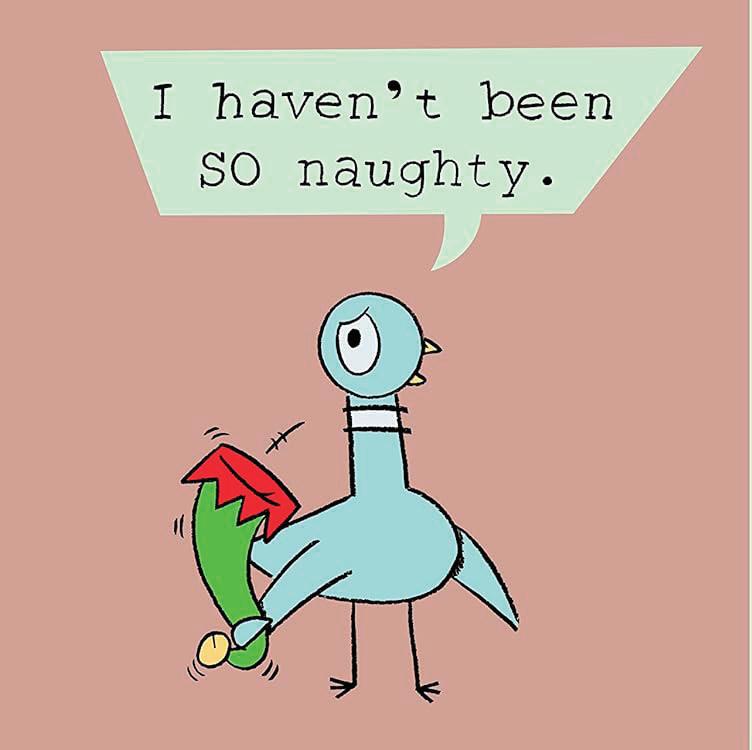
• What was your favorite song? Use the following template to illustrate the similarities and differences between Mo Willems’s stories and DCT’s performance of The Pigeon Gets A Big Time Holiday Extravaganza!
Activity — Give it a Try
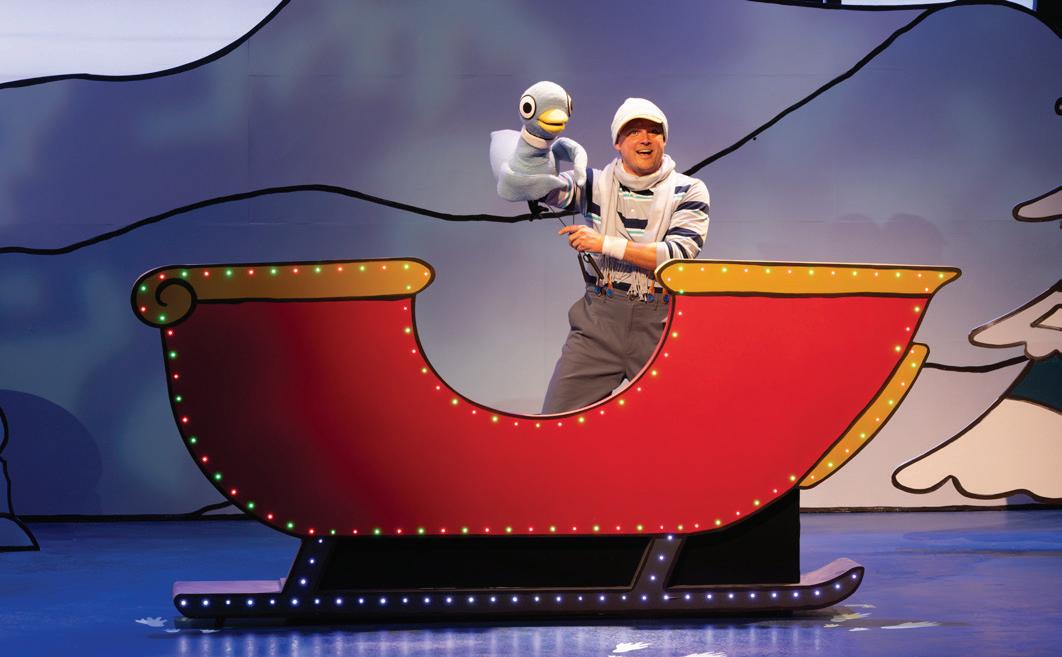
Author, Playwright, Lyricist And Composer

#1 New York Times Bestseller MO WILLEMS began his career as a writer and animator for PBS' Sesame Street where he garnered six Emmy Awards for his writing. During his nine seasons at Sesame Street, Mo also served as a weekly commentator for BBC Radio and created two animated series, Nickelodeon's The Off-Beats and Cartoon Network's Sheep in the Big City. While serving as head writer for Cartoon Network's #1 rated show, Codename: Kids Next Door, Mo began writing and drawing books for children. His debut effort, Don't Let the Pigeon Drive the Bus! became a New York Times Bestseller and was awarded a Caldecott Honor in 2004. The following year Knuffle Bunny: a Cautionary Tale was awarded a Caldecott Honor. The sequel, Knuffle Bunny Too: a Case of Mistaken Identity garnered Mo his third Caldecott Honor in 2008. In addition to picture books, Mo created the Elephant and Piggie books, a series of "Easy Readers", which were awarded the Theodor Seuss Geisel Medal in 2008 and 2009 and a Geisel Honor in 2011. For older audiences he has published an illustrated memoir of his yearlong trip around the world in 1990-91 entitled You Can Never Find a Rickshaw When It Monsoons. Mo's drawings, wire sculptures, and ceramics (done in collaboration with his father) have exhibited in numerous galleries and museums across the nation, and his graphic story about his family experiences during 9-11 for DC comics resides in the Library of Congress' permanent collection. Mo has been heard on NPR's All Things Considered where he occasionally serves as the broadcast's 'Radio Cartoonist'. While no longer working in television, Mo voices and produces animated cartoons based on his books with Weston Woods studios. The animated Knuffle Bunny was awarded Best Film during the New York International Children's Film Festival in 2008 and received the Andrew Carnegie Medal in 2007. The animated Don't Let the Pigeon Drive the Bus! garnered Mo his second Carnegie Medal in 2010. Mo wrote the script and lyrics for Knuffle Bunny: A Cautionary Tale, commissioned by the Kennedy Center for its 2010 season. Mo lives in Massachusetts with his family.
Excerpted from: mtishows.com/people/mo-willems

ADAM TOBIN is the writer and lyricist of She Persisted: The Musical, adapted from Chelsea Clinton's children's book for Bay Area Children's Theatre. A Senior Lecturer teaching screenwriting and television at Stanford University, Tobin created the television series About a Girl and Best Friend's Date for Viacom's The-N network (now TeenNick), won an Emmy for writing on Discovery Channel's Cash Cab, and worked in script development for Jim Henson Pictures and The National Basketball Association. He has taught story seminars to Dreamworks Animation, Aardman Animation, and Blue Sky Studios. Tobin also performed with Los Angeles Theatresports and the comedy group The But Franklies, and was a founding member of the Stanford Improvisors. He holds a bachelor's degree from Stanford in English and an MFA from USC School of Cinematic Arts in Screenwriting.
Excerpted from: mtishows.com/user/1056985

A composer, music director, and orchestrator, DEBORAH WICKS LA PUMA is one of the most produced Theatre for Young Audiences artists working today. With bestselling children's author Mo Willems, she has created The Pigeon Gets A Big Time Holiday Extravaganza!, Elephant and Piggie's: We Are In A Play; Naked Mole Rat Gets Dressed: The Rock Experience; and Don't Let the Pigeon Drive the Bus: The Musical. Her many and diverse works with playwright Karen Zacarías include Ella Enchanted (based on the book by Gail Carson Levine), Olivério: A Brazilian Twist, Frida Libre, Looking for Roberto Clemente, and Einstein Is a Dummy. With playwright Adam Tobin, she created She Persisted (based on the book by Chelsea Clinton) and the upcoming What Do You Do With An Idea? (based on the book by Kobi Yamada). Her adult works include the lyric opera Dakota Sky and the Mexican folk musical Perdita (based on Shakespeare's The Winter's Tale) with Kathleen Cahill. She received her MFA from New York University's Tisch School of the Arts, her bachelor's degree from Stanford University, and studied folk music with ethnomusicologist Alfredo López Mondragón. Her honors include the Jane Chambers Playwriting Award, an NEA New American Works Grant, two Parents' Choice Awards, and a Helen Hayes Award for Outstanding Musical Adaptation. A proud Mexican-American and "Navy brat" who grew up in Brazil, Portugal, and California, La Puma is a member of TYA USA/ASSITEJ, ASCAP, and The Dramatists Guild. Mother to three daughters and Mimi the Cat, La Puma lives in Southern California with her PR agent and loving husband, Chris.
Excerpted from: mtishows.com/people/deborah-wicks-la-puma
Discussion
Use the following questions to lead a discussion with students after attending DCT’s performance of The Pigeon Gets A Big Time Holiday Extravaganza!
• What is the first thing The Pigeon wants when he arrives onstage?
• Why is the Pigeon upset when he hears the Catchy Holiday Song ?
• What kind of party do the Squirrels want to have?
• What does The Pigeon think when he finds the sleigh?
• Why does it take Elephant and Piggie so long to open their presents?
• Why do you think Elephant and Piggie give The Pigeon a present?
• How does The Pigeon get to the North Pole?
• Why does The Pigeon run away from the sleigh?
• Which characters talk to the audience during the play?
Writing
Activity
What does the Pigeon want? A whole lot of things – to eat a hot dog, drive the sleigh, open presents, and so much more! And, he’s working hard in The Pigeon Gets A Big Time Holiday Extravaganza! to persuade anyone he can to get the things he wants.
Dear Santa Persuasive Letter
In this activity, your students will write a letter to Santa describing if they think The Pigeon should or shouldn’t drive the sleigh.
You will need:
• Dear Santa Persuasive Letter template
• Pen, pencils
• Crayons, markers
Begin the activity by discussing persuasive arguments – what does it mean to persuade or convince? After attending DCT’s performance (you could read the book, too), discuss The Pigeon’s persuasive argument in The Pigeon Gets A Big Time Holiday Extravaganza! Why does he think he should drive the sleigh? Tell the class they each get to decide if they think The Pigeon should or shouldn’t drive the sleigh. And, they will need to (convincingly!) write a letter to Santa explaining their decision. Give each student a template; they can either write sentences or draw pictures to complete the letter. When everyone has completed their letter, have time for show and tell with the class.
Dear Santa,

Fun With Math
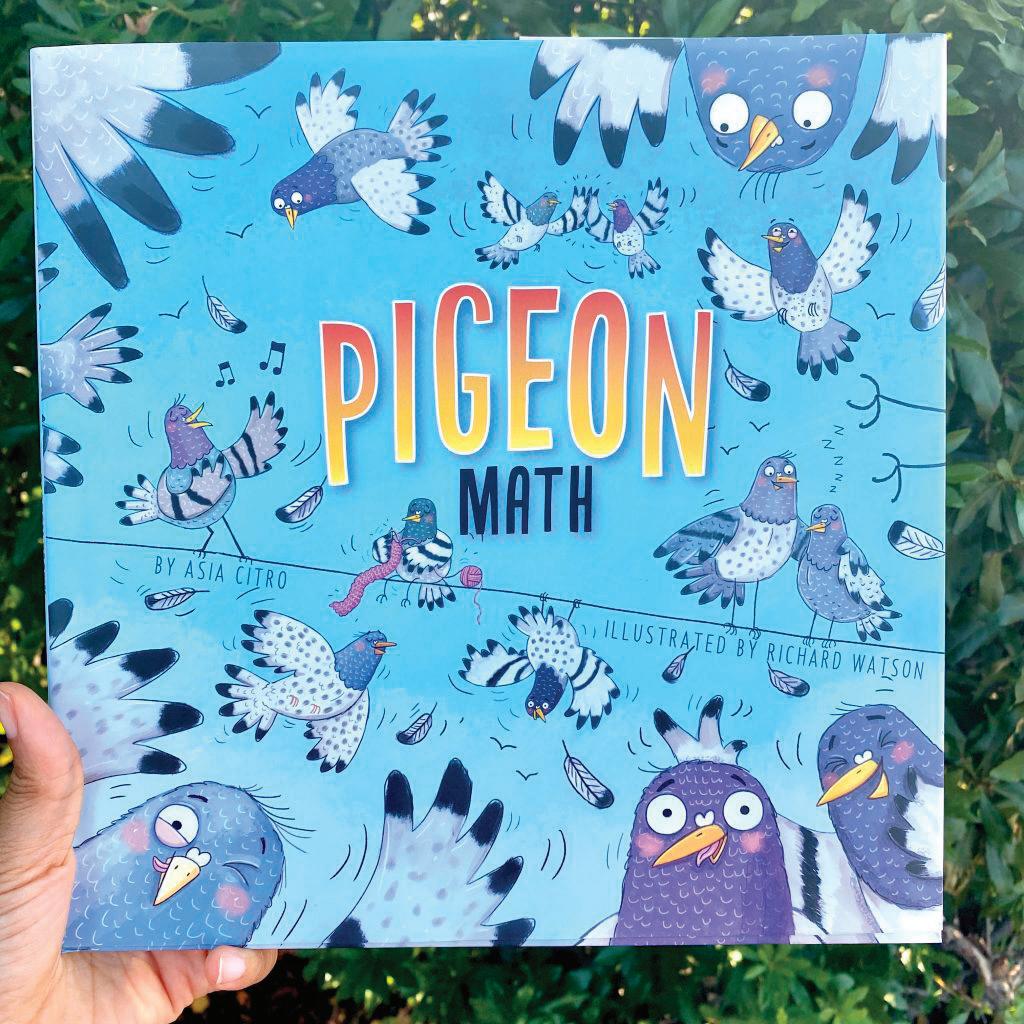
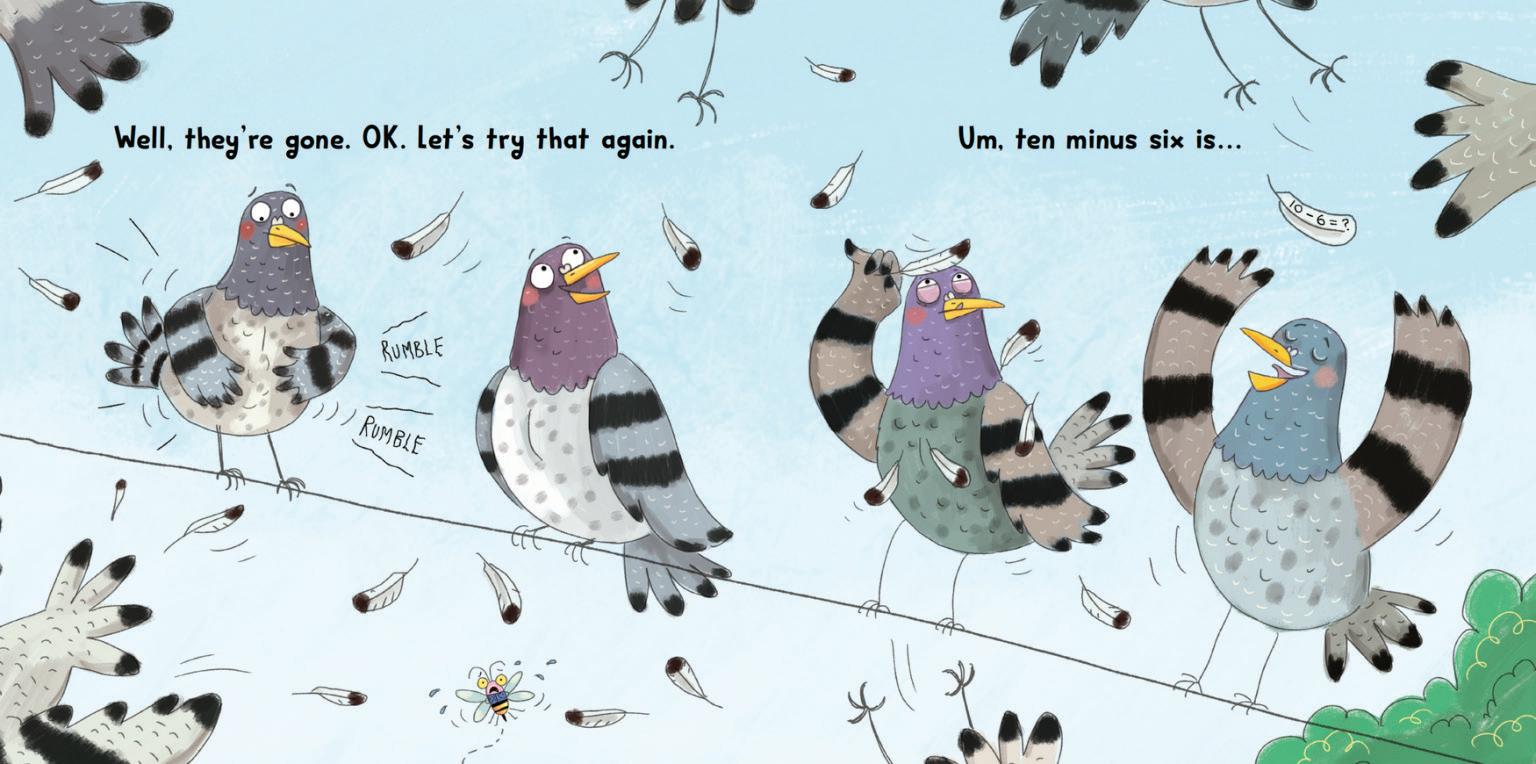
The Pigeon Gets A Big Time Holiday Extravaganza! is not the only story starring a lovable pigeon. In Asia Citro’s Pigeon Math, a narrator runs into trouble telling a story about a flock of pigeons because they keep adding and subtracting from their number. As a class, read Pigeon Math (or check out a read-aloud online, like at youtube.com/watch?v=2Nnej7Y4dGs). While you read, use math manipulatives or draw pigeons on the whiteboard to illustrate the addition and subtraction problems in the story (don’t forget to write the addition and subtraction number sentences, too). After you read the story, create more pigeon word problems – remember to come up with interesting reasons why the pigeons might have to leave or come back to the flock.
Adapted from: akteacherlife.com/pigeon-math-book-review-and-subtraction-activity/
Social And Emotional Learning
In The Pigeon Gets A Big Time Holiday Extravaganza! Elephant and Piggie’s love and support have a lasting impact on The Pigeon. Just like Elephant and Piggie, we all have opportunities every day to lift up the people in our communities (at home, at school, at the grocery store, library, or park, etc.).
Activities
Try one (or more) of the following activities to help students see how their positive actions can have an impact on others.
Paper Chains
This classic lesson is a tried and true way to add positivity to the daily routine of a child. Using strips of paper, ask students to write a task to spread kindness. Then, loop the strips together to make a large paper chain. Each day, ask students to tear off a link to guide their SEL check-in for the day.
Partner Art Trade
Making something for someone else is a great way to encourage students to think about others. Have students create a small artist trading card, mini-masterpiece, or positive portrait of a friend. Intentionally taking the time to focus on creating something for another person specifically strengthens the social awareness of students.
Generating Positive Emotion Through Gratitude
Encourage students to think about a time that a friend, sibling, parent, trusted adult, family member, or teacher had a positive impact on their life. What happened? How often do you think about it? What did this person do that you will always remember? Write a letter thanking this person for what they did, and surprise them by delivering it to them in person.
Excerpted from: https://positivepsychology.com/gratitude-messages-letters-lists/
Sound Effects
Activity
Sound effects are an important element in theater, engaging the audience and providing important information to help tell the story. As a class, think about a musical (like the one you saw at DCT) and discuss what sound effects you heard (or imagine which ones you might hear in a play in general – like footsteps, sirens, growls, clapping). List all the different possible sound effects on the board. Then, have students try making those sound effects (not all sound effects are verbal; some can be made with hands, feet, etc.). How close can they get to a realistic sound? Have fun and try creating individually, and as a group!
Created by: Jessica Colaw
Drawing
In response to the pandemic and resulting lockdowns/stay-at-home orders, Mo Willems invited people into his studio (via videos) for Lunch Doodles. Check out the archived videos and do some doodling with Mo:
kennedy-center.org/education/mo-willems/lunch-doodles/
Want to learn how to draw The Pigeon (just like Mo Willems)? Go to the following site for step-bystep instructions: pigeonpresents.com/content/uploads/2017/08/pigeon_draw02.pdf
Games
Activities
The Pigeon Says
Have your listeners act like puppies in this fun game of “The Pigeon Says…”.
Start each command with “The Pigeon says…” and watch the children follow the command. After a few rounds, give a command without “The Pigeon says…” and see which children follow the command anyway.
Give them puppy commands to follow from the list below:
• Beg
• Stay
• Speak
• Bark
• Give
• Sit
• Play dead
• Drop it
Excerpted from: pigeonpresents.com/content/uploads/2017/08/Pigeon_Puppy_EventKit_2014.pdf
The Pigeon Wants…
In this charade-style game, ask the class to brainstorm things that The Pigeon might want (could be things we know The Pigeon wants, or made up things). List the ideas on the whiteboard. Ask for student-volunteers to act out one of those ideas (don’t forget – no talking in charades) as everyone else in the class has to guess.
Created by: Jessica Colaw
More
More books by Mo Willems:
Don’t Let the Pigeon Stay Up Late!
The Pigeon Needs a Bath!
The Pigeon HAS to Go to School!
Knuffle Bunny: A Cautionary Tale
Knuffle Bunny Too: A Case of Mistaken Identity
Knuffle Bunny Free: An Unexpected Diversion
Goldilocks and the Three Dinosaurs
Elephant & Piggie series
Plus so many more…
T.E.K.S. satisfied by The Pigeon Gets A Big Time Holiday Extravaganza!
110.2 English Language Arts and Reading, Kindergarten
b.10 Composition: listening, speaking, reading, writing, and thinking using multiple texts - writing process. The student uses the writing process recursively to compose multiple texts that are legible and uses appropriate conventions..
110.3 English Language Arts and Reading, Grade 1
b.11 Composition: listening, speaking, reading, writing, and thinking using multiple texts - writing process. The student uses the writing process recursively to compose multiple texts that are legible and uses appropriate conventions..
110.4 English Language Arts and Reading, Grade 2
b.11 Composition: listening, speaking, reading, writing, and thinking using multiple texts - writing process. The student uses the writing process recursively to compose multiple texts that are legible and uses appropriate conventions.
110.5 English Language Arts and Reading, Grade 3
b.11 Composition: listening, speaking, reading, writing, and thinking using multiple texts - writing process. The student uses the writing process recursively to compose multiple texts that are legible and uses appropriate conventions.
111.2 Mathematics, Kindergarten
b.3 Number and operations. The student applies mathematical process standards to develop an understanding of addition and subtraction situations in order to solve problems.
111.3 Mathematics, Grade 1
b.3 Number and operations. The student applies mathematical process standards to develop and use strategies for whole number addition and subtraction computations in order to solve problems.
111.4 Mathematics, Grade 2
b.4 Number and operations. The student applies mathematical process standards to develop and use strategies and methods for whole number computations in order to solve addition and subtraction problems with efficiency and accuracy.
111.5 Mathematics, Grade 3
b.4 Number and operations. The student applies mathematical process standards to develop and use strategies and methods for whole number computations in order to solve problems with efficiency and accuracy.
117.102 Art, Kindergarten
b.2 Creative expression. The student communicates ideas through original artworks using a variety of media with appropriate skills. The student expresses thoughts and ideas creatively while challenging the imagination, fostering reflective thinking, and developing disciplined effort and progressive problem-solving skills.
117.105 Art, Grade 1
b.2 Creative expression. The student communicates ideas through original artworks using a variety of media with appropriate skills. The student expresses thoughts and ideas creatively while challenging the imagination, fostering reflective thinking, and developing disciplined effort and progressive problem-solving skills.
117.108 Art, Grade 2
b.2 Creative expression. The student communicates ideas through original artworks using a variety of media with appropriate skills. The student expresses thoughts and ideas creatively while challenging the imagination, fostering reflective thinking, and developing disciplined effort and progressive problem-solving skills.
T.E.K.S. satisfied by The Pigeon Gets A Big Time Holiday Extravaganza!
117.111 Art, Grade 3
b.2 Creative expression. The student communicates ideas through original artworks using a variety of media with appropriate skills. The student expresses thoughts and ideas creatively while challenging the imagination, fostering reflective thinking, and developing disciplined effort and progressive problem-solving skills.
117.104 Theatre, Kindergarten
b.5 Critical evaluation and response. The student responds to and evaluates theatre and theatrical performances.
117.107 Theatre, Grade 1
b.5 Critical evaluation and response. The student responds to and evaluates theatre and theatrical performances.
117.110 Theatre, Grade 2
b.5 Critical evaluation and response. The student responds to and evaluates theatre and theatrical performances.
117.113 Theatre, Grade 3
b.5 Critical evaluation and response. The student responds to and evaluates theatre and theatrical performances.