THE RESETTLEMENT MAGAZINE








Your new chapter starts now...
Owning your brand new dream home can be a reality when you buy through Shared Ownership.
As serving or former military personnel, you have first refusal and can start with as little as 10% ownership, needing only a 5% deposit of that share, making that step onto the property ladder an affordable one.
Early bird reservations and refundable fees make it easy to plan around deployments, giving your family a secure future.
PUBLISHER
Denise Connelly denise@dcpublishing.co.uk
STAFF WRITER
Kate Stevenson
EDITORIAL CONTRIBUTOR
Ananya Patankar
DESIGN AND PRODUCTION
Lucy Baillie lucy.baillie@dcpublishing.co.uk
SALES
Marian Mathieson marian.mathieson@dcpublishing.co.uk
ADVANCE MAGAZINE www.advancemagazine.co.uk DC
Ltd, 198 Bath Street, Glasgow, G2 4HG Tel: 0844 249 9007
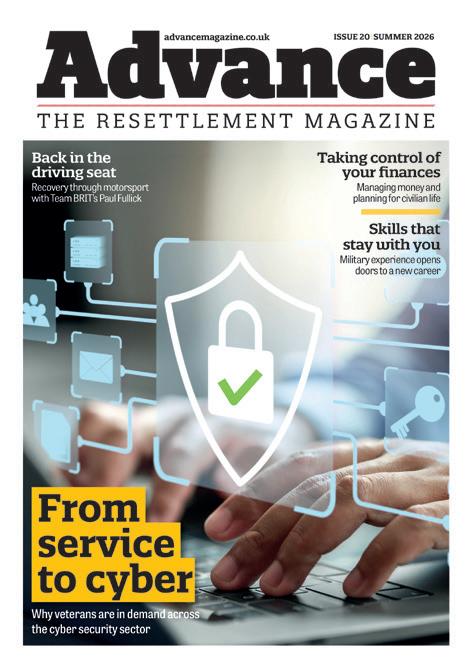

Leaving the military can bring a lot of change, from finding a new career path to adjusting to civilian life. While transition can feel unfamiliar at first, the right support and preparation can make the process much smoother
In this issue, you’ll find practical advice, real-life experiences and expert guidance to help you take the next step. From training opportunities and

career routes to financial support and wellbeing services, this issue is packed with information to support you through transition.
We also share stories from veterans who have successfully transitioned into civilian life and found new careers and opportunities a er service.
All this and much more inside.
22 TAKING CONTROL OF YOUR FINANCES
Managing your money a er leaving the Forces.
20 THE POWER OF PEER SUPPORT
Finding connection a er service.
28 SUPPORT YOUR WELLBEING Organisations working at the frontline of veteran wellbeing.
18 STARTING OVER Alastair Skene reflects on rebuilding his working life a er medical discharge.
25 SMALL STEPS TOWARDS A BOLD FUTURE
An interview with the founder of SaluteMyJob on connecting military experience with civilian opportunities.
30 BACK IN THE DRIVING SEAT
Paul Fullick on life a er the Army, motorsport and still chasing adrenaline.
There’s a wide range of support available, and knowing where to look can make all the difference
Career Transition Partnership (CTP)
Your official resettlement service, supporting you with training, job searching and career planning as you move into civilian employment. It also gives you access to workshops, employer events and one-to-one support.
modctp.co.uk
Veterans’ Gateway
A first point of contact if you’re not sure where to start. It can connect you with organisations across housing, employment, finances and health, helping you find the right support quickly.
gov.uk/support-for-veterans
Veterans UK
Provides information on pensions, compensation and financial support. It is the official source for understanding what you are entitled to after leaving service and how to access support.
gov.uk/veterans-uk
Forces Employment Charity
Supports you and your family into work, offering job opportunities, training and career support, along with guidance to help you build a long-term civilian career. forcesemployment.org.uk
X-Forces Enterprise
Offers training, mentoring and support if you’re considering self-employment or starting a business after leaving the Forces. It helps you develop practical skills and turn ideas into a sustainable income.
x-forces.com
Building Heroes
Construction training for service leavers, helping you gain recognised qualifications and move into employment in the building sector. buildingheroes.org.uk

Op COURAGE
The NHS mental health service for serving personnel, veterans and their families. It provides access to specialist care and support for a range of mental health needs, including ongoing treatment where needed.
nhs.uk/veterans-reservists
Combat Stress
Specialist treatment and support for veterans with mental health conditions such as PTSD, anxiety and depression, with both residential and community-based services available.
combatstress.org.uk
Veterans’ Housing Advice (VHA)
Provides guidance to help you find and maintain suitable accommodation. It offers support on housing options and assistance if you are at risk of homelessness. veteranshousingadvice.org.uk
SSAFA
Supports serving personnel, veterans and their families, including help with housing, finances and welfare through a network of local branches. ssafa.org.uk
Forces Families Federations
Support and advice for military families on housing, education, childcare and family life. It also represents families’ views to help improve service life. aff.org.uk
nff.org.uk raf-ff.org.uk













Your time in the military rewarded you with lifelong skills. The next step is choosing where they’ll take you
Leaving the Armed Forces isn’t just a career change, it’s a shi in identity, routine and pace. If you’ve recently stepped into civilian life, it can bring a lot of questions to the surface — not least, “What’s next?”
The good news is you’re not starting from zero. The skills you built in service don’t disappear when you take off the uniform. In many cases, they’re exactly what employers are looking for.
The challenge is recognising them, translating them, and
knowing which ones to focus on as you move forward and put your CV together.
Communication is o en overlooked, but it’s one of the strongest skills you’ll bring with you. In the Forces, communication isn’t optional — it’s clear, direct and o en time-critical. You’ve worked in teams where getting your point across quickly and accurately

really mattered. That carries real weight in civilian roles, where teamwork sits at the centre of most organisations.
What matters is how you explain this to an employer.
Civilian workplaces won’t always understand the context of operations or exercises, so take the time to show how you’ve handled pressure, resolved issues, or kept a team on track when things weren’t going to plan.
Leadership is another area where your experience stands out, even if you haven’t held a formal title. In the military, leadership shows up at every level — in the way you take responsibility, support others and make decisions when it counts.
Employers are looking for people who can organise, guide others and keep things moving. If you’ve stepped up, taken responsibility or helped others perform at their best, that’s leadership. Be specific. Real examples will always carry more weight than general statements.
You will also have developed strong analytical skills. Whether you were planning routes, working with information or solving problems on the ground, you were using judgment and logic every day.
These skills are in demand across a wide range of industries, from business and finance to engineering and technology. Employers need people who can assess situations, weigh up options and make sound decisions — often under pressure.
notice — the person who turns up prepared, gets on with the job and follows things through.
Recognising your skills is only part of the picture. The next step is understanding where they can take you. For some, the move is straightforward. If you worked as a chef, moving into hospitality or catering makes sense. If you were a combat medical technician, roles within the NHS may be a natural fit. For others, the path is less obvious, and that’s where taking time to reflect can help. You might want something familiar, or you might be ready for a change. The opportunities are broader than you might expect.
When applying for jobs, It’s also important to understand that many people working in recruitment have little, if any, military experience, so translating military jargon can help employers better understand your skills and experience. You can find guidance on CV writing, job applications and wider support through gov.uk/ support-for-veterans, which brings together government and charity services all in one place.
“The skills you built in service don’t disappear when you take off the uniform”
It’s also worth stepping back and looking at your personal qualities. These can be harder to pin down on a CV, but they matter just as much. You’ll be used to working in fast-moving teams and adapting to changing situations. You will have developed discipline, reliability and the ability to stay focused when it matters.
These are the things employers
Knowing your existing skills and experience transfer well into civvy street can make the job hunt feel far less daunting. It’s also perfectly normal to take some time to weigh up your career options, especially after spending years in such a stuctured environment. There is plenty of support available to help you on the road to success in civilian employment. You’ve already built your core skills through service and experience. Now it’s about deciding how to use them.
FIND OUT MORE
For support with CVs and job applications, visit the Career Transition Partnership (modctp.co.uk) and the Forces Employment Charity (forcesemployment.org.uk).
If you’re unsure what your ELCAS funding covers or how to start using it, this guide breaks it down in simple terms so you can plan your next step with
The Enhanced Learning Credits Administration Service (ELCAS) is a scheme funded by the Ministry of Defence. It helps serving personnel and service leavers pay towards recognised qualifications. The aim is simple: to support your move into civilian work by helping you gain skills and certificates that employers understand.
You can make up to three separate claims, with a yearly funding limit. Depending on your qualifying service, you can claim either up to £1,000 or up to £2,000 per financial year. The scheme normally covers up to 80% of the course fee, which means you pay only the remaining 20% yourself. The type of funding you can access is set out in JSP 822, the policy document that explains the rules. There is also the Joint Funding Initiative, which can support lower-cost courses in some cases.
ELCAS funding can be used for a wide range of subjects, whether you want to build on existing experience or retrain. Many people choose qualifications in project management, health and safety, engineering, teaching or IT, but the list is broad. Most courses must be at Level 3 or above and delivered by an approved provider, although some lower-level training may be supported through the Joint Funding Initiative. That includes everything from foundation level courses to diplomas and higher level certification. The key is that the qualification must be nationally recognised and must meet the ELCAS rules.
“ELCAS can be an important step towards a new career”
Applying takes some preparation. Before submitting a claim, you’ll need to choose an approved course and provider. You apply online and request a Claim Authorisation Note (CAN), which confirms your funding. Your claim must be submitted and approved at least 15 working days before your course starts. You may be asked to confirm personal details such as your address or service information. It also helps to update your CV early, so you are clear about how the course fits into your career plan. Having everything prepared in advance can make the process much more straightforward and help avoid unnecessary delays when applying. Once approved, you can focus on getting started and making the most of the course.
Today, if every sta ng gap were filled, we could have 60% more impact for isolated communities. More pilots means more flights; more lives saved. When someone says yes to following their calling, we want to honour that yes by providing the support they need.












































Leaving the Military can open the door to a wide range of civilian careers, with employers actively recruiting ex-service personnel
So, you’ve stepped away from a structured environment, a clear chain of command, and a strong sense of shared purpose. Now it’s time to face the civilian job market which can feel broad and, at times, hard to navigate. Where should you start?
Project management is one of the most natural landing points. If you’ve ever planned operations, coordinated teams, or managed resources under pressure, you’ve already been doing the job. In a civilian setting, project managers are responsible for delivering work on time and within budget, whether that’s in construction, IT, or business operations. The difference is mainly language, not ability.
Employers such as BAE Systems (careers.baesystems.com) and Rolls-Royce (careers.rolls-royce. com) recognise this and run transition programmes that help service leavers step into these roles.
Security and risk management are another strong fit, particularly if you want something that still carries a sense of mission. This field covers everything from corporate security and close protection to cyber risk and intelligence analysis. The common thread here is protecting people, assets, and information. Your
background in threat assessment and situational awareness gives you a clear advantage. Companies like G4S (g4s.com) regularly recruit former service personnel, and value the judgement and discipline that comes with your military experience.
For service leavers with technical experience, engineering and the trades offer a stable and rewarding path. Whether your background is in mechanical, electrical, or aviation roles, there is strong demand across the UK. Even if your experience is not directly aligned, many organisations are still willing to invest in training.
Employers such as Network Rail (networkrail.co.uk) and Babcock International (babcockinternational. com) run structured resettlement schemes that combine training with real job opportunities. These industries value precision, safety, and reliability, all of which are second nature to most service leavers.
The logistics and supply chain is another area where your experience fits. Moving equipment, managing supplies, and coordinating transport are all core military functions, even if they are not labelled as such. In civilian roles, this could translate into managing warehouse operations,
overseeing transport networks, or working in procurement. Amazon (amazon.jobs) has developed programmes specifically for ex-forces candidates, to help you move into leadership roles within operations. DHL (careers.dhl.com) also has a strong track record of hiring from the Armed Forces community.
You could choose to stay closer to public service by joining the emergency services. The police, fire and rescue, and the ambulance service all benefit from the mindset and resilience that military personnel bring. The pace and pressure will feel familiar, as will the emphasis on teamwork and accountability. In fact, many of these services actively encourage applications from ex-military candidates and, in some cases, offer accelerated entry routes that recognise prior experience.

Teaching and training are paths that are often overlooked but they can be highly rewarding. If you’ve spent time instructing others, leading courses, or mentoring junior personnel, you already have a strong foundation. Civilian opportunities range from classroom teaching to corporate training roles within large organisations. Programmes run by organisations


such as Teach First (teachfirst.org.uk) provide structured routes into education, including financial support while you retrain. It’s a chance to take the leadership and communication skills you’ve developed and use them to shape the next generation.
Construction and infrastructure are another sector with clear opportunities. As the UK continues to invest heavily in building and regeneration, the demand for people who can lead teams and manage sites effectively is growing. Roles such as site manager or health and safety officer may align well with your military experience, and particularly with your understanding of procedures and risk.
That’s why Kier Group
(jobs.kier.co.uk) and Morgan Sindall (morgansindallconstruction.com) have made a point of recruiting service leavers and supporting their transition into the industry.
It’s also worth considering corporate roles and leadership schemes, even if they seem unfamiliar at first. Large organisations are increasingly recognising the value of military experience and have started to run dedicated programmes to bring that talent in.
Barclays (search.jobs.barclays/ MVO), for example, has a Military and Veterans Outreach programme, while firms such as EY (ey.com) and PwC (pwc.co.uk) offer structured entry routes with mentoring and development. These roles may be
less obviously connected to your background, but they rely heavily on leadership, problem-solving, and accountability.
The important thing to remember is that you are not starting from scratch. Your experience already has real value. The challenge is learning how to present it in a way that civilian employers understand and choosing a path that fits your interests and strengths.
Take the time to explore your options and make full use of your resettlement support. Speak to employers who understand the Armed Forces mindset and look for programmes designed with service leavers in mind. For careers advice, visit the Career Transition Partnership (modctp.co.uk).

If you’re planning your next step after military life, there are plenty of ways to retrain and move into work. Whether you want to learn a trade, move into tech, or start your own business, these organisations offer training that can help.
The King’s Trust kingstrust.org.uk
Supports people looking to start a business or try something different. Programmes cover planning, funding and getting set up, with guidance on how to turn an idea into something workable. Mentoring is available, along with access to a wider support network.
TechVets techvets.co
Provides access to training in areas such as cyber security, coding and data. Learning is flexible and can be done at your own pace. The platform also shares job opportunities, events and industry links, helping you understand where different roles could lead.
Heropreneurs heropreneurs.co.uk
Helps veterans, reservists and military families who want to start or grow a business. Offers oneto-one mentoring, workshops and networking, with guidance on planning, funding and building something sustainable.
Veterans into Logistics veteransintologistics.org.uk
Provides HGV driver training for veterans, along with support into employment. Participants can gain Category C or C+E licences and move into roles within the logistics sector, where demand for qualified drivers remains high.
Mission Renewable missionrenewable.org
Promotes training and employment opportunities in the renewable energy sector. It highlights courses, apprenticeships and events across areas such as wind, solar and electrical work, helping you understand where your skills could fit.
National Construction College citb.co.uk
Delivers construction training across a range of trades, from entry-level skills to more specialised qualifications. Courses combine practical learning with recognised certifications, helping you move into site-based work.
QA Ltd qa.com
Delivers training in areas including IT, cyber security and project management. Courses lead to recognised certifications, and some are approved for ELCAS funding, depending on eligibility.
Fire Service College fireservicecollege.ac.uk
Delivers training for fire and rescue roles, covering operational skills, safety and leadership. Courses prepare people for roles in fire services and emergency response.
FIND OUT MORE
Visit modctp.co.uk for available training opportunites.














Leaving the military doesn’t mean leaving behind structure, purpose, or teamwork.






Regimental Heating helps ex-service personnel transition into civilian life by building successful heating and plumbing businesses with full training, operational support, lead generation, and a proven business model.








No previous industry experience required — just the discipline, professionalism, and determination you already possess.
Scan the QR code to book your free discovery call and learn how Regimental Heating can help you build your future.
www.tfc.mobi/rgha
leads@thefranchiseconsultant.co.uk


When you leave the Armed Forces, you’re leaving with valuable skills. But where will those skills translate best in civilian life? Cyber security stands out as one of the most compelling career paths




Keeping the online world safe and secure has never been more important. With rising cyber threats, vulnerabilities in national infrastructure, and a growing digital economy, the UK needs cyber talent. At the same time, the discipline, problem-solving mindset and security awareness developed in military service map naturally onto cyber roles.
It’s vital that businesses, the public sector and individuals build cyber resilience – cyber security is vital to the UK’s prosperity and security, protecting the online services and devices we all depend on. This mission-led focus resonates strongly with service leavers.
There are around 143,000 professionals working in the UK’s cyber security sector, with thousands of new recruits entering


each year. But recruitment and skills gaps persist. According to the government’s UK Cyber Security Workforce (2025 Report), there are around 3,800 vacancies, and nearly half of businesses report basic technical skills shortages. Even in a fluctuating job market, cyber remains a strategic priority for government and industry alike. Cyber security is about more
than just IT – it’s about protecting organisations, infrastructure and people, often in high-stakes environments which are familiar to people from military backgrounds.
So why does cyber security suit Service leavers? Firstly, your security mindset – you already have an understanding of risk, threat assessment, and operational security. You’re used to solving problems calmly, methodically, and under pressure. You’re also great at teamwork and collaborative approaches, and cyber defence often works across departments or agencies. Finally, many roles in cyber defence, government or vital infrastructure value or require security clearance – and the trust you’ve earned through your years in the Armed Forces is core to the cyber world.
A wide range of roles are available in cyber security – it’s a broad field with entry points at every level, from graduate to expert. From a penetration tester (or ethical hacker, who simulates attacks to identify vulnerabilities), to a risk and compliance specialist (who ensures organisations meet regulatory and security standards), or a threat intelligence analyst (who works as a frontline defence by monitoring environments), there is something to suit every skill level and interest. If you’re leaving the Armed Forces with leadership experience, you can also expect to find pathways into cyber management, consultancy or governance roles.
Whatever job you’re interested in, be aware that continuous learning is essential to any role in cyber, since technology and threats evolve quickly. It’s worth bearing in mind too that some roles involve shift work or high-pressure incident response.
As you’d expect with a sector that touches on so many areas of everyday life, there are cyber security roles across every sector. Major employers include government and intelligence agencies such as GCHQ and the National Cyber Security Centre, defence and aerospace firms like BAE Systems, large consultancies such as Accenture and Deloitte, technology companies

“The skills you’ve developed in military service map naturally onto cyber roles”
including Microsoft and IBM, and organisations working in financial services, healthcare, energy and critical infrastructure. There are also opportunities within specialist cyber firms and start-ups.
UK salaries are competitive, and of course vary by experience, sector and location. The Department for Science, Innovation and Technology reports that median salaries for core cyber roles sit at around £55,000, with averages closer to £58,800. Mid-career professionals, who’ve worked in the sector for two to six years, form the bulk of employees: almost two-thirds of core cyber security job postings require mid-level experience. People working at this level can expect to earn between £50,000 and £80,000. In 2024, 26% of cyber security vacancies were advertised as remote or UK-wide, while staff working in the capital benefit from a London-based premium of around £11,000.
Cyber security doesn’t have a required recruitment or qualifications route, so it’s accessible to many. Entry-level roles can be competitive – if you have experience of working in cyber or IT as part of your military service, this will put you in a good position. And, if you work on building skills
and certifications, progression in the sector can be rapid.
If you need training in order to apply for roles, you could opt for resettlement-funded training via Enhanced Learning Credits, industry certifications such as CompTIA Security+, CISSP or CEH, or government-backed initiatives like the UK Cyber Security Council’s career framework. Many employers value practical skills and mindset as much as formal qualifications, which is good news for Service leavers.
For Forces leavers, cyber security offers a career that combines strong earning potential, intellectual challenge, and a continued sense of purpose. As the cyber threat landscape grows, the UK needs people who can think strategically, act decisively, and operate under pressure. These are not new skills for Service personnel – they’re simply being applied in a new domain. So, for Service leavers, moving into cyber security won’t be a process of reinvention. It will be a continuation of service – just on a different front line.
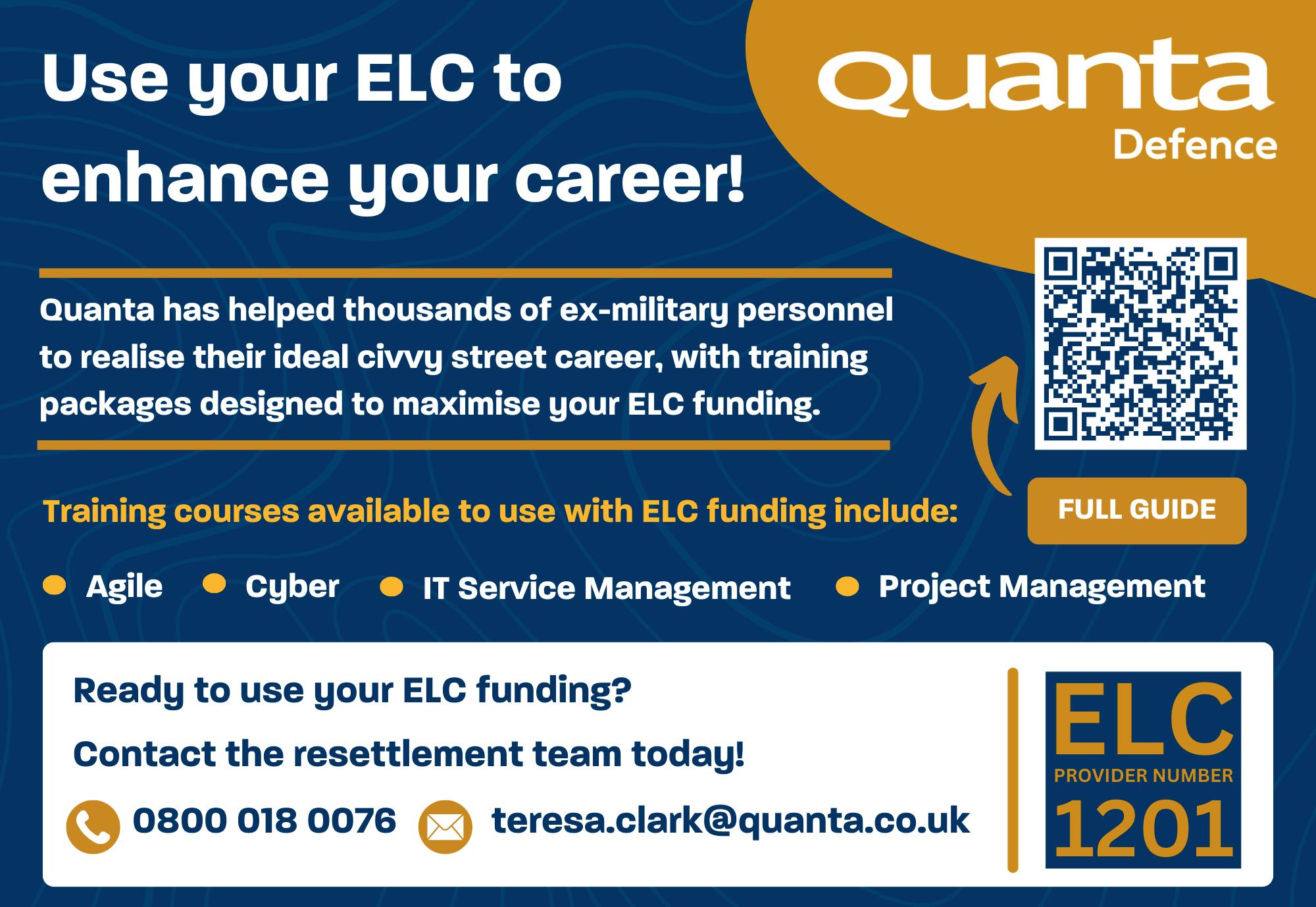
“Your next chapter starts here.”
Hi, I’m Teresa, and for the past eight years I’ve been helping service leavers and ex-forces personnel take the next step into civilian life. I know from working with thousands of people just like you that the transition isn’t always easy – but the right qualifications can make a huge difference.
That’s where I come in. I’ll help you choose the courses that best fit your goals and make sure you get the most out of your Enhanced Learning Credits (ELCAS). I can even guide you through the claim process if you’d like a hand – keeping things simple and stress-free so you can focus on what’s next.
At Quanta, we’re passionate about turning your hard-earned military experience into recognised civilian qualifications. Whatever your plans, I’ll work with you to make sure your funding goes further and sets you up for the best possible chance of success.
Remember, the ELC scheme entitles you to have 80% of your course paid for (between £1000 and £2000 depending on your length of service). Service leavers between 6 and 8 years can aggregate claims together giving you £3000 in one hit! What are you waiting for? Packages available.
Ready to start your next chapter? Get in touch – I’d love to help.
After a medical discharge ended his time in the Armed Forces, Alastair Skene reflects on rebuilding his working life and starting again
When Alastair Skene joined the Armed Forces at 17, it was exactly where he wanted to be.
He grew up around it, with a strong military background in his family, so joining felt like a natural step. “I always wanted to join,” he says. “For me, it was always the plan.”
Leaving, though, was never part of that plan.
Alastair’s time in the forces came to an end after a medical discharge —something he hadn’t expected and hadn’t prepared for. “I didn’t want to leave,” he says. “It was a medical discharge, so I had no option.”
That lack of choice made the transition harder. There was no time to ease into civilian life or think too far ahead. It all happened at once.
And it wasn’t just about him. With a wife and three young children, there were immediate pressures: where they would live, how he would work, how everything would hold together.
The early days weren’t easy. He found work as a workshop manager, but when Alastair’s health declined again, he had to step away.
What kept him going was supporting his family and continuing to work — a steady push to keep moving forward. “I wanted to contribute to society and to my family,” he says.
Working at the Lady Haig Poppy Factory became an important step. It gave him routine, stability, and something just as valuable. Being around other veterans who understood what that shift feels like.
Run by Poppyscotland, the factory provides employment and support for veterans adjusting to civilian life.
It also gave Alastair time to rebuild and think about what he wanted to do next.

“When you leave, that structure disappears. You have to build it yourself”
Eventually, that led to something more.
“There’s more to life than this,” he remembers thinking. So he took a chance and started his own business with Skene Transport Services.
It didn’t happen overnight, but about a year in, things began to feel more settled — for him and his family. That sense of progress mattered.
A lot of what helped came from his time in the military. The values stayed with him: the discipline, respect, structure. “When you leave, that structure disappears,” he says.
“You have to build it yourself.” Looking back, there are things he would do differently. More research, more time spent understanding resettlement options and courses, especially with how quickly a medical discharge can change things.
That’s the advice he now shares with others: start early if you can, ask questions, and don’t leave things too late.
For Alastair, leaving the forces became the start of something new, with the right support along the way.
“If someone like myself can go from not even sitting an exam at school… to running my own business,” he says, “there’s hope for everyone.” FIND








Clearing the way for business and people for over twenty years.
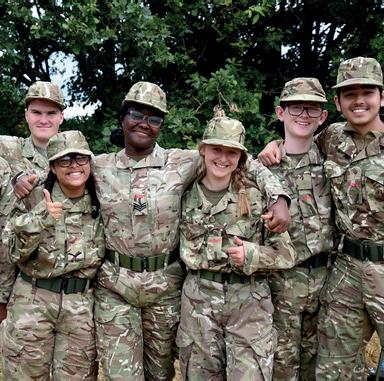
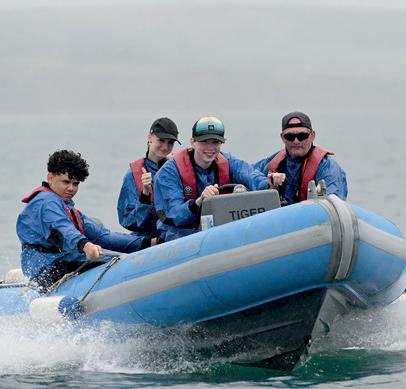
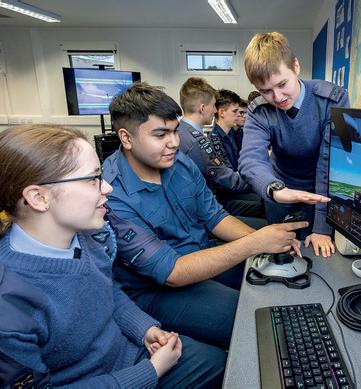
For two decades, TDI has successfully provided support to multiple organisations in humanitarian and commercial sectors, offering landmine clearance, UXO disposal, mine risk education, IEDD and Search Training, Fleet Maintenance and detection dog services.

Apply now and join TDI.
TDI have contract positions available for Project Managers, EOD and IEDD Trainers and Mentors, Technical Field Managers, EOD qualified staff, EDD Handlers, Mechanics, Engineers, Medics and all associated support personnel. Contact us on: careers@thedevelopmentinitiative.com or visit our website: www.thedevelopmentinitiative.com












or many veterans, the hardest battle begins a er military service ends. The loss of routine and identity can leave many feeling isolated and disconnected from the world around them. In that difficult transition, sport and outdoor activity can become far more than hobbies: they become lifelines.
Few people understand that better than Gary Stockton, founder and CEO of Phoenix Heroes. Built around outdoor activity, peer support, and family connection, the organisation has helped countless veterans and their families rebuild their lives through sport and shared experiences.
Gary, who served 22 years in the British Army before creating Phoenix Heroes, believes sport has an incredible power: “Sport brings like-minded individuals together that share a passion for the same thing,” he explains. “For veterans, it allows them to mix with others who
share the same values and common understanding about serving in the Armed Forces.”
That connection can be lifechanging. Leaving the military means losing the structure and camaraderie. Civilian life can feel isolating, and veterans can struggle. Gary thinks that outdoor activity helps break down those walls. “Being in the outdoors allows veterans to embrace their surroundings and relax their guard,”
“Being in the outdoors allows veterans to embrace their surroundings”
Phoenix Heroes is helping veterans rebuild confidence, connection, and purpose when they need it most
he reveals. “People will o en talk more freely when in the outdoors, and it is great for your physical and mental wellbeing.”
At the heart of Phoenix Heroes is community. Across the UK, veterans meet through fishing events, outdoor activities, and family days, creating a sense of belonging that many feared they had lost forever.
The emotional impact has been impossible to ignore. “We’ve had feedback from many of our veterans on how being part of our community has saved their lives,” he says. “People really do look forward to meeting up with friends that they have made over the years.”


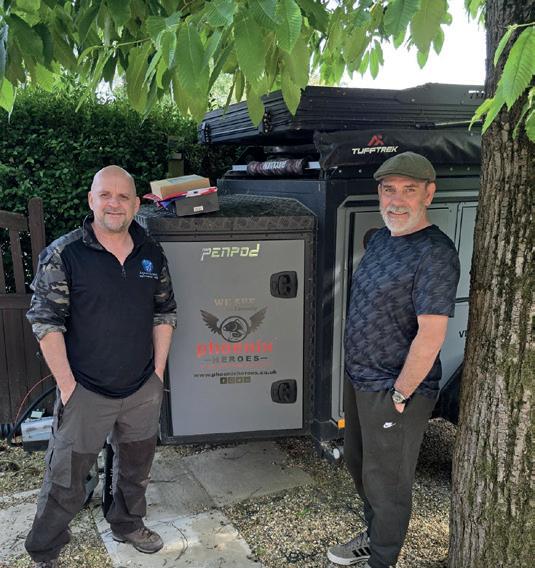
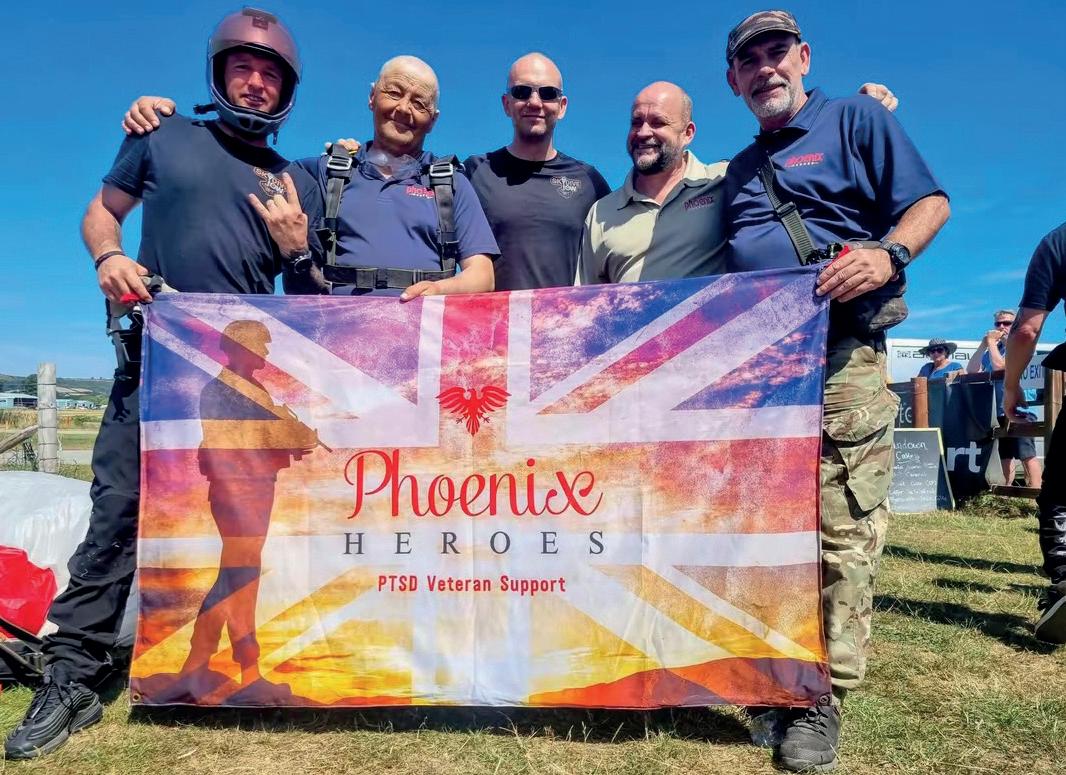



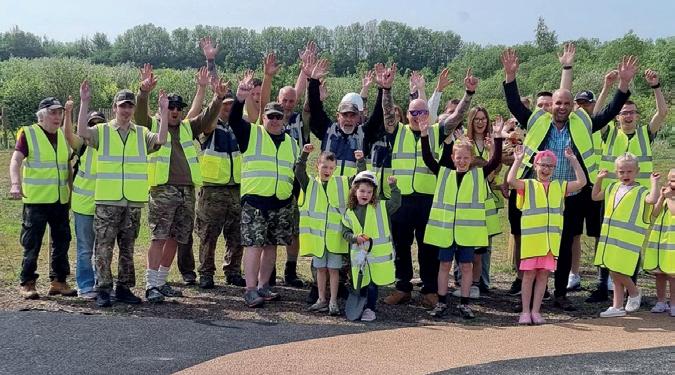


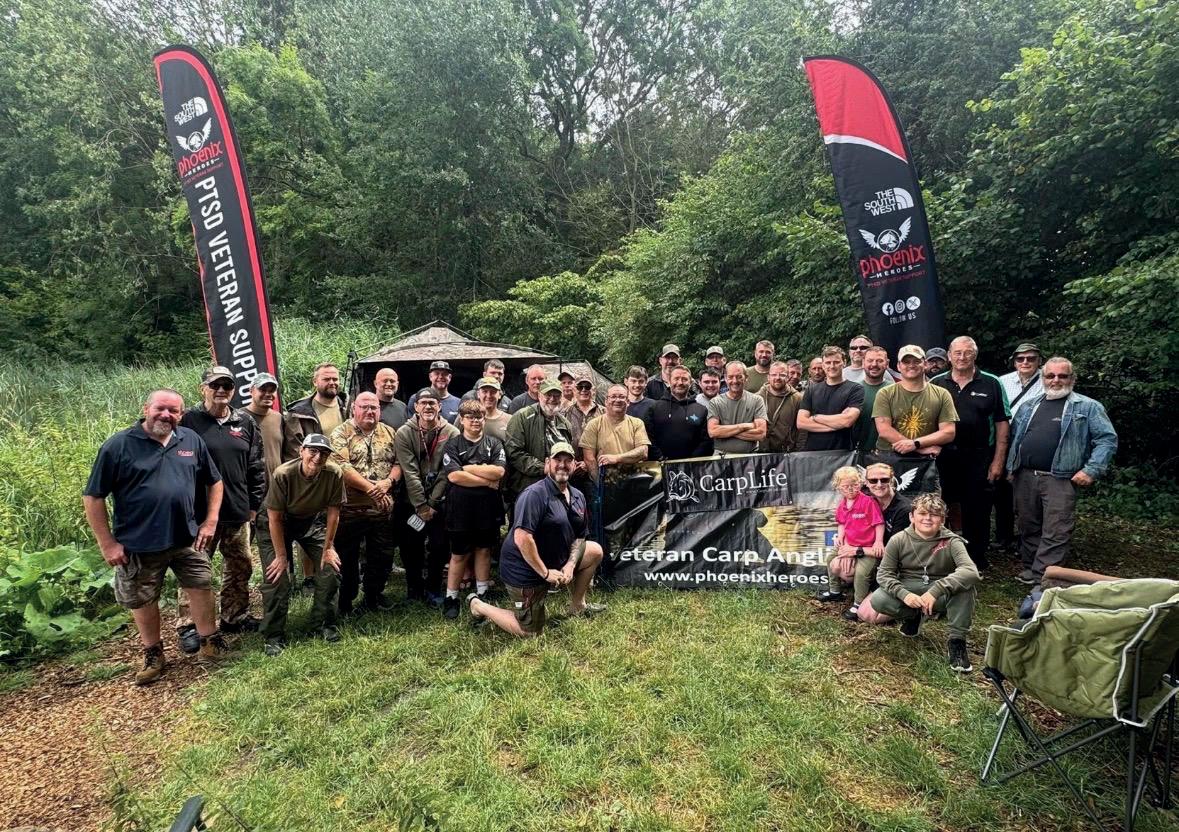

Unlike formal support systems, peer-led initiatives o en work because trust already exists. Veterans speak openly with people who understand military life: “They feel more comfortable around other veterans,” adds Gary. “Our peer support is one of the strongest in the UK, and we can be more personable and less formal within our own community.”


Phoenix Heroes is building a veteran base camp, allotment, and garden space. Mostly constructed by veterans. Gary says that it’s projects like these that are desperately needed: “Creating safe spaces for veterans like this will resolve many issues and relieve the pressure on the NHS.”
That’s why communities like Phoenix Heroes matter so much. They help veterans rediscover who they are a er service.
FIND OUT MORE
For information about the services Phoenix Heroes offers, or to access support, visit phoenixheroes.co.uk or call 01206 932488


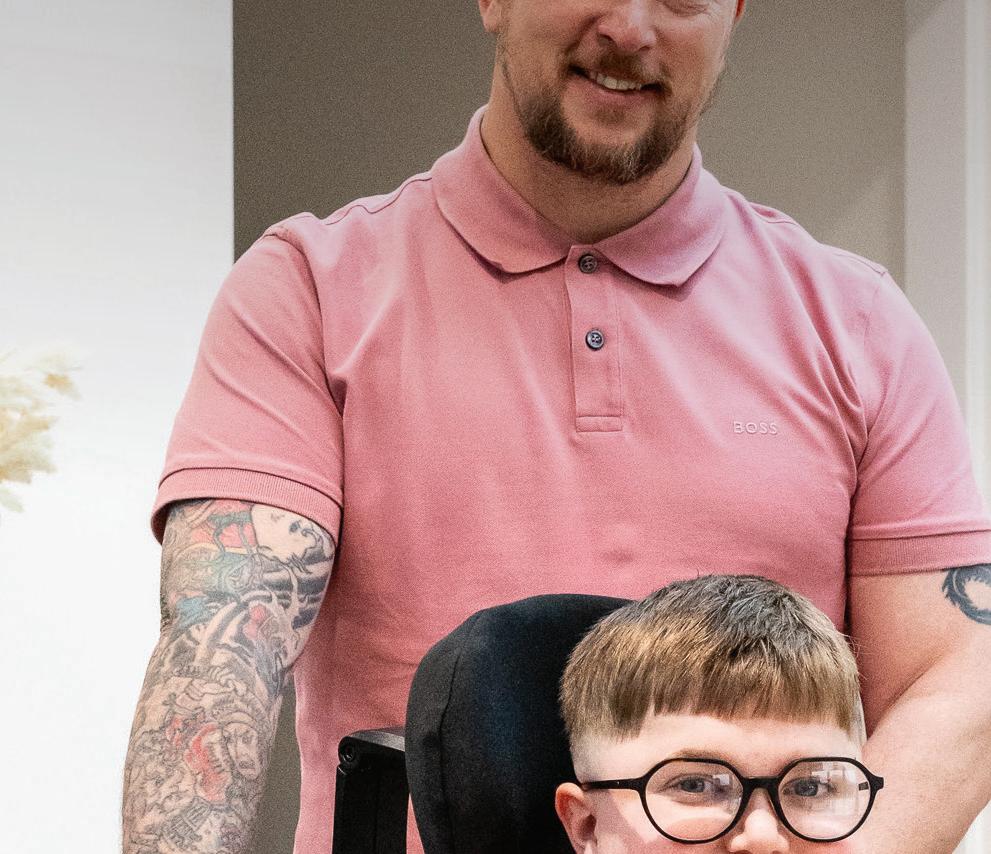
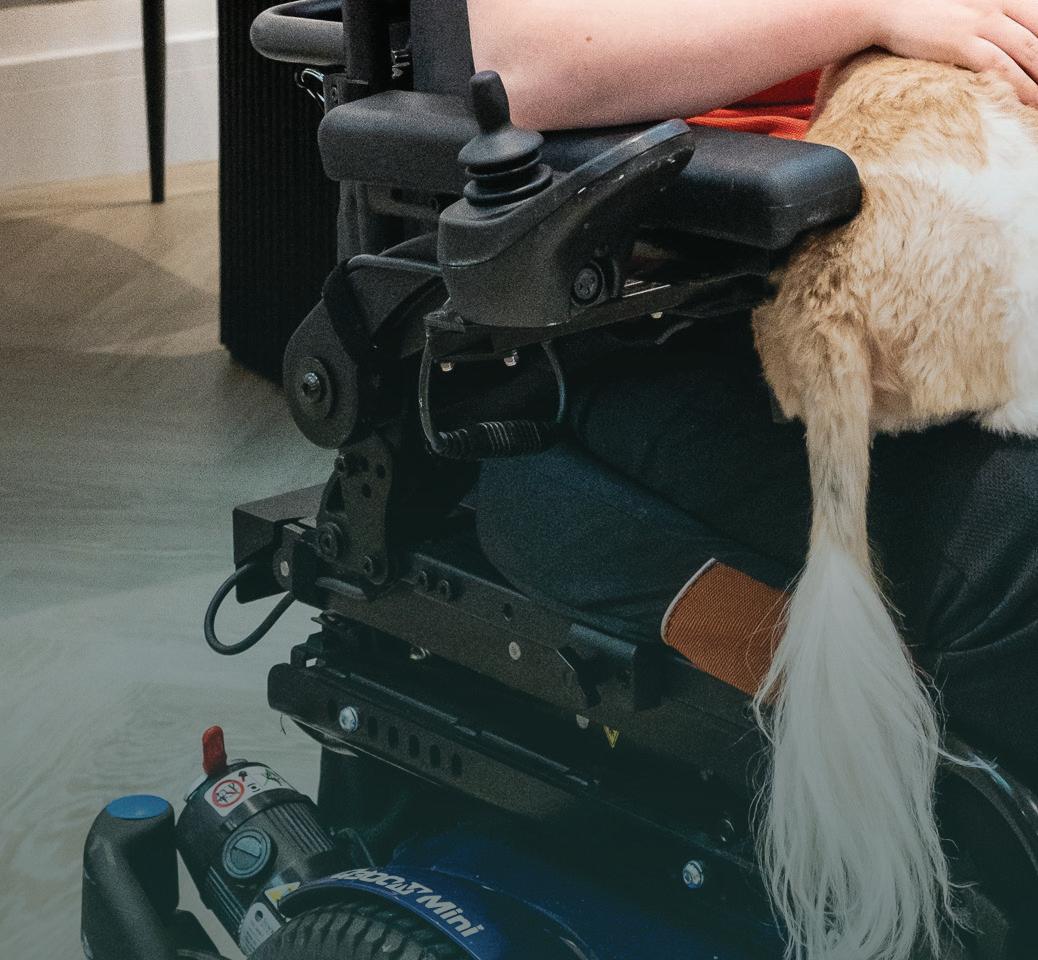
Henry is the disabled son of an Army veteran, Lee, and his wife, Natalie. Aged four, Henry was diagnosed with Duchenne muscular dystrophy, a rare life-limiting, muscle-wasting condition.
We provided a grant of £13,500 to help fund essential adaptions to the family home. Henry is now able to get outside into the garden in his wheelchair, to enjoy time with the family.










Leaving the Forces changes your finances. Here’s what to get right from the start, from housing to budgeting
Leaving the Forces changes how your money works. Your income, outgoings and responsibilities can all shift at once, so getting a clear picture early on helps you stay in control and avoid problems building up later.
For many people leaving the military, securing a permanent home is a priority. After years of moving between postings or living in service accommodation, having your own place brings stability and a stronger sense of control.
The process can feel unfamiliar at first. Deposits, mortgages and lender requirements are not always something you have dealt with before. Civilian systems work differently, so it helps to get clear advice early and understand your position before making any commitments.
Speaking to advisers who understand military careers makes a real difference. Organisations such as Forces Mutual (forcesmutual.org) work specifically with the Armed Forces community and can guide you through your options. Military pay, allowances and career history are often viewed differently by lenders, so using someone who understands that context helps avoid delays and unnecessary setbacks.
It is also worth checking your credit report before applying for a mortgage. This gives you a clear
picture of where you stand and allows you to deal with any issues in advance. Lenders will look closely at your financial history, so being prepared puts you in a stronger position from the start.
You should also speak to more than one lender or broker before making a decision. Rates, criteria and flexibility vary, and some lenders take a more practical view of military income than others. Comparing options helps you find a deal that fits your circumstances rather than settling too quickly.
Figures from the Office for National Statistics show that nearly threequarters of UK veterans own their homes, either outright or with a mortgage. It is a realistic goal, and one that many people achieve soon after leaving service.
Once you leave the Forces, your regular outgoings can change quickly. Costs such as rent or a mortgage, utilities, transport and childcare all need to be factored in. Without a clear plan, spending can increase without you noticing.
Start by getting a full picture of your income and expenses. List everything coming in each month, then break down where your money goes. This doesn’t need to be complicated. A basic spreadsheet or budgeting app works well, as long as you use it regularly.
From there, set clear limits. Decide what you are comfortable spending in each area and stick to it. If something is higher than expected,

deal with it early rather than letting it become a problem. Small adjustments, such as reducing nonessential spending or reviewing regular payments, quickly make a difference.
Check direct debits and subscriptions regularly. It is common to carry over payments that are no longer needed, especially during a period of change. Cancelling or switching these can free up money without affecting your day-to-day life.
Building a savings buffer should be a priority. Having even a small amount set aside reduces pressure when unexpected costs arise. Start small if needed, but build it consistently.
MoneyHelper (moneyhelper. org.uk) offers practical guidance designed for the Armed Forces

community. It focuses on straightforward steps such as tracking spending, setting savings goals and understanding pensions. Keep it simple and stay consistent. You are joining a community of around two million veterans across the UK, many now building new careers, supporting families and managing their finances outside the military. Taking a structured approach helps you do the same.
Even with a plan in place, financial pressure can still happen. A gap in employment, an unexpected bill or a change in circumstances can put strain on your finances. If that happens, act early. The
“Stay organised, act early and make use of the support available”
sooner you deal with the situation, the more options you have.
Organisations such as Royal British Legion (britishlegion.org.uk) and SSAFA (ssafa.org.uk) provide practical support for veterans. This includes financial guidance, welfare advice and help towards essential costs where needed.
Advisers will look at your situation in detail and help you work through the next steps. This can include managing debt, checking what support you are entitled to and putting a plan in place to stabilise your finances.
It is also worth asking about support linked to housing, employment or health, as these areas often affect your financial position. Getting the right help in
one area can ease pressure across everything else.
Managing your money after service is part of the transition to civilian life. The same discipline and planning that served you well in the military still apply here. Stay organised, act early when something changes and make use of the support available. That approach puts you in control from the start.
For guidance on budgeting and managing your money, visit MoneyHelper (moneyhelper.org.uk). For Armed Forces-specific support, Royal British Legion (britishlegion.org.uk) offers financial help and advice.





Learn from someone who’s been there and got the T-shirt.




The Forces Pension Society has been a huge help during my resettlement. Their clear guidance around pensions made a complicated process so much easier to understand. It’s clear they really get what matters to people leaving the military. Their support came at just the right time and gave me real confidence about my next steps.
I’d highly recommend them to anyone approaching transition.
~Sam H, FPS Member~
Even if you haven’t spent much time getting to grips with your Armed Forces pension during your career, it’s not too late to maximise your pension income when you leave. Armed Forces pensions are complex and your needs are specific to your personal circumstances. That’s why the Forces Pensions Consultants at the Society respond to every enquiry with tailored guidance relevant to each individual.
Beyond the immediate guidance we can provide, membership of the Society keeps you in touch with changes that can impact you even after you’ve left. Issues around tax changes, retrospective adjustments such as in the McCloud Remedy, membership benefits often replacing those enjoyed in service, lead most of our Members to remain with us, supporting our efforts on behalf of the whole military community.



Former Brigadier Andrew Jackson founded SaluteMyJob to help service leavers move into meaningful careers, by bridging the gap between the military and civilian job markets. He reflects on the importance of preparing for life after service
Leaving the Armed Forces can mean stepping into the unknown but, for Andrew Jackson, it became an opportunity to rethink direction – rather than lose it.
Like many veterans, the shift wasn’t just about employment. It was about identity, structure and understanding how the skills he’d built during service would translate into everyday life. What sets Andrew apart is how clearly he sees that transition: not as a break, but as a continuation.
Here, he shares what helped him navigate that change, and what others can take from it.
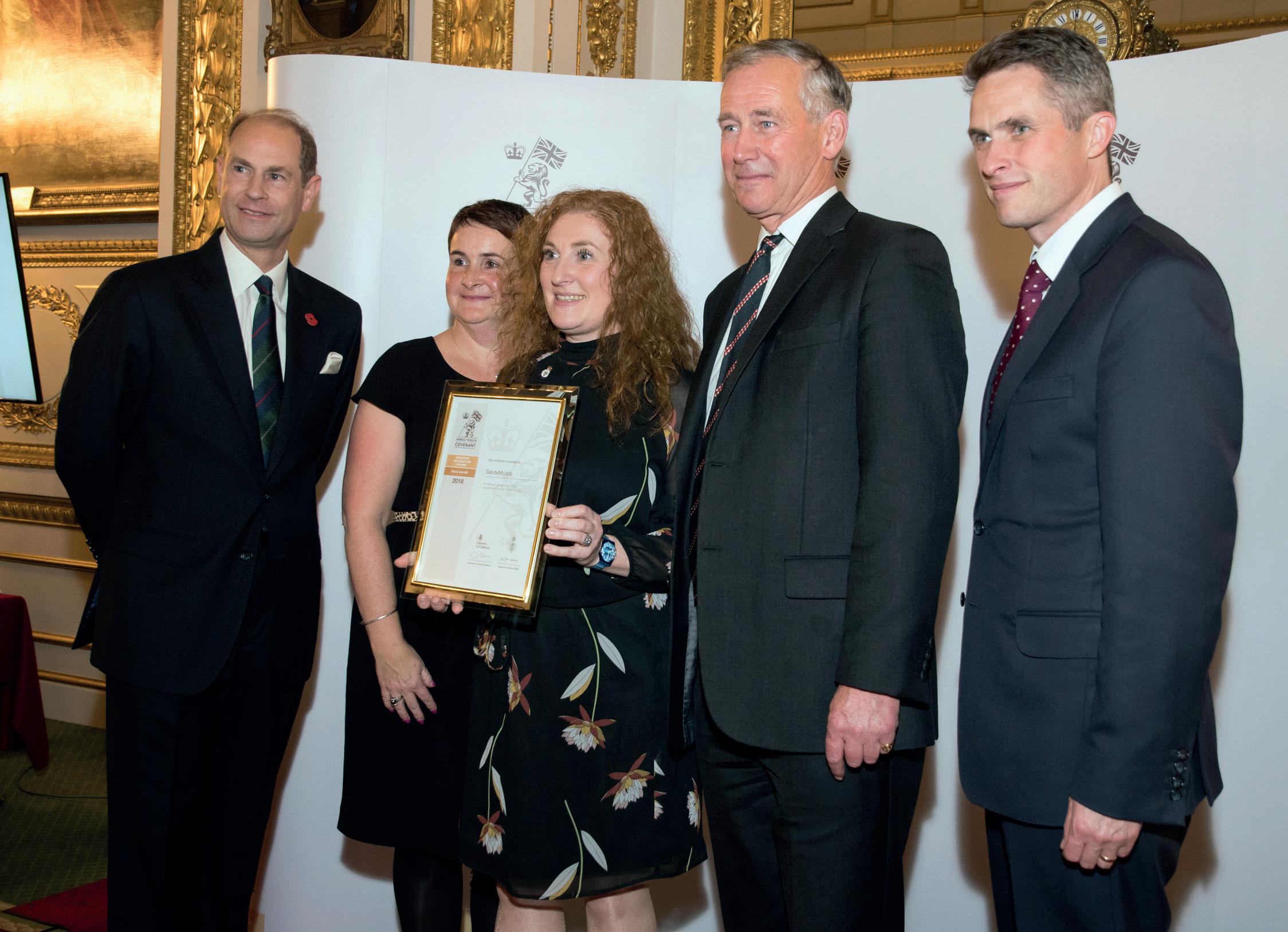
Q: Can you tell me about your time in the Armed Forces and what led you to join?
A: Joining the forces gave me structure early on. It was something that appealed to me – the discipline, the clarity, knowing what you were working towards. It shapes how you think, and how you approach things. That stays with you long after you leave.
Q: When did you start thinking about life after the military?
A: It’s something you don’t always think about early enough. When you’re in it, you’re focused on the job, the routine, the day-to-day. But, looking back, I’d say the earlier you start thinking about it, the better. The transition isn’t something that just happens at the end, it’s something you prepare for over time.
Q: What was the transition into civilian life like for you?
A: It’s definitely an adjustment. In the military, everything has a structure, you know where you need to be, what you’re doing, what’s expected.
When you leave, that structure isn’t there in the same way. You have to create it yourself: that can feel unfamiliar at first.
Q: What helped you adapt to that change?
A: Mindset plays a big role. You have to be open to learning and adapting.
The skills you’ve built are there, you just need to recognise them in a different context. Once you start
seeing that, things begin to make more sense.
Q: Do you think veterans underestimate the value of their own skills?
A: Yes, I think that happens quite a lot.
In the military, a lot of what you do becomes second nature, like teamwork, leadership, problemsolving. But those are exactly the things employers are looking for. It’s about understanding how to translate that experience.
Q: How important is preparation before leaving the forces?
A: It makes a huge difference. The more you can do before you leave – whether that’s training, qualifications or just understanding what’s out there –the smoother the transition will be.
There’s a lot of support available, but you need to take the initiative and use it.
Q: Was there a moment when things started to feel more settled for you?
A: It’s not always one big moment, it’s gradual.
You start to build your routine again, understand your direction, and gain confidence in what you’re doing. That’s when it begins to feel more stable.
Q: What challenges do veterans face that people outside might not realise?
A: I think it’s the loss of structure. In the military, everything is very clear. Outside of that, you suddenly have to make all those decisions yourself. That shift can be difficult if you’re not prepared for it.
Q: What would you say to someone who feels uncertain about what comes next?
A: That uncertainty is completely normal.
The important thing is not to let it stop you. Take small steps, look at your options, and keep moving forward. You don’t need to have everything figured out straight away.

“The military gives you a strong foundation, and what you do with that next is up to you”
Q: What practical steps would you recommend people to take early on?
A: Start looking into your options as early as you can.
Research different career paths, speak to people, and make use of the support that’s available. Even small steps at the start can make a big difference later on.
Q: What’s one piece of advice you would give to someone leaving the forces today?
A: Start early and stay proactive. Look at what interests you, explore different paths, and make use of
the support that’s there. The more effort you put in upfront, the more options you’ll have.
Q: What has your journey shown you about life after the military?
A: That there’s a lot more out there than you might think. The military gives you a strong foundation, and what you do with that next is up to you. It’s not about losing that identity, it’s about building on it in a different way.
Q: And for you personally, what does moving forward look like now?
A: It’s about continuing to grow. You don’t just leave the military and stop. You keep building, learning, and adapting. That mindset stays with you, and it’s what helps you move forward.











Maintaining your mental health, rebuilding social networks, and accessing the right support services are essential to your long-term wellbeing
Across the UK, a network of charities and organisations is dedicated to helping former service personnel navigate the post-service journey. They offer everything from clinical treatment to peer support and community connection.
Here, you’ll find a directory of organisations working at the frontline of veteran wellbeing.
combatstress.org.uk
Combat Stress is the UK’s leading charity specialising in veterans’ mental health, with a history dating back to 1919. Originally established to treat shellshock a er the First World War, it now provides expert care for conditions including PTSD, anxiety, depression and complex trauma.
The organisation delivers evidence-based treatment through residential programmes, outpatient services, and community outreach. Combat Stress focuses particularly on veterans with severe or longterm conditions, o en working alongside NHS services to provide specialist support.
They also have a 24-hour helpline which can offer confidential advice for you and your family. If you’re struggling to manage daily life, Combat Stress can prescribe structured therapy programmes and ongoing clinical care to help you process trauma and rebuild stability.
FOUNDATION
mentalhealth.org.uk
The Mental Health Foundation

is a national charity focused on prevention, with the emphasis on helping people protect and sustain their mental wellbeing before crisis occurs.
Rather than offering direct clinical services, the foundation offers trusted resources and evidencebased advice to help you manage stress, anxiety, and everyday mental health challenges.
For veterans, the Mental Health Foundation is particularly valuable in terms of practical resources since it covers areas such as sleep, resilience, loneliness, and transitioning to civilian life.
ptsdresolution.org
PTSD Resolution provides free, fast access to therapy for veterans, reservists, and family members affected by trauma. The charity specialises in brief therapy approaches, and o en delivers support within weeks rather than months.
Its model focuses on short, targeted interventions designed to reduce symptoms of trauma quickly, to help you regain control and return to work or family life. The support is available nationwide through a network of therapists.
head-up.org.uk
Head Up promotes mental fitness and resilience through physical activity, coaching, and peer support. Why? Because the charity’s founders recognise the strong links between physical health and mental wellbeing.
Their programmes include outdoor challenges, mentoring, and personal


development opportunities, which can help you rebuild confidence, identity, and purpose a er service.
THE CONTACT GROUP contactarmedforces.co.uk
The Contact Group works to connect veterans and service leavers with local support services. They act as a bridge between individuals and organisations, to help you find the right assistance; whether for housing, employment, or wellbeing.
The organisation’s strength lies in coordination, because they can ensure veterans like you don’t fall through the gaps between services.
supportingwoundedveterans.com
Supporting Wounded Veterans focuses on veterans who have been wounded, injured or le sick as a result of serving. The charity provides practical assistance,





including mobility equipment, home adaptations, and essential items.
By addressing your physical needs, they can play a crucial role in improving your independence and overall quality of life. In turn, this o en will help with your mental recovery too.
afvbc.com
The Armed Forces & Veterans Breakfast Clubs offer informal, peer-led meetups across the UK. These clubs provide a relaxed environment where you can connect over breakfast, share experiences, and combat isolation. With hundreds of local groups, they are one of the most accessible forms of support: you don’t need a referral, or to do any boring paperwork.


randombadger.co.uk
Random Badger provides direct, practical help to veterans in crisis. This can include emergency financial assistance, essential household items, or support during difficult life transitions.
The charity is known for its flexible, responsive approach, and they’ll o en step in quickly when other systems are too slow.
veteransreconnectionhub.co.uk
The Veterans Reconnection Hub focuses on helping veterans rebuild social connections and reintegrate into civilian communities. These services o en include mentoring, peer support, and access to wellbeing activities.
Here, the emphasis is on tackling isolation as it can be a key factor affecting people’s mental health a er service.
asdic.org.uk
The Association of Service DropIn Centres is a network of venues offering frontline support to veterans. These centres provide safe, welcoming spaces where you can access advice, support services, and companionship.
They also act as local hubs, linking veterans to housing, employment, and healthcare resources.
Whether you need clinical treatment, practical help, or simply a place to connect with others who understand, these organisations form a vital safety net.
Remember: reaching out might be the hardest step, but it’s also the most important.
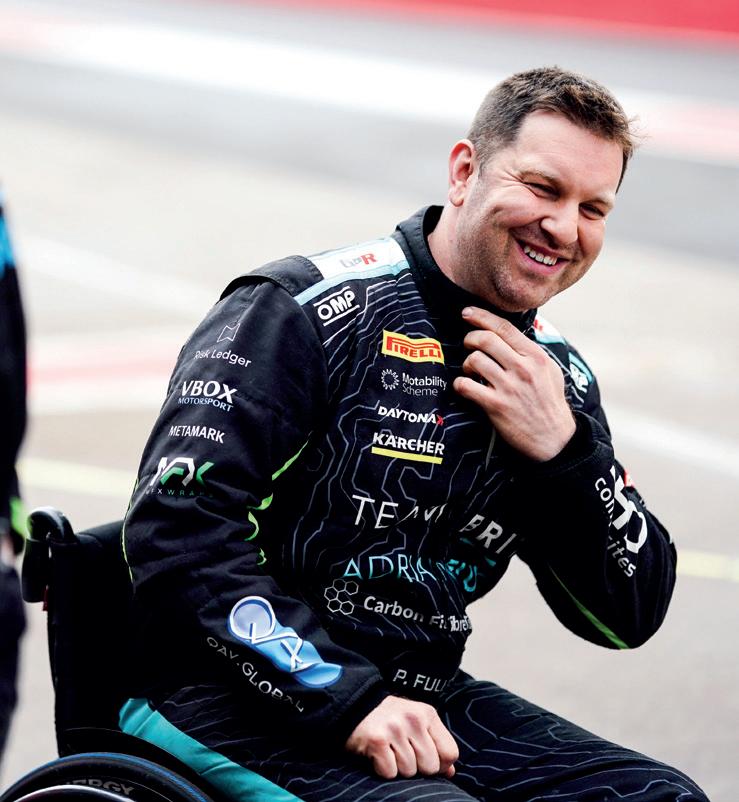
Army diver, biker, racing driver… Have you ever had a quiet hobby?
A: Maybe not! I left the Army and immediately got into motorcycle racing because I missed the adrenaline, the teamwork, the chaos.
Q: You’ve had two life-changing accidents. Did they completely change who you are?
A: Absolutely. The first one completely reset my life. I got the bends [decompression sickness] during a military diving course in Egypt. I had to relearn how to walk and talk, and it changed who I fundamentally was. The second one took my leg in a collision, and I had to start from scratch again.
Q: Most people would panic after losing a limb. What was going through your mind?
A: Honestly? I was already planning the recovery while waiting for the ambulance. I remember thinking, ‘This will be awful… but not as awful as the first accident’. I knew
it would be about digging deep, surrounding myself with the right people and getting on with it.
Q: Did doctors give you hope after your amputation?
A: They mostly gave me a list of things I’d never do again. Nobody said, ‘By the way, you could become a racing driver’. That would’ve been useful.
Q: What’s it like turning up to races as a disabled driver?
A: People are always supportive, but maybe they see Team BRIT turn up and think, ‘Good for them, they’re having a nice little go’. Then we win and suddenly everyone gets serious.
“I left the Army and immediately got into motorcycle racing”
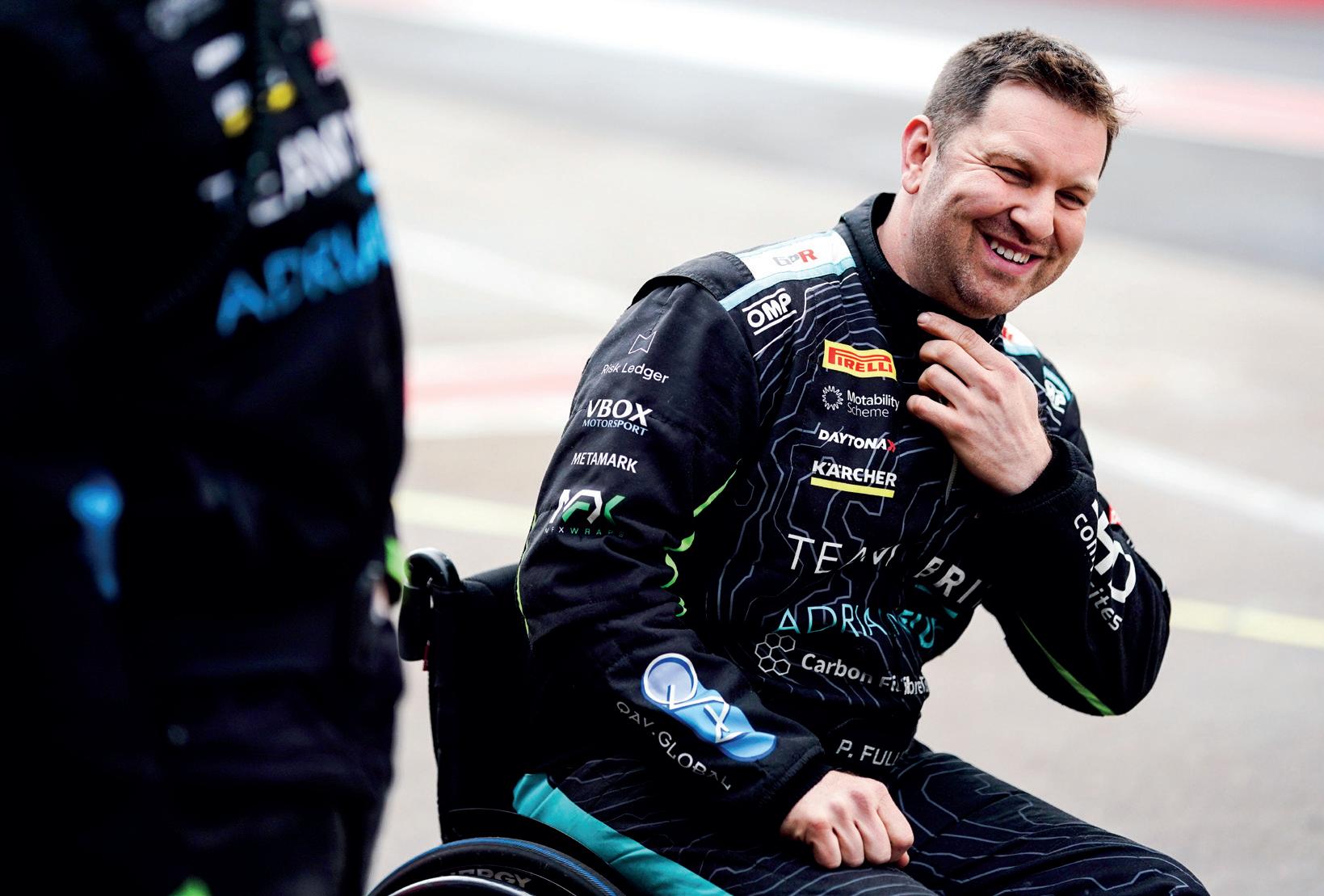
Team BRIT’s Paul Fullick on losing a leg, winning races and why he’s still on the hunt for adrenaline after leaving the Army
Q: Motorsport is one of the few sports where disabled and non-disabled athletes compete together. Does that make winning sweeter?
A: Definitely. Once the helmet’s on, nobody knows who’s disabled anyway. Half the drivers only realise afterwards when they see someone climbing out with one leg.
Q: What do people misunderstand most about disability in motorsport?
A: Everyone assumes driving the car is the difficult bit – that’s easy. Most of the time it’s everything around it, like finding accessible hotels or getting across gravel paddocks.
Q: Humour seems to be a big part of your outlook.
A: Absolutely. In our team there’s no taboo around disability. Last year I raced with a guy who had one arm, and between us we made an entire racing driver with a couple of bits left over. If you can find the funny side first, it breaks all the barriers down. That’s why I got involved in the comedy sketch with Tim Oliver [Ricky Gervais impersonator] and Adrian Flux [sponsor].
Q: What would you say to someone who’s recently become disabled?
A: Stop obsessing over the things you can’t do anymore. Focus on what’s still possible. My injury felt like the end of everything at first. Weirdly, it ended up being my golden ticket to a life I never imagined. FIND
Follow Paul: instagram.com/paul.fullick.racing Team BRIT: teambrit.co.uk





















Whether you’re cutting fuel costs, lowering your carbon footprint, or embracing the latest tech—Motorfinity makes the journey simple and rewarding.
With exclusive discounts on leading electric vehicles, we help you find the perfect match at an affordable price.
Why Choose Motorfinity?
• Save an average of £7,000 on a brand-new car
• Discounts across all major makes and models—including EVs, Hybrids and ICE options
• 5-star customer service to secure the best deal
• Low-rate HP/PCP finance options available
• Savings for family members with select manufacturers
• Nationwide delivery and competitive part-exchange service.
Evolving the way you move — with affordable EV savings.