Whether you have served or are serving, are part of the Armed Forces community, or just want to stand with our service personnel, there’s a place for you at the Royal British Legion.
PUBLISHER
Denise Connelly denise@dcpublishing.co.uk
EDITORIAL CONTRIBUTORS
Eilidh Hamilton
Heather Tracey
DESIGN AND PRODUCTION
Lucy Baillie lucy.baillie@dcpublishing.co.uk
SALES
Marian Mathieson marian.mathieson@dcpublishing.co.uk
Leaving the military can bring a lot of change, from finding a new career path to adjusting to civilian life. While transition can feel unfamiliar at first, the right support and preparation can make the process much smoother.
In this issue, you’ll find information on organisations, training and career opportunities to help you take the next step. From the support available
Contents Welcome
through PTSD Resolution and Veterans Tribe Scotland to making the most of the Career Transition Partnership and ELCAS.
We also look at career opportunities in logistics, along with advice on housing, wellbeing and staying connected a er service.
All this and much more inside.
16
CAREER MOVE
Taking your military skills into civilian work.
18 KEEPING THINGS MOVING
Could logistics be for you?
21 CREATING YOUR CV
Making a strong first impression.
FINANCE
23 MANAGING YOUR MONEY
Preparing your finances for the future.
HOUSING
25 NEW DIGS
Advice on finding a place to call home a er the forces.
WELLBEING
30 A FRESH CHALLENGE
New ways to find purpose beyond the military.
CHARITY SPOTLIGHT
Support when you need it
For veterans living with the effects of trauma, knowing where to find the support you need can be the first step towards recovery
Leaving the Armed Forces means making a lot of decisions. Finding a new job, settling into civilian life and working out what’s next all come with the territory. For some veterans, there’s something else to think about too – looking after their mental health.
Most people make the move into civilian life without needing specialist support. But leaving the forces isn’t the end of the transition. A new job, a different routine and the pace of civilian life can all take time to adjust to. While many veterans settle into their new lives quickly, others find the change brings unexpected challenges.
RECOGNISING THE SIGNS
PTSD is often associated with military service, but it doesn’t always appear immediately after
a traumatic experience. Some veterans only begin to notice its effects months or even years after leaving, once life has settled into a different rhythm. It can affect family life, work and everyday relationships, and it isn’t always obvious that those experiences are connected to time spent in the Armed Forces.
If that sounds familiar, PTSD Resolution is one organisation that offers free, confidential support for veterans, reservists and their families. Since it was founded in 2009, the charity has supported more than 5,000 people. For CEO Charles Highett, that’s the milestone that matters. “Behind every referral is someone who has finally decided they no longer have to live with the effects of trauma,” he says. “Every recovery means a veteran finding hope again, rebuilding relationships
they thought were lost, and reclaiming a future they had stopped believing was possible.”
GETTING SUPPORT
One of the things that makes the service easy to access is that you don’t need a diagnosis before getting in touch. You can refer yourself directly, without going through your GP, and appointments are available either face-to-face or remotely. PTSD Resolution says most people are offered a first appointment within around 12 days, making it easier to get support without a lengthy wait. The aim is to help veterans understand the impact trauma is having on their lives and find ways to manage it, so they can feel more in control of work, family life and everyday routines.
The charity also recognises that the effects of trauma don’t stop with the person who served. Support is available for reservists, partners and children aged 12 and over, while veterans living overseas can also access therapy. If you’re dealing with addiction as well as trauma, that’s something the charity can help with too.
You don’t have to be newly discharged to use the service. PTSD Resolution supports veterans at any stage after leaving the Armed Forces, so you can get in touch months or many years after service if you decide the time is right.
FIND OUT MORE
PTSD Resolution provides free, confidential trauma therapy for veterans, reservists and their families. Visit ptsdresolution.org or call 0300 302 0551
Taking the first step to ask for help isn’t easy –but you don’t have to face things alone. At Help for Heroes, we support veterans and their families. Our teams listen without judgement and work with you at your pace, in a way that feels right for you.
If you’re struggling with your mental health or living with pain or illness, our nurses, therapists and case managers are here to help.
Making the most of the CTP
Whether you’re approaching the end of your military career or leaving the Armed Forces after a shorter period of service, the Career Transition Partnership (CTP) offers guidance, training and employment support to help you make the move into civilian life
Leaving the Armed Forces can be daunting, whatever your reason for leaving. For many people, it’s the first time they’ve looked for a civilian job. Others may be thinking about retraining, starting a business or taking their skills in a completely new direction. Whatever your plans, the earlier you start preparing, the easier the transition can be.
The Career Transition Partnership (CTP) is the Ministry of Defence’s official resettlement service, supporting eligible Service leavers as they prepare for life beyond the military. Whether you need help identifying your transferable skills, writing a CV, exploring different careers or finding training, the CTP is there to guide you through the process.
The CTP has supported more than 340,000 Service leavers over more than 25 years, and its services continue to evolve to meet the changing needs of the Armed Forces community. Alongside expert careers advice, you will find digital resources, employer connections, training opportunities and specialist support designed to help you make informed decisions about your future.
GETTING STARTED
One of the biggest advantages of the CTP is that you don’t have to wait until your last day in uniform to start preparing for civilian life. The support available depends on your length of service and circumstances, with different programmes available to eligible
Service leavers.
Depending on your entitlement, support can begin up to two years before discharge, giving you time to explore your options while you’re still serving.
Once you’ve registered through the CTP’s digital platform, you will be able to see what support you are eligible for, from careers guidance and practical workshops to online learning and employer events.
If you would rather speak to someone in person, the CTP’s Regional Resettlement Centres offer face-to-face support, helping you build a clear plan before you leave the Forces.
YOUR NEXT CAREER
Military experience equips you with a wide range of skills that employers value, but translating those skills into civilian language isn’t always easy. That’s where the CTP can make a real difference.
Whether you are creating your first civilian CV, preparing for interviews or updating your LinkedIn profile, careers consultants can help you present your experience in a way that employers understand. You can also access advice on job searching, recruitment processes and the sectors best suited to your experience and ambitions.
Registered users can access the CTP’s digital platform, where specially sourced job vacancies are available to help Service leavers explore employment opportunities.
NEW SKILLS
Not everyone leaves the military to do the same type of work. For
some, resettlement is the ideal opportunity to learn something new or gain qualifications that open the door to a different career.
The CTP offers a range of workshops and training courses, as well as support to help Service leavers develop the skills they need for their next step. Depending on your entitlement, further training opportunities may also be available.
TAILORED SUPPORT
If you’ve served for less than four years, CTP Future Horizons can support you for up to two years after discharge, regardless of your reason for leaving. You can access careers advice and guidance on job vacancies, college courses, training and apprenticeships, as well as help with CVs, applications and interviews.
CTP Assist provides specialist support for military personnel on Recovery Duty who face significant challenges in securing their preferred vocational outcome. Access is through referral by the Ministry of Defence Chain of Command. If you think CTP Assist could be right for you, speak to your Personnel Recovery Officer or Unit Welfare Officer.
SUPPORT BEYOND EMPLOYMENT
A successful transition is about more than finding your next job. Leaving the Armed Forces can affect where you live, how you manage your finances, your daily routine and, for some people, your sense of identity and community. The CTP’s wider resettlement support includes information and
“A successful transition is about more than finding your next job”
guidance to help Service leavers prepare for the practical and financial aspects of civilian life. Finance and housing advice can help you think about issues such as financial planning and your options for civilian accommodation, while wider resettlement information can point you towards further support if needed.
It pays to think about these issues early. Housing, money, family circumstances and wellbeing can all influence the choices you make
about work and where you live. Using the information and support available before discharge can help you build a more complete transition plan — one that prepares you not just for your next job, but for civilian life as a whole.
LOOKING AHEAD
Whether you already know what comes next or are still exploring your options, making full use of the support available through the CTP can help you get your civilian career off to the best possible start.
FIND OUT MORE
To find out what support you’re entitled to and view the range of services available, visit modctp.co.uk
ELCAS explained
For many people, further learning is an important part of moving into civilian employment. The Enhanced Learning Credits (ELC) Scheme offers financial support to help with the cost.
FUNDING YOUR FUTURE
The amount of funding you can claim depends on your qualifying service. If you qualify for the lower tier, you can claim up to £1,000. If you qualify for the higher tier, you can claim up to £2,000.
You can make up to three claims, with one claim allowed in each Ministry of Defence financial year. In some circumstances, lower-tier funding can be combined into a single award, subject to the scheme rules.
The funding is paid directly to your approved learning provider. You’ll normally pay at least 20% of the course fees yourself, with the scheme covering the remaining eligible costs up to your funding limit. Before you apply, check your ELC account to confirm your entitlement.
FURTHER EDUCATION
The scheme can be used for a wide range of nationally recognised qualifications at Level 3 and
If
you’re preparing to leave the Armed Forces, the Enhanced Learning Credits (ELC) Scheme could help you gain the qualifications you need for your next career. Here’s how the scheme works
above. These include vocational qualifications, Higher National Certificates (HNCs), Higher National Diplomas (HNDs), foundation degrees, undergraduate degrees and many postgraduate or professional qualifications.
Courses are available through colleges, universities and independent training providers across the UK. Before you enrol, check that both your chosen course and learning provider are approved under the scheme. If they aren’t, you won’t be able to use your ELC funding.
THE APPLICATION PROCESS
Apply through the ELCAS Member’s Area at least 25 working days before your course starts. That’s the minimum timescale, so don’t leave it until the last minute. Applying early gives your claim plenty of time to be processed and leaves time to deal with any queries before your course starts. Your learning provider also needs time to complete its part of the process before funding can be released, so it’s worth keeping in touch once you’ve submitted your claim.
Once your claim has been approved, download your Claim Authorisation Note (CAN) and give it
to your learning provider before your course begins. Keep a copy of your claim details and any supporting documents until the process has been completed.
If you’ve already left the Armed Forces, you can still claim your entitlement if you’re within the qualifying claim period. You’ll also need to upload supporting documents, including proof of discharge and proof of address. Full details of the eligibility criteria, claim periods and application process are available in JSP 822 (Volume 9: Elective Education).
The ELC Scheme can make a real difference to the cost of further learning, but it’s important to understand the rules and apply in plenty of time. Checking your entitlement, choosing an approved course and learning provider, and submitting your claim early will help the process run as smoothly as possible.
FIND OUT MORE
For more information visit, enhancedlearningcredits.com
You can check your entitlement, search for approved learning providers and courses, and find the latest guidance on making a claim.
Your next lesson
Learning can help you build on your experience, gain qualifications for a new career or try something completely different. From a short course to a degree or apprenticeship, there are many different ways to learn
During your military career, learning and training are part of the job. You learn what you need for your role, complete courses as you progress and gain knowledge through years of doing the work. As you prepare to leave the Armed Forces, you have the chance to decide what you want to learn next.
You might want to build directly on your service career. A new qualification could add to years of technical knowledge or provide the accreditation needed to use your
experience in a civilian setting. Or leaving the forces could be your chance to study something you have always been interested in or prepare for a completely new career.
GIVE IT A GO
A career can sound appealing on paper, but learning more about the subject can give you a different view of it. Before committing to a lengthy course, you could spend a few hours or weeks finding out what an area is actually about.
The Open University’s OpenLearn (open.edu/openlearn) offers
“You can study online from home, attend in person, combine the two or learn while working”
hundreds of free courses, covering subjects from cyber security and engineering to psychology, business and languages. You won’t come away from every course with a professional qualification, but that isn’t always the point. An introduction to a subject can be enough to make you want to know more.
Colleges, universities and other learning providers also hold open days and run short or introductory courses. These can give you a feel for the subject, the way it is taught and the people you could be
learning alongside.
Trying something can change your mind too. You could find out that the career you had imagined isn’t for you, or become interested in an area of the subject you had never heard of before.
WHAT YOU ALREADY KNOW
Depending on your role, you could have completed technical courses, professional qualifications and specialist training over a number of years. When you start looking at further study, it is worth finding out whether any of that previous learning can count.
Some colleges, universities and awarding organisations use Recognition of Prior Learning (RPL). This is a way of considering learning gained through previous courses, training or experience when you apply for further study.
It doesn’t apply everywhere, and the rules differ between providers and qualifications. However, in some cases, previous learning can count towards part of a course or help a provider decide the right level for you to begin.
This is one reason to keep hold of certificates and records from courses and training completed during your time in the military. When speaking to a college, university or learning provider, tell them what you have studied before and ask whether any of it can be recognised.
YOUR WAY OF LEARNING
You can study online from home, attend in person, combine the two or learn while working. Courses can last a weekend, several months or years.
An apprenticeship could be one option. Apprenticeships are open to adults and combine a job with training towards a qualification. Current opportunities in England can be found through the government apprenticeship service (gov.uk/ apply-apprenticeship), with separate services in Scotland, Wales and Northern Ireland.
If university is something you are considering, UCAS (ucas.com) has information on courses and entry requirements. Distance learning is another option, with the Open University (open.ac.uk) offering qualifications that can be studied around work and any other
commitments.
How you learn matters too. If you enjoy being around other people, a course completed entirely online could feel very different from spending time in a workshop or classroom. If you have a job or family commitments, being able to study at home could make a qualification possible.
DO YOUR HOMEWORK
Not all learning has to lead to a qualification. Sometimes learning something new is enough. But if you need a particular qualification for work, know exactly what a course leads to before you enrol.
Find out who awards the qualification and whether a professional body or regulator is involved. If a course is described as ‘industry recognised’, find out which industry organisation recognises it.
The National Careers Service (nationalcareers.service.gov.uk) has information on hundreds of careers and the qualifications and training connected with them. This can help you understand what is needed for a particular profession before you commit to a course.
There is also the cost to consider. The Enhanced Learning Credits Administration Service, ELCAS (enhancedlearningcredits.com), has information on approved learning providers. Eligibility rules apply, so find out what you are entitled to and which courses qualify before committing.
SOMETHING NEW
Leaving the Armed Forces could be an opportunity to take your learning in a new direction.
That could mean adding a qualification to years of existing knowledge, turning an interest into something more or taking your first lesson in a subject you had never considered before.
You won’t know where it will lead until you take that first step.
FIND OUT MORE
Find free courses through OpenLearn (open.edu/openlearn), university options at UCAS (ucas.com), and career information through the National Careers Service (nationalcareers.service.gov.uk).
Making the Most of Your ELCAS Funding
“Your next chapter starts here.”
Hi, I’m Teresa, and for the past eight years I’ve been helping service leavers and ex-forces personnel take the next step into civilian life. I know from working with thousands of people just like you that the transition isn’t always easy – but the right qualifications can make a huge difference.
That’s where I come in. I’ll help you choose the courses that best fit your goals and make sure you get the most out of your Enhanced Learning Credits (ELCAS). I can even guide you through the claim process if you’d like a hand – keeping things simple and stress-free so you can focus on what’s next.
At Quanta, we’re passionate about turning your hard-earned military experience into recognised civilian qualifications. Whatever your plans, I’ll work with you to make sure your funding goes further and sets you up for the best possible chance of success.
Remember, the ELC scheme entitles you to have 80% of your course paid for (between £1000 and £2000 depending on your length of service). Service leavers between 6 and 8 years can aggregate claims together giving you £3000 in one hit! What are you waiting for? Packages available.
Ready to start your next chapter? Get in touch – I’d love to help.
IN DEMAND
More employers are looking to the Armed Forces community to help fill skills gaps. From engineering and energy to rail and technology, organisations are developing new ways to attract service leavers and support them as they build civilian careers
hoosing your next job
Ca er the Armed Forces is about more than finding a vacancy. It’s also about finding an employer that understands the experience you bring and can help you build the next stage of your career.
While many industries have long recognised the value of military experience, more employers are now introducing dedicated recruitment programmes, mentoring schemes and employee networks for people leaving the forces. At the same time, sectors facing skills shortages are widening the way they recruit, creating opportunities for service leavers in industries they may never have considered.
WHAT EMPLOYERS NEED
The UK needs more skilled people to deliver major engineering projects, maintain infrastructure, expand cleaner energy and keep
essential services running.
Many experienced workers are reaching retirement, while employers continue to look for people who can lead teams, solve problems and work safely in demanding environments. As a result, more employers are looking beyond traditional recruitment routes and recognising the wider experience people bring. Those qualities are familiar to many former members of the Armed Forces.
Military service develops far more than technical ability. Whether you’ve supervised a team, managed equipment, planned operations or adapted quickly when circumstances changed,
“The important thing is to keep an open mind and look at the skills you have developed”
you’ve built experience that can be applied in a wide range of civilian workplaces.
That’s one reason employers are looking beyond job titles and focusing more on the wider skills people bring.
BEYOND THE TITLE
One mistake some people make is assuming their civilian career has to mirror the one they had in uniform.
In reality, employers are o en more interested in what you’ve done than what your role was called.
Experience leading people, maintaining high standards, managing risk or working under pressure can open doors across engineering, manufacturing, transport, utilities, construction and technology.
That doesn’t mean changing careers is always straightforward, but it does mean you shouldn’t rule out opportunities simply because they’re in an unfamiliar sector.
CHOOSING AN EMPLOYER
Not every employer offers the same level of support or has experience employing ex-military personnel, so it’s worth spending a little time doing your homework.
LEADING THE WAY
Many organisations now offer dedicated support for service leavers and veterans.
ScottishPower (careers.scottishpower.com)
Developed its EMPower Network Programme to help service leavers begin careers within its electricity networks business through structured development, mentoring and practical experience.
BAE Systems (careers.baesystems.com)
Employs around 7,000 former Armed Forces personnel worldwide, with service leavers making up almost five per cent of its UK workforce. Murray McLeod-Jones, Head of Veterans and Reserves Recruitment, says the company takes “a deliberate approach to recruiting veterans”, adding: “We value the skills, experience, and ethos they bring, and support a smooth transition from the military through a dedicated, veteran-led recruitment programme.”
Network Rail (networkrail.co.uk/careers)
Has also built an Armed Forces Network, bringing together veterans, reservists and military families while offering mentoring and support to colleagues making the move into rail.
Amazon (amazon.jobs/military)
Is one of many employers actively recruiting veterans across the UK and has signed the Armed Forces Covenant. John Boumphrey, Vice President and UK & Ireland Country Manager for Amazon, says: “Since the launch of the Amazon Military Programme in the UK in 2011, we’ve offered thousands of veterans and spouses rewarding careers across the business, and that includes dedicated apprenticeship and corporate roles up and down the country.”
WHAT TO LOOK FOR
It’s worth checking whether an employer has signed the Armed Forces Covenant (armedforcescovenant.gov.uk), works with the Career Transition Partnership or has a veterans’ network. These are all good signs that an organisation understands the move from military to civilian employment. The Covenant is a UK-wide initiative that encourages employers to support serving personnel, veterans and military families.
Some employers have also achieved the Defence Employer Recognition Scheme Gold Award (gov.uk/government/publications/ defence-employer-recognitionscheme), recognising organisations that go above and beyond in supporting the Armed Forces community.
KEEP AN OPEN MIND
No two people leave the Armed Forces with the same experience, and no two careers will follow the same path.
Some service leavers move into industries closely linked to defence, while others move into completely different sectors. The important thing is to keep an open mind and look at the skills you’ve developed rather than the job title you’ve held.
Today’s job market offers opportunities in places that many people leaving the forces might not have considered a decade ago.
Taking the time to research employers, ask questions and look beyond the first vacancy could help you find not just your next job, but your next career.
FIND OUT MORE
For careers advice and support visit, Career Transition Partnership (modctp.co.uk) or the Forces Employment Charity (forcesemployment.org.uk).
Work experience programme opens new career pathways into farming
A work experience programme is giving Armed Forces personnel and veterans the opportunity to explore rewarding careers in the dairy industry
The Armed Forces to Dairy pilot, led by the University of the West of Scotland (UWS) through the Digital Dairy Chain programme, offers service leavers the chance to experience modern dairy farming and discover the diverse career opportunities available across the sector.
Delivered in partnership with Lantra, HighGround, Ruralink, Career Transition Partnership, the Armed Forces Covenant, Officers’ Association Scotland, the Department for Work and Pensions (DWP), SRUC and others, the pilot aims to create a sustainable
pathway into dairy careers, with the potential to expand into other agricultural sectors such as beef, pig, sheep and arable.
The UK dairy industry faces significant workforce shortages, making it difficult for farms to recruit skilled staff. Strengthening the agricultural workforce is also essential to supporting the UK’s food security and long-term resilience.
Modern dairy farming is a highly skilled, technology-driven industry, using robotic milking systems, precision livestock technologies, drones, engineering, data analysis and advanced
Could your next mission be in dairy farming?
Ready for your next assignment?
Gain hands-on experience in the dairy sector through our on-farm work experience pilot. Scan the QR code to register your interest, complete the short form, and a member o f the team will be in touch.
animal health monitoring. These innovations offer varied careers that combine technology, sustainability and practical problem-solving.
The programme provides hands-on experience through placements on progressive dairy farms, allowing participants to explore whether the sector is the right fit while gaining valuable insight into the industry.
Those interested can complete the expression of interest form via the QR code on the promotional materials or email Lynne Somerville, Skills Lead, at lynne.somerville@uws.ac.uk.
Leaving the Forces means making decisions about what comes next, and that can be difficult when you have so many career options
F Career PATHWAYS
rom rail and renewable energy to aviation, project management and operations, there are opportunities across the UK offering strong salaries and long-term career prospects. Here are just some of the many roles where military skills are in high demand.
Project Manager
Typical salary: £45,000-£70,000 Project managers oversee budgets, schedules and teams to ensure work is delivered on time and within budget. Opportunities exist across construction, engineering, defence, technology and infrastructure.
Why it fits: If you’ve coordinated personnel, planned operations or managed resources, you’ll already be familiar with many of the responsibilities involved.
Operations Manager
Typical salary: £45,000-£65,000 Operations managers oversee the day-to-day running of organisations, ensuring people, processes and resources work effectively. Opportunities exist across manufacturing, logistics, retail, facilities management and many other sectors.
Why it fits: If you’ve managed teams, resources or day-to-day operations, you’ll recognise many of the demands of the role.
Train Driver
Typical salary: £55,000-£75,000
Train driving remains one of the UK’s best-paid careers that doesn’t require a degree. Operators provide comprehensive training, although competition for vacancies can be high. Why it fits: The role demands concentration, responsibility and a strong commitment to safety –qualities developed throughout military service.
Offshore Wind Technician
Typical salary: £45,000-£70,000
The UK’s offshore wind industry continues to expand, creating demand for technicians who maintain and repair turbines in challenging environments.
Why it fits: If you’ve worked in engineering, electrical or mechanical roles, you’ll already have experience that employers value.
Health and Safety Manager
Typical salary: £45,000-£70,000
Health and safety managers help organisations manage risk, meet legal requirements and maintain safe working environments. Demand remains strong across construction, manufacturing, energy and transport. Why it fits: Risk assessment, planning and maintaining standards are all central to the role.
Air Traffic Controller
Typical salary: £55,000-£100,000
Air traffic controllers are responsible for the safe movement of aircraft in UK airspace. The role requires specialist training, but salaries are highly competitive once qualified. Why it fits: The ability to remain calm, focused and make sound decisions under pressure is essential.
Commercial Diver
Typical salary: £40,000-£80,000+ Commercial divers work in industries including offshore energy, marine engineering and underwater construction. Specialist training is required, but experienced divers can earn significant salaries.
Why it fits: If you enjoy working in demanding environments and tackling practical challenges, it can offer a varied and rewarding career.
Speaking to employers and training providers can help you understand the qualifications, experience and opportunities available before making any decisions.
OUT MORE
Why Join a Franchise?
EVER THOUGHT OF RUNNING YOUR OWN
BUSINESS? LET’S CHAT
Veterans bring a wealth of skills that make you a natural franchisee. Leadership, discipline, strategic thinking, and adaptability; these are all qualities that define a successful business owner. We’ve found that many veterans are drawn to franchise ownership because it provides a structured approach to entrepreneurship that offers a pre-established brand, operational support, and a blueprint for success.
How It Works
Register Your Interest
Tell us about your background, available investment, and the type of business you want to run. No commitment required at this stage.
Information & Introductions
We issue a Franchise Information Memorandum (FIM) and arrange a direct introduction to the franchisor at the right point in the process.
Funding Support
Where funding is required, we refer you to the Start-up Loans Company, Barclays, NatWest, HSBC, and Portman Finance.
Personal Matching
We review your profile against our portfolio and introduce you to franchises that genuinely suit your budget, skills, and location.
Qualification & Due Diligence
We guide you through qualification calls, a validation visit with existing franchisees, and any questions that arise along the way.
Agreement & Launch Agreement signed. You launch your franchise backed by the franchisor's systems, training, and support.
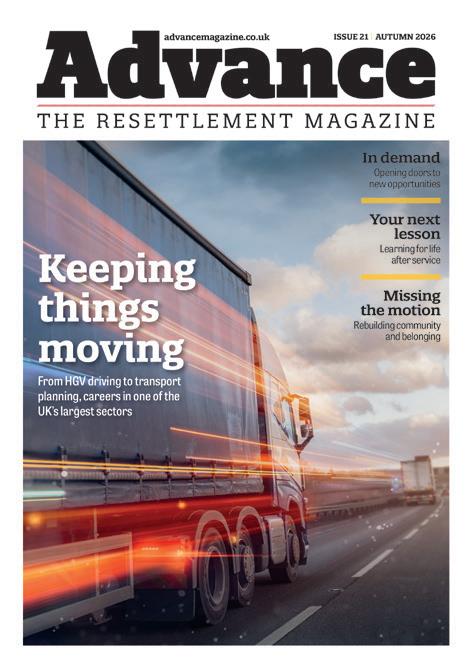
Keeping things moving
From HGV driving to transport planning and warehouse management, the logistics sector offers a wide range of careers for service leavers. With opportunities across the UK and employers that recognise the value of military experience, it’s an industry with plenty to offer
From supermarket deliveries and hospital supplies to construction projects and online orders, the transport and logistics sector keeps the country moving. Contributing around £170 billion to the UK economy and employing more than 8% of the UK’s workforce, it offers a variety of opportunities across driving, operations and planning.
WHY LOGISTICS?
Leaving the Forces means taking everything you’ve learned into a different working environment, and logistics is one of the sectors where military experience is genuinely valued. Teamwork, discipline, communication and the ability to stay calm under pressure all play a part in keeping goods moving, whether that’s out on the road, in a warehouse or as part of a transport planning team.
The industry is also broader than many people expect. HGV driving is one of the best-known routes, but there are careers in fleet management, warehouse operations, transport planning, customer service and supply chain management too. As people gain experience, many move into supervisory or management positions, while others choose to specialise. Employers often support that development with training and recognised qualifications.
There are opportunities in almost every part of the country and across a wide range of sectors, from retail and manufacturing
to defence, construction and healthcare. Some roles involve working on the road, while others are based in distribution centres, offices or ports, giving people the chance to find a role that suits their interests and experience.
WHERE TO START
If you’re considering a career in logistics, there are plenty of places to find out more before making any decisions.
The Chartered Institute of Logistics and Transport (CILT UK) provides information on careers, qualifications and professional development, while Skills for Logistics offers advice on training and the different roles available across the sector. Both organisations also give an overview of the qualifications employers are looking for and how different career paths can develop over time, making them a useful starting point if you’re still weighing up your options.
The Career Transition Partnership (CTP) and the Forces Employment Charity also work closely with employers and regularly advertise vacancies suited to service leavers. Recruitment events and careers fairs are another good way to meet employers, ask questions and find out what qualifications or licences different roles require.
It’s also worth looking at job descriptions before applying. Even if you don’t have direct logistics experience, many employers are looking for evidence of leadership, planning, communication and problem-solving rather than
experience in a specific industry. Taking time to match your military experience to the role can make a real difference.
Many companies provide training as part of their recruitment programmes, while others support existing employees who want to develop new skills. Depending on the role, you could work towards industry-recognised qualifications or gain licences that open up further opportunities as your experience grows.
WHO’S RECRUITING?
Employers across the sector recognise the experience and work
ethic that former members of the Armed Forces bring to civilian employment and have dedicated programmes or partnerships to support service leavers.
GXO Logistics (gxo.com/careers) recruits Service leavers into roles across driving, warehousing, operations and management, recognising the leadership, teamwork and problem-solving skills developed during military service.
Royal Mail (careers. royalmailgroup.com) has a dedicated careers programme for Service leavers, with opportunities in logistics, engineering, fleet maintenance, operations and
professional driving across its nationwide network.
Serco (careers.serco.com) works closely with the Career Transition Partnership and recruits veterans and Service leavers into a range of logistics, operational and support roles across the UK.
Babcock (babcockinternational. com/armed-forces-commitment) is one of the UK’s largest employers of former Armed Forces personnel and offers careers in logistics, engineering, project management and operational support, alongside structured programmes to help Service leavers move into civilian employment.
For many people leaving the
“Whether it’s on the road, in a warehouse or planning deliveries, there’s a role to suit a wide range of skills”
Armed Forces, transport and logistics offers the chance to build a career in a sector that continues to evolve. Whether you’re starting behind the wheel or in an operational role, there are opportunities to keep learning, take on new responsibilities and build on the experience you’ve already gained.
FIND OUT MORE
To learn more about careers in transport and logistics, visit the Chartered Institute of Logistics and Transport (ciltuk.org.uk), Skills for Logistics (skillsforlogistics.co.uk) or the Forces Employment Charity (forcesemployment.org.uk).
UP FOR A NEW CHALLENGE?
For two decades, TDI has successfully provided support to multiple organisations in humanitarian and commercial sectors, offering landmine clearance, UXO disposal, mine risk education, IEDD and Search Training, Fleet Maintenance and detection dog services.
Apply now and join TDI.
TDI have contract positions available for Project Managers, EOD and IEDD Trainers and Mentors, Technical Field Managers, EOD qualified staff, EDD Handlers, Mechanics, Engineers, Medics and all associated support personnel.
Creating your CV
Your CV is an important part of your next career move and gives employers their first impression of you. But what should you include and where do you start?
COVER LETTER
A cover letter is a short introduction explaining who you are and why you’re applying for the role. It should explain why you’re interested in the position and how your skills and experience make you suitable. Adapt the cover letter for each application rather than sending the same one every time.
YOUR INFORMATION
Start your CV with your name and contact details so employers can get in touch if they would like to invite you for an interview.
PERSONAL STATEMENT
Include a short personal statement after your contact details. This should be no more than a couple of sentences and give employers an overview of your experience, strengths and career ambitions.
Example: Experienced senior manager in the Armed Forces with strong leadership and operational planning skills, seeking a management role in the civilian sector.
EDUCATION
List your qualifications and where you gained them. These don’t have to be qualifications from school or higher education. Military training, professional courses and qualifications gained through ELCAS should all be included.
WORK HISTORY
List your most recent role first and work backwards. Include your job title, dates of service and a brief summary of your main responsibilities. Highlight the experience and achievements that are most relevant to the role you’re applying for and explain military job titles or acronyms in plain English where needed.
AWARDS AND ACHIEVEMENTS
If you’ve received awards, commendations or recognition during your service, include them here. This is also a good place to highlight achievements that demonstrate your experience and contribution.
INTERESTS
Your interests can help employers build a picture of who you are outside work. Volunteering, coaching, team sports and community activities can all show commitment and teamwork.
REFERENCES
References give a prospective employer the chance to find out more about you and your previous roles. This could be the person you reported to during your service or your Resettlement Officer. Most employers ask for references later in the recruitment process, so you can add the line ‘References available on request’ to your CV.
FINAL CHECKS
Before sending your CV, read through it carefully and check for spelling, grammar and formatting mistakes. Make sure your contact details are correct and that the layout is clear and easy to follow. It is worth asking your Resettlement Officer or a colleague to read through it before you send it.
FIND OUT MORE
The National Careers Service provides CV advice, examples and templates at nationalcareers.service.gov.uk
From your pension
to
everyday budgeting, a little planning before you leave the military can make the transition much easier
Managing your MONEY
BUDGETING
Creating a budget that reflects your own circumstances is one of the best ways to understand your finances and prepare for civilian life. It’s particularly useful if you’re leaving the military, starting a new job or moving home. A budget should include all of the money you have coming in, everything you need to pay for and any outstanding loans or credit commitments. It will show you how much you have available after paying for essentials such as housing, utility bills, food and travel, and help you decide whether any changes are needed before you leave. If you’re not sure where to start, MoneyHelper (moneyhelper. org.uk) has a free online Budget Planner, together with information on saving, borrowing and mortgages.
PENSIONS
If you serve in the military for at least two years, you will automatically be enrolled into the Armed Forces
Pension Scheme (AFPS), one of the most generous pension schemes in the UK. To reflect your commitment to serving your country, the scheme is paid from the public purse, and you won’t have made any contributions towards this during your time served. The pension you receive will depend on the scheme you’re a member of and your length of service. If you’re not sure what you’re entitled to, request a pension forecast before you leave. It’s the easiest way to understand what you’ll receive and when it becomes payable. Serving personnel can use the Armed Forces Pension Calculator (gov.uk/armed-forces-pensioncalculator). For independent information and advice on the AFPS, contact the Forces Pension Society (forcespensionsociety.org).
BENEFITS
If you’re struggling to find work after leaving the military, you could be entitled to benefits. The same applies if illness or injury affects
your ability to work or means you need extra support. As well as the benefits available to everyone, veterans may also qualify for payments through the Armed Forces Compensation Scheme if an injury, illness or death was caused by service. Some former personnel receiving a Guaranteed Income Payment through the Armed Forces Compensation Scheme may also qualify for the Armed Forces Independence Payment (AFIP). Veterans UK (gov.uk/veterans-uk) and GOV.UK have more information on the support available and how to apply.
FIND OUT MORE
MoneyHelper (moneyhelper.org.uk) offers free information on budgeting, pensions, borrowing, mortgages and retirement planning. For independent advice on military pensions, visit the Forces Pension Society (forcespensionsociety.org).
Be a part of our family
At Royal Star & Garter we provide loving, compassionate care to veterans and their partners and families - so that life is lived to the full in our warm, welcoming community.
Four spacious, award-winning Homes
Each of our Homes in High Wycombe, Solihull, Surbiton and Worthing is rated either ‘Good’ or ‘Outstanding’ by the Care Quality Commission and have also been awarded carehome.co.uk’s Top 20 Small Care Home Groups 2026.
The Homes offer a combination of care services, including day care, nursing care and dementia care tailored to individual needs. Each Home has been designed and purposebuilt to provide beautiful, accessible spaces with a homely feel.
Exceptional nursing and dementia care
Specialist nursing and dementia care that is person-centred, delivered with empathy and understanding to meet residents’ individual needs and wishes. Continuous training and qualifications for staff and the use of new developments and technology, such as acoustic
monitoring, AI pain recognition and VR headsets ensure that our care is outstanding. This specialist care can also be enjoyed as a respite break after illness or to give a carer a well-deserved break.
Wellbeing
Each Home has a dedicated in-house gym, where trained physiotherapists provide both one-to-one treatment and group exercise sessions. These tailored programmes can improve mobility and balance and provide rehabilitation after injury.
The Day Care Service and Lunch Clubs welcome veterans and partners and families to enjoy delicious home-cooked food and good company - and the opportunity to get involved in activities, days out and entertainment. Residents and guests can enjoy café-bars for socialising, quiet nooks for reading and beautiful landscaped gardens and terraces offer independence and choice.
If you or your partner served in the UK Armed Forces, as a Reservist or completed National Service, you are part of our family.
Find out more about what our four Homes have to offer: Call - 0808 281 5068 | Email - enquiries@starandgarter.org Scan to go online or visit www.starandgarter.org
Transitioning from military to civilian life can be challenging –especially when you unexpectedly find yourself without a stable home to return to. We check out the options when it comes to housing
H NEW DIGS
ouse hunting is stressful and overwhelming at the best of times. But, when you’re leaving the Armed Forces, there are so many additional factors to consider. Whereabouts should you move to, what sort of house should you look at, what can you realistically afford, and will you buy, rent, or even stay with family? With thousands of people leaving the Armed Forces each year, there are plenty of support options out there who can help you make the transition to civilian life as smooth as possible.
But, for some forces leavers, it’s not as simple as finding a house, putting down a deposit and signing up for a mortgage. A er a life in the military, managing household finances and learning how to function on civvy street can be hard for some. According to the latest Veteran’s Survey, around one in 400 veterans said they were homeless, rough sleeping or living in a refuge for domestic abuse, while 2.3% said they lived long-term with family or friends. Just over 20% of those who said they were homeless explained they’d le the military
with no home to go to, with other major reasons for homelessness being lack of affordable housing or relationship breakdown. These stark statistics are a vital reminder of how important it is to be aware of the support available to help you when it comes to keeping a roof over your head.
Once you’ve decided where to live – perhaps dependent on employment opportunities or having family nearby – your first port of call should be the local authority’s housing department. You may qualify for priority housing assistance through them if you let them know your leaving date, and they’ll also put you in touch with local housing associations and other sources of support who can advise you on your next move.
THE RIGHT SUPPORT
Supported housing can be one option. Scottish Veterans Residences (SVR) is Scotland’s oldest military charity. Established in 1910, they provide supported housing for veterans experiencing homelessness across three locations in Glasgow, Dundee and Edinburgh.
The SVR’s sites in Edinburgh and Dundee include ensuite rooms with all meals provided. At the Edinburgh site, for example, a qualified social care team provides counselling services, housing and other support to help veterans, plus an on-site gym, gardening, cycling, art, and the
opportunity to take part in outdoor weeks in the Highlands enhance residents’ wellbeing. The charity’s newest residence, in Glasgow, has 30 self-contained flats available for up to 18 months to enable supported transition, and 21 one and twobedroom flats which are available to veterans as permanent homes at affordable rents.
Colin Leslie from Scottish Veterans Residences explains: “We take people who may have been sleeping in their vehicles, or they’ve been sofa surfing or in temporary accommodation. That’s the greatest challenge: not having a roof over your head and not having that security. We aim to raise awareness and be there for people that are in that situation. We encourage them to get back on their feet.”
STEPPING STONE
Combining accommodation with support services – from counselling to training and employability help – means the SVR services boost morale and provide a stepping stone to greater things. Colin continues: “We place a great deal of importance on improving people’s wellbeing, because when they’re in a better place, it opens up different positive avenues for them.”
SSAFA the UK’s oldest national triservice military charity, also provides a mentoring service for people struggling with the transition from military to civilian life. The service is designed to motivate, support, build
“For some service leavers, spouses, and families, transitioning to civvy street can be one of the hardest challenges they will face”
Clare Bain, SSAFA
resilience and help service leavers and their families fulfil their potential beyond the Armed Forces.
Clare Bain, Mentoring Manager at SSAFA, shares: “For some service leavers, spouses, and families, transitioning to civvy street can be one of the hardest challenges they will face.”
The charity delivers a range of support covering housing, healthcare, employment, and training. SSAFA helps people at any stage in their military career – with more than 2,400 trained volunteers, they ensure everyone who seeks help is seen to. “We understand the unique demands of service and are proud to deliver trusted, tailored support to the Armed Forces community in their time of need –because no one should ever have to battle alone,” Clare says.
DIGNIFIED
SSAFA’s volunteer mentors provide long-term, face-to-face support during the transition period, and for up to three years post-discharge. They offer a fully personalised mentoring service, working alongside the individual or family to set goals and provide dignity and support, resulting in a housing solution that works for you.
While the time of transition can be lonely and stressful, it’s important to remember you’re not alone and there is help available. The SVR and SSAFA are just two of many charities in the UK who are determined to support veterans with a smooth transition, and help them secure a stable home.
FIND OUT MORE
For advice, support and housing services, visit Scottish Veterans Residences (svronline.org) and SSAFA (ssafa.org.uk).
WELCOME HOME
Your new chapter starts now...
Owning your brand new dream home can be a reality when you buy through Shared Ownership.
As serving or former military personnel, you have first refusal and can start with as little as 10% ownership, needing only a 5% deposit of that share, making that step onto the property ladder an affordable one.
Early bird reservations and refundable fees make it easy to plan around deployments, giving your family a secure future.
Missing the motion
Leaving the Armed Forces means more than swapping military life for civilian life. It can also mean losing routine, identity, and a community. Veterans and support organisations explain why rebuilding a sense of belonging is one of the biggest challenges, and why finding purpose often begins with the smallest steps
For many people leaving the Armed Forces, the biggest adjustment is not learning to live without the uniform. It’s learning to live without everything that came with it.
Military life offers far more than employment. It provides routine, responsibility and purpose, but also something less tangible: a ready-made community. Work, friendships, housing and support are often built into the same environment, creating a strong sense of belonging that can be difficult to replace. When that disappears, the transition into civilian life can feel unexpectedly isolating.
LOSING MORE THAN A JOB
According to the UK Government’s Veterans’ Survey 2022, 31.3% of UK veterans reported feeling lonely always, often or some of the time. Among those who felt unprepared for civilian life, almost half (46.5%) experienced loneliness, compared with 20.1% of those who felt prepared.
“When you walk out of those gates, you’re not part of it anymore, and suddenly everything is different.”
Gerry McGregor founded Veterans Tribe Scotland – a Scottish charity working to aid positive mental health for veterans and their families through creative and wellbeing events. The Veterans’ Survey figures reflect an experience Gerry knows well. After serving in the RAF, she discovered that leaving the forces meant losing far more than a career.
“Everything revolves around the base,” she says. “Your whole life tends to revolve around it.”
Military communities are unique in that colleagues are often neighbours, friends and support networks all at once. Healthcare, housing and daily routines are closely connected to military life, meaning veterans can lose several sources of stability at the same time.
“When you walk out of those gates, you’re not part of it anymore, and suddenly everything is different,” Gerry explains.
LEAVING IDENTITY BEHIND
That feeling of loss extends beyond practical changes. It can also mean leaving behind an identity shaped over years of service. “You have that connection with people,” she says. “You have that feeling of belonging to something.”
Within the forces, relationships are forged through shared experiences and demanding situations. For many veterans, those bonds feel more like family than colleagues. Replacing that sense of belonging can become one of the greatest challenges of civilian life. The transition can be particularly difficult for those whose
military role has no obvious civilian equivalent. While some leave with a clear career path ahead of them, others are left wondering how the skills they developed in service fit into a very different world.
The staff at Erskine Veterans Activity Centres see these challenges regularly. They state: “The break from routine and familiarity can be difficult. Finding it difficult to settle into civilian life, as it is the unknown, after maybe many years of being in the military.”
However, organisations supporting veterans emphasise that the answer is not to recreate military life, but to help people build a new sense of purpose alongside it.
FINDING A NEW PURPOSE
For Gerry, that journey began unexpectedly. After leaving the RAF, she reached a point where she felt she’d lost direction. “I thought, ‘My life’s gone. I’ve got nothing left’,” she recalls.
Then, after her husband left some paints out, she began drawing. “I wanted to get up to do these pictures,” she says. “It gave me the momentum.”
That experience shaped the philosophy behind Veterans Tribe. Gerry believes there is no single
route through transition. For some, purpose comes through employment. For others, it may come through volunteering, education, creativity or simply finding a reason to leave the house.
“We give people an excuse to come out,” she says. “Come for a cup of tea.”
The approach reflects a wider shi in how organisations support veterans. Rather than focusing solely on employment, many now recognise that rebuilding confidence o en starts with rebuilding connection.
Erskine agrees that support is about helping veterans rediscover the value they already possess. “Veterans can and do add great value to any organisation, whether through work or volunteering,” the organisation says. “Veterans have a real feel for teamwork, comradeship and support.”
THAT FIRST STEP
Leaving the forces doesn’t mean leaving those qualities behind. The discipline, resilience and sense of commitment developed during service remain valuable long a er military life ends. For many veterans, the challenge is not letting go of the past,
but finding somewhere new to belong. Transition is rarely a single moment – it’s a gradual process of rebuilding routine, confidence and identity, o en through small steps rather than dramatic changes.
The motion may change, but it does not disappear, and the ability to move forward is there.
Sometimes it begins with a new career. Sometimes it begins with volunteering, rediscovering an old hobby, or accepting an invitation for a cup of tea. Whatever form it takes, finding purpose a er service is less about replacing military life and more about creating a new rhythm
that allows veterans to carry their strengths forward.
As Erskine reminds veterans, leaving the forces is “another challenge” – one that many have already shown they have the resilience to overcome.
FIND OUT MORE
Visit Veterans Tribe Scotland (veteranstribescotland.co.uk) and Erskine Veterans Activity Centres at (erskine.org.uk/get-support/ouractivity-centres) for support, advice and community activities.
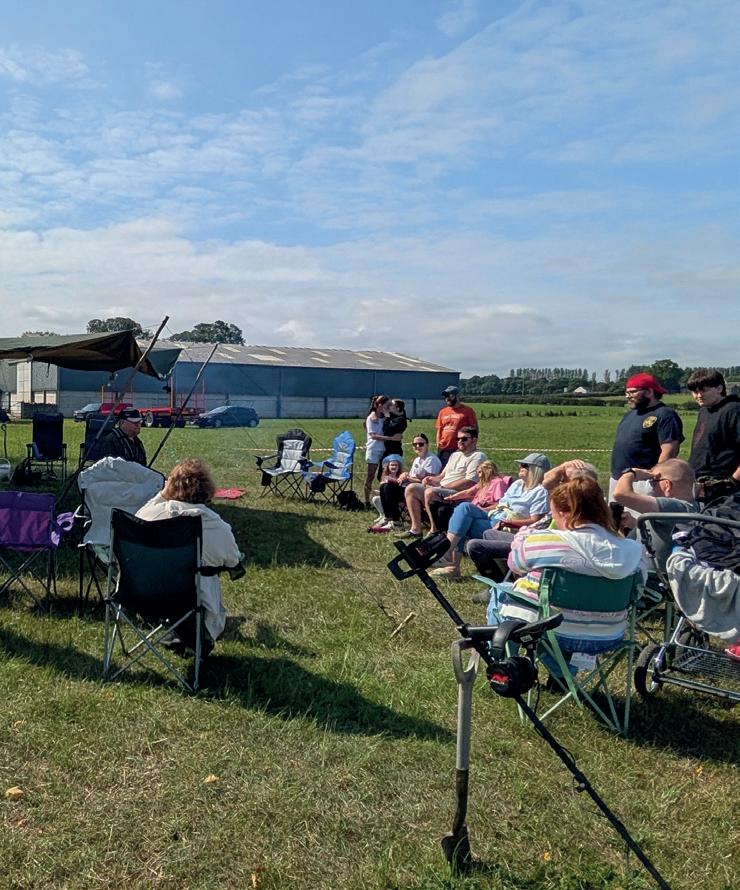
Veterans Tribe Scotland
A fresh challenge
Leaving the military doesn’t have to mean the end of challenges or teamwork. From mentoring young people to protecting Britain’s waterways, there are plenty of ways to stay active, connected and make a difference
Starting a new job is a big step, but it doesn’t fill every gap. Many people miss the things that came with service life – being part of a team, having a challenge to get stuck into or getting outdoors more often. The good news is you don’t have to look far to find them again.
Pass it on
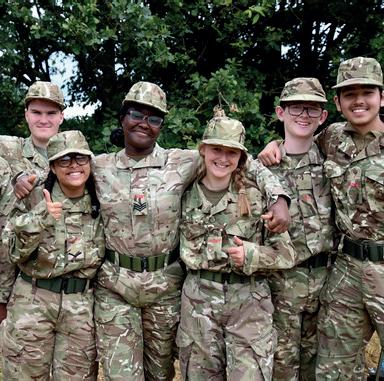
If you’ve enjoyed passing on your skills, becoming a Cadet Force Adult Volunteer (cadetforces. org.uk) is a great place to start. You’ll help young people build confidence, learn new skills and enjoy adventures, while using the experience you’ve already gained. Scouts (scouts.org.uk/volunteer) also has volunteer roles for adults, from helping with weekly meetings to supporting camps and activities.
St John Ambulance (sja.org.uk/ volunteer) is another way to put your skills and experience to good use. You don’t have to be a qualified first aider to get involved either. Volunteers support everything from fundraising and community education to local events.
Get Involved
If sitting behind a desk all week leaves you itching to get outside, there are plenty of options. The National Trust (nationaltrust.org.uk/ volunteer) and Canal & River Trust (canalrivertrust.org.uk/volunteer) need volunteers to help care for some of Britain’s favourite places and waterways. If you’re after something more demanding, Mountain Rescue England and Wales (mountain.rescue.org.uk) and Lowland Rescue (lowlandrescue. org) rely on committed volunteers who enjoy working as part of a team and don’t mind rolling up their sleeves.
For many people, it’s the
camaraderie that’s hardest to replace. The RNLI (rnli.org/ volunteer) relies on volunteers in a wide range of roles, and it’s another opportunity to be part of a team again. From lifeboat crews to fundraising, education and community support, there’s a role to suit a wide range of skills and experience.
Fancy a challenge without making a big commitment? parkrun UK (parkrun.org.uk) takes place every Saturday morning and always welcomes volunteers as well as runners and walkers, so it’s an easy way to get involved in your local community. If map reading was one of your strengths, British Orienteering (britishorienteering. org.uk) runs events across the country that will put your navigation skills to good use. Your next challenge might be closer than you think.
“From lifeboat crews to community support, there’s a role to suit everyone”
FIND OUT MORE
Find volunteering opportunities across the UK at Do-it (doit.life) or find walking, cycling and other outdoor activities near you with GetOutside (getoutside.ordnancesurvey.co.uk).
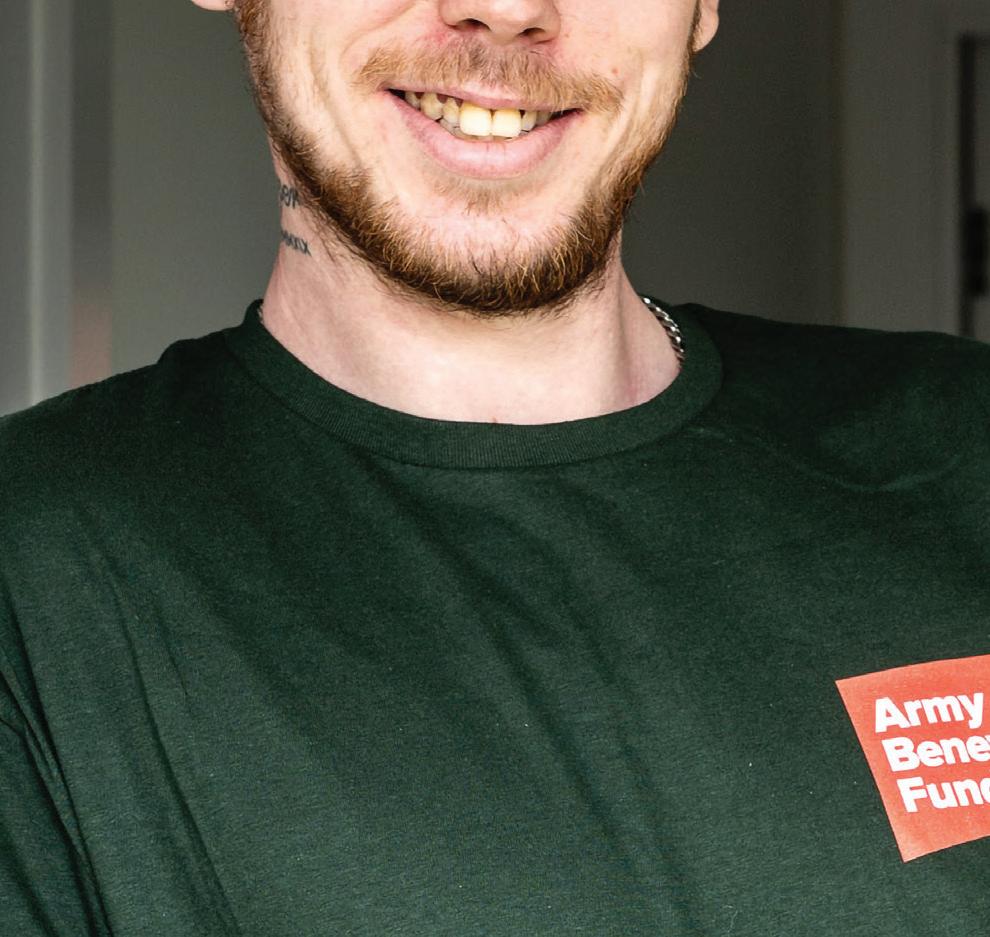
Jack served for six years before being medically discharged, which affected him badly as he was a keen soldier and wished to remain in the Army. Estranged from his family and homeless, his future looked bleak. With funding support from the ABF, employment opportunities opened up and Jack now has his own flat and a job.