Edición 49
Abril-Mayo
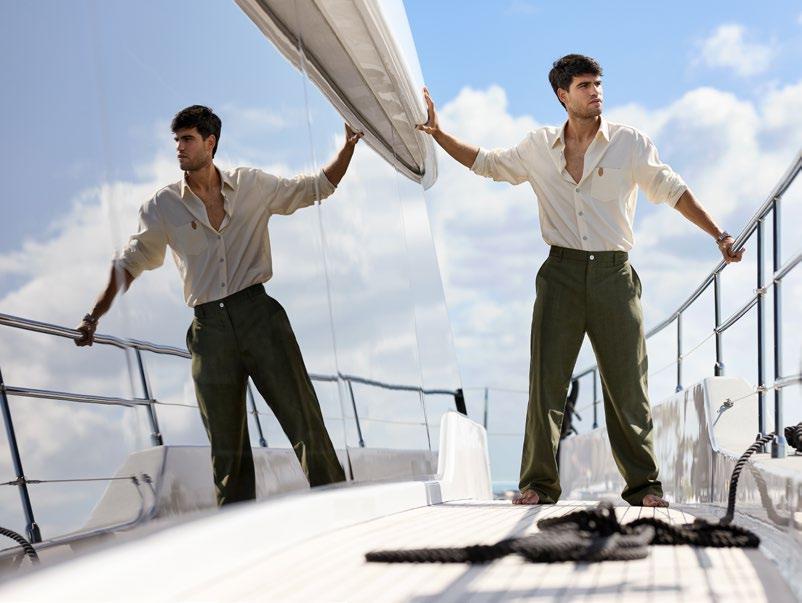
Cesar Ritz
The master of luxury and hospitality
Spring on canvas
The most famous paintings that celebrate renewal
Edición 49
Abril-Mayo
The master of luxury and hospitality
Spring on canvas
The most famous paintings that celebrate renewal
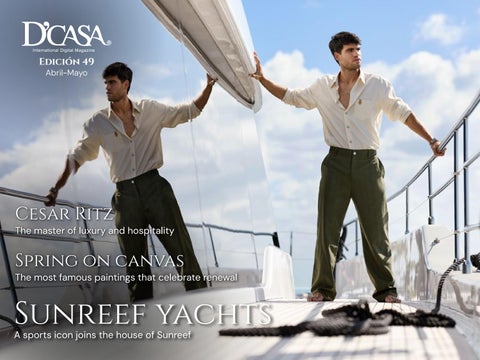
A sports icon joins the house of Sunreef

Leonora Stieglitz Arte y Arquitectura adlibitumarte@gmail.com

Silvana Bianchessi Stieglitz
Cuentas Especiales/Corresponsal China mkdcasamagazine@gmail.com

Perla Lichi Diseñadora perla@perlalichi.com www.perlalichi.com

Antonio Díaz Fotógrafo antoniodiaz@sybcom.com antoniodiaz.mx

Irma Guerra Oceanóloga/Corresponsal Baja California Eldetalledeirma@gmail.com

Giancarlo Frigerio Gastronomía gifritic3@gmail.com

Verónica Guerra Directora, dcasav@gmail.com

Alberto Friscione Buzo profesional albertofrisione@hotmail.com
www.solobuceo.com

Guerra de Alberti Directora, Editora dcasav@gmail.com

Friscione profesional albertofrisione@hotmail.com www.solobuceo.com

Arq. Isabel Rosas Martin del Campo Arquitecto
IR ISABEL ROSAS ARQUITECTAS
Isabel.Rosas.arquitectas.consultoras@outlook.com

Eduardo Balcazar
Gerente Arte y Diseño disenodcasamagazine@gmail.com

Ivana Giove
Relaciones Públicas/Corresponsal Canadá/Content Creator ivanagg1593@gmail.com

Romina Bianchessi Stieglitz
Control de calidad/Corresponsal CDMX rominabs1313@outlook.com

Lizbeth Montes de Oca Moda sagrariolizbeth@hotmail.com

Isabela Bianchessi Stieglitz
Relaciones Públicas bianchessiisabella@gmail.com


Dirección General / Editor
Verónica Guerra de Alberti
Arte y Formación
Eduardo Enrique Balcazar Molina
Comercialización
Felens y Asociados
Relaciones Públicas
Ivana Giove
Editor de Fotografía
Felens Internacional Fotografos
Antonio Diaz
Felens Internacional
Cuentas Especiales
Silvana Bianchessi Stieglitz
En portada
Sunreef Yachts
A sports icon joins the house of Sunreef
Corrector de Estilo
Isabel Dueñas
Traductor
James Carter
Despacho Contable y Administrativo
Consultoria Empresarial
Despacho Legal
Aldave y Cuellar Stafen S.C. Abogados
Información y Ventas
Corporativo Felens y Asociados
998 293 5064
998 252 4731
dcasav@gmail.com
www.dcasamagazine.com
Una celebración del estilo que trasciende el tiempo
Vivir con estilo es un arte. Celebrarlo, una tradición. Esta edición especial rinde homenaje al tiempo, a la visión y a la pasión que dieron origen a D’CASA International Magazine hace 24 años. A lo largo de más de dos décadas, cada página ha sido testigo de tendencias, talentos y momentos inolvidables. Este aniversario es, ante todo, un agradecimiento profundo: a nuestros fieles lectores, a nuestros colaboradores, a las marcas que nos han acompañado, y al equipo creativo que da vida a cada edición.
Gracias por formar parte de este viaje.
¡Feliz 24 aniversario. D’CASA!
A Celebration of Style that Transcends Time
Living with style is an art. Celebrating it is a tradition. This special edition pays tribute to the time, vision, and passion that gave birth to D’CASA International Magazine 24 years ago. Over more than two decades, each page has captured trends, talents, and unforgettable moments. This anniversary is, above all, a heartfelt thank you: to our loyal readers, our contributors, the brands that have joined us, and the creative team that brings every edition to life.
Thank you for being part of this journey.
Happy 24th Anniversary, D’CASA!

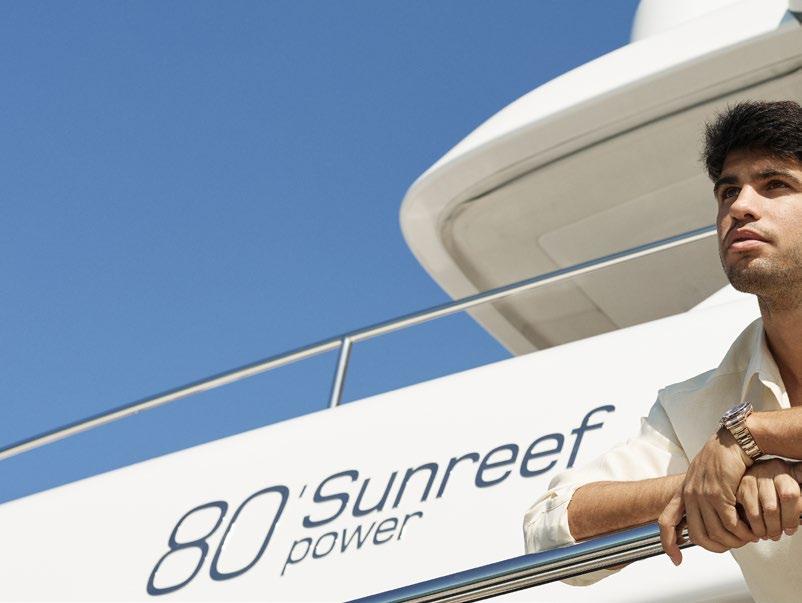
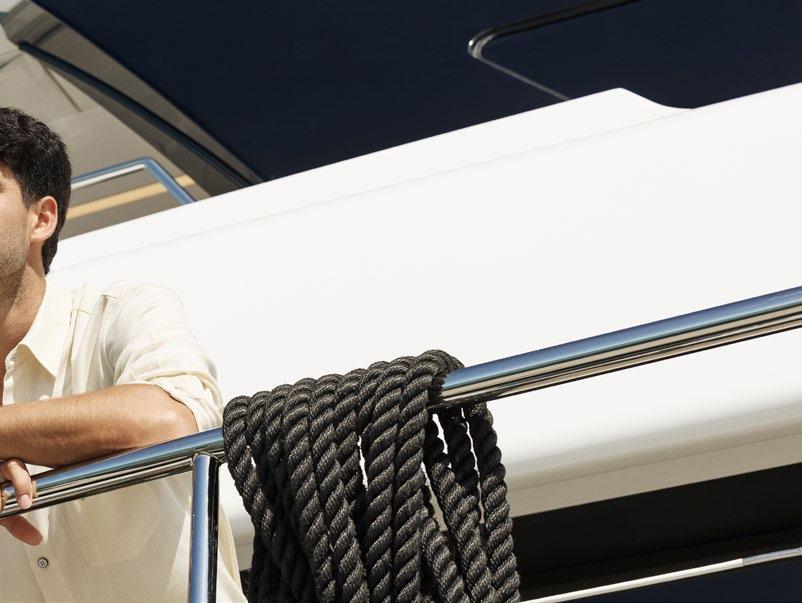
Sunreef Yachts se enorgullece en dar la bienvenida a la superestrella del tenis
Carlos Alcaraz a su prestigiosa comunidad de propietarios. El campeón español ha firmado un contrato para la construcción de un Sunreef ULTIMA 88 totalmente personalizado, marcando así su entrada al mundo de la navegación de lujo con la última línea de catamaranes de lujo del astillero.
Carlos Alcaraz, uno de los atletas más célebres de su generación, ha ascendido rápidamente a la cima del tenis profesional. El múltiple campeón de Grand Slam ha cautivado a aficionados de todo el mundo con su estilo de juego explosivo, su energía inagotable y sus logros que han batido récords.
Buscando la escapada perfecta de la intensidad del circuito de tenis, Alcaraz comenzó a buscar un yate que le ofreciera tanto una relajación total como la plataforma ideal para disfrutar de deportes acuáticos con familiares y amigos. Su investigación lo llevó finalmente a Sunreef Yachts y a la decisión de encargar el Sunreef ULTIMA 88.


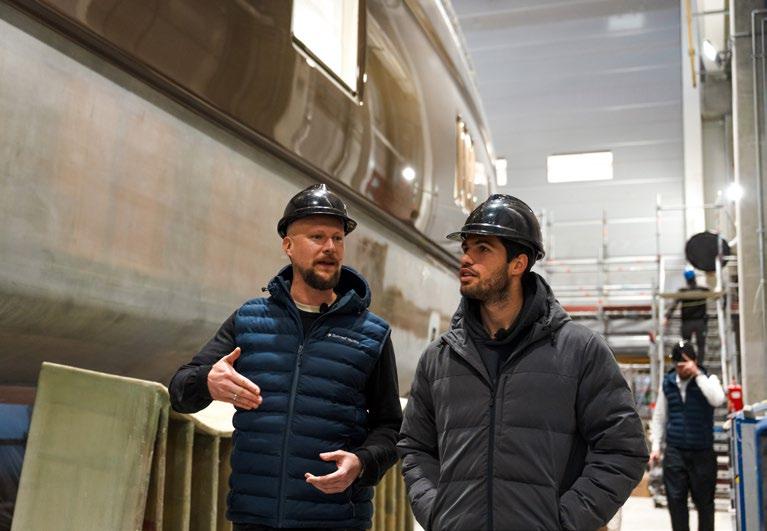
Carlos Alcaraz comentó:
«Decidí encargar el ULTIMA 88 a Sunreef porque creo que no solo son expertos en catamaranes de lujo, sino auténticos creadores de tendencias. Construir con ellos me da la seguridad de que este será el yate perfecto para relajarme y recargar energías. Siento que Sunreef y yo compartimos el mismo espíritu dinámico; somos la combinación perfecta».
Francis Lapp, fundador y presidente de Sunreef Yachts, añadió:
«Carlos es otra personalidad excepcional que se une a la Casa Sunreef, una comunidad de propietarios visionarios cuyos logros inspiran al mundo y aportan nueva energía al estilo de vida náutico».
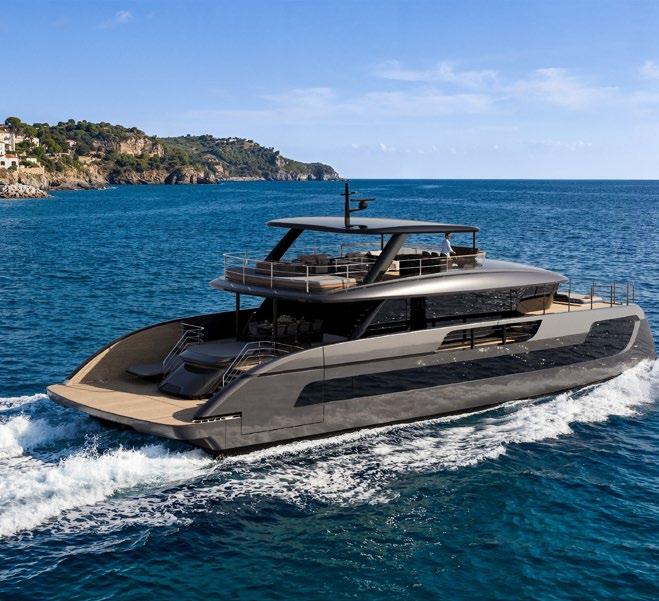
Representando la última generación de catamaranes de lujo, la línea Sunreef Ultima combina una arquitectura elegante, un diseño moderno y un rendimiento excepcional. Con una velocidad máxima de 26 nudos, el ULTIMA 88 ofrece una experiencia de crucero emocionante, manteniendo la comodidad y la estabilidad de una plataforma multicasco. Diseñado pensando en un estilo de vida activo, el yate cuenta con un espacioso salón Ocean Lounge en la popa. Gracias a un amplio garaje, una plataforma hidráulica y terrazas laterales desplegables, la zona ofrece acceso directo a la moto acuática y al equipo para deportes acuáticos, creando un amplio espacio de ocio y actividades junto al agua.
El yate de Carlos Alcaraz estará totalmente personalizado para reflejar su estilo de vida y preferencias. La distribución incluirá alojamiento para invitados en cuatro camarotes, así como una espaciosa suite principal ubicada en la proa de la cubierta principal. El camarote principal, que abarca toda la manga del yate, contará con abundante luz natural y un amplio baño con bañera, creando un tranquilo refugio privado en alta mar. El flybridge ofrecerá amplias zonas para relajarse y cenar al aire libre.
www.sunreef-yacths.com

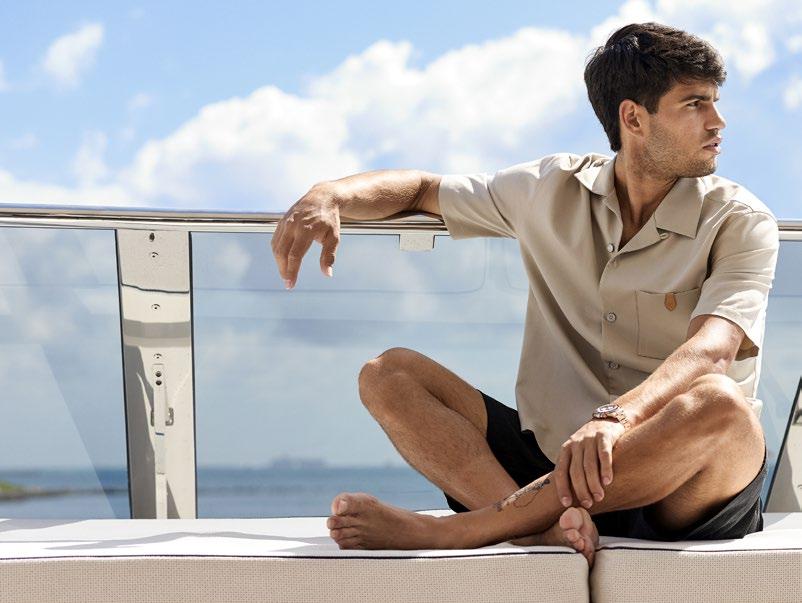
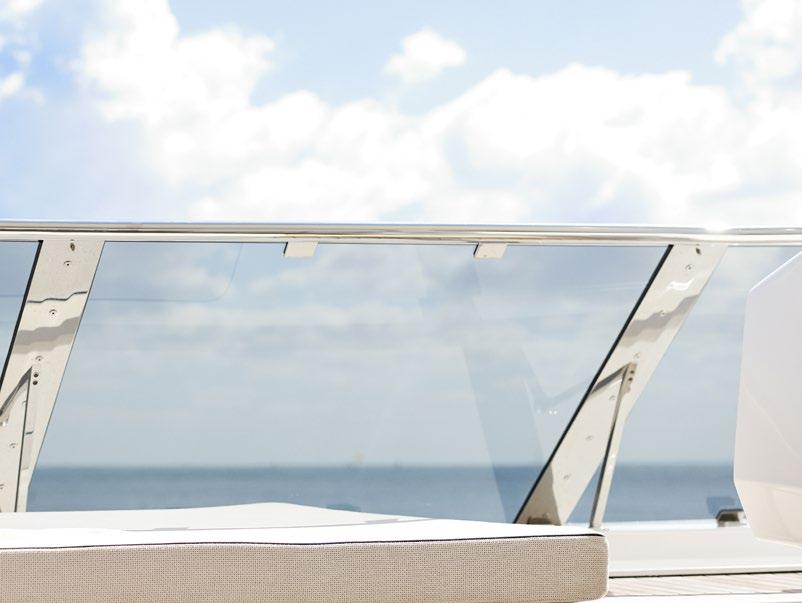
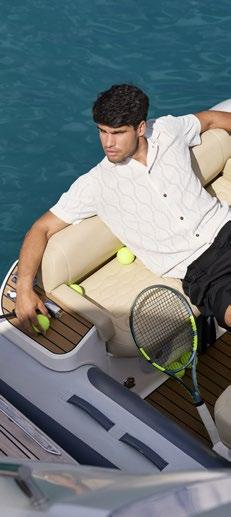
Sunreef Yachts proudly welcomes tennis superstar Carlos Alcaraz to its prestigious community of owners. The Spanish champion has signed a contract for the construction of a fully customized Sunreef ULTIMA 88, marking his entry into the world of luxury yachting with the shipyard’s latest luxury catamaran line.
One of the most celebrated athletes of his generation, Carlos Alcaraz has rapidly risen to the top of professional tennis. The multiple Grand Slam champion has captured the attention of fans worldwide with his explosive playing style, relentless energy and record-breaking achievements.
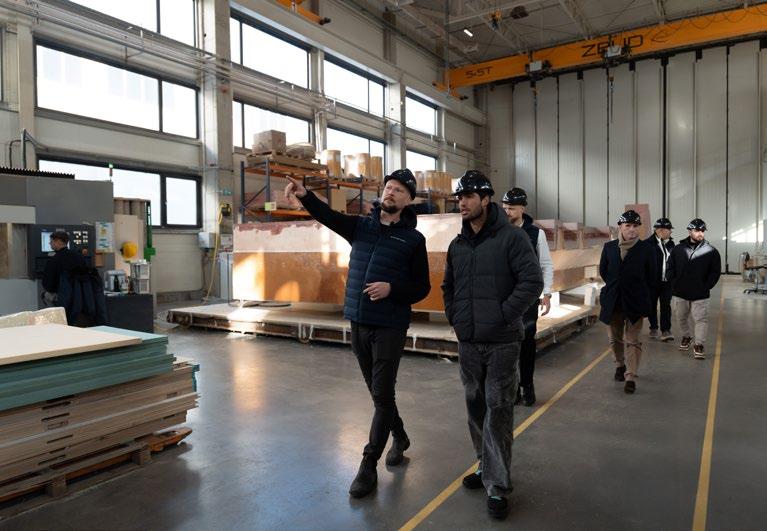
Seeking the perfect escape from the intensity of the tennis circuit, Alcaraz began searching for a yacht that could offer both complete relaxation and the ideal platform for enjoying water sports with family and friends. His research ultimately led him to Sunreef Yachts and the decision to commission the Sunreef ULTIMA 88.

Carlos Alcaraz commented:
“I decided to order the ULTIMA 88 with Sunreef because I feel they are not only experts in luxury catamarans but true trendsetters. Building with them gives me confidence that this will be the perfect yacht to unwind and recharge. I feel that Sunreef and I share the same dynamic spirit — we are a great match.”
Francis Lapp, Founder and President of Sunreef Yachts, added:
“Carlos is another remarkable personality joining the House of Sunreef – a community of visionary owners whose achievements inspire the world and bring fresh energy to the yachting lifestyle.”
Representing the newest generation of luxury catamarans, the Sunreef Ultima line combines sleek architecture, modern design and exceptional performance. With a top speed of 26 knots, the ULTIMA 88 delivers an exhilarating cruising experience while maintaining the comfort and stability of a multihull platform.
Designed with an active lifestyle in mind, the yacht featu-
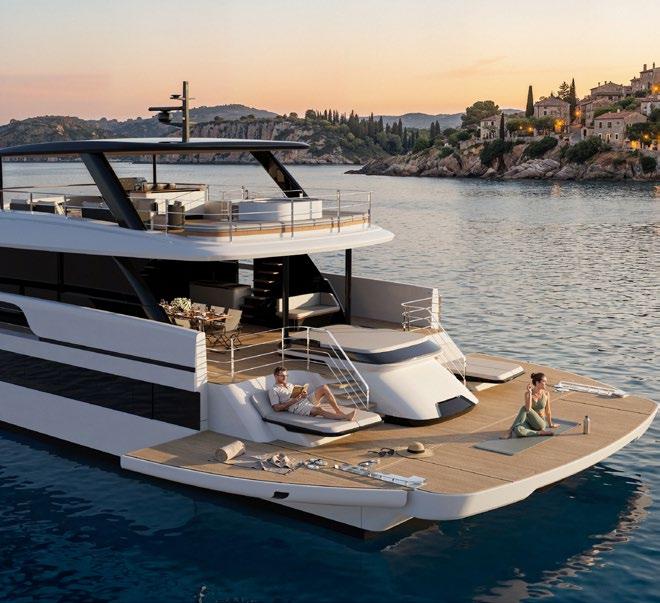
res a spacious Ocean Lounge at the stern. Thanks to a large garage, hydraulic platform and unfolding side terraces, the area provides direct access to the jet ski and water sports equipment, creating an expansive waterside leisure and activity zone.
Carlos Alcaraz’s yacht will be fully personalized to reflect his lifestyle and preferences. The layout will include accommodation for guests in four cabins, as well as a spacious owner’s suite located forward on the main deck. The full-beam master stateroom will feature abundant natural light and a large bathroom with a bathtub, creating a tranquil private retreat at sea. The flybridge will offer generous areas for relaxation and al fresco dining.
www.sunreef-yacths.com
Leonora Stieglitz
La primavera no solo florece en jardines y paisajes; también ha sido musa eterna de los grandes maestros del arte. A través de los siglos, pintores han capturado ese instante mágico en el que la naturaleza despierta, los colores vibran y el aire se llena de promesas. Hoy, en D’CASA International, hacemos un recorrido por algunas de las pinturas más icónicas que evocan la esencia primaveral: belleza, renovación y vida.
El renacimiento floral de La Primavera
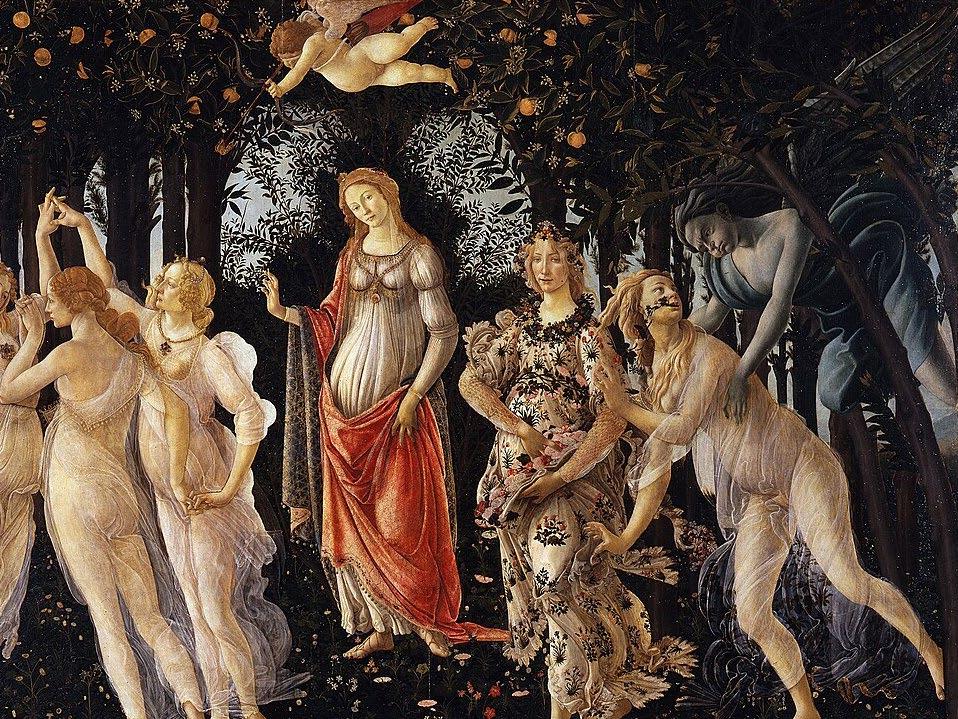
Obra maestra del genio renacentista Sandro Botticelli, La Primavera es quizá la representación más emblemática de esta estación. Pintada en el siglo XV, esta pieza es una oda mitológica donde dioses y ninfas conviven en un jardín idealizado.
Las flores —más de 500 especies identificadas— simbolizan fertilidad y abundancia, mientras la composición evoca el despertar de la vida tras el invierno. Es, sin duda, la primavera convertida en poesía visual.

La sutileza de la naturaleza en Almendro en flor
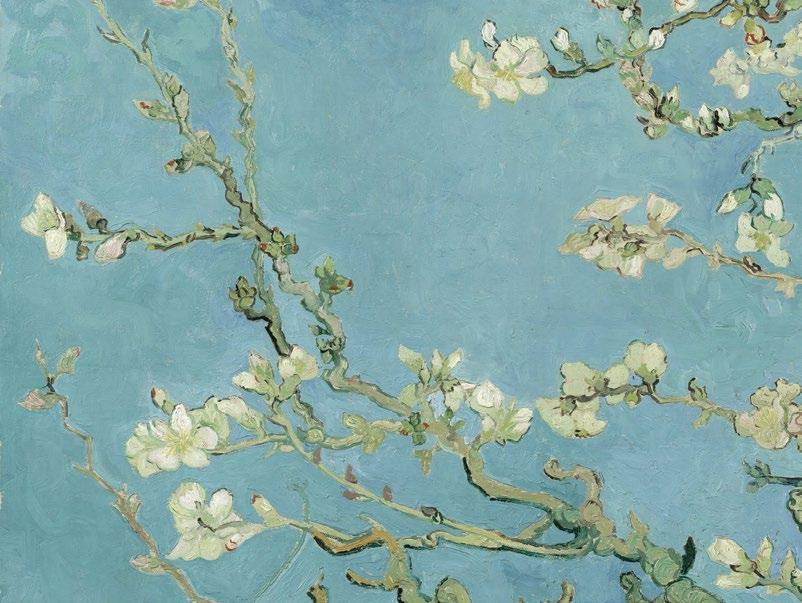
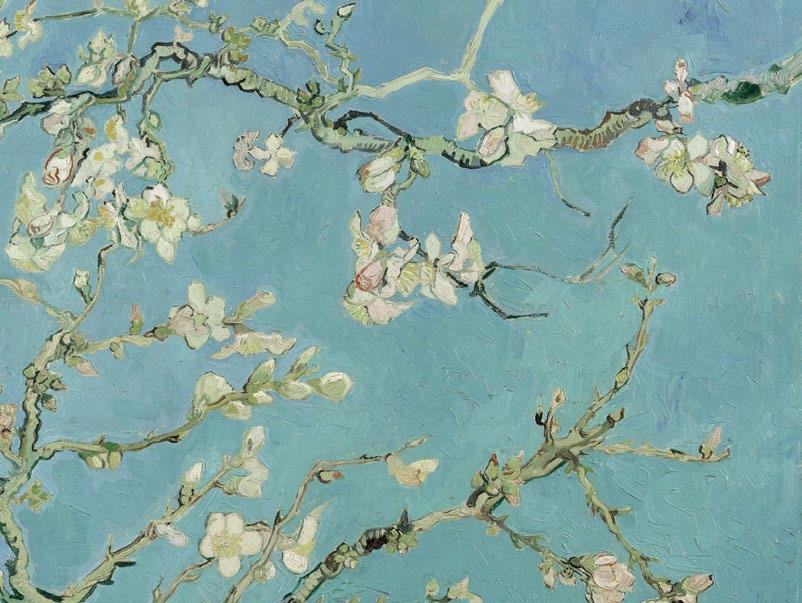
El inconfundible trazo de Vincent van Gogh nos regala una visión íntima y delicada de la primavera. Almendro en flor celebra el inicio de la vida a través de ramas que estallan en flores blancas sobre un cielo azul vibrante.
Inspirado en el arte japonés, Van Gogh logra transmitir esperanza y renovación en cada pincelada, haciendo de esta obra un símbolo universal de nuevos comienzos.
La elegancia luminosa de El columpio
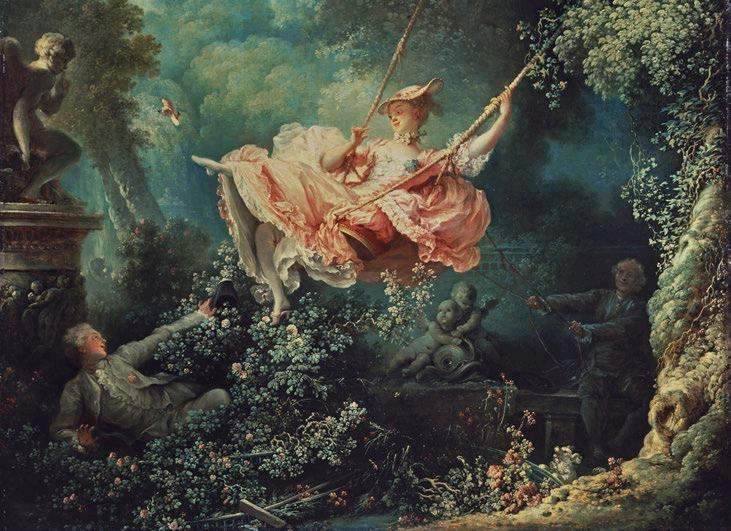
En el universo rococó de Jean-Honoré Fragonard, la primavera se vive como un juego de luz, romanticismo y sensualidad. El columpio retrata un jardín exuberante donde la naturaleza en pleno esplendor enmarca una escena de ligereza y coquetería.
Los tonos verdes, rosas y dorados capturan ese espíritu despreocupado que solo la primavera puede despertar.
Impresiones de luz en Primavera
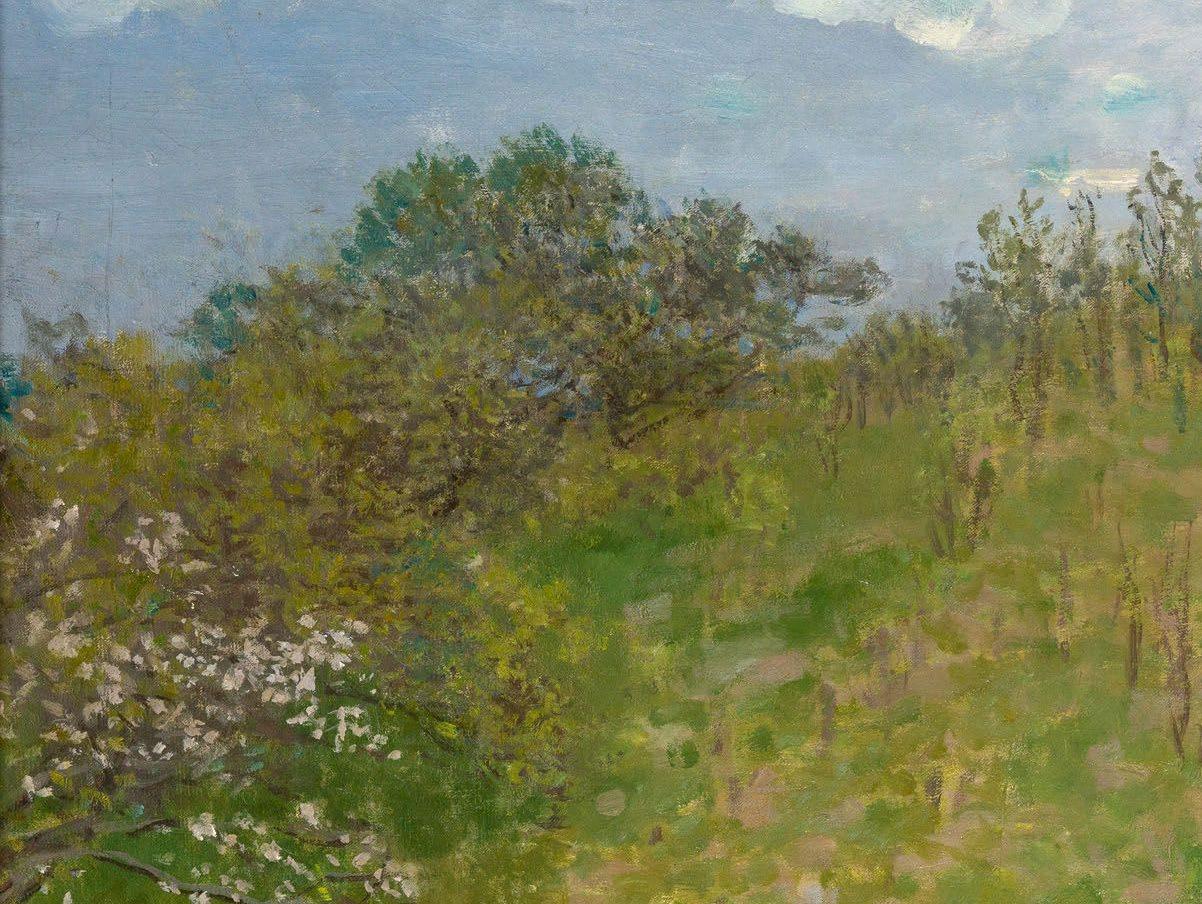
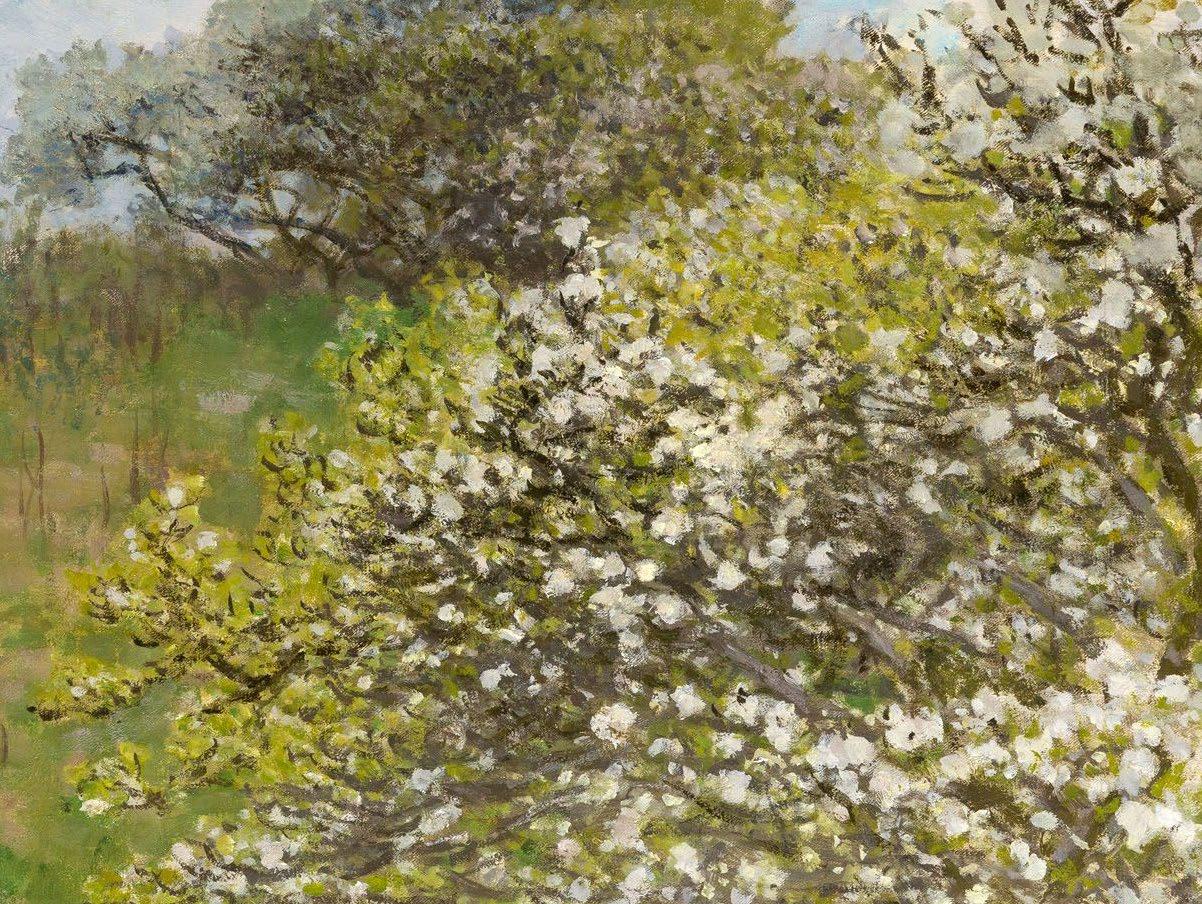
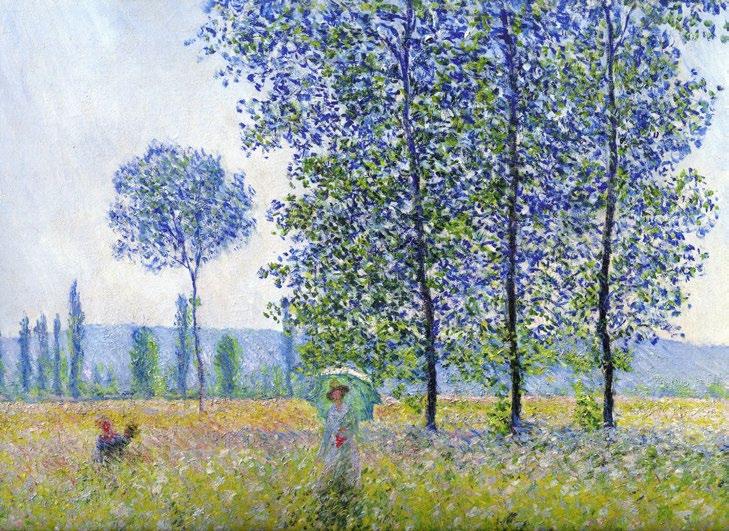
El impresionismo encuentra en la primavera su escenario ideal, y Claude Monet lo demuestra magistralmente. En Primavera, la luz se convierte en protagonista, filtrándose entre árboles y reflejándose en el paisaje.
Más que una representación literal, Monet nos invita a sentir la estación: el movimiento del aire, la calidez del sol y la frescura de los colores que emergen tras el invierno.
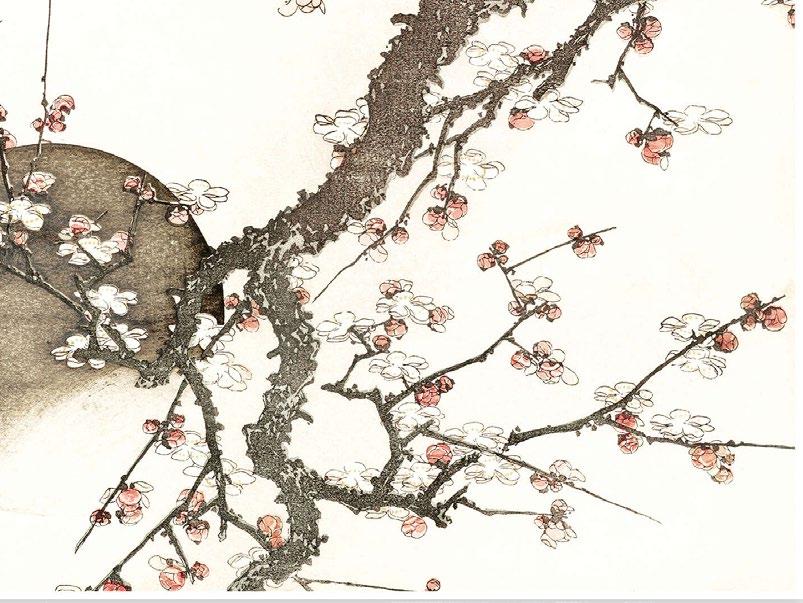
modernidad floral de Flores de cerezo
En el arte japonés, la primavera está profundamente ligada a los cerezos en flor. Katsushika Hokusai inmortalizó este fenómeno en sus delicadas composiciones.
Las flores de cerezo, o sakura, no solo representan belleza efímera, sino también la transitoriedad de la vida, una filosofía que convierte a la primavera en un momento de contemplación y conexión espiritual.
Primavera: el arte de volver a empezar
Cada una de estas obras nos recuerda que la primavera no es solo una estación, sino un estado de ánimo. Es el renacer de la creatividad, la invitación a reinventarnos y la celebración de la belleza en su forma más pura.
En el mundo del arte —como en la vida— la primavera siempre llega para recordarnos que después de cada invierno, florecer es inevitable.
Leonora Stieglitz
Spring doesn’t only bloom in gardens and landscapes; it has long been an eternal muse for the great masters of art. Through the centuries, painters have captured that magical moment when nature awakens, colors come alive, and the air fills with promise. Today, at D’CASA International, we take you on a journey through some of the most iconic paintings that evoke the essence of spring: beauty, renewal, and life.
The Floral Renaissance of La Primavera
A masterpiece by Renaissance genius Sandro Botticelli, La Primavera is perhaps the most emblematic representation of this season. Painted in the 15th century, this work is a mythological ode where gods and nymphs coexist in an idealized garden.
The flowers—over 500 species identified—symbolize fertility and abundance, while the composition evokes the awakening of life after winter. It is, without a doubt, spring transformed into visual poetry.

The unmistakable brushstroke of Vincent van Gogh offers an intimate and delicate vision of spring. Almond Blossom celebrates the beginning of life through branches bursting into white blooms against a vibrant blue sky.
Inspired by Japanese art, Van Gogh conveys hope and renewal in every stroke, making this piece a universal symbol of new beginnings.
In the Rococo world of Jean-Honoré Fragonard, spring unfolds as a play of light, romance, and sensuality. The Swing portrays a lush garden where nature in full bloom frames a scene of lightness and flirtation. Shades of green, pink, and gold capture that carefree spirit only spring can awaken.
Impressionism finds its perfect setting in spring, as masterfully demonstrated by Claude Monet. In Springtime, light becomes the protagonist, filtering through trees and reflecting across the landscape.
More than a literal representation, Monet invites us to feel the season: the movement of the air, the warmth of the sun, and the freshness of colors emerging after winter.
In Japanese art, spring is deeply tied to cherry blossoms. Katsushika Hokusai immortalized this phenomenon in his delicate compositions.
Cherry blossoms, or sakura, represent not only fleeting beauty but also the transience of life—a philosophy that turns spring into a moment of contemplation and spiritual connection.
Each of these masterpieces reminds us that spring is not just a season, but a state of mind. It is the rebirth of creativity, an invitation to reinvent ourselves, and a celebration of beauty in its purest form.
In art—as in life—spring always arrives to remind us that after every winter, blooming is inevitable.
Isabel Rosas
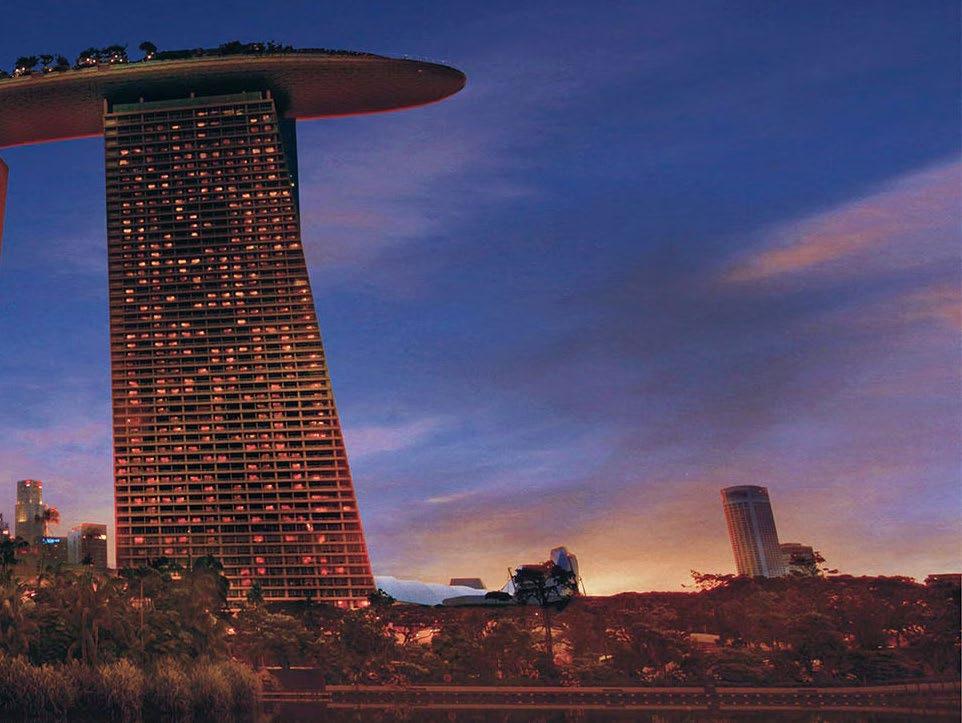
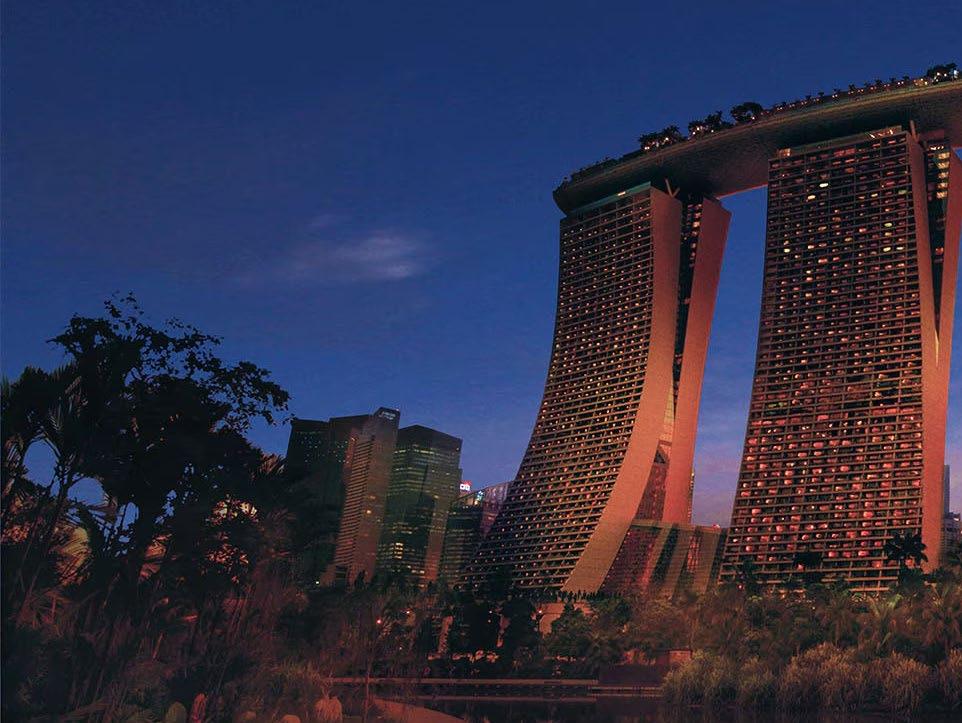
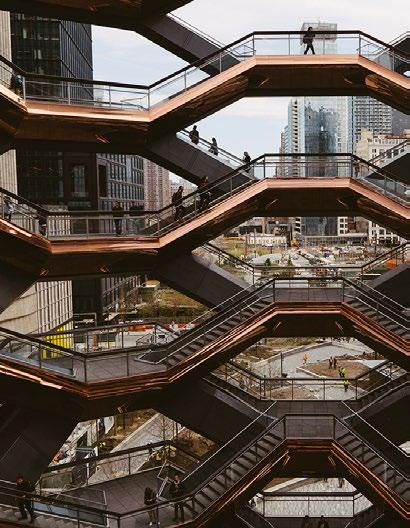
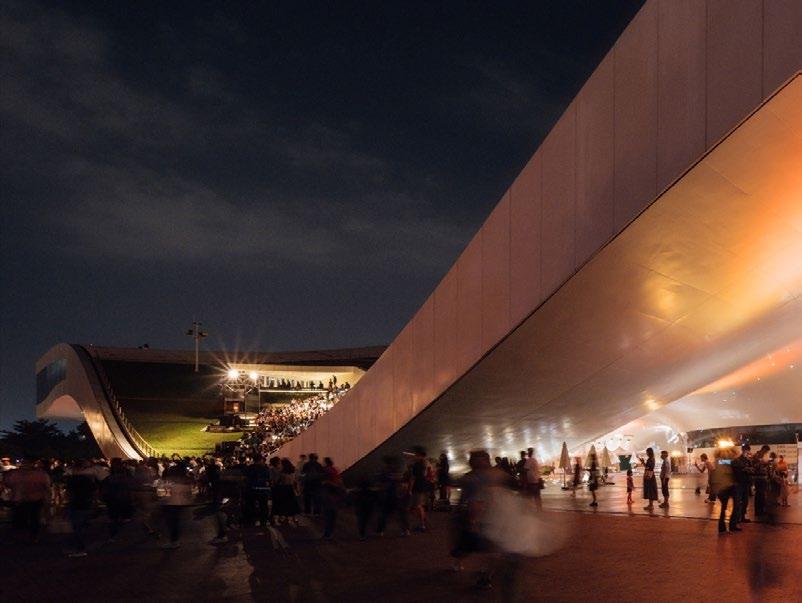
Pensar la arquitectura desde la (im)posibilidad es aceptar que proyectar no equivale únicamente a resolver problemas, abre preguntas, sobre el tiempo, la permanencia, el deseo humano de dejar una huella y, al mismo tiempo trascender sus propios límites. Porque la arquitectura no sólo organiza el espacio es una conversación entre lo visible y lo invisible, entre lo construido y lo soñado y allí se encuentra la imposibilidad de lo imprevisible… Hay algo profundamente misterioso en ella, los gestos que todavía no existen. Pues antes del muro, está la intuición; antes de la materia, el deseo; antes del espacio, una imagen apenas insinuada en la conciencia. La arquitectura comienza ahí, en ese territorio incierto donde una idea todavía no es forma, donde el pensamiento tantea sus propios límites y se pregunta si aquello que imagina podrá, alguna vez, tocar el mundo.
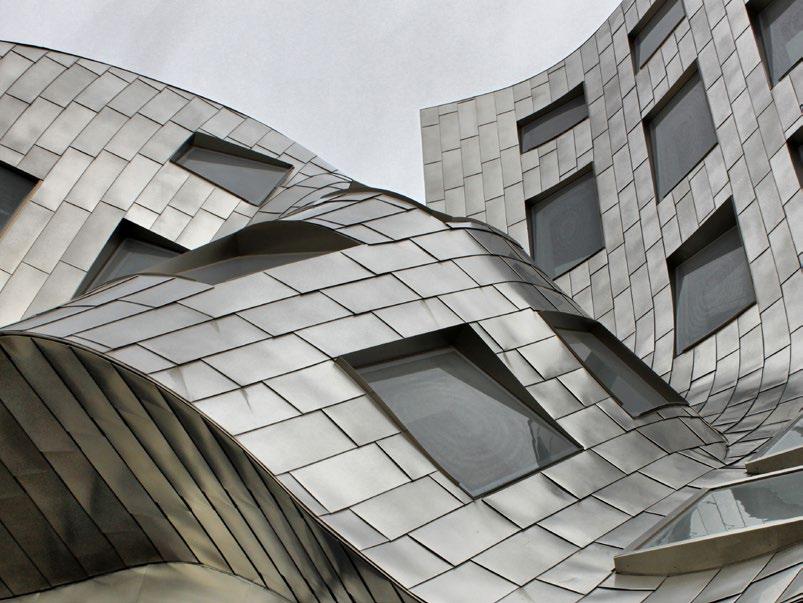
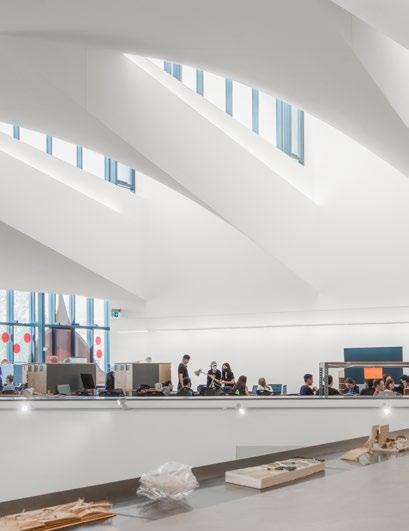
Quizá por eso toda arquitectura está emparentada con lo imposible no como negación absoluta, sino con esa zona de tensión donde lo que aún no tiene cuerpo busca una manera de aparecer. La arquitectura, en ese sentido, no consiste sólo en construir, sino en traducir. Traducir una visión en estructura, una intuición en proporción, un deseo en espacio. Hacer pasar algo del reino de lo imaginado al ámbito de lo tangible. Y, sin embargo, en ese tránsito siempre queda un resto, una vibración, una parte inasible que no termina de resolverse del todo. Tal vez allí habite su dimensión más poética. Es como el silencio en la música para que pueda existir.
Porque la arquitectura no agota el sueño que la origina; es una interpretación que abre un umbral de imaginarios. De un lado, la idea pura, vasta, libre, casi infinita; del otro, la gravedad, la técnica, el tiempo, la materia, la medida. Entre ambos extremos, la arquitectura se levanta como un acto de mediación. No es casual que las obras más memorables no sean necesariamente las más espectaculares, sino aquellas en las que aún podemos sentir la tensión entre el pensamiento y la forma, entre la aspiración y su límite, entre lo
que quiso ser y lo que finalmente fue. En esa tensión vive su belleza. Lo imposible, entonces, no es lo contrario de la arquitectura, sino una de sus condiciones más secretas. Sin una cierta imposibilidad, no habría impulso creador. No habría pregunta. No habría riesgo. La arquitectura necesita asomarse a lo que todavía no tiene nombre, a lo que todavía no encuentra medida, para poder ensayar nuevas formas de presencia en el mundo. Cada línea trazada sobre el papel es, en el fondo, una pregunta lanzada al vacío: ¿y si esto pudiera existir?
Pero también habría que decir que lo imposible no desaparece cuando la obra se construye, allí permanece silente. A veces se queda en la sombra que el edificio proyecta sobre su propio concepto; a veces en el silencio que hay entre lo imaginado y lo realizado; a veces en esa extraña sensación de que toda obra terminada conserva un fragmento de lo que no pudo ser. Y quizá esa incompletud no sea una falla, sino una revelación: la arquitectura más viva no es la que clausura el sentido, sino la que lo deja respirando.
Isabel Rosas
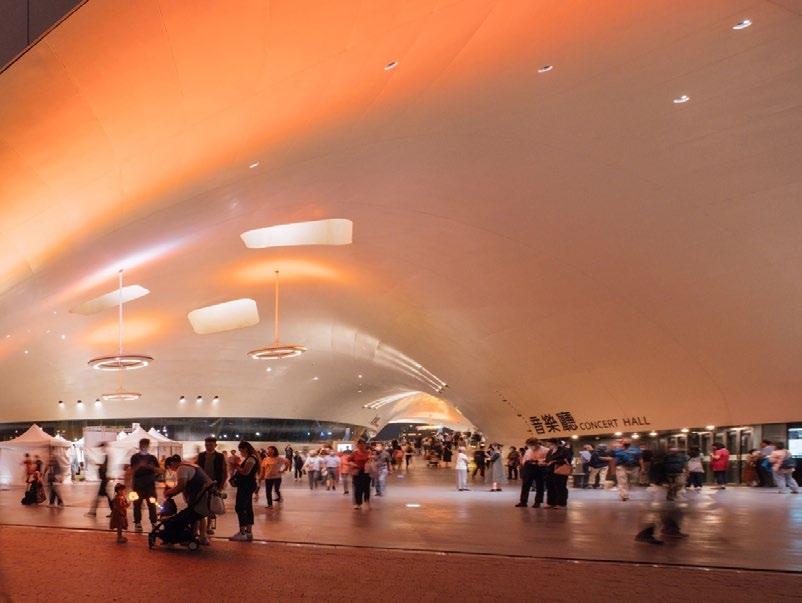
To think about architecture from the perspective of (im)possibility is to accept that designing is not simply about solving problems; it opens up questions about time, permanence, the human desire to leave a mark, and, at the same time, to transcend its own limits. Because architecture not only organizes space, it is a conversation between the visible and the invisible, between the built and the dreamed, and therein lies the impossibility of the unpredictable… There is something profoundly mysterious about it, the gestures that do not yet exist. For before the wall, there is intuition; before matter, desire; before space, an image barely hinted at in consciousness. Architecture begins there, in that uncertain territory where an idea is not yet form, where thought tests its own limits and wonders if what it imagines will ever be able to touch the world.
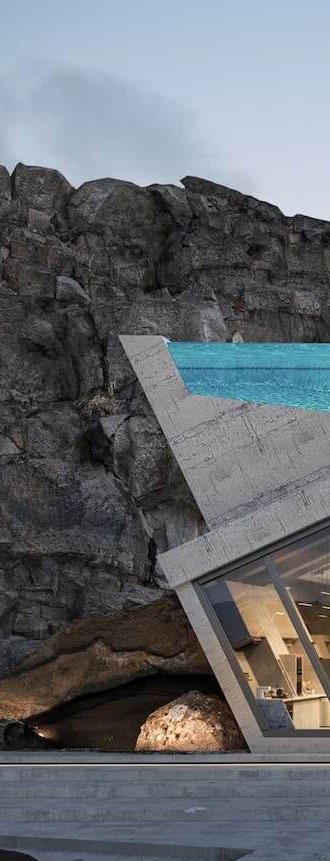
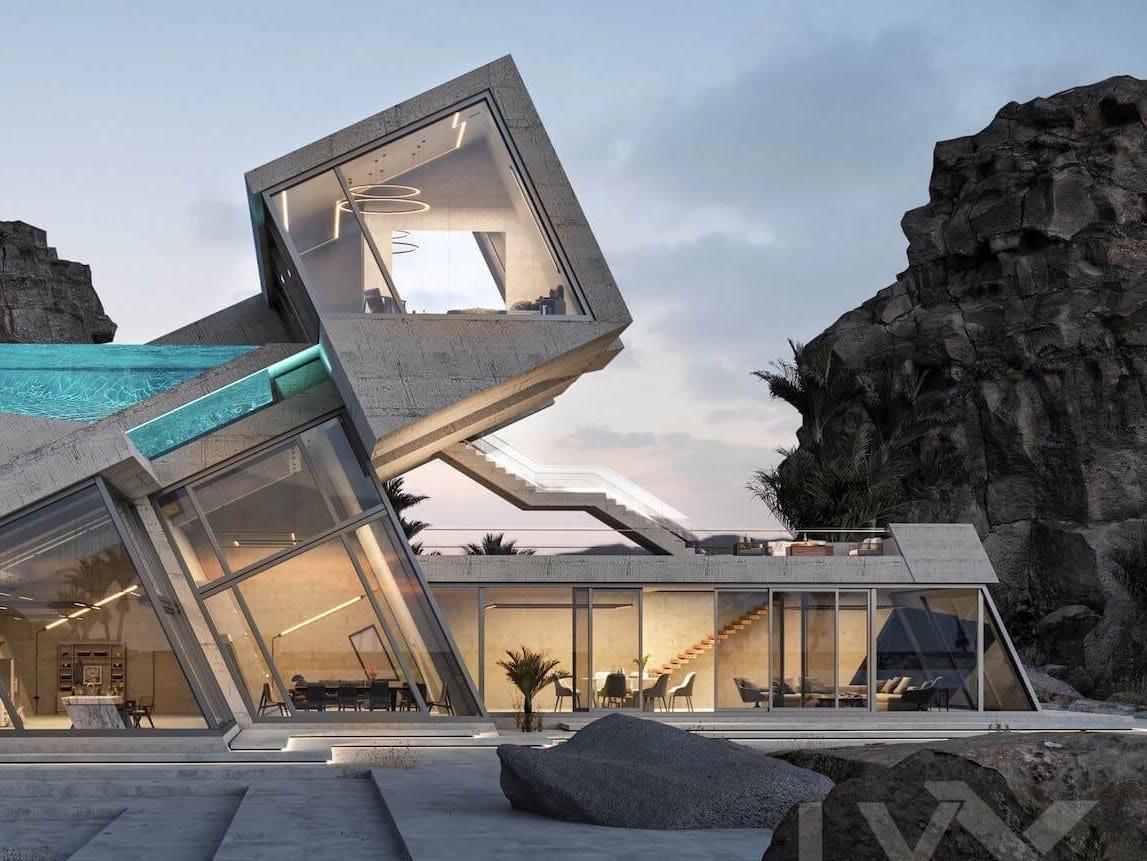
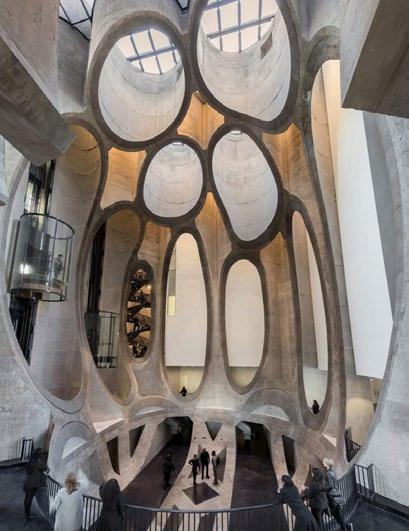
Perhaps that’s why all architecture is related to the impossible, not as an absolute negation, but as that zone of tension where what is still incorporeal seeks a way to appear. Architecture, in that sense, is not only about building, but about translating. Translating a vision into structure, an intuition into proportion, a desire into space. Bringing something from the realm of the imagined into the realm of the tangible. And yet, in that transition, there always remains a remnant, a vibration, an elusive part that never quite resolves itself. Perhaps therein lies its most poetic dimension. It’s like the silence in music that allows it to exist.
Because architecture doesn’t exhaust the dream that gives rise to it; it’s an interpretation that opens a threshold of imaginaries. On one side, the pure, vast, free, almost infinite idea; on the other, gravity, technique, time, matter, measure. Between these two extremes, architecture rises as an act of mediation. It is no coincidence that the most memorable works are not necessarily the most spectacular, but rather those in which we can still feel the tension between thought and form, between aspiration and its limits, between what was intended and what ultimately became.
In that tension lies its beauty. The impossible, then, is not the opposite of architecture, but one of its most secret conditions. Without a certain impossibility, there would be no creative impulse. No question. No risk. Architecture needs to peer into what is still nameless, what has yet to find its measure, in order to explore new forms of presence in the world. Every line drawn on paper is, at its core, a question hurled into the void: what if this could exist?
But it must also be said that the impossible does not disappear when the work is built; it remains there, silent. Sometimes it lingers in the shadow that the building casts upon its own concept; sometimes in the silence between the imagined and the realized; sometimes in that strange feeling that every finished work retains a fragment of what could not be. And perhaps that incompleteness is not a flaw, but a revelation: the most vibrant architecture is not the one that closes off meaning, but the one that leaves it breathing.
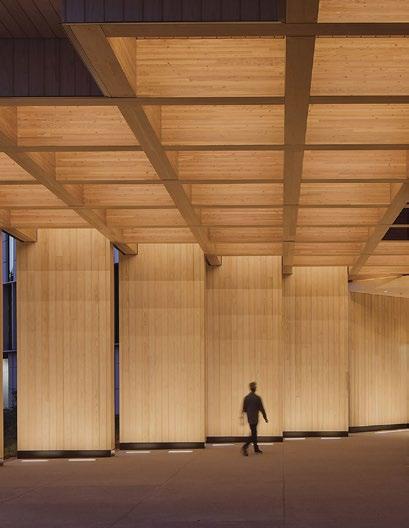
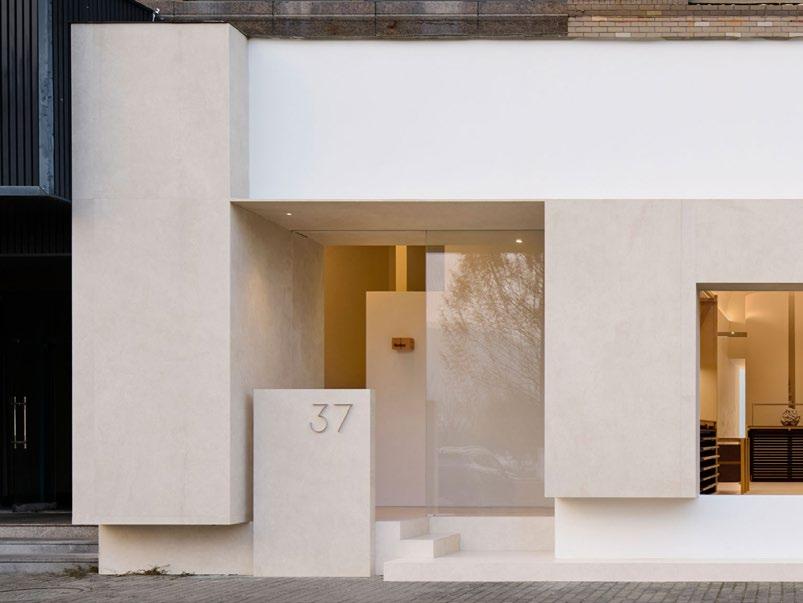
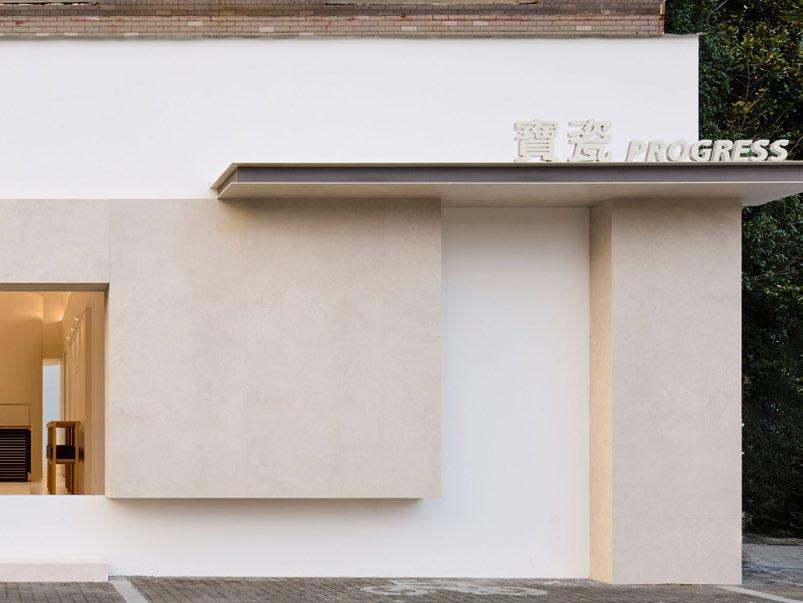
Lingjie AR.Design finalizó en abril de 2025 la sala de exposición Progress Brand en Taizhou, un espacio multimarca insignia para los principales fabricantes de cerámica. En lugar de recurrir a la ostentación típica del lujo, el diseño introduce un nuevo modelo de «lujo discreto»: un lenguaje arquitectónico fluido, una paleta de materiales sencilla y una presencia serena en la calle.
Un hito discreto: poesía arquitectónica en la ciudad
Ubicado al final de una manzana urbana destacada, el emplazamiento goza de una visibilidad excepcional. En lugar de potenciar esta ventaja con un espectáculo llamativo, Lingjie AR.Design adopta una estrategia poco convencional: una presencia discreta por encima del dominio visual.
La fachada se configura mediante una serie de geometrías meticulosas y fluidas, que no son icónicas ni imponentes, sino sutilmente expresivas. Al evitar formas exageradas y materiales excesivamente artificiales, el Pabellón se erige en el paisaje urbano como un gesto arquitectónico poético, en armonía con el ajetreo diario de la ciudad.
El espacio se distribuye en dos niveles: la planta baja está dedicada a la exhibición y la experiencia de los productos cerámicos Progress, mientras que la planta superior alberga las oficinas y las funciones administrativas.

Una experiencia espacial fluida
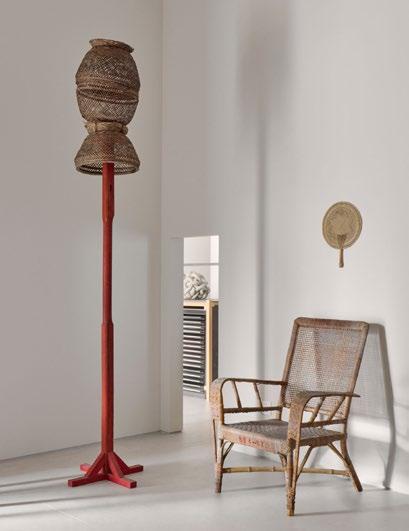
En el interior, el movimiento se despliega como un gesto continuo. Las formas se tornan bruscamente o se suavizan en superficies serenas; los momentos se sienten fluidos como el agua de un manantial o inmóviles como un espejo. Los visitantes recorren el espacio de forma intuitiva, experimentando una sensación de comodidad poco común en el comercio minorista de lujo tradicional.
«Queríamos disolver la presión invisible que a menudo generan los entornos de alta gama», afirma el equipo de diseño de Lingjienei. «El objetivo era crear un espacio donde la gente se sintiera completamente libre». – Chen Lingjie, fundadora y directora de diseño de Lingjie AR. Diseño
Una actitud espacial humilde: El material como telón de fondo
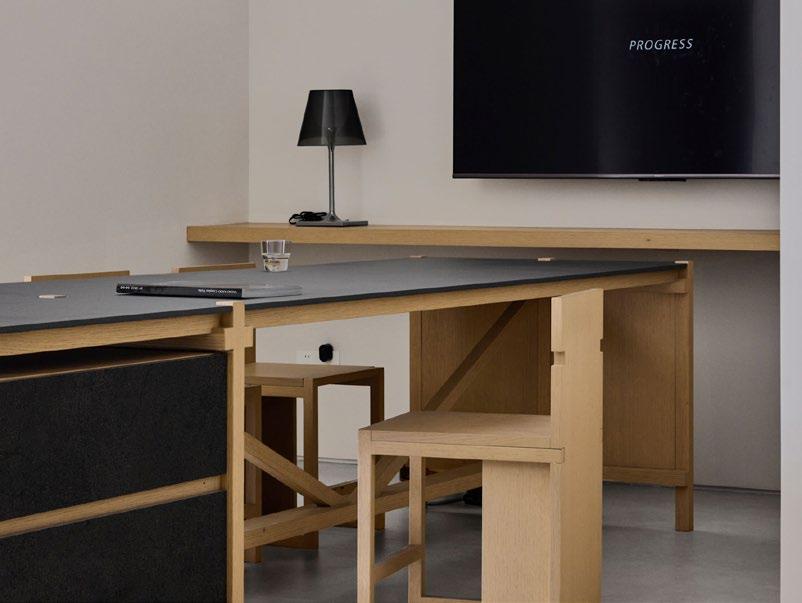
Dado que los productos cerámicos son el material principal de la marca, el interior adopta una postura discreta, casi de recogimiento. Los materiales se seleccionan con una presencia humilde y silenciosa, siempre como complemento, nunca como elemento de competencia.
La cuidadosa combinación de forma y materialidad crea un ritmo espacial: sutil, con múltiples capas y en consonancia con el concepto de una experiencia sin esfuerzo.
Sistema de exhibición personalizado: Estética funcional
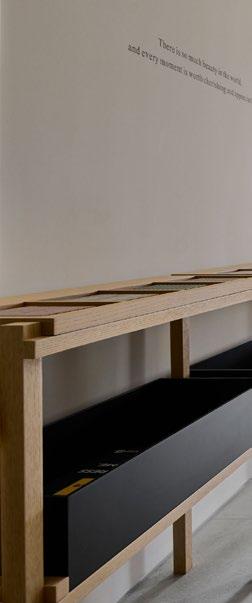
Para enmarcar los productos con la misma intencionalidad, Lingjie AR. Design desarrolló un sistema de exhibición a medida para el Pabellón. Las estructuras de madera se combinan con piezas cerámicas para añadir calidez y una tactilidad natural, reforzando el diálogo entre superficie y estructura.
Modular, sistemático e infinitamente ampliable, los elementos de exhibición transitan fluidamente entre almacenamiento y presentación, ofreciendo adaptabilidad a largo plazo a medida que la marca evoluciona.
Un nuevo modelo para el comercio minorista de lujo
A través de sus líneas fluidas, su sutil presencia urbana y su paleta de materiales sobria, el Pabellón de la Marca Progress propone un nuevo modelo espacial para el sector de la cerámica de lujo, basado en la humildad, la claridad y la libertad sensorial.
Aquí, la marca no se anuncia; se integra discretamente en la ciudad. El diseño invita a los visitantes no a un escenario ostentoso de lujo, sino a un entorno poético, sereno y honesto donde los productos —y la experiencia— hablan por sí mismos.
Nombre del proyecto: Showroom de la Marca Progress
Ubicación del proyecto: N.º 37, Avenida Linhai, Subdistrito de
Dayang, Ciudad de Linhai, Taizhou, Provincia de Zhejiang, China
Director de Diseño: Chen Lingjie
Equipo de Diseño: Zheng Yin
Estudio de Diseño: Lingjie AR. Design
Superficie del proyecto: 220 m²
Fotografía del proyecto: Yunmian Photography
Contenido y redacción: Pure Oxygen Design

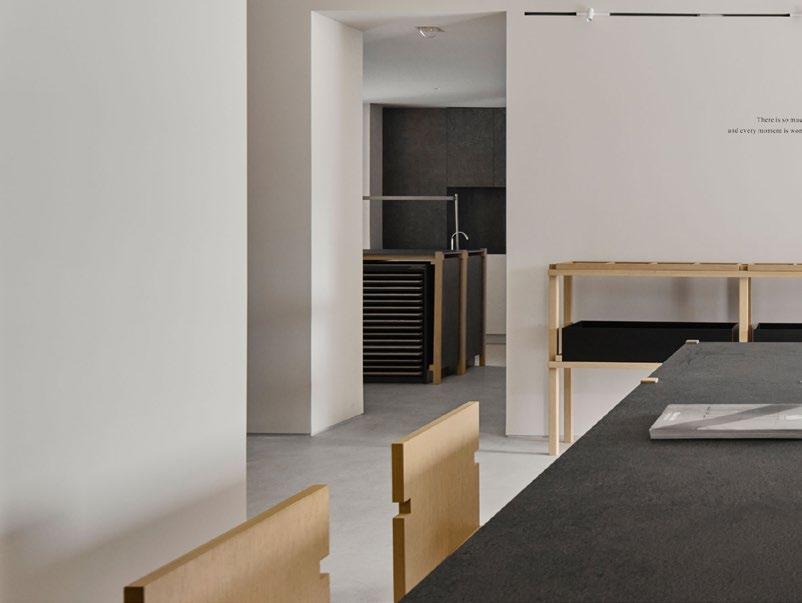
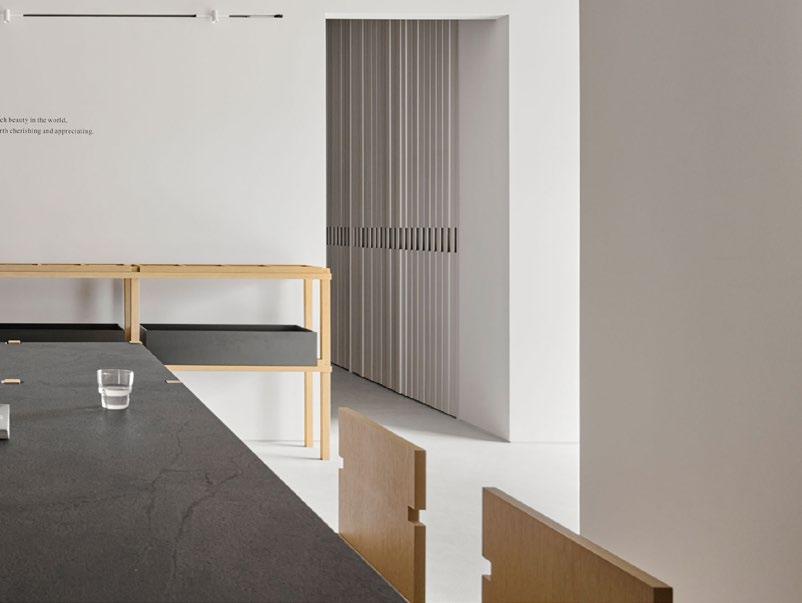
Lingjie AR.Design has completed the Progress Brand Showroom in Taizhou in April 2025, a flagship multi-brand showroom for leading ceramic manufacturers. Instead of adopting the typical grand gestures associated with luxury retail, the design introduces a new model of “quiet luxury”: a flowing architectural language, a humble material palette, and a calm street presence.
Located at the end of a prominent urban block, the site enjoys exceptional visibility. Instead of amplifying this advantage with overt spectacle, Lingji AR. Design adopt a counterintuitive strategy: quiet presence over visual dominance.
The façade is shaped through a series of meticulous, free-flowing geometries— neither iconic nor imposing, but gently expressive. By avoiding exaggerated forms and overly artificial materials, The Pavilion stands in the streetscape like a poetic architectural gesture, quietly in tune with the city’s daily bustle.
The overall space is arranged across two levels: the ground floor is dedicated to the display and experience of Progress ceramic products, while the upper floor accommodates administrative and office functions.
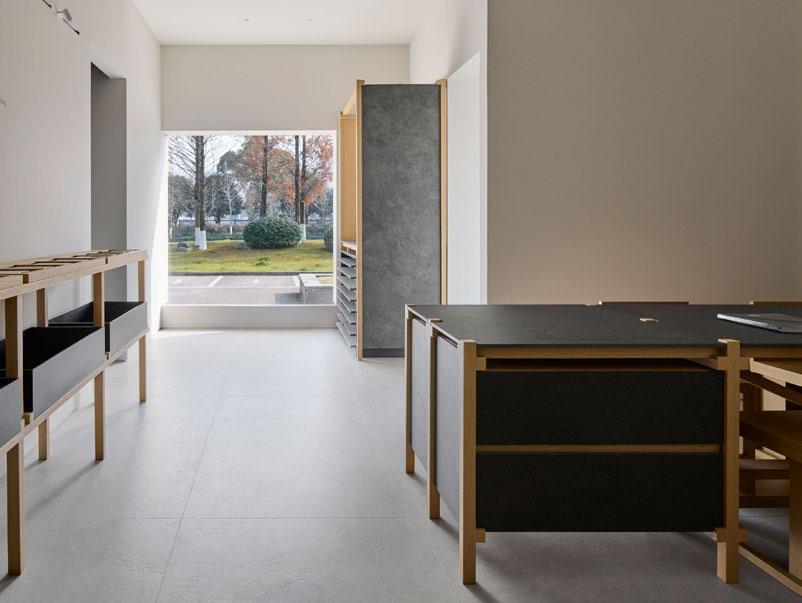
Inside, the movement of the interior unfolds like a continuous gesture. Shapes turn sharply or soften into calm surfaces; moments feel fluid like spring water or still as a mirror. Visitors navigate the space intuitively, experiencing a sense of ease rarely associated with traditional luxury retail.
“We wanted to dissolve the invisible pressure often created by high-end environments,” says Lingjienei’s design team. “The goal was a space where people feel completely free.” – Chen Lingjie, Founder and Design Director at Lingjie AR.
Design
Because the ceramic products are themselves the core material of the brand, the interior adopts a self-effacing, almost retreating stance. Materials are selected with a humble, quiet presence—always supportive, never competing. The careful combination of form and materiality creates a spatial rhythm: subtle, layered, and aligned with the theme of effortless experience.
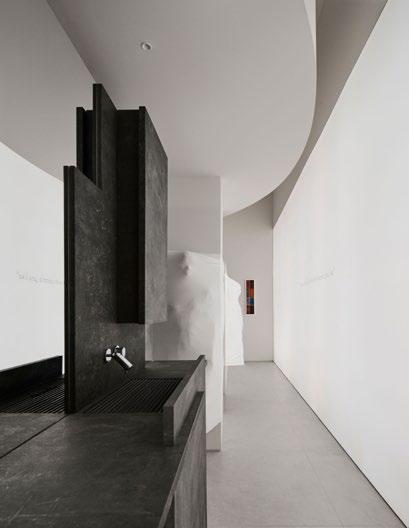
To frame the products with equal intentionality, Lingjie AR. Design developed a tailor-made display system for the Pavilion. Wood structures combine with ceramic pieces to add warmth and natural tactility, strengthening the dialogue between surface and structure.
Modular, systematic, and endlessly extendable, the display elements transition fluidly between storage and presentation, offering long-term adaptability as the brand evolves.
A New Model for Luxury Retail
Through its flowing lines, soft urban presence, and restrained material palette, the Progress Brand Pavilion proposes a fresh spatial model for the luxury ceramics sector—one grounded in humility, clarity, and sensory freedom. Here, the brand does not announce itself; it quietly integrates into the city. The design invites visitors not into a stage-set for luxury, but into a poetic, calm, and honest environment where the products—and the experience—speak for themselves.
Project Name: Progress Brand Showroom
Project Location: No. 37, Linhai Avenue, Dayang Subdistrict, Linhai City, Taizhou, Zhejiang Province, China
Design Director: Chen Lingjie
Design Team: Zheng Yin
Design Firm: Lingjie AR. Design
Project Area: 220 sqm
Project Photography: Yunmian Photography
Content & Copywriting: Pure Oxygen Design
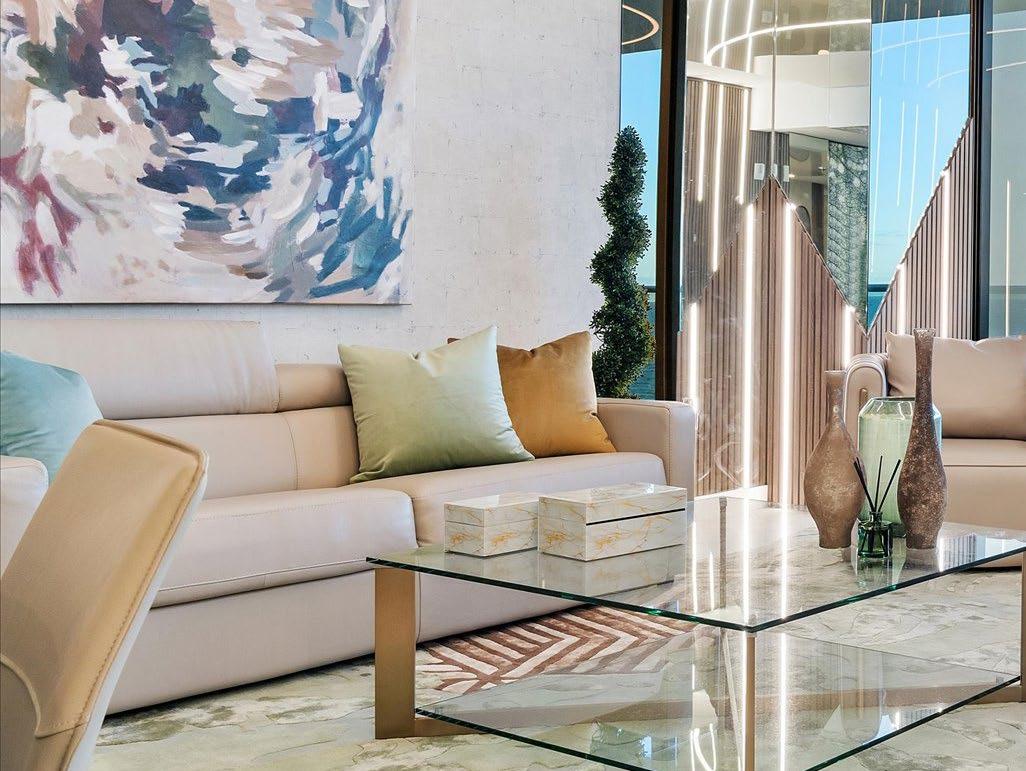
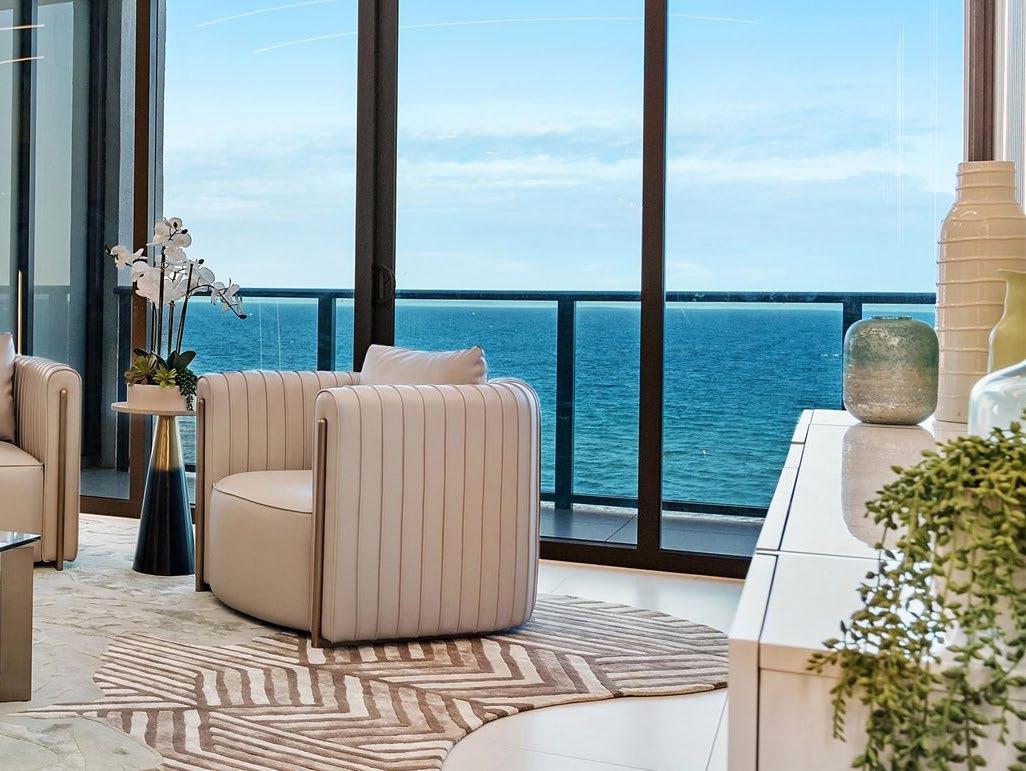
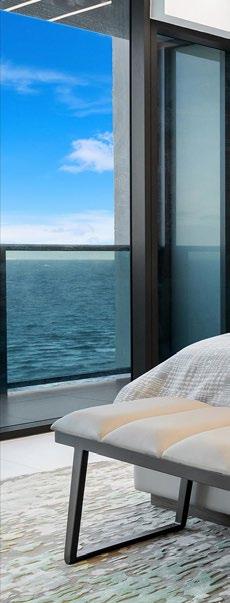
Hay un instante, al estar dentro de este apartamento, en el que el océano más allá del ventanal de suelo a techo y el mundo interior que te rodea se convierten en una meditación continua sobre la belleza, cada elemento tan deliberado y elemental como la propia marea.
Cuando Perla y los clientes entraron por primera vez en su apartamento en Casamar, la impresionante torre frente al mar de Pompano Beach, vieron una estructura vacía de paredes blancas, hormigón visto y vistas panorámicas. Lo que imaginaban era algo mucho más audaz: una residencia que se sintiera tan elemental como el mar que se extiende más allá del cristal.
Lichi respondió con un diseño interior atemporal y único, y una paleta de colores inspirada directamente en la costa de Florida. Difuminando la línea entre el interior y el exterior, esta residencia frente al mar entrelaza materiales orgánicos, principios biofílicos y Feng Shui en un espacio que respira al ritmo del mar.
Un lenguaje escrito en tierra, piedra y mar
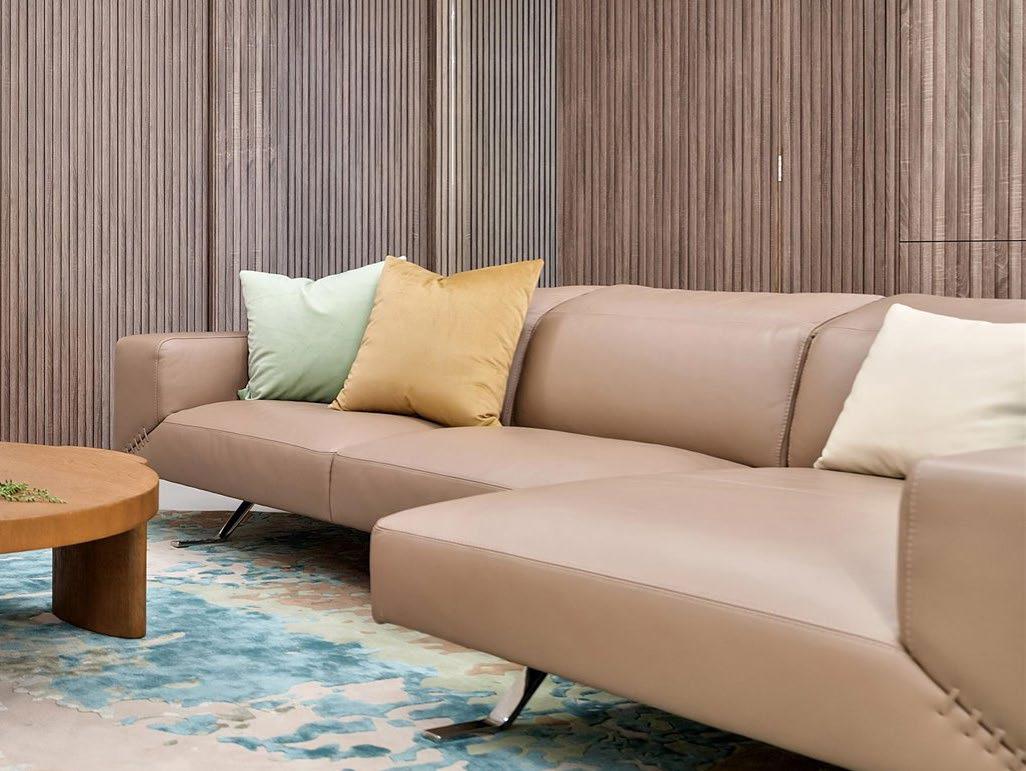
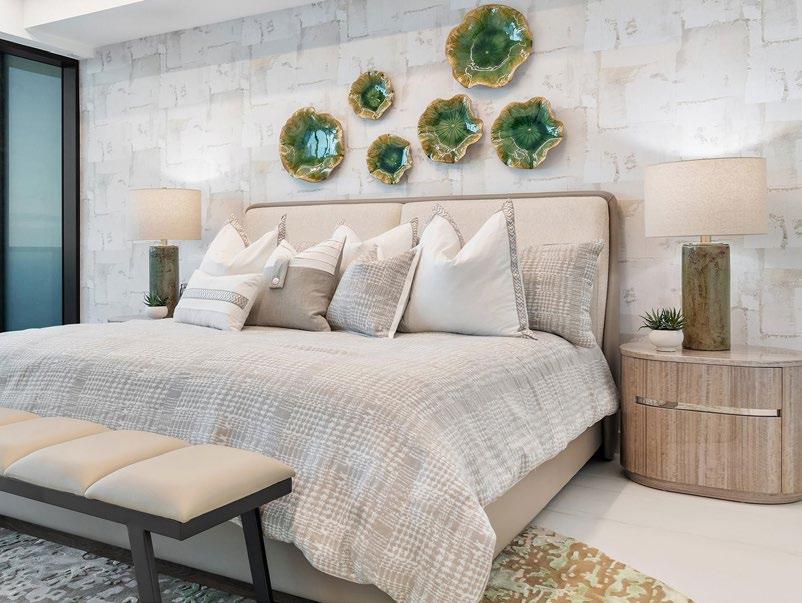
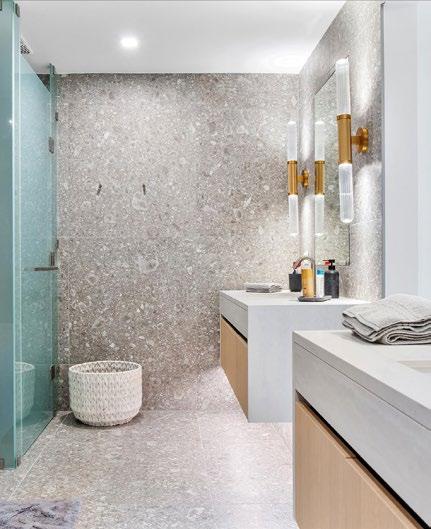
La paleta de colores es uno de los elementos más distintivos del apartamento. En lugar del minimalismo blanco impoluto o el diseño monocromático, Lichi optó por una paleta que transmite calma y naturalidad, como si el apartamento mismo hubiera sido moldeado lentamente por la marea, el viento y el tiempo. Arena blanqueada hasta convertirse en perla. Piedra pulida hasta alcanzar un suave tono grisáceo. Verde extraído no de la superficie del océano, sino de las profundidades más tranquilas: el verde salvia del vidrio marino, el verde azulado empolvado del liquen sobre el coral. Juntos, crean una atmósfera de profunda serenidad, un espacio que respira en lugar de ser ostentoso.
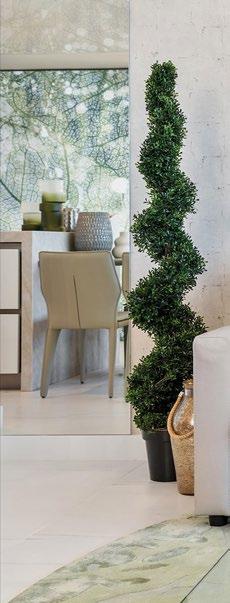
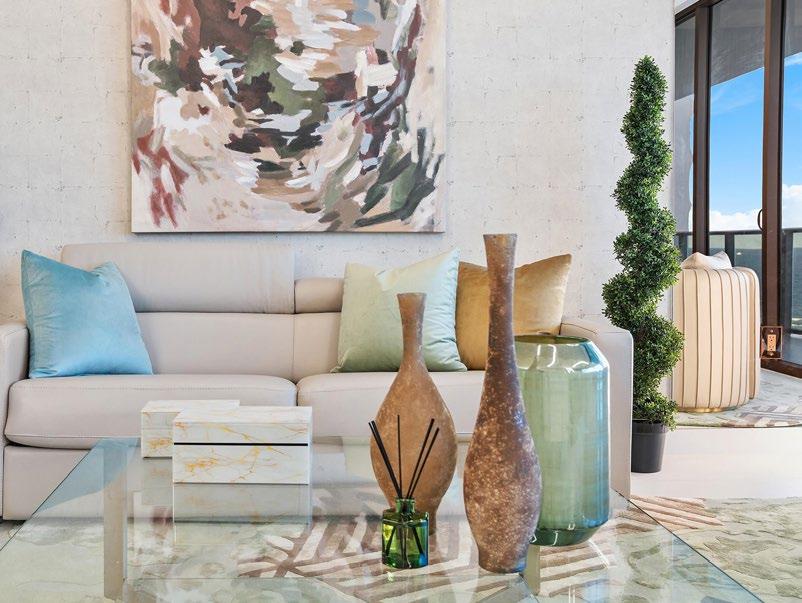
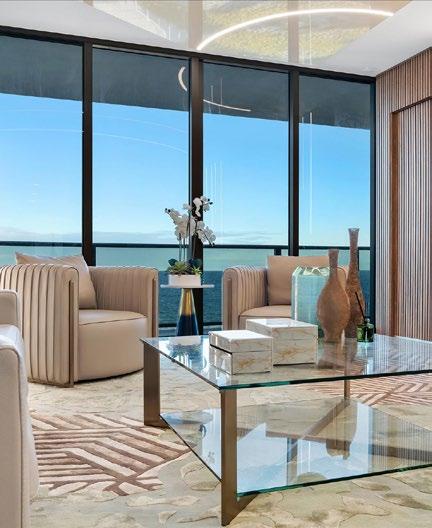
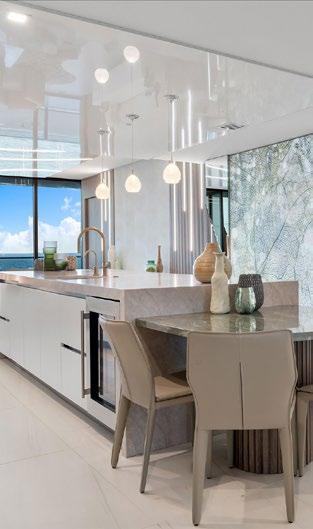
En el corazón de la vivienda se alza el elemento más impactante: una monumental pared botánica retroiluminada, una obra de arte viva que dota al espacio de dramatismo y calidez. Frente a ella, la carpintería de alto contraste crea un ritmo de luz y sombra, profundidad y precisión, donde la naturaleza y la artesanía se mantienen en perfecto equilibrio.
Principios de diseño
Diseño biofílico
Los materiales orgánicos y los elementos botánicos difuminan la frontera entre el interior y la naturaleza, creando un espacio fresco, relajante y conectado con el mundo natural.
Feng Shui
La fluidez, el equilibrio y la disposición intencionada cultivan un ambiente armonioso que resulta a la vez reconfortante e inspirador.
Elementos escultóricos
Las formas distintivas del techo y la suave iluminación perimetral reflejan el delicado ritmo de las olas que se ven a través del cristal, añadiendo movimiento y arte al espacio. Este apartamento de diseño exclusivo en Casamar redefine la vida moderna en un condominio frente al mar, elevándola a la categoría de arte: un audaz testimonio de lo que la visión y el diseño pueden lograr. Lo que comienza como una estructura de hormigón desnuda se transforma en un santuario intensamente personal, profundamente excepcional y completamente único.
Lo que Perla Lichi ha plasmado en Casamar es una cualidad excepcional en interiores de esta envergadura: una atemporalidad genuina. No se trata de una atemporalidad superficial, pasajera, sino de la profunda y merecida atemporalidad de un espacio que comprende y expresa plenamente su propia identidad y que perdurará para siempre.
El espacio diáfano ha desaparecido. En su lugar: una joya a medida, audaz y atemporal, moldeada por el mar y la naturaleza, refinada por la artesanía y completamente única.
www.perlalichi.com

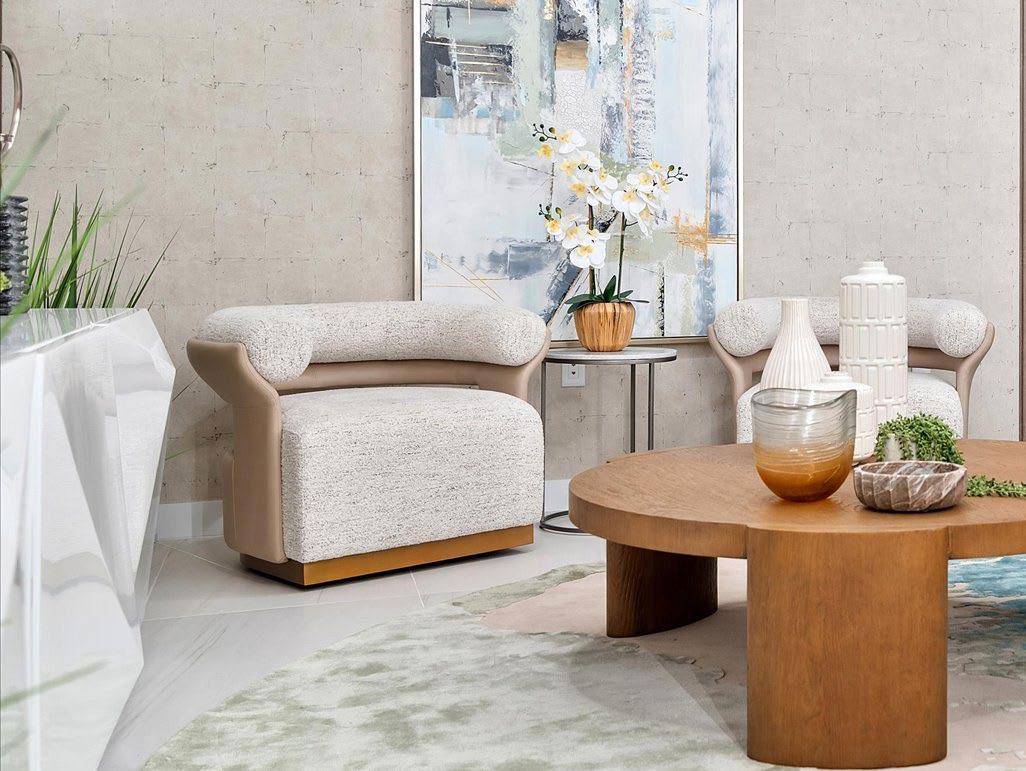
There is a moment, standing inside this apartment, when the ocean beyond the floor-to-ceiling glass and the interior world around you become one continuous meditation on beauty — each as deliberate, as elemental, as the tide itself. When Perla and the clients first walked into their unit at Casamar — Pompano Beach’s striking new oceanfront tower — they saw a blank shell of white walls, raw concrete, and floor-to-ceiling views. What they envisioned was something far bolder: a residence that felt as elemental as the sea stretching beyond the glass. Lichi answered with a timeless, unique interior design and a palette drawn directly from the Florida coastline. Blurring the line between indoors and out, this oceanfront residence weaves organic materials, biophilic principles, and Feng Shui into a space that breathes with the rhythm of the sea.
The color story is one of the apartment’s most defining gestures. Rather than the stark white minimalism or one color tone design, Lichi reached for a palette that feels calming and elemental — as if the apartment itself had been slowly shaped by tide, wind, and time.
Sand bleached to pearl. Stone ground to the softest greige. Green drawn not from the ocean’s surface but from the deeper, stiller water below — the sage of sea glass, the dusty teal of lichen on coral. Together they create an atmosphere of tremendous quiet, of a space that breathes rather than performs. At the heart of the home stands the residence’s most arresting gesture: a monumental, back-lit botanical feature wall — a living work of art that anchors the space with drama and warmth. Against it, high-contrast millwork creates a rhythm of light and shadow, depth and precision, nature and craft held in perfect balance.
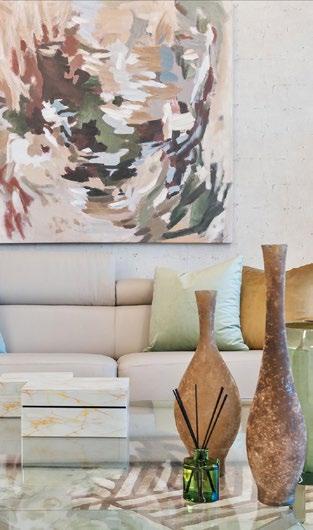
Design Principles
Biophilic Design
Organic materials and botanical elements blur the boundary between indoors and nature, creating a space that feels fresh, calming, and connected to the natural world.
Feng Shui
Thoughtful flow, balance, and intentional placement cultivate a harmonious environment that feels both grounding and inspiring to live in.
Sculptural Elements
Signature ceiling forms and soft perimeter lighting mirror the gentle rhythm of the waves just beyond the glass, adding movement and artistry to the space.
This custom-designed apartment at Casamar redefines modern oceanfront condominium living to an art form — a bold testament to what vision and design can achieve. What begins as a bare concrete shell unfolds into a sanctuary that is intensely personal, profoundly exceptional, and entirely one of a kind.
What Perla Lichi has captured at Casamar is a rare quality in interiors of this scale: true timelessness. Not the superficial, trend kind, but the deeper, earned timelessness of a space that fully understands and expresses its own identity and will remain unforgettable for generations to come. The white box is gone. In its place: a bespoke, bold, and timeless gem — shaped by the sea and nature, refined by craft, and entirely one of a kind.
www.perlalichi.com
21° 86°
KUN 21°86°: Un nuevo ecosistema urbano
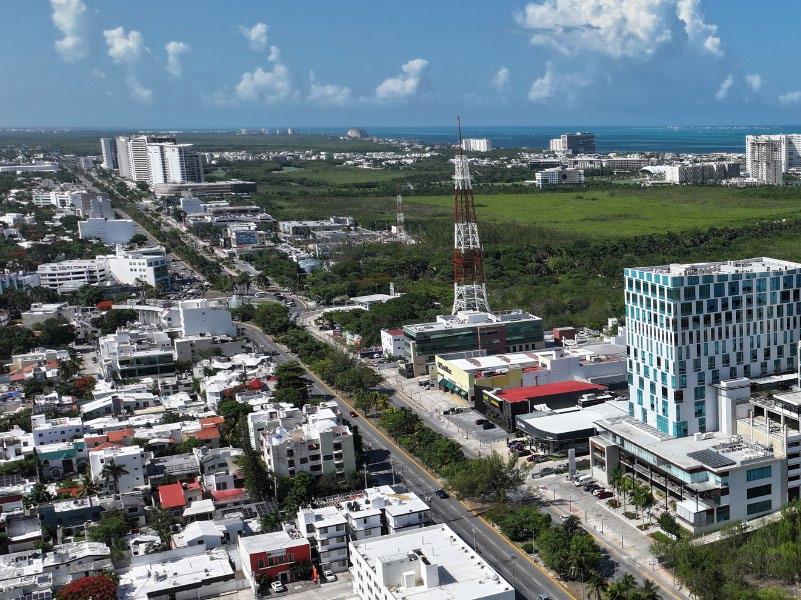
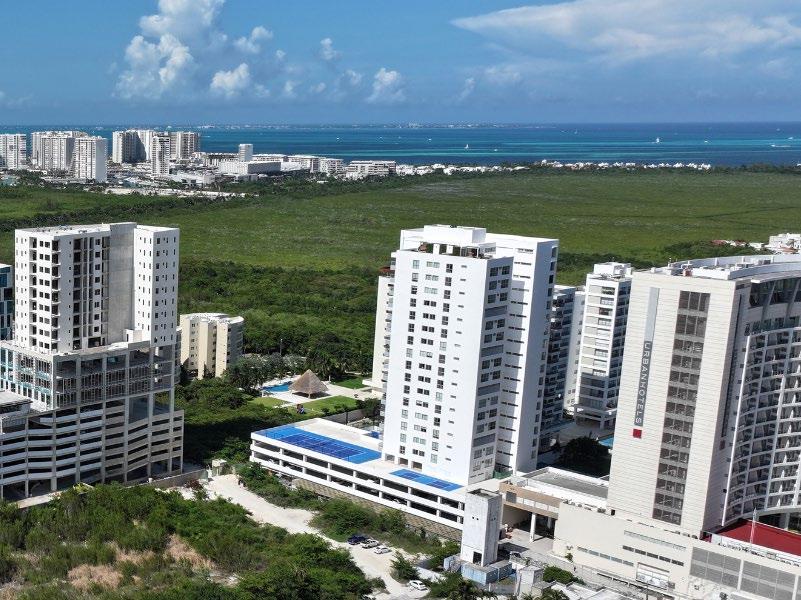
KUN 21°86° es un complejo de usos mixtos que integra locales comerciales, oficinas corporativas, consultorios médicos y sky residences, redefiniendo la forma de vivir, trabajar e invertir en Cancún.
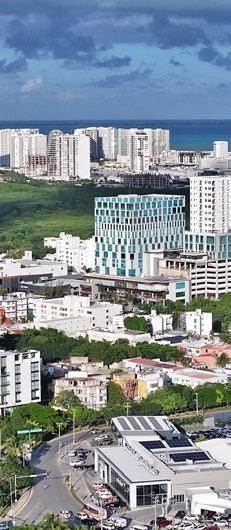
Ubicado a minutos de la Zona Hotelera, el proyecto destaca por su conectividad estratégica y su diseño funcional, alineado con el crecimiento urbano y económico de la ciudad. Su concepto ha generado un ecosistema atractivo impulsado por el auge del turismo médico, atrayendo a médicos locales, nacionales e internacionales que han decidido invertir y establecer su práctica dentro del desarrollo.
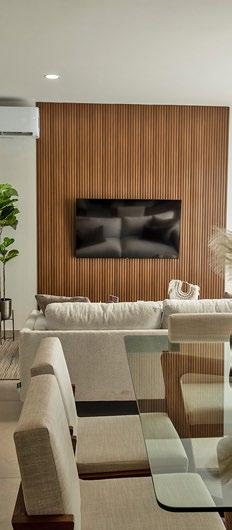

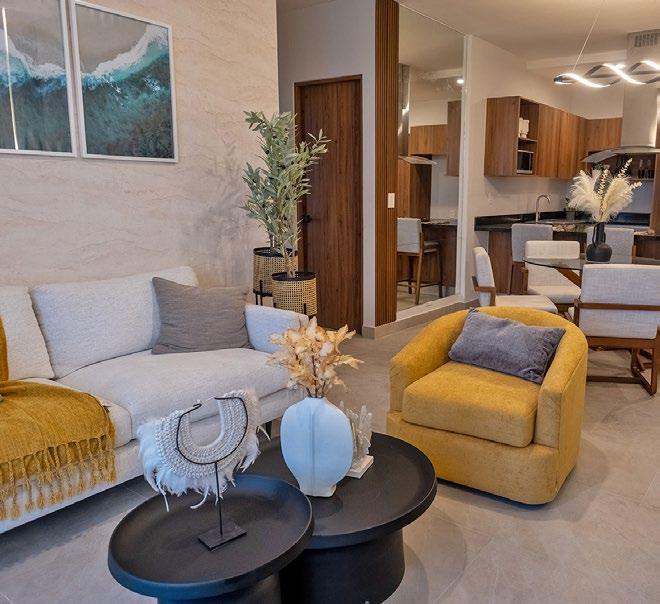
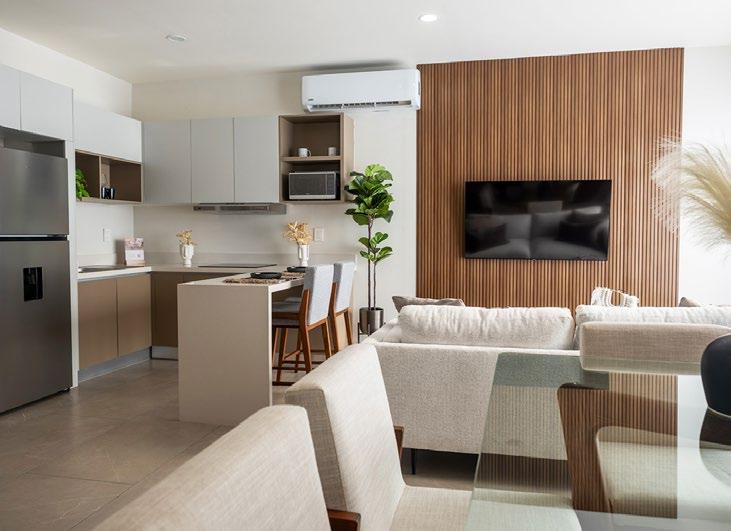
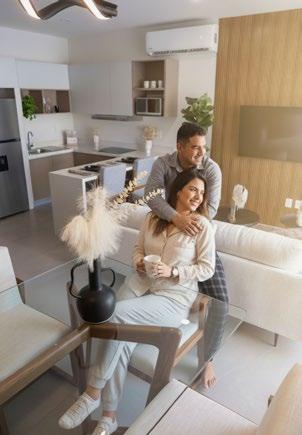
Las sky residences ofrecen acabados de lujo y amenidades como gimnasio, sport bar y un rooftop en piso 20 con sky view, desde donde se disfrutan vistas al mar y a los atardeceres de Cancún.
KUN 21°86° representa una nueva visión de ciudad: inversión inteligente, comunidad profesional y estilo de vida elevado.
www.kun2186.com

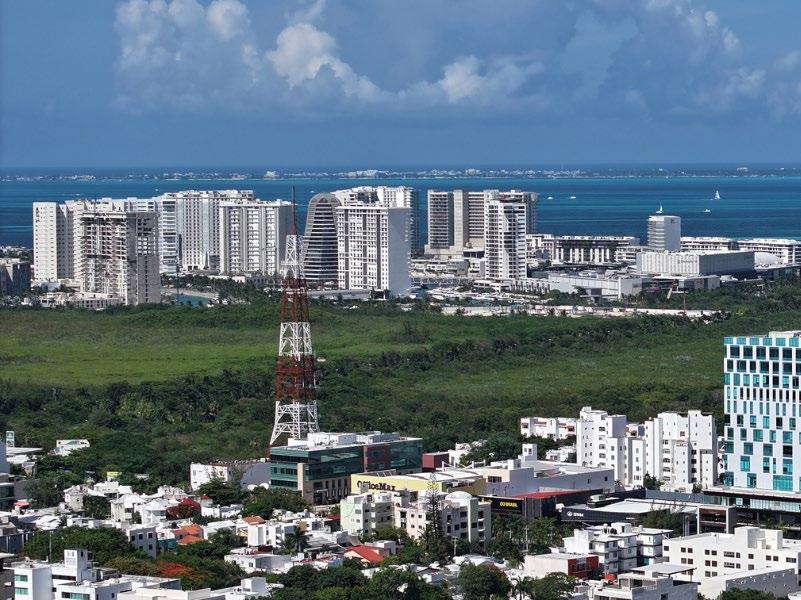
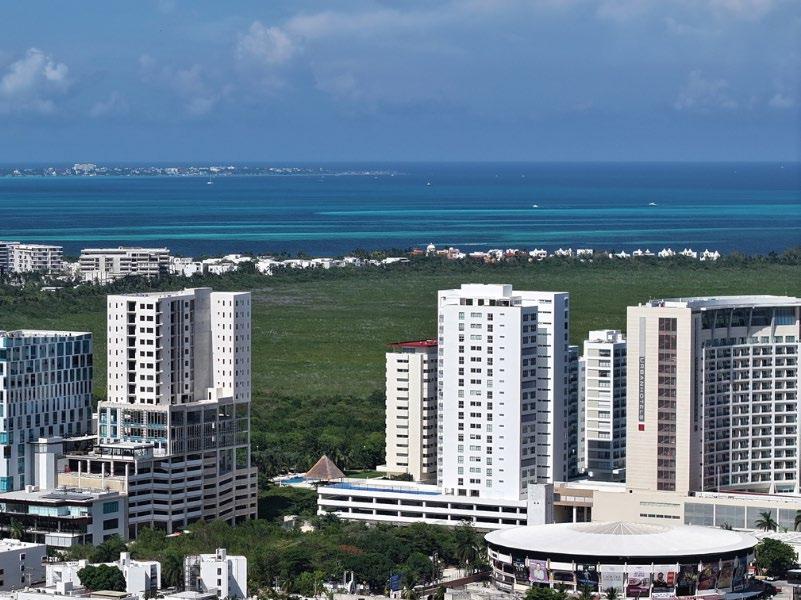
KUN 21°86° is a mixed-use complex combining retail spaces, corporate offices, medical suites, and sky residences, redefining how people live, work, and invest in Cancún.
Located minutes from the Hotel Zone, the project stands out for its strategic connectivity and functional design. Its concept has fostered a thriving ecosystem driven by the growth of medical tourism, attracting local, national, and international physicians who have chosen to invest and establish their practices within the development.

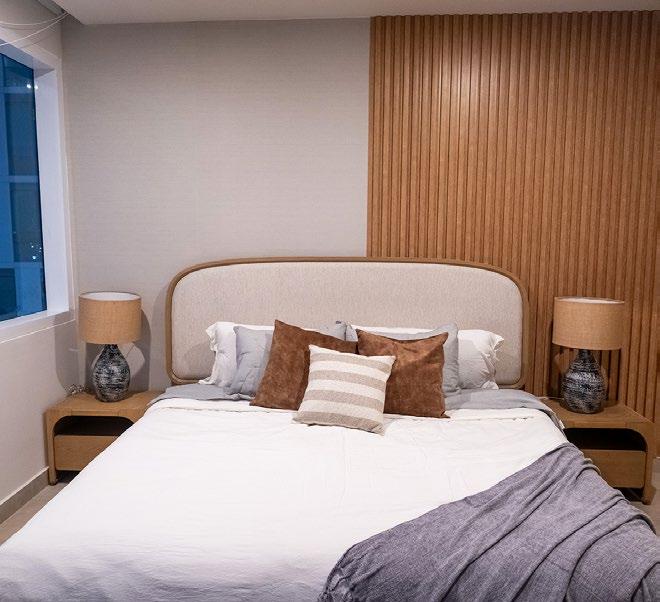
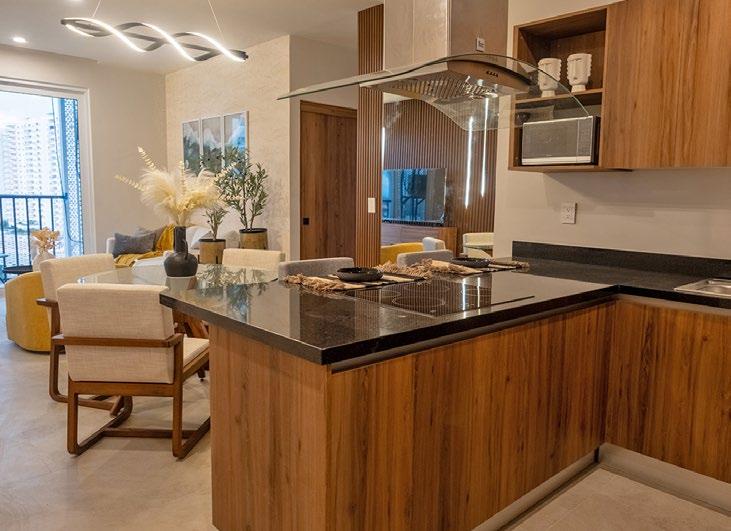
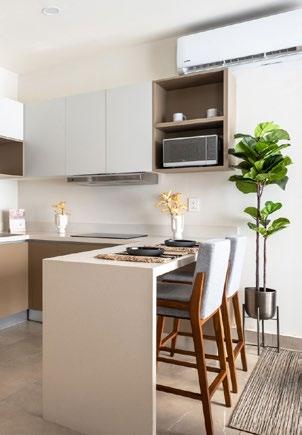
The sky residences feature premium finishes and amenities including a gym, sports bar, and a 20th-floor rooftop with sky views, offering panoramic views of the sea and Cancún sunsets.
KUN 21°86° reflects a modern vision of urban living and longterm value.
www.kun2186.com
Verónica Guerra de Alberti
En la Temporada Primavera-Verano
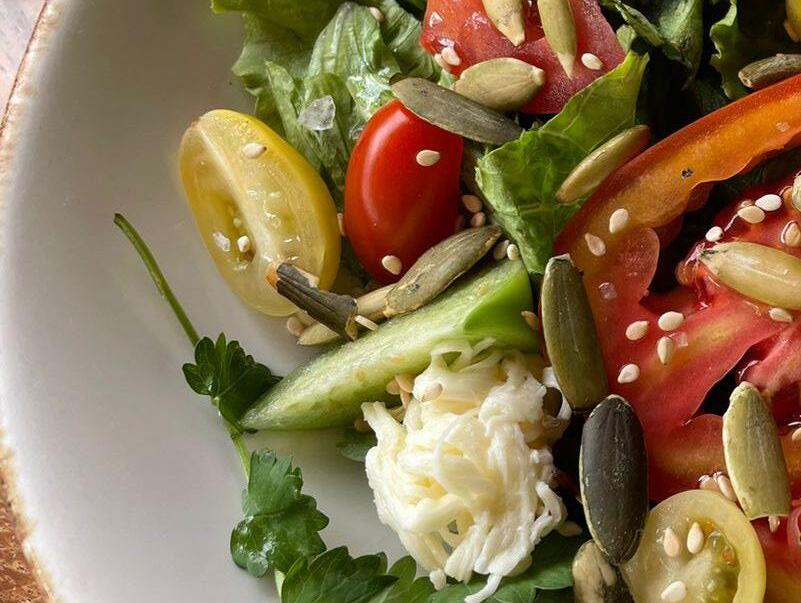
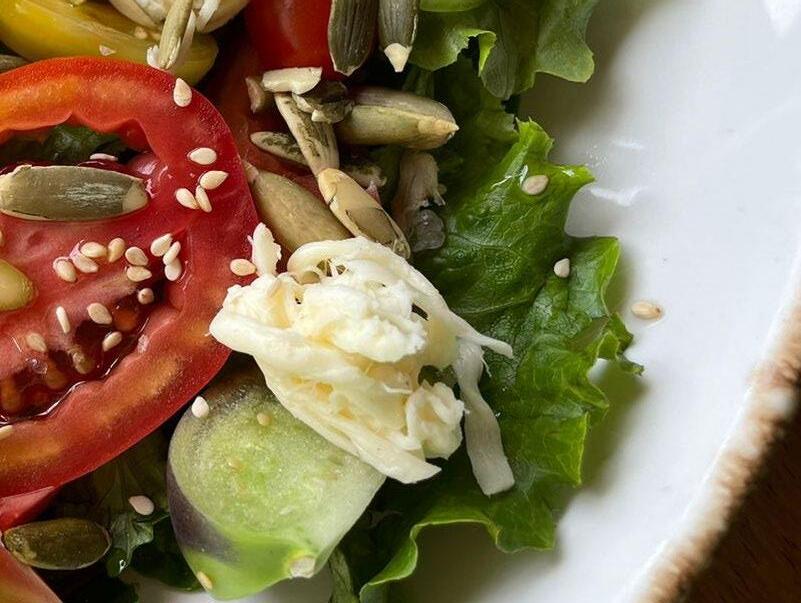
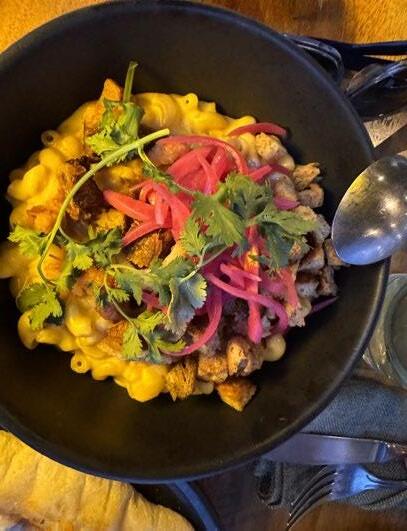
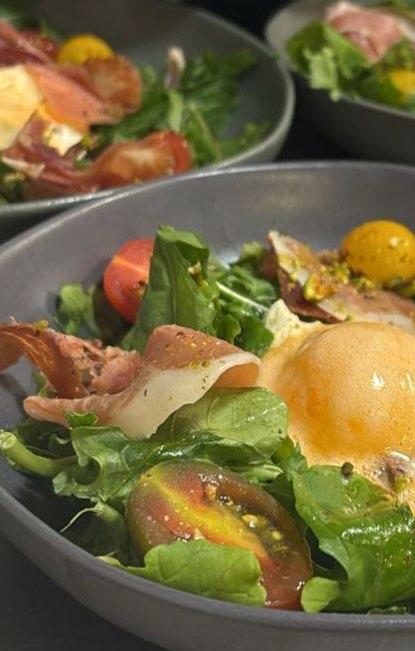
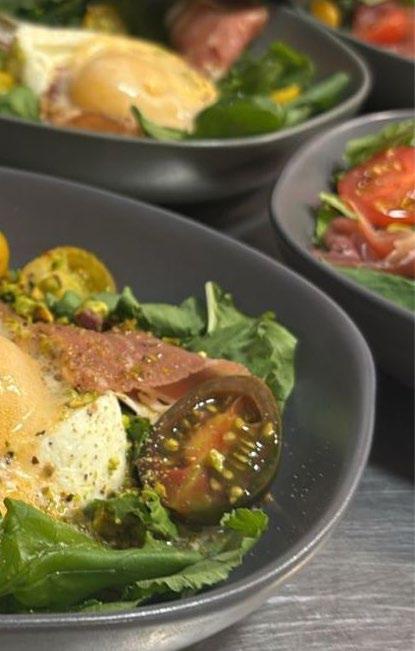
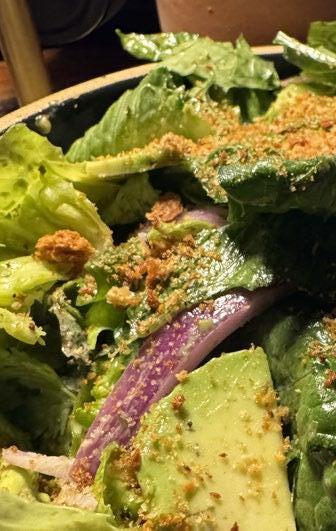
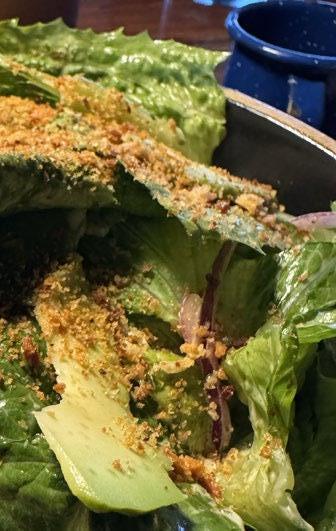
En la transición luminosa entre abril y mayo, cuando el sol acaricia con mayor intensidad y la naturaleza despliega su paleta más vibrante, la ensalada deja de ser un simple acompañamiento para convertirse en protagonista. En la alta gastronomía contemporánea, este plato representa equilibrio, creatividad y sofisticación, elevando ingredientes frescos a verdaderas obras culinarias.
Un lienzo de color y textura
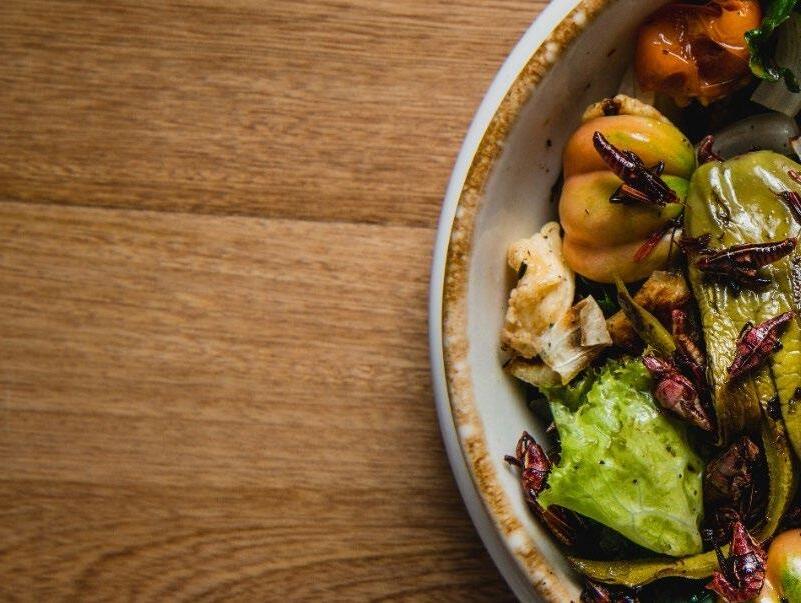
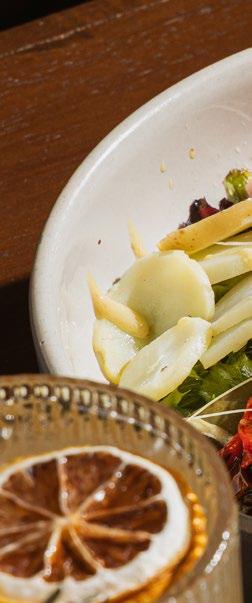
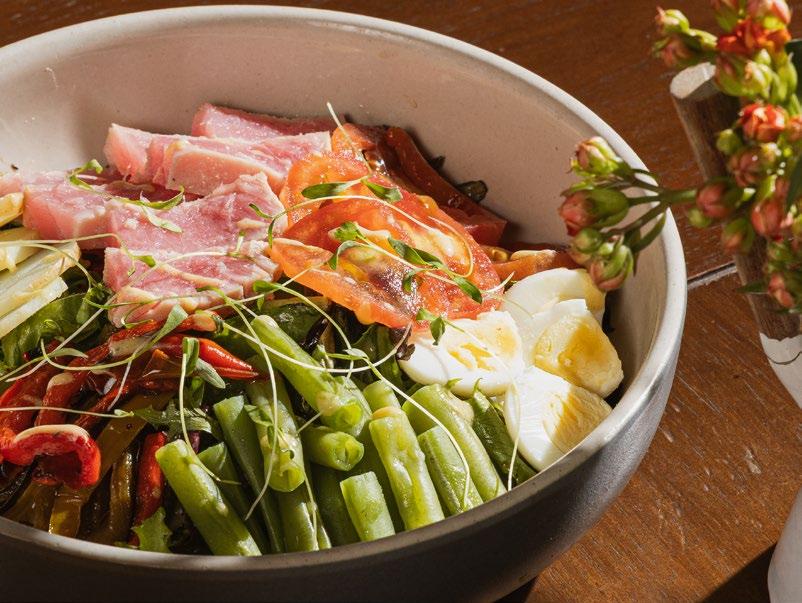
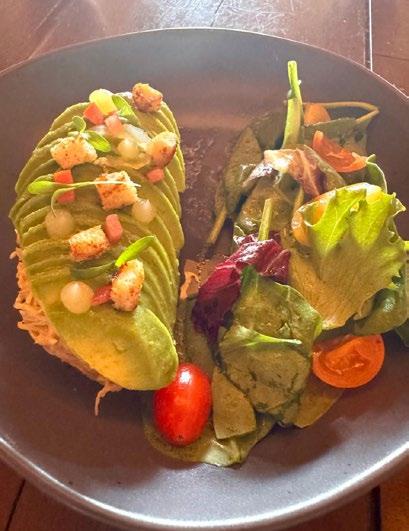
La ensalada es, en esencia, una expresión artística. Desde las hojas verdes —rúcula, espinaca baby, kale— hasta frutas de temporada como mango, fresas o higos, cada elemento aporta una dimensión sensorial única. La combinación de texturas crujientes, suaves y jugosas crea una experiencia que cautiva tanto la vista como el paladar.
Hoy, chefs de renombre reinterpretan este clásico con ingredientes inesperados: flores comestibles, quesos artesanales, semillas tostadas y proteínas de alta calidad. Lugares icónicos como Noma han llevado la ensalada a otro nivel, integrando técnicas de fermentación y productos locales para reinventar lo natural.

Tendencias que marcan la temporada
Durante esta primavera-verano, las ensaladas se alinean con el bienestar y la sostenibilidad:
De la granja a la mesa: Ingredientes orgánicos, de origen local y trazabilidad consciente.
Proteínas vegetales: Garbanzos, lentejas, quinoa y tofu toman protagonismo.
Fusiones globales: Influencias mediterráneas, asiáticas y latinoamericanas en aderezos y combinaciones.
Minimalismo gourmet: Menos ingredientes, pero de máxima calidad.
El secreto está en el aderezo
Un gran aderezo transforma una ensalada. Desde vinagretas clásicas hasta emulsiones innovadoras con cítricos, miel o especias, el equilibrio entre acidez, dulzura y grasa es clave. Aceites de oliva extra virgen, reducciones balsámicas o toques de jengibre pueden marcar la diferencia entre una ensalada común y una memorable.
Más que un plato: un estilo de vida
La ensalada simboliza una forma de vivir: ligera, consciente y elegante. En una época donde el bienestar es prioridad, este platillo encarna la perfecta armonía entre nutrición y placer.
Incorporar ensaladas en la mesa diaria no solo es una elección saludable, sino también una invitación a reconectar con lo esencial, celebrando la riqueza de los ingredientes en su estado más puro.
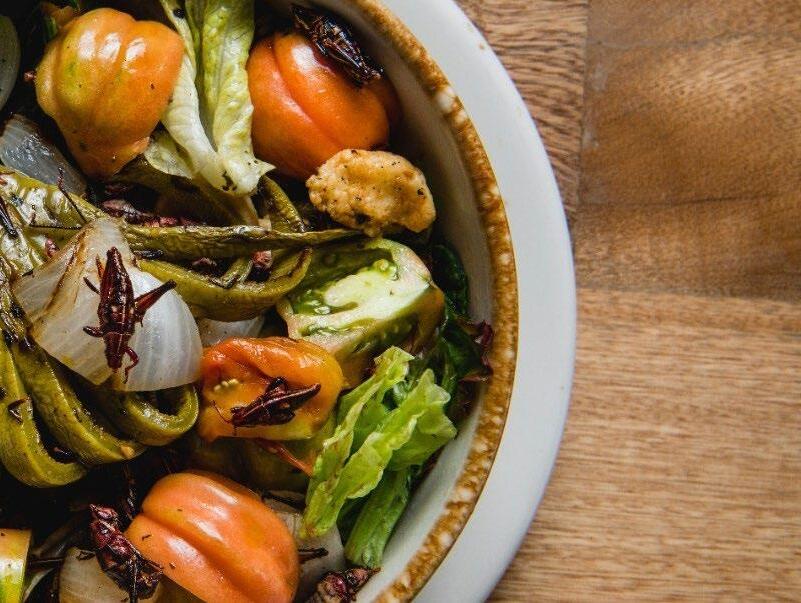
In the luminous transition between April and May, when the sun shines with greater intensity and nature unfolds its most vibrant palette, the salad ceases to be a mere accompaniment and becomes the star of the show. In contemporary haute cuisine, this dish represents balance, creativity, and sophistication, elevating fresh ingredients to true culinary masterpieces.
The salad is, in essence, an artistic expression. From leafy greens—arugula, baby spinach, kale—to seasonal fruits like mango, strawberries, or figs, each element contributes a unique sensory dimension. The combination of crunchy, soft, and juicy textures creates an experience that captivates both the eye and the palate. Today, renowned chefs are reinterpreting this classic with unexpected ingredients: edible flowers, artisanal cheeses, toasted seeds, and high-quality proteins. Iconic restaurants like Noma have taken the salad to another level, integrating fermentation techniques and local products to reinvent the natural.
This spring/summer, salads are embracing wellness and sustainability:
Farm to Table: Organic, locally sourced ingredients with conscious traceability.
Plant-Based Proteins: Chickpeas, lentils, quinoa, and tofu take center stage.
Global Fusions: Mediterranean, Asian, and Latin American influences in dressings and combinations.
Gourmet Minimalism: Fewer ingredients, but of the highest quality.
A great dressing transforms a salad. From classic vinaigrettes to innovative emulsions with citrus, honey, or spices, the balance between acidity, sweetness, and fat is key. Extra virgin olive oils, balsamic reductions, or touches of ginger can make the difference between an ordinary salad and a memorable one.
The salad symbolizes a way of life: light, mindful, and elegant. In an era where well-being is a priority, this dish embodies the perfect harmony between nutrition and pleasure.
Incorporating salads into your daily meals is not only a healthy choice, but also an invitation to reconnect with what’s essential, celebrating the richness of ingredients in their purest form.
Giancarlo Frigerio “Gifri”
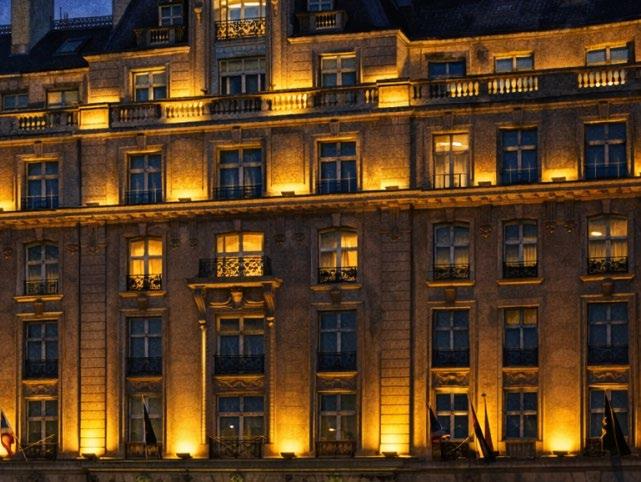
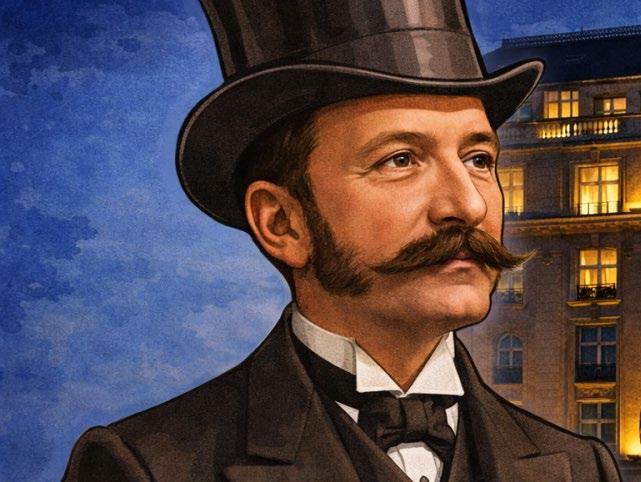
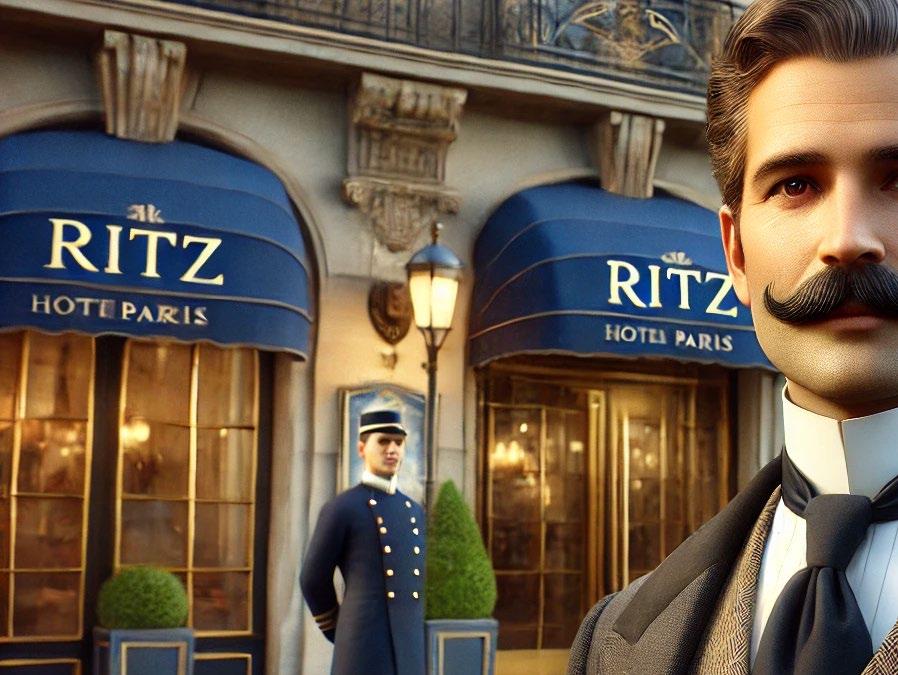
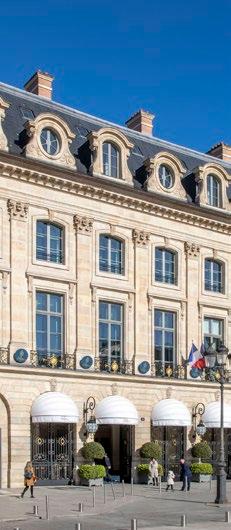
uién podría haber imaginado que un joven pastor de los Alpes Valaisanos suizos llegaría a ser el hotelero más destacado de la historia? Sorprendentemente, en su juventud, incluso fue despedido de un hotel por considerarlo “no apto” para el oficio. Insatisfecho con su vida de granjero, César decidió adentrarse en el mundo de la hostelería. Comenzó su carrera en restaurantes y hoteles tanto en Francia como en Suiza, donde aprendió el valor de un servicio impecable, el meticuloso cuidado de los detalles y el refinado gusto de la alta sociedad europea. Después de años de aprendizaje y experiencia en gestión hotelera, a los 48 años, inauguró sus obras maestras: el Ritz de París y, poco después, el Ritz de Londres.
¿Cómo definir el concepto de lujo que Ritz implementó en sus hoteles? Destacan los baños privados en las habitaciones, el uso de la electricidad y las comodidades modernas, junto con un mobiliario elegante y acogedor, y un servicio discreto y altamente profesional. Sin embargo, lo que realmente consolidó la reputación de los hoteles Ritz fue su colaboración con el célebre chef Auguste Escoffier. Juntos, transformaron los hoteles en centros de alta gastronomía y vida social.
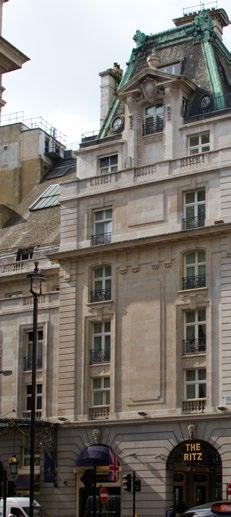

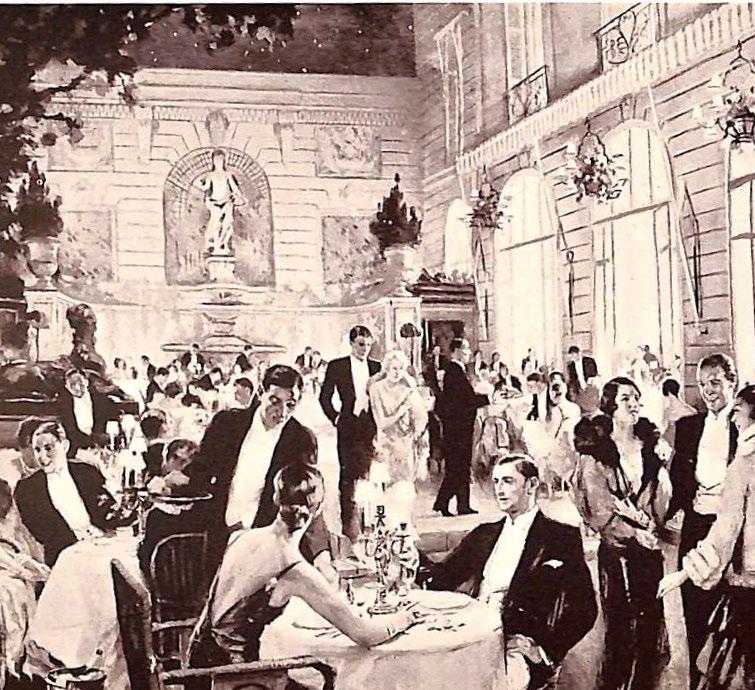
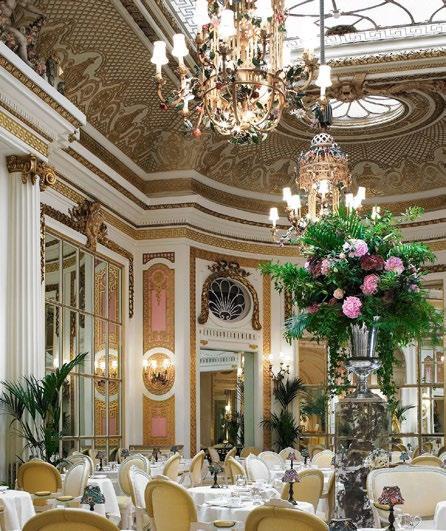
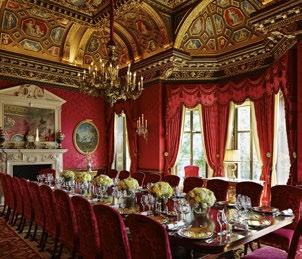
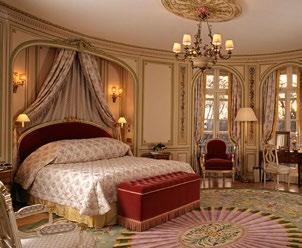
La filosofía de Ritz es resonada por su lema “el cliente siempre tiene la razón” e innovadoras prácticas como anticiparse a los deseos del huésped, tratar a cada visitante como a un aristócrata y crear un ambiente de lujo sin ostentación. Ritz se distinguió por implementar detalles como flores frescas, iluminación suave, ausencia de olores, y un personal elegante pero discreto. Además, aseguraba que “si algo sale mal, el cliente no debe darse cuenta”.
Una anécdota fascinante es la de un príncipe que, durante un severo invierno, se quejó del frío en el hotel. Ritz resolvió la situación colocando ladrillos calientes bajo la cama y bolsas de agua caliente bajo las sábanas. Junto a Escoffier, Ritz revolucionó la experiencia culinaria. En esa época, las comidas solían ser pesadas y el servicio desordenado. La transformación hacia platos más ligeros y refinados, con un servicio organizado en cuidadas y elegantes presentaciones, dio origen a la moderna restauración de lujo.
El verdadero secreto de Ritz no residía solo en el lujo material, sino en hacer sentir a cada huésped importante y relajado, como en casa. Entre sus distinguidos huéspedes se encontraba Coco Chanel, quien vivió durante años en el Ritz de París y consideraba el hotel como su verdadero hogar. César Ritz, conocido como el rey de los hoteleros y el hotelero de los reyes, murió prematuramente en 1918 a los 68 años debido a un progresivo deterioro de su salud que culminó en un ictus en Kusnacht, Suiza.
Su legado perdura en cada hotel que lleva su nombre y en cada detalle de excelencia en la hospitalidad que disfrutamos hoy.
ingles
Giancarlo Frigerio “Gifri”
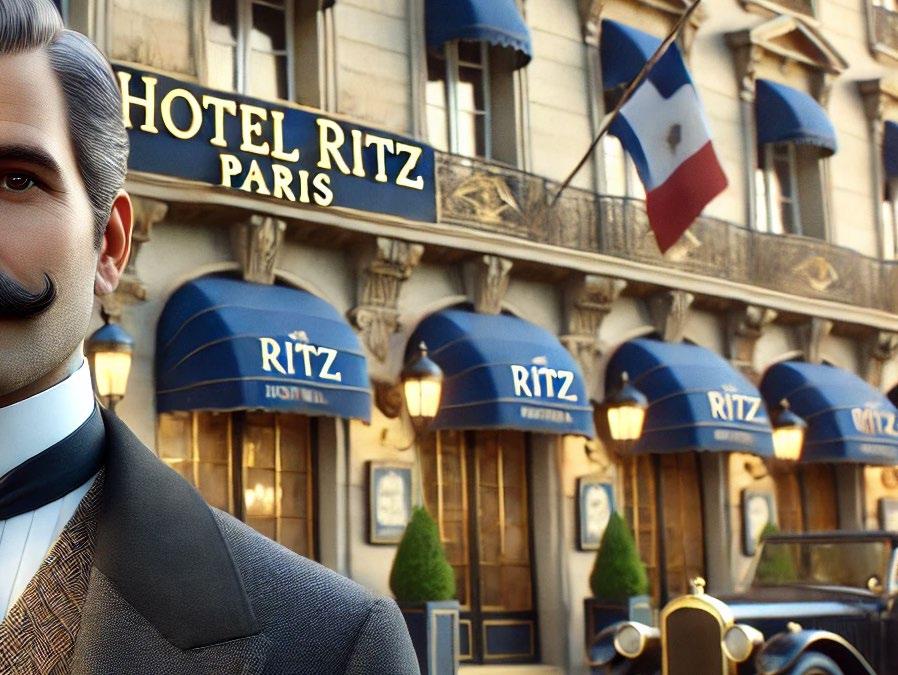
Who could have imagined that a young shepherd from the Swiss Valaisan Alps would become the most renowned hotelier in history? Surprisingly, in his youth, he was even fired from a hotel for being deemed “unfit” for the profession. Unsatisfied with his life as a farmer, César decided to venture into the hospitality industry. He began his career in restaurants and hotels in both France and Switzerland, where he learned the importance of impeccable service, meticulous attention to detail, and the refined tastes of European high society. After years of learning and experience in hotel management, at the age of 48, he opened his masterpieces: the Ritz in Paris and, shortly after, the Ritz in London.
How can one define the concept of luxury that Ritz implemented in his hotels? It featured private bathrooms in the rooms, the use of electricity and modern comforts, along with elegant and welcoming furnishings, and a discreet yet highly professional service. However, what truly cemented the reputation of the Ritz hotels was his collaboration with the renowned chef Auguste Escoffier. Together, they transformed the hotels into centers of haute cuisine and social life.

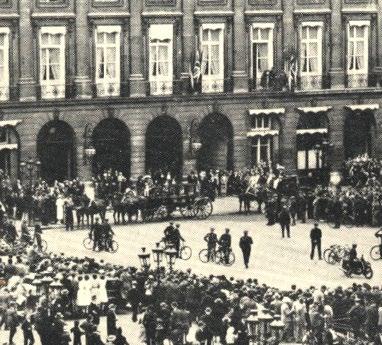
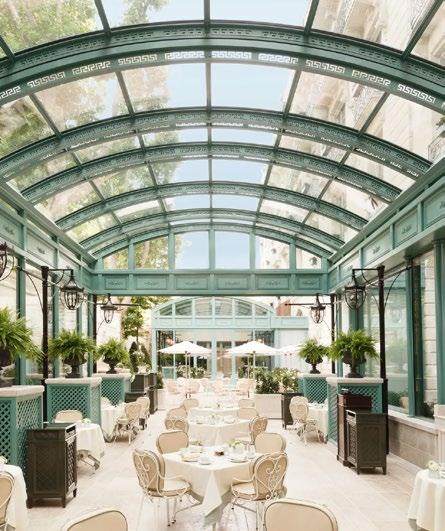
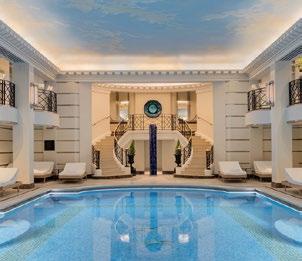
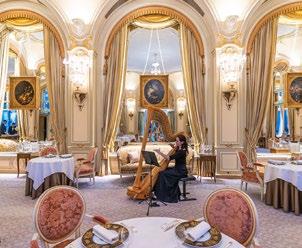
Ritz’s philosophy is encapsulated by his motto “the customer is always right” and innovative practices such as anticipating guests’ desires, treating every visitor like an aristocrat, and creating an atmosphere of luxury without ostentation. Ritz distinguished himself by implementing details like fresh flowers, soft lighting, no odors, and staff that were elegant yet discreet. Moreover, he ensured that “if something goes wrong, the customer should not notice.”
A fascinating anecdote involves a prince who, during a severe winter, complained about the cold in the hotel. Ritz resolved the situation by placing hot bricks under the bed and hot water bottles under the sheets. Alongside Escoffier, Ritz revolutionized the dining experience. In that era, meals were typically heavy and the service disorderly. The transition to lighter and more refined dishes, with service organized into well-presented and elegant courses, gave birth to modern luxury dining.
Ritz’s true secret lay not only in material luxury but in making each guest feel important and relaxed, as if at home. Among his distinguished guests was Coco Chanel, who lived for years at the Ritz in Paris and considered the hotel her true home. César Ritz, known as the king of hoteliers and the hotelier of kings, passed away prematurely in 1918 at the age of 68 due to a progressive decline in health that culminated in a stroke in Kusnacht, Switzerland.
His legacy lives on in every hotel that bears his name and in every detail of excellence in hospitality that we enjoy today.


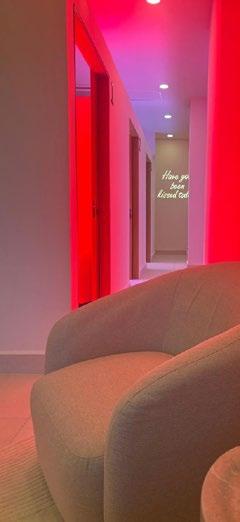
SUNKISSED nace de una propuesta que define la relación del bienestar y la tecnología. Es un lugar donde el lujo, la innovación y la ciencia se fusionan para ofrecer experiencias seguras, efectivas y sensoriales. Cada visita se convierte en un momento para desconectarse del ritmo acelerado y reconectar con uno mismo en un ambiente acogedor.
La luz roja es el corazón de nuestra propuesta. Más allá de lo técnico, se disfruta como un momento de pausa y cuidado personal. Sus efectos ayudan a que la piel se vea más firme y luminosa, favorecen la producción de colágeno y apoyan la regeneración celular. En SUNKISSED lo llamamos luxury light therapy: una experiencia que combina ciencia y confort. Al terminar las sesiones, nuestros clientes se sienten relajados, con energía renovada y una sensación de bienestar que se refleja tanto en la piel como en el ánimo.

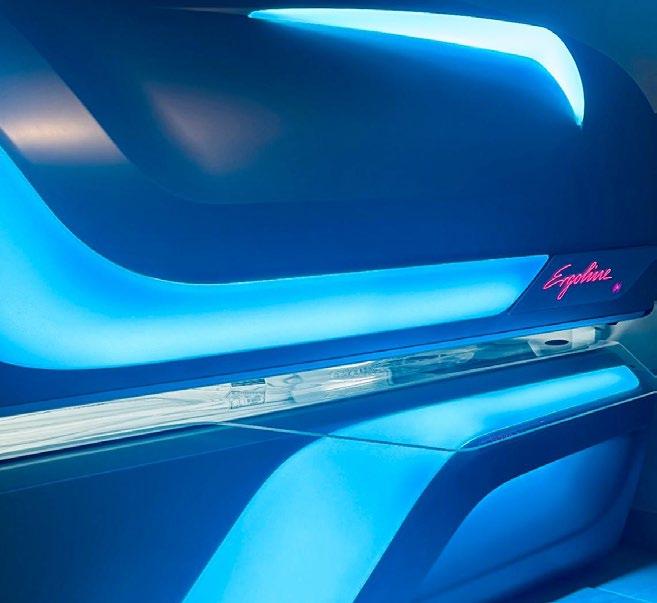

El “indoor tanning” completa la experiencia con un enfoque moderno y seguro. Gracias a equipos de última generación, logramos un bronceado uniforme y natural que se integra fácilmente al estilo de vida de quienes buscan mantener una imagen luminosa durante todo el año. Es más que un servicio: es una forma de sentirse bien en la propia piel. SUNKISSED también cuenta con una amplia gama de productos especializados para potenciar los beneficios de la luz roja y optimizar el bronceado. Cada detalle está pensado para acompañar al cliente más allá de la sesión, convirtiendo el cuidado personal en un ritual constante de renovación. En Cancún, una ciudad que evoluciona hacia propuestas más sofisticadas, SUNKISSED se presenta como un espacio único: un refugio donde la tecnología, el diseño y la intención se unen para crear una experiencia relajante, memorable y auténtica.
www.sunkissedcancun.com
Instagram: @sunkissedcancun




SUNKISSED was born from a proposal that defines the relationship between wellness and technology. It is a place where luxury, innovation, and science merge to offer safe, effective, and sensorial experiences. Each visit becomes a moment to disconnect from the fast pace of everyday life and reconnect with yourself in a welcoming atmosphere. Red light is the heart of our concept. Beyond the technical side, it is enjoyed as a moment of pause and personal care. Its effects help the skin look firmer and more radiant, support collagen production, and encourage cellular regeneration.
At SUNKISSED we call it luxury light therapy: an experience that blends science and comfort. At the end of each session, our clients feel relaxed, renewed, and with a sense of well-being that shines through both skin and spirit.
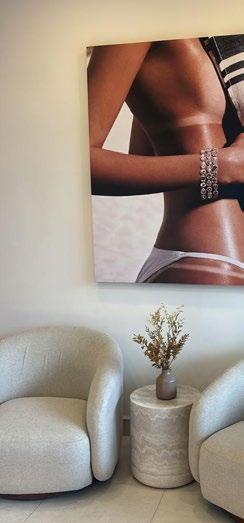


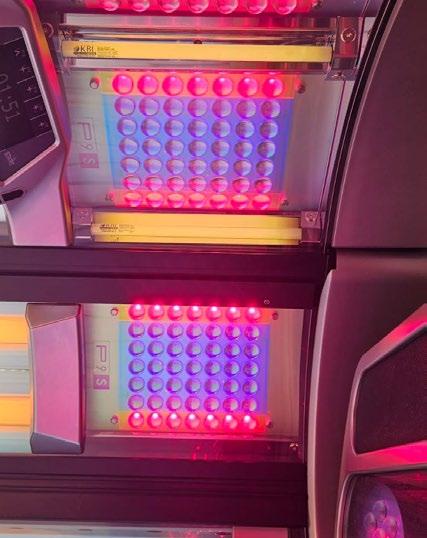
“Indoor tanning” completes the experience with a modern and safe approach. With state-of-the-art equipment, we achieve a uniform and natural glow that easily integrates into the lifestyle of those who want to maintain a luminous appearance all year round. It is more than a service: it is a way of feeling good in your own skin.
SUNKISSED also offers a wide range of specialized products to enhance the benefits of red light and optimize tanning. Every detail is designed to accompany the client beyond the session, turning personal care into a continuous ritual of renewal.
In Cancún, a city evolving toward more sophisticated proposals, SUNKISSED presents itself as a unique space: a refuge where technology, design, and intention come together to create a relaxing, memorable, and authentic experience.
www.sunkissedcancun.com
Instagram: @sunkissedcancun

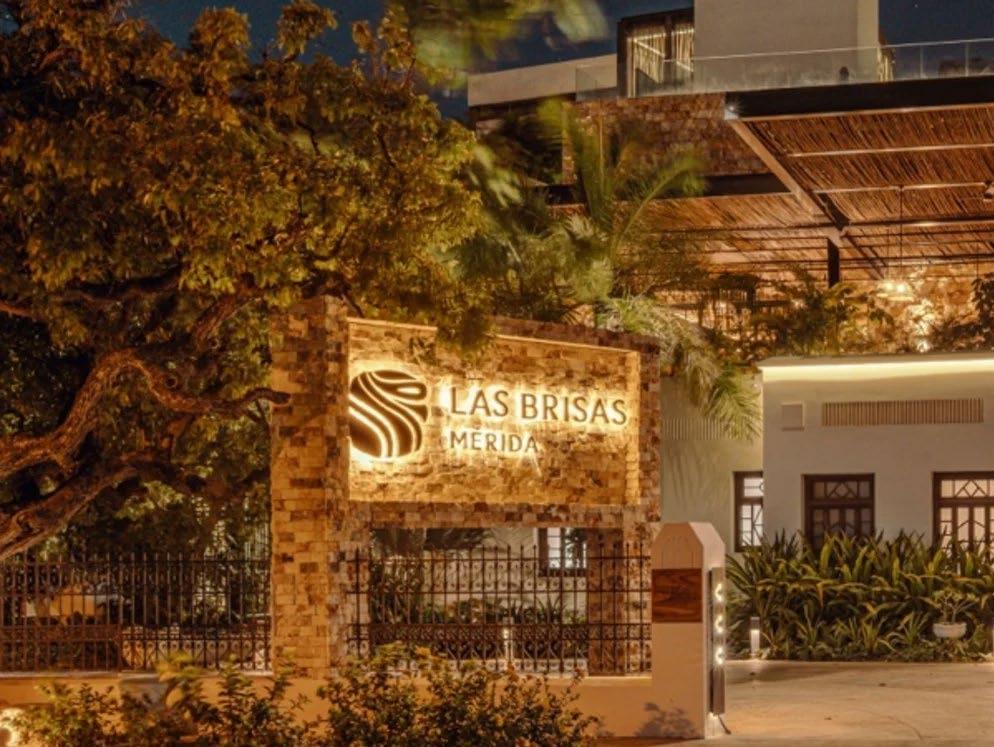
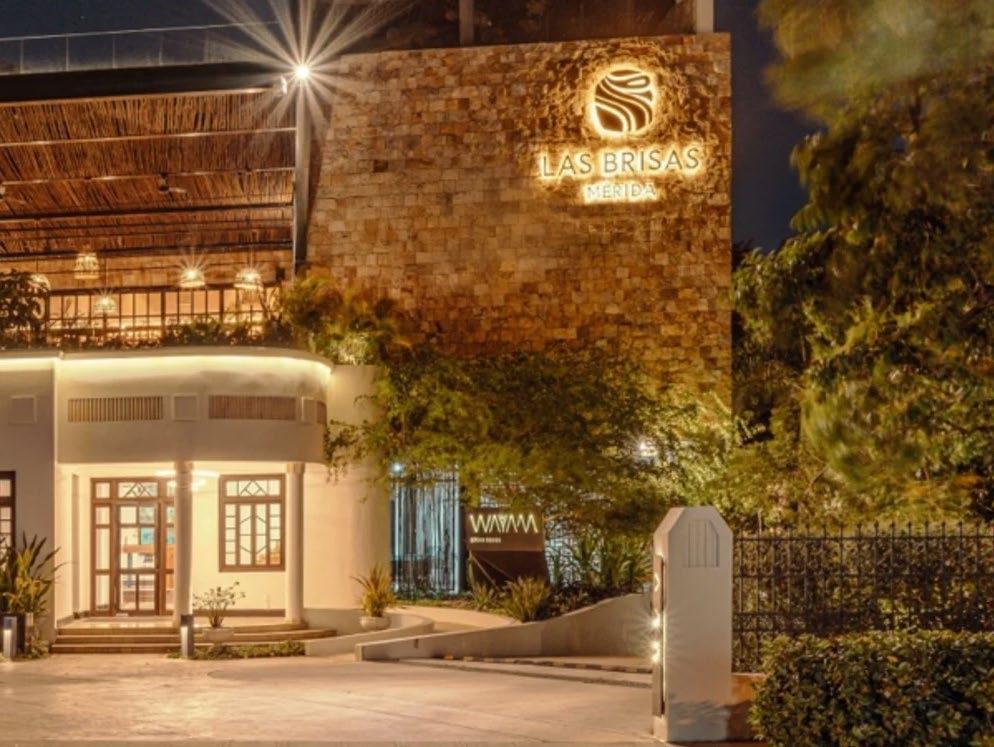
En el corazón de Mérida, una de las ciudades más encantadoras de México, se
encuentra Las Brisas Mérida, un hotel boutique que combina diseño contemporáneo, hospitalidad cálida y un fuerte vínculo con la herencia maya.
Ubicado a tan solo 20 minutos del aeropuerto y muy cerca del Paseo Montejo, su localización lo convierte en el punto de partida ideal para descubrir la riqueza cultural y gastronómica de Yucatán.

Espíritu maya y diseño moderno
El hotel guarda como símbolo un majestuoso árbol de huaya o Wayam, considerado por los mayas como guardián de la naturaleza y conexión con el mundo espiritual. Este homenaje se complementa con un altar maya y la presencia de cuarzo, elementos que transmiten armonía y energía a cada estancia.
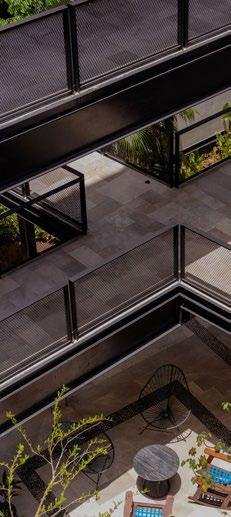
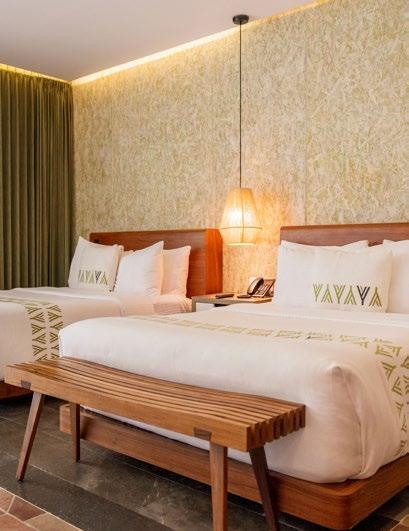
Con 50 suites amplias y luminosas, todas con balcones privados y amenidades de última generación, Las Brisas Mérida ofrece un confort moderno y sustentable en cada detalle.
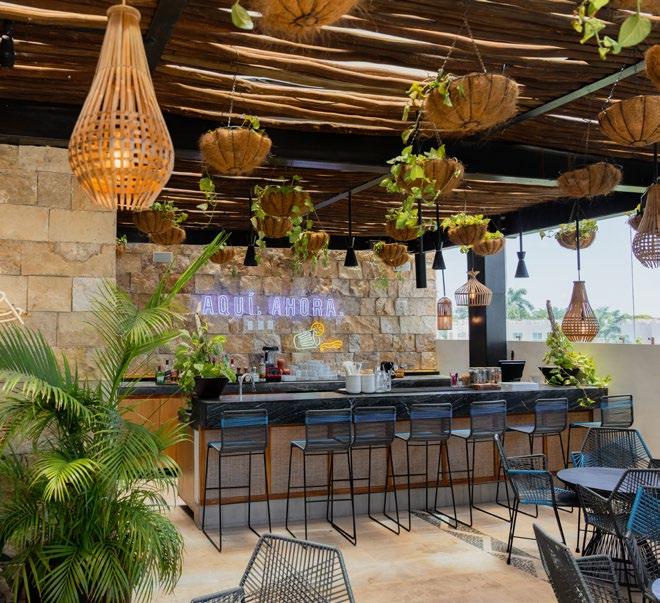
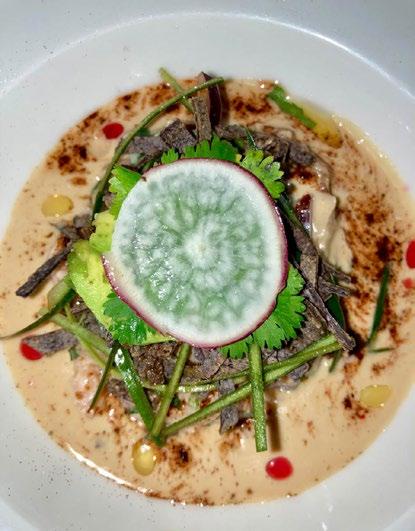
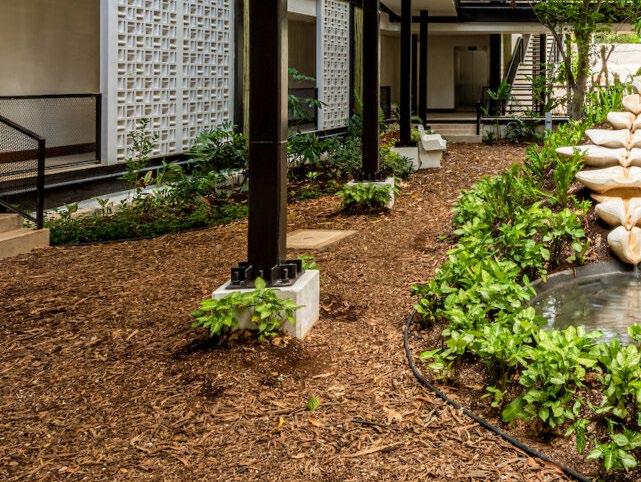
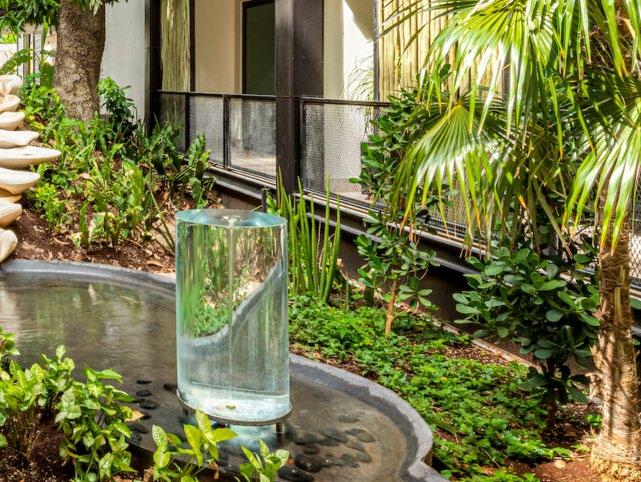
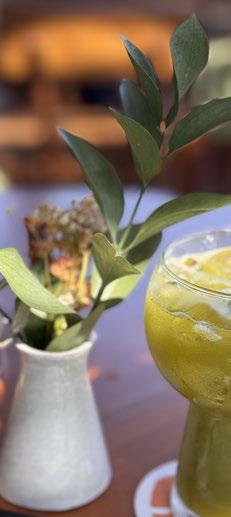
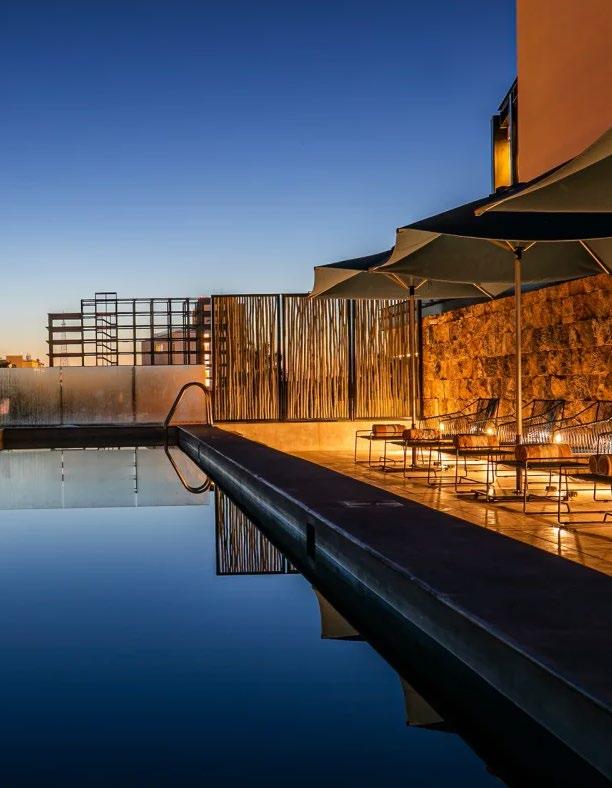
La piscina con bar integrado y su terraza invitan a disfrutar del sol y el clima de la ciudad, mientras que el patio central es perfecto para relajarse en un ambiente acogedor. En gastronomía, el Restaurante Écume deleita con cocina de autor y sabores locales, y el Pool Bar Roof 508 ofrece cocteles inspirados en Yucatán con el telón de los atardeceres coloridos de Mérida.
Una invitación a vivir Mérida
Más que un hotel, Las Brisas Mérida es un refugio donde tradición, diseño y hospitalidad se entrelazan para crear momentos inolvidables. Un espacio que inspira a descubrir la magia de la ciudad blanca desde un lugar único.
Las Brisas Mérida: tradición maya y lujo contemporáneo en un solo destino.
Mérida, Yucatán
+52 999 689 2020 brisas.com.mx


In the heart of Mérida, one of Mexico’s most enchanting cities, lies Las Brisas Mérida, a boutique hotel that blends contemporary design, warm hospitality, and a deep connection to Mayan heritage.
Located just 20 minutes from the airport and only steps from Paseo Montejo, it is the perfect starting point to explore the cultural and culinary richness of Yucatán.

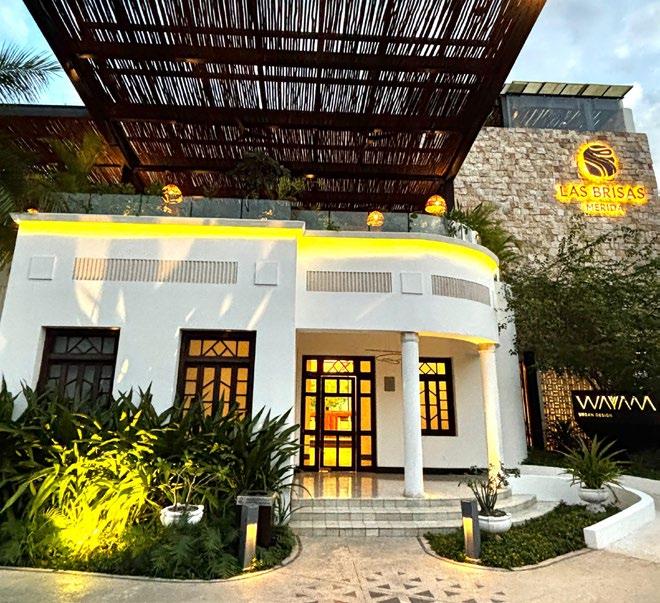
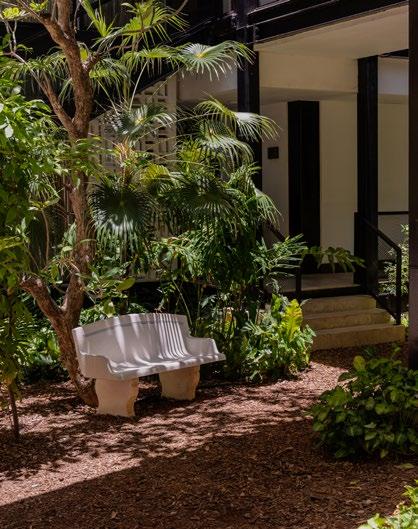
At the center of the hotel stands a majestic huaya tree, or Wayam, considered by the Maya as a guardian of nature and a bridge between the earthly and spiritual worlds. This tribute is complemented by a Mayan altar and a quartz stone, elements that bring harmony and energy to every corner.
With 50 spacious and bright suites, each featuring private balconies and state-of-the-art amenities, Las Brisas Mérida offers modern comfort and sustainability in every detail.
The pool with its integrated bar and wide terrace invites guests to bask in the sun and enjoy Mérida’s pleasant weather, while the central patio provides a cozy and relaxing atmosphere. For gastronomy lovers, Écume Restaurant delights with signature cuisine rooted in local flavors, while the Pool Bar Roof 508 serves cocktails inspired by Yucatán, accompanied by the colorful sunsets that paint the city’s sky.
More than a hotel, Las Brisas Mérida is a retreat where tradition, design, and hospitality intertwine to create unforgettable moments. A space that inspires visitors to discover the magic of the White City from a truly unique place.
Las Brisas Mérida: Mayan tradition and contemporary luxury in one destination.
Mérida, Yucatán +52 999 689 2020 brisas.com.mx
Ivana Giove
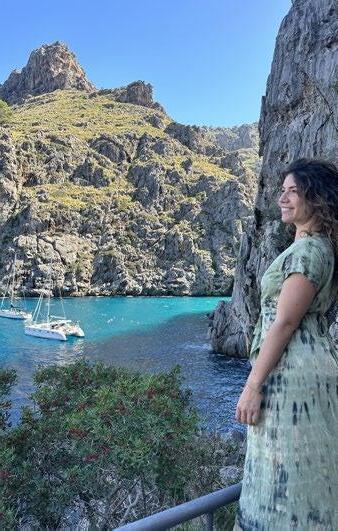
En el corazón del Mediterráneo occidental, las Islas Baleares despliegan dos de sus joyas más interesantes: Mallorca y Menorca. Aunque comparten aguas azules, gastronomía deliciosa y un clima privilegiado, cada isla ofrece una personalidad distinta que conquista a todo tipo de viajero. Siendo de Cancún, crecí rodeada de mar, de playas que forman parte de mi día a día, así que siempre he tenido una conexión muy especial con este tipo de lugares.
Y aun así, estando en Mallorca y Menorca, hubo momentos en los que me sentí completamente en casa. Había algo en el color del agua, en la calma de ciertas calas y en esa vida que gira alrededor del mar, que me conectó muchísimo con mis orígenes. Fue una sensación muy bonita, como si, estando tan lejos, encontrara pequeños reflejos de lo que siempre ha sido parte de mí.
Mallorca es la isla más grande del archipiélago y también la más diversa. En su capital, Palma de Mallorca, la vida vibra entre calles empedradas, boutiques contemporáneas y una escena gastronómica bastante única e interesante. La imponente Catedral de Santa María de Palma, frente al mar, es uno de los iconos más fotografiados y visitados del Mediterráneo.
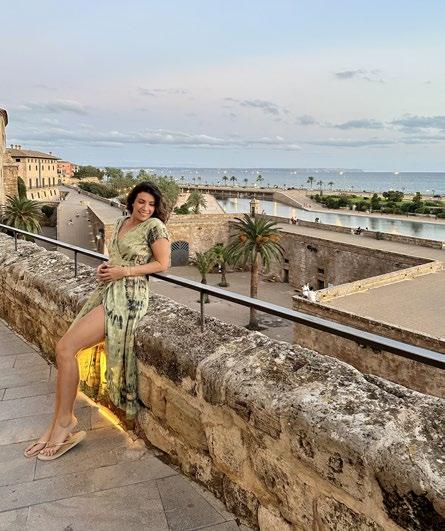
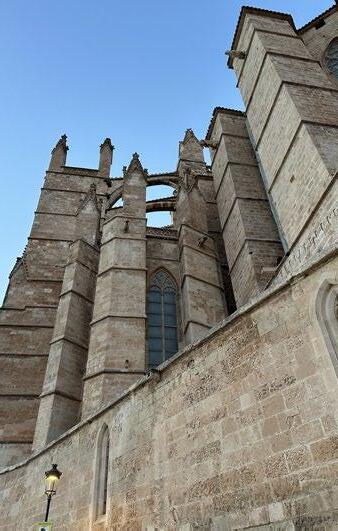
Mallorca es dinamismo: perfecta para quienes buscan combinar cultura, relajación, naturaleza, noche, día y lujo en un solo destino.
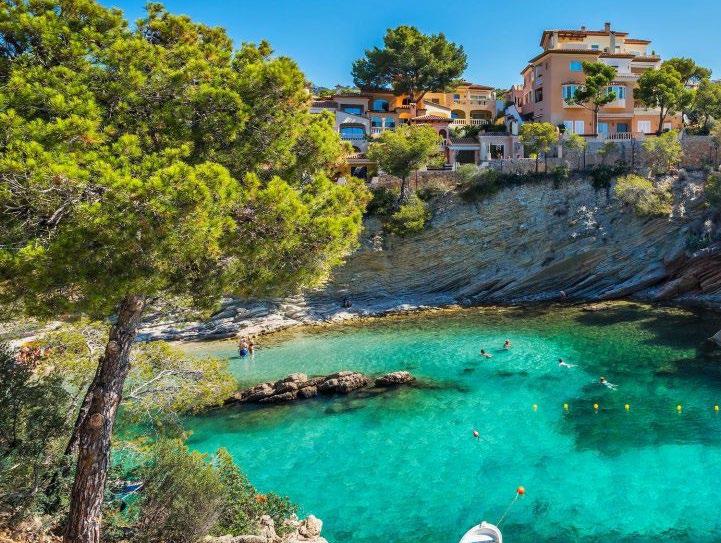
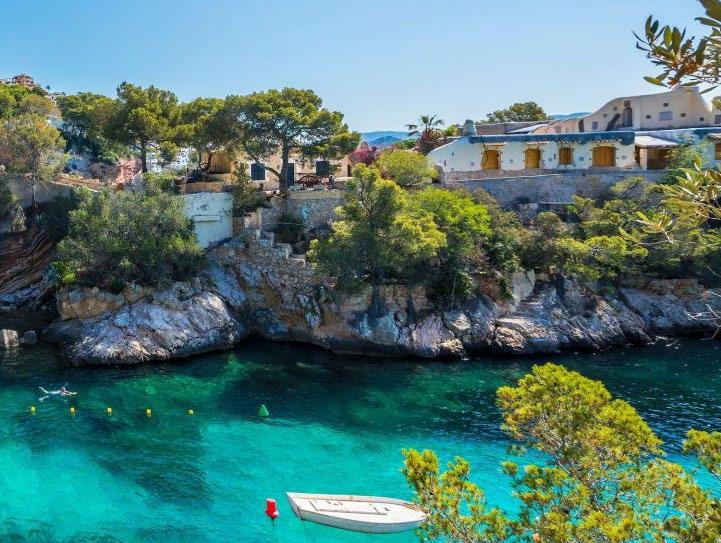
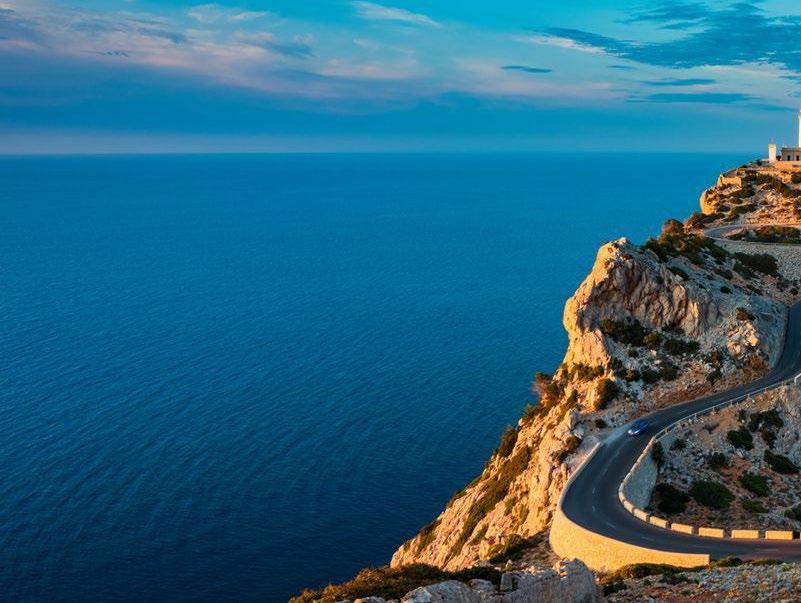
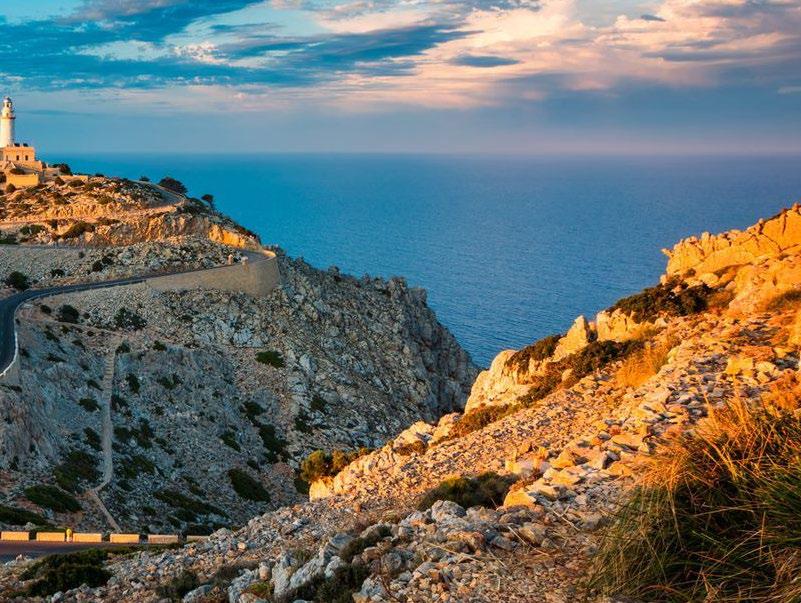
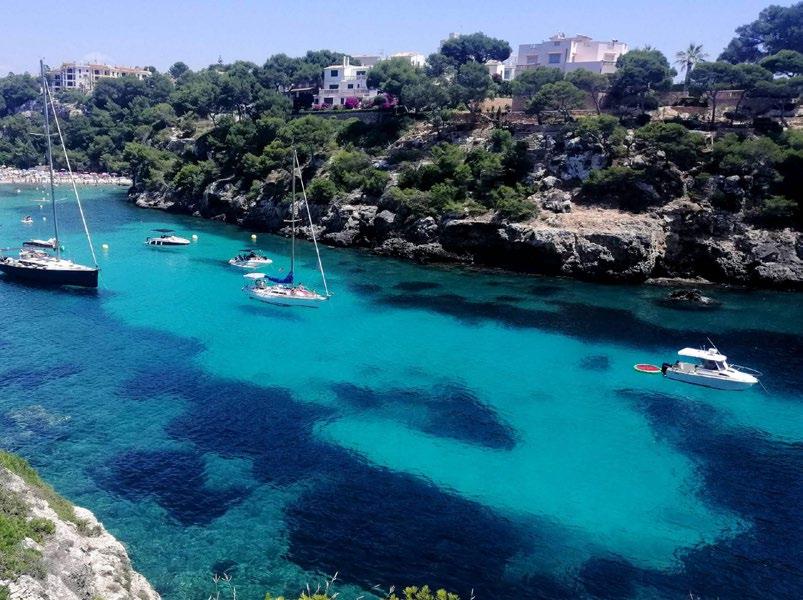
Algo que me marcó muchísimo y que no esperaba es que ninguna cala se parece a otra. En ambas islas, cada una tiene su propia personalidad: algunas están rodeadas de acantilados imponentes, otras escondidas entre pinos, unas con arena blanca y otras más rocosas. Incluso los colores cambian por completo; pasas de un azul intenso a un turquesa casi transparente en cuestión de minutos, y con eso también cambia el ambiente: hay calas más vivas, con gente y energía, y otras donde el silencio es absoluto y se siente casi privado.
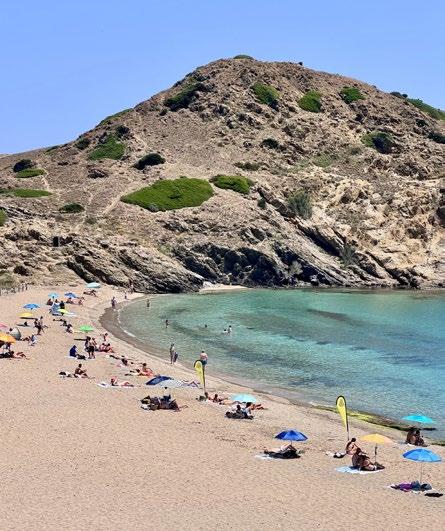
Por otro lado, a pocos kilómetros, Menorca propone una experiencia completamente diferente. Declarada Reserva de la Biosfera, esta isla invita a desconectar y reconectar con la naturaleza. Recuerdo llegar a Cala Macarella y Cala Mitjana y pensar que eran de esos lugares que no parecen reales. Había algo en la tranquilidad, en el poco ruido, en no ver tanta gente, que me hizo disfrutarlas distinto. Me pude quedar ahí sin prisa, metiéndome al agua varias veces, simplemente observando. Se sentían más vírgenes, como si todavía conservaran algo intacto, y eso hizo que la experiencia fuera mucho más especial.
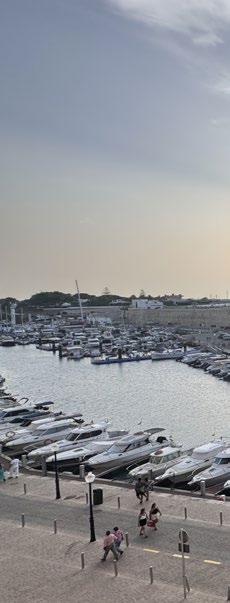
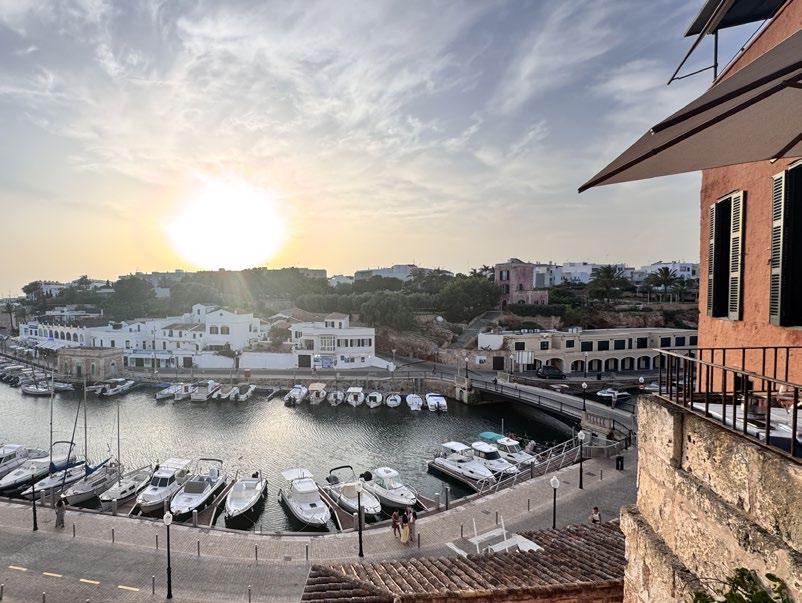
En Ciutadella, el tiempo parece haberse detenido de una manera particular y planeada. Sus calles empedradas, plazas tranquilas y arquitectura señorial evocan una elegancia discreta. Por otro lado, Mahón sorprende con uno de los puertos naturales más grandes del mundo.
Uno de mis momentos favoritos en Menorca fue un paseo en barco bordeando la costa. Ver los acantilados desde el mar, con esas paredes de roca cayendo directamente al agua y pequeñas calas escondidas que solo se descubren desde ahí, fue simplemente inolvidable. Hay algo muy especial en ver la isla desde esa perspectiva, algo que no puedo describir con palabras.
Si algo también aprendí y que definitivamente recomiendo es elegir bien la época. Septiembre me pareció perfecto: el clima sigue siendo espectacular, el mar está cálido, pero sin las multitudes del verano. Puedes disfrutar cada lugar con más calma, sin prisas, sintiendo realmente la esencia de las islas.
En conclusión, Menorca es serenidad: ideal para viajeros que buscan paz, paisajes intactos y una conexión más íntima con el entorno.
Si Mallorca me hizo sentir llena de energía y con ganas de moverme, Menorca me dio calma y tranquilidad. No se trata de elegir una u otra, sino de dejar que cada isla te haga sentir lo suyo. Juntas me dejaron un balance perfecto: una te despierta, la otra te abraza, y las dos me hicieron querer volver, no solo a las islas, sino a la sensación de estar ahí.
Ivana Giove
In the heart of the western Mediterranean, the Balearic Islands showcase two of their most intriguing jewels: Mallorca and Menorca. While they share blue waters, delicious cuisine, and a privileged climate, each island offers a distinct personality that captivates all kinds of travelers.
Being from Cancun, I grew up surrounded by the sea, with beaches as part of my daily life, so I’ve always had a special connection with such places. And yet, while in Mallorca and Menorca, there were moments when I felt completely at home. There was something about the color of the water, the calm of certain coves, and that life revolving around the sea that profoundly connected me to my roots. It was a beautiful feeling, as if, being so far away, I found small reflections of what has always been a part of me.
Mallorca is the largest island in the archipelago and also the most diverse. In its capital, Palma de Mallorca, life vibrates between cobbled streets, contemporary boutiques, and a unique and interesting gastronomic scene. The imposing Cathedral of Santa María de Palma, facing the sea, is one of the most photographed and visited icons in the Mediterranean.

Mallorca is dynamism: perfect for those looking to combine culture, relaxation, nature, night, day, and luxury in one destination.
Something that struck me deeply and that I didn’t expect is that no cove is similar to another. On both islands, each has its own personality: some are surrounded by imposing cliffs, others hidden among pines, some with white sand and others rockier. Even the colors change completely; you go from an intense blue to an almost transparent turquoise in a matter of minutes, and with that, the atmosphere also changes: there are livelier coves, with people and energy, and others where the silence is absolute, feeling almost private.
On the other hand, just a few kilometers away, Menorca proposes a completely different experience. Declared a Biosphere Reserve, this island invites you to disconnect and reconnect with nature. I remember arriving at Cala Macarella and Cala Mitjana and thinking they were those places that don’t seem real. There was something in the tranquility, the little noise, not seeing so many people, that made me enjoy them differently. I could stay there without rush, dipping into the water several times, simply observing. They felt more virgin, as if they still preserved something intact, and that made the experience much more special. In Ciutadella, time seems to have stopped in a particular and planned way. Its cobbled streets, quiet plazas, and stately architecture evoke a subtle elegance. Meanwhile, Mahón surprises with one of the largest natural harbors in the world.
One of my favorite moments in Menorca was a boat ride skirting the coast. Seeing the cliffs from the sea, with those rock walls dropping directly into the water and small hidden coves only discoverable from there, was simply unforgettable. There is something very special about seeing the island from that perspective, something I can’t describe with words.
If there’s something else I learned and definitely recommend, it is choosing the right time. September seemed perfect to me: the weather is still spectacular, the sea is warm, but without the summer crowds. You can enjoy each place more calmly, without rush, truly feeling the essence of the islands.
In conclusion, Menorca is serenity: ideal for travelers seeking peace, untouched landscapes, and a more intimate connection with the surroundings.
If Mallorca made me feel full of energy and eager to move, Menorca gave me calm and tranquility. It’s not about choosing one or the other but letting each island make you feel its essence. Together, they left me with a perfect balance: one wakes you up, the other embraces you, and both made me want to return, not just to the islands, but to the feeling of being there.
hospitalidad
¿Te sumas a la experiencia?
Somos los felices ganadores del premio Travelers’ Choice Award 2023 de Tripadvisor y ¡mereces probarlo!
Descubre y disfruta creando recuerdos en un entorno perfecto.
¡Hazlo único con nosotros!
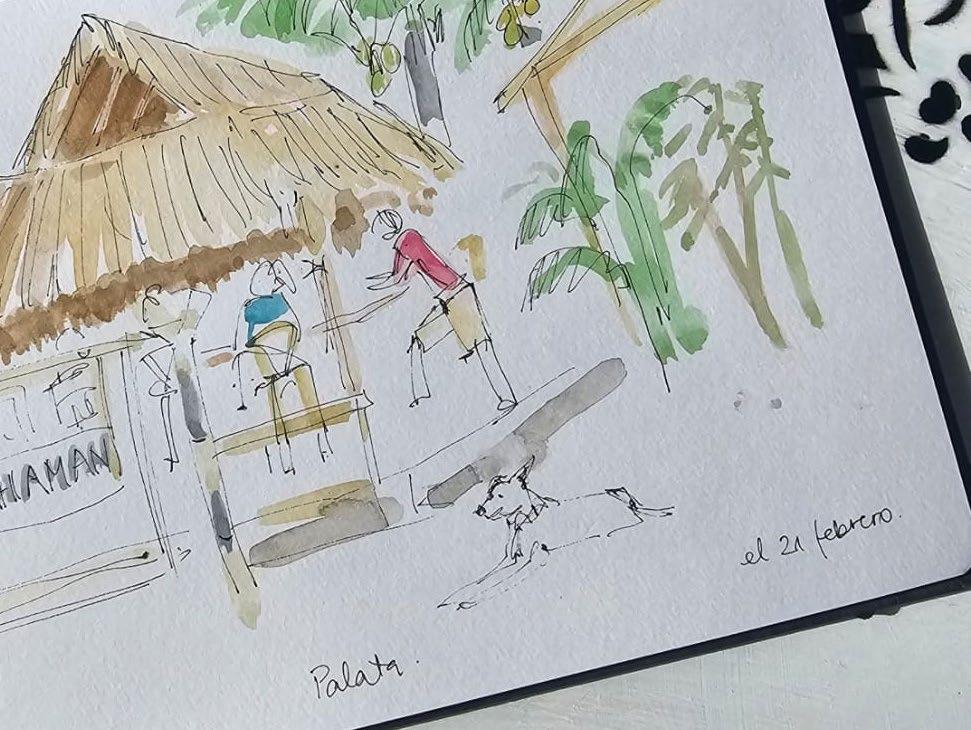
Sayulita lo tiene todo, ¡pero te extrañamos!
Descubre los secretos que este rincón del paraíso tiene para ti, con costumbres únicas en cada rincón. ¿Listo para una experiencia que te hará decir “¡Guau!”?

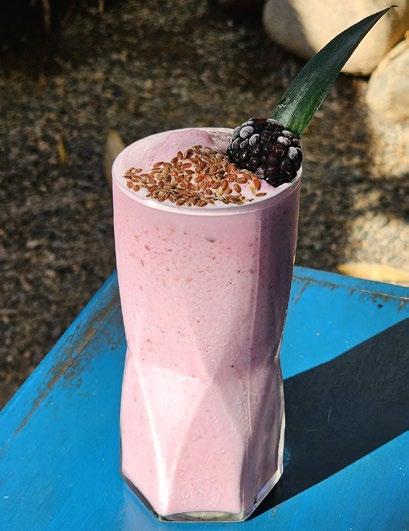
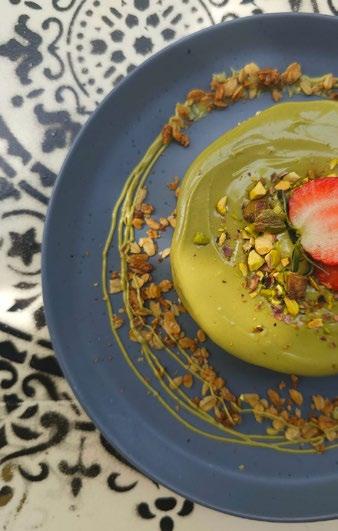

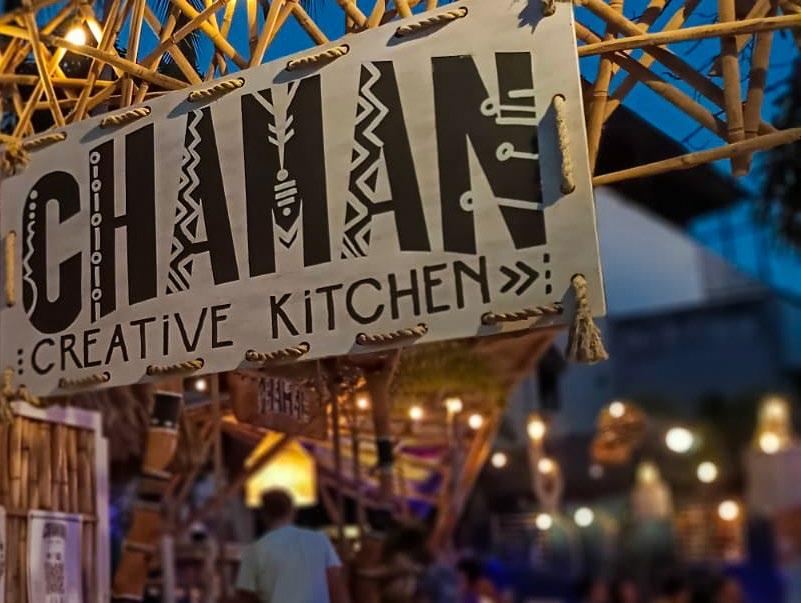
¡Nuestro menú es el festín que su paladar estaba esperando! Descubre sabores únicos que te transportarán a un carnaval de delicias. ¡Y no te pierdas nuestras bebidas que son un viaje directo al paraíso en cada sorbo!
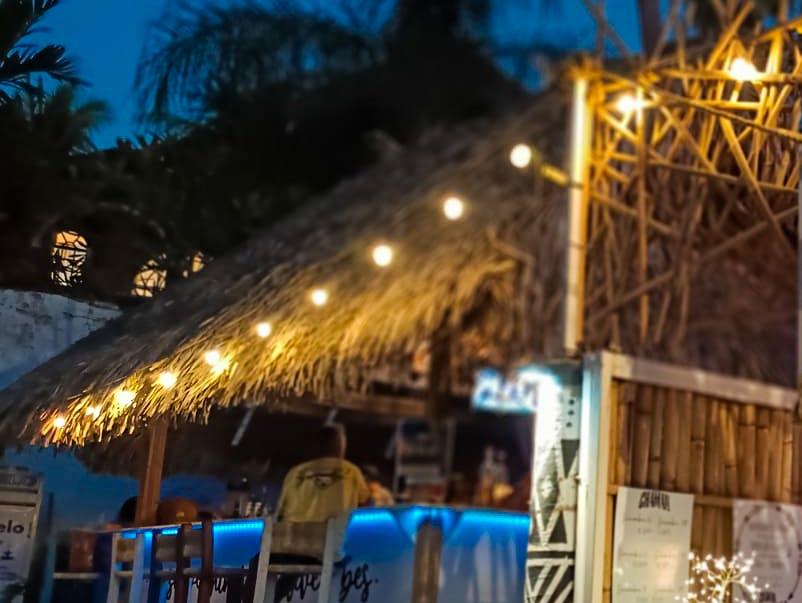
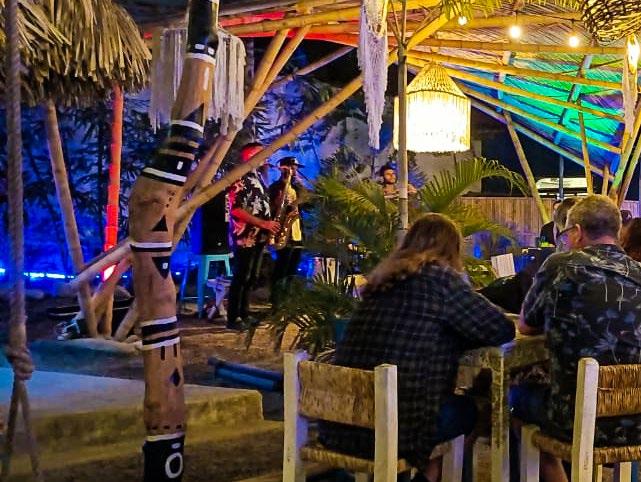
Experimenta la emoción de la música en vivo como nunca antes en Chaman Creative Kitchen. El buen rollo y los ritmos contagiosos te están esperando. ¡La fiesta empieza con los acordes de los beats!
Ven con tus seres queridos y déjate llevar por la diversión.
¡Nos vemos en la pista de baile!
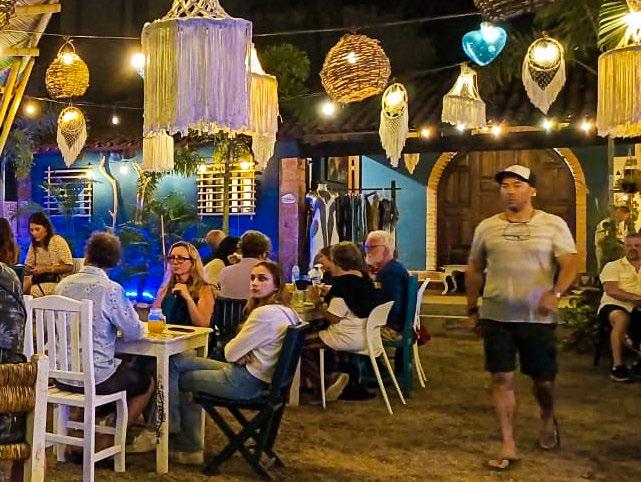
En nuestros espacios cada cumpleaños y evento se convierte en una experiencia extraordinaria. La alegría, la diversión y las sonrisas nunca faltarán. ¡Elige la magia de celebrar en Chaman Creative Kitchen y crea recuerdos que durarán para siempre!
¡Reserva tu fecha y déjanos sorprenderte!

We are the happy winners of Tripadvisor’s Travelers’ Choice Award 2023, and you deserve to try it!
Discover and enjoy creating memories in a perfect environment. Make it unique with us!
Sayulita has it all, but we’re missing you!
Discover the secrets that this corner of paradise has for you, with unique customs in every corner. Ready for an experience that makes you say “Wow!”?
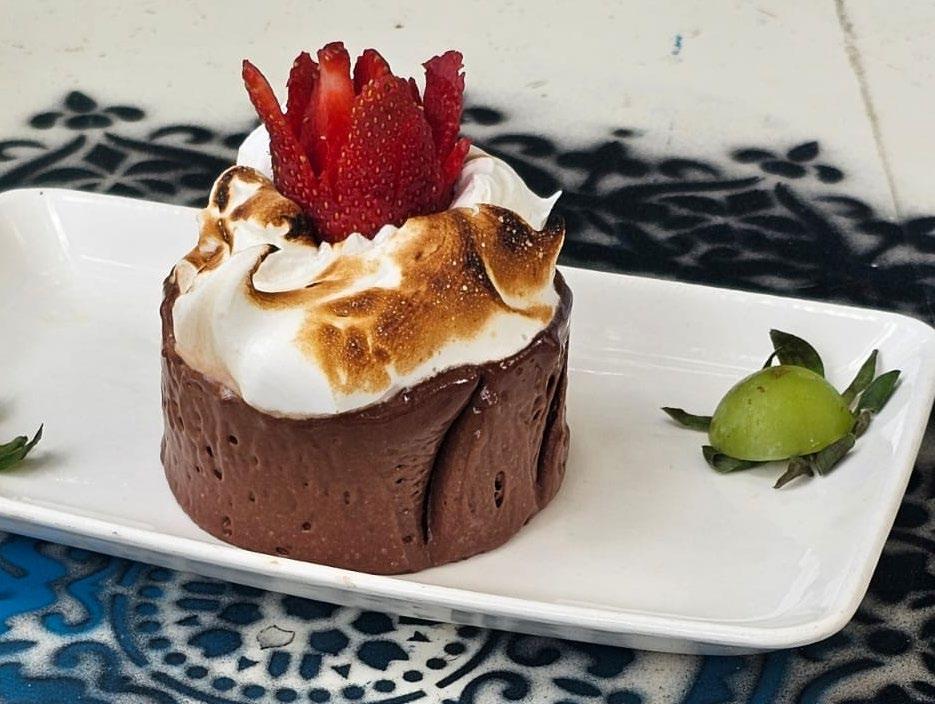
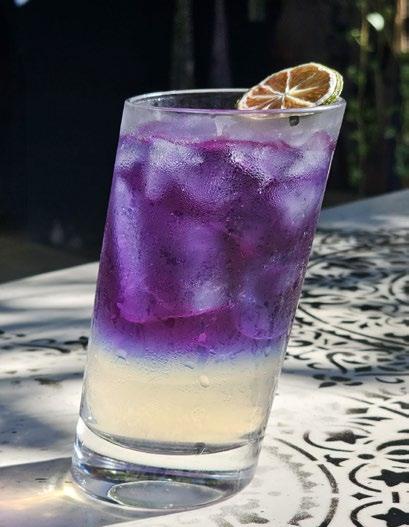
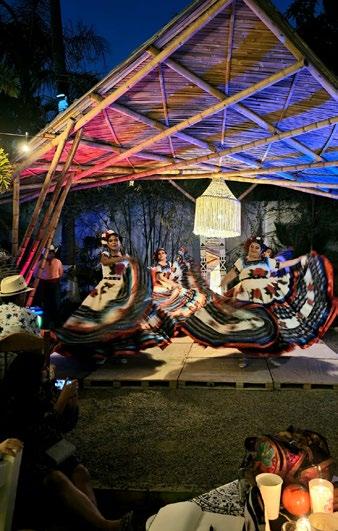

Our menu is the feast your taste buds have been waiting for! Discover unique flavors that will transport you to a carnival of delights. And don’t miss our drinks that are a direct trip to paradise in every sip!
Experience the thrill of live music like never before at Chaman Creative Kitchen The good vibes and infectious beats are waiting for you. The party starts with the chords of the beats!
Come with your loved ones and get carried away with the fun - see you on the dance floor!
In our spaces, every birthday and event becomes an extraordinary experience. Joy, fun and smiles will never be missing. Choose the magic of celebrating at Chaman Creative Kitchen and create memories that will last forever!
Book your date and let us surprise you!

Friscione
Por su privilegiada situación geográfica, México es un país de enorme biodiversidad, tanto en sus ecosistemas terrestres como marinos, los cuales, en última instancia, están profundamente interconectados.
Los arrecifes de coral, junto con sistemas asociados como los manglares y los pastos marinos, representan uno de los ecosistemas más valiosos del planeta. Su riqueza de especies, complejidad ecológica y los servicios ambientales que brindan a la sociedad los convierten en un pilar fundamental para la vida.
Estos ecosistemas marinos tropicales y subtropicales se forman por la acumulación de estructuras calcáreas producidas principalmente por corales, creando complejas formaciones submarinas que pueden extenderse hasta la superficie del océano. Gracias a esta estructura, los arrecifes albergan una de las mayores diversidades biológicas del planeta.
A pesar de su grandeza, su crecimiento es extremadamente lento: apenas alcanzan, en condiciones óptimas, alrededor de un centímetro por año. En México, los arrecifes más reconocidos y de mayor relevancia económica se encuentran en el Golfo de México y en el estado de Quintana Roo.
Para muchos países en desarrollo, incluido el nuestro, la industria turística depende en gran medida de estos ecosistemas, cuya belleza y biodiversidad son un atractivo natural invaluable.
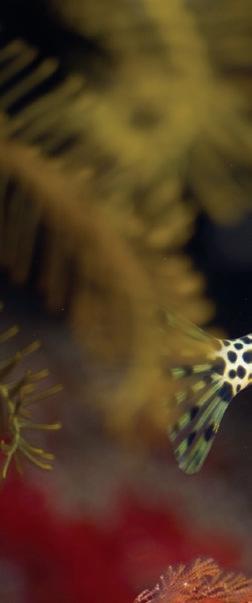
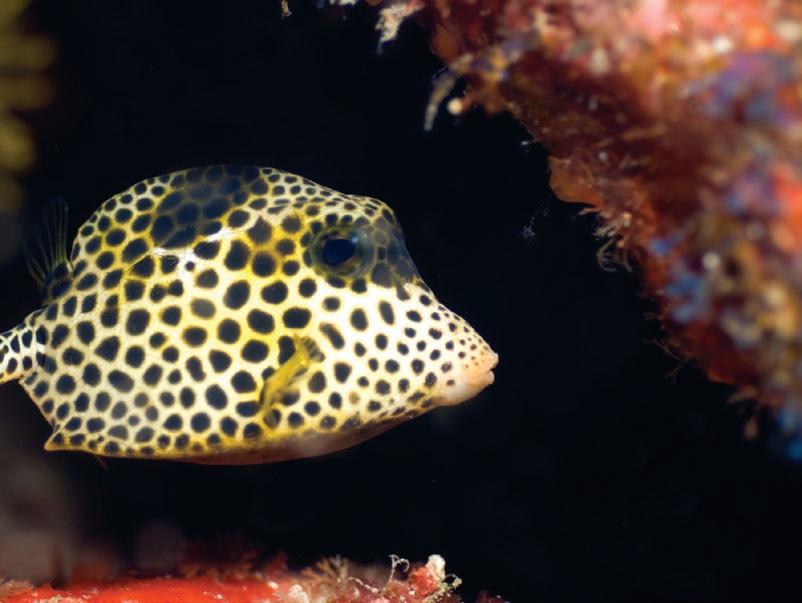
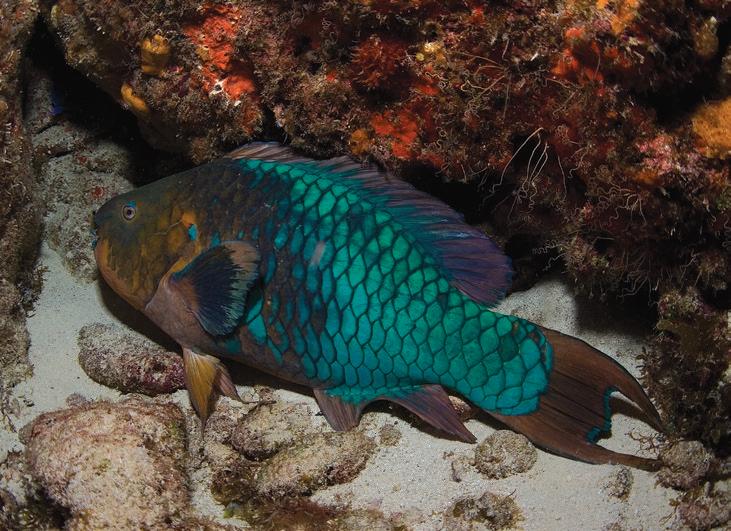
Los arrecifes son, en esencia, verdaderas ciudades submarinas. En ellos habitan innumerables especies: desde pequeños y coloridos nudibranquios, gusanos poliquetos o “árboles de Navidad”, hasta anémonas brillantes, morenas, caracoles y crustáceos. Este entorno da vida a cardúmenes de sardinas y anchovetas, que a su vez alimentan a especies mayores como rayas águila, tiburones y una gran diversidad de peces, incluyendo a los siempre fascinantes delfines.
Además, estos ecosistemas desempeñan un papel crucial en la regulación del clima, capturando aproximadamente el 50% del carbono del planeta. En México, la conservación de los sistemas arrecifales debe considerarse un asunto de seguridad nacional, dada la magnitud de los beneficios ambientales, económicos y sociales que proporcionan.
Sin embargo, los arrecifes enfrentan múltiples amenazas.
Entre las principales se encuentran:
El deterioro provocado por diversas actividades humanas, que los hace más vulnerables al oleaje.
La sobrepesca, el desarrollo portuario y costero, y la contaminación derivada de derrames petroquímicos.
El crecimiento desmedido de poblaciones costeras vinculadas al turismo.
El incremento del tráfico marítimo, la falta de sistemas de navegación adecuados y errores humanos que provocan encallamientos.
Fenómenos naturales como huracanes y tormentas tropicales. Y, de manera crítica, el cambio climático global, cuyos incrementos en la temperatura del océano generan el blanqueamiento del coral.
¿Qué podemos hacer para conservarlos?
Es fundamental que el sector turístico promueva la capacitación de su personal y visitantes, fomentando el respeto absoluto por los arrecifes y su biodiversidad. Asimismo, es necesario:
Reducir el uso de químicos en limpieza y fertilización.
Respetar la normatividad y zonificación de las Áreas Naturales Protegidas, así como impulsar la creación de nuevas. Evitar la compra de productos de origen coralino o marino. Apoyar empresas y hoteles comprometidos con la conservación.
El arrecife necesita de todos nosotros para sobrevivir. Démosle la oportunidad de seguir cumpliendo su función, como lo ha hecho desde el origen de la vida.
www.solobuceo.com

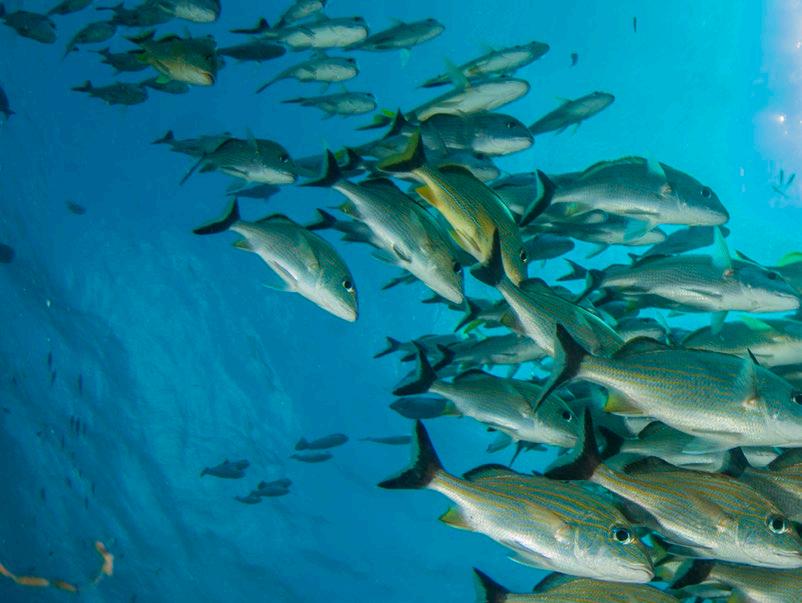
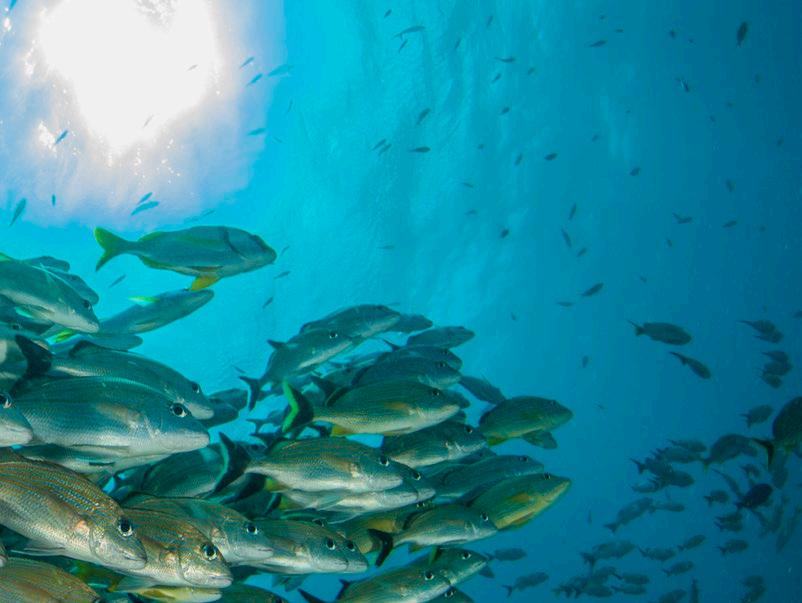
Due to its privileged geographical location, Mexico is a country of extraordinary biodiversity, both in its terrestrial and marine ecosystems, which are ultimately deeply interconnected.
Coral reefs, along with associated systems such as mangroves and seagrass beds, represent one of the most valuable ecosystems on the planet. Their richness in species, ecological complexity, and the environmental services they provide to society make them a fundamental pillar of life.
These tropical and subtropical marine ecosystems are formed by the accumulation of calcareous structures produced mainly by corals, creating complex underwater formations that can extend to the ocean’s surface. Thanks to this structure, reefs host one of the greatest concentrations of biodiversity on Earth.
Despite their grandeur, their growth is extremely slow—under optimal conditions, they grow only about one centimeter per year. In Mexico, the most recognized and economically important reefs are located in the Gulf of Mexico and the state of Quintana Roo.
For many developing countries, including our own, the tourism industry depends heavily on these ecosystems, whose beauty and biodiversity represent an invaluable natural attraction.
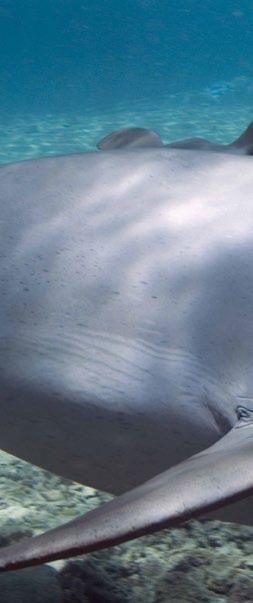

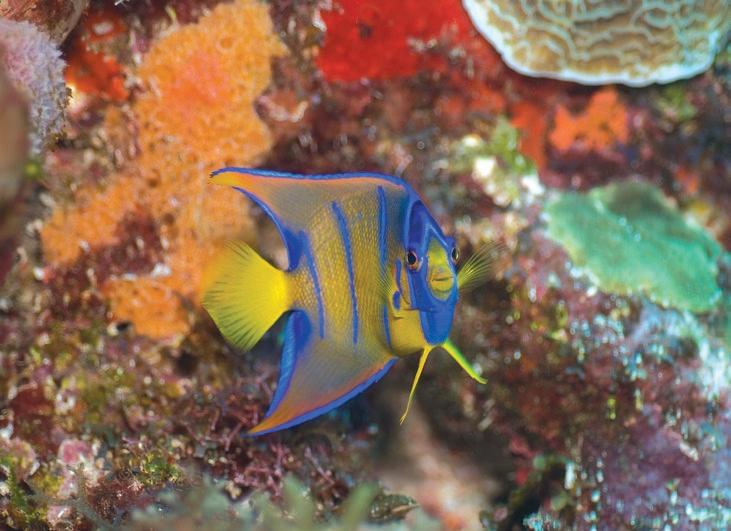
Reefs are, in essence, true underwater cities. They are home to countless species: from small and colorful nudibranchs, polychaete worms or “Christmas tree worms,” to vibrant anemones, moray eels, snails, and crustaceans. This environment sustains schools of sardines and anchovies, which in turn feed larger species such as eagle rays, sharks, and a wide variety of fish, including the ever-fascinating dolphins.
In addition, these ecosystems play a crucial role in climate regulation, capturing approximately 50% of the planet’s carbon.
In Mexico, the conservation of reef systems should be considered a matter of national security, given the magnitude of the environmental, economic, and social benefits they provide.
However, reefs face multiple threats. Among the most significant are:
Damage caused by human activities, making them more vulnerable to wave action. Overfishing, coastal and port development, and pollution from petrochemical spills.
The rapid growth of coastal populations linked to tourism development.
Increased maritime traffic, inadequate navigation systems, and human error leading to groundings.
Natural phenomena such as hurricanes and tropical storms. And critically, global climate change, as even slight increases in ocean temperature can trigger coral bleaching.
It is essential for the tourism sector to properly train staff and educate visitors to respect coral reefs and all surrounding marine life at all times. In addition, we must:
Reduce the use of chemicals for cleaning and fertilization.
Respect the regulations and zoning of Protected Natural Areas, and promote the creation of new ones.
Avoid purchasing products made from coral or marine life.
Support businesses and hotels committed to reef conservation.
Coral reefs need all of us to survive. Let us give these magnificent marine communities the opportunity to continue fulfilling their role, as they have done since the beginning of life.
www.solobuceo.com
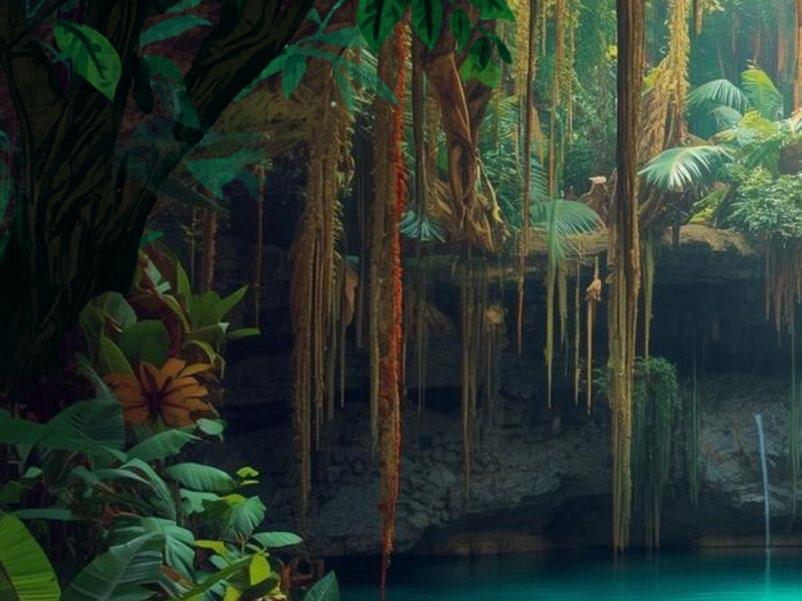
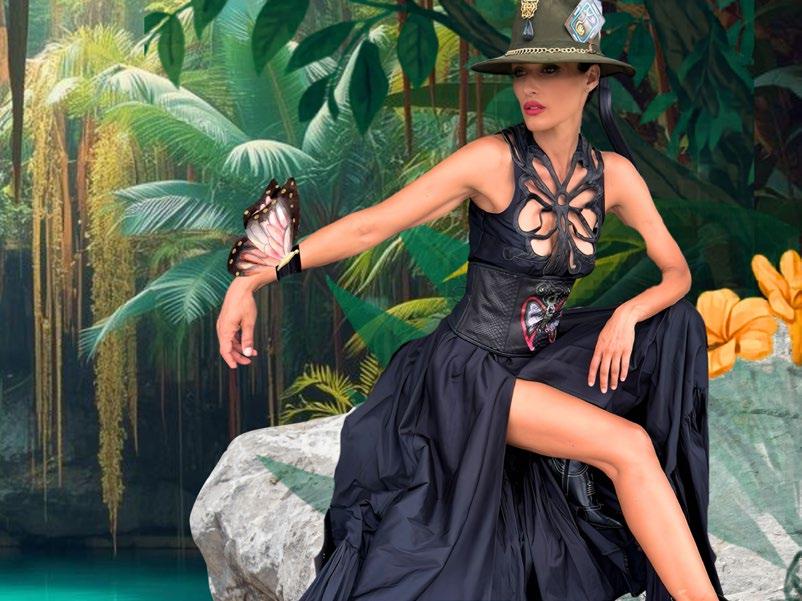
En el universo de la civilización maya, la primavera no era simplemente una estación: era un portal de renovación espiritual, agrícola y cósmica. Su llegada marcaba el despertar de la vida, el equilibrio entre las fuerzas del cielo y la tierra, y el inicio de un nuevo ciclo profundamente conectado con el destino del ser humano.
Los antiguos mayas, maestros del tiempo y la astronomía, registraron este momento en sus códices, donde cada símbolo y glifo narraba el renacimiento de la naturaleza. La primavera representaba el regreso de la fertilidad, el reverdecer del maíz —eje central de su cosmovisión— y la oportunidad de comenzar de nuevo.
Este cambio estacional estaba estrechamente vinculado con los movimientos del sol. Durante el equinoccio, la luz y la sombra se alineaban en perfecta armonía, reflejando el principio maya del equilibrio universal. No era casualidad: era un mensaje del cosmos. Para los mayas, el tiempo no era lineal, sino cíclico, y la primavera simbolizaba el punto exacto donde la vida renace con fuerza.

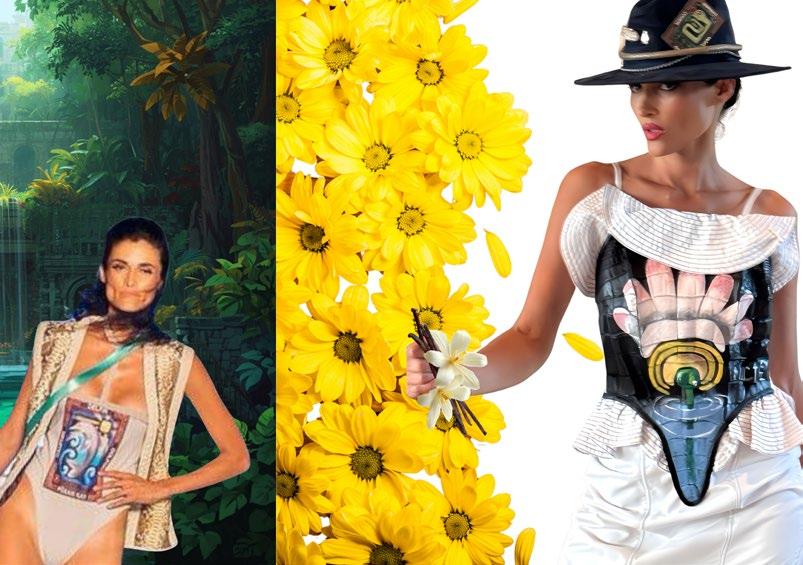
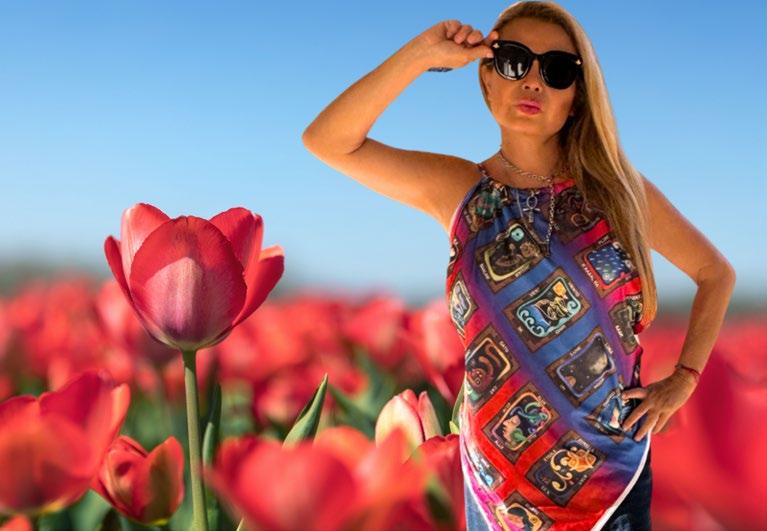
En los códices, la primavera también se asociaba con rituales dedicados a la lluvia, la siembra y la abundancia. Era un momento de conexión con lo divino, donde los sacerdotes interpretaban los signos del cielo para guiar a su pueblo. Cada trazo en estos manuscritos era una manifestación de conocimiento, una invitación a entender que todo florecimiento comienza desde el interior.
Hoy, al contemplar este legado, comprendemos que la primavera maya no solo hablaba de la tierra, sino del espíritu: una invitación a renovarnos, a soltar lo viejo y a florecer con intención.
Porque, como lo sabían los antiguos mayas, cada ciclo trae consigo una nueva oportunidad de transformación.

By Verónica Guerra de Alberti

In the world of the Mayan civilization, spring was not merely a season—it was a gateway to spiritual, agricultural, and cosmic renewal. Its arrival marked the awakening of life, the balance between the forces of sky and earth, and the beginning of a new cycle deeply connected to human destiny.
The ancient Maya, masters of time and astronomy, recorded this moment in their codices, where every symbol and glyph told the story of nature’s rebirth. Spring represented the return of fertility, the flourishing of maize—the very core of their worldview—and the opportunity to begin again.
This seasonal shift was closely tied to the movements of the sun. During the equinox, light and shadow aligned in perfect harmony, reflecting the Mayan principle of universal balance. It was no coincidence—it was a message from the cosmos. For the Maya, time was not linear but cyclical, and spring symbolized the exact moment when life reemerges with strength.
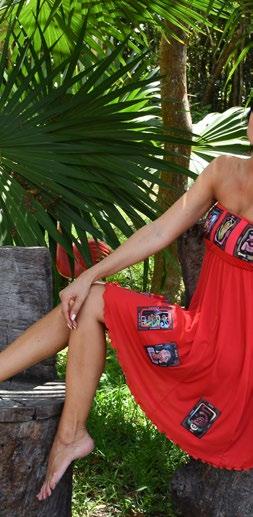

In the codices, spring was also associated with rituals devoted to rain, planting, and abundance.
It was a time of connection with the divine, when priests interpreted the signs of the sky to guide their people. Every stroke in these manuscripts was a manifestation of knowledge, an invitation to understand that all flourishing begins within. Today, as we reflect on this legacy, we understand that Mayan spring was not only about the earth, but also about the spirit: an invitation to renew ourselves, to release the old, and to bloom with intention. Because, as the ancient Maya knew, every cycle brings a new opportunity for transformation.
Se enorgullece de ofrecer, con todos sus colaboradores, los más altos estándares a sus patrocinadores y lectores.
Prides itself on offering, with all its controbutors, the higest standards to its patrons and readers
Gracias por crecer estos 20 años con nosotros y ser parte del éxito.
Thank you for growing these 20 years with us and being part of the succes.
• PREMIO EMPRESA MEXICANA DEL AÑO
XIV edición especial del México Quality Summit
• GALARDON INTERNACIONAL SOL DE ORO por mercadotecnia interamericana en la ciudad
• GALARDON INTERNACIONAL ORO Y PLATA por la Asociación de mercadotecnia Interamericana
• ESTRELLA DE ORO AL MÉRITO EMPRESARIAL en Kranspolsky Ámsterdam Holanda, otorgado
• MEDALLA DE ORO A LA CALIDAD Y SERVCIO en Santiago de Chile premio World Wide Marketing
• GALARDON MUNDIAL A LA CALIDAD SIGLO en Buenos aires Argentina otorgado por World

2021 y 2022
Summit 2021
ORO A LA EXCELENCIA
ciudad de México D.F. 2003
PLATA A LA CALIDAD 2003
Interamericana en la ciudad de México 2004
EMPRESARIAL
otorgado por World Wide Marketing Organization
SERVCIO
Marketing Organization 2005
SIGLO XXI
World Wide Marketing Organization
• ESTRELLA DE ORO AL MÉRITO EMPRESARIAL
en Puerto Vallaerta Jalisco, otorgado por World Wide Marketing Organization
• GRAN PREMIO AMÉRICA A LA CALIDAD Y SERVICIO
en la ciudad de México, otorgado por INAME (Instituto Nacional de mercadotecnia)
• GALARDON DE ORO A LA CALIDAD E INNOVACIÓN
2008 feria ABIMAD del mueble Sao Paulo Brasil
• GALARDON A EXCELENCIA EMPRESARIAL
Otorgado por The Bizz Awards 2020-2021 en tres locaciones, Quatar, Kazakhstan, Toronto
• MEDALLA DE HONRA CRUZ DE MALTA
Otrogado por LAQUI (Latin American Quality Awards 2020) en Lima, Perú