SWT/KWS Tsavo Veterinary Unit Report for January 2026
SWT/KWS TSAVO MOBILE VETERINARY UNIT
JANUARY 2026
January Report by Dr. Lawi Kimutai
The conservation area received less precipitation compared to preceding months. A few water pans are full and the vegetation in some areas is lush. Both grazers and browsers have enough food and are in good body condition.
Acknowledgement
TMVU would like to thank all stakeholders that aided in reporting and monitoring cases that required veterinary intervention. Special thanks to SWT for the continuous support and KWS for technical advice to the unit.
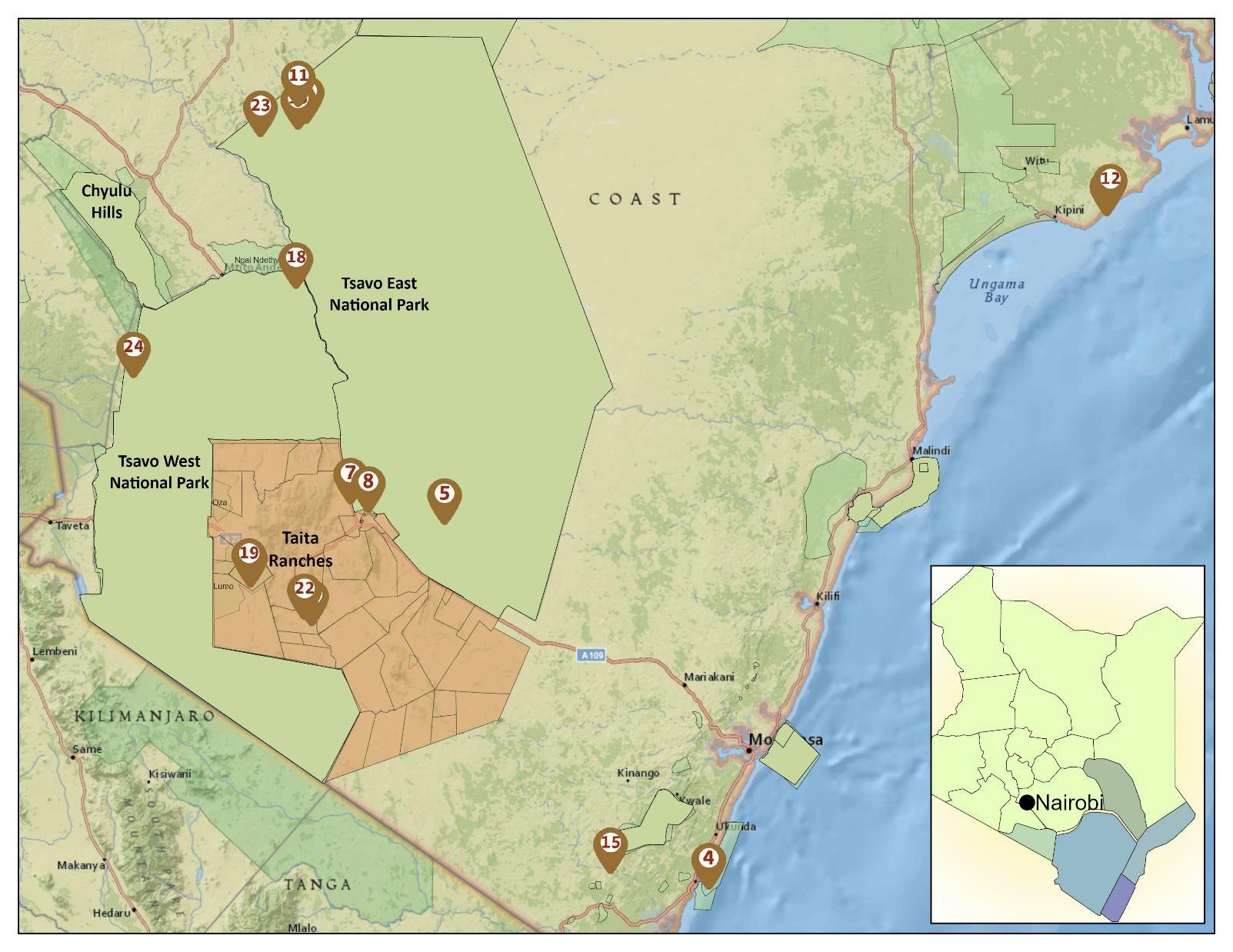
SWT/KWS Tsavo Mobile Vet Unit Treatment Locations
Date
Species Area
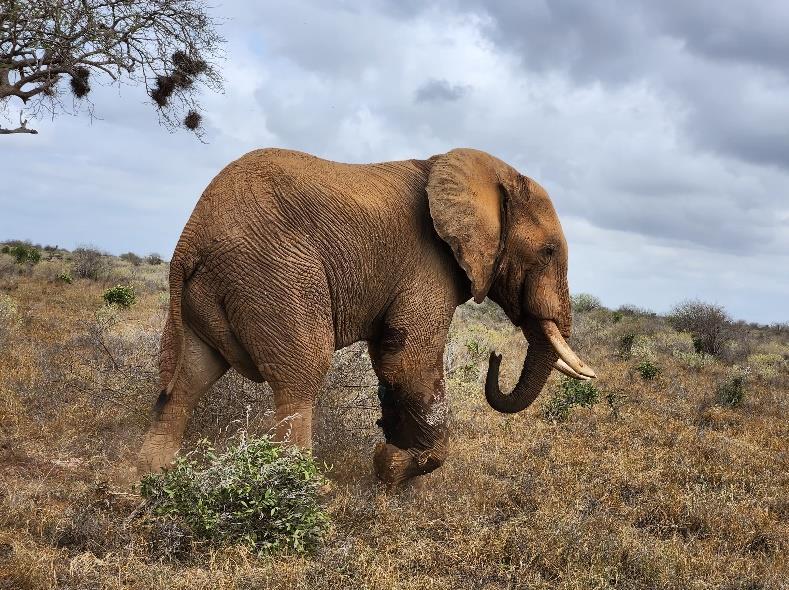
1-Jan-26 Elephant Taita Ranches Natural Causes It was suspected that the elephant had sprained her ankle Successfully Treated
4-Jan-26 Elephant Lamu Snared
5-Jan-26 Zebra Mombasa HWC
5-Jan-26 Zebra Mombasa Natural Causes
11-Jan-26 Elephant Tsavo East NP Spear
Examination revealed a deep snare wound around the left carpal joint Taken to Orphanage
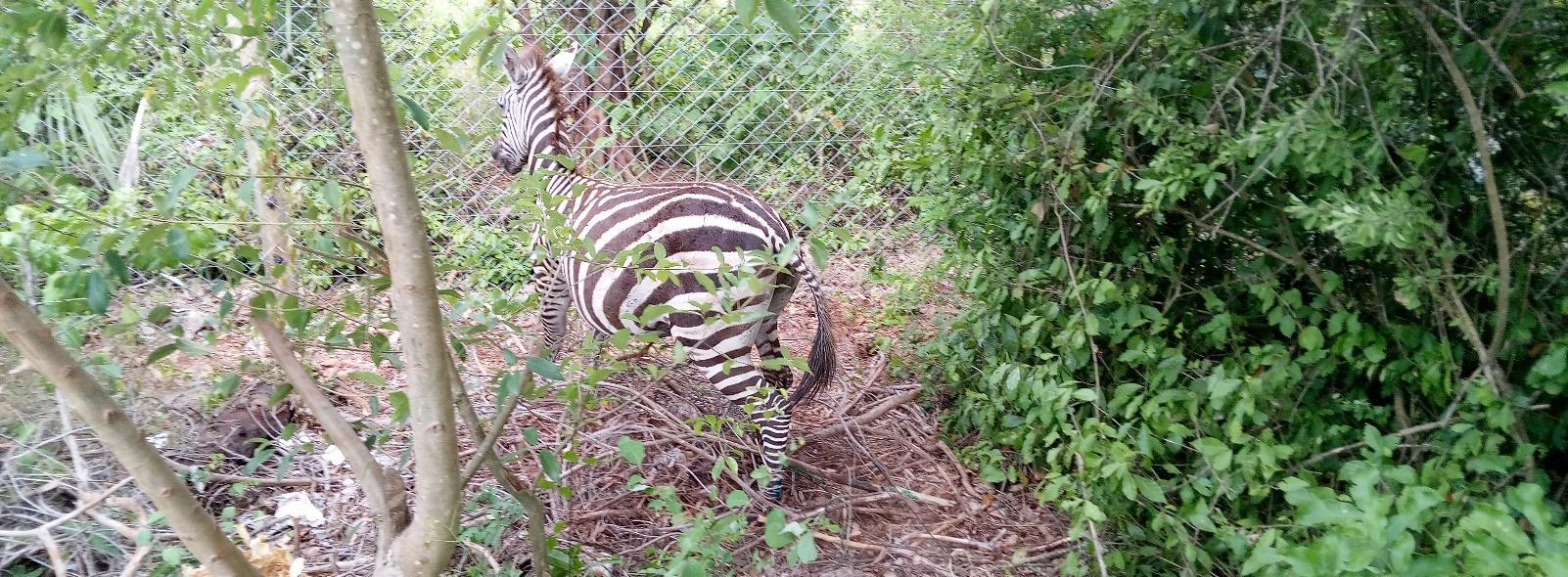
This zebra had broken out of Bora-bora Park and was in the community area Task Successful
The zebra had been relocated and had developed an abscess on the dart site Successfully Treated
22-Jan-26 Elephant Taita Ranches Arrow Examination revealed a deep arrow wound on the right radiocarpal joint Prognosis Poor
24-Jan-26 Elephant Tsavo East NP Natural Causes It was suspected the bull had suffered a closed fracture of his right femur Prognosis Poor
25-Jan-26 Other Mombasa Snared
This warthog was spotted having a winch wire snare around both her jaws Successfully Treated
26-Jan-26 Elephant Taita Ranches Snared Examination revealed a cable wire snare around her neck Successfully Treated
28-Jan-26 Elephant Tsavo East NP Natural Causes The elephant had sustained a sprain at the left carpal joint Successfully Treated
29-Jan-26 Elephant Tsavo West NP Natural Causes Examination revealed that the elephant had dislocated his right elbow joint Successfully Treated
Case
Elephant Natural Causes
Sisal Estate, Taita Ranches
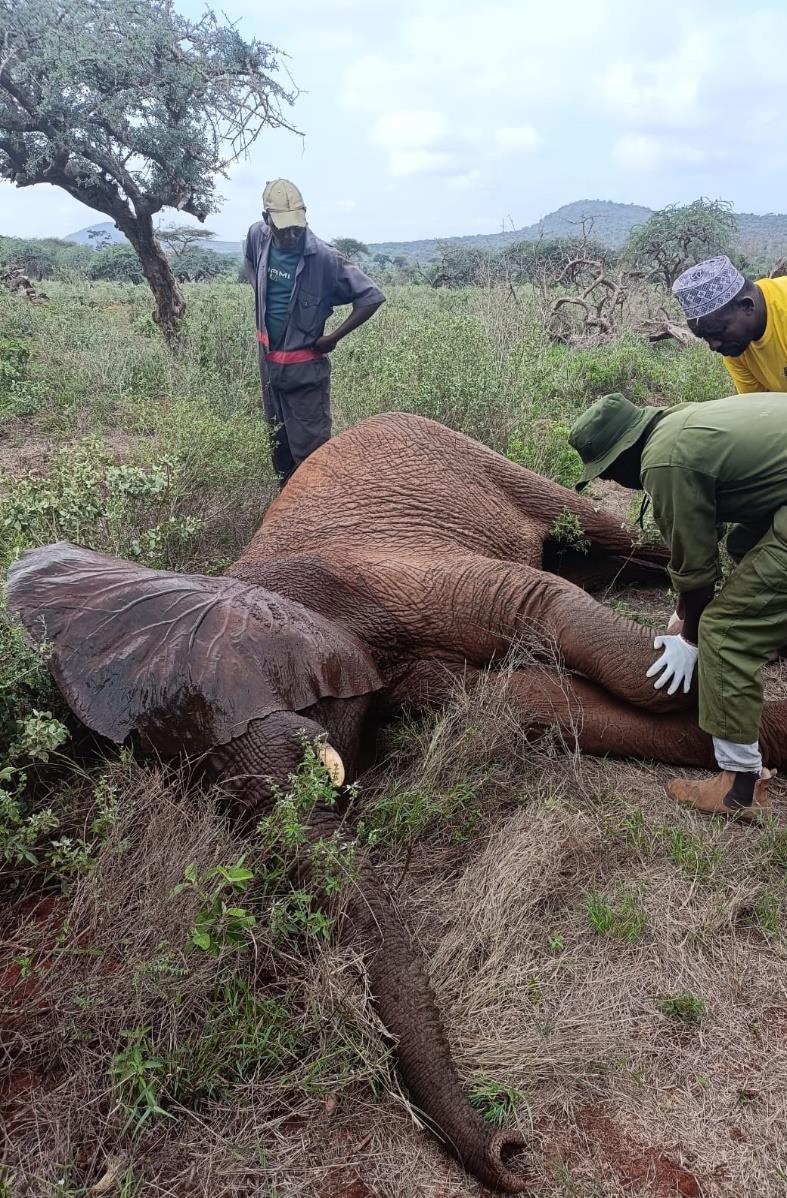
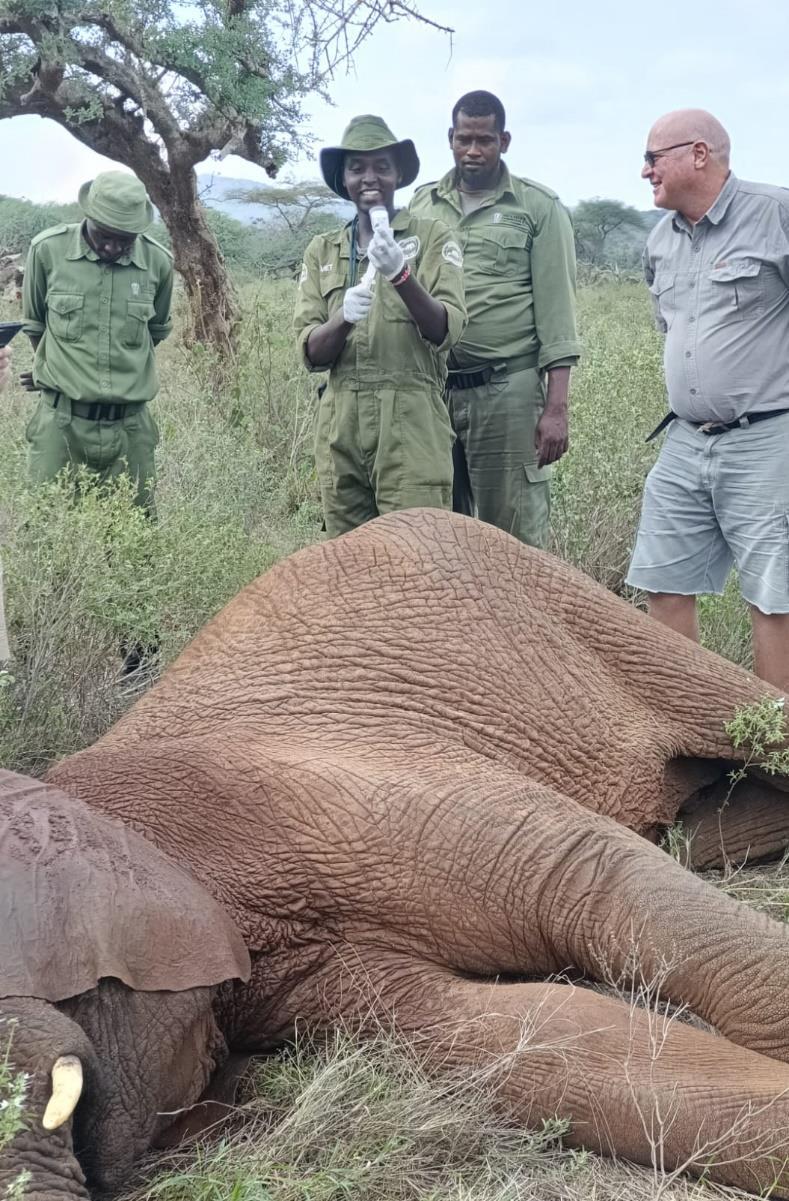
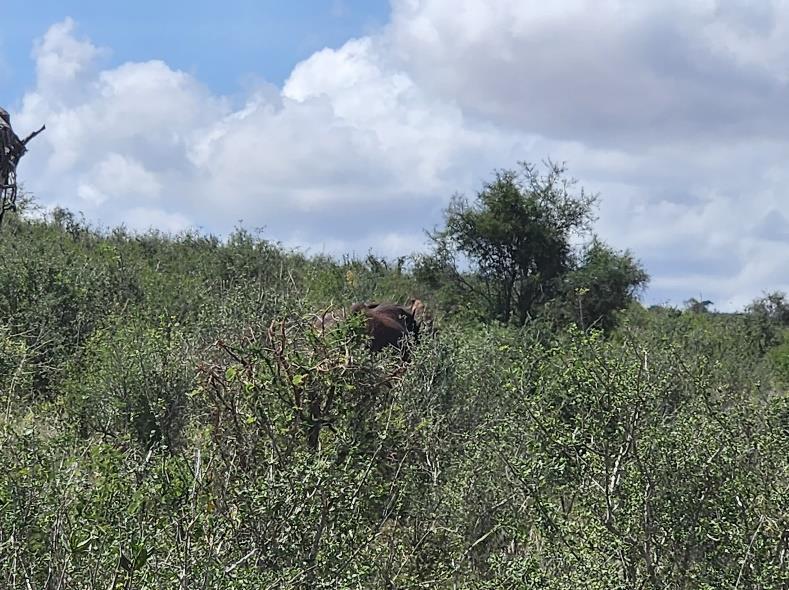
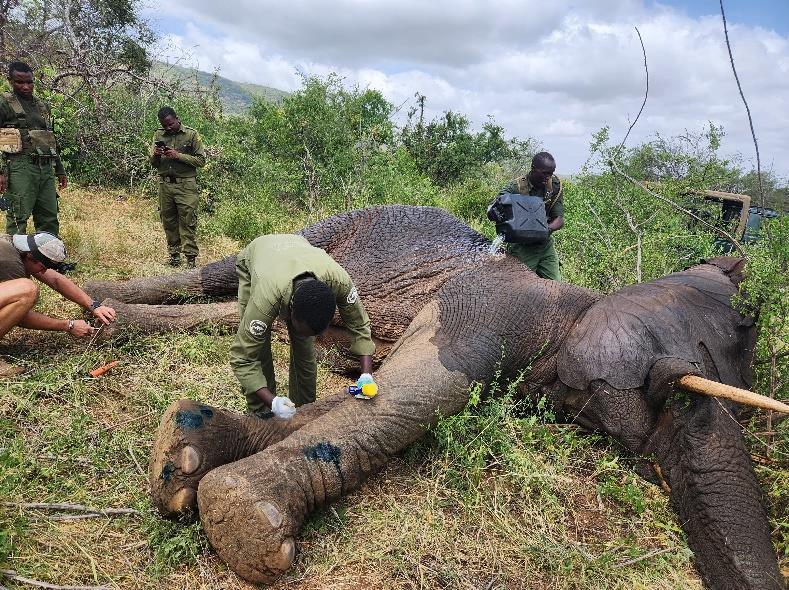
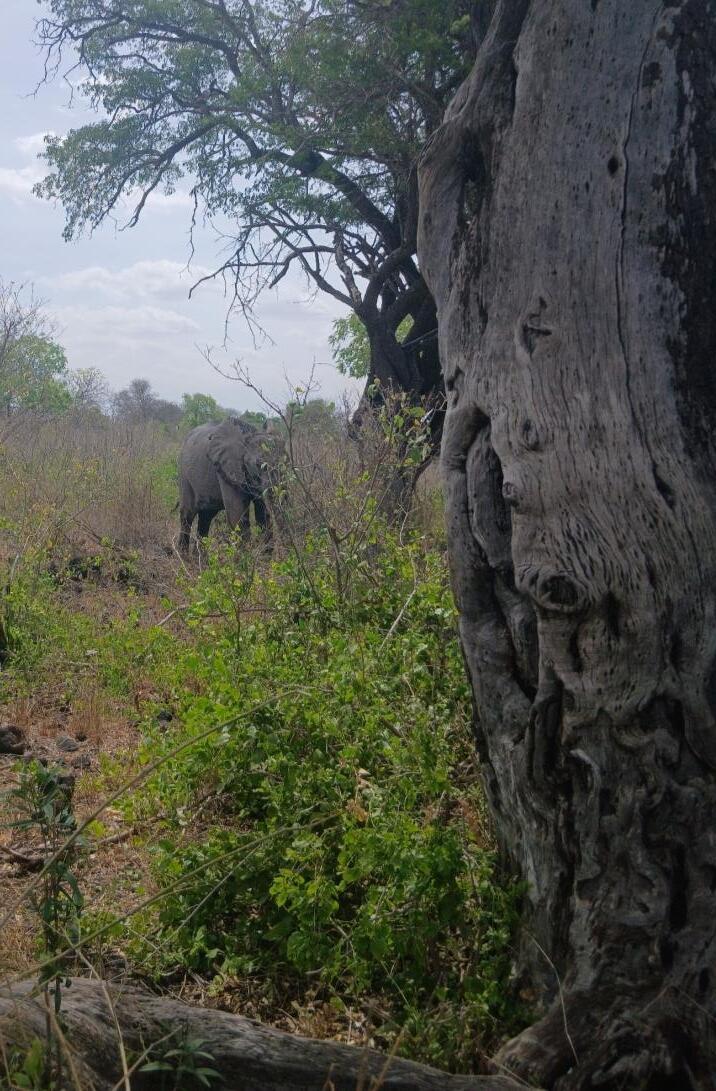
This injured sub adult elephant was spotted limping near Hildana lodge. The lodge management notified TMVU who responded swiftly to attend to the elephant.
Immobilisation, examination and treatment
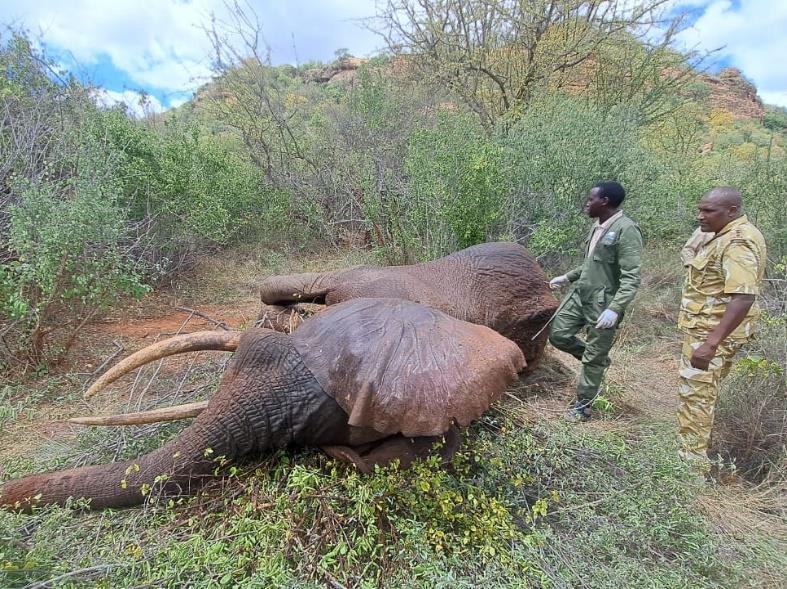
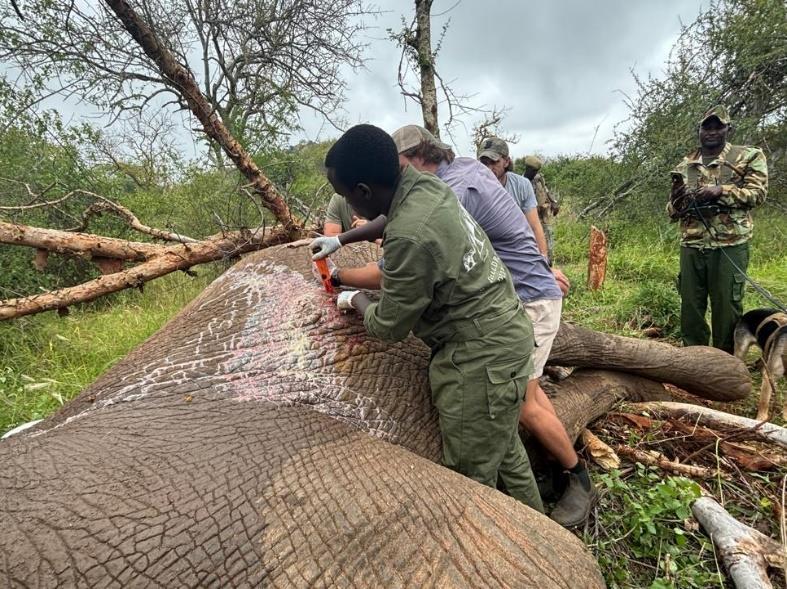
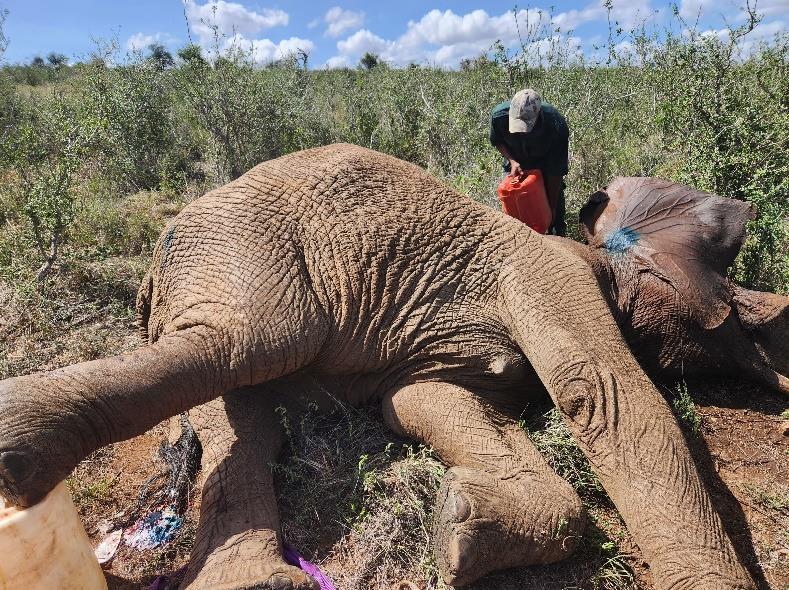
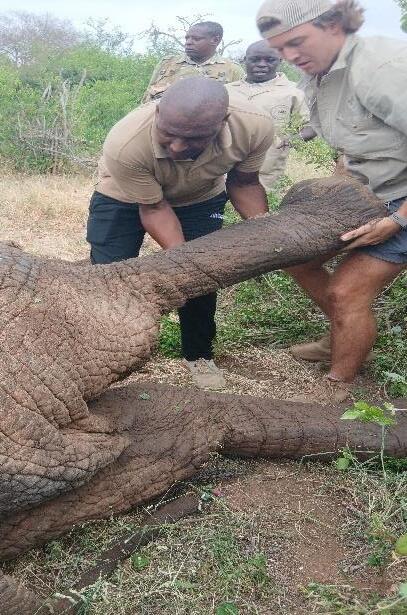
This elephant was successfully immobilized using 6mg of Etorphine hydrochloride delivered in a 1.5cc dan inject dart. Darting was done from the vehicle, and it took 7 minutes for the drug to achieve its full effect.
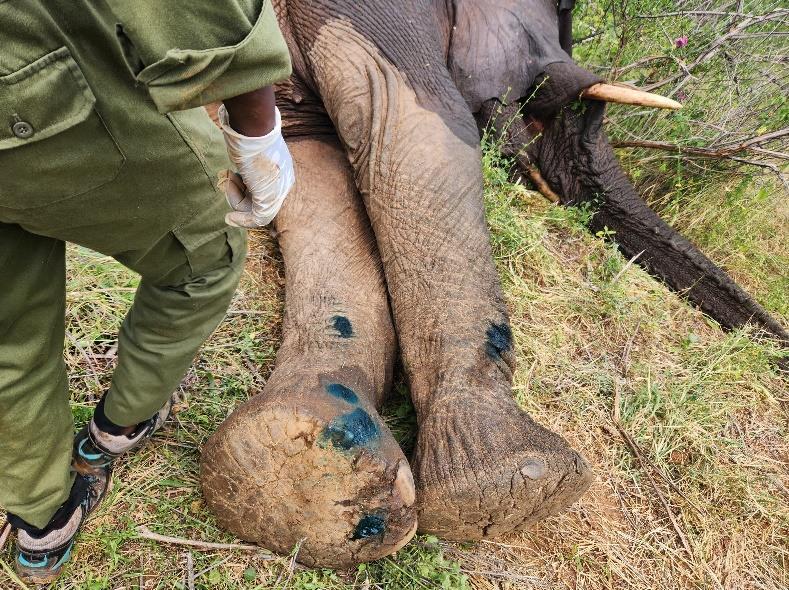
Examination revealed slight swelling on the left front leg at the carpal joint. There were no external injuries. It was suspected that the elephant had sprained her ankle.
She was given Flunixin anti-inflammatories and antibiotics parenterally. Further monitoring was advised.
Prognosis
She was revived from anaesthesia using 60mg of Naltrexone hydrochloride given intravenously via a prominent ear vein. She rose 3 minutes later and slowly walked away. Prognosis is good.
Case 2 – 4th January 2026
Elephant Snared Kipini Conservancy, Lamu
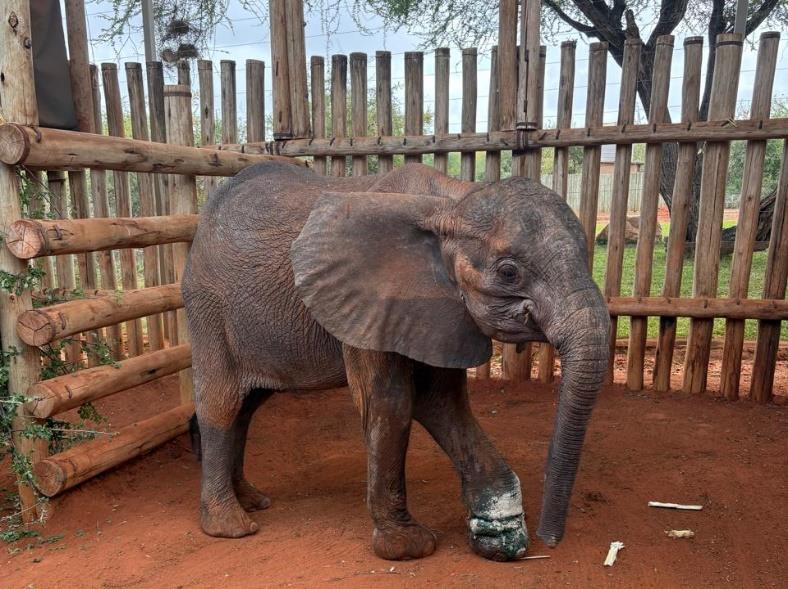
This snared calf was spotted by rangers in Kipini conservancy, she was alone, limping and had a snare on her left front leg.
Immobilisation, examination and treatment
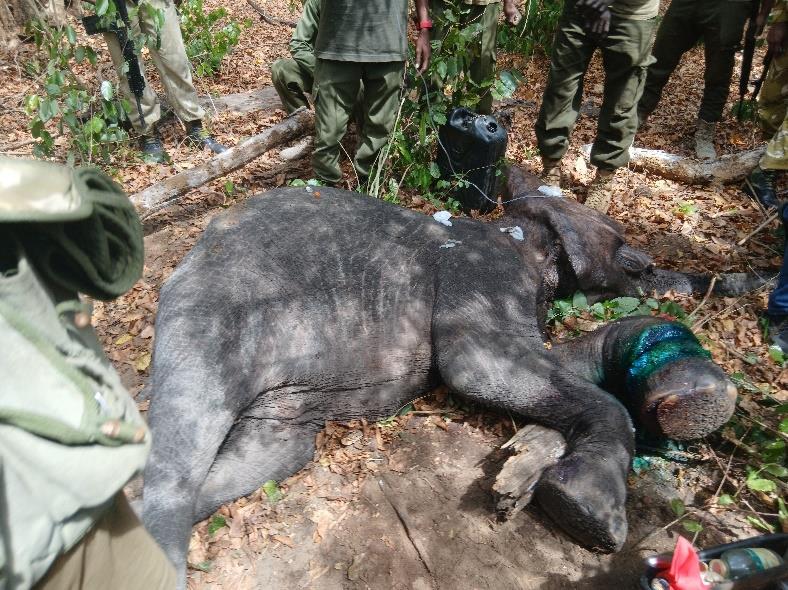
This calf was successfully immobilized using 2.5mg Etorphine given intramuscularly after successful manual restraint. Full anaesthesia was achieved 5 minutes later.
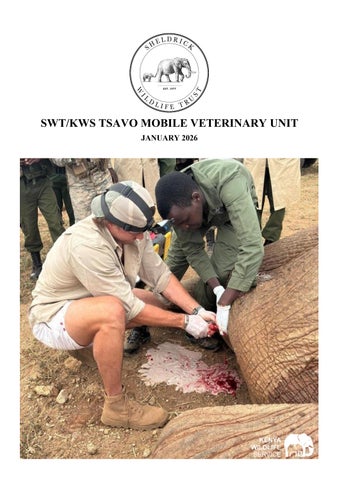
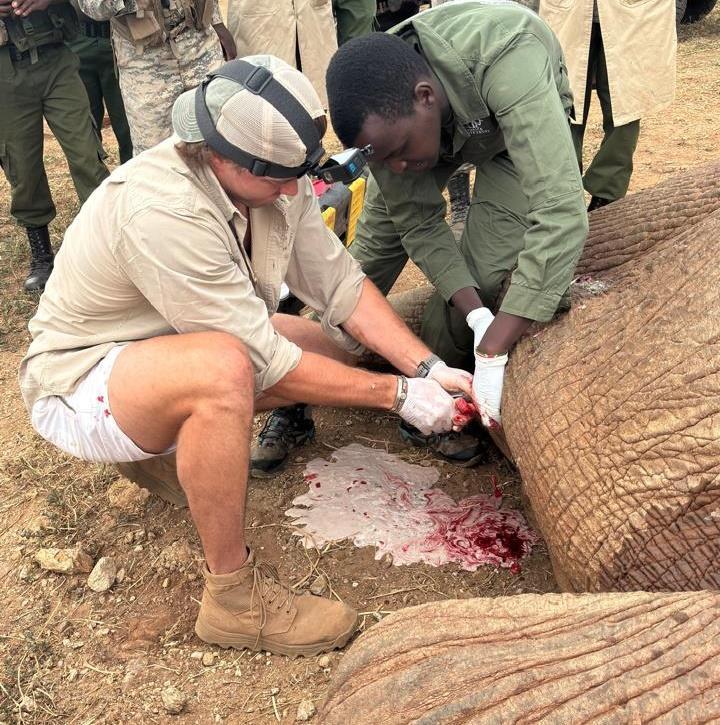
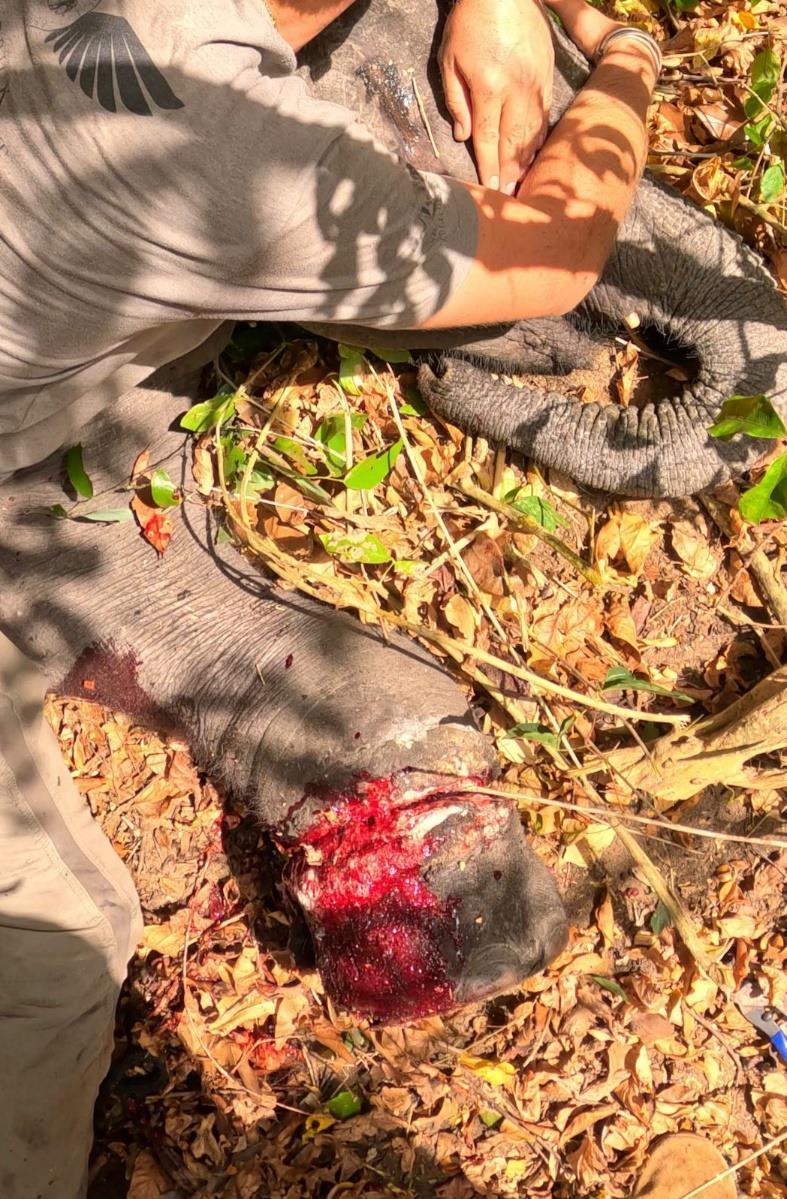
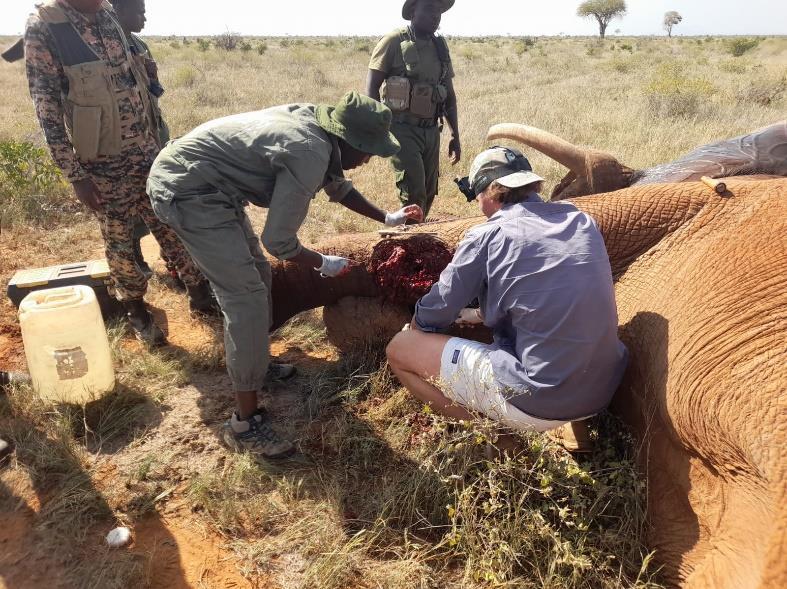
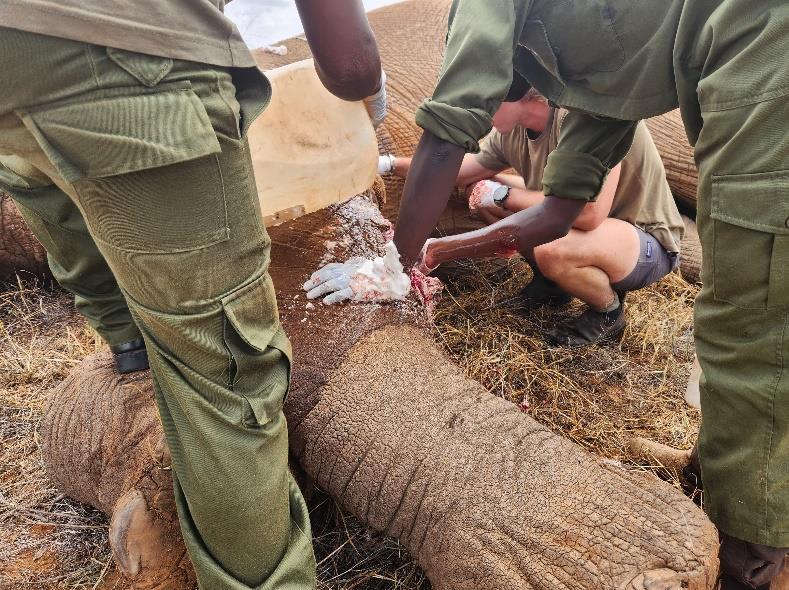
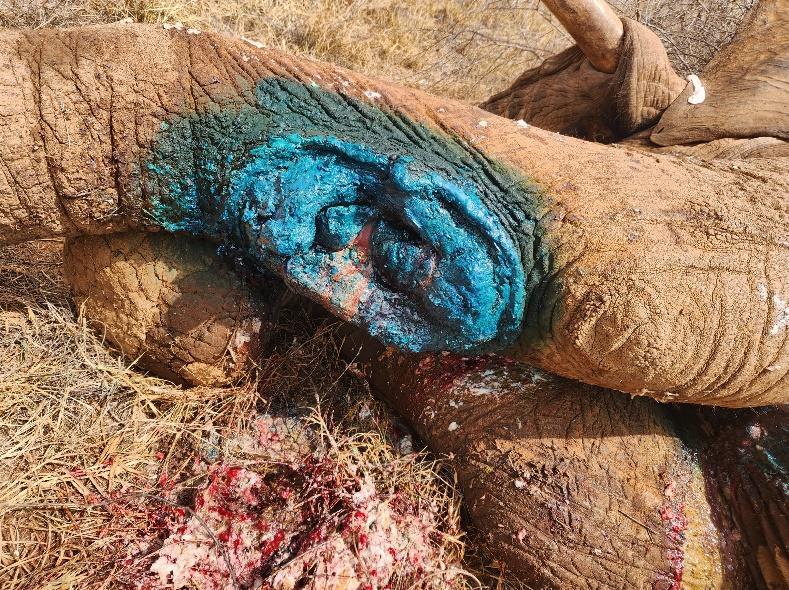
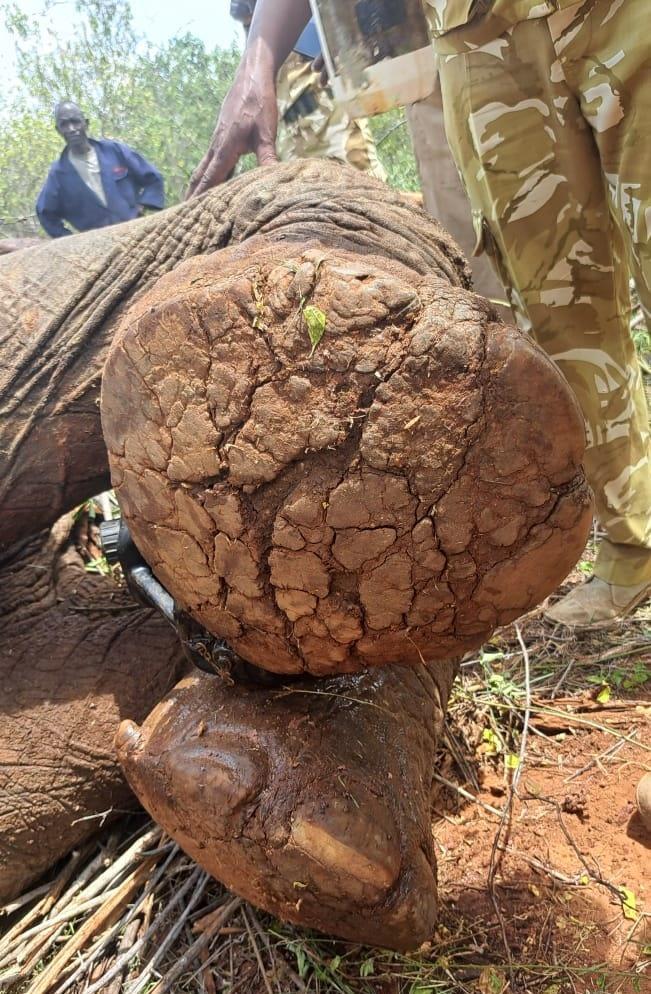
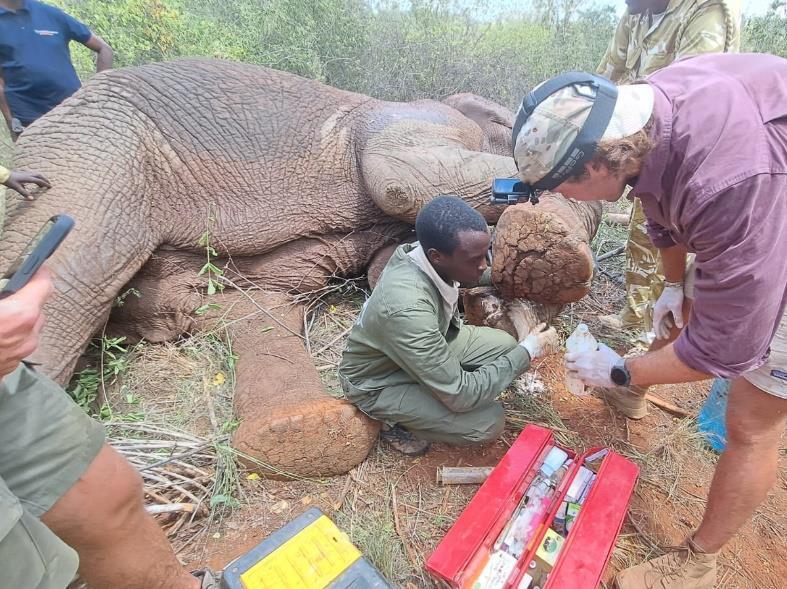
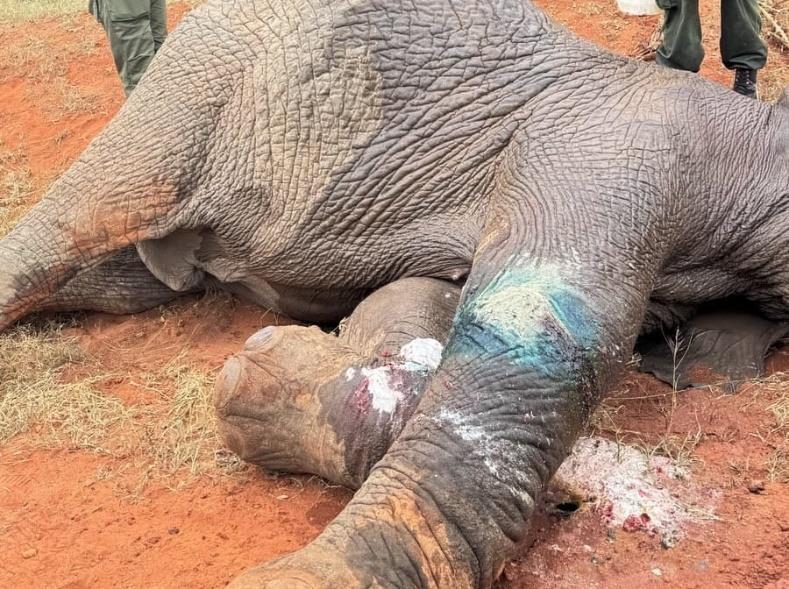
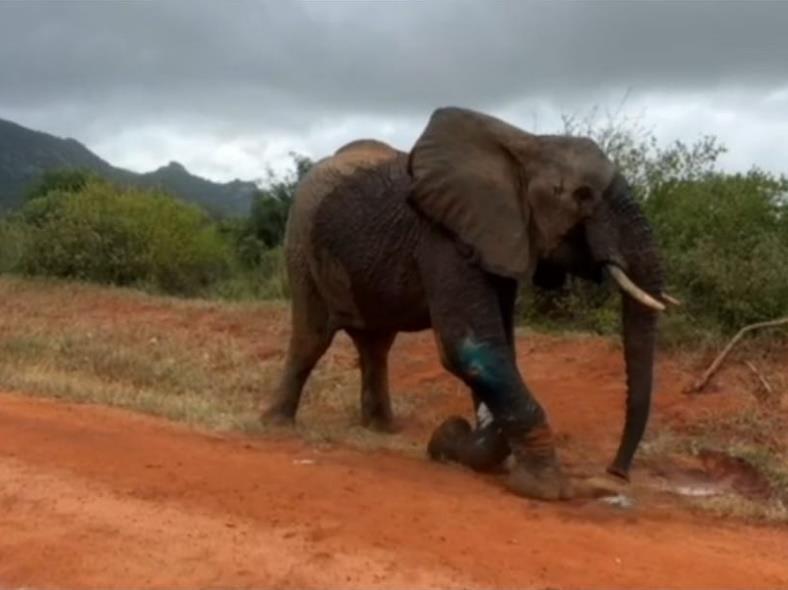
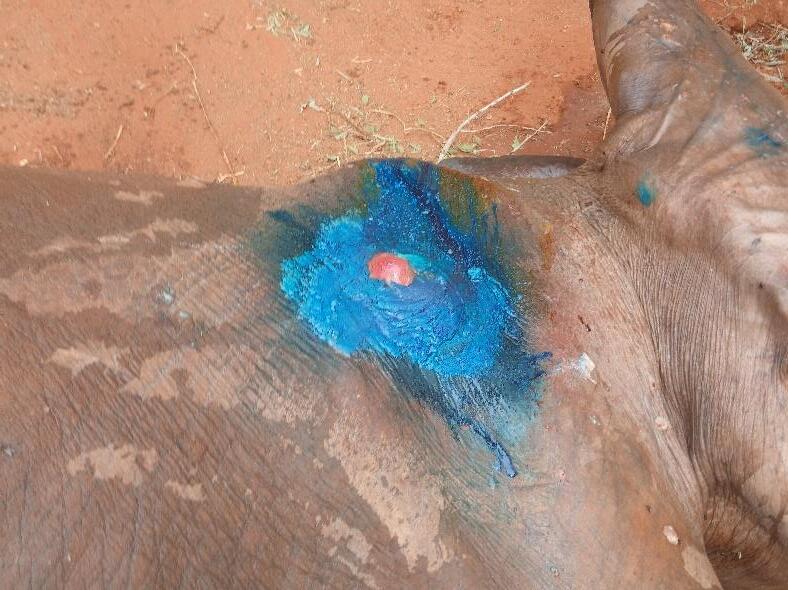
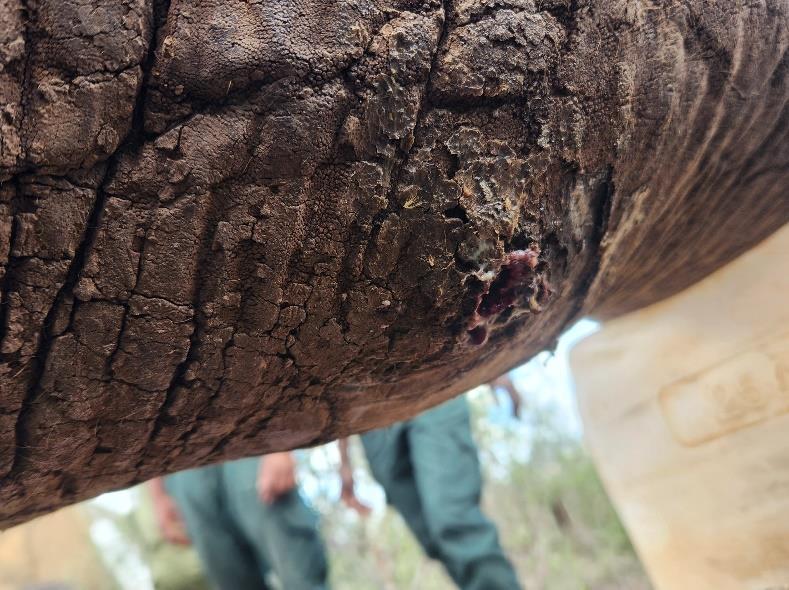
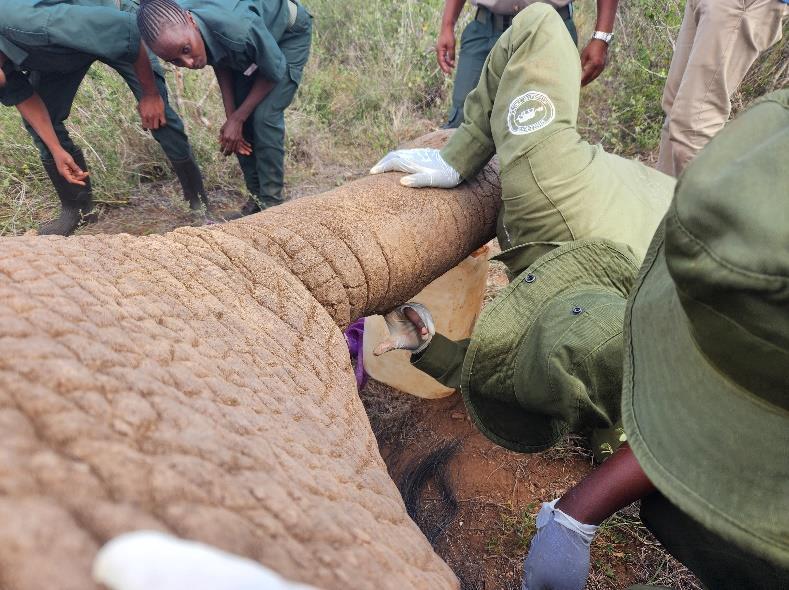
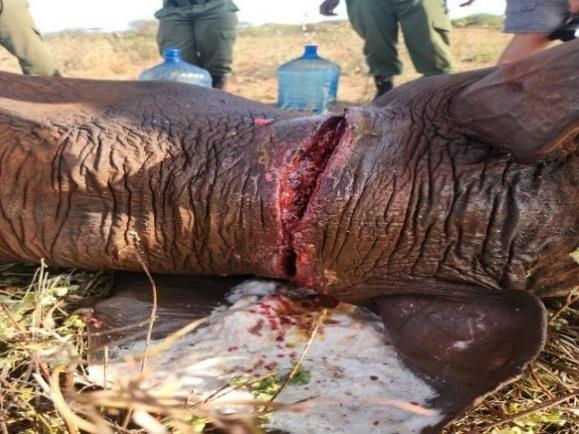
Examination revealed a deep snare wound around the left carpal joint; the snare had cut through the flesh and was buried deep inside the wound. The nylon rope snare was immediately cut and carefully removed from the wound. A severed artery was ligated followed by thoroughly cleaning the wound. The wound was flushed with Hydrogen peroxide, rinsed with water and infused with tincture of Iodine. Green clay was packed on the wound followed by a topical antibiotic spray. She additionally was given amoxicillin antibiotics, metabolic stimulants and flunixin anti-inflammatories parenterally. The calf was rescued and taken to Kaluku stockades for rehabilitation and further treatment.
Prognosis
Prognosis is good.
Case
Zebra
Human-Wildlife Conflict
Bora Bora, Mombasa
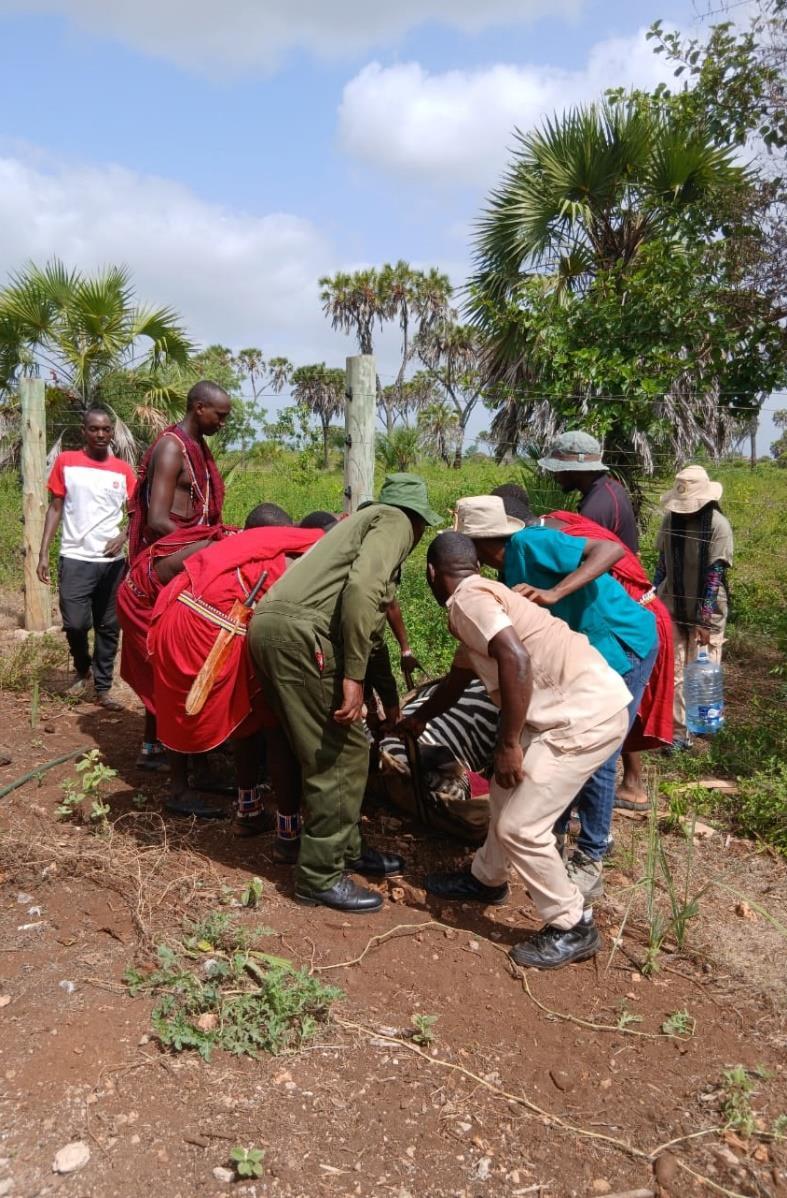
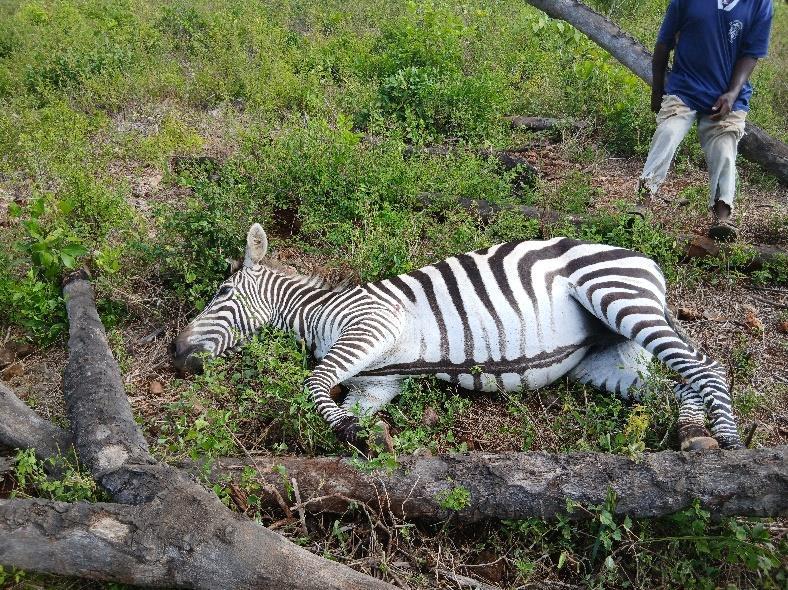
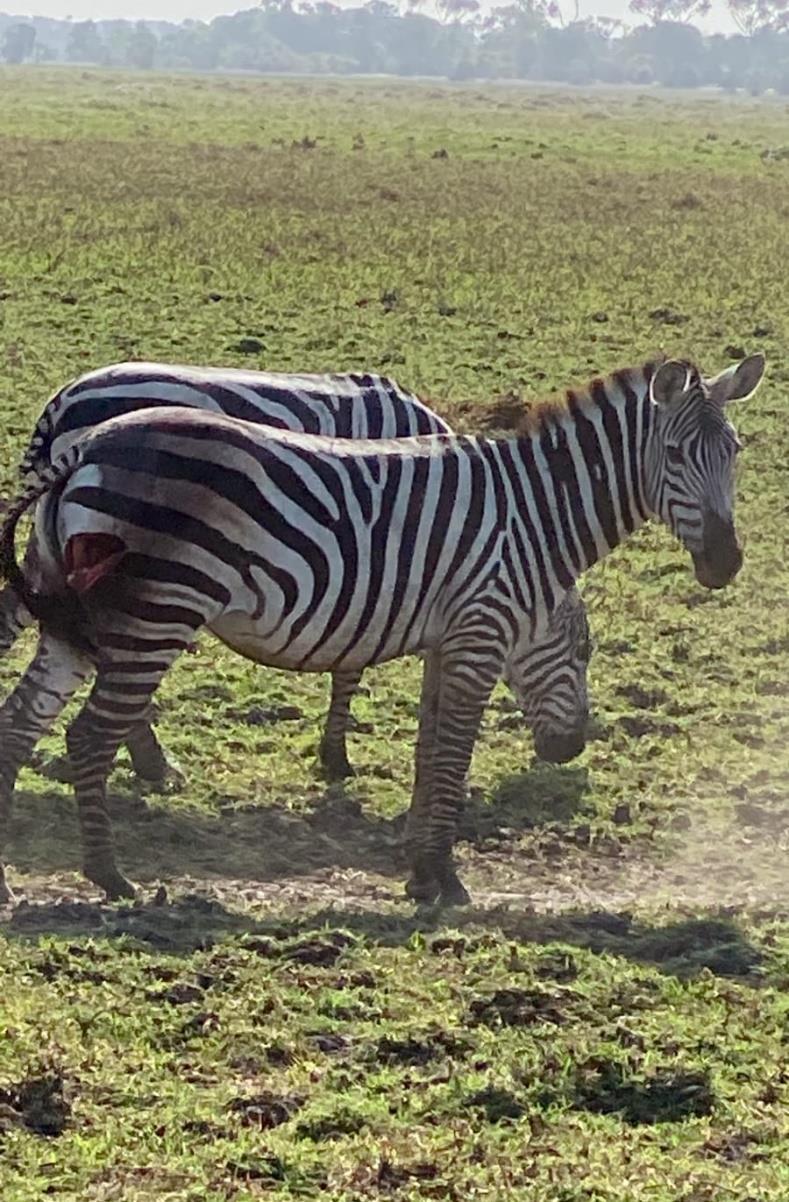
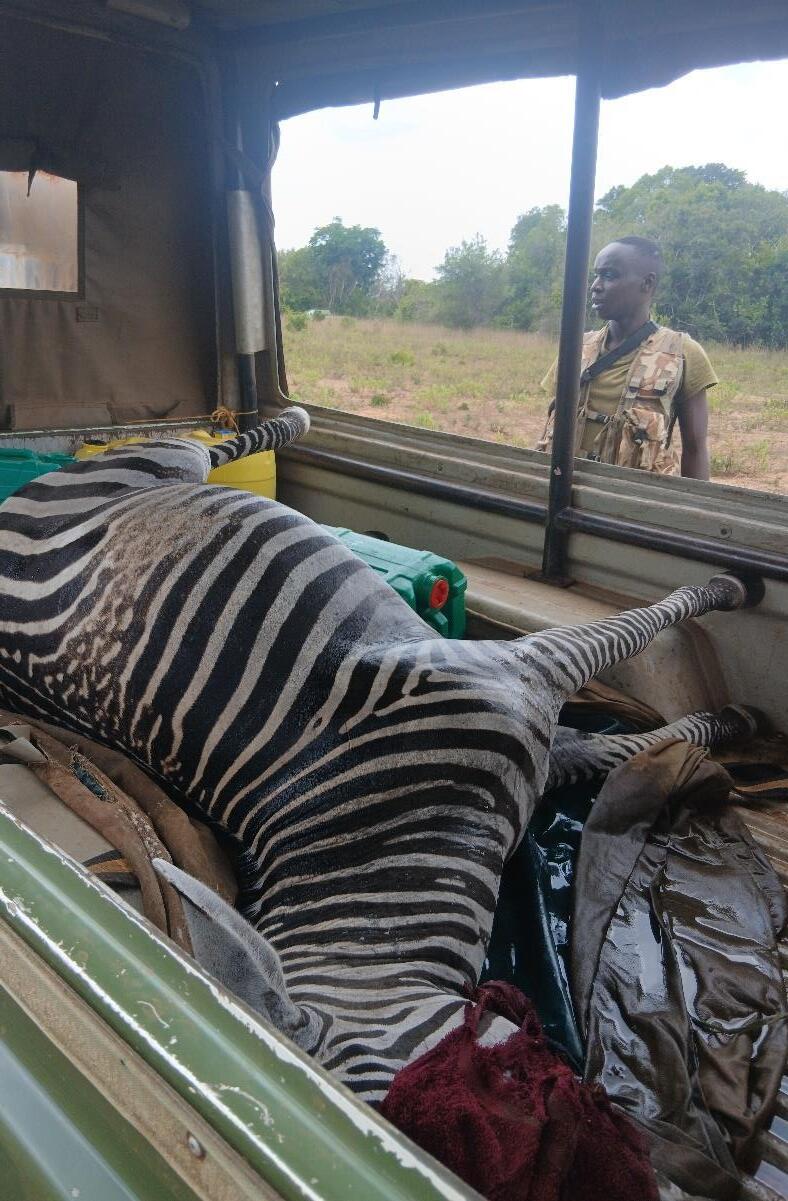
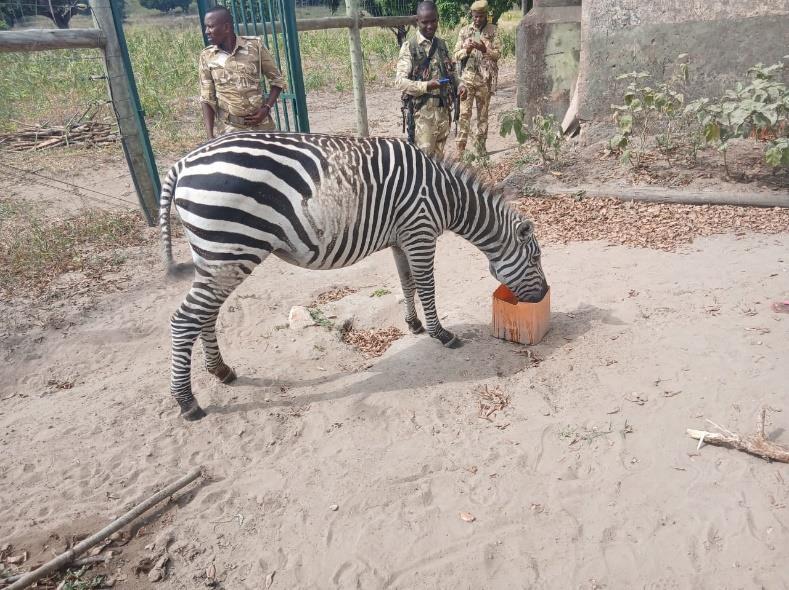
This zebra was reported to have broken out of Bora-bora park and was in the Community area, the Park Management requested TMVU to help relocate the zebra into the park.
Immobilisation and relocation
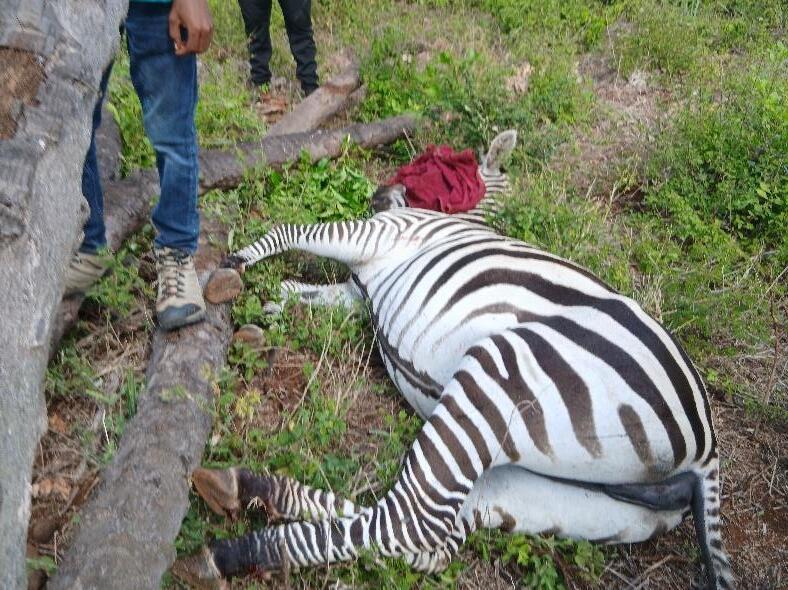
This mare was successfully immobilized using a combination of 5mg Etorphine hydrochloride and 50mg Azaperone, this was delivered remotely in a 1.5cc Dan-inject dart. Darting was done from foot, and it took 6 minutes for full anaesthesia to be achieved.
The zebra was placed on a stretcher and loaded onto the vehicle; she was successfully relocated to the park where she was released.
Prognosis
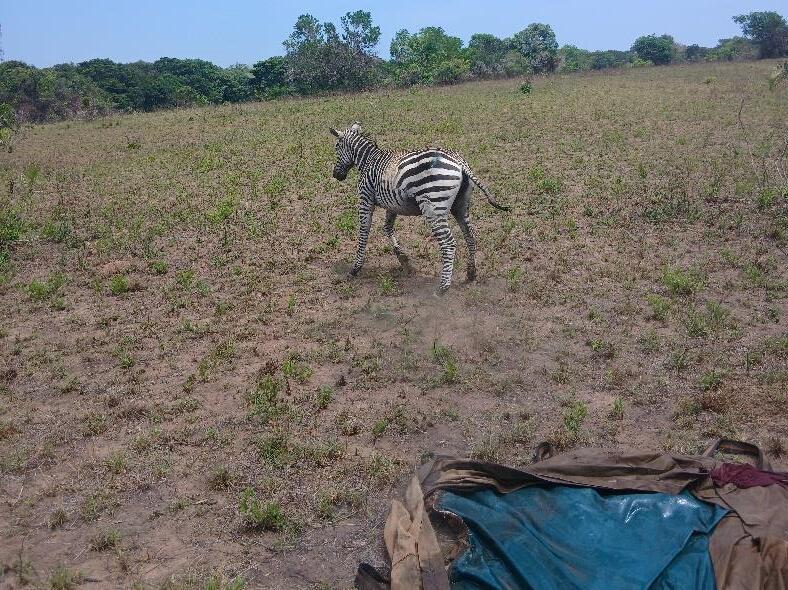
She was revived from narcosis using 50 mg Naltrexone hydrochloride given via the jugular vein. She rose 2 minutes later and dashed to join the rest of the zebras in the park.
Case 4 – 5th January 2026
Zebra Natural Causes
Bora Bora, Mombasa
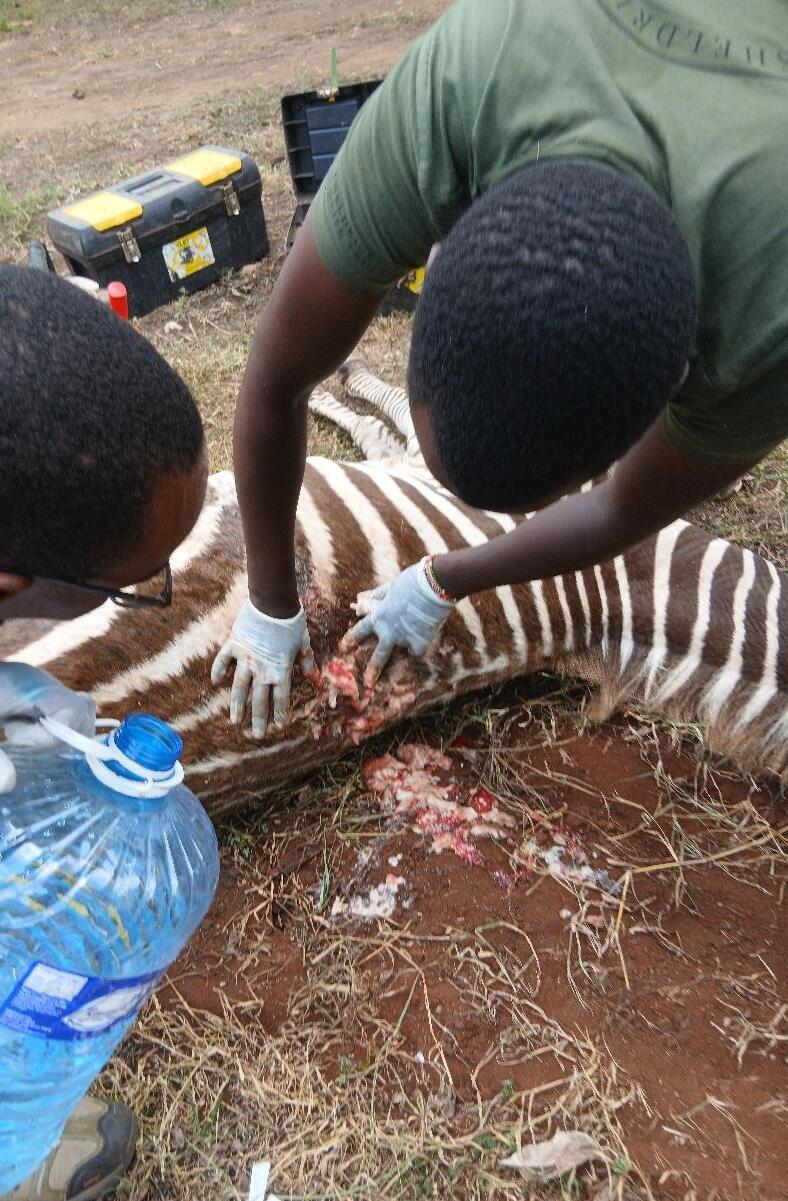
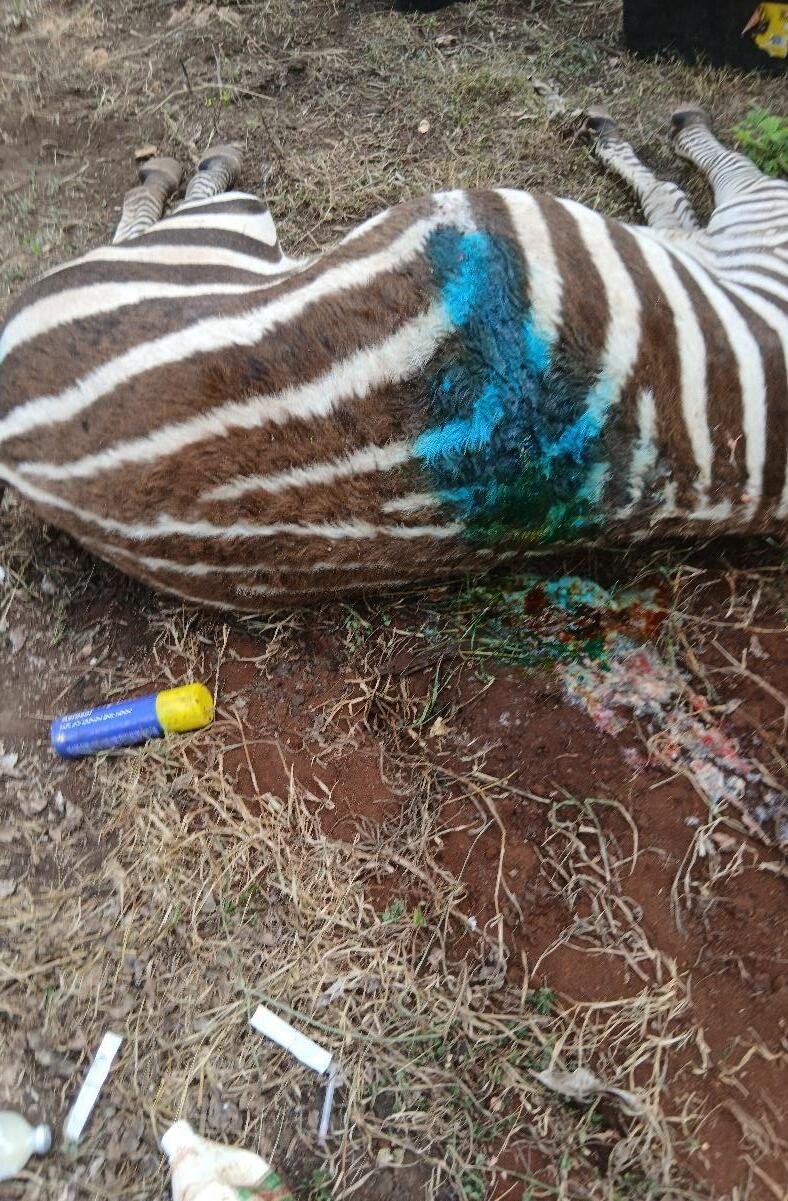
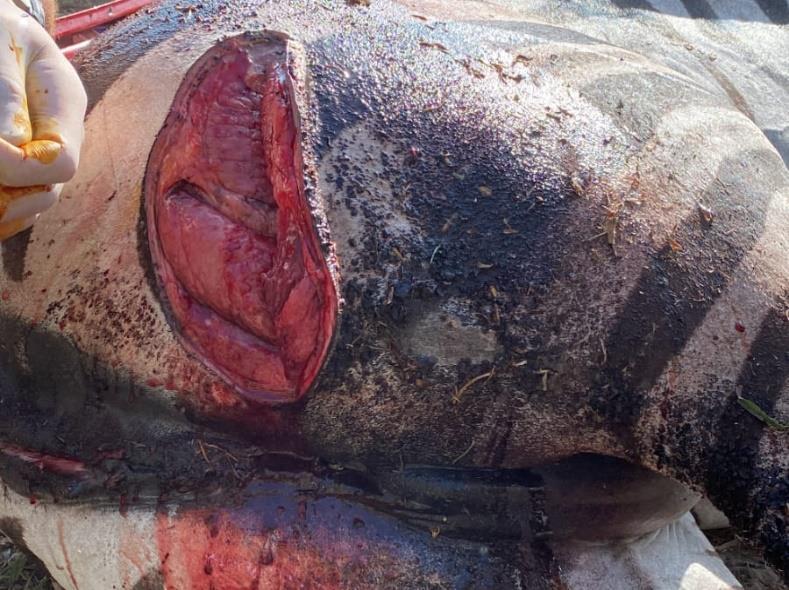
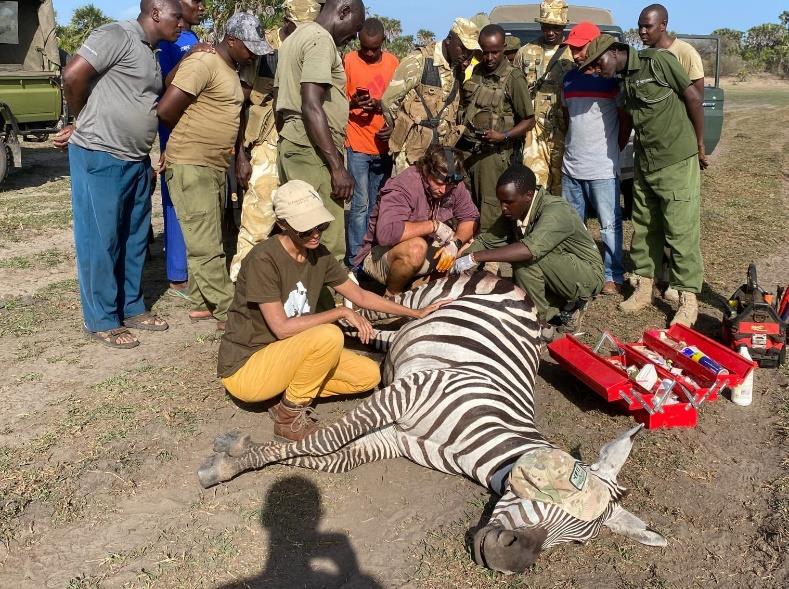
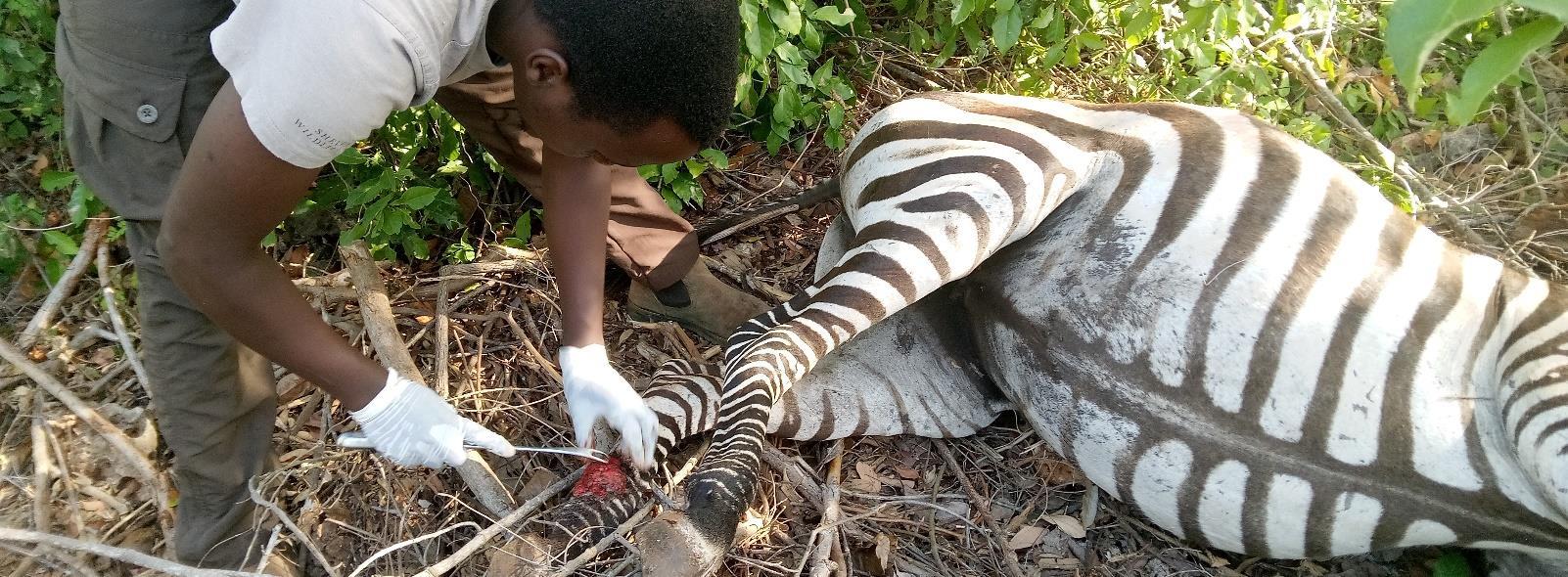
This zebra had been relocated to the park a few weeks before. He had developed an abscess on the dart site.
Immobilisation, examination and treatment
This zebra was successfully immobilized using 5mg Etorphine hydrochloride and 50mg Azaperone. This combination was delivered in a 1.5cc Dan inject dart. Darting was done from foot and it took 7 minutes for full anaesthesia to be achieved.
Examination revealed that a pocket of pus had formed on the left upper chest area, it was suspected to be a dart site. The pus was drained followed by flushing with Hydrogen peroxide, rinsing with water and infusing with tincture of Iodine. An antibiotic cream was infused into the wound followed by topical antibiotic spray. He additionally was given parenteral antibiotics and anti-inflammatories.
Prognosis
He was reversed from anaesthesia using 50 mg of naltrexone hydrochloride given intravenously via the jugular vein. He rose 2 minutes later and dashed away. Prognosis is good. .
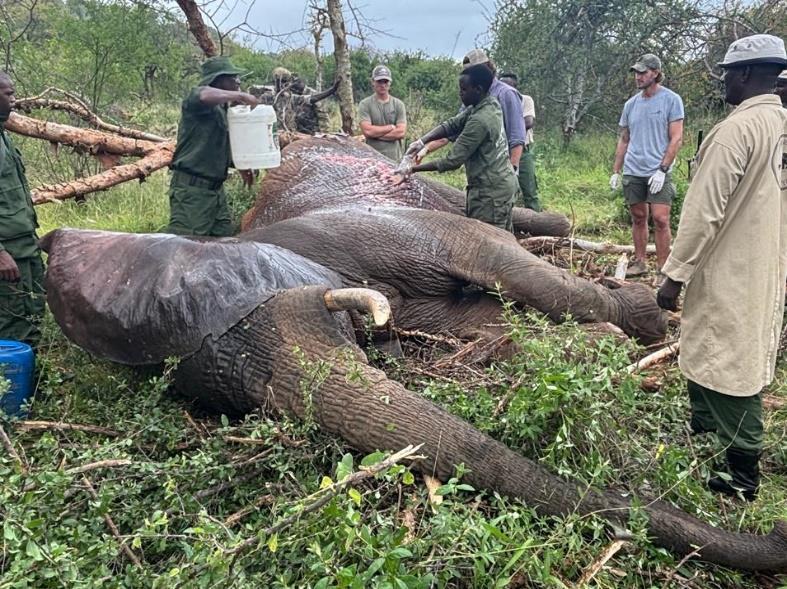
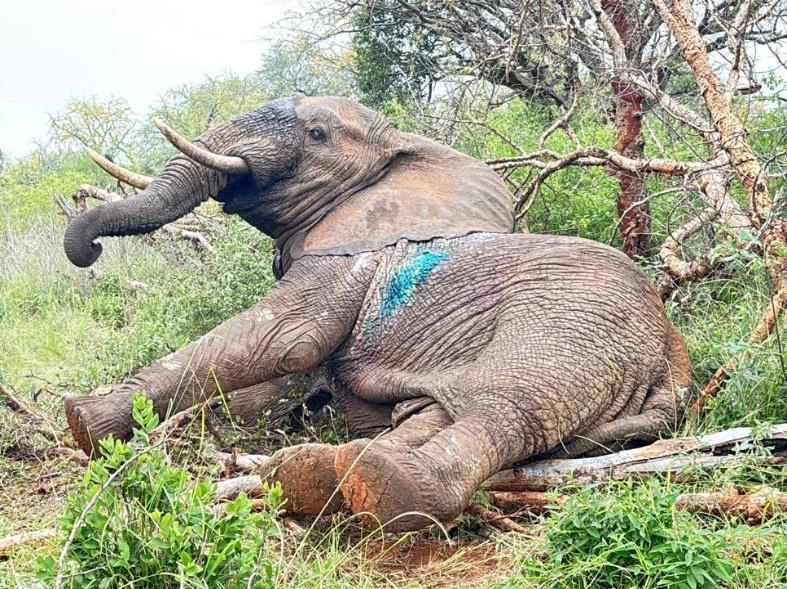
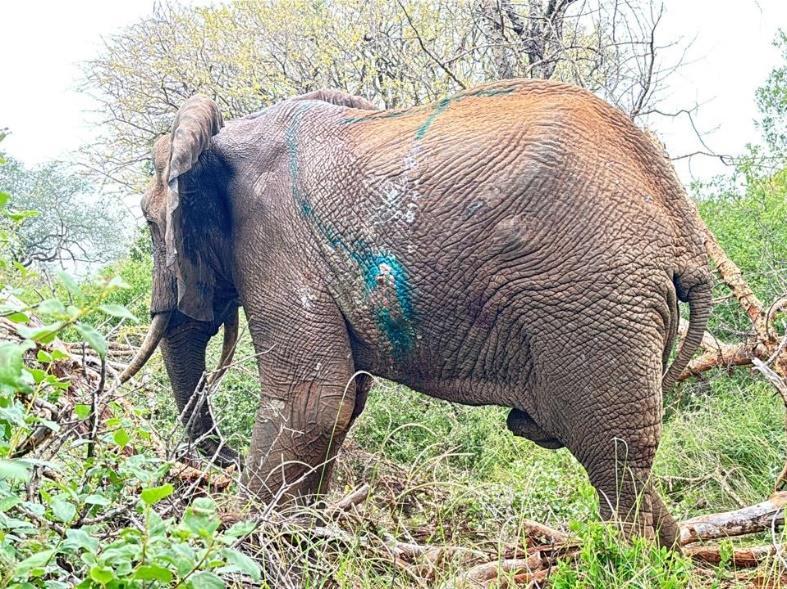
Elephant Spear Aruba, Tsavo East National Park
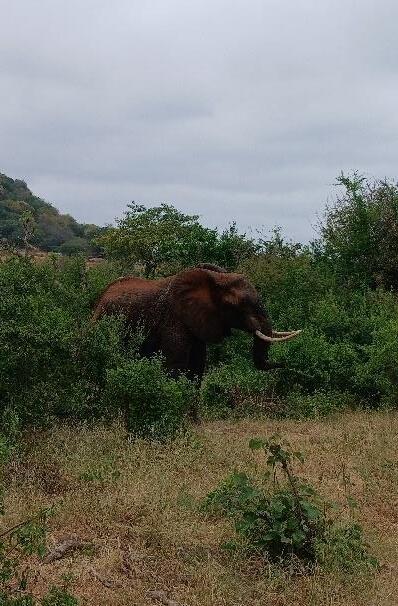
This injured elephant bull was spotted by the SWT pilot during routine patrols around Aruba.
Immobilisation, examination and treatment
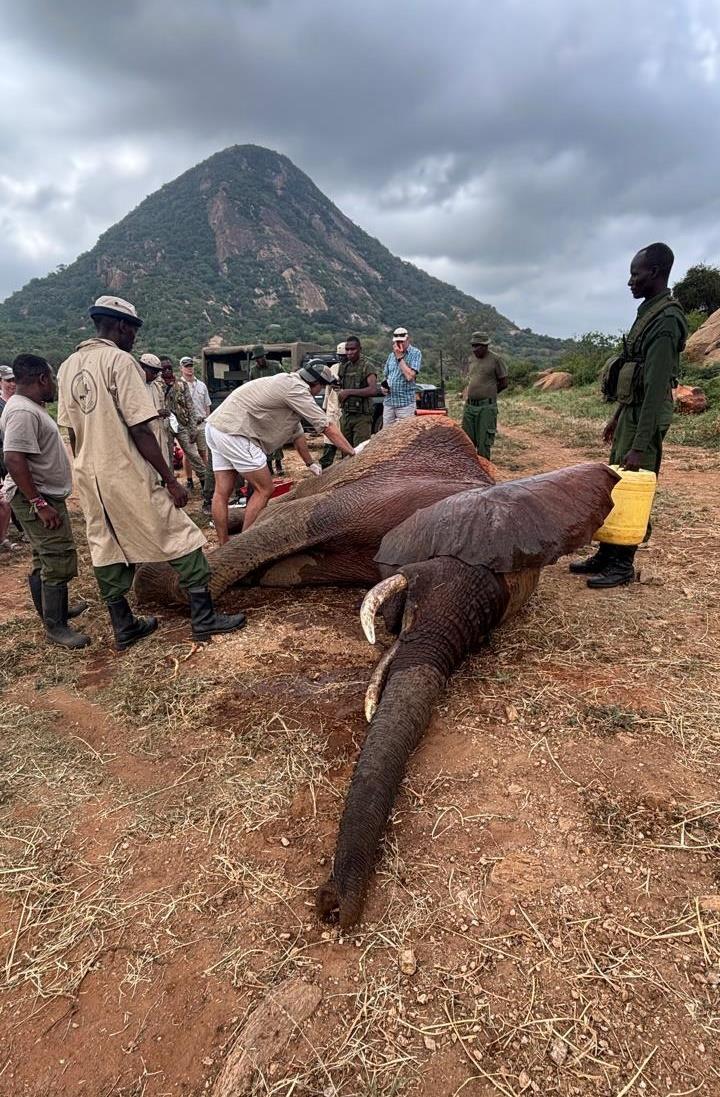
This bull was immobilized using 18mg Etorphine hydrochloride delivered remotely in a 3 cc Dan inject dart. Darting was done from the vehicle, and it took 10 minutes for full anaesthesia to be achieved.
Examination revealed multiple septic spear wounds (one on the left axillary area and a through spear wound below the left elbow). The wounds were thoroughly cleaned, debrided, flushed with Hydrogen peroxide, rinsed with clean water, infused with tincture of Iodine and the axillary wound packed with antibiotic pessaries and a topical antibiotic spray was applied on the wounds. He was additionally given Amoxicillin antibiotics and Flunixin anti-inflammatories parenterally.
A repeat treatment on this elephant was done on 22nd January. The wounds were cleaned thoroughly, and a second dose of antibiotics and anti-inflammatories was administered.
Prognosis
Prognosis is guarded.
Case 6 – 12th January 2026
Zebra Natural Causes Irima, Tsavo East National Park
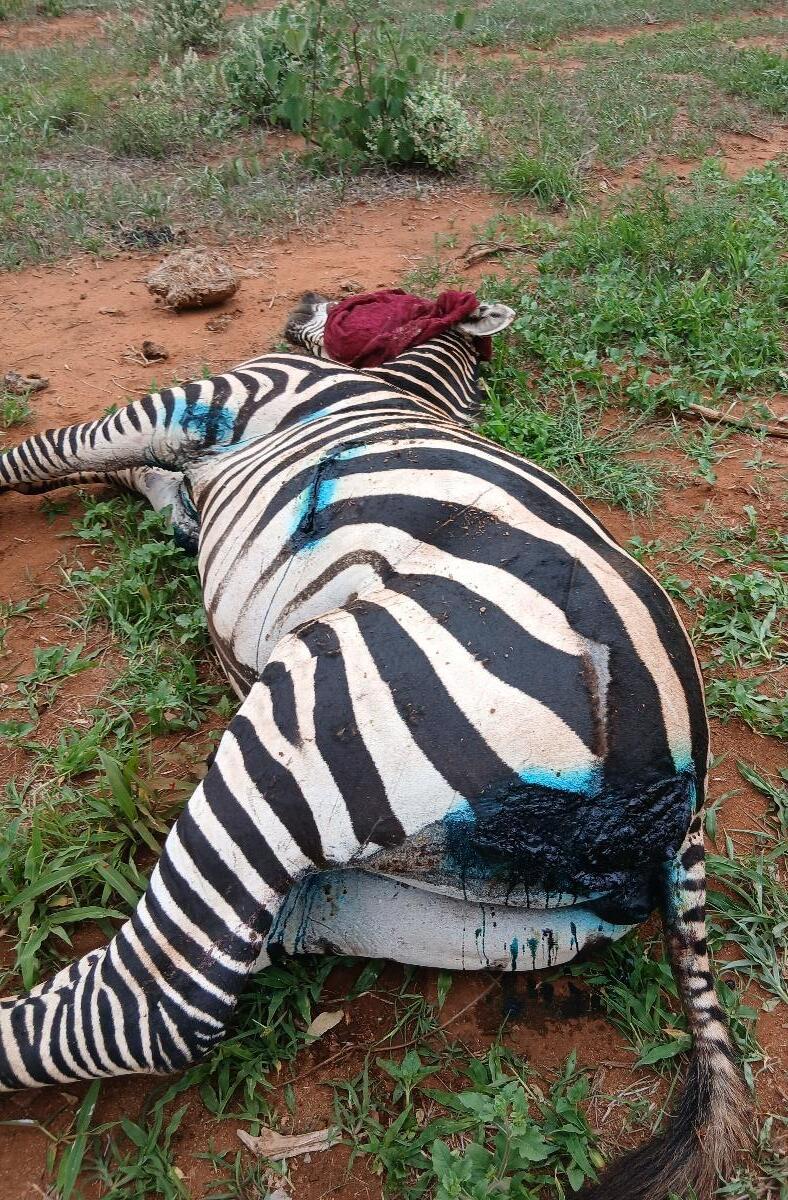
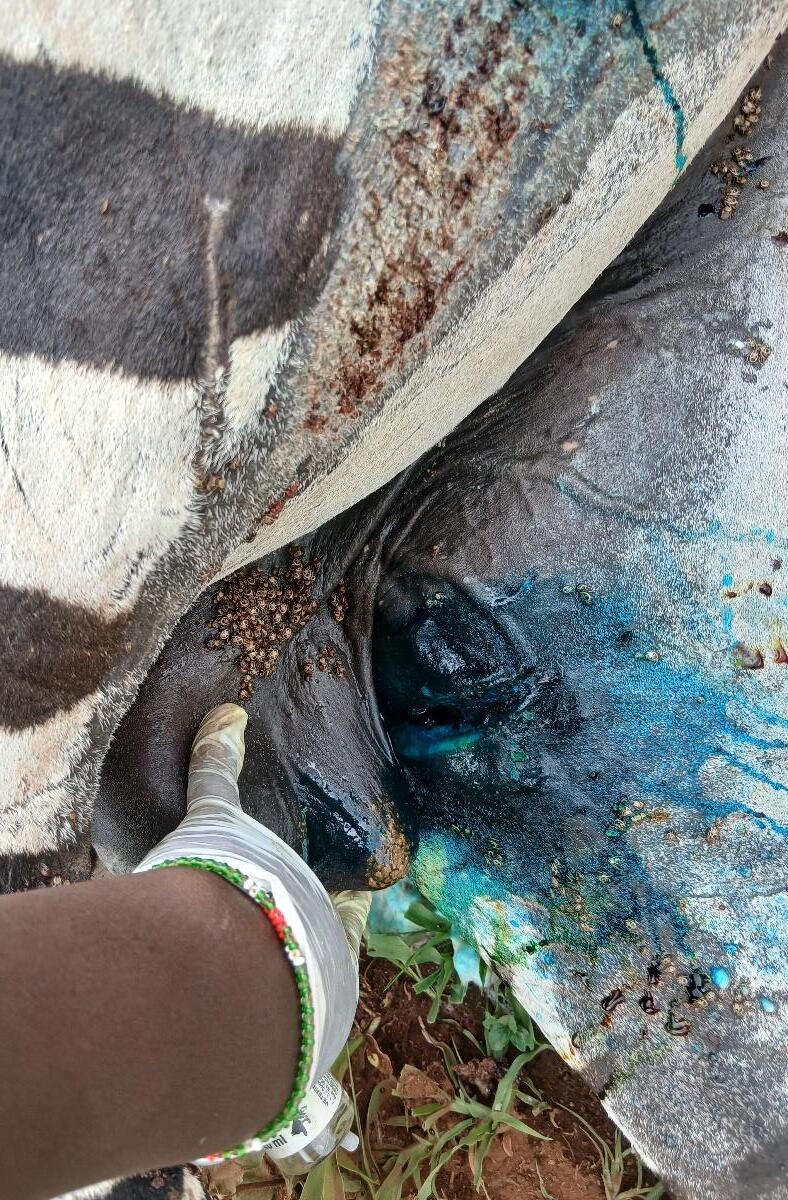
This injured zebra was spotted by TMVU during routine patrols in Irima area, Tsavo East. He had wounds from attempted predation by lions.
Immobilisation, examination and treatment
This stallion was successfully immobilized using a combination of 6mg Etorphine hydrochloride and 50mg Azaperone. This was delivered in a 1.5cc dart. Darting was done from the vehicle, and it took 5 minutes for the drugs to achieve its full effects.
Examination revealed several wounds on the perineum, right chest area, medial right thigh and left lower gluteal area. All wounds were thoroughly cleaned, debrided, flushed with Hydrogen peroxide, rinsed with water and infused with tincture of Iodine. Topical antibiotic spray was thereafter applied on the wound.
Additionally, he was given long-acting antibiotics and anti-inflammatories.
Prognosis
He was revived from a narcosis using 60 mg Naltrexone hydrochloride given intravenously via the jugular vein. He rose 2 minutes later and dashed to join the rest of the zebras. Prognosis is good.
Lion
Natural Causes
Pipeline, Tsavo East National Park
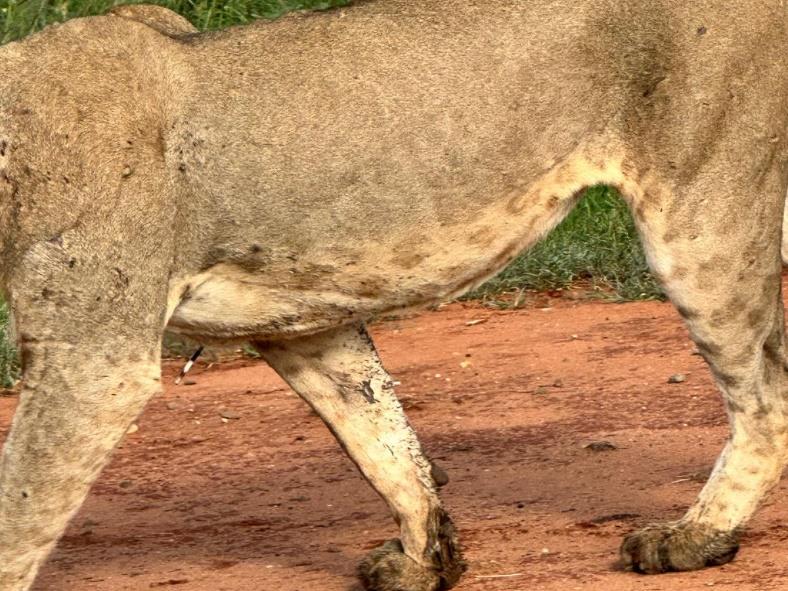
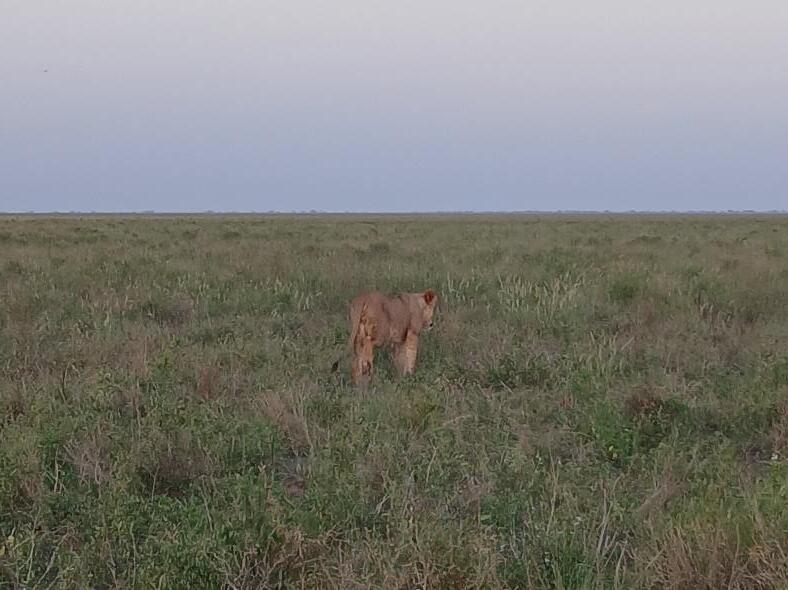
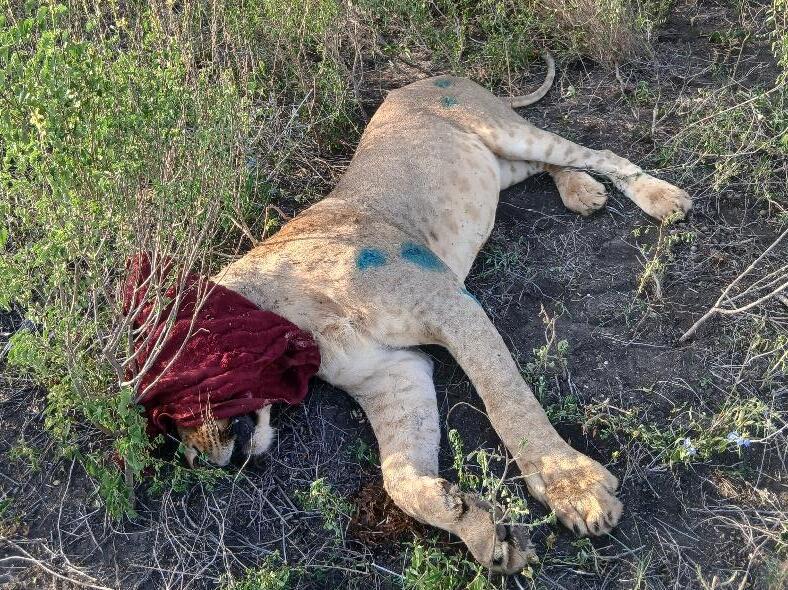
This lion was spotted by visitors in the park. He had a porcupine quill lodged on the ventral chest area.
Immobilisation, examination and treatment
The lion was successfully immobilized using a combination of 4mg Medetomidine and 180mg Ketamine. This was delivered remotely in 3cc Dan inject dart. Darting was done from the vehicle, and it took 10 minutes for full anaesthesia to be achieved.
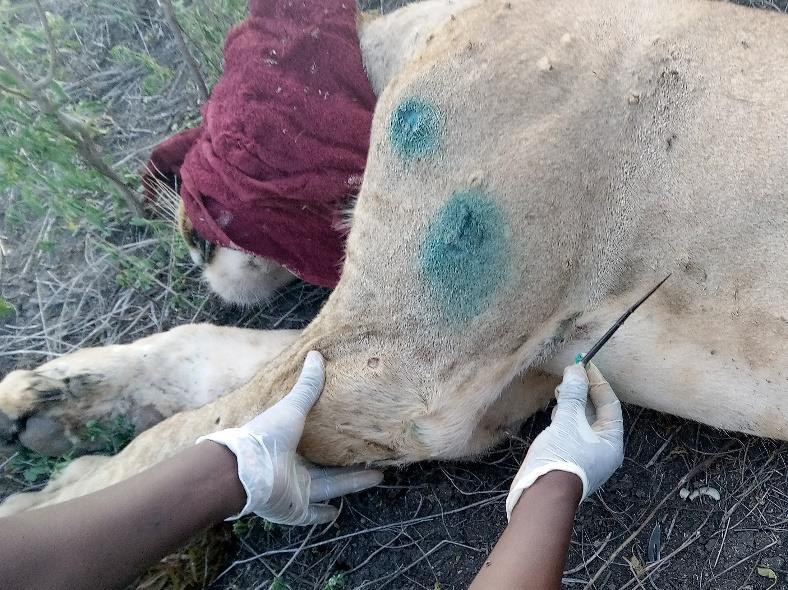
Examination revealed a porcupine quill deeply lodged on the ventral chest muscles. The quill was carefully removed, followed by thorough cleaning of the wound. Antibiotic cream was infused to the wound followed by a topical antibiotic spray.
He was given parenteral antibiotics and ivermectin injection for parasite control.
Prognosis
He was reversed from anaesthesia using 25mg Atipamezole given intramuscularly. He rose 10 minutes later and slowly walked away. Prognosis is good.
Elephant Arrow
Pipeline, Tsavo East National Park
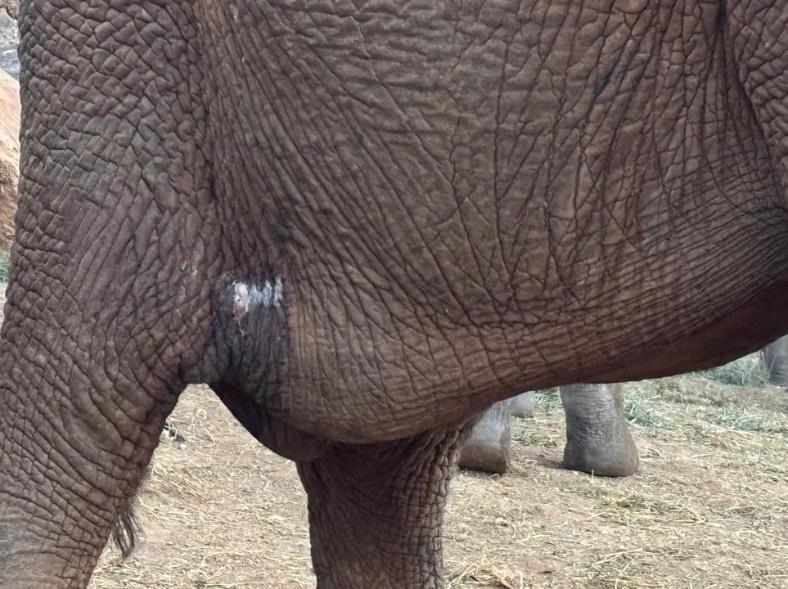
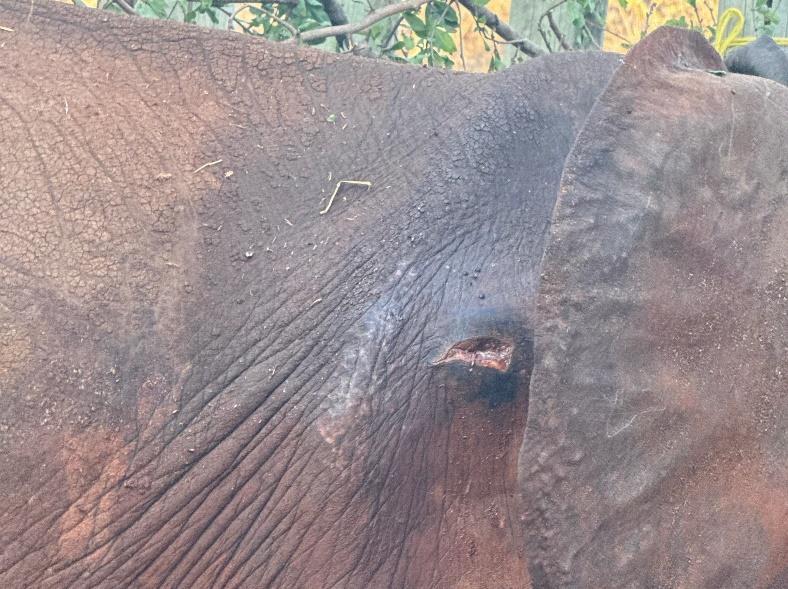
This injured ex-orphan elephant was seen at Ithumba stockades. He had returned to the stockades with an injury on the left ventral abdominal muscles.
Immobilisation, examination and treatment
This young bull was successfully immobilized using 13 mg Etorphine hydrochloride delivered remotely in a 1.5cc Dan- inject dart. Darting was done from foot, and it took 7 minutes for full anaesthesia to be achieved.
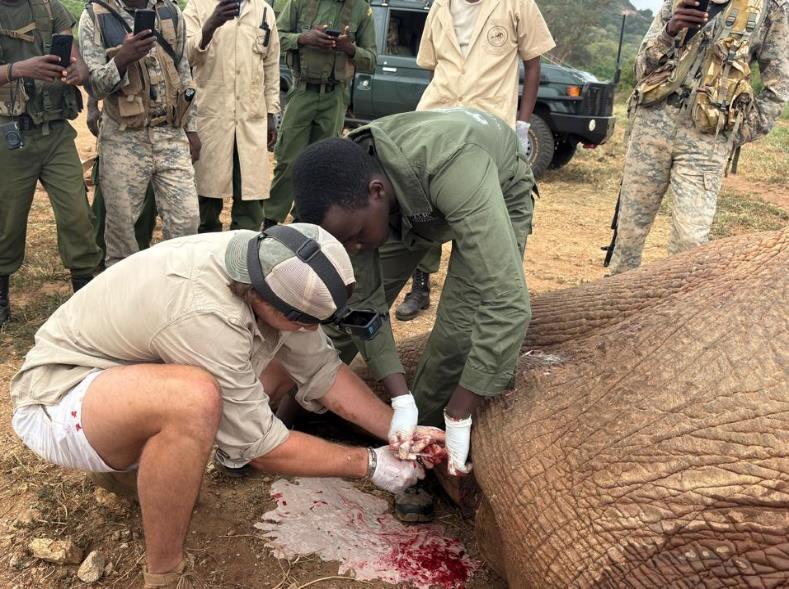
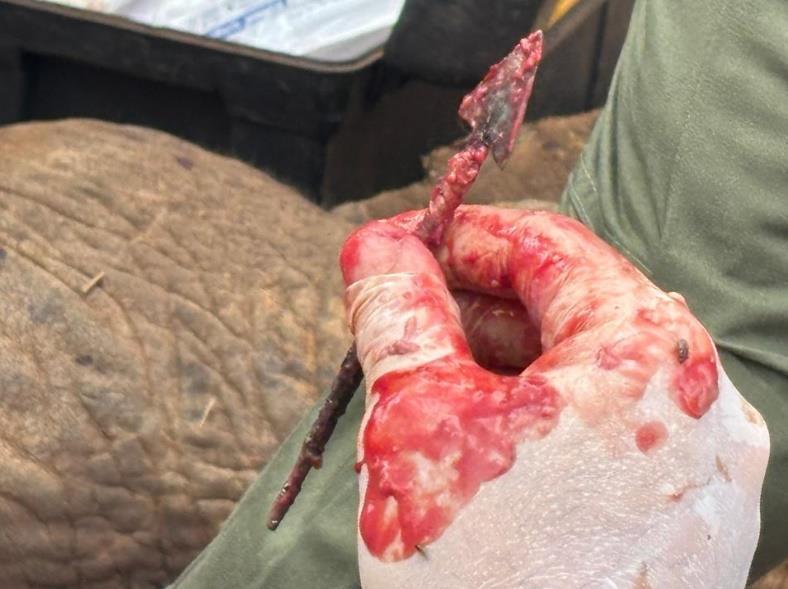
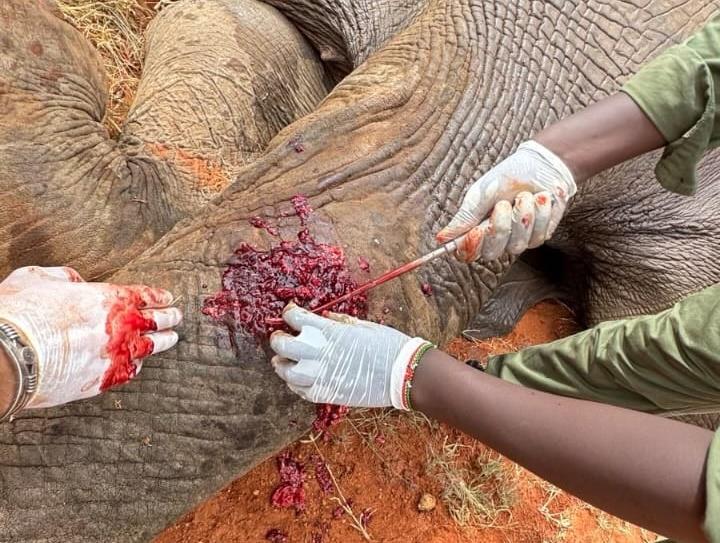
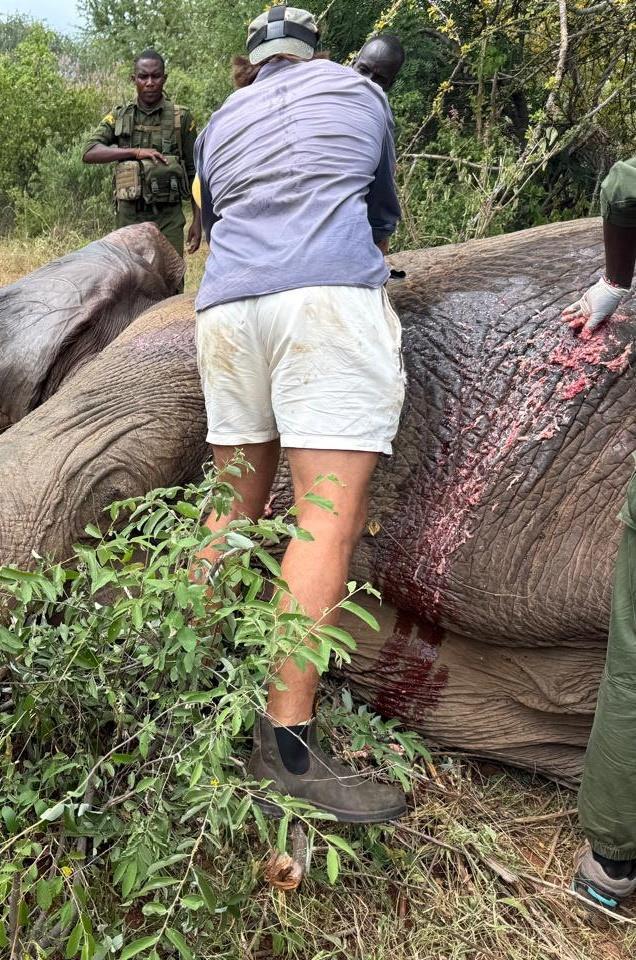
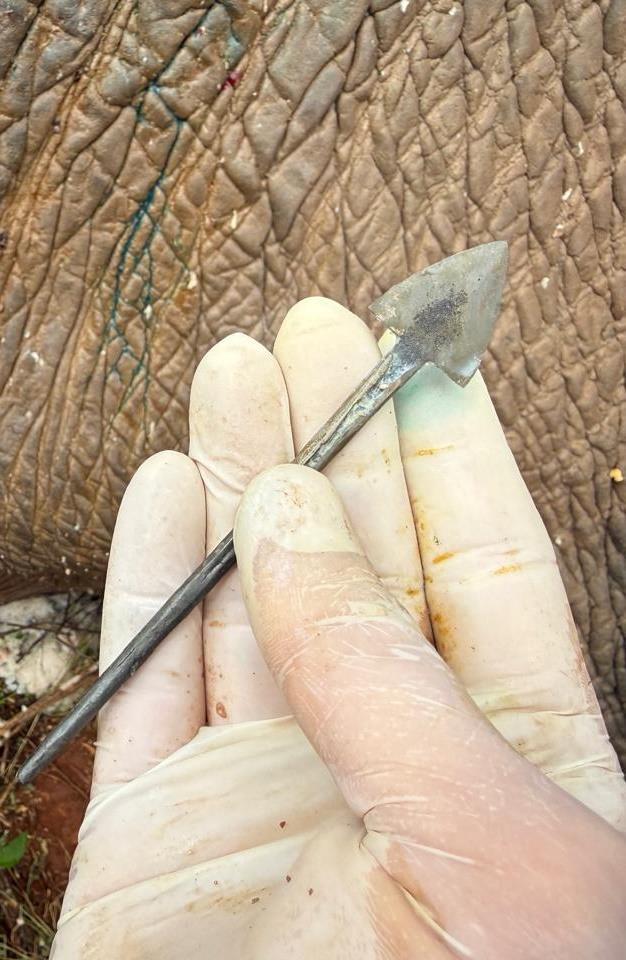
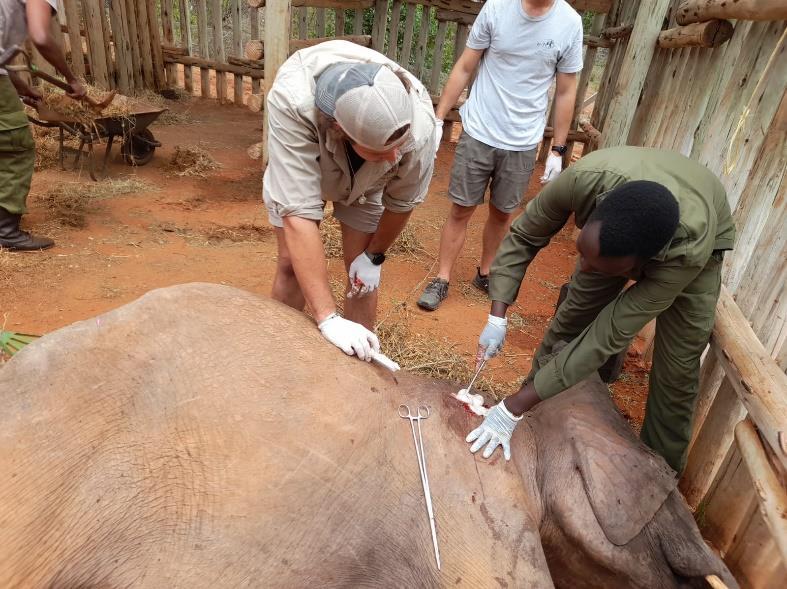
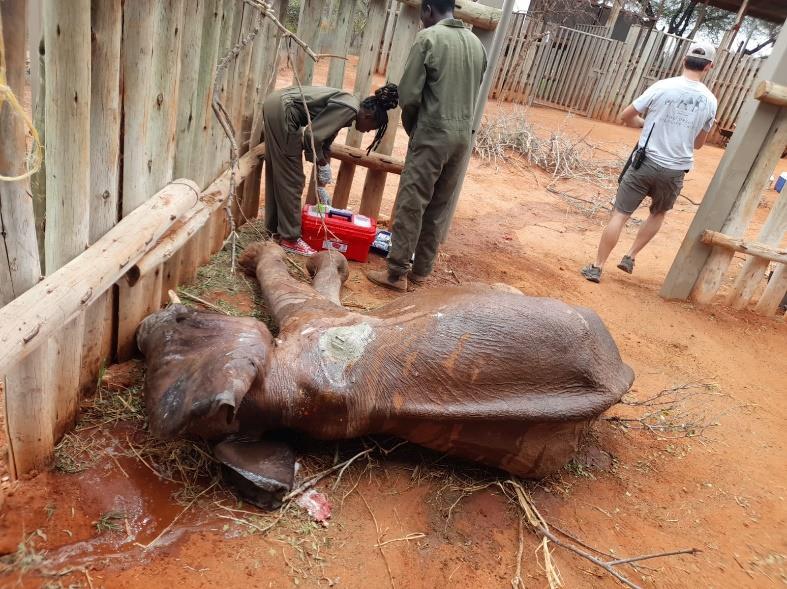
Examination revealed a pus pocket on the right ventral abdomen; the pocket had a small opening that was oozing pus. An incision was made on the ventral margin of the pocket; this was followed by evacuating the pus and the necrotic tissues in the pocket. A foreign body was retrieved from the wound and positively identified to be an arrowhead. The wound was cleaned thoroughly, flushed with Hydrogen peroxide, rinsed with water and infused with tincture of Iodine. Antibiotic pessaries were packed in the wound followed by topical antibiotic spray. Green clay was also applied on the wound. He additionally was given a shot Amoxicillin antibiotic and Flunixin anti-inflammatories parenterally.
Prognosis
Prognosis is good.
Buffalo Postmortem
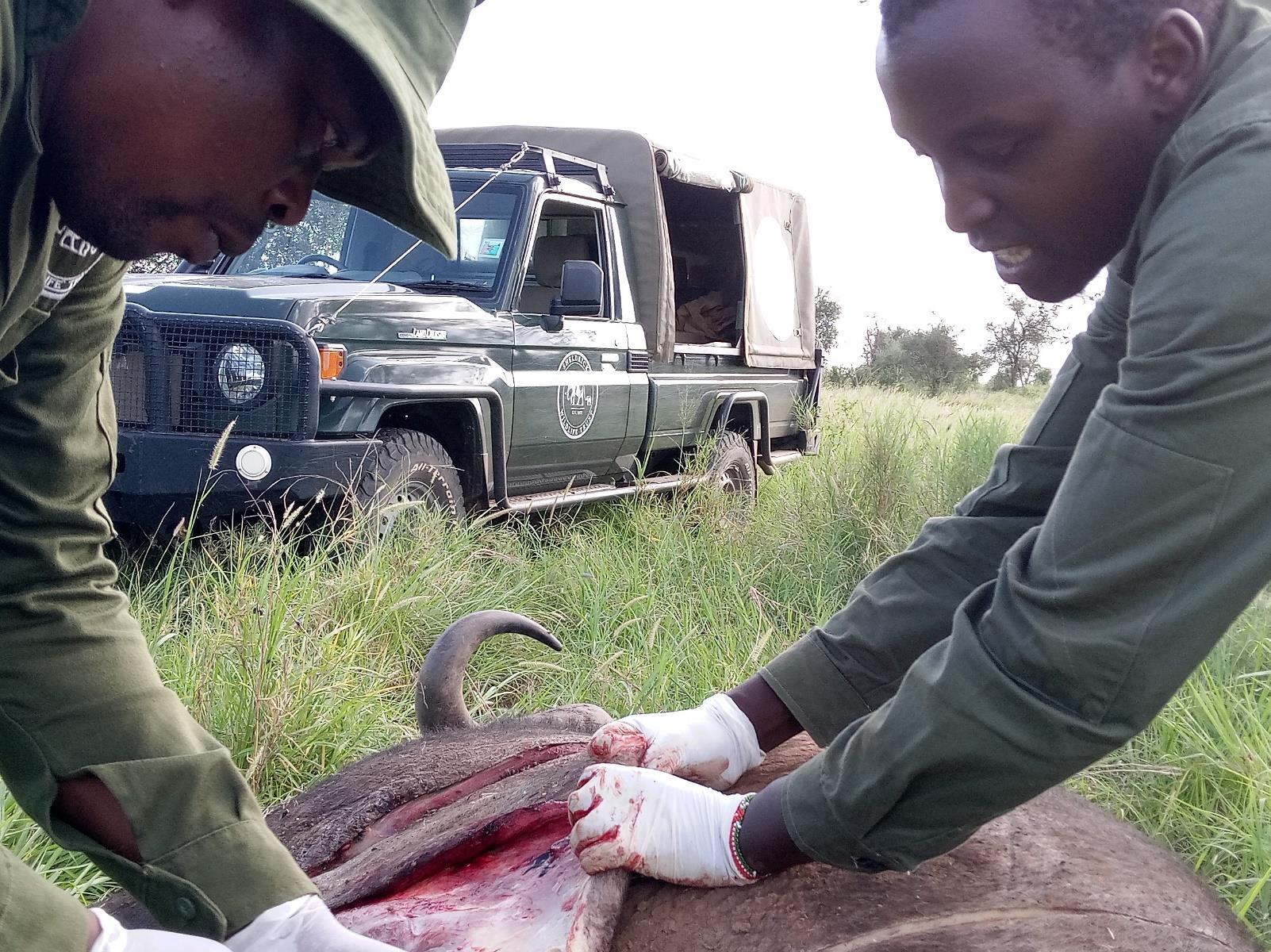
This buffalo was found dead in the morning of 15th January, he had no external injuries. The sanctuary management requested TMVU to help determine the cause of death. The postmortem was done on the evening of the same day.
Postmortem examination
• The carcass was found on left lateral recumbency
• No external injuries were seen
• The carcass had a body condition score of 2 in a scale of 5
• There was skin hyperkeratinisation and flaking on the thigh and shoulder area
• The blood was dark red
• The lungs were emphysematous and congested
• There were multifocal fibrous nodular lesions on all lobes of the lung
Cause of death
The buffalo had chronic fibrotic pneumonia. This resulted in lung scaring and formation of the nodular lesions covering most of the lung tissue impairing breathing. Hypoxia as a result of chronic fibrotic pneumonia.
Taita Hills Wildlife Sanctuary
Case 10 – 16th January 2026
Elephant Spike
Ithumba, Tsavo East National Park
This injured elephant was spotted in Ithumba by the SWT pilot during routine patrols, he was limping on his right front leg.
Immobilisation, examination and treatment
This bull was immobilized using 16mg Etorphine hydrochloride delivered in a 3cc Dan inject dart. Darting was done from the helicopter, and it took 8 minutes for full anaesthesia to be achieved.
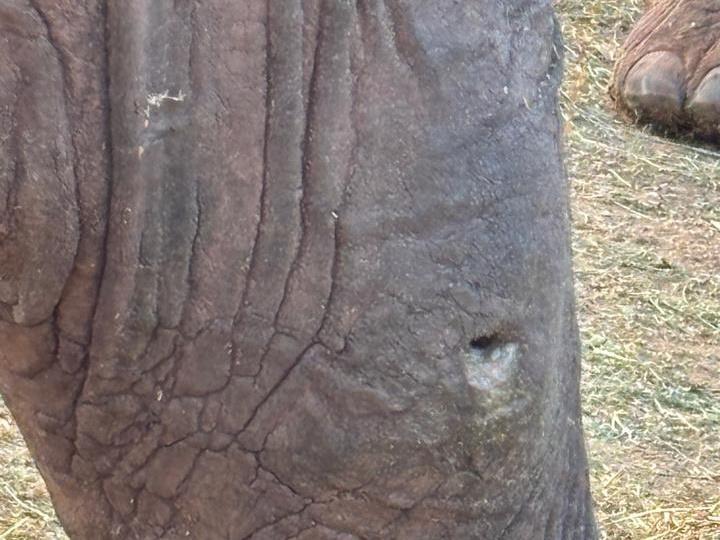
Examination revealed that the elephant’s foot pad had partially separated from the foot. This was suspected to be as a result of a spike wound which had since healed. Debris from the separation was removed followed by flushing the area with Hydrogen peroxide, rinsing with clean water, and infusing with Iodine. An antibiotic paste was applied to the separation followed by topical antibiotic spray. He additionally received parenteral antibiotics and anti-inflammatories.
Prognosis
He was revived from narcosis using 180 mg Naltrexone hydrochloride given intravenously via a prominent ear vein. He rose 3 minutes later and slowly walked. Prognosis is good.
Case
Zebra
Human-Wildlife Conflict Kipini Conservancy, Lamu
This injured zebra was sighted by the KWS teams at Kipini conservancy, Lamu. She had a deep machete wound on the right thigh.
Immobilisation, examination and treatment
This mare was successfully immobilized using a combination of 6mg Etorphine and 50mg Azaperone, this was delivered remotely in a 1.5cc Dan- inject dart. Darting was done from the vehicle, and it took 4 minutes for the drugs to achieve its full effect.
Examination revealed a deep fresh machete wound on the right thigh. The wound was debrided, cleaned thoroughly and infused with tincture of Iodine. The wound was there-after sutured accordingly followed by topical antibiotic spray application. The zebra was given a shot of antibiotics and pain relief medication parenterally.
Prognosis
She was revived from anaesthesia using 60mg of Naltrexone hydrochloride given intravenously via the jugular vein. She rose 2 minutes later and dashed away. Prognosis is good.
Case
Elephant Arrow
Ithumba, Tsavo East National Park
This injured elephant was spotted by the SWT/KWS teams in Ithumba. He had a wound on lateral right elbow.
Immobilisation, examination and treatment
This young bull was immobilized successfully using 12mg Etorphine delivered in a 1.5cc Dan-inject dart. Darting was done from foot, and it took 7 minutes for full anaesthesia to be achieved.
Examination revealed a septic arrow wound on the lateral left elbow. The wound was debrided, cleaned and flushed with Hydrogen peroxide. This was followed by rinsing with water and infusing with tincture of Iodine. Antibiotic pessaries were packed in the wound followed green clay and topical antibiotic spray application.
The elephant was also given parenteral antibiotics and flunixin anti-inflammatories.
Prognosis
He was revived from narcosis using 150 mg of Naltrexone hydrochloride given intravenously via a prominent ear vein. Prognosis is good
Case 13 – 17th January 2026
Elephant Arrow
Ithumba, Tsavo East National Park
This injured elephant was spotted by the SWT pilot during routine patrols in Ithumba. He had a wound on the left flank.
Immobilisation, examination and treatment
This bull was successfully immobilized using 20mg Etorphine hydrochloride delivered in a 3cc Dan inject dart. Darting was done from the helicopter, and it took 8 minutes for the drugs to achieve its full effect.
Examination revealed an arrow wound on the left flank. On probing the wound a metallic foreign body was felt, it was carefully retrieved and positively identified to be an arrowhead. The wound was thereafter debrided, cleaned thoroughly, and flushed with Hydrogen peroxide. This was followed by rinsing the wound with clean water, swabbing with sterile gauze and infusing the wound with tincture of Iodine. Antibiotic pessaries were packed into the wound followed by a topical antibiotic spray. He additionally was given Amoxicillin antibiotics and Flunixin anti-inflammatories parenterally.
Prognosis
Prognosis is good.
.
Case 14 – 18th January 2026
Zebra
Human-Wildlife Conflict
Teribe, Shimba Hills
This zebra was reported to be alone with cattle outside the park on the western part of Shimba hills (Teribe). The park management requested the TMVU to help relocate the zebra to the park.
Immobilisation and relocation
The zebra was successfully immobilized using a combination of 5mg of Etorphine hydrochloride and 50mg of Azaperone, this was delivered in a 1.5cc Dan-inject dart. Darting was done from foot, and it took 6 minutes for full anaesthesia to be achieved.
The zebra was carefully loaded onto the translocation vehicle and taken to Marere, Shimba hills.
Prognosis
She was revived from anaesthesia using 50mg Naltrexone hydrochloride. She rose 2 minutes later and later joined the rest of the zebras at a watering point. Prognosis is good.
Elephant Arrow
Ithumba, Tsavo East National Park
This This injured elephant was spotted by the SWT pilot during routine patrols around Ithumba. He had a wound on the left flank.
Immobilisation, examination and treatment
This bull was successfully immobilized using 20mg of Etorphine hydrochloride delivered in 3 cc Dan-inject dart. Darting was done from foot, and it took 7 minutes for full anaesthesia to be achieved.
Examination revealed the elephant had a septic arrow wound on the left flank. The wound had pus and necrotic flesh. The necrotic flesh was removed and pus evacuated from the wound. The wound was thoroughly flushed with Hydrogen peroxide rinsed with clean water and infused with tincture of Iodine. Antibiotic pessaries were introduced into the wound followed by topical antibiotic spray.
He additionally was given parenteral antibiotics and anti-inflammatories.
Prognosis
He was reversed from narcosis using 200mg of Naltrexone hydrochloride given intravenously via a prominent ear vein. He rose and slowly walked away 3 minutes later. Prognosis is good
Zebra Natural Causes
Bora Bora, Mombasa
This zebra was seen with a wound on her left hind leg just above the first phalanx.
Immobilisation, examination and treatment
This zebra was successfully immobilized using 6mg Etorphine hydrochloride and 50mg Azaperone. This was delivered remotely in a 3cc Dan inject Dart. Darting was done from foot, and it took 6 minutes for full anaesthesia to be achieved.
Examination revealed an ulcerated papillomatous lesion on her left distal hind leg slightly above the first phalanx. The lesion was cleaned with clean water, debrided and flushed with dilute Hydrogen peroxide. This was followed by rinsing with clean water and tincture of Iodine. Topical antibiotic spray was also liberally applied on the wound. The mare was additionally given parenteral antibiotics and anti-inflammatories.
Prognosis
She was revived from anaesthesia using 60mg Naltrexone hydrochloride given intravenously via the jugular vein. She rose 2 minutes later. Prognosis is good.
Case
Elephant Spear Kaluku, Tsavo
This elephant had been rescued on 20th January from Tsavo west N.P where he was found abandoned and with a wound on his right shoulder. He was taken to Kaluku Stockade for further treatment and rehabilitation.
Immobilisation, examination and treatment
This elephant was successfully immobilized using 3.5mg Etorphine hydrochloride delivered remotely in a 1.5cc Dan inject dart. Darting was done from foot, and it took 8 minutes for the drug to achieve its full effects.
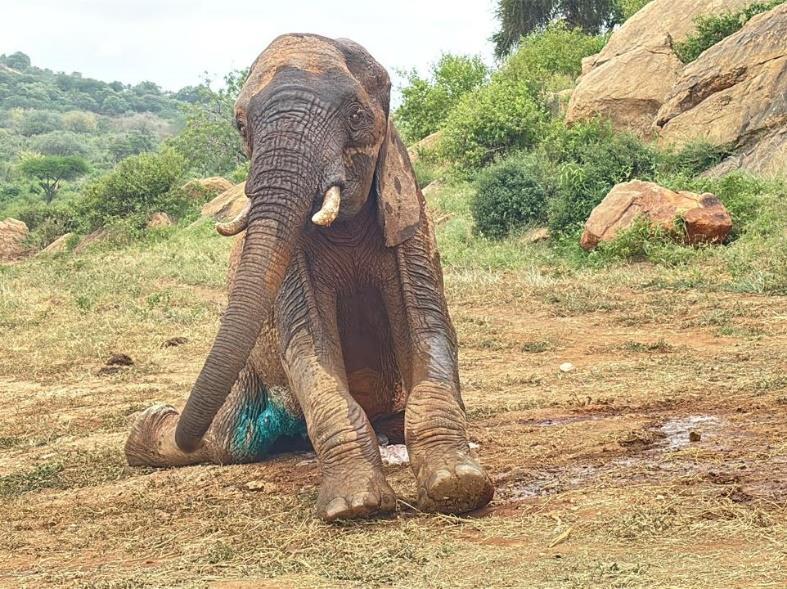
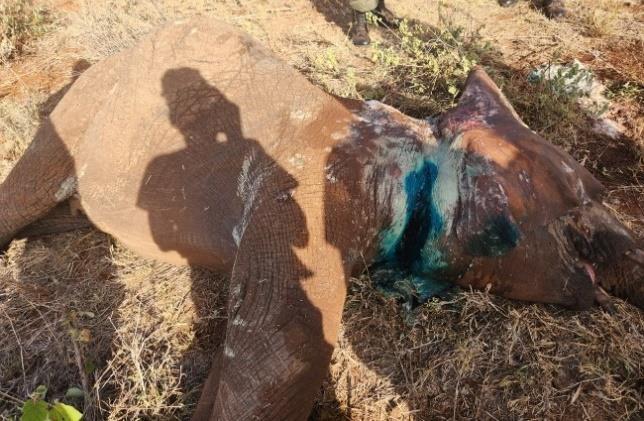
Examination revealed a deep septic spear wound on the right shoulder. The spear had pierced through the blade of the scapular. The wound was thoroughly cleaned with water, flushed with Hydrogen peroxide, rinsed with water and infused with tincture of Iodine. The wound was thereafter packed with antibiotic pessaries, green clay and then sprayed with a topical antibiotic. He also received shots of Amoxicillin antibiotics and flunixin anti-inflammatories parenterally.
Prognosis
Prognosis is good
Elephant Arrow Wildlife Sanctuary, Taita Hills
This elephant was spotted by the Taita hills wildlife sanctuary rangers during routine patrols limping on her right hind-limb.
Immobilisation, examination and treatment
She was successfully immobilized using 15 mg etorphine hydrochloride delivered remotely in a 3cc Dan inject dart. Darting was done from the vehicle, and it took 9 minutes for the drug to achieve its full effects.
Examination revealed a deep arrow wound on the medial right radiocarpal joint. The wound was thoroughly cleaned, debrided, flushed with Hydrogen peroxide, rinsed with clean water and infused with tincture of Iodine. The wound was thereafter packed with antibiotic pessaries, and a topical antibiotic spray was also applied on the wound.
She also received shots of Amoxicillin antibiotics and Flunixin anti-inflammatories parenterally.
Prognosis
Prognosis is good.
Case 20 – 24th January 2026
Elephant Natural Causes Ithumba, Tsavo East National Park
This injured elephant was spotted limping in Ithumba area by the SWT pilot during routine patrols, TMVU was notified and responded to attend.
Immobilisation, examination and treatment
This injured bull was immobilized using 16 mg Etorphine hydrochloride delivered remotely in a 3cc Dan-inject dart. Darting was done from foot, and it took 7 minutes for full anaesthesia to be achieved.
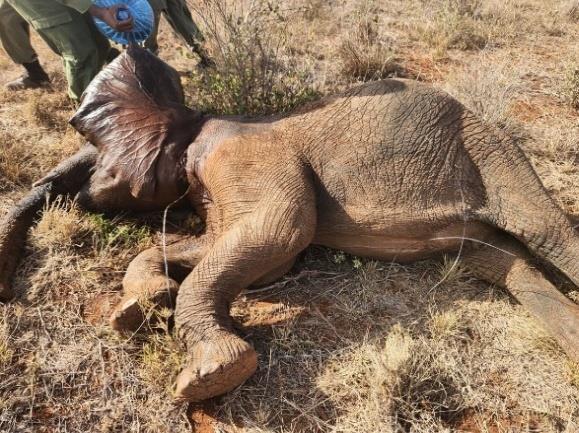
Examination revealed no external wounds on the affected limb. There was soft tissue swelling above the right knee. Crepitation was present on manipulation accompanied with extended range of motion of the knee. It was suspected that the bull had suffered a closed, complete fracture of the distal one third of his right femur.
The bull was given Flunixin anti-inflammatories and prophylactic antibiotics parenterally.
Prognosis
Prognosis is guarded Close monitoring of the bulls’ condition was advised
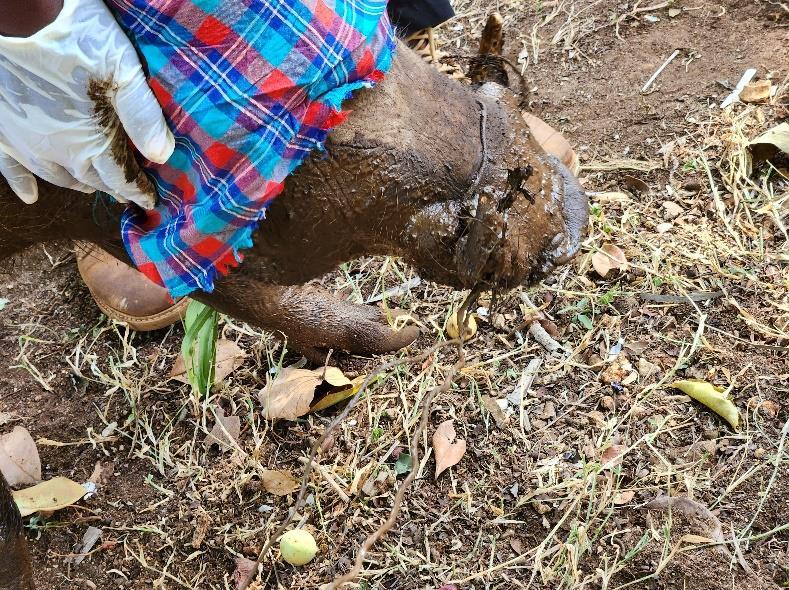
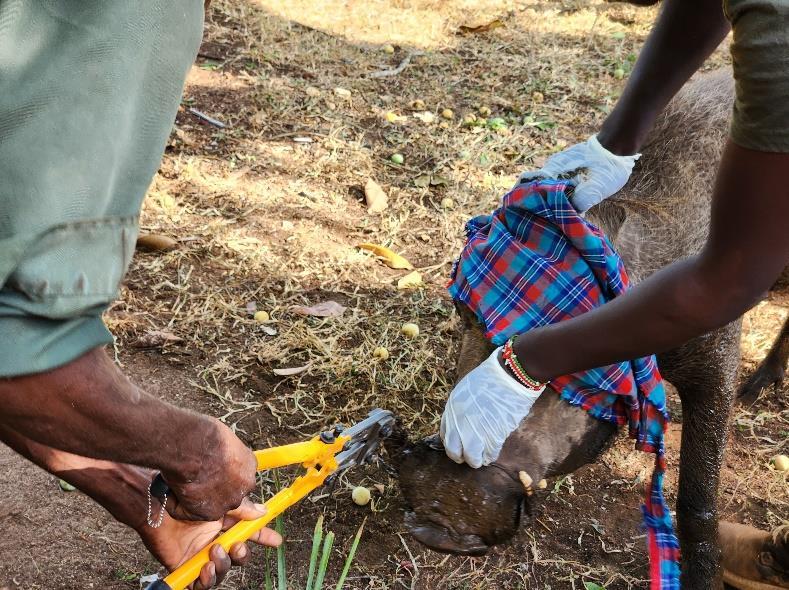
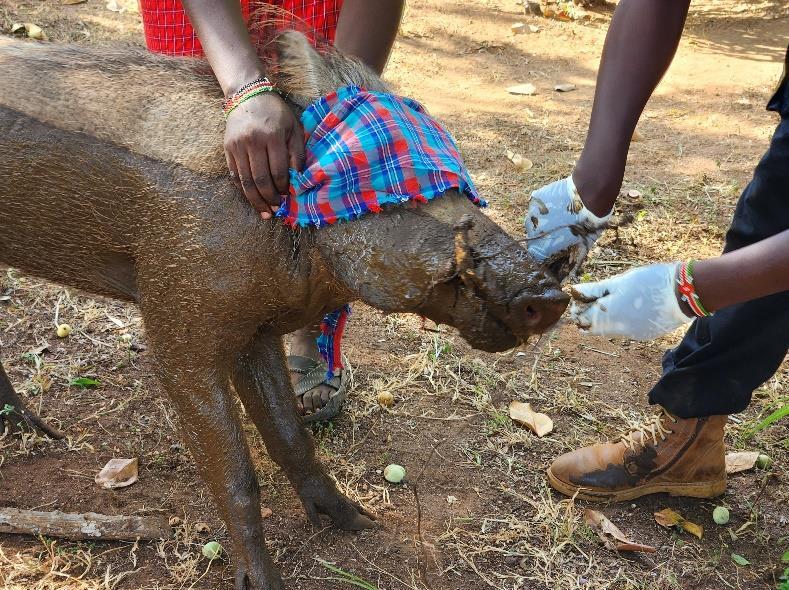
Warthog Snared
Bora Bora, Mombasa
This warthog was spotted by Bora Bora management having a winch wire snare around both her jaws.
Immobilisation, examination and treatment
She was successfully immobilized using 3 mg Etorphine hydrochloride and 30mg Azaperone delivered remotely in a 1.5 cc Dan inject dart. Darting was done from foot, and it took 7 minutes for the warthog to be fully anaesthetised.
Examination revealed a winch wire snare which had gone around her jaws shutting them and preventing the warthog from feeding. The snare was cut using wire cutters, luckily the snare had not inflicted any injuries.
Prognosis
She was revived using 30 mg of Naltrexone hydrochloride given intravenously via the ear vein. She rose 3 minutes later and walked away. Prognosis is good.
Case 22 – 26th January 2026
Elephant Snared Sisal Estate, Taita Ranches
This injured elephant calf was spotted having a snare around her neck by the rangers at the area.
Immobilisation, examination and treatment
This elephant calf was successfully immobilized using 2mg Etorphine hydrochloride and the mother 16mg Etorphine hydrochloride delivered in a 1.5 cc Dan inject dart. Darting was done from the helicopter, and it took 8 minutes for the drug to achieve its full effect.
Examination revealed a cable wire snare around her neck which had inflicted a deep septic wound at the area. Luckily all major blood vessels on the neck were intact. The snare was cut using wire cutters and the wound cleaned and flushed with Hydrogen peroxide and tincture of Iodine. The wound was packed with green clay and then sprayed with a topical antibiotic. Additionally, she received shots of Amoxicillin antibiotics and flunixin parenterally.
Prognosis
The adult female was revived using 160mg Naltrexone hydrochloride and 20mg for the female calf given intravenously via a prominent ear vein. They rose a few minutes later and were reunited. Prognosis is good.
Case
23 – 28th January 2026
Elephant Snared Ithumba, Tsavo East National Park
This elephant was reported to be limping on his left fore-limb by SWT rangers in Ithumba area.
Immobilisation, examination and treatment
This bull was successfully immobilized using 18mg Etorphine hydrochloride delivered remotely in a 3 cc Dan inject dart. Darting was done from the helicopter, and it took 10 minutes for the drug to achieve its full effects.
Examination revealed that the elephant had sustained a sprain at the left carpal joint.
He was given Flunixin anti-inflammatories parenterally.
Prognosis
He was reversed from anaesthesia using 180 mg of Naltrexone hydrochloride given intravenously via a prominent ear vein. He rose 3 minutes later and slowly walked away Prognosis is good.
.
Case 24 – 29th January 2026
Elephant Snared Finch Hatton, Tsavo East NP
This elephant was spotted limping by the SWT pilot in Finch Hatton’s area.
Immobilisation, examination and treatment
This elephant was successfully immobilized using 17mg Etorphine hydrochloride delivered in a 3cc Dan inject dart. Darting was done from the helicopter, and it took 10 minutes for the drug to achieve its full effect.
Examination revealed that the elephant had dislocated his right elbow joint.
He received shots of Flunixin anti-inflammatory parenterally.
Prognosis
He was revived from narcosis using 170 mg Naltrexone hydrochloride given intravenously via a prominent ear vein. He rose and slowly walked away 3 minutes later. Prognosis is fair.