SWT/KWS TSAVO MOBILE VETERINARY UNIT
MARCH 2026


MARCH 2026
The conservation area received enough rainfall in comparison with the previous months. All water pans were full, and the conservation area is covered by lush vegetation. Both grazers and browsers have enough food and are in good body condition.
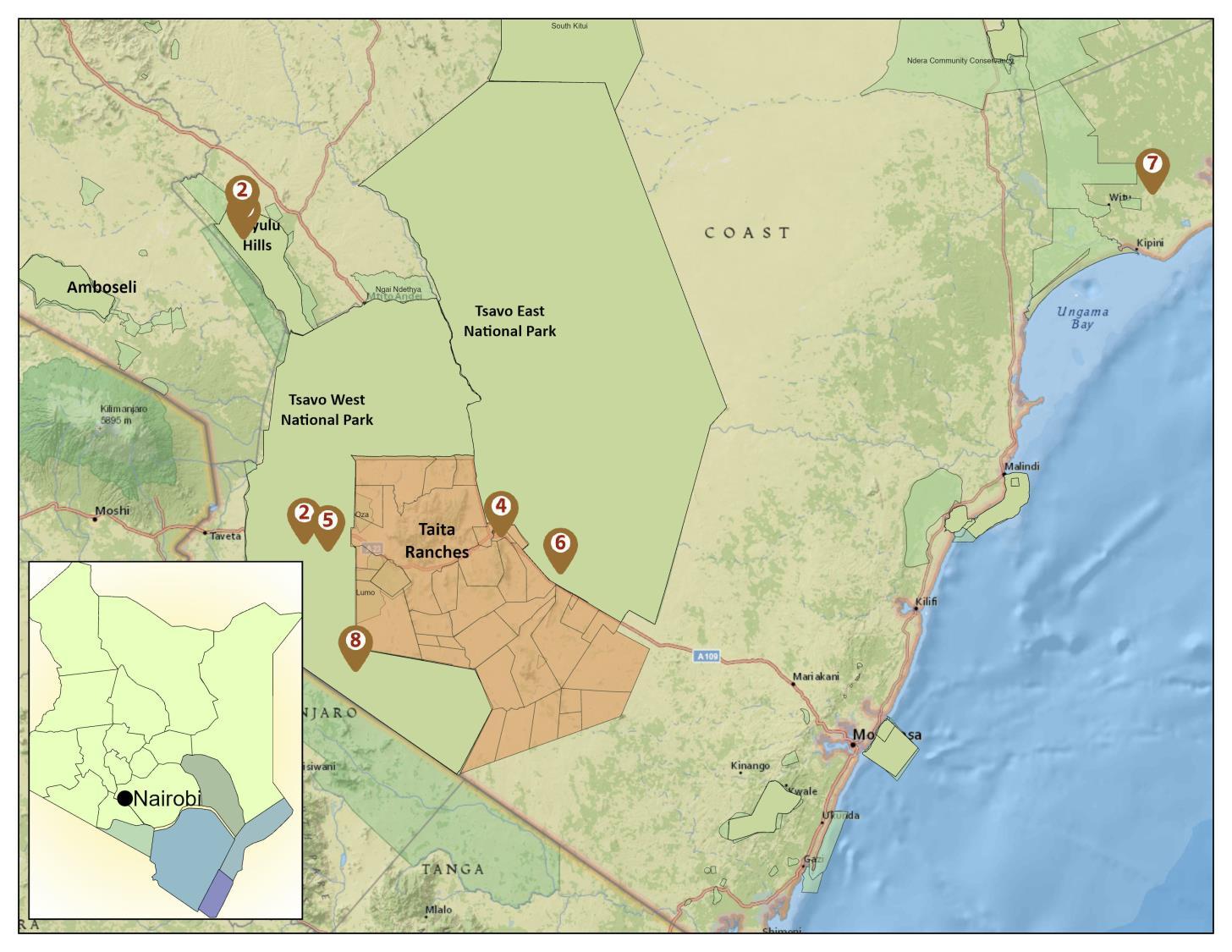
The Unit attended to 8 cases, including 3 snare injuries, a postmortem which indicated human involvement, likely for bushmeat poaching, 2 collaring cases and 2 cases which were natural in nature. Three giraffes were attended to, all of which were related to poaching as well as 1 zebra which was snared. The collaring cases were all lions (3 in total). The one elephant case was due to natural causes. All of the cases were successfully treated except for the postmortem.
TMVU would like to thank all stakeholders that aided in reporting and monitoring cases that required veterinary intervention. Special thanks to SWT for the continuous support and KWS for technical advice to the unit.
1-Mar-26
Examination revealed a snare on the distal hind limb. The snare had inflicted a deep wound on the site
3-Mar-26 Giraffe Chyulu Hills Snared The winch wire snare had inflicted a deep septic wound on the neck Successfully Treated
22-Mar-26 Lion Tsavo West NP Collared TMVU team was requested to assist in collaring of two lions (male and female) Task Successful
23-Mar-26 Elephant Voi Natural Causes Examination revealed a small septic wound on the ventral sternum with pus
26-Mar-26 Giraffe
West NP Poaching Postmortem Indications showed this was a case of bush meat poaching Poaching Death
26-Mar-26 Lion Tsavo East NP Natural Causes The lioness had some minor fresh fight injuries on the hind limbs Successfully Treated
27-Mar-26 Zebra Amu Ranch Snared A cable wire snare on the distal right forelimb, at the pastern level Successfully Treated
30-Mar-26 Lion Tsavo West NP Collared
The Unit was requested to assist in collaring of one lion
March 2026
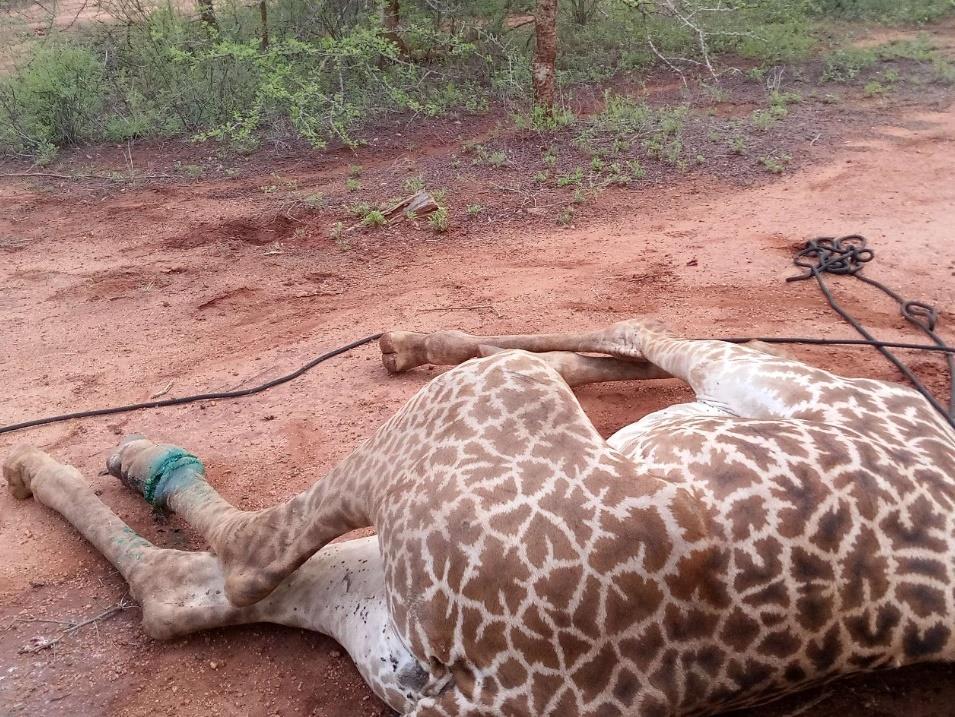
Giraffe Snared Chyulu Hills
This giraffe was reported at Chyulu area having a winch wire snare on her left hind leg.
Immobilisation, examination and treatment
This giraffe was successfully immobilized using 13.5mg Etorphine hydrochloride and 40mg Azaperone delivered remotely in a 3cc Dan inject dart. Darting was done from the helicopter, and it took 8 minutes for the drug to achieve its full effects.
Examination revealed a snare on the distal hind limb. The snare had inflicted a deep wound to the leg. The snare was immediately cut free using wire cutters and the wound thoroughly cleaned with water then debrided using Hydrogen peroxide and infused with tincture of Iodine. It was thereafter sprayed with a topical antibiotic. She was additionally given Amoxicillin antibiotic parenterally.
Prognosis
She was revived using 135 mg of Naltrexone hydrochloride given intravenously via the jugular vein. She rose 3 minutes later and walked away. Prognosis is good.
Giraffe Snared Kari Ranch,
This giraffe was spotted with a wire on his neck by the KWS rangers in Kari.
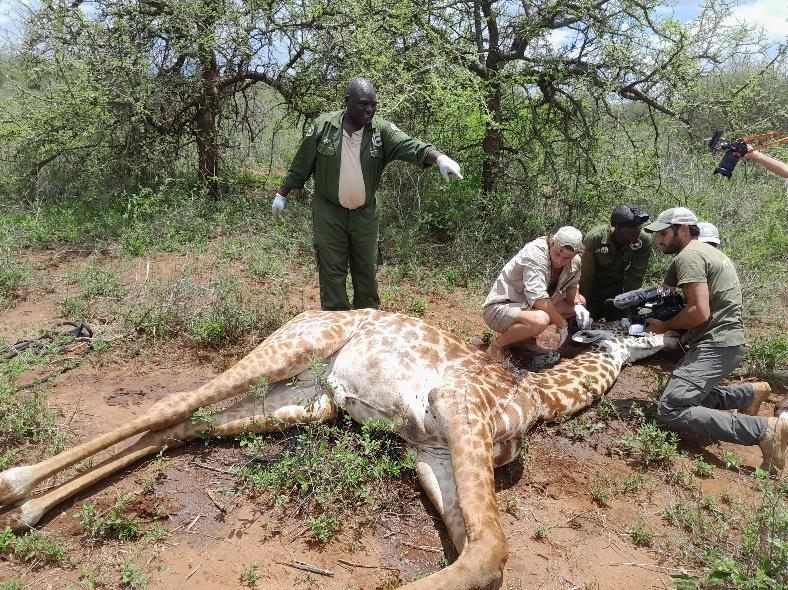
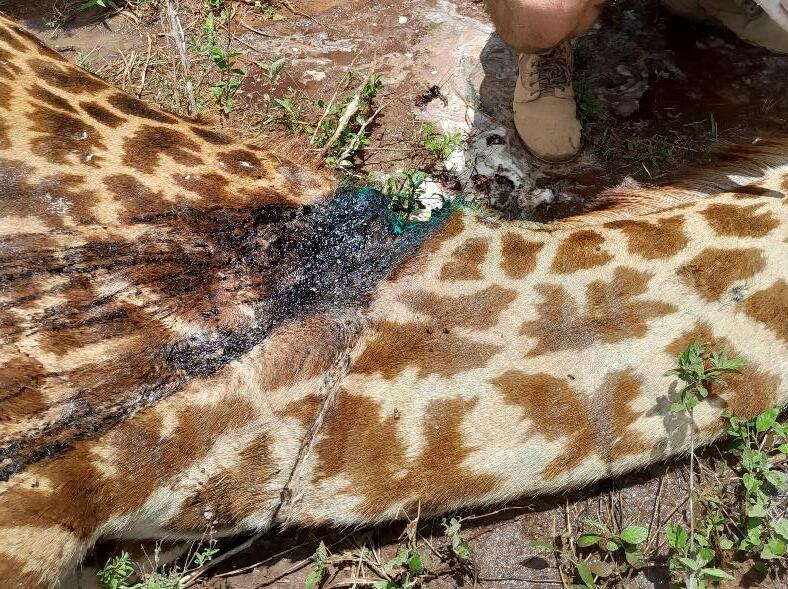
Immobilisation, examination and treatment
This giraffe was darted from a helicopter and immobilized successfully using 14mg Etorphine hydrochloride and 40mg Azaperone delivered remotely in a 3cc Dan inject dart. It took 9 minutes for the drug to achieve its full effect.
Examination revealed a winch wire snare around the neck. The snare had inflicted a deep septic wound to the neck. The wire snare was cut using wire cutters. The wound was then cleaned with water, debrided with Hydrogen peroxide and infused with tincture of Iodine. Topical antibiotic spray was also applied to the wound.
Additionally, he was given Amoxicillin antibiotic parenterally. Prognosis
Reversal from narcosis and after 2 minutes he woke up and walked away. Prognosis is good.
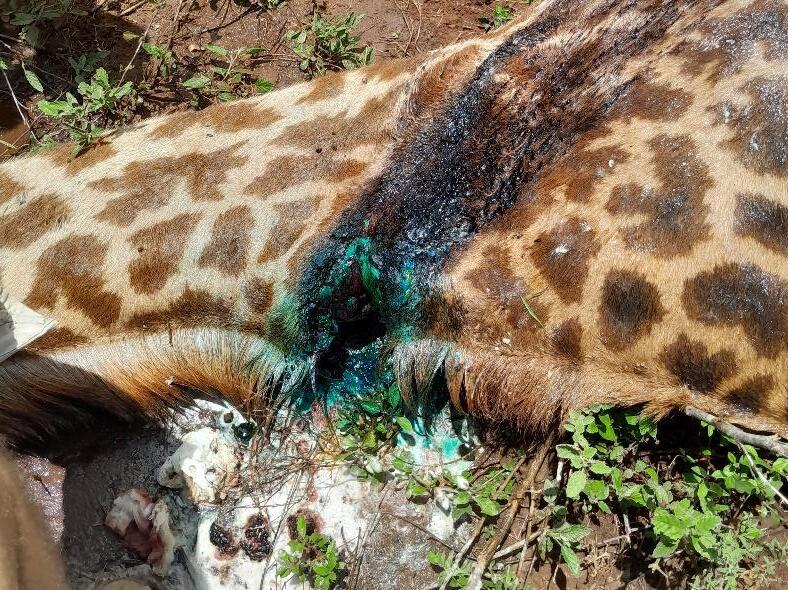
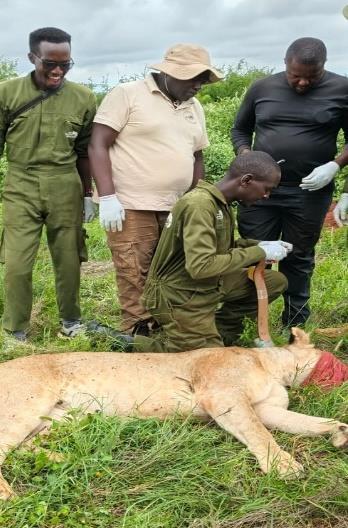
TMVU team was requested to assist in collaring of two lions (male and female) around Murka area, Tsavo West National Park. This is a collaborative effort between KWS, WRTI and WWF in an effort to mitigate human wildlife conflict.
Immobilisation, examination and treatment
The lions were successfully immobilized using a combination of 6.5 mg Medetomidine and 200mg Ketamine for the male and 6mg Medetomidine and 200mg Ketamine for the female both delivered in a 3cc Dan inject dart. Darting was done for both from the vehicle, and it took 10 minutes for the drugs to achieve its full effect.
Examination revealed that the lions were in good body condition. The GPS/VHF enabled collars were adjusted and secured to fit their necks with enough allowance for free movement of the collar.
The lion and lioness were revived from anaesthesia using 32mg and 30 mg respectively of Atepamezole given intramuscularly. Both rose and walked away 8 minutes later. Prognosis is good.
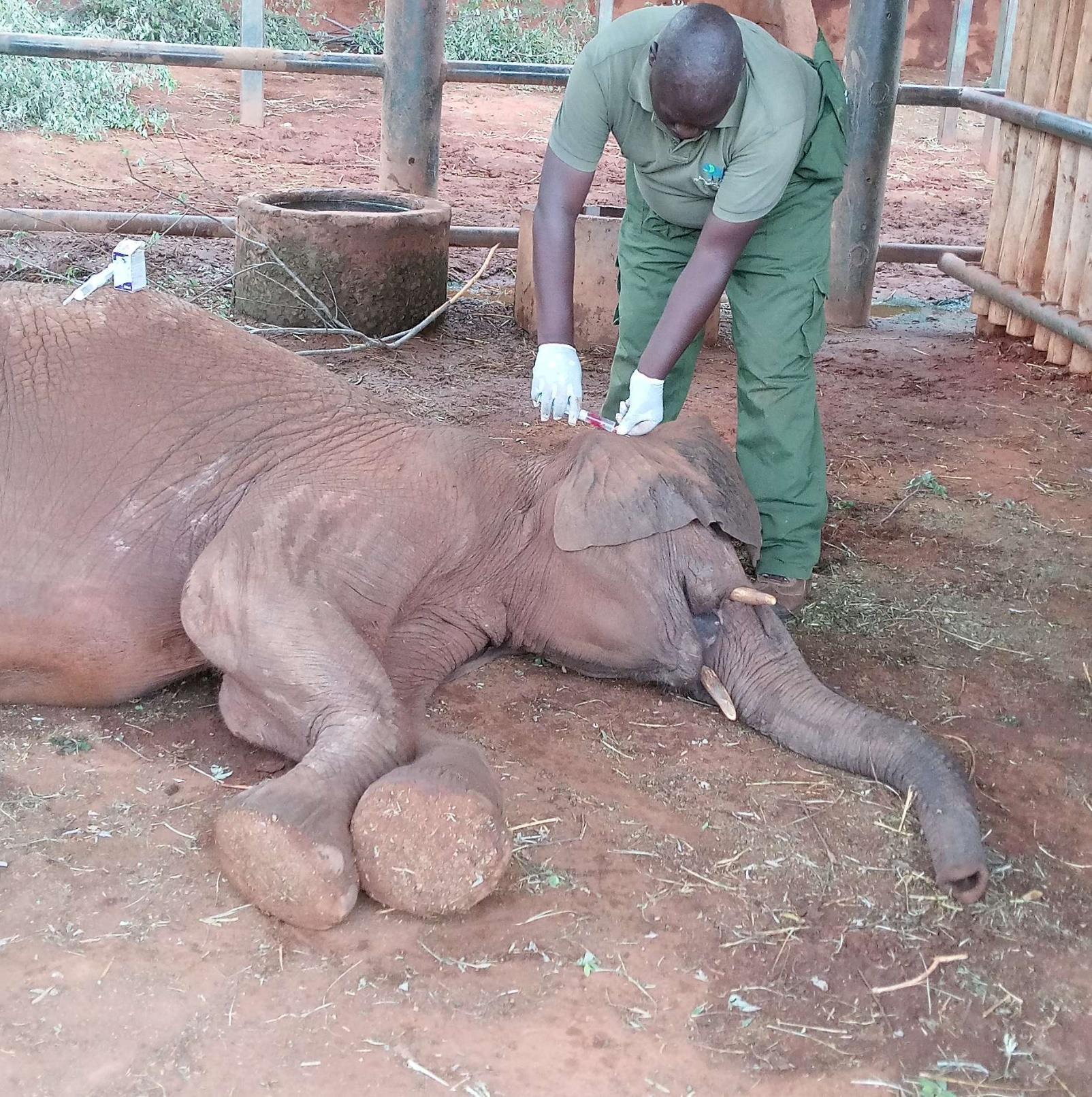
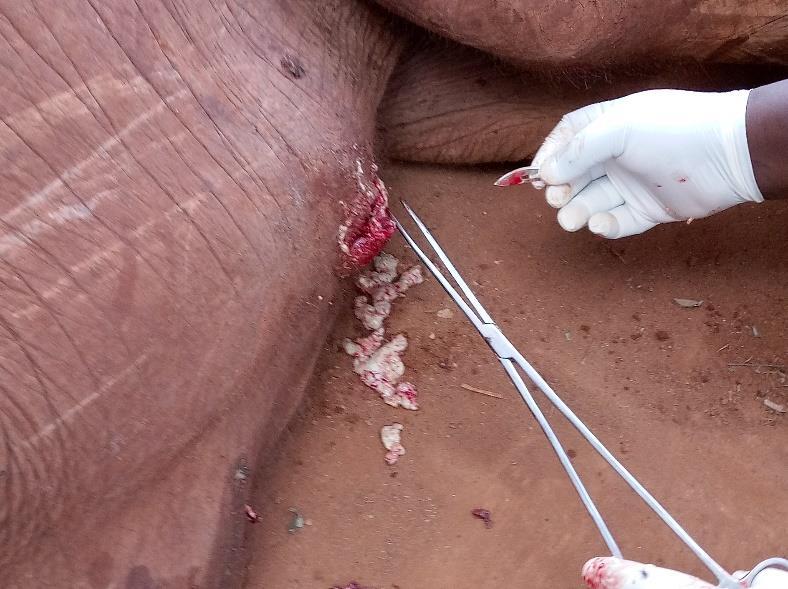
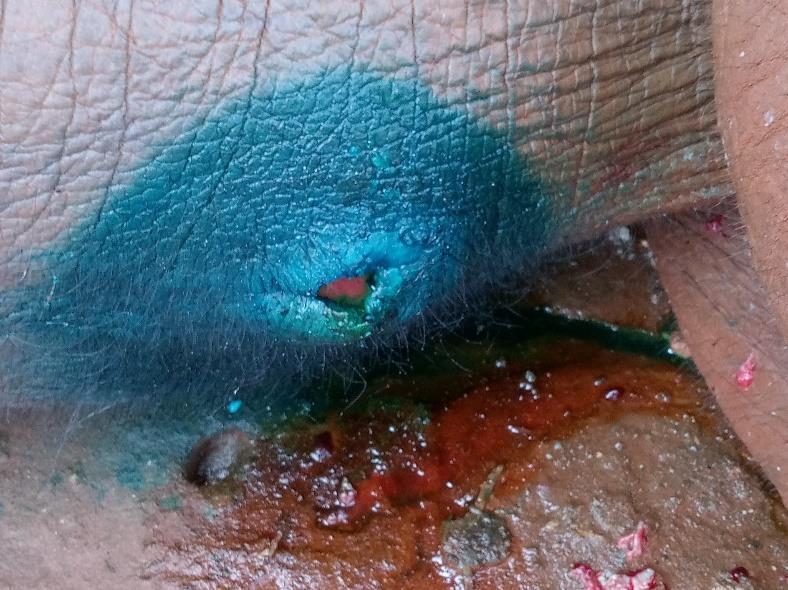
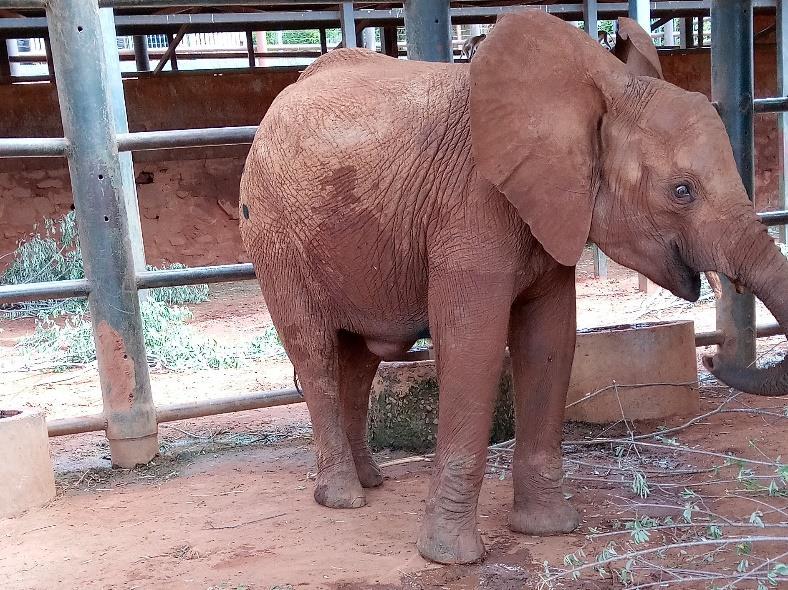
The elephant calf was reported to have a small septic wound on her ventral abdomen which was oozing pus. She had earlier on be treated for lower abdomen oedema which had subsided.
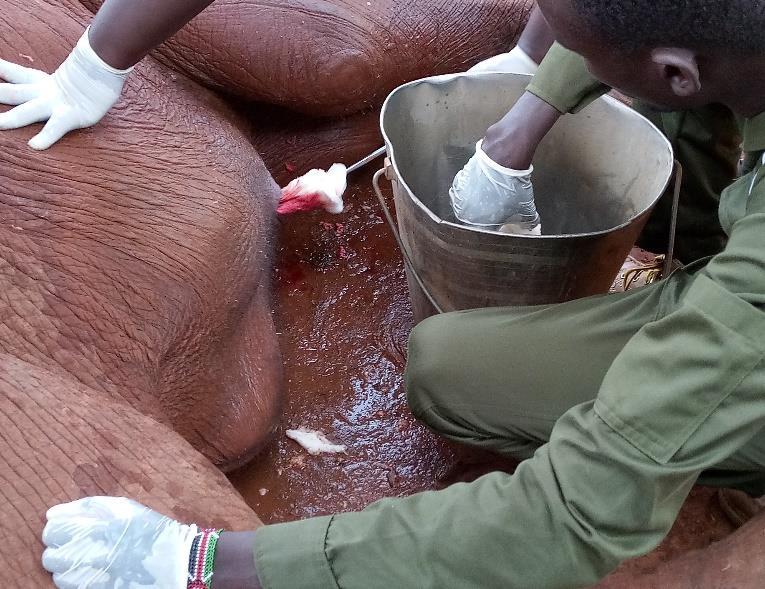
Immobilisation, examination and treatment
This elephant calf was immobilized successfully using 2mg Etorphine hydrochloride delivered remotely in a 3cc Dan inject dart. Darting was done from foot, and it took 8 minutes for the drug to achieve its full effects.
Examination revealed a small septic wound on the ventral sternum which was oozing pus. The injury was suspected to have been caused by a prick on the already weak oedematous skin leading to abscessation. The contents of the abscess were evacuated. Hydrogen peroxide was then used to debride the wound; this was followed by rinsing with water and infusing with tincture of Iodine. Antibiotic pessaries were packed in the wound followed by a topical antibiotic spray. Hot fomentation was also performed on the oedematous part. In addition, she was given Amoxicillin antibiotics and flunixin meglumine parenterally.
Prognosis
Prognosis is good .
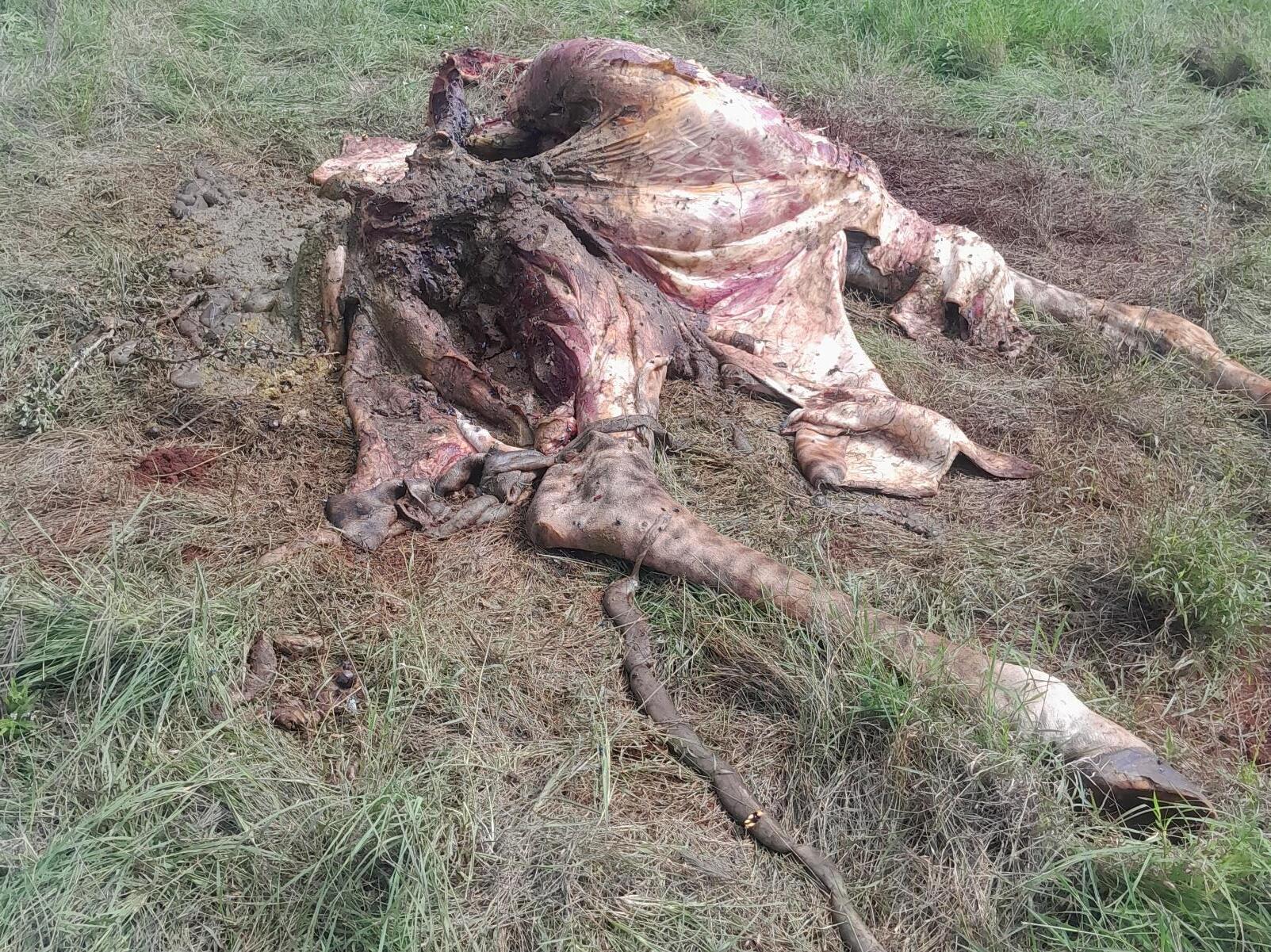
A report was made to by KWS Tsavo West management about a male giraffe carcass found within the park. Indications showed this was a case of bush meat poaching as a suspect had been arrested within the vicinity.
Immobilisation, examination and treatment
• The fresh carcass appeared to be in good body condition prior to death
• The carcass was partially flayed on the right side from the proximal neck, entire right thoracic region, the abdomen to the right sacral areas
• Both the right fore and hind limbs had been entirely chopped off and were missing
• The carcass’s head had completely been decapitated and was missing on the scene
• The musculature along the right lateral side of the spine of the carcass from the proximal neck to the sacral region had been extracted
• The caudo – ventral side of the neck was partially cut with a sharp object, resulting in complete severing of the trachea, the left and right branches of the jugular blood vessels.
• The left Achilles tendon was severed on two locations using a sharp object
The immediate cause of death was severe blood loss as a result of severed jugular veins.
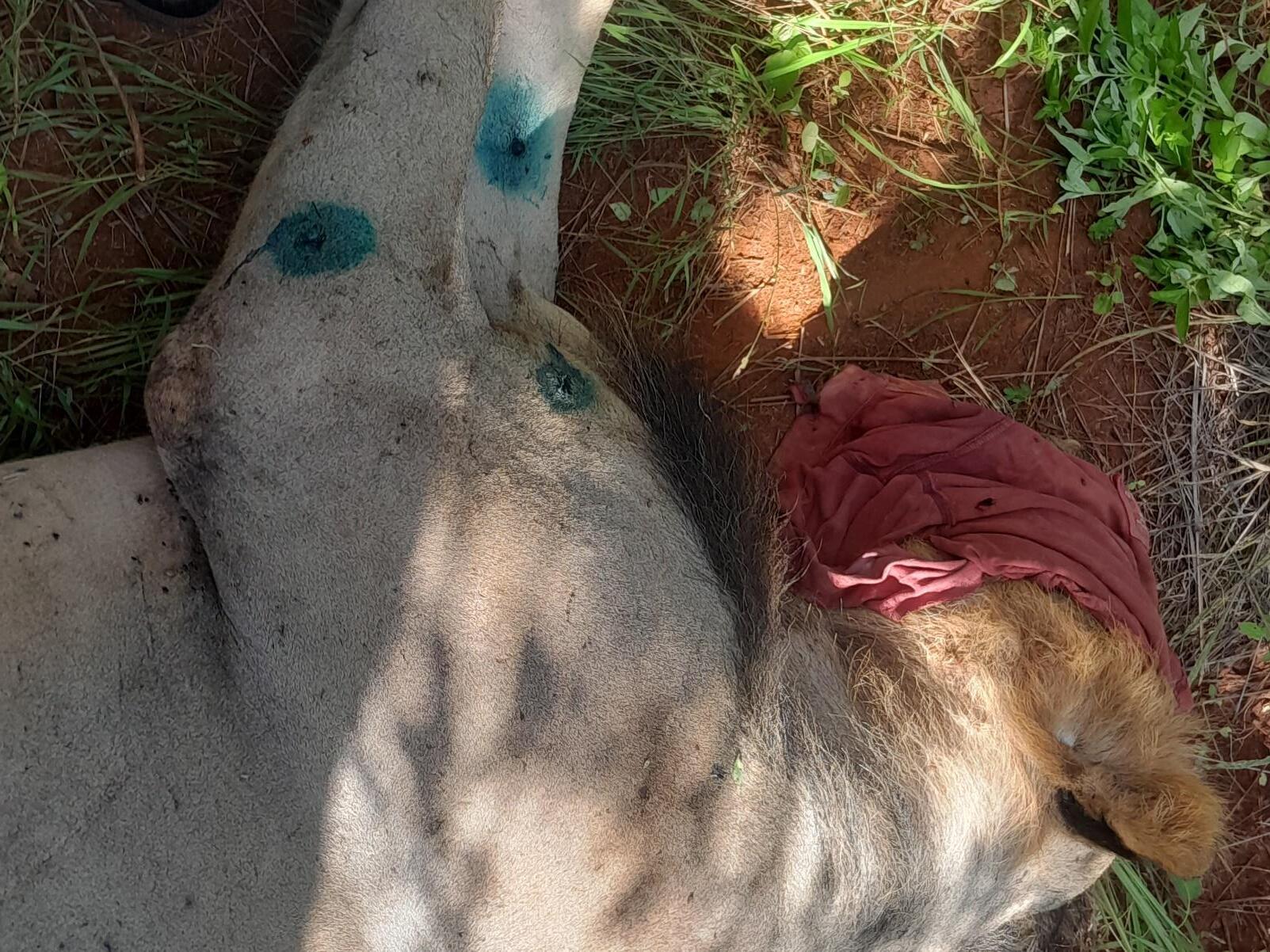
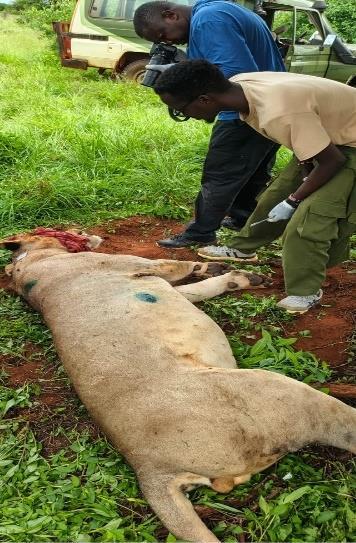
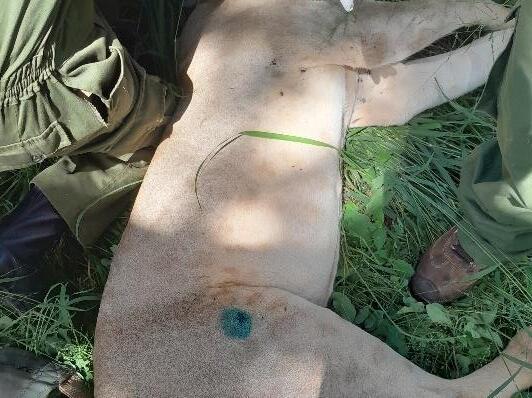
Tsavo Simba Team in their patrol spotted one of their collared lioness’ which they thought the collar was tight and on closer look, it had some wounds on her hind limbs.
Immobilisation, examination and treatment
The lioness was anaesthetised successfully using a combination of 4.8mg Medetomidine and 200mg Ketamine delivered remotely in a 3cc Dan inject dart. Darting was done from a vehicle, and it took ten minutes for full anaesthesia to be achieved.
Examination of the collar revealed that it was spacious enough and free moving. The lioness had some minor fresh fight injuries on the hind limbs. The body condition of the lioness was also good.
The wounds were cleaned, infused with tincture of Iodine followed by a topical antibiotic spray.
Prognosis
Prognosis is good.
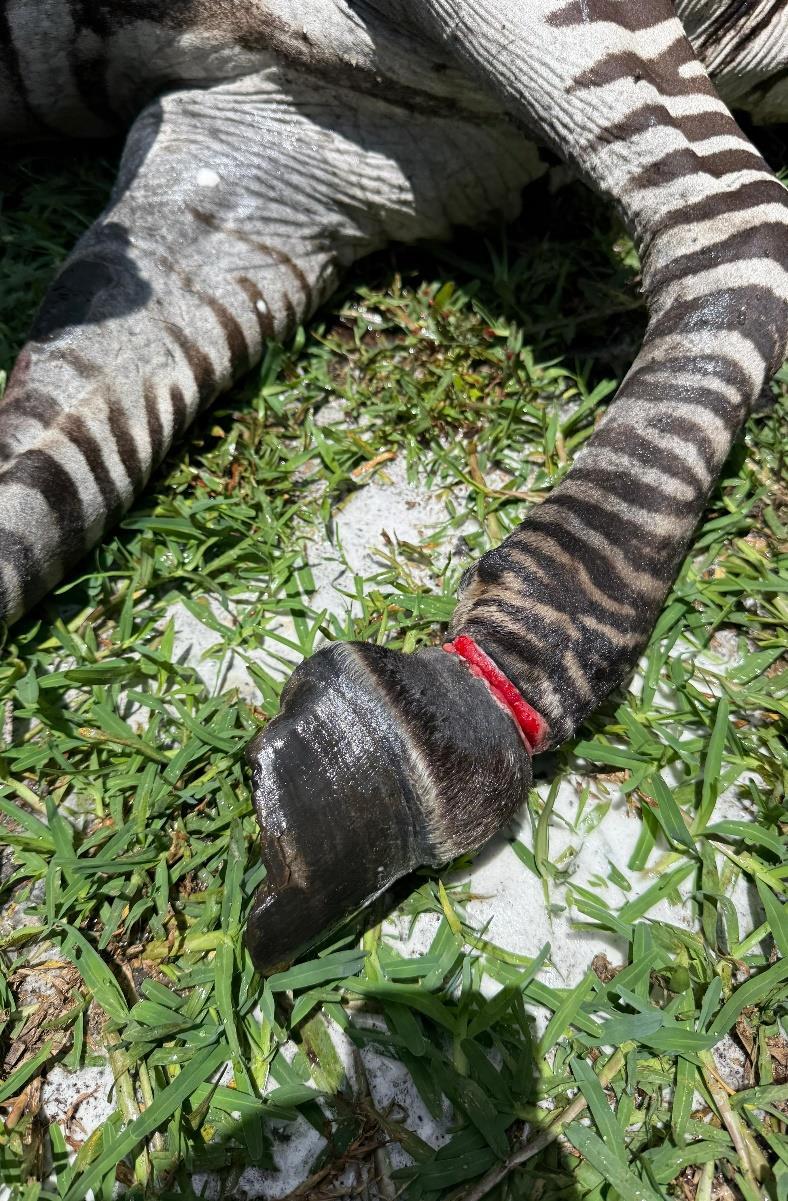
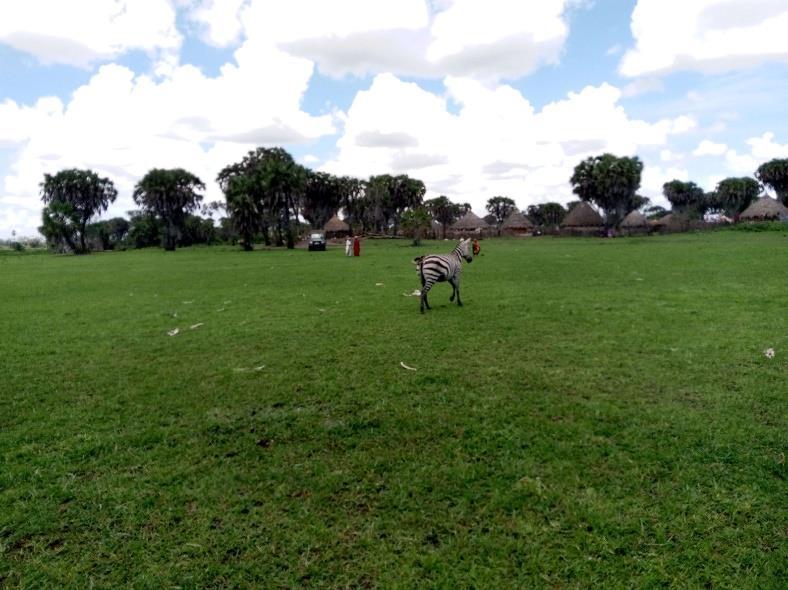
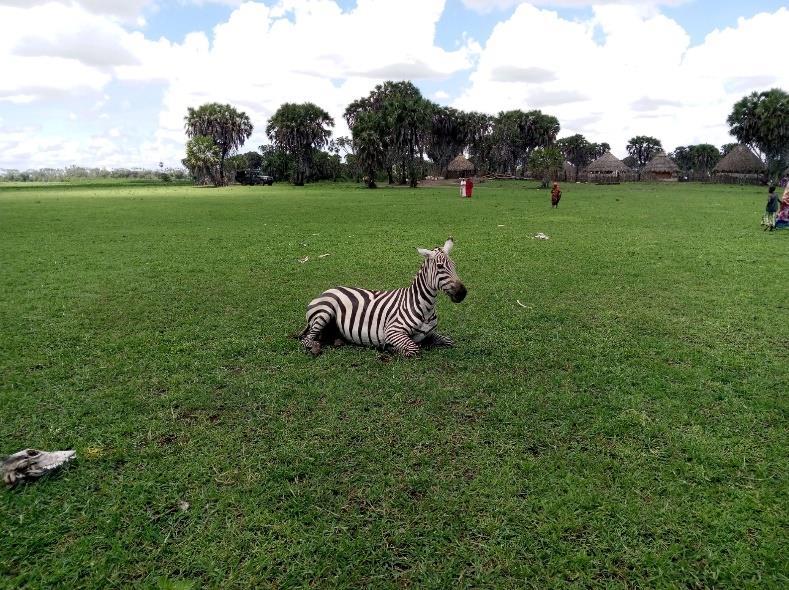
This snared zebra was spotted at the edge Amu ranch. She was limping and had cable snare on her distal right fore-limb.
Immobilisation, examination and treatment
This zebra was successfully immobilized using a combination of 6mg Etorphine hydrochloride and 50mg azaperone delivered remotely in a 1.5cc Dan- inject dart. Darting was done from foot, and it took 6 minutes for full anaesthesia to be achieved.
Examination revealed a cable wire snare on the distal right forelimb, at the pastern level. The snare had inflicted a wound on the area. The snare was cut using wire cutters and the wound thoroughly debrided. This was followed by flushing with hydrogen peroxide, rinsing with water and infusing with tincture of iodine. Topical antibiotic spray was also applied on the wound. Additionally, she received Meloxicam antiinflammatories and amoxicillin antibiotics parenterally.
Prognosis
Prognosis is good. .
TMVU team was requested to assist in collaring of one lion in Ninety Degrees area, Tsavo West National Park. This is a collaborative effort between KWS, WRTI and WWF to mitigate human wildlife conflict.
Immobilisation, examination and treatment
This lion was darted from a vehicle and successfully immobilized using a combination of 6.5mg Medetomidine and 200mg Ketamine delivered in a 3cc Dan inject dart. It took 10 minutes for the drugs to achieve its full effect.
The lion was in good body condition. The GPS/VHF enabled collar was adjusted and secured to fit the girth of his neck with sufficient allowance for free movement of the collar.
Prognosis
The lion was revived from anaesthesia using 30 mg of Atepamezole given intramuscularly. He rose and walked away 8 minutes later with no complications.