SWT/KWS MARA MOBILE VETERINARY UNIT
DECEMBER 2025

7 Cases in December 2025
December Report by Dr. Michael Njoroge
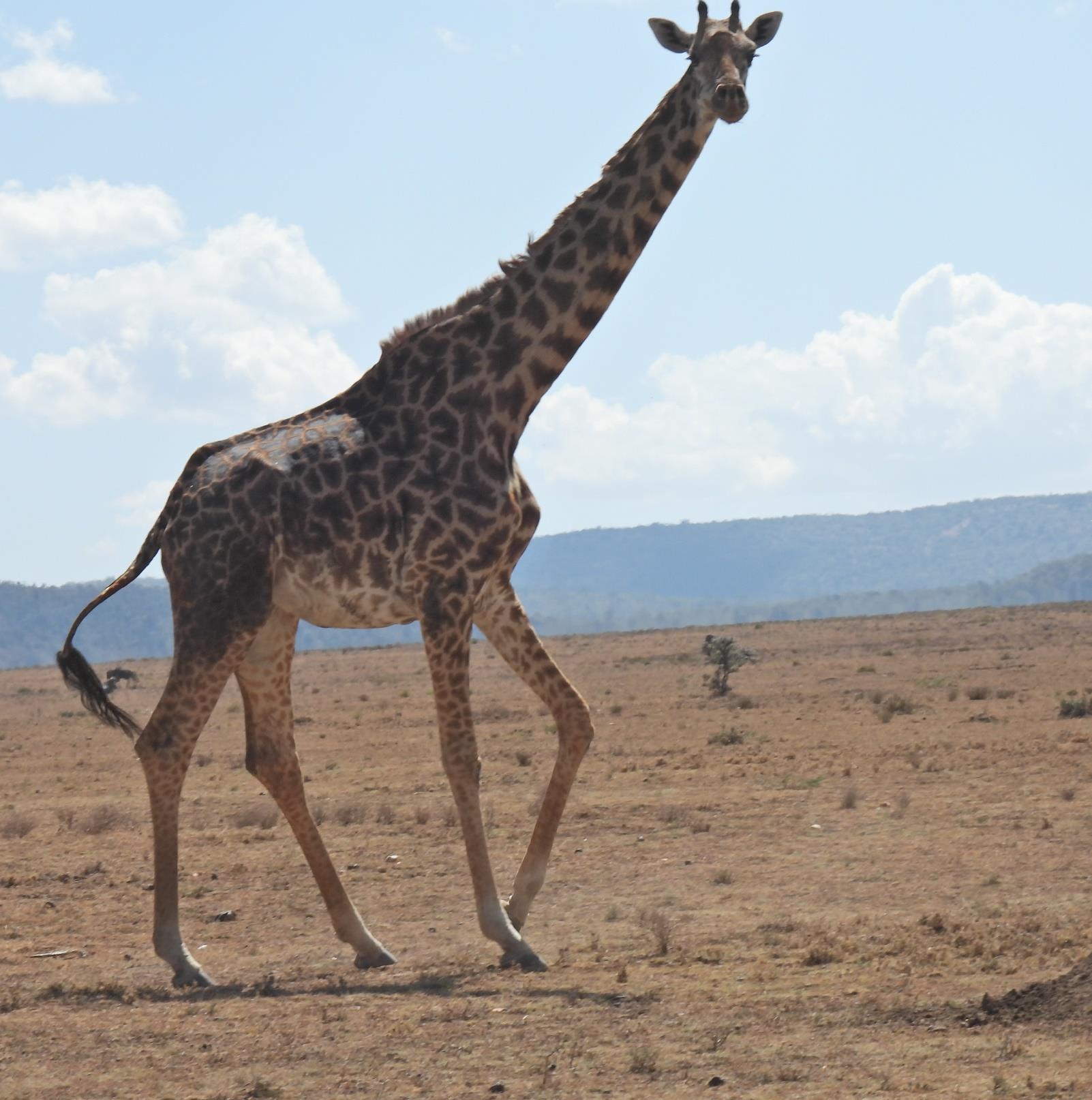
The Mara Vet Unit attended to 7 cases in December. Many of these cases involved lions who had injuries resulting from territorial fights with neighbouring prides. Sadly, one lion was lost due to injuries inflicted by a buffalo during a hunt. A giraffe was successfully treated for an arrow injury, and an elephant was thankfully saved from a snare that was wrapped around his head and should make a full recovery.
Acknowledgement
The Mara Mobile Veterinary Team greatly appreciates Elizabeth Scarlett for funding the Unit through the Sheldrick Wildlife Trust. The team also thanks Kenya Wildlife Service for providing technical support and all the conservation partners who contributed to the success of veterinary interventions through timely reporting of veterinary cases and monitoring of treated animals.
Case Details
December 2025
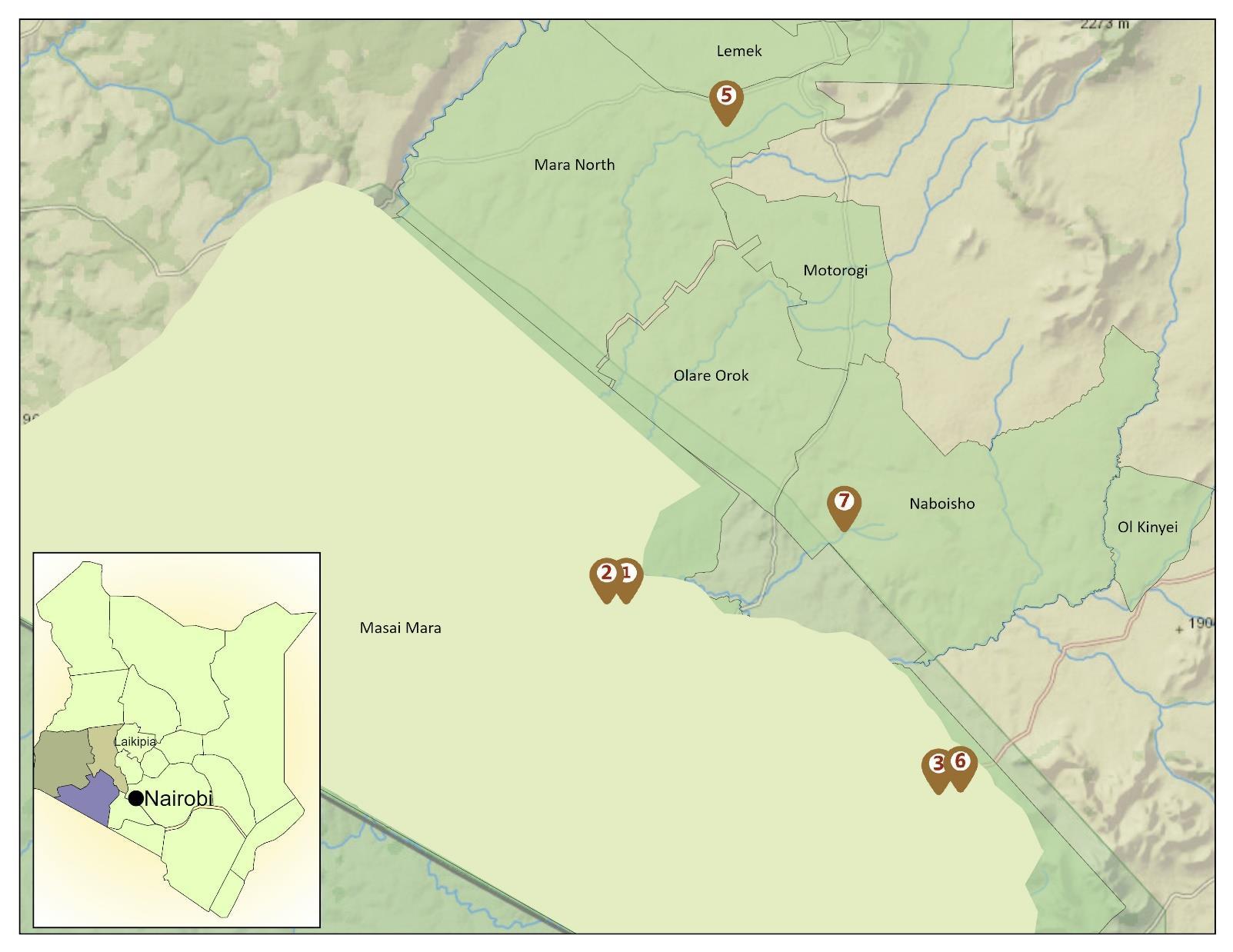
Case 1 – 5th December 2025
Lion
Natural Causes
Masai Mara National Reserve
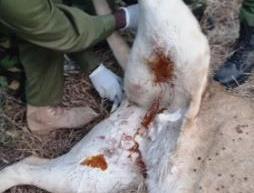
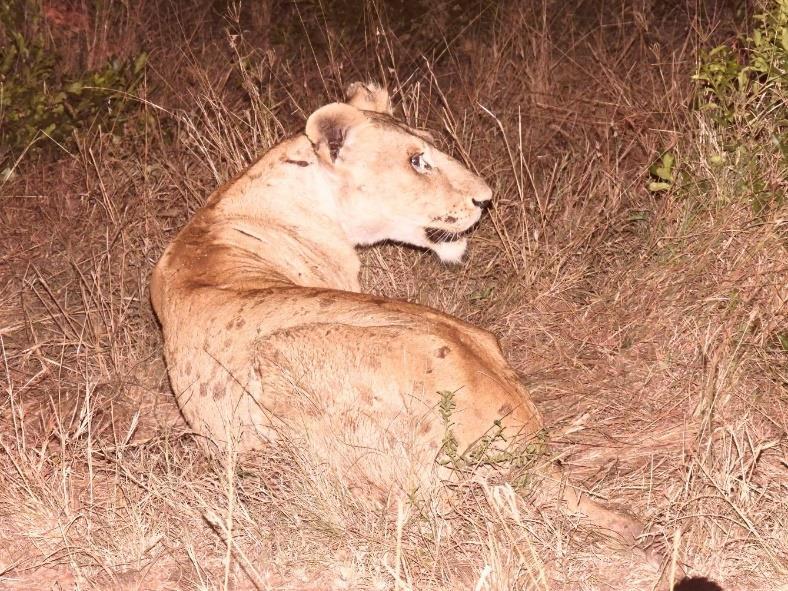
This lioness was involved in a severe intraspecific aggression fight with members of the Fig Tree Pride. The lioness was found resting in a thick vegetation, demonstrating reduced mobility and defensive behaviour
Immobilisation, examination and treatment
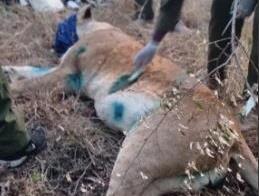
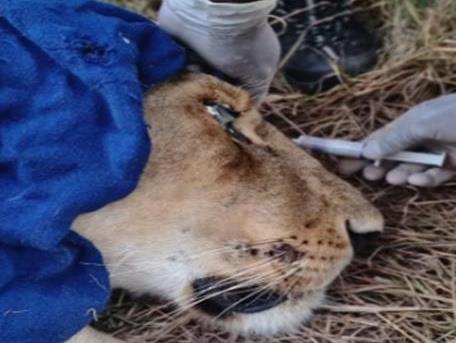
The lioness was immobilized with 300mg Ketamine mixed with 8mg Medetomidine administered via darting from a vehicle at a safe distance. The onset of sedation occurred within 4 minutes, with full sedation taking effect 15 minutes afterwards. The lion was immediately blindfolded and positioned on the right side for treatment. There were multiple puncture wounds and lacerations to the hamstring muscles, superficial soft tissue trauma on the right lateral abdomen, and trauma to the right eye, characterized by conjunctival congestion, mild periorbital swelling, and a superficial corneal lesion, consistent with bite injuries, otherwise the lioness was in good body condition. All the wounds were thoroughly cleaned with water, Hydrogen peroxide and Iodine. Antibiotics, anti-inflammatories and anti-parasitics were administered as well as ophthalmic medication and flea repellent spray.
Prognosis
The lioness regained consciousness smoothly and ambulated away from the treatment site to join her pride waiting for her in a nearby bush. Prognosis is good.
Lion
Natural Causes Masai Mara National Reserve
The unit attended to an injured lioness in the Fig Tree Area of the Maasai Mara. The lioness belongs to the Fig Tree Pride. The lioness reportedly engaged in a territorial fight with members of the Ronkai Pride.
Examination
Upon visual observation from a safe distance, the lioness exhibited alert demeanour, normal ambulation, good body condition and intact social behaviour with the pride. Mild superficial wounds were noted on the subcutaneous tissue consistent with claw and bite abrasions sustained during the territorial fight. No deep penetrating injuries was observed. Based on the noted signs the injuries were classified as mild and nondebilitating.
Prognosis
Good, given the superficial nature of the injuries, the absence of systemic infection, and the lioness’s good body condition the prognosis for spontaneous recovery was assessed as excellent.
Due to the mild superficial nature of the injuries a decision was made to not immobilize the lioness but instead recommended for close monitoring. Any change of behaviour or condition would prompt immediate veterinary attention.
Unfortunately, there are no pictorials of this case
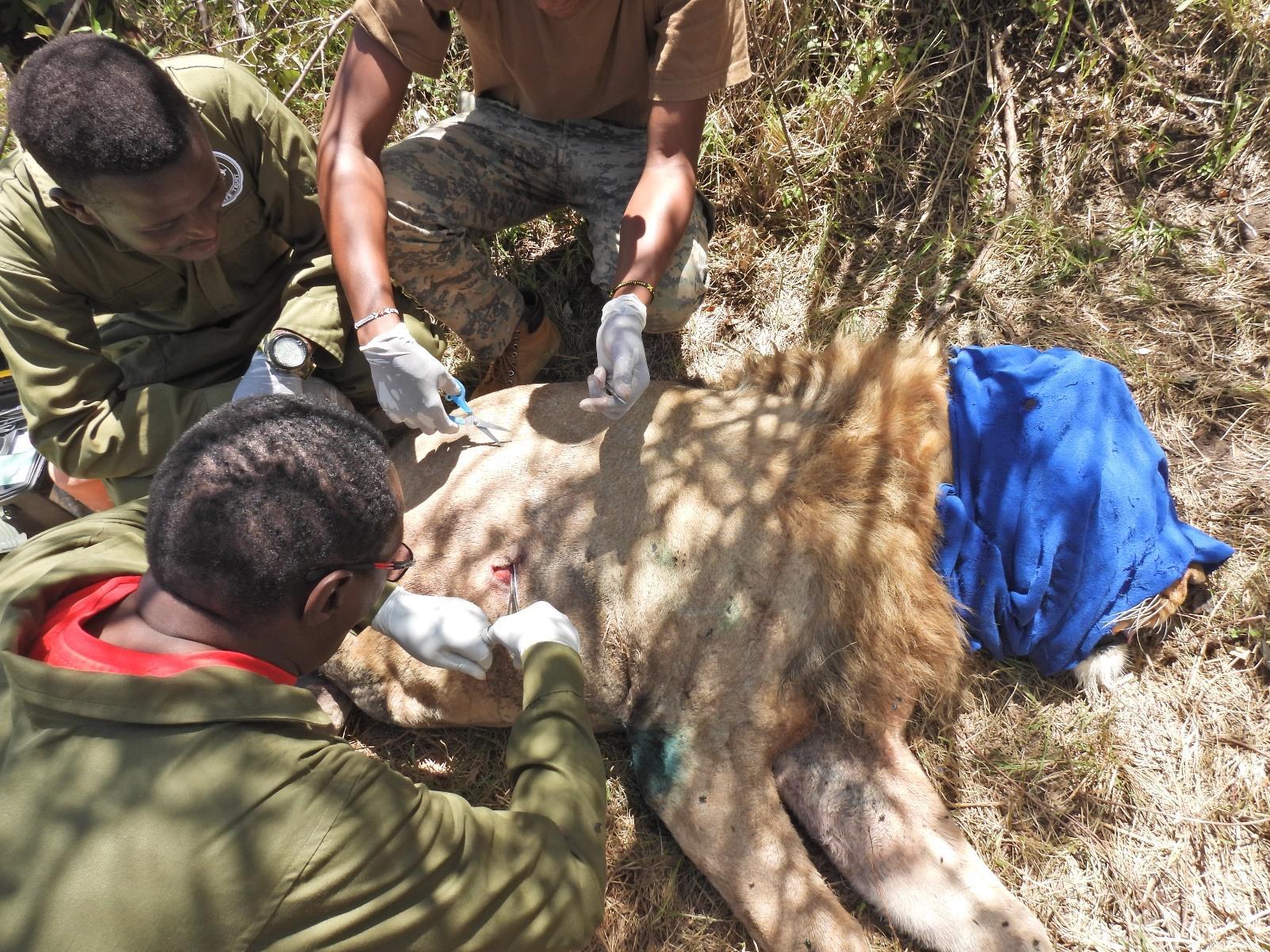
Lion
Natural Causes
Masai Mara National Reserve
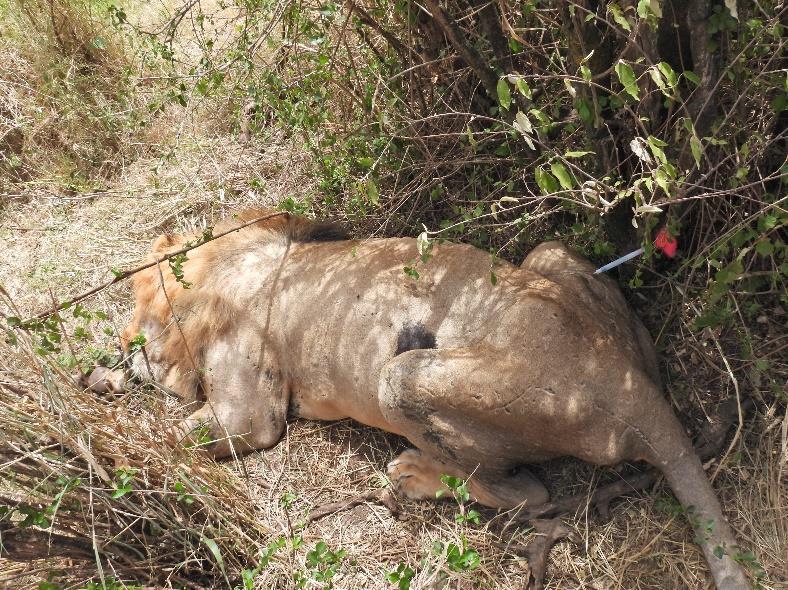
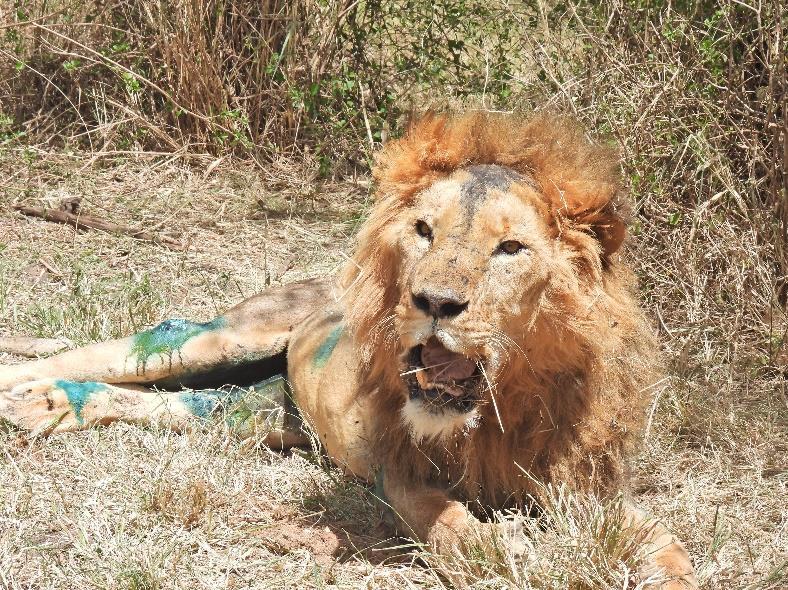
The intervention was a follow-up treatment of the injuries sustained during an intraspecific fight with the Naboisho pride earlier last month, and was treated after the incident.
Immobilisation, examination and treatment
The lion was immobilized with the chemical immobilization protocol involving the use of 300mg Ketamine mixed with 8mg Medetomidine administered via darting from a vehicle at a safe distance
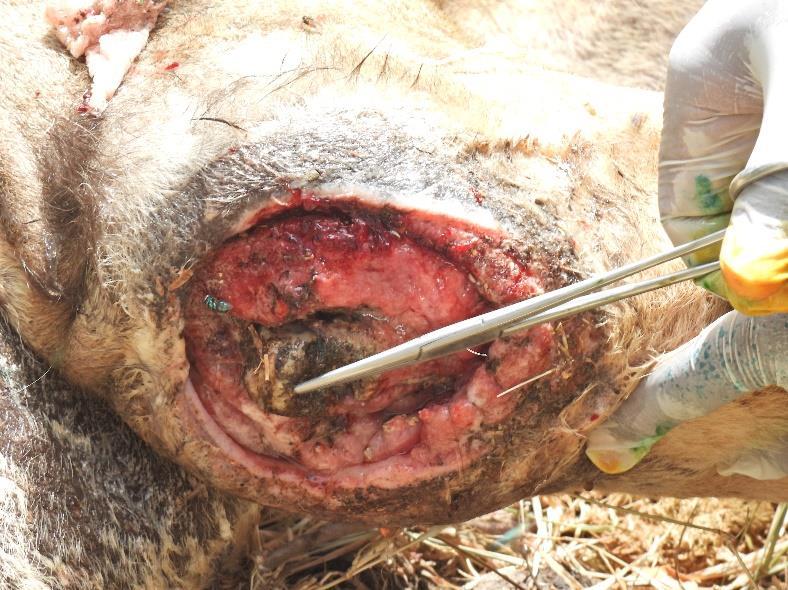
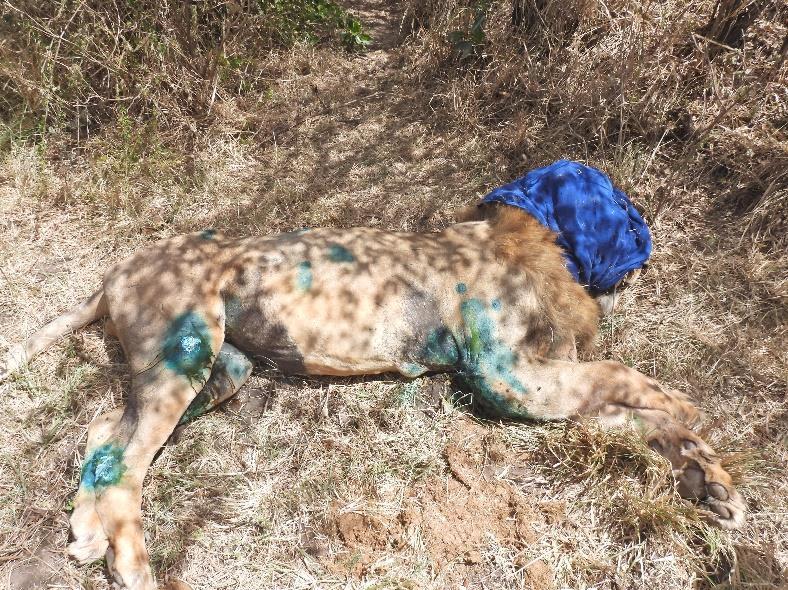
Examination showed multiple wounds at the right tarsal joint, along the lateral hips of both hindlimbs, left ulna, and a severe penetrating injury causing massive tissue loss, hindering surgical tissue apposition, exposing the Olecranon bone at the right elbow joint. The injuries were inflicted during a territorial fight. The lion was in good body condition of 3/5. The wounds were cleaned with water, lavaged with Hydrogen peroxide, flushed with Iodine, packed with Cloxacillin ointment, sprayed with Oxytetracycline and covered in healing green clay. He was also administered 3,000mg Amoxicillin, 40mg Meloxicam and 100mg Ivermectin.
Prognosis
Given the nature of the injuries, and the extensive soft tissue loss the prognosis remains to be guarded and close monitoring was recommended. .
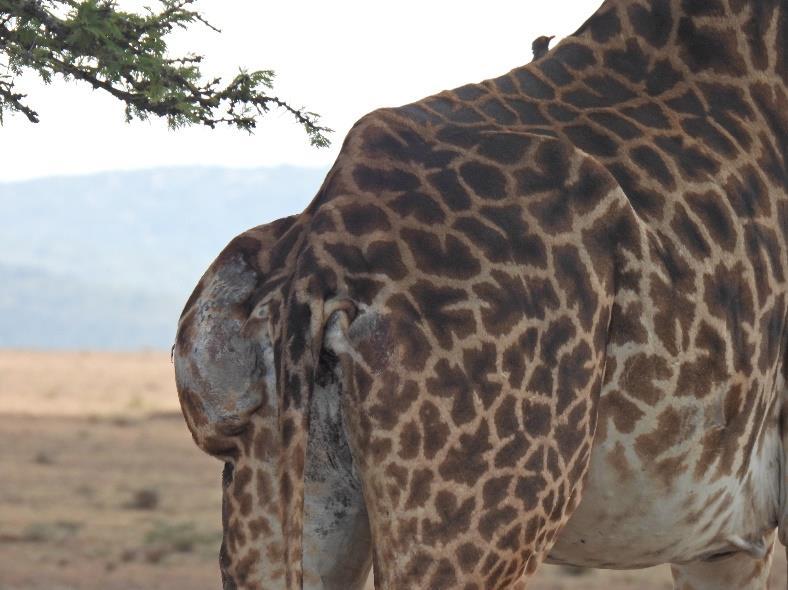
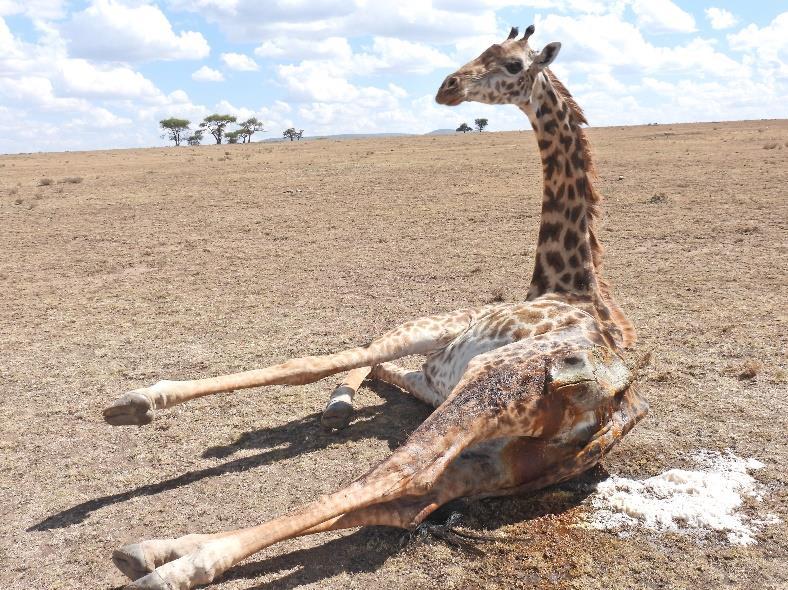
Giraffe Arrow
Olarro Conservancy
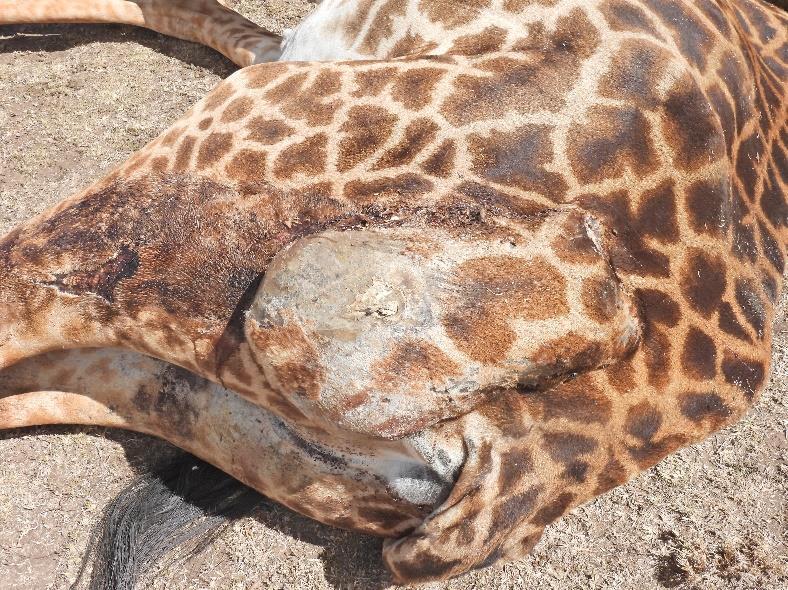
The giraffe was observed with a large swelling at the left hip, causing mild lameness and reduced mobility. The giraffe was in pain and distress, leading to a significant loss of body condition
Immobilisation, examination and treatment
The giraffe was immobilized using a combination of 15mg Etorphine and 30mg Azaperone for tranquilization and muscle relaxation. It took approximately 5 minutes for the giraffe to reach full sedation. The giraffe was guided into lateral recumbency with the help of experienced ground personnel using ropes to prevent injury. The giraffe was quickly revived with 300mg Naltrexone delivered through the jugular vein and a third of the dose administered intramuscularly. The giraffe was kept on the ground manually Clinical examination revealed a large, fluctuant abscess oozing seropurulent discharge at the left gluteus muscle caused by an arrow injury. The abscess was lanced, and the purulent material was drained. The embedded arrowhead was retrieved successfully The wound was debrided and thoroughly cleaned, disinfected, covered with green clay and sprayed with Oxytetracycline. Long-acting antibiotics and anti-inflammatories were also administered.
Prognosis
Given the complete drainage of the abscess, successful retrieval of the foreign body, and treatment given, the prognosis is good .
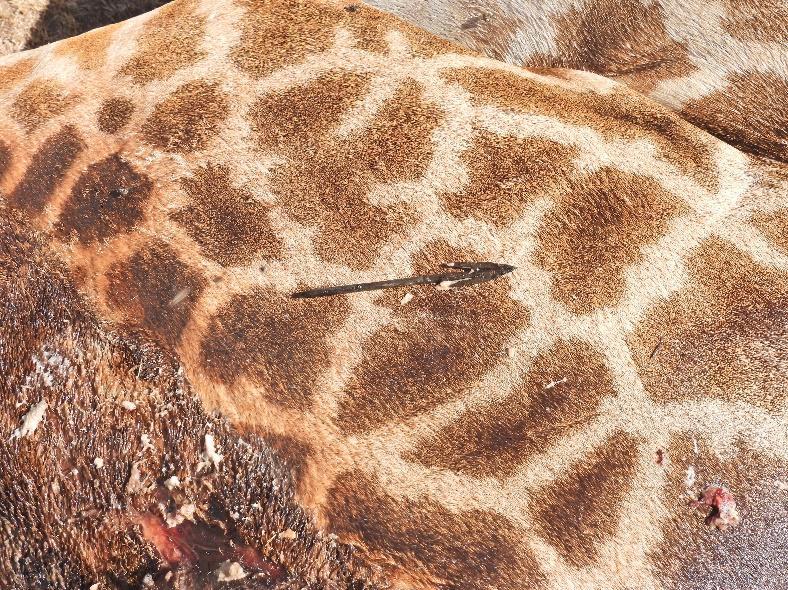
Giraffe Arrow Masai Mara National Reserve
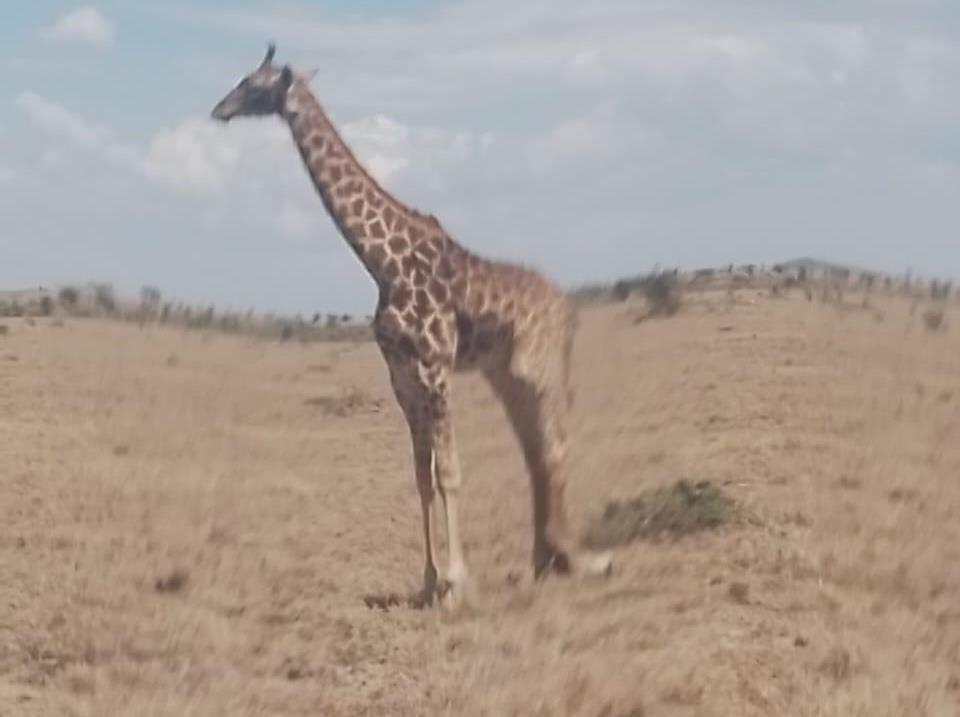
The giraffe had previously been observed on the 7th of September 2025, exhibiting lameness, suggesting a chronic and unresolved musculoskeletal injury. No interventions were done due to the nature of the lesion.
Immobilisation, examination and treatment
Clinical examination conducted from a safe distance to avoid unnecessary stress to the giraffe showed a marked lameness of the left hindlimb, characterized by a dropped hock and a plantigrade stance. These findings pointed to a ruptured calcaneal (Achilles) tendon. The giraffe moved with reduced weight-bearing capacity of the affected limb but remained alert, responsive, and able to browse.
Prognosis
Calcaneal tendon rupture in large wild ungulates is extremely poor. Surgical intervention is not feasible and humane in a free-ranging giraffe. Due to the chronic nature of the injury, the poor functional recovery, and the welfare considerations of attempted repair, the decision was made not to immobilize further at this time. The giraffe was recommended for close monitoring by the Mara vet team and area rangers. Should the condition deteriorate or any additional complications arise, prompt reassessment and appropriate interventions will be done timely.
Case 6 –
2025
Lion Natural Causes Masai Mara National Reserve
Olopi was an adult territorial lion born in 2017 within the Sampu Enkare pride. Following dispersal from his natal pride with his three male siblings, Olopi successfully established territorial dominance over several prides during his prime. Over the years, Olopi lost all his blood brothers, leading to increasing instability in the coalition. In September 2025, Olopi was involved in a violent territorial altercation with rival lions. He sustained severe traumatic injuries, causing limited movement. Veterinary treatment was administered immediately with follow-up treatment, after another territorial encounter with other male lions that caused additional injuries Despite some recovery, the injury continued to reduce Olopi’s mobility, hunting efficiency, and defensive ability. On December 13, Olopi was attacked by a herd of buffalo resulting in severe penetrating thoracic injuries that caused difficulty breathing.
Immobilisation, examination and treatment
Emergency chemical immobilization was done using 300mg of Ketamine and 8mg of Medetomidine A clinical examination showed a severely depressed lion with rapid, shallow breathing and increased respiratory effort, causing respiratory distress. Multiple penetrating injuries were noted. Treatment options were limited by the extent of the internal injury and rapid respiratory difficulty. Emergency wound treatment was done with consideration for thoracic stabilization and decompression, however during assessment, Olopi experienced progressive respiratory collapse and cardiac arrest and died quietly before therapeutic intervention.
Case
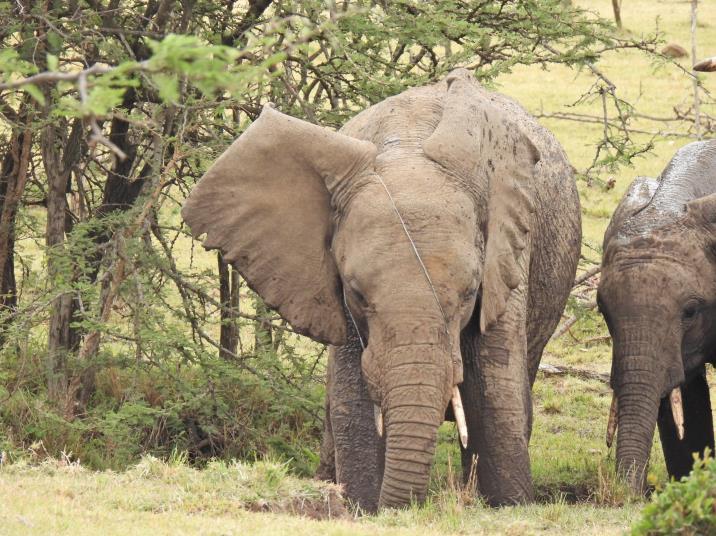
Elephant Snared
Naboisho Conservancy
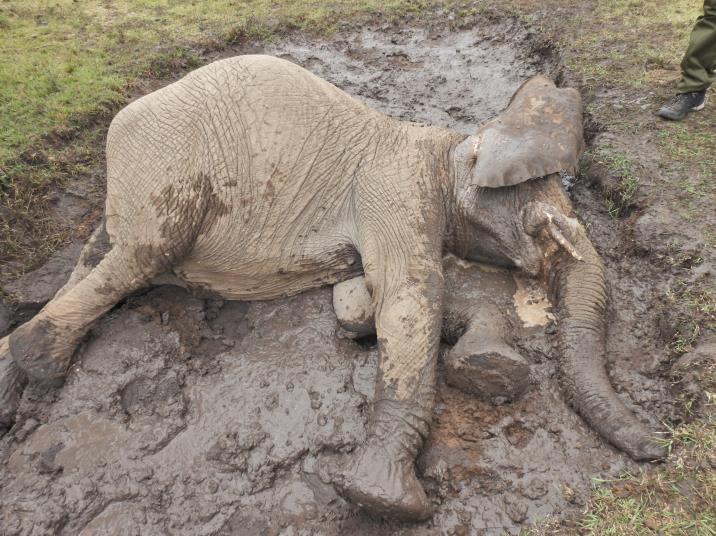
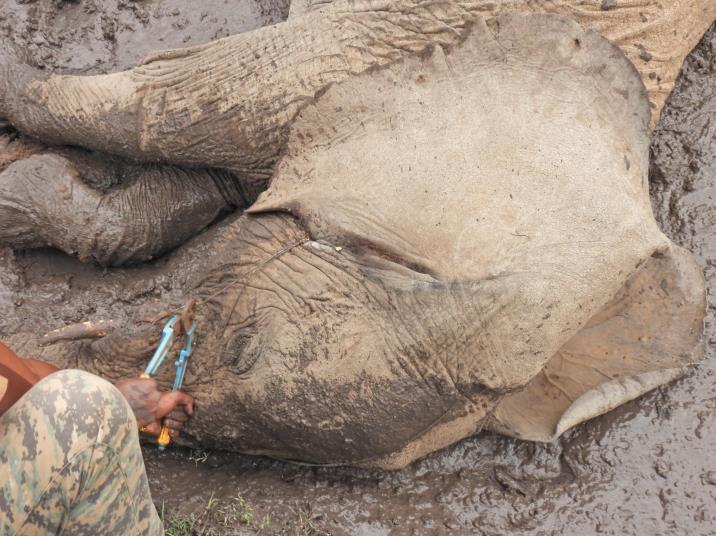
The elephant exhibited an abnormal head posture, oral discomfort, and evidence of an illegal wire snare embedded around the craniofacial region, which traversed the oral cavity and extended to the right auricular region. The snare had progressively cut into soft tissues of the mouth commissure and the right ear pinna, posing a risk of tissue infection and necrosis.
Immobilisation, examination and treatment
The elephant was immobilized with 12mg Etorphine from a vehicle. The elephant was safely immobilized within 5 minutes and went to lateral recumbency on a small mud bath. Examination revealed a metallic snare deeply embedded across the oral commissure, extending to the right ear. The snare had caused linear lacerations with moderate soft tissue trauma. Oral examination revealed no fractures or penetration into deeper oral structures, and the right ear cartilage remained structurally intact. The wire snare was carefully retrieved using a wire cutter The wounds were thoroughly cleaned with clean water and hydrogen peroxide then flushed with a tincture of Iodine. Topical medication was given to both oral and auricular lesions.
Prognosis
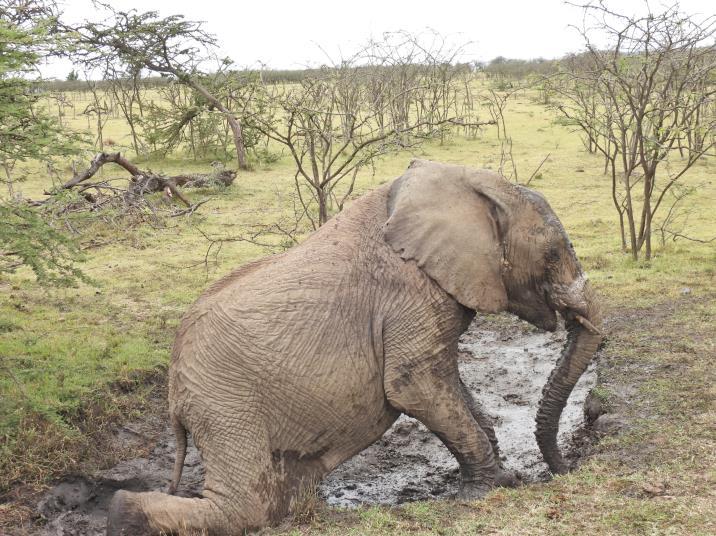
Following reversal of the anaesthetic the elephant stood up, took a bath in a nearby mud pool and walked off slowly, joining its herd. Prognosis is good. .