Case 1 – 3rd January 2026
Elephant Postmortem
Kitenden Conservancy
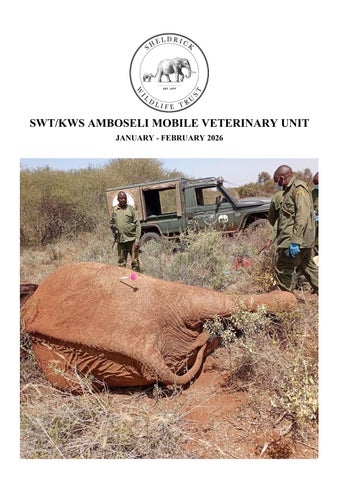
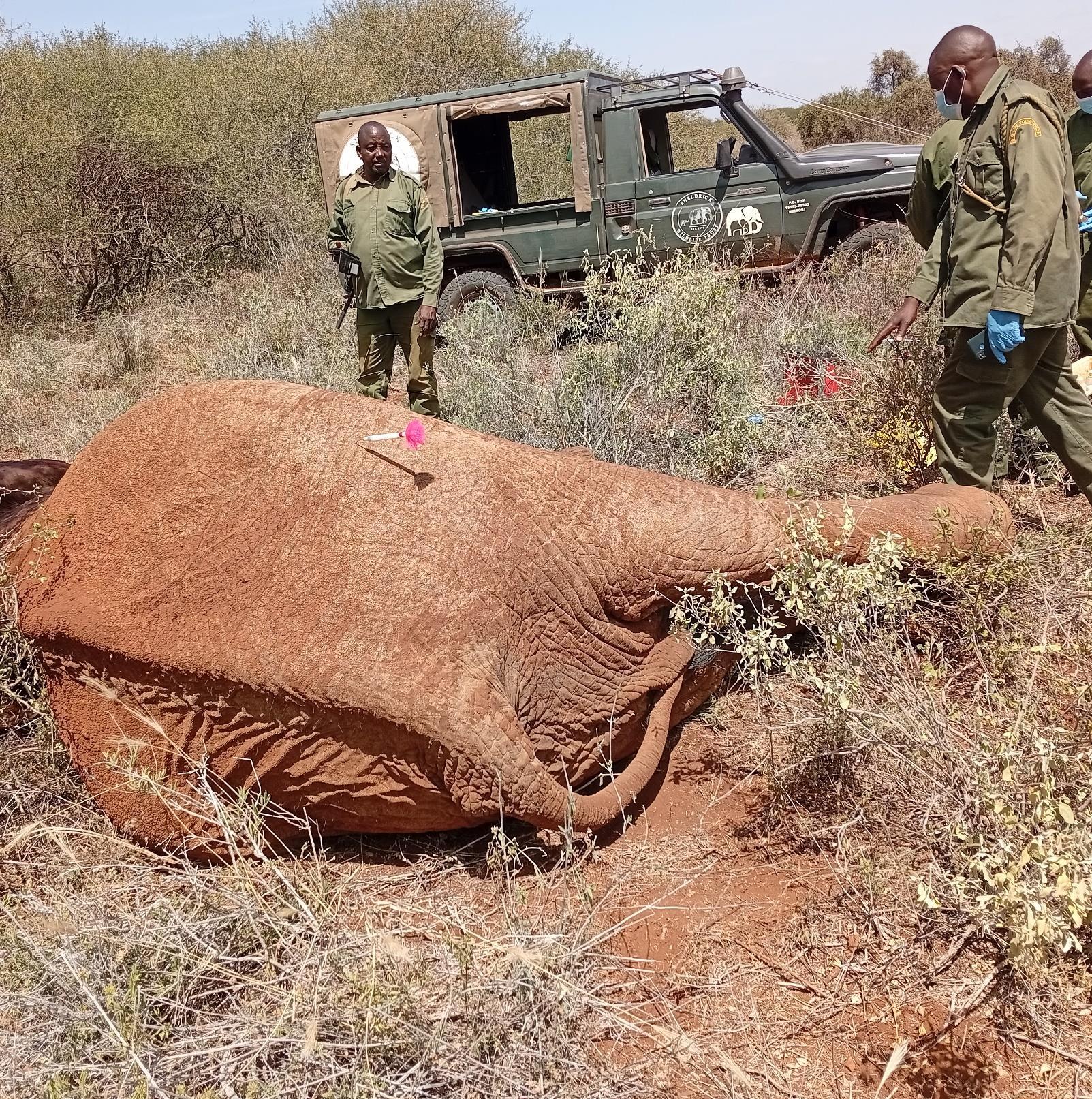
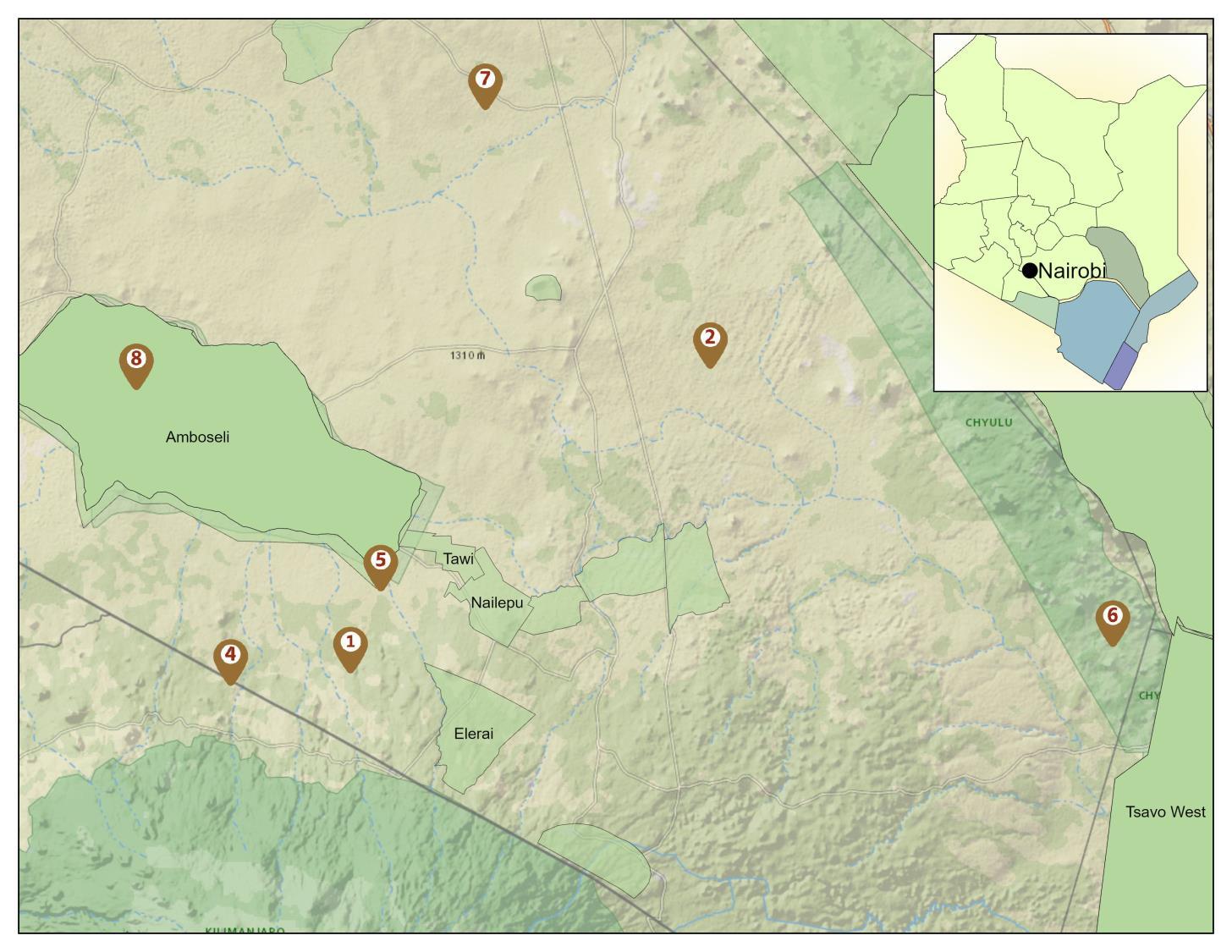
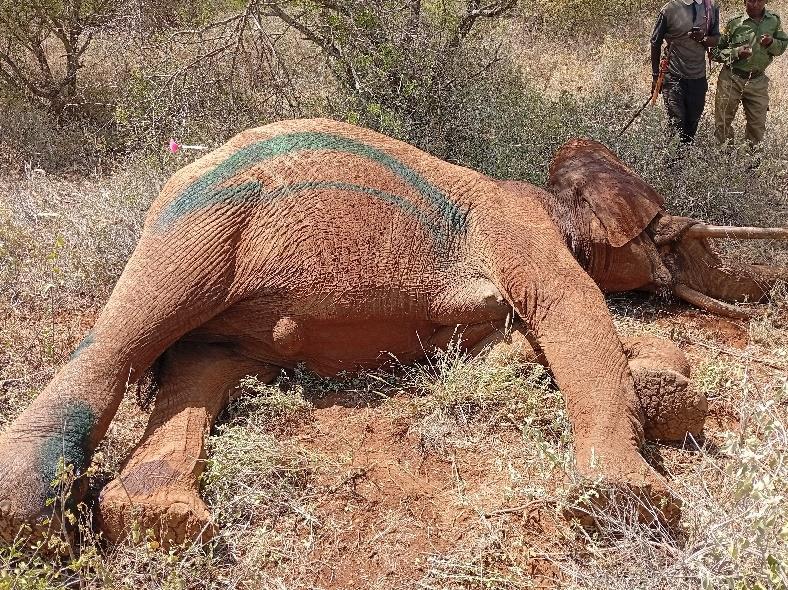
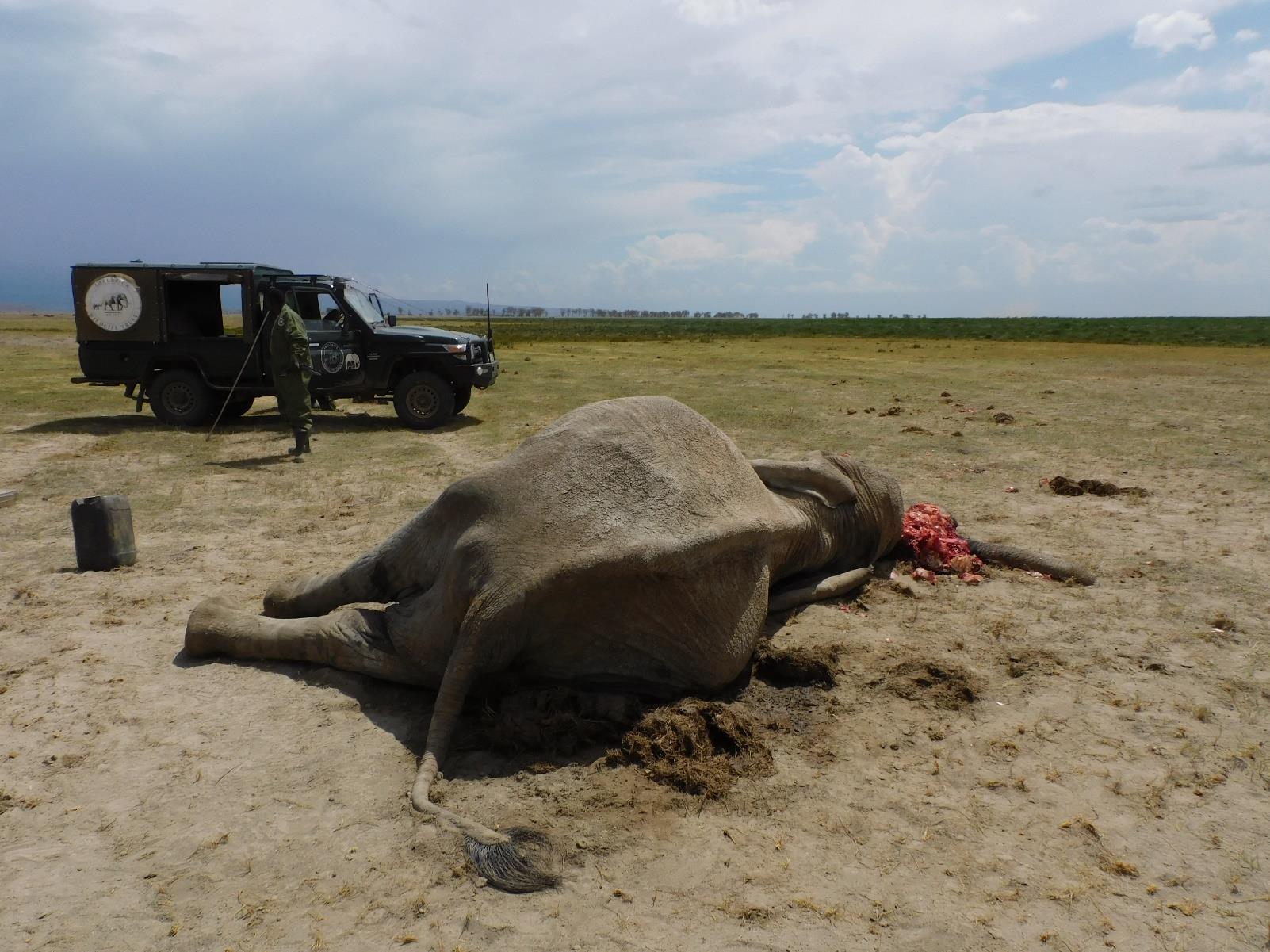
A report of an ill elephant was received from a community member in Kitenden Conservancy. The elephant (Craig, 54 years old) was relatively tame and had two huge tusks, which made him attractive to the public following. The veterinary team visited the elephant shortly after the report and stayed with him for the better part of the night. The elephant looked weak but kept moving without foraging. During the night, the elephant fainted and fell into lateral recumbency. Kitenden Conservancy, BLF, ATE and Massai Wilderness Community Rangers assisted with the night monitoring and carcass examination.
Postmortem examination
The elephant presented with a swollen abdomen and a congested buccal cavity. The elephant looked emaciated and presented with prominent facial bone No external injuries were established from the intact body parts of the carcass. The carcass was fresh and had no autolytic or bacterial activity in the soft tissues. The elephant's large intestine was twisted before the caecum, leading to severe oedema and haemorrhages. The caecum was bloated with gas but had no feed material internally. The small intestine was normal despite scanty haemorrhage. Faecal material in the large intestine was abnormally dark green as opposed to the normal golden colour. All other abdominal organs looked normal but were rather pale.
Cause of death
Likely due to septic shock and a complex of ischemia, toxaemia and severe fluid balance
Lion
Human-Wildlife Conflict
Oltiasika, Mbirikani Group Ranch
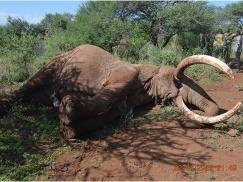
BLF rangers in Imbirikani reported a dead lion to AMVU. The lion was killed by a local herder using a spear after the cat attacked his cows in the Mbirikani Group Ranch.
Postmortem examination
The carcass demonstrated good health before death but had a penetrating wound on the right hind limb. A cut made through the wound helped in observing the extent of the injury. The injury was shallow and unlikely to have caused death. The lion was extremely bloated.
Cause of death
Severe bleeding, but it's likely that the lion had been poisoned before the injuries.
January 2026
Human-Wildlife Conflict
Kitenden Conservancy
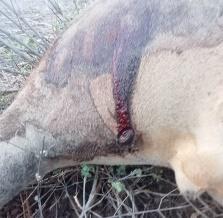
Twenty-five vultures and six lions were found dead in Kitenden Conservancy on 7th January 2026. The lion died after feeding on the remains of a dead cow, as reported by Maasai Wilderness Rangers on patrol in the area. The vultures died after feeding on either the cow or the lion carcasses. The dead cow had been killed by a pride of seven lions. No other animals were reported dead; however, hyenas had been observed feeding on the carcass by the time of the veterinary examination. The vultures were found scattered in different areas away from the carcass. All dead birds were collected and congregated at one point for incineration.
Postmortem examination
A cow carcass was found a few metres from the dead vultures. The carcass was intact but showed signs of decomposition. Additionally, the remains of a lion that had been preyed upon. White substances were observed on the ground and on stones near the carcasses. A total of six lions were scattered across different sites. The vultures were intact but moderately decomposed, while all the lions had been eaten and were heavily decomposed. The lion carcasses were estimated to have died at least four days before their discovery. The intestinal contents looked black and decomposed. The decomposition of the vultures was minimal, with only a few maggots seen on the underside of the carcass. Flies and white substances were found beside one vulture. Crop membranes appeared congested and filled with meat. Some birds had pieces of meat in their beaks at the time of death. Likely, they died while feeding or tried to vomit before or during death. The crop contents were collected for toxicological analysis.
Cause of death
Suspected poisoning. The circumstantial evidence at the scene and pathology findings, together with the number of affected individuals, is likely a result of poisoning
Samples collected from the vultures and lions were processed for full toxicological analysis. All carcasses were burnt after postmortem examination to decontaminate the area.
Buffalo Natural Causes Kimana Sanctuary
A herder found a subadult buffalo in their boma and informed Biglife Rangers. The rangers herded the subadult buffalo to Kimana Sanctuary, which was nearby and reported the matter to KWS.AMVU.
Immobilisation, examination and treatment
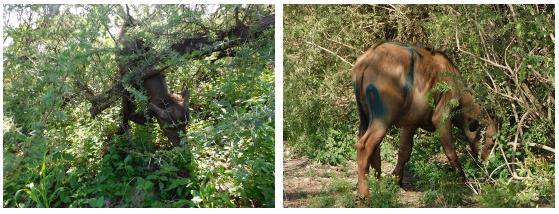
The buffalo had not eaten or drunk water since being taken to the Biglife Camp, despite being prompted by placing a basin of water before her the previous day. The buffalo stood with her head lowered in the midst of a fallen tree.
The buffalo behaved in a docile manner even when approached by people. Teeth grinding was observed from time to time, accompanied by some saliva in the mouth. Both eyes were red, and lacrimation was present in the left eye. The buffalo exhibited a staggering gait when prompted to walk and walked with the head held low. These seemed to signs of rabies which was the official diagnosis. The buffalo was given 15ml Enrofloxacin and 15ml Dexamethasone, administered intramuscularly. Ivermectin 4ml was injected subcutaneously. The buffalo was led deeper into the sanctuary away from people.
Prognosis
Prognosis is poor.
White Rhino Research/Survey Kanzi Conservancy
Following a request to keep 3-5 white rhinos, a team of experts was recruited to examine the suitability of Kanzi Conservancy for the rhinos. Kanzi was examined for ecological suitability, security enhancement and management during the period 11-18 January 2026. Kanzi Conservancy is iconic and forms part of the Chyulu Hills. It's biologically endowed with a historic sympatry of black rhino and disease vectors. The area lies amidst livestock and wildlife that are capable of sharing diseases in the Conservancy. An assessment that employed a combination of a field survey and key informant interviews was conducted to help identify disease risk to the proposed introduction of white rhinos in Kanzi conservancy.
Assessment
Ticks were collected using a drag and flag sampling design. A tick blanket measuring 1m² was pulled or flagged over the vegetation, and attached ticks were collected using a pair of entomology forceps. All encountered ticks were removed, counted, and placed in vials containing 98% ethanol. Ticks were also collected at random from cattle found in Kanzi. Ticks were identified to the species level using standard identification keys and by comparison with voucher specimens.
Tsetse fly collection and identification could not be implemented during the assessment due to time limitations. However, an independent study on the tsetse fly has been discussed and planned for implementation.
Animal diseases in Kuku arise from infectious, vector-borne, and nutritional causes. A health and disease survey of livestock in KUKU, Loitotok Sub County area was conducted in order to identify diseases that are most prevalent in the area surrounding the proposed Kanzi Conservancy. The information from this survey provides an estimate of those diseases that occur with notable frequency on livestock in Iltilal. This information is useful for identifying diseases that are important for the health of the Rhino. Most likely, the rhino can be exposed to this disease when in proximity to livestock. Foot and Mouth Disease is endemic and one of the leading diseases. FMD virus strains so far reported were SAT1, SAT2, O & C. Anthrax has been reported, but with a moderate number of cases. Contagious Caprine Pleuropneumonia, Contagious Bovine Pleuropneumonia, and Sheep and Goat pox were reported, but in low cases. Tetanus and Black Quarter have been reported scantily and occur rarely. The county has potential for Rift Valley Fever, but it may be low due to a lack of water stagnation; none has been reported recently. Nevertheless, the county has an active disaster preparedness plan for such diseases.
Recommendations
Kanzi landscape has adequate vegetation for the proposed rhino feed. Water is available, but ponds and wallowing areas are absent and need to be provided. Kanzi management demonstrated adequate financial capacity to procure the materials required. It’s the utmost belief of the technical working team that the conservancy has adequate capacity to mobilise resources to keep the requested rhinos. However, the assessment team established the key developments required for the proposed project and advised KC management.
Elephant
Natural Causes
Eselengei Conservancy
A male elephant was found lame and reported to AMVU. The vet team travelled to the site using a vehicle for the bull examination and treatment.
Immobilisation, examination and treatment
The elephant was successfully immobilised using 18mg Etorphine and attained full immobilisation in 8 minutes.
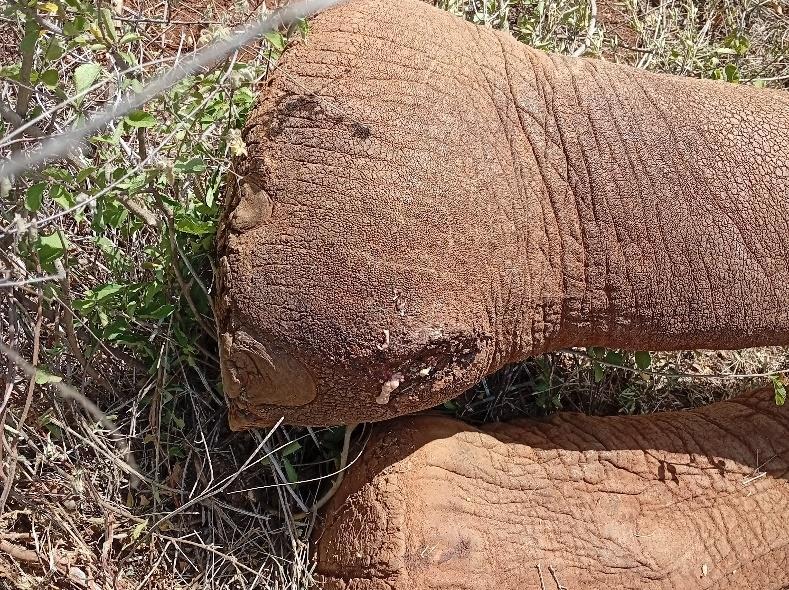
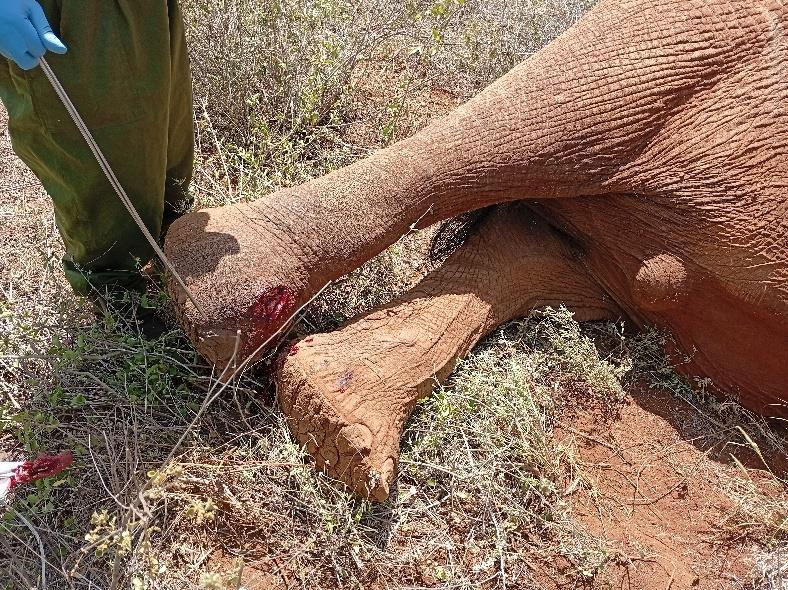
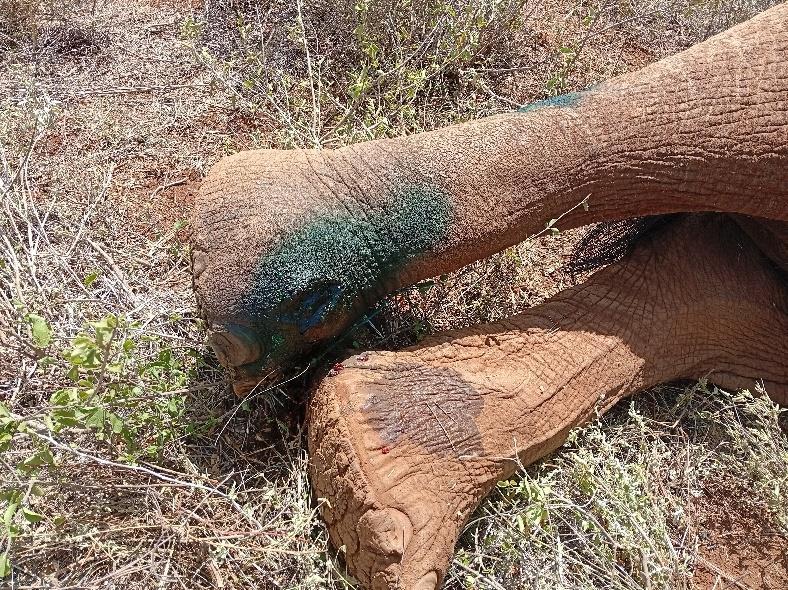
The elephant was lame and had a wound on the right rear limb. The affected hindlimb had pus and the toe was partially cut. The wound was first washed with water to remove debris, then debrided using Hydrogen peroxide. Povidone iodine was irrigated into the wound, and Alamycin spray was applied to counter local infection. Lastly, a systemic antibiotic, Amoxicillin 100ml, was given intramuscularly. Flunixine meglumine was administered intramuscularly to reduce pain and swelling. Prognosis
The elephant was revived using 4ml Naltrexone (an antagonist for the immobilisation drug) and favourably woke up shortly after drug administration. Prognosis is good.