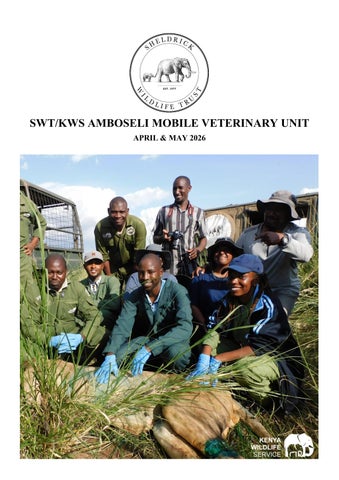
SWT/KWS Amboseli Veterinary Unit Report for April May 2026
APRIL & MAY 2026
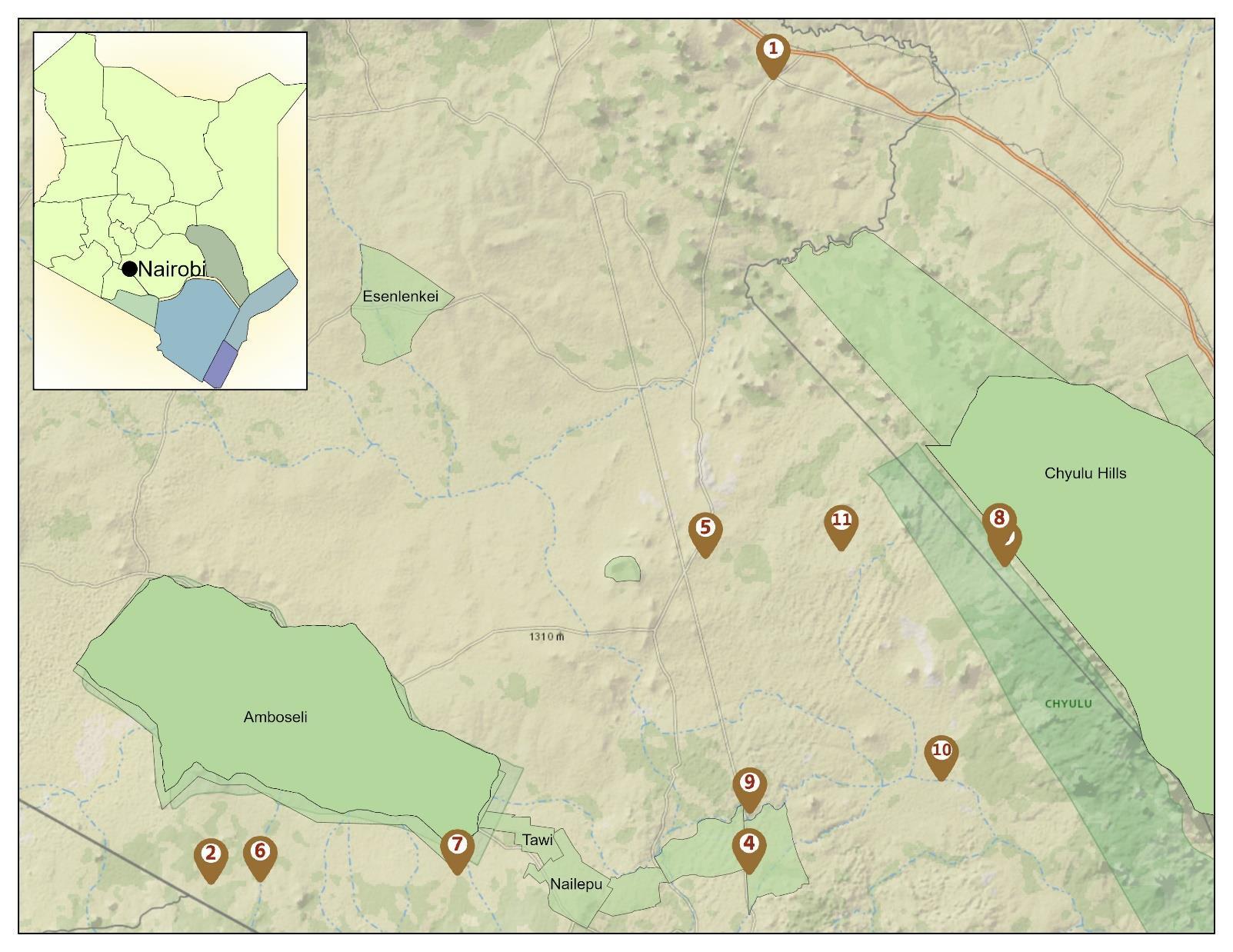
11 Cases
April and May Report by
Dr. Kariuki Edward
2 Poaching Cases
2 Elephant Cases
The Amboseli Ecosystem experienced a rainy and wet period in April 2026; hence, most animals were difficult to trace and monitor, movement in the mud was also relatively difficult, and it's likely to be the reason that few cases were reported. During May, the Ecosystem went through a dry period and the number of cases increased. The Unit did a postmortem on a lion cub, rescue of a zebra from a pit, postmortem of a lioness that died of spear wounds, treatment of a lion with severe laceration wounds as a result of human wildlife conflict, treatment of an elephant with an infected wound, euthanasia of a zebra suspected to be infected with rabies, treatment of a hyena which was suspected to be poisoned, and collar placement on a lion
Acknowledgement
We thank Sheldrick Wildlife Trust (SWT) for material support and Mobile Unit funding. KWS Staff, ATE and BLF rangers for the field support and the monitoring of distressed wildlife in areas of interest are highly acknowledged and appreciated.
Case Details
20-Apr-26 Hippo Tsavo HWC It was an immediate threat and highly likely to injure a Community Member HWC Death
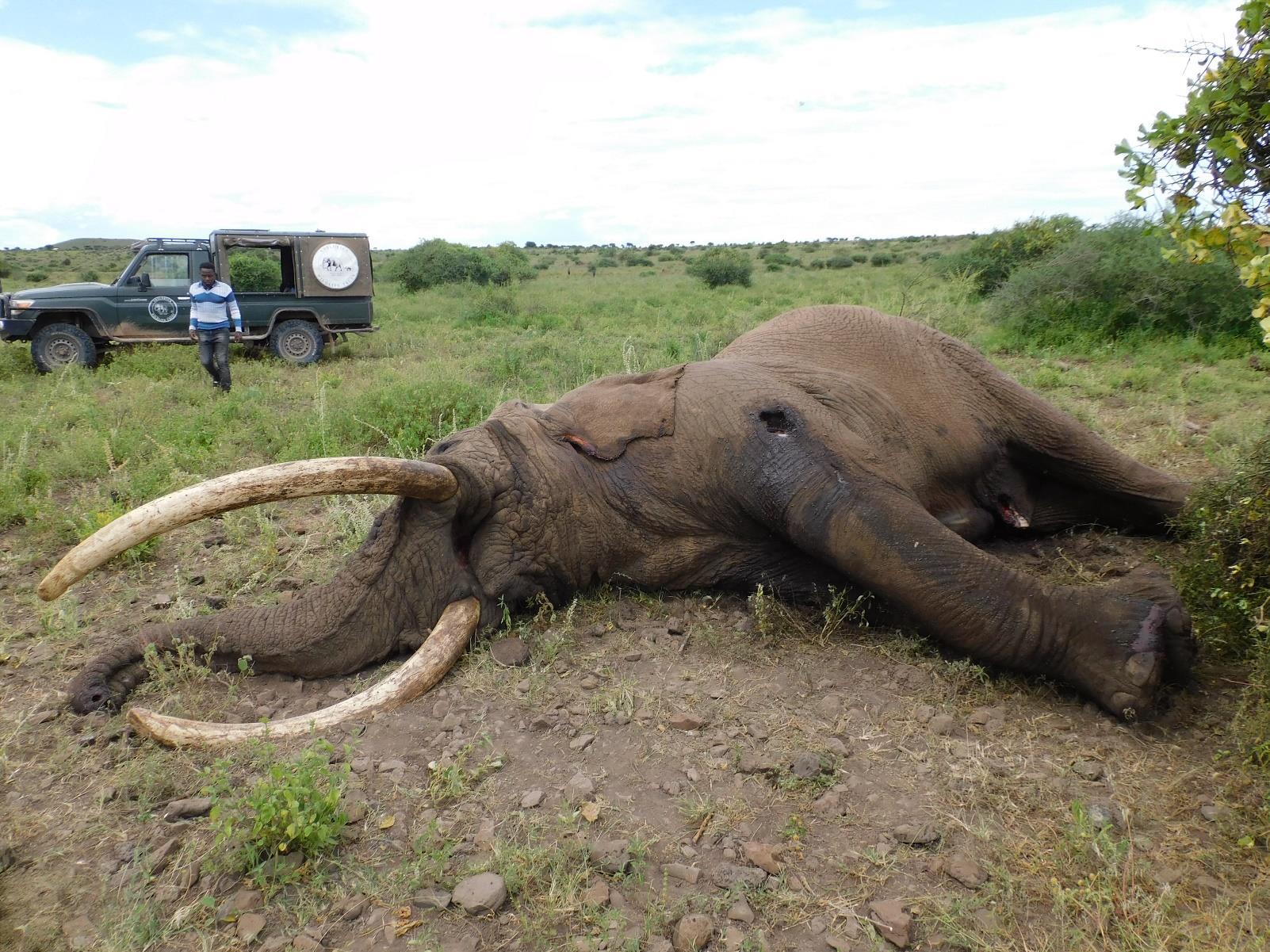
24-Apr-26 Elephant Kitenden Conservancy Poaching Postmortem There was a deep, necrotic, “through-andthrough” wound on the left forelimb
25-Apr-26
Blunt Force Trauma (BFT) leading to massive internal haemorrhage
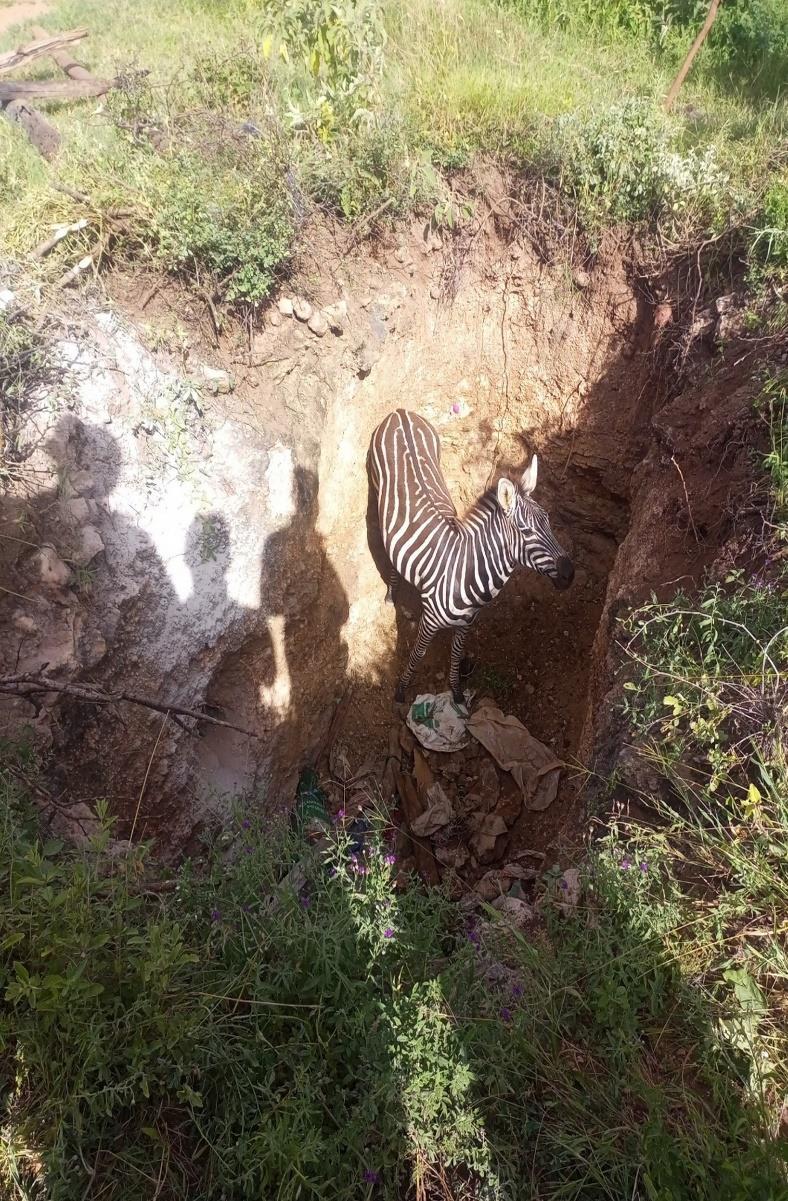
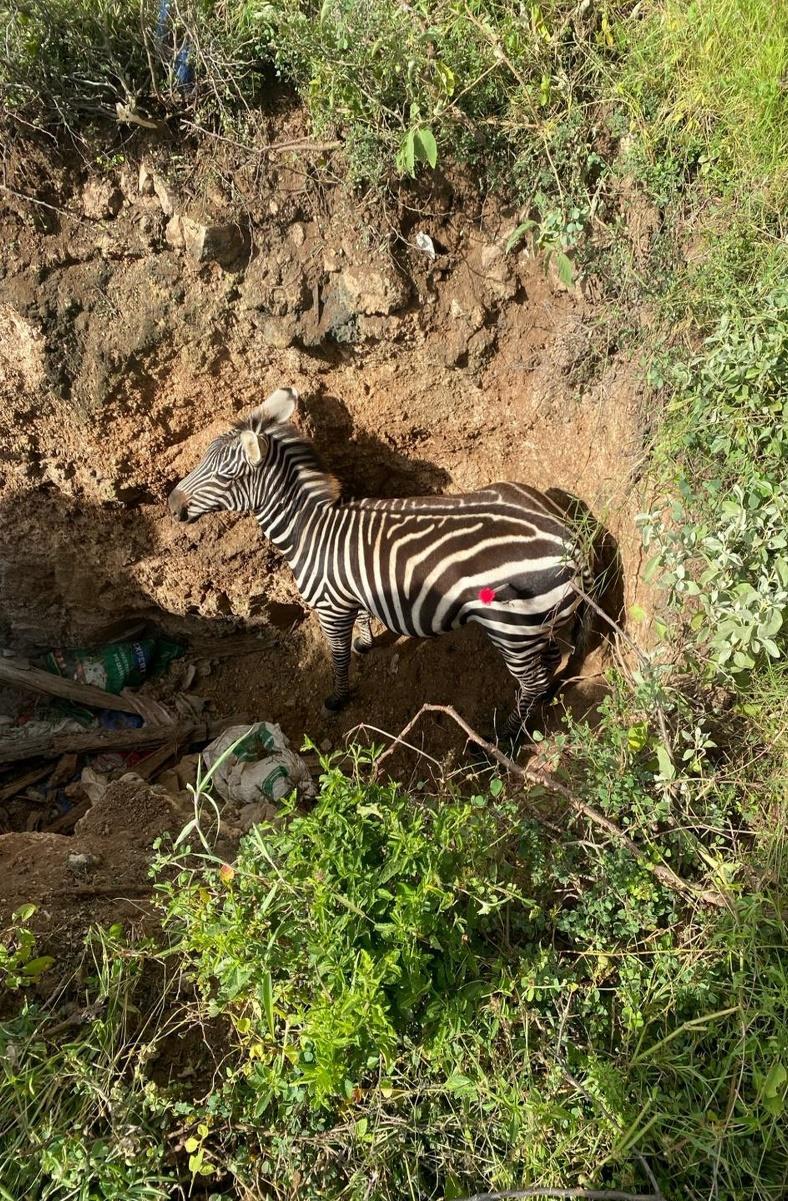
adult female zebra trapped at the bottom of a deep, steep-sided earth pit
retaliation, members of the local community confronted the lioness HWC Death 18-May-26
prominent wound located on the left gluteus muscle
April & May 2026
Human-Wildlife Conflict Tsavo/Mombasa Highway
Initial reports indicated the presence of two hippopotamuses in the Simba Cement area, a location that is not recognised as a typical or natural habitat for the species. KWS Problem Animal Management Unit (PAMU) monitored the situation, observing that the two animals were separated. One individual was tracked moving towards Masimba and was later observed crossing the railway line heading in the direction of Makueni.
Observation and treatment
The PAMU located the hippo in Masimba, specifically within a highly congested community area. Initial intervention strategies focused on safe capture and translocation of the animal out of the human settlement. However, capture and translocation attempts proved unsuccessful. The animal continuously moved from village to village, which resulted in the hippo becoming cornered and trapped within a densely populated community area. At this point, the situation escalated into a severe risk to the public.
After a long and intense follow-up, the hippo was highly stressed, cornered and acted aggressively. It became clear that it was an immediate threat and highly likely to injure or kill community members. Because safe capture was no longer possible without risking human lives and considering the extreme distress the animal was experiencing in that unnatural environment, the hippo was euthanised.
Unfortunately there are no pictures for this case
Elephant Poaching postmortem
Kitenden Conservancy
The elephant was reported dead after being discovered by local livestock herders. The Kenya Wildlife Service (KWS) visited the site and notified the Amboseli Vet Unit. No information regarding the animal’s prior health history or movements leading up to its death was available or provided.
Post-mortem examination
At the scene there were broken tree branches, indicated signs of fall and distress before death. The carcass exhibited significant bloating. Evidence of postmortem predation or scavenging was noted on the left breast, the penis, and the soles of the feet. The primary and most significant finding was a deep, necrotic, “throughand-through” wound located on the left forelimb. The wound was packed with mud and highly infested with maggots. A black necrotic tissue surrounded the wound, where additional clusters of maggots were observed. The musculature surrounding the wound was emphysematous (gas-filled). The wound was actively discharging a red-tinged foam escaping from the medial side of the affected limb.
Cause of death
Toxaemia following wound infection and gangrene. The wound was likely caused during a poaching attempt.
Case 3 – 25th April 2026
Lion Human-Wildlife Conflict
Chyulu Hills
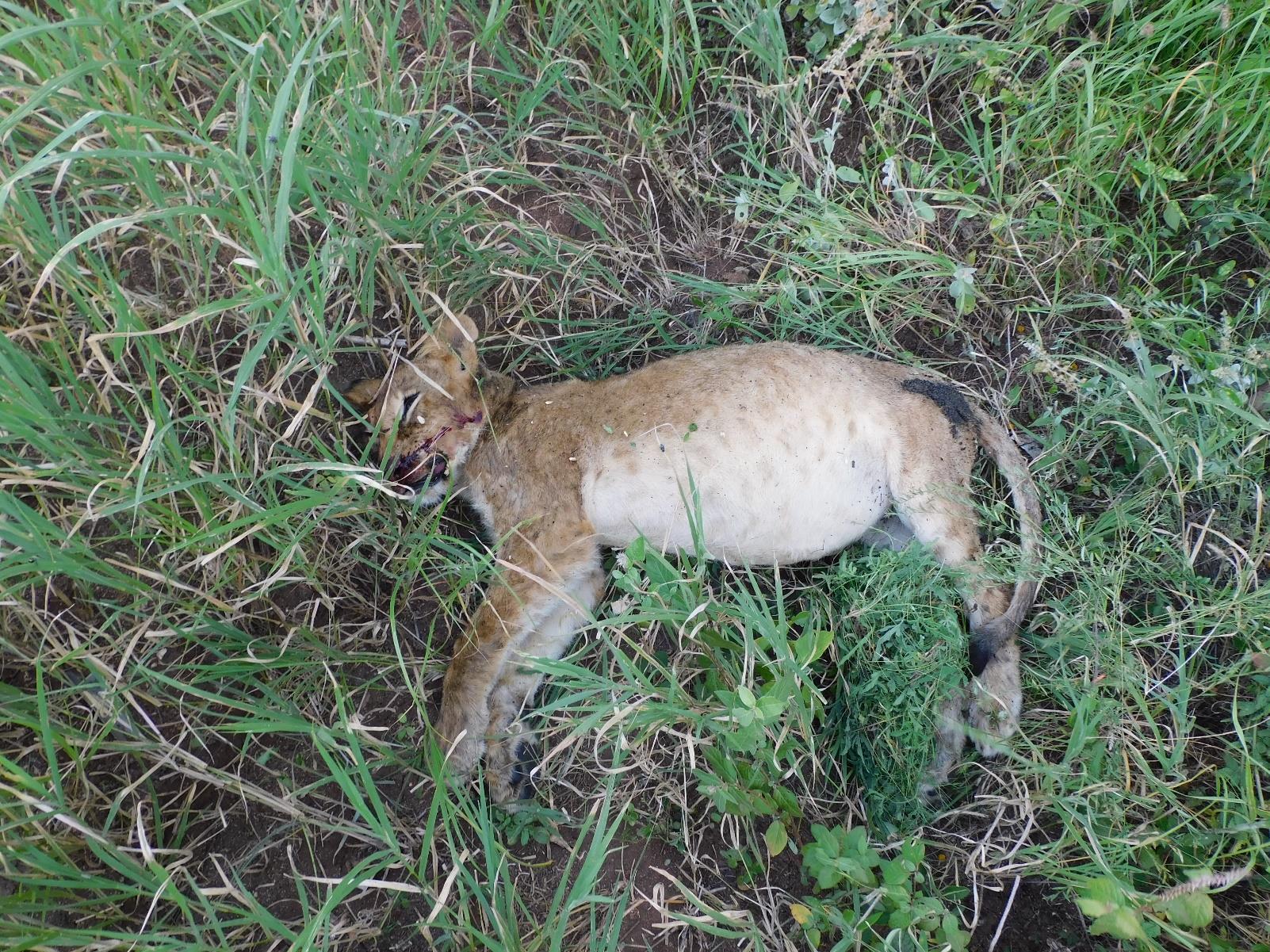
The carcass of the 8-month-old male lion was found a few meters from the side of a road, with visible bleeding from the nose. Based on the state of the carcass, it was determined that the animal had died the previous night. There was a recent report of human-wildlife conflict in the area, specifically involving lions preying on a goat belonging to the local community, but no information on the lion could be traced.
Post-mortem examination
The internal examination revealed traumatic injuries primarily localised to the ventral thoracic and abdominal regions. The diaphragm was ruptured, compromising the anatomical barrier between the thoracic and abdominal regions. There was evidence of internal haemorrhaging, characterised by both haemothorax and hemoperitoneum, which was associated with a sustained liver injury. The respiratory tract was severely compromised; bloody discharge was found filling the trachea and bronchial airways, the lung tissue was heavily congested, and haemorrhages were noted within the tracheal mucosa. Further examination of the abdominal organs revealed an inflamed spleen and a congested intestinal serosa. Examination of the heart revealed a complete absence of blood clots within the cardiac chambers.
Cause of death
Severe blunt force trauma (BFT) leading to massive internal haemorrhage and hypovolemic shock.
Case
Lion
Postmortem
Kimana Sanctuary
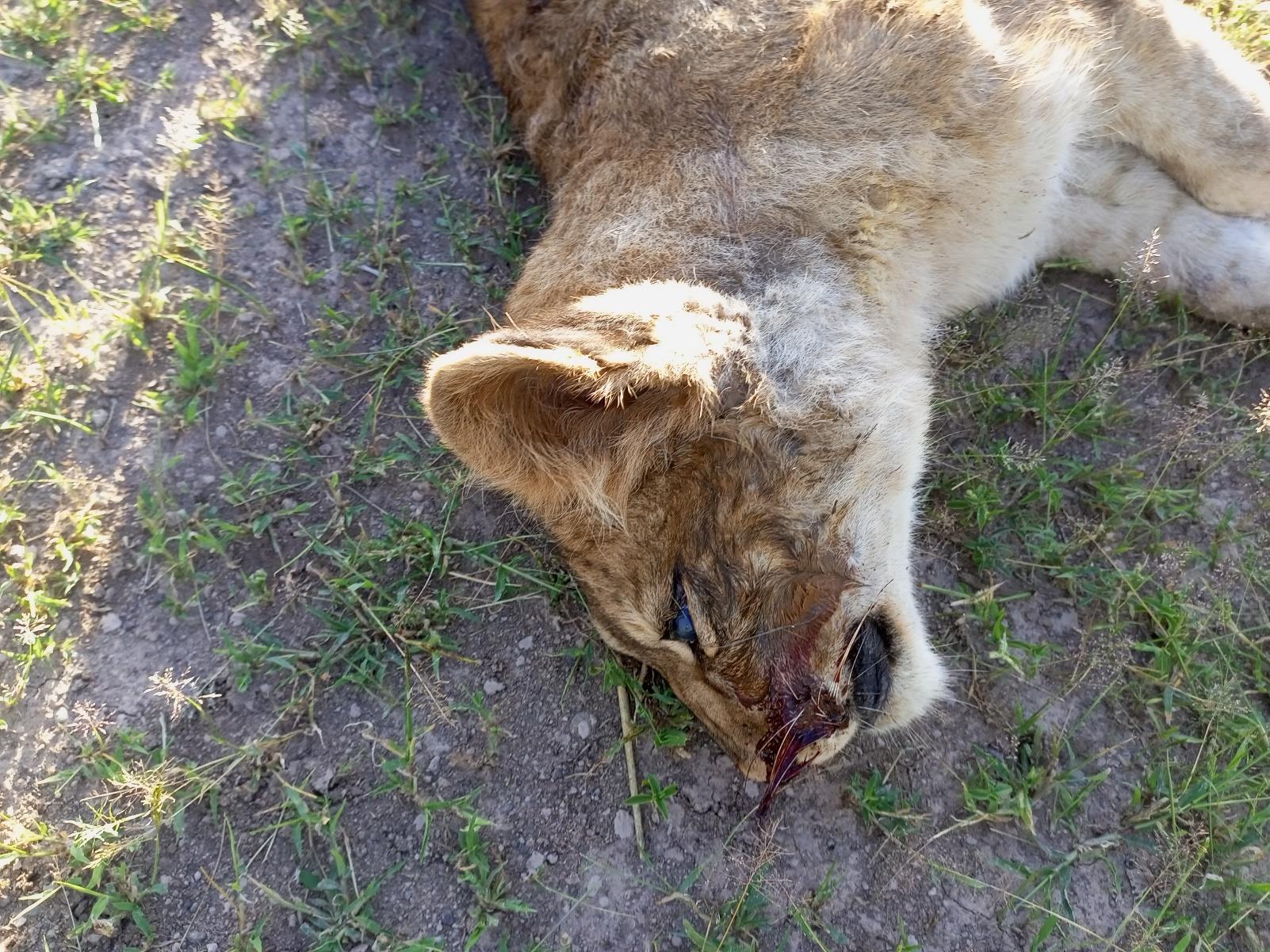
A dead lion cub was officially reported to the Mobile Veterinary Unit (AMVU) by personnel from the Kenya Wildlife Service (KWS) office in Loitoktok station
Post-mortem examination
The cub was determined to be in good body condition, but significant and severe trauma was immediately evident, primarily concentrated on the cranial and left aspects of the body. There was a profuse, bilateral discharge of blood from the nose, which was noted to be viscous, dark red and non-frothy. The right eye had sustained severe localized trauma, resulting in a traumatic rupture of the eyeball and periorbital haemorrhage. On the left side of the body, the fur was visibly matted with blood. Closer inspection revealed distinct puncture lesions localized to the left thoracic and paralumbar regions. Internal examination revealed traumatic injuries consistent with massive crushing and penetrating forces. A significant skeletal and neurological injury caused by a mid-thoracic vertebral rupture, resulting in a complete transection of the spinal cord. Both major body cavities exhibited significant internal bleeding. The lungs were heavy, dark red, and presented with a distinct rubbery consistency, characterized by diffuse bilateral pulmonary congestion.
Cause of death
Hypovolemic shock following severe internal bleeding and extensive tissue damage.
Zebra
Human-Wildlife Conflict
Mbirikani, Amboseli
Big Life Foundation received a report of a trapped zebra in a pit and notified the AMVU. The rescue team found an adult female zebra trapped at the bottom of a deep, steep-sided earth pit. Given the depth of the hole, it was entirely impossible for the zebra to self-extricate.
Rescue
To prevent the animal from further harm to herself or the rescue personnel she was darted with combination consisting of 5 mg Etorphine and 70 mg Azaperone. To safely lift the heavy animal, the team utilized a custom lifting sling made from heavy-duty canvas material. This canvas harness was carefully manoeuvred under and around the sedated zebra's body to evenly distribute her weight. Heavy-duty ropes were then securely attached to the canvas sling. A team consisting of eight men carefully hoisted the animal up the steep vertical walls of the pit and safely onto level ground.
A thorough physical examination was conducted while the zebra was still under anaesthesia. The team specifically checked for any broken bones/severe lacerations that could have occurred during the initial fall into the pit or during her time trapped inside. No significant physical injuries or fractures were detected. Once the zebra was safely removed from the pit and placed on solid, level ground, the anaesthesia was reversed. The animal was given a good prognosis for continued survival in the wild.
Case 6 –
Lion Human-Wildlife Conflict
Kitenden Conservancy
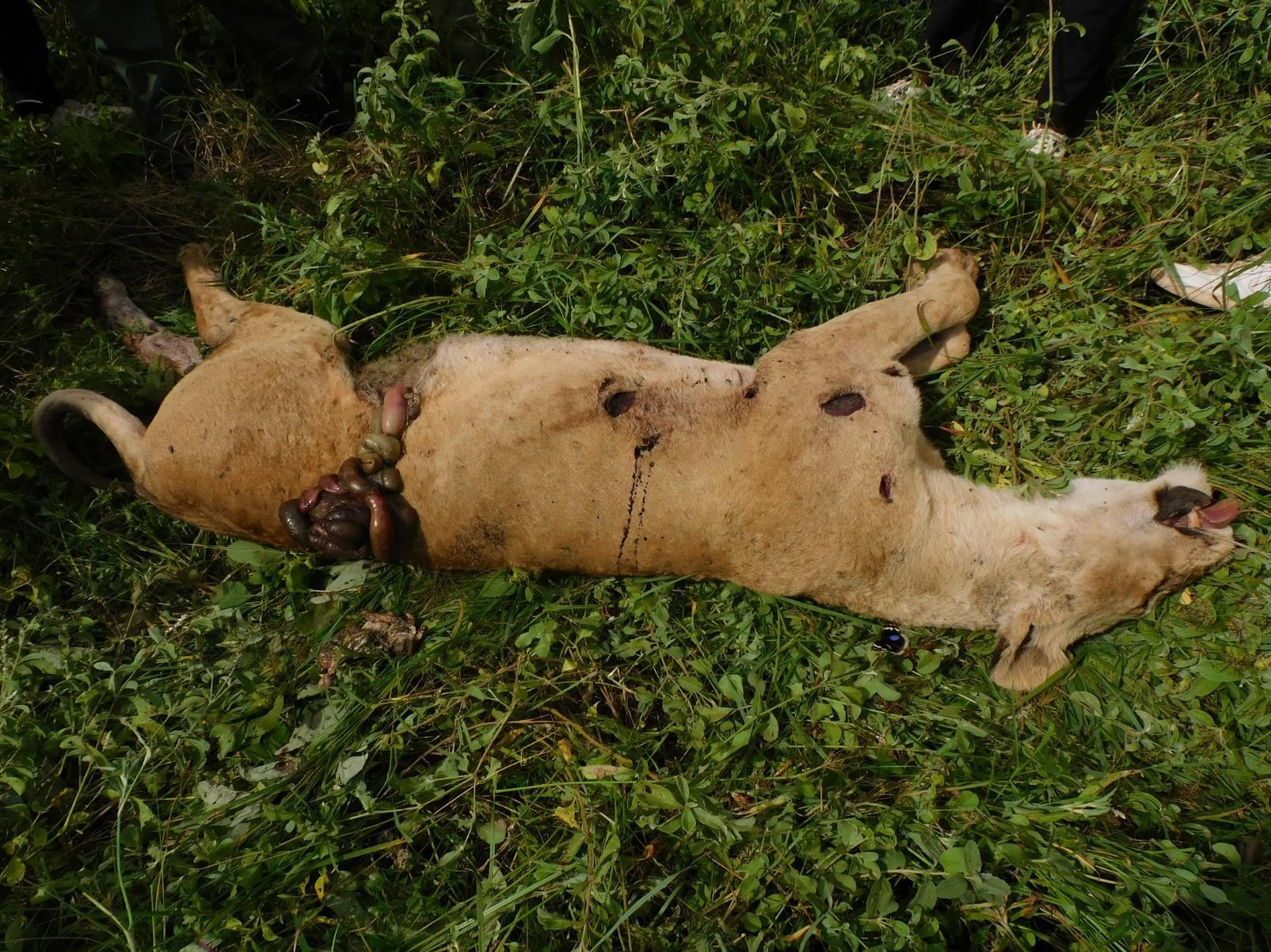
According to reports, the lioness had preyed on community livestock, killing one cow. In retaliation, three members of the local Maasai community tracked and confronted the lioness and sustained injuries from the lioness in the process of the confrontation, whilst the lioness was speared and killed.
Post-mortem examination
The lioness was in good body condition but there were severe penetrating traumas. These wounds were distributed across multiple areas of the body, with one on the lateral aspect of the forelimb, another on the medial aspect of the hind limb and the remaining four wounds concentrated across the thoracic-abdominal region. Internal examination revealed non-survivable multisystemic trauma caused by the deep penetrating wounds. Within the thoracic cavity, there was internal bleeding resulting in severe haemothorax. The penetrating instrument had traversed both the left lung and right lung, ruptured the pericardial sac and punctured the left ventricle of the heart. In the abdominal cavity, a massive "through-and-through" sharpedged puncture wound which caused the stomach contents to empty directly into the peritoneal cavity.
Cause of death
Hypovolemic shock secondary to cardiac puncture and blood loss caused by multiple spear wounds.
Lion
Human-Wildlife Conflict Nkiito, Amboseli Environs
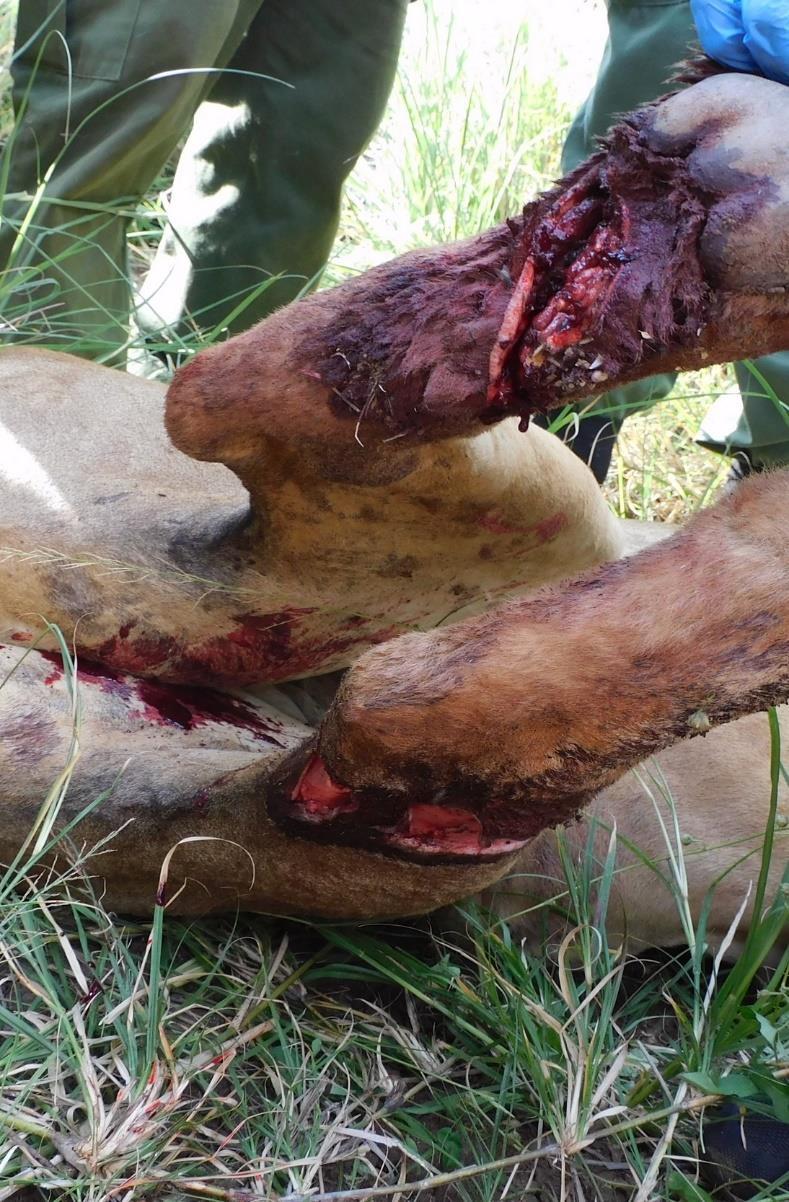
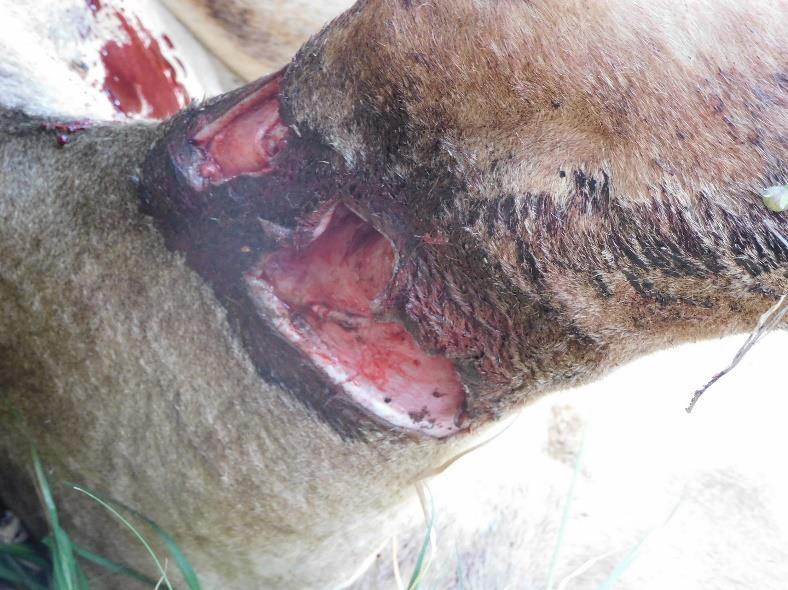
A local herdsman discovered a lion actively attacking his cow. The herdsman speared the lion to defend his livestock against the attack. During the confrontation, the lion managed to escape but sustained deep laceration wounds. AMVU received the report and tracked the lion to provide treatment.
Immobilisation, examination and treatment
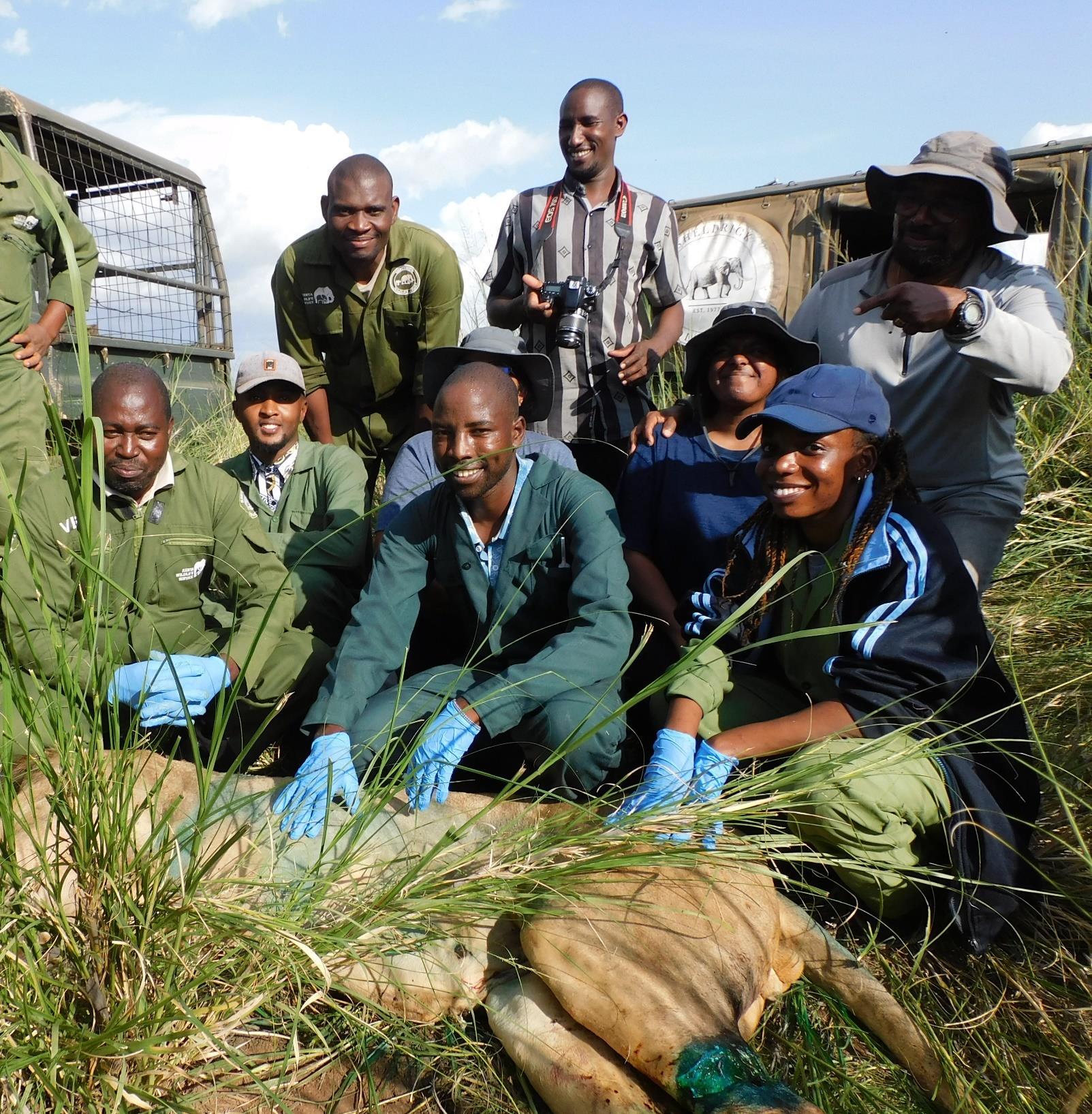
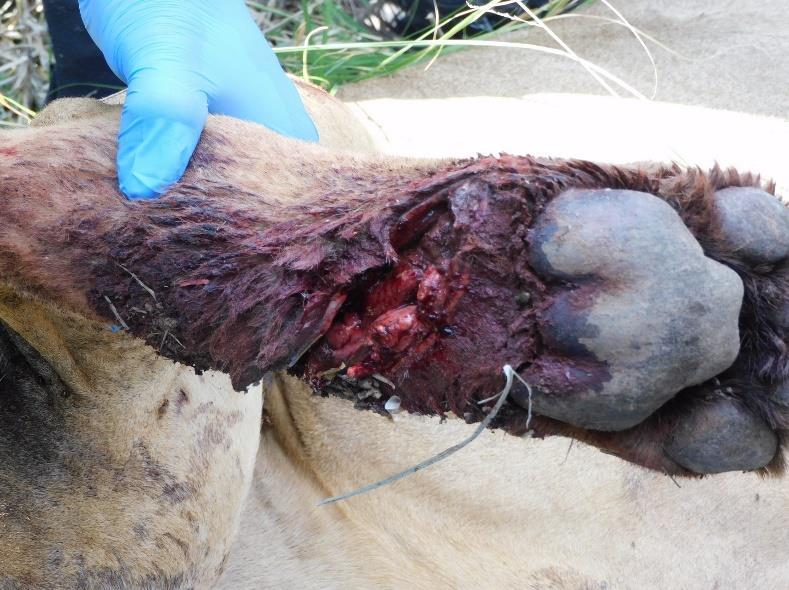
To safely examine and treat the injured lion, the animal was darted directly from a vehicle with a combination of 300mg (3ml) of Ketamine and 6mg (0.15ml) of Medetomidine. The drugs took 10 minutes to take full effect, smoothly bringing the lion into a stable plane of anaesthesia. The vet team confirmed the presence of deep laceration wounds consistent with the reported spear encounter. The primary injuries were located on the hind limbs. One deep laceration was found on the ventral aspect of the right metatarsus and another slightly above the tarsal joint on the left hindlimb. All lacerations were thoroughly cleaned with water to remove accumulated dirt and debris. The wounds were then irrigated with Iodine, locally infused with 20ml of topical Amoxicillin and sprayed with Alamycin. The lion was also administered with Amoxicillin and 15ml of Dexamethasone to prevent infection and reduce inflammation.
Prognosis
With the prompt intervention, the lion is expected to make a full recovery
Case 8 – 19th May 2026
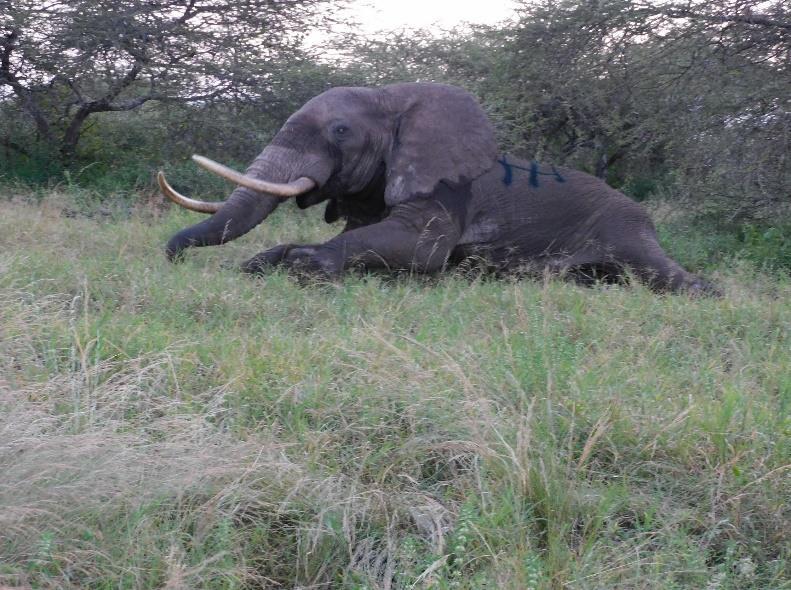
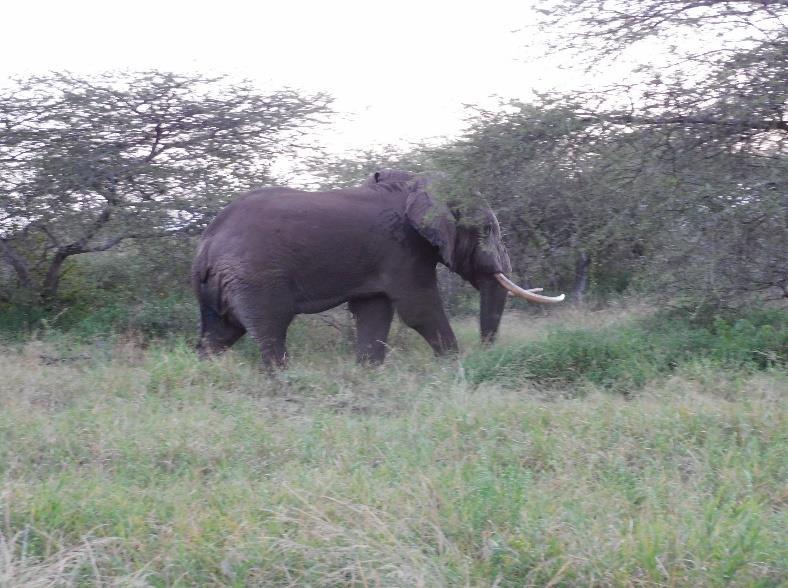
Elephant Spear Wuas, Chyulu Hills
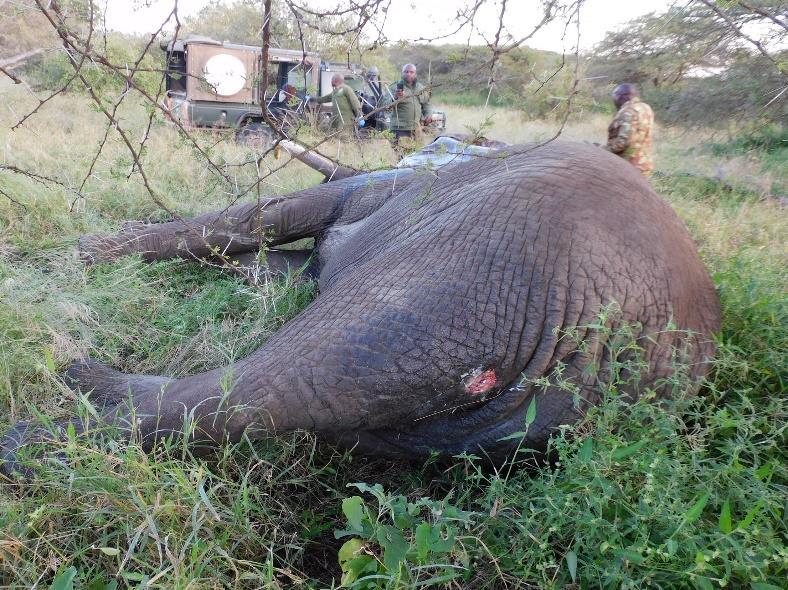
An elephant was spotted in the Endoinyio Wuas area by rangers from the Big Life Foundation. The rangers observed that the animal had a visible wound on its left hind limb and promptly reported the case
Immobilisation, examination and treatment
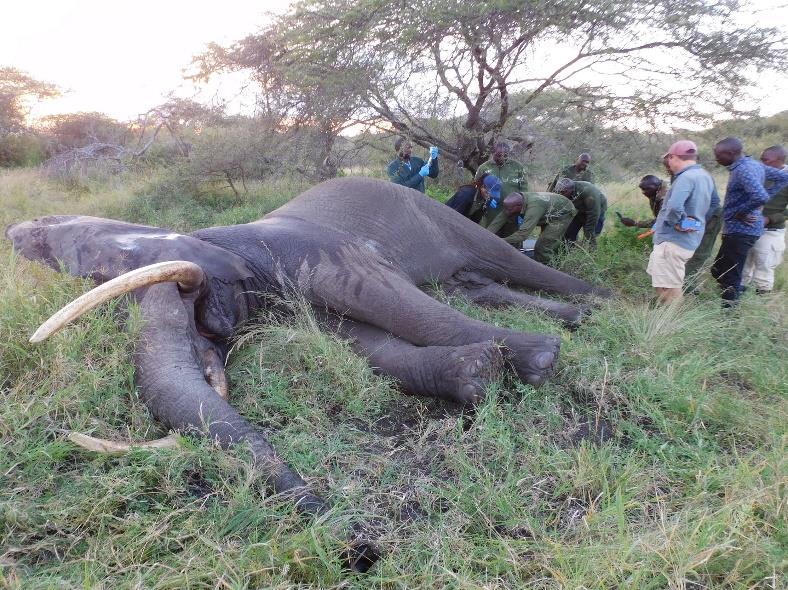
To safely facilitate the examination and treatment of the wound, chemical immobilization was performed. The elephant was darted directly from a vehicle using 20mg of Etorphine.
The elephant was in good overall body condition. The primary clinical finding was a prominent wound located on the left gluteus muscle. Inspection of the wound revealed a deep centre, that was actively exuding a mixture of pus and blood, indicating a localized infection. The infected wound was first debrided and flushed with Hydrogen peroxide to clear out necrotic tissue and the purulent exudate. Following this debridement, the deep wound cavity was thoroughly irrigated with Iodine for broad-spectrum antisepsis then sprayed with Alamycin. To combat systemic infection and manage inflammation, Amoxicillin and Dexamethasone were administered intramuscularly.
Prognosis
Given the animal's good body condition and the medical care provided, the elephant has a good prognosis.
HWC Imbirikani, Amboseli
A rogue male sub-adult zebra was reported within Enkaji Naibor area after it exhibited abnormal and aggressive behaviour towards the local community. The animal was confirmed to have killed one goat and was observed chasing children. Local residents further confirmed that the same zebra had previously killed two additional goats in the same area. The presentation of aggression constituted a threat to the safety of humans and the security of livestock.
Management
Personnel from the Problem Animal Control Unit (PACU) responded to the reports and assessed the threat. The wildlife response team conducted humane elimination of the rogue zebra to neutralize the threat posed. Normalcy was restored in the area following the intervention.
The carcass was properly disposed of and burnt to prevent potential disease transmission and ensure community safety. The PACU delivered samples to the Amboseli Mobile Veterinary Unit and the AMVU received and packaged the sample in compliance with protocols for biosecurity and preservation of samples. Personnel from Amboseli transported the specimen to the Kabete Veterinary Laboratory.
The submission requested examination for the rabies virus as rabies induces alterations in behaviour
Prognosis
The animal was put to rest as it most likely had rabies which would explain the aggressive behaviour. Rabies is not a treatable disease, and the aggressive behaviour was a danger to both human and livestock.
Unfortunately, there are no pictures for this case
Zebra
Case
Hyena Human-Wildlife Conflict
Amboseli Environs
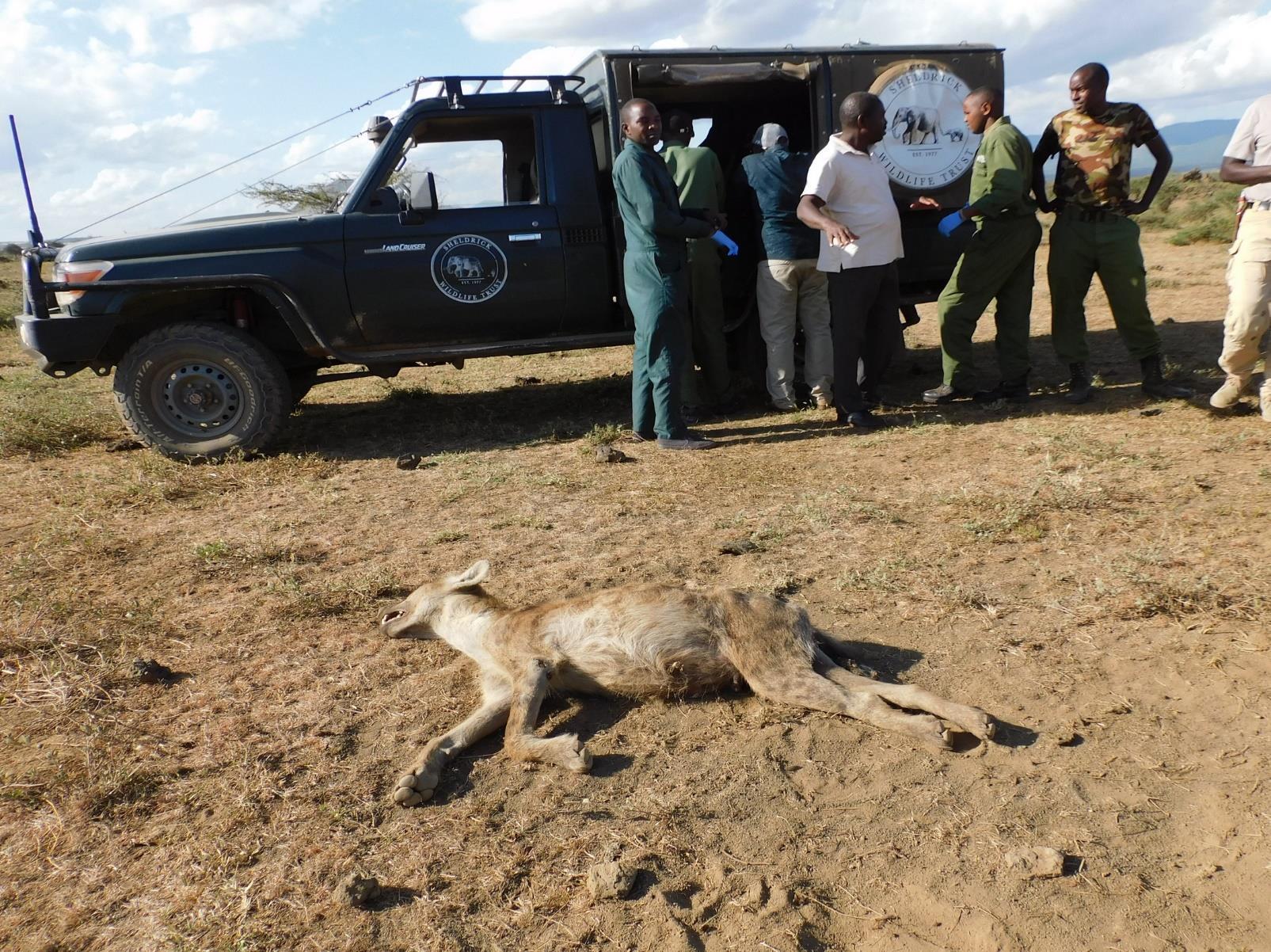
Big Life Foundation reported an adult spotted hyena that was found lying down for at least 6 hours near a community settlement. Because hyenas in this area occasionally prey on livestock, human-wildlife conflict is common. Given the animal's distress and the history of conflict in the area, poisoning was highly suspected.
Examination and management
The hyena was found in right lateral recumbency, severely depressed, weak and unable to stand or move. The examination showed complete immobility in all four legs and a minimal response to touch or sound. The animal was also struggling to breathe. There were no visible physical injuries, bite marks, or external wounds on the body. Based on these clinical signs and the history of the area, a presumptive diagnosis of severe poisoning was made and immediately emergency treatment started. The vet team administered an initial 4.8mg Atropine to act as an antidote, along with 2mg Adrenaline to support heart and lung function. Shortly after, an additional 1.2mg of Atropine was given, bringing the total administered dose to 6mg. To provide circulatory support and help flush out the toxins, 200 ml of Ringer's lactate fluids were administered.
Cause of death
Following the emergency medical intervention, the hyena showed a very slight and temporary improvement. Unfortunately, its condition remained highly critical, and the animal quickly deteriorated and died.
Case
Lion Collaring
Mbirikani, Amboseli
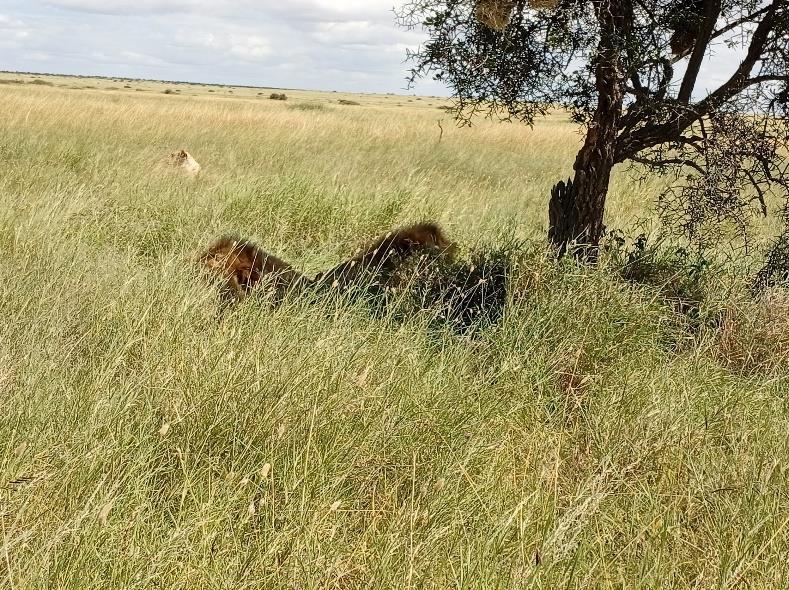
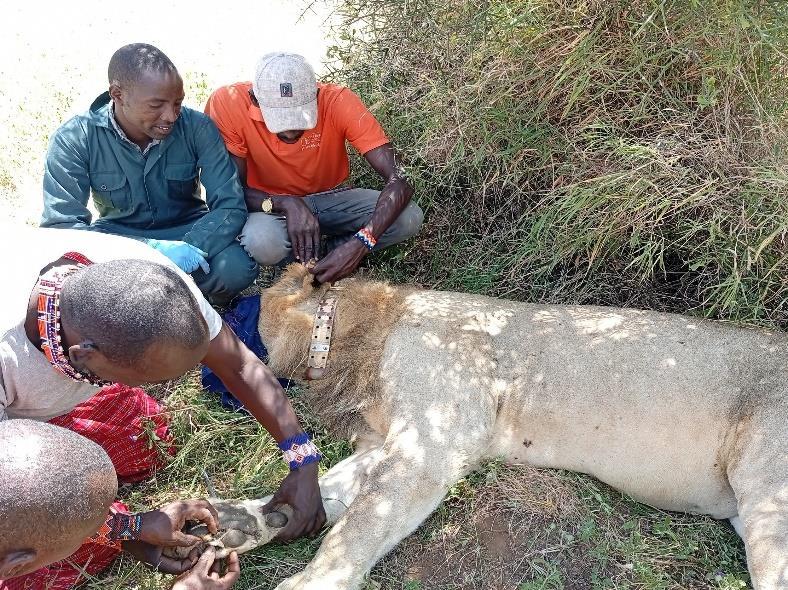
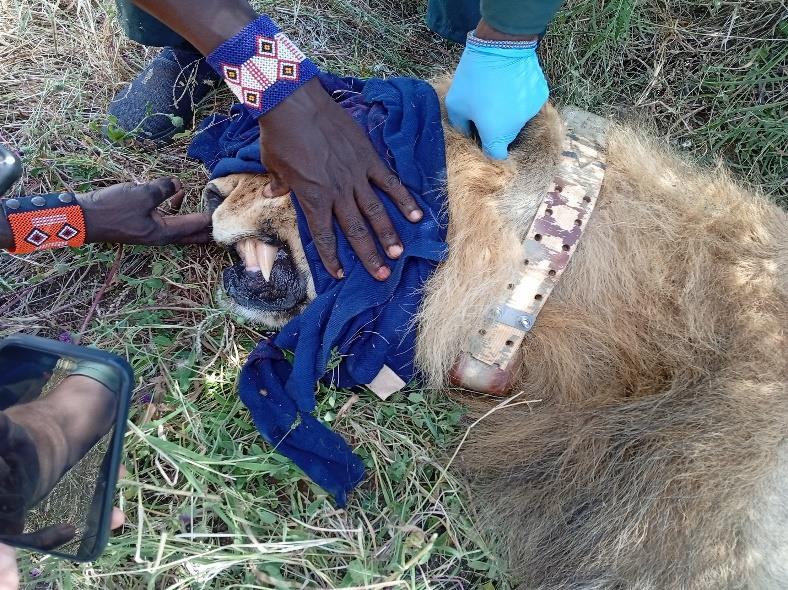
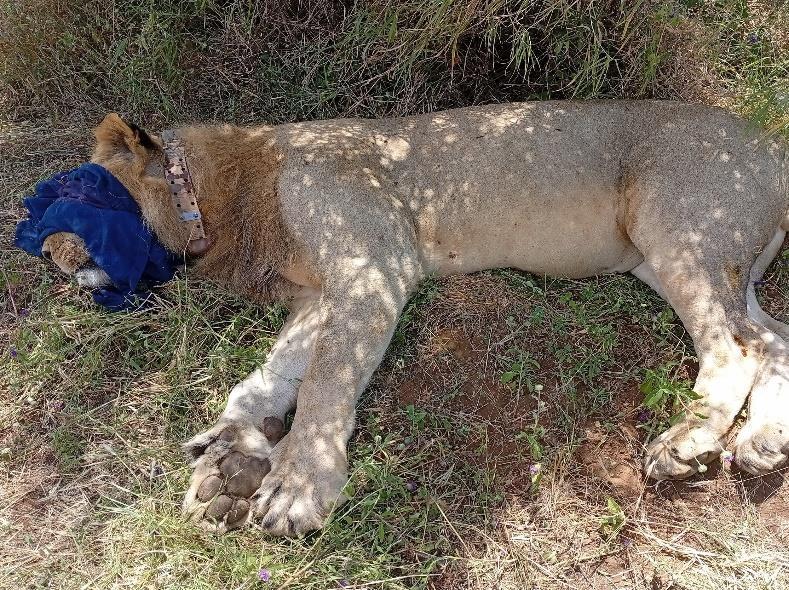
Lion Guardians identified a lion for the application of a collar following an escalation in incidents of predation on the community livestock. The collar will allow monitoring of movements to mitigate conflict and prevent further predation on livestock. Tracking of the animal presented challenges and after 28 days of tracking the animal was finally located and the AMVU responded to help.
Immobilisation, examination and collaring
The lion was darted to deliver an anaesthetic combination of 300mg Ketamine and 6mg Medetomidine. Following the delivery of the dart, it took 15 minutes for the anaesthesia to take effect. A top-up injection of 50mg Ketamine was administered via the intramuscular route to maintain a stable plane of anaesthesia
Physical examination was conducted to evaluate the general health status of the animal. The lion was assessed to be in good body condition with some minor contusions but no deep tissue injuries or active bleeding. The affected areas disinfected using Iodine to maintain local antisepsis. A dose of Amoxicillin was administered to reduce the risk of secondary infection. A collar was then fitted securely around the neck to facilitate monitoring and ecological tracking purposes. Fit and placement were checked to ensure proper positioning and function before completion of the procedure. Recovery from the anaesthesia was smooth and uneventful, with the lion regaining a standing position and departing the site without complications.