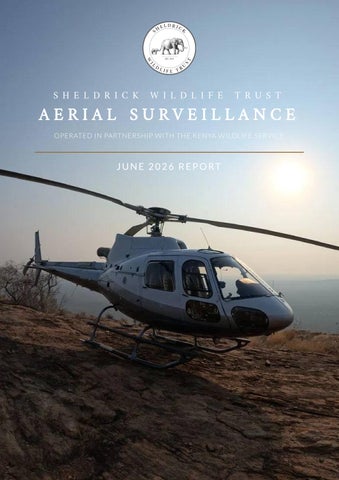
A E R I A L S U R V E I L L A N C E
OPERATED IN PARTNERSHIP WITH THE KENYA WILDLIFE SERVICE
JUNE 2026
Aerial Unit Monthly Report
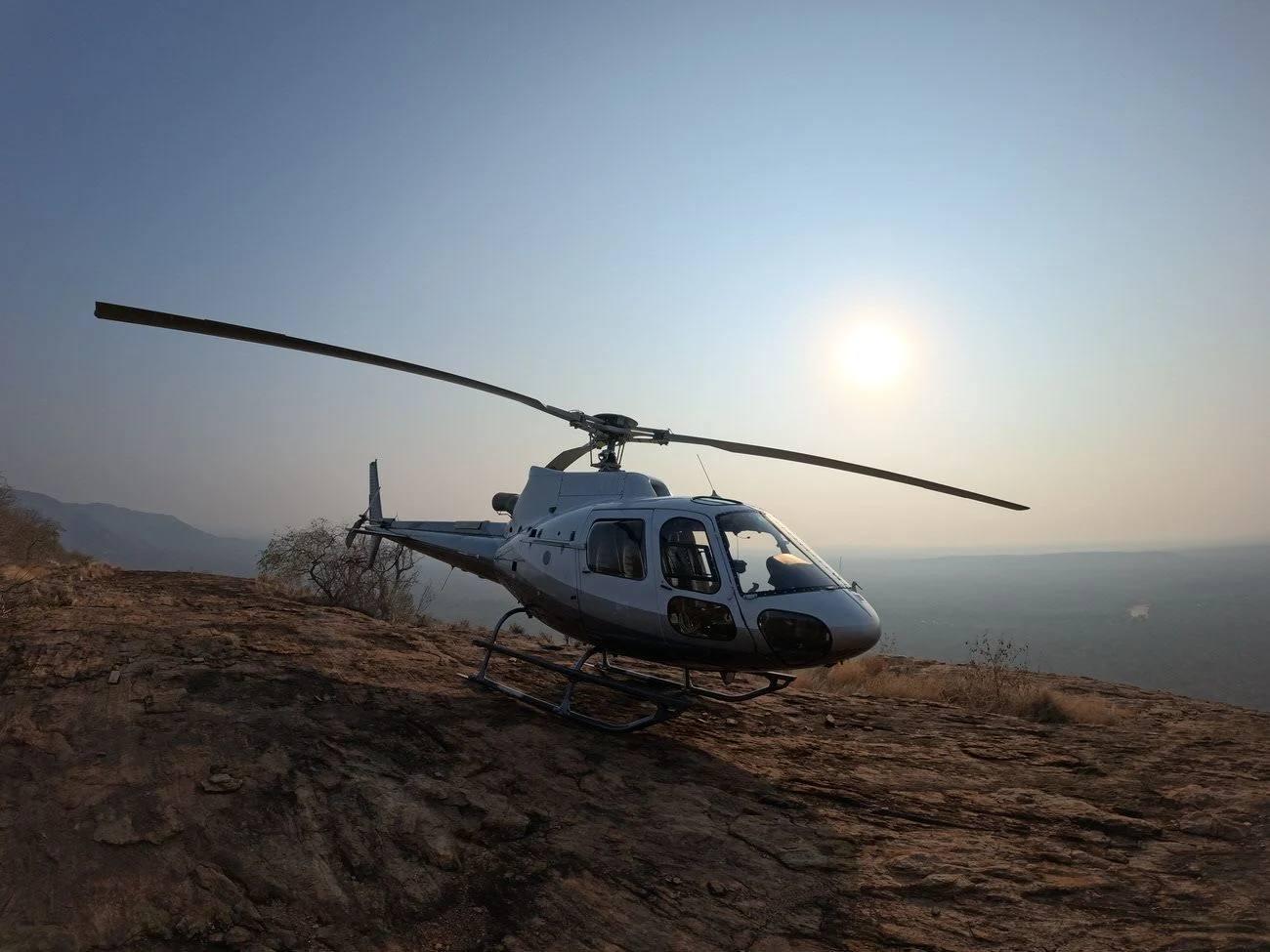
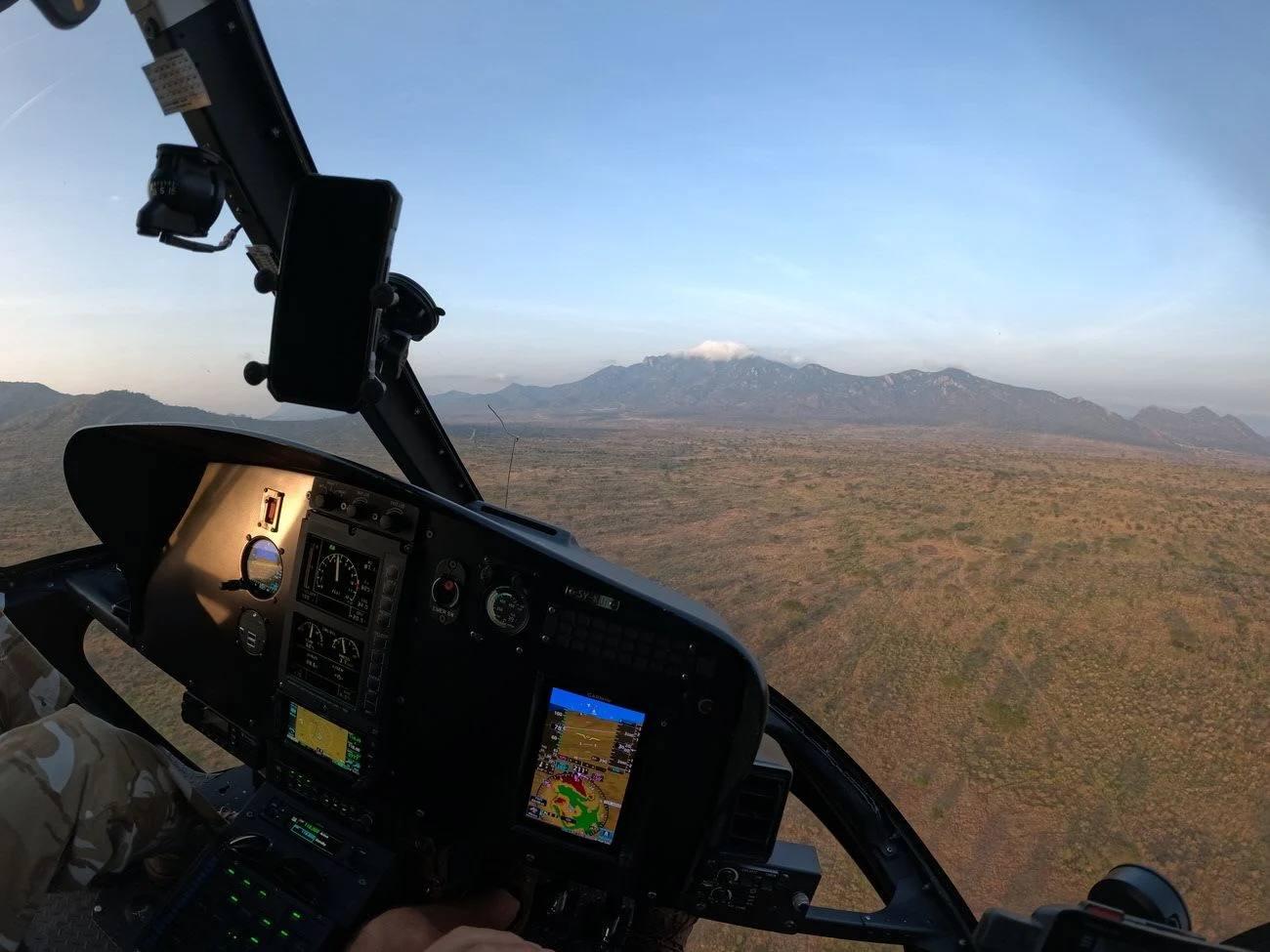
Operated in support of the Kenya Wildlife Service, Sheldrick Wildlife Trust's Aerial Unit monitors for illegal activity from the skies and offers rapid response assistance in anti-poaching operations, human-wildlife conflict, veterinary treatments, orphan rescues, and all manner of field emergencies
This report details Aerial Unit activities for June 2026
MONTH AT A GLANCE:
27,678
Hours flown: Areas patrolled:
255
Kilometres flown:
34,860
Tsavo East, Tsavo West, Chyulu Hills, South Kitui, Galana Ranch, Kulalu Ranch, Kishushe Ranch, Amu Ranch, Kipini Conservancy, Shimba Hills, Arabuko-Sokoke, Tana River
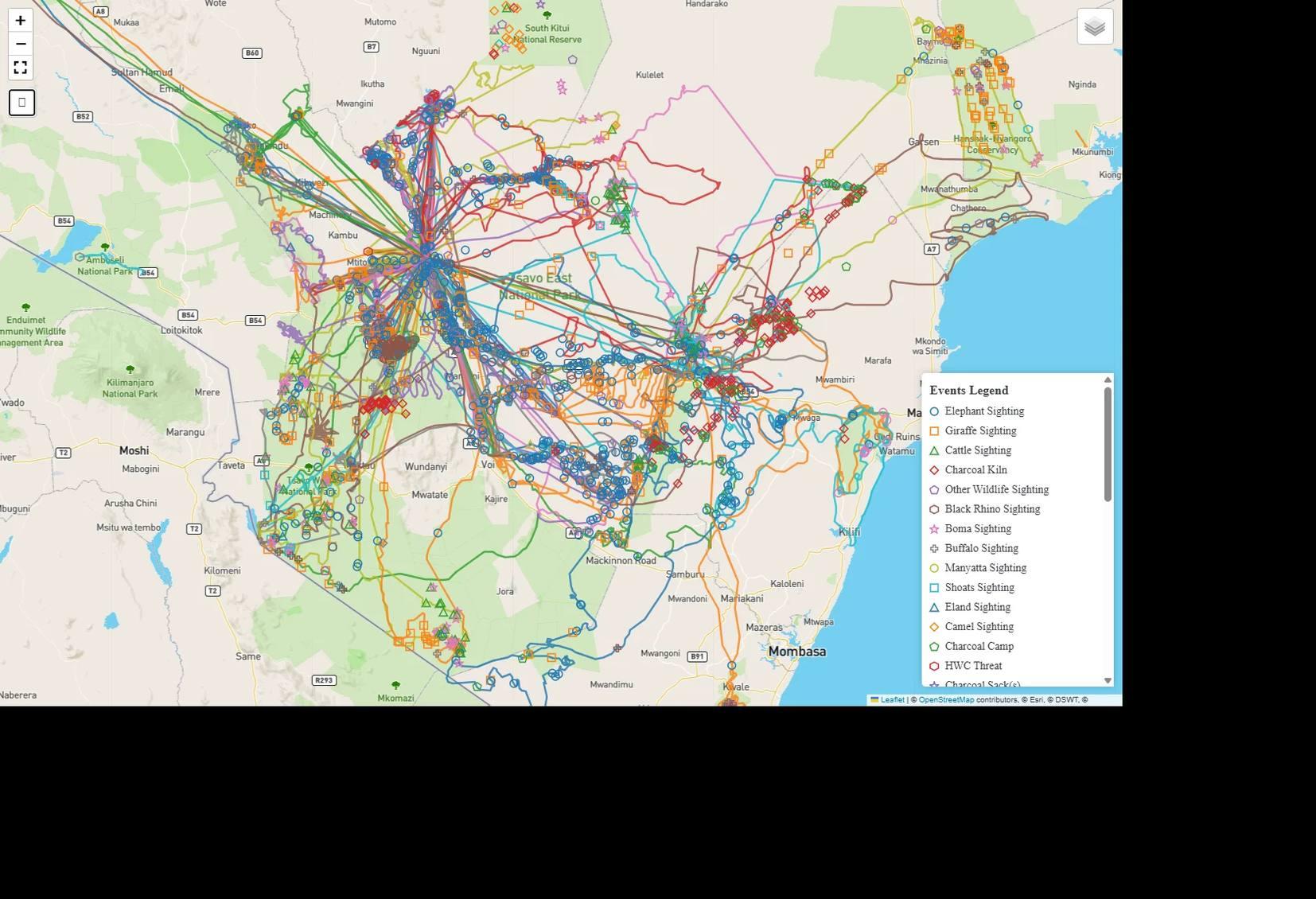
JUNE 2026 PATROL MAP:
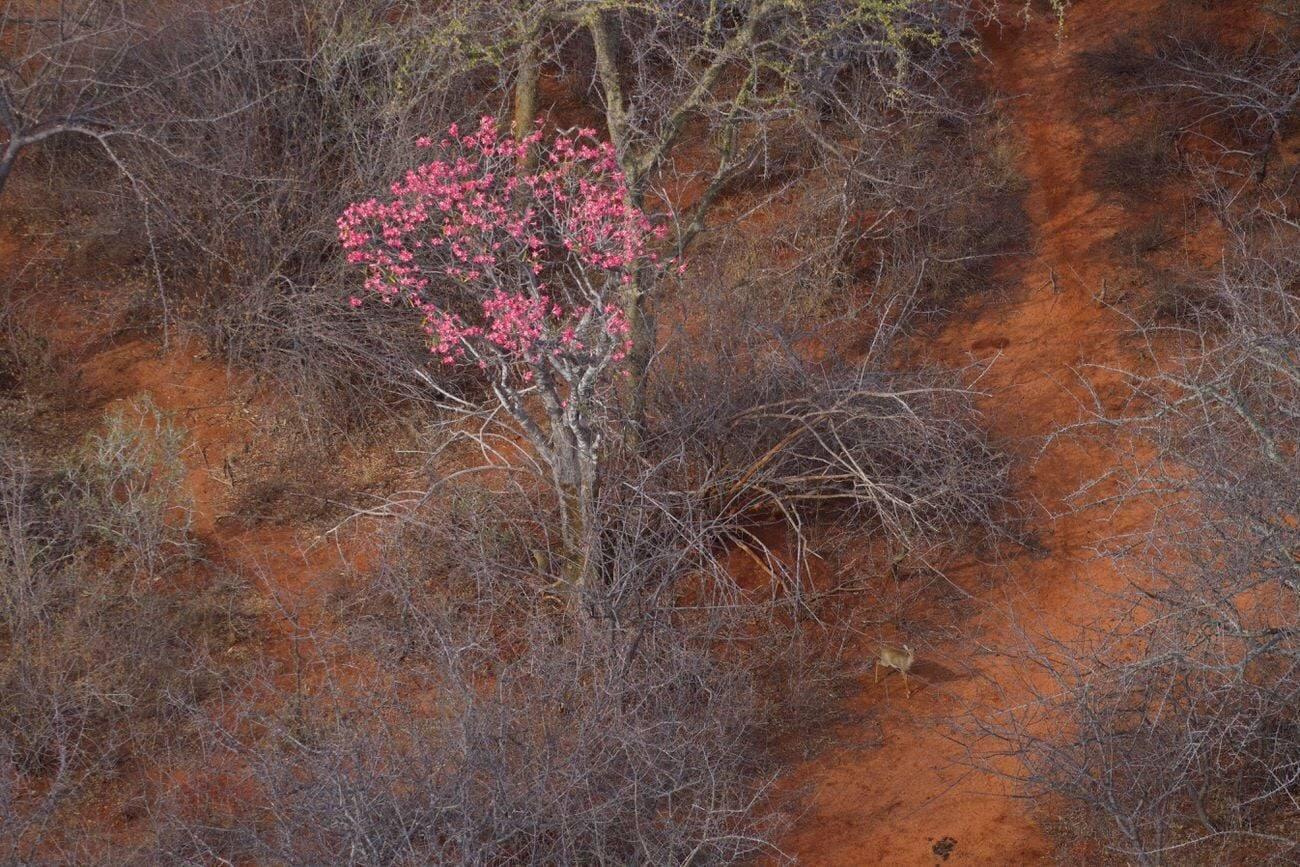
In June, the Aerial Unit flew 255 hours and covered 34,860 kilometres – the busiest month of the year so far. The dry season was firmly establishing itself across much of Tsavo by mid-month, with waterholes drying rapidly and the lush vegetation of the long rains giving way to a more open landscape The exception was the coast and northern areas, where the monsoon kept conditions green and wet well into the month
Against this backdrop, June was an exceptionally active month across every dimension of the Unit's work including law enforcement, veterinary support, wildlife rescue, human–wildlife conflict, and two civilian rescues
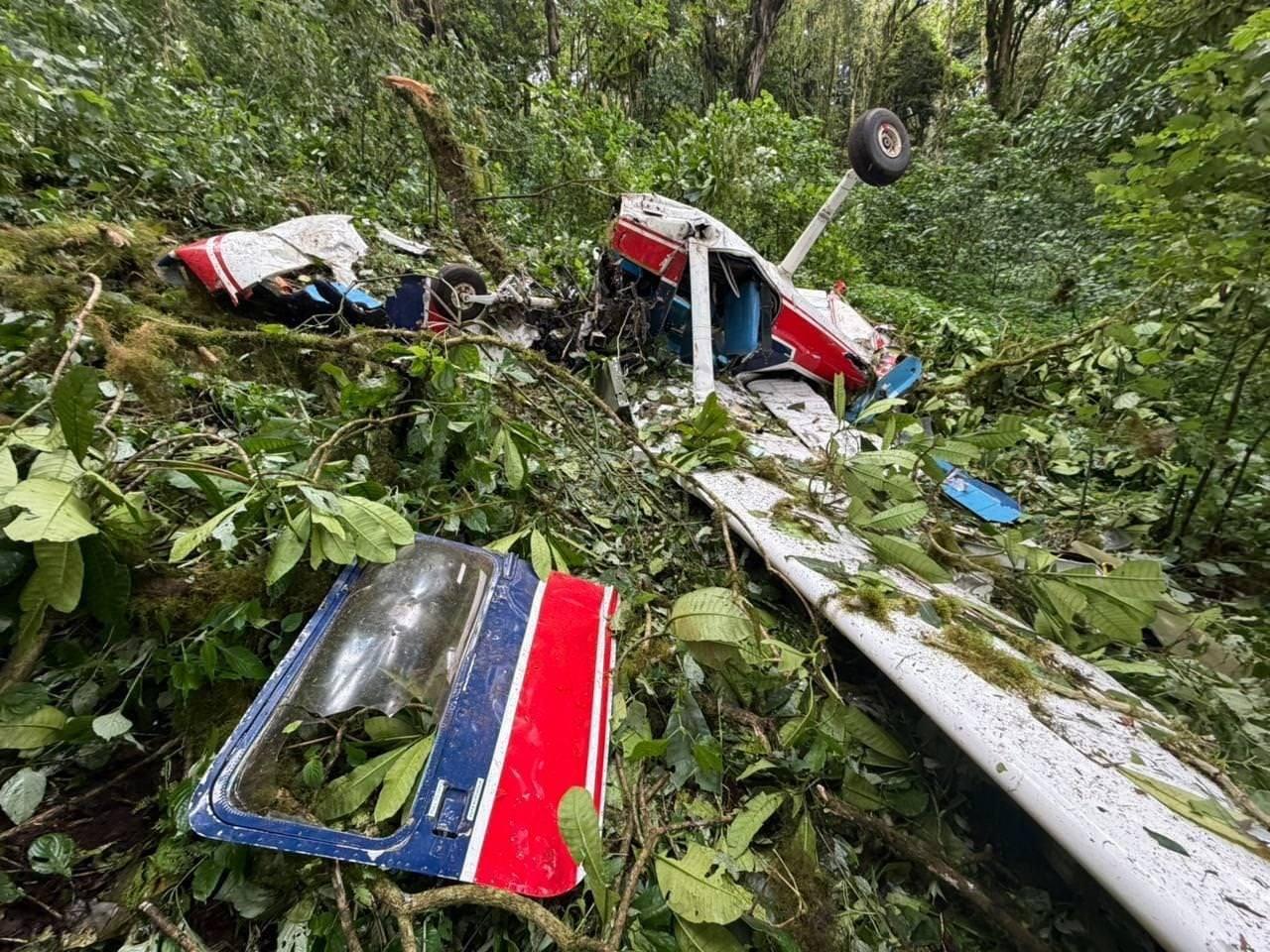
One of the most dramatic moments of the month came on 18 June, when an emergency call came in reporting an aircraft down in the western Chyulu Hills. Our helicopter was immediately deployed on a search and rescue mission and located the wreckage within dense cloud forest terrain The aircraft, a Cessna 150 operated by Kenya School of Flying on a flight from Diani to Nairobi, had fallen through 30 to 40 feet of forest canopy before coming to rest, and was completely destroyed on impact. With no suitable landing site near the wreckage, our pilot put the helicopter down approximately 1.2 kilometres away and proceeded on foot through the forest to the scene, arriving simultaneously with a rescue team from MWCT approaching from the west
What they found was nothing short of miraculous – both the instructor and student were conscious, on their feet, and largely unharmed One had two small injuries to the forehead and hand They were visibly shaken, understandably so, but walked out of the forest under their own steam The helicopter evacuated them to Nyati Camp, where they were assessed by a doctor. The survival of both occupants, given the state of the wreckage, was remarkable
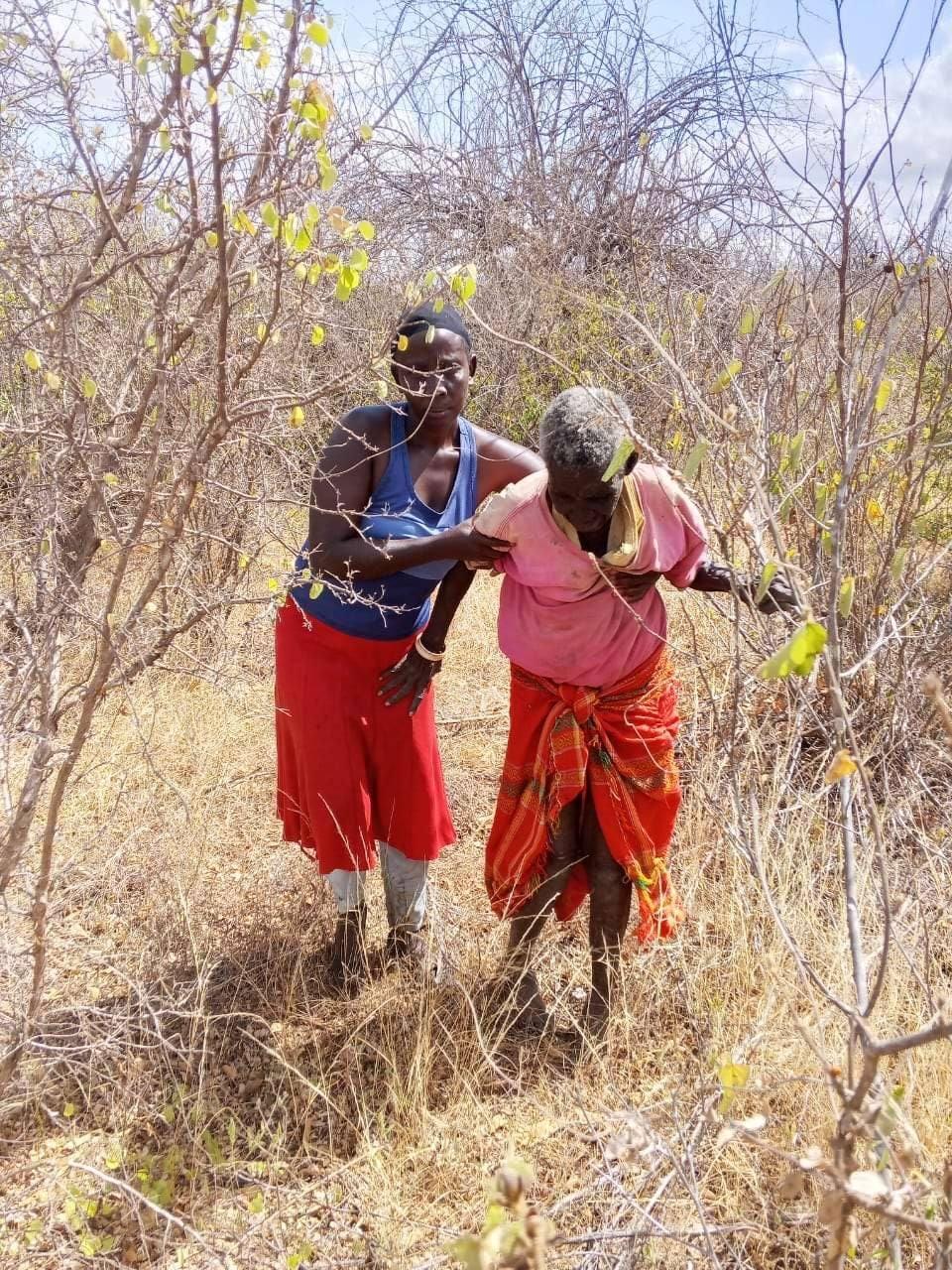
Earlier in the month, on 13 June, our fixed-wing aircraft was called upon for a very different kind of search – a missing person report from near Ngiluni. An elderly woman in her eighties had wandered from her homestead the previous night and had not been found The fixed-wing located her from the air approximately 1 5 kilometres away, sitting under a bush. The helicopter was then used to guide family members on foot to her location, and they were successfully reunited
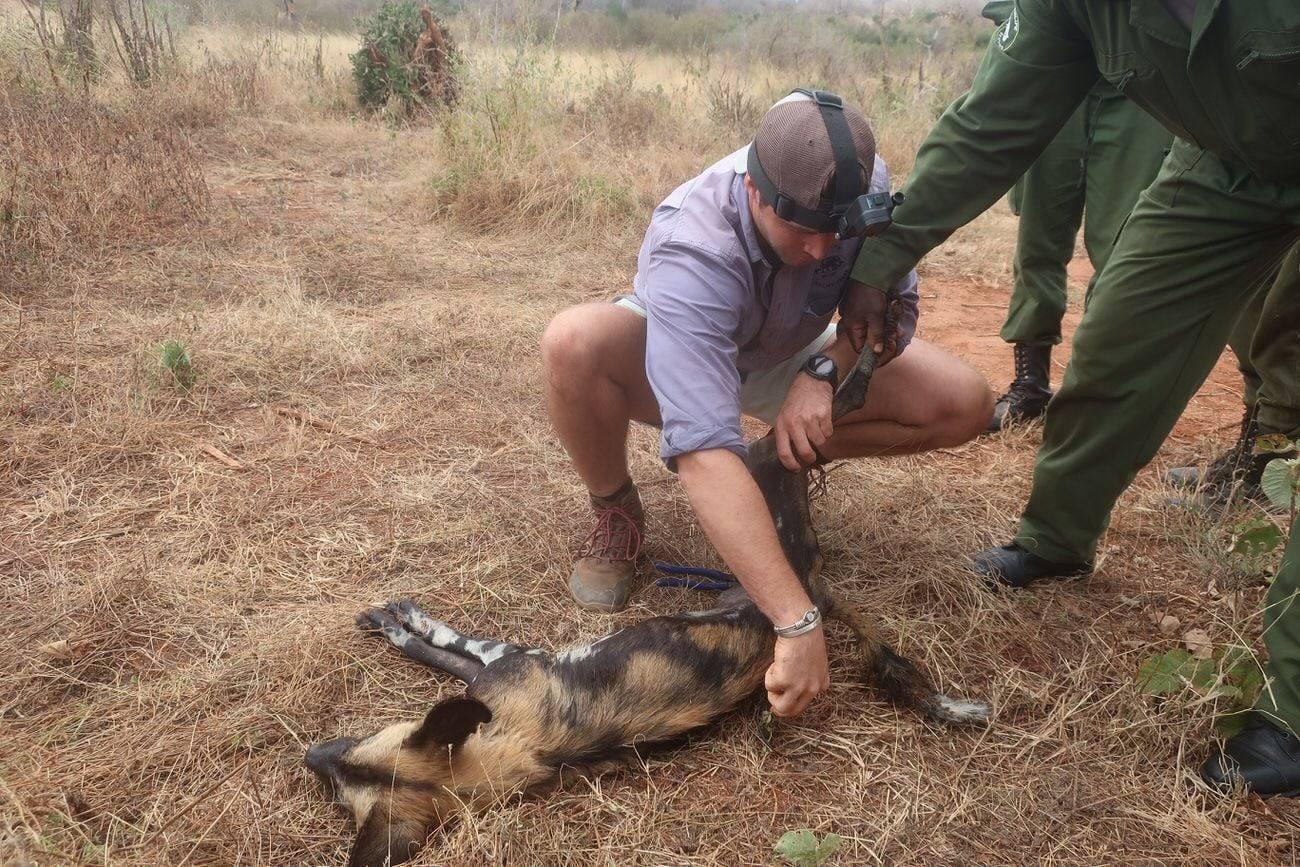
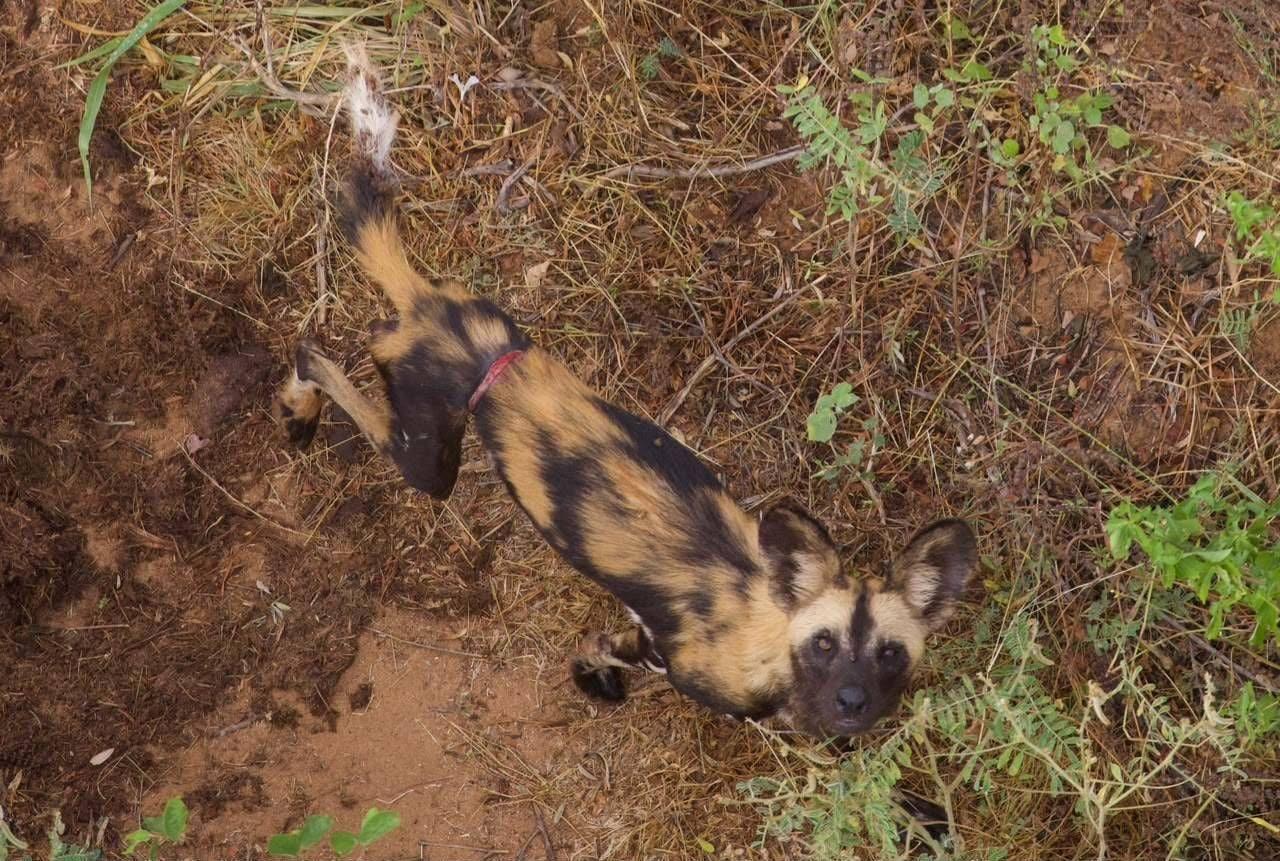
After weeks of failed attempts stretching back into April and May, June finally brought a breakthrough in the longrunning effort to treat a snared wild dog at Ithumba. On 12 June, the fixed-wing spotted the dog from the air, and the helicopter was immediately deployed with the veterinary team. Rather than attempting to dart the animal in thick bush, the helicopter carefully herded the entire pack approximately four kilometres to the open ground near the Ithumba stockade, where the dog was successfully darted and the snare removed. The prognosis was described as good It was a rewarding day which paid off many hours of unsuccessful aerial search in the preceding months
Three bull elephants that had been causing ongoing distress in the community around Katheani and Makindu, and had resisted repeated helicopter herding attempts, were translocated to Tsavo National Park on 16 and 17 June. The helicopter supported the darting operations over two days, and all three animals were successfully loaded onto transport trailers and moved to the park.
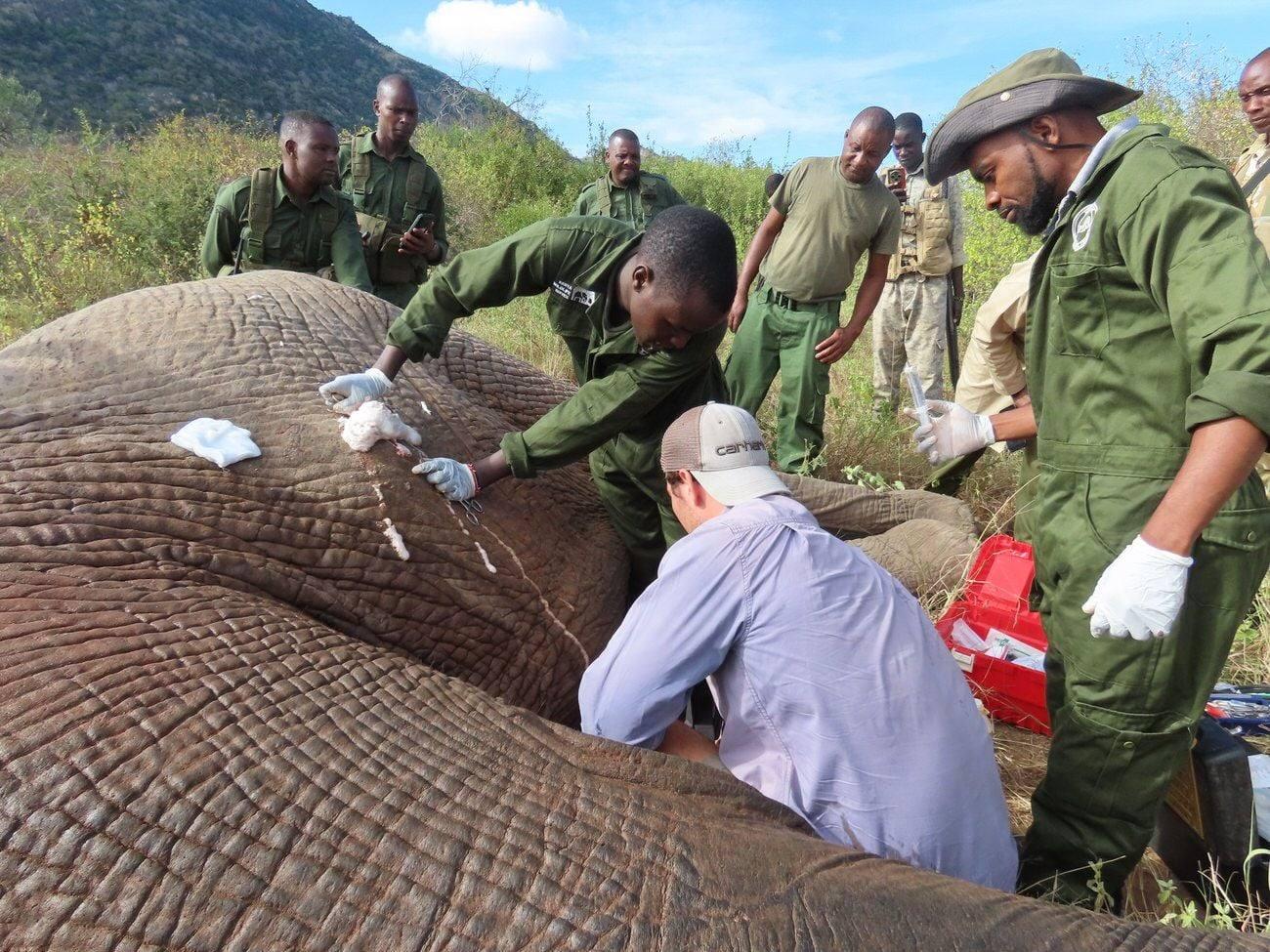
The veterinary caseload during June also included a giraffe with a snare around its neck treated near Maktau on 4 June; a baby elephant at Irima with a suspected spear or arrow wound to its rear leg, whose mother was darted first to allow the calf to be safely captured and treated on 20 June; an elephant with a severe foot infection treated south of Kamboyo on 23 June; and a further elephant with a similar foot injury attended near Danisa on 24 June.
A particularly concerning cluster of poisoned arrow injuries was identified during patrols in the Dika and Satao areas in the final week of June On 26 June, the fixed-wing located an injured elephant calf near Irima that was in such poor condition it was rescued and transferred to our Voi stockades. During the same patrol, two bull elephants were found carrying poison arrow wounds – both were treated by the veterinary team and two arrowheads were successfully recovered. The following day, a third bull with a poison arrow wound was located in the same area and also treated. Three separate poison arrow cases in two days points to active and targeted poaching activity in this corridor.
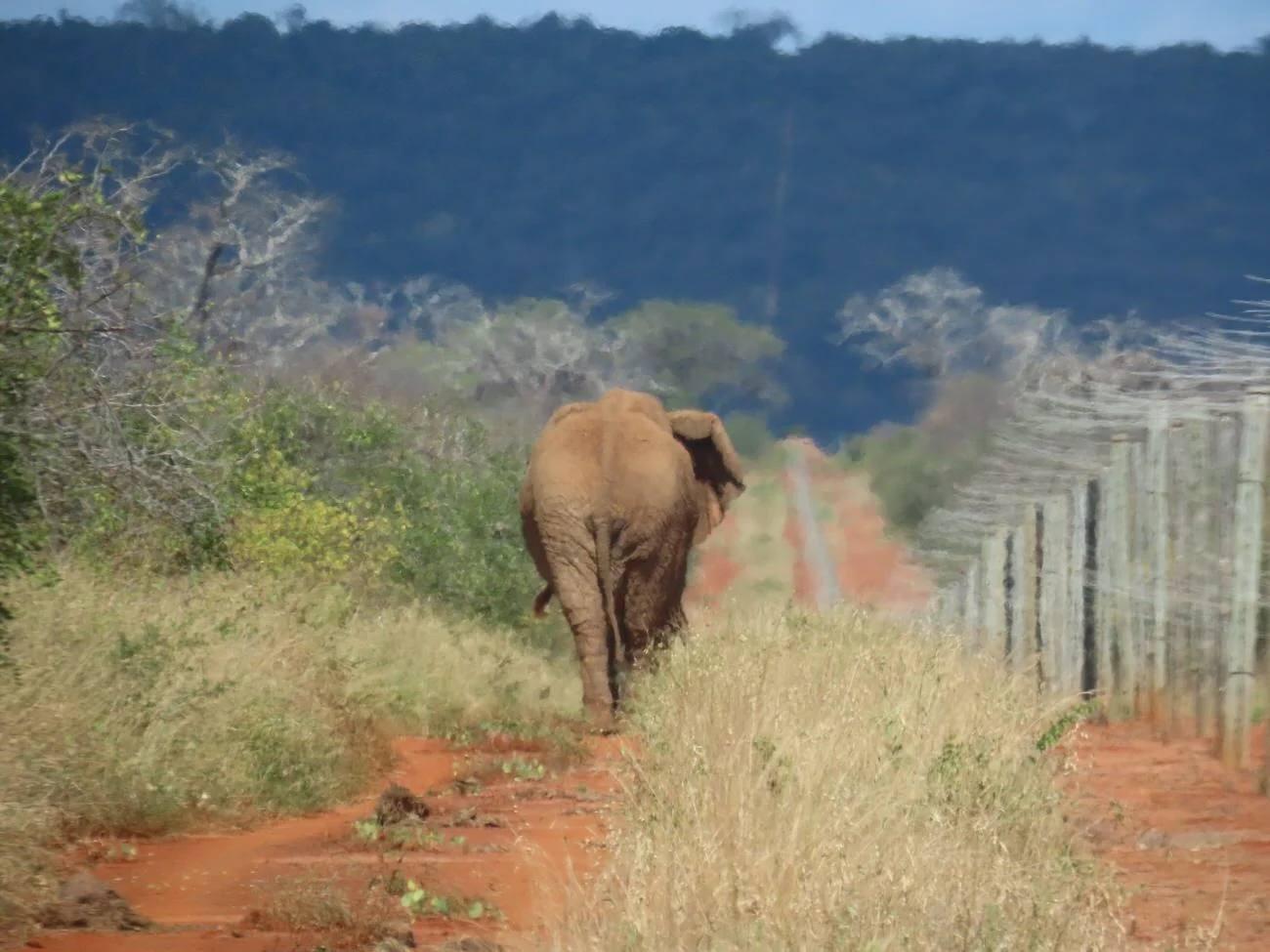
Human–elephant conflict continued to generate regular helicopter deployments throughout the month, with problem animals recorded at Kanziku, Kaziku, Gazi, Imathoka, Kiboko, and Lukenya University Some operations were more successful than others, notably one elephant pushed back at Lukenya on 10 June and two of three bulls returned at Imathoka on 19 June, while others remained stubbornly unresolved
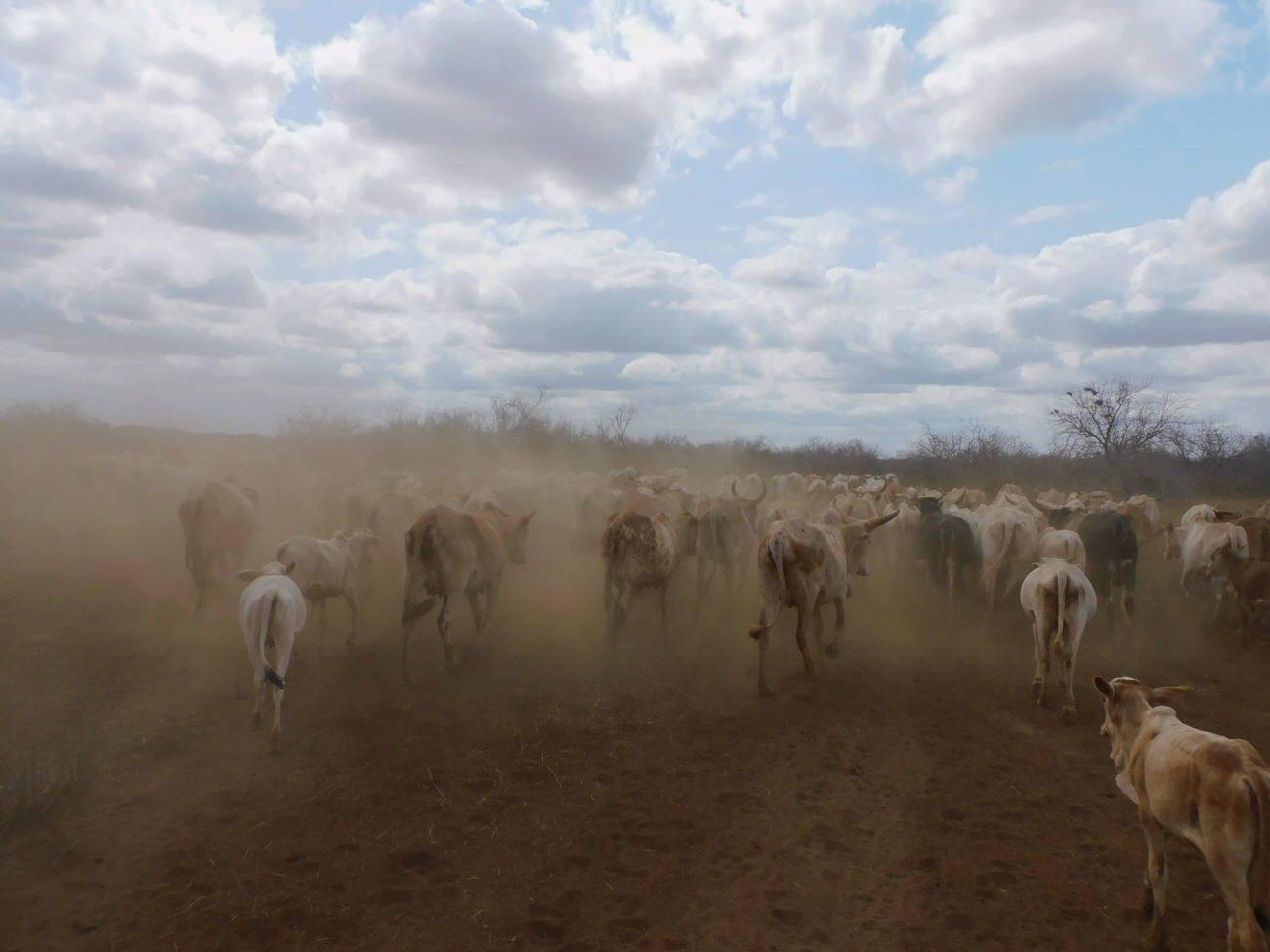
Illegal activity was widespread and varied across the month. Charcoal burning was recorded extensively across Kulalu, Kishushe Ranch, Galana Ranch, Arabuko Sokoke, the Tana River area, and South Kitui National Reserve. A major charcoal operation uncovered on 19 June at Ndura inside Galana Ranch – involving multiple lorries, 20 active camps, and thousands of bags of prepared charcoal ready for transport to Garsen and Malindi – prompted a coordinated response involving ADC and GSU Livestock encroachment continued across northeastern Tsavo East and the southern Tsavo West boundary, with large herds anchored to remaining water sources as the dry season tightened A charcoal truck was arrested in the Bura Dakacha Doum Palm forest on 30 June, with suspects from Mombasa; the case was handed to ADC. Five small wire snares were lifted from the northern Yatta on 2 June during a routine patrol.
During a routine NRS patrol on 8 June, two newborn rhino calves were sighted that had not previously been recorded – an encouraging sign for the sanctuary's breeding population
June was an exceptionally varied month for the Aerial Unit, spanning law enforcement, veterinary support, wildlife rescue, and civilian emergencies across a landscape transitioning from the wet season into the dry. As the waterholes empty and wildlife concentrates, the months ahead will bring their own demands
The Aerial Unit, as with all Sheldrick Wildlife Trust's conservation projects, is a donorfunded initiative Thank you to our global supporters, who help us secure Kenya's habitats for the future and make an impact in the field, each and every day